


2000s TV Shows That Are Ready for a Reboot


The 2000s delivered a wave of shows that mixed ambitious storytelling with memorable characters, sharp humor, and genre-bending ideas. Many of them ended before they answered every question or have since built new audiences on streaming, which means there is plenty of material to explore with fresh casts or timelines. Here are 25 series from that decade with worlds and setups that still have room for more stories.
‘Firefly’ (2002–2003)
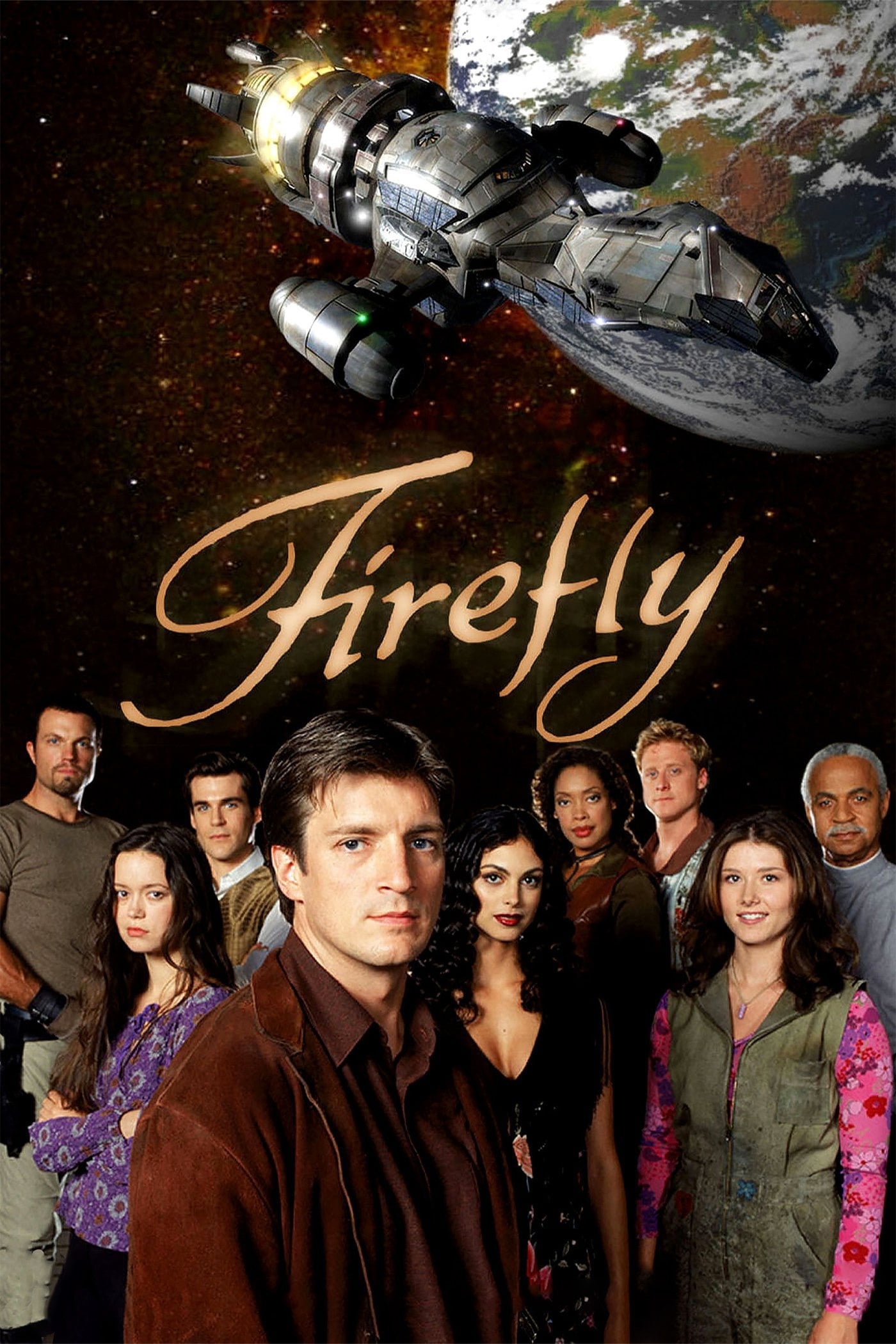
This space western followed a ragtag crew aboard the transport ship Serenity as they picked up dangerous jobs on the fringes of a central alliance. It aired on Fox, ran for one season, and later received the film continuation ‘Serenity’. The series blended smuggling capers with frontier politics and introduced a patchwork universe of colonies and outlaw worlds.
‘Pushing Daisies’ (2007–2009)
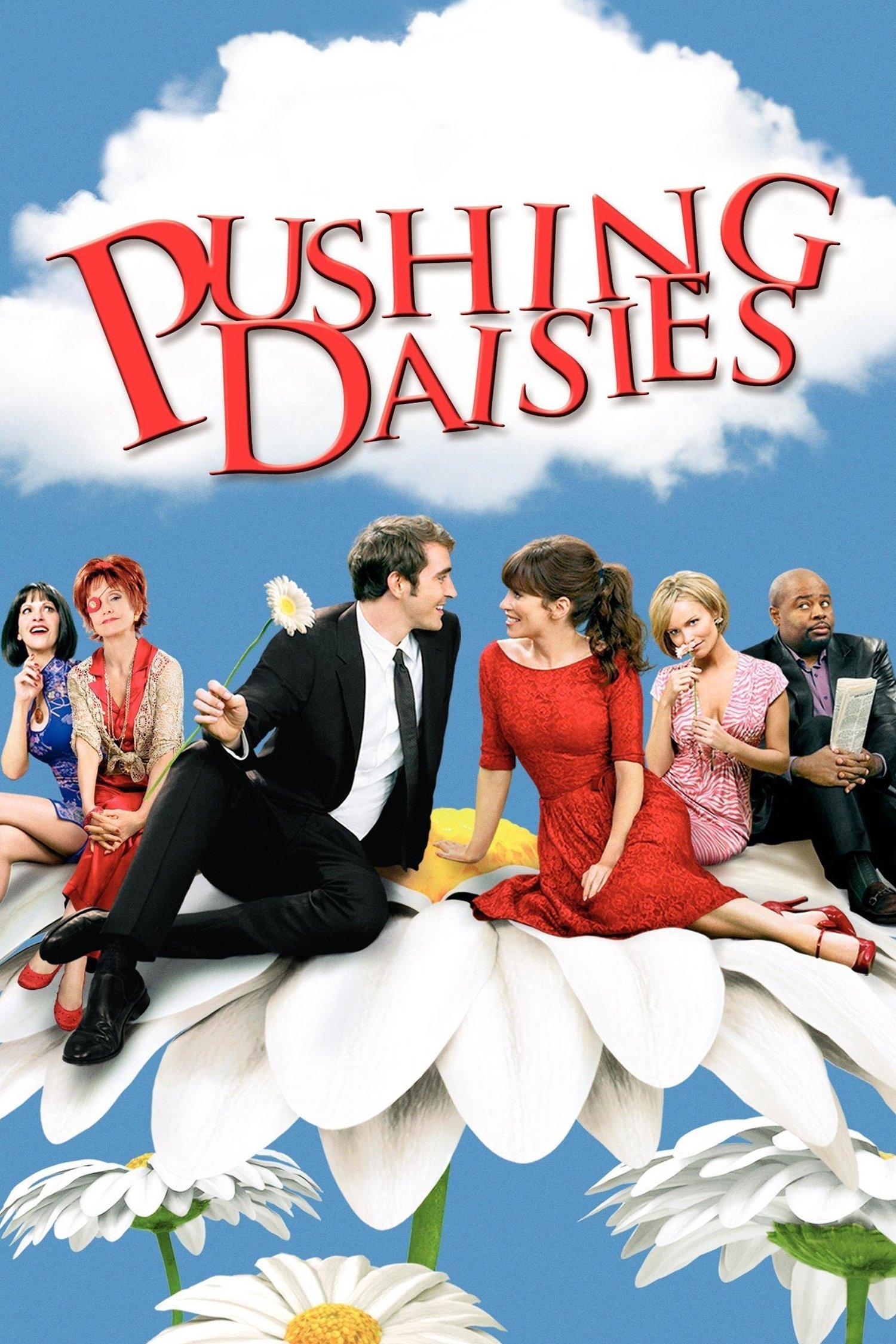
This fantasy mystery centered on a pie maker who could bring the dead back to life with a touch and used his gift to solve murders. It aired on ABC for two seasons with case of the week plotting wrapped in a serialized romance. The show is known for its bright production design, whimsical narration, and intricate wordplay.
‘Freaks and Geeks’ (1999–2000)
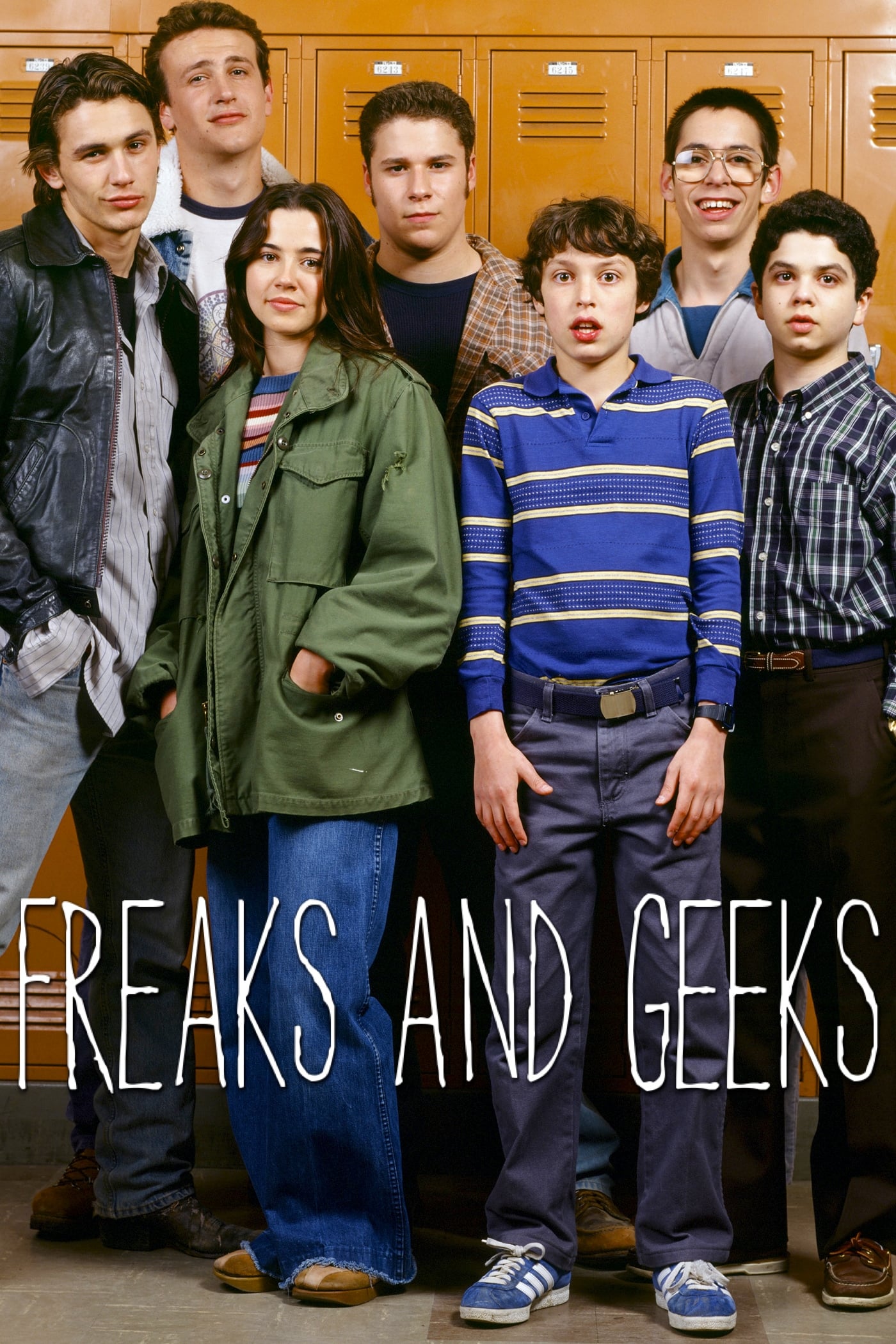
This coming of age dramedy followed a sister and brother navigating cliques, classes, and family life at a Michigan high school. NBC aired 18 episodes that traced everyday pressures like grades, parties, and friendships. The ensemble cast launched several film and TV careers and the soundtrack leaned heavily on classic rock.
‘Lost’ (2004–2010)
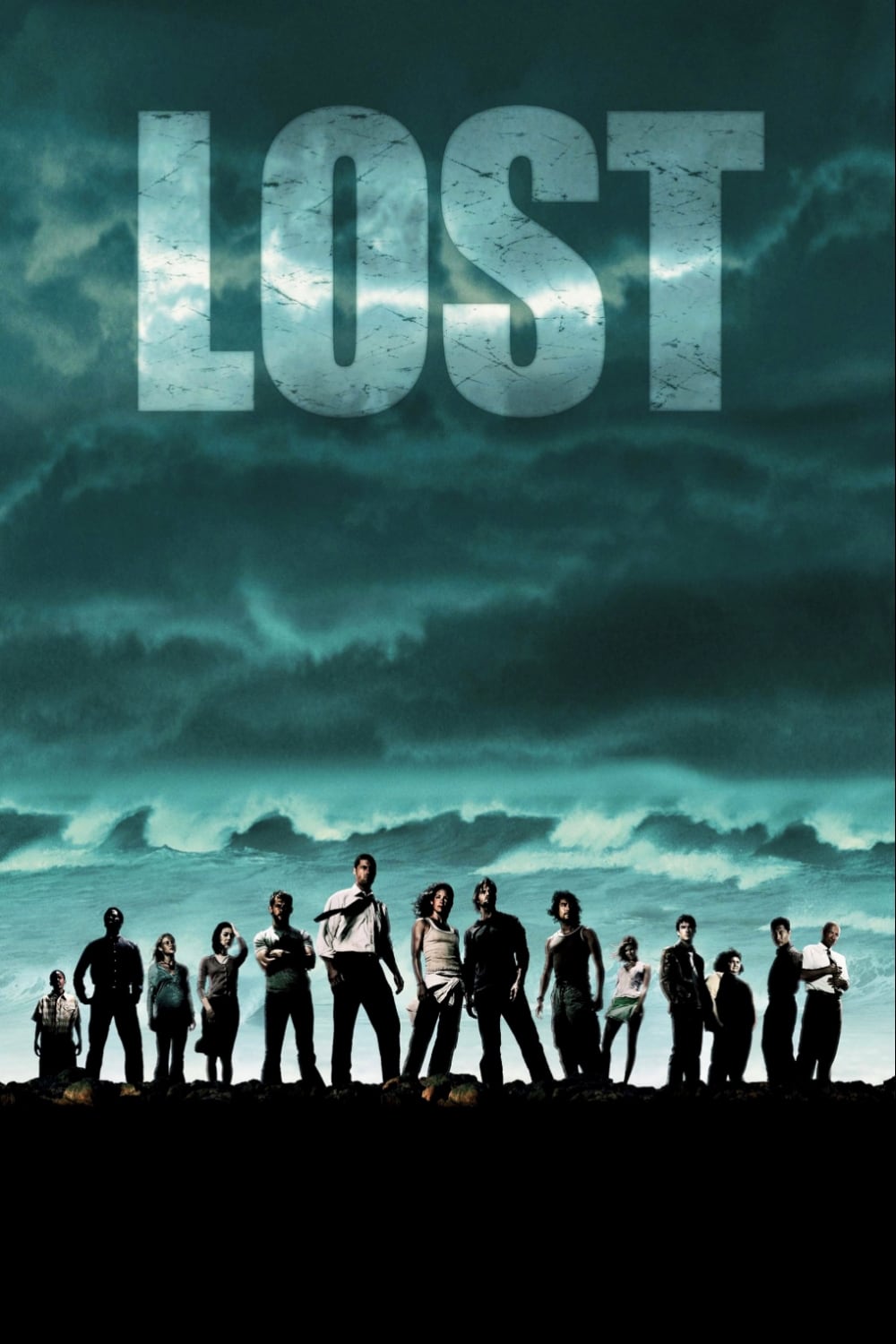
This mystery thriller tracked plane crash survivors on a remote island filled with scientific facilities, time anomalies, and shifting factions. It aired on ABC for six seasons and used flashbacks and flash forwards to reveal character histories. The show’s mythology included the Dharma Initiative, the Others, and a series of coded numbers tied to experiments.
‘The O.C.’ (2003–2007)
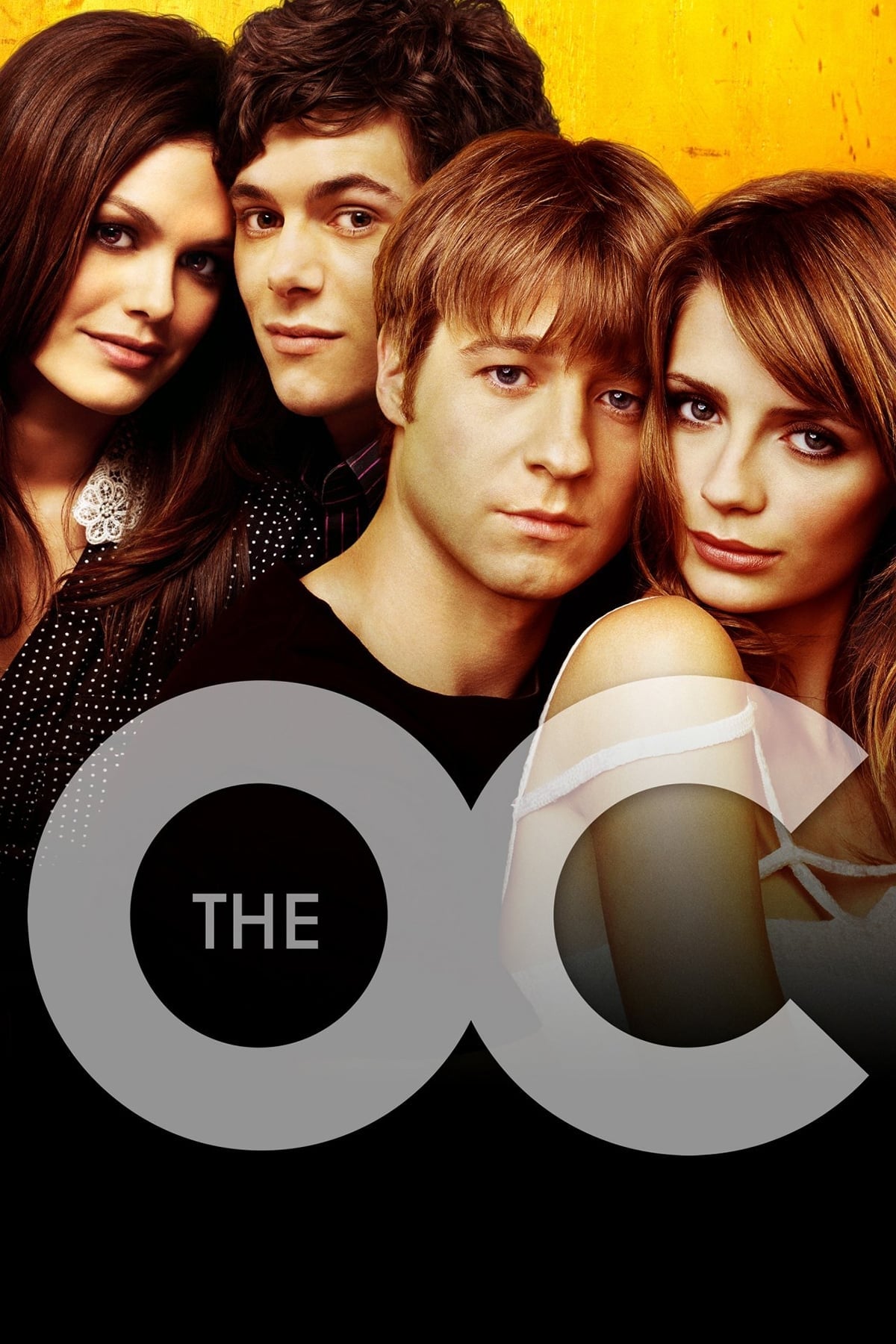
This teen drama followed a troubled kid taken in by a public defender’s family in affluent Orange County. It aired on Fox for four seasons, pairing family law storylines with high school subplots and local politics. The series helped popularize California indie music through featured tracks and live performances.
‘Ugly Betty’ (2006–2010)
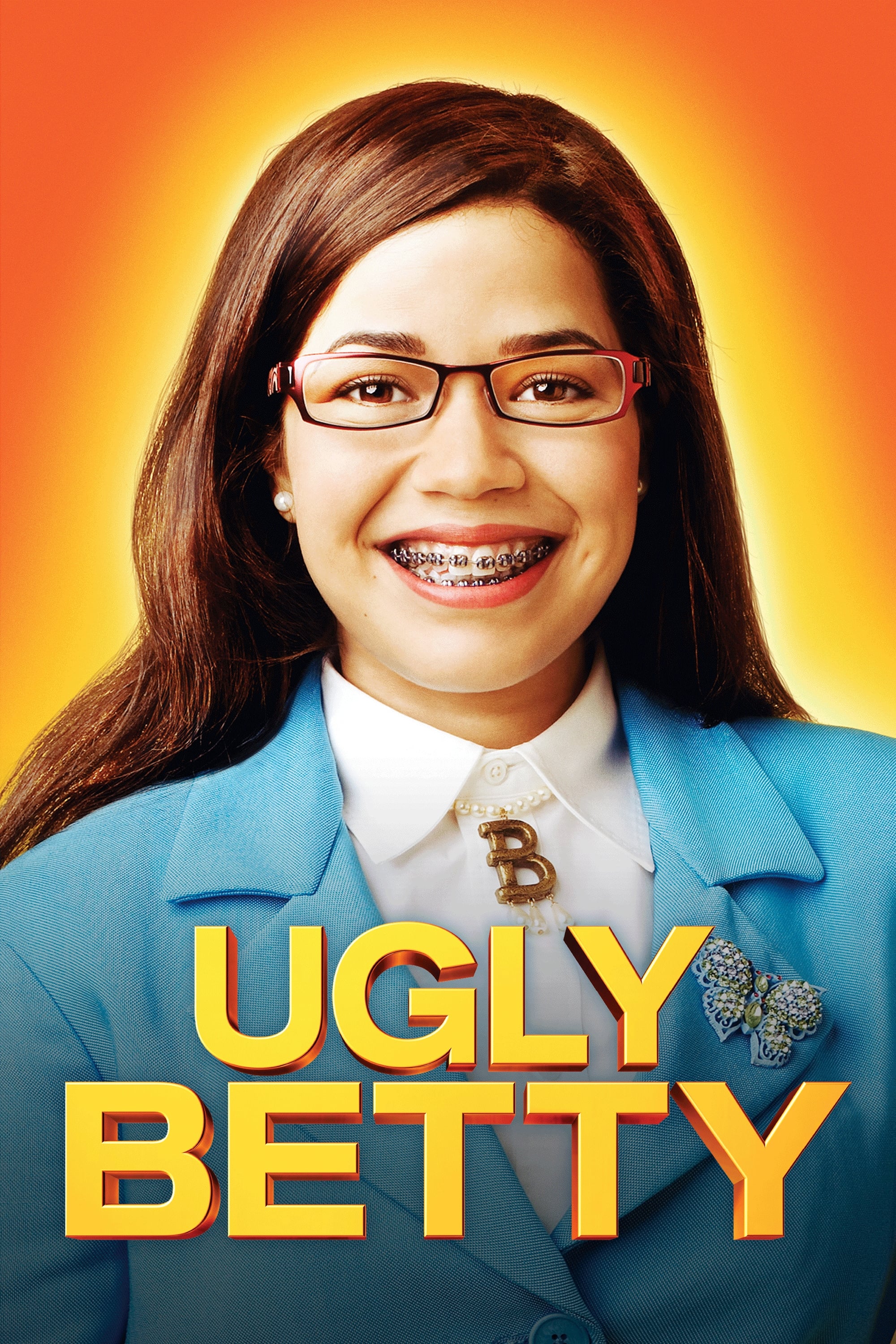
This workplace dramedy charted a Queens assistant who joined a high fashion magazine and navigated office intrigue while supporting her family. It aired on ABC for four seasons and adapted elements from the Colombian telenovela ‘Yo soy Betty, la fea’. The show mixed corporate takeovers, identity twists, and culture clash comedy.
‘Friday Night Lights’ (2006–2011)
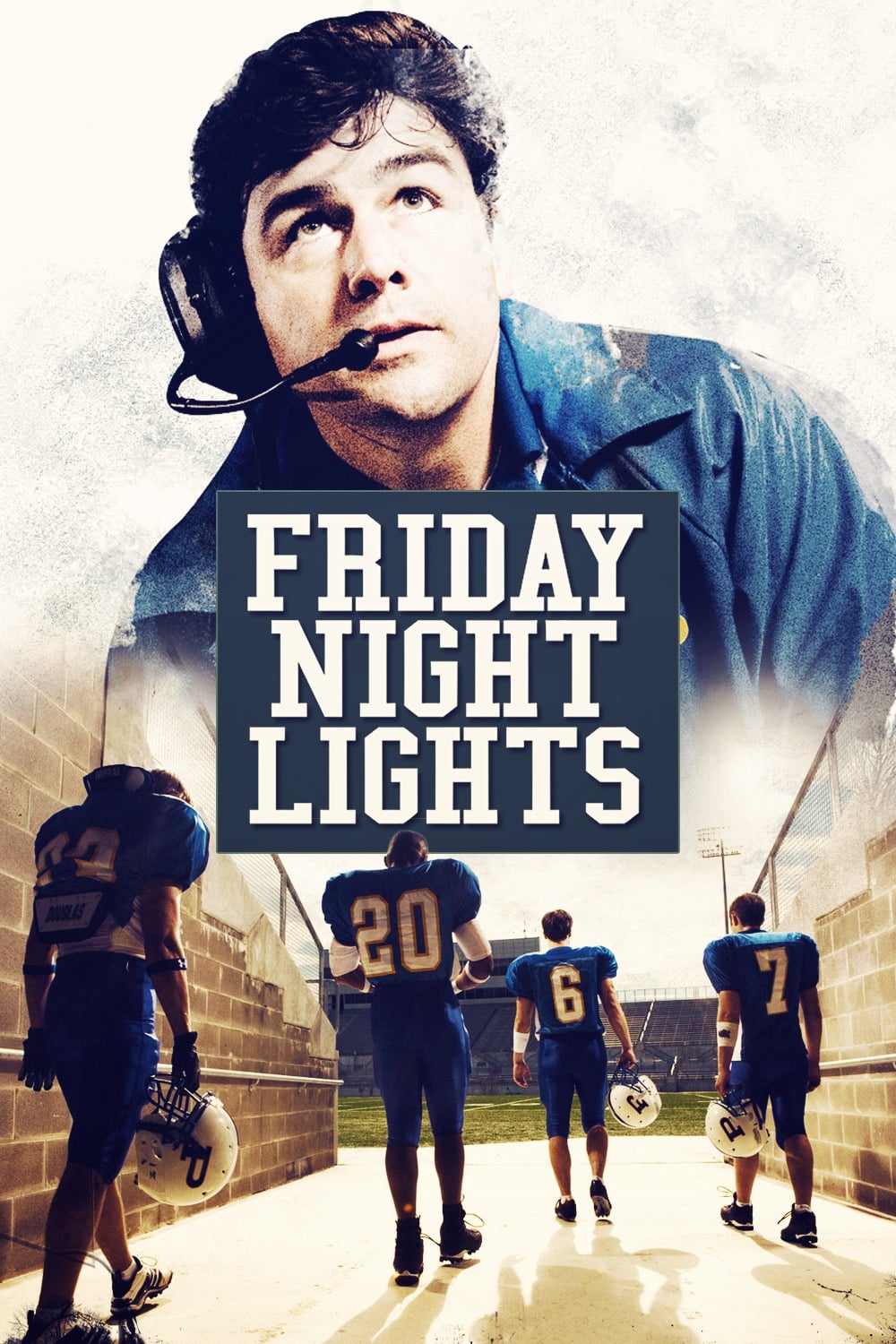
This sports drama focused on a Texas high school football program and its impact on a town’s economy, relationships, and ambitions. It aired on NBC and DirecTV across five seasons with handheld camerawork and a documentary style. Storylines covered recruiting, injuries, education funding, and local elections tied to athletics.
‘Chuck’ (2007–2012)
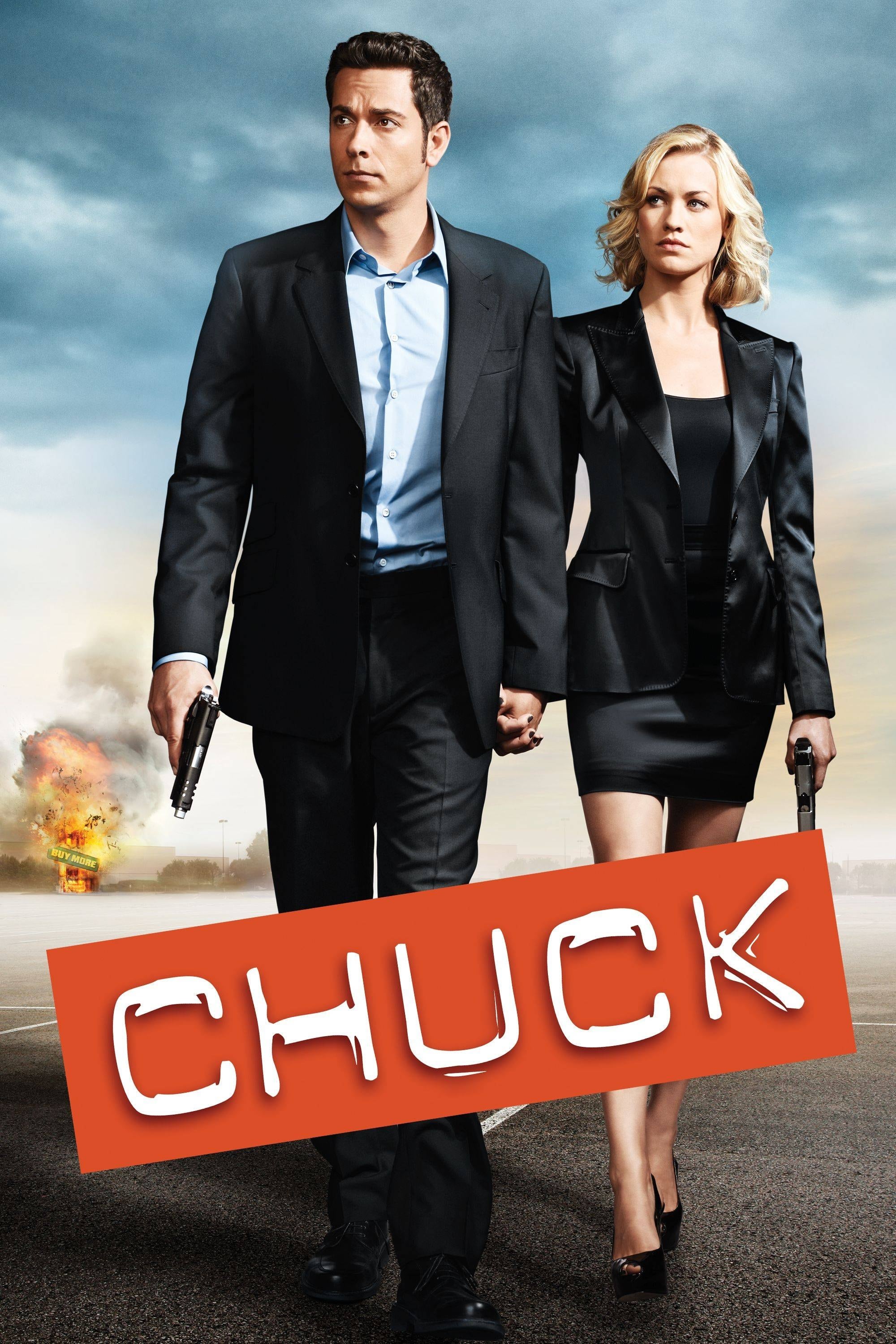
This action comedy followed an electronics store employee who accidentally downloaded a government database into his brain. NBC aired five seasons where missions intersected with retail shifts and family subplots. The show combined spy agencies, rogue operations, and gadget set pieces with workplace humor.
‘Heroes’ (2006–2010)
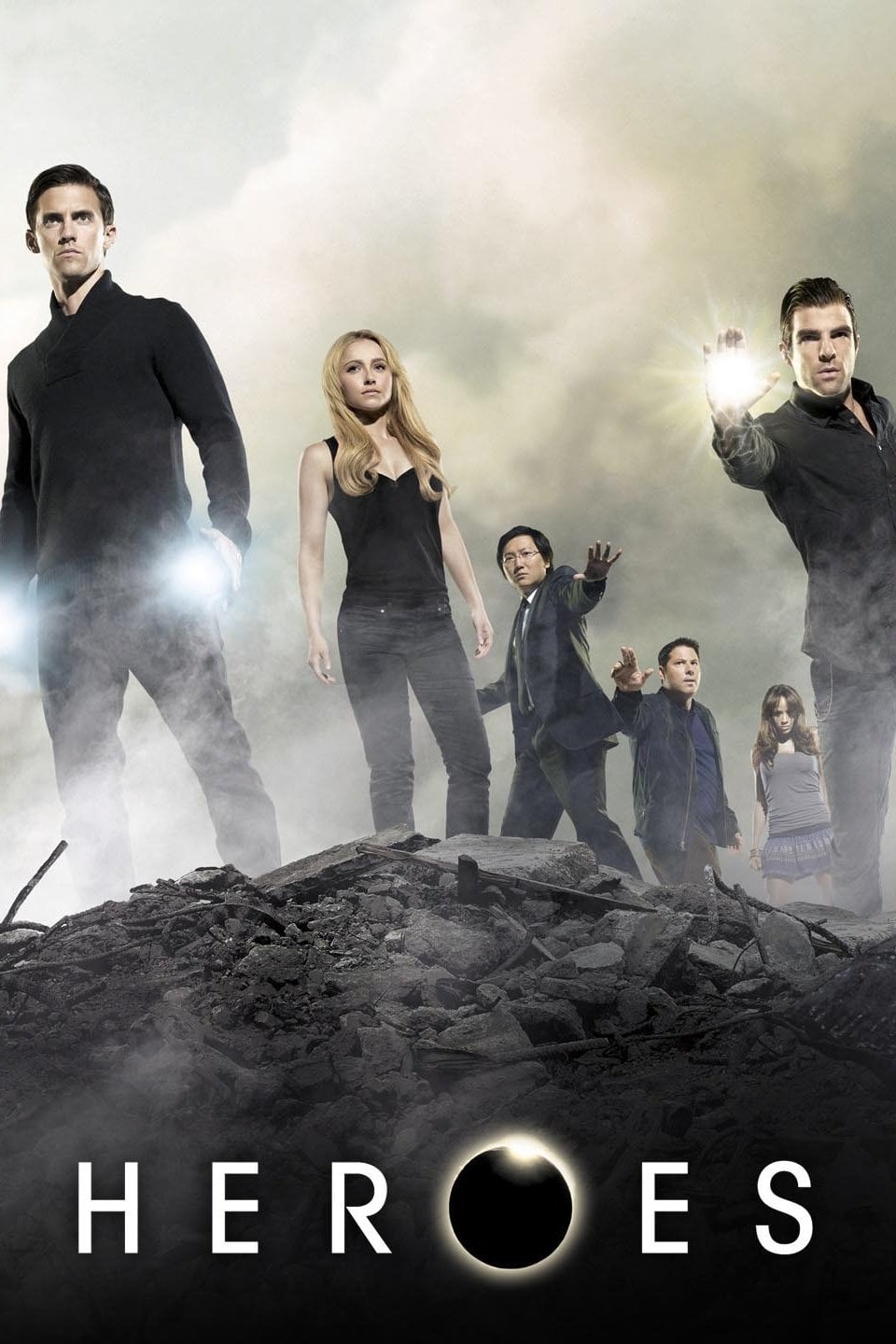
This ensemble sci fi series followed ordinary people discovering superhuman abilities and converging around catastrophic events. It aired on NBC for four seasons with story arcs structured by volumes and time jumps. Characters and organizations like the Company, Primatech, and Pinehearst drove conspiracies around power tracking and experiments.
‘True Blood’ (2008–2014)

This supernatural drama explored a Louisiana town where synthetic blood allowed vampires to live openly among humans. It aired on HBO for seven seasons and adapted storylines from Charlaine Harris’s novels. The series folded in werewolves, witches, and political movements tied to supernatural rights and governance.
‘Desperate Housewives’ (2004–2012)
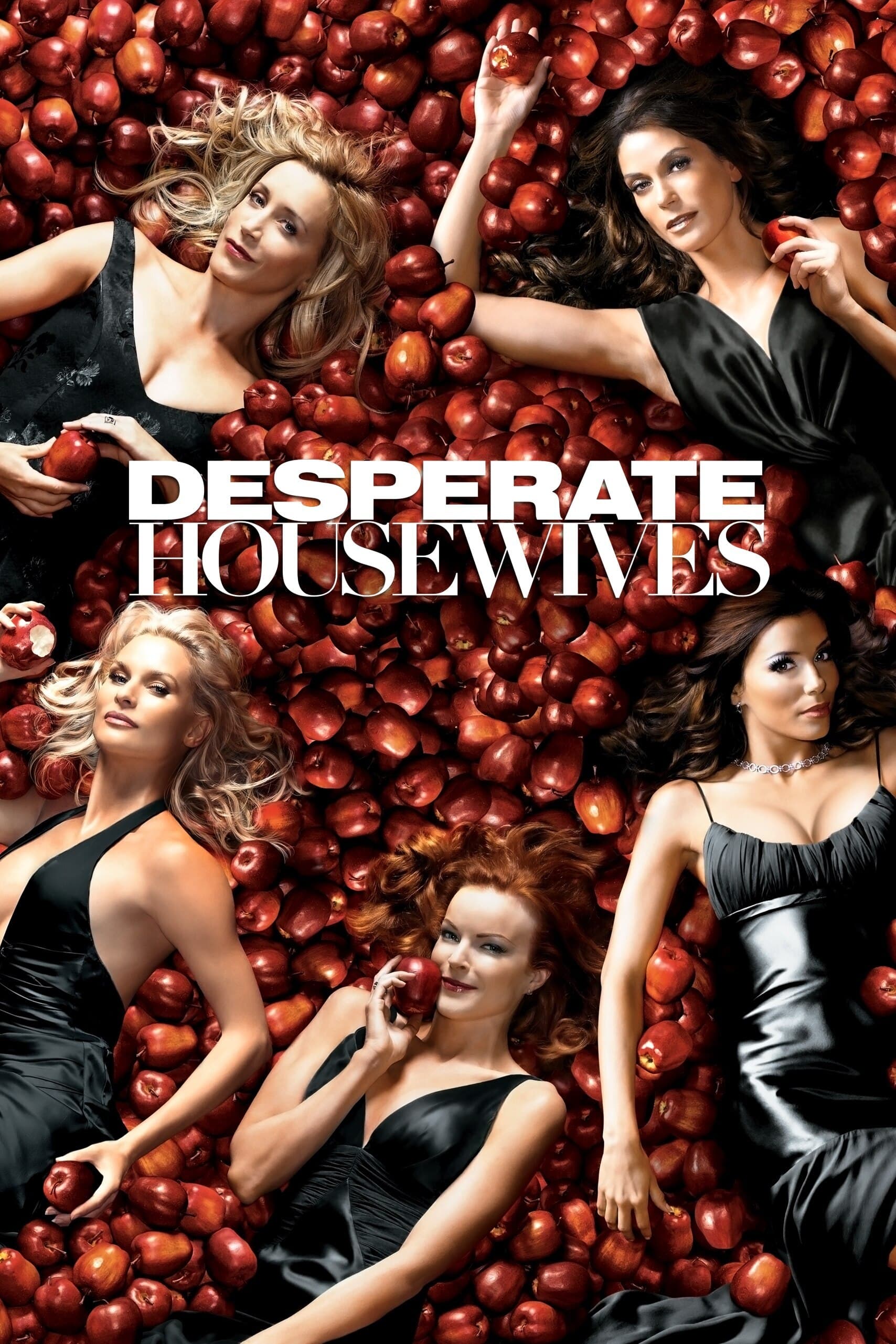
This suburban mystery dramedy followed neighbors on Wisteria Lane as each season unveiled a central secret tied to newcomers or past events. It aired on ABC for eight seasons and balanced comedic narration with season long arcs. The show regularly used time jumps and flashbacks to connect scandals across years.
’30 Rock’ (2006–2013)
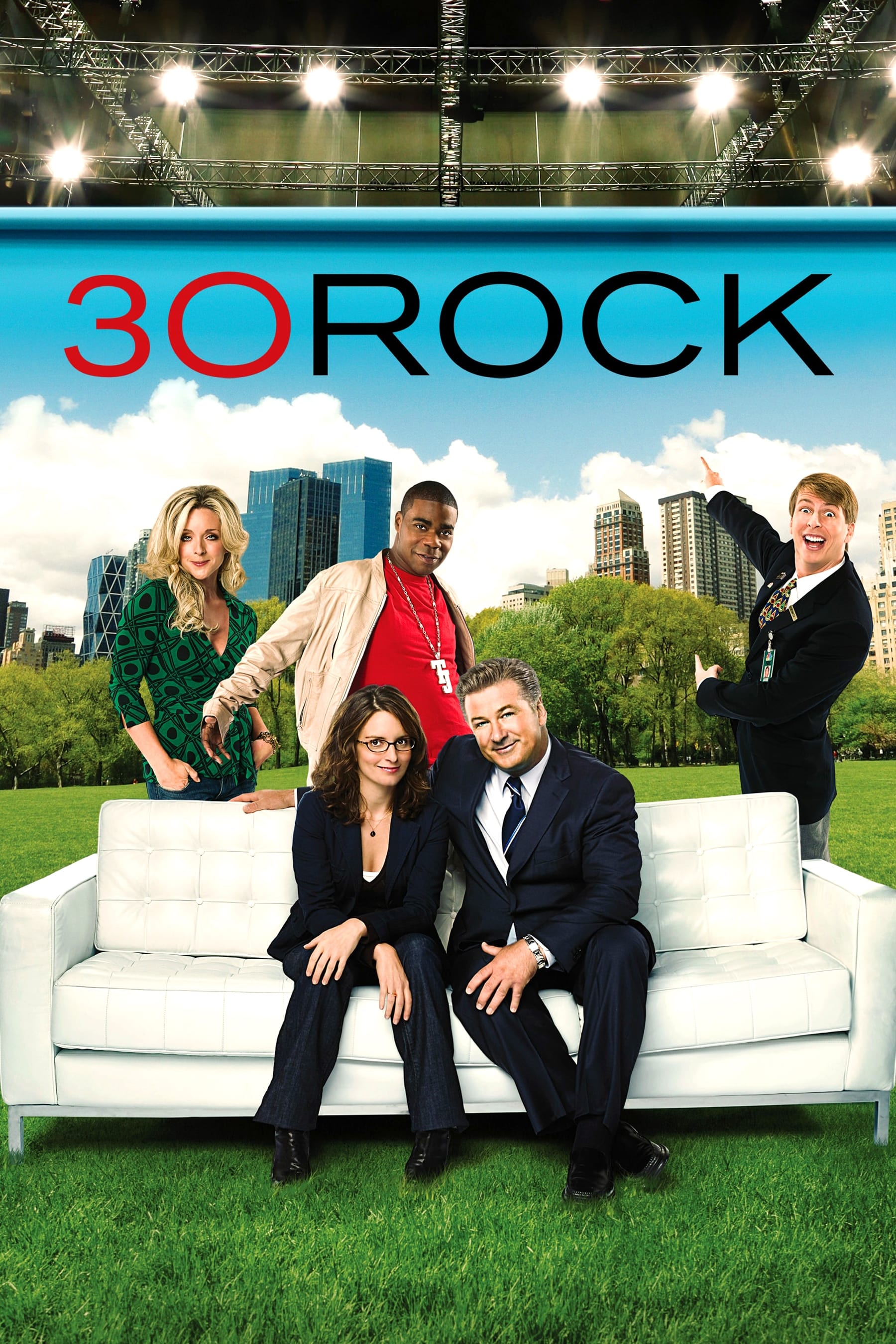
This workplace comedy chronicled the behind the scenes chaos of a fictional sketch show and its network overseers. NBC aired seven seasons that referenced corporate mergers, product placement, and late night scheduling. The series used rapid fire jokes, celebrity cameos, and recurring bits about standards and practices.
‘The Office’ (2005–2013)
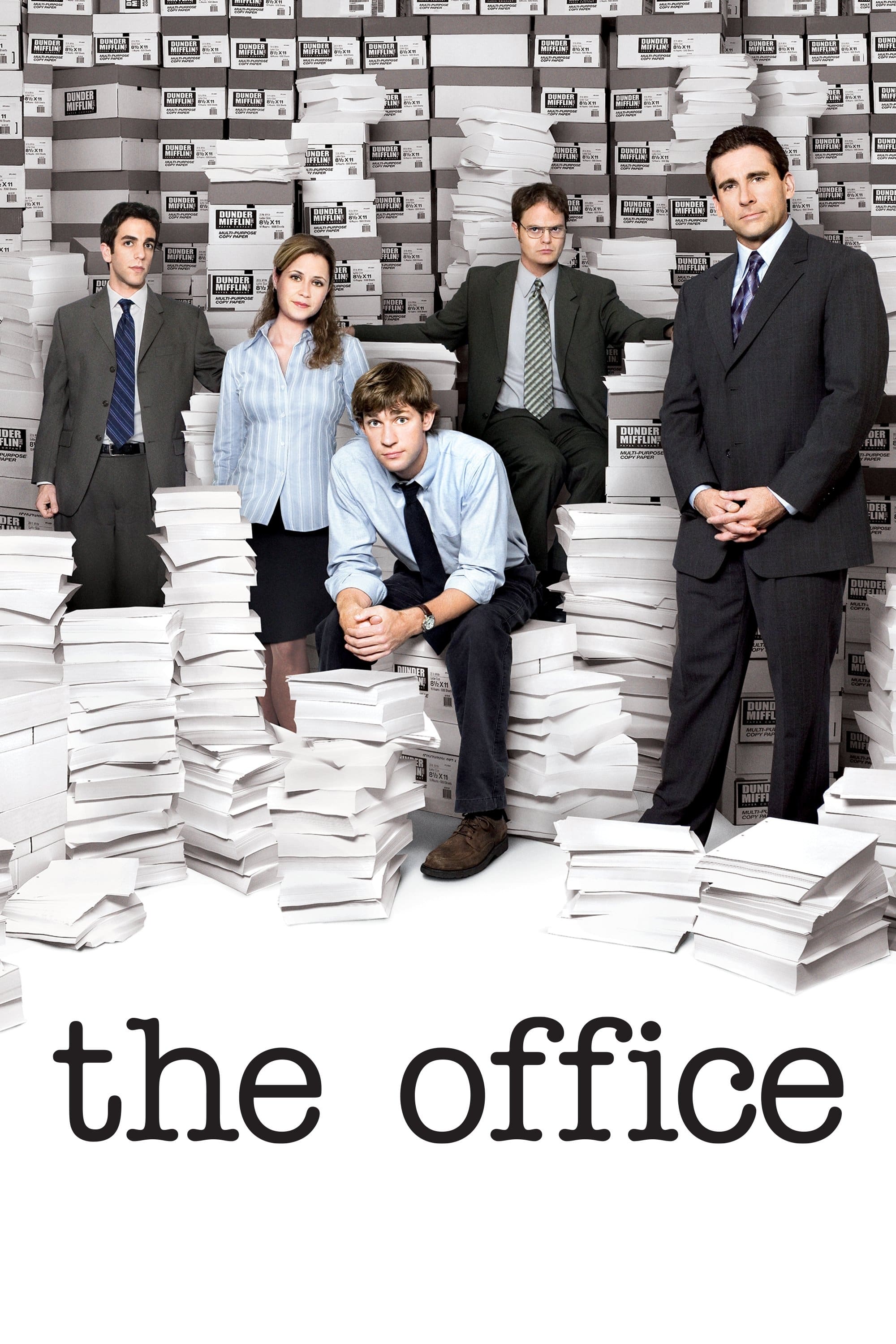
This mockumentary followed employees at a paper company in Scranton with interviews and handheld camera work framing everyday tasks. It aired on NBC for nine seasons and adapted characters and tone from the UK original while expanding the ensemble. The show documented mergers, branch closings, and changing management styles.
‘Monk’ (2002–2009)
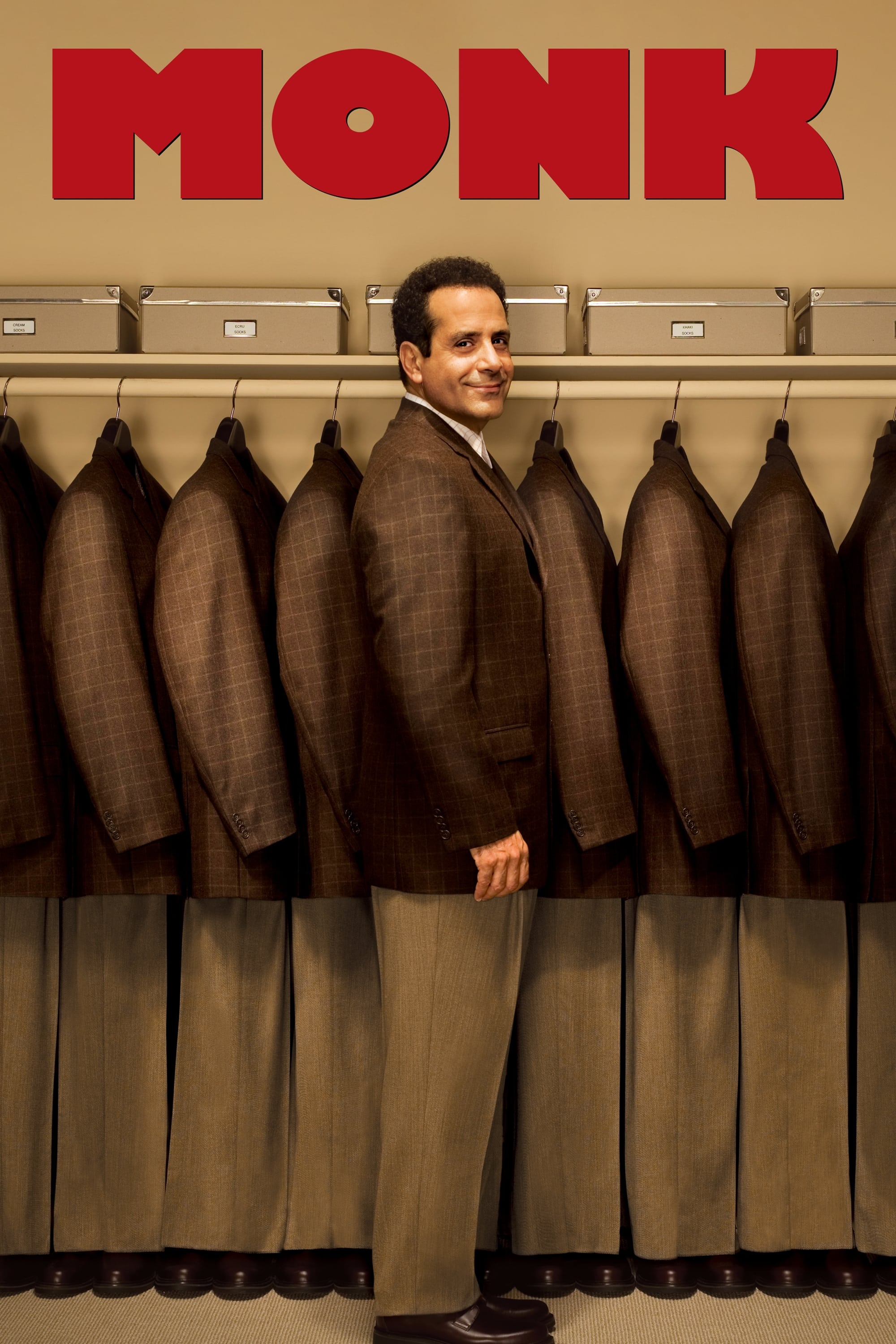
This mystery procedural centered on a former detective with obsessive compulsive disorder who consulted for the San Francisco Police Department. It aired on USA Network for eight seasons and won multiple awards for its lead performance. The cases often tied back to the unsolved murder of the detective’s wife.
‘House’ (2004–2012)
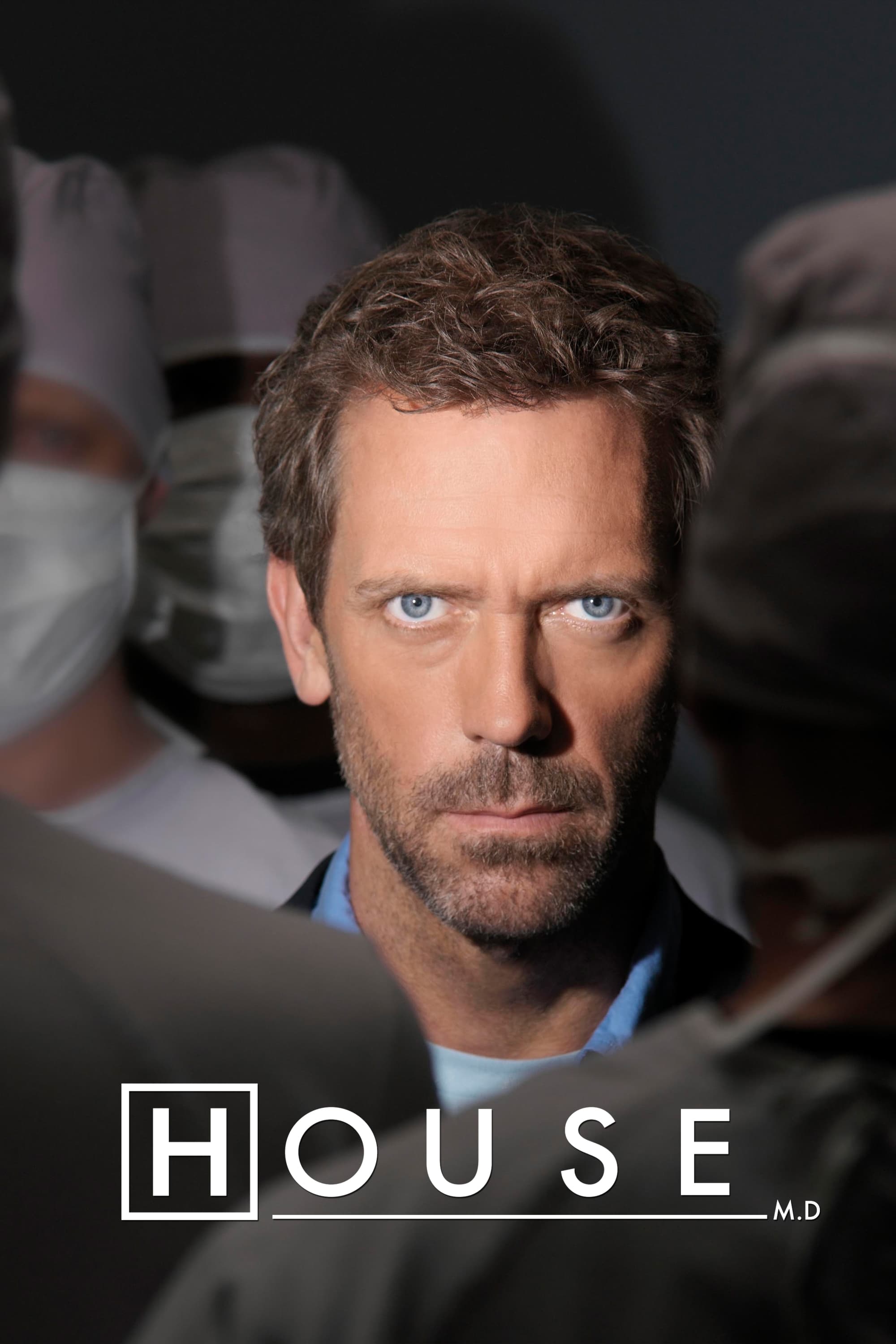
This medical drama followed a diagnostician leading a team that handled rare and difficult cases at a teaching hospital. It aired on Fox for eight seasons and used clinic subplots alongside the central medical mystery. The character’s reliance on pain medication and unorthodox methods created ongoing conflicts with administrators.
‘The Wire’ (2002–2008)
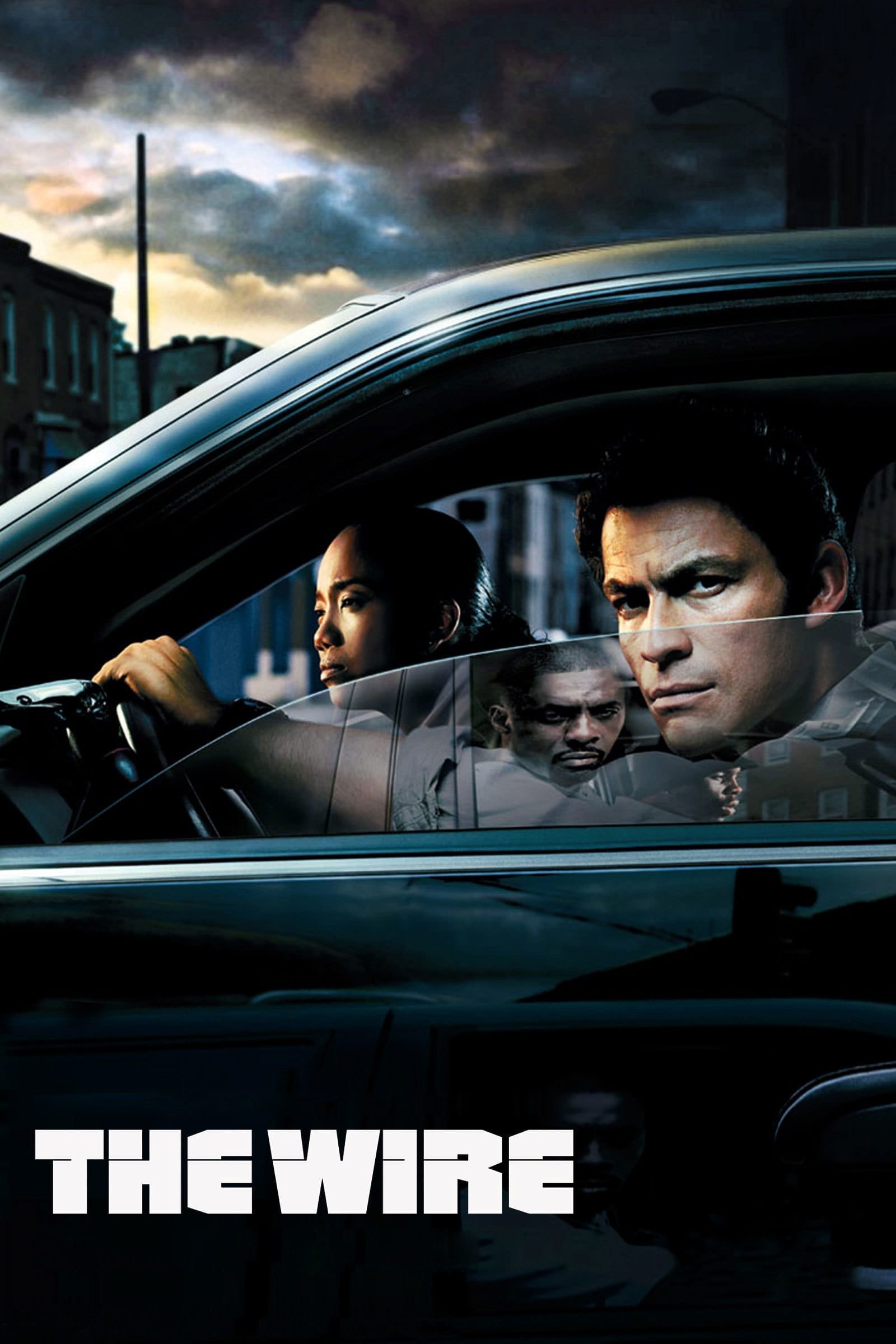
This serialized drama examined institutions in Baltimore through the perspectives of police, dockworkers, schools, politicians, and journalists. It aired on HBO for five seasons with each season focusing on a different civic system. The series used long form storytelling to track wiretaps, corruption cases, and budget pressures.
‘The Shield’ (2002–2008)
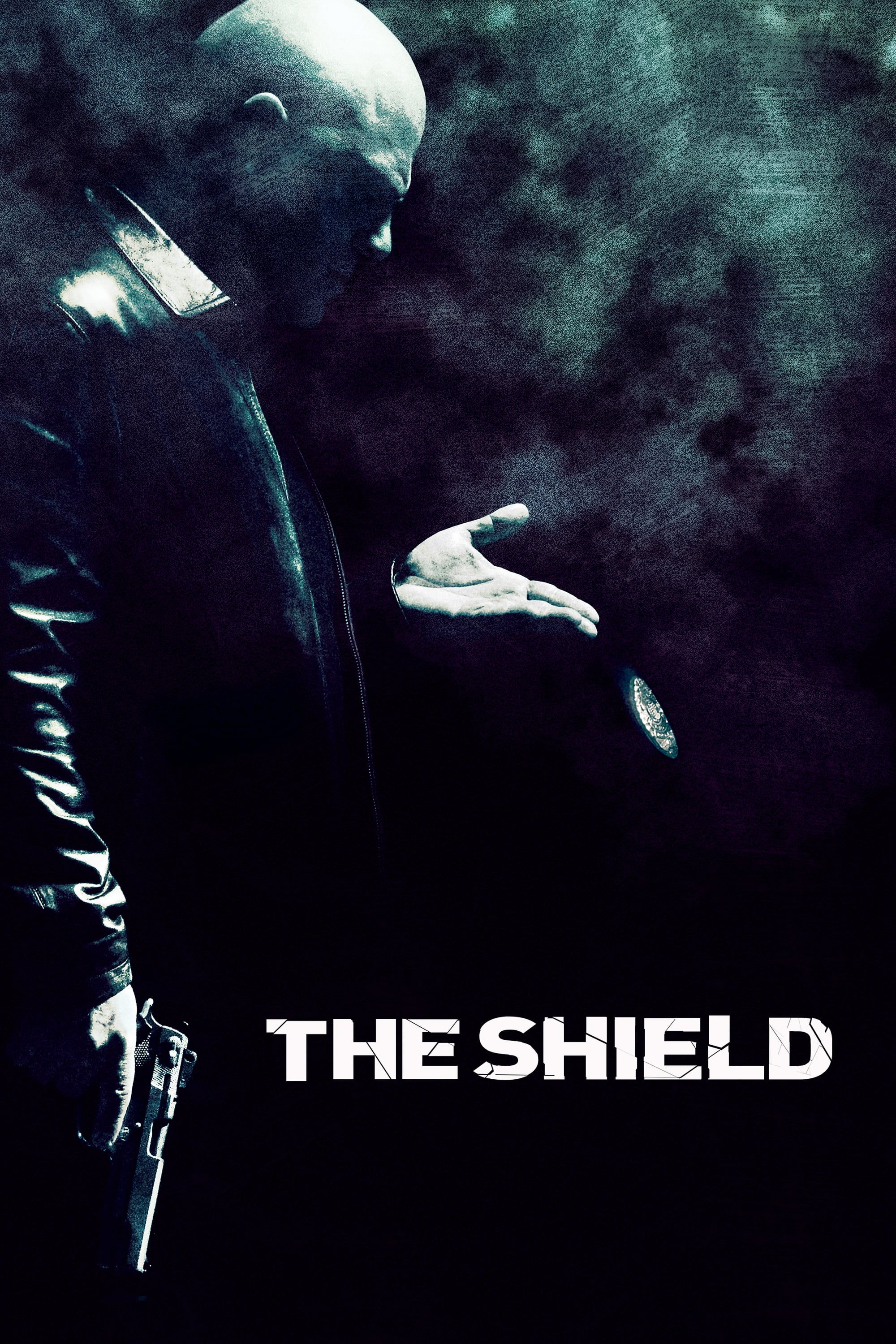
This crime drama followed an experimental police unit whose tactics crossed legal lines while navigating internal affairs and gang politics. It aired on FX for seven seasons and used serialized arcs about conspiracies within the department. The show’s handheld style emphasized street level operations and informant networks.
‘Deadwood’ (2004–2006)
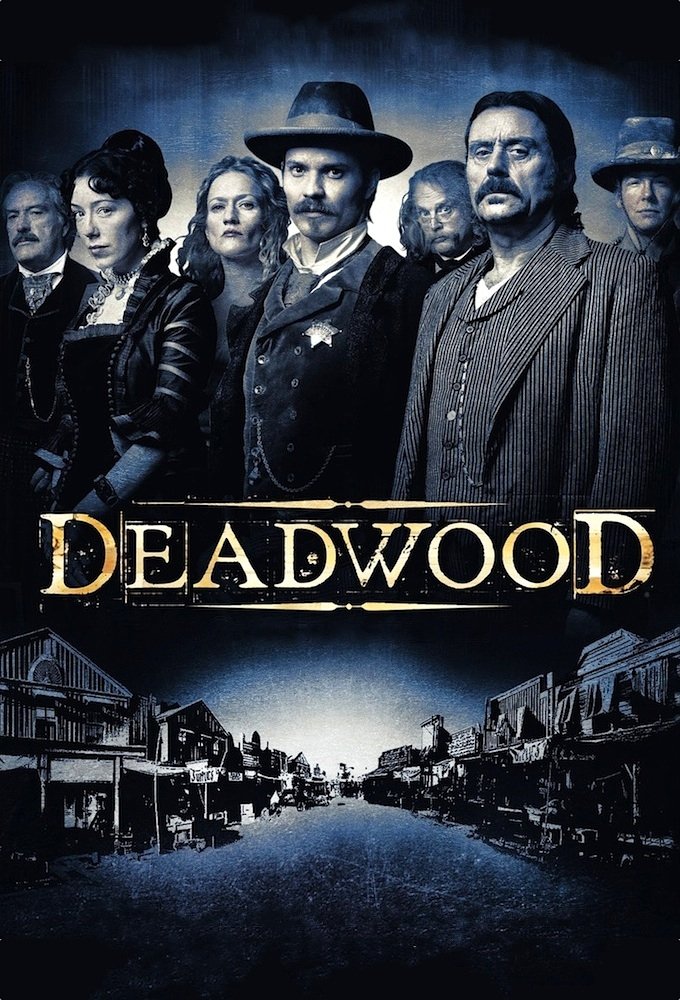
This western depicted the growth of a lawless mining camp into a structured town with shifting power among business owners and officials. It aired on HBO for three seasons and later received a concluding film. The series integrated real historical figures and tracked charter negotiations, telegraph lines, and territorial status.
‘Prison Break’ (2005–2009)
This thriller followed an engineer who infiltrated a prison to free his brother and uncovered larger conspiracies. Fox aired four seasons in the original run that moved from escape planning to international plots. The narrative included secret government groups, high stakes heists, and identity changes.
‘Scrubs’ (2001–2010)
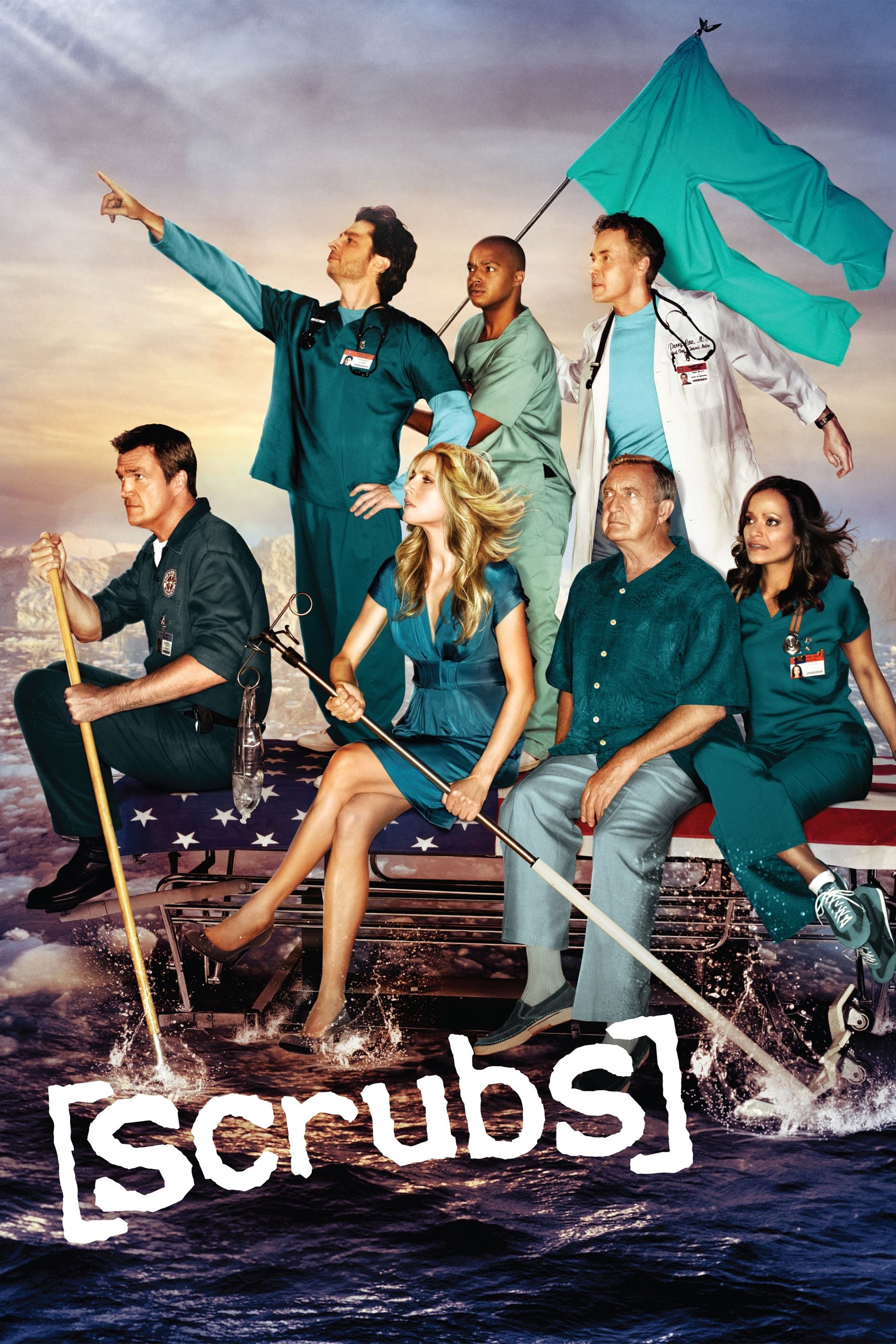
This hospital comedy traced medical interns becoming attending physicians while juggling friendships and mentorships. It aired on NBC and later ABC with single camera format and frequent fantasy cutaways. The series used musical episodes, bottle episodes, and rotating narrators to experiment with structure.
‘Alias’ (2001–2006)
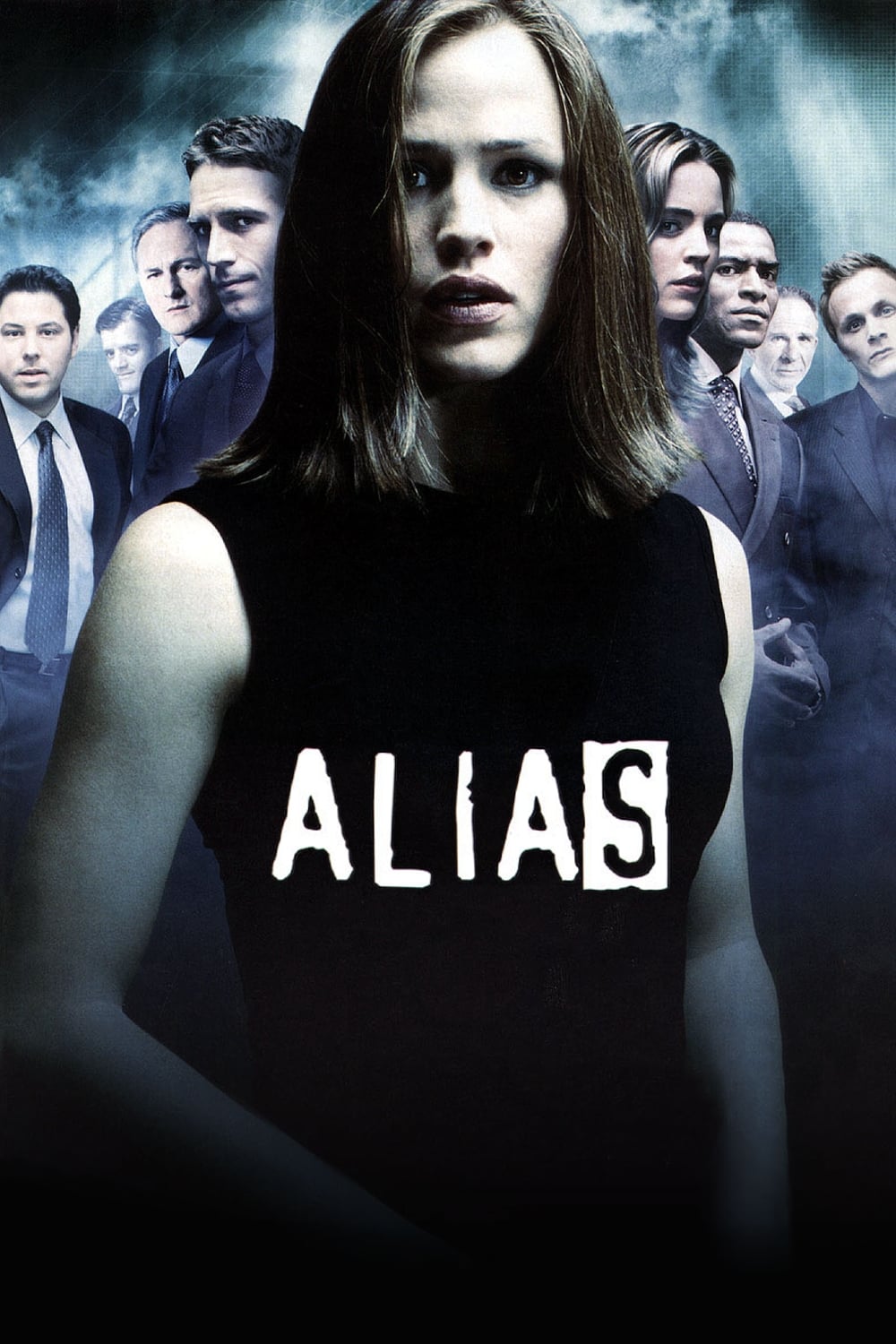
This spy drama centered on a double agent navigating rival intelligence organizations and ancient artifacts tied to global schemes. It aired on ABC for five seasons and combined stand alone missions with serialized mythology. The show featured shifting covers, gadgetry, and multi country operations.
’24’ (2001–2010)
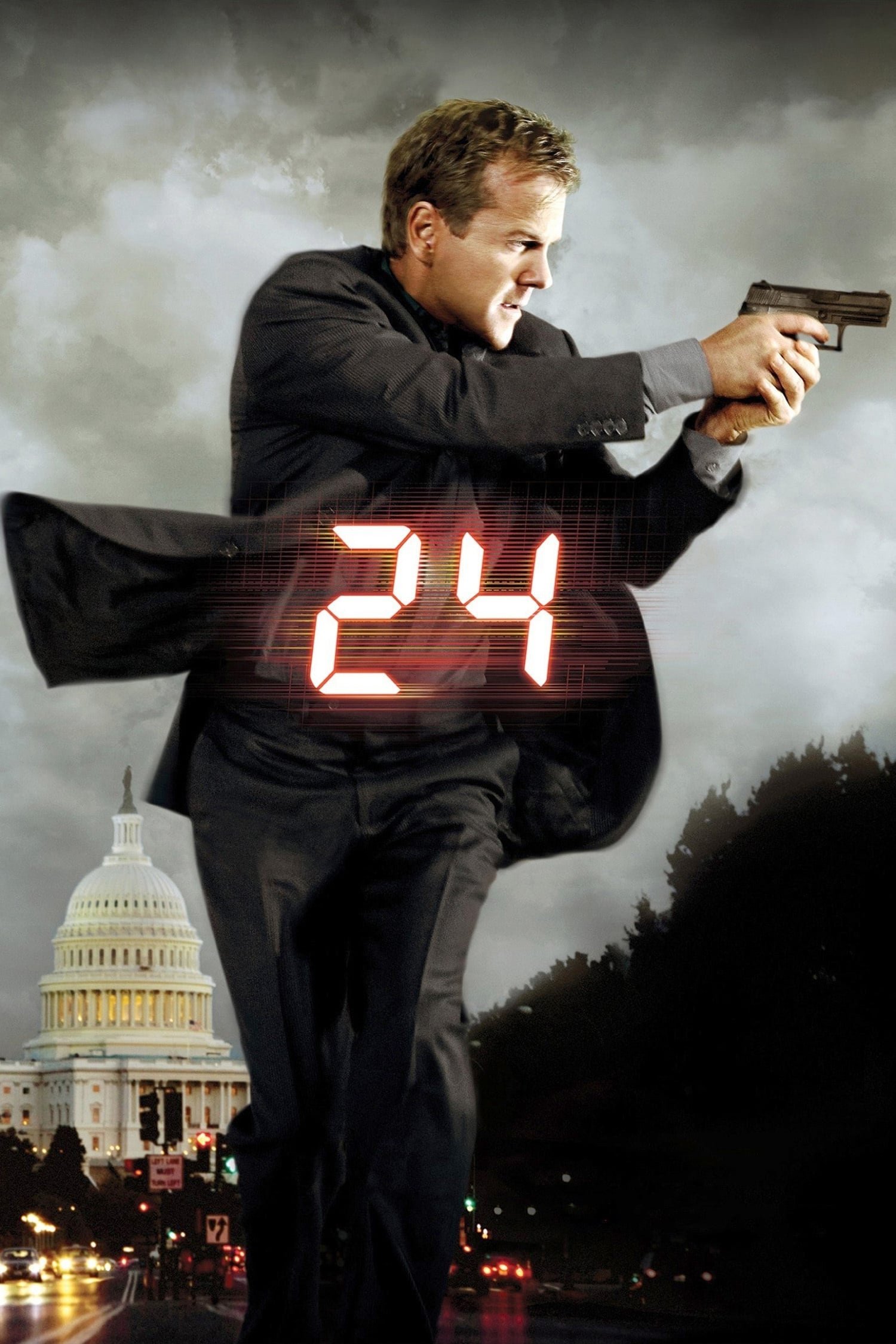
This real time thriller followed federal agent Jack Bauer across 24 hour crises with split screens marking simultaneous events. It aired on Fox for eight seasons in the original run and used a ticking clock device each hour. The series covered bioterror plots, political assassinations, and intra agency power struggles.
‘Fringe’ (2008–2013)
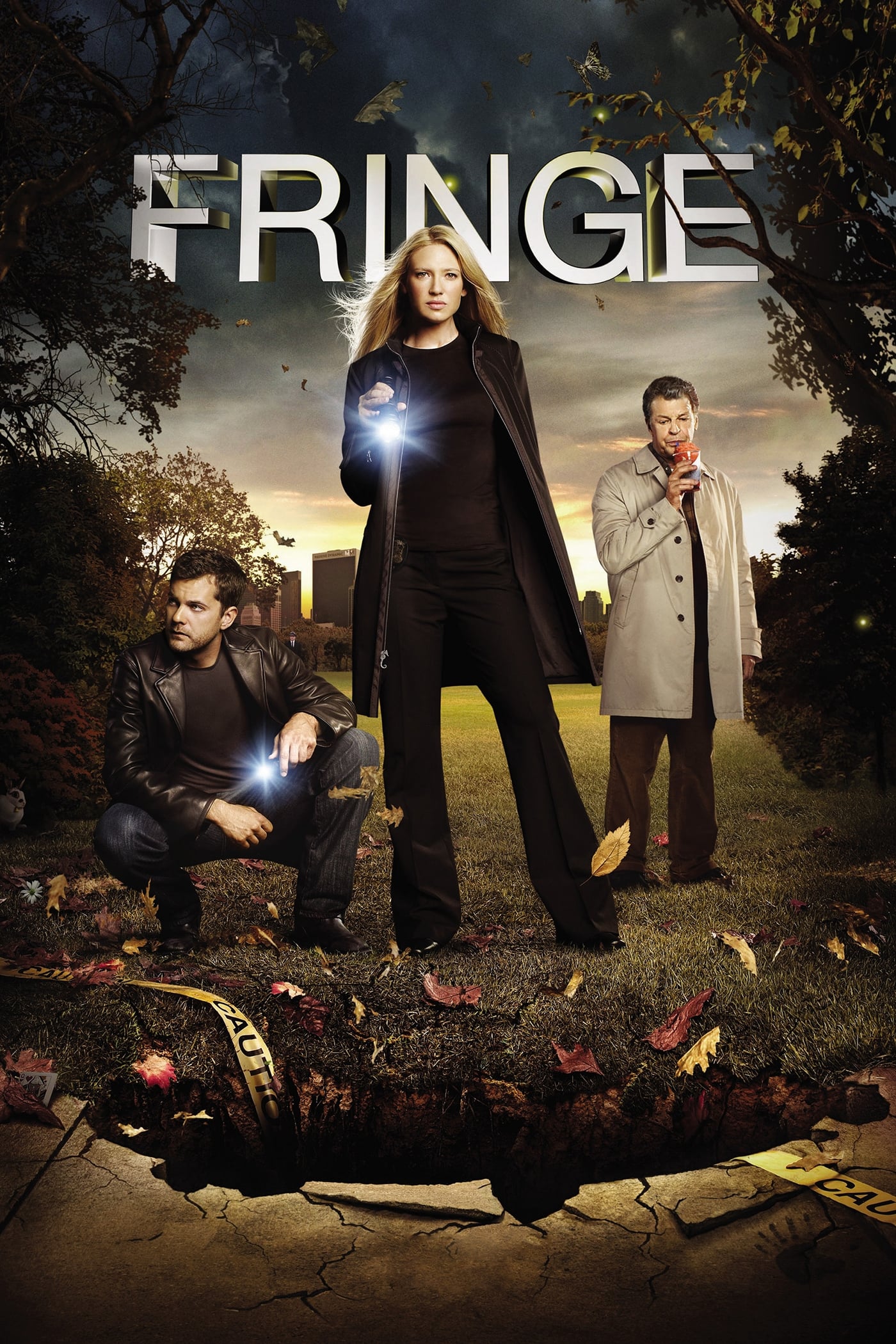
This science fiction procedural explored fringe science cases tied to parallel universes and an observing group known as the Observers. It aired on Fox for five seasons and blended case files with a family saga about loss and identity. The show’s mythology introduced cortexiphan trials and a bridge between worlds.
‘Gilmore Girls’ (2000–2007)
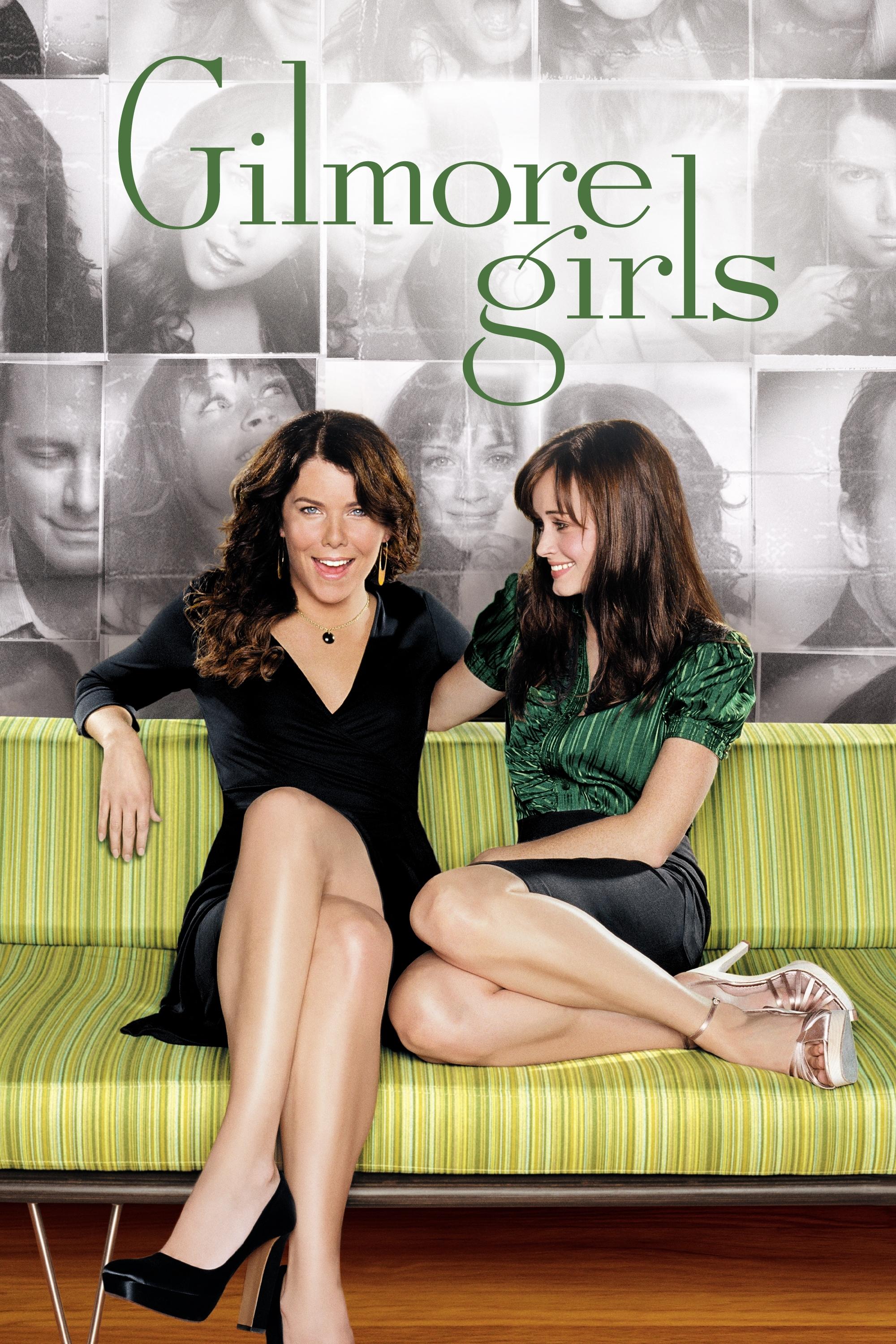
This family dramedy followed a mother and daughter in a Connecticut town filled with local traditions and council meetings. It aired on The WB and later The CW with fast paced dialogue and pop culture references. The series tracked relationships, college decisions, and business ownership in the town square.
‘Jericho’ (2006–2008)
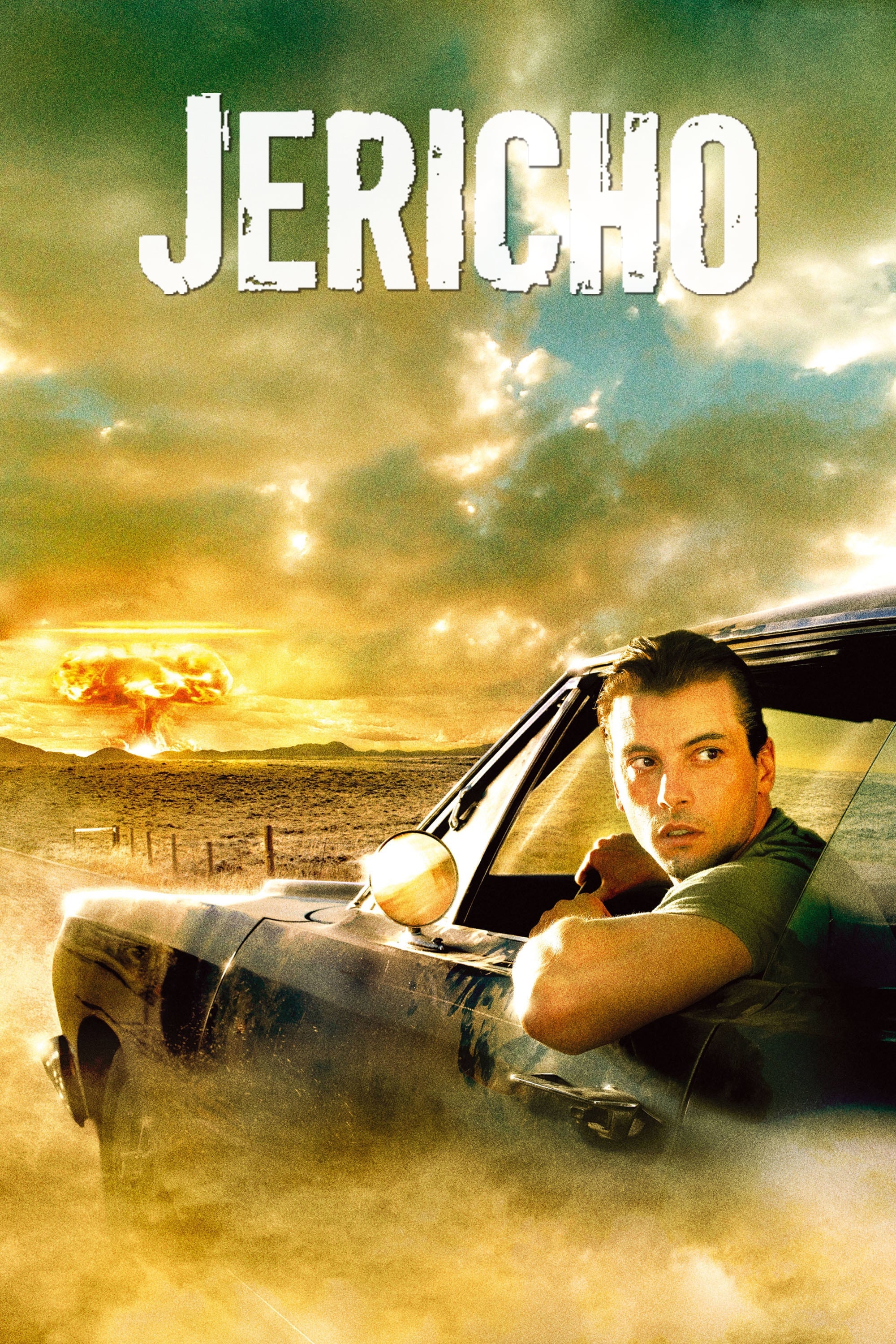
This post apocalyptic drama depicted a Kansas town coping with the aftermath of nuclear attacks on major cities. It aired on CBS with a shortened second season produced after a fan campaign. The plot examined supply chains, private military contractors, and the formation of a new federal authority.
Share the 2000s show you want to see revived in the comments and tell us what new angle you would love it to explore.

