


2010s Films Ruined by Controversy—not Quality


Some films arrived with strong craft and big ideas, only to run into storms that had little to do with what unfolded on screen. Studio decisions, culture-war flashpoints, off-screen behavior, and organized backlash often dominated the conversation. Here are notable titles from the decade where debates, boycotts, or scandals overshadowed the work itself and shaped how audiences encountered them.
‘Joker’ (2019)
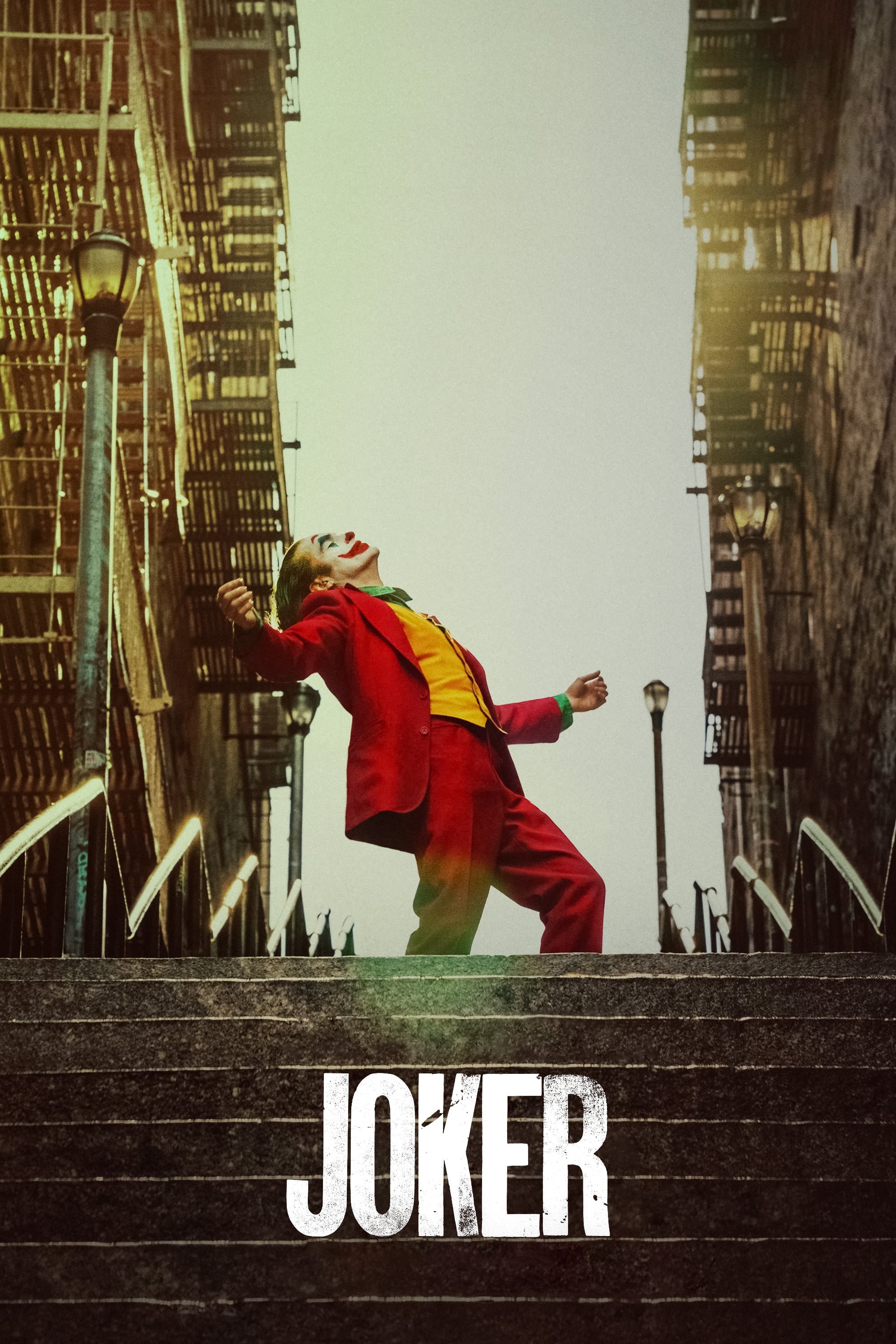
Security concerns and warnings about potential copycat violence followed the release and led some theaters to add extra precautions. The film’s depiction of social alienation and extremist subcultures became a national talking point that moved beyond typical movie discourse. Law enforcement bulletins circulated and some venues restricted costumes or special events. The conversation centered on public safety more than on filmmaking choices.
‘Star Wars: The Last Jedi’ (2017)
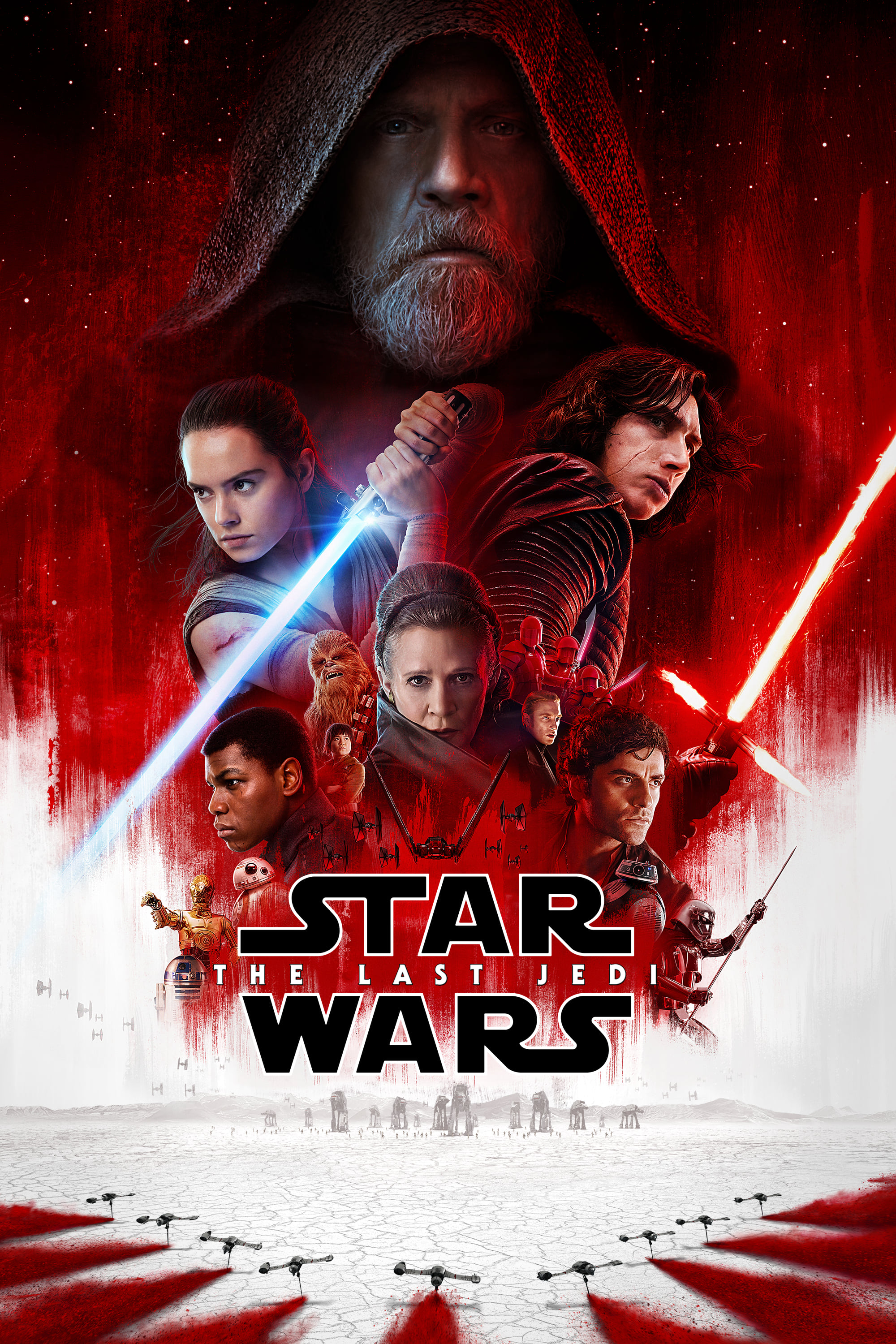
Online campaigns targeted the film over creative decisions and character arcs, flooding user ratings and forums with negative posts. Cast members faced harassment that prompted public statements from the studio and the franchise’s creators. Petitions calling for changes gained traction and kept the title in the headlines for months. Discussion about fan entitlement and franchise ownership eclipsed craft and performances.
‘Ghostbusters’ (2016)
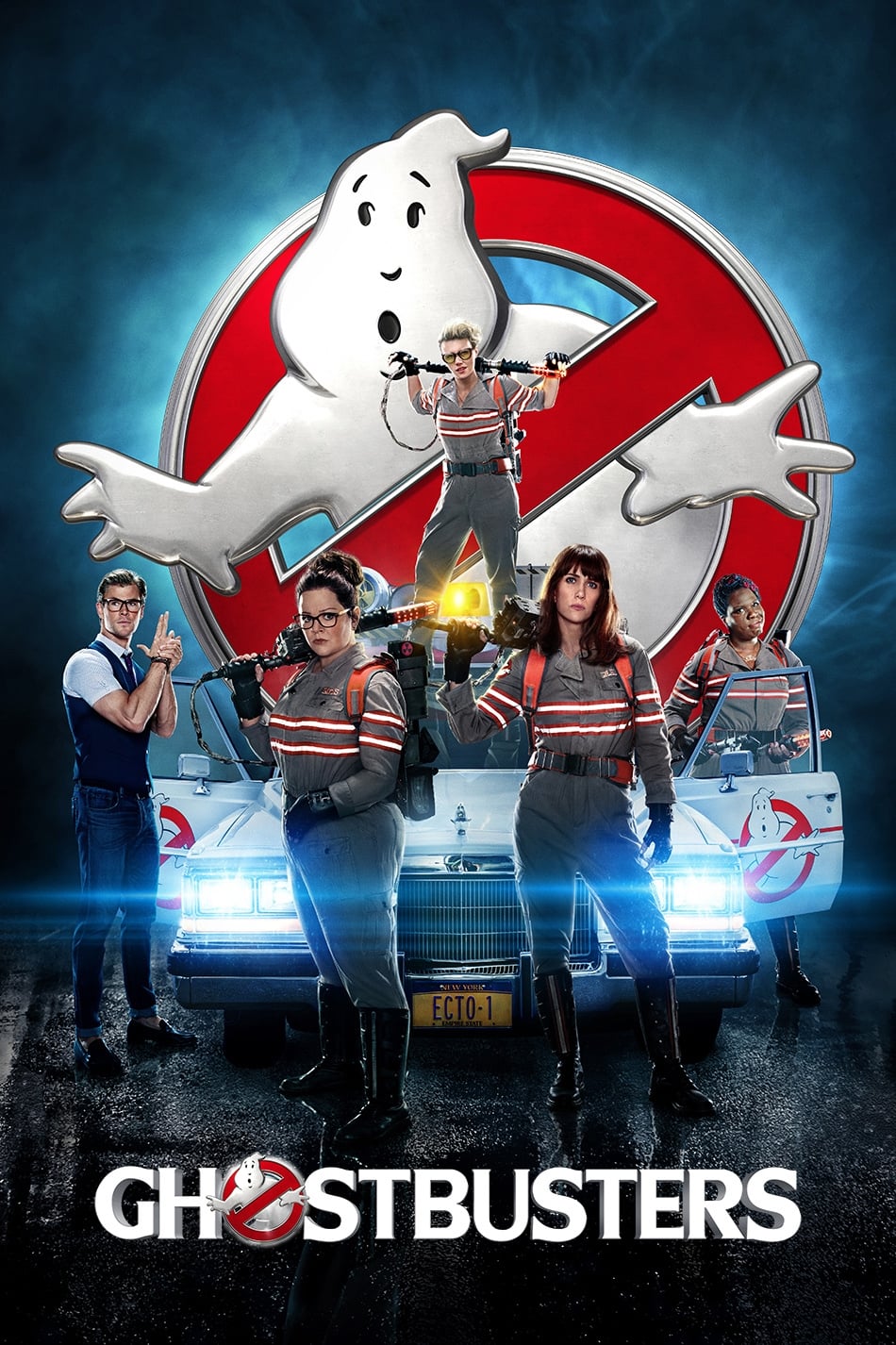
The all-female lead cast sparked coordinated harassment of talent and large-scale review bombing before wide audiences had seen it. Social media platforms removed abusive accounts and issued statements as the situation escalated. The trailer became one of the most disliked on a major video platform, which drove coverage that focused on backlash. Marketing and press tours were forced to address hostility rather than the movie itself.
‘The Interview’ (2014)
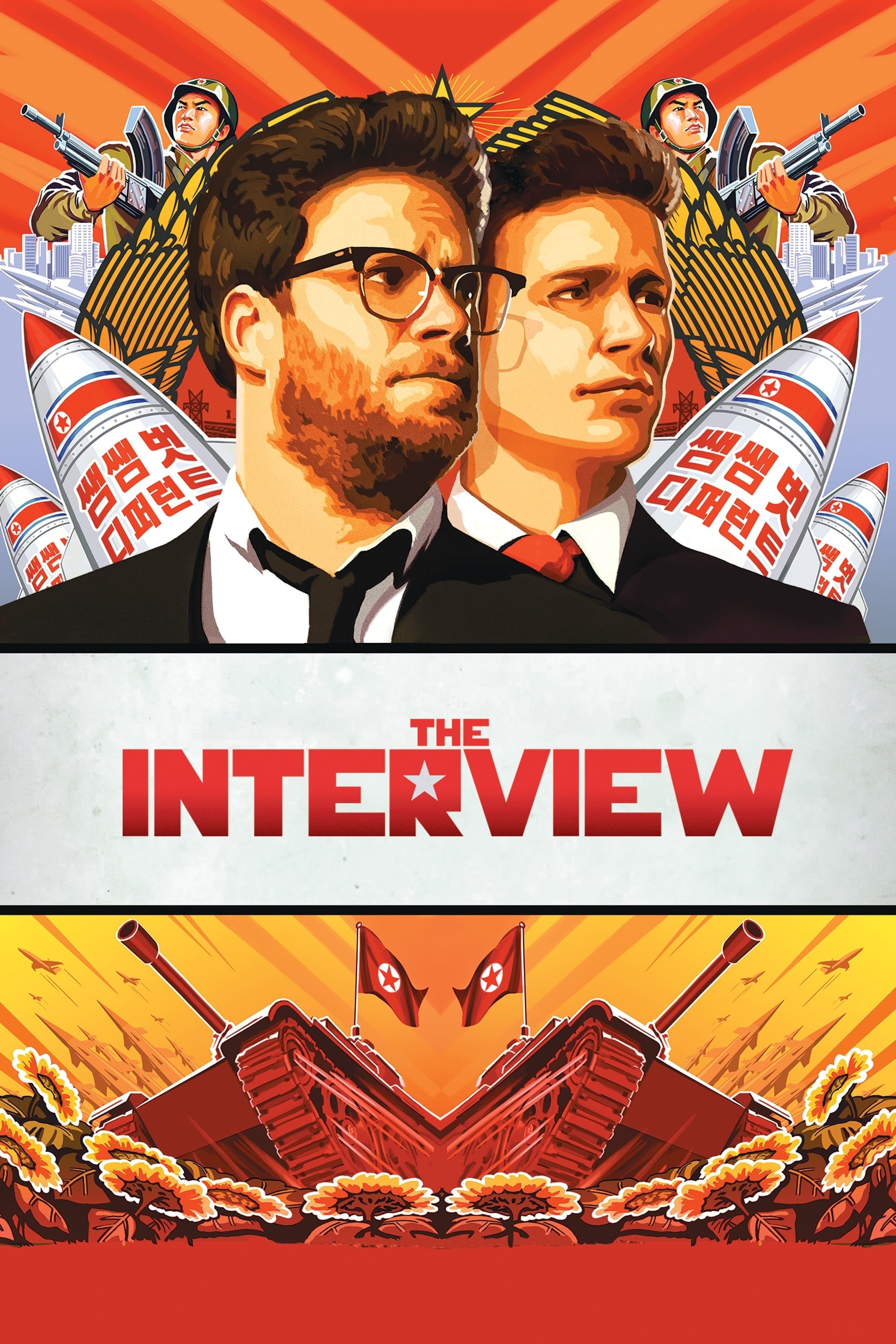
A major studio faced a cyberattack tied to the film’s subject matter, followed by threats that prompted cancellations of many theatrical bookings. The release strategy shifted to a limited rollout with digital options, an unusual move for a big comedy. Insurance questions, exhibitor safety policies, and governmental commentary dominated the news cycle. Conversation about free expression and corporate risk replaced standard box office talk.
‘Zero Dark Thirty’ (2012)

Debate centered on the portrayal of interrogation practices and whether the story suggested a link to intelligence breakthroughs. Lawmakers requested information about the production’s access to classified sources, spurring official letters and hearings. Some critics and advocacy groups called for boycotts and awards bodies faced pressure during voting. The film’s craft was often discussed only after long caveats about ethics and accuracy.
‘The Birth of a Nation’ (2016)
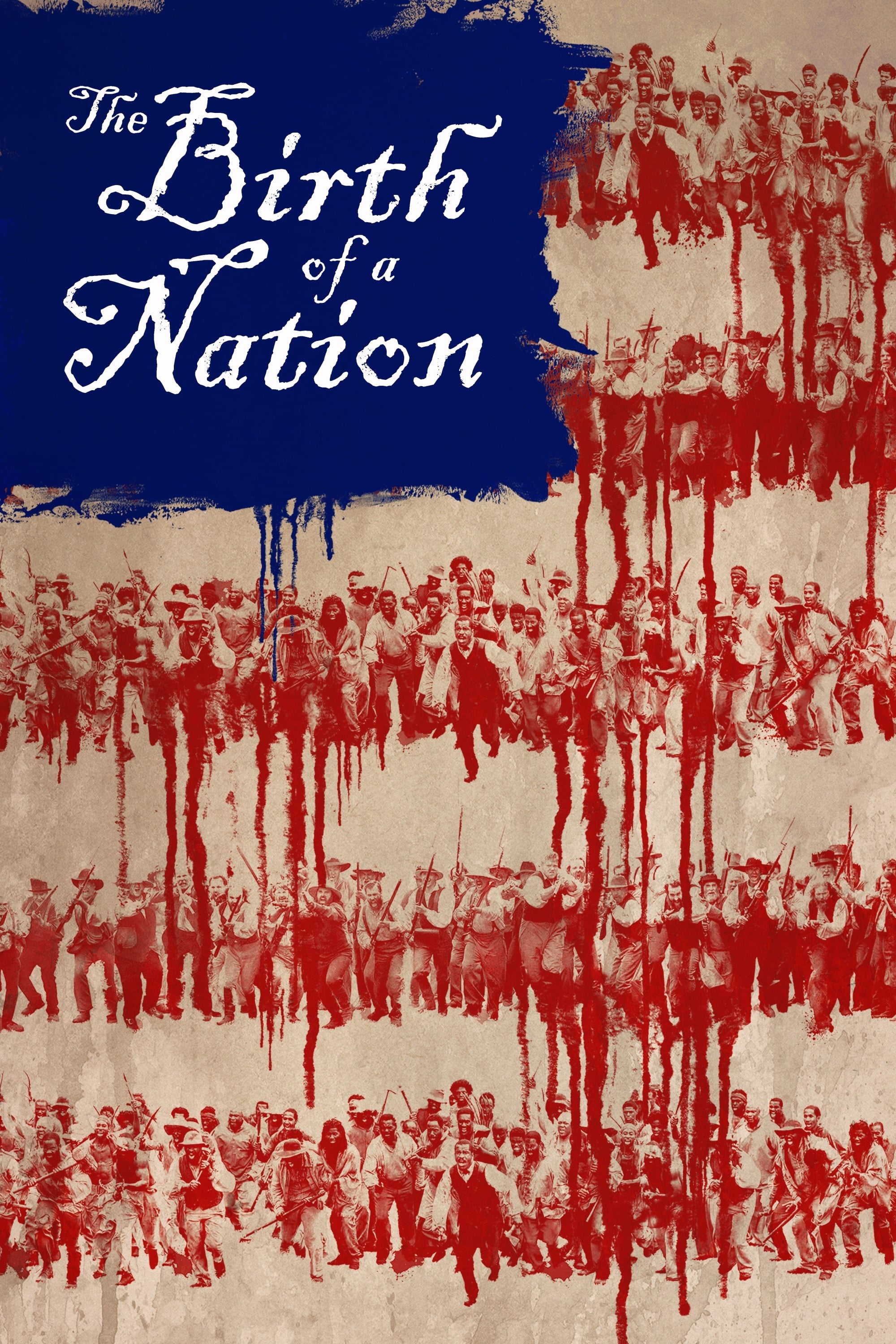
Past allegations involving the filmmaker resurfaced during the publicity run and drove intense scrutiny of festival deals and awards campaigns. Interviews and statements from those involved became the primary coverage rather than the movie’s themes. Some screenings were canceled and organizations reconsidered planned honors. The press cycle pivoted from historical storytelling to accountability and consent.
‘Green Book’ (2018)
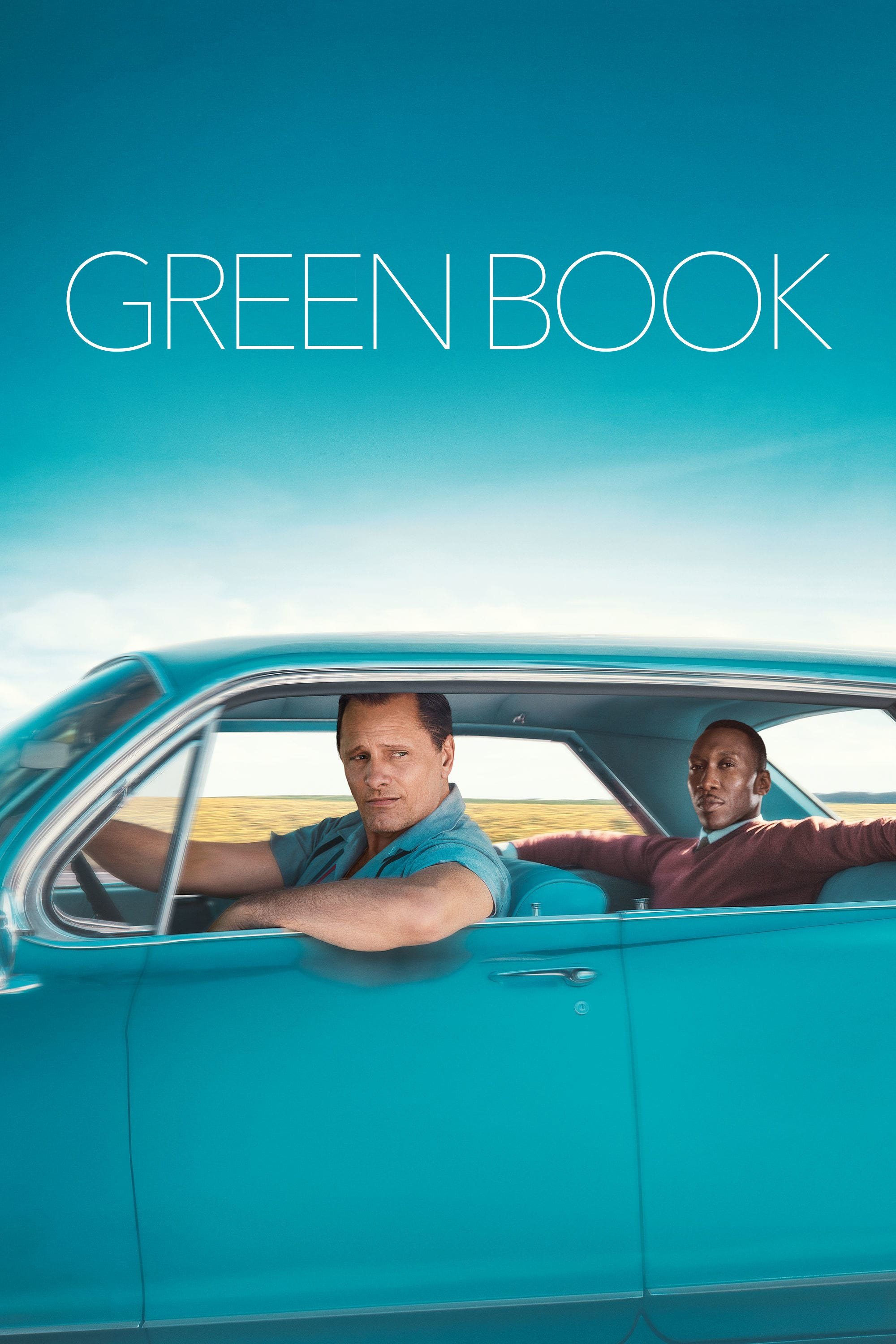
Relatives of the real-life subject publicly disputed aspects of the narrative and criticized the portrayal of relationships. Additional reporting raised questions about the filmmaker and the co-writer, adding to the controversy. Debates about authorship and perspective followed the film through its awards season. Public conversation often focused on accuracy and representation rather than performances or structure.
‘Bohemian Rhapsody’ (2018)
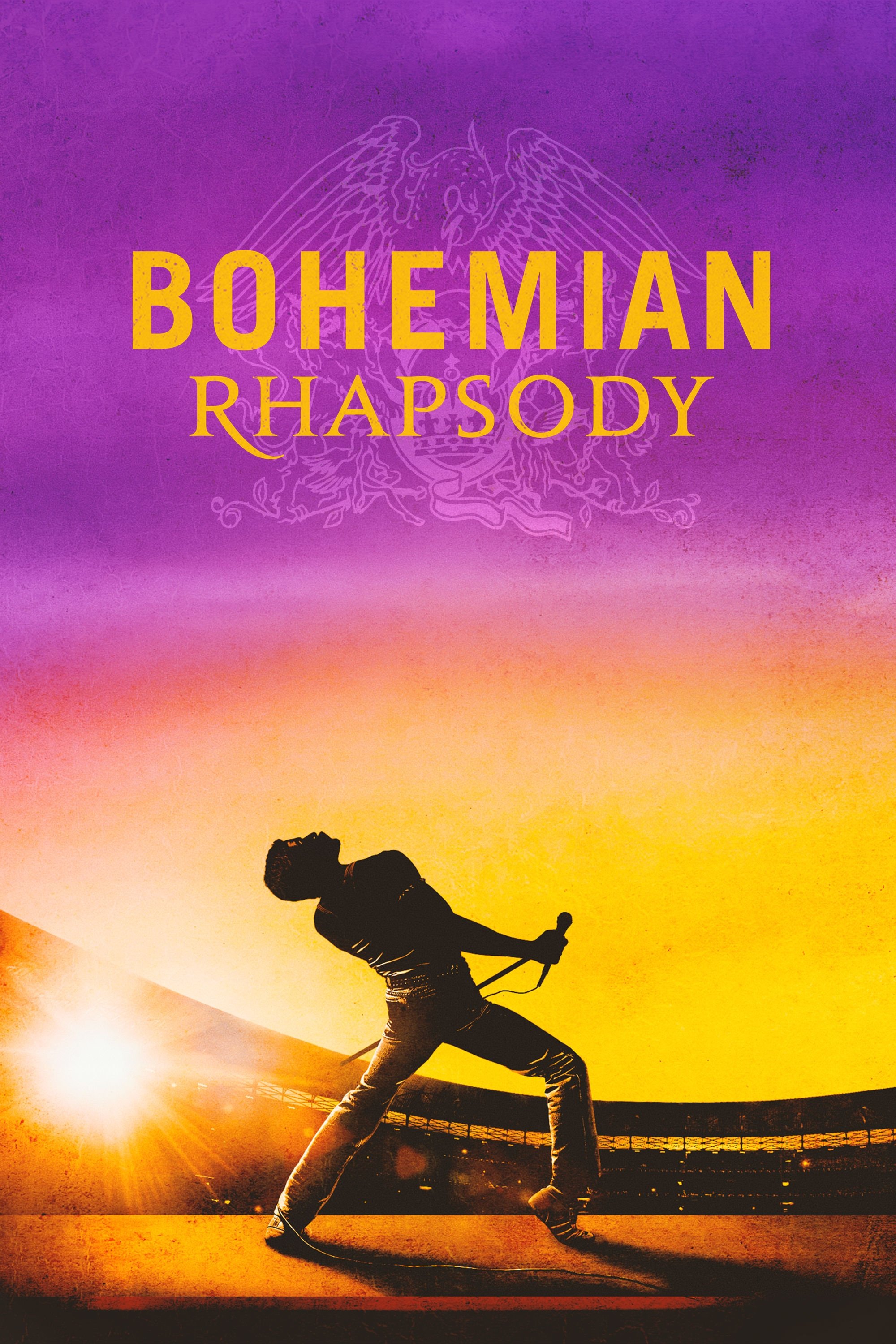
The credited director was removed during production, and allegations surrounding him overshadowed cast achievements in coverage. Press events and interviews regularly faced questions about behind-the-scenes issues. Editing choices related to the band’s history also became flashpoints for fans and commentators. Attention to off-set turmoil persisted long after release and shaped audience perception.
‘American Sniper’ (2014)
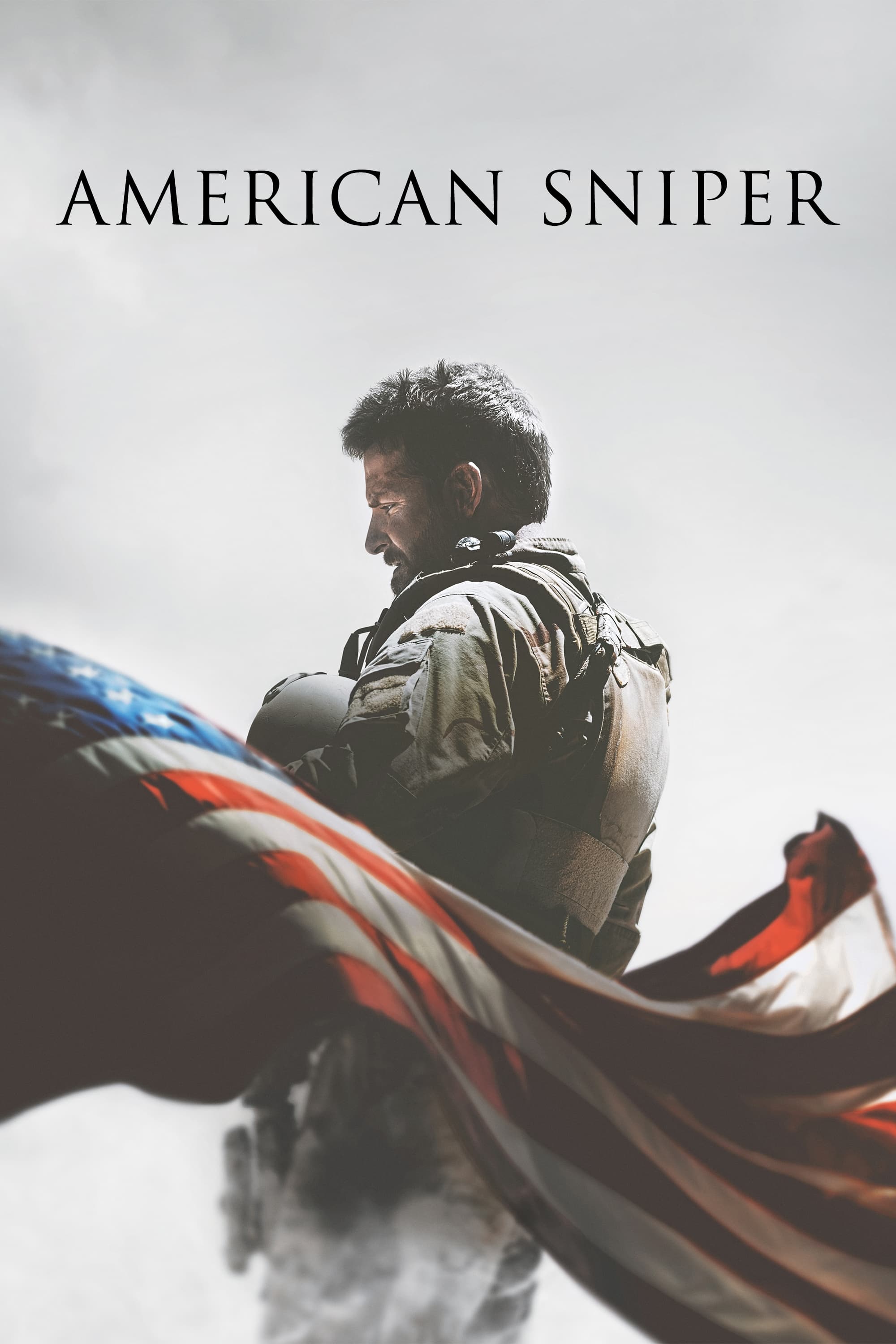
The portrayal of a real soldier ignited political arguments across media and social platforms. Supporters and critics clashed over the film’s perspective on warfare and its impact on viewers. University screenings and campus events drew protests and counter-protests. Box office milestones were often reported alongside statements from advocacy groups and public officials.
‘Noah’ (2014)
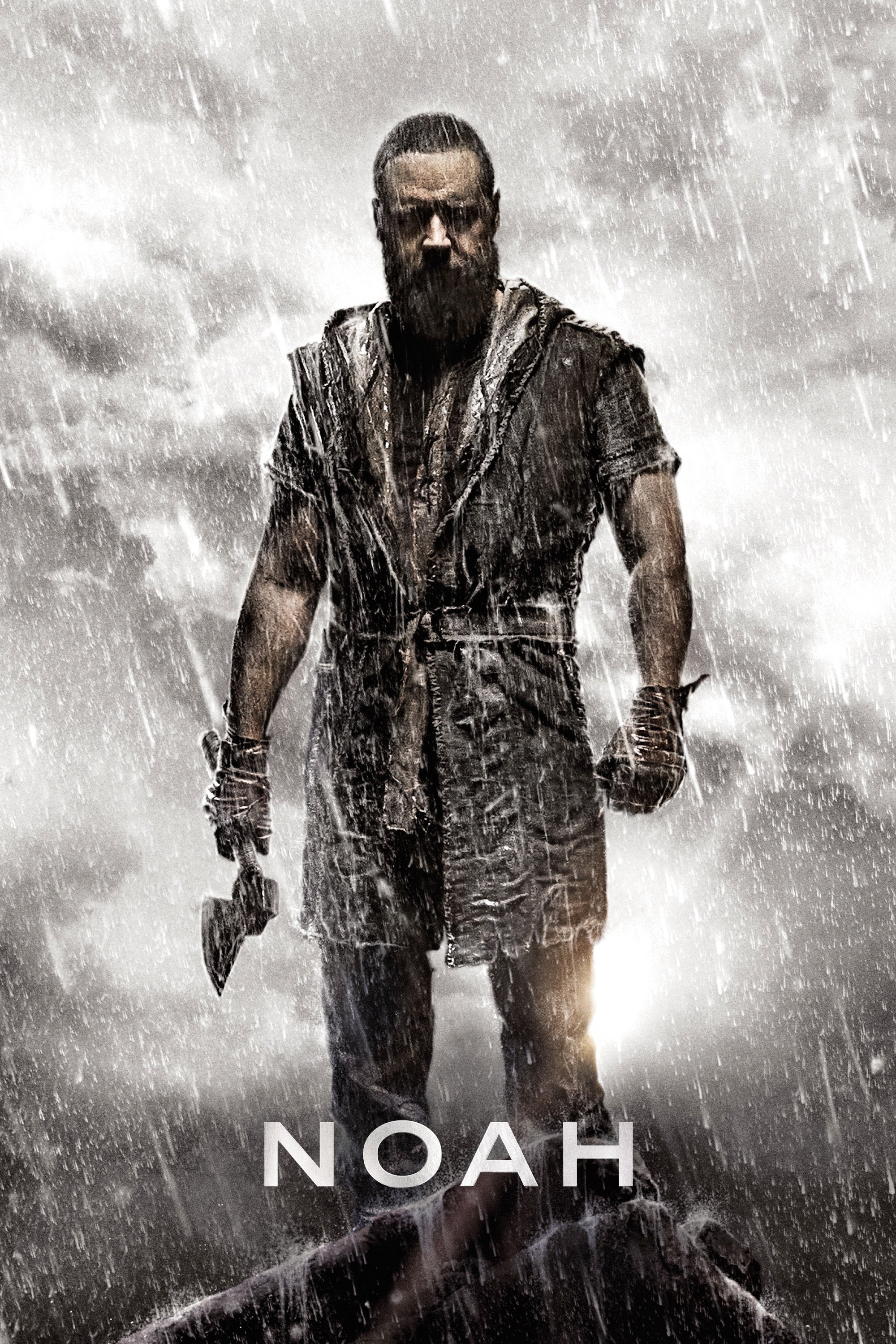
Religious groups and some international markets challenged the film’s interpretation of scripture. Several countries delayed or restricted release, prompting alternative distribution plans. The studio issued clarifications about the story to address concerns with faith audiences. Debates about fidelity to sacred texts dominated outreach and press coverage.
‘Beauty and the Beast’ (2017)
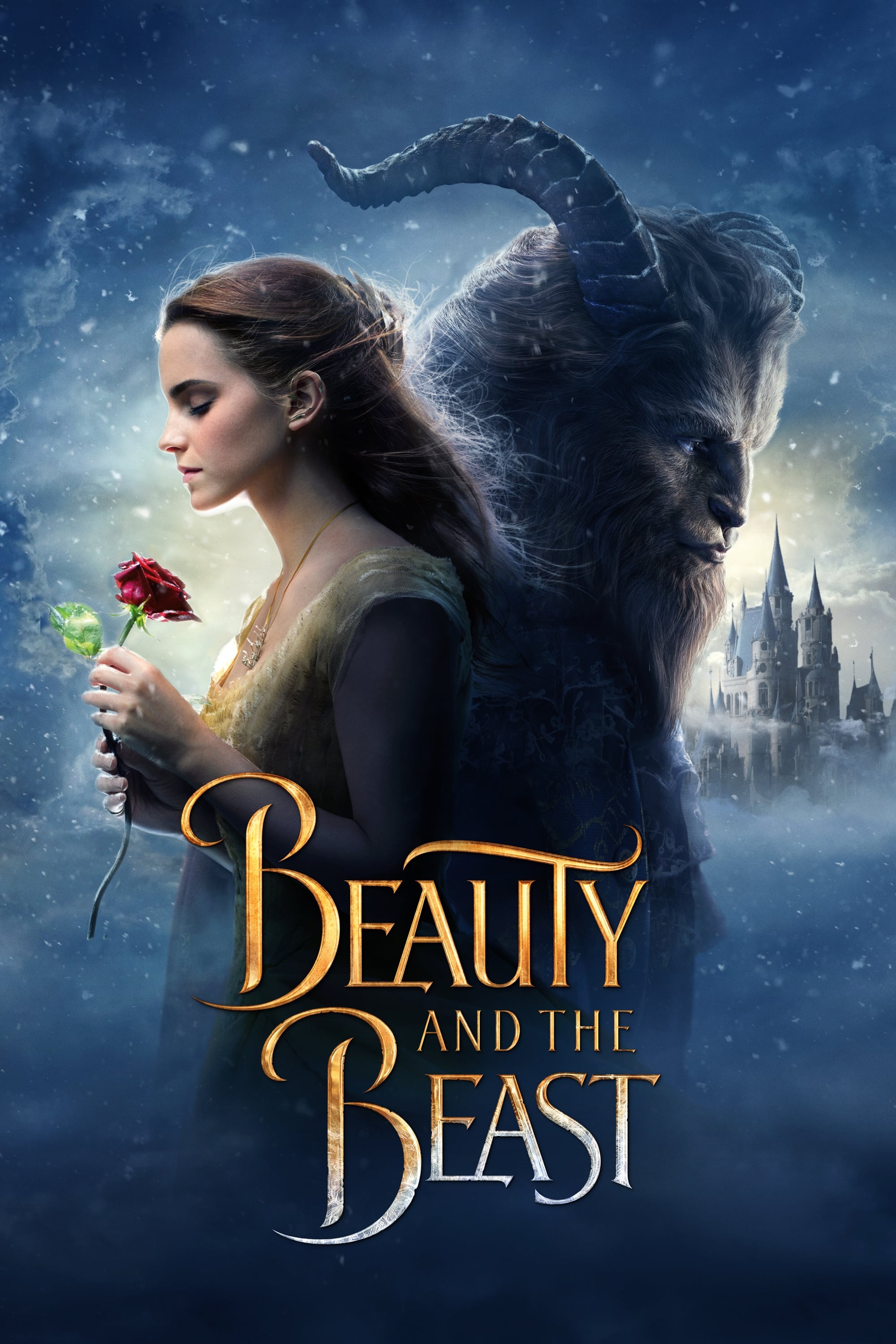
A minor character moment described as an LGBTQ inclusion prompted boycotts and bans in select markets. Ratings boards and censors requested edits or additional guidance for parents. Exhibitors in some regions pulled showtimes or required age restrictions. Marketing efforts had to clarify the content while navigating local regulations.
‘The Great Wall’ (2016)
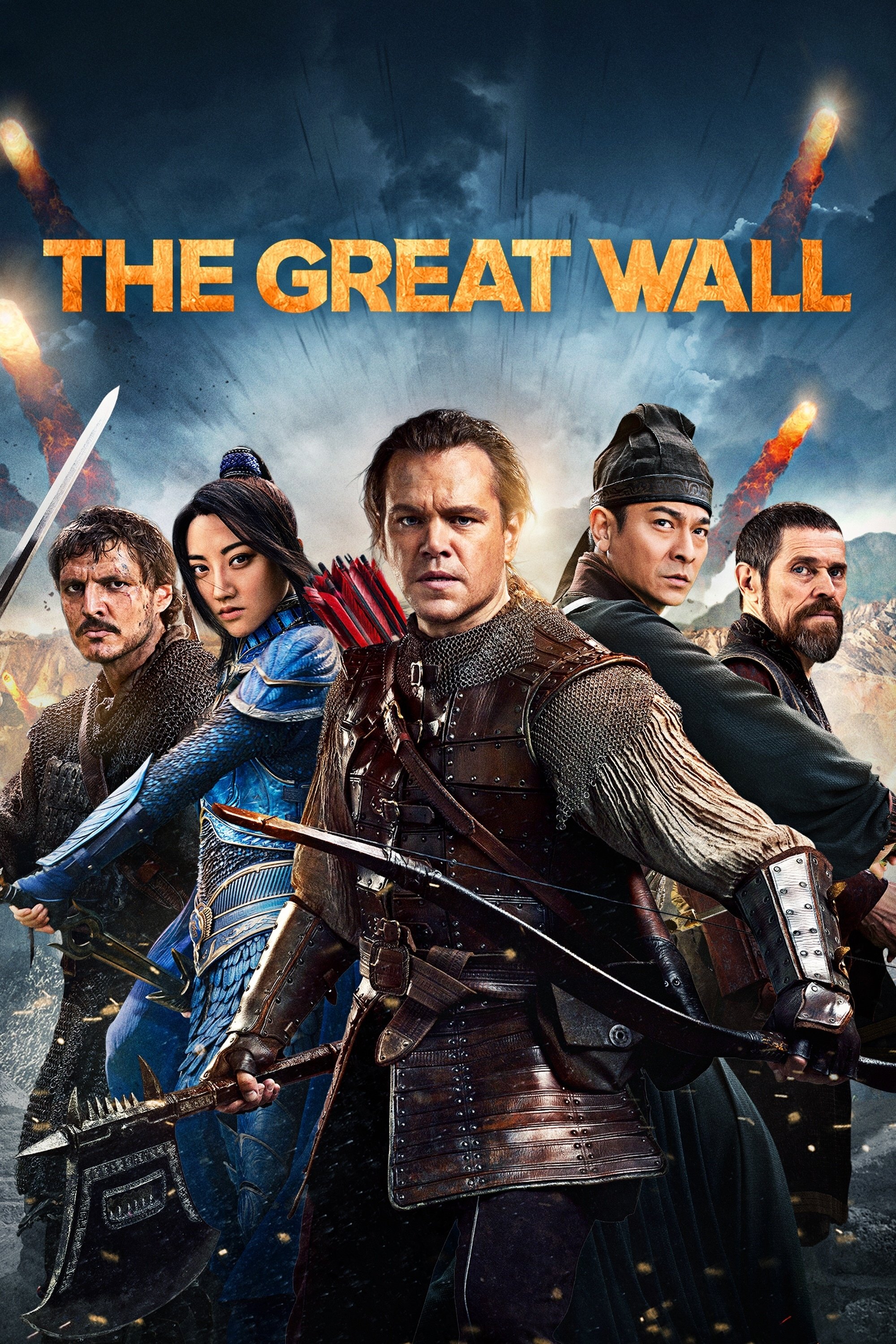
Critics and advocacy groups accused the production of whitewashing and questioned casting choices for a story set in China. The international co-production strategy drew scrutiny for how it balanced markets and cultures. Commentary from industry figures fueled news cycles beyond typical reviews. The conversation focused on representation more than on action or effects.
‘The Lone Ranger’ (2013)
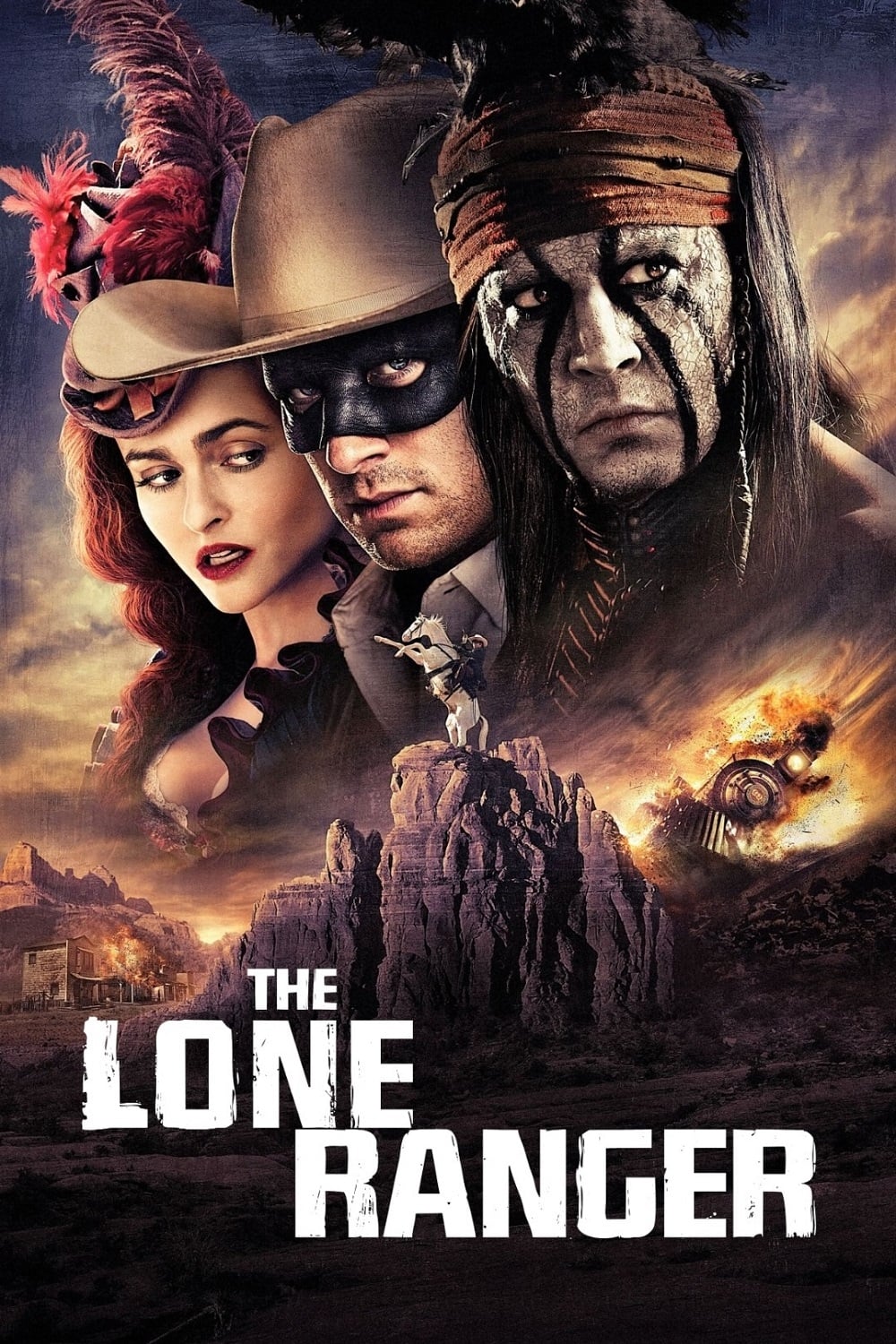
Casting a non-Native star as a Native character produced sustained criticism and think pieces. Production reports about cost overruns and reshoots kept the title in a negative spotlight. Press tours repeatedly addressed cultural appropriation concerns alongside financial questions. Discussion about authenticity and industry practices eclipsed craft and storytelling.
‘The Wolf of Wall Street’ (2013)
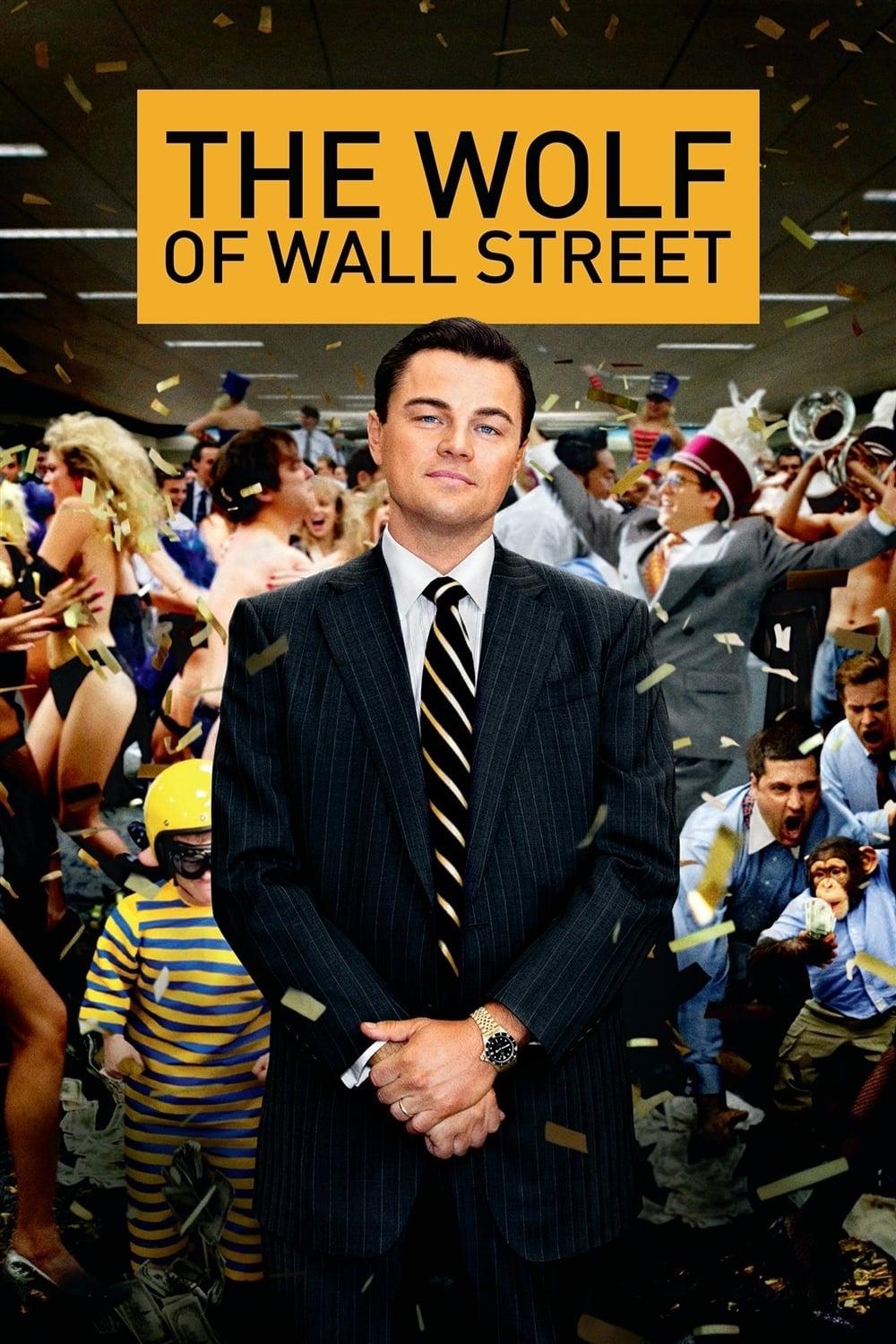
The film’s profanity, drug use, and depiction of fraud sparked complaints to regulators and calls for edits in some regions. A few countries trimmed content or issued stricter ratings that limited access. Real-life figures connected to the portrayed events publicly objected to certain scenes. Coverage often centered on moral impact rather than performance or cinematic technique.
‘The Hateful Eight’ (2015)
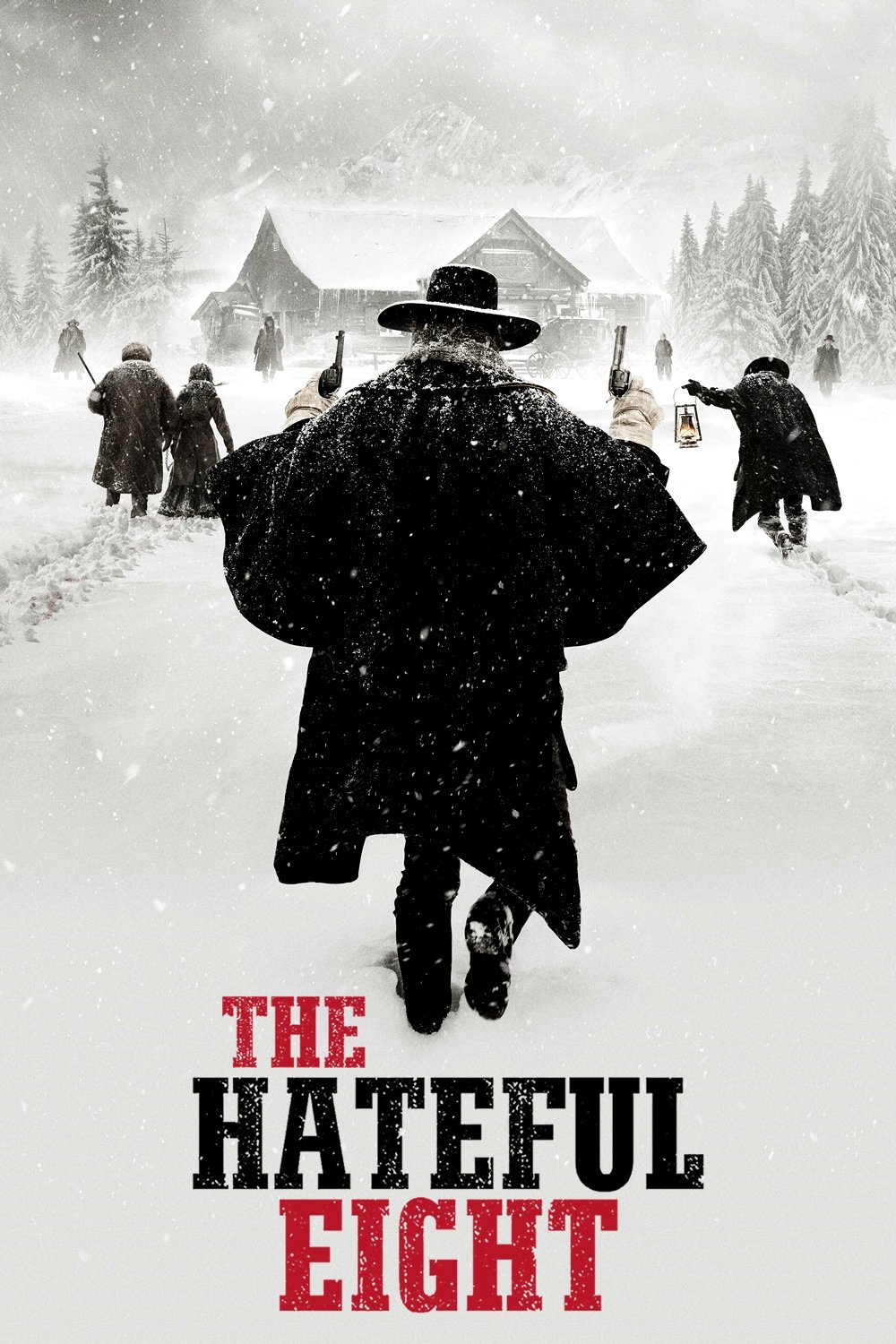
A labor dispute involving law enforcement organizations led to talk of boycotts of the filmmaker’s work. The release also coincided with a push for roadshow screenings that drew attention to projection and theater choices. Some venues reportedly scaled back showtimes during the controversy. Headlines emphasized the standoff more than audience reactions to the story.
‘Isle of Dogs’ (2018)
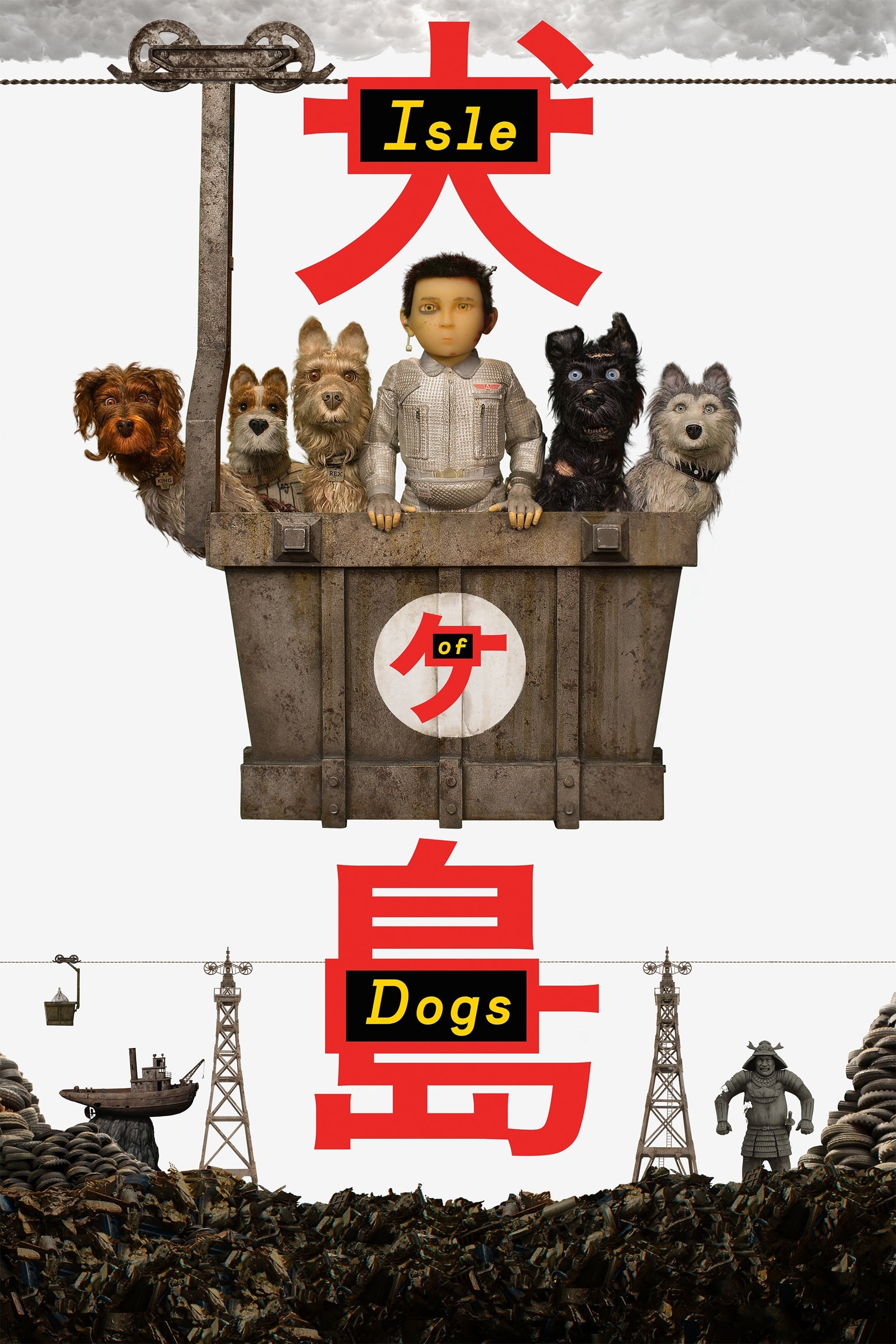
Commentators raised concerns about cultural appropriation and language choices related to its setting. The movie’s portrayal of local authorities and customs drew academic critiques. Think pieces questioned translation decisions and narrative framing for a Western audience. Public debate centered on cultural context rather than animation craft.
‘Aladdin’ (2019)
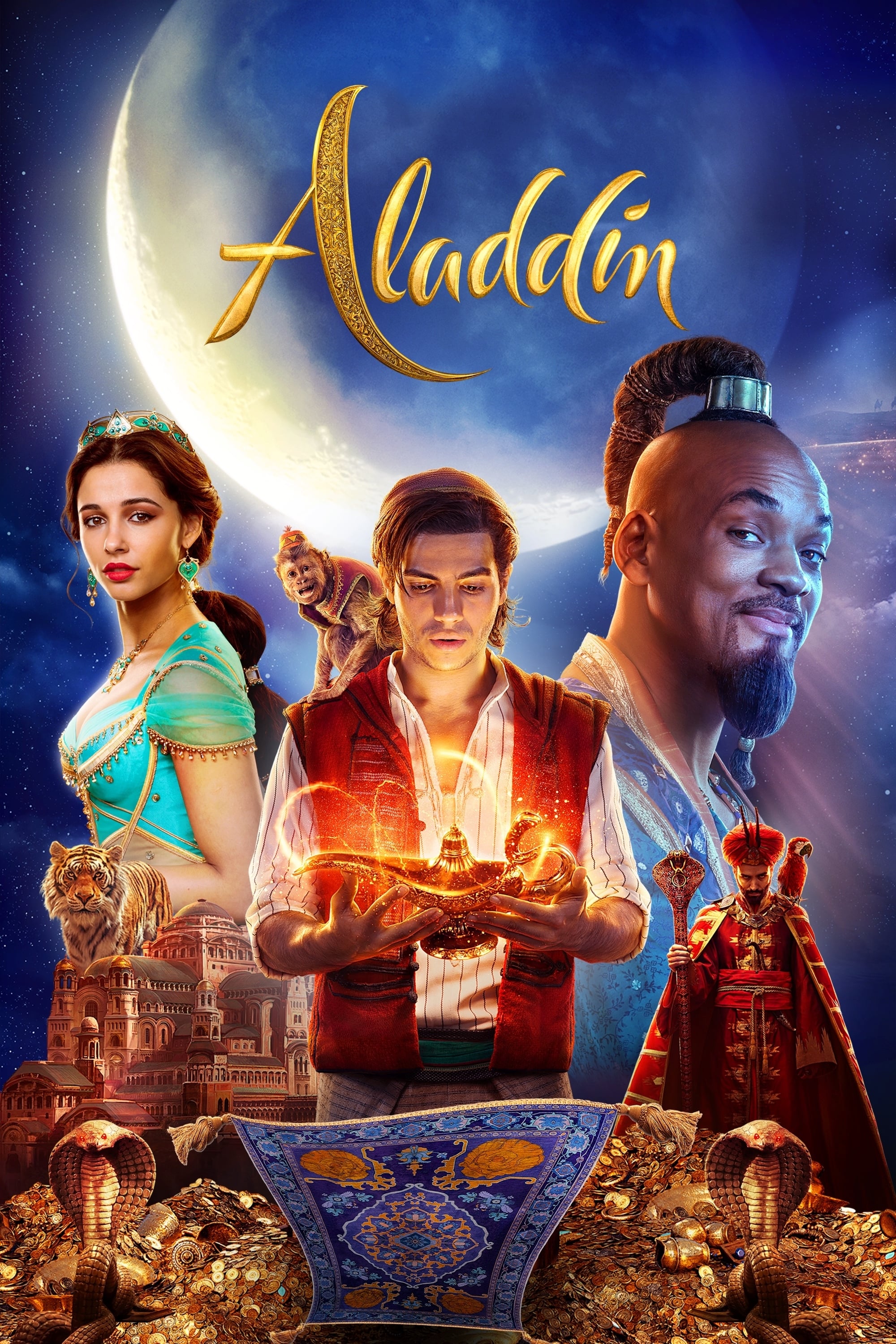
Reports surfaced that background performers had makeup applied to appear darker, which generated criticism of hiring practices. Casting choices drew scrutiny for how the studio defined Middle Eastern and South Asian representation. The production issued statements about local and international talent used on set. The conversation focused on industry pipelines and authenticity.
‘Captain Marvel’ (2019)
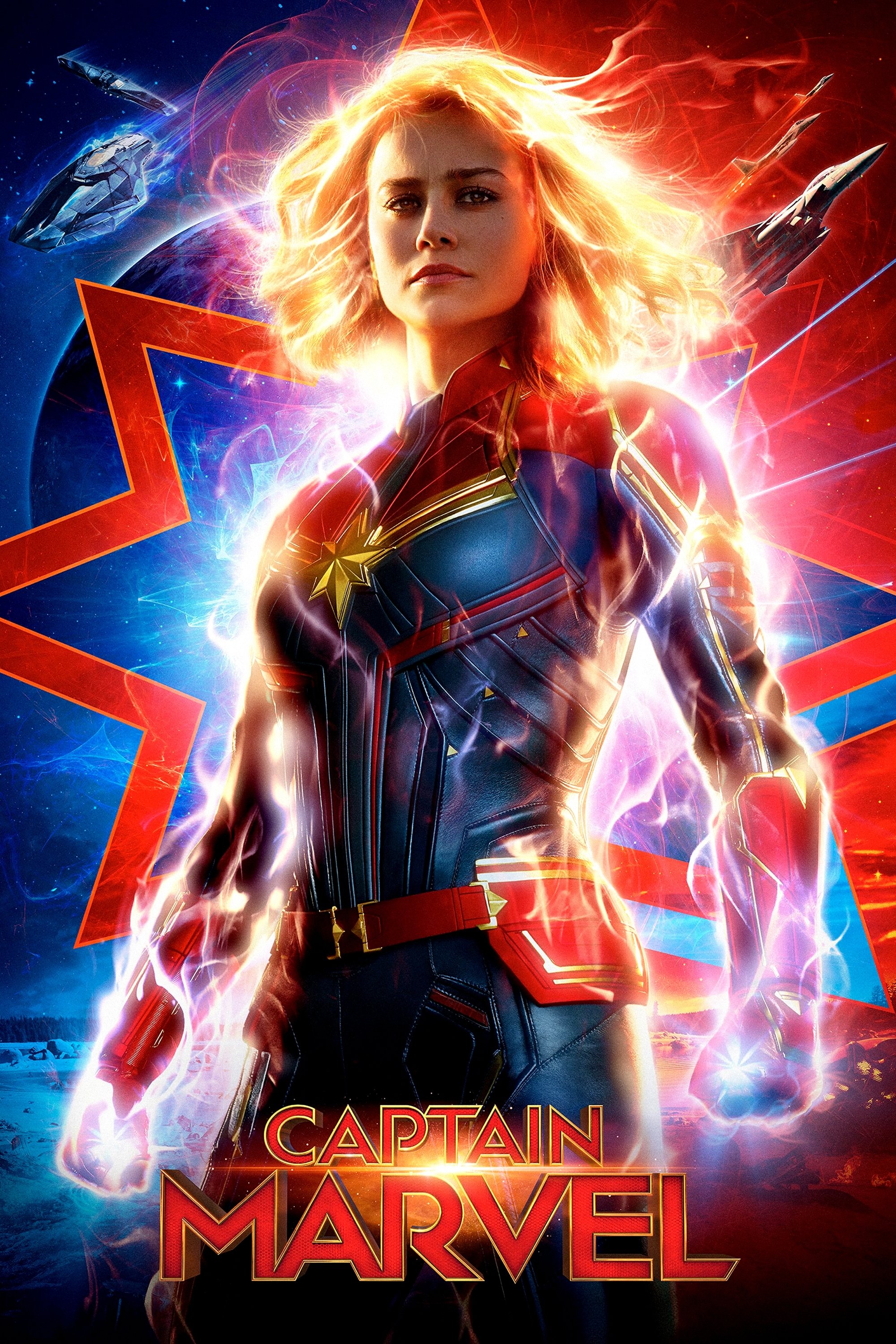
Coordinated campaigns attempted to depress audience scores and targeted the star on social platforms. Rating sites implemented policy changes to address pre-release manipulation. The marketing team adjusted messaging to counter misinformation and harassment. Much of the discourse tracked platform moderation instead of the story.
‘Fantastic Beasts: The Crimes of Grindelwald’ (2018)
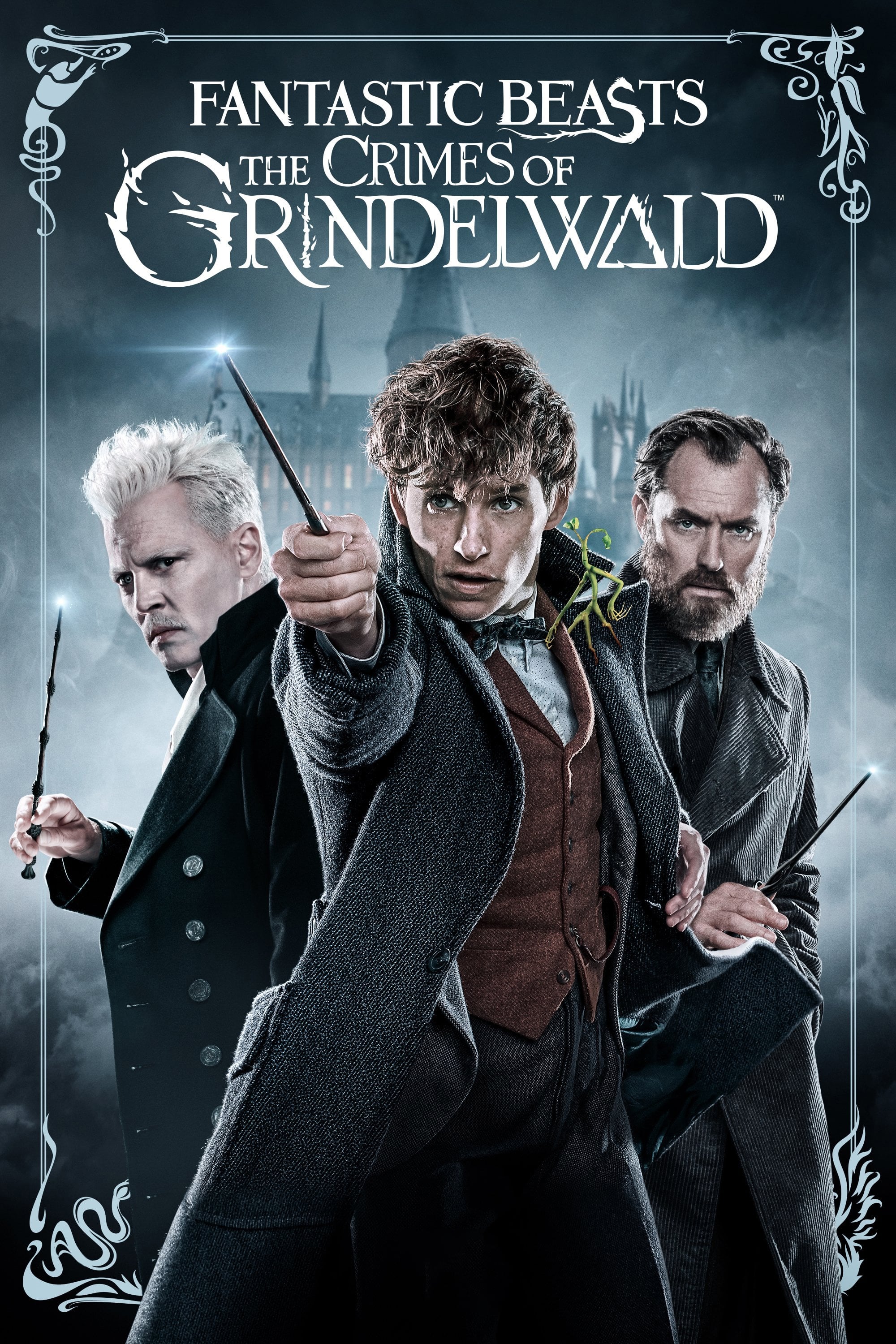
The decision to retain a controversial star amid public allegations drew petitions and open letters. Another casting choice connected to a beloved character prompted questions about representation. Creators and studio executives issued statements defending the lineup. Fan communities spent months debating personnel choices over plot or world-building.
‘Star Trek Into Darkness’ (2013)
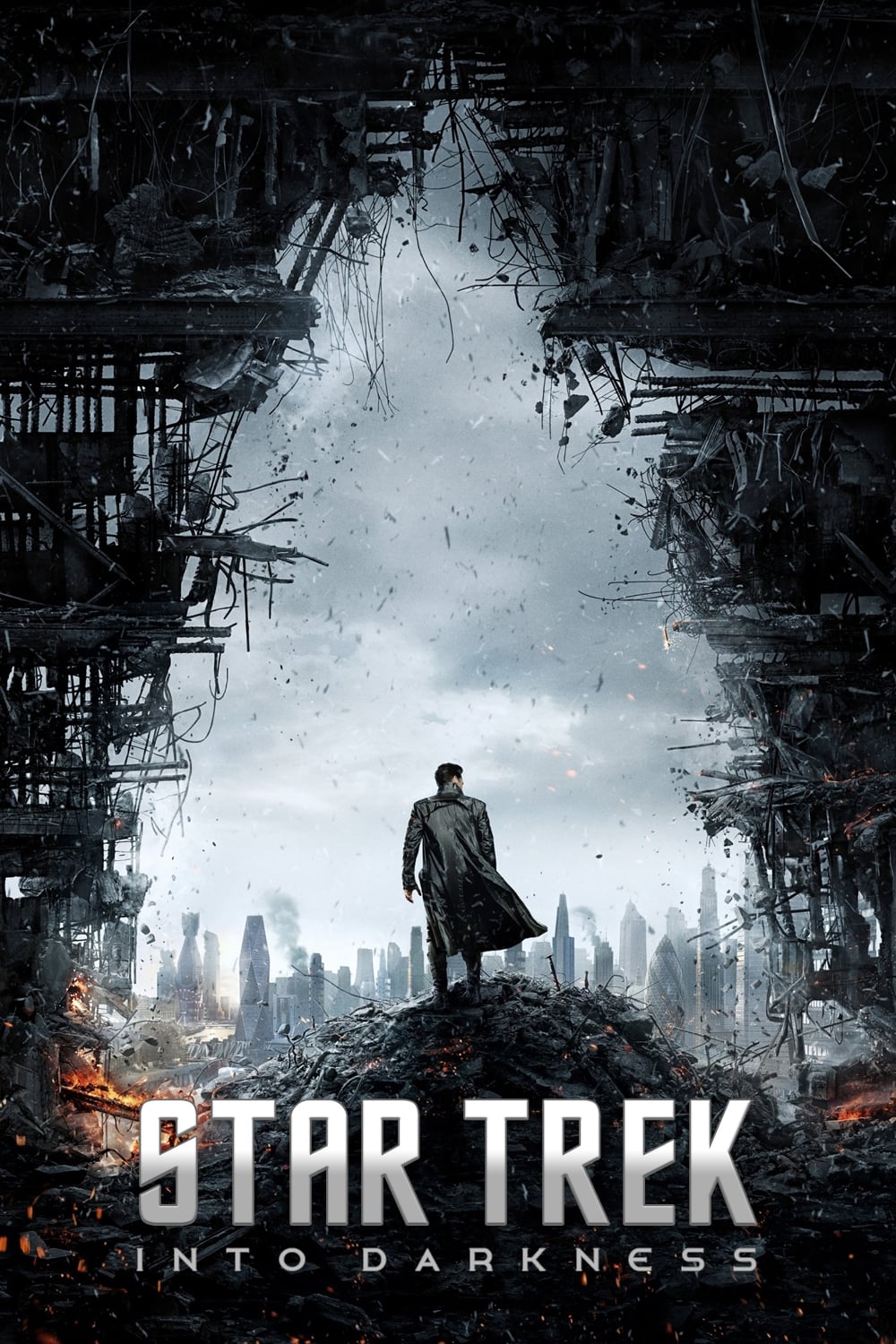
Revealing a famous antagonist played by a non-South Asian actor led to renewed accusations of whitewashing. The production initially tried to conceal the character’s identity, which fueled distrust among fans. Advocacy groups and journalists used the case to highlight systemic casting issues. Coverage emphasized the controversy through the home release window.
‘A Dog’s Purpose’ (2017)
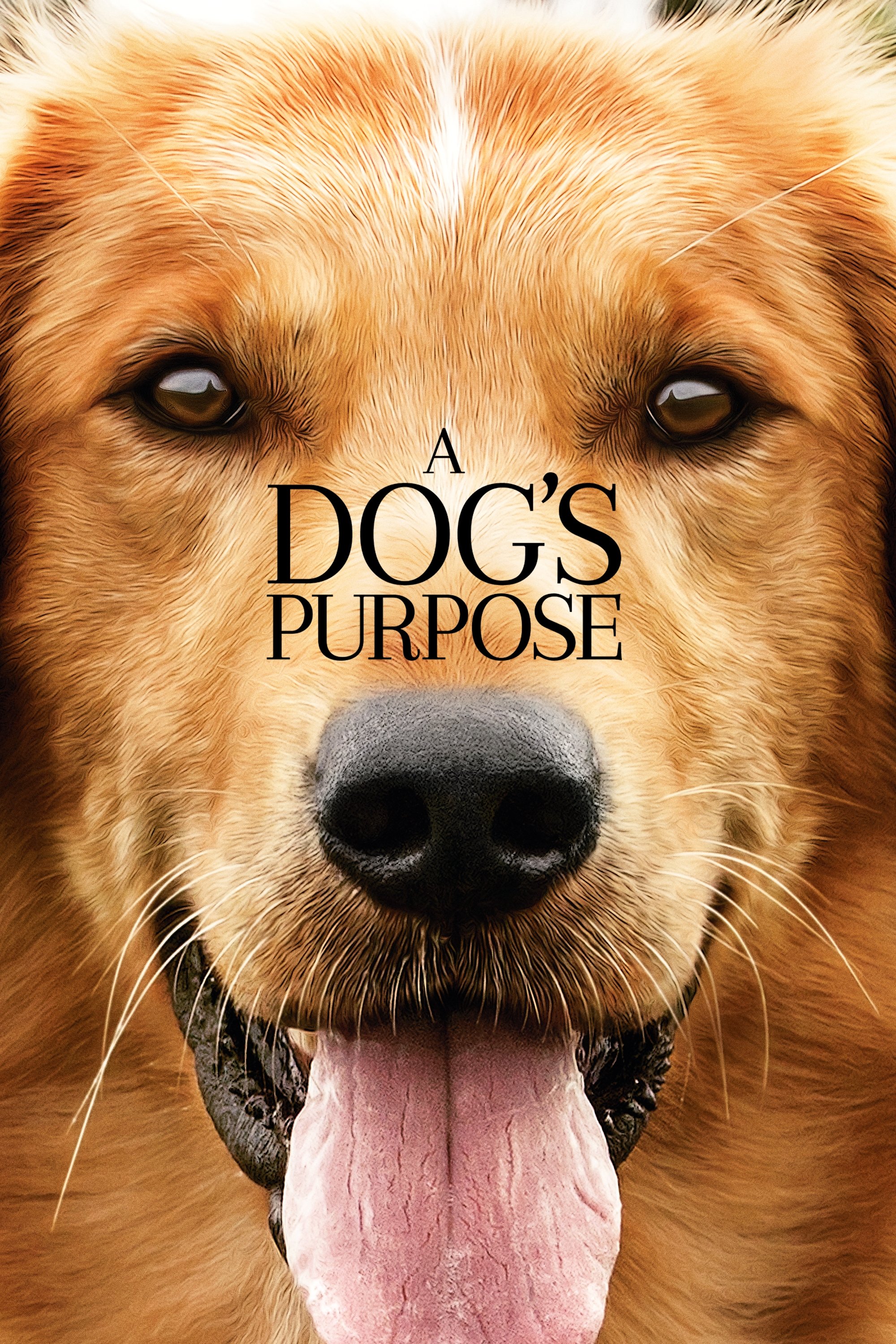
A leaked set video appeared to show unsafe conditions for an animal performer and triggered an industry investigation. Public outrage led to protest calls and paused promotional events. The filmmakers disputed the clip’s context, but the damage to perception lingered. Attendance and press mentions were shaped by animal welfare concerns.
‘The Nightingale’ (2018)
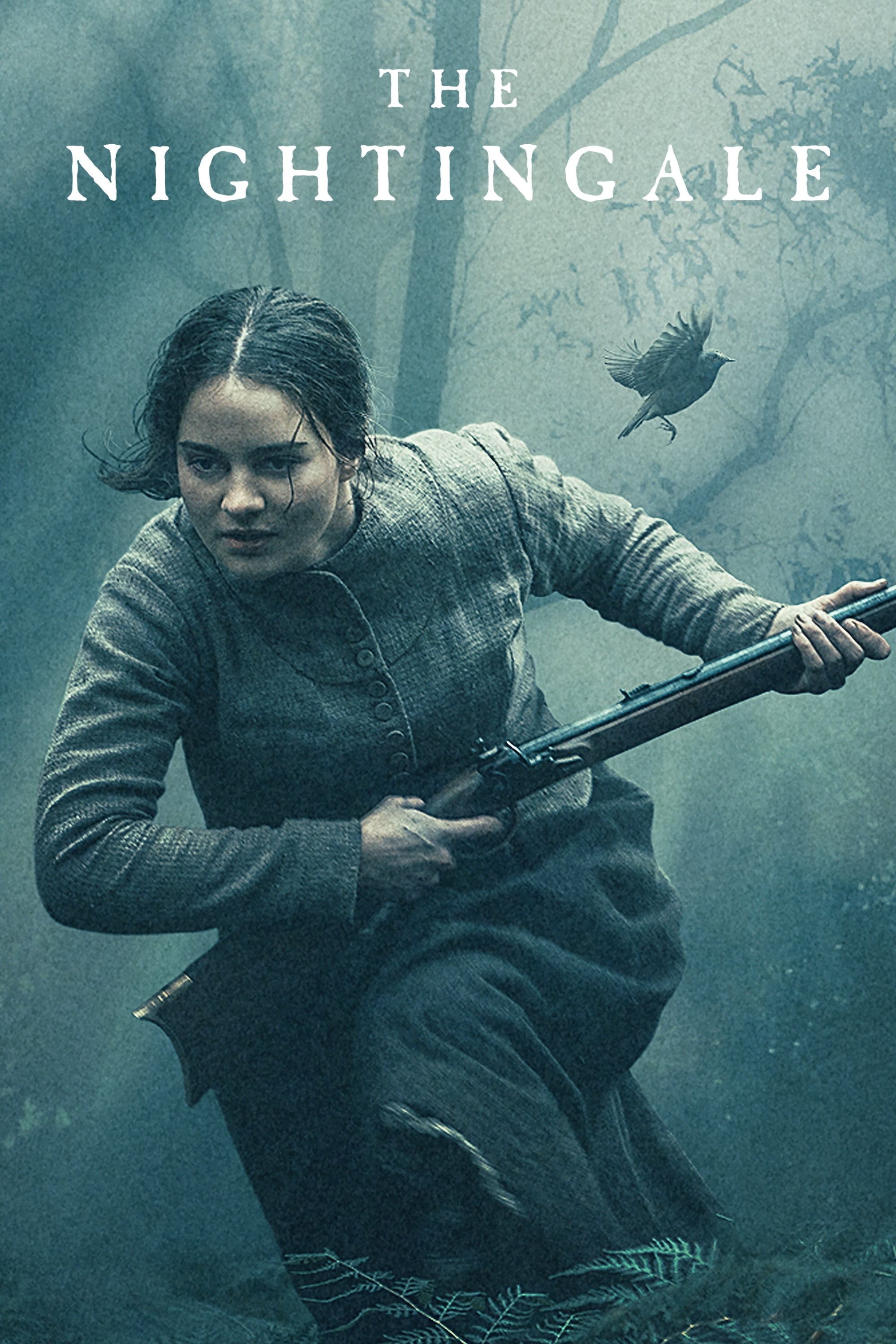
Festival screenings drew reports of audience members using a racial slur to deride a character, which became a news story of its own. The distributor and director condemned the behavior and addressed the film’s depiction of violence. Discussions about content warnings and audience conduct followed. Headlines often led with the incident rather than the movie’s themes.
‘The Disaster Artist’ (2017)
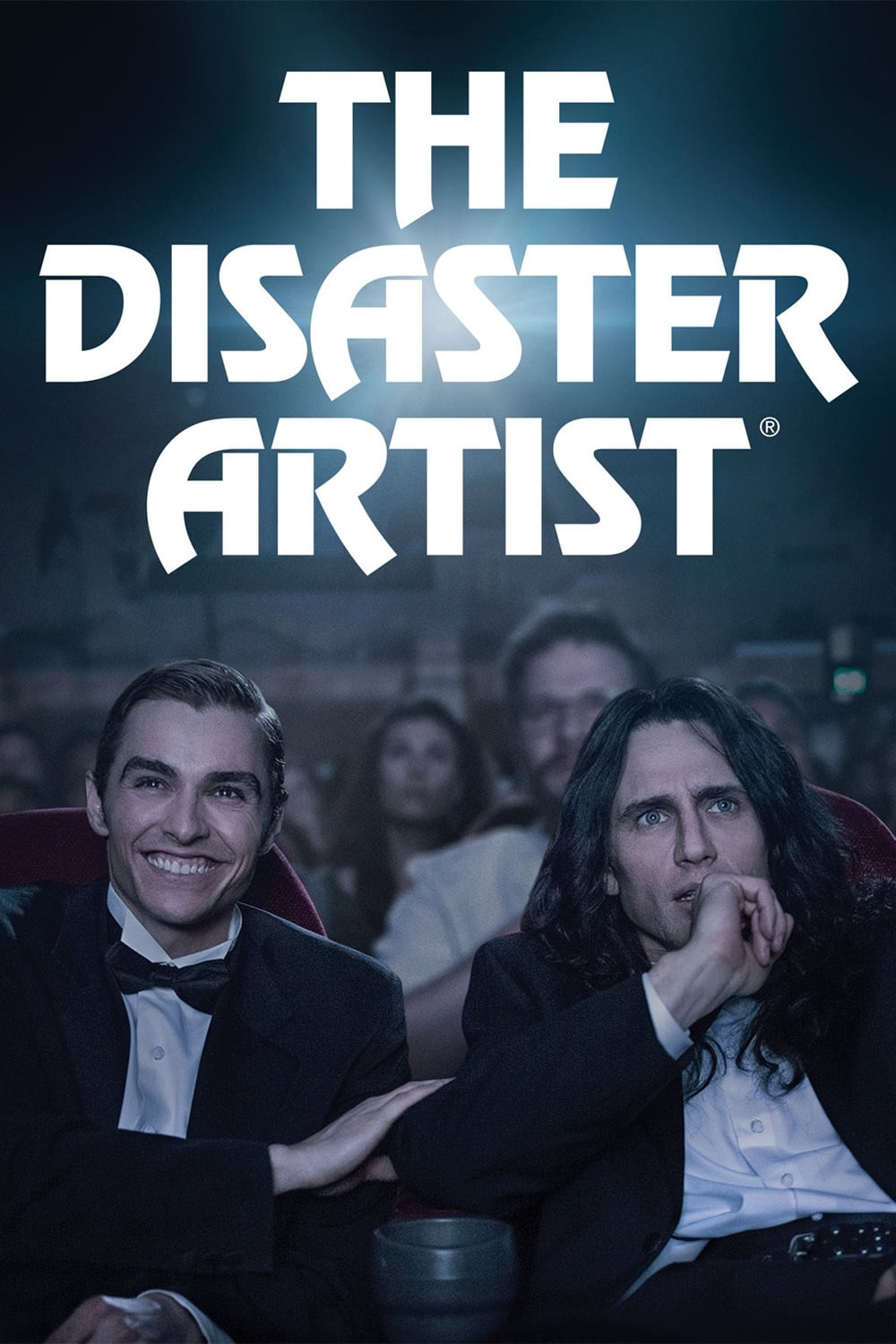
Awards momentum slowed when allegations against the lead actor surfaced during the campaign. Media coverage shifted to questions about conduct and accountability. Event organizers reconsidered invitations and appearances. Conversations about workplace behavior overshadowed attention to craft.
‘The Promise’ (2016)
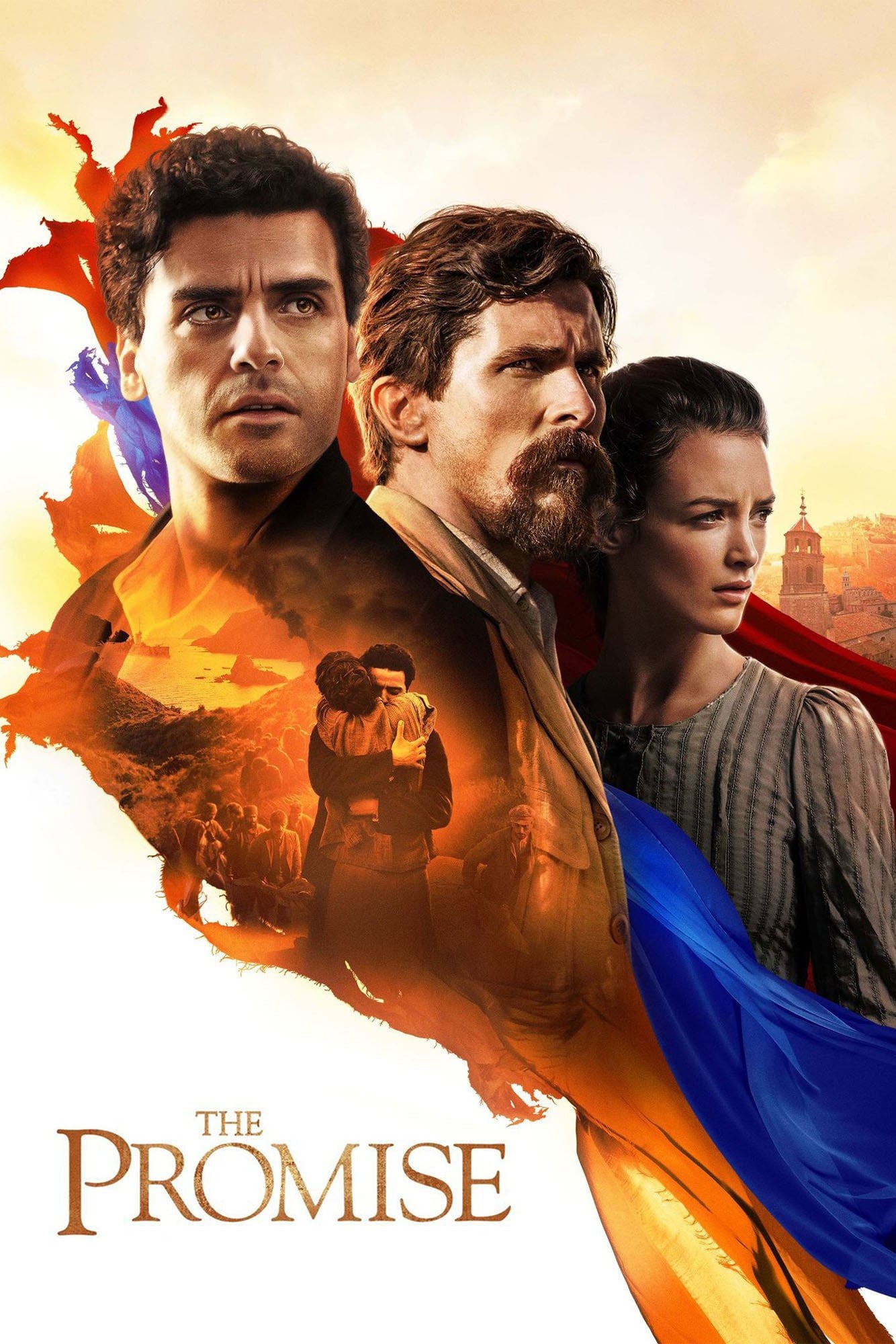
Online brigading targeted ratings platforms to dispute the film’s depiction of the Armenian genocide. Tens of thousands of user scores appeared before wide release, prompting scrutiny of moderation systems. The studio and supporters encouraged viewers to counter the campaign with their own ratings. Much of the narrative around the film focused on the numbers game rather than the drama.
‘Detroit’ (2017)

Community leaders and scholars criticized the production for centering certain perspectives on a painful historical event. Panels and op-eds questioned who should tell specific stories and how trauma is depicted. The distributor engaged with critics while defending creative choices. Press attention followed these debates more closely than the filmmaking process.
Share which titles you think were most affected by controversy in the comments.

