


2010s Movies Controversy Killed (Despite Being Good)



The past decade delivered plenty of strong films that struggled to breathe under the weight of uproars, boycotts, and online storms. Some faced casting debates, others ran into political headwinds, and a few were sideswiped by off-screen scandals that changed how audiences approached them. Distribution plans were altered, festival screenings turned into flashpoints, and marketing campaigns got rewritten on the fly. Here are forty titles that arrived with craft and ambition, yet found their public reception reshaped by controversy.
‘The Birth of a Nation’ (2016)
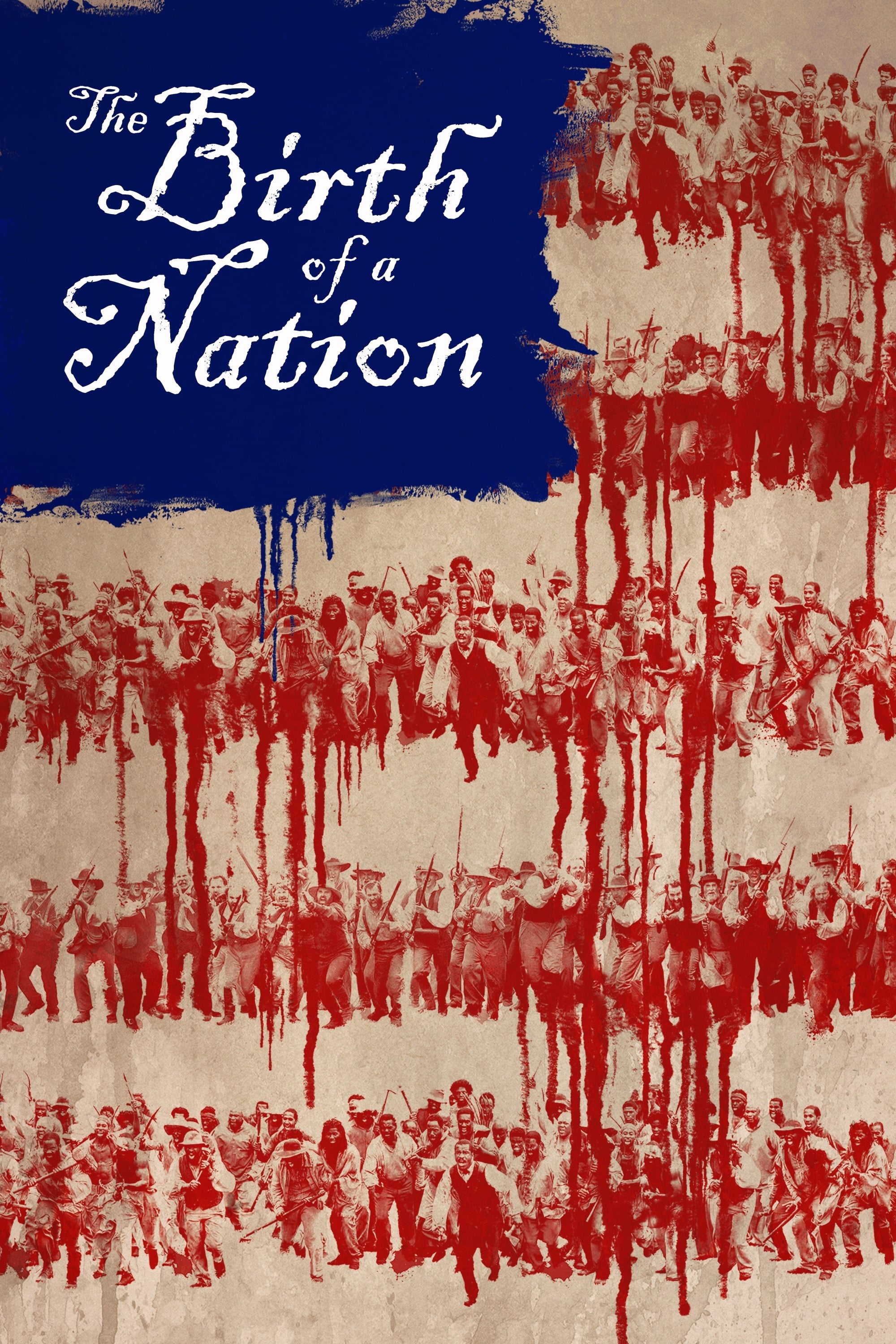
Nate Parker’s historical drama premiered to major festival acclaim, then saw its momentum collapse when past allegations against its star-director resurfaced in wide media coverage. The conversation shifted from the film’s subject matter to the off-screen case, prompting canceled appearances and intense press questioning. Distributors reoriented marketing, and some theaters reported diminished attendance amid calls for boycotts. Awards punditry that once positioned the film as a frontrunner quickly cooled as the scandal dominated discourse.
‘Ghost in the Shell’ (2017)
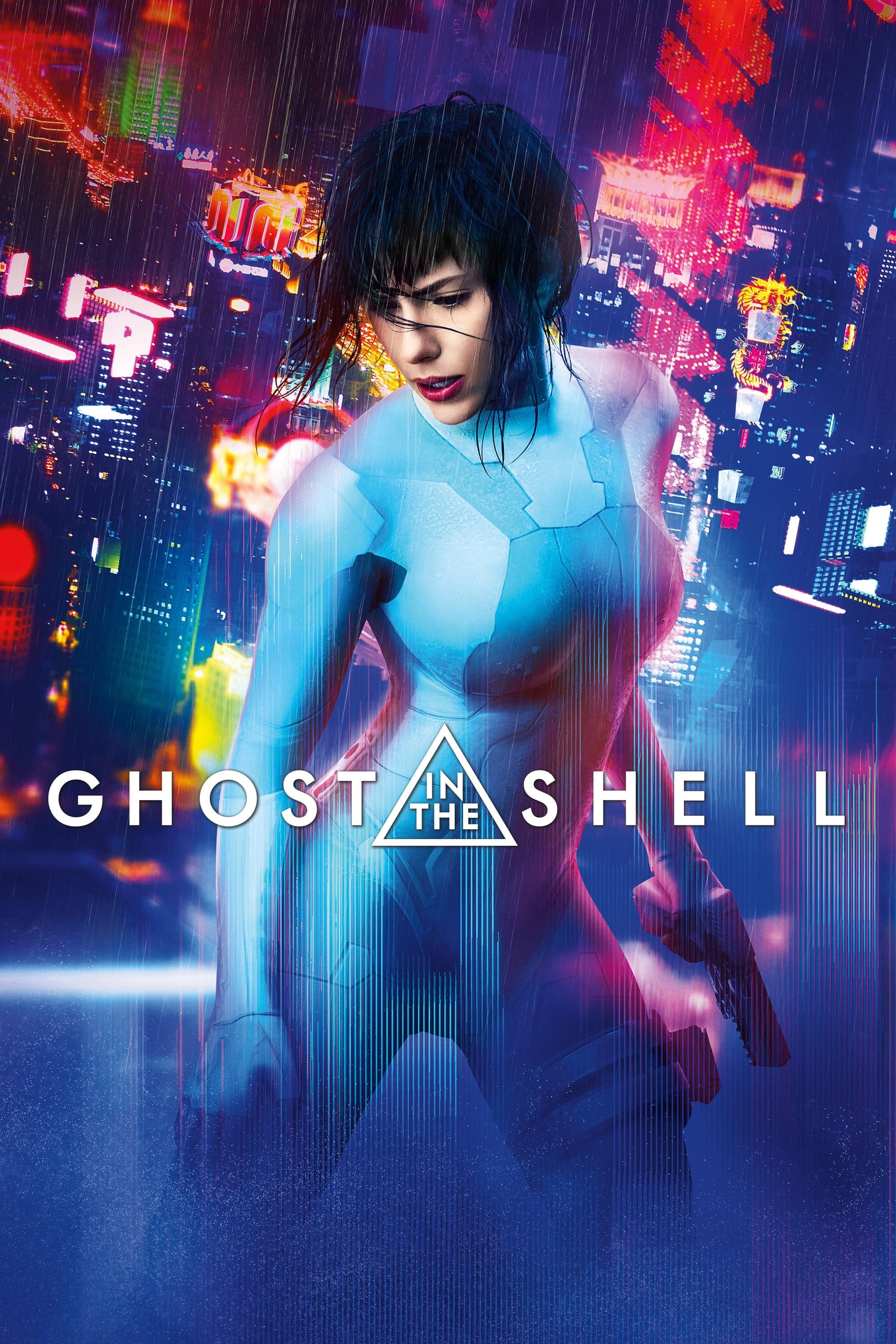
This live-action adaptation drew a sustained backlash over casting choices that many critics labeled as whitewashing. The studio publicly addressed the criticism while defenders cited commercial pressures and creative intent, but the debate continued throughout the promotional window. Online petitions, think pieces, and social-media campaigns amplified the issue across regions. The conversation overshadowed production design and visual effects, leaving the rollout defined by representation concerns rather than the film’s craft.
‘The Interview’ (2014)
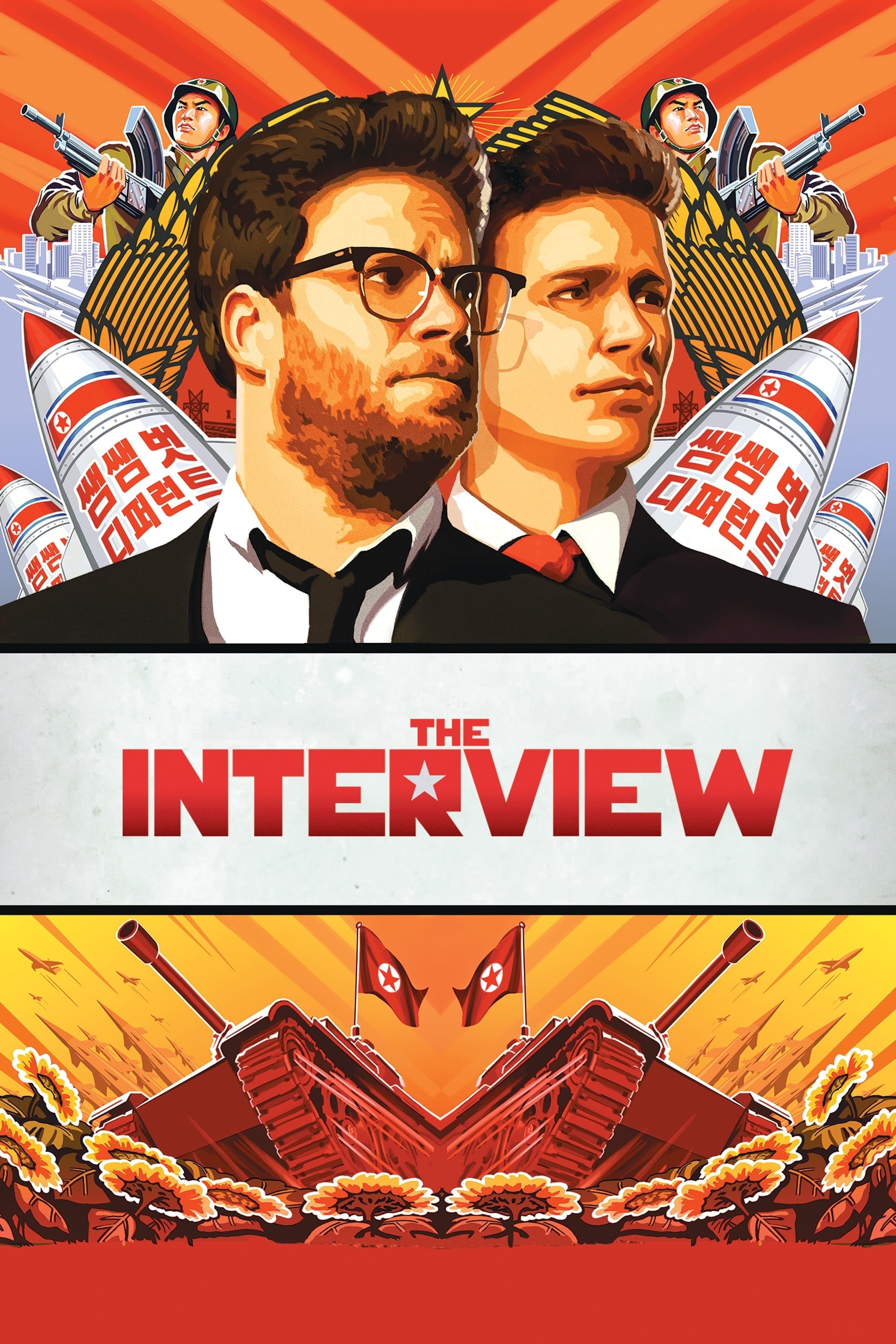
The political satire became the center of an international incident following a studio hack and threats tied to its release. Major theater chains pulled out, and the distributor shifted to a limited digital rollout that upended traditional box-office expectations. Government statements, cybersecurity briefings, and free-speech debates kept the film in headline news. The unconventional distribution plan turned the title into a litmus test for releasing provocative content under pressure.
‘The Hunt’ (2019)
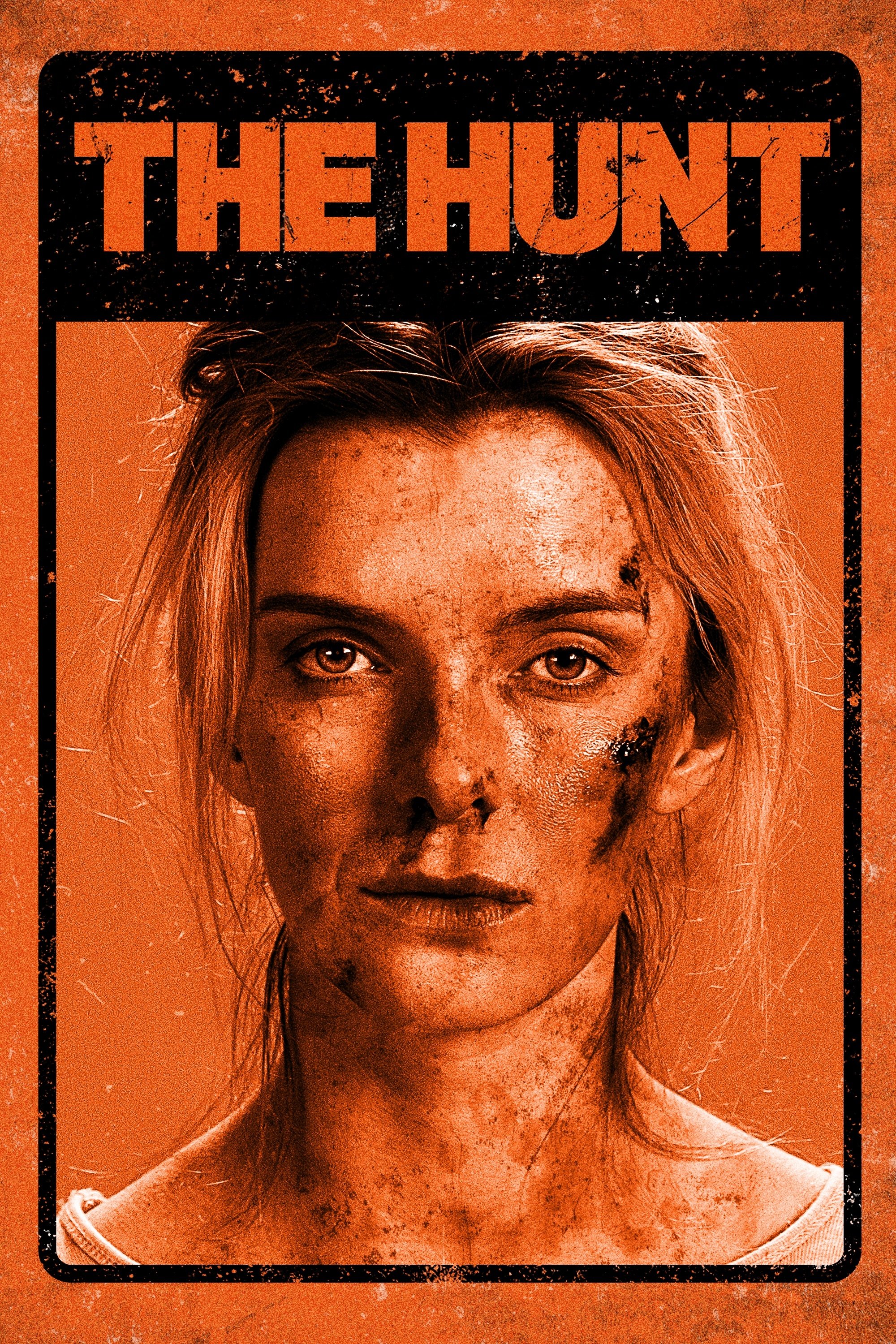
Marketed as a violent satire about elites and everyday people, the film’s campaign collided with a polarized political climate. Trailers were pulled after high-profile incidents, and the release was postponed as officials and commentators weighed in. When it finally reached audiences, marketing leaned into the uproar, reframing the pitch as a conversation starter. The delay and messaging shifts became the defining story of its launch.
‘Joker’ (2019)
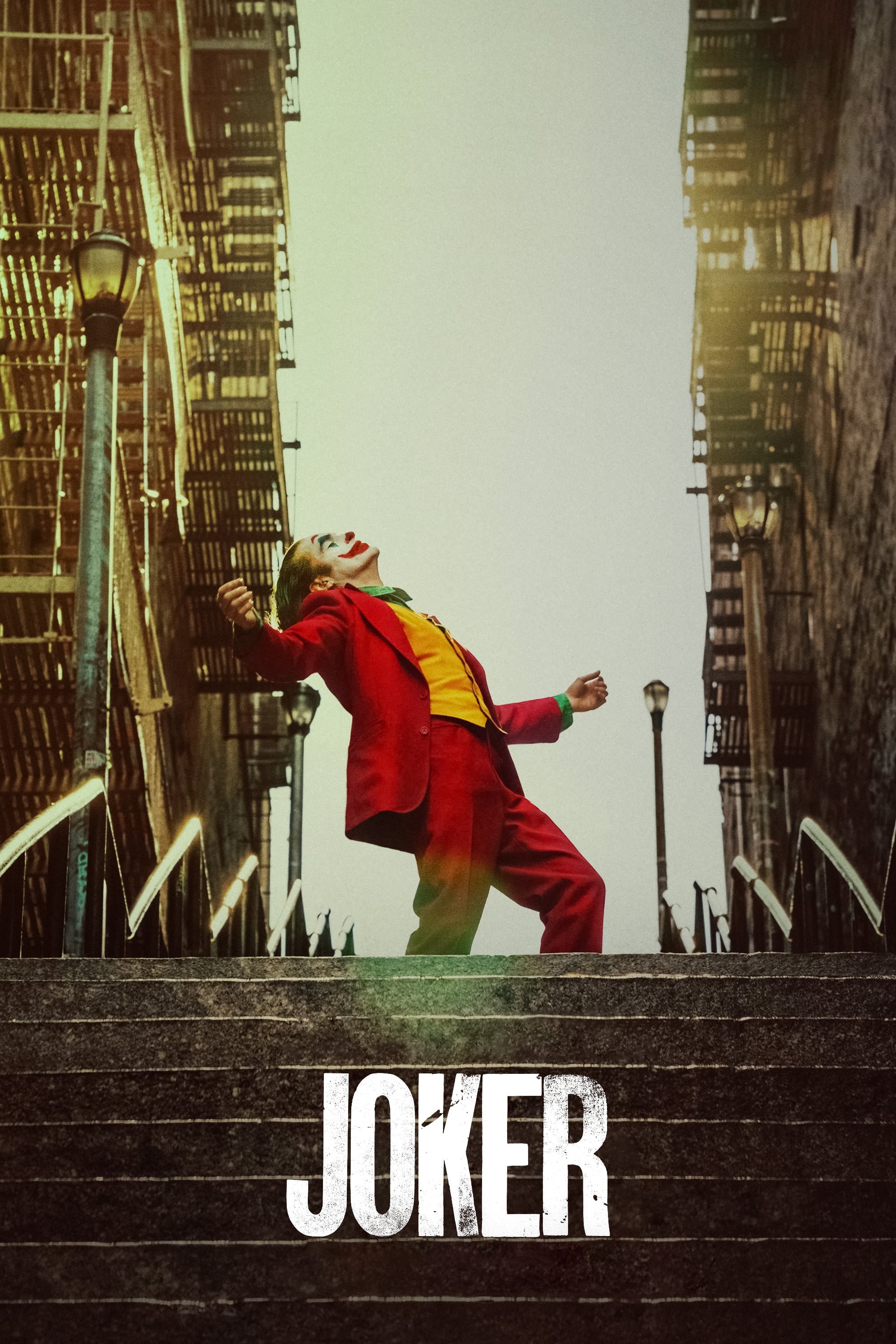
Authorities increased security at multiplexes as concerns were raised about potential violence and copycat behavior. Military and police advisories circulated, and some families of victims from a prior tragedy publicly objected to the release. The studio limited red-carpet press access, and exhibitors posted visible safety notices. Debate over the character’s portrayal and social themes persisted far beyond opening weekend.
‘Noah’ (2014)
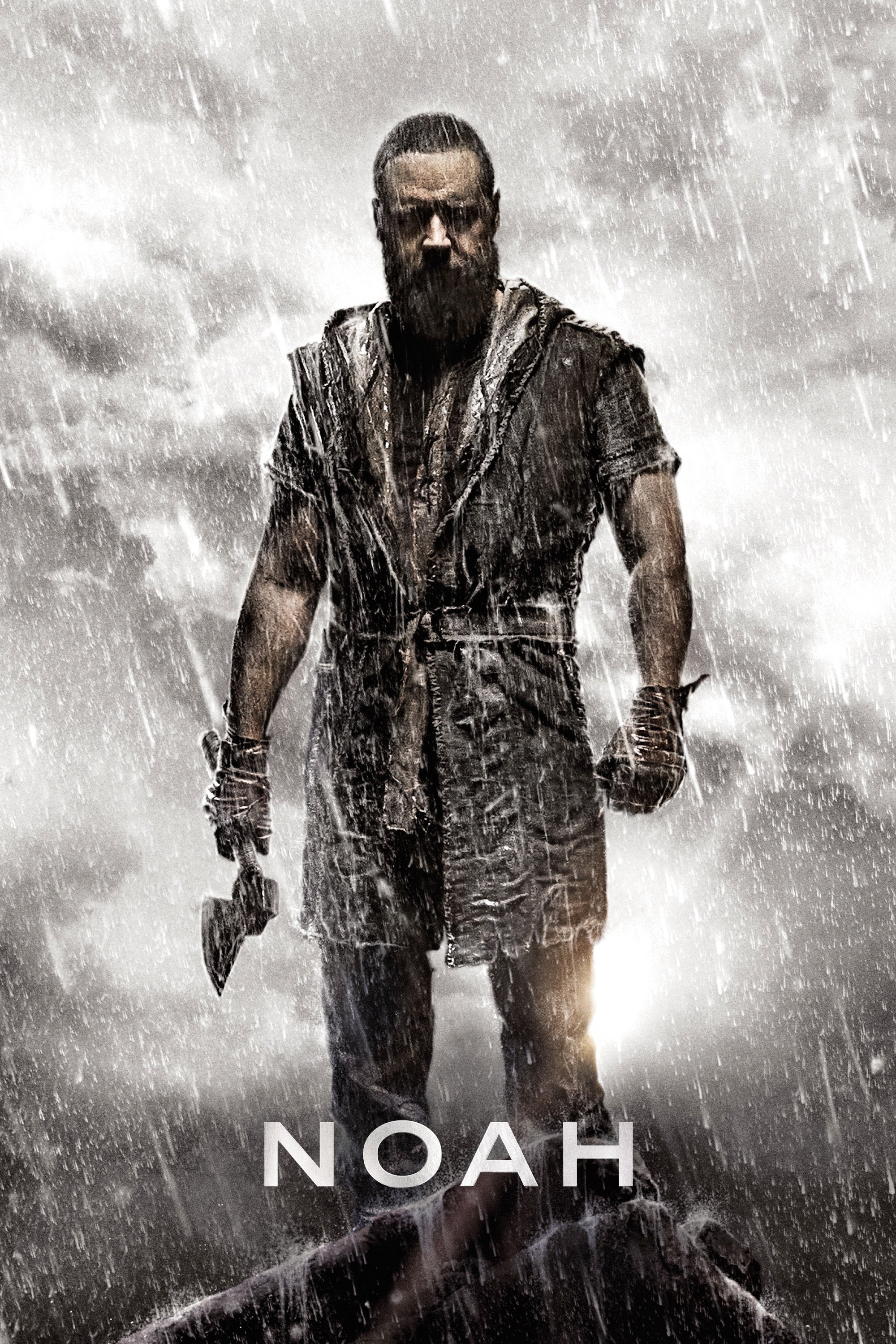
This biblical epic ignited disputes among religious groups over deviations from scripture and the film’s imaginative elements. Some countries imposed restrictions, while others required special notices for audiences. The studio arranged advance screenings for faith leaders and adjusted marketing to address concerns. The controversy shaped audience expectations and became a central talking point in coverage.
‘Star Wars: The Last Jedi’ (2017)
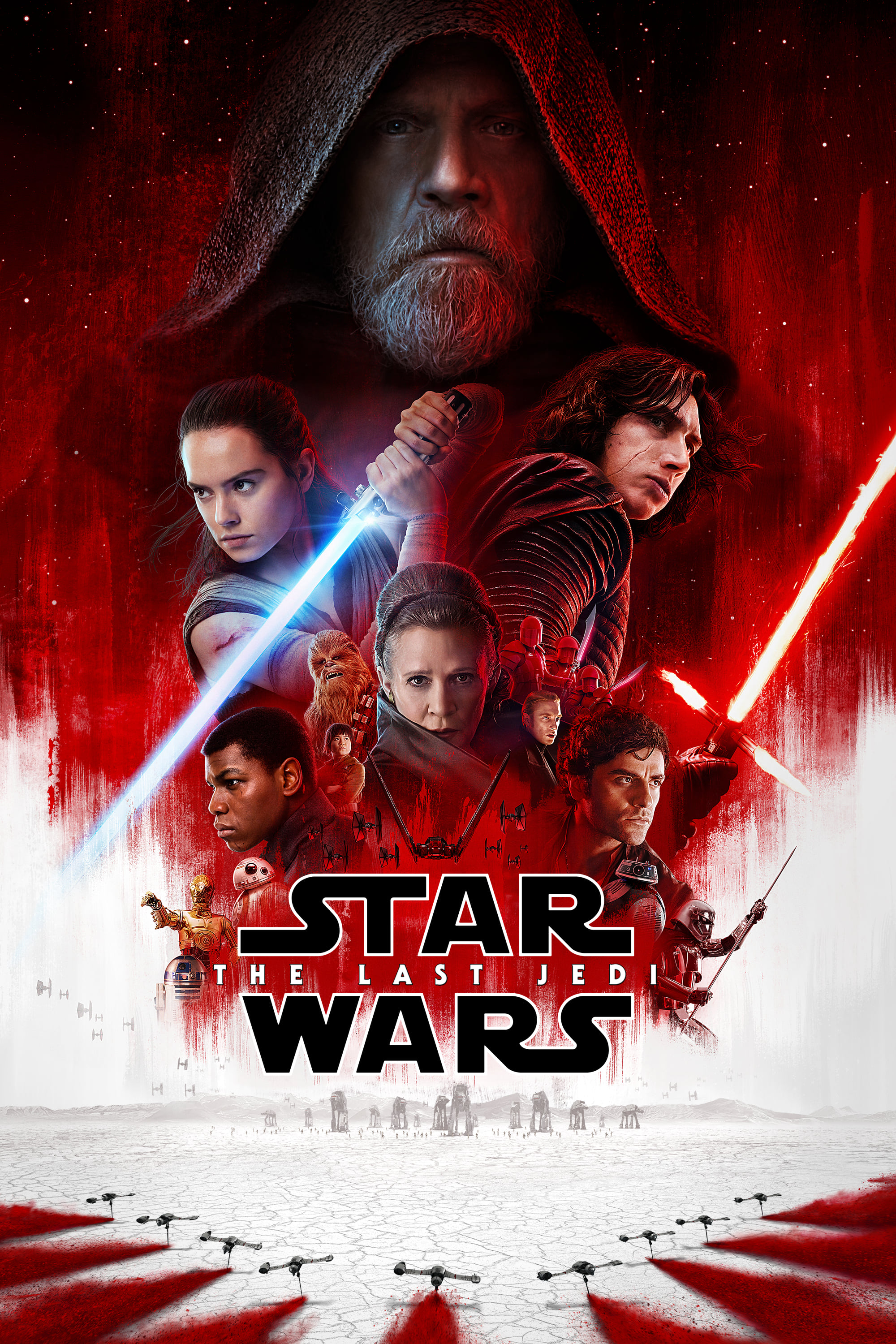
The franchise entry sparked intense fan backlash over character arcs, humor, and subverted mythology. Coordinated review-bombing efforts targeted user-rating platforms, prompting moderation responses. Cast and crew faced social-media harassment, and the discourse spilled into subsequent installments. Studio messaging navigated between celebrating creative choices and de-escalating the online firestorm.
‘Zero Dark Thirty’ (2012)

Debate focused on the depiction of interrogation and whether the narrative suggested a link between tactics and intelligence gains. Lawmakers requested briefings, and officials issued statements disputing elements of the film. Awards bodies fielded pressure campaigns, turning screenings into policy forums. The conversation reframed the movie as a flashpoint in national-security ethics.
‘American Sniper’ (2014)
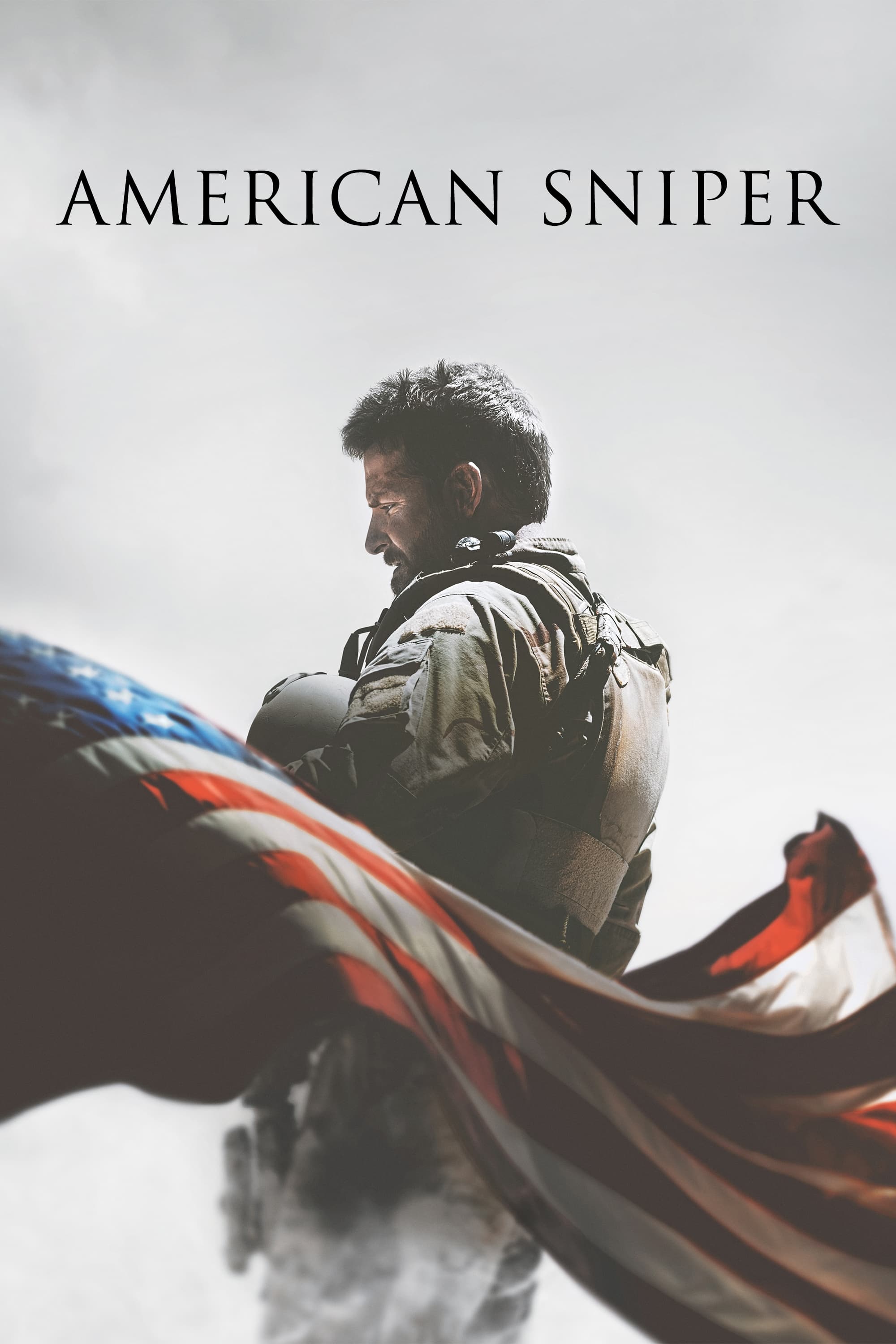
The biographical drama triggered polarized responses about military service, heroism, and wartime representation. Advocacy groups, commentators, and public figures used the film to advance broader debates. The subject’s memoir and public record were scrutinized as part of the release coverage. Box-office performance surged even as cultural arguments intensified around it.
‘The Wolf of Wall Street’ (2013)
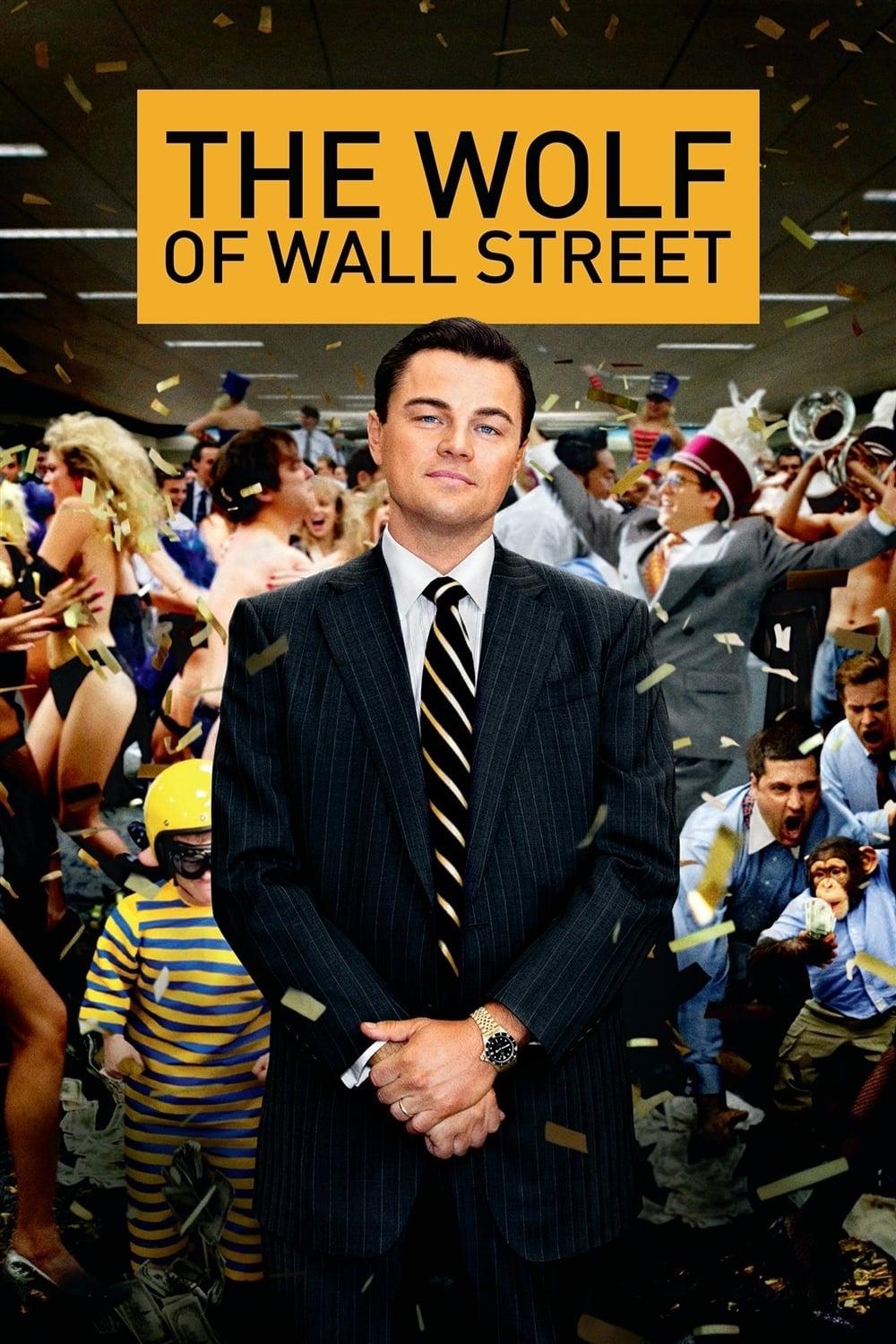
Depictions of excess, fraud, and exploitation drew objections about glamorization, profanity, and graphic content. Lawsuits and public statements from real-life figures challenged aspects of the portrayal. The film’s marketing leaned on notoriety while theaters reported lively audience reactions and occasional disruptions. Conversations about responsibility in storytelling followed the movie through awards season.
‘Three Billboards Outside Ebbing, Missouri’ (2017)
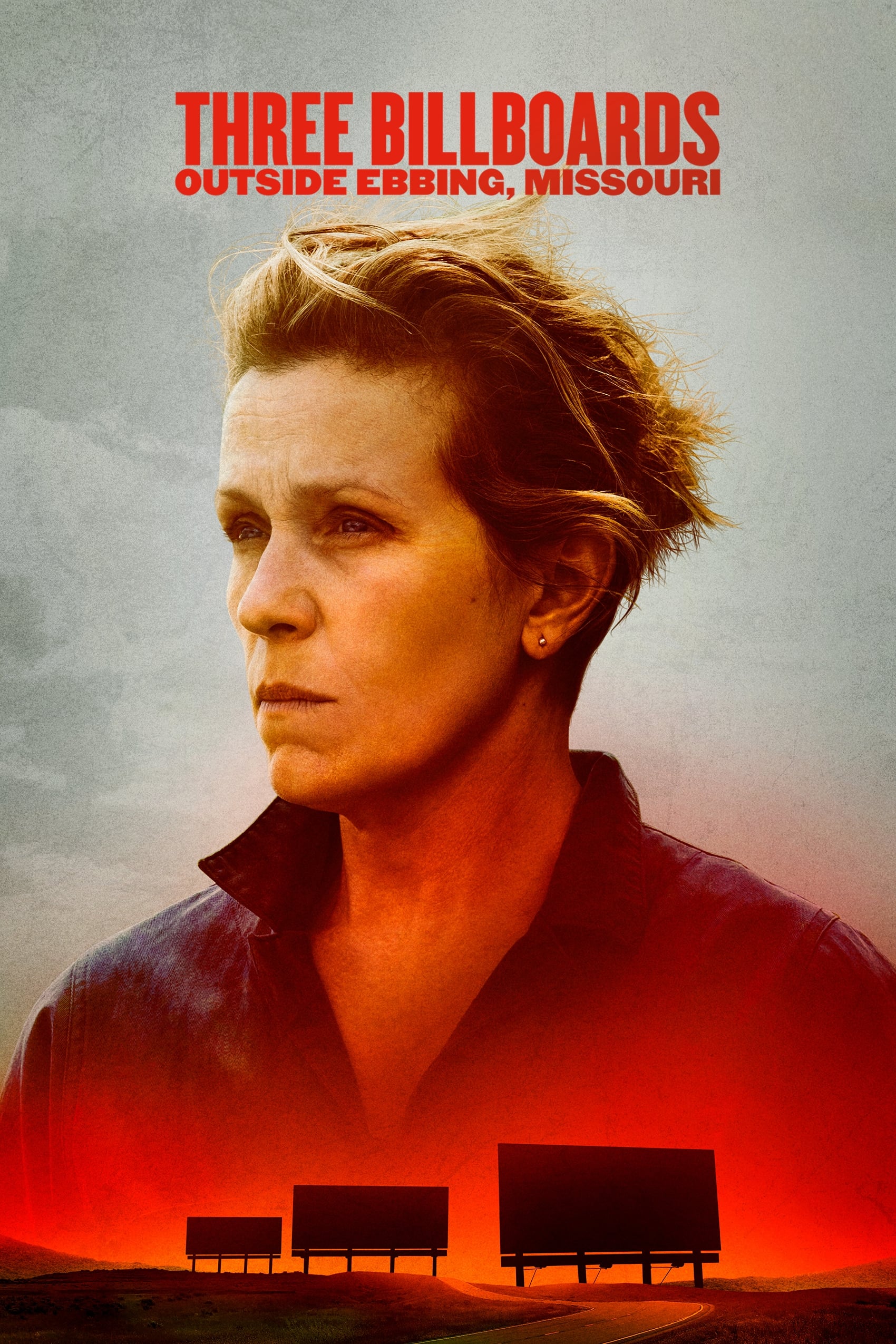
Critics and activists debated the handling of race, policing, and forgiveness within a small-town setting. Social-media threads and op-eds dissected character arcs and narrative outcomes. Festival accolades collided with scrutiny over what themes the story elevated or minimized. The awards campaign proceeded under a cloud of think-piece crossfire.
‘The Death of Stalin’ (2017)
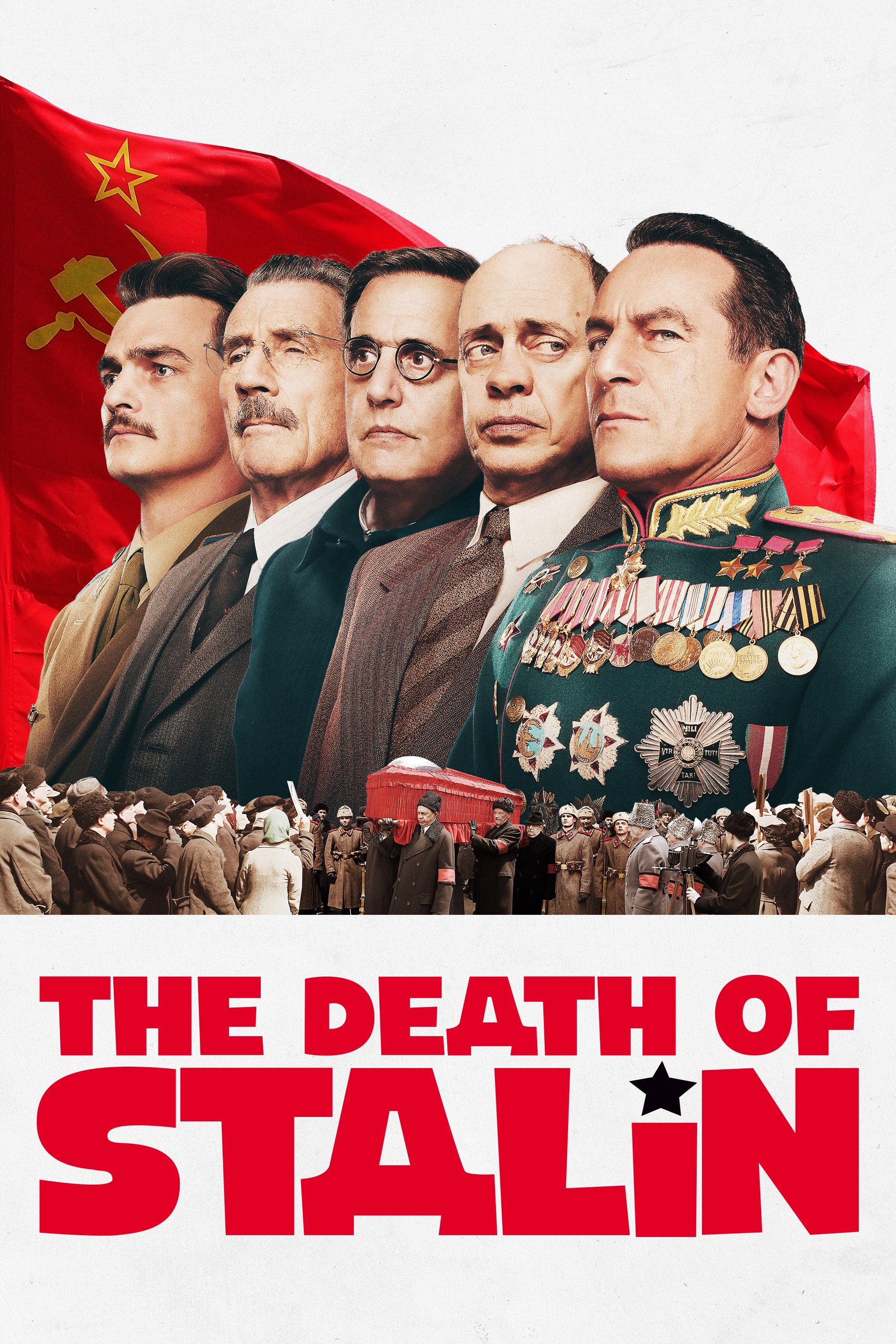
Authorities in one major market banned the political satire, citing offense to national history and symbols. Cultural agencies revoked exhibition permissions, and theaters canceled scheduled runs. The ban amplified interest abroad, where marketers highlighted the prohibition in press materials. The episode illustrated how satire can run headlong into state controls on art.
‘Okja’ (2017)

Premiering under a streaming banner at a top festival, the film ignited a dispute about theatrical windows and eligibility rules. Traditional exhibitors protested, and the festival instituted new policies for future editions. Technical glitches at an early screening became part of the narrative, further fueling debate. The platform’s day-and-date strategy turned the movie into a case study in changing distribution.
‘Blue Is the Warmest Color’ (2013)

Praise for performances and intimacy arrived alongside reports of grueling working conditions on set. The director and actors offered conflicting accounts in interviews, keeping attention on labor practices. Ratings boards and exhibitors wrestled with graphic content and screening policies. The film’s legacy became inseparable from workplace and consent conversations.
‘Bohemian Rhapsody’ (2018)
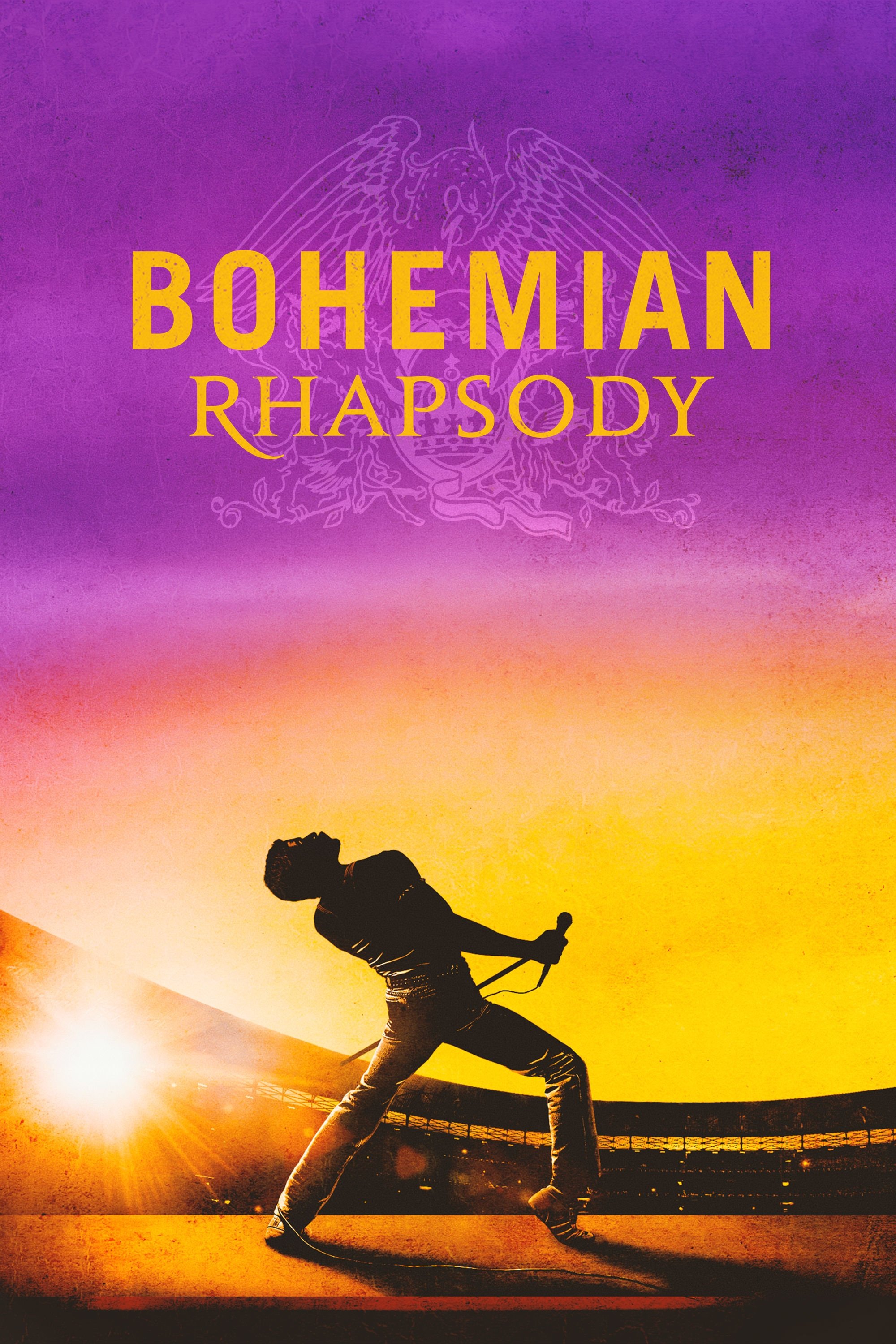
Production headlines centered on the director’s mid-shoot departure and subsequent removal from marketing. Allegations and lawsuits connected to past behavior resurfaced, intensifying scrutiny. Another filmmaker finished principal photography, and guild credit arbitration followed. Awards success unfolded while reporters continued to probe off-screen issues.
‘Hacksaw Ridge’ (2016)
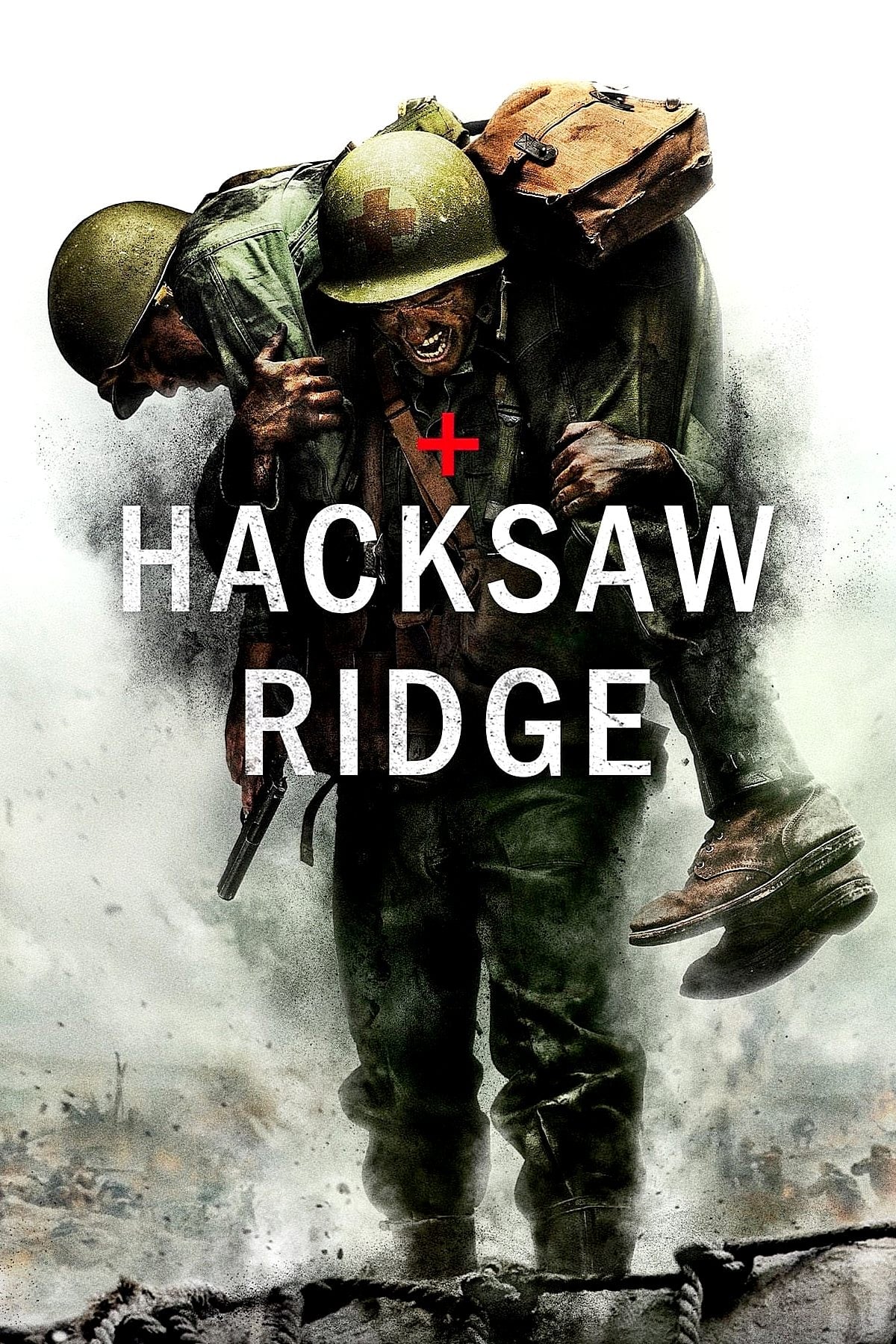
The comeback of a filmmaker with a high-profile personal scandal prompted calls for boycotts. Interviews revisited past incidents, and commentators debated separating art from artist. Publicists positioned the story around the subject’s pacifism and courage to counter the noise. The controversy remained a persistent backdrop through release.
‘The Shape of Water’ (2017)
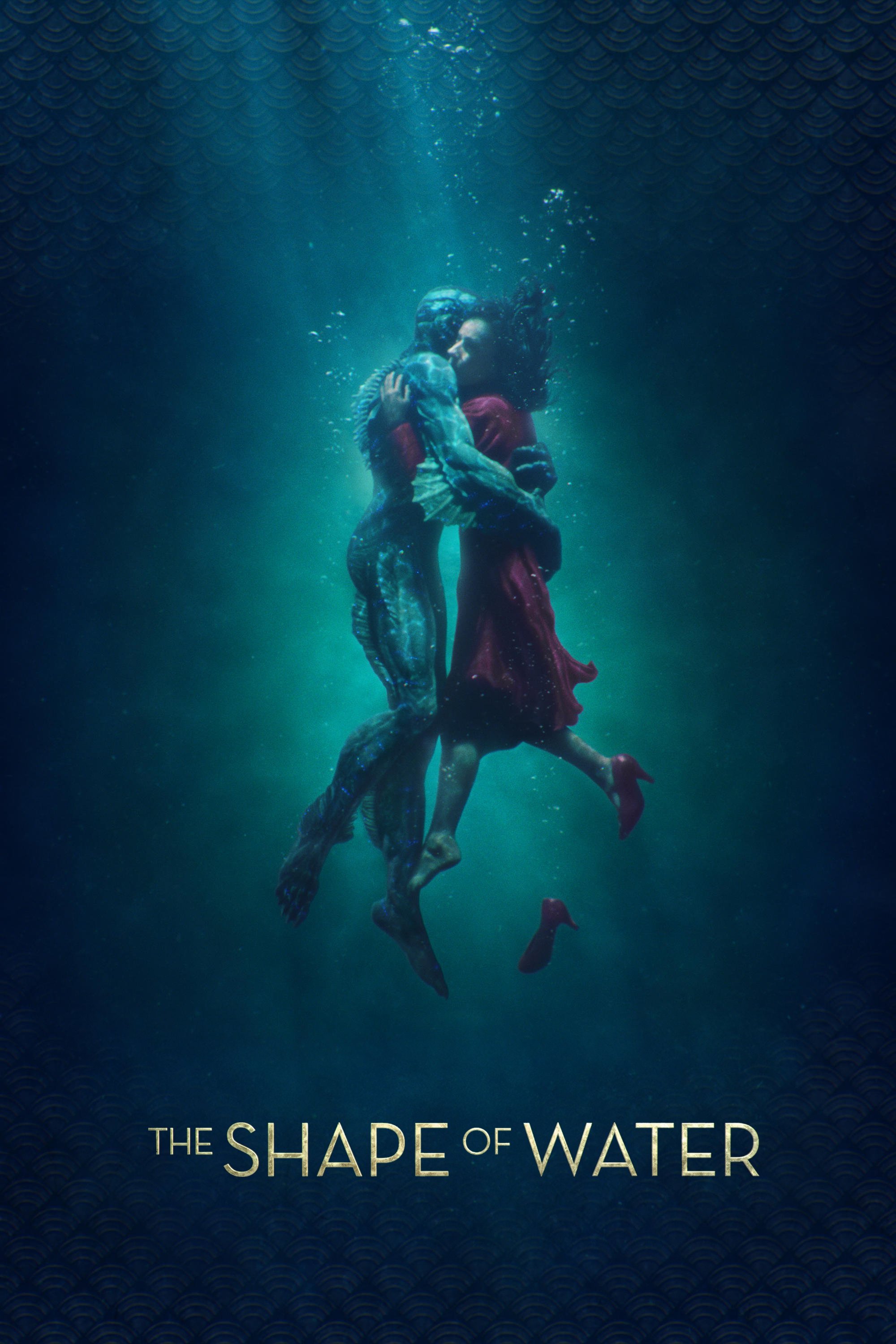
A plagiarism lawsuit alleged similarities to an older play, which the filmmakers denied. Legal filings and expert testimony became part of the media cycle around the film. Courts later dismissed key claims, yet the headlines lingered during awards chatter. The case highlighted how intellectual-property disputes can shadow a rollout.
‘The Promise’ (2016)
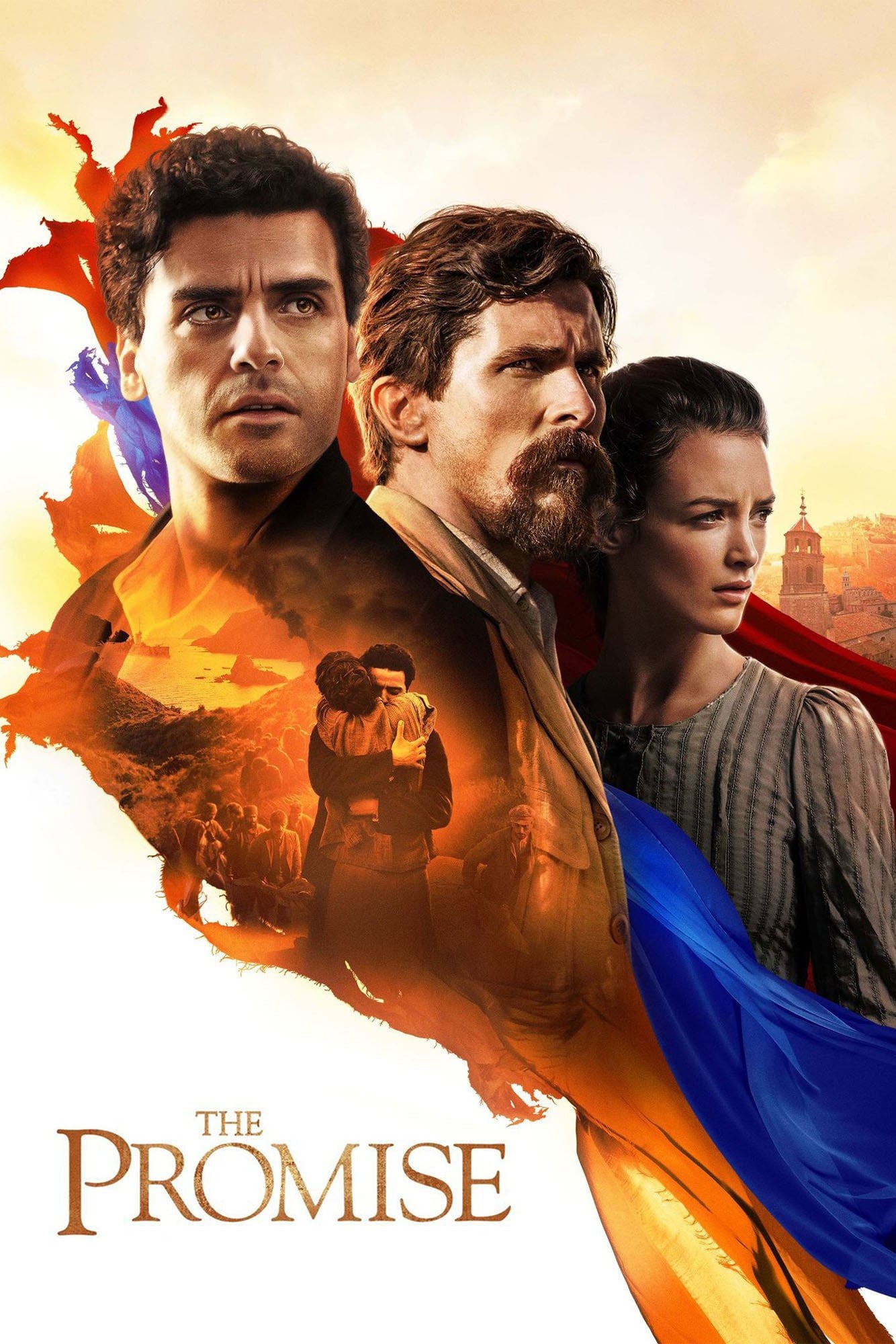
This historical drama arrived amid organized online campaigns aimed at torpedoing user scores. Large waves of negative ratings appeared before meaningful public access, raising questions about platform safeguards. Supporters and community groups counter-mobilized to boost visibility. The tug-of-war over perception became as prominent as traditional reviews.
‘The Danish Girl’ (2015)

Casting a cisgender actor as a transgender pioneer prompted sustained criticism from LGBTQ advocates. Think pieces, panels, and open letters pressed studios to rethink representation. The production emphasized research and consultation in press notes, but the debate continued. The film became part of a broader industry reckoning over who gets to portray whom.
‘Aloha’ (2015)

The comedy-drama drew attention for casting a star as a character with mixed Asian and Pacific Islander heritage. The studio and actor issued statements addressing the backlash. Media coverage widened to examine systemic underrepresentation across the region. The controversy reshaped the narrative around the film’s release and reception.
‘Exodus: Gods and Kings’ (2014)
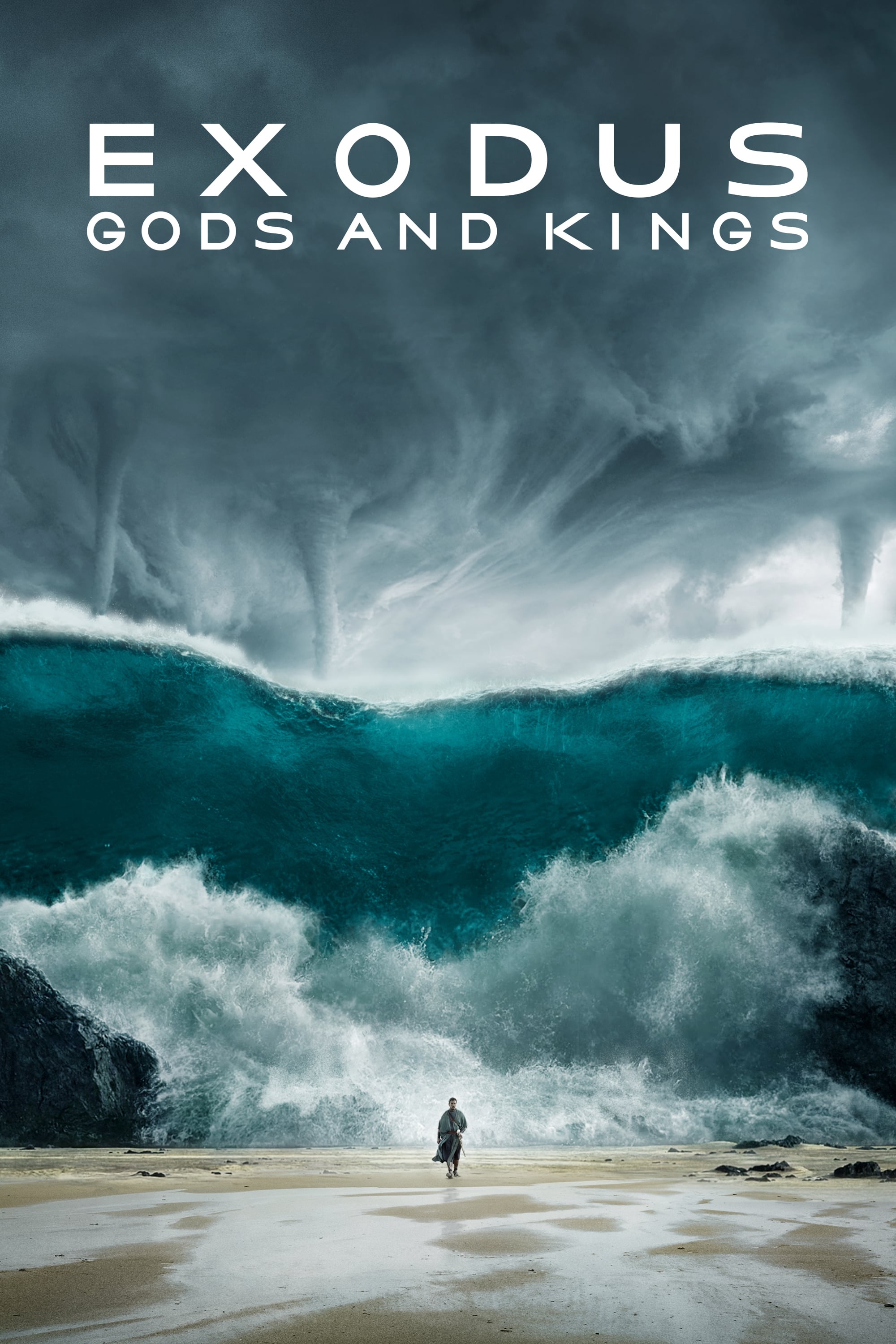
Major roles assigned to non-Middle Eastern actors sparked criticism from audiences and advocacy groups. Hashtags and think pieces amplified the whitewashing charge globally. Some markets saw reduced support from exhibitors and viewers in response. The conversation overshadowed visual spectacle and production scale in coverage.
‘Doctor Strange’ (2016)
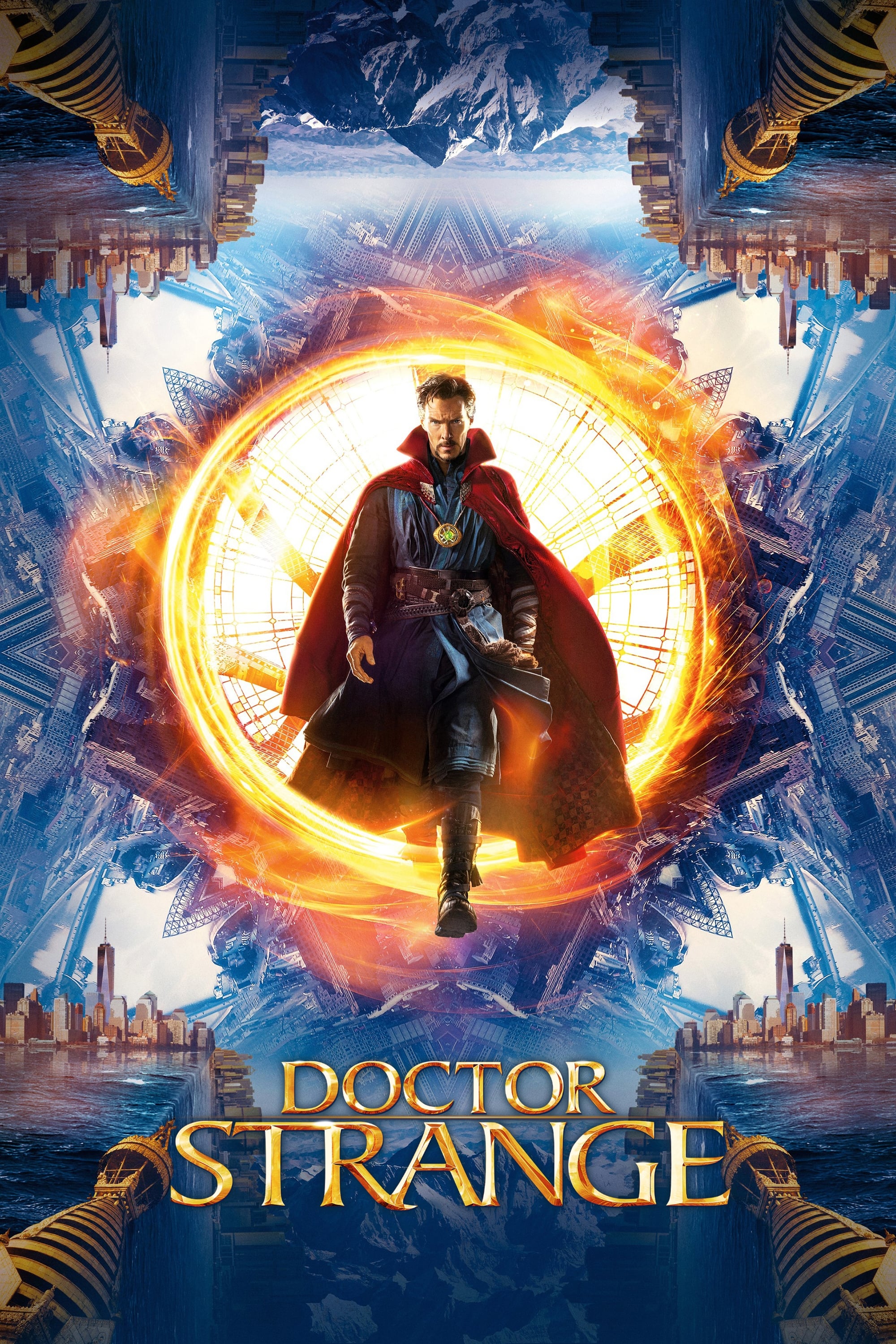
Reimagining the Ancient One led to claims of erasure tied to a Tibetan backstory, while the studio cited a complex geopolitical context. Statements from writers and producers attempted to explain the choice, but debate persisted. Commentators weighed representation against market access and censorship concerns. The issue became a recurring reference point in discussions of franchise casting.
‘Star Trek Into Darkness’ (2013)
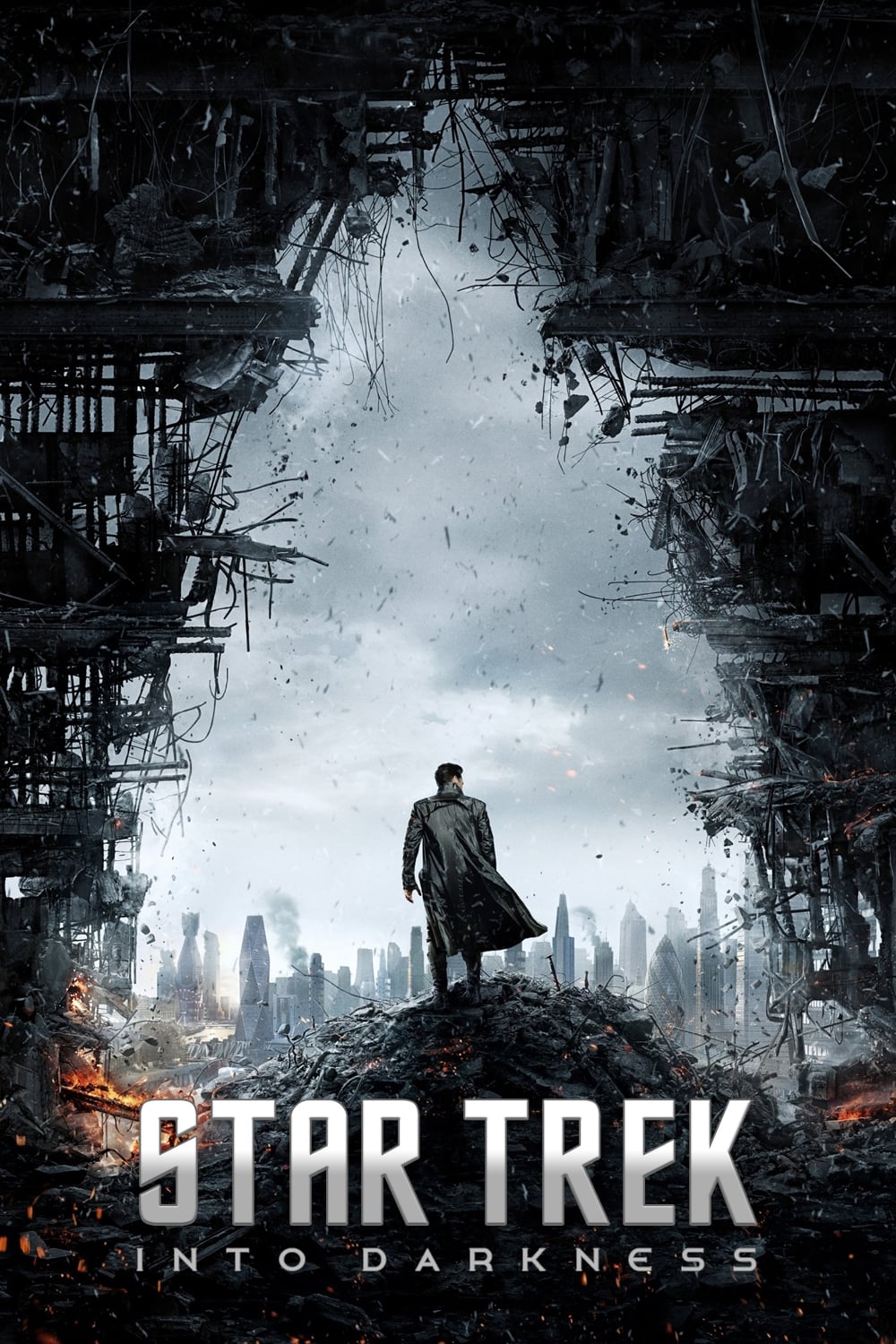
Secrecy around the villain’s identity culminated in criticism once a celebrated character was revealed with a non-South Asian actor. Fans and journalists revisited earlier denials during press tours, fueling distrust. The creative team offered explanations that did little to cool the discourse. The controversy became a fixture in franchise conversations.
‘Beauty and the Beast’ (2017)
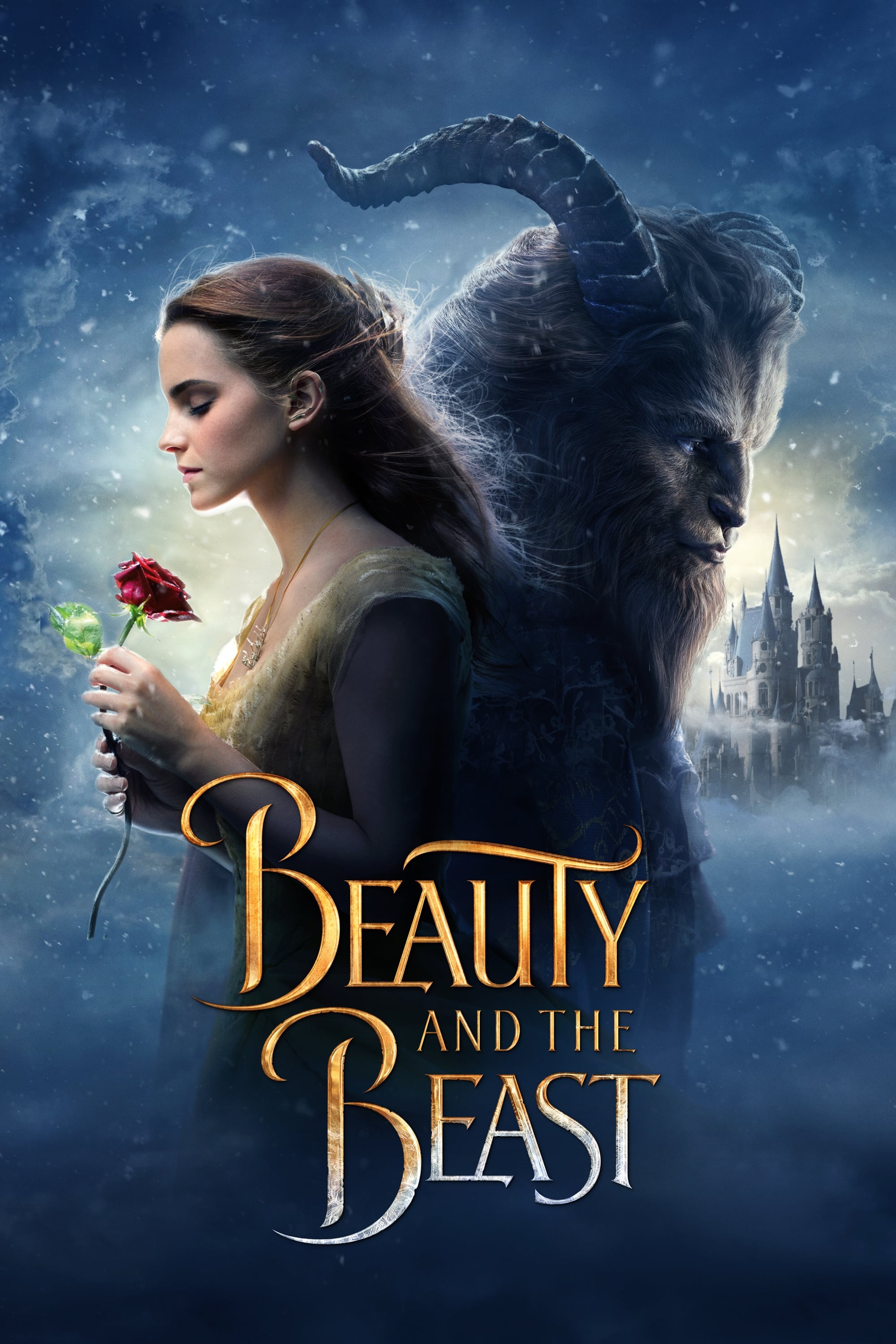
A fleeting “exclusively gay moment” prompted calls for bans, content warnings, and rating changes in certain regions. Some theaters canceled bookings, while others issued parental advisories. Religious groups organized campaigns, and the studio stood by the portrayal. The debate underscored shifting cultural lines around family entertainment.
‘Wonder Woman’ (2017)
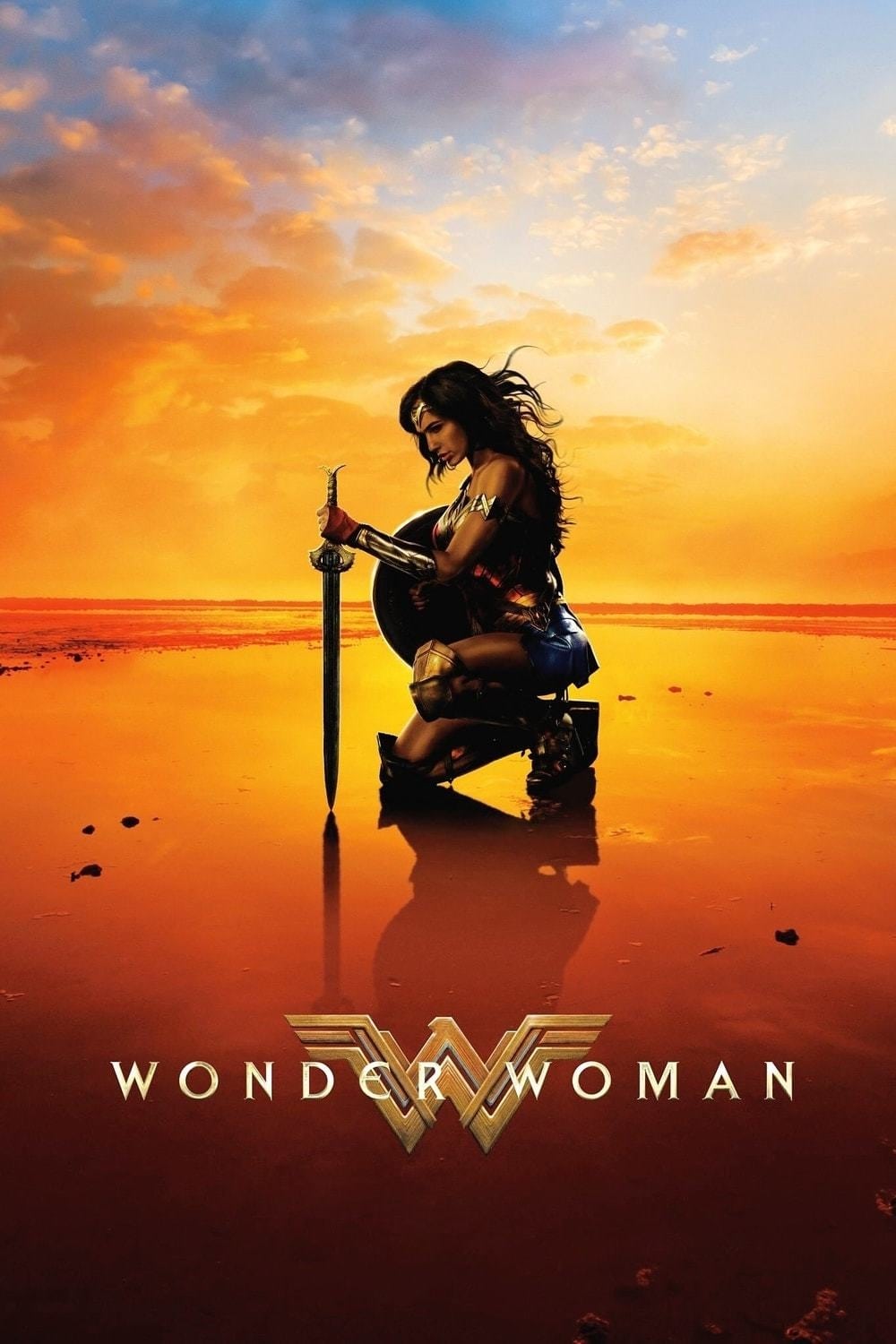
The film faced exhibition bans in a Middle Eastern market due to the lead actor’s nationality and military service. Censorship boards and government ministries announced decisions that halted screenings. The move sparked diplomatic-tinged coverage and public arguments about cultural exchange. The story became part of the film’s global rollout narrative.
‘The Hateful Eight’ (2015)
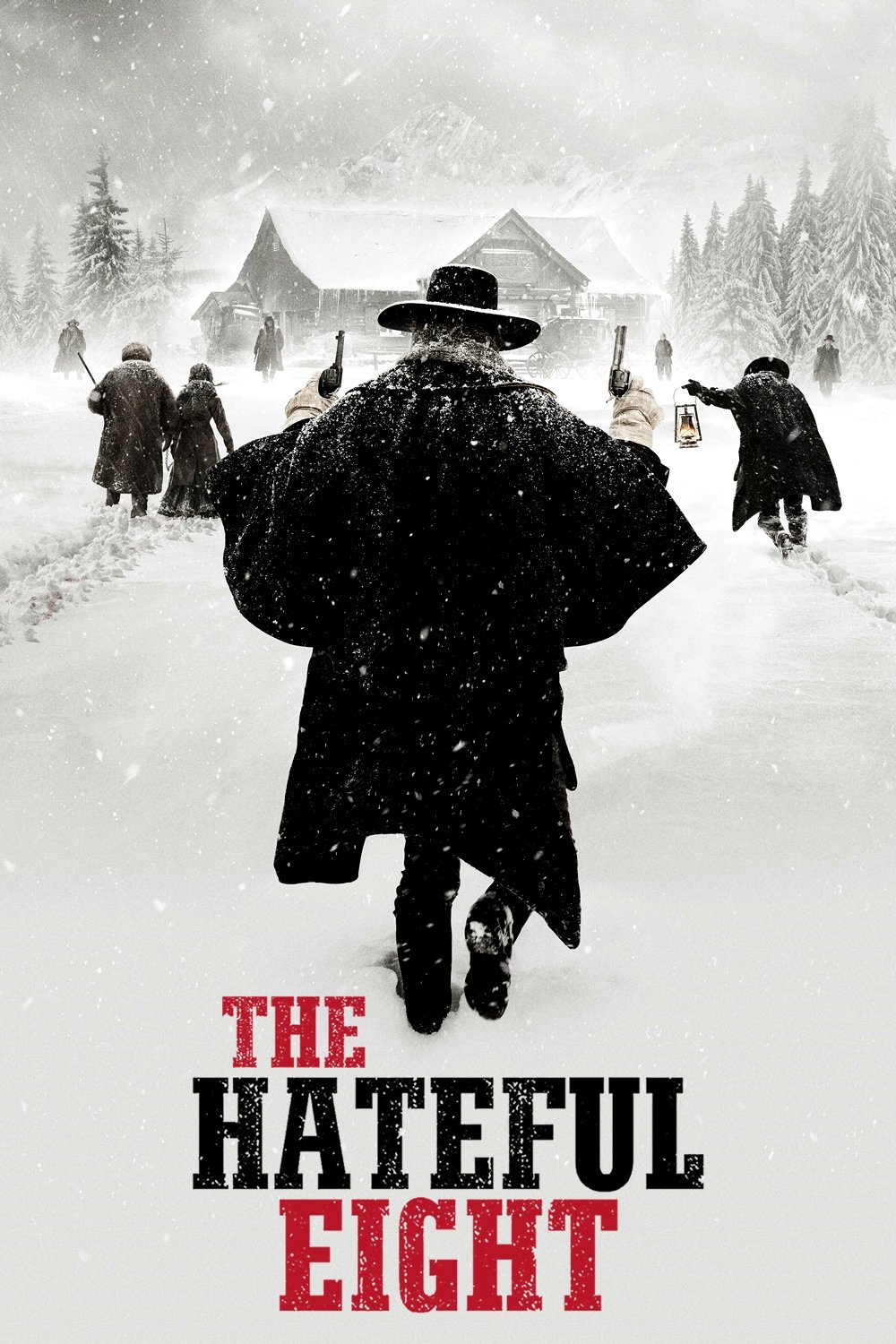
Police-union calls for boycotts followed comments the director made at a public rally, pushing exhibitors into the story well before opening. Theater chains debated participation, and some law-enforcement groups urged members to avoid screenings. Coverage emphasized the dispute alongside technical talk about roadshow formats and 70mm prints. The controversy reframed pre-release buzz around labor relations and public safety rather than the film’s craft.
‘The Nightingale’ (2018)
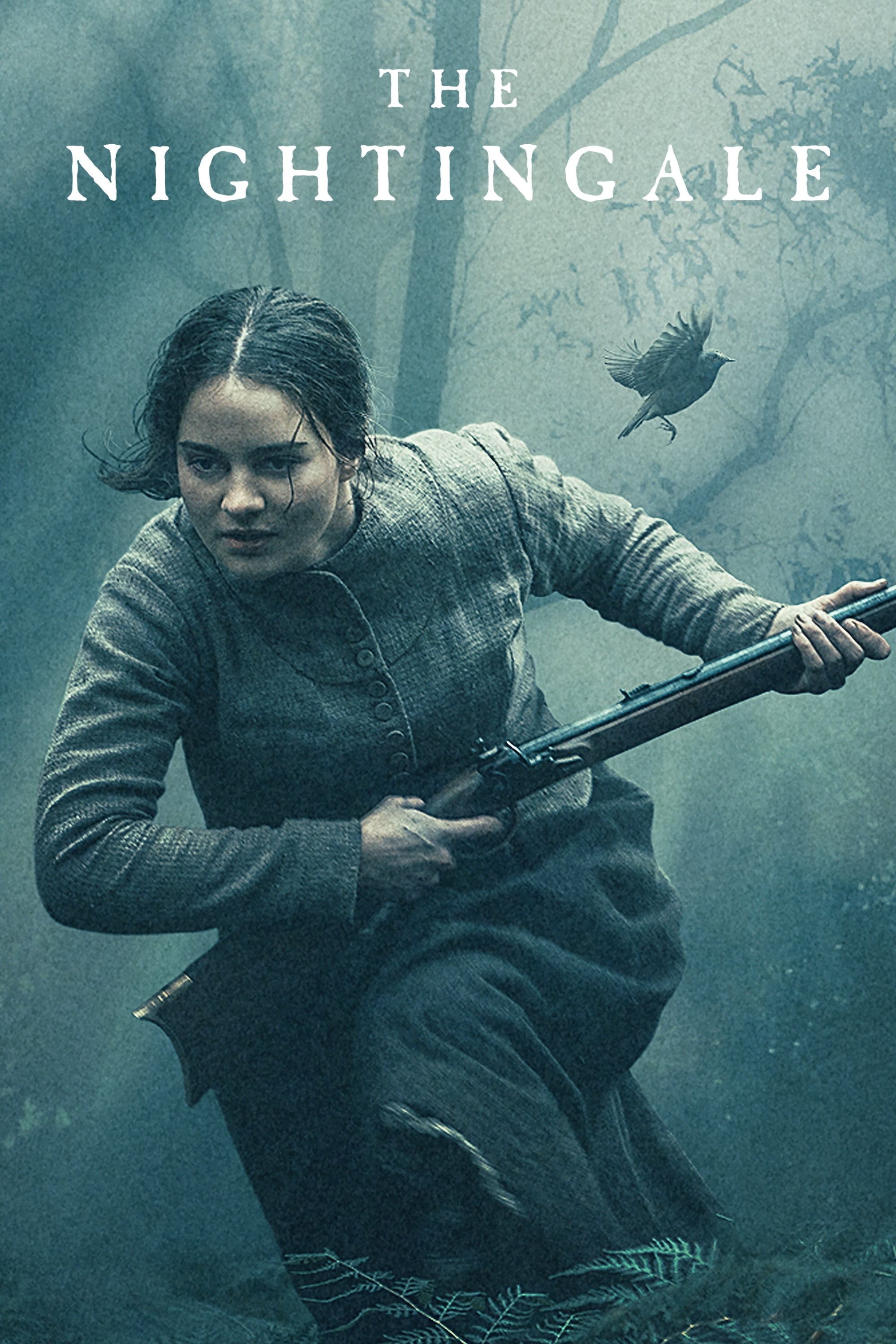
Early festival screenings generated headlines about walkouts and audible distress over sexual violence depicted on screen. The director publicly defended the portrayal as historically grounded, while programmers issued statements contextualizing content advisories. Media coverage centered on audience reactions and Q&A confrontations. Distribution partners adjusted messaging to foreground warnings and thematic rationale.
‘Me Before You’ (2016)
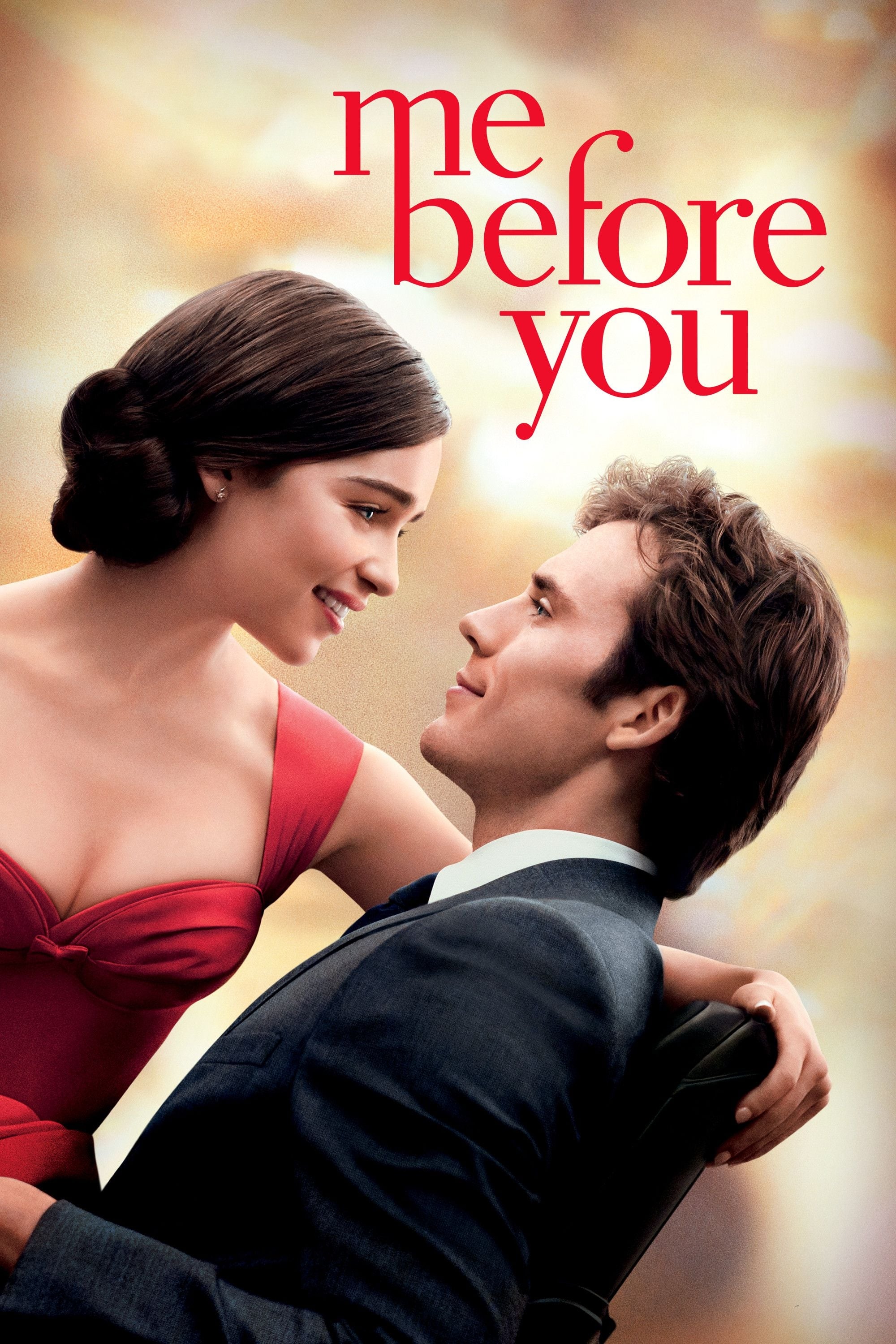
Disability-rights advocates criticized the narrative for what they argued was a harmful message about life with paralysis. Protests outside premieres and organized social campaigns pressed studios for better representation. Cast and creatives responded in interviews, stressing intent while acknowledging hurt felt by viewers. The public debate influenced how outlets framed reviews and features.
‘The Great Wall’ (2016)
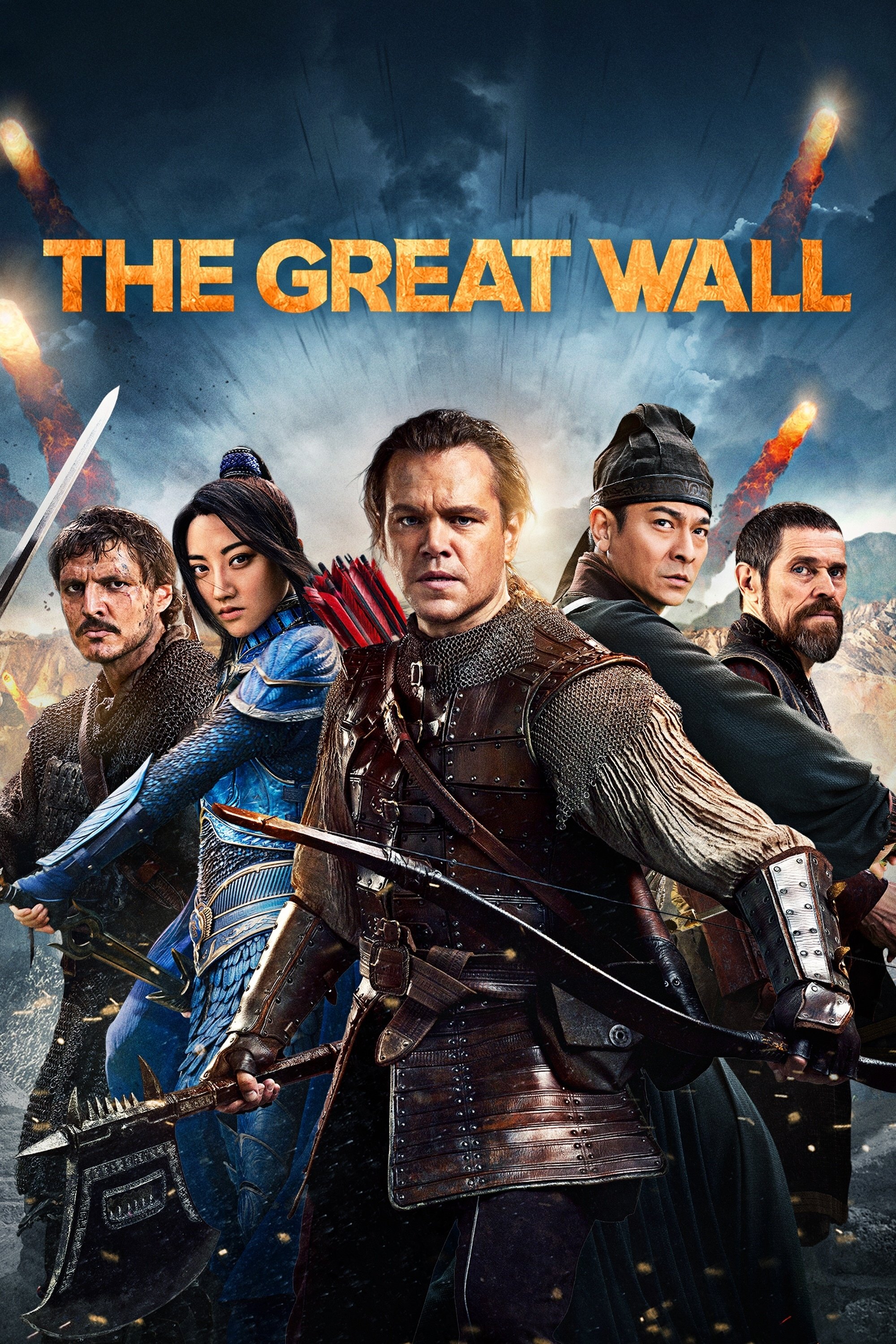
Casting a Western star in a story set in ancient China sparked widespread accusations of whitewashing. Think pieces and social threads dissected marketing materials, teaser posters, and the production’s financing structure. Filmmakers clarified the character’s role within the plot, but the discussion persisted across regions. Box-office analyses repeatedly referenced the controversy when assessing performance.
‘Annihilation’ (2018)
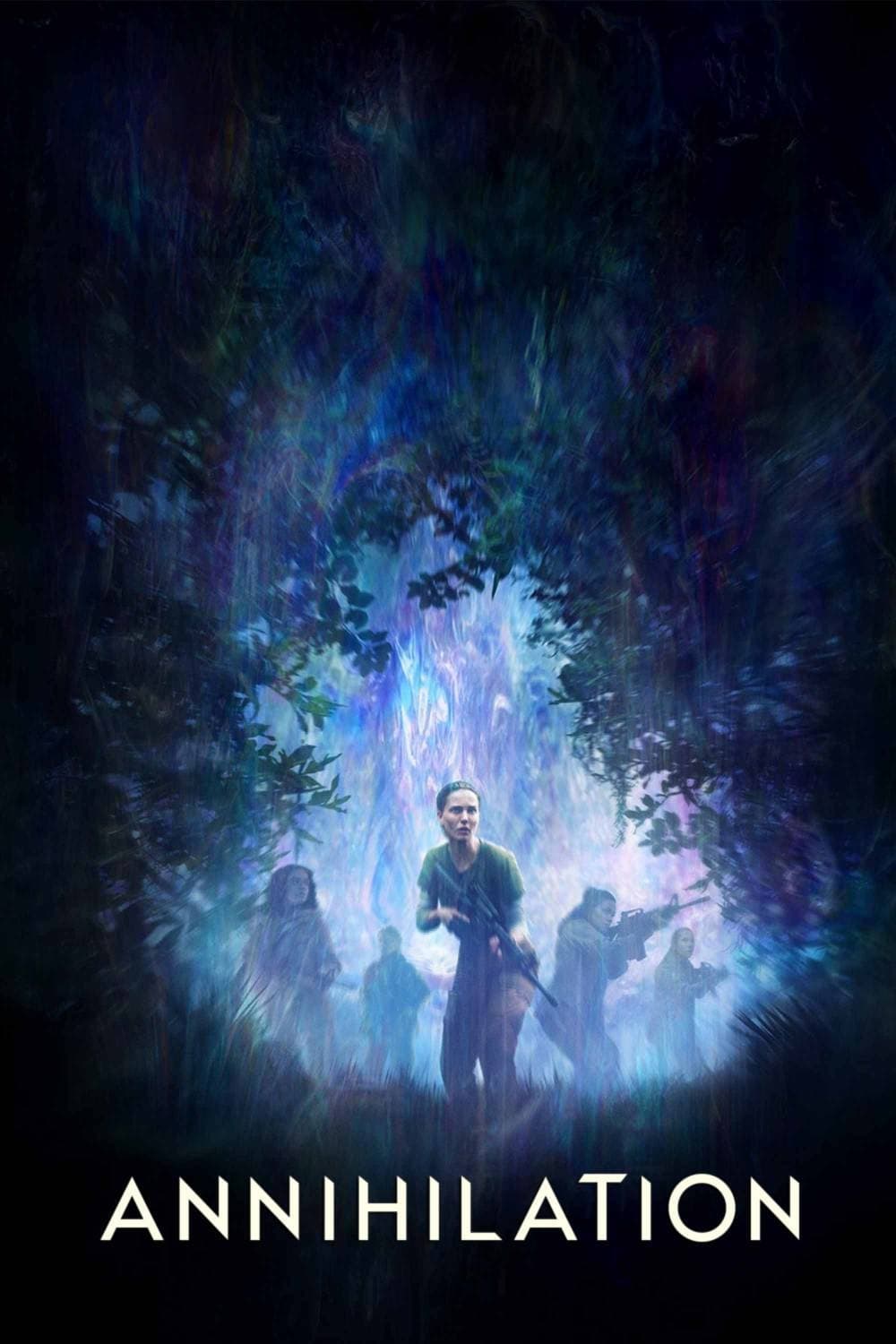
Critics noted that two leads were cast in roles described in source material as women of color, prompting whitewashing allegations. The studio split release strategies between territories, with a streaming deal replacing a traditional theatrical rollout in some markets. Interviews with the writer-director emphasized adaptation choices and separate canon from the novel. Conversations about fidelity and representation overshadowed production design and visual ambition.
‘Detroit’ (2017)

Community leaders and scholars questioned the film’s perspective on police brutality and the centering of certain characters over victims. Panels, op-eds, and local screenings in key cities became venues for difficult exchanges. The marketing team pivoted to emphasize historical consultants and archival research. Coverage weighed artistic choices against the sensitivities of depicting real trauma.
‘The Master’ (2012)
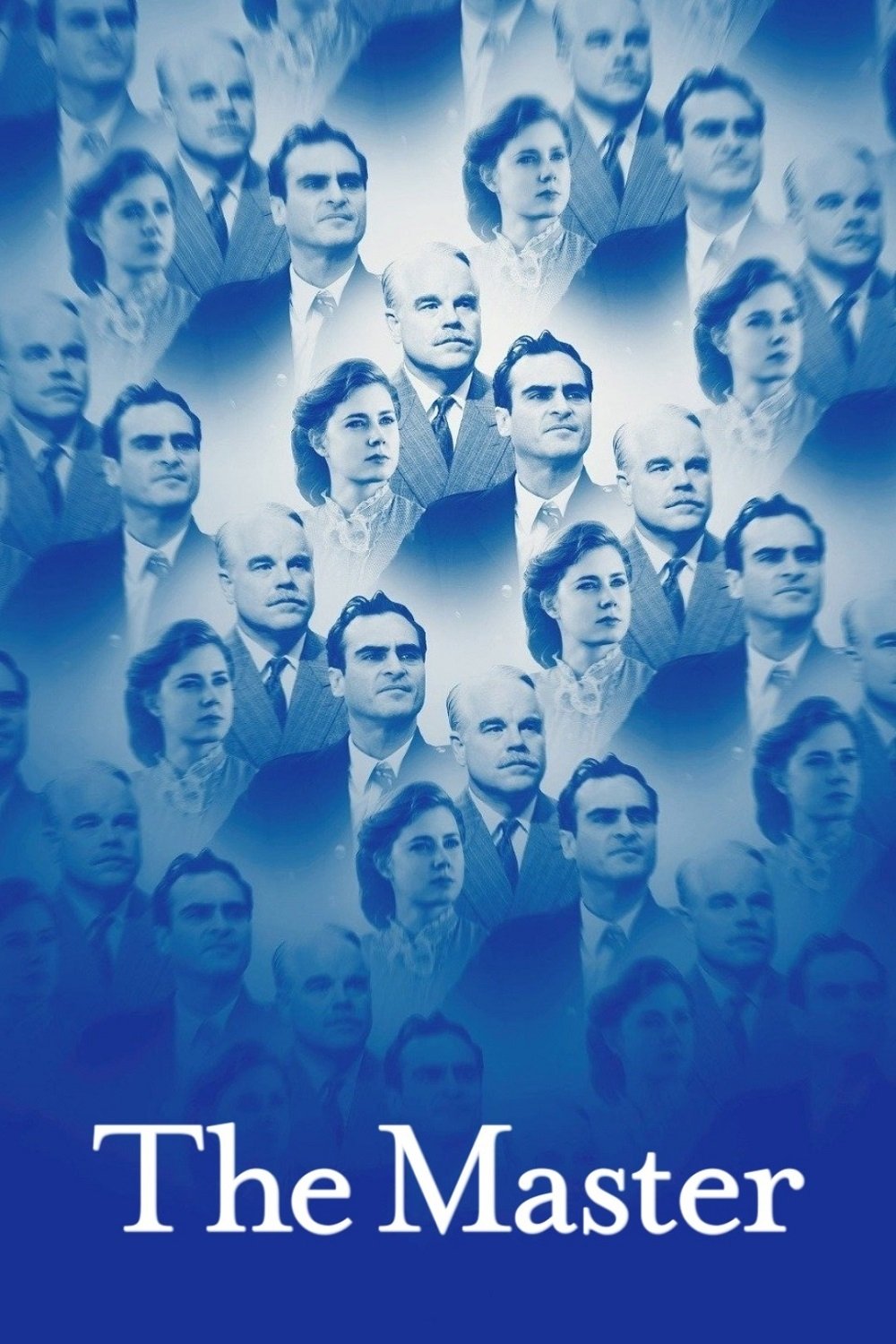
Observers drew parallels between the film’s religious movement and a well-known organization, inviting scrutiny from former members and commentators. Publicists avoided explicit comparisons while press repeatedly asked about the inspiration. Limited 70mm engagements created event-style screenings that were nonetheless colored by the ongoing debate. The campaign balanced cinephile excitement with questions about legal exposure and influence.
‘Ender’s Game’ (2013)
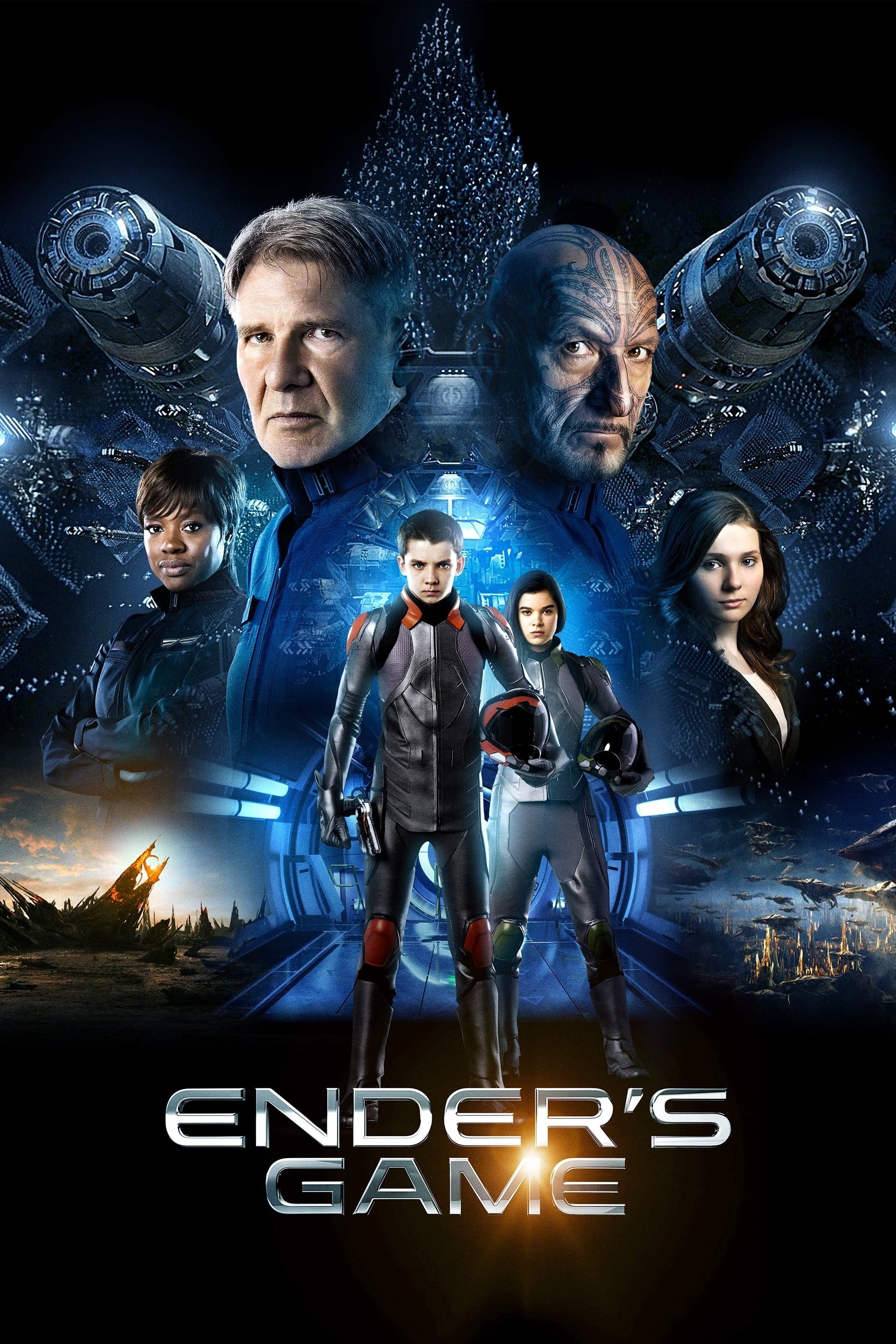
LGBTQ advocates organized boycotts in response to the source author’s public positions on marriage equality. The studio and filmmakers issued statements distancing the production from the author’s views. Convention appearances and promotional stops faced activist pressure. The release became a case study in separating intellectual property from a creator’s politics.
‘The Green Inferno’ (2013)
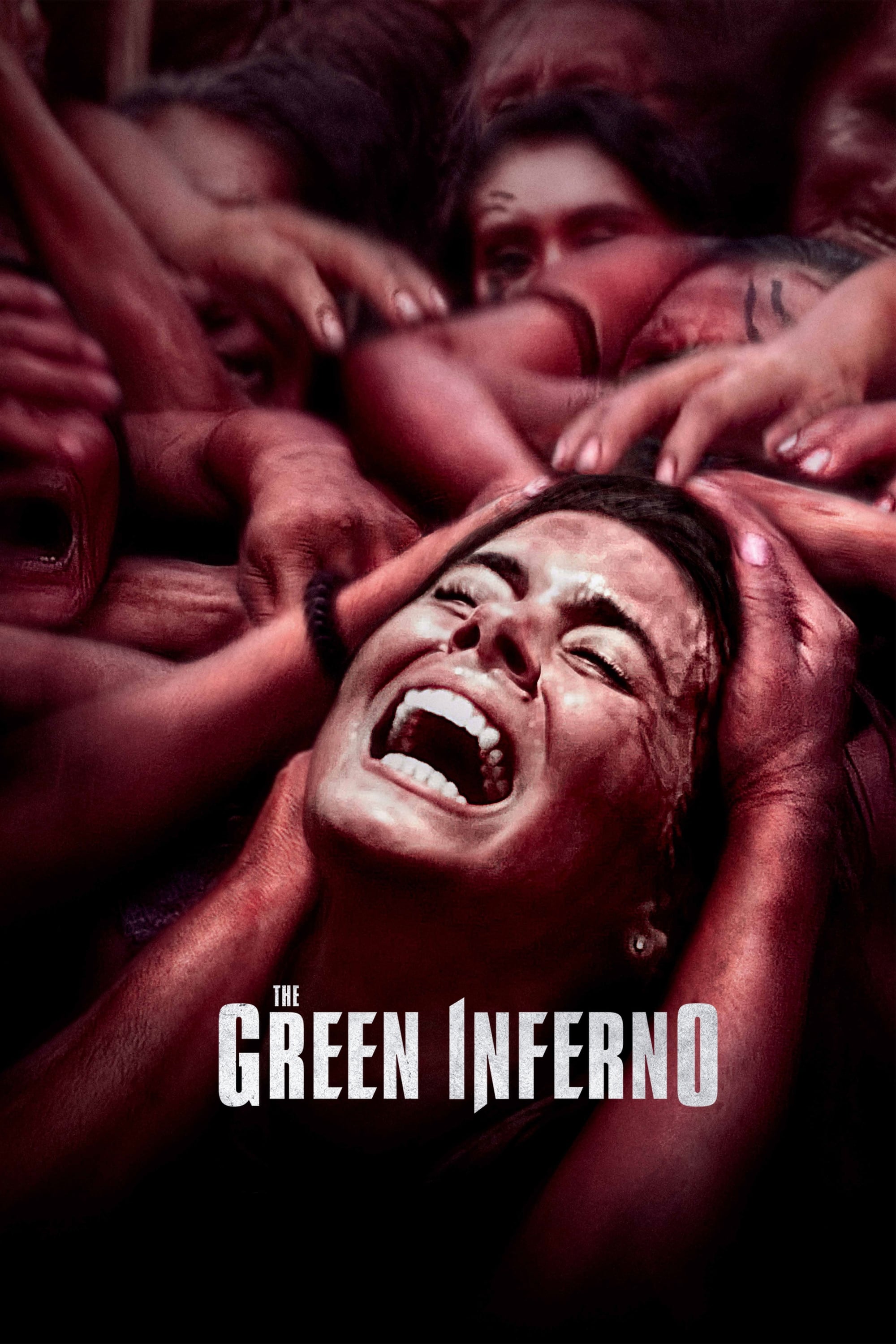
Indigenous-rights groups criticized portrayals they argued recycled colonial stereotypes about Amazonian tribes. The director engaged with objections in interviews, defending satire while critics challenged execution. Delays and distribution shifts kept the conversation alive long after festival play. Ethical debates about location shooting and cultural depiction accompanied coverage.
‘A Dog’s Purpose’ (2017)
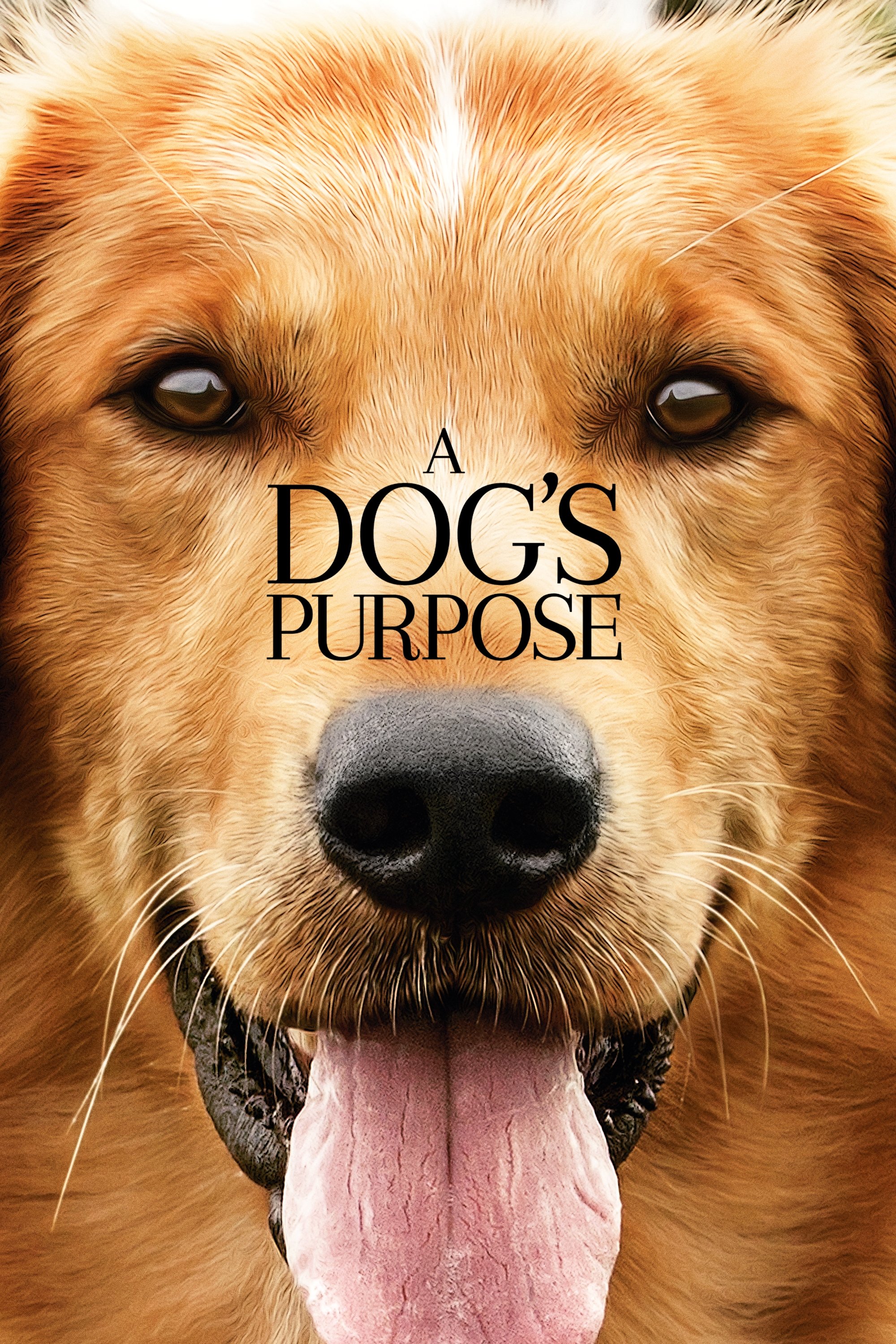
A leaked on-set video appearing to show a distressed animal triggered investigations and calls for a boycott. The production disputed the clip’s context, and third-party reviews assessed animal-safety protocols. The premiere event was canceled as the distributor recalibrated publicity plans. Conversations about oversight and humane practices dominated headlines during release.
‘The House That Jack Built’ (2018)
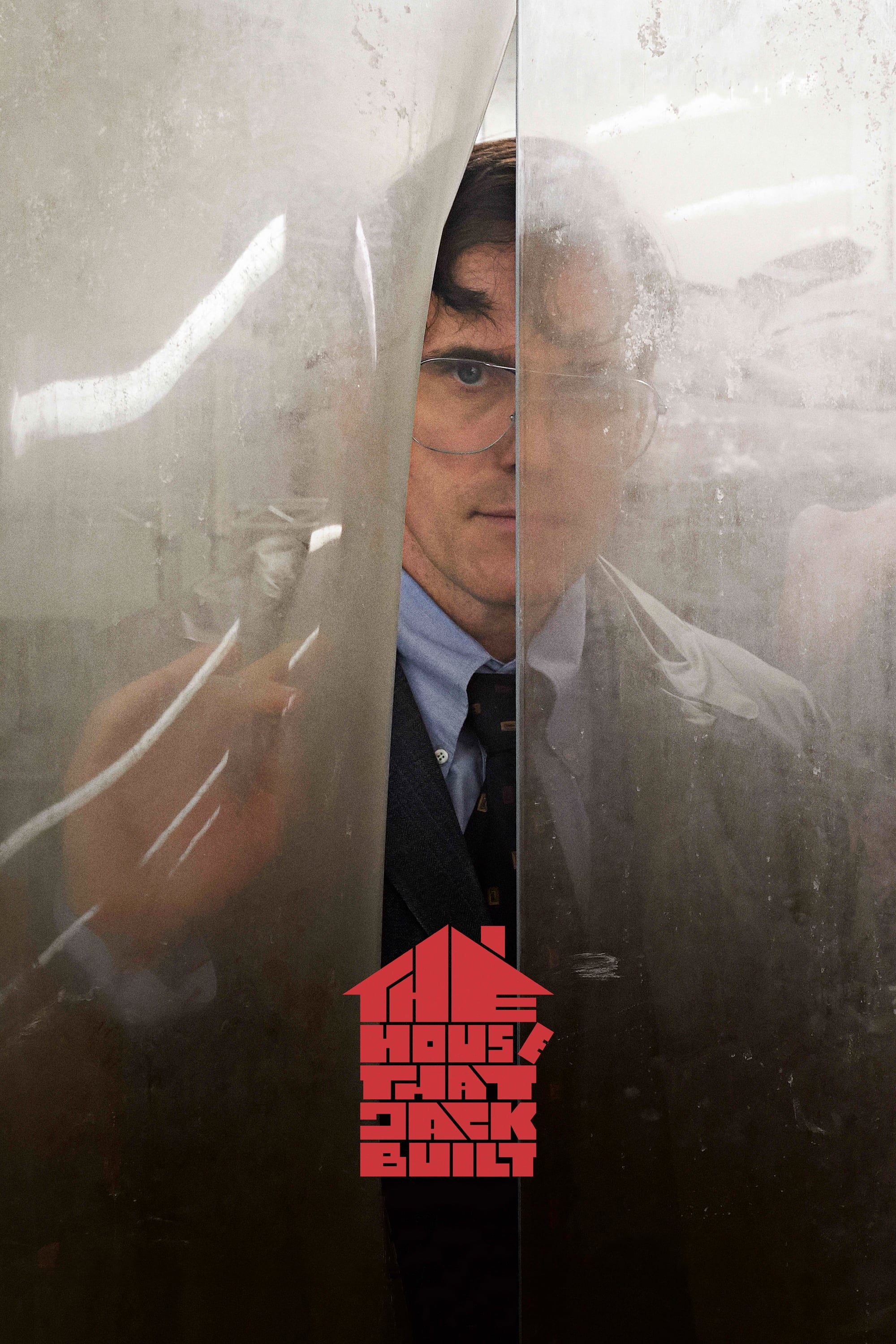
Graphic violence at its Cannes screening prompted walkouts and polarized early reactions. The director’s history with provocations resurfaced, shaping interview lines and festival positioning. Ratings disputes and edited versions became part of the rollout in different territories. The notoriety overshadowed discussion of form and structure in mainstream coverage.
‘The Disaster Artist’ (2017)
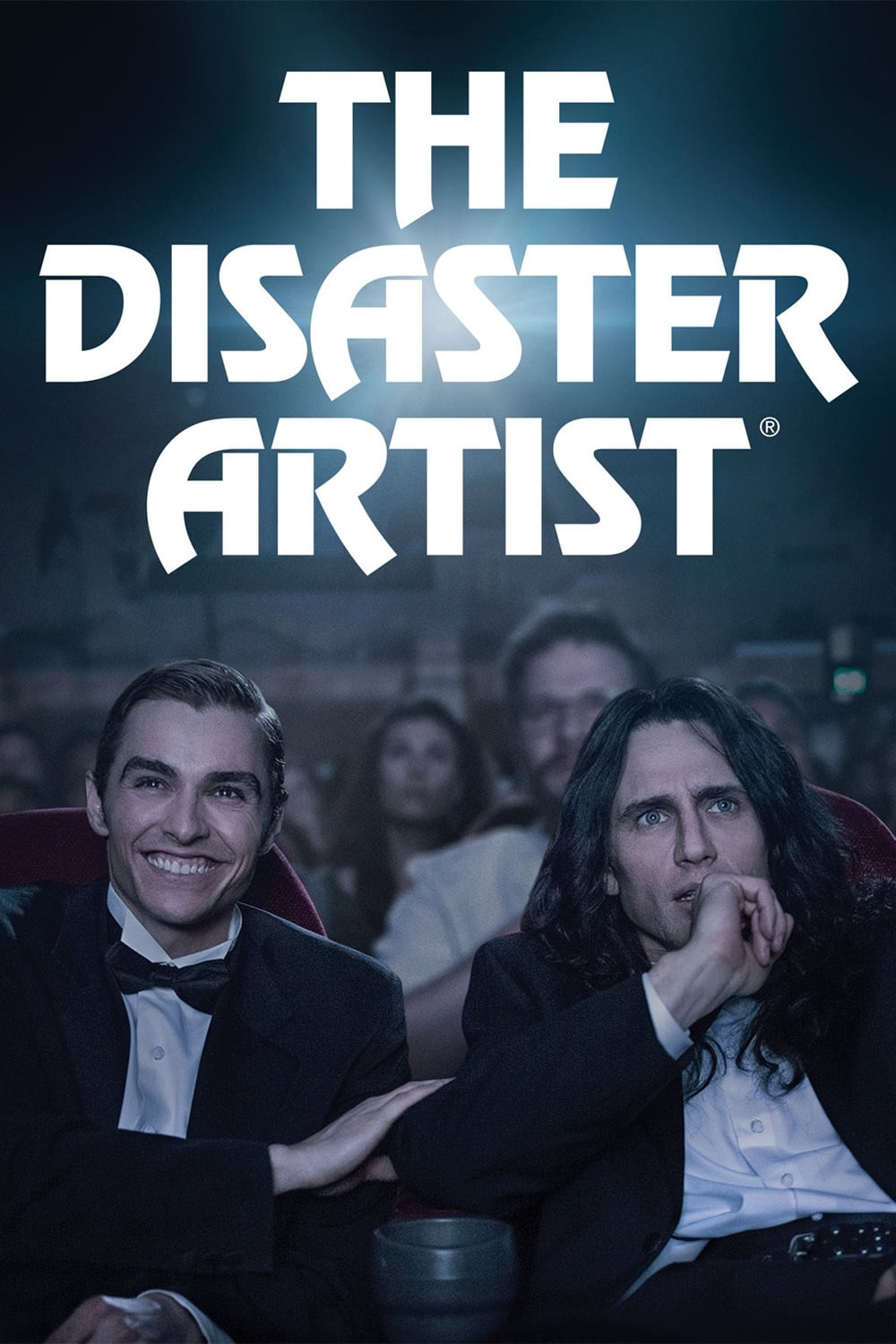
Awards-season momentum slowed when allegations against the lead actor-director emerged in the press. Some campaign events were scaled back, and interviewers shifted focus to off-screen issues. The distributor navigated red-carpet optics while guild voters weighed the headlines. The news cycle eclipsed craft conversations about adaptation and comedy.
‘All the Money in the World’ (2017)
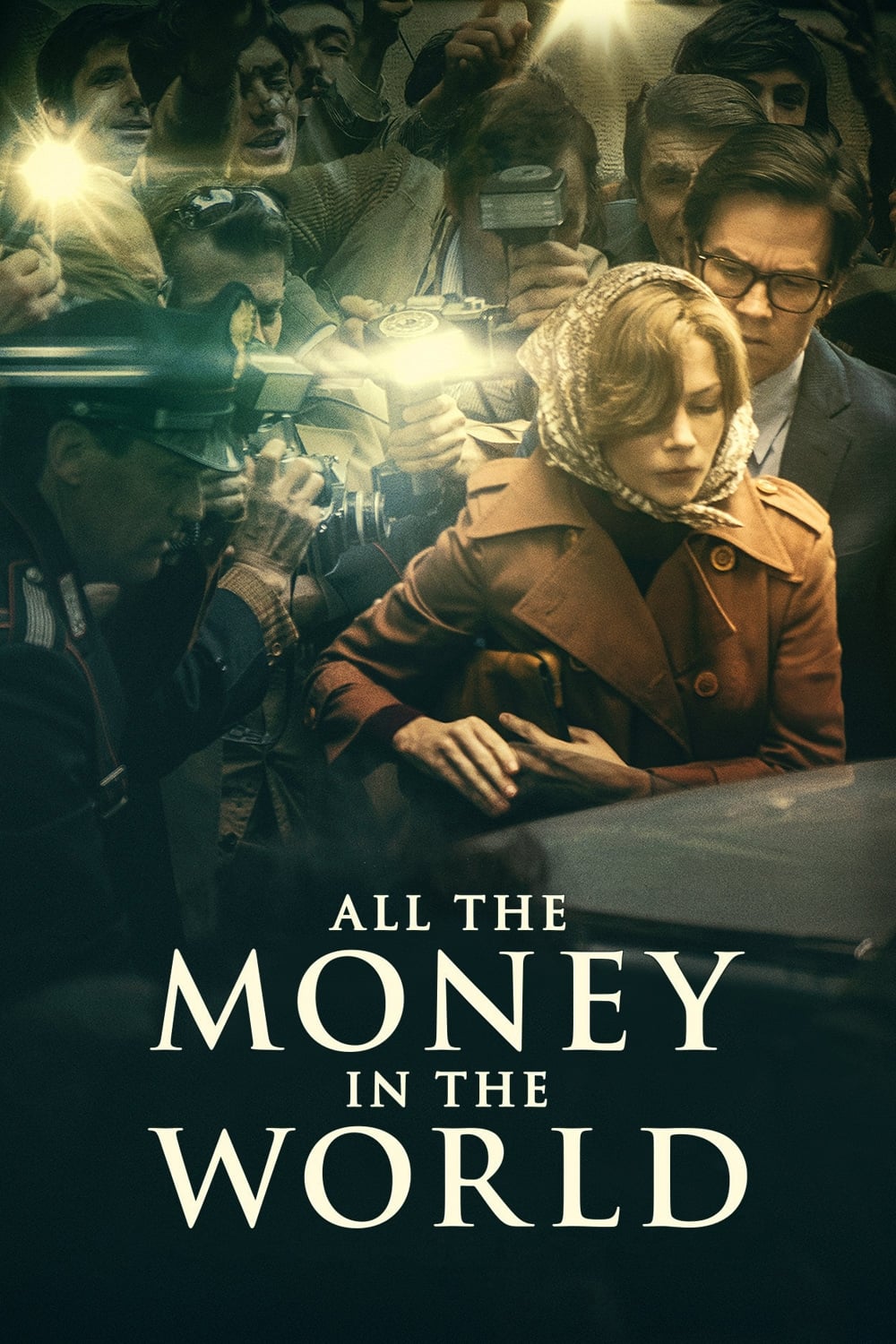
Following misconduct reports about a principal actor, the production undertook an unprecedented reshoot with a new performer. Insurance, scheduling, and post-production logistics became front-page topics as filmmakers raced to meet release windows. Public attention fixated on cost, pay disparities, and credit decisions. The crisis-response operation defined the film’s narrative in the media.
‘Captain Marvel’ (2019)
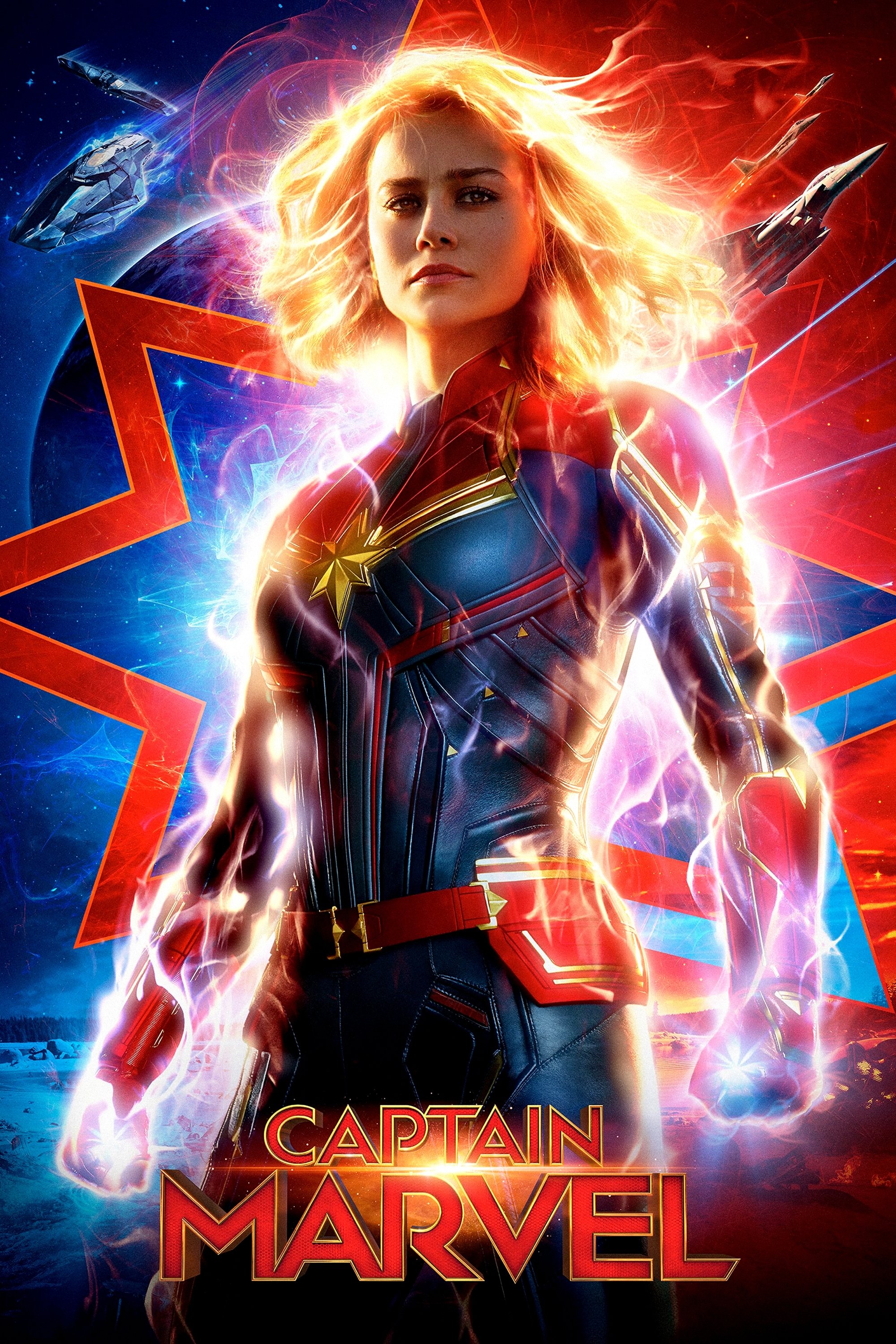
Coordinated review-bombing and backlash targeted the film’s lead, press junkets, and promotional quotes. Platforms updated their user-rating policies in response to brigading behavior. Think pieces tracked the culture-war crossfire and its effect on pre-sales and publicity. The studio foregrounded charitable tie-ins and audience events to steer conversation.
‘The Painted Bird’ (2019)
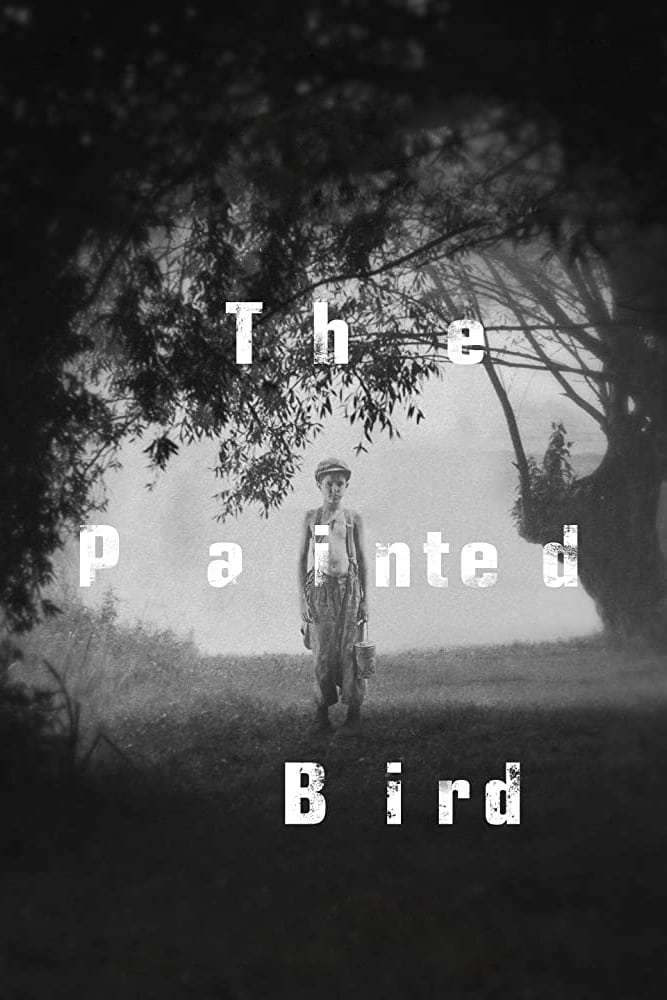
Festival screenings drew reports of walkouts due to harrowing depictions of wartime brutality. Programmers defended inclusion while urging viewers to consider historical context. Distribution strategies emphasized limited engagements and post-screening discussions. Media framed the release around endurance, censorship rumors, and audience thresholds for onscreen cruelty.
Share which of these titles you think controversy hit hardest in the comments.

