


2010s Movies Killed by Review Bombing, Not Real Viewers

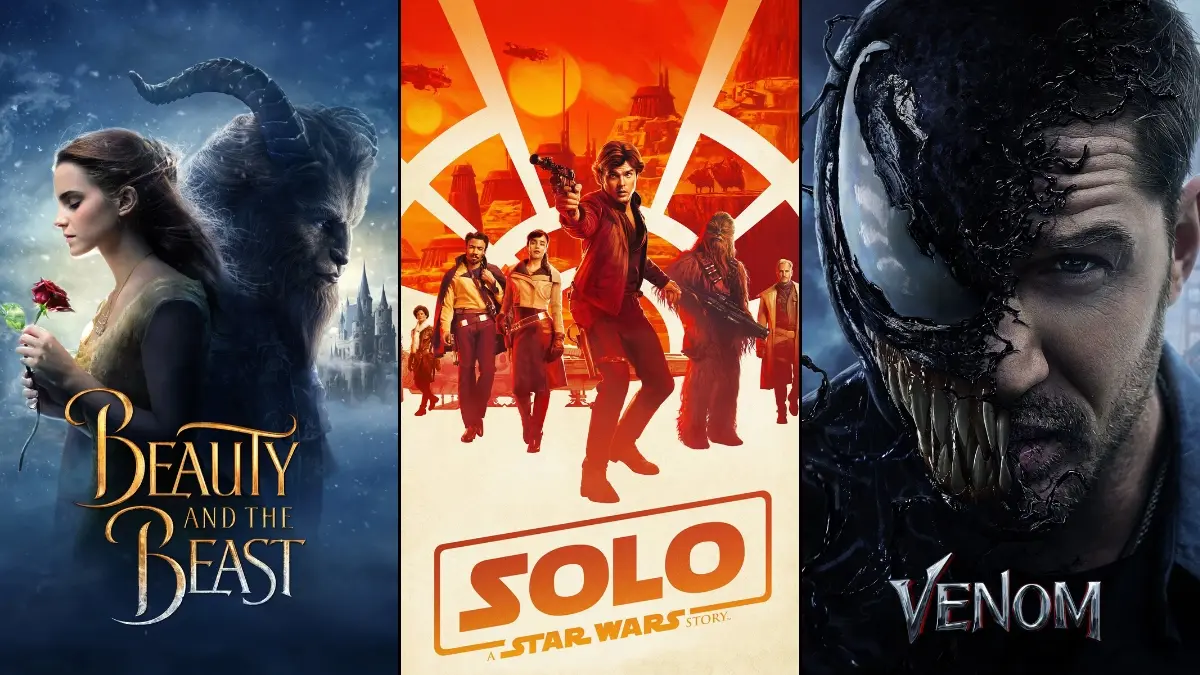


Online user-score pile-ons became a defining feature of the decade, often spiking before a film even hit wide release and prompting platforms to tweak their policies. Campaign-style downvoting targeted cast choices, politics, or franchise directions, creating a distorted snapshot of audience sentiment. Studios and ticket data frequently told a different story, with many targets selling millions of seats or thriving on VOD despite noisy backlash. Here are notable films that faced coordinated or abrupt user-review hits while actual viewership and earnings painted a more nuanced picture.
‘The Dark Knight Rises’ (2012)
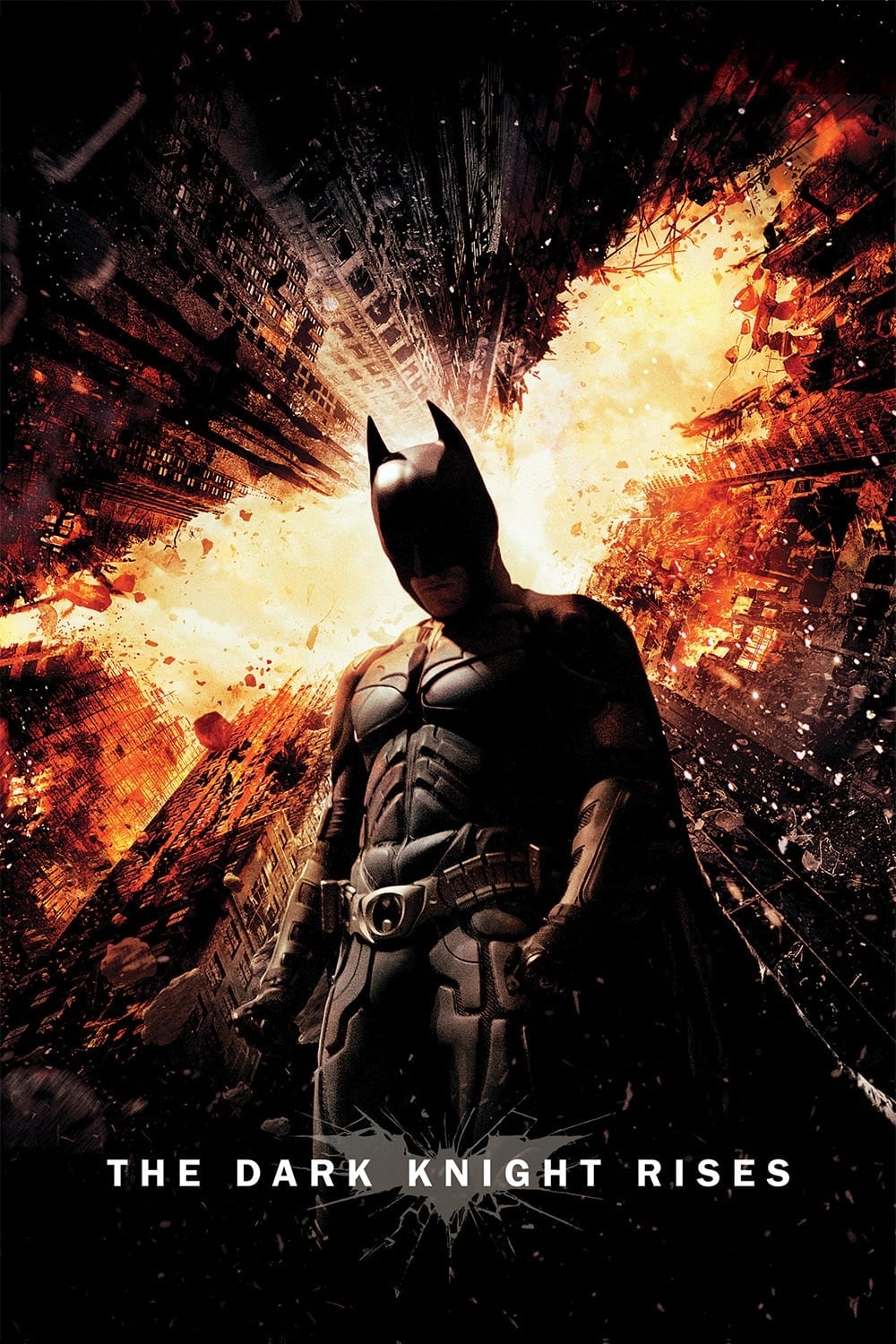
Around opening week, the final chapter of Christopher Nolan’s trilogy saw a flood of hostile user comments on aggregator sites, prompting temporary shutdowns of comment sections. The film still drew massive attendance, exceeding $1 billion worldwide and topping many markets that season. Ticket sales and cinema exit polling reported strong satisfaction among opening-night audiences. The episode became an early flashpoint in the modern moderation of pre-release or day-one user reactions.
‘Star Wars: The Last Jedi’ (2017)

Shortly after release, the film’s user scores on major platforms diverged sharply from professional reviews, with a surge of negative accounts clustered in the first days. The movie filled theaters worldwide and cleared the billion-dollar mark. Audience tracking services recorded repeat viewings and high premium-format uptake. The outlier gap between critic and mass user scores sparked industry-wide debates about brigading and bot filtering.
‘Captain Marvel’ (2019)

Weeks before release, the film’s “want-to-see” and user sections experienced coordinated downdrafts, leading one major site to end pre-release audience ratings entirely. Despite that noise, the movie opened north of $150 million domestically and ultimately passed $1.1 billion worldwide. Premium screenings and weekday holds indicated sustained interest beyond opening weekend. The incident became a case study in how policy changes can blunt pre-release manipulation.
‘Black Panther’ (2018)

Organized social media groups announced plans to downrate the film’s audience pages ahead of its premiere. The campaign made headlines, but the movie set February records and finished above $1.3 billion worldwide. Community screenings, strong word-of-mouth, and long theatrical legs underscored robust real-world turnout. Platforms responded by tightening anti-brigading measures and monitoring for sudden rating spikes.
‘Ghostbusters’ (2016)
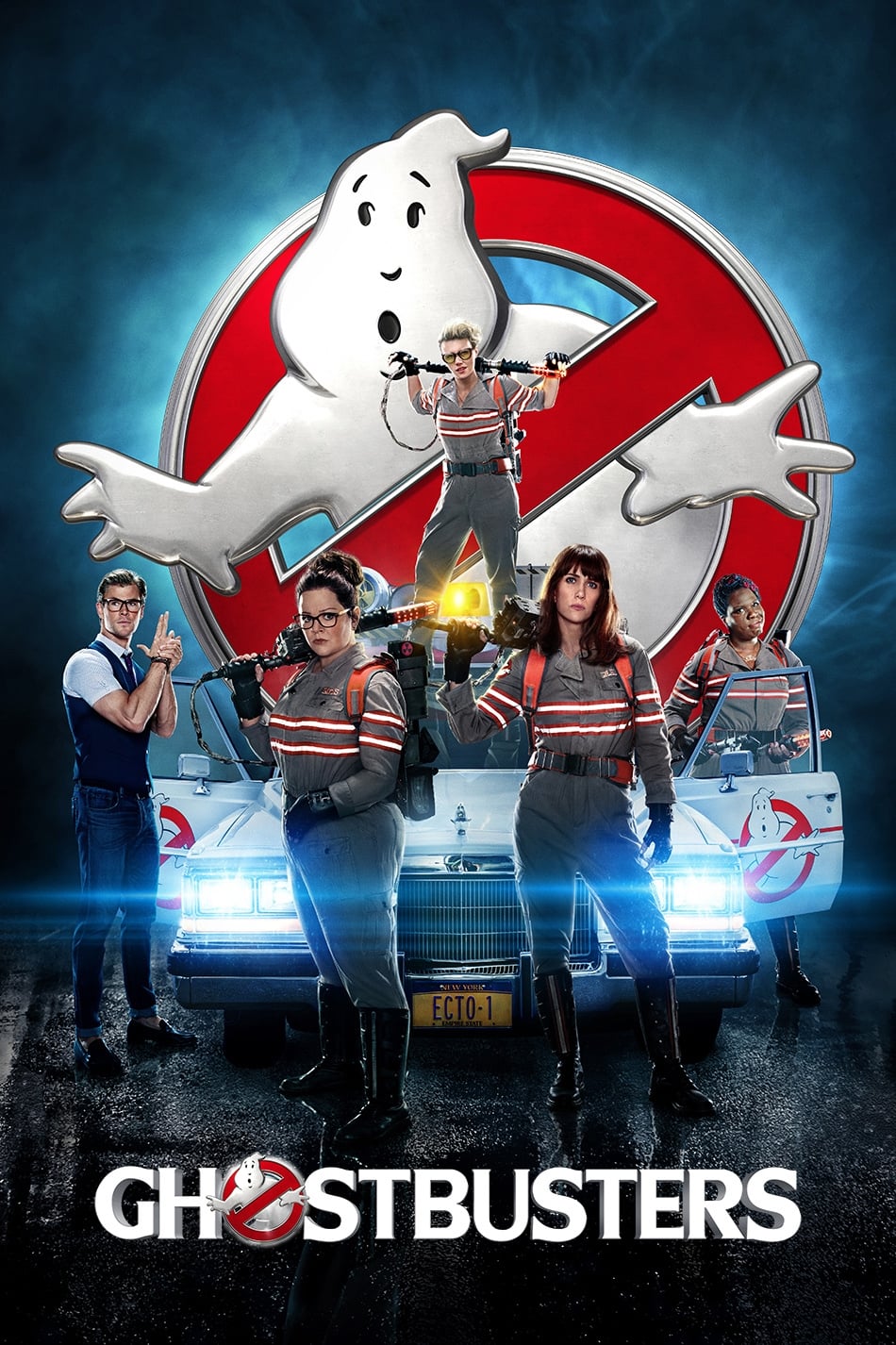
The reboot’s trailers drew unprecedented dislike ratios and early user-review barrages months before theatrical launch. Box office returns still topped $200 million worldwide and drove strong VOD after a lengthy digital window. Studio analytics reported high awareness and solid family turnout despite polarized online chatter. The scale of pre-release user activity accelerated discussions about separating trailer reactions from film ratings.
‘The Promise’ (2016)

Before its limited rollout, the historical drama logged tens of thousands of polarized user ratings tied to its depiction of the Armenian Genocide. The film opened in select theaters with a platform release strategy and a philanthropic marketing angle. Its theatrical gross remained modest, but the unusual pre-release rating volume drew widespread notice. The case is frequently cited when explaining why early user-rating surges can misrepresent actual audience exposure.
‘Wonder Woman’ (2017)

In the lead-up to release, coordinated online efforts urged users to downvote the film’s audience pages, citing culture-war grievances. The movie nonetheless posted one of the strongest early-summer debuts on record and finished above $800 million worldwide. Post-release audience surveys pointed to high satisfaction and strong repeat viewing among women and families. The gap between online campaigns and ticket data informed later platform safeguards.
‘Rogue One: A Star Wars Story’ (2016)

The standalone entry weathered pre-release calls for boycotts and negative user-score pushes tied to cast and commentary about diversity. It still crossed $1 billion worldwide, buoyed by holiday attendance and IMAX share. Studio reporting highlighted strong weekday matinees and multi-demographic appeal. The film’s performance underscored how coordinated online negativity did not translate into widespread audience rejection.
‘Solo: A Star Wars Story’ (2018)

User-review swarms and boycott hashtags circulated around the film’s holiday corridor launch. While the movie underperformed relative to franchise norms, attendance patterns aligned more with marketing headwinds and calendar competition than with online scores alone. Home-entertainment and streaming windows found additional viewers following its theatrical run. The cycle prompted reassessments of release timing and franchise spacing.
‘Star Wars: The Rise of Skywalker’ (2019)

Upon release, the finale saw heavy audience-score volatility, including rapid-fire negative entries within its first 48 hours. The film still cleared $1 billion worldwide during a compressed holiday window. Premium-format sales and overseas turnout remained strong even as online sentiment seesawed. The pattern fed ongoing analysis of how to detect inorganic bursts in user activity.
‘Mad Max: Fury Road’ (2015)

Leading up to release, the film encountered coordinated negativity centered on perceived “agenda” complaints in user spaces. Theatrically, it legged out to more than $375 million worldwide and later surged in home media and awards re-releases. Specialty screenings and repertory runs drew sustained crowds well beyond opening weekend. The contrast between digital pushback and live attendance became a talking point in genre circles.
‘Ocean’s Eight’ (2018)
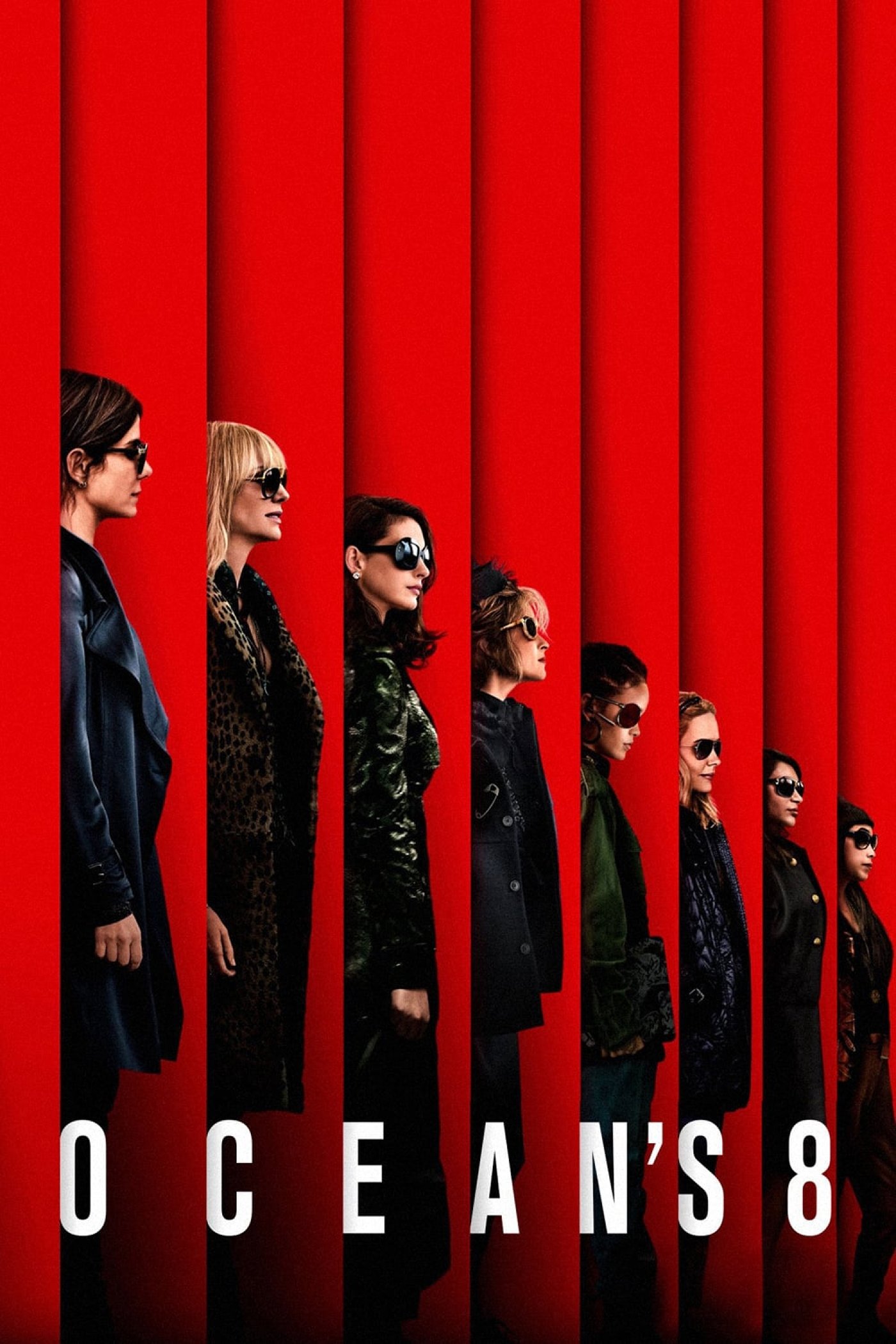
Ahead of opening, user pages reflected concentrated downvoting pushes targeting its ensemble pivot. The film debuted at number one domestically and ultimately earned nearly $300 million worldwide. Studio tracking showed a balanced gender split and strong urban turnout. The release became part of a broader conversation about pre-release rating hygiene for franchise spinoffs.
‘Beauty and the Beast’ (2017)

News of a briefly discussed LGBTQ-inclusive subplot triggered calls for boycotts and localized user-review swells. The film went on to surpass $1.2 billion worldwide with strong family and international attendance. Theater owners noted repeat business and premium-screen conversions throughout peak school-holiday periods. The case illustrated how content controversies can inflate online scores without dampening mainstream demand.
‘Noah’ (2014)
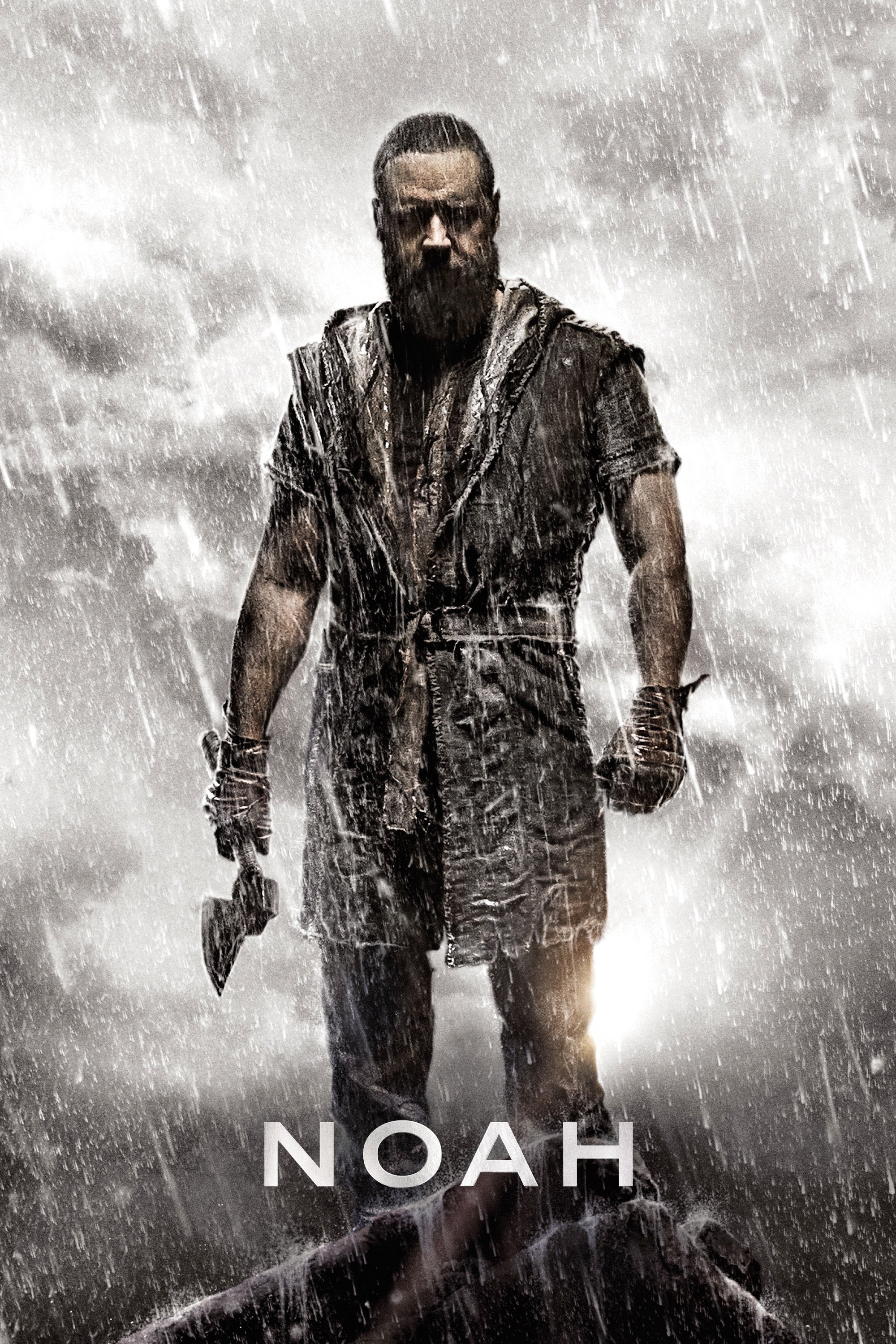
Religious-content disputes fueled early user-rating campaigns and petitions around release. Nevertheless, the film earned more than $350 million worldwide, with overseas markets carrying long legs. Exit polling in several regions indicated expected demographic splits but solid interest in the spectacle. The situation is often cited in discussions about faith-based controversies and user-score volatility.
‘Black Christmas’ (2019)

The slasher’s marketing drew targeted downvotes tied to its feminist framing, with audience pages swinging sharply in opening week. In theaters, the film’s modest-budget strategy focused on a short holiday corridor and ancillary returns. While grosses were limited, digital windows added reach with younger viewers. The concentrated timing of negative user activity provided another example of seasonal review waves.
‘Death Note’ (2017)

The live-action adaptation of the anime faced immediate platform-specific downrating campaigns upon its streaming debut. As a direct-to-streaming title, viewership was measured in completion rates and account reach rather than box office. The service reported extensive global sampling across the first weekend. The episode helped clarify how streaming releases experience review swarms differently from theatrical rollouts.
‘Terminator: Dark Fate’ (2019)

Pre-release and opening-week user-score dips clustered around cast and legacy-character decisions. The film grossed more than $250 million worldwide with strong international composition. Post-release audience tracking showed better marks among premium-format viewers than headline user scores suggested. Analysts pointed to the familiar pattern of online brigading complicating perception.
‘Charlie’s Angels’ (2019)

In the days surrounding release, audience pages saw abrupt negative swings that outpaced normal opening-week variability. Theater data reflected a smaller but consistent turnout among targeted demos, with later gains in digital rentals. Marketing analysis highlighted discoverability challenges unrelated to user-score spikes. The mismatch reinforced how platform metrics can amplify a narrative apart from viewership.
‘A Wrinkle in Time’ (2018)
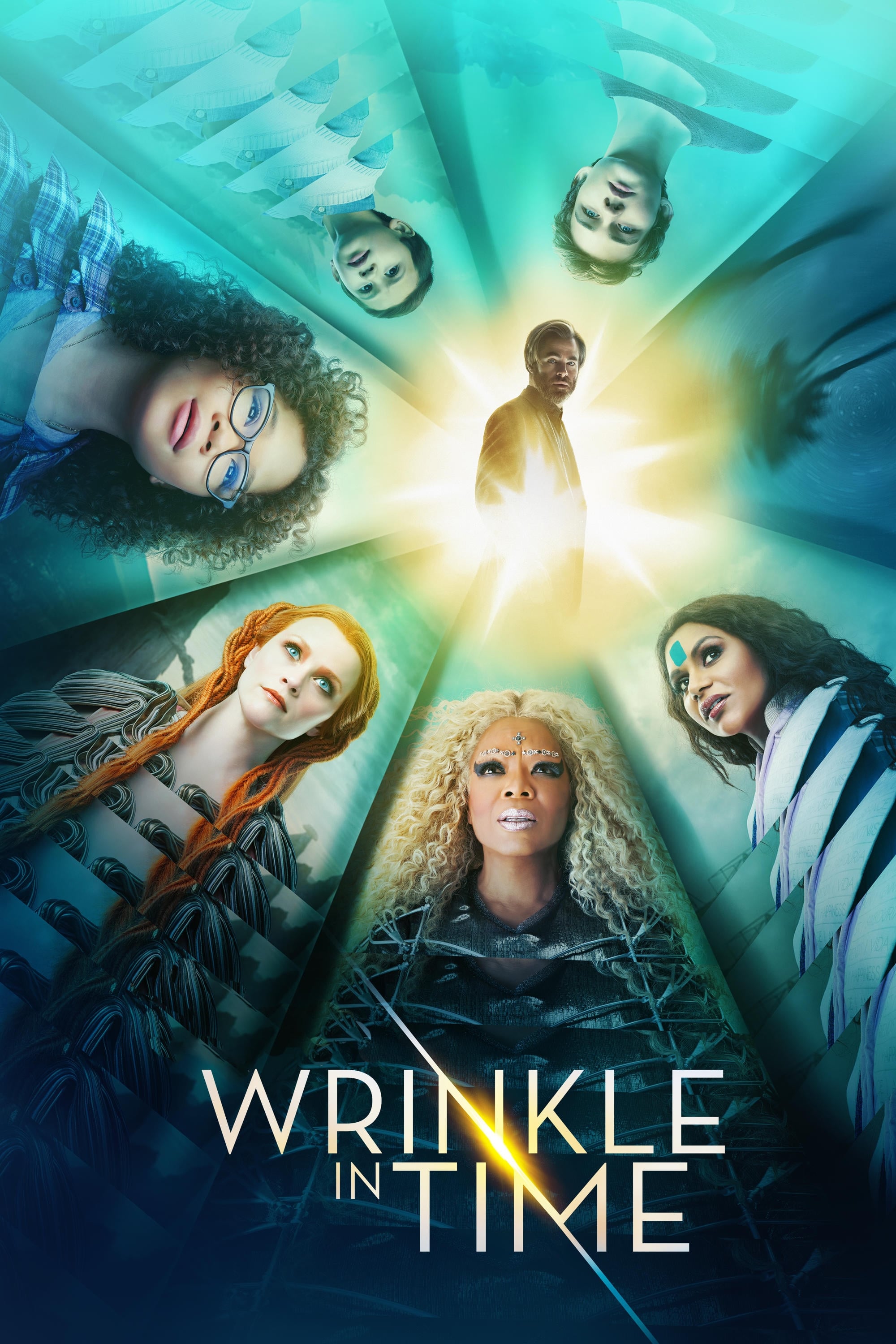
The adaptation drew pre-release downvoting waves focused on casting and perceived messaging. Domestic attendance settled near family-film norms for spring, and the title found an extended life in educational and streaming contexts. Library and classroom licensing helped sustain reach beyond theaters. The online flare-ups accelerated conversations about shielding youth-skewing titles from brigading.
‘Ghost in the Shell’ (2017)
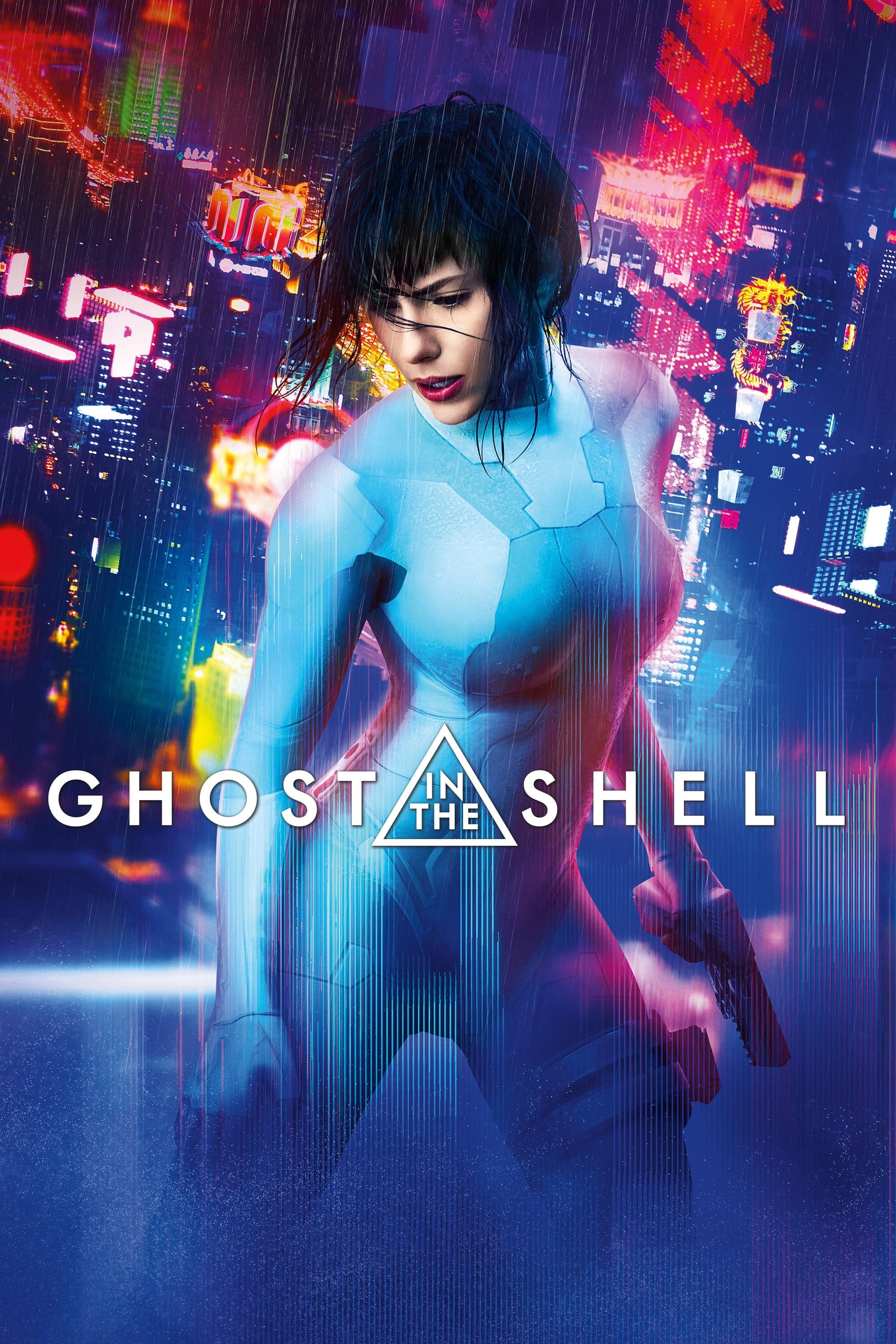
Casting debates drove coordinated negative user activity around its rollout. The film ultimately earned about $170 million worldwide, with notable interest in select Asian markets despite controversy. Premium-format attendance overindexed relative to overall admissions. The pattern showed how headline disputes can distort online scores while specific audiences still turn out.
‘The Interview’ (2014)
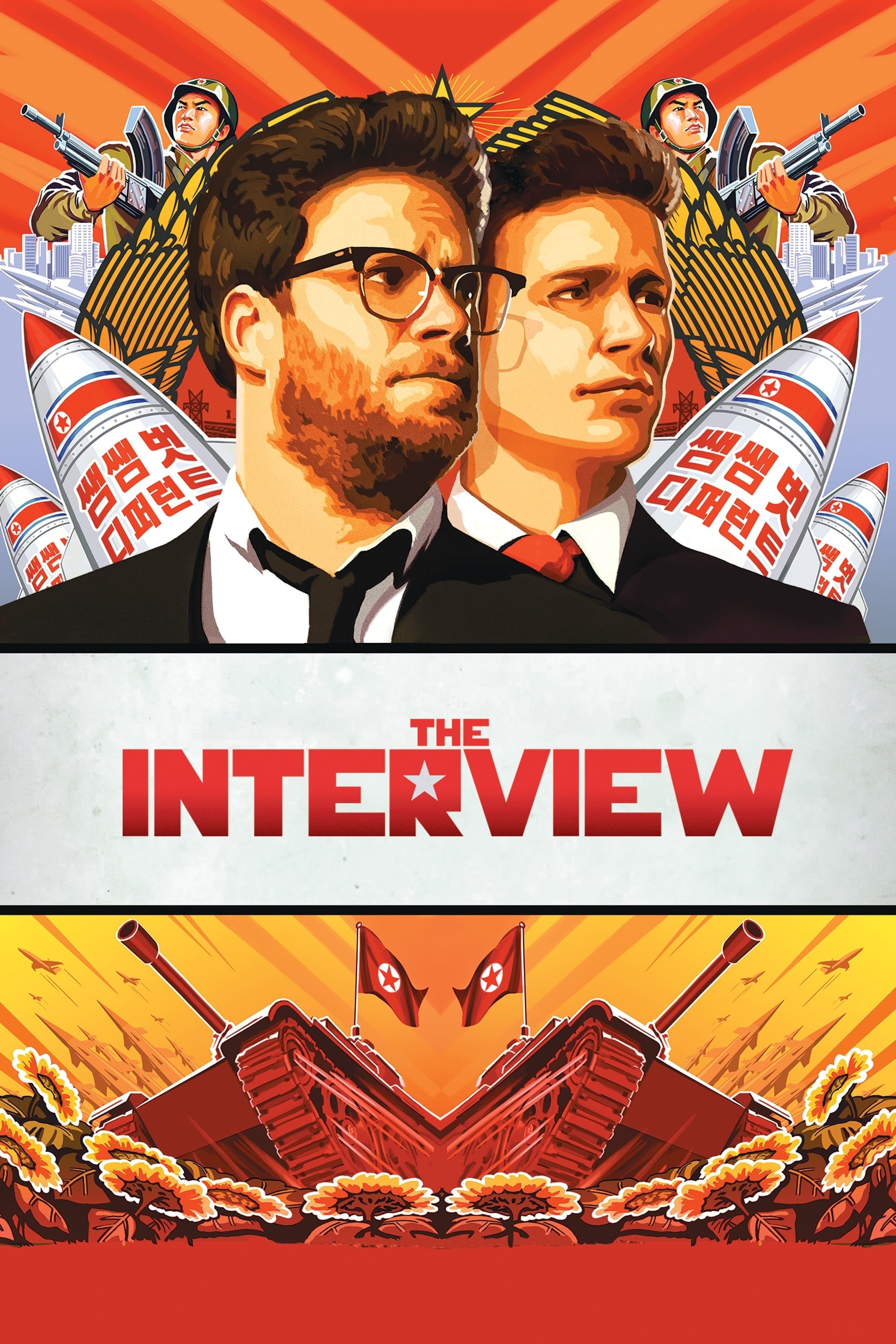
Following the hacking crisis and theatrical cancellations, the film’s user pages became a battleground of polarized ratings. The unconventional release shifted to day-and-date digital, where rental and purchase data demonstrated significant at-home interest. Independent theaters that carried the movie reported sellouts during the holiday frame. The case is frequently cited when discussing how extraordinary circumstances can skew user metrics.
‘Power Rangers’ (2017)
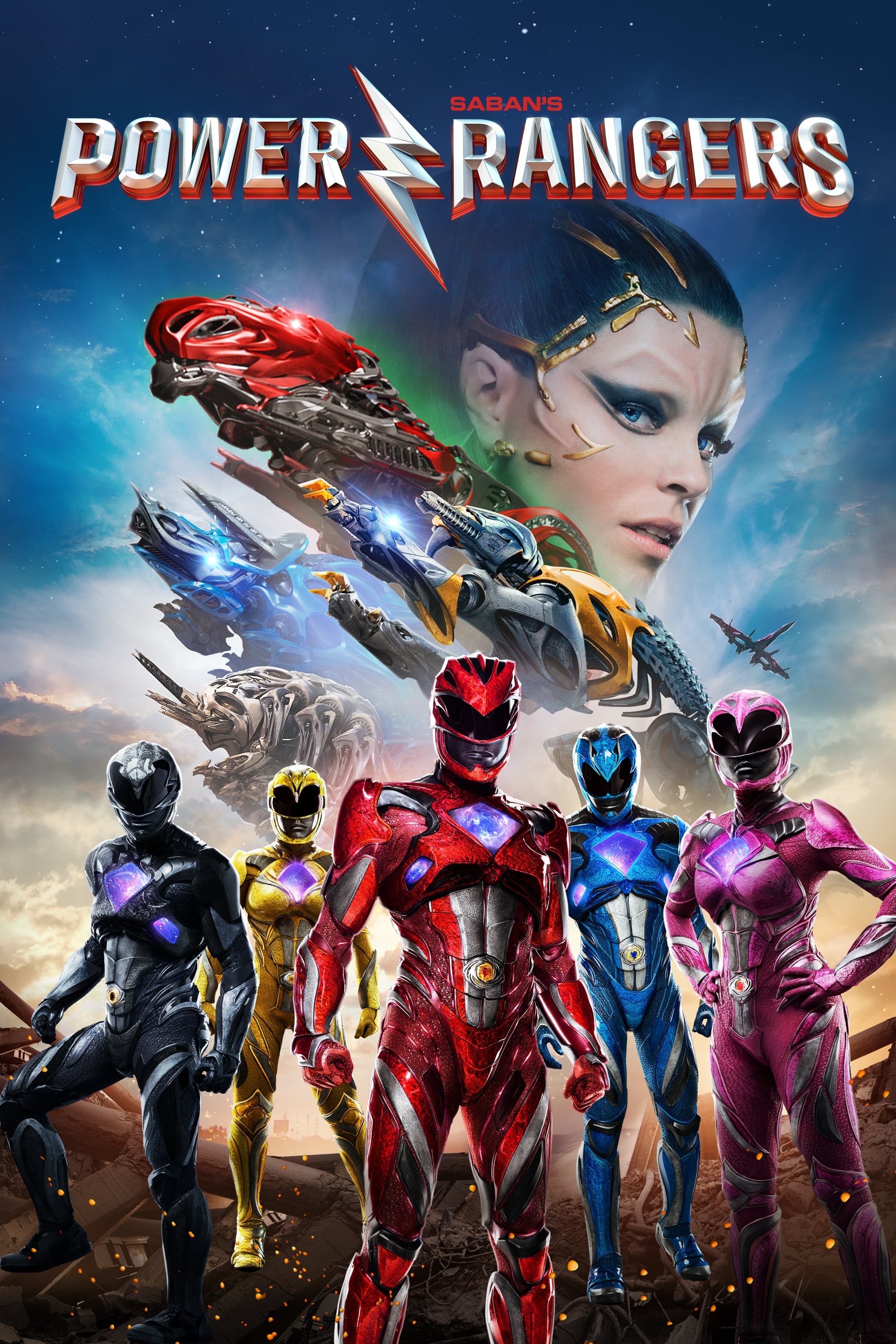
Nostalgia clashes and representation debates spurred clusters of low user ratings during opening week. The film’s worldwide gross cleared $140 million and later saw strong merchandise tie-ins. Family matinee attendance and school-break scheduling supported consistent weekday numbers. The disconnect between online sentiment and in-theater behavior echoed trends seen across other franchise revivals.
‘The Great Wall’ (2016)

Accusations of whitewashing sparked online calls to downrate the film’s pages, particularly in North America. Internationally, the movie drew sizable crowds, pushing global grosses above $300 million. Co-financing and release strategy leaned on China’s market strength and holiday timing. The disparity between regional online scores and overseas turnout became a textbook example for analysts.
‘Star Trek Into Darkness’ (2013)
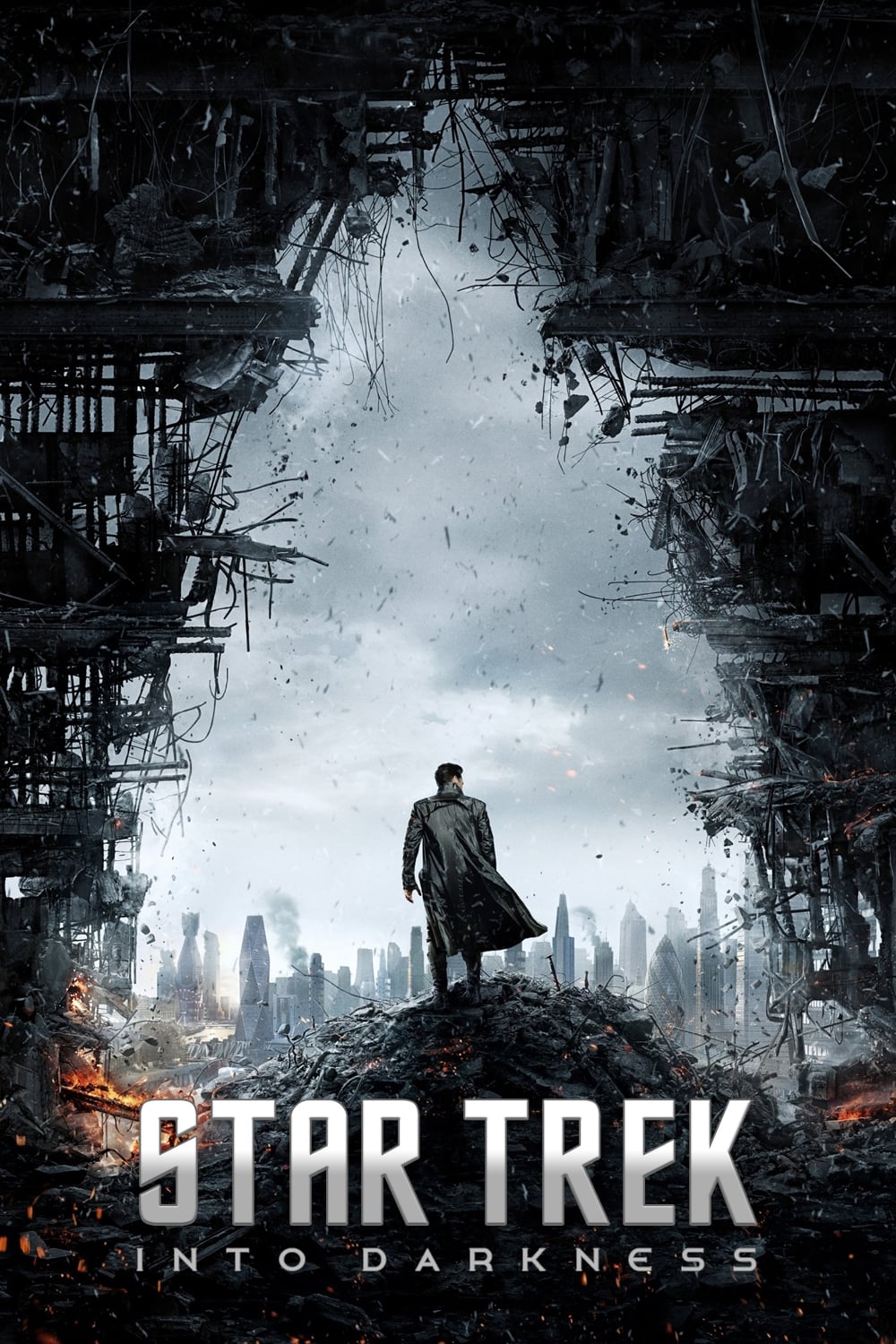
A twist-related backlash helped fuel concentrated negative entries on user-rating platforms after release. Despite that, the movie earned more than $450 million worldwide and posted strong IMAX shares. Fan conventions and re-releases maintained interest in the sequel well beyond initial playdates. The situation highlighted how franchise-specific grievances can dominate user pages without erasing broad appeal.
‘Fantastic Beasts: The Crimes of Grindelwald’ (2018)

Casting and creator-related controversies preceded sudden audience-score drops during its launch window. The film still amassed more than $600 million worldwide and played strongly in several international territories. Premium and 3D formats contributed a significant slice of revenue. The contrast between online downrating and steady overseas attendance rounded out another emblematic example.
‘Star Wars: The Force Awakens’ (2015)
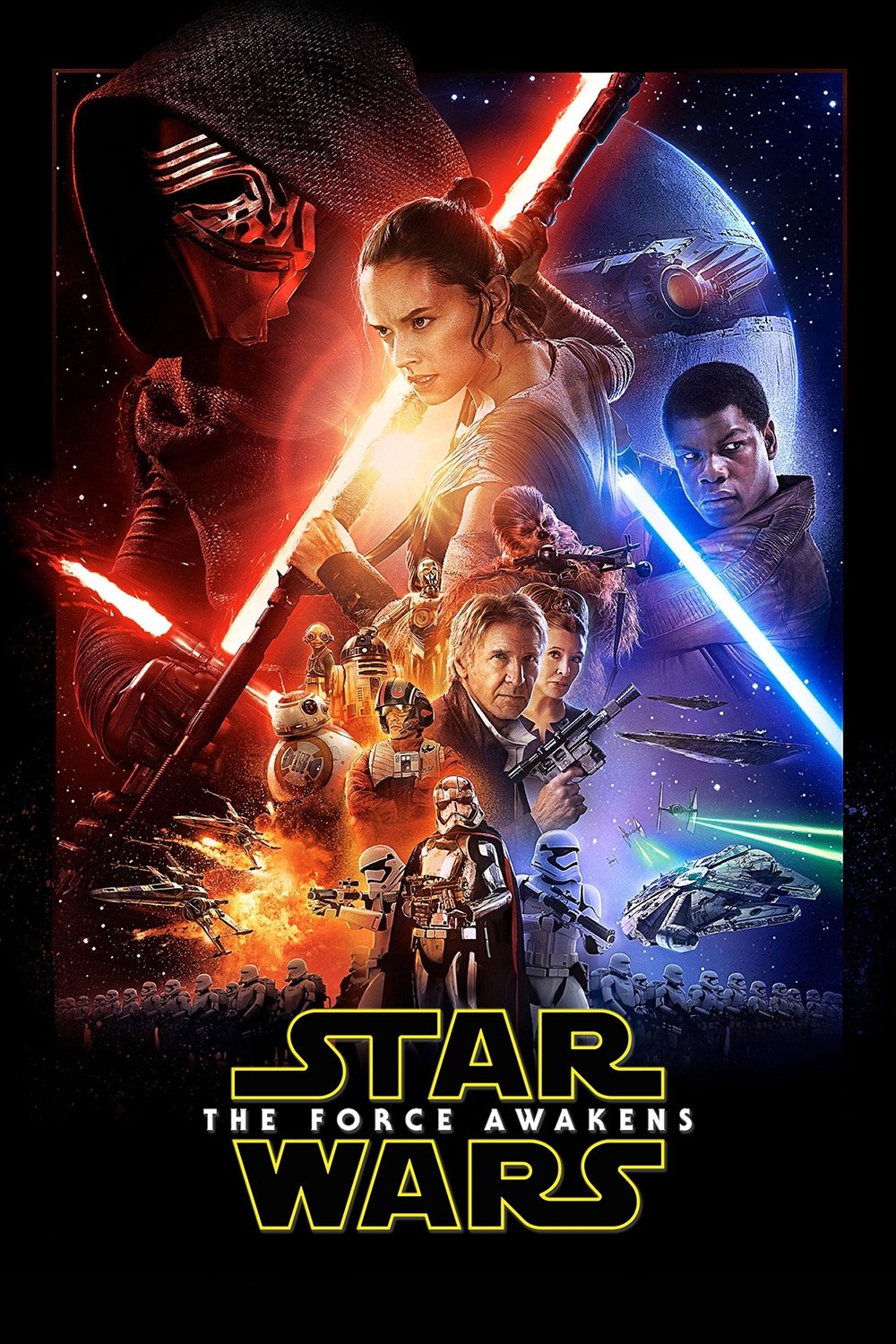
In the days around release, audience pages saw sudden negative bursts tied to casting and franchise-direction debates. Despite the noise, the film became one of the highest-grossing releases ever, with strong premium-format uptake and repeat attendance across holiday weeks. Theater owners reported sellouts well beyond opening weekend, especially for marathons and special screenings. The large gap between online flare-ups and sustained turnout became a template case for studios analyzing pre-release sentiment vs. actual demand.
‘Venom’ (2018)

Early user downrating targeted the film’s tone and franchise positioning, with spikes clustering around trailer drops and preview screenings. The title nonetheless delivered a massive global haul, overperforming in multiple international territories and setting records for its release month. Premium and 3D formats accounted for a sizable share of admissions. Home-viewing windows extended reach further, confirming audience curiosity that online negativity didn’t capture.
‘Bright’ (2017)
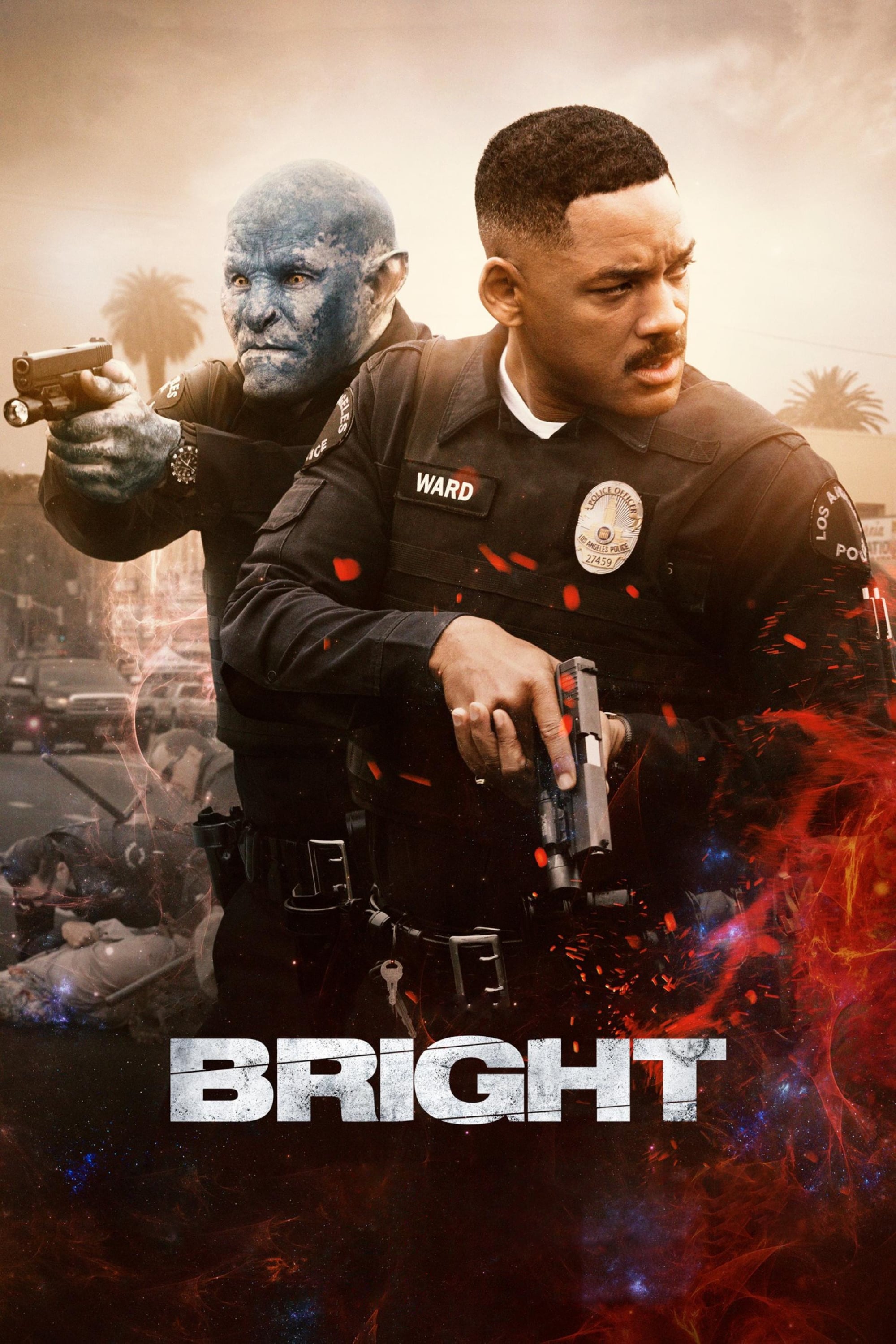
Upon its streaming debut, the film drew concentrated negative user activity on aggregator and social platforms within the first weekend. The service publicized broad global sampling with high completion rates in several regions. Follow-on weeks kept the title near watch charts as new users tried it out. The disconnect highlighted how streaming visibility and algorithmic placement can sustain viewership regardless of hostile user-score waves.
‘Bird Box’ (2018)

User scores swung sharply during the initial rollout as the film turned into a viral talking point. The platform cited tens of millions of account views early on, and social trend data showed widespread discussion beyond typical genre circles. International interest and meme-driven awareness helped drive sustained viewing. The title’s trajectory demonstrated that word-of-mouth and watchlist momentum can outlast early downrating surges.
‘Okja’ (2017)

The film faced polarized user reactions tied to debates about theatrical windows and festival eligibility, prompting downrating clusters at launch. Streaming availability ensured immediate global access, generating broad sampling even in markets with limited theatrical play. Press coverage of distribution disputes boosted awareness rather than suppressing interest. The situation illustrated how release-model controversies can distort user pages without depressing actual viewership.
‘Aladdin’ (2019)

Pre-release materials triggered coordinated negativity focused on casting and visual-effects choices, visible in audience-score dips ahead of opening. The film went on to surpass the billion-dollar threshold worldwide, with strong family attendance and durable weekday holds. Premium-format screenings remained robust throughout early summer. The turnout made clear that early downvoting didn’t predict family audience behavior.
‘American Sniper’ (2014)

Political arguments spilled into user-rating platforms, producing waves of low scores concentrated near release milestones. In theaters, the movie posted exceptional weekend-to-weekend holds and drew broad demographic turnout across regions. Awards-season attention sustained interest through winter, pushing cumulative admissions well beyond early forecasts. The case showed how ideological brigading can skew online sentiment while ticket buyers turn up in force.
‘Exodus: Gods and Kings’ (2014)

Casting debates and cultural-representation disputes fueled online downrating campaigns as marketing ramped up. The film still delivered sizable international grosses, with overseas markets carrying much of the theatrical footprint. Ancillary windows extended its reach through home and licensing channels. The episode became part of a broader conversation about how regional controversies affect user pages differently than worldwide attendance.
‘Warcraft’ (2016)

User-score volatility accompanied the release, reflecting franchise turf wars and adaptation skepticism that spiked around opening. The movie underperformed in some markets but saw standout turnout in others, producing a strong global total anchored by vibrant overseas interest. IMAX and 3D shares outpaced typical genre comps. The pattern underscored that online brigading in one region doesn’t dictate worldwide audience behavior.
‘Iron Man 3’ (2013)

A twist reveal prompted concentrated negative entries on audience platforms shortly after wide release. Nevertheless, the film achieved one of the decade’s highest totals for a superhero title and held screens strongly across spring. Premium formats and international play contributed heavily to cumulative admissions. The example is often cited when discussing storyline-driven online swings that fail to dent overall turnout.
‘Man of Steel’ (2013)

Polarized debates over tone and character choices produced noticeable clusters of low user ratings during release week. Box office remained substantial worldwide, with premium-format attendance and weekday matinees supporting legs beyond the opening frame. Home media and later streaming availability sustained discovery among casual viewers. The split between online temperature and real-world interest became a recurring theme for the franchise.
‘Batman v Superman: Dawn of Justice’ (2016)
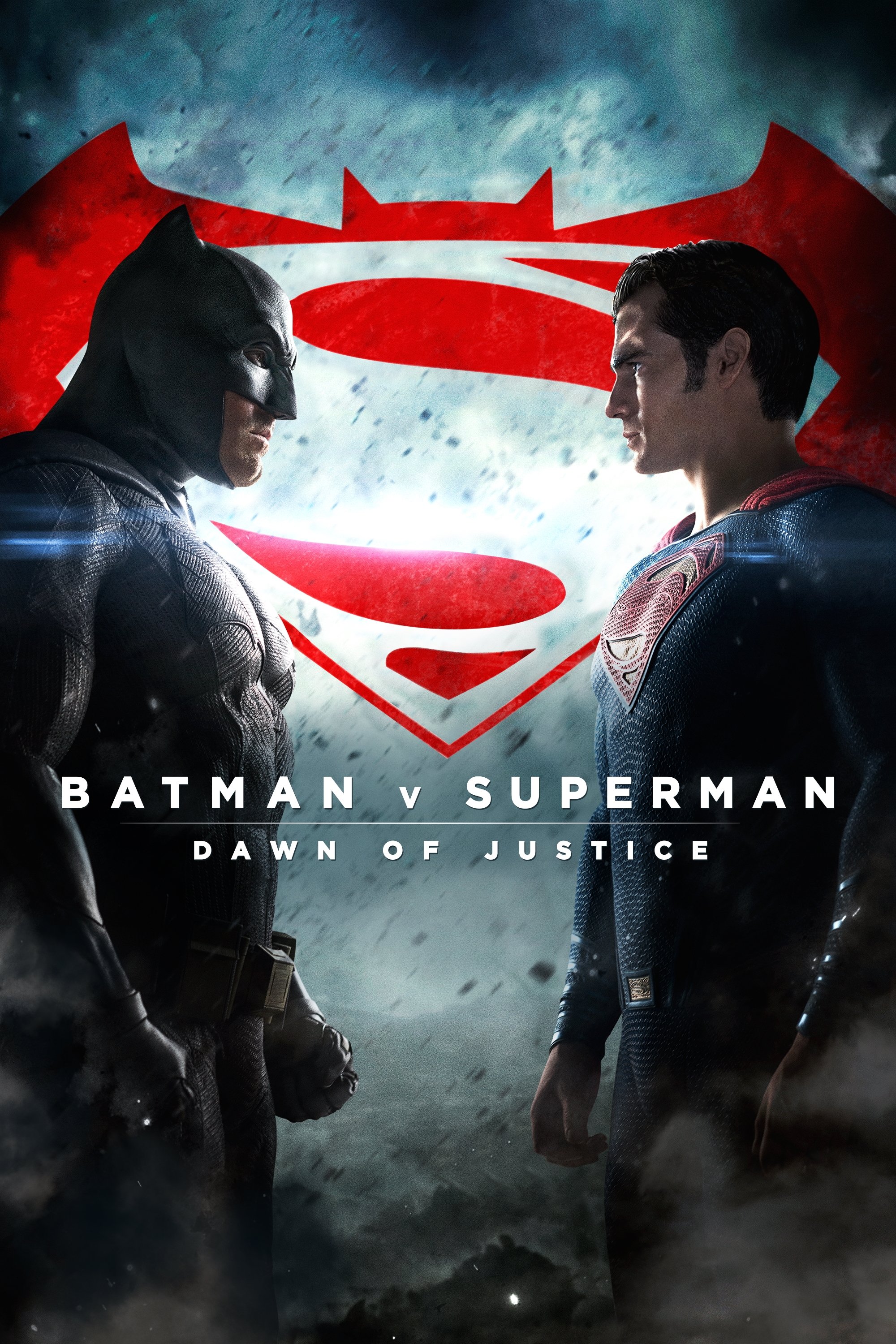
Audience pages experienced rapid negative surges tied to expectations about pacing, character arcs, and extended cuts. The film still drew huge crowds globally, landing among the year’s top earners and driving strong premium-format receipts. Subsequent home releases brought additional attention to alternate edits, extending engagement. The scale of turnout contrasted sharply with early downrating campaigns.
‘Justice League’ (2017)

Theatrical reception unfolded alongside online brigading that targeted production changes and canon disputes, creating abrupt user-score drops. Even amid creative turbulence, the movie attracted a large global audience and maintained solid weekday business in several regions. Later streaming releases and renewed franchise interest sparked fresh waves of viewing. The timeline illustrates how platform sentiment can be dominated by factional disputes without erasing baseline curiosity.
‘Joker’ (2019)

Security debates and content warnings fueled pre-release and opening-week user downrating attempts. The film proceeded to set new records for an R-rated title, with strong holds and broad international appeal. Festival wins and awards-season coverage amplified awareness throughout its run. The scenario demonstrated that controversy-driven online waves can coincide with exceptional theatrical engagement.
‘Dark Phoenix’ (2019)

The X-Men installment saw early user-score slides centered on franchise fatigue and behind-the-scenes headlines, with visible downvoting around previews. Despite sharp online negativity, the movie drew solid premium-format interest and later found additional viewers in home-release channels. Marketing analysis pointed to timing and competition as key pressure points beyond user-rating chatter. The case added to a pattern where online brigades shaped perception more than actual reach.
Share your take: which titles here you saw get swamped online but played just fine with real audiences—drop your thoughts in the comments!

