


2020s Films Ruined by Controversy—not Quality


Sometimes a movie’s rollout gets overshadowed by headlines that have little to do with what’s on the screen. From casting dustups and marketing missteps to lawsuits, bans, and online firestorms, plenty of strong releases in the 2020s found themselves battling the narrative around them. Here are 40 films where controversy—more than the craft—dominated the conversation.
‘Cuties’ (2020)

The French coming-of-age film ‘Cuties’ became a flashpoint after an international poster and a streaming description drew accusations of sexualizing minors. Lawmakers in multiple countries weighed in, petitions circulated, and calls for boycotts trended across social media. The distributor apologized for the marketing materials and changed them, while the director defended the film’s intent in interviews.
‘Mulan’ (2020)

‘Mulan’ faced backlash over end-credits acknowledgments tied to Chinese government entities in Xinjiang, where human-rights groups raised concerns. Comments from the lead actor supporting Hong Kong police also sparked calls for boycotts. A premium digital release strategy during pandemic closures added another layer to an already scrutinized rollout.
‘The Hunt’ (2020)

‘The Hunt’ was delayed after political leaders criticized its premise in the wake of mass shootings. When it finally opened, marketing leaned into the controversy with a “you haven’t seen it” angle. The film’s satirical framing remained a lightning rod across partisan media and online discourse.
‘Tenet’ (2020)
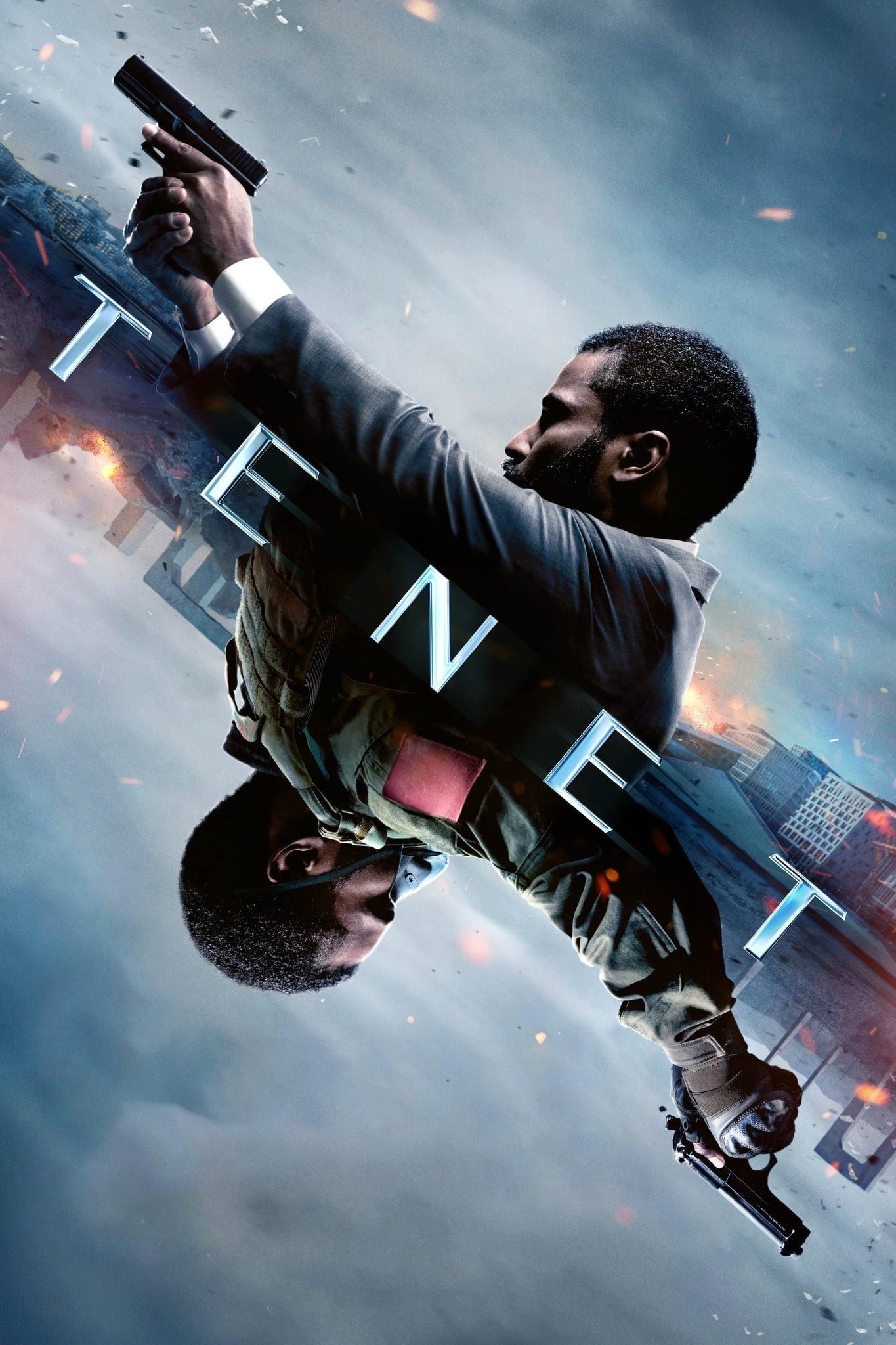
‘Tenet’ arrived as theaters attempted to reopen during the COVID-19 pandemic, drawing scrutiny over timing and public-health implications. Exhibition chains and local governments wrestled with capacity limits while release dates shifted internationally. The rollout became a case study in pandemic-era distribution strategies and revenue risk.
‘Minamata’ (2020)

‘Minamata’—about photojournalist W. Eugene Smith’s coverage of mercury poisoning in Japan—ran into distribution turbulence. The lead actor publicly alleged the studio downplayed release plans due to his legal battles, which the studio denied. Advocacy groups and the filmmakers pushed for a wider rollout to highlight the environmental disaster depicted.
‘Music’ (2021)

Sia’s ‘Music’ drew strong criticism from autism-advocacy organizations for casting a neurotypical actor in the lead role and for restraint scenes. The filmmaker apologized, pledged to add content warnings, and removed specific sequences from future versions. High-profile award nominations intensified debate about representation and on-screen harm.
‘Black Widow’ (2021)
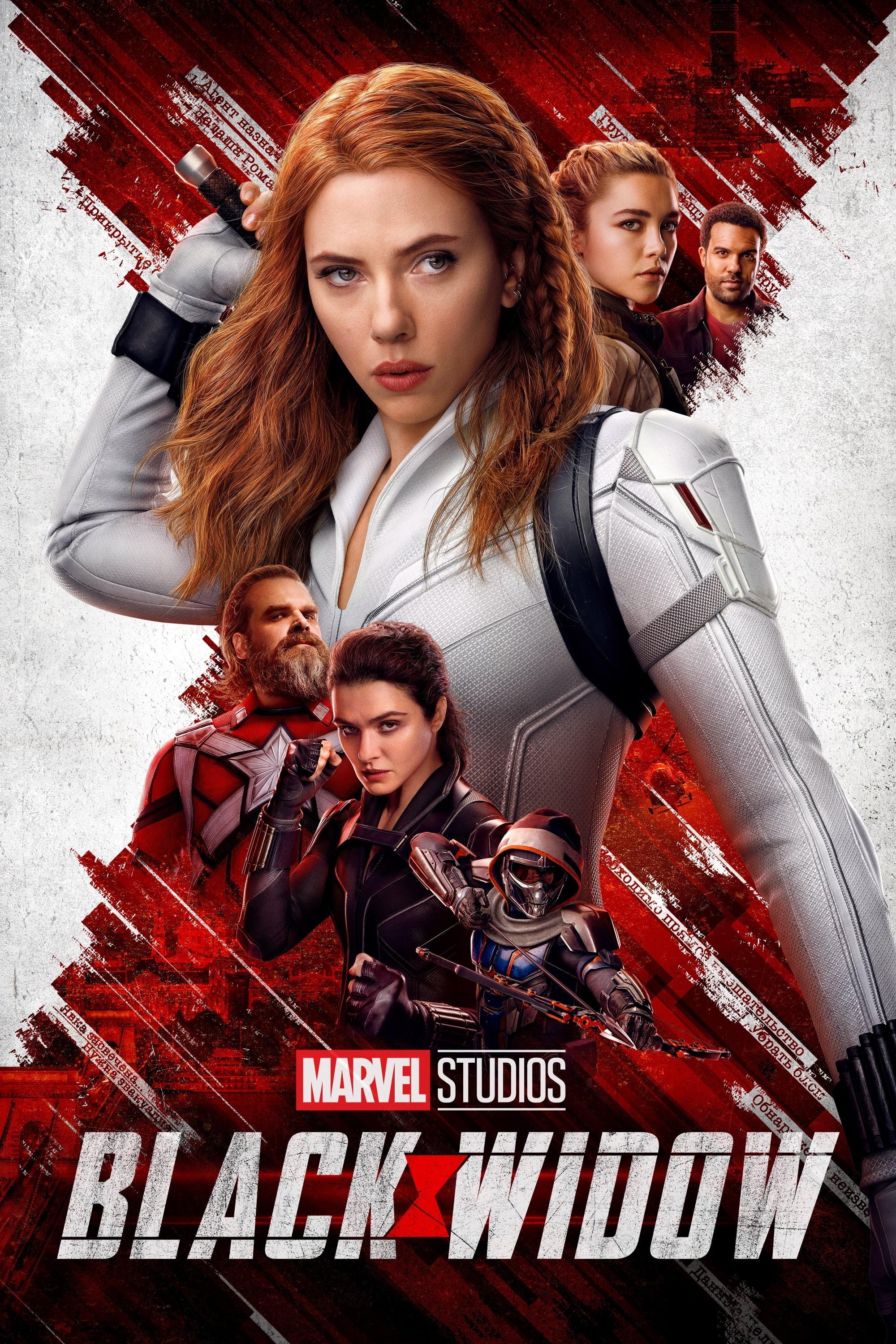
‘Black Widow’ became central to an industry-watch lawsuit when its star sued the studio over a day-and-date digital release and alleged contract breaches tied to box-office bonuses. The case settled confidentially after weeks of public filings and statements. The dispute accelerated discussion about talent compensation in the streaming era.
‘West Side Story’ (2021)
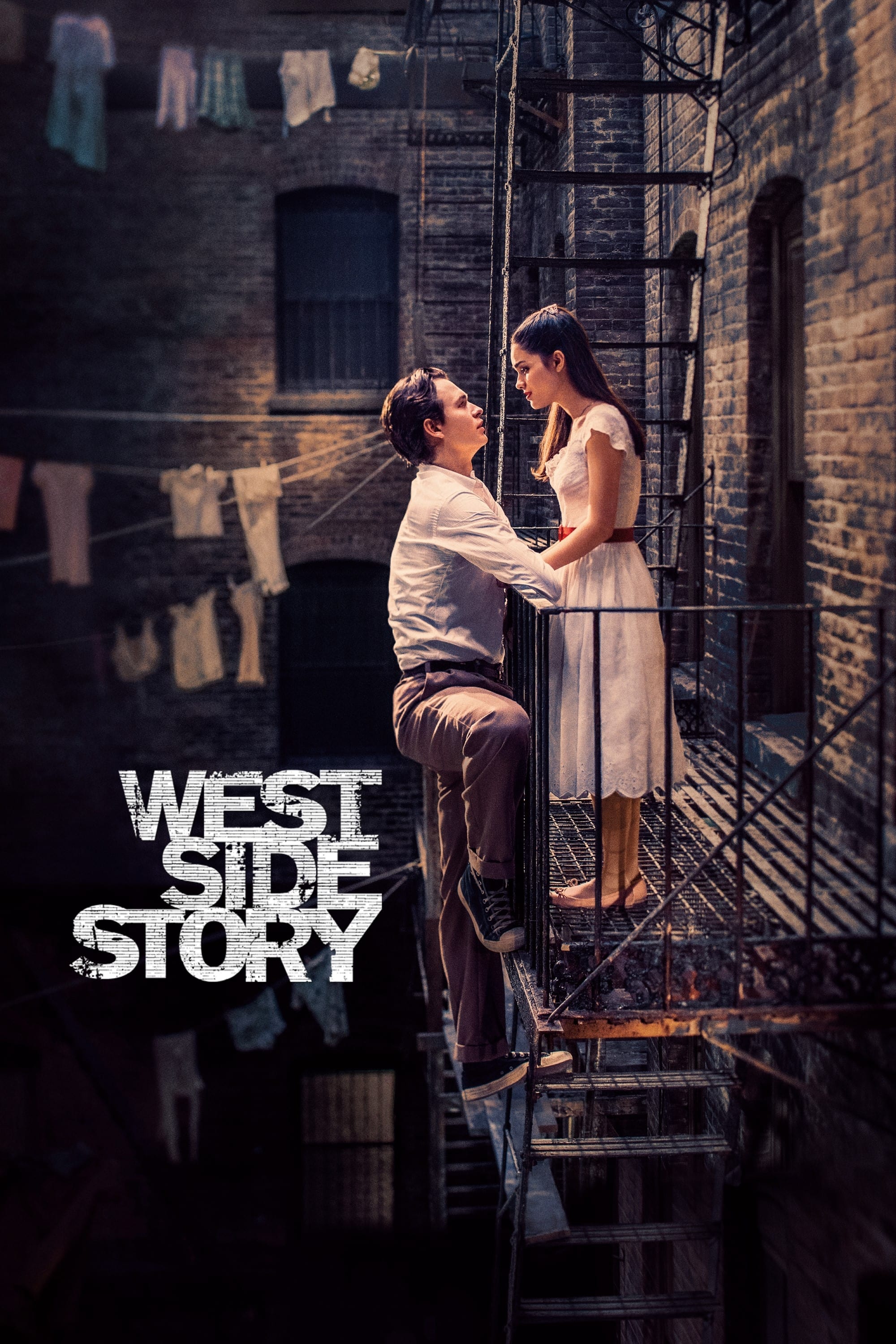
‘West Side Story’ contended with allegations against actor Ansel Elgort that resurfaced ahead of release. Some regions also limited the film due to LGBTQ representation. The studio and creative team navigated press questions while emphasizing the broader ensemble and production.
‘Eternals’ (2021)

‘Eternals’ encountered bans or edits in several markets over its same-sex couple and a brief on-screen kiss. Ratings boards and censors in certain countries requested changes that the studio declined in some cases. The global rollout illustrated how inclusive content faces uneven policies across territories.
‘House of Gucci’ (2021)
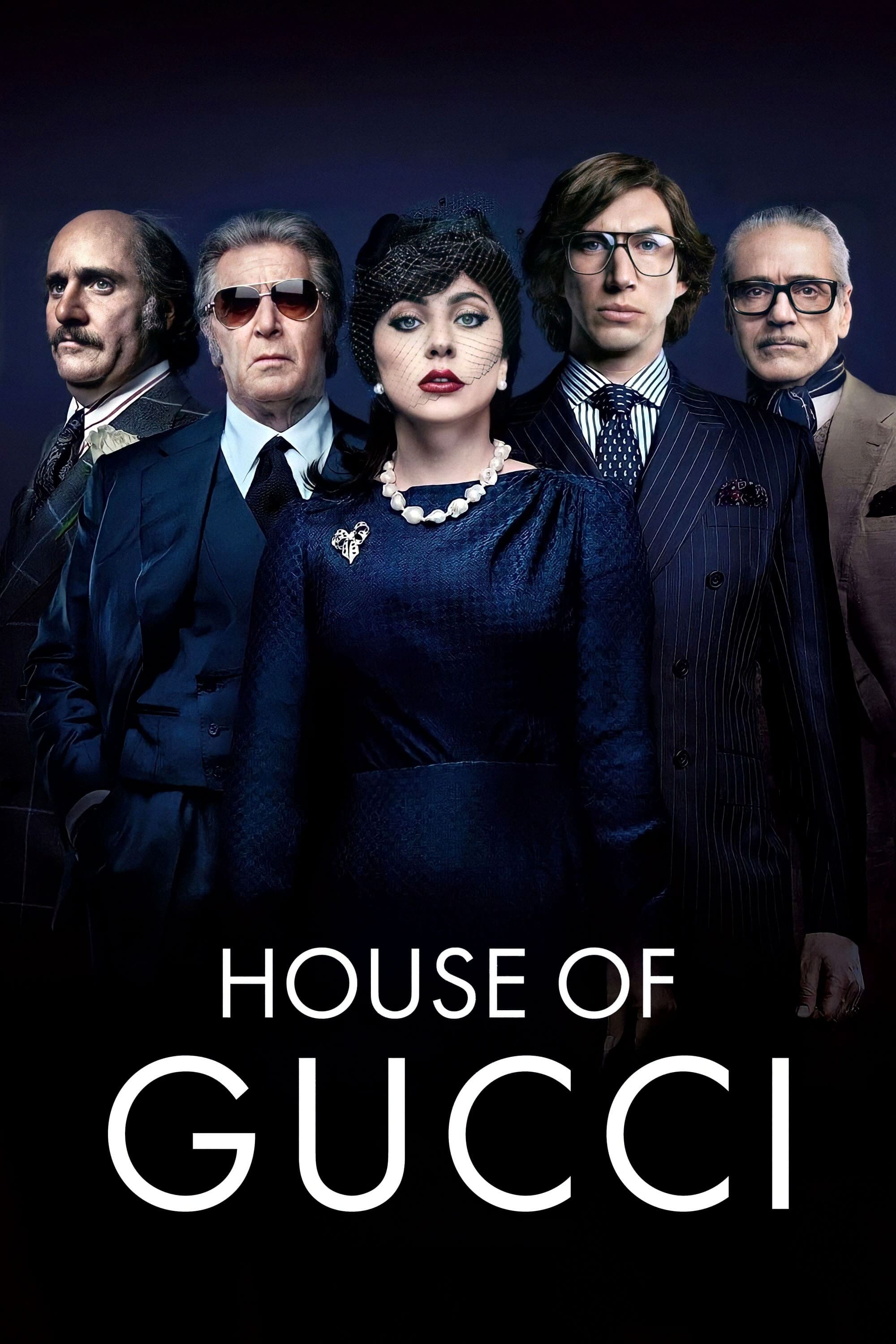
Members of the Gucci family publicly objected to ‘House of Gucci’ and criticized portrayals of relatives. Legal letters and media statements questioned depictions of events and personalities. The studio stood by its dramatization while the conversation kept the film in headlines.
‘Licorice Pizza’ (2021)
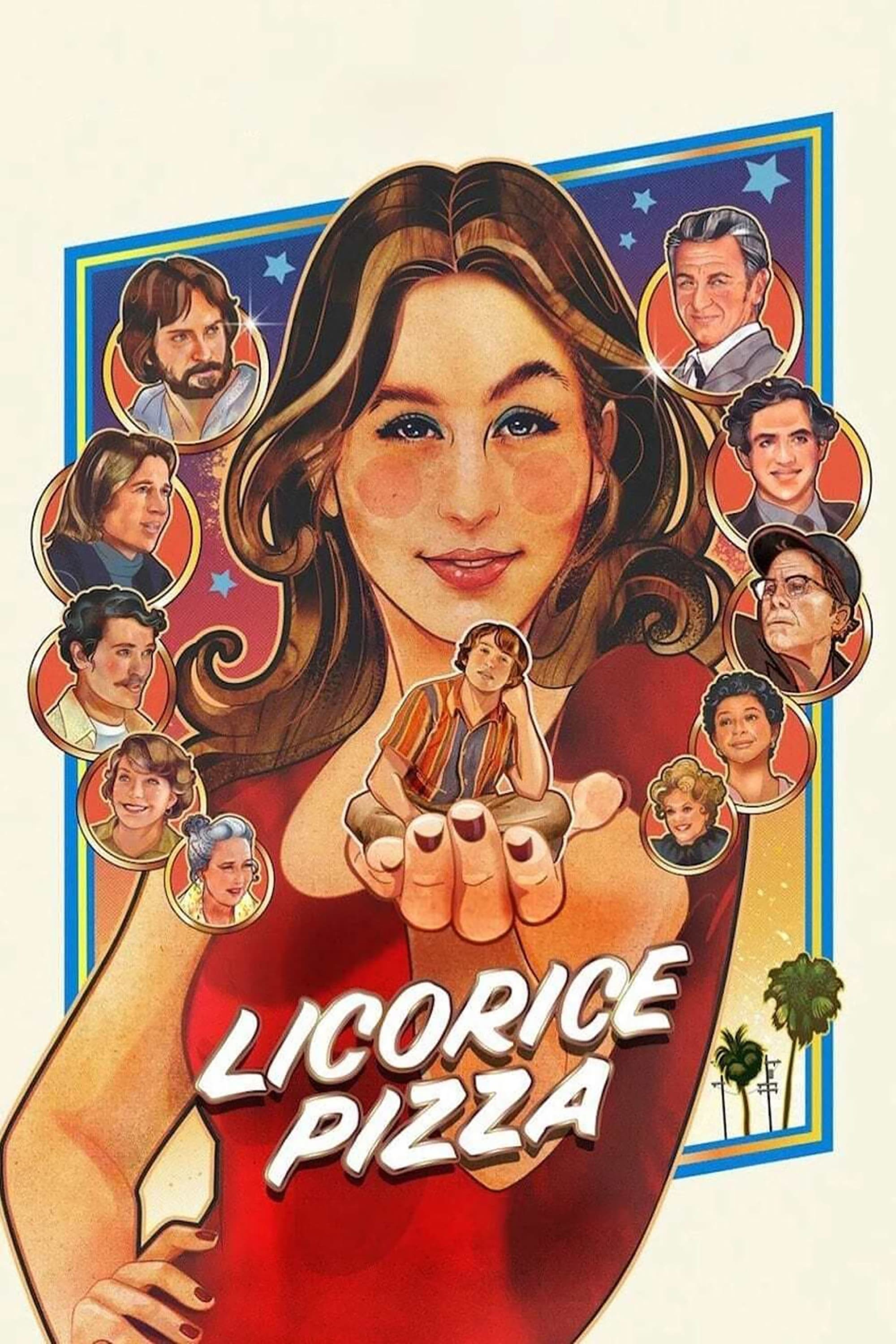
‘Licorice Pizza’ sparked debate over scenes featuring a character using exaggerated Japanese accents, which advocacy groups called racist. The film also reignited discussion about age-gap relationships as a recurring narrative element. Community organizations weighed in, and screenings sometimes included post-show panels addressing the concerns.
‘Don’t Look Up’ (2021)
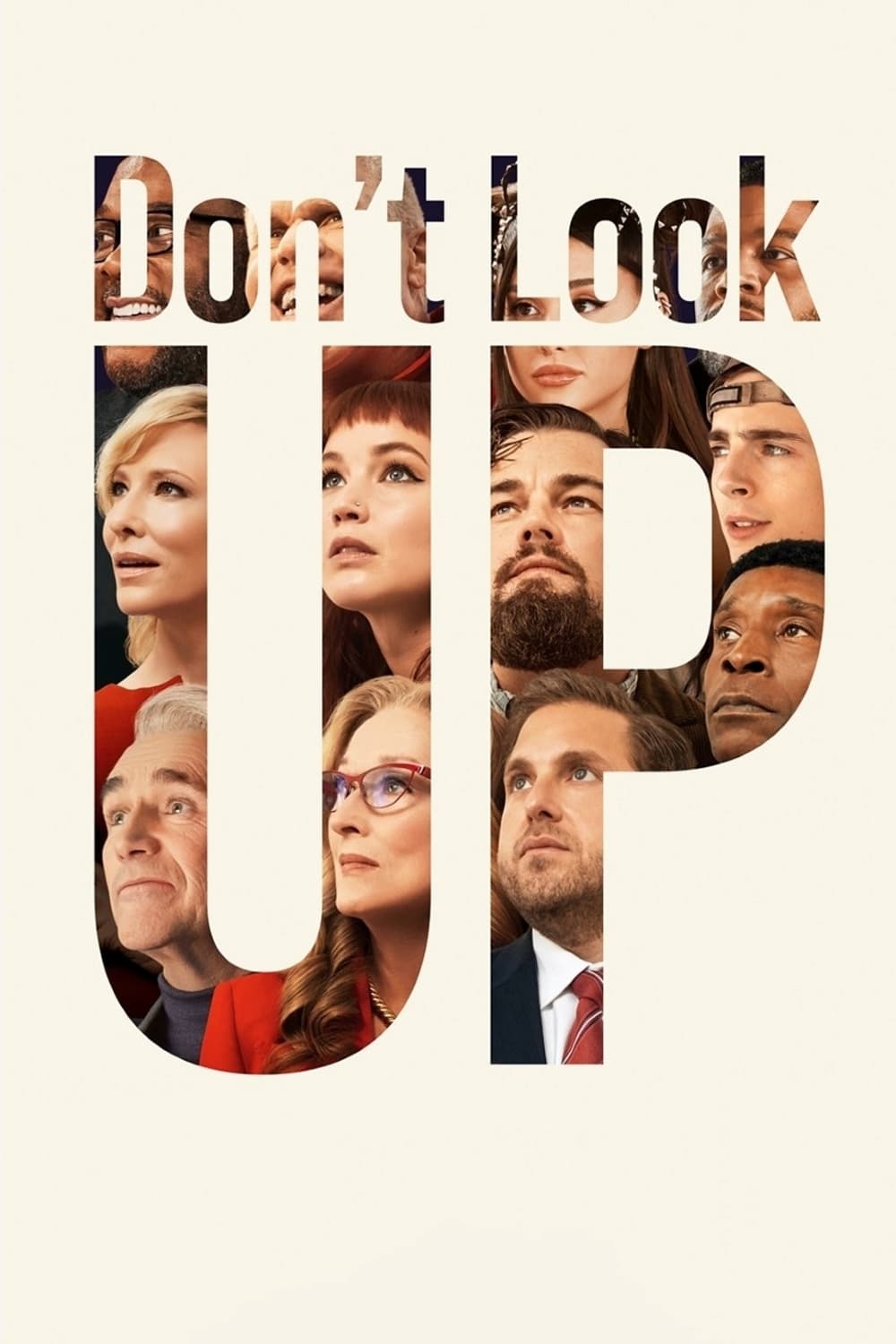
‘Don’t Look Up’ polarized audiences and commentators due to its climate-crisis allegory and depiction of media and politics. Scientists, journalists, and policymakers issued responses about the film’s messaging and accuracy. Social media amplified the divide, with op-eds framing it as either urgent commentary or blunt provocation.
‘Death on the Nile’ (2022)
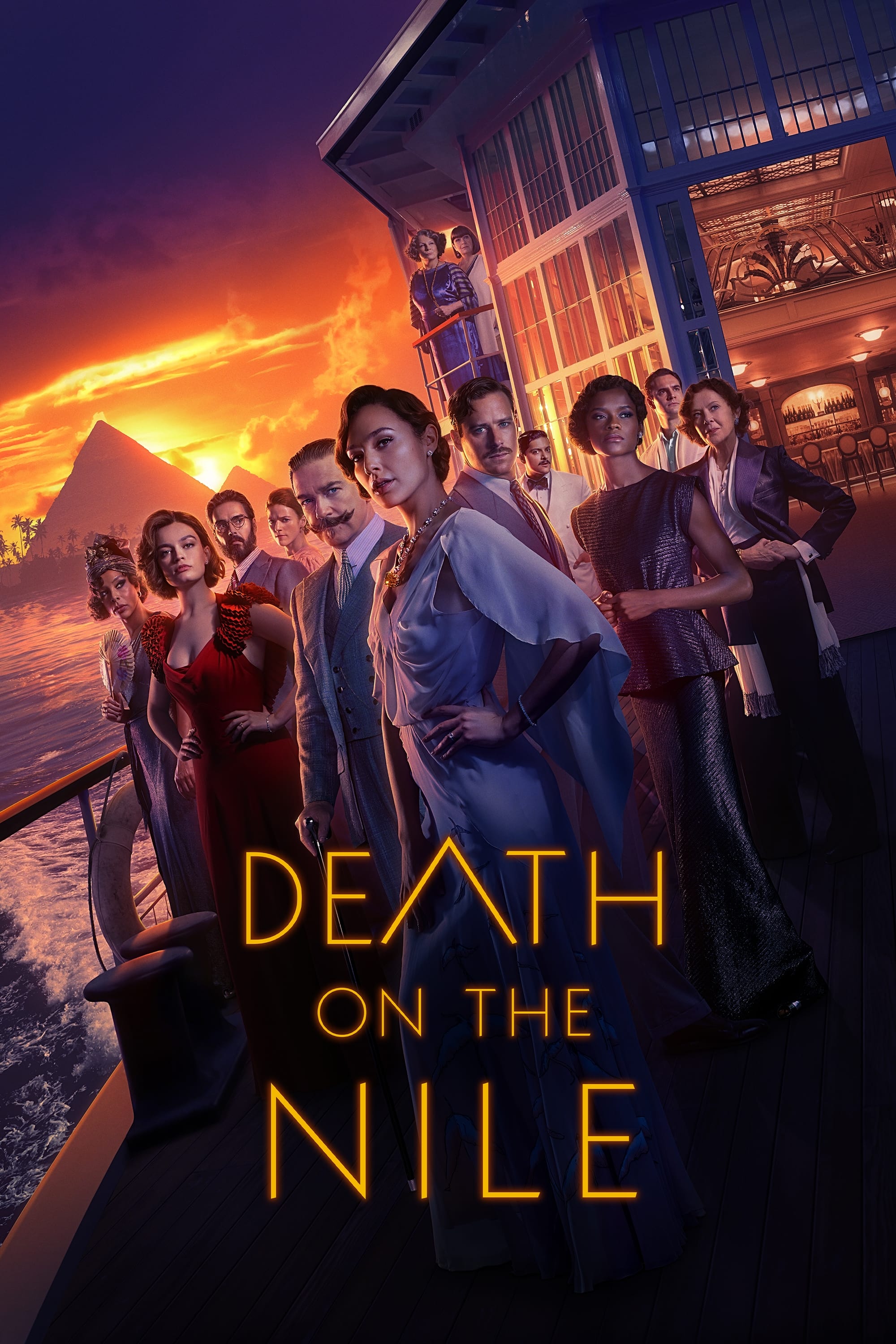
‘Death on the Nile’ released amid scrutiny of cast member Armie Hammer following widely reported allegations and an industry hiatus. Some promotional materials deemphasized his presence, and press engagements avoided the topic. International marketing strategies varied to reflect local sensitivities.
‘Don’t Worry Darling’ (2022)

‘Don’t Worry Darling’ became a tabloid magnet after reports of on-set friction, casting changes, and viral festival-premiere moments. Questions about behind-the-scenes dynamics overshadowed festival coverage and interviews. The studio and filmmakers fielded repeated inquiries unrelated to the story or production craft.
‘Blonde’ (2022)
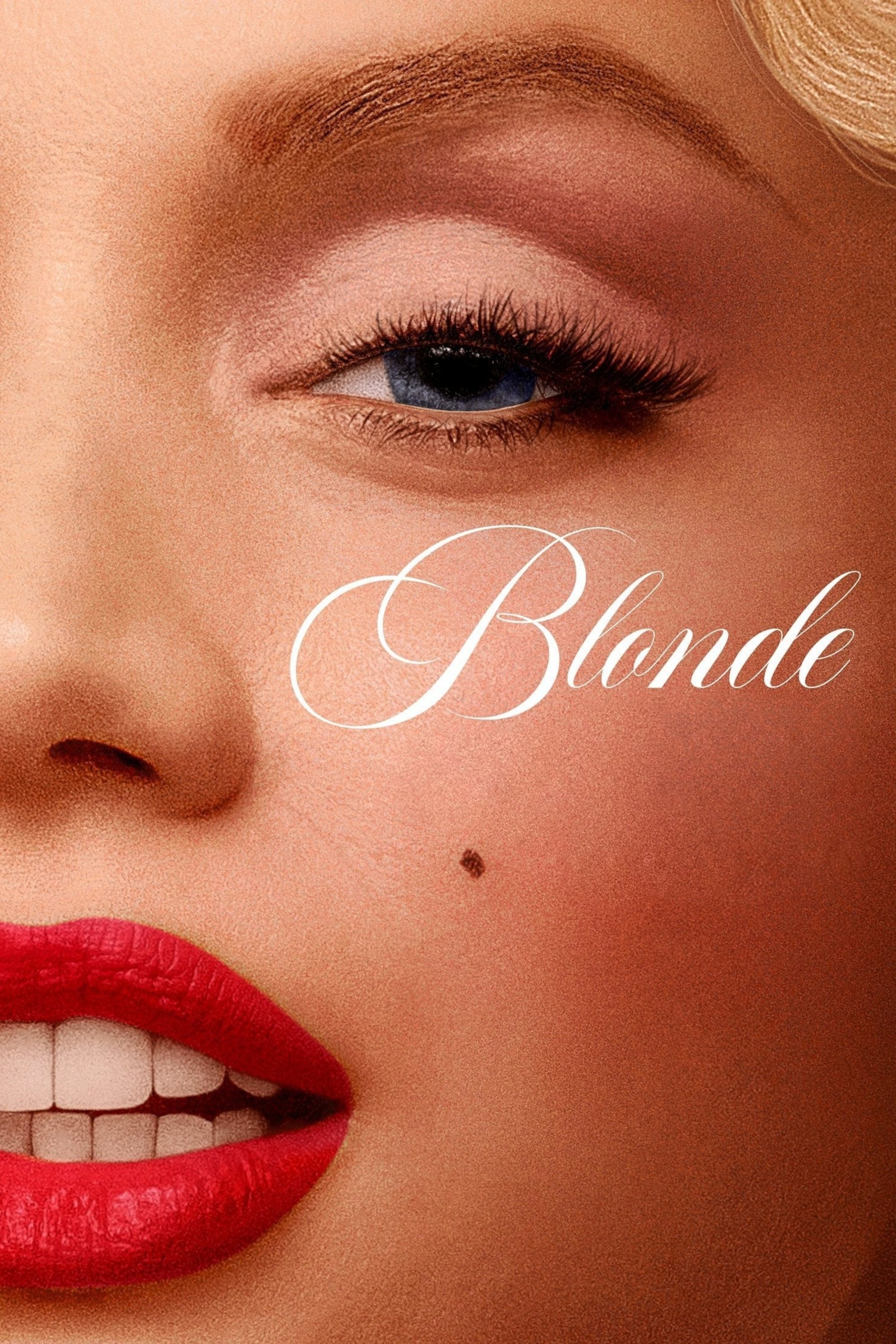
‘Blonde’ drew criticism from some Marilyn Monroe scholars and advocacy groups for its depiction of the star’s life and certain graphic scenes. An adults-only rating triggered debate about the film’s accessibility on a major streaming platform. Interviews and think pieces unpacked adaptation choices and their historical basis.
‘The Whale’ (2022)
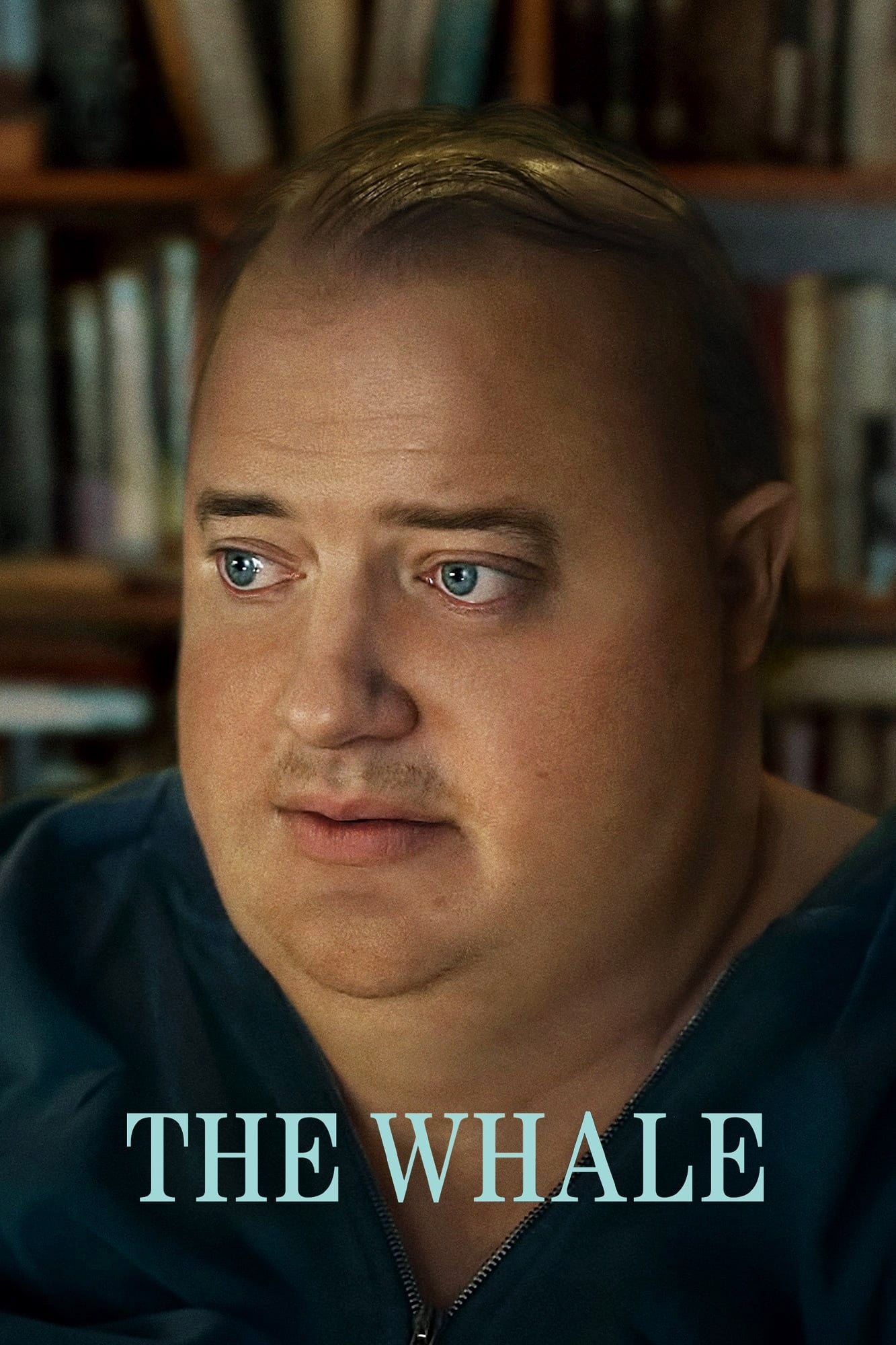
‘The Whale’ prompted discussion among fat-acceptance activists and medical advocates about representation, prosthetics use, and framing of obesity. The creative team and actors addressed the discourse in press Q&As and statements. Essays examined the film’s themes and potential impact on stigma.
‘Lightyear’ (2022)

‘Lightyear’ faced bans or edits in multiple countries due to a brief same-sex kiss. The studio affirmed it would not cut the scene for certain markets, resulting in restricted releases. The conversation fed broader debates about LGBTQ inclusion in family entertainment.
‘Turning Red’ (2022)
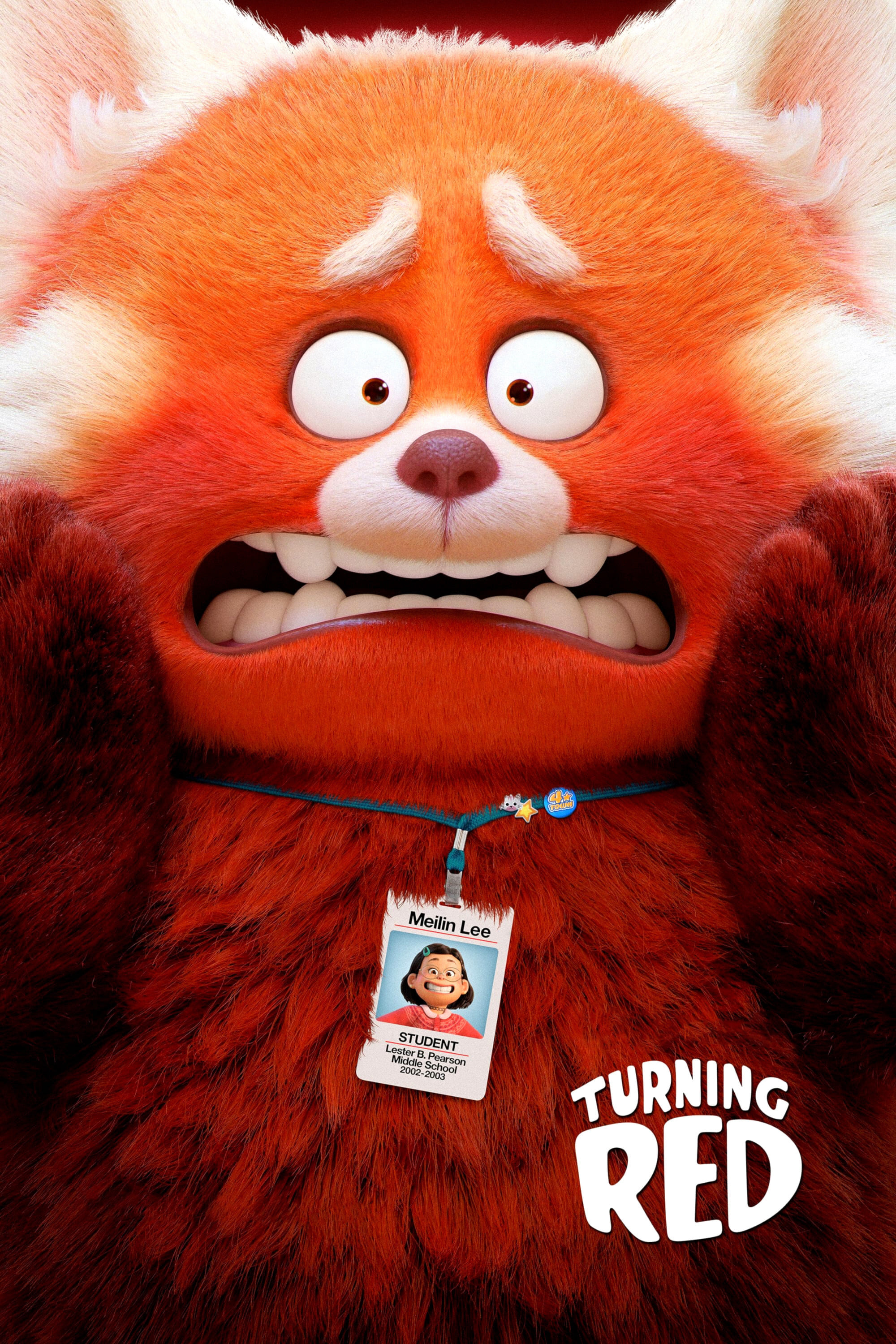
‘Turning Red’ stirred conversation about themes of puberty, family dynamics, and cultural specificity. Some parents’ groups questioned suitability, while educators used it to discuss adolescence and communication. A direct-to-streaming strategy also spurred debate about theatrical windows for animated features.
‘Top Gun: Maverick’ (2022)
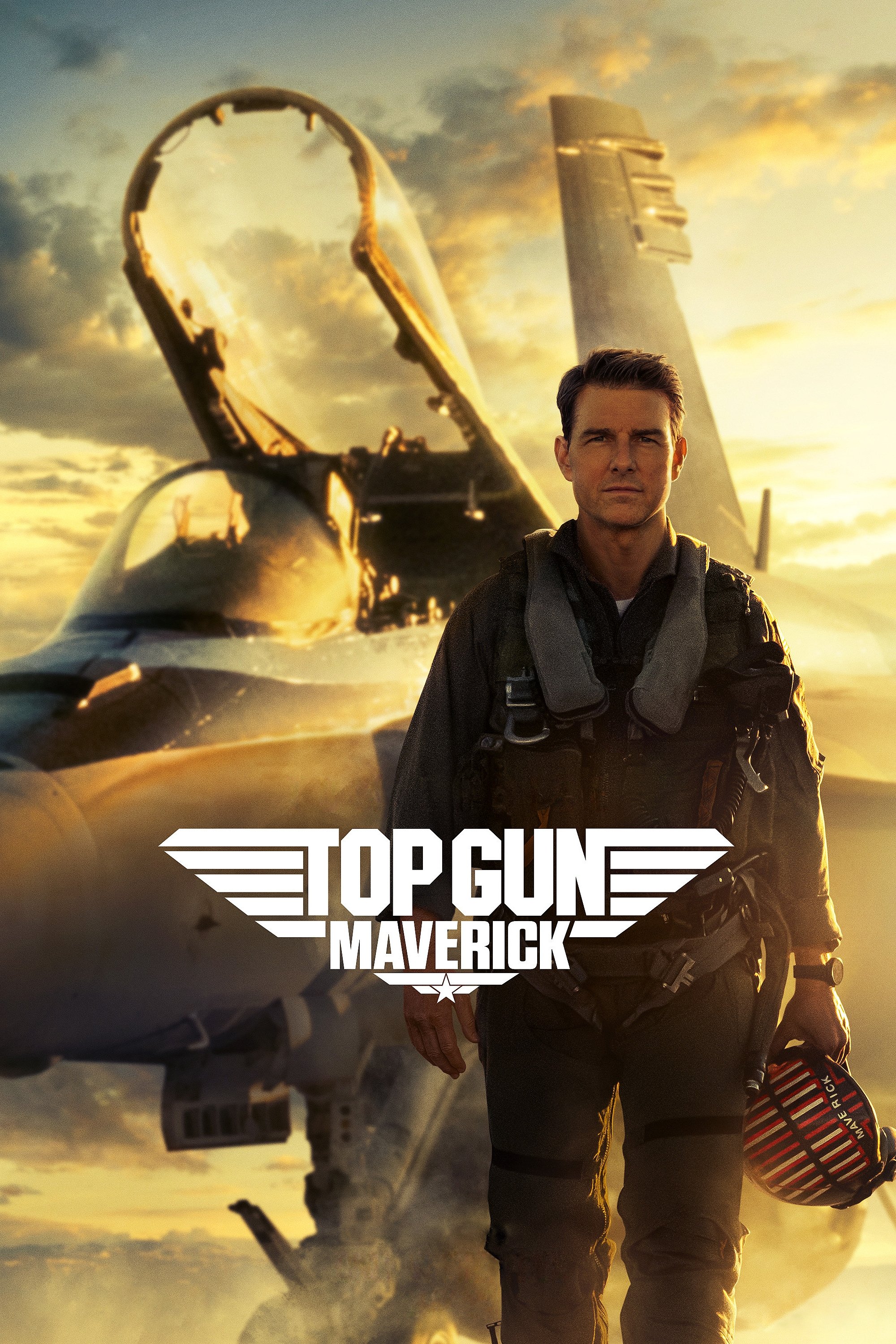
‘Top Gun: Maverick’ encountered chatter over the removal and later restoration of flag patches on a flight jacket, linked by observers to financing sensitivities. The estate of a writer whose article inspired the original film filed a copyright lawsuit over sequel rights. Legal filings and distribution decisions kept these issues in the news.
‘To Leslie’ (2022)
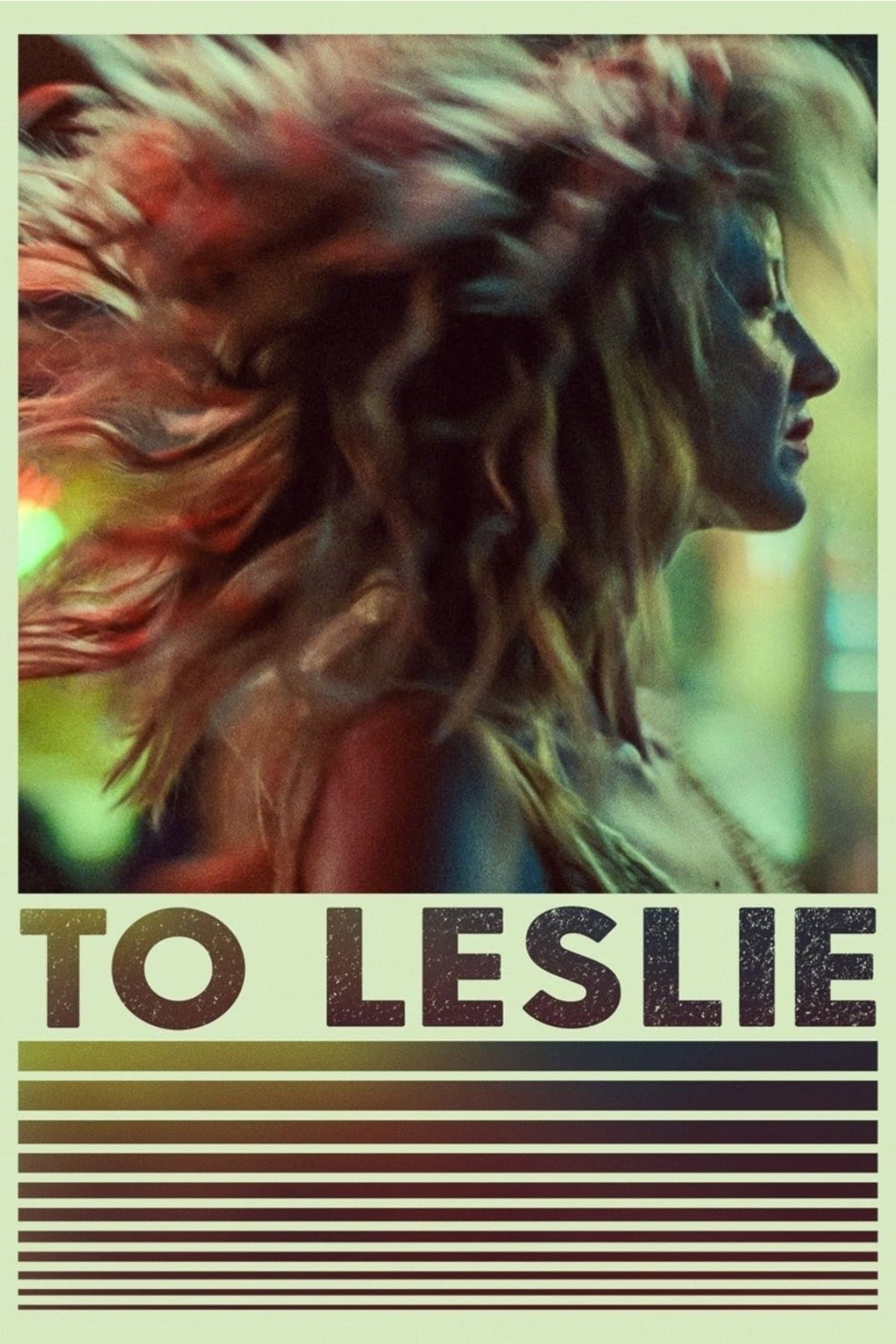
‘To Leslie’ became the center of an awards-campaign controversy after an unexpected acting nomination prompted questions about lobbying practices. The Academy reviewed whether social-media outreach and private screenings complied with rules. Following the review, the nomination stood and calls emerged for clearer campaigning guidelines.
‘The Little Mermaid’ (2023)

‘The Little Mermaid’ faced racist backlash to the casting of Halle Bailey as Ariel, alongside supportive counter-campaigns. Conversation extended to review-bombing allegations and platform responses to ratings manipulation. The studio emphasized Bailey’s performance in marketing and public appearances.
‘The Flash’ (2023)

‘The Flash’ released amid legal troubles and allegations involving its star Ezra Miller, who issued public statements about seeking treatment. Press tours were tightly managed, and red-carpet access was limited. Coverage focused on studio decision-making around franchise continuity.
‘Sound of Freedom’ (2023)
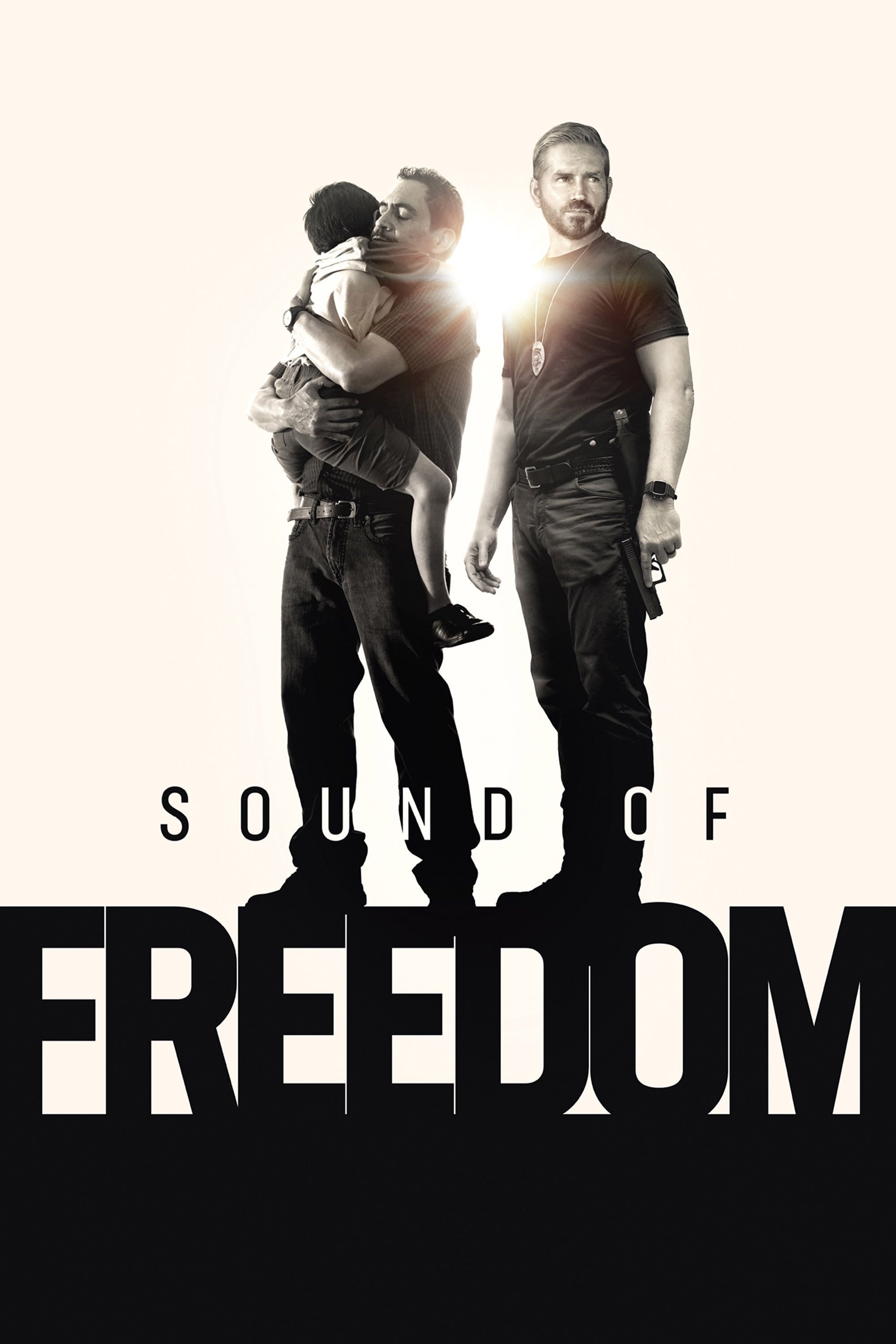
‘Sound of Freedom’ generated political controversy due to subject matter, affiliations highlighted by commentators, and viral marketing tied to pay-it-forward ticketing. Fact-checking outlets scrutinized claims related to the film’s context. The distributor’s unconventional release strategy drew additional media attention.
‘Oppenheimer’ (2023)
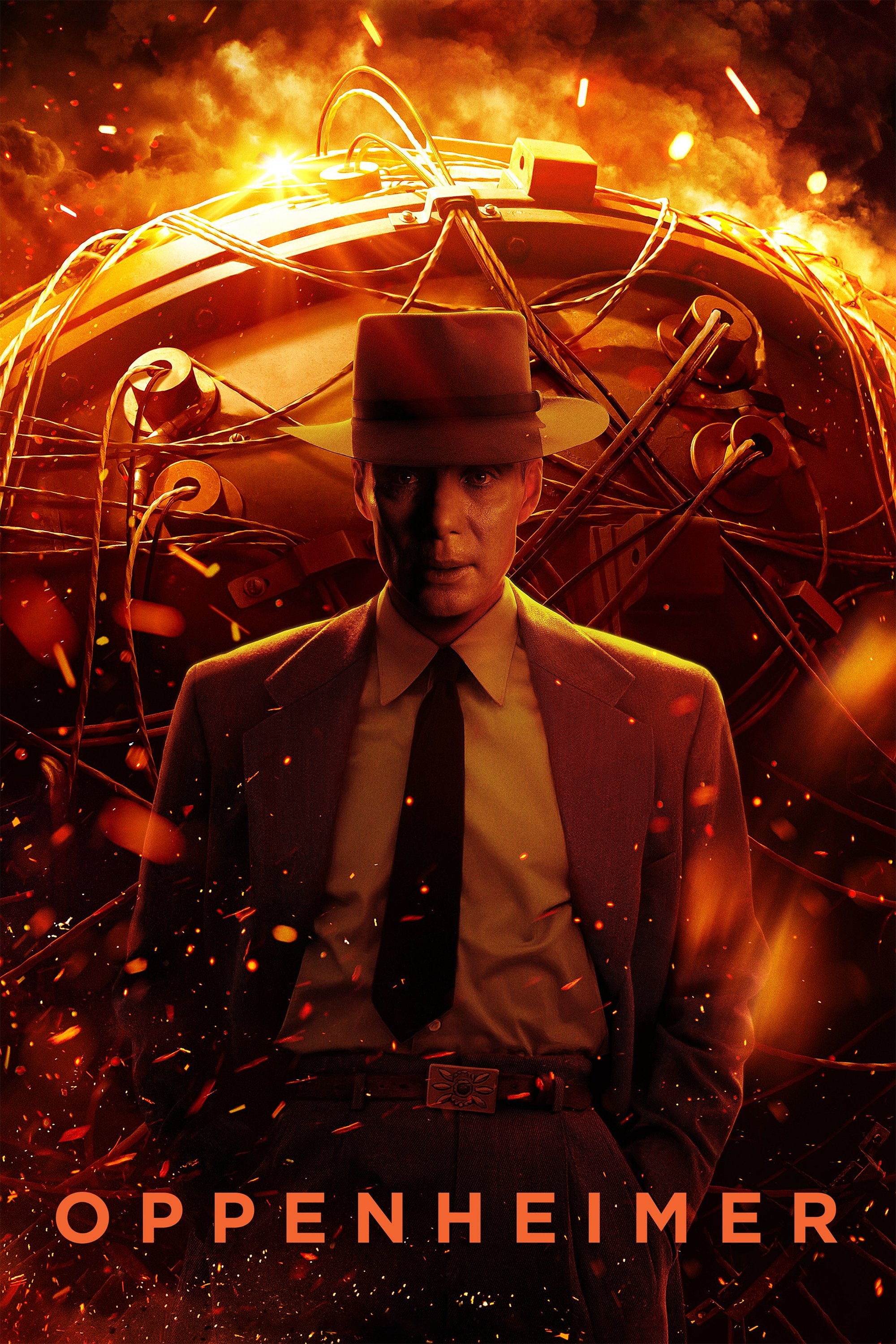
‘Oppenheimer’ drew protests in India over a love-scene reference to a Hindu text, prompting statements from officials and cultural groups. Japan-related discourse resurfaced around the timing and approach to release in that market. Long IMAX engagements also sparked exhibition-industry debates about screen allocation.
‘Napoleon’ (2023)
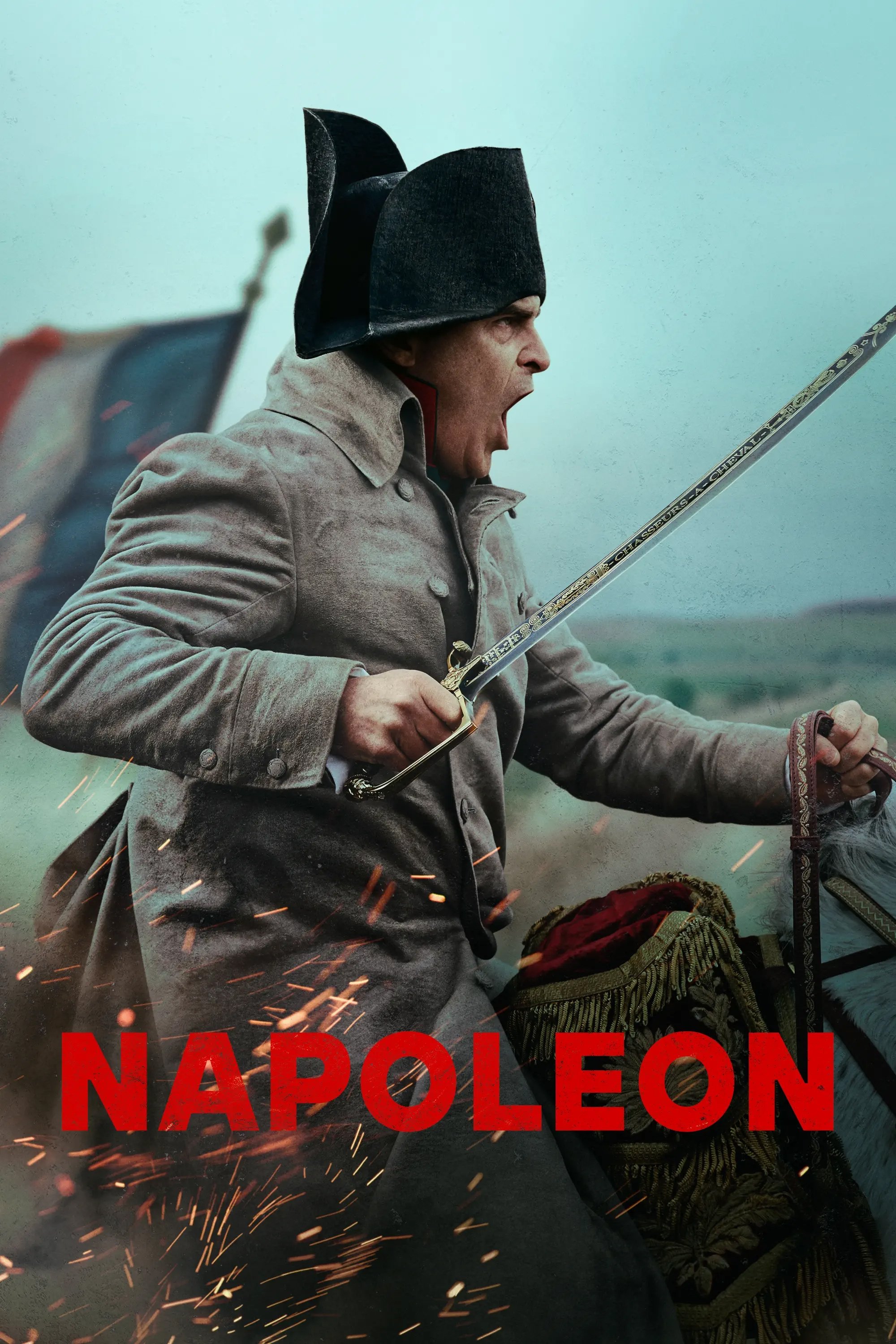
‘Napoleon’ attracted criticism from historians over accuracy in battles, timelines, and character portrayals. French commentators and academics issued assessments challenging specific sequences. The director responded by encouraging viewers to consult historical sources and longer cuts.
‘The Lady of Heaven’ (2021)

‘The Lady of Heaven’ was pulled from several UK cinemas after organized protests objected to its depiction of revered Islamic figures. Religious leaders and community groups issued statements condemning the film, while free-speech advocates criticized cancellations. Multiple countries banned or restricted screenings, prolonging its media presence.
‘Roald Dahl’s The Witches’ (2020)

‘The Witches’ drew backlash from disability-rights organizations over the portrayal of limb differences in antagonists. The studio and lead actors issued apologies and clarified intent. Advocacy groups used the moment to circulate guidelines for respectful representation in family entertainment.
‘The Woman King’ (2022)
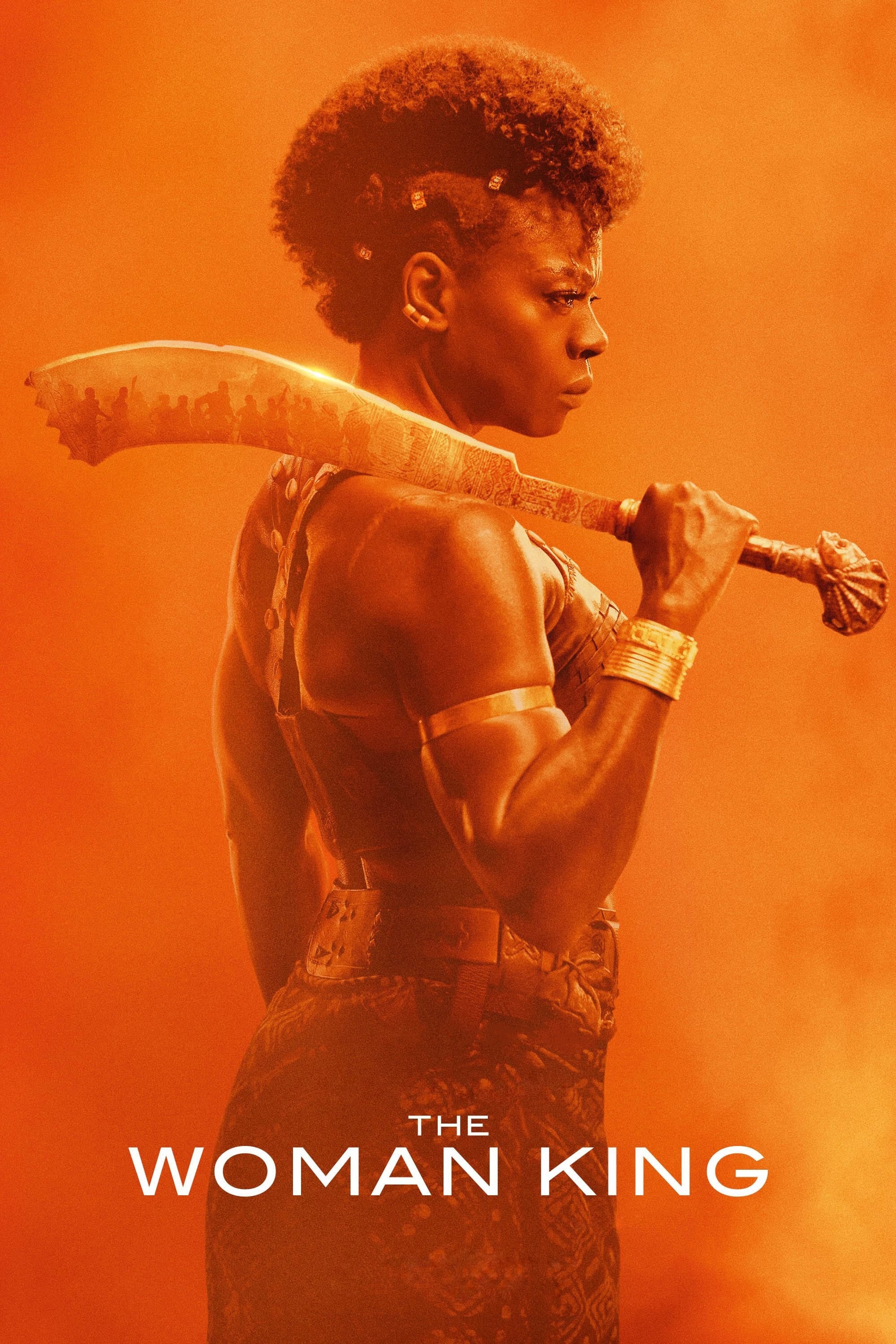
‘The Woman King’ faced online calls for boycotts tied to debates about the historical role of the Dahomey kingdom in the transatlantic slave trade. Historians, commentators, and the filmmakers traded essays and interviews about what the story includes and omits. The conversation broadened into how popular epics balance dramatization with archival records.
‘Maestro’ (2023)

‘Maestro’ sparked discussion over the use of a prosthetic nose in portraying Leonard Bernstein. Prominent Jewish organizations stated that the makeup was not inherently problematic and referenced historical accuracy. Bernstein’s family publicly supported the production and addressed the design choices.
‘Barbie’ (2023)
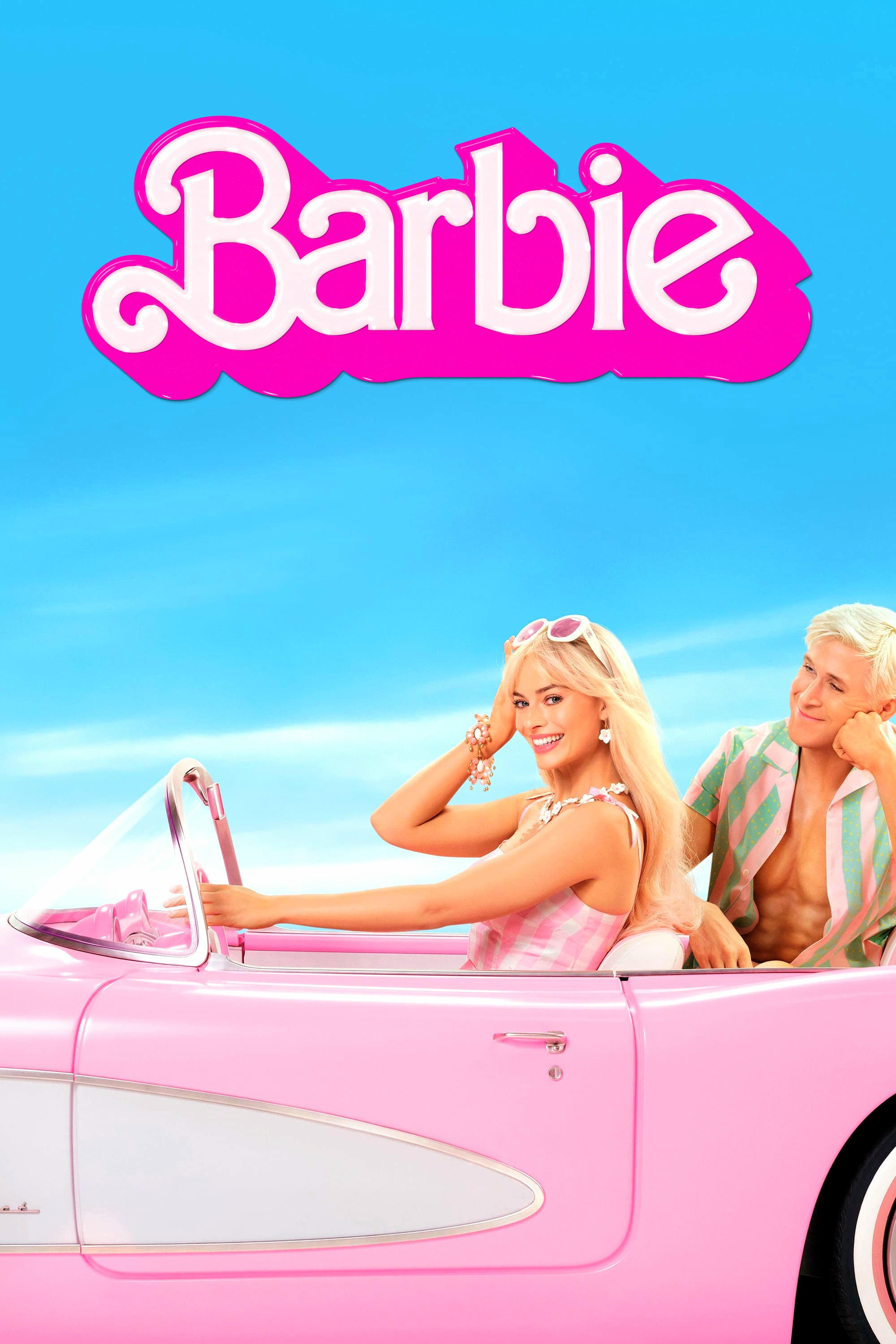
‘Barbie’ was banned in Vietnam due to a background map featuring the “nine-dash line,” which authorities said aligned with a disputed maritime claim. Culture-war commentary in various countries framed the film through political and social lenses. The distributor adjusted marketing and territory plans while the issue trended across regional media.
‘Aquaman and the Lost Kingdom’ (2023)
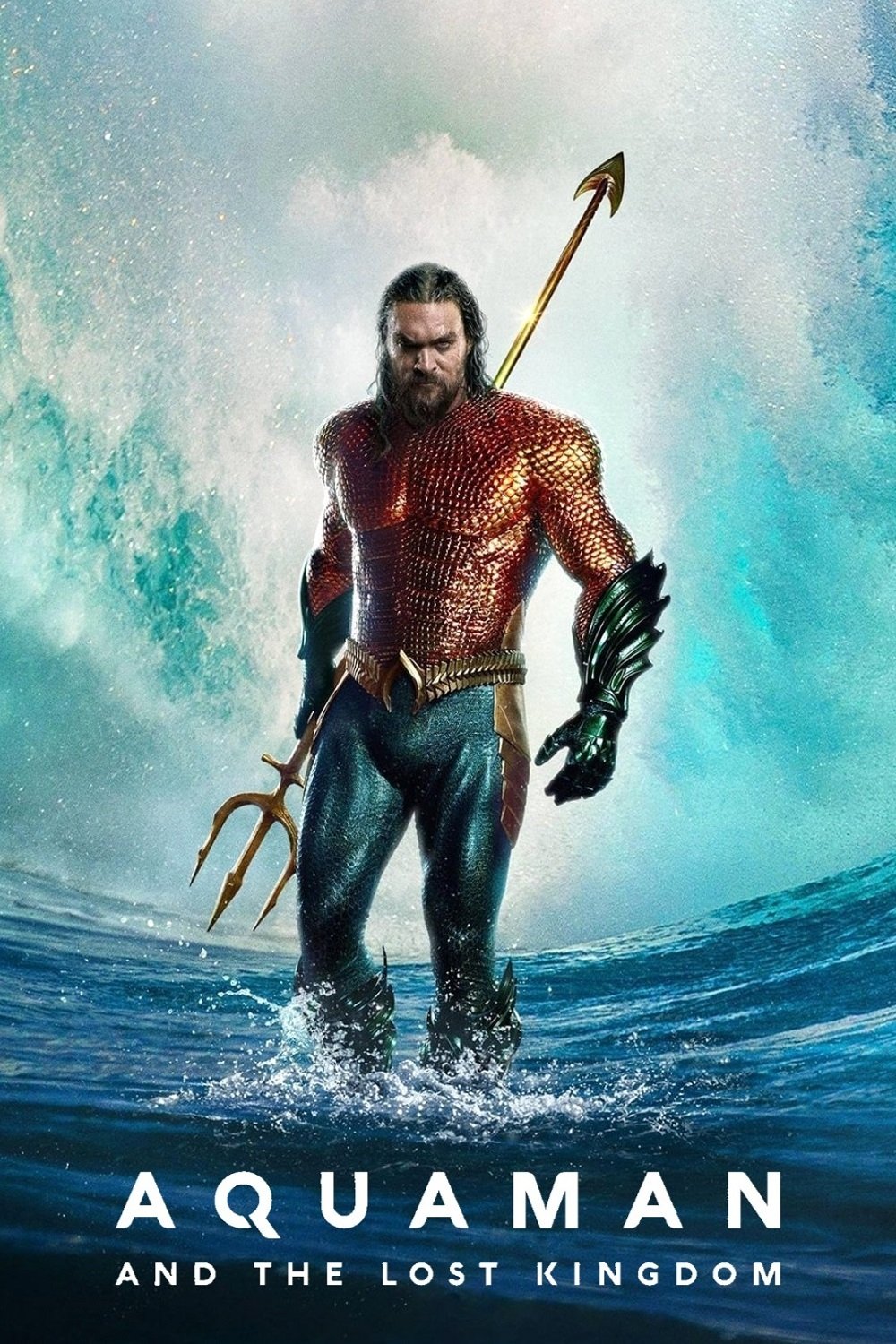
‘Aquaman and the Lost Kingdom’ released amid continued public focus on off-screen legal disputes involving cast member Amber Heard. Trade outlets reported shifting promotional strategies and questions about screen-time decisions. The press cycle centered on personnel headlines more than effects work or production details.
‘Adipurush’ (2023)
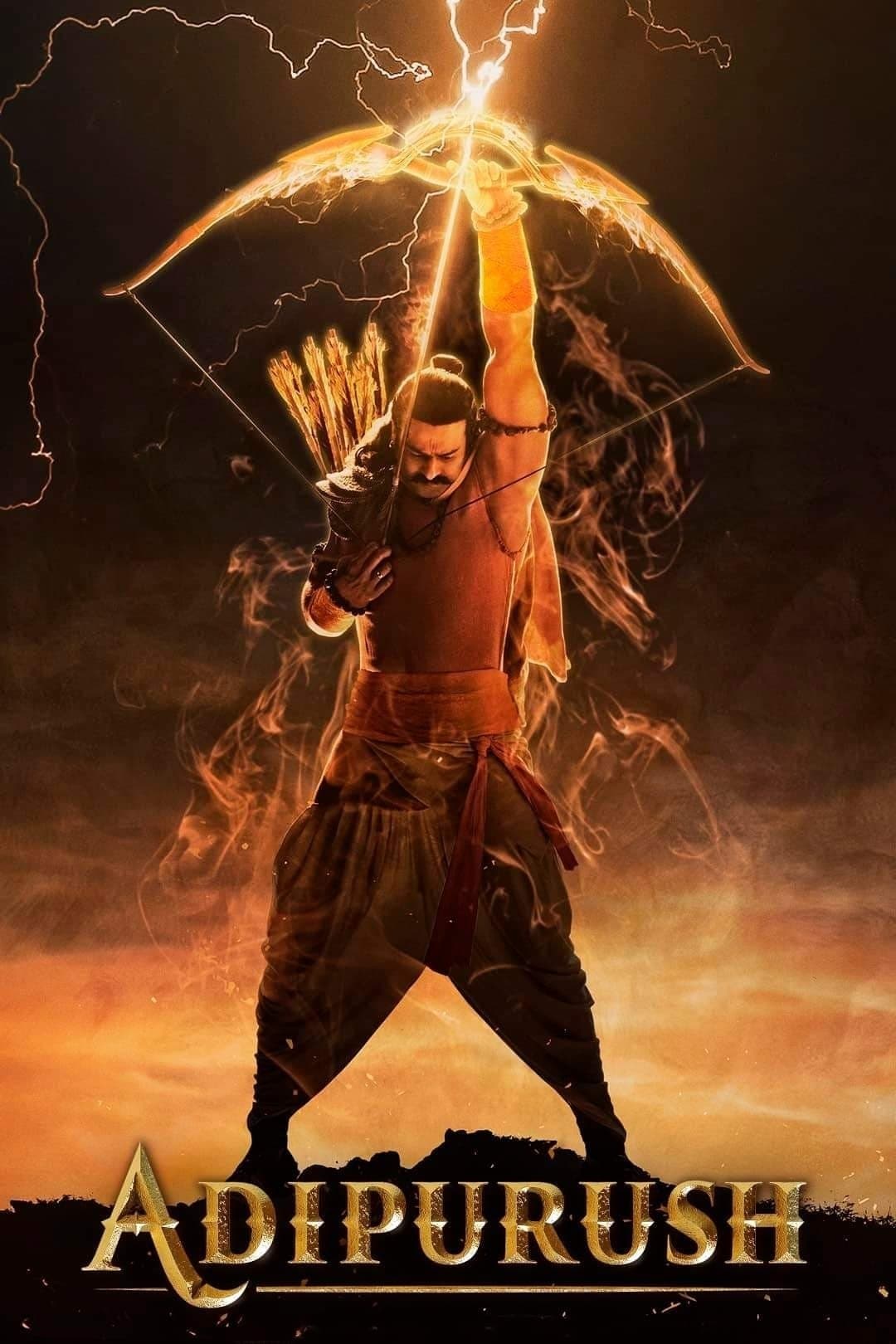
‘Adipurush’ encountered intense criticism for dialogue choices, character designs, and visual effects tied to its mythological subjects. Following the outcry, the makers revised lines and implemented changes during release. Several regions adjusted ticketing and screening policies as debates over portrayal escalated.
‘The Kerala Story’ (2023)
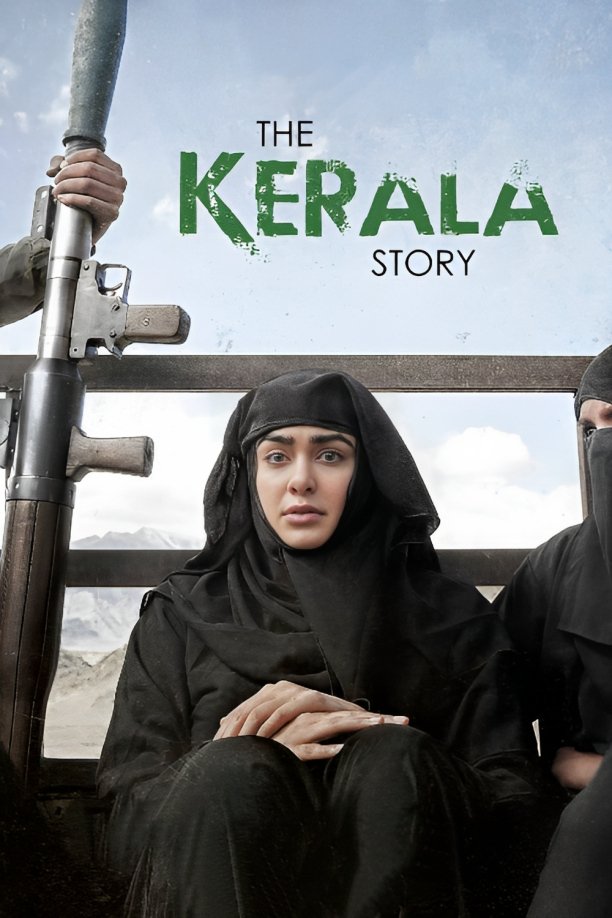
‘The Kerala Story’ ignited political controversy over claims presented about radicalization and conversions. Some Indian states initially restricted or supported screenings, and legal challenges reached higher courts. Fact-checking groups and government bodies issued competing notes and advisories.
‘The Kashmir Files’ (2022)
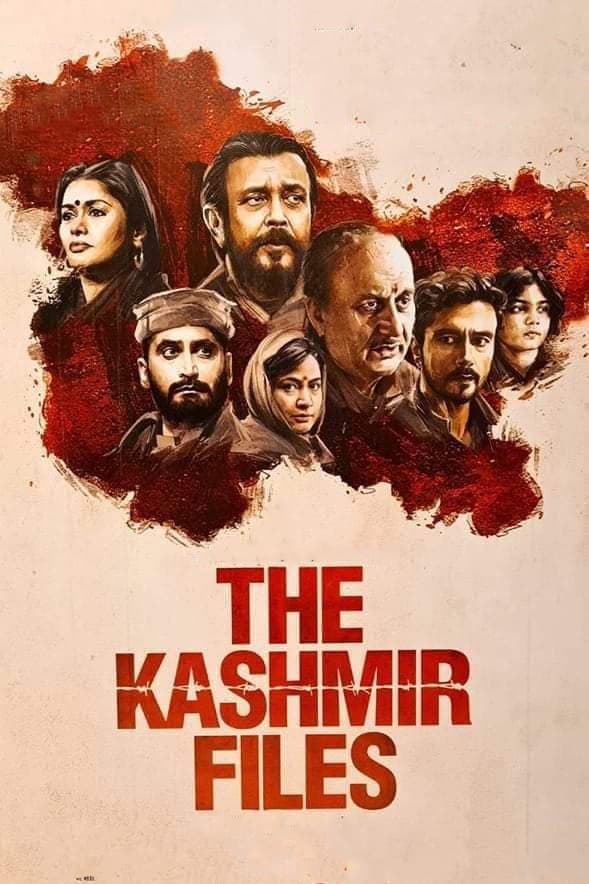
‘The Kashmir Files’ became a lightning rod in India for its depiction of the exodus of Kashmiri Pandits. Certain states declared tax exemptions, while other regions grappled with security and certification questions. Internationally, ratings boards and community organizations weighed in, prompting venue-by-venue decisions.
‘Laal Singh Chaddha’ (2022)
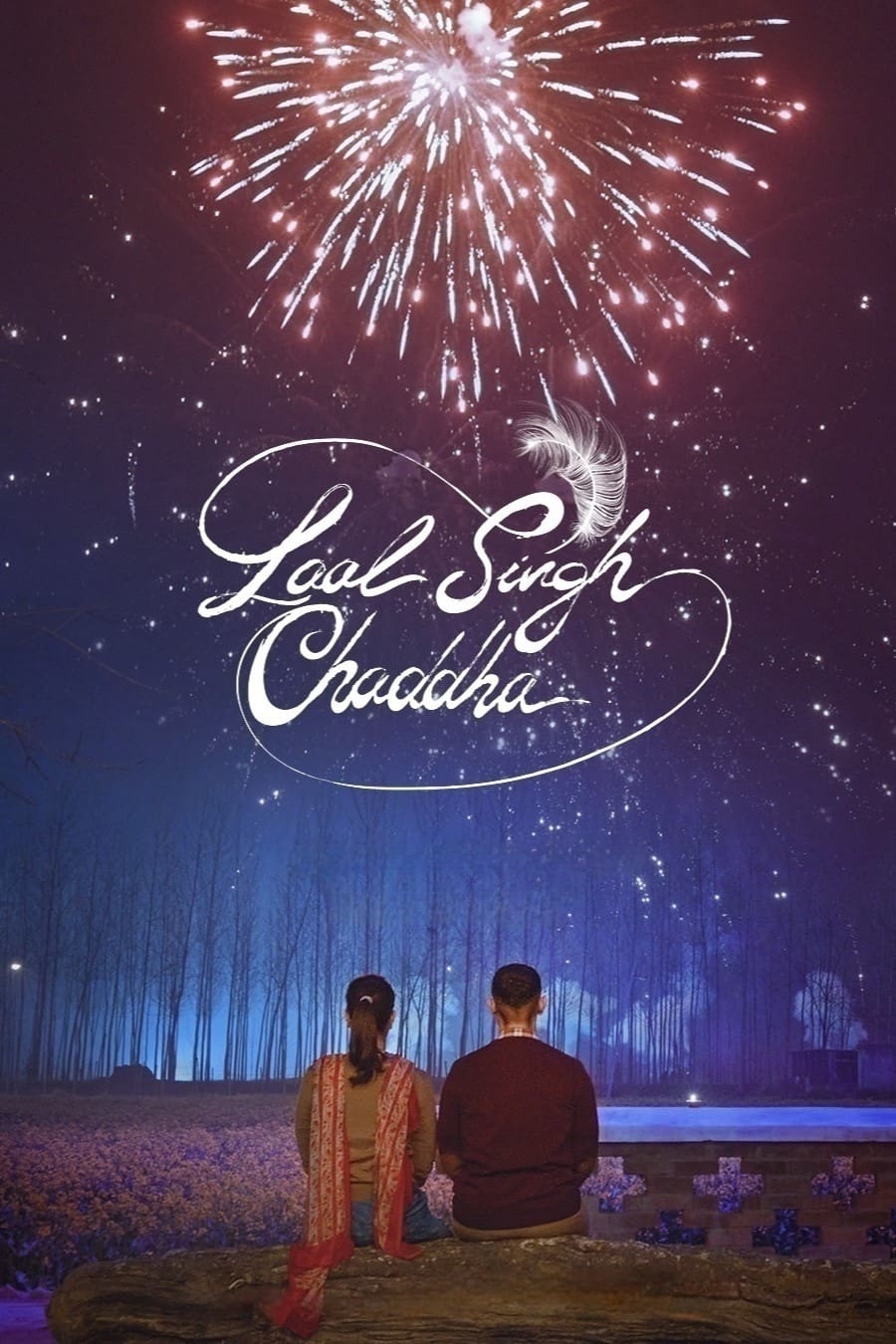
‘Laal Singh Chaddha’ faced coordinated boycott calls referencing past comments by lead talent that resurfaced online. Studio and cast addressed the discourse in interviews and statements during release week. The campaign influenced theater programming decisions as the film opened in major markets.
‘Brahmāstra Part One: Shiva’ (2022)

‘Brahmāstra: Part One – Shiva’ met protests and boycott hashtags tied to archival clips and set-visit photos that circulated before release. Security around certain venues increased as authorities prepared for demonstrations. The filmmakers emphasized the project’s fantasy roots while navigating sensitive publicity beats.
‘Jeanne du Barry’ (2023)

‘Jeanne du Barry’ opened the Cannes Film Festival, drawing attention to Johnny Depp’s first major role after widely publicized legal battles. Press coverage focused on the red-carpet reception and public statements from the director and star. The festival slot amplified debate about industry rehabilitation and selection criteria.
‘Priscilla’ (2023)

‘Priscilla’ prompted renewed discussion of the age gap between Elvis Presley and Priscilla Presley as depicted on screen. Representatives tied to the Presley estate criticized aspects of the portrayal, while the production highlighted Priscilla Presley’s involvement as a source. Media outlets paired reviews with explainers on timelines and legal context.
‘Civil War’ (2024)
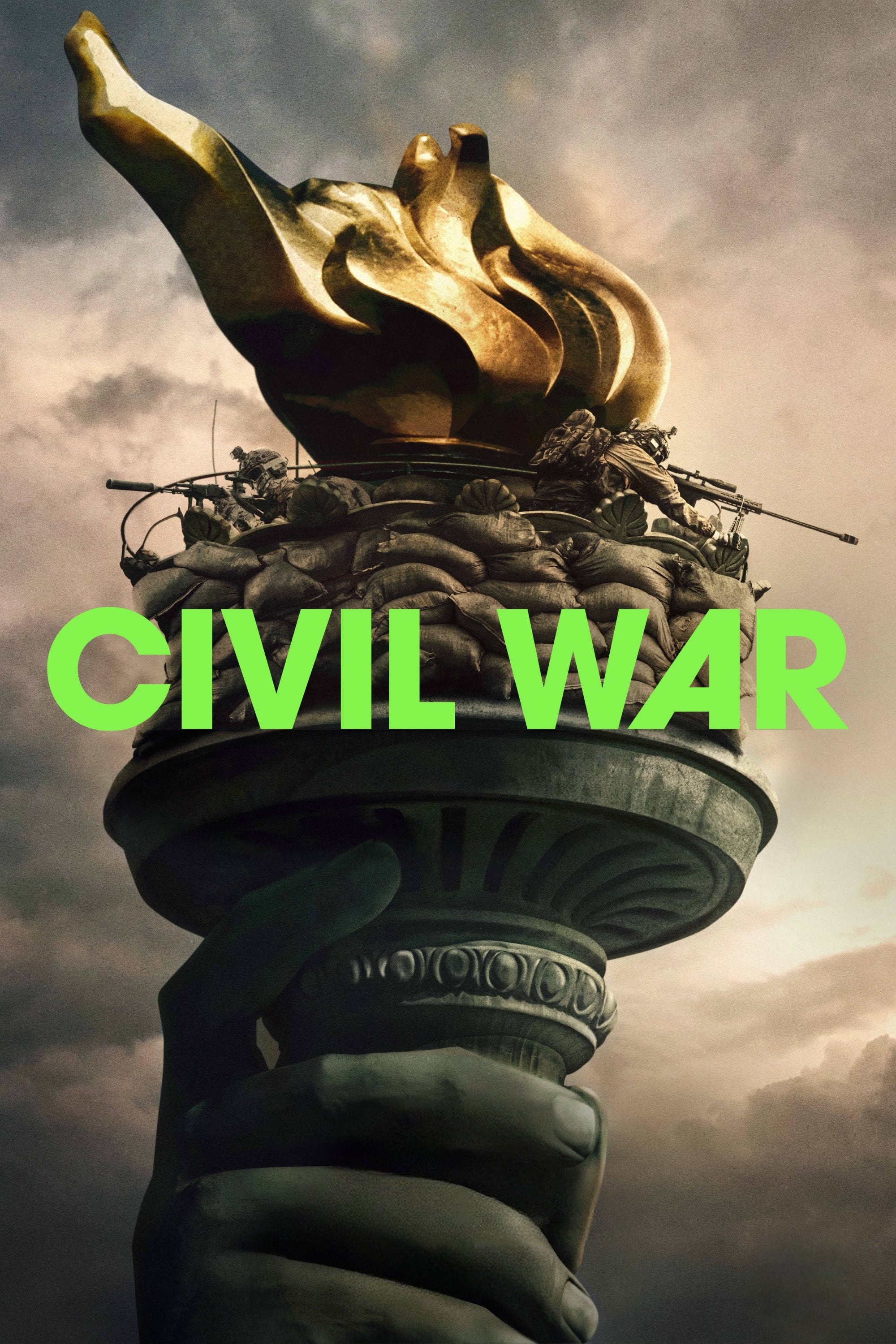
‘Civil War’ stirred discourse over its depiction of a fragmented United States without naming specific parties or ideologies. Journalists and analysts parsed the marketing, trailer imagery, and embedded-journalism angle for political implications. The studio’s Q&As and filmmaker interviews addressed questions about neutrality and real-world parallels.
‘Late Night with the Devil’ (2024)
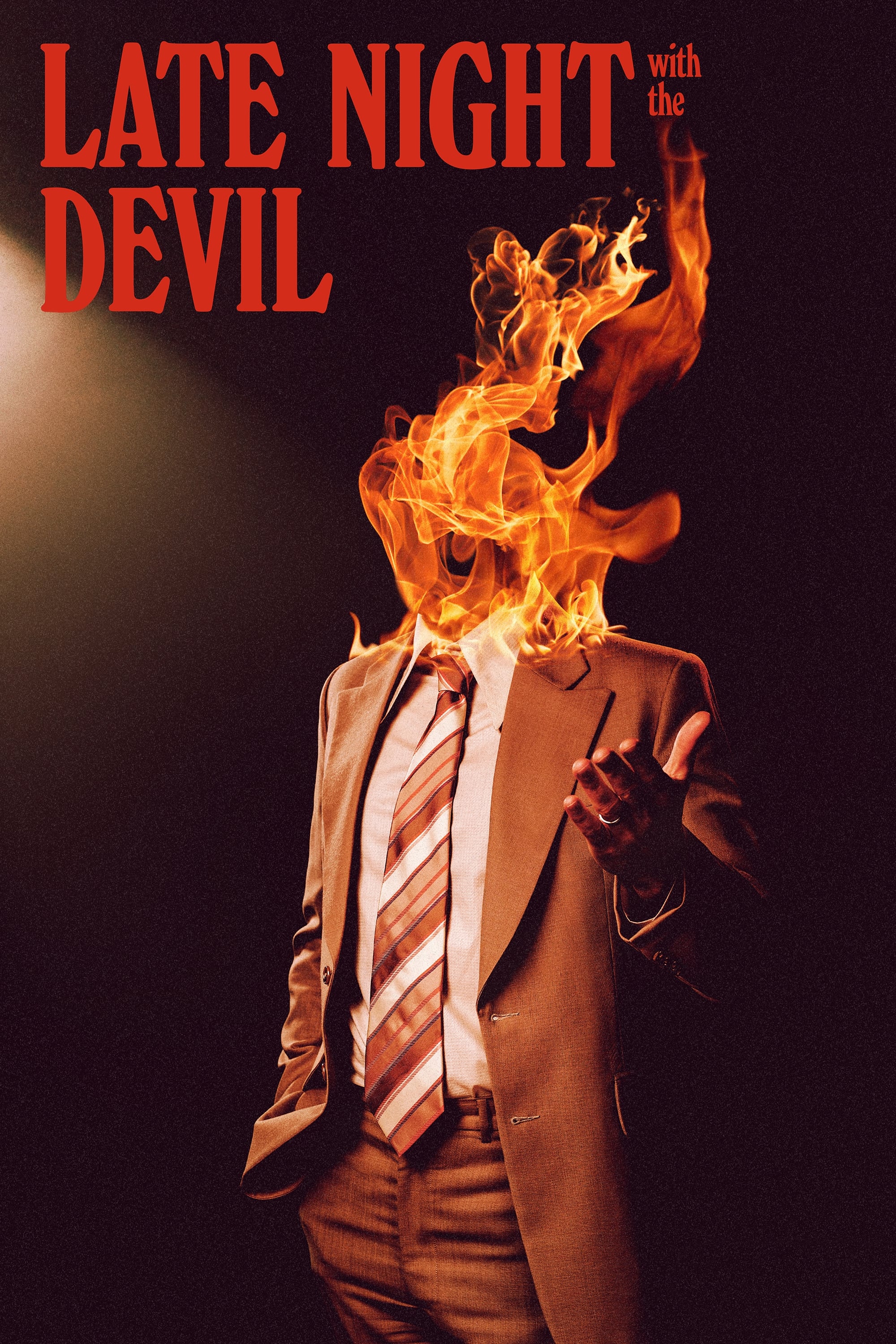
‘Late Night with the Devil’ became a talking point after viewers identified AI-assisted graphics in interstitial art. The directors acknowledged limited use of such elements and explained the workflow in follow-up statements. Festivals, critics, and unions used the case to discuss emerging guidelines around AI assets in post-production.
Share your picks—and which controversies you remember most—in the comments below.

