


2020s Movies Controversy Killed (Despite Being Good)

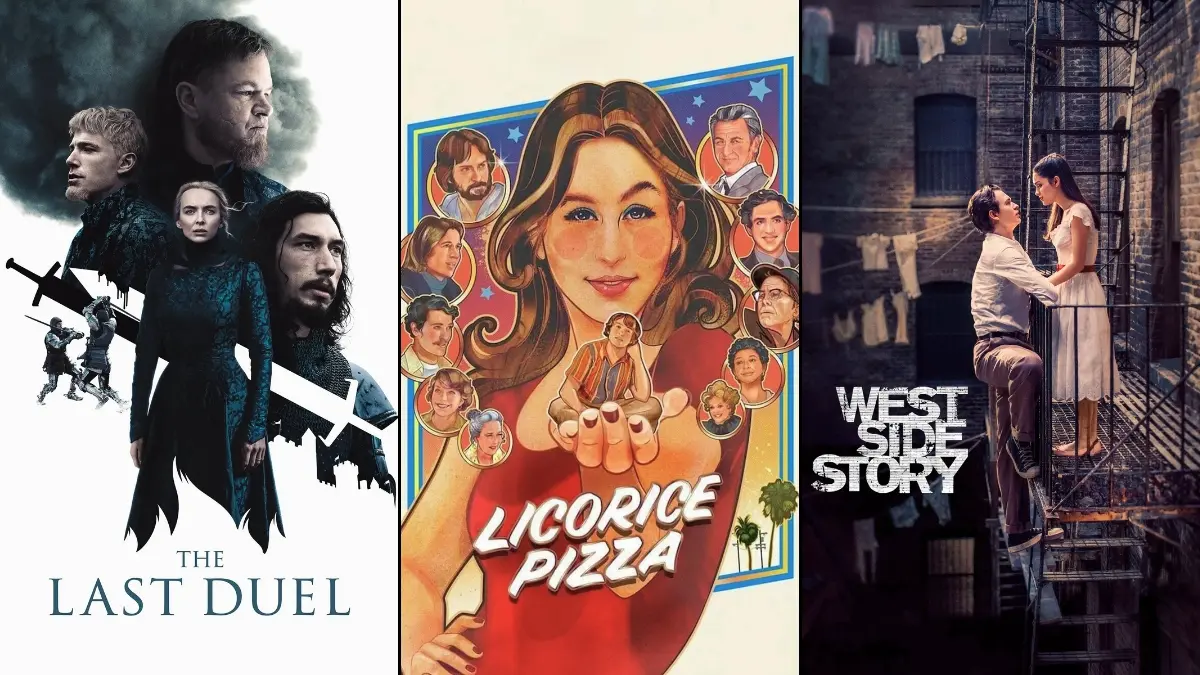


Some films arrive with strong casts, sharp craft, and solid word of mouth—only to get swallowed by headlines, boycotts, or social-media storms. Below are forty 2020s releases that saw marketing derailed, releases curtailed, or box-office momentum blunted because of off-screen disputes, bans, or public blowups. Each entry focuses on what happened and how the controversy affected the film’s rollout, reception, or commercial prospects.
‘Mulan’ (2020)

The film faced boycott calls after its lead publicly expressed support for Hong Kong police, and later for location-shoot acknowledgments tied to Xinjiang. Several markets reduced marketing or showtimes, and the title skipped a traditional theatrical run in key regions due to a premium streaming release. Those factors, along with restrictions on press in some territories, sharply limited its international play.
‘Cuties’ (2020)

A promotional poster from a streaming platform drew widespread criticism for sexualizing minors, overshadowing the film’s actual narrative and festival accolades. Hashtags calling for cancellation trended for days, and some subscribers publicly announced account closures. Politicians in multiple countries weighed in, prompting investigations and content warnings that dominated coverage around the release.
‘The Hunt’ (2020)

Originally delayed after real-world mass shootings, the film was pulled from its first planned release window following political backlash over its premise. Marketing was retooled with messaging that addressed the uproar directly. When it finally opened, the earlier controversy still defined coverage, curbing potential audience reach.
‘Benedetta’ (2021)
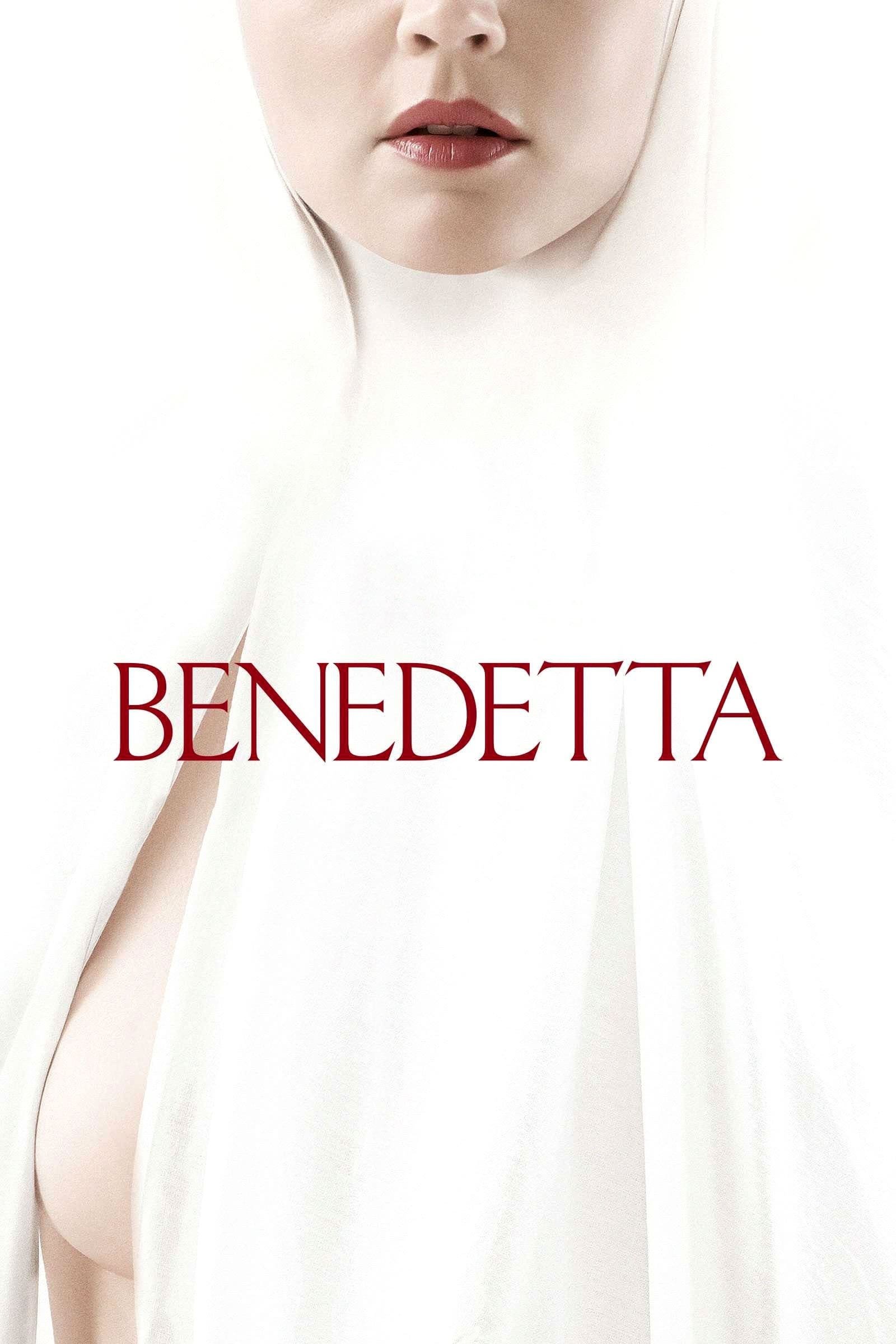
Religious groups staged protests at theaters over the film’s depiction of a lesbian nun and Church corruption. Some exhibitors in conservative regions opted not to book it, and others scheduled limited showtimes. Public debate around “blasphemy” framed press attention more than the film’s craft or festival pedigree.
‘Eternals’ (2021)

Censors in several Gulf countries declined to approve the film due to an openly gay couple and a same-sex kiss. As a result, it lost entire national theatrical markets and associated revenue. The censorship news cycle also shaped discourse in other regions, distracting from its ensemble cast and franchise placement.
‘West Side Story’ (2021)
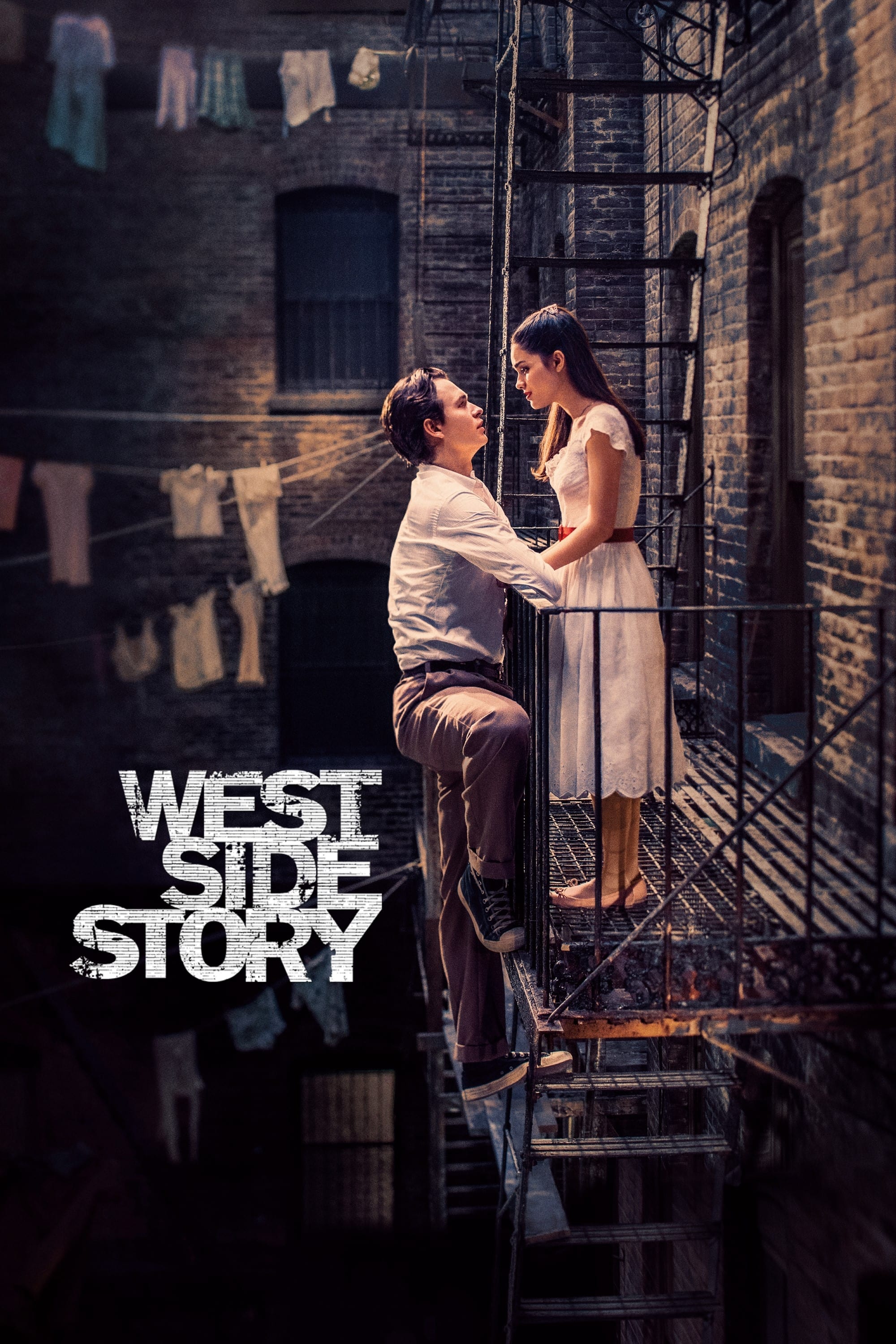
Accusations against lead actor Ansel Elgort resurfaced ahead of release, dominating publicity and interviews. Some viewers called for a boycott, while theater attendance lagged despite strong reviews. The controversy made it difficult for the film to reposition itself with awards-season ads alone.
‘Dear Evan Hansen’ (2021)
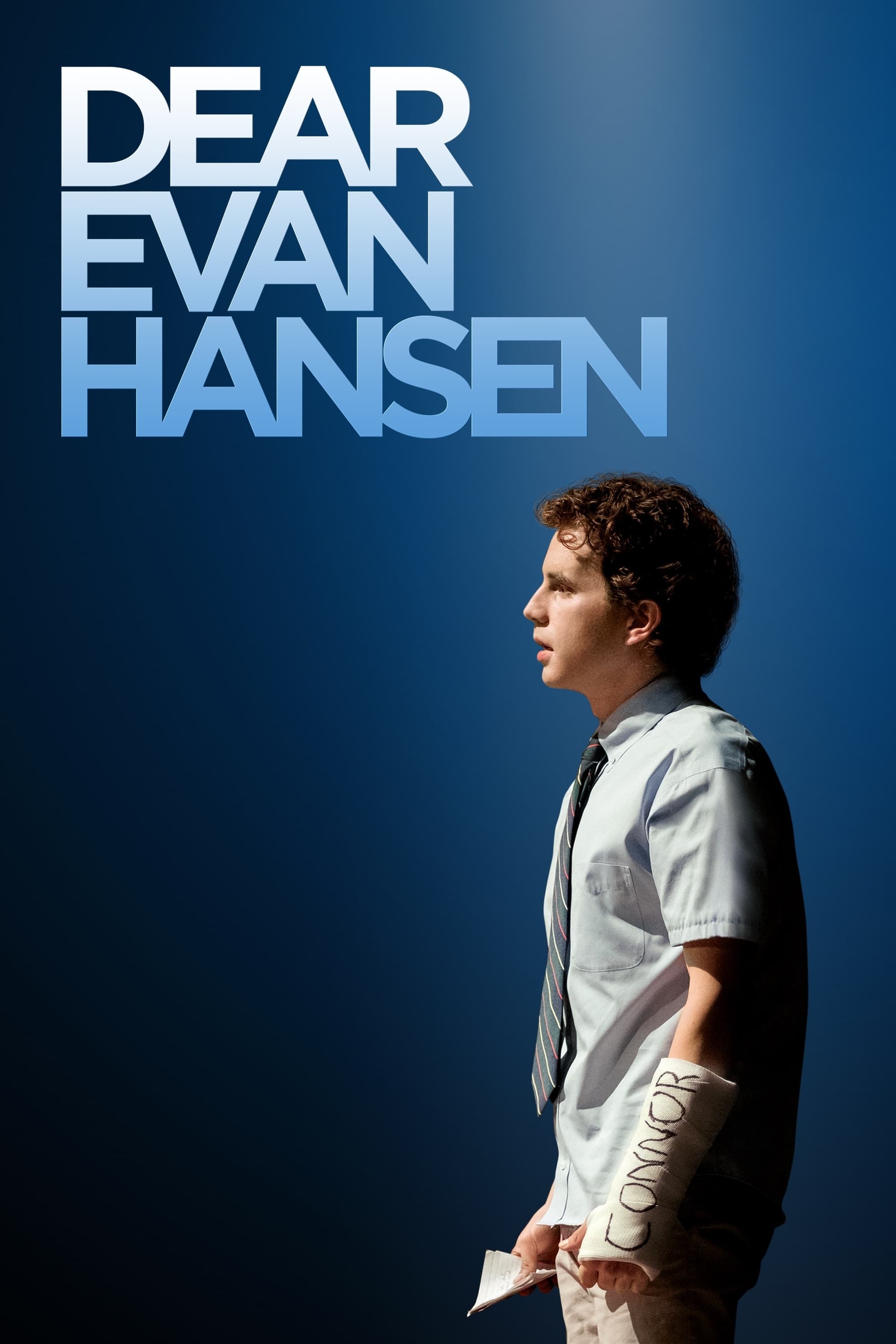
The much-discussed casting of an older lead playing a high-school student became a lightning rod across social media. Trailers sparked mockery that spilled into mainstream coverage, complicating marketing pivots. The chatter overshadowed the score and stage legacy, narrowing its target audience.
‘Licorice Pizza’ (2021)
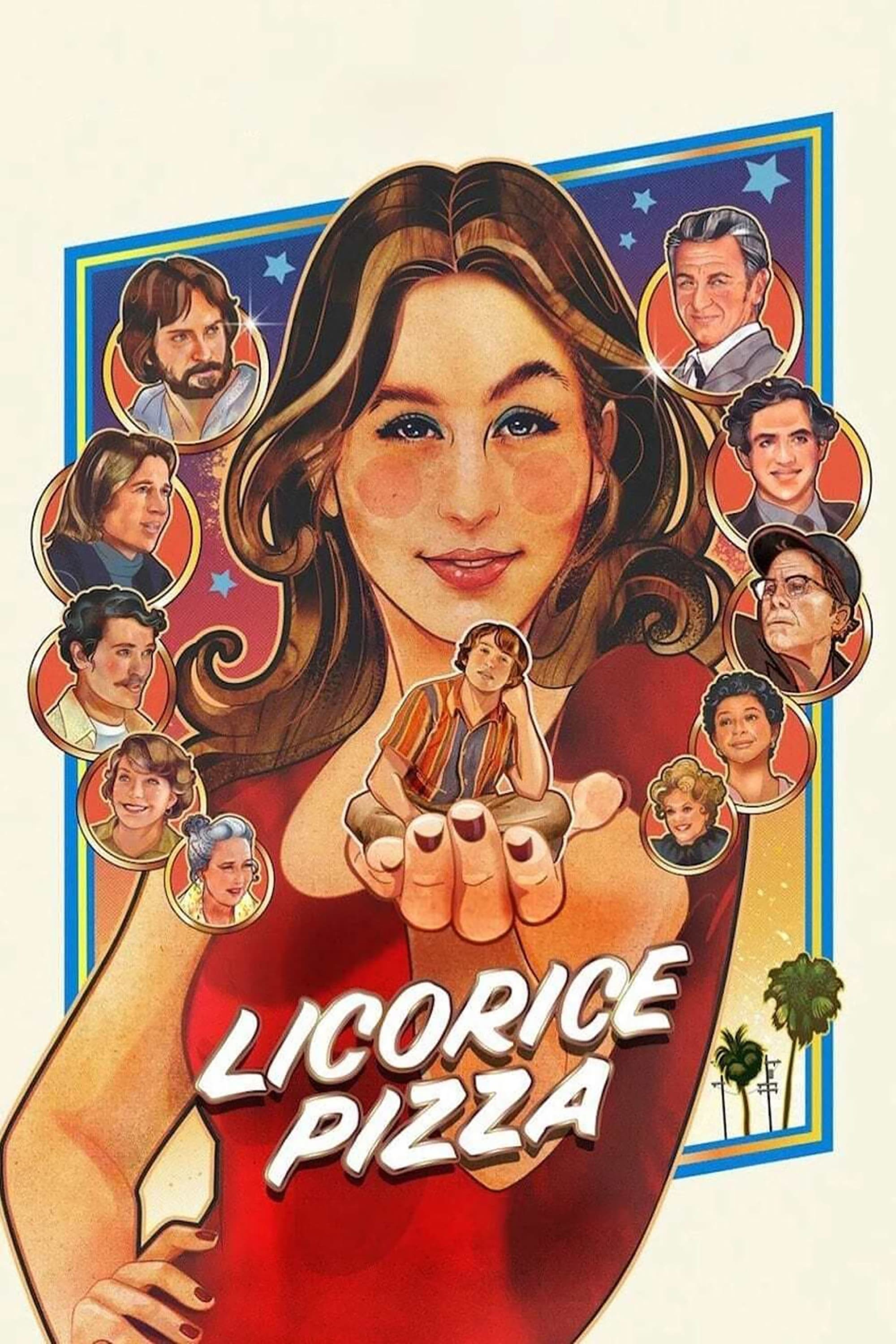
Debate centered on an age-gap romance and a recurring gag about a character’s mocking faux-Japanese accent. Advocacy groups criticized the film’s handling of racial humor, which became a frequent headline in interviews and reviews. Some viewers avoided the film based on those conversations, despite awards traction.
‘Minamata’ (2020)

The film’s backers and star publicly accused a distributor of “burying” the title amid the actor’s separate legal controversies. Release plans in some territories stalled, then shifted to limited rollouts with minimal promotion. The behind-the-scenes dispute kept the film in trade news more than consumer press.
‘Nomadland’ (2020)

In mainland China, past comments attributed to the director triggered a censorship backlash, which curtailed local promotion and release prospects. References to the film were scrubbed from major platforms, and screenings were halted or never confirmed. The situation limited access to one of the world’s largest film markets.
‘Army of the Dead’ (2021)
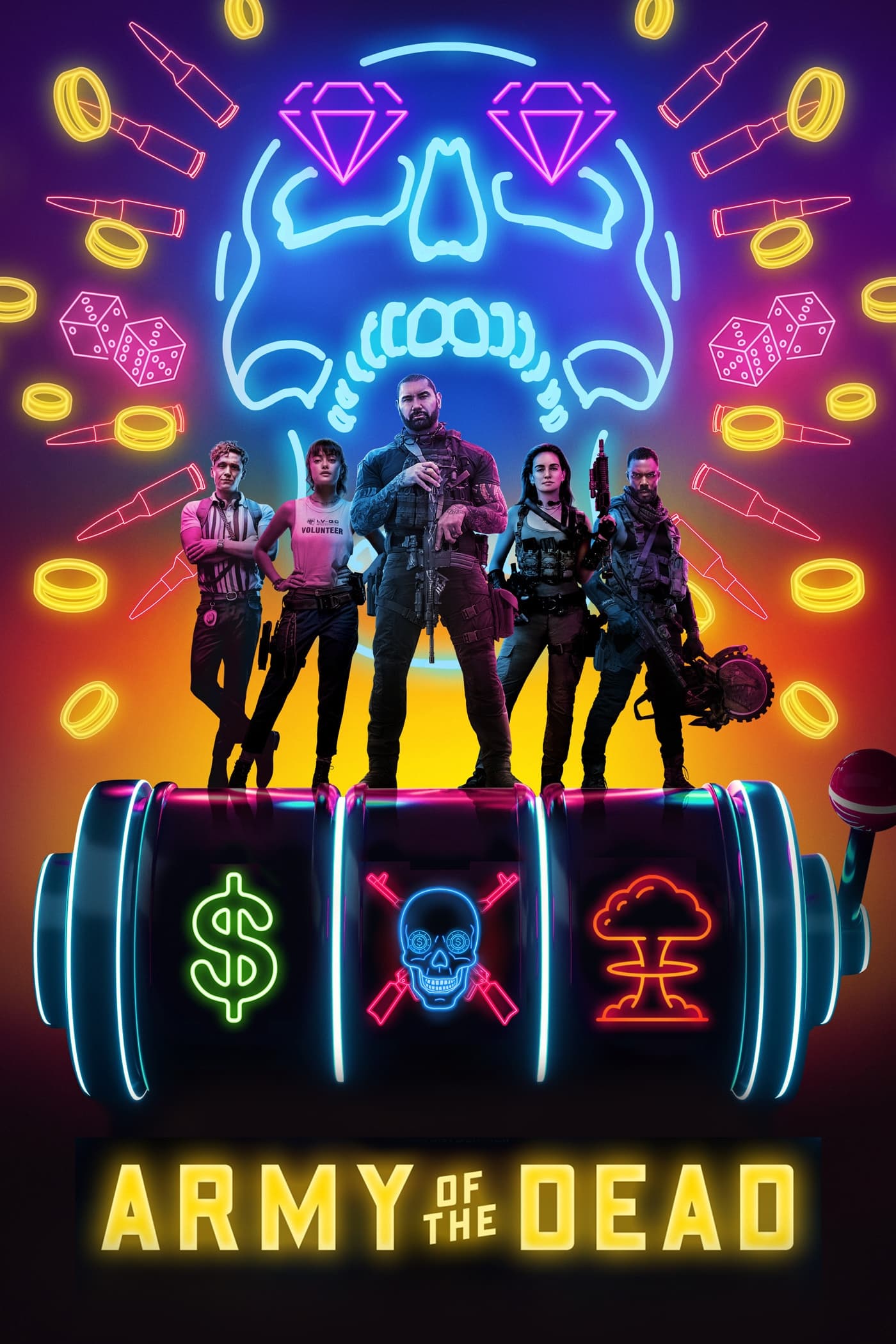
After misconduct allegations against a supporting actor, the production digitally replaced his performance with a new actor, reshooting scenes against green screen. The unusual fix became the centerpiece of publicity, rather than genre hooks. Press coverage emphasized the swap’s logistics, clouding rollout messaging.
‘Don’t Worry Darling’ (2022)

A swirl of on-set drama headlines—casting changes, rumored feuds, and a viral premiere moment—overtook discussion of the finished film. Festival Q&As and press tours were dominated by questions about alleged conflicts. The noise complicated audience targeting beyond celebrity-watching curiosity.
‘Death on the Nile’ (2022)
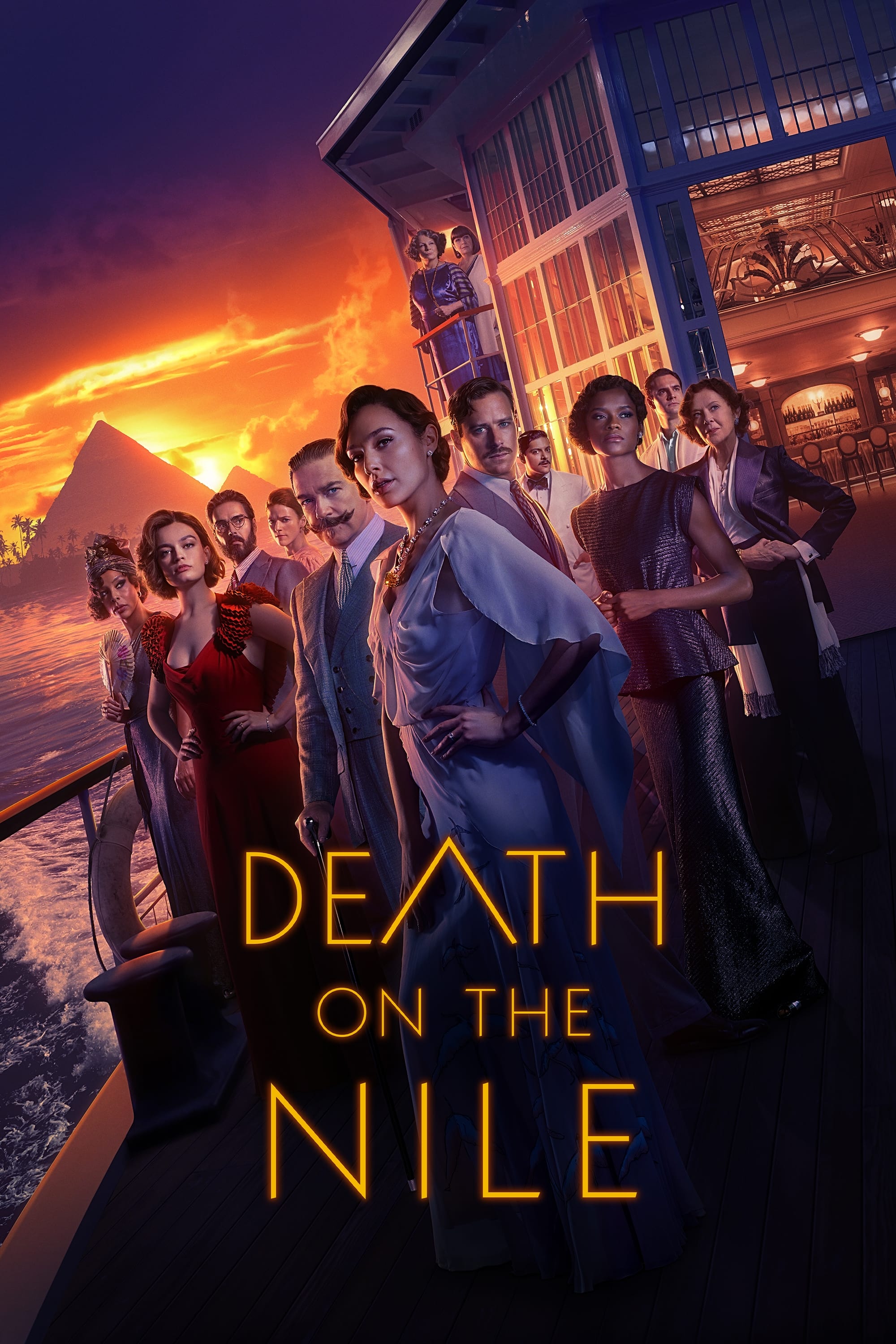
Multiple cast members were embroiled in public scandals or controversies just before release. Marketing materials minimized certain performers, and some territories reduced promotional activities. The ensemble’s off-screen issues overshadowed its legacy-mystery appeal.
‘Lightyear’ (2022)

Several countries banned the film over a same-sex kiss, cutting off a significant slice of its international revenue. The bans and related culture-war discourse dominated family-audience chatter online. Theatrical momentum suffered as parents weighed conflicting headlines.
‘Strange World’ (2022)
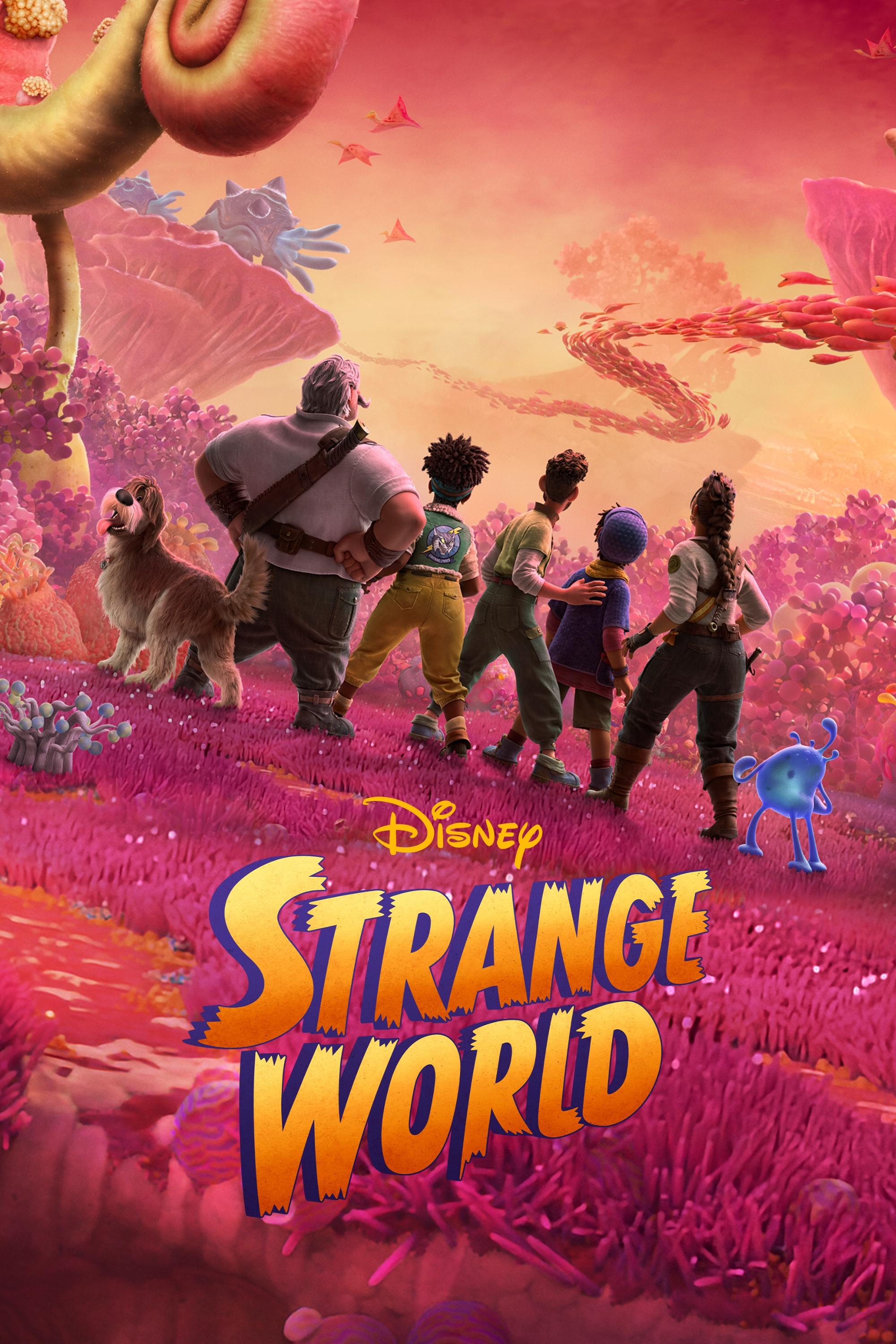
Featuring the studio’s first openly gay teen protagonist in a main role, the film was withheld or banned in multiple markets. The absence of those territories, plus muted marketing amid internal company shifts, dampened theatrical earnings. Online debate about representation became the primary narrative surrounding the release.
‘Amsterdam’ (2022)

Public attention focused on past allegations against the director and separate controversies involving a lead actor. The film’s star-packed campaign struggled to redirect the conversation toward the story. Negative chatter depressed turnout despite an expansive marketing push.
‘Blonde’ (2022)
The film’s adults-only rating and discourse around portrayals of trauma defined headlines and social media debate. Advocacy groups and critics clashed over depictions of a real person, steering attention toward appropriateness rather than craft. The controversy complicated awards positioning and long-tail engagement.
‘Emancipation’ (2022)
The release arrived in the aftermath of its star’s highly publicized Oscars incident, which limited traditional talk-show promotion. Industry screenings emphasized historical context, but public attention largely fixated on the off-screen event. Streaming placement couldn’t fully offset the press-tour headwinds.
‘Joyland’ (2022)
Pakistan’s censors initially banned the film after religious groups objected to its trans and queer themes, then permitted a version with cuts. The reversal created confusion over showtimes and availability, muting its local box office. International acclaim contrasted with an uneven domestic release path.
‘Laal Singh Chaddha’ (2022)
Social-media campaigns called for a boycott over past comments by its star and political grievances. The online push gained traction, and exhibitors reported soft advance bookings. Despite a major holiday frame, the boycott chatter weighed heavily on turnout.
‘Fantastic Beasts: The Secrets of Dumbledore’ (2022)
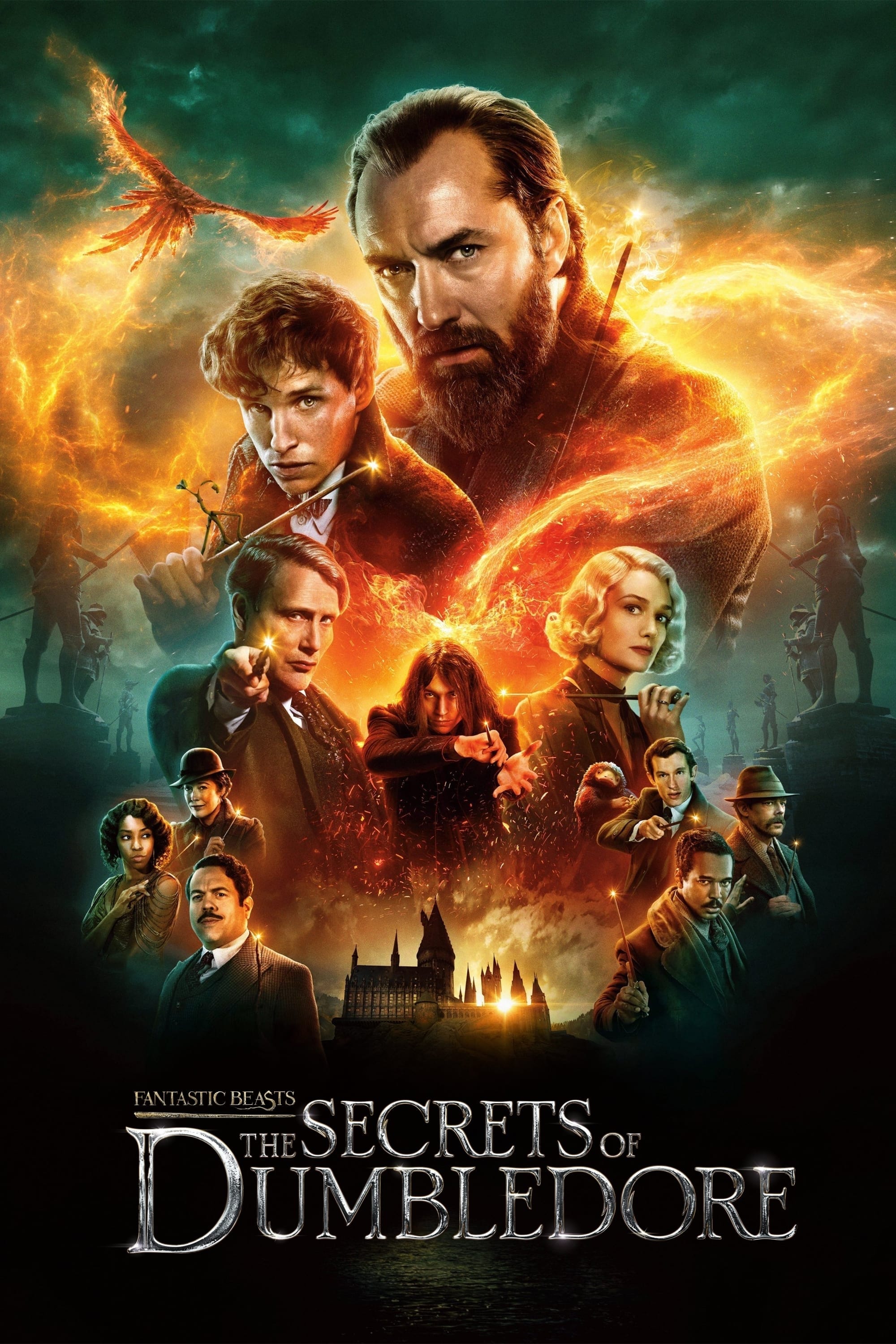
Franchise momentum slowed amid public controversy around the creator’s views and the recasting of a central role. Some fans disengaged, and press cycles repeatedly returned to the off-screen discourse. Key markets also faced lingering restrictions and piracy risks that compounded the challenge.
‘The Little Mermaid’ (2023)

Racist backlash targeted the casting of Halle Bailey, generating months of negative social chatter. Several regions reported lower attendance compared with similar live-action remakes, even as family turnout was strong elsewhere. The polarized online narrative complicated global marketing consistency.
‘The Flash’ (2023)

The lead actor’s legal troubles and allegations dominated press coverage, leading to scaled-back publicity appearances. Attempts to pivot toward cameos and nostalgia couldn’t escape the off-screen headlines. The film opened below expectations for its budget and franchise lineage.
‘Aquaman and the Lost Kingdom’ (2023)
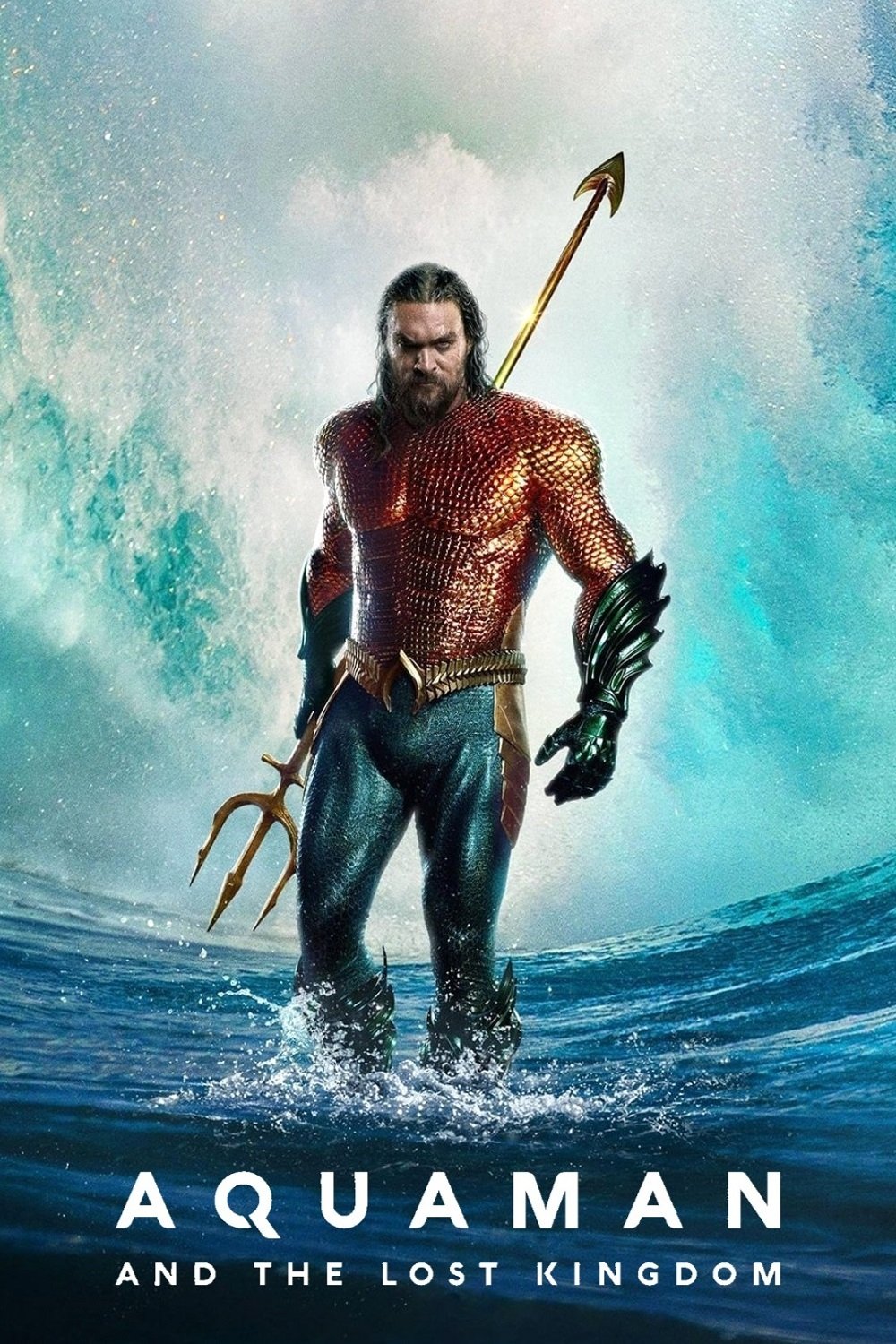
Ongoing disputes and testimony involving a key supporting actor kept the film in tabloid news. Reports of reshoots and shifting franchise plans added uncertainty that dulled hype. The sequel’s box office landed well under the prior installment’s performance.
‘The Marvels’ (2023)
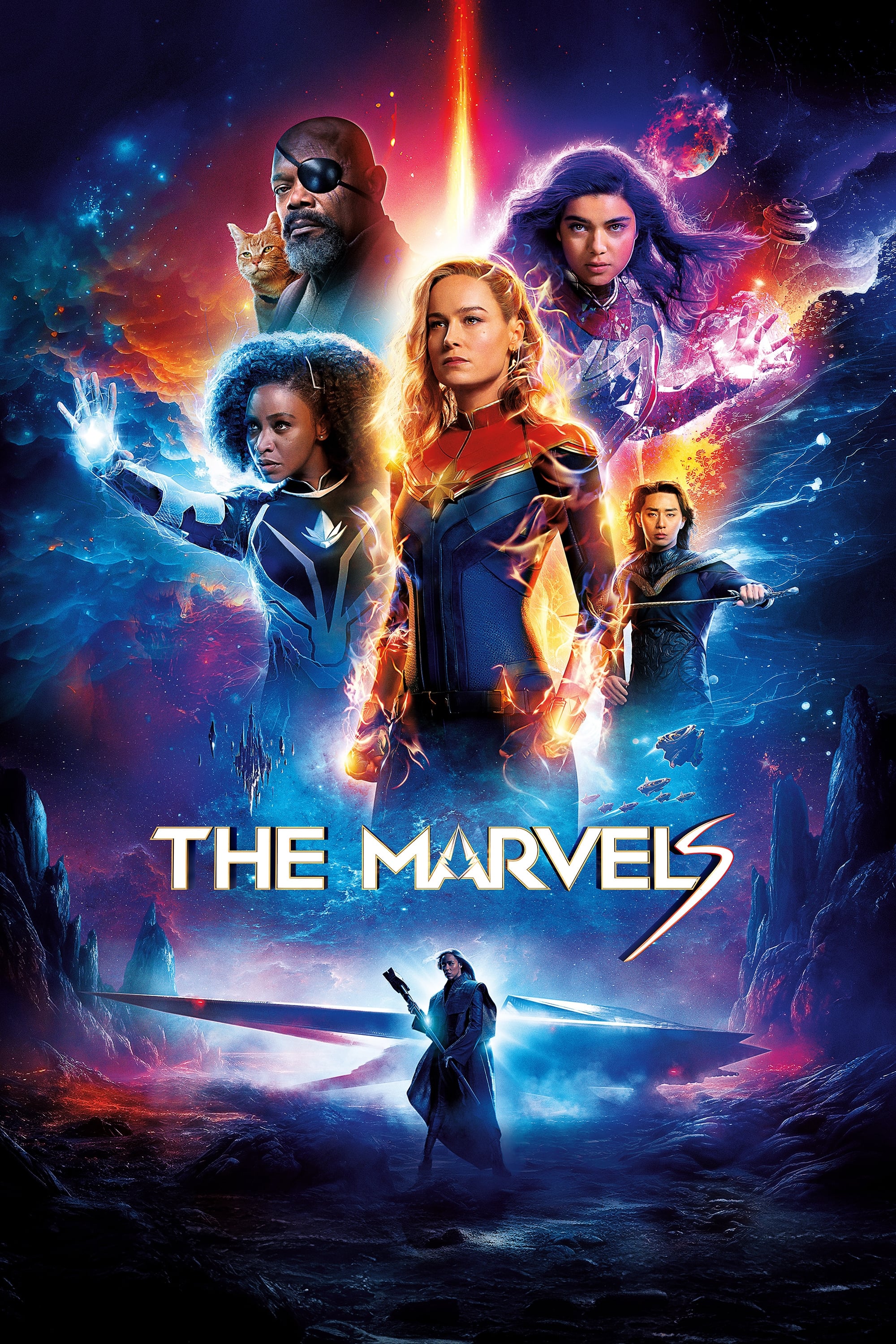
Culture-war commentary targeted its trio of female leads and a woman of color director, fueling months of hostile online discourse. Industry strikes curtailed promotional appearances, limiting a late-campaign course correction. The combination contributed to a franchise-low domestic opening.
‘Music’ (2021)

Sia’s feature drew heavy criticism from autistic advocates for casting a non-autistic lead and for scenes depicting restraint. Organizations called for content warnings and edits, and some cinemas adjusted screenings in response. Awards nominations sparked backlash that kept debate in headlines during release windows.
‘Doctor Strange in the Multiverse of Madness’ (2022)
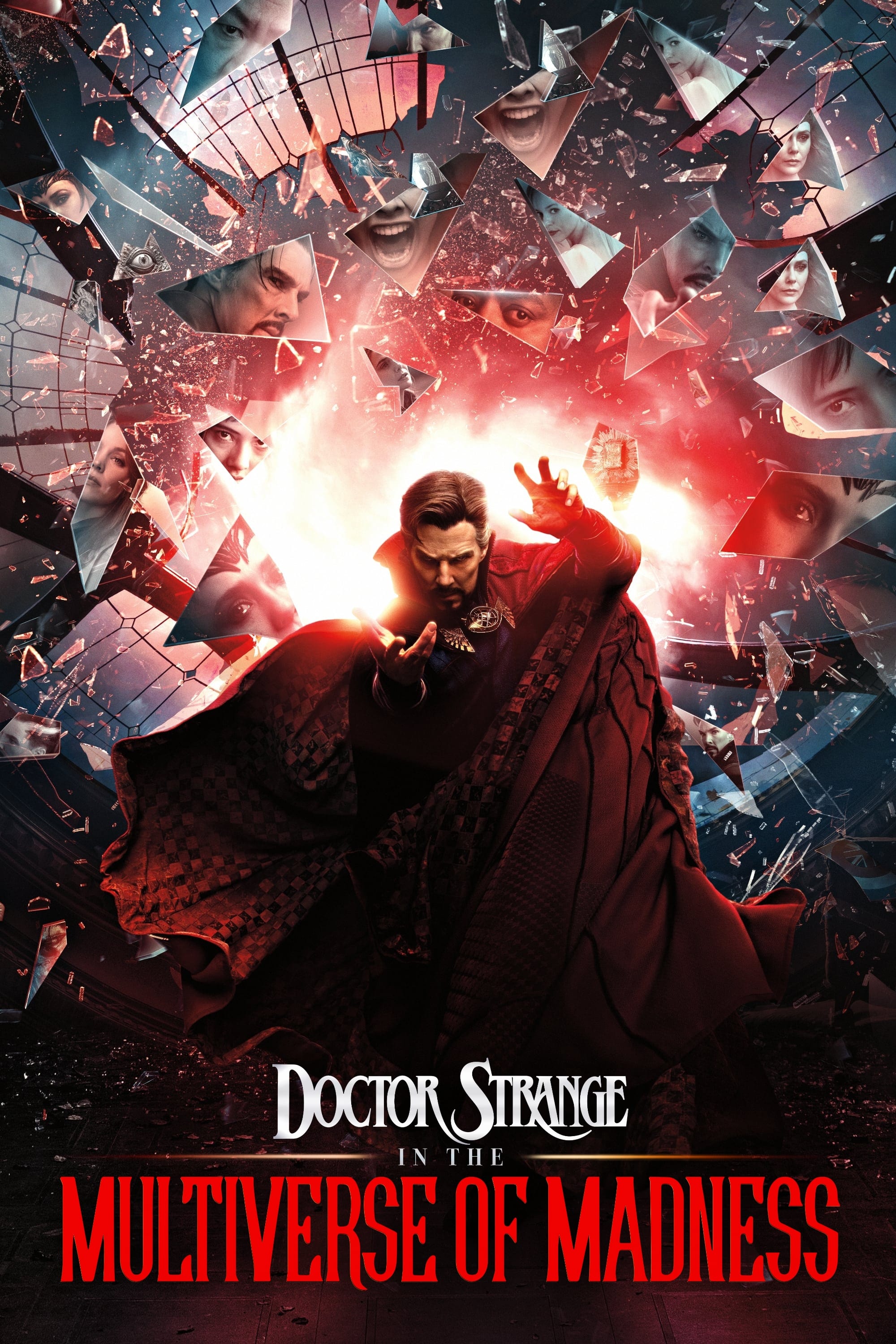
Censors in several Gulf countries declined to clear the film due to the inclusion of an openly queer character and dialogue. Those bans removed entire territories from its theatrical map and shaped regional marketing. Coverage in affected markets centered on the decision rather than the film’s franchise connections.
‘Turning Red’ (2022)
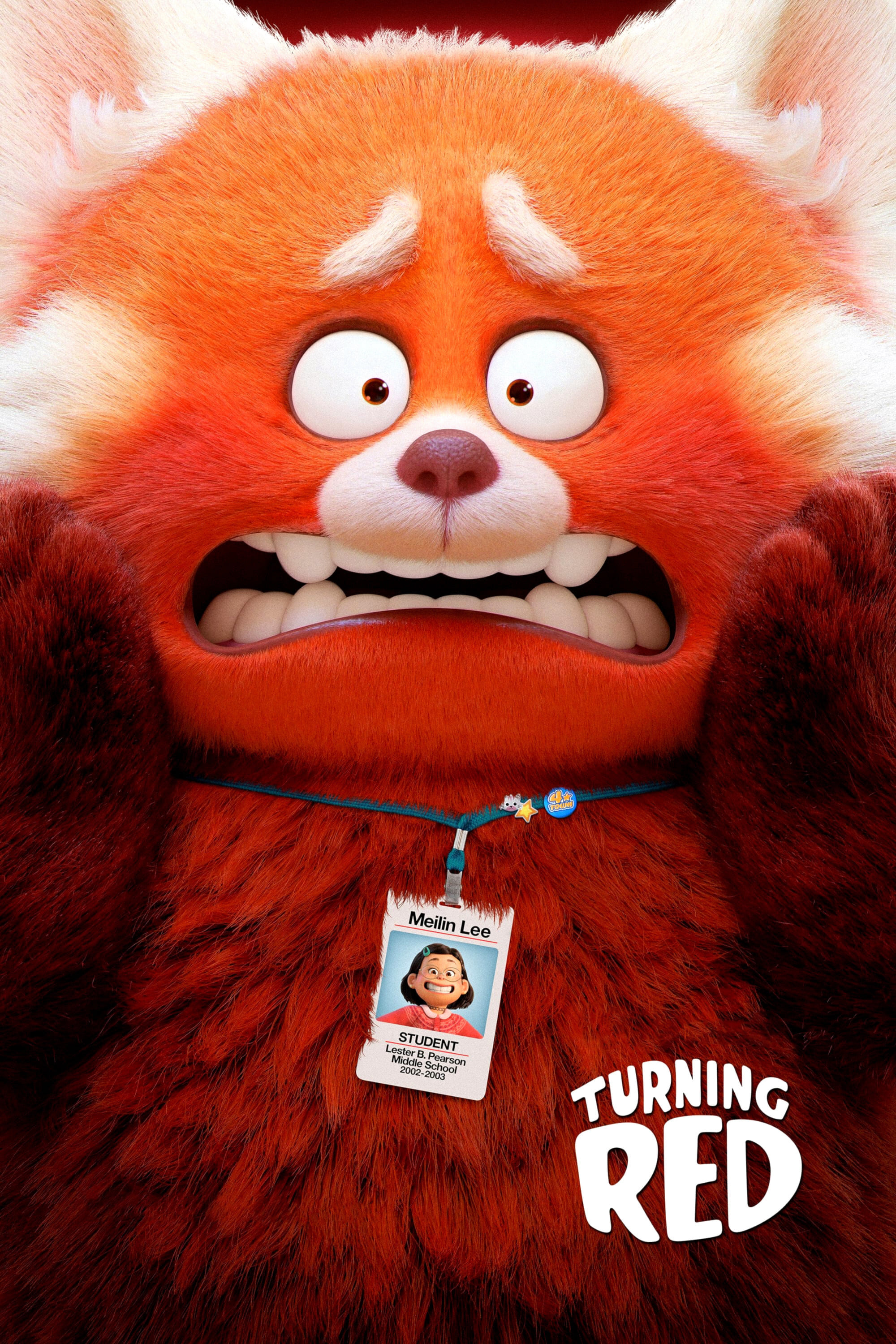
Debates about its frank treatment of puberty and cultural specificity led to parental pushback online. The studio shifted the release to streaming in multiple regions, limiting theatrical revenue potential. Discourse about appropriateness dominated social chatter around launch.
‘Soul’ (2020)

Commentators criticized the body-swap device and representation choices involving a Black protagonist. The film bypassed a theatrical rollout in many countries, landing as a streaming-first holiday title. Conversations about portrayal and release strategy eclipsed typical family-audience promotion.
‘The Last Duel’ (2021)
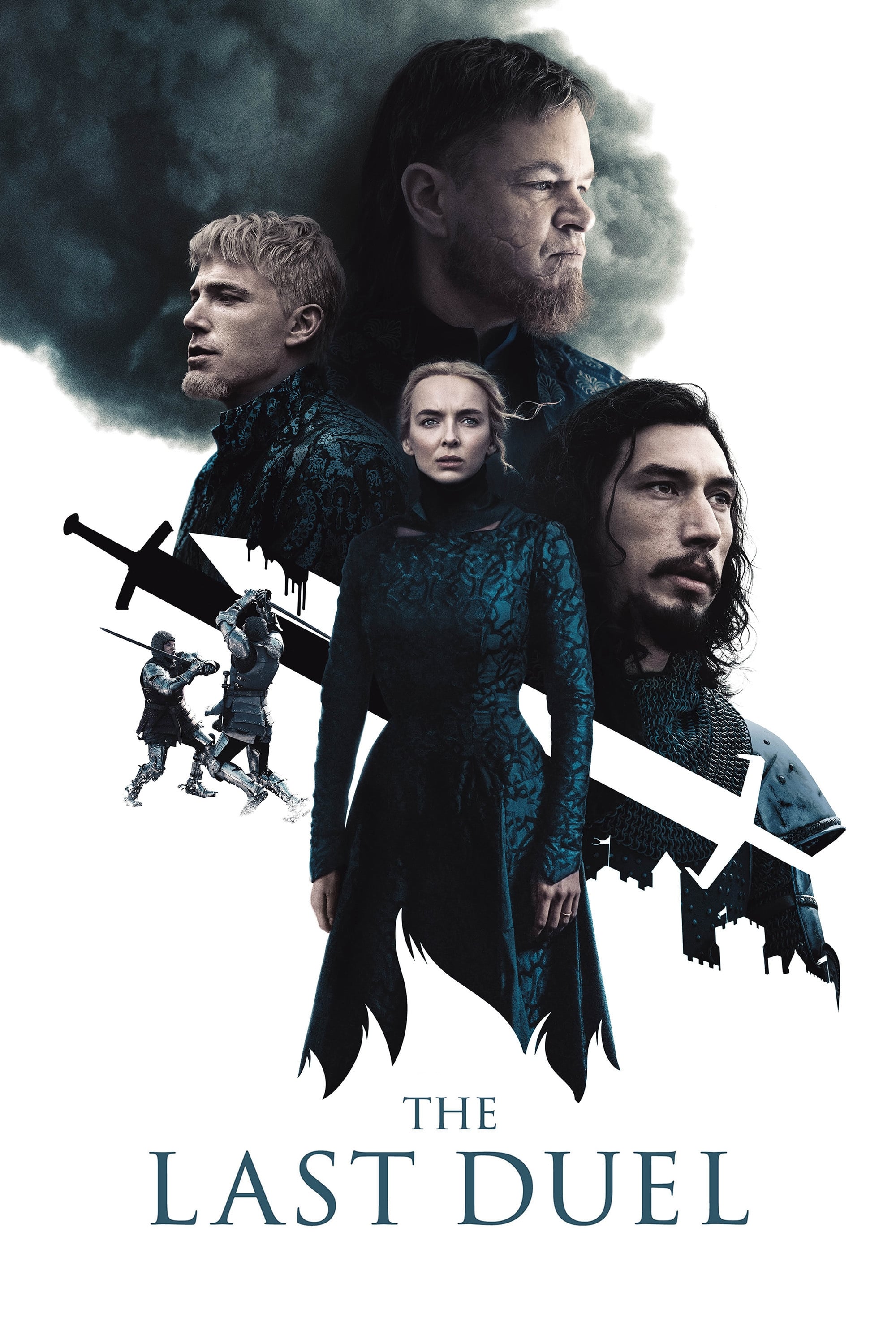
Public discussion focused on the handling of sexual violence and on comments made during press that framed audience blame. Marketing struggled to re-center the film’s historical scope amid that chatter. The controversy compounded challenges in drawing adults back to cinemas.
‘House of Gucci’ (2021)
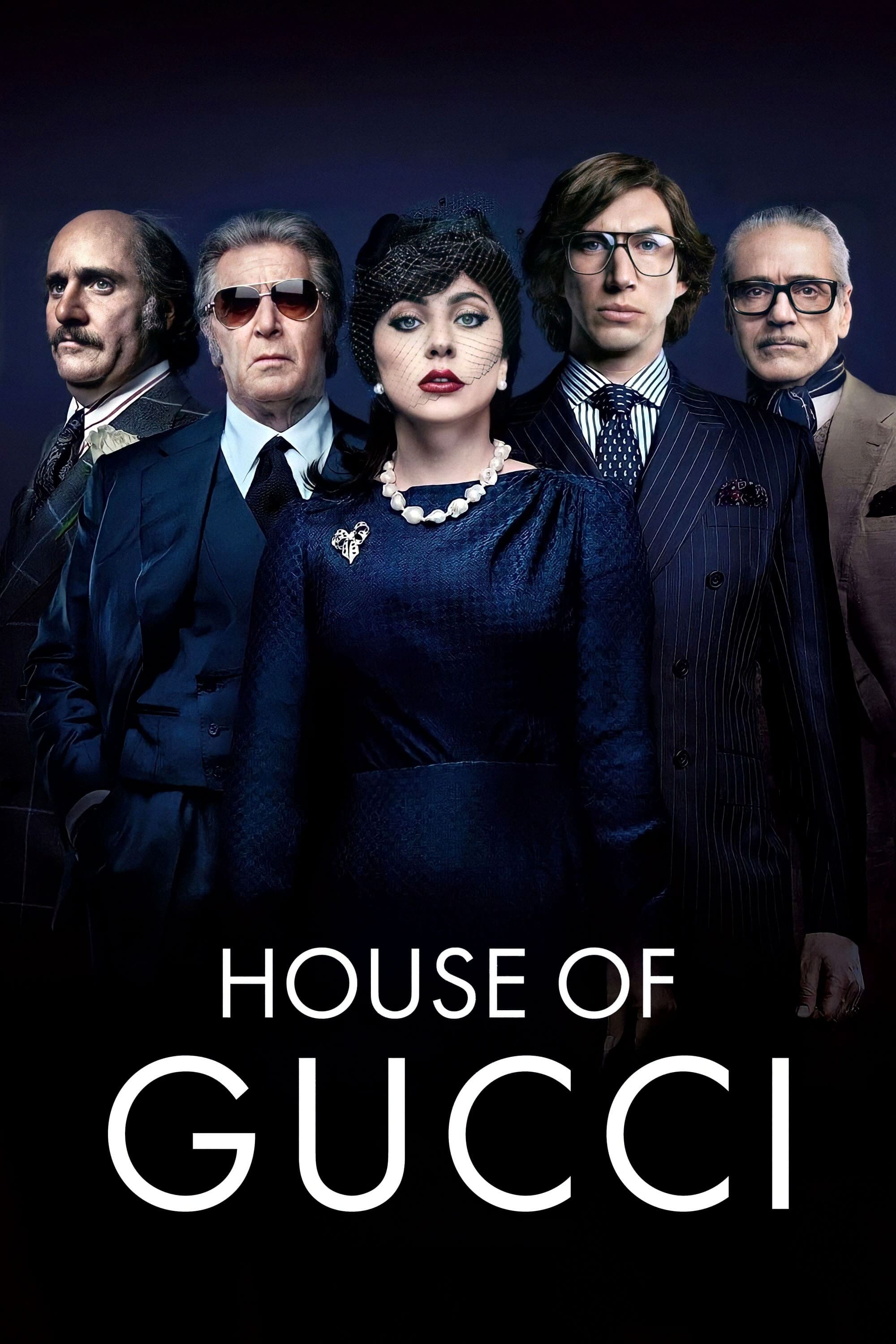
Members of the Gucci family publicly objected to portrayals and accents, issuing statements to the press. Their criticism fueled a news cycle that overshadowed craft notes and awards positioning. The conversation around depiction shaped audience expectations and exhibitor messaging.
‘Borat Subsequent Moviefilm’ (2020)
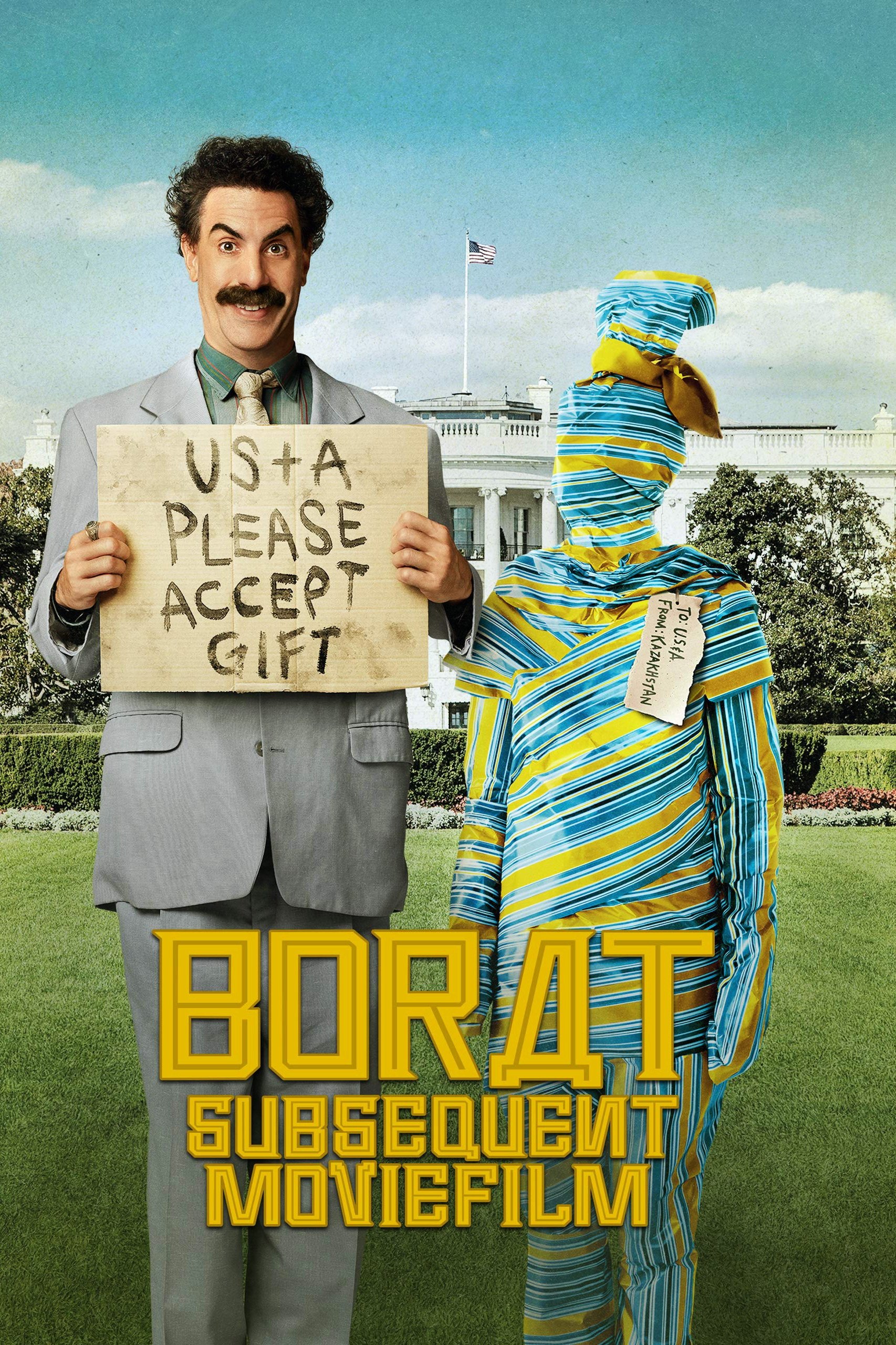
High-profile prank sequences involving political figures prompted legal threats and government statements. The attention shifted from the film’s narrative to fallout from individual stunts. Distribution leaned into a wide streaming launch as traditional publicity became dominated by the controversies.
‘The Lady of Heaven’ (2021)

Religious protests in the UK and elsewhere led some exhibitors to pull screenings after opening. Statements from community leaders and local authorities kept the dispute in the news. The resulting cancellations and reduced showtimes curtailed access and word-of-mouth growth.
‘Adipurush’ (2023)
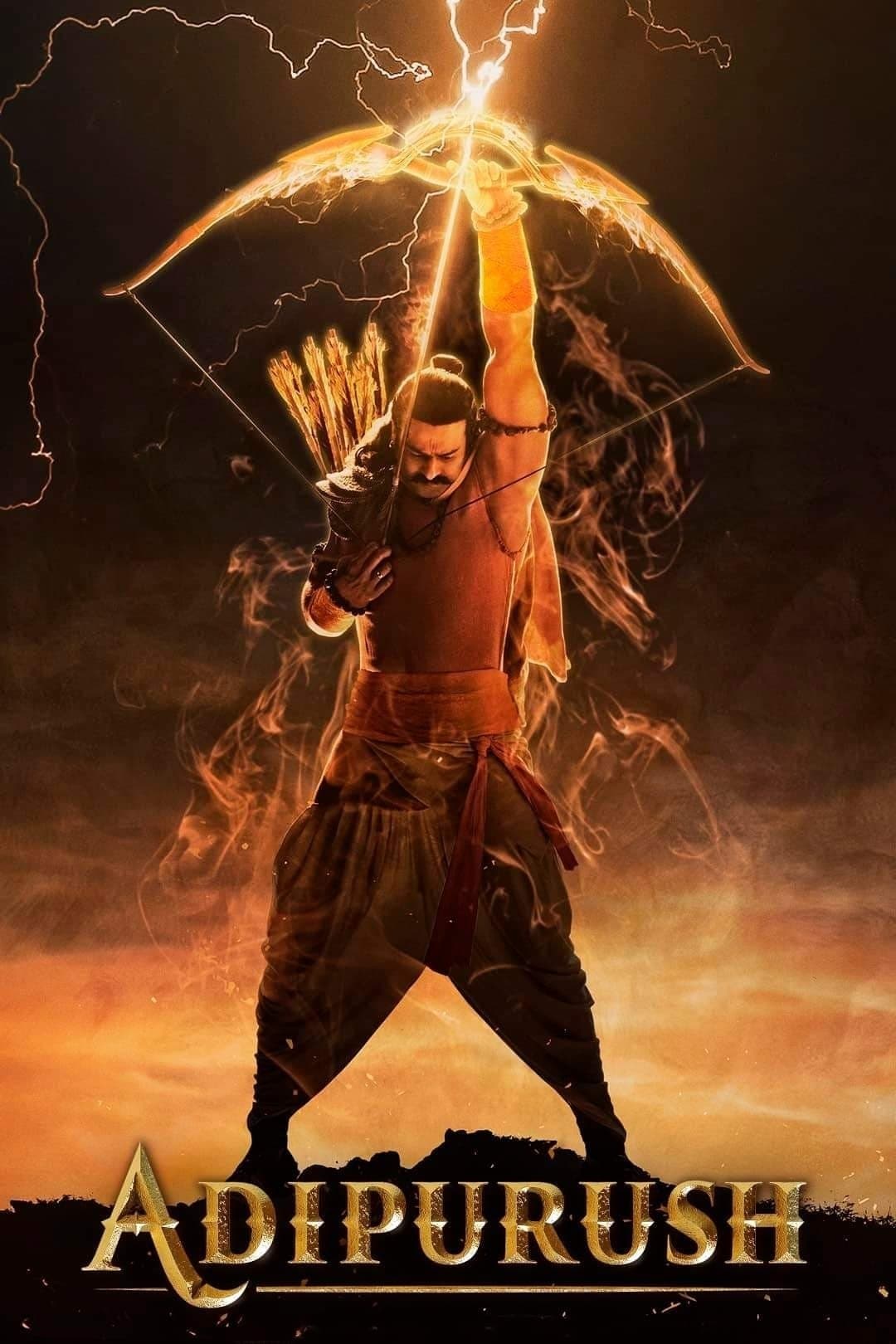
Audiences and religious groups criticized dialogue, character design, and visual effects, triggering rapid edits. Several regions saw protests and petitions, and the producers issued revised versions soon after release. The negative publicity caused sharp second-week drops despite a strong start.
‘Vikram Vedha’ (2022)

The remake faced boycott calls tied to prior political comments by its leads and broader online campaigns. Advance bookings lagged behind comparable action titles as controversy trended. The conversation made it difficult to sell the film on craftsmanship and choreography alone.
‘Shamshera’ (2022)

Online narratives accused the film of denigrating a priestly community based on a character’s name and look. Hashtags urging a boycott circulated ahead of release, softening opening-day turnout. Publicity battles over intent displaced discussion of music and period staging.
‘Peter Pan & Wendy’ (2023)
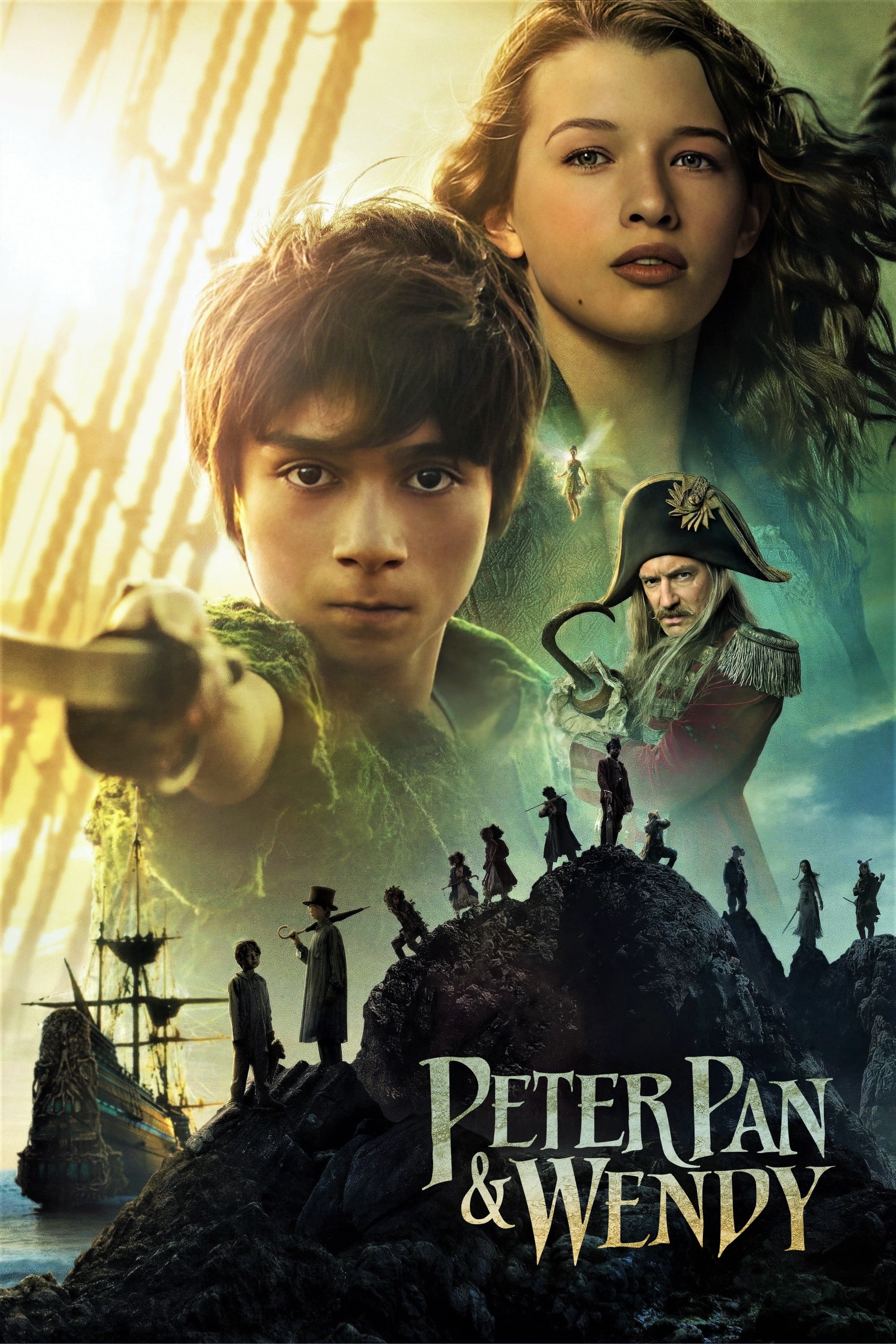
Casting choices and updates to legacy characters drew polarized reactions across social platforms. The film launched direct-to-streaming, and discourse focused on “faithfulness” rather than filmmaking. Conversations about representation overshadowed family-focused promotion.
‘The Pope’s Exorcist’ (2023)
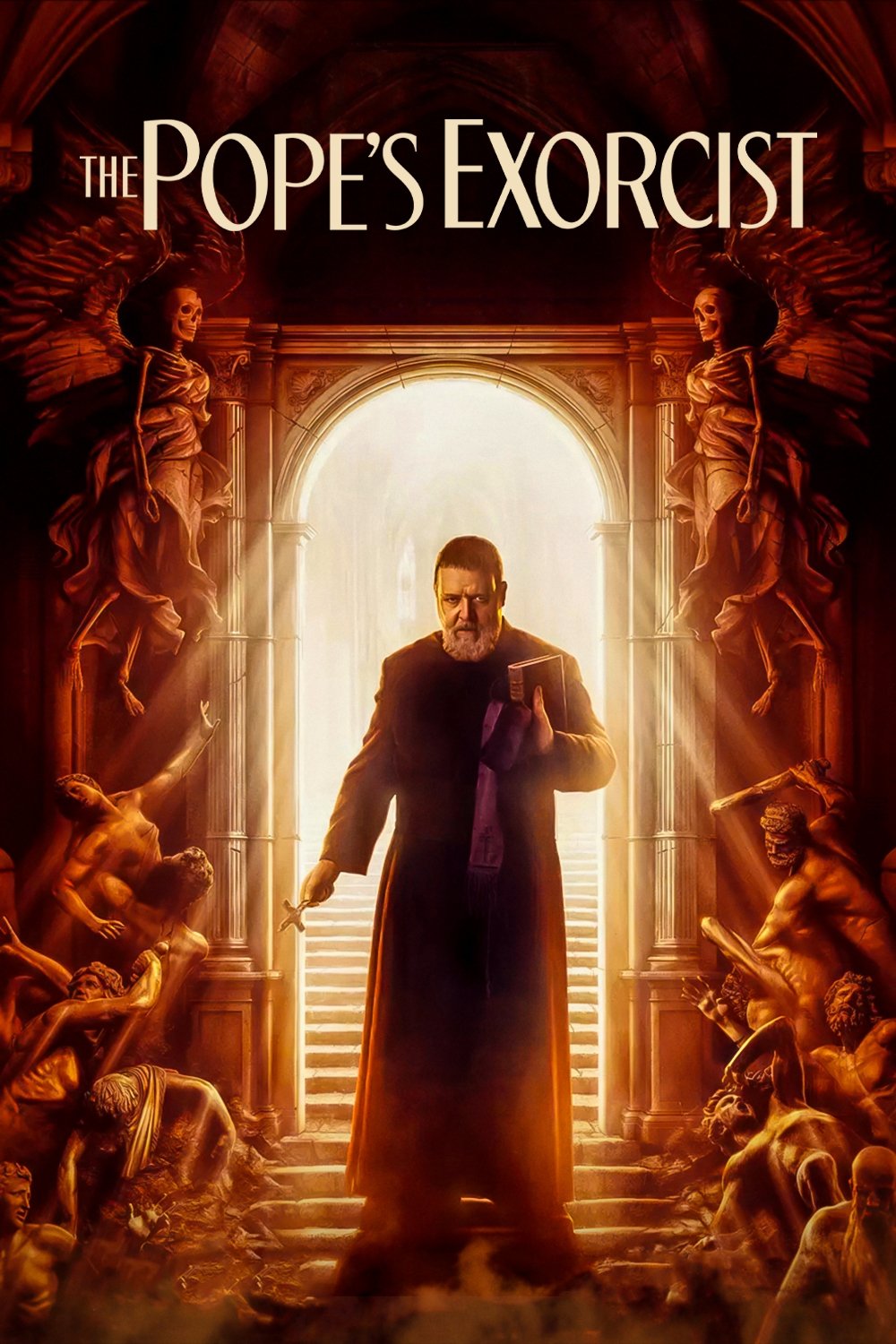
Catholic officials and exorcist associations criticized the film’s depiction of Church authority and procedures. Headlines emphasized institutional objections and calls to avoid the title. The controversy shaped audience perceptions more than its horror credentials.
‘Happening’ (2021)

The adaptation of Annie Ernaux’s memoir encountered resistance in some territories due to its depiction of abortion. Age ratings, content advisories, and limited bookings constrained access in conservative regions. Festival acclaim coexisted with distribution hurdles tied to local regulations and protests.
‘Brahmāstra Part One: Shiva’ (2022)

Boycott campaigns trended over off-screen comments and a temple footwear clip, prompting security measures at certain venues. The narrative around protests ran parallel to promotional tours and fan events. Even with strong urban turnout, controversy complicated its broader rollout narrative.
Share which titles you think were most affected by controversy—and why—in the comments.

