


2020s Movies that Aren’t Afarid of Politics

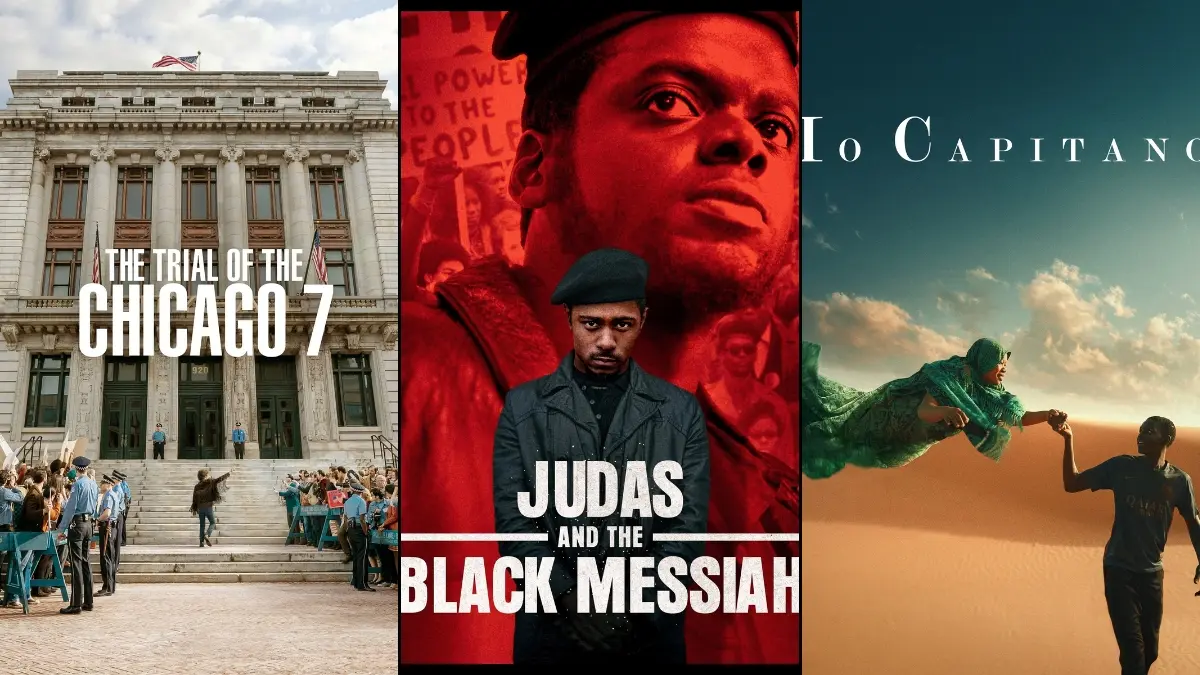


The 2020s have delivered a wave of films willing to wrestle with power, protest, policy, and the people caught in the middle. From courtroom dramas and historical biopics to urgent documentaries and sharp satires, these titles use real institutions, landmark cases, and lived conflicts to frame their stories. Here are forty films from this decade that put politics front and center, covering subjects like civil rights movements, state secrecy, war crimes, electoral theater, corruption, and activism across the globe.
‘Judas and the Black Messiah’ (2021)
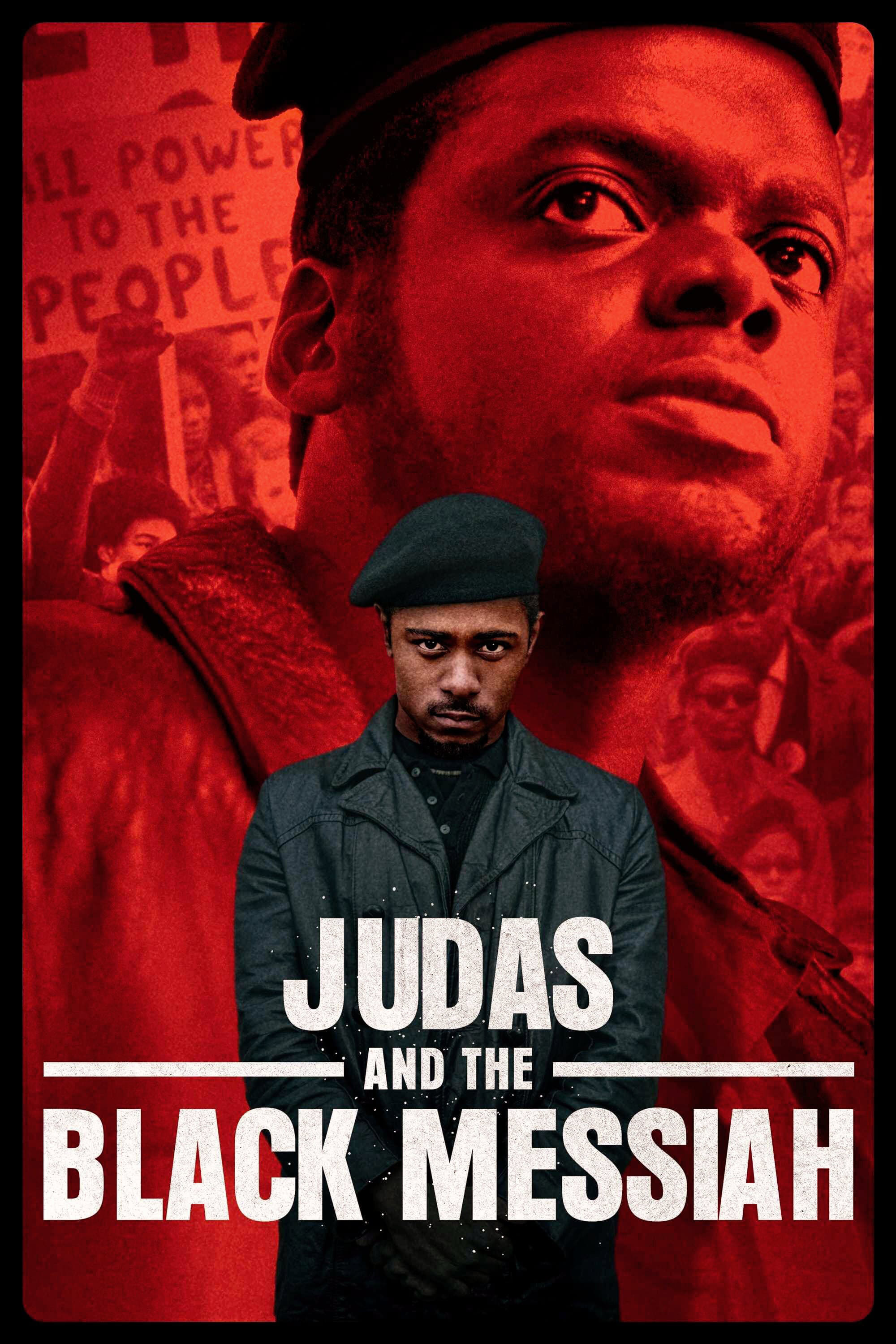
Shaka King’s drama follows the FBI’s COINTELPRO operation against the Illinois Black Panther Party through the relationship between informant William O’Neal and Chairman Fred Hampton. The film details surveillance tactics, informant handling, and inter-agency coordination. It spotlights Hampton’s community programs and the legal and political mechanisms used to neutralize Black radical leadership.
‘The Trial of the Chicago 7’ (2020)
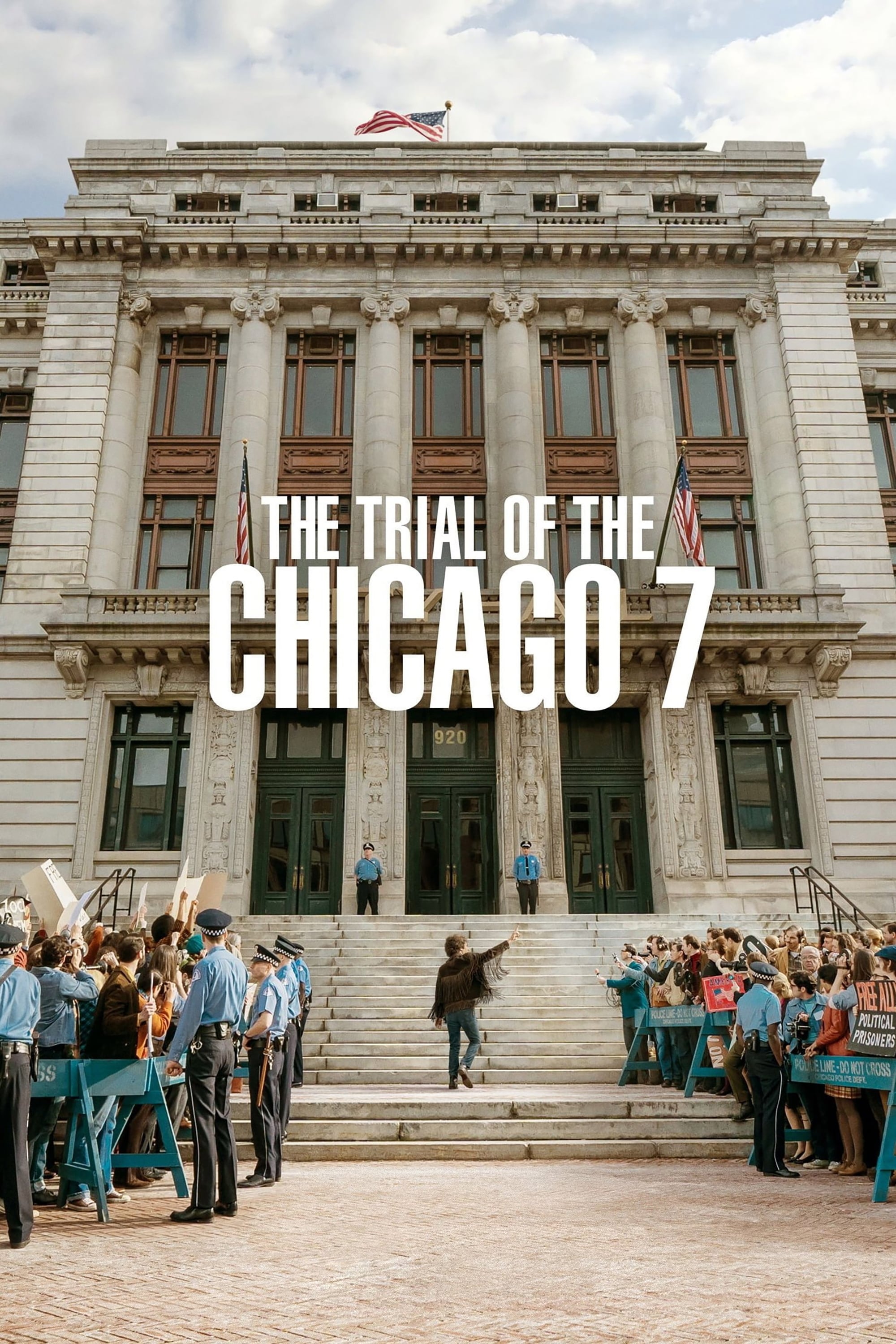
Aaron Sorkin’s courtroom drama reconstructs the conspiracy trial stemming from protests at the Democratic National Convention. It presents legal strategies, judicial conduct, and the role of federal prosecutors in a high-profile case. The film illustrates how public demonstrations, policing, and media shaped the proceedings and their political aftershocks.
‘Don’t Look Up’ (2021)
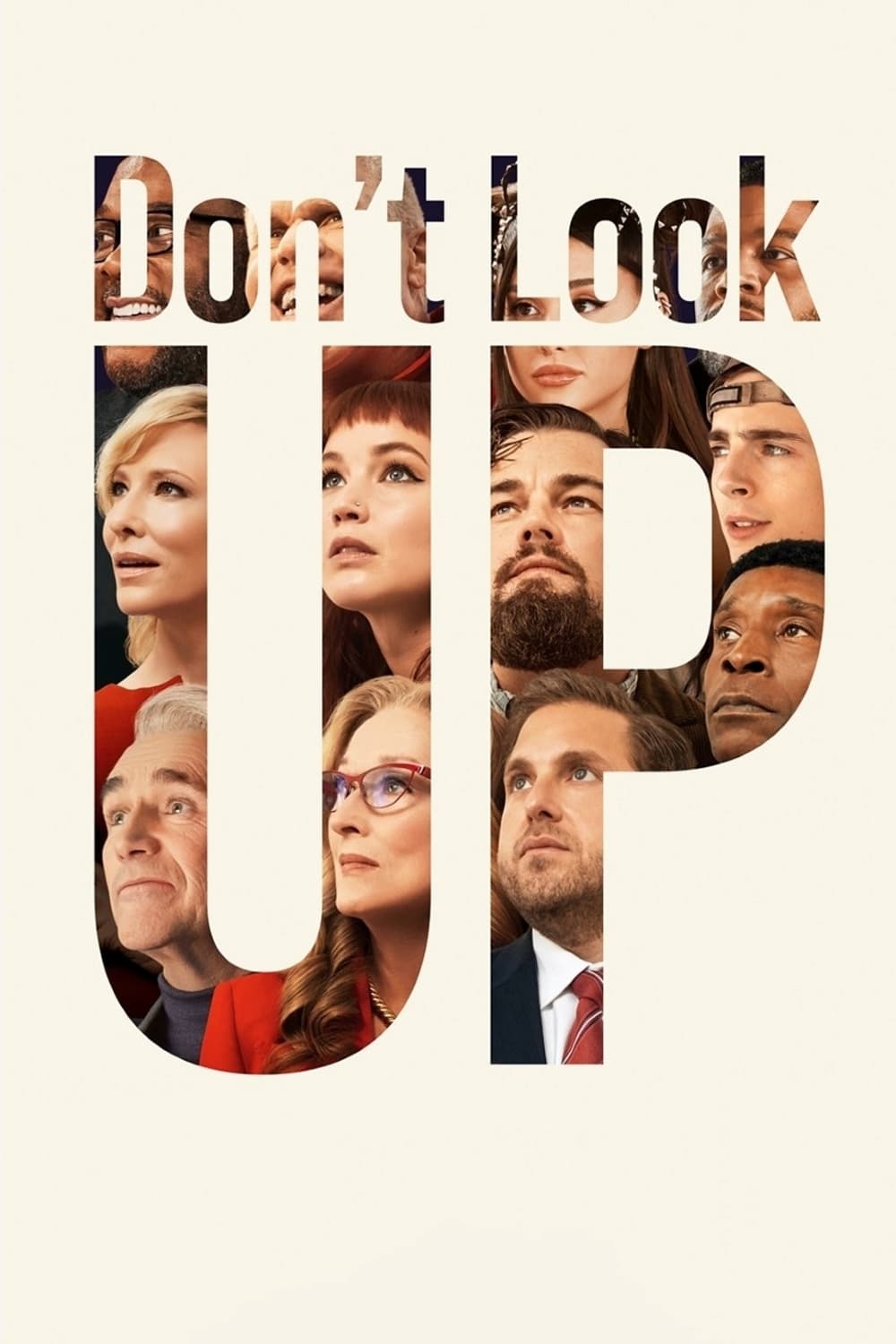
Adam McKay’s satire tracks scientists trying to warn leaders and the public about an extinction-level threat. It maps how partisan media, polling, and corporate lobbying distort policy responses. The film depicts crisis communications inside the executive branch, the influence of tech billionaires, and the commodification of catastrophe.
‘All Quiet on the Western Front’ (2022)

Edward Berger’s adaptation emphasizes the bureaucracy of war through negotiating tables, armistice politics, and the machinery moving soldiers to the front. It contrasts frontline experience with decisions made by officers and officials far from combat. The film highlights how national pride and political calculation prolong suffering.
‘Argentina 1985’ (2022)
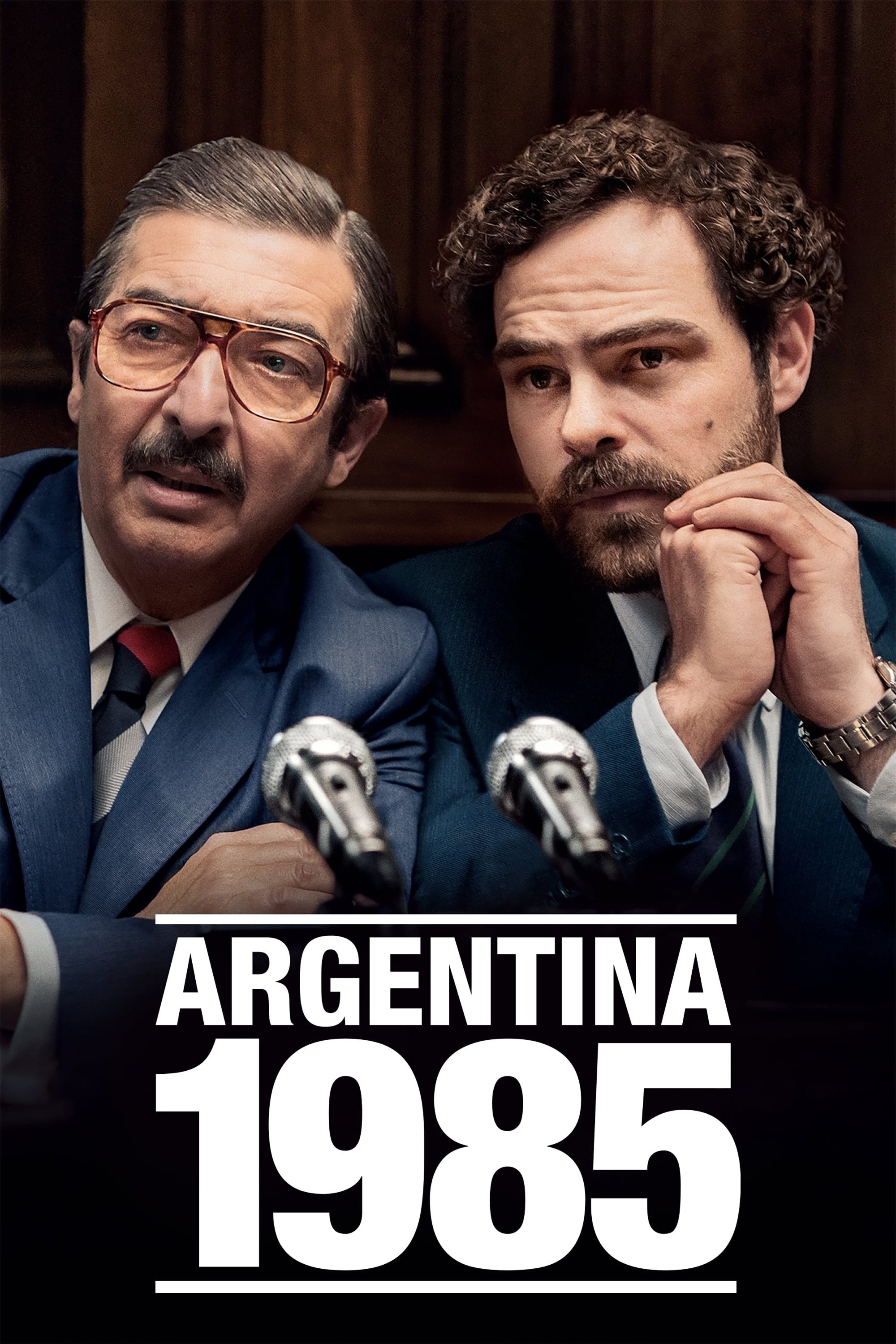
Santiago Mitre’s legal drama chronicles the civilian prosecution of the military junta. It shows the evidentiary work of investigators, the risks faced by witnesses, and the building of a case under political pressure. The film documents how a democratic government used the courts to confront systematic abuses.
‘The Zone of Interest’ (2023)
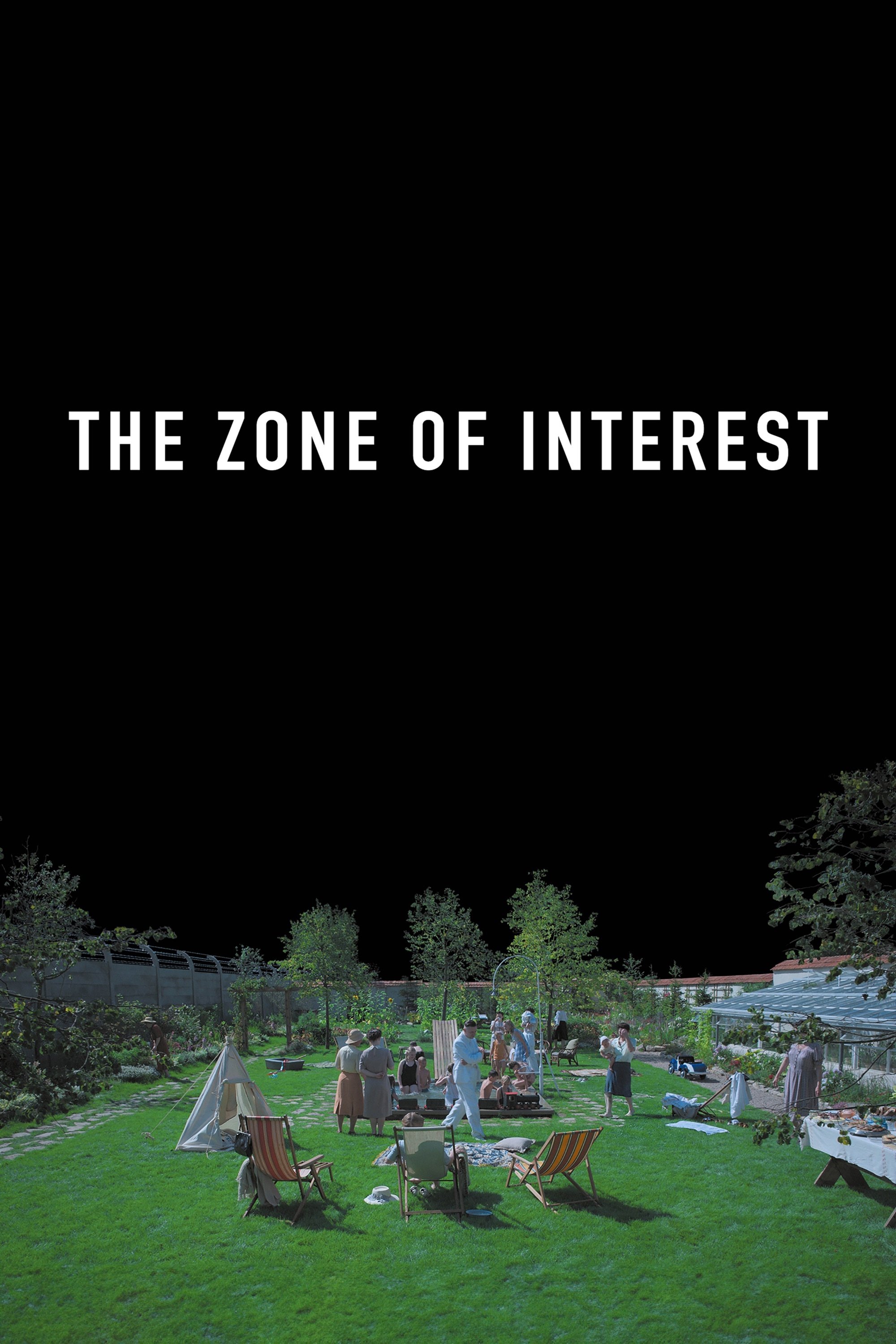
Jonathan Glazer focuses on the domestic life of an SS commandant’s family living beside Auschwitz. The film examines administrative normalcy coexisting with industrialized murder, emphasizing logistics, property management, and careerism. It presents genocide as a system maintained through ordinary routines and institutional incentives.
‘Oppenheimer’ (2023)

Christopher Nolan’s biopic follows J. Robert Oppenheimer from the Manhattan Project into security hearings. It details committees, clearances, and testimony procedures, showing how scientific work intersects with state secrecy. The film tracks alliances among military leaders, policymakers, and scientists shaping nuclear policy.
‘She Said’ (2022)

This newsroom drama adapts the investigation that exposed Harvey Weinstein’s abuse. It outlines sourcing, legal review, and non-disclosure agreements that constrained victims. The film shows how institutional accountability can emerge through documentation, corroboration, and editorial standards.
‘Killers of the Flower Moon’ (2023)
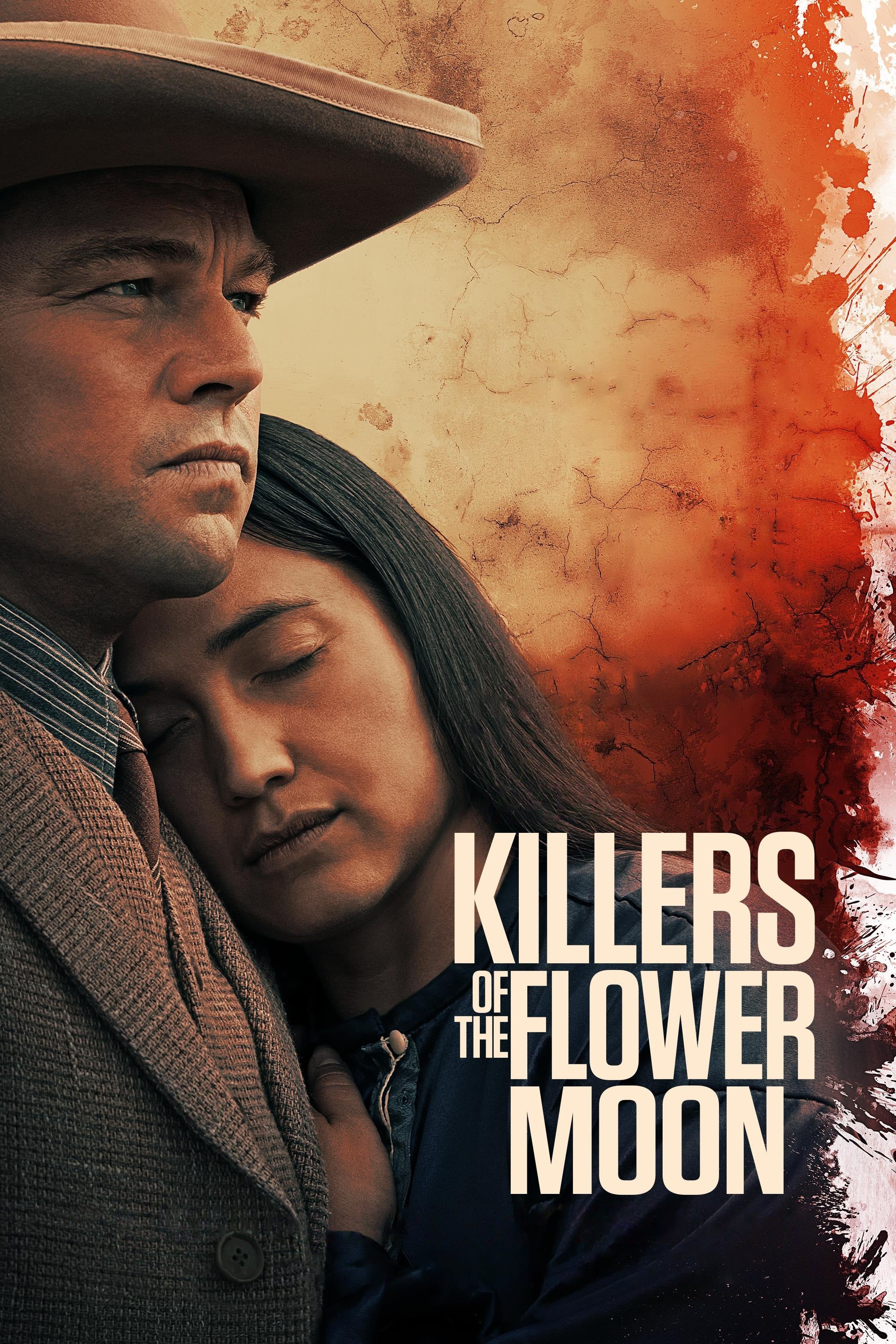
Martin Scorsese’s historical crime drama depicts murders targeting Osage Nation citizens for oil wealth. It shows the early Bureau of Investigation’s methods, local corruption, and the legal framework enabling guardianship and exploitation. The film foregrounds jurisdictional issues and the community’s pursuit of justice.
‘Happening’ (2021)

Audrey Diwan’s adaptation follows a student seeking an illegal abortion under restrictive law. It portrays the risks of clandestine procedures, the surveillance of medical providers, and the social penalties enforced through institutions. The film documents how policy shapes access, safety, and decision-making.
‘Never Rarely Sometimes Always’ (2020)

Eliza Hittman’s drama follows a teenager traveling for reproductive healthcare. It details counseling protocols, consent forms, and interstate barriers, including funding and logistics. The film observes how clinic workers navigate regulations while safeguarding patient privacy.
‘Quo Vadis, Aida?’ (2020)
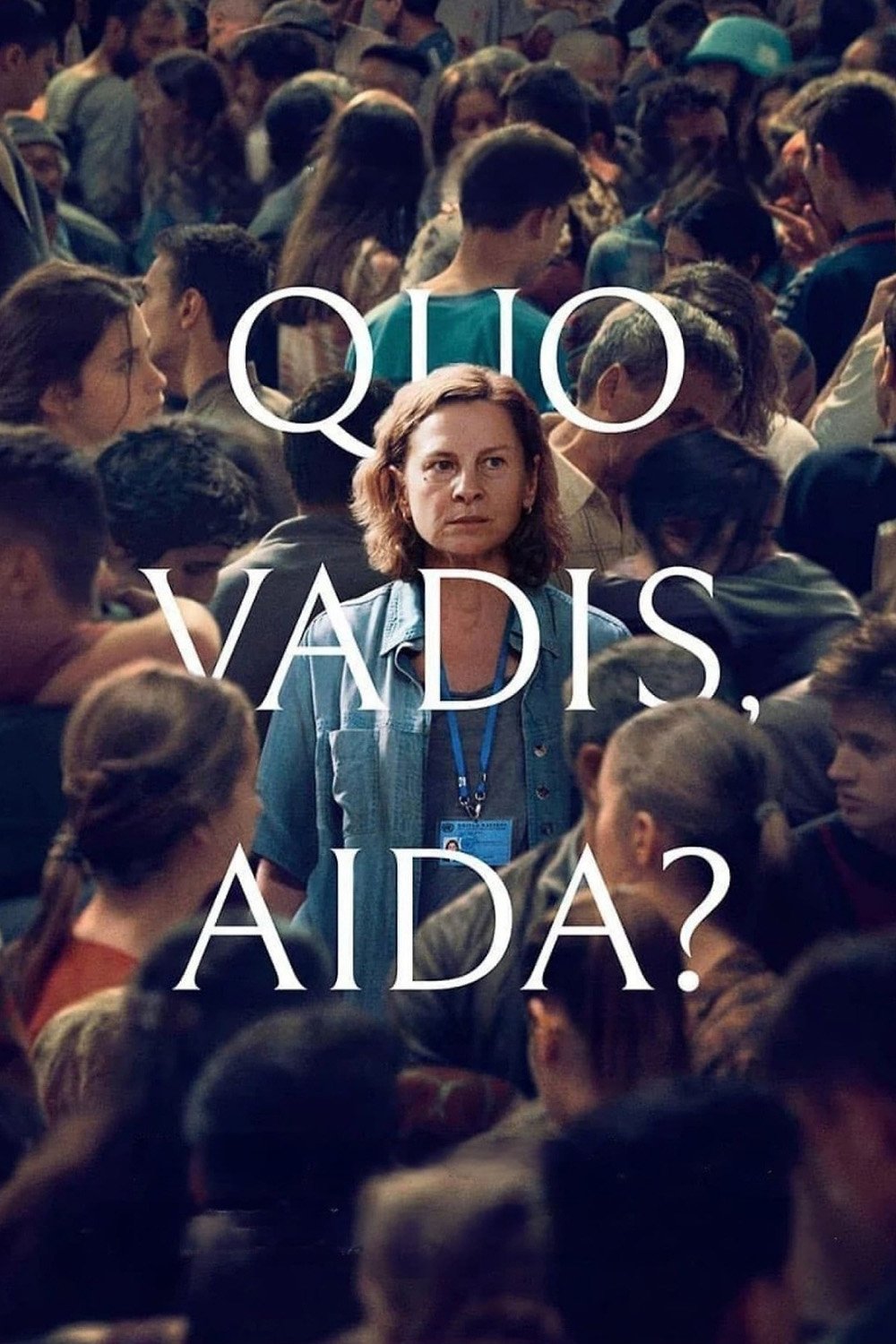
Jasmila Žbanić centers an interpreter working with UN peacekeepers during the Srebrenica genocide. The film examines mandates, chain-of-command limitations, and negotiations with armed forces. It shows how humanitarian protection collapses under bureaucratic constraints and political reluctance.
‘Navalny’ (2022)
This documentary follows Russian opposition figure Alexei Navalny after a poisoning attempt. It records investigative techniques used to trace the operation, including telecom data and open-source methods. The film covers diaspora organizing, international sanctions debates, and messaging strategies on social platforms.
‘Flee’ (2021)

Jonas Poher Rasmussen’s animated documentary recounts a refugee’s journey from Afghanistan to Europe. It explains asylum processes, trafficking routes, and the documentation hurdles faced by applicants. The film situates one person’s story within migration policy, border enforcement, and family reunification rules.
‘Athena’ (2022)
Romain Gavras stages an urban uprising after the death of a teenager in police custody. The film portrays crowd control tactics, media framing, and factional leadership within a community under stress. It traces how disinformation and political opportunism escalate confrontation.
‘Azor’ (2021)
Andreas Fontana’s thriller follows a Swiss banker navigating Argentina’s dictatorship. The film explores financial secrecy, euphemistic language, and elite networks that shield disappearances. It shows how private wealth management intersects with state repression and risk.
‘All the Beauty and the Bloodshed’ (2022)

Laura Poitras documents artist Nan Goldin’s activism against the Sackler family’s role in the opioid crisis. The film follows museum actions, board dynamics, and donor-institution relationships. It details campaign tactics, from public pressure to governance reforms and naming rights negotiations.
‘Time’ (2020)

Garrett Bradley’s documentary traces a family’s advocacy to reduce an excessive prison sentence. It highlights legal filings, parole considerations, and the administrative tempo of the courts. The film shows grassroots organizing, fundraising, and community support sustaining long legal fights.
‘Boys State’ (2020)
This documentary observes a large mock government program where teens build parties, draft platforms, and campaign. It records legislative procedures, constitutional debates, and media strategy inside the simulation. The film captures how messaging, coalition-building, and turnout shape outcomes.
‘The Mauritanian’ (2021)
Kevin Macdonald’s drama adapts the memoir of Mohamedou Ould Slahi, detained at Guantánamo Bay. It covers habeas petitions, classification barriers, and discovery fights over redacted evidence. The film shows defense investigations, pro bono legal work, and the politics of detention policy.
‘The Forever Purge’ (2021)

This installment extends its premise into border politics and vigilante nationalism. It depicts emergency declarations, militia coordination, and asylum attempts amid collapsing law enforcement. The film frames migration, citizenship, and extrajudicial violence within a fractured public order.
‘Athlete A’ (2020)
The documentary investigates systemic abuse in women’s gymnastics. It details reporting protocols, mandated reporters, non-disclosure practices, and oversight failures by governing bodies. The film follows journalists and survivors pressing for accountability and policy change.
‘The Man Who Sold His Skin’ (2020)
Kaouther Ben Hania’s drama centers on a Syrian refugee who turns his back into a living artwork to gain mobility. It examines visas, commodification, and the legal status of the body as property. The film navigates museum contracts, sponsorship, and border control procedures.
‘The Dissident’ (2020)
Bryan Fogel’s documentary investigates the killing of journalist Jamal Khashoggi. It maps diplomatic immunity issues, spyware allegations, and transnational pressure campaigns. The film follows activists leveraging international organizations, platforms, and exile networks.
‘Rustin’ (2023)
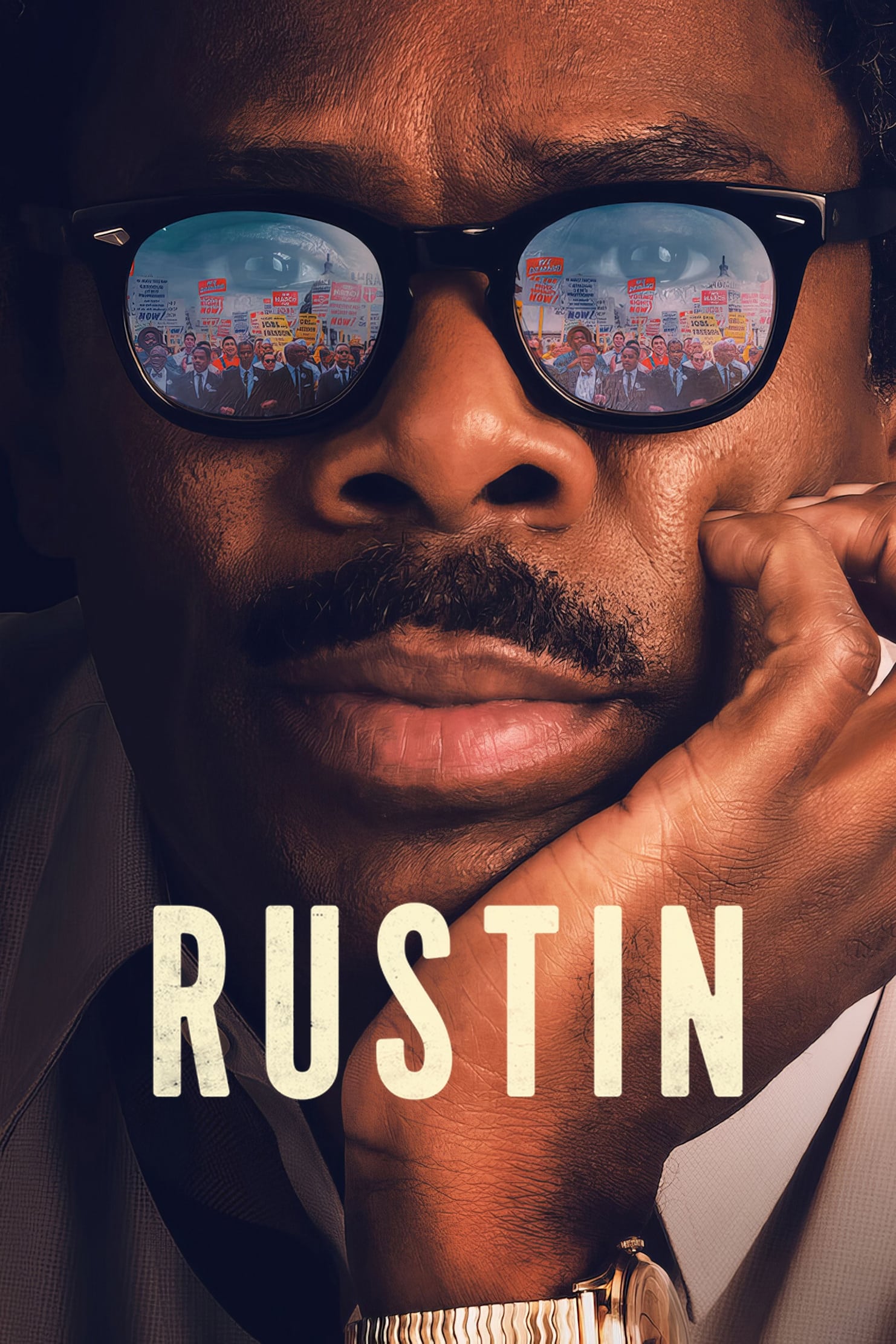
George C. Wolfe’s biopic profiles organizer Bayard Rustin and the March on Washington’s planning. It covers coalition management across civil rights groups, labor allies, and religious leaders. The film shows logistical challenges, fundraising, and the political calculations behind a mass demonstration.
‘Civil War’ (2024)
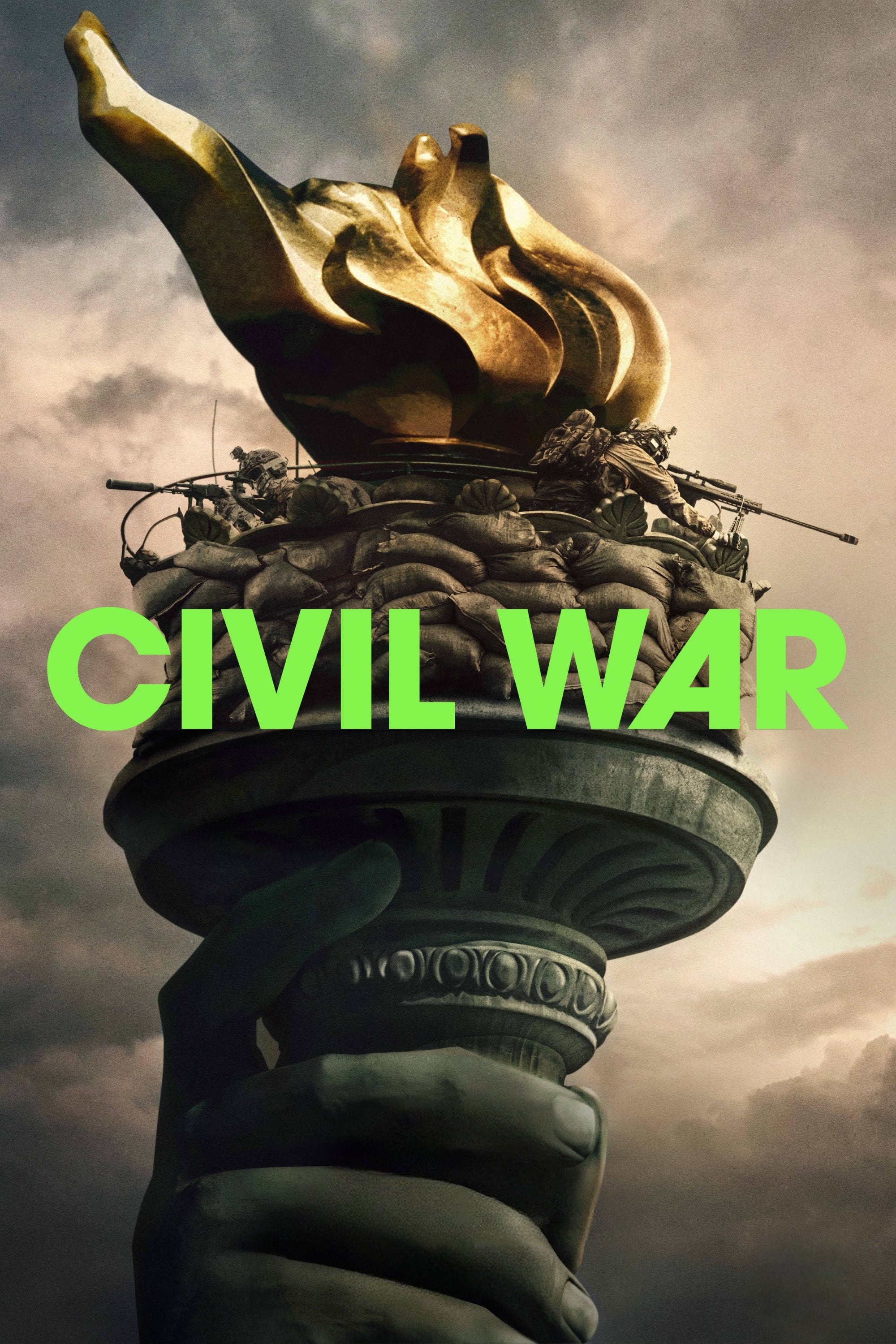
Alex Garland’s thriller follows a photojournalist team traveling through a fractured United States during an internal conflict. It depicts embedded reporting practices, military checkpoints, and the role of propaganda in shaping public perception. The film tracks how federal and state forces, militias, and media interact during domestic warfare.
‘Saint Omer’ (2022)
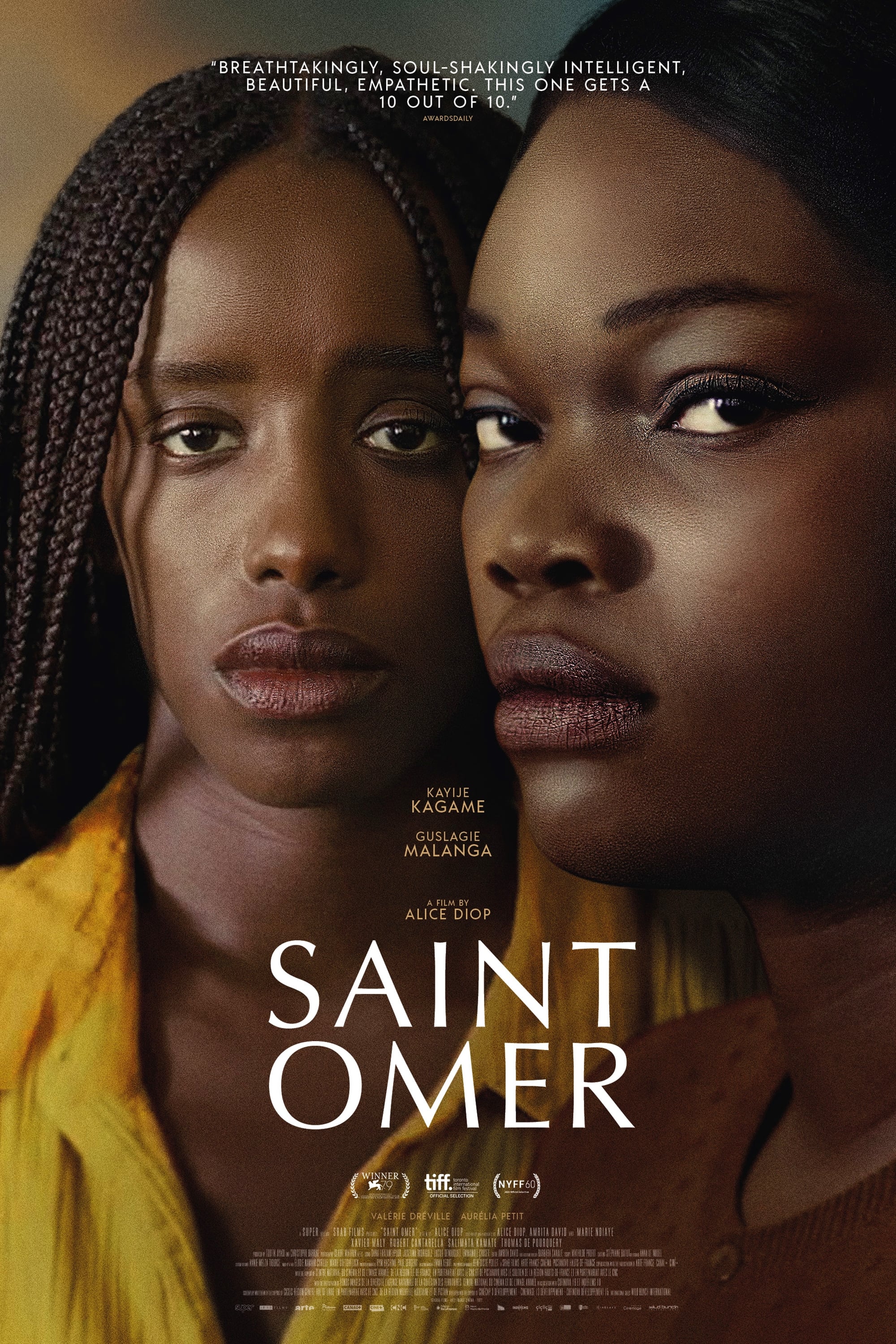
Alice Diop’s courtroom drama stages a French infanticide trial to probe immigration status, assimilation pressures, and administrative scrutiny. It details evidentiary rules, interpreter dynamics, and expert testimony as they intersect with nationality and residency questions. The film observes how legal institutions frame identity, belonging, and culpability.
‘A Hero’ (2021)

Asghar Farhadi’s drama centers on a debtor whose attempted good deed spirals into bureaucratic and media complications. It shows how charitable institutions, prison furlough permissions, and public-relations pressures collide with judicial procedures. The story examines social-welfare vetting and reputational arbitration through local authorities and nonprofits.
‘Holy Spider’ (2022)

Ali Abbasi’s crime drama follows a journalist investigating serial murders in Mashhad. It portrays policing hierarchies, religious authorities’ influence, and community attitudes that pressure investigations. The film shows how vigilantism, media coverage, and judicial processes shape outcomes in a charged environment.
‘The Card Counter’ (2021)

Paul Schrader’s drama traces a former military interrogator confronting his past at civilian black sites. It outlines contractor roles, training environments, and accountability gaps highlighted in later testimony and reports. The narrative threads through veteran reintegration, plea strategies, and attempts to surface documentation of detainee abuse.
‘Cairo Conspiracy’ (2022)
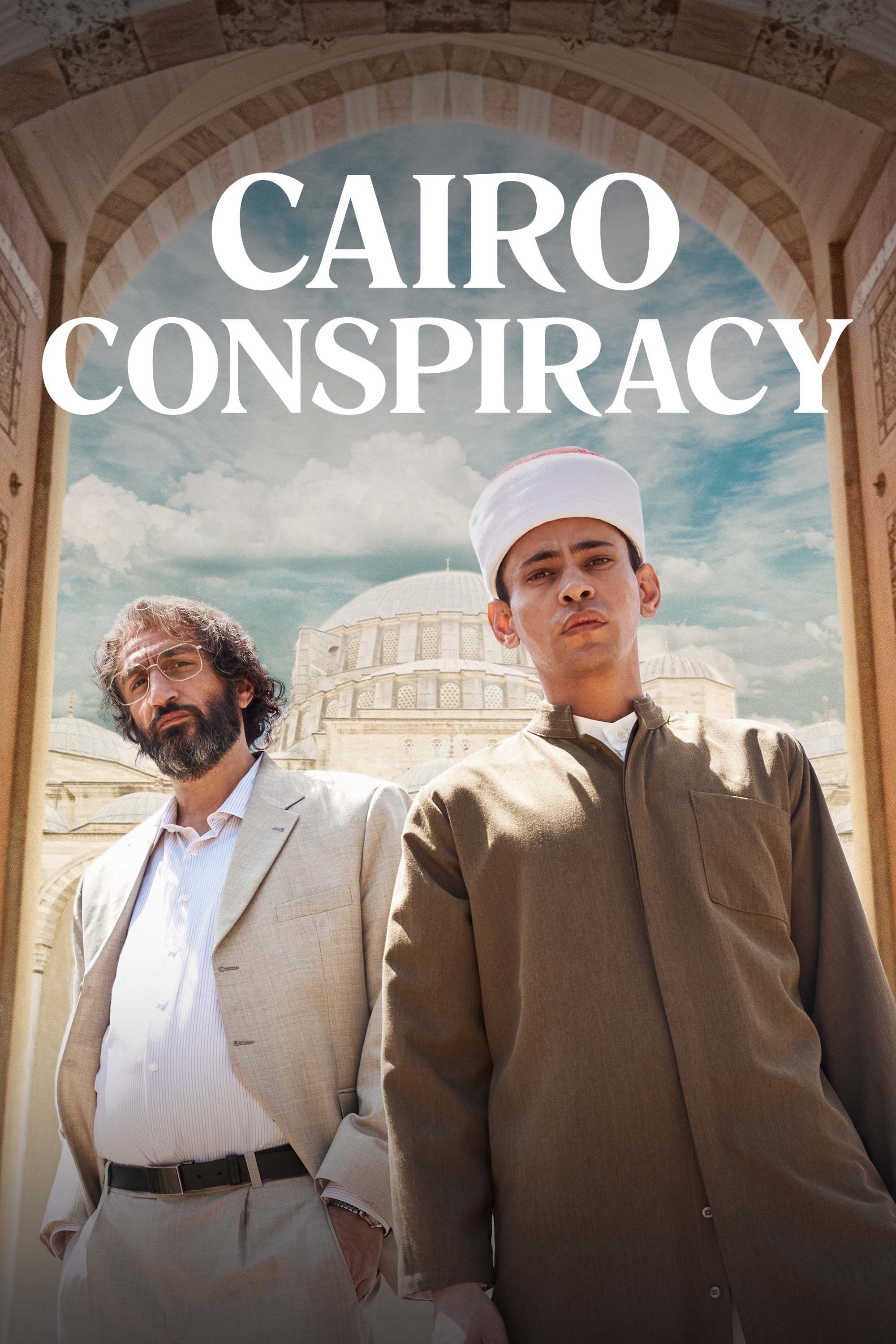
Tarik Saleh’s political thriller follows a student drawn into state-security intrigue at Al-Azhar University. It details recruitment methods, informant handling, and the leverage agencies exert over clerical appointments. The film maps how intelligence services navigate religious institutions to shape national power.
‘Dear Comrades!’ (2020)
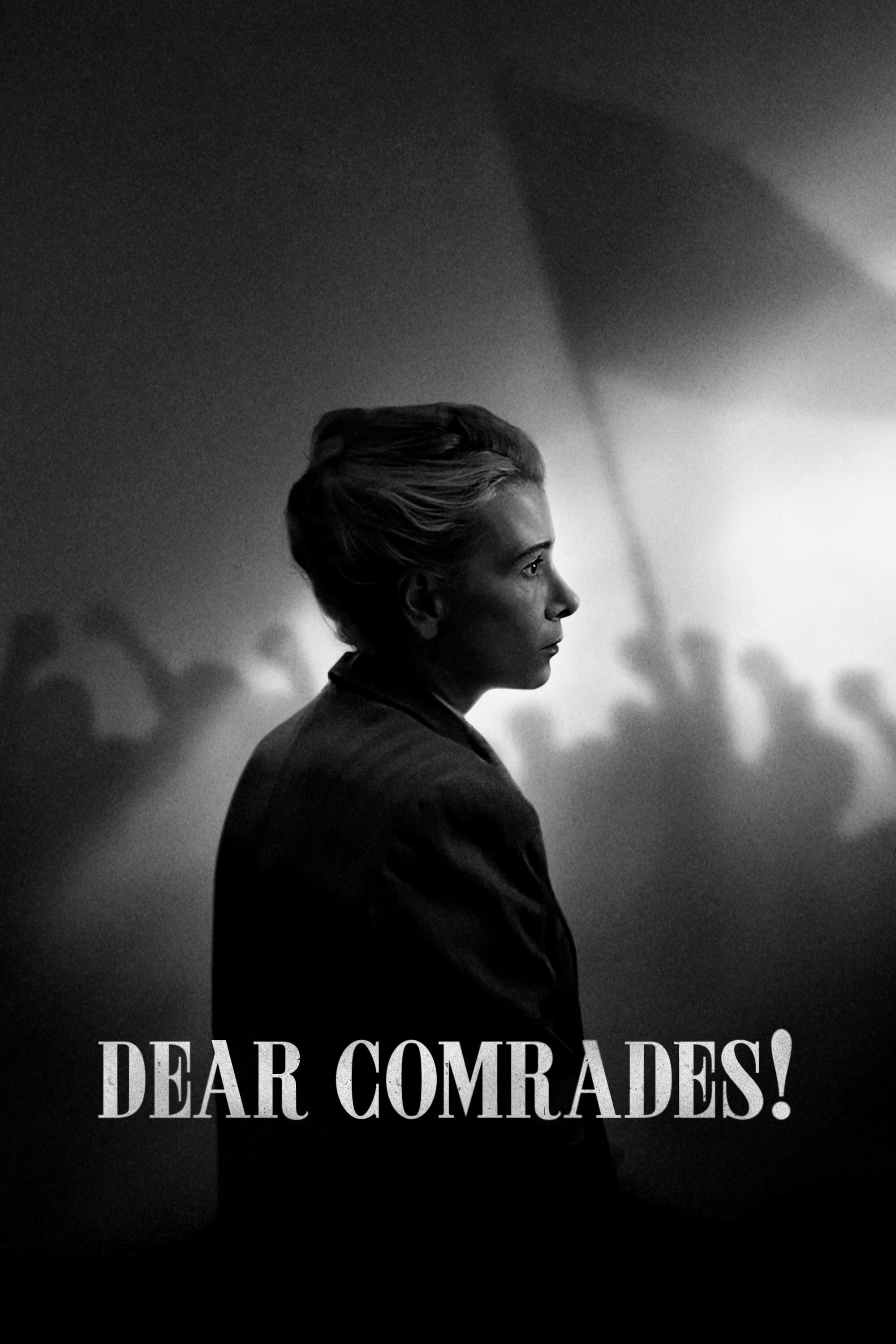
Andrei Konchalovsky’s historical drama reconstructs a workers’ strike and its deadly suppression in Novocherkassk. It documents party committee meetings, censorship practices, and the chain of command coordinating the crackdown. The film tracks archival protocols, witness silencing, and the bureaucratic aftermath of state violence.
‘All In: The Fight for Democracy’ (2020)
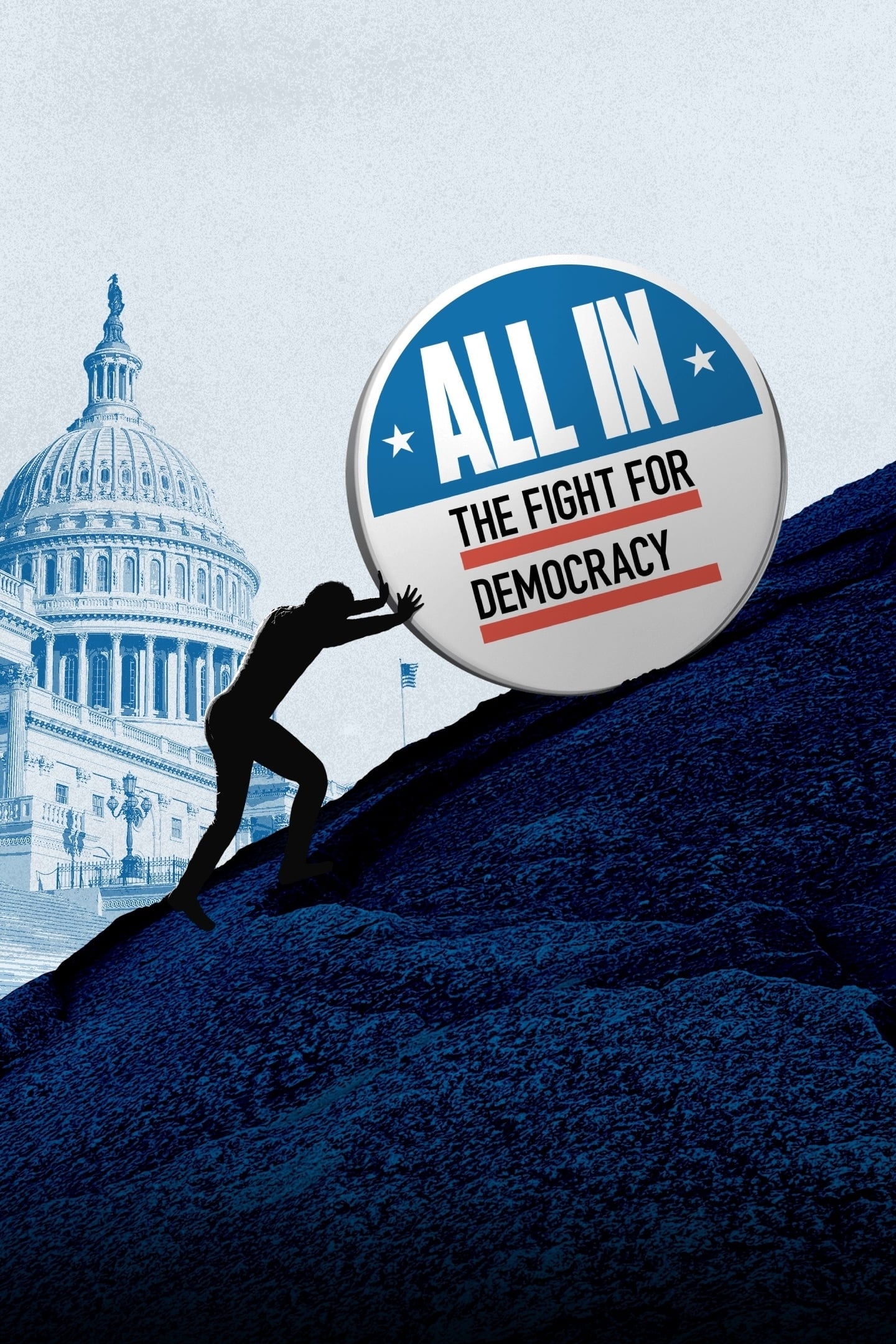
This documentary surveys voting-rights battles in the United States, with case studies on registration purges and access restrictions. It explains litigation over districting, early voting, and identification requirements. The film outlines advocacy strategies, public education campaigns, and legislative efforts to expand or limit participation.
‘President’ (2023)
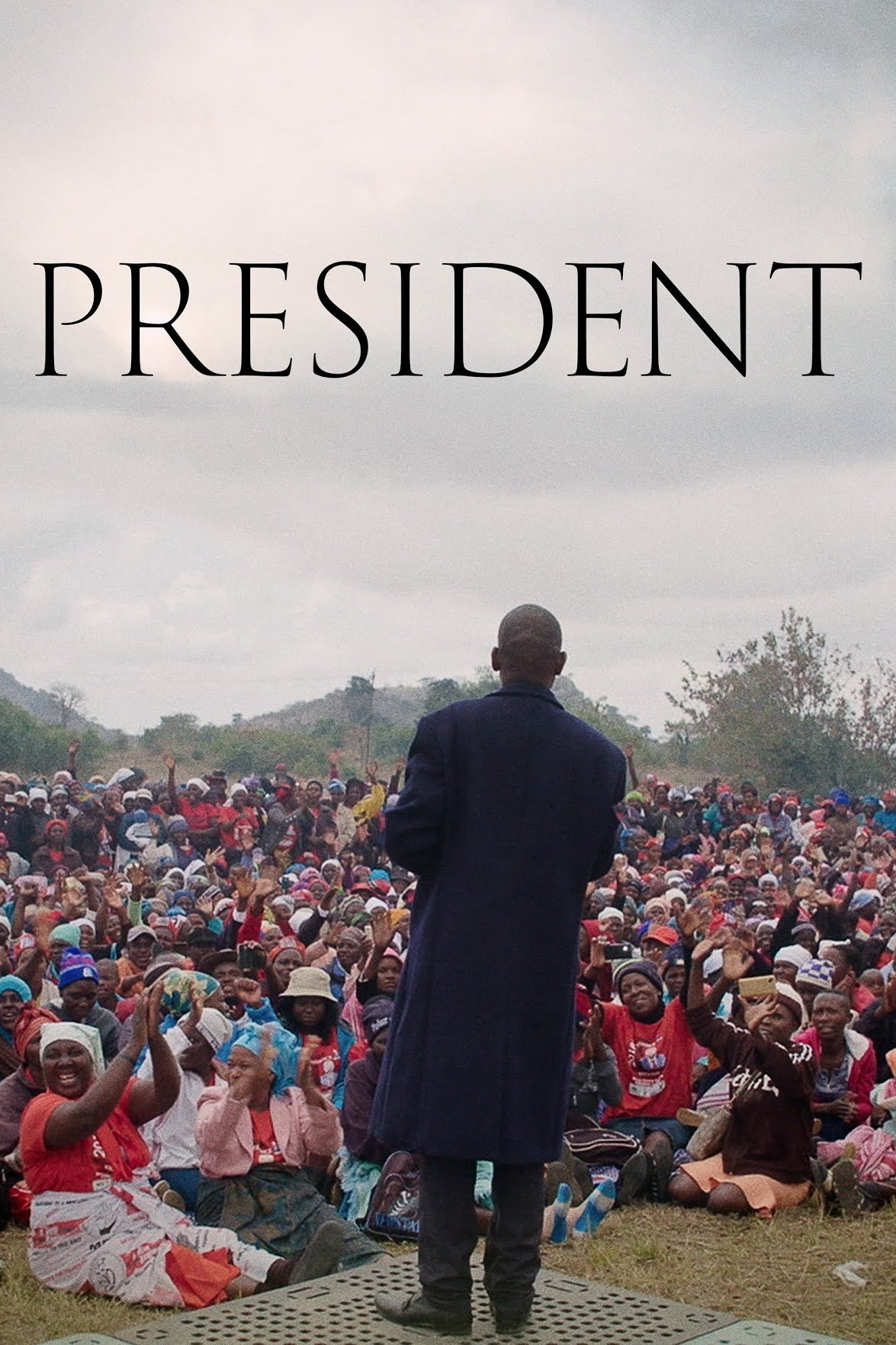
Camilla Nielsson’s documentary embeds with an opposition campaign during Zimbabwe’s contested election. It records observer missions, parallel vote tabulation, and court challenges to official results. The film captures organizing logistics, intimidation reports, and the legal avenues used to dispute tallies.
‘Softie’ (2020)
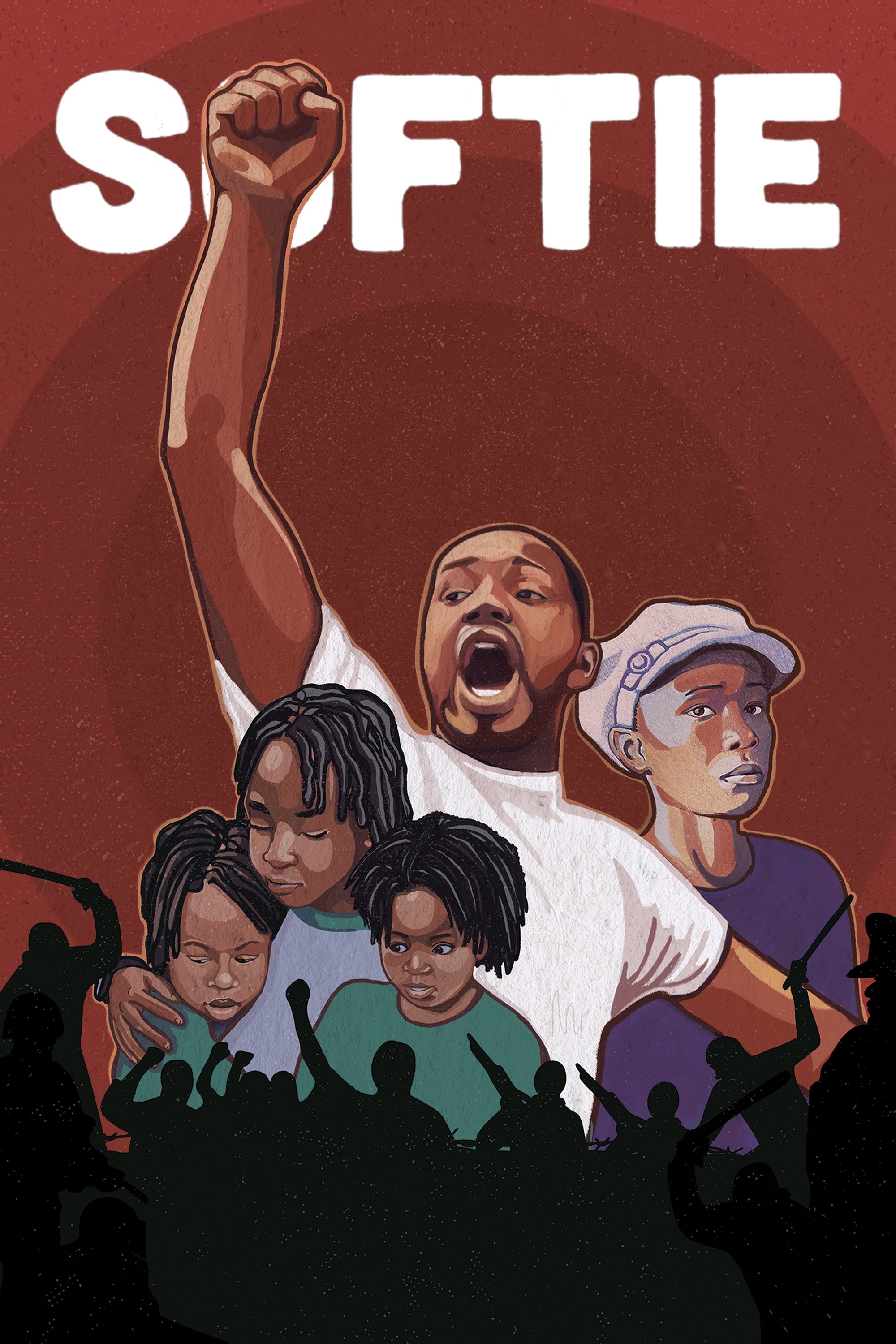
Sam Soko’s documentary follows activist Boniface Mwangi’s run for office in Kenya. It details grassroots fundraising, party negotiations, and security risks faced by reform candidates. The film shows how campaign regulations, media access, and community networks shape electoral chances.
‘Riotsville, USA’ (2022)
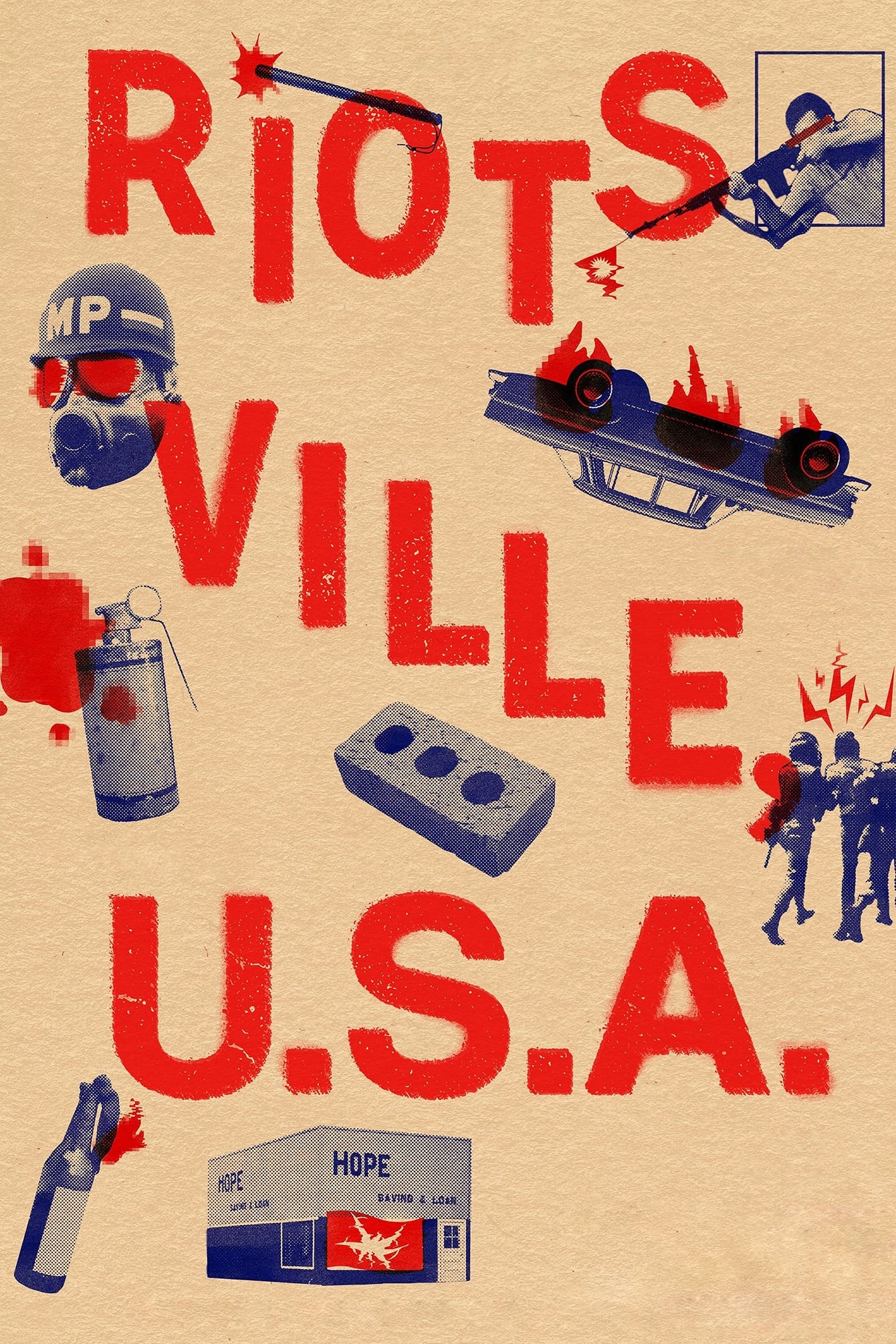
This archival documentary examines military training towns built to rehearse responses to civil unrest in the late 1960s. It analyzes doctrine development, interagency coordination, and the policy shift toward militarized policing. The film links training materials to subsequent crowd-control practices and federal funding streams.
‘Green Border’ (2023)
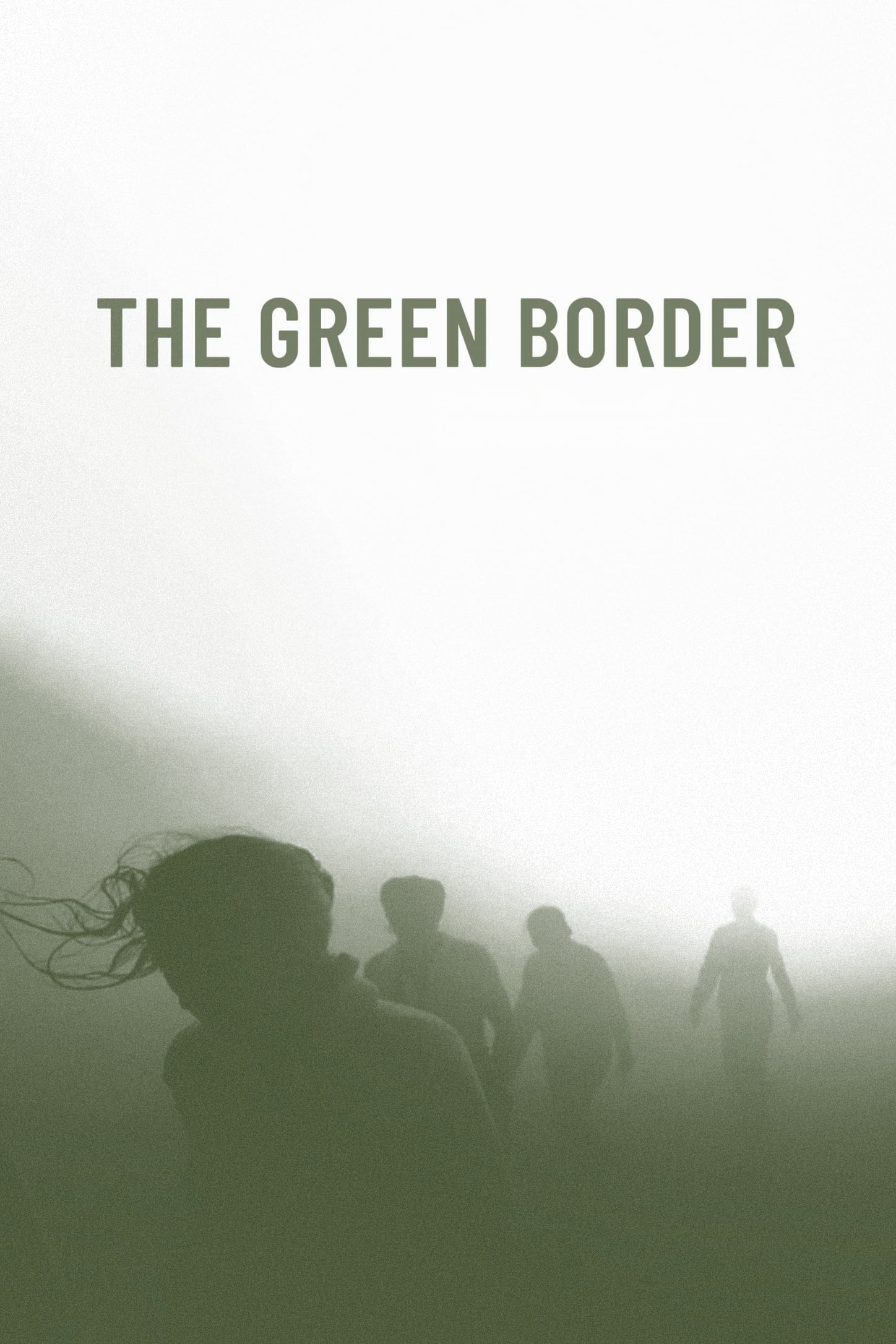
Agnieszka Holland’s drama focuses on migrants trapped in the forests between Belarus and Poland. It depicts pushback tactics, asylum processing obstacles, and jurisdictional ambiguity in border zones. The film follows activists, border guards, and families navigating legal gray areas and humanitarian aid protocols.
‘IO Capitano’ (2023)
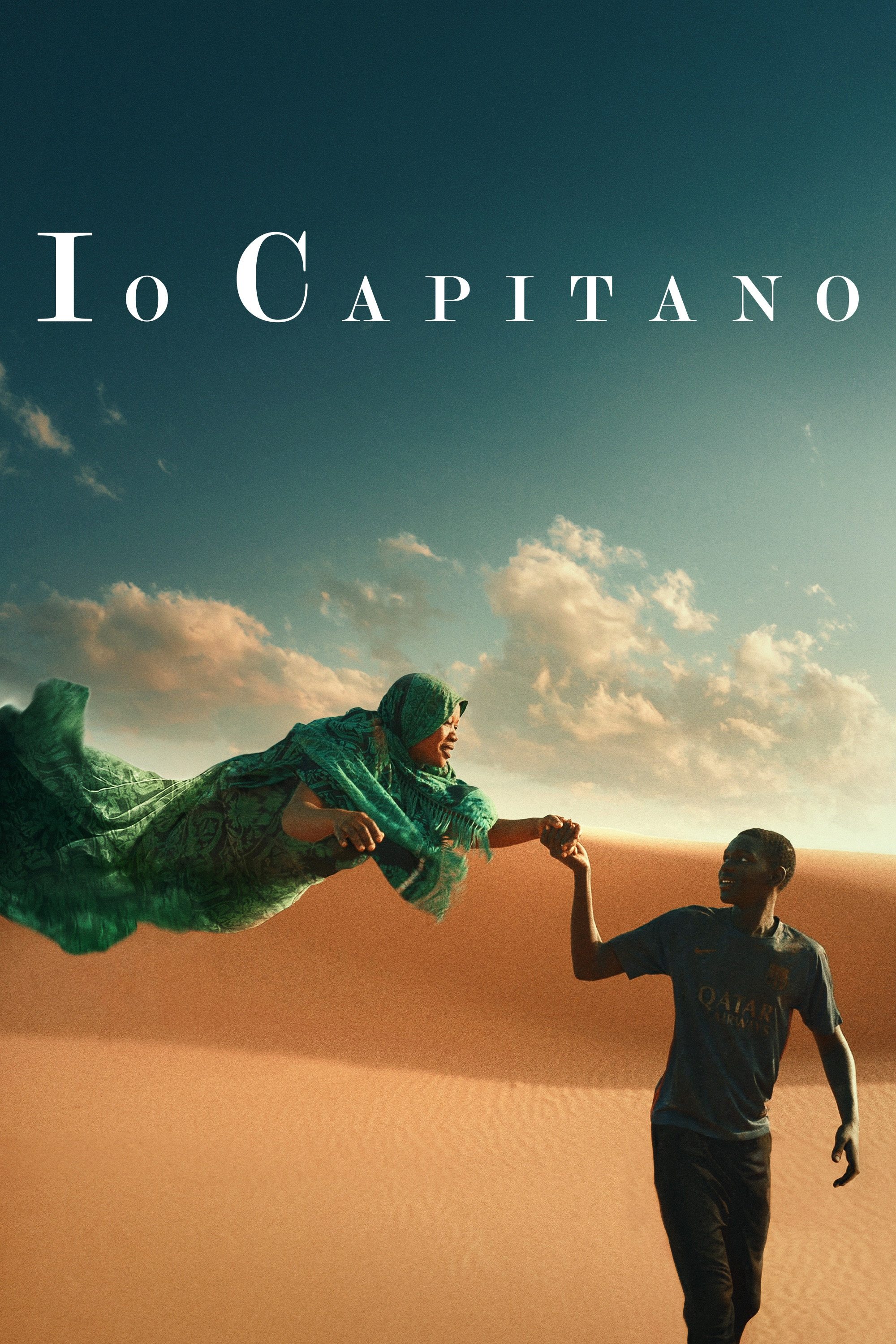
Matteo Garrone’s odyssey follows two Senegalese teenagers attempting to reach Europe. It shows smugglers’ routes, detention centers, and documentation hurdles across multiple countries. The film traces interactions with consular offices, checkpoints, and NGOs assisting migrants along the way.
’20 Days in Mariupol’ (2023)
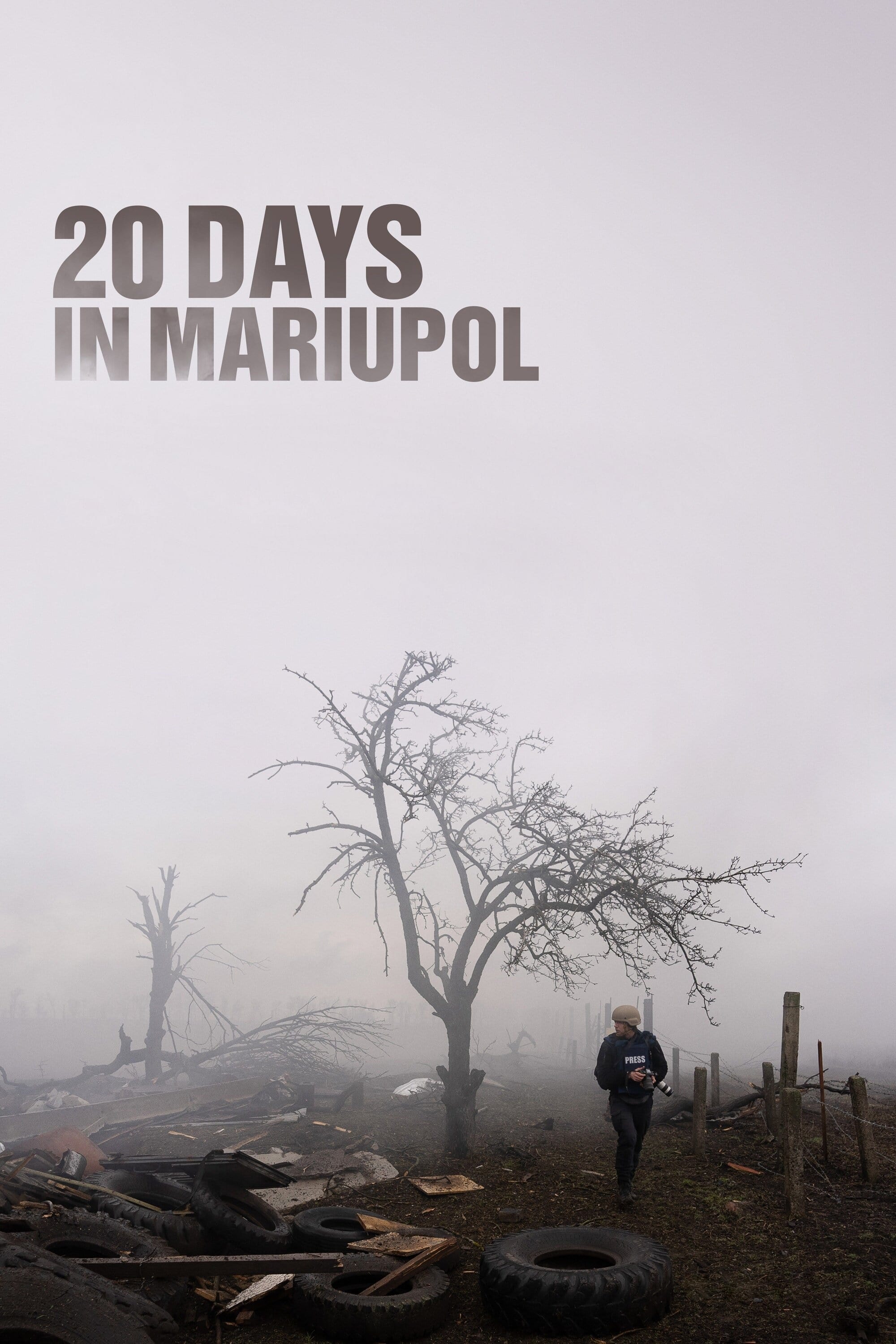
This documentary from a frontline reporting team chronicles the siege of a Ukrainian city. It records verification methods, casualty documentation, and the logistics of transmitting footage under bombardment. The film illustrates how evidence gathered by journalists feeds international awareness and accountability efforts.
‘No Bears’ (2022)

Jafar Panahi’s metafiction explores artistic restrictions, border enforcement, and community councils in rural Iran. It depicts permit systems, local adjudication rituals, and digital surveillance shaping movement and expression. The film shows how informal pressures and formal bans combine to police cultural work and migration paths.
Share your picks for political standouts from this decade in the comments and tell us what we should add next.

