


30 Movies You Just Have To Watch on the Biggest Screen Possible

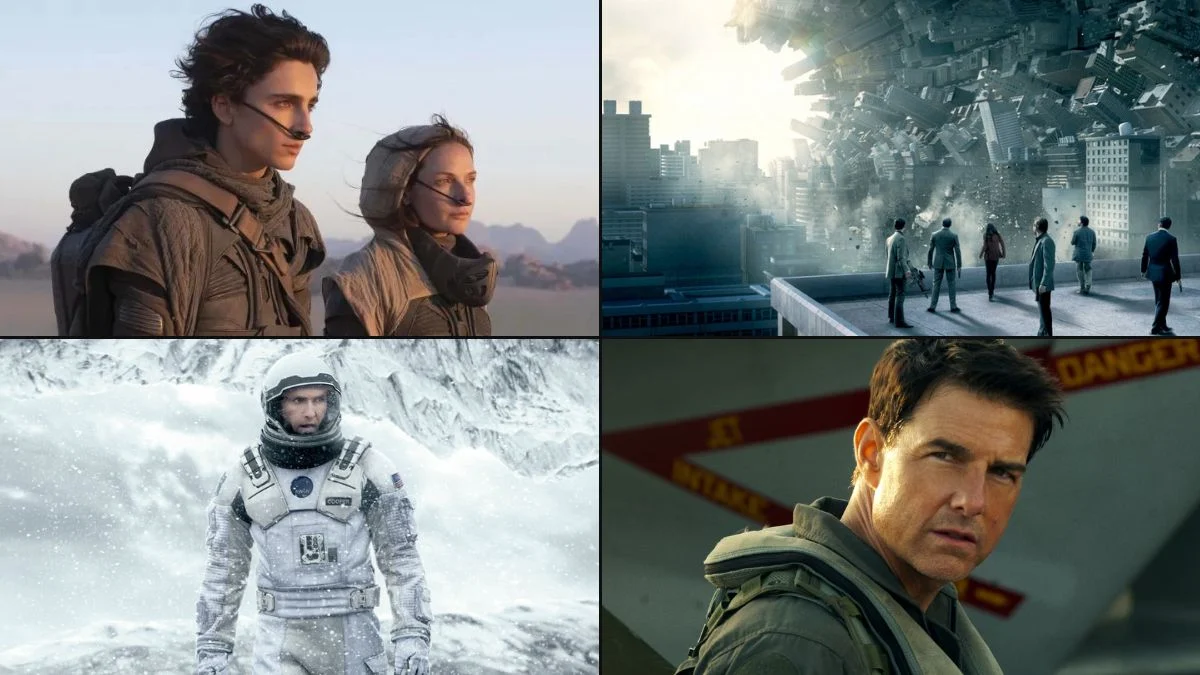


Some movies are made for a grand experience. Their huge scale, stunning visuals, and detailed sound demand a screen that can do them justice. Watching these films on a small screen, like on a laptop or phone, can mean you miss out. The director’s full vision is often lost. A big screen pulls you into the movie’s world in a way a small screen cannot. It makes the action feel bigger and the beautiful scenes more breathtaking.
The cinema experience, or a large home theater setup, is built for these kinds of films. The wide view fills your vision, and the powerful sound system makes you feel the explosions and hear the quietest whispers. From epic space journeys to huge historical battles, these movies use every inch of the screen to tell their story. This list includes 30 films that are best enjoyed on the biggest screen you can find, giving you the full, immersive experience the creators intended.
2001: A Space Odyssey (1968)
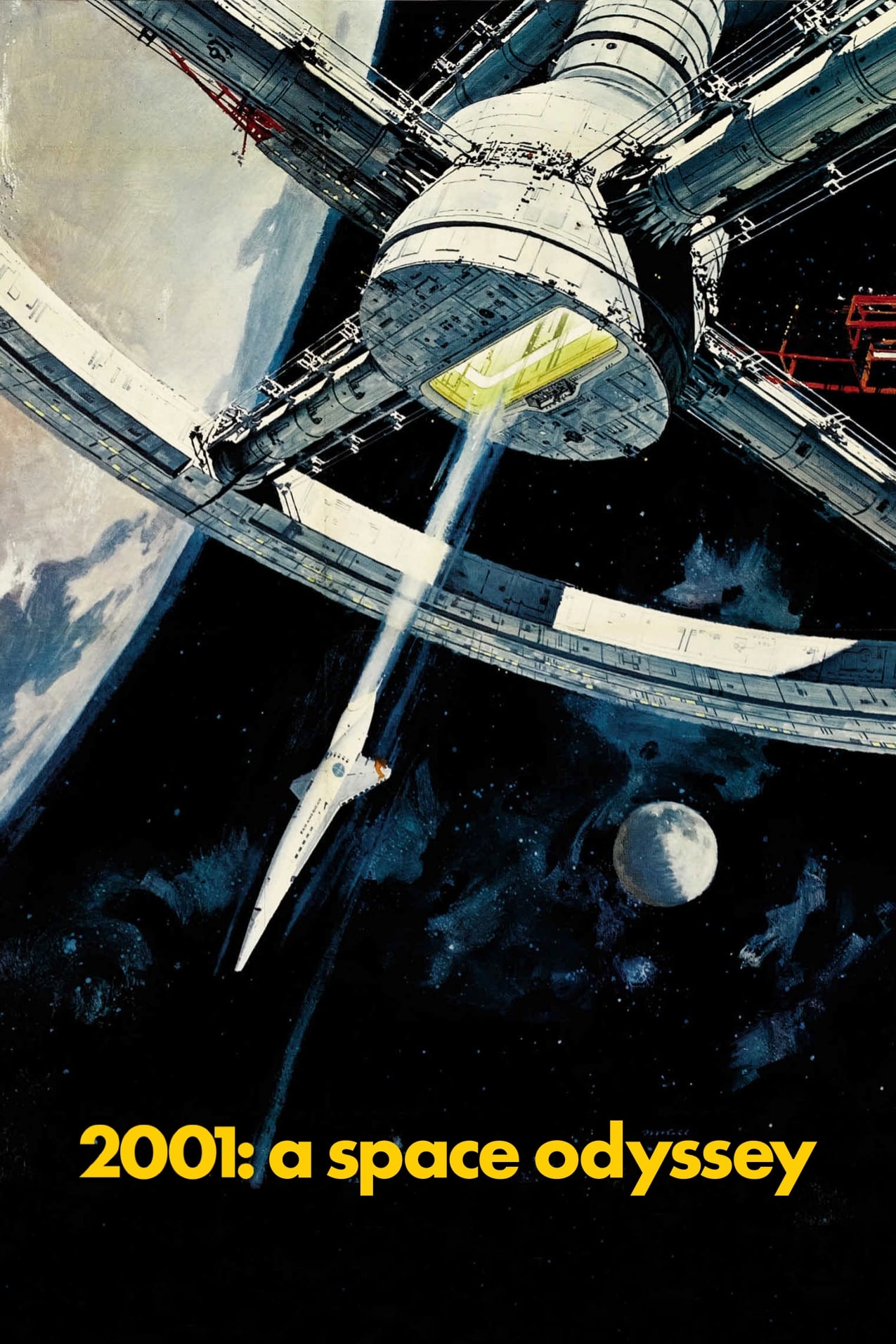
Director Stanley Kubrick created a landmark science fiction film. It is known for its incredible visual effects, which were groundbreaking for their time. The movie uses its large-format cinematography to create vast and realistic depictions of space travel. The long, quiet scenes in space are designed to make you feel the isolation and wonder of the journey.
The film’s story connects human evolution with a mysterious black monolith. From prehistoric apes to a future with artificial intelligence, the movie explores big ideas. To truly appreciate the detailed spacecraft models and the famous “Stargate” sequence, a large screen is essential. It allows the film’s visual storytelling and grand scale to have their full impact.
Lawrence of Arabia (1962)
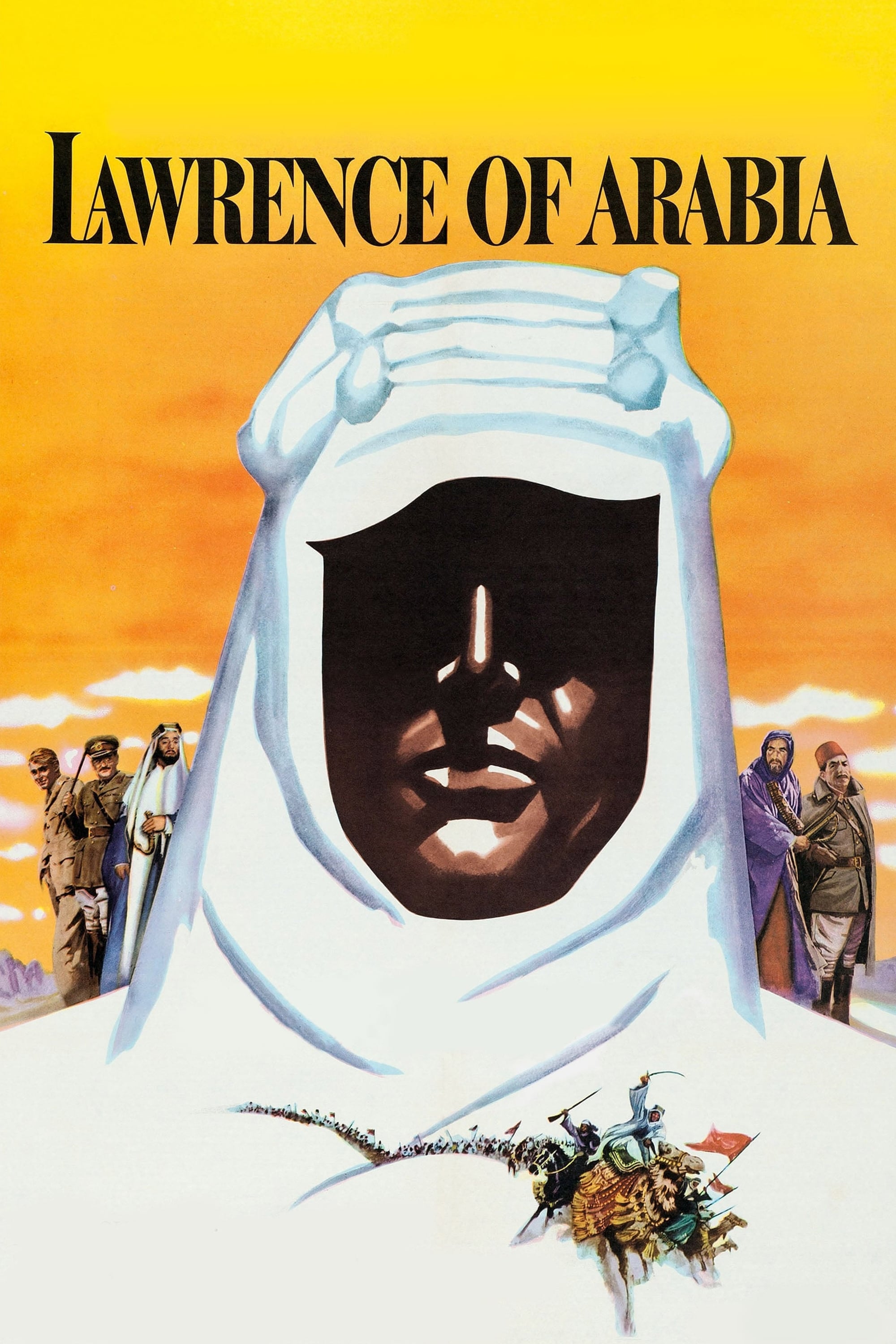
This epic film tells the story of T.E. Lawrence, a British officer during World War I. Director David Lean used wide 70mm film to capture the massive landscapes of the desert. The huge, empty spaces are a key part of the story, and a big screen is needed to show their full size and beauty.
The movie is famous for its stunning cinematography. Scenes of camel charges across the desert and the shimmering heat are visually powerful. On a large screen, the details in the huge battle scenes and the beautiful desert sunsets are much clearer. It helps you understand the scale of Lawrence’s journey and the world he lived in.
Blade Runner 2049 (2017)
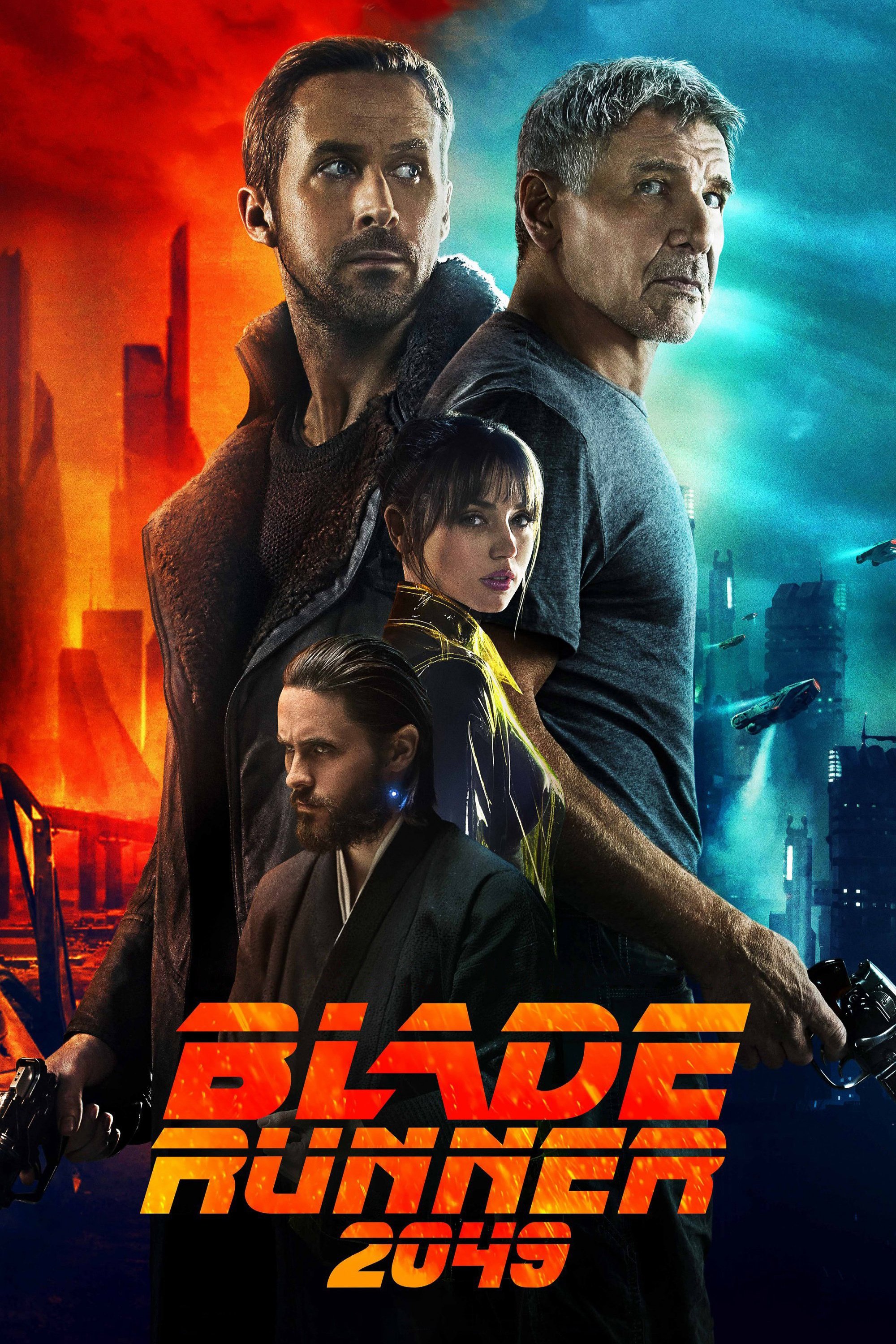
This sequel to the classic 1982 film continues the story in a visually stunning way. Director Denis Villeneuve and cinematographer Roger Deakins created a future that is both beautiful and bleak. The film’s visuals are filled with massive cityscapes, holographic advertisements, and vast, empty landscapes. These images are designed to be seen on a large scale.
The movie’s use of color, light, and shadow creates a rich and detailed world. A big screen allows you to see all the small details in the futuristic sets and environments. The film won an Oscar for its cinematography, and watching it on a big screen shows you why. It’s an immersive experience that pulls you into its unique vision of the future.
Dune (2021)
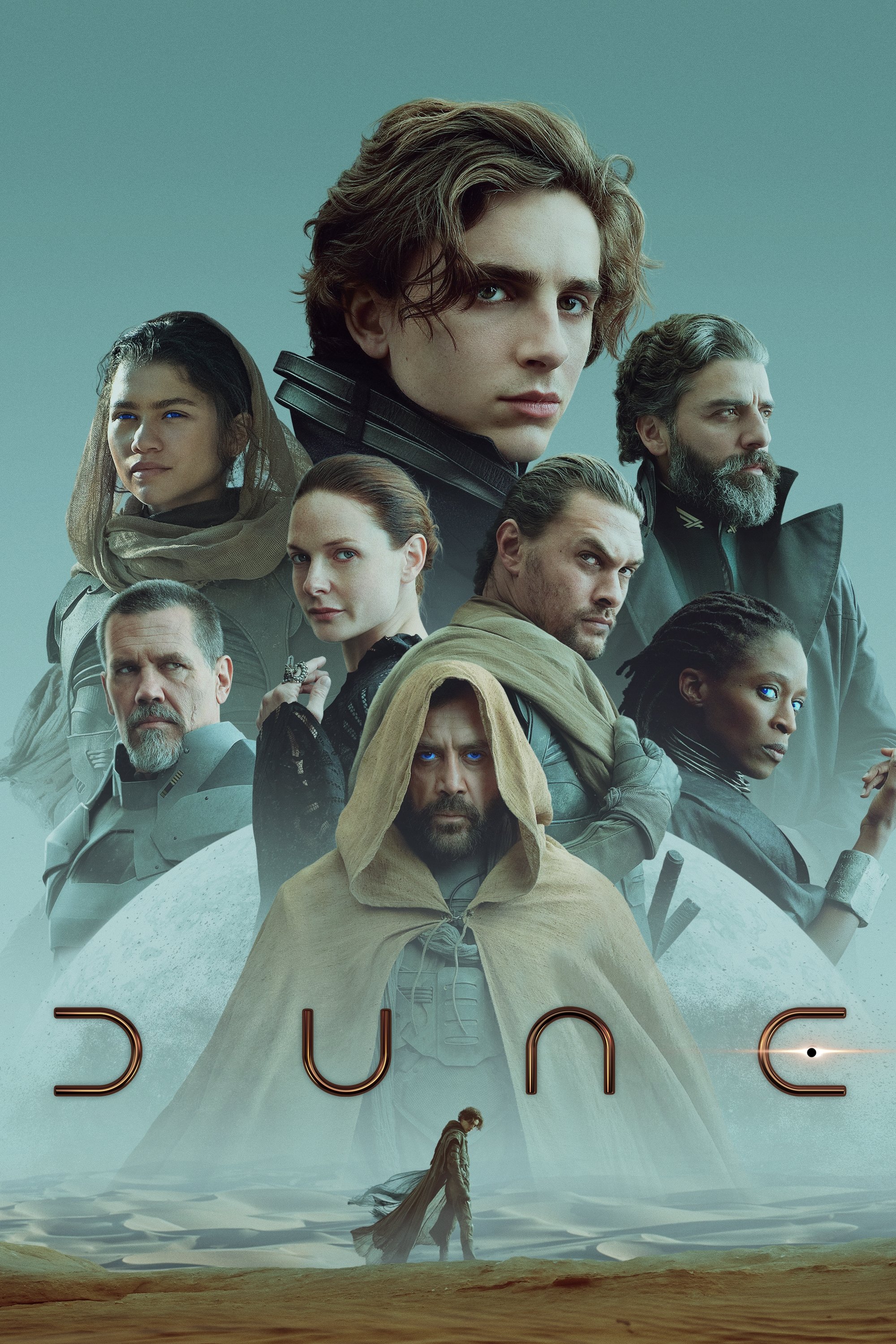
Denis Villeneuve’s adaptation of the famous science fiction novel is a film of incredible scale. It tells the story of a young nobleman on a dangerous desert planet. The movie is filled with giant spaceships, massive sandworms, and huge, sweeping landscapes. These elements were created to be seen on the biggest screen possible, particularly in the IMAX format.
The film’s sound design is just as big as its visuals. The deep, rumbling sounds of the sandworms and the roar of spaceships are meant to be felt as much as heard. A large screen and a powerful sound system are key to experiencing the epic feel of the world of Arrakis. It makes the story feel more real and immersive.
Avatar (2009)
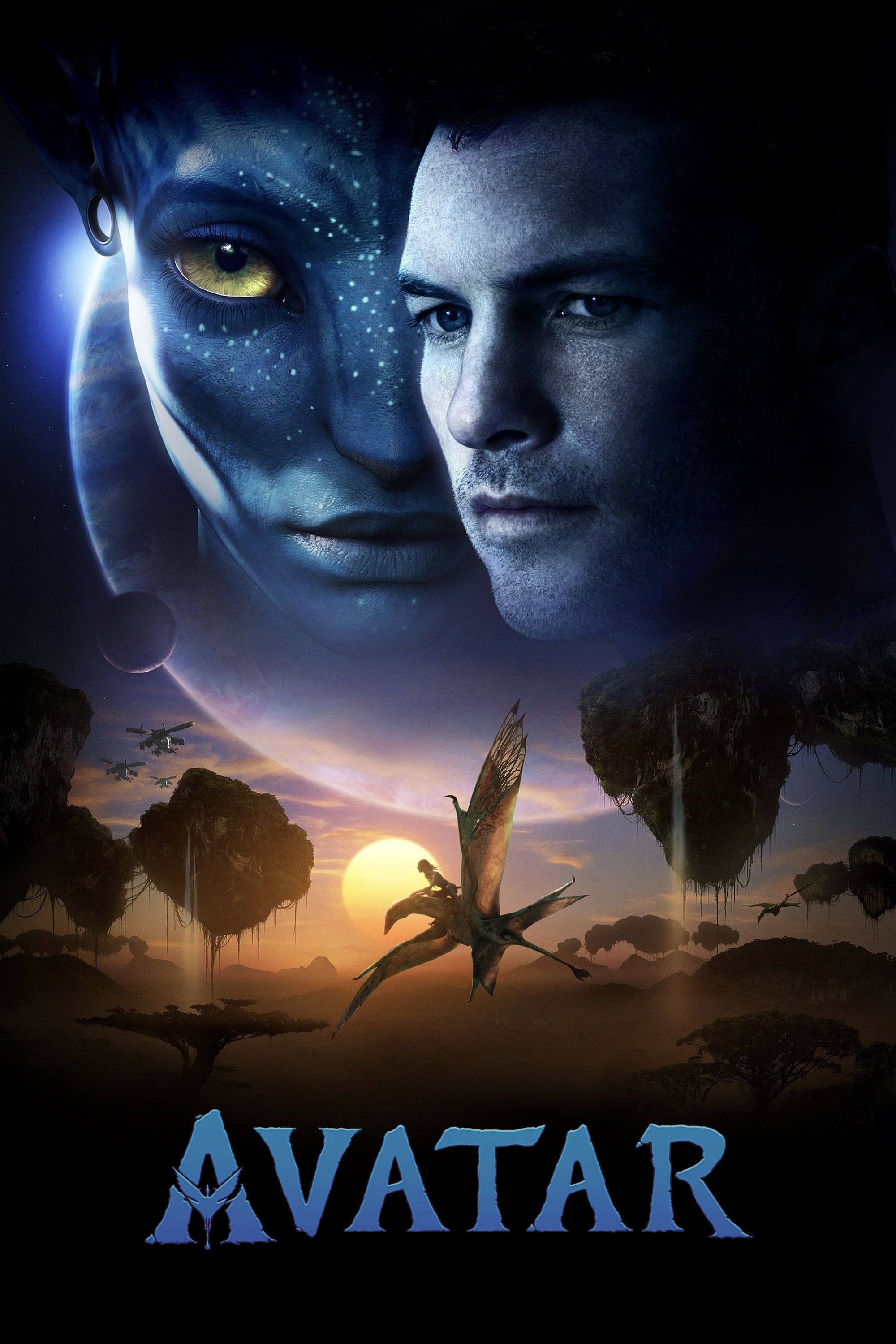
James Cameron’s “Avatar” was a revolutionary film, especially in its use of 3D technology. It transports viewers to the vibrant and detailed alien world of Pandora. The planet is filled with glowing plants, strange creatures, and floating mountains. The visuals were designed to be fully immersive, making you feel like you are really there.
A large screen is essential to appreciate the groundbreaking visual effects and the rich world-building. The flying sequences, in particular, are thrilling on a big screen, giving you a sense of freedom and movement. The film’s success was built on this immersive visual experience, and a big screen is the only way to see it as intended.
Gravity (2013)
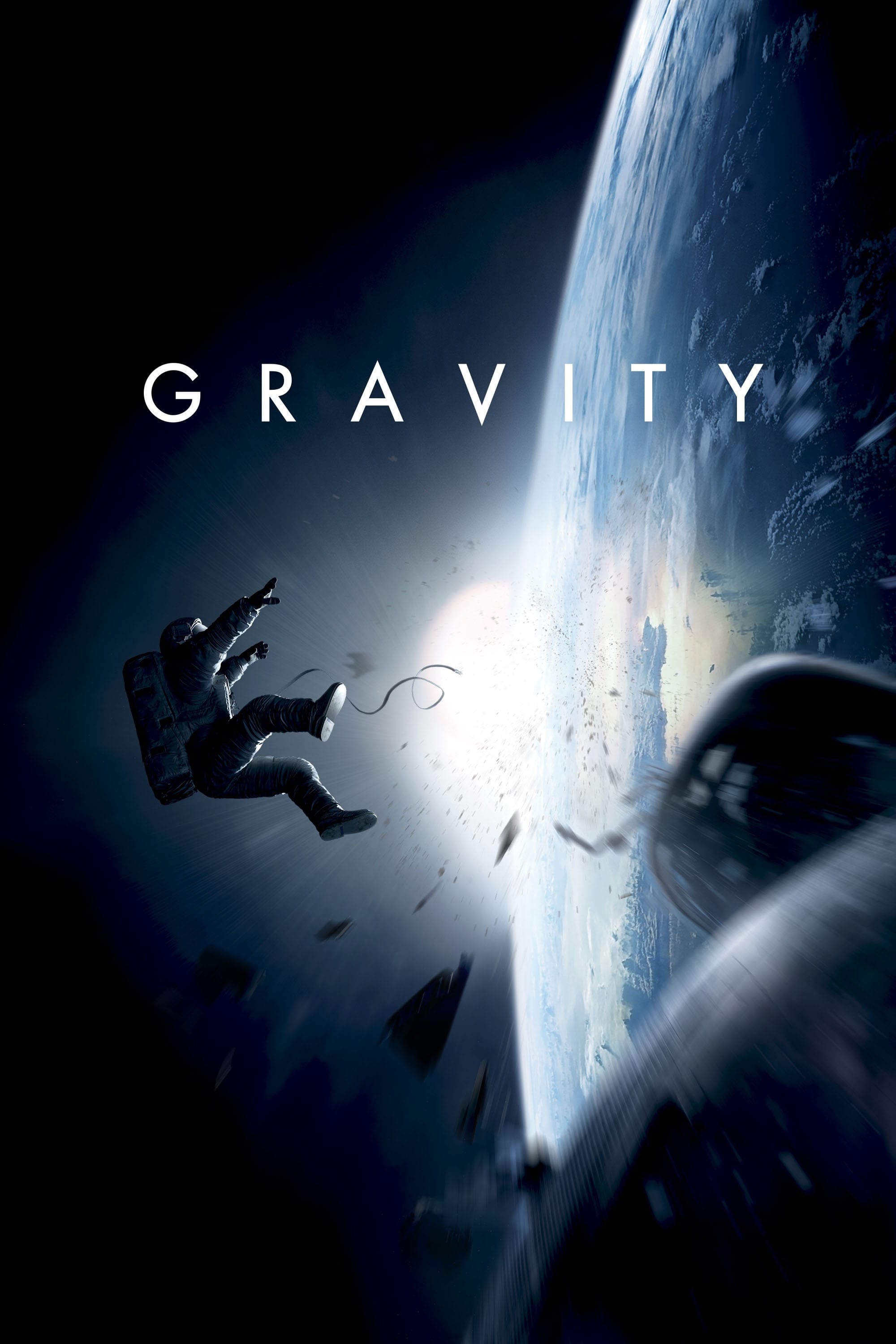
This film, directed by Alfonso Cuarón, puts you right into the terrifying experience of being stranded in space. It uses long, seamless shots to create a feeling of continuous action and suspense. The movie’s visuals show the beauty of Earth from orbit, as well as the dangers of space debris.
Watching “Gravity” on a big screen is an intense experience. The vast emptiness of space feels much more real and intimidating. When the camera spins, you feel the character’s disorientation. The film won seven Oscars, including Best Director and Best Cinematography, for its ability to make the audience feel like they are right there in space.
Mad Max: Fury Road (2015)
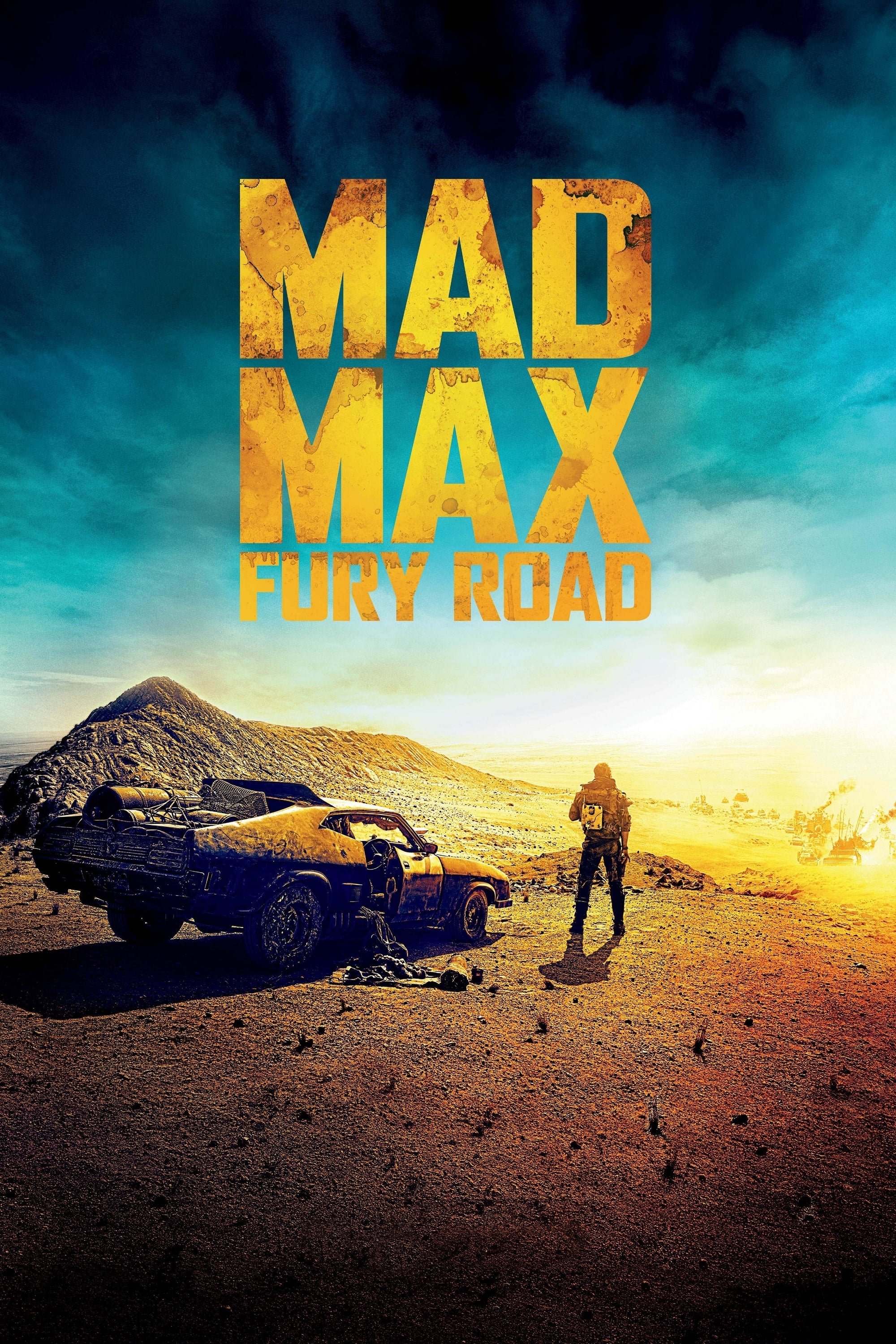
George Miller’s action masterpiece is a non-stop chase through a post-apocalyptic desert. The film is packed with practical effects, incredible stunts, and wild vehicle designs. Almost the entire movie is a single, long action sequence, and its energy is overwhelming in the best way.
The wide desert landscapes and the chaotic action scenes are meant to be seen on a large screen. The detail in the costumes, vehicles, and explosions is incredible. A big screen allows you to take in all the action happening in every part of the frame. It’s a pure cinema experience that is thrilling and visually spectacular from start to finish.
The Lord of the Rings: The Fellowship of the Ring (2001)
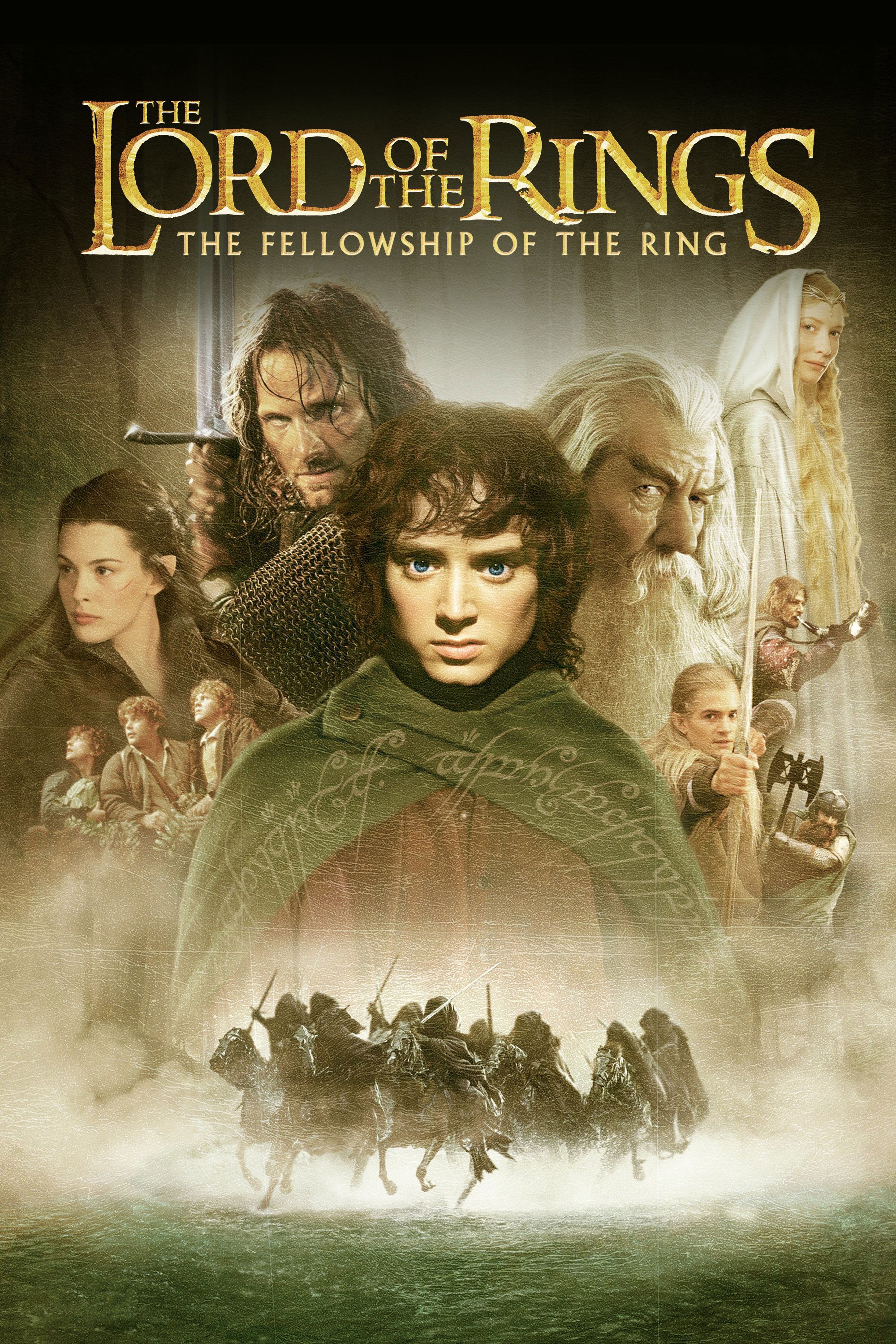
Peter Jackson’s first film in the epic trilogy brought the world of Middle-earth to life. The movie features the stunning landscapes of New Zealand, which stand in for the peaceful Shire and the dangerous mountains of Mordor. The scale of the world is a key part of the story’s magic.
From the huge underground mines of Moria to the beautiful elven city of Rivendell, the film is full of amazing sights. A large screen is needed to appreciate the grand scale of the battles and the detailed sets. The adventure feels bigger and more epic when you can see the full scope of the world these characters are traveling through.
Apocalypse Now (1979)
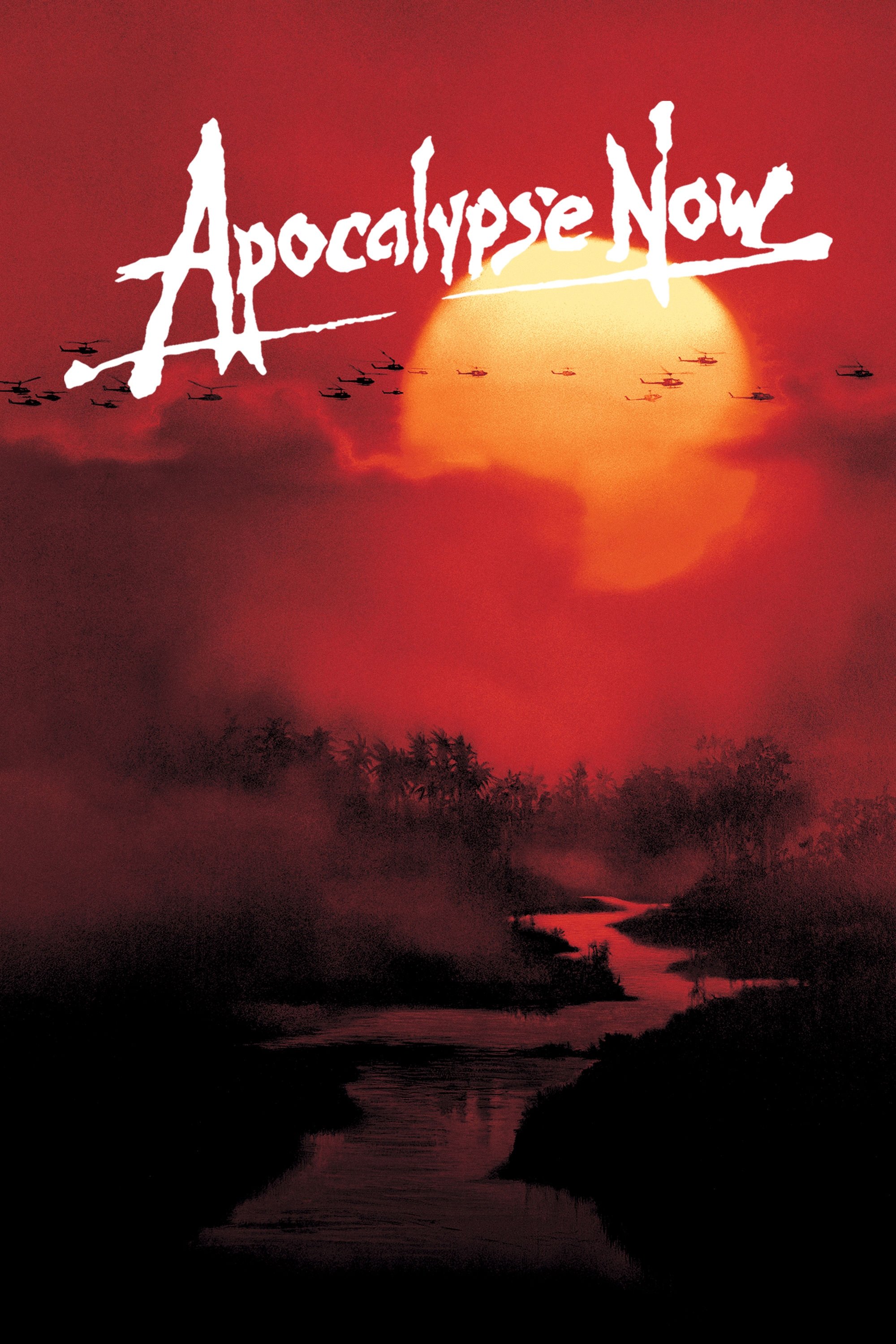
Francis Ford Coppola’s Vietnam War film is a journey into darkness. It is famous for its stunning and often surreal visuals. The movie was shot on location in the Philippines, and the jungle setting feels both beautiful and dangerous. The film’s imagery is powerful and has become iconic.
Scenes like the helicopter attack set to Wagner’s “Ride of the Valkyries” are made for the big screen. The scale of the action and the rich, widescreen cinematography create an overwhelming and immersive experience. A large screen helps to capture the film’s epic, almost dreamlike quality and its exploration of the madness of war.
The Matrix (1999)
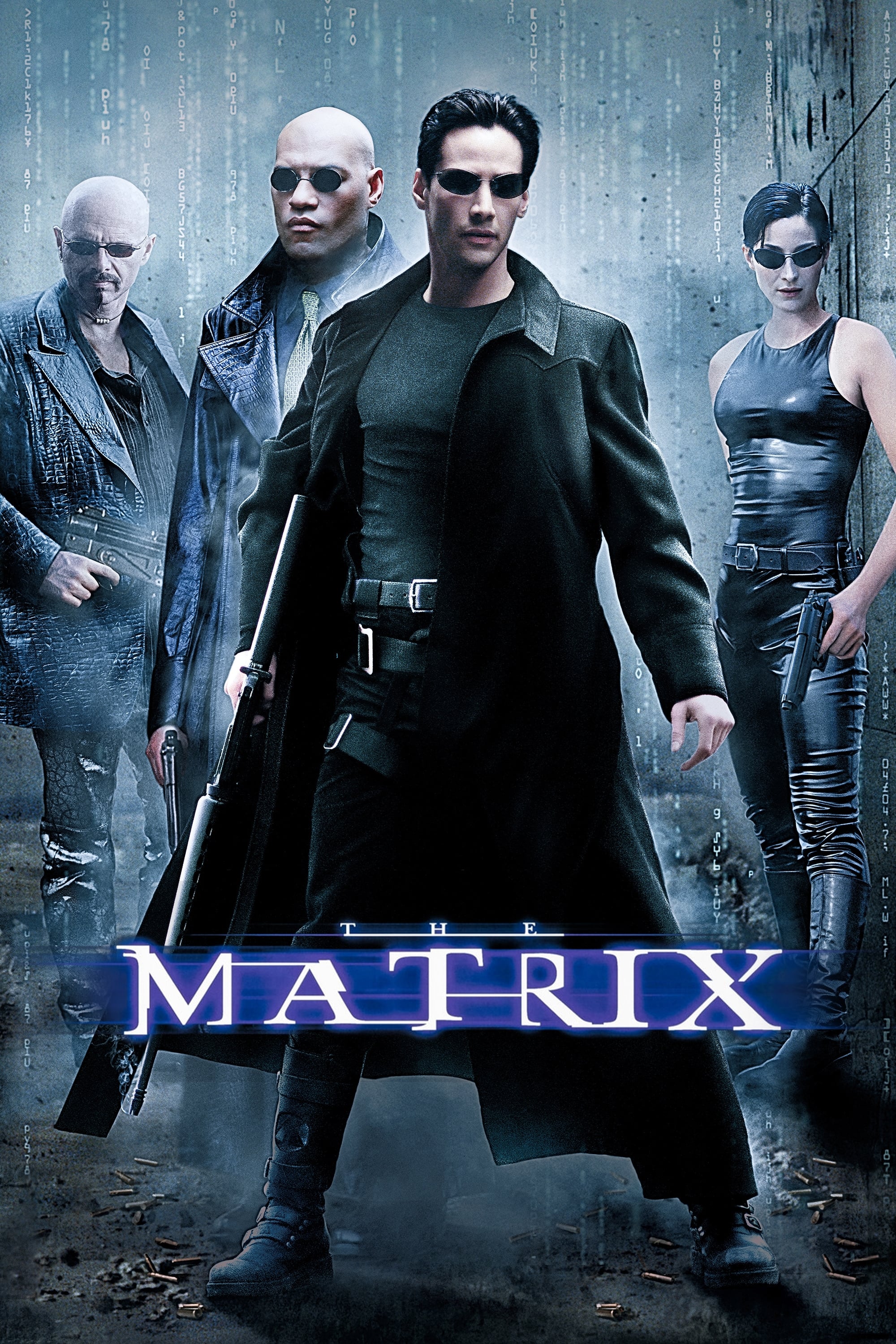
This science fiction action film redefined the genre with its innovative visual effects and complex story. The movie introduced “bullet time,” a visual effect where the action slows down while the camera appears to move at normal speed. This and other stylish action sequences made the film a huge hit.
The world of “The Matrix” is full of slick, stylized action and detailed virtual environments. A big screen enhances the impact of the groundbreaking fight scenes and visual effects. It makes the film’s reality-bending concepts more believable and exciting. The movie’s influence on action films is still felt today, and a big screen shows why it was so revolutionary.
Interstellar (2014)
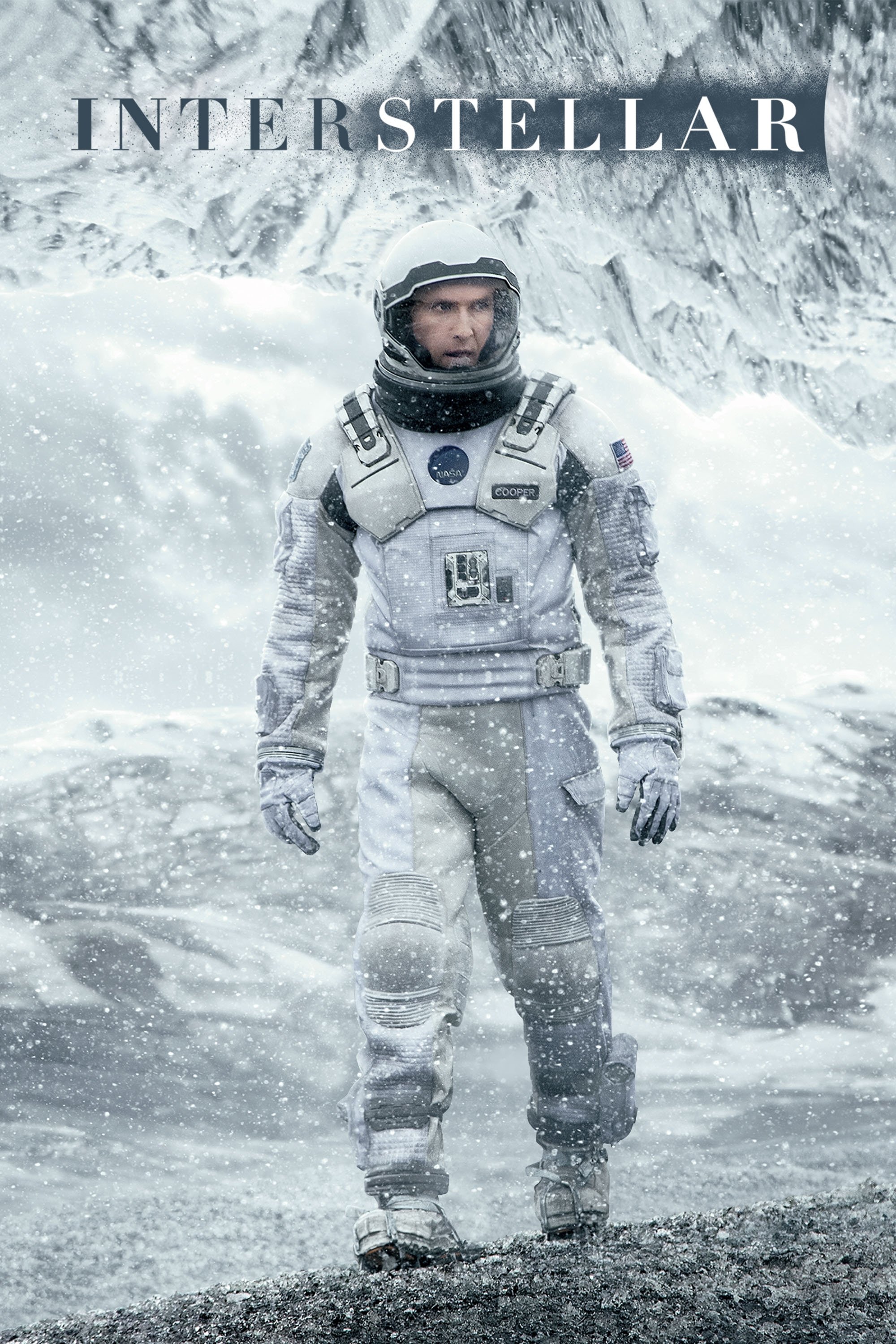
Christopher Nolan’s space epic is a story about space travel, time, and family. The film takes audiences on a journey through a wormhole to distant galaxies. It features some of the most scientifically accurate depictions of space phenomena ever put on film, like black holes and time dilation.
The movie was shot using IMAX cameras to capture the immense scale of space. The visuals of giant waves on a distant planet, or a tiny spaceship next to a massive black hole, are awe-inspiring on a large screen. It’s a film that needs a big canvas to convey the vastness and wonder of its cosmic journey.
Jurassic Park (1993)
Steven Spielberg’s adventure film brought dinosaurs to life in a way no one had ever seen before. The movie combines groundbreaking computer-generated imagery (CGI) with amazing practical effects. When the T-Rex first appears and lets out its mighty roar, it became an iconic moment in cinema history.
Seeing the dinosaurs on a big screen is essential to feeling their immense size and power. The sense of wonder and terror is much greater when the creatures tower over you. The film’s success lies in making you believe dinosaurs are real, and a big screen is the best way to experience that movie magic.
Inception (2010)
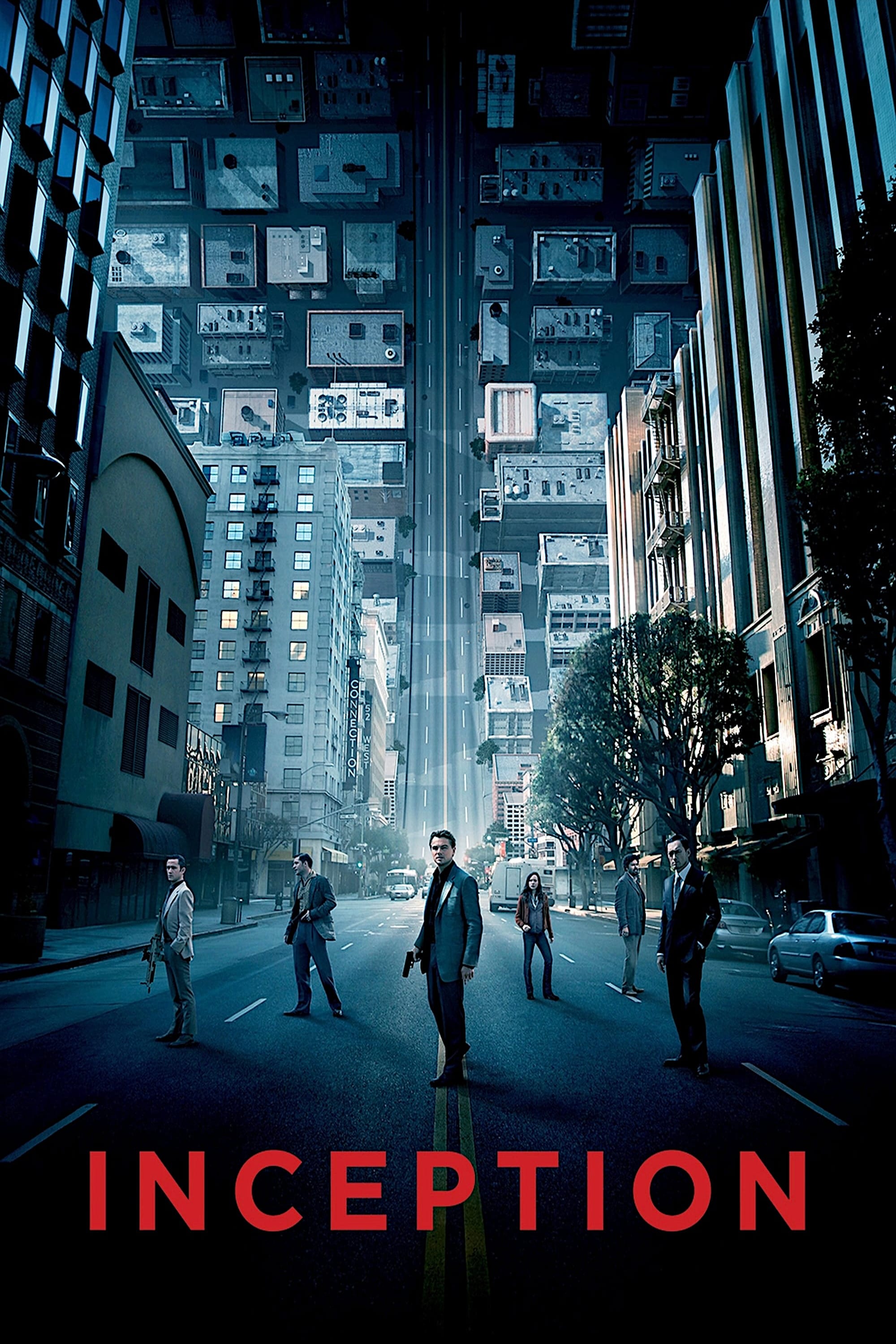
Christopher Nolan’s mind-bending thriller is about a team that enters people’s dreams to steal ideas. The film is known for its complex plot and stunning visual effects. It features surreal scenes like a city street folding in on itself and fights in a zero-gravity hotel hallway.
These imaginative sequences are designed for a big screen. The scale of the dream worlds and the intricate action scenes are more impressive and easier to follow on a larger display. The film’s visuals are a key part of its storytelling, and a big screen helps you get lost in its complex and creative world.
Spider-Man: Into the Spider-Verse (2018)
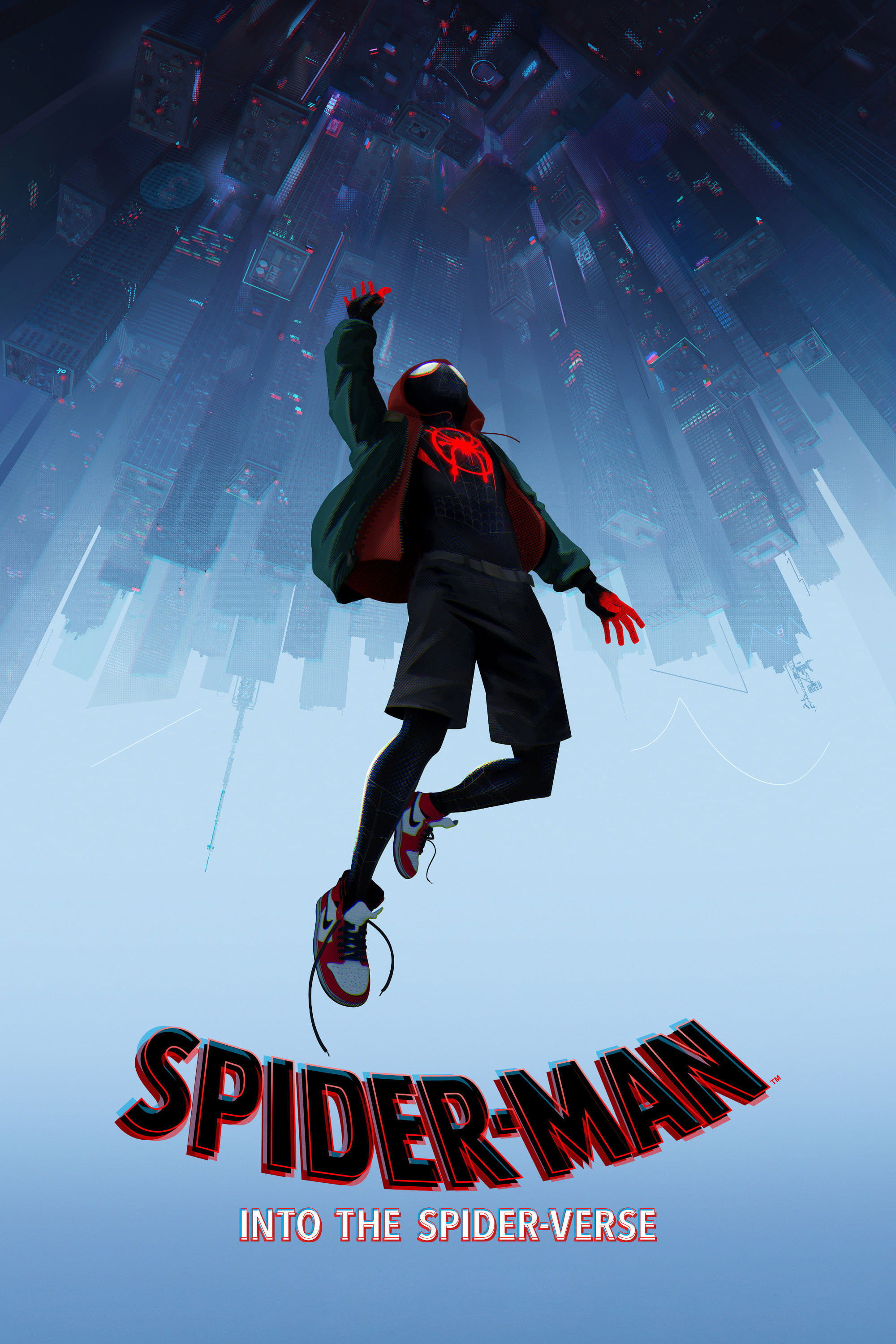
This animated film is a visual masterpiece. It uses a unique animation style that looks like a living comic book. The movie is full of vibrant colors, creative layouts, and different animation techniques for each of the Spider-heroes. The result is a film that feels fresh and exciting.
The fast-paced action and detailed animation are best appreciated on a big screen. You can see all the small details, like the comic book-style text and paneling, that make the film so special. It’s a visually rich experience that pushes the boundaries of what animation can do, and it deserves to be seen in all its colorful glory.
Top Gun: Maverick (2022)
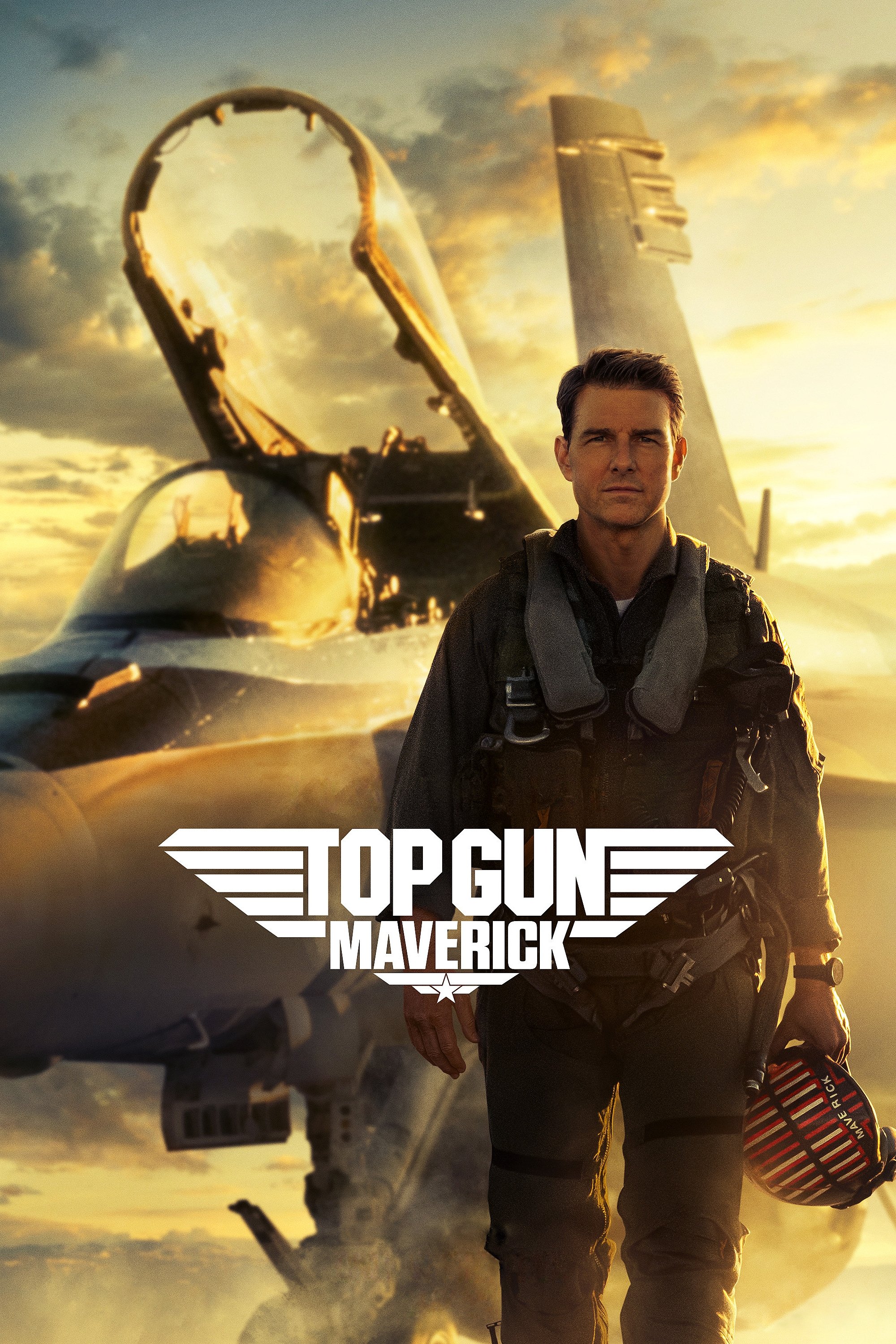
This sequel to the 1986 classic takes aerial action to a new level. Tom Cruise and the other actors really flew in fighter jets to capture the intense experience. The film features some of the most thrilling and realistic flight sequences ever filmed, putting the audience right in the cockpit.
The movie was shot with IMAX cameras, and the flying scenes fill the entire screen. On a big screen, you can feel the speed and power of the jets as they perform incredible maneuvers. The sound design is also powerful, with roaring engines that shake the room. It’s a pure adrenaline rush that is made for the biggest screen available.
The Revenant (2015)
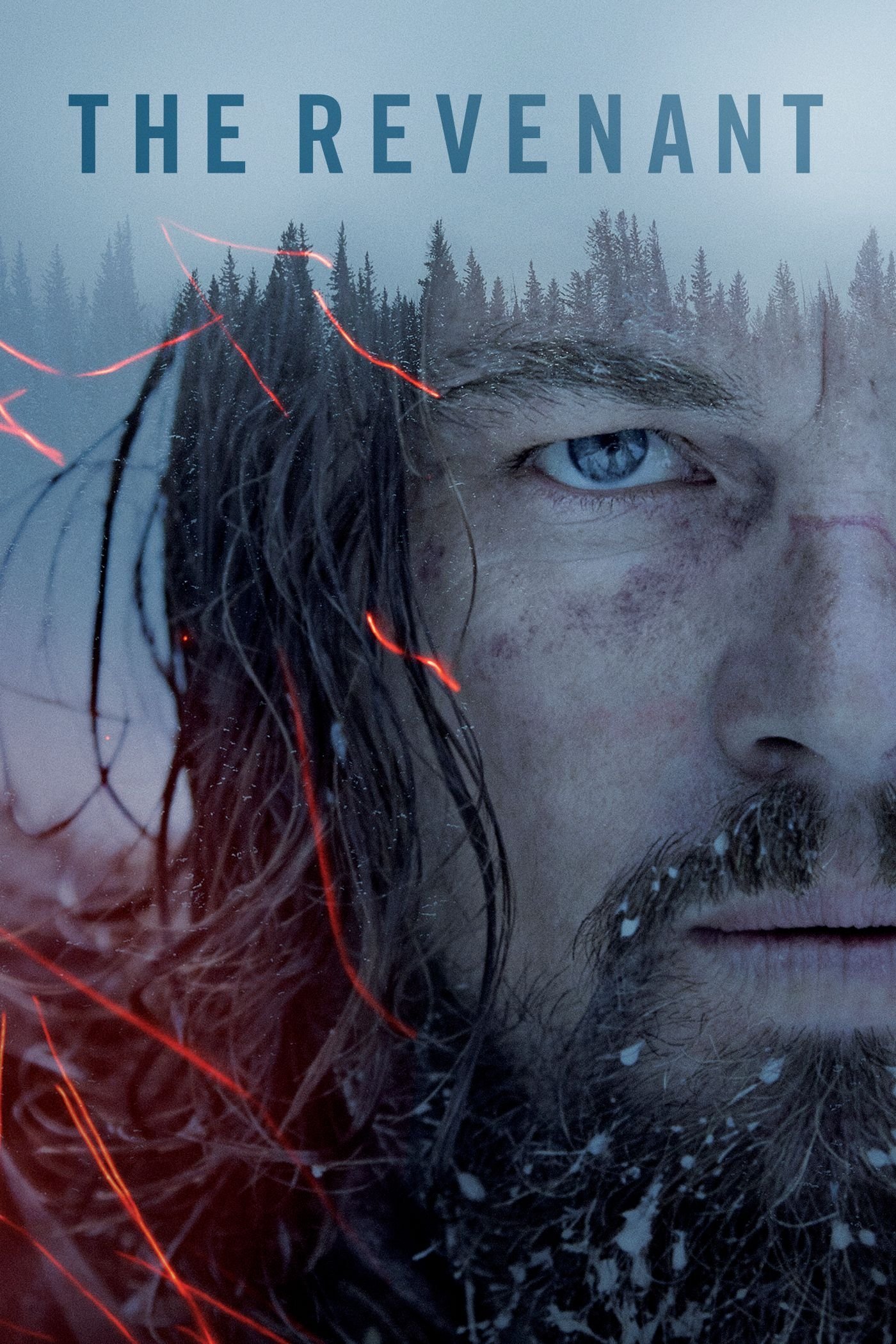
This survival film tells the story of a frontiersman left for dead after a bear attack. Director Alejandro G. Iñárritu and cinematographer Emmanuel Lubezki shot the movie using only natural light in the harsh wilderness. The result is a film that looks incredibly beautiful and realistic.
The wide, unforgiving landscapes are a central part of the story. A big screen allows you to appreciate the stunning natural beauty and feel the character’s isolation. The film’s long, continuous takes, including the intense bear attack scene, are more immersive on a large screen, pulling you into the brutal and beautiful world.
Life of Pi (2012)
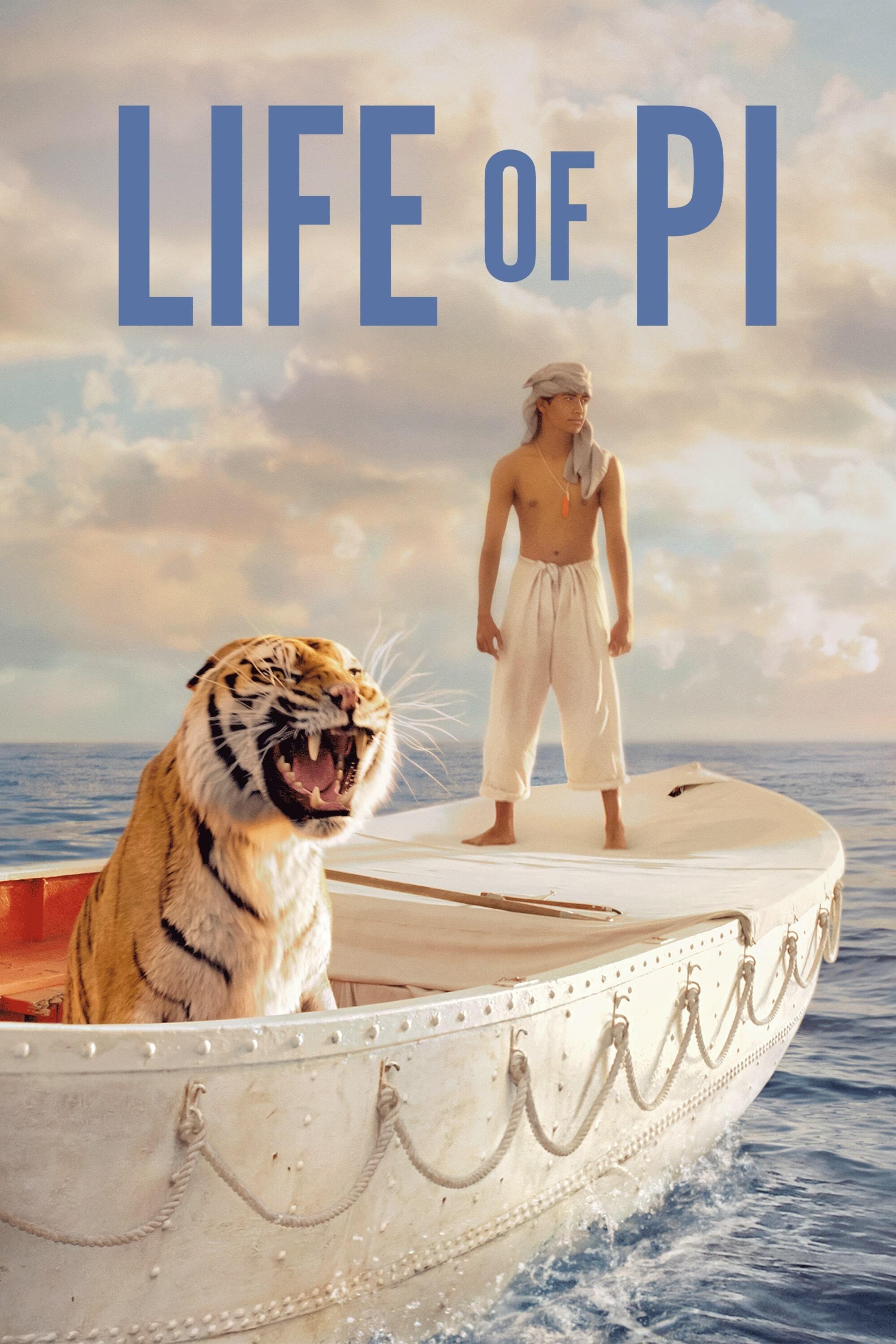
Ang Lee’s film is a beautiful story of a young man who survives a shipwreck and is stranded on a lifeboat with a Bengal tiger. The movie is a visual marvel, using stunning CGI to create the tiger and the incredible ocean environments. It won the Oscar for Best Visual Effects.
The film’s use of 3D and vibrant colors creates a magical, dreamlike world. Scenes like the glowing whale or the sky full of stars reflected on the calm ocean are breathtaking. A big screen is needed to fully appreciate the artistry and beauty of the visuals, which are a huge part of the film’s emotional impact.
Tron: Legacy (2010)
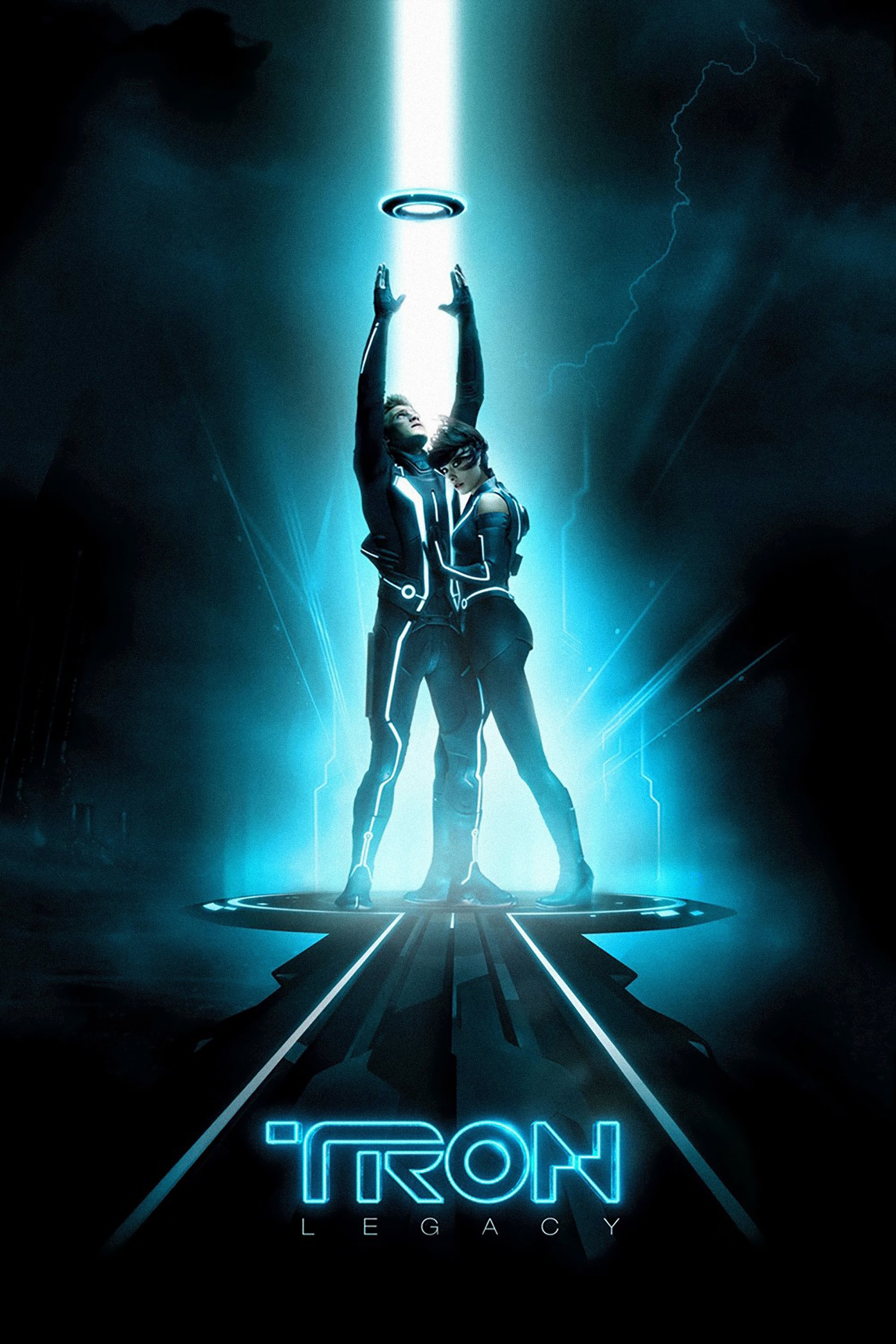
This sequel is a feast for the eyes and ears. It takes place inside a digital world that is sleek, dark, and glowing with neon lights. The film’s visual design is unique and stylish, from the light cycles that leave trails of light to the costumes and architecture of the digital frontier.
The electronic music score by Daft Punk is perfectly matched with the visuals, creating a powerful and immersive experience. The movie was designed to be seen in 3D on a large screen, where the digital world feels more vast and real. It’s a cool and stylish film where the atmosphere and design are the main attractions.
Dunkirk (2017)
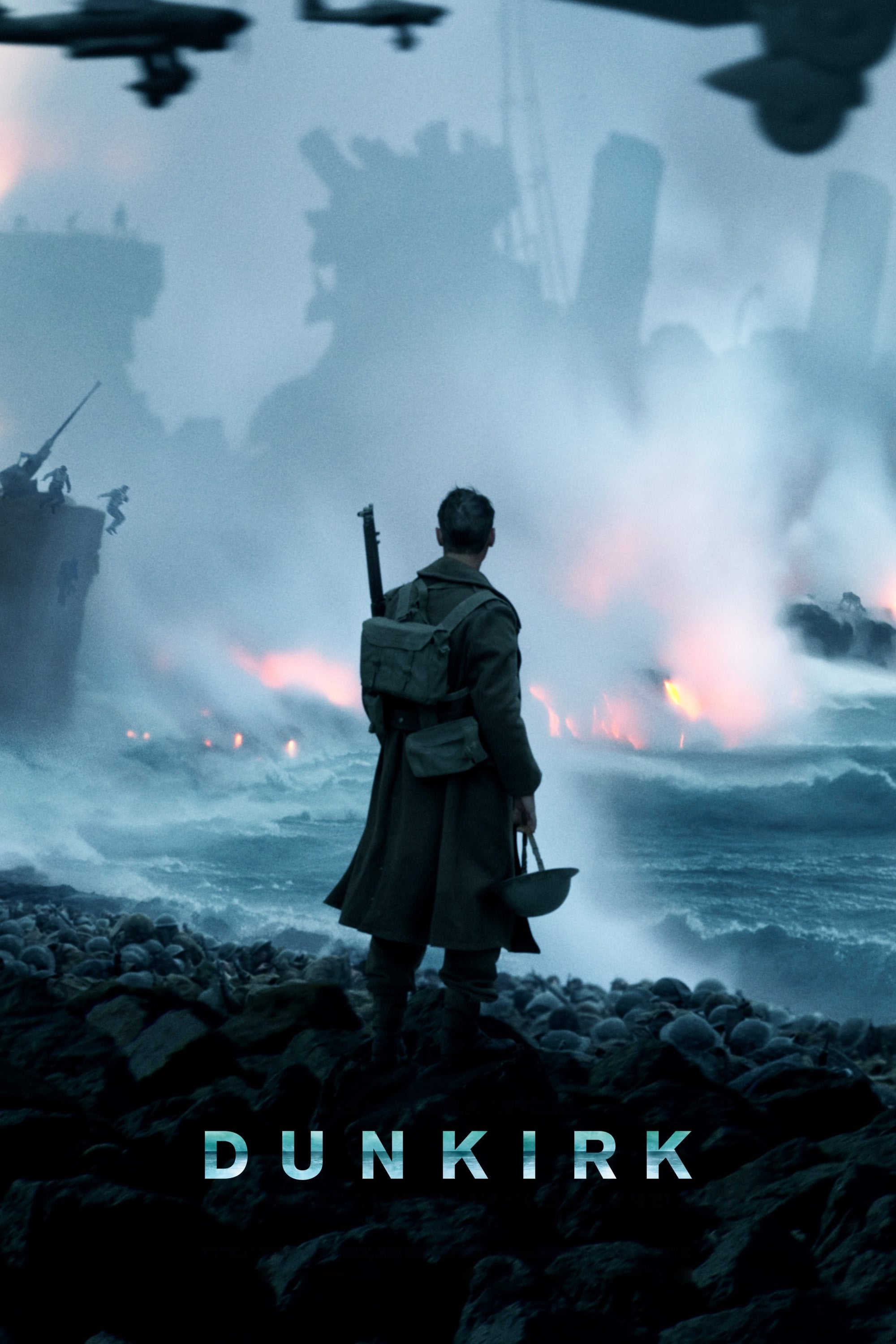
Christopher Nolan’s World War II film tells the story of the evacuation of Allied soldiers from the beaches of Dunkirk. The movie is an intense and suspenseful experience, told from three different perspectives: land, sea, and air. It was shot on large-format IMAX film to create a sense of scale and immersion.
On a big screen, the film is an overwhelming experience. The wide shots of the beach with thousands of soldiers and the thrilling aerial dogfights feel incredibly real. The sound design is also a major part of the film, with the constant ticking of a watch creating tension. It’s a film that puts you right in the middle of the historical event.
Hero (2002)
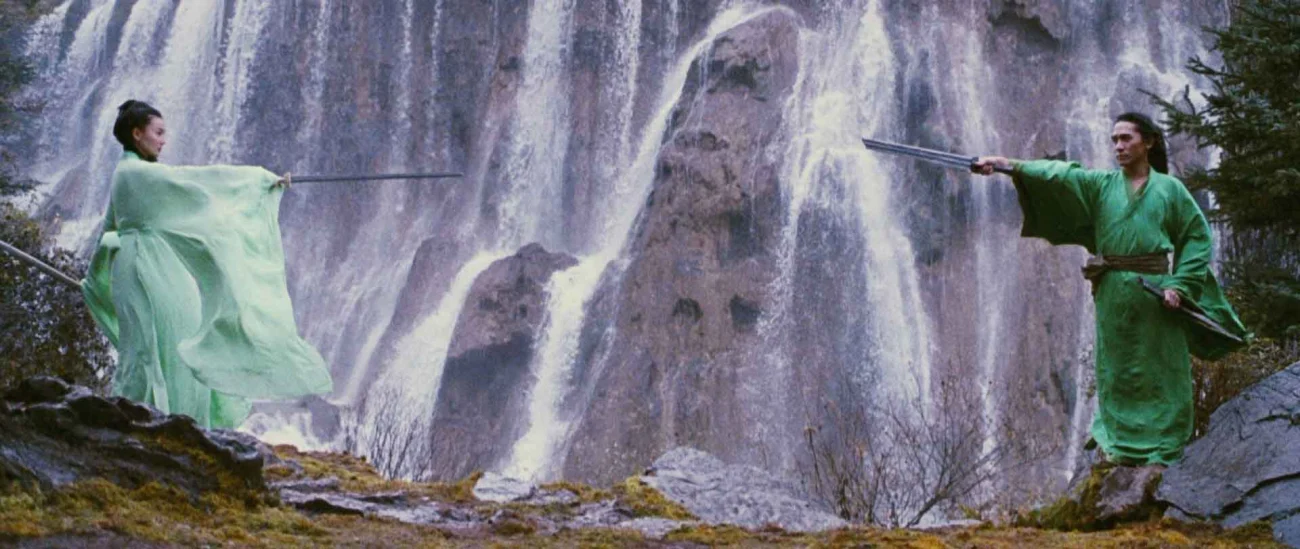
This Chinese martial arts film, directed by Zhang Yimou, is known for its stunning use of color. The story is told from different perspectives, and each version of the tale has its own distinct color palette. The visuals are incredibly beautiful and artistic, from the fight scenes in a forest of golden leaves to a battle on a calm lake.
The film’s fight choreography is like a dance, and the cinematography is breathtaking. A big screen allows the vibrant colors and epic visuals to have their full effect. It’s a work of art where every frame is carefully composed, and its beauty is best appreciated on a large canvas.
The Grand Budapest Hotel (2014)
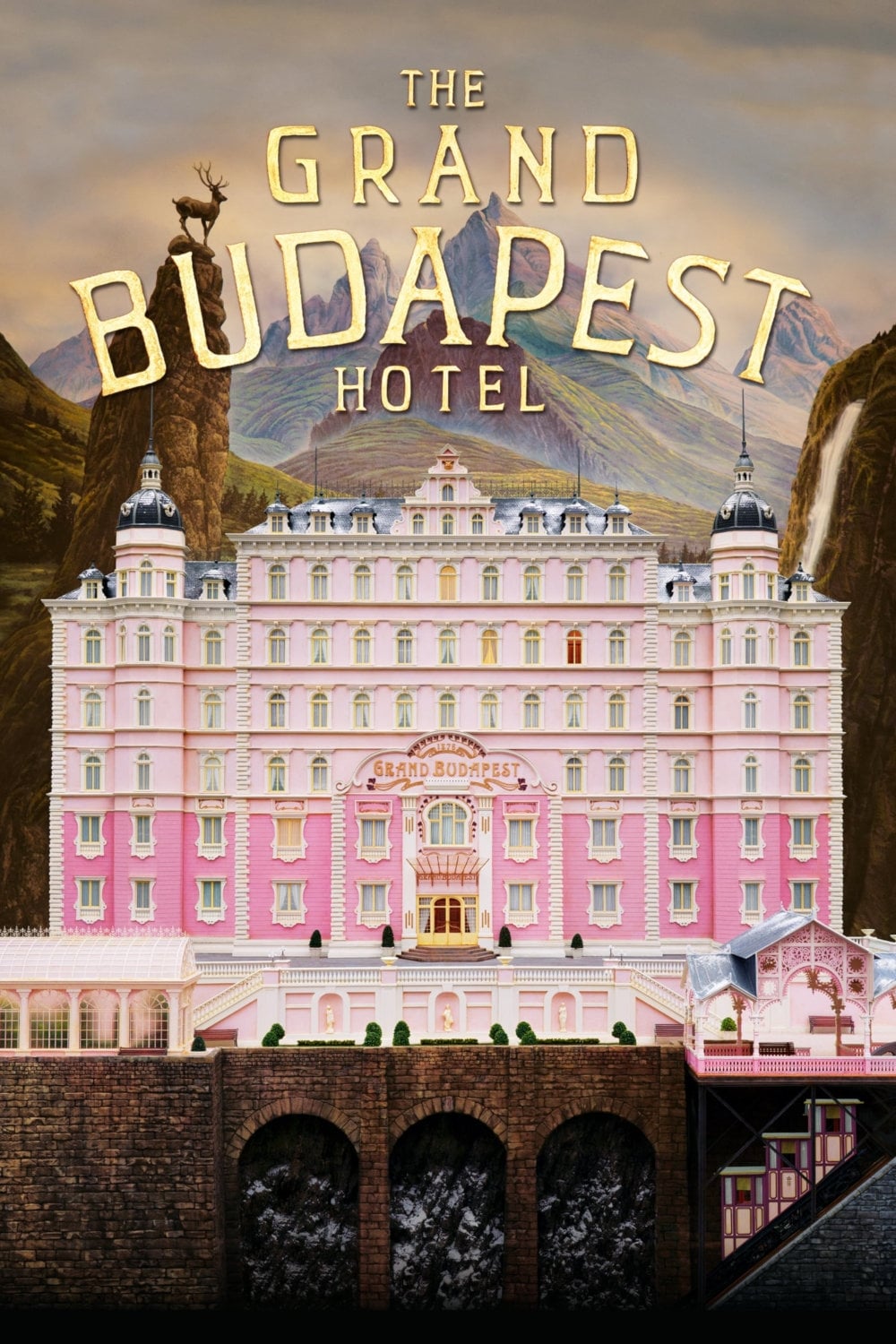
Wes Anderson is known for his unique and symmetrical visual style, and this film is one of his best. The movie is full of perfectly framed shots, detailed miniature models, and beautiful pastel colors. The story is a charming and funny adventure set in a fictional European country.
A big screen allows you to appreciate all the tiny details that Anderson packs into every frame. The film also cleverly changes its aspect ratio (the shape of the screen) to represent different time periods in the story. It’s a visually inventive film that is a treat to watch on a large display, where its quirky charm can be fully seen.
Doctor Strange (2016)
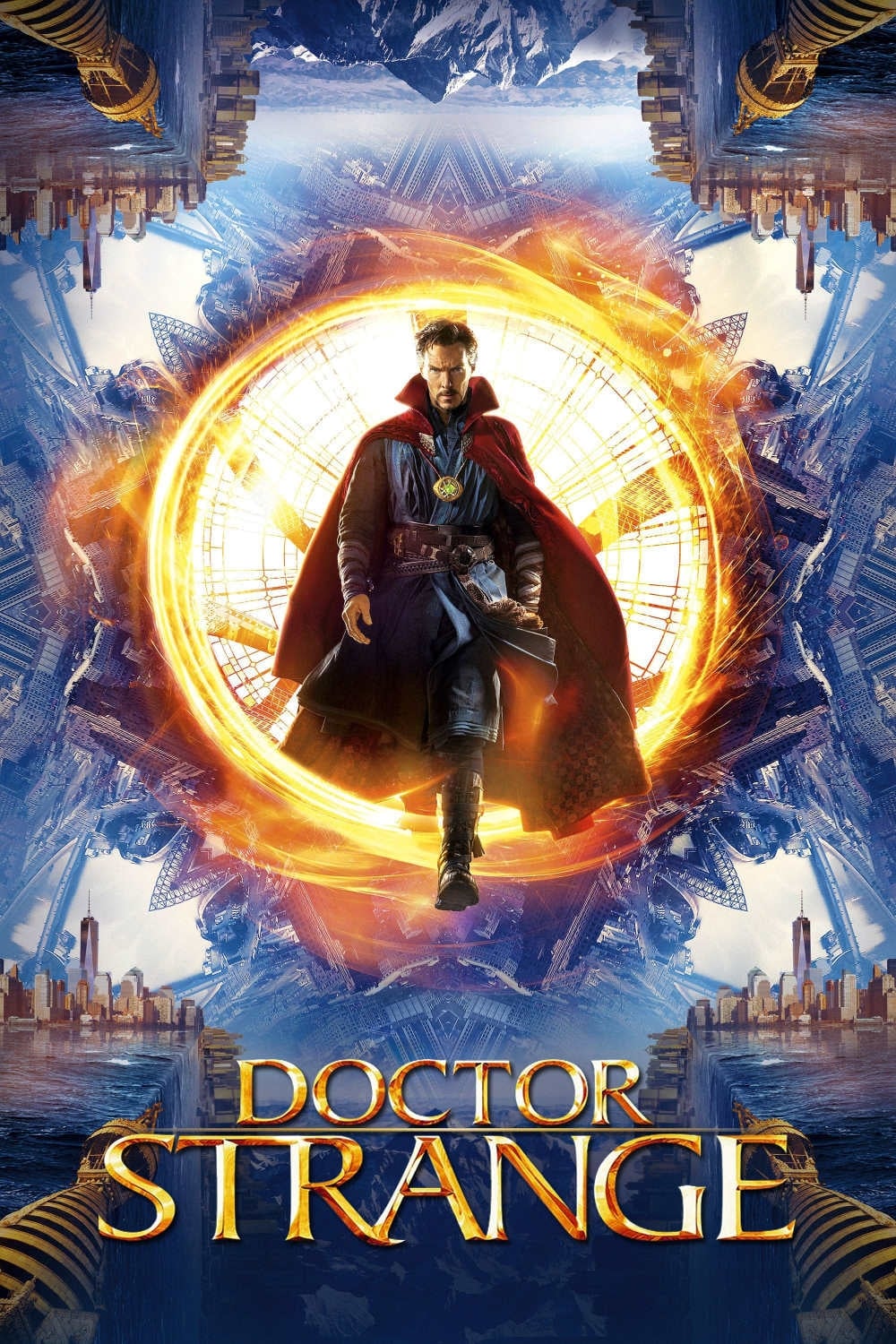
This Marvel movie introduced magic and alternate dimensions to the superhero universe. The film is famous for its mind-bending visual effects, where buildings fold and cities twist into impossible shapes. The visuals are inspired by the surreal artwork of comic book artist Steve Ditko.
The scenes where characters travel through different dimensions are a colorful and psychedelic experience. These complex and fast-moving visual sequences are much more impressive on a big screen. It helps to make the magical action feel grand and epic, creating a visual spectacle that is unlike any other superhero film.
Pacific Rim (2013)
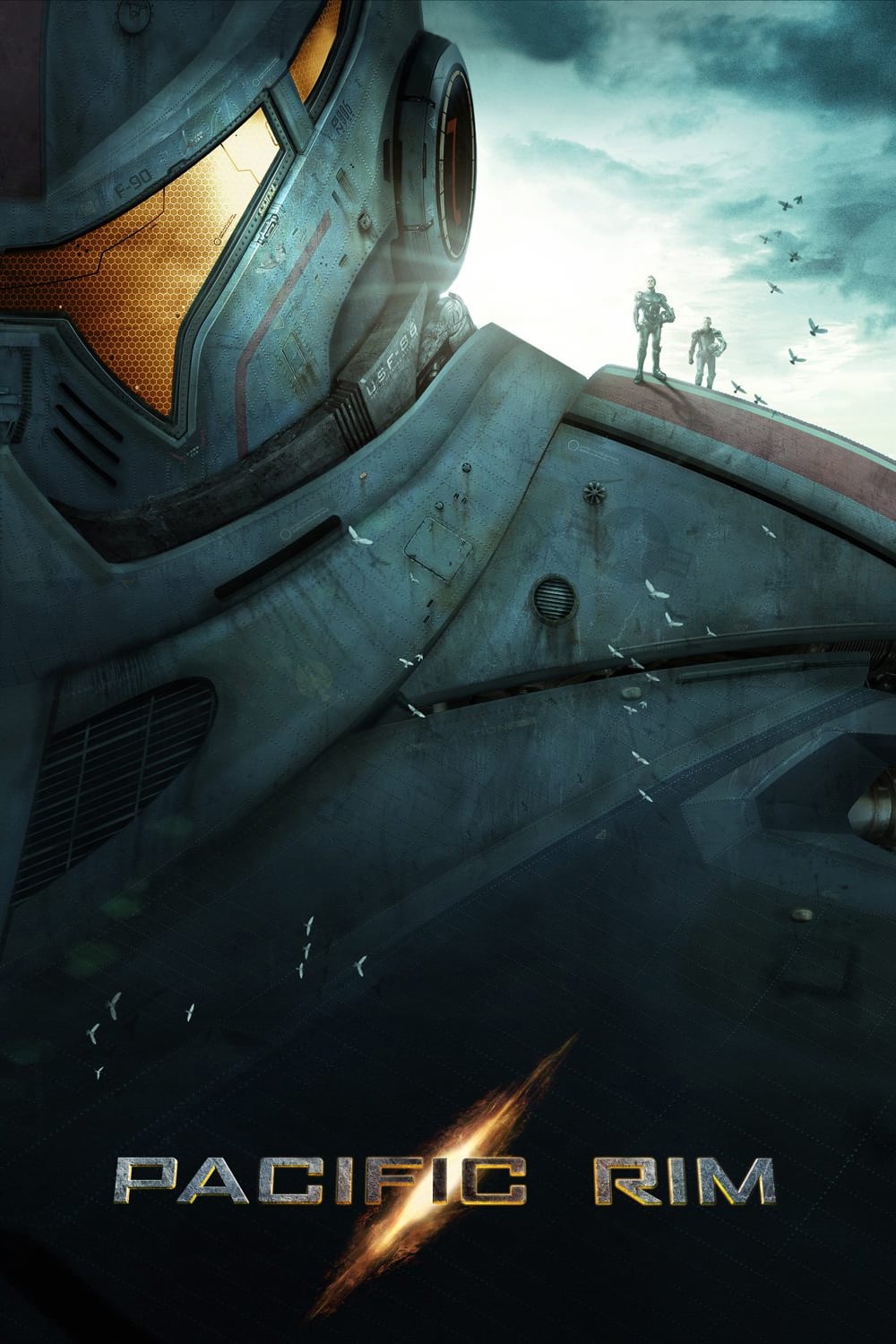
Guillermo del Toro’s film is a love letter to giant monster and giant robot movies. The story is about huge robots, called Jaegers, built to fight giant sea monsters, called Kaiju. The sense of scale is the most important part of the movie, with massive robots and monsters battling in stormy seas and crumbling cities.
A big screen is the only way to truly feel the immense size and weight of the Jaegers and Kaiju. The action sequences are full of detail, with rain, crashing waves, and sparks flying everywhere. It’s a loud, fun, and visually spectacular movie that is meant to be a thrilling big-screen experience.
Mission: Impossible – Fallout (2018)
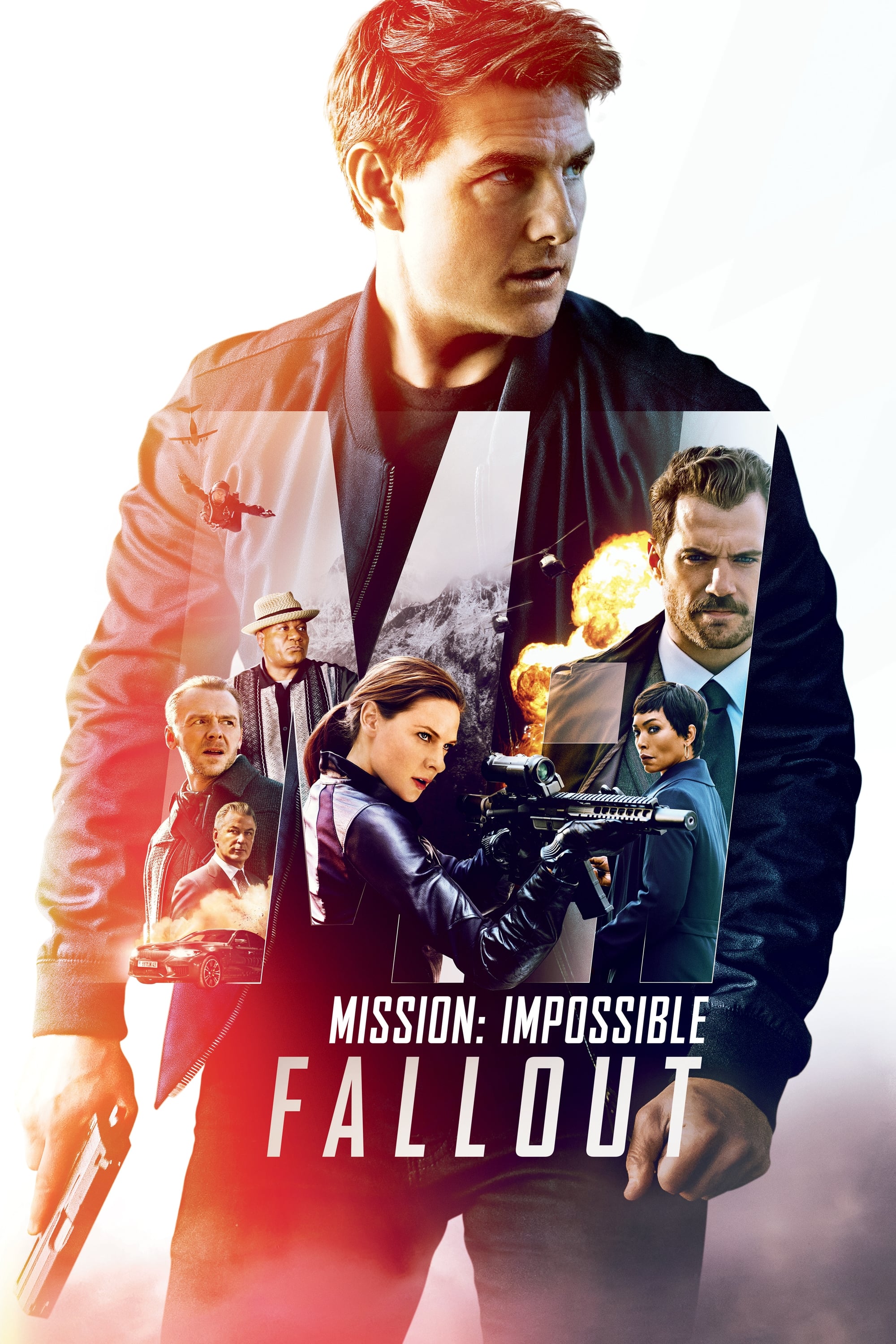
This entry in the action series features some of the most daring and impressive stunts ever put on film. Tom Cruise famously performed these dangerous feats himself, including a high-altitude skydive, a helicopter chase, and a thrilling motorcycle chase through Paris. The action is practical and feels incredibly real.
The film was shot to make the audience feel the intensity of the action. On a big screen, the stunning real-world locations and the incredible stunts are breathtaking. You feel every punch and every near-miss. It’s a masterclass in action filmmaking that provides non-stop thrills from beginning to end.
1917 (2019)
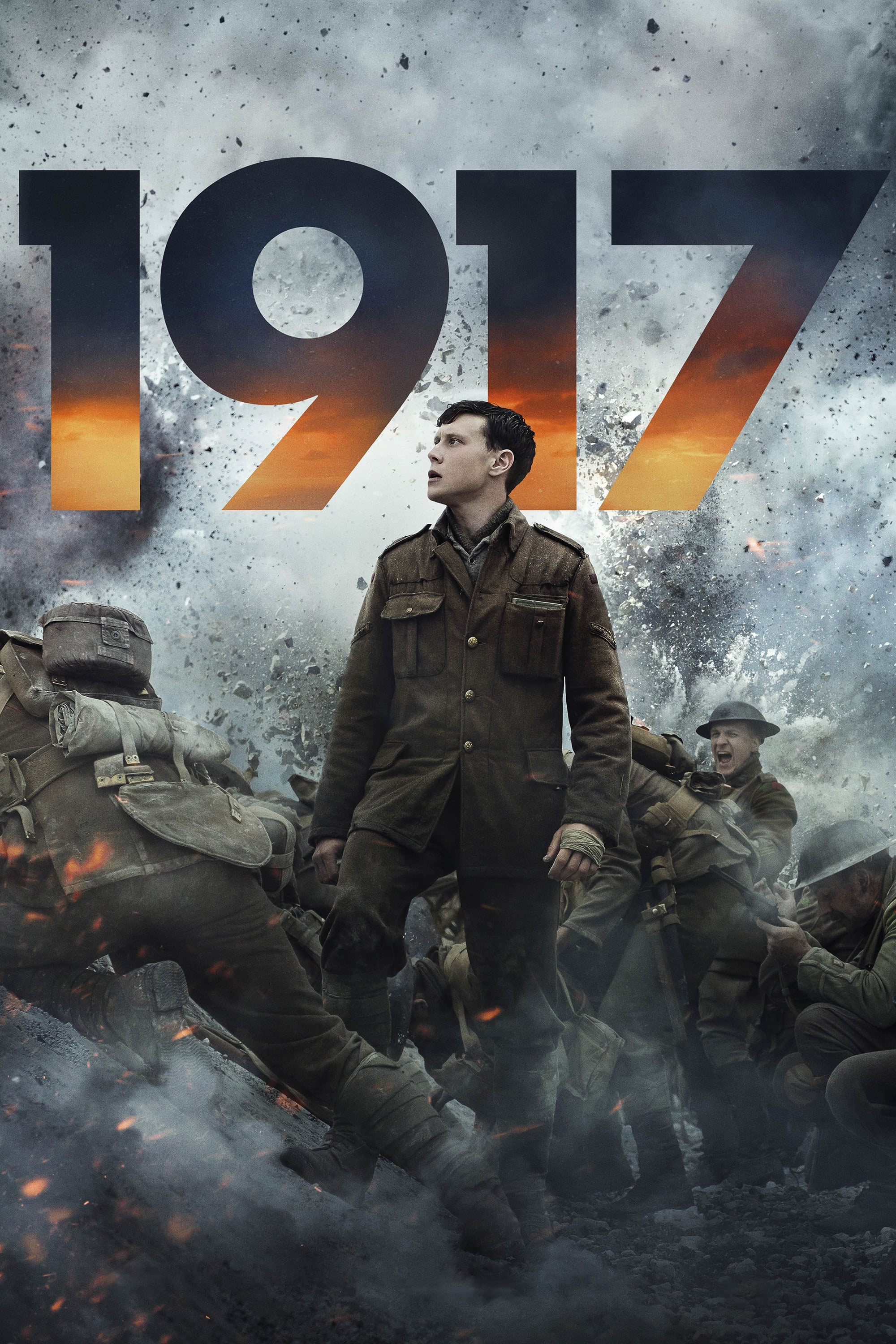
Director Sam Mendes created a World War I film that feels like it was shot in one continuous take. The camera follows two young soldiers on a dangerous mission, making the audience feel like they are right there with them. This technique creates a very personal and immersive view of the war.
A large screen enhances this immersive feeling. The wide shots of the desolate no-man’s-land and the claustrophobic trenches feel more real and immediate. You are not just watching the story; you are experiencing the journey with the characters. The film’s technical achievement and emotional power are best felt on a big screen.
The Dark Knight (2008)
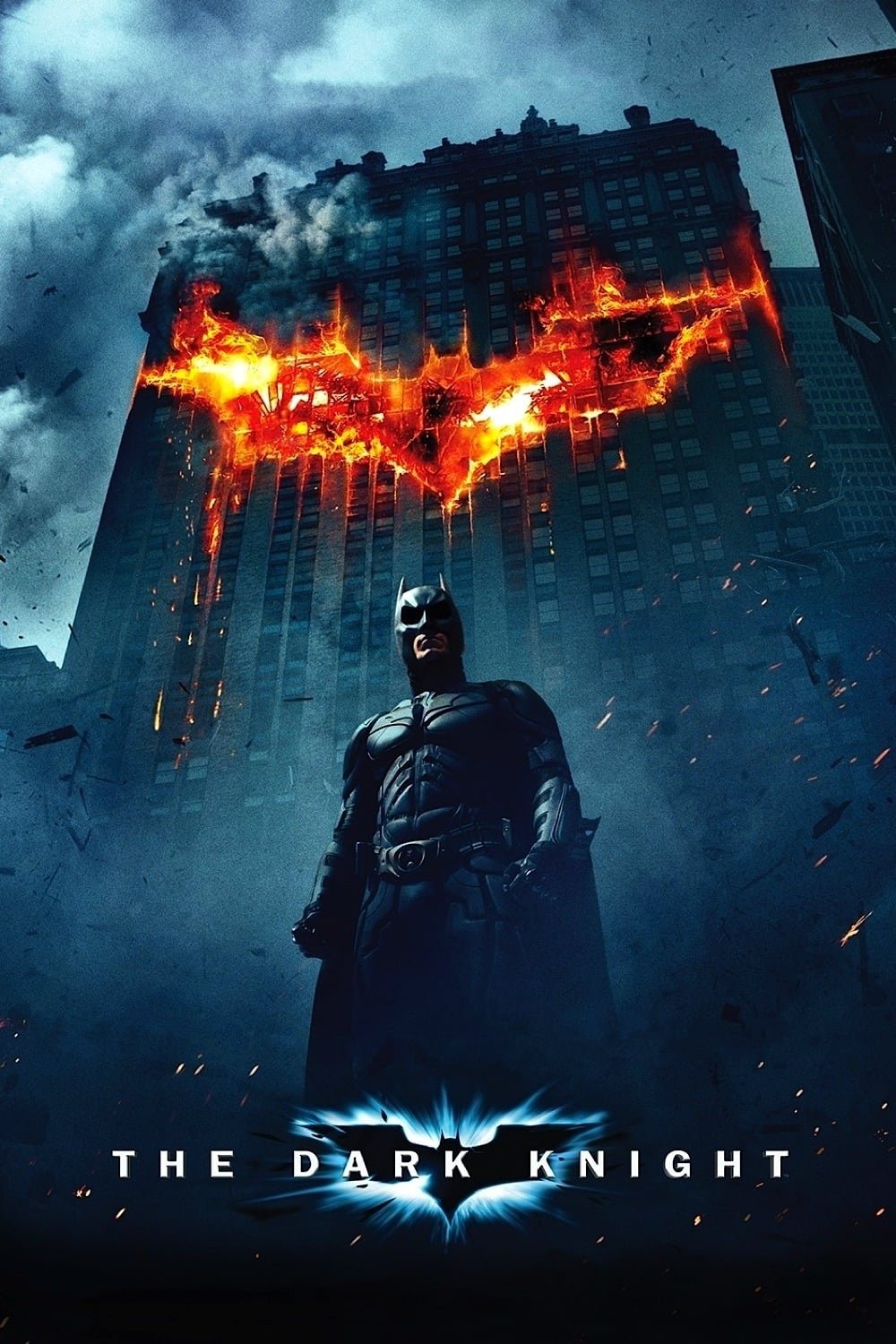
Christopher Nolan’s second Batman film was a game-changer for superhero movies. It was one of the first Hollywood blockbusters to use IMAX cameras for its major action sequences. Scenes like the opening bank heist or Batman’s flight over Hong Kong were shot in this high-resolution format.
When seen on a large IMAX screen, these scenes expand to fill the entire view, creating a more immersive and detailed picture. The scale of Gotham City and the intensity of the action are much more powerful. This use of IMAX helped make the film a massive success and set a new standard for how blockbusters could look and feel.
Blade Runner (1982)
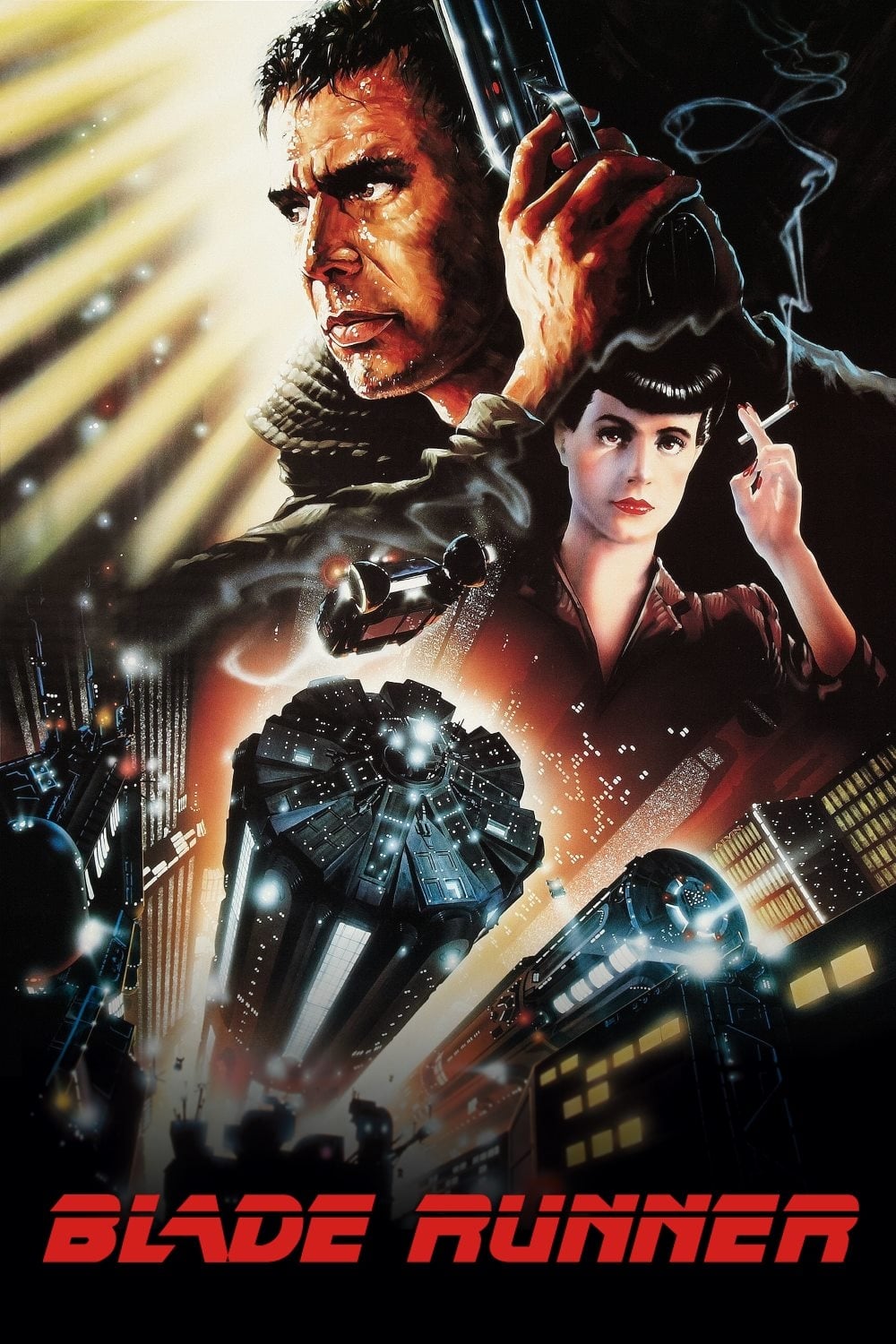
Ridley Scott’s original science fiction classic created a vision of the future that has influenced countless films since. The movie’s rainy, neon-lit Los Angeles of 2019 is a world filled with incredible detail. From the flying cars to the massive, pyramid-like buildings, the film’s world feels lived-in and real.
A big screen is essential to appreciate the stunning production design and visual effects. The details in the dark, smoky sets and the massive cityscapes are lost on a small screen. The film’s slow, moody atmosphere and its beautiful, painterly visuals are best experienced when you can get lost in the frame.
Speed Racer (2008)
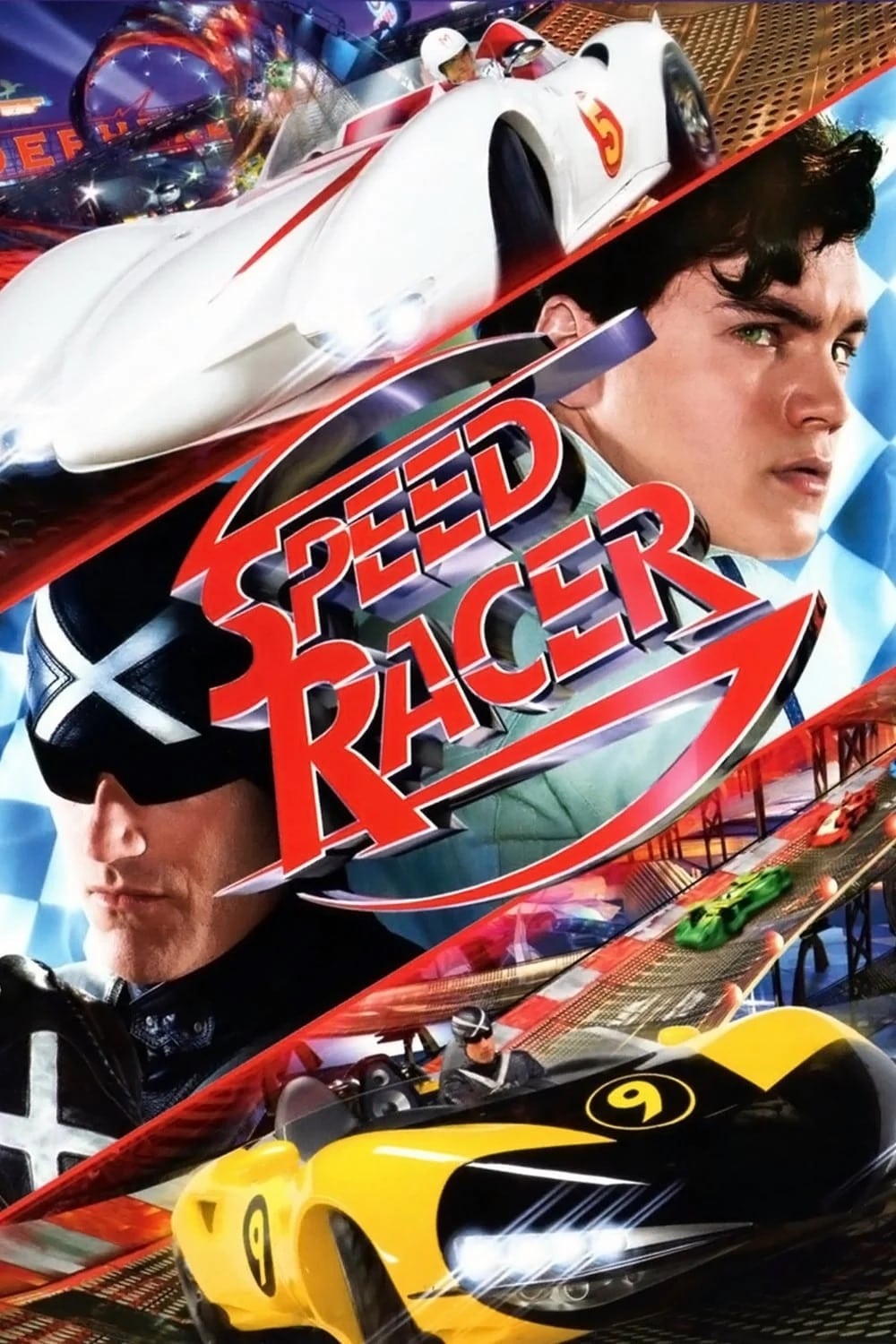
Directed by the Wachowskis, this film is a live-action adaptation of a classic anime. It is a hyper-stylized movie with incredibly bright colors and fast-paced, cartoonish racing sequences. The visual style is unique and unlike anything else, creating a world that is pure eye candy from start to finish.
The racing scenes are a whirlwind of color, light, and motion that fills the screen. A big screen is necessary to take in all the visual information and appreciate the film’s bold and creative style. It’s a dazzling and kinetic experience that uses its visuals to create a sense of pure, joyful energy.
Master and Commander: The Far Side of the World (2003)
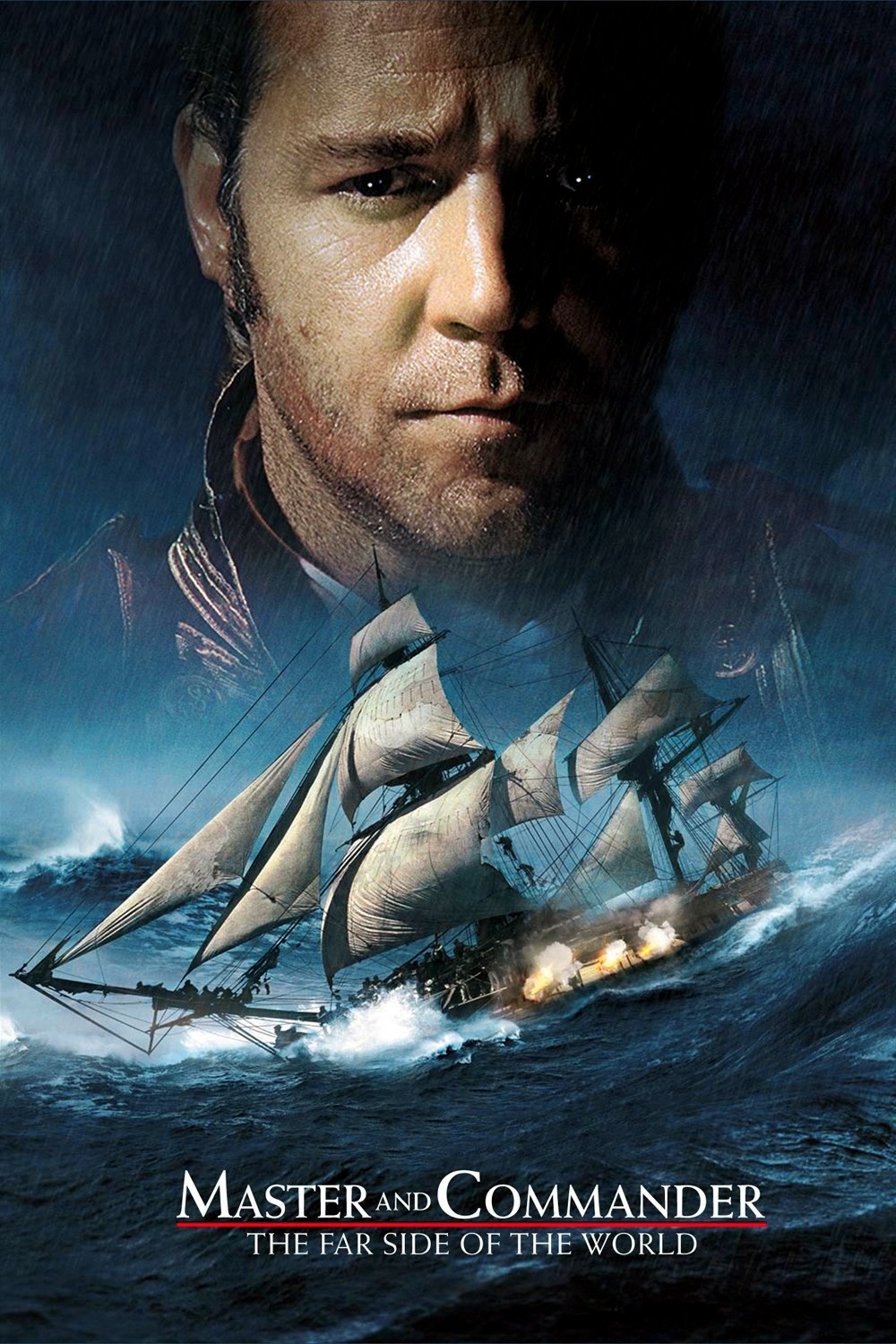
This historical drama is set during the Napoleonic Wars and follows the crew of a British warship. Director Peter Weir was obsessed with historical accuracy, and the film is known for its incredibly detailed and realistic depiction of life at sea in the early 19th century. The sound design is also a major highlight, perfectly capturing the sounds of the ship and the sea.
The naval battle scenes are intense and visceral. On a big screen, the scale of the ships and the vastness of the ocean are much more apparent. You can feel the power of the cannon fire and see the detailed work that went into recreating the ships. It’s an immersive film that transports you back in time.
Oppenheimer (2023)
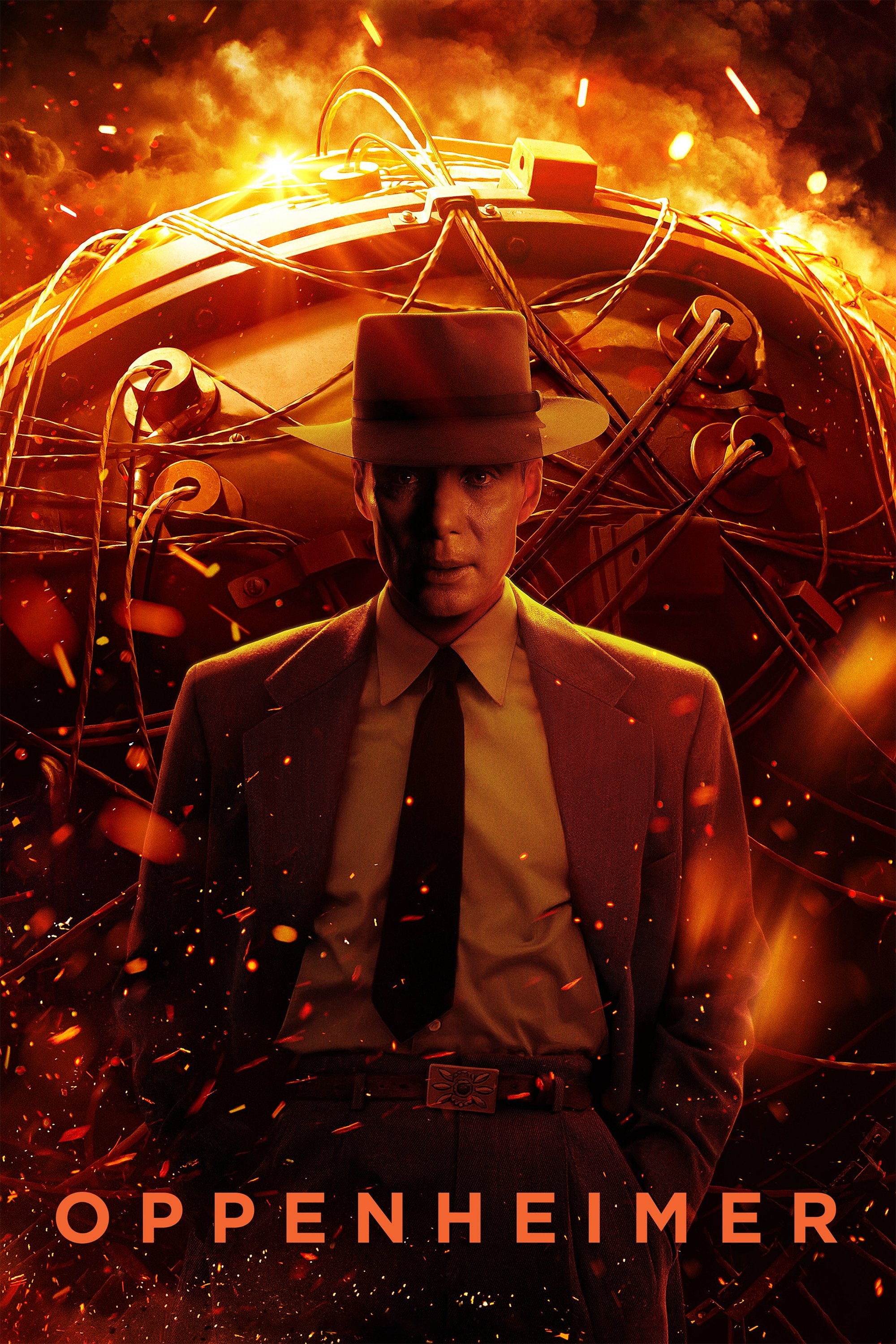
Christopher Nolan’s biographical film about J. Robert Oppenheimer, the father of the atomic bomb, is a powerful and visually ambitious movie. It was shot entirely on large-format film, including sections in IMAX black-and-white. The film combines intimate character moments with visuals that represent the science and awesome power of the atomic age.
The Trinity Test sequence, which depicts the first detonation of a nuclear weapon, is a highlight of the film and was created using practical effects instead of CGI. On an IMAX screen, the scene is a breathtaking and terrifying spectacle of light and sound. The film’s grand visual scope and intense subject matter demand to be seen on the largest screen possible for the fullest impact.

