


30 Must-Watch Movies from the 1960s

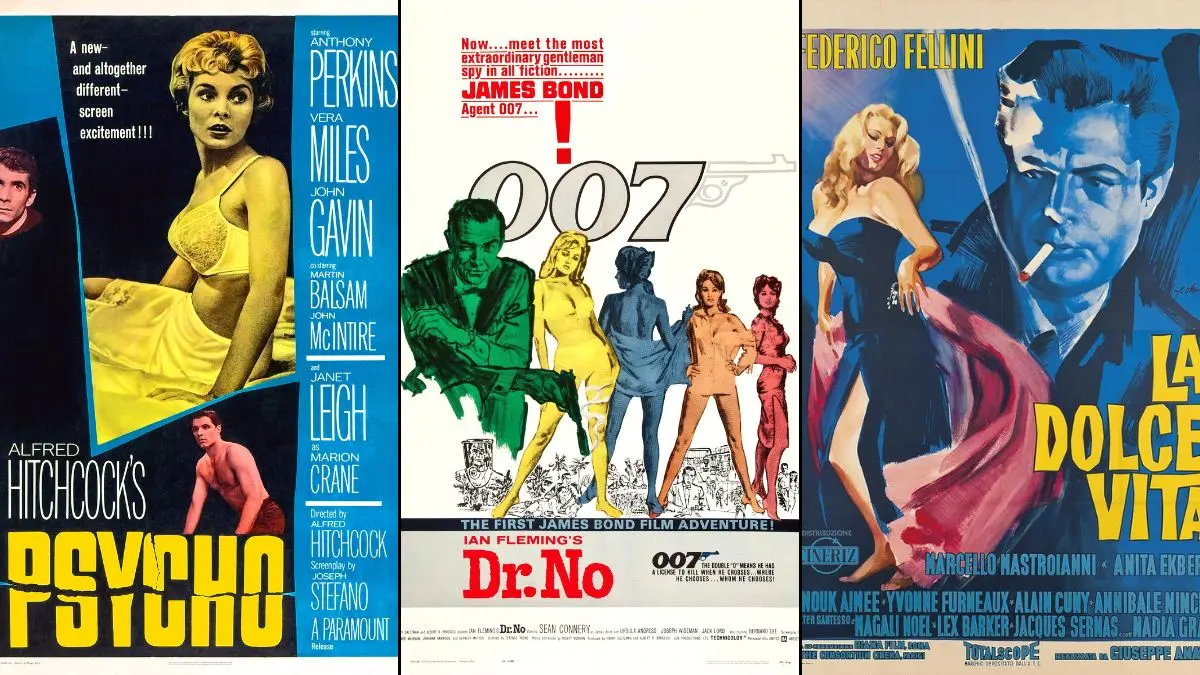


The 1960s was a time of great change in the world, and movies reflected that. Filmmakers started to explore new ideas and new ways of telling stories. This decade saw the old Hollywood studio system begin to fade, making way for independent directors with fresh voices. The result was a collection of films that were daring, experimental, and often broke the rules of traditional cinema. From the rise of international cinema to a new wave of American filmmaking, the 60s produced movies that are still talked about and admired today.
This era brought a wide variety of films, from stylish spy thrillers and grand historical epics to thought-provoking dramas and groundbreaking horror. Many of these movies tackled social issues head-on, reflecting the turbulent times. Themes of rebellion, disillusionment, and the search for meaning were common. The films of the 1960s not only entertained audiences but also challenged them, leaving a lasting impact on how movies are made and what they can say about the world.
Psycho (1960)
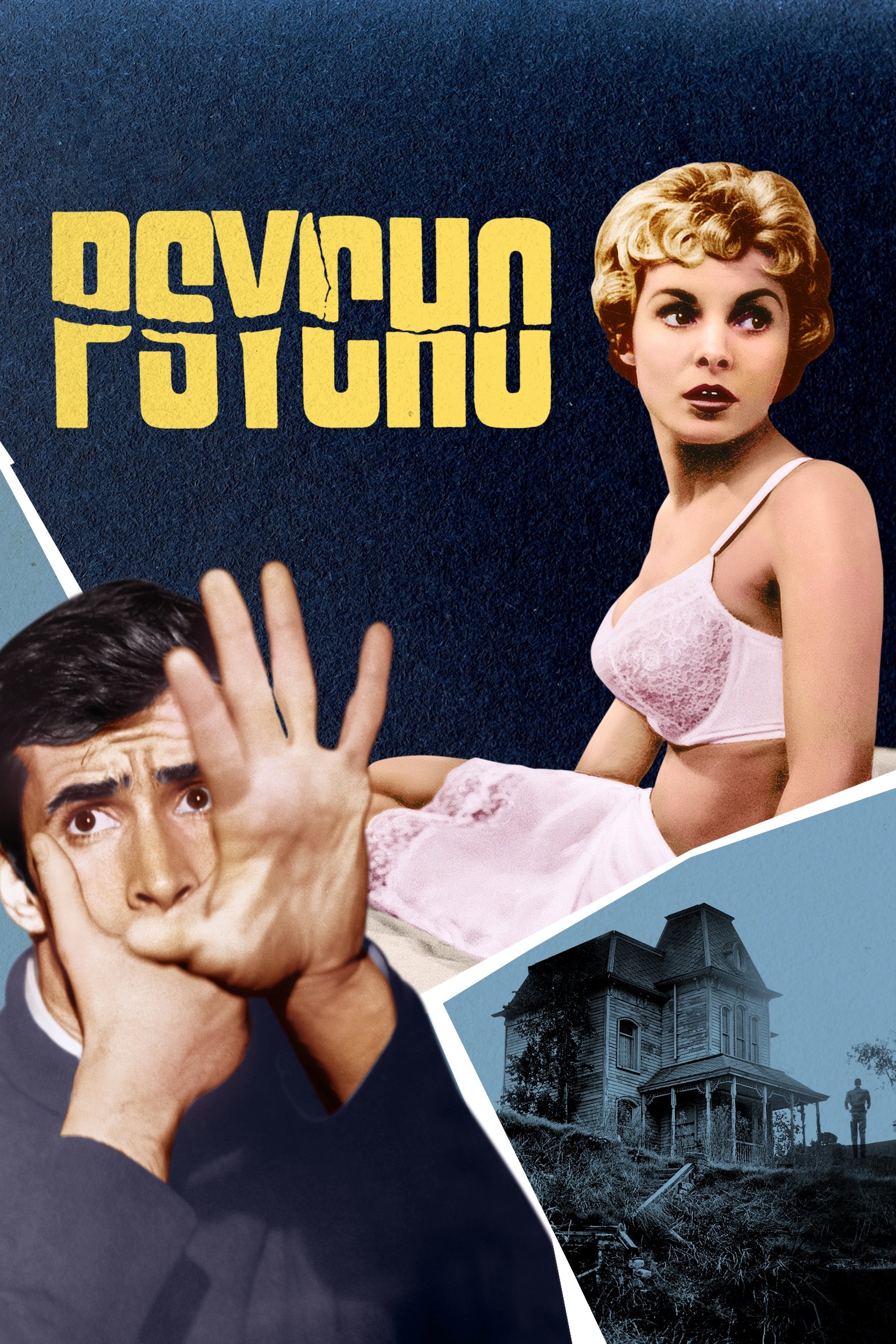
Alfred Hitchcock’s Psycho is a landmark in the horror genre. The film follows Marion Crane, a woman who steals money and goes on the run, only to end up at the Bates Motel. There, she meets the quiet and unsettling Norman Bates. The movie is famous for its shocking twists and suspenseful atmosphere, which keeps viewers on the edge of their seats from start to finish.
Psycho is more than just a scary movie; it changed the rules of filmmaking. Hitchcock used a black-and-white format and a limited budget to create a sense of realism and unease. The film’s score, especially the screeching violin music in the shower scene, has become iconic. Its focus on psychological terror rather than supernatural monsters was new for its time and influenced countless horror films that followed.
The Apartment (1960)
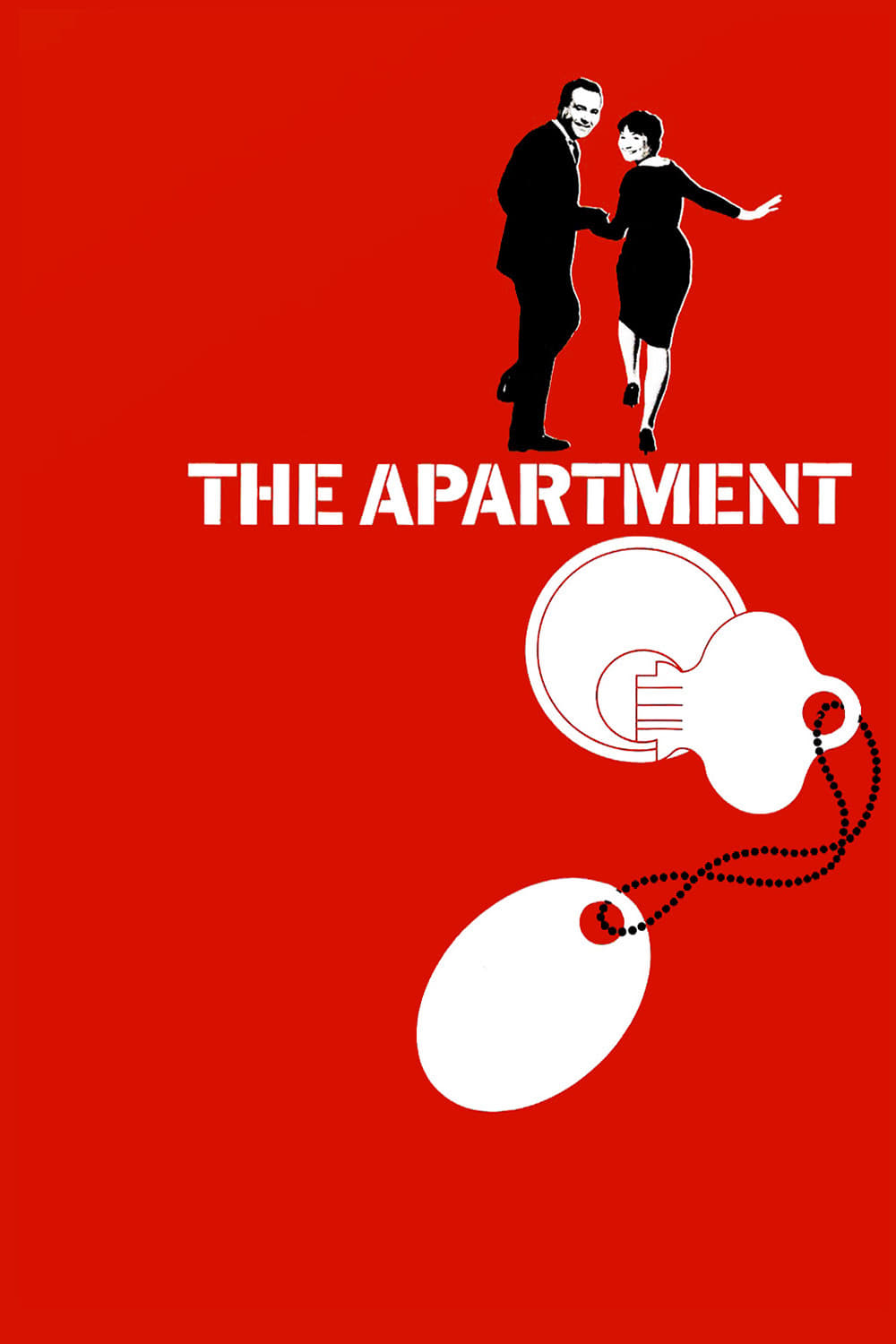
The Apartment is a film that mixes comedy and drama to tell a story about ambition and love in corporate America. It follows Bud Baxter, a low-level insurance clerk who lets his bosses use his apartment for their affairs in hopes of getting a promotion. The situation gets complicated when he falls for the elevator operator, Fran Kubelik, who is also involved with his big boss.
The film was bold for its time, dealing with themes of infidelity and the dark side of corporate culture. It manages to be both funny and sad, thanks to its clever script and strong performances. The Apartment offers a sharp look at loneliness and morality in the modern world, and its blend of humor and heartfelt emotion makes it a timeless classic.
La Dolce Vita (1960)
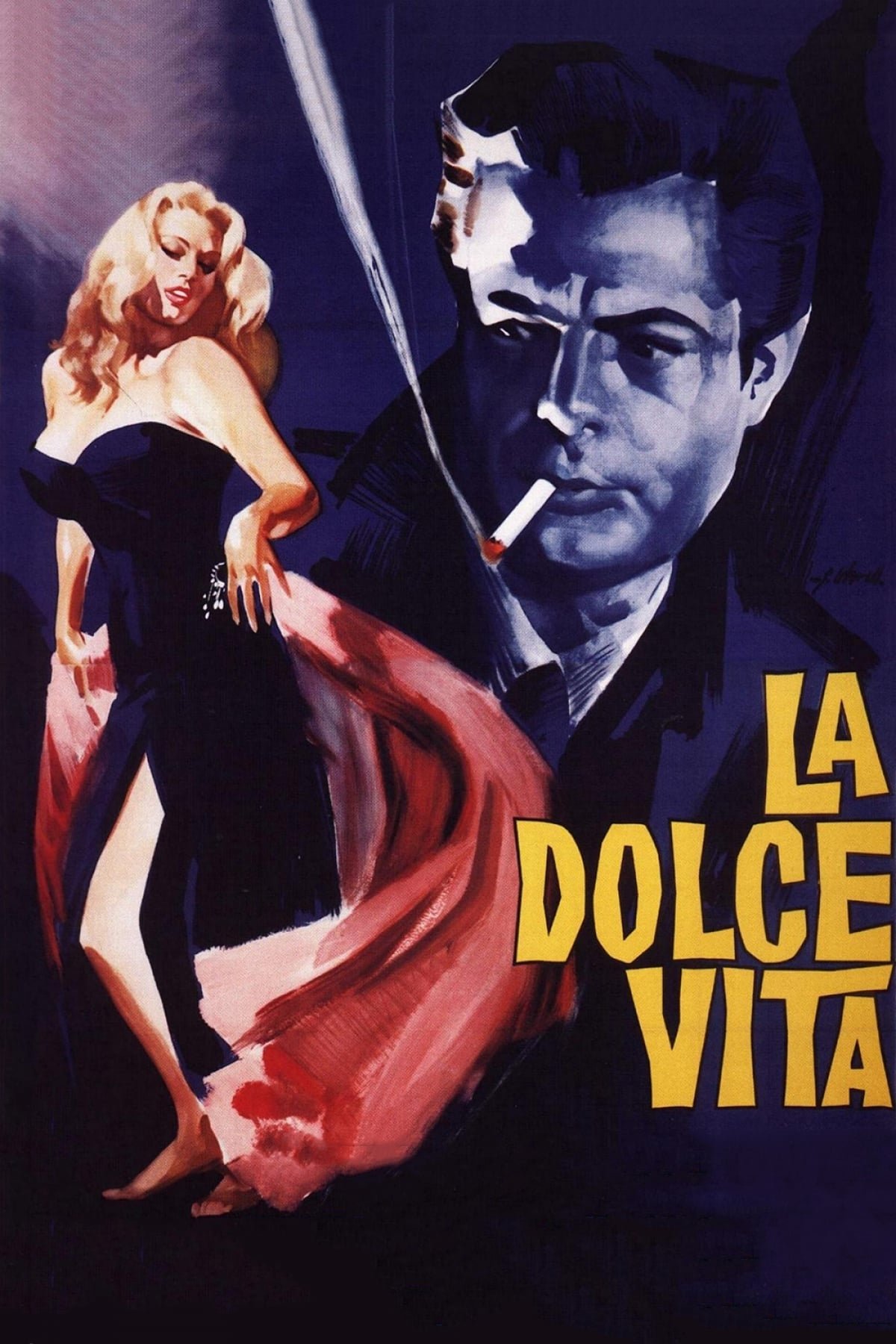
La Dolce Vita, which means “The Sweet Life” in Italian, is a journey through the high society of Rome. The film follows a journalist named Marcello Rubini as he moves through a series of glamorous parties and encounters with wealthy and famous people. He is looking for meaning in a world that seems beautiful on the surface but feels empty underneath.
Directed by Federico Fellini, the movie is known for its stunning black-and-white cinematography and its episodic structure. It doesn’t follow a traditional plot but instead presents a series of moments that paint a picture of a society obsessed with pleasure and fame. The film’s most famous scene, featuring an actress wading into the Trevi Fountain, is one of the most iconic images in cinema history. La Dolce Vita is a commentary on modern life, exploring themes of disillusionment and the search for happiness.
Breathless (1960)

Breathless is a French film that broke the rules of traditional filmmaking and became a key work of the French New Wave. The story is simple: a small-time criminal kills a police officer and then tries to convince an American student in Paris to run away with him. What makes the movie special is not the plot, but how it is told.
Director Jean-Luc Godard used techniques like jump cuts and handheld cameras, which gave the film a fresh and energetic feel. These techniques were unusual at the time and made the movie feel raw and spontaneous. Breathless captured a cool, rebellious spirit that resonated with young audiences and inspired a generation of filmmakers to experiment with the language of cinema.
West Side Story (1961)
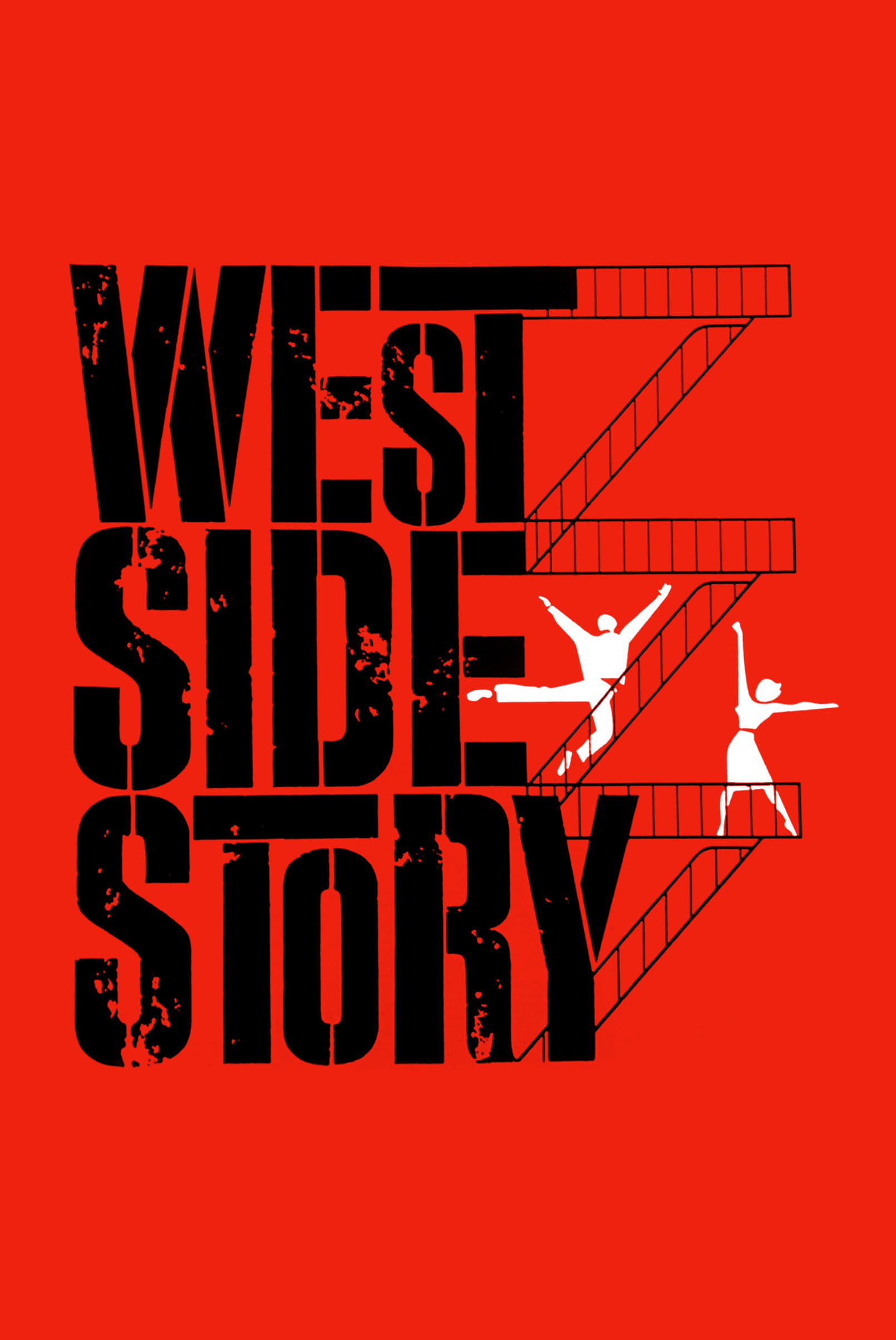
West Side Story is a musical that sets the classic story of Romeo and Juliet in the streets of New York City. The film tells the story of two rival street gangs, the Jets and the Sharks, and the love that blossoms between Tony, a former Jet, and Maria, the sister of the Sharks’ leader. Their romance is caught in the middle of the gangs’ turf war, leading to a tragic conclusion.
The film is celebrated for its dynamic dance numbers and memorable songs. The music and choreography are not just for show; they are used to express the characters’ emotions and drive the story forward. West Side Story was a massive success, winning 10 Academy Awards, including Best Picture. It remains a powerful and beloved musical that brings a timeless story to life with energy and passion.
To Kill a Mockingbird (1962)
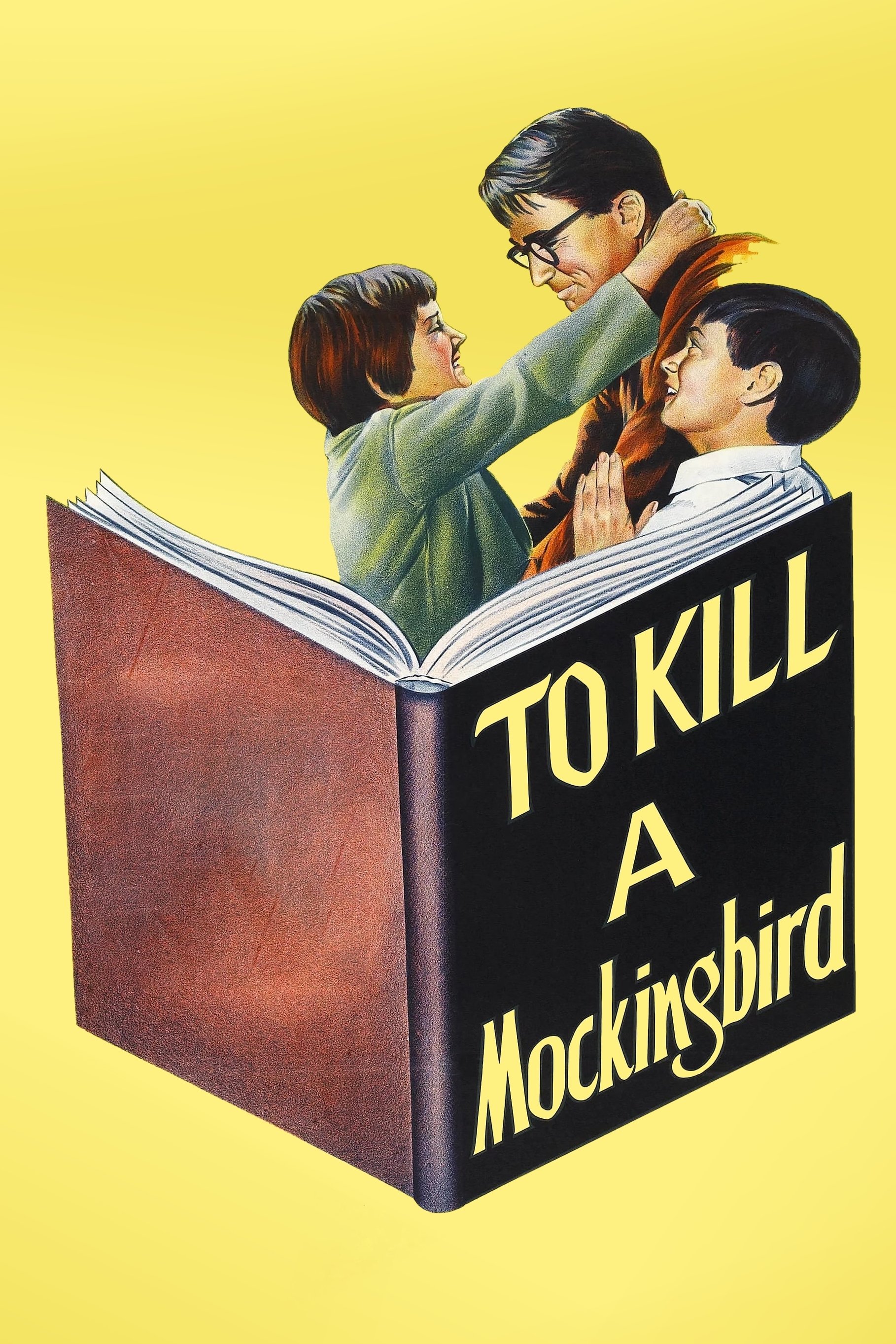
To Kill a Mockingbird is a powerful drama based on the famous novel by Harper Lee. The story is set in the American South during the 1930s and is told through the eyes of a young girl named Scout. Her father, Atticus Finch, is a lawyer who decides to defend a black man falsely accused of raping a white woman. The film explores themes of racism, injustice, and courage.
The movie is known for its strong performances, especially Gregory Peck’s portrayal of Atticus Finch, which earned him an Academy Award. The story is a quiet yet moving look at a community’s prejudice and the moral strength of one man to stand against it. To Kill a Mockingbird is a timeless and important film that continues to resonate with audiences for its message of empathy and integrity.
Lawrence of Arabia (1962)
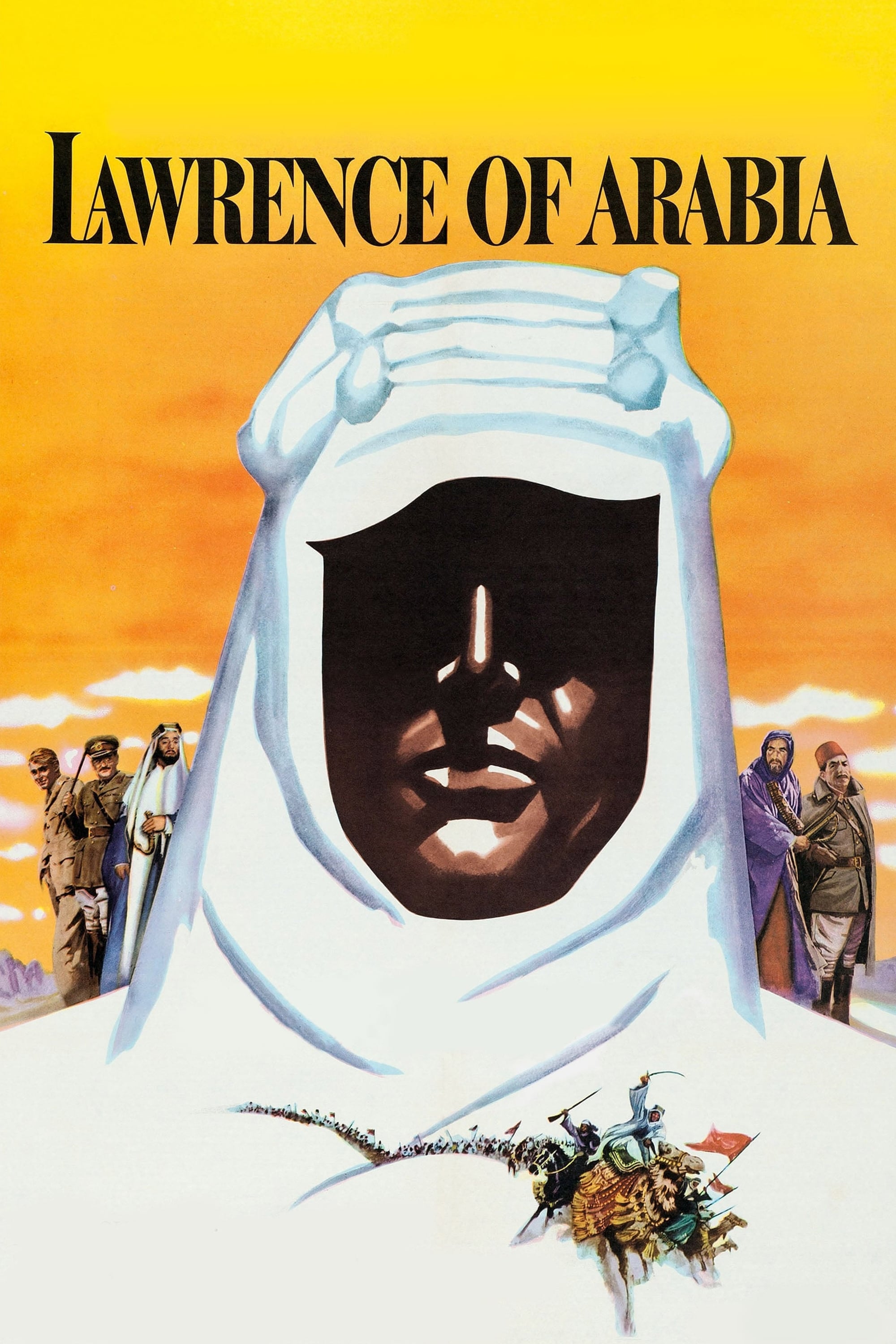
Lawrence of Arabia is an epic historical film that tells the true story of T.E. Lawrence, a British officer who united and led Arab tribes in a rebellion against the Turks during World War I. The film is famous for its grand scale, with breathtaking shots of the desert landscape. It’s a visually stunning movie that was meant to be seen on the big screen.
The story is a complex character study of a man who is both a hero and a conflicted individual. It explores his journey as he becomes a leader and a legend, while also struggling with his identity and the consequences of his actions. Lawrence of Arabia is a monumental piece of filmmaking, celebrated for its stunning cinematography, powerful score, and compelling story.
Dr. No (1962)
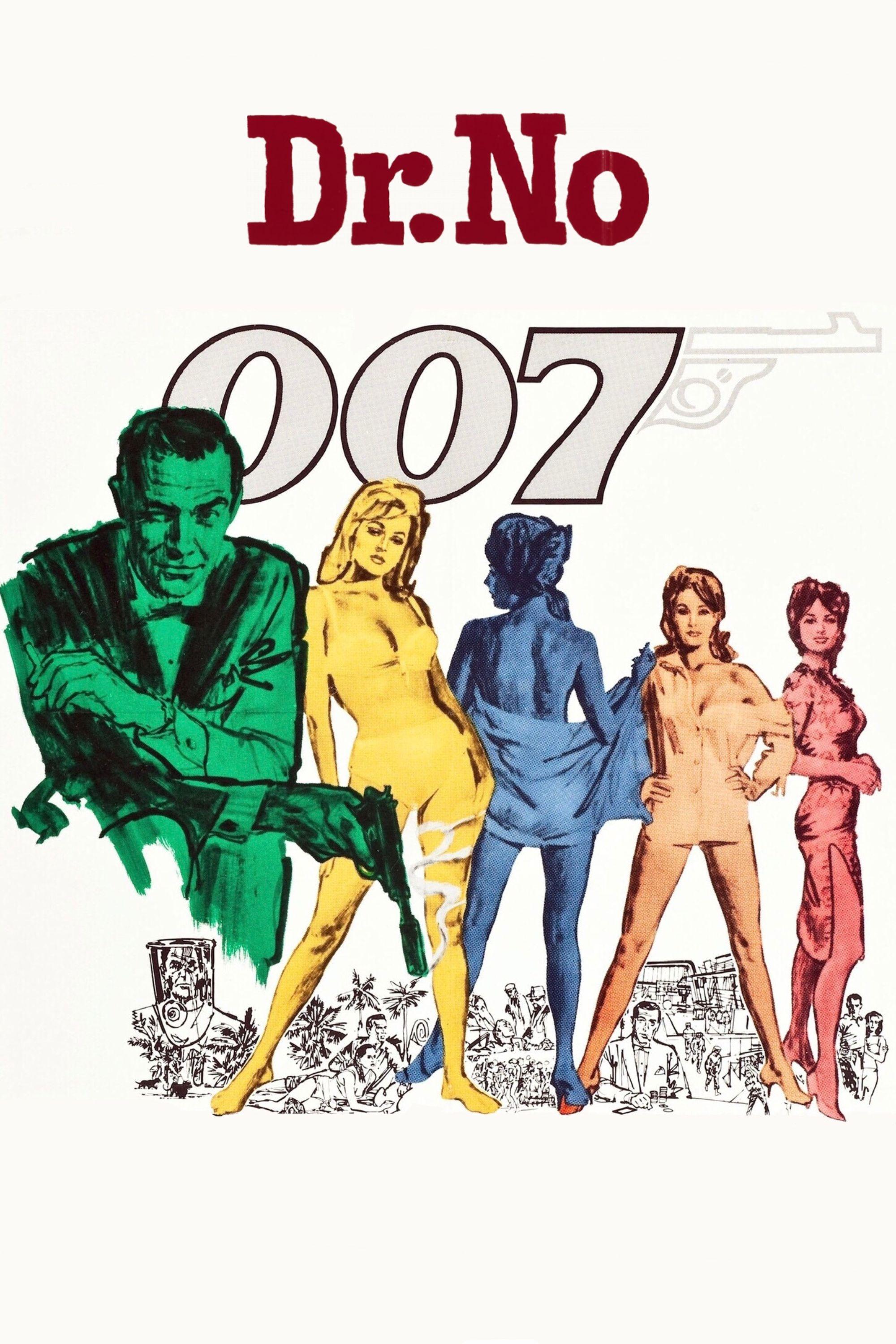
Dr. No is the film that introduced the world to James Bond, the suave and sophisticated British secret agent. In his first big-screen adventure, Bond is sent to Jamaica to investigate the disappearance of a fellow agent. The mission leads him to the mysterious Dr. No, who is plotting to disrupt the American space program from his secret island lair.
This film set the template for the entire Bond series, establishing many of the elements that would become famous. It features exotic locations, thrilling action sequences, memorable villains, and a cool, confident hero. Dr. No launched one of the most successful and long-running franchises in movie history and made Sean Connery an international star.
The Manchurian Candidate (1962)

The Manchurian Candidate is a gripping political thriller that taps into the anxieties of the Cold War. The story follows a former American soldier who has been brainwashed by communists during the Korean War. He returns to the United States as a sleeper agent, an unwitting assassin in a plot to overthrow the government.
The film is a masterclass in suspense, building a sense of paranoia and unease as the conspiracy unfolds. It blends political satire with psychological drama, creating a story that is both thrilling and thought-provoking. The Manchurian Candidate was released at the height of the Cuban Missile Crisis and its chilling story of mind control and political intrigue felt alarmingly relevant.
8 1/2 (1963)
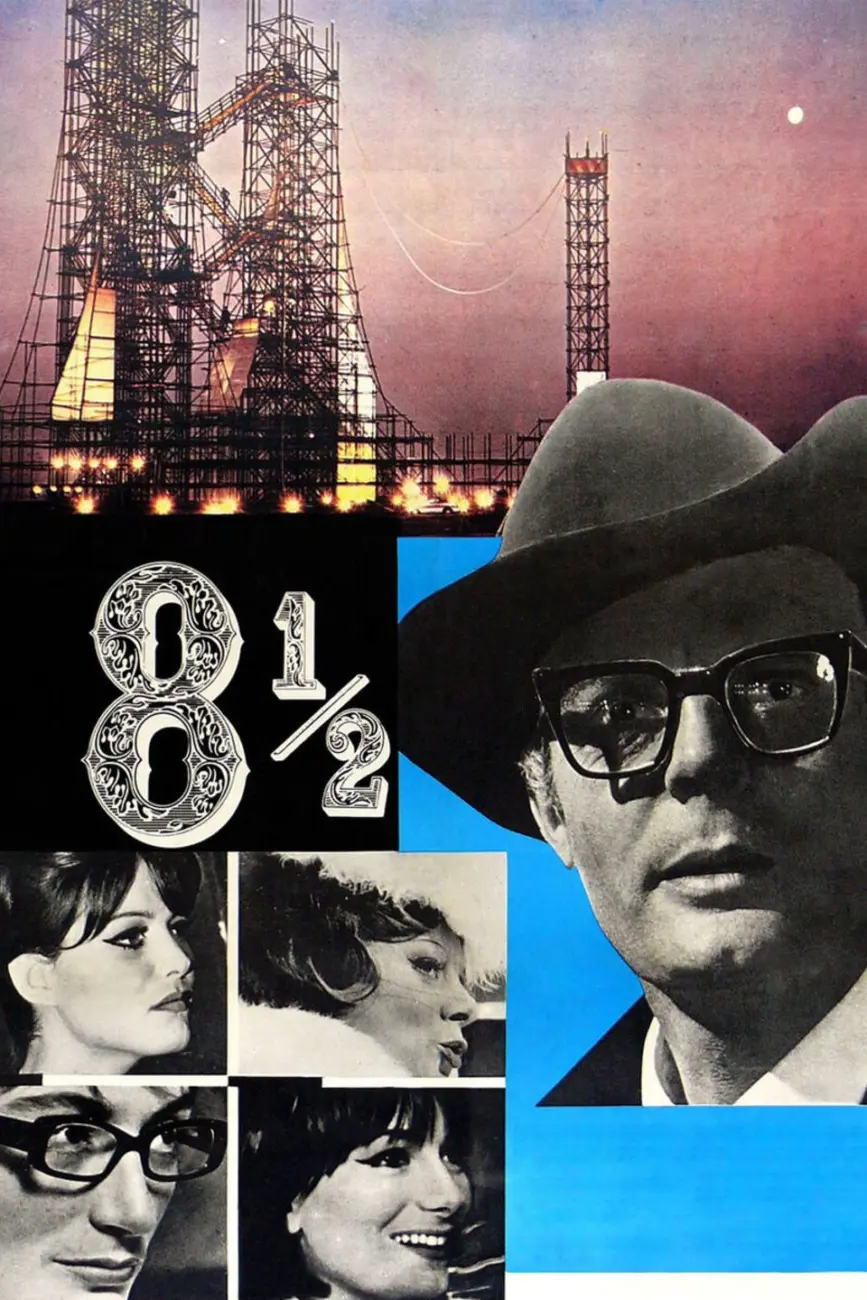
8 1/2 is a unique and influential film from Italian director Federico Fellini. It tells the story of a famous film director who is struggling with a creative block. He tries to make a new movie, but he is haunted by his memories, dreams, and fantasies. The film blurs the line between reality and imagination, taking the viewer on a journey inside the director’s mind.
The title refers to the number of films Fellini had made up to that point. 8 1/2 is a deeply personal and self-reflective work, exploring the pressures and joys of being an artist. Its surreal style and innovative storytelling have inspired countless filmmakers. The film is a celebration of creativity and a fascinating look at the mind of a filmmaker.
The Birds (1963)
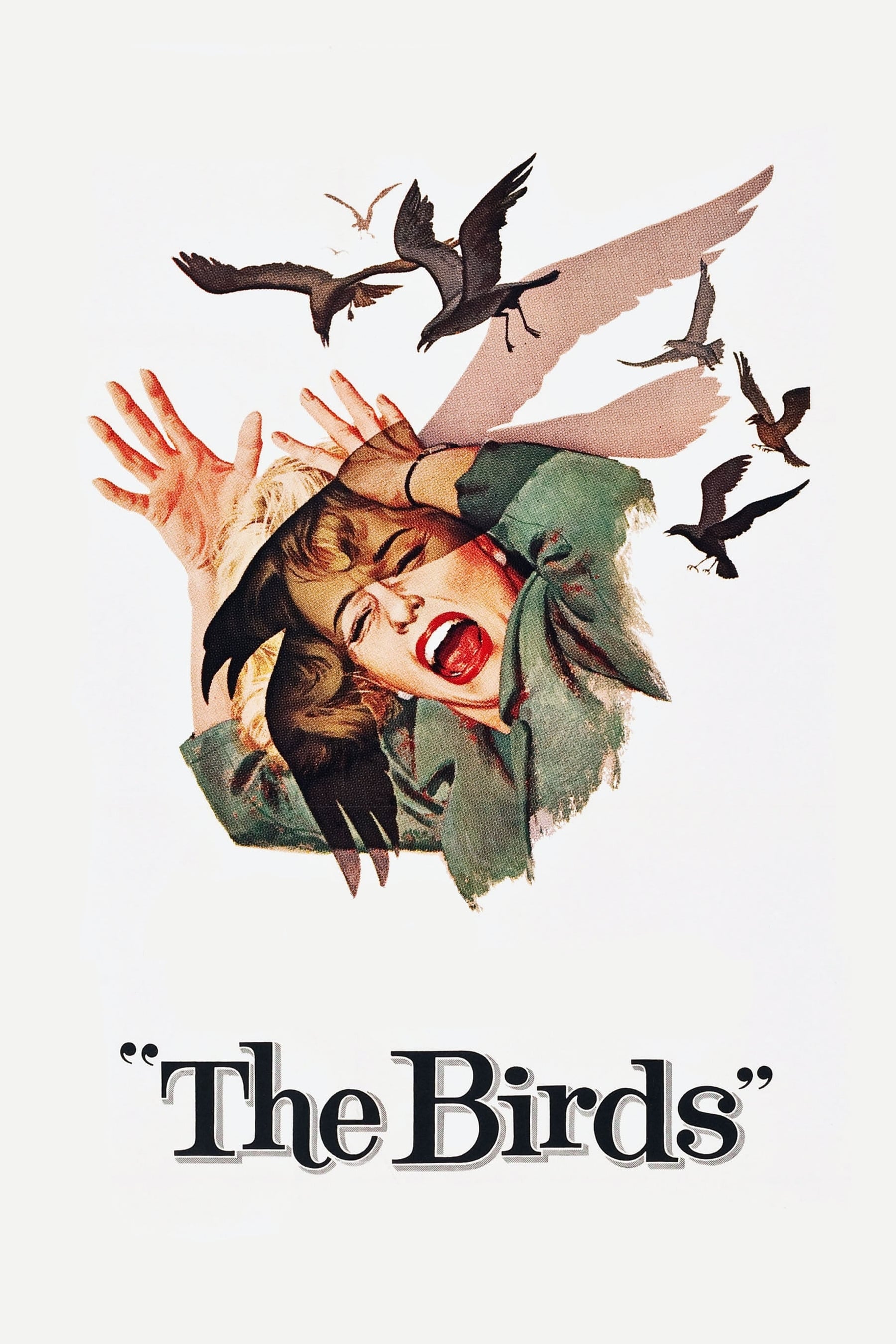
The Birds is another classic thriller from Alfred Hitchcock. The story is set in a small coastal town in California that suddenly comes under attack from flocks of birds. The attacks start small but soon become more organized and violent, leaving the town’s residents in a state of terror. The film doesn’t explain why the birds are attacking, which makes the situation even more frightening.
Hitchcock masterfully builds suspense, using sound and silence to create a sense of constant dread. Instead of a traditional musical score, the film uses the sounds of the birds themselves to create a chilling atmosphere. The Birds is a simple but terrifying story that plays on our fears of nature turning against us.
Dr. Strangelove or: How I Learned to Stop Worrying and Love the Bomb (1964)
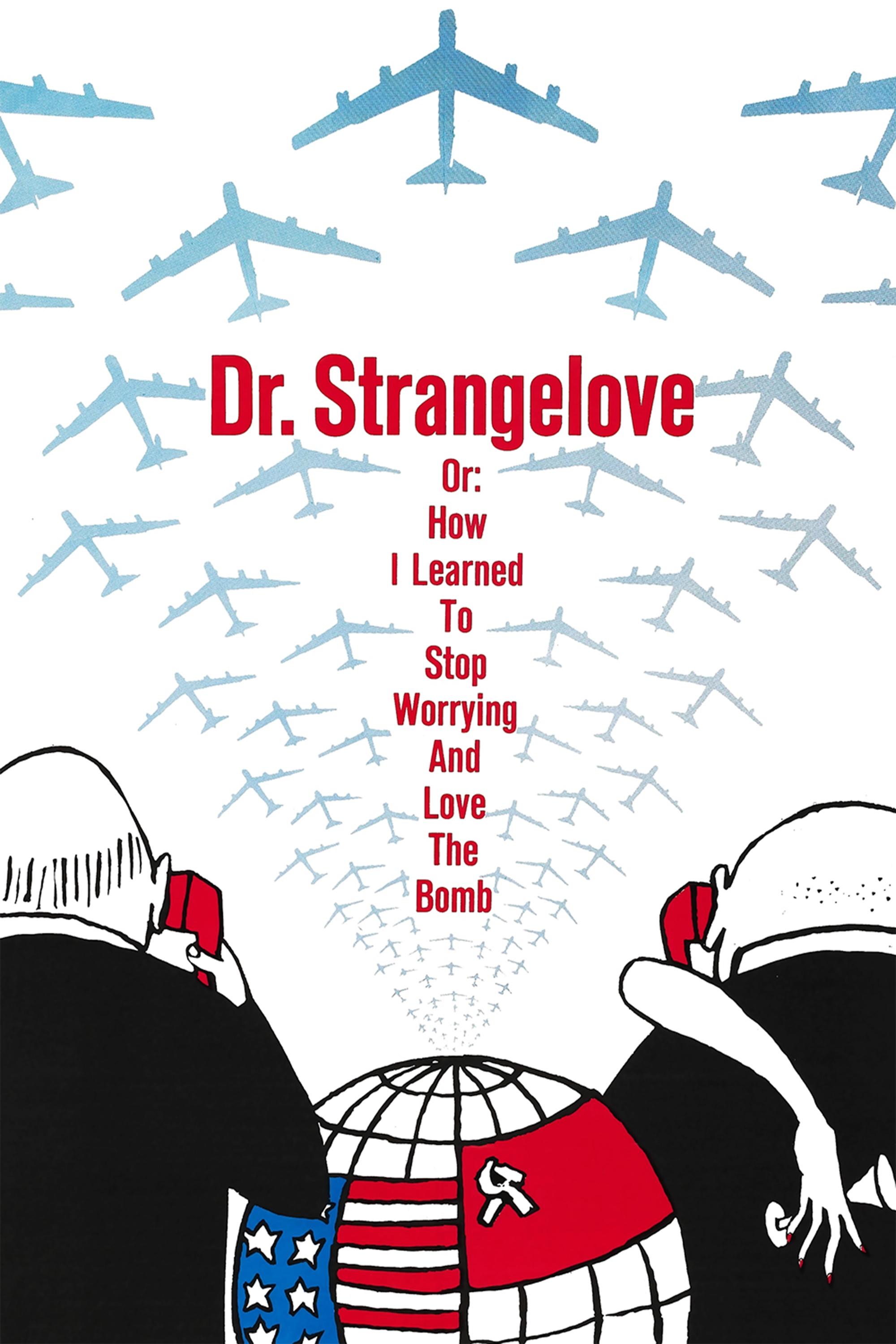
Dr. Strangelove is a dark comedy that satirizes the Cold War and the threat of nuclear war. The film imagines a scenario where a rogue U.S. general orders a nuclear attack on the Soviet Union, and the President and his advisors try to stop it. The situation escalates into absurdity as politicians and military leaders make a series of foolish and dangerous decisions.
Director Stanley Kubrick created a film that is both hilarious and terrifying. The sharp, witty dialogue and over-the-top performances highlight the madness of nuclear brinkmanship. Dr. Strangelove is a powerful anti-war statement that uses laughter to expose the dangers of political and military incompetence.
A Hard Day’s Night (1964)
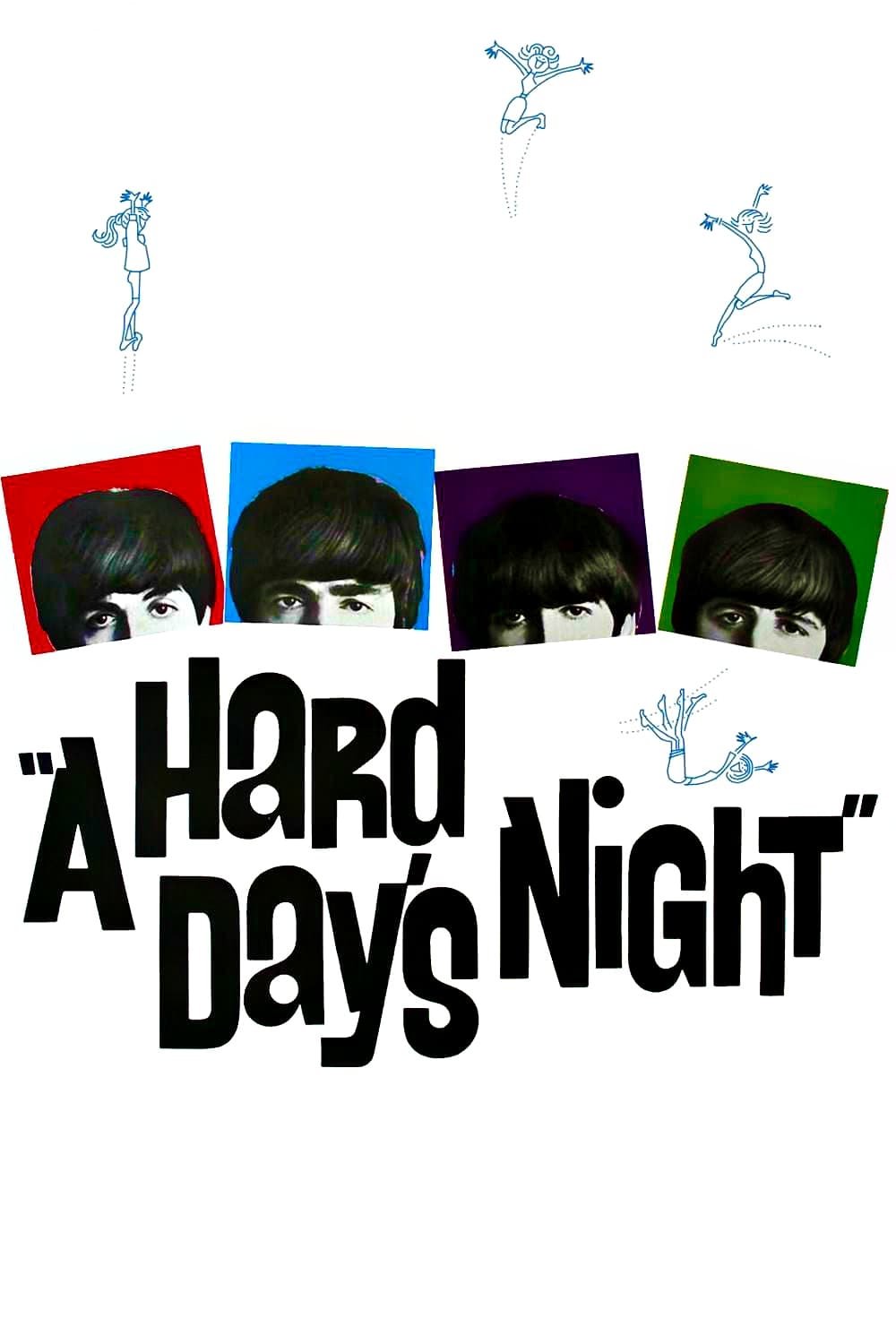
A Hard Day’s Night is a musical comedy that captures the energy and excitement of Beatlemania. The film follows a day in the life of The Beatles as they travel to London for a television appearance, all while trying to escape their screaming fans and get into a bit of mischief. The movie is shot in a documentary style, which gives it a fresh and spontaneous feel.
The film is more than just a showcase for the band’s music; it’s a funny and charming movie in its own right. The Beatles show a natural talent for comedy, and their playful personalities shine through. A Hard Day’s Night is a joyful celebration of youth and music that perfectly captures a moment in time when four young men from Liverpool were changing the world.
The Sound of Music (1965)
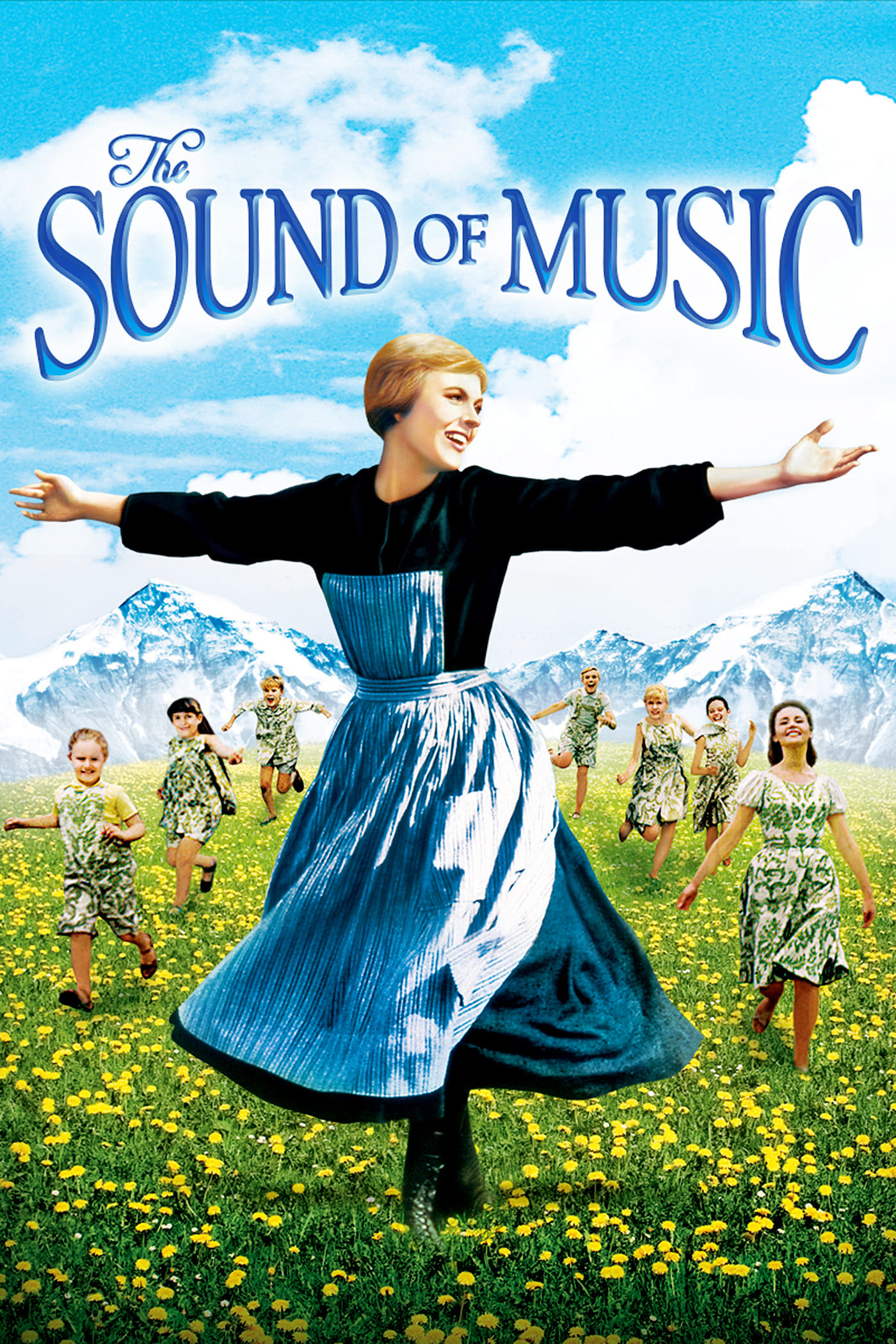
The Sound of Music is one of the most beloved musicals of all time. Based on a true story, it tells the tale of a young woman who leaves a convent to become a governess for the seven children of a widowed naval officer in Austria. She brings music and joy into their lives, and they become a singing family. The story is set against the backdrop of the rise of Nazism, and the family must eventually flee the country.
The film is famous for its beautiful scenery, catchy songs, and heartwarming story. It’s a movie that celebrates family, music, and the courage to do what is right. The Sound of Music won five Academy Awards, including Best Picture, and its popularity has endured for generations.
Doctor Zhivago (1965)
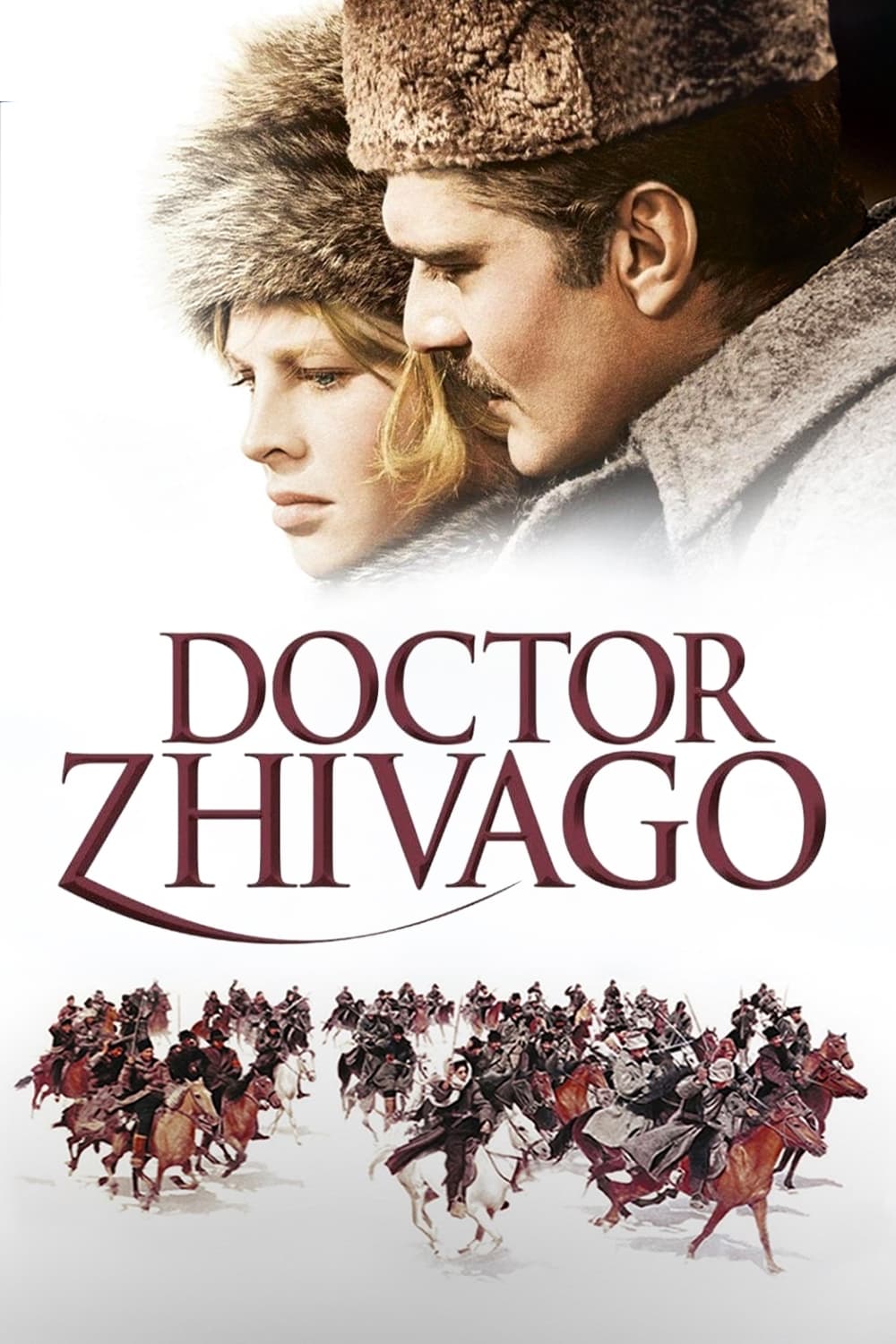
Doctor Zhivago is an epic romance set against the backdrop of the Russian Revolution. The film tells the story of Yuri Zhivago, a doctor and poet, whose life is turned upside down by the war and political turmoil. He is torn between his love for his wife and his passion for Lara, a beautiful woman he meets during the war.
The film is a sweeping and emotional story of love and loss during a time of great historical change. With its stunning cinematography and memorable musical score, Doctor Zhivago is a grand and tragic love story. It was a huge box office success and remains a classic of epic filmmaking.
The Good, the Bad and the Ugly (1966)
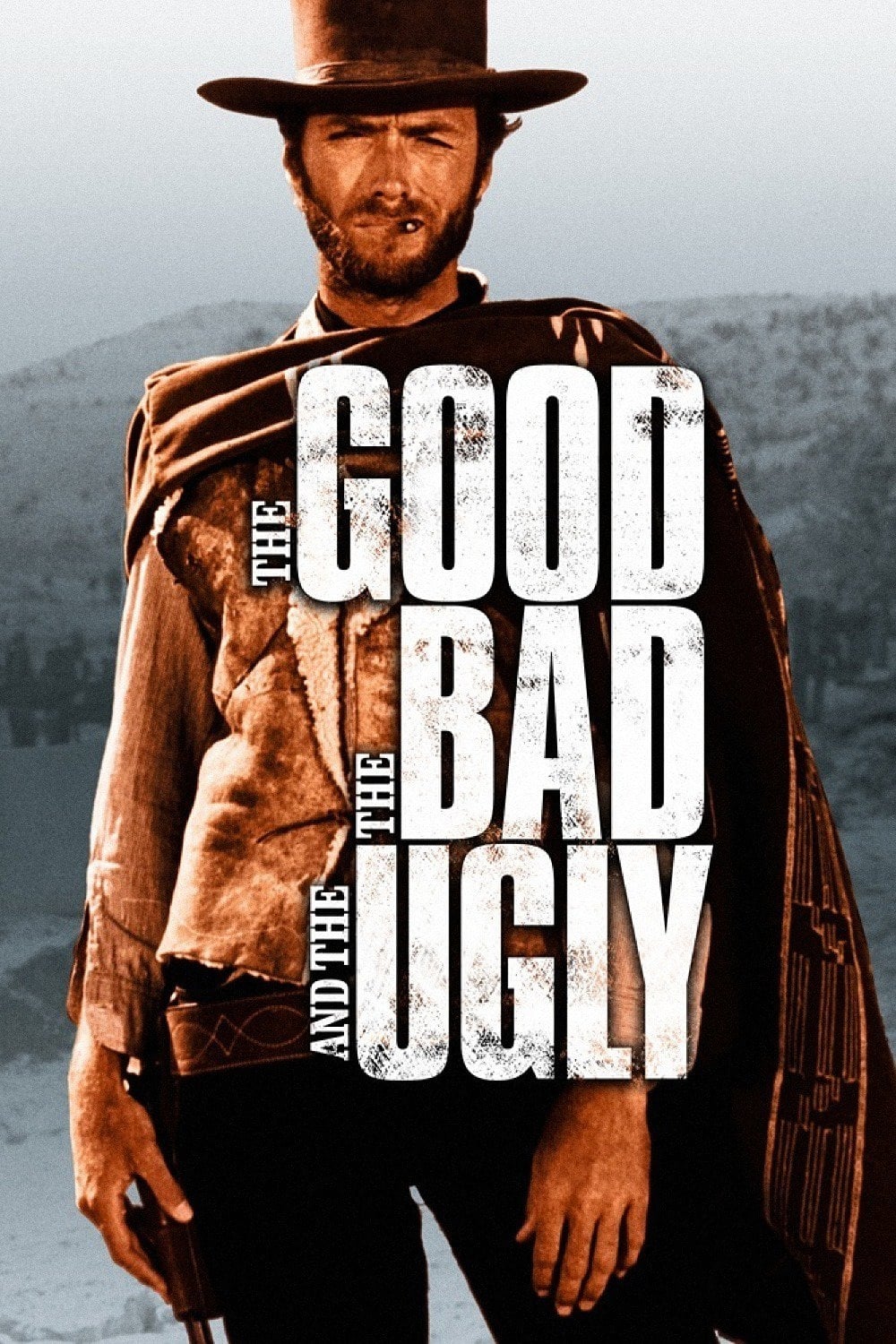
The Good, the Bad and the Ugly is the most famous of the “Spaghetti Westerns,” a subgenre of Westerns made by Italian directors. The film follows three gunslingers during the American Civil War who are all searching for a hidden treasure. Each one knows only a piece of the secret, so they are forced to work together, even though they don’t trust each other.
Directed by Sergio Leone, the film is known for its stylish direction, widescreen cinematography, and iconic musical score. The long, tense standoffs and morally ambiguous characters became hallmarks of the genre. The Good, the Bad and the Ugly is a gritty and epic Western that has had a huge influence on filmmakers.
Bonnie and Clyde (1967)
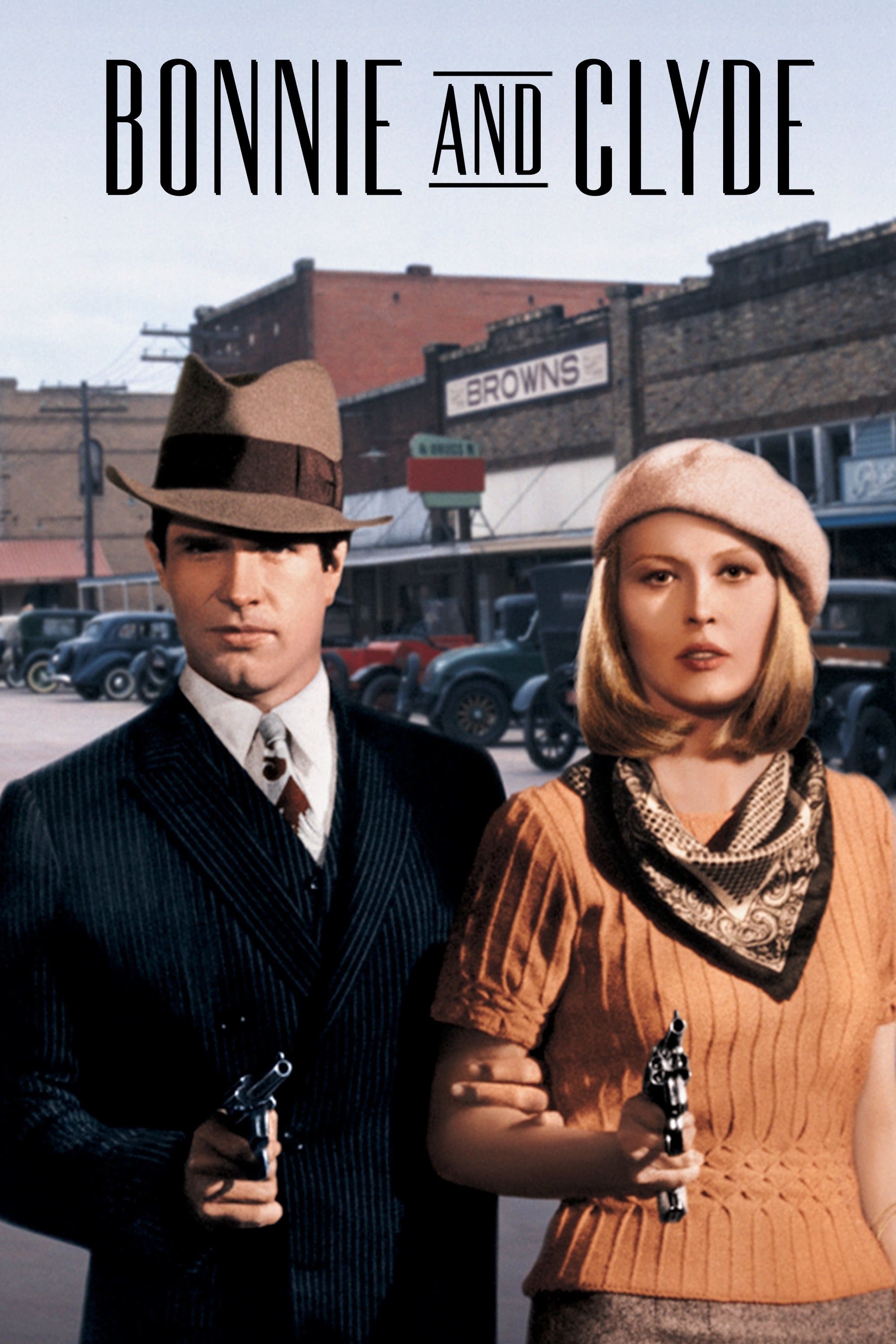
Bonnie and Clyde tells the true story of a pair of bank robbers who became folk heroes during the Great Depression. The film follows their crime spree across the American Midwest, showing them as glamorous and rebellious figures. The movie was controversial for its time due to its romantic portrayal of criminals and its graphic depiction of violence.
The film marked a turning point in Hollywood cinema. It broke taboos and challenged the traditional way of telling stories. Bonnie and Clyde captured the rebellious spirit of the 1960s and resonated with a young audience that was questioning authority. It is considered a landmark film of the New Hollywood era.
The Graduate (1967)
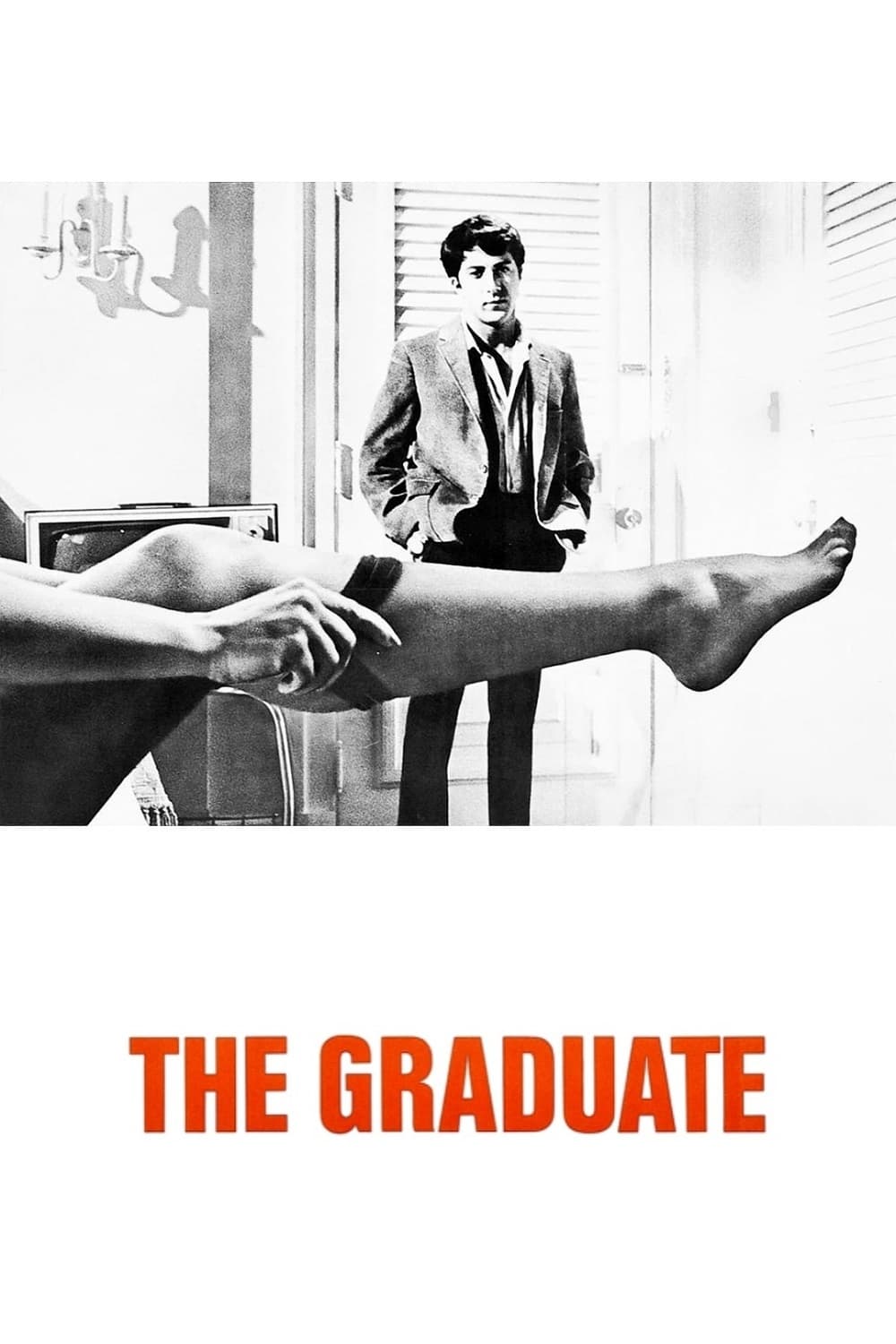
The Graduate is a comedy-drama that captures the sense of confusion and alienation felt by many young people in the 1960s. The film follows Benjamin Braddock, a recent college graduate who doesn’t know what to do with his life. He is seduced by an older married woman, Mrs. Robinson, but then falls in love with her daughter.
The film is known for its witty dialogue, clever direction, and iconic soundtrack by Simon & Garfunkel. It perfectly captured the feeling of being young and uncertain about the future. The Graduate was a huge commercial and critical success and became a cultural touchstone for a generation.
In the Heat of the Night (1967)
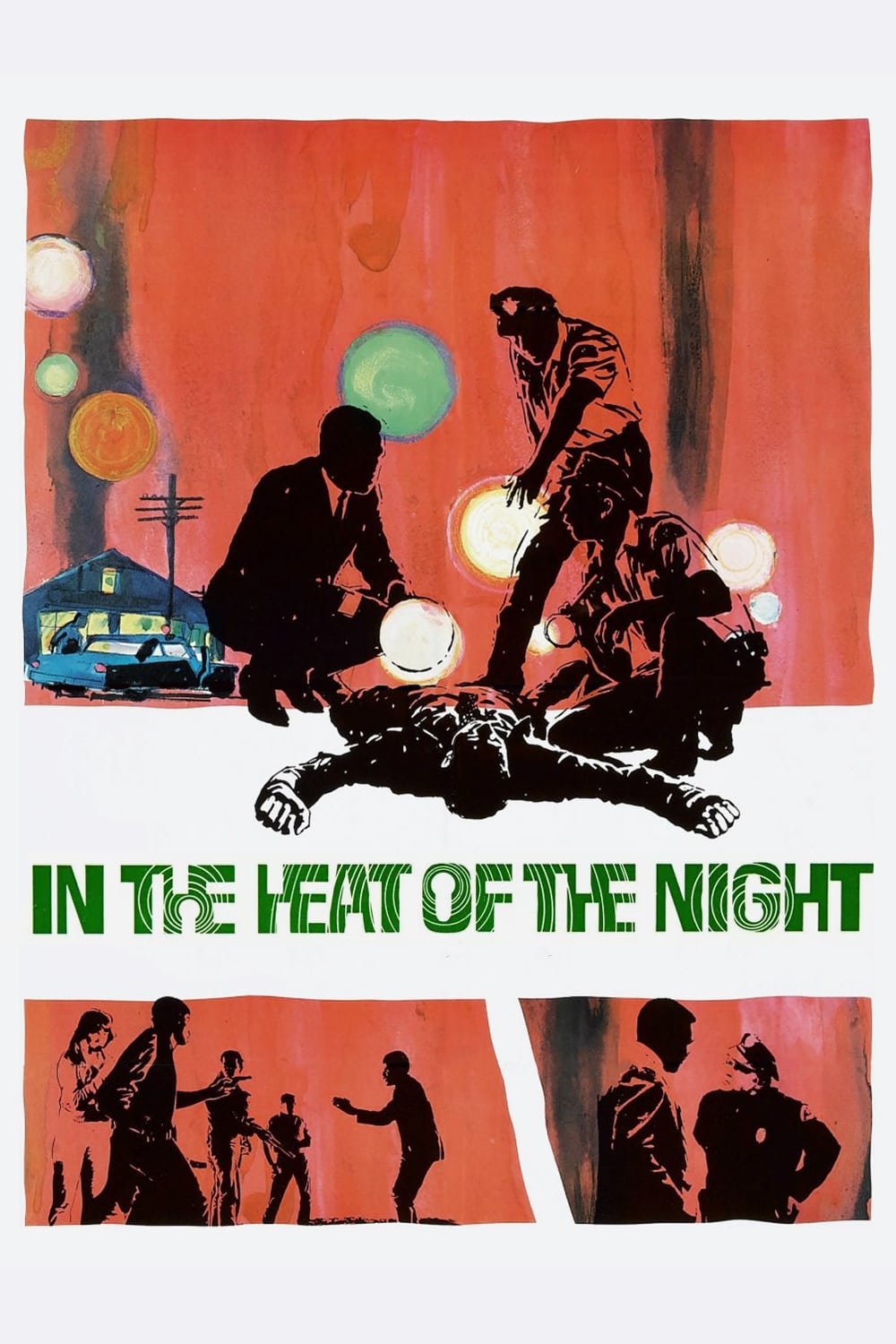
In the Heat of the Night is a powerful crime drama that confronts the issue of racism in the American South. The film tells the story of a black police detective from Philadelphia who is mistakenly arrested for murder while passing through a small Mississippi town. After his name is cleared, he is reluctantly asked to help the local white police chief solve the case.
The film is driven by the tense relationship between the two main characters, who must overcome their prejudices to work together. One of the film’s most famous scenes features the black detective being slapped by a white suspect, and he immediately slaps him back—a moment that was groundbreaking for its time. In the Heat of the Night won five Academy Awards, including Best Picture, and remains a relevant and compelling film.
2001: A Space Odyssey (1968)
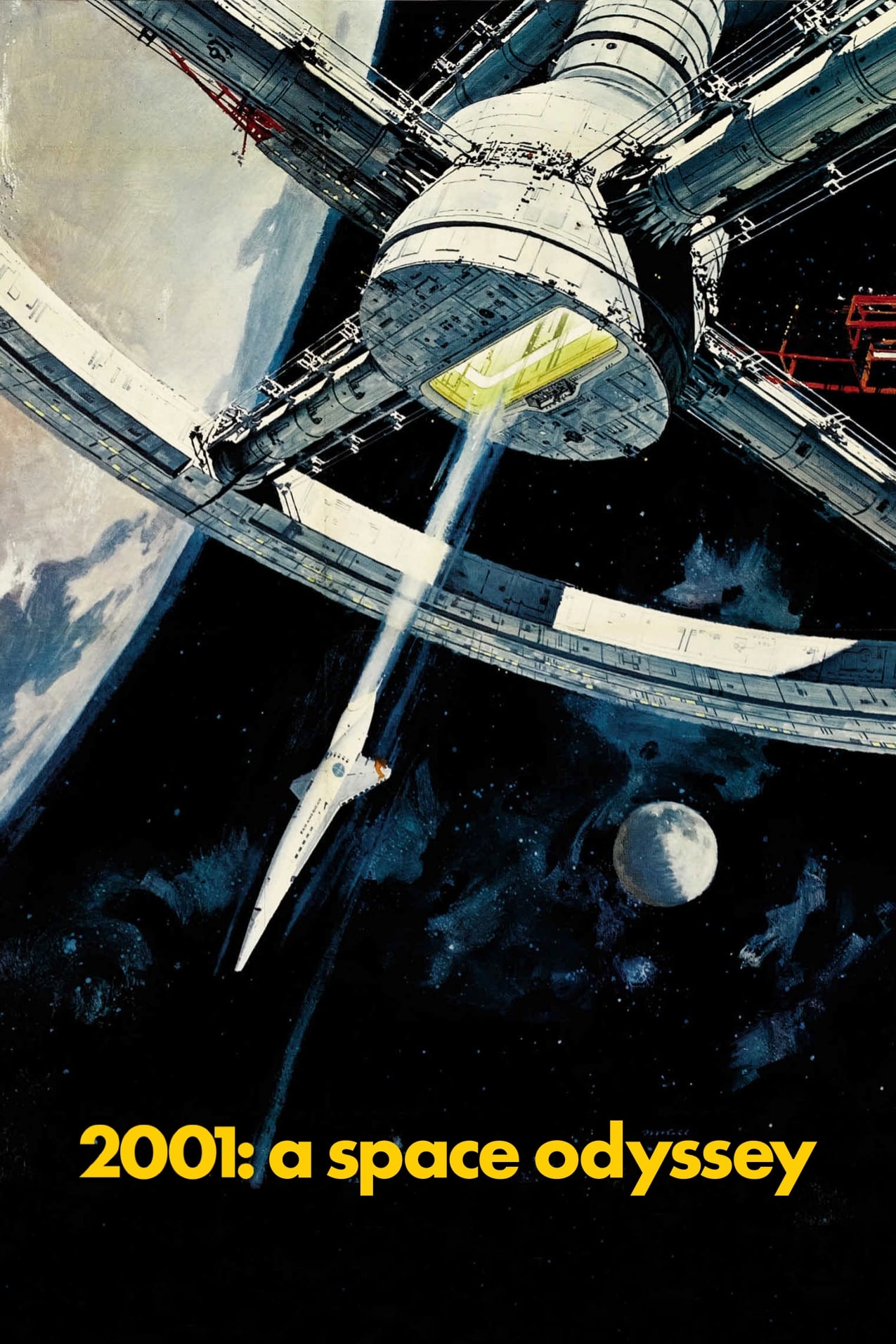
2001: A Space Odyssey is a science fiction film that is often described as one of the greatest movies ever made. Directed by Stanley Kubrick, the film is a journey through time and space, from the dawn of humanity to a mission to Jupiter. It is a movie of big ideas, exploring themes of technology, evolution, and the nature of human existence.
The film is known for its stunning visual effects, which were groundbreaking for their time and still look impressive today. It uses classical music instead of a traditional film score, creating a sense of grandeur and mystery. 2001: A Space Odyssey is not a typical sci-fi movie with a clear plot; it is an experience that invites viewers to think and wonder about our place in the universe.
Planet of the Apes (1968)

Planet of the Apes is a science fiction film about a group of astronauts who crash-land on a mysterious planet where intelligent apes are the dominant species and humans are primitive creatures. The surviving astronaut must navigate this strange society while trying to uncover the planet’s dark secret. The film is both an exciting adventure and a thought-provoking commentary on society.
The movie is famous for its creative premise and its shocking twist ending, which has become one of the most iconic in film history. The makeup effects used to create the ape characters were revolutionary for their time. Planet of the Apes launched a successful franchise and remains a classic of the genre for its clever storytelling and social commentary.
Rosemary’s Baby (1968)
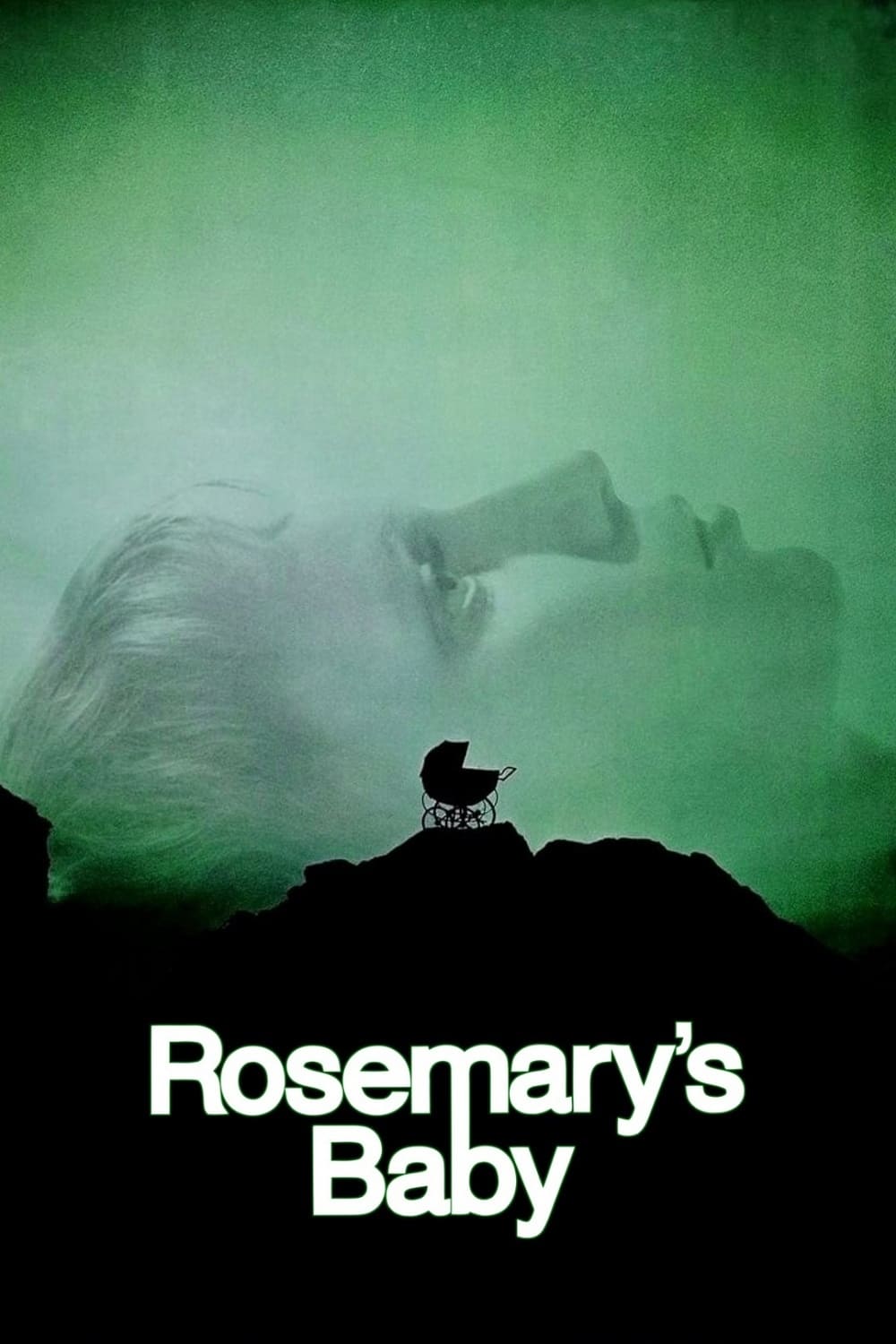
Rosemary’s Baby is a psychological horror film that builds a sense of dread and paranoia. The story follows a young couple who move into a new apartment building and are befriended by their eccentric elderly neighbors. When the wife becomes pregnant, she begins to suspect that her neighbors have sinister plans for her baby.
The film is a masterclass in suspense, creating a feeling of unease without relying on cheap scares. The horror comes from the slow realization that something is terribly wrong and the fear of not being believed. Rosemary’s Baby is a chilling and unsettling film that stays with you long after it’s over.
Night of the Living Dead (1968)
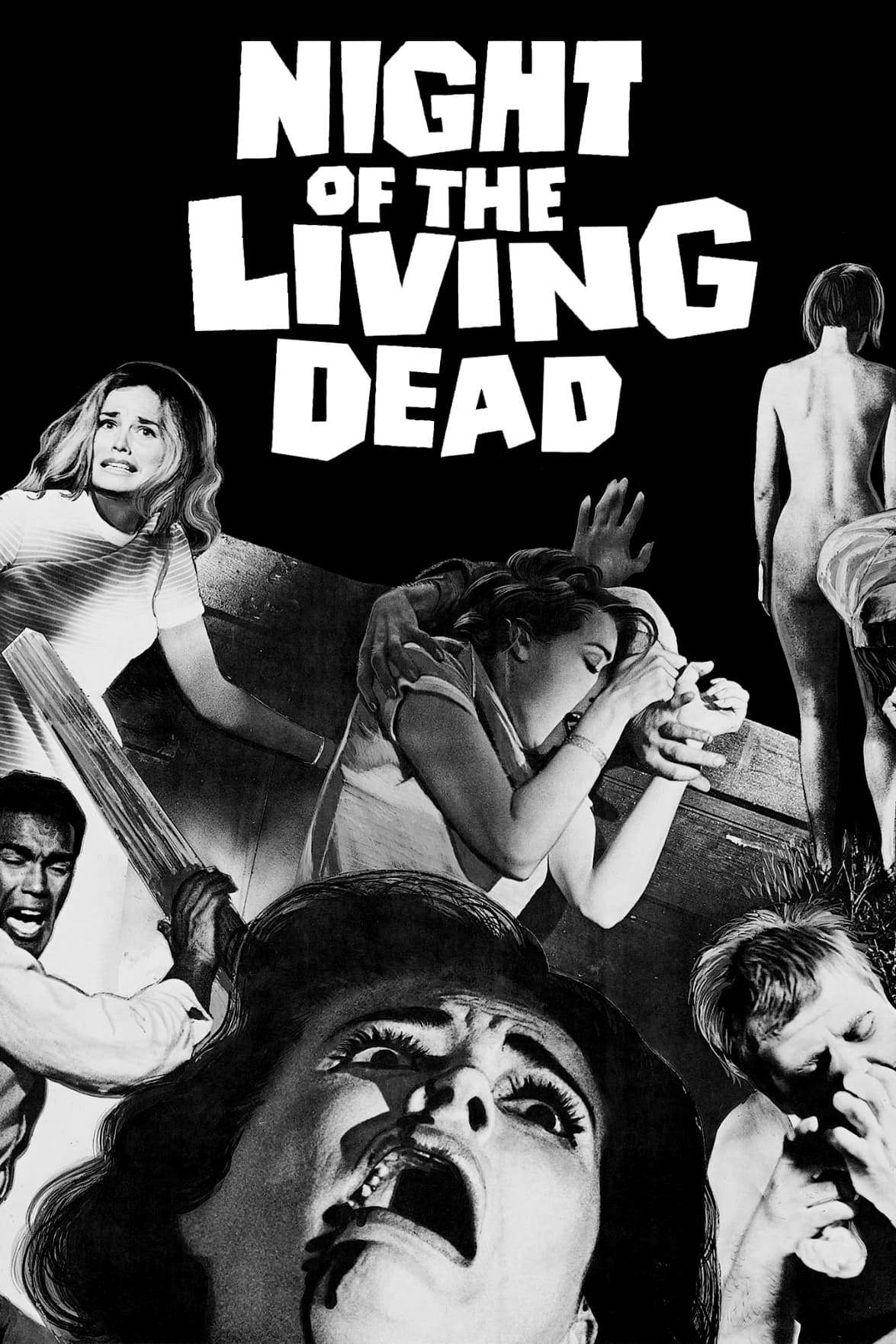
Night of the Living Dead is an independent horror film that redefined the zombie genre. The story is simple: a group of strangers are trapped in a farmhouse as flesh-eating zombies surround them. They must work together to survive the night. The film was made on a very low budget, but its raw and gritty style made the horror feel all too real.
The movie was shocking for its time due to its graphic violence and bleak tone. It also broke new ground by casting a black actor in the lead role, a rare move for a horror film in the 1960s. Night of the Living Dead became a cult classic and created the template for the modern zombie movie.
Easy Rider (1969)
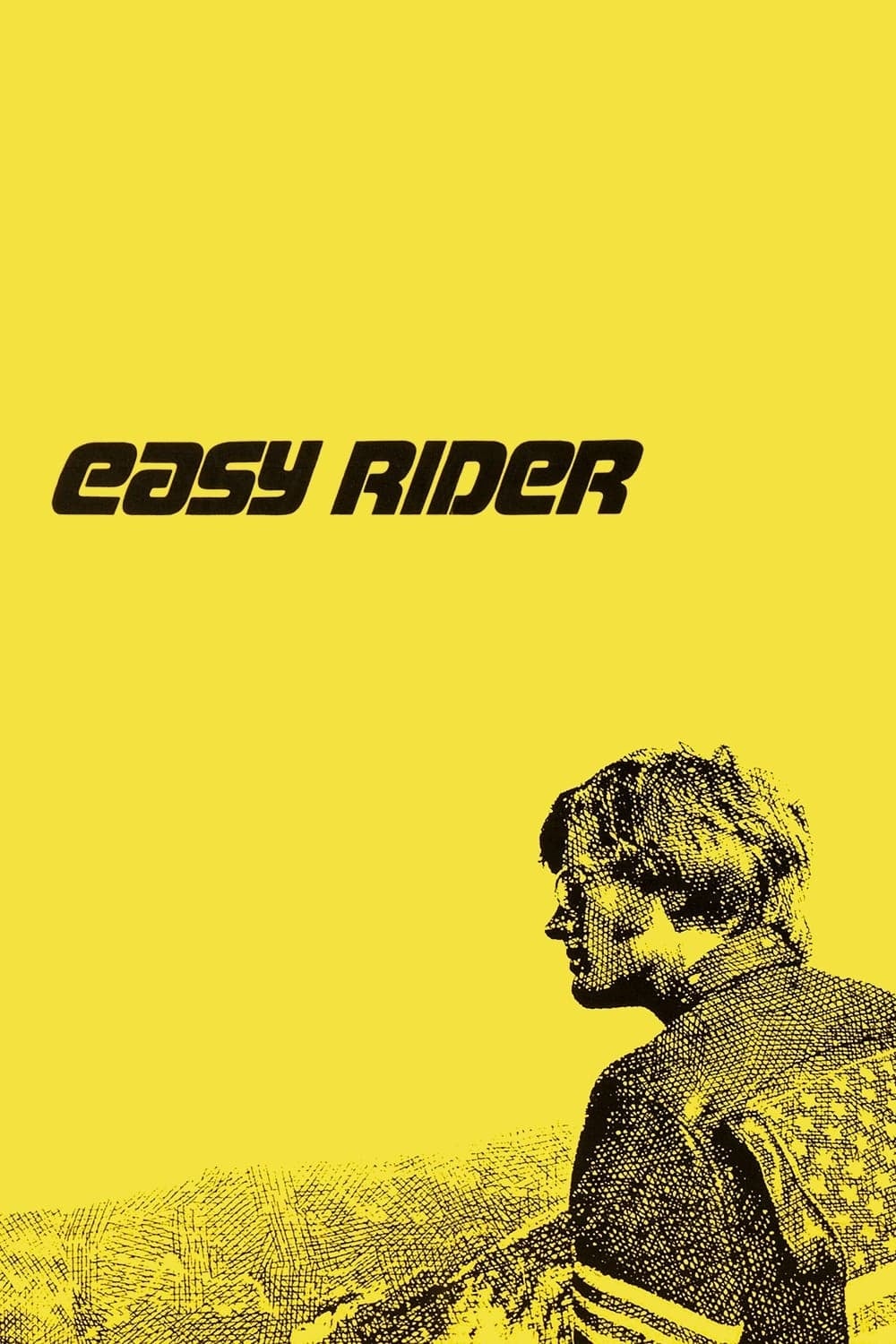
Easy Rider is a counter-culture road movie that captured the spirit of the late 1960s. The film follows two bikers who travel across America on their motorcycles, searching for freedom and a different way of life. Along the way, they encounter a range of characters who represent different aspects of American society.
The film was a landmark of independent filmmaking, made on a small budget with a small crew. Its use of popular rock music on the soundtrack was innovative and helped to define the film’s rebellious tone. Easy Rider was a huge success and became an anthem for a generation that was questioning the status quo.
Butch Cassidy and the Sundance Kid (1969)

Butch Cassidy and the Sundance Kid is a Western that tells the story of two real-life outlaws who were the leaders of a gang of train robbers. As the law closes in on them, they decide to flee to Bolivia with the Sundance Kid’s girlfriend in hopes of finding a new place to continue their criminal careers.
The film is known for its witty script and the charming chemistry between its two lead actors, Paul Newman and Robert Redford. It’s a fun and entertaining movie that blends action, comedy, and drama. The film’s lighthearted tone and modern style made it a fresh take on the Western genre, and it became one of the most popular films of the decade.
Midnight Cowboy (1969)
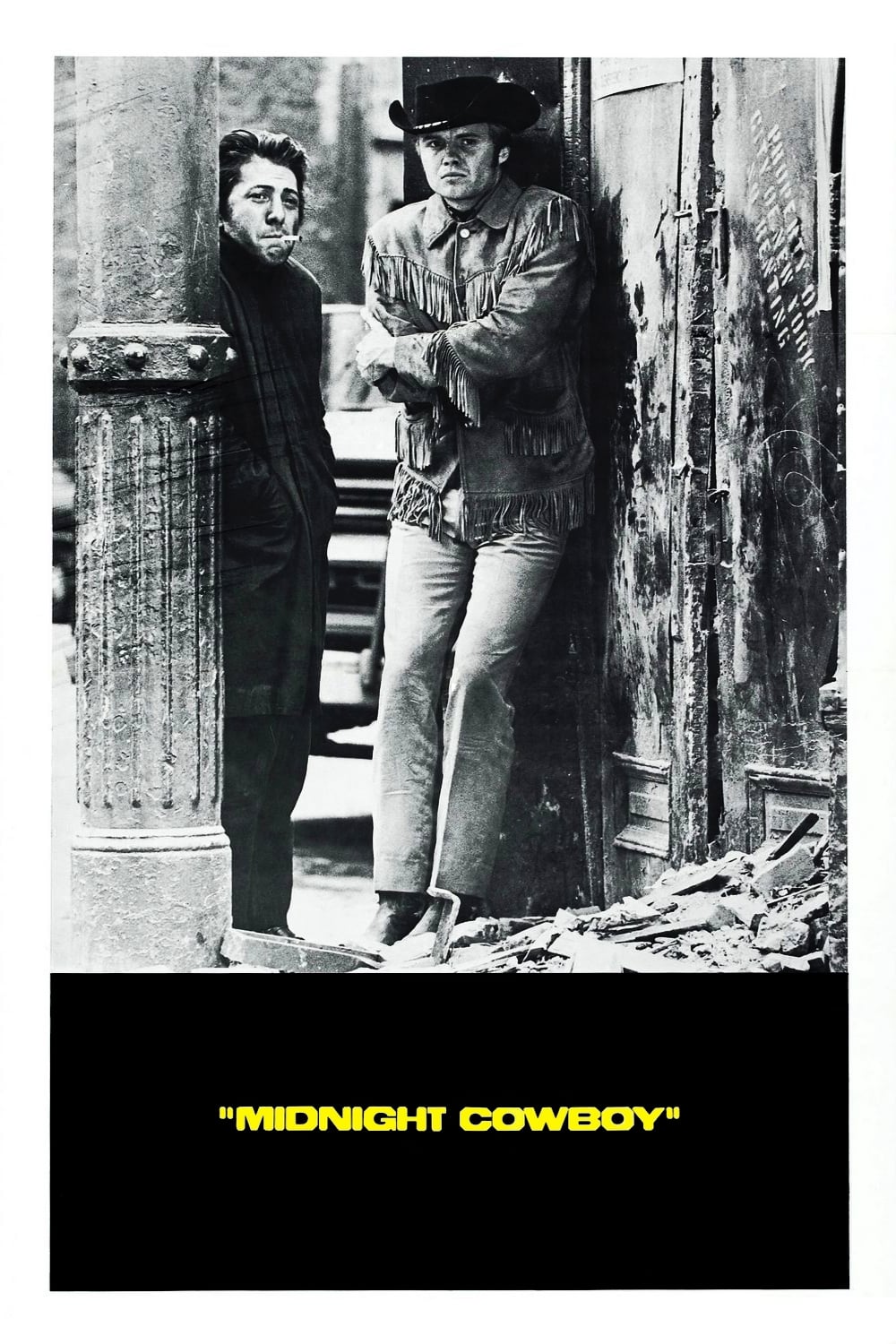
Midnight Cowboy is a powerful drama that tells the story of an unlikely friendship between two outcasts in New York City. A naive young man from Texas moves to the city hoping to become a male prostitute, but he struggles to survive. He eventually forms a bond with a sickly con artist named Ratso Rizzo, and together they try to make a life for themselves.
The film was groundbreaking for its gritty and realistic portrayal of life on the margins of society. It was the first and only X-rated film to win the Academy Award for Best Picture. Midnight Cowboy is a moving and unforgettable story about friendship and the search for connection in a harsh world.
The Wild Bunch (1969)
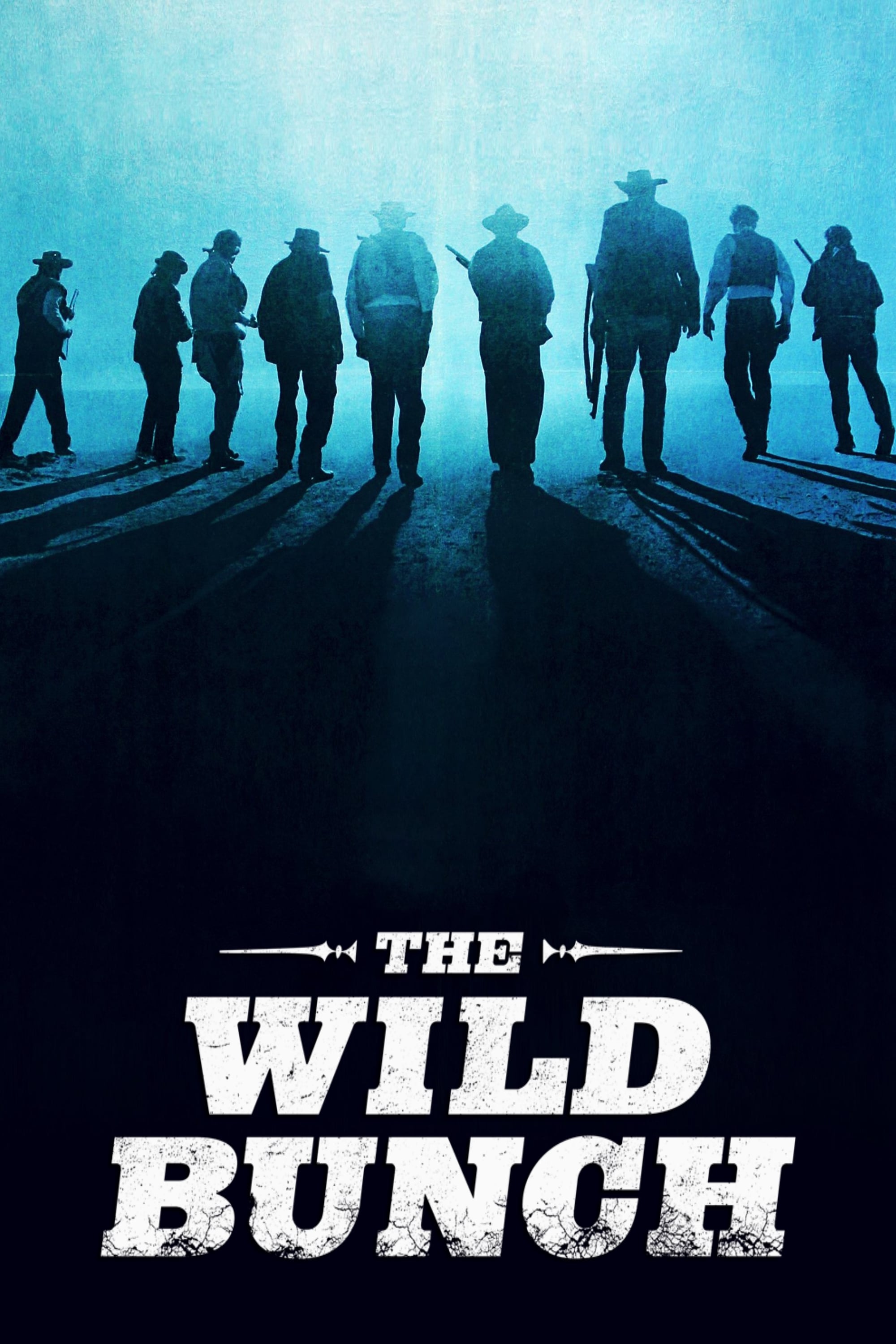
The Wild Bunch is a Western that is known for its intense and stylishly directed violence. The film follows a group of aging outlaws in the early 20th century who are trying to pull off one last big score. They find themselves in the middle of the Mexican Revolution, where their old ways of life are quickly becoming a thing of the past.
Director Sam Peckinpah used slow-motion and rapid editing to create balletic and brutal action sequences that were unlike anything seen before. The film is a powerful and often violent look at the end of the Old West and the men who were left behind. The Wild Bunch is a landmark film that changed the way violence was depicted on screen.
Z (1969)
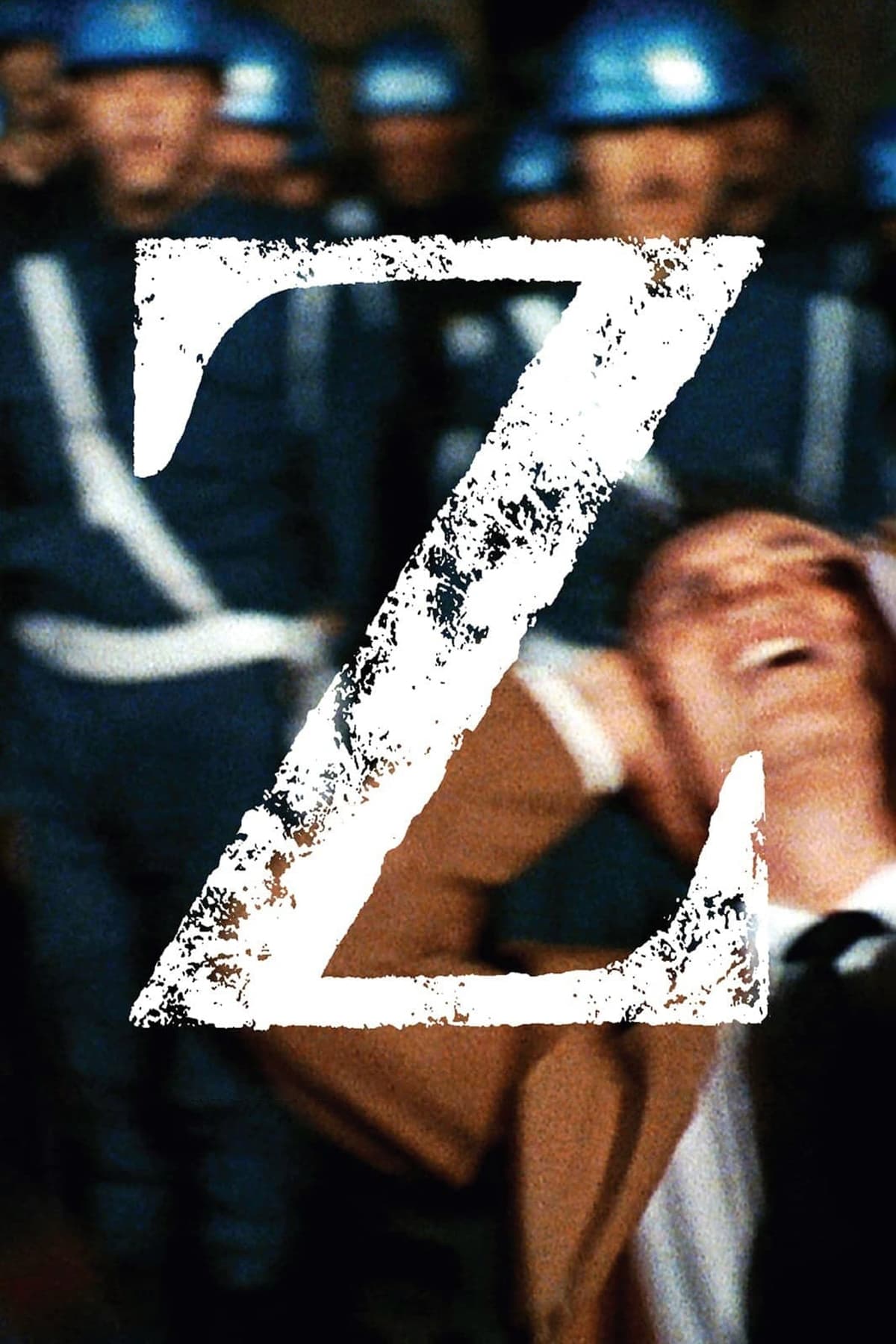
Z is a fast-paced political thriller from French-Greek director Costa-Gavras. The film is a fictionalized account of the events surrounding the public murder of a prominent politician and doctor in Greece. When the government and military try to cover up the assassination as a random accident, an investigating magistrate uncovers the truth.
The film is a gripping and suspenseful look at political corruption and the abuse of power. It has a sense of urgency and outrage that makes it feel like a documentary. Z was a major international success and won the Academy Award for Best Foreign Language Film.
Once Upon a Time in the West (1968)
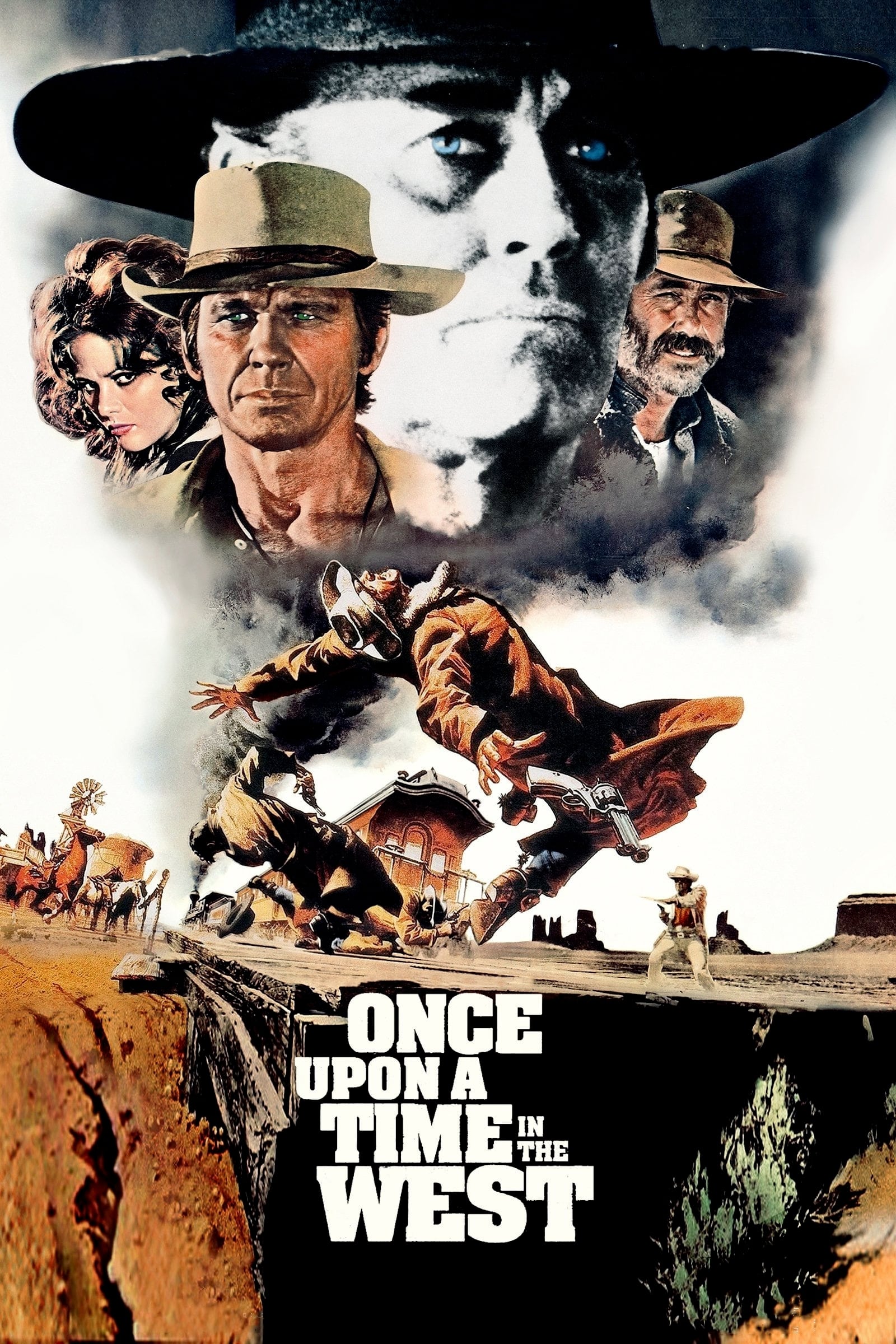
Once Upon a Time in the West is another epic Spaghetti Western from director Sergio Leone. The story revolves around a mysterious stranger with a harmonica who joins forces with a notorious outlaw to protect a beautiful widow from a ruthless assassin working for the railroad. The film is a grand and operatic take on the Western genre.
Leone’s film is a slow-burning and atmospheric masterpiece, known for its stunning visuals and a haunting musical score. The film takes its time to build suspense, leading to a series of unforgettable showdowns. While it wasn’t a big hit in the U.S. initially, it has since been recognized as one of the greatest Westerns ever made.
The Great Escape (1963)
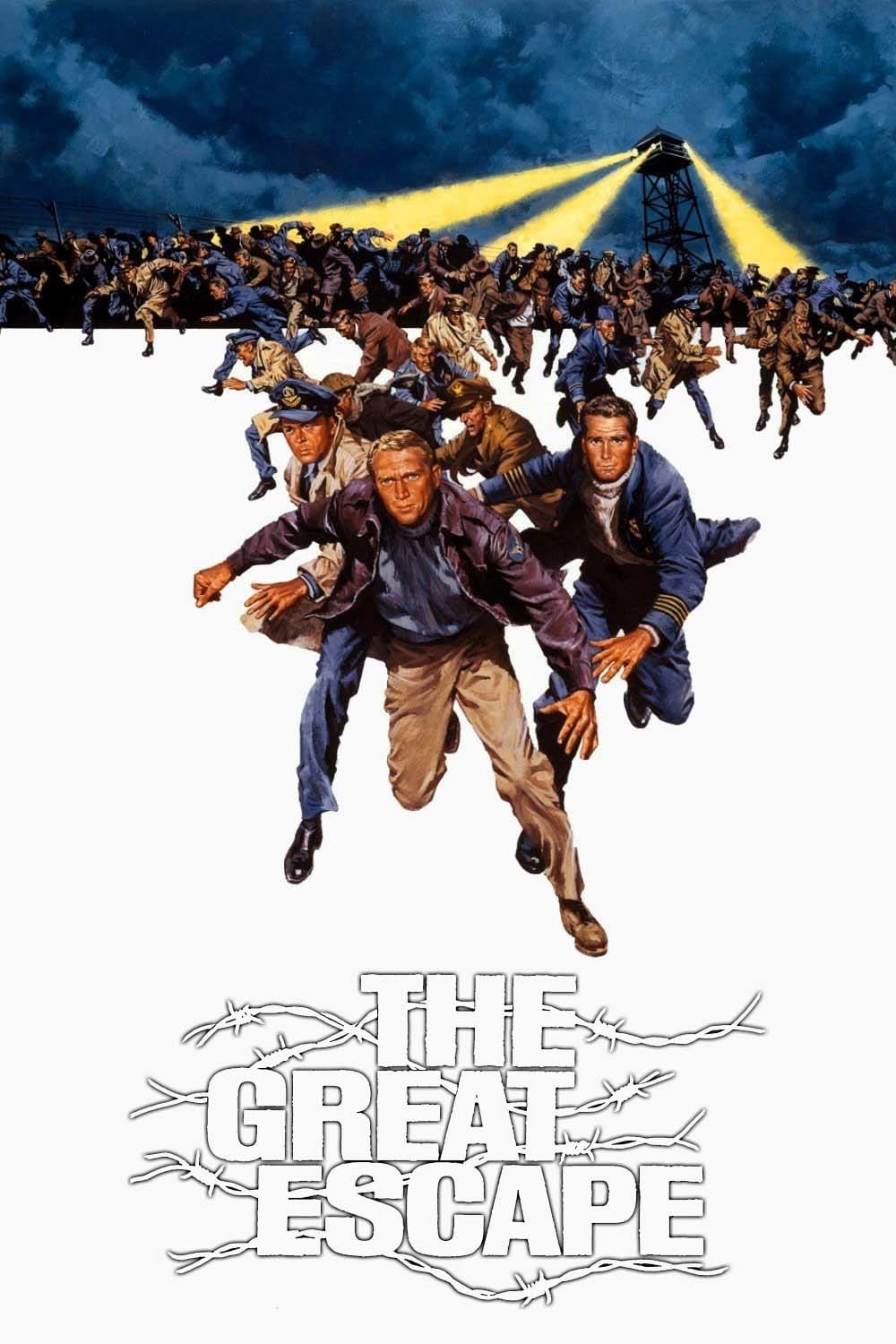
The Great Escape is a classic war film based on the true story of a group of Allied prisoners of war who plan a massive escape from a German POW camp during World War II. The film features a large ensemble cast of famous actors who portray the different members of the escape committee, each with their own special skills.
The film is a thrilling and entertaining adventure story, full of suspense and clever moments as the prisoners work together to outsmart their captors. While the film takes some liberties with the historical facts for dramatic effect, it remains a tribute to the ingenuity and courage of the men involved. The Great Escape is a beloved and iconic war movie that has stood the test of time.

