


30 Must-Watch Sports Films from the 1980s You Cannot Skip



The sports films of the eighties cover an impressive range of competition, from boxing rings and baseball diamonds to BMX tracks and surf breaks. Studios backed true stories, adaptations, and original screenplays, while filmmakers used real arenas and authentic athletic choreography to ground the action.
This list brings together titles from across the decade and across sports. You will find films that launched franchises, drew on memoirs and novels, and featured actors who later became closely associated with specific roles. Each entry notes core facts about the story, the people who made it, and the production details that shaped what you see on screen.
‘Raging Bull’ (1980)
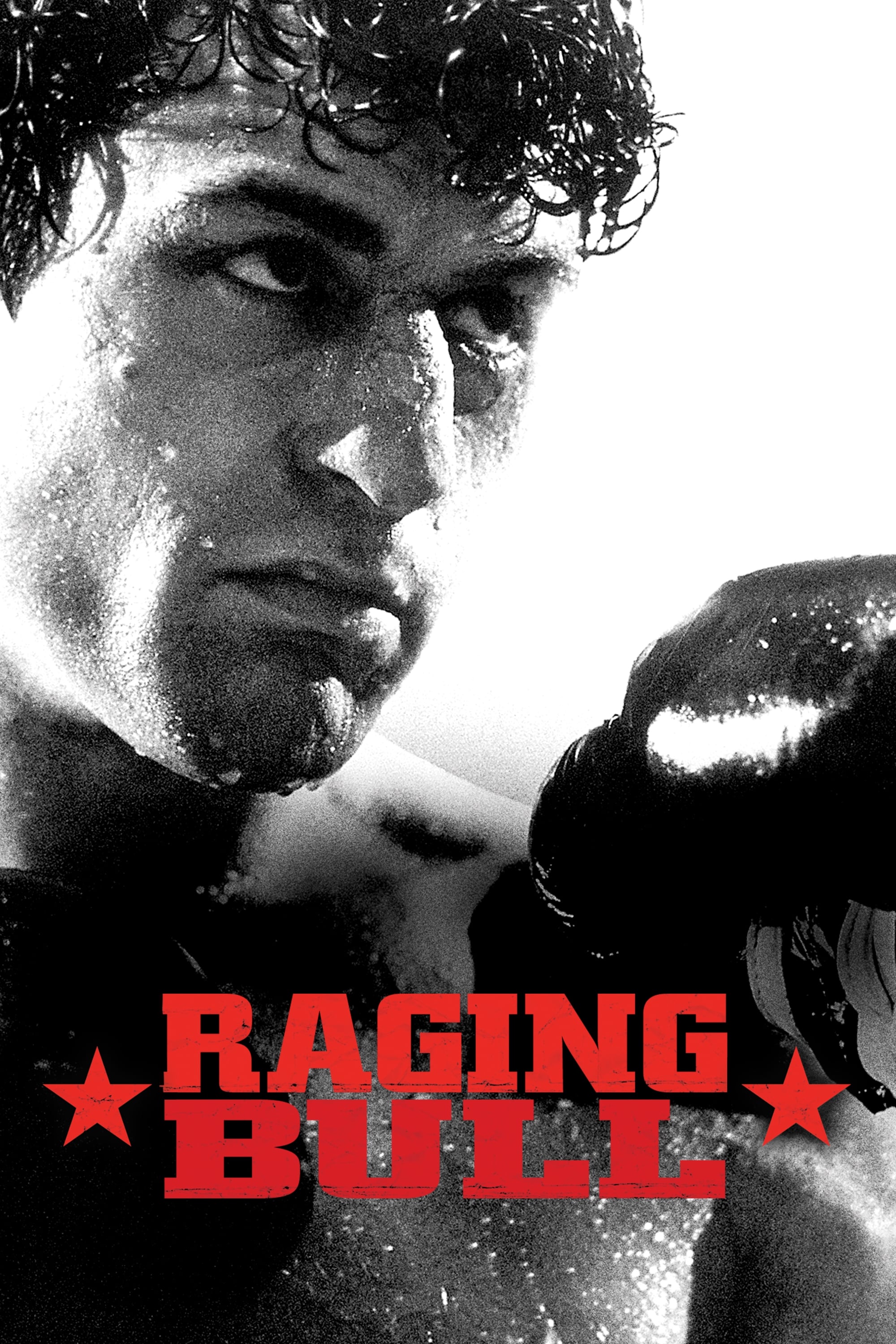
Martin Scorsese directs the story of middleweight boxer Jake LaMotta with Robert De Niro in the lead and Joe Pesci and Cathy Moriarty in key supporting roles. The film adapts the memoir by Jake LaMotta with Joseph Carter and Peter Savage and follows the fighter’s rise inside the ring and the breakdowns outside it.
Michael Chapman serves as cinematographer and Thelma Schoonmaker edits the film with fight sequences staged to emphasize timing and distance. The production shoots primarily in black and white with boxing scenes built around precise choreography and period specific ring design.
‘Caddyshack’ (1980)
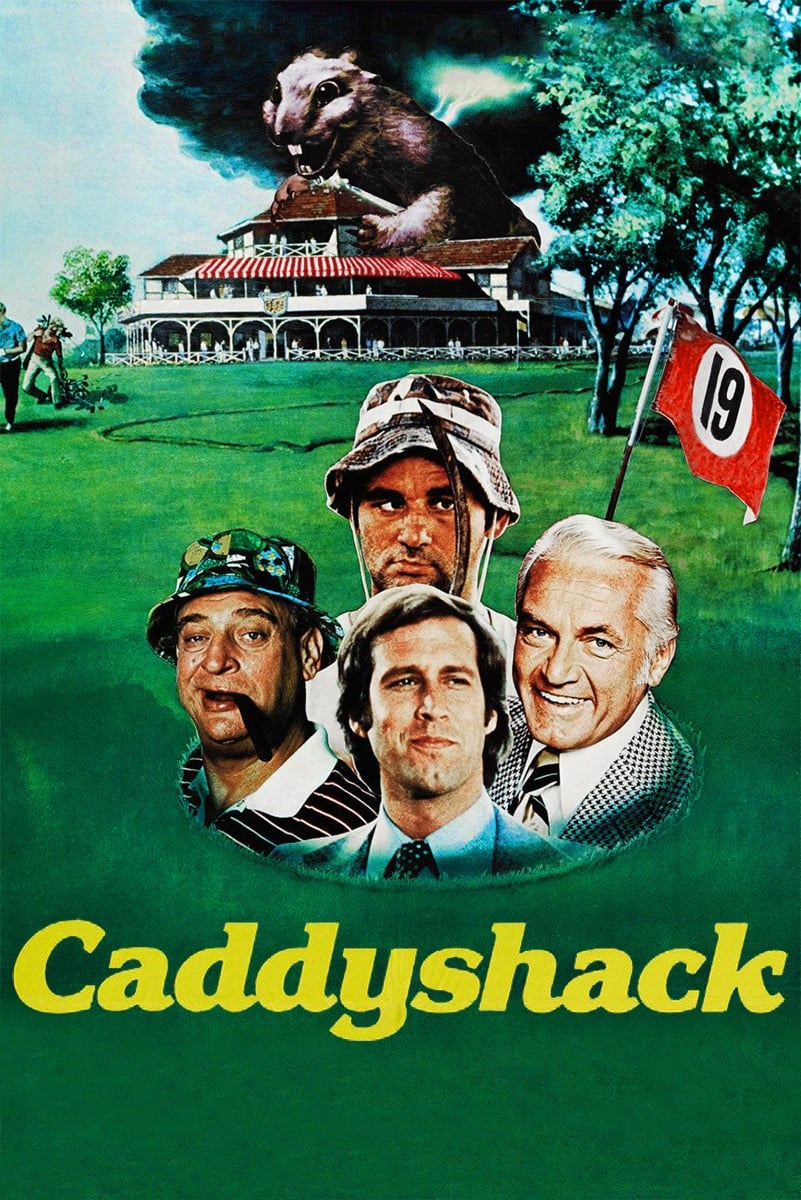
Harold Ramis directs a golf club comedy with Chevy Chase, Rodney Dangerfield, Bill Murray, and Ted Knight set at the fictional Bushwood Country Club. Much of the humor plays out around a caddie scholarship competition and a high stakes club tournament.
Filming takes place at Rolling Hills Golf and Tennis Club in Florida with a puppet gopher created for on course gags. The soundtrack features songs by Kenny Loggins and the production mixes scripted set pieces with well known improvisation by cast members.
‘Chariots of Fire’ (1981)
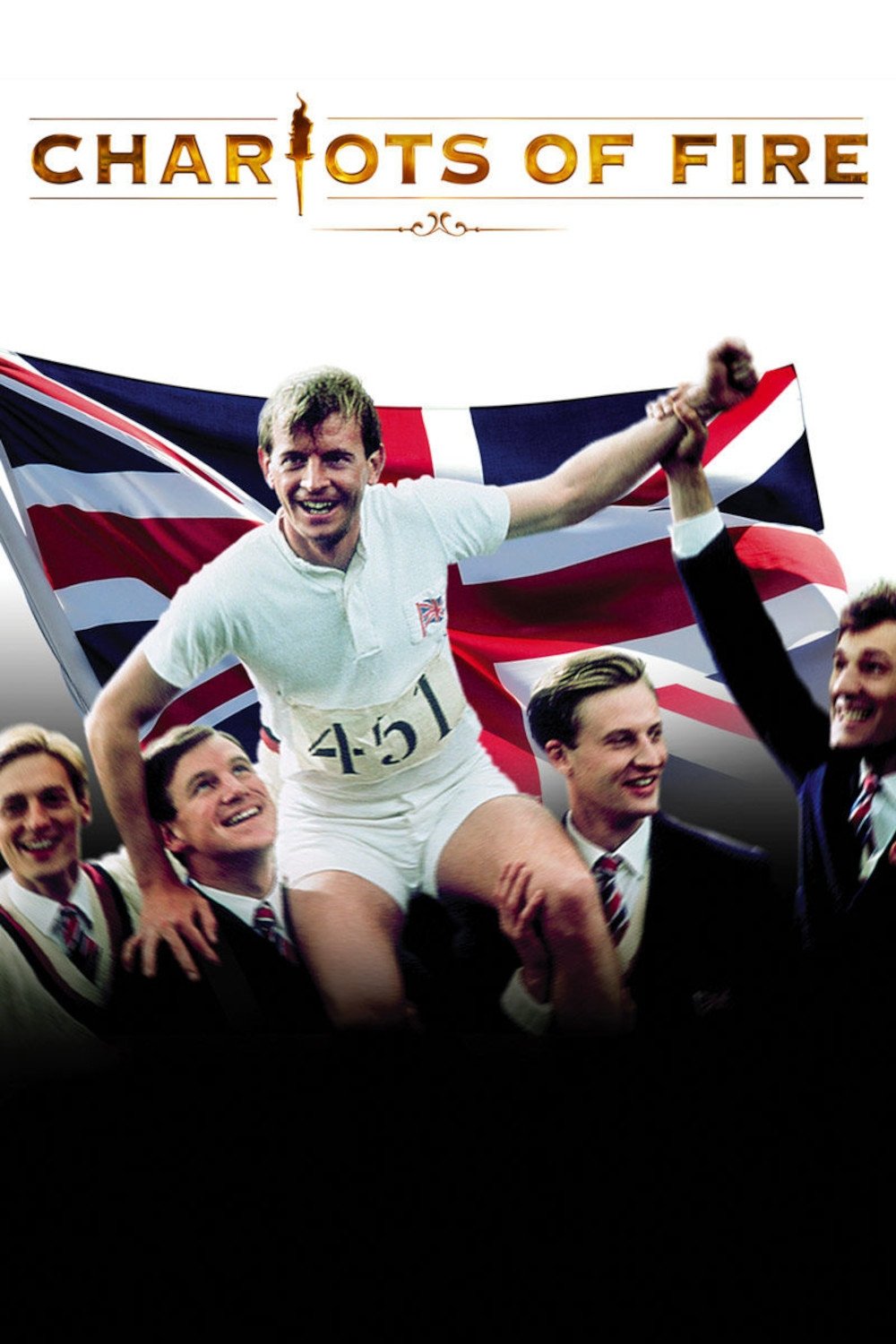
Hugh Hudson directs this British drama about sprinters Eric Liddell and Harold Abrahams with performances by Ian Charleson and Ben Cross. The story follows the athletes as they train, compete, and navigate personal convictions and social barriers leading to the Games in Paris.
Vangelis composes the score that accompanies training and racing sequences, including a beach run filmed at West Sands in St Andrews. The film receives multiple Academy Awards including Best Picture and features extensive track work staged at historic university and stadium locations.
‘Escape to Victory’ (1981)
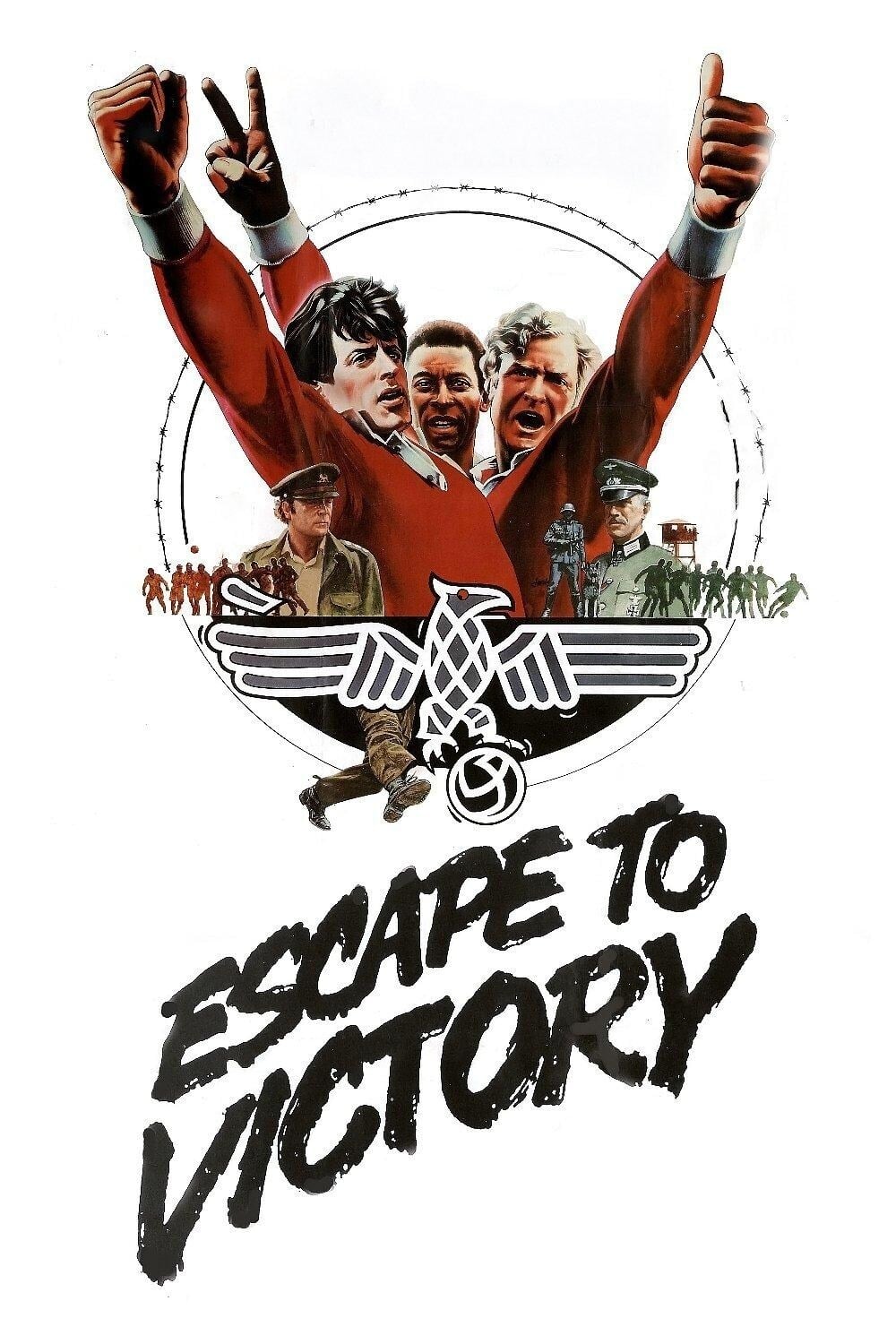
John Huston directs this wartime soccer drama with Michael Caine, Sylvester Stallone, and Pelé leading a cast that includes professional players like Bobby Moore and Osvaldo Ardiles. The plot centers on prisoners of war who form a team to play a match against a German side.
Production shoots in Hungary with match action choreographed to highlight authentic techniques from the era. Bill Conti provides the score and the film features coordinated set pieces that blend sports filmmaking with escape drama logistics.
‘Rocky III’ (1982)
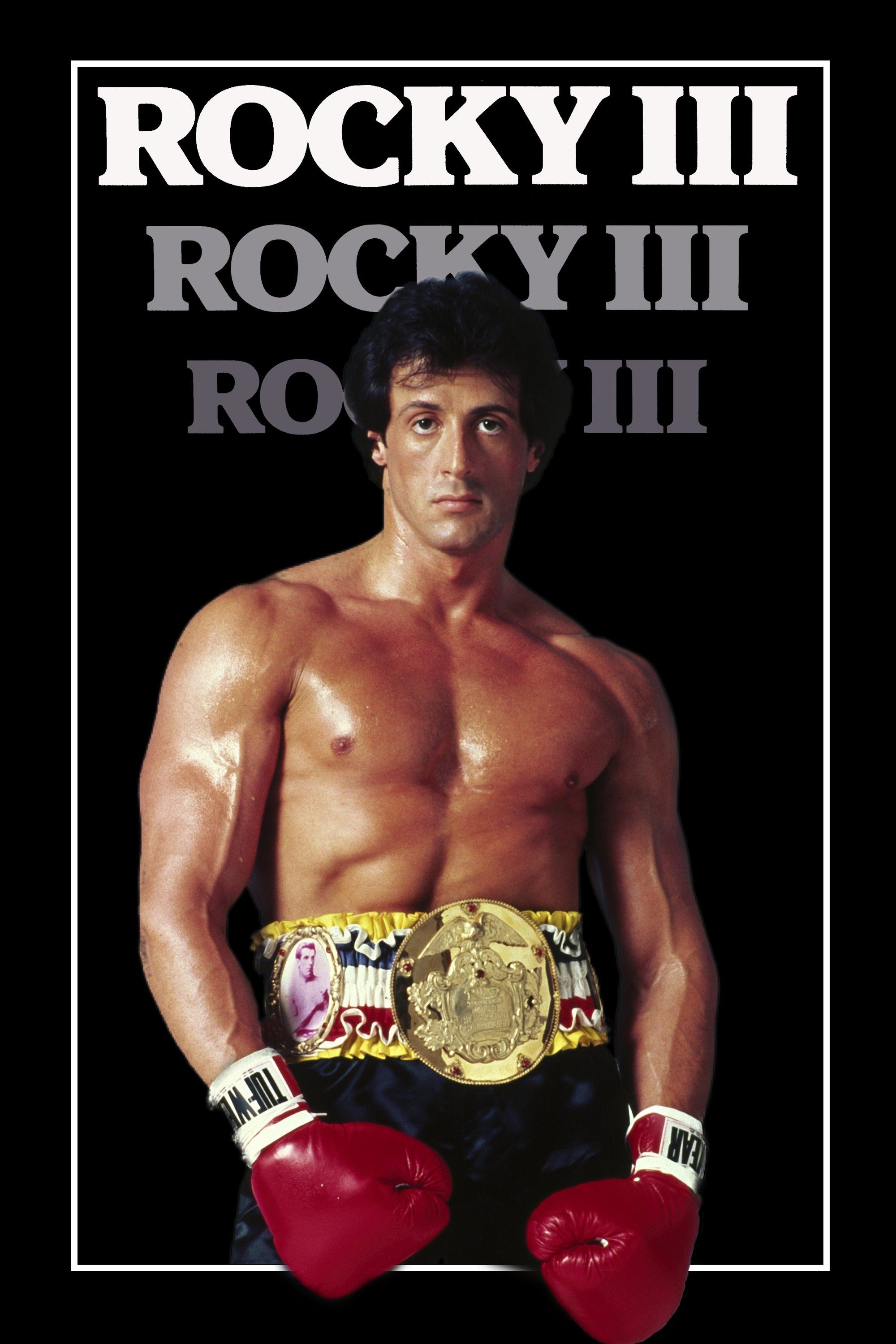
Sylvester Stallone writes, directs, and stars as Rocky Balboa facing challenger Clubber Lang played by Mr. T with Carl Weathers returning as Apollo Creed. The story follows the champion through a crisis of confidence, a loss, and a renewed training partnership.
The film introduces the song Eye of the Tiger by Survivor, which plays over training and montage sequences. Hulk Hogan appears as Thunderlips in a charity match and the production stages fights with revised camera placements to emphasize speed and impact.
‘Personal Best’ (1982)
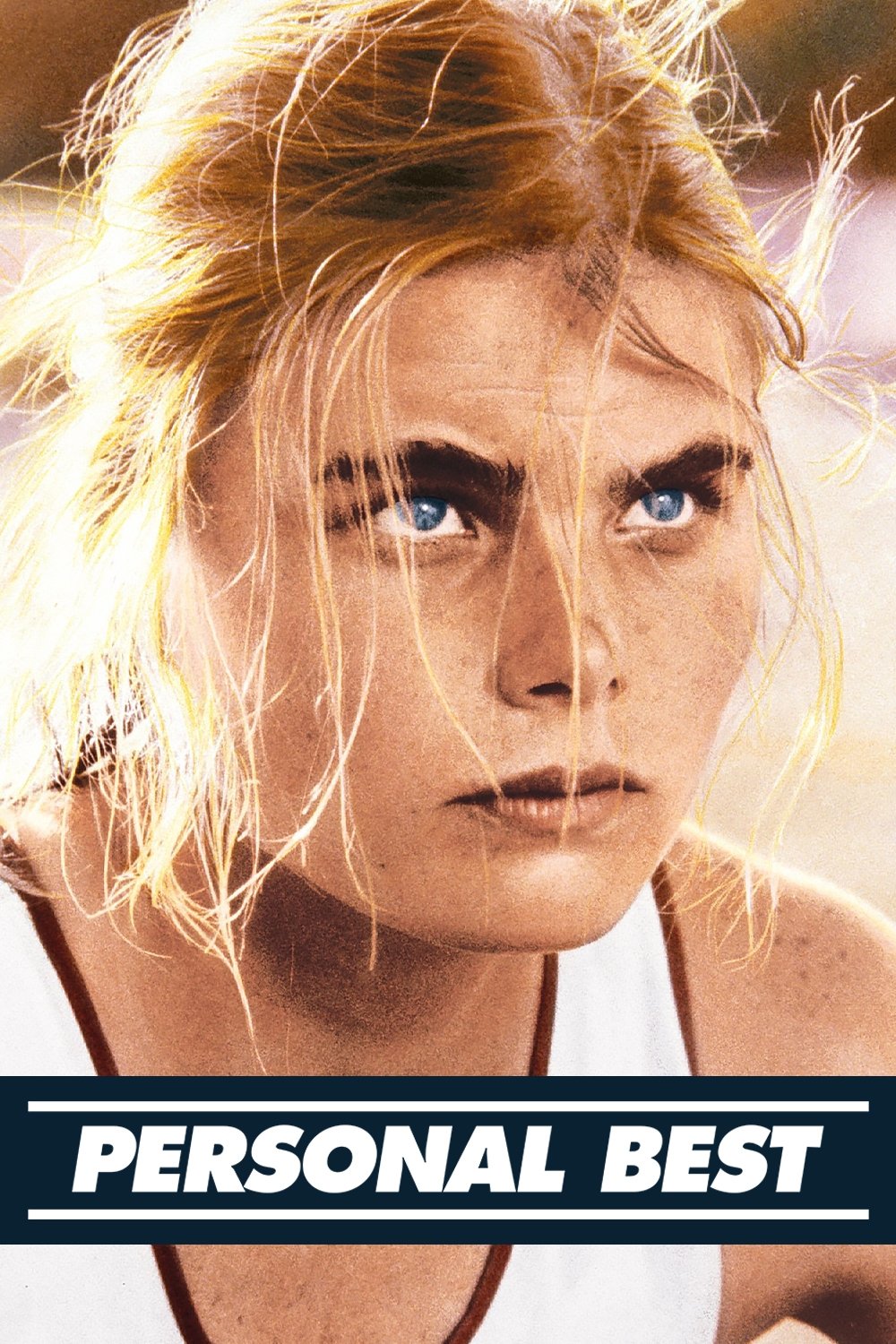
Robert Towne writes and directs a track and field drama starring Mariel Hemingway and real life hurdler Patrice Donnelly. The story follows elite athletes balancing training, relationships, and selection pressures as they chase a place on the national team.
Filming takes place at venues including Hayward Field in Eugene and locations in California, giving the track action a grounded feel. The production employs coaches and technical advisers to align sprinting, hurdling, and heptathlon sequences with competition standards.
‘All the Right Moves’ (1983)
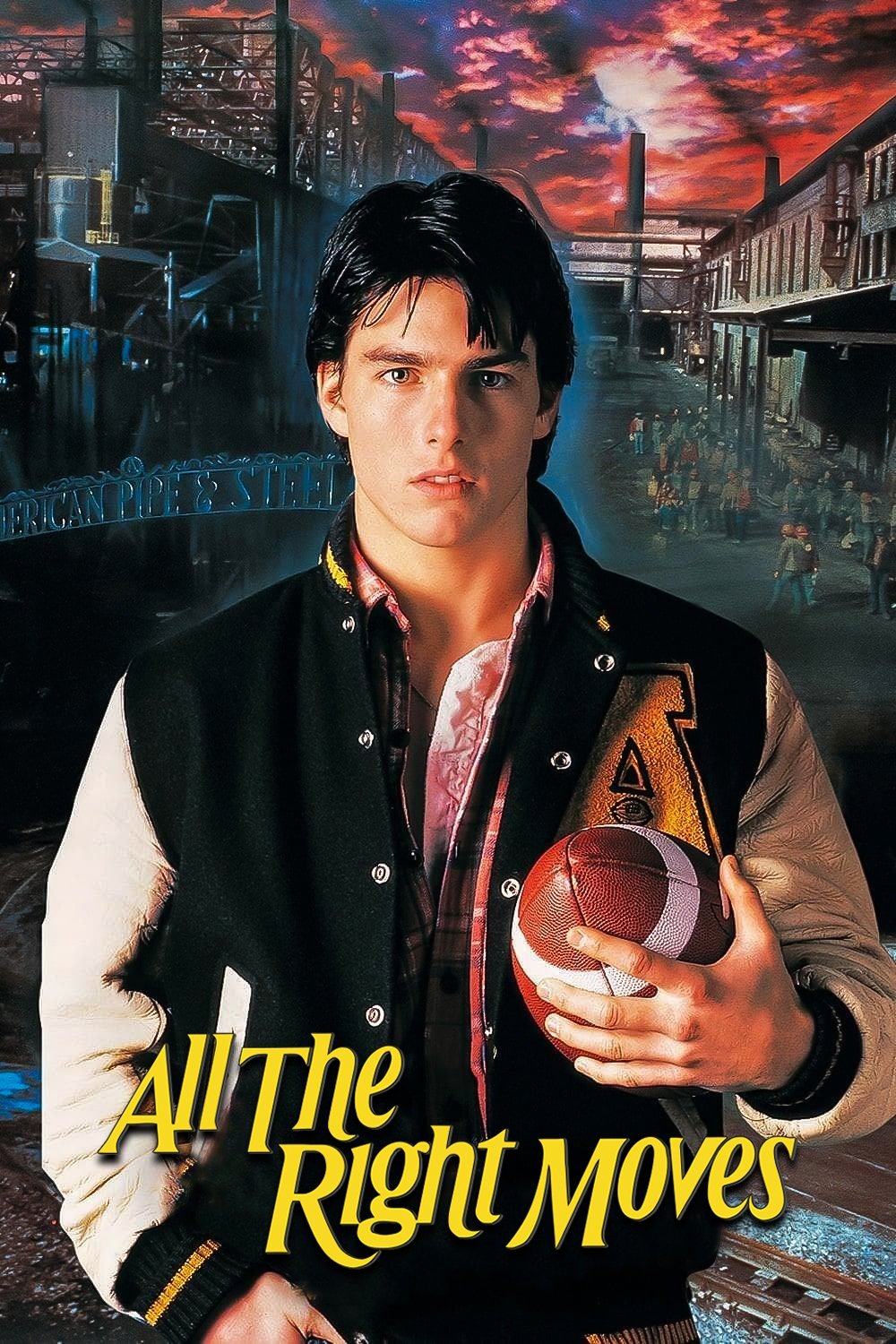
Director Michael Chapman presents a high school football story set in a Pennsylvania steel town with Tom Cruise and Craig T. Nelson in central roles. The plot tracks a defensive back seeking a scholarship and a coach under pressure as the season unfolds.
Filming occurs in Johnstown and Pittsburgh area communities with local stadiums and marching bands used on game nights. The production highlights practice routines, locker room dynamics, and small town recruiting realities that affect student athletes.
‘The Natural’ (1984)
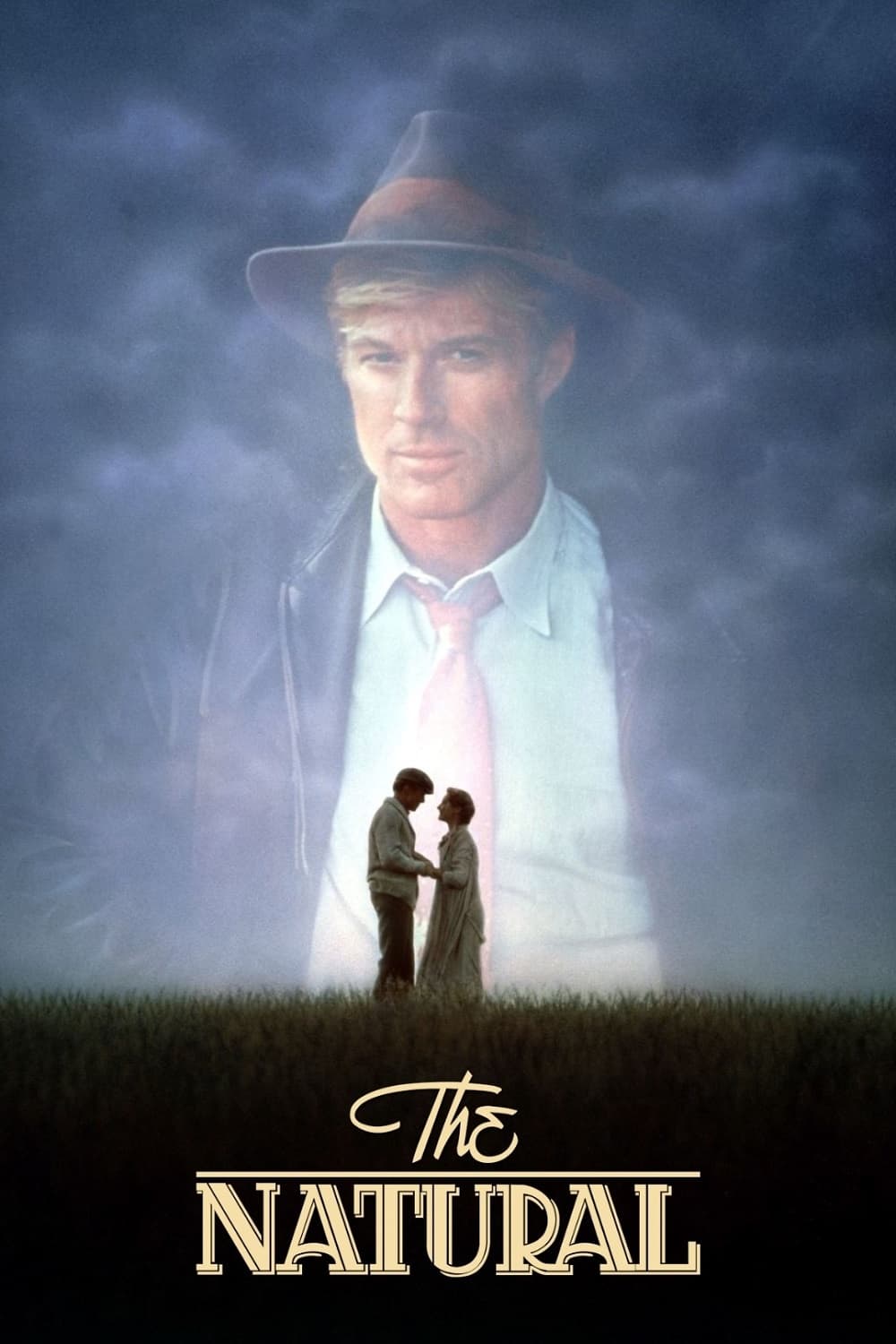
Barry Levinson directs this adaptation of Bernard Malamud’s novel with Robert Redford as slugger Roy Hobbs and Glenn Close and Robert Duvall in supporting roles. The story follows a gifted hitter whose career stalls and then resumes with a burst of power on a struggling team.
Production uses Buffalo’s War Memorial Stadium and other ballparks to recreate the look and scale of classic era baseball. Randy Newman composes the score and the film receives multiple Academy Award nominations including recognition for cinematography and art direction.
‘The Karate Kid’ (1984)
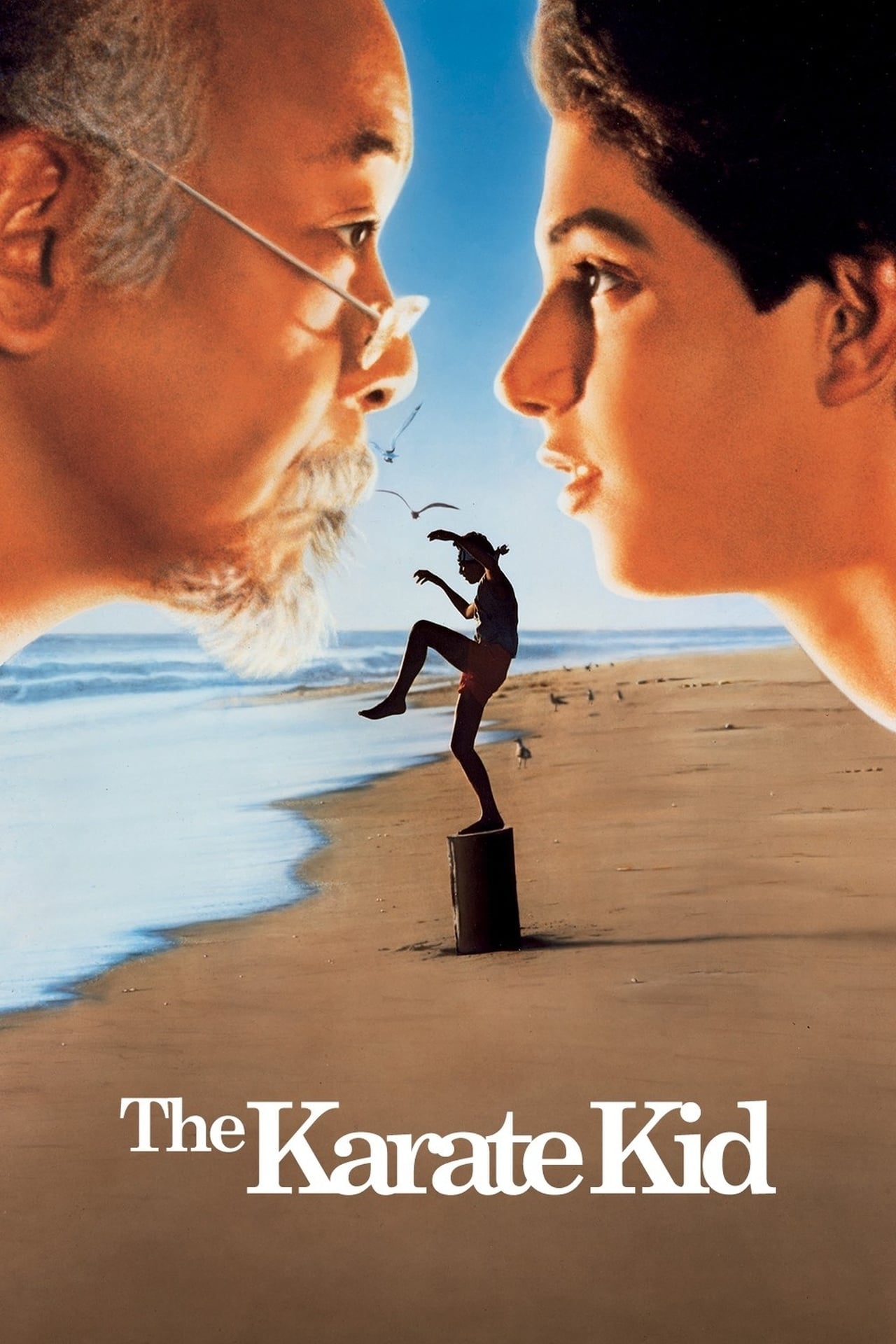
John G. Avildsen directs this martial arts story with Ralph Macchio as Daniel LaRusso and Pat Morita as Mr. Miyagi along with Elisabeth Shue as Ali. The plot traces Daniel’s move to the San Fernando Valley, his training in Miyagi’s methods, and his entry into a regional tournament.
Filming takes place around Los Angeles including locations in Reseda and the South Bay area. Pat E. Johnson designs the fight choreography and Pat Morita earns an Academy Award nomination for his performance as the teacher who guides Daniel’s preparation.
‘Rocky IV’ (1985)
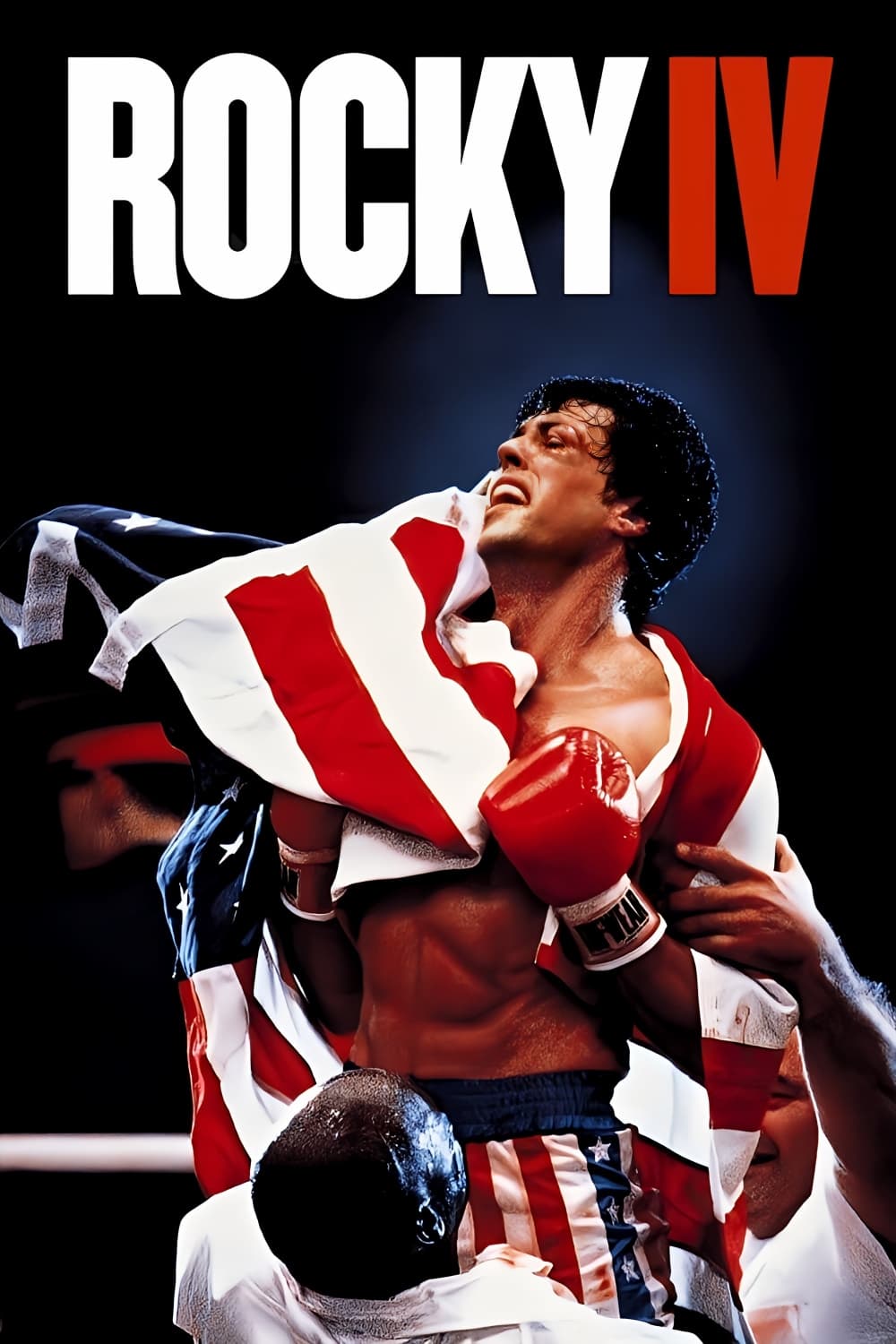
Sylvester Stallone returns as writer, director, and star with Dolph Lundgren as Ivan Drago and Talia Shire and Burt Young reprising their roles. The story follows training in contrasting environments and builds to a high profile international bout.
Exteriors for wintry training scenes are filmed in Wyoming and fight action is staged at the PNE Agrodome in Vancouver standing in for a large arena. The soundtrack features multiple songs used to drive montage sequences and the production employs advanced steadicam and crane setups for the climactic fight.
‘Vision Quest’ (1985)
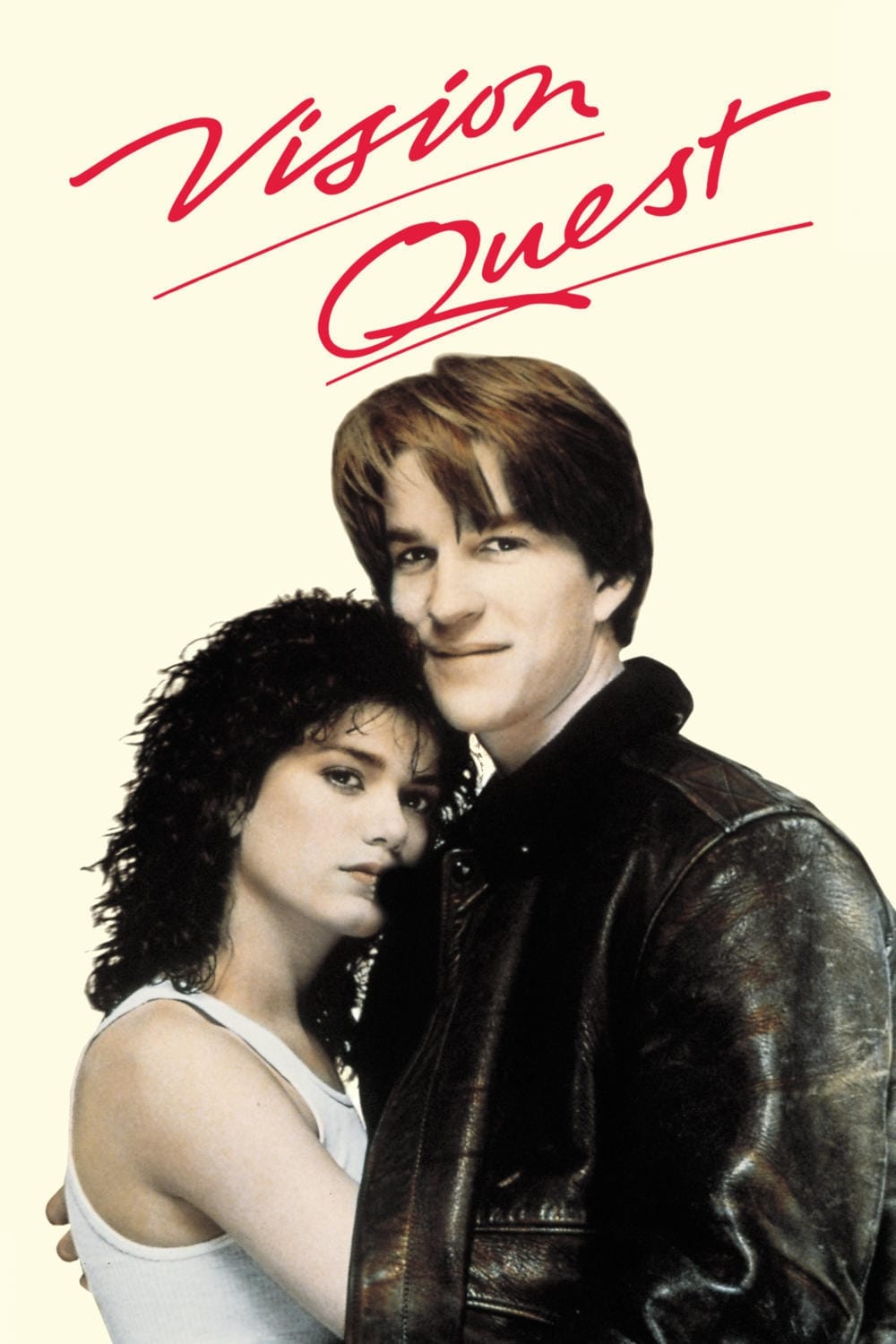
Harold Becker directs this wrestling drama featuring Matthew Modine as Louden Swain and Linda Fiorentino in a key role. The plot centers on a high school athlete who drops weight classes to challenge a dominant opponent while managing school and family life.
Production shoots in Spokane with wrestling scenes designed with input from coaches and officials to reflect real scoring and referee protocols. Madonna appears performing in a nightclub scene and the soundtrack includes her song Crazy for You alongside other contemporary tracks.
‘American Flyers’ (1985)
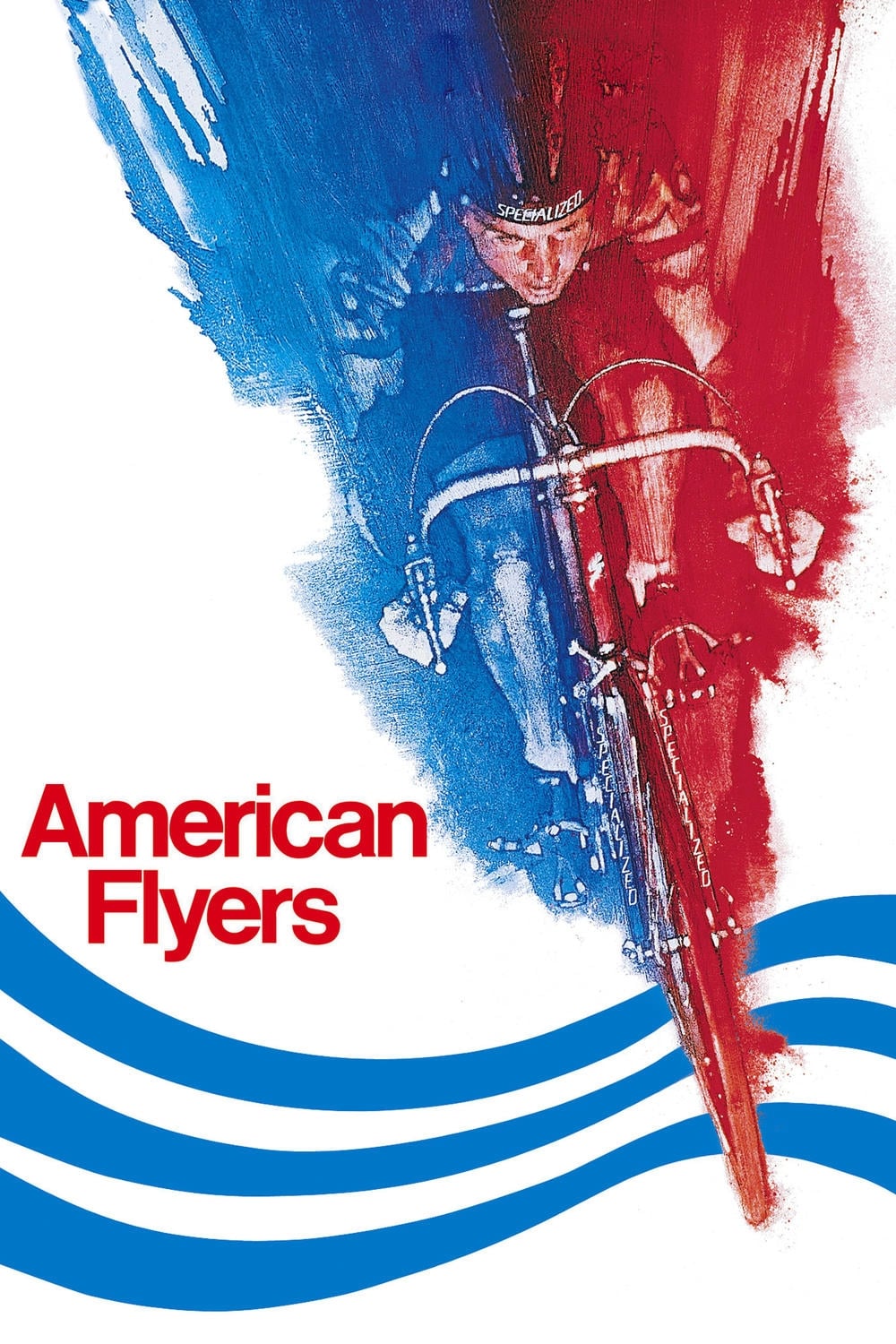
John Badham directs a cycling drama starring Kevin Costner and David Marshall Grant as brothers racing in a multiday event nicknamed the Hell of the West. The story moves from medical evaluations to team strategy and finally to mountain stages that test endurance.
Filming takes place across Colorado including Golden, Boulder, and high elevation passes with route support from state authorities. The production uses peloton cars, race radios, and motorcycles to capture drafting, breakaways, and support tactics used in stage racing.
‘Teen Wolf’ (1985)
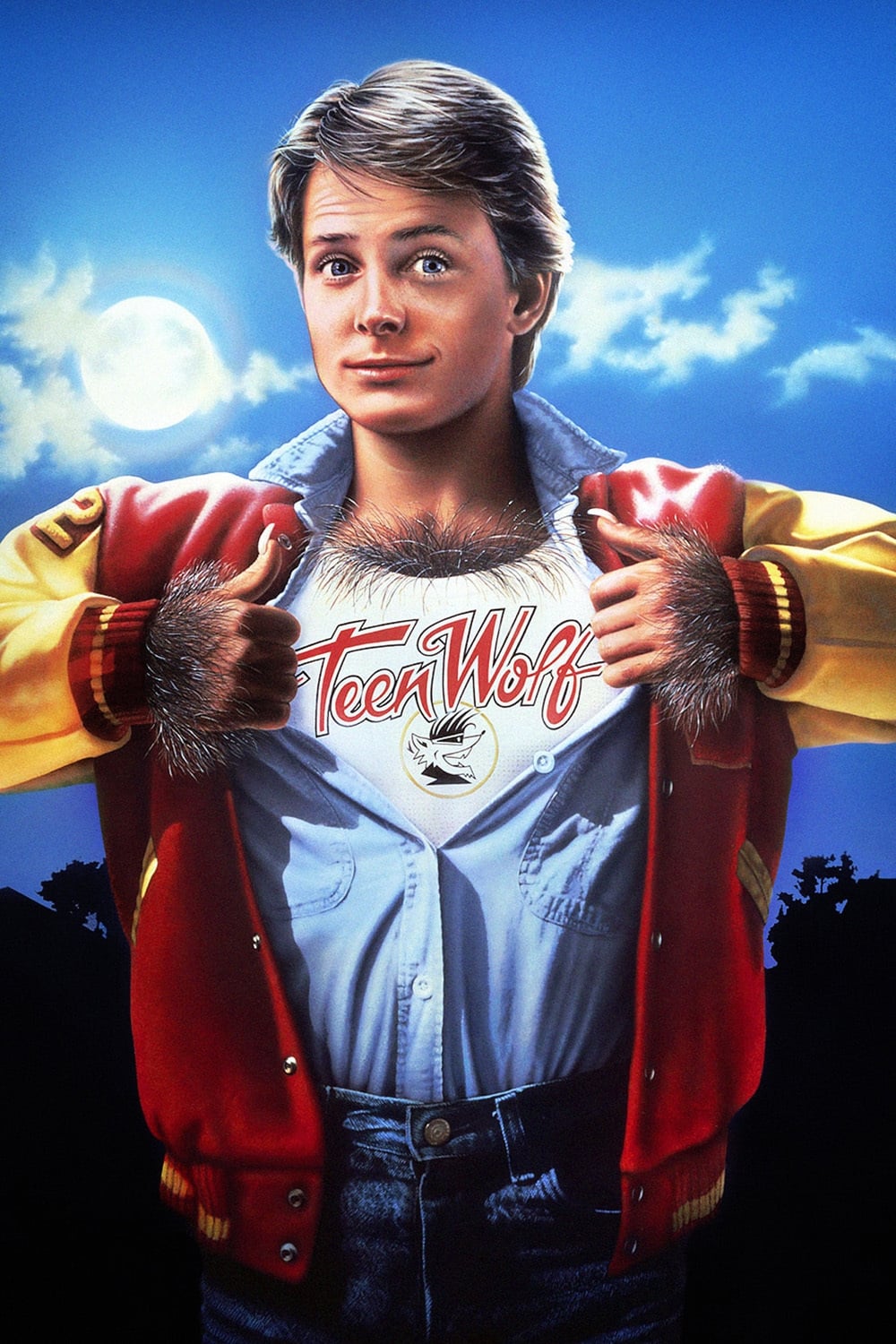
Director Rod Daniel tells the story of Scott Howard played by Michael J. Fox, a student who discovers a family trait that changes his performance on the basketball court. The plot follows the team’s season while Scott deals with attention at school and on the court.
Basketball scenes are filmed at high schools in the Los Angeles area with stunt skating and makeup effects coordinated to allow continuous play. The soundtrack features Win in the End by Mark Safan and the production schedules around Michael J. Fox’s television commitments.
‘Hoosiers’ (1986)
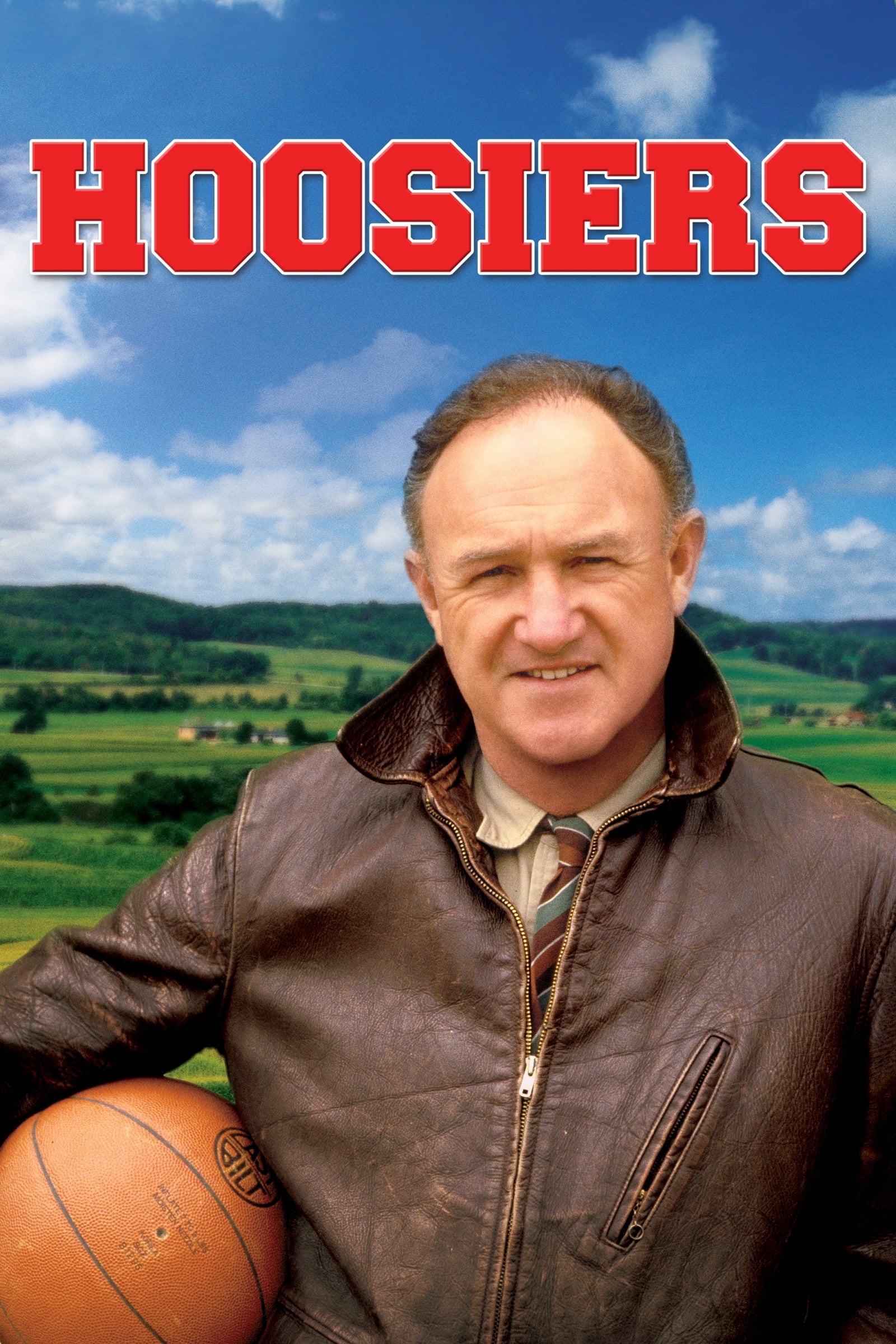
David Anspaugh directs this basketball drama with Gene Hackman as a coach and Dennis Hopper and Barbara Hershey in key roles. The story portrays a small Indiana school advancing through a state tournament with a focus on discipline, teamwork, and community pressure.
Filming takes place at the Hoosier Gym in Knightstown and at Hinkle Fieldhouse in Indianapolis for the title game. Dennis Hopper receives an Academy Award nomination and the production uses period uniforms, leather basketballs, and authentic officiating mechanics.
‘The Color of Money’ (1986)
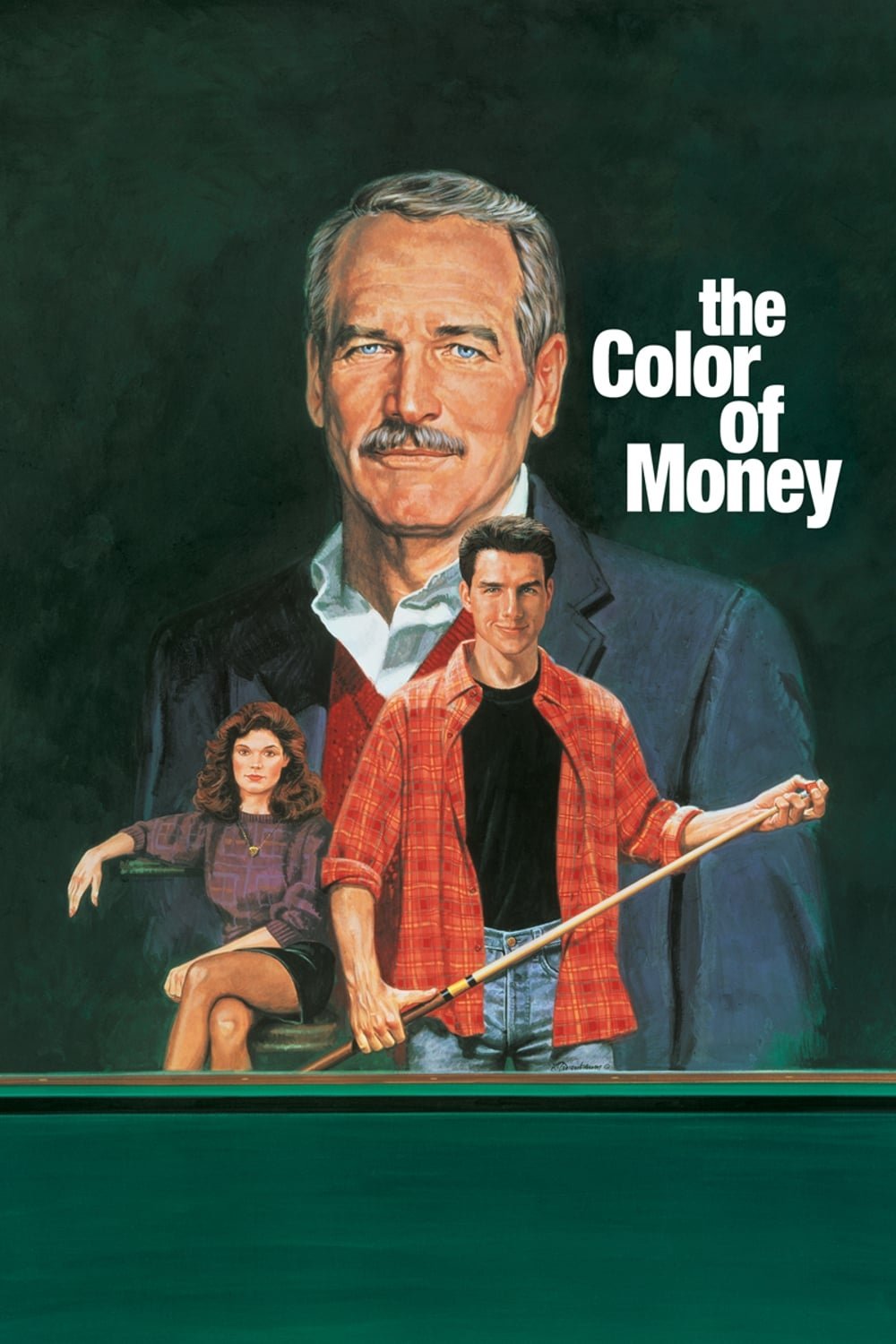
Martin Scorsese directs this pool drama starring Paul Newman as Fast Eddie Felson opposite Tom Cruise as a talented newcomer. The film continues the story first introduced in ‘The Hustler’ and follows a mentorship that develops into rivalry across a series of money games.
Production shoots in Chicago area pool halls with real players hired as extras and consultants. Paul Newman wins the Academy Award for Best Actor and the soundtrack includes contributions produced by Robbie Robertson with tracks by contemporary artists.
‘Youngblood’ (1986)
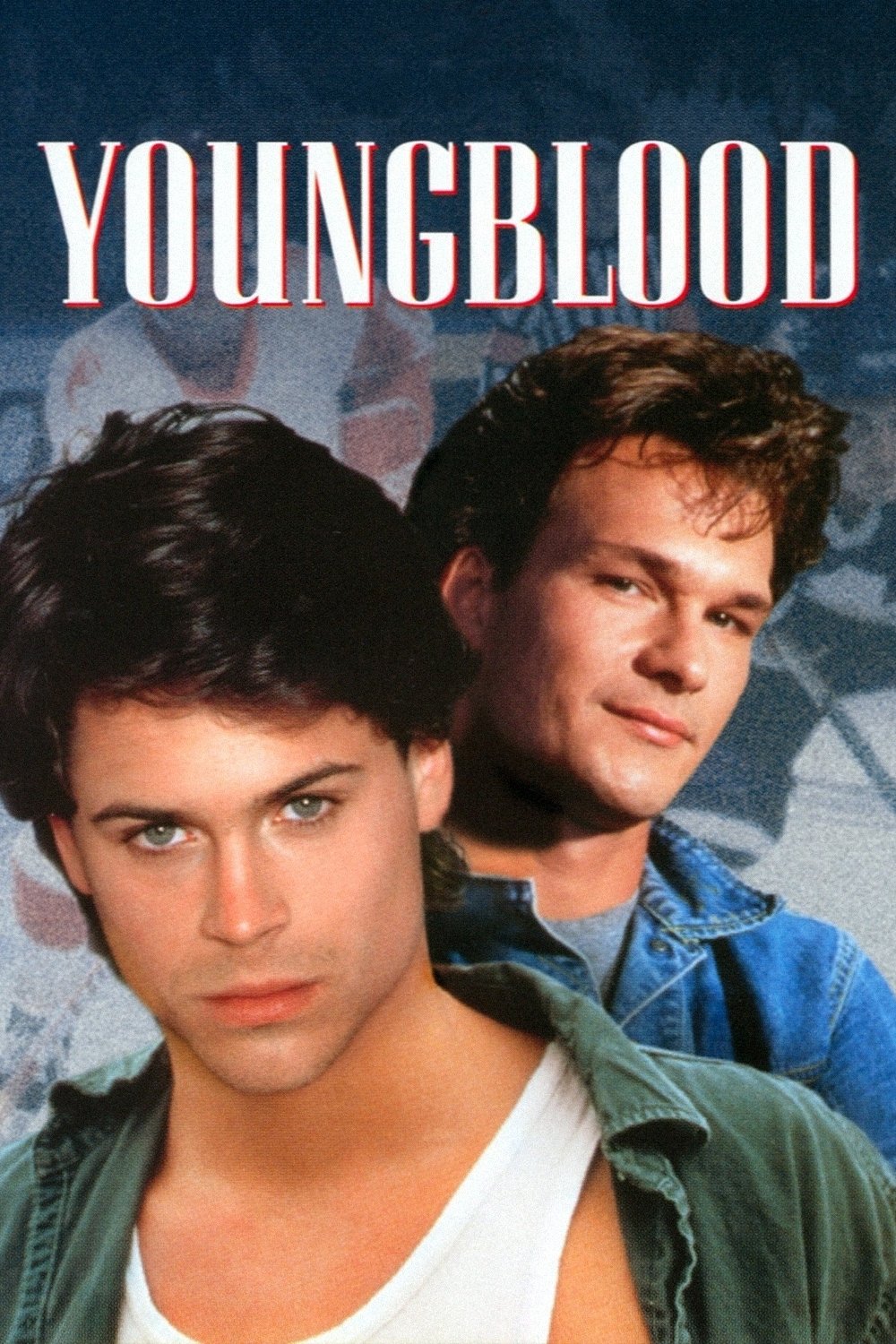
Peter Markle directs this hockey film starring Rob Lowe as Dean Youngblood with Patrick Swayze and Cynthia Gibb in supporting roles. The plot follows a junior league player who must withstand physical play and earn respect on a rough team.
Filming occurs in Ontario at rinks around Toronto and Hamilton with former players advising on checking, fighting protocols, and line changes. The production outfits teams with authentic minor league style uniforms and shoots game sequences with low angle cameras on the ice.
‘Wildcats’ (1986)
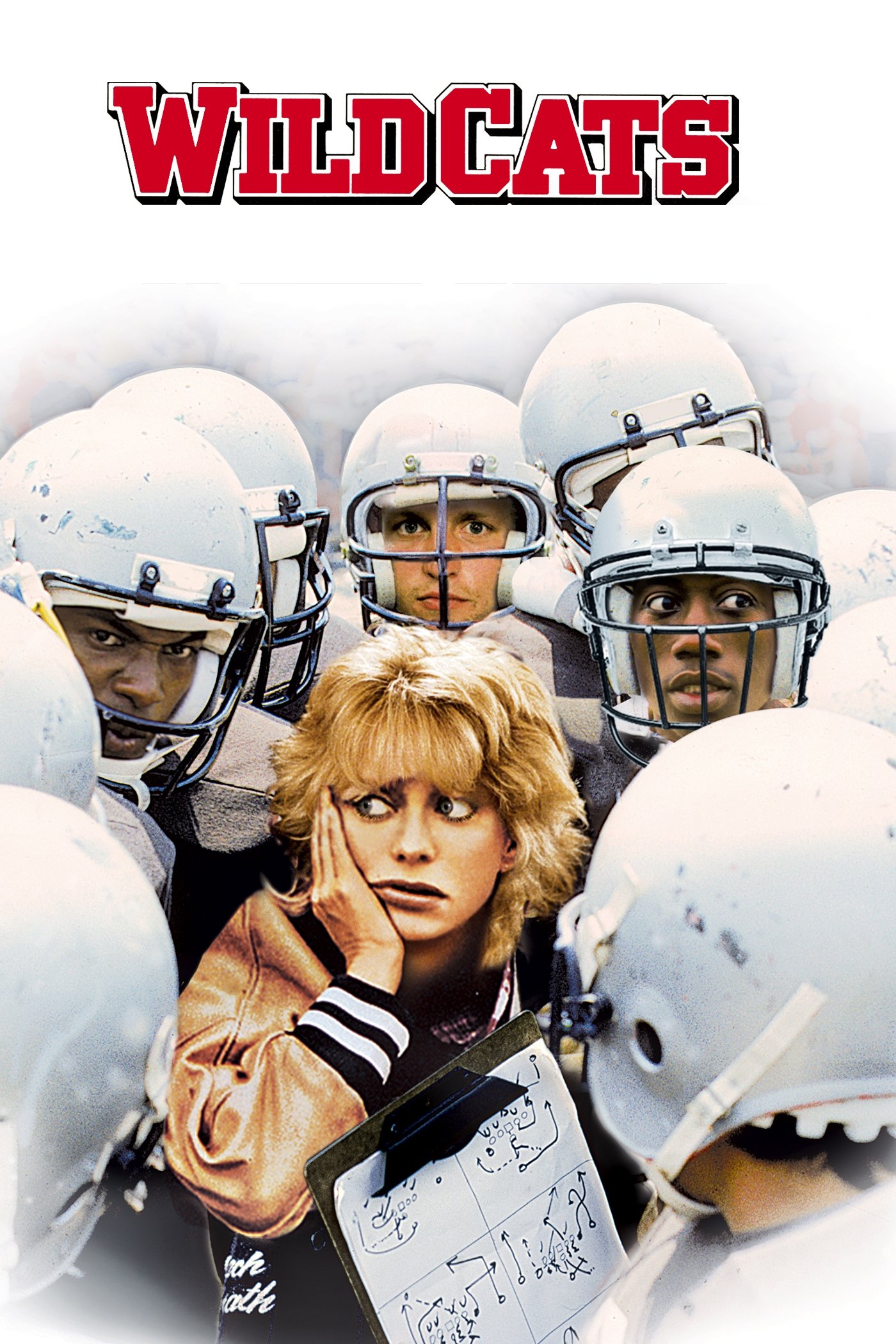
Michael Ritchie directs this football comedy with Goldie Hawn as a coach leading a Chicago high school program and Wesley Snipes and Woody Harrelson in early screen roles. The story tracks preseason tryouts, roster conflicts, and the build to a city championship game.
Filming uses multiple Chicago schools and stadiums to stage practice and game day scenes. The production coordinates full squads, marching bands, and cheer teams and works with state athletic associations to align gameplay with high school rules.
‘Lucas’ (1986)
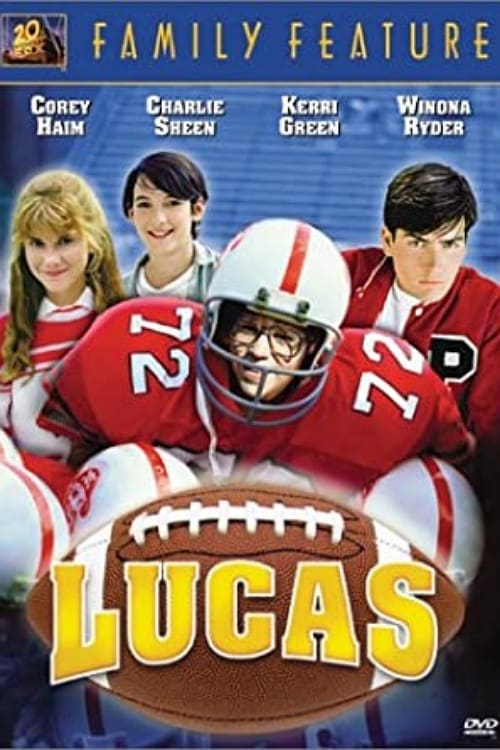
David Seltzer writes and directs a coming of age story set around high school football with Corey Haim as Lucas and Kerri Green and Charlie Sheen in supporting roles. The plot follows a gifted student who joins the team while navigating friendships and first love.
Filming takes place in Glen Ellyn, Illinois with games shot at Glenbard West High School’s stadium. The movie marks one of Winona Ryder’s earliest screen roles and the production captures practices, locker rooms, and pep rallies common to midwestern programs.
‘Rad’ (1986)
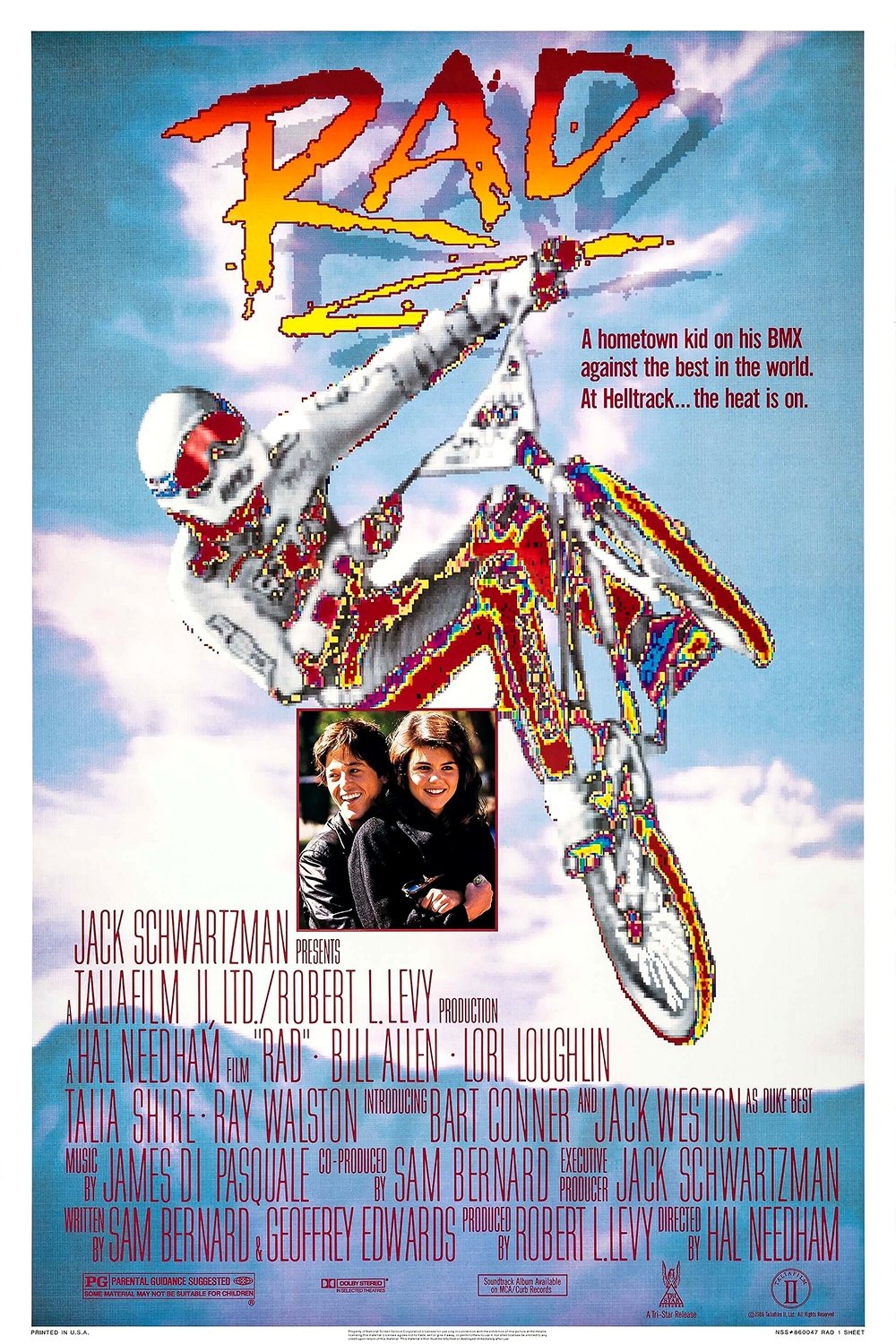
Hal Needham directs this BMX drama starring Bill Allen as Cru Jones with Lori Loughlin in a featured role. The story centers on a new track called Helltrack and a local rider who competes against sponsored teams.
Production films in Alberta with a purpose built course that includes berms, doubles, and an over under feature. The soundtrack includes Send Me an Angel by Real Life and the film works with BMX pros to design jumps and race formats shown in the finals.
‘Over the Top’ (1987)
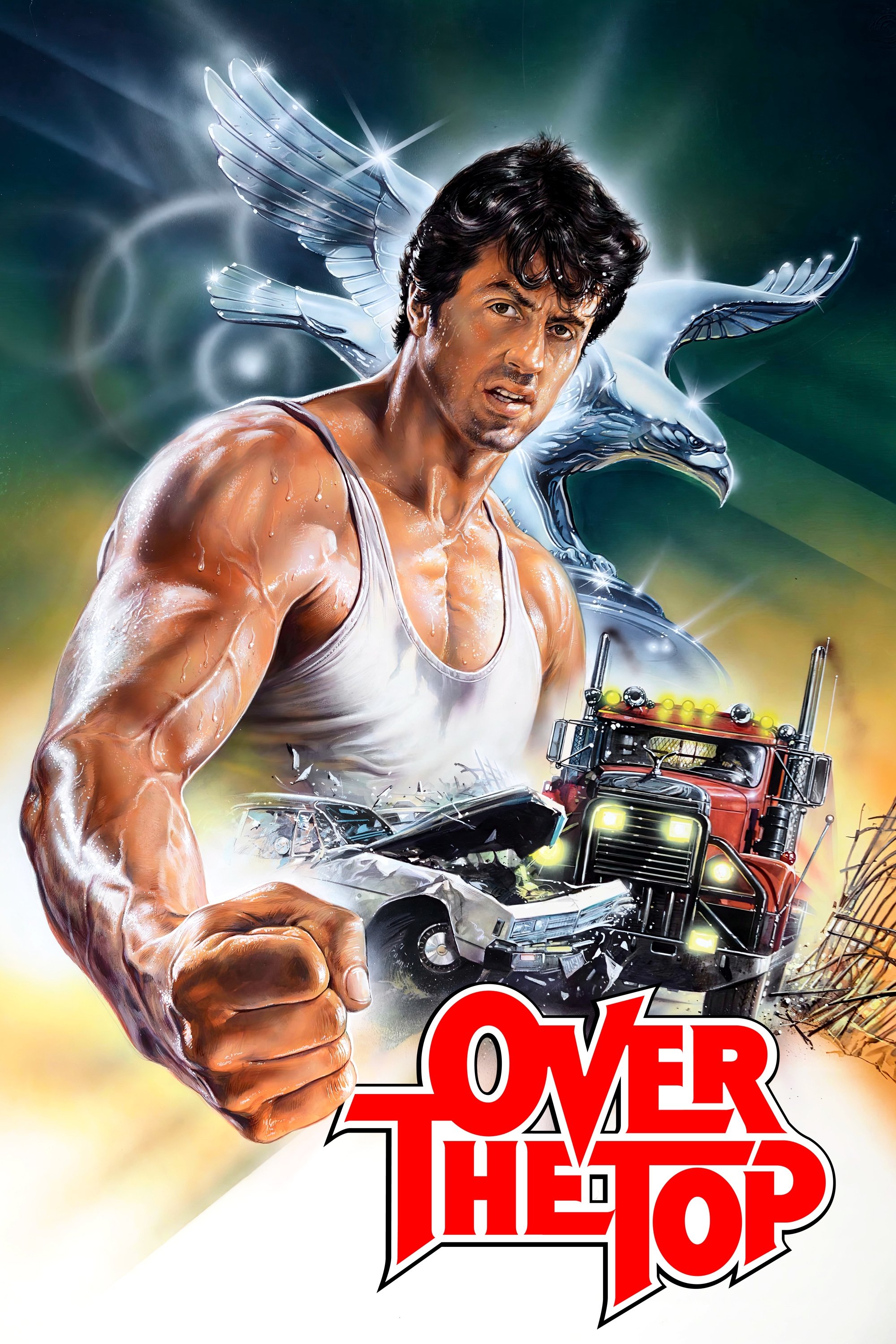
Menahem Golan directs a drama about competitive arm wrestling with Sylvester Stallone as truck driver Lincoln Hawk. The plot follows a cross country trip ending at a major tournament where standardized grip rules and weight classes define the matches.
Filming includes locations in Nevada and California with tournament scenes shot on large sets built to handle crowds and crane cameras. Giorgio Moroder supervises the soundtrack and the production coordinates referees and table designs used by the sport’s sanctioning bodies.
‘North Shore’ (1987)
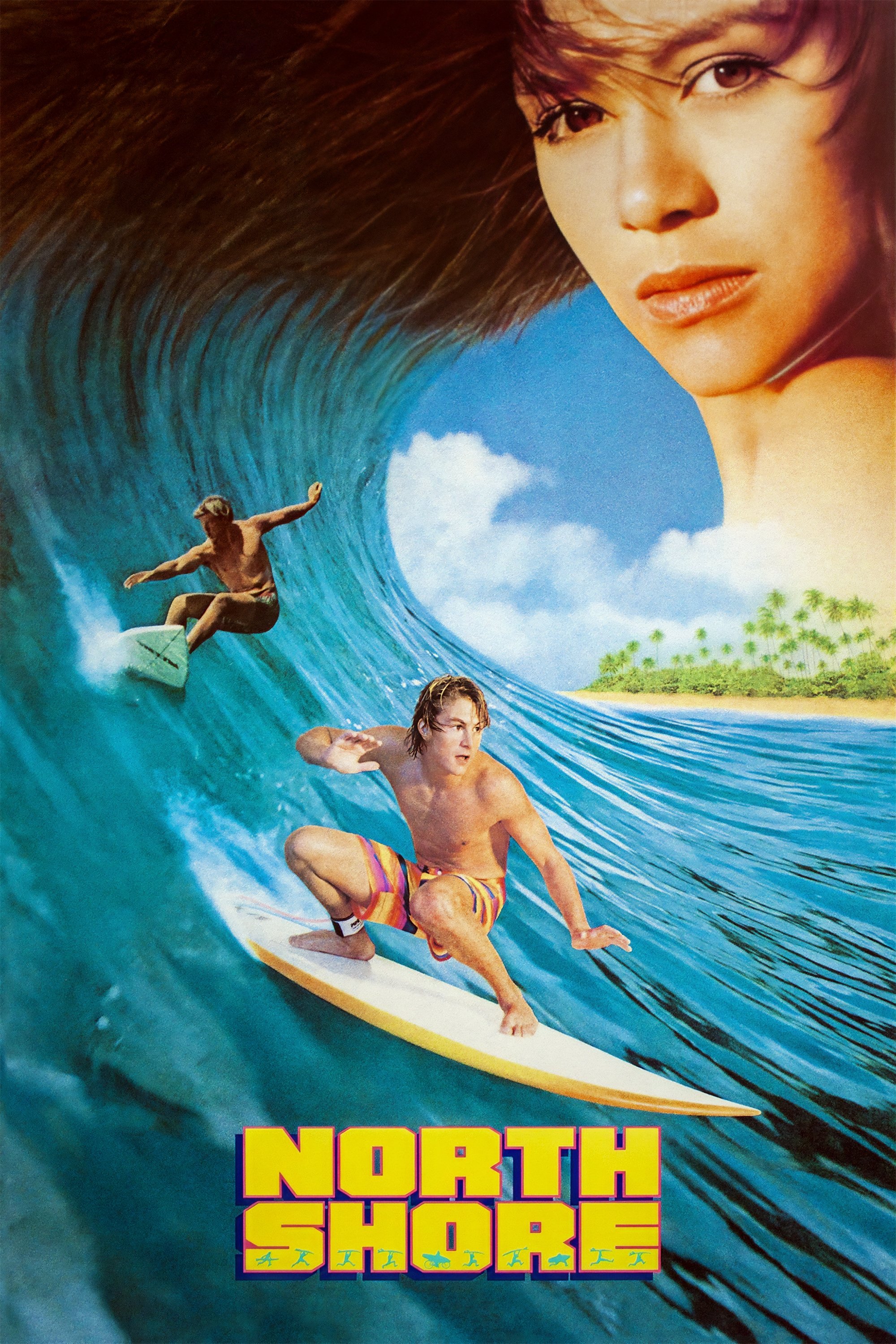
William Phelps directs a surfing drama with Matt Adler as Rick Kane and Nia Peeples and Gregory Harrison in supporting roles. The story follows an Arizona artist who travels to Oahu to learn from seasoned locals during the powerful winter swell.
Filming takes place on the North Shore of Oahu at Pipeline, Sunset Beach, and Waimea Bay with cameos by surfers including Gerry Lopez and Laird Hamilton. Water cinematography teams capture paddle outs, drop ins, and rescue work using jet skis and long lens rigs from the channel.
‘Bull Durham’ (1988)
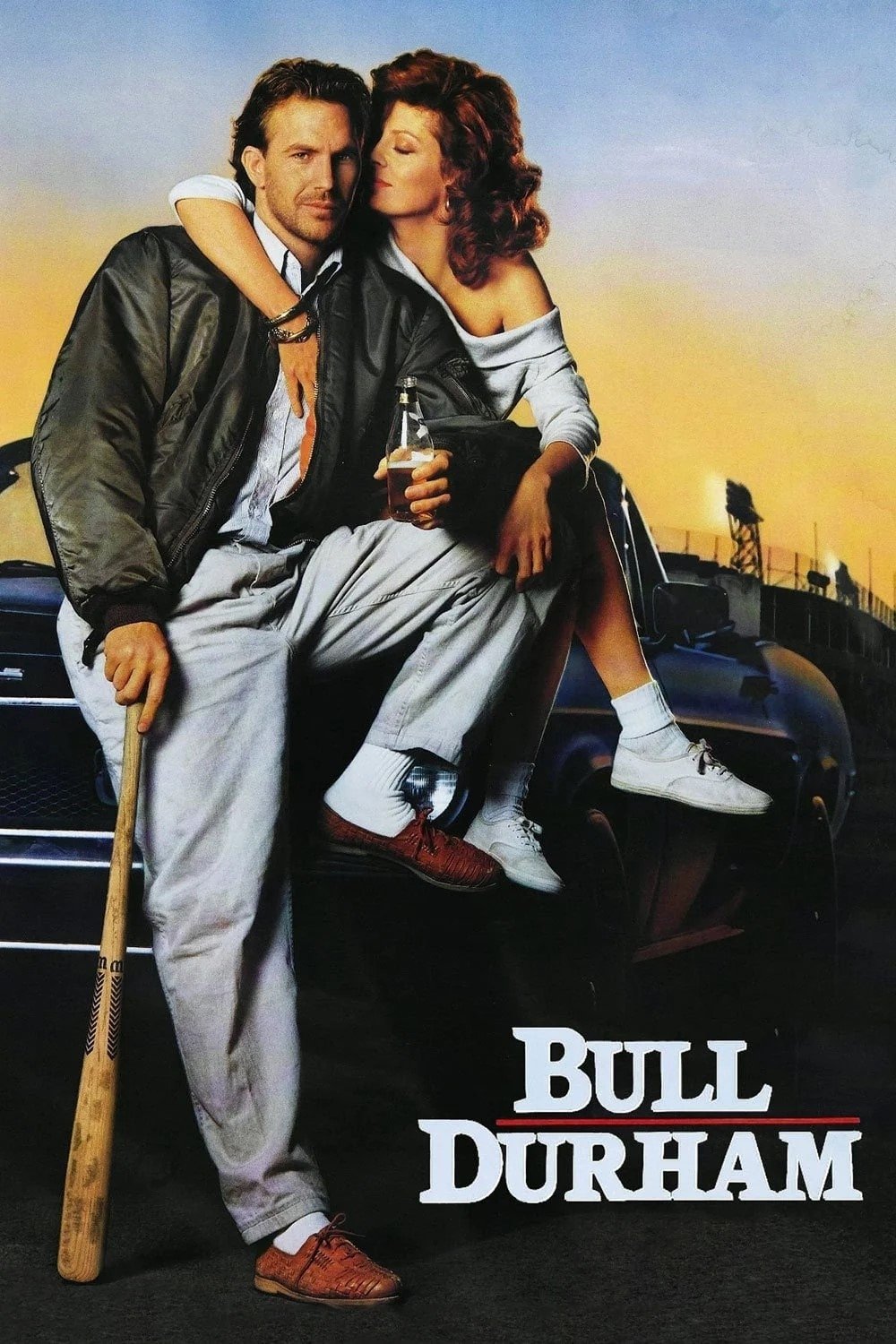
Ron Shelton writes and directs a minor league baseball story set with the Durham Bulls and starring Kevin Costner, Susan Sarandon, and Tim Robbins. The plot follows a veteran catcher assigned to mentor a talented pitcher through a season of call ups and bus rides.
Shelton draws on his own minor league experience to shape clubhouse dialogue, mound visits, and superstitions around hitting streaks. Filming centers on Durham Athletic Park and the production schedules night shoots to match real game times under stadium lights.
‘Eight Men Out’ (1988)
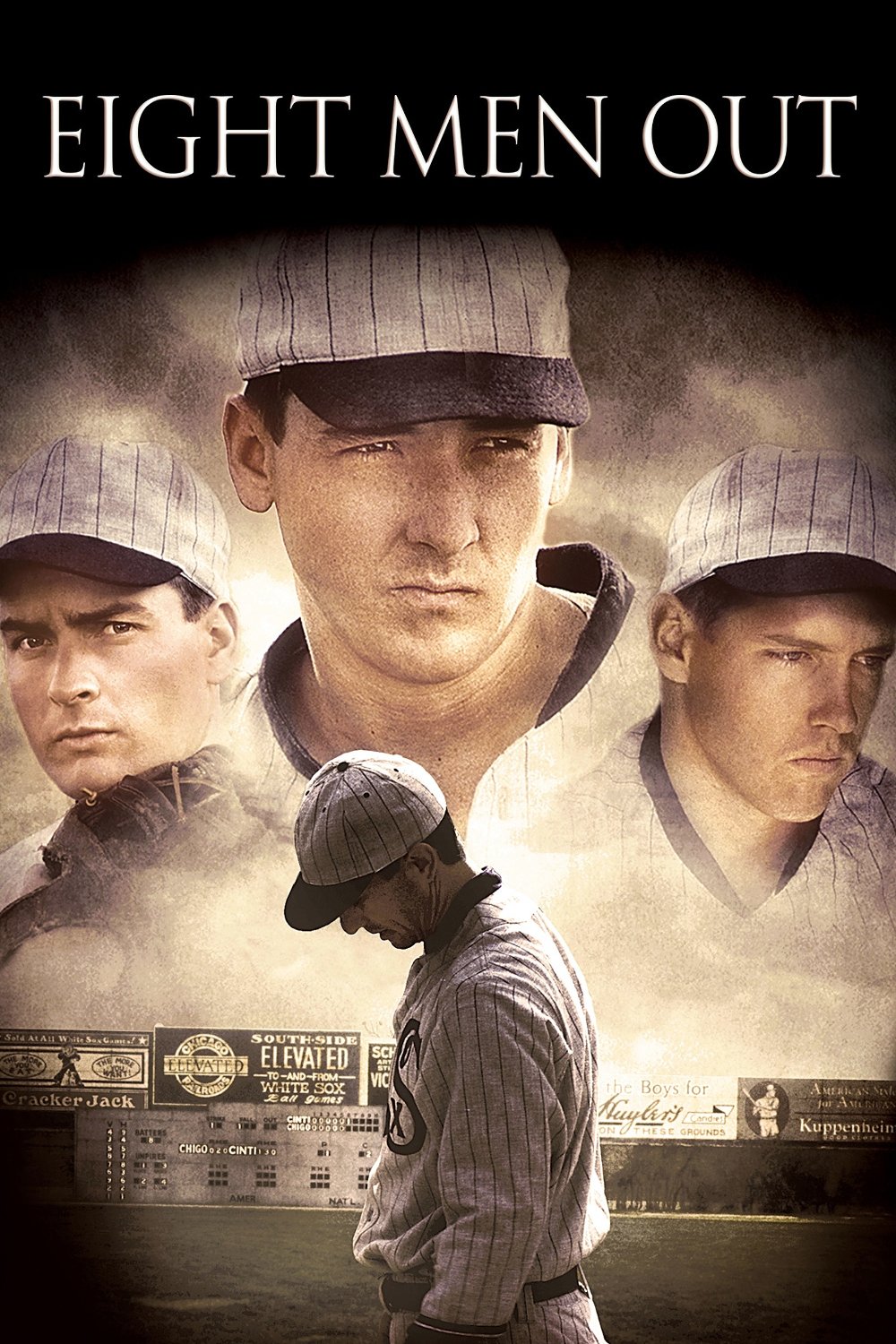
John Sayles directs a dramatization of the Black Sox scandal with John Cusack, D. B. Sweeney, and Charlie Sheen among the ensemble cast. The film adapts Eliot Asinof’s nonfiction book and traces how players became tied to gamblers during a championship run.
Production uses Bush Stadium in Indianapolis to stand in for Comiskey Park and other ballparks in the Midwest. Uniforms, bats, and gloves are built to period specifications and the film maps investigator interviews and league hearings that followed the series.
‘Bloodsport’ (1988)
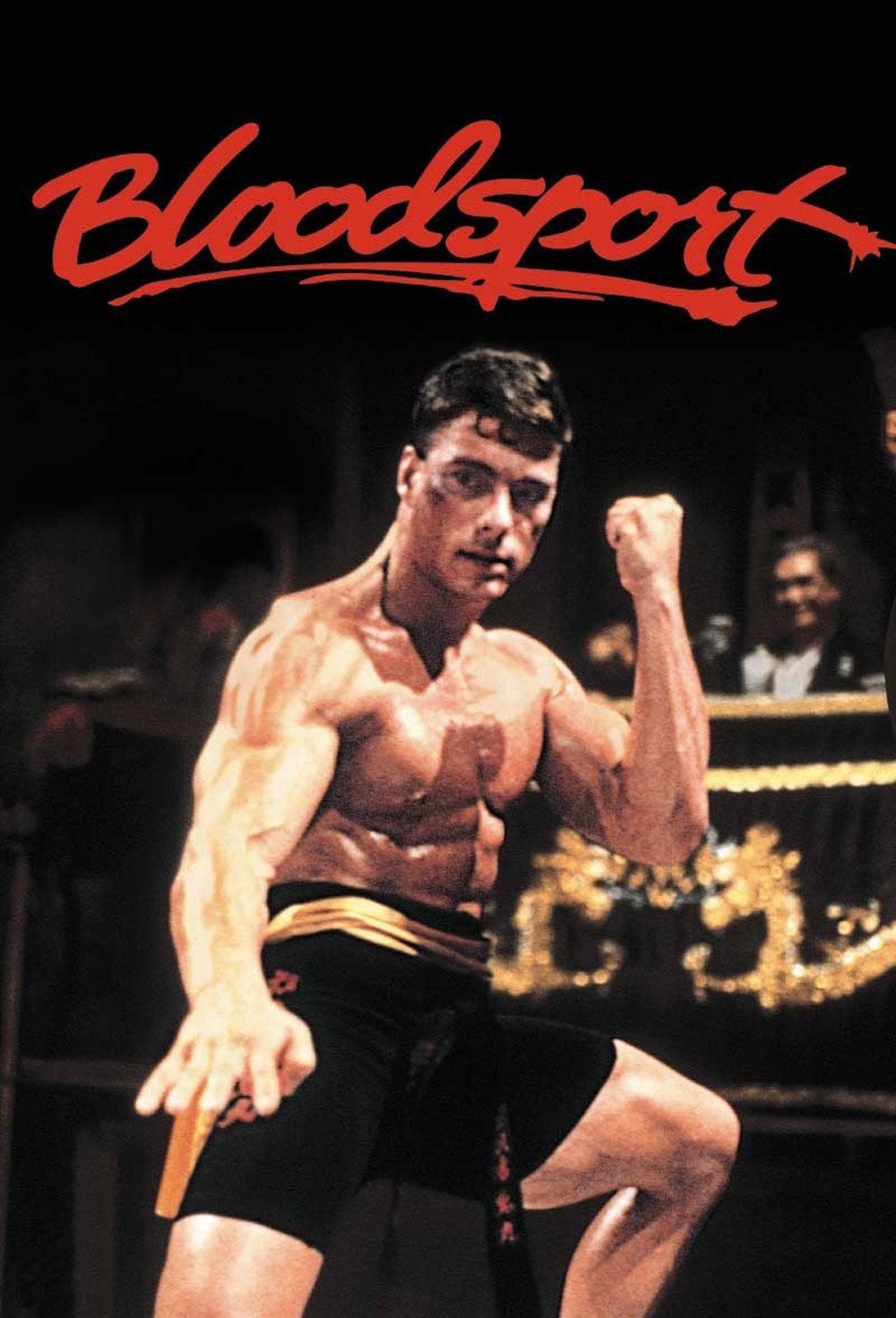
Newt Arnold directs a martial arts tournament film with Jean Claude Van Damme as Frank Dux. The plot follows a fighter entering the Kumite and moving through elimination rounds against a roster of international opponents.
Filming occurs in Hong Kong with fight choreography designed by Frank Dux and Michael Qissi to feature full contact striking and grappling. Paul Hertzog composes the synth driven score and production design builds underground arenas with tiered crowds and ceremonial displays.
‘Field of Dreams’ (1989)
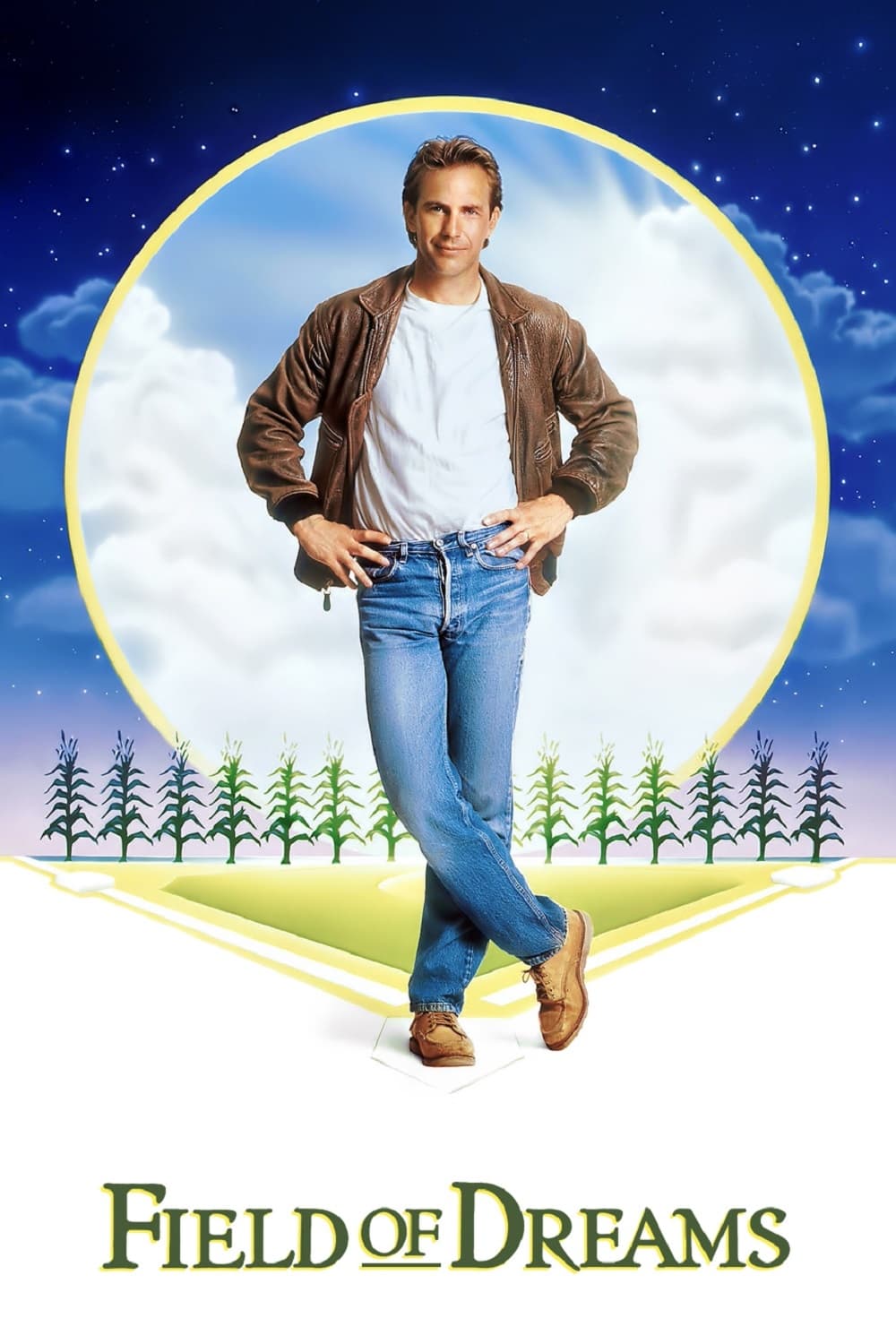
Phil Alden Robinson writes and directs this adaptation of W. P. Kinsella’s novel ‘Shoeless Joe’ with Kevin Costner, Amy Madigan, James Earl Jones, and Ray Liotta. The story follows an Iowa farmer who hears a voice and builds a baseball field that draws historic players.
Filming takes place near Dyersville, Iowa on a working farm where the diamond remained after production and later hosted visitors. The film receives Academy Award nominations including Best Picture and the location continues to host special events and games.
‘Major League’ (1989)
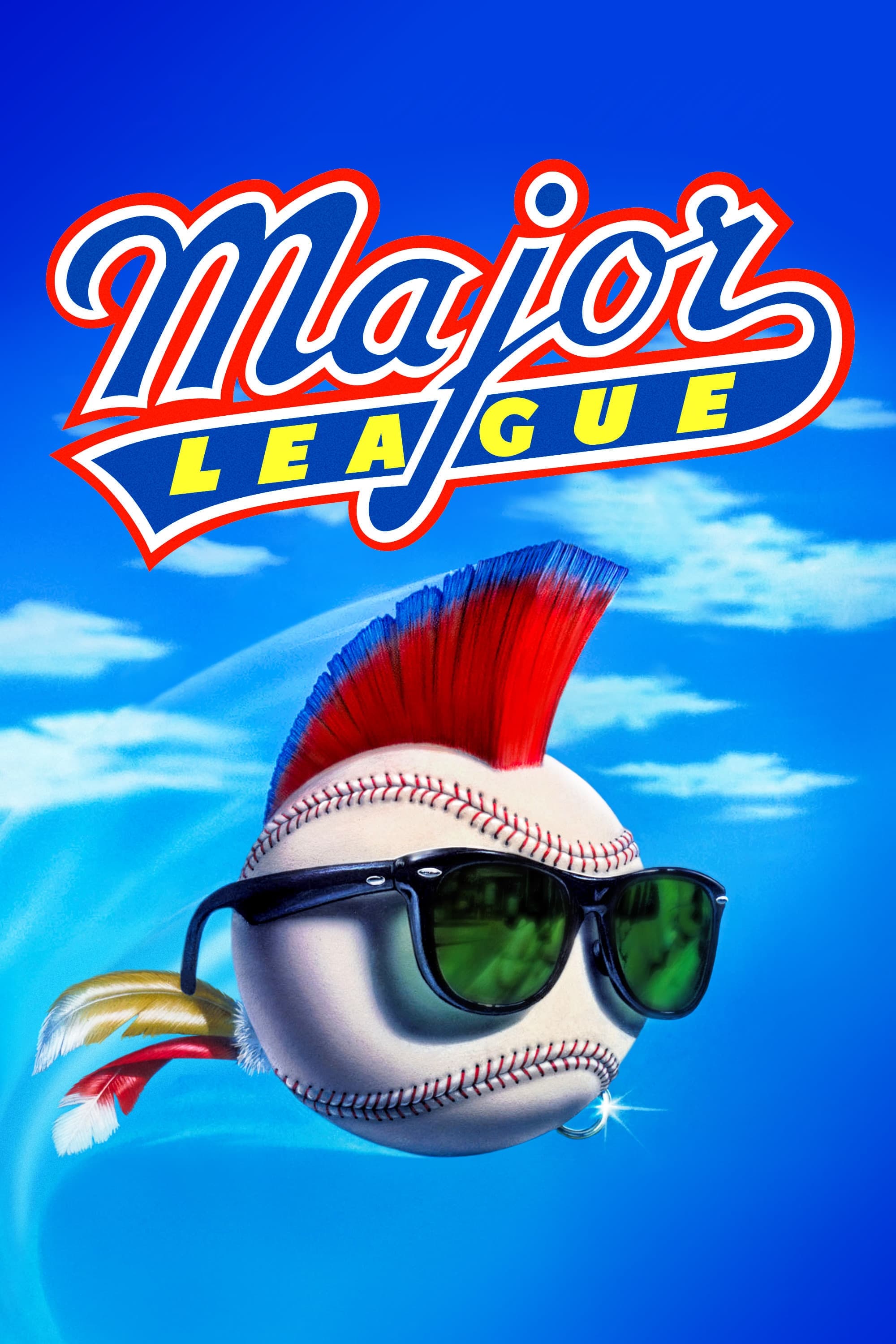
David S. Ward writes and directs a comedy about the Cleveland Indians with Tom Berenger, Charlie Sheen, Wesley Snipes, and Corbin Bernsen. The plot follows a team assembled to finish at the bottom and the season that follows.
Game scenes are filmed at Milwaukee County Stadium with signage and uniforms altered to replicate the Indians home field. The production uses bullpen carts, clubhouse sets, and in game routines like signs and hit and run calls to present day to day baseball details.
‘Best of the Best’ (1989)
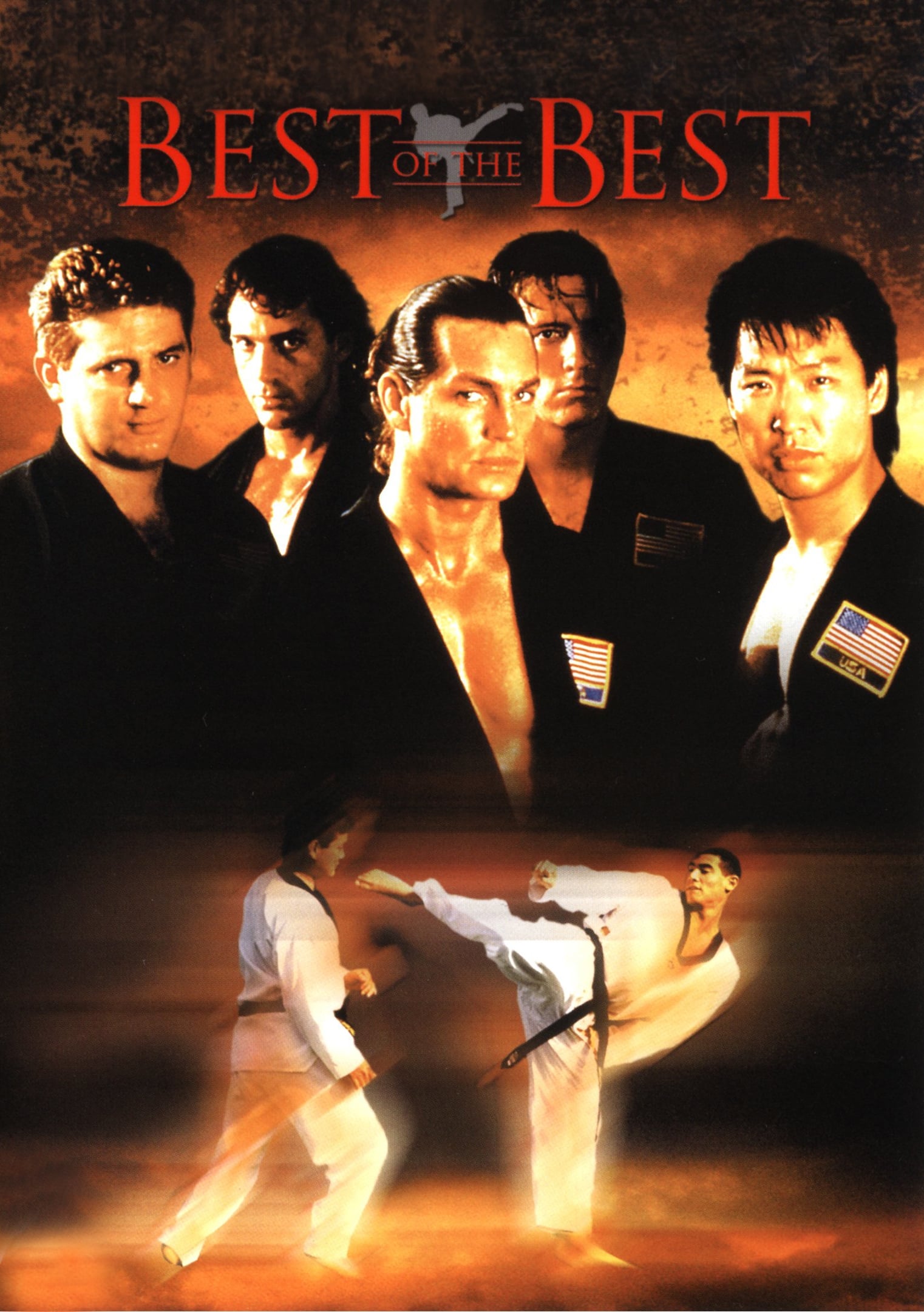
Robert Radler directs a taekwondo team drama starring Eric Roberts, Phillip Rhee, and James Earl Jones. The story assembles a national squad for an international meet with selection camps, sparring ladders, and team building exercises.
Phillip Rhee designs the fight choreography using taekwondo techniques such as roundhouse kicks, back kicks, and combinations seen in point and full contact formats. The film launches a series with sequels that follow characters from the original roster.
‘Kickboxer’ (1989)
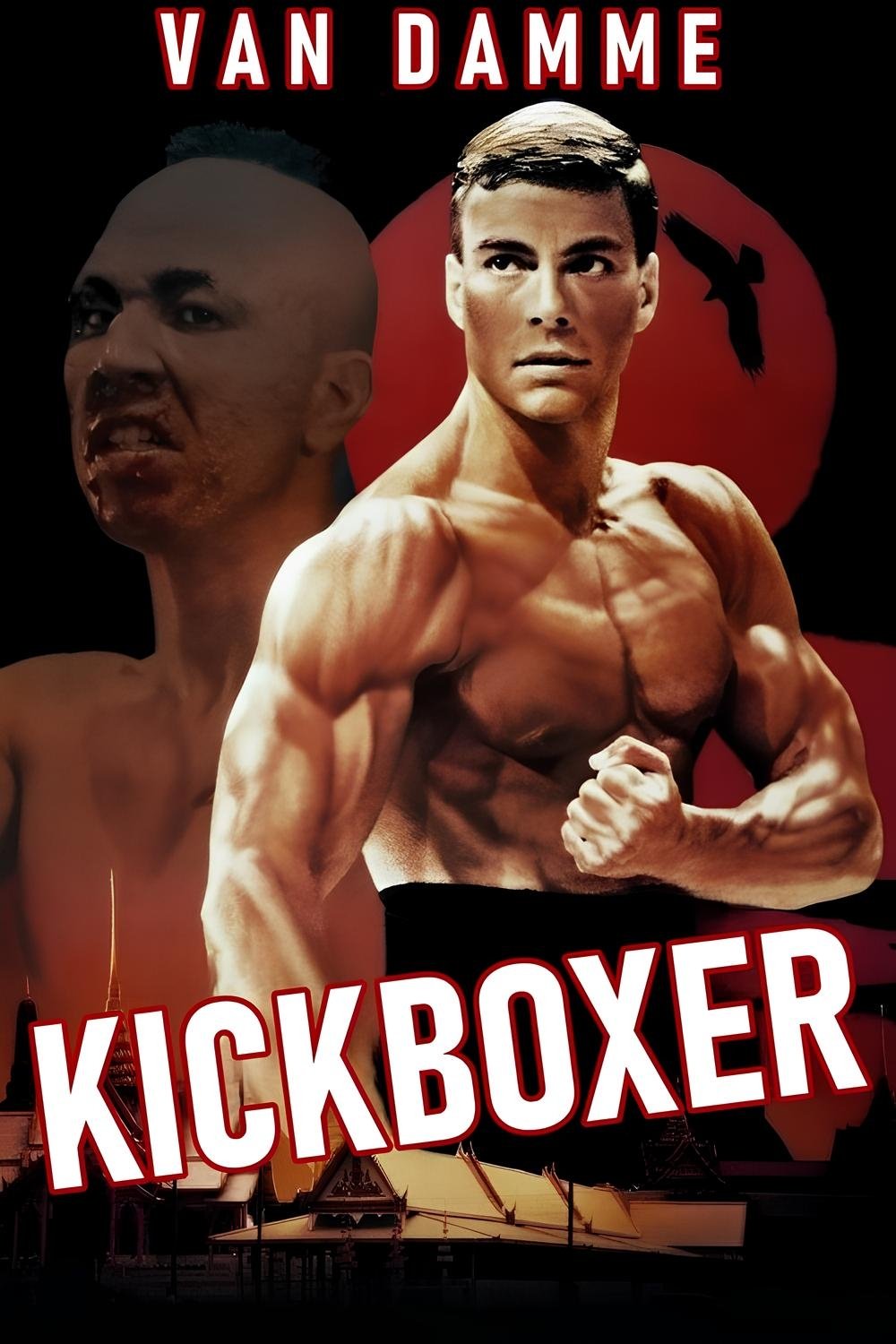
Mark DiSalle and David Worth direct this martial arts film with Jean Claude Van Damme as Kurt Sloane and Michel Qissi as Tong Po. The plot follows training in Muay Thai camps and a final fight governed by local rules.
Production shoots in Thailand using Bangkok and rural locations for training sequences with pads, heavy bags, and banana trees. Paul Hertzog composes the score and the film features techniques such as teep kicks, knees from the clinch, and spinning strikes.
‘The Karate Kid Part III’ (1989)
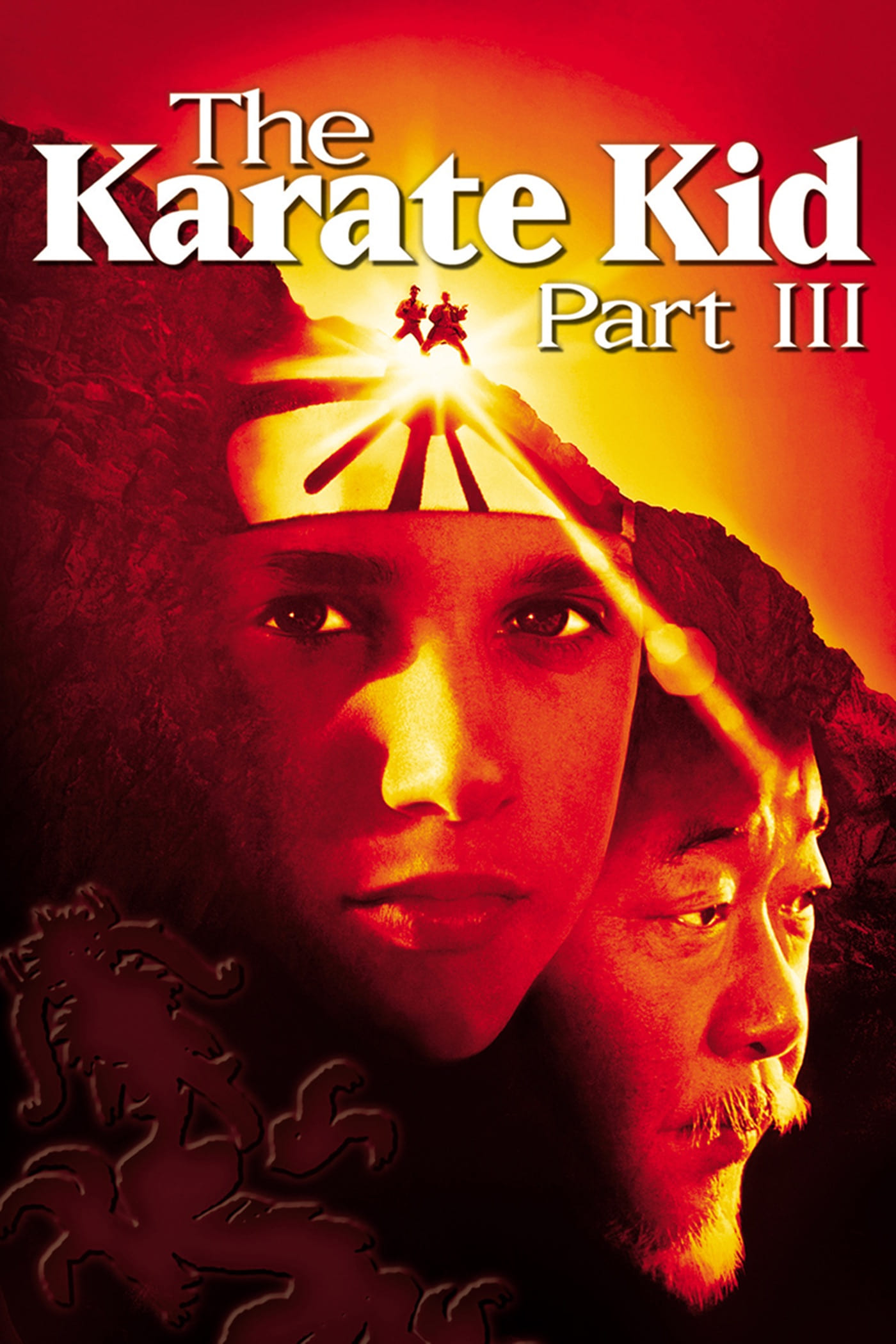
John G. Avildsen directs the third installment with Ralph Macchio and Pat Morita returning as Daniel LaRusso and Mr. Miyagi. The story introduces Terry Silver played by Thomas Ian Griffith and Mike Barnes played by Sean Kanan and revolves around pressure to reenter a tournament.
Filming takes place across California with rock climbing and bonsai shop scenes built on sets and practical locations. Bill Conti returns with a new score and stunt teams coordinate tournament brackets, referees, and point scoring consistent with the series’ established rules.
‘Gleaming the Cube’ (1989)
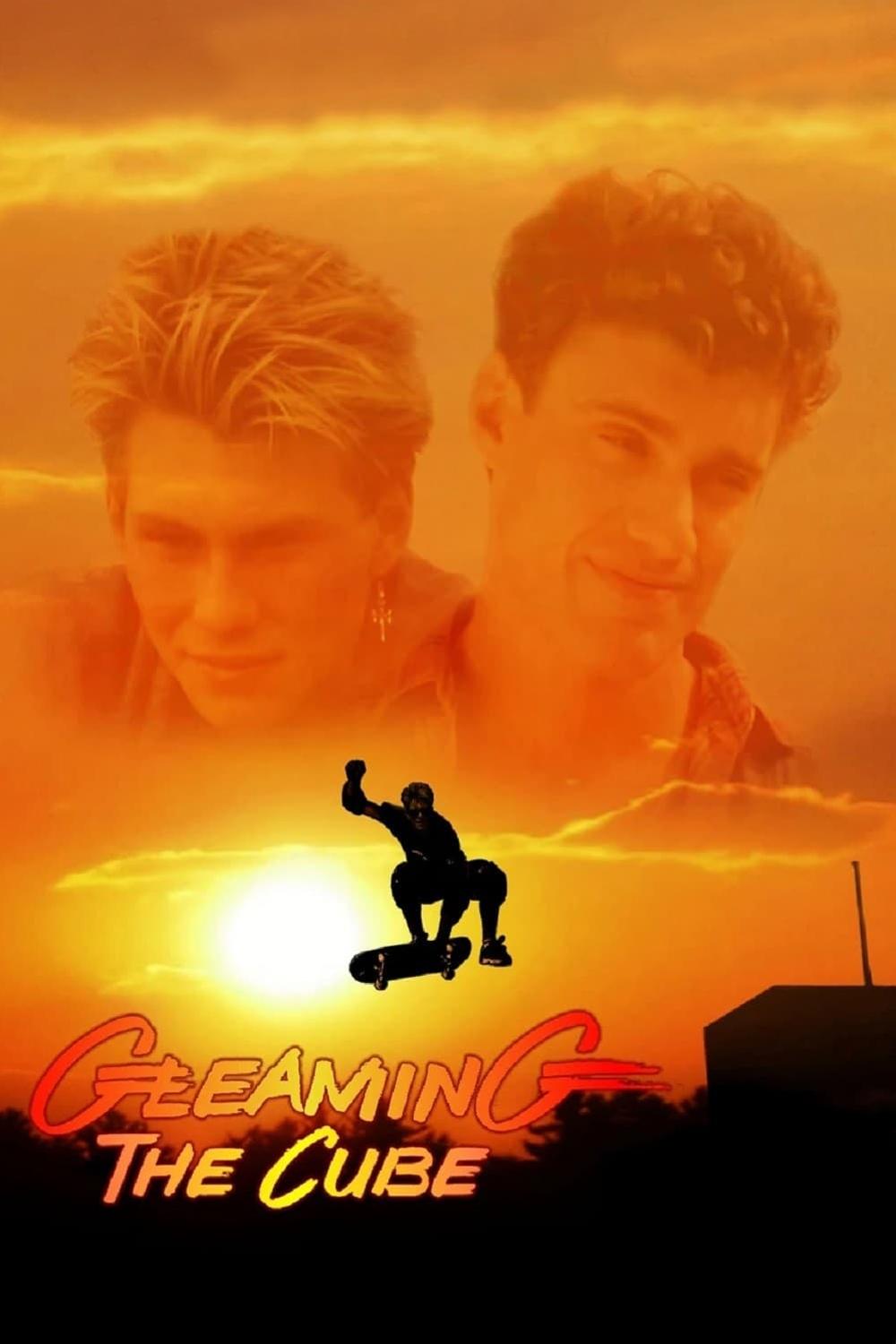
Graeme Clifford directs a Southern California thriller centered on skateboarding with Christian Slater as Brian Kelly. The plot follows a teen rider who uses his skills to move through city spaces while investigating a family crisis.
Stacy Peralta coordinates skate sequences with professional skaters including Tony Hawk and Tommy Guerrero appearing on screen. Filming covers Orange County and Los Angeles streets, schools, and drainage channels with camera rigs mounted to follow boards at speed.
Share your favorites from this list in the comments so other readers can discover more essential eighties sports viewing.

