


30 Times Real-Life Tragedy Changed a TV Show Forever




Television production often operates on a strict schedule that leaves little room for unexpected events. When a primary cast member passes away or suffers a serious incident, the showrunners must decide whether to recast the role or incorporate the loss into the narrative. These moments often result in some of the most emotional and grounded episodes in television history. The following instances highlight how real life tragedies forced creators to pivot and honor their fallen colleagues through their art.
‘Glee’ (2009–2015)
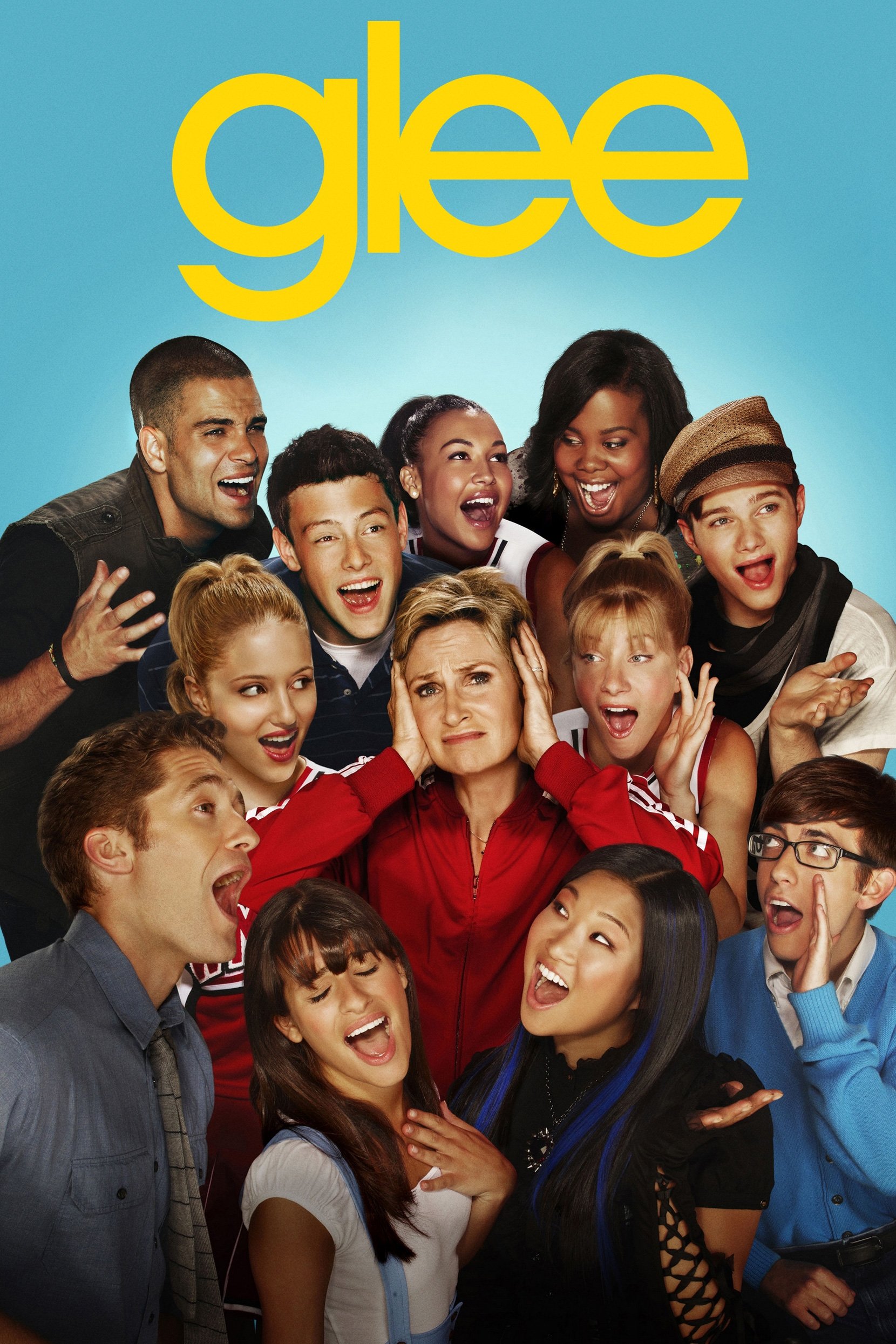
The musical series ‘Glee’ faced a devastating loss when Cory Monteith passed away before the production of the fifth season began. Writers had to address the death of his character Finn Hudson without revealing the specific cause within the show. The tribute episode focused on the grief of the characters and the impact of the loss on the fictional high school. This event fundamentally shifted the tone of the series as it moved toward its eventual conclusion.
‘Riverdale’ (2017–2023)
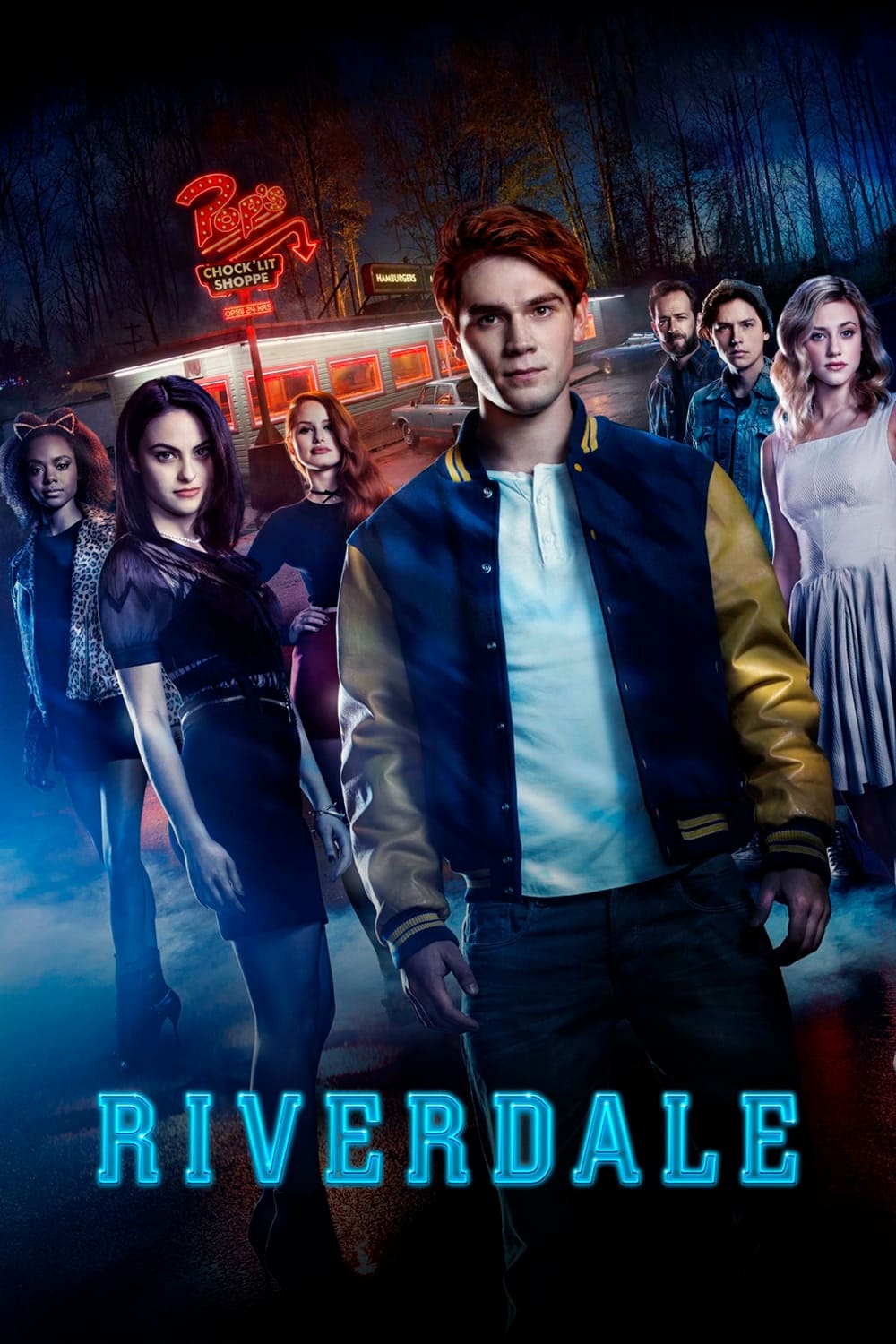
Luke Perry portrayed the beloved father figure Fred Andrews on ‘Riverdale’ until his sudden death following a stroke in 2019. The show halted production to allow the cast and crew time to mourn the veteran actor. In the season four premiere, the writers crafted a sentimental farewell that featured a guest appearance by his former costar Shannen Doherty. This tragedy removed a central moral compass from the series and altered the development of the lead character Archie Andrews.
‘8 Simple Rules’ (2002–2005)

John Ritter collapsed on set during the filming of ‘8 Simple Rules’ and died shortly thereafter from an aortic dissection. The producers decided to continue the show by writing the death of his character Paul Hennessy into the storyline. New cast members joined the series to fill the void, but the dynamic of the family sitcom changed permanently. The hour long episode addressing the tragedy remains one of the most watched moments in the history of the sitcom.
‘NewsRadio’ (1995–1999)

The comedy community suffered a shock when Phil Hartman was killed at his home before ‘NewsRadio’ went into production for its fifth season. His character Bill McNeal was written out of the show with a premiere episode that depicted the staff of the radio station mourning his passing. Jon Lovitz joined the cast as a replacement, but the chemistry of the original ensemble was never fully recovered. This loss is often cited as the primary reason the show ended shortly after the cast change.
‘Chico and the Man’ (1974–1978)
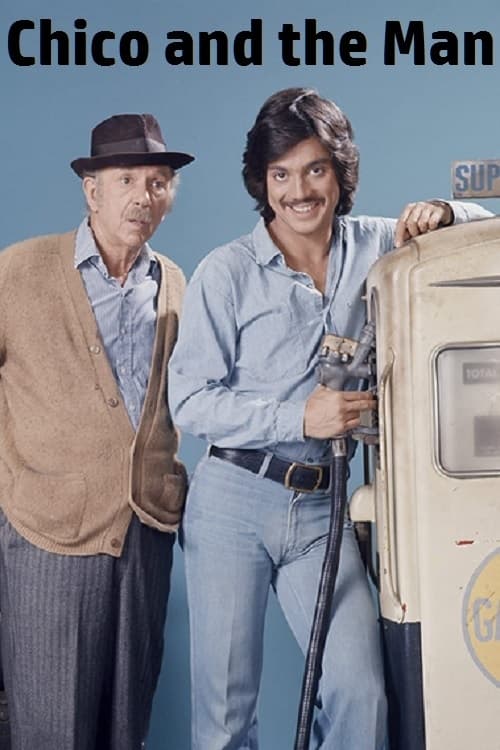
Freddie Prinze was the breakout star of ‘Chico and the Man’ before he took his own life during the third season. Producers initially attempted to continue the show by introducing a new young character played by Gabriel Melgar. The audience response was lukewarm as the central premise relied on the bond between the two original leads. The series was canceled shortly after the conclusion of the fourth season due to declining ratings.
‘Spartacus’ (2010–2013)
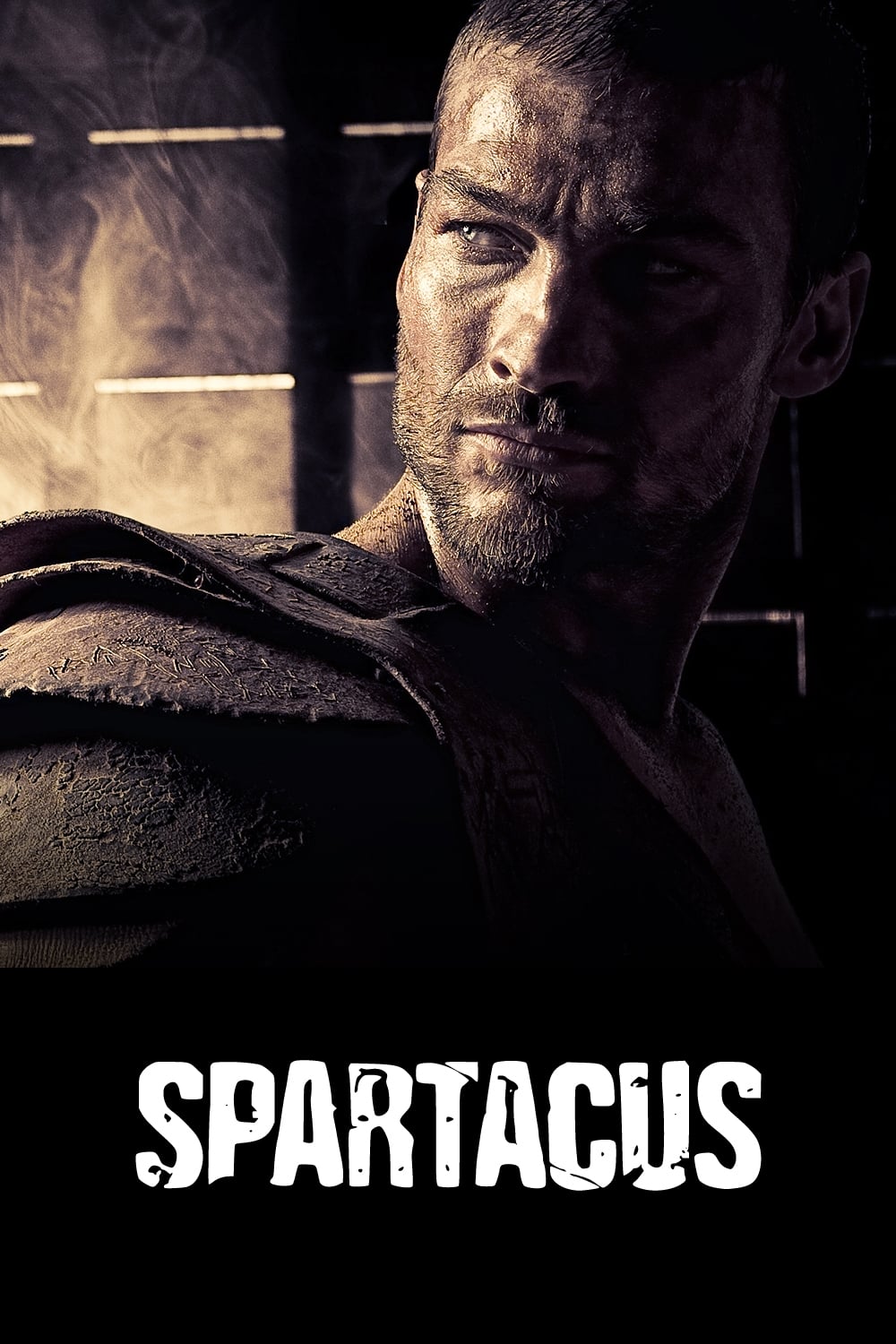
Lead actor Andy Whitfield was diagnosed with non Hodgkin lymphoma after the completion of the first season of ‘Spartacus’. Production was delayed to allow him time for treatment and a prequel miniseries was created to keep the brand alive. Whitfield eventually passed away, which forced the creators to recast the titular role with actor Liam McIntyre. While the show remained successful, the transition marked a significant turning point in the aesthetic and feel of the production.
‘Euphoria’ (2019–Present)

The young cast of ‘Euphoria’ lost a rising star when Angus Cloud died shortly after the second season concluded. Cloud played the fan favorite character Fezco who had become central to the emotional stakes of the plot. Creators have stated that the upcoming third season will have to find a way to honor his memory while adjusting major storylines. His absence will likely change the trajectory of several key characters who were closely linked to his narrative arc.
‘Rizzoli & Isles’ (2010–2016)
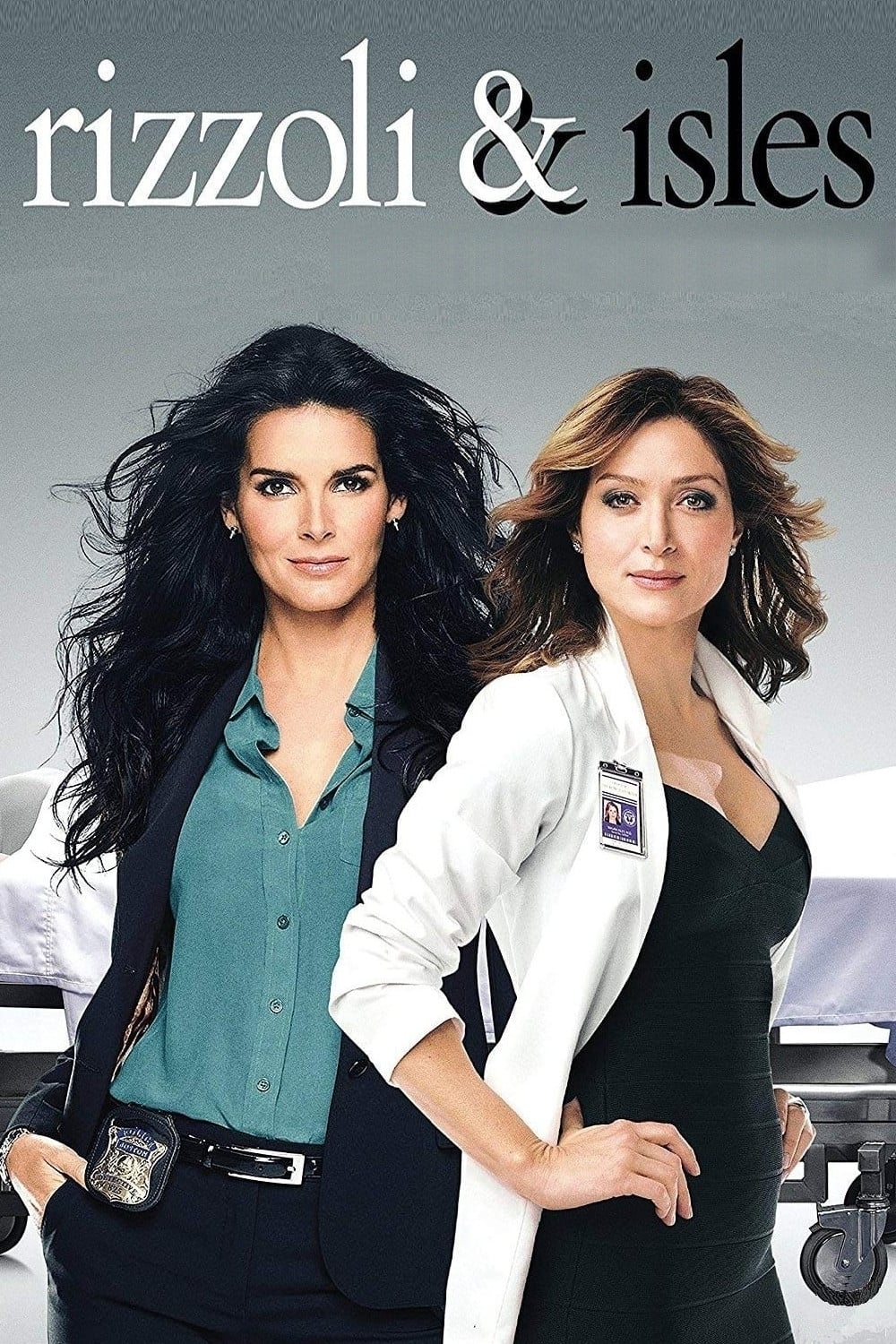
Lee Thompson Young played Detective Barry Frost on ‘Rizzoli & Isles’ for several seasons before he took his own life in 2013. The showrunners chose to address the tragedy by having his character die in a car accident within the show. The fifth season premiere served as a memorial to both the character and the actor who portrayed him. The loss deeply affected the remaining cast and changed the professional environment on the set for the rest of its run.
‘Suddenly Susan’ (1996–2000)
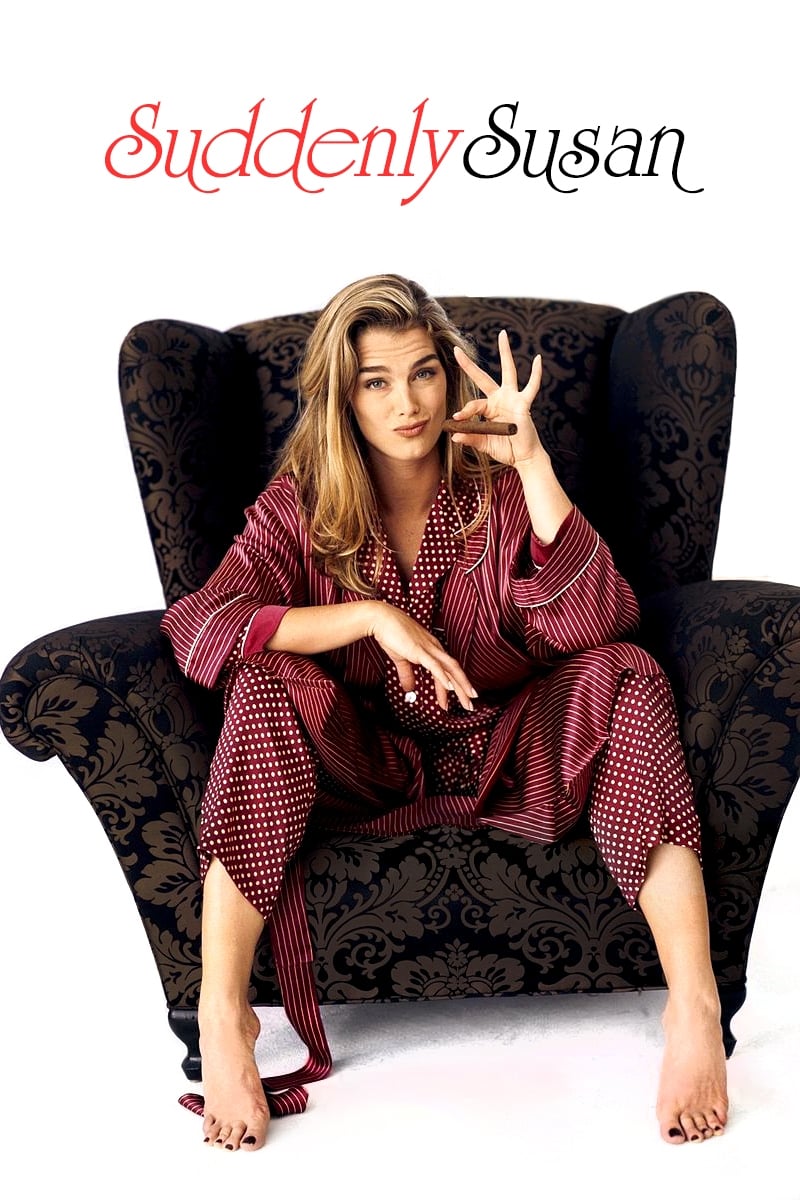
David Strickland was a core member of the ensemble cast of ‘Suddenly Susan’ when he died by suicide during the filming of the third season. The show aired a special episode that featured the characters searching for his missing character Todd Stities. No scripts were used for the tribute as the actors shared personal memories of their late friend and colleague. The series never regained its footing after the tragedy and was canceled following the next season.
‘Dallas’ (1978–1991)
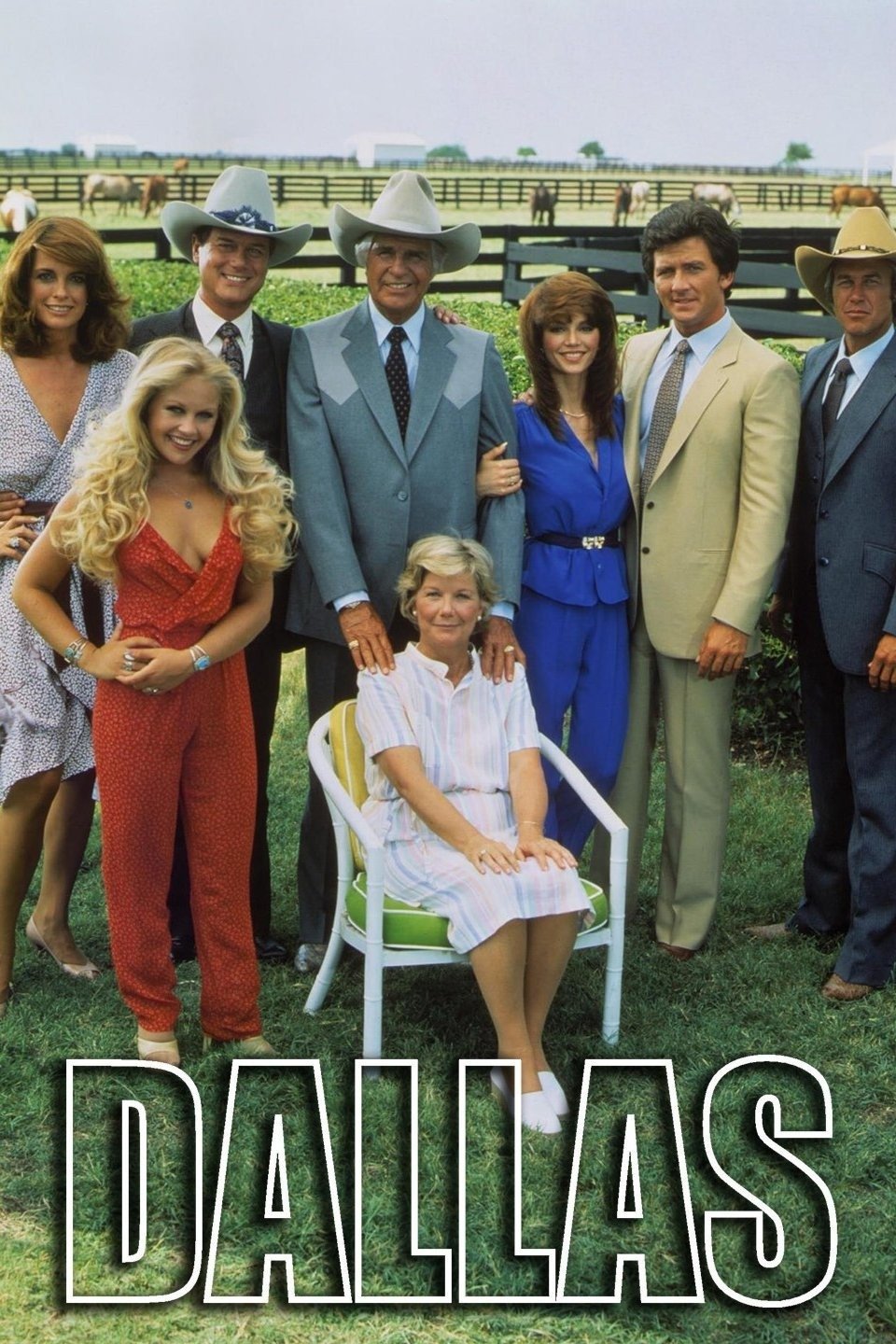
Jim Davis played the patriarch Jock Ewing on ‘Dallas’ until his death from multiple myeloma during the fourth season. The writers initially kept the character off screen by sending him to explore for oil in South America. They eventually acknowledged the death of the character, which led to a massive storyline regarding the Ewing family inheritance. This transition allowed for new power dynamics to emerge among the remaining family members.
‘Sesame Street’ (1969–Present)
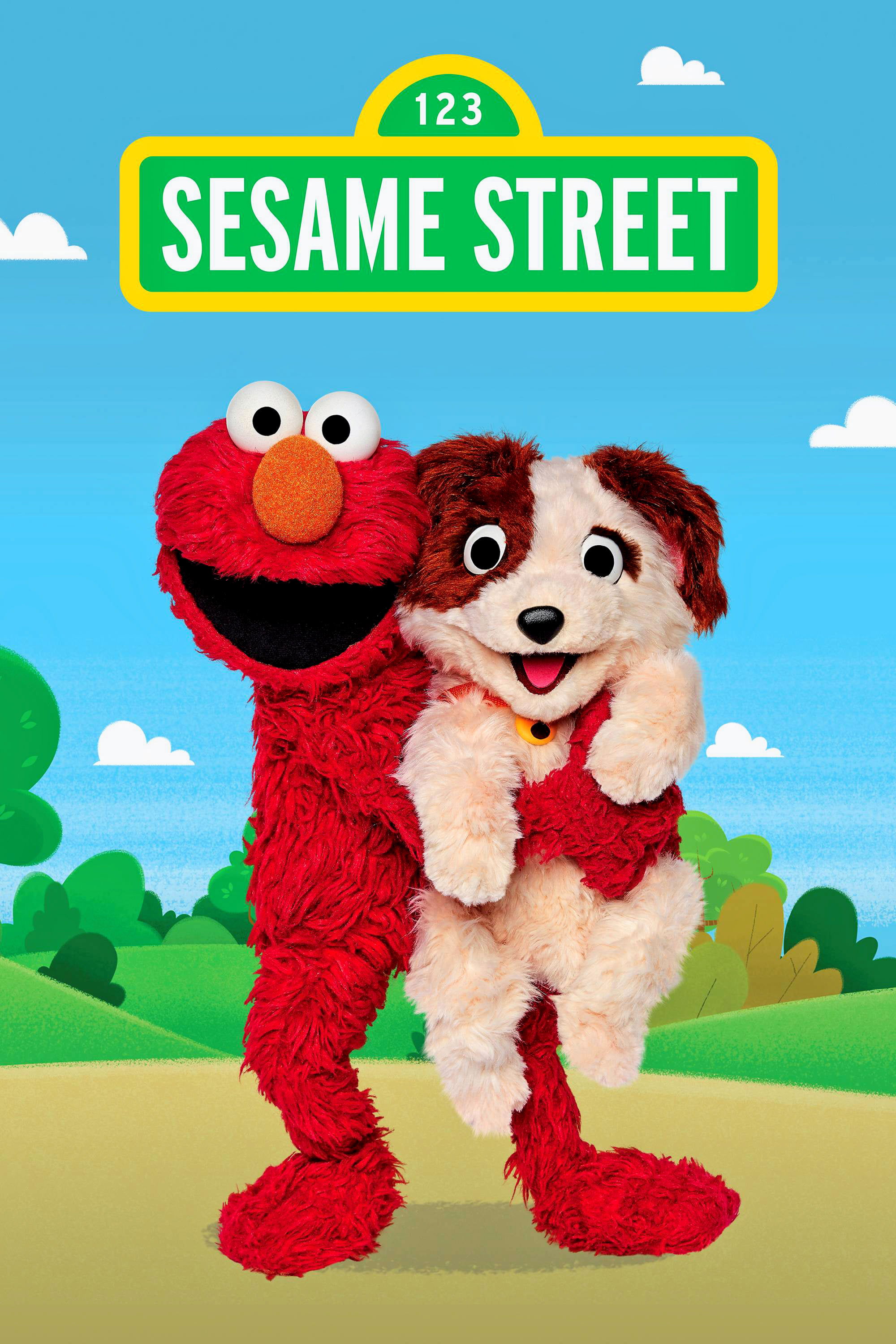
Will Lee played the neighborhood shopkeeper Mr. Hooper on ‘Sesame Street’ until his death in 1982. Instead of recasting the role or saying the character moved away, the producers used the opportunity to teach children about death. The resulting episode is widely considered a landmark moment in educational television. It set a precedent for how children’s programming could handle complex real life issues with honesty and sensitivity.
‘The West Wing’ (1999–2006)
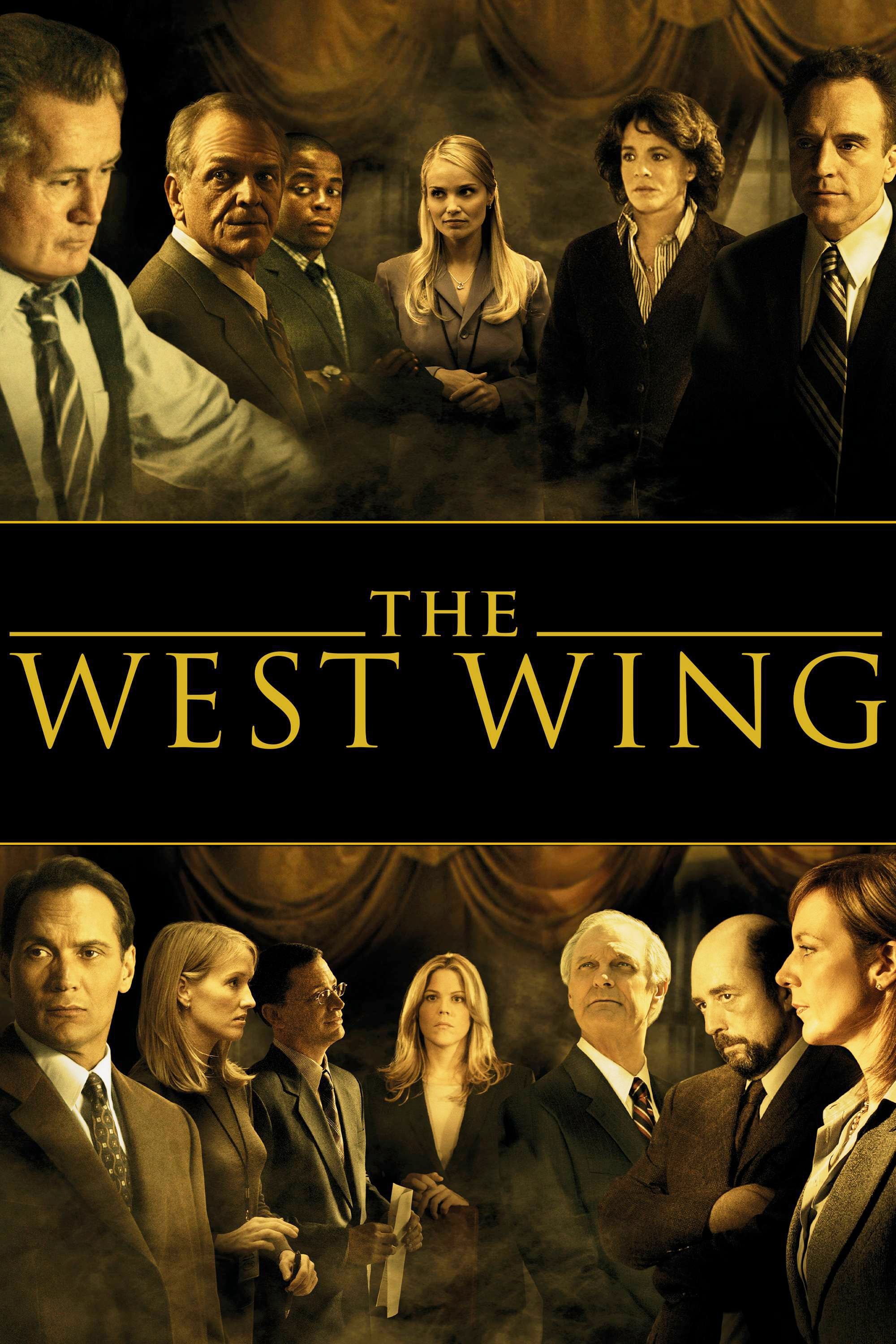
John Spencer played Chief of Staff Leo McGarry on ‘The West Wing’ and was a central figure when he died of a heart attack. The writers were in the middle of a season that focused on a presidential election when the tragedy occurred. They decided to have the character pass away on election night, which mirrored the real life loss felt by the cast. The final episodes of the series were heavily influenced by the need to provide a fitting conclusion to his legacy.
‘Cheers’ (1982–1993)
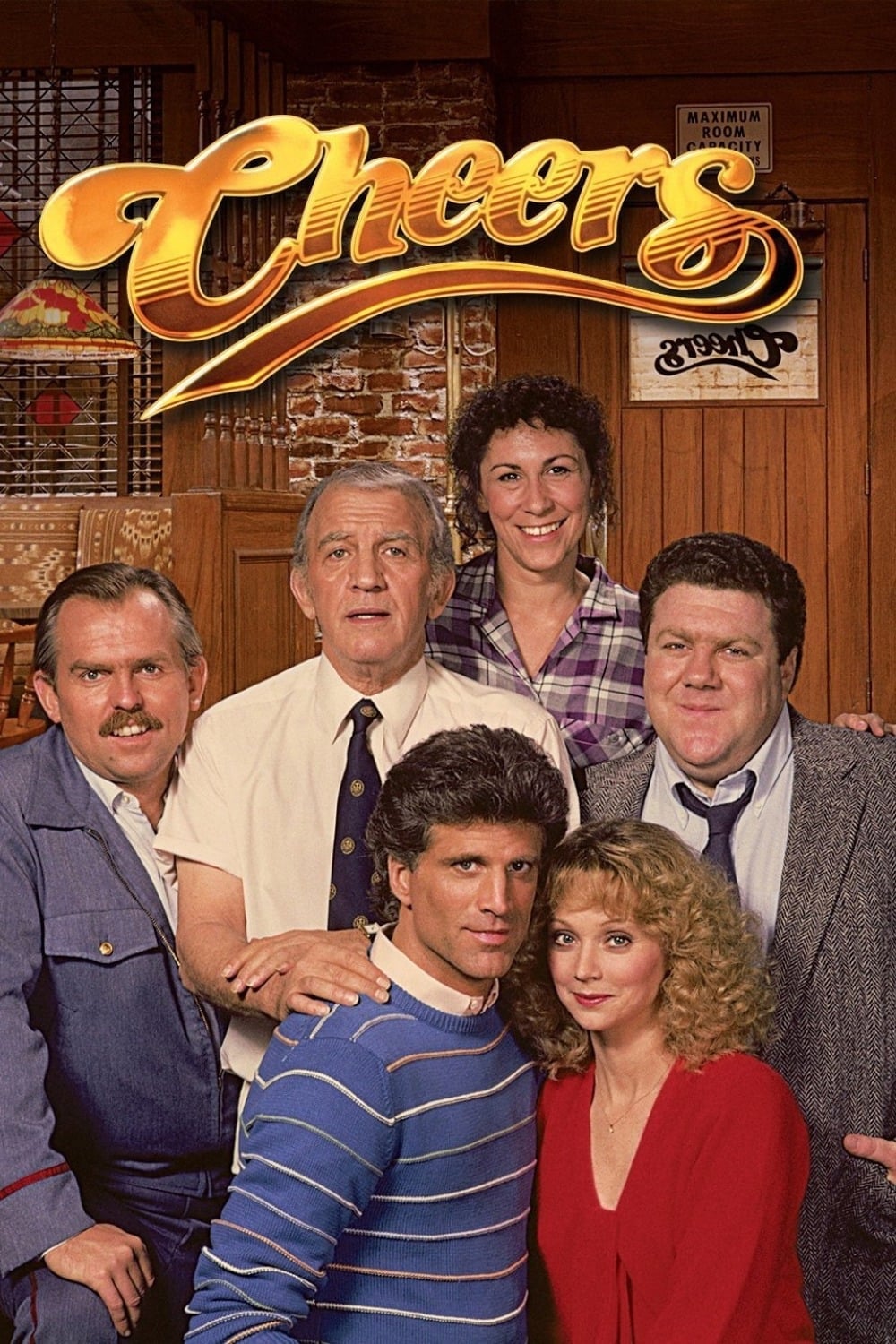
Nicholas Colasanto played the lovable Coach on ‘Cheers’ during the first three seasons of the iconic sitcom. After he died of heart disease, the producers introduced Woody Harrelson as a new bartender to fill the gap. The show acknowledged the loss of Coach by mentioning that he had passed away and kept a photo of him on the set. This cast change helped the show evolve and stay fresh for many more years.
‘Night Court’ (1984–1992)
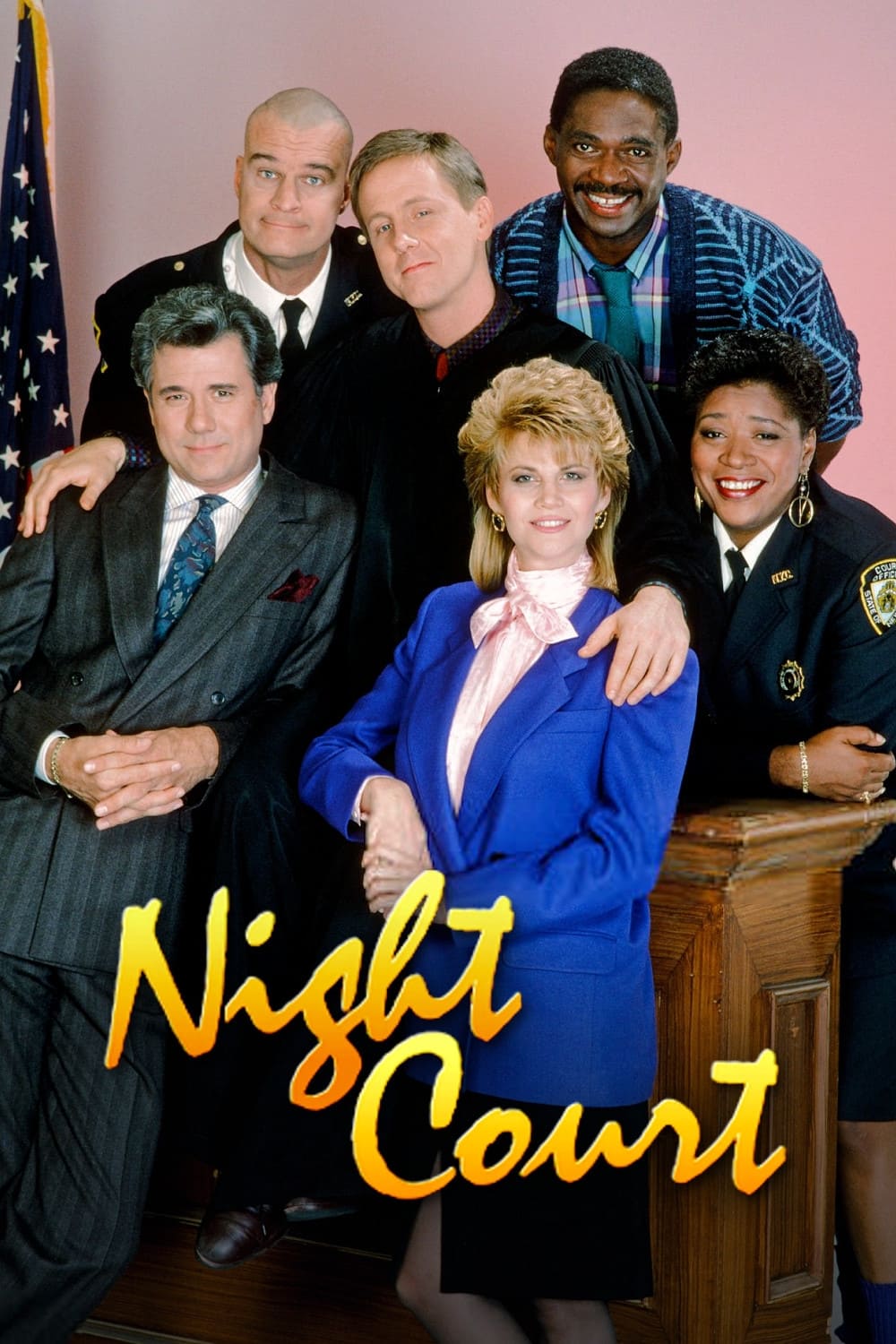
Selma Diamond played the sardonic bailiff Selma Hacker on ‘Night Court’ before she died of lung cancer. The producers cast Florence Halop to play a similar character, but she also passed away after only one season. These back to back tragedies led to a sense of gloom surrounding the production of the early years. Eventually Marsha Warfield joined the cast as Roz Russell and provided the stability the show needed to finish its long run.
‘The Big Bang Theory’ (2007–2019)
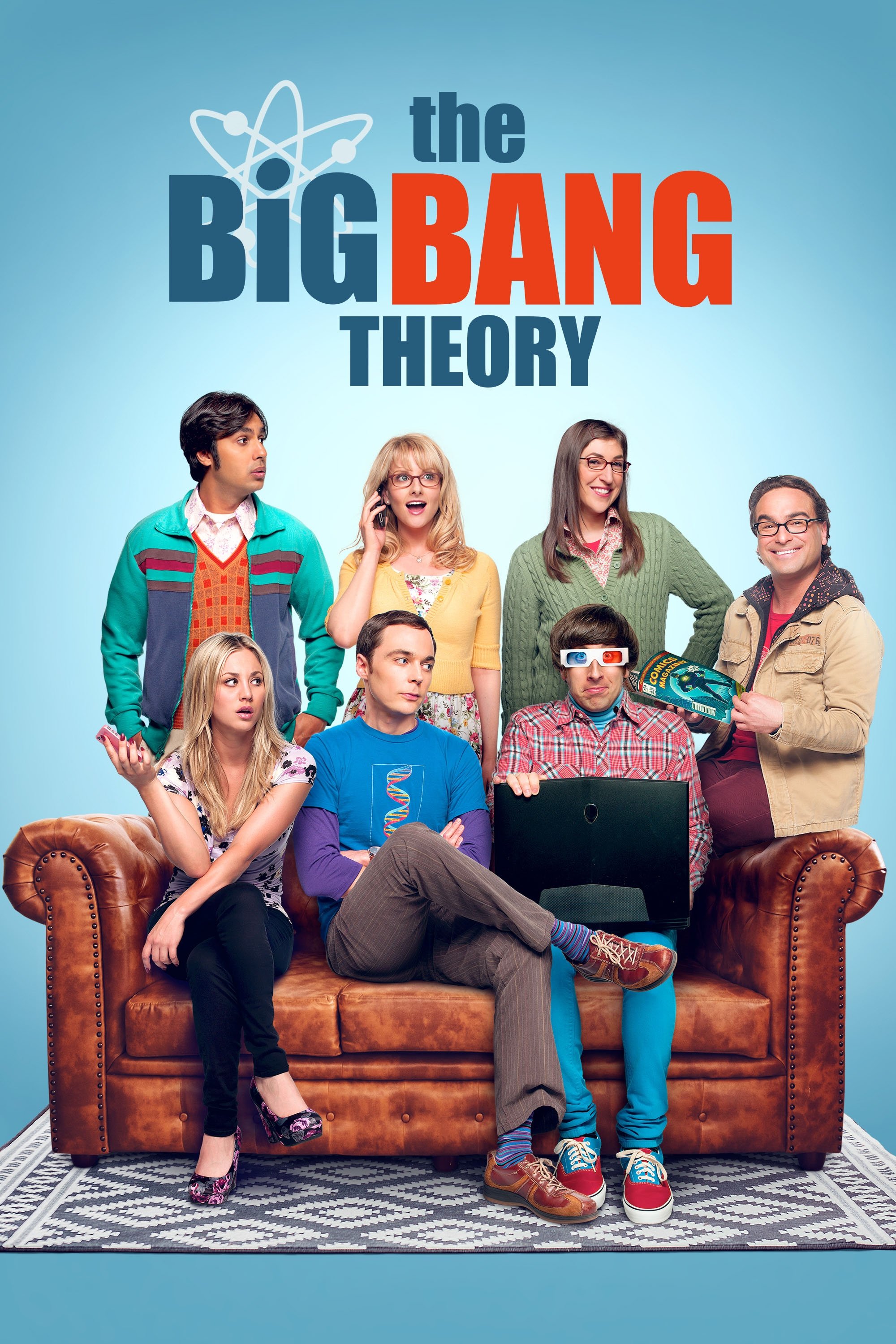
Carol Ann Susi provided the voice of Mrs. Wolowitz on ‘The Big Bang Theory’ for many years without ever appearing on screen. When she passed away from cancer in 2014, the showrunners decided to write her death into the series. This event forced the character of Howard Wolowitz to grow and take on more adult responsibilities. The tribute reflected the deep affection the cast had for an actor who was a vital part of the show.
‘Barney Miller’ (1975–1982)
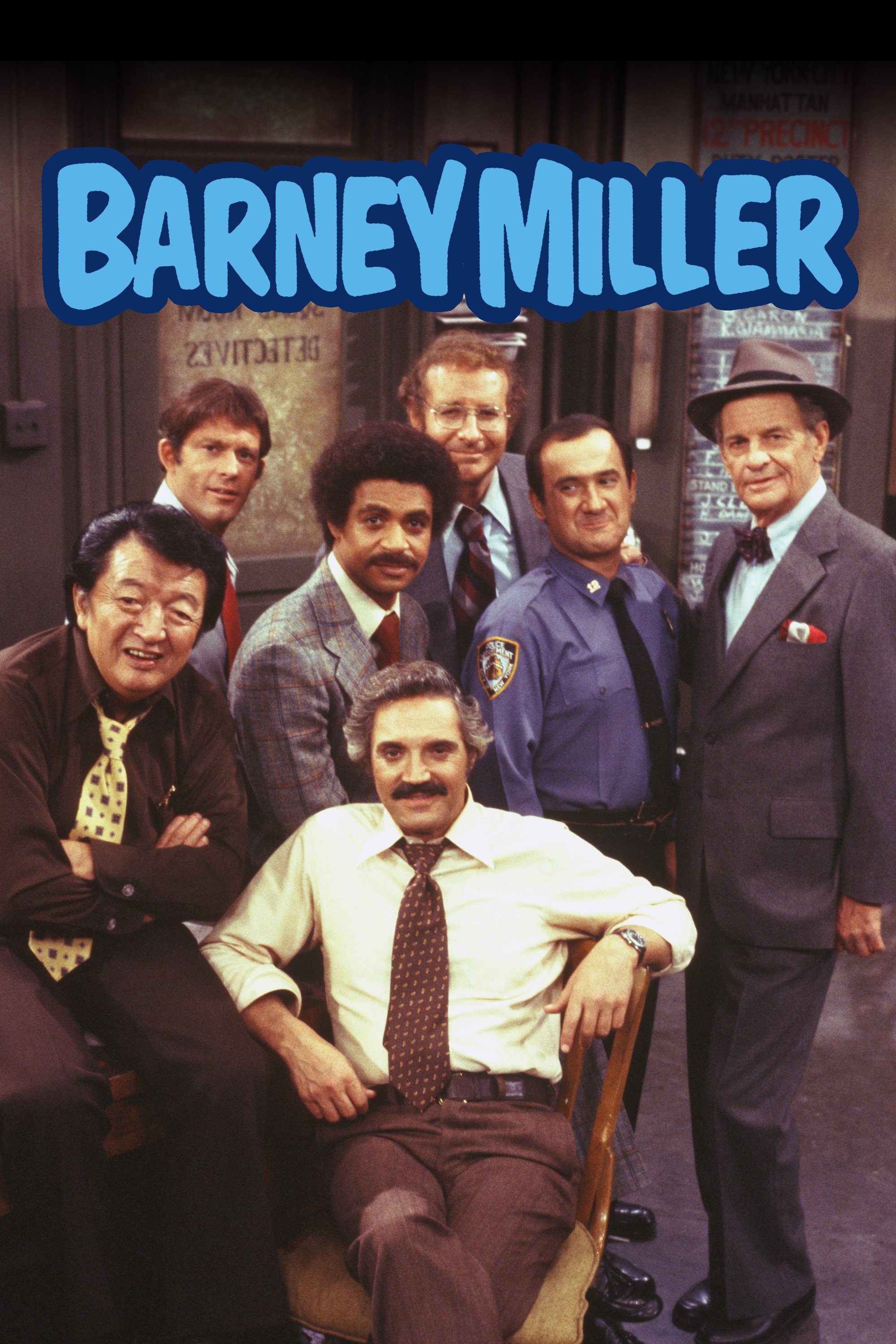
Jack Soo played Detective Nick Yemana on ‘Barney Miller’ and was known for his deadpan humor. When he died during the fifth season, the show aired a special retrospective episode where the actors stepped out of character. They stood on the set and shared their favorite memories of working with him over the years. This break from the fictional world was a moving tribute to a beloved cast member.
‘Cover Up’ (1984–1985)

Jon Erik Hexum was the lead actor of ‘Cover Up’ when he accidentally shot himself on set with a prop gun. The tragedy led to his death and caused a massive investigation into set safety procedures. Producers attempted to replace him with actor Antony Hamilton, but the audience did not connect with the new lead. The show was canceled after its first season as it could not overcome the shadow of the fatal accident.
‘Silicon Valley’ (2014–2019)
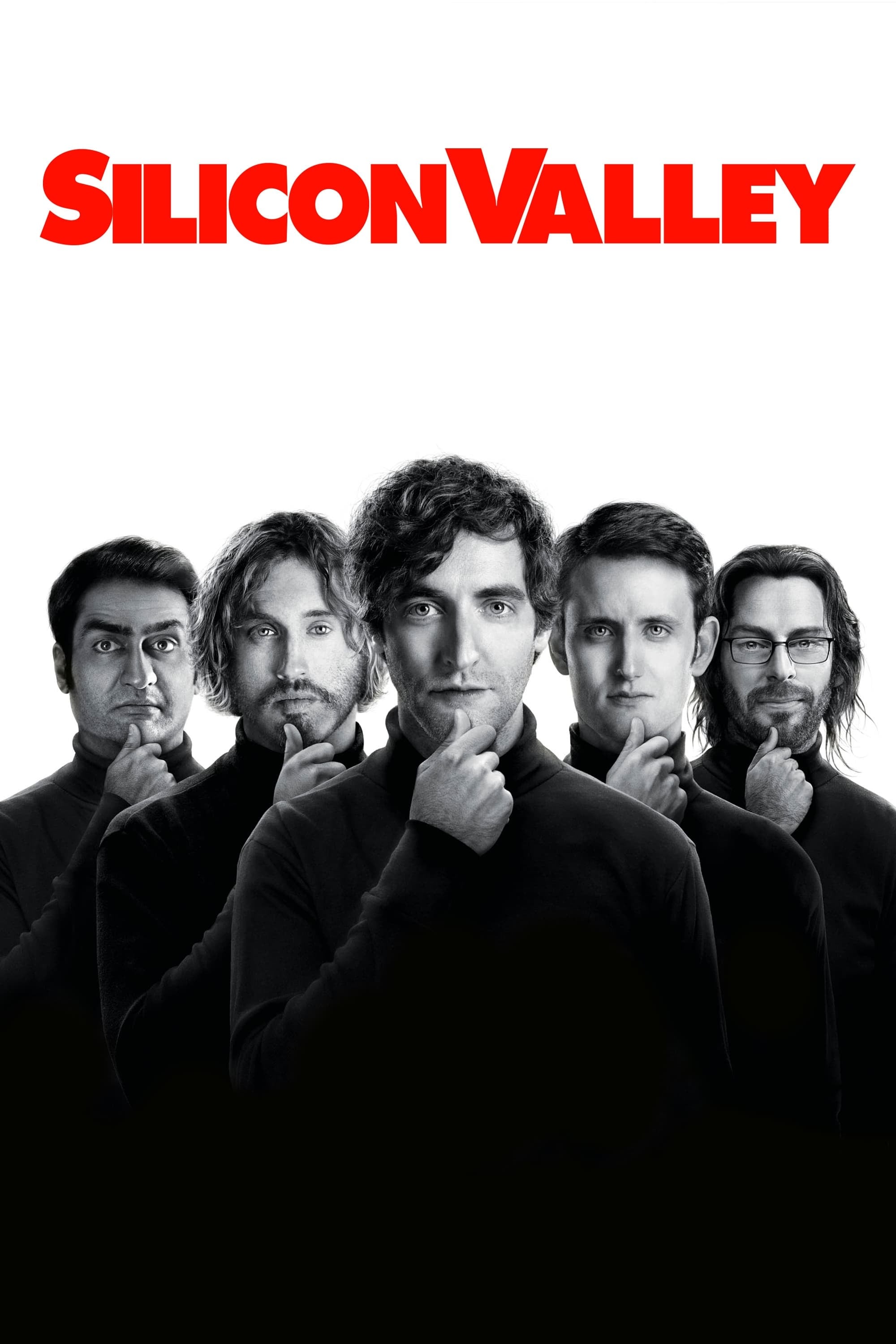
Christopher Evan Welch played the eccentric billionaire Peter Gregory in the first season of ‘Silicon Valley’. His sudden death from lung cancer required the writers to come up with a creative way to remove the character. They decided to have the character die in a bizarre off screen accident involving a safari and a heart attack. This led to the introduction of a new foil for the main characters who changed the direction of the business plot.
‘Bewitched’ (1964–1972)
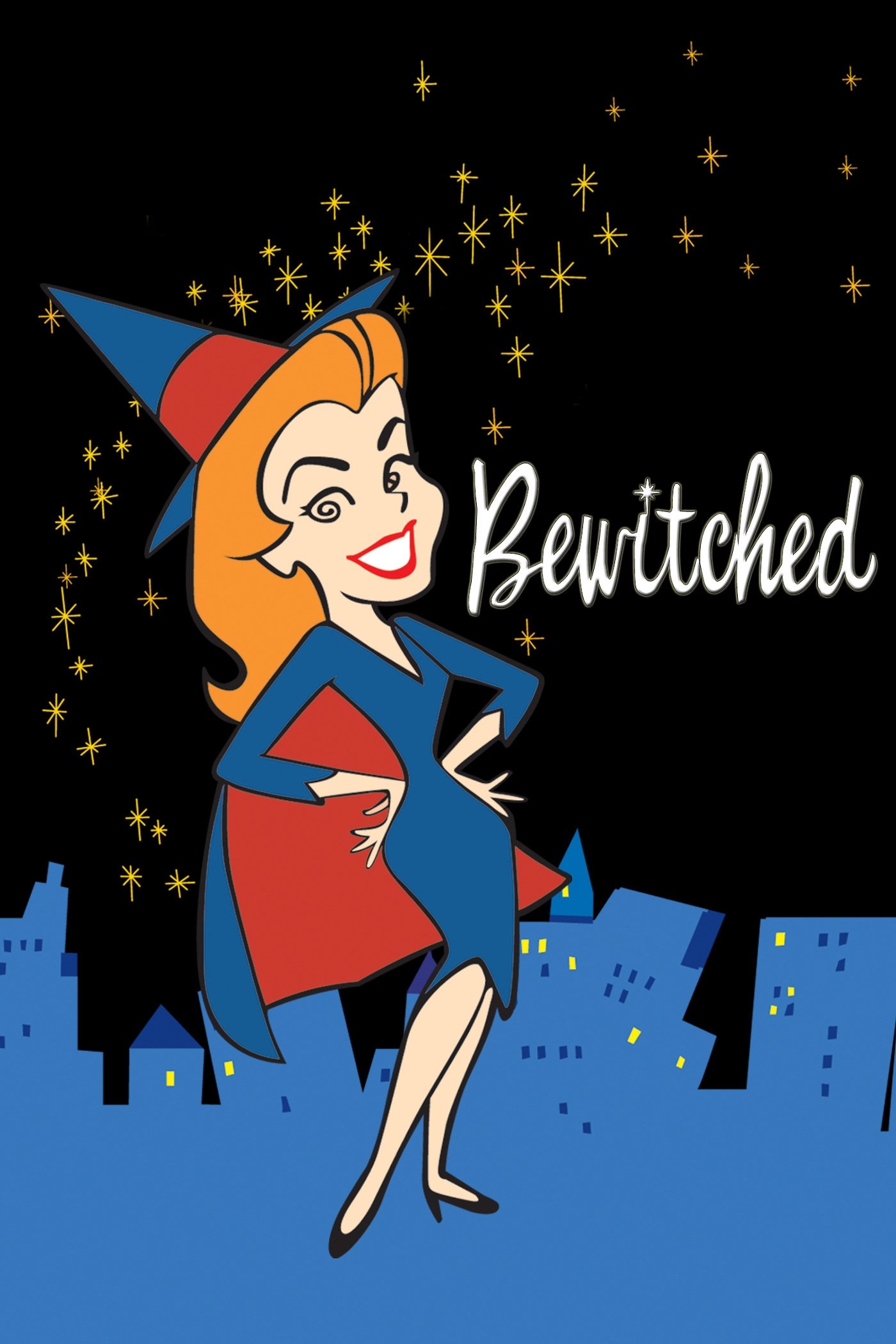
Alice Pearce played the nosy neighbor Gladys Kravitz on ‘Bewitched’ during the early seasons of the show. She passed away from ovarian cancer in 1966 and the role was eventually recast with Sandra Gould. While the character remained the same, the comedic energy shifted significantly between the two performers. This was one of the first major instances of a successful sitcom continuing after the death of a prominent actor.
‘The Waltons’ (1972–1981)

Will Geer played Grandpa Zebulon Walton on ‘The Waltons’ until his death in 1978 shortly after the sixth season finished filming. The writers addressed his passing in the premiere of the seventh season by having the family mourn his character. The loss of the grandfather figure changed the family dynamic and shifted more responsibility to the younger characters. The show continued for several more years, but the absence of his wisdom was frequently noted.
‘Hill Street Blues’ (1981–1987)
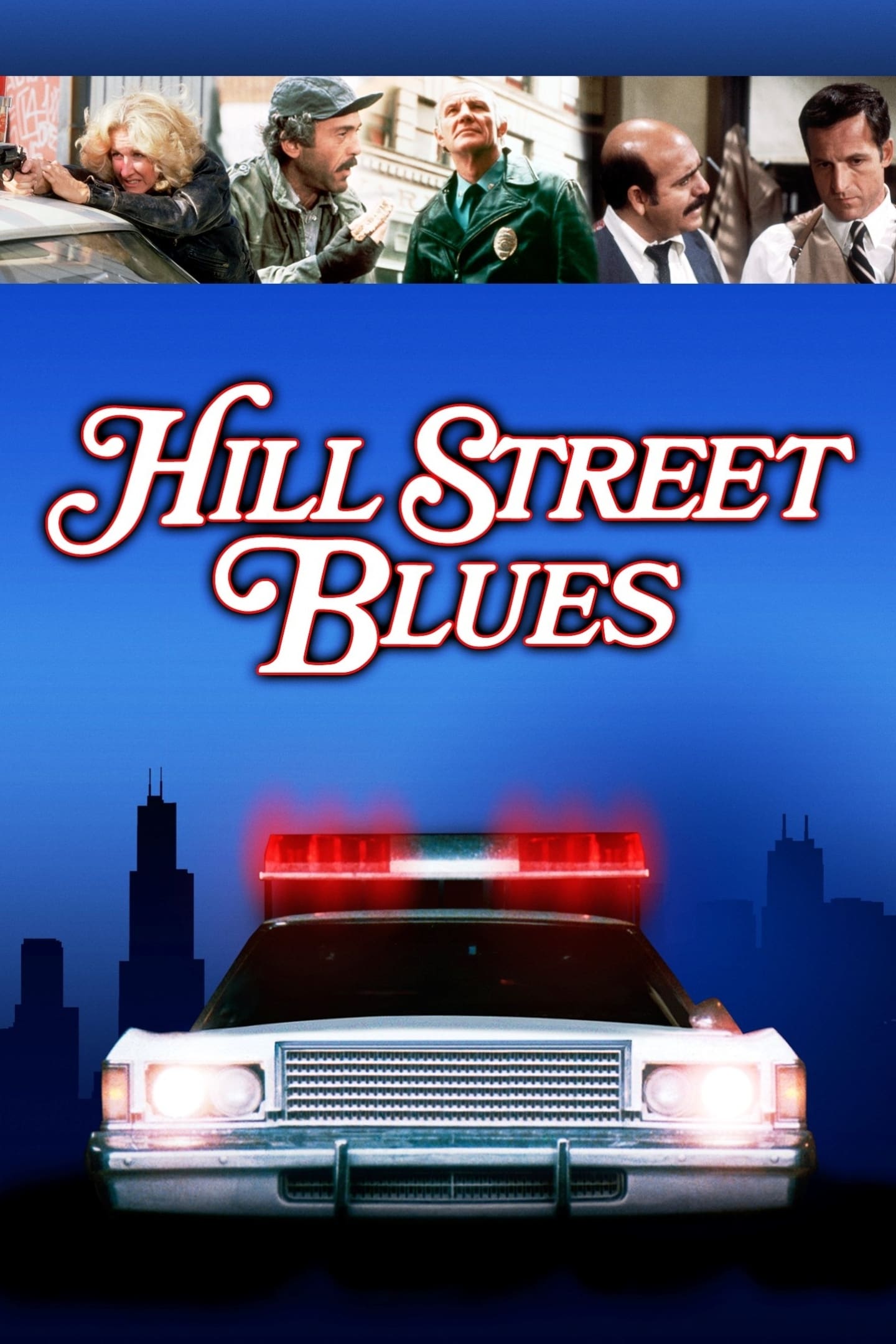
Michael Conrad played Sergeant Phil Esterhaus on ‘Hill Street Blues’ and delivered the famous catchphrase about being careful. He died of cancer during the fourth season of the influential police procedural. The showrunners decided to have his character die while making love to a girlfriend, which provided a mix of tragedy and humor. His death was a major emotional arc for the rest of the precinct and left a lasting impact.
‘Roseanne’ (1988–2018)
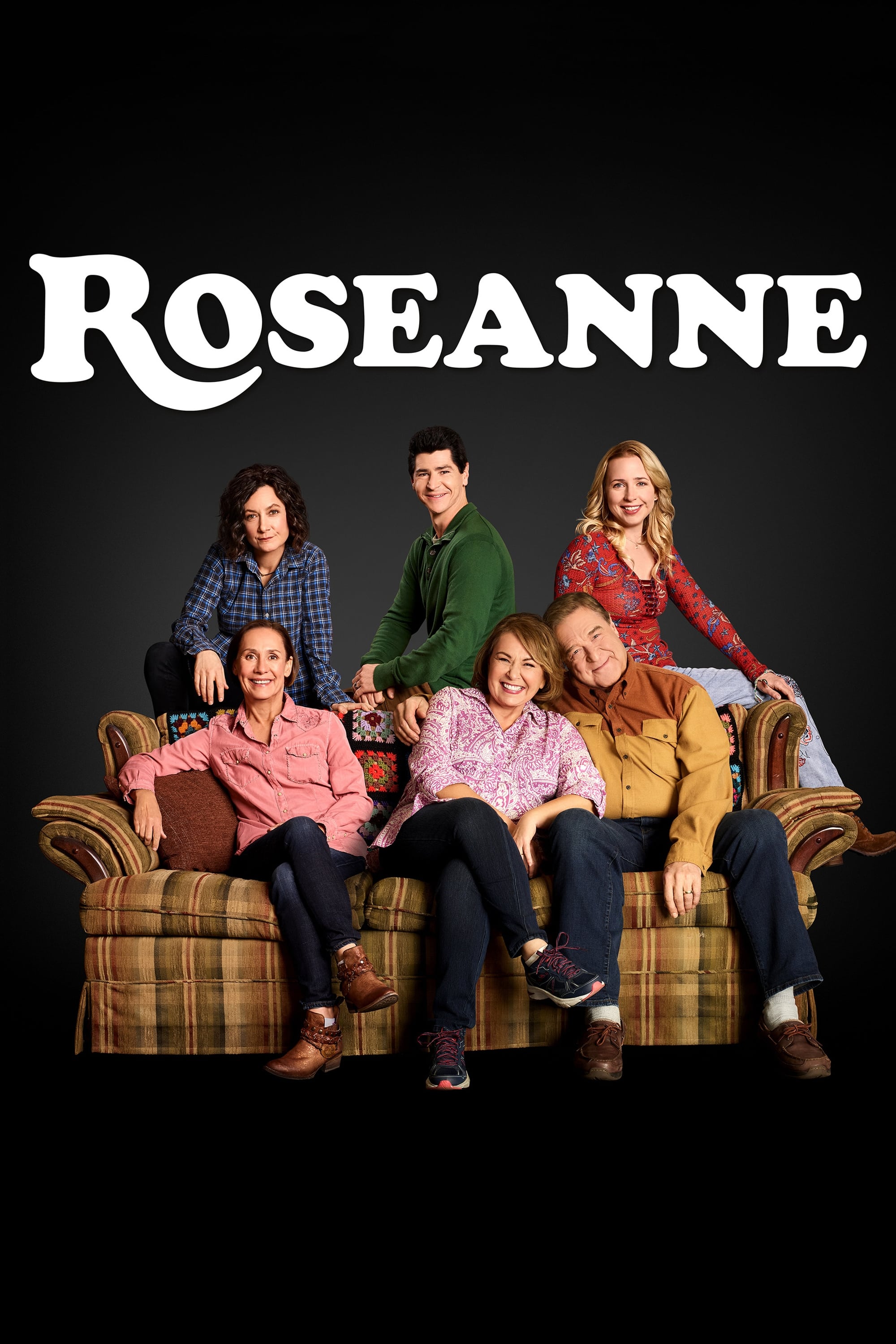
Glenn Quinn played Mark Healy on ‘Roseanne’ for many years and was a significant part of the family dynamic. He died of an overdose in 2002 long after the original series had ended its first run. When the show was revived in 2018, the writers acknowledged his death and named a character after him to honor his memory. This real life tragedy added a layer of sadness to the reunion that fans felt deeply.
‘Homeland’ (2011–2020)
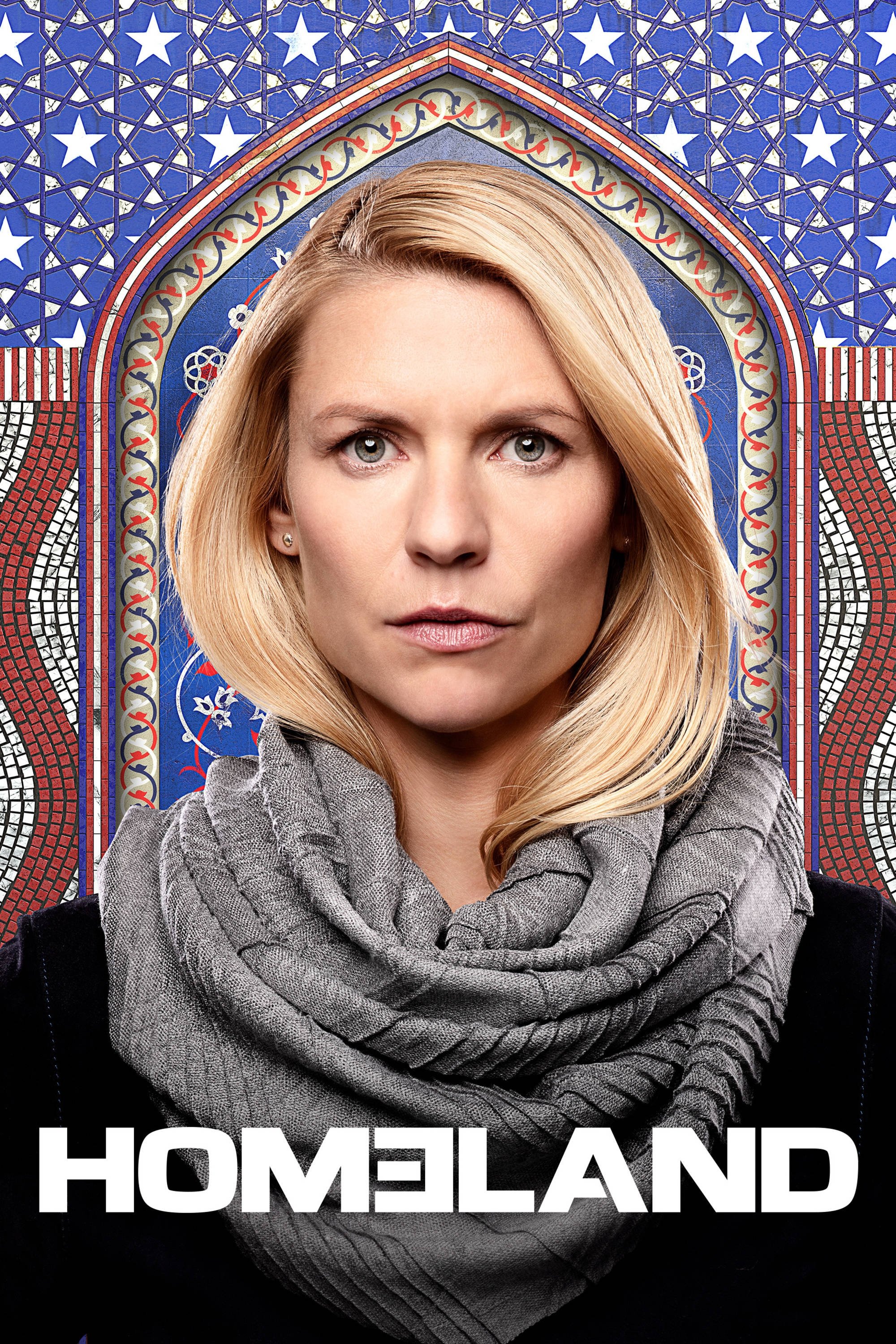
James Rebhorn played the father of the main character Carrie Mathison on ‘Homeland’ and was a steadying force. When he died in 2014, the show incorporated his passing into the fourth season. The funeral of his character served as a moment of reflection for the protagonist as she dealt with her own mental health struggles. The writers used the loss to explore the theme of legacy and the sacrifices made by families.
‘The Blacklist’ (2013–2023)
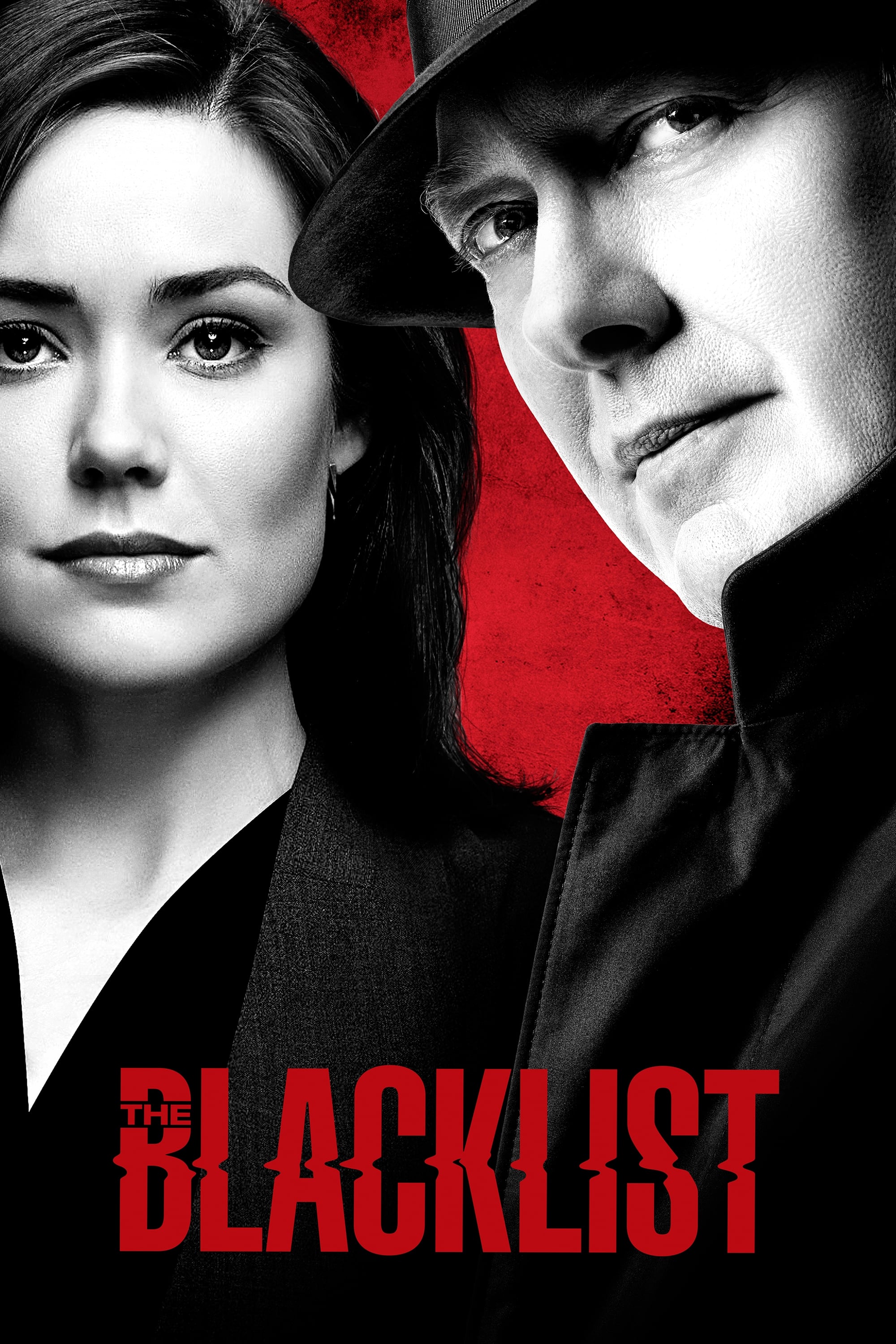
Clark Middleton played the quirky DMV employee Glen Carter on ‘The Blacklist’ who was a favorite for his interactions with Raymond Reddington. After Middleton died from West Nile virus in 2020, the show dedicated an entire episode to his character. The plot involved Reddington completing a series of strange tasks to honor the final wishes of his friend. This tribute allowed the cast to express their genuine grief for a unique performer who had become a staple.
‘The Sopranos’ (1999–2007)
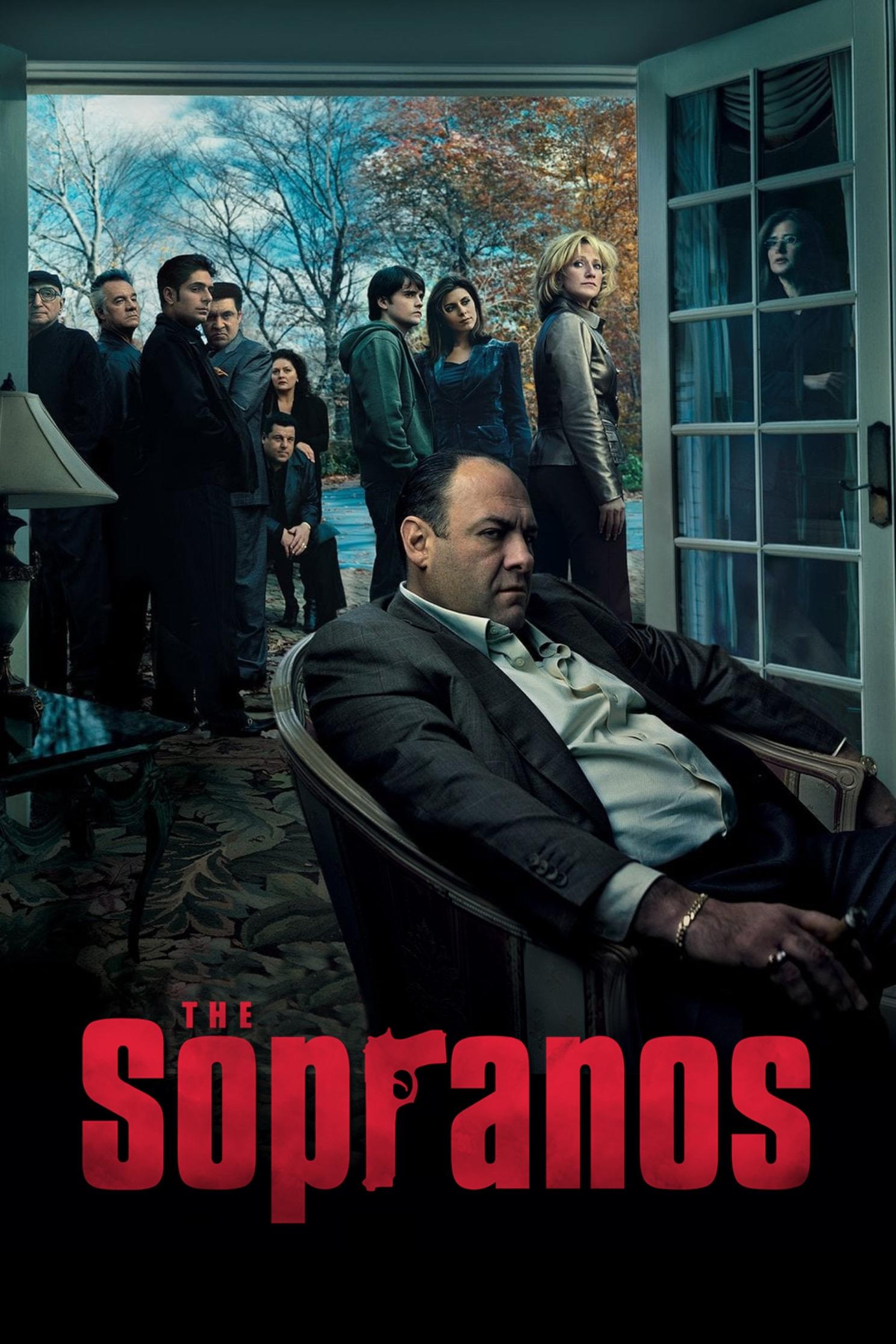
Nancy Marchand played Livia Soprano on ‘The Sopranos’ and was intended to be a major part of the third season. Her death from lung cancer forced David Chase to use early digital effects to complete her final scene. The subsequent storyline focused on Tony Soprano dealing with the complicated legacy of his mother after her passing. This change moved the focus of the show toward other antagonists, but the shadow of Livia remained.
‘And Just Like That…’ (2021–Present)
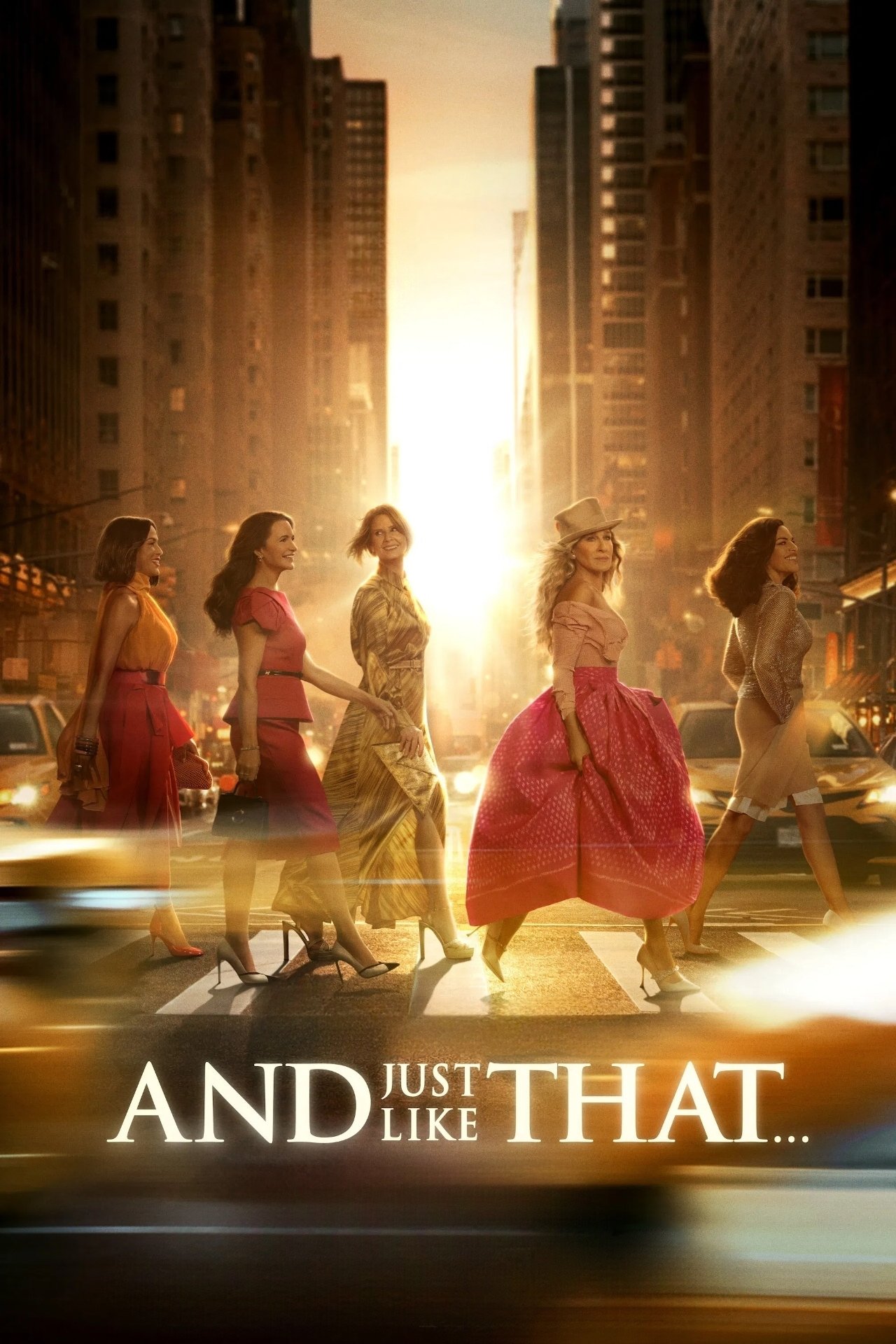
Willie Garson returned to play Stanford Blatch in ‘And Just Like That…’ before he died of pancreatic cancer. He had filmed several episodes before his health declined, which required the writers to suddenly write him out of the script. They decided to have his character move to Japan to become a monk, which was a polarizing choice for viewers. The loss of his presence was felt throughout the first season as he had been a constant companion to the leads.
‘Twin Peaks’ (2017)
Catherine E. Coulson returned to play the Log Lady in the ‘Twin Peaks’ revival despite being terminally ill. She filmed her scenes shortly before her death and her physical frailty was visible on screen. David Lynch used her real life condition to give her character a beautiful and haunting farewell. The scene where she says her final goodbye is considered one of the most powerful moments in the history of the show.
‘The Goldbergs’ (2013–2023)
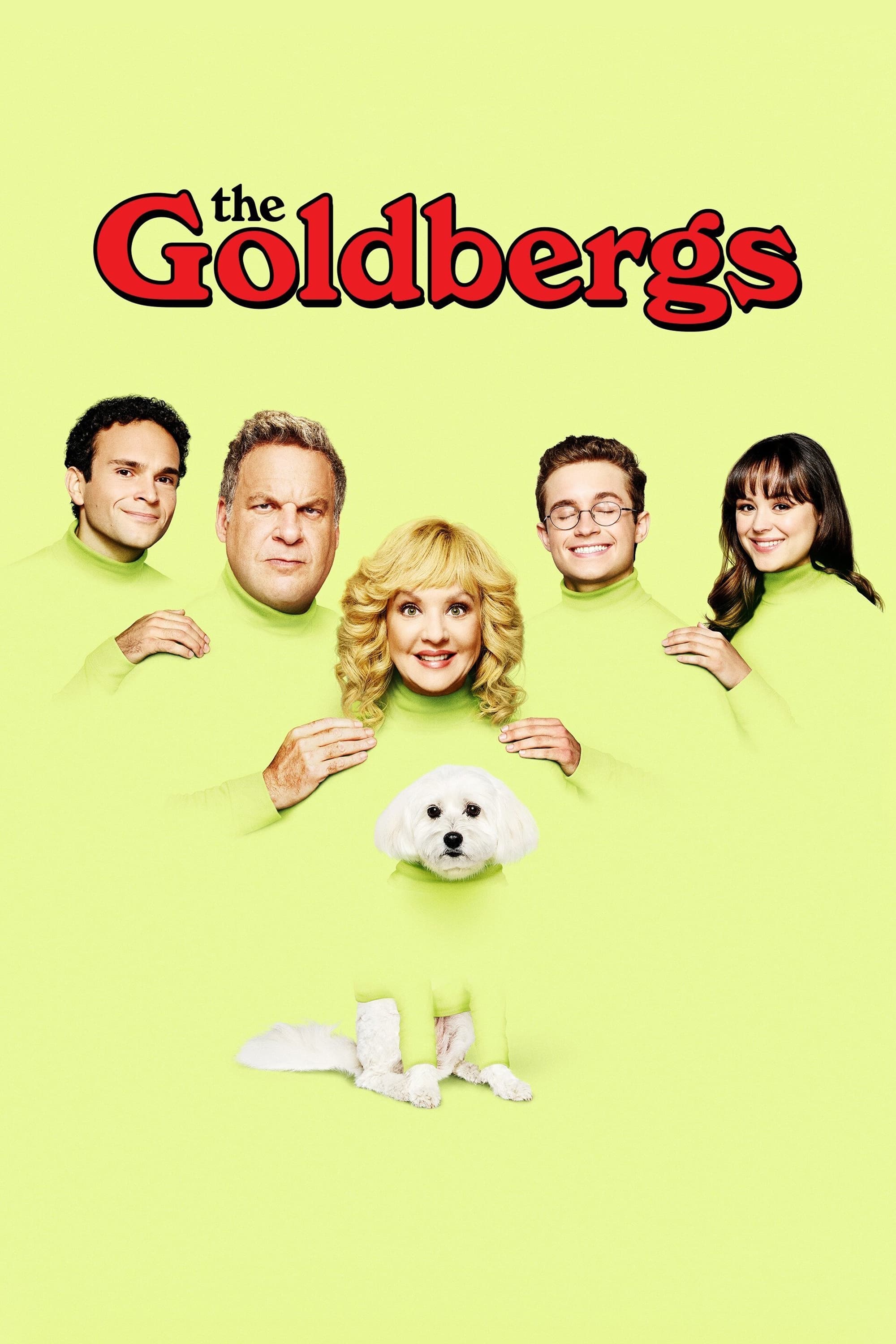
George Segal played Pops on ‘The Goldbergs’ and was the emotional heart of the sitcom until his death following surgery complications. The production used a mix of unused footage and tributes to give the character a proper send off. His absence left a hole in the family dynamic that the show struggled to fill in its final seasons. The writers focused on how the family moved forward while keeping the memory of their grandfather alive.
‘Gen V’ (2023–Present)
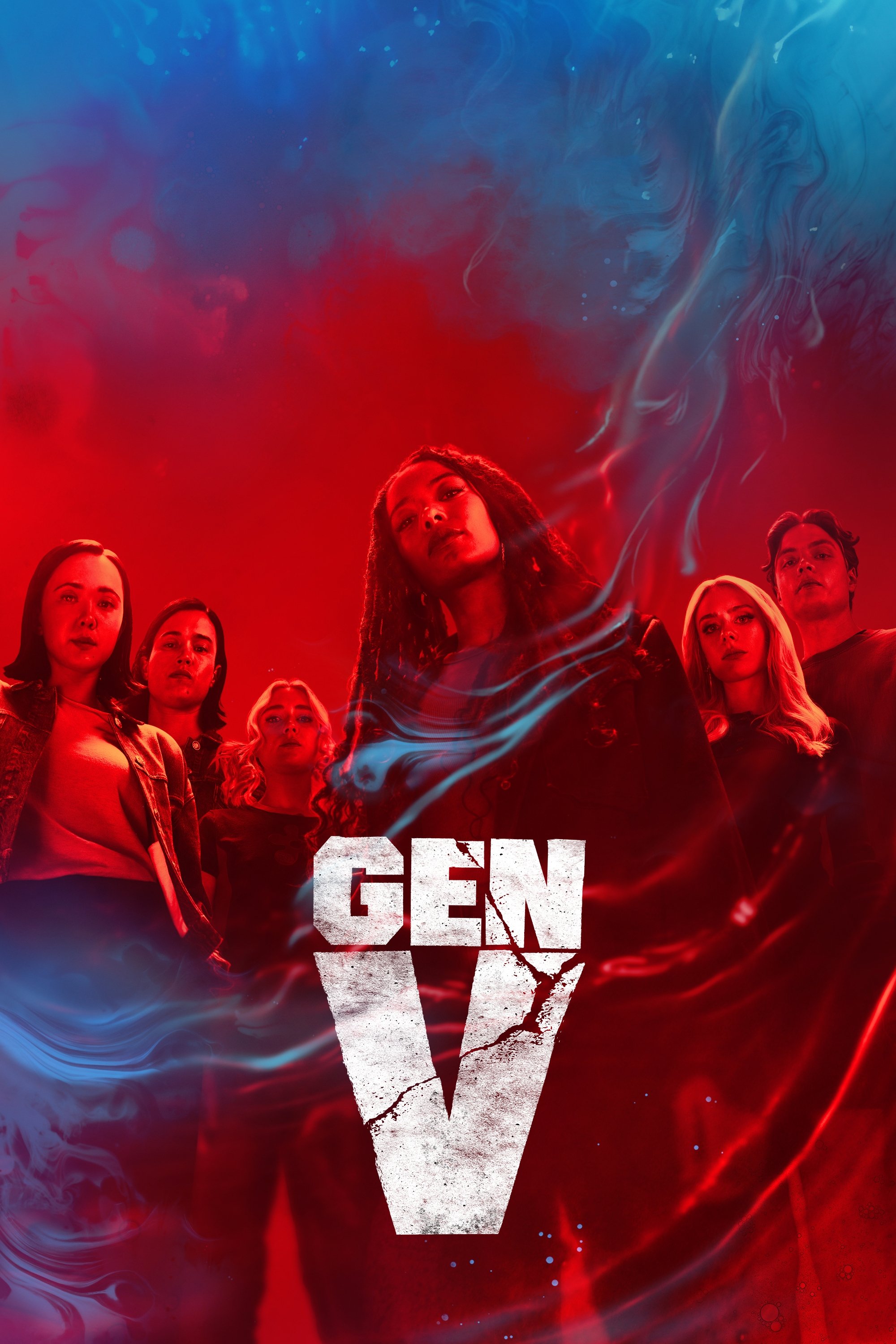
Chance Perdomo was a lead actor in ‘Gen V’ and was set to start filming the second season when he died in an accident. The producers delayed the start of production and ultimately decided not to recast his role as Andre Anderson. This decision required a complete rewrite of the upcoming season to account for his character being gone. The tragedy has cast a long shadow over the future of the series and the development of its ensemble cast.
‘Desperate Housewives’ (2004–2012)
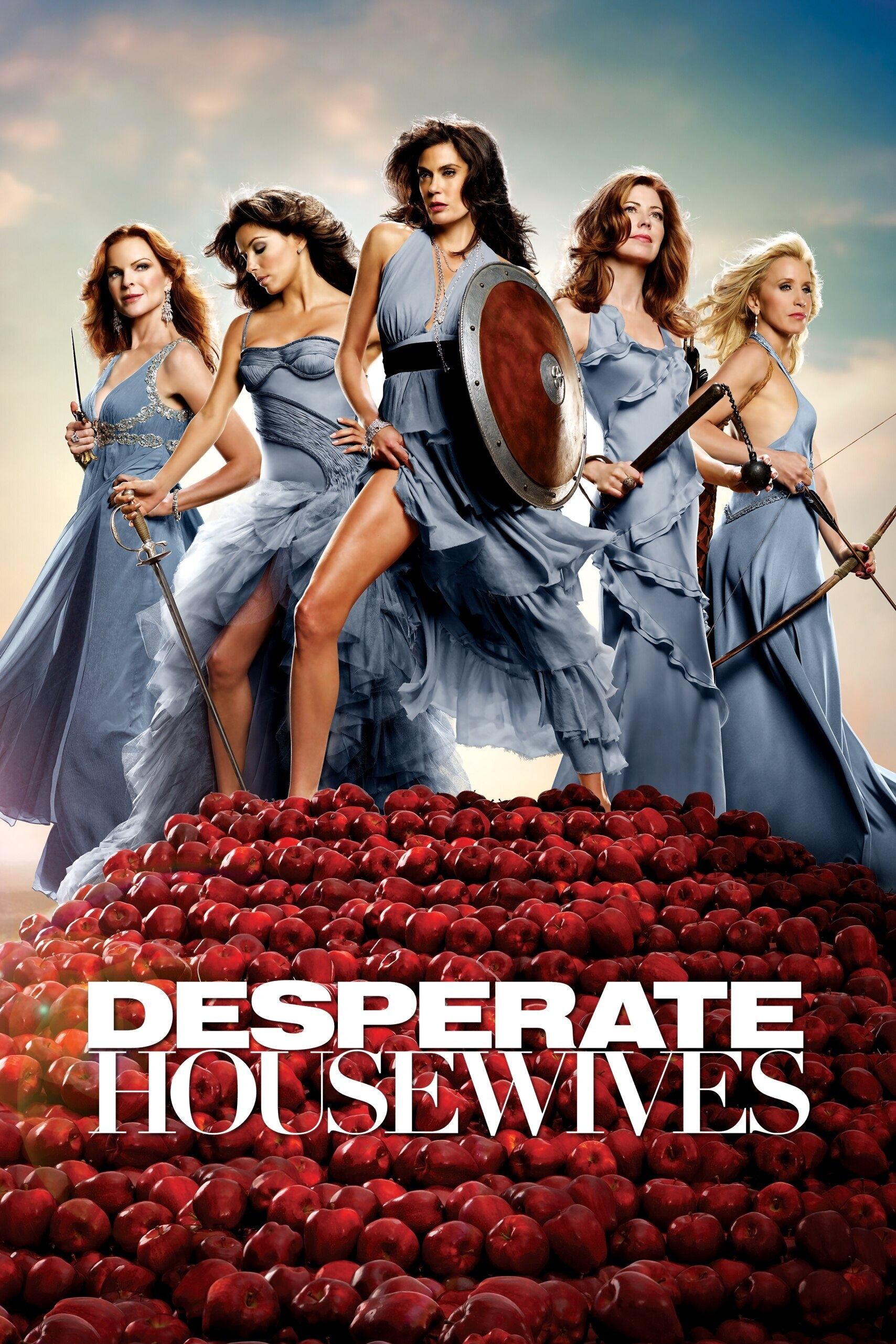
Kathryn Joosten played the meddling neighbor Karen McCluskey on ‘Desperate Housewives’ for the entire run of the series. She was battling lung cancer in real life, which was mirrored in the final season storyline for her character. Joosten passed away just twenty days after the series finale aired where her character also died. This parallel between fiction and reality made the conclusion of the show especially poignant for the cast.
Share your thoughts on these tragic television transitions in the comments.

