


50 Movies with Perfect Endings

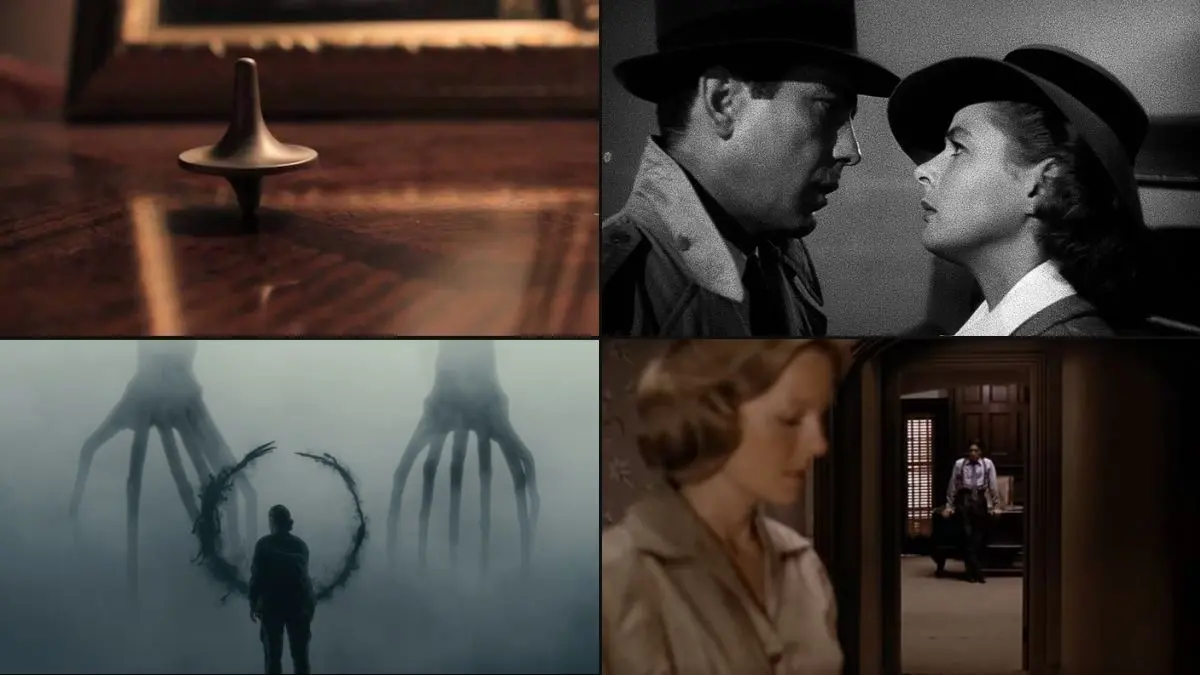


A good ending can make a movie unforgettable. It’s the last thing you see, and it stays with you long after the credits roll. A perfect ending ties everything together, providing a sense of closure and satisfaction. It can be happy, sad, or thought-provoking, but it always feels earned and right for the story.
This list celebrates 50 movies that nailed their conclusions. These films come from different genres and eras, but they all share one thing in common: an ending that resonates with audiences. Whether it’s a shocking twist, a heartfelt resolution, or a quiet moment of reflection, these endings are powerful and memorable. They are a key reason why these movies are considered classics.
The Shawshank Redemption (1994)
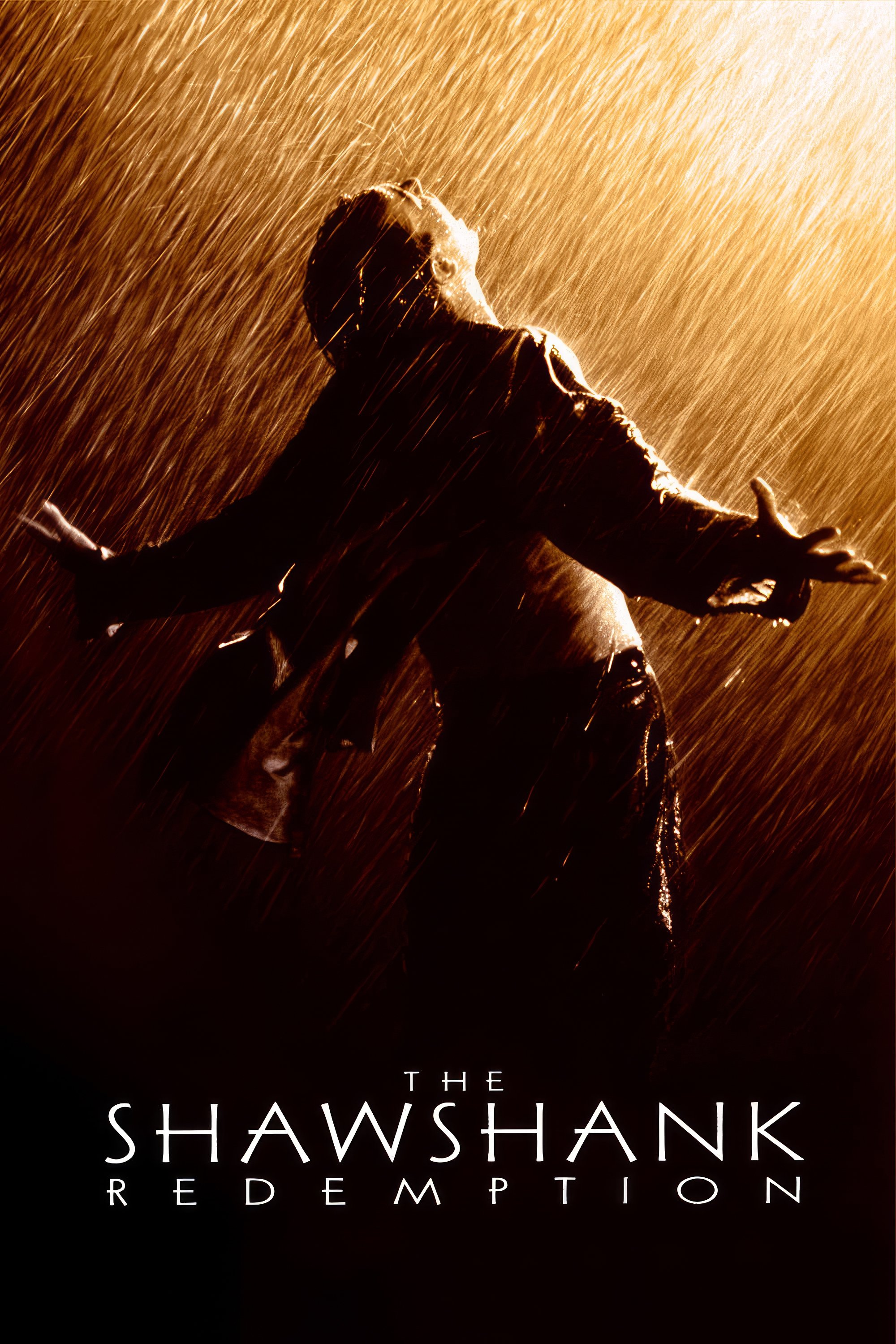
The final moments of this film offer a powerful and uplifting conclusion to a long and arduous journey. After years of wrongful imprisonment, Andy Dufresne escapes and exposes the corruption at Shawshank Penitentiary. The ending sees his friend, Red, finally granted parole and following Andy’s trail to a hopeful future.
The reunion of the two friends on a sunny beach in Mexico is a deeply emotional and satisfying scene. It’s a testament to the enduring power of hope and friendship. The ending provides a sense of peace and justice, as both men find freedom and redemption after enduring immense hardship.
The Godfather (1972)
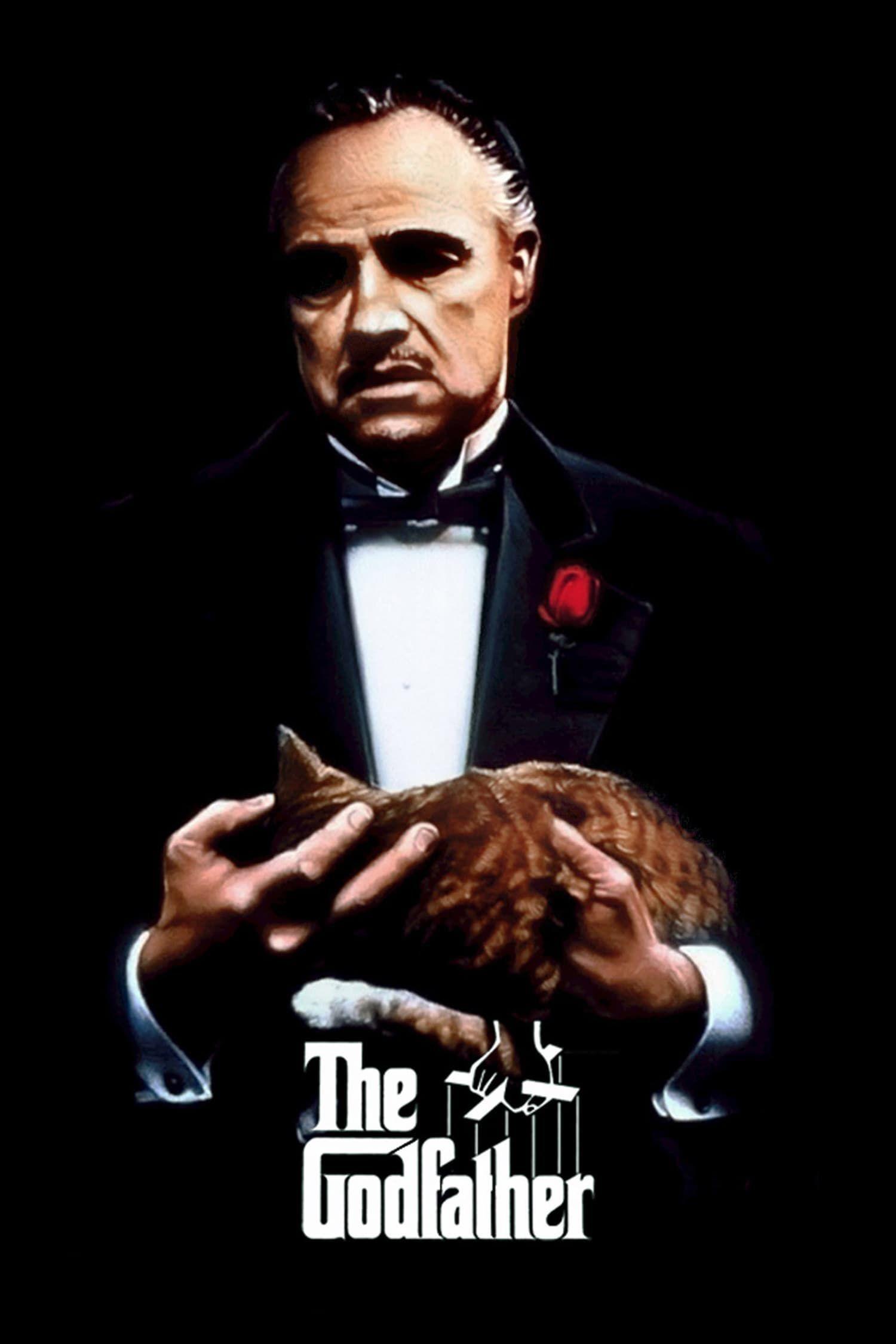
The ending of this crime epic is both chilling and brilliant, cementing Michael Corleone’s transformation. In the final sequence, Michael stands as the new Don, having orchestrated the murders of his rivals. The juxtaposition of these brutal killings with the baptism of his nephew is masterfully executed.
This concluding scene is a powerful statement on the nature of power and corruption. The closing shot of the door shutting on his wife, Kay, signifies Michael’s complete descent into the criminal underworld and the emotional isolation that comes with his new role. It’s a haunting and unforgettable finish.
Pulp Fiction (1994)

The non-linear narrative of this film famously comes full circle in its final scene. The movie ends where it began, in a diner, but with a newfound perspective. Hitmen Jules and Vincent find themselves in the middle of a robbery, but Jules, having had a recent epiphany, chooses a path of non-violence.
His philosophical speech and decision to let the robbers go provides a sense of redemption and completes his character arc. The ending is cool, clever, and perfectly encapsulates the film’s unique blend of humor, violence, and philosophical musings. It leaves the audience with a sense of resolution, even as Vincent and Jules walk off into an uncertain future.
Schindler’s List (1993)

The ending of this historical drama is incredibly poignant and moving. After saving over a thousand Jews from the Holocaust, Oskar Schindler breaks down, lamenting that he could not have saved more. This moment of profound grief and humanity is a powerful testament to the weight of his actions.
The film then transitions to the present day, showing the actual survivors, known as “Schindler’s Jews,” and their descendants visiting Schindler’s grave. This powerful epilogue provides a tangible sense of his legacy and the real-world impact of his bravery. It’s a heartbreaking yet hopeful conclusion that honors the memory of the victims and the heroism of one man.
The Silence of the Lambs (1991)

This thriller ends with a conversation that is both satisfying and deeply unsettling. FBI trainee Clarice Starling has successfully caught the serial killer Buffalo Bill, thanks in part to the psychological insights from the brilliant but manipulative Hannibal Lecter. In the final scene, Lecter calls Clarice from a tropical location where he is hiding.
He congratulates her on her success and assures her that he has no plans to pursue her. However, the chilling final line, “I’m having an old friend for dinner,” reveals that he has not abandoned his cannibalistic ways and is about to kill his former captor, Dr. Chilton. This ending provides closure for Clarice’s case while leaving the audience with the terrifying knowledge that a monster is still at large.
Forrest Gump (1994)
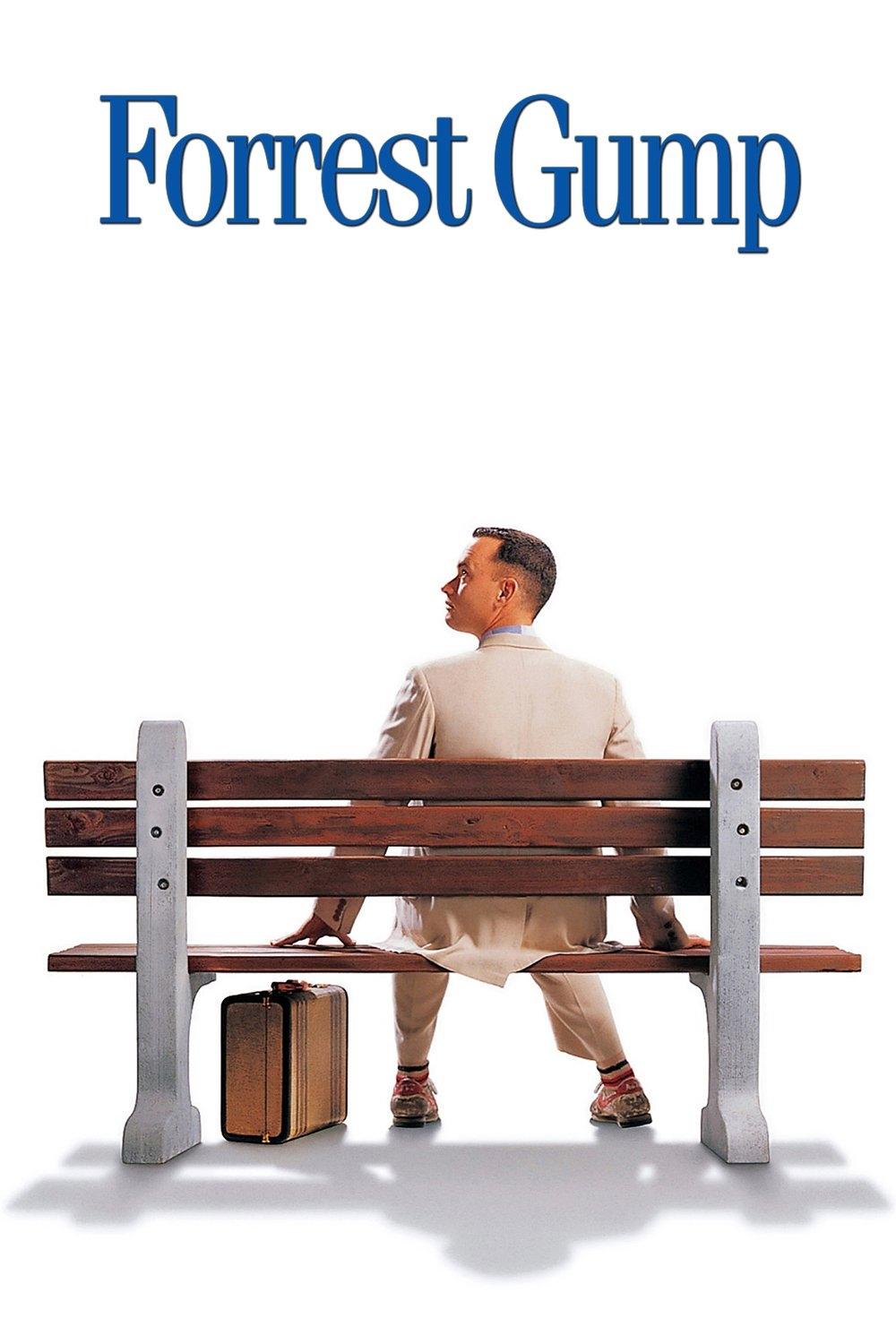
The ending of this beloved film is a touching and bittersweet conclusion to Forrest’s extraordinary life journey. After losing the love of his life, Jenny, Forrest is left to raise their son, Forrest Jr. The film’s final moments show him seeing his son off on his first day of school.
This simple, quiet scene is full of emotional resonance. It brings Forrest’s story full circle, from a boy with leg braces being seen off to school by his mother to a loving father doing the same for his own son. The image of the feather, which began the film, floating away on the breeze provides a sense of peace and continuity, suggesting that life, like a feather, is unpredictable but ultimately finds its way.
Se7en (1995)
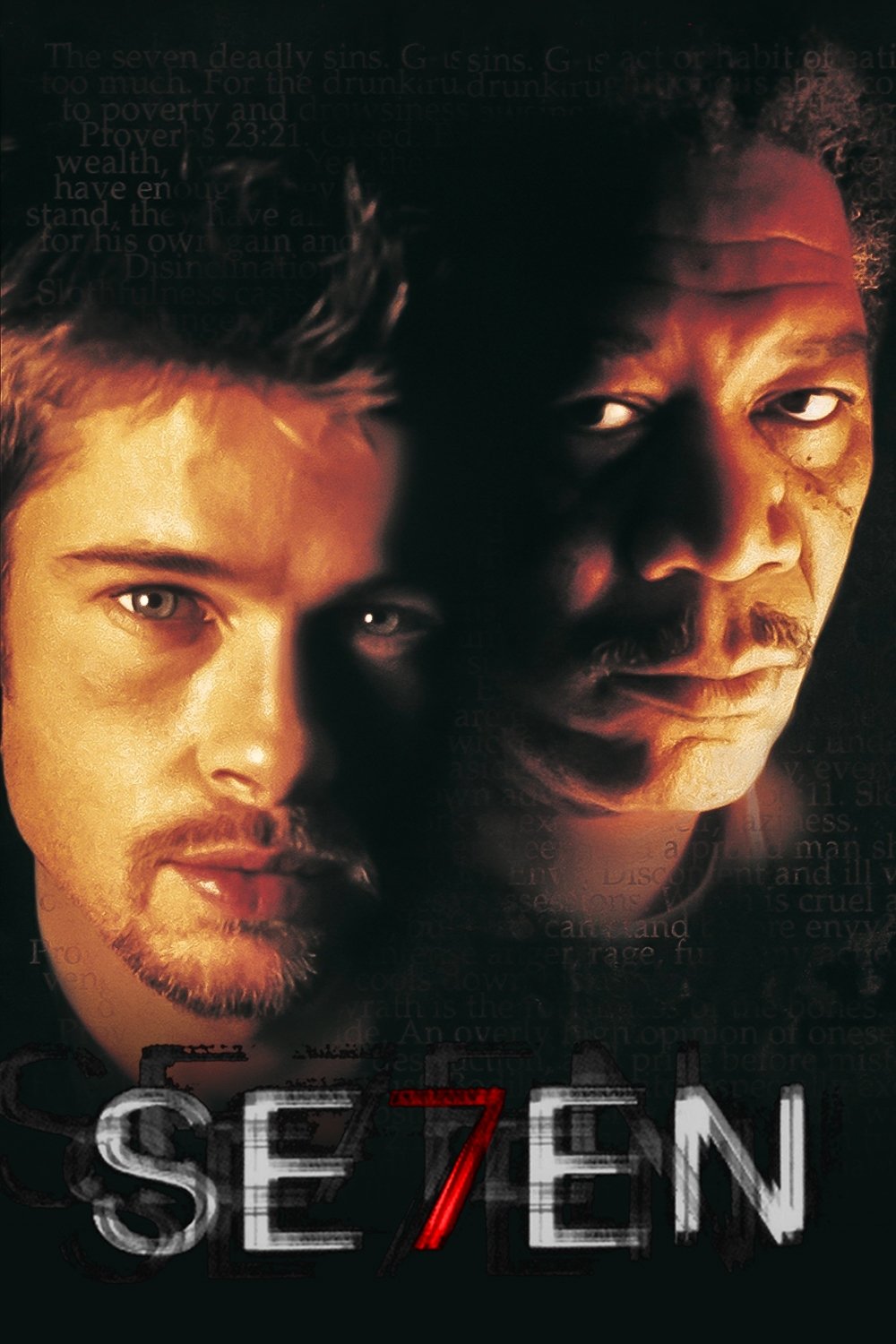
The conclusion of this dark and gritty thriller is one of the most shocking and talked-about endings in cinema history. Detectives Mills and Somerset have the serial killer John Doe in custody, but he reveals that his master plan is not yet complete. He leads them to a remote location where a final, horrifying delivery is made.
The infamous “What’s in the box?” scene reveals that Doe has murdered Mills’s wife, representing the sin of “Envy.” Doe’s goal was to provoke Mills into killing him, thus making Mills the embodiment of “Wrath.” The bleak and devastating ending is a powerful statement on the nature of evil and is unforgettable for its sheer audacity and gut-punch impact.
The Usual Suspects (1995)
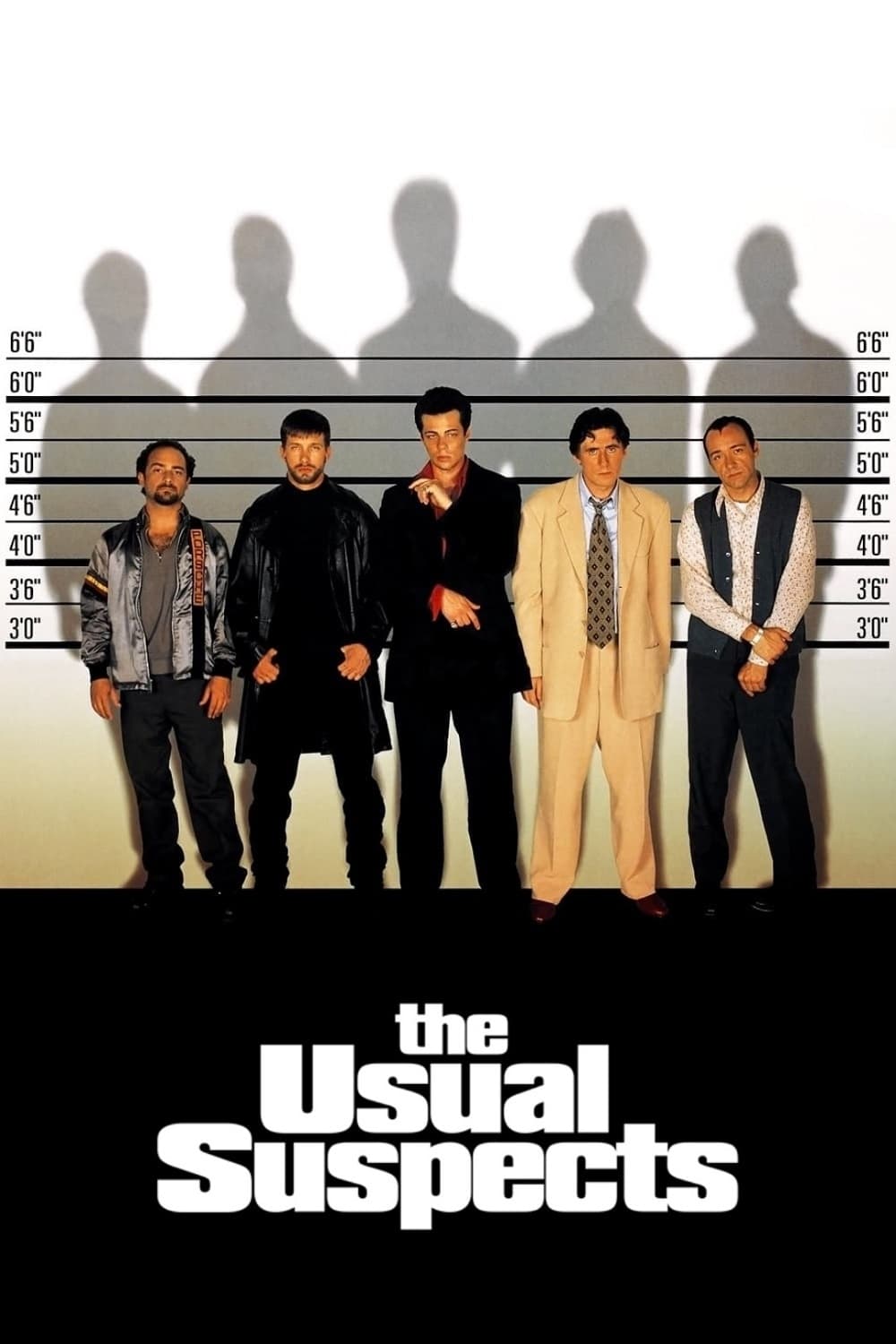
This film’s ending features one of the most brilliant and iconic plot twists of all time. The entire story is told through the flashback of a small-time con man, Verbal Kint, who is being interrogated by a customs agent. Kint weaves a complex tale about a group of criminals and a mysterious, feared crime lord named Keyser Söze.
In the final moments, as Kint is released, the agent realizes that Kint’s entire story was fabricated, pieced together from details on a cluttered bulletin board in the office. The seemingly feeble Kint is, in fact, the legendary Keyser Söze. The transformation from a limping, nervous man into a confident, powerful figure is a stunning revelation that forces the audience to re-evaluate everything they have just seen.
Fight Club (1999)

The ending of this mind-bending film is a chaotic and thought-provoking climax. The narrator discovers that Tyler Durden, the charismatic and anarchic leader of Fight Club, is a figment of his imagination—a split personality. The narrator fights for control of his own mind, ultimately “killing” Tyler.
Immediately after, he and his girlfriend, Marla, watch as the buildings of major credit card companies explode and collapse around them, the final act of Tyler’s “Project Mayhem.” The shot of them holding hands as the city’s skyline crumbles, set to the Pixies’ “Where Is My Mind?,” is an iconic and strangely romantic conclusion. It’s a powerful and ambiguous ending that leaves the audience to ponder the film’s themes of consumerism, identity, and rebellion.
The Sixth Sense (1999)
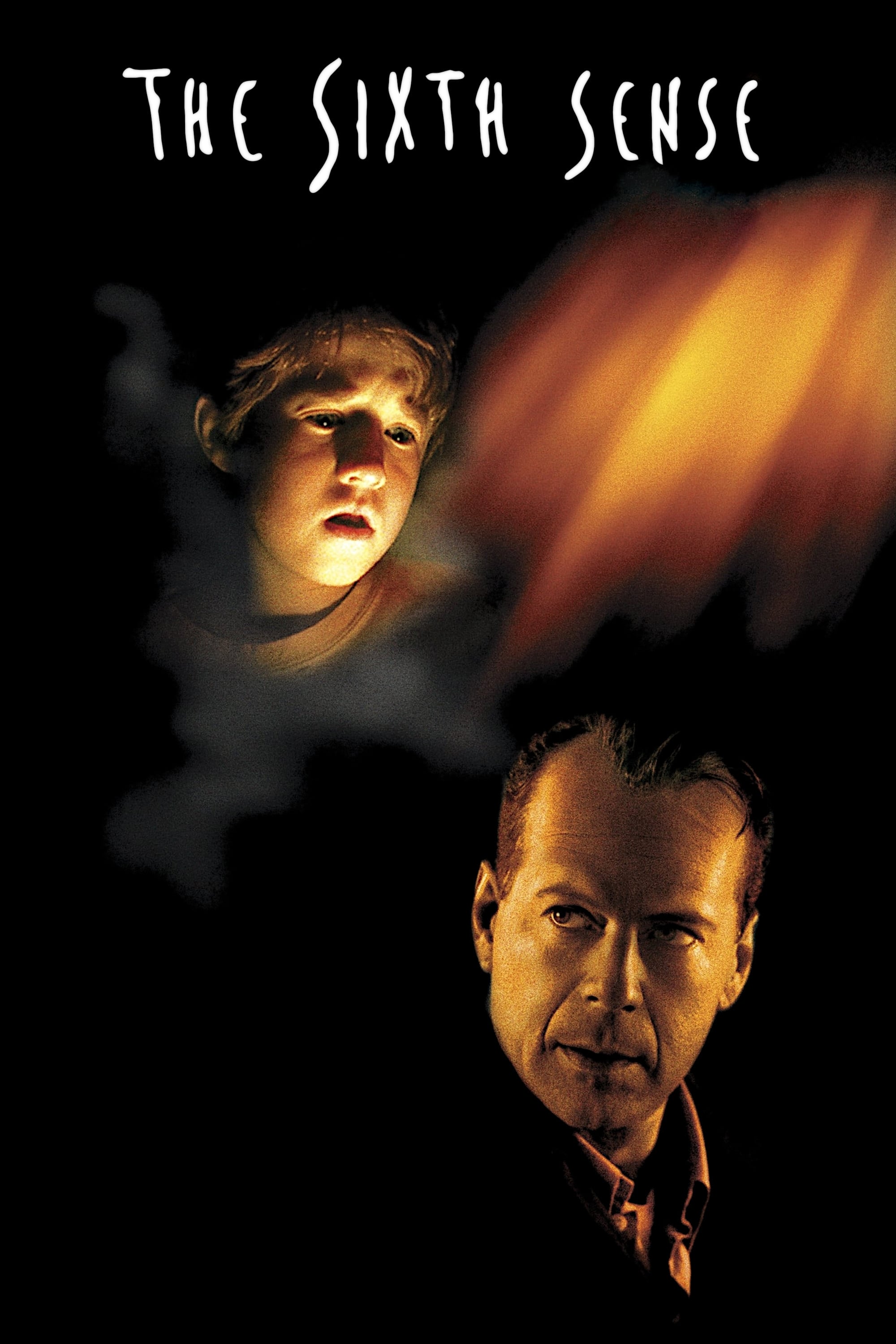
This supernatural thriller is famous for its jaw-dropping twist ending that redefines the entire film. Child psychologist Malcolm Crowe has been helping a young boy, Cole, who claims he can “see dead people.” Malcolm believes he is helping the boy cope with a psychological disorder.
In the final moments, Malcolm realizes the truth: he was one of the dead people Cole had been seeing all along. He was shot by a former patient at the beginning of the movie and has been a ghost ever since, unaware of his own death. This stunning revelation forces the audience to look back at all of his interactions, providing a new and haunting context to the entire story.
Inception (2010)
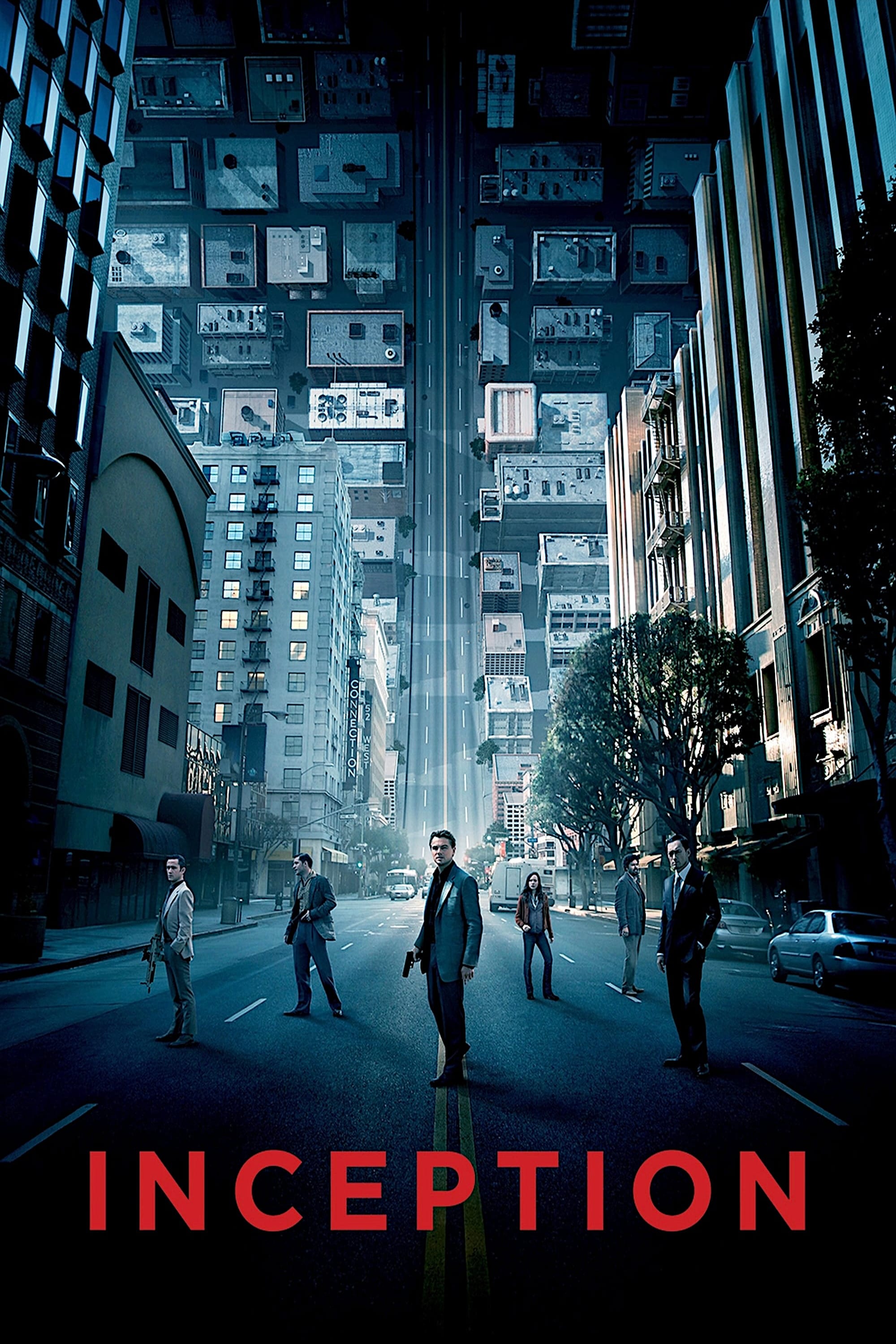
The final shot of this complex science-fiction film is one of the most debated and analyzed endings in modern cinema. Cobb, a skilled thief who steals information by entering people’s dreams, is finally reunited with his children. However, to be sure he is not in a dream, he spins his “totem,” a small top.
In the dream world, the top would spin forever, but in reality, it would eventually fall. The camera cuts to black just before the audience can see whether the top topples over. This ambiguous ending leaves Cobb’s fate uncertain, sparking endless discussion about whether his happy reunion is real or just another layer of the dream. It’s a brilliant and thought-provoking conclusion that trusts the audience to form their own interpretation.
The Dark Knight (2008)
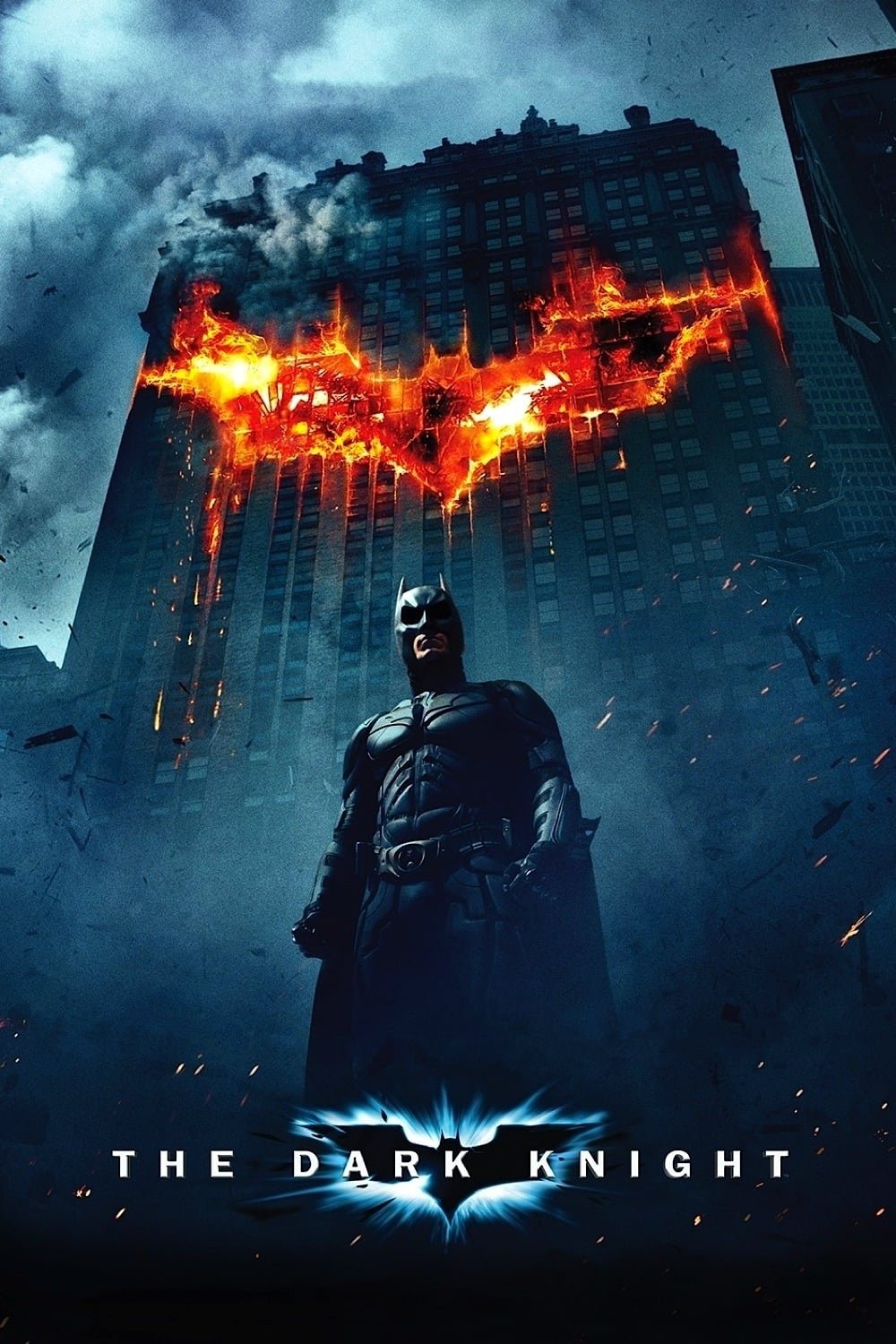
The ending of this superhero epic is a powerful and somber conclusion that elevates it beyond a typical comic book movie. Batman is forced to take the blame for the murders committed by Harvey Dent, who has become the villain Two-Face. He does this to preserve Dent’s heroic public image and prevent the city of Gotham from losing hope.
As Batman flees from the police, now a hunted fugitive, Commissioner Gordon delivers a powerful monologue about the hero’s sacrifice. He explains that Batman is the “Dark Knight,” the silent guardian that the city needs. This selfless act of heroism provides a poignant and thematically rich ending that explores the true meaning of being a hero.
Whiplash (2014)

The finale of this intense drama is a breathtaking and electrifying musical performance. Andrew, a young and ambitious jazz drummer, has been pushed to his limits by his abusive instructor, Fletcher. In the final scene, Fletcher attempts to sabotage Andrew’s career by tricking him into playing the wrong piece at a major performance.
After a moment of humiliation, Andrew takes control of the stage, leading the band in a stunning and defiant drum solo. The performance is a visceral and powerful duel between student and teacher, culminating in a silent moment of mutual understanding and respect. The ending is ambiguous about Andrew’s future, but it provides a cathartic and explosive conclusion to their tumultuous relationship.
Parasite (2019)

The ending of this Academy Award-winning thriller is a tragic and poignant reflection on class struggle. After a violent climax at a wealthy family’s home, the Kim family is torn apart. The father, Ki-taek, is forced to hide in the secret bunker of the very house where he once worked, becoming the new “parasite.”
His son, Ki-woo, fantasizes about one day earning enough money to buy the house and free his father. However, the film ends with Ki-woo still in his cramped, semi-basement apartment, a stark reminder that his dream is likely impossible. This heartbreaking conclusion offers no easy answers, instead providing a powerful commentary on the inescapable realities of economic inequality.
La La Land (2016)
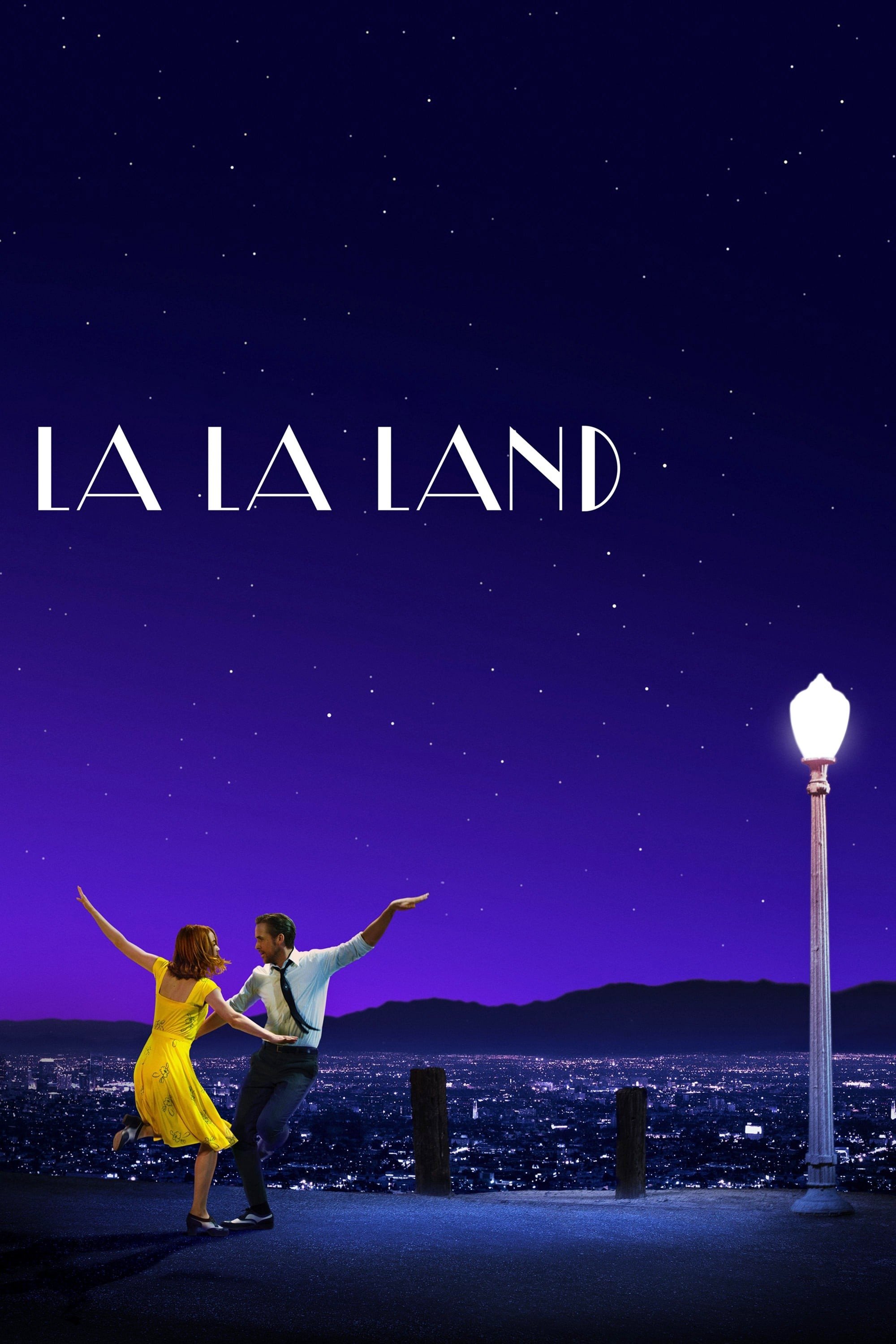
This modern musical concludes with a beautiful and bittersweet fantasy sequence. Aspiring actress Mia and jazz musician Sebastian have gone their separate ways to pursue their dreams. Years later, a successful Mia wanders into a jazz club, only to find that it is owned and run by Sebastian.
As he plays their love theme on the piano, the film launches into an extended montage depicting the life they could have had together. The sequence is a gorgeous and heart-wrenching “what if” scenario. When the music ends, they share a silent, knowing look before Mia leaves with her husband. The ending is a mature and realistic take on love and sacrifice, suggesting that while their romance ended, their impact on each other’s lives was profound and essential to their success.
No Country for Old Men (2007)
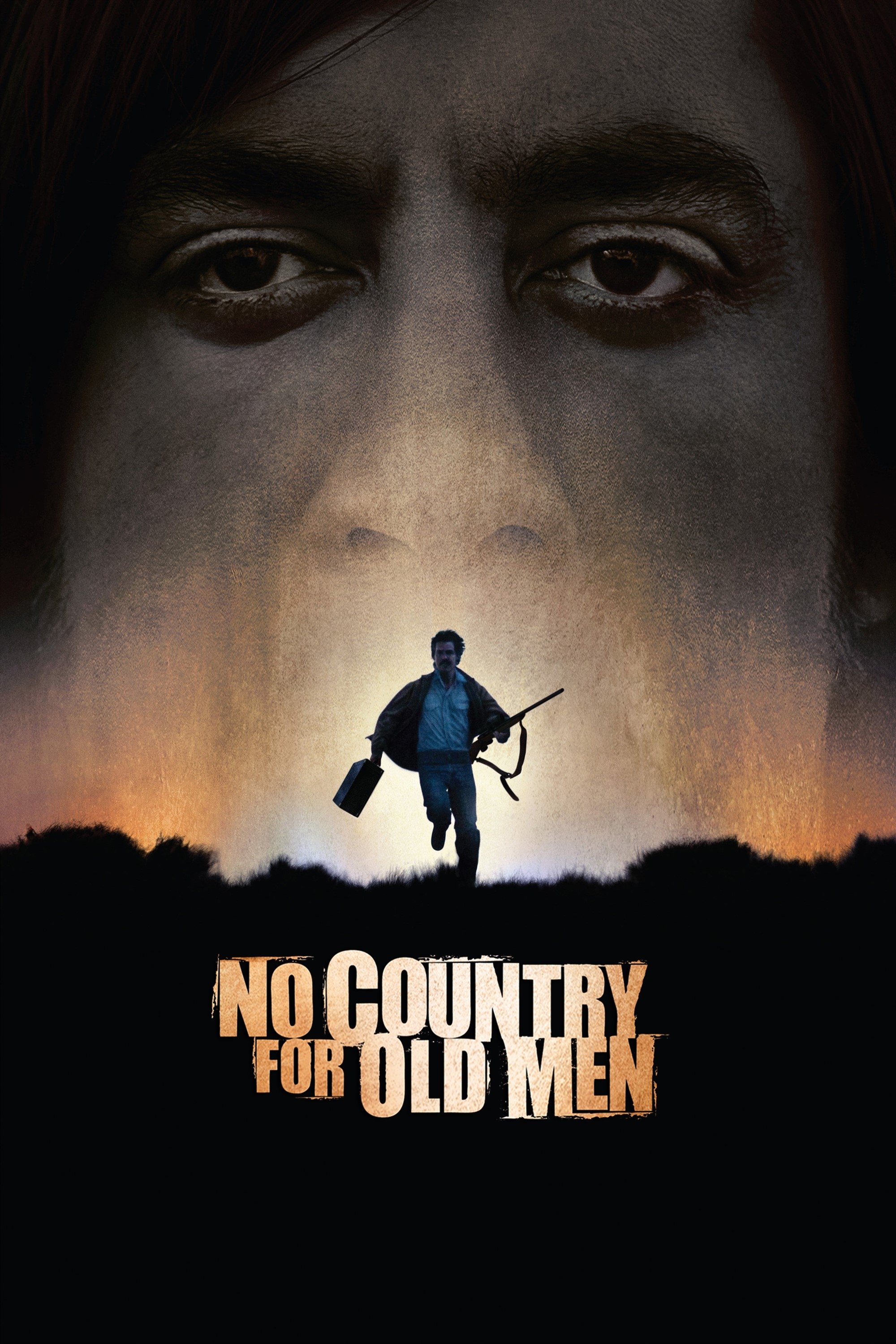
The ending of this neo-western thriller is quiet, contemplative, and defies conventional storytelling. The film’s relentless and unstoppable villain, Anton Chigurh, escapes, and the hero, Llewelyn Moss, is unceremoniously killed off-screen. The final scene focuses on the aging Sheriff Bell, who is now retired.
Bell recounts two dreams he had about his father. The second dream, in which his father is waiting for him in the darkness with a fire, provides a glimmer of hope in an otherwise bleak and violent world. The abrupt and philosophical ending leaves the audience to ponder the film’s themes of fate, aging, and the changing nature of evil. It’s a challenging but fitting conclusion to a story that refuses to provide easy answers.
Get Out (2017)
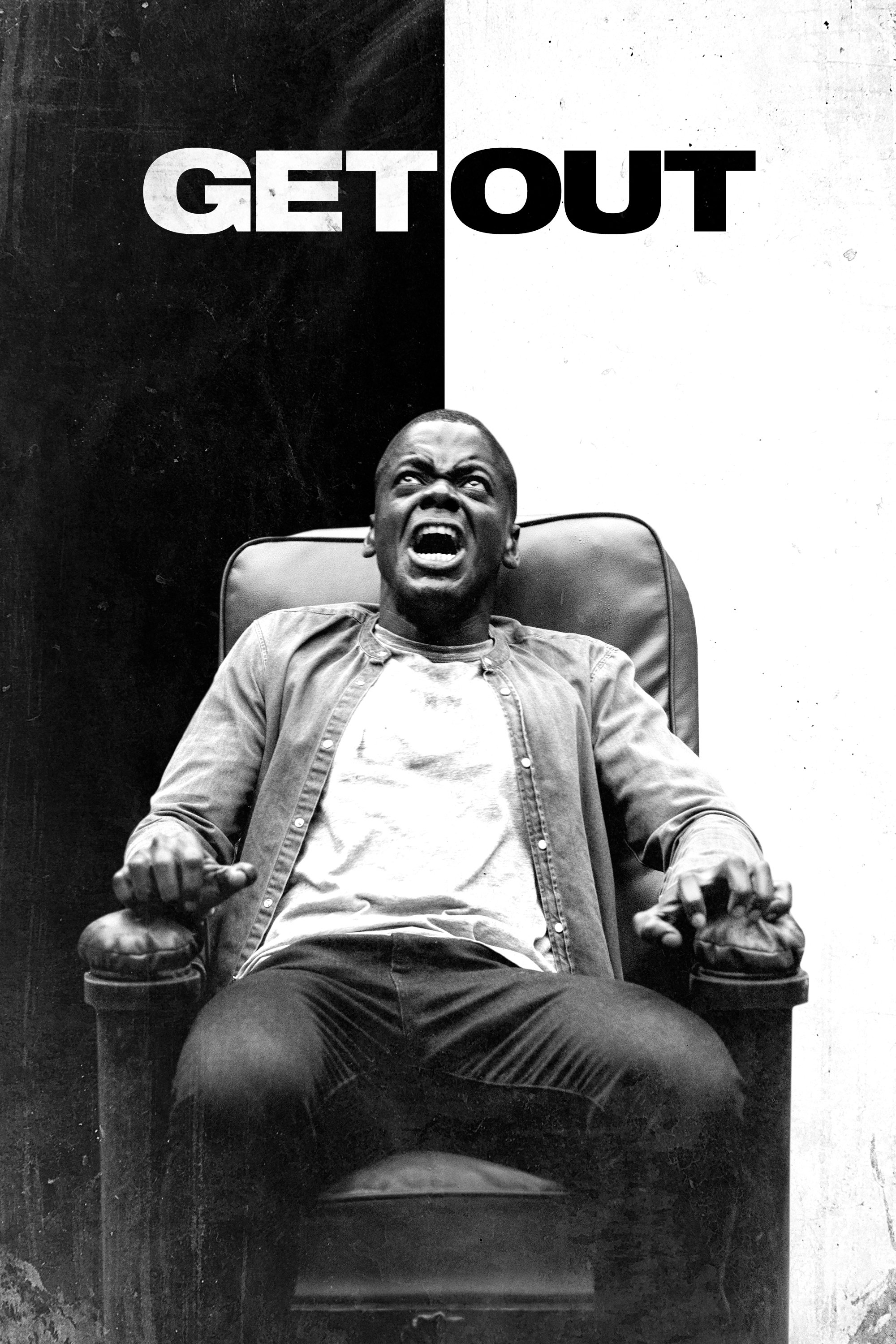
The ending of this social thriller provides a moment of immense relief and clever misdirection. Chris, a Black man who has been trapped and terrorized by his white girlfriend’s family, finally manages to fight his way out. As he stands over the dying Rose, a police car pulls up, and the audience’s heart sinks, expecting the worst for Chris.
However, the car door opens to reveal his friend, Rod, who works for the TSA. This twist not only ensures Chris’s safety but also subverts the audience’s expectations, which were shaped by real-world fears of racial injustice. The ending is a satisfying and cathartic release of tension, providing a triumphant, albeit shaken, escape for the protagonist.
Mad Max: Fury Road (2015)

The conclusion of this high-octane action film is a powerful and hopeful moment of revolution. After a relentless chase across the desert, Max and Furiosa return to the Citadel with the “Five Wives,” having defeated the tyrannical Immortan Joe. The people, once oppressed, are now liberated.
Furiosa is lifted up by the people, recognized as their new, worthy leader. Max, ever the lone wanderer, shares a moment of mutual respect with her before disappearing into the crowd. The ending is a triumphant culmination of the film’s themes of rebellion and redemption, providing a sense of a new, more hopeful beginning for the people of the Citadel while staying true to Max’s solitary nature.
Arrival (2016)
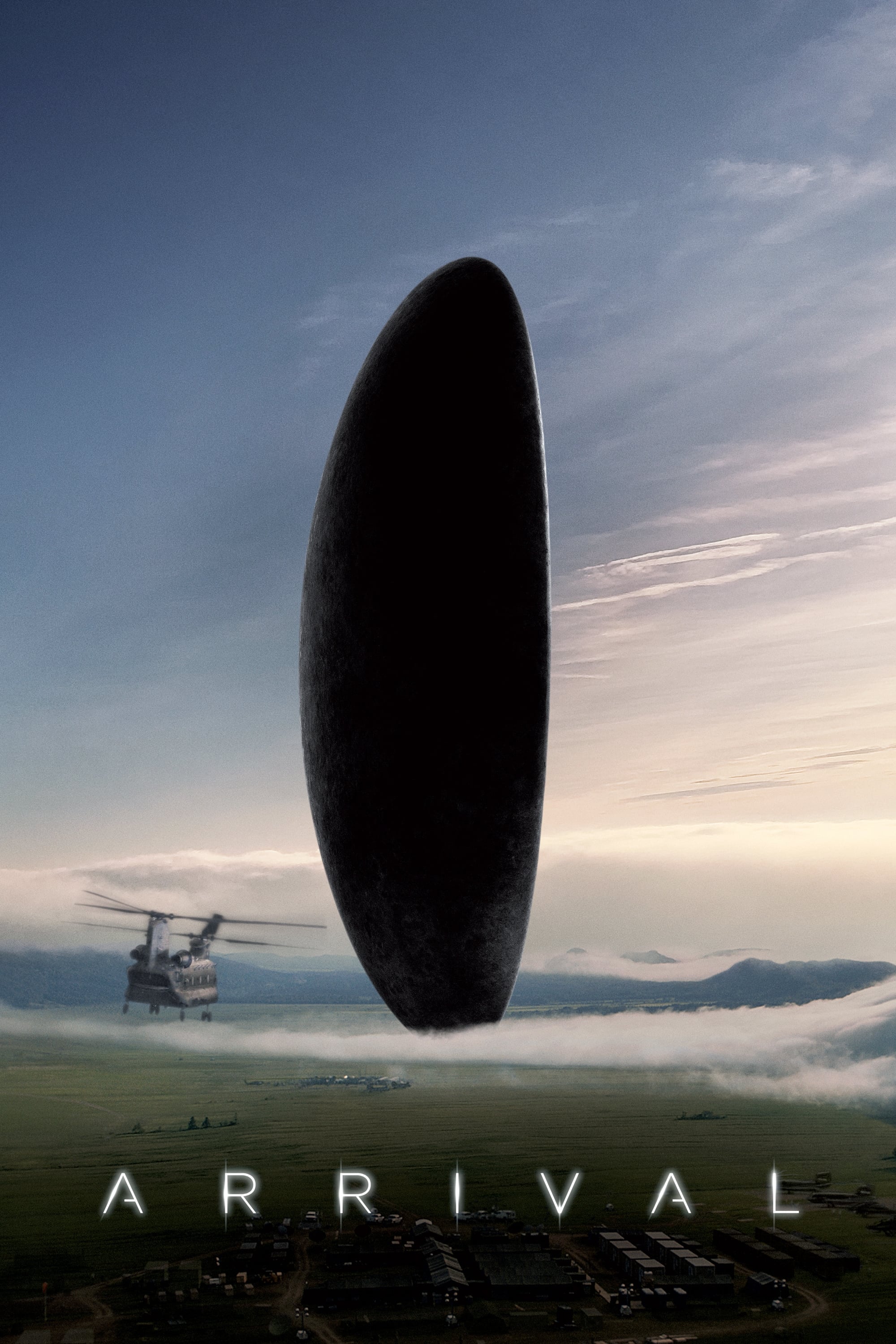
The ending of this science-fiction drama is a beautiful and emotionally resonant revelation. Linguist Louise Banks has been working to communicate with aliens who have arrived on Earth. She discovers that their language is non-linear, allowing those who understand it to perceive time in a non-linear way.
The “flashbacks” of her daughter that have been shown throughout the film are actually “flash-forwards.” She realizes that she will choose to have a child, knowing that her daughter will die young and that her husband will leave her because of the choice she makes. Her decision to embrace a life of both immense joy and profound pain is a powerful and life-affirming conclusion, celebrating the beauty of every moment.
Blade Runner 2049 (2017)

The ending of this visually stunning sequel is a quiet and somber moment of humanity. The replicant protagonist, K, has spent the film grappling with his identity, believing he might be the miraculously born child of a replicant. He discovers he is not, but he chooses to help Deckard, the original Blade Runner, reunite with his long-lost daughter.
In the final scene, K lies on the snow-covered steps, wounded and seemingly at peace, as he watches Deckard meet his daughter for the first time. The scene mirrors the “tears in rain” monologue from the original film, providing a poignant conclusion to K’s journey. Having found a purpose and a cause worth dying for, the replicant proves his own humanity in a profoundly touching and beautiful ending.
The Truman Show (1998)

This film’s ending is a triumphant and liberating moment of self-discovery. Truman Burbank, a man whose entire life has been a meticulously crafted reality television show, finally uncovers the truth. He sails to the edge of his constructed world, his boat piercing the sky-painted wall of the massive studio.
The show’s creator, Christof, speaks to him from the heavens, trying to convince him to stay in the safe, controlled world he knows. Truman’s simple but powerful response, “In case I don’t see ya, good afternoon, good evening, and good night,” followed by his bow and exit through a door into the unknown, is a cheer-worthy moment of defiance and freedom. It’s a perfect and uplifting conclusion to a man’s quest for an authentic life.
Rocky (1976)
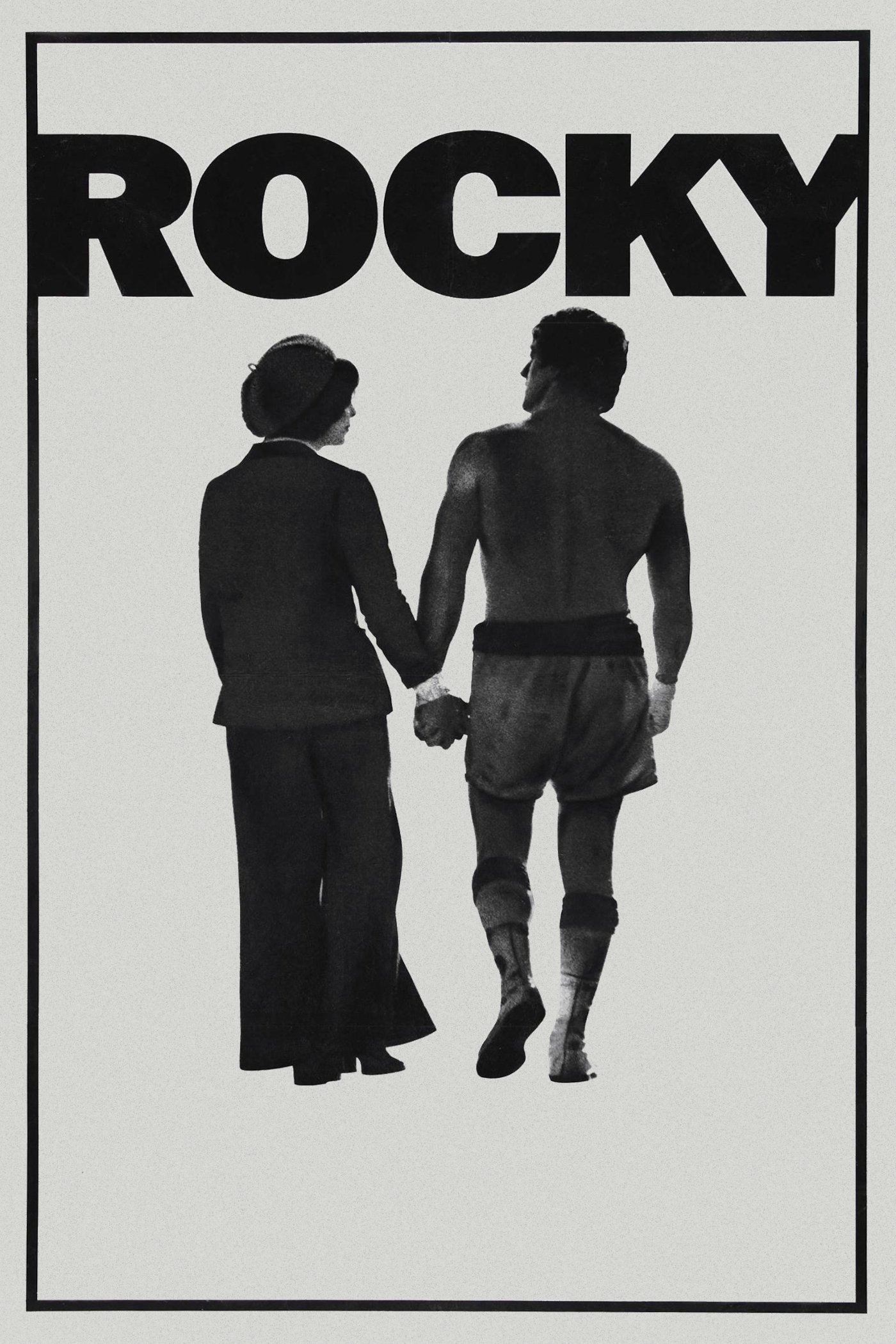
The ending of this classic underdog story is unconventional and brilliant because it’s not about winning the fight. Rocky Balboa, a small-time boxer, goes the distance against the heavyweight champion, Apollo Creed. He loses the fight by a split decision, but that doesn’t matter to him.
What matters is that he proved to himself that he could stand toe-to-toe with the best. In the chaos of the post-fight crowd, he doesn’t care about the result; he only screams for his girlfriend, Adrian. The true victory is finding love and self-respect. This focus on personal triumph over a professional one is what makes the ending so powerful and emotionally resonant.
E.T. the Extra-Terrestrial (1982)
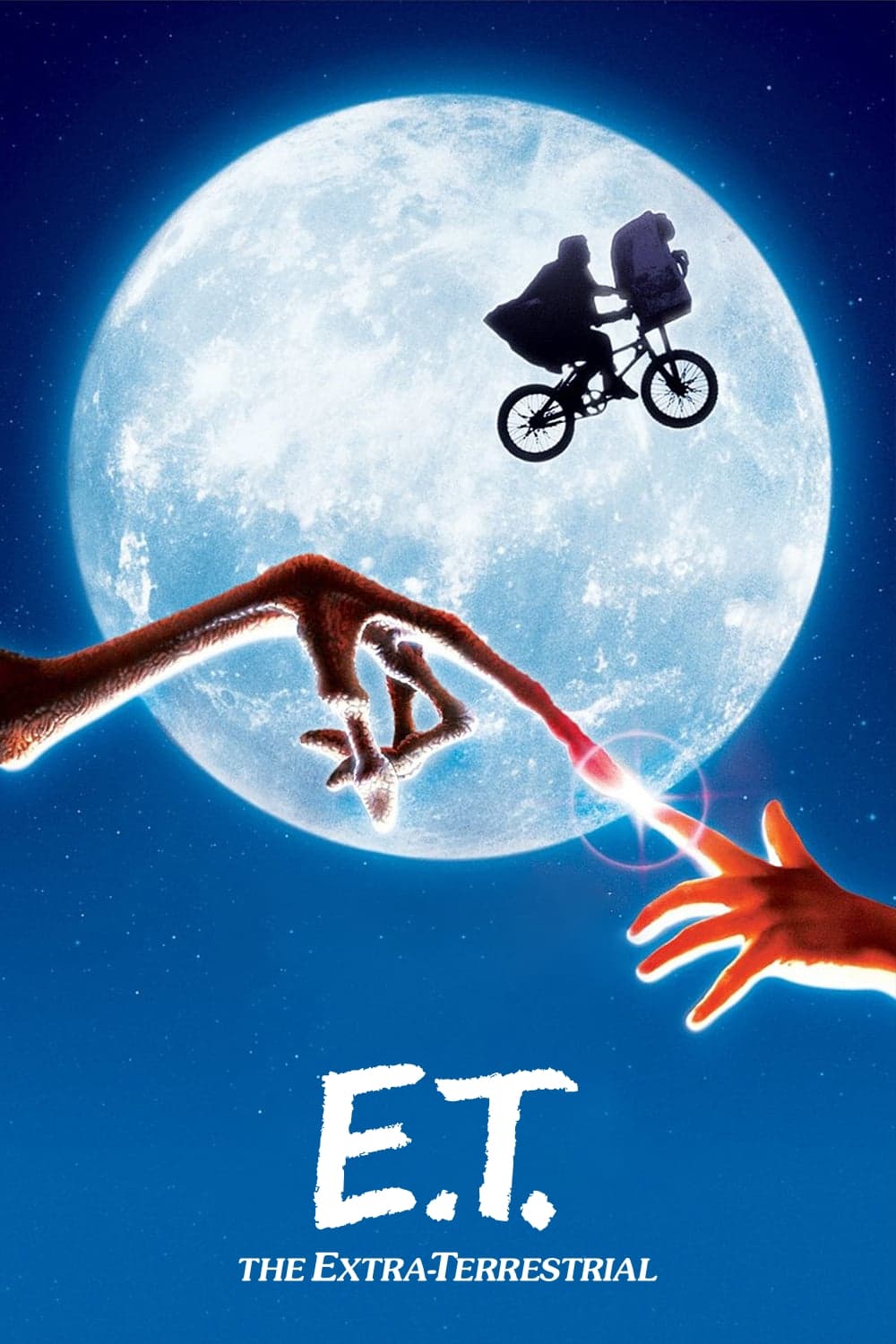
The farewell scene in this beloved film is one of the most heartwarming and tear-jerking endings in movie history. After a series of adventures and a near-death experience, the gentle alien E.T. must return to his home planet. He says his goodbyes to the children who befriended and protected him.
The final moments between E.T. and Elliott are incredibly touching. E.T. points his glowing finger to Elliott’s forehead and says, “I’ll be right here,” promising that their connection will endure across the vastness of space. As the spaceship departs, leaving a rainbow in the sky, the ending provides a perfect blend of sadness and hope, celebrating the power of friendship and love.
Planet of the Apes (1968)

The final scene of this science-fiction classic features one of the most iconic and shocking twist endings in cinema. Astronaut George Taylor has escaped from a society where intelligent apes are the dominant species and humans are enslaved. He rides along a desolate beach, hopeful of finding a new human civilization.
Instead, he discovers the half-buried remains of the Statue of Liberty. In a moment of devastating realization, he understands that he hasn’t landed on a strange alien planet, but on Earth in the distant future, long after humanity destroyed itself. His anguished cry on the beach is a haunting and powerful indictment of human folly, leaving the audience stunned.
Casablanca (1942)
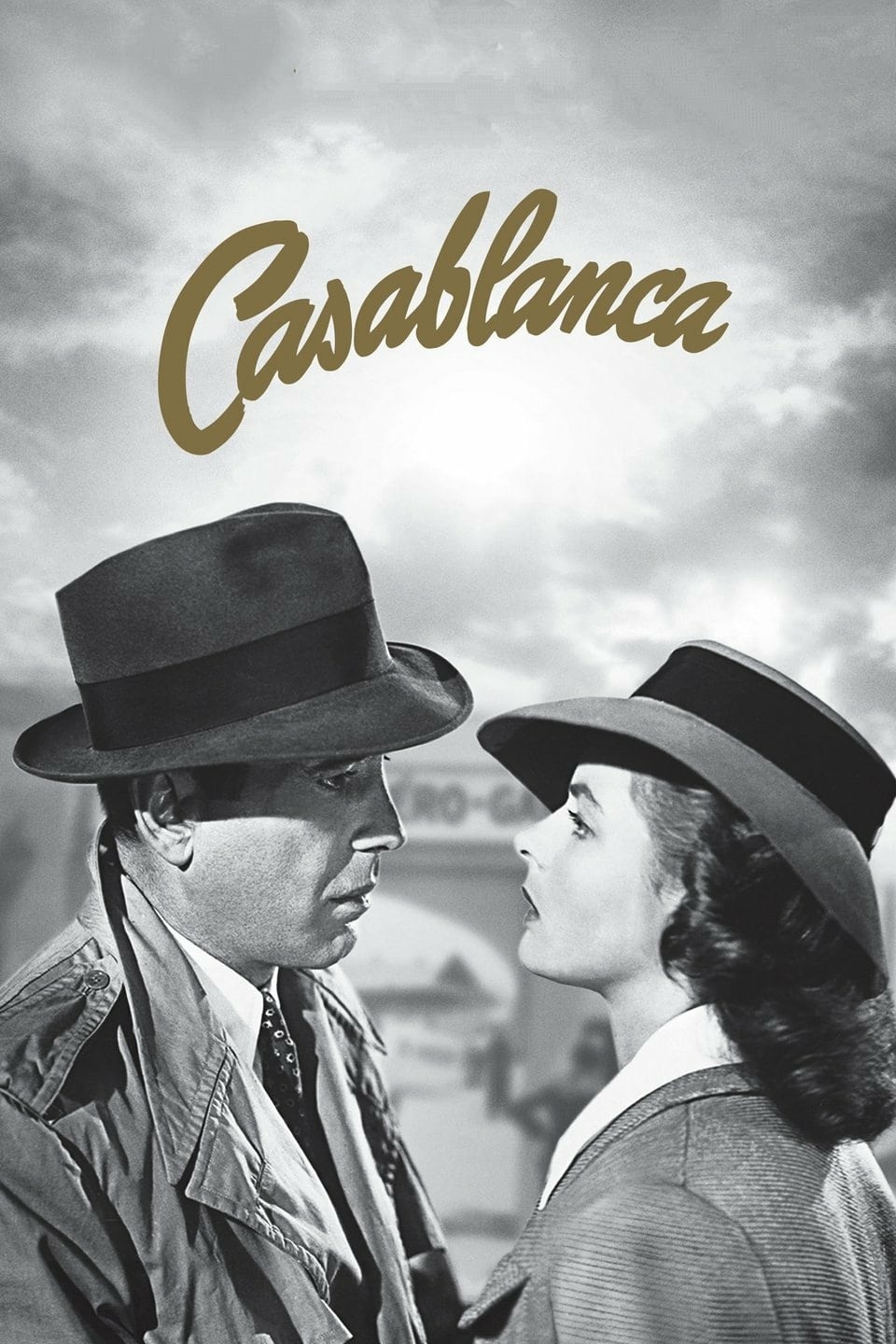
The ending of this timeless romance is a masterclass in bittersweet perfection. Rick Blaine, a cynical nightclub owner, makes the ultimate sacrifice. He arranges for his former love, Ilsa, and her husband, a Czech resistance leader, to escape the Nazi-occupied city of Casablanca.
Rick convinces a heartbroken Ilsa to get on the plane, telling her that the problems of “three little people” don’t amount to a “hill of beans” in this crazy world. His selfless act ensures her safety and supports the greater cause of fighting the Nazis. The final line, as Rick walks off with Captain Renault, “Louis, I think this is the beginning of a beautiful friendship,” signals his return to the fight and provides a hopeful, noble conclusion.
One Flew Over the Cuckoo’s Nest (1975)

The ending of this powerful drama is a mix of tragedy and triumph. The rebellious patient Randle McMurphy has been lobotomized by the oppressive Nurse Ratched, leaving him in a vegetative state. He has been defeated, but his spirit of defiance lives on in the other patients.
In a final act of mercy and rebellion, his friend, Chief Bromden, smothers the catatonic McMurphy, freeing him from his living death. The Chief then breaks out of the institution, a feat he was inspired to attempt by McMurphy’s spirit. The ending is a poignant and powerful statement about the enduring nature of the human spirit in the face of crushing conformity.
Goodfellas (1990)
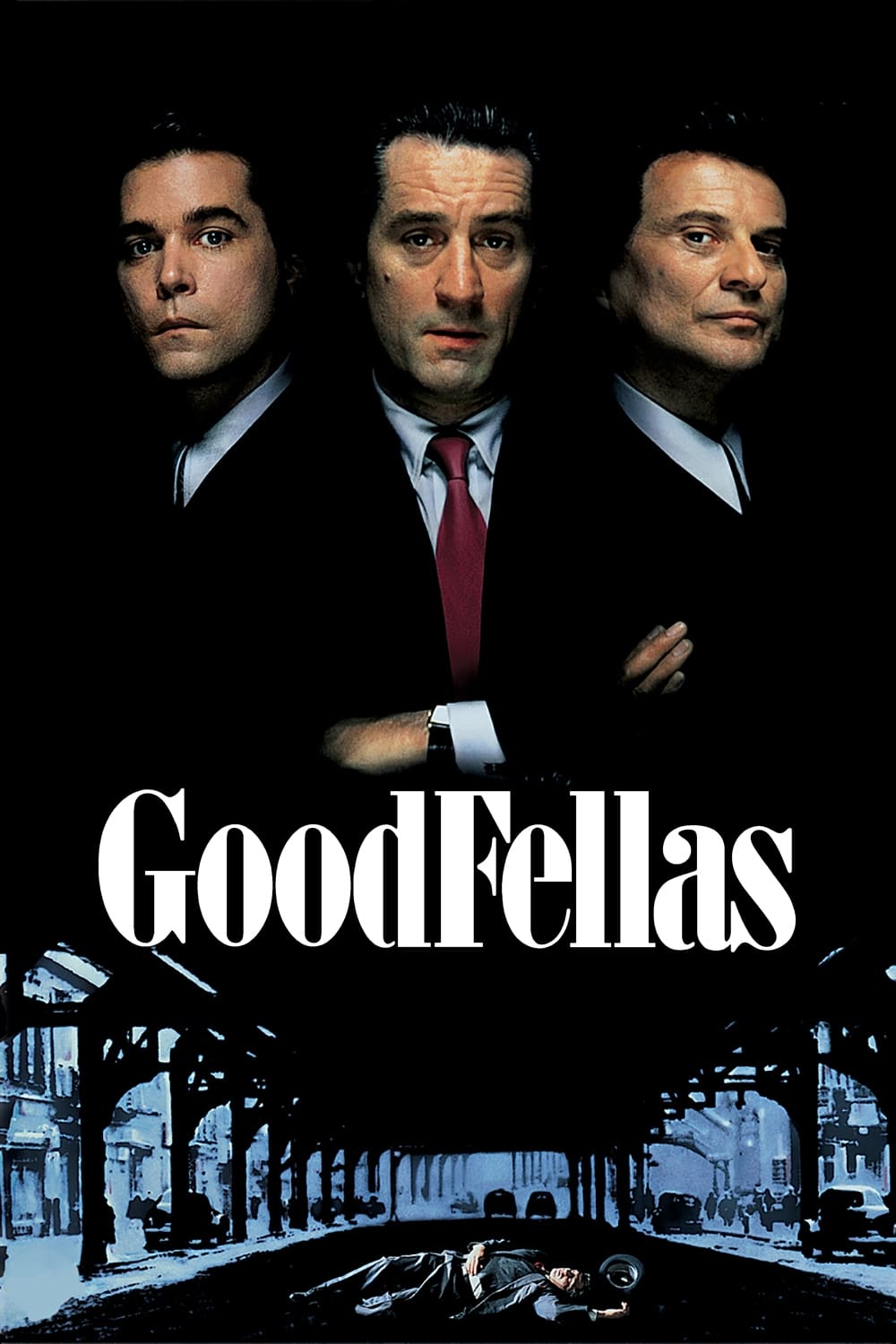
The conclusion of this gangster epic shows the unglamorous downfall of a mobster. Henry Hill, having betrayed his friends to save himself, is now living a mundane suburban life in the witness protection program. The final shot shows him looking directly at the camera with a sense of regret and longing for his old, exciting life of crime.
He laments becoming an “average nobody” who has to “live the rest of his life like a schnook.” This ending brilliantly deconstructs the allure of the gangster lifestyle that was portrayed throughout the film. It’s a stark and effective reminder that the life of a mobster ultimately leads to a pathetic, lonely end, not a blaze of glory.
Chinatown (1974)
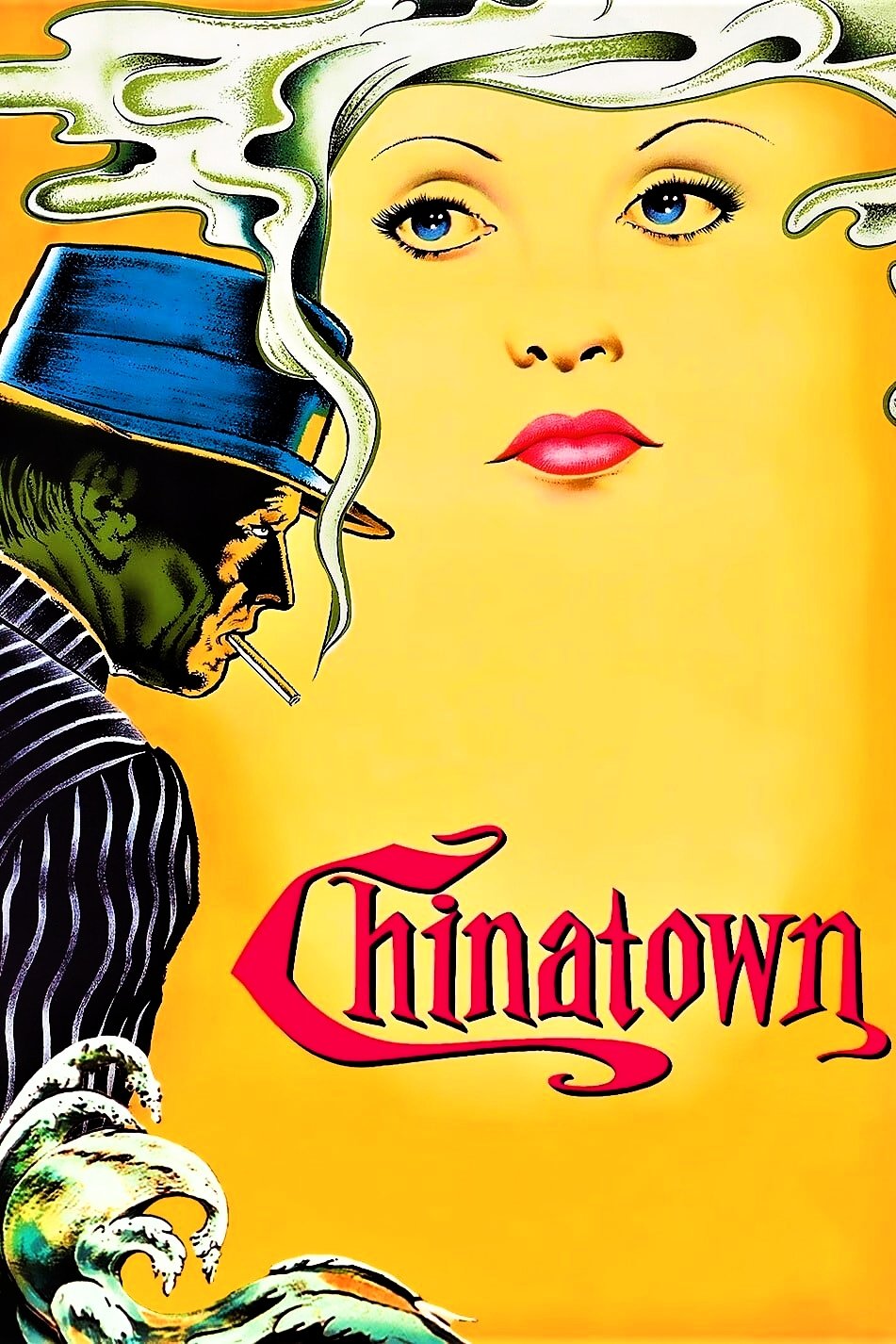
The ending of this neo-noir mystery is famously bleak and cynical. Private investigator J.J. Gittes has uncovered a web of corruption, incest, and murder. In the final confrontation, his client, Evelyn Mulwray, is killed by the police right in front of her daughter, who is also her sister.
The powerful and corrupt Noah Cross gets away with his crimes, taking his daughter/granddaughter with him. Gittes is left powerless and broken. His partner’s final line, “Forget it, Jake. It’s Chinatown,” encapsulates the film’s theme that in a world this corrupt, you can’t win. It’s a devastating and unforgettable conclusion that defies Hollywood conventions.
The Graduate (1967)
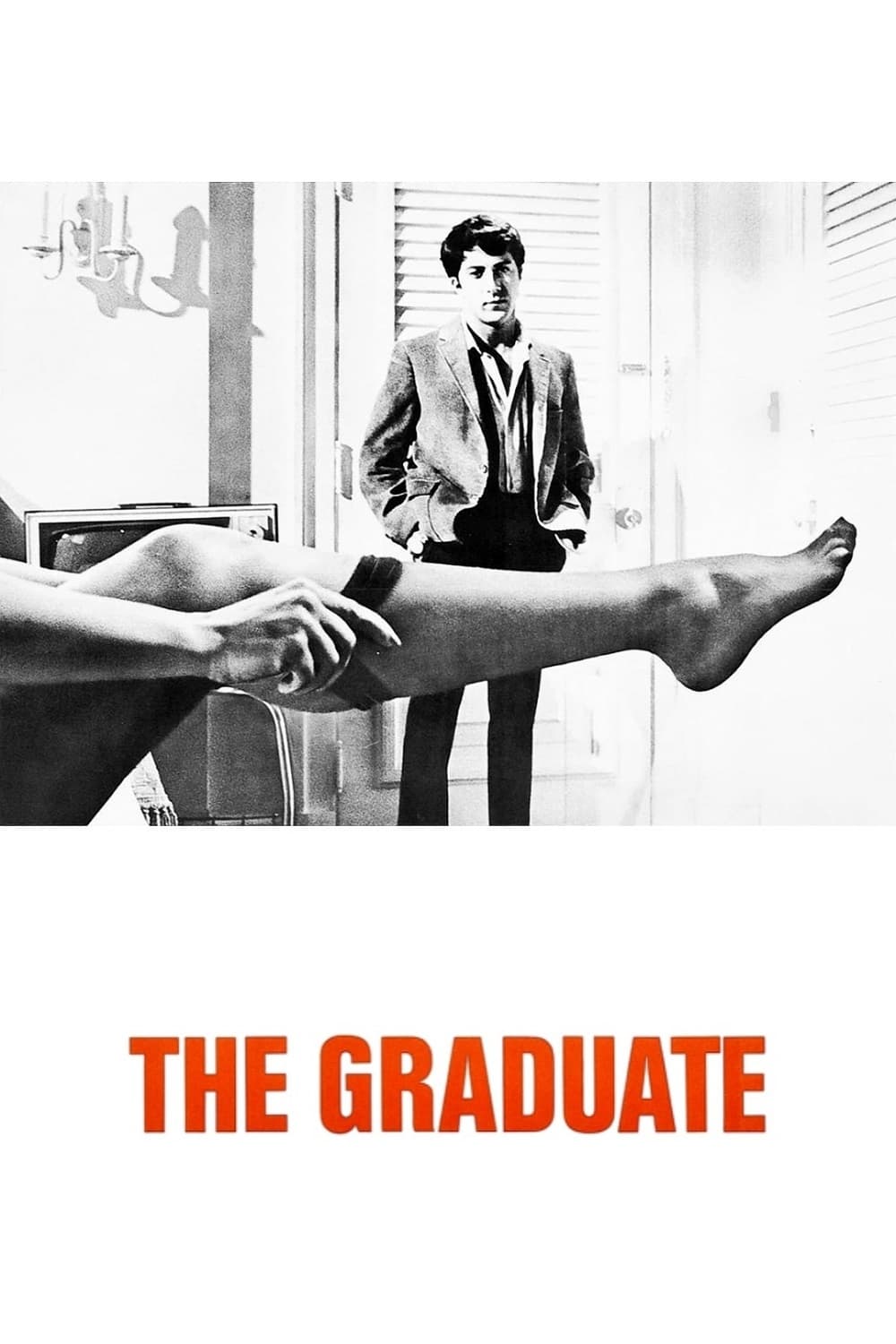
The final scene of this classic film is iconic for its ambiguity. Benjamin Braddock has just dramatically rescued his true love, Elaine, from her own wedding. They escape on a bus, laughing and exhilarated by their rebellious act.
However, as the camera holds on their faces, their smiles slowly fade into expressions of uncertainty and doubt. The reality of their impulsive decision begins to set in, and they are left to silently contemplate their future. This brilliantly nuanced ending captures the transition from the romantic fantasy of rebellion to the sober reality of “what now?” leaving the audience to ponder the same question.
The Thing (1982)
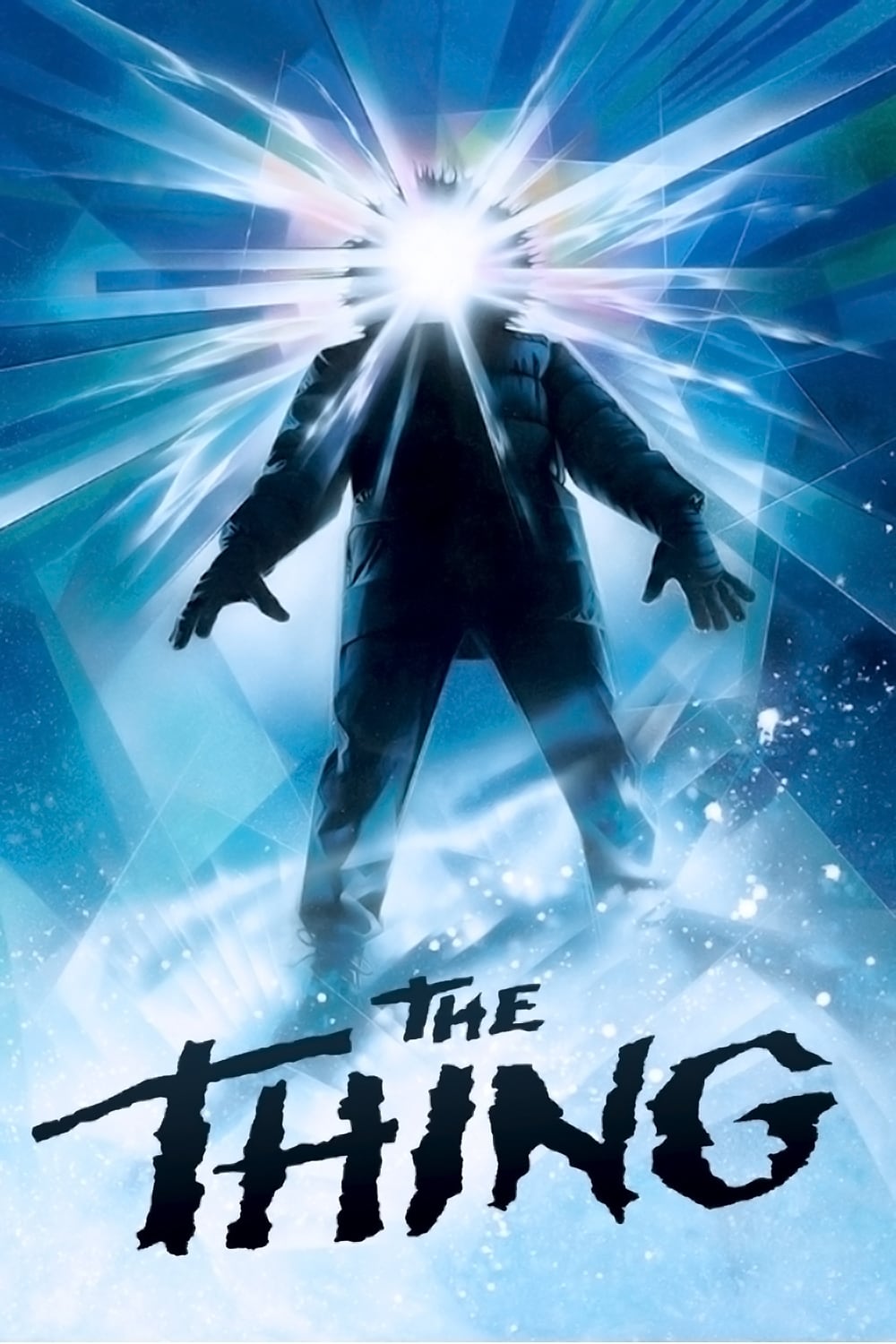
The ending of this sci-fi horror masterpiece is a masterclass in tension and paranoia. The two lone survivors of an Antarctic research station, MacReady and Childs, sit in the freezing ruins of their base. They know that one of them could be the shape-shifting alien they’ve been fighting.
They share a bottle of whiskey, fully aware that they will likely freeze to death. Their final conversation is filled with suspicion and weary resignation. The ambiguous ending, with neither character nor the audience knowing who is human, is a perfect and chilling conclusion to a film built on claustrophobia and distrust. It leaves the audience with a final, unsettling question that will never be answered.
Before Sunset (2004)

The ending of this romantic drama is a masterclass in subtlety and suspense. Jesse and Céline have reunited in Paris nine years after their first encounter. They spend an afternoon together, and the chemistry between them is still palpable. The film’s final scene takes place in Céline’s apartment.
As Jesse is about to miss his flight back to his life and family in America, Céline playfully tells him, “Baby, you are gonna miss that plane.” Jesse simply smiles, and the film cuts to black. This perfect, ambiguous ending leaves the audience to wonder whether he stays or goes, but the implication is that he chooses to remain with her. It’s a hopeful and deeply romantic conclusion.
Birdman or (The Unexpected Virtue of Ignorance) (2014)
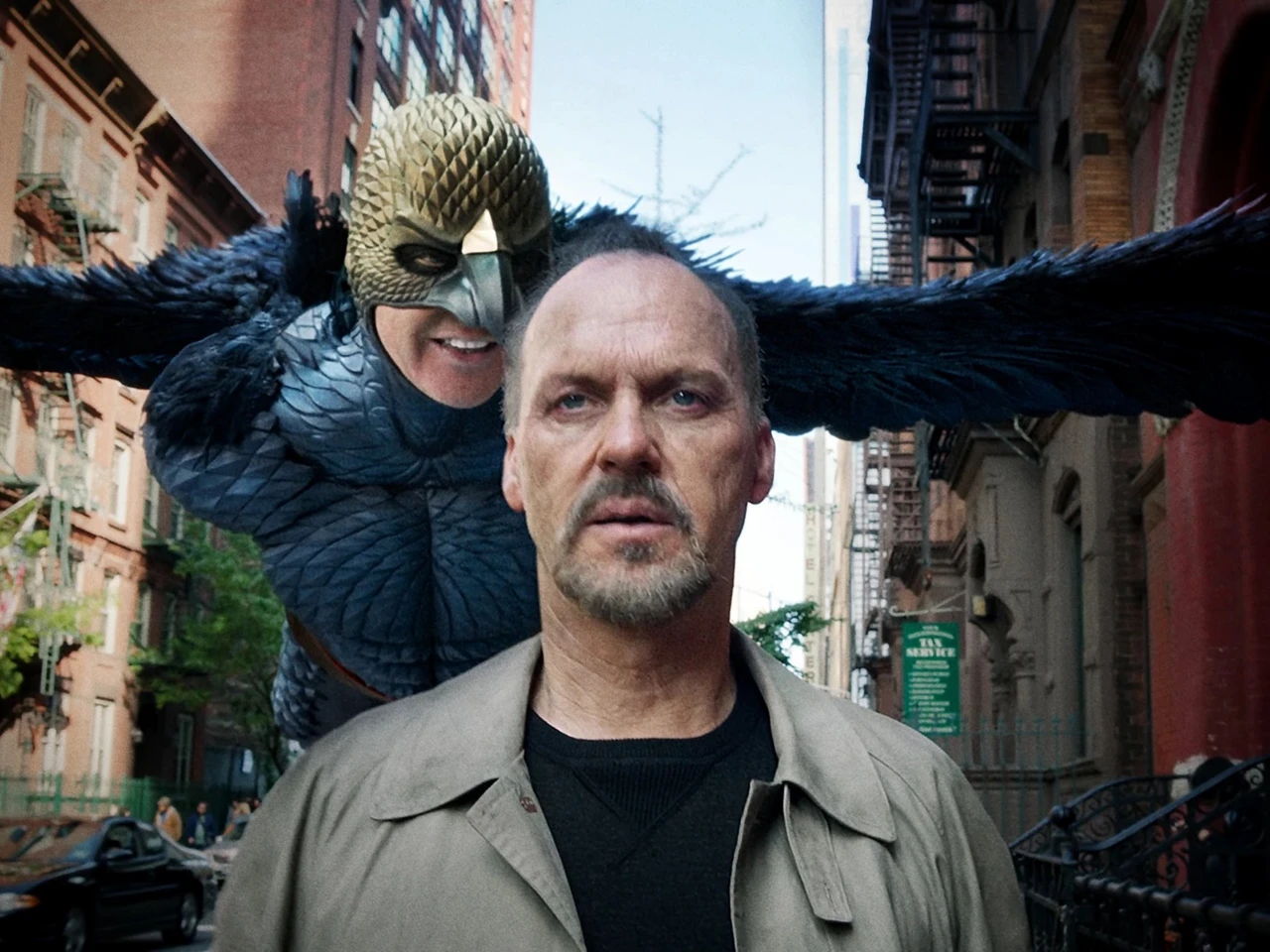
The ending of this dark comedy is surreal and open to interpretation. Former superhero actor Riggan Thomson has just staged a successful Broadway play, during which he shot himself in the nose on stage. In the hospital, he seems to have finally achieved both critical acclaim and a sense of peace.
In the final moments, his daughter, Sam, finds his hospital room empty with the window open. She looks down to the street, expecting to see him fallen, but then her gaze slowly turns upward towards the sky, and a smile spreads across her face. The ending suggests that Riggan has either literally learned to fly or has finally achieved a state of artistic and personal freedom. It’s a magical and ambiguous conclusion.
Star Wars: Episode V – The Empire Strikes Back (1980)
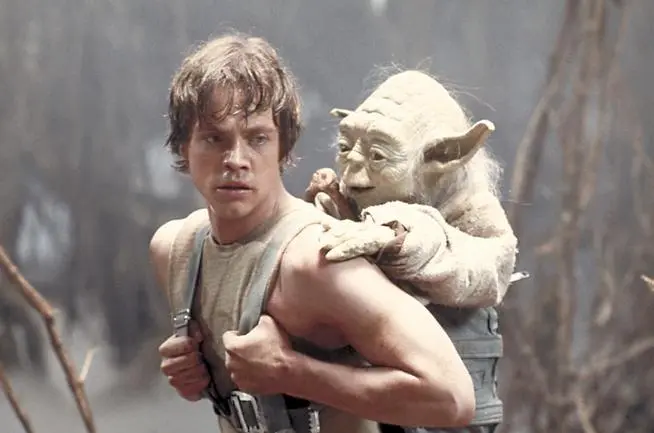
The ending of this beloved sequel is famously a cliffhanger, but it’s a perfect one. The heroes are scattered and defeated. Han Solo has been captured and frozen in carbonite, and Luke Skywalker has just learned the devastating truth that the villainous Darth Vader is his father.
In the final scene, a wounded Luke, Leia, C-3PO, and R2-D2 stand on a medical frigate, looking out at the galaxy. Lando and Chewbacca head off in the Millennium Falcon to find Han. The ending provides no easy resolution, instead leaving the audience with a sense of loss and uncertainty, eagerly awaiting the next chapter. It’s a daring and powerful way to conclude a film, cementing its status as a classic.
Whiplash (2014)
The final scene of this intense drama is an explosive and cathartic musical showdown. Ambitious jazz drummer Andrew is publicly humiliated by his abusive mentor, Fletcher, who tricks him into playing the wrong music at a prestigious festival. After a moment of defeat, Andrew storms back onto the stage.
He takes control of the band and launches into a furious, brilliant drum solo, a direct act of defiance against Fletcher. The initial shock on Fletcher’s face slowly turns into a smile of respect as he recognizes Andrew’s talent and determination. The ending is an electrifying duel between the two, culminating in a silent, mutual acknowledgment that transcends their toxic relationship, leaving the audience breathless.
The Good, the Bad and the Ugly (1966)
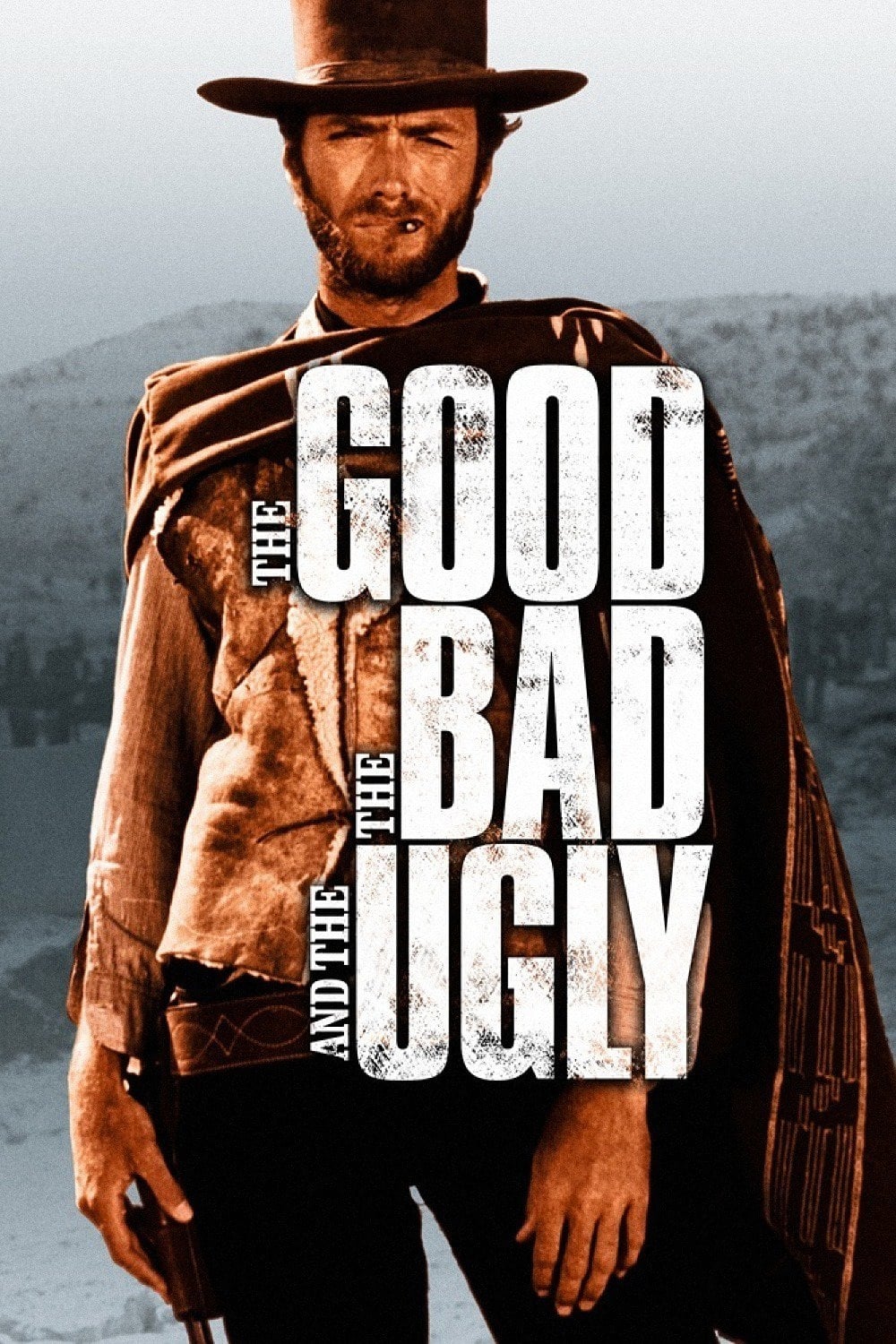
The ending of this epic spaghetti western is a masterfully executed three-way standoff. The three titular characters—Blondie (the Good), Angel Eyes (the Bad), and Tuco (the Ugly)—finally confront each other in a vast cemetery, with a fortune in gold at stake.
The tense, silent showdown, set to Ennio Morricone’s iconic score, is a legendary piece of filmmaking. Blondie, having secretly unloaded Tuco’s gun the night before, easily dispatches Angel Eyes. He then leaves Tuco in a precarious position, with his share of the gold just out of reach, before ultimately freeing him from a distance. The final shot of Blondie riding away with his loot is a cool and immensely satisfying conclusion.
Some Like It Hot (1959)

The final line of this classic comedy is one of the most famous and perfect in movie history. Musician Jerry, disguised as a woman named “Daphne,” has been trying to fend off the advances of an amorous millionaire, Osgood Fielding III. Finally, Jerry rips off his wig and reveals his true identity.
In response to Jerry’s desperate plea, “I’m a man!,” the unfazed Osgood simply smiles and delivers the immortal line, “Well, nobody’s perfect.” This hilarious and surprisingly progressive final moment is the perfect punchline to a film that delights in subverting expectations about gender and romance. It’s a wonderfully funny and accepting note to end on.
Dr. Strangelove or: How I Learned to Stop Worrying and Love the Bomb (1964)
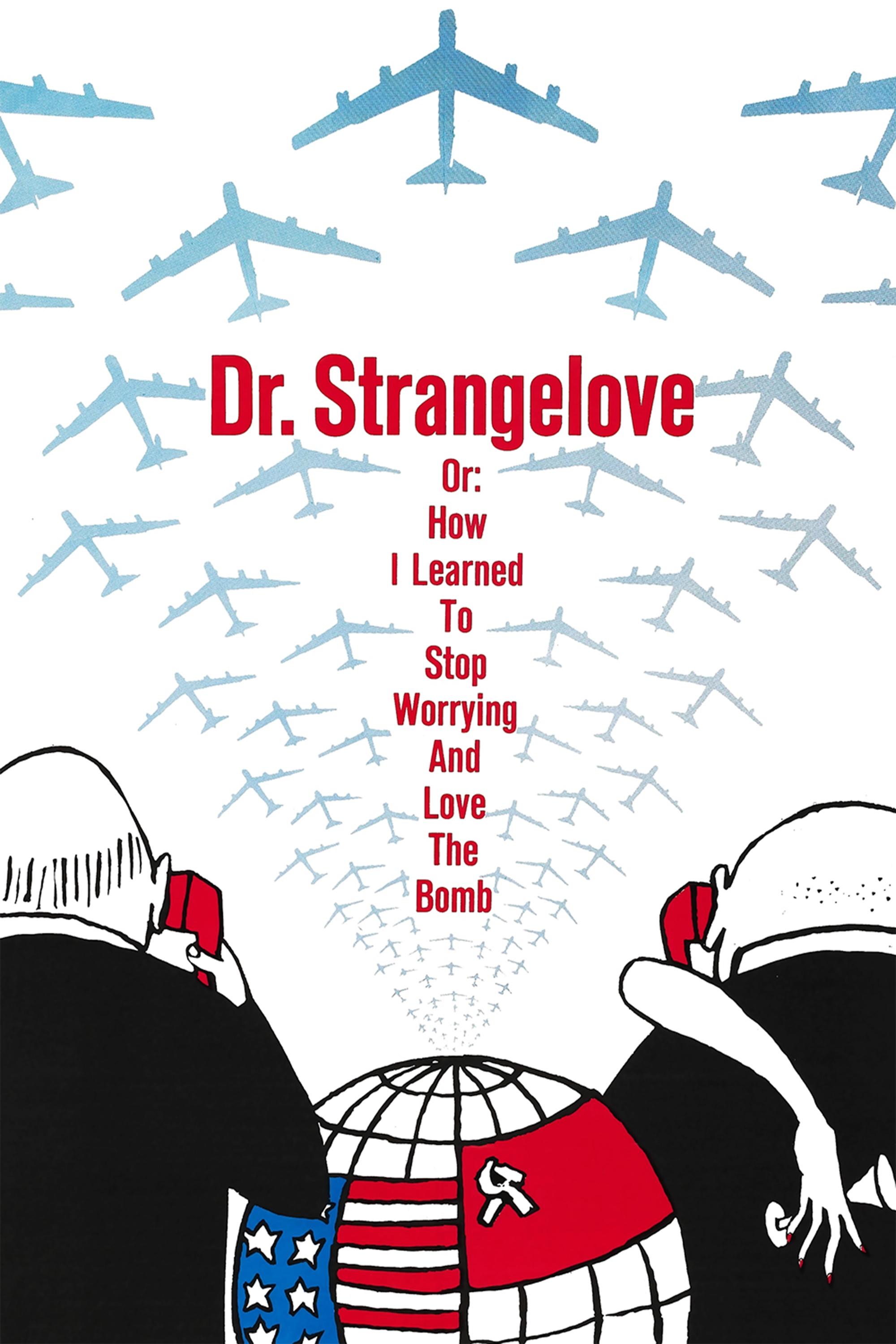
The ending of this Cold War satire is as audacious as it is darkly hilarious. A series of mishaps has led to a nuclear holocaust being unstoppable. The film’s climax takes place in the War Room, where the president’s advisors and the bizarre Dr. Strangelove plan for humanity’s future in underground mineshafts.
The film culminates with Major T.J. “King” Kong riding a nuclear bomb down to its target like a rodeo bull. The final montage shows a series of nuclear explosions set to the Vera Lynn song “We’ll Meet Again.” This deeply ironic and chillingly funny ending is a brilliant and unforgettable satire of nuclear paranoia and political absurdity.
The Breakfast Club (1985)

The conclusion of this iconic teen film is both heartfelt and realistic. After spending a Saturday in detention, five high school students from different cliques have bonded and learned that they are more than the stereotypes they represent. As they go their separate ways, they are unsure if their newfound connection will last.
The film ends with a voiceover of the essay they wrote for their principal, signed “The Breakfast Club.” It’s a powerful statement about identity and the pressures of high school social structures. The final shot of Bender walking across the football field and pumping his fist in the air is a triumphant image of youthful rebellion and hope, providing a perfect, emotionally resonant ending.
Toy Story 3 (2010)
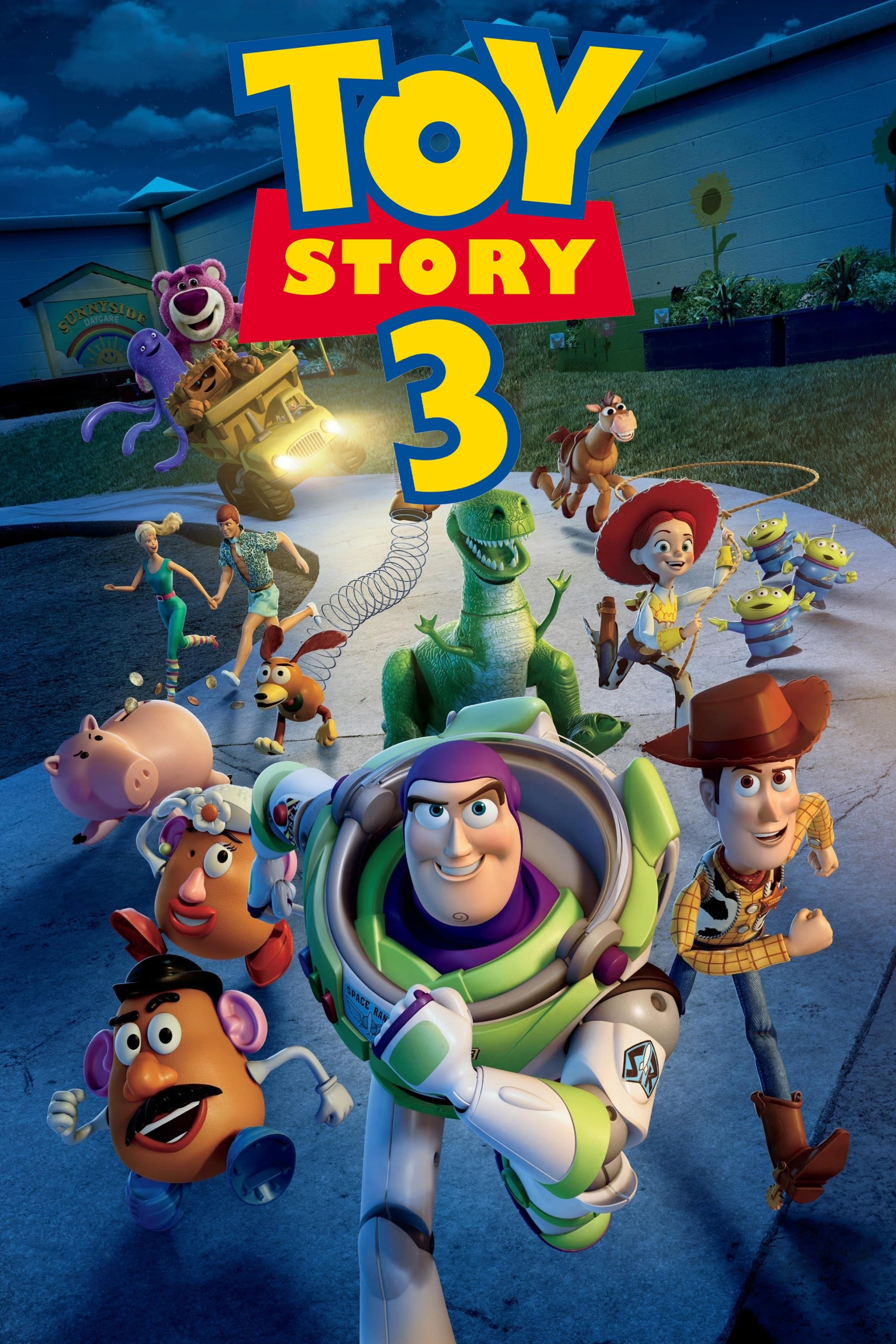
The ending of this beloved animated film is a poignant and perfect farewell. As Andy prepares to leave for college, he makes the difficult decision to give his cherished childhood toys to a young girl named Bonnie. Before he leaves, he spends one last time playing with them, introducing each of his old friends to their new owner.
His final goodbye to Woody, his favorite toy, is especially touching. As Andy drives away, Woody and the other toys watch from the porch, ready to begin a new chapter. The ending is a beautiful and bittersweet meditation on growing up, moving on, and the enduring power of love and friendship. It’s a tearful but satisfying conclusion to a trilogy that grew up with its audience.
Thelma & Louise (1991)
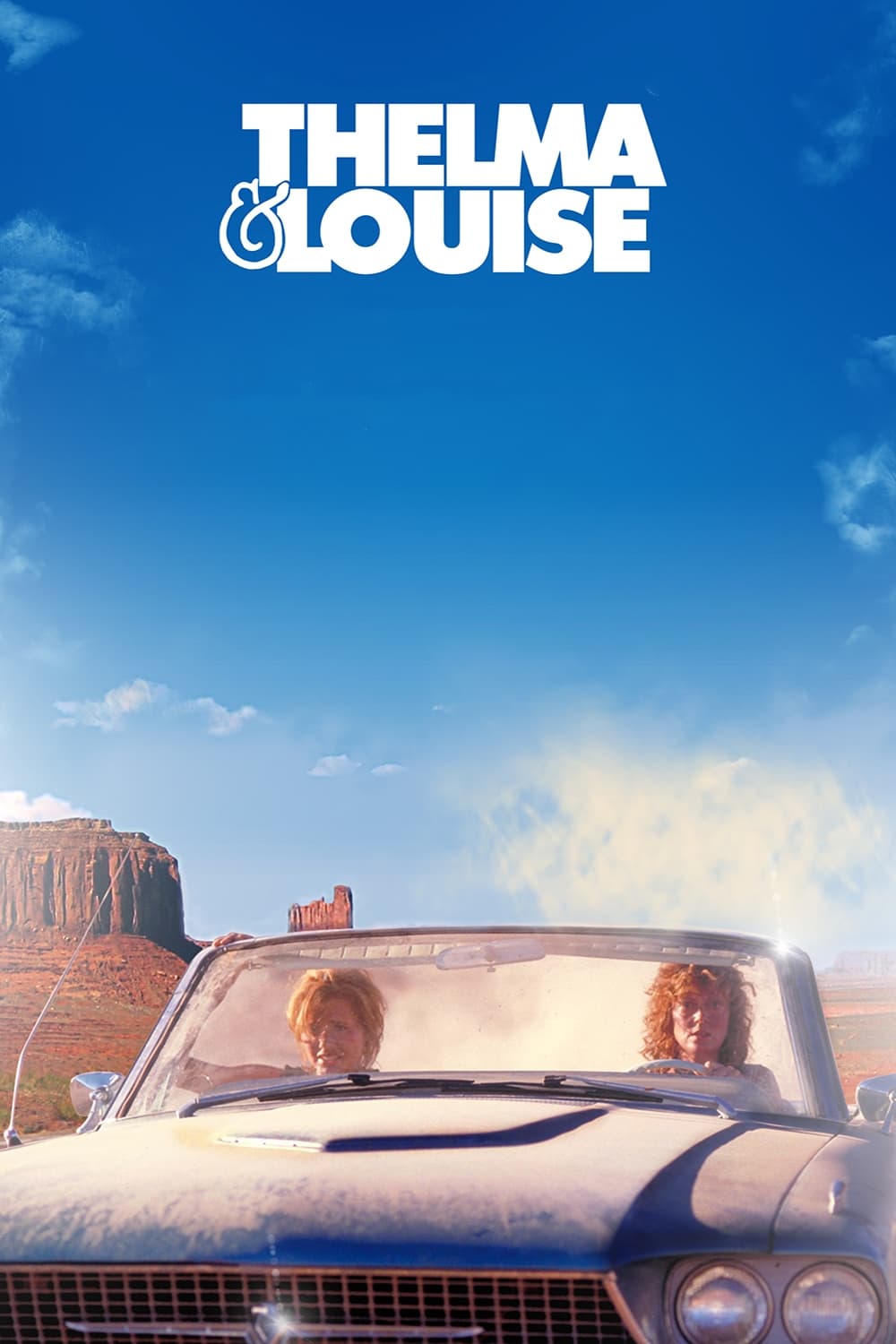
The iconic ending of this feminist road movie is a powerful and defiant statement. Thelma and Louise, two friends on the run from the law, find themselves cornered by the police at the edge of the Grand Canyon. Faced with the choice of being captured or continuing their quest for freedom, they make a bold decision.
They decide to “keep going.” Holding hands, they drive their convertible off the cliff in a final, liberating act. The film freezes on the car in mid-air, a triumphant and iconic image of rebellion and female friendship. The ending is a powerful and controversial choice that has been debated for decades, but it’s an unforgettable and fitting conclusion to their journey.
Pan’s Labyrinth (2006)

The ending of this dark fantasy film is both heartbreaking and beautiful. In the real world, the young protagonist, Ofelia, is killed after refusing to sacrifice her baby brother. However, in the film’s final moments, she is shown entering a golden, magical kingdom.
There, she is hailed as Princess Moanna, who chose to spill her own blood rather than that of an innocent. She is reunited with her parents, the king and queen of the underworld. The film leaves it ambiguous whether this is a dying dream or a genuine ascension to a fantasy realm. This duality makes the ending incredibly powerful, offering a glimmer of hope and beauty in the midst of tragedy and war.
Memento (2000)

The ending of this ingeniously structured thriller is actually the beginning of the story. The film is told in reverse chronological order, following a man with anterograde amnesia who is trying to find his wife’s killer. The final scene reveals a shocking truth.
We learn that the protagonist, Leonard, has already found and killed the man responsible. However, he has chosen to forget this and has manipulated his own system of notes and tattoos to send himself on an endless quest for revenge. This dark and cynical revelation forces the audience to re-examine the entire film, providing a stunning and thought-provoking conclusion about memory, truth, and self-deception.
Little Miss Sunshine (2006)
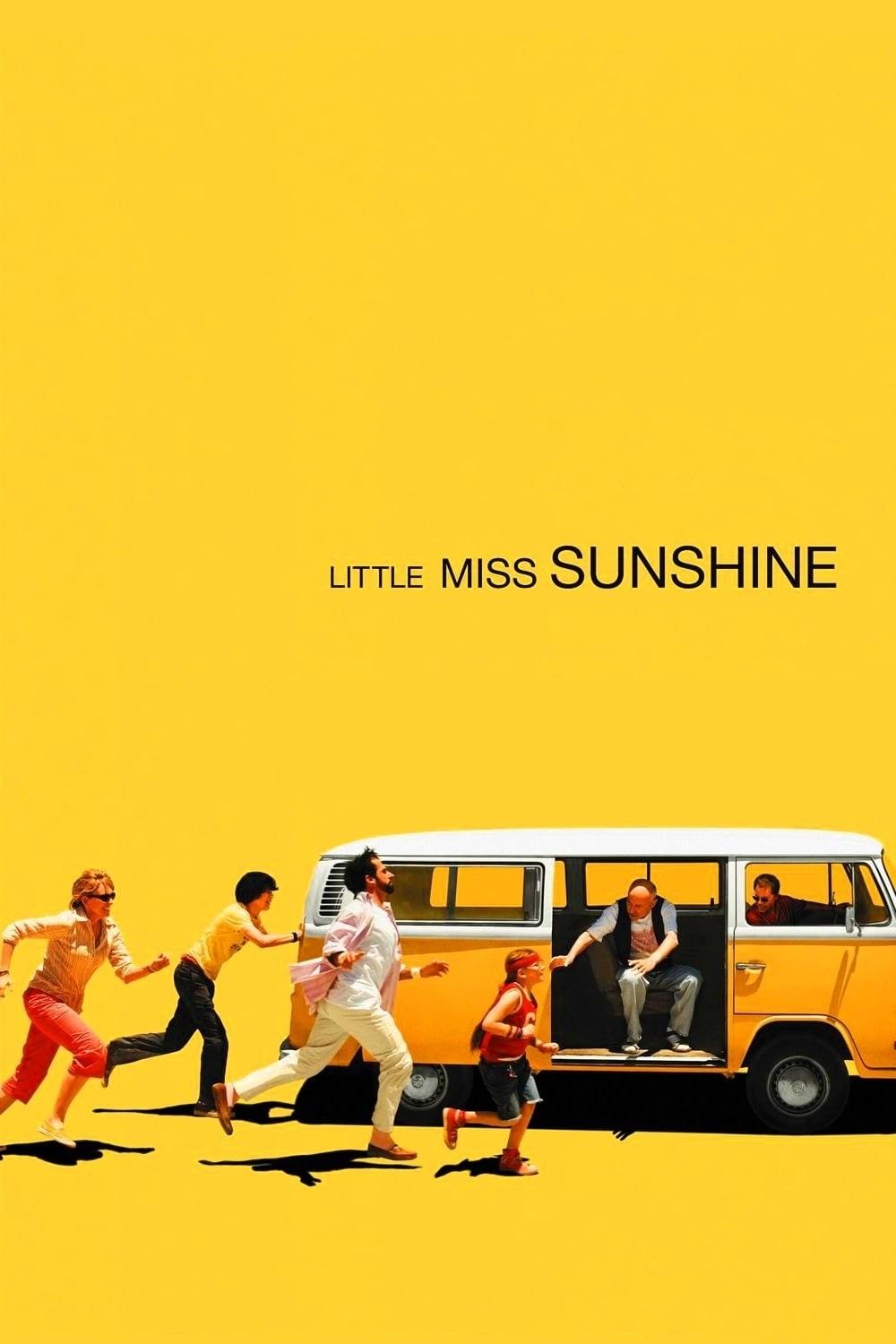
The ending of this quirky family comedy is a hilarious and heartwarming display of unity. The Hoover family has driven across the country so their young daughter, Olive, can compete in a beauty pageant. When it’s her turn to perform, she does a burlesque-style dance to Rick James’s “Super Freak,” taught to her by her grandfather.
The audience and judges are horrified, but one by one, her dysfunctional family members get on stage and dance with her in a show of unconditional love and support. The ending is a triumphant celebration of being yourself and the importance of family. It’s a funny, sweet, and incredibly satisfying conclusion to their chaotic journey.
There Will Be Blood (2007)

The final scene of this epic drama is a shocking and unforgettable descent into madness. Daniel Plainview, a ruthless oil tycoon, is now an old, wealthy, and isolated man living in a bowling alley in his mansion. He is confronted by his longtime rival, the evangelist Eli Sunday.
What begins as a tense conversation escalates into a brutal and bizarre confrontation, with Daniel chasing Eli around the bowling alley before bludgeoning him to death. Daniel’s final, exhausted declaration, “I’m finished,” is a chilling and ambiguous statement. It’s a dark, violent, and theatrical ending that perfectly encapsulates the film’s themes of greed, corruption, and the corrosive nature of ambition.
The Blair Witch Project (1999)

The final moments of this found-footage horror film are terrifying because of what they don’t show. The two remaining student filmmakers, Heather and Mike, have discovered an abandoned house in the woods. As they search for their missing friend, Josh, they are attacked by an unseen force.
Heather’s camera captures Mike standing in the corner of the basement, facing the wall, just as the legends in the film described one of the witch’s victims. Then, her camera falls to the ground, and the film cuts to black. The abrupt and terrifying ending leaves the characters’ fates to the audience’s imagination, which is far more frightening than any on-screen monster could be.
Fargo (1996)
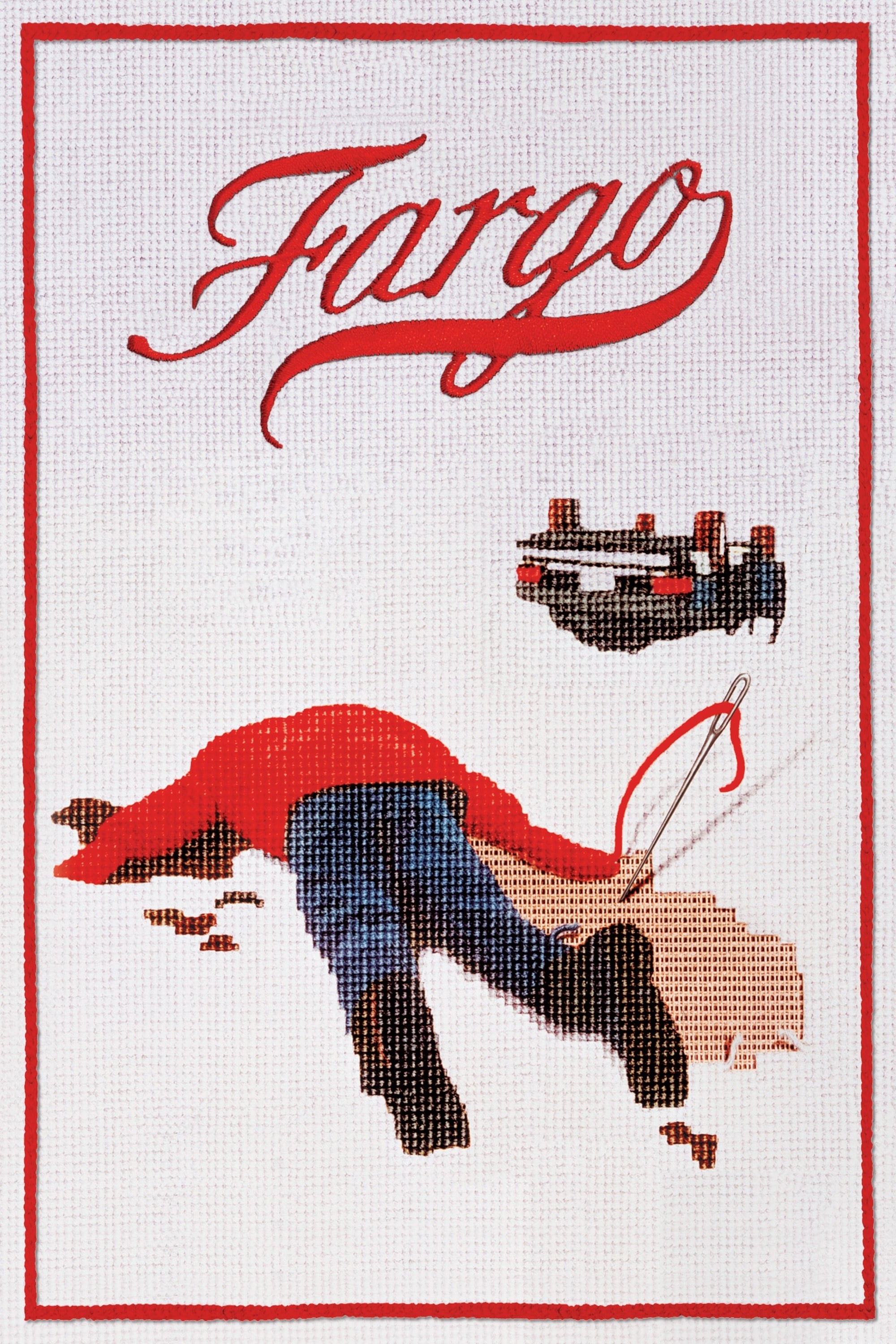
The ending of this dark comedy provides a moment of simple, comforting normalcy after a story filled with greed and violence. The very pregnant police chief, Marge Gunderson, has solved the case and arrested the sociopathic killer. The final scene shows her at home in bed with her husband, Norm.
They have a quiet, mundane conversation about his painting being selected for a postage stamp. Marge expresses her pride in him, and they look forward to the birth of their child. This gentle, loving scene stands in stark contrast to the film’s brutal events, offering a powerful and reassuring message about the quiet decency of ordinary life. It’s a perfect and understated conclusion.
Witness for the Prosecution (1957)
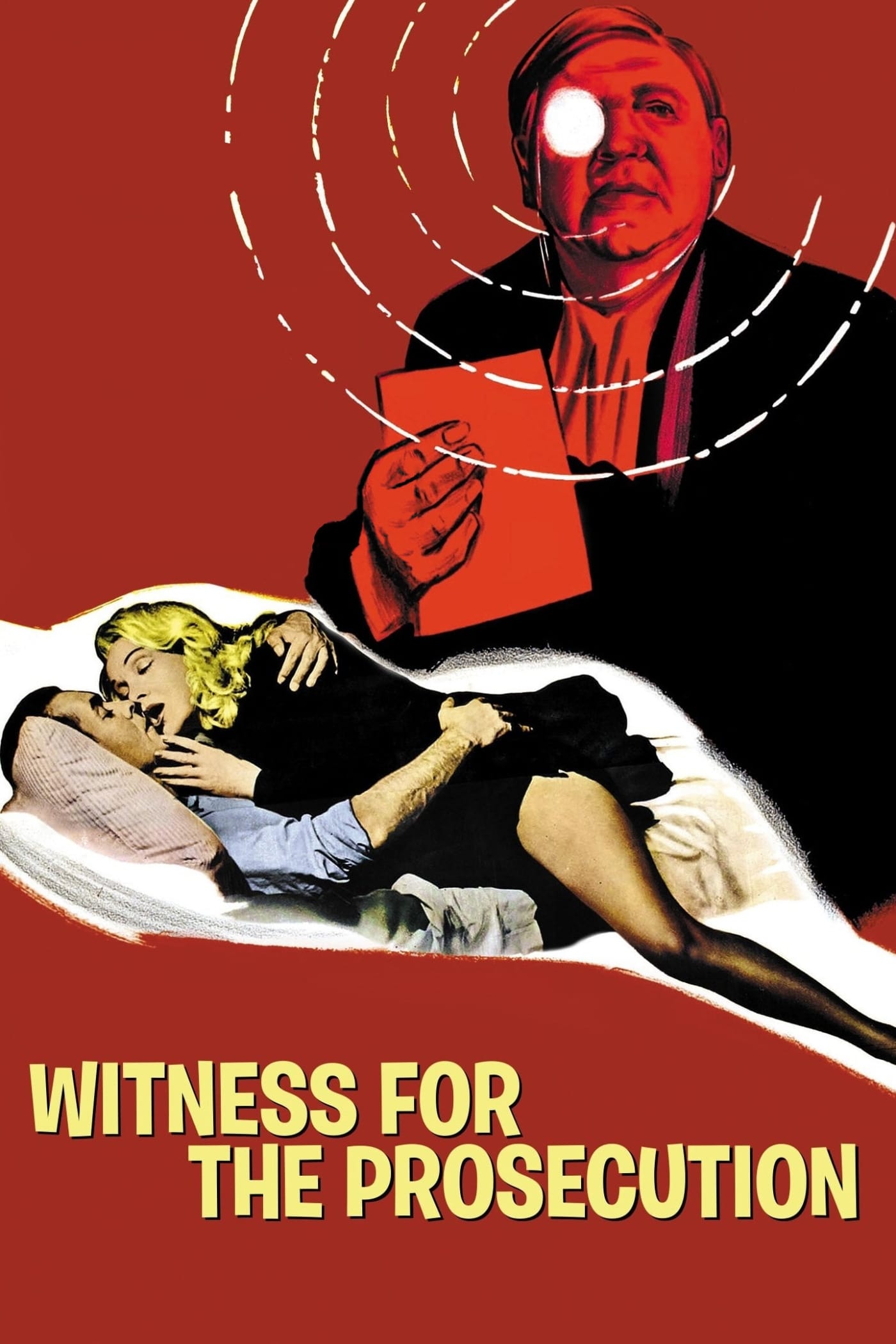
This classic courtroom drama ends with a series of shocking twists that leave the audience breathless. After Leonard Vole is acquitted of murder, thanks to the surprise testimony of his wife, Christine, the truth is revealed. Christine confesses that she lied on the stand to save him, knowing he was guilty.
But the twists don’t stop there. As Leonard callously embraces a younger woman, Christine reveals a final piece of evidence and, in a moment of passion, stabs and kills him in the courtroom. It’s a stunning and dramatic conclusion, with the defense lawyer, who had been so convinced of Leonard’s innocence, announcing he will now take on Christine’s case.
Psycho (1960)

The ending of this Alfred Hitchcock masterpiece is deeply unsettling. Norman Bates has been arrested, and a psychiatrist explains that Norman’s “mother” personality has completely taken over his mind. The final shot is of Norman sitting in a cell, wrapped in a blanket, with his mother’s voice narrating his thoughts.
A slow, chilling smile spreads across his face as he thinks, “I’m not even going to swat that fly. I hope they are watching. They’ll see. They’ll see and they’ll know, and they’ll say, ‘Why, she wouldn’t even harm a fly.'” The film then dissolves to Marion Crane’s car being pulled from the swamp. This haunting and disturbing final scene is one of the most iconic and terrifying endings in horror history.
Being John Malkovich (1999)
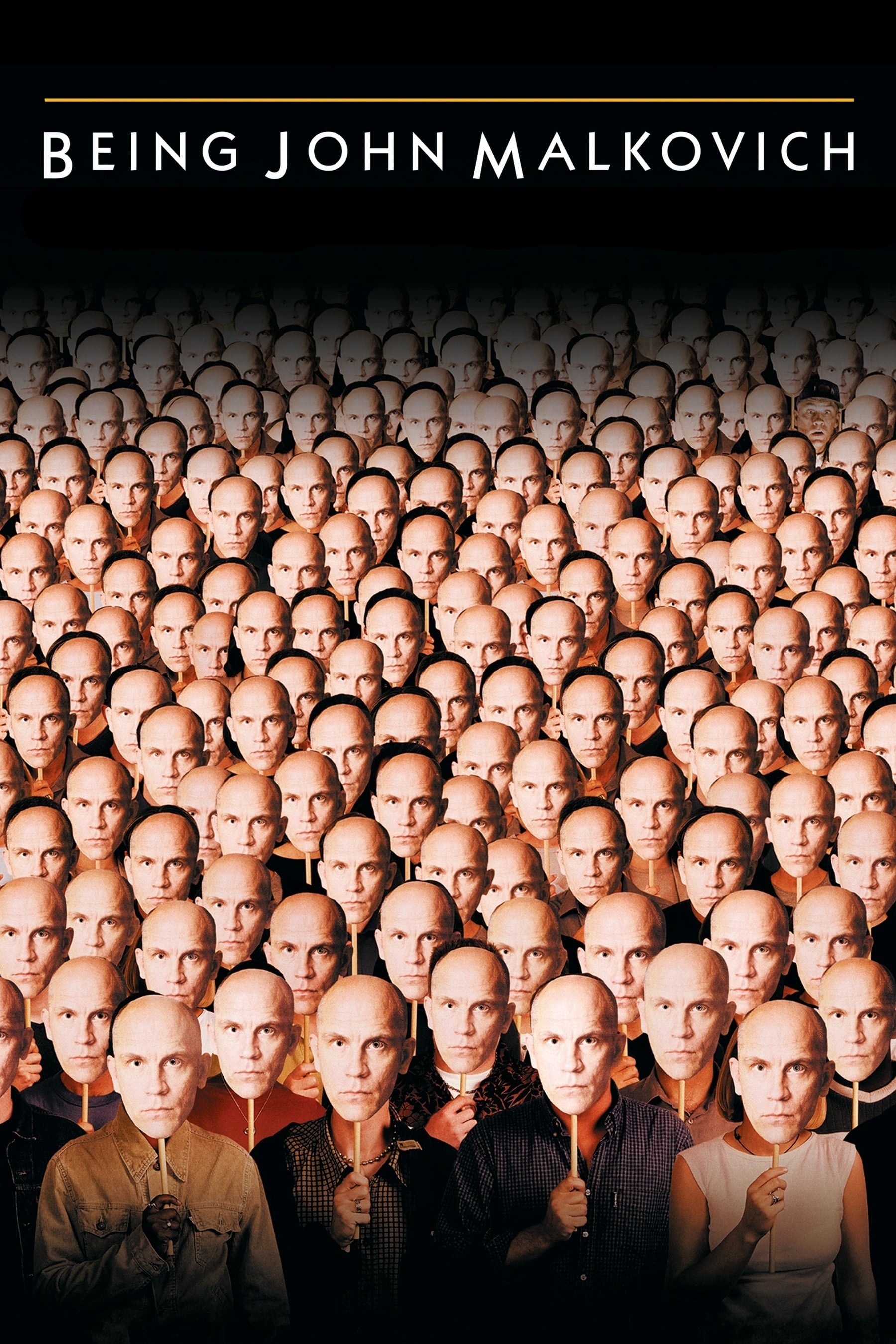
The ending of this surreal and inventive comedy is both bizarre and oddly poignant. The puppeteer Craig Schwartz has discovered a portal into the mind of actor John Malkovich. By the end of the film, Craig has been trapped inside the mind of the daughter of his former love, Maxine, and her new partner, Lotte.
He is forced to watch helplessly as Maxine and Lotte live out their happy life, unable to control anything. Meanwhile, John Malkovich’s mind has been invaded by a group of old people seeking immortality, leaving him in a state of artistic confusion. It’s a strange and fittingly complicated ending for a film that explores themes of identity, control, and desire in a truly unique way.
Brazil (1985)
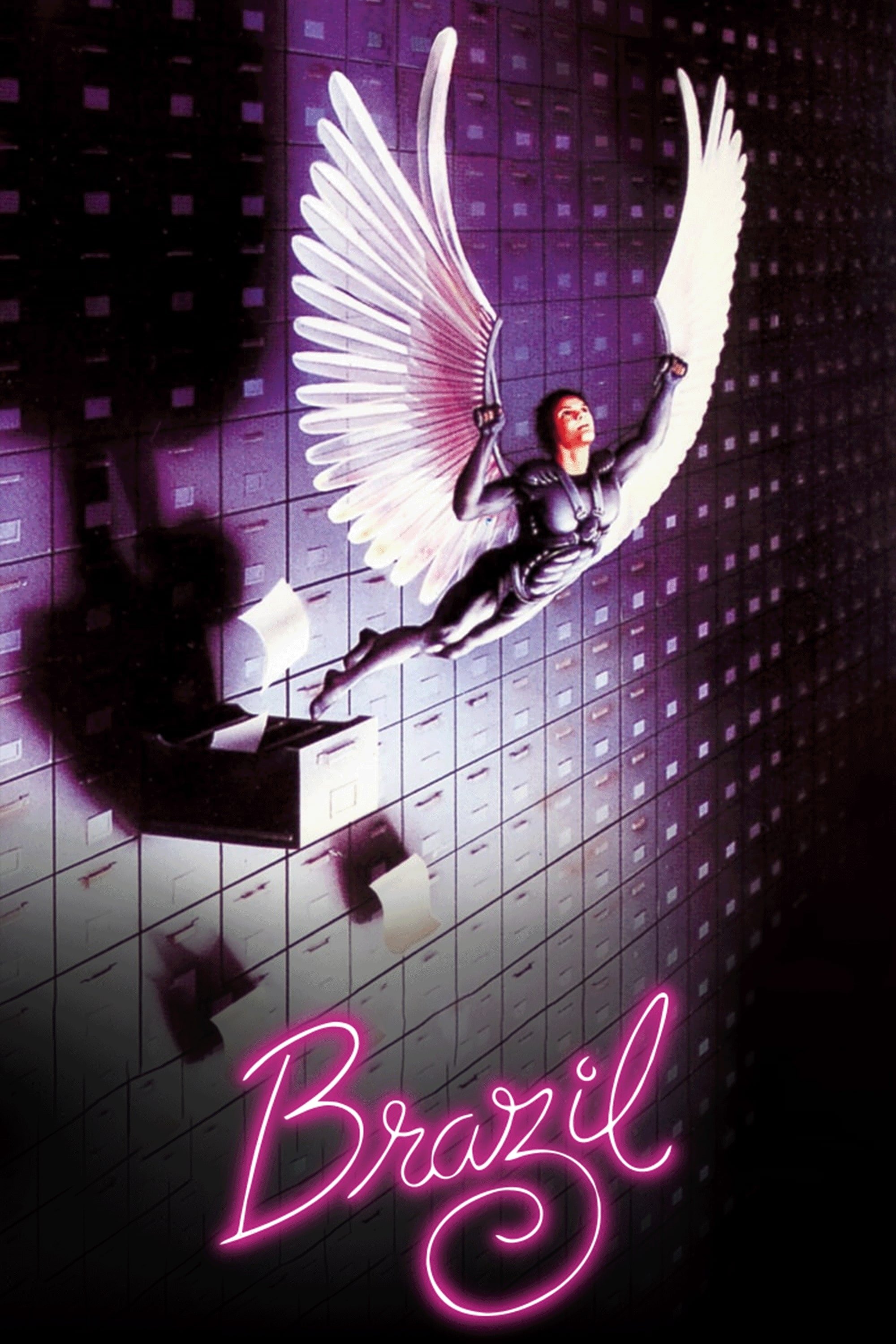
The original ending of this dystopian satire is famously bleak and powerful. The protagonist, Sam Lowry, has been captured by the totalitarian state he works for and is being tortured. He escapes into a vivid fantasy where he is a winged warrior who saves the woman he loves and they escape to a peaceful, idyllic life in the countryside.
However, the camera pulls back to reveal that Sam is still strapped to the torture chair, completely catatonic and lost in his own mind. He is humming the film’s theme song, “Brazil,” with a blissful smile on his face. This “happy ending” is a tragic delusion, a final, internal escape from an oppressive reality he could not change. It is a powerful and haunting conclusion about the triumph of the human spirit, even in utter defeat.

