


50 Must-Watch Movies from the 1980s

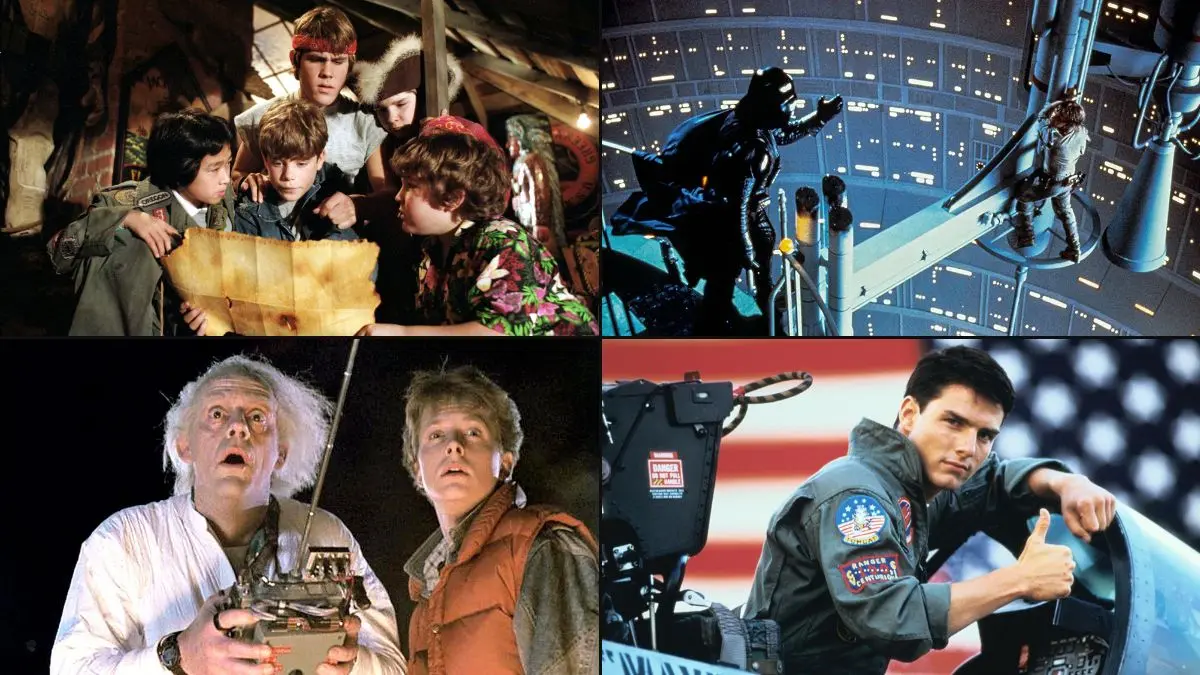


The 1980s was a transformative decade for cinema, a period that redefined genres and produced a remarkable number of films that have since become iconic. This era saw the rise of the blockbuster, with directors like Steven Spielberg and George Lucas pushing the boundaries of special effects and storytelling. From epic science fiction to heartfelt dramas, the movies of the ’80s captured the imagination of a generation and left a lasting impact on popular culture. The films from this time are not just nostalgic artifacts; they are a testament to a period of creative energy and innovation that continues to influence filmmakers today.
This list revisits 50 must-watch movies that represent the best of what the 1980s had to offer. Each film on this list has been chosen for its cultural significance, critical acclaim, or its role in defining a particular genre. Whether you are revisiting these classics or discovering them for the first time, this selection provides a comprehensive look at the diverse and exciting landscape of ’80s cinema. From action-packed adventures to thought-provoking narratives, these films offer a window into the decade’s unique charm and enduring appeal.
The Empire Strikes Back (1980)
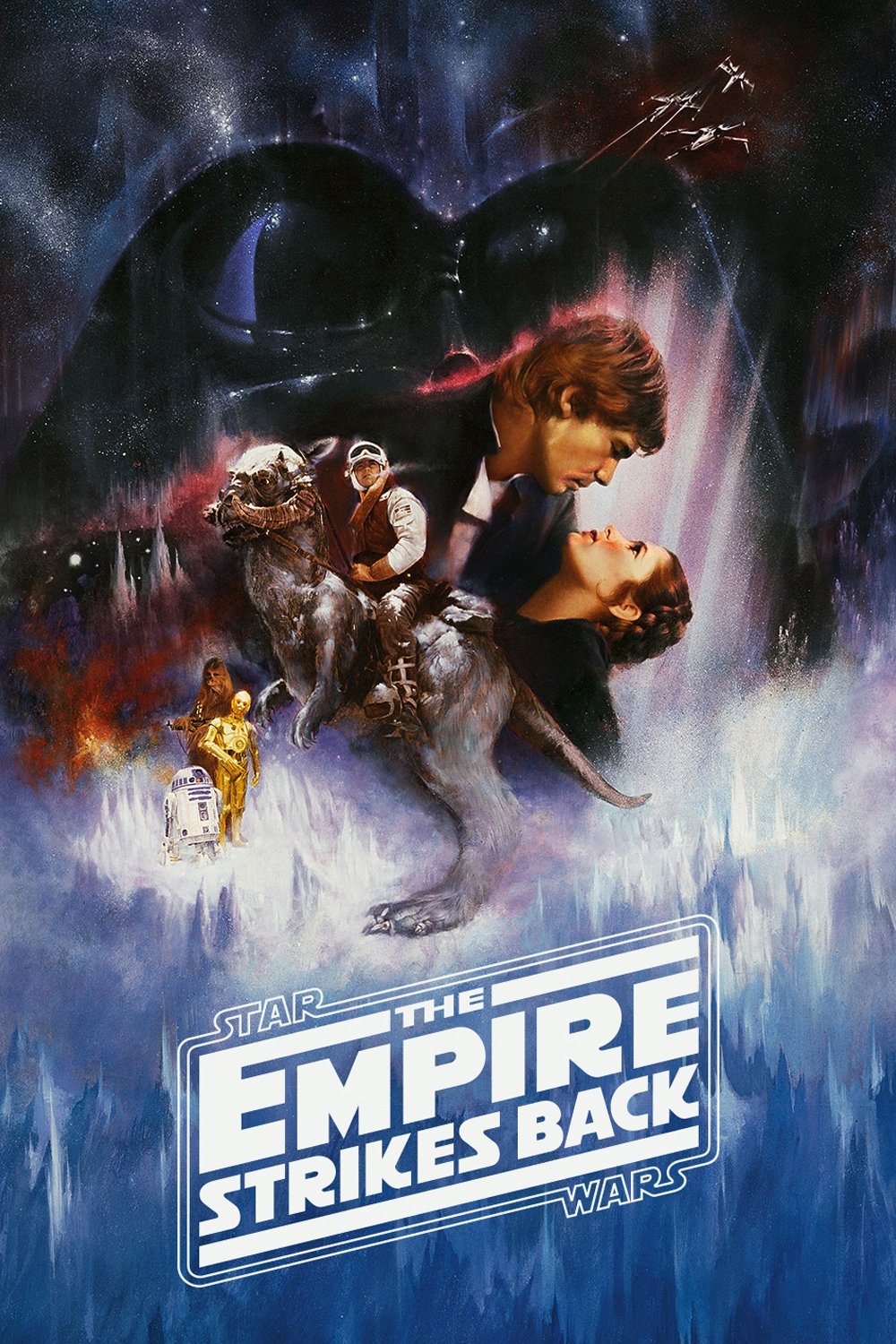
Often regarded as the best film in the Star Wars saga, The Empire Strikes Back takes the epic space opera to darker and more emotionally complex territory. Following the destruction of the Death Star, the Rebel Alliance faces the full might of the Galactic Empire. The film deepens the characters and their relationships, particularly the journey of Luke Skywalker as he trains with the wise Jedi Master Yoda. The narrative is filled with memorable moments, from the battle on the ice planet Hoth to the stylish introduction of Lando Calrissian in Cloud City.
The film is famous for its shocking cliffhanger ending, a bold move that left audiences eagerly awaiting the next installment. The dramatic revelation about Luke’s parentage has become one of the most iconic moments in movie history. With its sophisticated storytelling, stunning visual effects, and a more mature tone, The Empire Strikes Back set a new standard for sequels and remains a masterpiece of science fiction filmmaking.
Raging Bull (1980)
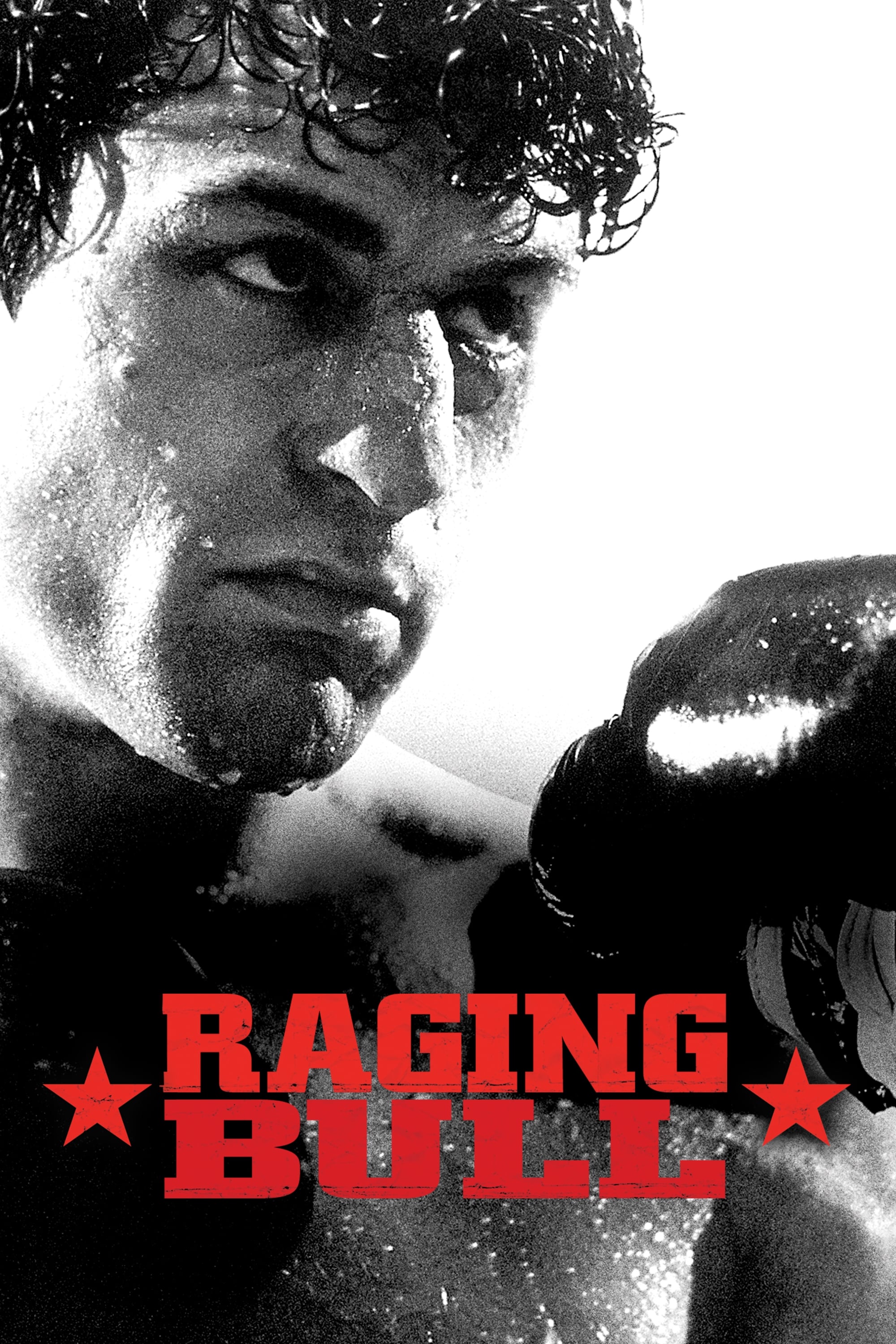
Directed by Martin Scorsese, Raging Bull is a biographical drama that tells the story of middleweight boxer Jake LaMotta. Shot in stark black and white, the film provides an unflinching look at LaMotta’s self-destructive rage and jealousy, which fueled his success in the ring but destroyed his life outside of it. Robert De Niro’s transformative performance as LaMotta is legendary; he famously gained 60 pounds to portray the boxer in his later years.
The film’s fight sequences are brutal and visceral, filmed in a way that puts the audience right in the ring with the fighters. Beyond the boxing, the movie is a powerful character study of a man consumed by his own demons. Its raw intensity and artistic direction have earned it a place among the greatest films ever made.
Raiders of the Lost Ark (1981)
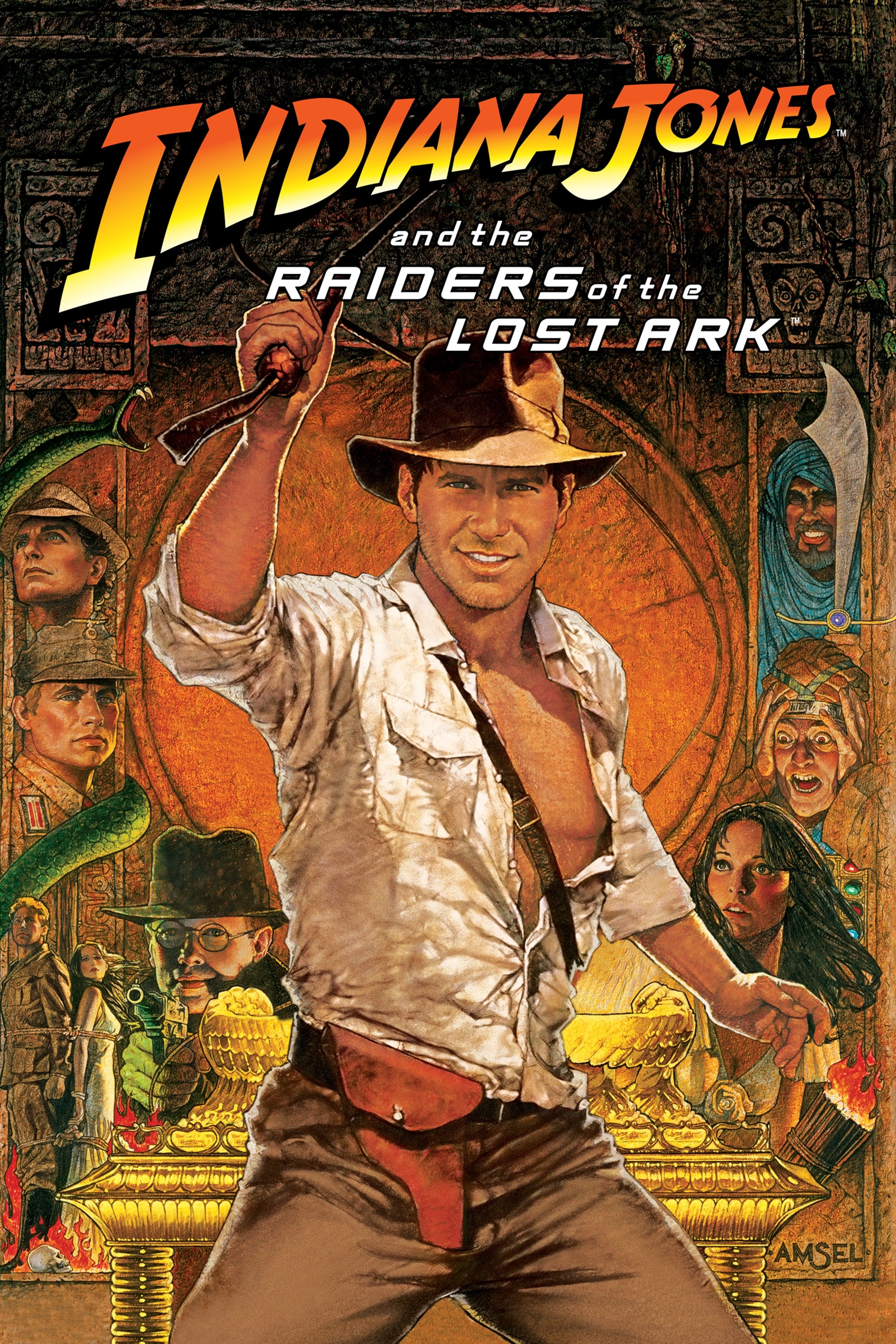
The film that introduced the world to Indiana Jones, Raiders of the Lost Ark is a thrilling adventure that pays homage to the action serials of the 1930s and 1940s. Directed by Steven Spielberg and produced by George Lucas, the movie follows archaeologist and adventurer Indiana Jones as he races against the Nazis to find the biblical Ark of the Covenant. Harrison Ford’s charismatic performance as the whip-cracking hero defined the character for decades to come.
Filled with non-stop action, iconic set pieces, and a memorable score by John Williams, the film is a masterclass in blockbuster filmmaking. It perfectly blends adventure, humor, and suspense, creating an exhilarating experience that has captivated audiences for generations. Raiders of the Lost Ark is a timeless classic that set the standard for the action-adventure genre.
Blade Runner (1982)
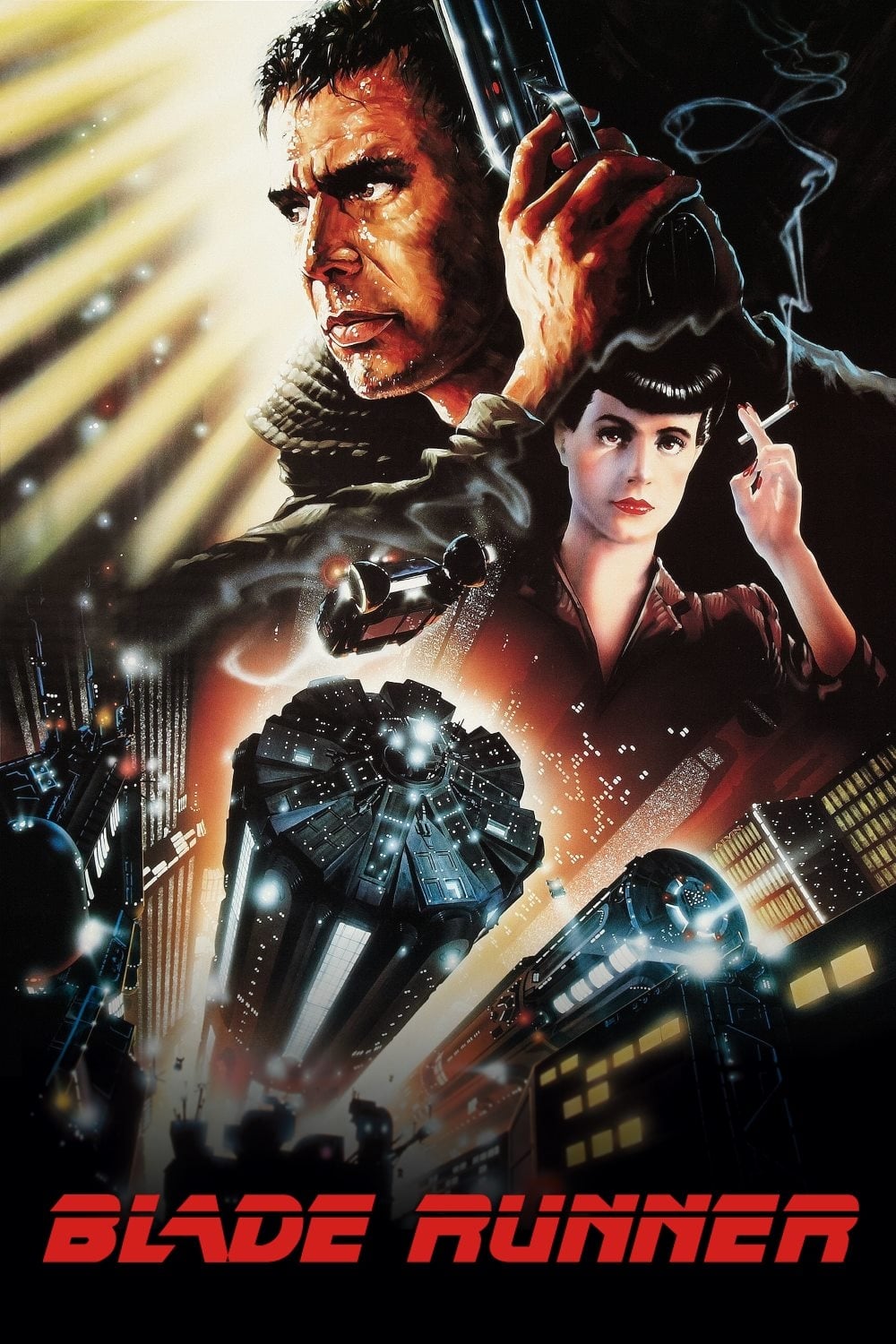
Ridley Scott’s Blade Runner is a visually stunning science fiction film that has become a cornerstone of the cyberpunk genre. Set in a dystopian 2019 Los Angeles, the story follows Rick Deckard, a “blade runner” whose job is to hunt down and “retire” bioengineered androids known as replicants. The film’s moody, rain-soaked visuals and groundbreaking production design created a vision of the future that has been imitated countless times.
While it was not a commercial success upon its initial release, Blade Runner has since gained a massive cult following and is now considered a cinematic masterpiece. The film raises profound questions about what it means to be human, blurring the lines between man and machine. Its ambiguous ending and philosophical themes have sparked debates among fans and critics for decades.
E.T. the Extra-Terrestrial (1982)
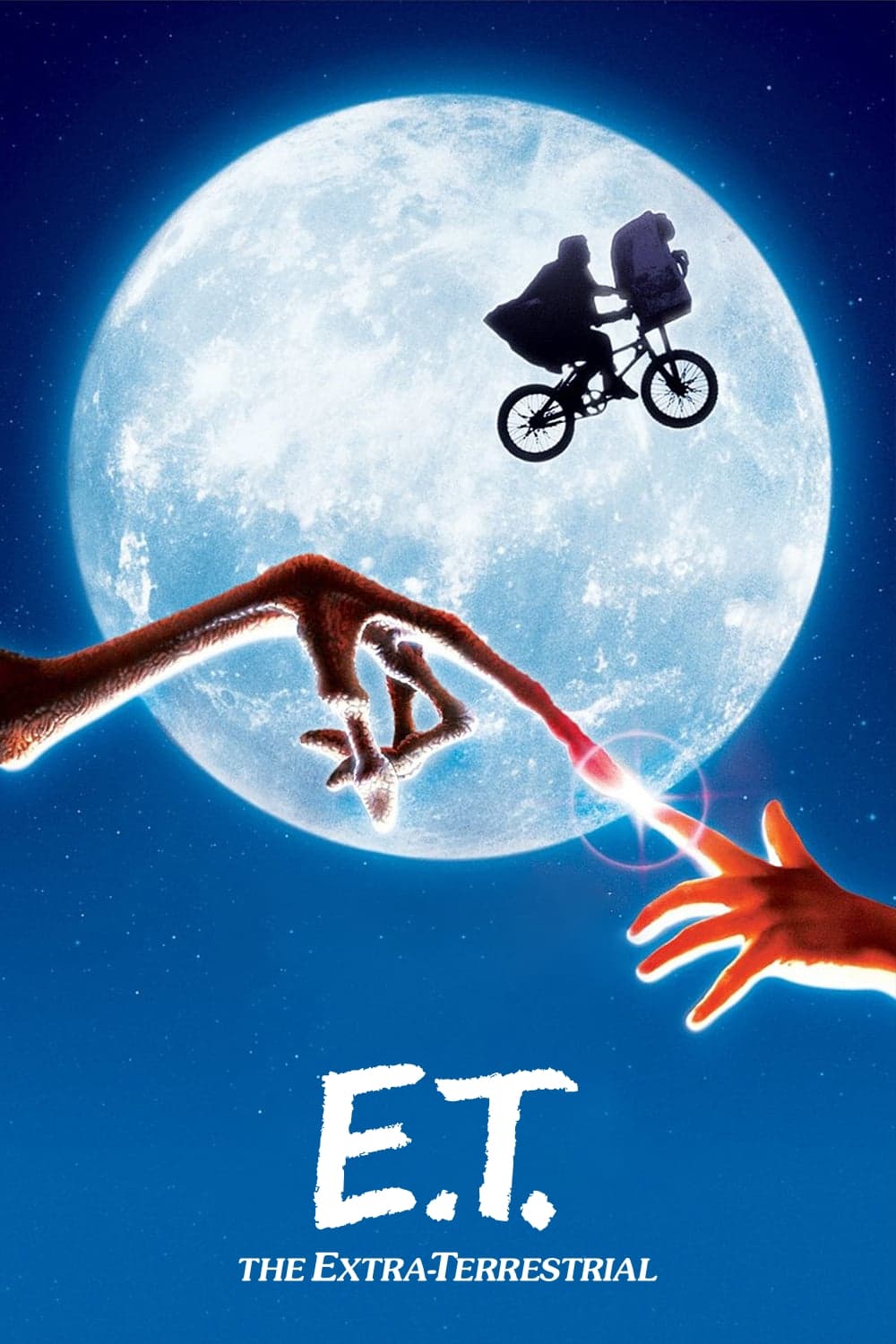
E.T. the Extra-Terrestrial is a heartwarming and magical film from director Steven Spielberg that tells the story of a lonely boy named Elliott who befriends a gentle alien stranded on Earth. The movie captures the wonder and innocence of childhood as Elliott and his siblings try to help E.T. return to his home planet while keeping him hidden from the government. The film’s emotional depth and universal themes of friendship and empathy resonated with audiences worldwide.
The movie became a cultural phenomenon and surpassed Star Wars to become the highest-grossing film of all time, a record it held for over a decade. Its iconic scenes, such as the flying bicycle against the moon, have become ingrained in popular culture. E.T. is a timeless story of connection and loss that continues to touch the hearts of viewers of all ages.
The Thing (1982)
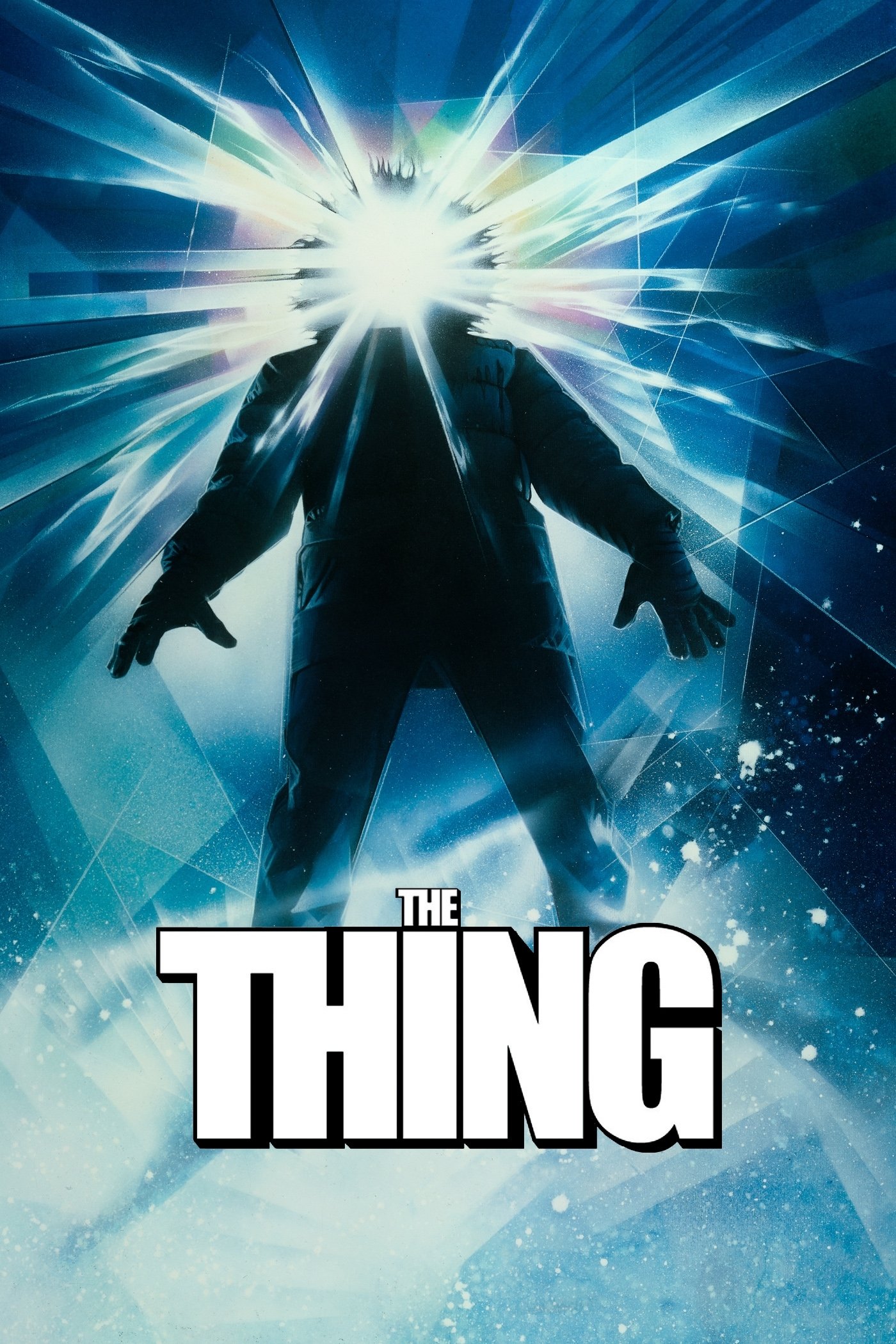
John Carpenter’s The Thing is a masterpiece of suspense and paranoia that follows a group of American researchers in Antarctica who encounter a parasitic alien life-form that can perfectly imitate other organisms. The film creates a palpable sense of dread and mistrust as the characters realize that anyone among them could be the creature. The practical effects used to create the alien’s grotesque transformations were groundbreaking and remain terrifyingly effective.
Initially met with negative reviews, the film has since been reappraised as a classic of the horror genre. Its relentless tension, nihilistic tone, and claustrophobic setting make it a truly unnerving experience. The Thing is a brilliant and terrifying exploration of fear and identity.
Scarface (1983)

Directed by Brian De Palma and written by Oliver Stone, Scarface is a crime drama that chronicles the violent rise and fall of Cuban refugee Tony Montana in the 1980s Miami cocaine scene. Al Pacino’s over-the-top performance as the ambitious and ruthless drug lord is iconic. The film is a stylish and brutal depiction of the excess and corruption of the era, filled with memorable lines and explosive action.
While controversial for its violence and glorification of a criminal lifestyle, Scarface has become a major cultural touchstone, influencing countless movies, TV shows, and video games. It is an epic and unapologetic look at the dark side of the American Dream.
Ghostbusters (1984)
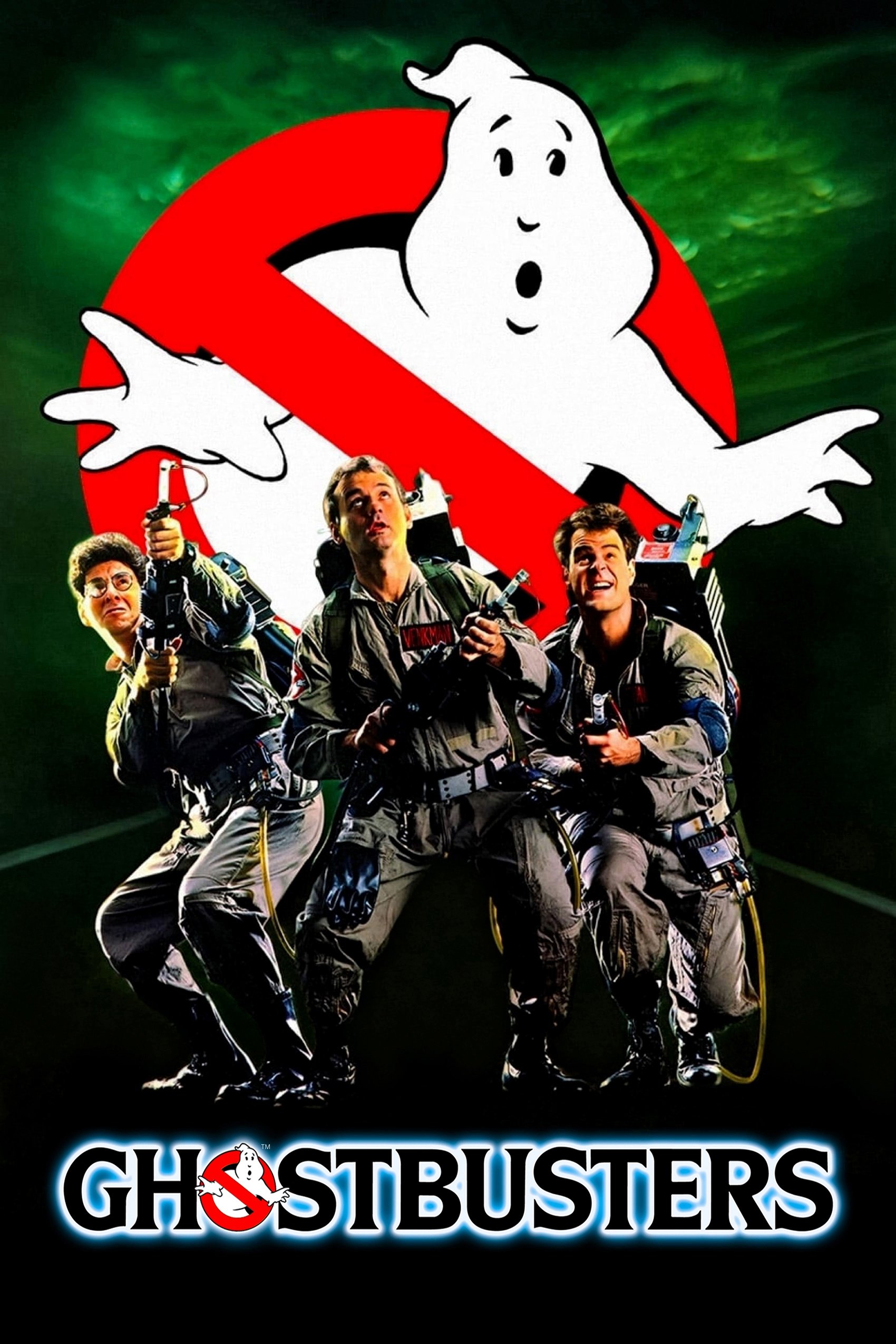
A perfect blend of comedy, action, and supernatural horror, Ghostbusters follows a team of eccentric parapsychologists who start a ghost-catching business in New York City. The film’s witty script, memorable characters, and innovative special effects made it a massive box-office hit. The chemistry between stars Bill Murray, Dan Aykroyd, Harold Ramis, and Ernie Hudson is a key part of its enduring appeal.
The movie spawned a multimedia franchise and its theme song became a global sensation. From the Ecto-1 to the Stay Puft Marshmallow Man, Ghostbusters is filled with iconic imagery that has become a part of the cultural lexicon. It remains a beloved classic that is as funny and entertaining today as it was in 1984.
The Terminator (1984)
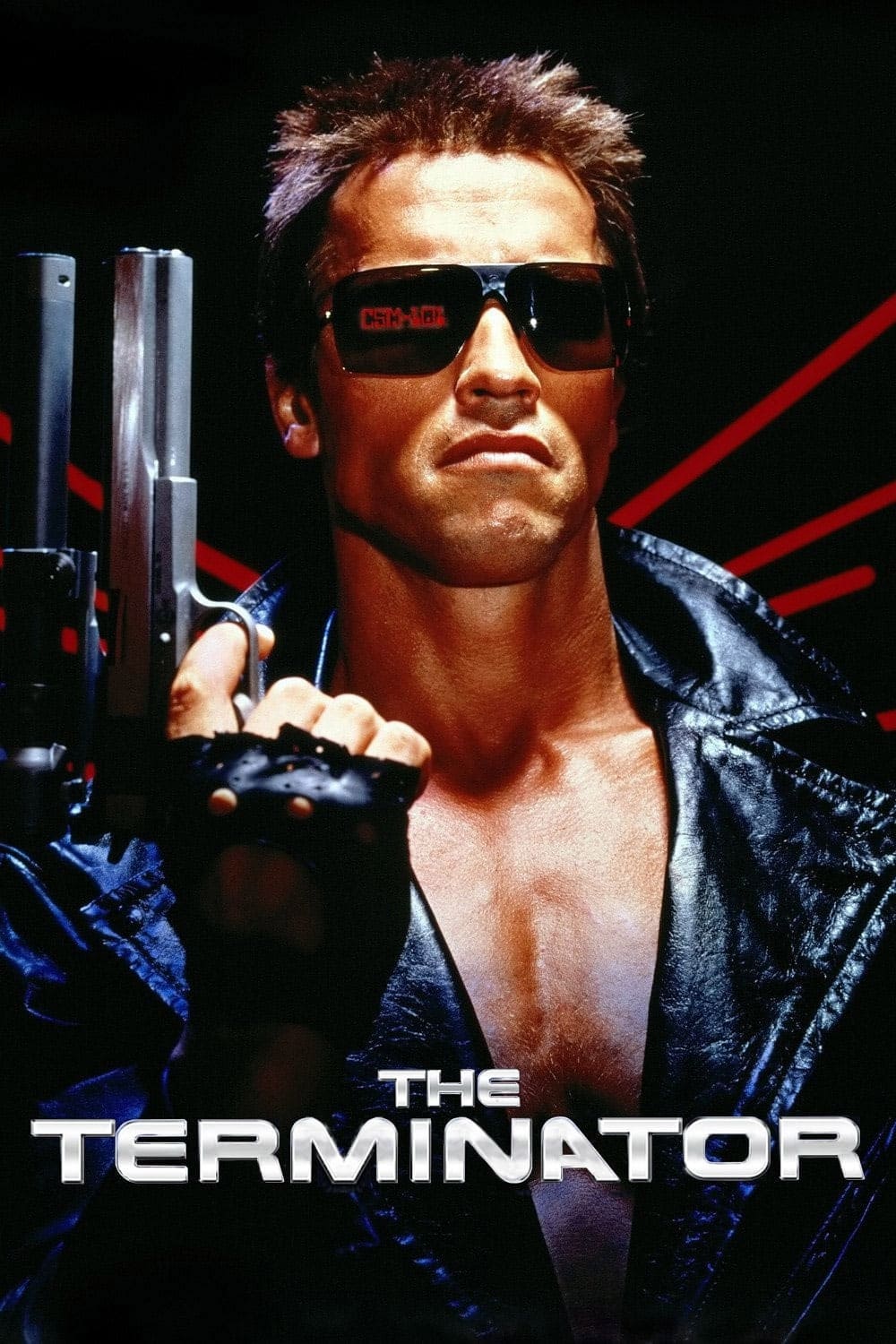
James Cameron’s The Terminator is a relentless and influential science fiction action film that launched a major franchise and solidified Arnold Schwarzenegger’s status as a movie star. The story follows a cyborg assassin sent back in time to kill Sarah Connor, a young woman whose unborn son will lead humanity in a future war against intelligent machines. A human soldier from that war is also sent back to protect her.
With its fast-paced action, innovative special effects, and a chillingly effective performance from Schwarzenegger as the nearly unstoppable villain, the film was a sleeper hit that has had a profound impact on the genre. Its dark, gritty tone and intelligent, time-bending narrative set it apart from other action films of the era.
Amadeus (1984)
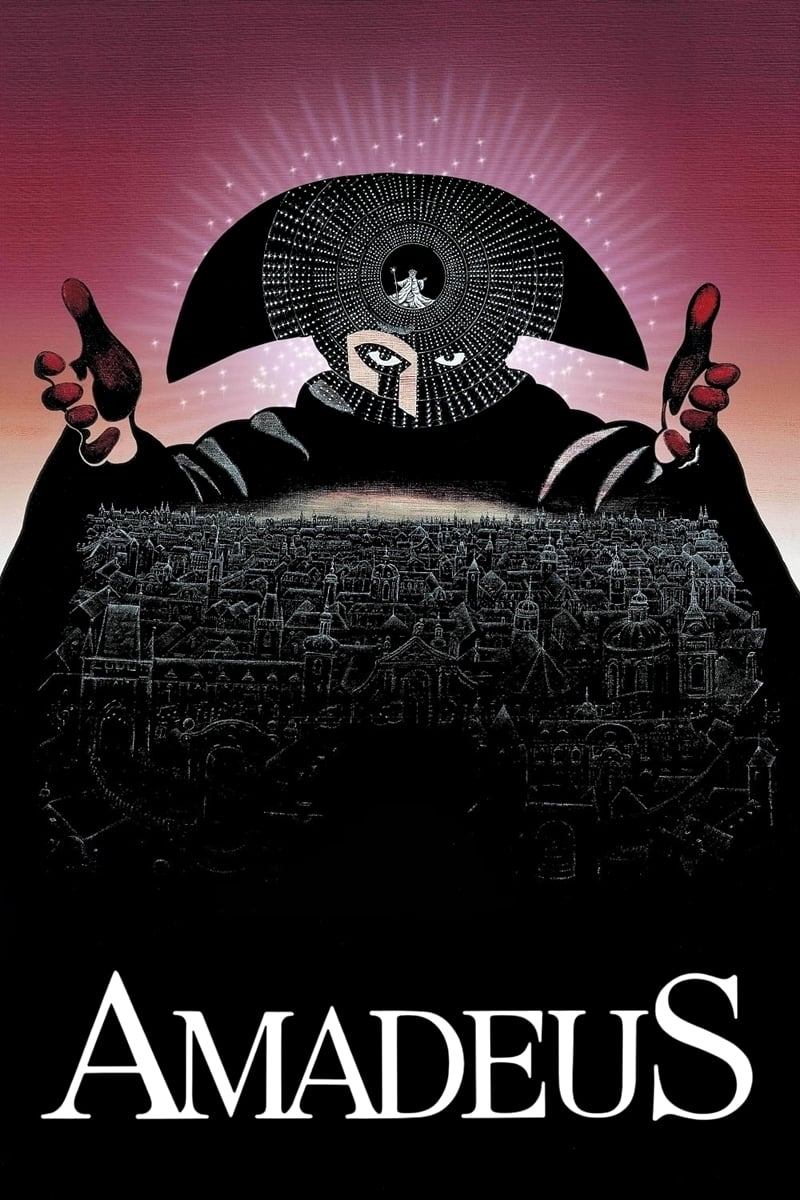
Amadeus is a lavish and compelling historical drama that tells the story of Wolfgang Amadeus Mozart through the eyes of his jealous rival, Antonio Salieri. The film is a fictionalized account of the composers’ lives, exploring themes of genius, envy, and mediocrity. The stunning production design, beautiful costumes, and, of course, Mozart’s incredible music make it a feast for the senses.
The movie was a critical and commercial success, winning eight Academy Awards, including Best Picture. Its brilliant script and powerhouse performances from F. Murray Abraham as Salieri and Tom Hulce as Mozart make it a captivating and tragic tale. Amadeus brings history to life in a way that is both entertaining and thought-provoking.
Back to the Future (1985)
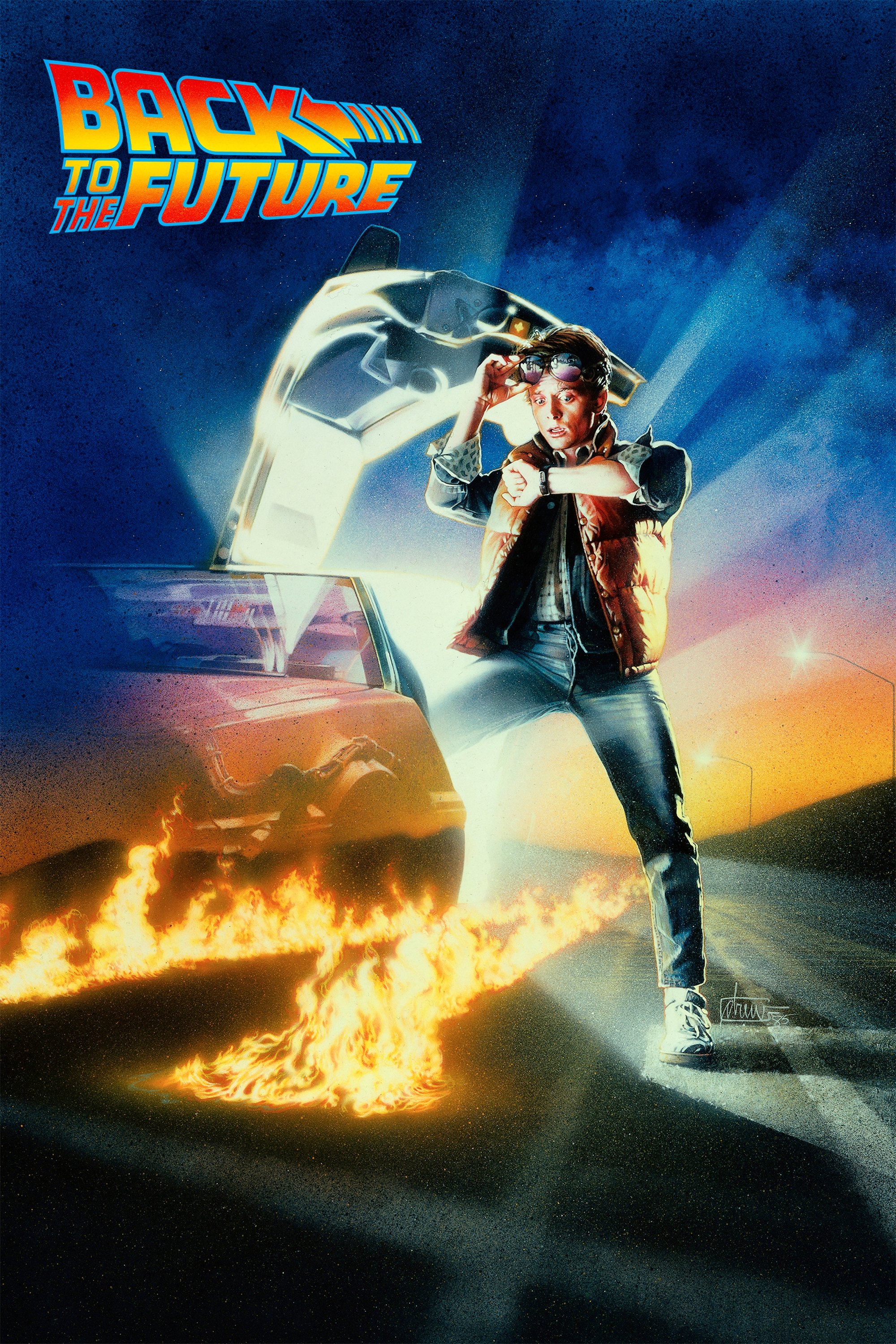
Back to the Future is a quintessential 1980s film that perfectly combines science fiction, comedy, and adventure. The story follows teenager Marty McFly, who is accidentally sent back in time to 1955 in a plutonium-powered DeLorean time machine. He must find a way to get back to his own time while also making sure his parents fall in love to ensure his own existence.
The film’s clever script, endearing characters, and upbeat tone made it a massive success. It is a thrilling and humorous adventure with a lot of heart, exploring themes of family and destiny. Back to the Future is a beloved classic that continues to charm audiences with its wit and originality.
The Goonies (1985)
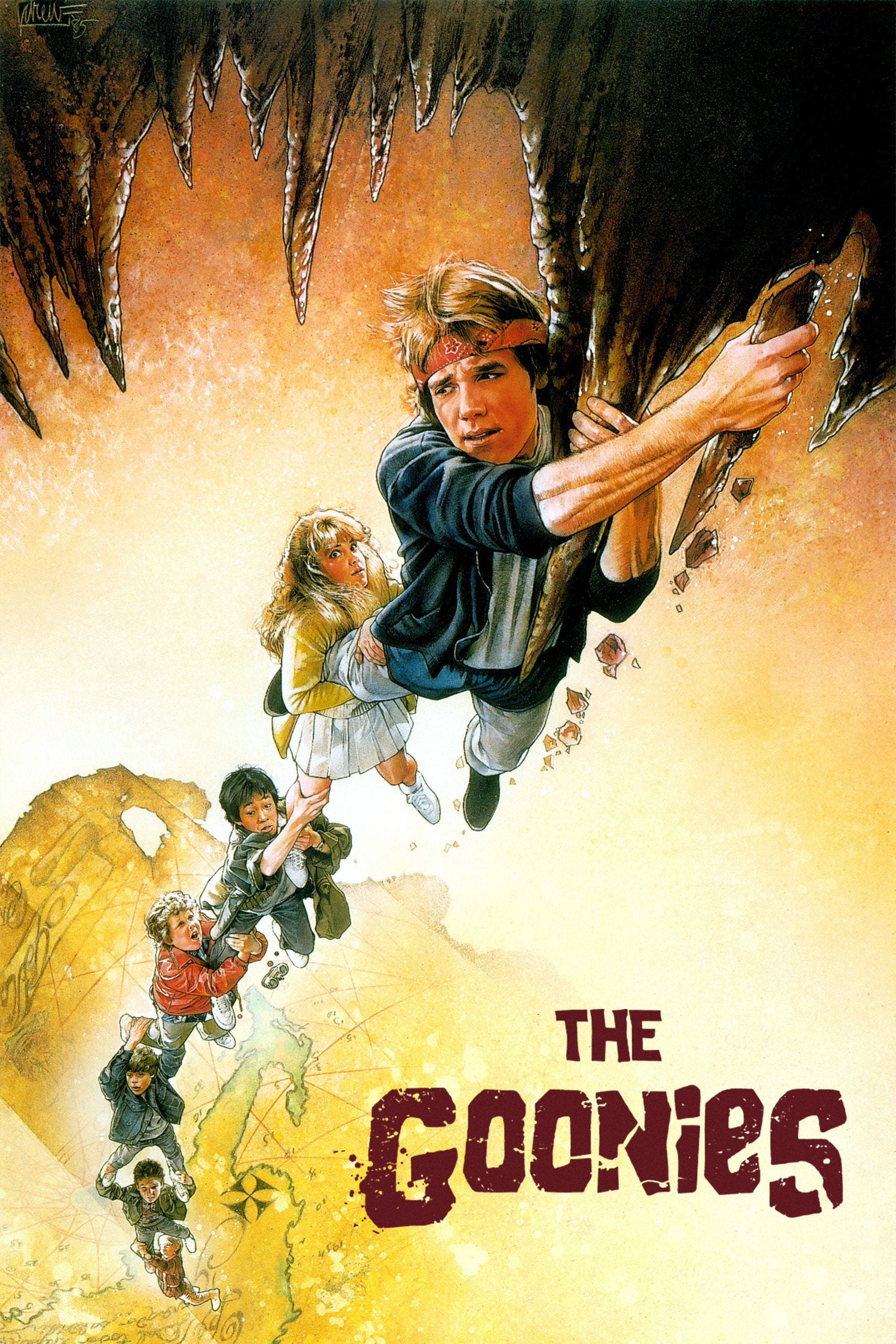
The Goonies is a beloved adventure-comedy about a group of kids who discover an old treasure map and set off to find the long-lost fortune of a legendary pirate to save their homes from foreclosure. The film captures the spirit of childhood adventure as the friends navigate booby traps, evade a family of criminals, and forge an unbreakable bond.
Produced by Steven Spielberg, the film has a similar sense of wonder and excitement as many of his other ’80s classics. It has gained a significant cult following over the years and is cherished for its humor, heart, and memorable characters. The Goonies is a timeless tale of friendship and adventure that has become a generational touchstone.
Brazil (1985)
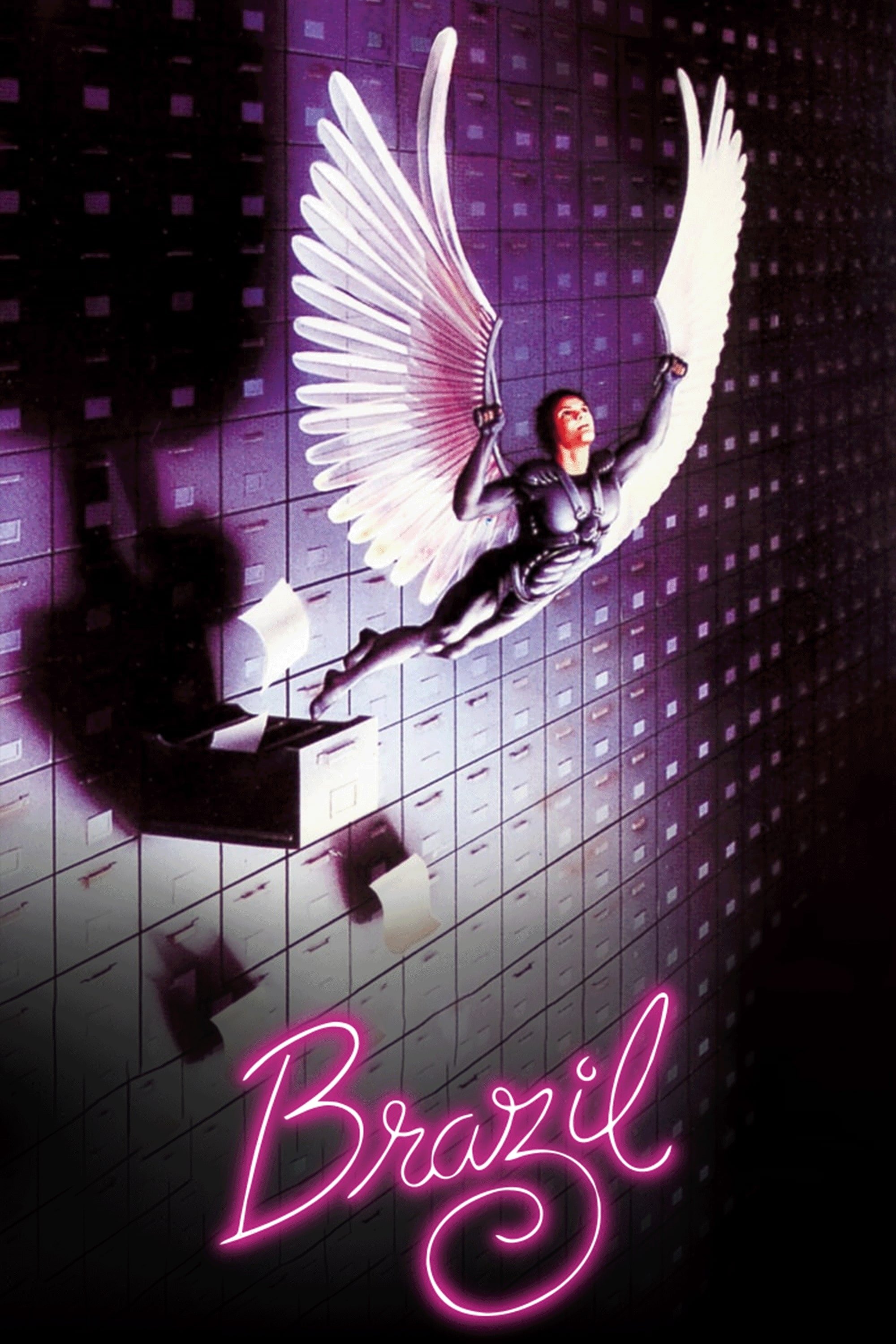
Terry Gilliam’s Brazil is a dystopian black comedy that presents a nightmarish vision of a bureaucratic and totalitarian future. The film follows a low-level government clerk who escapes the drudgery of his life through daydreams of a fantasy woman. When he encounters a woman who looks just like his dream, he becomes entangled in a web of mistaken identity and government oppression.
The film is renowned for its surreal and imaginative visuals, which create a world that is both absurd and terrifying. It is a powerful satire of bureaucracy, consumerism, and the loss of individuality. Brazil is a complex and challenging film that has earned its place as a cult classic.
Aliens (1986)
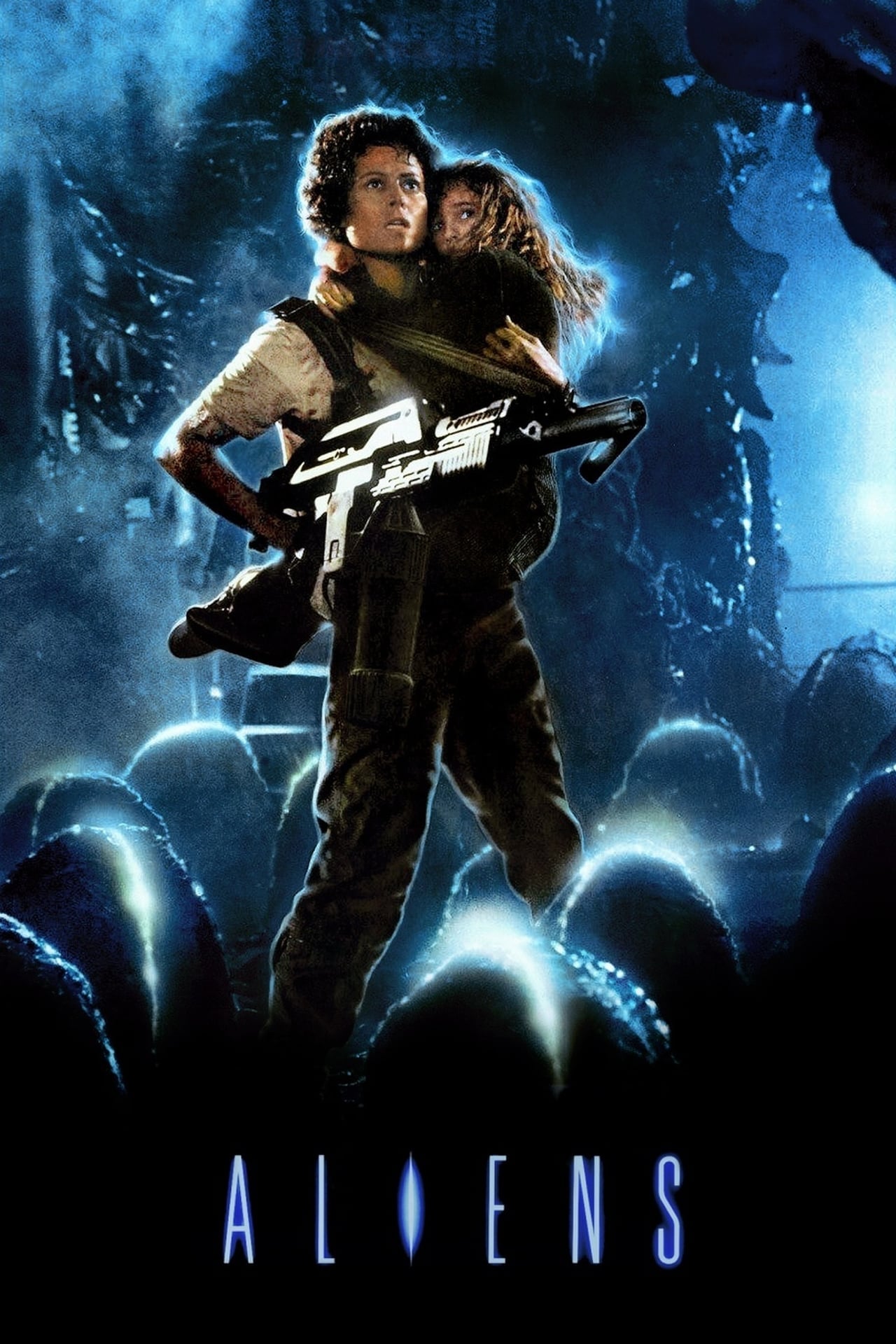
James Cameron’s sequel to the 1979 horror classic Alien shifts gears from slow-burn terror to high-octane action. Aliens follows Ellen Ripley, the sole survivor of the first film, as she returns to the moon where the alien was discovered, this time accompanied by a unit of colonial marines. The film brilliantly expands the mythology of the series, introducing the terrifying Alien Queen and a host of memorable new characters.
Aliens is often cited as one of the greatest sequels ever made, successfully building on the original while creating its own unique identity. It is a masterclass in action filmmaking, with relentless pacing, incredible special effects, and a powerful performance from Sigourney Weaver. The film is an intense and thrilling ride from start to finish.
Ferris Bueller’s Day Off (1986)
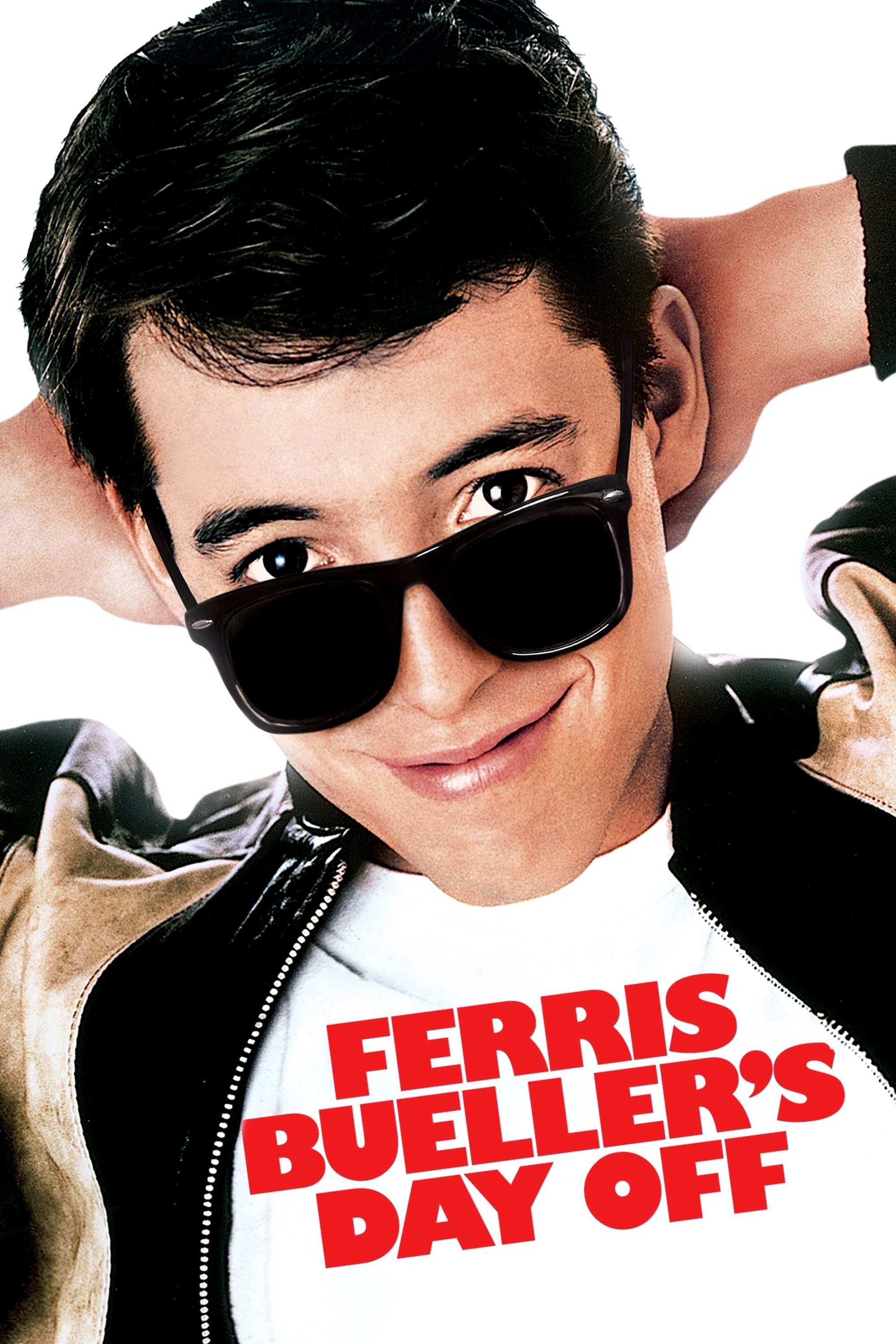
Ferris Bueller’s Day Off is a classic teen comedy from writer-director John Hughes that celebrates youth and carpe diem. The film follows a charismatic high school senior who fakes a sick day to have one last epic adventure in Chicago with his girlfriend and best friend before graduation. The movie is known for its humor, wit, and frequent breaking of the fourth wall by its charming protagonist.
The film captures the spirit of rebellion and the desire for freedom that resonates with audiences of all ages. It is a fun and lighthearted romp that has become a cultural touchstone for its celebration of living in the moment. Ferris Bueller’s Day Off is a feel-good movie that remains as entertaining as ever.
Top Gun (1986)
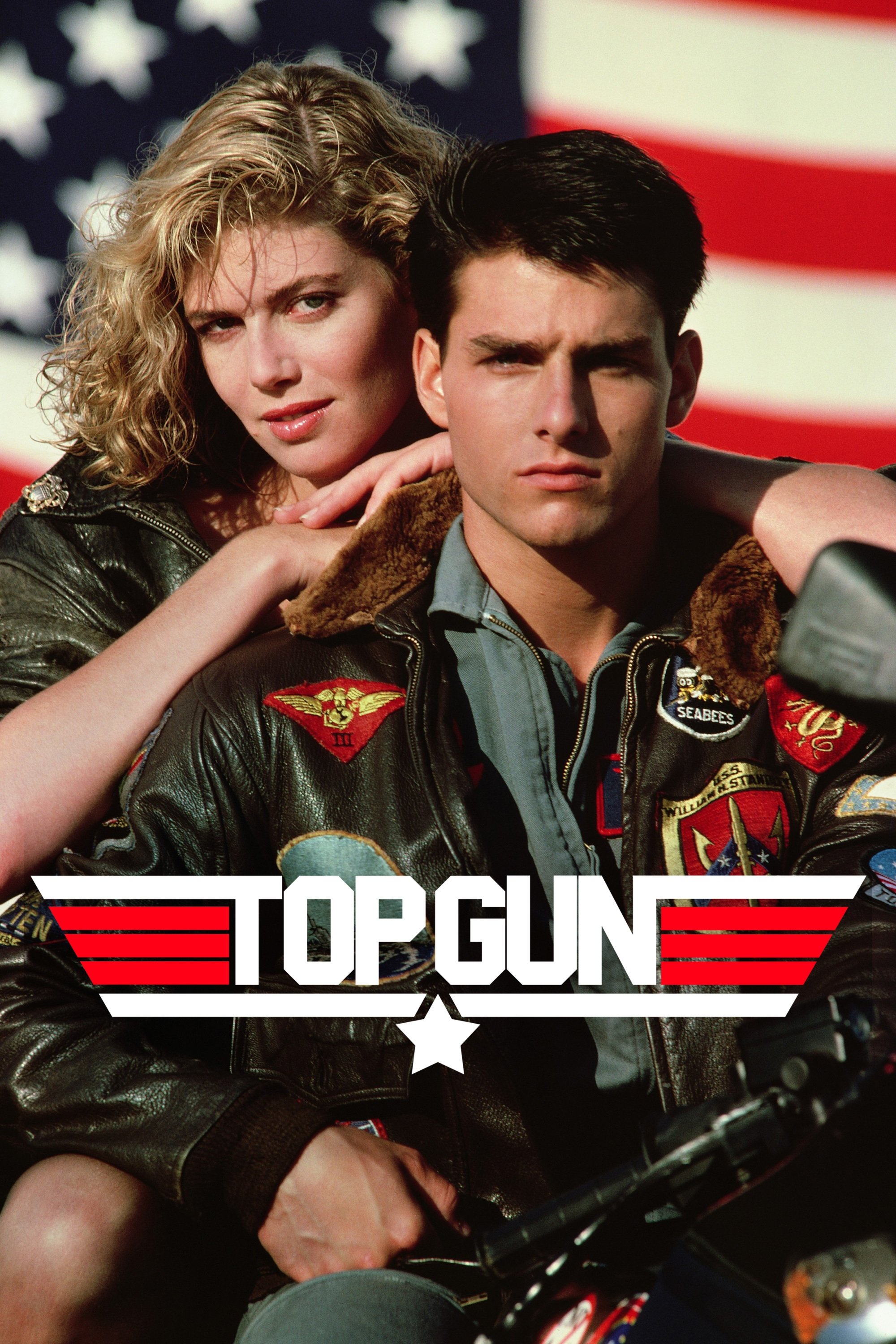
Top Gun is a high-flying action film that became a cultural phenomenon and cemented Tom Cruise’s status as a major Hollywood star. The movie follows a group of elite fighter pilots at the Navy’s top training school, focusing on the daring but reckless Maverick. The film is known for its spectacular aerial dogfights, a hit soundtrack, and its stylish, almost music-video-like visuals.
The movie was a massive commercial success and had a significant impact on military recruitment. It perfectly captured the confident and patriotic spirit of the 1980s. Top Gun is a quintessential ’80s blockbuster, an adrenaline-fueled spectacle that defined a generation of action films.
Platoon (1986)
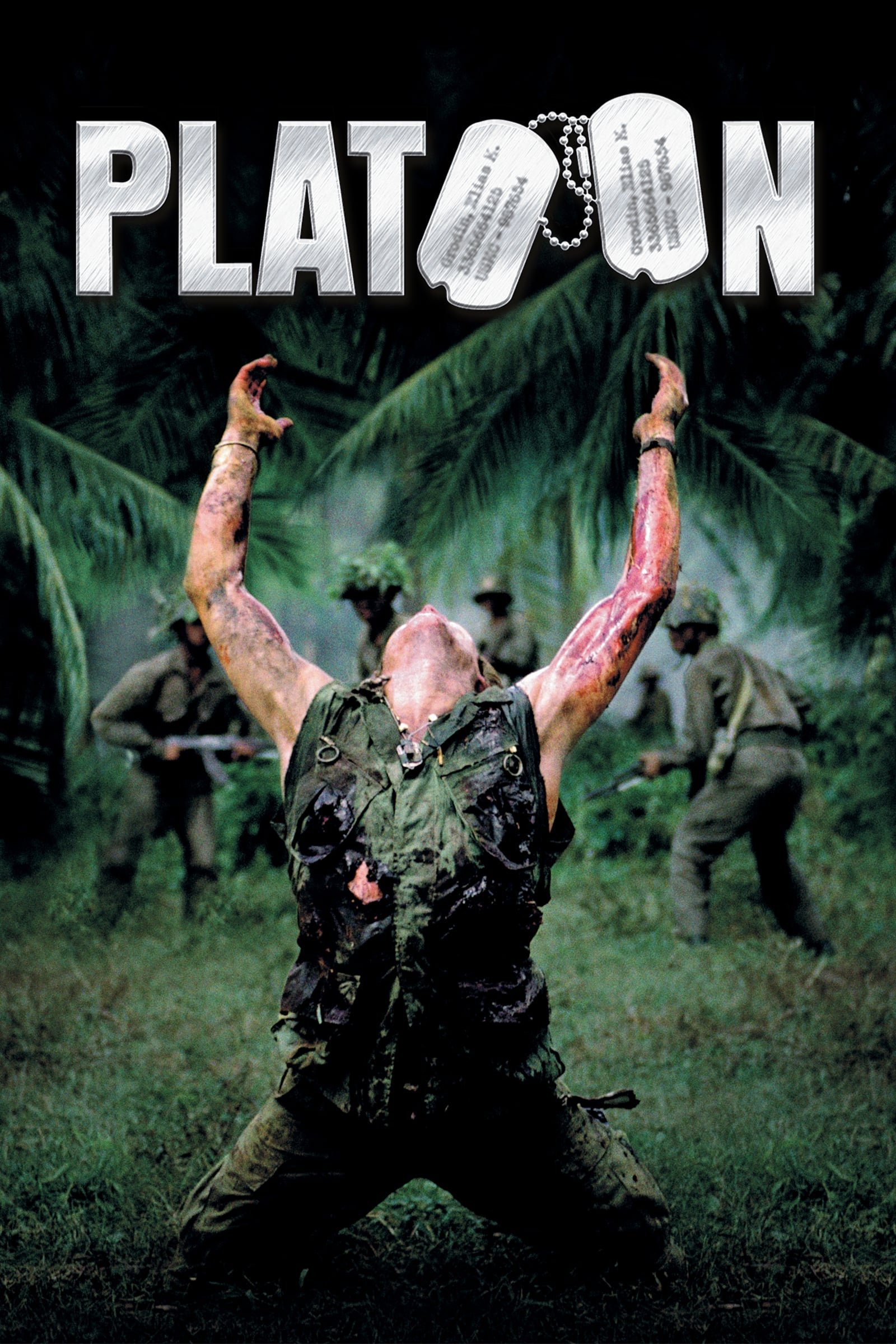
Oliver Stone’s Platoon is a raw and realistic depiction of the Vietnam War, based on the director’s own experiences as an infantryman. The film follows a young American volunteer who finds himself caught between two sergeants with opposing views on the war and morality. It offers a ground-level perspective of the conflict, showing the fear, chaos, and brutality of combat.
The film was critically acclaimed for its unflinching honesty and won the Academy Award for Best Picture. It was one of the first films about the Vietnam War to be made by a veteran of the conflict, and it had a profound impact on how the war was portrayed in cinema. Platoon is a powerful and harrowing film that remains a vital piece of war filmmaking.
Lethal Weapon (1987)
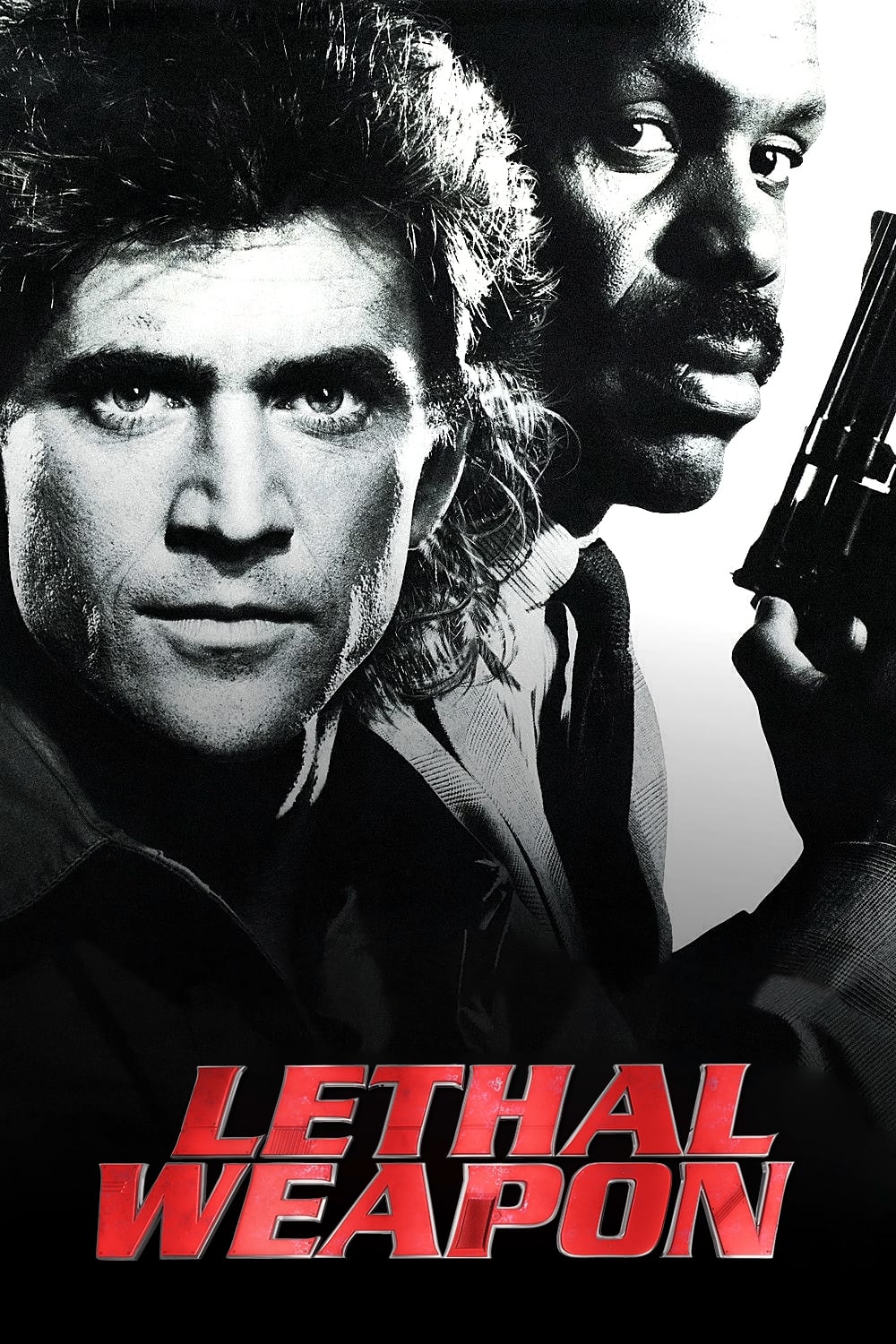
Lethal Weapon is a buddy cop action film that redefined the genre and spawned a successful franchise. The movie pairs a by-the-book veteran detective with a reckless and suicidal younger cop to investigate a murder. The chemistry between stars Mel Gibson and Danny Glover is the heart of the film, providing a perfect balance of humor and drama.
The film’s combination of thrilling action sequences, witty dialogue, and character-driven storytelling was a winning formula that has been imitated many times. Directed by Richard Donner, Lethal Weapon is a stylish and exciting thriller that set a new standard for action comedies.
RoboCop (1987)

Paul Verhoeven’s RoboCop is a satirical and ultraviolent science fiction action film set in a crime-ridden Detroit of the near future. The story follows a police officer who is brutally murdered and then resurrected as a powerful cyborg law enforcement machine. The film is a sharp and funny critique of corporate greed, media saturation, and authoritarianism.
Despite its graphic violence, the film is a smart and subversive satire that has gained a large cult following. Its blend of action, dark humor, and social commentary makes it a unique and enduring classic of the genre. RoboCop is a prime example of a blockbuster with a brain.
The Princess Bride (1987)
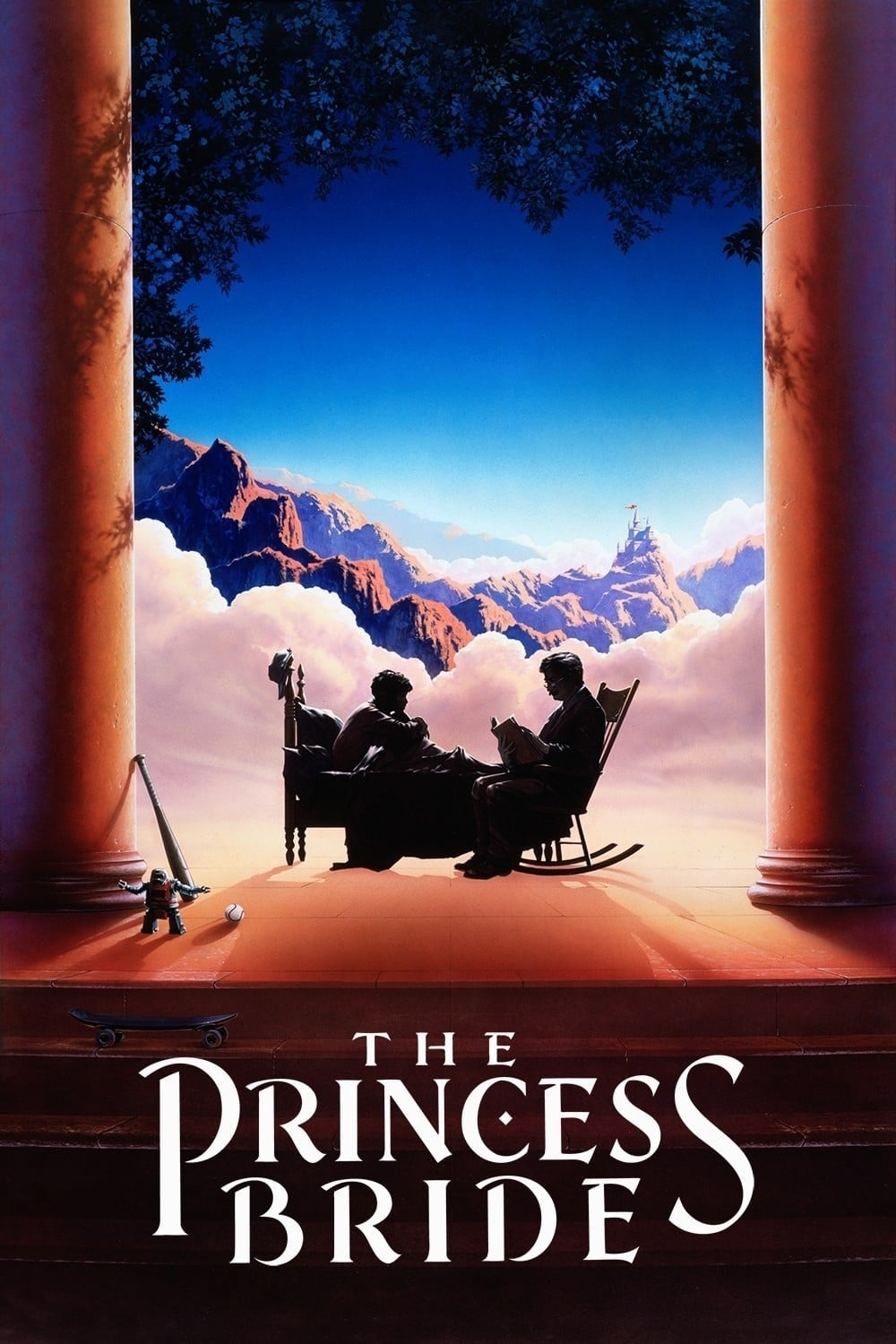
The Princess Bride is a charming and witty fantasy-adventure that has become a beloved cult classic. The film is presented as a story being read by a grandfather to his sick grandson, a framing device that allows it to playfully subvert fairy tale conventions. The story is a swashbuckling romance filled with memorable characters, sword fights, and endlessly quotable dialogue.
Directed by Rob Reiner, the film has a timeless appeal thanks to its perfect blend of adventure, comedy, and romance. It is a smart and funny film that can be enjoyed by both children and adults. The Princess Bride is a heartfelt and hilarious ode to the power of storytelling.
Full Metal Jacket (1987)
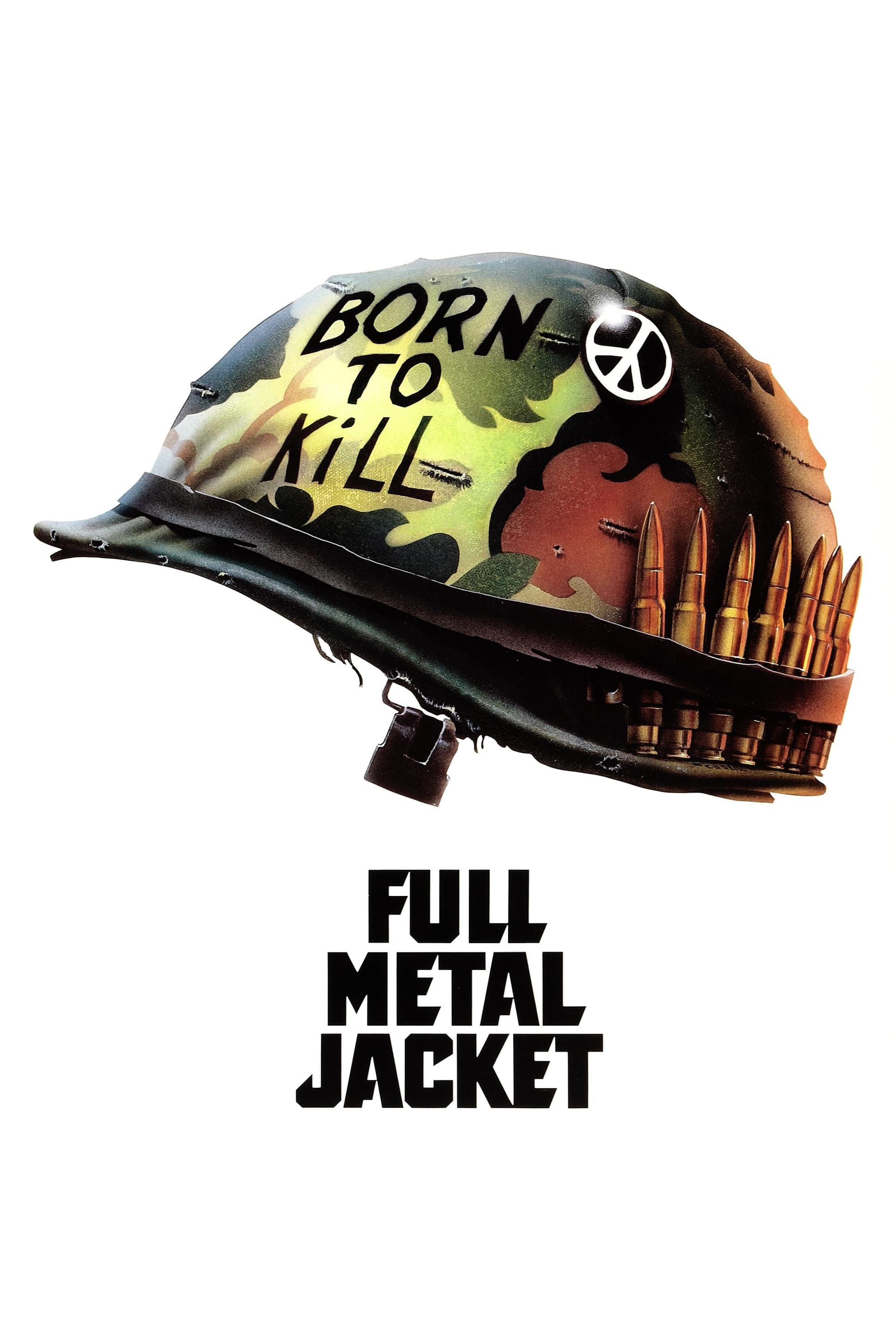
Stanley Kubrick’s Full Metal Jacket is a powerful and unsettling film about the Vietnam War, divided into two distinct halves. The first part takes place in a brutal boot camp, where a sadistic drill sergeant pushes a group of new recruits to their breaking point. The second half follows one of those recruits, now a war correspondent, as he covers the Tet Offensive in Hue.
The film is a chilling examination of how the military dehumanizes soldiers to turn them into killing machines. Its cold, detached style and stark portrayal of the psychological effects of war make it a deeply disturbing experience. Full Metal Jacket is a brilliant and haunting critique of the machinery of war.
Die Hard (1988)
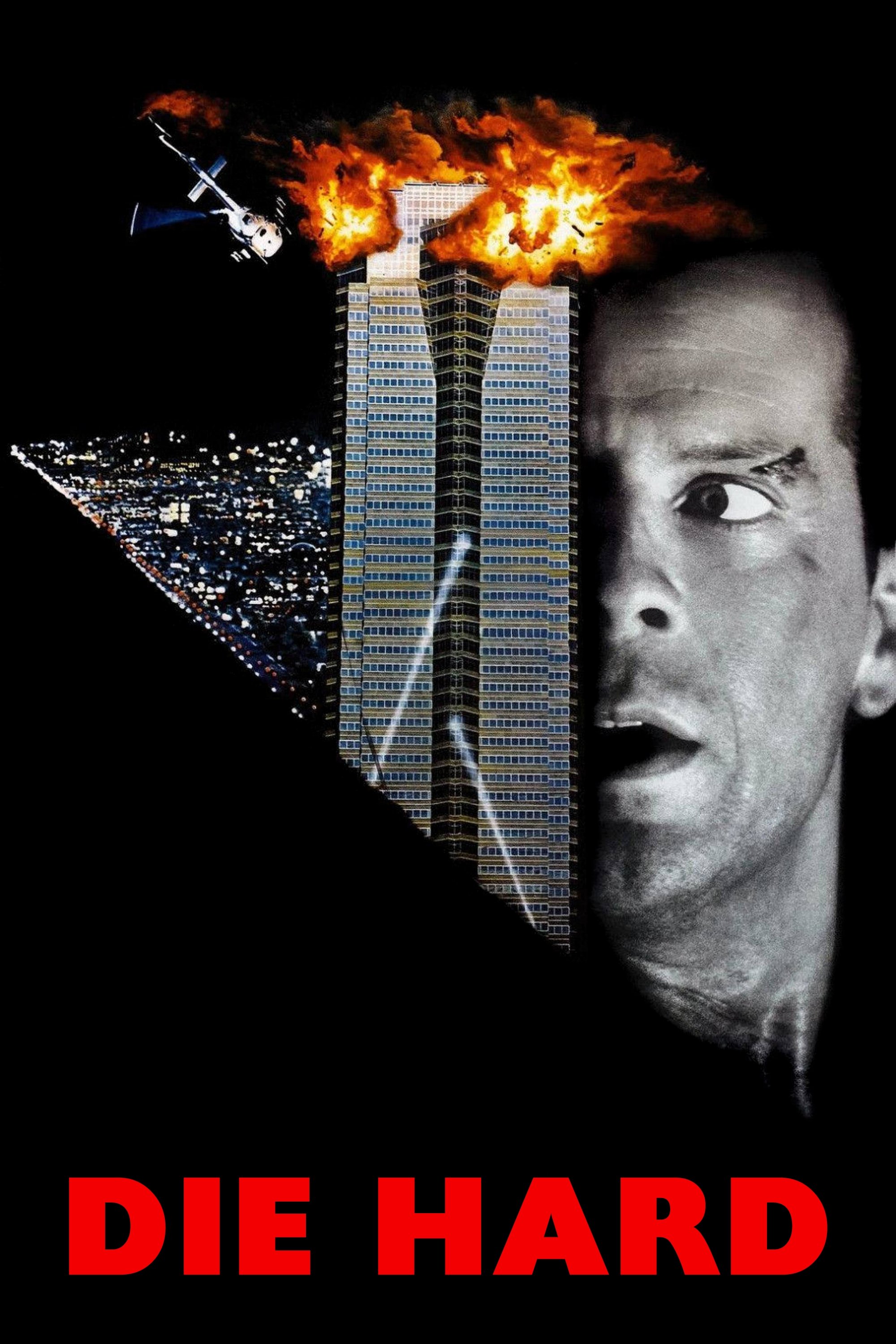
Die Hard is a landmark action film that redefined the genre and made Bruce Willis a global superstar. The movie follows New York City cop John McClane, who finds himself trapped in a Los Angeles skyscraper during a terrorist takeover on Christmas Eve. What sets McClane apart from other action heroes of the era is his vulnerability; he is an ordinary guy in an extraordinary situation who gets tired, hurt, and scared.
The film is a masterclass in suspense and action, with a clever script, a charismatic hero, and a memorable villain. It set the template for a wave of “Die Hard on a…” films that followed. Die Hard is widely regarded as one of the greatest action movies ever made.
Who Framed Roger Rabbit (1988)
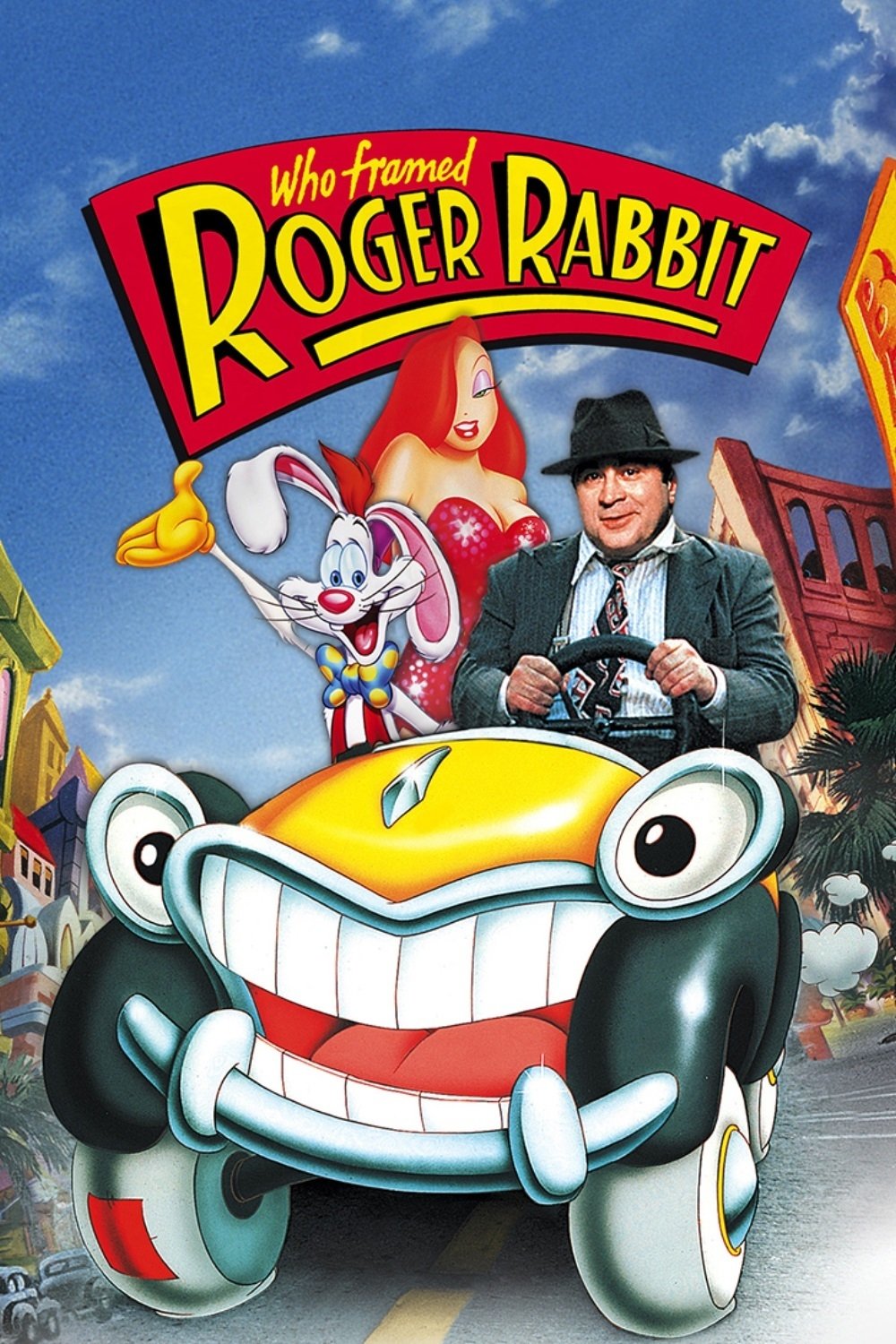
Who Framed Roger Rabbit is a groundbreaking film that seamlessly blends live-action and animation. Set in a 1940s Hollywood where cartoon characters are real, the story follows a private detective who is hired to prove the innocence of a famous “toon” accused of murder. The film is both a hilarious comedy and a loving tribute to the golden age of American animation and film noir.
The technical achievement of integrating animated characters into a live-action world was revolutionary and earned the film several Academy Awards. Its witty script, engaging mystery, and memorable characters make it a classic for all ages. Who Framed Roger Rabbit is a landmark in filmmaking that remains visually impressive and highly entertaining.
Heathers (1988)
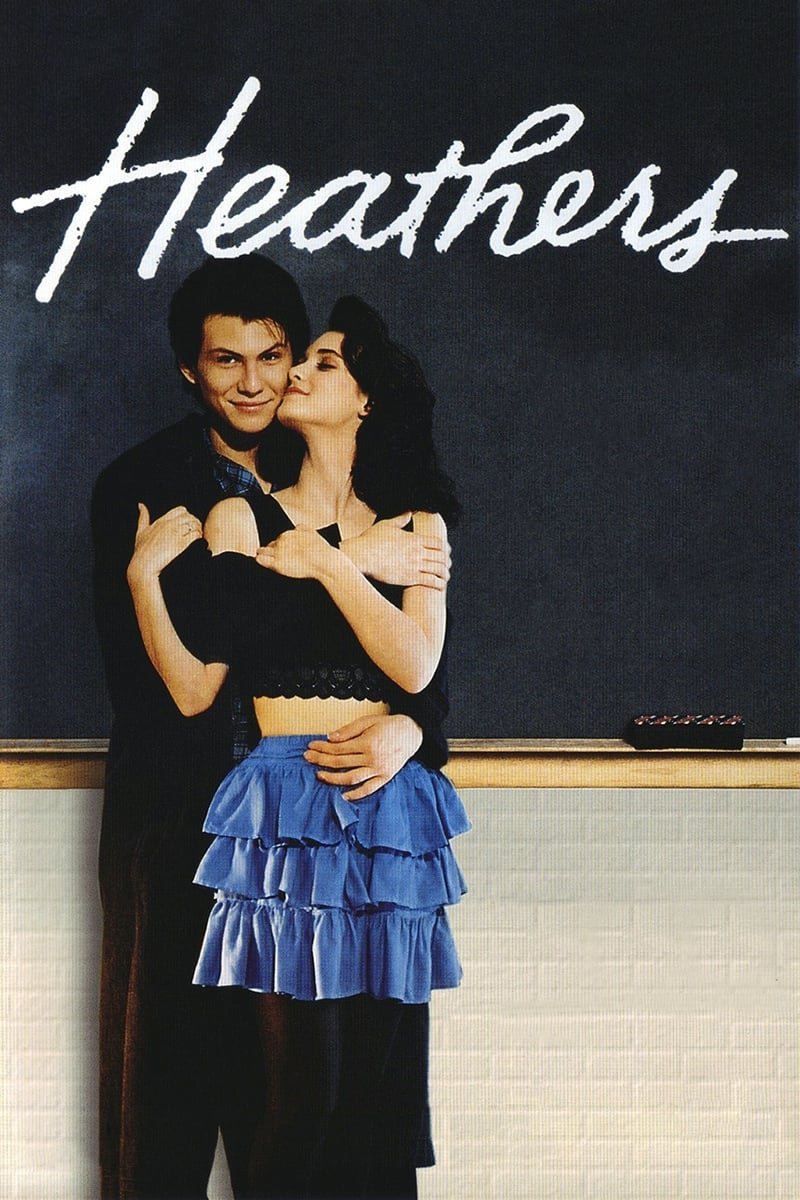
Heathers is a dark and satirical teen comedy that turned the genre on its head. The film follows a high school girl who teams up with a rebellious sociopath to take revenge on the popular clique. What starts as a series of pranks quickly escalates into a string of murders that are passed off as suicides.
The film’s cynical humor and sharp critique of teenage social hierarchies were a stark contrast to the more lighthearted teen films of the era. While it was not a box office success, it has since become a cult classic, celebrated for its witty and quotable dialogue. Heathers is a bold and subversive film that remains influential.
Grave of the Fireflies (1988)
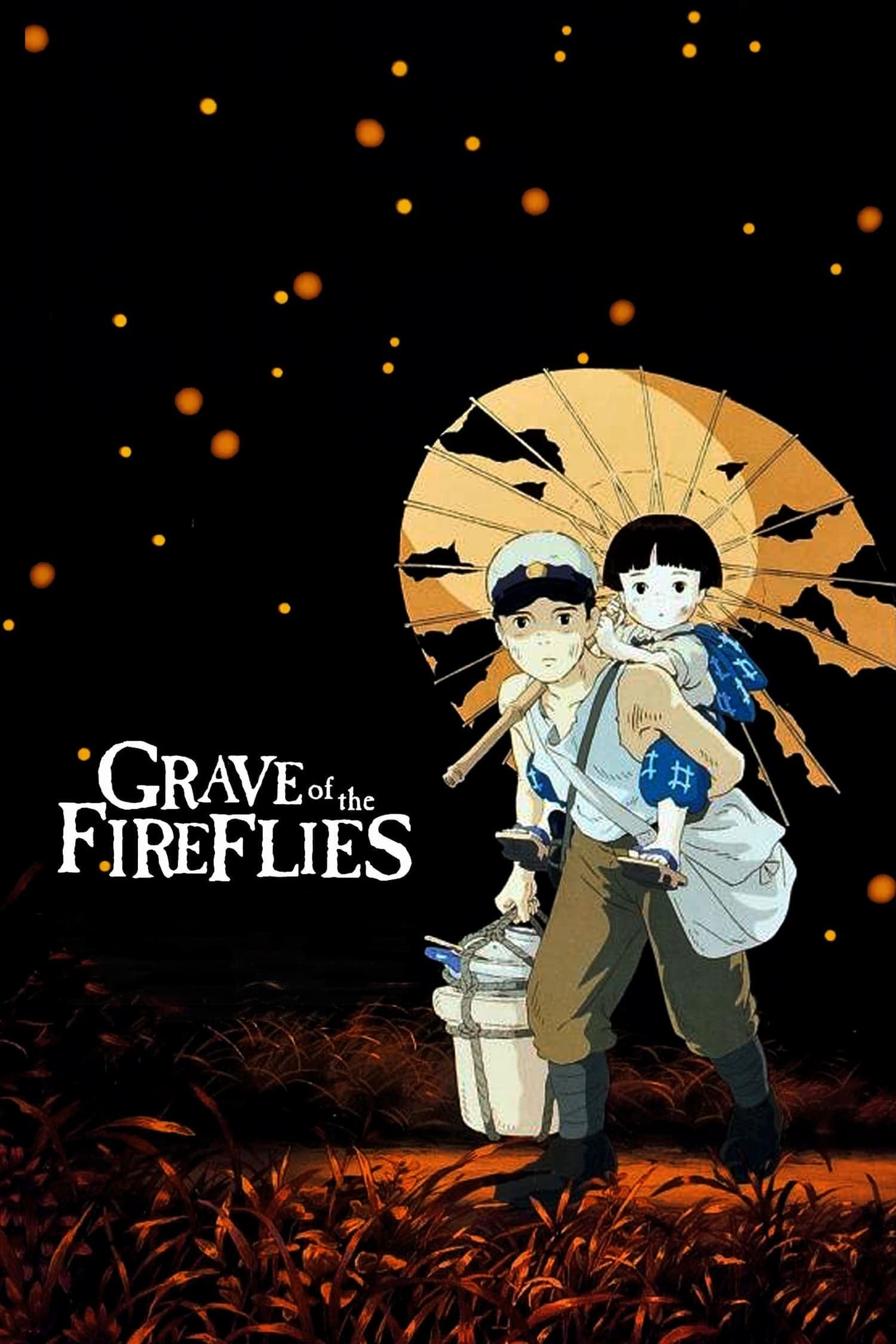
Grave of the Fireflies is a powerful and heartbreaking animated film from Studio Ghibli that tells the story of two young siblings struggling to survive in Japan during the final months of World War II. The film is a devastating portrayal of the human cost of war, showing the innocent victims who are often forgotten in grand historical narratives.
Directed by Isao Takahata, the film is a masterpiece of animation, with beautiful and haunting imagery. It is a deeply moving and emotionally shattering experience that has been hailed by critics as one of the greatest anti-war films ever made. Grave of the Fireflies is a testament to the power of animation to tell profound and adult stories.
Cinema Paradiso (1988)

Cinema Paradiso is a nostalgic and heartfelt love letter to the magic of movies. The film tells the story of a successful filmmaker who recalls his childhood in a small Italian village, where he developed a lifelong passion for cinema at the local movie theater. It is a celebration of the communal experience of watching films and the way they shape our lives.
The film won the Academy Award for Best Foreign Language Film and is beloved for its warmth, humor, and emotional depth. Its beautiful score and touching story have made it a classic of world cinema. Cinema Paradiso is a poignant and unforgettable film for anyone who has ever fallen in love with the silver screen.
Rain Man (1988)
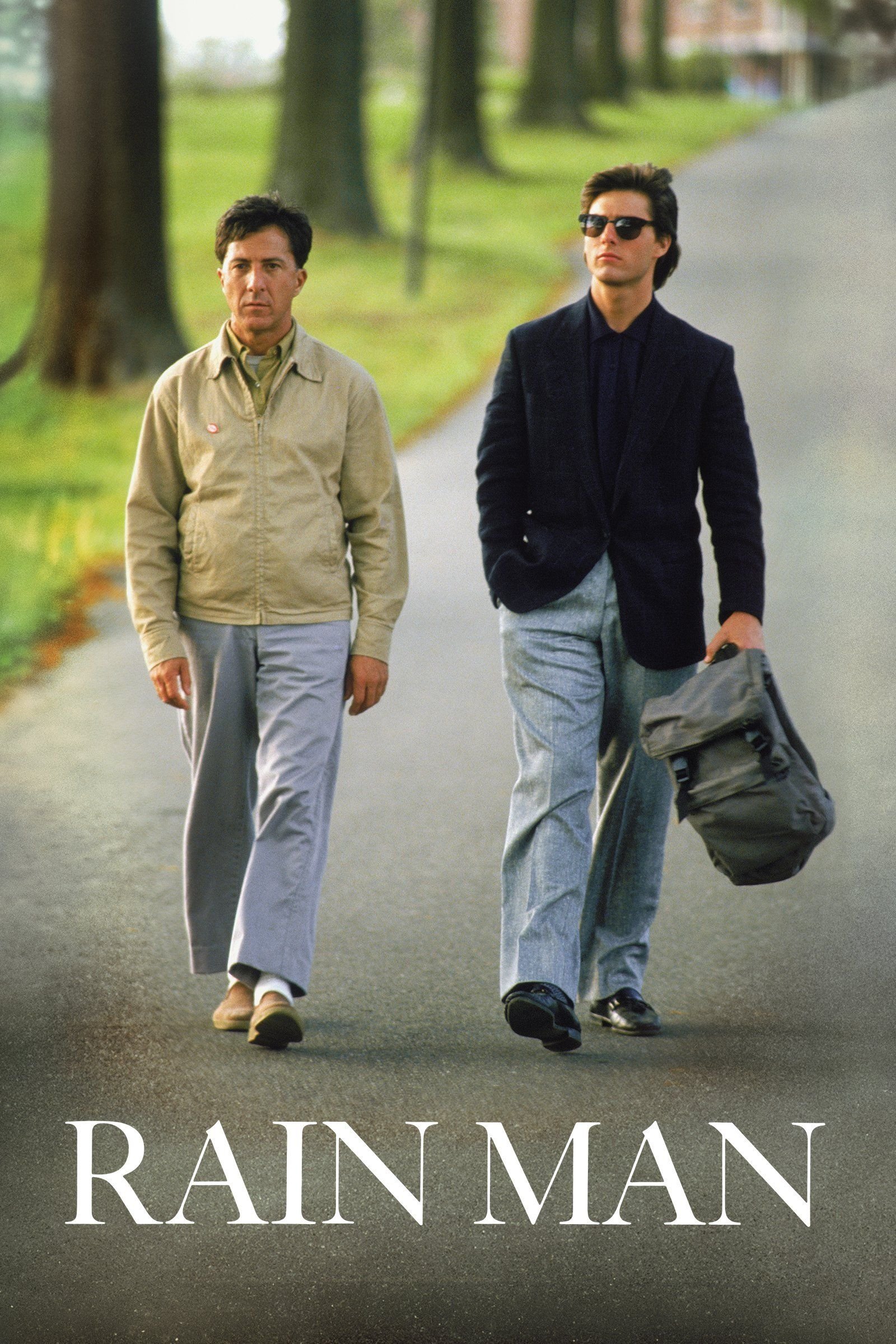
Rain Man is a critically acclaimed road drama that won four Academy Awards, including Best Picture. The film follows a selfish young man who discovers he has an older autistic savant brother and “kidnaps” him in an attempt to get their late father’s fortune. As they travel across the country, the two brothers slowly form a bond.
Dustin Hoffman’s performance as the autistic savant Raymond Babbitt is one of the most celebrated in film history, earning him an Oscar for Best Actor. The film was praised for its sensitive portrayal of autism and for its touching story of family and connection. Rain Man is a powerful and moving film that had a significant cultural impact.
Do the Right Thing (1989)
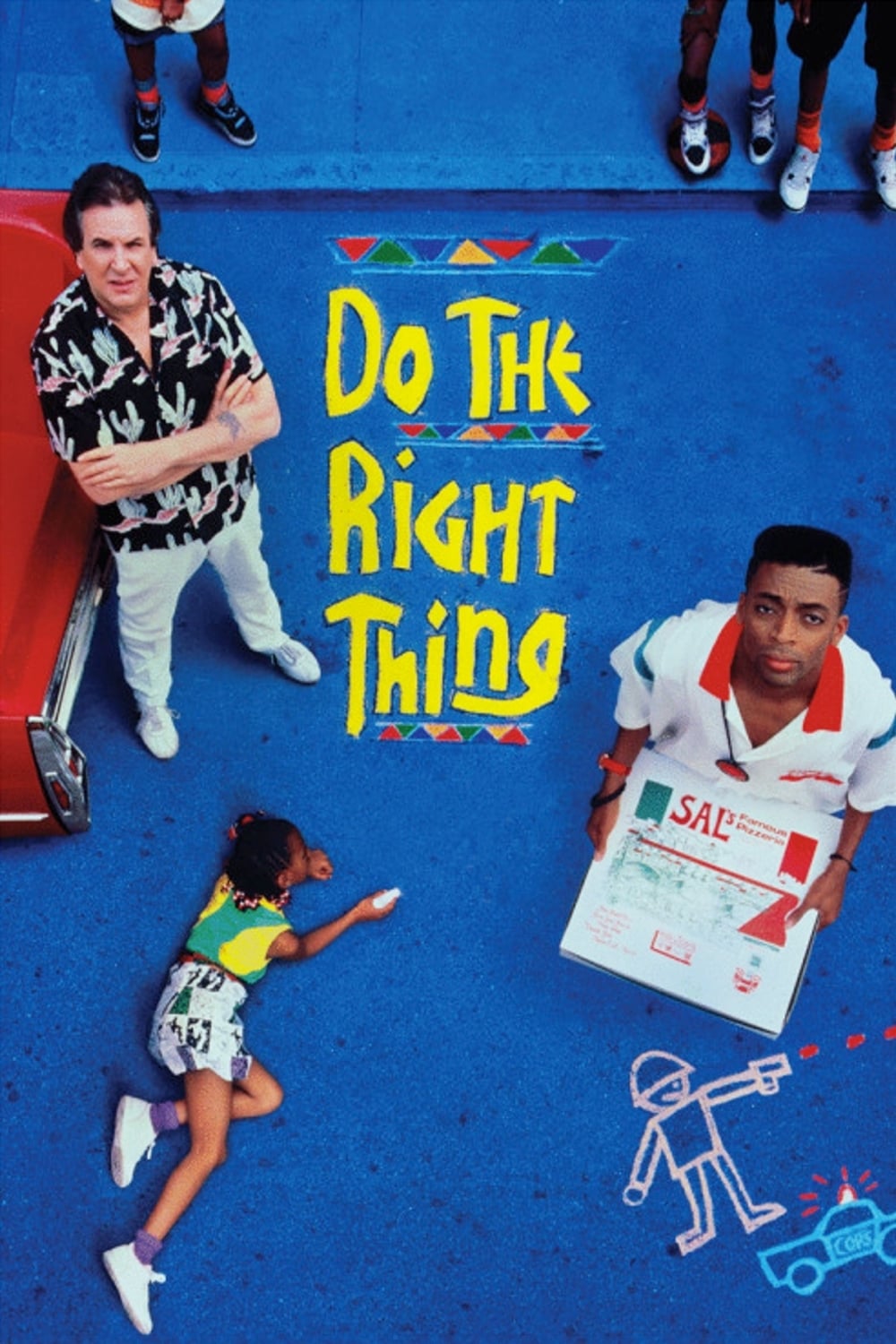
Spike Lee’s Do the Right Thing is a powerful and provocative film that explores racial tensions in a Brooklyn neighborhood on the hottest day of the summer. The film’s vibrant visual style, memorable characters, and eclectic soundtrack create a vivid portrait of a community on the brink of explosion. The story culminates in a tragic and ambiguous act of violence that forces the characters and the audience to confront difficult questions about race, anger, and justice.
The film was and remains a potent and relevant social commentary. Its bold storytelling and unapologetic examination of racism in America have made it a landmark in independent cinema. Do the Right Thing is a masterpiece that continues to spark conversation and debate.
Batman (1989)
Tim Burton’s Batman brought a dark and atmospheric take on the iconic superhero to the big screen, a stark contrast to the campy 1960s TV series. The film’s gothic production design and Danny Elfman’s powerful score created a moody and immersive Gotham City. Michael Keaton’s portrayal of a brooding and complex Batman was complemented by Jack Nicholson’s scenery-chewing performance as the Joker.
The film was a massive box office success and a cultural phenomenon, launching a new era of superhero movies. It proved that comic book adaptations could be taken seriously as dark and artistic films. Batman was a game-changer that had a lasting influence on the genre.
When Harry Met Sally… (1989)

When Harry Met Sally… is a classic romantic comedy that asks the question: “Can men and women ever just be friends?” The film follows the title characters over twelve years of chance encounters, chronicling their evolving relationship from contentious acquaintances to close friends and, eventually, something more. The witty and insightful screenplay by Nora Ephron is filled with sharp observations about modern relationships.
The chemistry between stars Billy Crystal and Meg Ryan is undeniable, and their performances are both funny and touching. The film is famous for its clever structure, quotable dialogue, and, of course, the iconic deli scene. When Harry Met Sally… is a smart and charming film that set a new standard for the romantic comedy genre.
The Shining (1980)
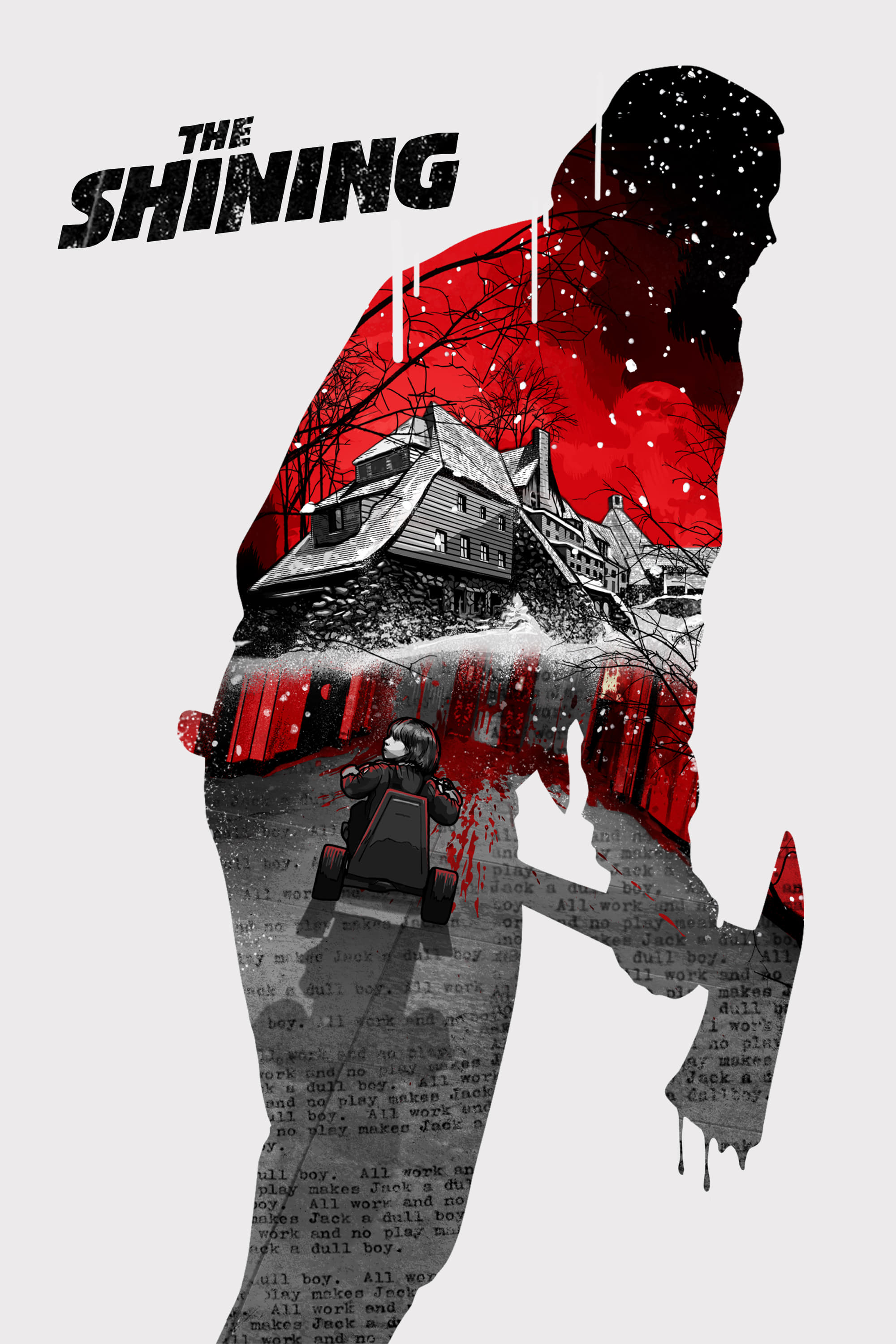
Stanley Kubrick’s adaptation of Stephen King’s novel, The Shining, is a masterpiece of psychological horror. The film follows Jack Torrance, a writer who takes a job as the winter caretaker at the isolated Overlook Hotel, bringing his wife and young son with him. As the hotel’s dark past begins to influence Jack, he descends into madness, threatening his family. The film’s unsettling atmosphere, ambiguous narrative, and iconic imagery have made it a subject of endless analysis and debate.
Kubrick’s meticulous direction creates a palpable sense of dread that slowly builds to a terrifying climax. Jack Nicholson’s unhinged performance is one of the most memorable in horror history. The Shining is a chilling and complex exploration of isolation, madness, and the supernatural that has terrified audiences for decades.
Airplane! (1980)
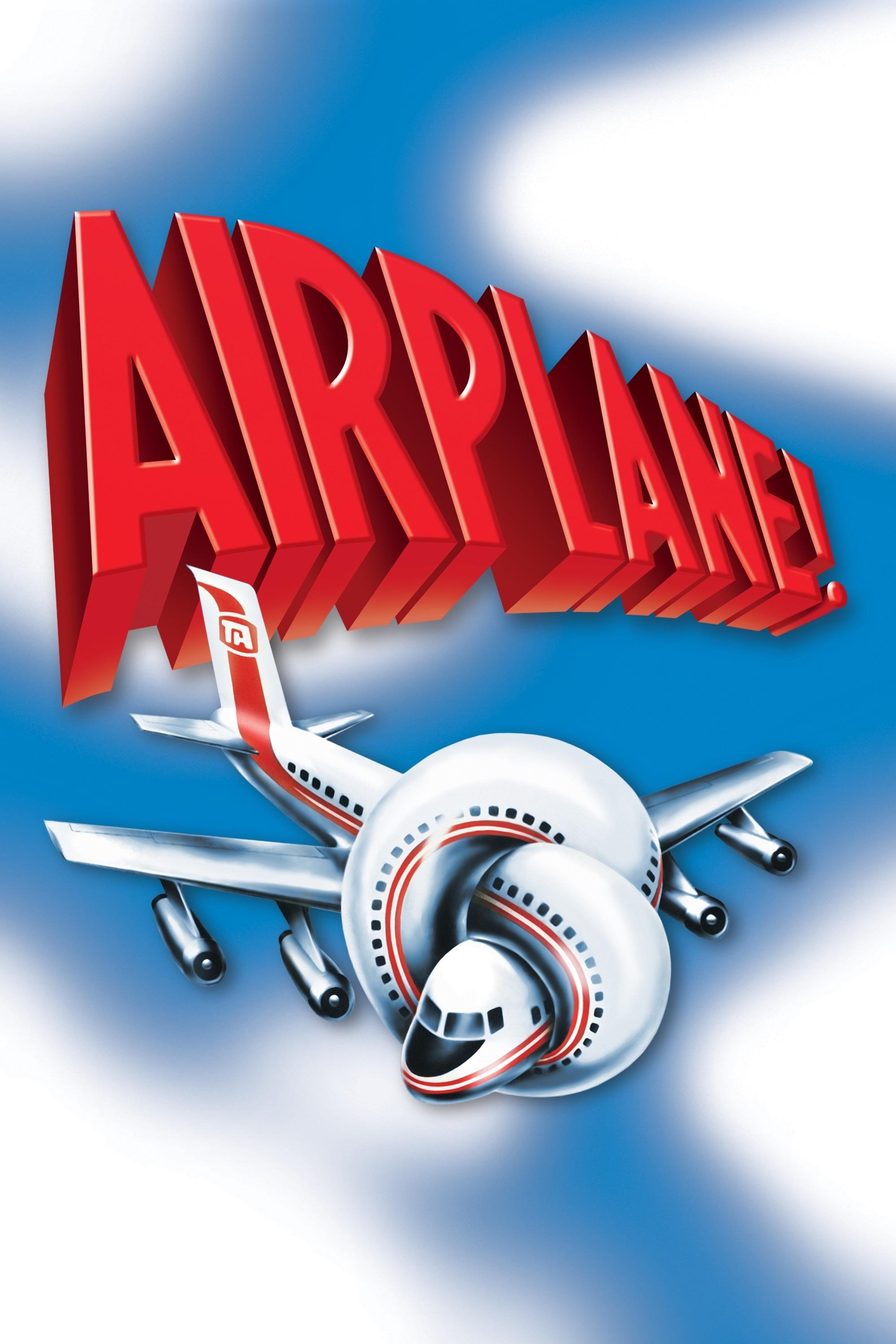
Airplane! is a landmark parody film that satirizes the disaster movie genre with a relentless barrage of slapstick, puns, and surreal humor. The story follows a former fighter pilot with a fear of flying who must safely land a passenger plane after the crew becomes ill. The film’s deadpan delivery of absurd dialogue and its non-stop sight gags create a uniquely hilarious experience.
The film was a huge commercial success and is widely regarded as one of the funniest movies ever made. Its influence can be seen in countless comedies that followed. Airplane! is a masterclass in parody that remains as gut-bustingly funny today as it was upon its release.
An American Werewolf in London (1981)
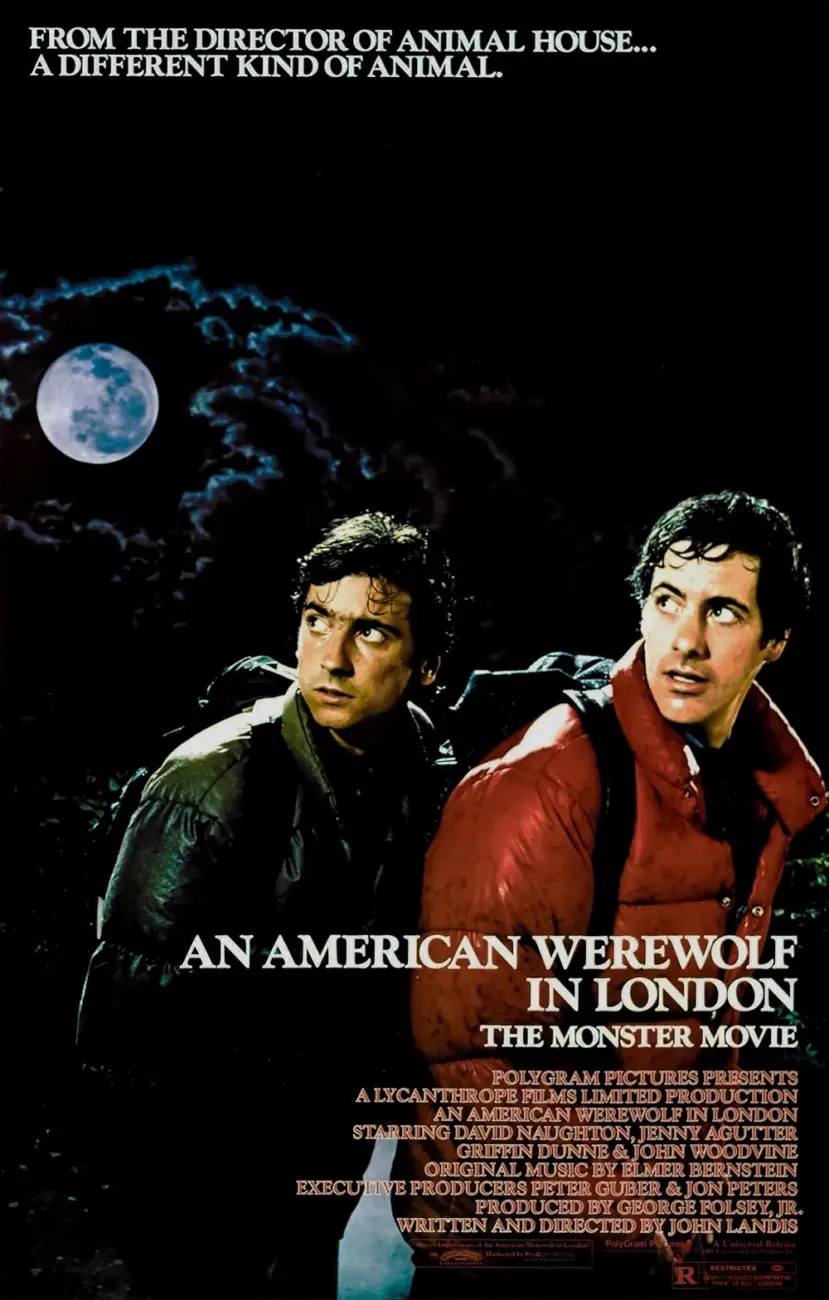
John Landis’s An American Werewolf in London is a brilliant blend of horror and comedy that tells the story of two American backpackers who are attacked by a werewolf on the English moors. One is killed, and the other survives, only to be haunted by his dead friend and the realization that he will become a werewolf at the next full moon. The film is famous for its groundbreaking and Oscar-winning makeup effects, which created one of the most terrifying and convincing werewolf transformations ever put on screen.
The film’s sharp tonal shifts between genuine scares and dark humor were revolutionary for the genre. It is both a scary horror film and a witty, self-aware comedy. An American Werewolf in London is a classic of the genre that has had a lasting influence on horror-comedies.
Das Boot (1981)
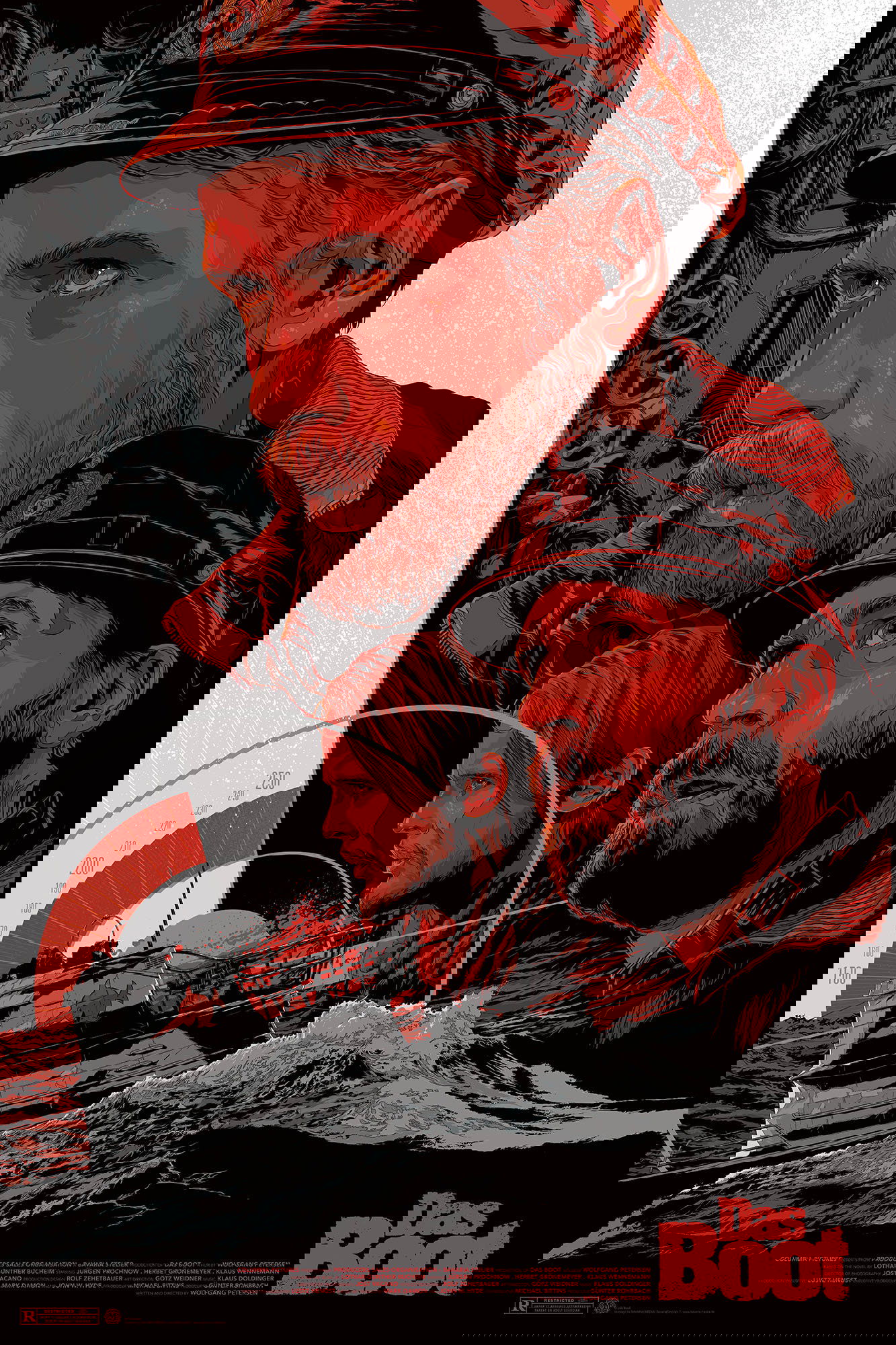
Das Boot is a German war film that offers a claustrophobic and intensely realistic look at life aboard a U-boat during World War II. The film follows the crew as they endure the boredom, filth, and sheer terror of underwater warfare. Director Wolfgang Petersen masterfully creates a sense of confinement and constant danger, putting the audience right in the submarine with the characters.
The film is renowned for its authenticity and its focus on the human experience of war, rather than glorifying combat. It is a gripping and suspenseful thriller that shows the psychological toll of being trapped in a metal tube deep beneath the ocean. Das Boot is a powerful anti-war statement and one of the greatest submarine films ever made.
Poltergeist (1982)
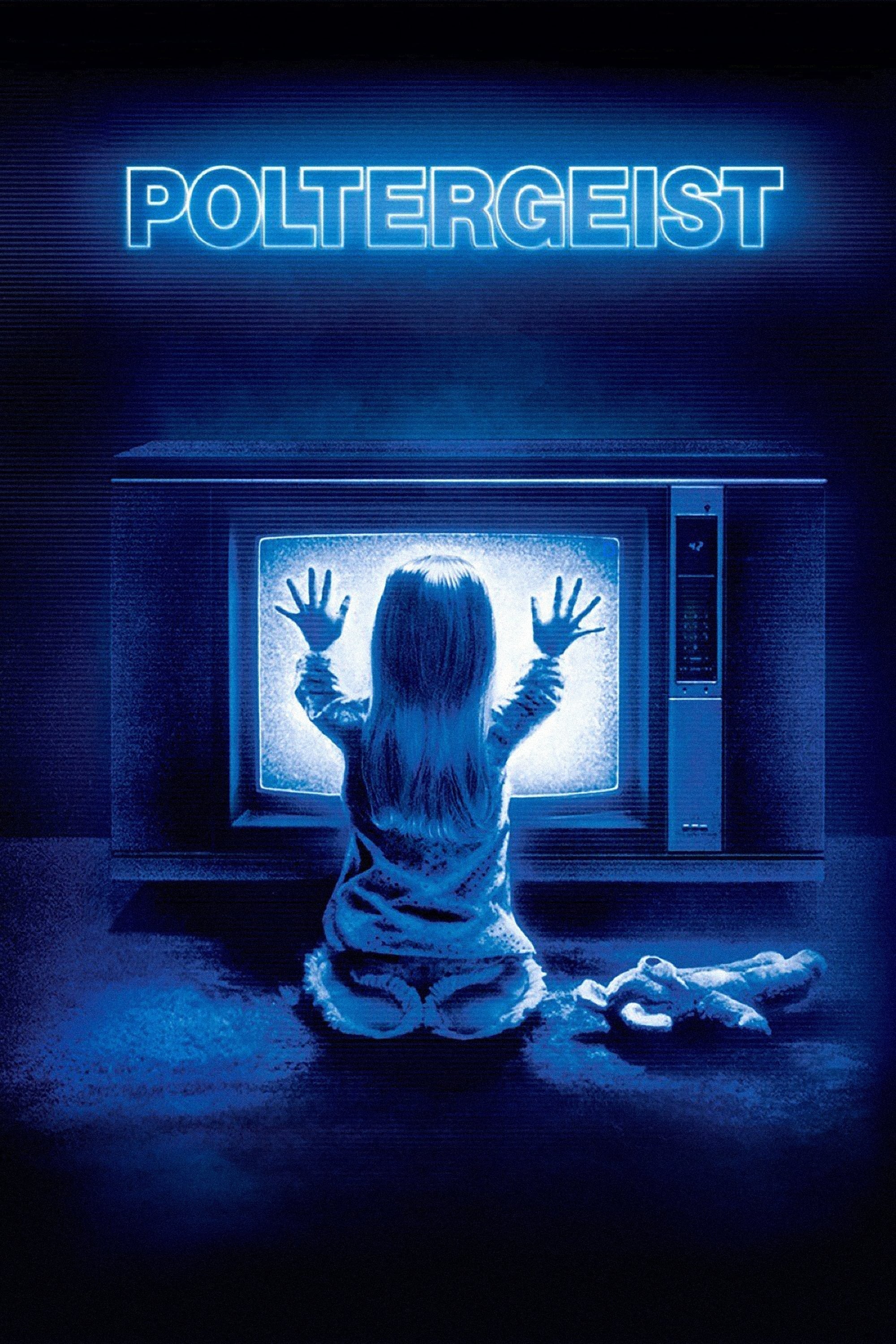
Produced by Steven Spielberg and directed by Tobe Hooper, Poltergeist is a classic supernatural horror film that brings ghosts into the American suburbs. The story follows a typical family whose home is invaded by malevolent spirits that abduct their youngest daughter. The film taps into primal fears about the safety of the home and the vulnerability of children.
Poltergeist is known for its impressive special effects and its ability to blend moments of awe and wonder with genuine terror. It is a rollercoaster of a horror film that has had a lasting impact on the genre. The film’s “they’re here” line has become an iconic piece of horror movie history.
The King of Comedy (1982)
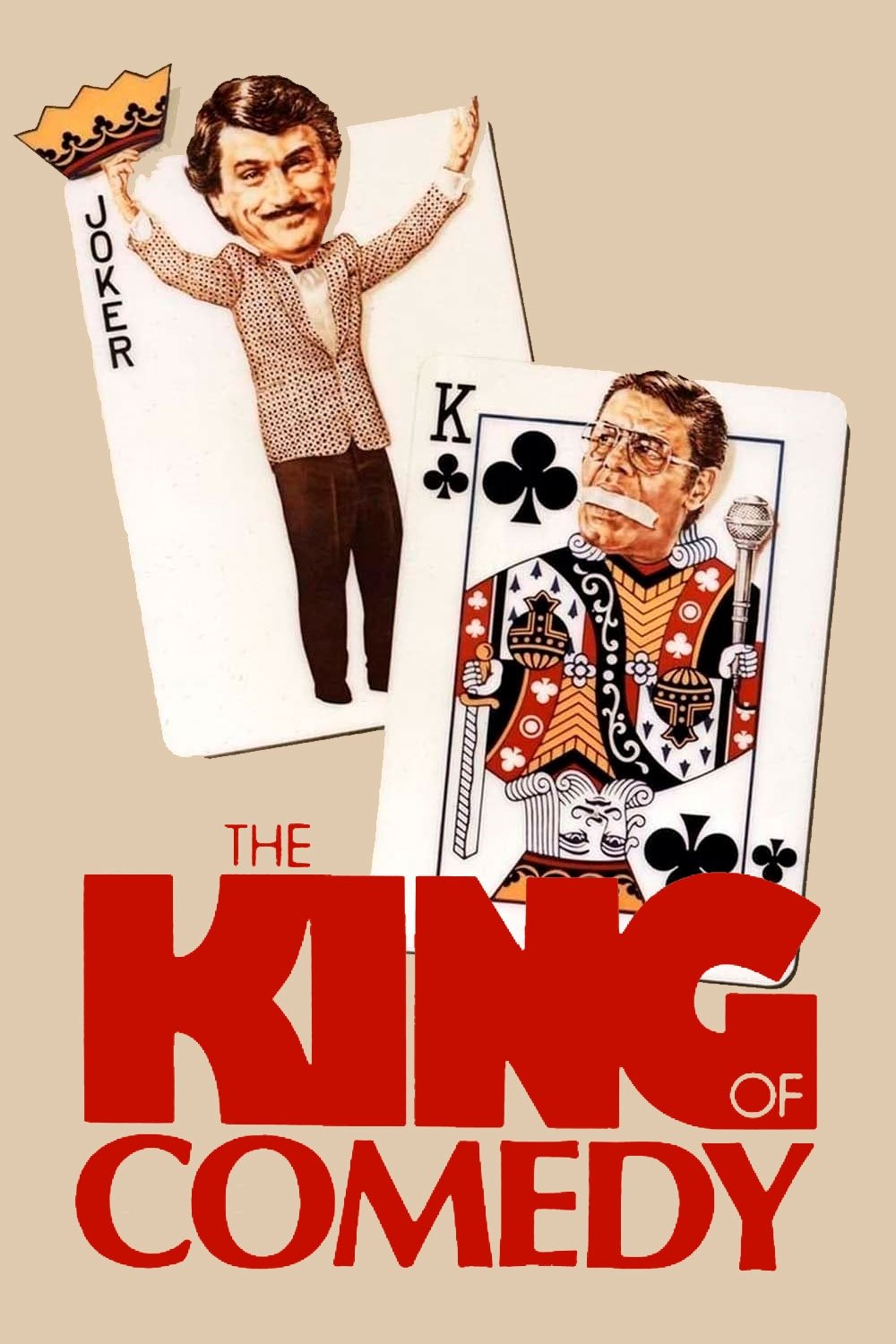
Martin Scorsese’s The King of Comedy is a dark and unsettling satire about celebrity worship and the desperate pursuit of fame. Robert De Niro plays Rupert Pupkin, an aspiring and delusional stand-up comedian who kidnaps his idol, a late-night talk show host, in order to get his big break. The film is a cringe-inducing character study that was years ahead of its time in its exploration of toxic fandom.
While it was a box office failure upon its release, the film has since been recognized as a masterpiece and one of Scorsese’s best works. Its prescient commentary on media and celebrity culture is more relevant today than ever. The King of Comedy is a brilliant and unnerving film that will stay with you long after it’s over.
This Is Spinal Tap (1984)
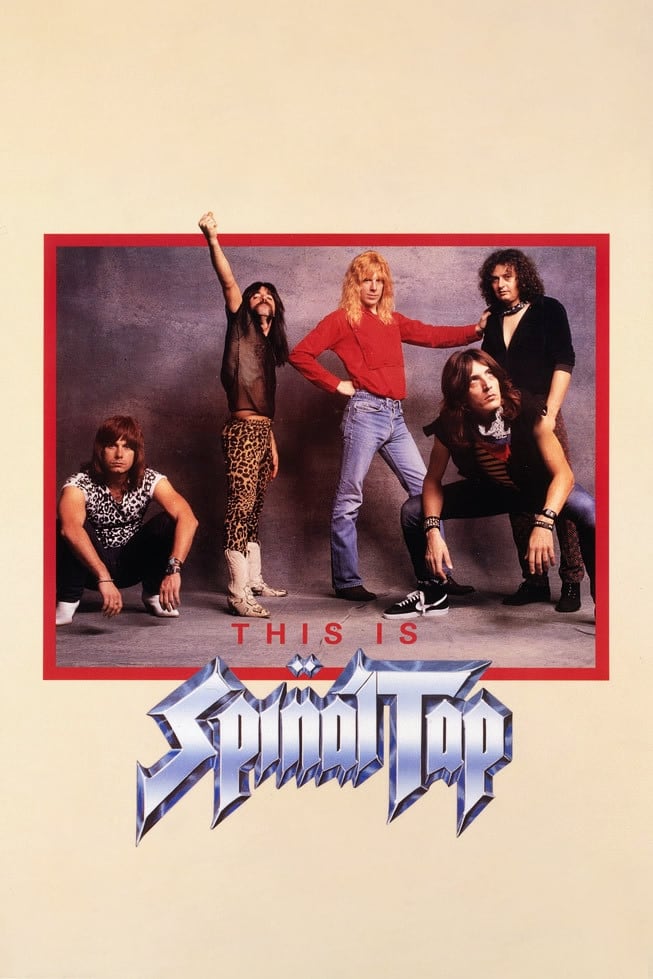
This Is Spinal Tap is a mockumentary that hilariously satirizes the world of rock and roll. The film follows a fictional British heavy metal band on their disastrous American tour. Directed by Rob Reiner, the film is largely improvised, which gives it a remarkably authentic feel. It pokes fun at rock star egos, pretentious lyrics, and the absurdities of life on the road.
The film was so convincing that many people initially thought Spinal Tap was a real band. It has since become a cult classic, beloved for its endlessly quotable lines and its spot-on parody of rock music clichés. This Is Spinal Tap created a new genre of comedy and remains the gold standard for mockumentaries.
Once Upon a Time in America (1984)
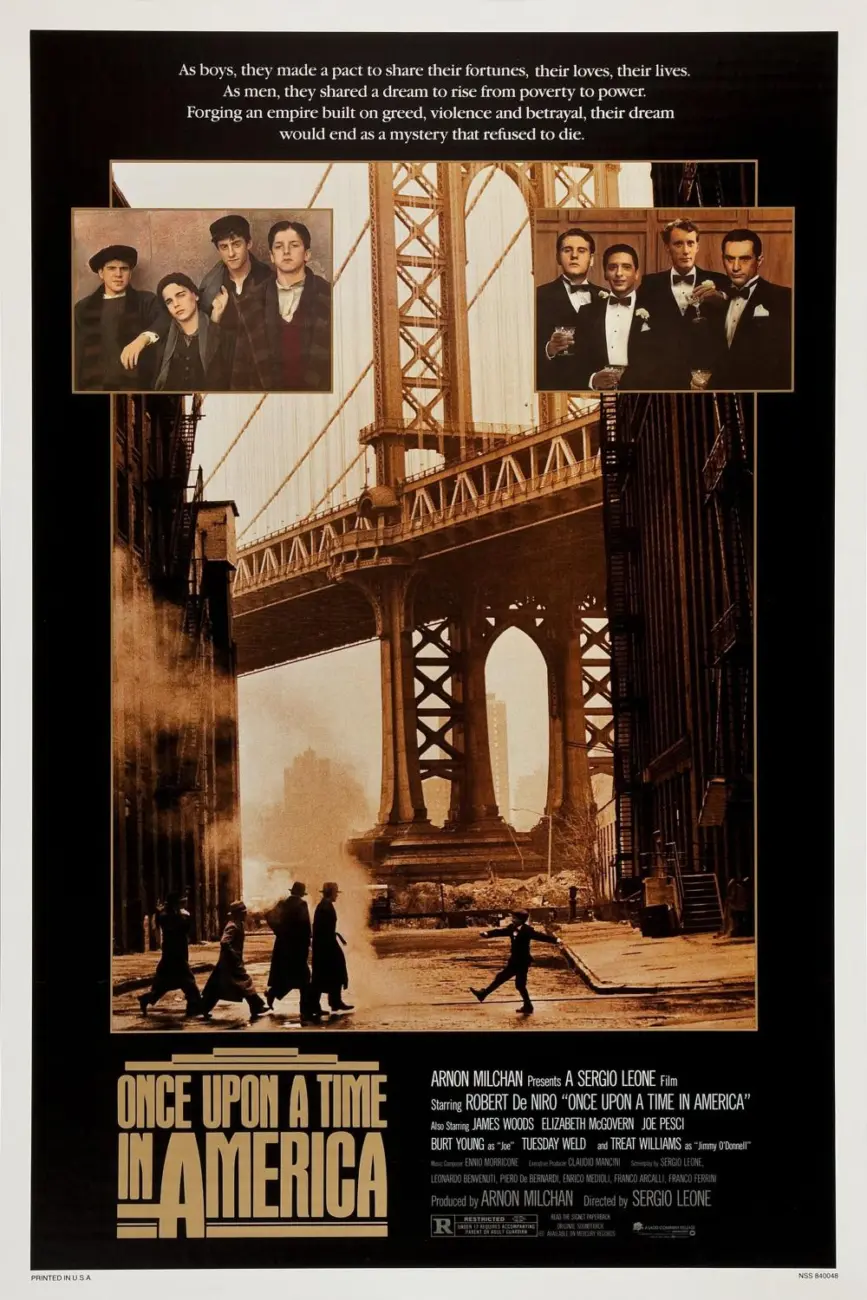
Sergio Leone’s final film, Once Upon a Time in America, is a sprawling and epic crime drama that spans several decades in the lives of a group of Jewish gangsters from New York City. The film is a meditative and melancholic exploration of friendship, betrayal, and the passage of time. Its non-linear structure, dreamlike atmosphere, and Ennio Morricone’s haunting score create a powerful and immersive experience.
The film was notoriously recut for its American release, but Leone’s original, longer version is now considered a masterpiece. It is a complex and ambitious film that rewards patient viewing. Once Upon a Time in America is a beautiful and tragic gangster epic from one of cinema’s greatest directors.
Blue Velvet (1986)

David Lynch’s Blue Velvet is a surreal and disturbing mystery film that explores the dark underbelly of a seemingly idyllic American town. The film begins when a college student discovers a severed human ear in a field, which leads him into a dangerous and perverse world of crime and corruption. The film is a prime example of Lynch’s unique and unsettling filmmaking style, blending dream logic, noir conventions, and moments of shocking violence.
The film was highly controversial upon its release but is now considered a landmark of 1980s cinema. It is a powerful and provocative film that challenges audiences to look beneath the surface of polite society. Blue Velvet is a strange and unforgettable journey into the heart of darkness.
Stand by Me (1986)
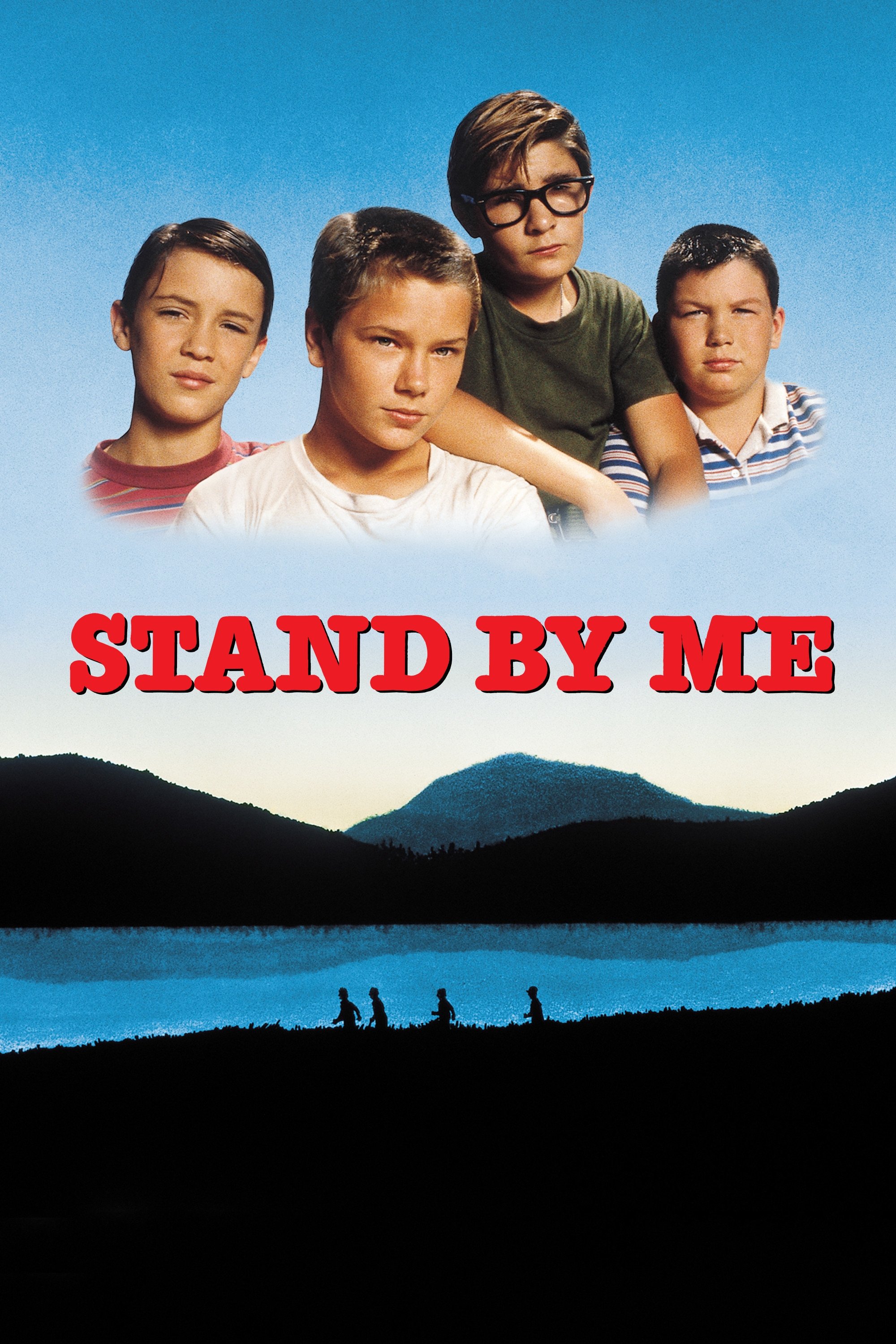
Based on a novella by Stephen King, Stand by Me is a timeless coming-of-age story about four young boys who set out on a journey to find the body of a missing teenager. The film is a nostalgic and poignant look at the friendships of childhood and the loss of innocence. Directed by Rob Reiner, the film perfectly captures the feeling of being on the cusp of adulthood.
The film is celebrated for its excellent performances from its young cast, its witty and authentic dialogue, and its heartfelt story. It is a touching and funny film that resonates with anyone who has ever had a close group of friends. Stand by Me is a classic tale of friendship, adventure, and growing up.
The Untouchables (1987)
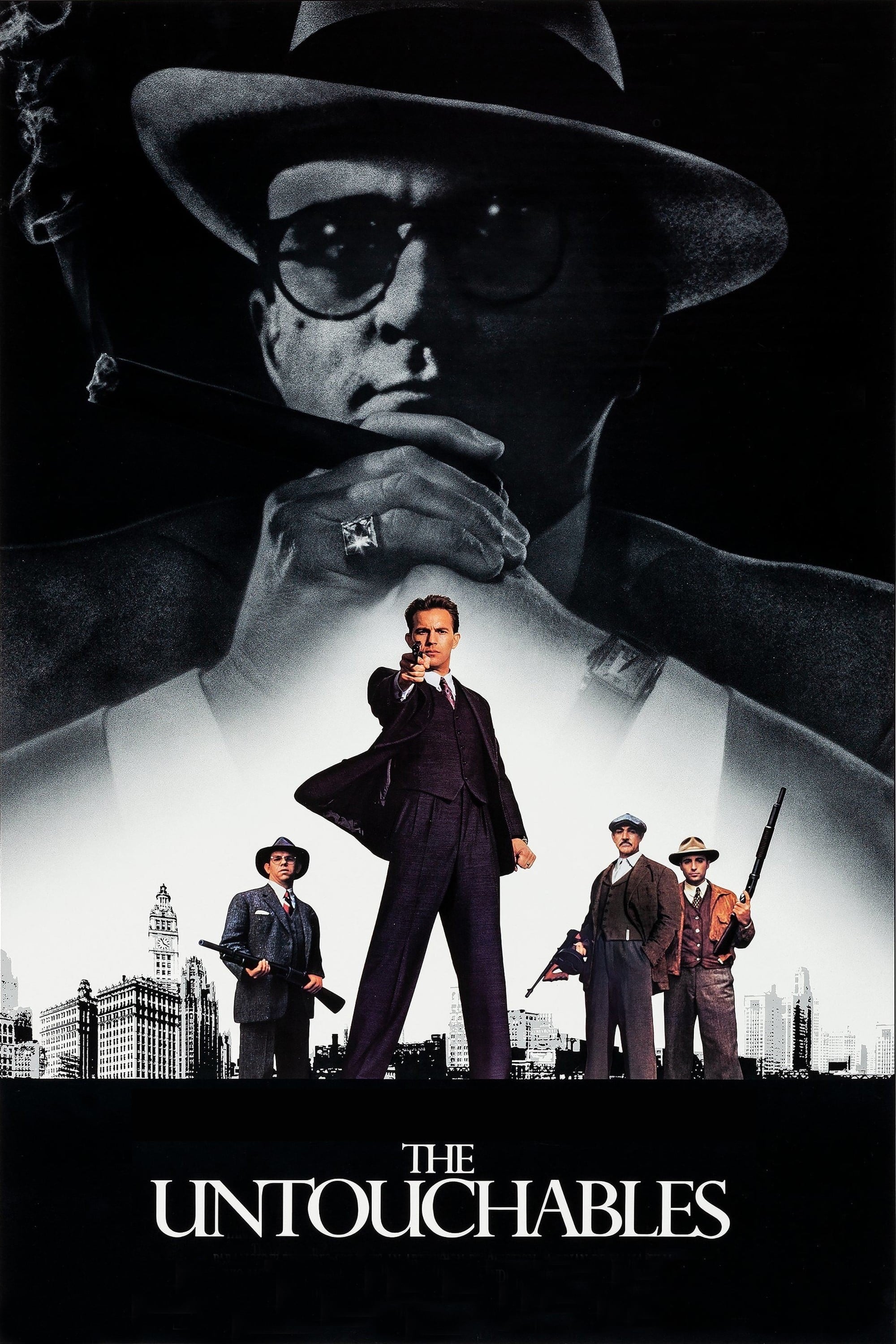
Brian De Palma’s The Untouchables is a stylish and exciting crime drama about federal agent Eliot Ness’s quest to bring down notorious gangster Al Capone in Prohibition-era Chicago. The film is a classic good versus evil story, featuring a star-studded cast, a sharp script by David Mamet, and a powerful score by Ennio Morricone.
The film is known for its memorable set pieces, including the famous shootout on the steps of Union Station, which is a homage to the silent film Battleship Potemkin. Sean Connery won an Academy Award for his role as a tough Irish-American cop who teaches Ness how to fight the mob. The Untouchables is a masterful piece of gangster filmmaking.
Wall Street (1987)
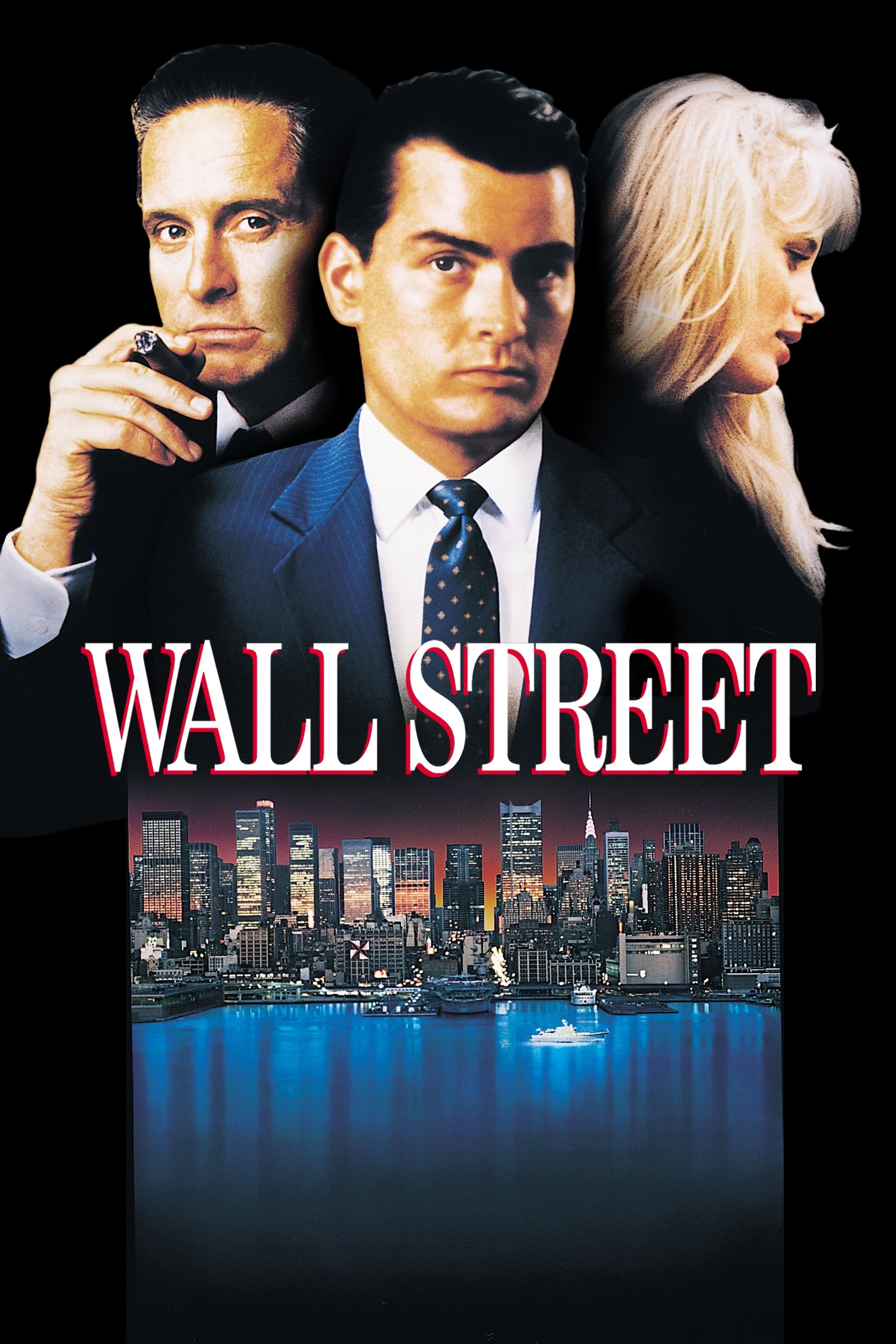
Oliver Stone’s Wall Street is a gripping drama that defined the excesses of the 1980s. The film follows a young and ambitious stockbroker who is seduced by the world of corporate raider Gordon Gekko, a ruthless and charismatic player who lives by the motto “Greed is good.” The film is a cautionary tale about the corrupting influence of wealth and power.
Michael Douglas won an Academy Award for his iconic performance as Gekko, a character who became a symbol of ’80s corporate greed. The film provided a fascinating and critical look at the world of high finance. Wall Street is a powerful and prescient film that captured the zeitgeist of its era.
Akira (1988)
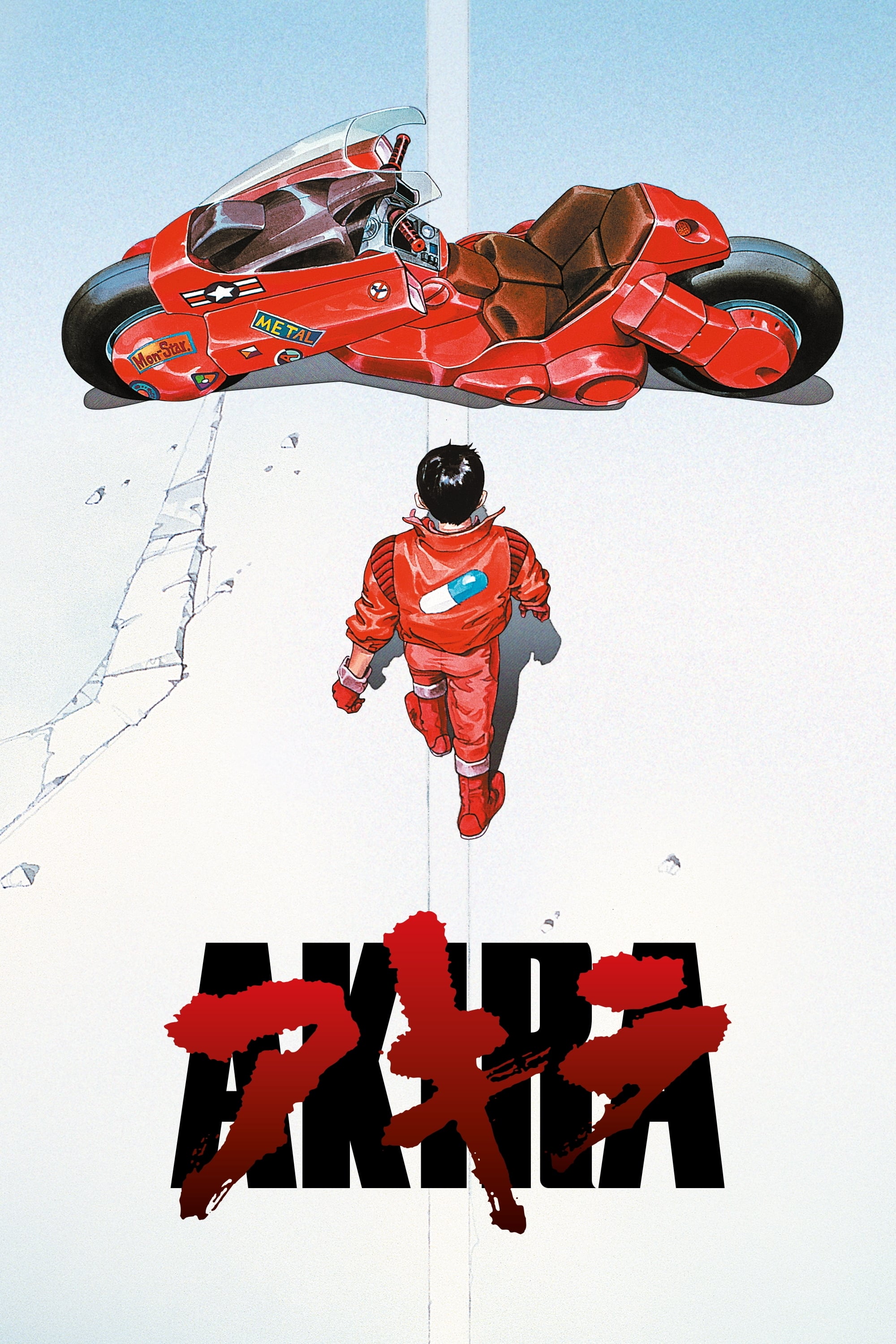
Akira is a landmark Japanese animated film that had a profound impact on a global audience. Set in a post-apocalyptic Neo-Tokyo, the film tells the story of a biker gang member who acquires incredible telekinetic powers, threatening to unleash a catastrophe. The film is a stunning visual achievement, with detailed animation and spectacular action sequences.
The film’s complex narrative, mature themes, and cyberpunk aesthetic were revolutionary for animation and helped to popularize anime in the West. It is a powerful and visceral film that explores themes of power, corruption, and societal collapse. Akira is a masterpiece of the genre and a milestone in animation history.
Dead Poets Society (1989)
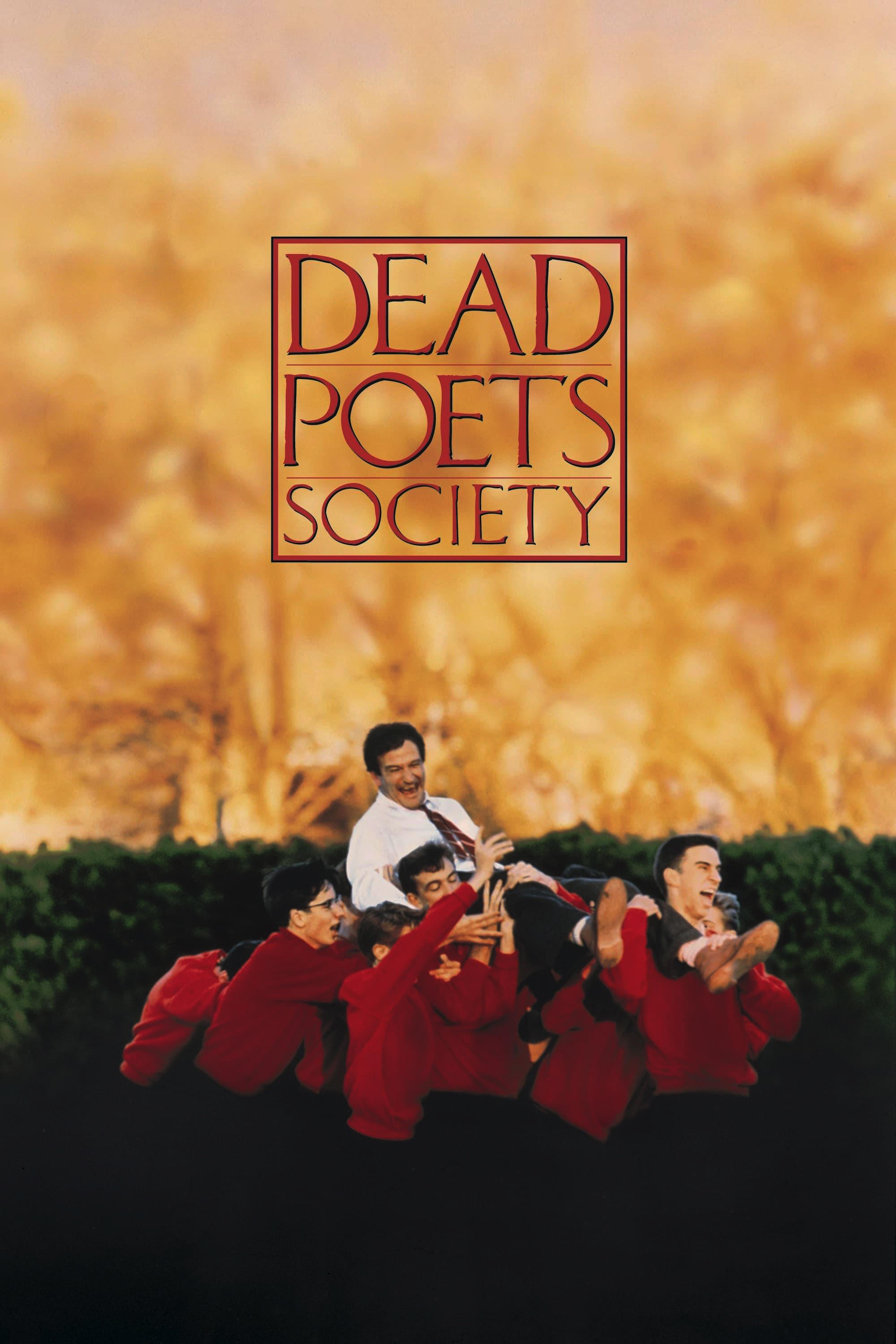
Dead Poets Society is an inspiring and emotional drama about an unconventional English teacher who encourages his students at a stuffy preparatory school to “seize the day” and embrace their individuality. Robin Williams gives one of his most beloved performances as the passionate and charismatic John Keating, who uses poetry to teach his students to think for themselves.
The film is a powerful celebration of art, non-conformity, and the importance of following your dreams. It was a critical and commercial success, and its uplifting message has resonated with audiences for decades. Dead Poets Society is a heartfelt and moving film that encourages us all to make our lives extraordinary.
Field of Dreams (1989)
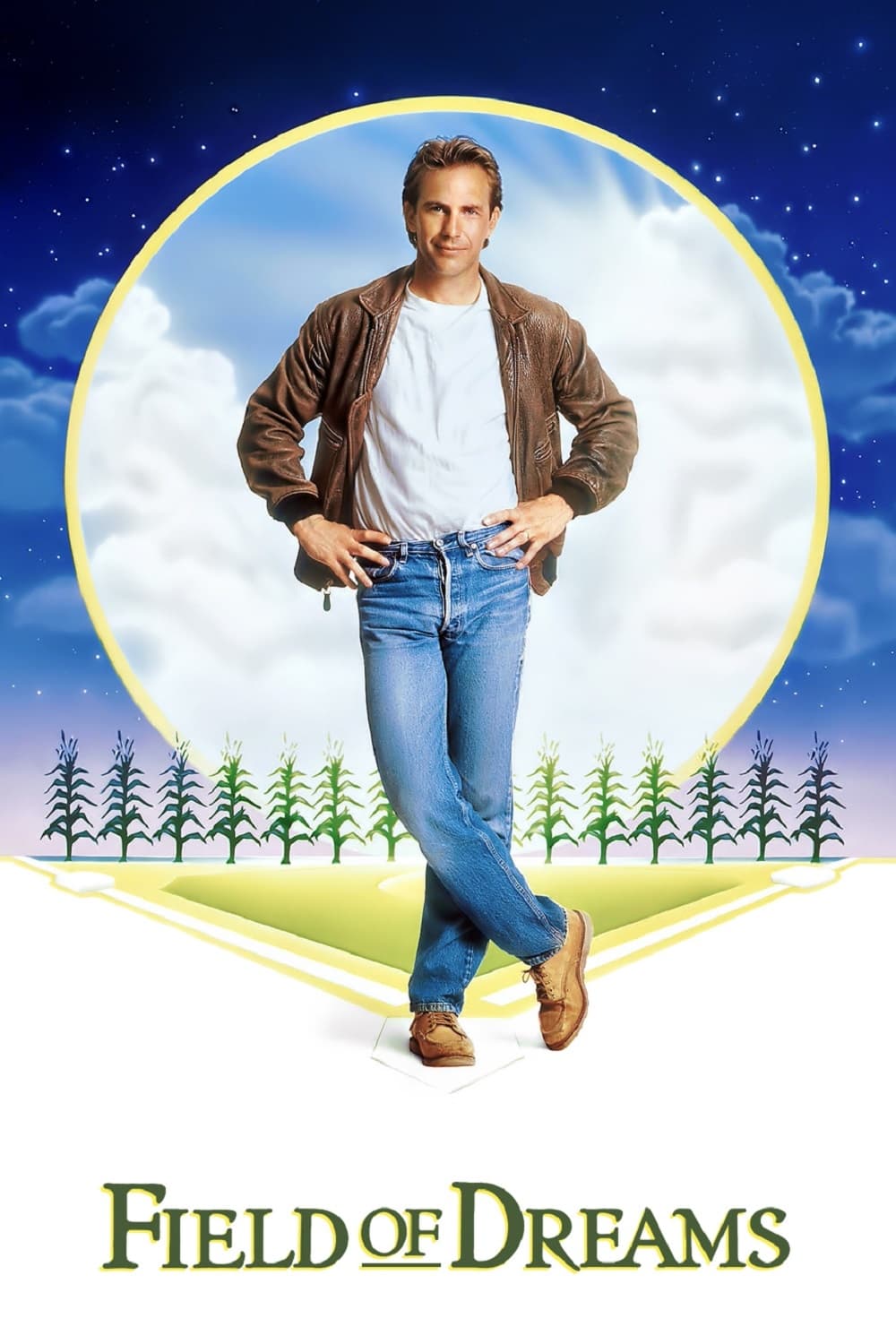
Field of Dreams is a magical and heartwarming fantasy drama about a farmer who builds a baseball field in his Iowa cornfield after hearing a mysterious voice. The field soon attracts the ghosts of legendary baseball players, including Shoeless Joe Jackson. The film is a poignant and nostalgic exploration of faith, family, and second chances.
The film’s famous line, “If you build it, he will come,” has become part of the cultural lexicon. It is a gentle and moving film that uses baseball as a metaphor for connecting with the past and healing old wounds. Field of Dreams is a timeless and uplifting American classic.
Glory (1989)
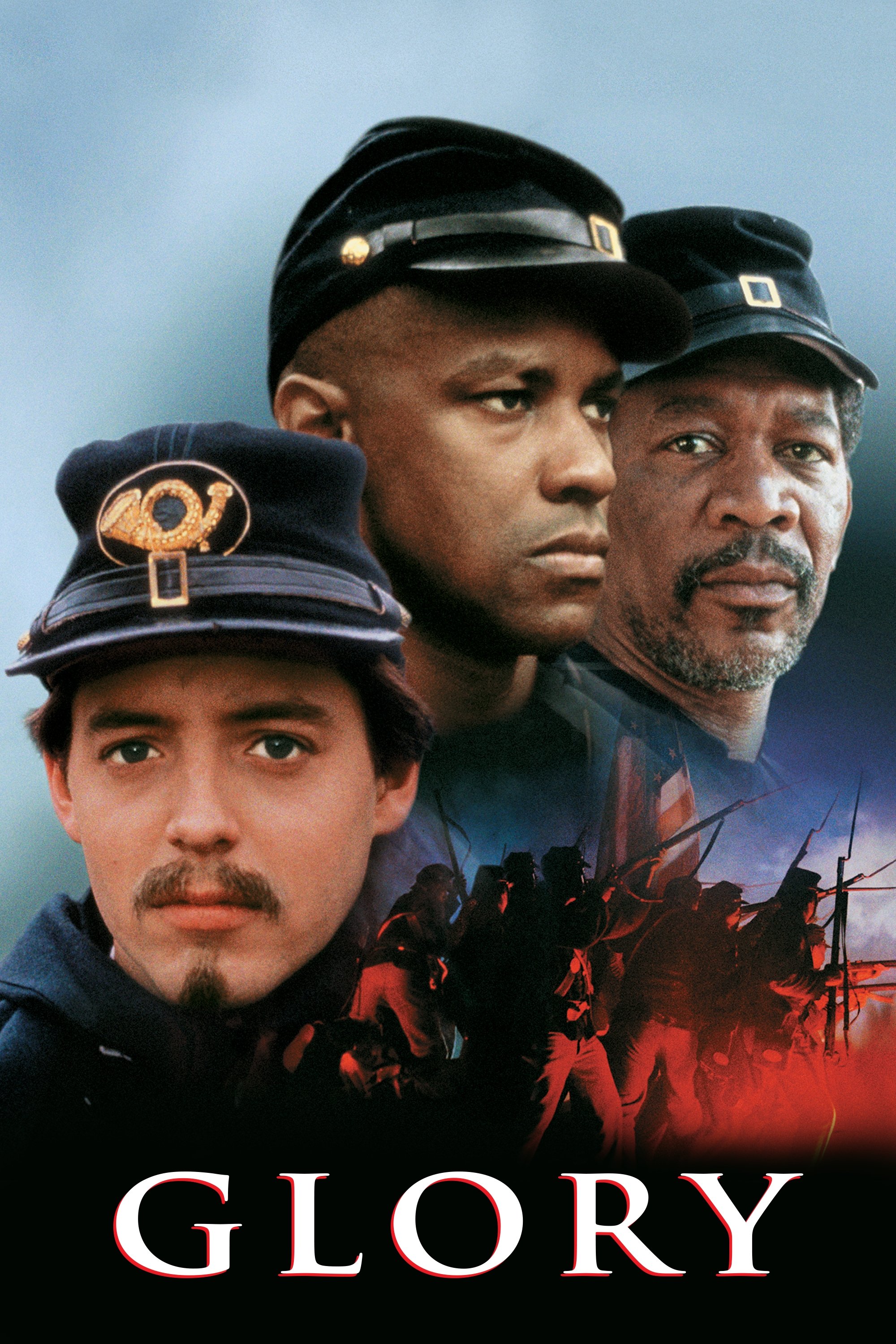
Glory is a powerful and moving historical war drama that tells the story of the 54th Massachusetts Infantry Regiment, one of the first all-black volunteer companies in the Union Army during the Civil War. The film follows the white officer who leads the regiment and the black soldiers who fight for their freedom and prove their courage in the face of prejudice and brutal warfare.
The film was critically acclaimed for its historical accuracy and its powerful performances, including an Oscar-winning role for Denzel Washington. It is a stirring and important film that shines a light on a little-known chapter of American history. Glory is a tribute to the bravery and sacrifice of the soldiers who fought for a cause greater than themselves.
The Killer (1989)
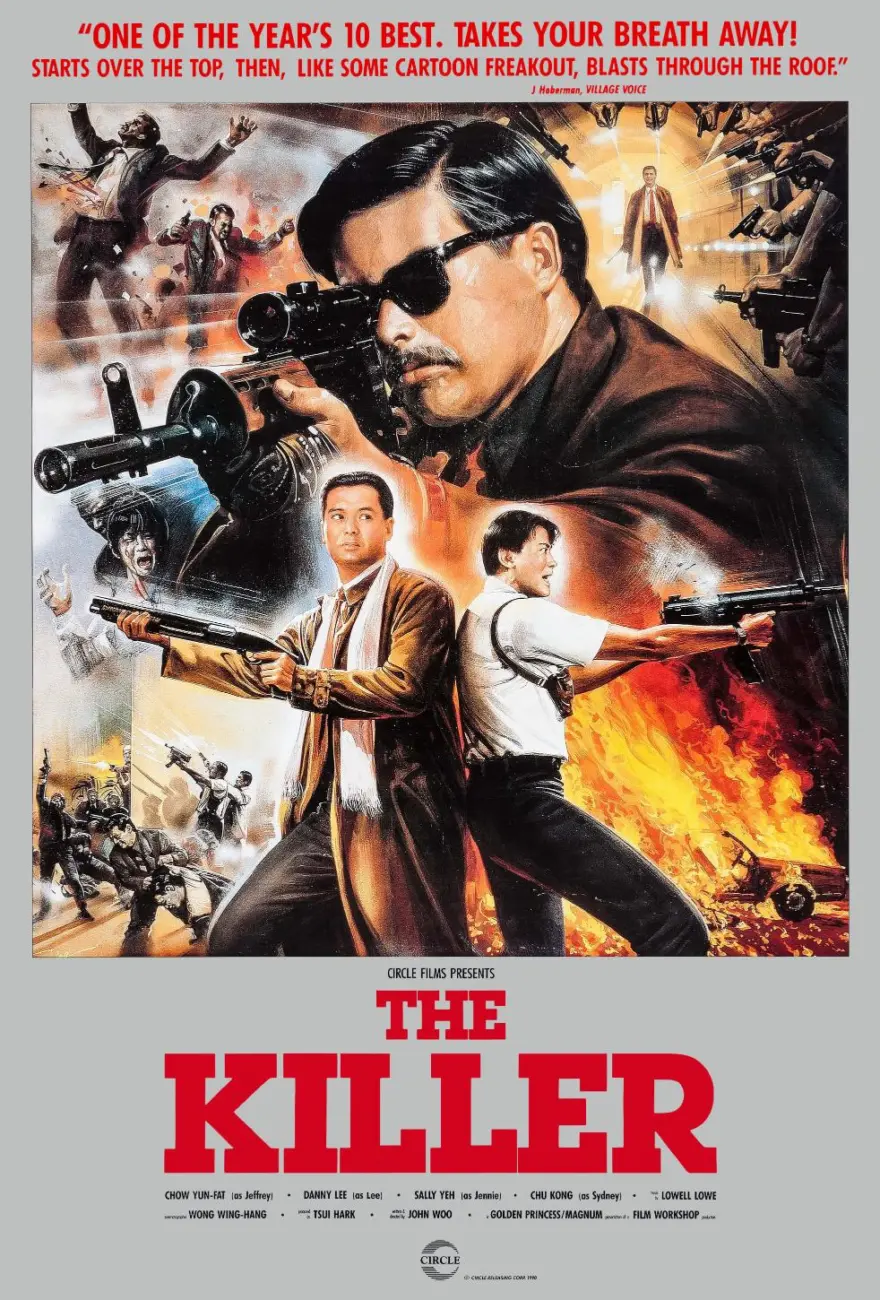
John Woo’s The Killer is a hyper-stylish and influential Hong Kong action film that redefined the genre. The film follows a disillusioned assassin who takes on one last job to pay for an operation for a singer he accidentally blinded. He soon finds himself betrayed and on the run, forming an unlikely alliance with a police inspector. The film is famous for its balletic and masterfully choreographed shootouts, a style that has been dubbed “gun fu.”
The film’s blend of intense action, melodrama, and themes of honor and loyalty made it a massive international success. It brought John Woo and star Chow Yun-fat to the attention of Hollywood and had a major influence on Western action films of the 1990s and beyond. The Killer is a landmark of action cinema.
Sex, Lies, and Videotape (1989)
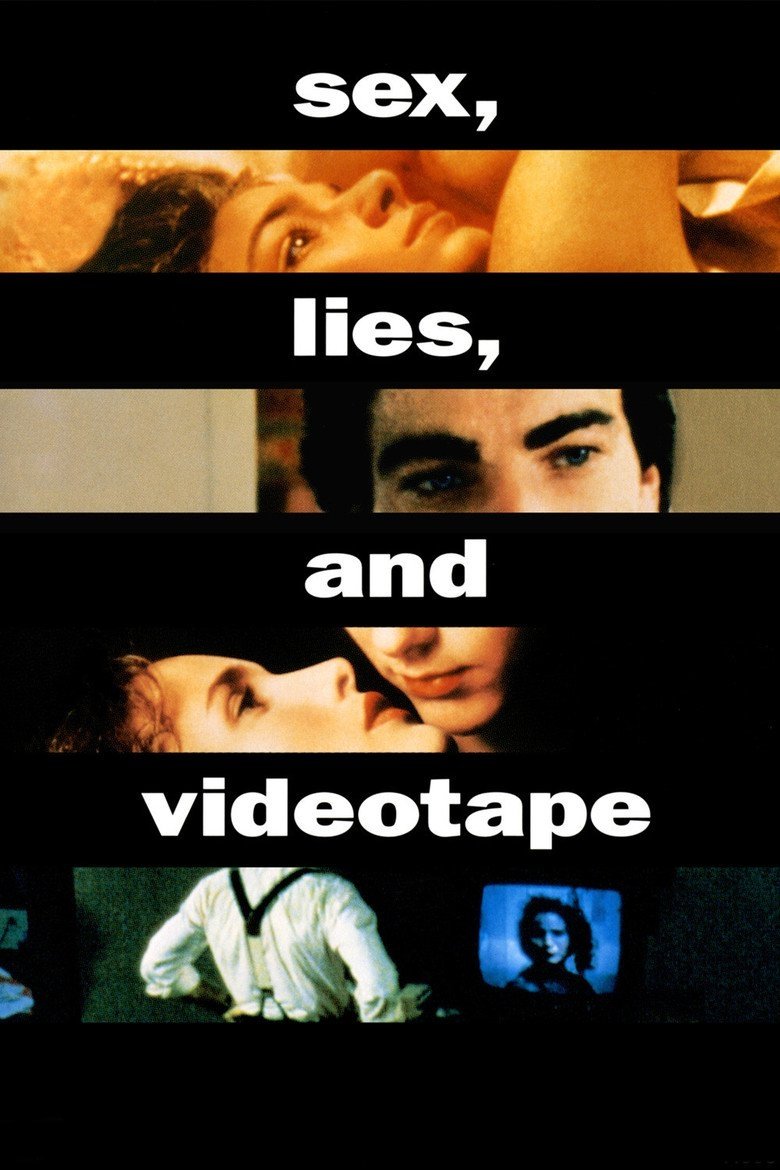
Steven Soderbergh’s debut feature, Sex, Lies, and Videotape, was a groundbreaking independent film that helped to launch the indie film movement of the 1990s. The film is a psychologically complex drama about the intertwined lives of four people and their relationships with sex and intimacy. The story revolves around a man who videotapes women talking about their sexual experiences, which has a profound effect on a married couple and the wife’s sister.
The film won the Palme d’Or at the Cannes Film Festival, a rare achievement for a first-time director. Its smart, talky script and focus on complex adult relationships were a refreshing change from the blockbusters of the era. Sex, Lies, and Videotape is a landmark of independent filmmaking that announced the arrival of a major new talent.
The Little Mermaid (1989)
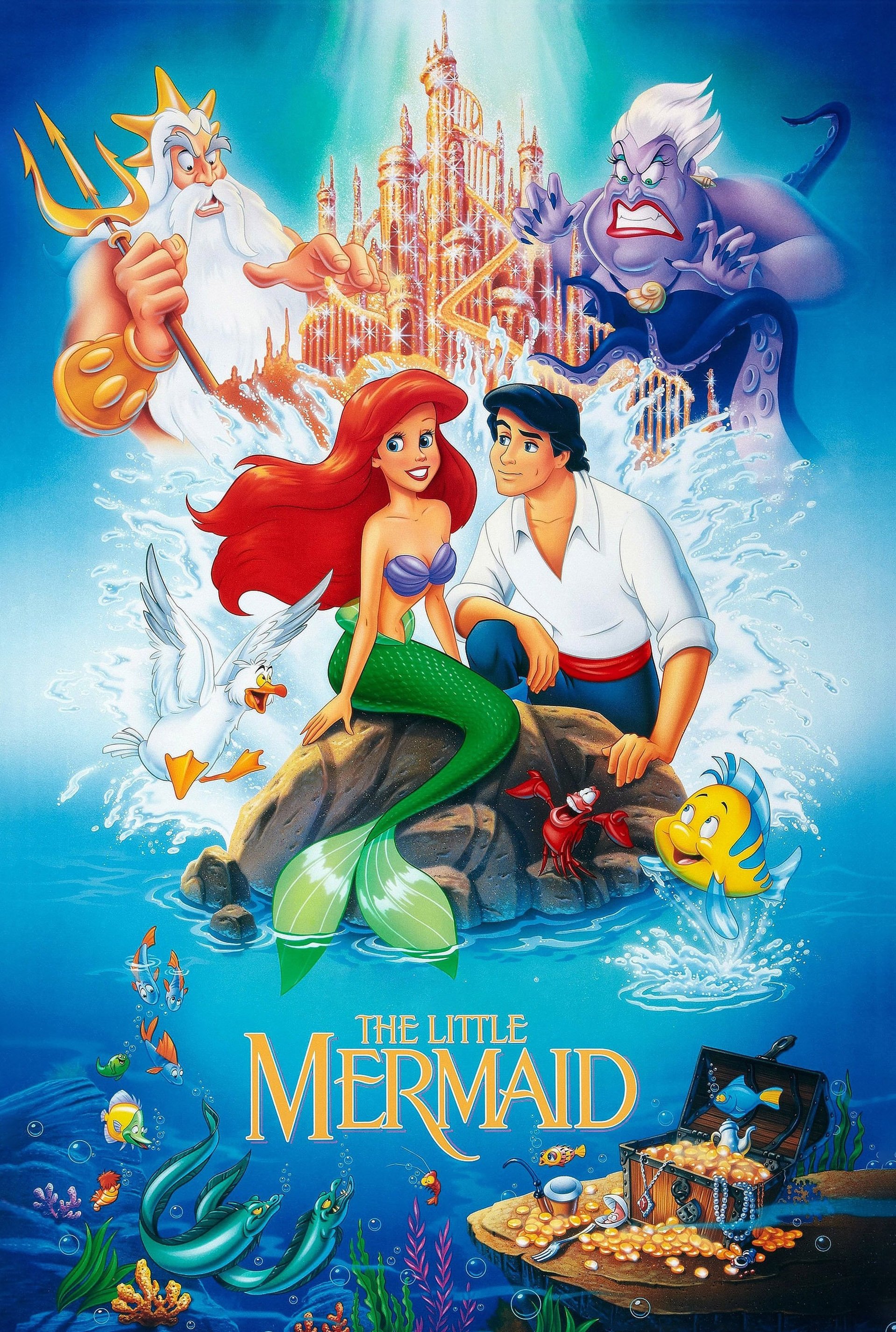
The Little Mermaid marked the beginning of a new golden age for Walt Disney Animation. The film is a vibrant and enchanting musical that tells the story of a mermaid princess who dreams of becoming human. With its memorable songs by Alan Menken and Howard Ashman, its beautiful animation, and its lovable characters, the film was a massive critical and commercial success.
The film revitalized the animated feature and began what is now known as the Disney Renaissance. Its success paved the way for a string of animated classics in the 1990s. The Little Mermaid is a timeless fairy tale that has captivated audiences for generations with its magic and music.
My Left Foot (1989)
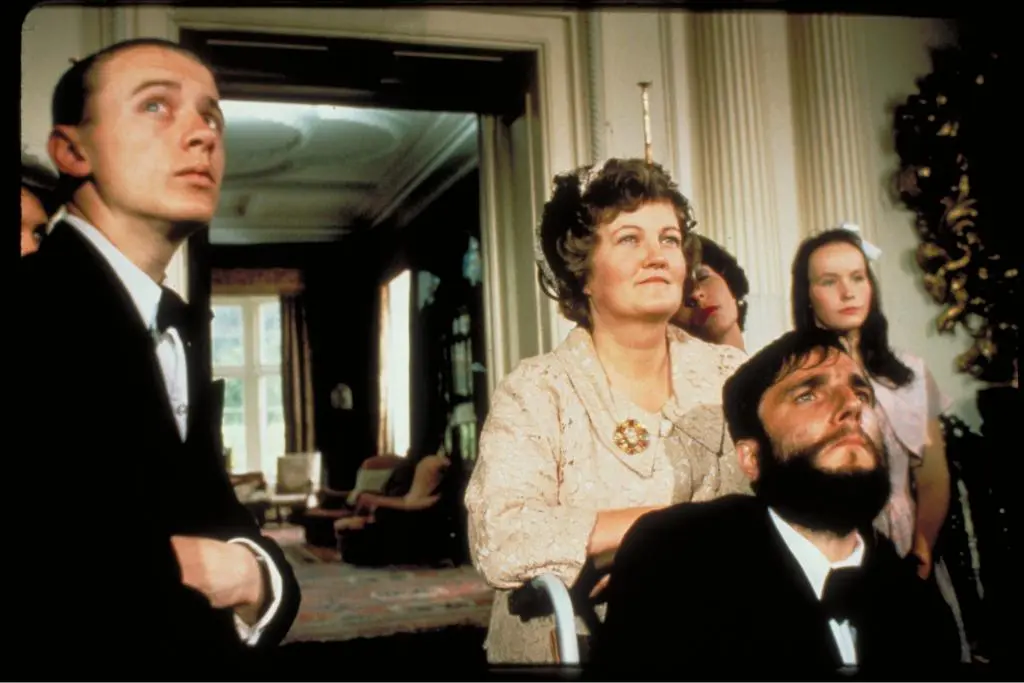
My Left Foot is a powerful and inspiring biographical film based on the life of Christy Brown, an Irishman born with cerebral palsy who could only control his left foot. The film chronicles his incredible journey from being dismissed as helpless to becoming a celebrated artist and writer. Daniel Day-Lewis won his first Academy Award for Best Actor for his transformative and physically demanding performance as Christy Brown.
Brenda Fricker also won an Oscar for her role as Christy’s determined and loving mother. The film is a testament to the strength of the human spirit and the power of love and determination. My Left Foot is a moving and unforgettable story of triumph over adversity.

