


8 Movies That Were Famously Saved in the Editing Room

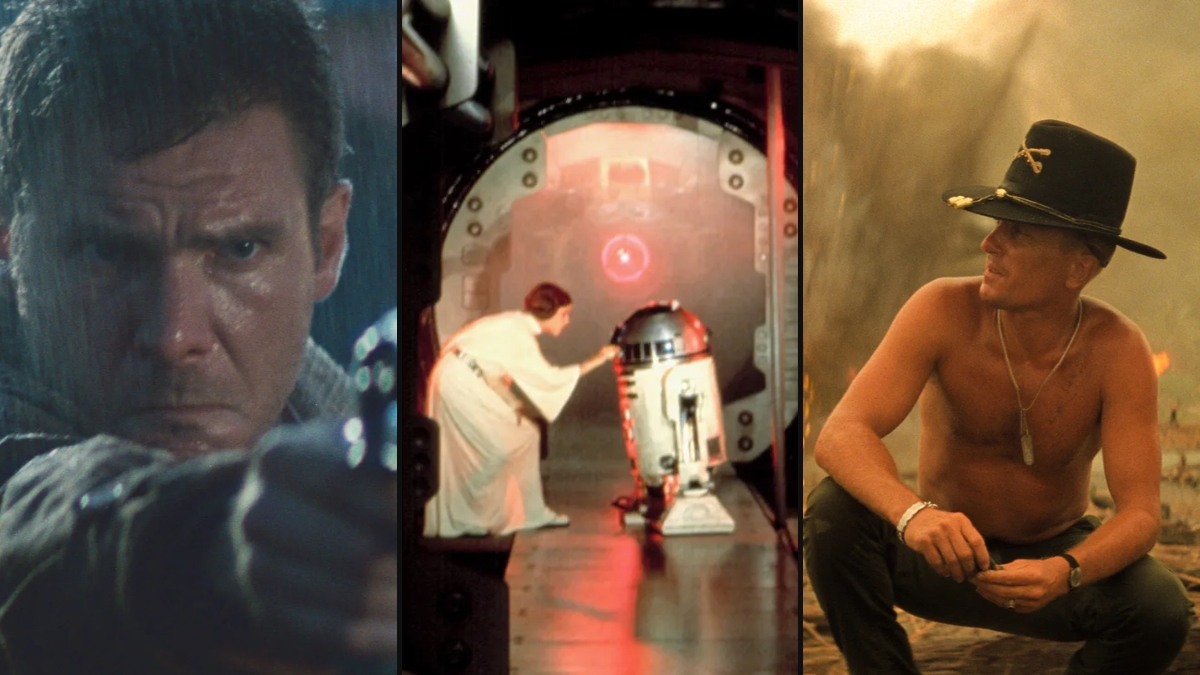


Movies start as raw footage, often messy and unfocused. The real magic happens in the editing room, where skilled editors shape chaos into stories we love.
Some films were on the brink of failure until editors stepped in. These eight movies, saved by clever cuts and creative choices, show how editing can turn a rough draft into a masterpiece.
Star Wars (1977)
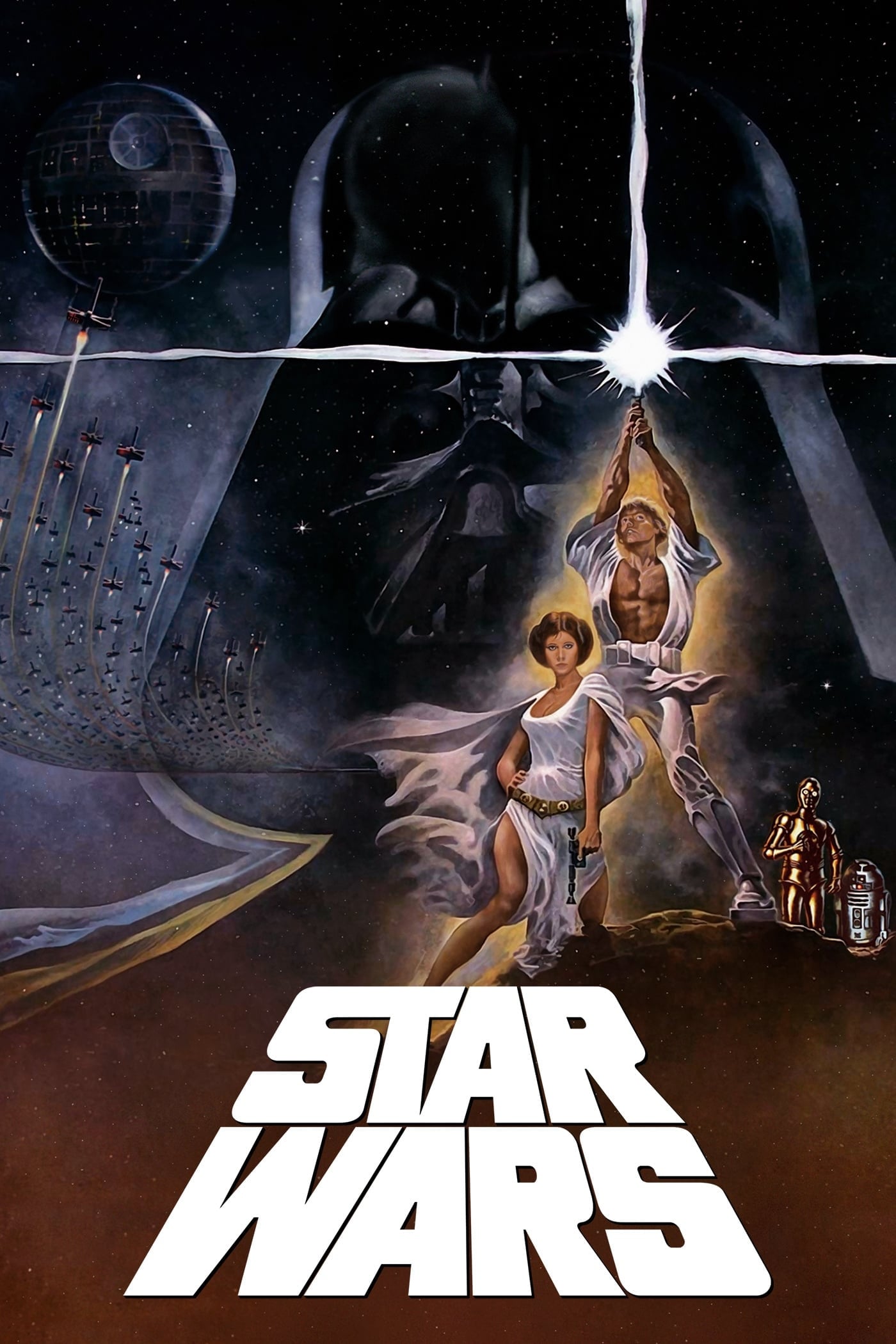
The original cut of ‘Star Wars’ was a disaster, with slow pacing and unclear storytelling. Early screenings confused audiences, and George Lucas faced a potential flop.
Editors Marcia Lucas, Paul Hirsch, and Richard Chew reworked the film, tightening the narrative and boosting the action. They reshaped the Death Star trench run into a thrilling climax, making ‘Star Wars’ a cultural juggernaut.
Jaws (1975)
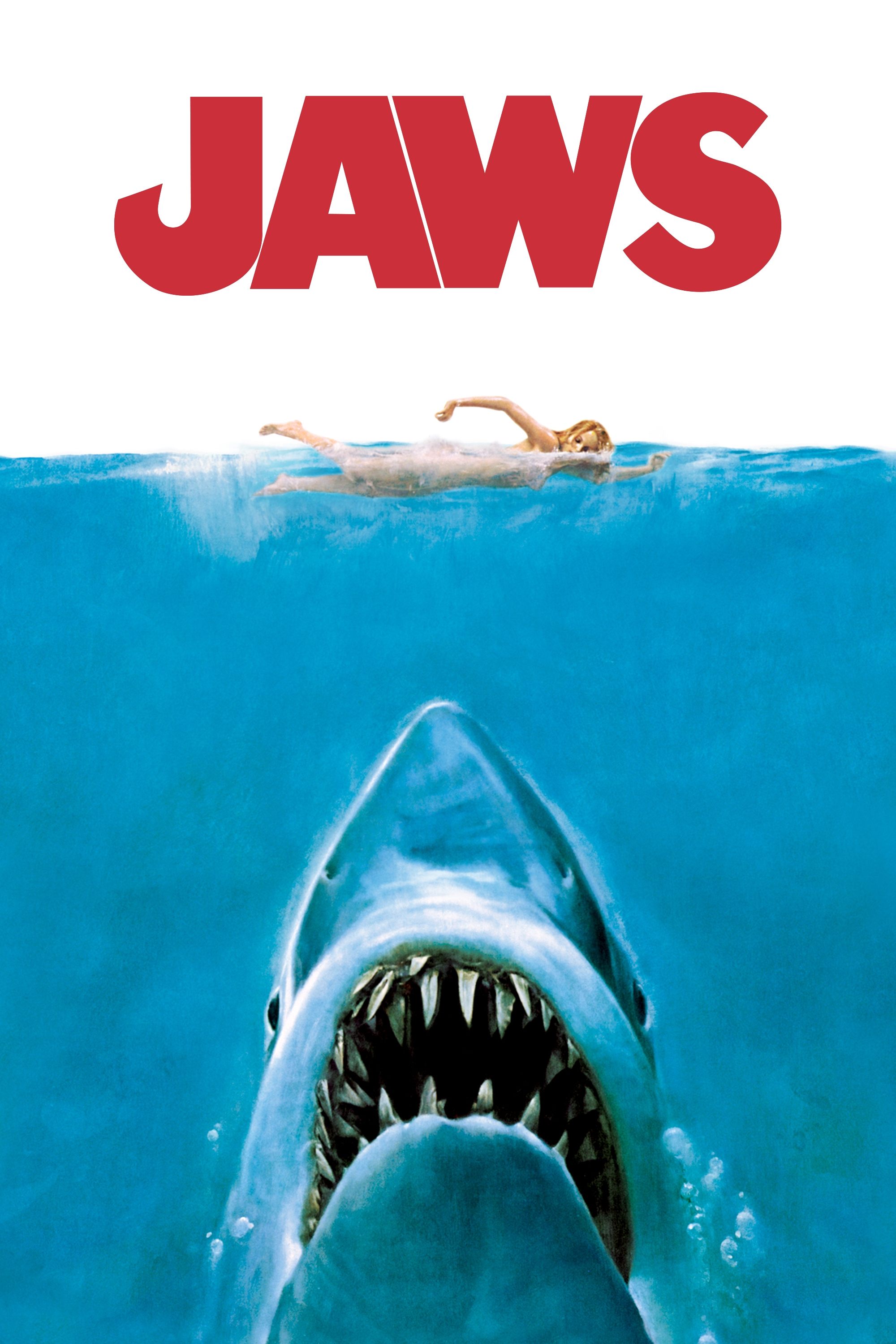
Steven Spielberg’s ‘Jaws’ struggled with a malfunctioning mechanical shark, leaving the production in disarray. The footage felt disjointed, and tension was lacking.
Editor Verna Fields saved the day by using quick cuts and strategic pacing to build suspense. Her work on the shark attack scenes, relying on suggestion rather than showing the creature, made ‘Jaws’ a terrifying classic.
The Godfather (1972)
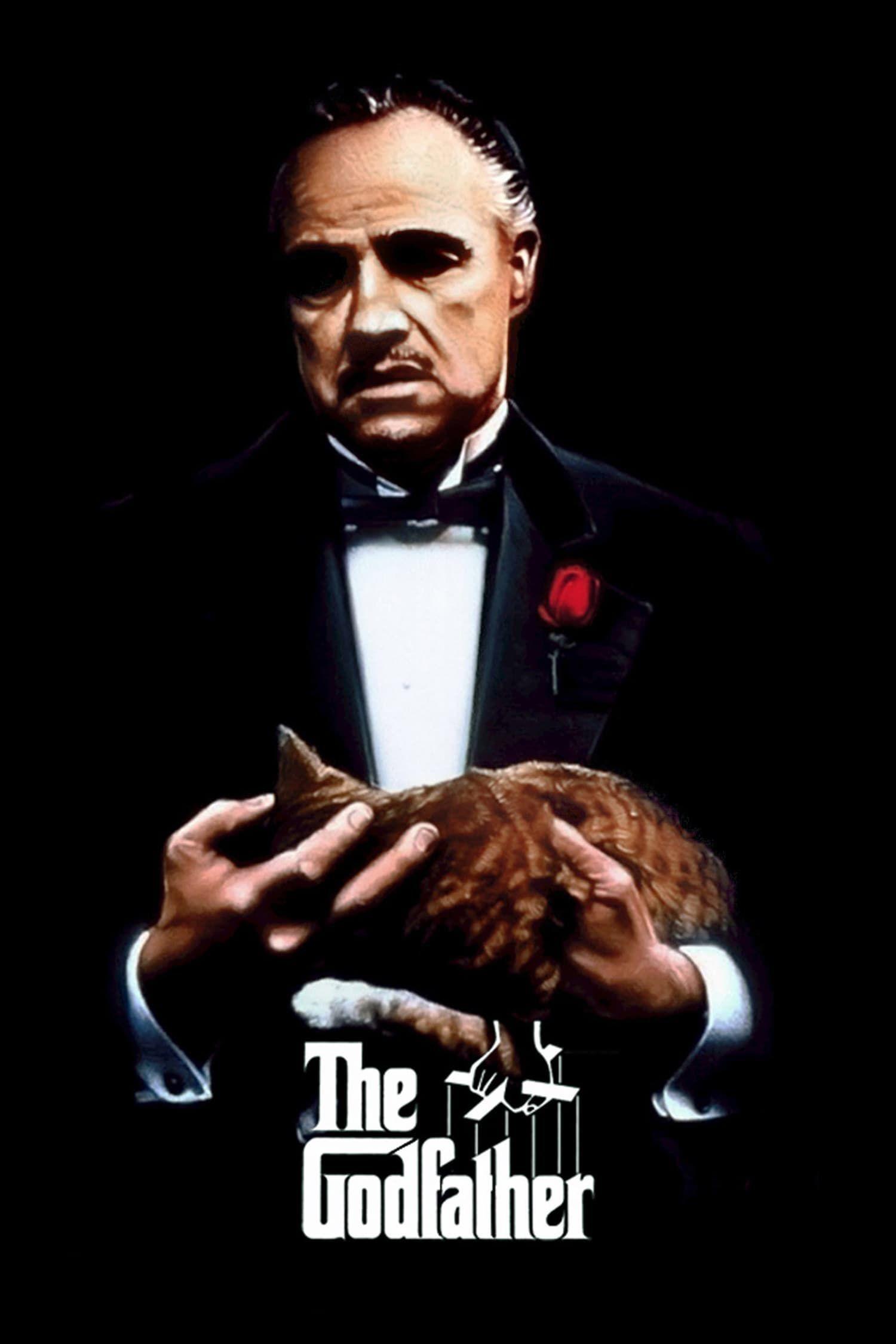
Francis Ford Coppola’s ‘The Godfather’ risked being a standard crime flick due to studio pressure for a shorter runtime. The initial cut felt flat and rushed.
Editors William Reynolds and Peter Zinner crafted the iconic baptism-murder sequence, using parallel editing to show Michael Corleone’s transformation. Their work elevated the film into an epic tale of power and family.
Apocalypse Now (1979)
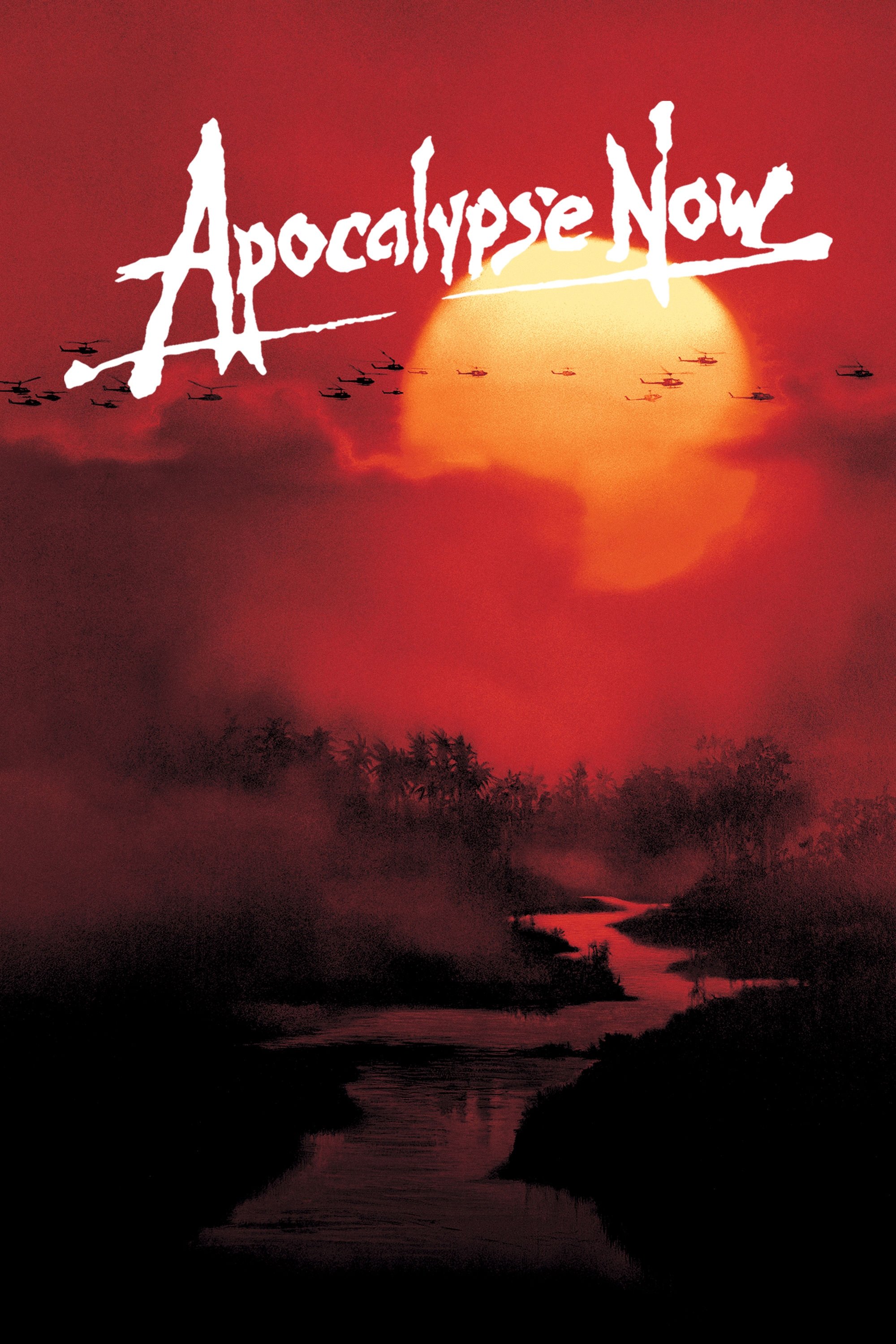
The production of ‘Apocalypse Now’ was famously chaotic, with endless footage and no clear structure. Francis Ford Coppola struggled to make sense of it all.
Editors Walter Murch, Lisa Fruchtman, and Gerald B. Greenberg shaped the sprawling material, creating haunting sequences like the helicopter attack. Their efforts turned a troubled project into a war film legend.
Easy Rider (1969)
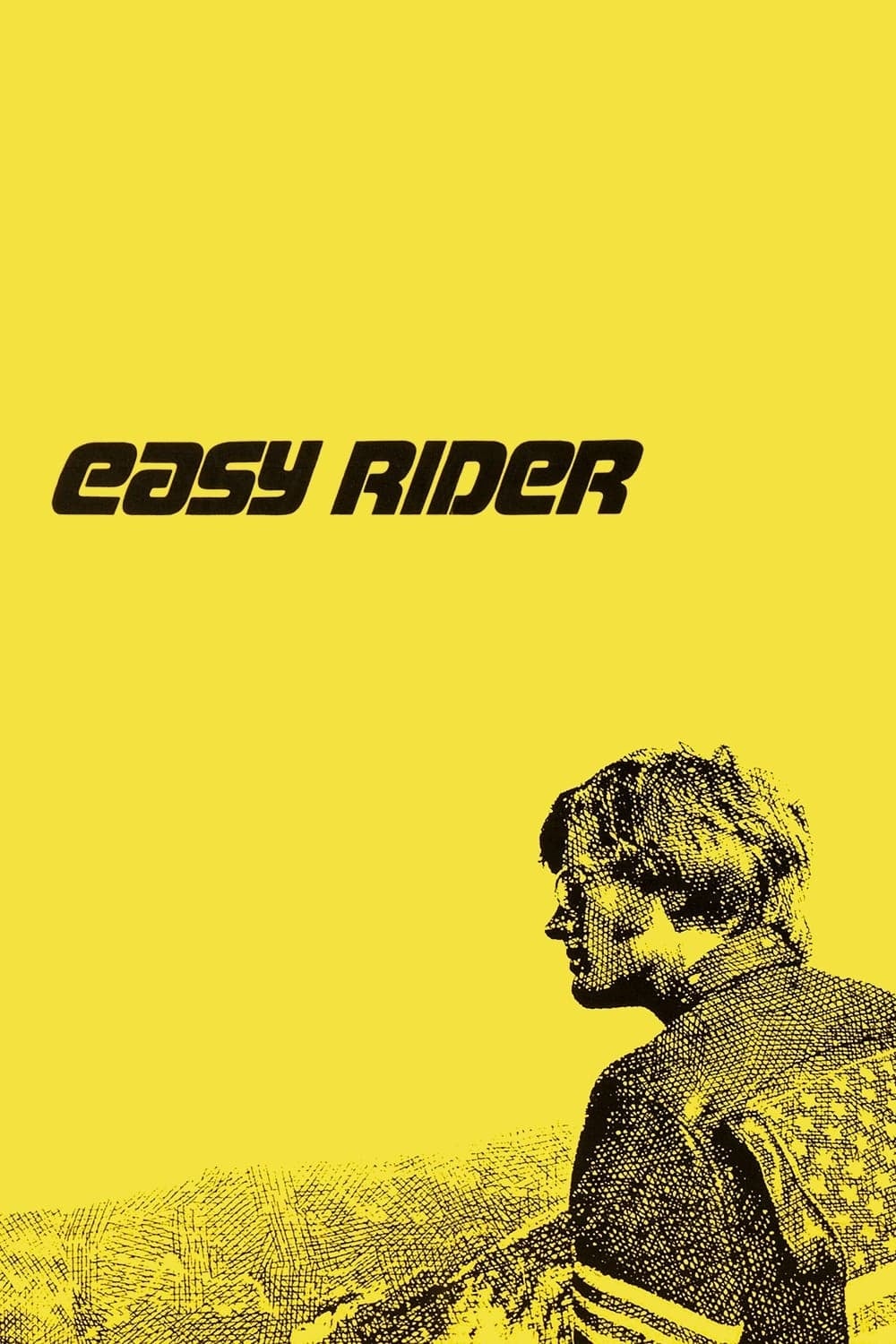
‘Easy Rider’ started as a long, wandering mess, with Dennis Hopper’s initial cut clocking in at nearly three hours. The counterculture vibe was strong but unfocused.
Editor Donn Cambern, with help from Henry Jaglom, trimmed it to 95 minutes, sharpening the story of rebellion and freedom. Their cuts made the film a tight, iconic road movie.
Blade Runner (1982)
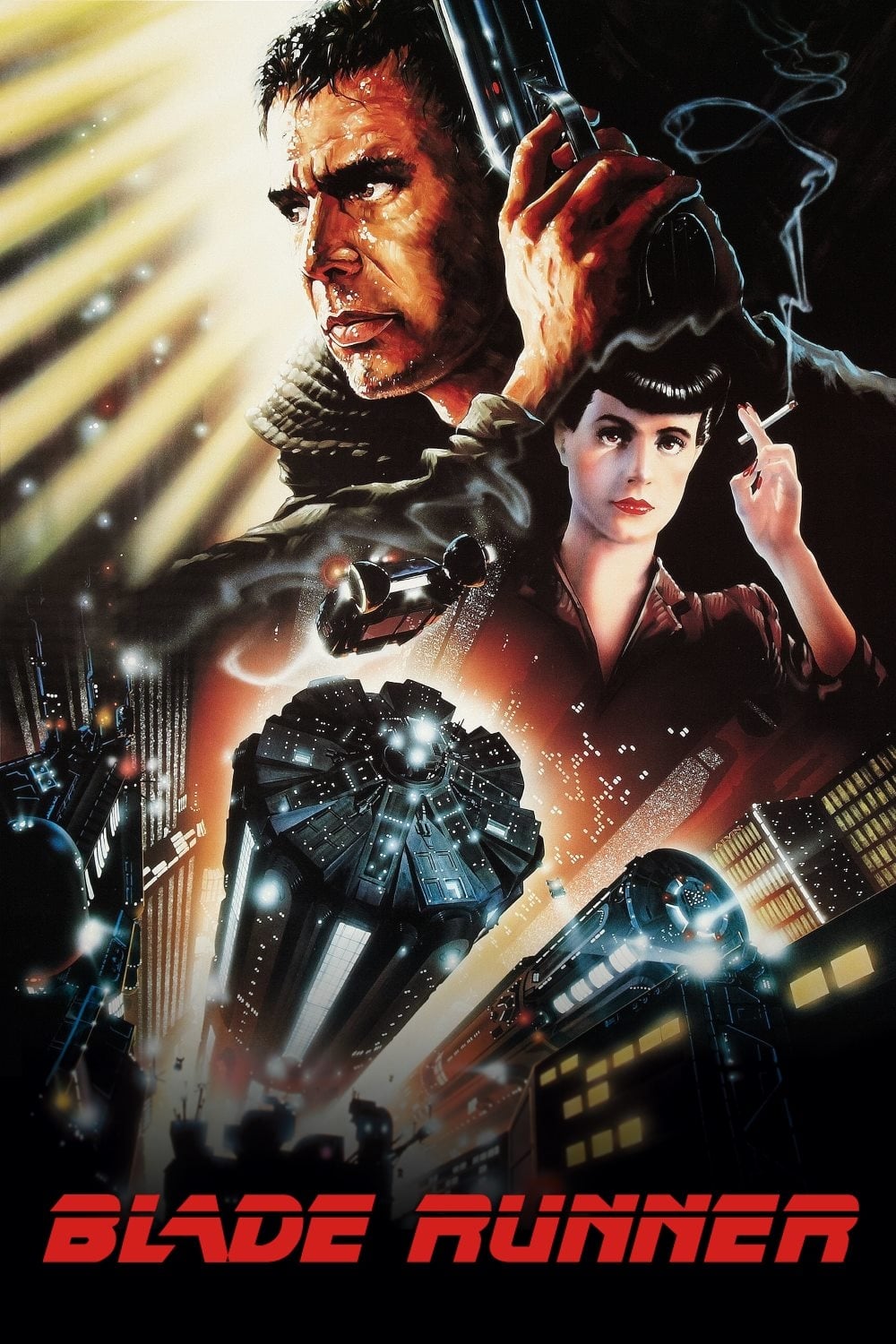
The original version of ‘Blade Runner’ had a clunky voiceover and a forced happy ending, which audiences rejected. It felt like a compromised sci-fi mess.
Later edits, including the Director’s Cut by Ridley Scott’s team, removed the voiceover and restored darker elements. These changes transformed ‘Blade Runner’ into a revered sci-fi noir.
The Limey (1999)
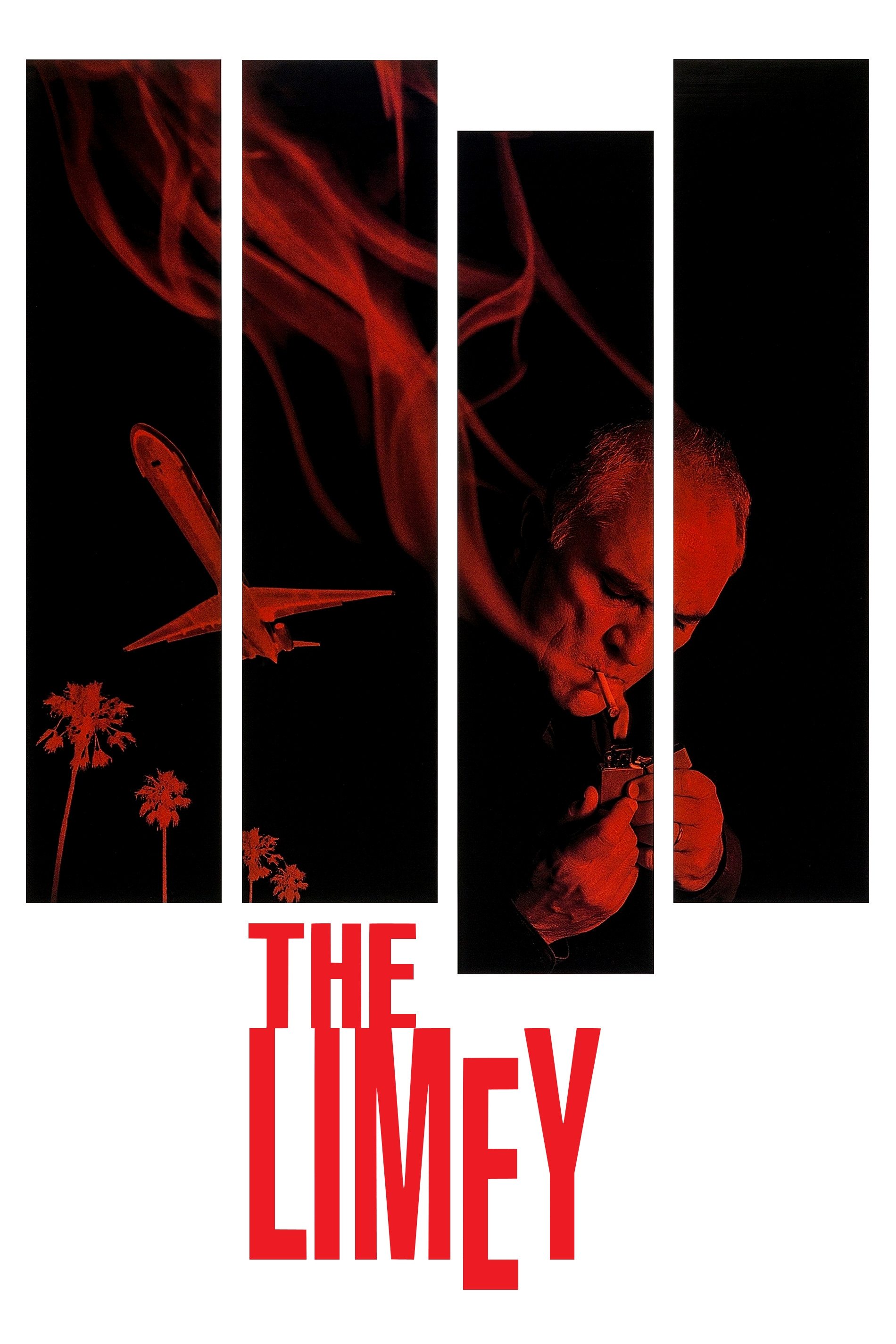
Steven Soderbergh’s ‘The Limey’ was a dull, linear crime drama in its first cut. The story lacked the punch needed to stand out.
Soderbergh and editor Sarah Flack restructured it with a non-linear approach, weaving past and present to deepen the themes of memory and revenge. This bold edit made ‘The Limey’ a cult favorite.
Annie Hall (1977)
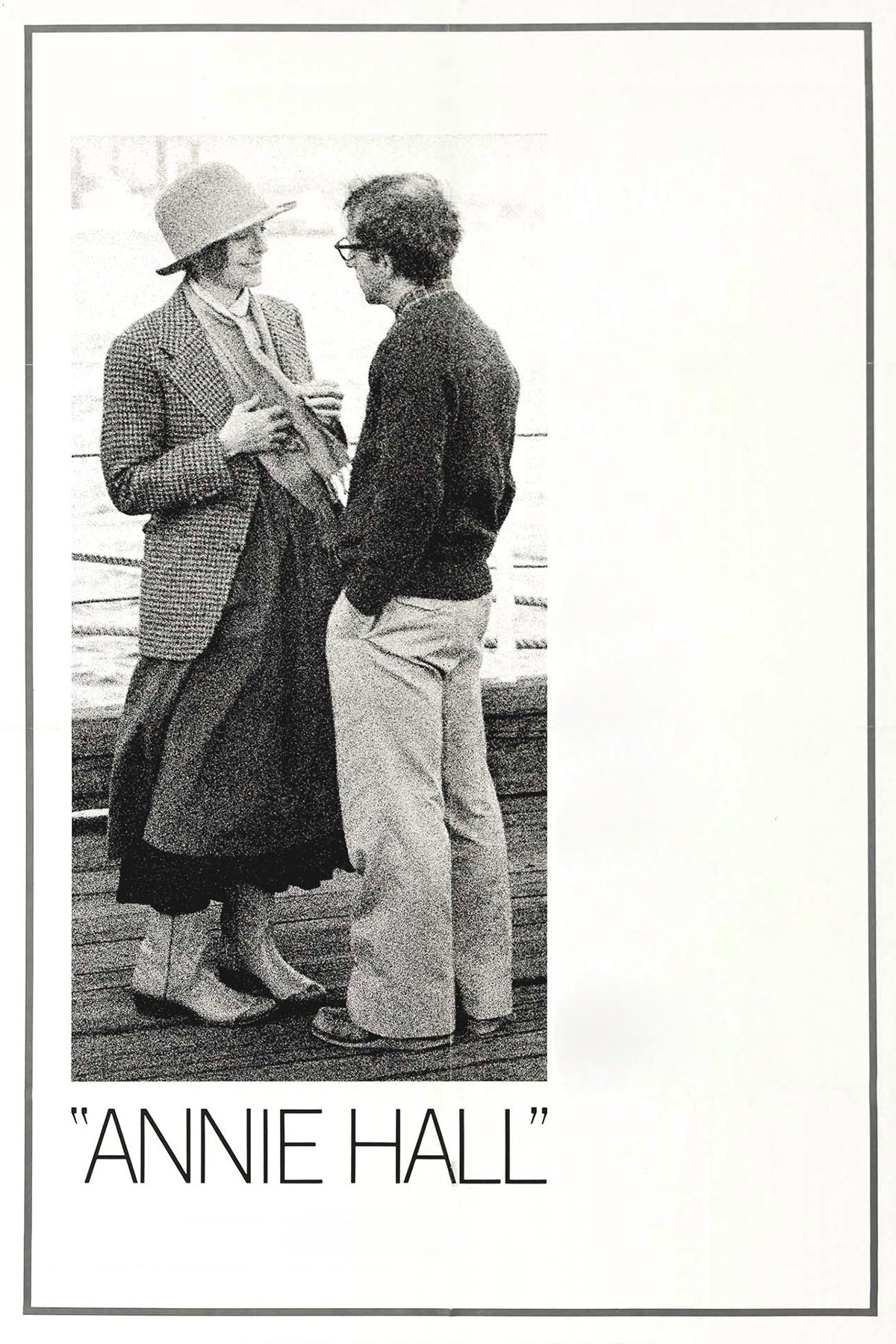
Woody Allen’s ‘Annie Hall’ was originally a sprawling, philosophical film called ‘Anhedonia,’ with a murder-mystery subplot. It was funny but unfocused.
Editor Ralph Rosenblum convinced Allen to center the story on the romance, cutting surreal scenes and tightening the narrative. This shift created the beloved romantic comedy we know today.
Which film’s editing rescue surprised you most, or is there another movie you think belongs on this list? Share your thoughts in the comments!

