


8 TV Shows That Found Their Footing in Season 2

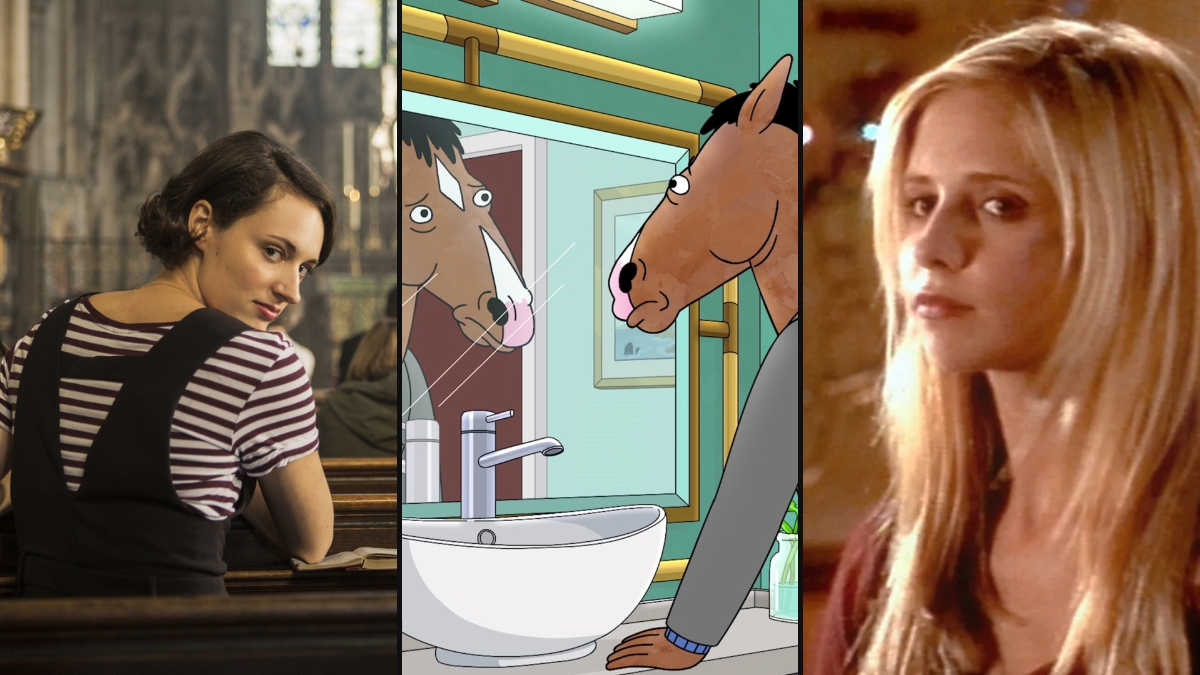


Some TV shows burst onto the scene with a clear vision, while others need a bit of time to find their groove. Season 1 can feel like a test run, introducing characters and worlds that don’t quite gel yet. By Season 2, though, the best shows often refine their tone, deepen their stories, and hook us for good.
We’ve all seen series that felt shaky at first but turned into must-watch television later. The eight shows below stumbled a bit in their debut seasons, only to come back stronger, funnier, or more gripping in their second. Let’s dive into what made their sophomore runs stand out.
‘Parks and Recreation’ (2009-2015)
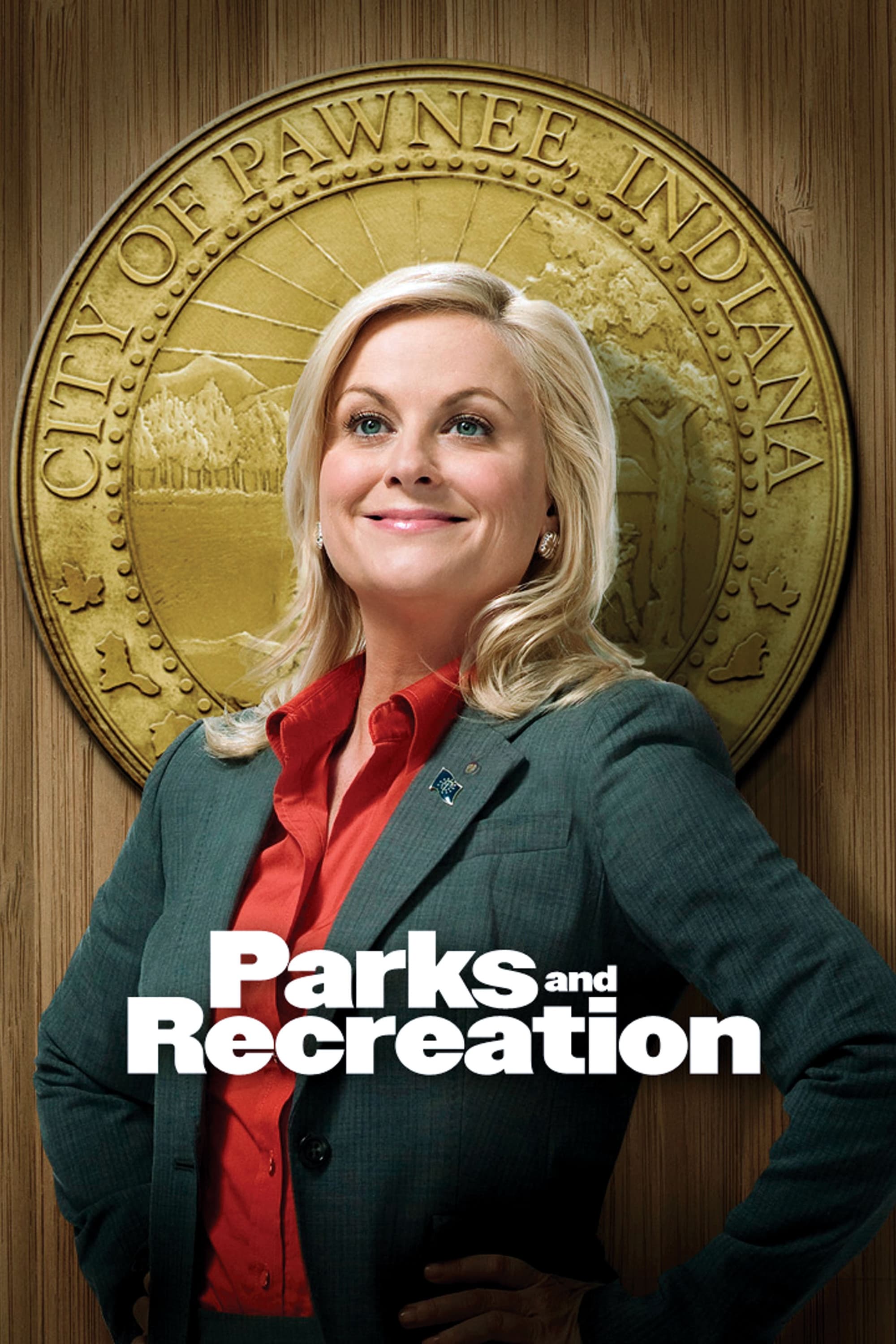
The mockumentary sitcom ‘Parks and Recreation’ started as a quirky look at small-town government in Pawnee, Indiana. Season 1 leaned heavily on its similarity to ‘The Office,’ with Amy Poehler’s Leslie Knope feeling overly eager and cartoonish. The writing lacked the heart that would later define the show, and some characters, like Mark Brendanawicz, felt flat.
Season 2 transformed the series into a comedy gem. The writers dialed up Leslie’s optimism while grounding her in relatability, and side characters like Ron Swanson and April Ludgate shone with sharper humor. Episodes like ‘The Master Plan’ introduced Ben and Chris, sparking new dynamics. By focusing on friendship and workplace camaraderie, the show found its soul.
‘BoJack Horseman’ (2014-2020)
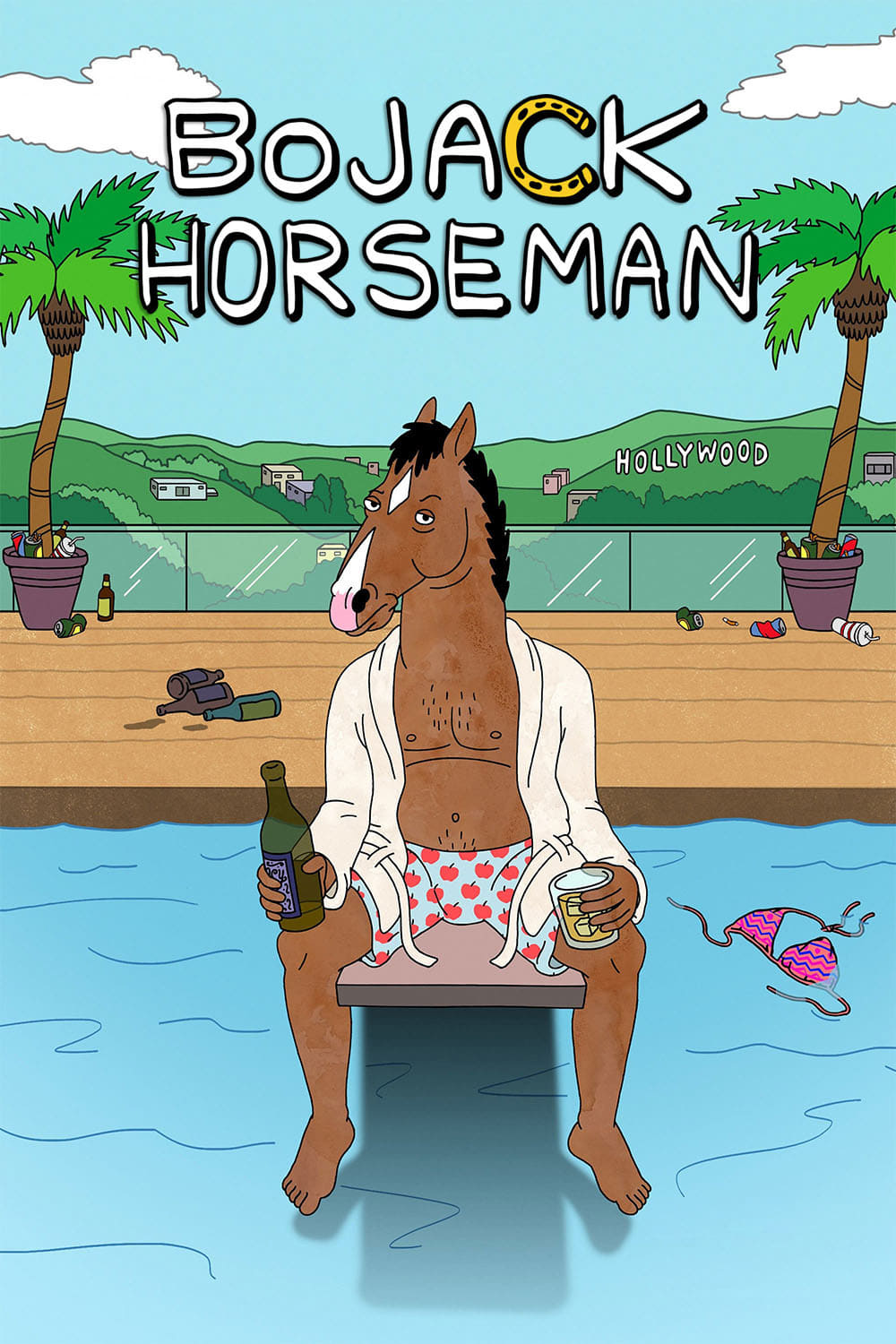
‘BoJack Horseman’ kicked off as a darkly funny animated series about a washed-up sitcom star who’s also a horse. Its first season mixed sharp Hollywood satire with crude humor, but the emotional depth felt uneven. BoJack’s self-destructive tendencies were intriguing, yet the show hadn’t fully committed to its heavier themes.
In Season 2, the series leaned into its exploration of mental health, regret, and redemption. Episodes like ‘Escape from L.A.’ dug into BoJack’s past, revealing the pain behind his cynicism. The supporting cast, including Diane and Todd, got richer arcs, blending comedy with gut-punching moments. This shift made the show a standout in adult animation.
‘Fleabag’ (2016-2019)
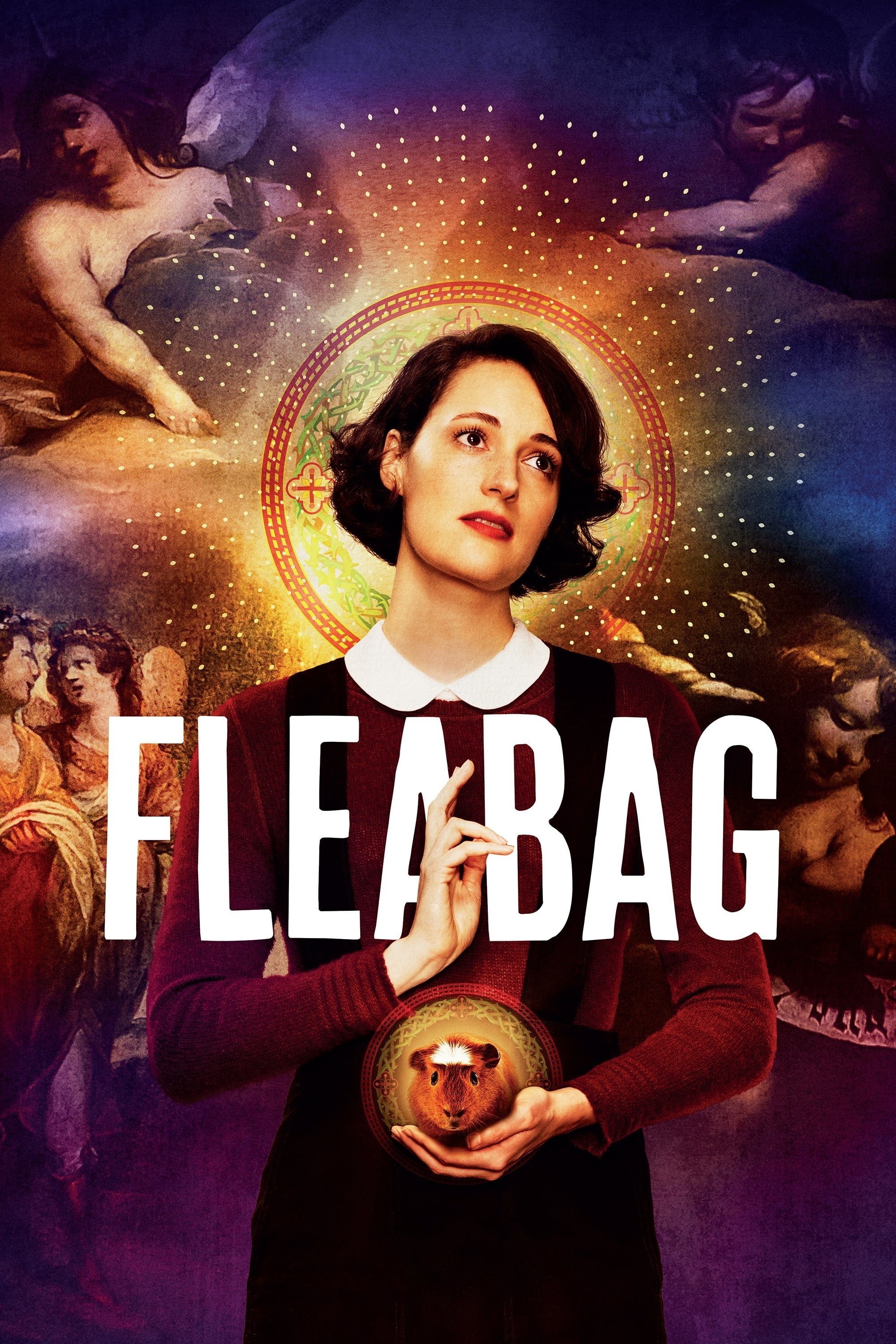
Phoebe Waller-Bridge’s ‘Fleabag’ debuted as a raw, witty dramedy about a young woman navigating life in London. Season 1 was bold, with its fourth-wall-breaking monologues and messy protagonist, but the pacing dragged at times. The humor could feel forced, and some storylines, like Fleabag’s family drama, needed more focus.
Season 2 tightened everything up, delivering a near-perfect run. The introduction of the ‘Hot Priest’ added a magnetic romantic tension, while Fleabag’s inner monologues grew more poignant. The writing balanced humor and heartbreak, with episodes like the confessional scene showcasing Waller-Bridge’s genius. This season cemented the show as a modern classic.
‘Breaking Bad’ (2008-2013)
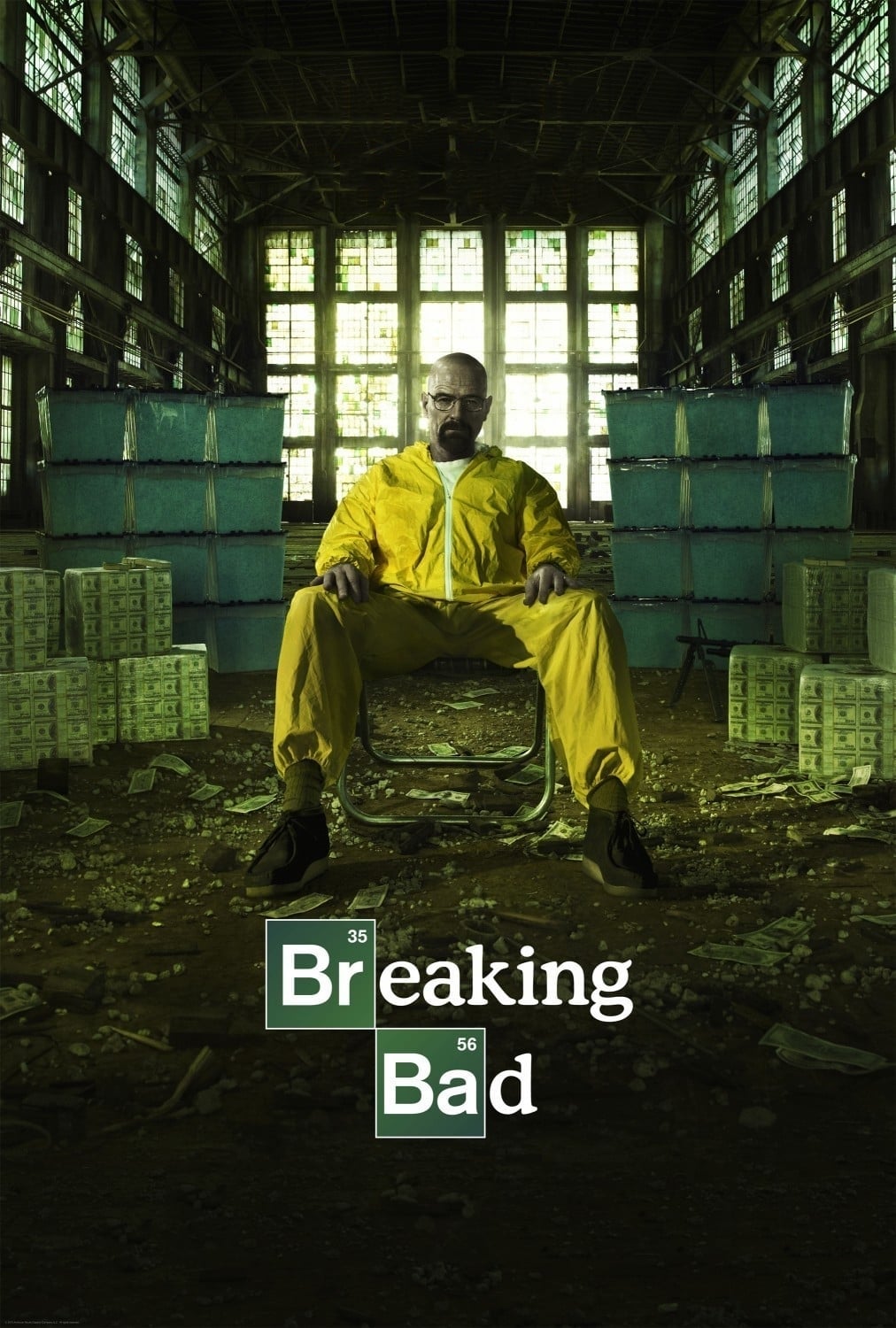
‘Breaking Bad’ began as a gritty drama about chemistry teacher Walter White turning to meth cooking after a cancer diagnosis. Season 1 set up the premise with strong performances from Bryan Cranston and Aaron Paul, but it felt like a slow burn. The stakes were high, yet the story hadn’t fully embraced its intensity.
Season 2 cranked up the tension, introducing iconic characters like Saul Goodman and Gus Fring. The writing became more ambitious, with tighter plotting and moral dilemmas that gripped viewers. Moments like the plane crash aftermath showed the show’s bold storytelling. This season laid the foundation for its legendary status.
‘The Leftovers’ (2014-2017)
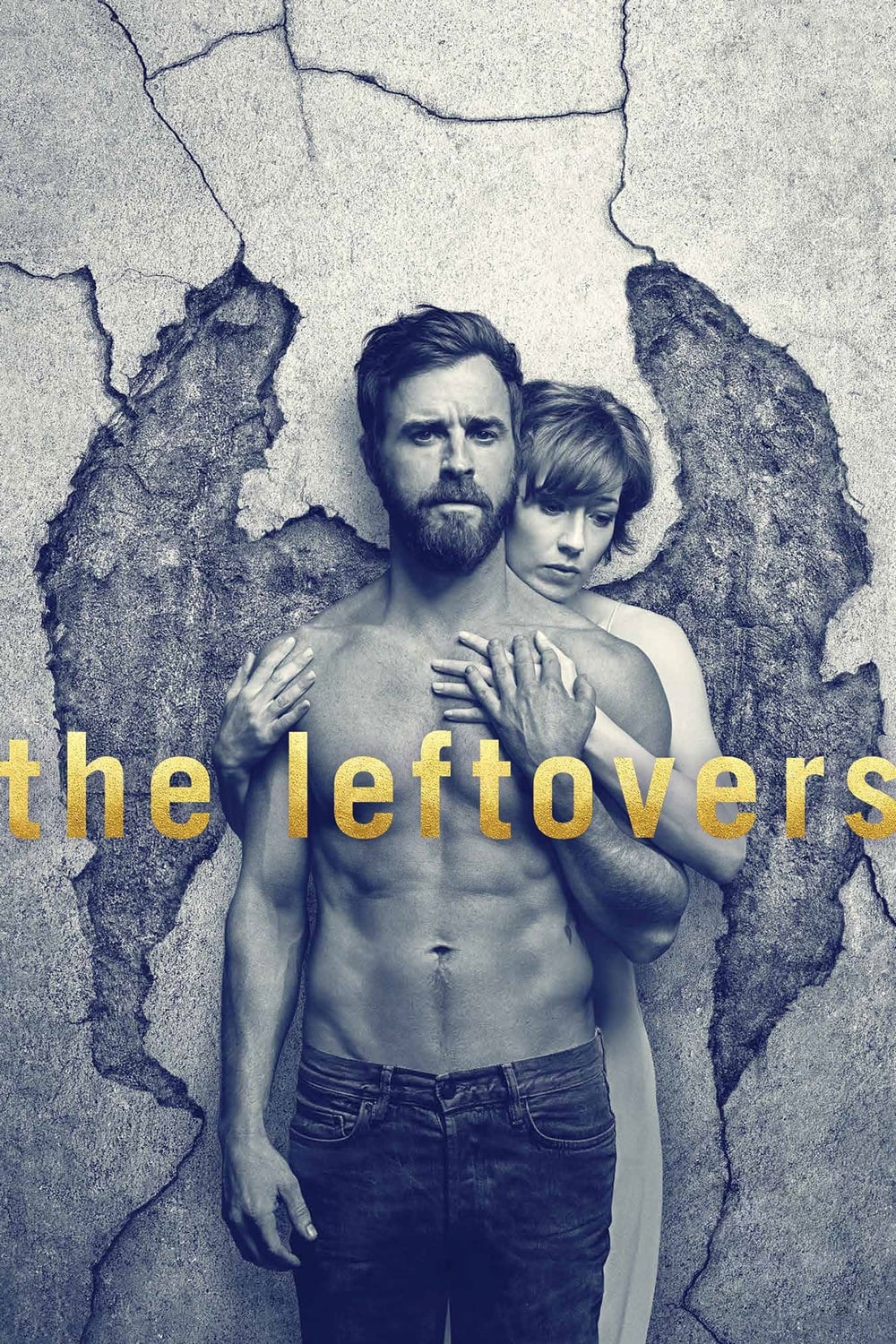
HBO’s ‘The Leftovers’ started with a haunting premise: 2% of the world’s population vanishes without explanation. Season 1, based on Tom Perrotta’s novel, was moody and ambitious but often felt aimless. Its focus on grief overwhelmed the narrative, leaving some characters underdeveloped.
Season 2 shifted gears, moving the setting to Jarden, Texas, and embracing a more spiritual tone. The storytelling grew tighter, with episodes like ‘International Assassin’ blending surrealism and emotion. Justin Theroux and Carrie Coon delivered powerhouse performances, and the show found a balance between mystery and human connection, earning critical acclaim.
‘Star Trek: The Next Generation’ (1987-1994)
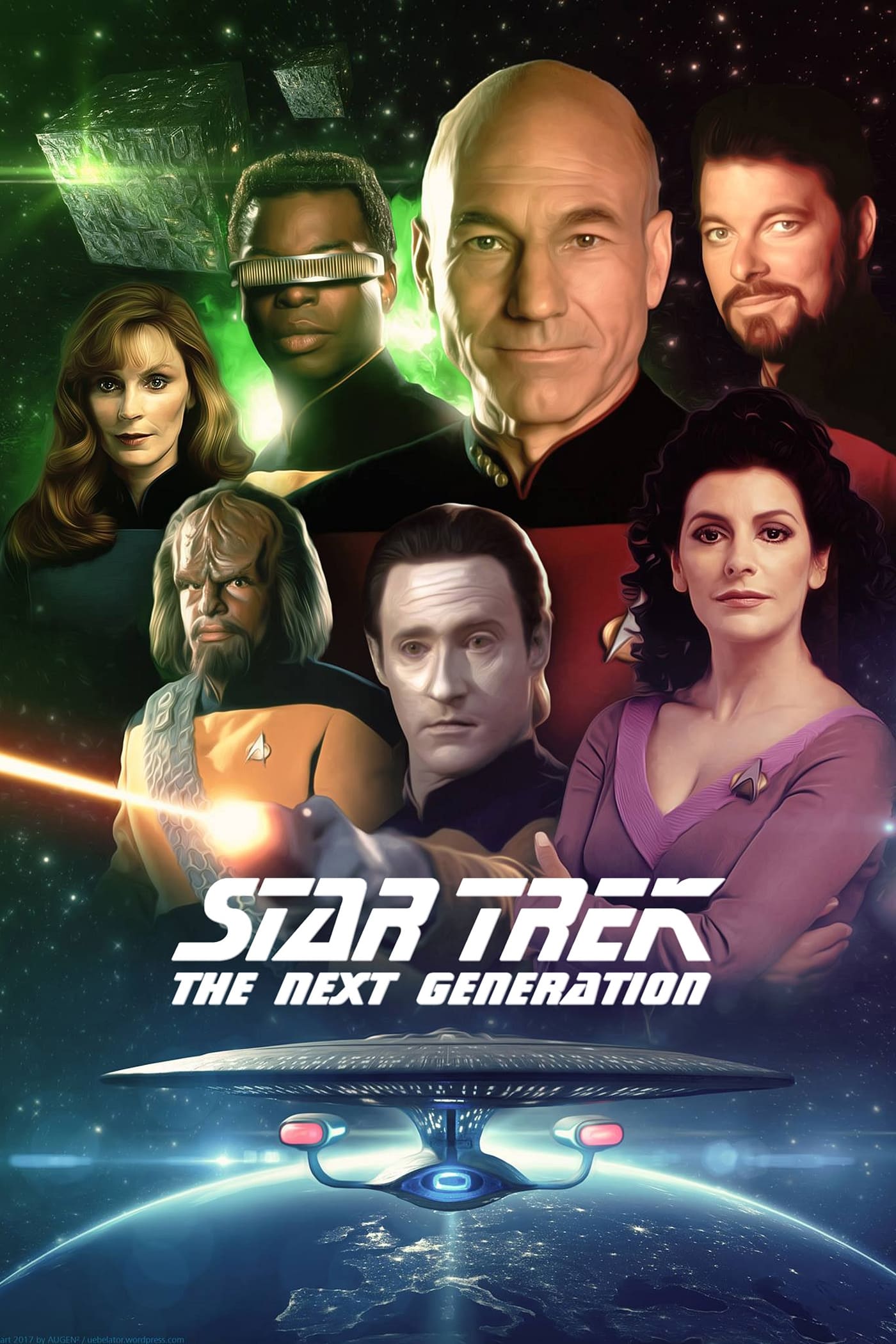
‘Star Trek: The Next Generation’ revived the beloved sci-fi franchise with a new crew aboard the Enterprise. Season 1 struggled with inconsistent writing and dated production values. Characters like Captain Picard felt stiff, and episodes often leaned on recycled ideas from the original series.
Season 2 polished the show’s vision, introducing stronger stories like ‘The Measure of a Man,’ which explored Data’s humanity. Patrick Stewart settled into Picard’s commanding presence, and the ensemble, including Riker and Worf, gained depth. Behind-the-scenes changes, like new writers, helped the series find its footing as a sci-fi staple.
‘Buffy the Vampire Slayer’ (1997-2003)
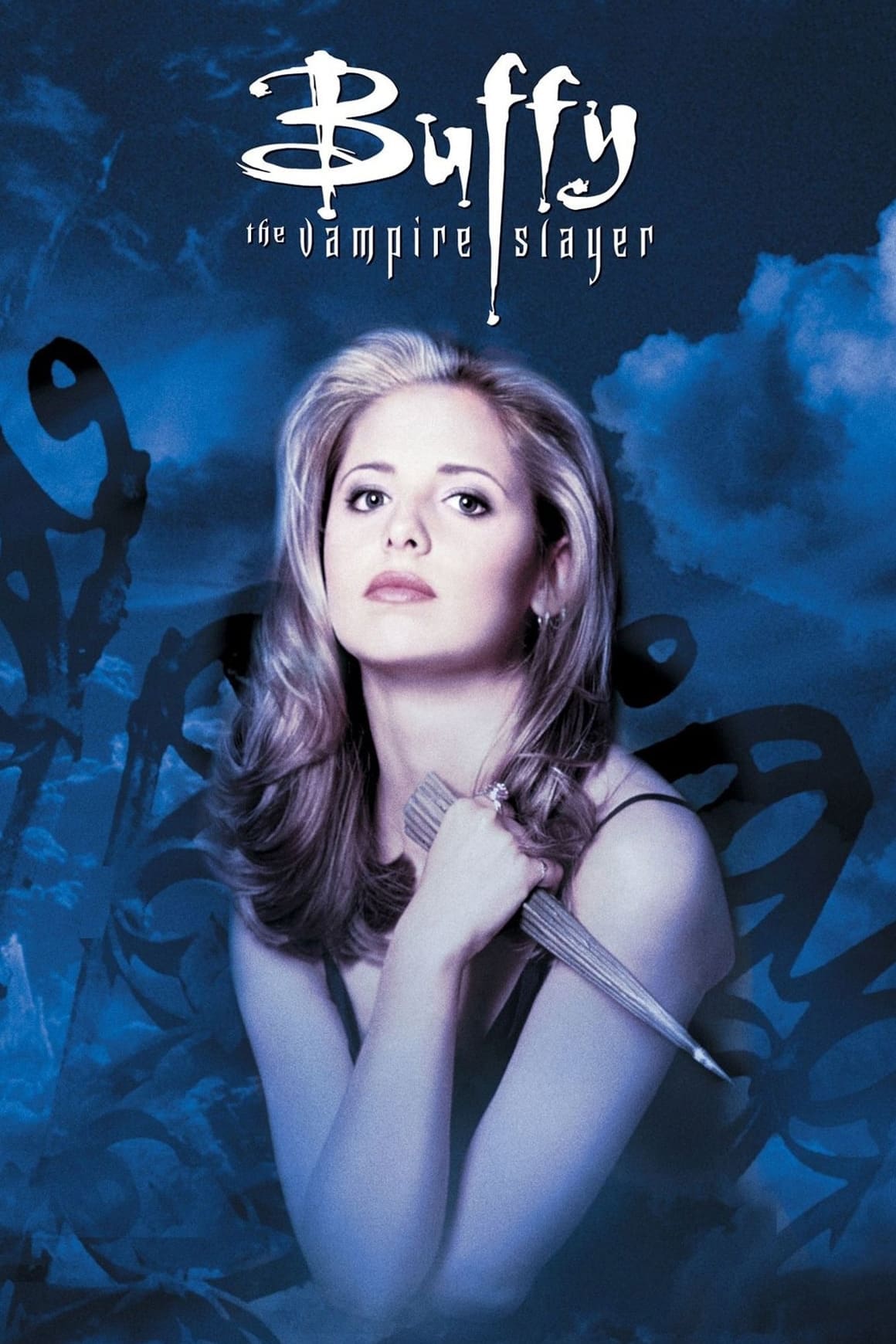
‘Buffy the Vampire Slayer’ debuted as a campy horror-comedy about a teen girl fighting vampires. Season 1 had a low budget and uneven tone, with some episodes feeling like standalone monster-of-the-week stories. Sarah Michelle Gellar’s Buffy was compelling, but the show hadn’t tapped its full potential.
Season 2 elevated the stakes with richer mythology and emotional depth. The introduction of Spike and Drusilla as villains added menace, while Buffy’s romance with Angel took a tragic turn. Episodes like ‘Surprise’ and ‘Innocence’ blended action, heart, and horror, making the show a cult favorite.
‘Halt and Catch Fire’ (2014-2017)
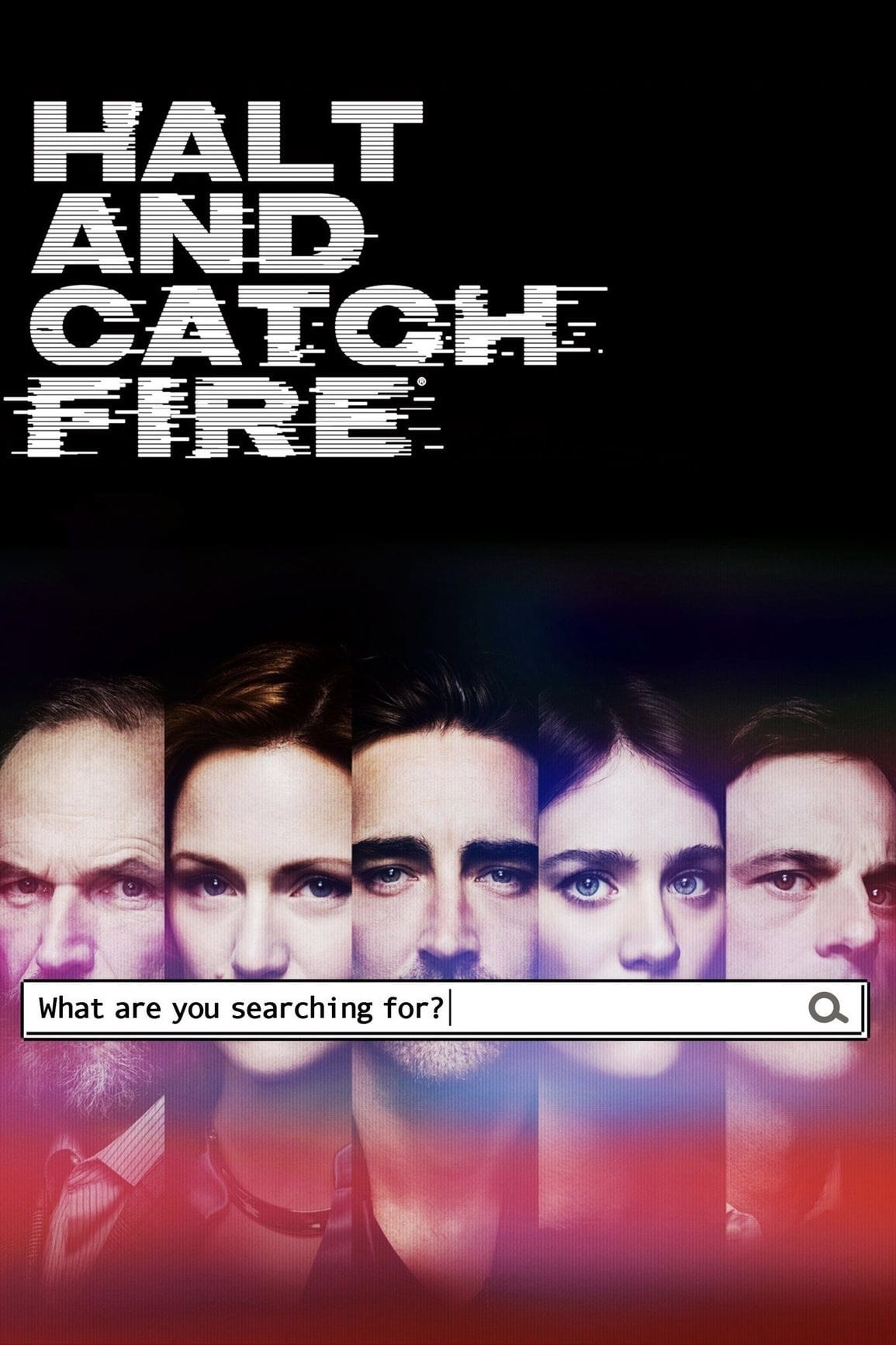
‘Halt and Catch Fire’ launched as a period drama about the 1980s tech boom, following a group of innovators building a new computer. Season 1 tried to emulate ‘Mad Men’ with its antihero lead, Joe MacMillan, but the characters felt like archetypes. The tech jargon also alienated some viewers.
Season 2 pivoted to focus on the ensemble, particularly the women, Cameron and Donna. Their startup, Mutiny, brought a scrappy, creative energy, and the relationships grew more authentic. Lee Pace and Scoot McNairy shone as flawed dreamers, and the show carved out its niche as a smart, character-driven drama.
Which of these Season 2 glow-ups is your favorite, or did we miss a show that nailed its sophomore run? Drop your thoughts in the comments!

