10 Underrated Jackie Chan Movies You Must See

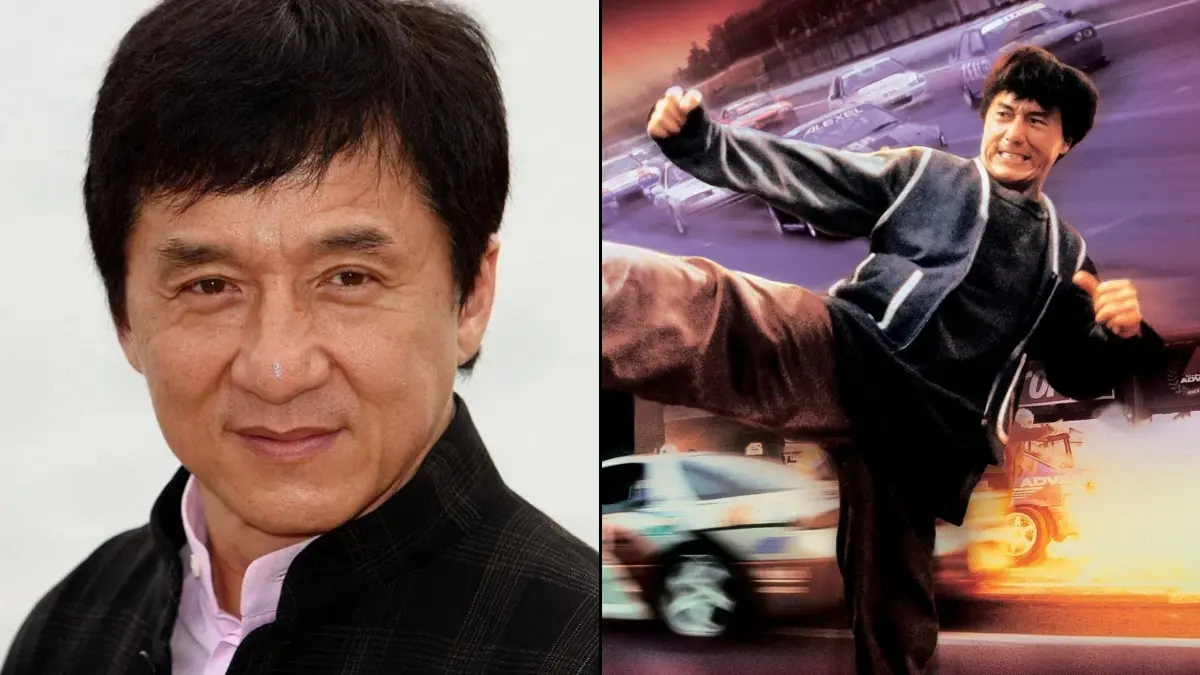

Jackie Chan’s career spans decades and crosses industries in Hong Kong, mainland China, and Hollywood. He has worked as actor, director, producer, and action choreographer, and his filmography covers modern thrillers, period adventures, racing dramas, and grounded crime stories. Many titles sit outside the handful of global hits that people cite first, yet they show the range of his filmmaking and the depth of his collaborations with teams across Asia and Europe.
This guide gathers ten films that often fly under the radar even for fans. You will find projects with alternate cuts for different markets, international shoots, unusual roles, and set pieces built with practical stunt design. Each entry notes concrete production details, story setup, and why the film matters within his body of work, so you can decide what to watch next with clear context.
‘Dragon Lord’ (1982)
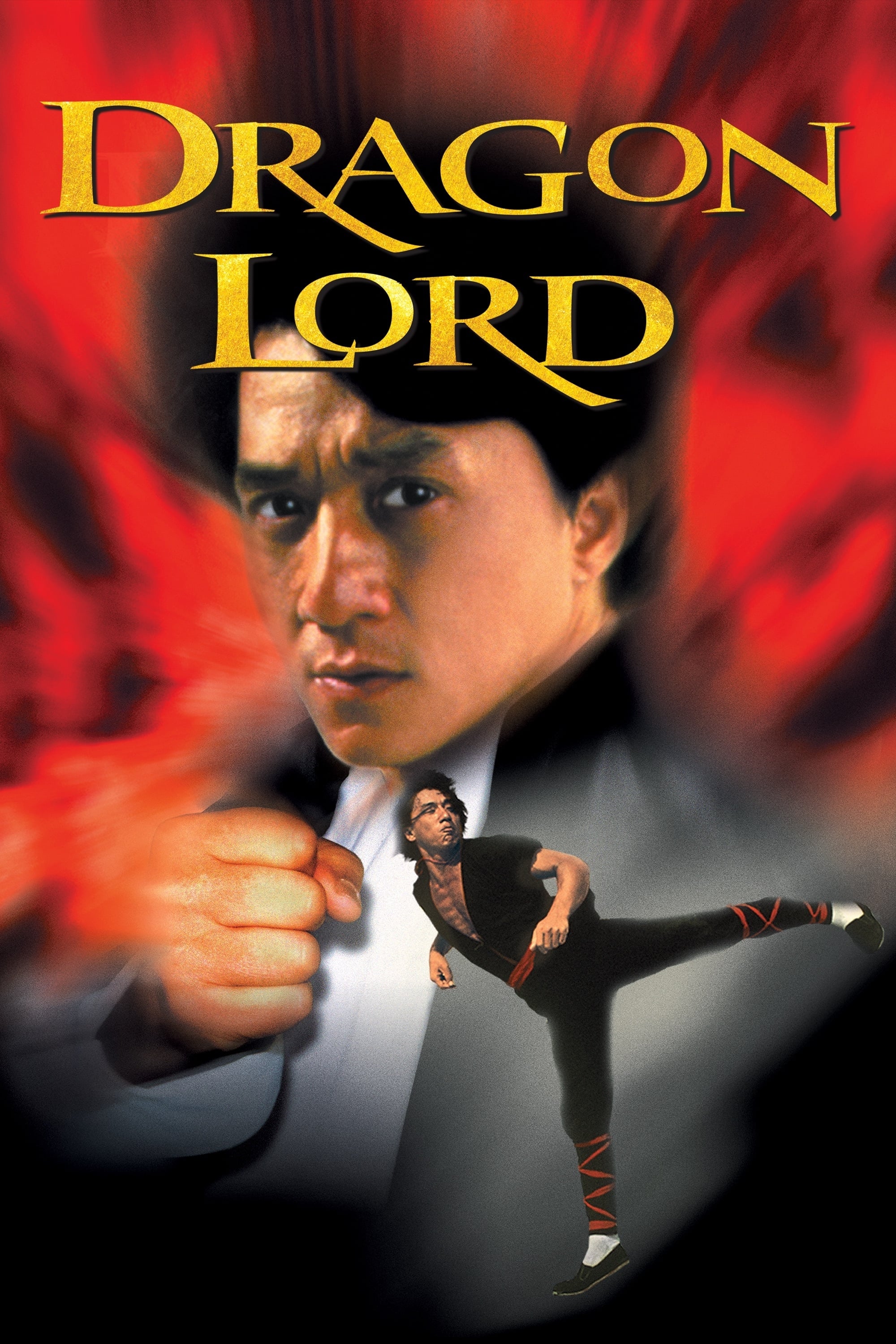
Jackie Chan directs and stars in this period action film that mixes athletic games with large scale stunt choreography. The story follows village friends who stumble into a smuggling ring, which sets up long takes of competitive play and a finale built around a dust filled construction site. The production pushed intricate timing for group action and used multiple camera angles to capture full body impacts and rooftop falls.
The film connects early opera school influences with emerging stunt team methods that Jackie refined through the eighties. It served as a bridge between traditional costume fighting and the modern stunt frameworks that later shaped titles like ‘Project A’. Home releases often highlight behind the scenes footage that documents the demanding rehearsal process used on set.
‘Wheels on Meals’ (1984)

Shot on location in Barcelona, this Sammo Hung directed action comedy teams Jackie Chan with Yuen Biao and Sammo Hung as cousins who run a mobile food van. The plot involves a pickpocket and a kidnapping scheme that pulls the trio into chases through plazas and alleys in the city. The production showcases European locations and multilingual dialogue for an international feel uncommon in the era.
The film features a celebrated fight between Jackie Chan and kickboxing champion Benny Urquidez that emphasizes timing and distance control without camera trickery. Golden Harvest titled it ‘Wheels on Meals’ after avoiding a title that began with the letter M, which the studio believed correlated with poor box office at the time. The cast and crew returned to Spain for additional pickup shots to complete several action beats.
‘Heart of Dragon’ (1985)
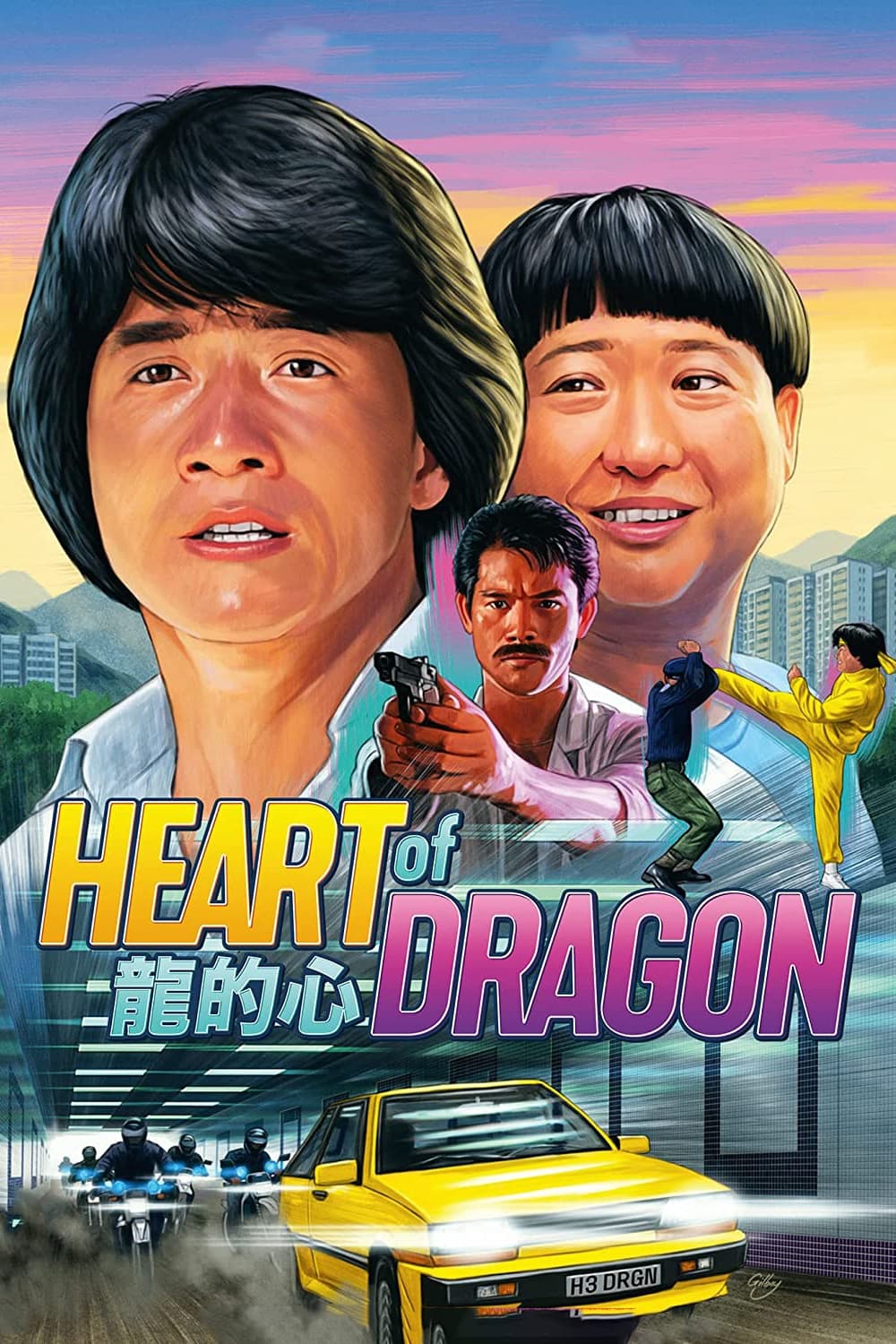
Directed by Sammo Hung, this drama centers on a Hong Kong police officer who cares for his brother, played by Sammo Hung, while navigating a criminal investigation. The film reduces comic embellishments and focuses on character responsibilities inside a realistic urban setting. Location work took place in residential neighborhoods and police facilities to ground the story in everyday environments.
Two different endings were prepared for different markets, so viewers may encounter alternate conclusions depending on the edition. The production paired dramatic scenes with brief, tightly staged action sequences that reflect duty rather than spectacle. Music cues and editing rhythms were adjusted between versions to fit the tone required by local distributors.
‘Miracles: The Canton Godfather’ (1989)

Also known as ‘Mr. Canton and Lady Rose’, this Jackie Chan directed feature adapts the Frank Capra stories ‘Lady for a Day’ and ‘Pocketful of Miracles’ into a 1930s Hong Kong setting. The narrative follows a country newcomer who becomes a reluctant gang leader while helping a flower seller. The production invested heavily in art direction, wardrobe, and period street sets that recreate prewar Central and Sheung Wan.
Two principal cuts circulate, with the Hong Kong version running longer than international edits. Elaborate long takes coordinate large ensembles in ballrooms and markets, supported by synchronized camera cranes and precise background action. The film is frequently cited in production notes for its resource intensive schedule and bespoke set construction.
‘Crime Story’ (1993)
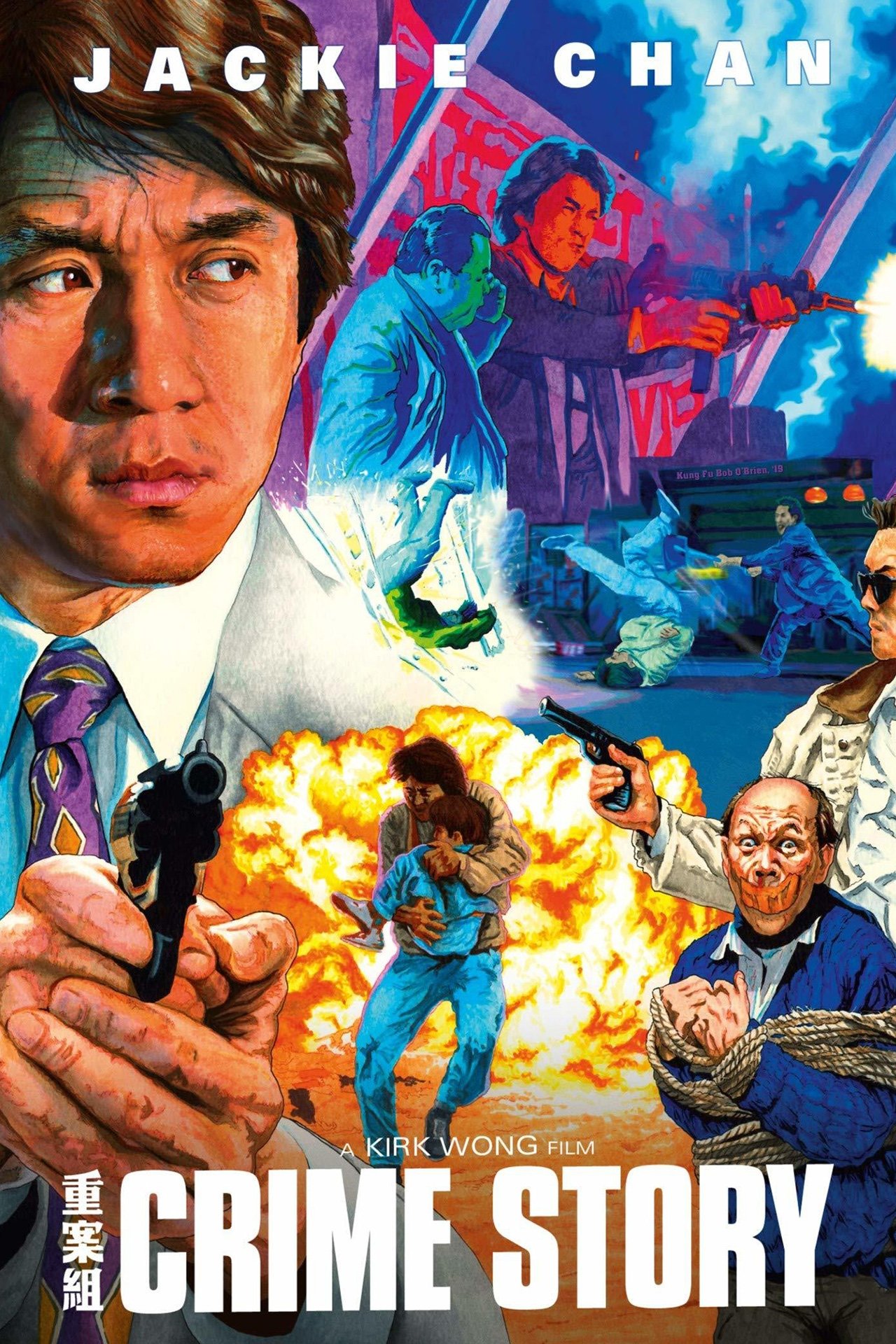
Kirk Wong directs this crime thriller inspired by a high profile Hong Kong kidnapping case. Jackie Chan plays a detective who tracks a group of abductors across apartment blocks and warehouses while internal affairs examines police corruption. The role limits comic elements and positions the character within a procedural framework that follows leads, interrogations, and surveillance.
The production split work between Hong Kong and Taiwan to secure locations for safe pyrotechnics and controlled building destruction. Fire sequences used practical effects with layered safety barriers and fire resistant wardrobe. The editing emphasizes continuity of geography through establishing shots and overhead maps to keep the investigation clear to the audience.
‘Thunderbolt’ (1995)
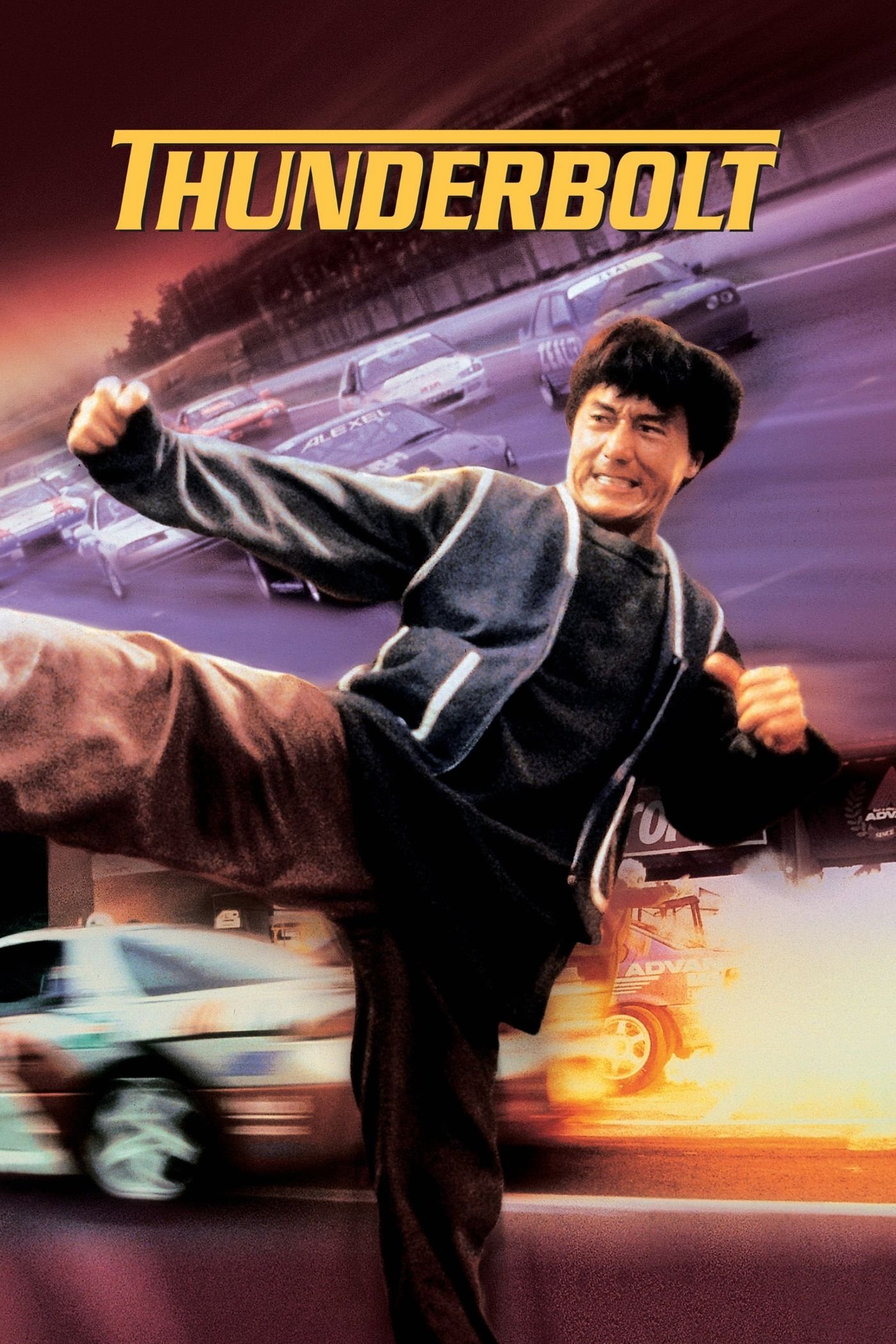
This auto racing thriller casts Jackie Chan as a mechanic and test driver who pursues an international criminal through the world of touring cars. Gordon Chan led direction with action units supervised by Jackie Chan’s stunt team. Mitsubishi vehicles appear prominently, and the crew coordinated with racing organizations to stage high speed track scenes with professional drivers.
Dialogue alternates among Cantonese, Mandarin, and Japanese to fit the transnational plot. Filming took place in Hong Kong, Japan, and Southeast Asia, and track access required precise scheduling around real motorsport calendars. Vehicle rigs and removable panels allowed in car camera placement for sustained shots during acceleration and cornering.
‘Who Am I?’ (1998)
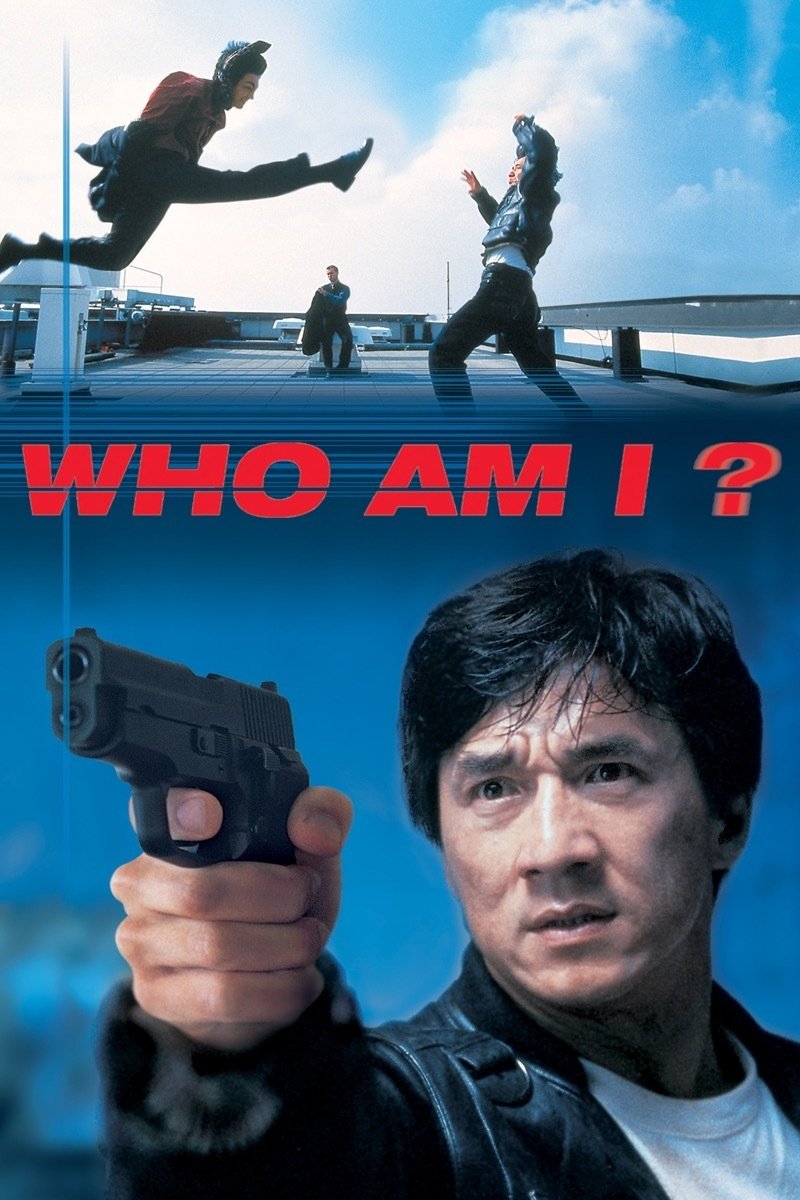
Co directed by Jackie Chan and Benny Chan, this globe hopping action film follows an amnesiac agent who escapes a paramilitary unit in southern Africa and later seeks answers in Europe. The shoot moved from desert locations to city blocks in Rotterdam, where Jackie Chan performed a controlled slide down the glass facade of a high rise building without digital replacement. Fight scenes on a rooftop use wide angle framing to keep footwork and timing visible.
The film exists in multiple language versions with different scene order and runtime, reflecting distribution strategies for Asian and international markets. Production notes describe local road closures and pulley based safety lines for the Rotterdam sequence. The crew secured permissions for aerial photography across the Maas River to connect exterior geography from shot to shot.
‘New Police Story’ (2004)
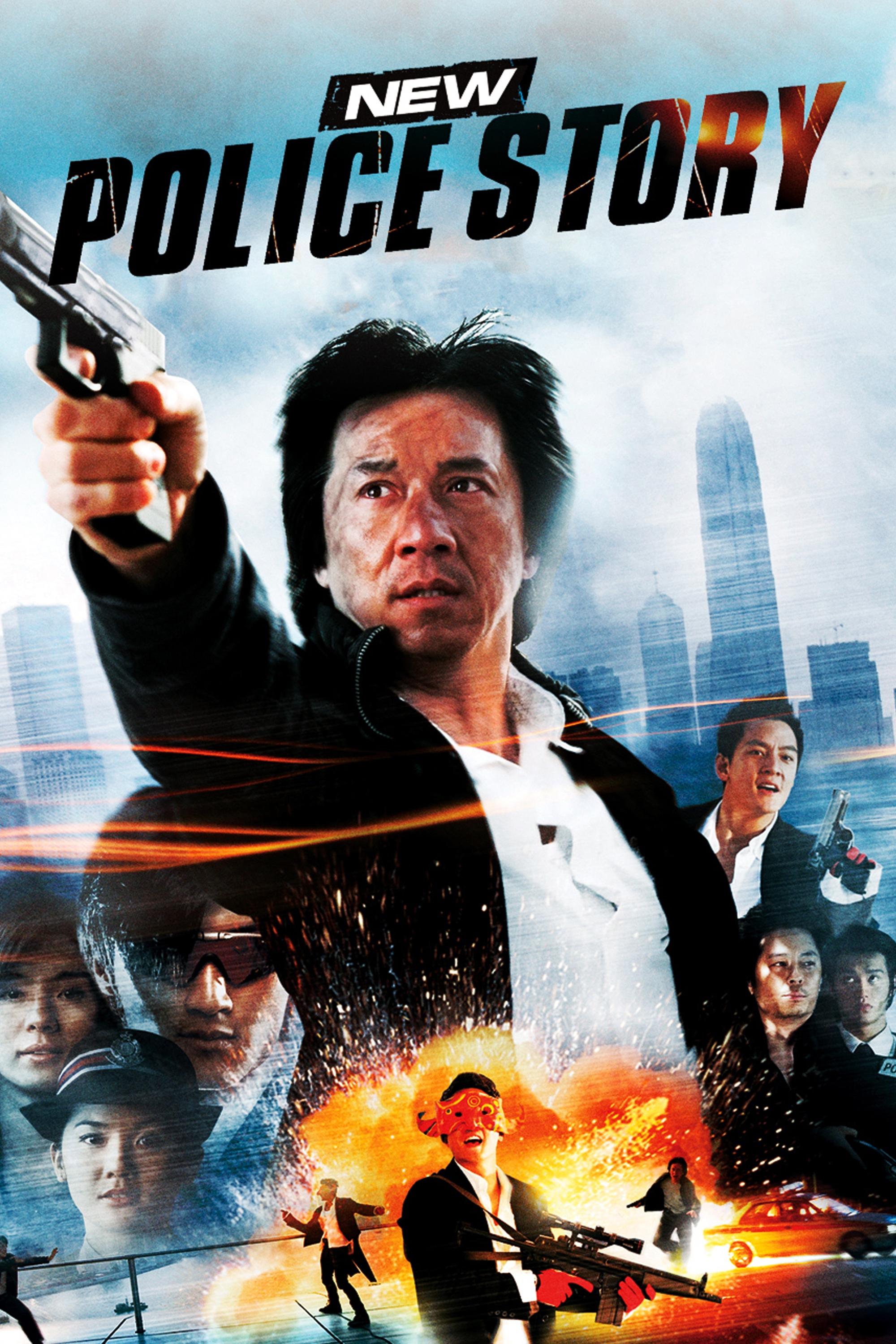
Benny Chan directs this fresh continuity entry that resets the long running ‘Police Story’ series rather than continuing the earlier timeline. Jackie Chan plays Inspector Chan Kwok Wing, a veteran officer who must rebuild his unit after a violent setback engineered by a gang of privileged thrill seekers. The cast includes Nicholas Tse, Daniel Wu, and Charlene Choi in key roles connected to the central investigation.
Filming returned to core Hong Kong districts and used practical bus, rappel, and glass break stunts that align with the series identity. The production built large interior sets to stage hostage scenarios with controlled explosions and breakaway structures. Release materials noted a focus on mentorship within the police hierarchy, which shapes character pairings across the case.
‘Rob-B-Hood’ (2006)
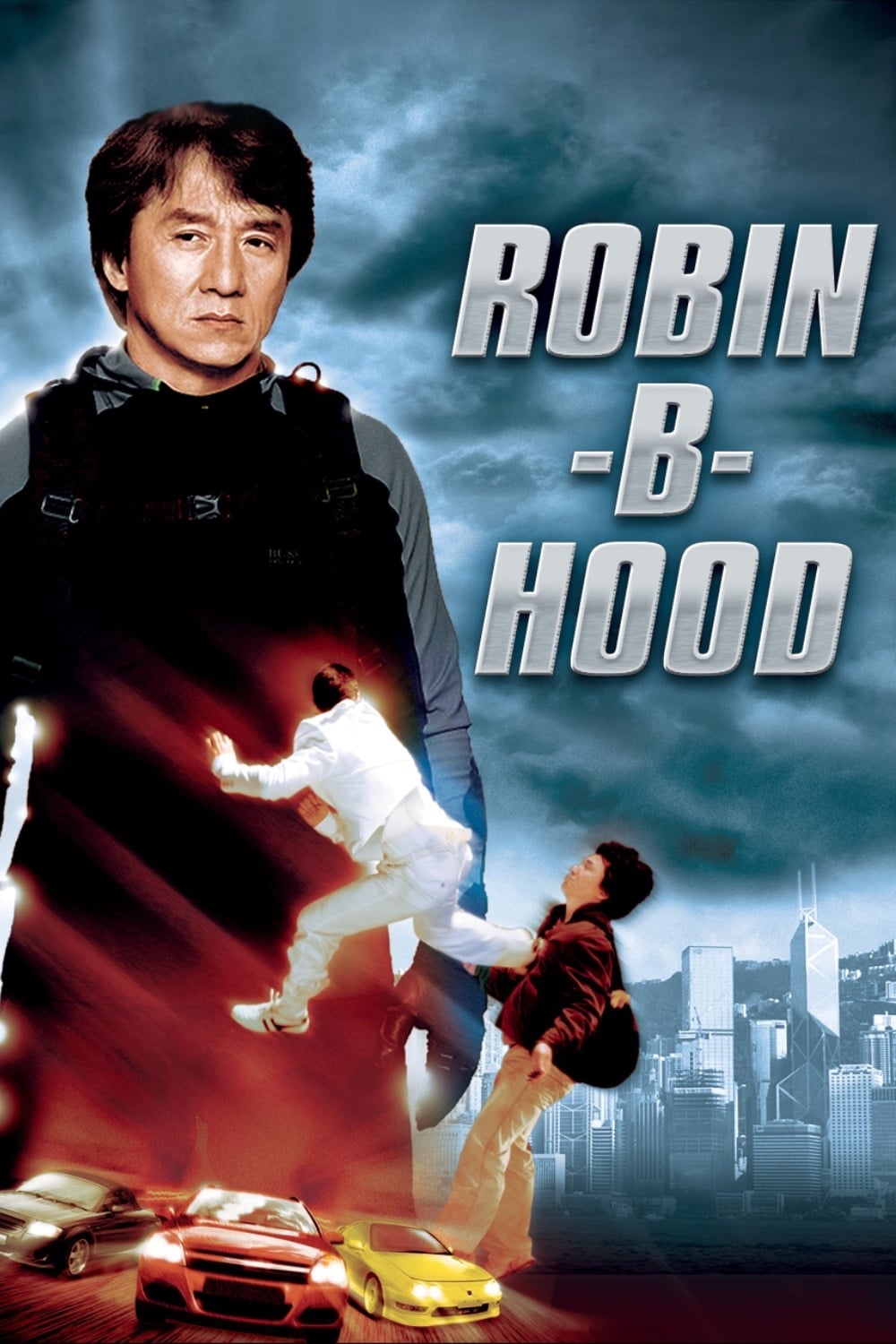
Released in some regions as ‘Robin-B-Hood’, this Benny Chan directed caper pairs Jackie Chan with Louis Koo and Michael Hui as thieves who become caretakers for an abducted infant. The setup allows inventive prop based problem solving inside small apartments and hospital corridors while the gang navigates rival criminals and law enforcement. The baby character drives scene construction around safety, timing, and eye lines.
The crew created soft set pieces and reinforced furniture to protect the child performer during movement. Several comic beats were captured with hidden cuts so the infant could be swapped for a lightweight stand in when needed. The film’s Cantonese and Mandarin tracks contain small dialogue changes to match regional references, and closing credits include rehearsal footage that illustrates how the team rehearsed interactions with the baby.
‘Shinjuku Incident’ (2009)
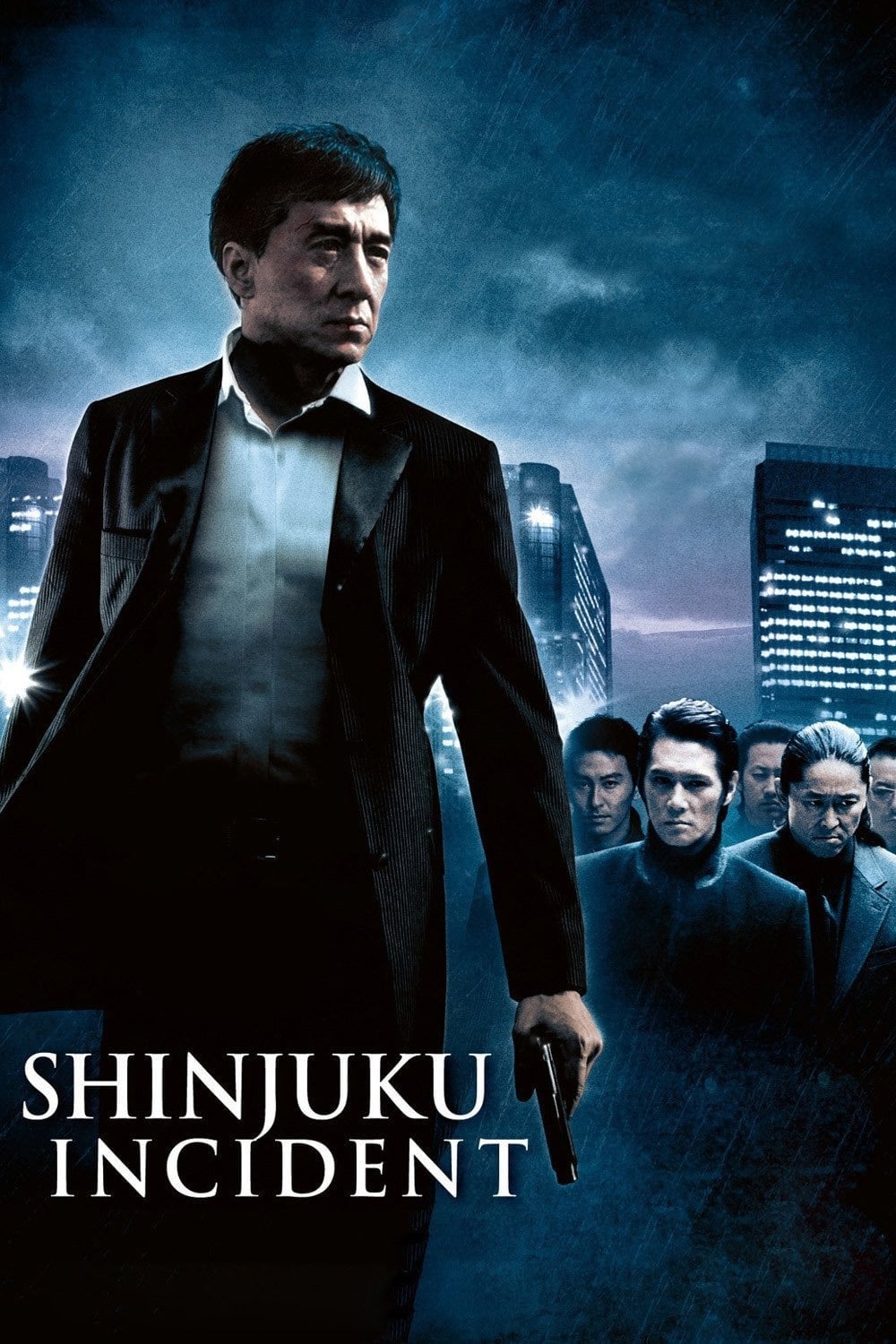
Directed by Derek Yee, this crime drama follows a Chinese migrant who enters Japan without papers and becomes entangled in turf conflicts in the Shinjuku area. The film minimizes stylized martial arts and focuses on the mechanics of underground labor, protection rackets, and community networks. Jackie Chan’s character arc maps to shifts in power among Chinese and Japanese groups within the city.
The film received a Category III rating in Hong Kong for violence and did not open in mainland China in its original form. Many Tokyo street scenes were recreated in Yokohama to accommodate permits and crowd control. The production used handheld cameras and subdued color timing to align with contemporary crime cinema practices in the region.
Share your own overlooked Jackie Chan favorites in the comments so other readers can discover more titles to queue up next.