10 Underrated David Bowie Movies You Must See

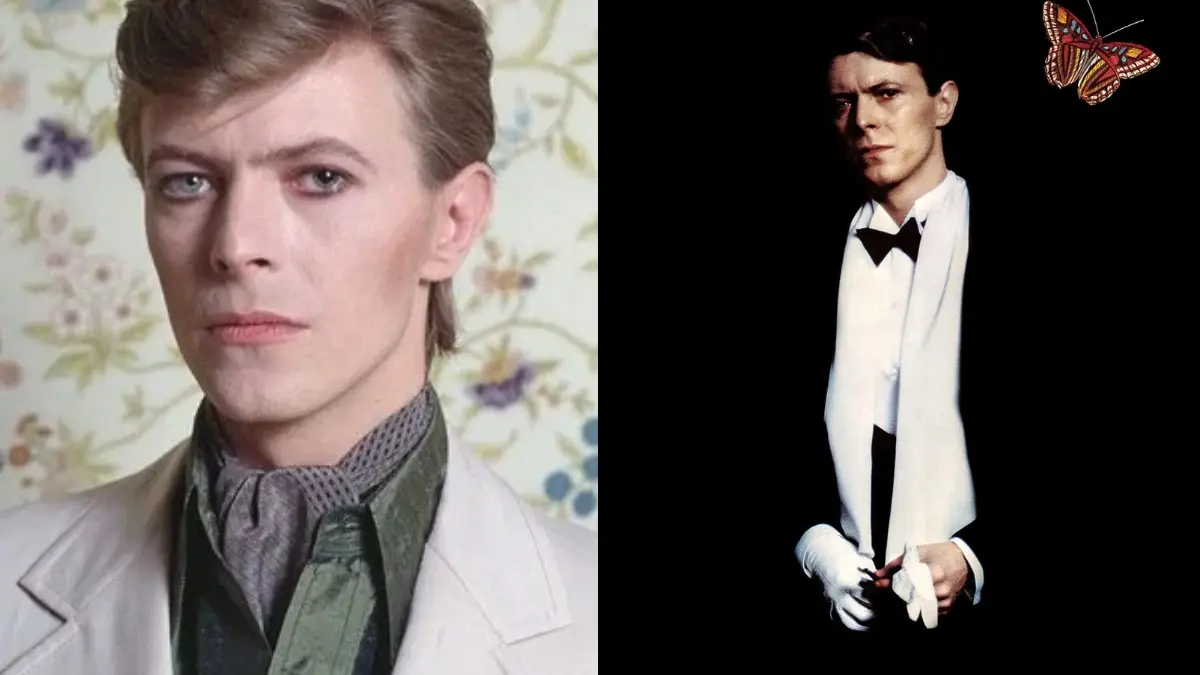

David Bowie moved between studio sessions and film sets with a focus that kept his screen work varied and surprising. Across dramas, thrillers, comedies, and fantasy, he worked with directors such as Martin Scorsese, Tony Scott, Julian Schnabel, and John Landis, often taking roles that added an offbeat edge to already distinctive projects.
This list spotlights ten films that feature Bowie in roles that deserve more attention within his screen career. Each entry includes clear details on his character, the creative team behind the project, and production notes that help you track down the right editions and appreciate what is on screen.
‘Just a Gigolo’ (1978)
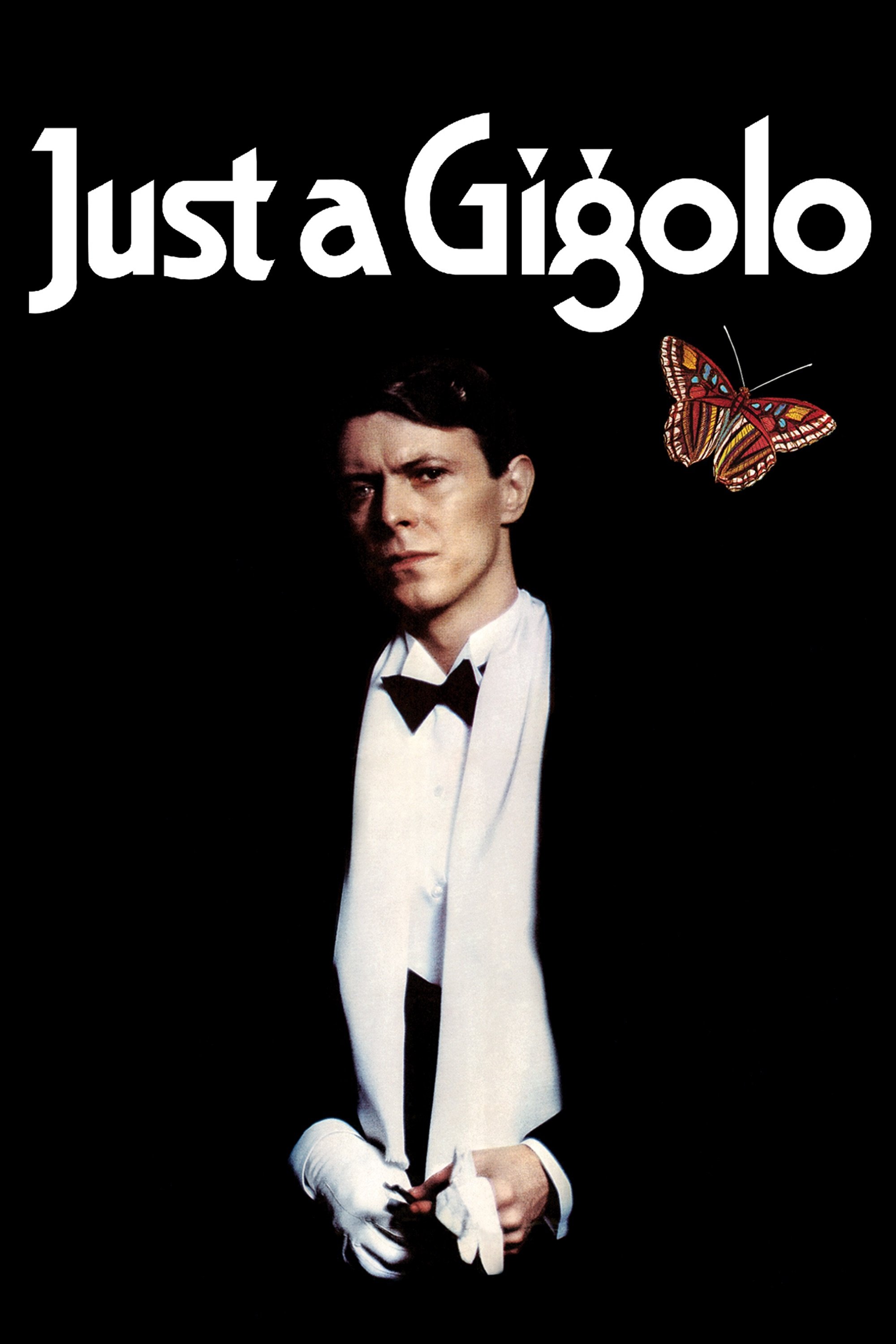
In ‘Just a Gigolo’ Bowie plays Paul Ambrosius von Przygodski, a former officer who returns to Berlin after the war and drifts into work at an exclusive establishment. The film was directed by David Hemmings and features Marlene Dietrich in her final screen appearance, with scenes that set Bowie’s character against the shifting social world of the city.
Production was an international effort with German and British backing and a cast drawn from both sides. Dietrich’s performance was filmed separately, which explains the carefully staged encounter that places her character at a remove from Bowie’s, a choice that matches the story’s focus on distance and dislocation.
‘The Hunger’ (1983)

‘The Hunger’ pairs Bowie with Catherine Deneuve and Susan Sarandon in a modern vampire story set largely in New York. Bowie plays John Blaylock, whose desperate search for a cure to sudden aging pulls a medical researcher into a closed world of wealth, secrecy, and blood science.
The film marks Tony Scott’s feature debut and is known for striking editing, practical aging effects, and an opening nightclub sequence cut to a live performance by Bauhaus. Location work and sleek interiors anchor the story in the city while the makeup design tracks the rapid transformation of Bowie’s character with meticulous progression.
‘Absolute Beginners’ (1986)
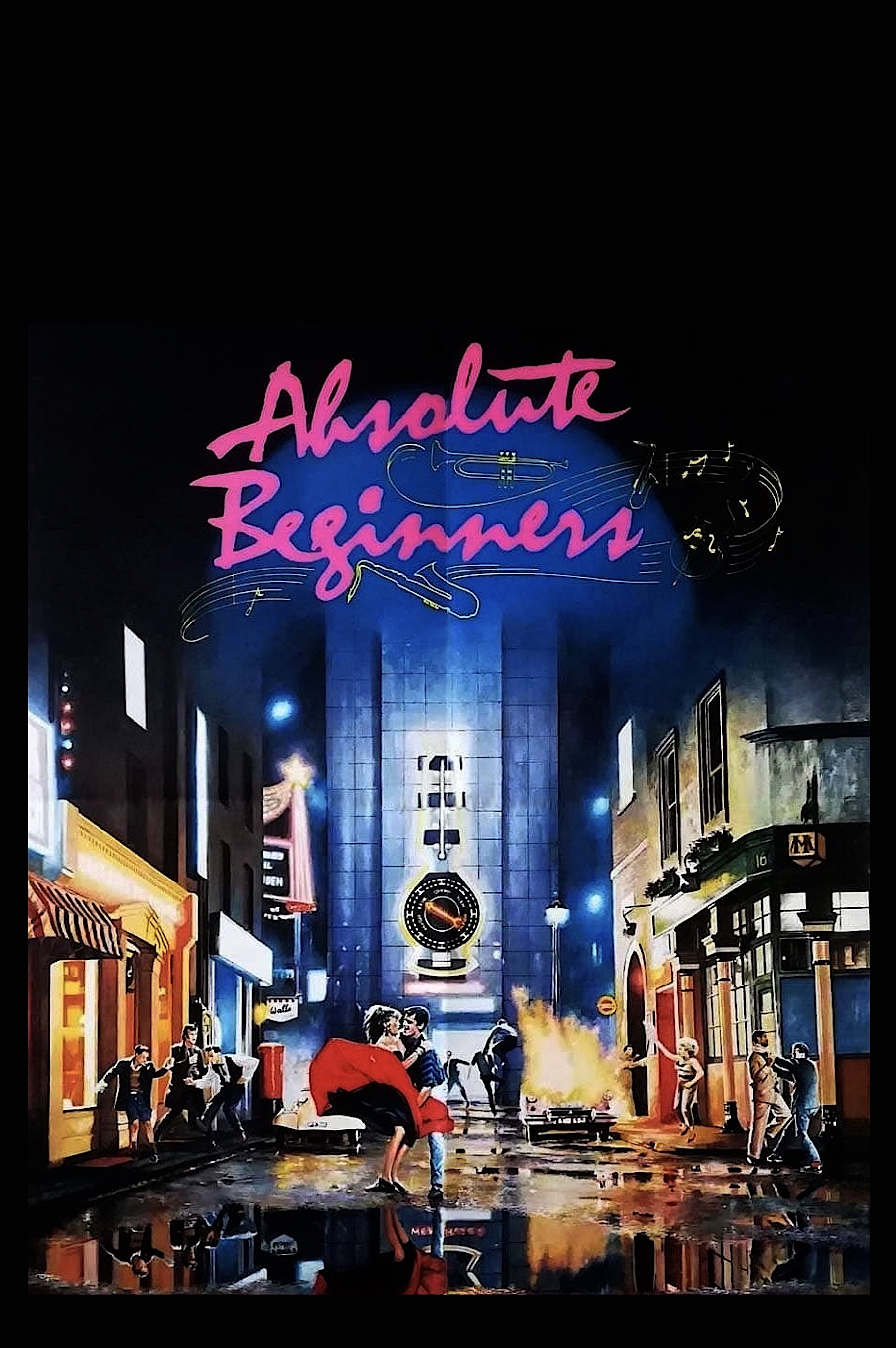
In ‘Absolute Beginners’ Bowie appears as Vendice Partners, a slick advertising executive who represents the commercial pull shaping the careers of young creatives. The story follows a teenage photographer navigating London’s music and fashion scene while the city’s social tensions build in the background.
The film adapts the novel by Colin MacInnes and combines studio sets with real London locations to stage large musical numbers. Bowie also recorded the title song, and his on screen musical sequence uses oversized props and choreography to mirror the period’s pop culture spectacle.
‘Into the Night’ (1985)
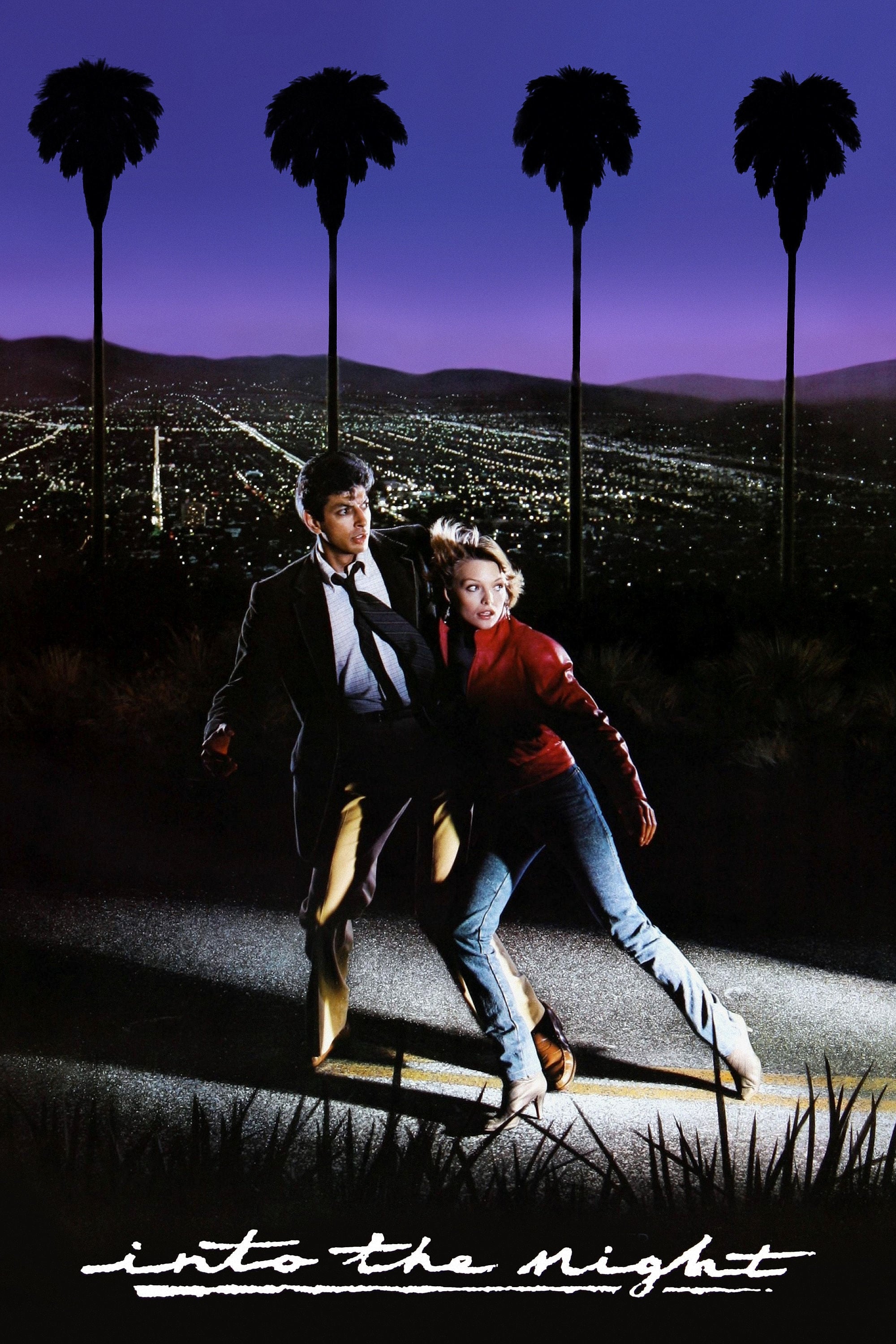
‘Into the Night’ casts Bowie as Colin Morris, a coolly efficient hitman who keeps crossing paths with an insomniac aerospace engineer and a jewel smuggler on the run. The plot moves through airports, parking garages, and motel rooms as the leads try to outrun both criminals and officials.
John Landis directs a production that uses Los Angeles after dark as a central texture. The film includes cameos from well known filmmakers and musicians, and Bowie’s character threads through the chase with precise timing that ties separate storylines into one continuous pursuit.
‘Basquiat’ (1996)
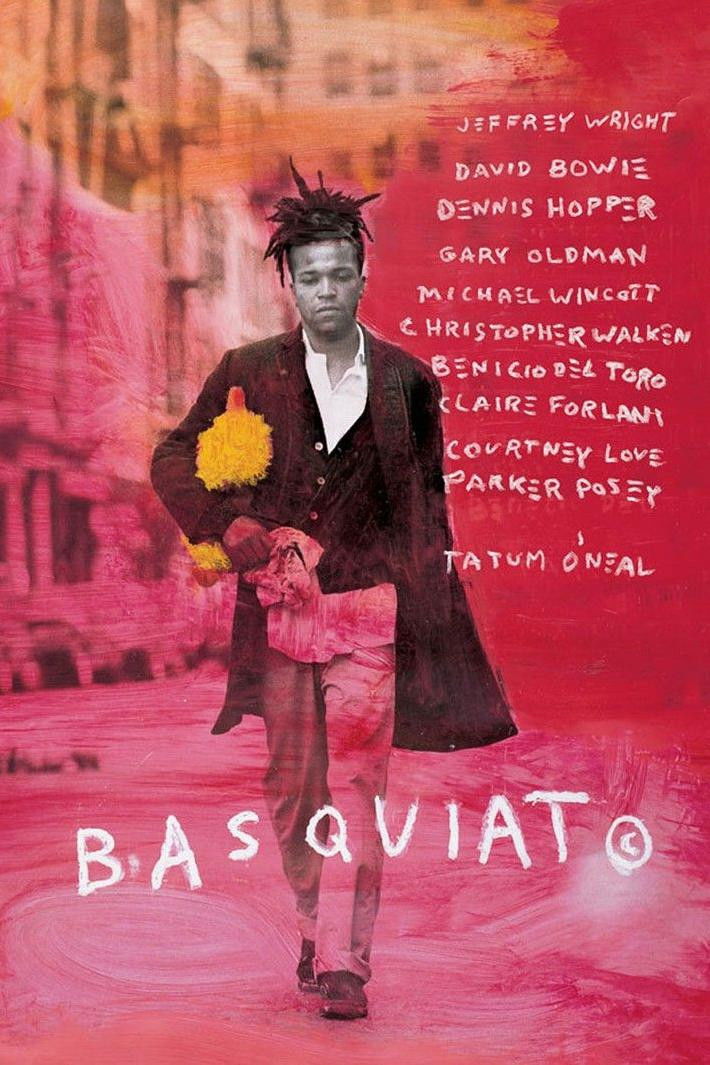
‘Basquiat’ is Julian Schnabel’s portrait of painter Jean Michel Basquiat, with Bowie taking on the role of Andy Warhol. The film tracks exhibitions, studio visits, and press attention, showing how Warhol’s friendship and collaboration affected Basquiat’s work and daily life.
The production recreates galleries, downtown lofts, and Factory style spaces with attention to the look of canvases and ephemera. Bowie’s scenes map to documented moments such as shared projects and media appearances, and the film uses real New York locations to place the art world inside its actual streets and rooms.
‘The Last Temptation of Christ’ (1988)

In ‘The Last Temptation of Christ’ Bowie plays Pontius Pilate in a crucial exchange that weighs Roman order against local unrest. His Pilate meets Jesus in a measured conversation that lays out political stakes and personal risk inside a formal setting.
Martin Scorsese directs the adaptation of Nikos Kazantzakis’s novel with location work that emphasizes arid landscapes, stone architecture, and crowded markets. The production staged period costumes and props with practical detail, and Bowie’s scenes are shot with restrained camera moves that highlight dialogue and power dynamics.
‘The Linguini Incident’ (1991)
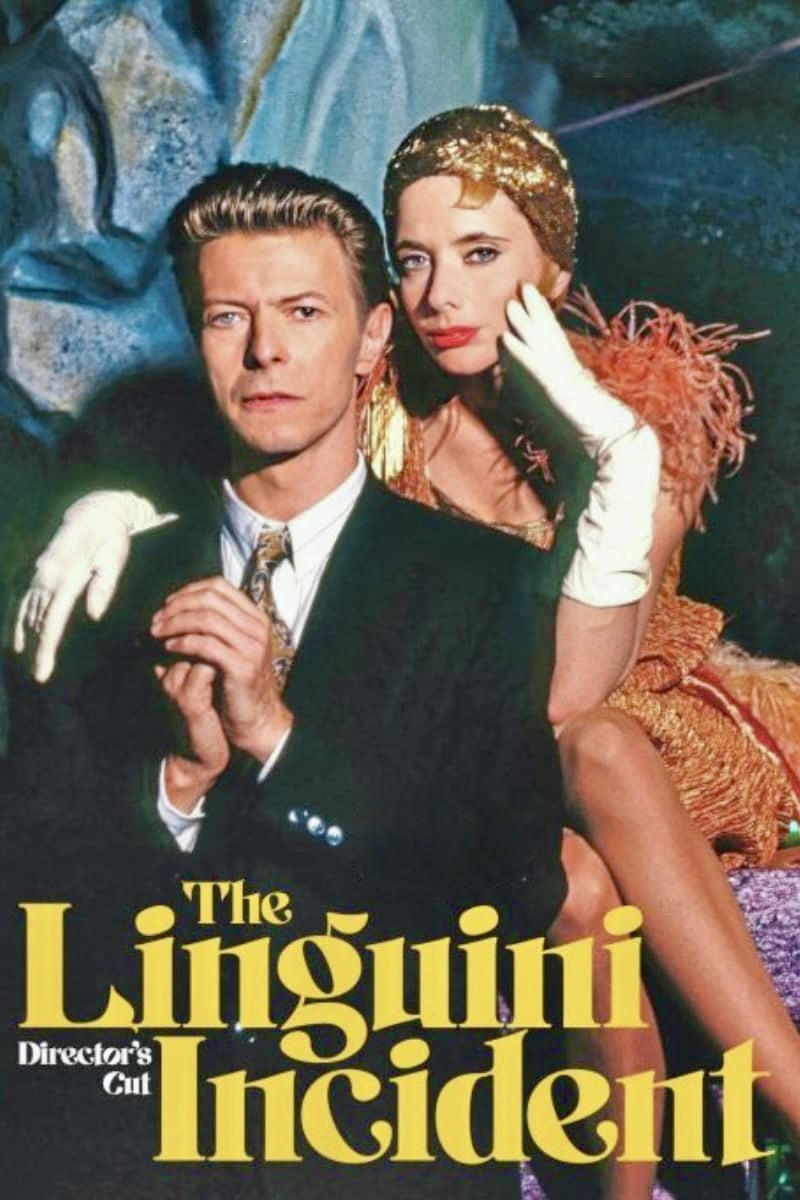
‘The Linguini Incident’ teams Bowie with Rosanna Arquette for a caper built around stage magic and restaurant work. Bowie plays Monte, a charming bartender who partners with a waitress and aspiring escape artist to plan a robbery that depends on misdirection and lock picking.
Richard Shepard directs a New York story that uses real dining rooms, cramped apartments, and prop filled rehearsal spaces to ground the plot. The script leans on practical gags and close up sleight of hand rather than large scale stunts, and Bowie’s character fits naturally into a world of tricks, disguises, and shifting alliances.
‘Mr. Rice’s Secret’ (2000)
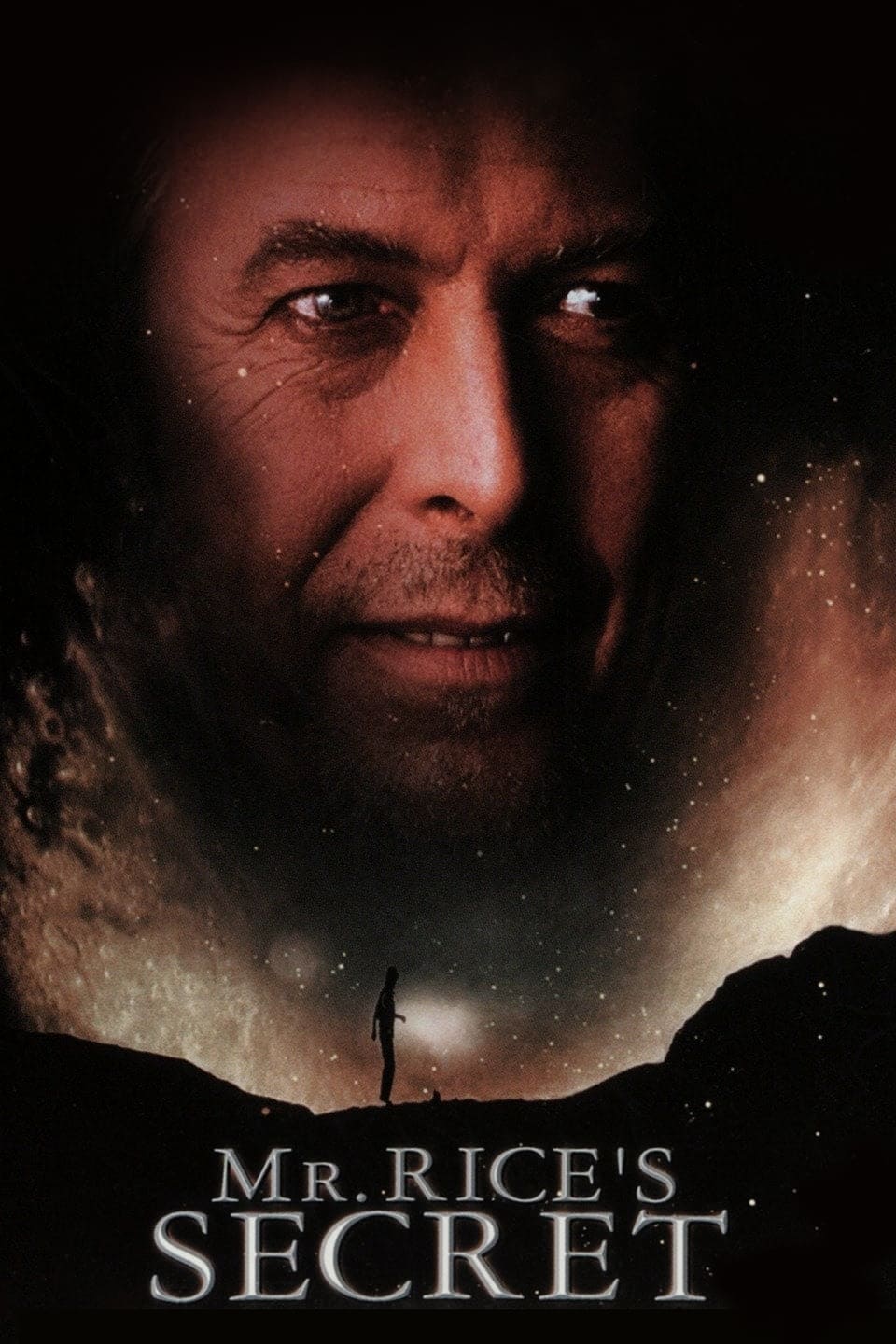
In ‘Mr. Rice’s Secret’ Bowie portrays a wealthy neighbor who leaves a young friend a trail of clues after his death. The scavenger hunt pushes the boy to face illness, fear, and friendship while following hidden messages and coded instructions.
Shot in Canada with a focus on quiet neighborhoods and parks, the film blends mystery and coming of age elements through letters, maps, and small puzzles. Bowie’s character appears in recorded messages and memories that link each clue to a lesson, and the story resolves through choices that the boy makes for himself.
‘Christiane F.’ (1981)
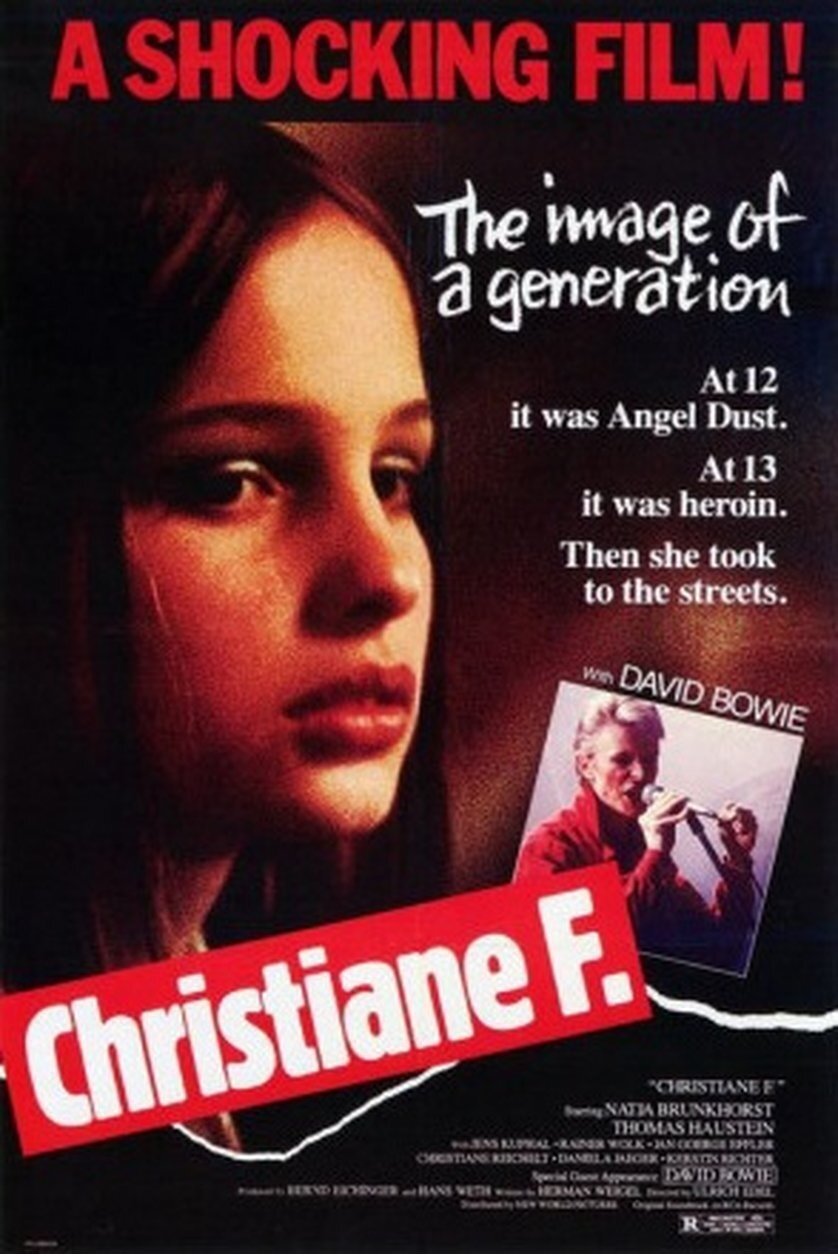
‘Christiane F.’ follows a teenager in West Berlin whose nightlife draws her into addiction and crime, with scenes set around Bahnhof Zoo and nearby clubs. Bowie appears in concert footage that the film incorporates into the narrative, placing live performance inside the character’s world.
The soundtrack uses Bowie’s music throughout, tying specific moments to songs that the characters hear in clubs and on tapes. Location shooting around stations, housing estates, and pedestrian tunnels preserves the city’s look during a difficult time, which gives the story a documentary flavor.
‘Arthur and the Invisibles’ (2006)

In ‘Arthur and the Invisibles’ Bowie voices the villain Maltazard in the English language version of Luc Besson’s family adventure. The film mixes live action bookend scenes with animation as a young boy shrinks to join tiny beings called Minimoys and attempts to save their world.
The voice cast includes Freddie Highmore as Arthur and Mia Farrow in the live action family scenes, with a range of musicians and actors rounding out the animated characters. The role of Maltazard continues across sequels in the series, and the English casting for the villain changes in a later installment.
Share your own picks for overlooked Bowie screen turns in the comments.