Underrated War Movies Nobody Talks About (But Should)

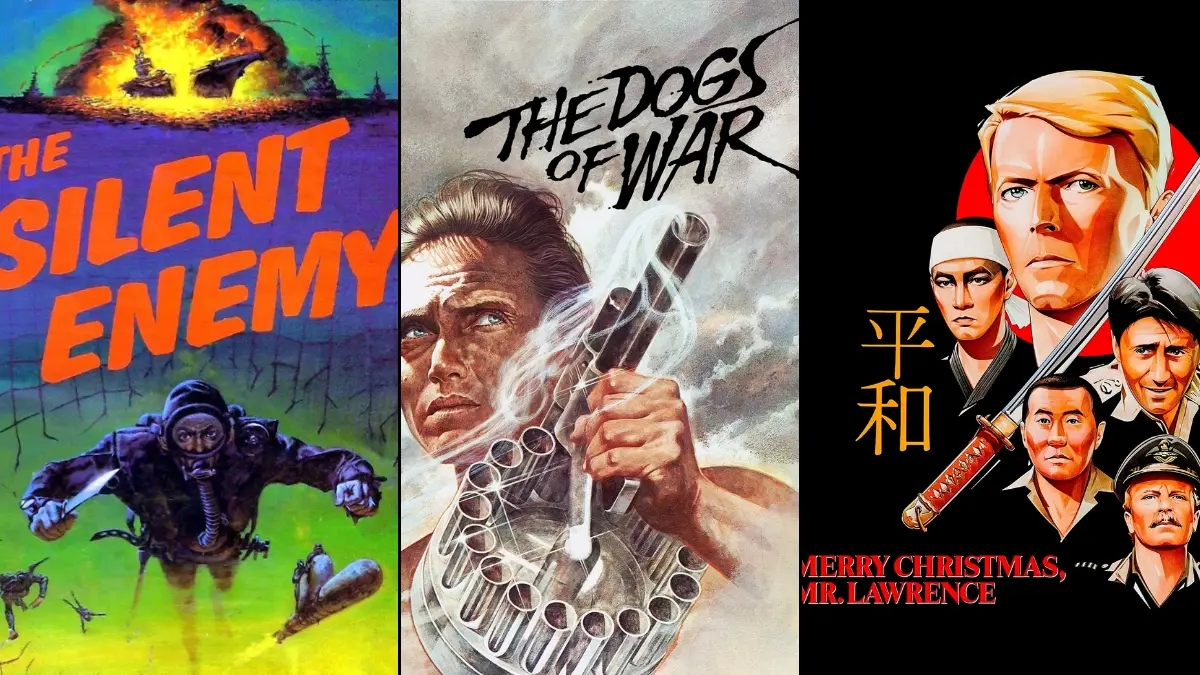

Some war films never get much attention even though they bring real stories, careful craft, and fresh angles on familiar conflicts. This list pulls together titles from many countries and languages so you can explore battles, occupations, and personal missions that do not often show up in everyday conversation. You will find settings that range from North Africa and the Pacific to Eastern Europe and the Korean Peninsula, with a mix of frontline action and home front operations.
Each entry notes key creators, principal cast, and production details that can help you decide what to watch next. You will also see information on subjects like filming locations, historical focus, alternate titles, and awards or festival recognition. The goal is to give you clear facts so you can pick the stories that match your interests.
‘The Beast of War’ (1988)

Kevin Reynolds directs this Afghanistan set tank thriller with George Dzundza, Jason Patric, and Steven Bauer. The story follows a Soviet crew isolated behind enemy lines after a pursuit goes wrong and it centers on the conflict between a ruthless commander and a conscript who questions orders.
The production used desert locations in Israel to stand in for Afghan terrain and featured a T-55 tank to stage practical action without heavy visual effects. The film is also known as ‘The Beast’ in some markets and developed a following through cable broadcasts and home video releases.
‘The Ascent’ (1977)

Larisa Shepitko directs this Belarus set survival drama about two Soviet partisans captured by occupying forces. Boris Plotnikov and Vladimir Gostyukhin lead the cast with supporting roles from Lyudmila Polyakova and Anatoly Solonitsyn.
The film adapts a novel by Vasil Bykau and was shot in winter conditions that match the bleak landscape on screen. It received major festival recognition in Europe and is widely preserved by national film archives with restorations screened at retrospectives of Soviet-era cinema.
‘Fires on the Plain’ (1959)
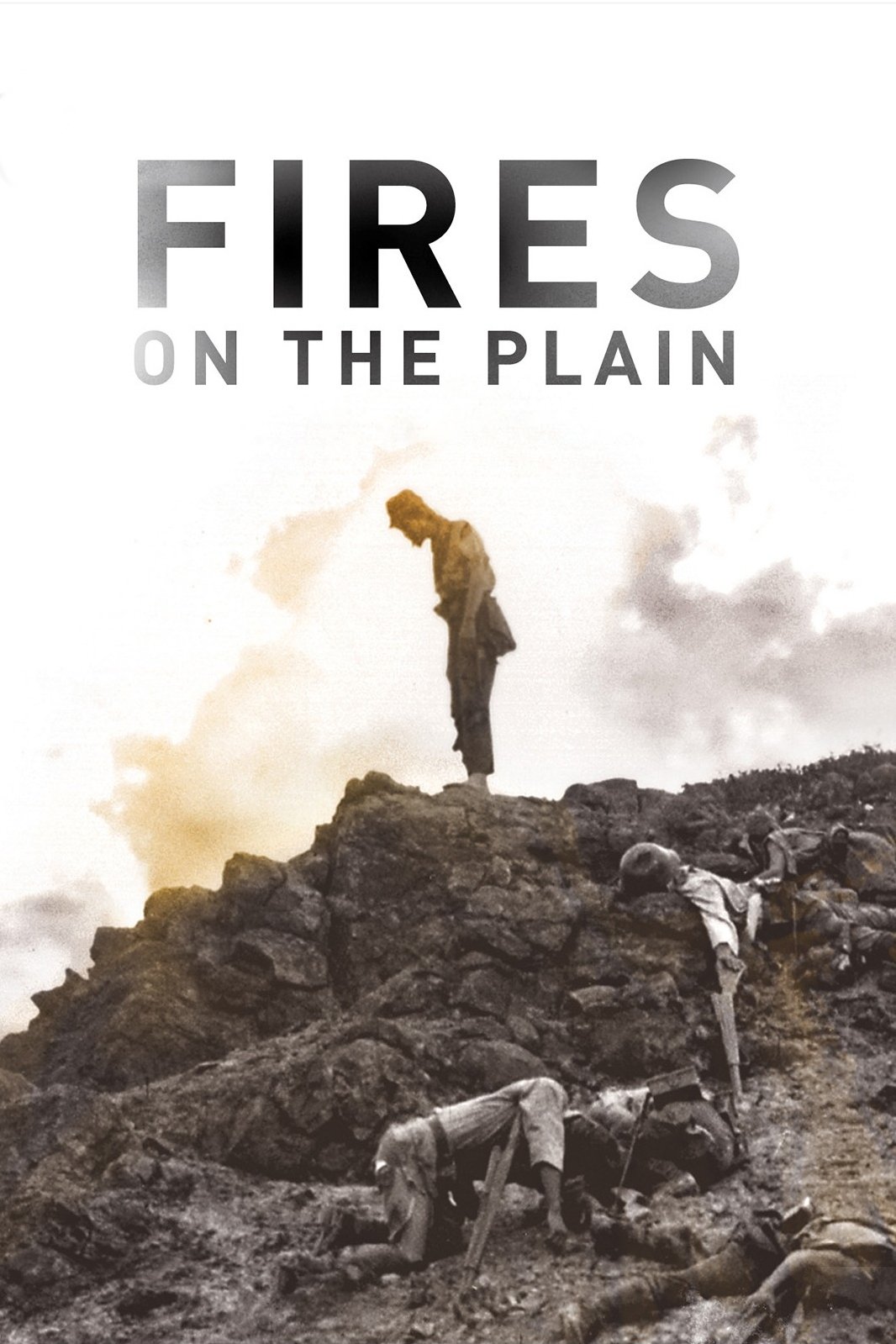
Kon Ichikawa directs this Japanese soldier’s story set in the Philippines near the end of the Pacific campaign. Eiji Funakoshi stars as a tuberculosis afflicted private trying to navigate retreat, starvation, and the breakdown of military structures.
The screenplay adapts a postwar novel by Shōhei Ōoka and was filmed with a mix of location work and spare staging that emphasizes terrain and movement. The film screened internationally and influenced later depictions of the Pacific theater, and it has appeared in restored editions from Japanese studios.
‘A Midnight Clear’ (1992)
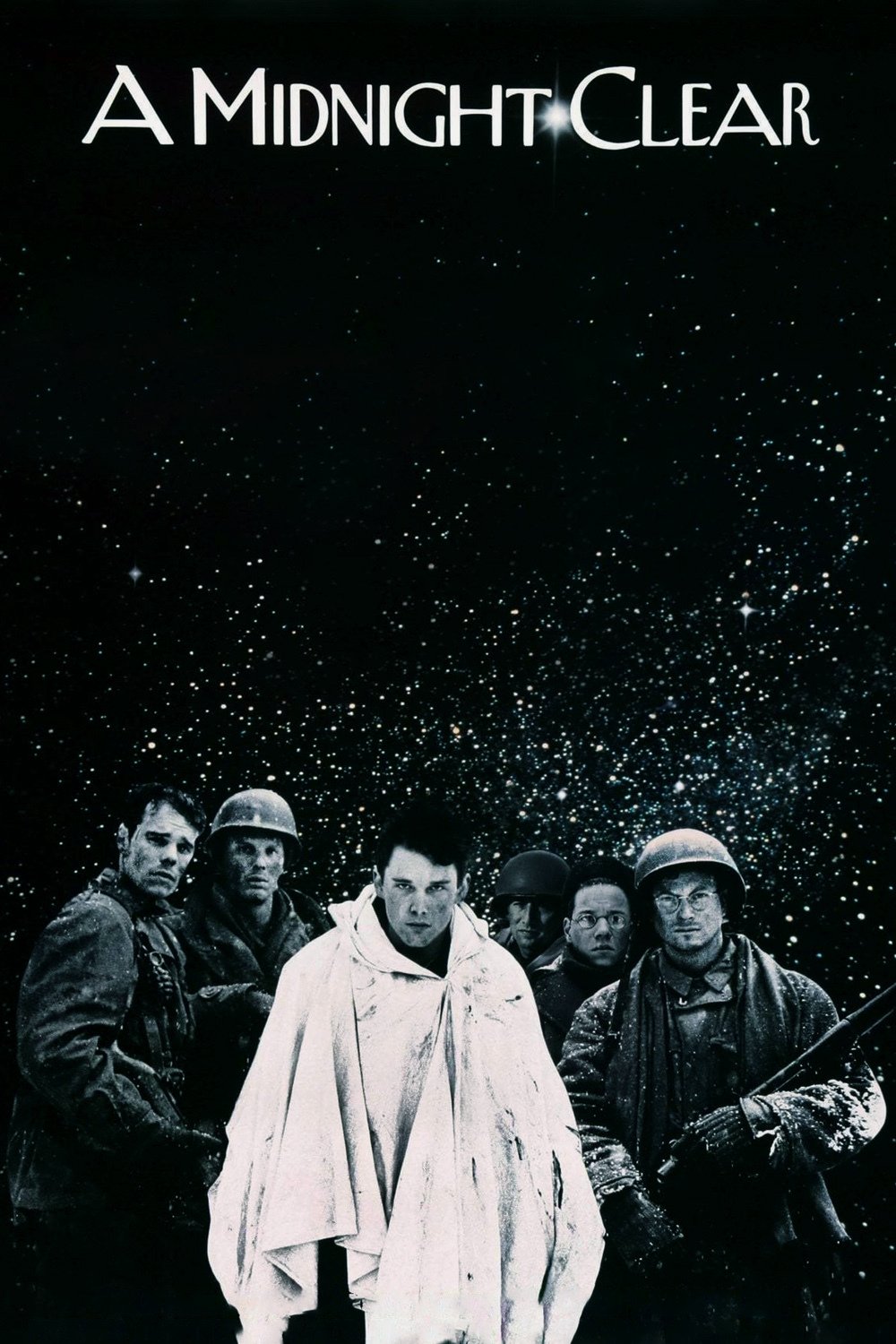
Keith Gordon directs this adaptation of William Wharton’s novel about an American intelligence unit in the Ardennes. The ensemble includes Ethan Hawke, Gary Sinise, Peter Berg, and Frank Whaley, with interior scenes staged in sound facilities and exteriors shot in snowy mountain locations.
The production focuses on small unit patrol work, code breaking tasks, and the tension of chance encounters with enemy scouts. It premiered at festivals in North America and secured a limited theatrical run before building an audience through cable airings and later disc releases.
‘The Odd Angry Shot’ (1979)
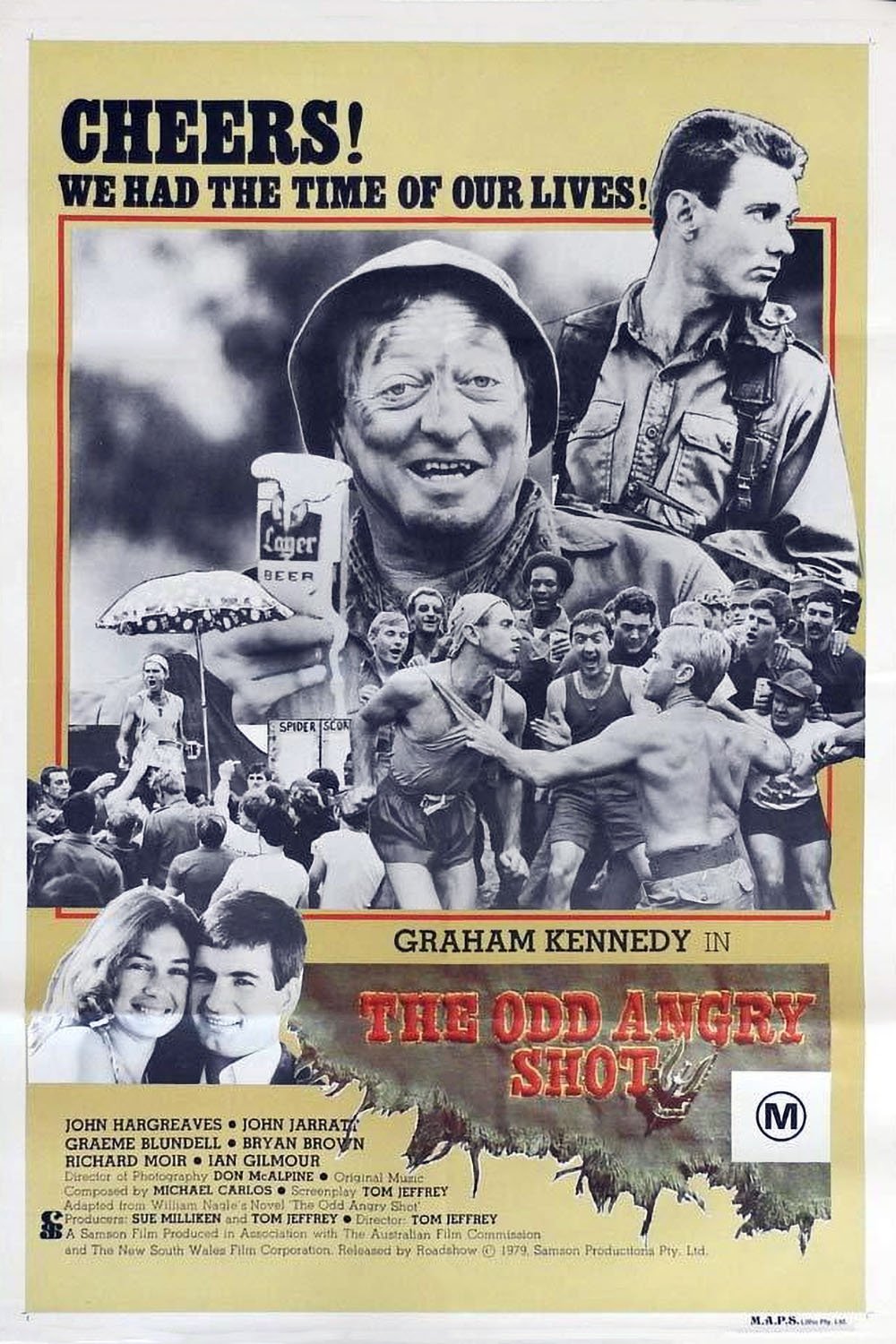
Tom Jeffrey directs this Australian perspective on the Vietnam War through the lens of a Special Air Service patrol. The cast features Graham Kennedy, John Jarratt, Bryan Brown, and Graeme Blundell with training sequences staged using consultation from former service members.
Filming took place in Queensland to replicate tropical conditions, and the production used period correct uniforms and weapons sourced from military suppliers. The film was financed with support from the Australian Film Commission and has been screened at retrospectives on national cinema and conflict.
‘Carve Her Name with Pride’ (1958)
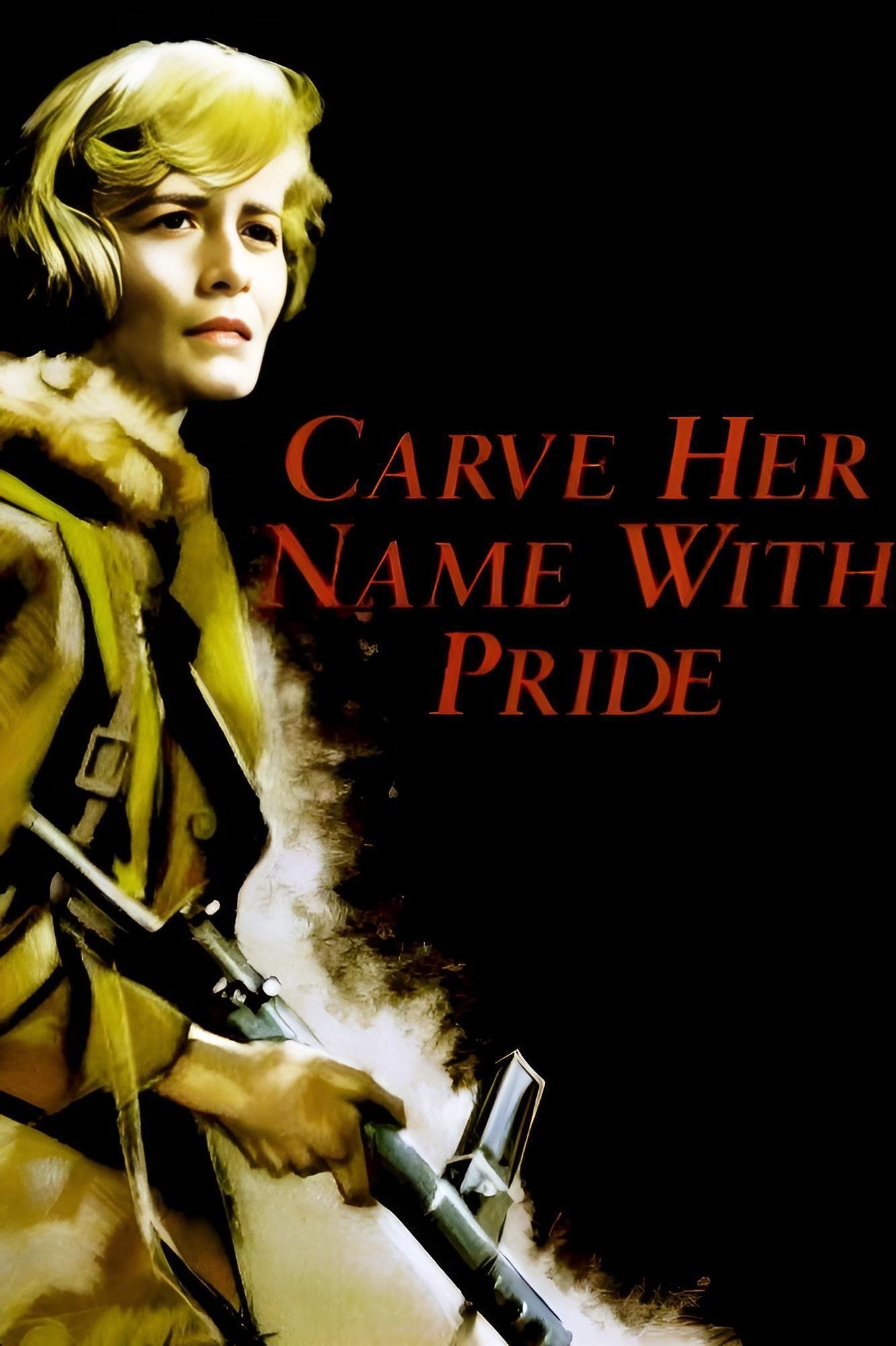
Lewis Gilbert directs the biographical account of Special Operations Executive agent Violette Szabo. Virginia McKenna plays Szabo with Paul Scofield as a key contact, and the narrative covers recruitment, training, and missions in occupied France.
The production used British training sites for authenticity and consulted wartime records and personal accounts to map operations. The film helped raise public awareness of Szabo’s service and has been shown at memorial events and museum programs connected to resistance history.
‘Hell in the Pacific’ (1968)
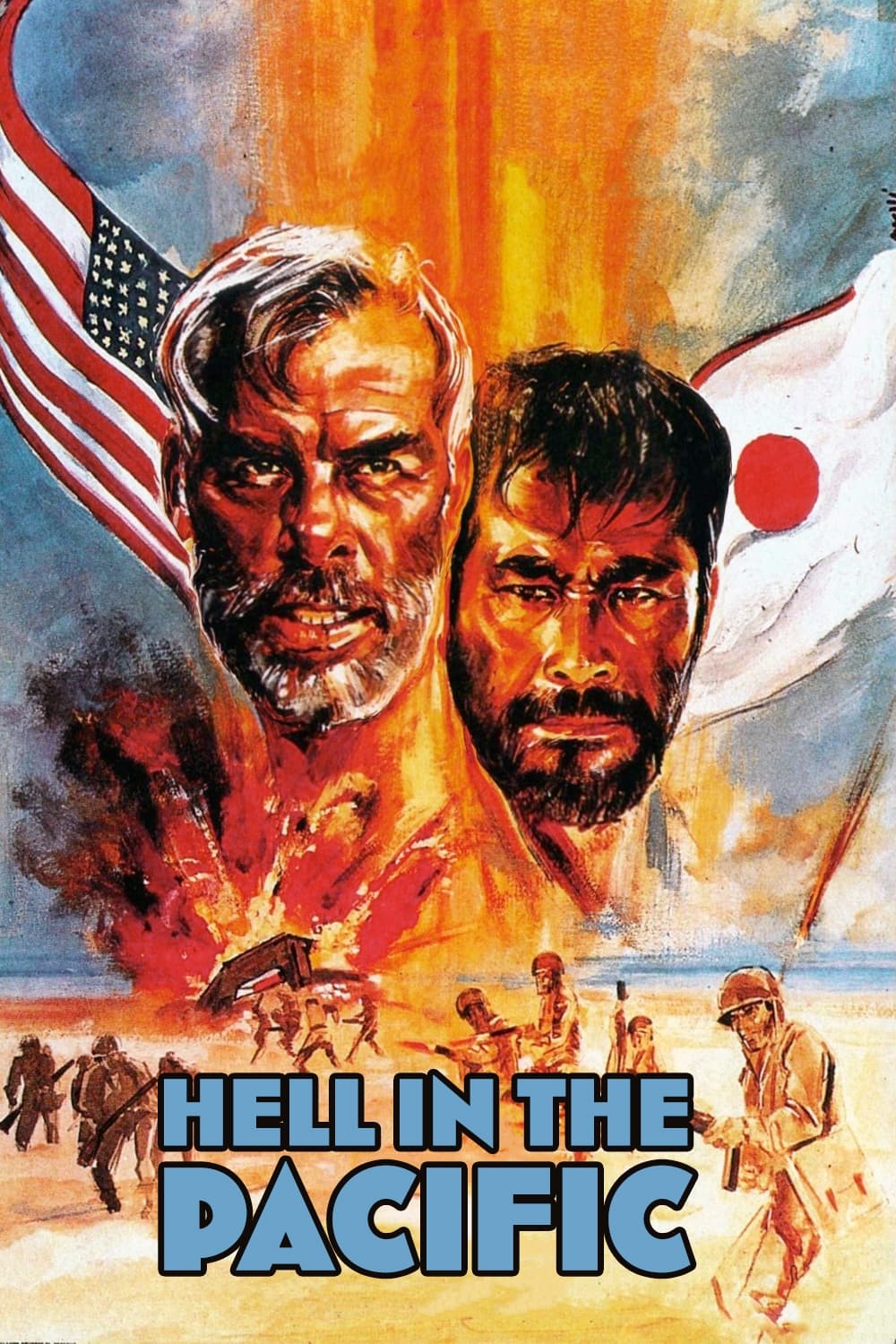
John Boorman directs this two-hander about a stranded American pilot and a Japanese sailor on a remote island. Lee Marvin and Toshirō Mifune carry the entire film with minimal dialogue and a focus on problem solving for shelter, water, and navigation.
The shoot took place on locations in the Pacific with a small crew and practical effects for rafts and storms. The production is notable for two different endings prepared for separate markets, and later restorations have presented both versions for comparison.
‘Stalingrad’ (1993)
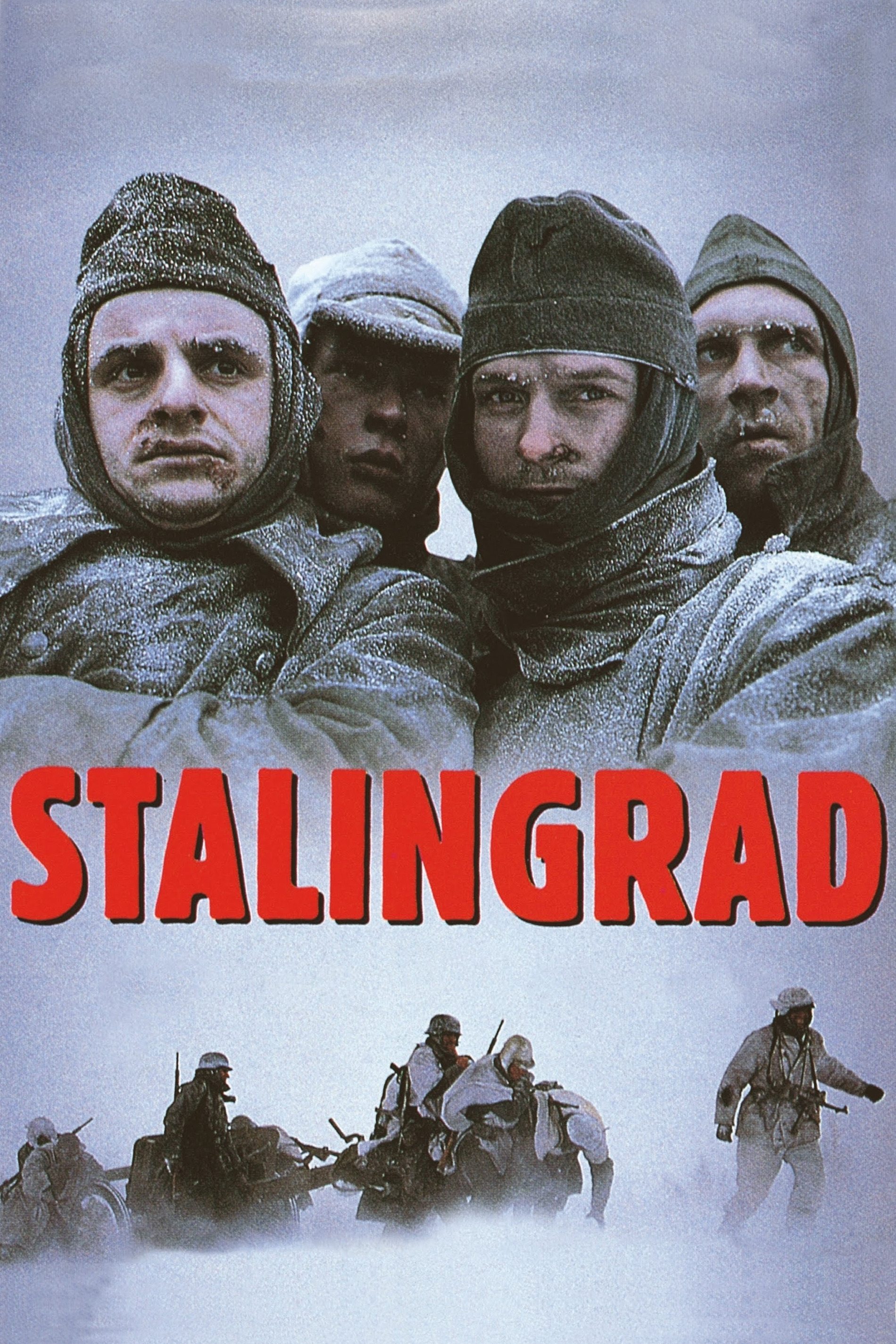
Joseph Vilsmaier directs this German film about Wehrmacht soldiers transferred from Italy to the Eastern Front. Dominique Horwitz and Thomas Kretschmann lead the cast with scenes that follow a company through urban combat, supply shortages, and retreats.
The production built large scale sets to recreate city ruins and used location shooting in Eastern Europe to stage exterior movement. It received domestic award nominations and remains part of German school screenings on the cultural memory of the Eastern Front.
‘The Lost Battalion’ (2001)
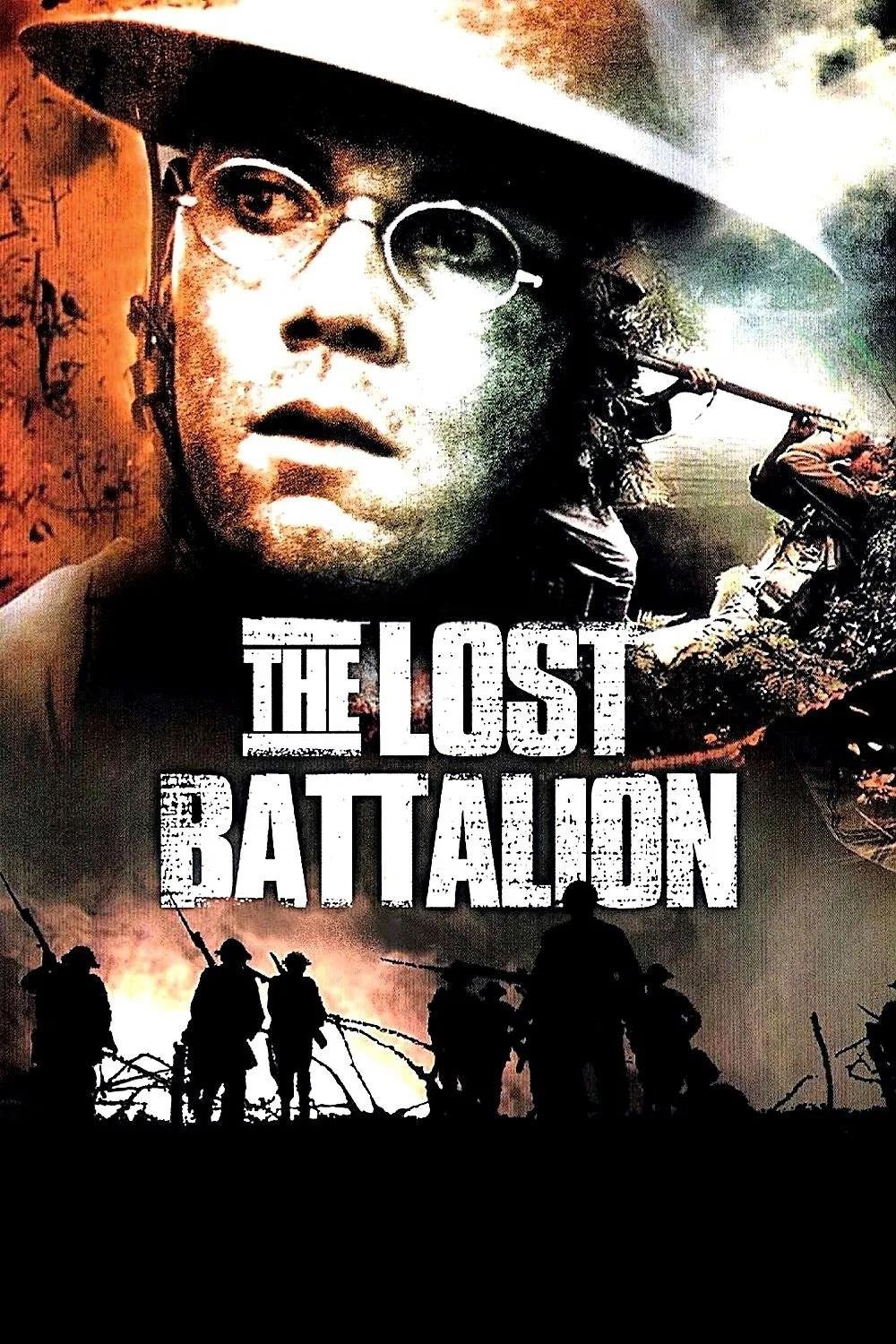
Russell Mulcahy directs this World War I drama for television about an American unit cut off in the Argonne. Rick Schroder stars as Major Charles Whittlesey with supporting roles from Phil McKee and Jamie Harris.
The production filmed in Luxembourg and Lithuania to recreate trench systems and wooded ravines and worked from military records to map unit positions and messenger routes. Broadcast on a premium cable network, it later reached classrooms and museums through educational distribution.
‘Days of Glory’ (2006)
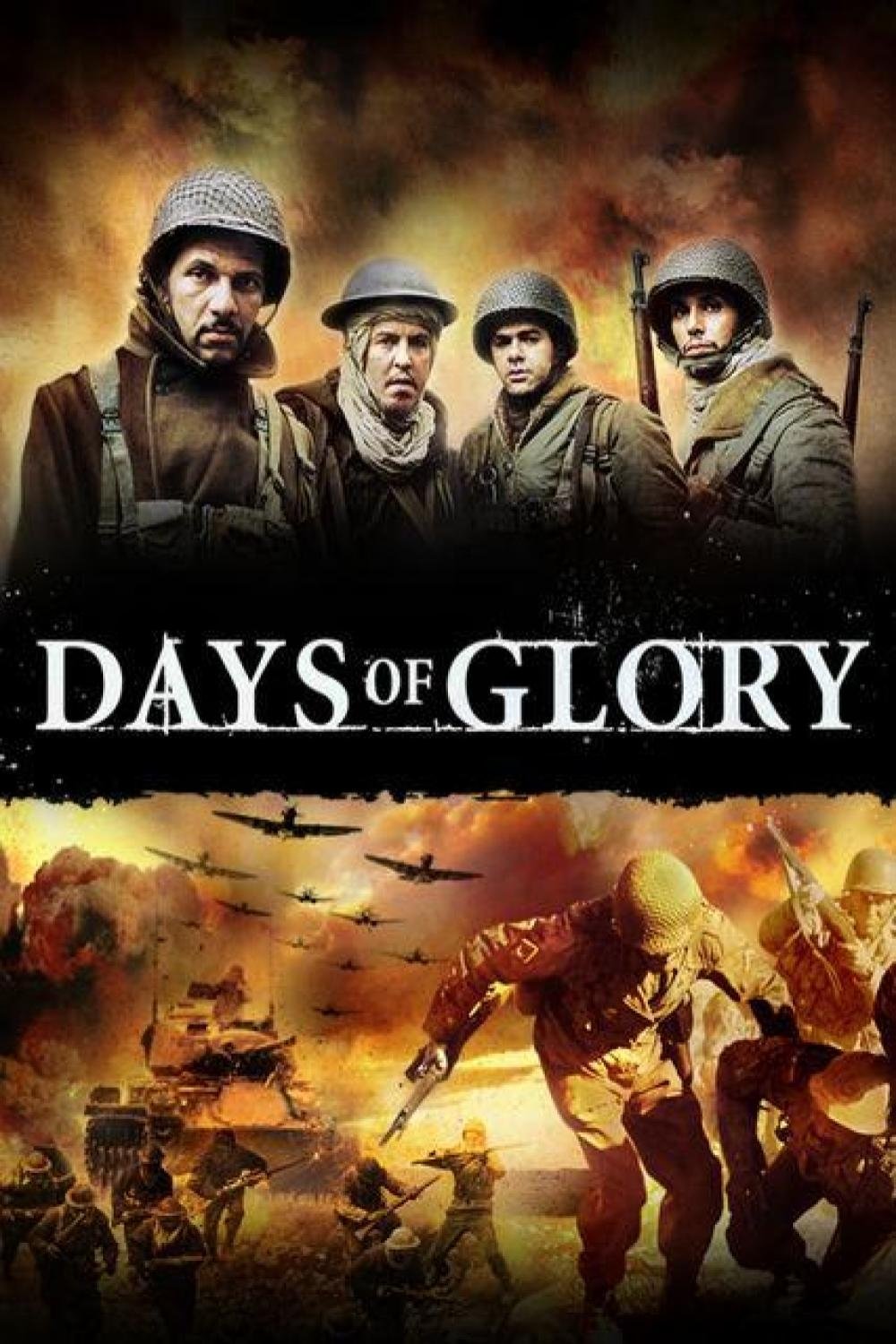
Rachid Bouchareb directs this North African soldiers’ story within the Free French forces. The ensemble includes Jamel Debbouze, Samy Naceri, Roschdy Zem, and Sami Bouajila, and the film uses multiple languages to reflect colonial recruitment across Algeria, Morocco, and Tunisia.
The film is also known as ‘Indigènes’ in French speaking territories. It contributed to public discussion on veteran pensions for colonial troops and received acting recognition at Cannes along with nominations from European award bodies.
‘Tae Guk Gi: The Brotherhood of War’ (2004)
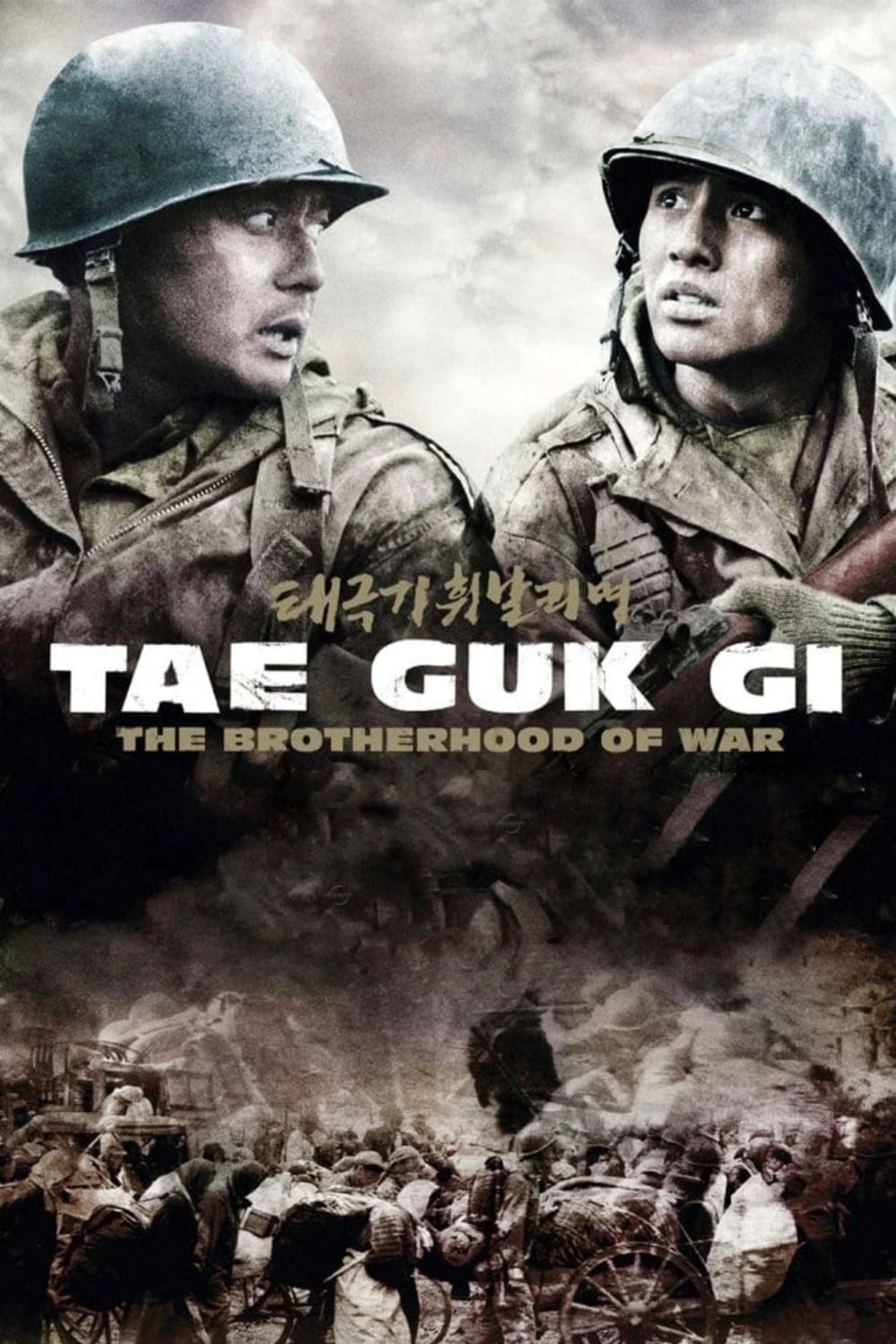
Kang Je-gyu directs this Korean War epic that follows two brothers who are drafted into opposing paths within the same army. The cast features Jang Dong-gun and Won Bin with large scale battle scenes that use practical pyrotechnics and extensive extras.
The production staged major set pieces on outdoor backlots and secured military cooperation for vehicles and kit. It set local box office records on release and was distributed across Asia and North America with subtitles and dubbed editions.
‘9th Company’ (2005)
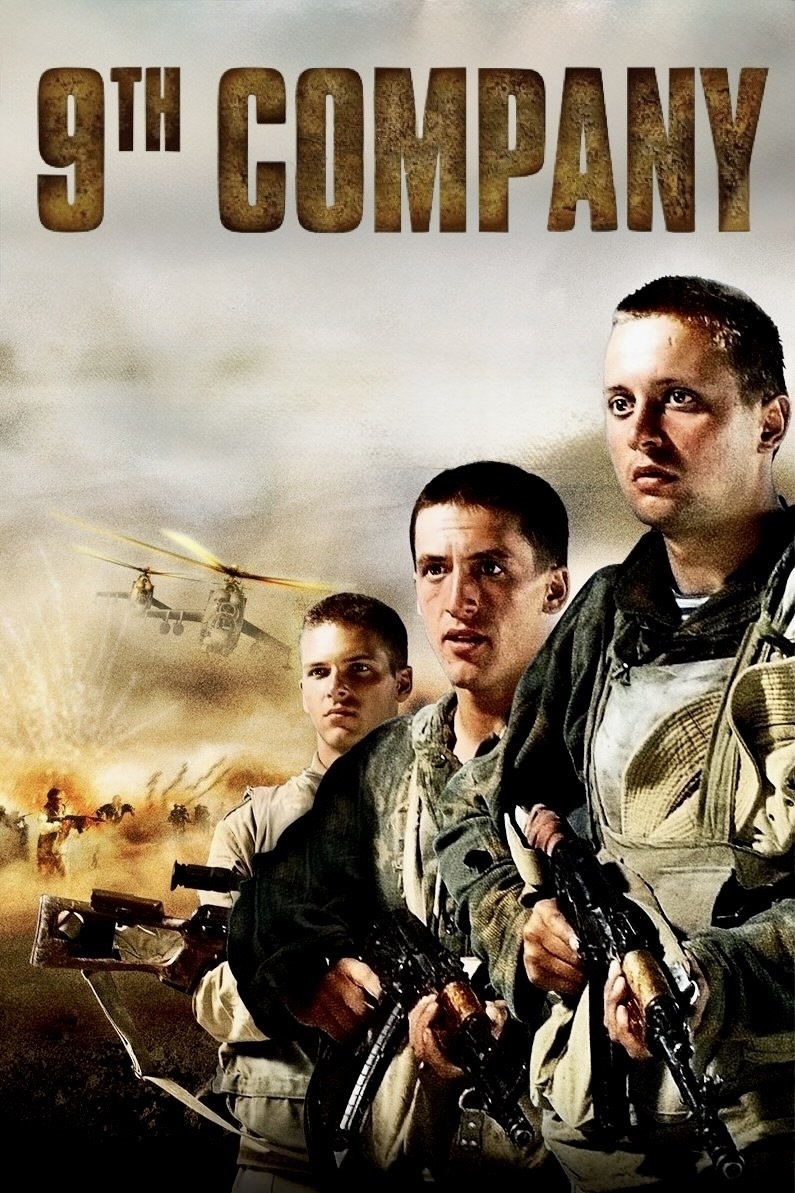
Fyodor Bondarchuk directs this account of a Soviet airborne unit deployed to Afghanistan. The cast includes Artur Smolyaninov, Alexey Chadov, and Konstantin Kryukov, and the script follows training, airlift, and a remote outpost defense.
Filming took place in Ukraine and Central Asia to capture mountainous terrain. The film received national awards in Russia and drew large ticket sales, and it has been used in discussions about depictions of the Afghan conflict in post-Soviet cinema.
‘My Way’ (2011)

Kang Je-gyu directs this Korean and Japanese coproduction inspired by the documented case of a Korean conscript who crossed multiple fronts. Jang Dong-gun and Joe Odagiri star with language shifts that include Korean, Japanese, Russian, and German.
The production recreated several theaters of war on large outdoor sets and used international crews for costuming and makeup continuity. It released in multiple territories with different cuts to meet local ratings and was supported by a global marketing campaign.
‘Fortress of War’ (2010)
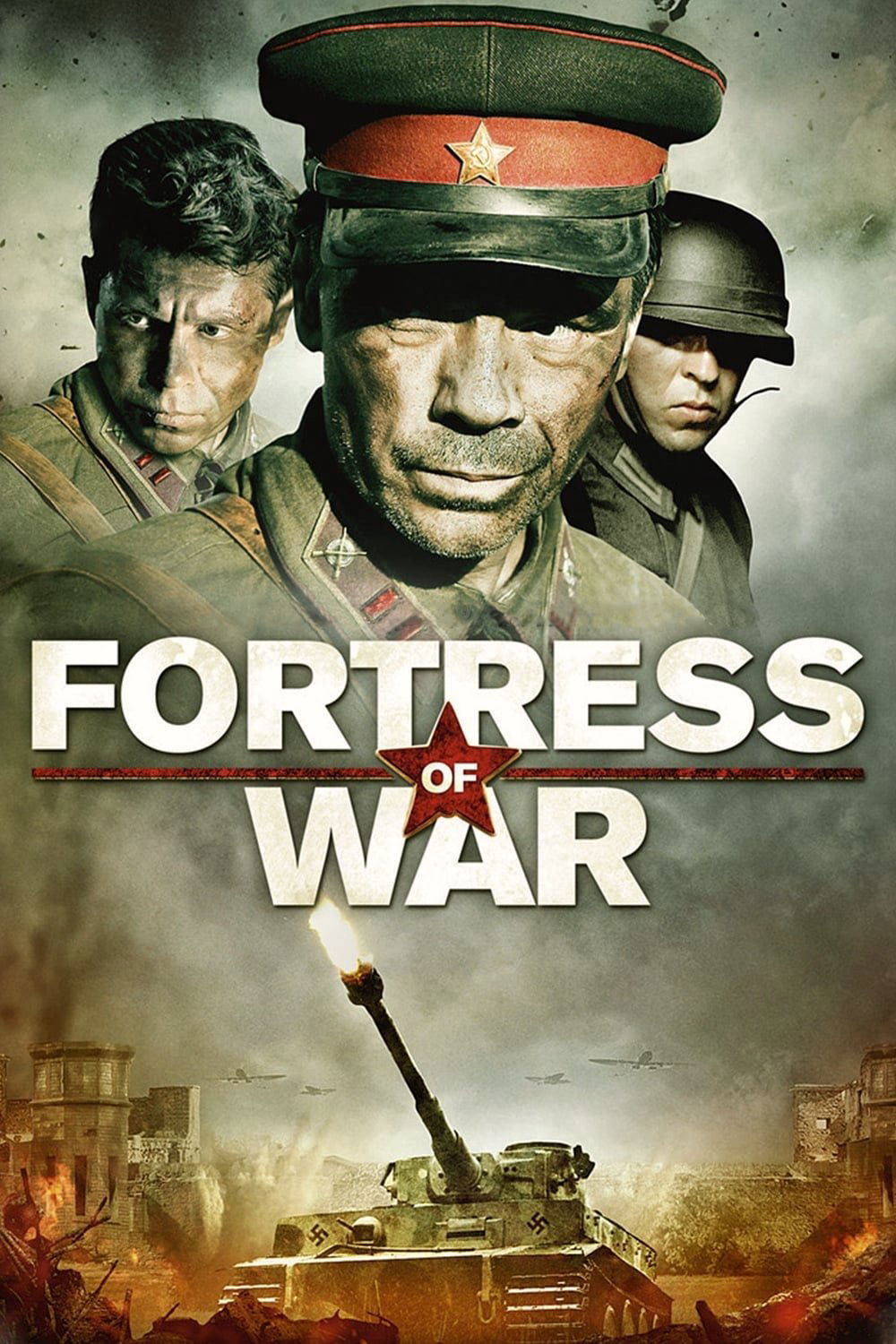
Alexander Kott directs this depiction of the defense of the Brest Fortress during the opening phase of the Eastern Front. The cast features Aleksey Kopashov and Pavel Derevyanko and focuses on a garrison under siege across separate strongpoints.
Location work used the actual fortress complex for exterior shots with interior sets built to match historical plans. The film received support from Belarusian and Russian cultural institutions and has been screened at memorial events tied to the site.
‘9. April’ (2015)
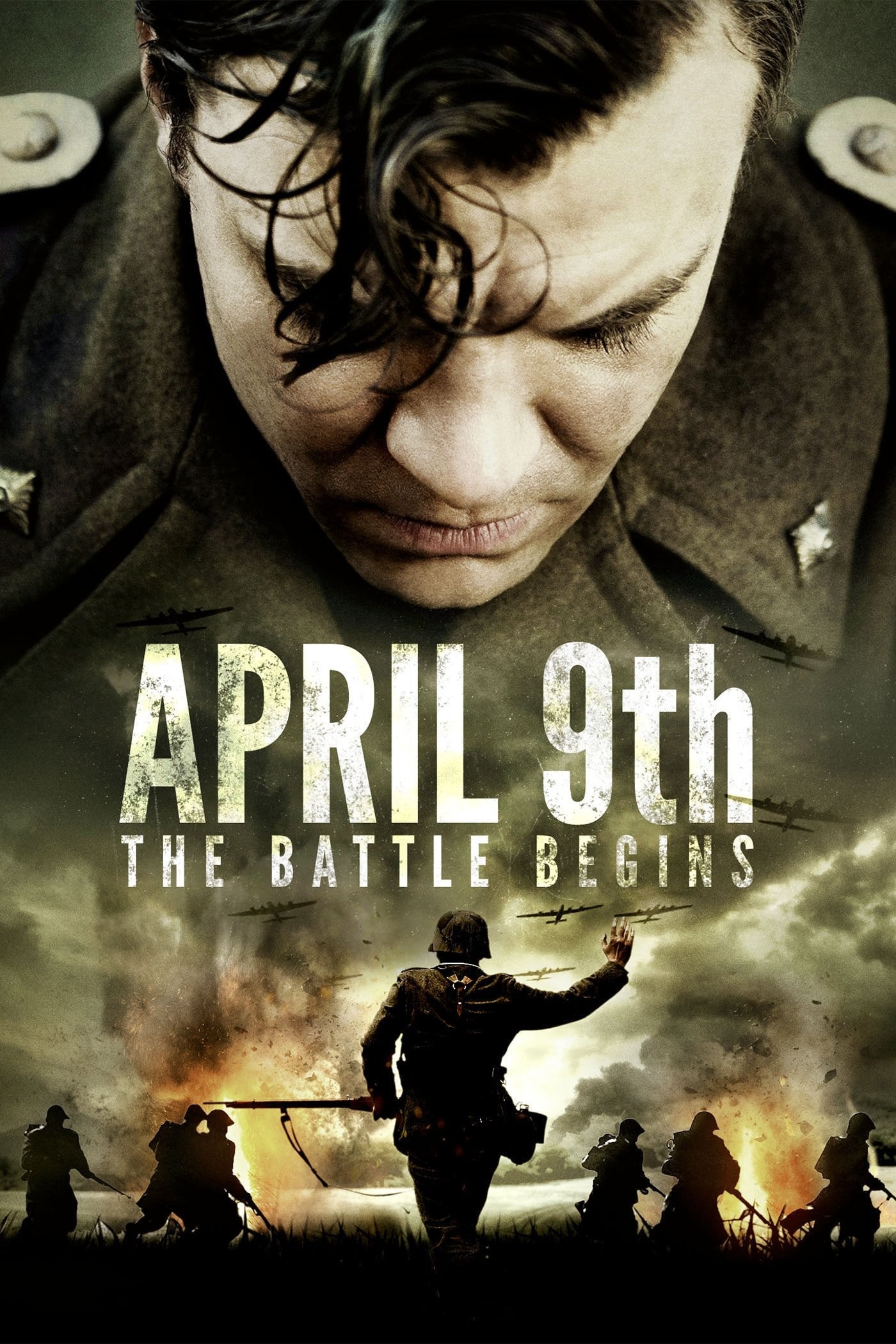
Roni Ezra directs this Danish film about the initial defense against invasion with bicycle infantry and light units. Pilou Asbæk and Lars Mikkelsen appear in key roles, and the narrative follows a small detachment tasked with delaying actions on rural roads.
The production filmed in Jutland with cooperation from local authorities and used period rifles, motorcycles, and uniforms sourced from collectors. It was produced by Nordisk Film and played in Scandinavian theaters before reaching international audiences through streaming platforms.
‘Kajaki’ (2014)
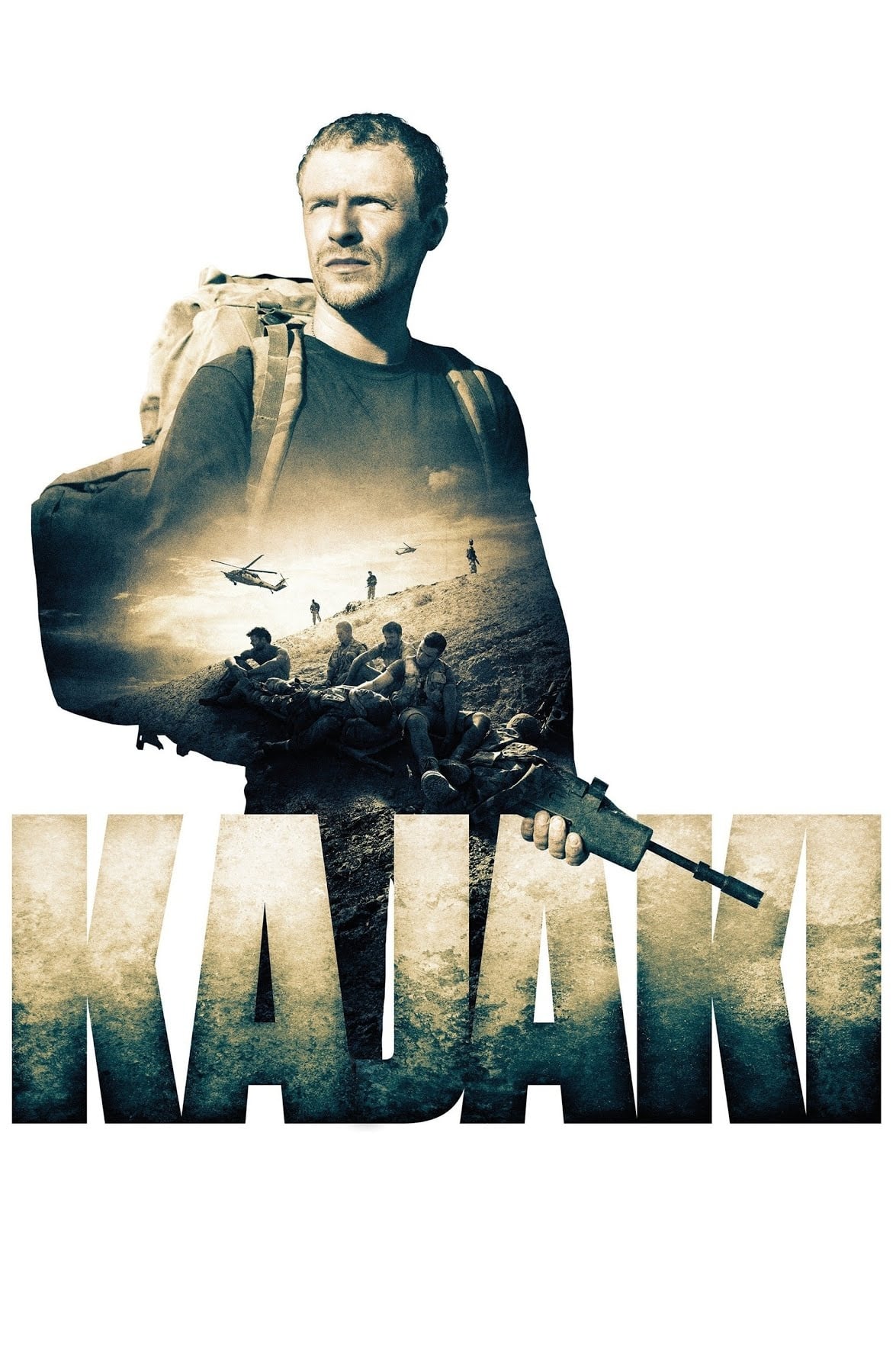
Paul Katis directs this British account of a patrol that enters an unmarked minefield in Helmand Province. David Elliot, Mark Stanley, and Scott Kyle lead the cast with a focus on casualty evacuation under constant risk from legacy mines.
The film is also known as ‘Kilo Two Bravo’ in some regions. It was produced with input from veterans of the incident and shot in Jordan to match terrain and light, with practical makeup effects recognized by industry guilds.
‘The Front Line’ (2011)
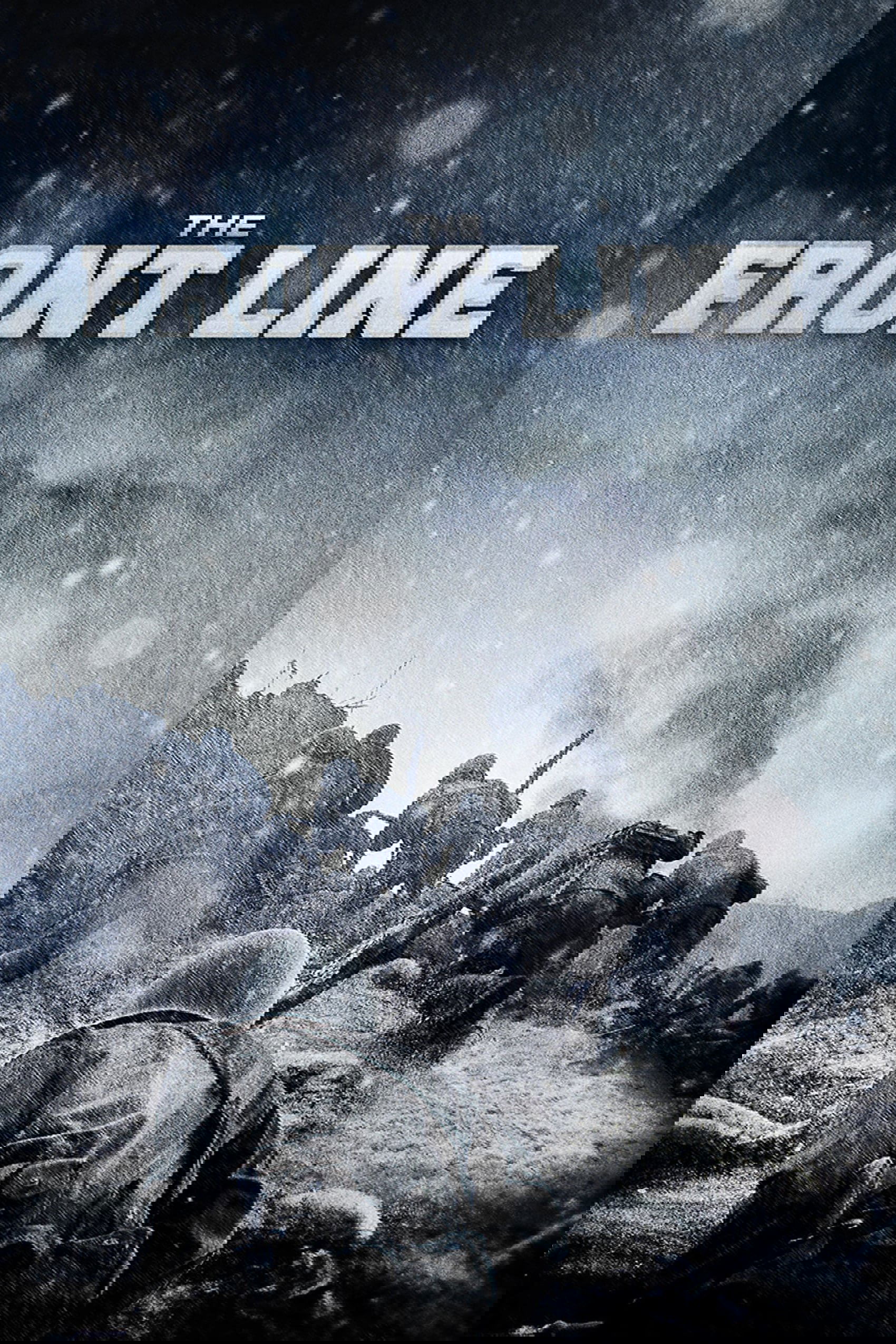
Jang Hun directs this South Korean drama set around a strategic hill that changes hands repeatedly near the armistice. The cast includes Shin Ha-kyun, Go Soo, and Lee Je-hoon with a storyline built on trench raids, postal intercepts, and covert exchanges.
The production used mountainous locations and detailed sets to convey shifting front lines and logistics. It received multiple nominations at domestic award shows and was selected as the national submission for international awards consideration.
‘The Siege of Jadotville’ (2016)
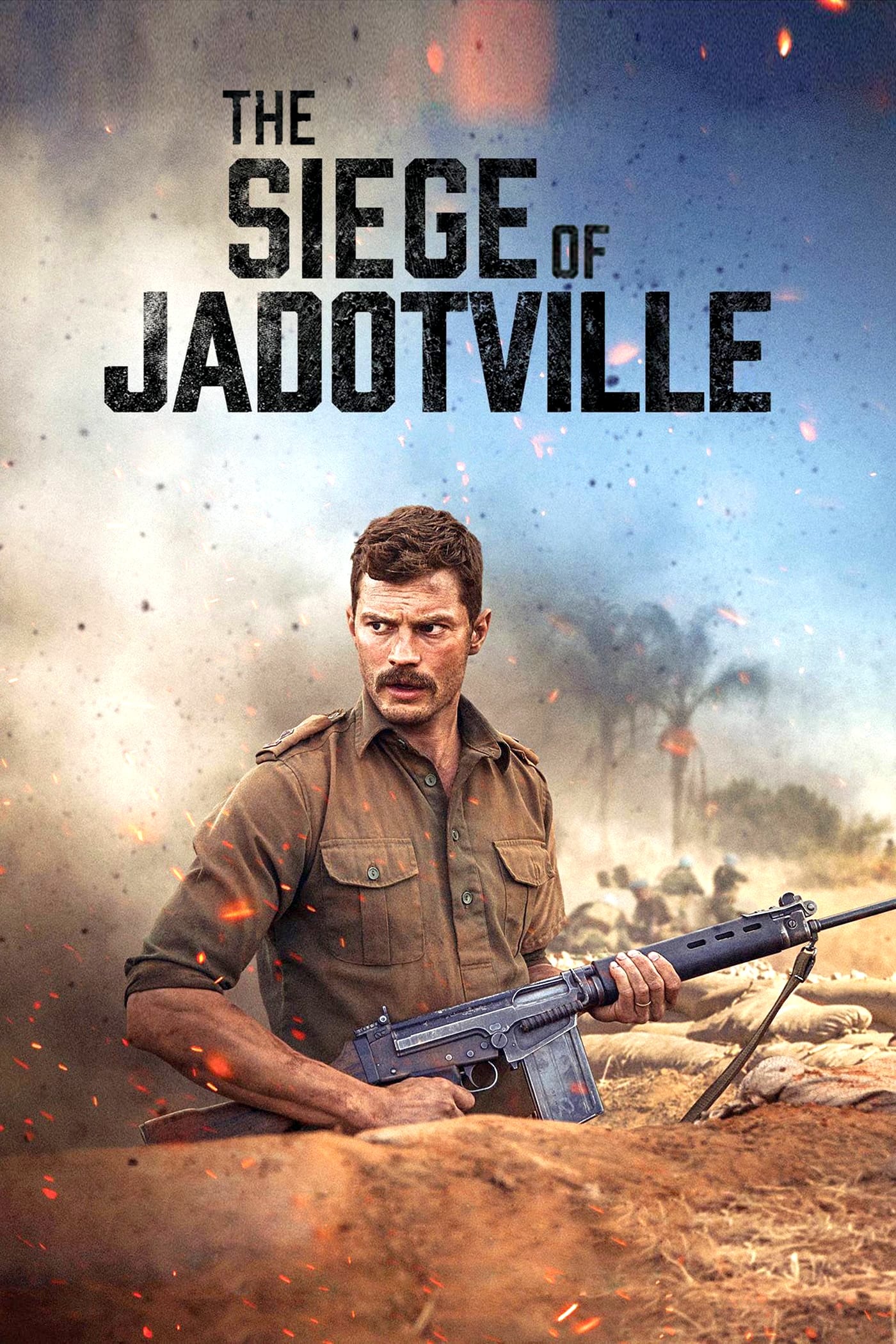
Richie Smyth directs this Irish production about a United Nations company of Irish soldiers deployed to the Congo. Jamie Dornan portrays Commandant Pat Quinlan with supporting roles from Jason O’Mara and Mark Strong.
The film shot in South Africa to recreate the copper mining town and surrounding bush terrain. It premiered on a global streaming platform, which helped it reach a wide audience, and it prompted renewed public recognition for the unit’s citation process.
‘The Painted Bird’ (2019)
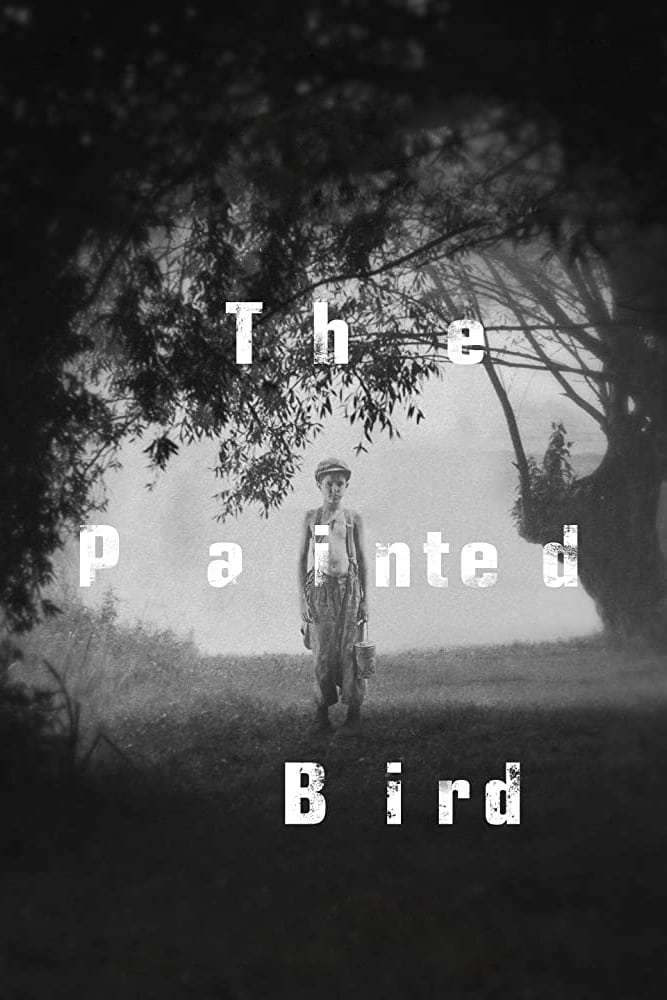
Václav Marhoul directs this black-and-white adaptation of Jerzy Kosiński’s novel about a Jewish child moving through occupied Eastern Europe. The cast includes Petr Kotlár with appearances by Stellan Skarsgård, Harvey Keitel, and Udo Kier across separate chapters.
The production used multiple Slavic languages and filmed across the Czech Republic, Slovakia, and Ukraine. It premiered at major festivals and employed a long-take visual style that emphasizes landscape and movement, with a running time that exceeds the usual length for wartime dramas.
‘City of Life and Death’ (2009)
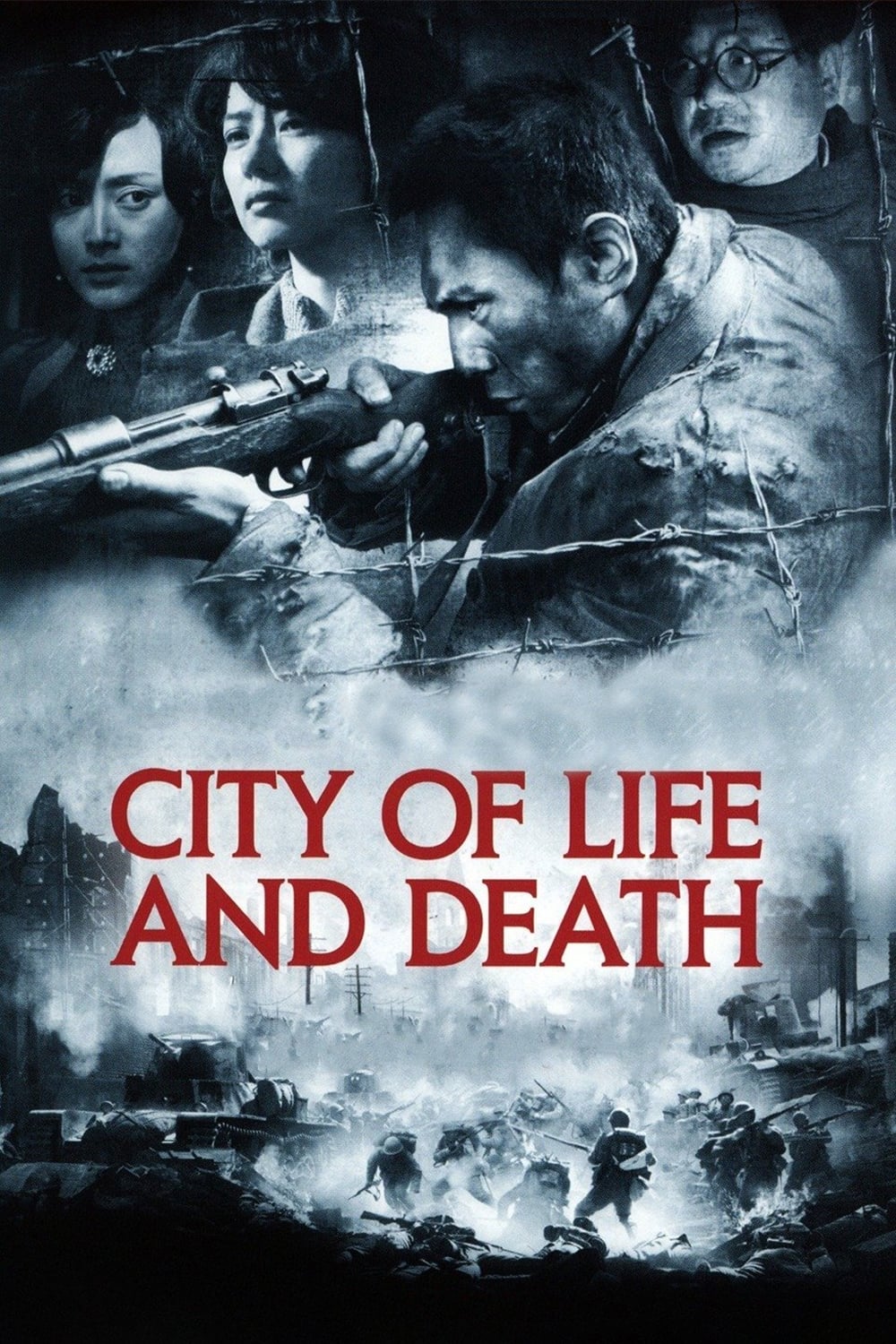
Lu Chuan directs this Chinese film about the events in Nanjing during the Japanese occupation. The ensemble includes Liu Ye, Gao Yuanyuan, and Hideo Nakaizumi with sequences that move between civilian zones, diplomatic quarters, and military streets.
The production chose black-and-white photography to align with archival imagery and built large city sets to replicate landmark blocks. It won the top prize at the San Sebastian Film Festival and saw international distribution through arthouse circuits.
‘Merry Christmas, Mr. Lawrence’ (1983)
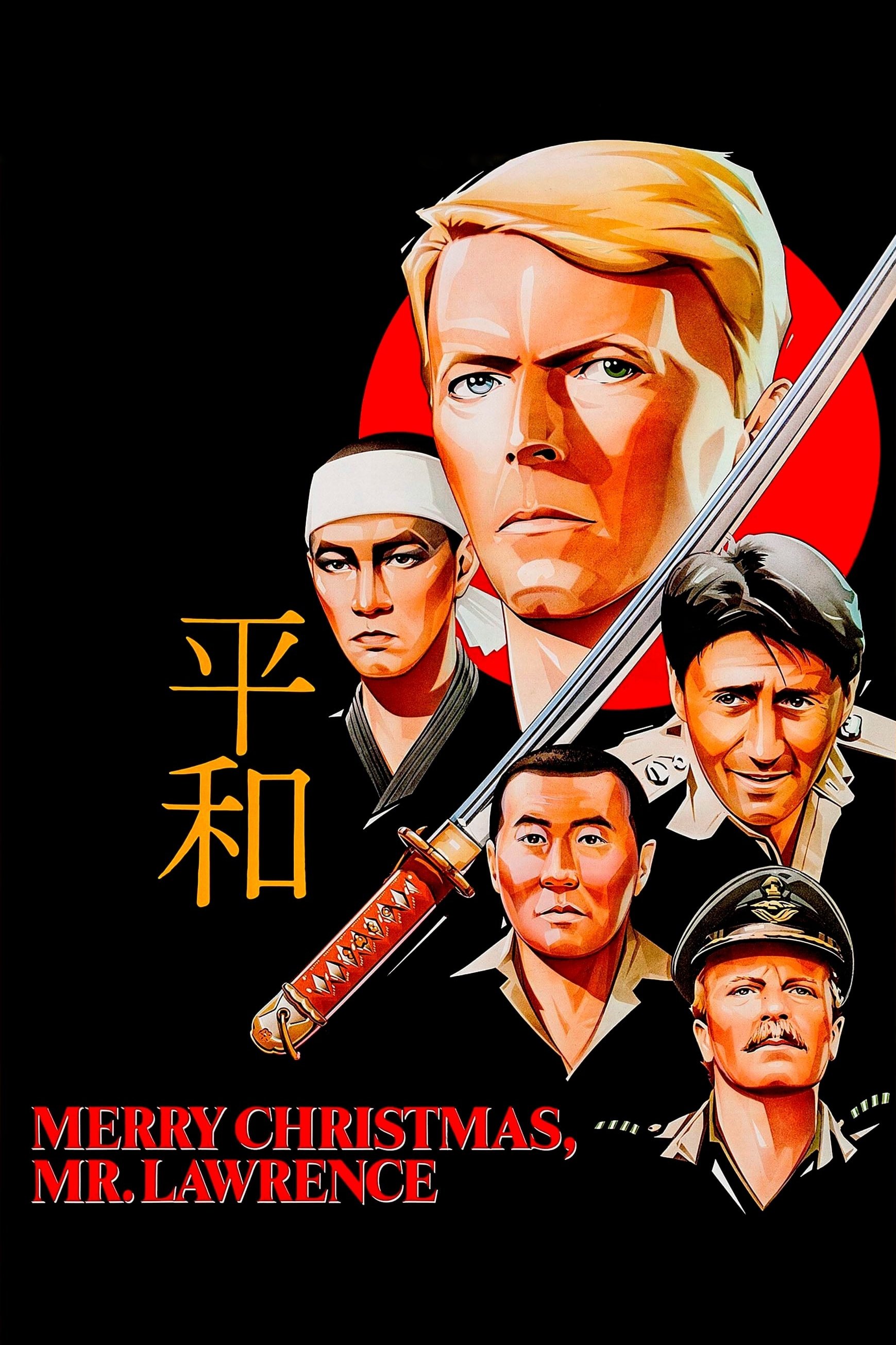
Nagisa Ōshima directs this prisoner of war camp drama with David Bowie, Ryuichi Sakamoto, Tom Conti, and Takeshi Kitano. The story examines command relationships, cultural codes, and the challenges of medical care and discipline within a tropical camp.
Filming took place in New Zealand and on Pacific locations with Sakamoto also composing the score. The soundtrack gained separate recognition through international releases, and the film remains part of retrospectives on Japanese and British wartime cinema.
‘Bitter Victory’ (1957)

Nicholas Ray directs this North Africa mission story about a British led commando raid behind enemy lines. The cast features Richard Burton, Curt Jürgens, and Ruth Roman with desert sequences that rely on night navigation and sand dune crossings.
The film is adapted from a French novel and was shot in Libya and studio facilities in Europe. It screened at the Venice Film Festival and has since appeared in restored prints that correct earlier release edits for language and pacing.
‘The Dogs of War’ (1980)
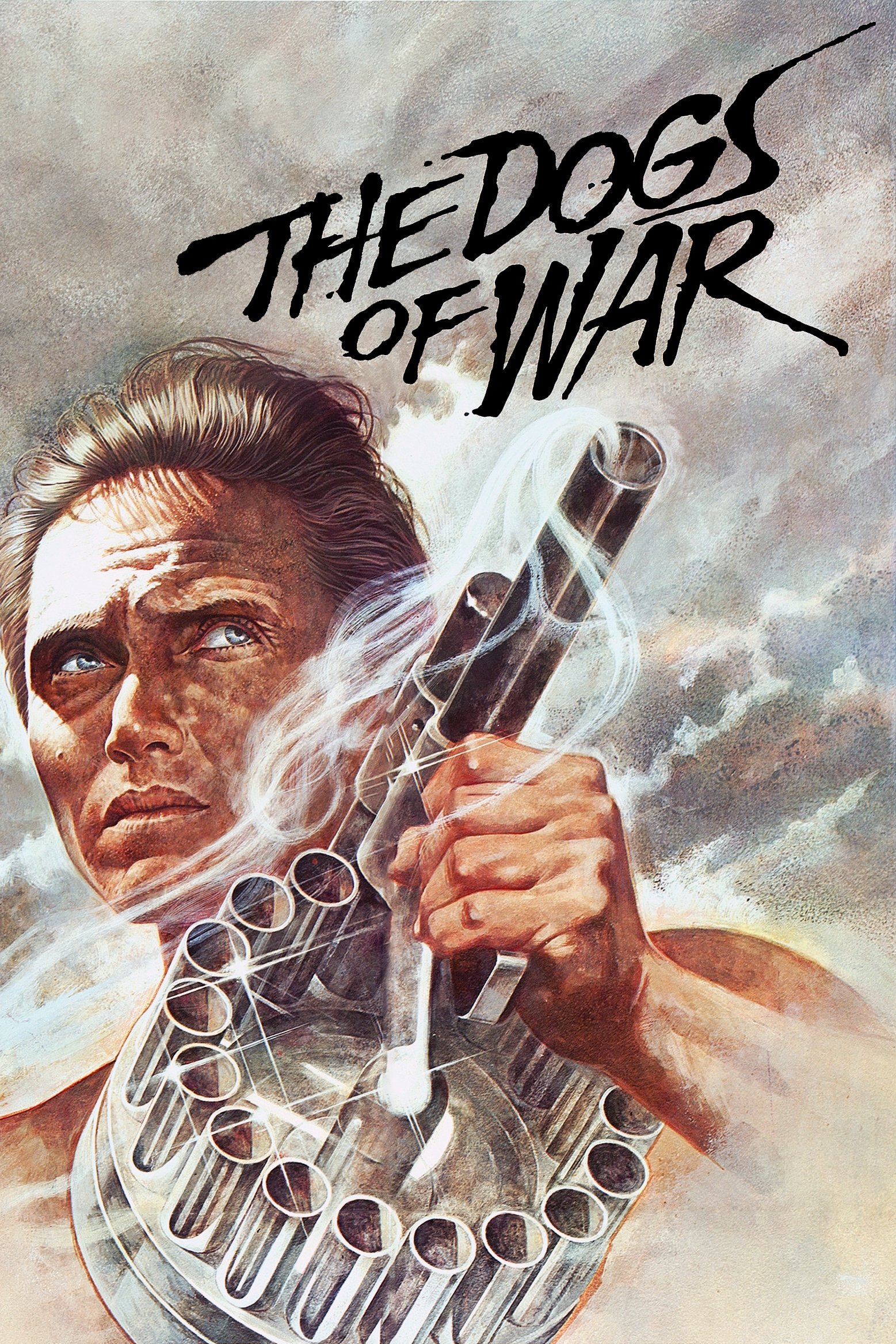
John Irvin directs this adaptation of Frederick Forsyth’s novel about mercenaries hired to intervene in a fictional African state. Christopher Walken and Tom Berenger headline with roles that cover planning, procurement, and small unit tactics.
The production filmed in Belize and the United Kingdom with armorer teams supplying period weapons and improvised launchers. The film’s depiction of corporate backed coups is used in courses on security studies and postcolonial politics, and it remains available through catalog releases.
‘Went the Day Well?’ (1942)
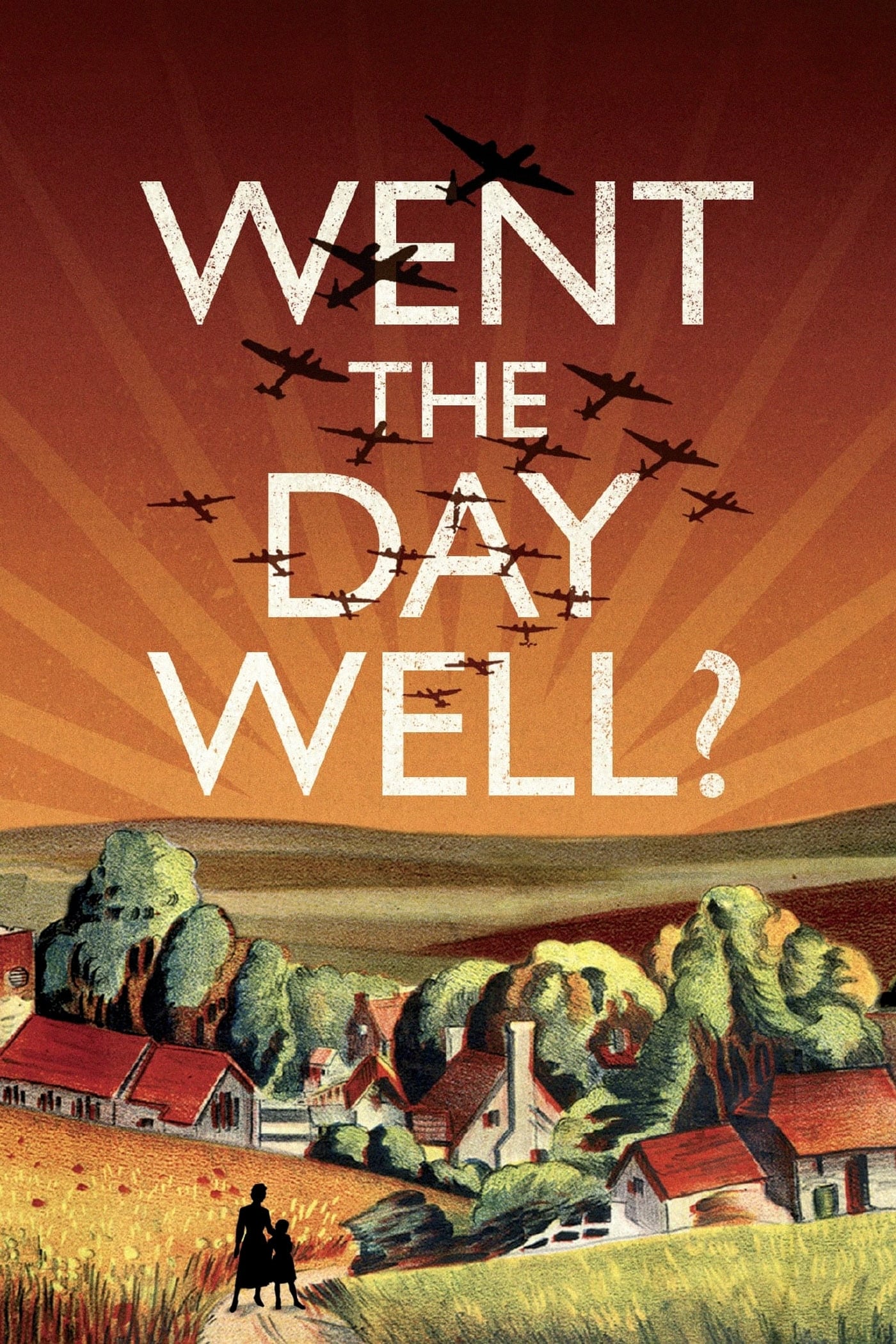
Alberto Cavalcanti directs this Ealing Studios home front thriller about a covert German landing in a British village. The cast includes Leslie Banks, C. V. France, and Valerie Taylor, and the narrative shows how civilians react to infiltration and sabotage.
The film drew on Ministry of Information guidance and used studio village sets combined with countryside exteriors. It served as wartime propaganda but is now studied for its depiction of local defense and community networks, and it appears in national archive programs.
‘The Silent Enemy’ (1958)
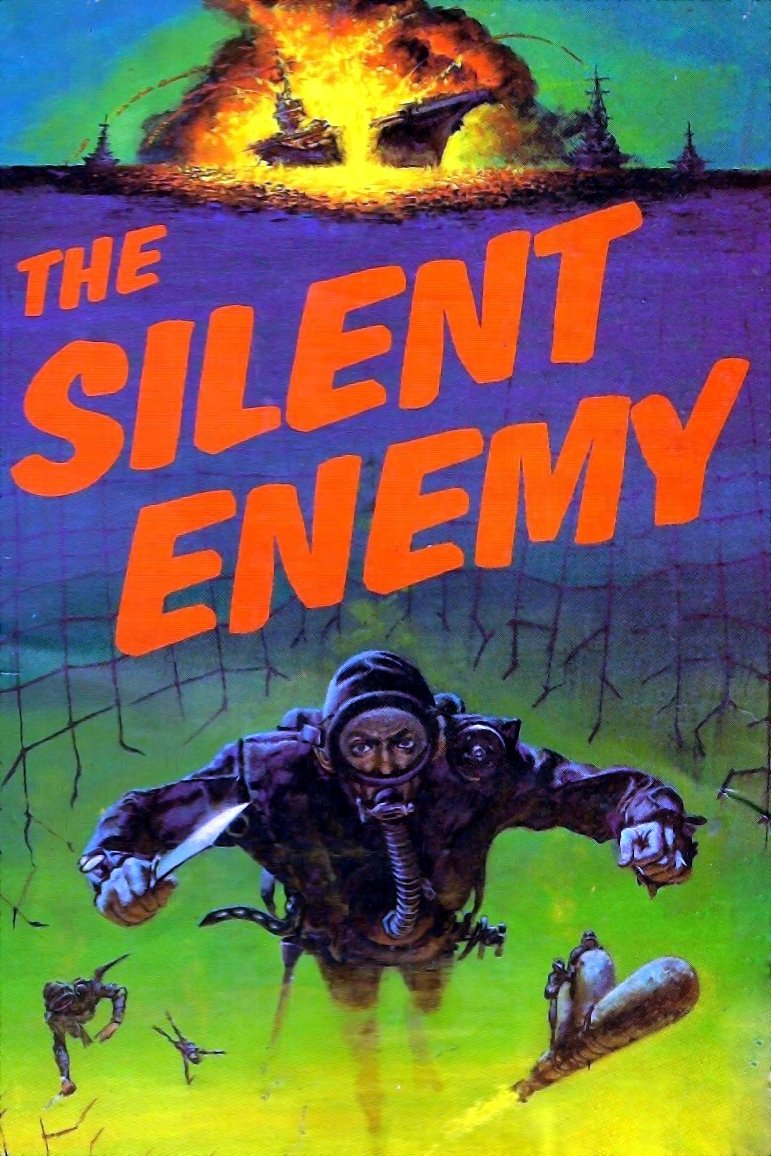
William Fairchild directs this British naval drama about Lieutenant Lionel Crabb and the battle against Italian frogmen in the Mediterranean. Laurence Harvey stars with Dawn Addams and Michael Craig, and the plot covers underwater mines, human torpedoes, and counter diving tactics.
The production staged extensive underwater sequences with specialized cinematography and used Royal Navy facilities for authenticity. It contributed to public interest in naval clearance diving and appears in film histories that track the development of underwater action photography.
Share the titles you think also deserve a spotlight in the comments so other readers can discover them too.