Underrrated Western Movies Nobody Talks About (But Should)


Western fans know the big titles by heart, but the frontier is a lot wider than the same dozen classics that get all the attention. Tucked between cult gems and studio programmers are films that try unusual settings, experiment with style, and bring sharp storytelling to outlaws, settlers, and lawmen. These are the kinds of movies that reward a curious watch and a little context.
This collection gathers westerns that slipped past the spotlight even though they offer strong craft, rich performances, and distinctive perspectives on frontier life. You will find spare chamber pieces, snowbound survival stories, revisionist takes, and international entries that use the genre in inventive ways. Each entry below gives you practical details to help you decide what to press play on next.
‘The Shooting’ (1966)
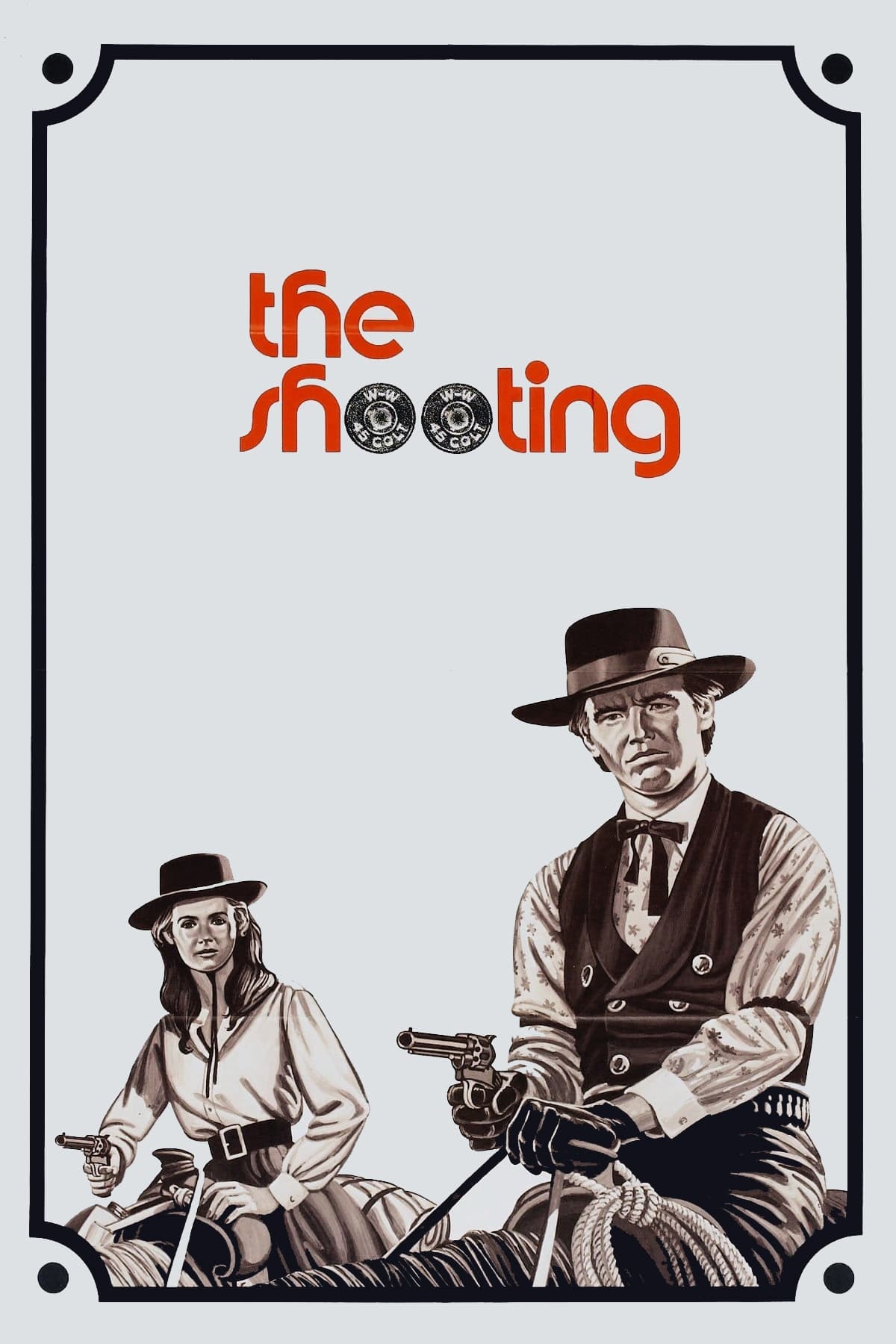
Monte Hellman directs this lean pursuit story with Warren Oates, Millie Perkins, and Jack Nicholson. The plot follows a pair of hired hands who escort a mysterious woman across stark desert country while an unseen killer stalks them. The script is by Carole Eastman under a pen name and it uses minimal dialogue and tight framing to build tension.
The production was mounted with a small crew and filmed in rugged Utah locations that give the journey a harsh, sun blasted texture. Hellman shot this back to back with ‘Ride in the Whirlwind’ and the two films share actors and locations. The film’s finale is known for an abrupt cut that leaves viewers piecing together motivations from earlier clues.
‘Ride in the Whirlwind’ (1966)
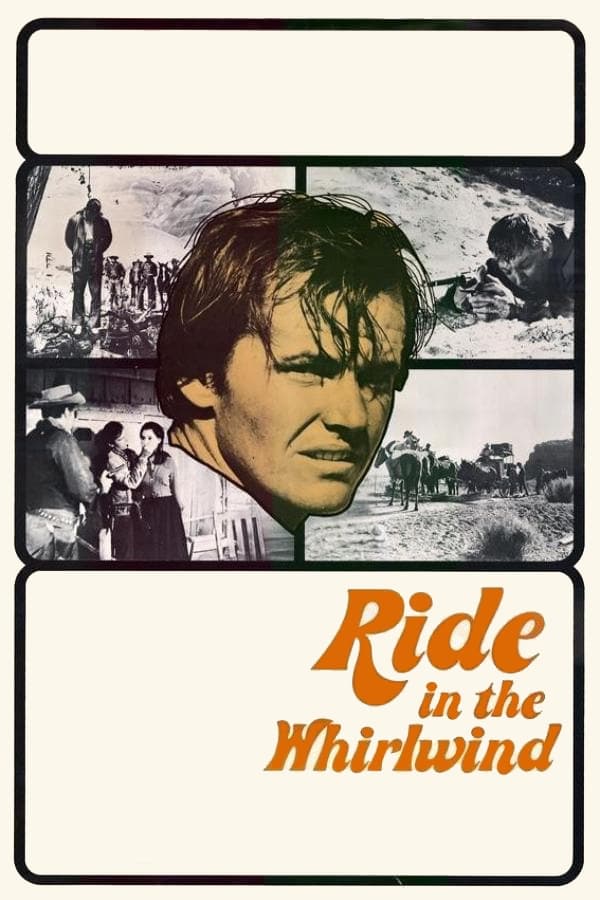
Jack Nicholson wrote and stars in this Monte Hellman companion piece alongside Cameron Mitchell and Millie Perkins. Three cowhands stumble into a cabin used by a gang and a posse mistakes them for the outlaws. The story tracks a desperate flight through canyons and scrub as the men try to clear their names.
The crew worked on a fast schedule with economical setups that highlight the isolation of the landscape. Dialogue is plain spoken and grounded in work details like tending horses and rationing water. The film pairs with ‘The Shooting’ since both explore moral pressure and chance encounters that spiral out of control.
‘Day of the Outlaw’ (1959)
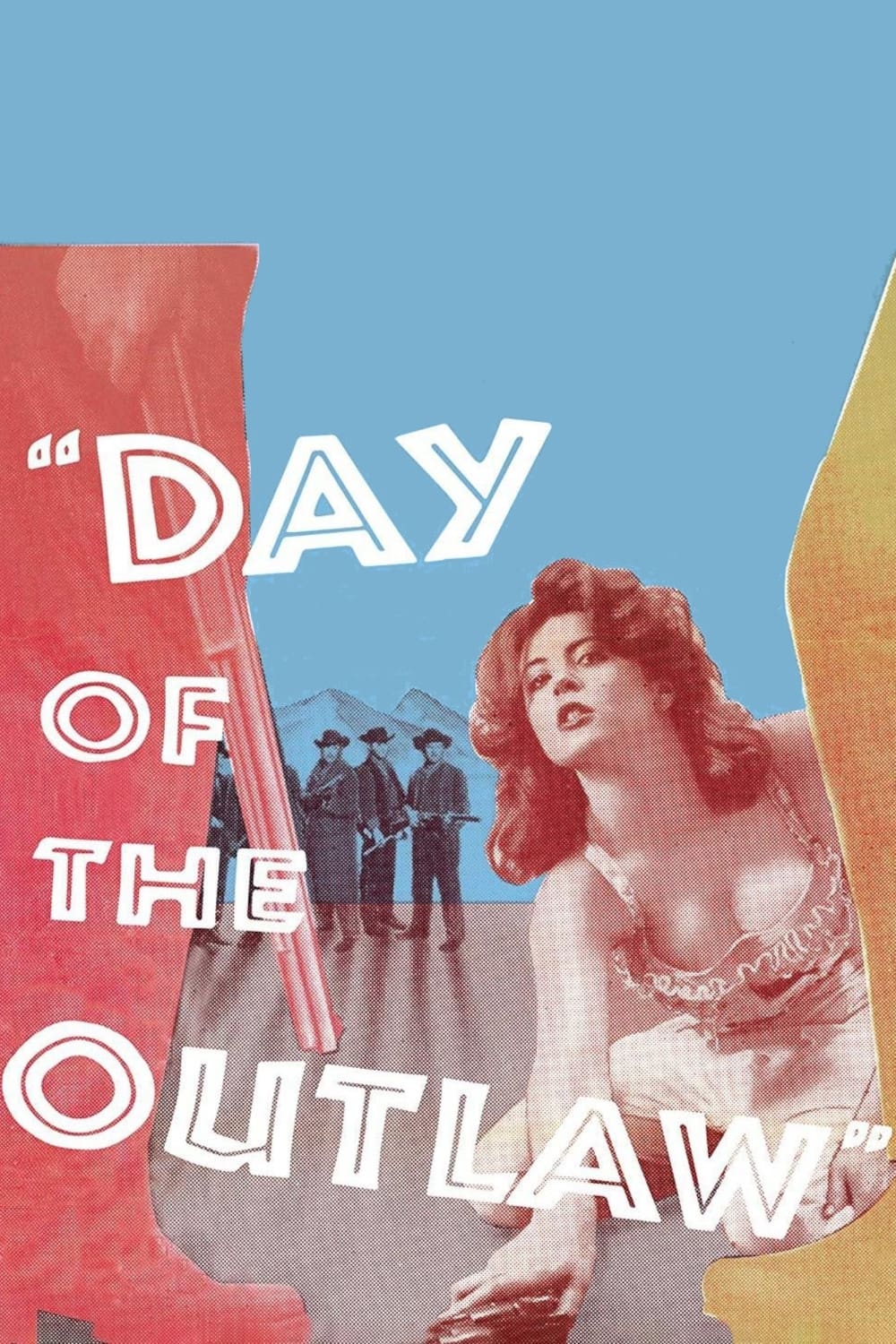
Directed by Andre De Toth, this snowbound western stars Robert Ryan, Burl Ives, and Tina Louise. A rancher feud is interrupted when a band of soldiers gone bad rides into a remote town and holds it at gunpoint. The story shifts from range conflict to hostage drama as a storm closes in.
Much of the film was shot in harsh winter conditions in Idaho, and the waist deep drifts and empty white vistas shape the action. The camera favors long takes on open ground which makes every movement feel slow and heavy. The score is sparse and the sound of wind carries through many scenes.
‘Seven Men from Now’ (1956)
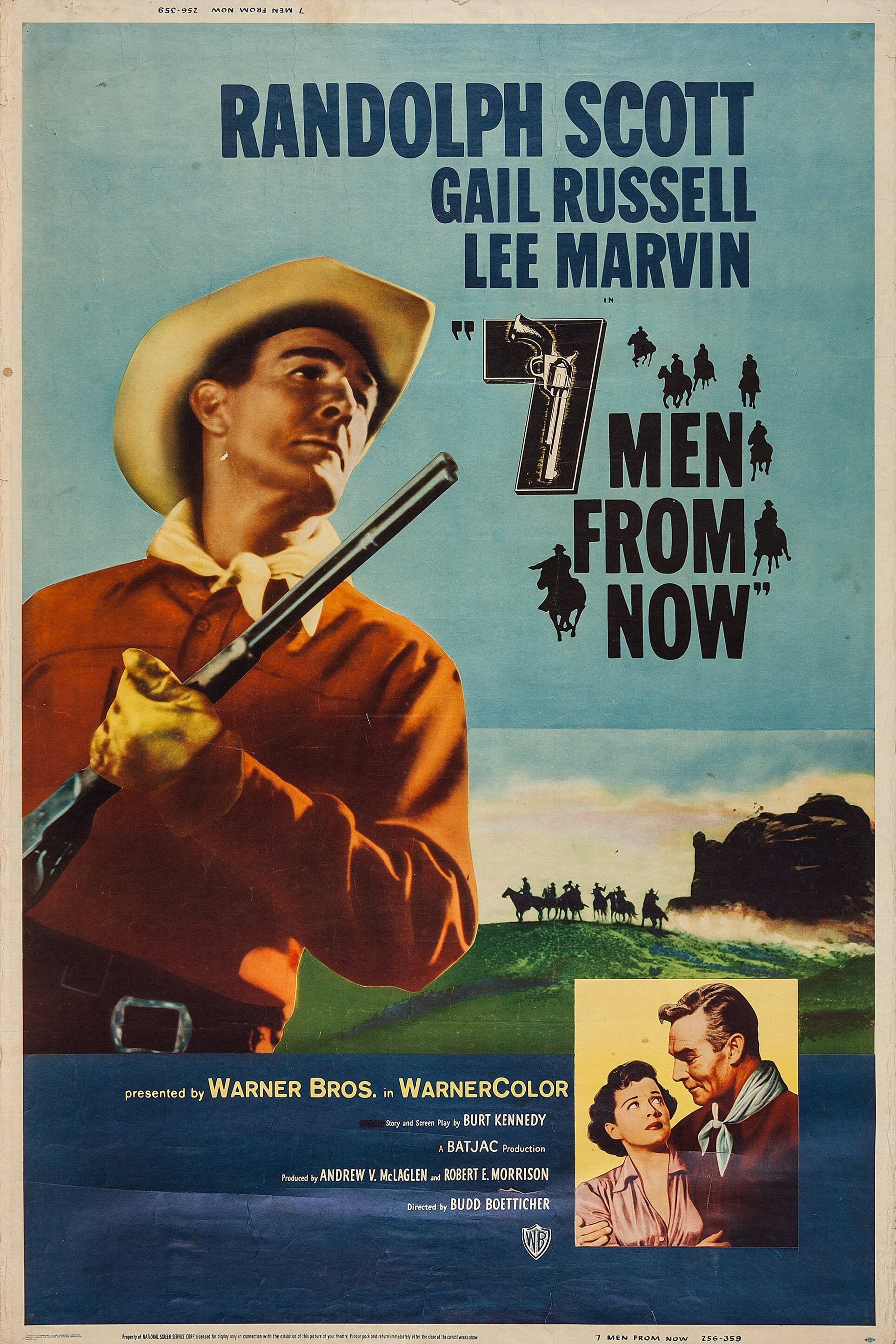
Budd Boetticher teams with Randolph Scott for a tight revenge tale written by Burt Kennedy. Scott’s former sheriff tracks the robbers who killed his wife and crosses paths with a drifter played by Lee Marvin whose motives keep shifting. The story unfolds along a wagon route with stops at caves, stations, and water holes.
Batjac Productions backed the film and the shoot used the Alabama Hills near Lone Pine for rugged rock formations that stand in for the trail. William H. Clothier’s photography favors clean lines and strong horizon compositions. The film helped set the course for the cycle of Scott and Boetticher collaborations that followed.
‘Ride Lonesome’ (1959)
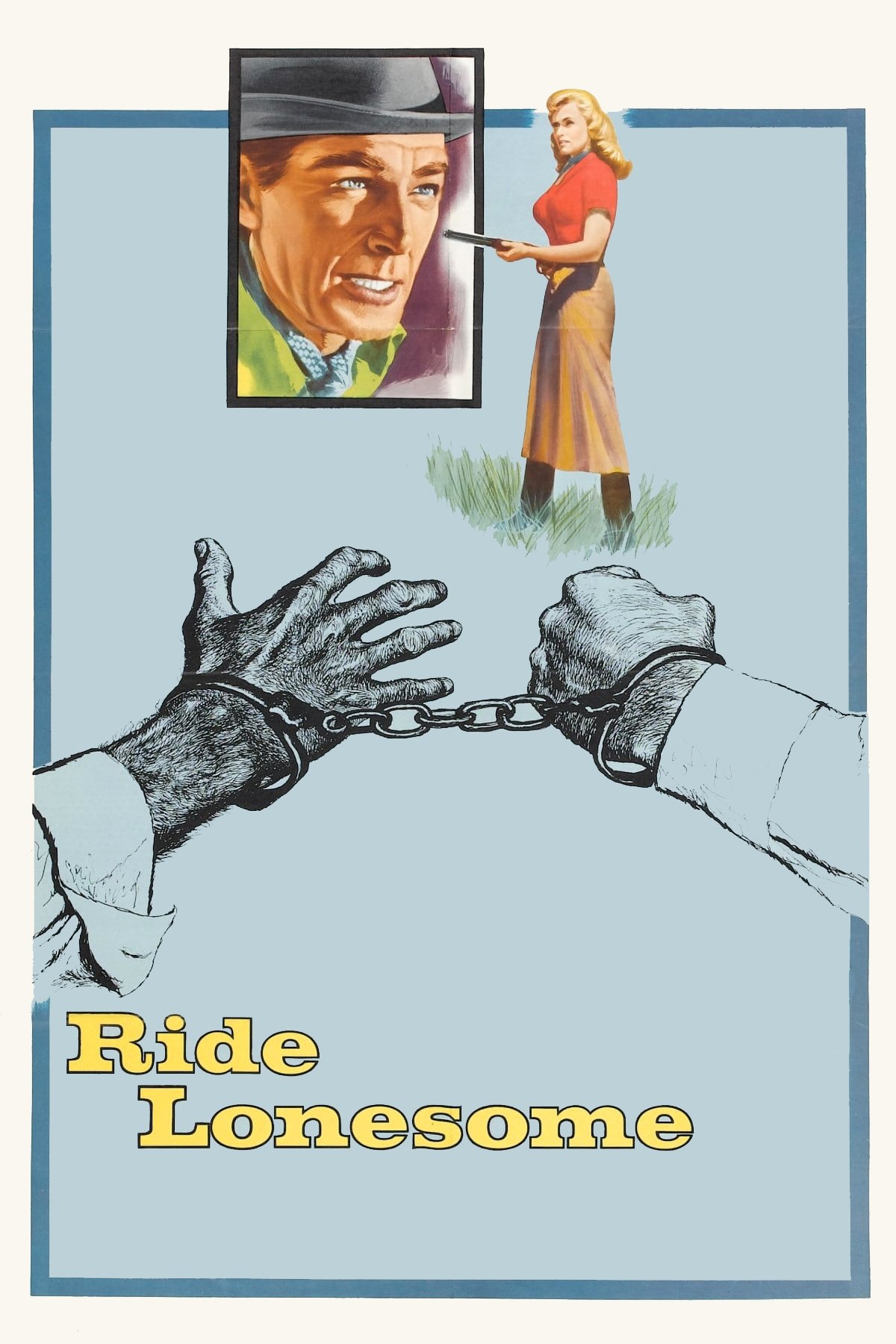
Another Boetticher and Randolph Scott entry, this one centers on a bounty hunter escorting a young killer while two outlaw partners shadow the group. Pernell Roberts and a debuting James Coburn play the partners with a mix of charm and calculation. Karen Steele and Lee Van Cleef round out the key cast.
The production again used Lone Pine locations and a stripped down script by Burt Kennedy. The final image involves a hanging tree that becomes a visual marker in the wide frame. The film’s tight runtime and clear staging make every choice on the trail feel precise.
‘The Hired Hand’ (1971)
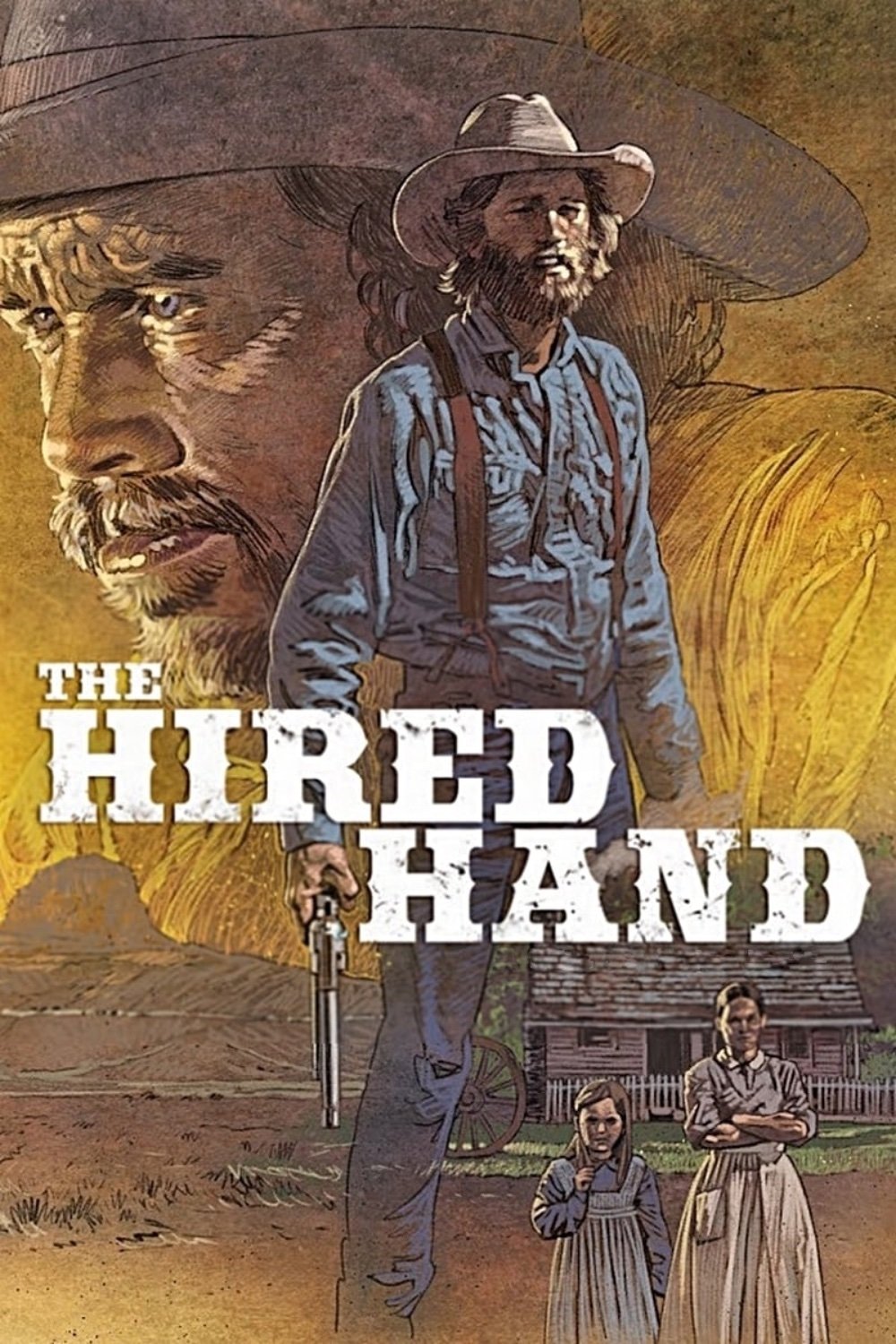
Peter Fonda directs and stars alongside Warren Oates and Verna Bloom in a story about a drifting cowboy who returns to the wife he left behind. The narrative focuses on work routines and uneasy trust as the man tries to earn his place again. Dialogue scenes sit next to sudden violence that arrives without warning.
Vilmos Zsigmond’s photography uses soft focus and natural light to create a hazy frontier mood. The film was shot in New Mexico with period detail in wagons, tools, and wardrobe that emphasizes domestic labor as much as trail life. The editing favors dissolves and slow motion passages that stretch everyday gestures.
‘The Ballad of Cable Hogue’ (1970)
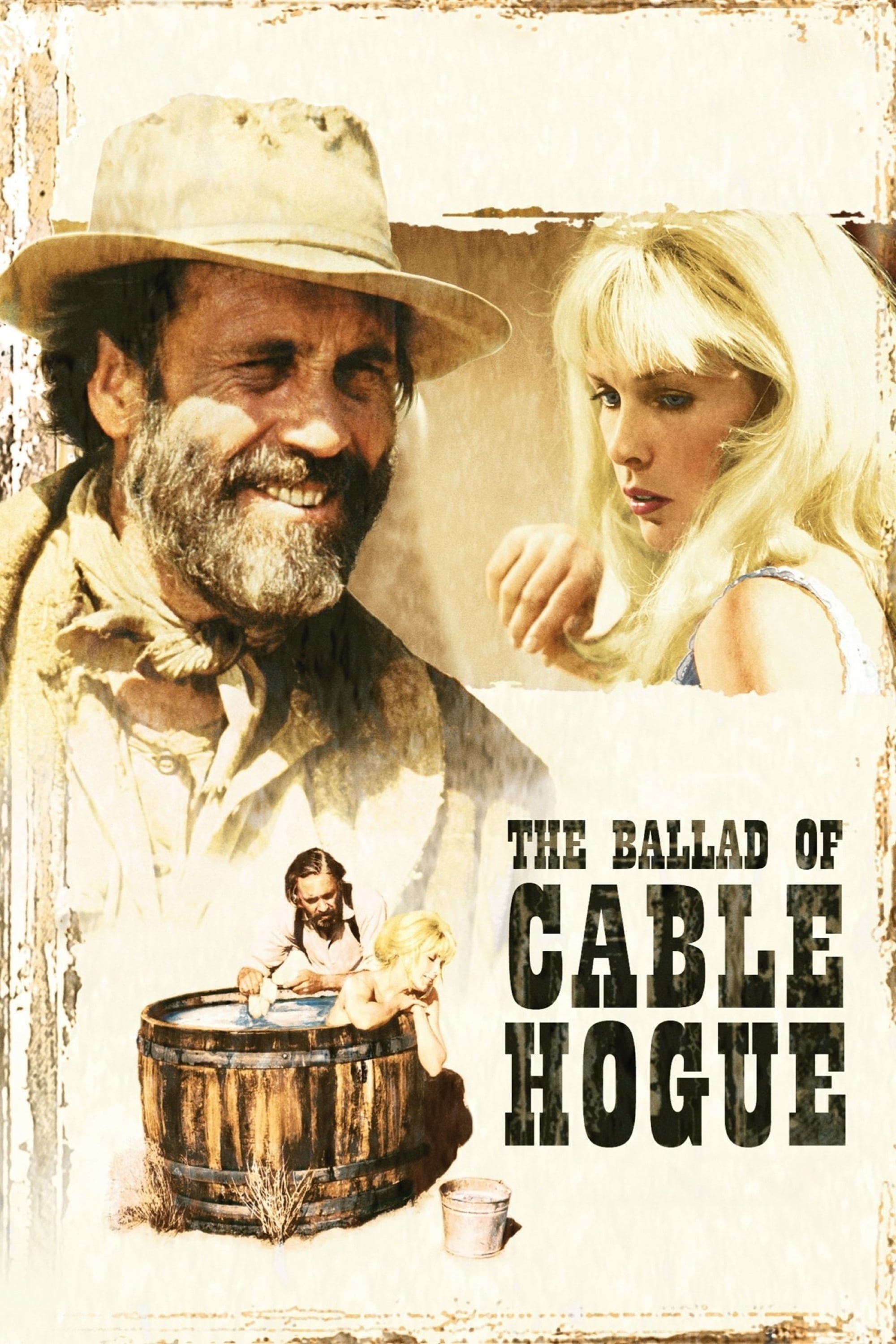
Sam Peckinpah directs Jason Robards and Stella Stevens in the story of a prospector who finds a spring in the desert and builds a stage stop business around it. The plot follows the challenges of running a small enterprise on a route that is about to change as the automobile arrives.
Lucien Ballard’s cinematography brings warm desert color and crisp skylines, and Jerry Goldsmith provides a tuneful score that leans into folk textures. Peckinpah uses montage to show routine tasks like hauling water and setting tables, which gives the film a steady rhythm between visitors and regulars.
‘Ulzana’s Raid’ (1972)
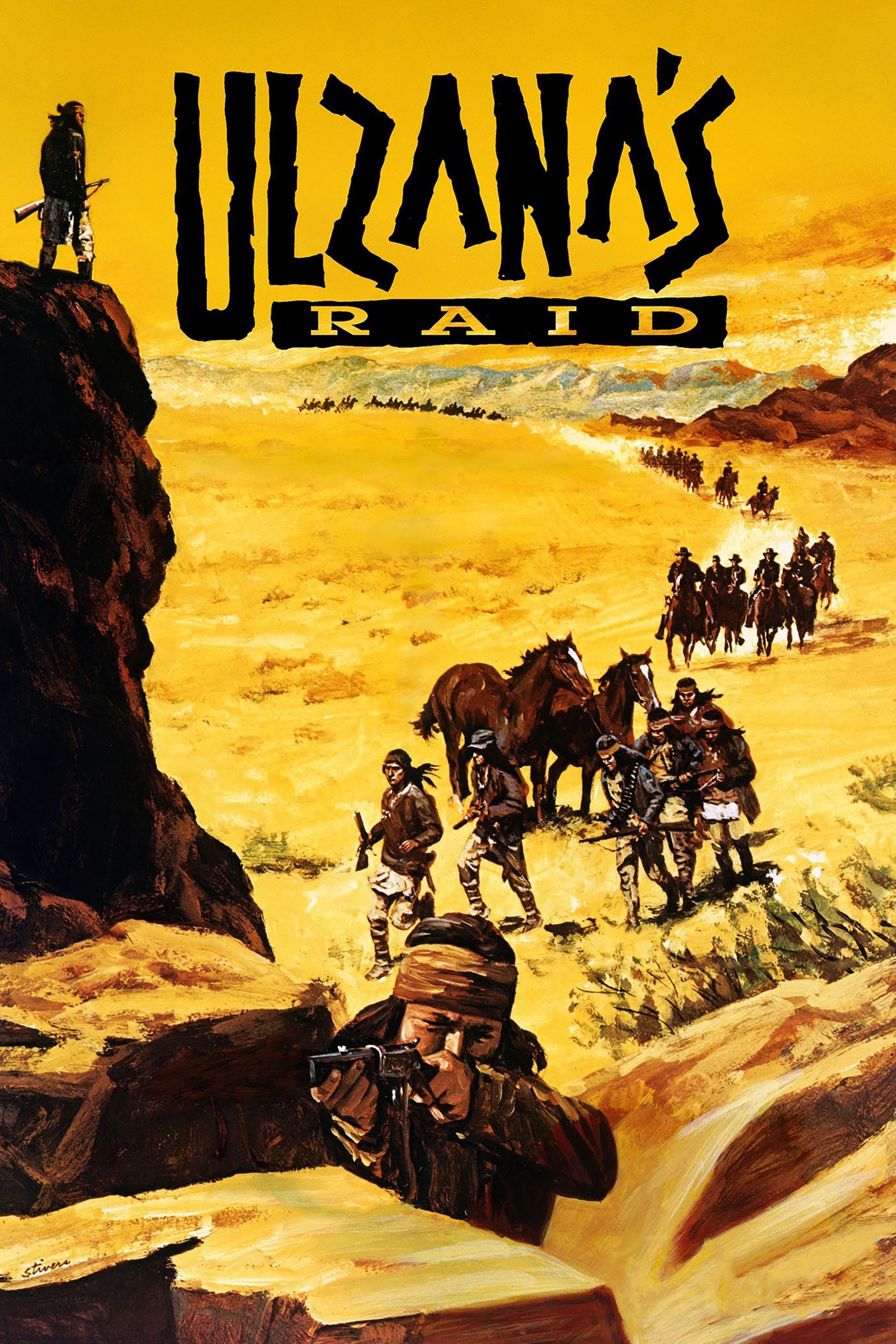
Robert Aldrich directs Burt Lancaster as a seasoned scout who leads a cavalry detachment after an Apache raiding party. The film studies tactics and terrain as the soldiers try to read tracks and anticipate ambushes. The script by Alan Sharp places emphasis on logistics and chain of command.
The production shot in Arizona locations that provide open basins and rocky ridges for the pursuit. Joseph Biroc’s camera often observes from a distance to make troop movements clear. Dialogue examines the limits of the unit’s training and the difficulty of fighting across long distances.
‘Hombre’ (1967)
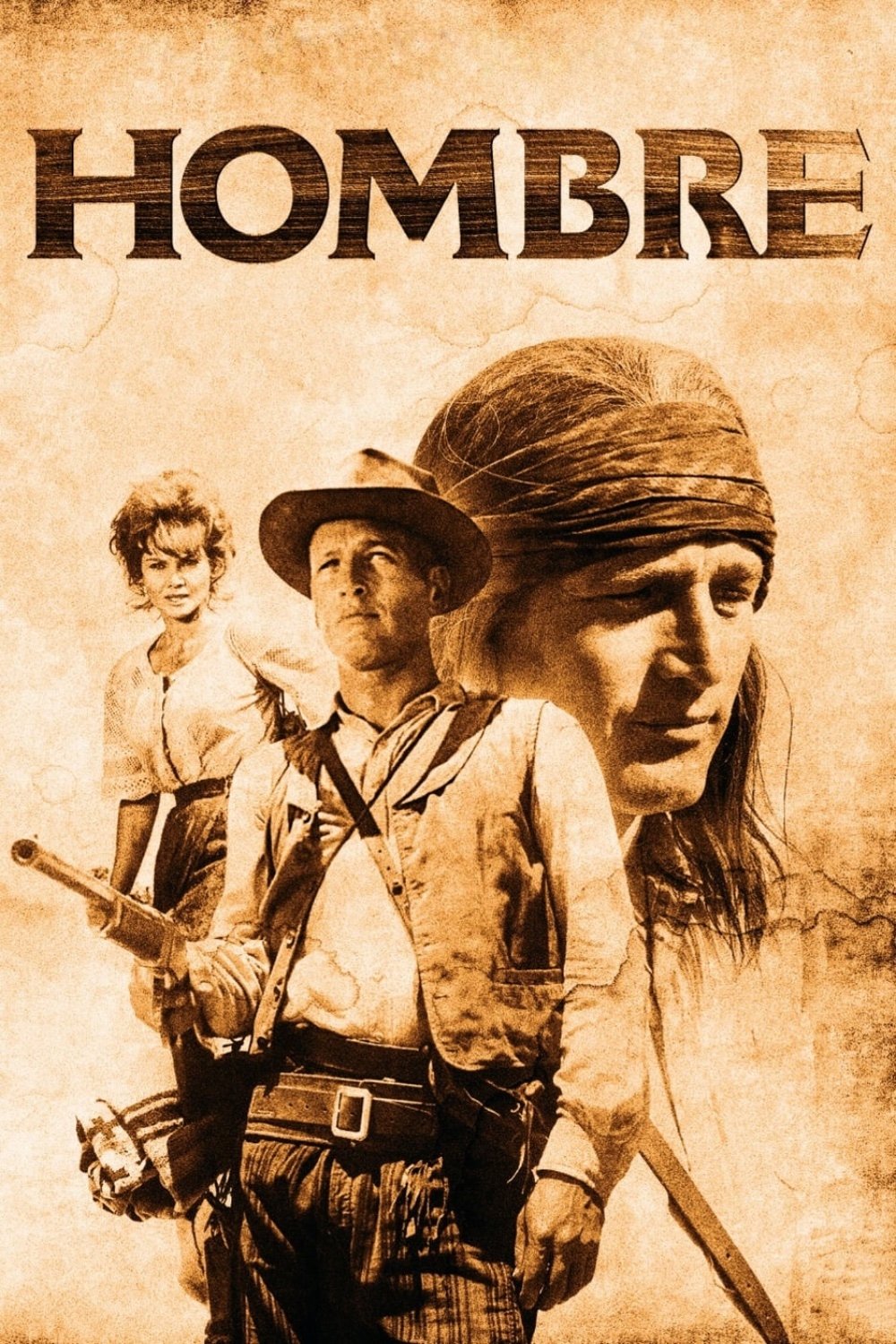
Martin Ritt adapts the Elmore Leonard novel with Paul Newman as a white man raised by Apaches who ends up protecting stage passengers during a robbery and trek. The ensemble includes Richard Boone, Diane Cilento, Barbara Rush, and Martin Balsam, and each character brings a defined stake to the journey.
James Wong Howe photographs desert plateaus and canyon passes with strong contrasts that highlight heat and exposure. The production filmed in Arizona with careful attention to props like rifles, canteens, and coach harnesses. The spare dialogue builds tension around decisions about water, route, and who leads.
‘Pat Garrett & Billy the Kid’ (1973)
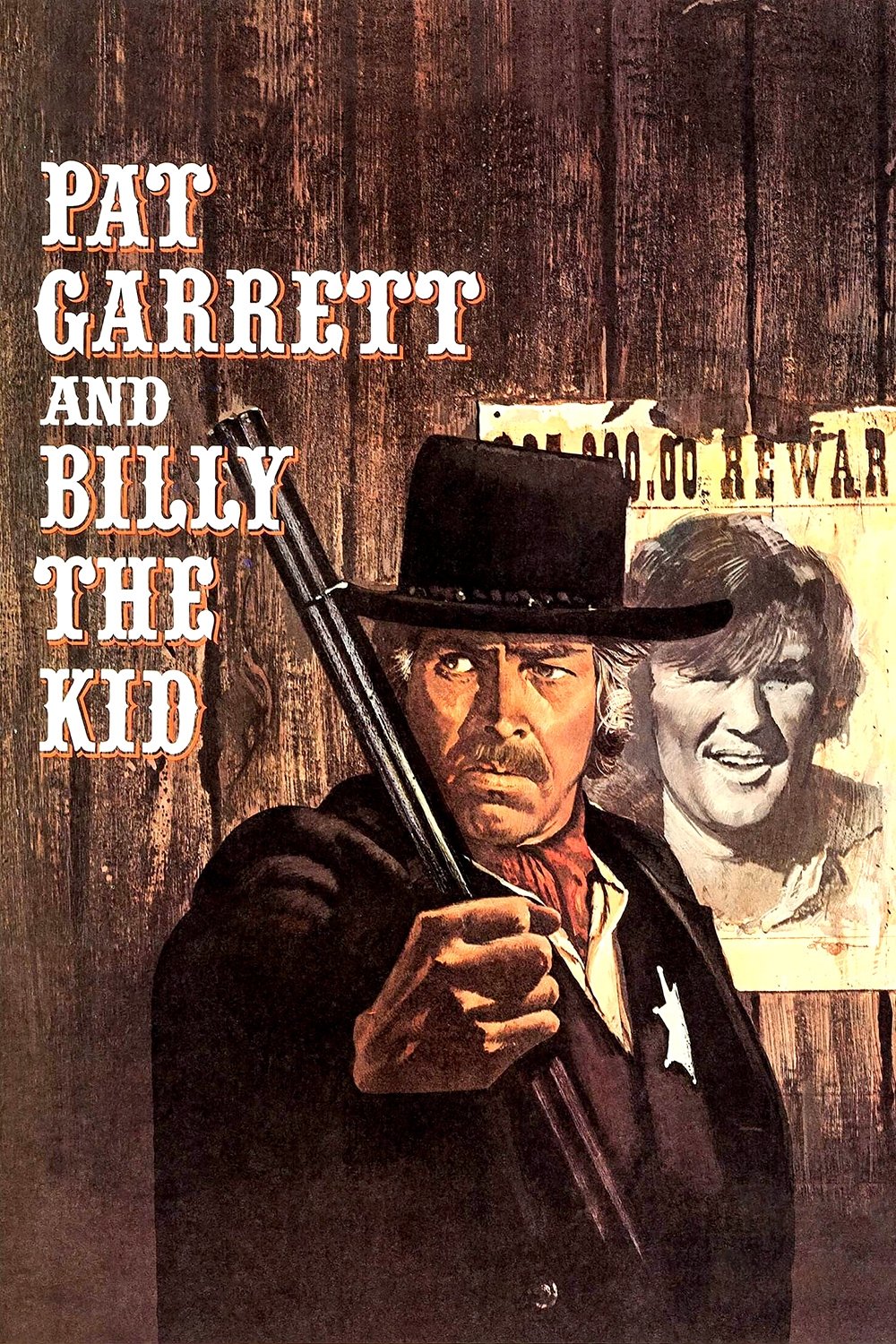
Sam Peckinpah’s take on the lawman and the outlaw stars James Coburn and Kris Kristofferson. The film tracks a shifting friendship as Garrett takes on the job of bringing in his former ally. Bob Dylan appears and also provides songs that thread through the narrative.
The shoot used locations in Mexico that supply adobe towns and dusty roads with long horizons. Multiple studio cuts exist and restorations have highlighted scenes that expand character beats. John Coquillon’s photography favors dusk light and lamplit interiors that frame faces in shadow.
‘The Long Riders’ (1980)
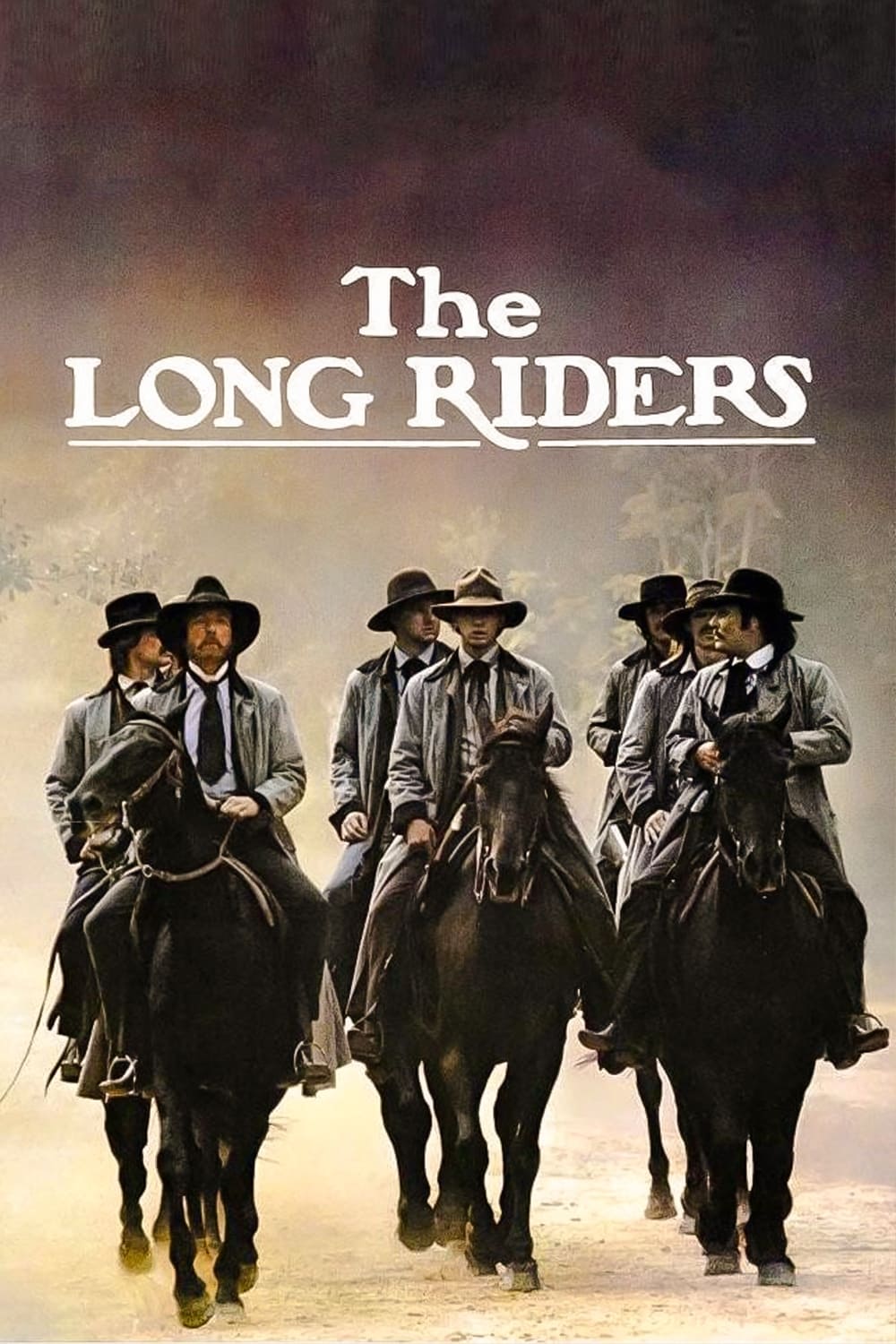
Walter Hill tells the story of the James Younger gang with real life brothers playing outlaw brothers. The cast includes the Keaches, the Carradines, the Quaids, and the Guests, which gives family scenes a natural familiarity. The plot moves through planning, robberies, and the fallout after the Northfield job.
Ry Cooder’s score brings spare guitar lines that underline quiet stretches of travel. The production uses rural locations with wooden storefronts and muddy streets that feel lived in. Stunt work features full speed riding and practical breakaway effects during street shootouts.
‘Heaven’s Gate’ (1980)
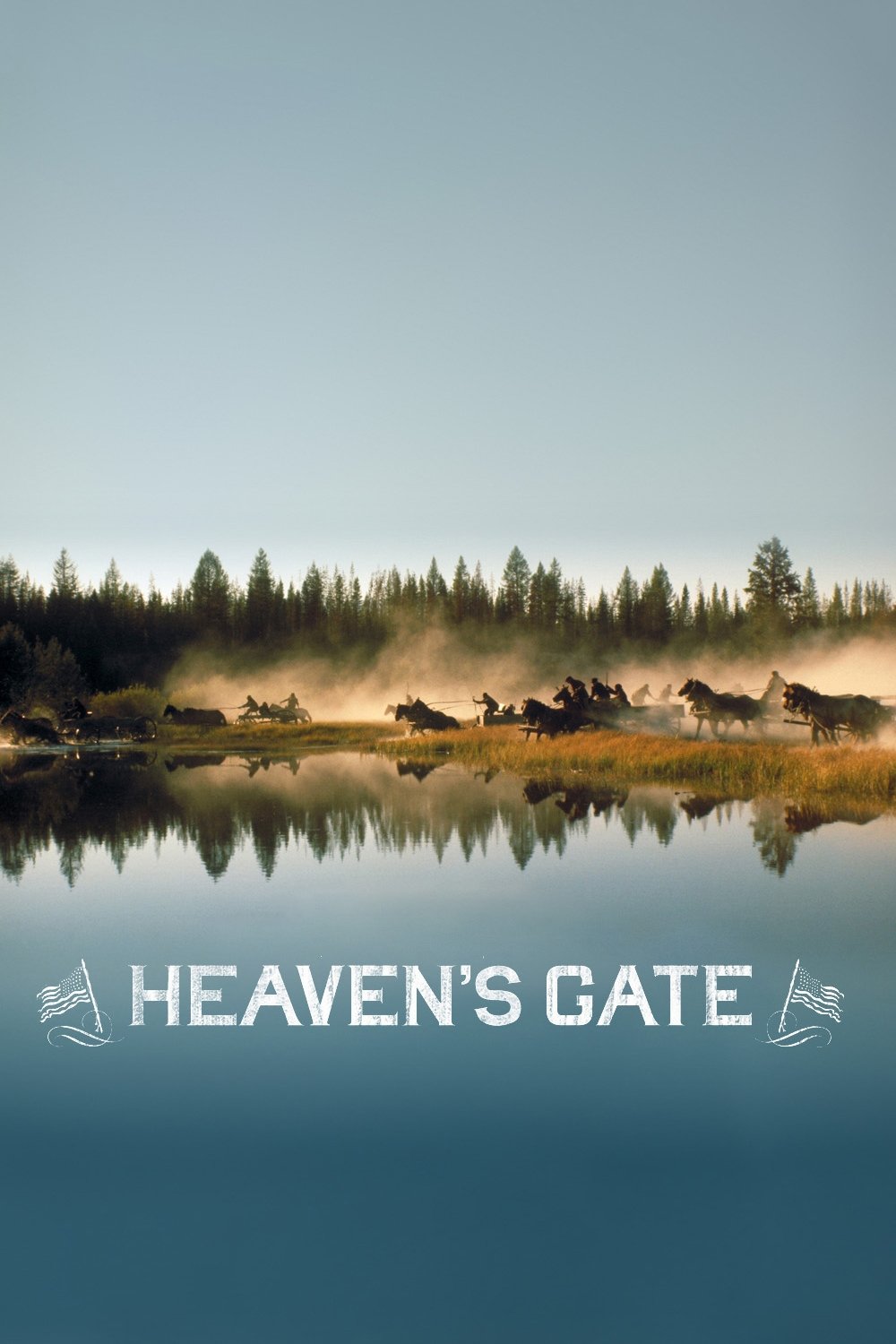
Michael Cimino stages a sweeping account of the Johnson County conflict with Kris Kristofferson, Christopher Walken, and Isabelle Huppert. The story follows settlers and stock interests as tensions escalate and private enforcers arrive with a kill list. The cast features a large company of townspeople, hired guns, and local officials.
Vilmos Zsigmond’s photography uses natural light and smoke to create layered frames during dances, parades, and crowd scenes. Shooting took place across wide Montana landscapes and the skating sequence was staged with hundreds of extras. Later restorations have circulated a longer cut that clarifies character threads.
‘Yellow Sky’ (1948)
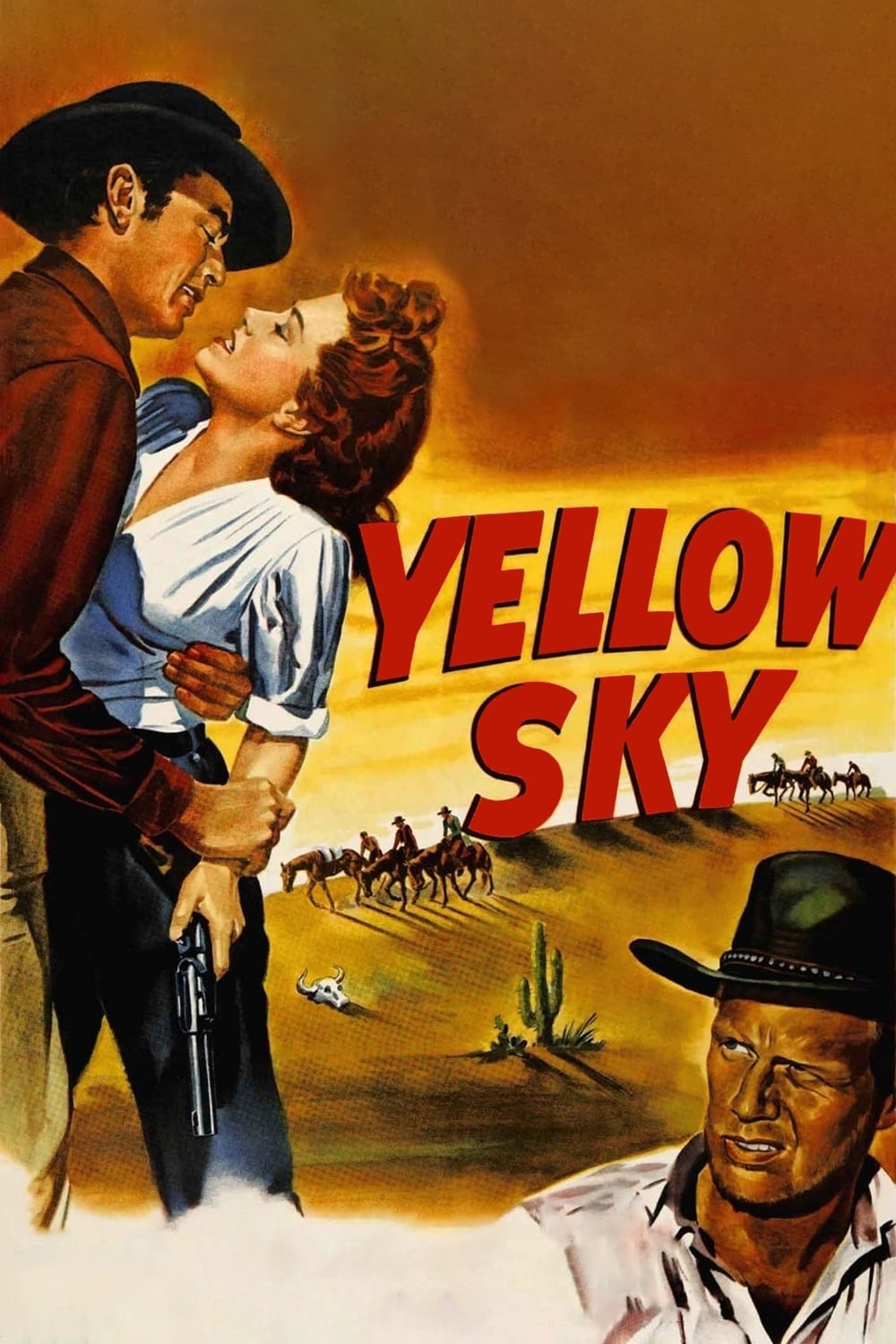
William A. Wellman directs Gregory Peck, Anne Baxter, and Richard Widmark in a tale about a gang that hides in a ghost town and meets a young woman and her prospector father. The setup pits greed against survival as water and supplies run low.
Death Valley locations give the film cracked earth and blistered salt flats that shape the action. The story has been compared to a classic stage work because of its themes of temptation and reconciliation. The photography keeps figures small against wide emptiness to stress the risk of every choice.
‘Lawman’ (1971)
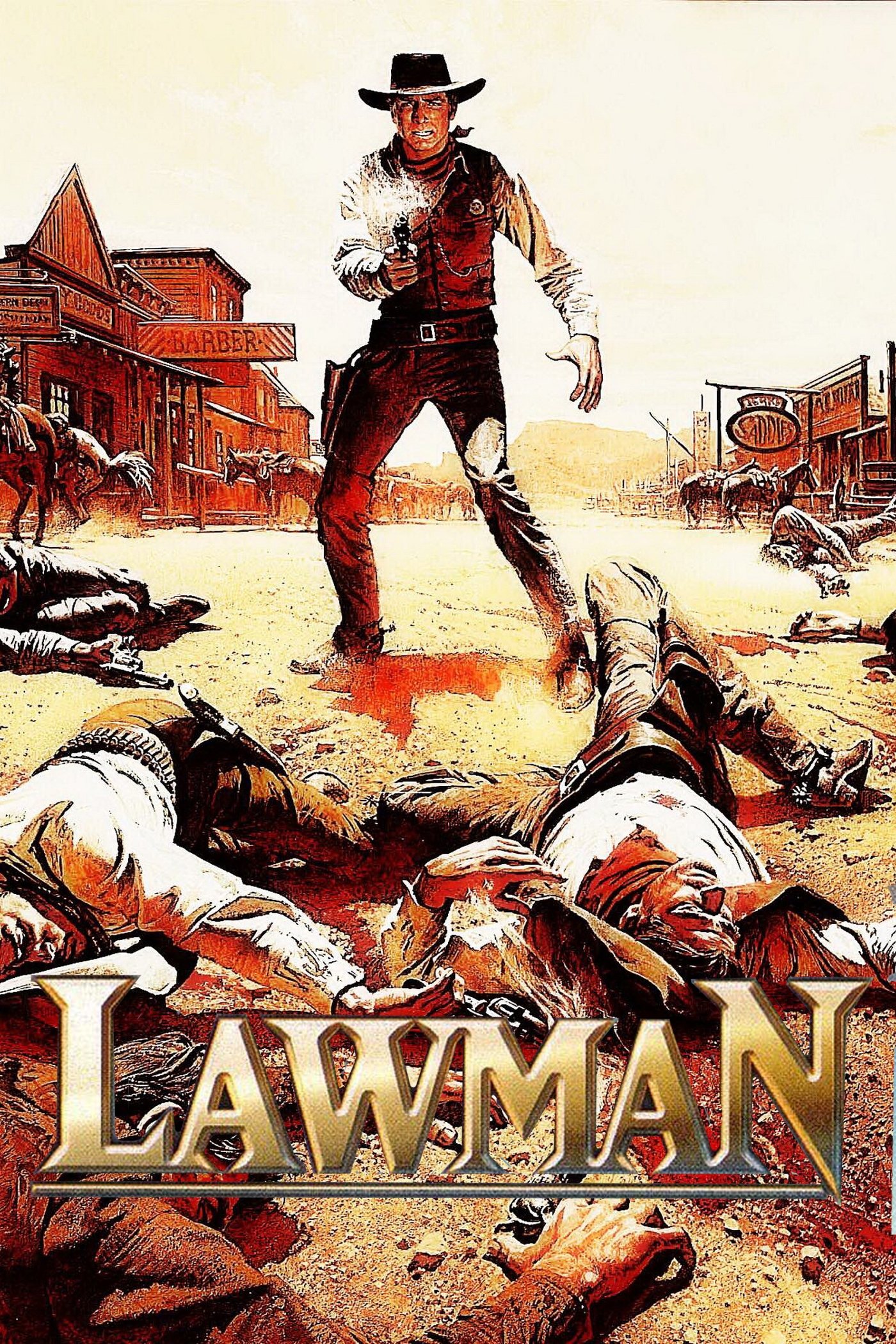
Michael Winner directs Burt Lancaster as Marshal Jared Maddox who rides into the town of Sabbath to arrest ranch hands after a killing in a nearby city. Robert Ryan, Lee J Cobb, and Robert Duvall appear as townspeople caught between the marshal and a powerful cattleman.
The film uses a tight town layout with alleys, corrals, and a central street that lets showdowns play out in clear sight lines. Dialogue focuses on warrants, jurisdiction, and the politics of local business. The score builds a steady rhythm while the camera tracks Lancaster at a deliberate walk.
‘Monte Walsh’ (1970)
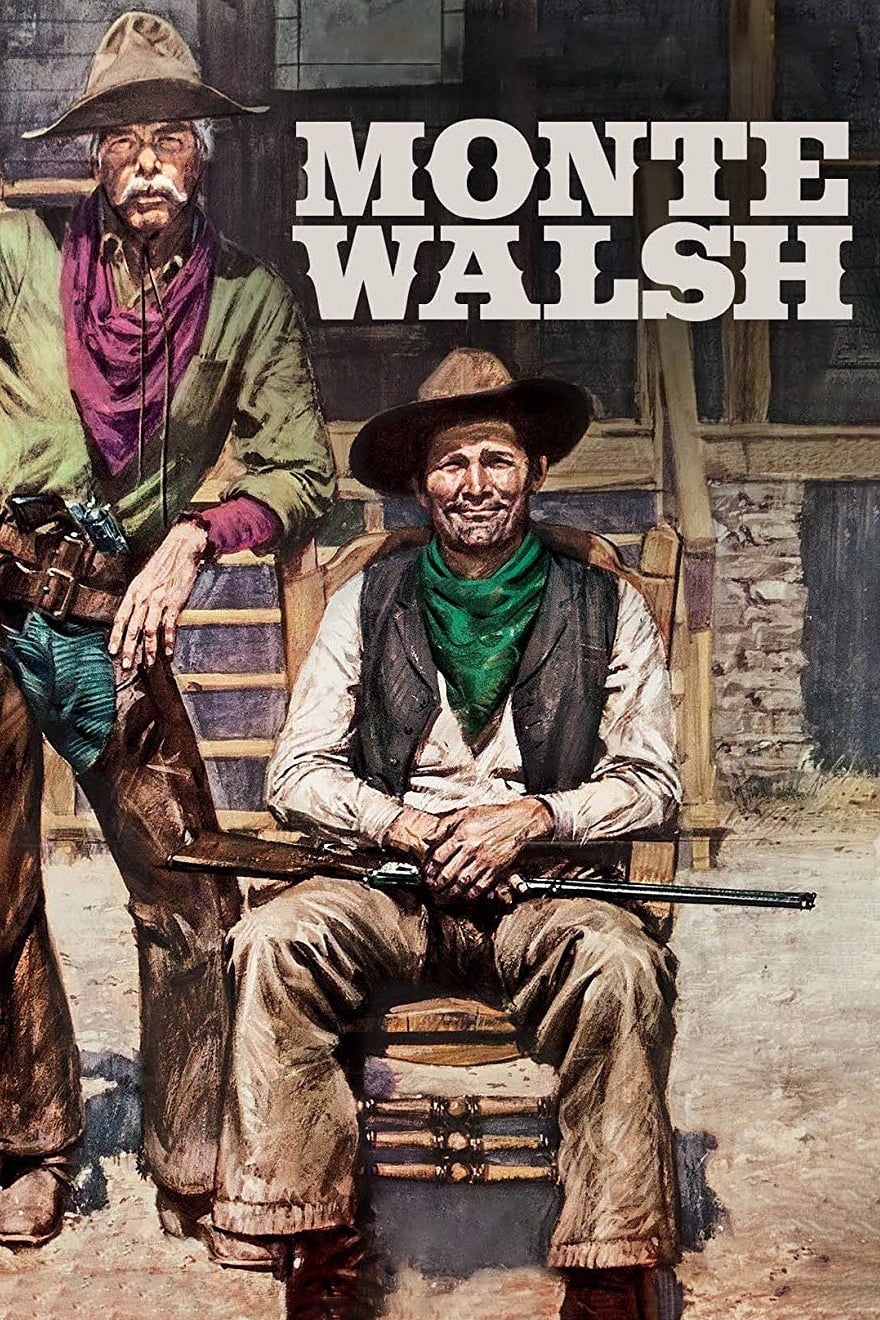
William A. Fraker directs this adaptation of the Jack Schaefer novel with Lee Marvin as an aging cowboy. The story follows shifting work on ranches as barbed wire spreads and open ranges shrink. Jeanne Moreau and Jack Palance play key figures in the title character’s circle.
The film places attention on seasonal chores, bronc riding, and the economics of day wages. Sets and wardrobe show a world of bunkhouses, chuck wagons, and saloons that are starting to thin out. The tone balances camaraderie and change through quiet scenes around firelight and poker tables.
‘The Great Silence’ (1968)
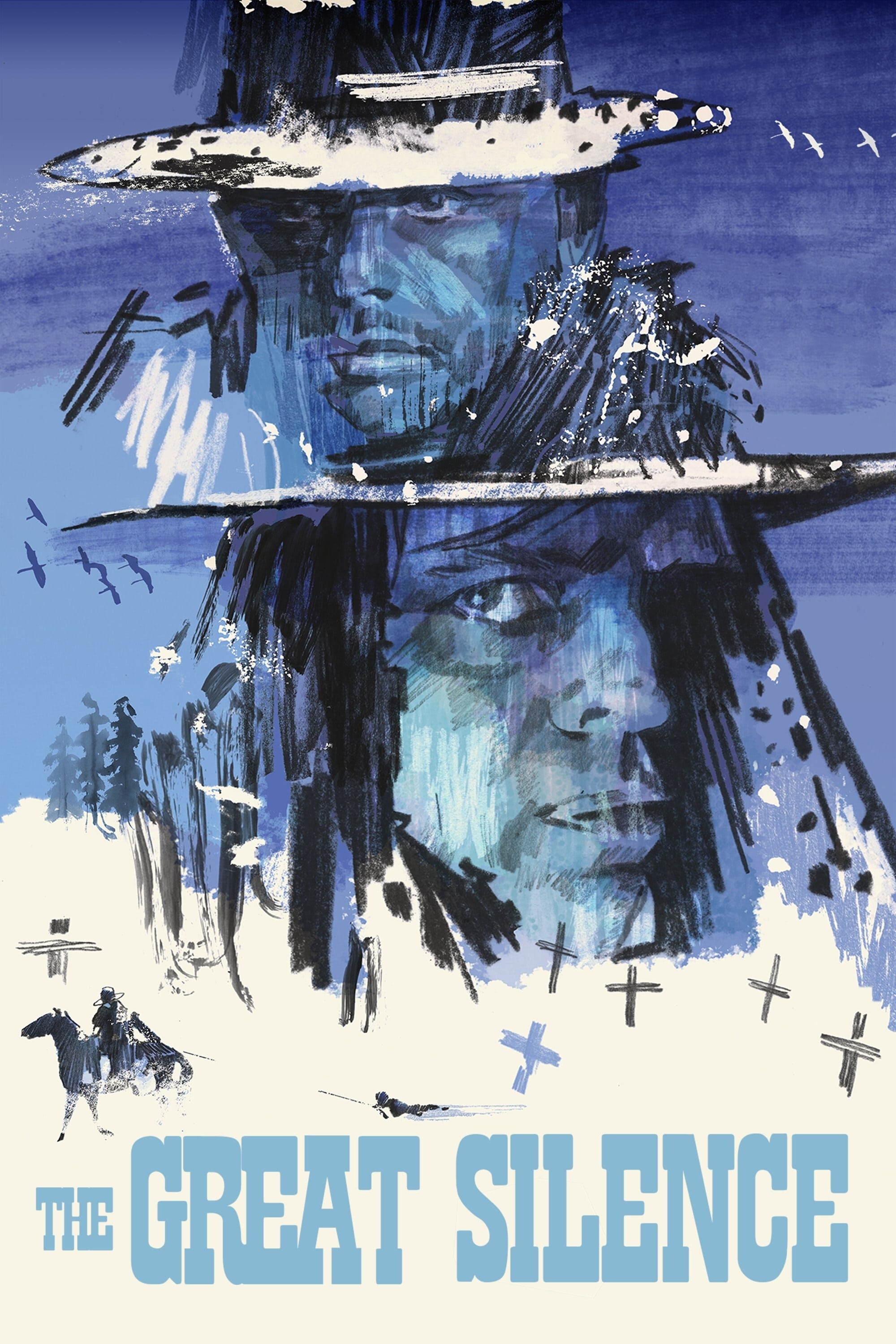
Sergio Corbucci sets a snow western in high mountain country where bounty killers target starving outlaws. Jean-Louis Trintignant plays a mute gunslinger hired to protect a widow and her community while Klaus Kinski plays the relentless hunter on their trail.
The production filmed in the Italian Alps with deep snow, black coats, and pale skies that create bold contrast. Ennio Morricone’s score uses mournful themes that echo the bleak setting. The film is known for an ending that defies standard genre resolution and for its alternative ending that circulates in some versions.
‘The Big Gundown’ (1966)

Sergio Sollima directs Lee Van Cleef as a famed tracker who chases Tomas Milian’s wily fugitive across the borderlands. Their cat and mouse pursuit moves through ranches, deserts, and political hideouts while motives keep shifting.
The shoot used Spanish locations around Almeria and a wide frame that loves ridgelines and arroyos. Ennio Morricone supplies a bold theme with whistling and choral flourishes. Restored versions present different cuts with added scenes that deepen the two leads.
‘Blackthorn’ (2011)
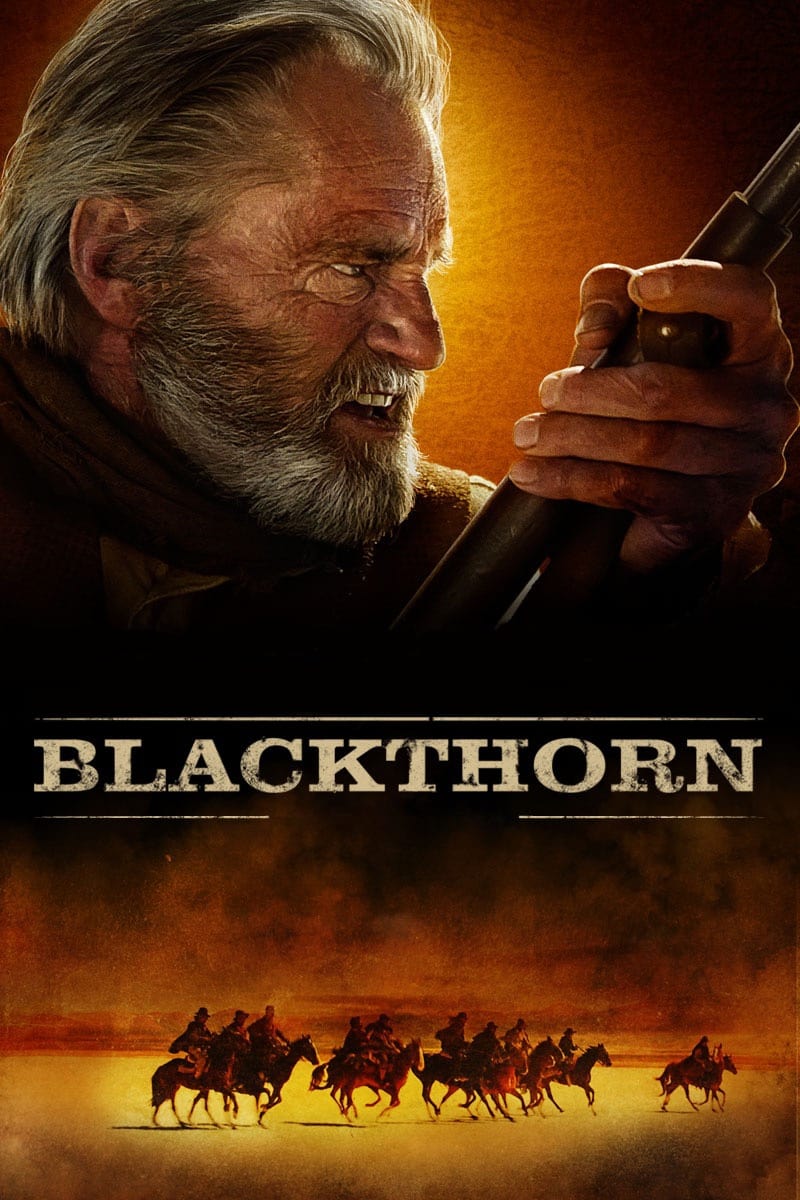
Mateo Gil imagines an older Butch Cassidy living quietly in Bolivia under another name. Sam Shepard plays the title role as a chance meeting with a young thief pulls him into a final ride. The story weaves in letters, flashbacks, and long crossings through harsh country.
The film was shot across Bolivian salt flats and high altitude valleys that give the journey a clear sense of place. Eduardo Noriega and Stephen Rea support with roles that tie the plot to mining and rail interests. The production favors practical locations and real trains over digital backdrops.
‘Meek’s Cutoff’ (2010)
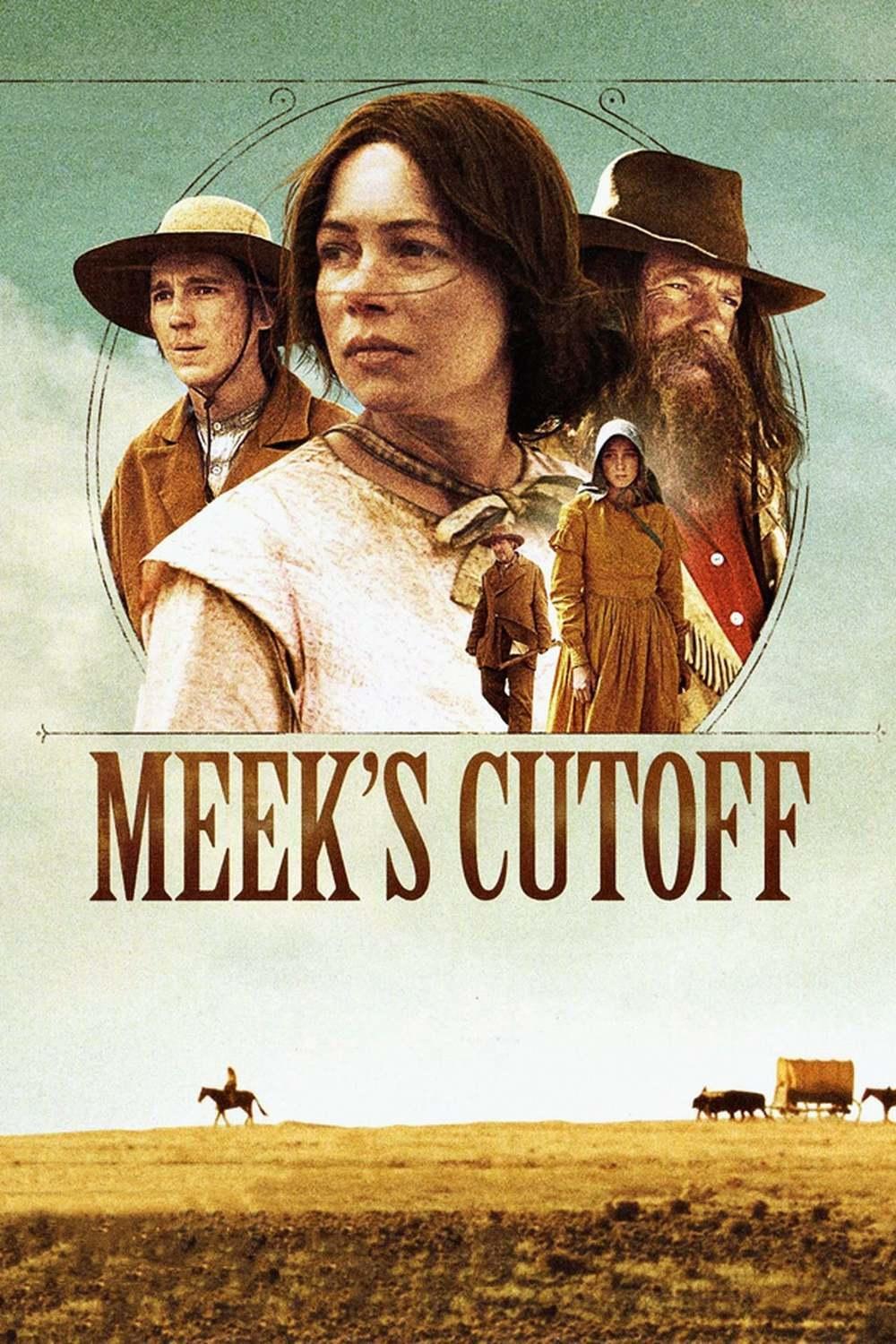
Kelly Reichardt dramatizes the Oregon Trail detour led by Stephen Meek, focusing on a small party that runs short on water while following a dubious guide. Michelle Williams, Bruce Greenwood, and Paul Dano lead the cast as debates over direction become a matter of life and death.
The film shoots in Oregon high desert with a square frame that keeps wagons and walkers tight within the edges. Sound design leans on creaking wheels, wind, and the shuffle of skirts and boots. Costuming and props show the wear of travel with sun bleached canvas and patched clothing.
‘The Proposition’ (2005)
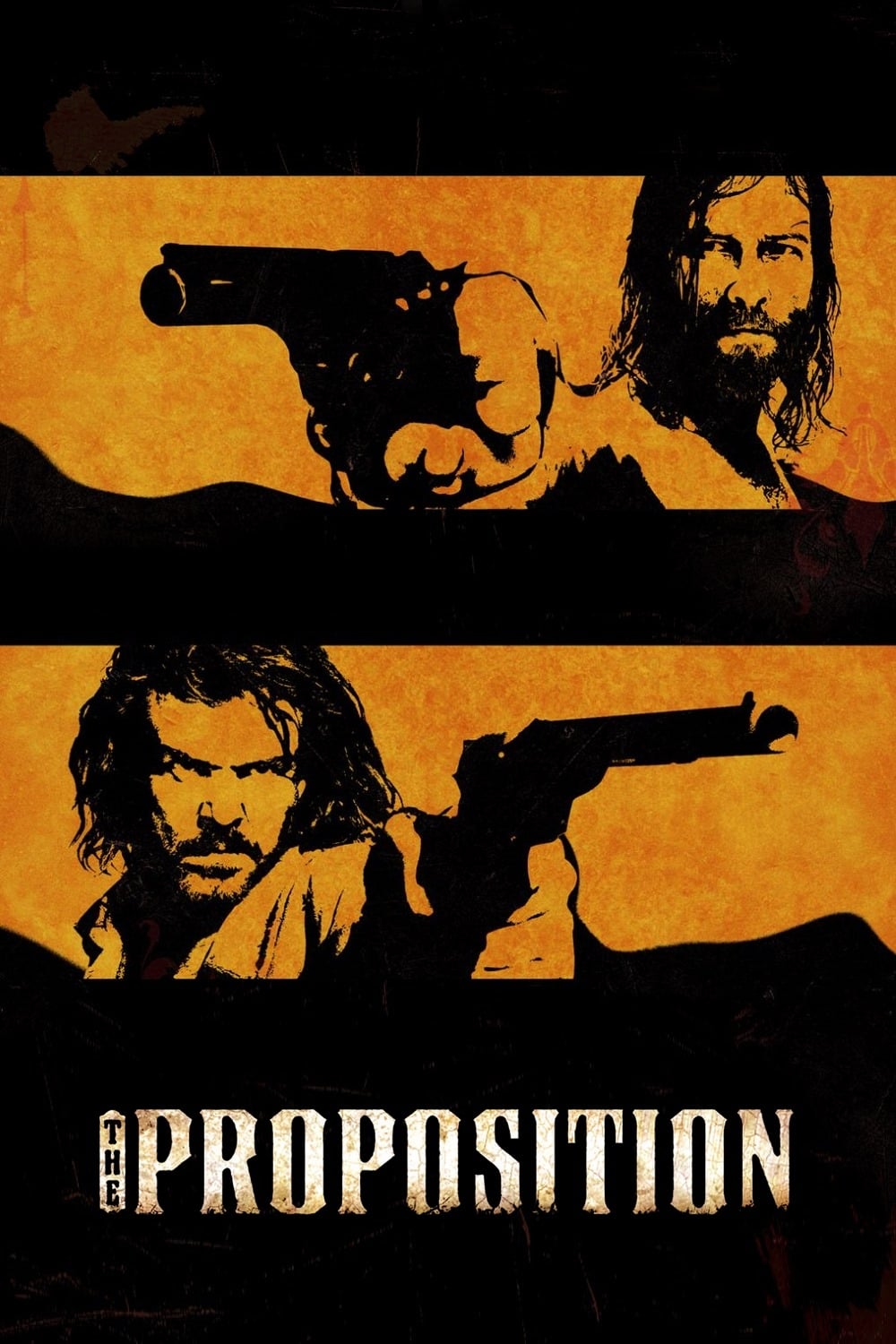
John Hillcoat sets this frontier story in the Australian outback with Guy Pearce as a captured outlaw offered a deal by a driven police captain played by Ray Winstone. The plot turns on a grim choice involving family and the fragile order of a remote settlement.
Nick Cave wrote the screenplay and composed the score with Warren Ellis, which ties the sound to the dust and heat of the setting. The production filmed in Queensland and uses ochre plains, fly blown heat, and corrugated iron buildings to define the town. Danny Huston and Emily Watson add force as figures on opposite sides of the law.
‘The Homesman’ (2014)
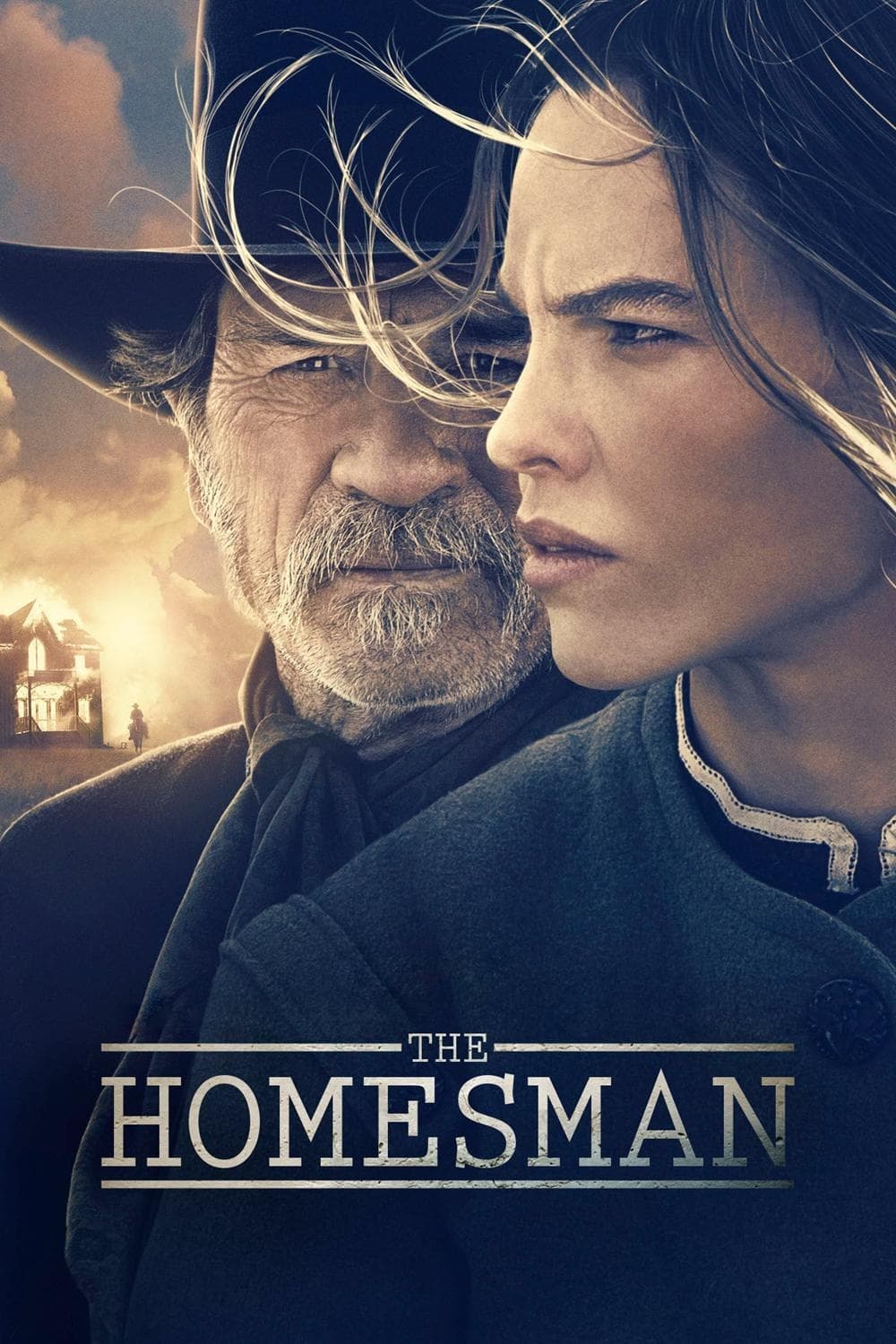
Tommy Lee Jones directs and co stars with Hilary Swank in a story about a pious homesteader who must transport three women suffering from mental illness to safety. The journey pairs two reluctant partners on a long road across hard country with dangers from weather and people.
Rodrigo Prieto photographs prairies and river crossings with sharp winter light. The production builds period interiors with plank walls, iron stoves, and sparse furnishings that show how little protection life on the plains offered. The cast includes small but notable turns by Meryl Streep and others who mark waypoints on the route.
‘Slow West’ (2015)
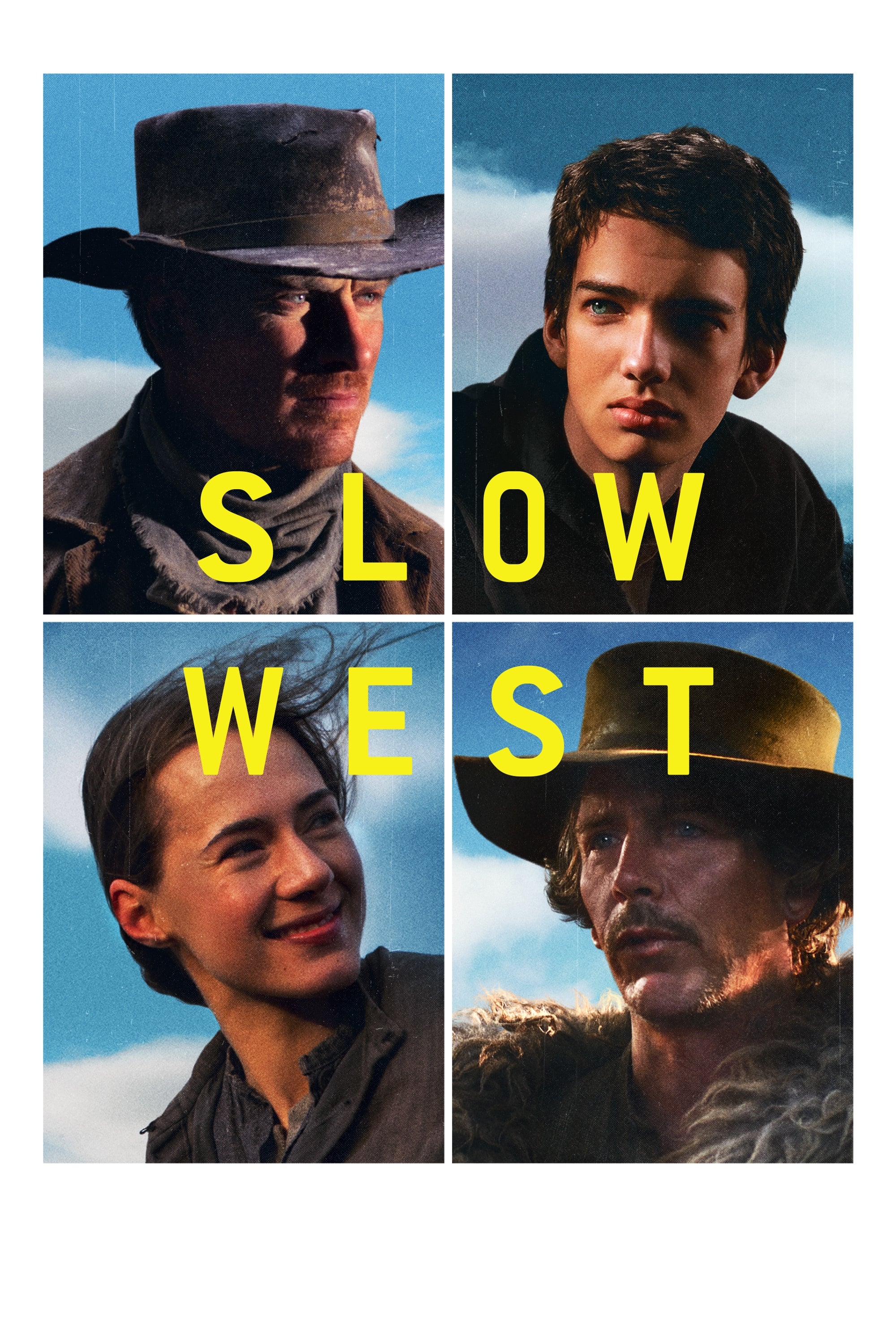
John Maclean directs Kodi Smit McPhee as a Scottish teenager searching for a girl in the American West. Michael Fassbender plays a bounty hunter who becomes his wary guide and Ben Mendelsohn appears as a rival with his own crew.
The movie was filmed in New Zealand, which stands in convincingly for frontier landscapes with forests, plains, and rocky riverbeds. Production design pays attention to camp layouts and traveling gear like bedrolls, rifles, and tins. The tone mixes quiet travel with sudden bursts of danger along the trail.
‘Bone Tomahawk’ (2015)
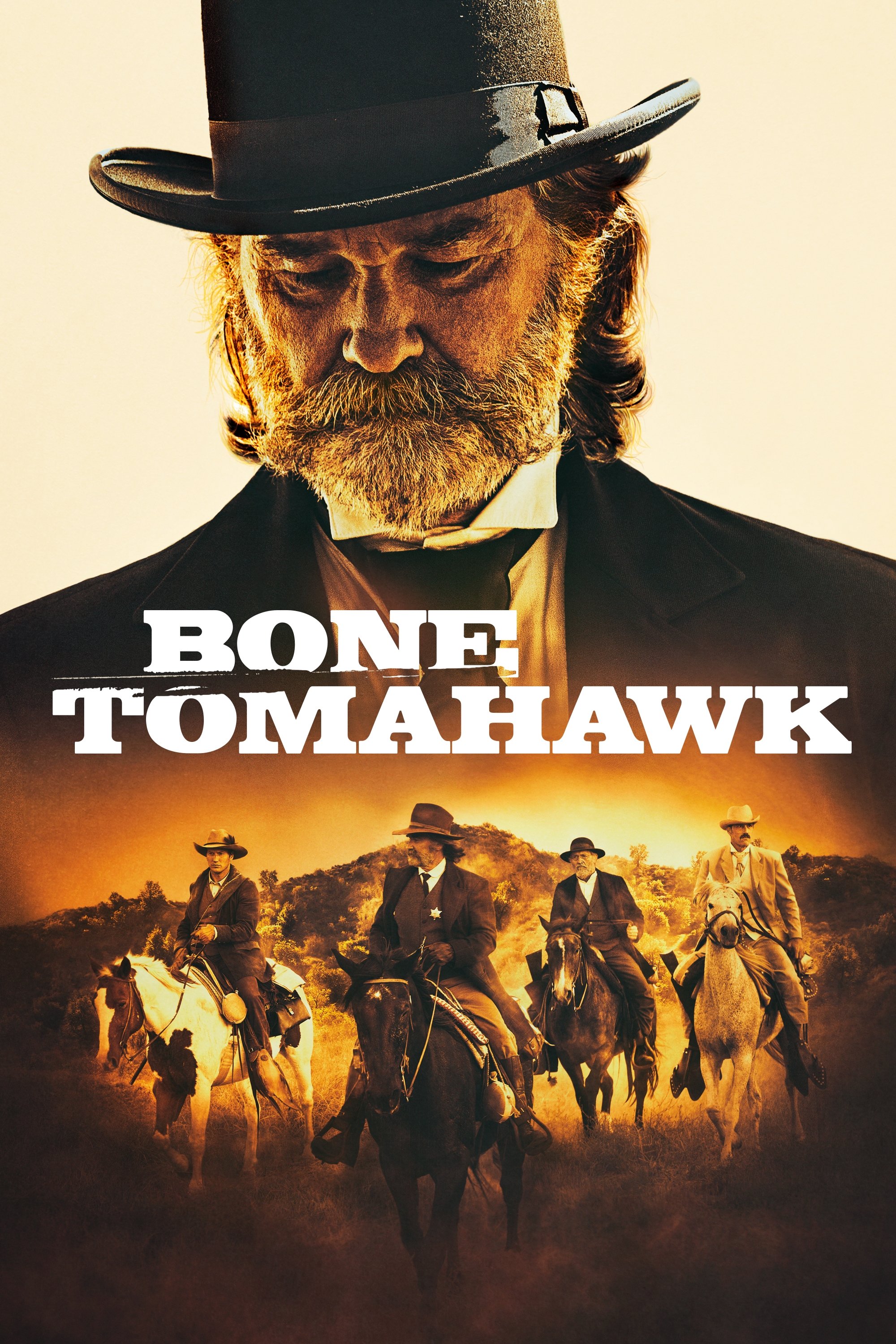
S. Craig Zahler blends a rescue mission with grim frontier survival as a small posse rides out to recover townspeople taken by a hidden tribe. Kurt Russell leads the group with Patrick Wilson, Richard Jenkins, and Matthew Fox in support.
The film was shot around Santa Clarita with practical sets that emphasize caves, scrub, and a small town built of wood and dust. Long dialogue scenes establish roles within the group, then the pace shifts during the search. Practical effects and careful sound design give impact to injuries and close quarters fights.
‘The Grey Fox’ (1982)

Philip Borsos directs Richard Farnsworth as Bill Miner, a real life train robber who tries to adapt after prison by returning to his old trade in a changing world. The plot follows planning and romance as the gentleman bandit navigates new technology and new police methods.
The production filmed in British Columbia with period rolling stock and stations that give rail scenes authentic detail. Frank Tidy’s cinematography and music by The Chieftains create a lyrical travel feel. Costumes and props are richly textured with wool coats, pocket watches, and tools of the trade.
‘The Salvation’ (2014)
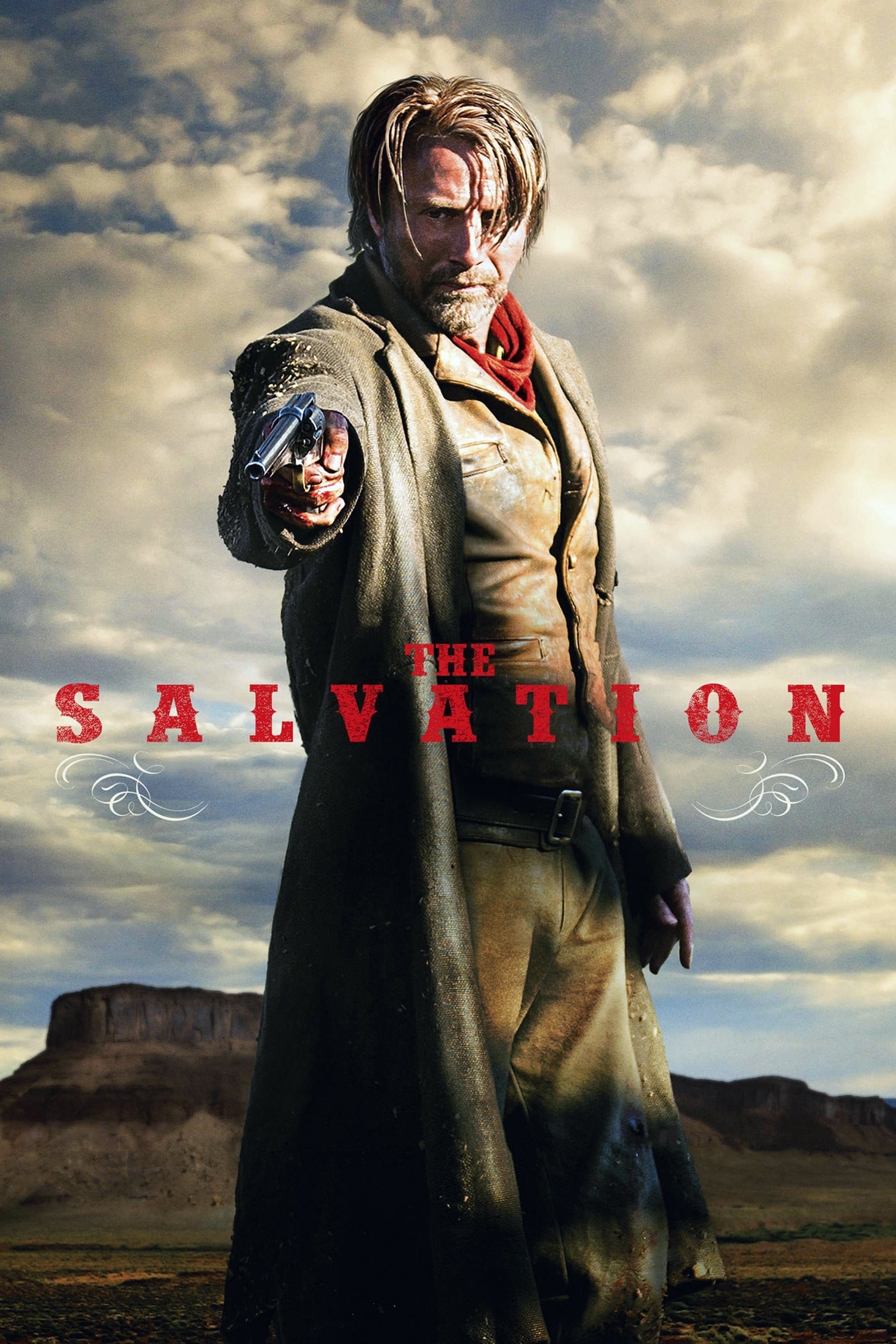
Kristian Levring directs Mads Mikkelsen as a Danish immigrant whose family is attacked soon after arrival, drawing him into conflict with a land baron played by Jeffrey Dean Morgan. Eva Green appears as a silent widow whose presence shapes alliances in the town.
The film was shot in South Africa, which offers wide horizons, dry riverbeds, and built town sets that feel weathered and rough. The international production brings a European perspective to frontier myths while keeping the language in English. The story tracks the costs of vengeance and the pressures on small communities.
Share the frontier gems you would add in the comments so other readers can keep exploring.