10 Underrated Roger Moore Movies You Must See


Roger Moore is best known for his run as 007, yet his career stretches across thrillers, war adventures, espionage tales, and literary adaptations. Tucked among the hits are films that show range, humor, and a knack for character work that went far beyond tuxedos and gadgets. These projects pair him with heavyweight directors and ensembles, and they travel from London offices to African battlefields to the choppy waters of the North Sea.
This list gathers ten titles that slipped past many viewers when they first arrived. Each one offers a clear snapshot of where Moore was willing to go as a leading man and collaborator. You will find stories drawn from novels, missions inspired by real events, and productions that used demanding locations and practical stunt work to ground their worlds.
‘The Man Who Haunted Himself’ (1970)
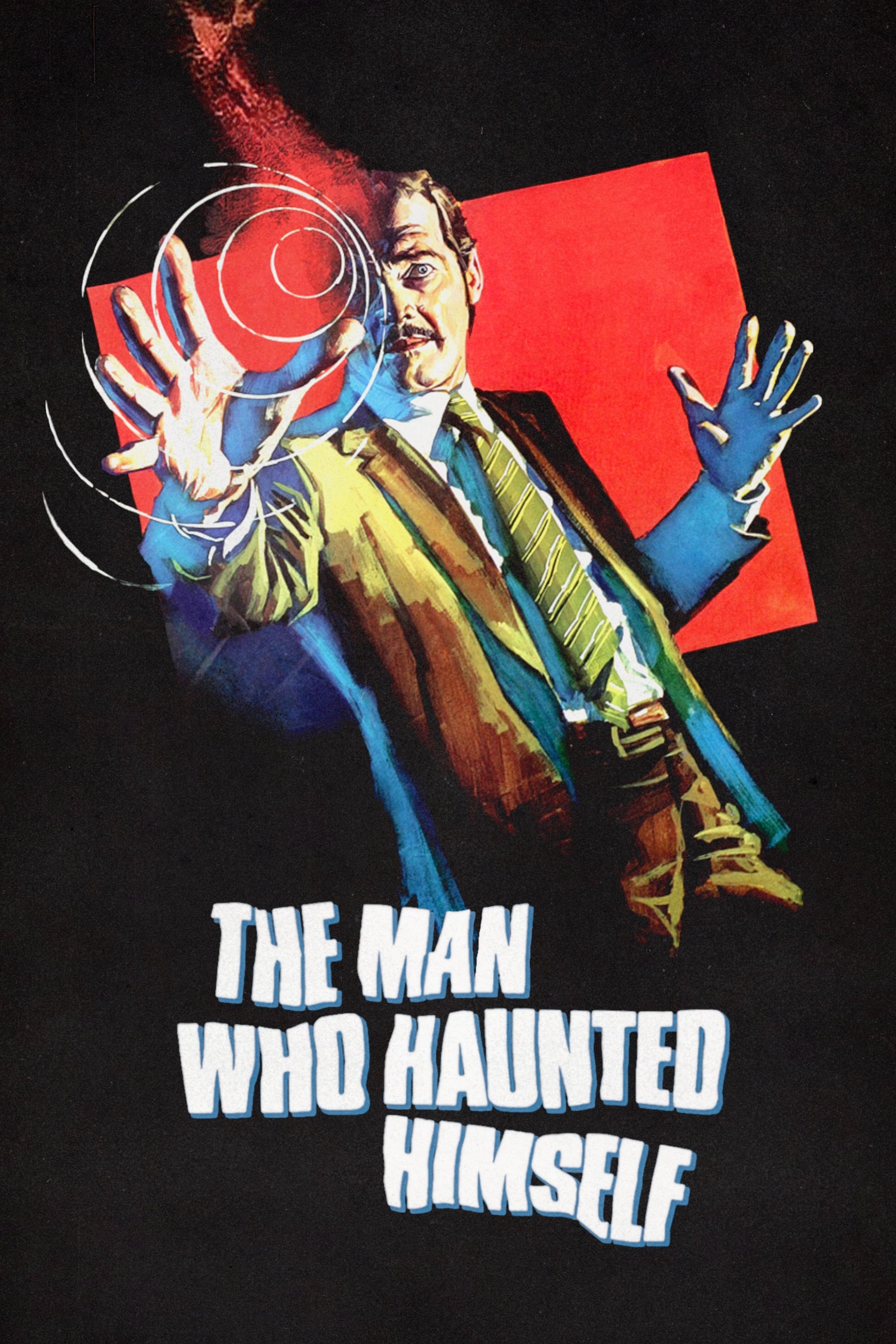
This psychological thriller casts Roger Moore as a London executive named Harold Pelham whose life unravels when a second version of him appears in the city. The film is directed by Basil Dearden and adapted from Anthony Armstrong’s story about identity and duplicity. The cast includes Hildegard Neil and Freddie Jones, with the action set around boardrooms, motorways, and Mayfair addresses.
Production used London locations for exterior work and studio stages for interiors to create precise visual contrasts between Pelham’s ordered life and the confusion that follows. The film’s editing and optical effects support the duality theme, while a measured score and sound design track the character’s shifting routine and the investigation into the double.
‘North Sea Hijack’ (1979)
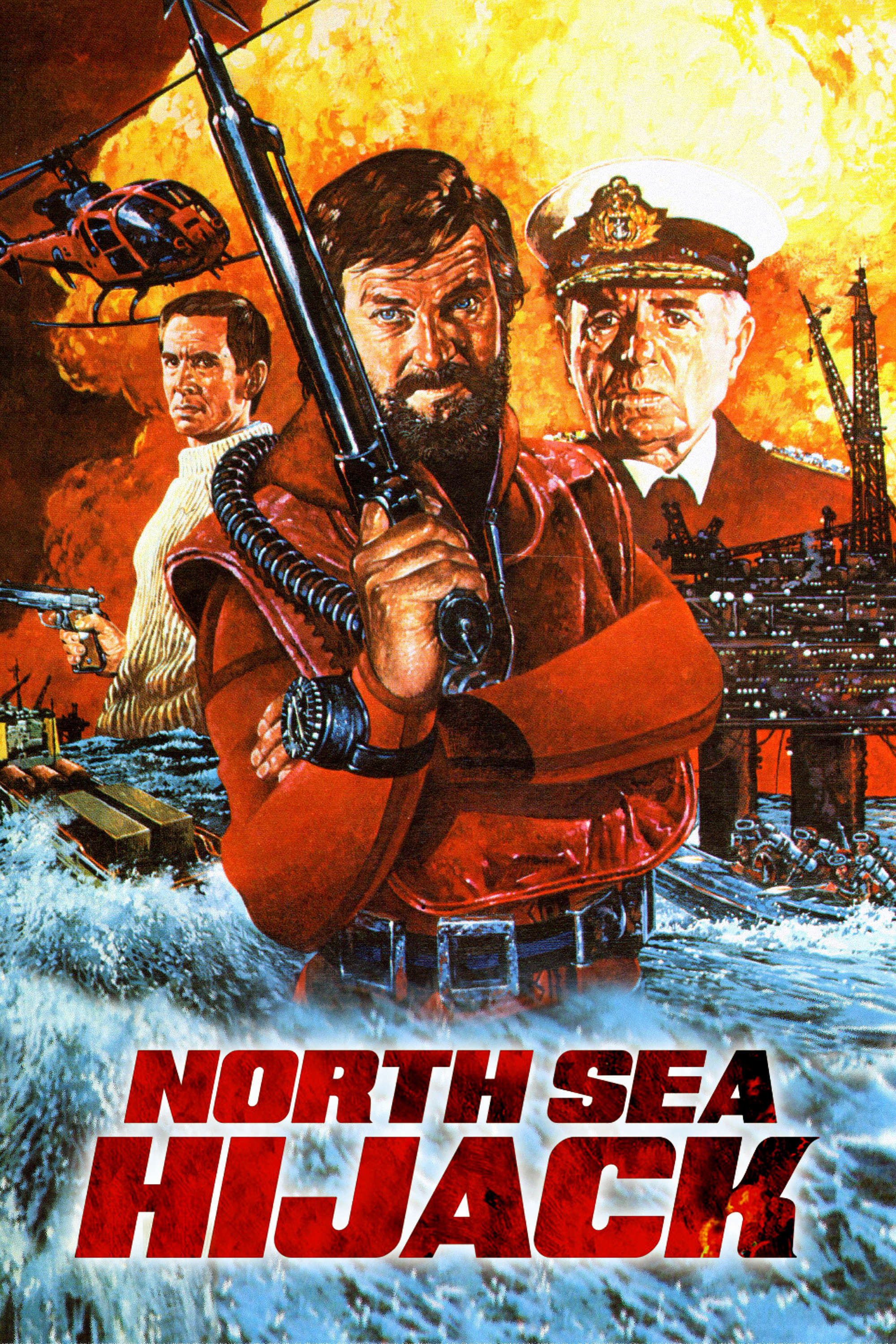
Roger Moore plays Rufus Excalibur ffolkes, a counterterror specialist who leads a covert team against saboteurs threatening oil installations in the North Sea. Andrew V. McLaglen directs, with Anthony Perkins and James Mason in key roles around a naval response that pulls in government, corporate, and maritime players. The scenario unfolds across command rooms, supply ships, and offshore platforms.
The production is also known as ‘ffolkes’ in some regions and ‘Assault Force’ for certain television releases. Marine hardware, diving sequences, and close-quarters fights were staged on working vessels and purpose built sets to map out the geometry of an offshore raid, while model work and practical pyrotechnics handle platform danger and shipboard collisions.
‘The Wild Geese’ (1978)
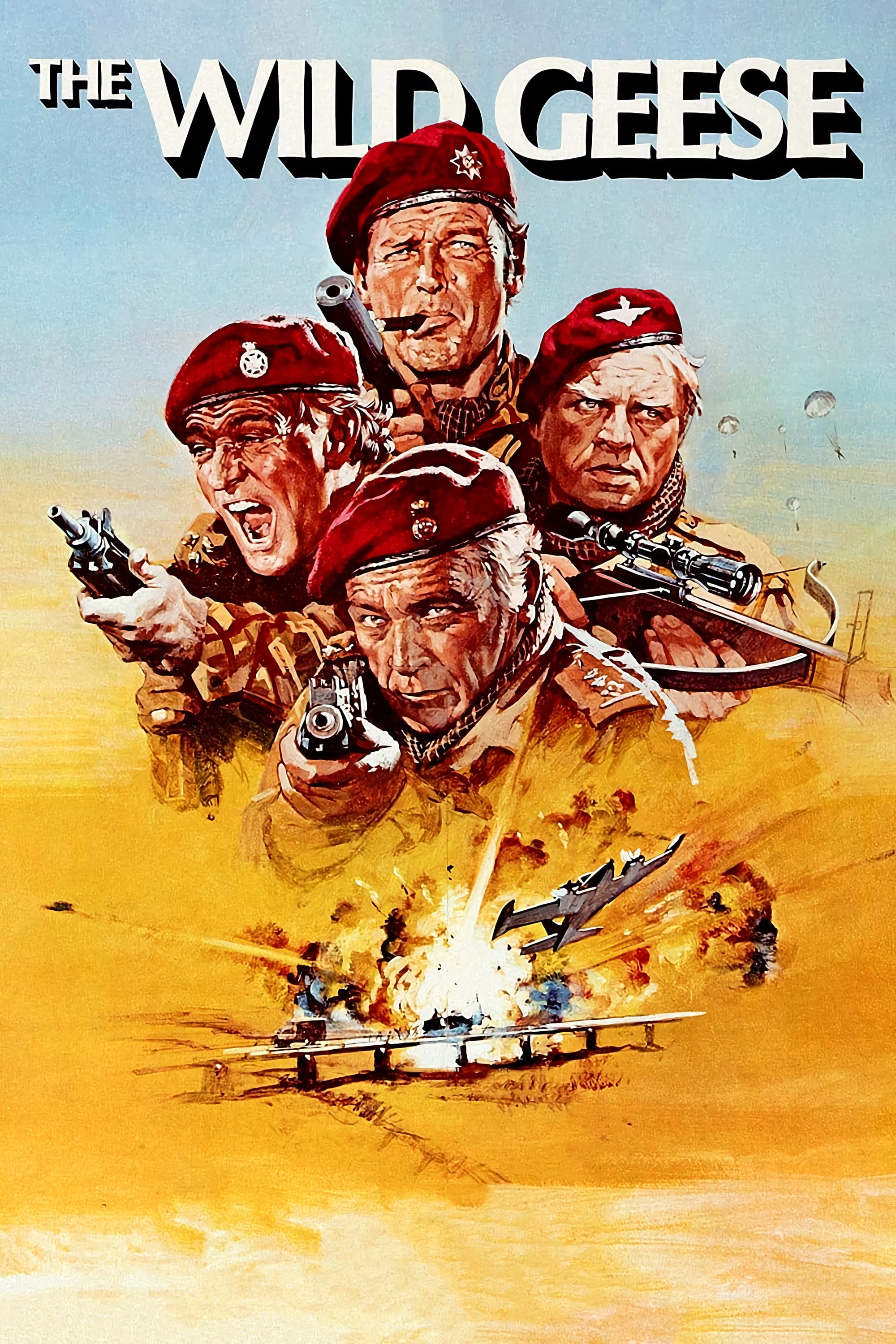
In this mercenary adventure, Roger Moore joins Richard Burton and Richard Harris as part of a contracted unit tasked with a rescue mission in a fictional African state. Andrew V. McLaglen directs from a story sourced to Daniel Carney’s novel, assembling an international group of actors that includes Hardy Krüger and Stewart Granger. The narrative follows recruitment, training, and an airborne insertion with a timed extraction.
Location filming in southern Africa provides airfields, bush terrain, and town streets to stage troop movements and convoy ambushes. Producer Euan Lloyd’s team coordinated military vehicles, aircraft, and extras to build company sized maneuvers, while the soundtrack features a closing song by Joan Armatrading that ties into the film’s title motif.
‘The Sea Wolves’ (1980)
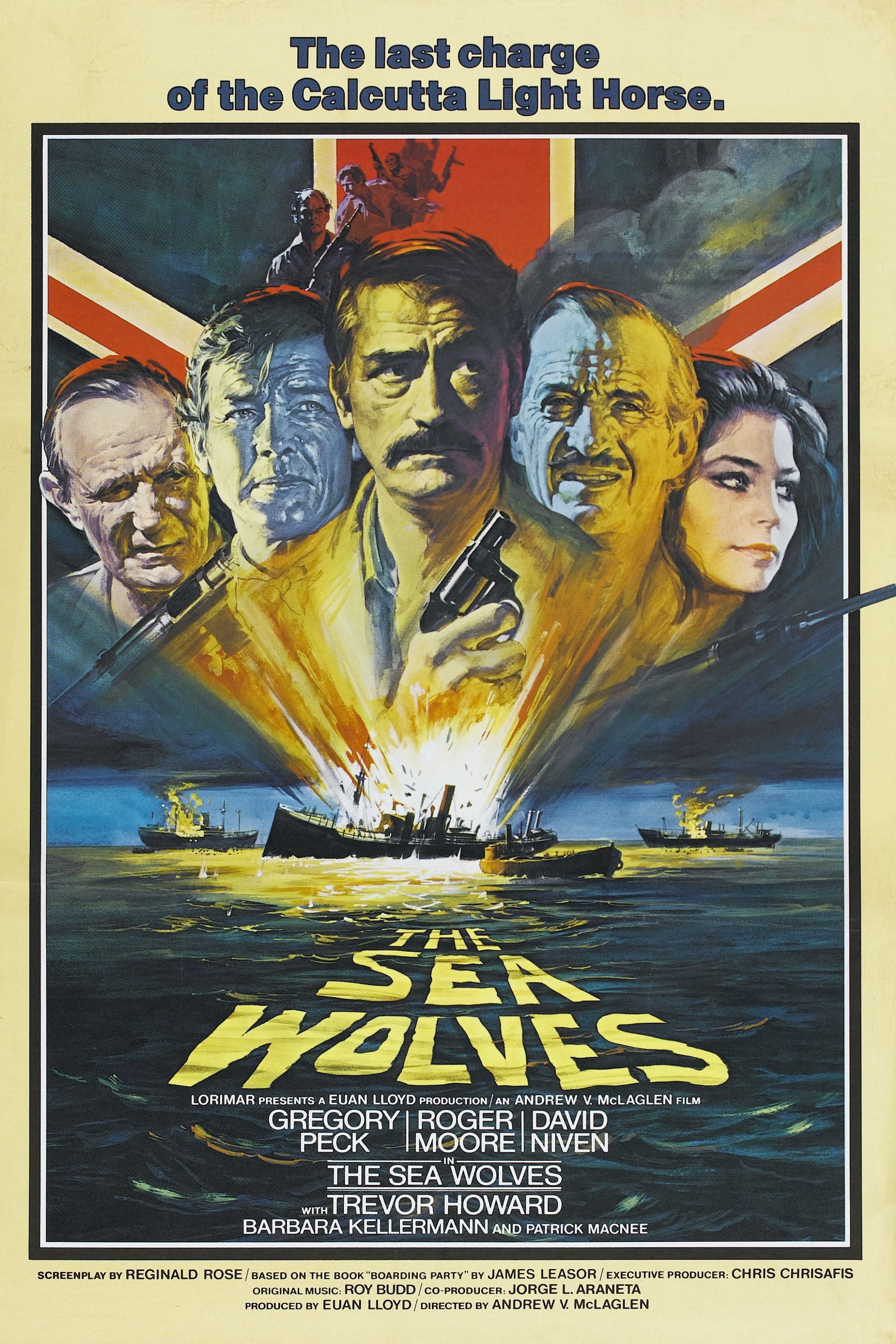
Roger Moore appears alongside Gregory Peck and David Niven in a wartime caper about a volunteer force drawn from retired servicemen. The story dramatizes a covert strike on enemy shipping in neutral waters, adapted from James Leasor’s account of a real mission by the Calcutta Light Horse. Andrew V. McLaglen directs a plot that moves from clubrooms to harbors and into a night assault.
The crew shot in India and on coastal locations to recreate the social world of colonial clubs and the geography of a harbor raid. Miniatures, period vessels, and stunt coordination depict boarding actions, with production design reconstructing wireless rooms, dockside warehouses, and a floating target ship that anchors the operation described in ‘The Sea Wolves’.
‘Shout at the Devil’ (1976)
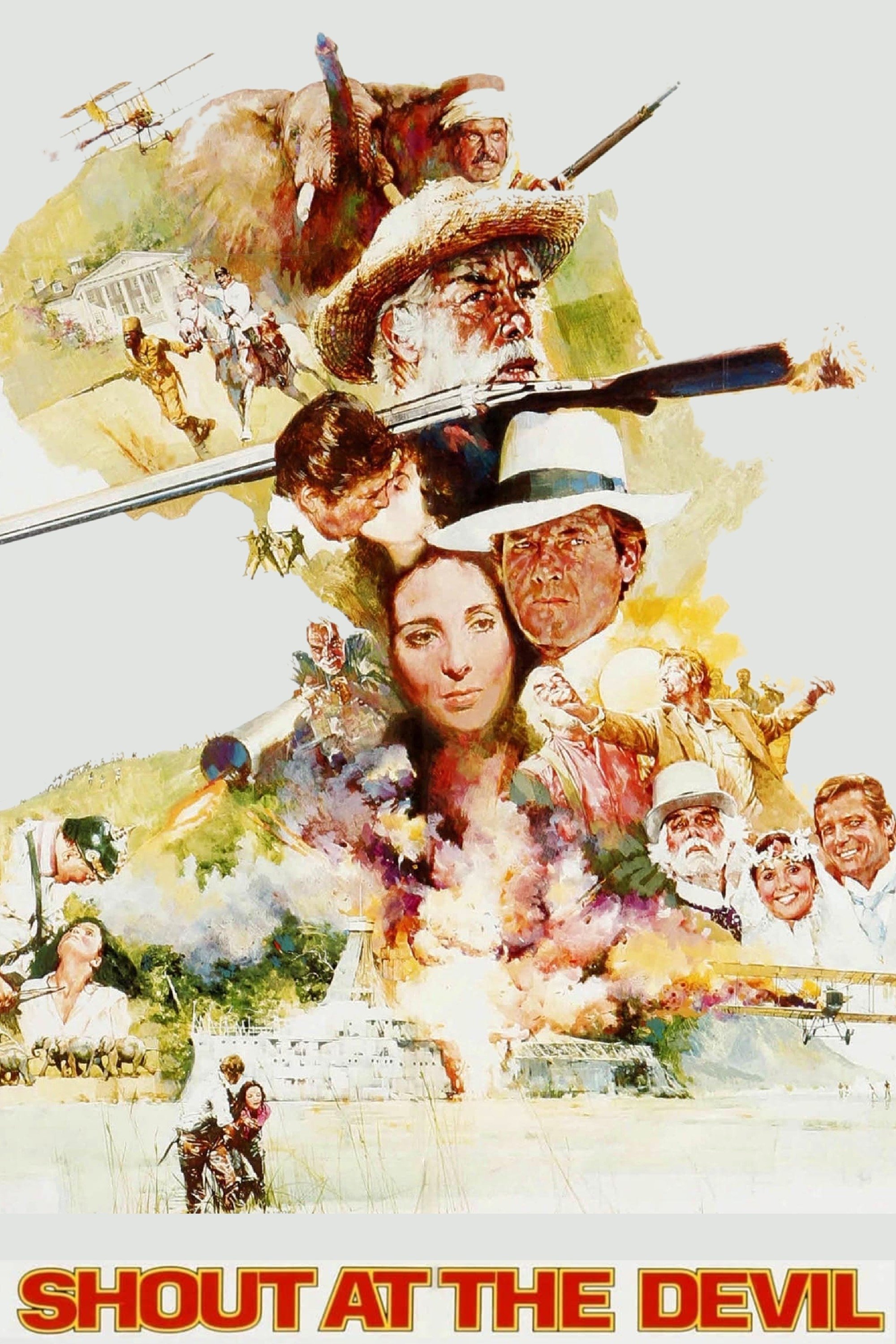
Set in German controlled East Africa during the First World War, this film pairs Roger Moore with Lee Marvin as hunters and adventurers pulled into a campaign against imperial forces. Director Peter R. Hunt adapts the story from Wilbur Smith, pushing the action across rivers, rail lines, and coastal waters. The cast includes Barbara Parkins and a roster of European and African supporting players.
Filming used African landscapes for river crossings and bush tracking and added coastal sequences for naval interdiction. The production built railway scenes with period locomotives and freight, and it integrates big game motifs with military objectives, mapping local settlements and outposts to show how a private feud escalates into a wider sabotage mission.
‘Gold’ (1974)
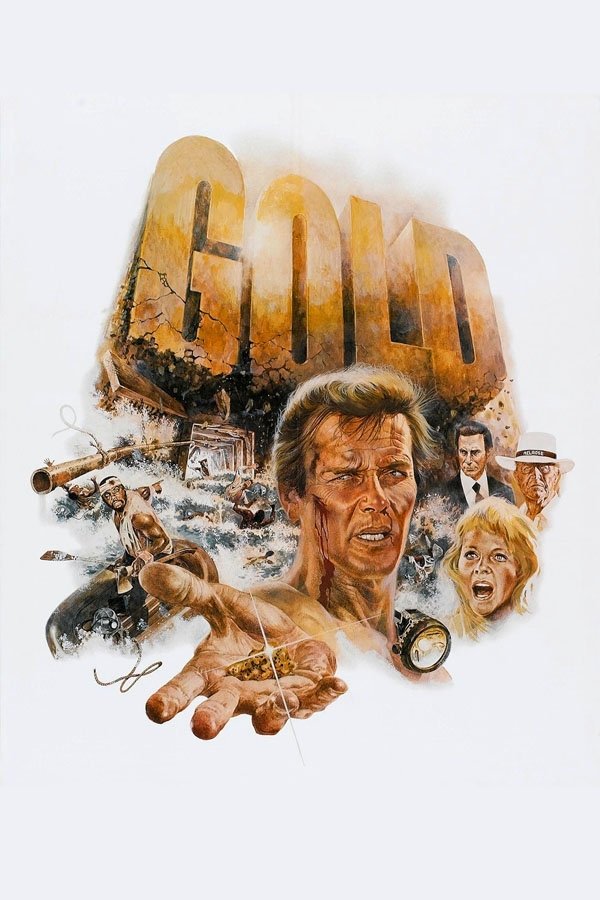
Roger Moore stars as a mine manager who uncovers a plan that threatens a deep level operation in South Africa. The film comes from director Peter R. Hunt and is based on Wilbur Smith’s novel ‘Gold Mine’. Susannah York, Ray Milland, and Bradford Dillman round out a cast that covers corporate offices, assay labs, and the shift patterns of an active site.
The production secured access to real mining locations for shafts, lifts, and control rooms, then extended them with engineered sets to stage flooding and rockfall hazards. Technical advisors shaped the depiction of drilling, blasting, and ore processing, while surface shots show headgear, tailings, and the logistics of moving men and material through the mine.
‘Crossplot’ (1969)
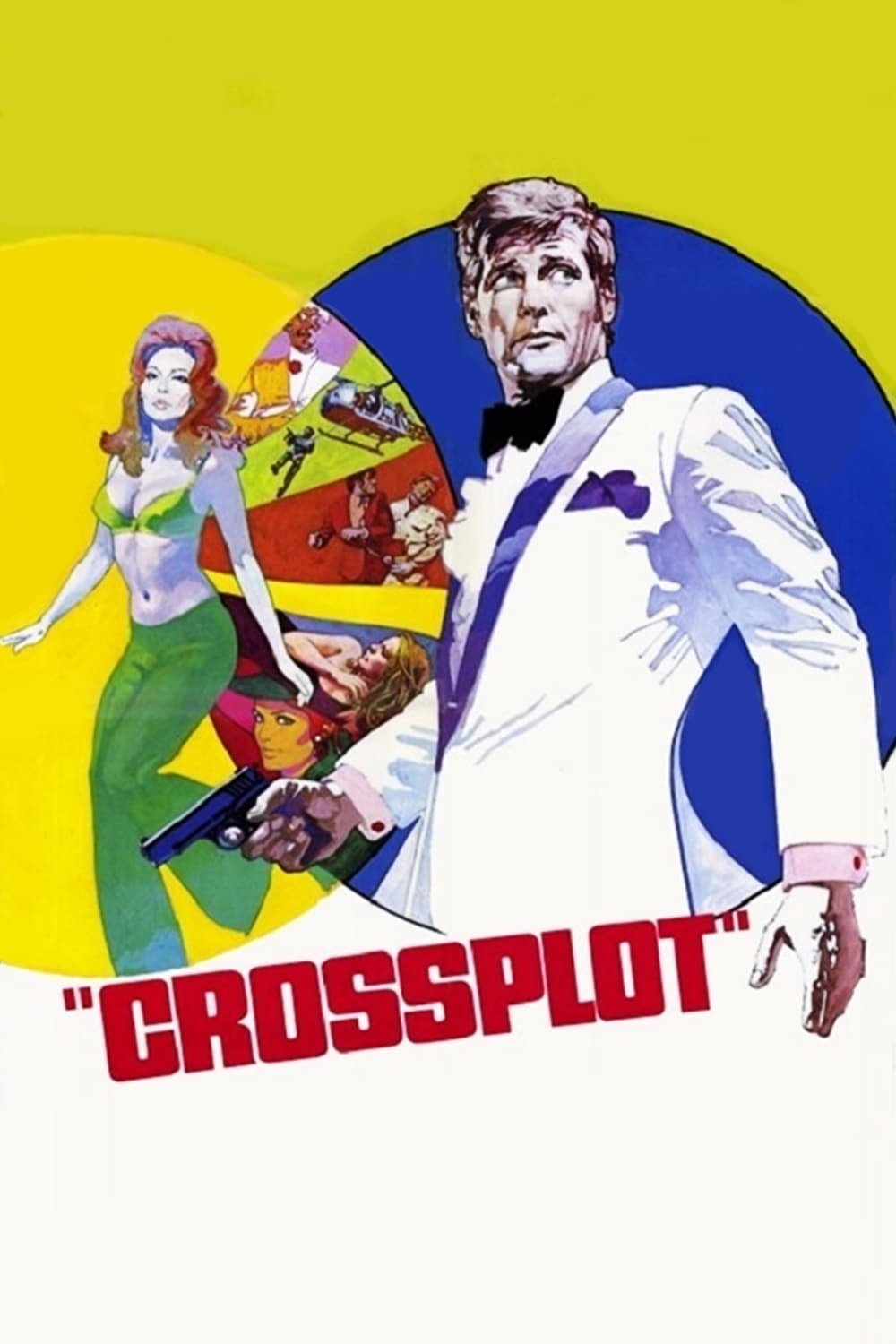
Roger Moore plays an advertising executive who is drawn into a murder plot after an encounter with a fashion model who overhears a conspiracy. Alvin Rakoff directs a mix of city chases and country hideouts, with Claudie Lange as the model at the center of the mystery. The story uses offices, studios, and party scenes to set up an abduction attempt and a moving target.
Filming took place across London streets, parks, and rooftops, with helicopter aerials and roadway stunts building out the pursuit. Costume and commercial set pieces tie into the protagonist’s work life, and the script threads coded messages and misdirection through magazine shoots, gallery spaces, and telephone exchanges that drive the investigation in ‘Crossplot’.
‘Escape to Athena’ (1979)
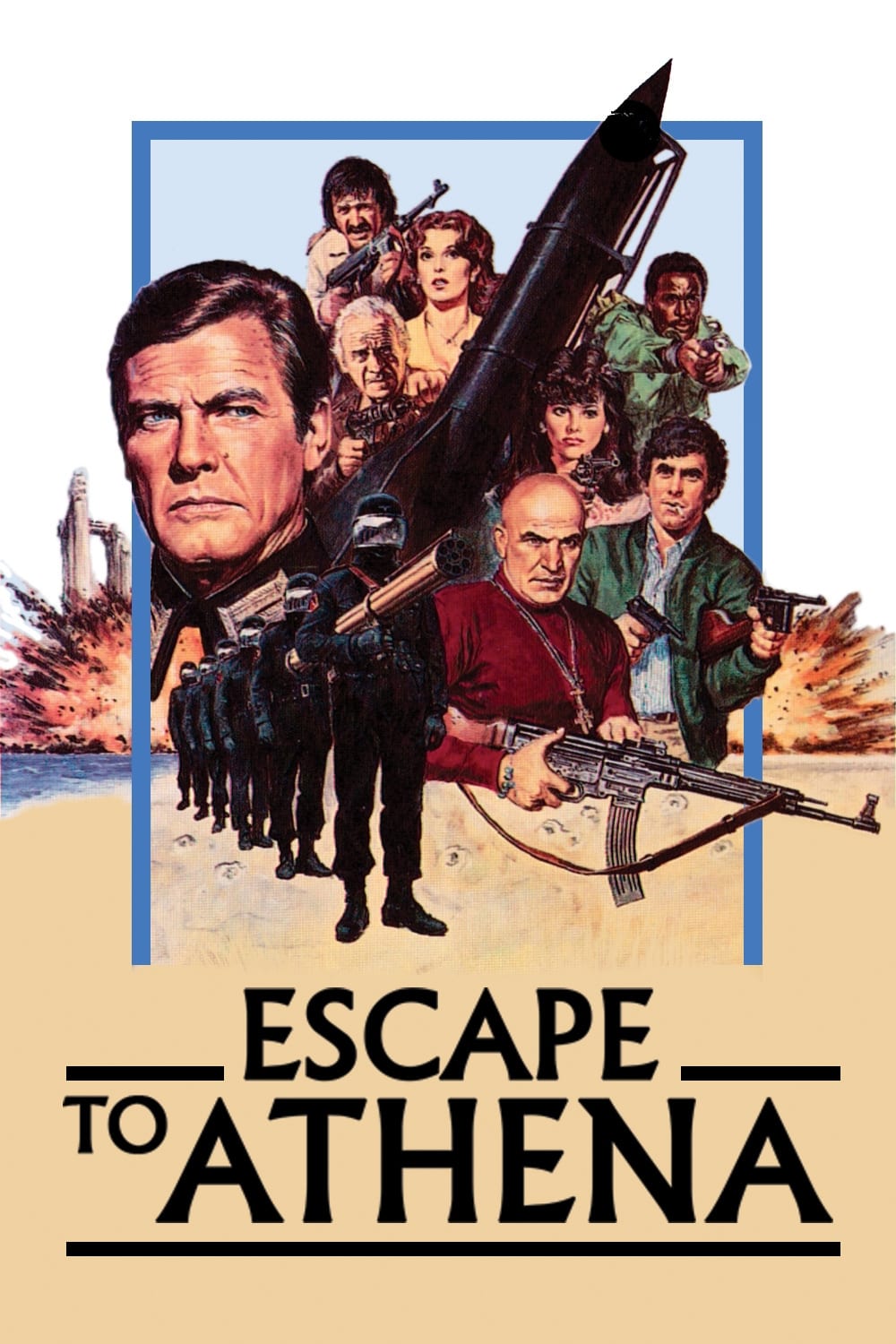
Roger Moore portrays a German camp commandant on a Greek island who becomes entangled with prisoners planning a heist and a resistance strike. George P. Cosmatos directs a large ensemble that includes Telly Savalas, David Niven, Claudia Cardinale, and Elliott Gould. The plot blends a search for antiquities with a commando style raid against an occupying garrison.
The film shot on the island of Rhodes, using hilltop towns, seaside forts, and archaeological sites to anchor the action. Stunt work features a motorcycle chase through narrow lanes and a cable car sequence over a cliff, while production design recreates billets, workshops, and storerooms that support the layered plan seen in ‘Escape to Athena’.
‘The Naked Face’ (1984)
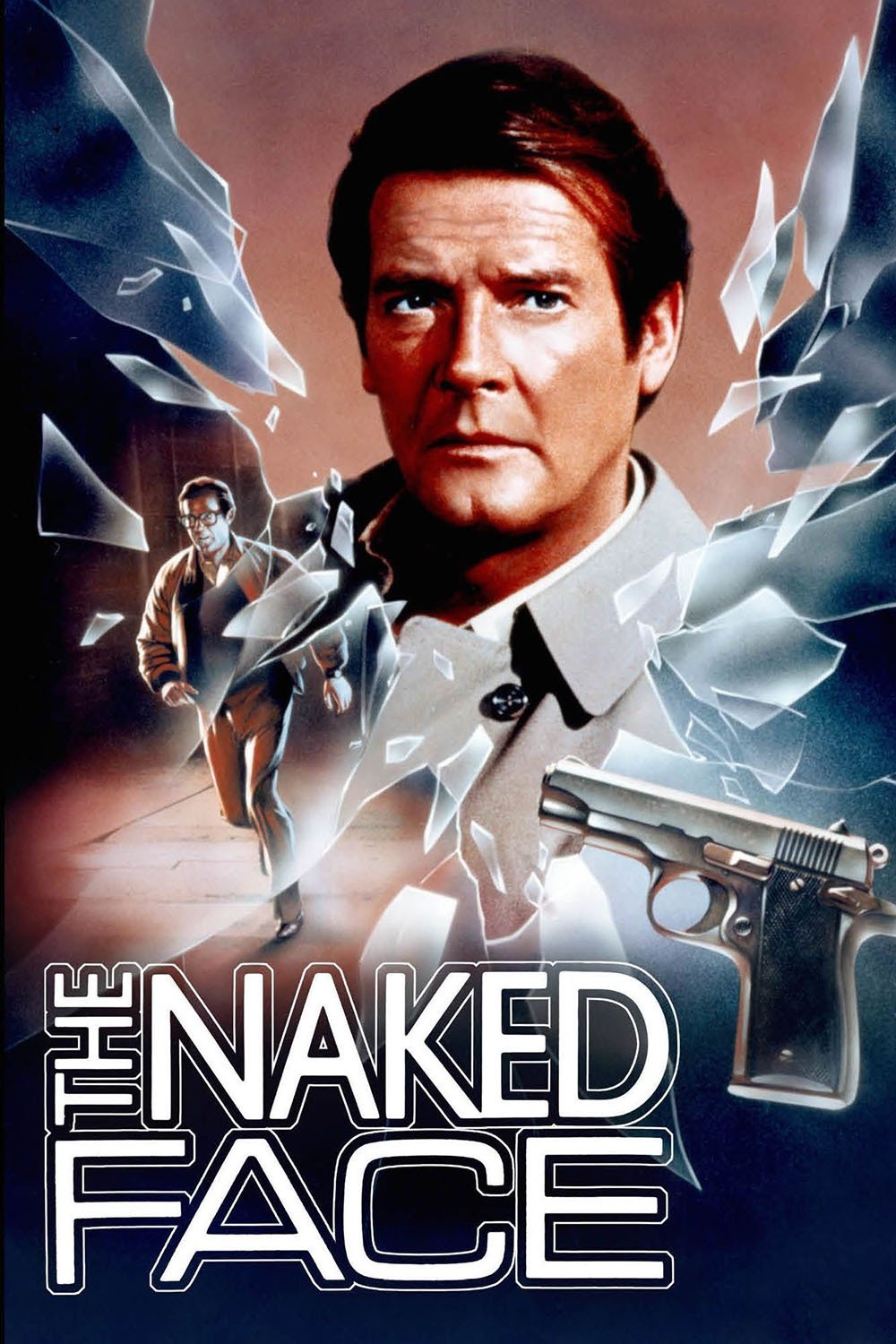
Roger Moore takes the lead as Chicago psychiatrist Dr. Judd Stevens, who becomes the focus of a homicide inquiry after a patient is killed. Bryan Forbes directs an adaptation of Sidney Sheldon’s novel, with Rod Steiger and Elliott Gould as detectives pulling at the case from different angles. The investigation tracks through consulting rooms, court offices, and night streets.
The film uses downtown Chicago for riverwalks, bridges, and clinic exteriors and complements them with interior sets for interviews and lineup procedures. The plot integrates therapy notes, coded appointments, and surveillance with corridor chases and train platform scenes, building a procedural view of how a professional life is tested in ‘The Naked Face’.
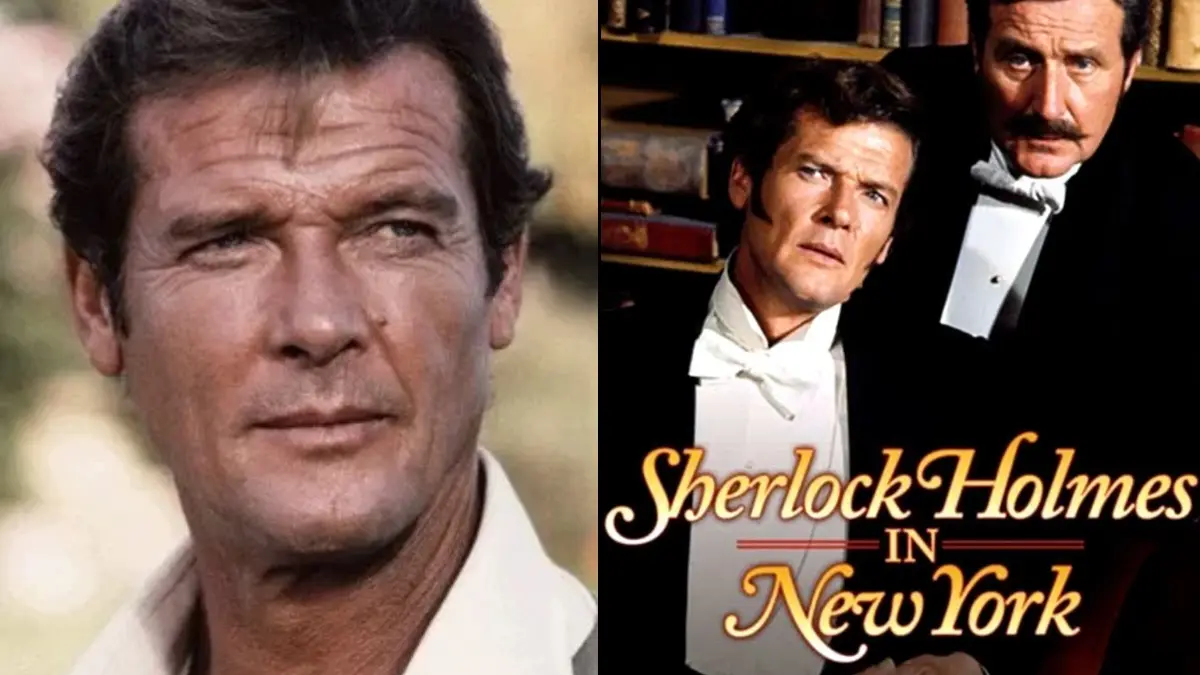
‘Sherlock Holmes in New York’ (1976)
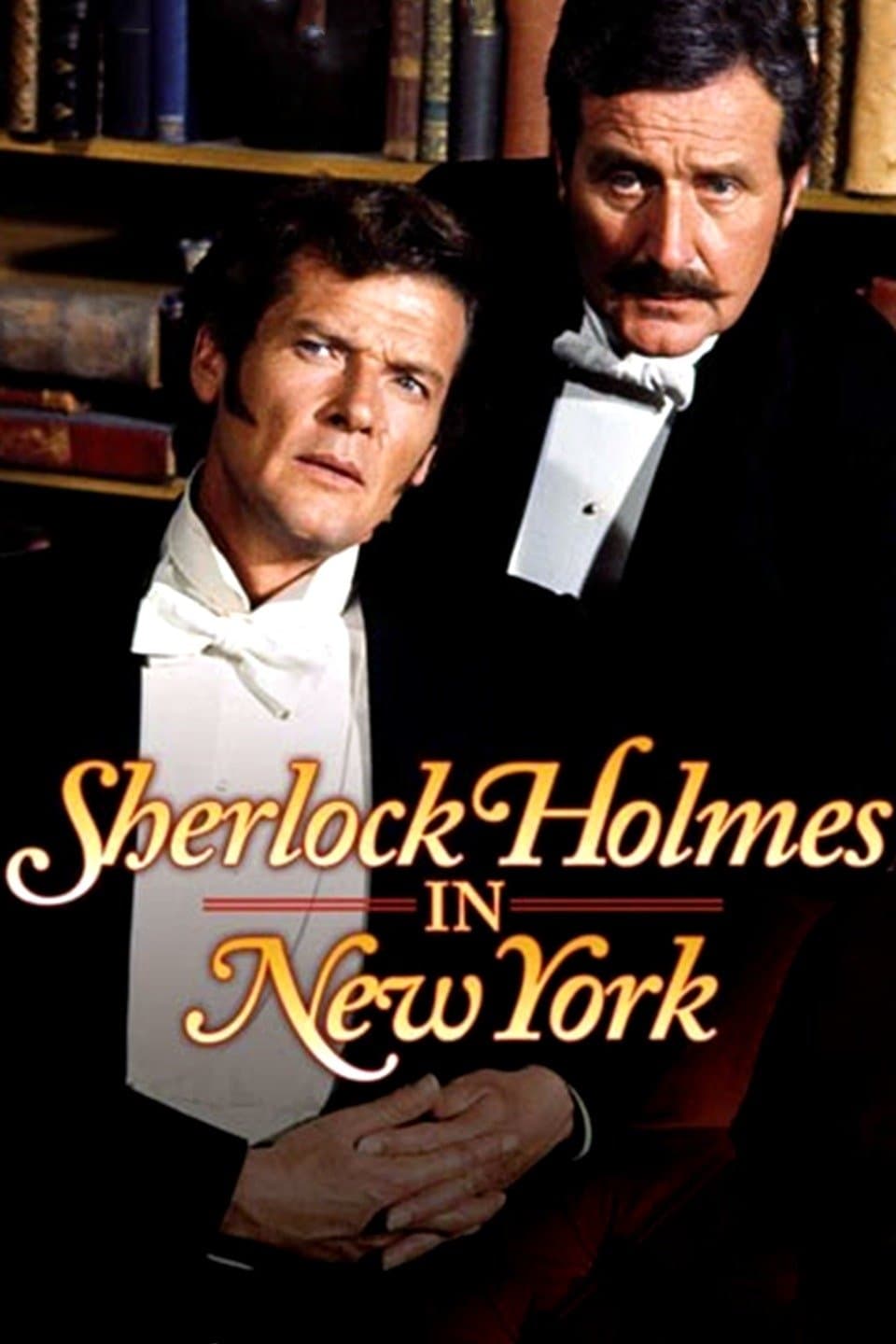
This television film casts Roger Moore as Sherlock Holmes with Patrick Macnee as Dr. Watson on a case that links a bank scheme to Irene Adler, played by Charlotte Rampling. Director Boris Sagal places Holmes and Watson in Manhattan, where Professor Moriarty sets a plan that intersects with high society and the financial district. The story keeps canonical character dynamics while shifting the setting across the Atlantic.
Production recreated turn of the century New York with period costuming, hansom cabs, and banking halls, and it adds recognizable landmarks for exterior context. The telefilm format shaped a focused runtime and a single self contained mystery, and it gave Moore a chance to tackle a role anchored in literary tradition with a puzzle built for ‘Sherlock Holmes in New York’.
Share the underrated Roger Moore picks you would add in the comments.