Sci-Fi Movies You Have to Watch Twice to Understand

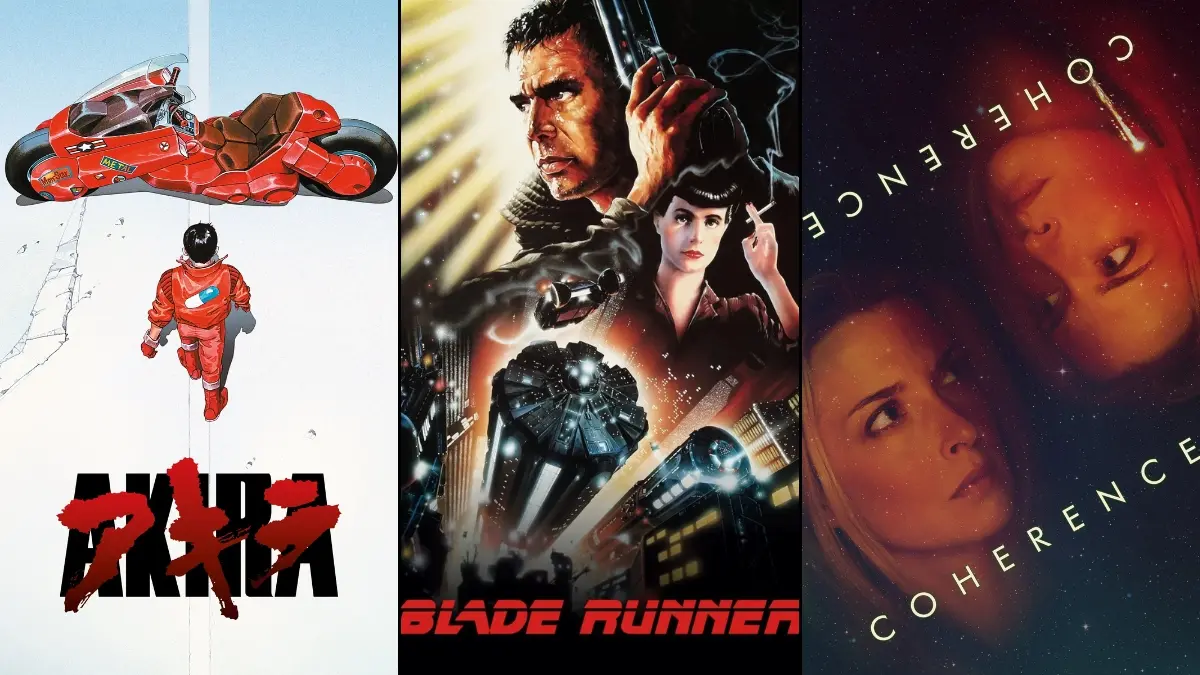

Some science fiction films ask you to lean in a little closer. They layer timelines, hide structural clues in plain sight, and play with memory and perception. A second viewing helps you track the rules of the world, catch foreground and background details that set up later turns, and map out how scenes are talking to each other across the story.
This list brings together twenty five movies that reward a revisit with clearer cause and effect. You will find puzzle box narratives, looping chronologies, and stories that reveal new context once you know where the plot is heading. Each entry notes concrete elements to watch for so your second pass has a plan.
‘2001: A Space Odyssey’ (1968)
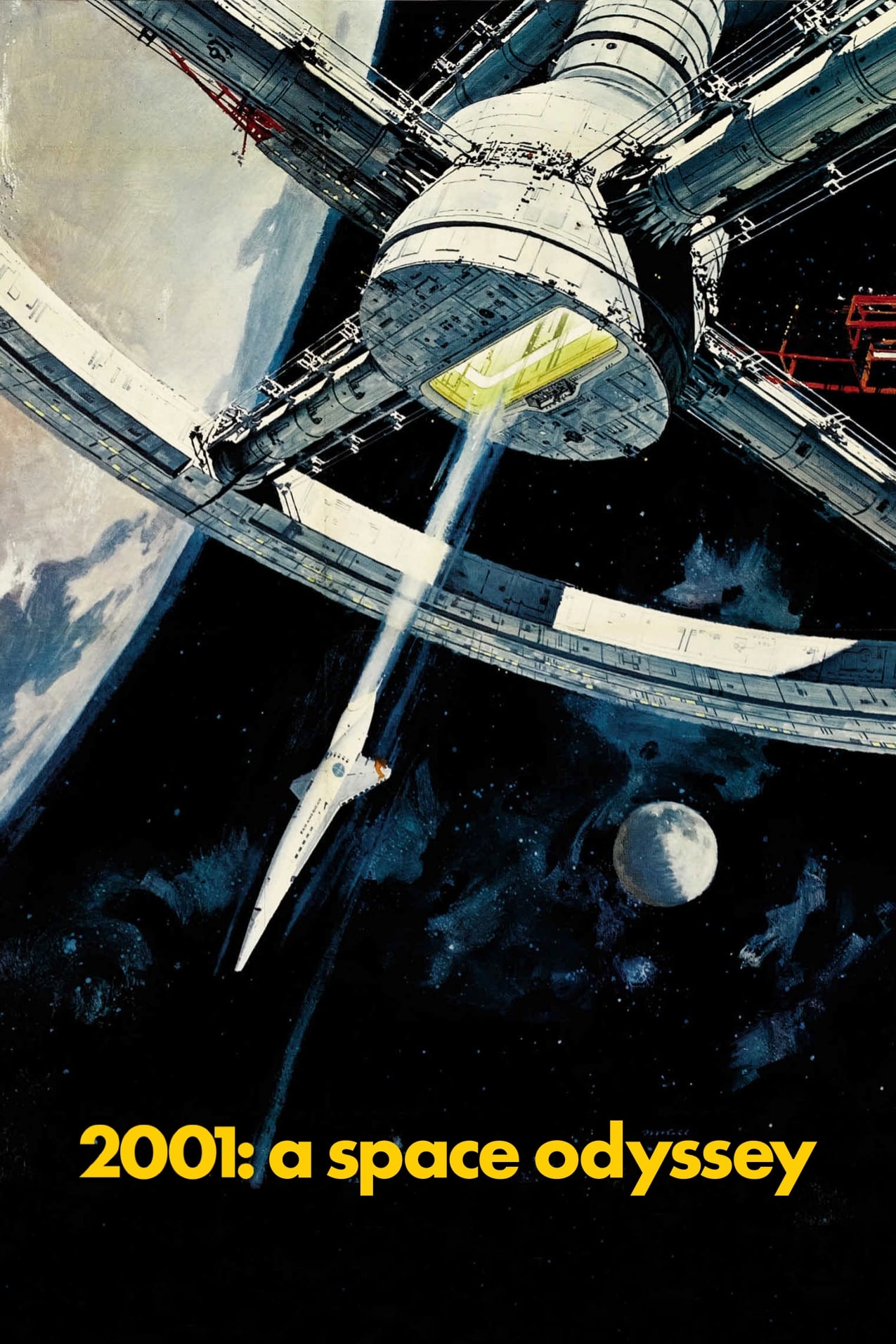
Stanley Kubrick directed and collaborated with Arthur C Clarke on the screenplay, drawing on the short story ‘The Sentinel’. The film moves through distinct chapters that span prehistoric earth, orbital spaceflight, the Jupiter mission aboard Discovery One, and an abstract final passage anchored by the HAL 9000 computer.
A second viewing helps you track the recurring visual motifs that bridge chapters, including match cuts and repeated camera movements. It also clarifies how the monolith appearances line up with changes in human capability, and how the dialogue sparse structure plants technical information about navigation, life support, and mission objectives before the final section.
‘Solaris’ (1972)

Andrei Tarkovsky adapted the story from the novel by Stanislaw Lem. A psychologist named Kris Kelvin travels to a research station above the ocean planet Solaris where the crew is encountering physical manifestations of their memories.
On a rewatch you can chart how the planet responds to Kelvin and the other scientists by watching the timing and nature of the visitors. Production choices like prolonged takes and shifts in environment audio provide cues for when the station and the planet are influencing perception.
‘Stalker’ (1979)

Andrei Tarkovsky based this on the Strugatsky brothers novel ‘Roadside Picnic’. The narrative follows three men entering the Zone to reach a room said to grant desires, with strict movement rules enforced by the guide.
A careful second pass lets you map the path through the Zone against the warnings the Stalker gives, including the placement of markers and changes in water and vegetation. Visual transitions between monochrome and color signal shifts in the journey and help you track where the characters believe they are versus what the environment shows.
‘Blade Runner’ (1982)
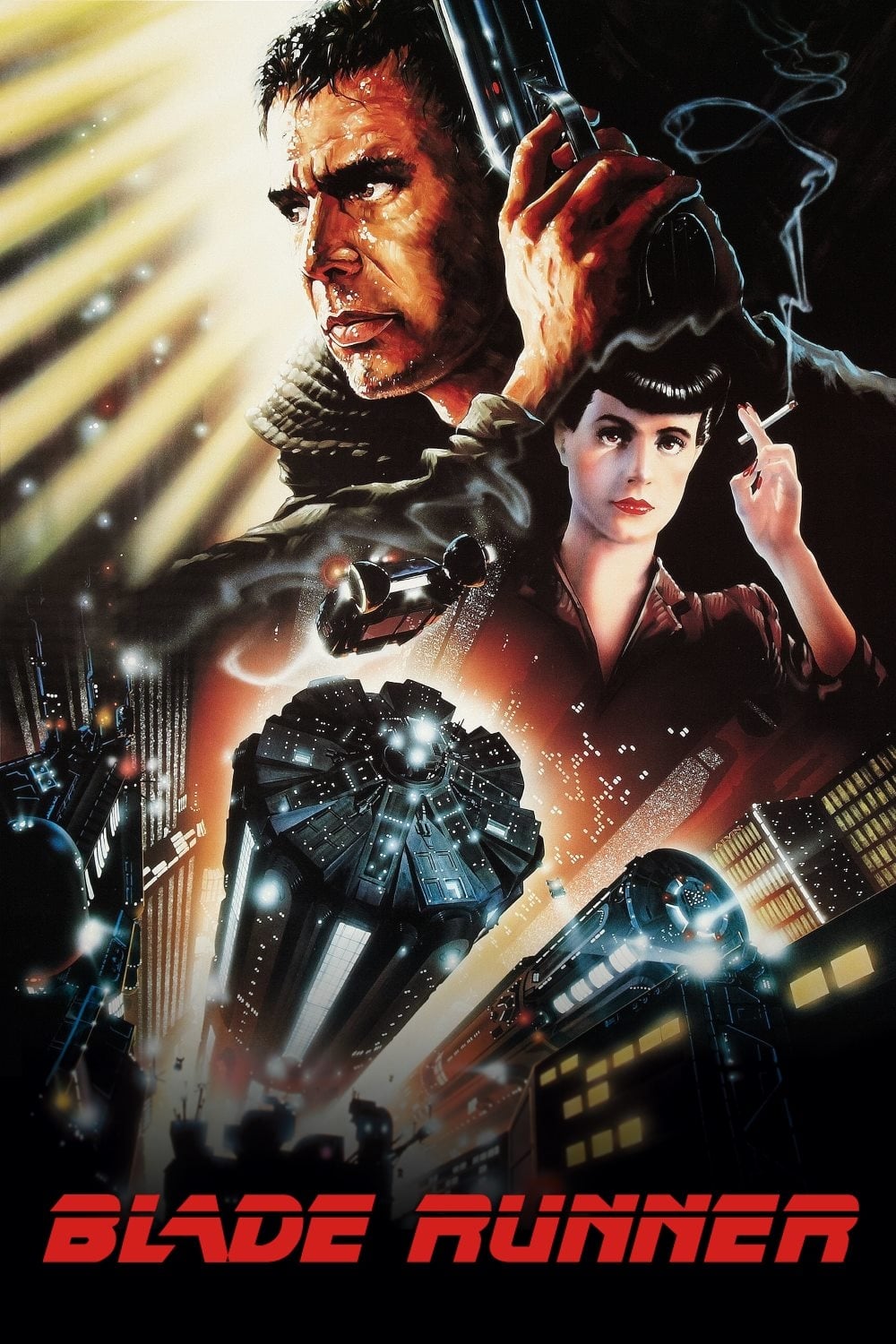
Ridley Scott directed this adaptation of Philip K Dick’s novel ‘Do Androids Dream of Electric Sheep’. The story follows a blade runner named Deckard as he tracks replicants in a futuristic Los Angeles, with multiple cuts of the film released over the years.
Watching again with the Final Cut or your chosen version in mind helps you compare inserted and removed scenes that alter character context and plot emphasis. You can also follow how production design elements like advertising and street signage establish timeline clues and how Voight Kampff test details set up later identity questions.
‘Akira’ (1988)
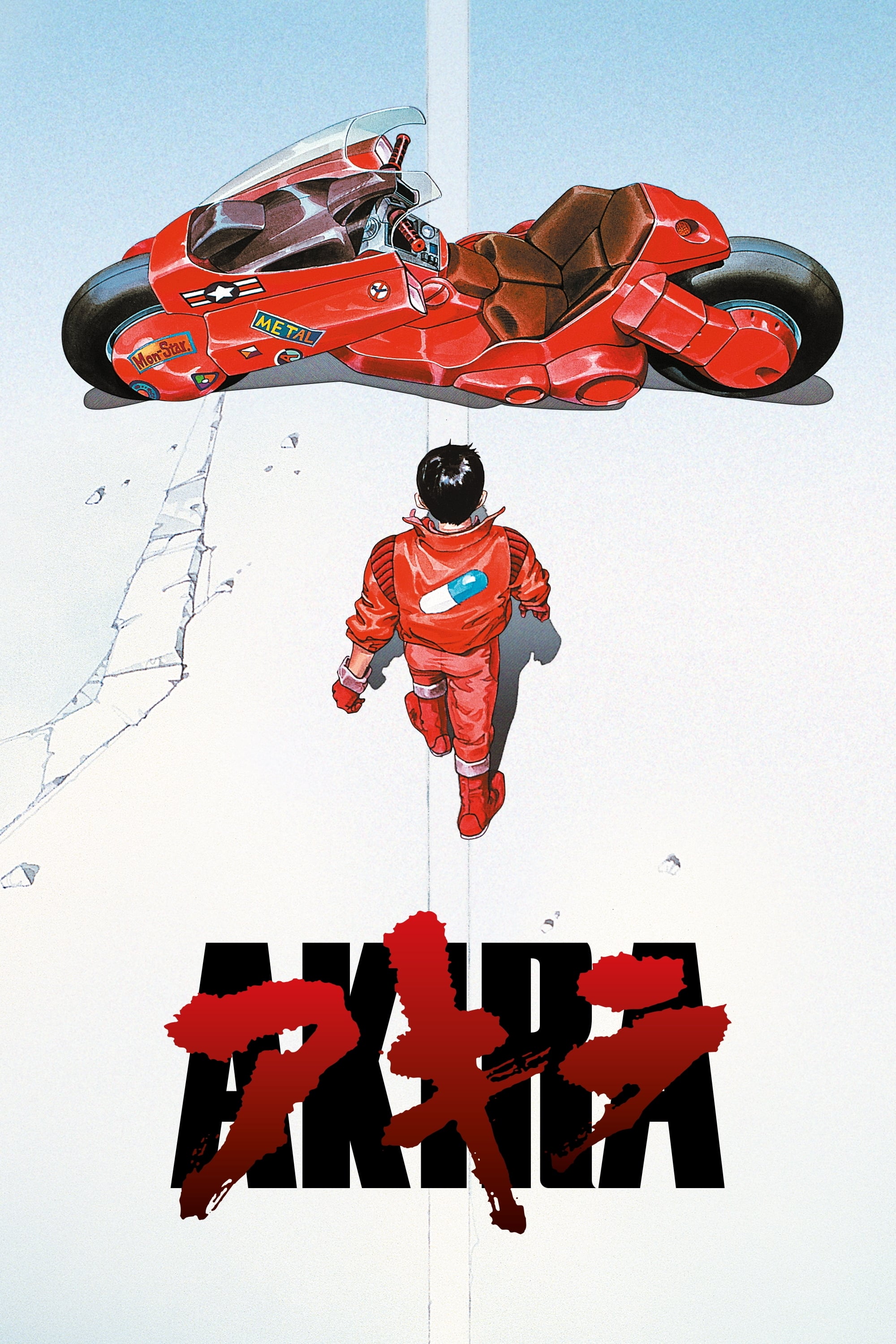
Director Katsuhiro Otomo adapted his own manga into a feature set in Neo Tokyo. The film combines political unrest with experiments that unlock psychic abilities in children and teenagers, centering on the relationship between Kaneda and Tetsuo.
A revisit lets you align the government program history with the escalation of Tetsuo’s powers, using lab numbers, file labels, and news bulletins as anchors. The production used pre recorded dialogue and extensive animation detail, so facial timing and crowd motion often carry plot information that is easy to miss the first time.
‘Tetsuo: The Iron Man’ (1989)
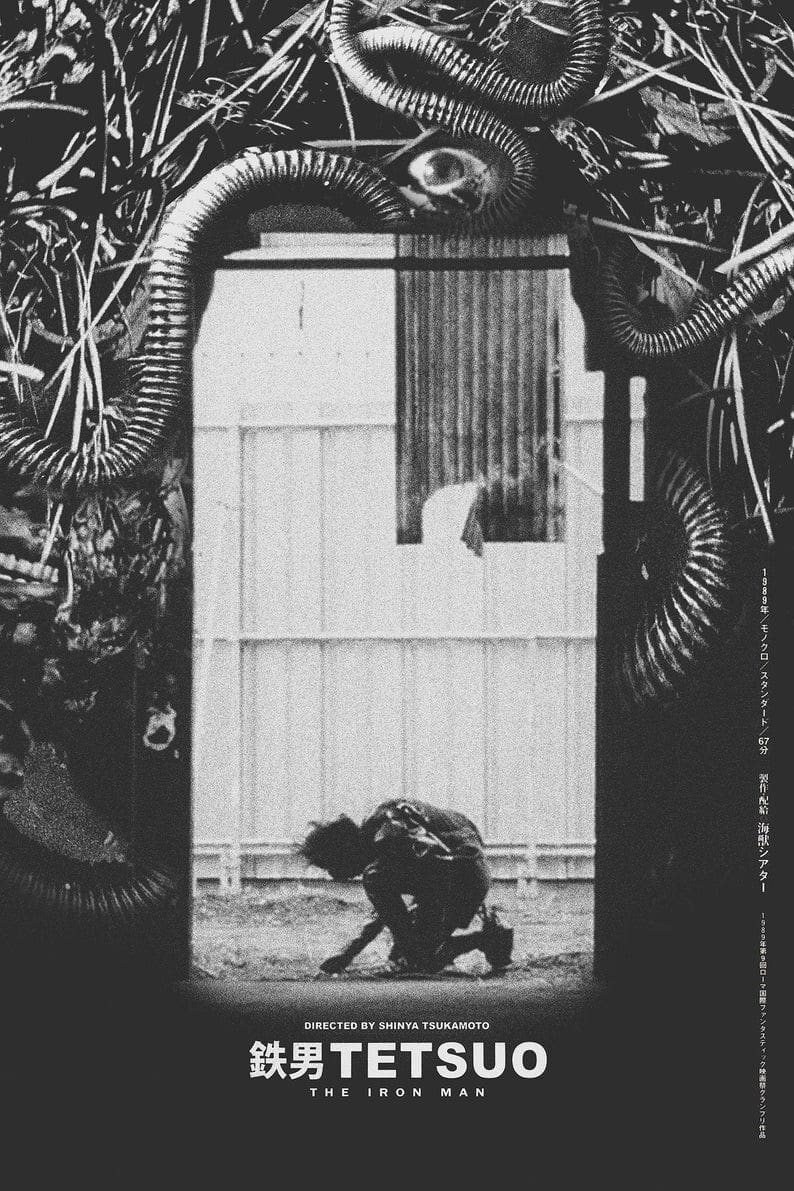
Shinya Tsukamoto directed and starred in this black and white cyberpunk story about a man who begins to transform as metal invades his body. The film uses rapid cutting, stop motion inserts, and industrial sound to depict the change.
A second viewing helps you trace the cause chain behind each physical alteration by watching when mechanical fragments appear in the environment and in transitional shots. You can also note how location shifts and handheld camera choices correspond to stages of the transformation and the relationship between the central characters.
‘The Matrix’ (1999)
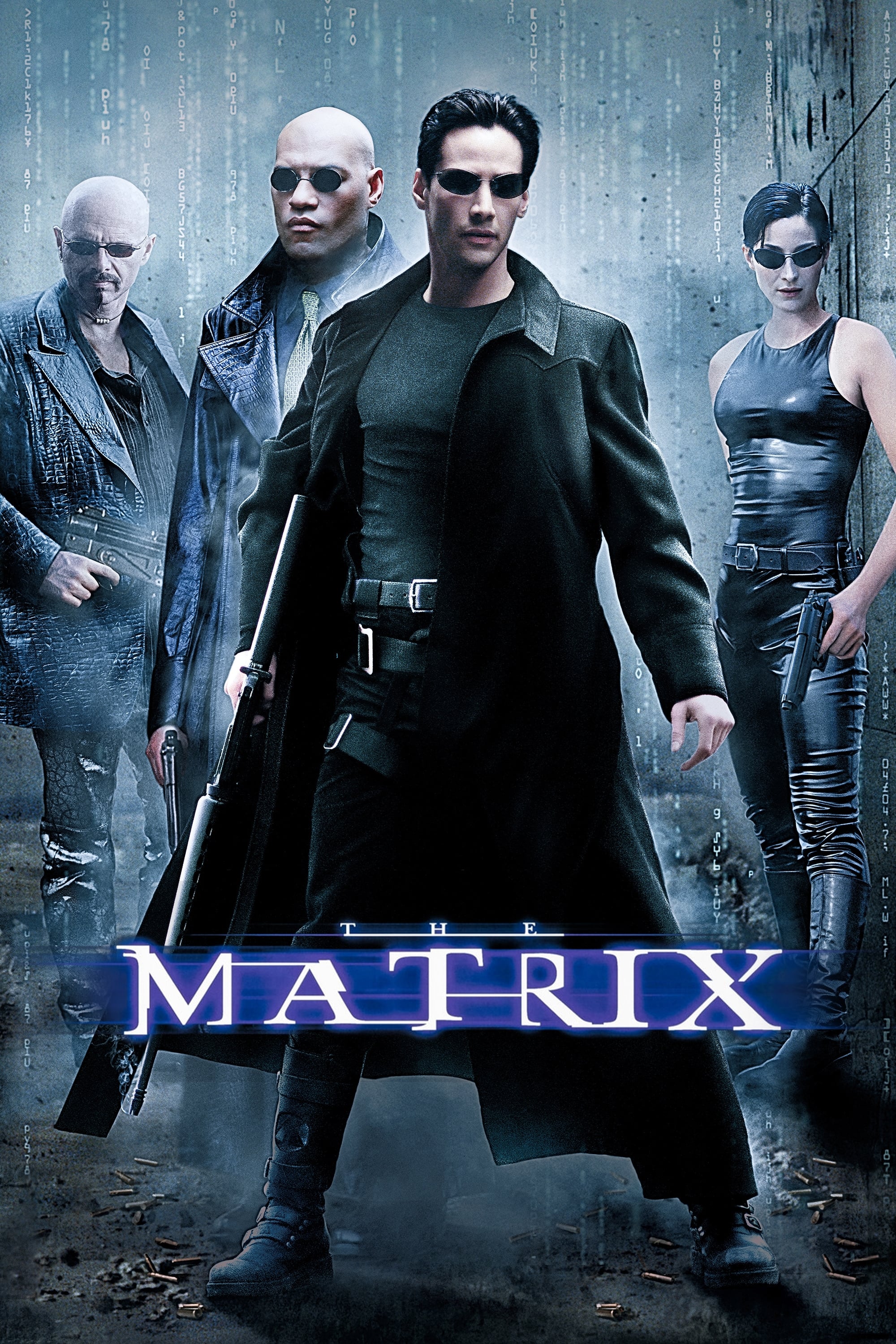
Written and directed by Lilly Wachowski and Lana Wachowski, the film introduces a simulated reality controlled by machines. The plot follows Neo as he learns the rules of the system from Morpheus and Trinity and confronts agents within the program.
On a rewatch you can map program boundaries by watching glitches, screen reflections, and phone handoffs that signal entry and exit points. Bullet time shots and training scenes provide explicit rule sets for abilities, and tracing those rules scene by scene clarifies how later fights and escapes are constructed.
‘eXistenZ’ (1999)
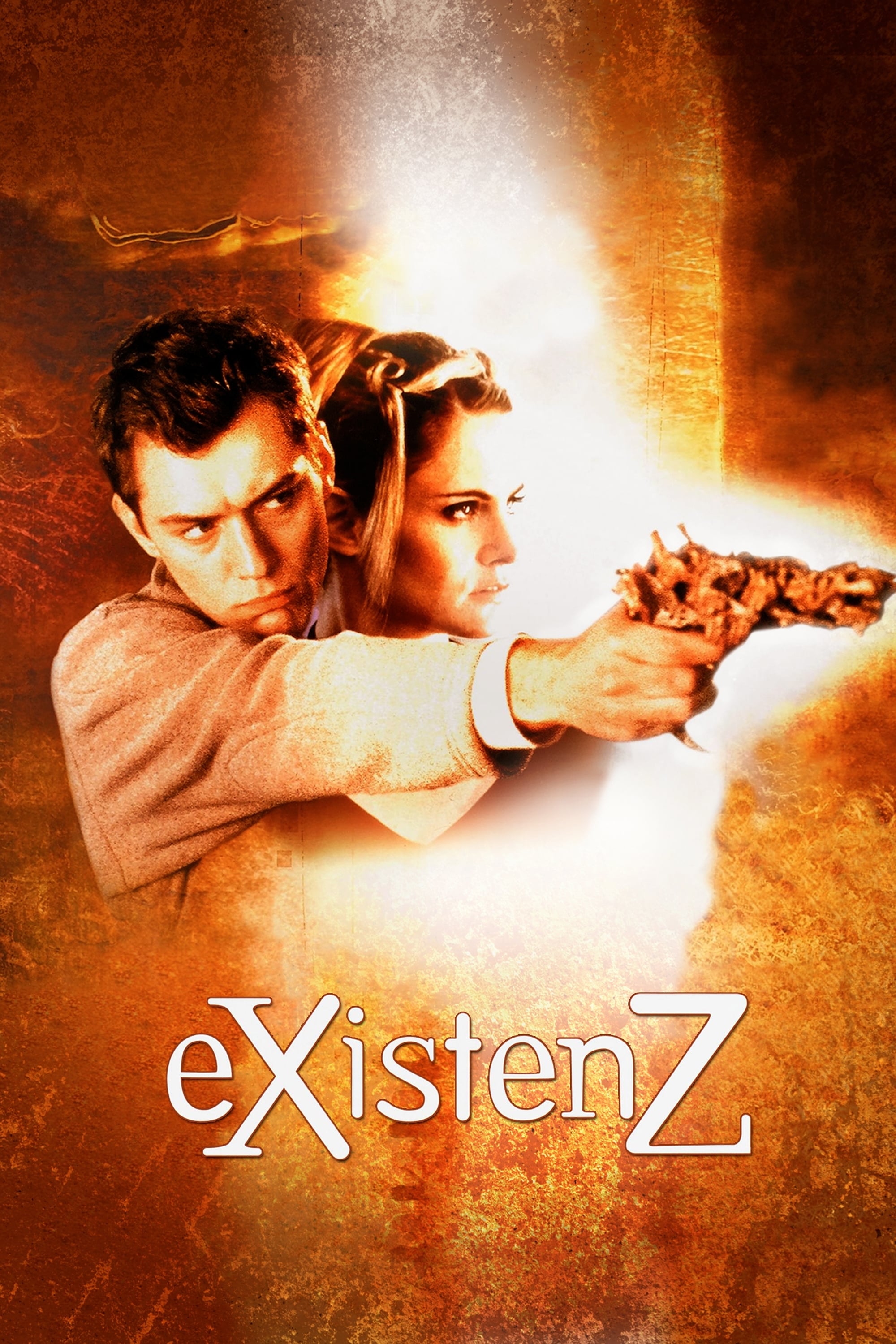
David Cronenberg explores a near future where people connect to organic game pods for immersive experiences. A designer and a marketing trainee move through layered game scenarios while trying to identify who is attacking the system.
A second pass helps you separate game levels by tracking dialogue tics that repeat when a new layer begins and by noting the placement of bio ports and pod repairs. Watching meal scenes, product handoffs, and identity shifts in order reveals how the story signals transitions between reality and gameplay.
‘Donnie Darko’ (2001)
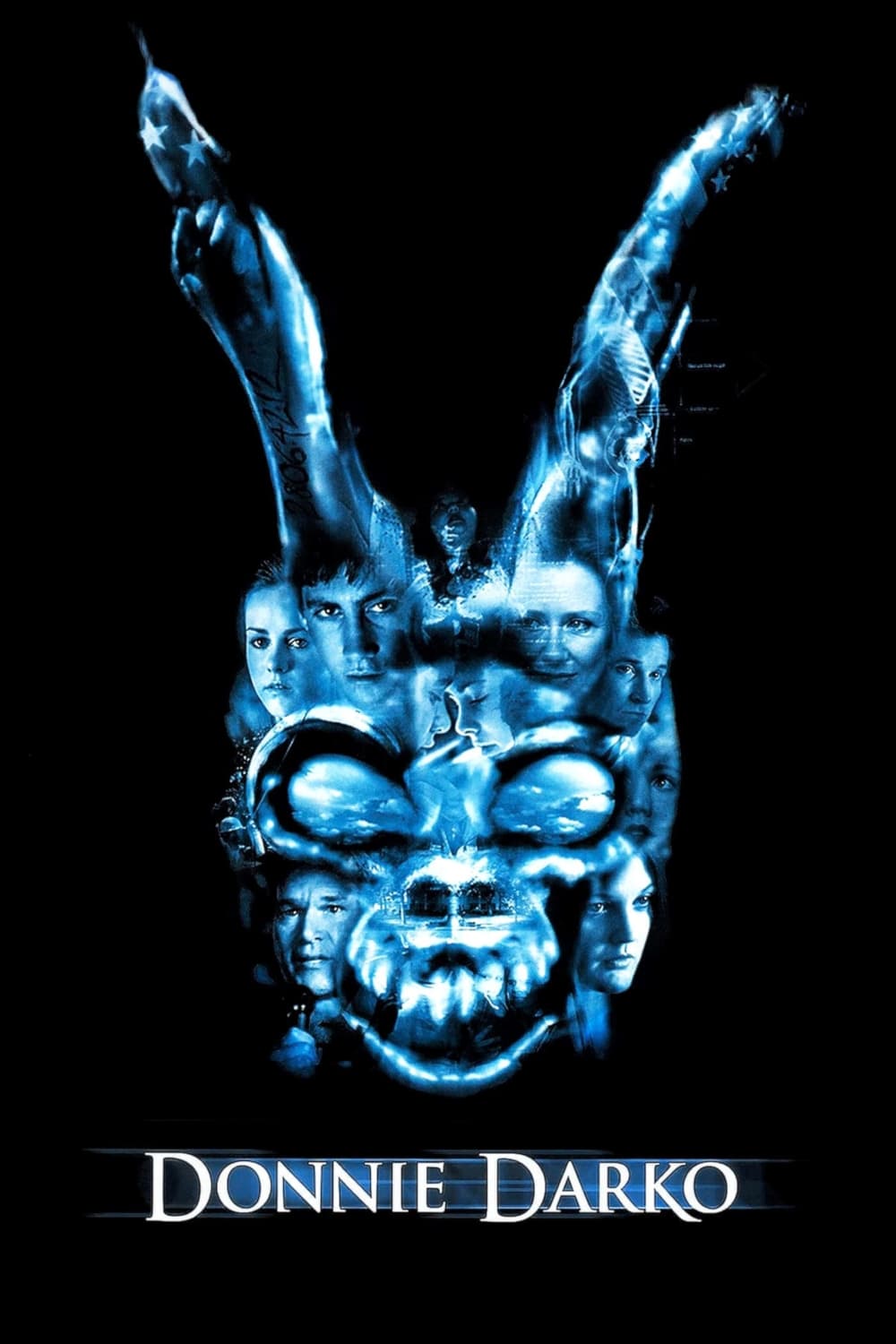
Richard Kelly wrote and directed this story about a teenager who experiences visions after a jet engine falls on his house. The film released in a theatrical cut and later a director’s cut with added material that expands the time travel framework.
Rewatching with the in story book passages in mind allows you to line up terms like tangent universe and manipulated living with specific character actions. You can also track dates on class assignments, therapy sessions, and Halloween events to construct a precise calendar of the timeline.
‘Primer’ (2004)
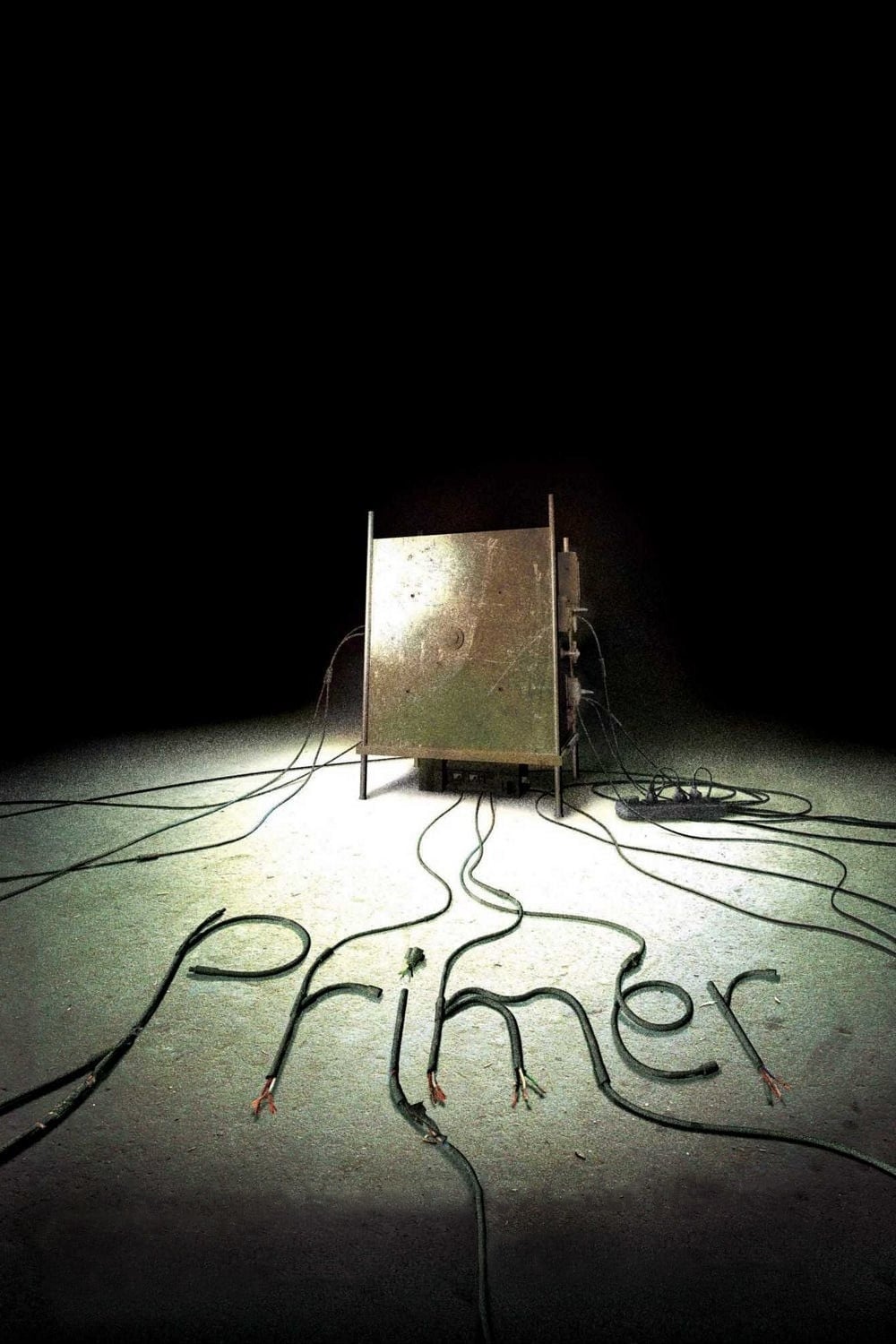
Shane Carruth wrote, directed, scored, and acted in this low budget time travel film set in a suburban tech scene. Two engineers discover an effect in a garage project and begin using boxes that allow time displacement under strict usage rules.
A second viewing benefits from building a timeline that logs when each box is switched on and off and when duplicates are created. Pay close attention to phone calls, hotel stays, and voice recordings, since these artifacts anchor which version of each character is present in a given scene.
‘A Scanner Darkly’ (2006)
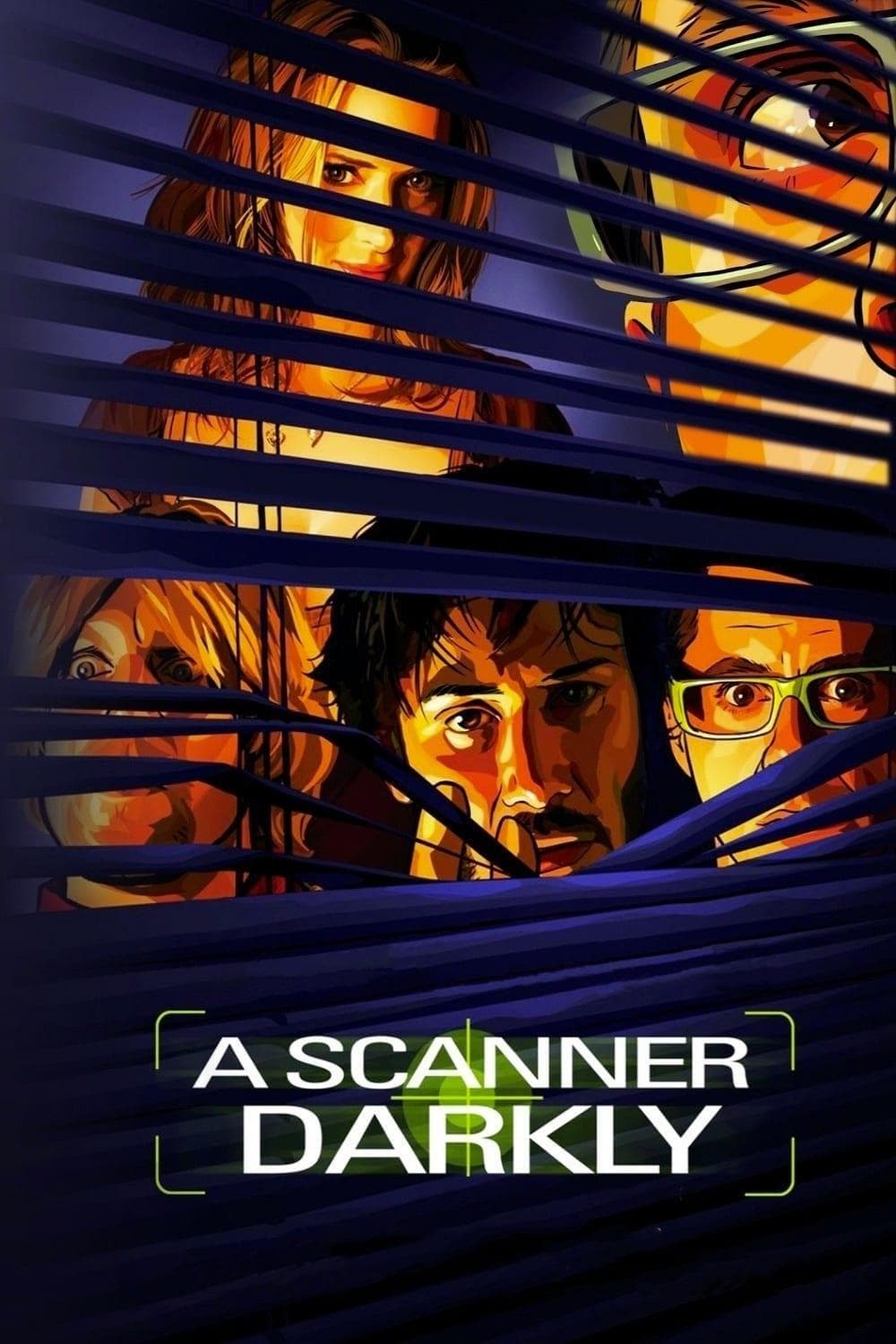
Richard Linklater adapted Philip K Dick’s novel using digital rotoscope over live action footage. The story follows an undercover agent whose identity erodes due to a drug called Substance D while surveillance technology complicates his mission.
On a rewatch you can track when the scramble suit is active and how its use obscures or reveals relationships among characters. Visual overlays and audio cues show memory gaps and shifting loyalties, and logging them scene by scene clarifies the chain of events leading to the final location.
‘Timecrimes’ (2007)
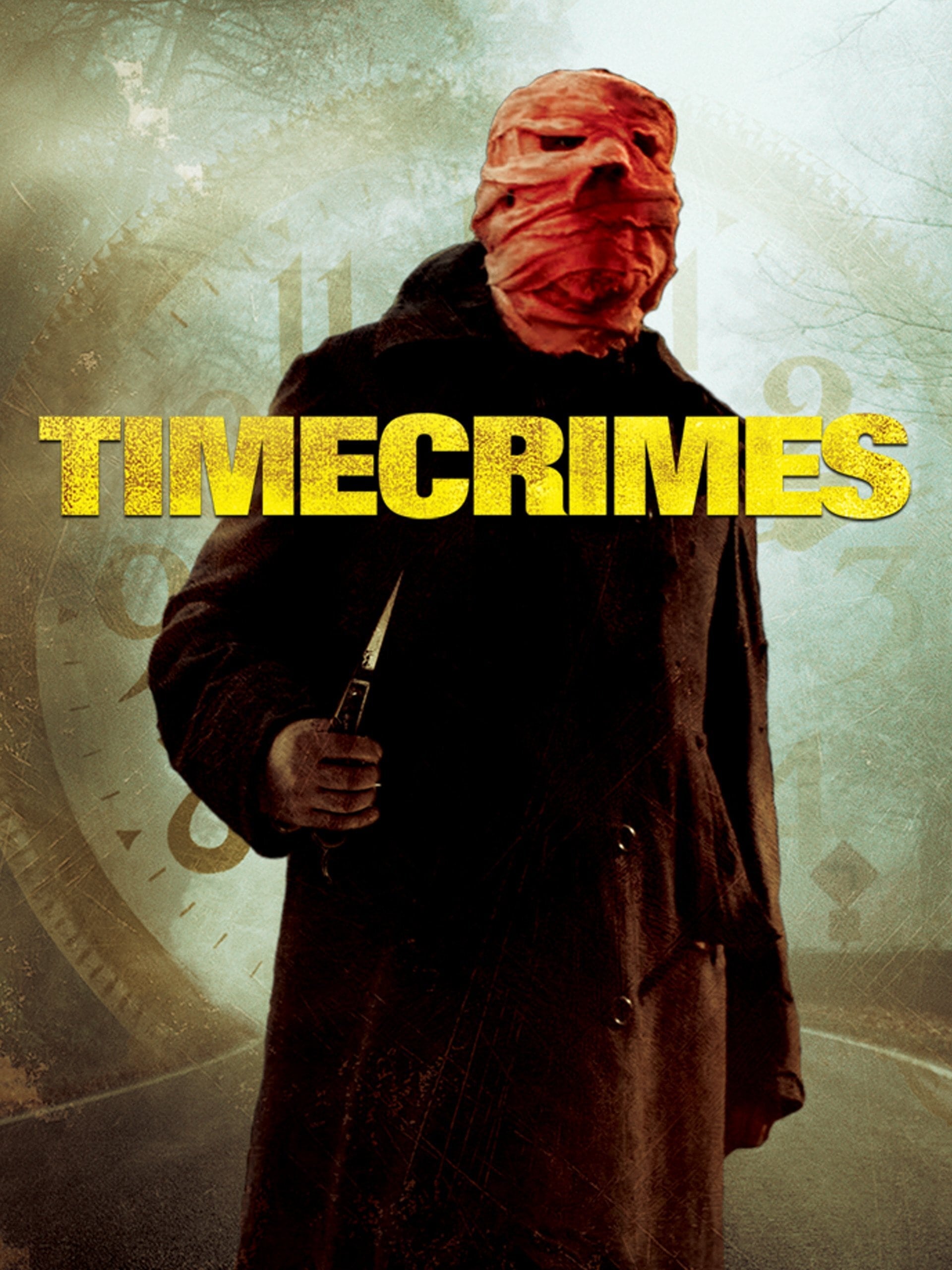
Nacho Vigalondo wrote and directed this Spanish language thriller about a man who becomes trapped in overlapping time loops after visiting a scientific facility. The plot unfolds through repeated segments that show the same interval from different positions.
A second pass lets you line up the three main cycles by watching wardrobe details, bandage placement, and the order of car movements on nearby roads. The film plants precise prop positions that allow you to confirm which version of the protagonist is acting during each incident.
‘Inception’ (2010)
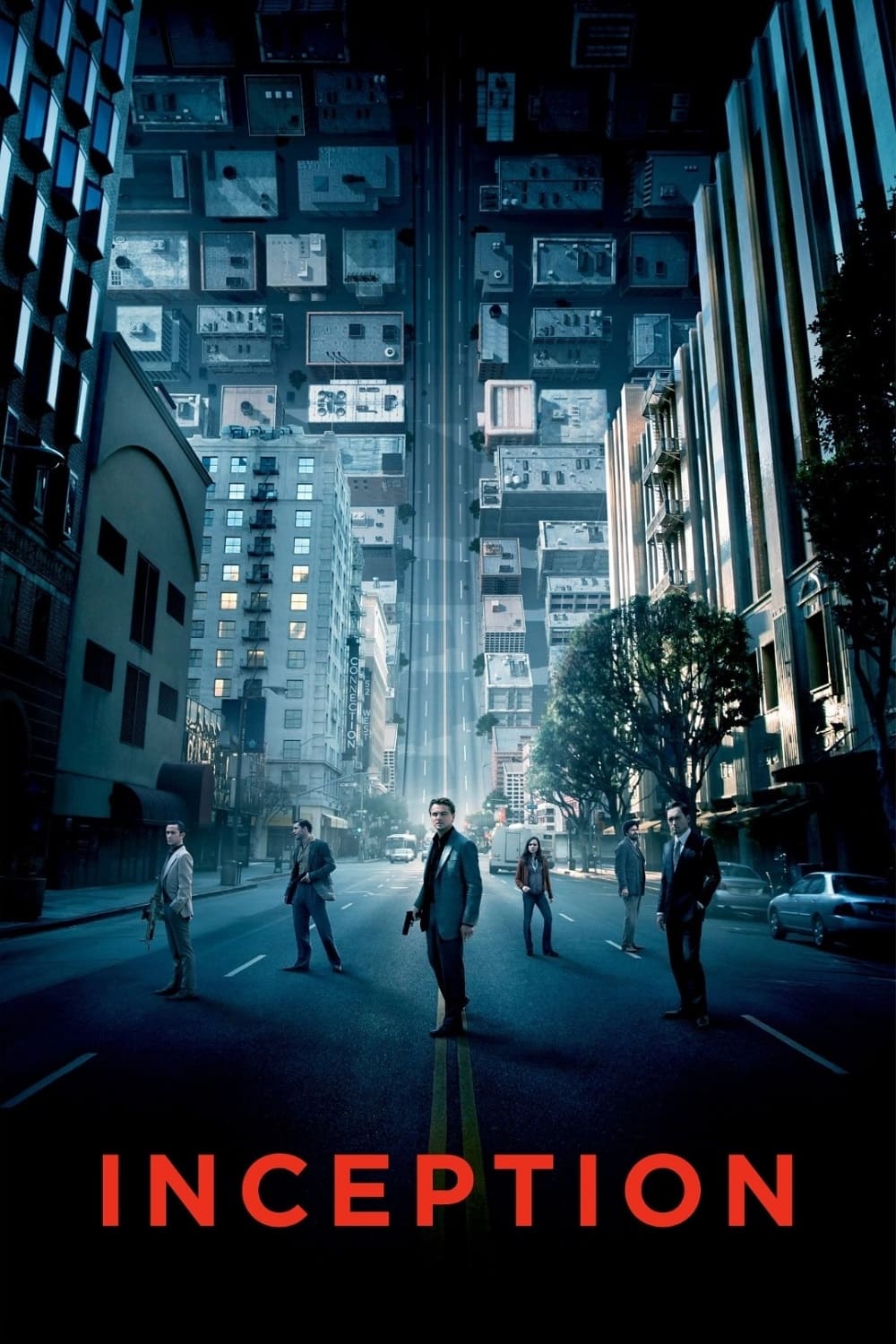
Christopher Nolan designed a heist structure that operates inside layered dream spaces with time dilation across levels. A team enters multiple dream tiers to plant an idea, with each layer governed by its own physics and threat model.
Rewatching helps you chart the architecture of each level using music timing, elevator mechanics, and synchronized kicks. You can also maintain a character by character checklist for totems, unconscious projections, and role assignments, which clarifies how the plan adapts as conditions change.
‘Source Code’ (2011)
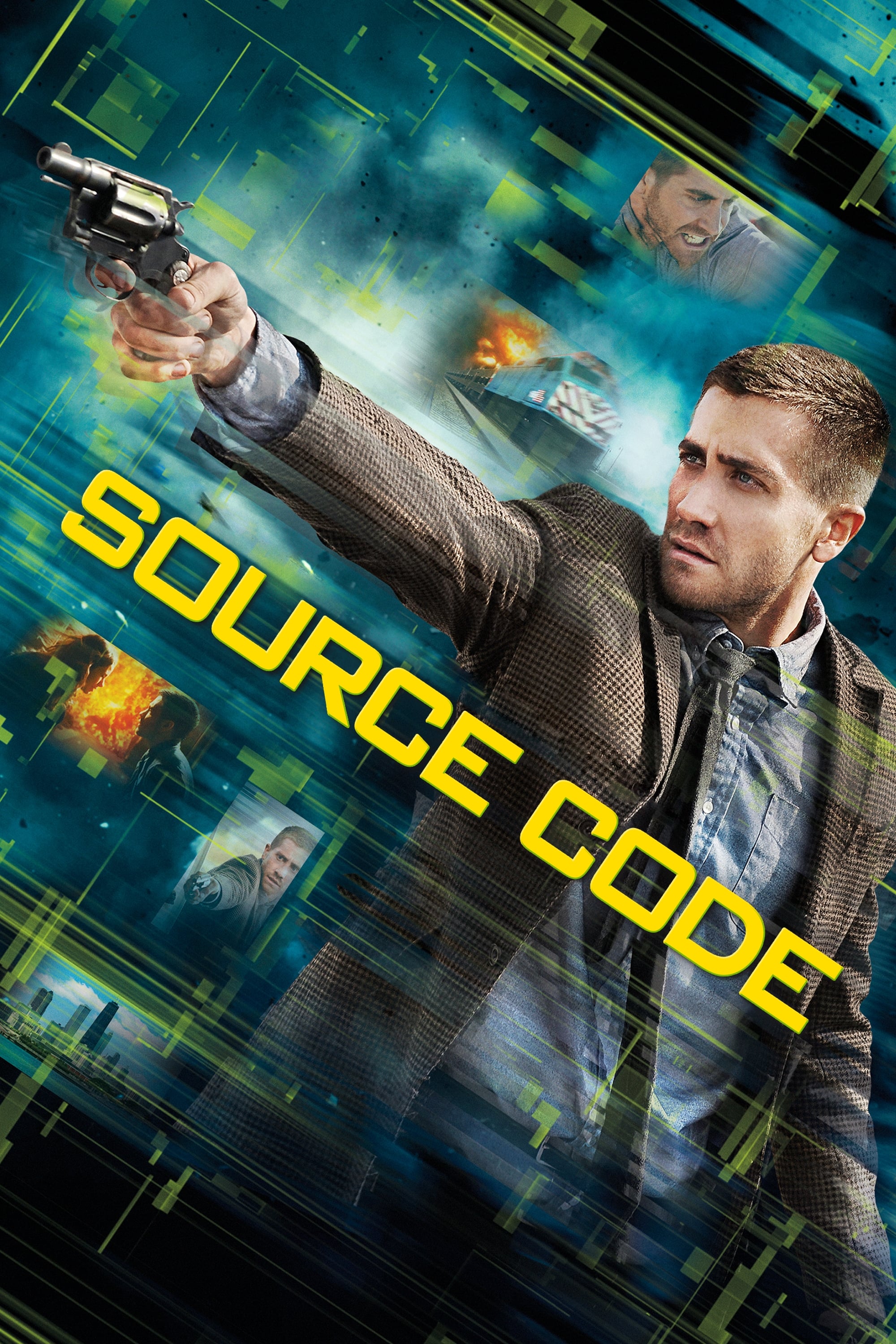
Duncan Jones directed this story about a soldier who repeatedly experiences the last minutes before a train explosion through a program called the source code. Each run allows limited adjustments to gather information about the attacker.
A second viewing benefits from tracking the exact duration of each loop and the variation introduced by small choices. Monitoring passenger seat maps, platform signage, and device placements across iterations builds a clear record of progress toward the objective.
‘Cloud Atlas’ (2012)
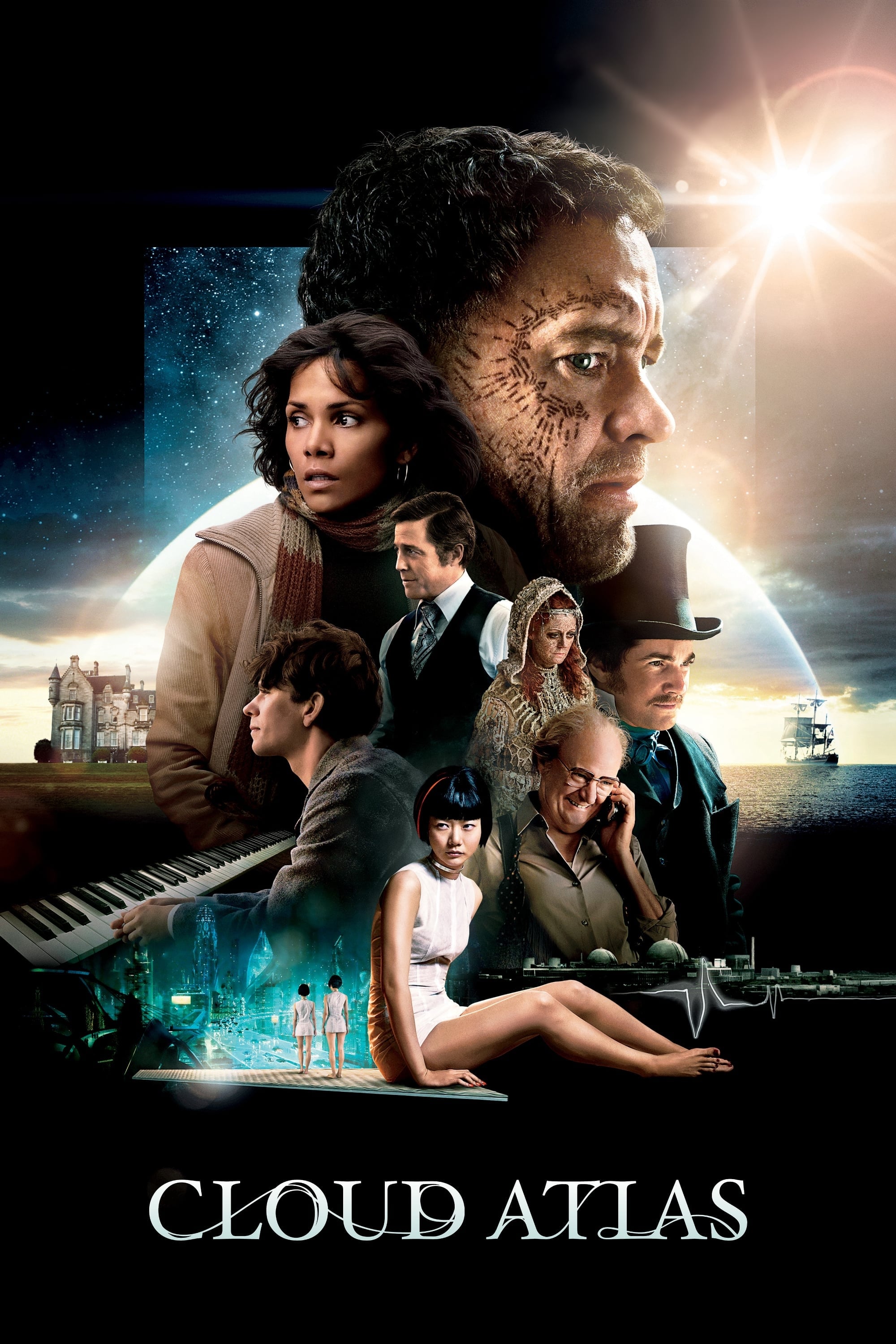
Lana Wachowski, Lilly Wachowski, and Tom Tykwer adapted the David Mitchell novel into six interlinked stories set across different eras. The film uses the same group of actors in multiple roles to connect themes and plot threads across centuries.
On a rewatch you can create a cross story index that notes repeated motifs like a comet birthmark, a sextet composition, and journal or recording artifacts. Production credits reveal which director handled each timeline, and matching those styles helps you identify structural rhymes that guide the transitions.
‘Upstream Color’ (2013)
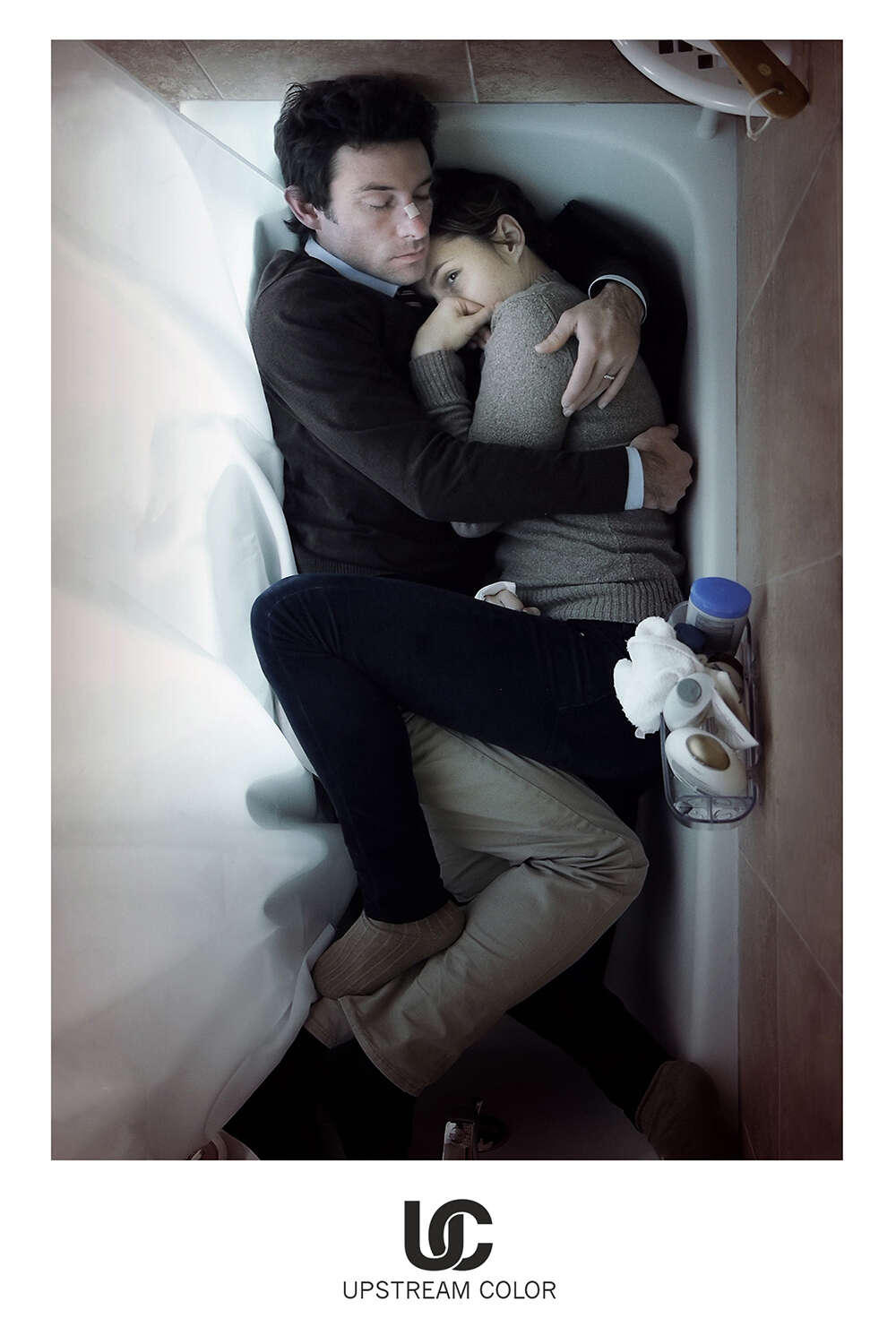
Shane Carruth crafted a narrative that follows a life cycle involving a parasite, pigs, and orchids, with minimal exposition. The film uses sound design and visual parallels to indicate connections between characters who have undergone the same process.
A second pass rewards a scene log that ties specific sounds to stages in the cycle, including field recordings and musical motifs. You can also map locations such as a train, a farm, and a sampling site to trace how the organism moves and how memory fragments reassemble.
‘Coherence’ (2013)
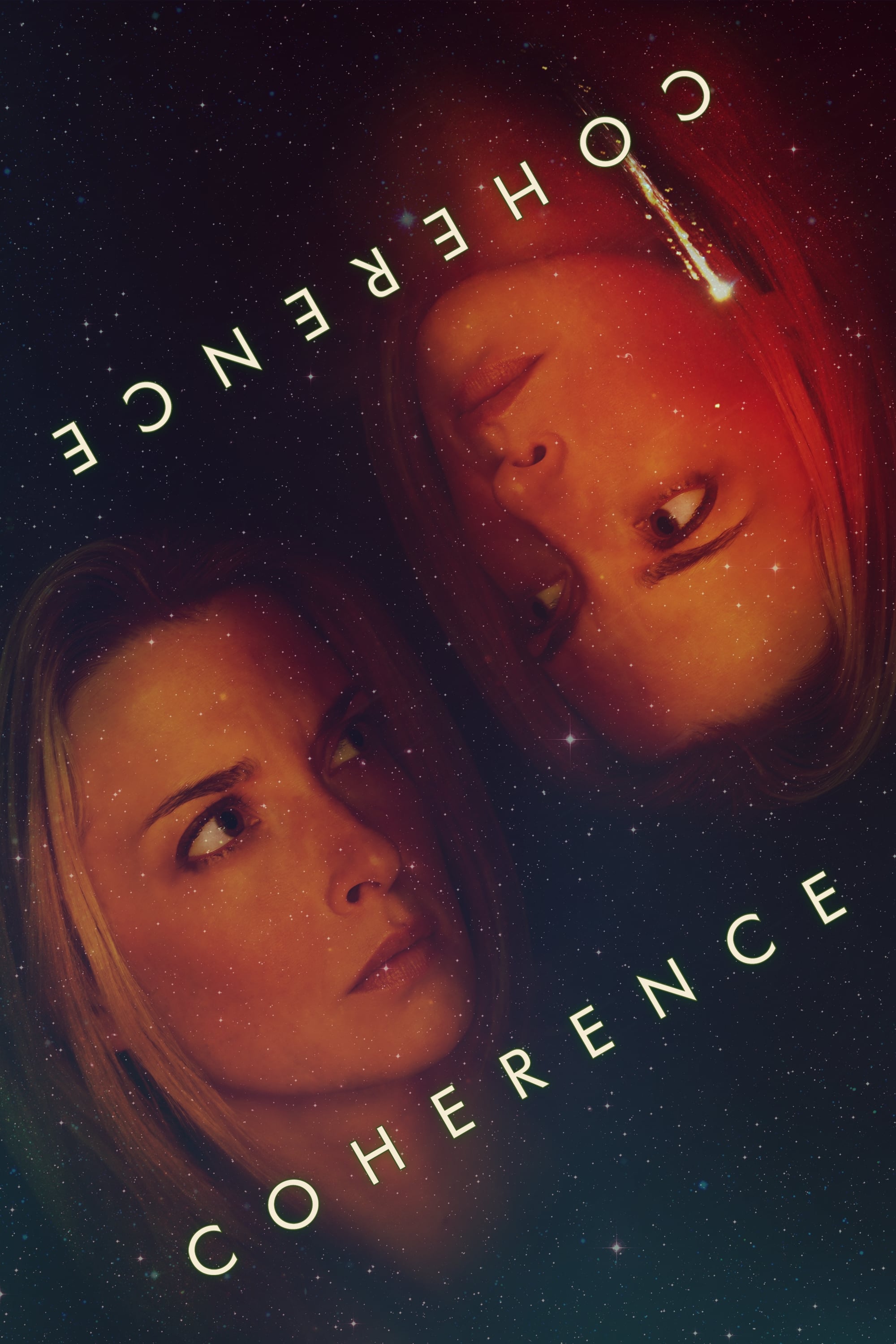
James Ward Byrkit shot this ensemble story largely in one house on a night when a comet passes overhead. The event causes overlapping realities, and characters cross between similar houses without realizing it at first.
Rewatching with a notepad for glow stick colors, dinner seating, and note exchanges allows you to identify which version of the group appears in each scene. The production used improvisation within a structured outline, so repeated lines and props act as reliable markers for tracking the branching paths.
‘Under the Skin’ (2013)
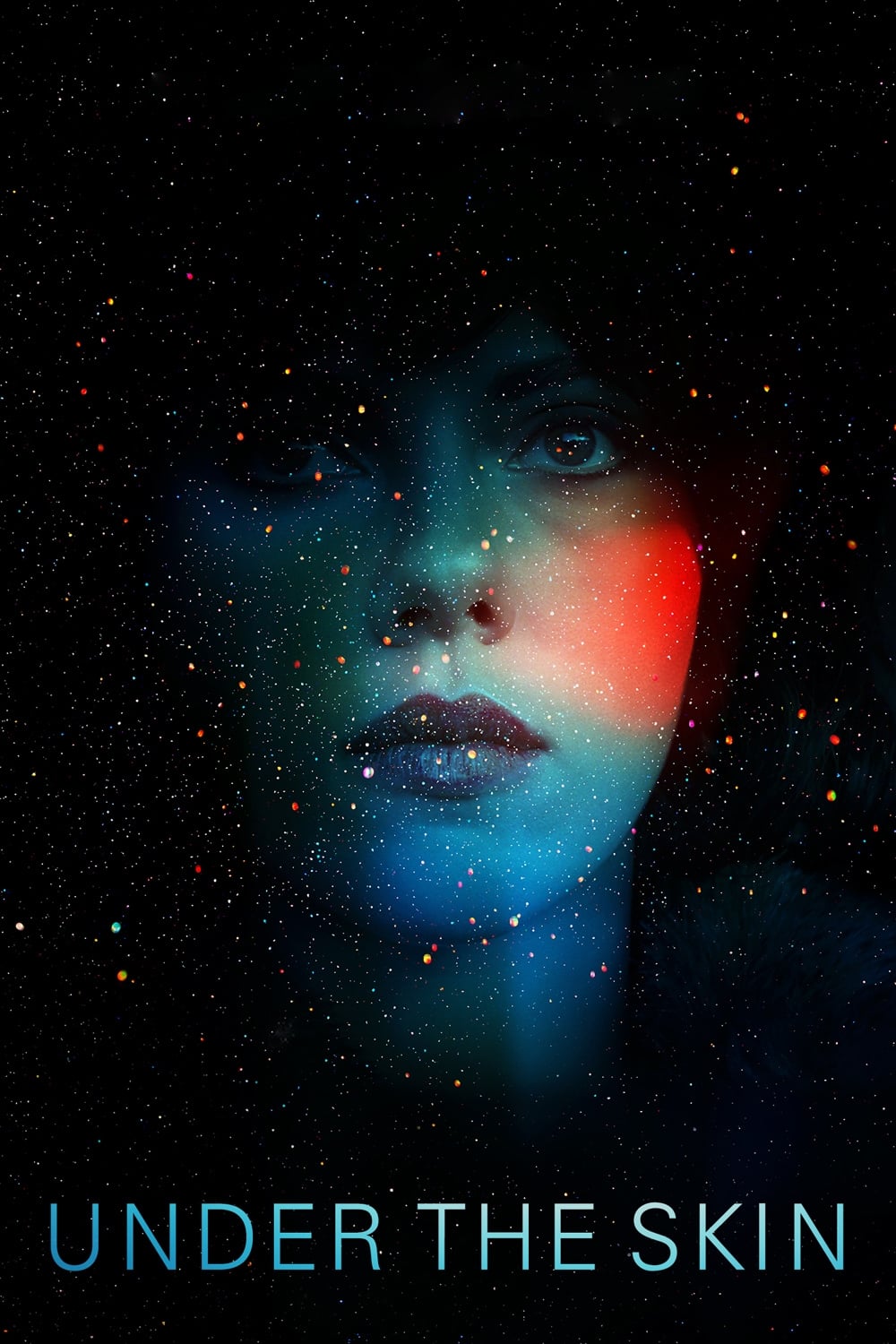
Jonathan Glazer adapted Michel Faber’s novel into a story about an alien who drives through Scotland and lures men to a dissolving space. Many scenes were filmed with hidden cameras as non actors interacted with the lead performer.
A second viewing helps connect the abstract interiors to exterior routines by following wardrobe changes and vehicle routes. The sound by Mica Levi and the distinct image treatment provide cues for when the protagonist follows assignment rules and when those rules begin to break.
‘Predestination’ (2014)
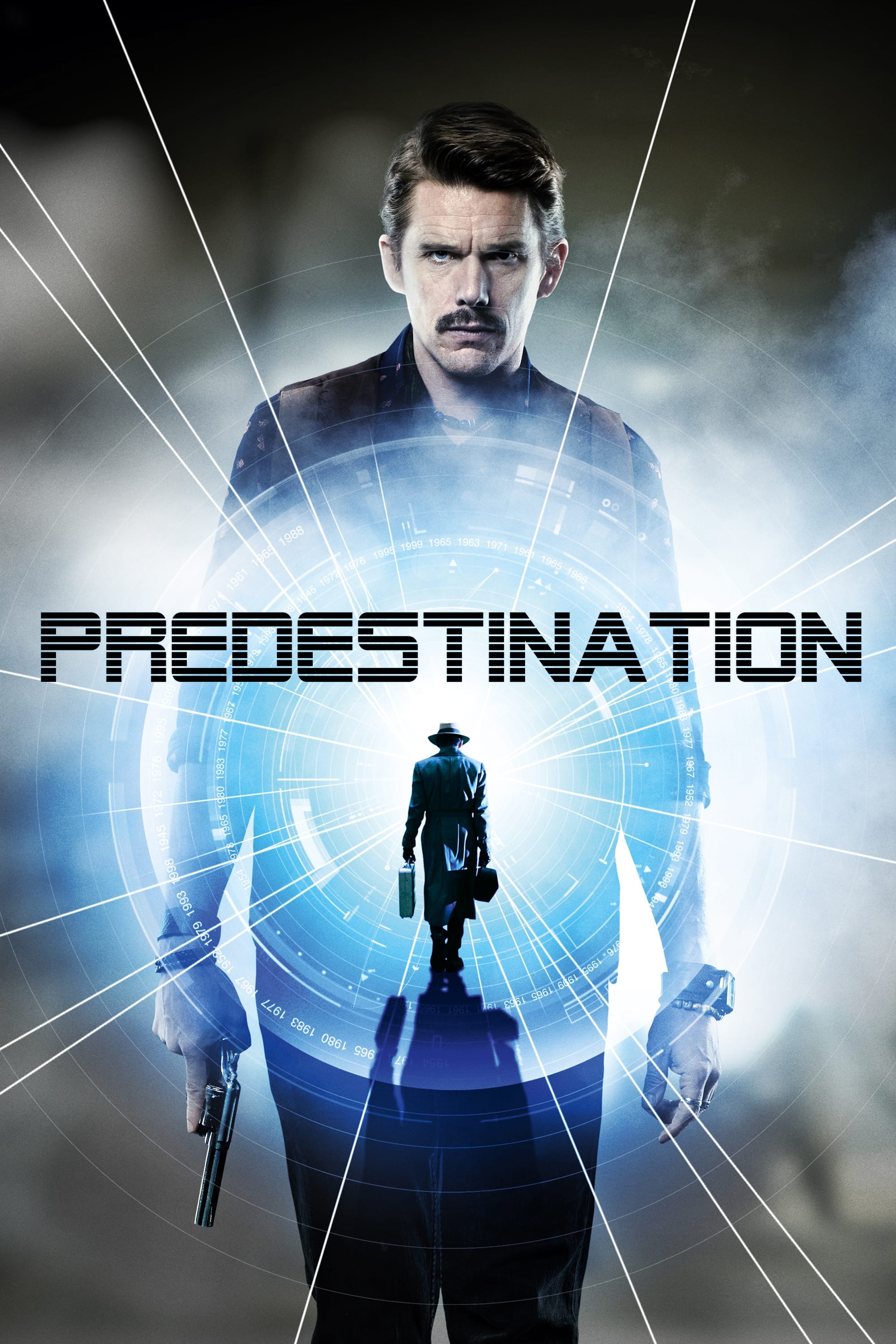
Michael and Peter Spierig adapted the Robert A Heinlein story ‘All You Zombies’. A temporal agent recruits a bartender into a mission that spirals into a closed loop of identities and events.
On a rewatch you can assemble a timeline that records dates on forms, hospital records, and travel notes that appear on screen. Casting and makeup choices enable a precise identity map, and building that map clarifies how each action completes a loop and removes loose ends.
‘Interstellar’ (2014)
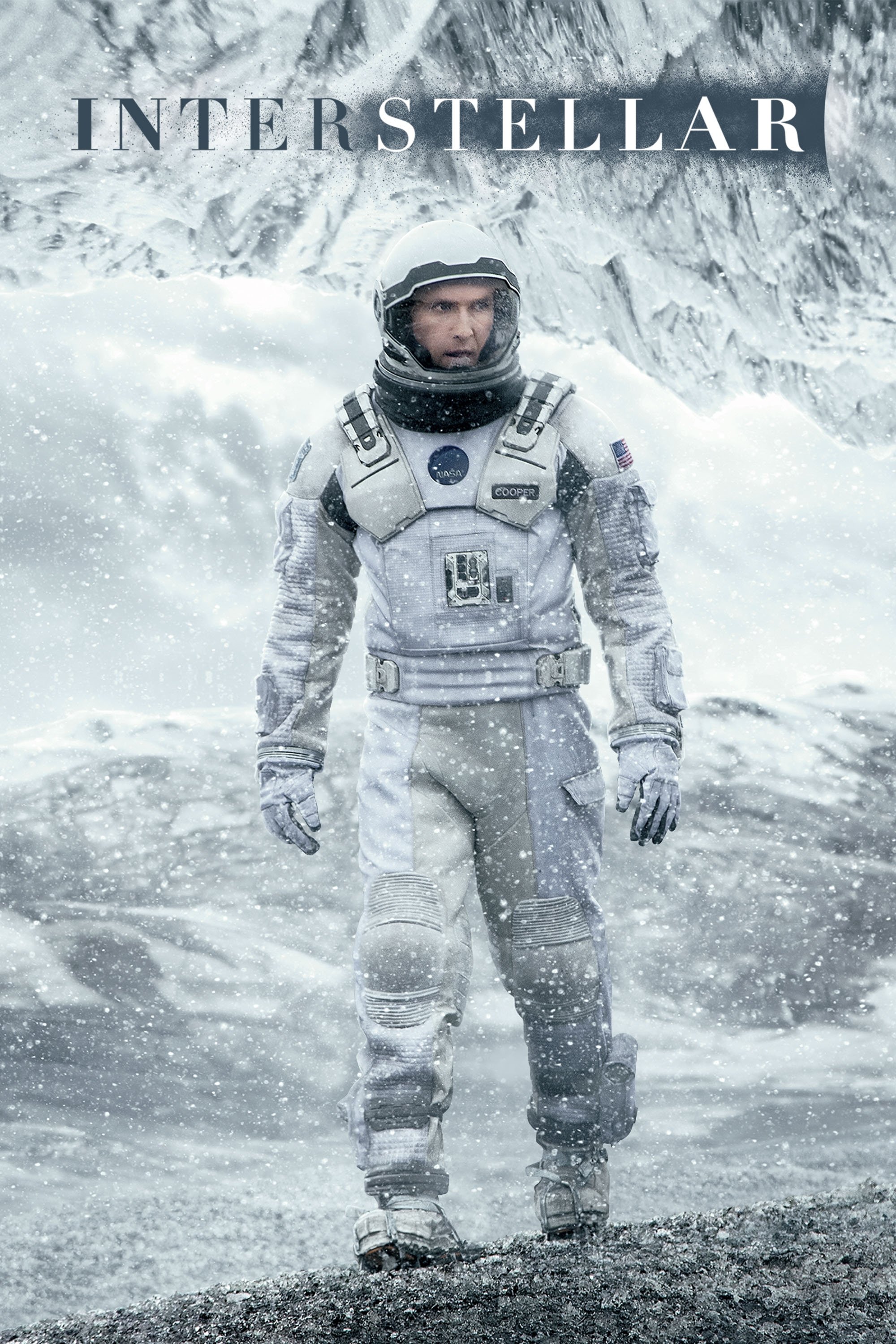
Christopher Nolan directed this space travel story developed with consultant physicist Kip Thorne to ground depictions of wormholes and black holes. The plot follows a mission launched through a stable wormhole to find habitable worlds while time dilation affects the crew.
A second pass helps you align mission clocks with earth time by logging shipboard readouts, transmitted video ages, and mentions of gravitational potential. Visualizations of the black hole and tesseract obey stated rules, so tracking those rules scene by scene explains the communication method used at the end.
‘Annihilation’ (2018)
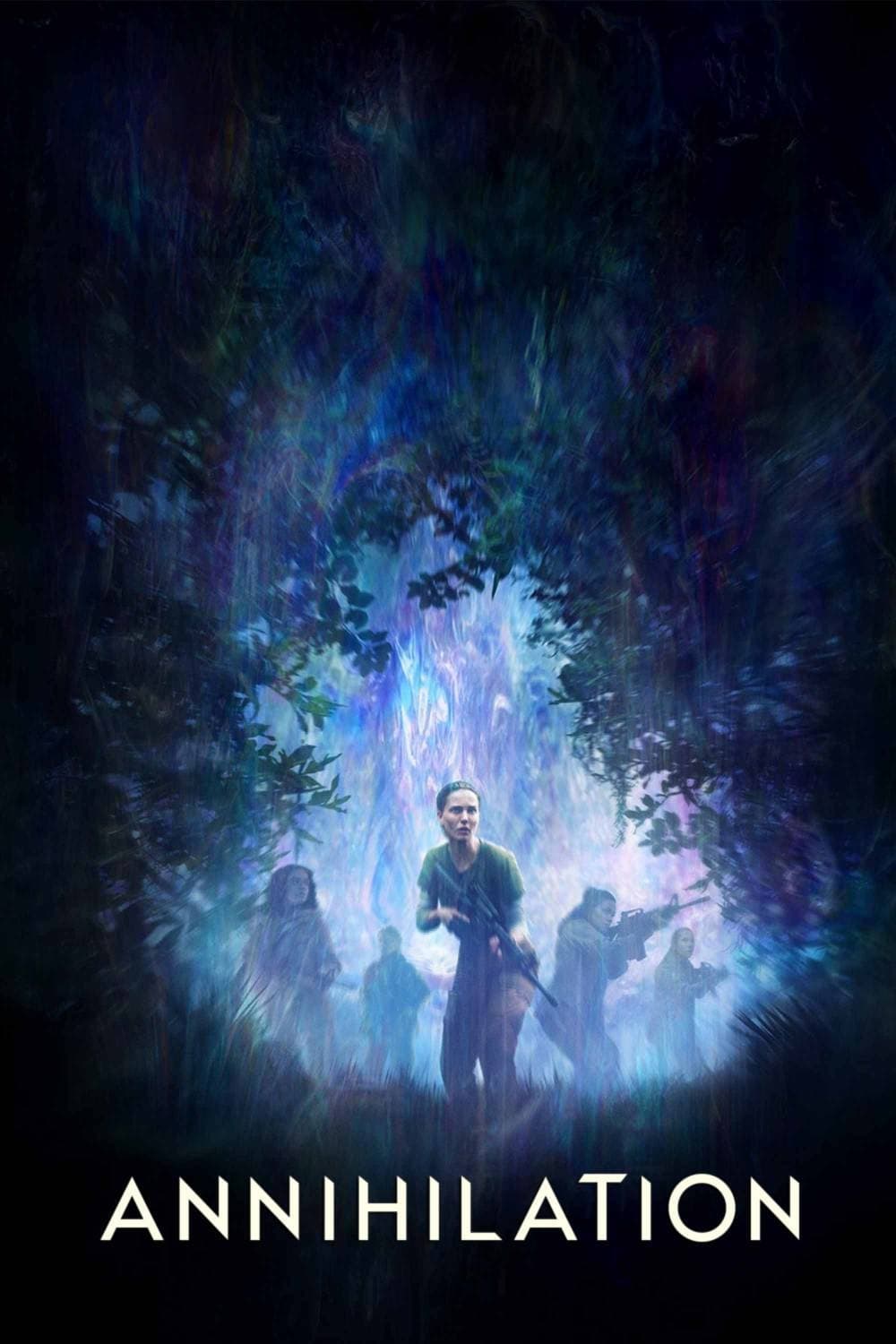
Alex Garland adapted Jeff VanderMeer’s novel about a scientific team entering an area called the Shimmer where biology and physics refract information. The expedition members carry cameras and markers that document changes to plants, animals, and themselves.
On a rewatch you can compare video footage within the story to the scenes you just watched to verify what has been altered. Noting specific genetic and geometric patterns in walls, flowers, and bodies creates a reference that clarifies how the Shimmer reshapes inputs over time.
‘Upgrade’ (2018)
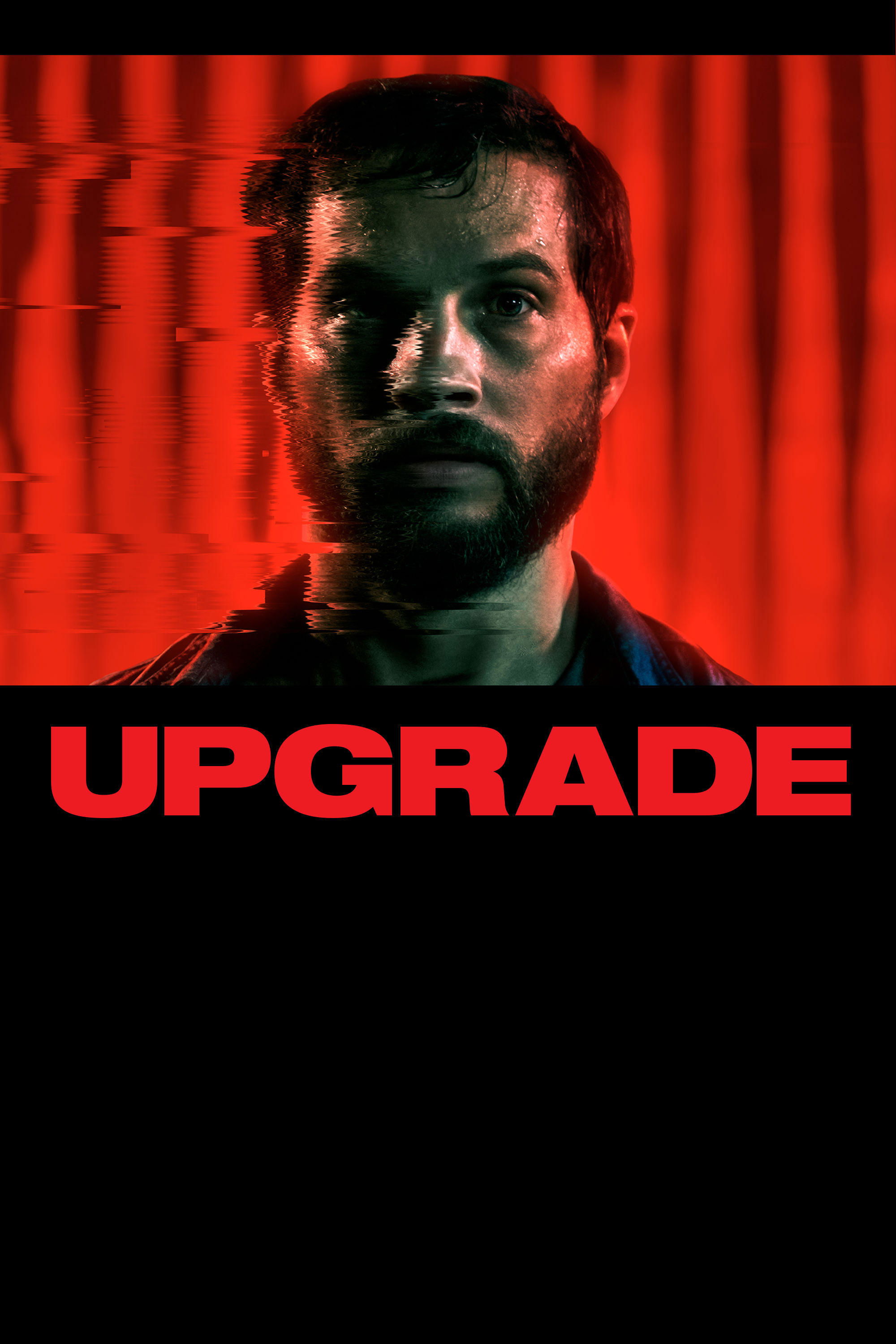
Leigh Whannell directed this near future story about a man who receives an implant called STEM after an attack leaves him paralyzed. The device enables movement and decision support while legal and corporate interests surround its deployment.
A second viewing lets you catalog the permissions STEM requests and the points at which those permissions change. The camera rig follows body orientation during fight scenes, and mapping that movement style to the device state clarifies who is in control in each encounter.
‘Tenet’ (2020)
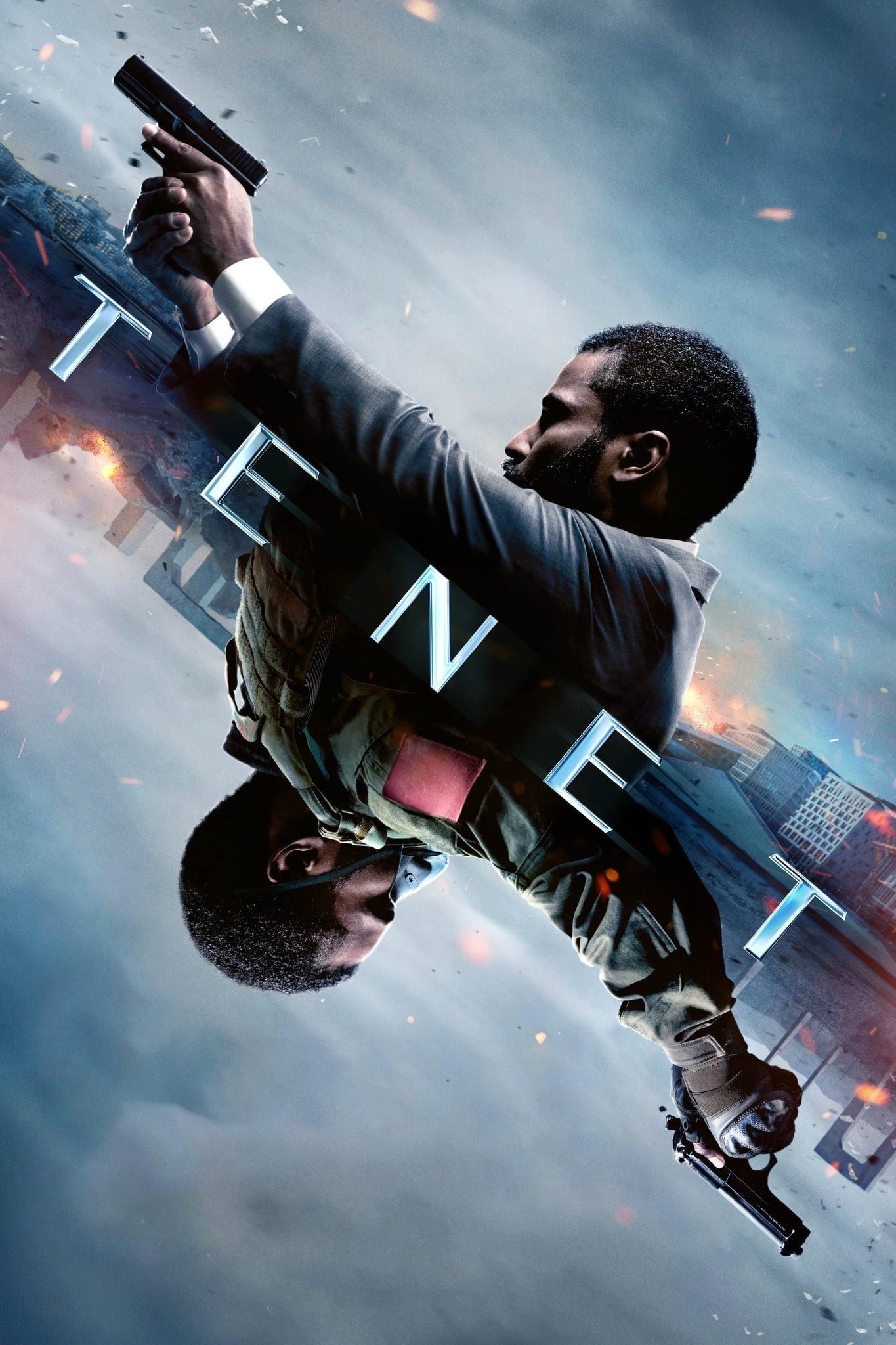
Christopher Nolan built a plot around technology that inverts the entropy of objects and people, allowing movement backward through events. The protagonist learns the operational rules from scientists and operatives while searching for an algorithm that could affect the future and the past.
On a rewatch you can draw a timeline with two tracks that mark forward and inverted movement, using color coded armbands and oxygen usage as reliable signals. Set pieces like the airport, the highway, and the final operation are constructed to be read twice, and aligning their mirrored beats reveals how objectives are achieved.
‘Possessor’ (2020)

Brandon Cronenberg directed this story about an assassin who enters other people using a brain interface to commit targeted killings. The film focuses on identity stability and the technical requirements for maintaining control inside a host.
A second pass helps you note the calibration sequences, the visual glitches that indicate drift, and the tools used to anchor the operator. Practical effects work and distinct color cues provide a consistent language for when a mind is slipping, which makes the final chain of decisions easier to parse.
‘Everything Everywhere All at Once’ (2022)

Daniel Kwan and Daniel Scheinert wrote and directed this multiverse story about a laundromat owner who accesses skills from alternate lives through a set of strange triggers. The film uses on screen graphics and rapid cutting to show universe jumps and branching paths.
Rewatching with a focus on trigger rules and the verse jumping device helps you track how abilities are acquired and lost in each situation. The production assigns clear visual identities to universes, so keeping a list of costumes, aspect ratios, and prop signatures creates a stable map through the final sequences.
Share your favorite rewatch discoveries from these films in the comments so everyone can compare notes and add more titles to the queue.