TV Shows You Have to Watch Twice to Understand


Some shows hand you answers right away. Others hide clues in plain sight, shuffle timelines, and rely on unreliable narrators until everything clicks on a second pass. This list leans into the series that reward close attention with puzzle box structures, layered symbolism, and narratives that bend around perspective and memory.
A rewatch lets you track planted details, decode visual motifs, and trace how an early scene foreshadows a later reveal. It also helps you map relationships, conspiracies, and rules of strange worlds that only fully make sense once you know where the story is headed. Here are twenty five series where a second viewing pays off with deeper understanding.
‘Dark’ (2017–2020)
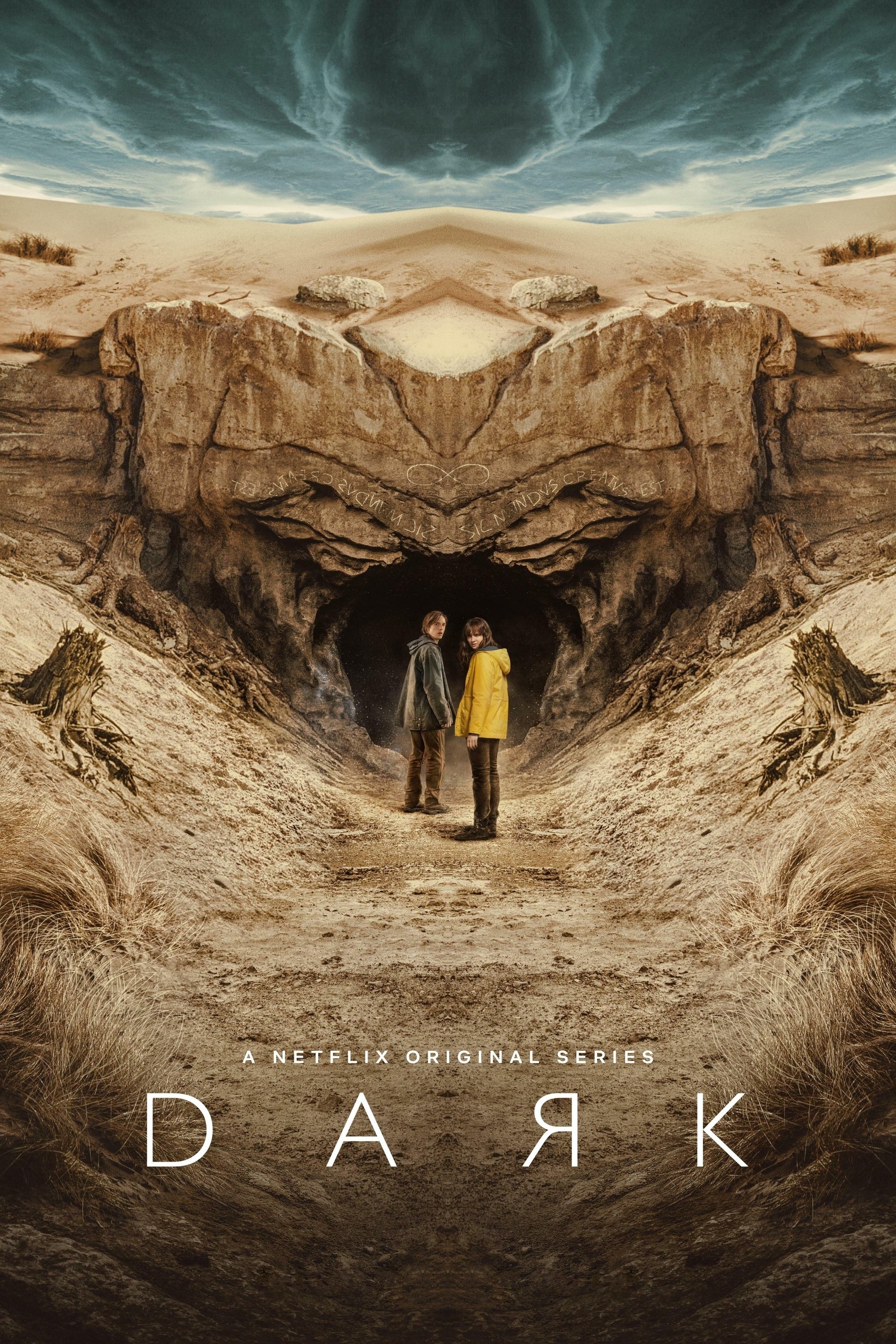
This German series builds an interlocking web of four families linked by a cave system, a nuclear plant, and a device that fixes events into loops. Character charts, pocket watches, and the Sic Mundus group mark who controls information at different points in the cycle.
Timelines cross in repeating patterns that create the very causes they appear to solve. Episodes mirror scenes across eras, and a central origin outside the loop explains why the knot exists at all.
‘Westworld’ (2016–2022)
Hosts in a theme park run on loops that evolve with each small deviation, while human managers collect behavioral data for projects that continue beyond the park. Identity shifts hinge on build versions and hidden directives that persist across resets.
Nonlinear timelines interlace with simulations and memories that look identical to live events. Wardrobe, speech rhythms, and park infrastructure provide markers for when and where a scene occurs.
‘Mr. Robot’ (2015–2019)
A cybersecurity engineer narrates operations against a global conglomerate while fighting for control over his own perception. File names, terminal commands, and episode metadata fold technical steps into the storytelling.
Key missions labeled Stage 1 and Stage 2 unfold through parallel teams and cover identities. Audio glitches and visual inserts signal when a perspective has been altered or withheld.
‘Twin Peaks’ (1990–1991)
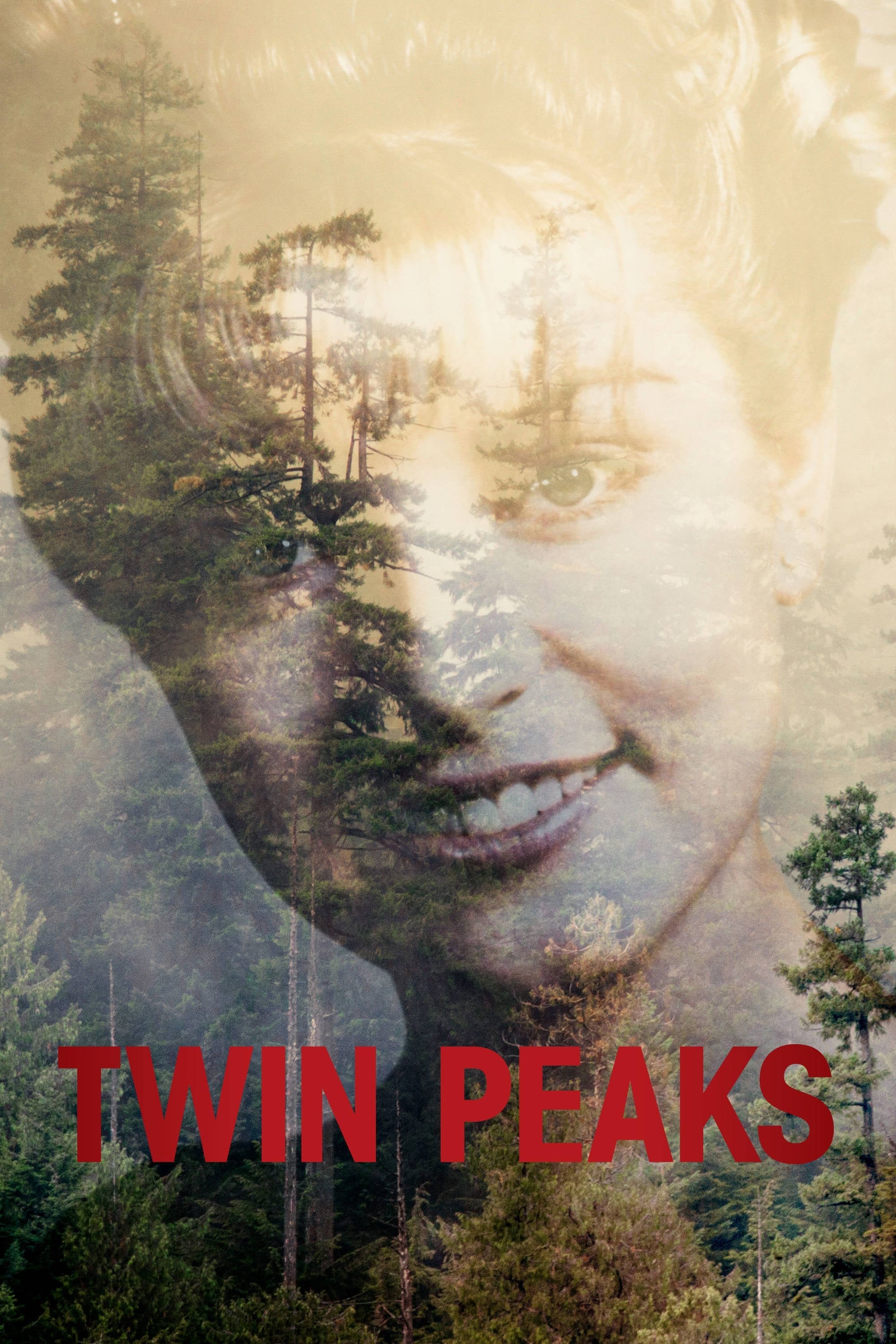
A murder case in a logging town leads to a realm called the Black Lodge, where symbols and reversed speech govern encounters. The red room, a ring, and owl imagery recur as signposts that connect dreams and waking life.
Subplots that appear whimsical share a system of doubles and reflections. Certain rooms act as thresholds, and entry or exit depends on choices that align with rules the Lodge enforces.
‘Twin Peaks: The Return’ (2017)

A doppelgänger pursues a plan while an altered version of the hero follows a programmed routine in another city. Electricity, coordinates, and a glass observation box function as parts of a circuit that threads the story together.
A pivotal episode presents an origin sequence that explains a persistent menace. Objects such as a green glove and a specific outlet are tools that operate under the show’s established physics.
‘The Leftovers’ (2014–2017)
A sudden global disappearance fractures communities and creates movements that respond with ritual and silence. The story shifts locations as characters test beliefs through pilgrimages, scams, and experiments.
Several episodes enter liminal spaces that mirror quests for identity and accountability. Recurring props and documents reveal how personal histories drive public actions long after the event.
‘Legion’ (2017–2019)
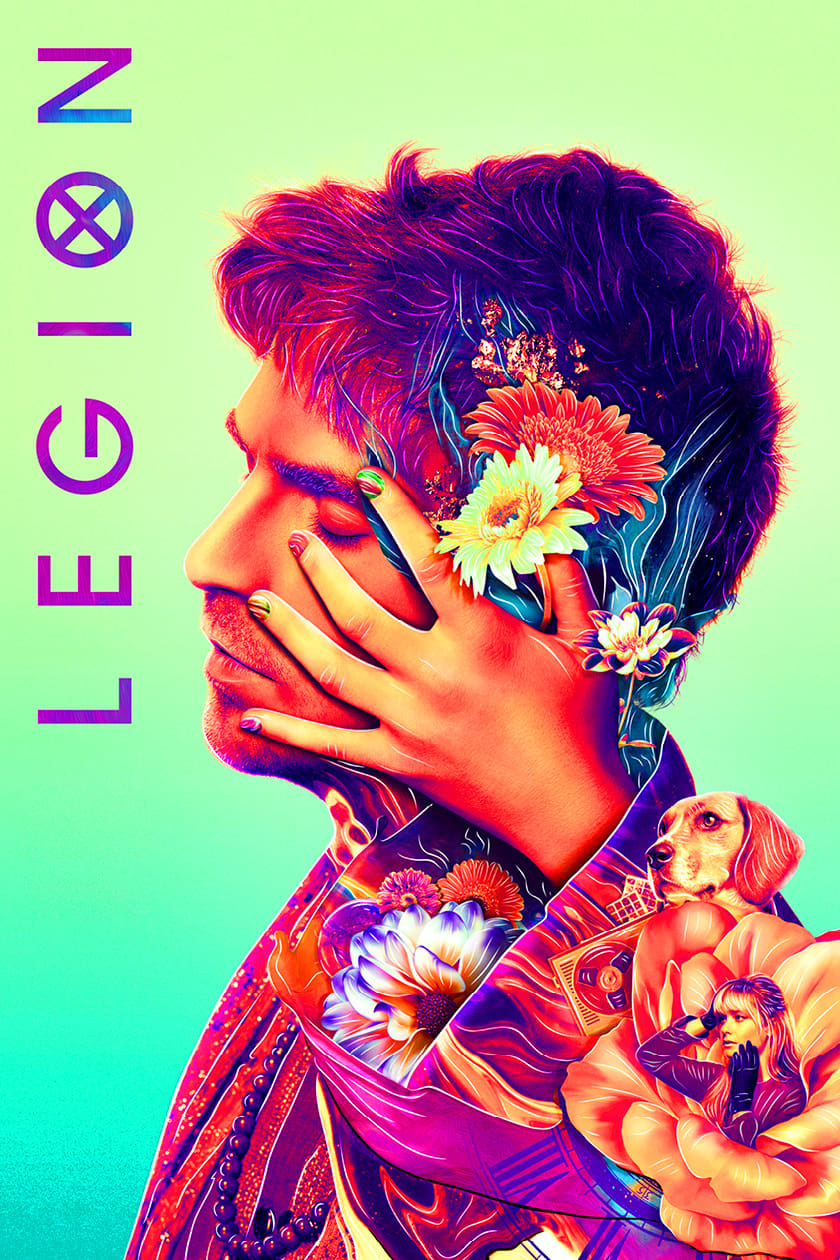
A powerful telepath experiences reality as a maze of memories, possessions, and astral constructs. A parasitic presence exploits gaps in his past, while a government unit studies and weaponizes unusual abilities.
Visual motifs like color bands, maze rooms, and chalkboard lessons encode rules for powers and limits. Therapy sessions and analog devices double as instructions for escaping traps.
‘Lost’ (2004–2010)
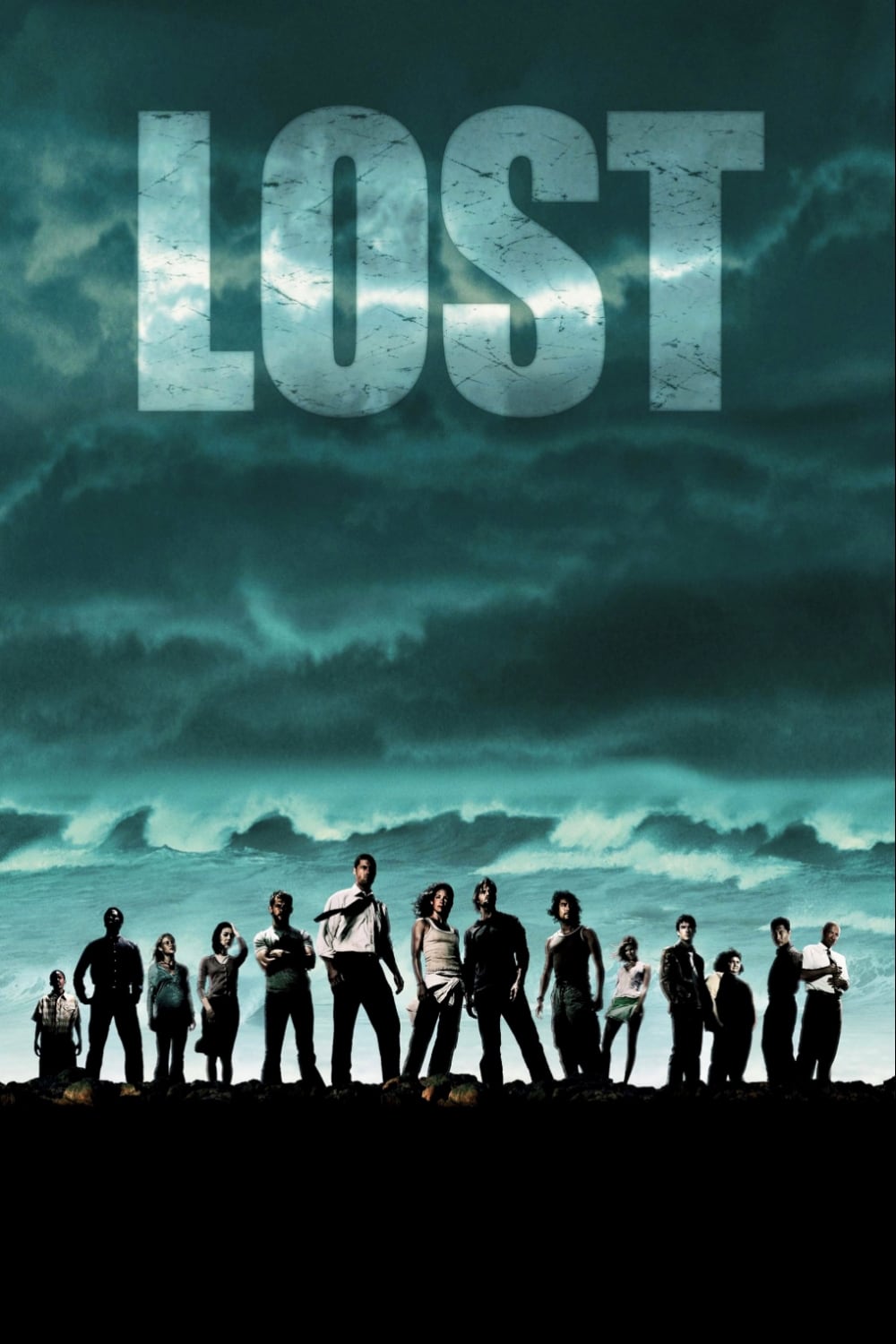
Survivors on an island encounter stations built by a research initiative with stated purposes and hidden ones. The numbers, a hatch, and a moving wheel tie practical tasks to a larger custody dispute over the island.
The show uses flashbacks and flashforwards to reveal how personal histories shape alliances and conflicts. Candidates, lists, and rules of stewardship determine who can protect the place and how.
‘Severance’ (2022)
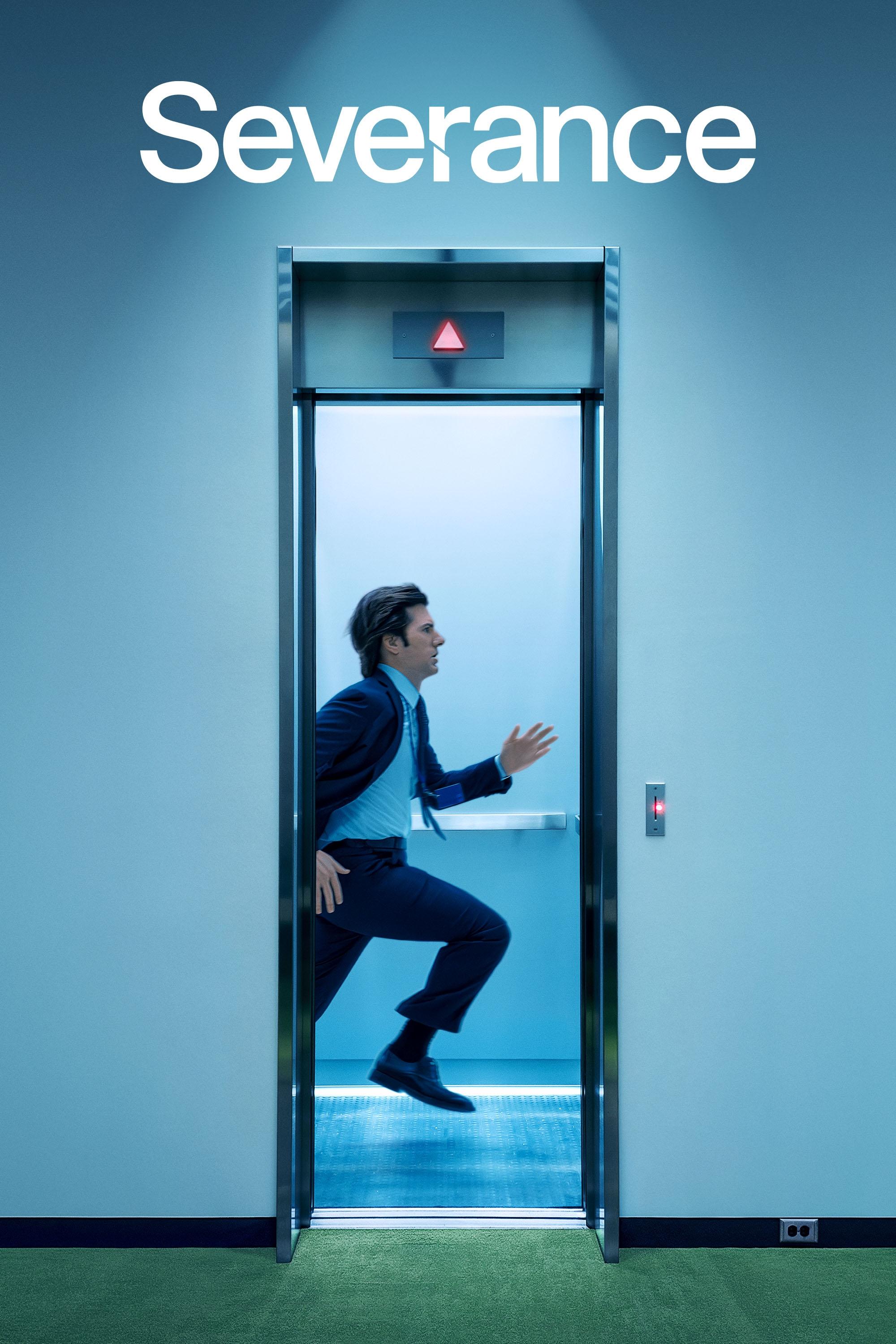
An office procedure splits employees into separate selves who share a body but not memories. Departments complete abstract tasks that produce images and figures treated as sensitive outputs.
Security functions like overtime mode and break rooms control movement and behavior. Company history and artwork embed doctrine that employees absorb through ceremonies and perks.
‘Russian Doll’ (2019)
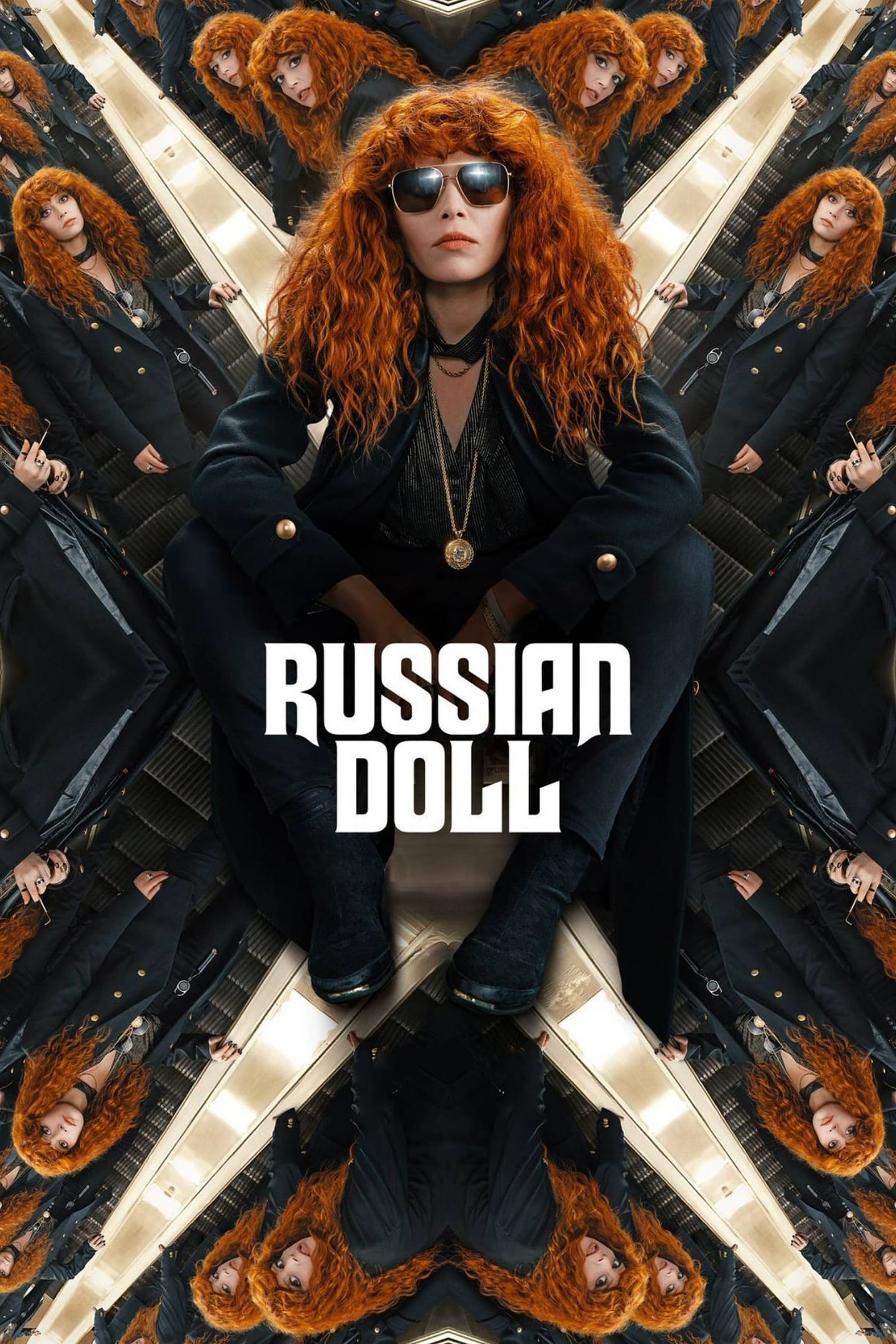
A loop resets a night in New York until small changes shift outcomes for two linked people. Game design and folklore inform how missing objects and repeating locations indicate progress or failure.
Later episodes open a path to earlier generations through a subway link. Family history and repair work become part of the loop mechanics rather than background color.
‘True Detective’ (2014)
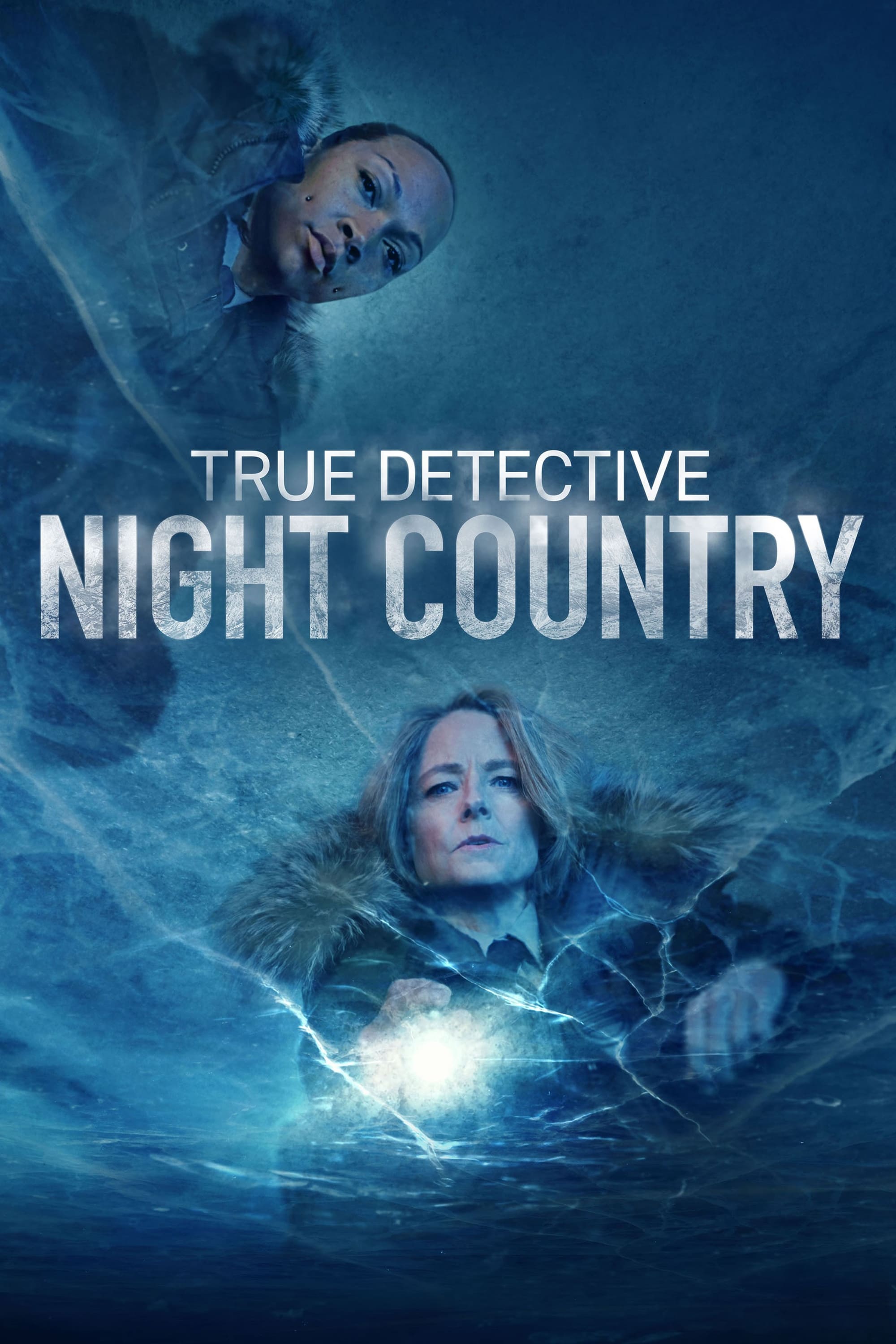
Investigators revisit an old case through interviews that reveal contradictions and omissions. Symbols on trees, hand made regalia, and murals connect suspects through shared rituals and geography.
Institutional pressure and personal history explain why files closed without closure. Place names, timelines, and version changes show how evidence was read one way and later reinterpreted.
‘Serial Experiments Lain’ (1998)

A student receives messages from someone who should not be sending them and enters a network called the Wired. Hardware upgrades expand access while a group called the Knights pushes a plan to unify consciousness and code.
Street wires, static, and screen overlays signal a thinning boundary between network and world. Corporate research, identity forks, and memory edits define what is real for the main character.
‘Neon Genesis Evangelion’ (1995–1996)
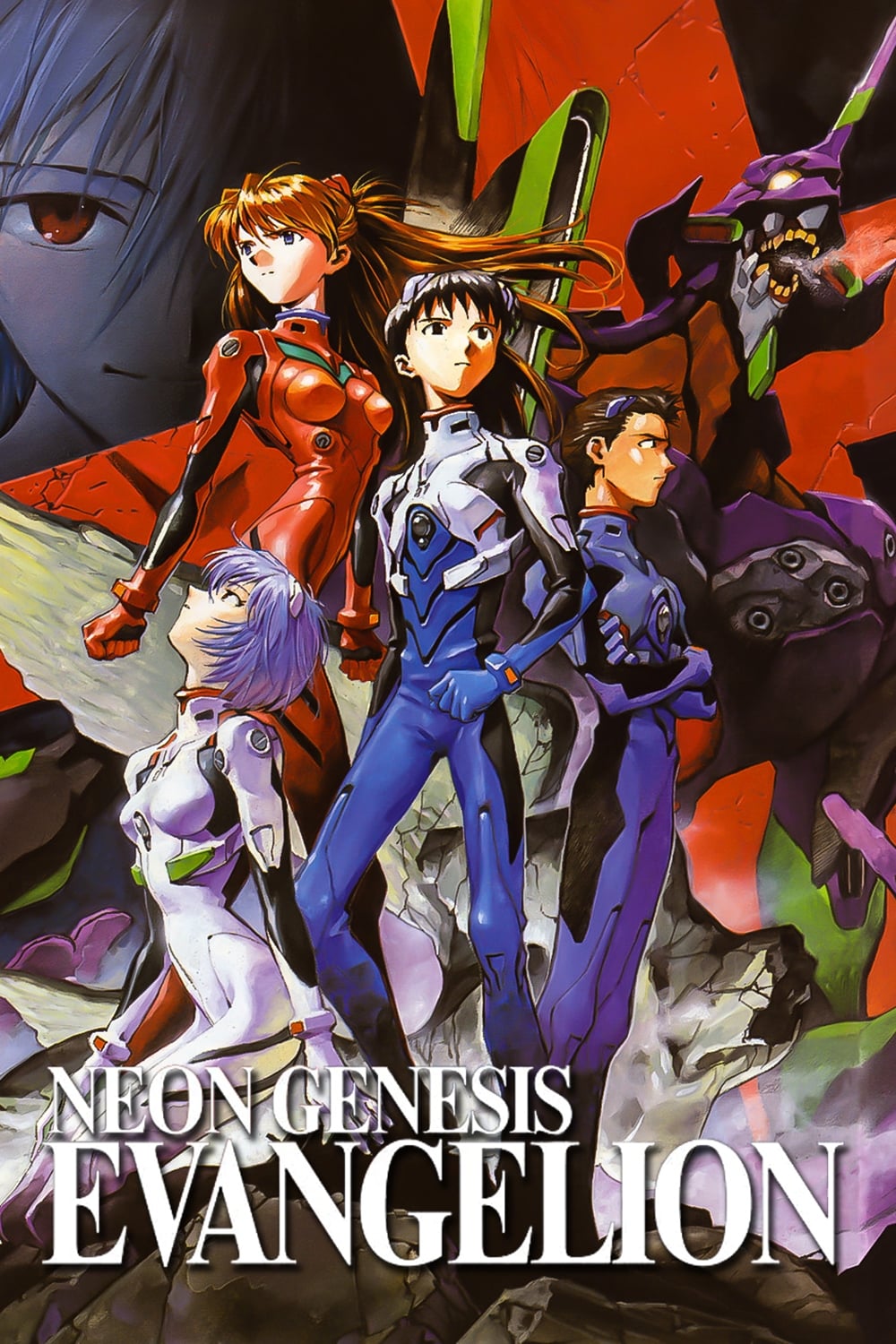
Teenagers pilot bio mechanical units against beings called Angels while a secret project seeks to reshape humanity. Sync ratios and cockpit feedback tie battle performance to mental state.
Documents, private meetings, and restricted labs reveal layered control structures. Terms like AT Fields and instrumentality define the framework that reinterprets earlier conflicts.
‘The OA’ (2016–2019)
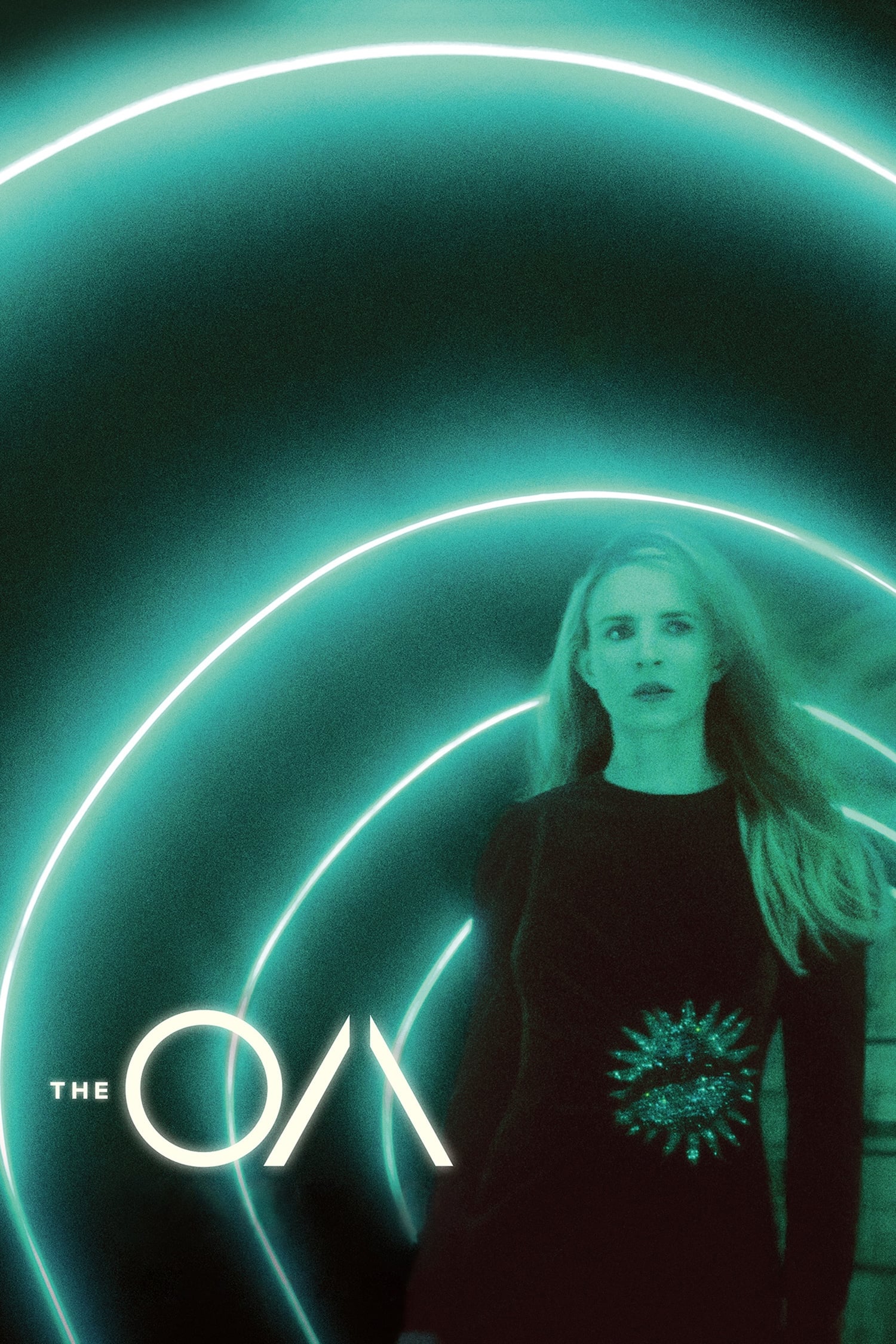
A woman returns after years in captivity with knowledge of movements that she says open doors to other dimensions. A small group learns the sequence while a scientist’s records and surveillance point to parallel evidence.
Animals, books, and drawings appear at turning points with consistent meanings. Shifts in location indicate a hop rather than a simple move, and each hop preserves specific links.
‘Atlanta’ (2016–2022)
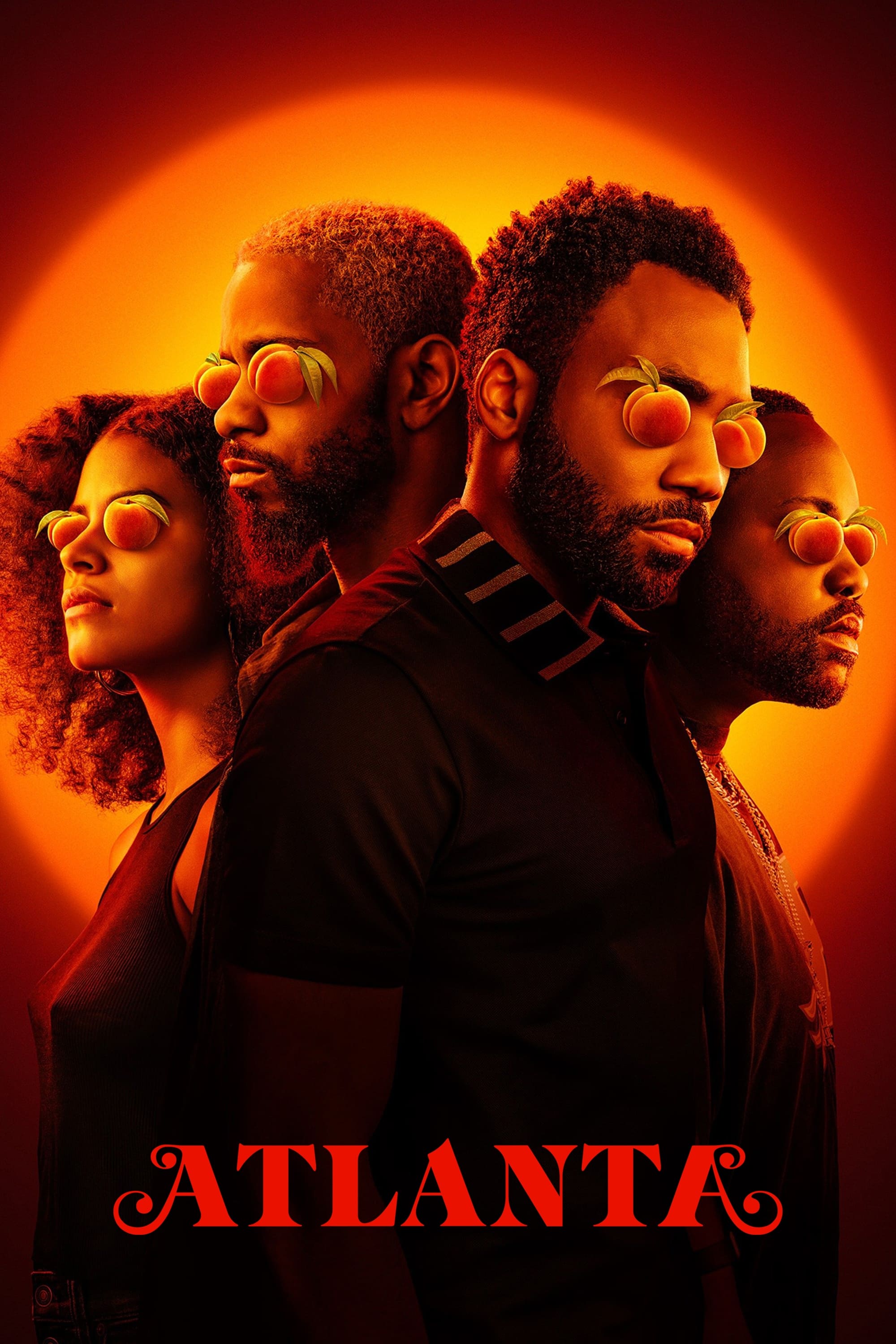
A manager, a rapper, and their circle navigate music and money while the show detours into bottle episodes that stand alone. Documentary pastiche, horror elements, and satire appear without warning but follow internal cues.
Recurring motifs include doubles, masks, and a currency that changes hands in odd ways. Standalone stories connect back to the core trio through themes about identity and value.
‘The Prisoner’ (1967–1968)
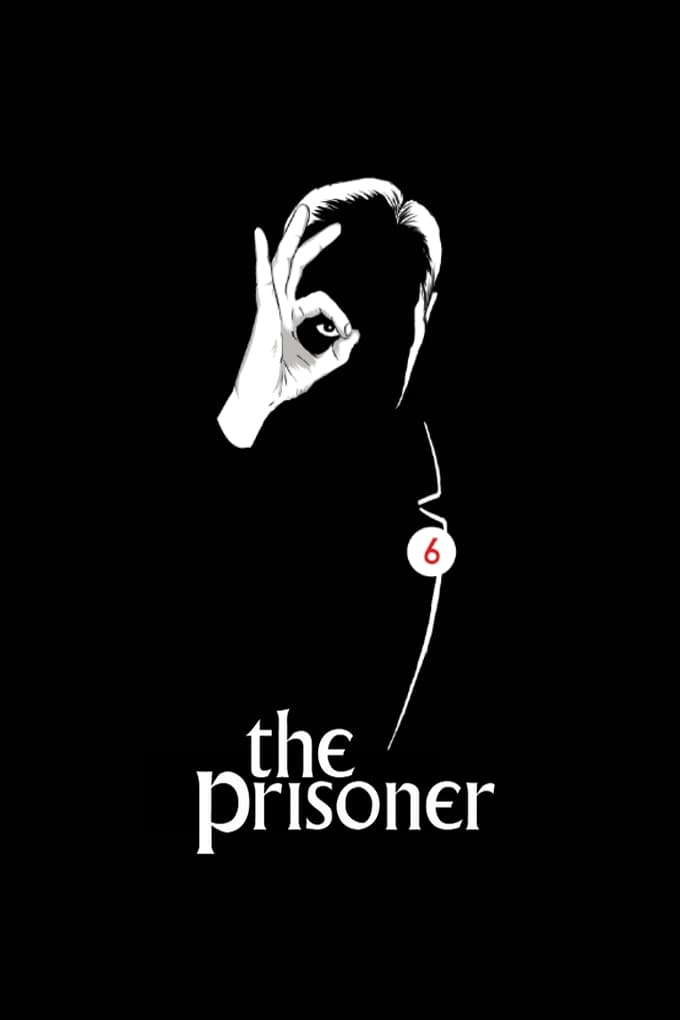
A former agent wakes in a coastal Village where residents are known by numbers. Escape attempts reveal rotating authority figures who use surveillance and public rituals to maintain control.
Broadcast order and intended narrative order differ, which changes the path to the finale. Symbols like Rover and penny farthing imagery identify the design of power behind cheerful surfaces.
‘Channel Zero’ (2016–2018)

Each season adapts a separate internet horror tale with its own world rules. One arc centers on a children’s show signal that only some viewers can see, while another follows a house that alters identity by consuming memories.
Themes repeat across seasons through props and patterns rather than characters. Doorways, puppets, and staircases map fears, and entry or exit depends on obeying story specific rules.
‘The Haunting of Hill House’ (2018)
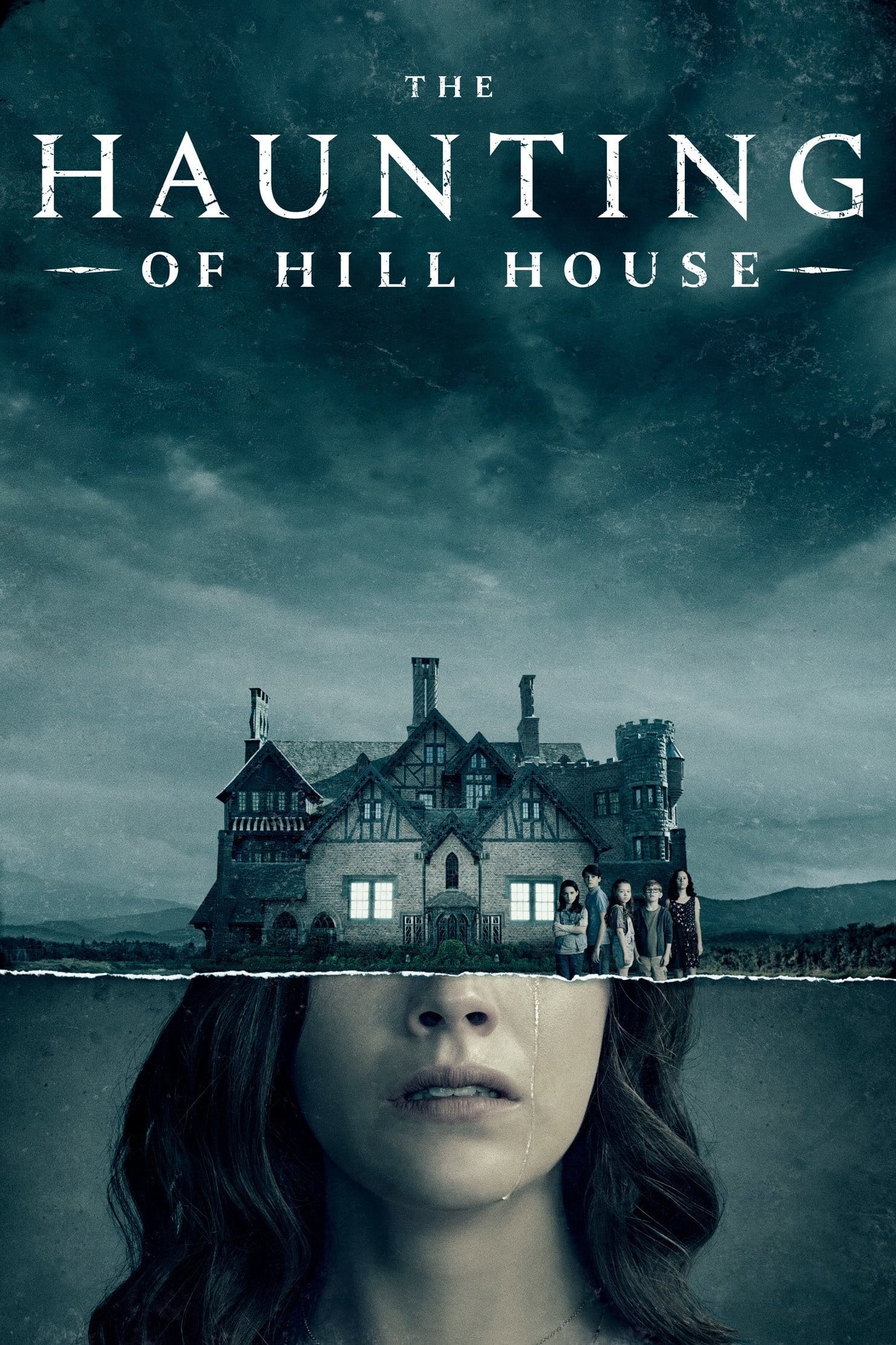
A family experiences hauntings that connect through a room that changes form based on who enters. Apparitions hide in frames and mirrors, turning background shapes into clues about who is watching.
A long take episode documents a night that breaks the family in ways later scenes explain. Recurring colors, a red door, and a final reveal align past and present inside the same architecture.
‘Utopia’ (2013–2014)
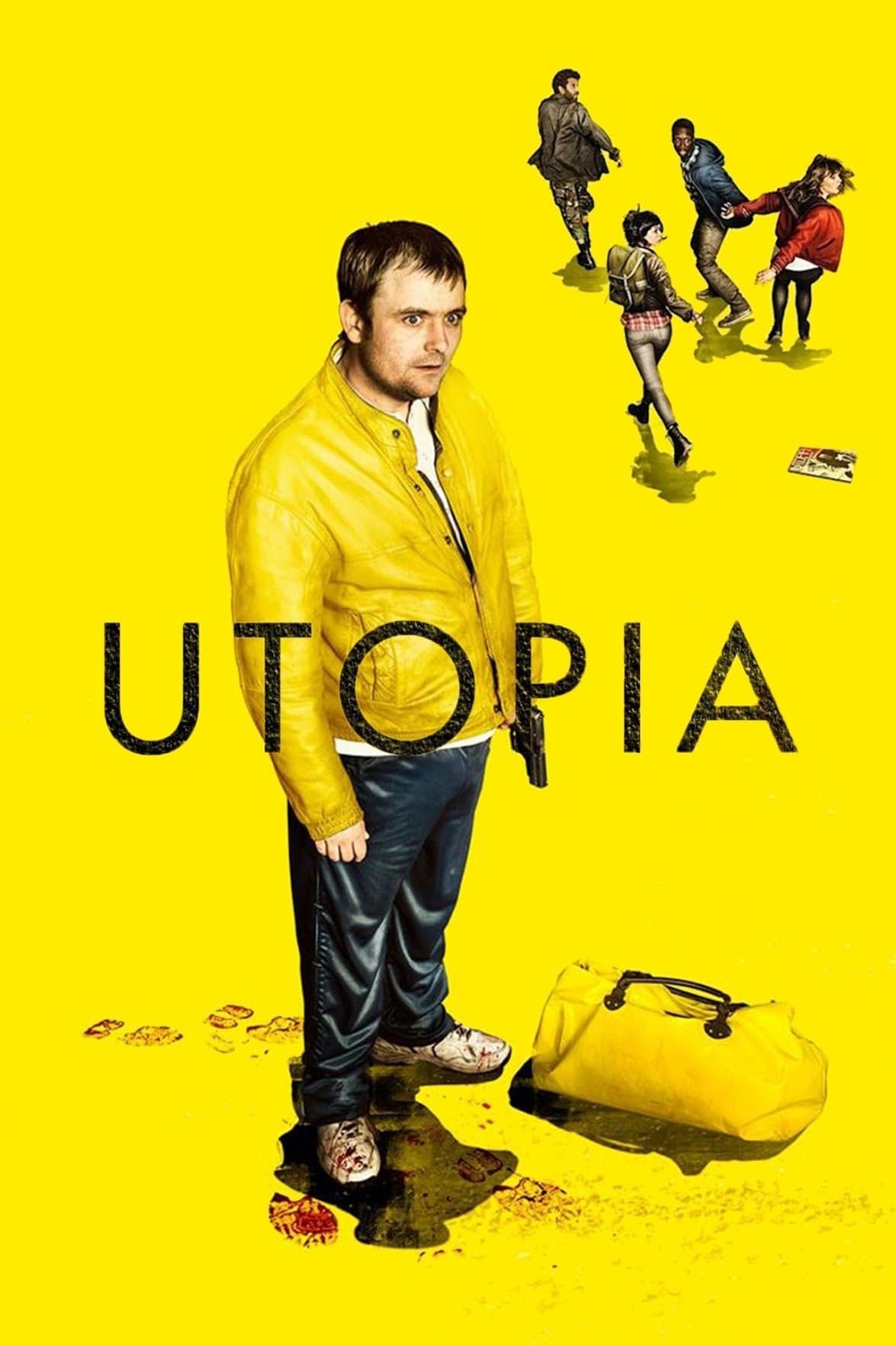
A manuscript predicts outbreaks and attracts a group that intends to use engineered events to control population. Fans who find pages are pulled into safe houses, assassinations, and research facilities.
Repeated lines and rituals trace back to training methods. Dossiers, codenames, and tests of loyalty show how operations run inside a closed system.
‘Homecoming’ (2018–2020)
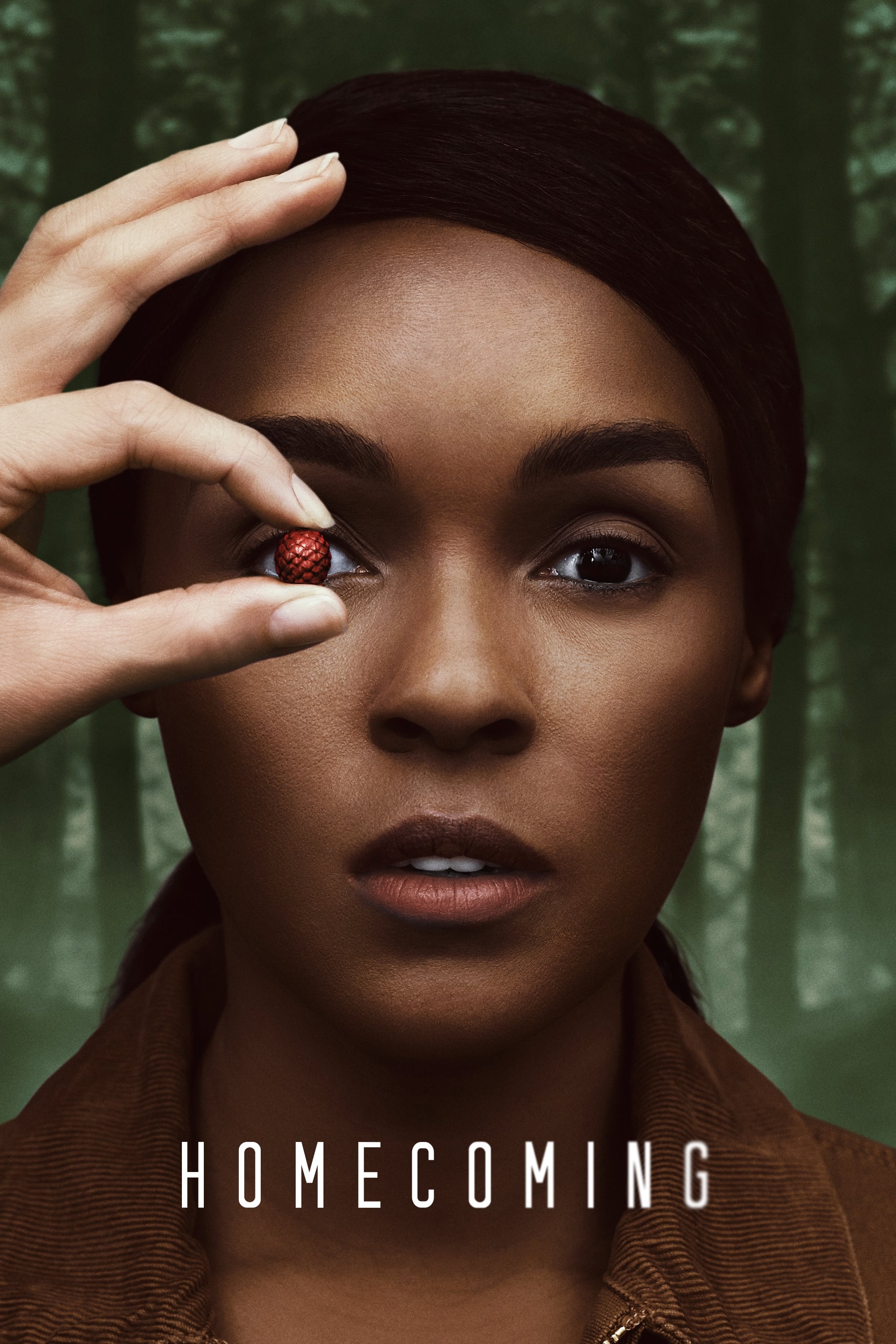
A counselor works at a program for soldiers while a corporate pilot studies memory modification. Aspect ratios and audio driven scenes mark different timelines and modes of awareness.
Contracts, dosage schedules, and meal logs expose how administrative routines change recall. Seasonal arcs revisit the same operation from different positions in the hierarchy.
‘Maniac’ (2018)
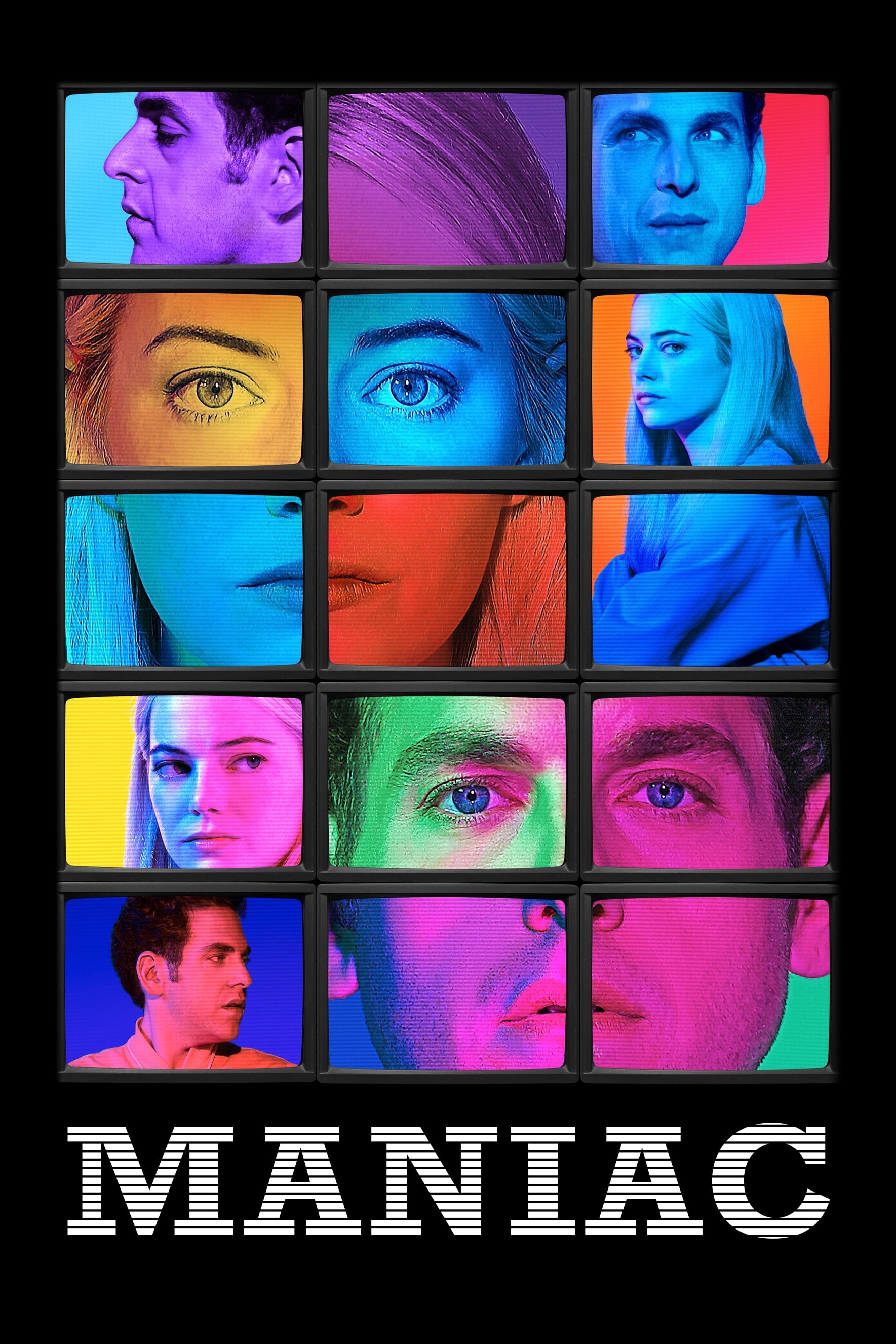
Two strangers join a drug trial that runs subjects through linked dreamscapes processed by a lab supercomputer. Doctors manage the sequence while handling their own entanglements.
Props and phrases migrate between fantasies and the lab to signal progress or drift. Pill stages alter behavior in predictable ways until the machine reacts to new information.
‘Counterpart’ (2017–2019)
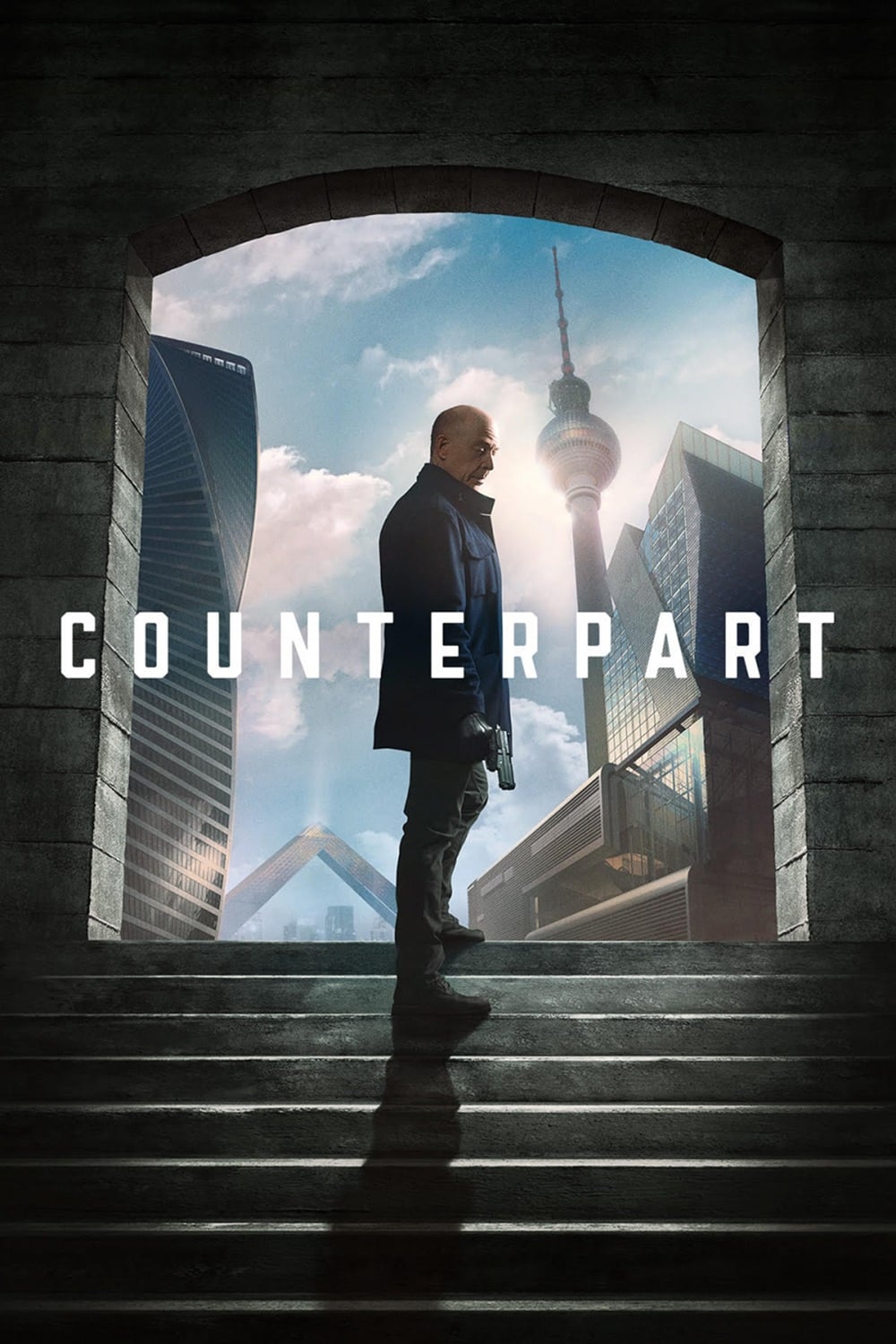
A Berlin office manages traffic between two near identical worlds that split after a scientific event. People have counterparts across the divide who cross to spy, defect, or replace.
Trade and travel follow strict protocols while a long operation tries to shift power. A flu with an unusual origin drives policy choices and redefines border control.
‘Fringe’ (2008–2013)
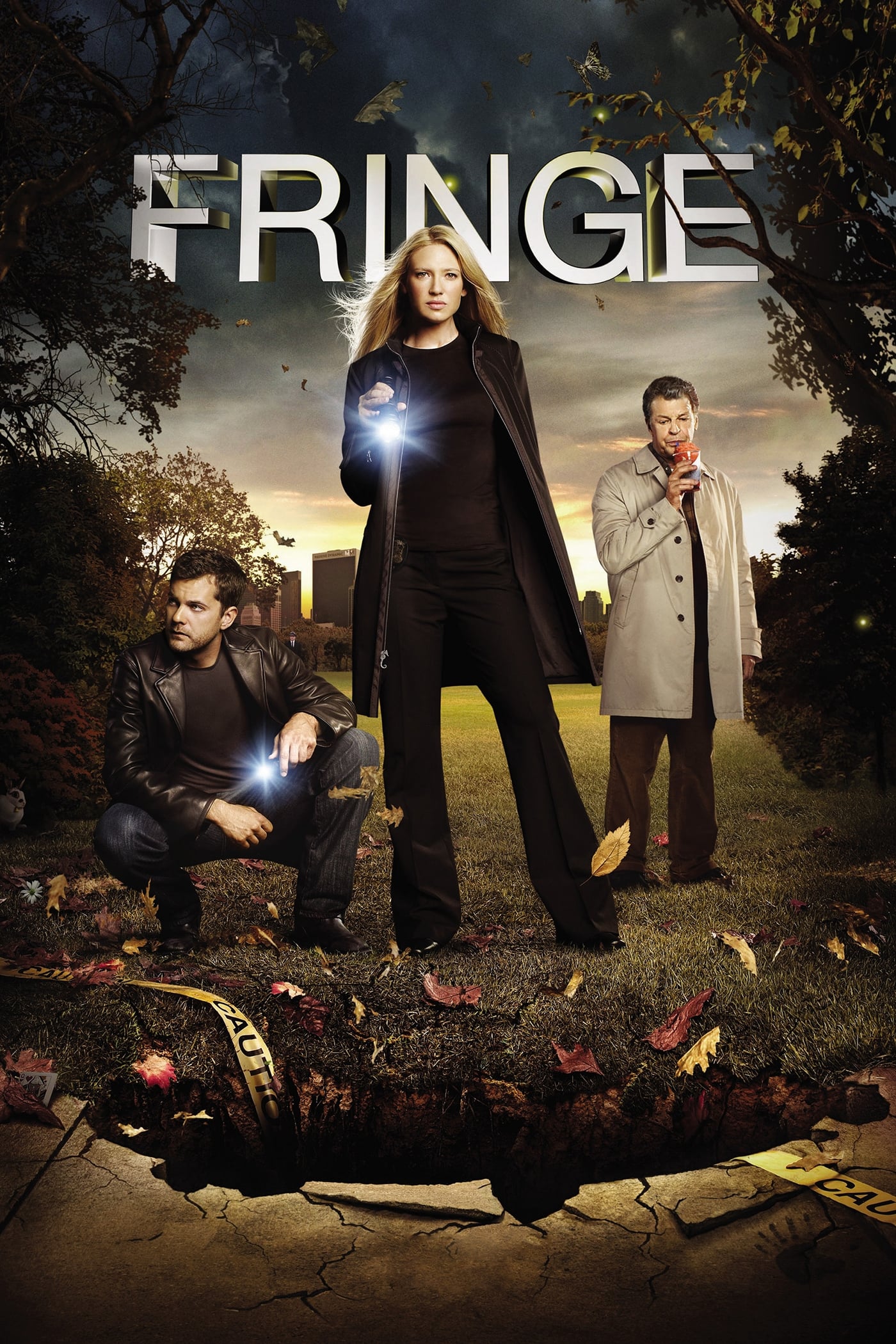
An FBI unit investigates cases that connect to a pair of scientists and a fractured family. Parallel universes contain distinct versions of cities and people, and observers appear at key moments.
Glyphs between act breaks hint at episode themes. A machine, amber barriers, and an early cortexiphan trial link arcs across seasons and explain later timeline shifts.
‘Devilman Crybaby’ (2018)
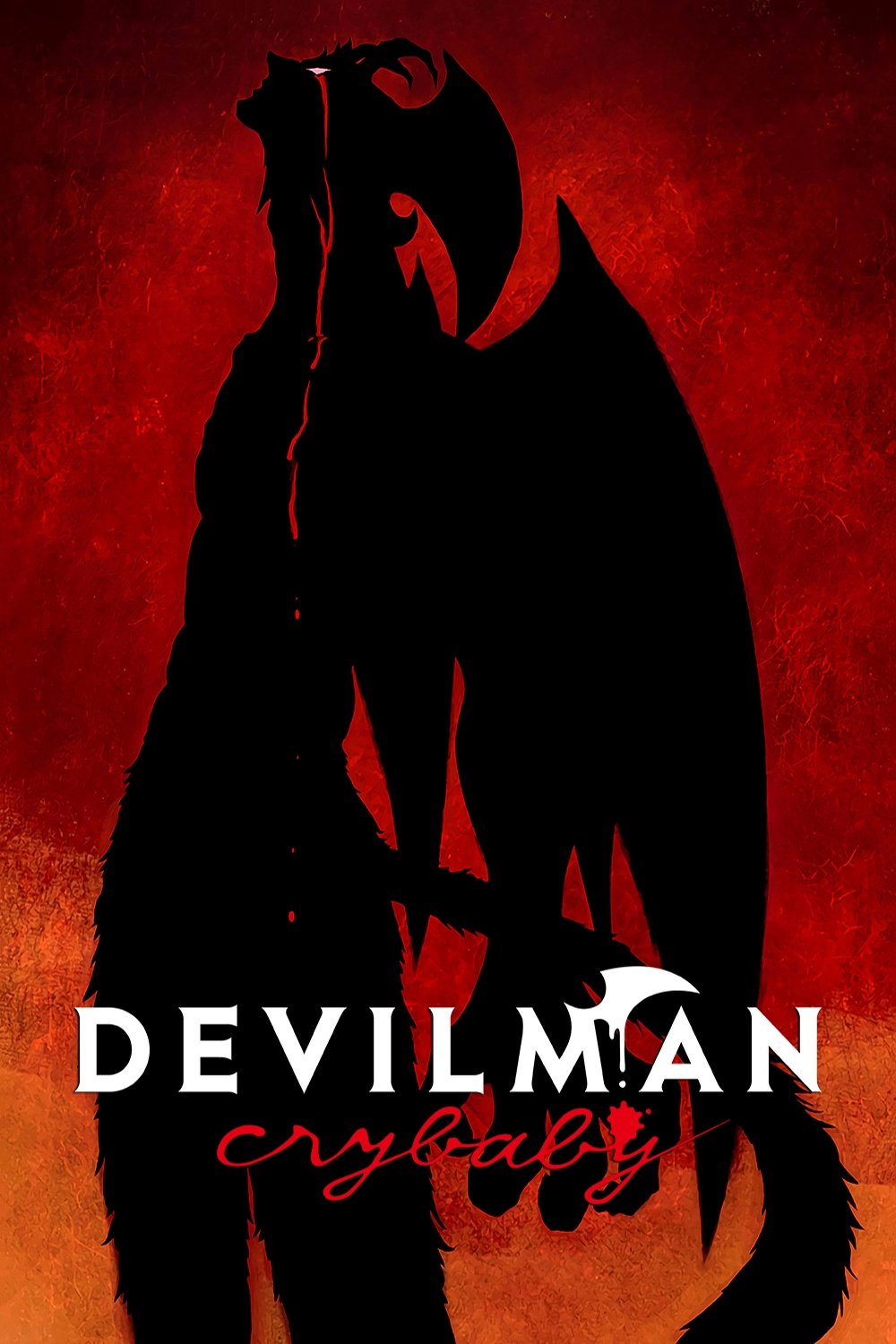
A sensitive runner merges with a demon and fights others that prey on humans under the guidance of a childhood friend. Transformations begin in underground gatherings and spread through rumor and media.
Running, recordings, and wings mark changes in identity and society. Public exposure accelerates collapse and ties private choices to global consequences.
‘The Good Place’ (2016–2020)
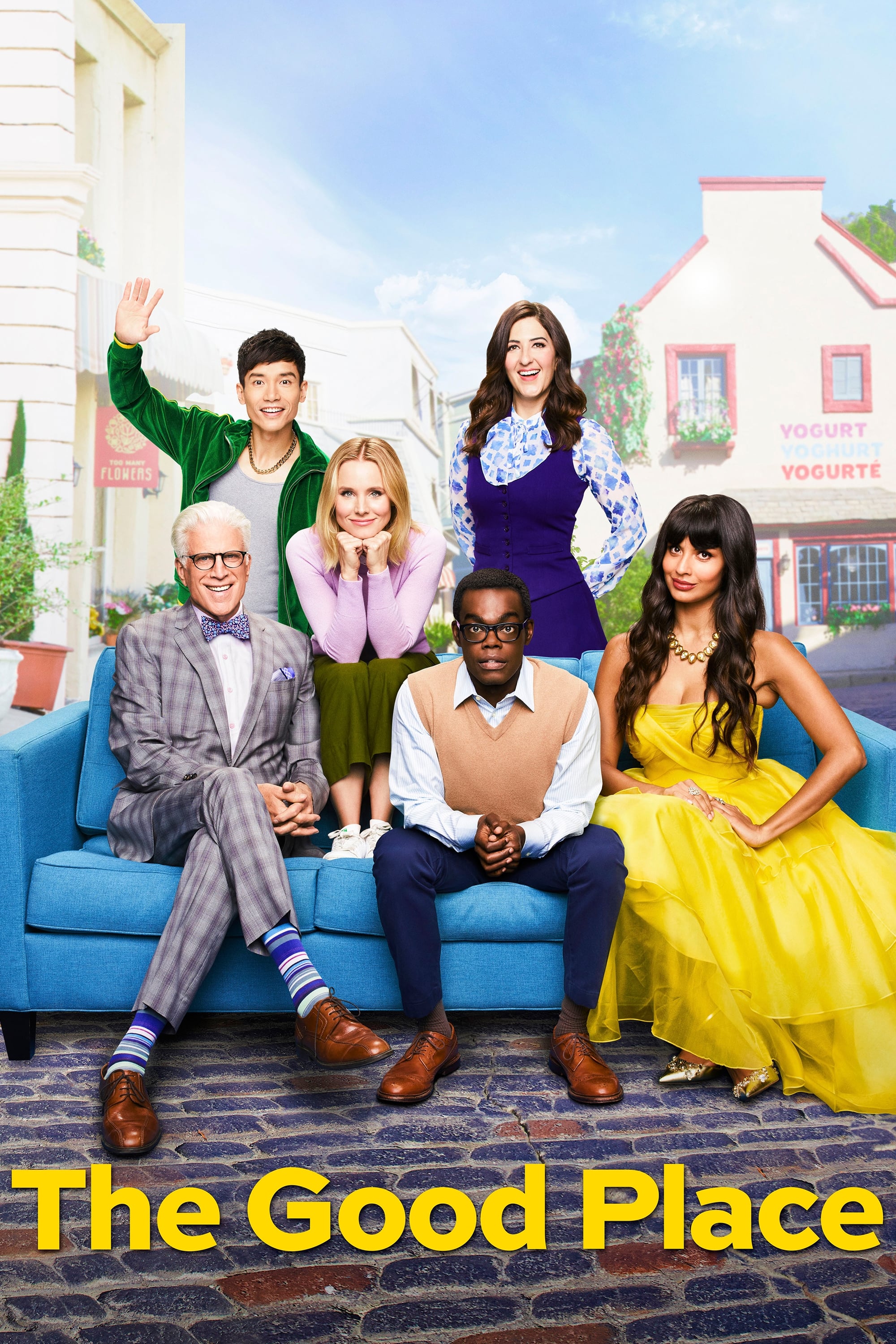
Four humans live in a model neighborhood of the afterlife run by an architect who resets memories to test how relationships change. A helper named Janet can generate objects and information on request while remaining neutral.
A judge oversees experiments that challenge a point based accounting system. The Jeremy Bearimy model explains how events occur out of ordinary sequence, and resets create clear checkpoints for tracking progress.
Share your own rewatch heavy favorites in the comments and tell us which episodes finally clicked for you on a second pass.