10 Underrated Donald Sutherland Movies You Must See


Donald Sutherland built a career on range and precision, moving from intimate dramas to sweeping epics with ease. Across five decades he worked with major directors on projects that did not always get broad attention yet showcase careful craft and memorable detail. This list gathers ten films that highlight that depth while staying focused on concrete information fans can use to seek them out.
Each entry notes Sutherland’s role, the filmmakers who shaped the production, and key context such as source material, locations, or awards. You will find adaptations of respected novels, ambitious international co productions, and character driven stories that reveal how consistently he anchored complex material.
‘Start the Revolution Without Me’ (1970)

This historical comedy pairs Donald Sutherland with Gene Wilder in a tale of lookalikes who become trapped in court intrigue during the French Revolution. It was directed by Bud Yorkin and written by Fred Freeman and Lawrence J Cohen, with period costumes and large scale set pieces that stage mistaken identity against real events in Paris.
The film blends swashbuckler tropes with farce and was photographed by cinematographer Burnett Guffey, a two time Academy Award winner. Production used European locations and studio work to recreate royal salons, prisons, and crowded streets that support the plot’s crossed identities and rising unrest.
‘The Day of the Locust’ (1975)
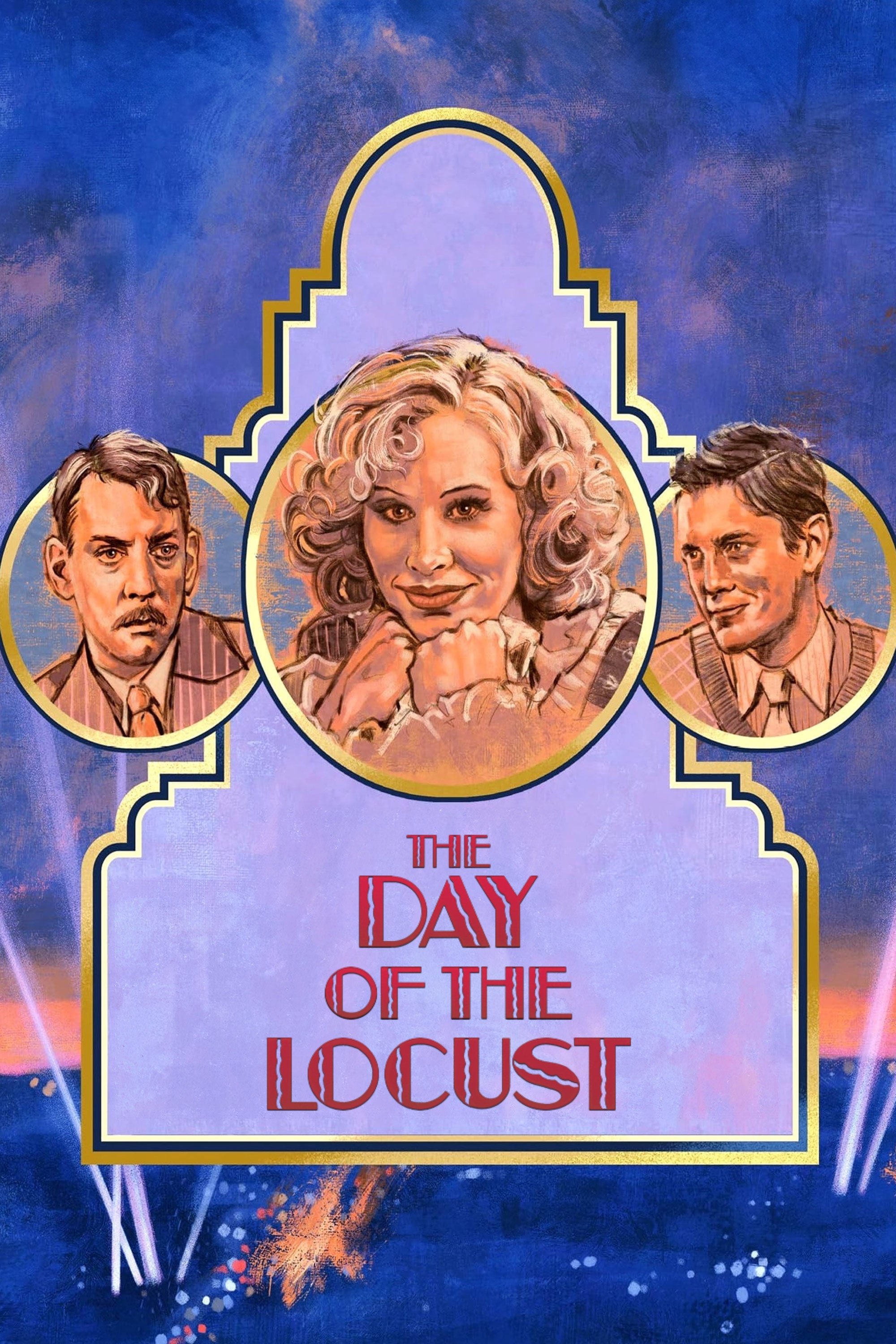
Donald Sutherland plays Homer Simpson in this adaptation of Nathanael West’s novel, directed by John Schlesinger. The story follows strivers and outsiders in 1930s Los Angeles, with Karen Black and William Atherton among the principal cast, and recreates studio backlots, rented rooms, and a grand premiere.
The production features cinematography by Conrad L Hall and a large crowd sequence that builds to a violent Hollywood riot. Set decoration and costume design reconstruct Depression era Hollywood culture, using period signage, marquees, and publicity stunts to mirror the industry’s spectacle and its undercurrents.
‘1900’ (1976)

Donald Sutherland portrays Attila in Bernardo Bertolucci’s rural Italian epic that tracks landowners and peasants across the first half of the twentieth century. The ensemble includes Robert De Niro and Gérard Depardieu, with large farm locations in Emilia Romagna anchoring scenes of labor, politics, and family life.
The film was released in multiple versions with running times that differed by territory. Music by Ennio Morricone and production design that spans decades of changing tools, uniforms, and banners mark the passage of historical movements that shape the characters’ fates.
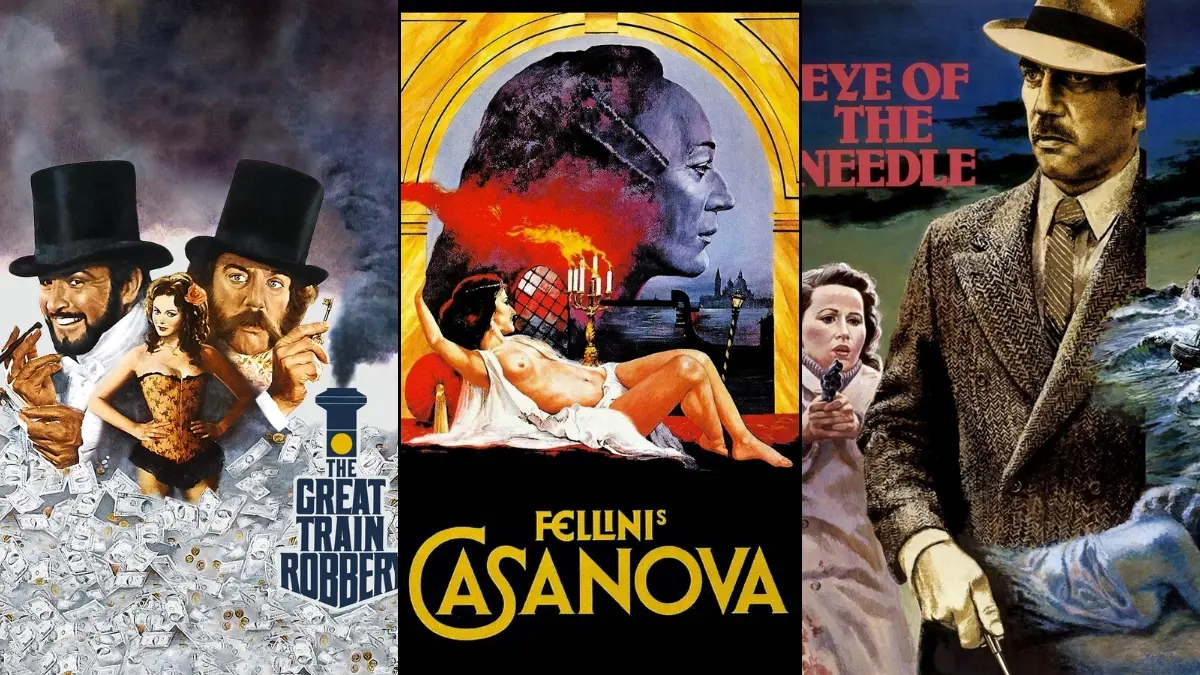
‘Fellini’s Casanova’ (1976)
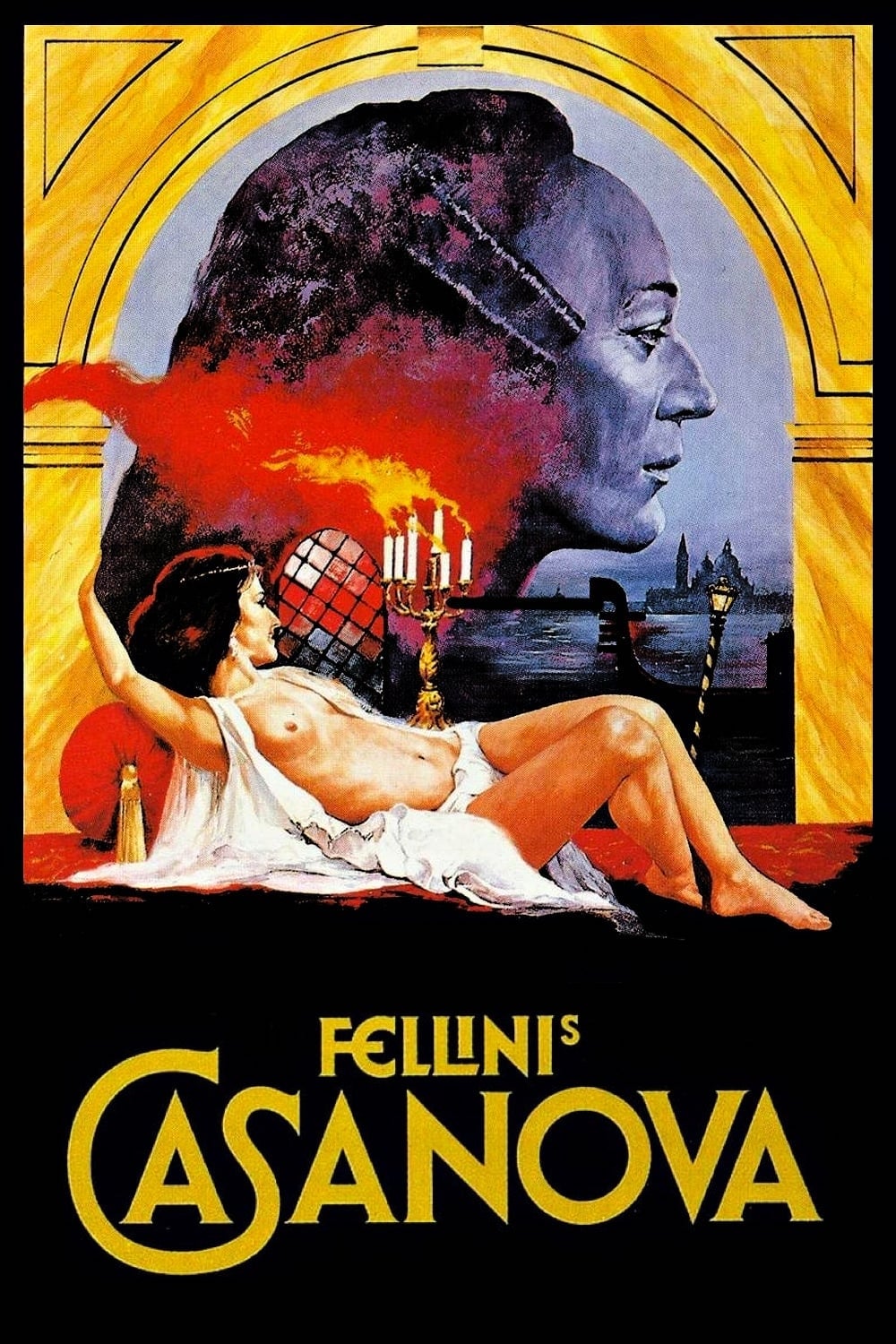
Donald Sutherland takes the role of Giacomo Casanova in a stylized vision directed by Federico Fellini. The production was mounted at Cinecittà with elaborate sets that present salons, carnivals, and courts across Europe, and it features a score by Nino Rota.
Costume and set designer Danilo Donati created intricate masks, wigs, and mechanical effects that support the film’s theatrical approach. The work received major recognition for costume design and showcases extensive makeup techniques that transform Sutherland for the title role.
‘The Disappearance’ (1977)
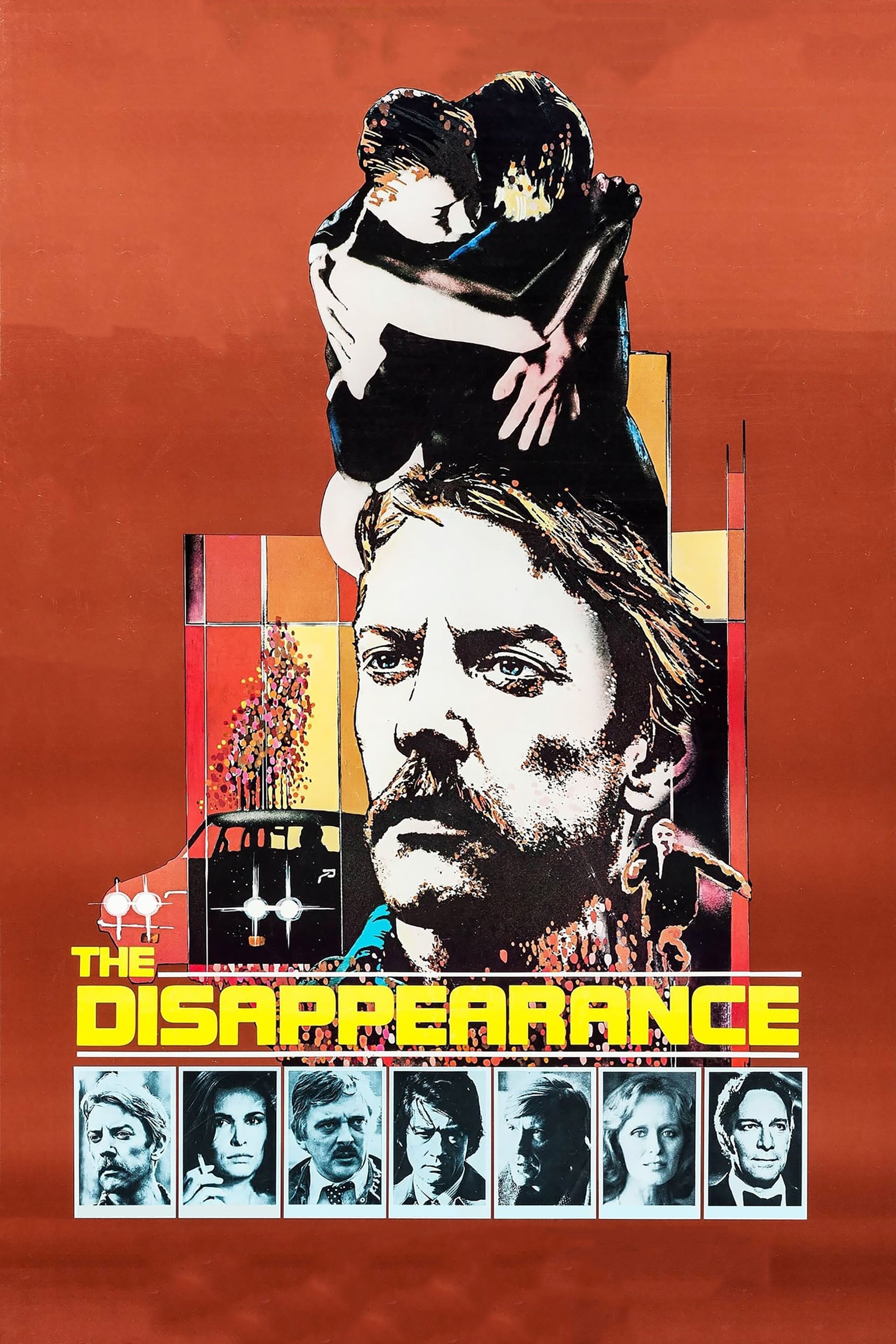
Donald Sutherland leads this thriller as a professional assassin whose wife vanishes under mysterious circumstances. Directed by Stuart Cooper, the film uses locations in Montreal and London to frame an investigation that turns his character’s skills inward.
The title exists in several cuts, including a producer recut issued for different markets. Actors Francine Racette and David Hemmings appear in key roles, and the alternate edits change scene order and tone, making the film notable among collectors and restoration projects.
‘The First Great Train Robbery’ (1978)
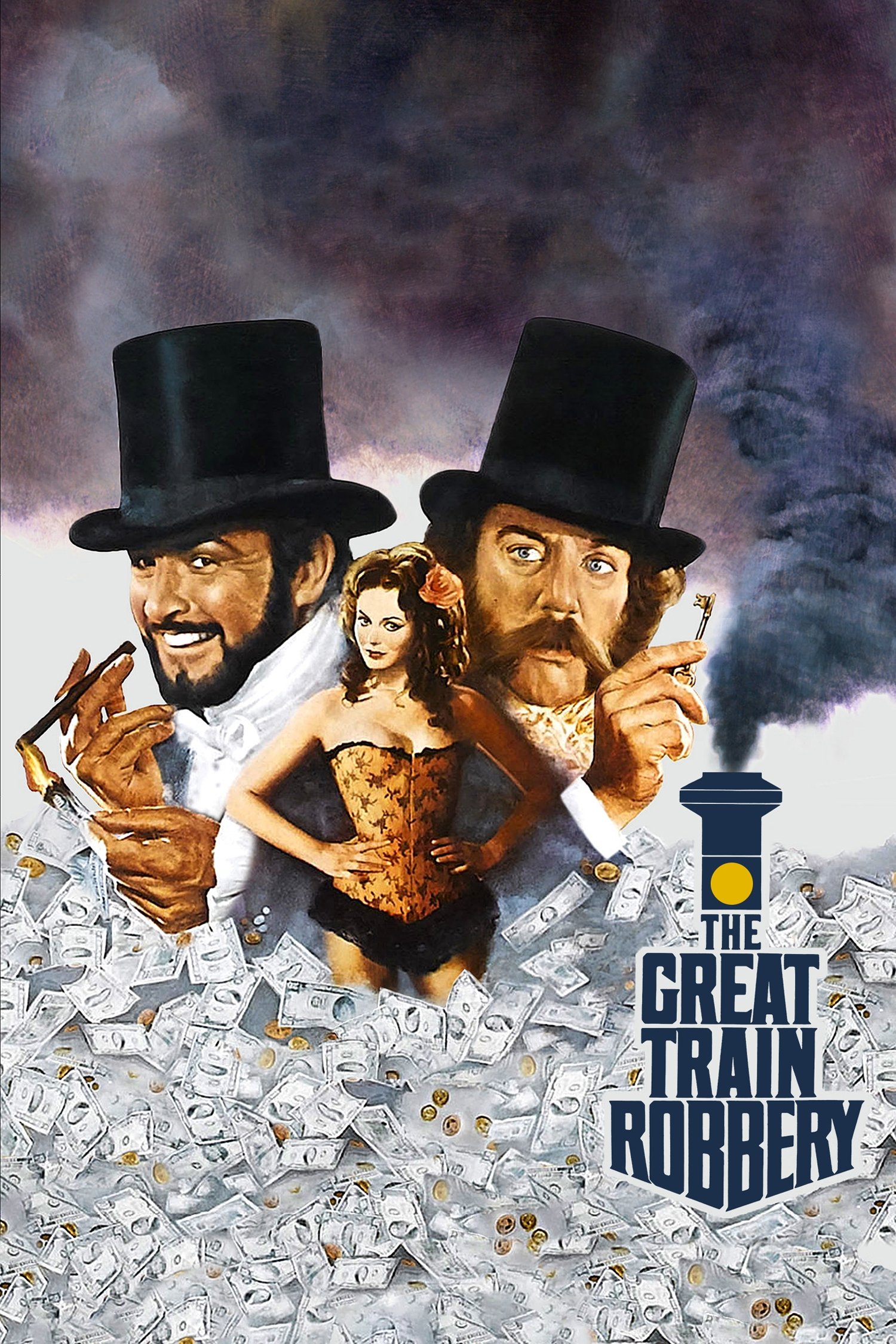
Based on Michael Crichton’s novel, this period heist was written and directed by Crichton and set in Victorian England. Donald Sutherland plays Robert Agar alongside Sean Connery and Lesley Anne Down as a team that plans a gold theft from a moving train.
Production emphasizes practical stunts on historic rolling stock and period streets, with attention to safe cracking methods, key duplication, and railway schedules. The film details multiple security layers and shows how the crew rehearses timing, disguises, and access to the safes in the guard’s van.
‘Threshold’ (1981)

This Canadian medical drama follows a pioneering artificial heart procedure with Donald Sutherland as a senior cardiac surgeon. The film was directed by Richard Pearce and features Jeff Goldblum as an engineer whose device pushes the clinical team to evaluate risk and readiness.
The production won Genie Awards, including Best Actor for Sutherland, and uses hospital settings and operating room detail to depict patient selection, device testing, and surgical protocols. Location work and a restrained score keep focus on staff dynamics, ethics committees, and the steps required to authorize first in human use.
‘Eye of the Needle’ (1981)
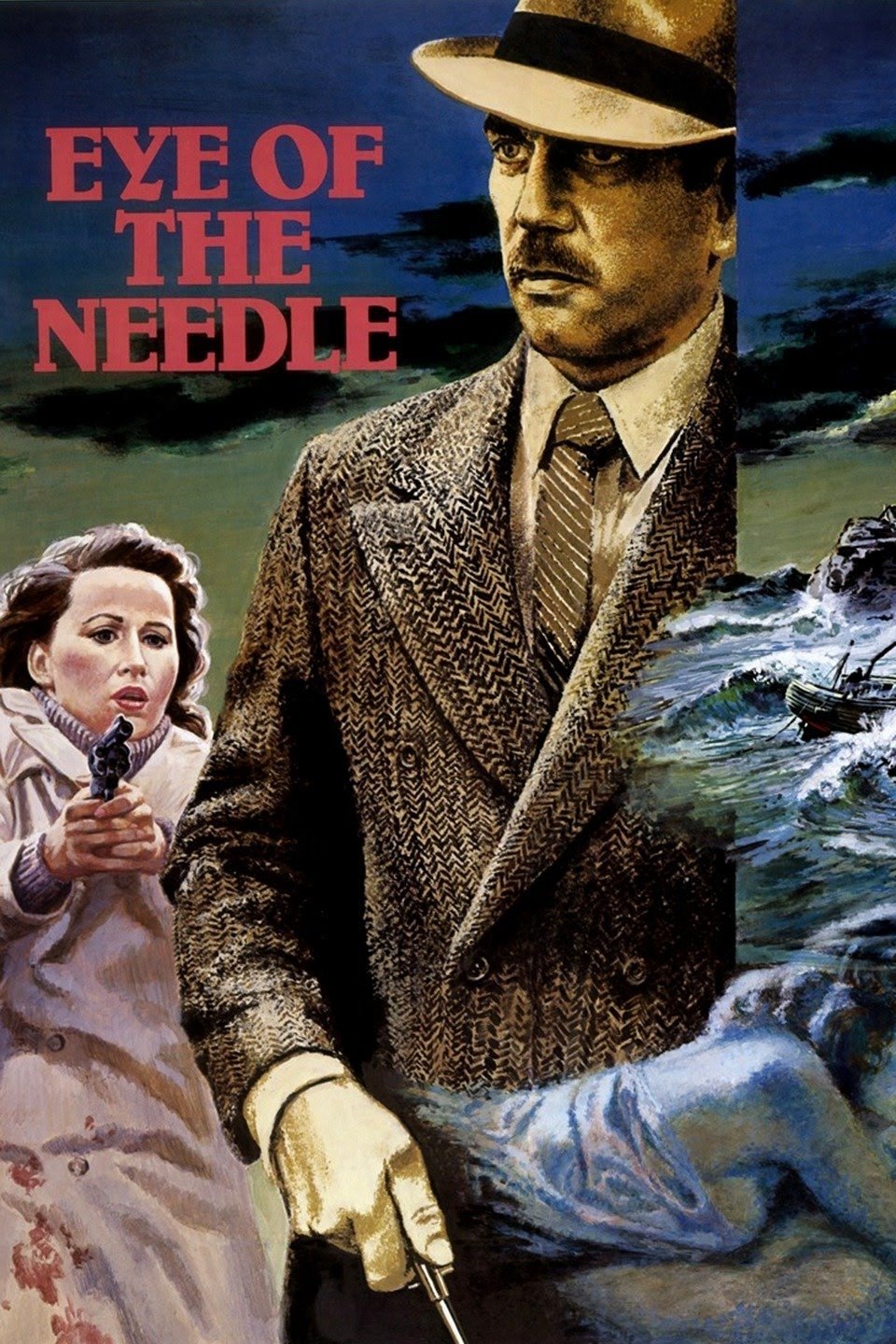
Donald Sutherland stars as Henry Faber, a German agent who discovers Allied deception plans while moving through Britain during the Second World War. The film was directed by Richard Marquand and adapted from Ken Follett’s novel, with Kate Nelligan in a central role.
Location shooting includes a remote Scottish island where weather and isolation affect both characters and communication. The story tracks counterintelligence tactics, radio procedures, and maritime travel, while wartime camouflage and false troop movements form the backdrop for the plot’s turning point.
‘Bethune: The Making of a Hero’ (1993)
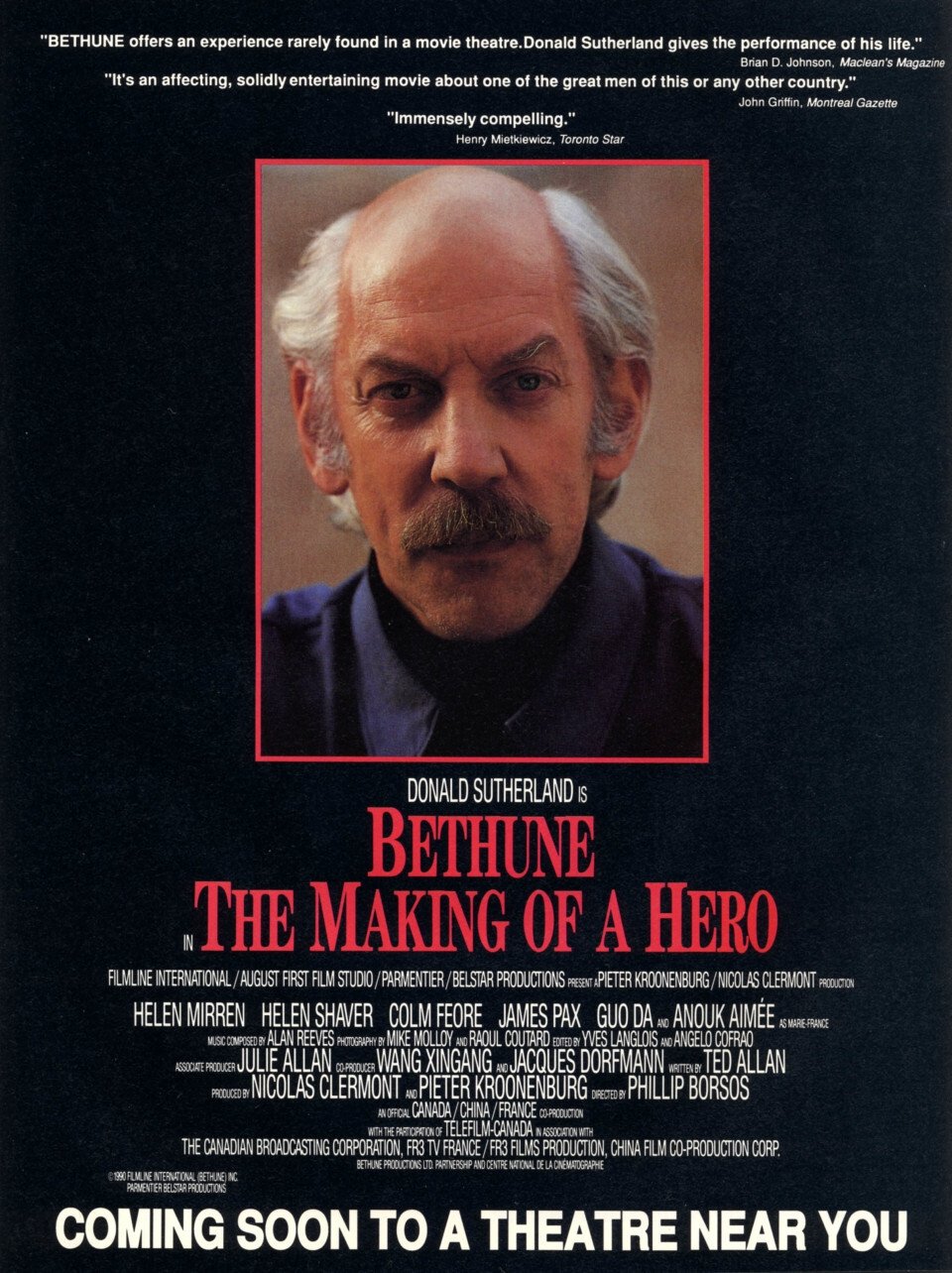
Donald Sutherland plays Canadian surgeon Norman Bethune in a biographical drama directed by Phillip Borsos. The narrative covers Bethune’s medical service in Spain and China, along with the development of mobile blood transfusion units and field surgery.
The film was an international co production with sequences shot in China and Canada. It details hospital logistics, battlefield triage, and the logistics of moving supplies across rural terrain, placing Bethune’s innovations within the realities of war and public health.
‘Without Limits’ (1998)
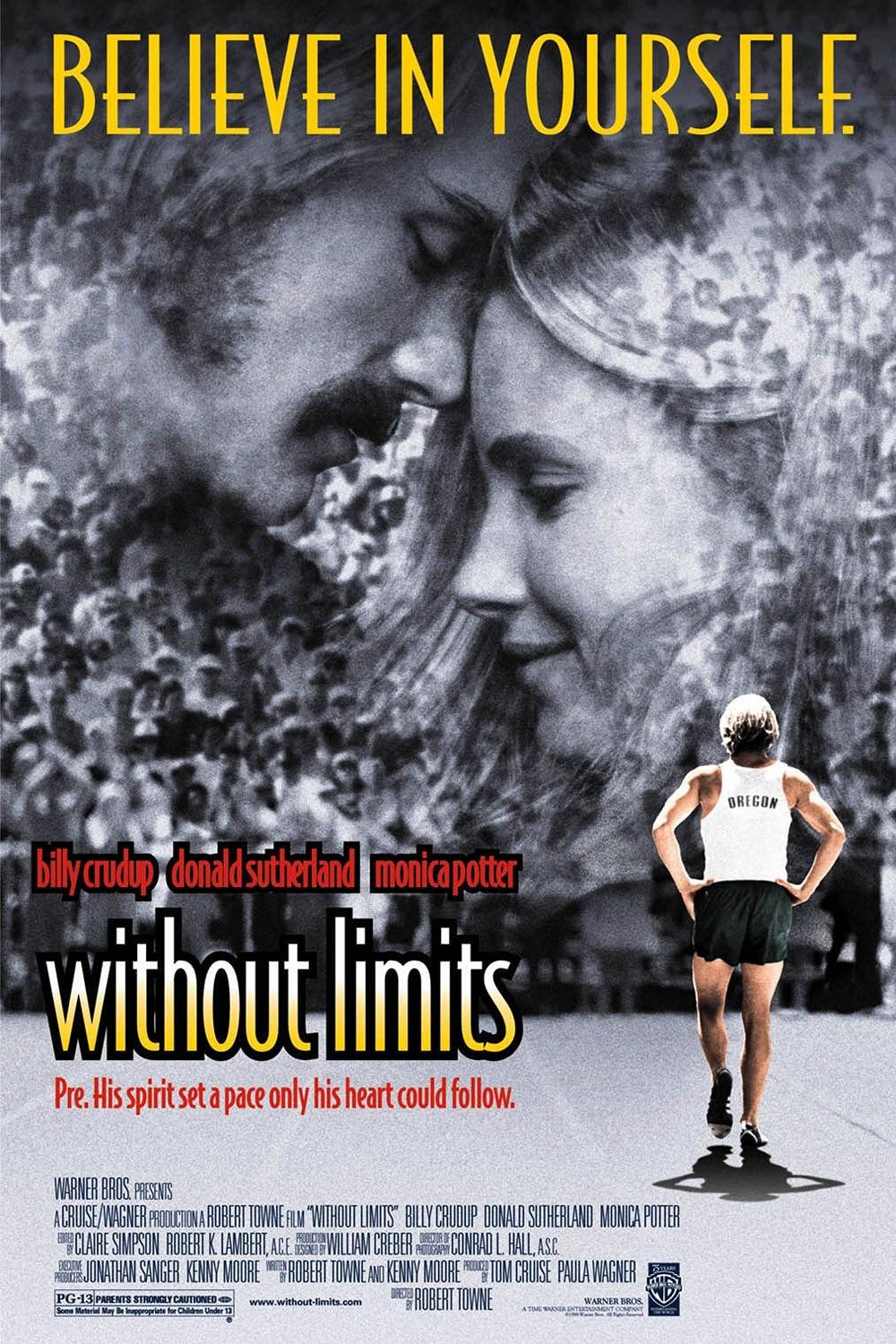
Donald Sutherland portrays coach Bill Bowerman in this account of American distance runner Steve Prefontaine. Directed by Robert Towne, the film stars Billy Crudup and follows collegiate training at the University of Oregon and races in national and international competition.
Production filmed at Hayward Field and recreates uniforms, footwear, and meet logistics from the era. The script includes the formation of a running shoe company associated with Bowerman, and it depicts coaching methods, pacing strategies, and the athlete’s interactions with governing bodies.
Share the titles you would add to this list in the comments so other readers can compare notes on their favorite underseen Donald Sutherland films.