1990s Sci-Fi Movies that Aged Incredibly Well


The 1990s packed theaters with stories about virtual worlds, genetic engineering, alien contact, and time travel, and the decade also changed how those stories looked and sounded on screen. Practical creature work and miniatures met digital tools in new ways, animation mixed techniques, and filmmakers pushed camera rigs and choreography to capture ideas that had not been shown at scale before. Studios backed original concepts alongside adaptations of novels, manga, and television, and the results still circulate widely on streaming and at repertory screenings.
This list gathers films from across that wave, covering big franchise entries and one off visions from directors and animation studios. You will find details on creators, casts, production methods, and legacies, along with notes on where the technology and design came from and where it went next. Every pick is a feature film from the decade and each entry focuses on information you can use to explore further.
‘The Matrix’ (1999)
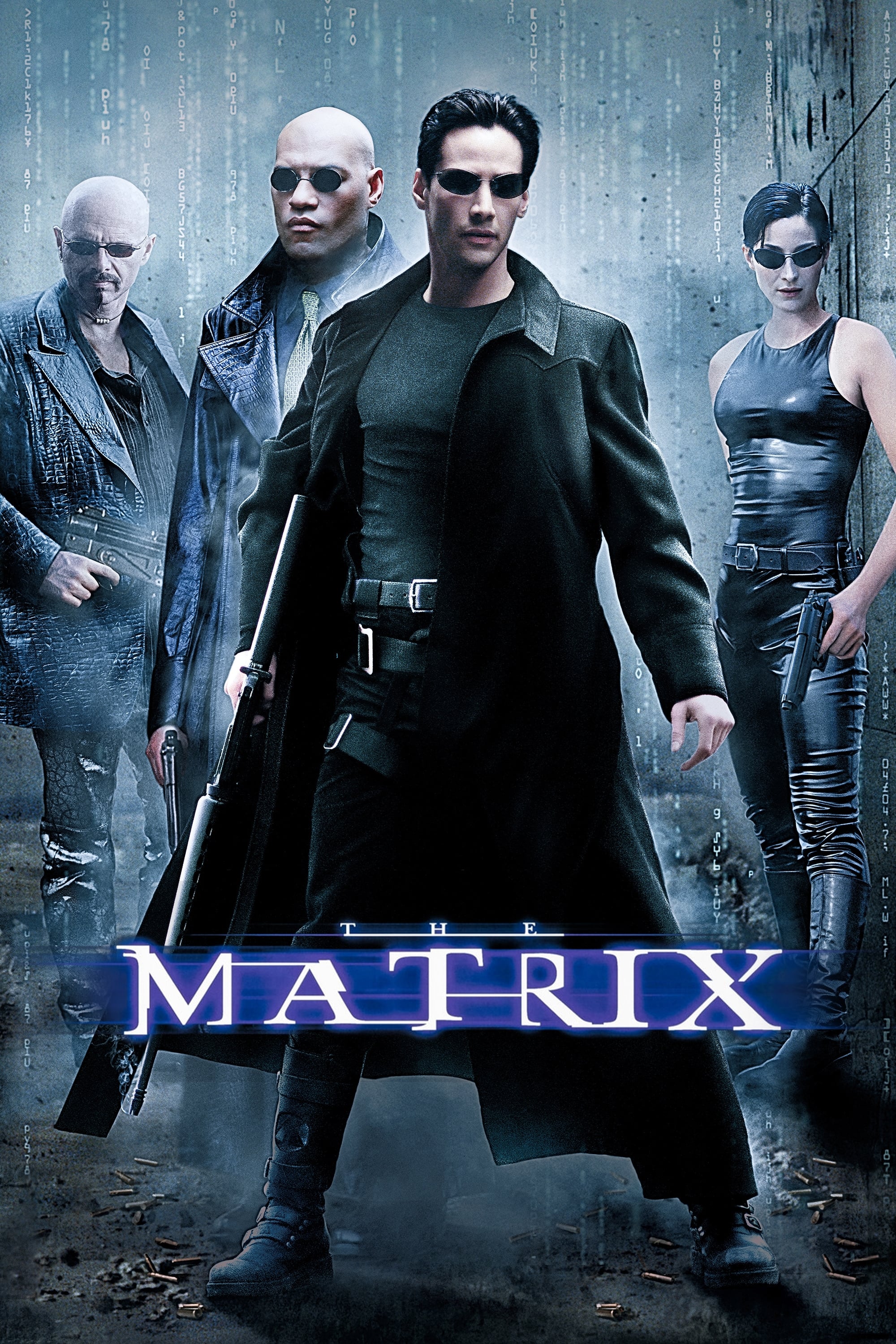
Lana and Lilly Wachowski wrote and directed a cyberpunk action story about hackers who discover that everyday reality is a simulated system controlled by machines. Keanu Reeves leads the cast with Laurence Fishburne and Carrie Anne Moss, and Hong Kong fight choreographer Yuen Woo-ping designed wire assisted combat that paired with Bill Pope’s camera work.
The production team built the bullet time effect with multi camera arrays and interpolation supervised by VFX lead John Gaeta, and the sound and editorial teams shaped the action into a clean track layout that helped it travel worldwide. The film’s success led to two direct sequels, a later follow up, and the anthology project ‘The Animatrix’, along with games and an ongoing academic and design footprint.
‘Terminator 2: Judgment Day’ (1991)
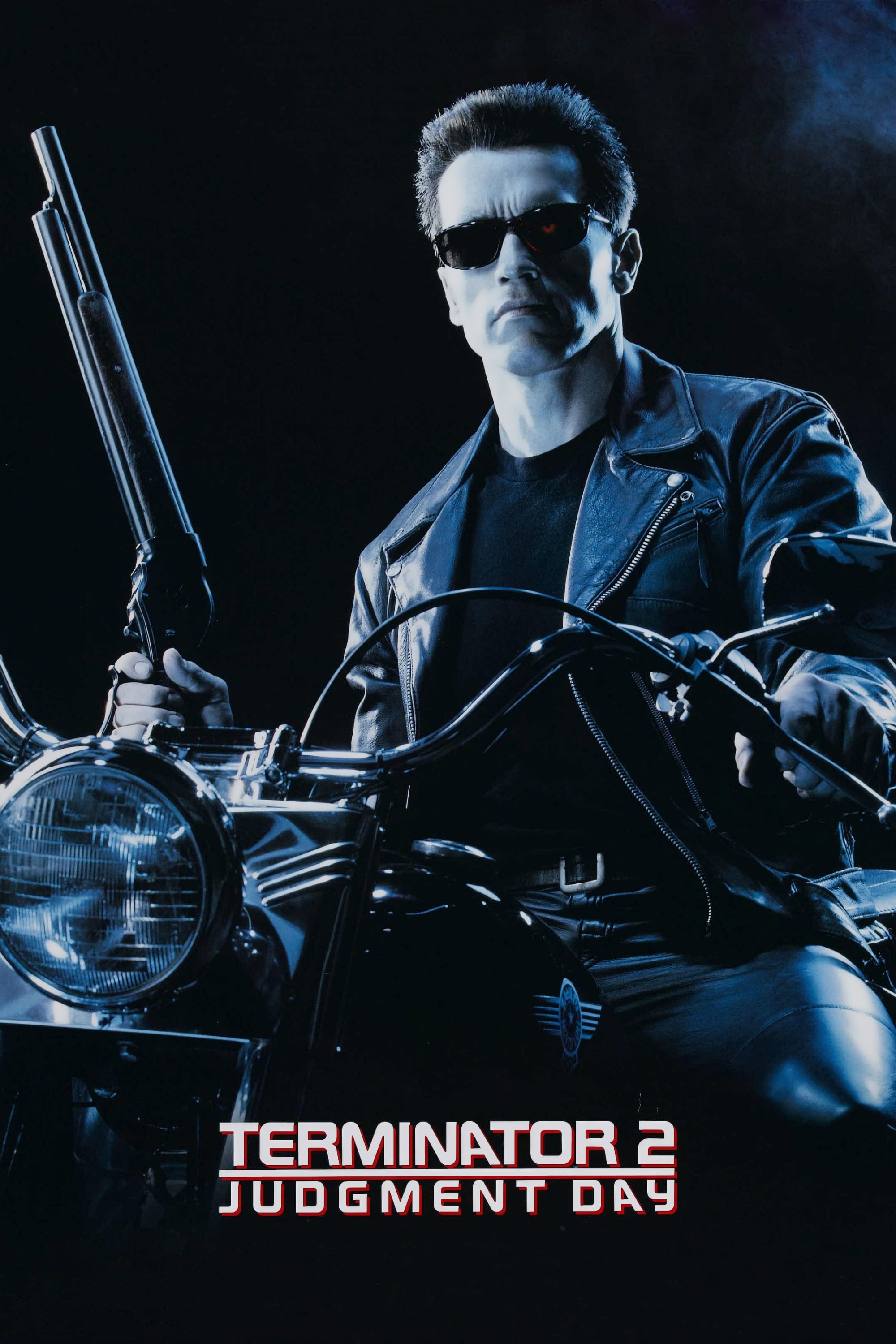
James Cameron expanded the ‘Terminator’ storyline with Arnold Schwarzenegger and Linda Hamilton returning and Robert Patrick joining as the shape shifting T-1000. The script advanced the series mythology while staging large scale freeway chases and set piece explosions that relied on carefully planned stunts and pyrotechnics.
Industrial Light & Magic created liquid metal transformations with then new digital techniques that sat alongside animatronics and full scale effects. The production used VistaVision plate photography and meticulous matchmoving so the digital character could interact with practical elements, and the film earned multiple awards across visual effects, makeup, and sound categories.
‘Jurassic Park’ (1993)

Steven Spielberg adapted the Michael Crichton novel about a theme park that revives dinosaurs through genetic engineering. Industrial Light & Magic delivered computer generated dinosaurs while Stan Winston’s team built full size animatronic creatures and articulated heads, and the two approaches were blended shot by shot to maintain scale and weight.
Gary Rydstrom’s sound team layered animal recordings to create new vocal signatures, and editor Michael Kahn balanced suspense with clear action geography. The production also pushed digital compositing pipelines and influenced a long running franchise that includes sequels, games, and themed attractions.
‘Gattaca’ (1997)

Andrew Niccol wrote and directed a story about social stratification built around genetic profiling, with Ethan Hawke, Uma Thurman, and Jude Law in the lead roles. The narrative uses clean production design and typography to mirror its focus on selection, identity, and access to opportunity.
Jan Roelfs oversaw production design and Michael Nyman composed the score, and the film earned recognition for art direction at major awards. The project has been used in classrooms and policy discussions about screening and privacy, and it remains a frequent reference in conversations about bioethics and workplace testing.
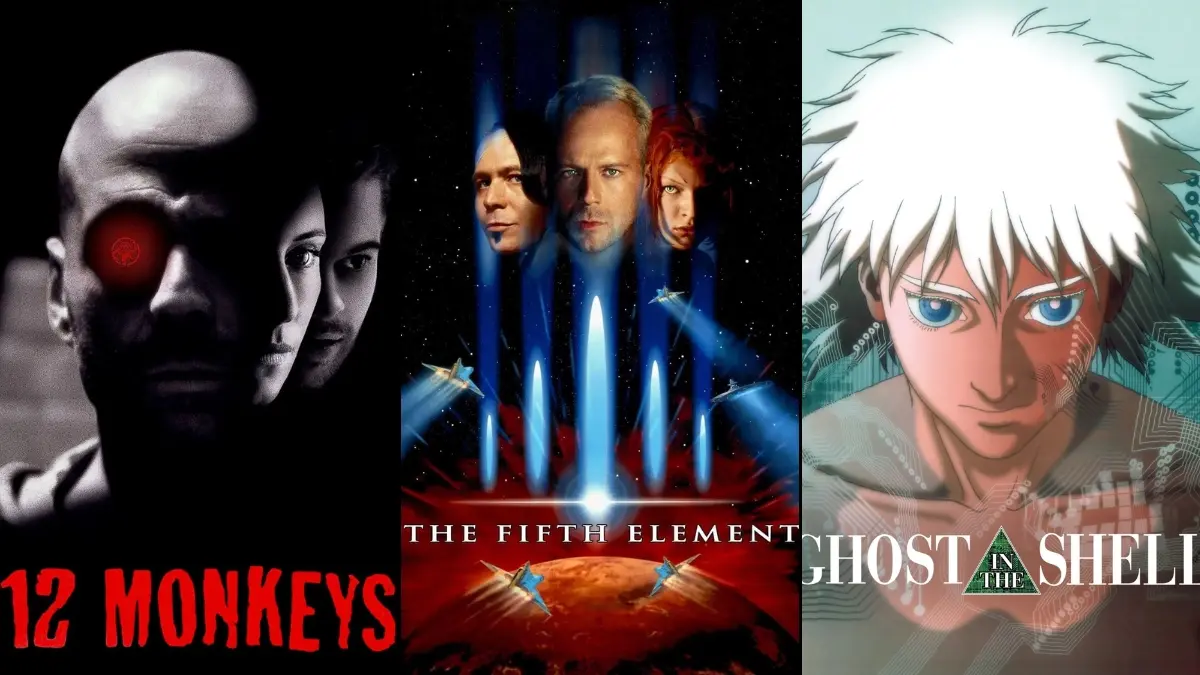
‘The Fifth Element’ (1997)
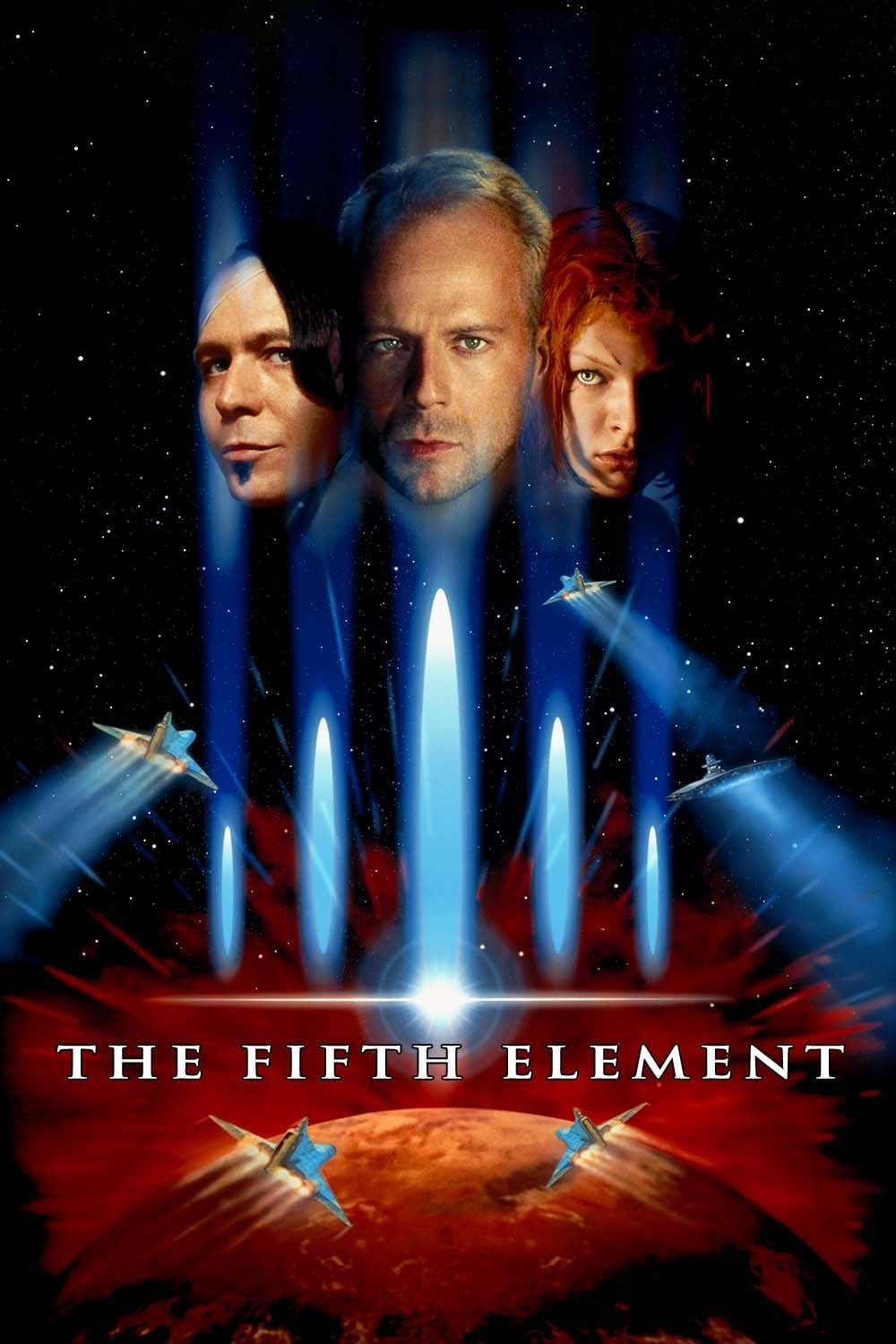
Luc Besson staged a spacefaring adventure featuring Bruce Willis, Milla Jovovich, and Gary Oldman with an ensemble of performers and designers from Europe and the United States. Concept art from Jean Giraud Moebius and Jean-Claude Mézières shaped vehicles and cityscapes, and Jean Paul Gaultier designed the costumes.
Practical miniatures, motion control photography, and digital enhancements carried the flying traffic sequences and large environments. The soundtrack by Éric Serra mixed electronic textures with orchestral writing, and the film’s imagery continues to appear in fashion editorials, advertising, and music videos.
‘Dark City’ (1998)
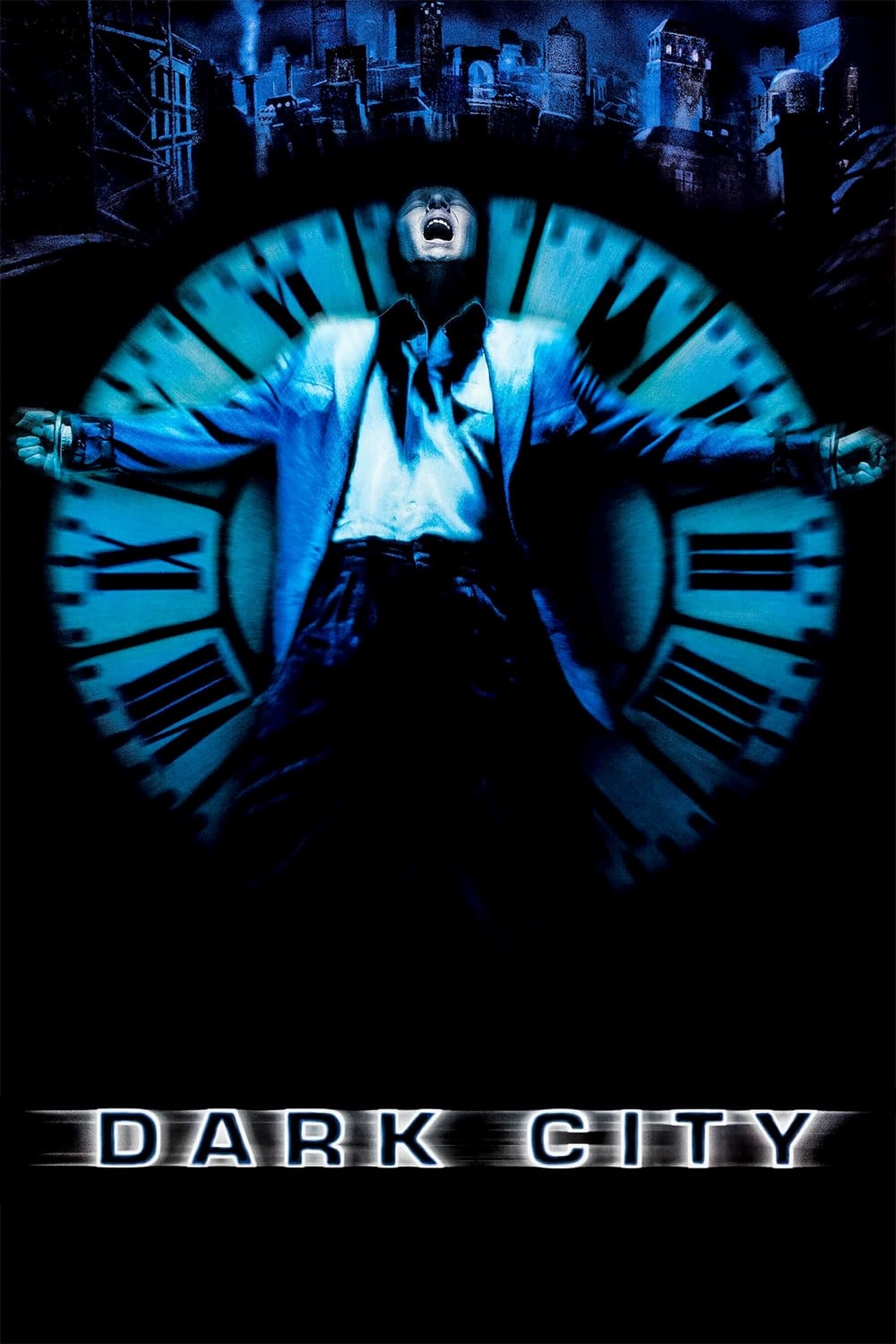
Alex Proyas directed a noir inflected science fiction mystery with Rufus Sewell, Jennifer Connelly, and Kiefer Sutherland. The plot centers on a city that resets and shifts under the control of powerful beings, and the film uses in camera tricks, miniatures, and stylized sets to create a compact world.
A later director’s cut adjusted the opening and restored narrative beats, and home media releases document the changes in commentary tracks and featurettes. The production influenced later depictions of manipulated memory and fabricated environments and is often discussed alongside films that explore constructed realities.
‘Starship Troopers’ (1997)
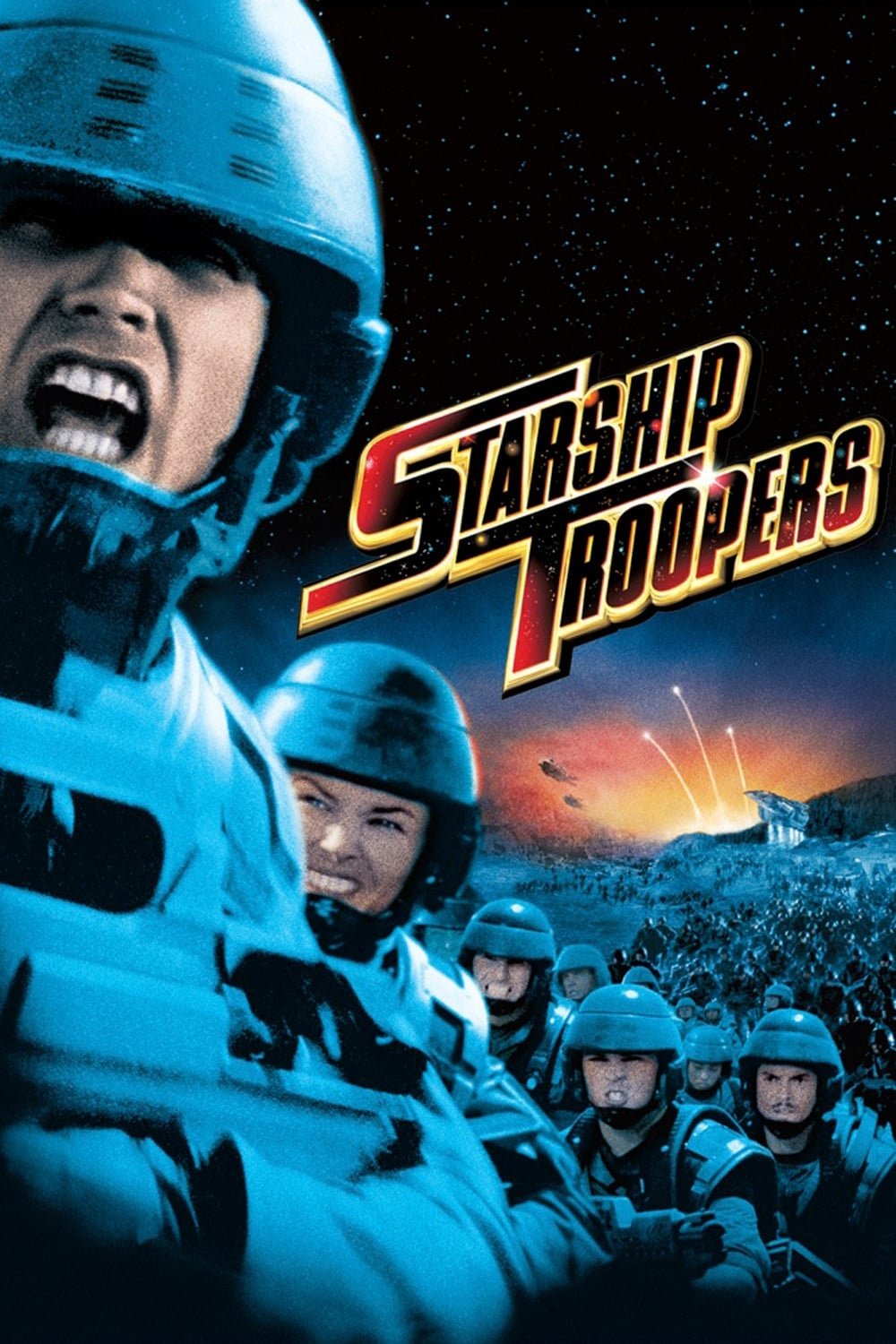
Paul Verhoeven adapted the Robert A Heinlein novel with Casper Van Dien, Dina Meyer, Denise Richards, Neil Patrick Harris, and Michael Ironside. The story follows recruits from training through planetary battles, and the shoot coordinated large location units with pyrotechnics and armored vehicle builds.
Tippett Studio and Sony Pictures Imageworks created swarming alien creatures and blended them with practical elements using precise eyeline and timing marks. The film received recognition for visual effects at major awards and later expanded into animated projects and live action follow ups that continued the setting and designs.
‘Men in Black’ (1997)
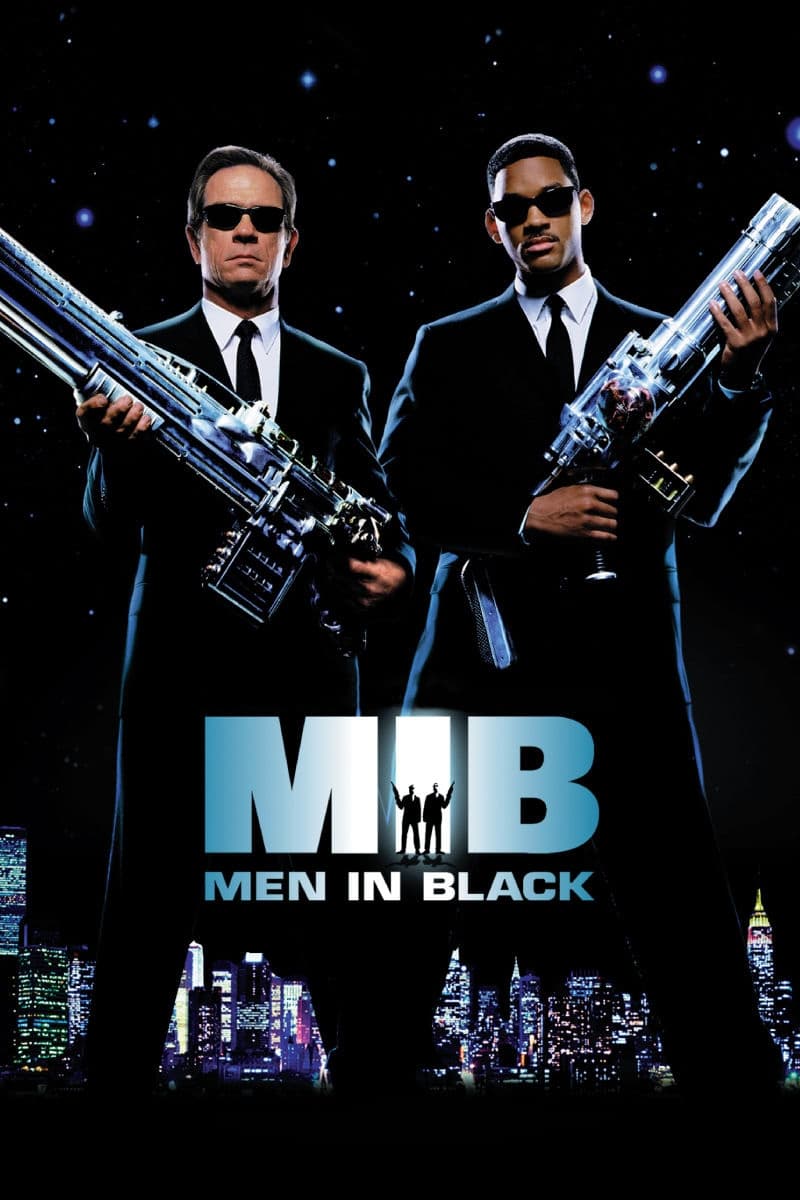
Barry Sonnenfeld directed a comedy adventure about a secret organization that monitors extraterrestrial life on Earth, with Will Smith and Tommy Lee Jones as the lead agents. The production used a mix of prosthetics, puppetry, and digital work to present a wide range of alien characters, and Vincent D’Onofrio’s physical performance anchored an unusual antagonist.
Rick Baker’s makeup team received top recognition for creature work, and the film’s box office led to sequels and an animated series. The prop design and black suit silhouette became a recognizable part of late century pop culture, and the soundtrack helped introduce the concept to a broad audience.
‘Twelve Monkeys’ (1995)
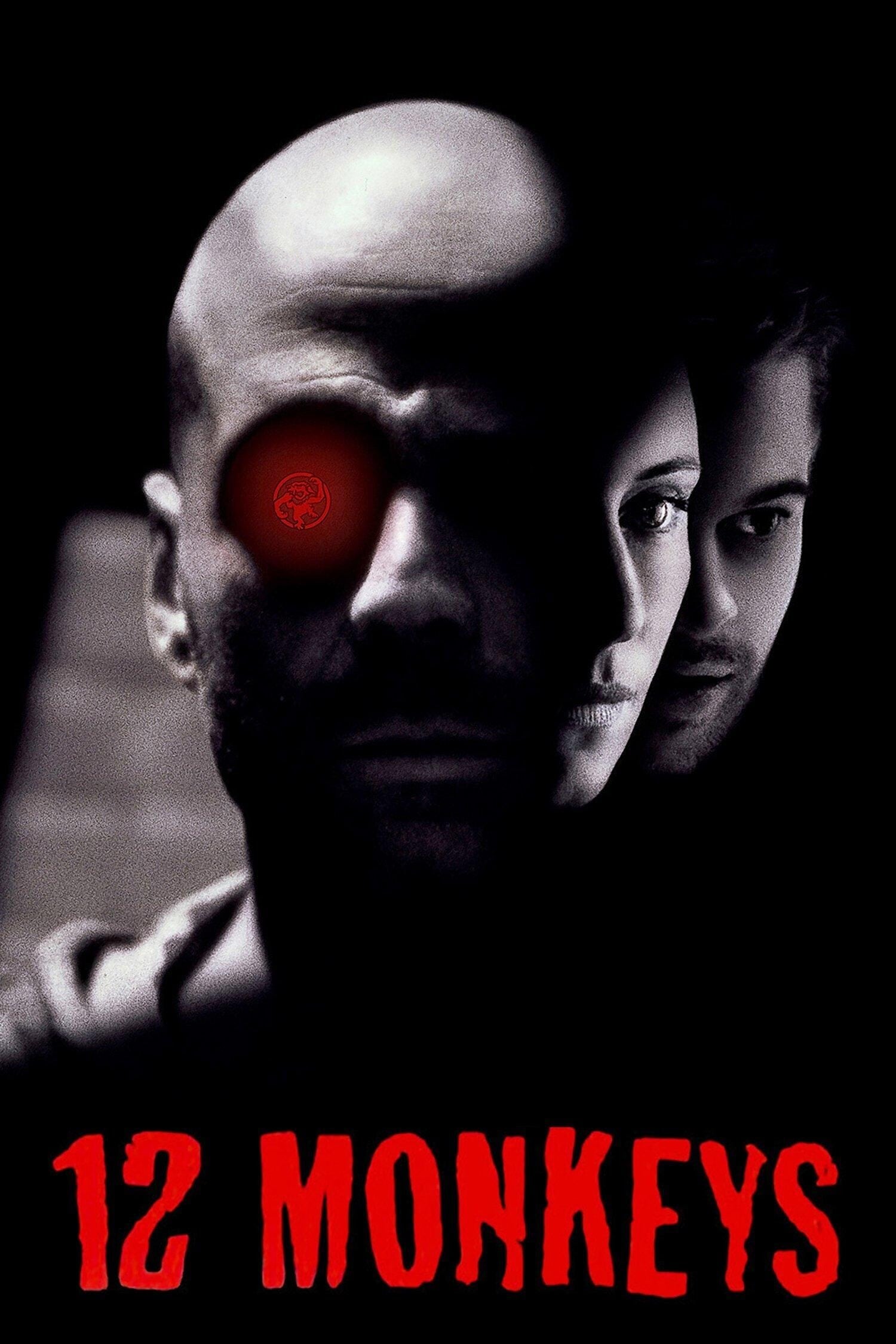
Terry Gilliam directed a time travel thriller starring Bruce Willis, Brad Pitt, and Madeleine Stowe. The feature expands ideas from the short film ‘La Jetée’ and uses production design and lens choices to emphasize surveillance, confinement, and unreliable memory within its timeline.
Brad Pitt earned major award nominations for supporting actor and the film also received attention for costume design. The release history includes a companion documentary that covers the challenges of mounting the shoot, and the title later inspired a television adaptation that explored the concept over multiple seasons.
‘Total Recall’ (1990)
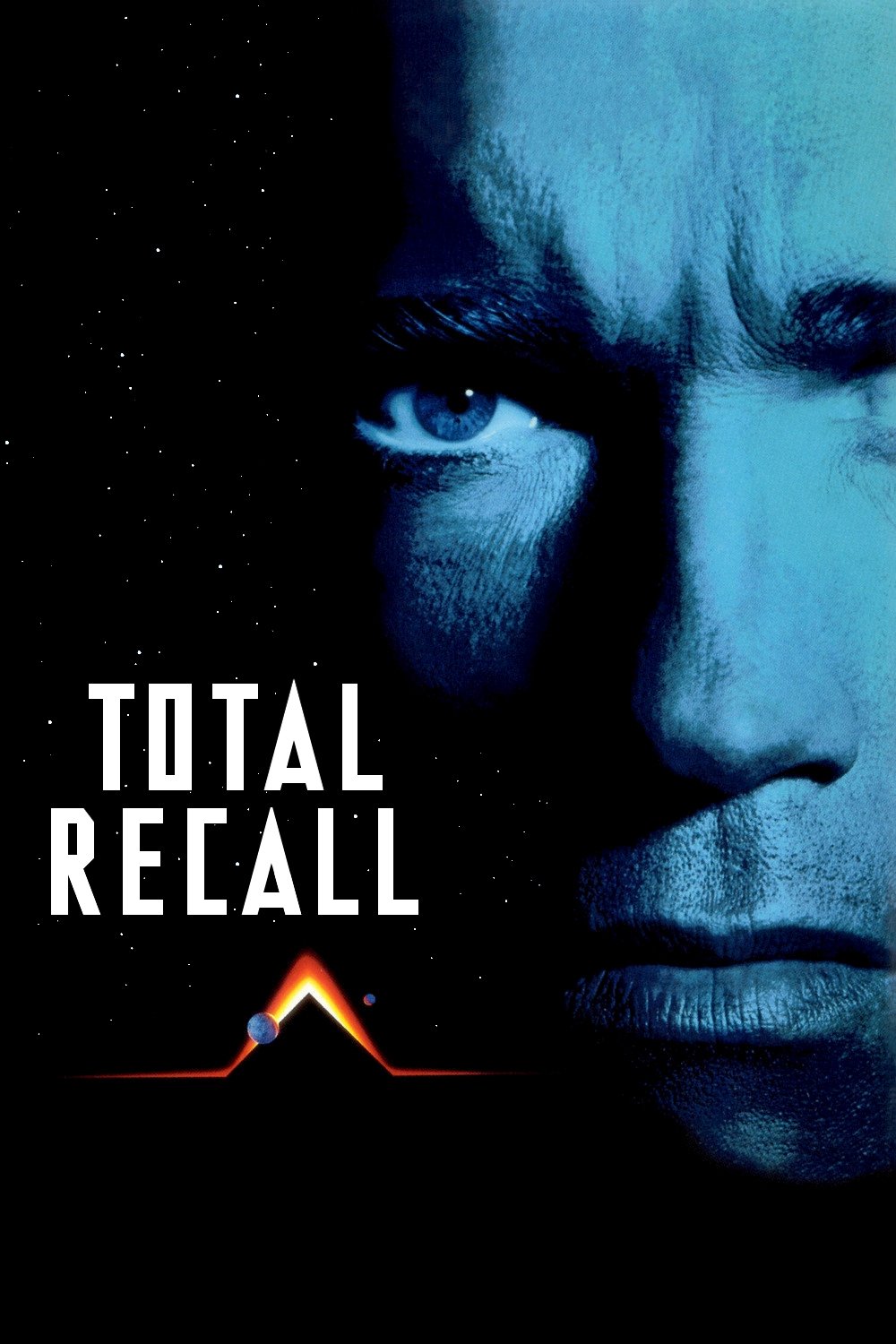
Paul Verhoeven adapted Philip K Dick’s story ‘We Can Remember It for You Wholesale’ with Arnold Schwarzenegger, Sharon Stone, and Michael Ironside. The plot follows an ordinary worker who pursues an implanted memory service and becomes entangled in a conflict that reaches off planet.
Rob Bottin supervised prosthetics and practical effects, and the effects team combined miniatures, motion control, and on set builds for transport sequences and colony vistas. The production received a Special Achievement Academy Award for visual effects and remains a reference point for large scale miniature photography.
‘Contact’ (1997)
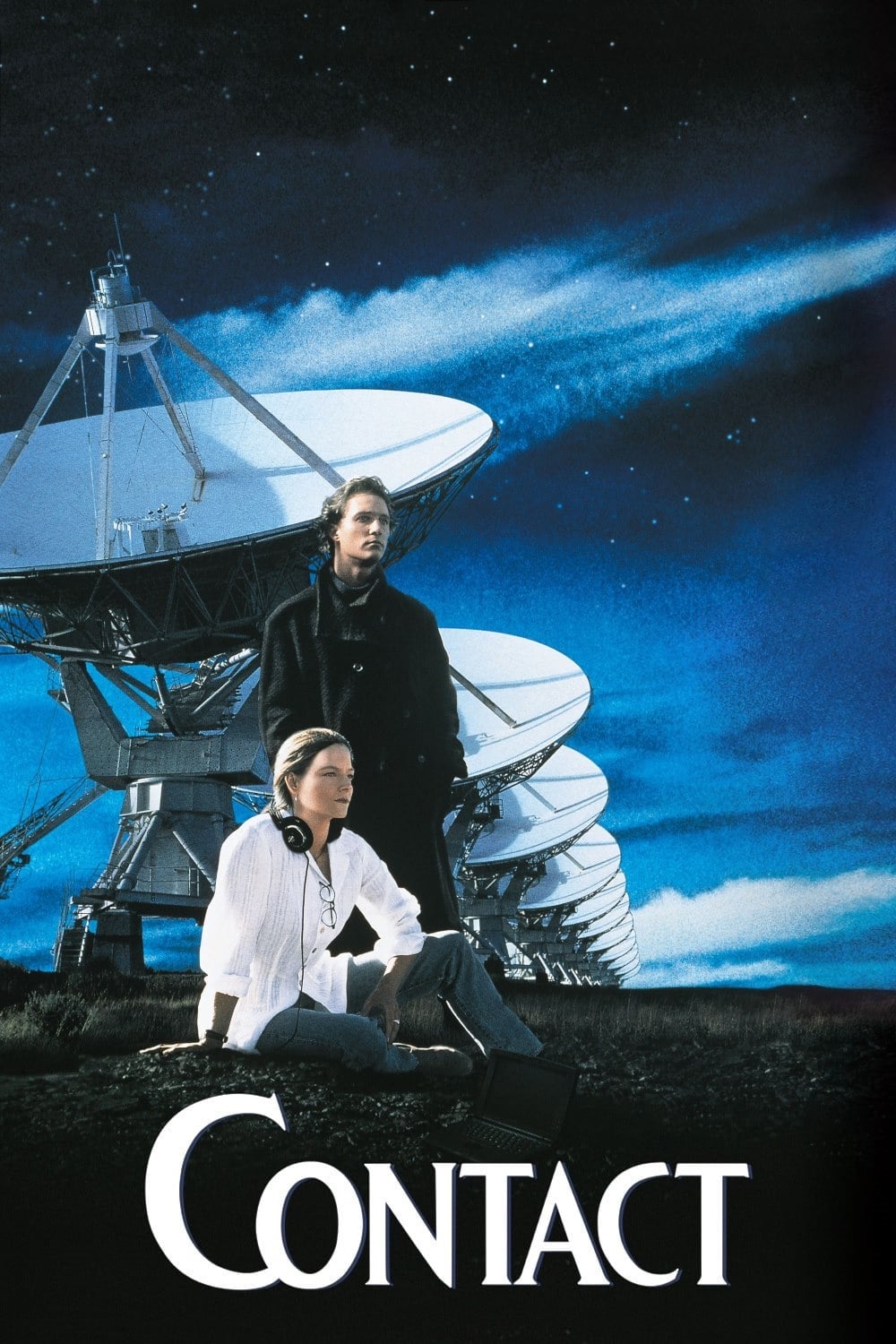
Robert Zemeckis adapted Carl Sagan’s novel with Jodie Foster as a radio astronomer who pursues a signal from deep space, with Matthew McConaughey and James Woods in supporting roles. The production filmed at major radio observatories and integrated real facilities into the narrative.
Sony Pictures Imageworks delivered signature shots that disguised transitions and matched live action plates, including sequences that appear as single moves while hiding complex composites. The filmmakers consulted with scientists to ground the depiction of equipment and protocols, and the film’s release coincided with public interest in exoplanet searches and the SETI program.
‘The Truman Show’ (1998)
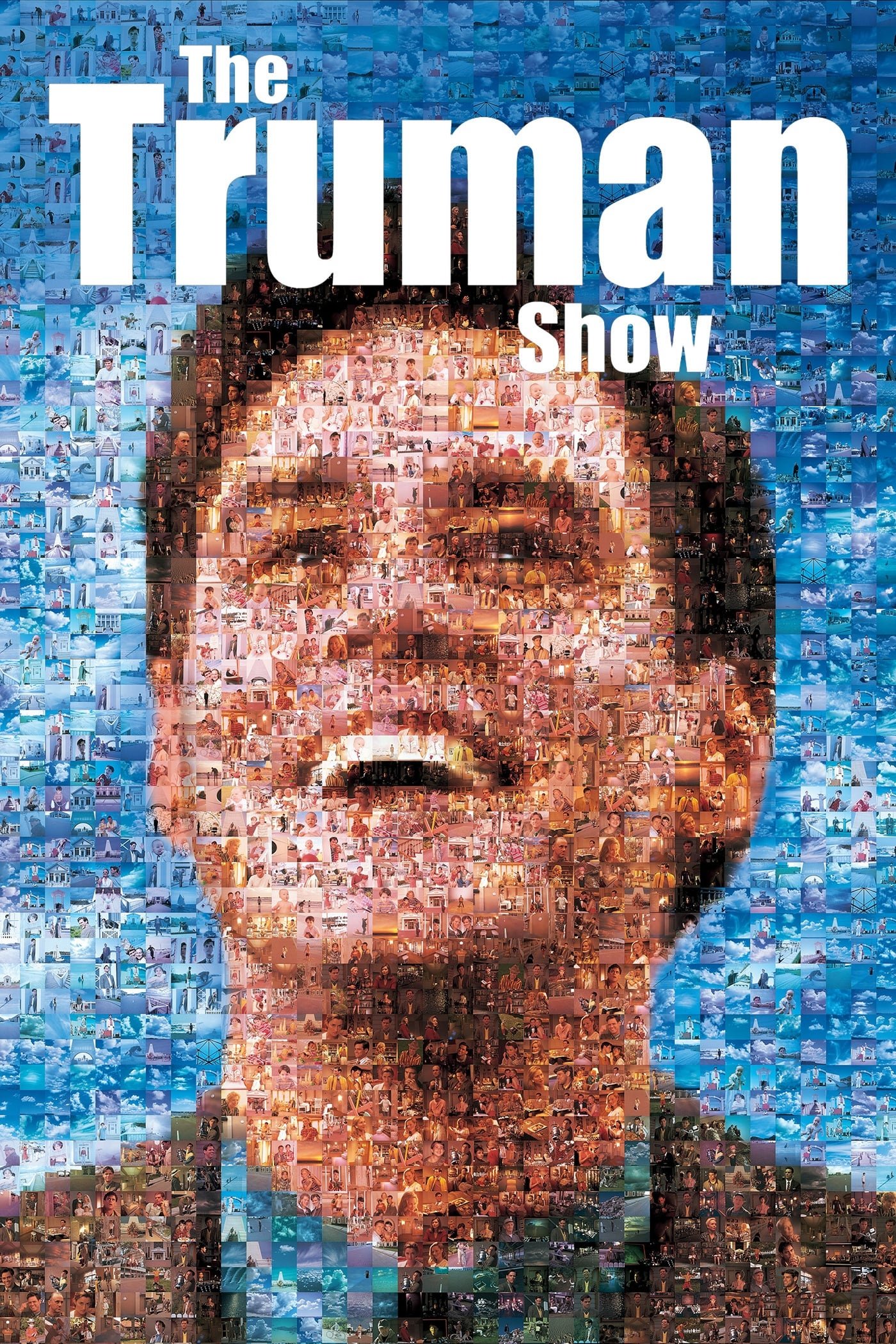
Peter Weir directed a drama about a man who discovers that his life is a continuous television production, with Jim Carrey, Laura Linney, and Ed Harris leading the cast. The town was staged in Seaside in Florida, and the camera plan replicated hidden production positions with low angles and unusual framing.
The film received multiple award nominations for acting and original screenplay and earned wide use in media studies classes that examine surveillance, reality programming, and consent. Its production design and brand placement strategies are frequently cited in discussions about set dressing and world building for fictional broadcasts.
‘Ghost in the Shell’ (1995)

Mamoru Oshii directed this feature adaptation of Masamune Shirow’s manga, produced by Production I.G. with a blend of hand drawn animation and early digital compositing. The narrative follows a special operations unit that investigates a networked entity and examines identity in a connected world.
Composer Kenji Kawai’s score uses vocal textures that accompany city montages and tactical sequences, and the film’s layouts showcase urban detail that rewards repeat viewing. The title influenced live action filmmakers and game designers and led to additional animated features and television series within the same universe.
‘Independence Day’ (1996)
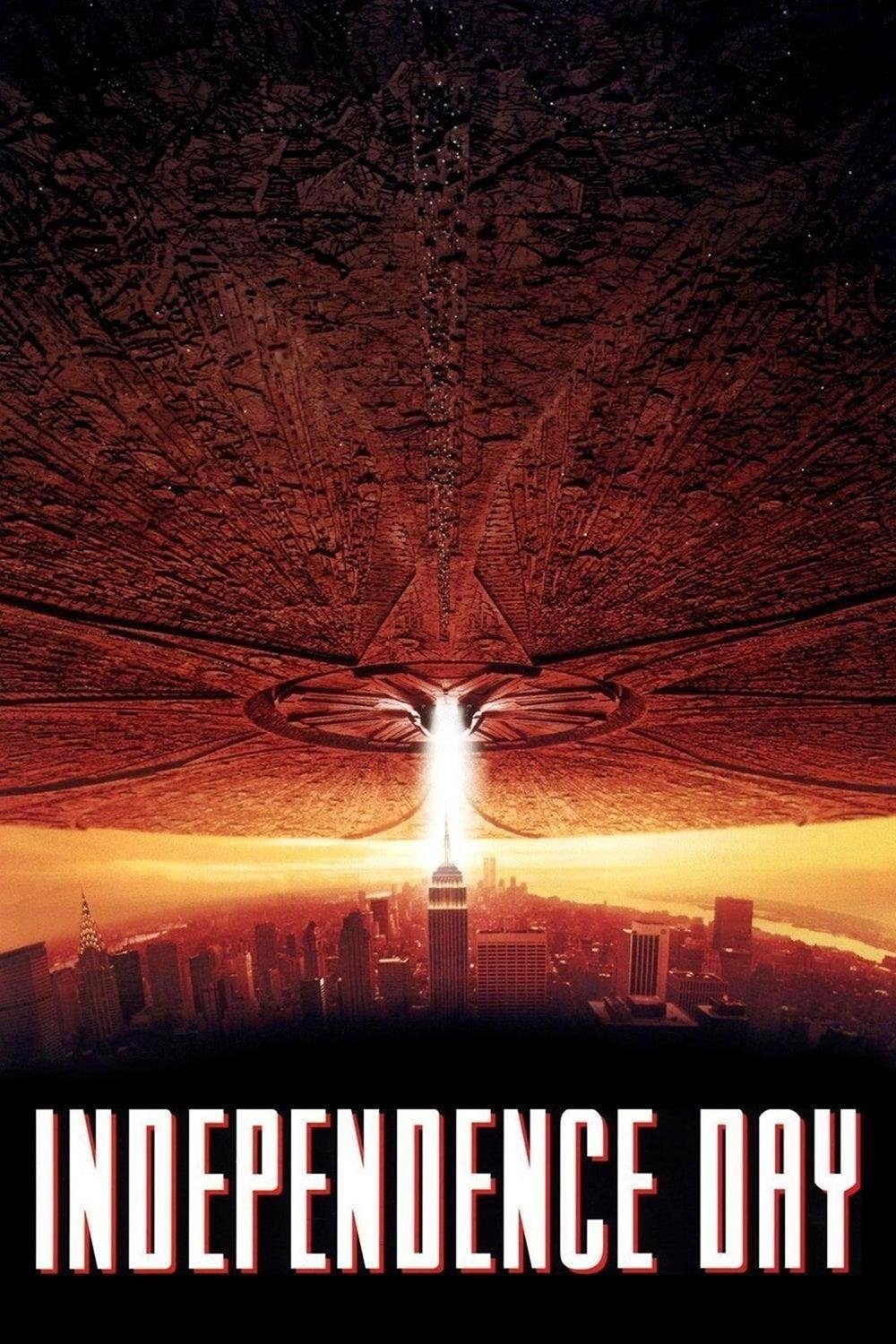
Roland Emmerich staged a global invasion story with an ensemble that included Will Smith, Jeff Goldblum, and Bill Pullman. The production used large miniature builds and extensive pyrotechnics for city destruction images and combined them with digital elements for spacecraft and beam effects.
The effects team created a detailed White House miniature for a single shot that became a marketing focal point, and the film earned major recognition for visual effects. Its performance led to a later sequel and a broad merchandising program across toys, games, and promotional tie ins.
‘Galaxy Quest’ (1999)
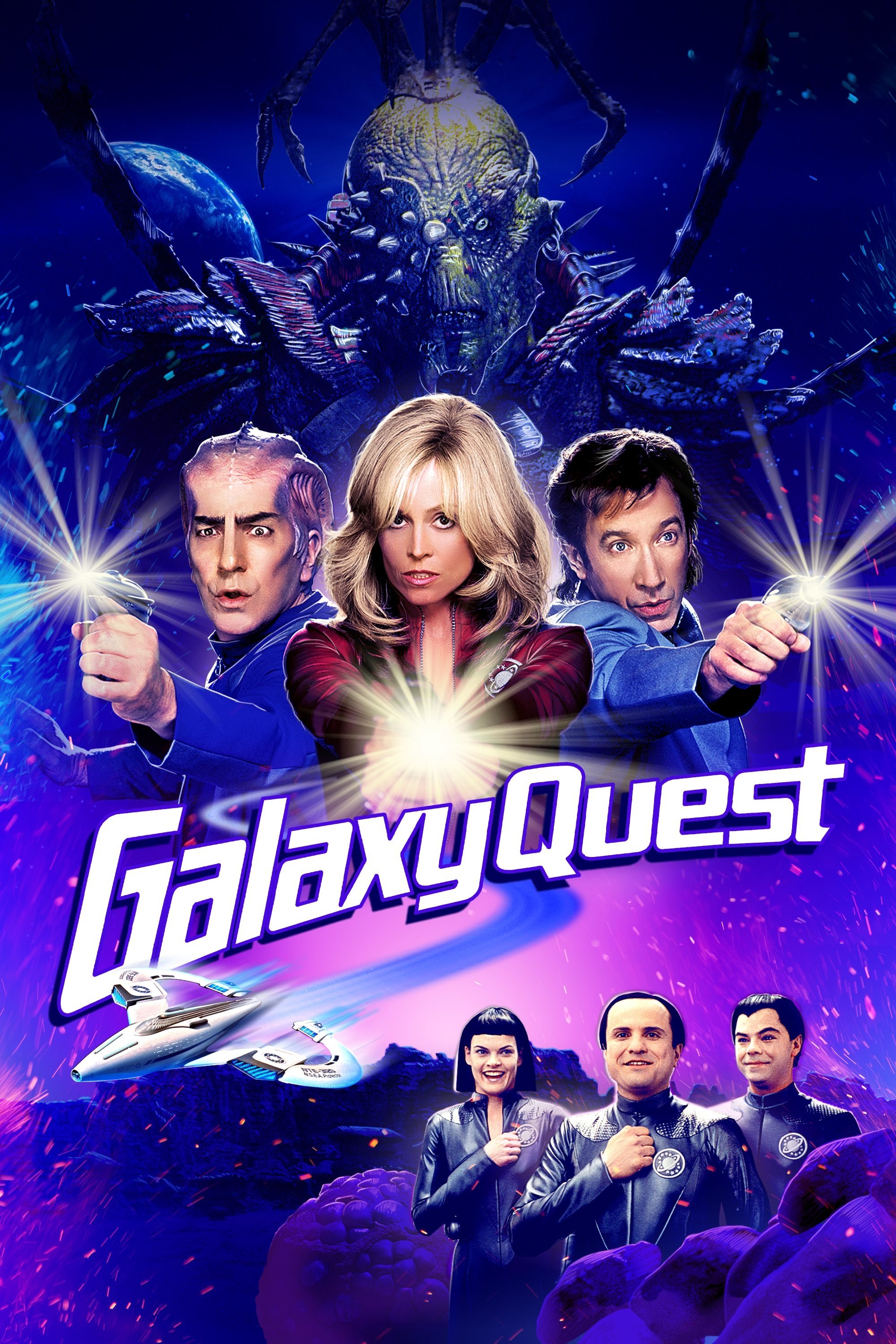
Dean Parisot directed a science fiction comedy about the cast of a cancelled television series who are mistaken for real spacefarers, with Tim Allen, Sigourney Weaver, Alan Rickman, and Sam Rockwell. The story plays with fan conventions, technical jargon, and production culture, and it attracted participation from alumni of ‘Star Trek’ events.
Stan Winston Studio contributed creature work and makeup, and the film adopted practical sets and props that mirrored television stage construction. It later appeared frequently at fan conventions and anniversary events and has been cited by cast and crew from ‘Star Trek’ as a faithful depiction of fandom and production life.
‘Cube’ (1997)
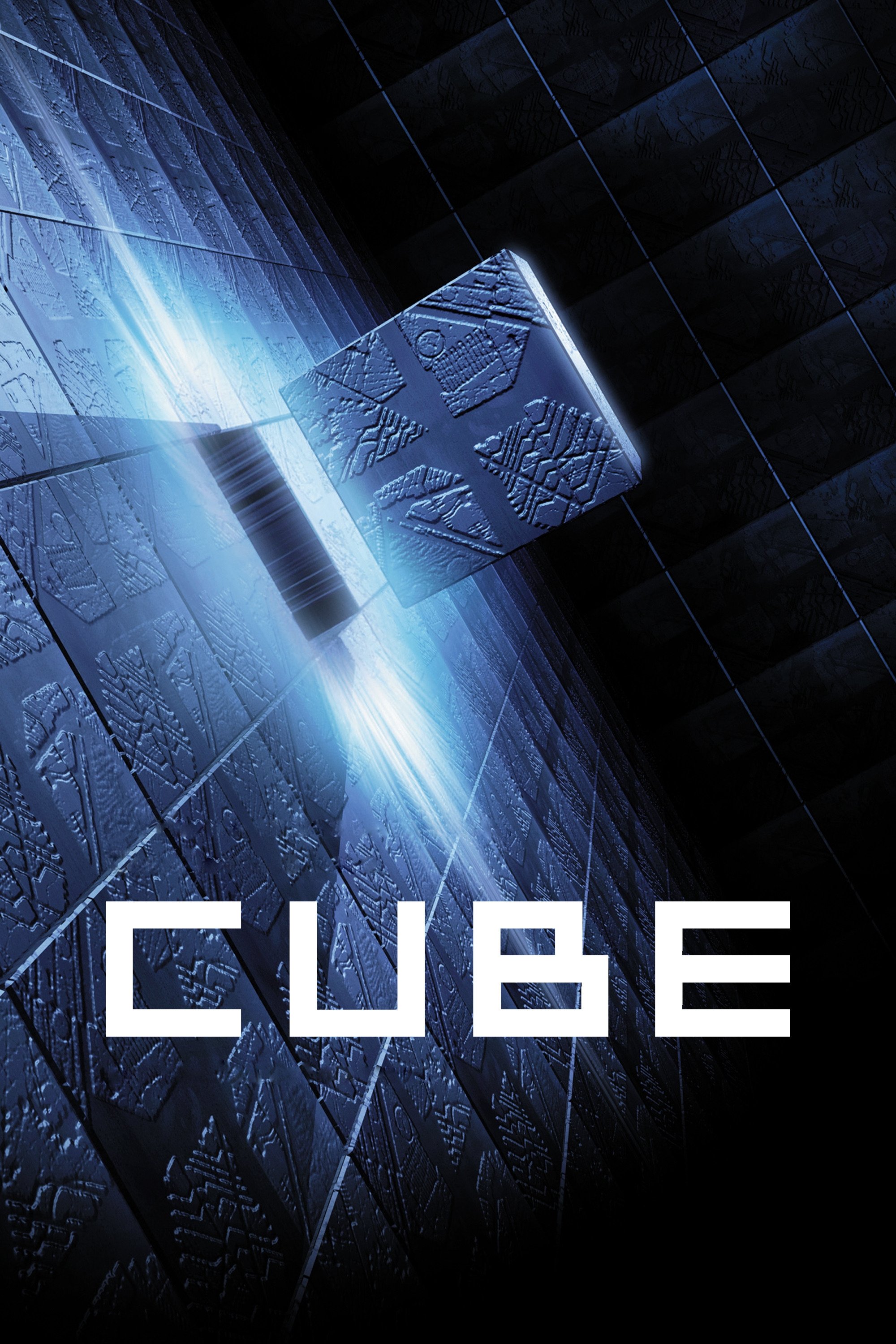
Vincenzo Natali directed a Canadian independent feature about strangers who awaken in a network of lethal rooms arranged in a geometric pattern. The production built a single cube set and changed lighting gels and wall panels to represent different chambers, which kept costs down and simplified camera placement.
Mathematical puzzles drive the plot, and the film’s release encouraged discussions about prime numbers, coordinate systems, and design logic. The title grew into a small franchise with follow ups and a remake, and it is often used in courses and workshops that cover low budget set reuse and concept driven storytelling.
‘eXistenZ’ (1999)

David Cronenberg returned to themes of technology and the body with a story about a game designer and a prototype virtual reality system, starring Jennifer Jason Leigh and Jude Law. The film presents bio organic hardware and uses practical props and sound design to make the interfaces feel tactile and present.
The production shot across Canadian and British locations and leaned on Cronenberg’s longstanding crew in departments like production design and effects. Its release generated conversations about interactive media and the porous boundary between game space and physical space, and it remains a key title in studies of simulated experience.
‘The Iron Giant’ (1999)
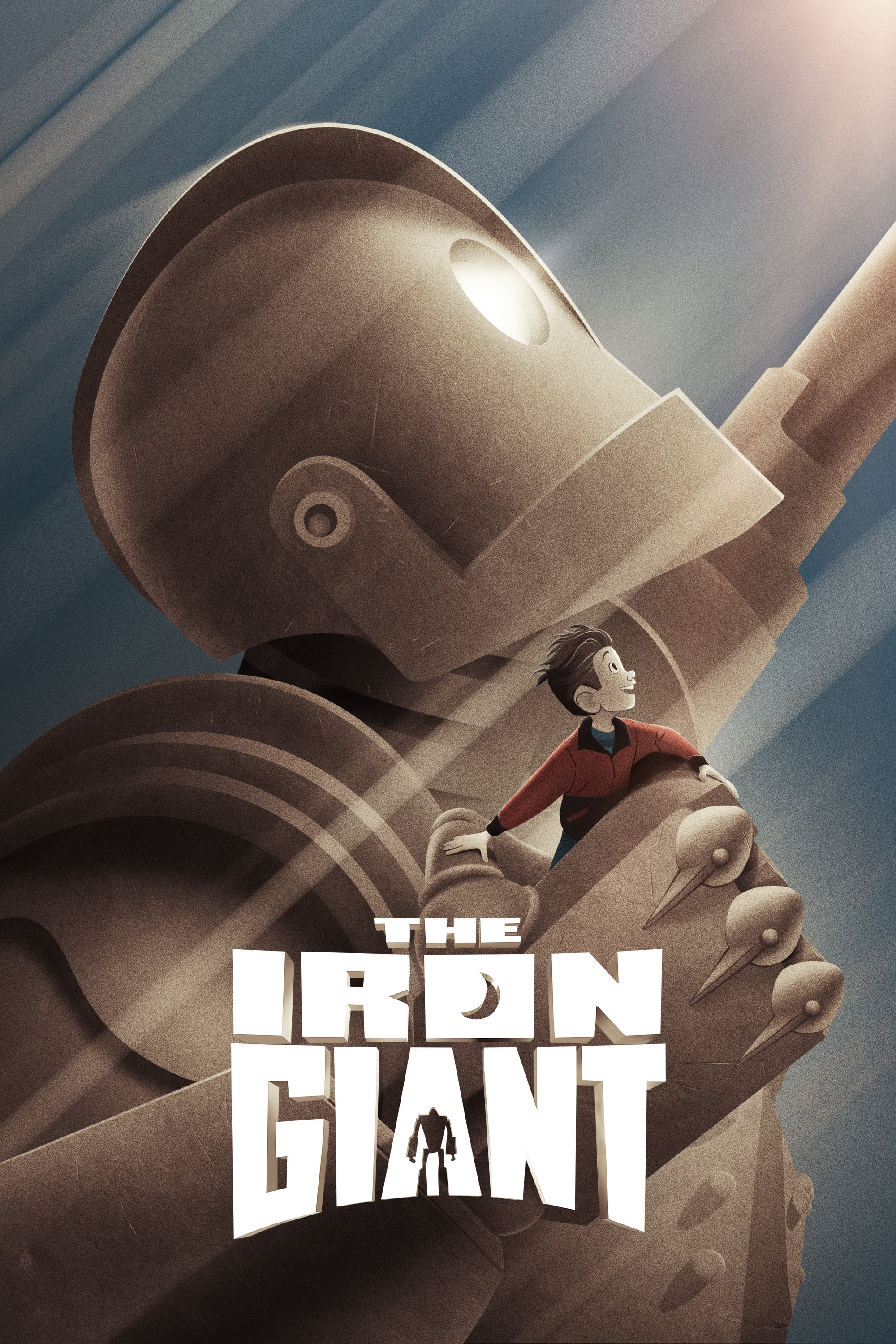
Brad Bird directed this animated feature based on Ted Hughes’s novel ‘The Iron Man’, with voices by Eli Marienthal, Jennifer Aniston, Harry Connick Jr., and Vin Diesel. The production combined hand drawn characters with a computer animated robot that adopted line rendering to blend with traditional artwork.
Warner Bros. Feature Animation supported the project through a tight schedule, and the film found a larger audience through home video and television. The title earned multiple Annie Awards, and its director later moved to major live action and animation projects that carried forward lessons from the production.
‘Stargate’ (1994)

Roland Emmerich directed a military science fiction adventure with Kurt Russell and James Spader leading a team that investigates a wormhole device discovered in the desert. The script connects ancient iconography with extraterrestrial technology and stages its action across sand landscapes and constructed sets.
Practical effects and digital enhancements carried transport sequences and architecture, and the success of the film led to ‘Stargate SG-1’ and additional television series. The franchise expanded the mythology with new teams, adversaries, and worlds, and it sustained tie in novels, comics, and games over many years.
‘Strange Days’ (1995)
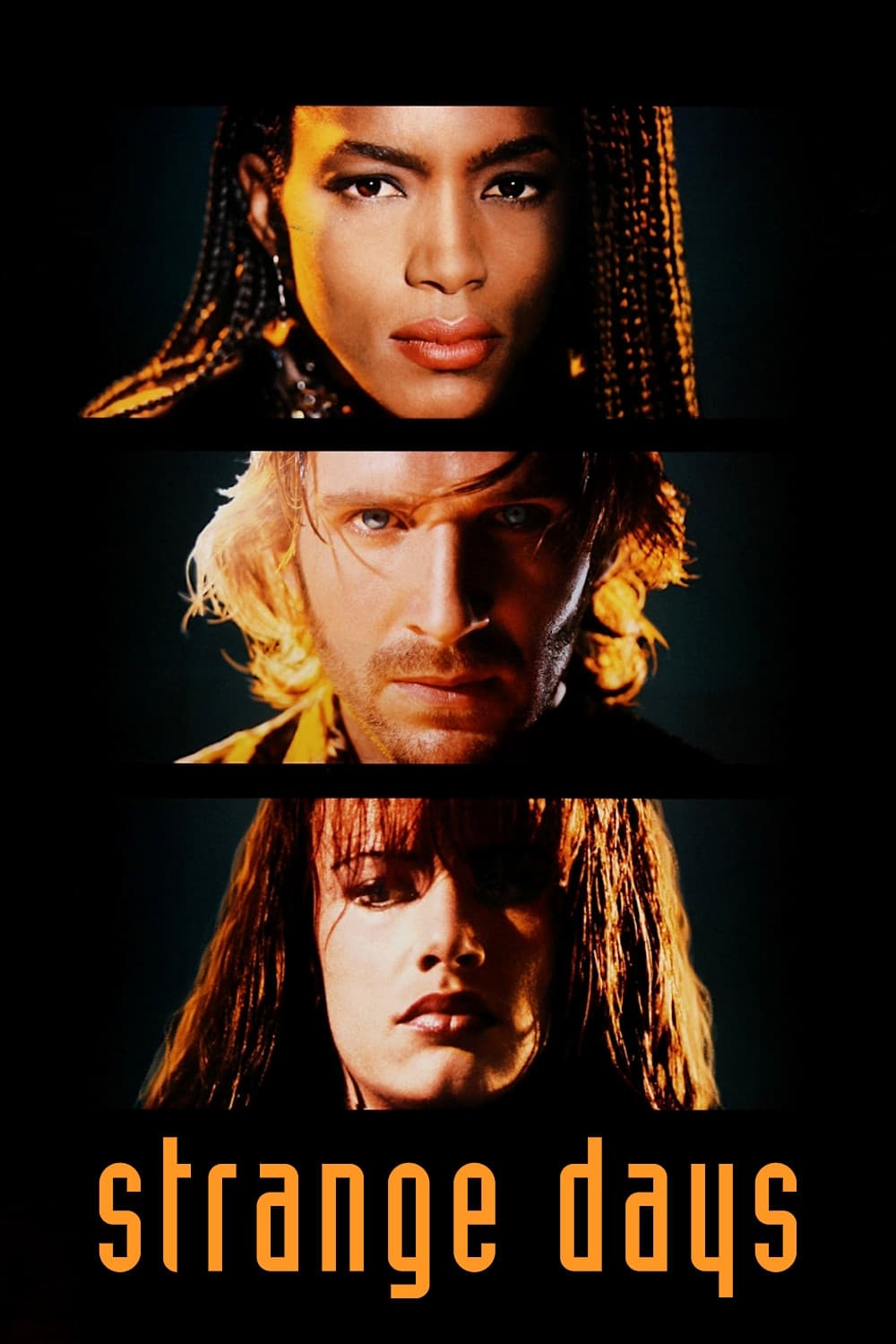
Kathryn Bigelow directed a thriller set around a black market technology that records and plays back sensory experiences, with Ralph Fiennes, Angela Bassett, and Juliette Lewis in the lead roles. The production staged extended point of view shots with custom camera rigs that captured fluid movement through crowded locations.
James Cameron and Jay Cocks wrote the screenplay and Graeme Revell composed the score, and the release prompted industry discussion about staging first person sequences. The film’s depiction of recording tech and data exchange has been cited in later analyses of wearable cameras and immersive capture techniques.
Share your favorite picks from the decade in the comments and tell us which titles you think still hold up today.