2000s Sci-Fi Movies that Aged Incredibly Well


The 2000s delivered a wide range of science fiction that mixed practical craft with fast evolving digital effects and strong ideas from literature and original screenplays. Studios backed ambitious projects while independent filmmakers stretched small budgets with clever production choices, and that combination created lasting standouts across space travel, near future tech, and speculative time puzzles.
This list highlights films released during that decade that continue to draw new viewers and steady discussion. Each entry includes concrete details on who made it, how it was put together, and what set it apart on release, from production methods to awards and franchise impact, so you can quickly place each title in context and decide what to watch next.
‘Children of Men’ (2006)
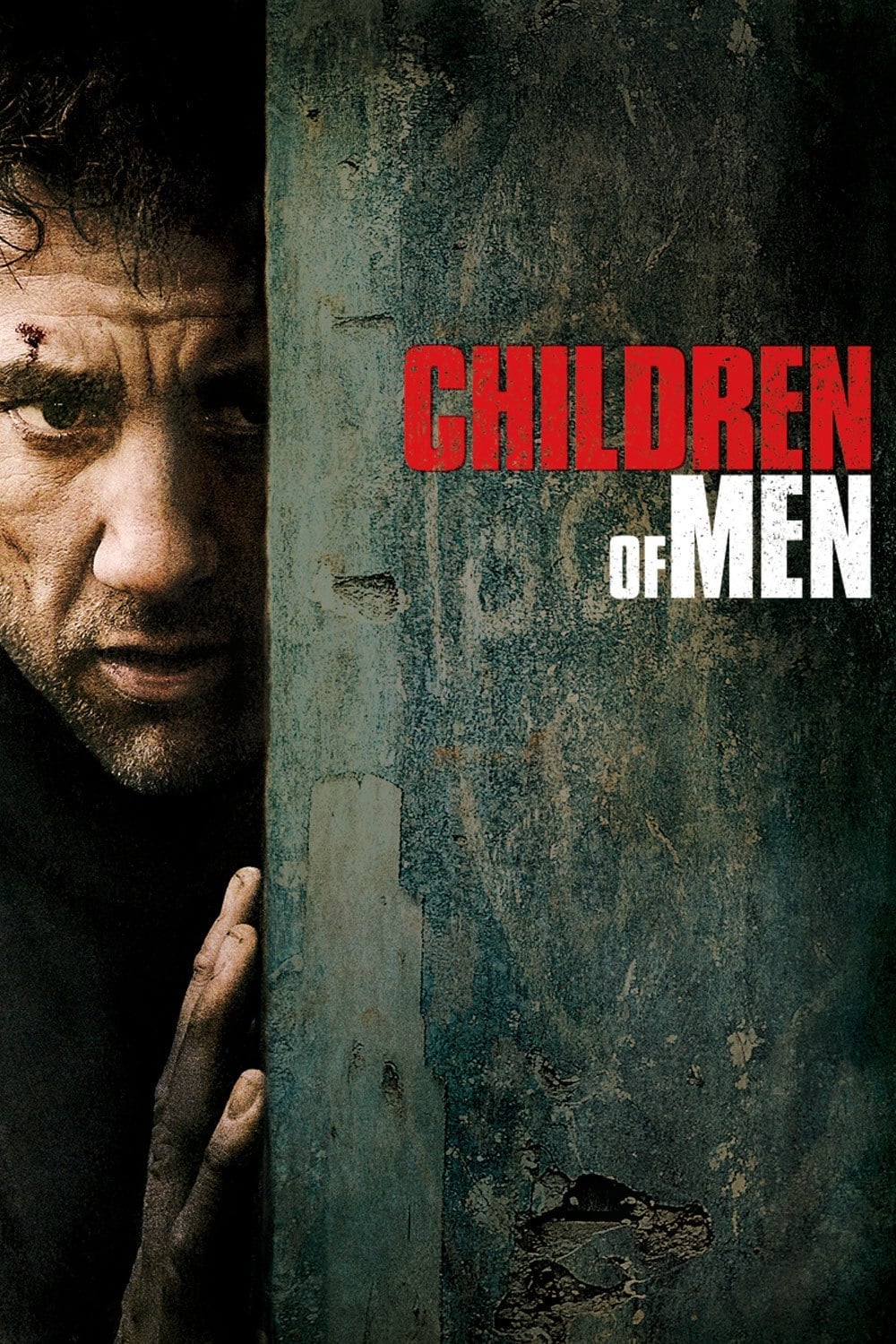
Alfonso Cuarón directed ‘Children of Men’ with cinematography by Emmanuel Lubezki and a screenplay adapted from P. D. James. The cast features Clive Owen, Julianne Moore, Michael Caine, and Chiwetel Ejiofor, and the story follows a world facing human infertility. The film was produced by Universal Pictures and Strike Entertainment and used extensive location work in the United Kingdom.
The production became known for complex continuous shots designed with custom camera rigs and careful stunt coordination. It earned multiple Academy Award nominations including cinematography and editing and influenced later depictions of grounded future settings and documentary style camera movement in large scale features.
‘Minority Report’ (2002)
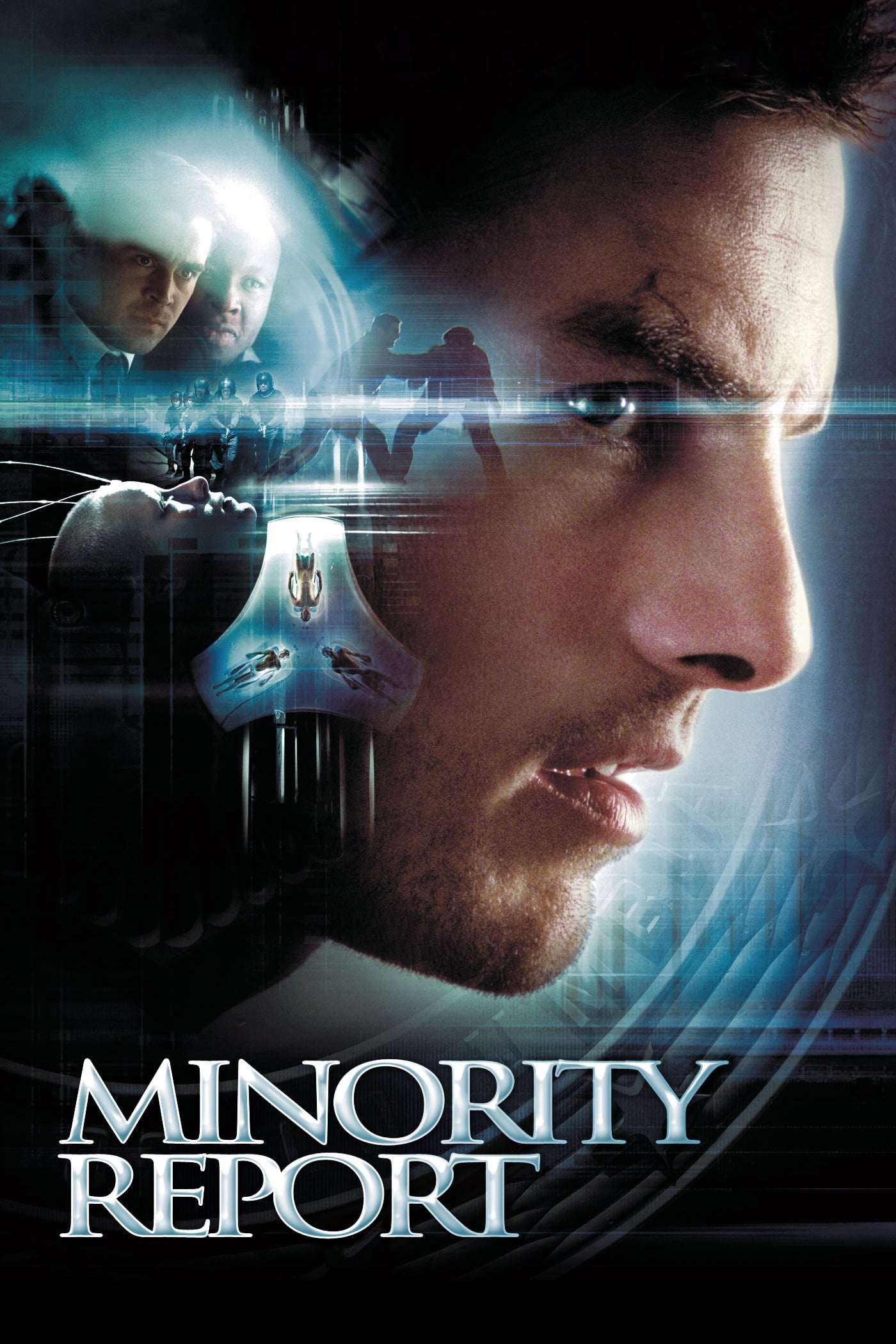
Steven Spielberg directed ‘Minority Report’ from a story by Philip K. Dick with a script by Scott Frank and Jon Cohen. Tom Cruise and Samantha Morton lead the cast alongside Colin Farrell and Max von Sydow. Janusz Kamiński handled cinematography and the film used a distinctive bleach bypass look with production design guided by real world tech consultation.
The team worked with futurists and interface designers to visualize gesture based computing and personalized advertising. The result brought predictive policing and previsualized action sequences to a wide audience, and the film’s worldbuilding fed directly into later discussions of surveillance technology and user interface design in mainstream media.
‘District 9’ (2009)
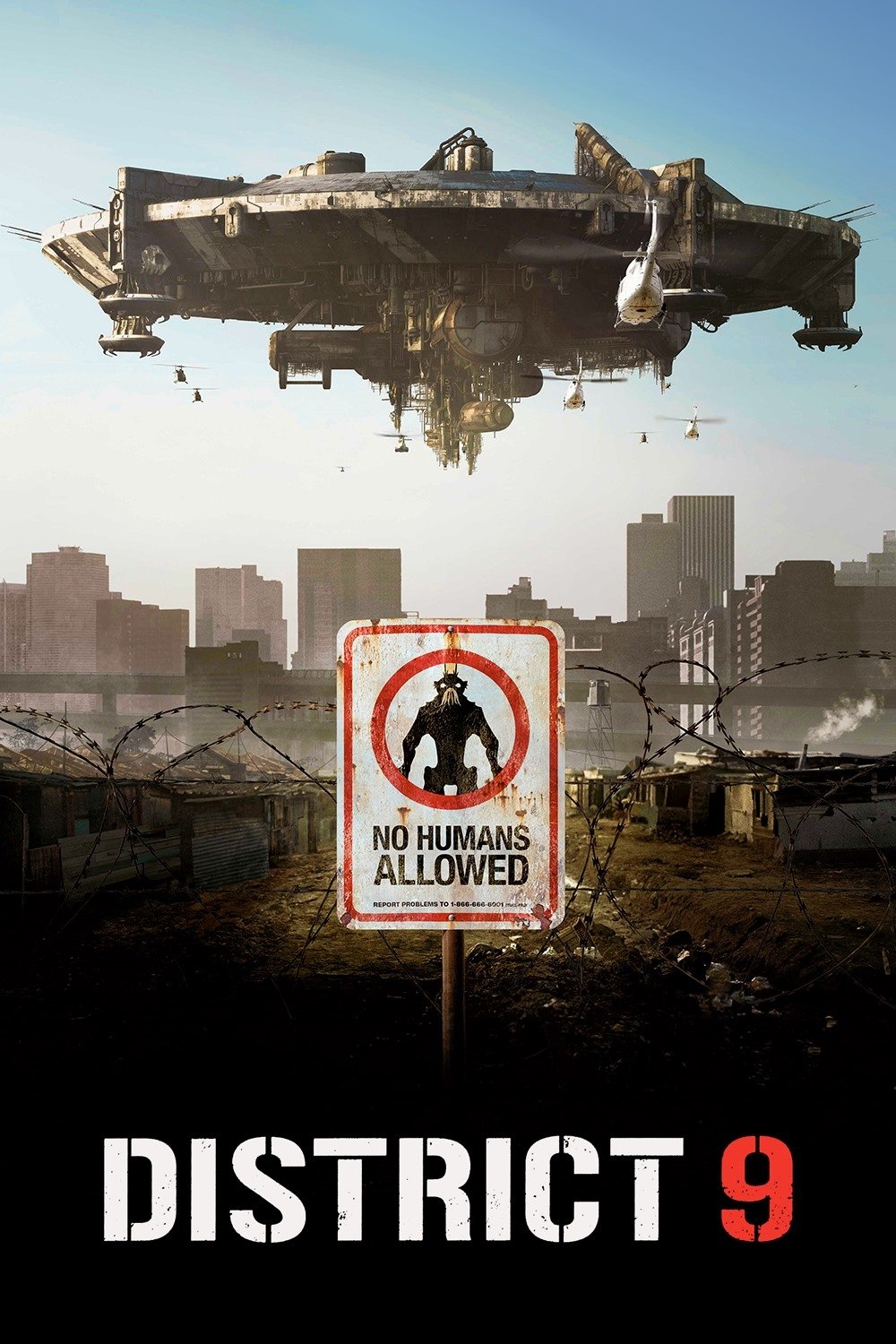
Neill Blomkamp directed ‘District 9’ with Sharlto Copley in the lead and Peter Jackson as a producer through WingNut Films. The narrative places an alien refugee camp on the outskirts of Johannesburg and blends news footage style scenes with character driven drama. The production used South African locations and a mix of practical props and digital creatures.
Weta Digital and Image Engine created the aliens with detailed performance capture and integrated them into handheld shots. The film received Academy Award nominations including best picture and visual effects and demonstrated that region specific settings and documentary textures could carry large scale science fiction for global audiences.
‘Moon’ (2009)
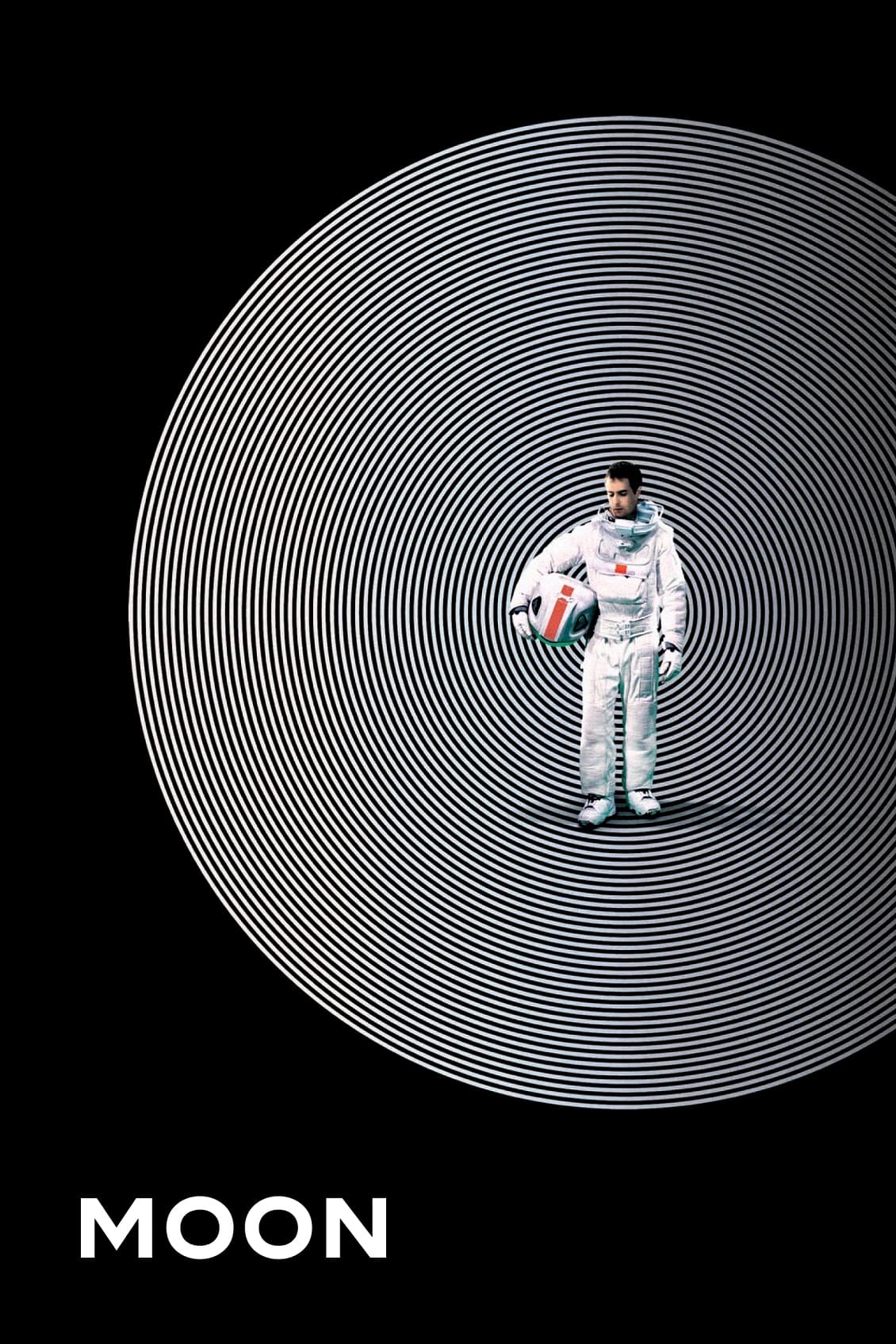
Duncan Jones directed ‘Moon’ with Sam Rockwell carrying dual roles and Kevin Spacey voicing the station AI. The shoot took place at Shepperton Studios and relied on large scale miniatures for the lunar base and rover sequences. Production design by Tony Noble and visual effects supervision by Gavin Rothery emphasized tactile sets and camera in a controlled stage environment.
The film used model work, motion control, and minimal digital augmentation to keep surfaces and lighting consistent within the sets. It won a BAFTA for outstanding debut by a British writer director or producer and became a frequently cited example of effective worldbuilding on a modest budget using practical effects.
‘Sunshine’ (2007)
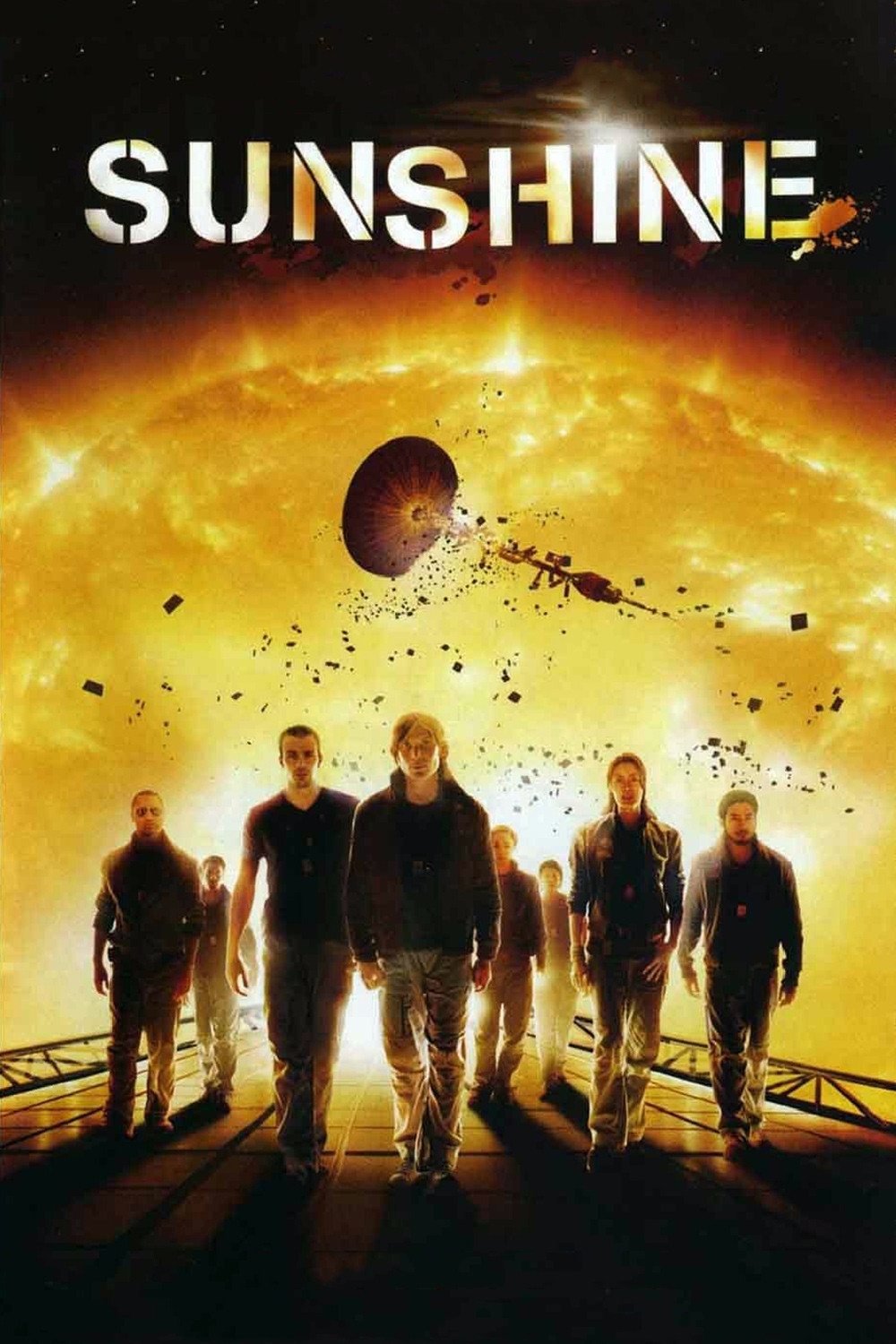
Danny Boyle directed ‘Sunshine’ from a screenplay by Alex Garland with a cast that includes Cillian Murphy, Chris Evans, Michelle Yeoh, Rose Byrne, and Hiroyuki Sanada. The story follows an international crew on a mission to reignite the sun, and the production built a detailed spacecraft interior at 3 Mills Studios. Physicist Brian Cox served as scientific adviser to the cast and crew.
Cinematography by Alwin Küchler and design by Mark Tildesley focused on reflective surfaces, heat shields, and a functional ship layout. The score by John Murphy and Underworld supports the escalating tension, and the production combined practical sets with digital vistas to depict solar phenomena and deep space travel with a grounded approach.
‘A.I. Artificial Intelligence’ (2001)
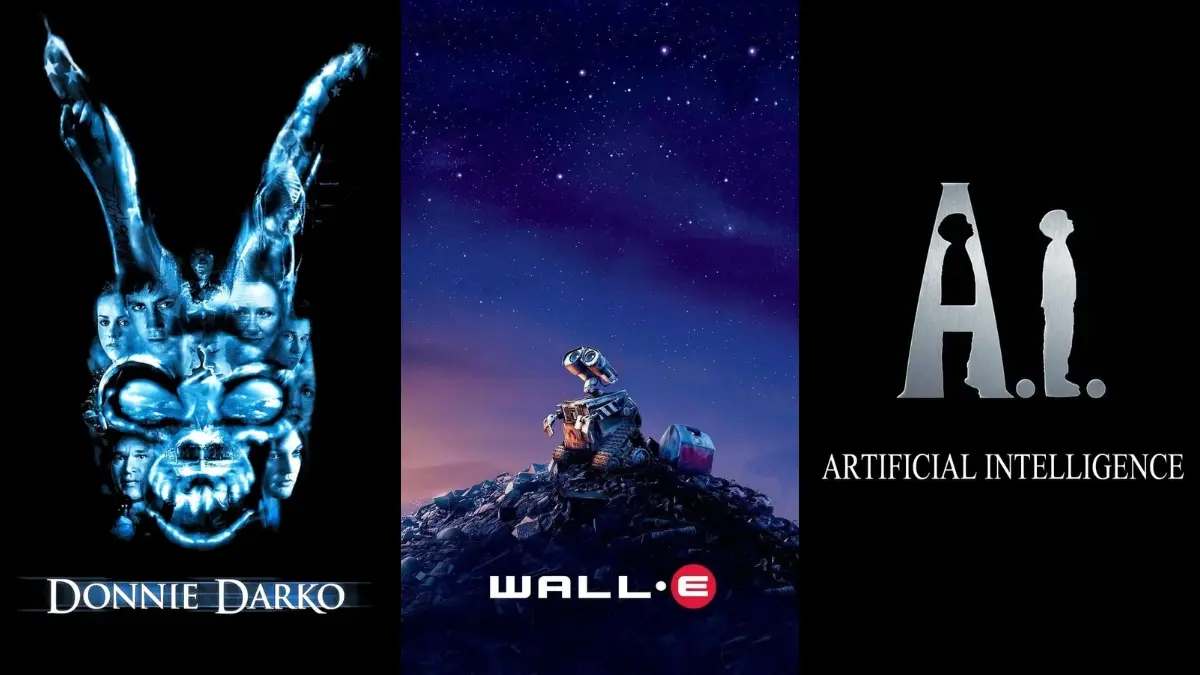
Steven Spielberg directed ‘A.I. Artificial Intelligence’ based on Brian Aldiss’s short story and on development work initiated by Stanley Kubrick. Haley Joel Osment stars as a childlike android with Jude Law, Frances O’Connor, and William Hurt in key roles. The film blends family drama with robotics and explores advanced machine emotions through set pieces staged in New Jersey and on large soundstages.
Industrial Light and Magic delivered extensive digital work while animatronics and practical puppetry brought secondary characters to life. The project’s long gestation and handoff from Kubrick to Spielberg shaped its design language, and its robotics concepts remain part of discussions around identity and artificial consciousness in popular media.
‘Star Trek’ (2009)
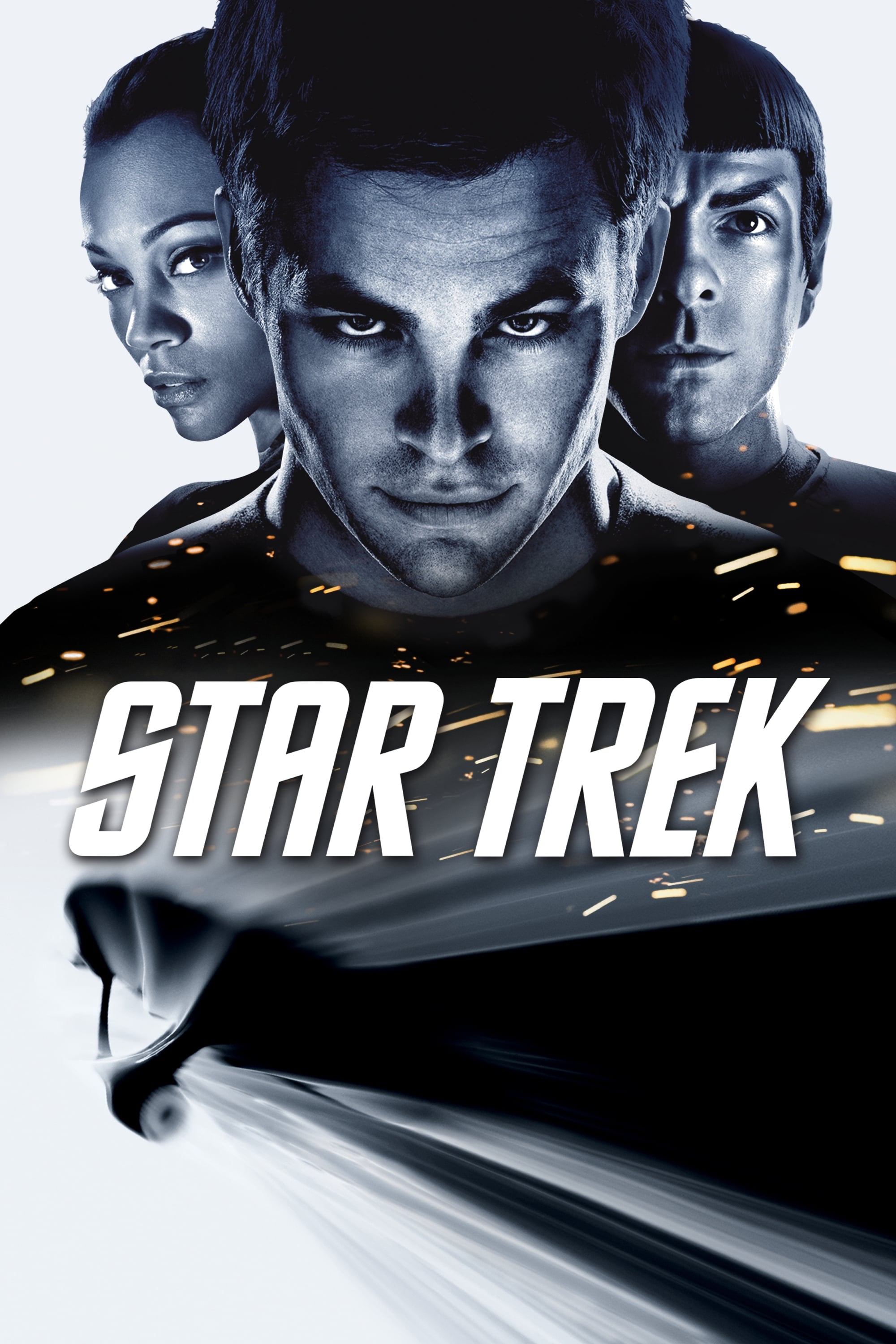
J. J. Abrams directed ‘Star Trek’ with Chris Pine, Zachary Quinto, Zoe Saldana, Karl Urban, and Simon Pegg leading a new ensemble. The film reintroduced the franchise with a branching timeline that allowed fresh stories while acknowledging earlier continuity. Production design by Scott Chambliss and costumes by Michael Kaplan created a clean visual reset for the series.
Industrial Light and Magic handled visual effects with a strong emphasis on dynamic camera moves during space battles and warp transitions. Michael Giacchino composed a new theme that carried into subsequent entries, and the film relaunched the brand in theaters with strong global box office and new audience reach.
‘Avatar’ (2009)

James Cameron directed ‘Avatar’ with Sam Worthington, Zoe Saldana, Sigourney Weaver, and Stephen Lang in principal roles. The film introduced a new alien world through performance capture, a virtual camera system for real time visualization, and detailed language and ecology design for the Na’vi. The production took place on stages in New Zealand and California.
Weta Digital led visual effects with large scale vegetation and bioluminescent environments while stereoscopic photography supported theatrical releases in IMAX and digital 3D. The film set worldwide box office records and accelerated adoption of performance capture workflows across the industry, influencing pipelines for creature animation and virtual production.
‘Primer’ (2004)
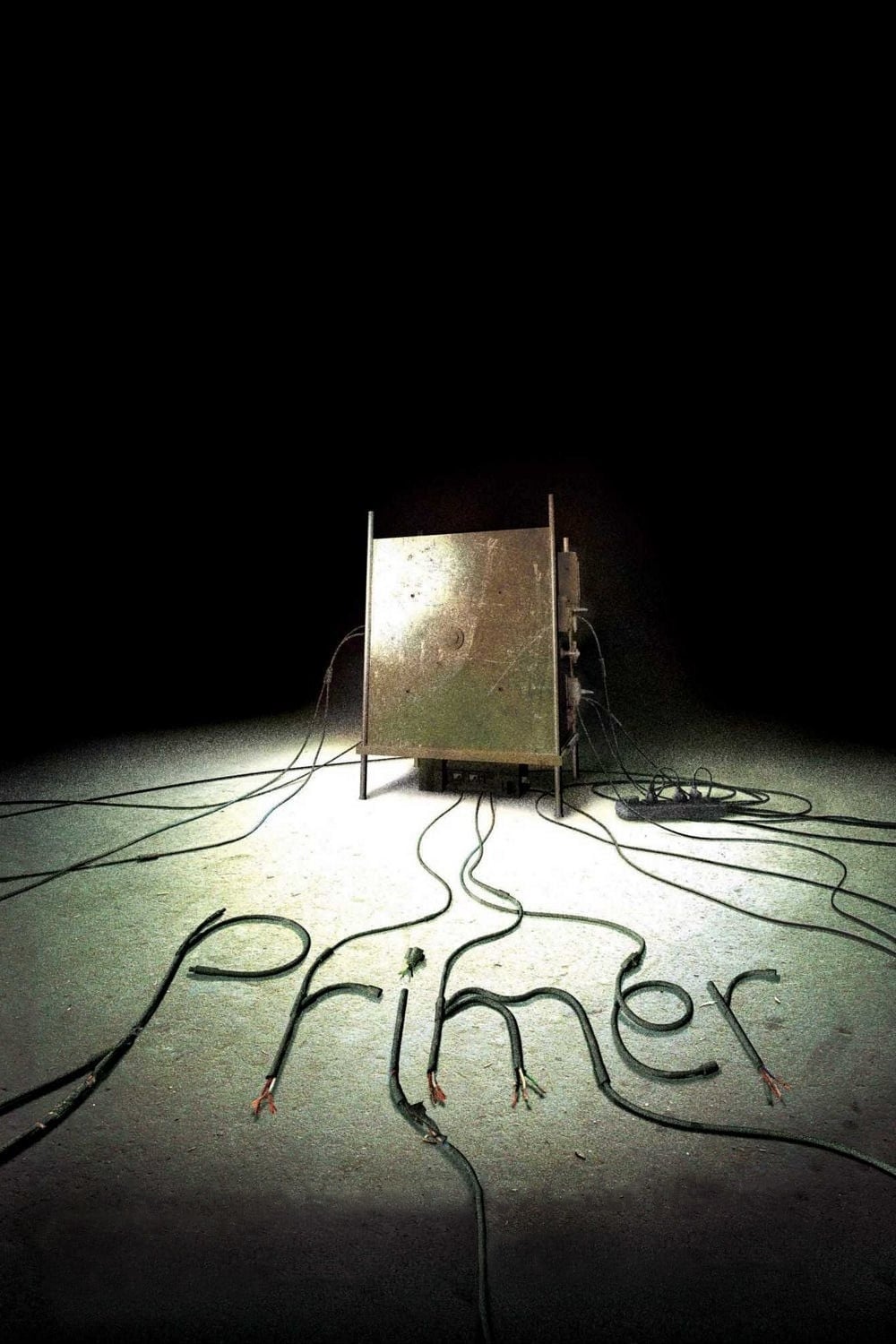
Shane Carruth wrote, directed, scored, and starred in ‘Primer’ with David Sullivan in a key role. The project was produced on a very small budget and shot on 16 millimeter film using a compact crew. The story follows two engineers who build a device with unintended consequences, and the script uses the language of startups, fabrication, and garage experimentation.
The film won the grand jury prize at the Sundance Film Festival in the dramatic category and became a case study in efficient independent production. Its sound design and overlapping dialogue mirror the technical demands of the plot, and its distribution trajectory built a long tail through festival play and specialty theatrical runs.
‘Serenity’ (2005)
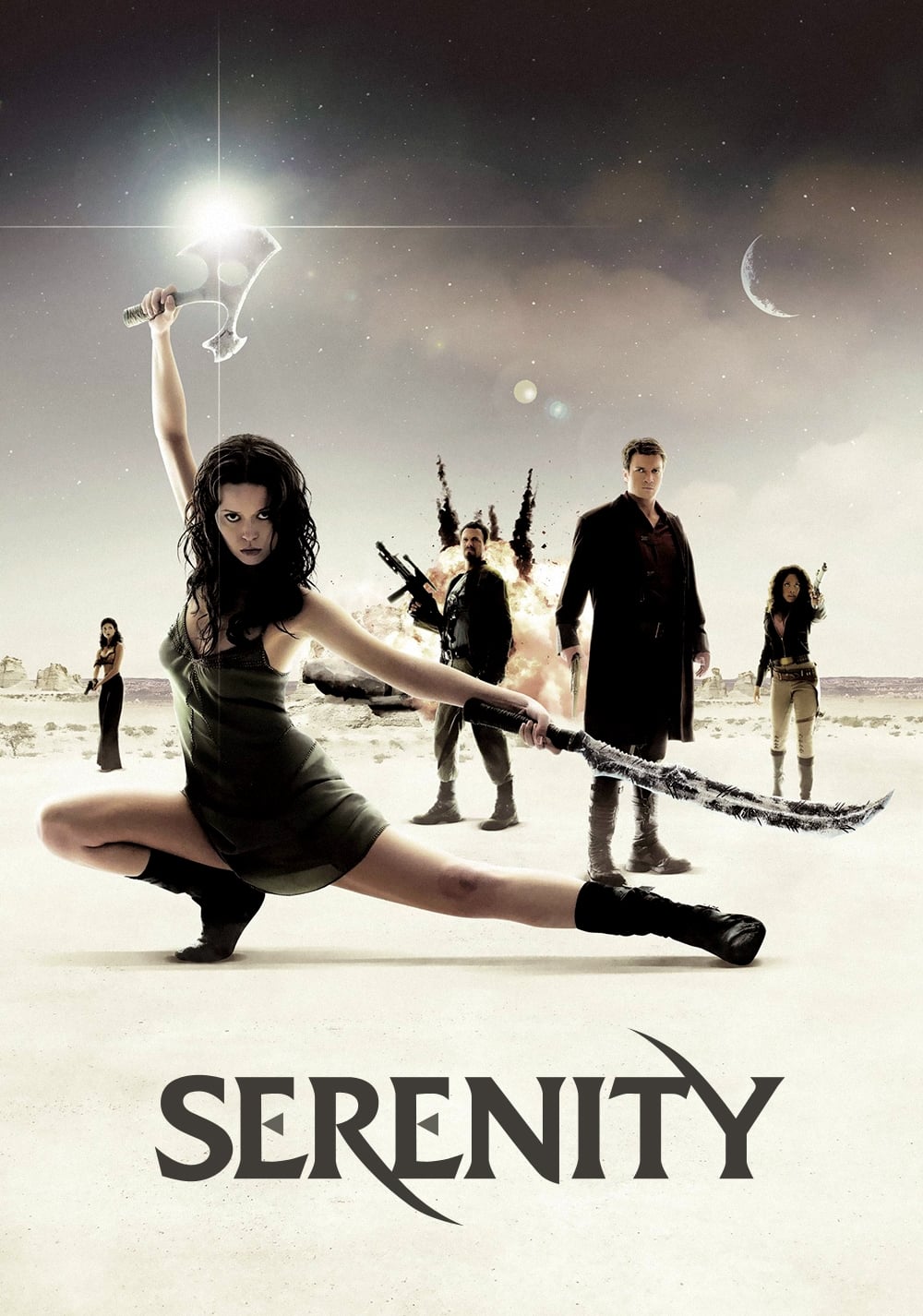
Joss Whedon wrote and directed ‘Serenity’ as a continuation of ‘Firefly’ with Nathan Fillion, Summer Glau, Gina Torres, and Chiwetel Ejiofor. Universal Pictures backed the feature and the production rebuilt portions of the ship interior to match the series while expanding sets for larger action sequences. The story resolves arcs introduced on television and brings the crew into direct conflict with central authority.
The film used a blend of stage work and digital extensions to broaden planetary locations and space sequences. Its theatrical release introduced the world to viewers who missed the series, and subsequent home video sales kept interest in the setting active through comics and companion materials that documented the production.
‘Donnie Darko’ (2001)
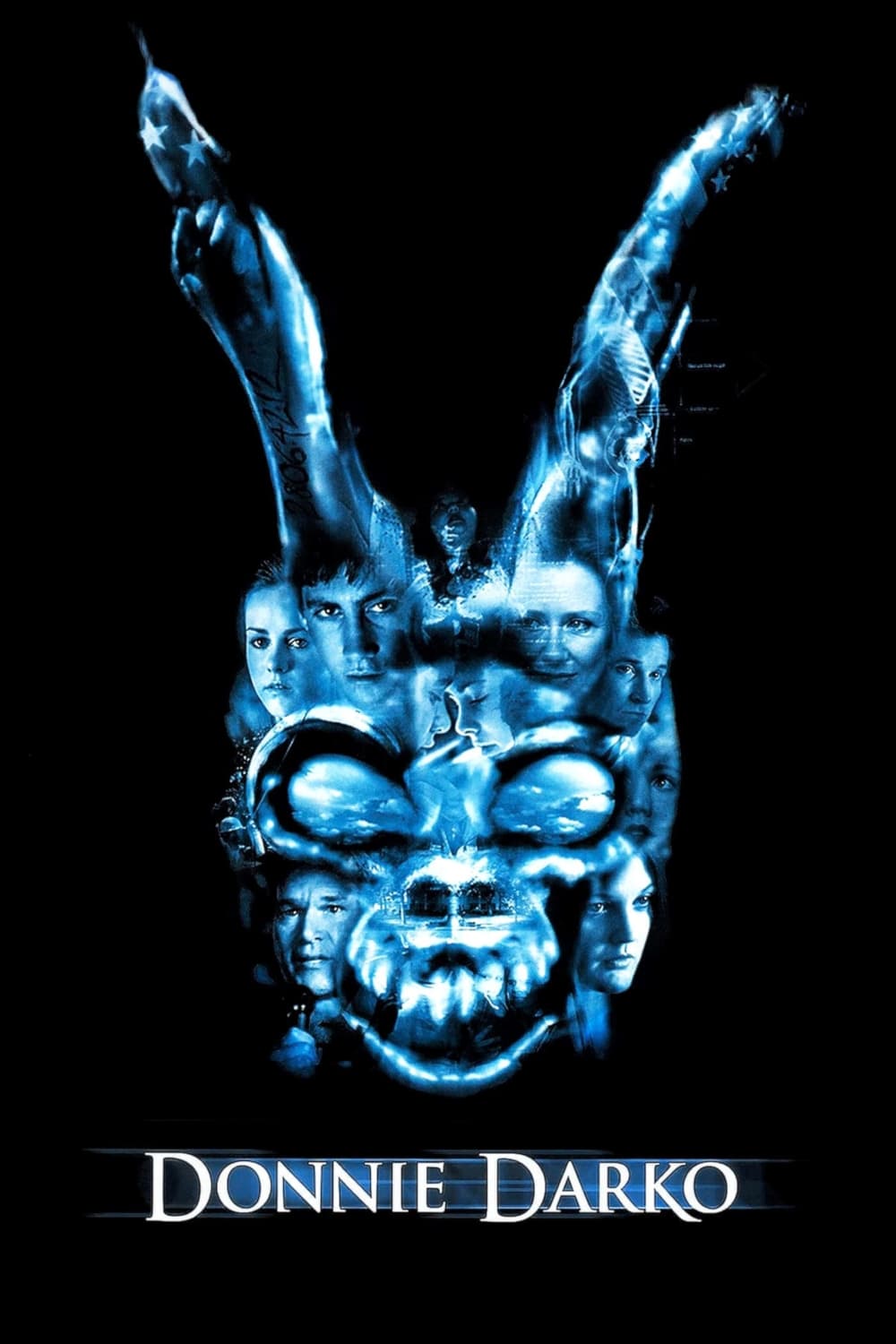
Richard Kelly wrote and directed ‘Donnie Darko’ with Jake Gyllenhaal, Jena Malone, Drew Barrymore, and Patrick Swayze. The story is set in suburban America and mixes psychological drama with science fiction concepts, and the production used a combination of real locations and stylized classroom and house sets. The film initially played limited theaters with support from specialty distributors.
A director’s cut later expanded scenes and adjusted music cues, and the soundtrack selections helped define the film’s identity across home releases. The title became a steady presence in midnight screenings and film courses, with production notes and interviews detailing the writing process and alternate timeline structure.
‘Eternal Sunshine of the Spotless Mind’ (2004)
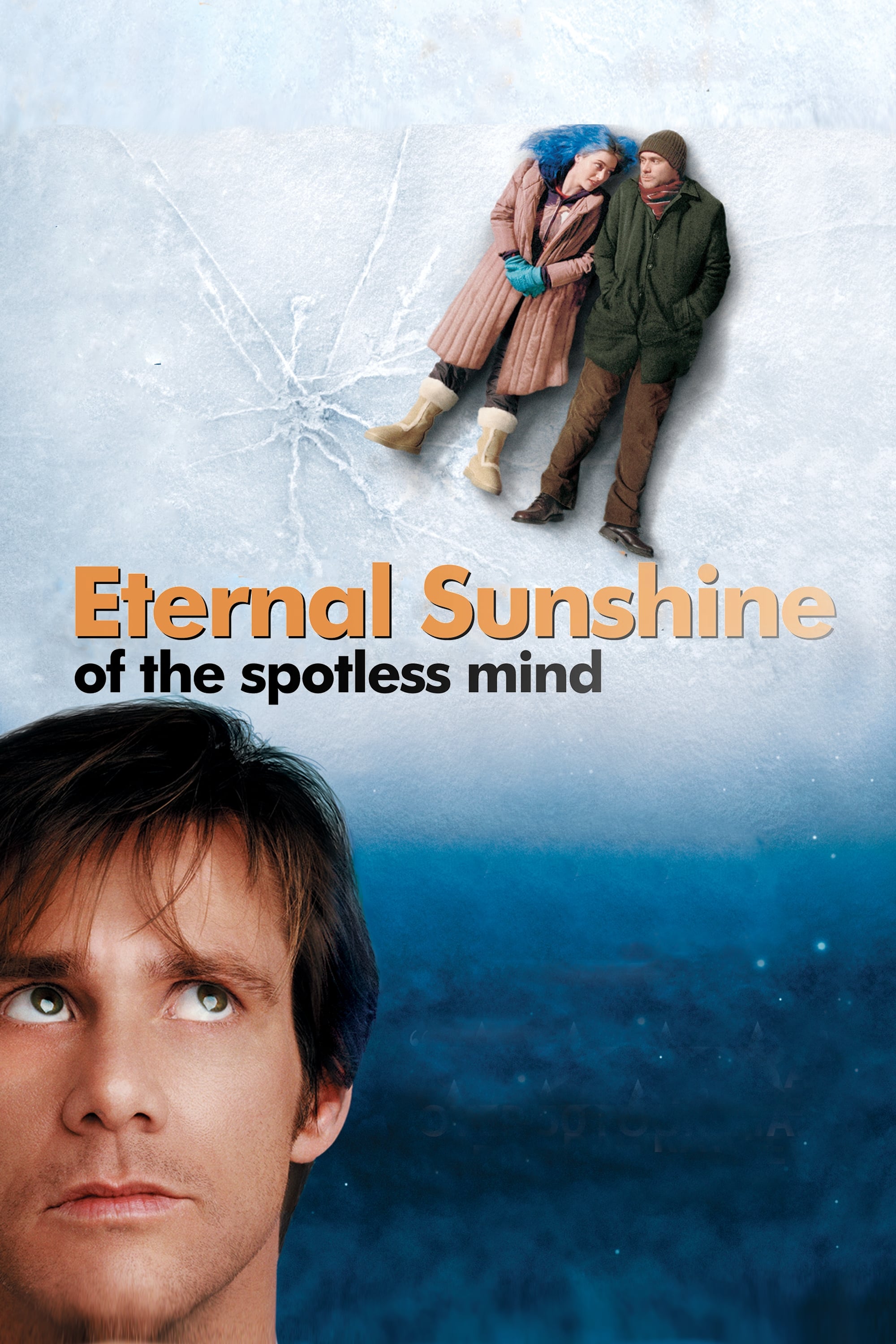
Michel Gondry directed ‘Eternal Sunshine of the Spotless Mind’ from a screenplay by Charlie Kaufman with Jim Carrey and Kate Winslet in the lead. The production emphasized in camera effects, hidden cuts, and practical set changes supervised by cinematographer Ellen Kuras. The story centers on a medical procedure that erases memories and follows its impact on a relationship.
The film won the Academy Award for original screenplay and earned additional nominations including acting. Editors and effects supervisors have documented how sets were moved during takes to create seamless memory transitions, and the production approach is frequently cited in craft discussions about practical solutions for surreal imagery.
‘WALL·E’ (2008)
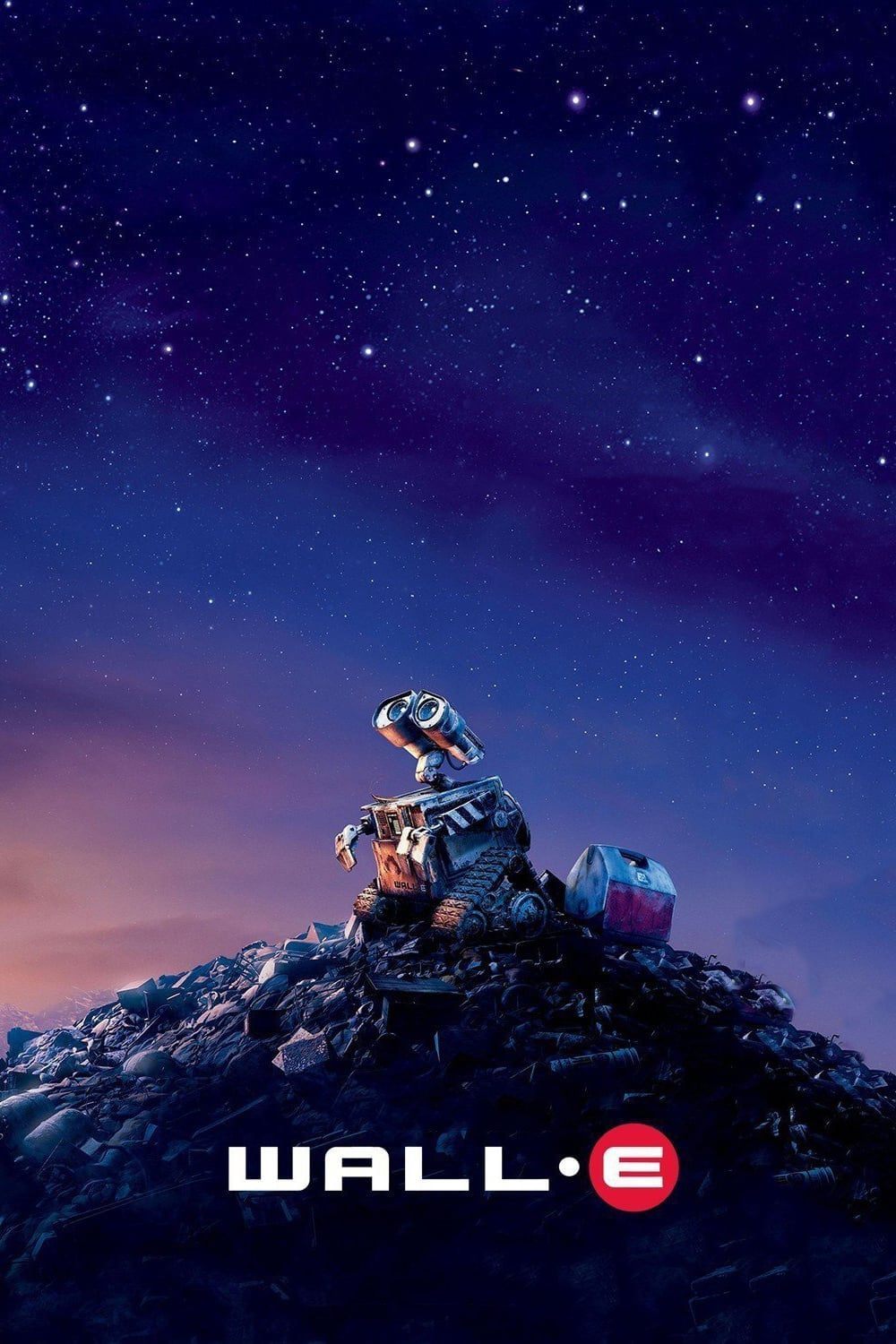
Andrew Stanton directed ‘WALL·E’ for Pixar with a focus on visual storytelling and minimal dialogue in early scenes. Ben Burtt created the robot vocalizations and soundscape, and the animation team studied physical pantomime to convey character without speech. The plot follows a waste collecting robot and a reconnaissance probe as they uncover the state of humanity.
The film won the Academy Award for animated feature and collected additional nominations including original screenplay and sound mixing. Its blend of computer animation and live action elements required careful integration, and the production pipeline supported intricate environmental detail and mechanical motion that matched the film’s environmental themes.
‘Cloverfield’ (2008)
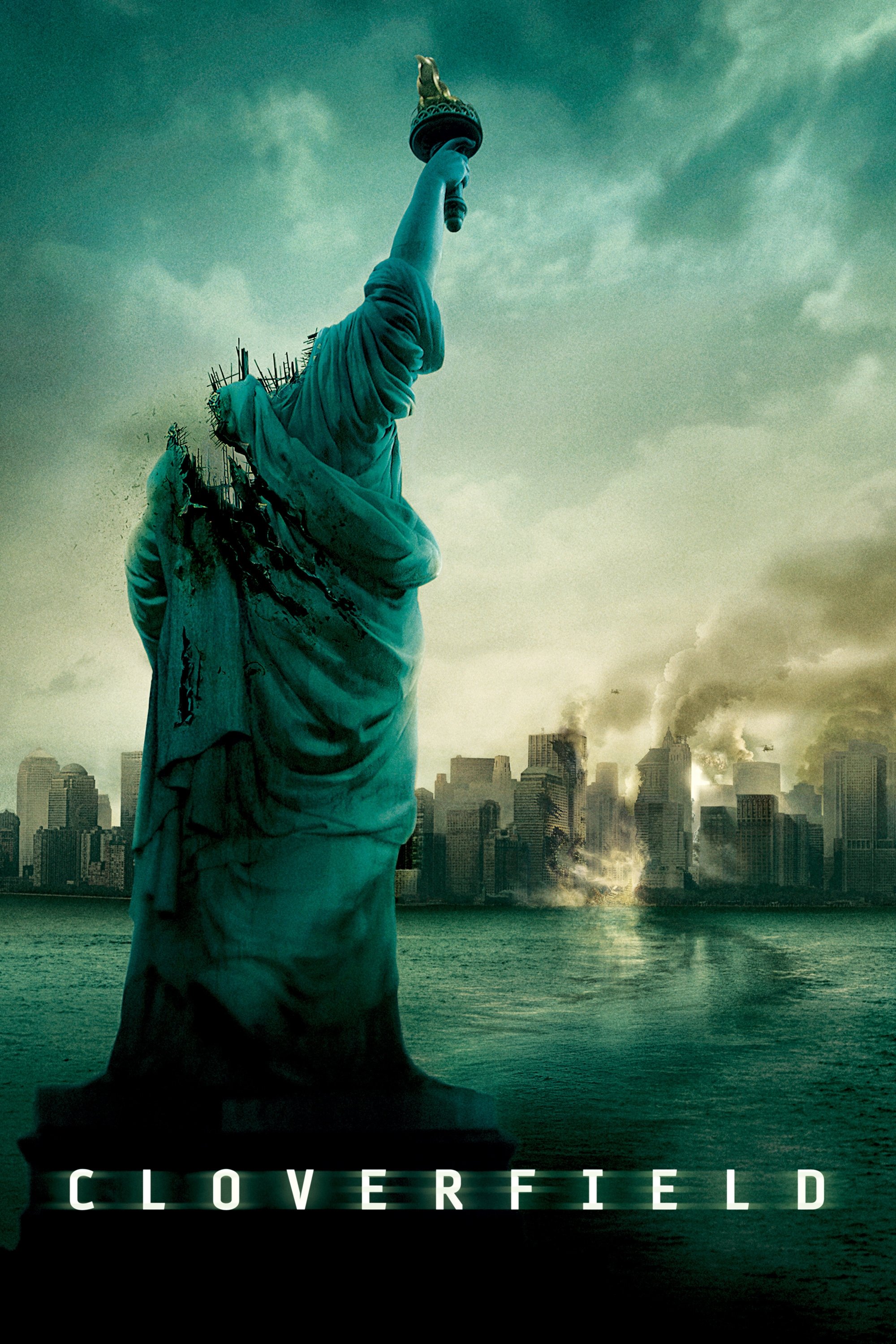
Matt Reeves directed ‘Cloverfield’ with a cast that includes Michael Stahl David, Odette Yustman, and T. J. Miller. The film adopted a found footage approach and presented a monster attack through the perspective of a consumer camcorder. Paramount Pictures supported an extensive teaser rollout and a viral marketing campaign that revealed story fragments through websites and brief clips.
The production mixed practical debris and set destruction with digital creature effects designed to work within shaky handheld frames. The release strategy used secrecy to maintain interest between the surprise trailer and opening weekend, and the film’s success led to further entries set in the same universe with varied formats.
‘War of the Worlds’ (2005)

Steven Spielberg directed ‘War of the Worlds’ with Tom Cruise and Dakota Fanning leading the cast and Tim Robbins in a major supporting role. The screenplay by Josh Friedman and David Koepp adapts the H. G. Wells novel and relocates the action to contemporary American suburbs and cities. Cinematography by Janusz Kamiński emphasizes low light and particulate filled air during attack scenes.
Industrial Light and Magic handled large scale tripod sequences and ground level destruction with detailed sound design and crowd simulation. John Williams composed a tense score built around recurring motifs for the alien machines, and the production used a combination of real locations and set builds to stage evacuation and refugee movement.
‘I, Robot’ (2004)

Alex Proyas directed ‘I, Robot’ loosely inspired by Isaac Asimov’s robot stories with Will Smith, Bridget Moynahan, and Alan Tudyk. The film introduces the Three Laws of Robotics through a homicide investigation and sets much of its action within corporate labs and assembly lines. Production design shows robotic consumer products integrated into daily life alongside human police procedure.
Motion capture and facial animation brought the character Sonny to the screen with detailed metallic textures and expressive eyes. The film balanced practical props with full digital crowds of robots and showcased chase scenes that combined real vehicles and computer generated structures within a near future Chicago.
‘Pitch Black’ (2000)

David Twohy directed ‘Pitch Black’ with Vin Diesel, Radha Mitchell, and Cole Hauser. The story strands a transport ship on a barren planet and introduces a prisoner who can see in the dark. The shoot took place in Australia with exterior work around Coober Pedy and interior spaceship sets built for controlled lighting and camera movement.
Color timing created distinct palettes for multiple suns and for darkness, and creature design mixed animatronics with computer graphics. The film launched the character Riddick for later entries and demonstrated how location choices and stylized grading can shape an alien world without extensive travel or oversized builds.
‘Timecrimes’ (2007)
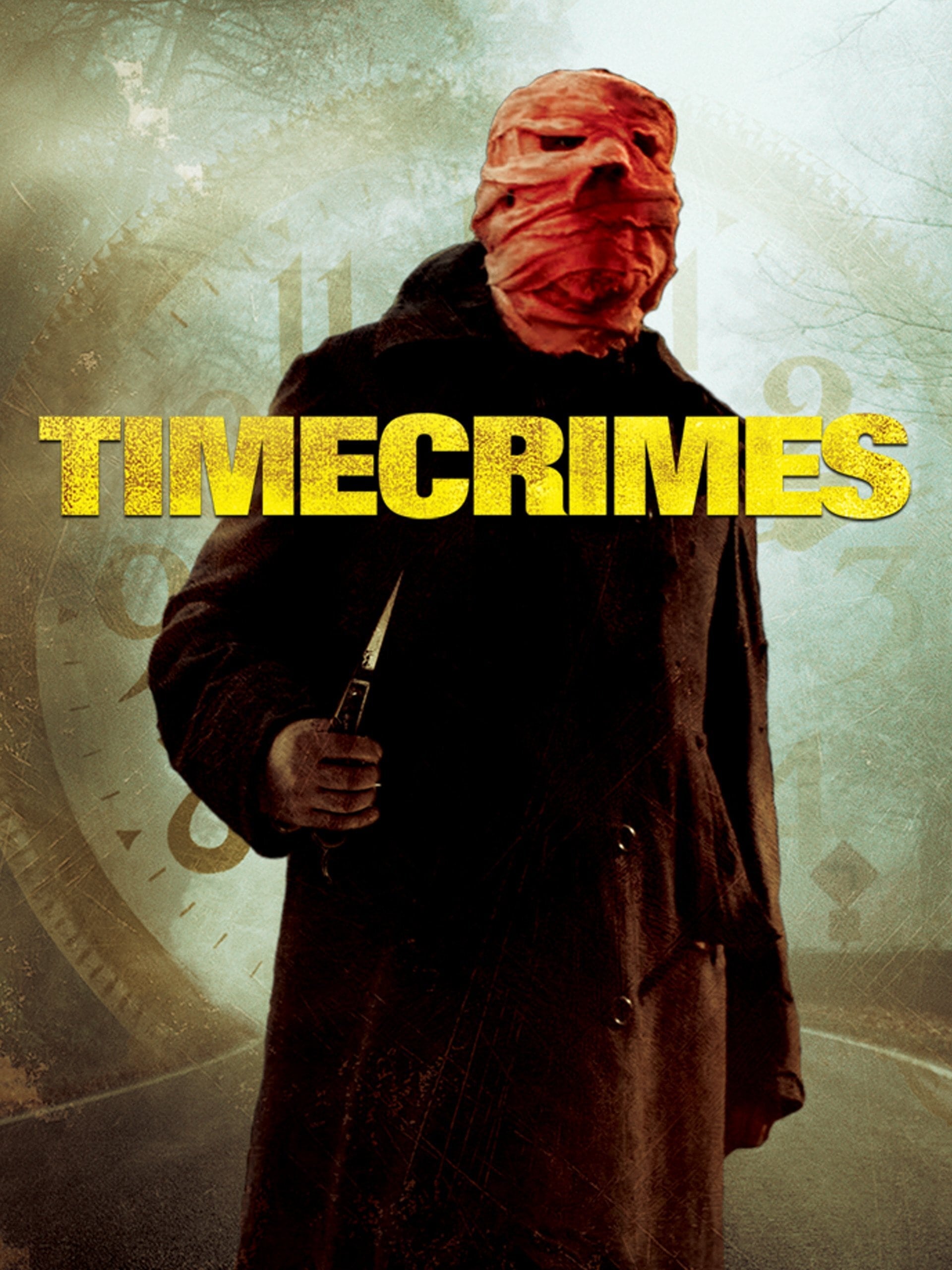
Nacho Vigalondo wrote and directed ‘Timecrimes’ with Karra Elejalde in the lead. The Spanish language thriller follows a series of overlapping time loops set around a rural home and a small research facility. The production favored simple locations and clear blocking so that repeated scenes could be staged from precise angles.
Editing and costuming were planned to track multiple versions of the same character without confusion, and the film premiered at international festivals with strong word of mouth among genre audiences. It has been used in courses and writing guides as an example of disciplined plotting and resourceful staging within science fiction.
‘The Host’ (2006)

Bong Joon-Ho directed ‘The Host’ with Song Kang Ho, Byun Hee Bong, Park Hae Il, Bae Doona, and Go Ah Sung. The story follows a family confronting a river creature in Seoul, and the production shot extensively along the Han River with city support. The film blended family dynamics with monster movie structure and used practical locations for most scenes.
Visual effects companies created the creature with attention to skin texture and weight while practical water work and wire rigs supported stunts on bridges and embankments. The film set local box office records and demonstrated the capacity of national cinema to deliver large scale genre stories that travel internationally.
‘The Prestige’ (2006)
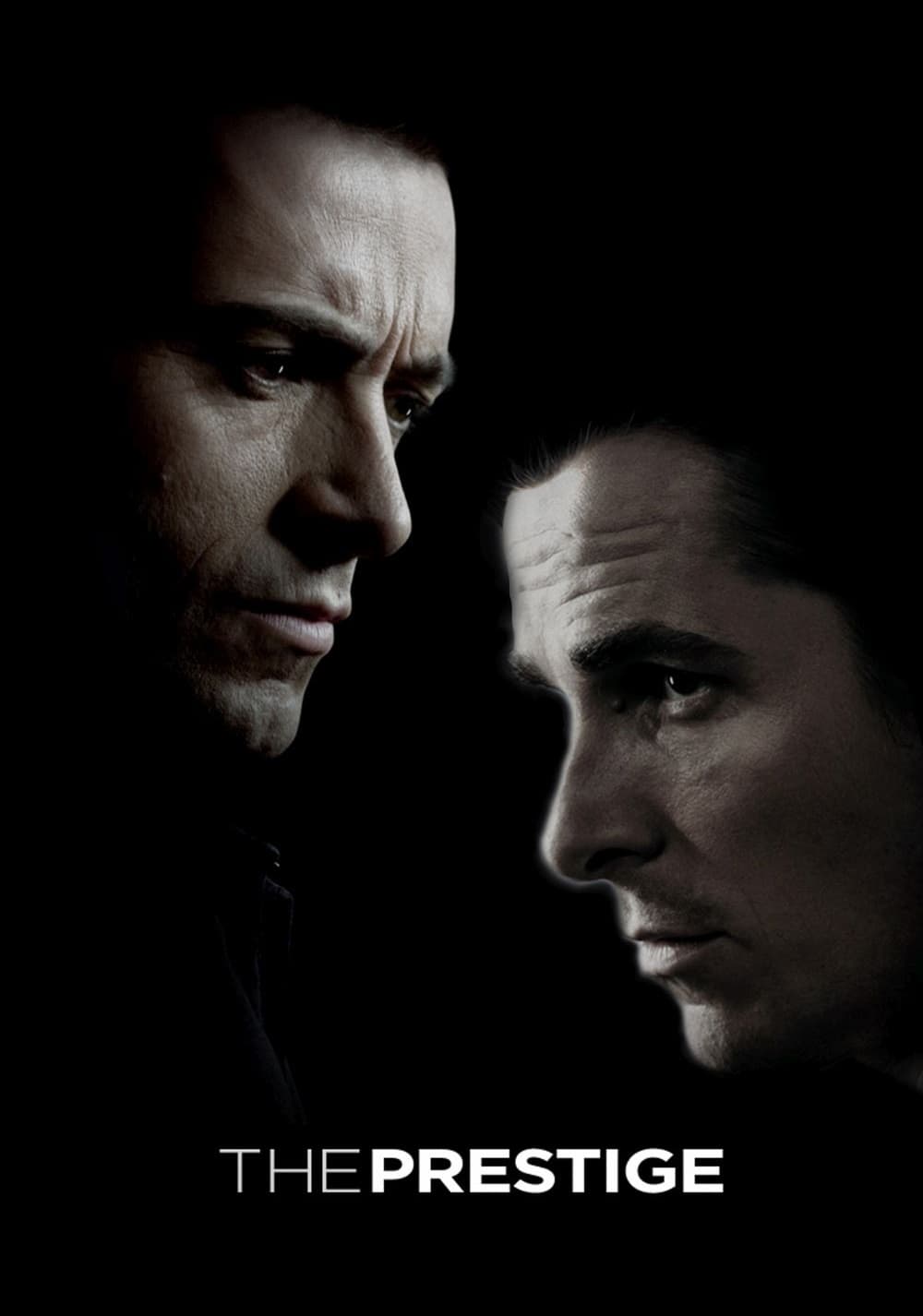
Christopher Nolan directed ‘The Prestige’ based on the novel by Christopher Priest with Christian Bale and Hugh Jackman in the lead. The cast also features Michael Caine, Scarlett Johansson, and David Bowie as Nikola Tesla. Cinematography by Wally Pfister and production design by Nathan Crowley recreated late nineteenth century theaters and workshops with detailed props.
The film uses parallel timelines and journal entries to structure a rivalry between stage magicians, and the production emphasized practical illusions where possible. The narrative incorporates scientific speculation through the Tesla subplot, and the film received Academy Award nominations for cinematography and art direction.
Share your own picks for 2000s sci-fi films that still hold up in the comments.