10 Underrated William Shatner Movies You Must See

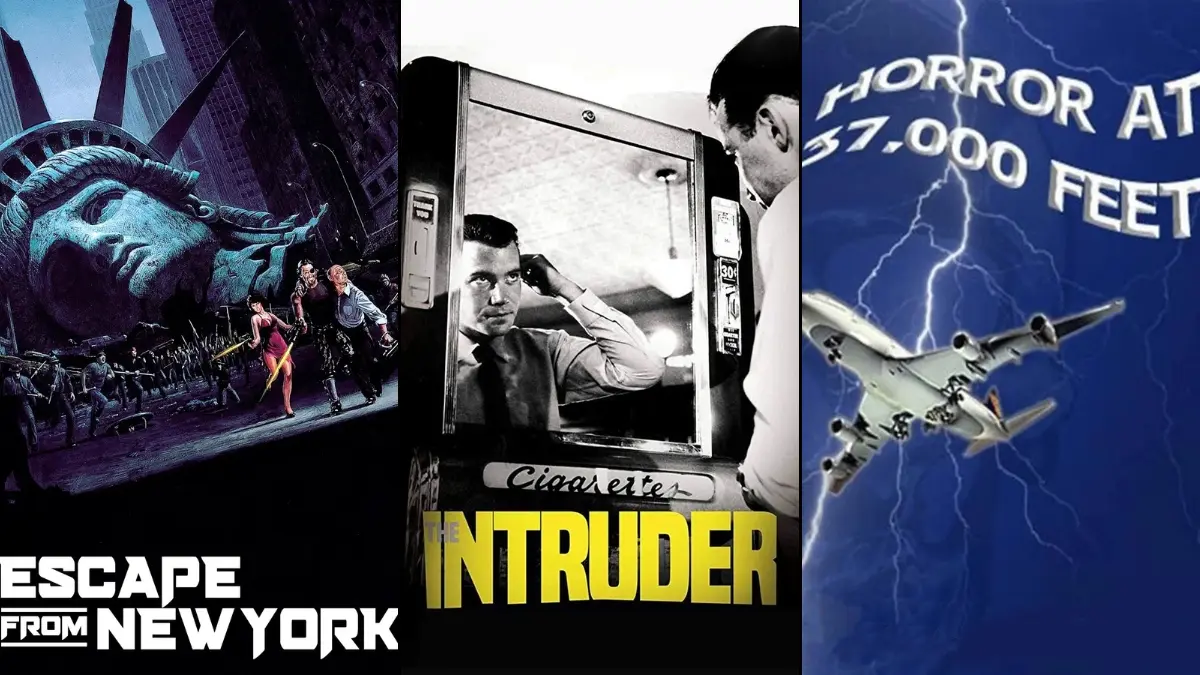

William Shatner’s career reaches far beyond his most famous work on ‘Star Trek’. Across features and television movies he took on projects that mixed social drama, horror, westerns, and political thrillers, often with unusual production choices and memorable collaborators. Many of these titles circulated quietly through drive ins, late night schedules, and home video, which means they can slip past casual viewers.
This list gathers ten lesser seen films that show the range of stories he joined. You will find international coproductions, network originals, and independent efforts, along with quick notes on plots, crews, locations, and distribution paths that help you track them down and understand how they were made.
‘The Intruder’ (1962)
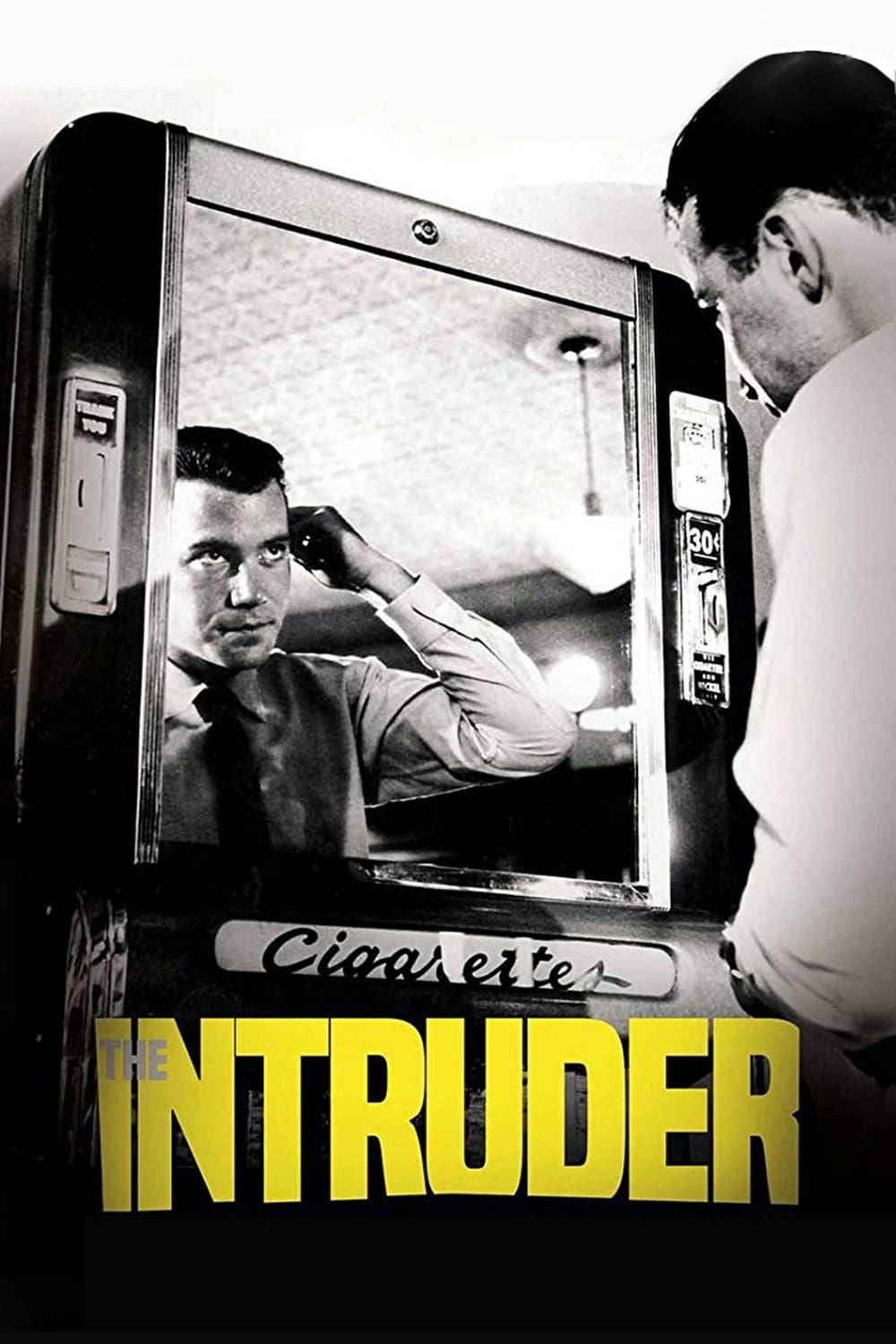
Roger Corman directed this feature from a screenplay by Charles Beaumont based on his own novel. William Shatner plays Adam Cramer, a political agitator who arrives in a Southern town and pushes residents toward violence as the local school system moves toward integration. The production shot on location in small Missouri communities with extensive use of local extras and real storefronts to capture the setting.
The film faced resistance from exhibitors due to its subject matter. It appeared in different markets under alternate titles that included ‘I Hate Your Guts’ and ‘Shame’. Initial box office was limited, yet it steadily returned through revival screenings and later home video releases that kept the title in circulation.
‘Incubus’ (1966)
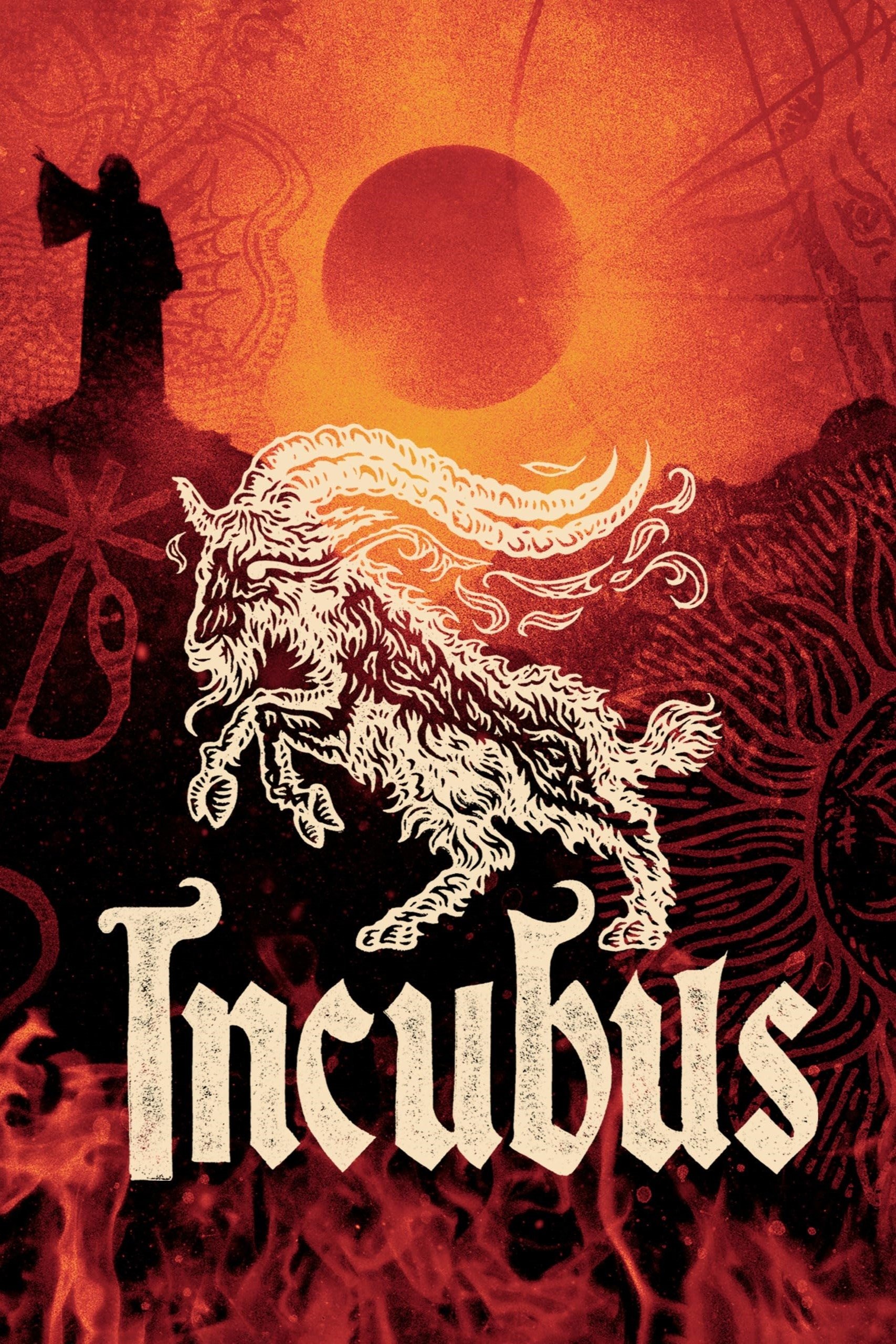
This black and white horror film is notable for using Esperanto for all spoken dialogue. Leslie Stevens, known as the creator of ‘The Outer Limits’, directed, with cinematography by Conrad L Hall. William Shatner plays a man who becomes entangled with a family targeted by demonic figures called succubi. The crew filmed on rugged coastal locations around Big Sur, which gave the picture a stark visual style.
For years the negative was believed lost. Preservation efforts began after a subtitled print surfaced overseas, leading to a restoration and new screenings. The release history includes festival showings and later specialty home video editions that finally made the film widely viewable again.
‘White Comanche’ (1968)
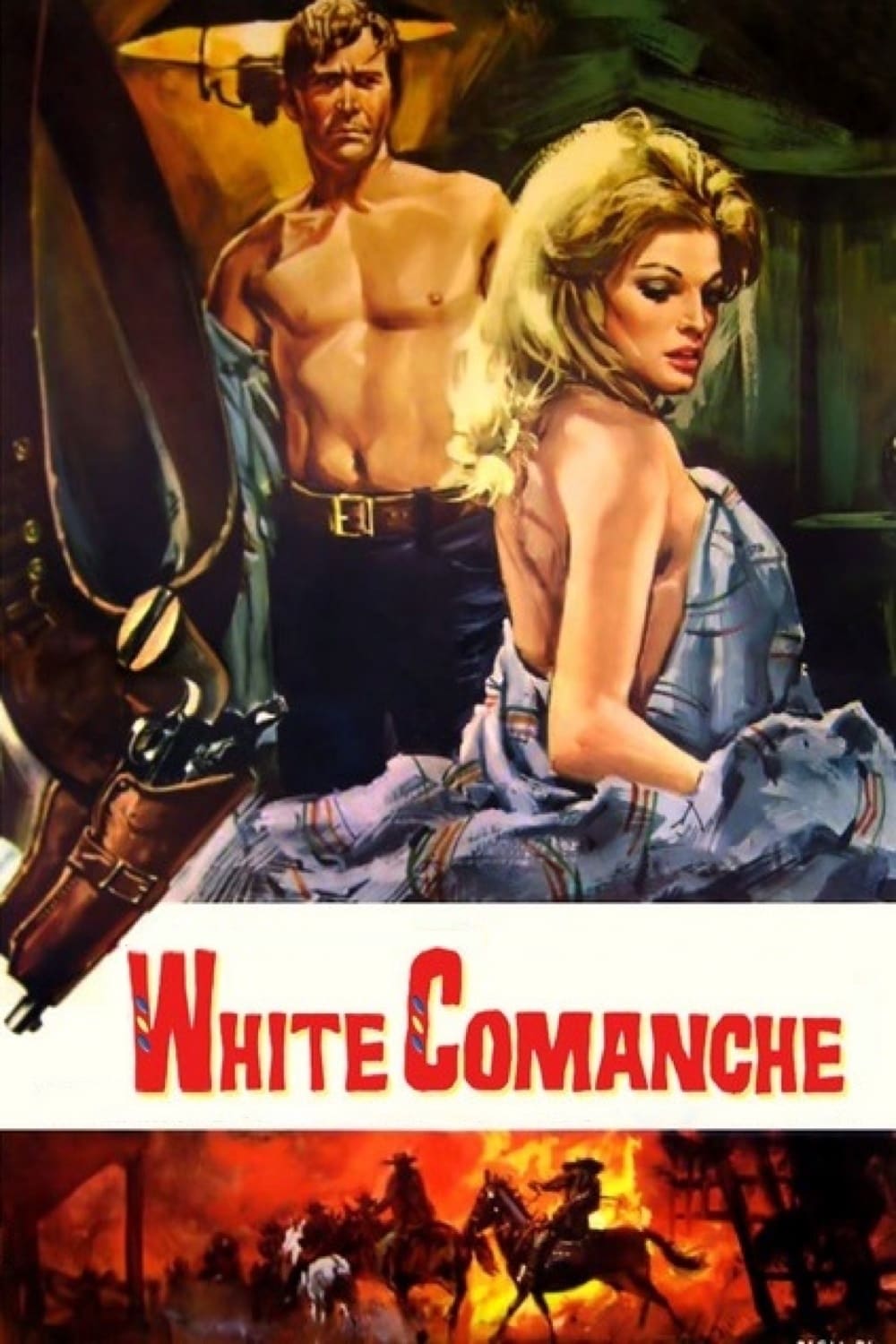
A Spain based western, this production stars William Shatner in a dual role as twin brothers named Johnny Moon and Notah. Joseph Cotten appears as a lawman drawn into their conflict. The picture was shot with a European crew and used Spanish exteriors that stand in for the American frontier, a common approach for westerns of the period.
The director credit reads Gilbert Lee, a name used for José Briz Méndez. The movie also circulated under the alternate title ‘Comanche Blanco’ in various territories. Prints and video versions differ in length, so versions found today may reflect different regional edits.
‘The Horror at 37,000 Feet’ (1973)
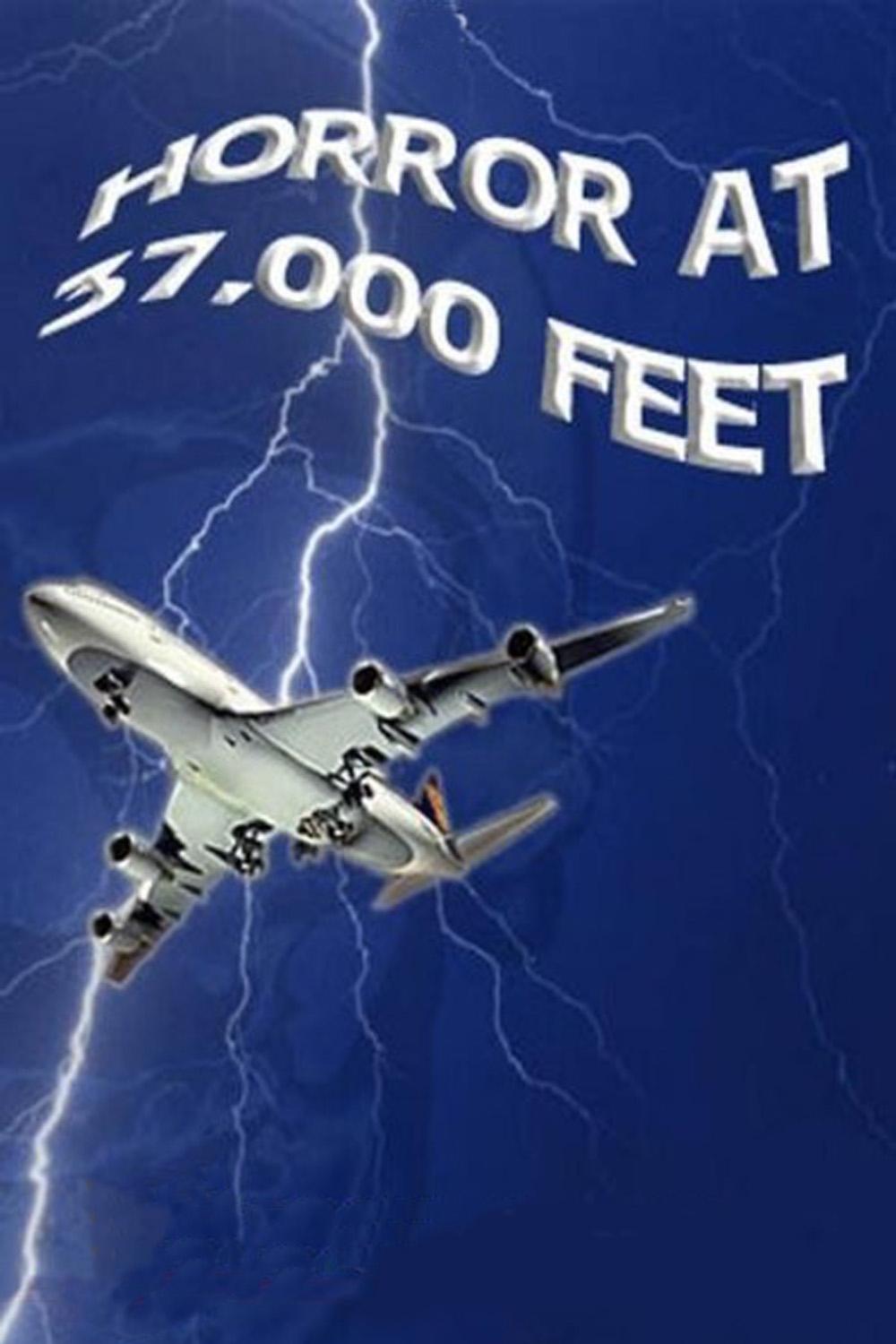
This television movie places a cursed artifact in the cargo hold of a transatlantic flight and follows the escalating events in the cabin. William Shatner plays a former priest drawn into the crisis. Production built an aircraft interior on soundstages to handle the effects and turbulence scenes while keeping cast and crew safe during long shooting days.
It aired on a major American network as part of a run of supernatural television films that paired everyday settings with occult threats. After broadcast the title moved into syndication and later home video, which kept it on rotation for late night viewings for many years.
‘Impulse’ (1974)
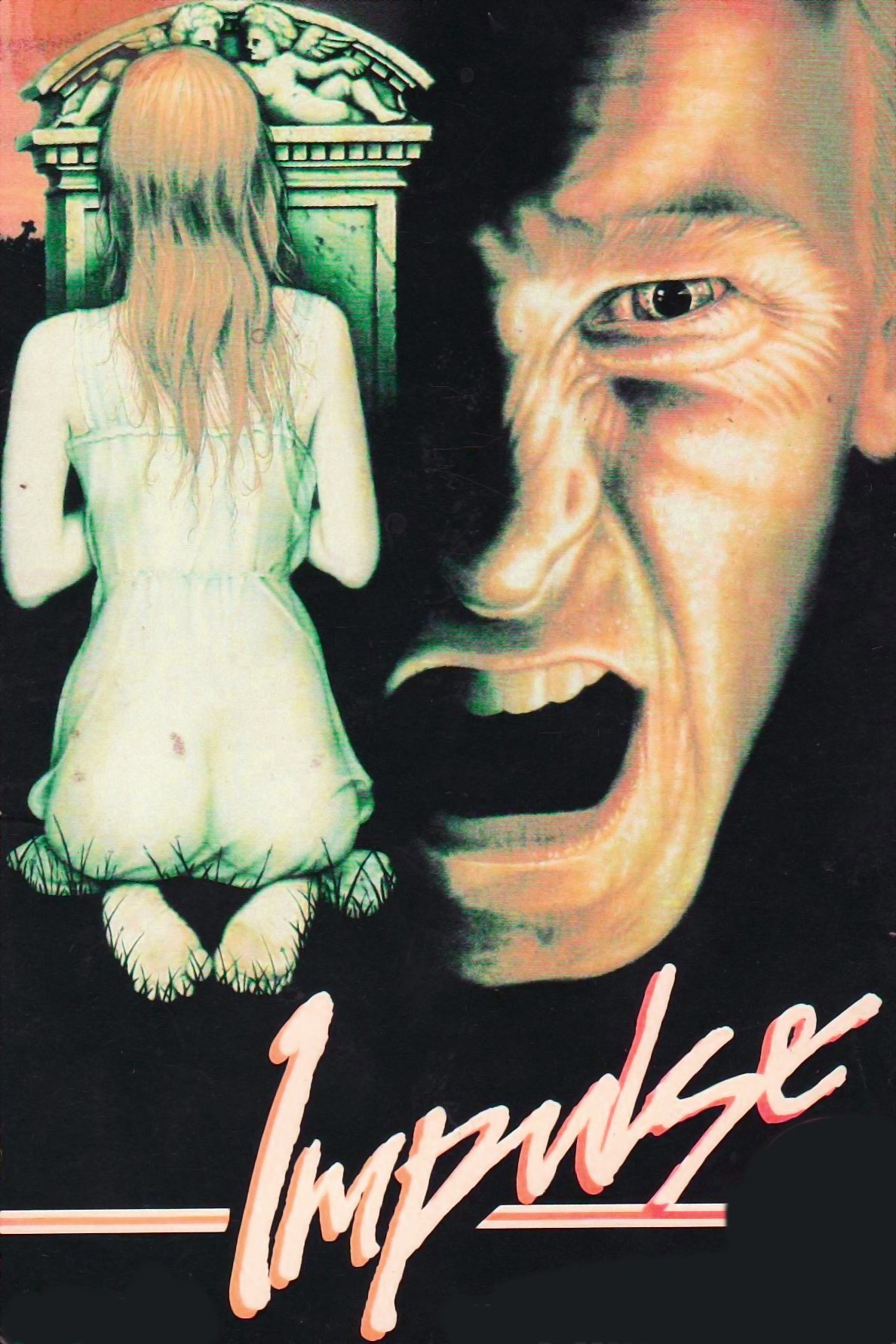
Director William Grefé shot this independent thriller in Florida using regional investors and locations. William Shatner plays a smooth talking drifter and con artist who preys on wealthy women. The cast includes Harold Sakata, remembered by many for his role in ‘Goldfinger’, who appears here as a character named Karate Pete.
Crews worked in and around Miami and Broward County with permission from local businesses and homeowners. The release strategy emphasized drive in theaters and independent chains before network television packages added the movie to late night schedules. Prints show the rough and ready production style common to regional filmmaking of the era.
‘Pray for the Wildcats’ (1974)
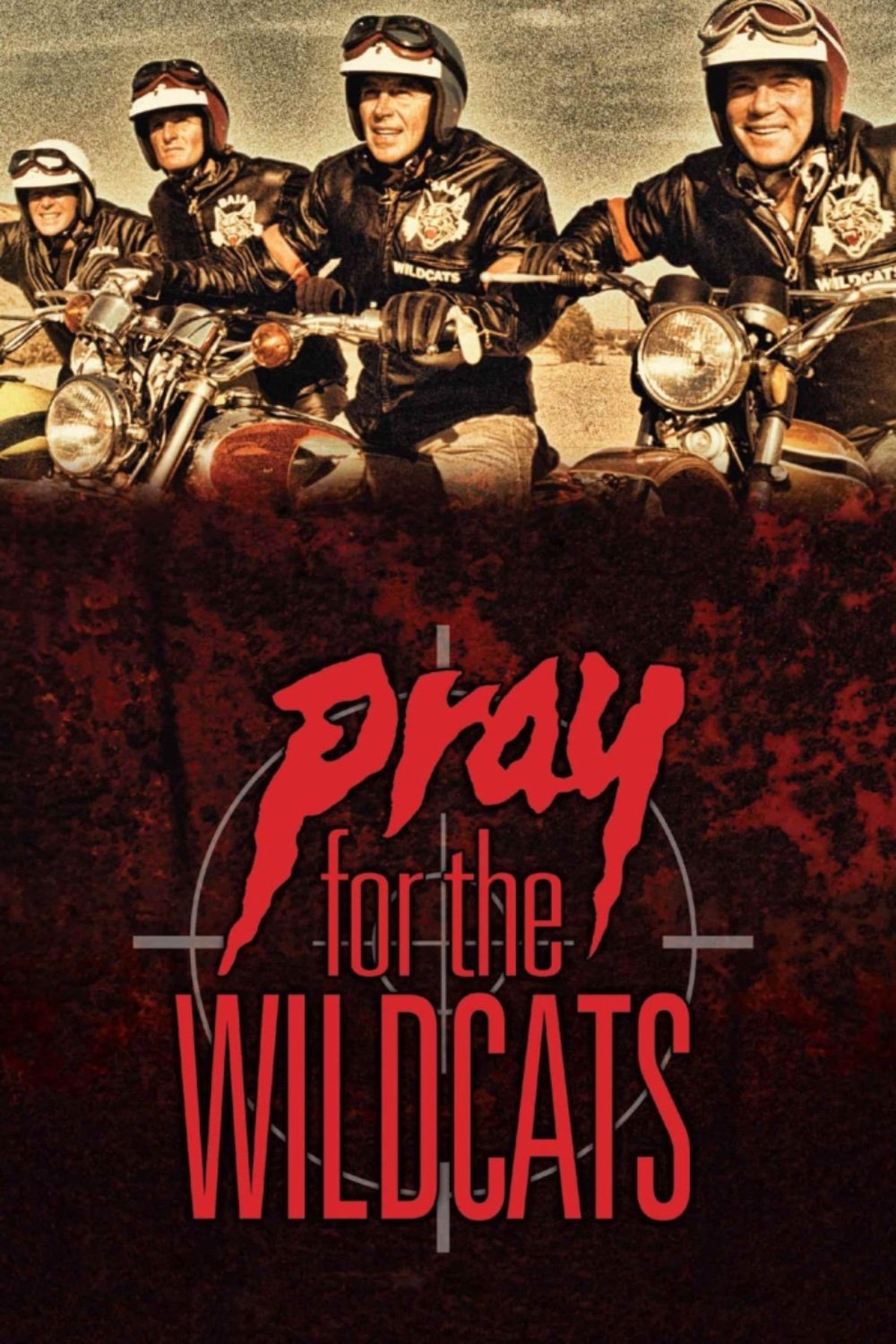
This network television film follows a group of advertising professionals on a motorcycle trip into the desert with an unstable client. William Shatner plays Warren Summerfield, an executive with personal troubles that collide with dangerous decisions on the journey. The cast features Andy Griffith, Robert Reed, and Marjoe Gortner, each drawn from high profile series work at the time.
The production used desert locations in California and Baja to stage long off road sequences. It premiered in prime time as part of a weekly movie slot that brought original features to a national audience. The title later circulated through cable schedules and home video, keeping it accessible beyond its first airing.
‘The Devil’s Rain’ (1975)
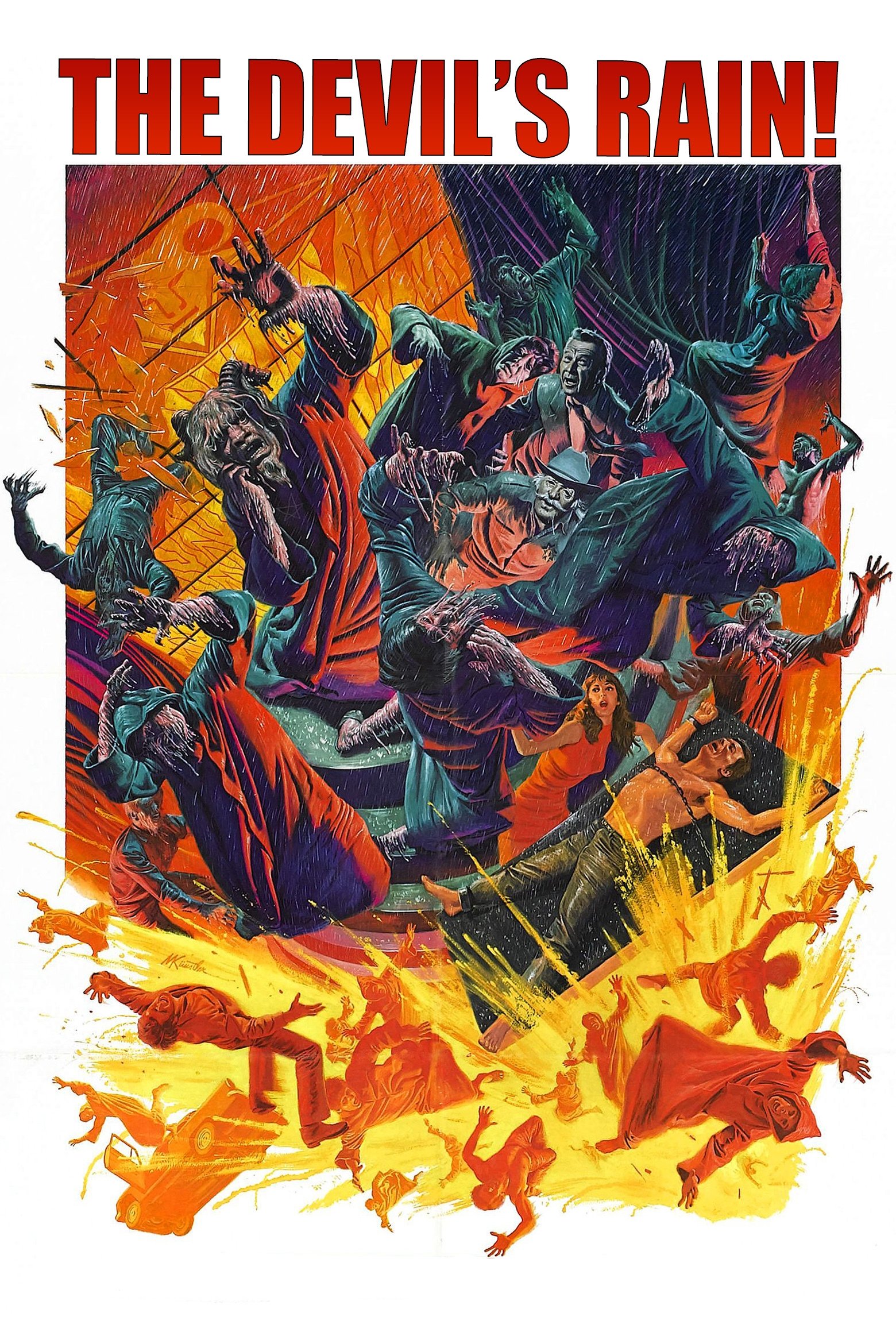
Robert Fuest directed this occult horror film with William Shatner as a man who confronts a desert cult led by a figure played by Ernest Borgnine. The ensemble includes Ida Lupino, Tom Skerritt, and a screen appearance by John Travolta early in his career. Anton LaVey served as a technical adviser and appears briefly on screen.
Special effects teams designed elaborate melting sequences that required wax appliances and controlled heat rigs. Location work used isolated towns and barren landscapes to support the story world. The film received a wide theatrical release and later built a steady presence on television and home video.
‘Kingdom of the Spiders’ (1977)
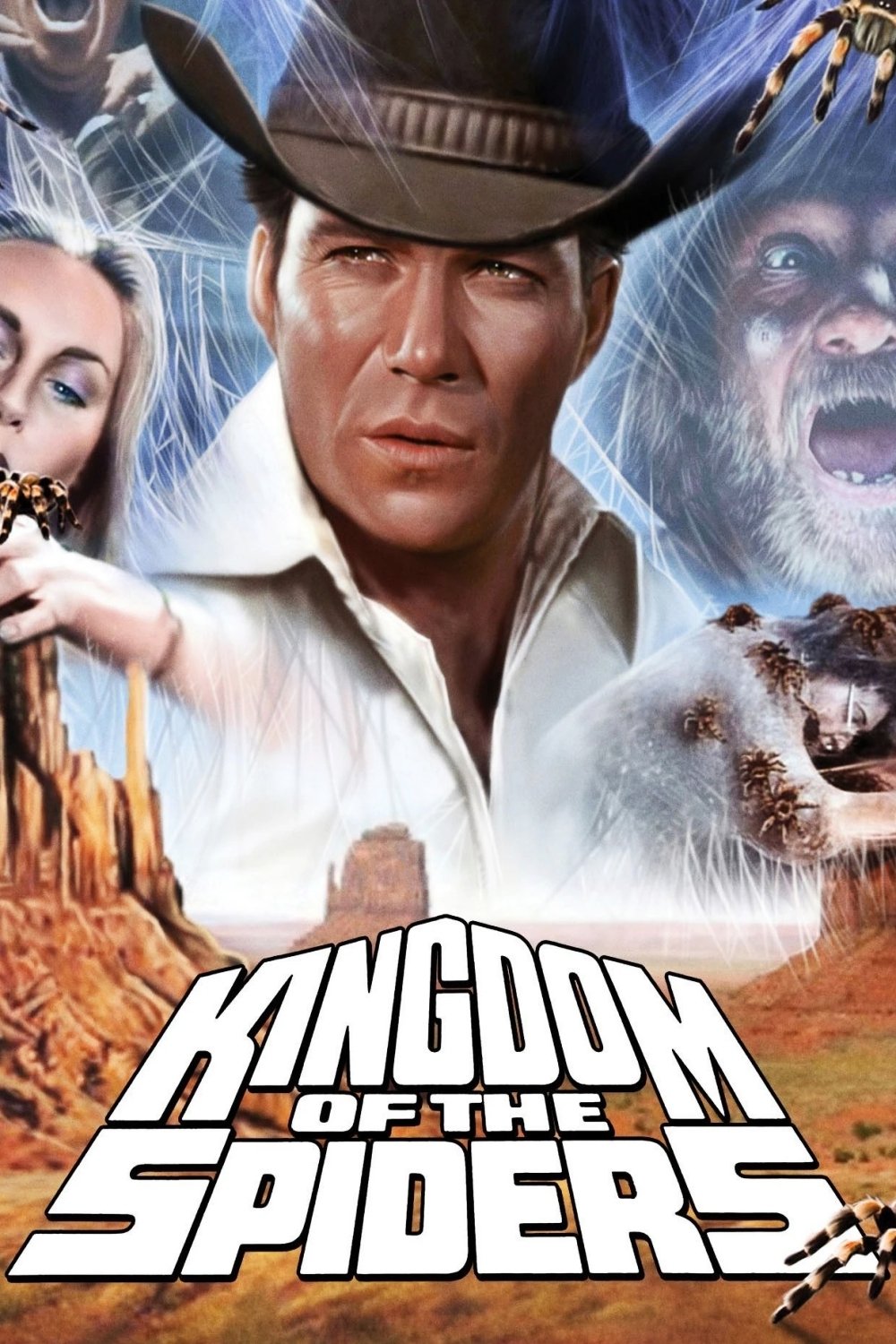
John Cardos directed this creature feature about tarantulas overrunning a rural community. William Shatner stars as Rack Hansen, a local veterinarian who works with an entomologist to understand the outbreak. The production filmed in and around Camp Verde in Arizona and made extensive use of real spiders handled by trainers.
Because live arachnids were central to the story, the crew designed enclosed sets and clear protocols for cast and camera teams. The movie played strongly in drive ins where outdoor screens amplified the impact of swarm scenes. Repeat showings on television helped the picture find a growing audience over time.
‘The Kidnapping of the President’ (1980)
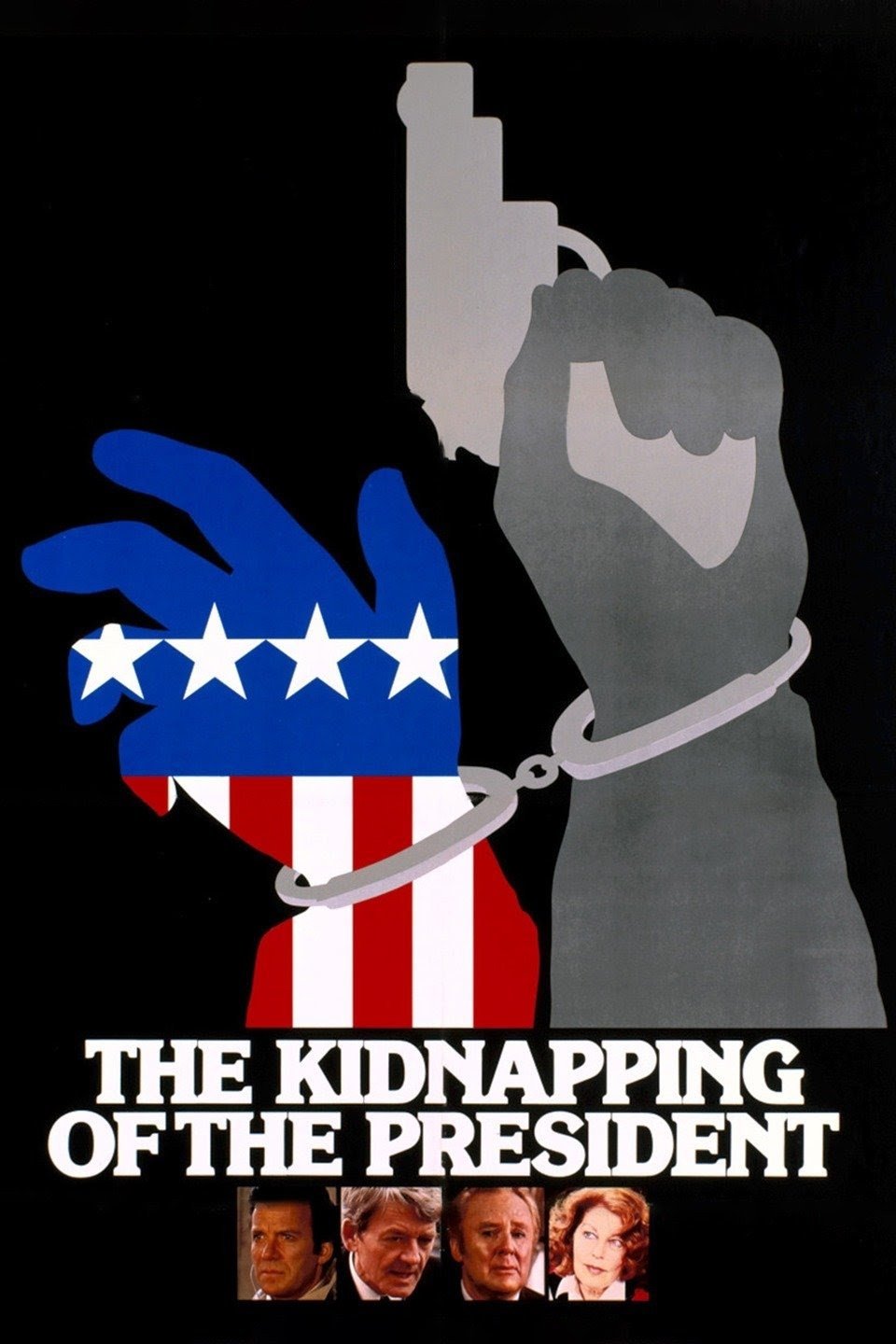
This Canadian thriller is based on a novel by Charles Templeton and directed by George Mendeluk. William Shatner portrays Secret Service agent Jerry O’Connor, who attempts to stop a plot against the president during a visit to Toronto. Key sequences take place at Nathan Phillips Square and use city landmarks to anchor the action.
Production partnered with local authorities to stage scenes with an armored vehicle that becomes a central set piece. Hal Holbrook plays the president targeted by the criminals. The release reached theaters in both Canada and the United States and represents a notable cross border collaboration of the period.
‘Visiting Hours’ (1982)
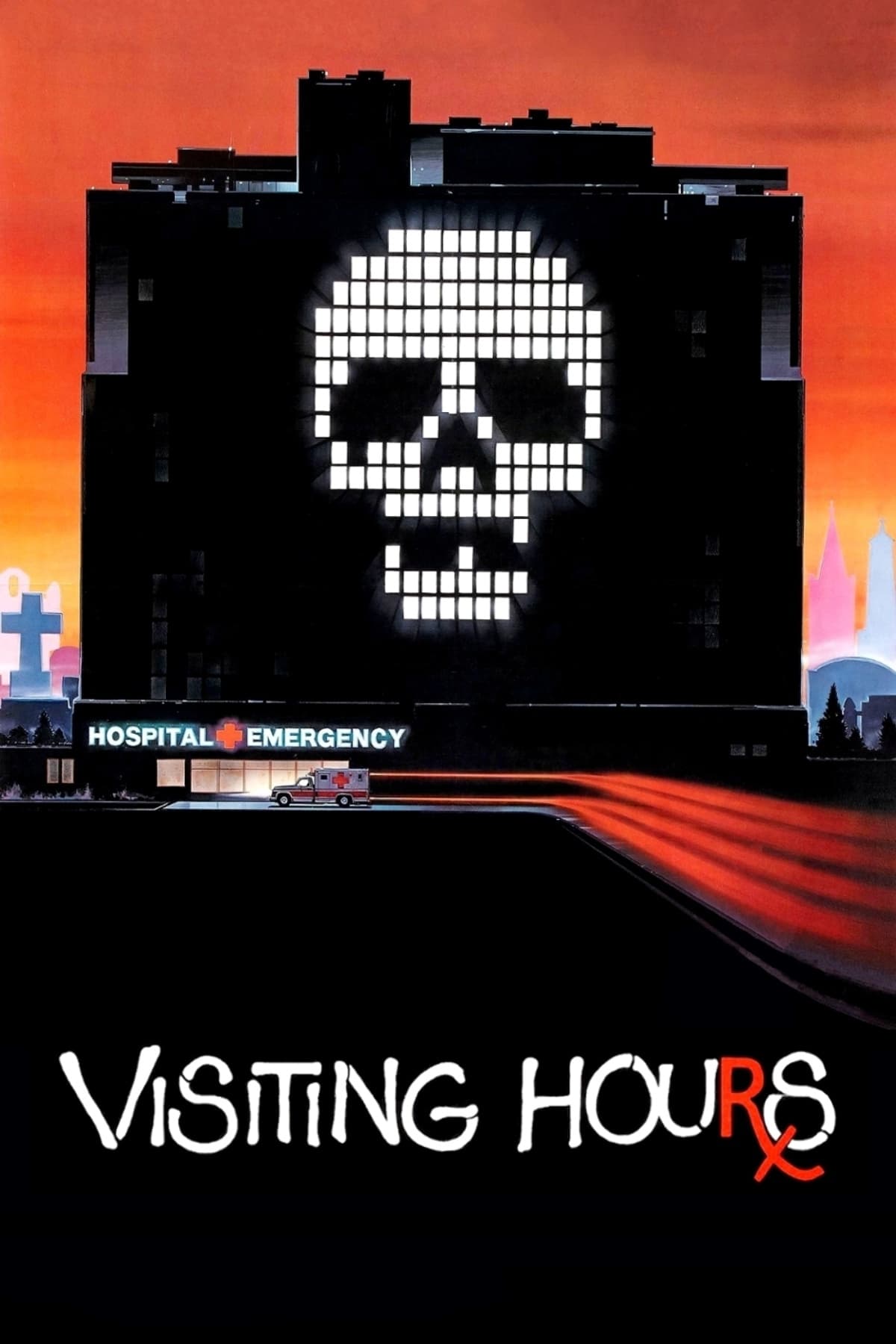
Directed by Jean Claude Lord, this Canadian thriller pairs William Shatner with Lee Grant and Michael Ironside. The story follows a journalist who survives an attack and is moved to a hospital, where the killer continues to hunt her while a television executive becomes involved. The hospital setting allows the film to use wards, elevators, and security checkpoints as key locations.
The production was part of a period when Canadian tax incentives supported genre filmmaking. Crews shot in Montreal with a mix of Canadian and American performers. Theatrical release reached both countries, and later cable and video availability kept the title in steady circulation.
Share your own overlooked Shatner picks in the comments and let everyone know which titles you would add to the list.