2000s Horror Movies that Aged Incredibly Well

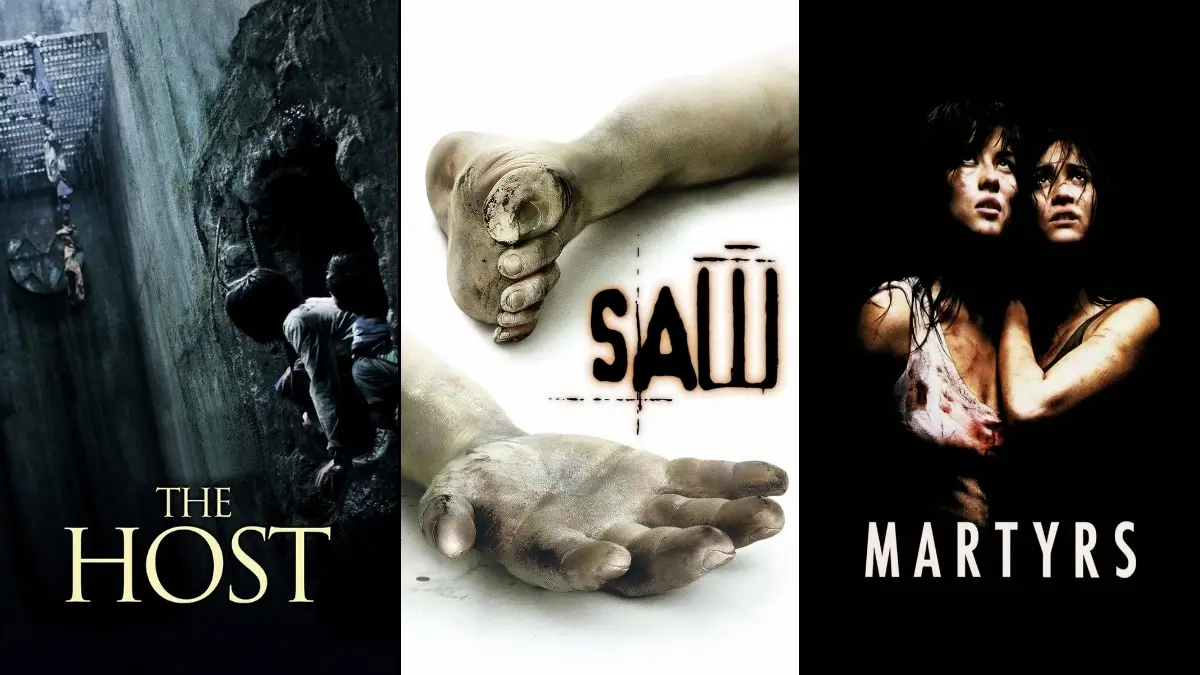

The 2000s pushed horror into new territory, blending global influences, digital tools, and fearless storytelling. Studios and independents alike experimented with formats such as found footage, DV-shot realism, and cross-genre hybrids, while international hits from Asia and Europe reshaped what mainstream audiences expected from the genre.
Below is a curated look at twenty titles from that decade that continue to be watched, studied, and reissued. Each entry focuses on concrete details—who made it, how it was crafted, where it fits in a franchise or movement, and what impact it had—so you get useful context for a fresh watch or a deeper rewatch.
‘American Psycho’ (2000)

Directed by Mary Harron and co-written with Guinevere Turner, ‘American Psycho’ adapts Bret Easton Ellis’s novel with Christian Bale portraying Patrick Bateman. The production was backed by Lions Gate, and the film went through ratings negotiations that led to a trimmed theatrical cut and later unrated releases on home video. The shoot emphasized sleek production design to mirror its Wall Street setting, with costume work highlighting high-end brands that are central to the story’s satire of consumer culture.
The soundtrack mixes pop hits with an original score, and the film uses voiceover to track Bateman’s inner monologue. Its release generated strong home-media sales, multiple restorations across DVD, Blu-ray, and 4K, and ongoing academic discussion in film and cultural studies courses about adaptation choices and unreliable narration.
‘Ginger Snaps’ (2000)
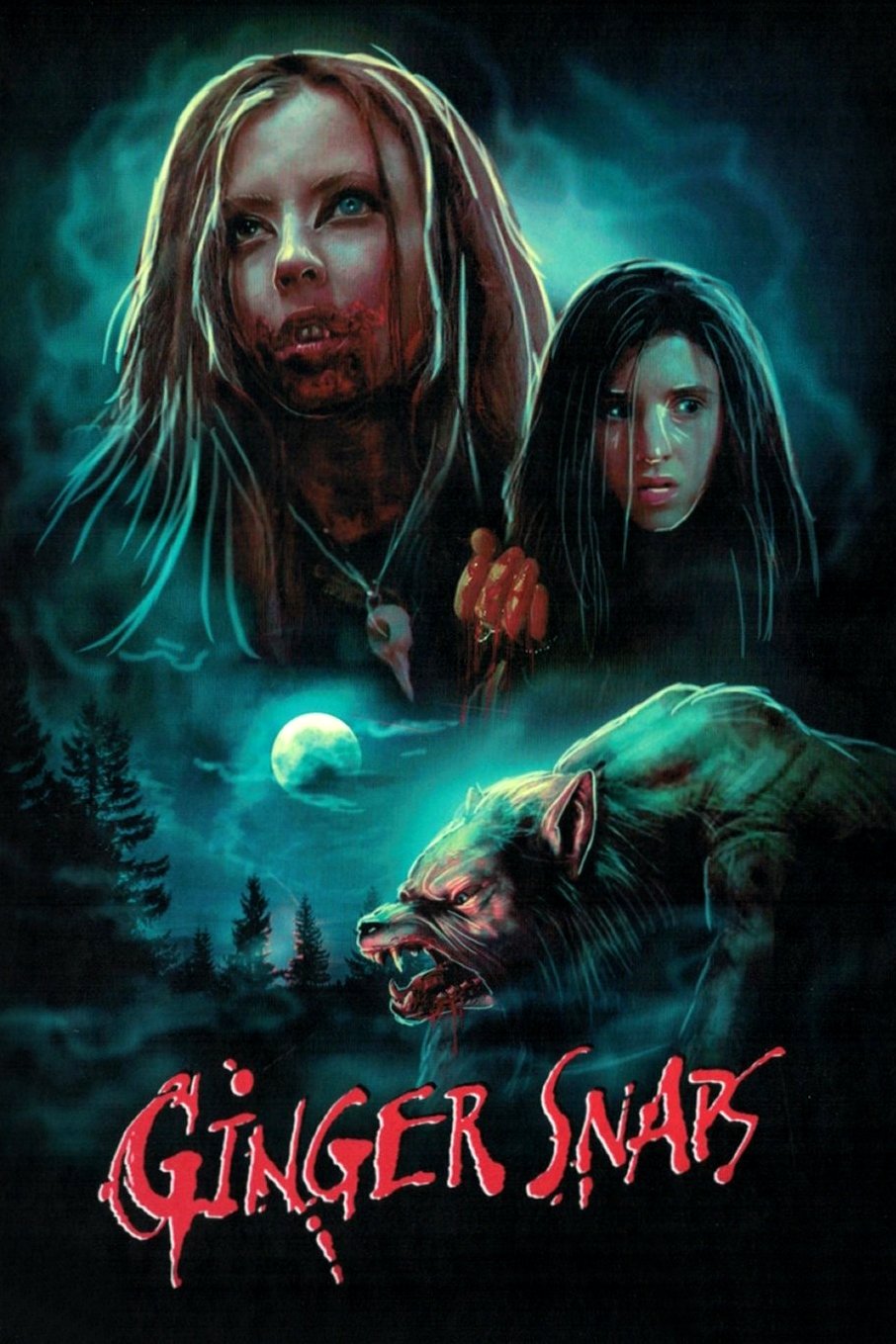
‘Ginger Snaps’ is a Canadian production directed by John Fawcett and written by Karen Walton, starring Emily Perkins and Katharine Isabelle as sisters in a suburban coming-of-age story that intersects with werewolf mythology. Shot largely in Ontario on a modest budget, it relied on practical creature effects and in-camera tricks to deliver its transformation sequences.
The film built out a small franchise with two follow-ups featuring the same leads. It remained a steady catalog performer on DVD and Blu-ray, and restoration labels have issued upgraded editions with commentary tracks and archival materials, keeping it in circulation for genre scholars and fans of Canadian horror cinema.
‘Session 9’ (2001)
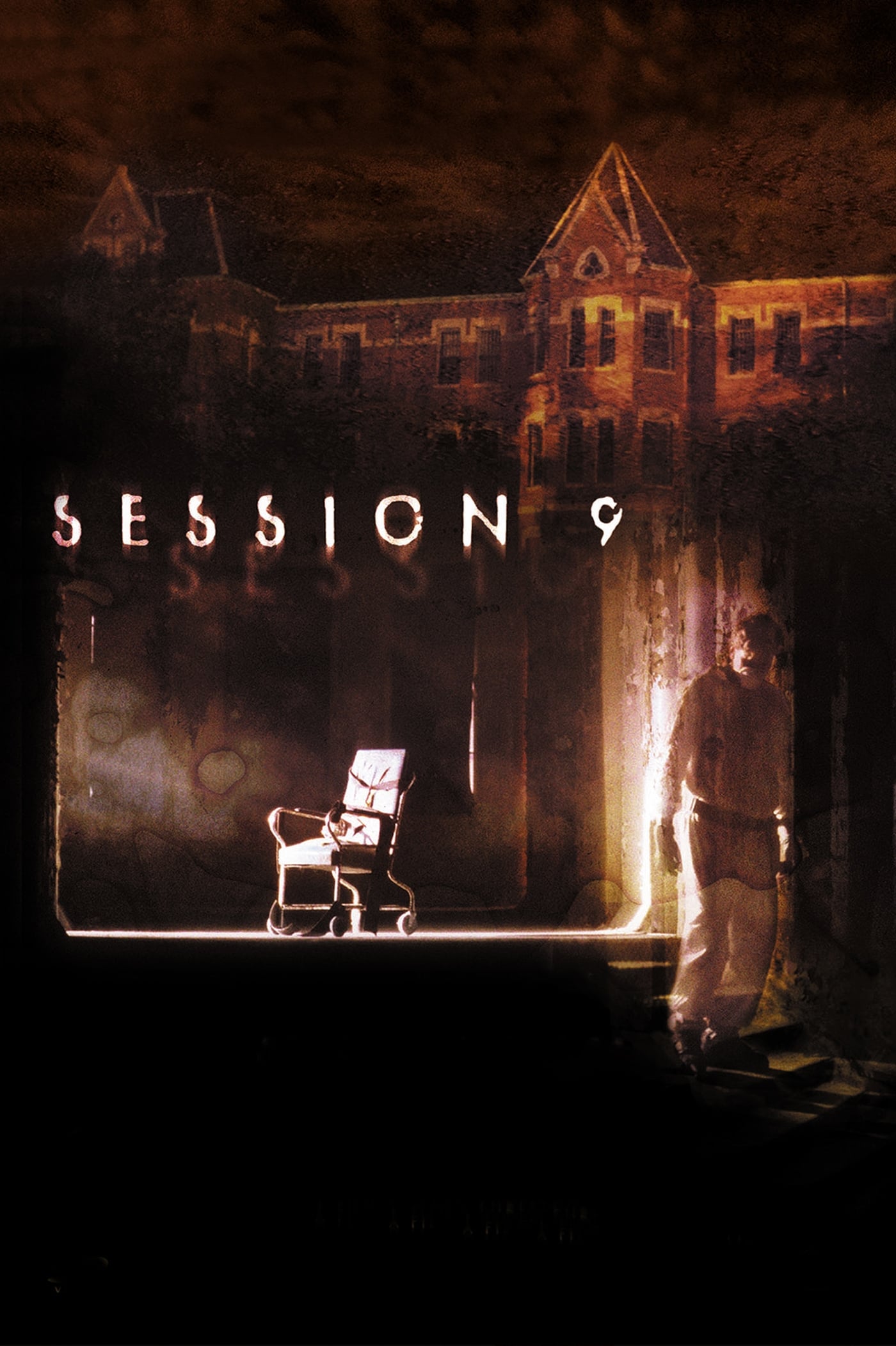
Brad Anderson’s ‘Session 9’ centers on an asbestos-cleaning crew working inside the abandoned Danvers State Hospital, and the production famously shot on location to take advantage of the site’s extensive, untouched interiors. The film used early high-definition digital cameras, creating a stark, low-light look that fit its psychological focus and small-budget approach.
Its ensemble includes Peter Mullan and David Caruso, and sound design plays a major role, with recorded therapy sessions woven into the narrative. After a limited theatrical run, the film gained traction through DVD, late-night cable, and platform programming, becoming a case study in digital cinematography’s early adoption in horror.
‘The Others’ (2001)
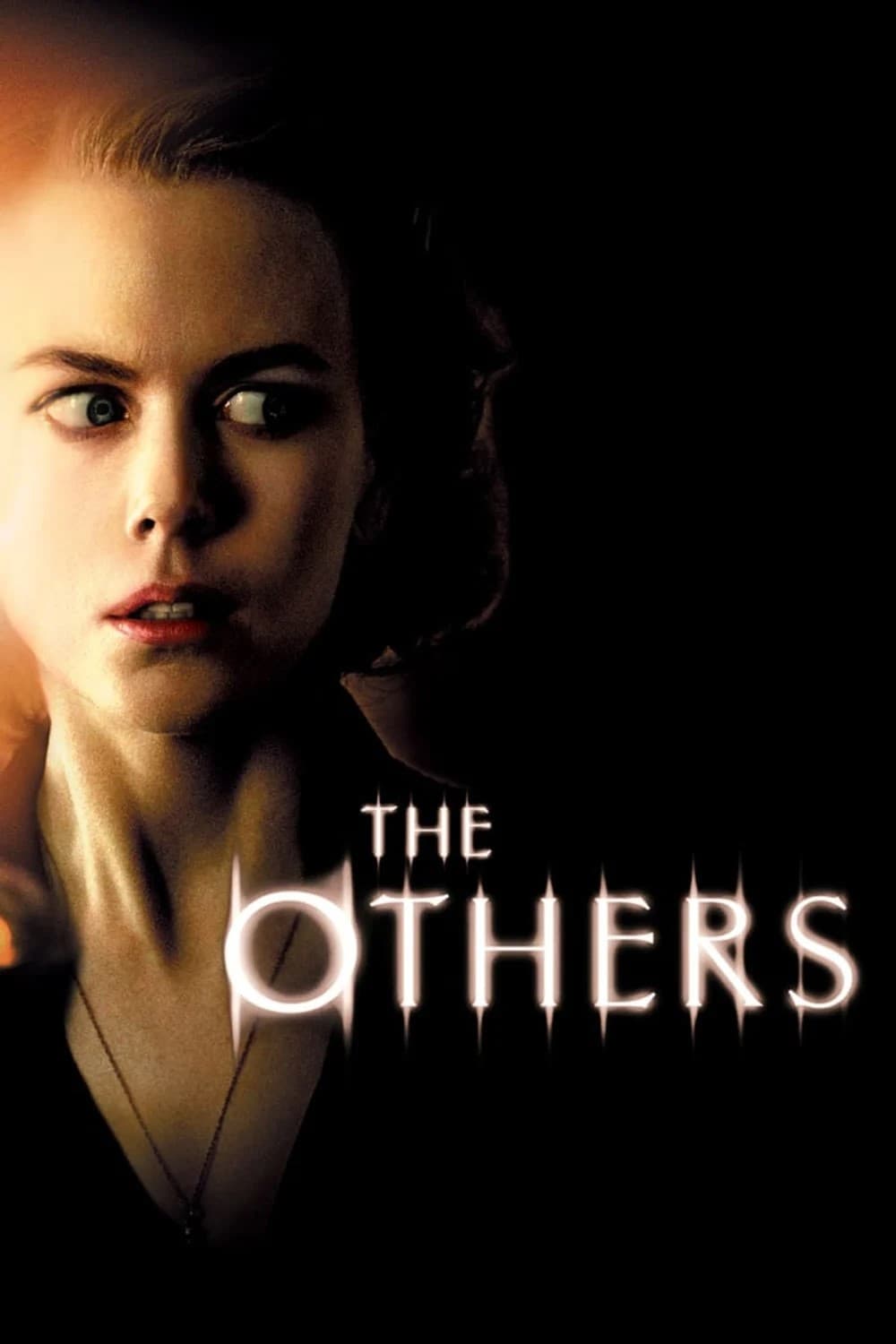
‘The Others’ is written and directed by Alejandro Amenábar and stars Nicole Kidman, Fionnula Flanagan, and Alakina Mann. Produced in part by Cruise/Wagner Productions and filmed in Spain and the United Kingdom, the story’s period setting is supported by naturalistic lighting, measured camera movement, and detailed art direction.
The film earned multiple awards, including top Goya prizes, and drew attention for its minimal reliance on visual effects in favor of atmosphere and performance. Subsequent home-media releases preserved commentary tracks and featurettes detailing Amenábar’s process, which continues to be referenced in discussions of sound-driven suspense.
‘The Devil’s Backbone’ (2001)
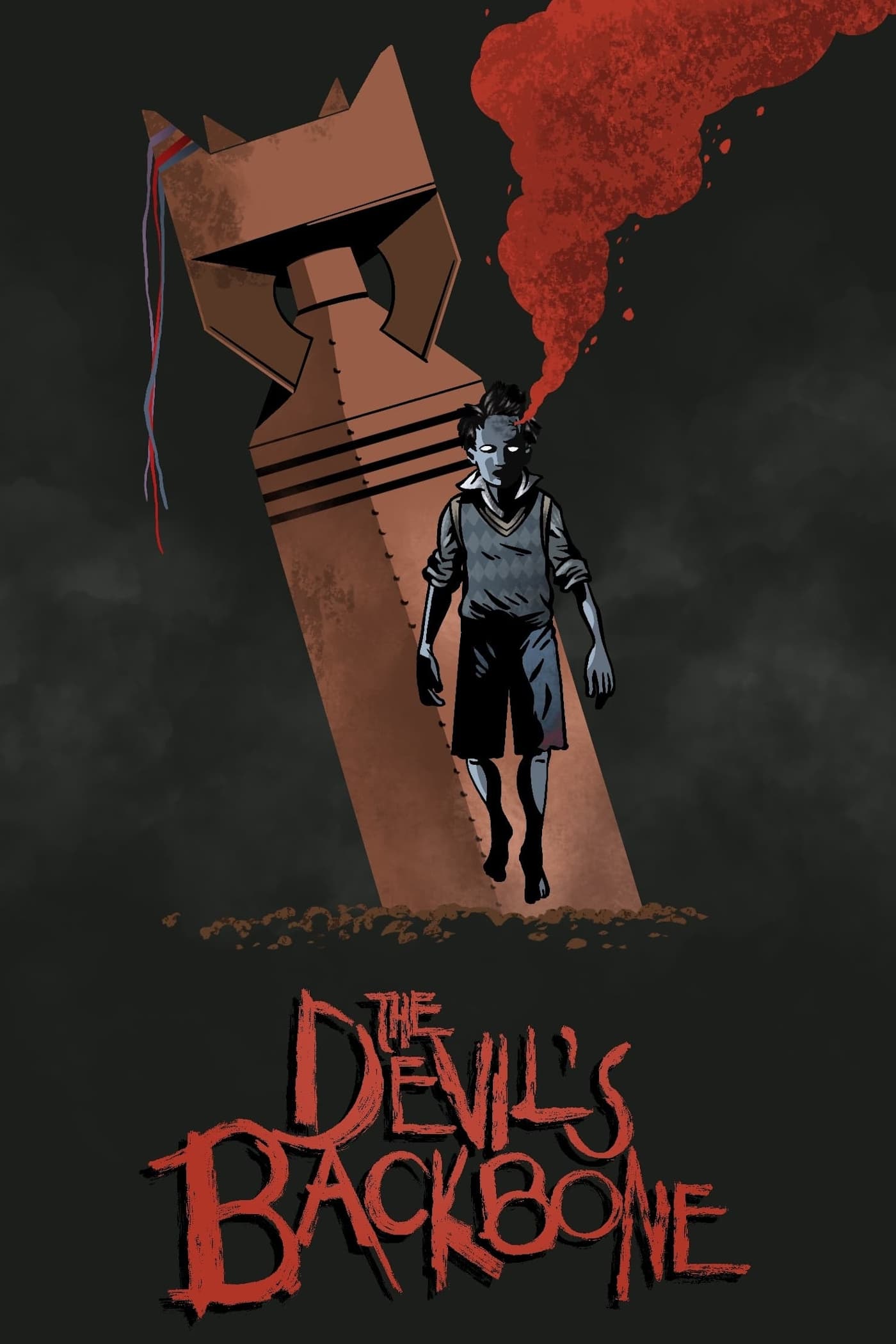
Co-written and directed by Guillermo del Toro, ‘The Devil’s Backbone’ is a Spanish-Mexican co-production set at a remote orphanage during the final days of a civil conflict. Produced with support from Pedro and Agustín Almodóvar’s El Deseo, it features cinematography by Guillermo Navarro and a practical-effects approach to its spectral imagery.
The film’s production history is well documented in making-of materials, and it is frequently paired with del Toro’s later Spanish-language work in retrospectives. Restorations and boutique releases have maintained high-quality transfers and scholarly supplements, keeping it central to conversations about Gothic storytelling in modern Spanish cinema.
’28 Days Later’ (2002)
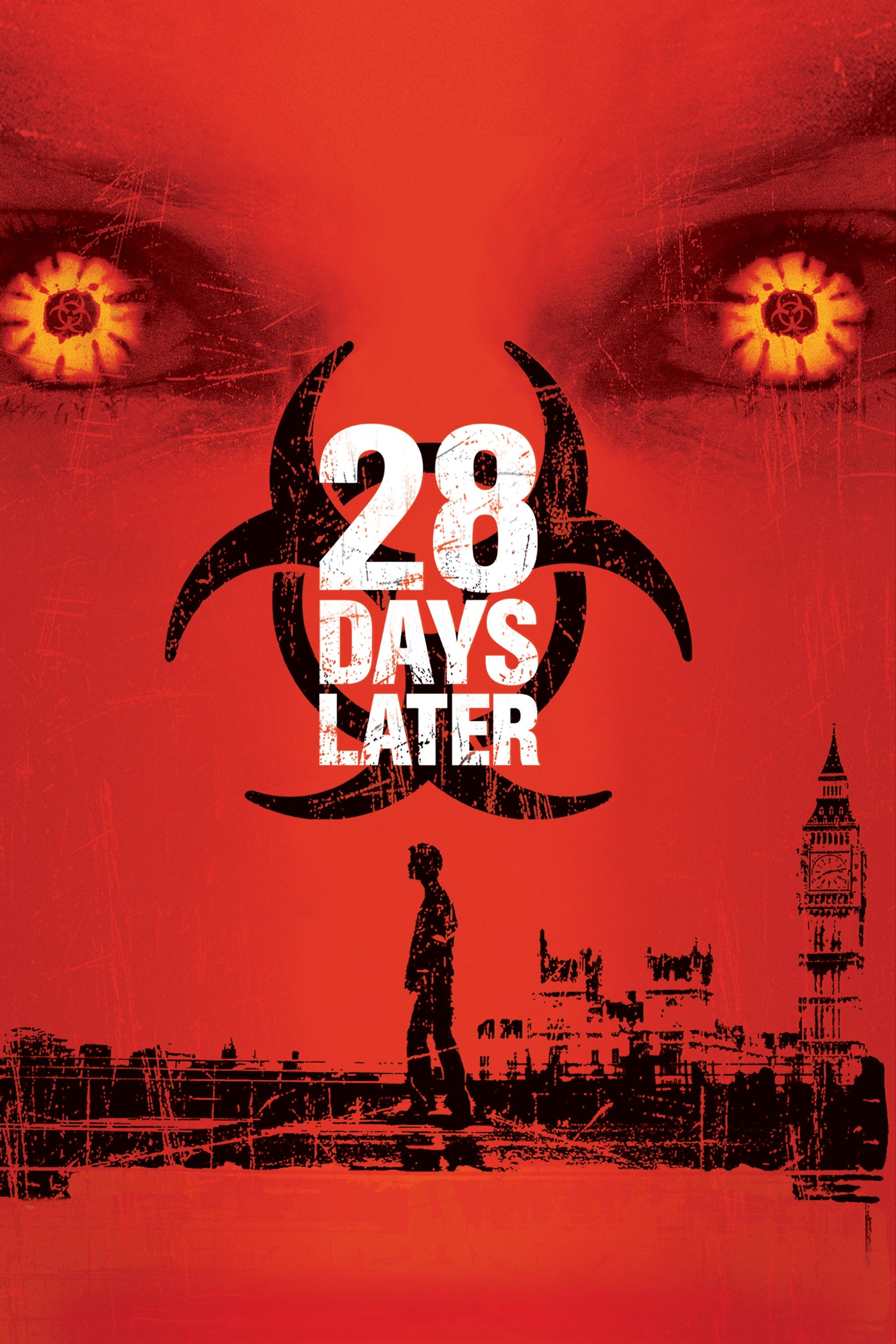
Directed by Danny Boyle and written by Alex Garland, ’28 Days Later’ follows a small group of survivors navigating a rage-virus outbreak. The production shot extensively on MiniDV cameras to allow quick setups and street closures for striking empty-city sequences, with Anthony Dod Mantle serving as director of photography and John Murphy providing the score.
The film’s international distribution by Fox Searchlight and others helped it become a significant commercial success relative to its cost. It spawned a direct sequel, inspired comic releases, and is widely cited in technical interviews for its use of consumer-grade equipment and color grading workflows to achieve its distinctive texture.
‘The Ring’ (2002)
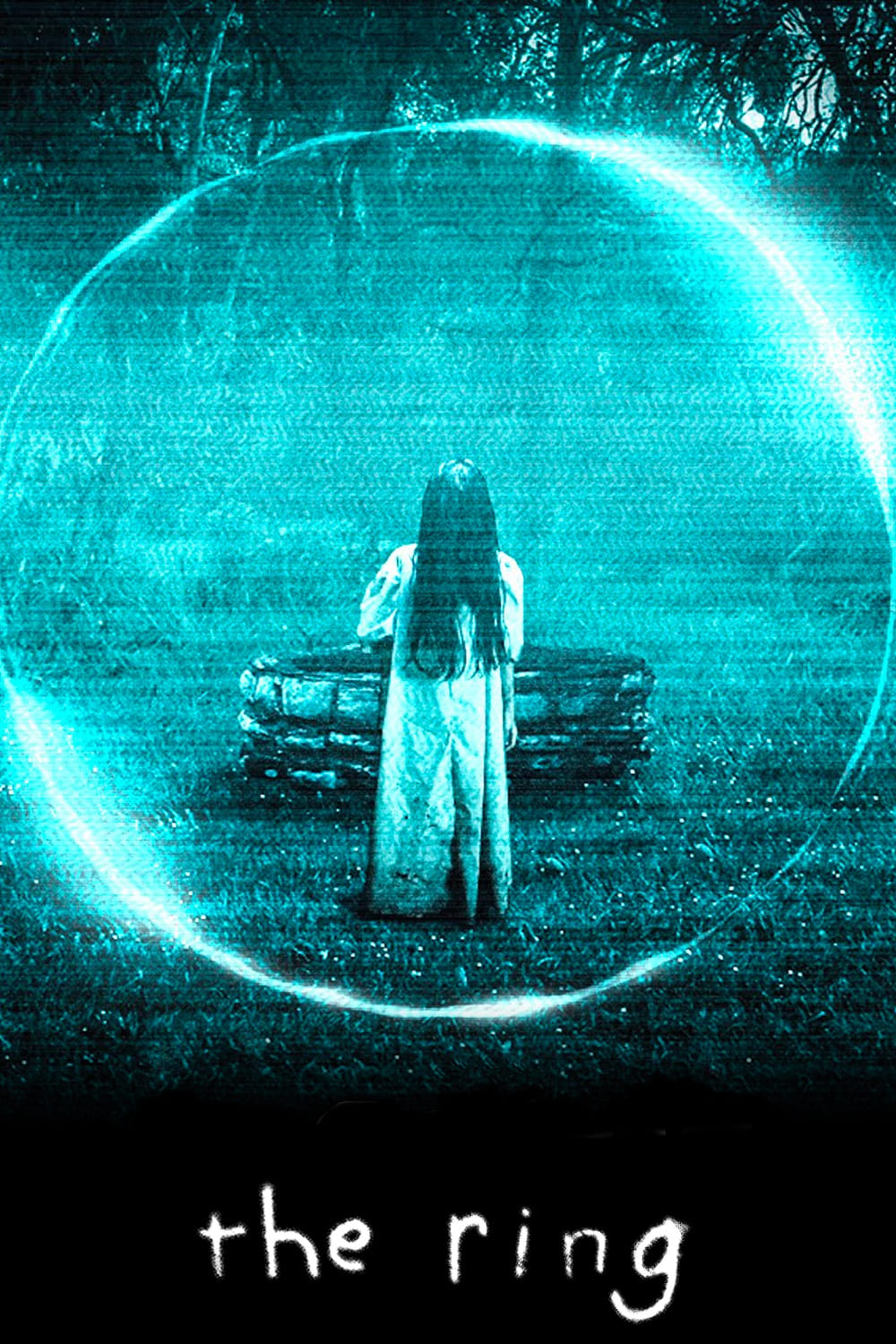
Gore Verbinski’s ‘The Ring’ is an American remake of the Japanese hit ‘Ringu’, starring Naomi Watts as a journalist investigating a cursed videotape. DreamWorks handled distribution, and the production emphasized desaturated color palettes and carefully staged set pieces, with Bojan Bazelli as cinematographer.
The movie became a major box-office success and led to a sequel, ‘The Ring Two’, as well as a wave of English-language remakes of Japanese horror titles. It also left a marketing footprint with viral tactics built around the tape motif, and successive home-media editions documented its visual design in commentary tracks and featurettes.
‘Ju-On: The Grudge’ (2002)
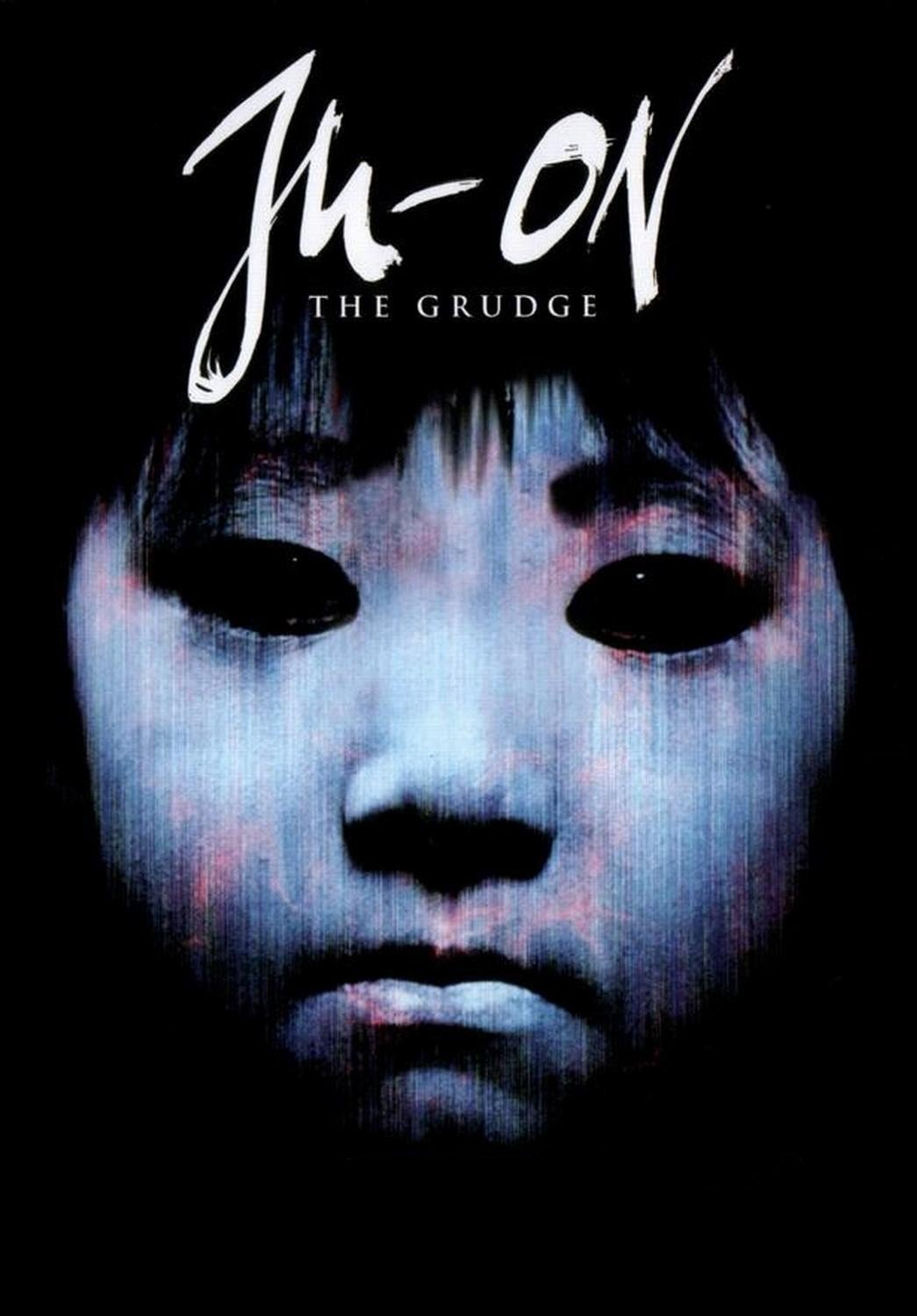
Written and directed by Takashi Shimizu, ‘Ju-On: The Grudge’ grew out of earlier direct-to-video entries that introduced the Kayako and Toshio mythology. The feature employs a non-linear structure, interlocking vignettes, and a sound signature—the croaking vocal effect—that became a franchise hallmark.
The film launched multiple sequels and crossovers in Japan and inspired an American remake franchise. Distribution across Asia, Europe, and North America broadened its reach, and repeat releases on DVD and Blu-ray preserved variant cuts and behind-the-scenes materials, making it a cornerstone of J-horror’s international expansion.
‘Dog Soldiers’ (2002)
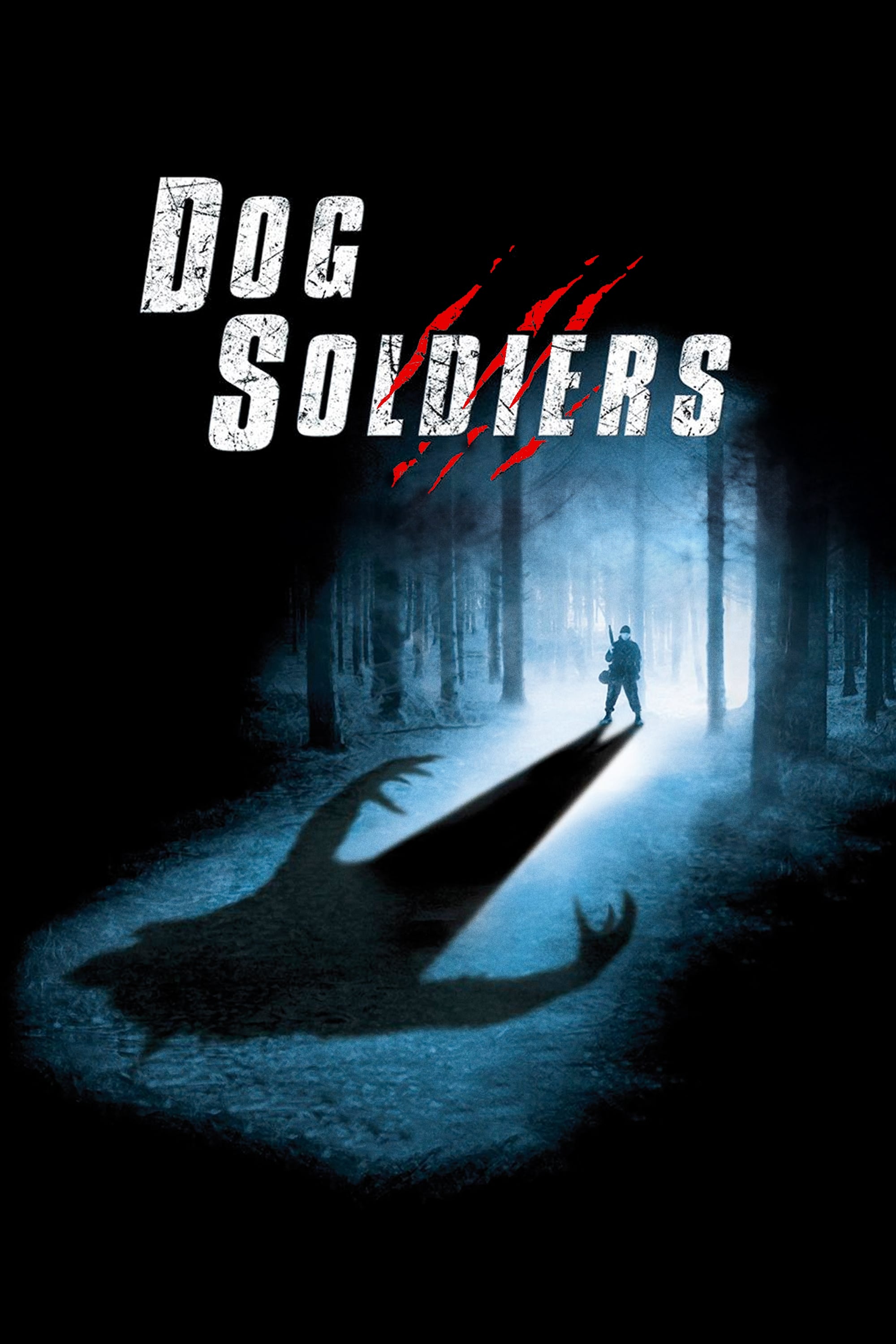
‘Dog Soldiers’, written and directed by Neil Marshall, pits a squad of soldiers against werewolves during a training exercise gone wrong. The production was mounted on a lean budget, filmed largely in Luxembourg and the United Kingdom, with practical creature suits supervised by effects veteran Bob Keen.
After limited theatrical exposure, the film found a wide audience through cable and home video, leading to festival revivals and new transfers. Interviews with Marshall and the effects team have been featured across releases, detailing the scheduling, stunt coordination, and creature build processes that gave the movie its distinct look.
‘Shaun of the Dead’ (2004)
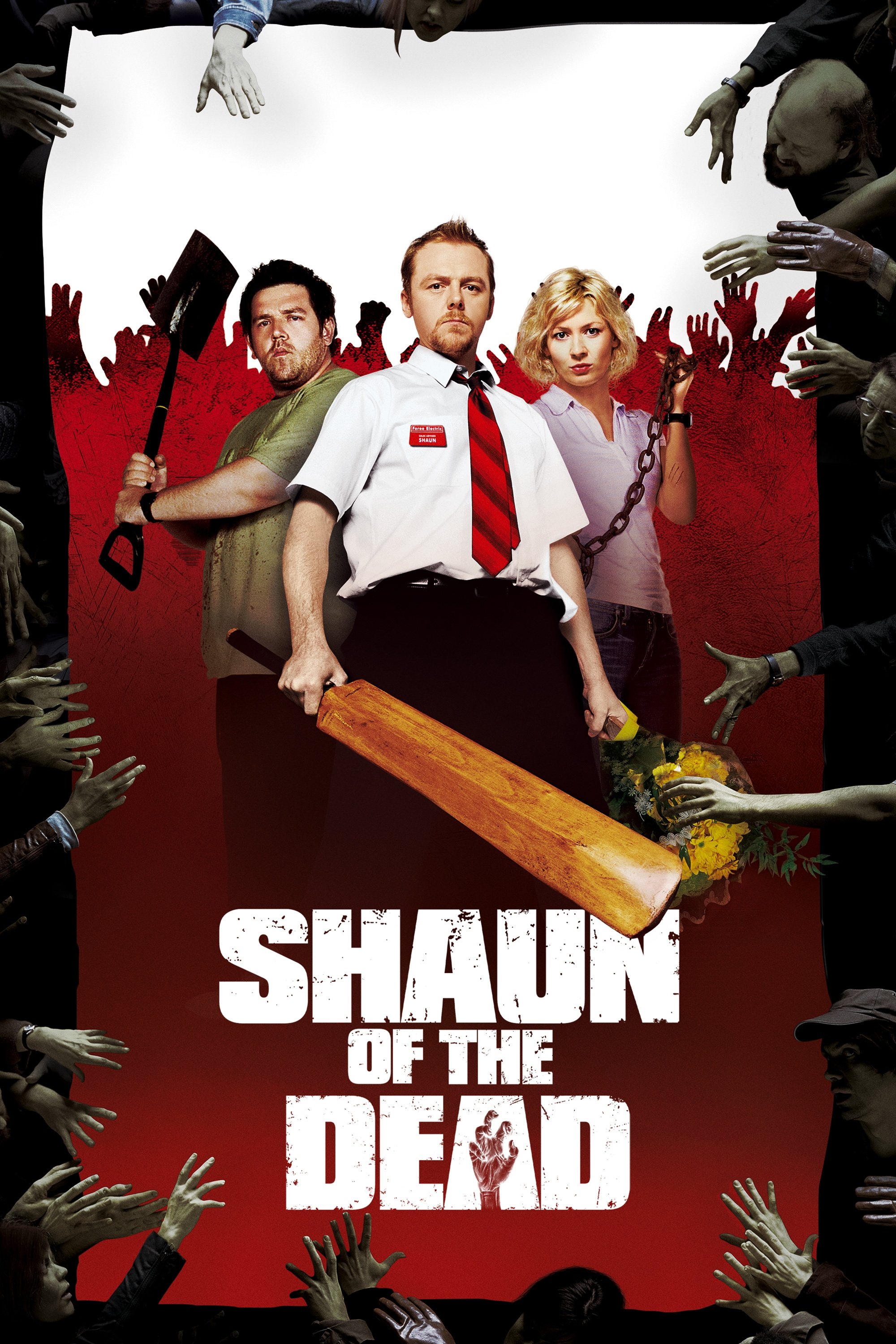
Co-written by Edgar Wright and Simon Pegg and produced by Working Title and Big Talk, ‘Shaun of the Dead’ stars Pegg and Nick Frost in a zombie outbreak that unfolds through tightly choreographed set pieces. Wright’s kinetic style uses whip-pans, match cuts, and music-timed action, with the one-take pub sequence serving as a frequently cited example in filmmaker breakdowns.
The film’s success led to inclusion in the informal “Three Flavours Cornetto” cycle with ‘Hot Fuzz’ and ‘The World’s End’. It played widely in midnight programs and genre festivals, and its script, storyboards, and shot design have been used in editing and directing classes to demonstrate rhythmic comedy within horror frameworks.
‘Saw’ (2004)
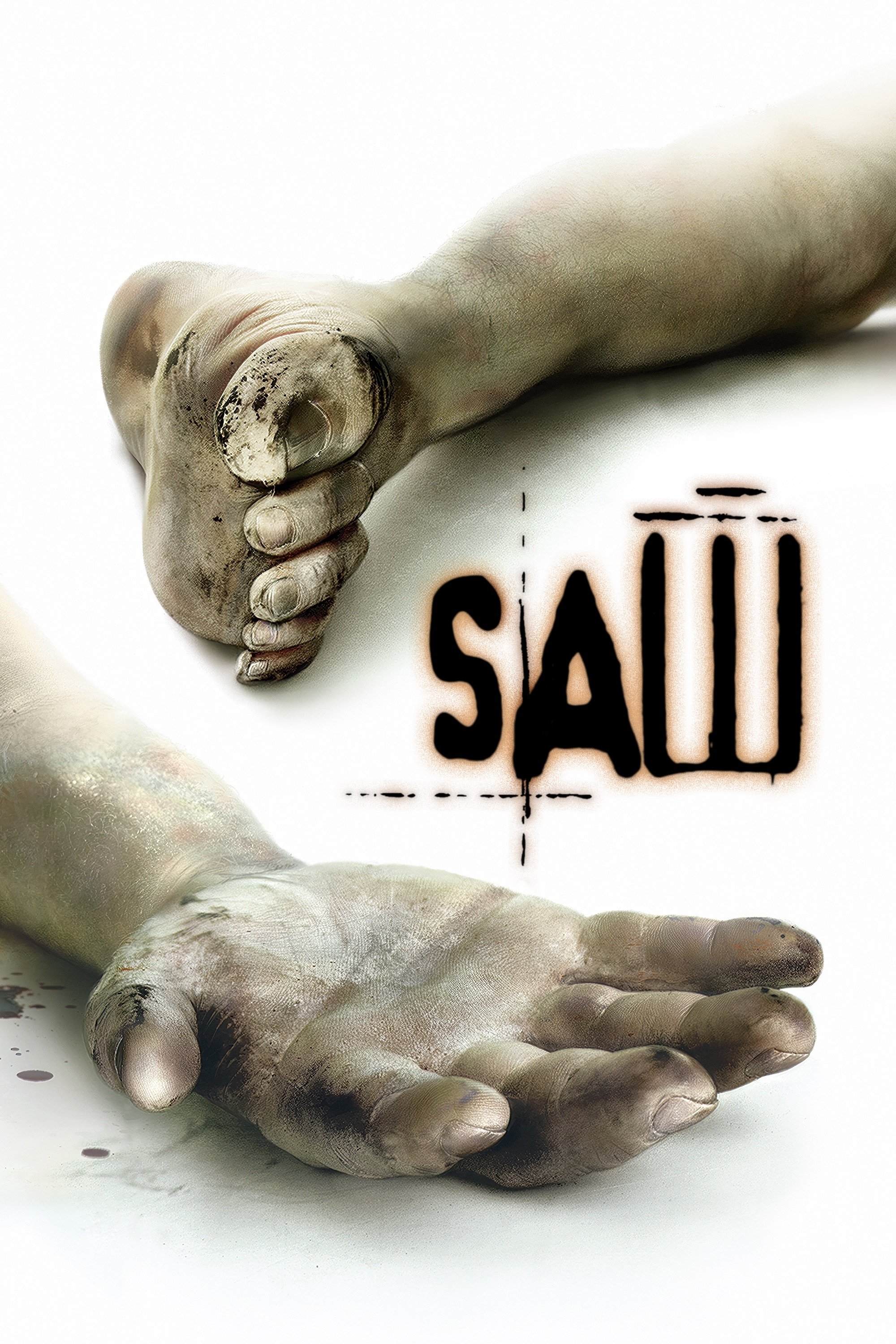
Directed by James Wan and written by Leigh Whannell, ‘Saw’ began as a short proof-of-concept that expanded into a feature backed by Lionsgate. With a production budget reported around a little over one million dollars and a compressed shooting schedule, it introduced the Jigsaw character and a trap-based narrative structure that defined the series.
‘Saw’ became a global hit and established a long-running annual release pattern for its sequels. Commentaries and special-feature documentaries across discs cover set builds, practical rigs, and editorial strategies used to stretch resources, making it a frequently cited example of low-budget production scaling into a franchise.
‘The Descent’ (2005)
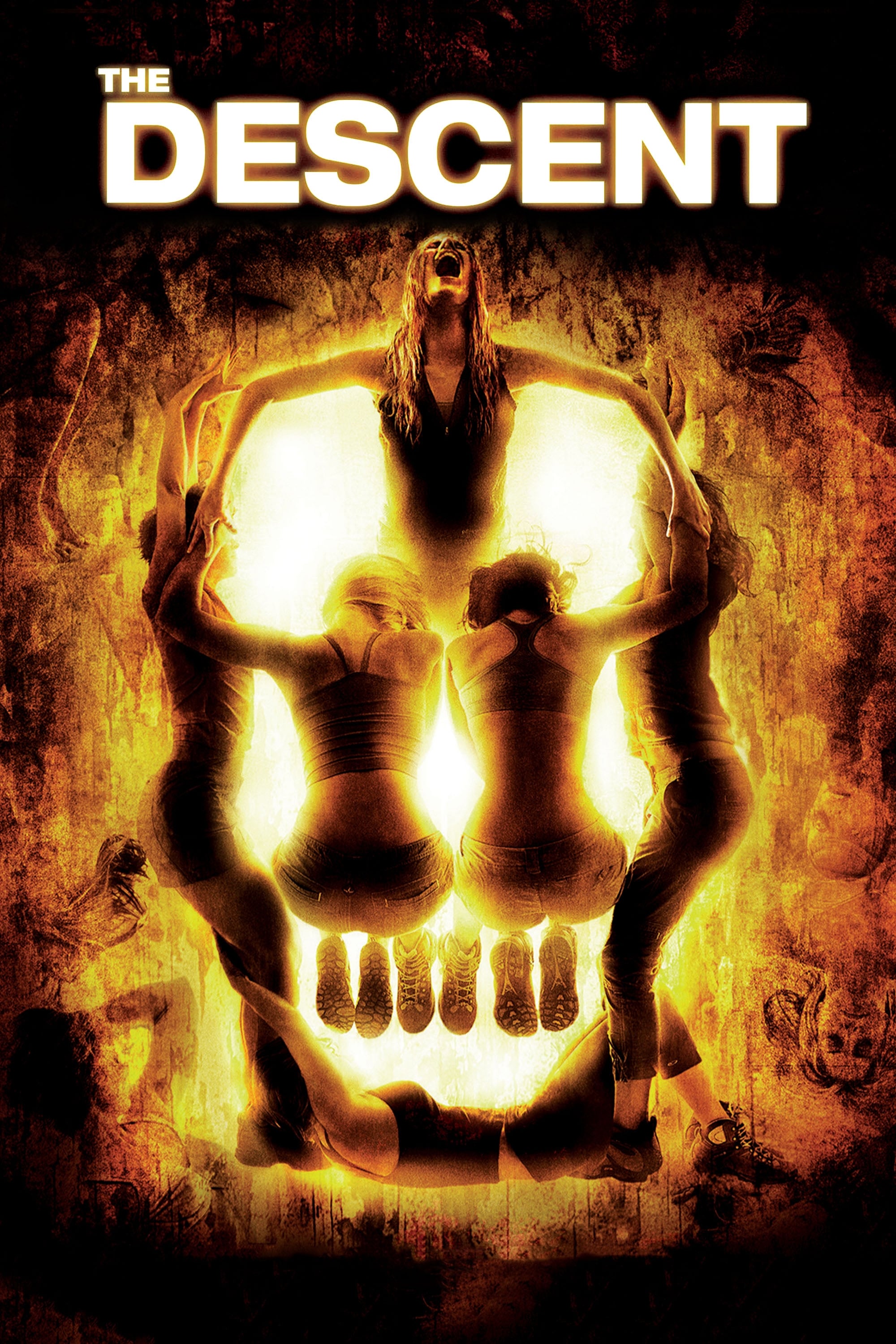
Neil Marshall’s ‘The Descent’ follows a group of cavers encountering humanoid creatures in an uncharted system. The production built rock tunnels and chambers on soundstages, allowing full control of lighting and camera placement, with Sam McCurdy as cinematographer and a creature design team creating “crawler” prosthetics and makeup.
Two different endings circulated depending on region, a distribution choice that is discussed in home-media extras and director interviews. The film earned festival awards, and later releases compiled behind-the-scenes footage on stunt work, claustrophobic set design, and sound mixing choices that emphasize spatial orientation in darkness.
‘The Host’ (2006)

Bong Joon-ho’s ‘The Host’ blends a family drama with a river-monster narrative set along the Han River. The creature was realized through a collaboration involving Weta Workshop and The Orphanage, with extensive previs guiding camera moves so digital and practical elements would integrate cleanly.
It set admission records in South Korea and traveled widely to international festivals before securing global distribution. The film’s commentary tracks and production notes document its reference to a real-life chemical-dumping incident, as well as location logistics for waterfront chase sequences and crowd control.
‘[REC]’ (2007)
!['[REC]' (2007)](https://image.tmdb.org/t/p/original/hgyJR4sgMsee6xMFM3xYiG6cDCh.jpg)
Co-directed by Jaume Balagueró and Paco Plaza, ‘[REC]’ follows a TV reporter and her cameraman trapped inside a quarantined Barcelona apartment building. The film commits to a single-camera, real-time presentation, with lighting motivated by diegetic sources and performers often reacting to unrevealed blocking to preserve spontaneity.
‘[REC]’ spawned direct sequels and an American remake, ‘Quarantine’. Release packages across regions include alternative endings, cast interviews, and technical breakdowns of the building set, stairwell staging, and the camera rigs used to navigate tight spaces while maintaining believable news-footage movement.
‘Paranormal Activity’ (2007)
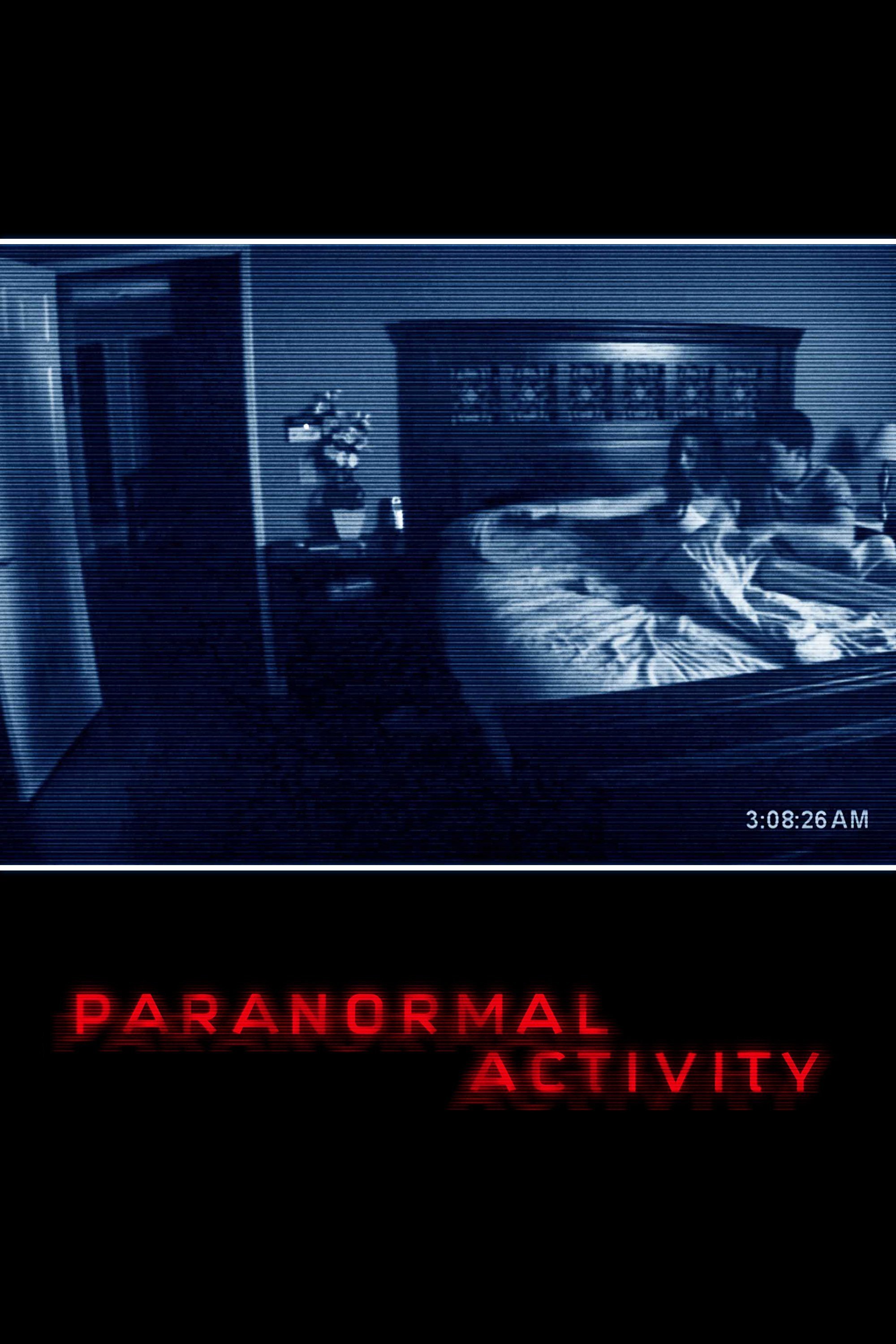
Shot by writer-director Oren Peli largely in his own home, ‘Paranormal Activity’ used a consumer camcorder kit, practical on-set effects, and multiple alternate endings. Paramount acquired the film and rolled out a demand-driven marketing campaign that encouraged viewers to request screenings in their cities.
A minimal budget and outsized worldwide gross made it a landmark for micro-budget horror. The franchise expanded rapidly, and subsequent releases documented the sound design behind nocturnal sequences, scheduling around genuine night shoots, and editorial pacing to build tension using static frames.
‘The Orphanage’ (2007)
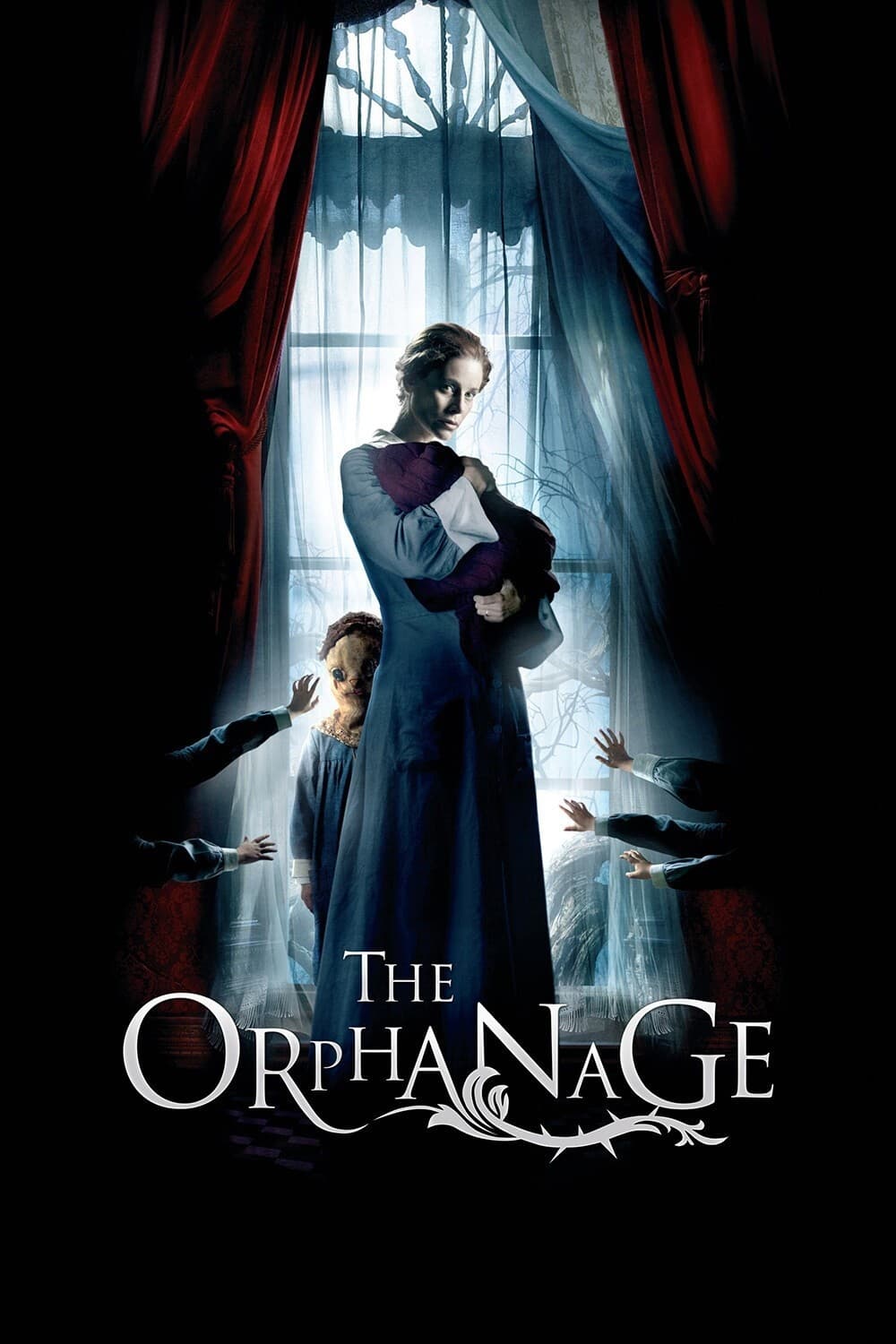
Directed by J. A. Bayona and produced by Guillermo del Toro, ‘The Orphanage’ stars Belén Rueda as a woman returning to the seaside home where she was raised. The production shot in Spanish coastal and Catalan locations, with production design emphasizing period furnishings and a muted palette, and Fernando Velázquez composed the score.
The film won multiple Goya Awards and sustained strong international festival play. Deluxe editions detail mask design, child-actor direction, and the use of practical tricks with limited digital augmentation to create apparitions, keeping the title in regular rotation for discussions of modern Gothic filmmaking.
‘Inside’ (2007)
‘Inside’, directed by Alexandre Bustillo and Julien Maury, represents the New French Extremity wave with a focused home-invasion setup centered on a pregnant protagonist. The production relies heavily on prosthetic makeup and blood effects executed by a French effects team to achieve its graphic set pieces.
It circulated through international festivals, then reached a wider audience via disc labels known for uncut editions. An English-language remake followed, and collectors’ releases include interviews with the directors about shooting in contained spaces, lens choices for intimacy versus shock, and working with performers under heavy effects applications.
‘Let the Right One In’ (2008)
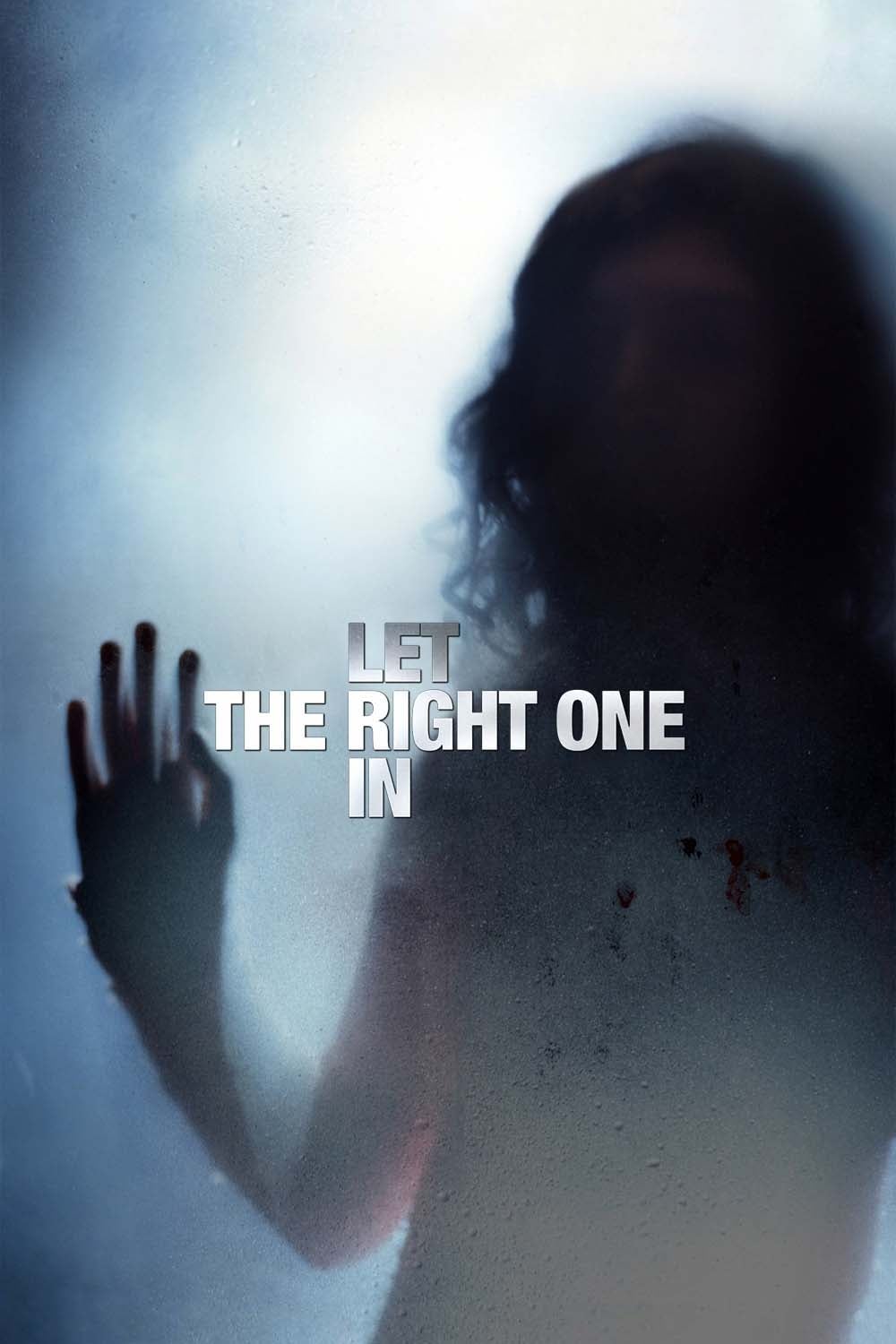
Directed by Tomas Alfredson and adapted by author John Ajvide Lindqvist from his own novel, ‘Let the Right One In’ is set in a suburban Swedish estate and follows the bond between a bullied boy and a vampire. The production features cinematography by Hoyte van Hoytema, with carefully framed wides and snow-blanketed exteriors shaping its visual identity.
International releases drew awards from genre festivals and mainstream critics’ groups. An American remake, ‘Let Me In’, arrived soon after, and subsequent restorations have highlighted color timing, sound design, and subtle visual effects work used to handle stunts and inhuman movements without calling attention to the techniques.
‘Martyrs’ (2008)
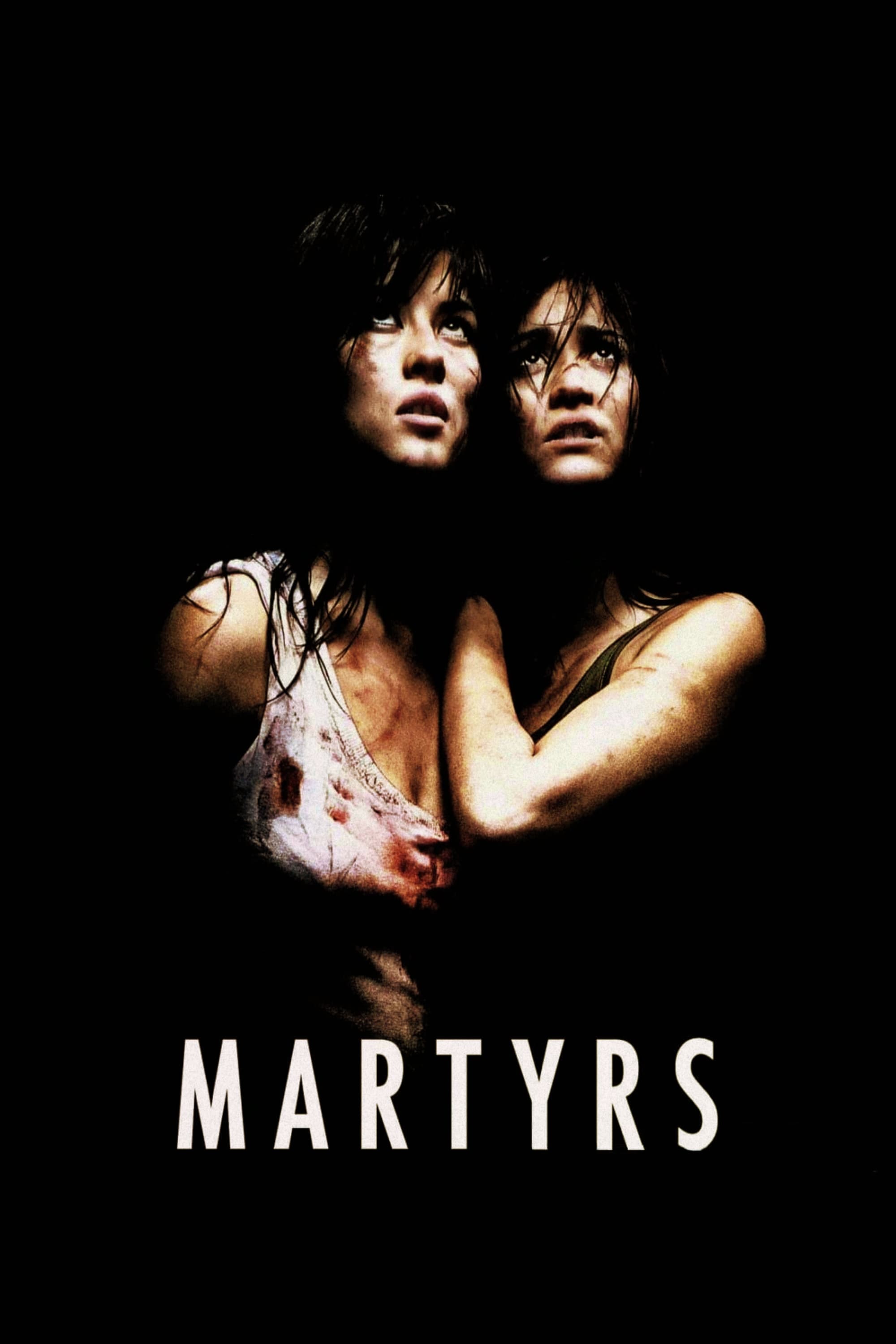
Pascal Laugier’s ‘Martyrs’ is a French production that became a reference point for extreme horror. Starring Morjana Alaoui and Mylène Jampanoï, it combines intimate domestic settings with secret-society elements, using rigorous makeup effects and tightly choreographed stunt work to sustain its depiction of endurance.
The film prompted an English-language remake and remains a frequent subject of academic and critical analysis for its structure and ethical questions. Disc releases often include director interviews on casting, production challenges, and the preparation required to stage complex effects safely and repeatedly.
‘Drag Me to Hell’ (2009)
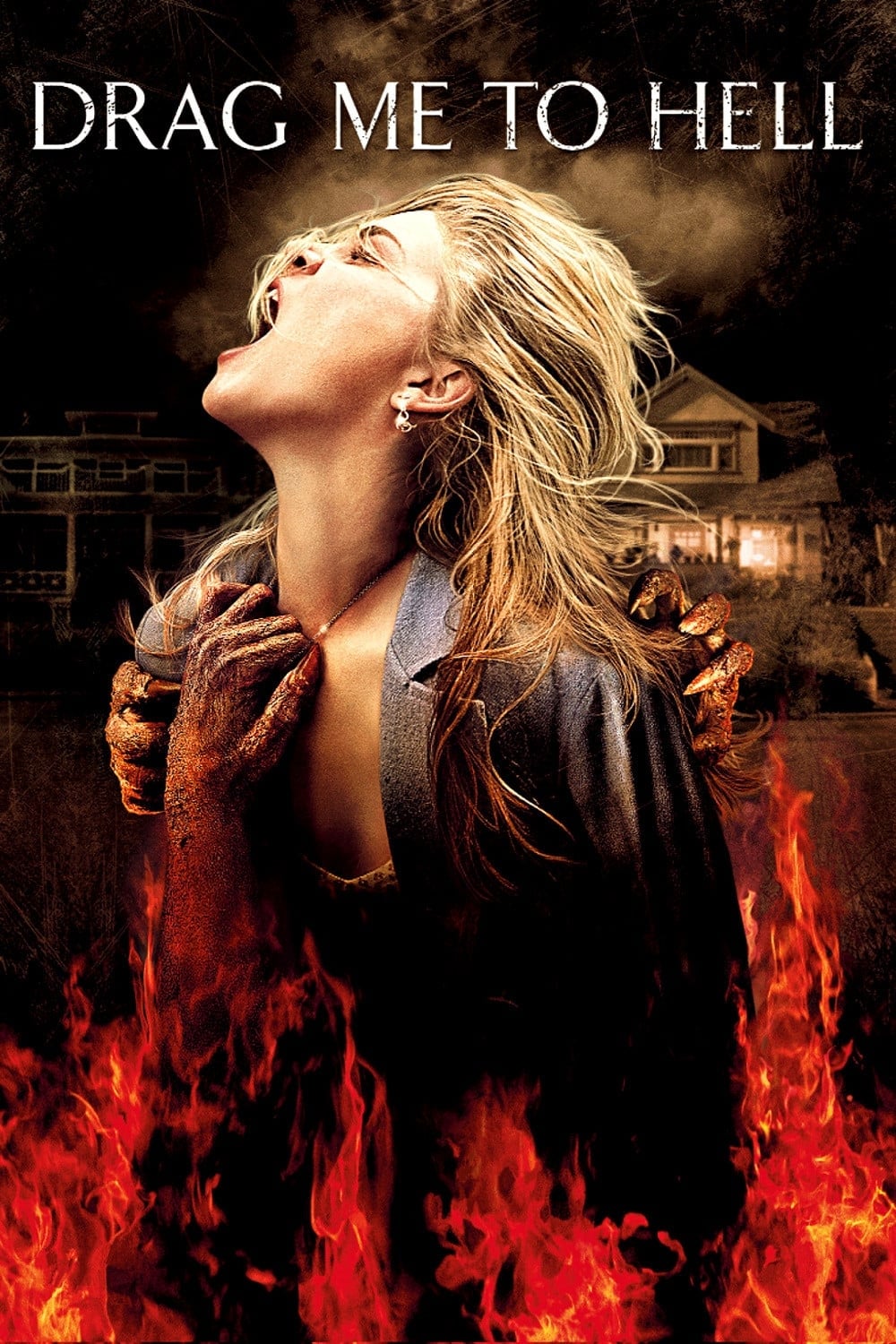
Sam Raimi co-wrote ‘Drag Me to Hell’ with Ivan Raimi, returning to supernatural horror with a studio release starring Alison Lohman and Justin Long. The project balances practical gags, wire rigs, and digital work supervised by veteran effects houses, with Christopher Young composing a score that leans on strings and choral elements.
The movie received a PG-13 rating while maintaining brisk pacing and elaborate set pieces. Home-media editions feature unrated cuts, production diaries, and stunt breakdowns, and filmmakers routinely cite its timing, blocking, and effects integration when discussing how to stage large-scale scares within mainstream parameters.
Share your picks in the comments: which 2000s horror films do you think still deliver, and what details stand out on rewatch?