2000s Action Movies that Aged Incredibly Well


The 2000s pumped out a wide range of action films—from martial-arts showcases and wuxia epics to superhero reboots and war dramas—that still play with crisp energy today. This list pulls together titles that continue to circulate on TV, streaming, and repertory screens, many with ongoing franchises, restorations, or 4K releases that keep them in active rotation.
Across these picks you’ll find practical stunts, clean choreography, and distinctive production craft. You’ll also see the decade’s big shifts in filmmaking: digital intermediates, large-format capture, performance-capture breakthroughs, and parkour-driven chase design. Here are twenty action films from that era that remain widely watched and frequently referenced.
‘Gladiator’ (2000)
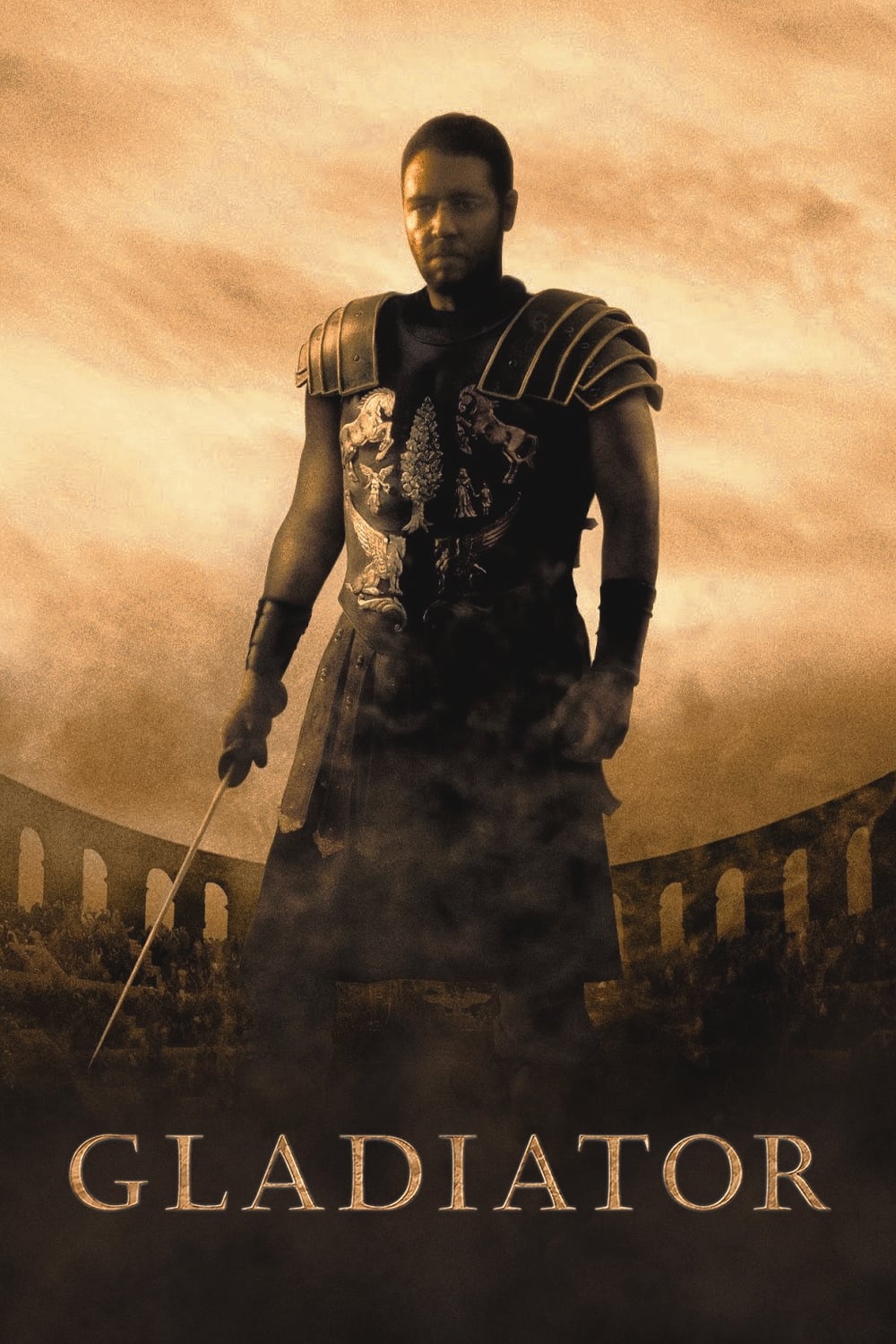
Ridley Scott’s historical epic stars Russell Crowe as a Roman general forced into slavery and the arena, opposite Joaquin Phoenix and Connie Nielsen. Large sections were staged at Fort Ricasoli in Malta with a partial Colosseum set expanded by CG, while desert material was shot in Morocco; Hans Zimmer and Lisa Gerrard’s score became one of the decade’s most recognizable. The film earned multiple Academy Awards, including Best Picture and Best Actor for Crowe, and grossed well over four hundred million dollars worldwide.
The production built an operational arena floor for practical crowd-pleasing set pieces, supplementing background spectators with then-cutting-edge crowd simulation. Historical advisors helped shape armor, weapons, and tactics, and the costume department produced thousands of pieces to depict Rome’s social strata. The film’s success revived large-scale sword-and-sandals storytelling and seeded a long run of historical action releases.
‘Crouching Tiger, Hidden Dragon’ (2000)
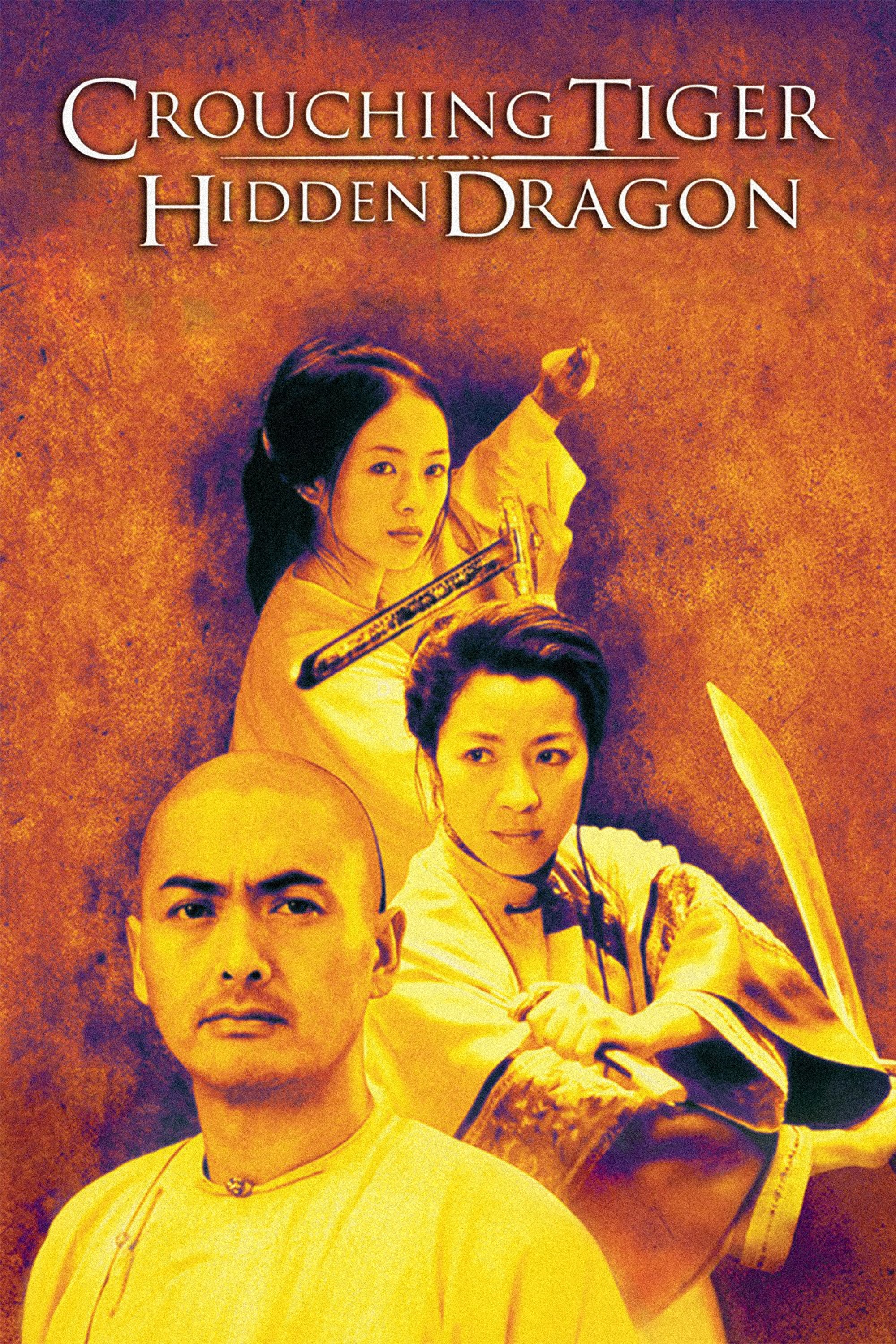
Ang Lee’s wuxia drama features Chow Yun-fat, Michelle Yeoh, and Zhang Ziyi, with fight choreography by Yuen Wo-ping. Shot across China with Mandarin dialogue, it brought the genre to a massive global audience and became, at the time, the highest-grossing foreign-language film in North America. It received ten Academy Award nominations and won four, including Best Foreign Language Film and Best Cinematography.
Peter Pau’s photography and the production design leaned on classical landscapes and architecture, with wire-assisted combat emphasizing grace over brute force. Composer Tan Dun’s score, featuring Yo-Yo Ma, fused traditional instrumentation with orchestral sweep. The film opened doors for wider international distribution of Chinese-language action and boosted the careers of its principal cast worldwide.
‘Black Hawk Down’ (2001)
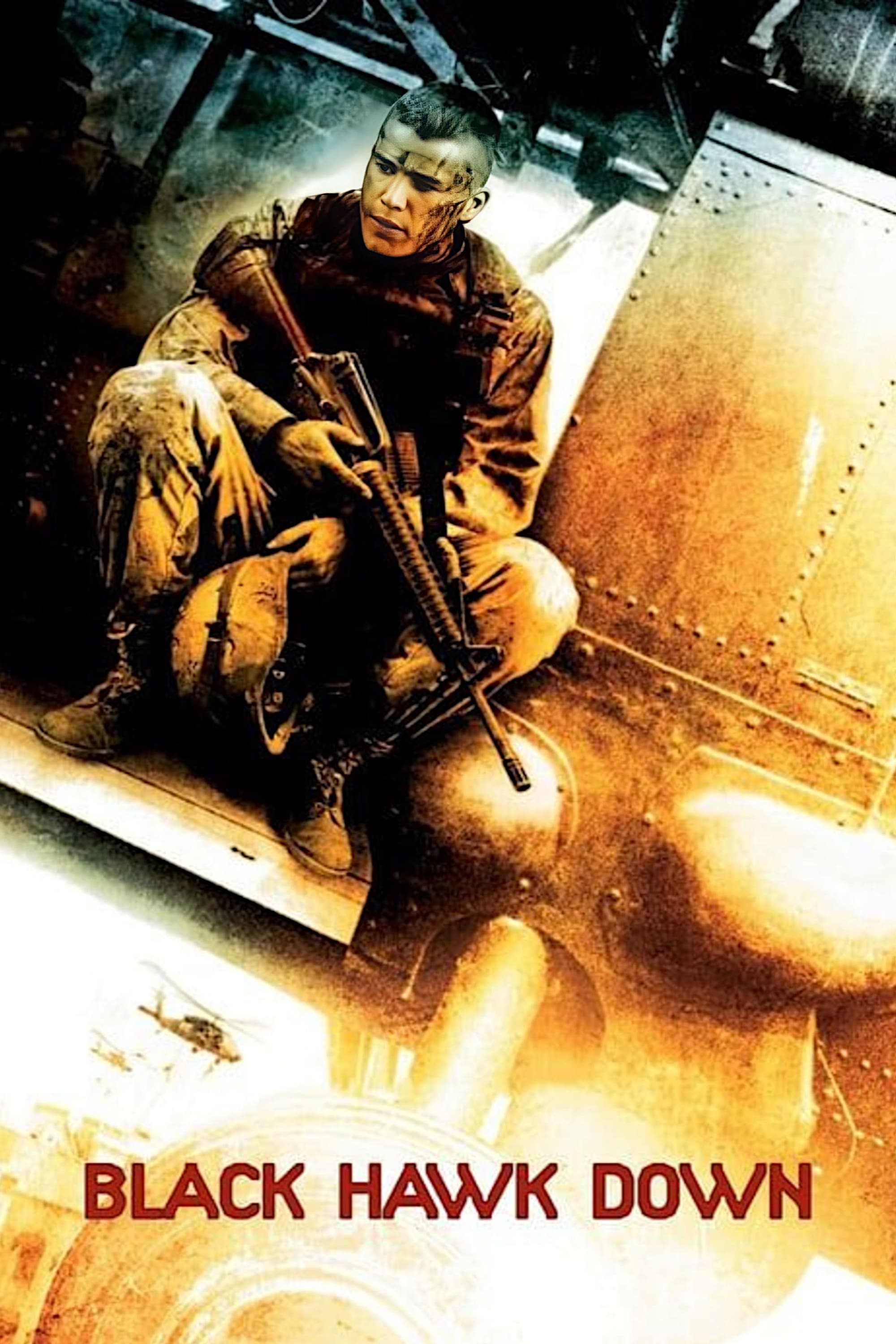
Adapted from Mark Bowden’s reporting, Ridley Scott’s war action film reconstructs the Battle of Mogadishu with an ensemble led by Josh Hartnett, Eric Bana, and Ewan McGregor. Filmed in Morocco with extensive military consultation, it used real helicopters and practical pyrotechnics to stage dense urban engagements. The film won Academy Awards for Film Editing and Sound and became a staple of modern combat portrayals.
The production coordinated large-scale set builds to replicate city blocks, with multiple camera units covering overlapping angles for continuity across chaotic sequences. Sound teams layered rotor wash, small-arms fire, and radio chatter to maintain geographic clarity. The result established a template for subsequent urban-combat action scenes across games and film.
‘The Bourne Identity’ (2002)
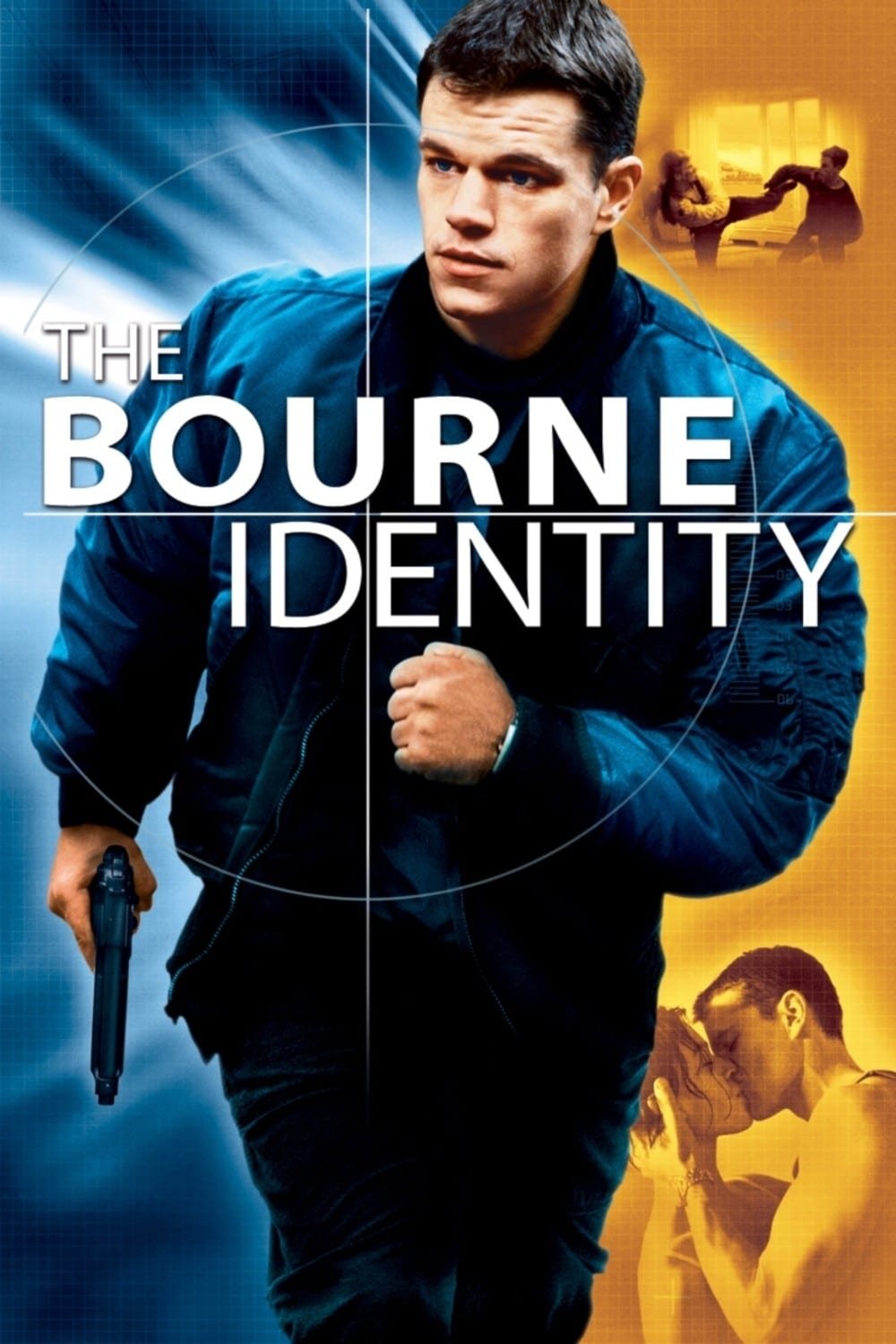
Doug Liman’s adaptation of Robert Ludlum’s novel introduced Matt Damon’s Jason Bourne alongside Franka Potente and Chris Cooper. Filmed across Paris, Prague, and the Mediterranean, it emphasized practical car chases and close-quarters fights built around Filipino and JKD-influenced choreography. The film launched a long-running franchise and shifted studio spy action toward grounded tradecraft.
Stunt coordinator Jeff Imada designed compact, prop-driven combat built for tight locations, while editor Saar Klein kept cuts functional to preserve spatial logic. Production shot in real European streets with minimal green screen, using local crews for authenticity. Its handheld, location-driven approach influenced how studios staged espionage action for years afterward.
‘Hero’ (2002)

Zhang Yimou’s wuxia mosaic stars Jet Li, Tony Leung Chiu-wai, Maggie Cheung, Zhang Ziyi, and Donnie Yen. The film’s color-coded chapters, photographed by Christopher Doyle, organize shifting accounts of a single assassination plot. With music by Tan Dun featuring Itzhak Perlman, it achieved major international box-office success and earned an Academy Award nomination for Best Foreign Language Film.
The production blended ornate costume work with location photography at historic Chinese sites and deliberate color palettes tied to each narrative version. Its U.S. wide release opened at number one, aided by a prominent stateside rollout and strong word of mouth. The film’s visual design became a reference point for choreographed large-scale blade action.
‘Ong Bak’ (2003)
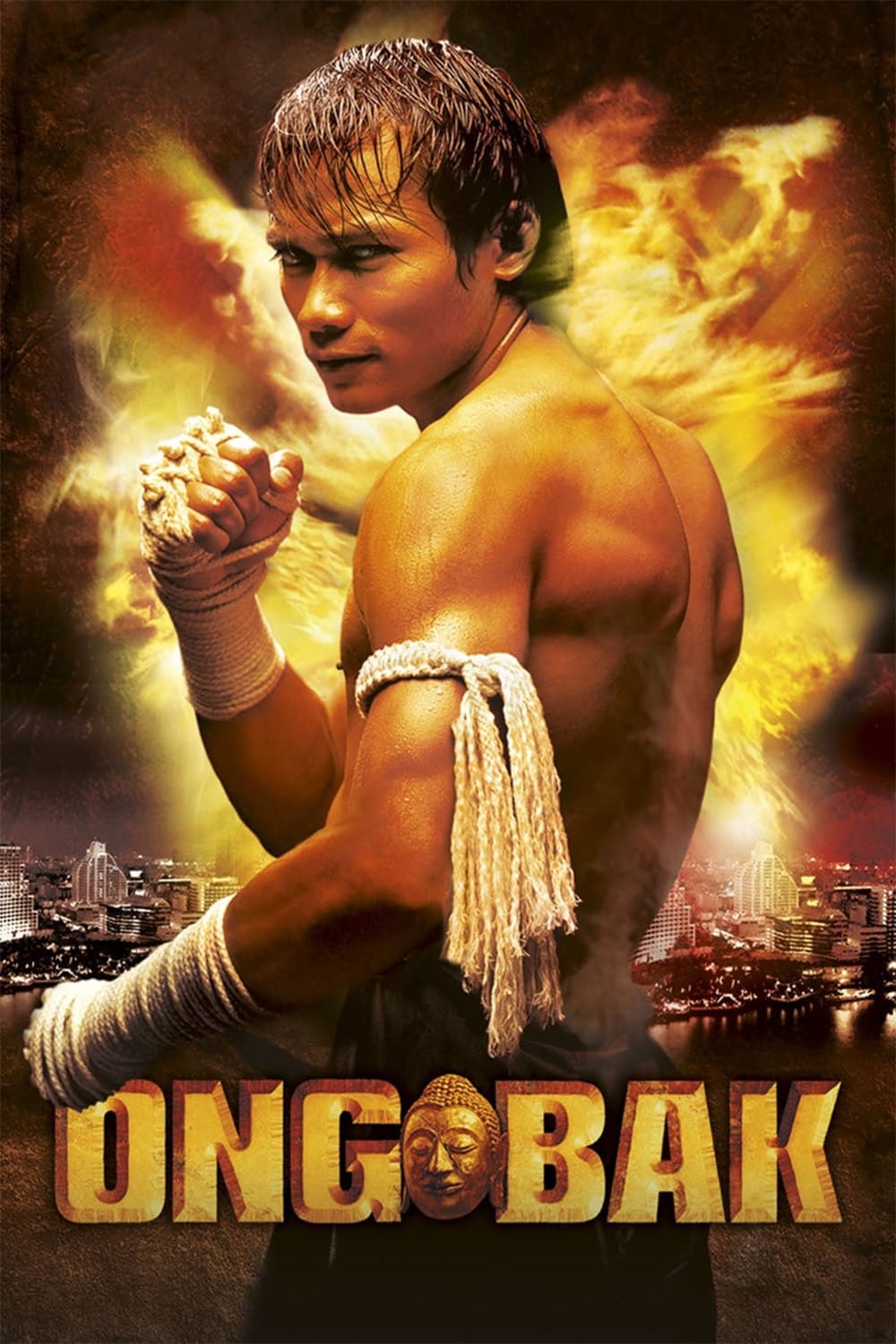
Tony Jaa headlines Prachya Pinkaew’s breakout Thai action title, backed by the late master Panna Rittikrai’s stunt team. Marketed on its use of full-contact techniques without wires or CG doubles, it delivered elbows, knees, and acrobatic chases that traveled internationally via festivals and home video. The storyline follows a village fighter retrieving a stolen Buddha head through escalating urban set pieces.
Key sequences were built around real-world obstacles like tuk-tuks, scaffolding, and open-air markets, choreographed to showcase Muay Thai technique. The film’s success led to additional entries—‘Ong-Bak 2’ and ‘Ong-Bak 3’—and raised Jaa’s global profile, bringing Thai stunt and fight design to wider attention.
‘Spider-Man 2’ (2004)
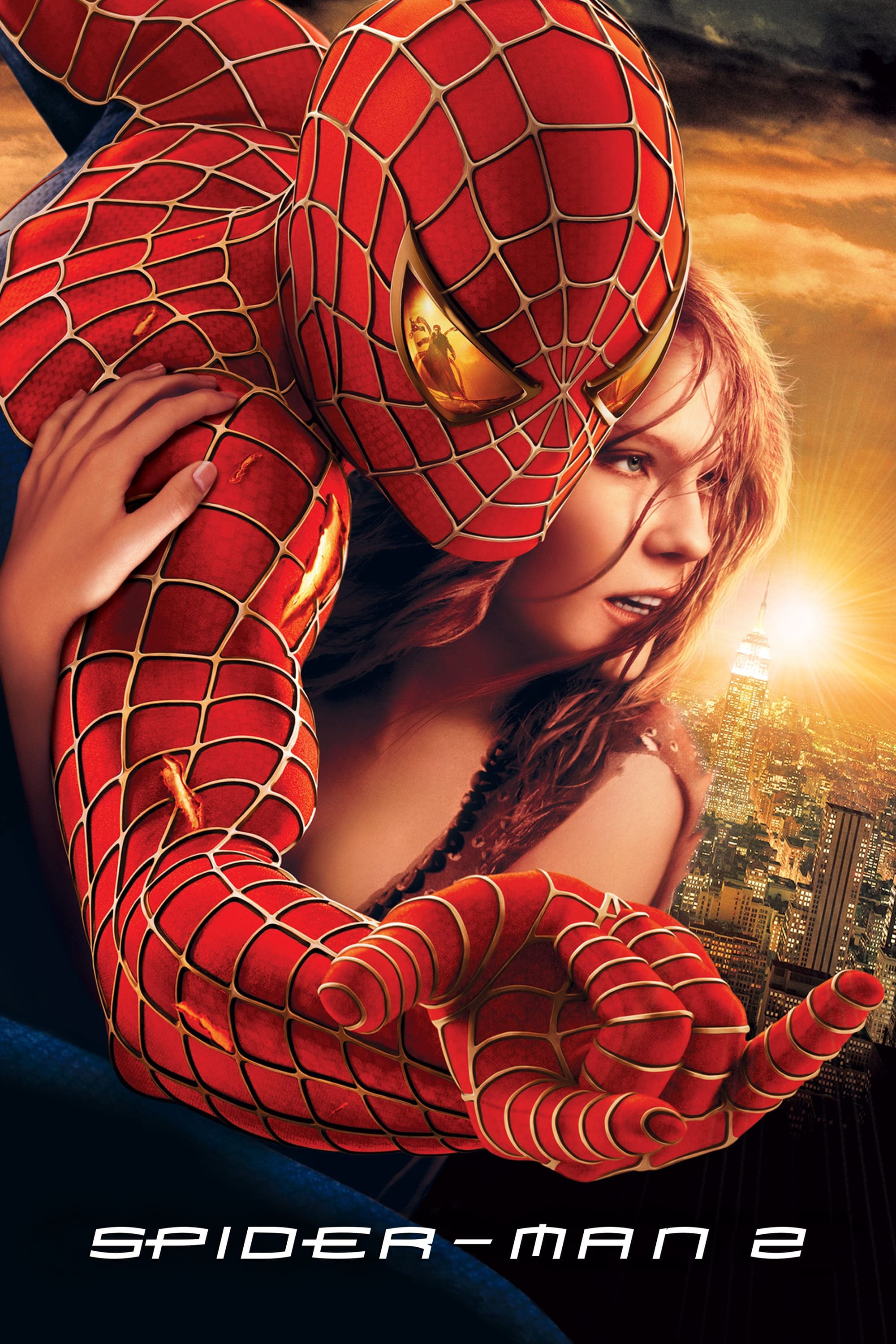
Sam Raimi’s sequel reunites Tobey Maguire and Kirsten Dunst and introduces Alfred Molina as Doctor Octopus. It staged practical tentacle puppetry integrated with digital animation, notably in hospital and elevated-train sequences, and won the Academy Award for Visual Effects. The production shot extensively in New York and on large soundstages for controlled stunt work.
Sony Pictures Imageworks coordinated hundreds of VFX shots while the mechanical effects team built functional tentacle rigs for on-set interaction. The story balances Peter Parker’s life with set pieces like the train rescue, engineered with miniature work, wirework, and full-scale carriage builds. The film’s blend of practical and digital techniques became a model for subsequent superhero action.
‘District B13’ (2004)
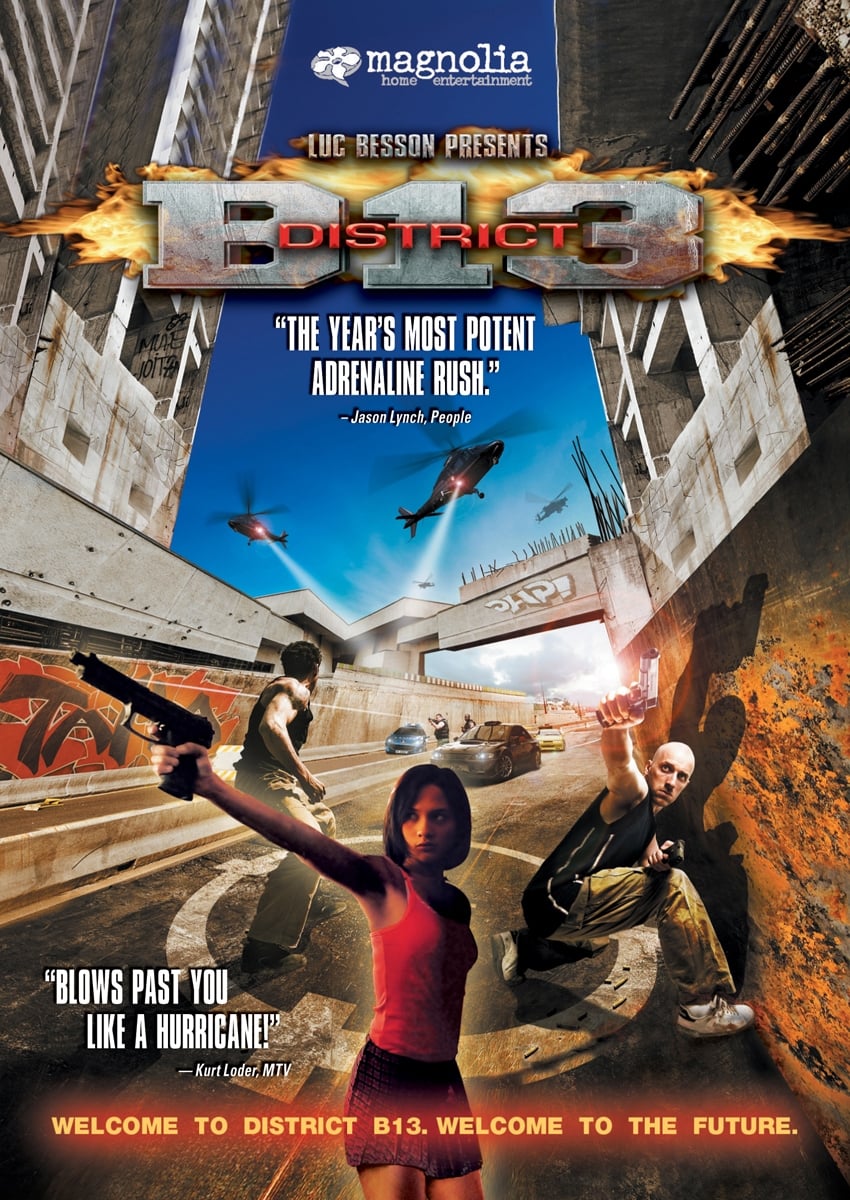
Pierre Morel’s French action film pairs David Belle, co-founder of parkour, with stunt performer Cyril Raffaelli. Set in a near-future Parisian banlieue, it stages foot chases and vertical escapes using real parkour movement with minimal digital assistance. Produced by Luc Besson, it later inspired the English-language remake ‘Brick Mansions’, again starring Belle.
Shooting on location in and around Paris, the production designed obstacle runs to highlight long, uninterrupted sprints and vaults. Fight scenes rely on clean wide framing so audiences can follow movement without heavy cutting. The film expanded parkour’s visibility globally and fed the style into mainstream action and video games.
‘Batman Begins’ (2005)
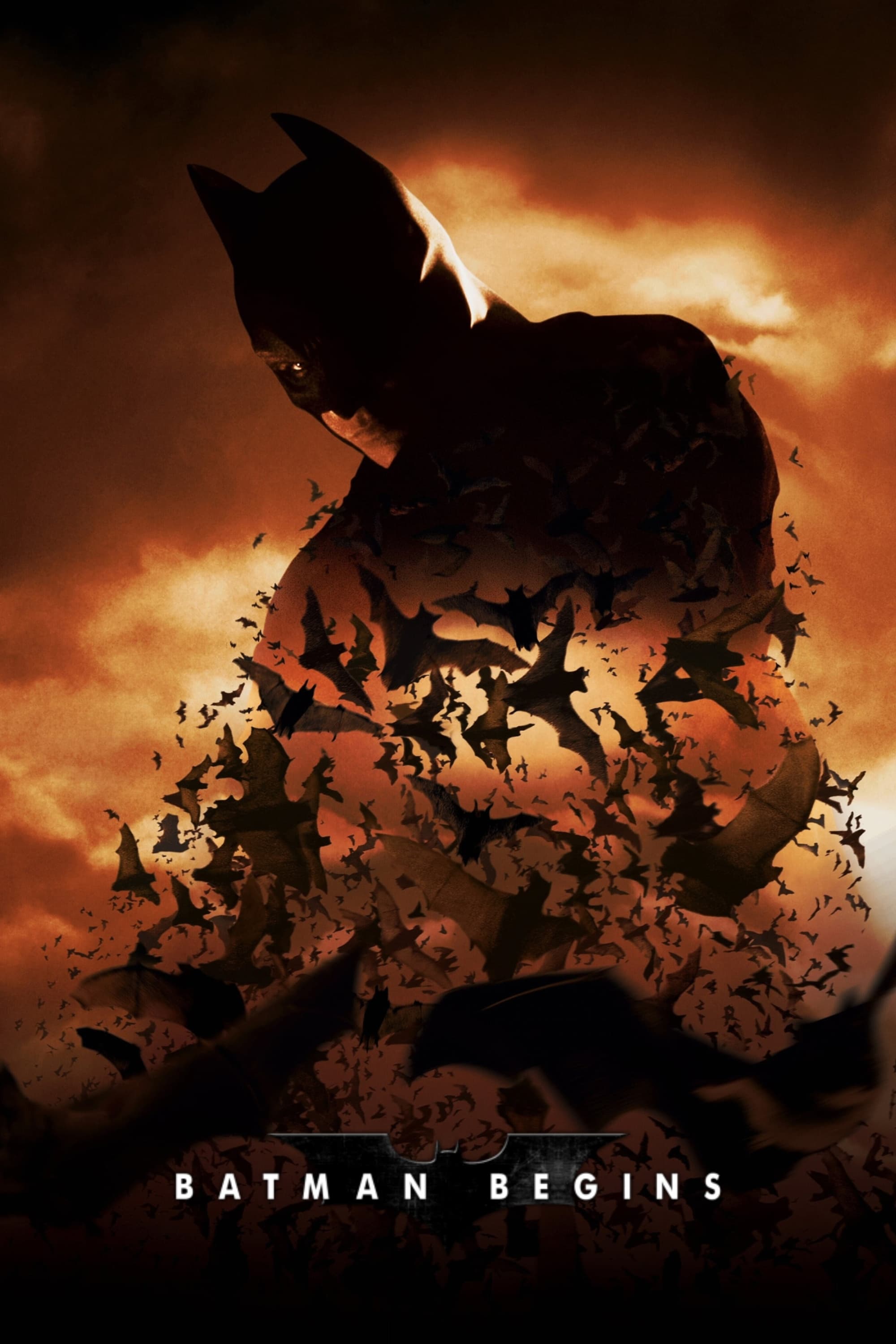
Christopher Nolan rebooted the character with Christian Bale, Michael Caine, Liam Neeson, and Cillian Murphy. The shoot utilized Chicago for Gotham exteriors and Iceland for mountainous training sequences, while the production built a functional Batmobile “Tumbler” capable of high-speed practical driving. James Newton Howard and Hans Zimmer collaborated on the score, setting a musical framework used across the trilogy.
Nolan emphasized in-camera methods where feasible, combining large sets with miniatures for cityscapes and monorail segments. The film re-established a grounded version of the character and reintroduced an ensemble of allies and antagonists that returned in subsequent entries, shaping a cohesive trilogy approach for studio tentpoles.
‘Casino Royale’ (2006)
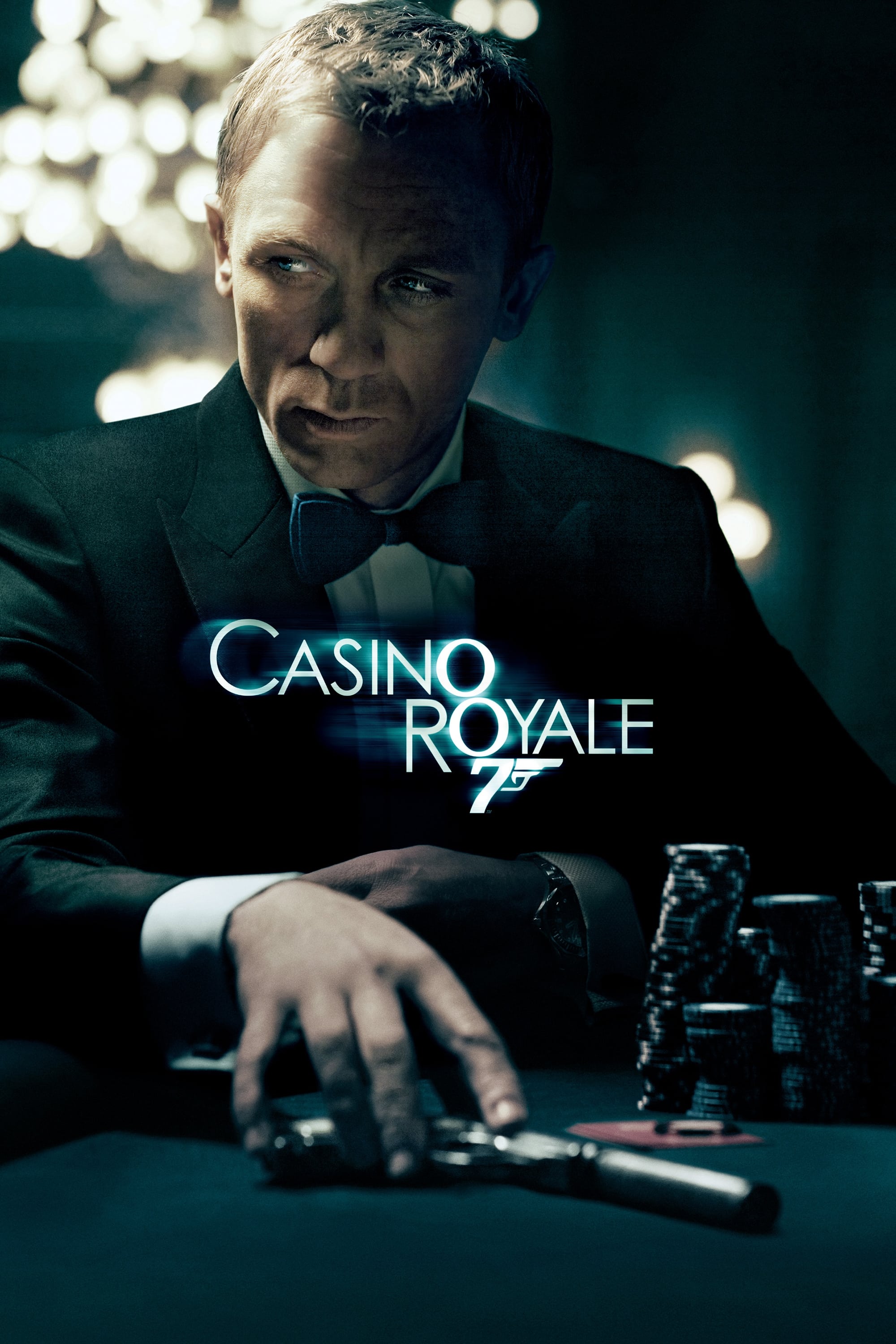
Martin Campbell’s Bond entry cast Daniel Craig and re-established the series with a story that begins at the agent’s first double-0 assignment. Locations included the Czech Republic for government interiors, Karlovy Vary for the casino setting, the Bahamas, and multiple Italian cities, with second-unit work covering rooftop chases and vehicle stunts. The opening pursuit features parkour pioneer Sébastien Foucan, bringing freerunning into the franchise.
Production prioritized practical action—rollovers performed with an Aston Martin DBS rig, large-scale explosions, and hand-to-hand fights staged in tight spaces. The film’s success reset continuity for later entries and reconfigured supporting roles such as M, Felix Leiter, and Q in subsequent installments, while sustaining one of cinema’s longest-running series.
‘Mission: Impossible III’ (2006)
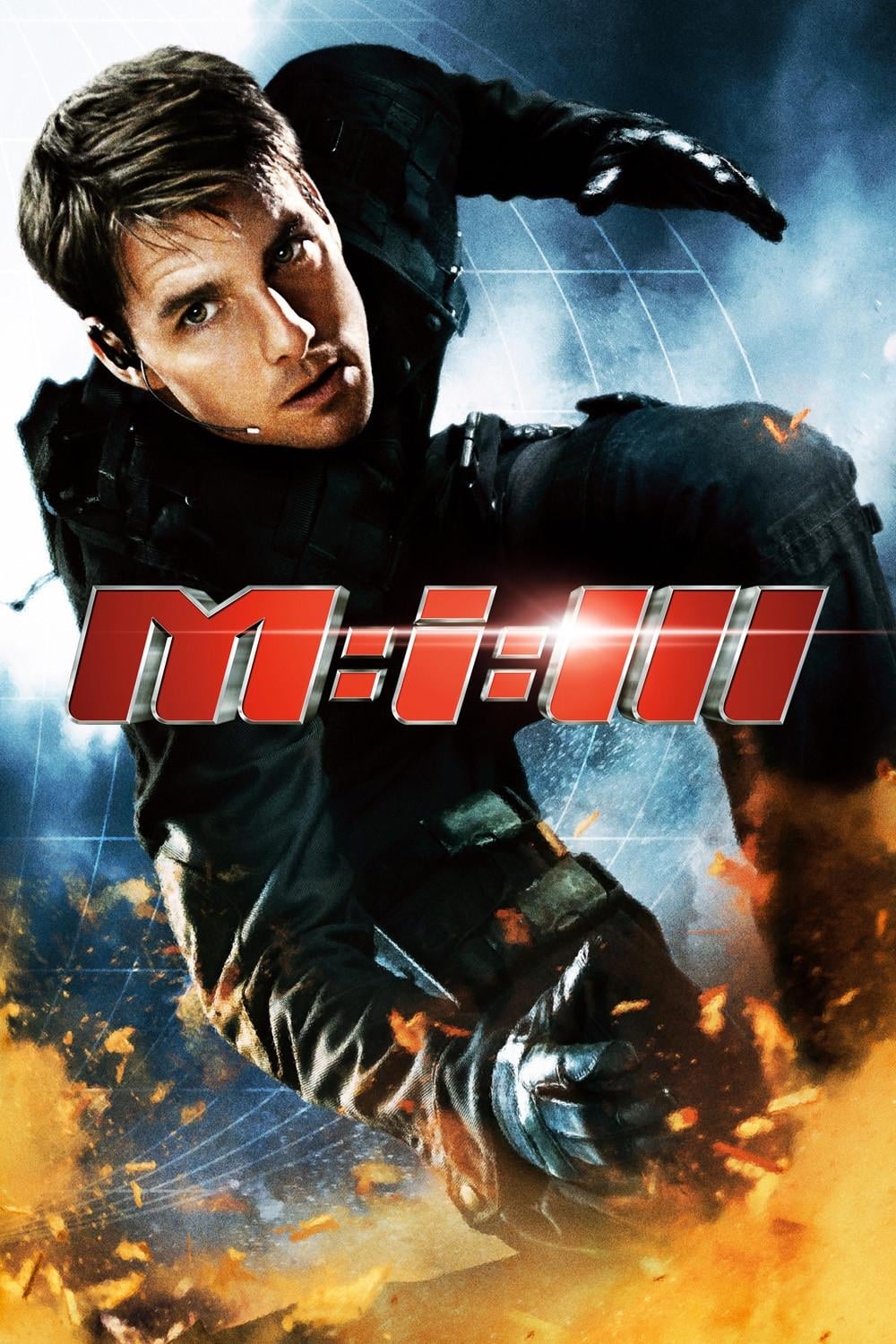
J.J. Abrams directed this installment with Tom Cruise, Philip Seymour Hoffman, Michelle Monaghan, and Simon Pegg. Major set pieces include the Vatican infiltration, a Chesapeake Bay Bridge attack, and a Shanghai base jump performed with practical stunt work. The story introduces IMF tech and team dynamics that carry forward into later films.
Production split across Rome, Shanghai, and Los Angeles, with robust second-unit coverage for chases and demolitions. The bridge sequence combined on-location photography with large stage builds to control pyrotechnics and debris. Hoffman’s antagonist anchors the plot’s kidnapping thread while the script deploys a high-value MacGuffin known only as the “Rabbit’s Foot.”
‘Children of Men’ (2006)
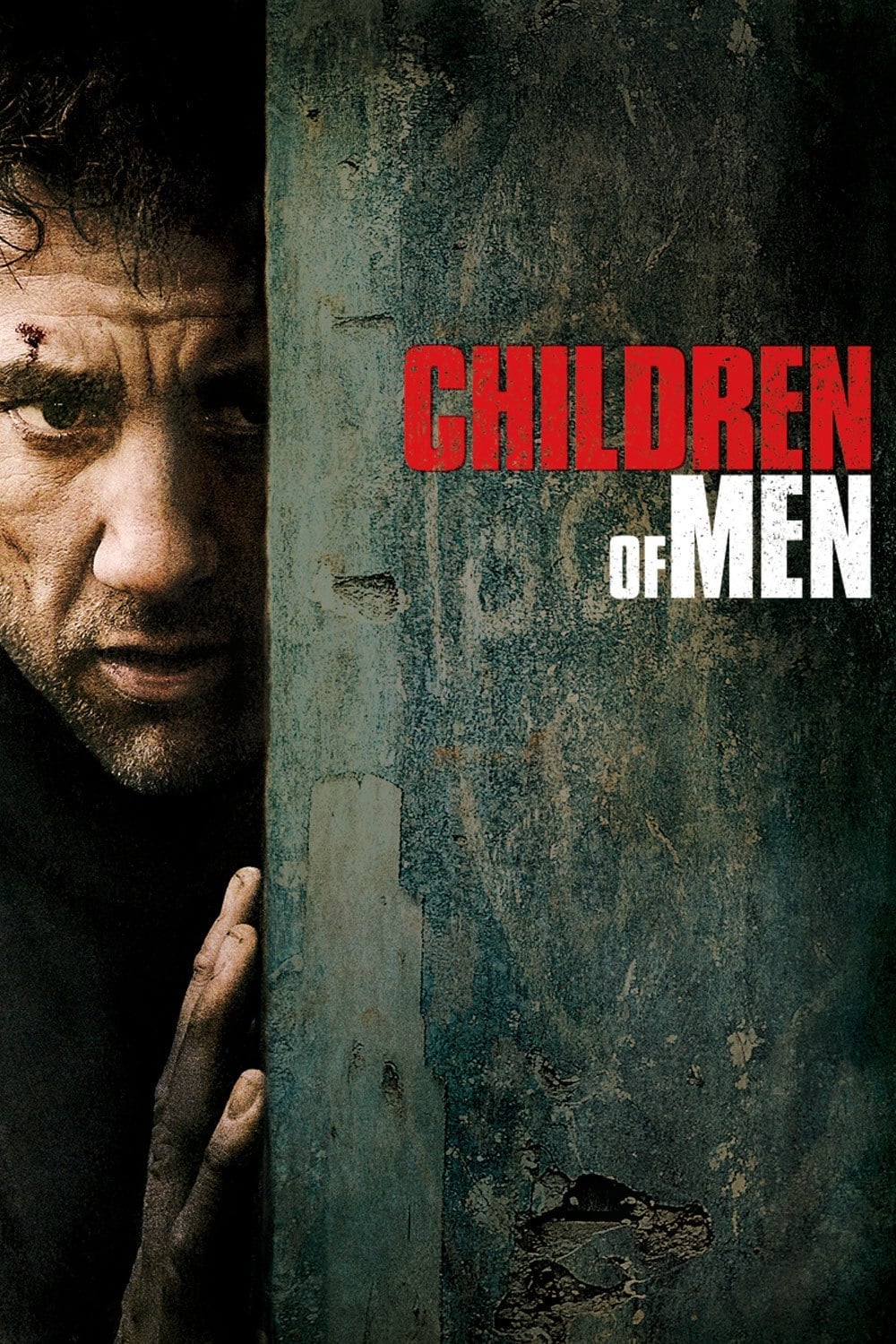
Alfonso Cuarón’s dystopian action thriller stars Clive Owen, Julianne Moore, and Michael Caine. It is noted for extended takes staged with specialized camera rigs, including a car ambush and an urban battle tracked through multiple floors. The film earned Academy Award nominations for Cinematography, Editing, and Adapted Screenplay.
Cinematographer Emmanuel Lubezki and the effects team used a mix of practical effects and invisible stitching to sustain long, continuous shots. Production design built a near-future Britain with layered signage, vehicles, and uniforms, grounding the action in recognizable environments. The approach influenced how filmmakers choreograph oners for complex action.
‘300’ (2006)
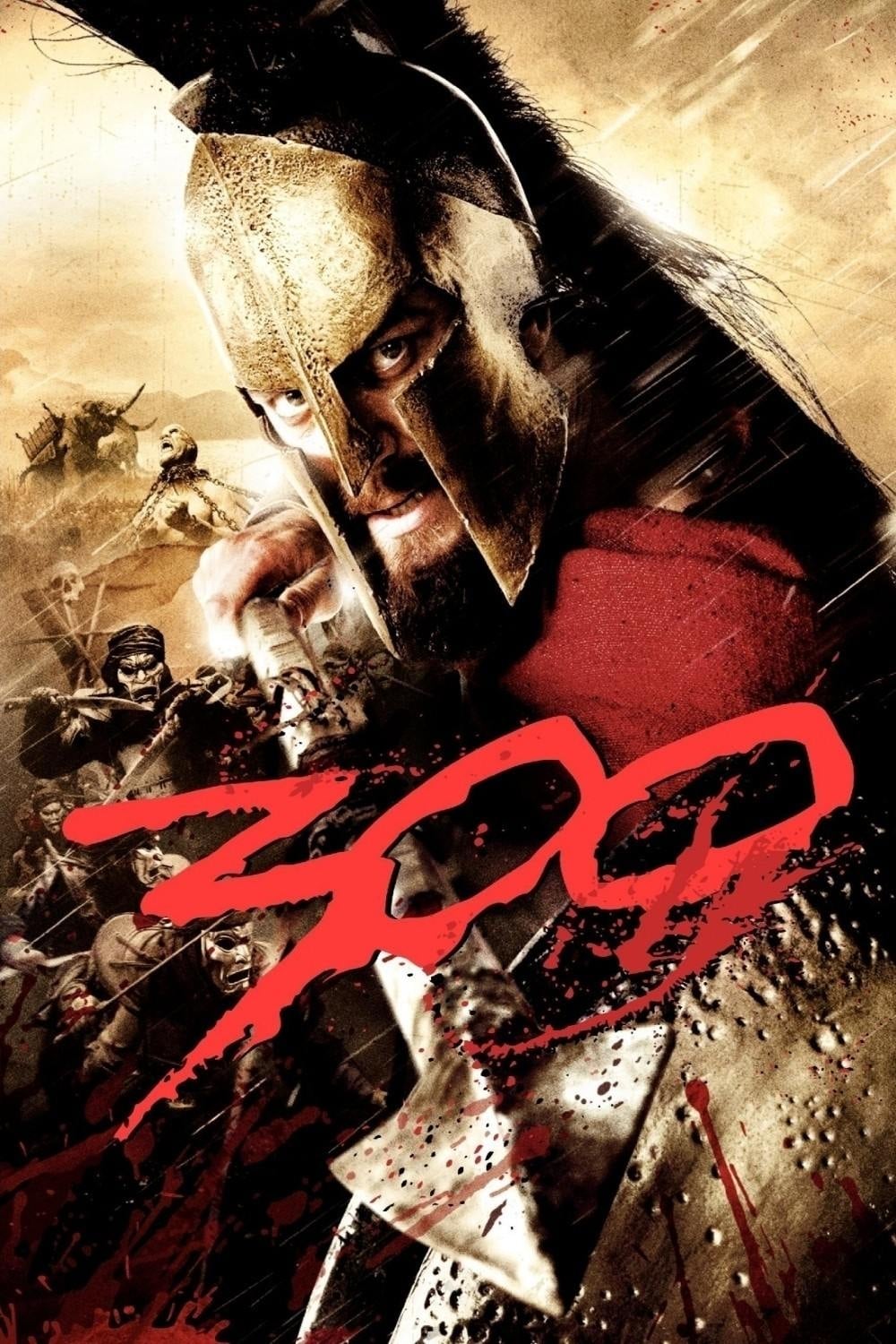
Zack Snyder’s adaptation of Frank Miller and Lynn Varley’s graphic novel follows Spartan soldiers facing Persian forces, led by Gerard Butler and Lena Headey. The film was shot largely against blue screen in Montreal, with virtual sets constructed to match the stylized source art. Its digital intermediate created high-contrast imagery and controlled color tones across sequences.
Stunt teams and fight coordinators drilled spear-and-shield formations, while VFX artists layered CG crowds, weather, and creatures. The production pipeline synchronized motion-control cameras and post-viz to plan composite shots efficiently. The release generated substantial merchandise and cross-media tie-ins, extending the title’s presence beyond theaters.
‘Hot Fuzz’ (2007)
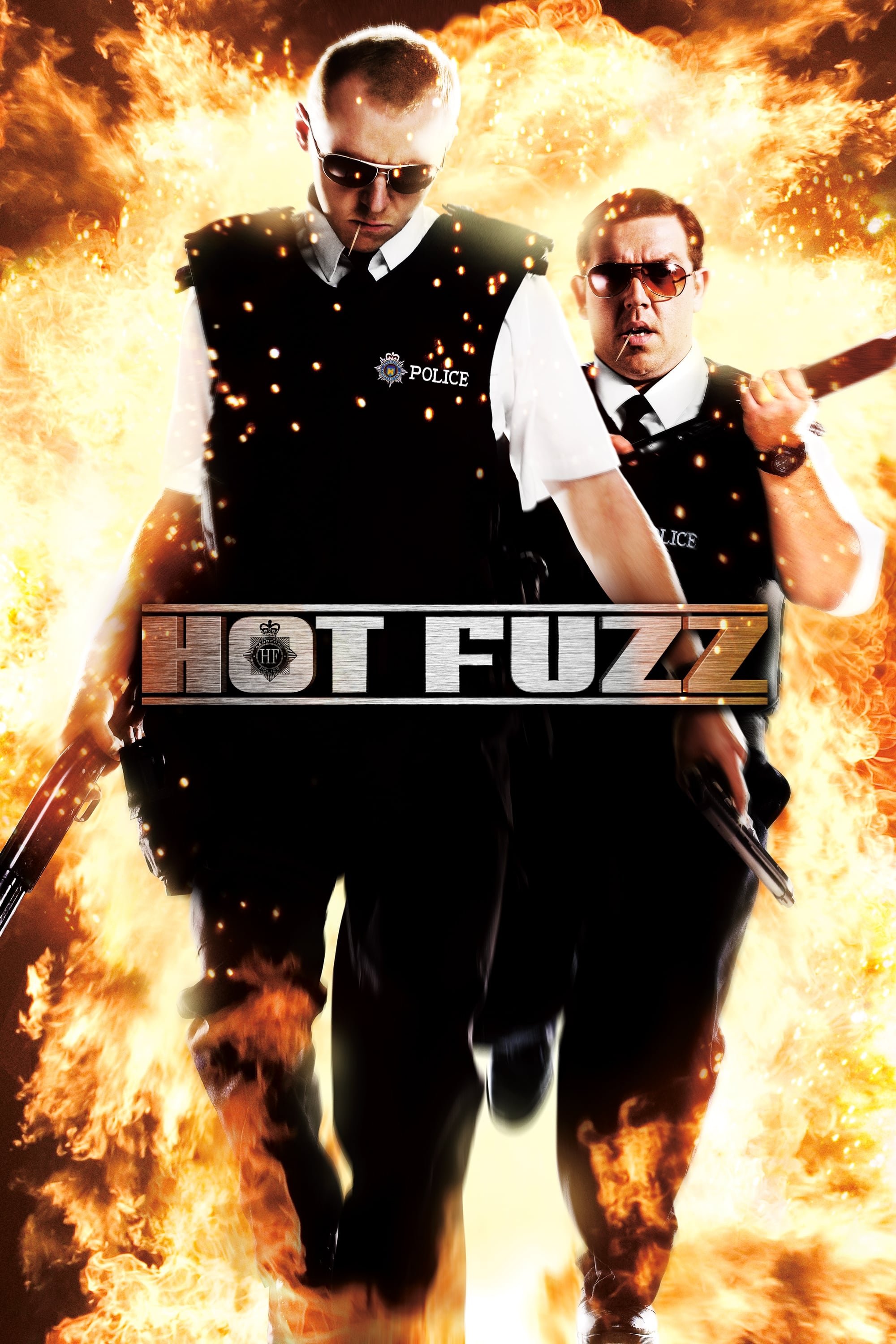
Edgar Wright’s action comedy teams Simon Pegg and Nick Frost as police officers drawn into a conspiracy in a seemingly quiet village. Shot primarily in Wells, Somerset, the film meticulously recreates action beats associated with classics it references, then executes them with practical stunts and precise editing. Timothy Dalton co-stars, and the cast includes many UK character actors in key roles.
The production storyboarded chases and gunfights with the same rigor as straight action features, integrating squibs, breakaway props, and controlled vehicle maneuvers. Sound design and rhythmic cutting align with the film’s comedic structure while delivering full-scale shootouts. It stands as a technical showcase for timing and craft inside comedic action.
‘The Dark Knight’ (2008)
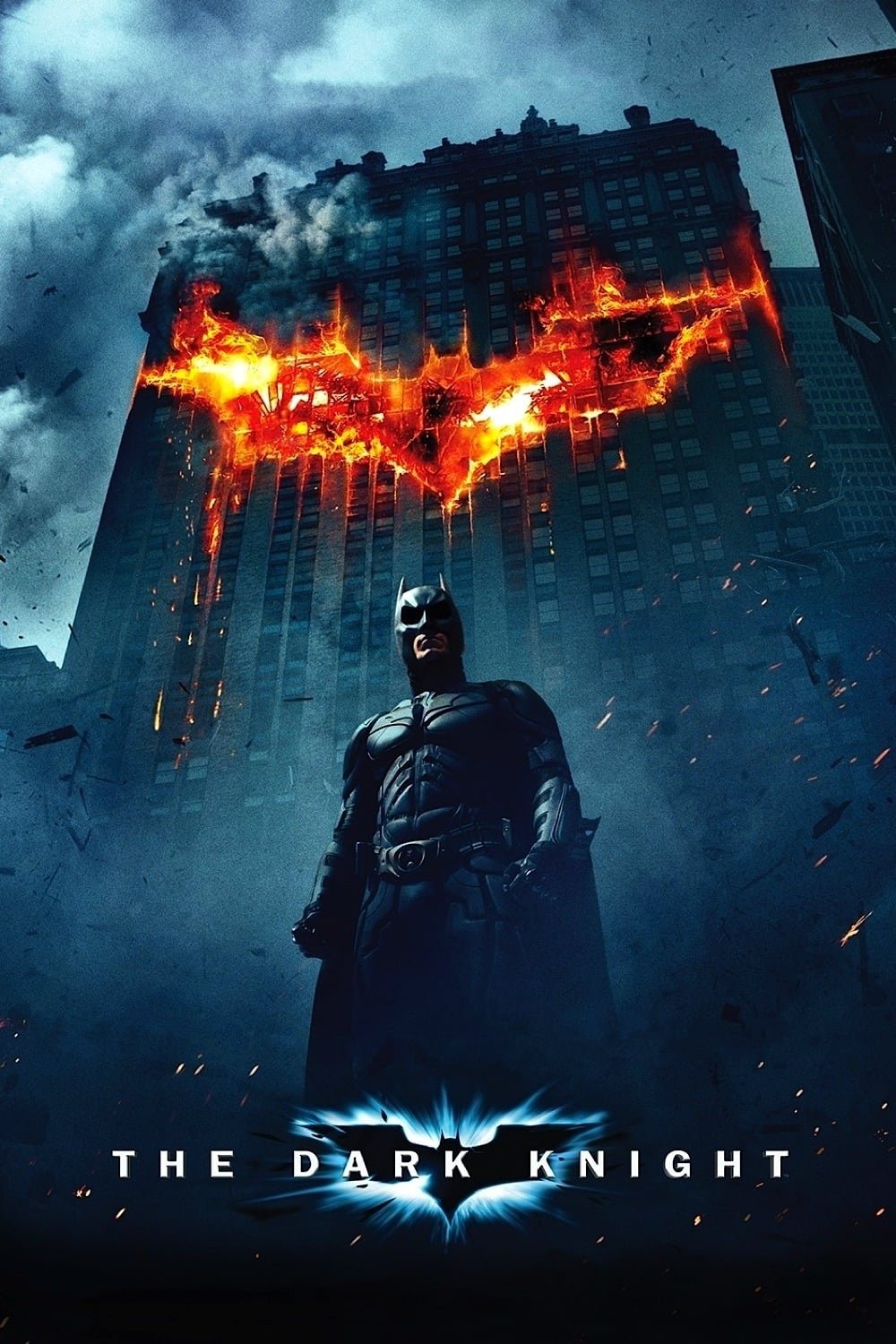
Christopher Nolan’s sequel stars Christian Bale, Heath Ledger, and Aaron Eckhart and includes sequences photographed with 65mm IMAX cameras. Major scenes were staged in Chicago and Hong Kong, including a practical truck flip and a midair aircraft extraction. The film won Academy Awards for Supporting Actor and Sound Editing and crossed the billion-dollar mark worldwide.
Large-format capture demanded custom stabilization and projection workflows, and select IMAX scenes were presented at variable aspect ratios. Practical effects supervisors coordinated pyrotechnics and vehicle gags with minimal CG augmentation. The release expanded the use of IMAX in narrative features and standardized large-format workflows for subsequent blockbusters.
‘Taken’ (2008)
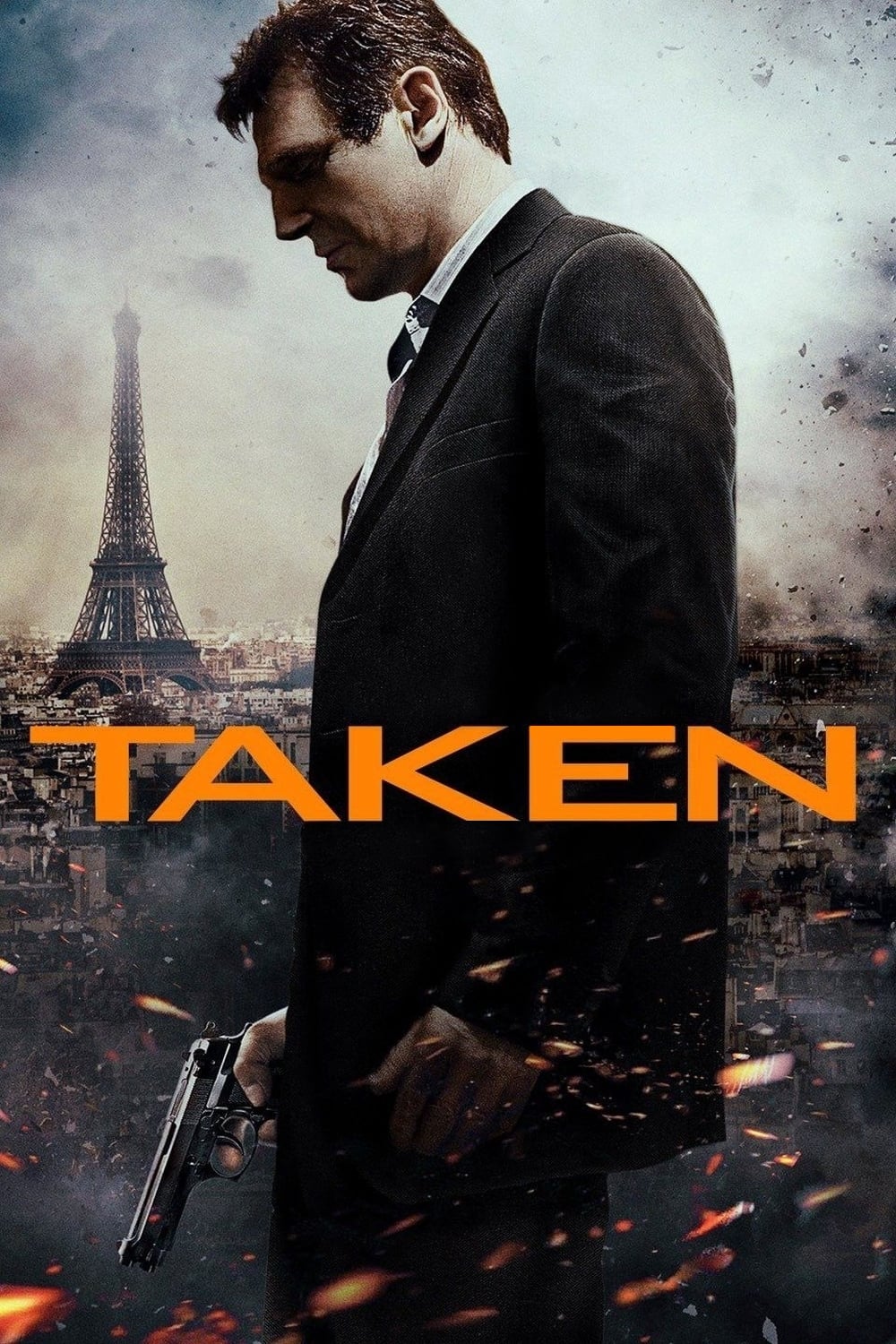
Pierre Morel’s action thriller stars Liam Neeson as a former operative pursuing a kidnapping case across Paris. Shot in France with additional photography in Los Angeles and Istanbul-set pickups for later entries, the film used tight, short-burst fight choreography and quick, motivated cutting to emphasize close-quarters technique. Made on a moderate budget, it became a substantial box-office hit and initiated two sequels and a television adaptation.
Writers Luc Besson and Robert Mark Kamen streamlined the plot around phone calls, surveillance, and timed searches, enabling a steady cadence of chases and interrogations. The production scheduled night shoots for location availability and to support the script’s compressed timeline. Its performance repositioned Neeson for a string of action leads in subsequent projects.
‘Ip Man’ (2008)
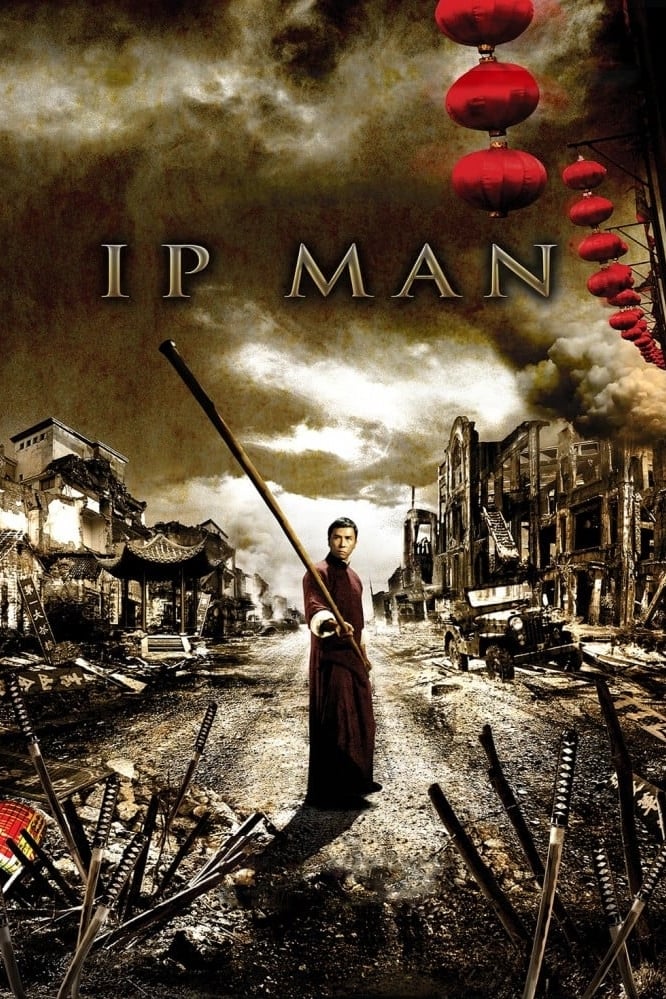
Wilson Yip’s biographical martial-arts film features Donnie Yen as the Wing Chun master who later taught Bruce Lee. Choreography by Sammo Hung emphasizes centerline striking, sticky-hands drills, and grounded stance work in extended dojo and factory fights. The story traces the character’s displacement during occupation and his later role as a teacher.
The production built period streets and interiors in southern China and Hong Kong, with costuming and props matched to regional details. The film’s reception spurred multiple sequels, spin-offs, and an expanded cinematic universe around the historical figure, helping to popularize Wing Chun with new audiences.
‘Iron Man’ (2008)
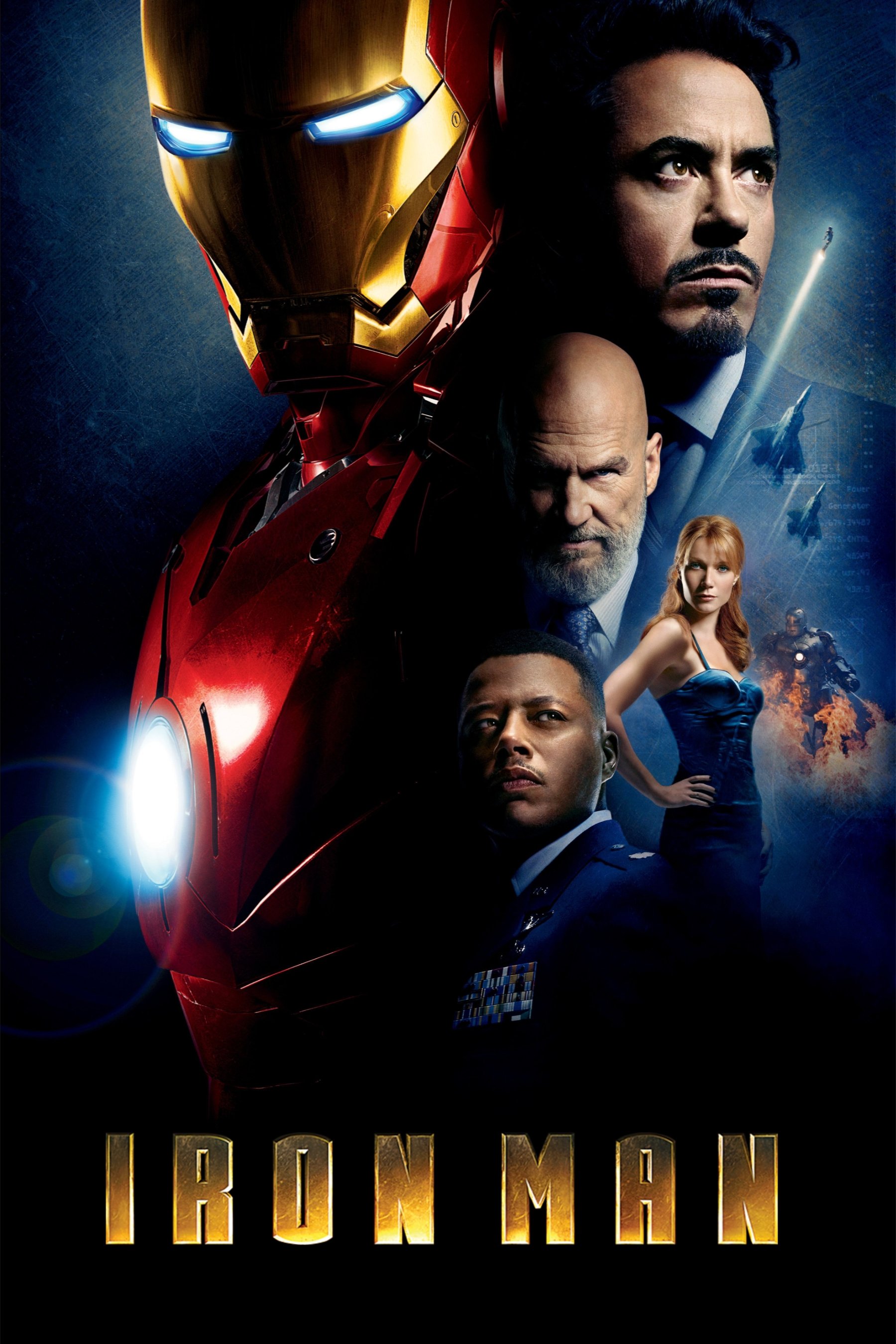
Jon Favreau’s superhero origin story stars Robert Downey Jr., Gwyneth Paltrow, and Jeff Bridges. The effects pipeline blended practical suits from Stan Winston Studio with digital augmentation from multiple VFX houses, yielding full-flight action and armored combat. A brief post-credits scene introduced Nick Fury, laying groundwork for later team-up entries.
Downey’s performance incorporated improvisation shaped in the edit, while on-set LED and interactive lighting supported metal reflections in composite shots. The film’s strong theatrical run positioned Marvel Studios to interconnect subsequent titles, creating a release cadence that continued building out a shared continuity.
‘Star Trek’ (2009)
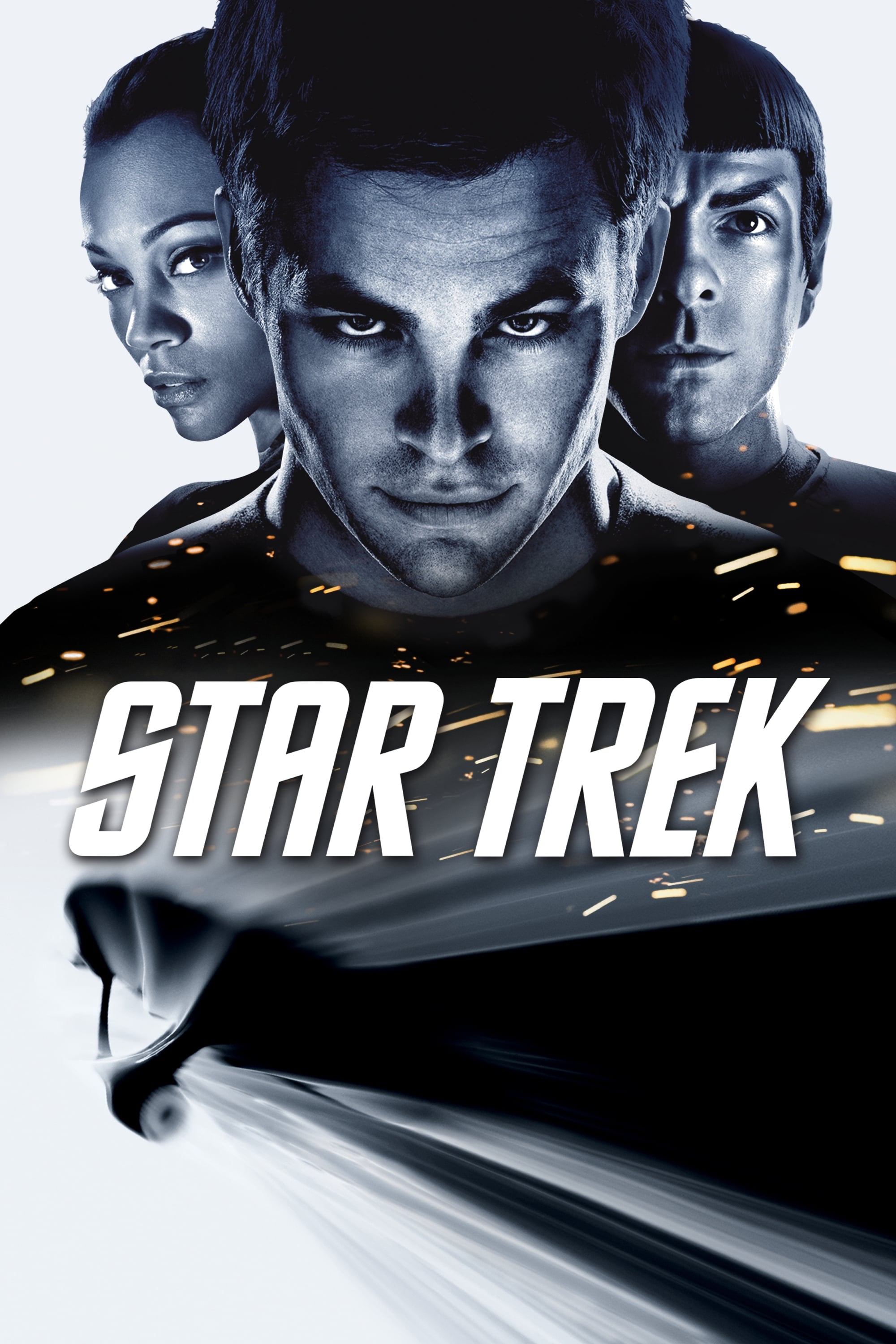
J.J. Abrams relaunched the franchise with Chris Pine, Zachary Quinto, Zoe Saldaña, and Karl Urban. The story establishes an alternate timeline after a time-travel incursion, allowing familiar characters to continue with new narrative paths. Industrial Light & Magic delivered extensive space and planetary VFX, and the film won the Academy Award for Makeup and Hairstyling.
Production combined California locations—such as a brewery repurposed for engineering interiors—with large sets on stages for the bridge and transporter room. Michael Giacchino’s score introduced new themes while retaining signature motifs. The film’s performance led to further entries in the Kelvin-timeline series.
‘Avatar’ (2009)

James Cameron’s sci-fi action epic employed performance-capture and stereoscopic photography to depict the world of Pandora. Weta Digital led the visual effects effort, translating actor performances to CG characters with detailed facial pipelines. The film became the highest-grossing release worldwide and won Academy Awards for Cinematography, Art Direction, and Visual Effects.
Cameron’s team used the Fusion 3D camera system and a virtual camera for live visualization of CG environments during capture. A constructed Na’vi language, developed with linguist Paul Frommer, supported consistent on-screen speech. The production’s technology stack influenced industry adoption of 3D exhibition and advanced motion-capture techniques.
Got a favorite pick from this era—or one we missed? Share your thoughts in the comments and keep the conversation going.