1990s Fantasy Movies that Aged Incredibly Well

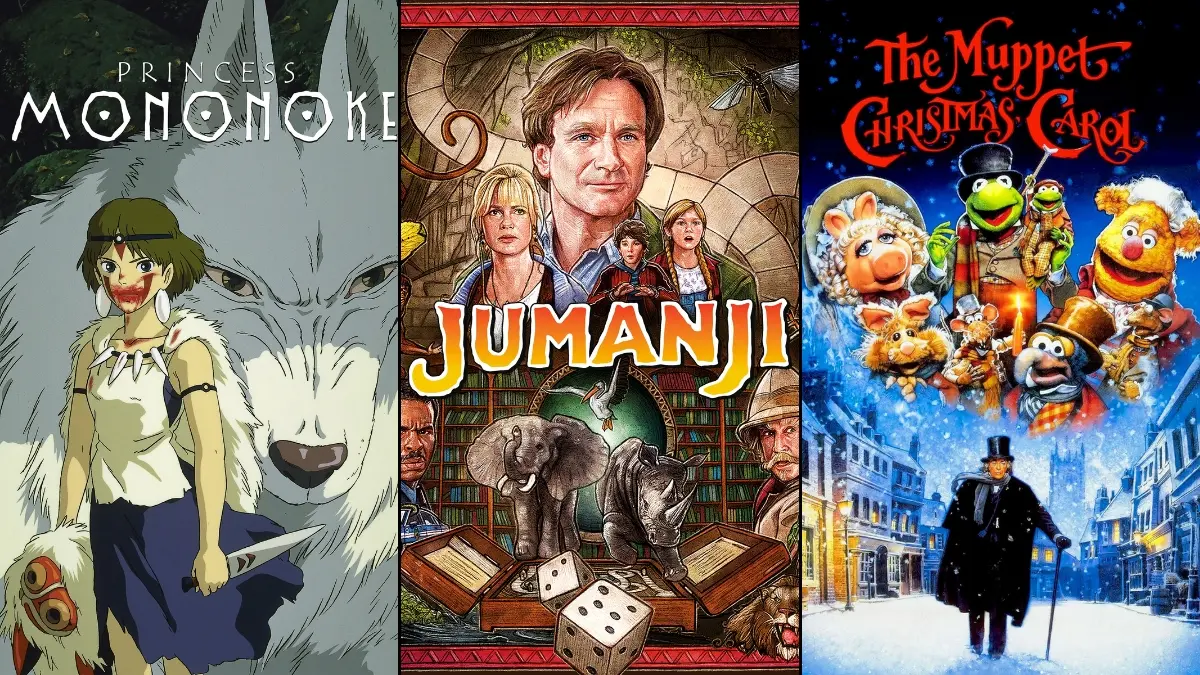

The 1990s delivered a surge of imaginative storytelling, with studios pushing into new territory across animation, live action, stop-motion and the earliest waves of mainstream computer-generated imagery. It was a decade when fantasy branched out, blending with comedy, romance, horror, and adventure, and when effects houses and crafts teams found fresh ways to put magic on screen.
It was also a time of major creative milestones: the so-called Disney Renaissance in feature animation, the international rise of Japanese animation in Western theaters, and a renewed appetite for literary adaptations and folklore on film. The titles below span that range, spotlighting the writers, directors, performers, and craftspeople who built these worlds, as well as the practical and digital techniques that brought their stories to life.
‘Edward Scissorhands’ (1990)
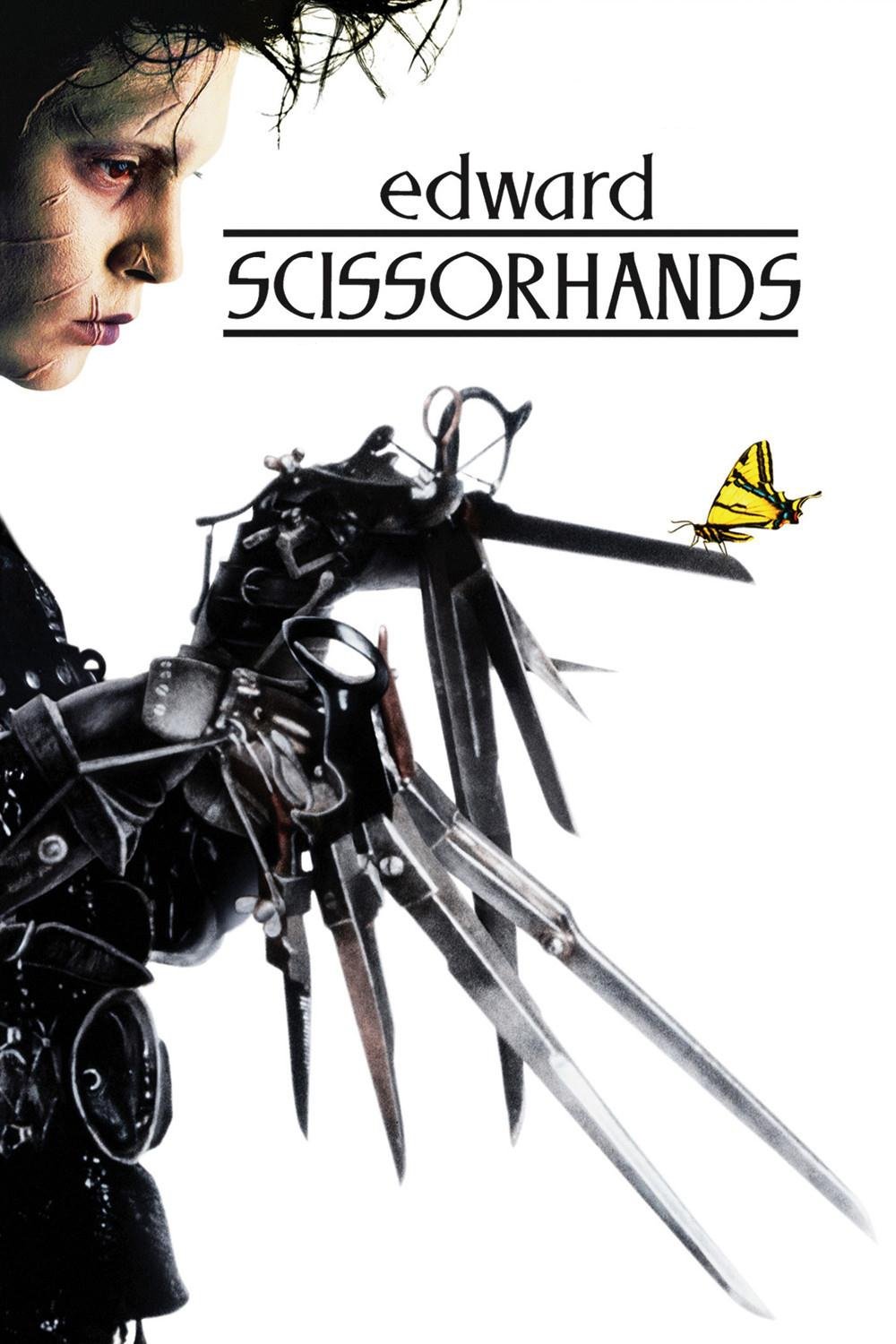
Directed by Tim Burton, ‘Edward Scissorhands’ pairs Johnny Depp and Winona Ryder in a modern fairy-tale about a gentle artificial man introduced to suburban life. The screenplay by Caroline Thompson draws on classic outsider motifs, while Danny Elfman’s score and Bo Welch’s production design shape the film’s mix of storybook color and gothic textures.
The film was recognized for its makeup work at major awards and became a key collaboration point for Burton, Elfman, and Depp. Principal photography used real neighborhoods in Florida for its pastel suburbia, with practical effects and bespoke costuming used to realize Edward’s iconic silhouette.
‘The Witches’ (1990)
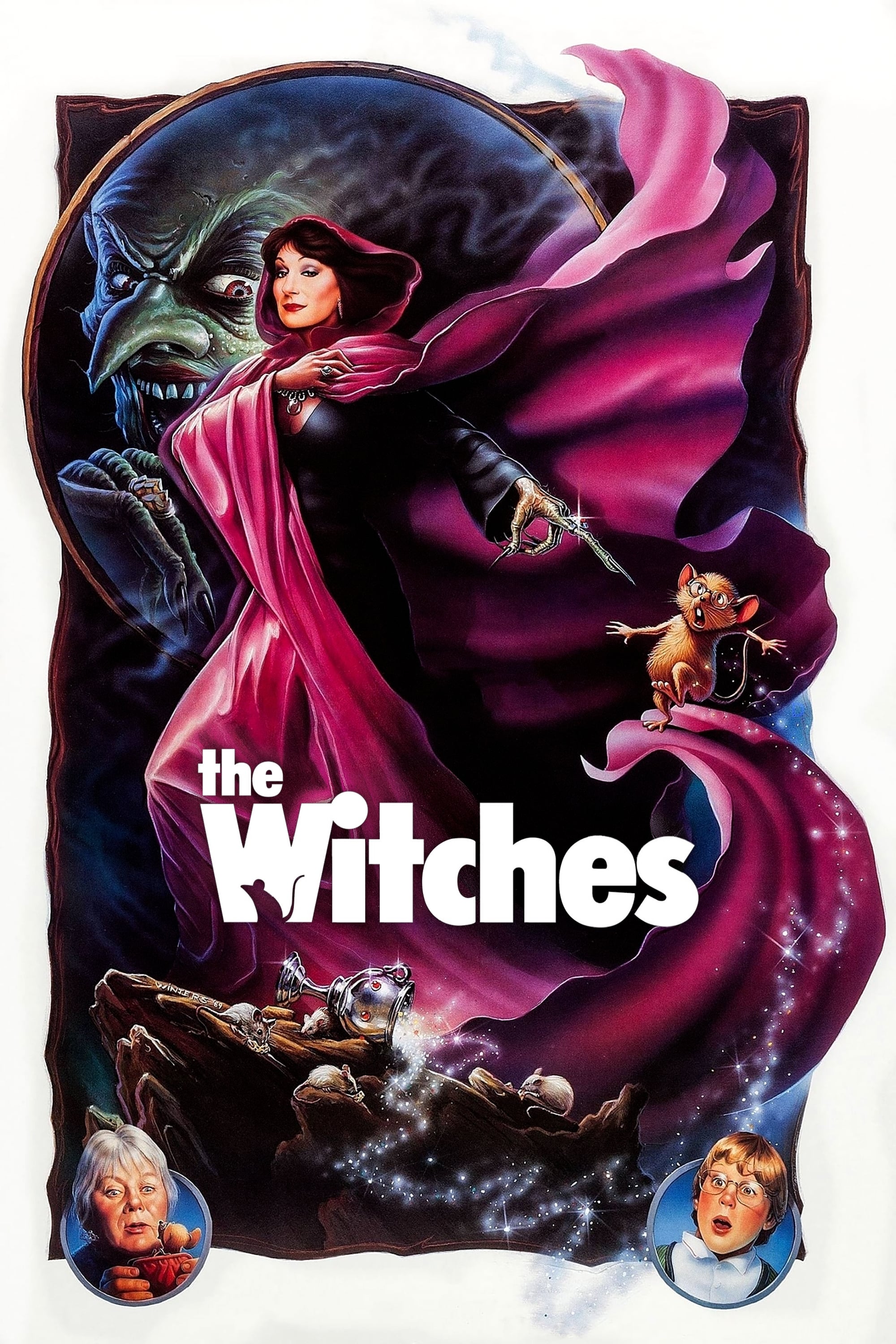
Nicolas Roeg’s adaptation of Roald Dahl’s ‘The Witches’ stars Anjelica Huston as the Grand High Witch and centers on a boy who stumbles onto a convention of witches. Jim Henson’s Creature Shop supplied the transformative prosthetics and puppet work that enabled the film’s elaborate witch designs and mouse characters.
Shot primarily in the United Kingdom with additional location work tied to Dahl’s Scandinavian roots, the production is notable for its combination of live-action puppetry and animatronics. The screenplay alters the book’s ending for cinema audiences, a change widely documented in the film’s release history and home-video editions.
‘Beauty and the Beast’ (1991)
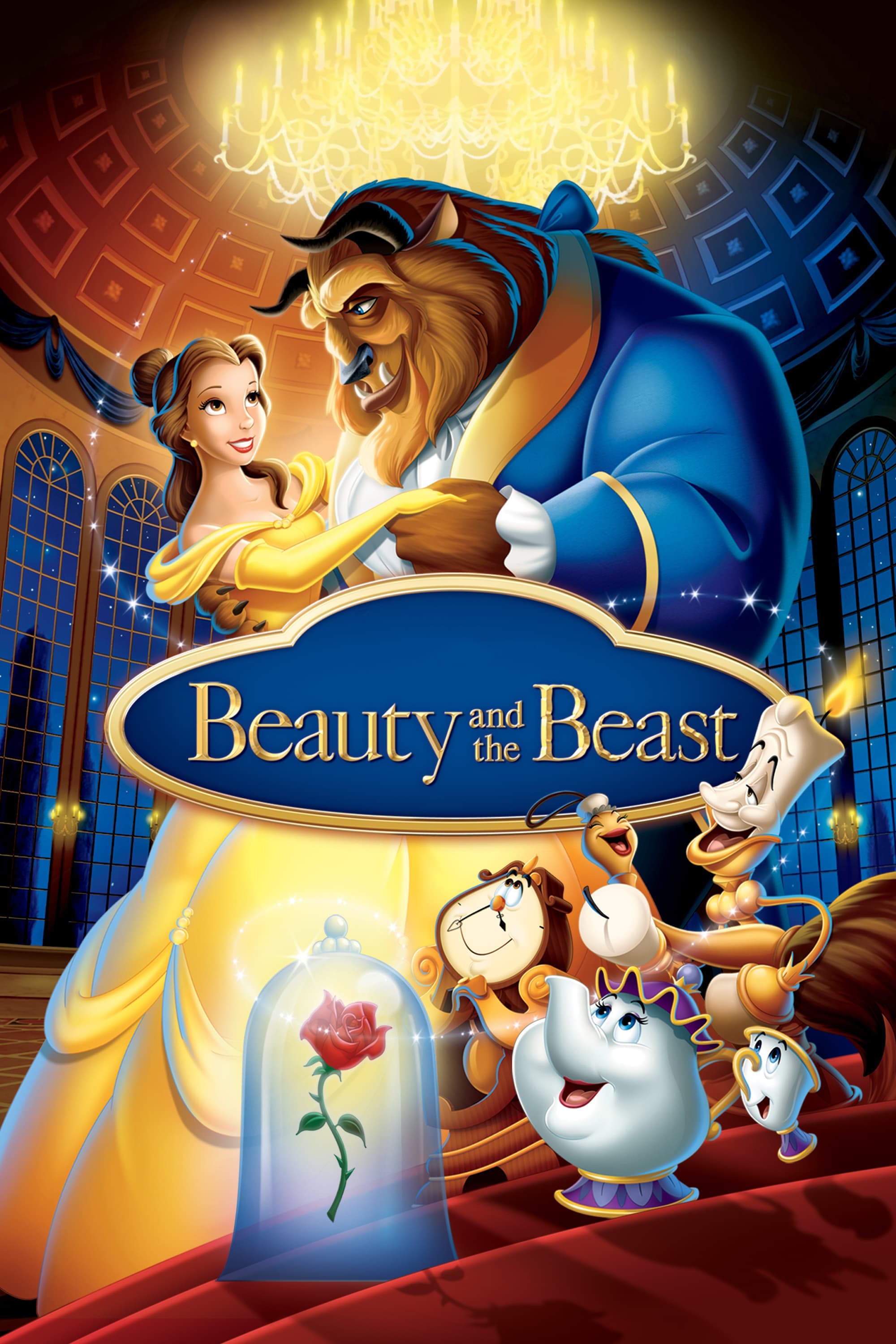
‘Beauty and the Beast’ comes from directors Gary Trousdale and Kirk Wise, with music by Alan Menken and lyrics by Howard Ashman. It adapts the classic tale into a Broadway-style animated musical, featuring voice performances by Paige O’Hara, Robby Benson, Angela Lansbury, and Jerry Orbach.
The film pioneered digital tools in hand-drawn animation through the CAPS ink-and-paint system and a landmark ballroom sequence that integrated computer-generated camera movement with traditional character animation. It won Academy Awards for original score and song, and it later inspired a long-running stage musical and multiple official restorations for theatrical re-releases.
‘Hook’ (1991)
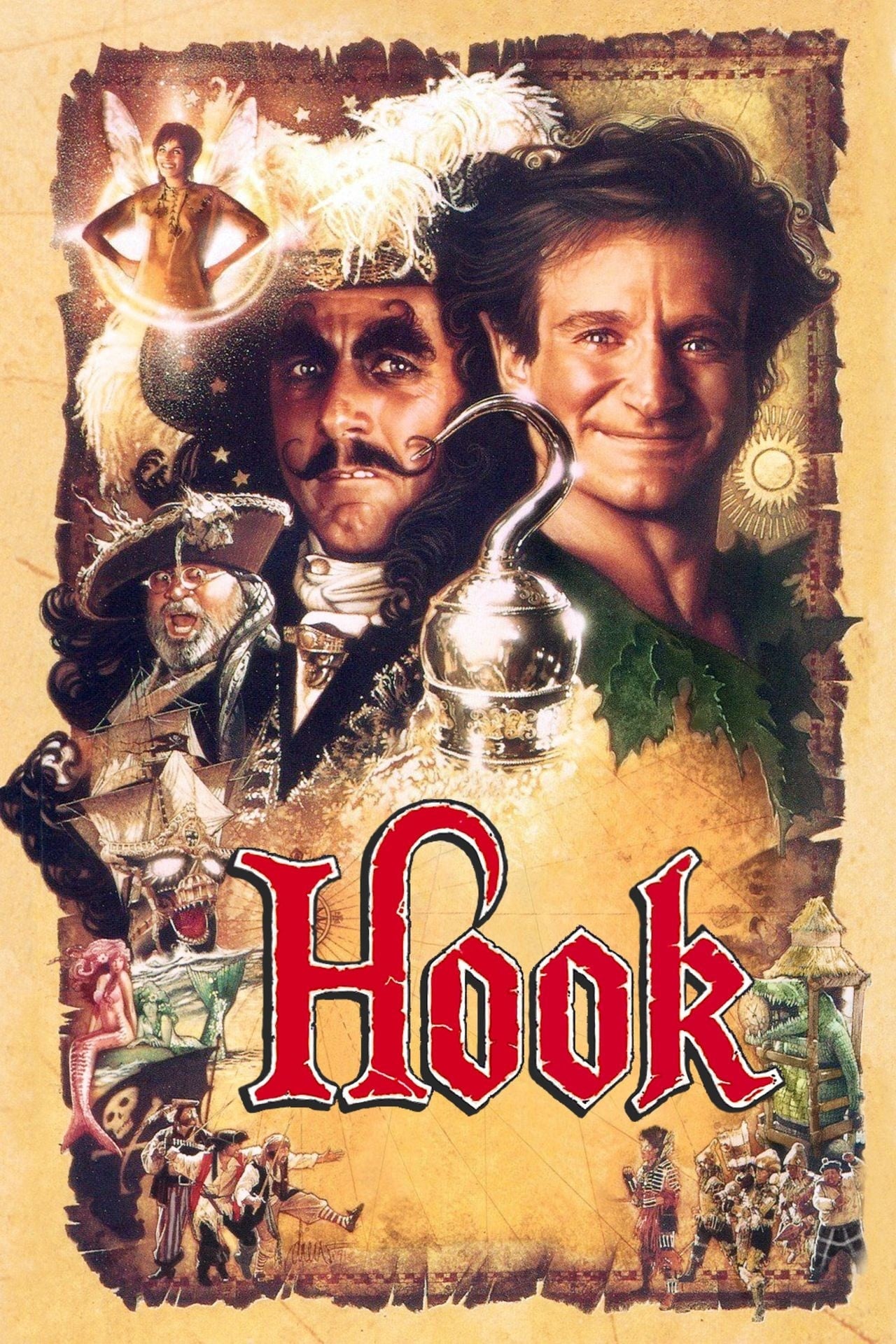
Steven Spielberg’s ‘Hook’ reimagines ‘Peter Pan’ by following a grown-up Peter, played by Robin Williams, who returns to Neverland to face Captain Hook, portrayed by Dustin Hoffman. The ensemble includes Julia Roberts, Bob Hoskins, and Maggie Smith, with a score by John Williams that expands the story’s musical motifs.
The production built expansive practical sets for Neverland, with large-scale ship and lagoon constructions complemented by miniatures and optical effects. The film earned multiple Academy Award nominations in crafts categories including art direction, costume design, makeup, visual effects, and original song.
‘Aladdin’ (1992)
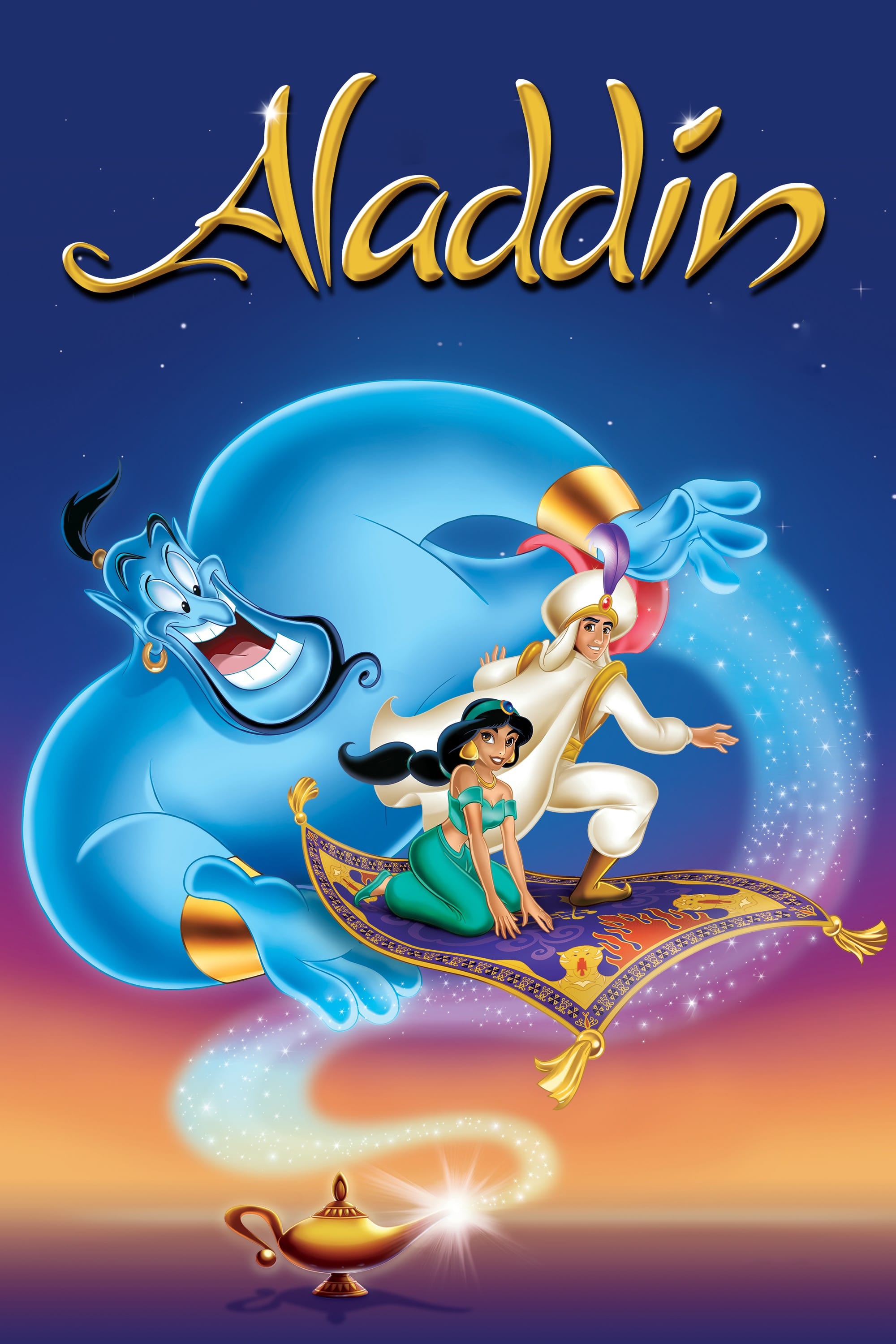
Directed by Ron Clements and John Musker, ‘Aladdin’ adapts stories from the ‘Arabian Nights’ cycle into a musical adventure. Scott Weinger, Linda Larkin, and Lea Salonga lead the voice cast, with Robin Williams voicing the Genie; songs were written by Alan Menken with lyrics by Howard Ashman and Tim Rice.
The animation team integrated digital techniques for complex shots such as the Cave of Wonders and the magic carpet chase, while character animation relied on distinct performance styles for each principal role. The film won Academy Awards for original score and original song and became a cornerstone of Disney’s animation slate, later generating sequels, a television series, and a live-action reinterpretation.
‘Bram Stoker’s Dracula’ (1992)
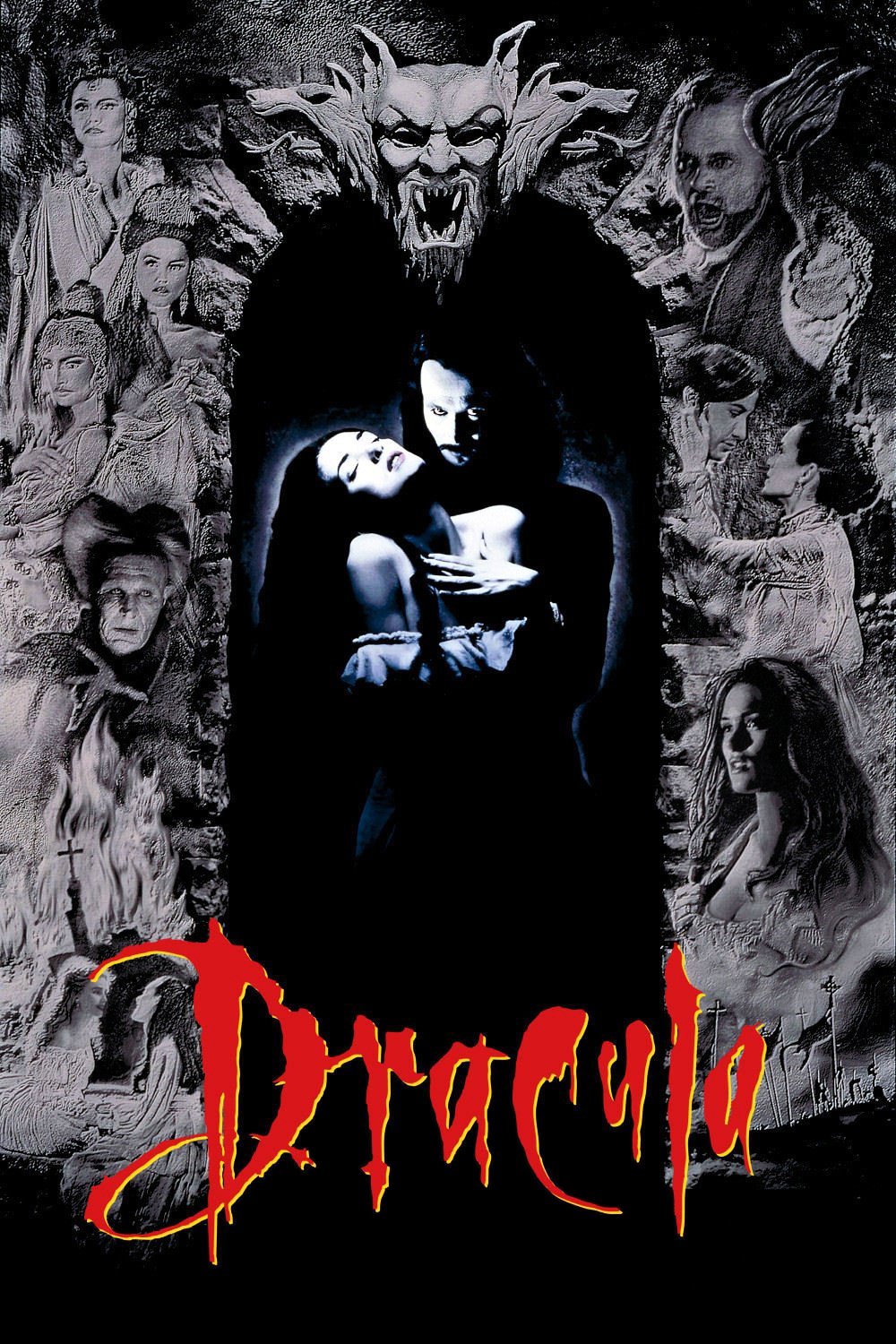
Francis Ford Coppola’s ‘Bram Stoker’s Dracula’ stars Gary Oldman, Winona Ryder, Anthony Hopkins, and Keanu Reeves in a return to the novel’s epistolary framework and Victorian setting. The production emphasizes period detail, with Eiko Ishioka’s costume design and Thomas Sanders’s sets shaping the film’s gothic aesthetic.
The film is widely cited for its commitment to in-camera illusions, including reverse photography, miniatures, and shadow play, rather than relying on then-emerging digital effects. It won multiple Academy Awards in crafts categories, including costume design, makeup, and sound effects editing, and features a score by Wojciech Kilar that underscores its romantic horror tone.
‘The Muppet Christmas Carol’ (1992)
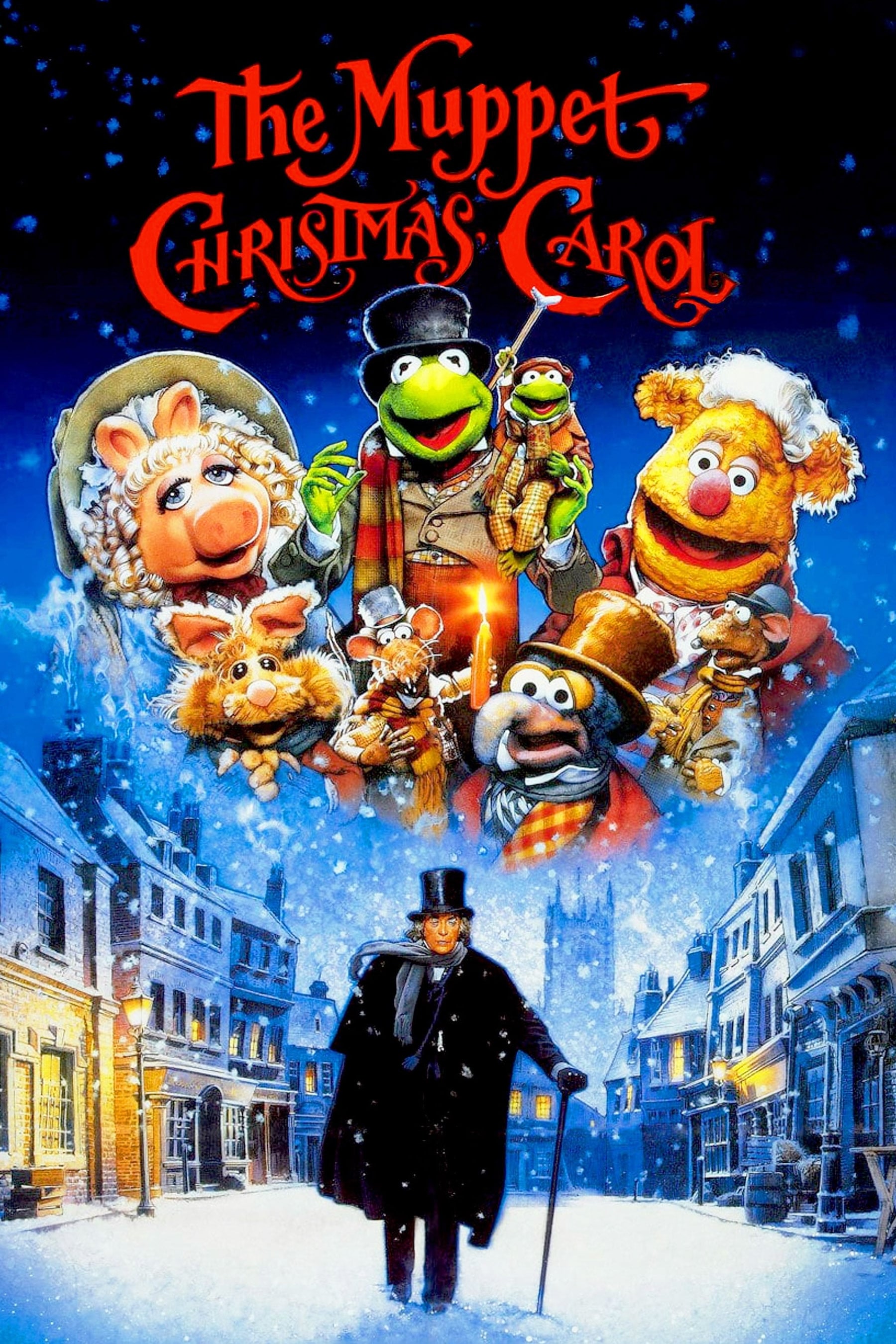
Directed by Brian Henson, ‘The Muppet Christmas Carol’ casts Michael Caine as Ebenezer Scrooge opposite the Muppet ensemble in a faithful retelling of Charles Dickens’s novella. Paul Williams contributed original songs, and the script integrates Dickens’s text through Gonzo and Rizzo as narrators.
The film represents the first Muppet feature following the passing of Jim Henson and Richard Hunt, with Steve Whitmire assuming Kermit’s performance. It blends full-body puppetry, sets designed for puppeteering access, and traditional optical work, and it has been restored and reissued with alternate song edits in later home-media versions.
‘Groundhog Day’ (1993)

Harold Ramis directs ‘Groundhog Day’, starring Bill Murray and Andie MacDowell in a story by Danny Rubin about a TV weatherman trapped in a recurring day. The structure allows incremental character and plot development through repeated scenes with changing beats, supporting tight continuity and performance variation.
Filmed mainly in Woodstock, Illinois, the production team choreographed complex resets for sets, props, and background action to sustain the time-loop conceit. The film’s narrative design has been analyzed in screenwriting courses and adapted into a stage musical, underlining its influence on later time-loop stories in film and television.
‘The Nightmare Before Christmas’ (1993)
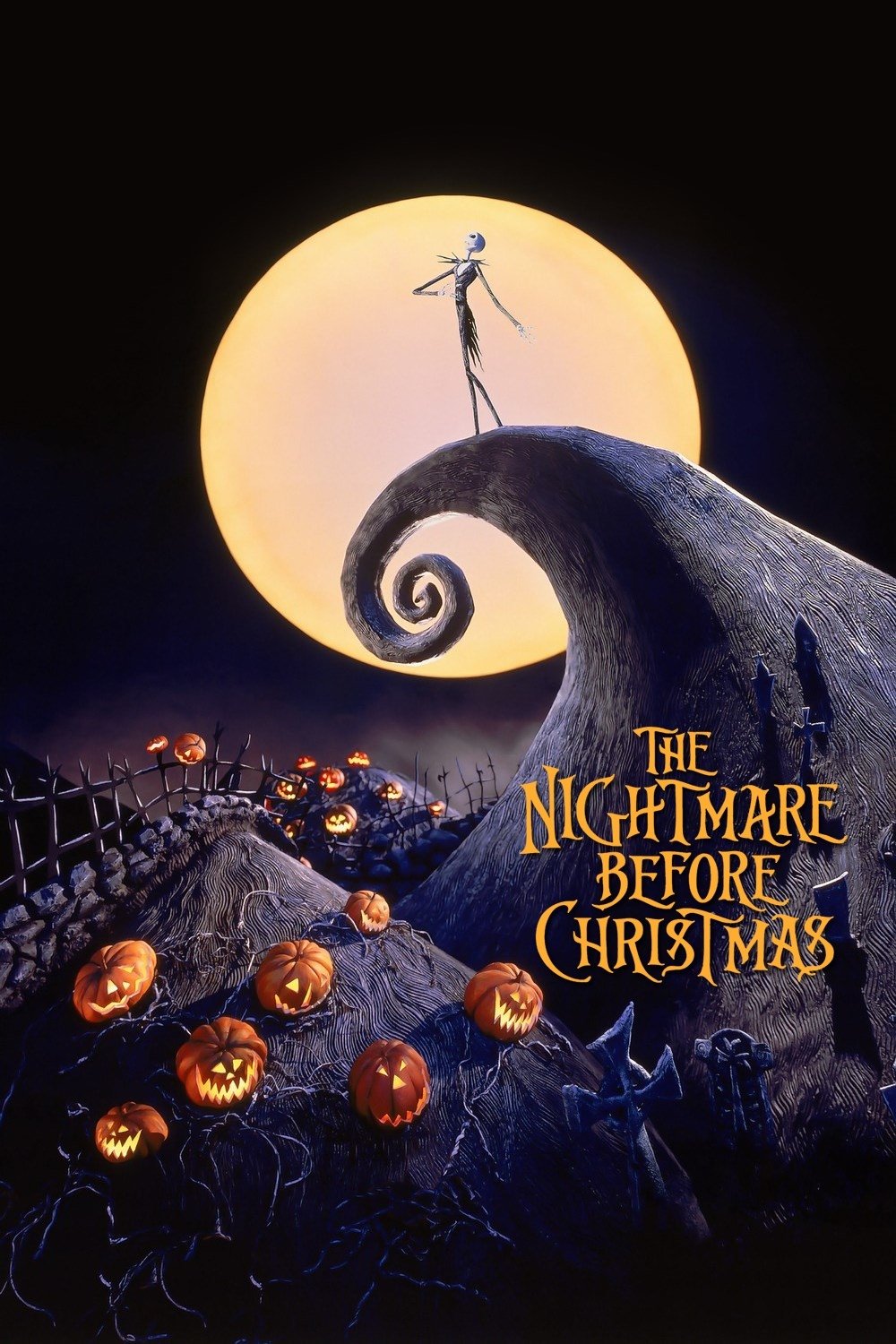
Directed by Henry Selick from a story and characters by Tim Burton, ‘The Nightmare Before Christmas’ follows Jack Skellington’s discovery of Christmas Town. Danny Elfman composed the songs and provided Jack’s singing voice, while Chris Sarandon voiced Jack’s dialogue.
The stop-motion production used hundreds of interchangeable heads and meticulously lit miniature sets, photographed on stages with motion-control rigs to create smooth camera moves. Originally released under the Touchstone banner, the film later received 3D conversions and seasonal theatrical reissues, and it remains a key reference point in discussions of modern stop-motion technique.
‘Hocus Pocus’ (1993)
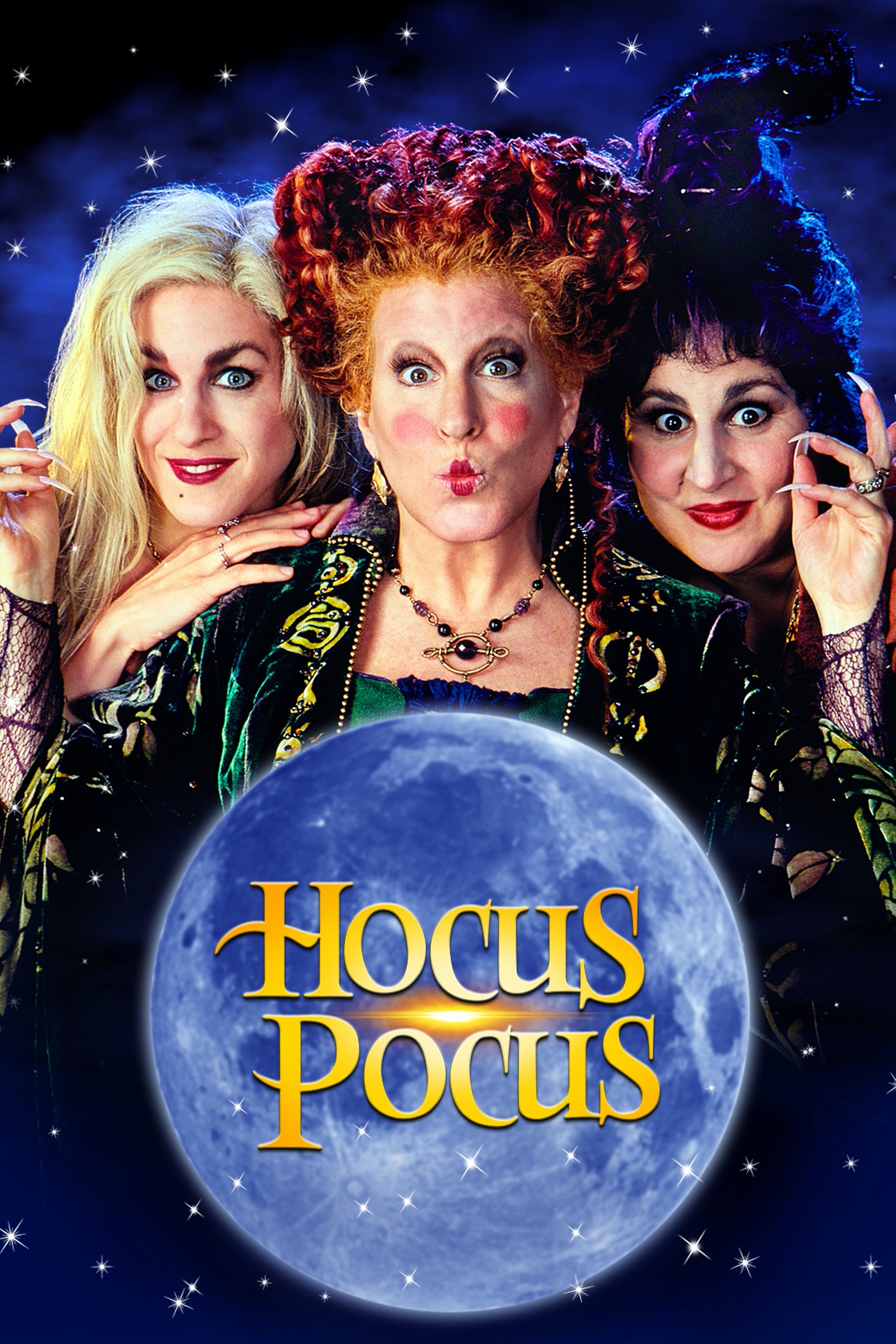
Kenny Ortega’s ‘Hocus Pocus’ stars Bette Midler, Sarah Jessica Parker, and Kathy Najimy as the Sanderson sisters, resurrected in Salem to comic and supernatural effect. The screenplay blends folklore and family adventure, with location photography in Massachusetts paired with soundstage work in California.
Practical effects, wire work, and early digital compositing were used for flying sequences and magical gags, complemented by creature effects for the film’s feline character. The property expanded over time with a sequel, a tie-in novelization, and recurring seasonal broadcasts that increased its cultural footprint.
‘The Crow’ (1994)
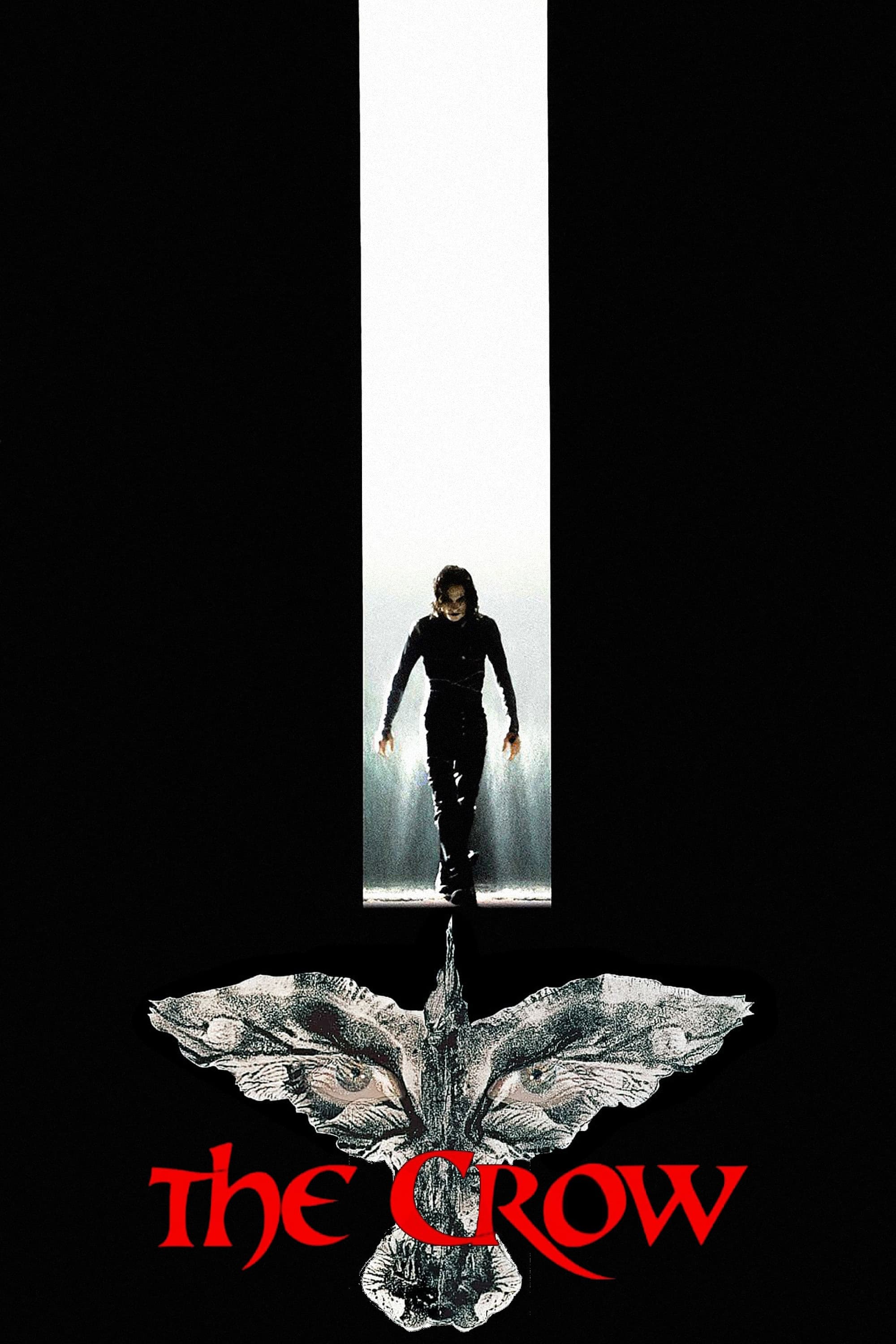
Alex Proyas directs ‘The Crow’, adapted from James O’Barr’s graphic novel, with Brandon Lee as Eric Draven, a musician who returns from the dead to avenge his and his fiancée’s murders. The production’s dark cityscapes and stylized visuals align with the source’s graphic-novel tone.
Following Lee’s on-set accident, the film completed remaining scenes with body doubles and digital compositing, an early example of sensitive VFX integration to finish a performance. Shot largely in North Carolina, the film’s design, soundtrack curation, and visual effects have been documented in making-of features and trade press.
‘The Mask’ (1994)
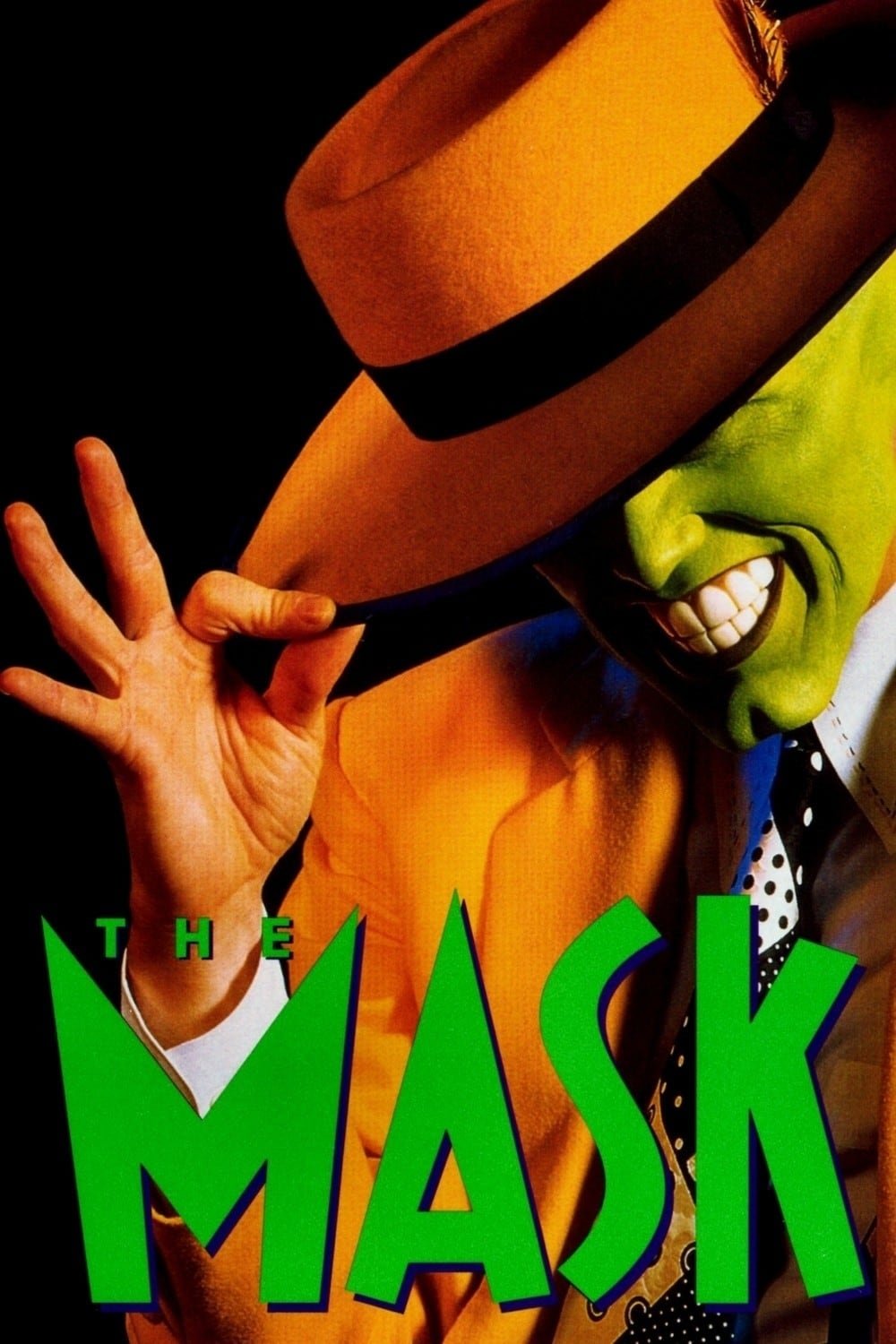
‘The Mask’, directed by Chuck Russell and starring Jim Carrey and Cameron Diaz, is based on the Dark Horse Comics character. The plot follows a bank clerk who discovers a mask that releases a cartoonish alter ego with reality-bending powers.
Industrial Light & Magic created facial-distortion and Tex Avery-style gags through digital manipulation married to Carrey’s physical performance. The film earned an Academy Award nomination for visual effects and helped popularize comic-book properties beyond traditional superhero frameworks, later expanding into animated television and additional media.
‘Jumanji’ (1995)
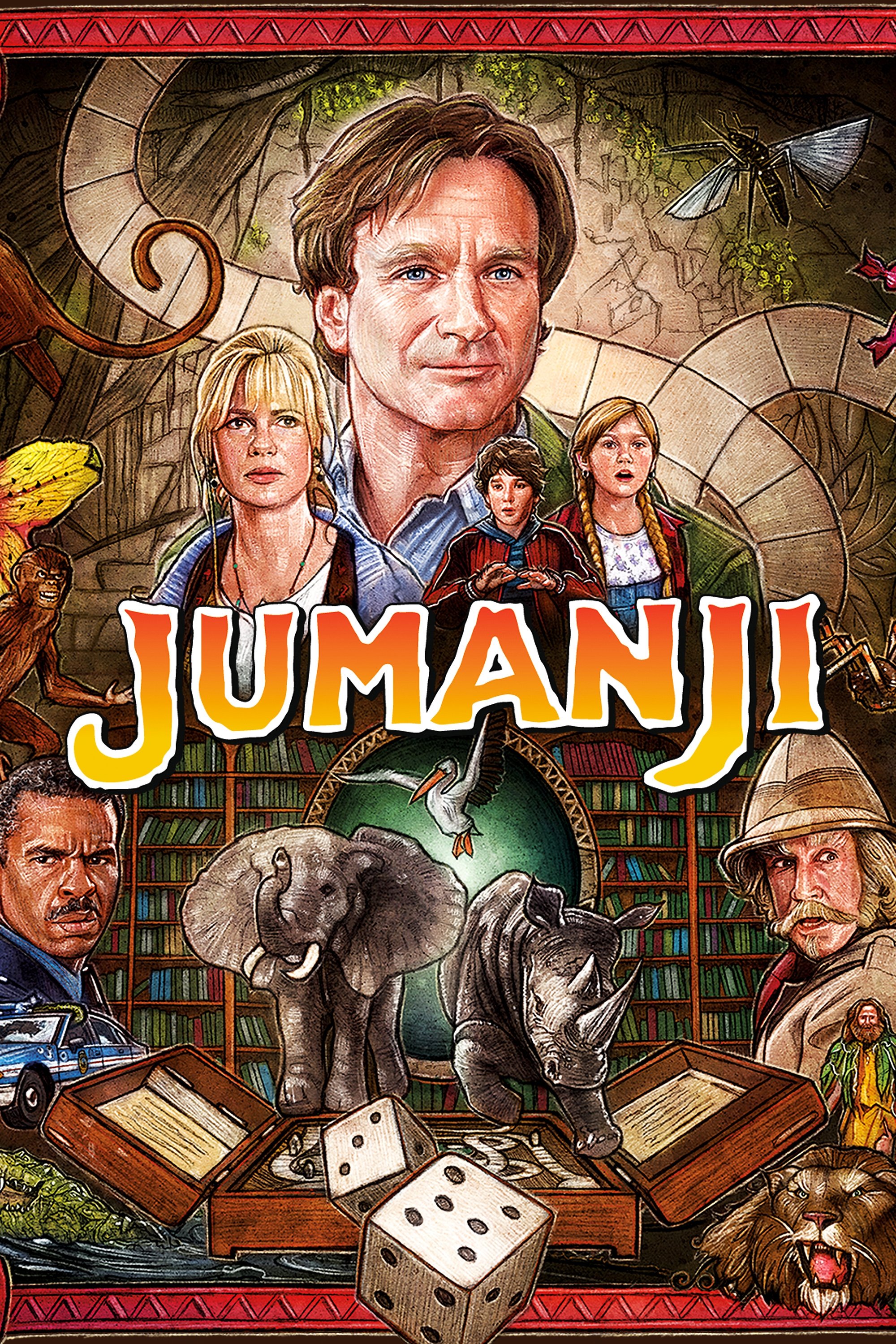
Directed by Joe Johnston and adapted from Chris Van Allsburg’s picture book, ‘Jumanji’ centers on a board game that manifests jungle threats in a New England town. Robin Williams leads the cast alongside Kirsten Dunst and Bradley Pierce, with a story that mixes family drama and adventure set pieces.
The production combined animatronics and miniatures with large-scale digital creatures and environmental effects, managed by multiple VFX vendors under a coordinated pipeline. Filming in New Hampshire and British Columbia provided authentic small-town and forest settings, and the property later continued with new installments that updated the game’s premise.
‘James and the Giant Peach’ (1996)
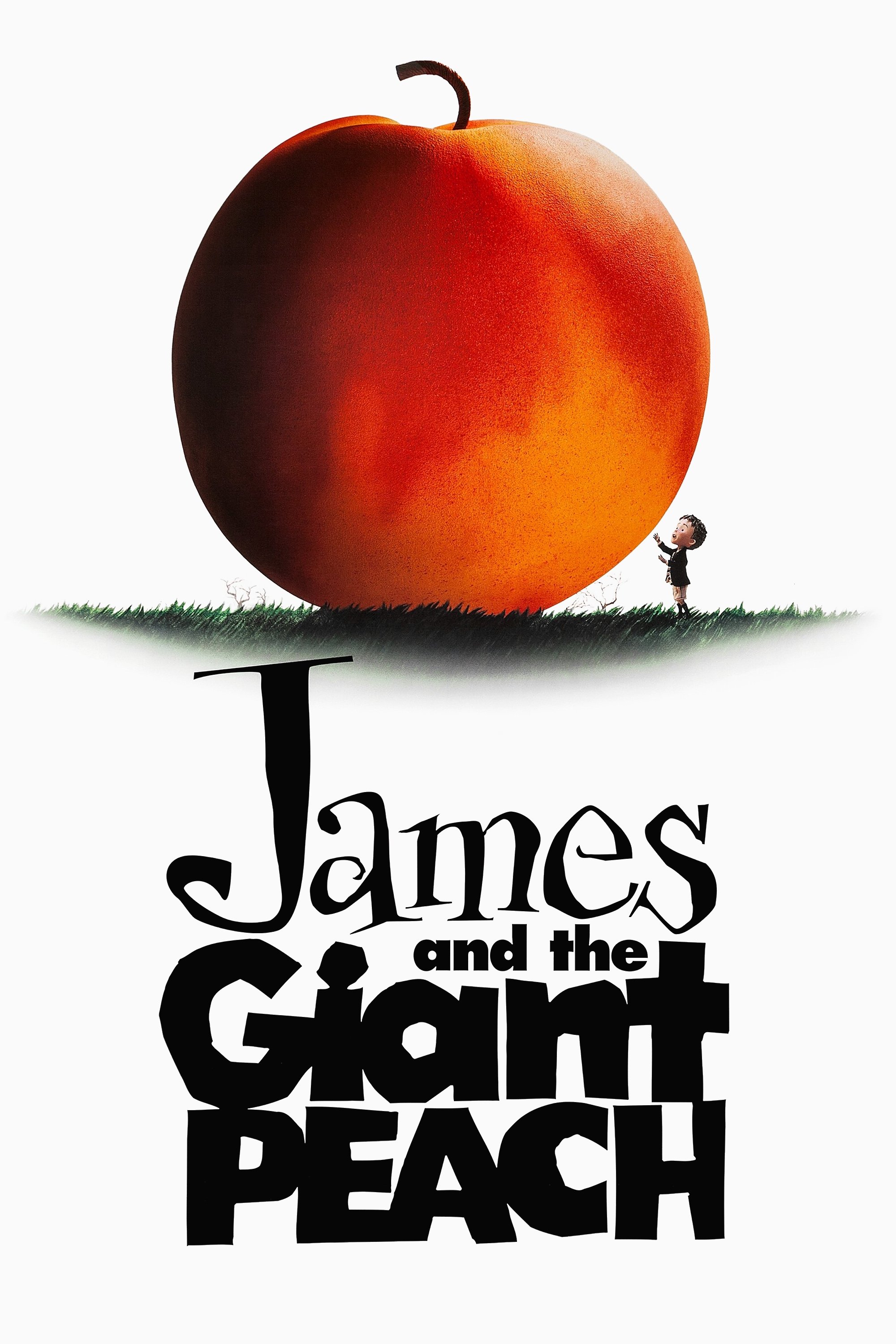
Henry Selick directs ‘James and the Giant Peach’, adapting Roald Dahl’s novel into a hybrid of live action and stop-motion animation. The voice cast includes Joanna Lumley, Miriam Margolyes, and Richard Dreyfuss, with songs and score by Randy Newman.
Produced by teams experienced on ‘The Nightmare Before Christmas’, the film used armatured puppets and miniature sets for the peach’s ocean journey and insect characters. Optical and digital compositing integrated live-action footage with the stop-motion material, and the production design leaned into Dahl’s whimsical proportions and textures.
‘Matilda’ (1996)
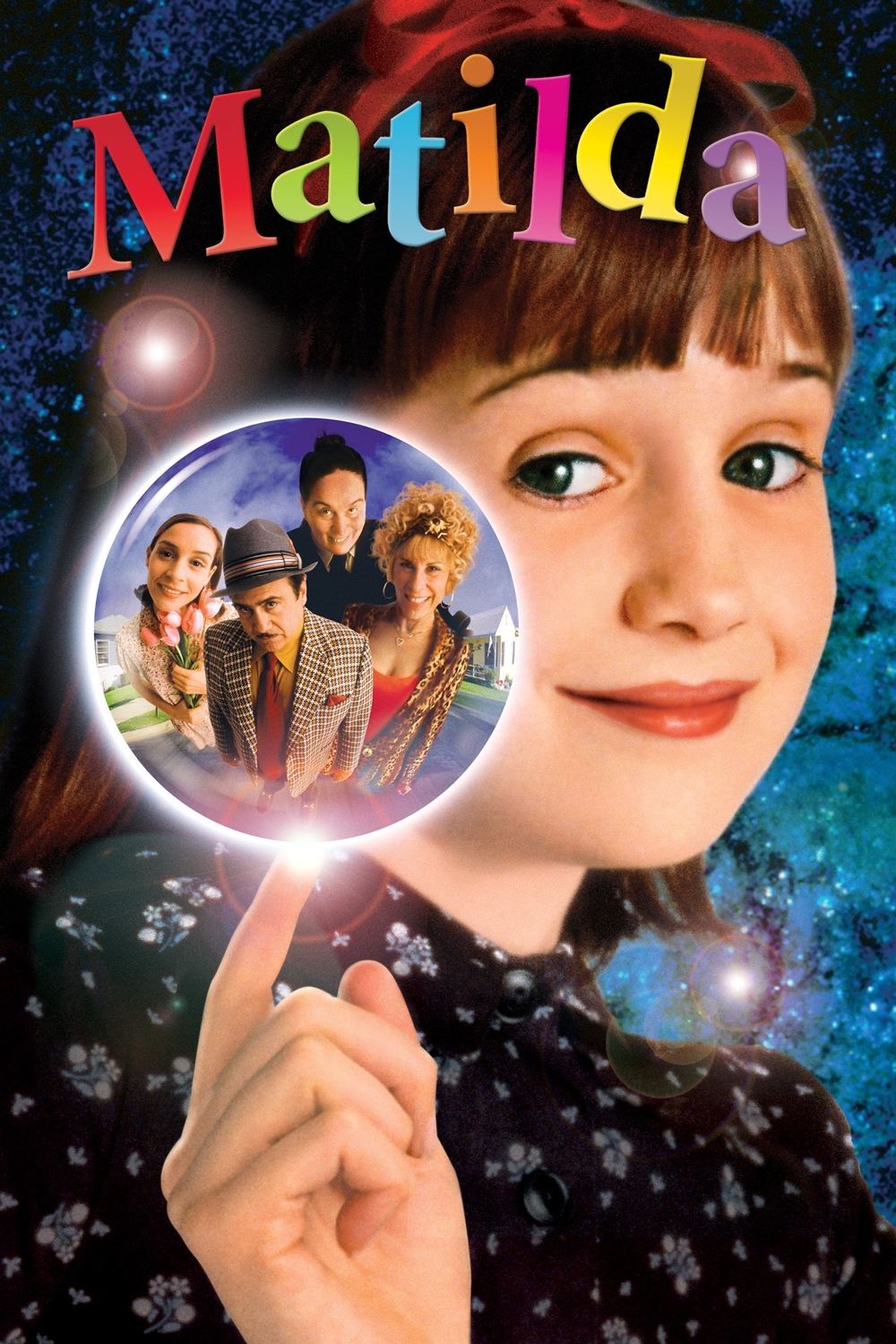
‘Matilda’, directed by Danny DeVito and adapted from Roald Dahl’s novel, stars Mara Wilson as a gifted girl who discovers telekinetic abilities. The ensemble includes Rhea Perlman, Embeth Davidtz, and Pam Ferris, and the film integrates DeVito’s onscreen role with narration.
Telekinesis gags were achieved with a mix of practical rigs, wire pulls, and digital touch-ups, coordinated by effects supervisors working with Sony-affiliated facilities. Shot around the greater Los Angeles area, the film’s school and home sets were dressed to emphasize character personalities, and it has since inspired stage interpretations and renewed home-media interest.
‘The Craft’ (1996)
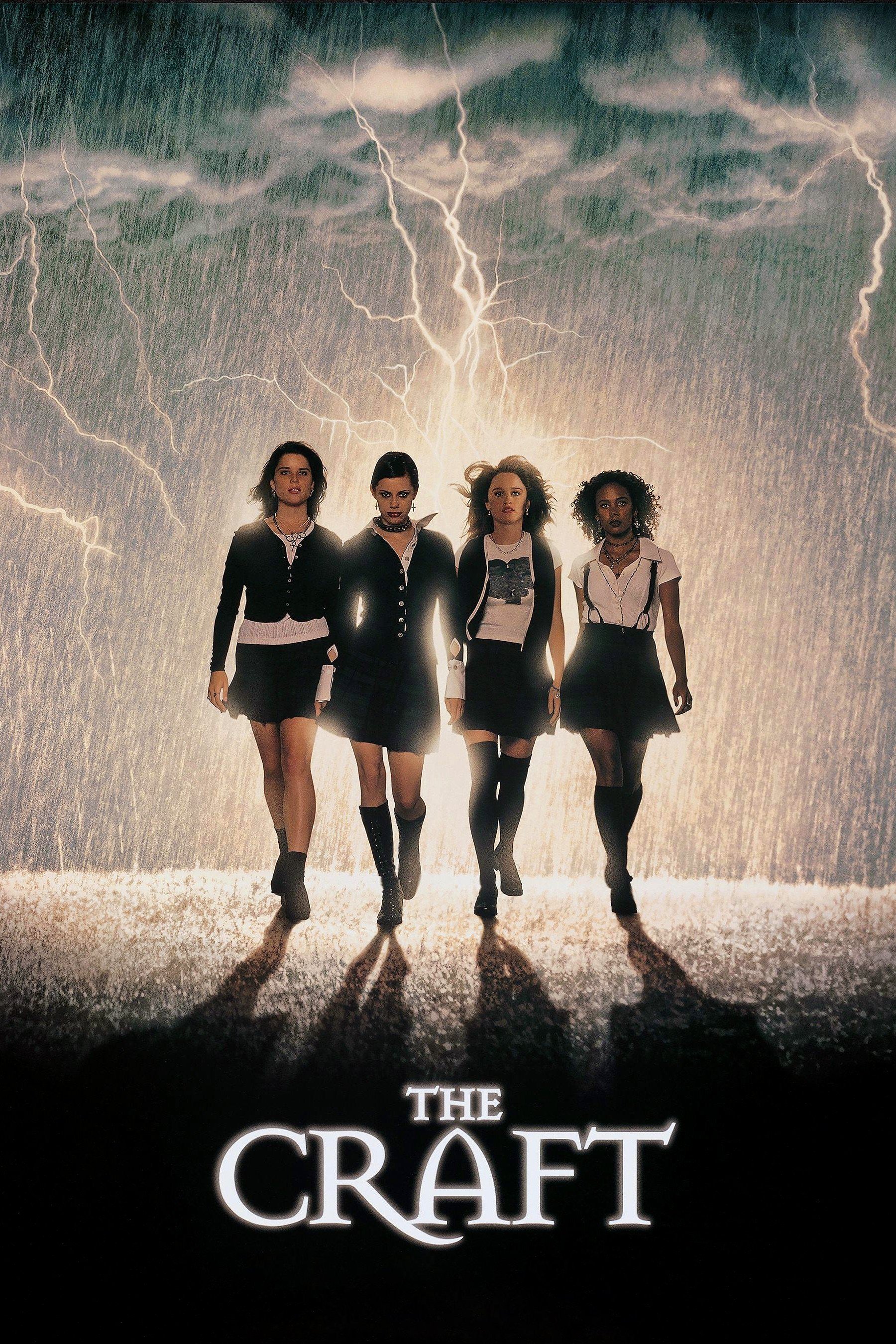
Andrew Fleming’s ‘The Craft’ follows four high-school students, played by Robin Tunney, Fairuza Balk, Neve Campbell, and Rachel True, who form a coven and experiment with witchcraft. The script weaves mythology with teen drama, and the soundtrack features prominent alternative artists from the era.
Effects teams executed levitation, transformation, and environmental gags with practical rigs, motion-controlled elements, and digital composites. Location photography in Los Angeles anchored the story in a recognizable setting, and the film later spurred a continuation that returned to its themes for a new generation.
‘Princess Mononoke’ (1997)
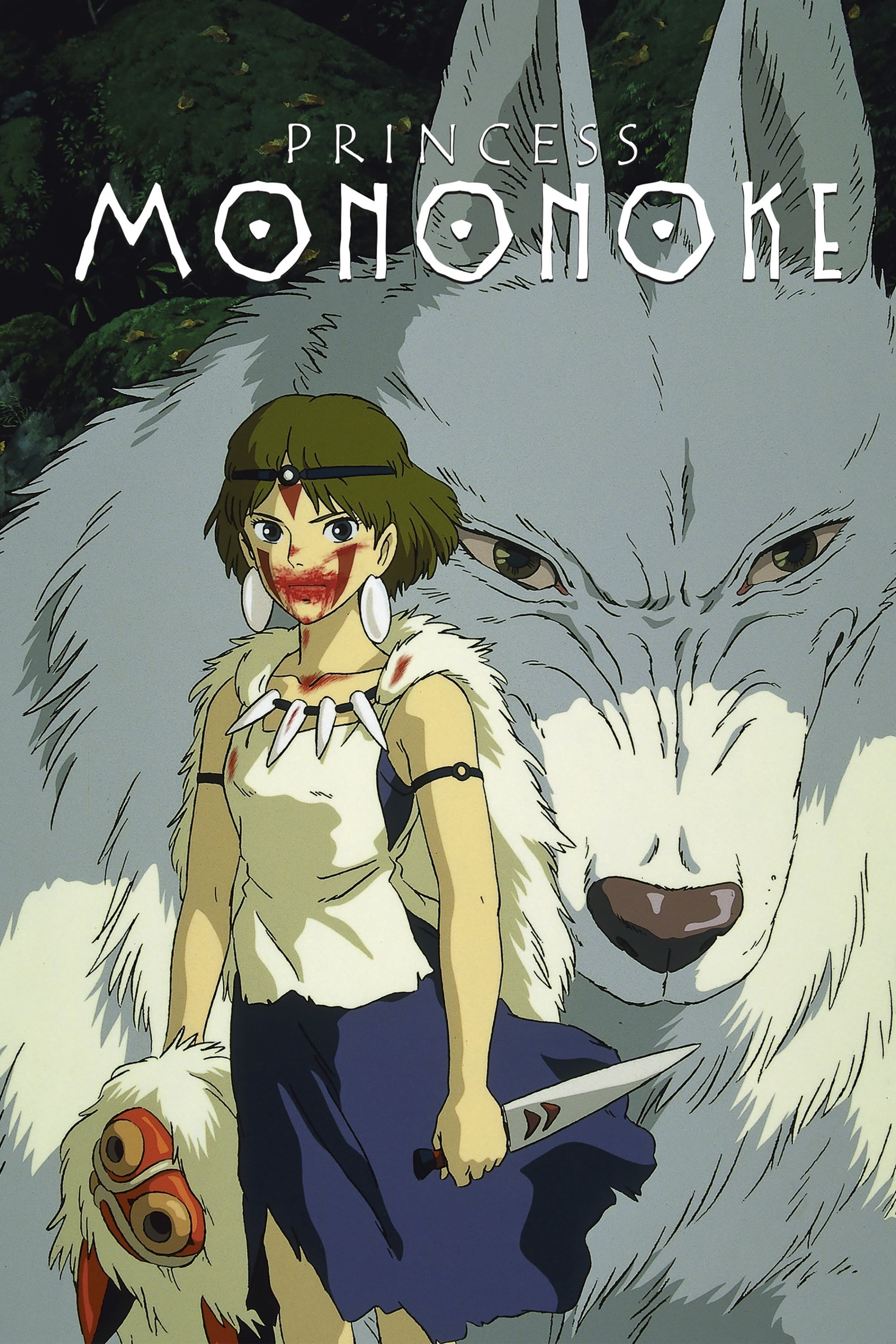
Written and directed by Hayao Miyazaki and produced by Studio Ghibli, ‘Princess Mononoke’ is an epic set at the intersection of humans and forest spirits in medieval Japan. The Japanese voice cast features Yoji Matsuda and Yuriko Ishida, while the English-language adaptation utilized a script by Neil Gaiman and a cast including Claire Danes and Gillian Anderson.
The production combined hand-drawn cels with select computer-assisted shots, particularly for dynamic camera work and complex creatures. Joe Hisaishi’s orchestral score underpins the film’s scale, and the release set a box-office benchmark in Japan before receiving international distribution that broadened Ghibli’s theatrical presence abroad.
‘Pleasantville’ (1998)
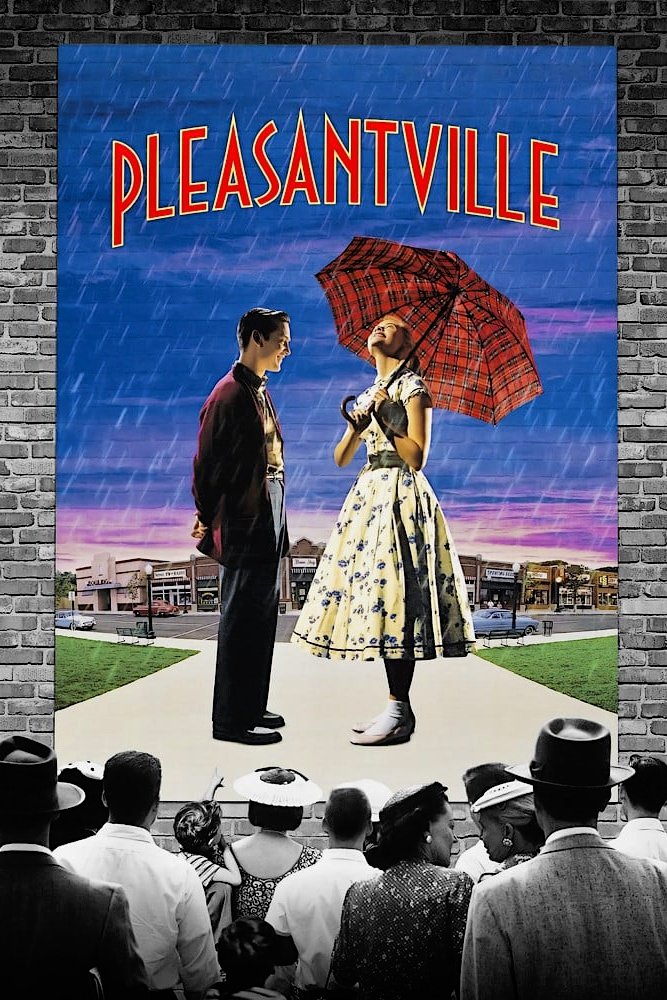
Gary Ross’s ‘Pleasantville’ stars Tobey Maguire and Reese Witherspoon as siblings transported into a black-and-white television world that gradually gains color. The film uses a high-concept fantasy premise to support a story about change within a mid-century American setting.
Color-isolation and colorization techniques were achieved through extensive digital intermediate work, requiring precise on-set planning for costumes, sets, and lighting. The production earned awards attention for art direction and costume design, and it is often cited in visual-effects case studies for its integration of color into a grayscale diegesis.
‘The Mummy’ (1999)
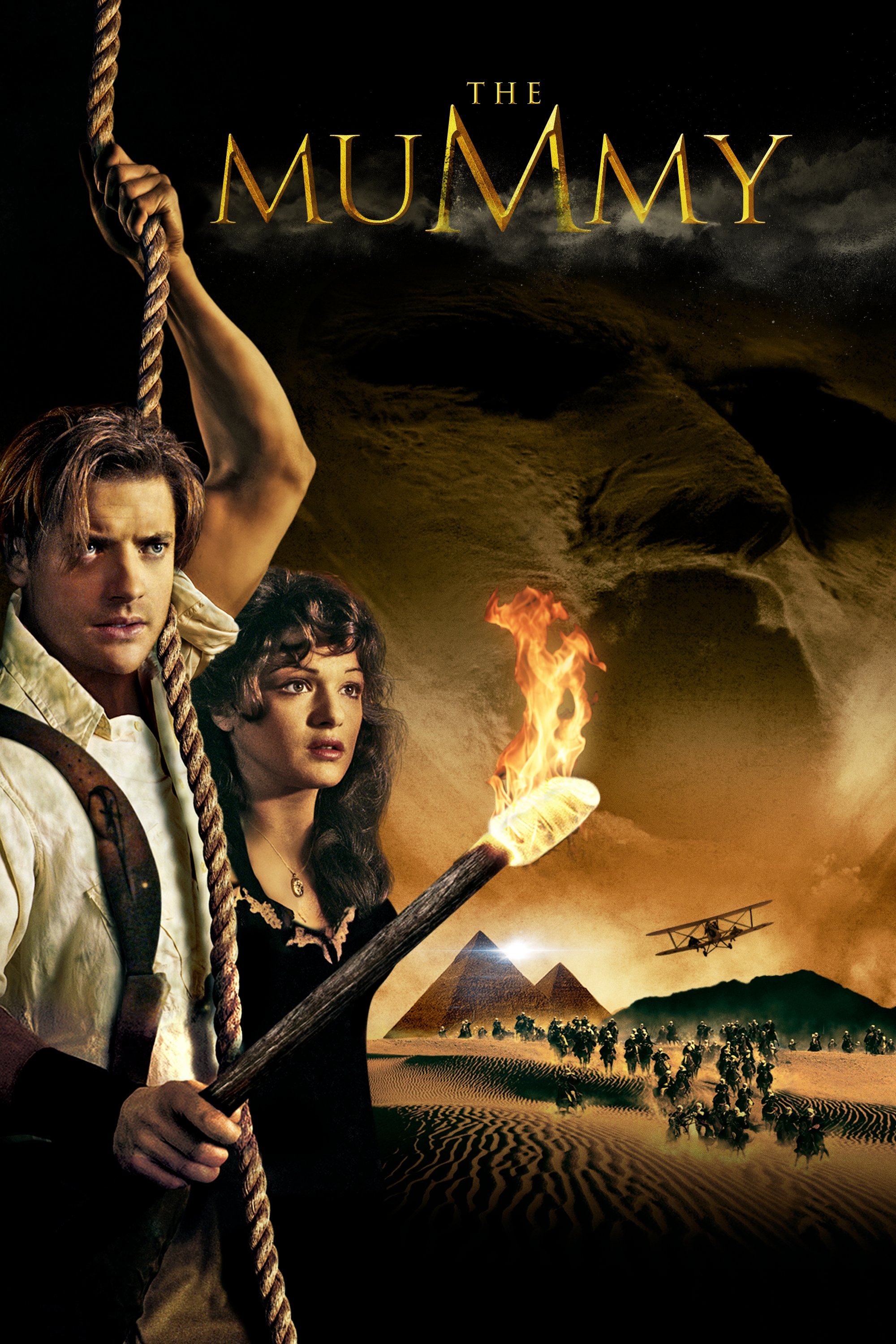
Stephen Sommers’s ‘The Mummy’ blends adventure and fantasy as explorers awaken the priest Imhotep, played by Arnold Vosloo. Brendan Fraser and Rachel Weisz lead the cast, with supporting roles for John Hannah and Oded Fehr, and the story balances archaeological intrigue with supernatural threats.
The film combined location work in North Africa with soundstage sets in the United Kingdom, using a mix of practical stunts and digital character animation for the mummy’s evolving form. Effects vendors coordinated complex simulations for sand, scarabs, and transformation shots, and the title launched a multimedia franchise including sequels and a spin-off.
‘Sleepy Hollow’ (1999)
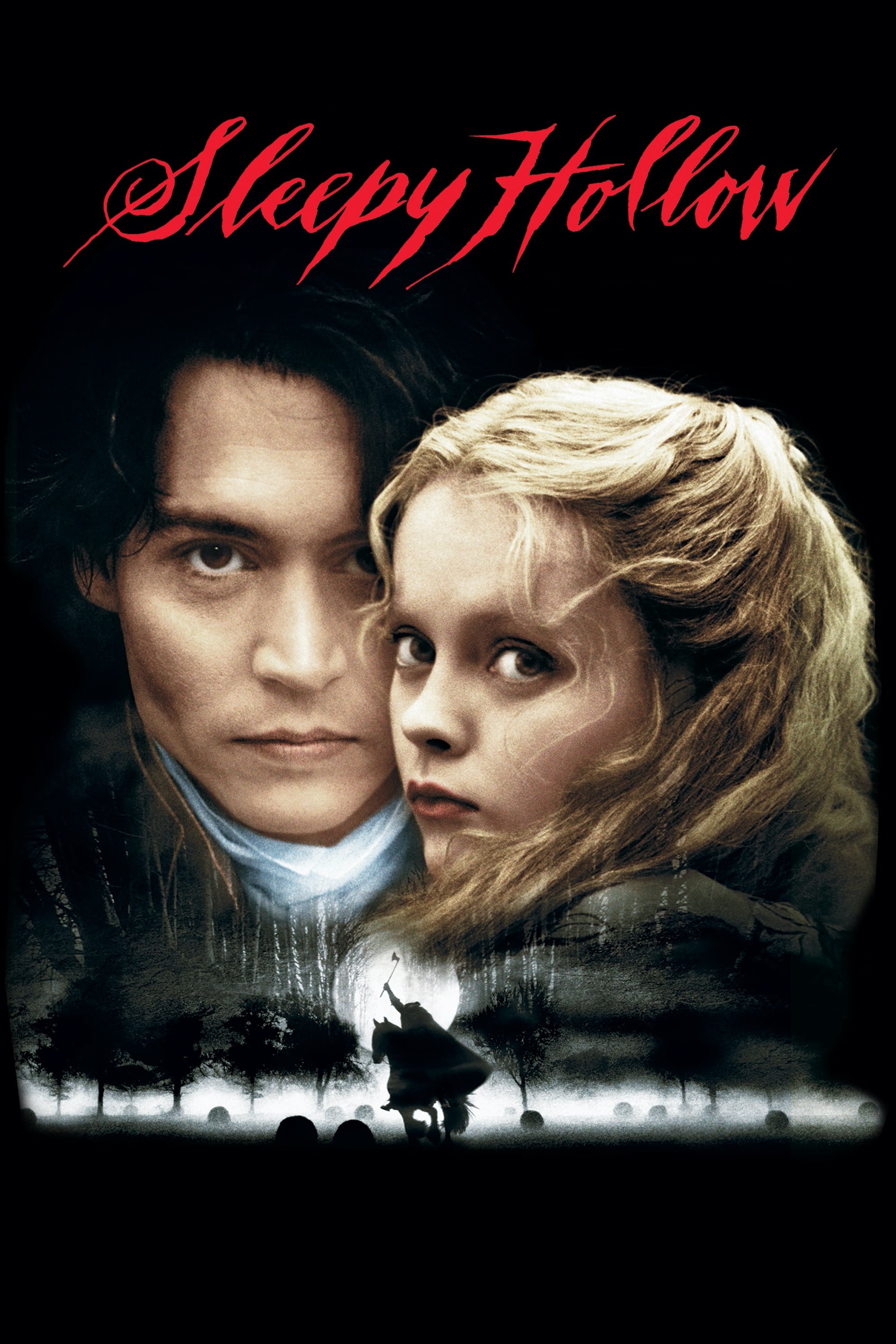
Directed by Tim Burton, ‘Sleepy Hollow’ adapts Washington Irving’s tale with Johnny Depp as Ichabod Crane and Christina Ricci as Katrina Van Tassel. The cast also features Miranda Richardson, Michael Gambon, and Christopher Walken, and the narrative expands Crane’s role as a proto-forensic investigator.
Production designer Rick Heinrichs and cinematographer Emmanuel Lubezki crafted a fog-draped, monochromatic look using large-scale sets built in the United Kingdom. The film won the Academy Award for art direction, and its effects teams combined prosthetics, stunt work, and digital head-removal composites for the Headless Horseman sequences.
Which other ’90s fantasy films would you add to the list—share your favorites in the comments!