2000s Fantasy Movies that Aged Incredibly Well

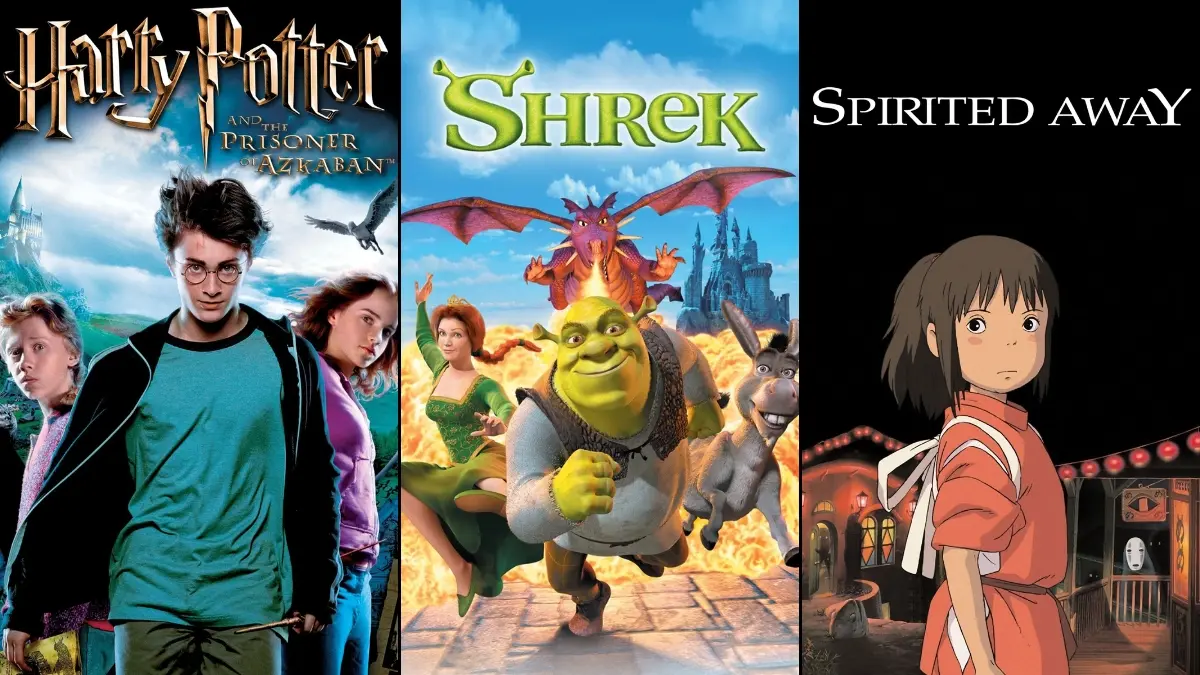

The 2000s delivered a remarkable wave of fantasy filmmaking across live action and animation, from sprawling epics to intimate fables. These films pulled from classic literature, original screenplays, and imaginative folklore, blending practical effects, cutting-edge CGI, and handcrafted animation to build worlds audiences still revisit today.
Below are twenty standout titles from that decade. Each entry includes essential details—directors, casts, production notes, awards, and other concrete facts—to help you place the film in context and understand what went into making it.
‘The Lord of the Rings: The Fellowship of the Ring’ (2001)
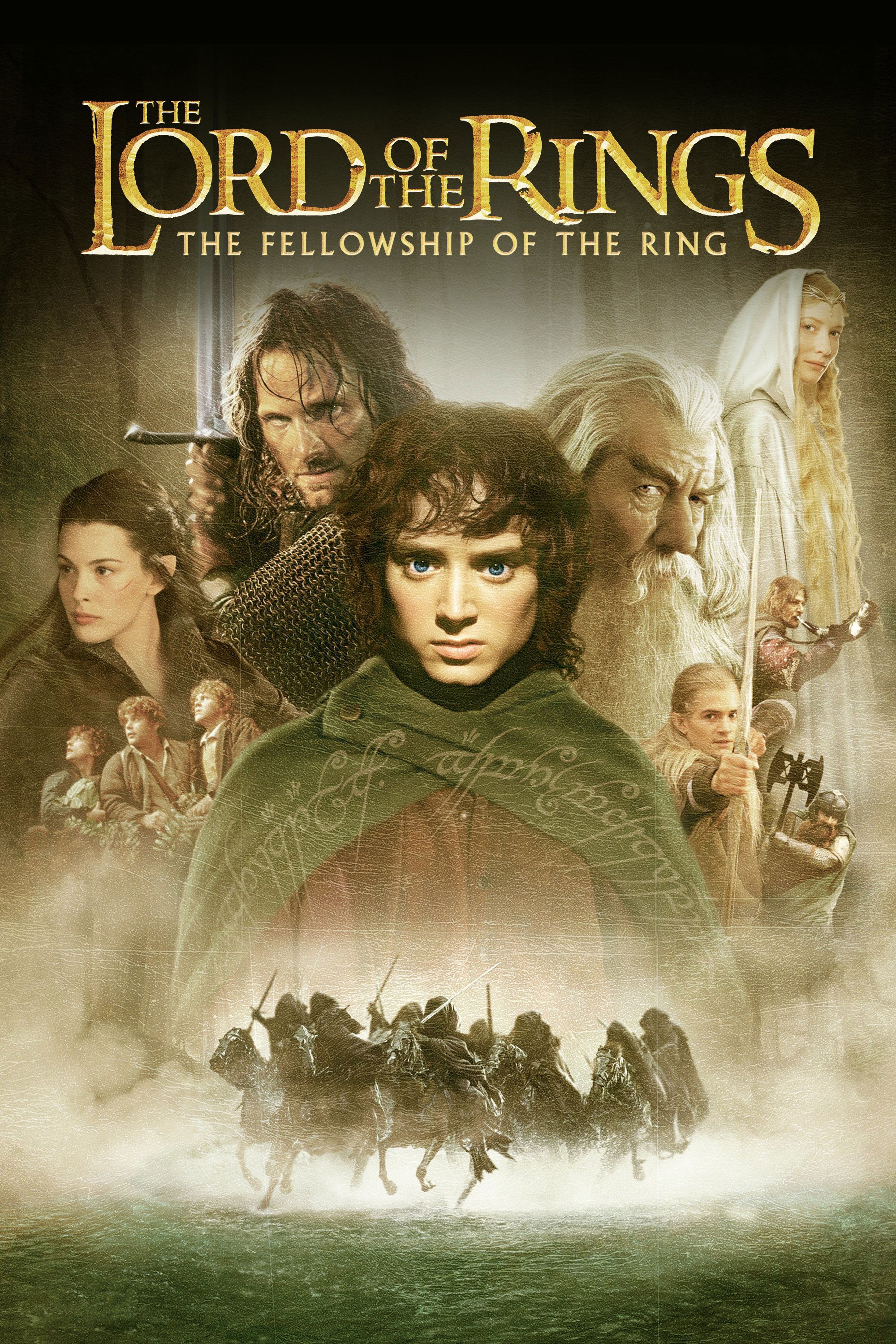
Peter Jackson directed this adaptation of the opening volume of J.R.R. Tolkien’s saga, with Elijah Wood, Ian McKellen, Viggo Mortensen, and Sean Astin leading the ensemble. Principal photography took place across New Zealand, with extensive location work on both the North and South Islands. Howard Shore composed the score, and Weta Workshop and Weta Digital handled the large-scale practical and digital effects.
The film received multiple Academy Award nominations, including Best Picture, and won in categories such as Best Cinematography, Best Makeup, Best Visual Effects, and Best Original Score. It was shot concurrently with the other two installments, enabling continuity in design, costumes, and performances across the trilogy.
‘The Lord of the Rings: The Two Towers’ (2002)
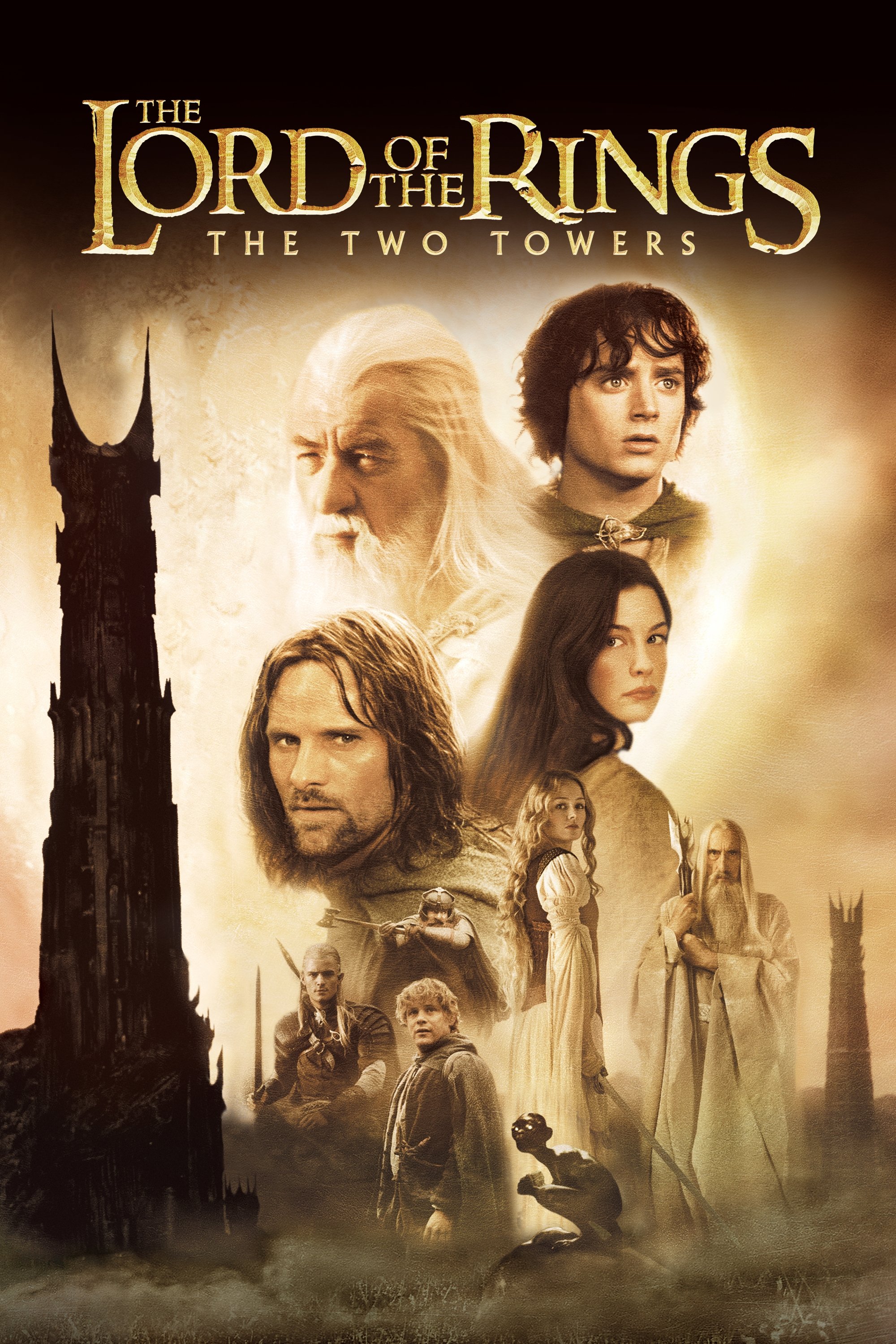
The second installment continues the journey of the Fellowship, introducing large-scale battles and the fully realized performance-capture character of Gollum, portrayed by Andy Serkis. Philippa Boyens, Fran Walsh, and Peter Jackson co-wrote the screenplay, and Andrew Lesnie continued as cinematographer. Production again centered in New Zealand, with elaborate miniature work (“bigatures”) used for key environments.
Weta Digital advanced facial animation and motion-capture techniques for Gollum, a central technical achievement of the project. The film earned Academy Awards recognition and won for Best Sound Editing and Best Visual Effects, acknowledging the scale and complexity of its audio and effects work.
‘The Lord of the Rings: The Return of the King’ (2003)
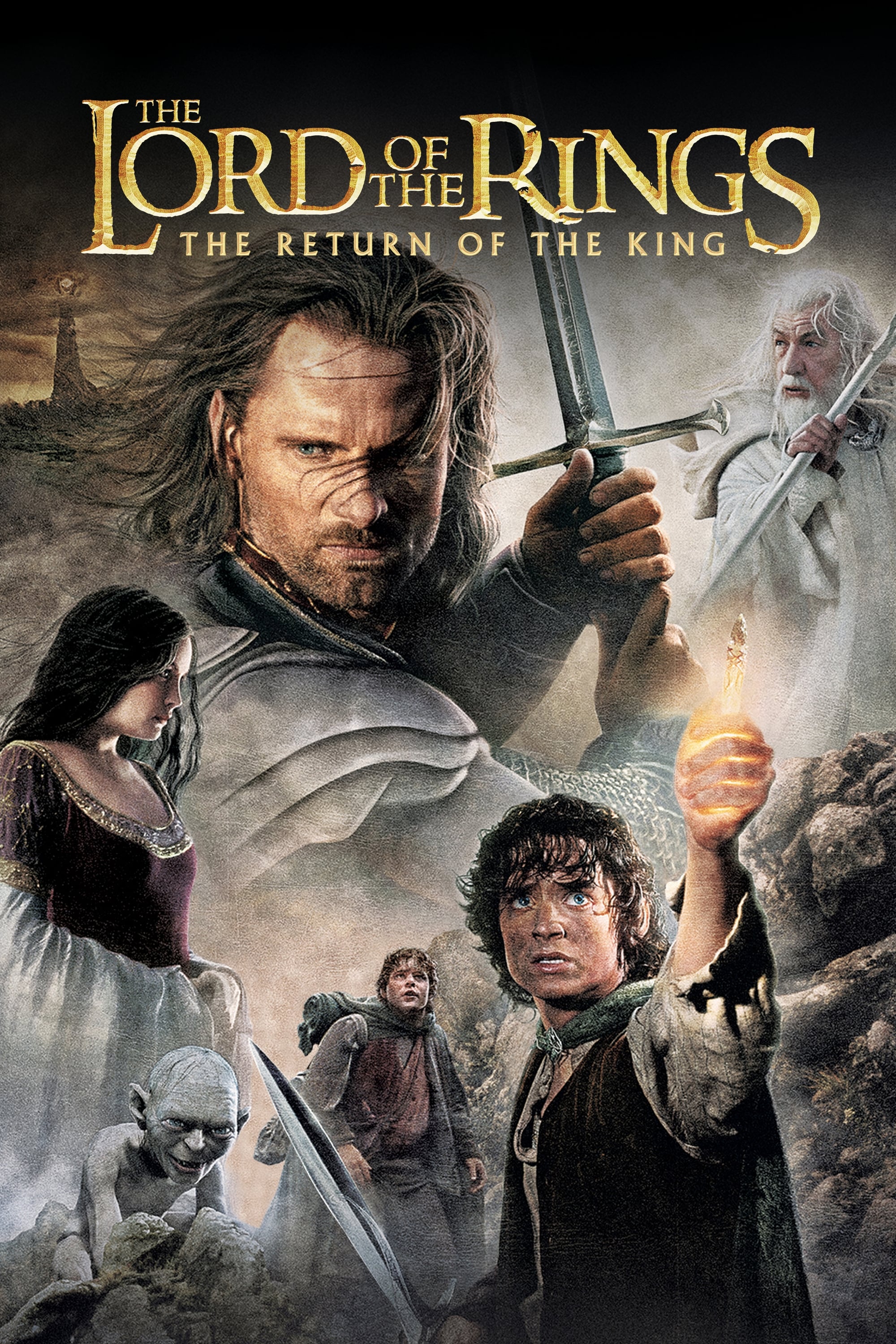
The trilogy’s conclusion reunited the cast for the climactic chapters of Tolkien’s narrative, with large ensemble scenes and extensive effects for sieges and creature work. Richard Taylor’s teams at Weta Workshop crafted armor, weapons, and prosthetics, while Weta Digital delivered large-scale crowd simulations and digital environments.
At the Academy Awards, the film won in every category for which it was nominated, including Best Picture and Best Director, tying the all-time record for total wins. Howard Shore completed his thematic cycle with new motifs and choral writing that integrated languages developed for the production.
‘Pan’s Labyrinth’ (2006)
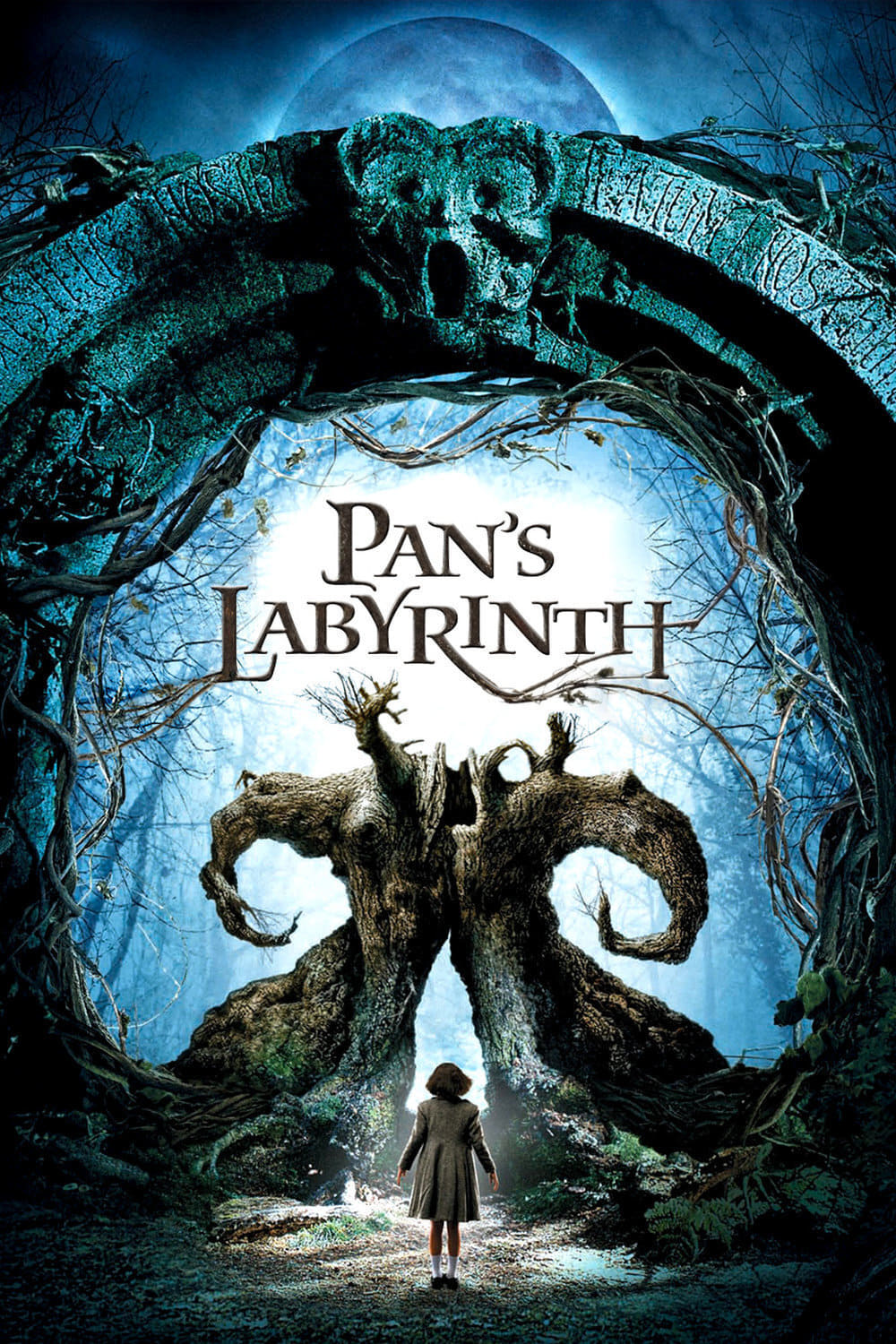
Written and directed by Guillermo del Toro, this Spanish-language dark fantasy stars Ivana Baquero, Sergi López, and Maribel Verdú. The story intertwines historical drama with mythic creatures designed by DDT Efectos Especiales, blending animatronics, prosthetics, and digital augmentation. Cinematography by Guillermo Navarro emphasizes contrasting palettes between the real and fantastical realms.
The production employed visual-effects houses including CaféFX and The Orphanage for environments and creatures, while Javier Navarrete composed the score. The film won Academy Awards for Cinematography, Art Direction, and Makeup, with additional nominations recognizing its original screenplay and sound work.
‘Spirited Away’ (2001)
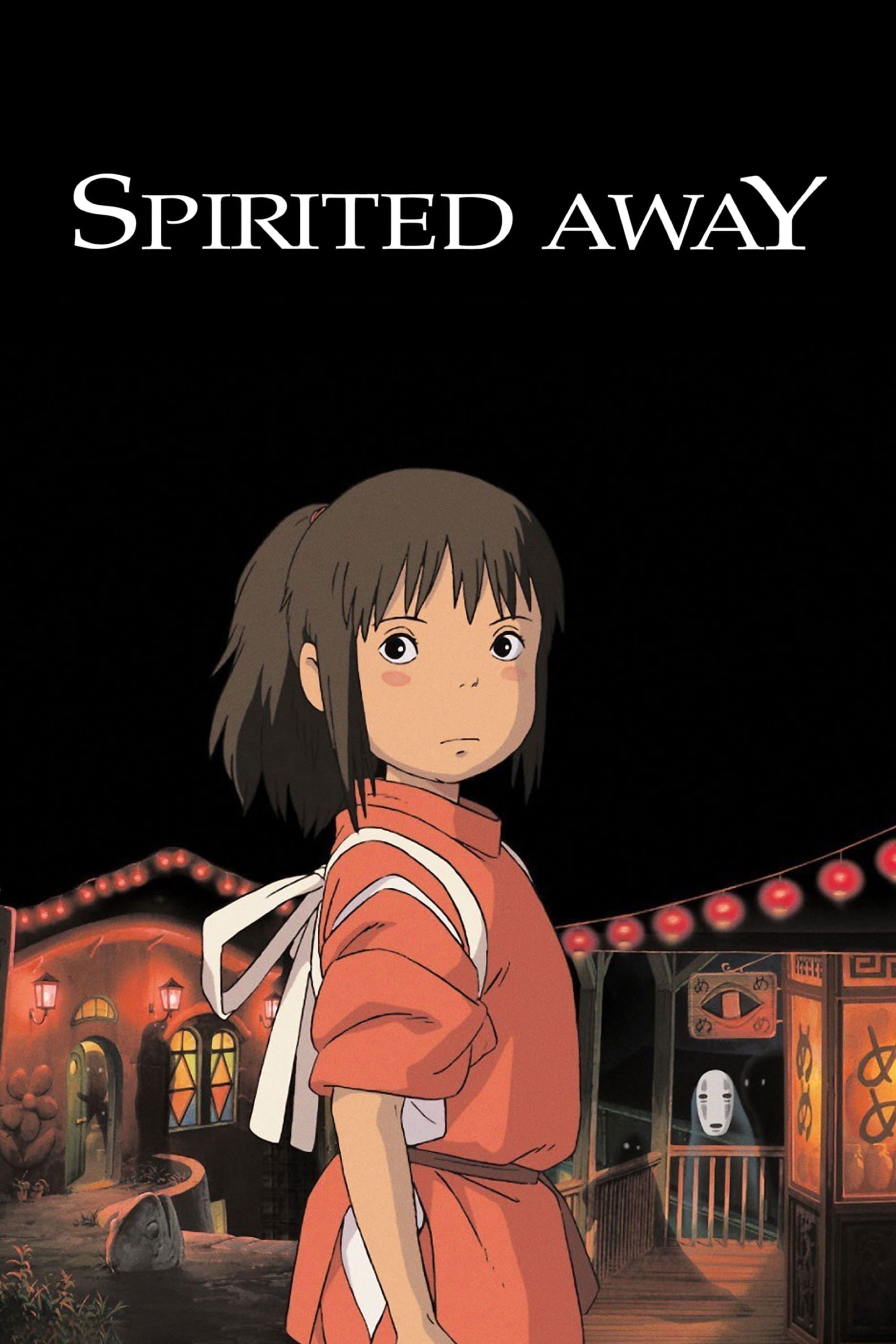
Hayao Miyazaki wrote and directed this animated feature at Studio Ghibli, following a young protagonist navigating a spirit world. Joe Hisaishi provided the score, and the film used traditional hand-drawn animation with digital compositing for certain effects and backgrounds.
The feature became a landmark release for Studio Ghibli internationally and received the Academy Award for Best Animated Feature. Its production design draws heavily on Japanese folklore and bathhouse culture, with meticulous layout art and background painting that reflect the studio’s emphasis on handcrafted detail.
‘Howl’s Moving Castle’ (2004)
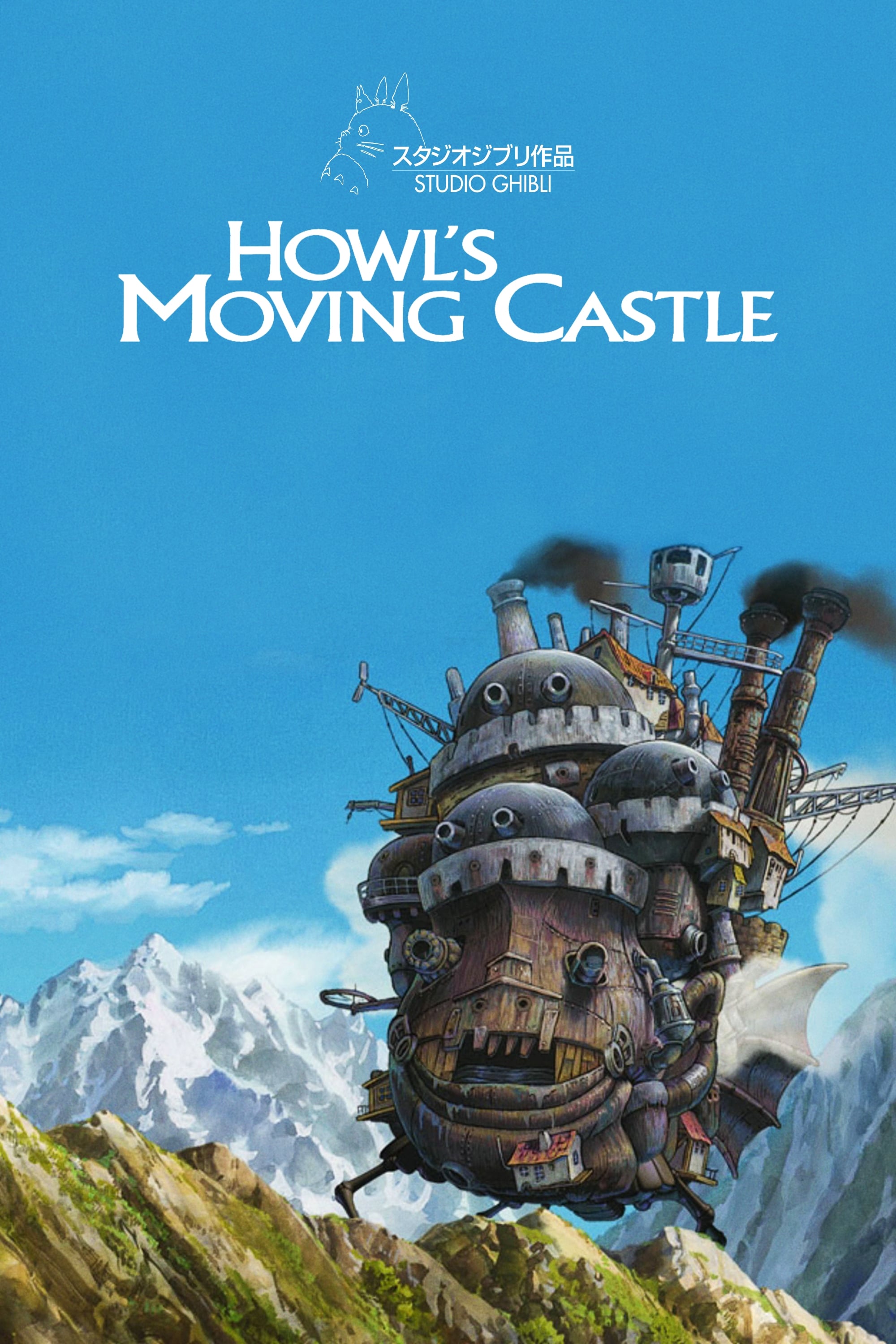
Directed by Hayao Miyazaki at Studio Ghibli, this adaptation of a novel by Diana Wynne Jones features a walking castle realized through a combination of hand-drawn animation and digital techniques. The Japanese voice cast includes Chieko Baishō and Takuya Kimura, while the English-language dub features Christian Bale and Emily Mortimer. Joe Hisaishi composed the score, continuing his long collaboration with Miyazaki.
Art direction focused on European-inspired towns and landscapes, with the castle designed as an assemblage of mechanical parts and living spaces. The film received an Academy Award nomination for Best Animated Feature, reflecting its international reach and technical craftsmanship.
‘Harry Potter and the Prisoner of Azkaban’ (2004)
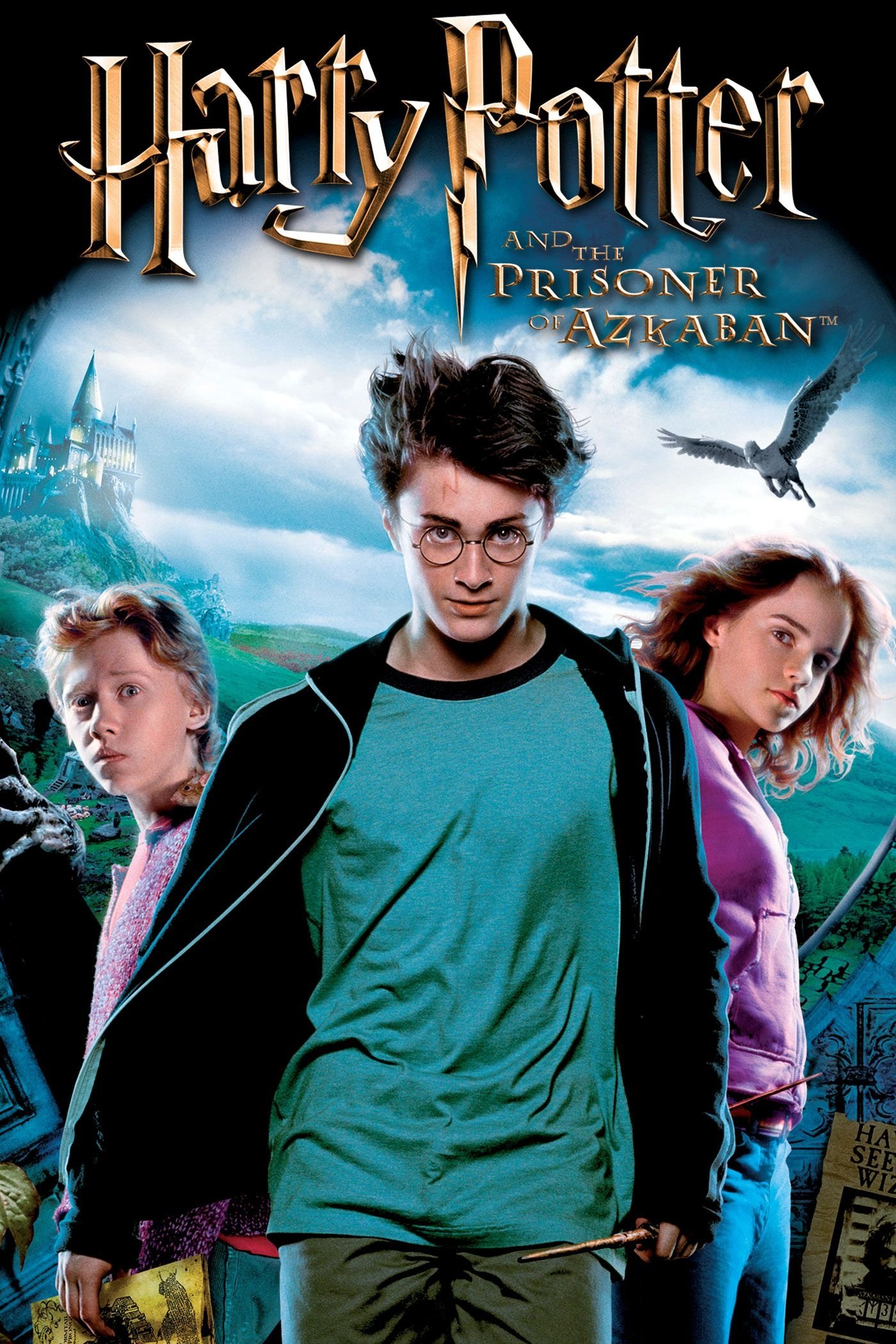
Alfonso Cuarón directed this third entry in the series, introducing Sirius Black and the Dementors while expanding the look of Hogwarts and its surroundings. Michael Seresin served as cinematographer, and the production made notable use of on-location shooting in the Scottish Highlands alongside sets at Leavesden Studios.
John Williams returned to compose the score, adding new themes alongside established motifs. Visual effects teams executed sequences such as Buckbeak’s flight and the Patronus charms, coordinating work across multiple vendors to maintain consistency in creature animation and environmental extensions.
‘Harry Potter and the Goblet of Fire’ (2005)
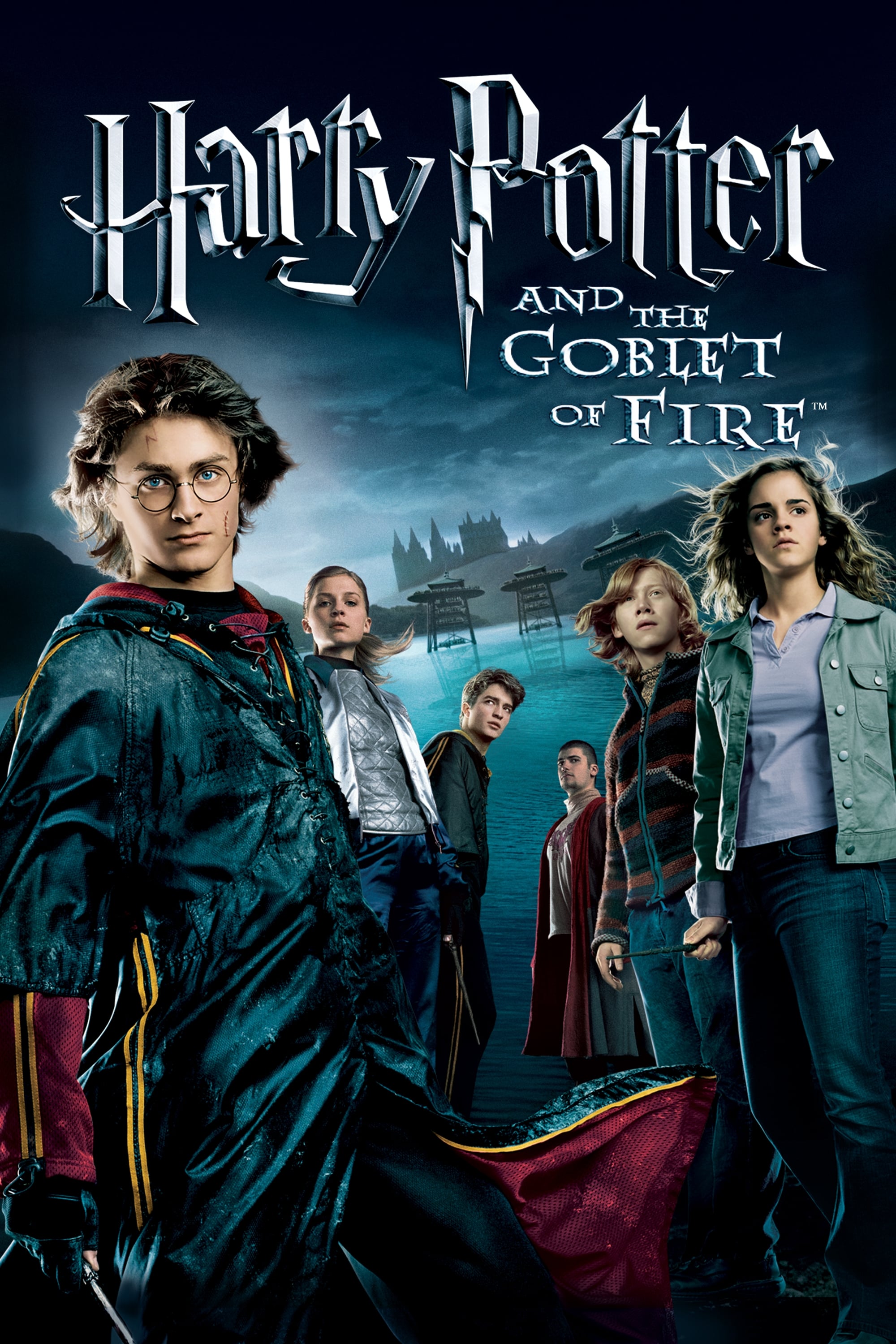
Directed by Mike Newell, this installment centers on the Triwizard Tournament, staging large set pieces including the dragon challenge, the Black Lake trial, and the maze sequence. Stuart Craig led production design, with new locations and sets constructed to represent competing schools and tournament arenas.
Patrick Doyle composed the score, marking a musical shift for the series at this point. Effects teams delivered water work, fire simulations, and digital doubles for action-heavy sequences, while the cast expanded to include performers such as Robert Pattinson, Clémence Poésy, and Stanislav Ianevski as visiting champions.
‘The Chronicles of Narnia: The Lion, the Witch and the Wardrobe’ (2005)
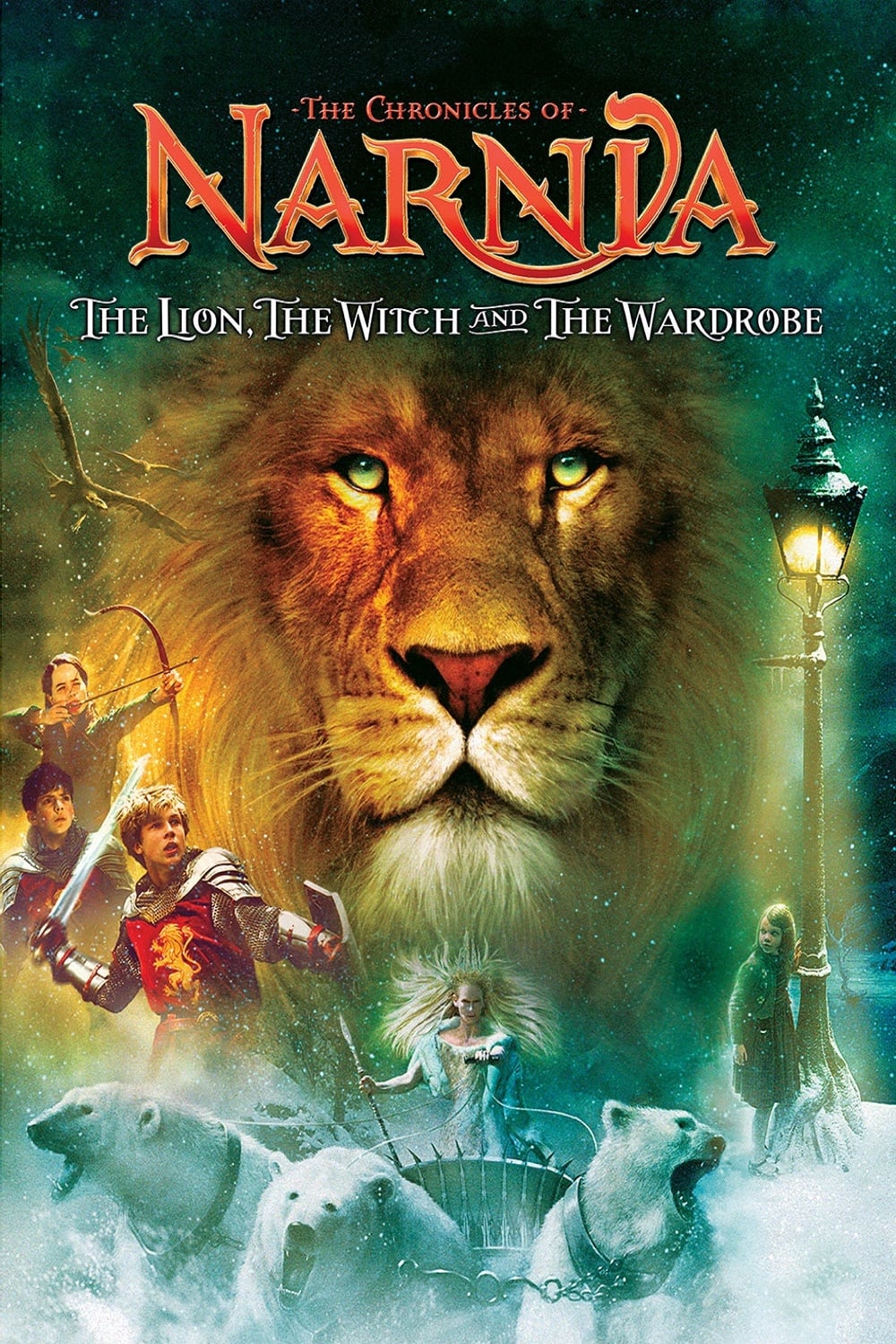
Andrew Adamson directed this adaptation of C.S. Lewis’s novel, with filming in New Zealand and significant stage work to create Narnian interiors and exteriors. Weta Workshop contributed creature prosthetics and armor, while Weta Digital and Rhythm & Hues were among the visual-effects studios bringing talking animals and battle scenes to life.
The score by Harry Gregson-Williams incorporates choral passages and Celtic-influenced instrumentation. The film won the Academy Award for Makeup, and its effects and sound teams received additional nominations, reflecting the scale of its world-building and technical execution.
‘Stardust’ (2007)
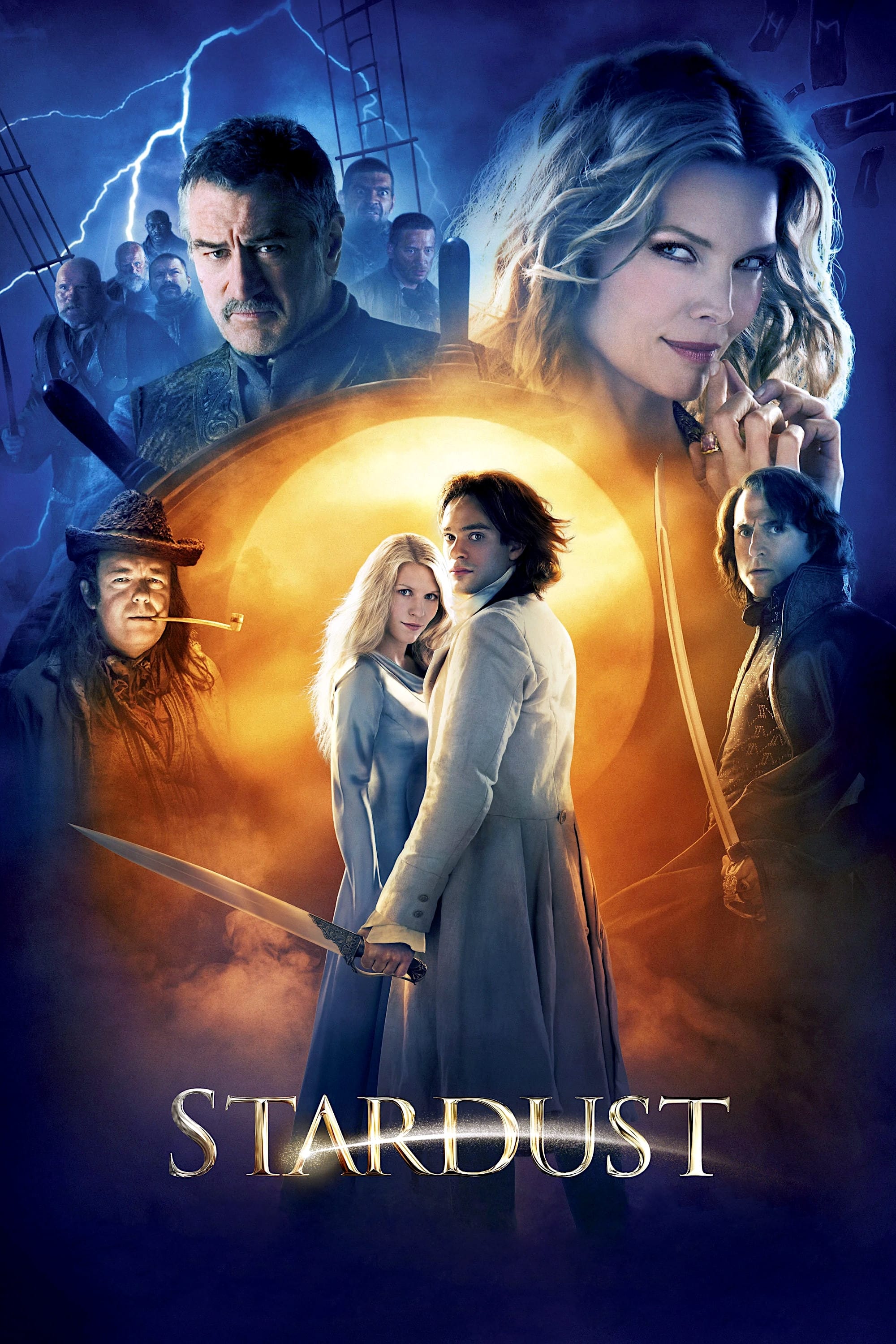
Directed by Matthew Vaughn, this fantasy adventure stars Claire Danes, Charlie Cox, Michelle Pfeiffer, and Robert De Niro. The screenplay adapts a novel by Neil Gaiman, with filming locations including the Scottish Highlands and Iceland, alongside stages in the United Kingdom for sets such as the airborne ship and the market town.
Ilan Eshkeri composed the score, and the production coordinated visual effects across multiple vendors for sky sequences, magical transformations, and environment extensions. Costume and makeup departments emphasized period-inspired designs for royal courts and sky pirates, supporting the film’s storybook aesthetic.
‘Coraline’ (2009)
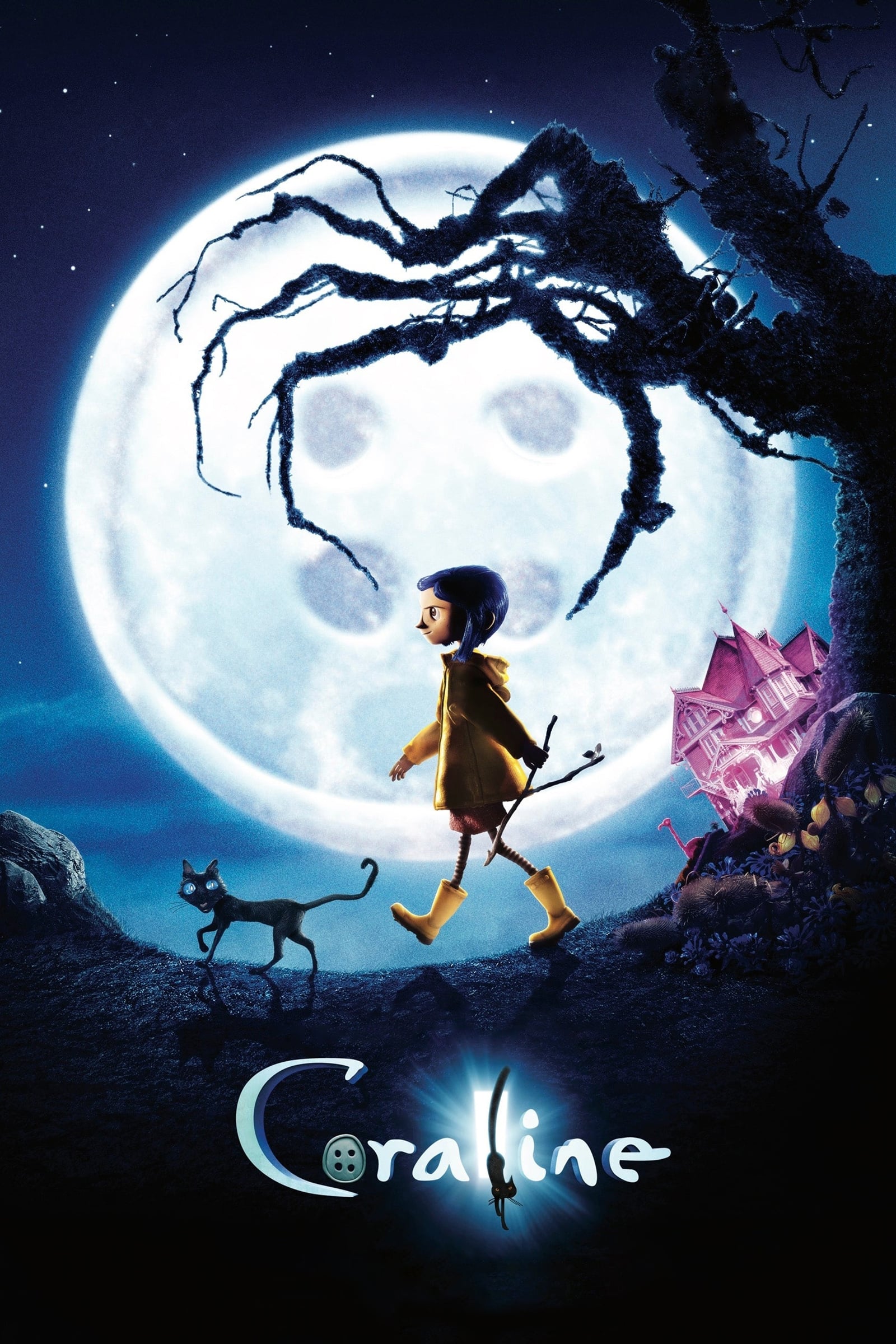
Henry Selick wrote and directed this stop-motion feature produced by LAIKA, using hand-built puppets and sets photographed frame by frame. The voice cast includes Dakota Fanning and Teri Hatcher, and the film was released in stereoscopic 3D, requiring specialized rigs and careful planning for depth cues.
The production designed parallel worlds with distinctive color palettes and textures, employing replacement animation for facial expressions and armature engineering for nuanced movement. The film received an Academy Award nomination for Best Animated Feature, recognizing its craftsmanship and technical ambition in modern stop motion.
‘Pirates of the Caribbean: The Curse of the Black Pearl’ (2003)
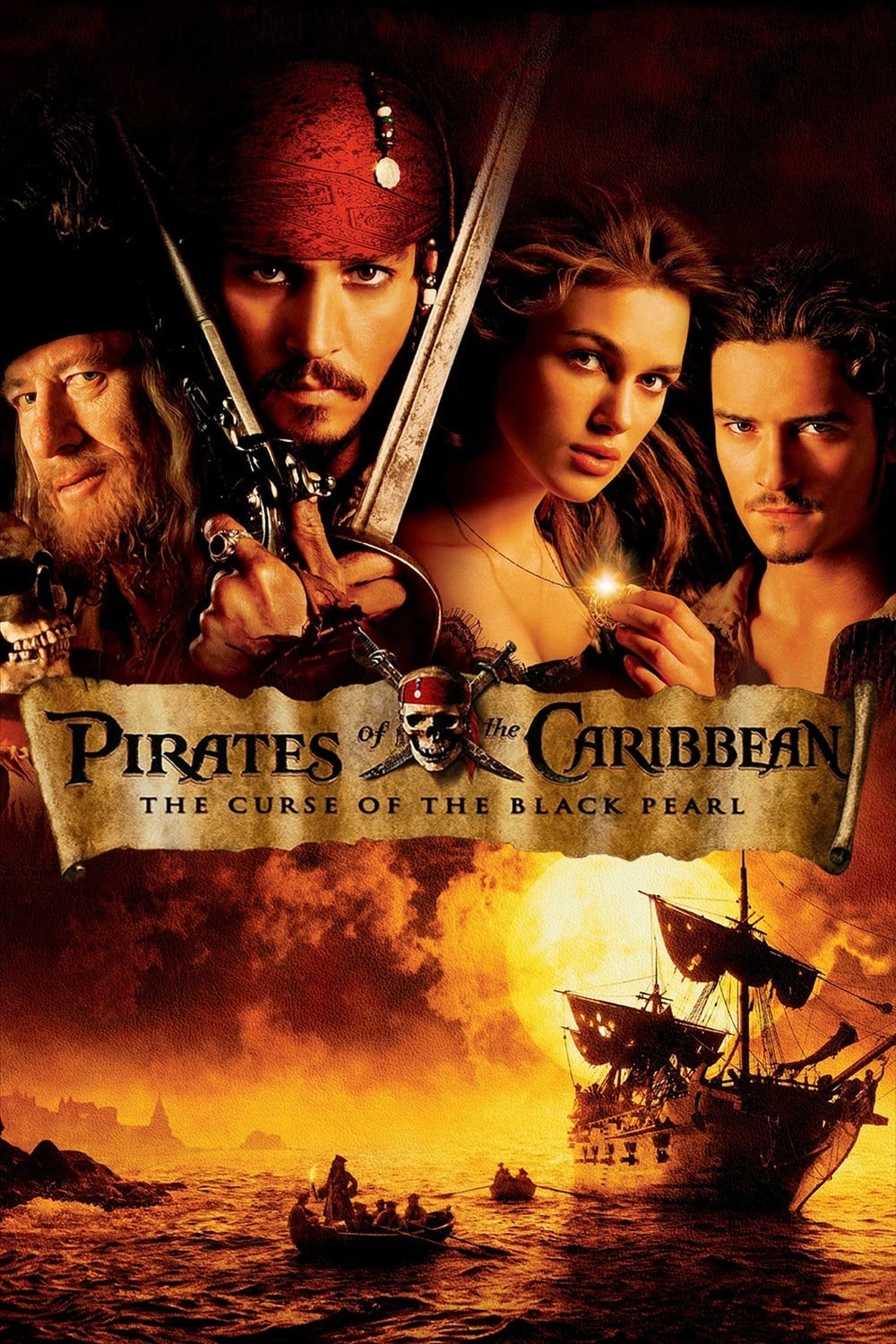
Gore Verbinski directed this swashbuckling fantasy inspired by a theme-park attraction, with Johnny Depp, Orlando Bloom, and Keira Knightley heading the cast. Filming took place in Caribbean locations and on soundstages, with large-scale ship sets constructed for practical photography. Klaus Badelt composed the score, with additional music contributions from Hans Zimmer’s team.
Industrial Light & Magic delivered digital effects for skeletal pirates, water simulations, and environment work, while practical effects teams managed rigging, pyrotechnics, and ship mechanics. Johnny Depp earned an Academy Award nomination for Best Actor, and the film launched an ongoing franchise for the studio.
‘Hellboy II: The Golden Army’ (2008)
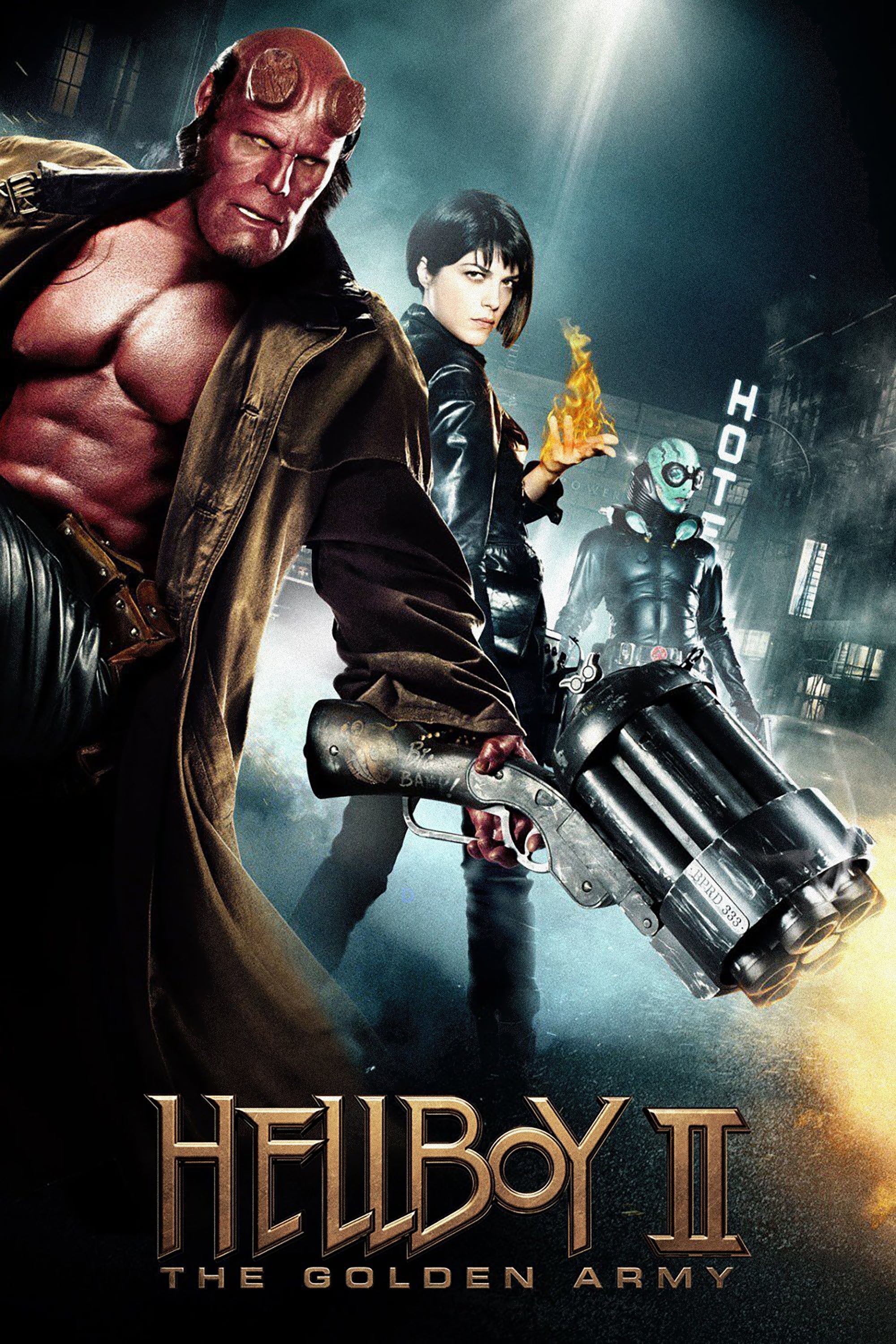
Guillermo del Toro returned to write and direct this sequel adapted from Mike Mignola’s comic creation, with Ron Perlman, Selma Blair, and Doug Jones in principal roles. The production expanded creature work through extensive prosthetics and animatronics by Spectral Motion, with Doug Jones performing multiple characters including Abe Sapien.
Danny Elfman composed the score, and the film introduced large-scale sets such as the Troll Market, combining practical builds with digital extensions. Visual-effects vendors supported elaborate creature animation and battle sequences, while the art department developed a unified design language for the fairy-tale species and artifacts.
‘Big Fish’ (2003)
Tim Burton directed this fantasy drama based on a novel by Daniel Wallace, with Ewan McGregor, Albert Finney, Jessica Lange, and Billy Crudup starring. Production took place primarily in Alabama, using towns and natural settings to stage the protagonist’s tall tales alongside present-day family scenes. Dennis Gassner led production design, constructing practical sets for carnival, small-town, and river settings.
Danny Elfman composed the score, and the film’s makeup and costume departments created distinct looks for the story’s episodic encounters. The release marked a collaboration between Columbia Pictures and The Zanuck Company, and it earned awards-season recognition for its music and design contributions.
‘Enchanted’ (2007)
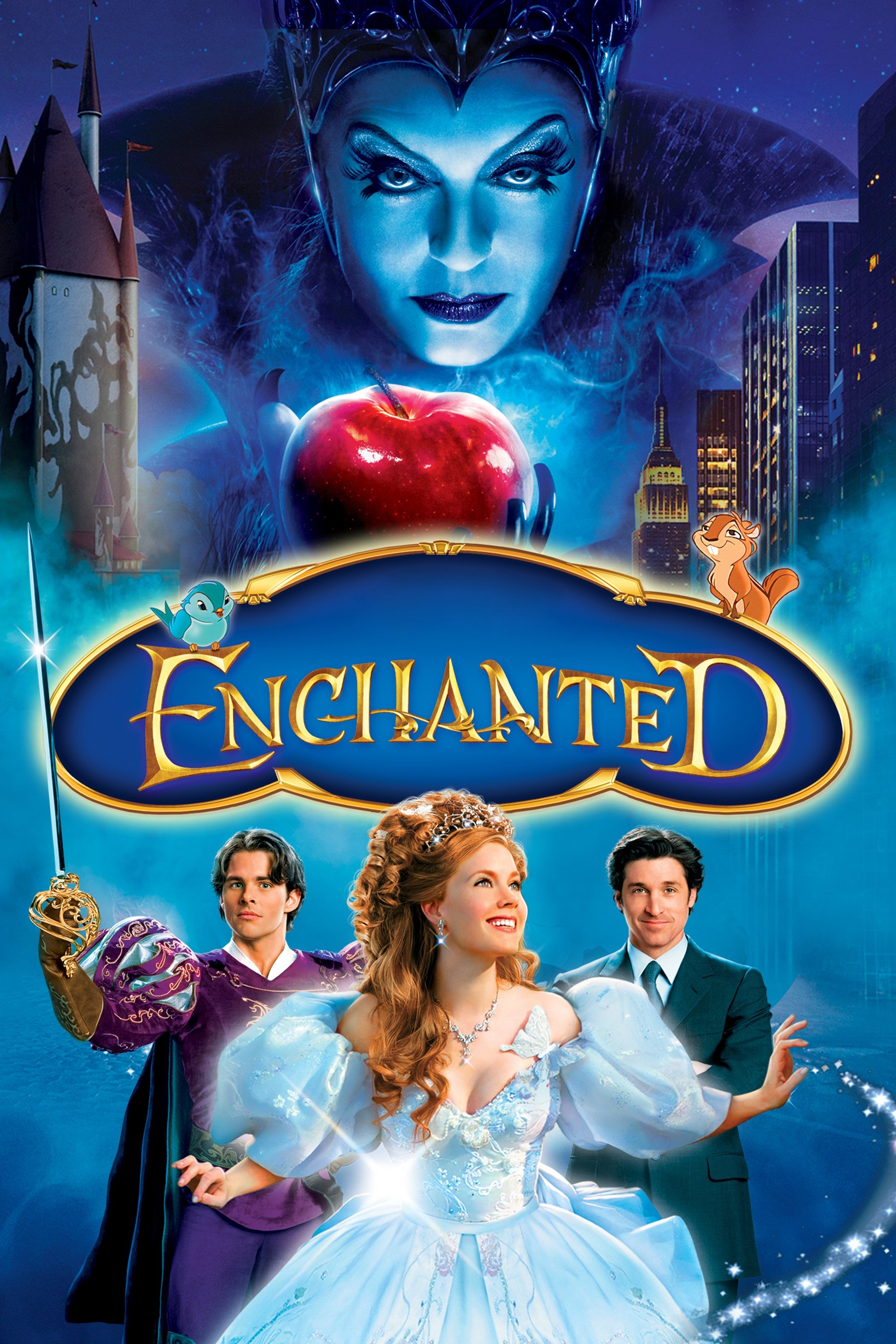
Directed by Kevin Lima for Walt Disney Pictures, this hybrid feature combines traditionally animated sequences with live-action scenes set in New York City. Amy Adams, Patrick Dempsey, James Marsden, and Susan Sarandon star, with animation overseen by James Baxter’s team for the opening and closing segments.
Alan Menken composed the songs with lyrics by Stephen Schwartz, and the film received multiple Academy Award nominations for Original Song. Choreographed set pieces, including a large Central Park number, required extensive rehearsal and coordination between the music department, cast, and camera units to synchronize live performance with narrative transitions.
‘Bridge to Terabithia’ (2007)
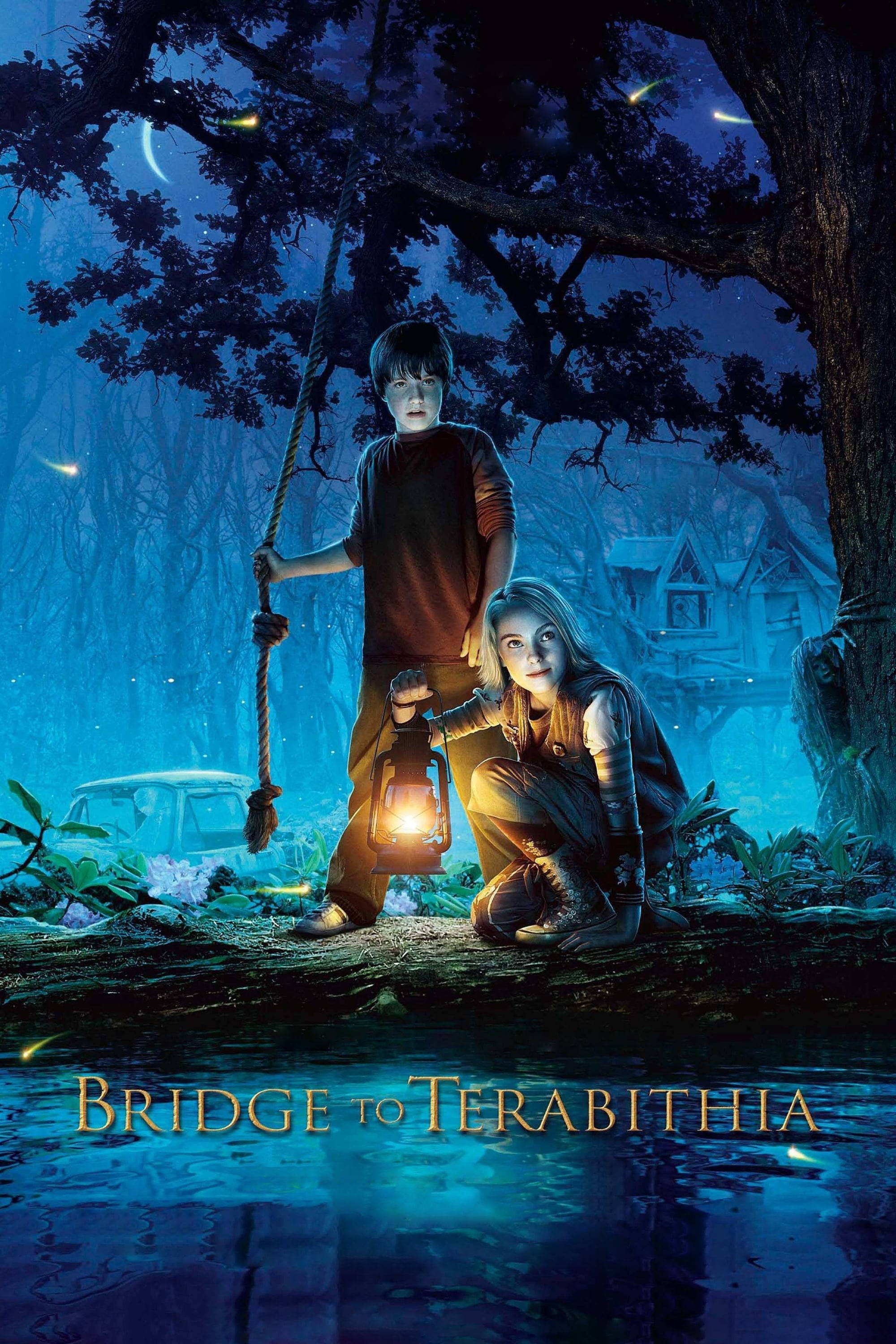
Gábor Csupó directed this adaptation of a novel by Katherine Paterson, starring Josh Hutcherson and AnnaSophia Robb. Principal photography was conducted in New Zealand, with production using local forests and rivers to represent the characters’ imaginative kingdom.
Visual effects, including creature designs and environmental augmentations, supported the narrative’s blend of reality and imagination, with contributions from teams experienced in digital compositing and animation. The film’s music by Aaron Zigman underscores both the school setting and the fantasy sequences, integrating orchestral textures with character themes.
‘The Spiderwick Chronicles’ (2008)
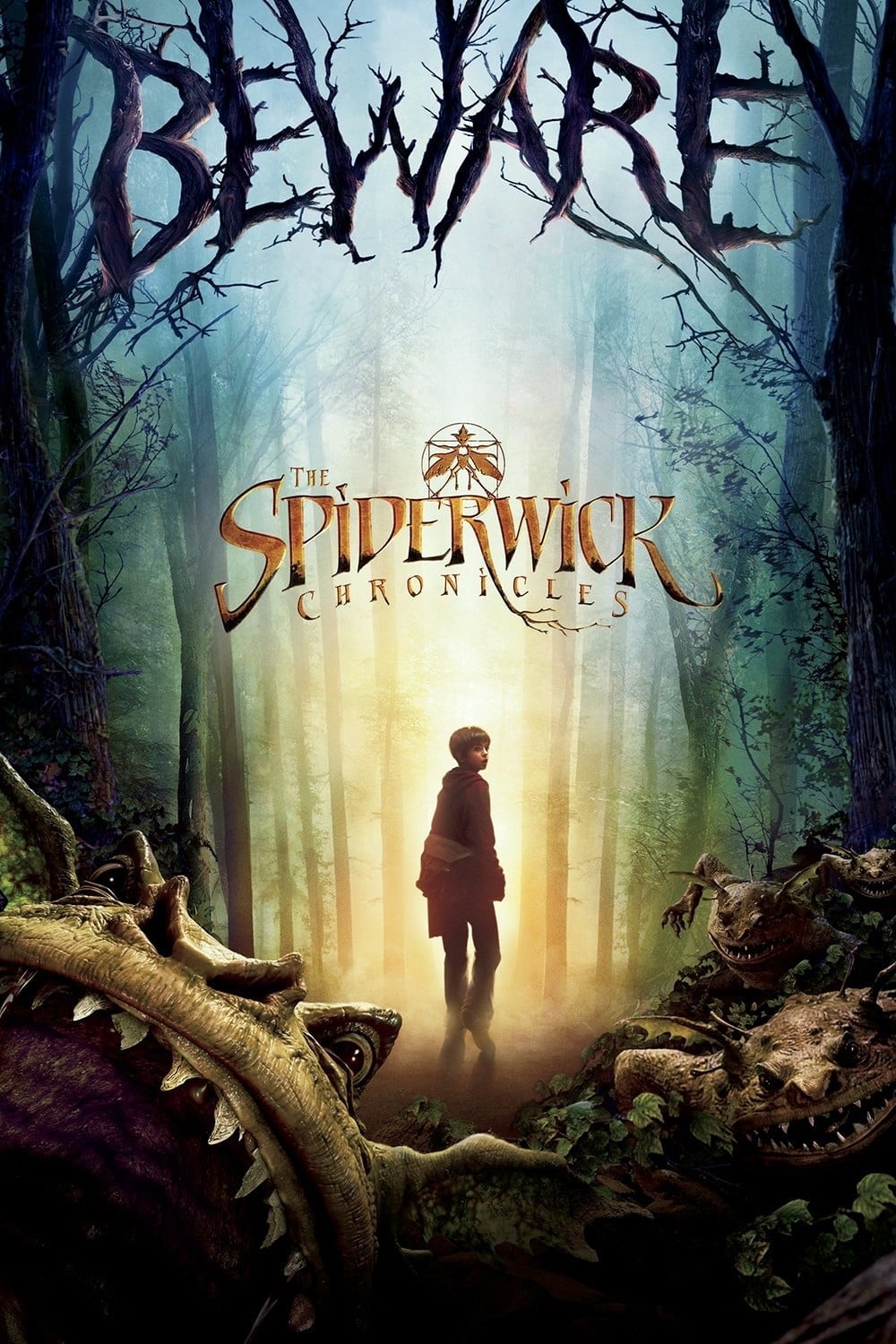
Mark Waters directed this adaptation of the book series by Tony DiTerlizzi and Holly Black, with Freddie Highmore playing twin brothers alongside Mary-Louise Parker. The story centers on a field guide to magical creatures, leading to encounters with brownies, goblins, and an ogre voiced by Nick Nolte.
The production employed a mix of practical effects and CGI for creature interactions, with voice performances by Martin Short and Seth Rogen for key characters. Location work and set builds created the isolated Spiderwick estate, while effects teams delivered invisibility gags, transformation shots, and large-scale creature battles.
‘The Fall’ (2006)
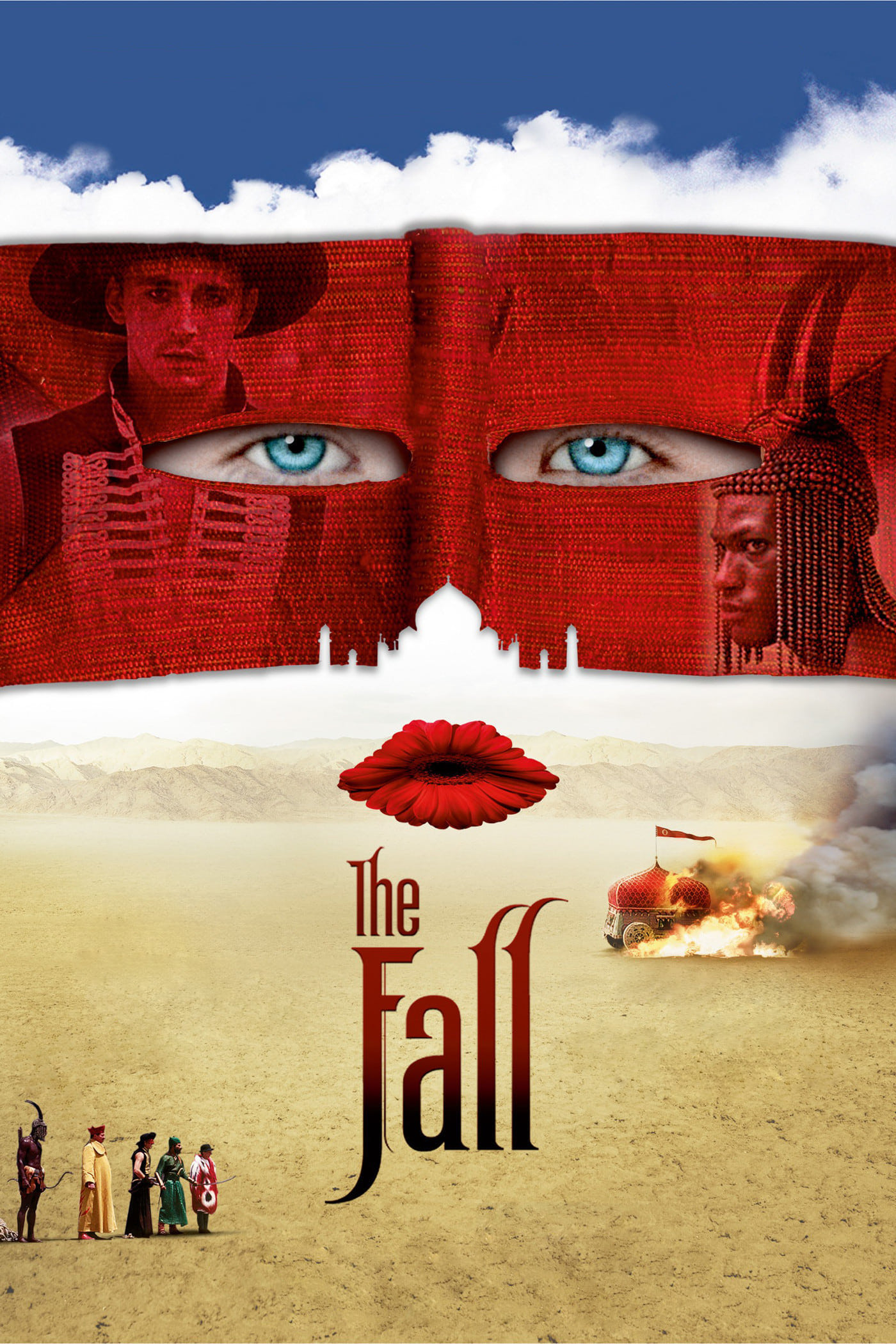
Directed by Tarsem Singh, this visually ambitious fantasy stars Lee Pace and Catinca Untaru. The production was shot over several years across multiple countries, including India, South Africa, and Italy, using real locations in place of digital backdrops for many sequences.
Cinematographer Colin Watkinson and the art department coordinated costumes and architecture spanning varied cultures and periods to support the film-within-a-film structure. The project was independently financed in part by the director, allowing for an unusually location-driven approach and an emphasis on in-camera imagery.
‘The Fountain’ (2006)
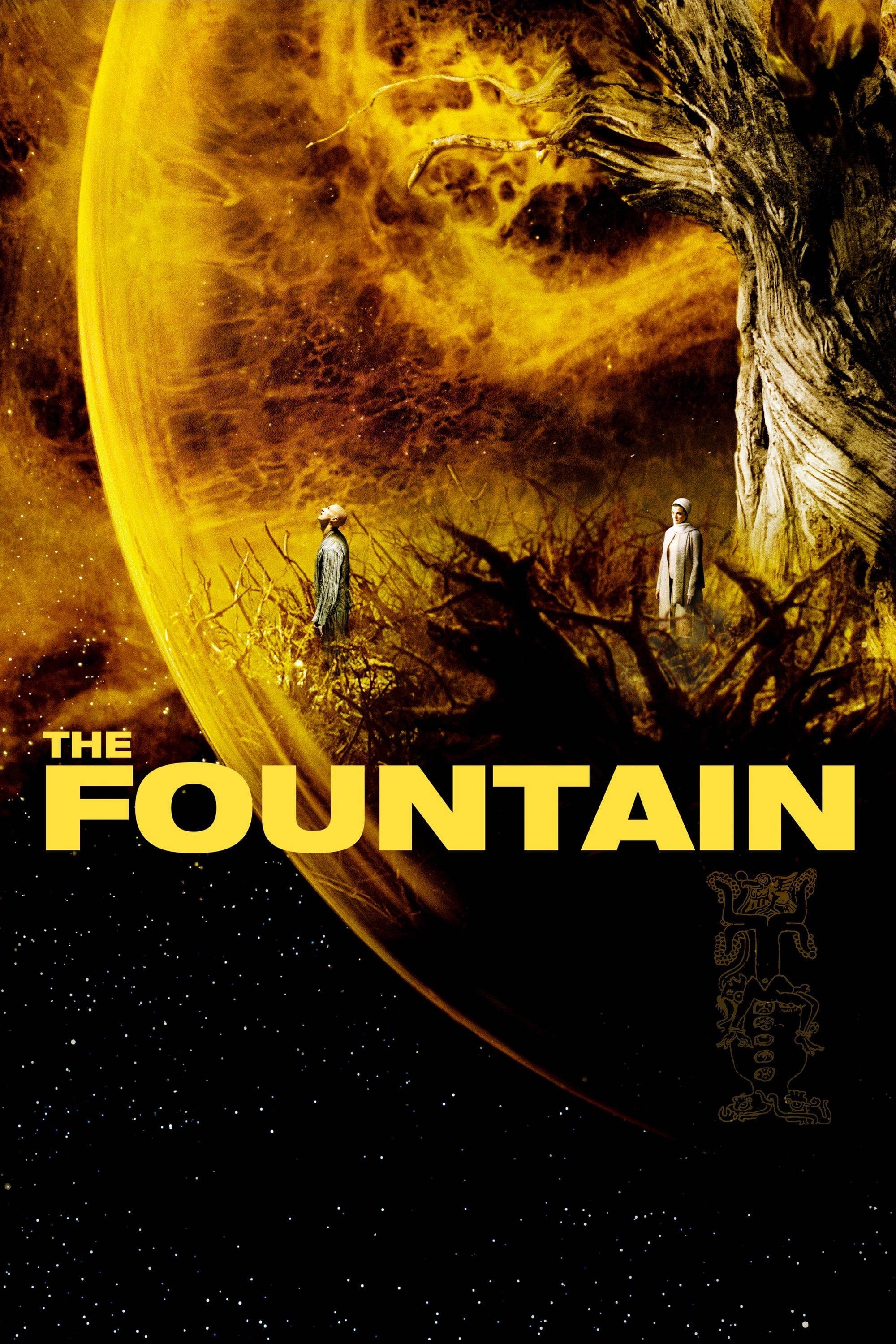
Darren Aronofsky wrote and directed this metaphysical fantasy starring Hugh Jackman and Rachel Weisz, interweaving stories set in different eras. Matthew Libatique served as cinematographer, and the production opted for macro photography of chemical reactions to create nebula-like visuals in place of conventional CGI for several sequences.
Clint Mansell composed the score, collaborating with Kronos Quartet and Mogwai to produce a distinctive orchestral and post-rock sound. Production design and costuming delineate the narrative’s timelines through color, texture, and materials, while visual effects teams integrated the macro imagery with live-action plates.
‘Shrek’ (2001)
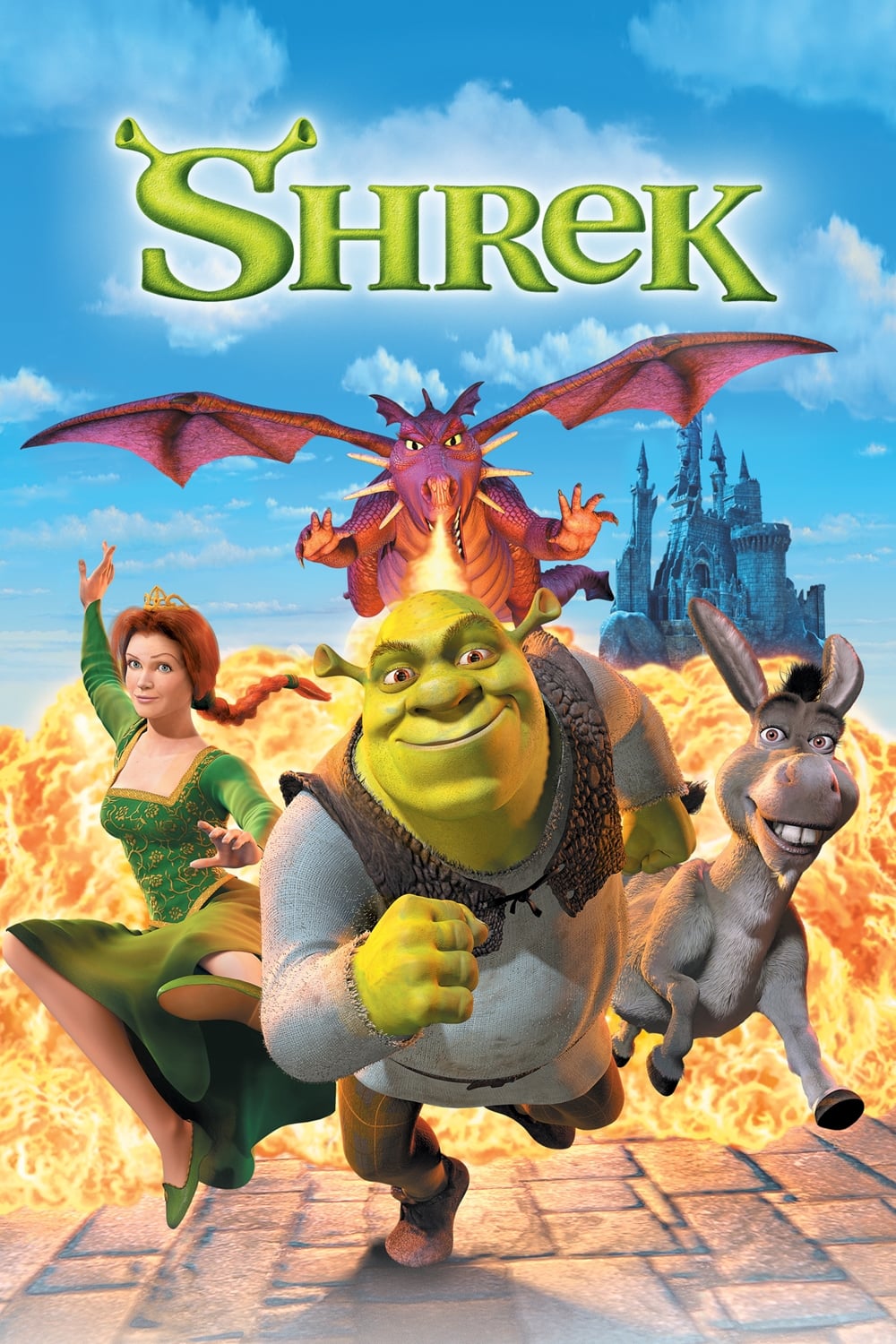
Produced by DreamWorks Animation and directed by Andrew Adamson and Vicky Jenson, this computer-animated feature stars the voices of Mike Myers, Eddie Murphy, and Cameron Diaz. The film loosely draws from a picture book by William Steig and pioneered character-driven CG animation for a fairy-tale world, with extensive work on skin shaders, hair systems, and environmental rendering.
The feature won the inaugural Academy Award for Best Animated Feature. Its production pipeline combined proprietary tools and commercial software to manage large crowd scenes, complex lip sync, and comedic timing, while the art department designed a stylized medieval world incorporating castles, forests, and villages.
Share your picks in the comments: which 2000s fantasy films do you think still cast the strongest spell today?