Joaquin Phoenix’s Best Roles



Joaquin Phoenix has established himself as one of the most compelling and unpredictable actors of his generation. Known for his intense and immersive approach to his roles, he often undergoes significant physical and psychological transformations to fully inhabit his characters. From his early days as a child actor to his current status as an industry powerhouse, Phoenix has consistently chosen complex and challenging projects that push the boundaries of his craft and defy audience expectations.
His career is marked by a series of powerful performances that explore the depths of the human condition, often focusing on characters who are outsiders, troubled, or grappling with their identity. He avoids conventional leading man roles in favor of more nuanced and often darker parts, creating a filmography that is as diverse as it is acclaimed. This commitment to his art has earned him numerous accolades and the deep respect of critics and peers alike, solidifying his reputation as a truly singular talent in modern cinema.
‘To Die For’ (1995)

In the dark comedy ‘To Die For’, Joaquin Phoenix played Jimmy Emmett, a troubled high school student who is manipulated by a fame-obsessed weather reporter. His character is seduced and then persuaded to commit a terrible crime on her behalf. Phoenix portrayed Jimmy with a palpable mix of teenage awkwardness, vulnerability, and misguided devotion, making his descent into her scheme believable and tragic.
This was one of Phoenix’s first major roles as a young adult, and it showcased his ability to convey complex emotions with subtlety. He effectively captured the naivety of a young man who is easily influenced by an older, more sophisticated figure. The performance was a key early indicator of the depth he could bring to characters who are emotionally complex and morally conflicted.
‘Gladiator’ (2000)
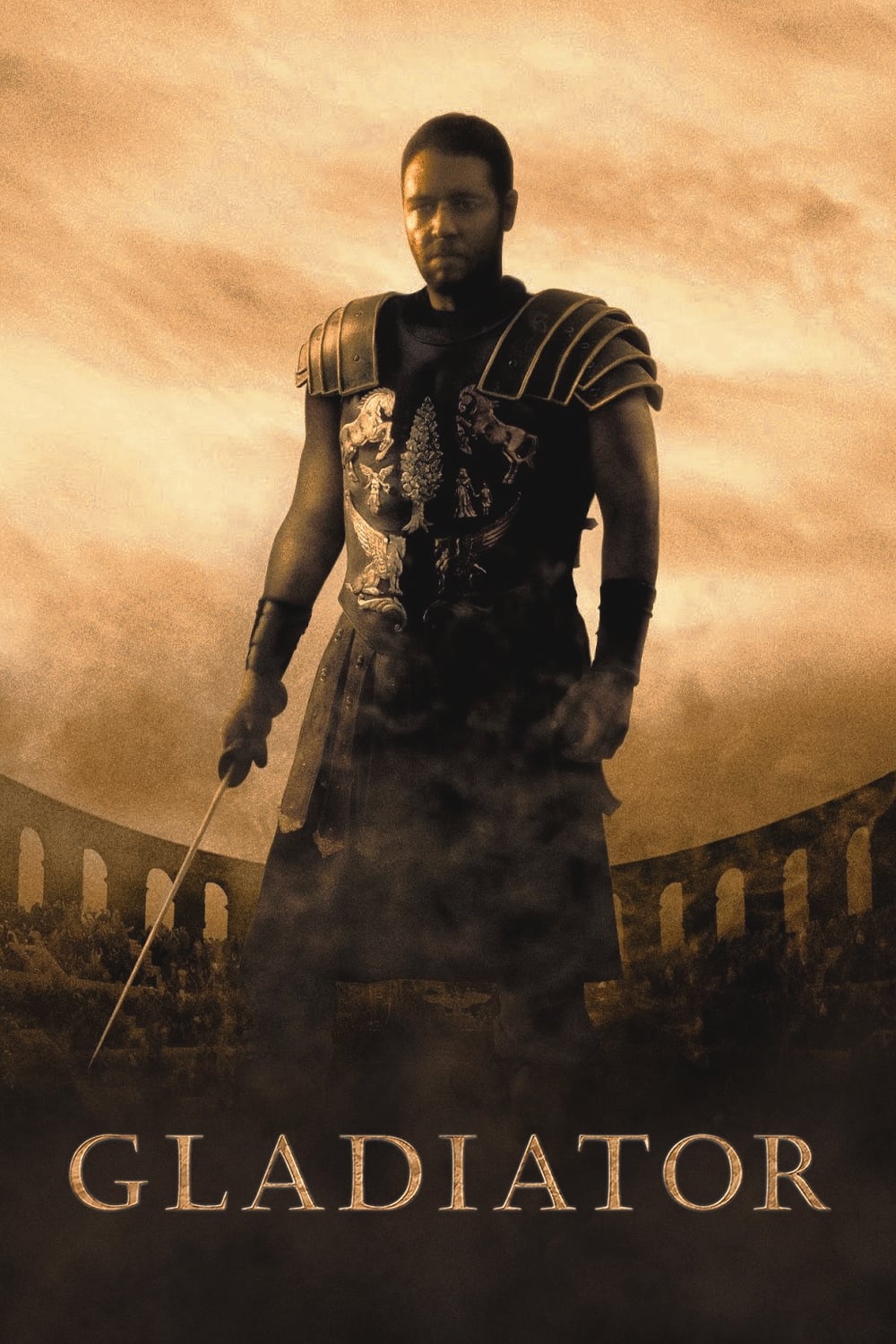
Phoenix delivered a chilling performance as Commodus, the treacherous and power-hungry son of the emperor in the historical epic ‘Gladiator’. As the film’s primary antagonist, his character is driven by jealousy, insecurity, and a desperate need for his father’s approval, which ultimately fuels his tyrannical reign. Phoenix’s portrayal was not just a one-dimensional villain but a deeply flawed and unsettling man-child.
His performance as the Roman emperor earned him widespread critical acclaim, including his first Academy Award nomination. He brought a compelling psychological depth to Commodus, making his unpredictable actions and simmering rage feel both terrifying and pitiable. The role established him as a formidable actor capable of portraying immense complexity and commanding the screen in a major blockbuster.
‘Signs’ (2002)

In the science-fiction thriller ‘Signs’, Joaquin Phoenix played Merrill Hess, a former minor league baseball star living with his older brother and his family after a personal tragedy. Merrill provides both comic relief and emotional support as the family grapples with a potential alien invasion. Phoenix portrayed him as a man struggling with his past failures but who ultimately steps up to protect his loved ones.
The character of Merrill is crucial to the film’s themes of faith and purpose. Phoenix’s performance balanced the character’s laid-back demeanor with an underlying sense of regret and a fierce loyalty to his family. His natural chemistry with the rest of the cast helped ground the supernatural events in a relatable human story, making the family’s ordeal feel more immediate and tense.
‘The Village’ (2004)

Phoenix starred as Lucius Hunt in the psychological thriller ‘The Village’. His character is a quiet and courageous young man living in an isolated 19th-century community that lives in fear of mysterious creatures in the surrounding woods. Lucius is one of the few villagers who questions the established rules and seeks permission to venture beyond the village borders to get medical supplies.
His performance captured the character’s gentle nature, determination, and bravery. Lucius is the film’s moral center, and Phoenix portrayed his quiet strength and love for another villager with sincerity and warmth. The role required a restrained and thoughtful performance that was essential to building the film’s atmosphere of suspense and mystery.
‘Walk the Line’ (2005)

Joaquin Phoenix underwent a remarkable transformation to portray music legend Johnny Cash in the biopic ‘Walk the Line’. The film follows Cash’s life from his early years on an Arkansas farm to his rise to fame and his struggles with addiction. Phoenix captured the essence of the Man in Black, from his deep, iconic voice to his volatile stage presence and his personal demons.
To prepare for the role, Phoenix learned to sing and play the guitar in Cash’s style, performing all of the musical numbers himself. His dedication resulted in a raw and powerful performance that was both a faithful tribute and a compelling character study. The role earned him an Academy Award nomination for Best Actor and showcased his incredible versatility and commitment.
‘Two Lovers’ (2008)

In the romantic drama ‘Two Lovers’, Phoenix played Leonard Kraditor, a lonely and emotionally fragile man who finds himself torn between two women. After a recent heartbreak, Leonard moves back into his parents’ home, where he gets involved with a sensible family friend and his beautiful but volatile new neighbor. Phoenix’s performance was a sensitive portrayal of a man struggling with depression and longing for connection.
He conveyed Leonard’s vulnerability and internal conflict with a quiet, nuanced performance. The character’s awkwardness and deep-seated sadness felt authentic and relatable, drawing the audience into his emotional dilemma. The role was a prime example of Phoenix’s ability to explore the subtleties of human emotion and create a deeply empathetic character.
‘The Master’ (2012)
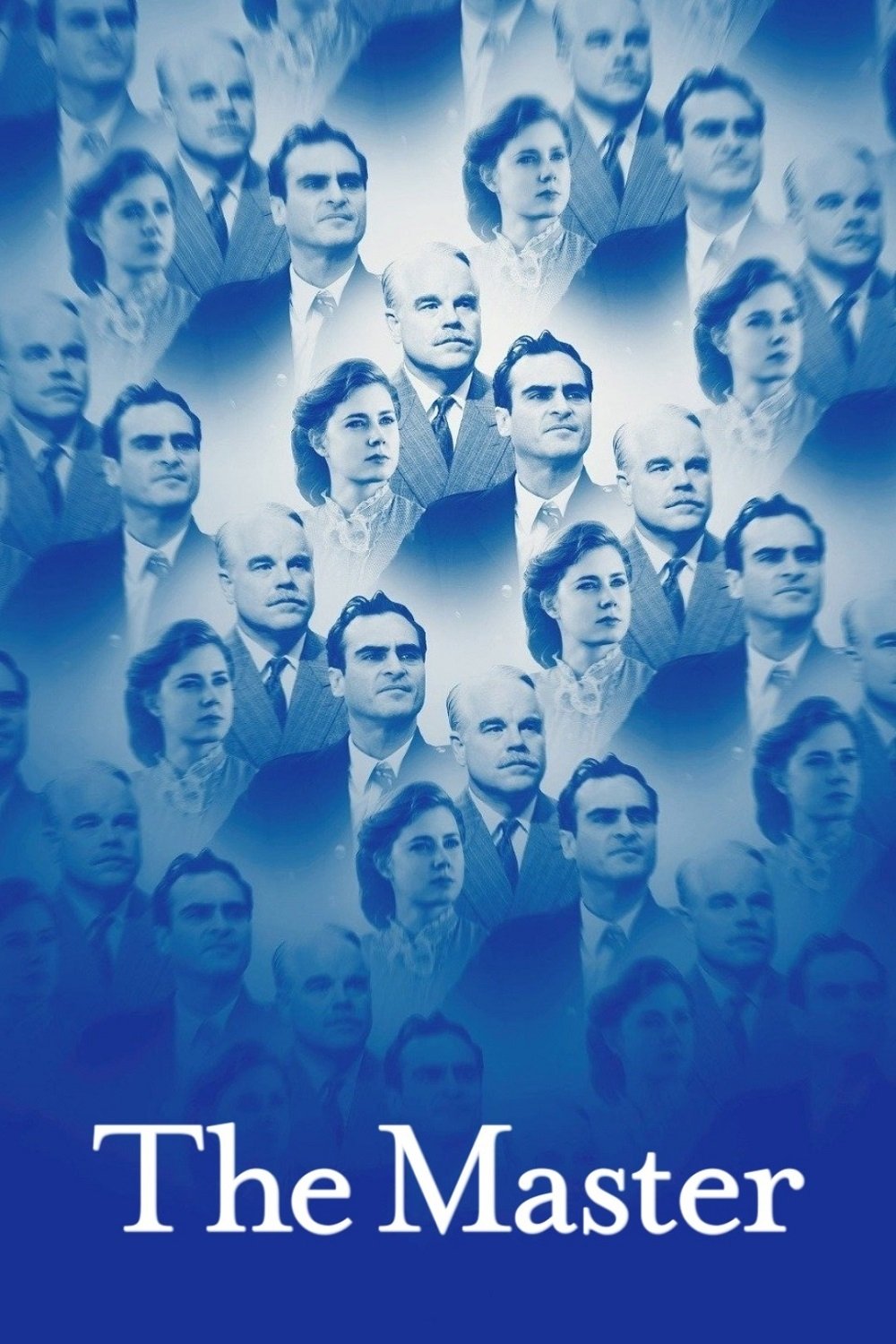
Phoenix delivered one of his most acclaimed performances as Freddie Quell in ‘The Master’. Freddie is a volatile and deeply troubled World War II veteran who struggles to adjust to post-war society and falls in with the leader of a burgeoning philosophical movement known as the Cause. The character is unpredictable and animalistic, driven by raw impulse and trauma.
To embody Freddie, Phoenix adopted a unique physicality, contorting his body and developing a distinct speech pattern that made the character feel genuinely unhinged. His performance was a raw and unflinching exploration of a damaged soul, and the intense dynamic between his character and the movement’s leader formed the core of the film. The role earned him another Academy Award nomination.
‘Her’ (2013)

In the futuristic romance ‘Her’, Phoenix played Theodore Twombly, a lonely writer who develops an intimate relationship with an advanced, artificially intelligent operating system. The character is a gentle, sensitive soul nursing a broken heart after a difficult divorce. Phoenix’s performance was a masterclass in acting against a non-physical scene partner, as most of his interactions are with a disembodied voice.
He conveyed Theodore’s journey from loneliness to love and eventual heartbreak with incredible nuance and vulnerability. His performance was subtle and emotionally resonant, capturing the complexities of a man finding a genuine connection in an unconventional way. The role demonstrated his ability to carry a film with a deeply internal and heartfelt performance.
‘Inherent Vice’ (2014)

Phoenix starred as Larry “Doc” Sportello in the psychedelic neo-noir film ‘Inherent Vice’. Doc is a perpetually stoned private investigator in 1970s Los Angeles who gets entangled in a bizarre and sprawling mystery involving his ex-girlfriend. Phoenix fully embraced the character’s hazy, laid-back demeanor while navigating a labyrinthine plot with a sense of confused determination.
His performance was central to the film’s comedic and surreal tone. He played Doc with a charming bewilderment, making the character an endearing guide through a world of eccentric figures and convoluted conspiracies. The role required a unique comedic timing and the ability to anchor a film that is intentionally disorienting, which Phoenix handled with effortless skill.
‘You Were Never Really Here’ (2017)
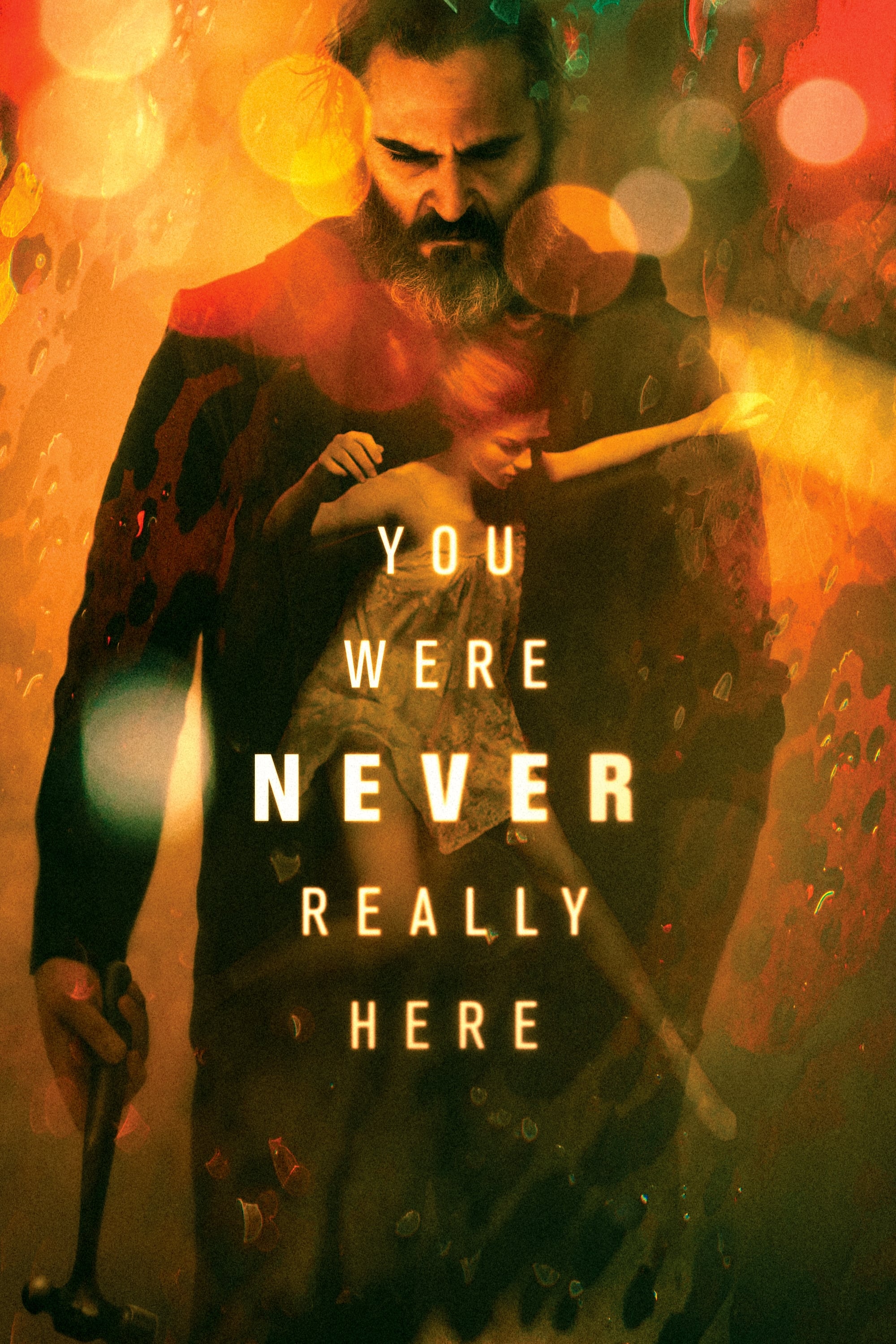
In the thriller ‘You Were Never Really Here’, Phoenix played Joe, a traumatized veteran who now works as a brutal enforcer rescuing trafficked girls. Joe is a man of few words, haunted by his past and living with severe PTSD. The performance was intensely physical, conveying the character’s inner turmoil and capacity for violence largely through his actions and pained expressions rather than dialogue.
Phoenix underwent a physical transformation for the role, gaining weight and growing a thick beard to create a hulking, intimidating presence. He portrayed Joe’s psychological agony with a raw, visceral intensity that made the character both terrifying and deeply sympathetic. It was a powerful and minimalist performance that relied on physicality and presence to tell a dark, emotional story.
‘The Sisters Brothers’ (2018)
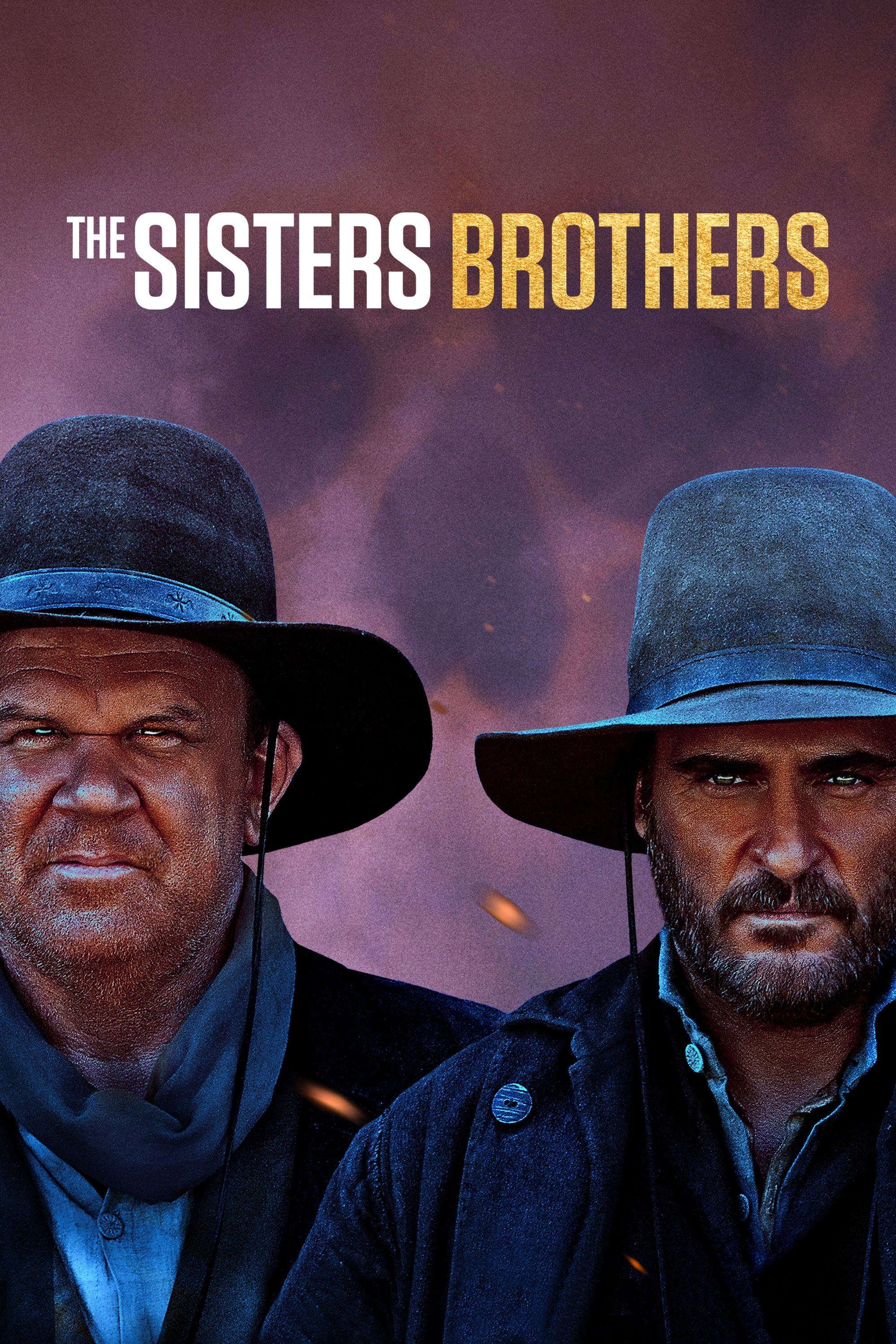
Phoenix co-starred as the sensitive and introspective assassin Charlie Sisters in the Western ‘The Sisters Brothers’. Alongside his older brother, Charlie is a notorious hitman, but he is also a heavy drinker prone to bouts of anxiety and reflection. The film follows the brothers on a journey that forces them to confront their violent profession and their complicated relationship.
He brought a compelling vulnerability to the character of Charlie, balancing his violent capabilities with a deep-seated weariness and a desire for a different life. His dynamic with his co-star was the heart of the film, creating a believable and often humorous brotherly bond. The role allowed him to explore classic Western themes through the lens of a uniquely complex and emotional character.
‘Joker’ (2019)

Phoenix delivered an iconic and transformative performance as Arthur Fleck in the psychological thriller ‘Joker’. The film offers an origin story for the famous comic book villain, portraying him as a mentally ill party clown and aspiring comedian who is beaten down by society before embracing a life of chaos. Phoenix’s portrayal was a disturbing and empathetic look at the character’s descent into madness.
He lost a significant amount of weight for the role, creating a gaunt and frail physicality that amplified Arthur’s vulnerability and eventual transformation. His performance was a meticulously crafted study of mental illness and social neglect, anchored by a unique, pained laugh he developed for the character. The role earned him numerous awards, including the Academy Award for Best Actor.
‘C’mon C’mon’ (2021)

In the quiet black-and-white drama ‘C’mon C’mon’, Phoenix played Johnny, a radio journalist who temporarily takes care of his precocious young nephew. The film follows their journey as they travel across the country for Johnny’s project, interviewing children about their lives and hopes for the future. The role was a departure from his more intense characters, showcasing a softer and more paternal side.
Phoenix’s performance was warm, natural, and understated. He built a beautiful and authentic rapport with the young actor playing his nephew, and their interactions felt genuine and unscripted. He portrayed Johnny’s struggles and joys in connecting with the boy with a gentle humanity that made the film a touching exploration of family and communication.
‘Beau Is Afraid’ (2023)
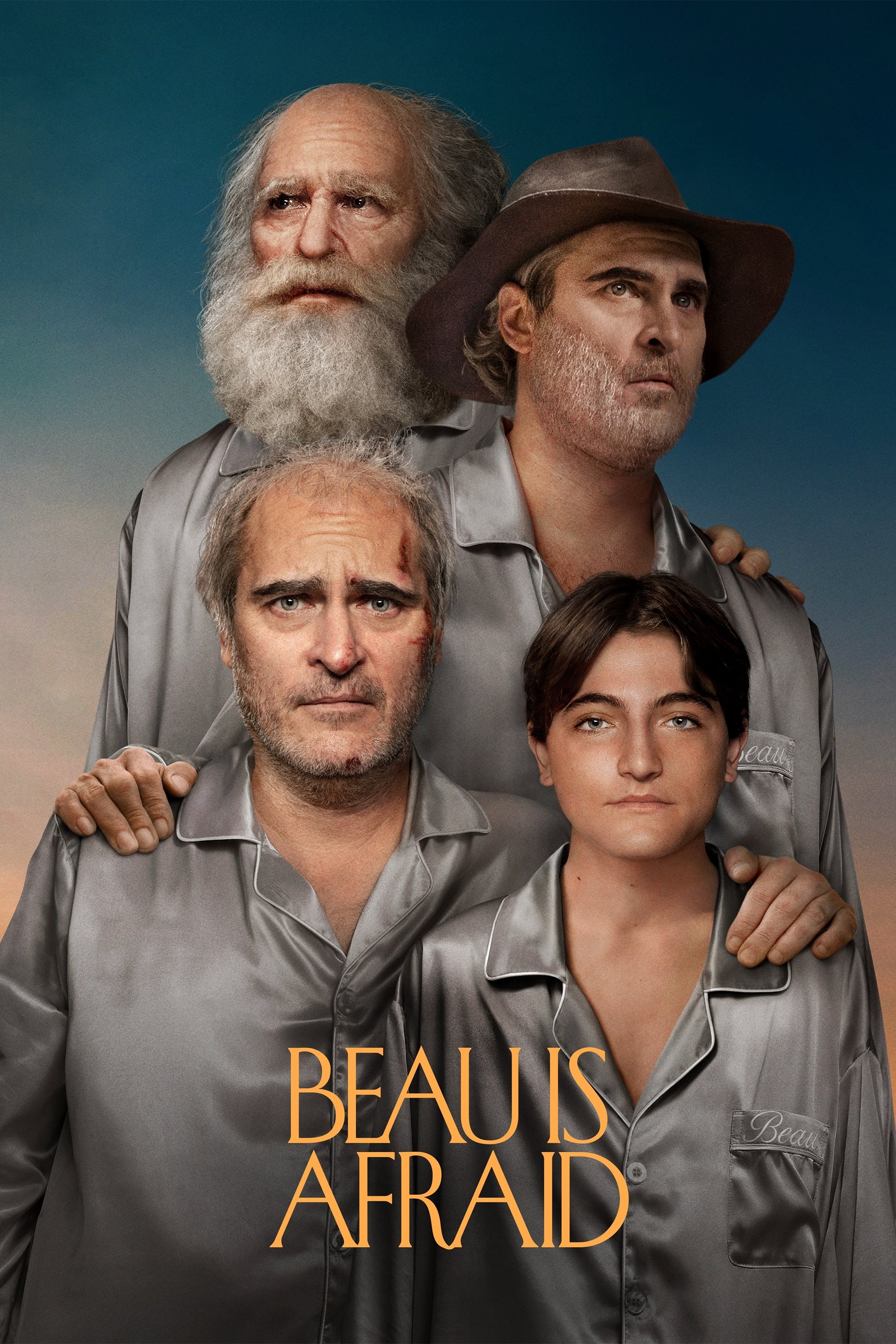
In the surrealist tragicomedy ‘Beau Is Afraid’, Phoenix played the title character, Beau Wassermann, an extremely anxious man on an epic and bizarre odyssey to get home for his mother’s funeral. The character lives in a constant state of fear, and his journey is a nightmarish series of increasingly absurd and terrifying events. Phoenix committed fully to the role’s demanding emotional and physical challenges.
His performance anchored the three-hour surrealist film, portraying Beau’s debilitating anxiety with a mix of dark humor and genuine pathos. He navigated the character’s strange and often horrifying experiences with a sense of complete immersion. The role was another example of his fearlessness as an actor and his willingness to take on unconventional and polarizing projects.
‘Napoleon’ (2023)
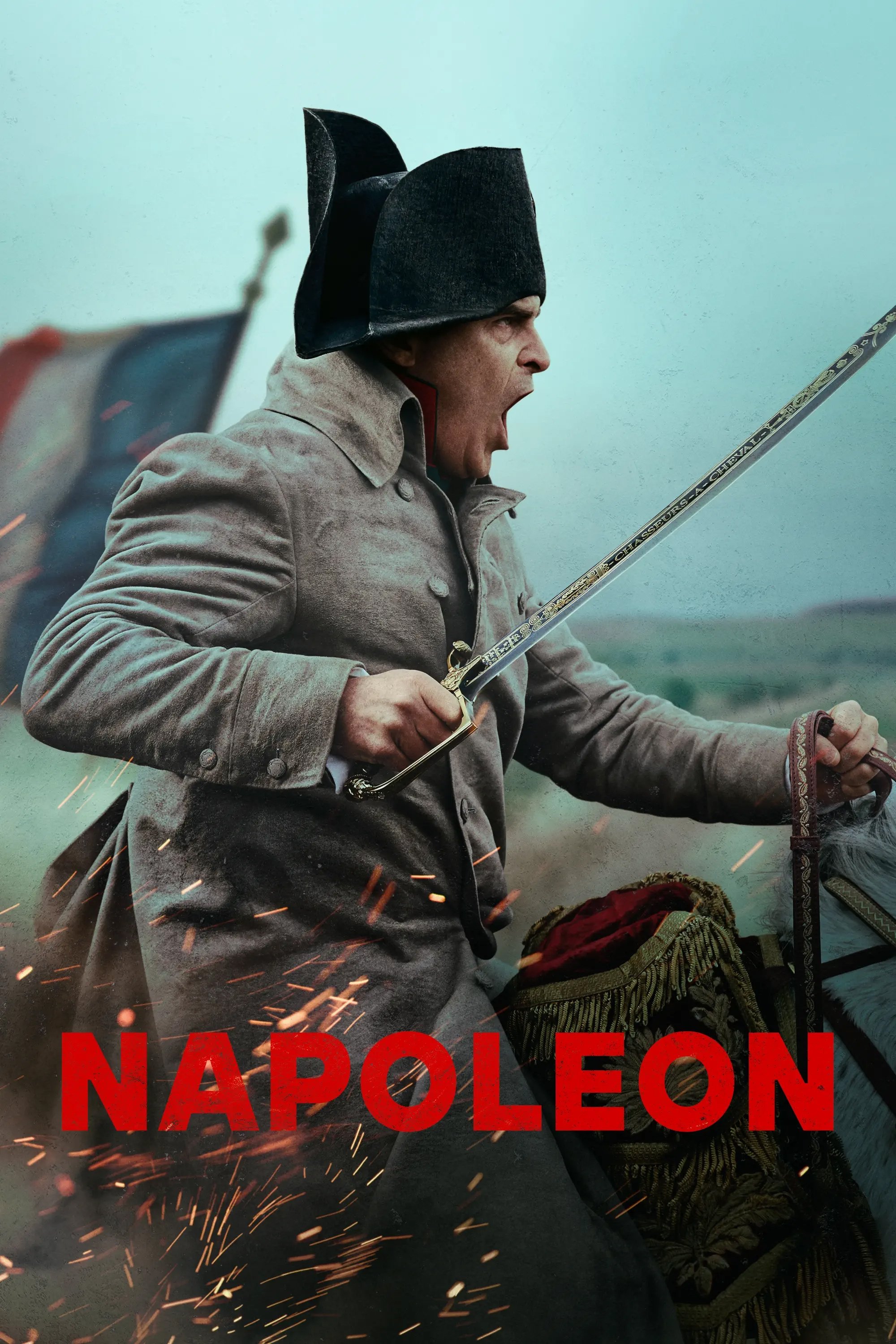
Phoenix took on the monumental task of portraying Napoleon Bonaparte in the historical epic ‘Napoleon’. The film chronicles the French leader’s relentless rise to power and his volatile and obsessive relationship with his wife, Joséphine. Phoenix depicted Napoleon not just as a brilliant military strategist but also as an awkward, insecure, and petulant man driven by his ambition and passions.
He offered a unique and unconventional interpretation of the historical figure, focusing on his personal insecurities and emotional immaturity rather than just his political prowess. The performance was a complex character study that aimed to demystify the legendary emperor and explore the man behind the myth. It was another bold role that demonstrated his interest in portraying flawed and complicated figures.
Which Joaquin Phoenix performance do you find the most unforgettable, and why?