Actors Who Elevated Mediocre Scripts into Must-See Movies


Sometimes a film lands with a story that’s thin, overfamiliar, or stitched together under deadline pressure—yet people still show up because a performer makes it impossible to look away. That’s the power of star craft: choices in voice, rhythm, movement, and character detail that turn average material into something people talk about and revisit.
Below are twenty male actors whose performances drew audiences, awards bodies, and entire franchises along with them. Each entry points to specific roles, production context, and measurable outcomes—box office, nominations, franchise launches—that show how much a single performance can change a movie’s trajectory.
Denzel Washington

In ‘Roman J. Israel, Esq.’, Denzel Washington plays a principled Los Angeles defense attorney whose habits and ideals collide with a corporate-style law firm. His work in the role earned an Academy Award nomination for Best Actor, adding to a career that already included multiple nominations and wins, and bringing significant attention to a character-first legal drama from a mid-budget release.
Washington also re-teamed with director Antoine Fuqua for ‘The Equalizer’ and its sequels, playing former DIA operative Robert McCall. The films significantly expanded into a trilogy and delivered consistent global box office returns for a grounded vigilante story, underscoring how a lead actor’s presence can anchor an original action series without pre-existing comic-book branding.
Tom Hardy
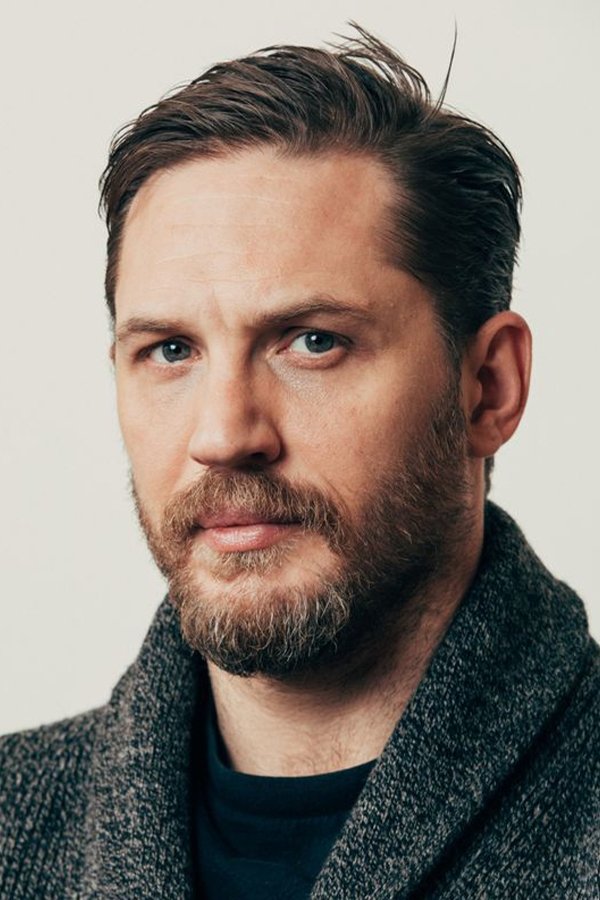
In ‘Venom’, Tom Hardy portrays investigative reporter Eddie Brock while also providing the voice and physical vocabulary for the alien symbiote. The movie surpassed $850 million in worldwide grosses, an outsized commercial result for a character launched outside the mainline ensemble of its larger superhero universe, and it quickly led to a sequel.
Hardy’s process on the film included performance capture-informed choices and distinctive vocal design for the symbiote, creating clear separation between Eddie’s human cadence and Venom’s otherworldly register. Principal photography took place in San Francisco and Atlanta, with Ruben Fleischer directing and a production that leaned on practical location work for chase sequences.
Keanu Reeves
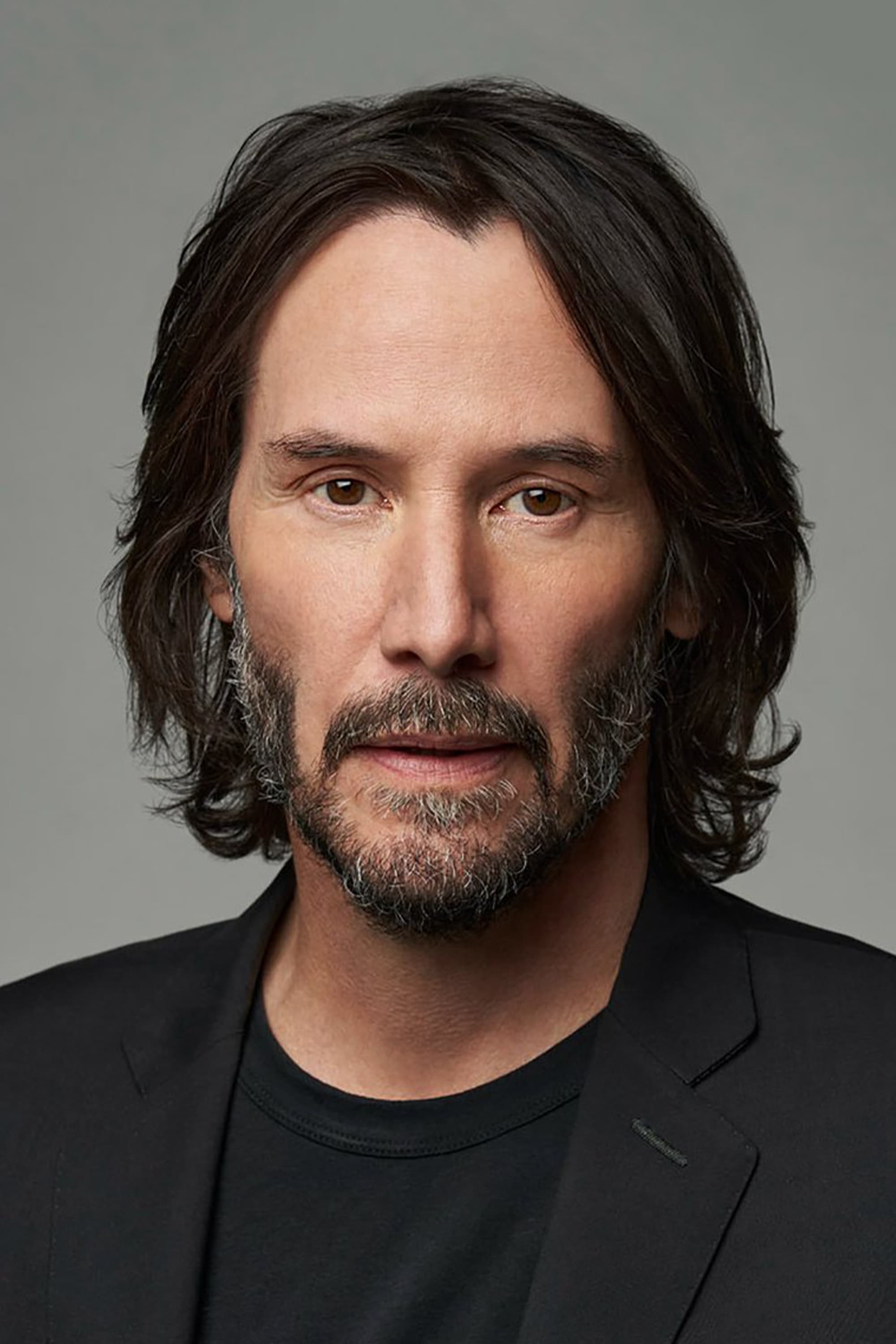
In ‘Constantine’, Keanu Reeves plays occult detective John Constantine, adapted from DC’s ‘Hellblazer’ comics. The film introduced wider audiences to exorcism set-pieces, religious iconography, and comic-lore terminology under Francis Lawrence’s direction, and it built a long-tail cult audience that kept the character in circulation across screens.
Reeves’ iteration established a screen template—chain-smoking exorcist with clinical detachment—that influenced later portrayals as the character appeared in other media. The property’s continued viability included a television series centered on the same comics lineage, showing how a single star turn can seed multi-format interest.
Will Smith
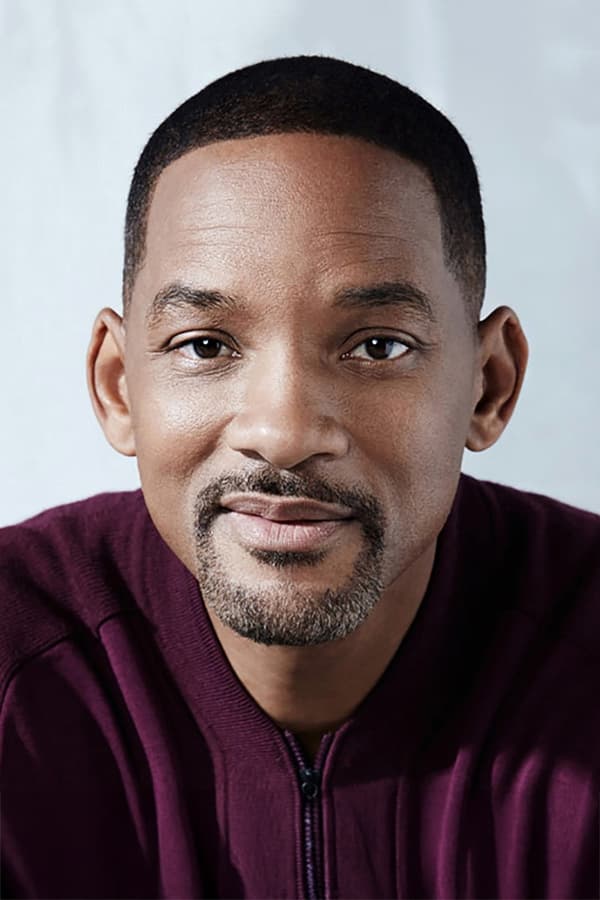
In ‘I Am Legend’, Will Smith leads as virologist Robert Neville, the last immune resident of Manhattan attempting to reverse a global catastrophe. The film earned over $580 million worldwide, propelled by an extended solo performance that held IMAX screens and prime holiday playdates.
Production involved large-scale location control in New York City, including staged evacuations and long-take shots through an empty Times Square. The adaptation worked from Richard Matheson’s novel and previous screen versions, with Smith’s performance serving as the primary human anchor for visual effects-driven sequences.
Al Pacino
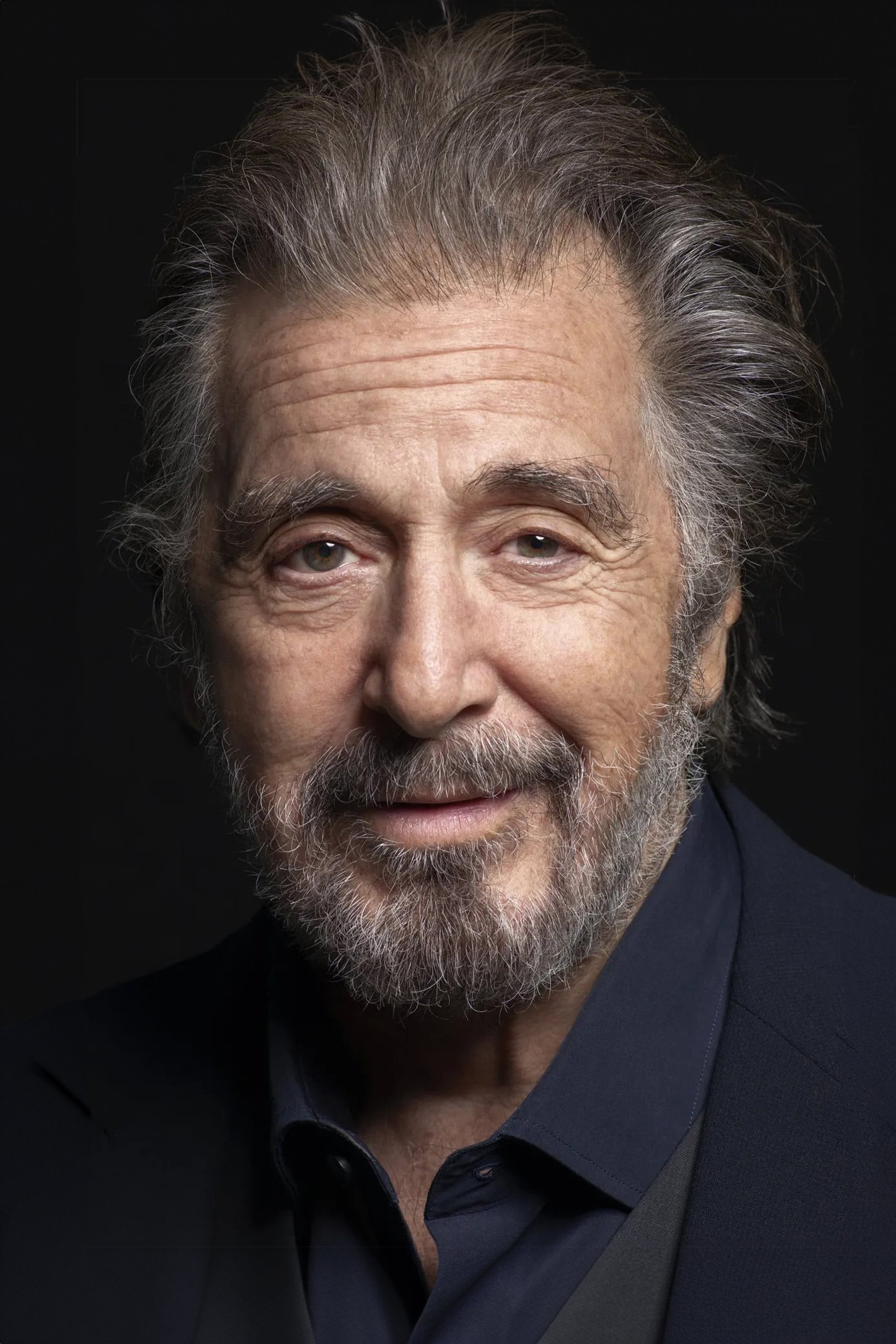
Al Pacino won the Academy Award for Best Actor for ‘Scent of a Woman’, playing retired Army Lieutenant Colonel Frank Slade. The film is an American remake of ‘Profumo di donna’, and Pacino’s portrayal drew broad recognition to a character-driven story that balances a prep school subplot with an adult mentorship arc.
Directed by Martin Brest, the production leaned on long dialogue scenes and set-pieces like the courtroom-style disciplinary hearing and the tango sequence. The movie’s awards profile and subsequent home-video life expanded its reach beyond initial theatrical play, centering Pacino’s performance as the key draw.
Hugh Jackman
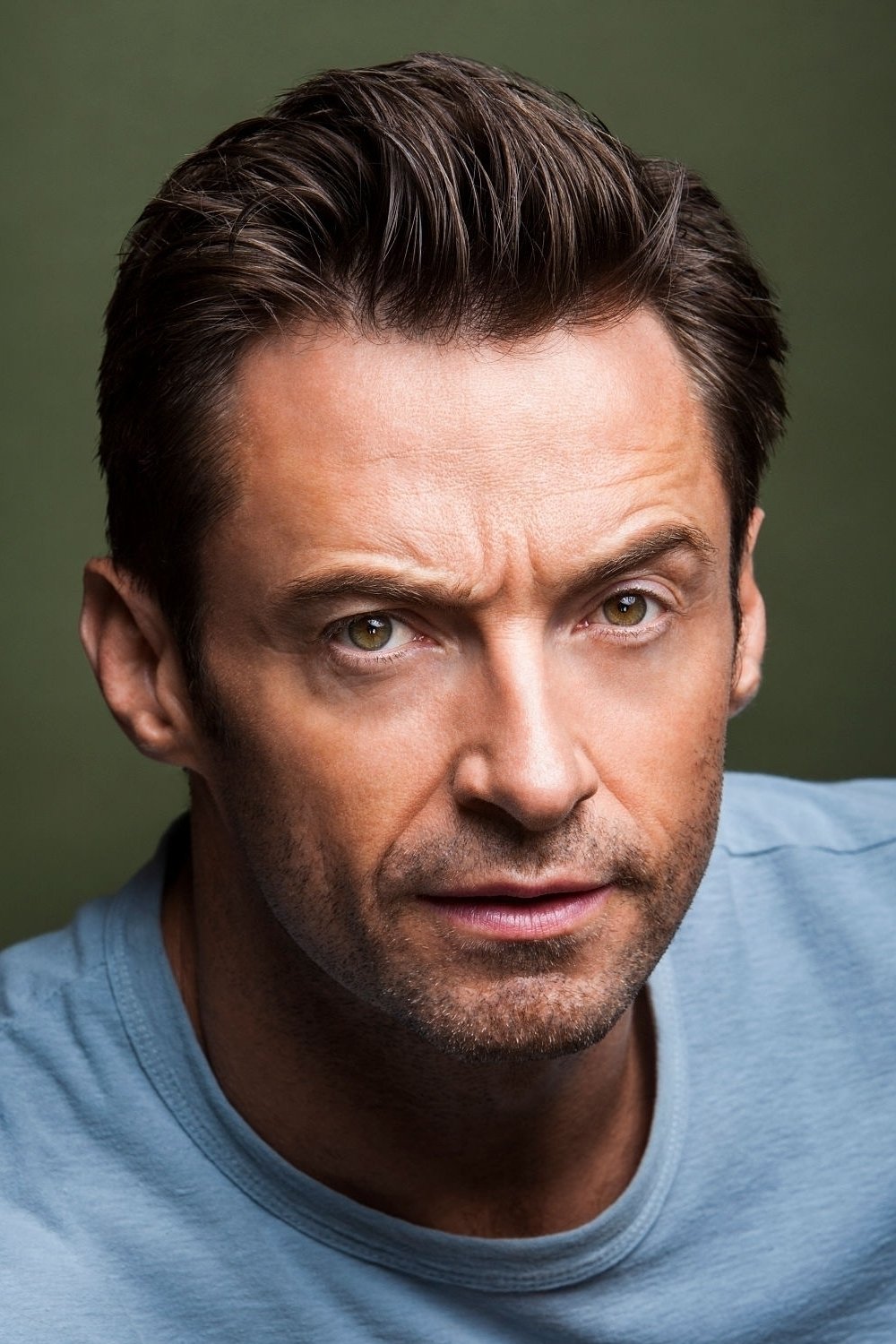
‘The Greatest Showman’ featured Hugh Jackman as P. T. Barnum, combining a biography framework with original songs by Benj Pasek and Justin Paul. The film accumulated over $430 million worldwide and achieved unusually strong week-over-week holds, with its soundtrack logging extended chart performance and multiple platinum certifications in numerous markets.
Jackman spearheaded a global promotional push that included live performances and fan events, a strategy that sustained the film’s legs as a family-friendly musical outside the traditional awards-season musical corridor. Michael Gracey directed the project, which relied on large ensemble choreography and color-forward production design.
Joaquin Phoenix
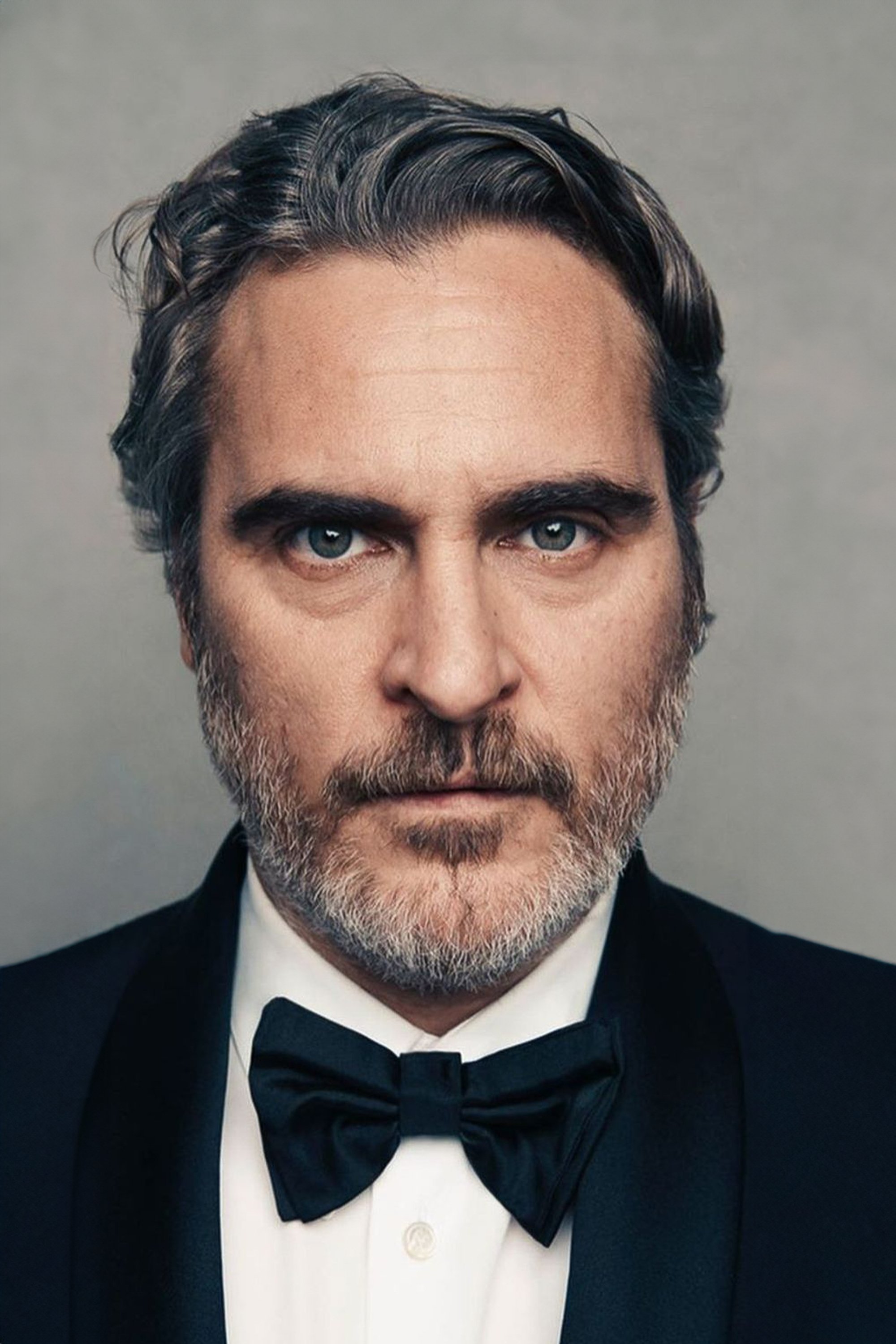
Joaquin Phoenix’s portrayal of Arthur Fleck in ‘Joker’ earned the Academy Award for Best Actor and made the film the first R-rated release to surpass the billion-dollar mark globally. Phoenix undertook a substantial physical transformation for the role, and the movie’s release schedule included major festival premieres followed by worldwide rollout.
Todd Phillips directed, and the production emphasized period-specific Gotham City textures, extended takes, and a score driven by cello motifs. The film also generated industry conversations about standalone comic adaptations, demonstrating commercial headroom for character studies without ensemble crossovers.
Jake Gyllenhaal

In ‘Southpaw’, Jake Gyllenhaal plays light-heavyweight champion Billy Hope, working under director Antoine Fuqua and trainers who developed a pro-fighter regimen focused on southpaw technique and fight endurance. The role required significant physical preparation, including sparring with professional boxers to create ring credibility for extended fight sequences.
The film’s soundtrack included original tracks from Eminem, aligning a sports-drama release with a major music tie-in that boosted cross-promotion. Gyllenhaal’s collaboration with Fuqua leveraged the director’s process for staged one-take fight choreography, using practical blood effects and in-ring camera placements to preserve impact.
Idris Elba
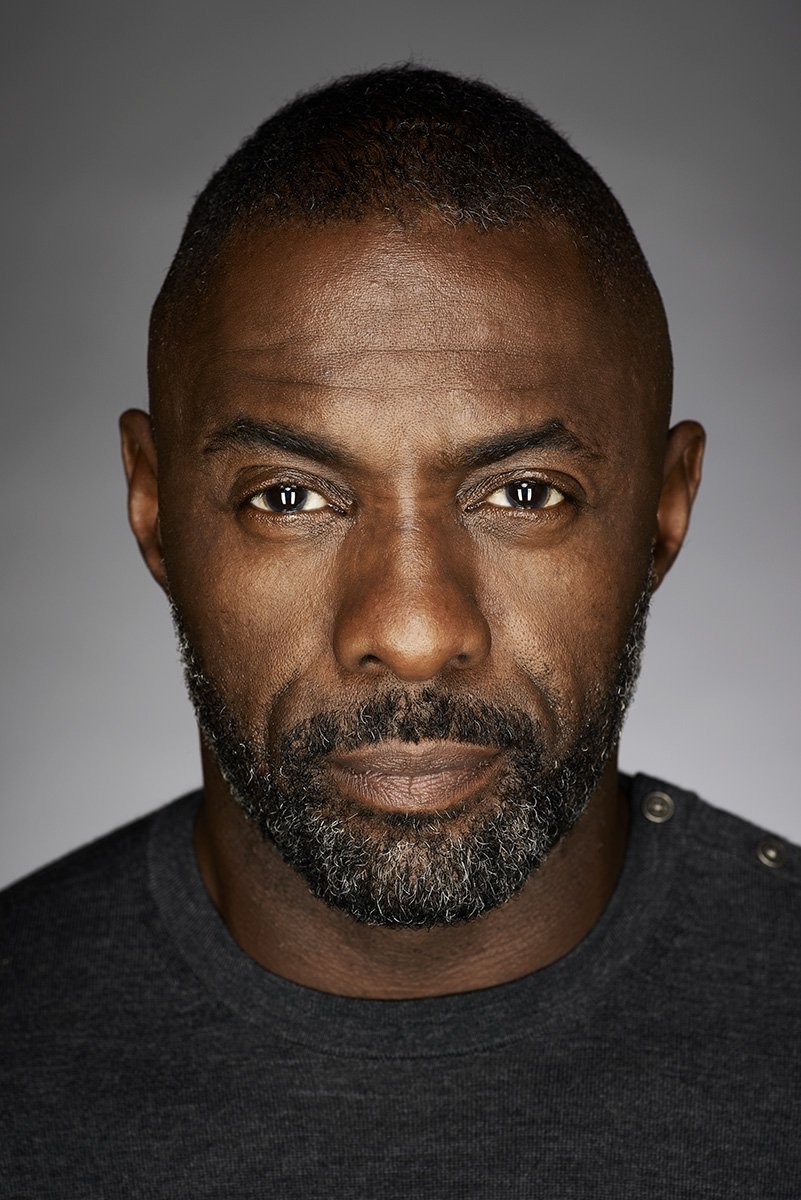
Idris Elba starred as Roland Deschain in ‘The Dark Tower’, the screen adaptation of Stephen King’s long-form fantasy-western series. The production consolidated multiple books’ concepts into an entry point for general audiences, pairing Elba with Matthew McConaughey under director Nikolaj Arcel.
Elba’s gunslinger training covered fast-draw techniques and target choreography to visualize Roland’s supernatural accuracy. The project served as an access path to the source material for viewers unfamiliar with the novels, keeping character names, locations, and the mythos’ central quest in circulation for potential follow-ons.
Nicolas Cage
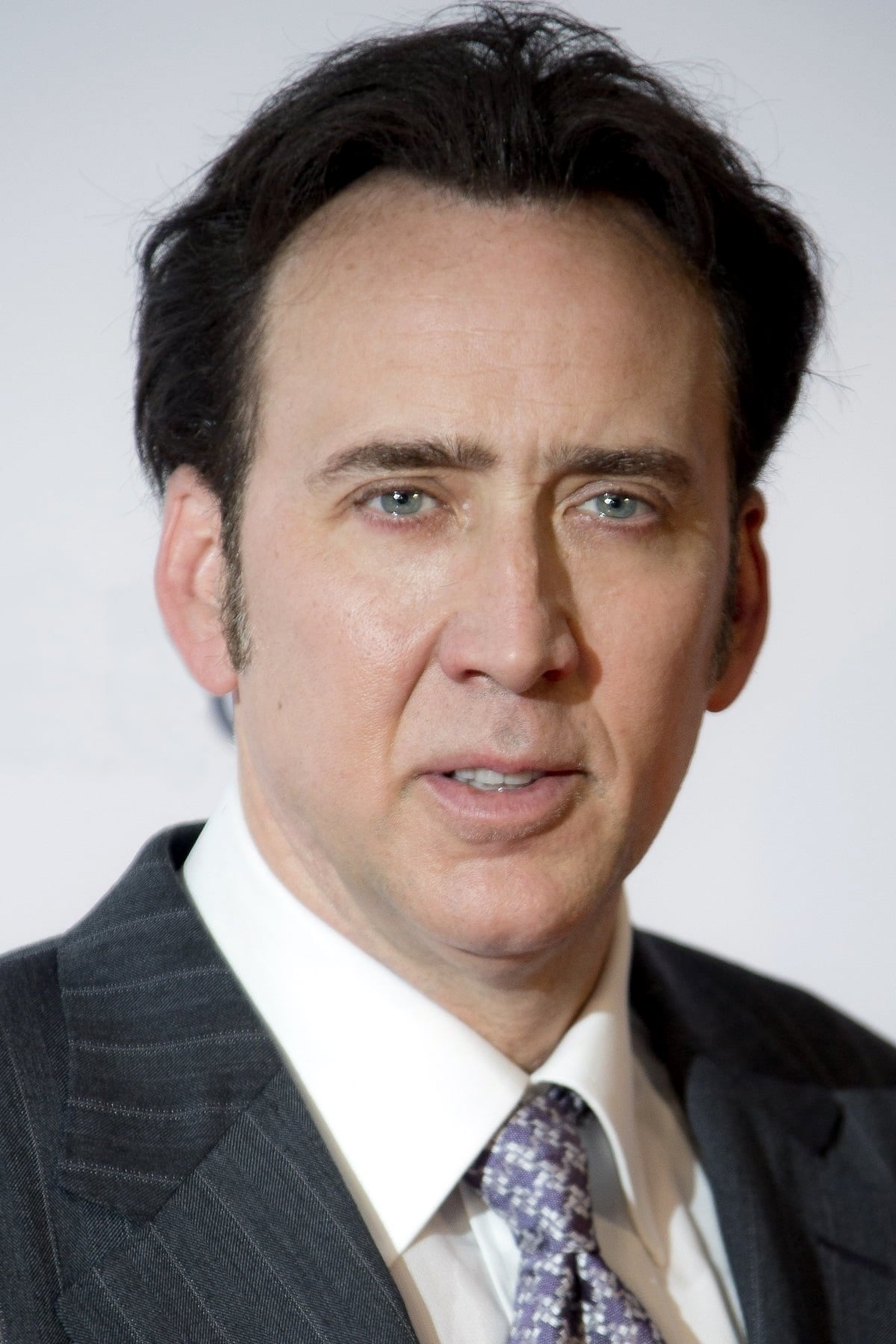
Nicolas Cage won the Academy Award for Best Actor for ‘Leaving Las Vegas’, portraying screenwriter Ben Sanderson. The independent production, directed by Mike Figgis, was adapted from John O’Brien’s novel and shot with a mix of available light and guerrilla-style street work in Las Vegas.
Cage’s preparation included extensive research into addiction patterns and alcohol dependency, with the film’s release prompting critical discussion around independent distribution models and awards recognition for smaller-budget dramas. The performance remains one of his most cited transformations, aligning festival attention with mainstream accolades.
Christian Bale
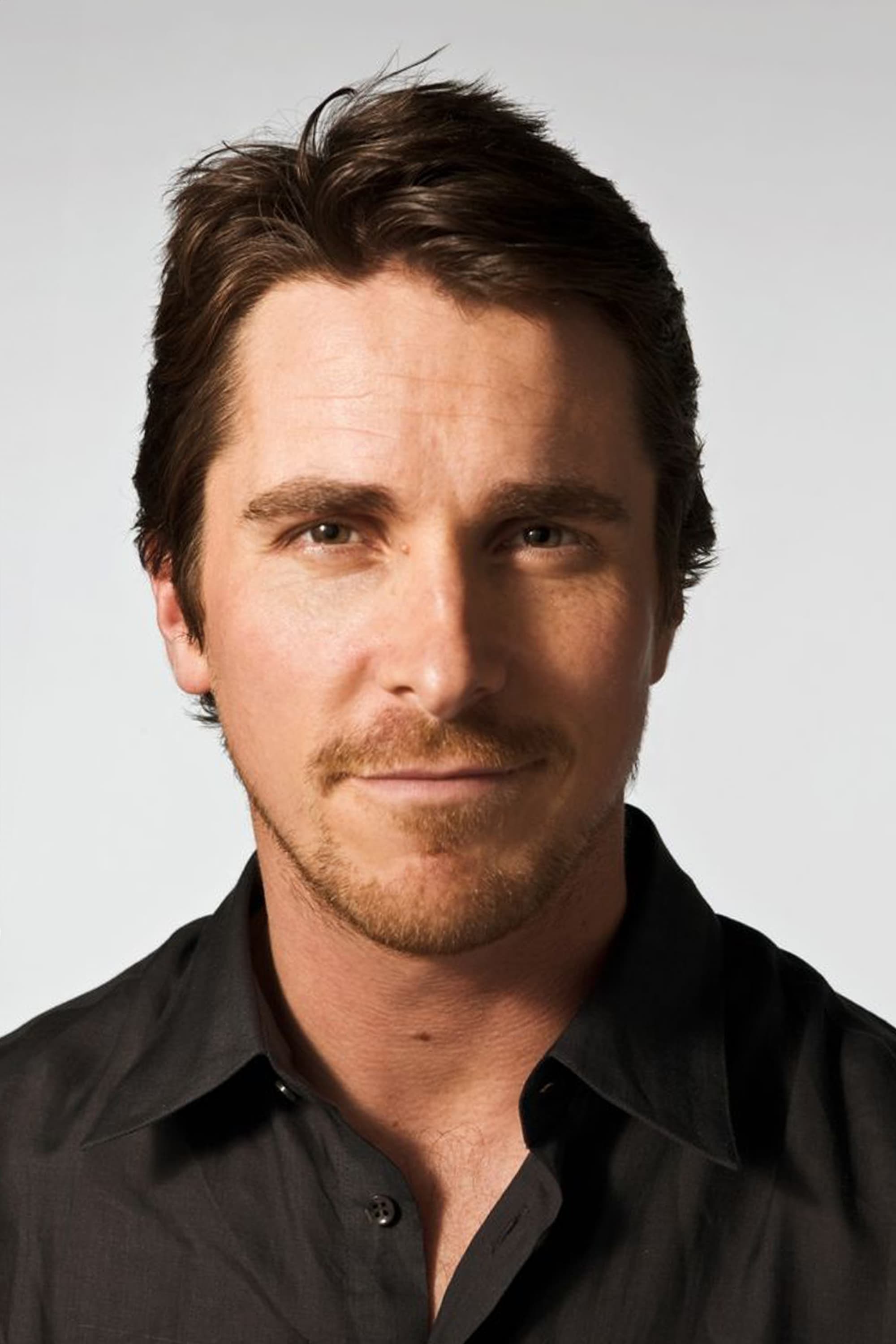
Christian Bale portrayed John Connor in ‘Terminator Salvation’, a production that advanced the franchise timeline into a post-apocalyptic resistance war. McG directed, with extensive use of animatronics and practical explosions from the Stan Winston team alongside digital effects for endoskeleton combat.
The film’s shoot drew attention for a widely reported on-set audio incident involving Bale and the cinematography team, which circulated prior to release and brought additional publicity. Bale’s involvement placed the character at the center of a proposed new trilogy structure, connecting existing franchise lore with a fresh lead-era.
Robert Downey Jr.
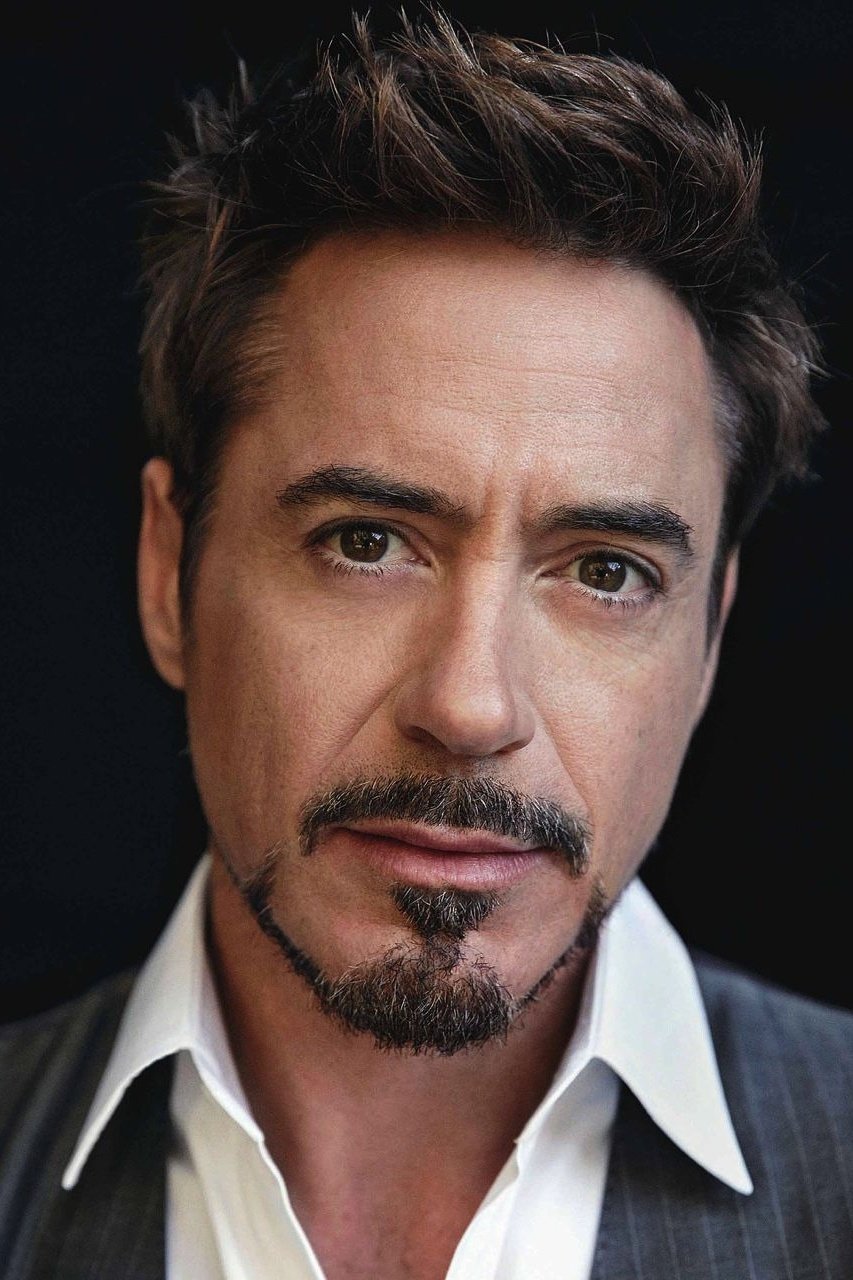
‘Iron Man’ marked a pivotal moment for Robert Downey Jr., whose casting was strongly supported by director Jon Favreau. The film launched Marvel Studios’ connected universe model and closed with a post-credits scene introducing Nick Fury, establishing the template for interlinked releases.
Downey later led ‘The Judge’ as both star and producer through his company Team Downey. That courtroom-family drama earned Robert Duvall an Academy Award nomination for Best Supporting Actor, demonstrating that Downey’s draw could support mid-budget adult-skewing projects alongside tentpoles.
Liam Neeson
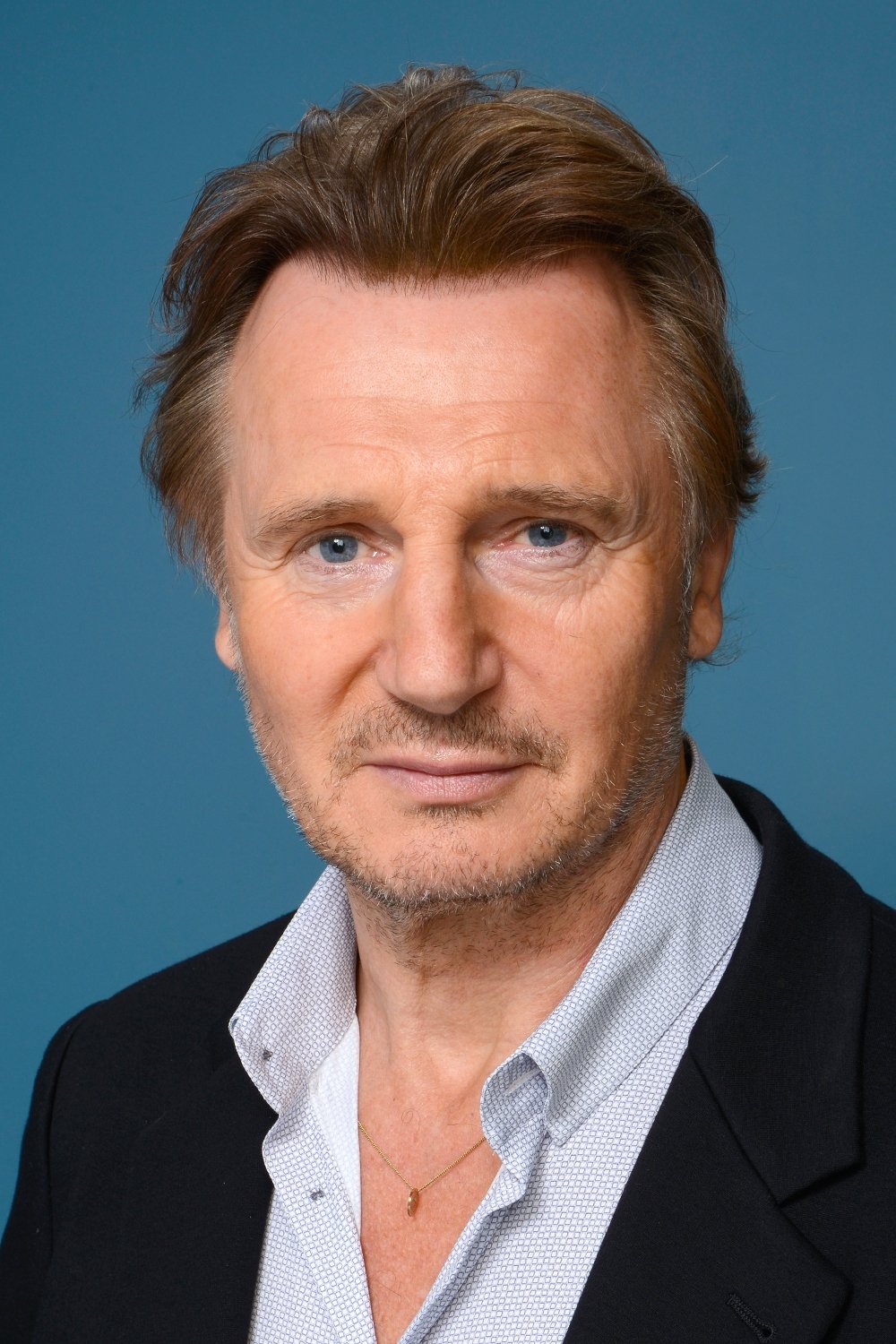
Liam Neeson’s role as Bryan Mills in ‘Taken’ ignited a franchise that expanded to two sequels and a television series. The film, co-written by Luc Besson and Robert Mark Kamen, paired Paris-set abduction stakes with a compact runtime and action sequences cut for pace and clarity by director Pierre Morel.
The character’s phone rescue speech became a marketing focal point, with trailer and TV spot rotation emphasizing the skill-set framework that defined Mills. Neeson’s subsequent action slate leveraged this persona, creating a reliable box office lane for European-shot thrillers with concise plotting.
Samuel L. Jackson
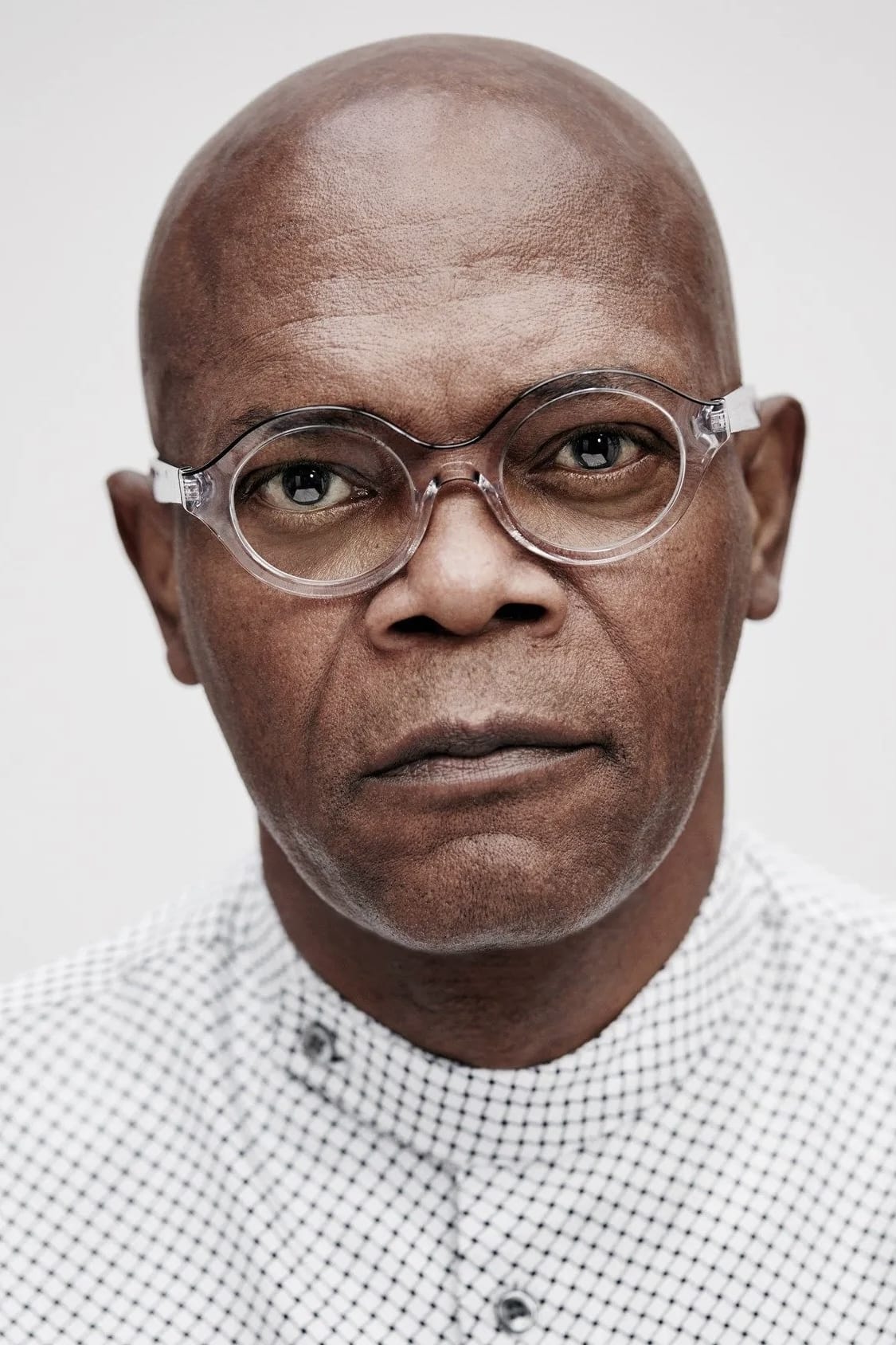
Samuel L. Jackson headlined ‘Snakes on a Plane’ as FBI agent Neville Flynn, a high-concept thriller whose title and premise generated early viral buzz across message boards and fan edits. The production added additional footage and language in late-stage shooting to align with audience expectations for an R-rated experience.
Jackson’s involvement was closely tracked in marketing beats, with convention appearances and online Q&A moments sustaining awareness. Distributor strategy leaned into the meme culture that had formed before release, showing how star commitment and participatory promotion can turn a mid-budget thriller into a cultural touchpoint.
Ben Affleck
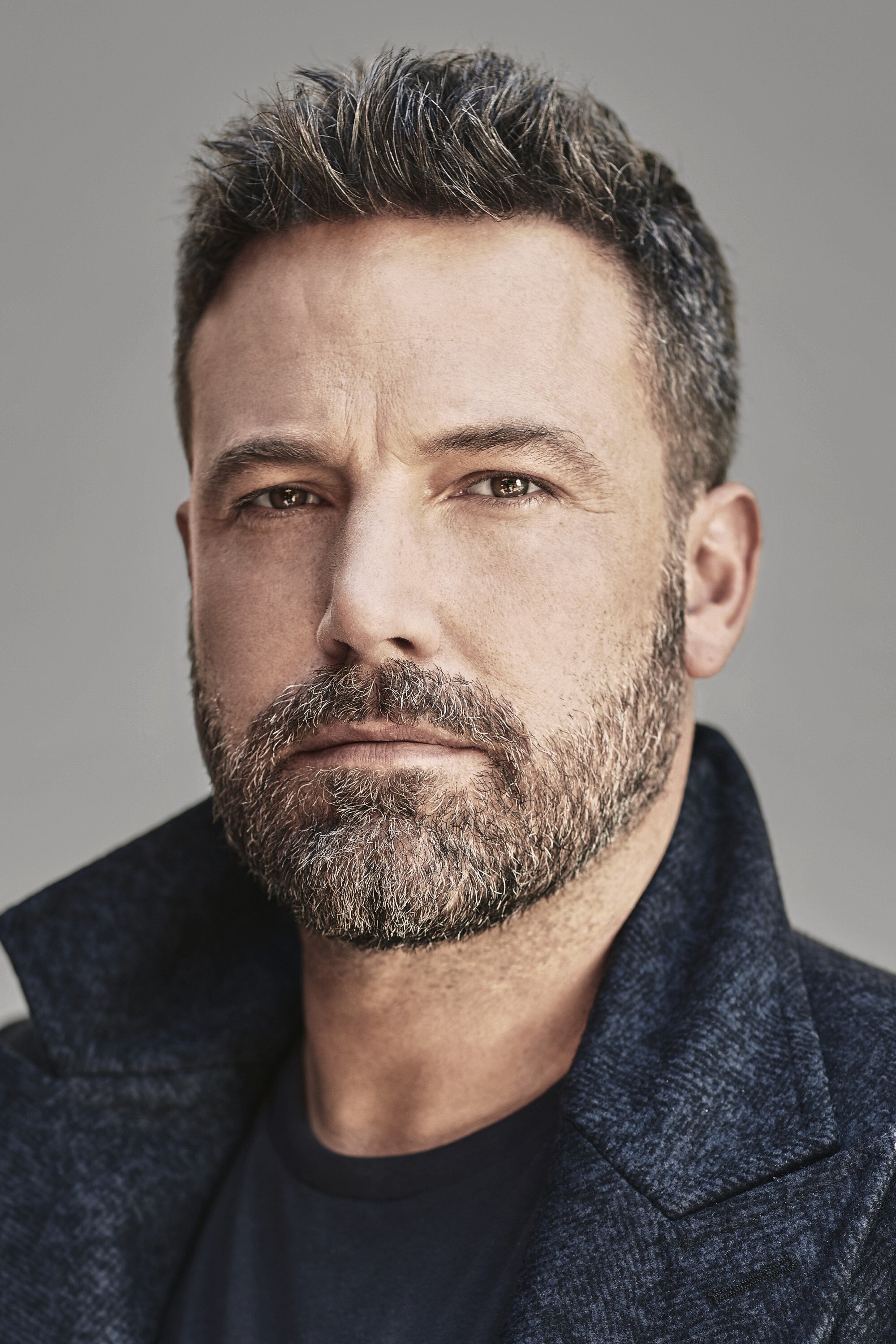
Ben Affleck’s Bruce Wayne in ‘Batman v Superman: Dawn of Justice’ anchored a crossover event that surpassed $870 million worldwide. The production introduced a seasoned version of the character, used large-format cinematography for key action sequences, and set up ensemble entries within its studio’s shared-universe plan.
Affleck also led ‘The Accountant’ as forensic savant Christian Wolff and returned to develop a sequel. The film’s performance validated a space for original modern action-thrillers with puzzle-box plotting, while Affleck’s dual presence in superhero and non-franchise action diversified his box office portfolio.
Michael Keaton

In ‘The Founder’, Michael Keaton plays Ray Kroc, tracing the transformation of a small hamburger stand into a nationwide franchising operation. The film, directed by John Lee Hancock, details operational innovations like standardized preparation, assembly-line service, and real estate-leverage models.
Keaton’s run of roles around the same period included industry-centric stories like ‘Spotlight’ and supervillain Adrian Toomes in ‘Spider-Man: Homecoming’. That combination of prestige ensemble and mainstream franchise visibility kept his name central in marketing cycles across multiple audience quadrants.
Sylvester Stallone
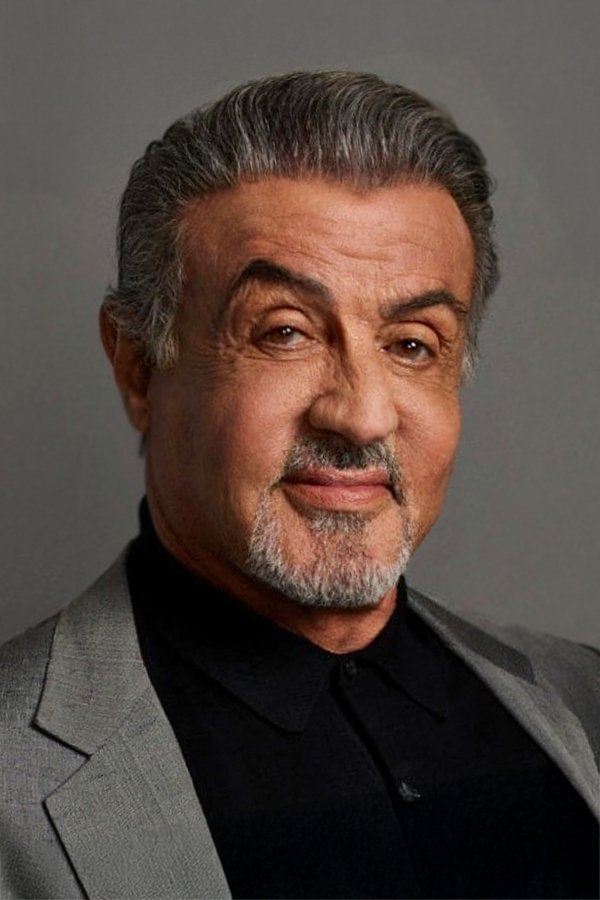
Sylvester Stallone returned as Rocky Balboa in ‘Creed’, mentoring Adonis Johnson under director Ryan Coogler. Stallone won the Golden Globe for Best Supporting Actor and received an Academy Award nomination, tying a legacy character to a new lead while preserving continuity with earlier entries.
The production emphasized handheld cinematography in fight scenes and location shooting in Philadelphia and Liverpool to recreate arenas. The film’s success led to sequels, establishing a modern run for the brand with Stallone’s presence as the connective tissue between generations of characters.
Brendan Fraser
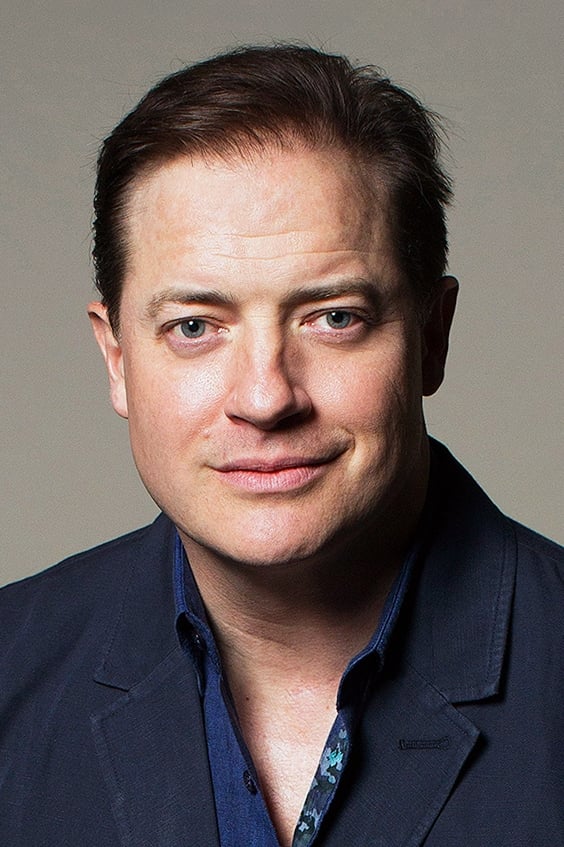
‘The Mummy’ paired Brendan Fraser’s Rick O’Connell with a blend of adventure pacing and horror motifs, resulting in global grosses exceeding $415 million. The film’s success launched sequels and a spinoff, using Morocco and UK stages to create desert vistas and tomb interiors.
Fraser became closely associated with physically demanding set-pieces, from wirework to practical gags involving collapsing sets and sandstorm beats. The franchise’s sustained popularity on home video and cable rotation kept the character and setting active for years after initial release.
Viggo Mortensen
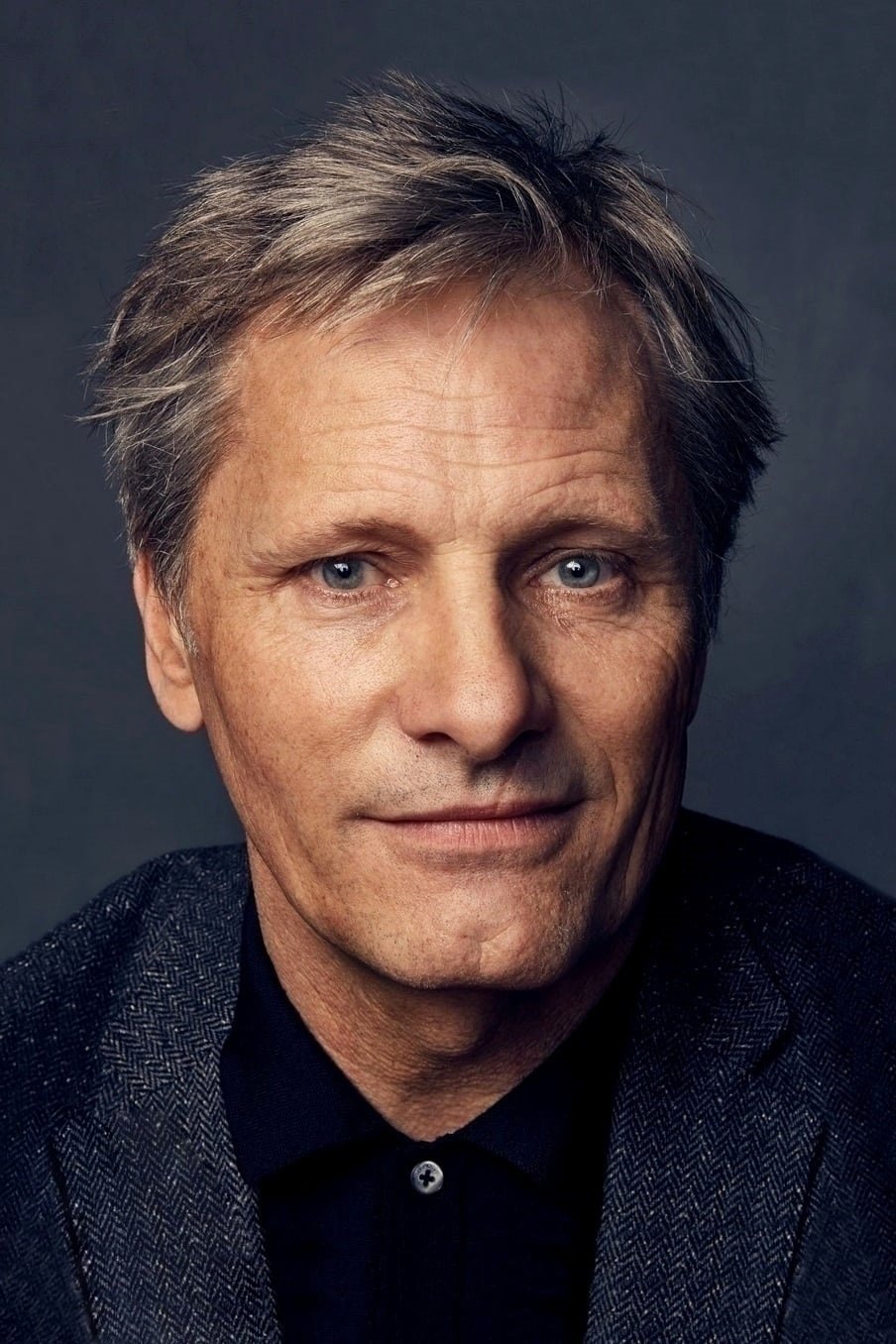
Viggo Mortensen starred in ‘Hidalgo’ as long-distance rider Frank Hopkins, with principal photography spanning Morocco and U.S. locations for desert and plains landscapes. The film utilized extensive riding sequences and wide-frame composition to highlight endurance racing across varied terrain.
Mortensen performed much of his own riding and later purchased the equine co-star known as TJ, reflecting his long-standing horsemanship. The project’s marketing leaned on historical legend framing, positioning the story within adventure-drama territory for broad audiences.
Mads Mikkelsen
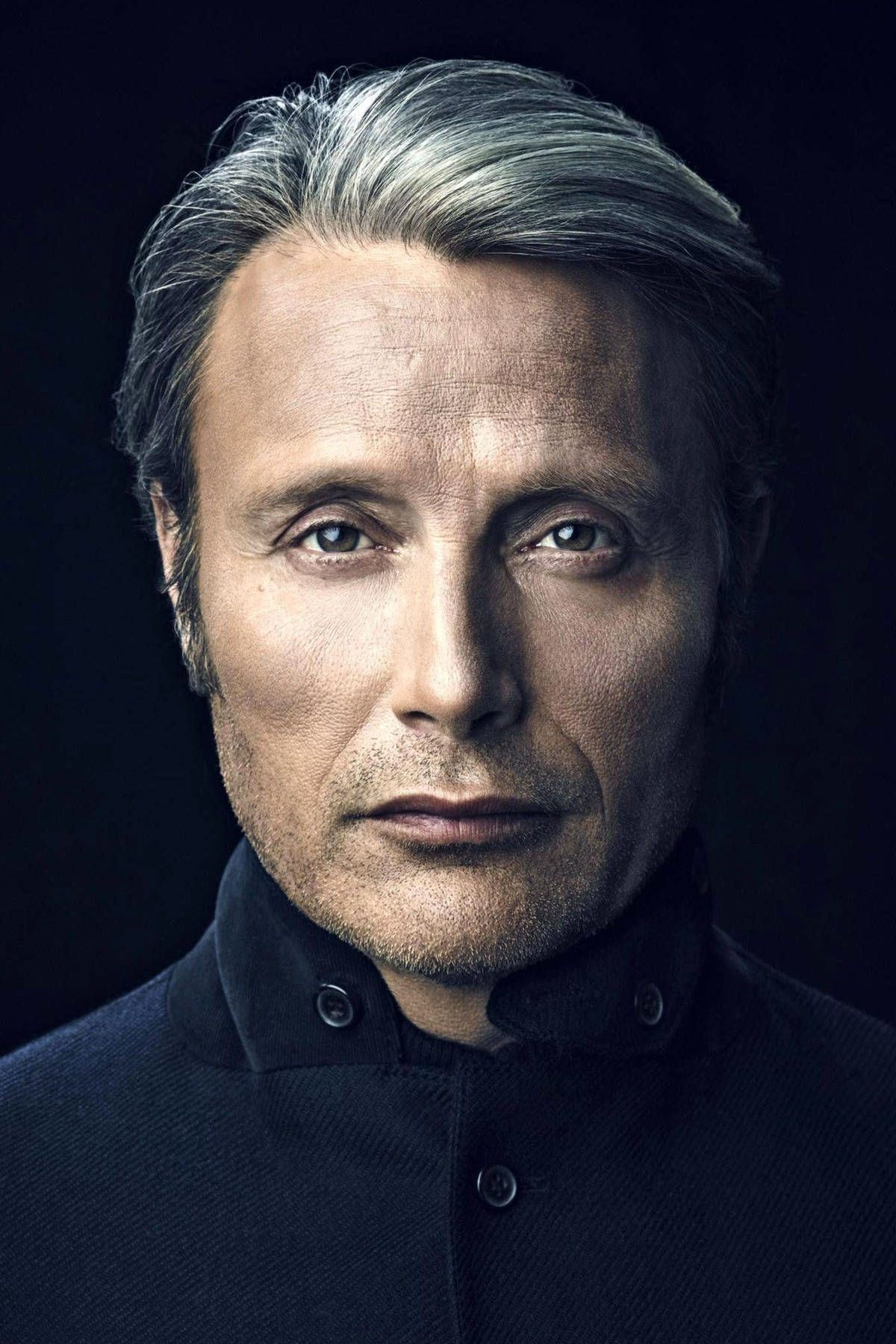
Mads Mikkelsen headlined ‘Polar’ as retired assassin Duncan Vizla, adapted from Victor Santos’s graphic novel and directed by Jonas Åkerlund. The Netflix release brought the property to a global streaming audience with stylized action, graphic framing devices, and an electronic-forward score.
Mikkelsen’s broader screen profile—ranging from the title role in ‘Hannibal’ to his ensemble work in ‘Rogue One’ and the lead turn in ‘Another Round’—established a track record that draws viewership across platforms. That carryover effect helps original action titles find large audiences even without theatrical windowing.
Share your picks below: which performances made you buy a ticket—or press play—despite a script that didn’t look promising at first?