Actresses Who Elevated Mediocre Scripts into Must-See Movies

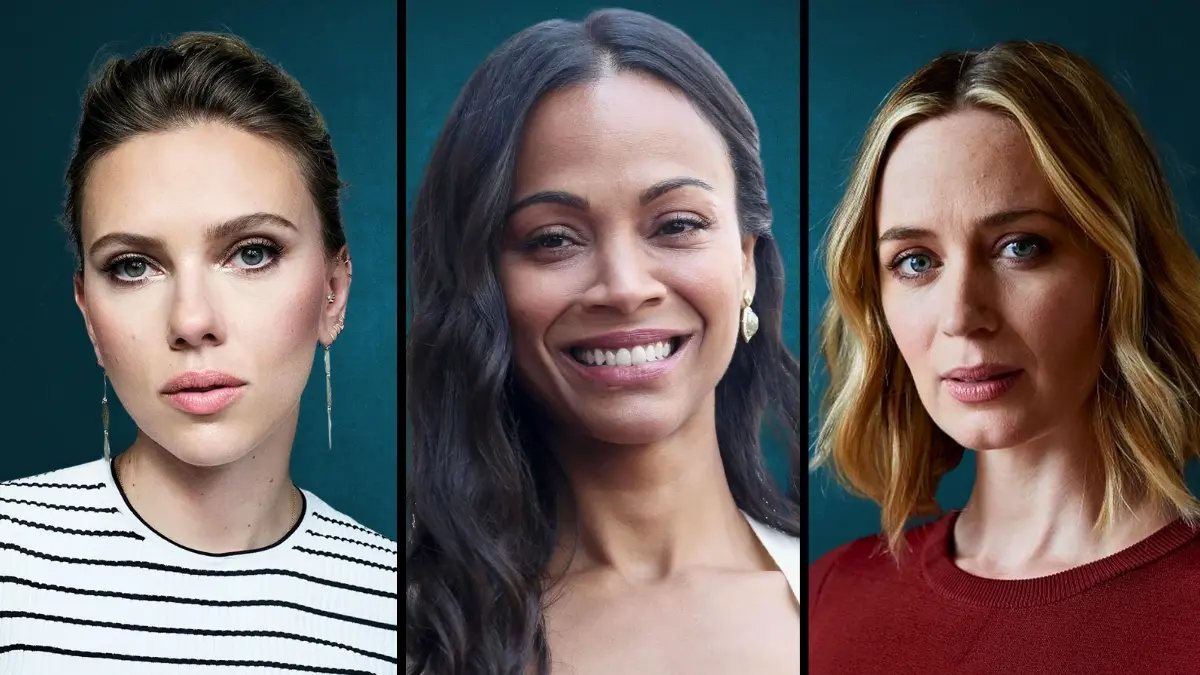

Some movies catch on because an actor brings more to the screen than what’s printed on the page. The plots might be familiar, the dialogue might be uneven, but a great lead can carry the whole thing—doing the heavy lifting through commitment, craft, and sometimes sheer star power. That’s when a “maybe” watch becomes a must-see.
Below are twenty actresses whose work did exactly that. You’ll find the roles they shouldered, the prep they put in, how the films were made and marketed, and the ripple effects—box office, awards attention, franchise sequels, and more. No fluff—just specific, useful details about how each performance helped the movie break through.
Charlize Theron
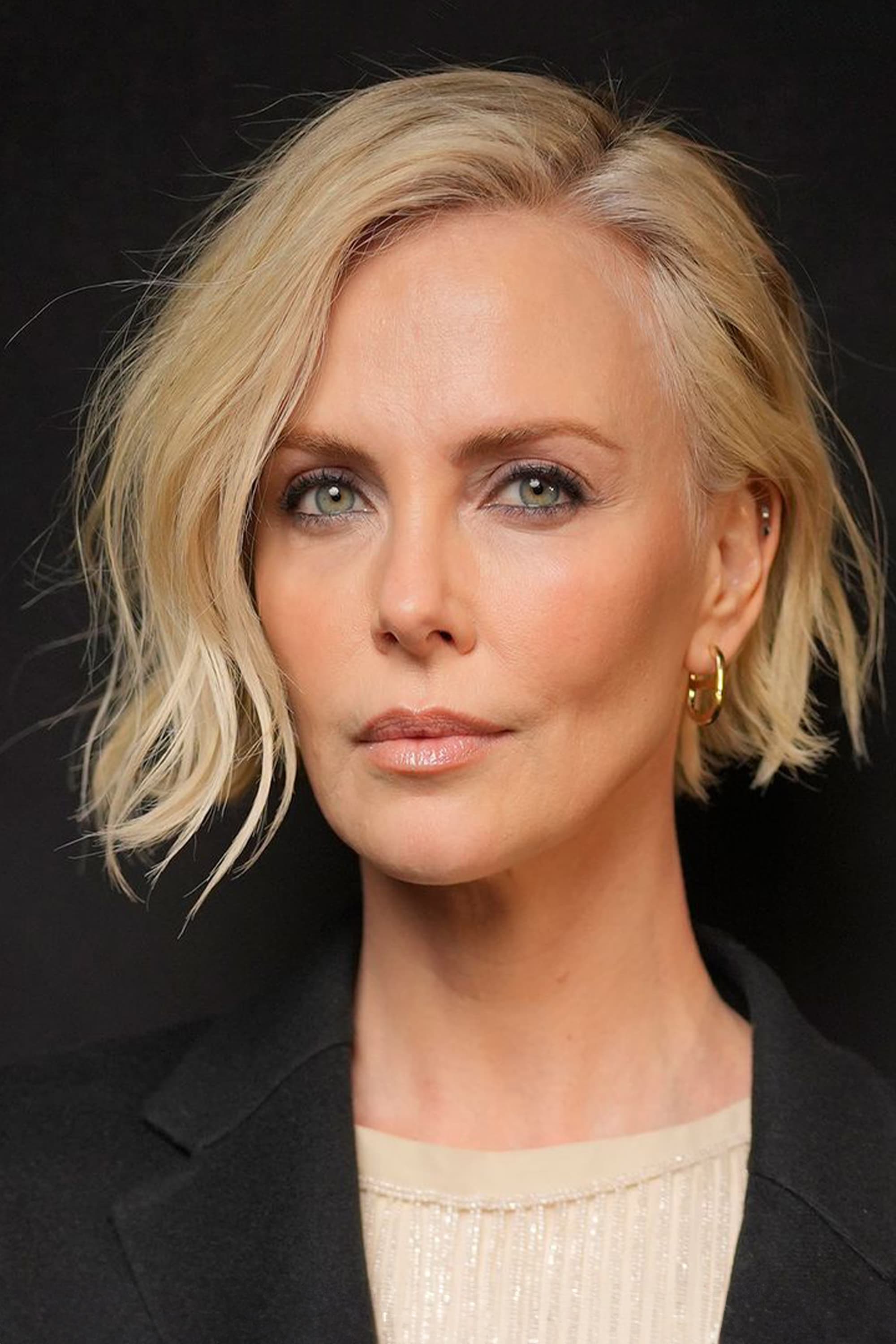
Theron turned ‘Atomic Blonde’ into a showcase for full-contact action, training for months with the 87Eleven team and performing extended takes like the stairwell fight that was staged to look like a single shot. She also produced the film through Denver and Delilah, helping shape the Cold War Berlin setting, music cues, and fight design around a lean espionage plot.
She repeated the “actor-producer-stunt” formula on ‘The Old Guard’, coordinating with director Gina Prince-Bythewood and swordmaster teams to build an immortal-warrior mythology around grounded, bruising action. The film’s success on streaming led to a sequel order and expanded the comic’s footprint with new readers discovering the source material after release.
Scarlett Johansson
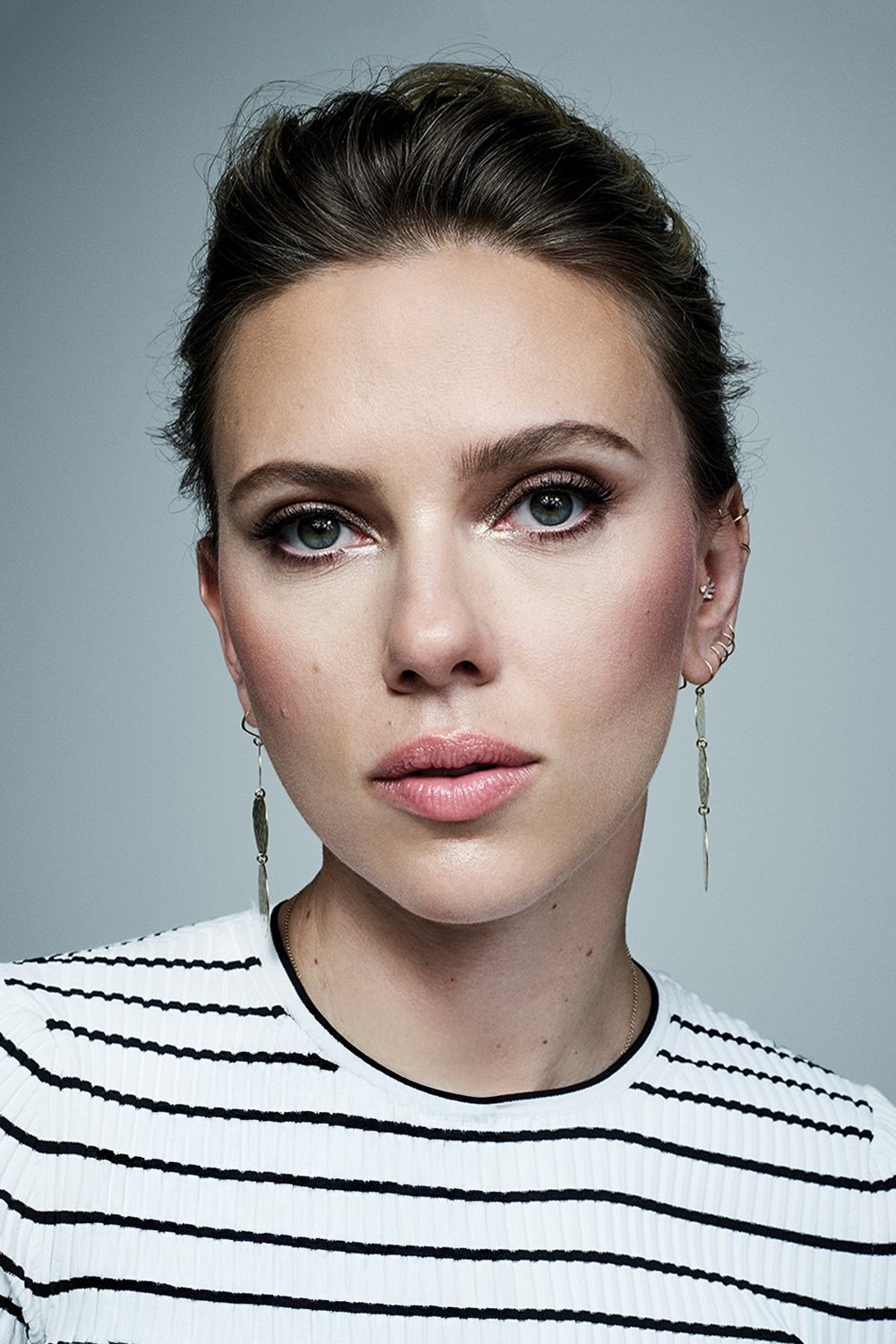
With ‘Lucy’, Johansson anchored a high-concept thriller for Luc Besson and turned it into a global hit relative to its budget, carrying exposition-heavy scenes with physical storytelling and voiceover. The production leaned on practical location work in Taipei and Paris, blending it with VFX to visualize the film’s “accelerating cognition” conceit.
She also led the live-action ‘Ghost in the Shell’, which rebuilt iconic anime sequences using a mix of New Zealand sets, water-tank photography, and digital augmentation. Beyond the casting discourse, the film’s production design and motion-capture workflow gave it an immediately recognizable look that kept it in the conversation long after release.
Margot Robbie
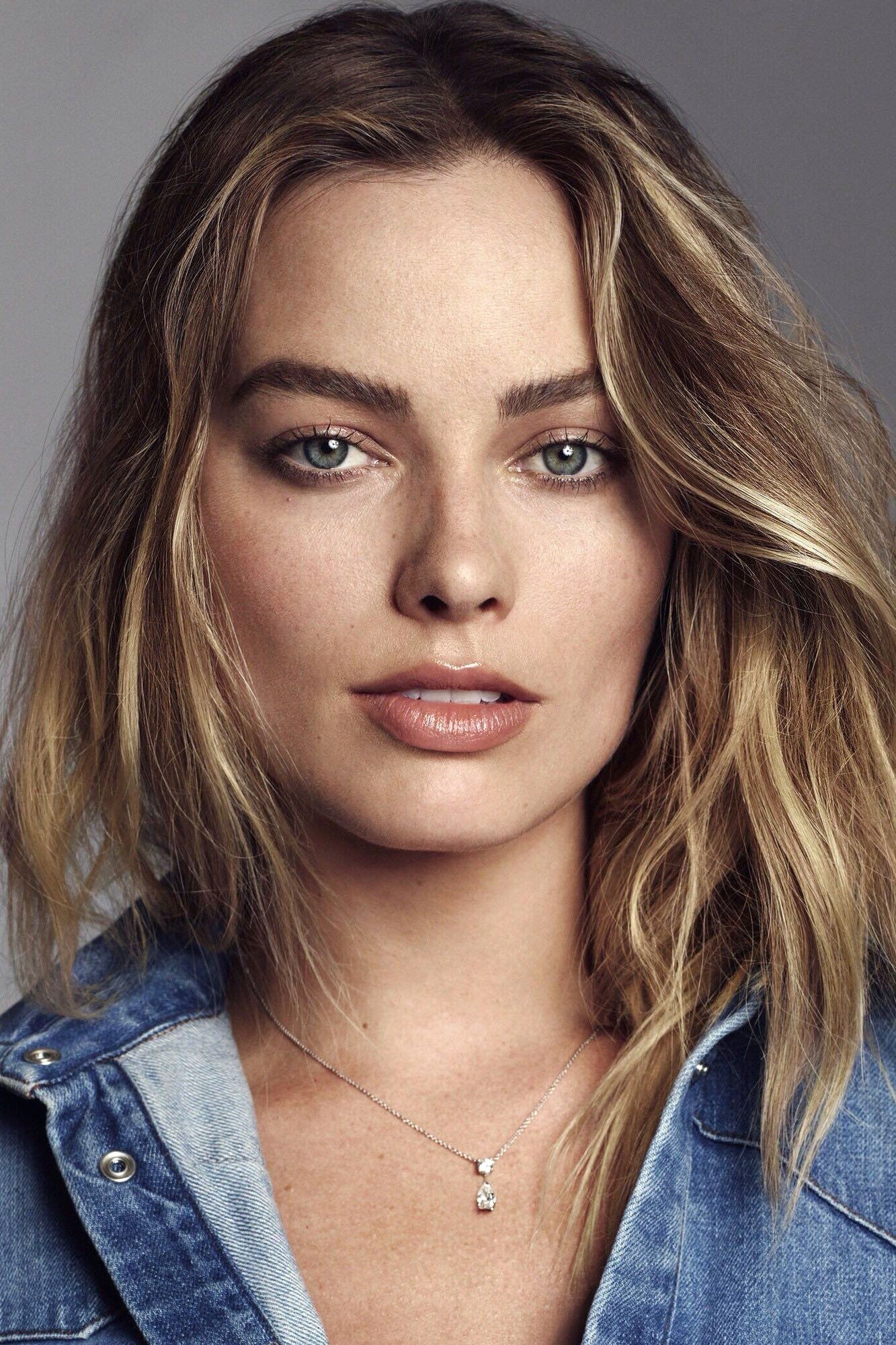
Robbie’s Harley Quinn in ‘Suicide Squad’ became a breakout, driving merchandise, cosplay, and later appearances across DC projects. She developed the character’s physicality—bat work, acrobatics, and a distinct Queens-inflected cadence—with dialect and stunt coaches to anchor a chaotic ensemble.
She then produced and starred in ‘Birds of Prey’, shepherding the spinoff through LuckyChap Entertainment and working with director Cathy Yan to give Harley a new color palette, fight grammar, and ensemble dynamic. The movie’s success positioned the character as a continuing asset across films, games, and animation.
Jennifer Lawrence
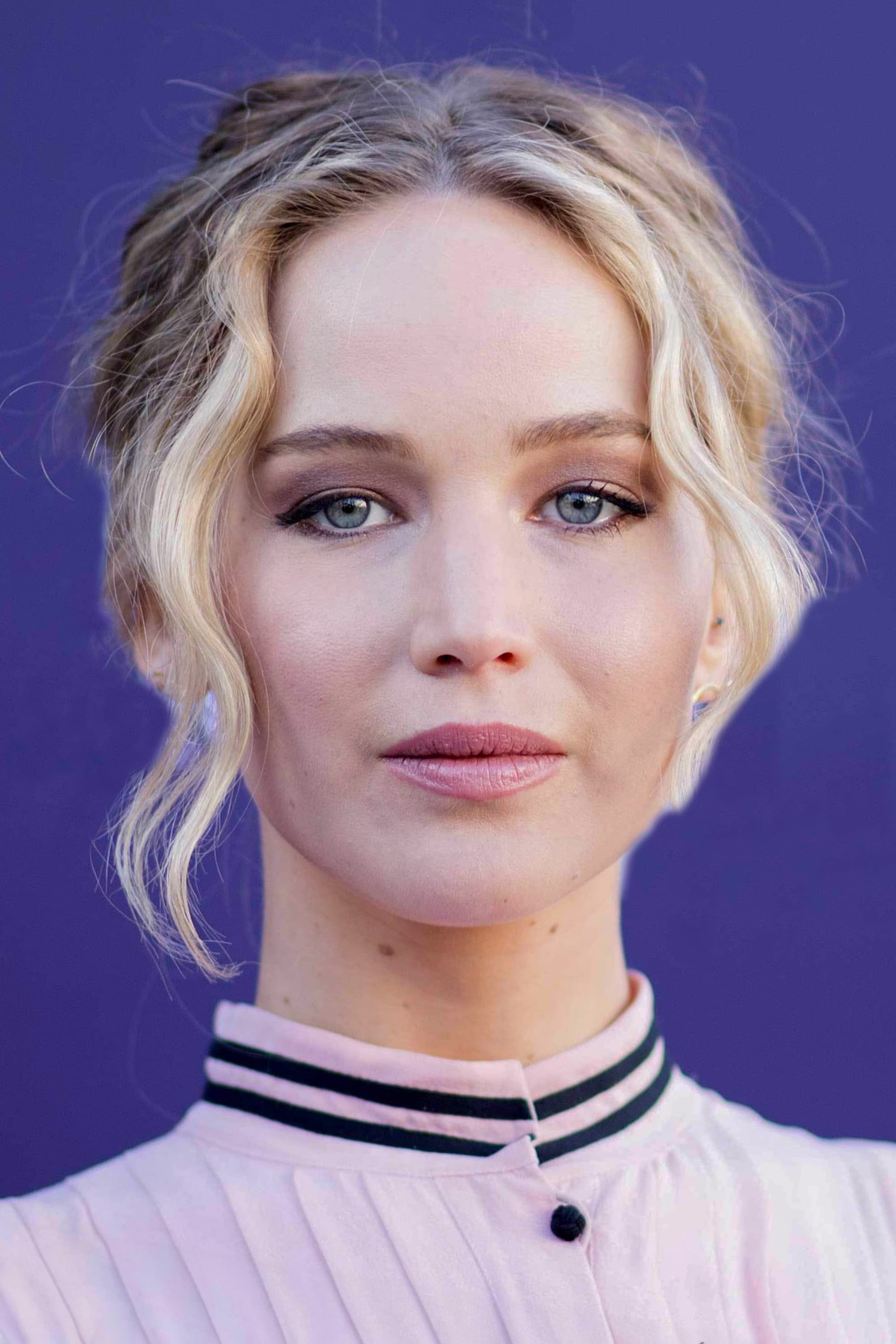
In ‘Passengers’, Lawrence carried a two-hander built around long dialogue scenes and contained sets, collaborating with production to map character beats to the starship’s modular spaces—the hibernation deck, observatory, and rotating gravity ring. Marketing centered on her pairing with Chris Pratt, with trailers emphasizing spectacle while keeping key plot turns under wraps.
She followed with ‘Red Sparrow’, reteaming with director Francis Lawrence to build a spy thriller around tradecraft details—honey-trap training, dead drops, and state-sponsored coercion. The production emphasized location authenticity across Budapest, Bratislava, and Vienna, while she worked with movement coaches to embed elements of her character’s ballet past into fight and surveillance scenes.
Halle Berry
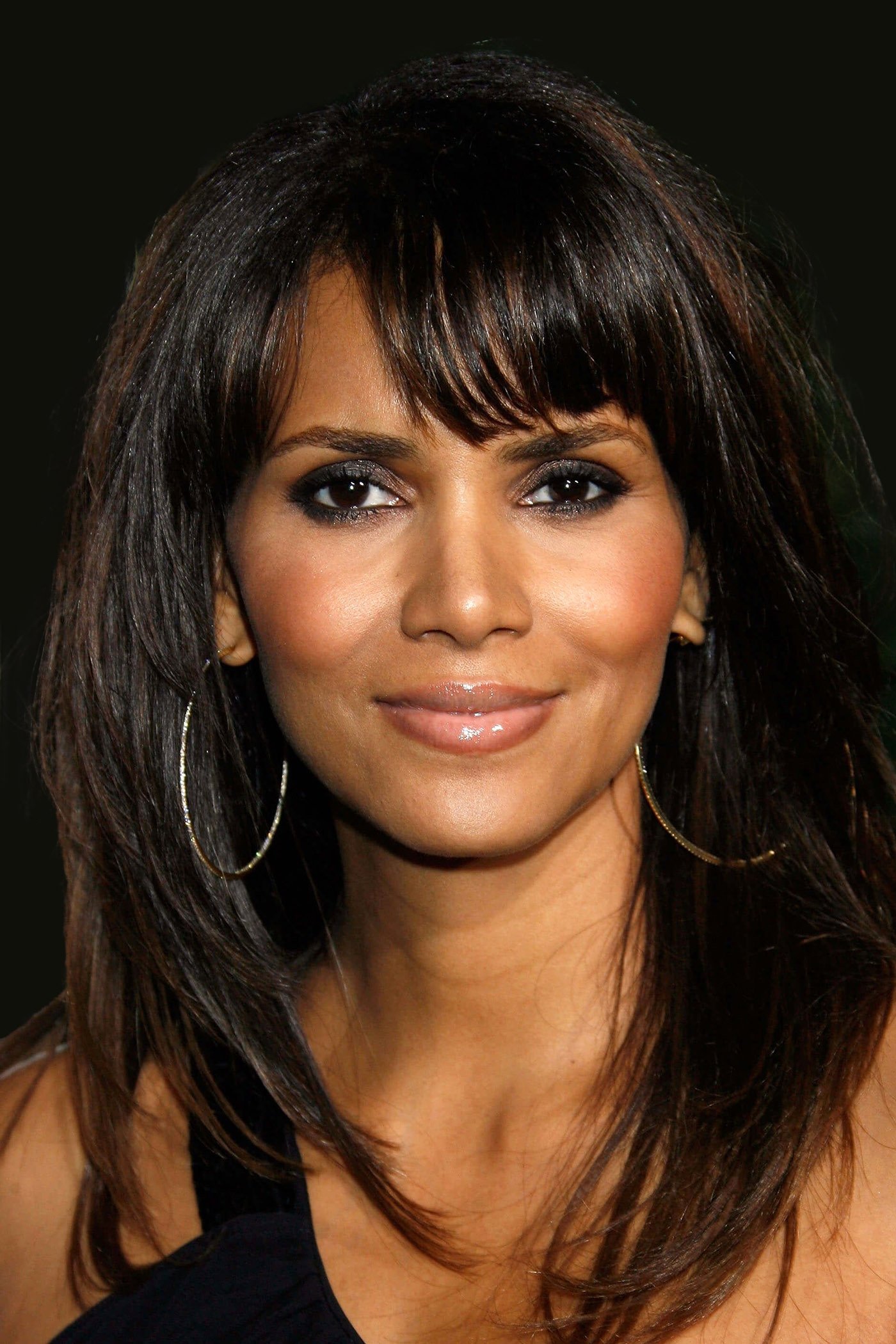
Berry anchored ‘The Call’ as a veteran 911 operator, structuring scenes around real-time phone protocols, dispatch jargon, and multi-screen call-center workflows. Director Brad Anderson leaned on her to sell the minute-to-minute stakes while the film cut between the switchboard and field units, which helped turn the thriller into a sleeper box-office success.
She continued the hands-on approach in ‘Kidnap’, which staged extended car-chase sequences using practical driving and aerial-unit coverage. Berry served as a producer, pushing for an economical schedule and location work around Louisiana highways that kept the film’s momentum focused on a single-parent rescue mission.
Blake Lively
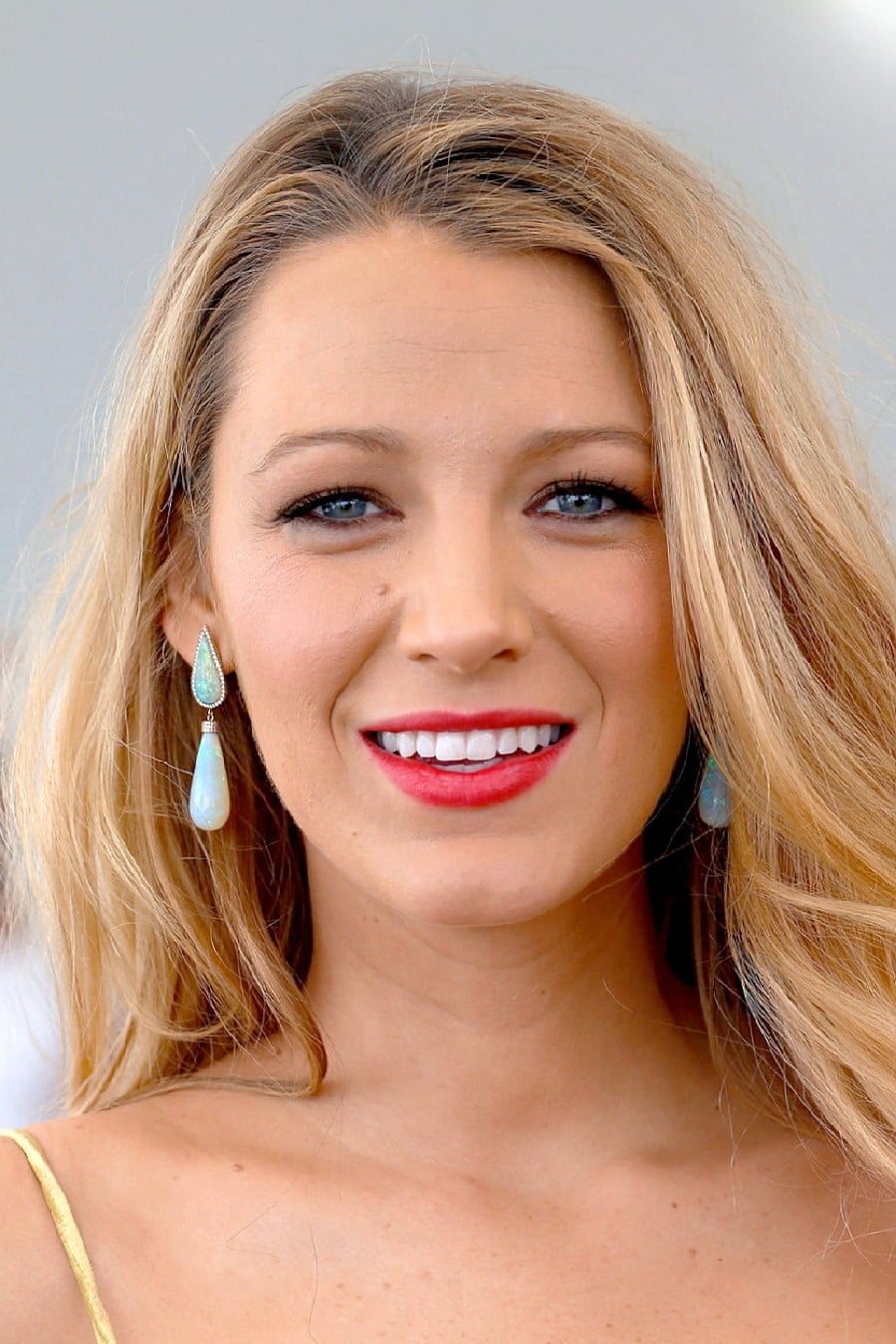
‘The Shallows’ centers almost entirely on Lively’s stranded surfer, so the production built its tension on water-tank stages and controlled ocean locations, mixing a mechanical buoy and digital sharks. She worked with surf doubles and spent long days in cold water, coordinating with safety teams and VFX to match eyelines and fin tracking for the predator.
In ‘The Rhythm Section’, she trained across firearms, evasive driving, and close-quarters combat to play an untrained operative learning on the job. A significant on-set hand injury paused filming and forced the schedule to be rebuilt; the movie ultimately finished with location shoots spanning Dublin, Madrid, Almería, and New York, reflecting the character’s globe-trotting arc.
Milla Jovovich
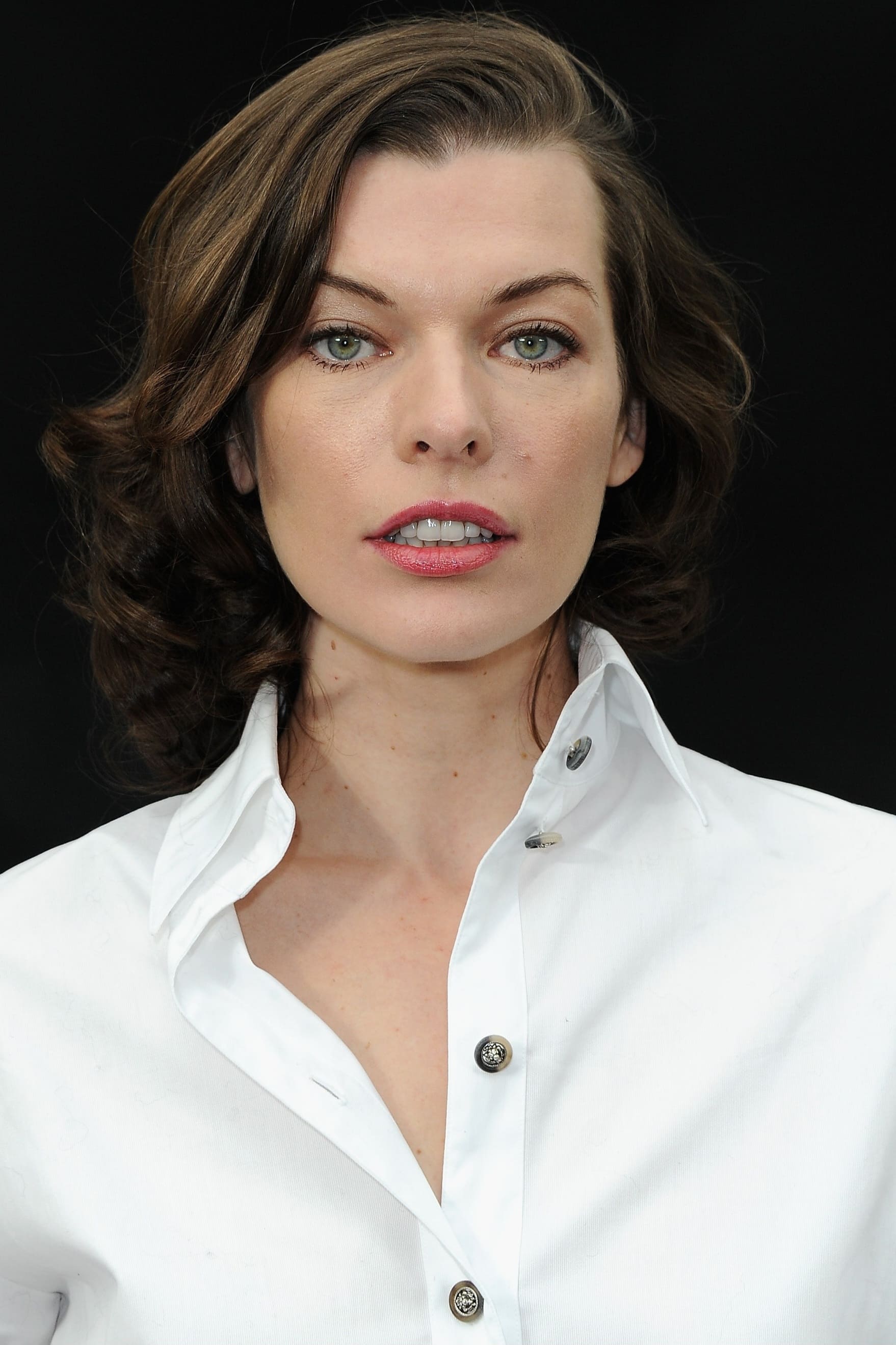
Jovovich fronted six ‘Resident Evil’ films as Alice, a role that demanded wirework, firearms fluency, and extensive stunt doubling—much of it done after long night shoots on South African and Canadian stages. The franchise became the highest-grossing video-game film series at the time, turning a modest first installment into a long-running global property.
She collaborated closely with stunt coordinators and directors like Paul W. S. Anderson to design signature set-pieces—laser corridors, Cerberus encounters, and motorcycle-mounted fights—that audiences tracked across sequels. The films helped normalize female-led action-horror at scale, creating a template later franchises studied when adapting genre games.
Angelina Jolie
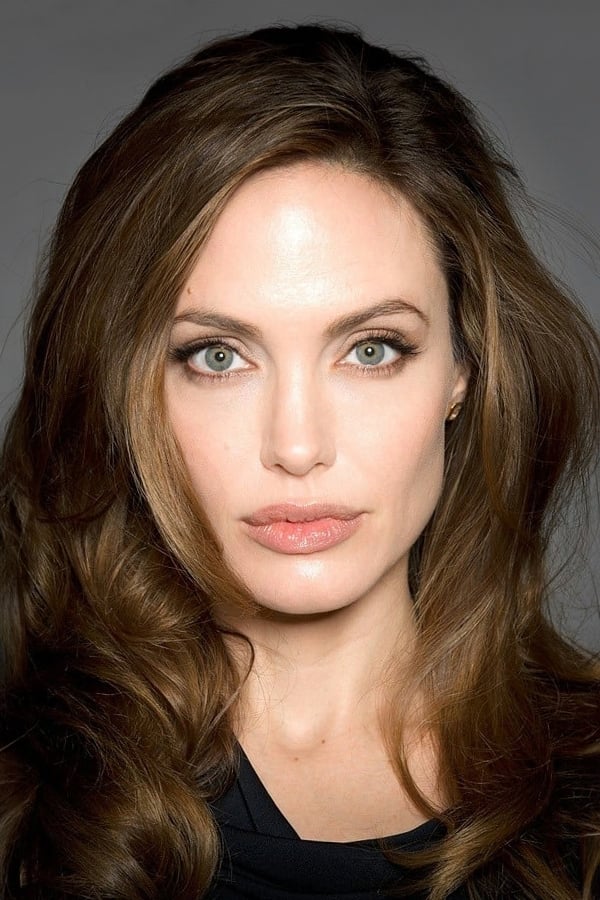
‘Salt’ originated as a vehicle for a male lead; rewrites re-engineered the CIA mole story around Jolie’s specific strengths, including disguise work and practical stunts. She trained in Krav Maga-style techniques, executed wire gags, and coordinated closely with second-unit teams to keep the action readable without cutting away from her face.
In ‘Wanted’, she worked with weapons and stunt teams to sell the film’s curved-bullet conceit and leaping-vehicle choreography. The production leaned on real European locations and practical effects where possible, then extended shots digitally, letting her performance bridge otherwise fantastical physics.
Emily Blunt
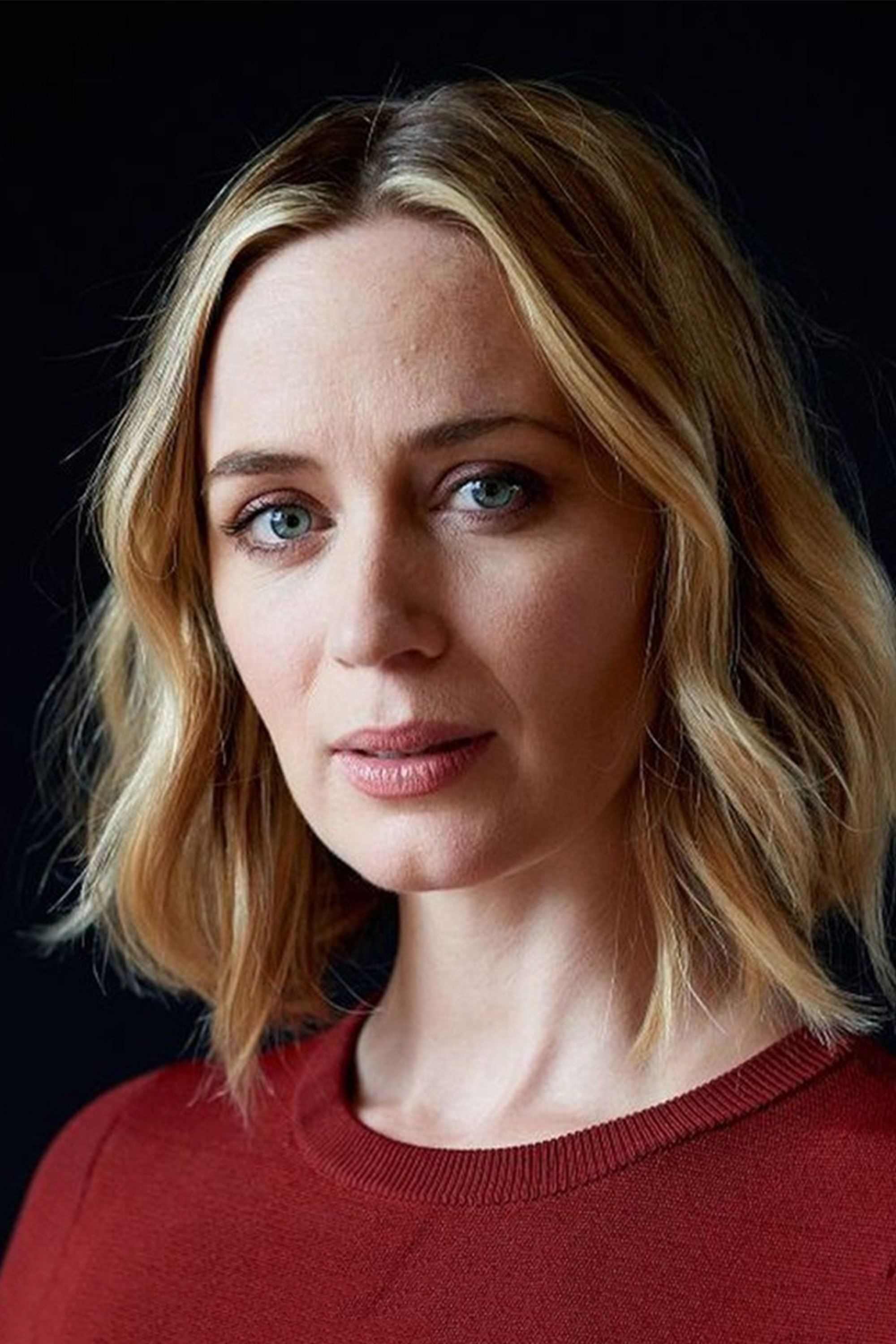
‘The Girl on the Train’ moved Paula Hawkins’s story to New York, and Blunt mapped Rachel’s unreliable-narrator spirals to specific Metro-North commutes and suburban stations. She built the character’s physicality with makeup, posture work, and vocal modulation to portray blackouts and withdrawal, while the production shot on Westchester streets to ground the mystery.
She also played an ice-wielding monarch in ‘The Huntsman: Winter’s War’, working with VFX supervisors to integrate gesture-based “spell casting” into live-action plates. The film’s production design contrasted icy citadels with forest sets, and she adjusted movement and fight beats to accommodate armor weight and extended capes on stunt days.
Kristen Stewart
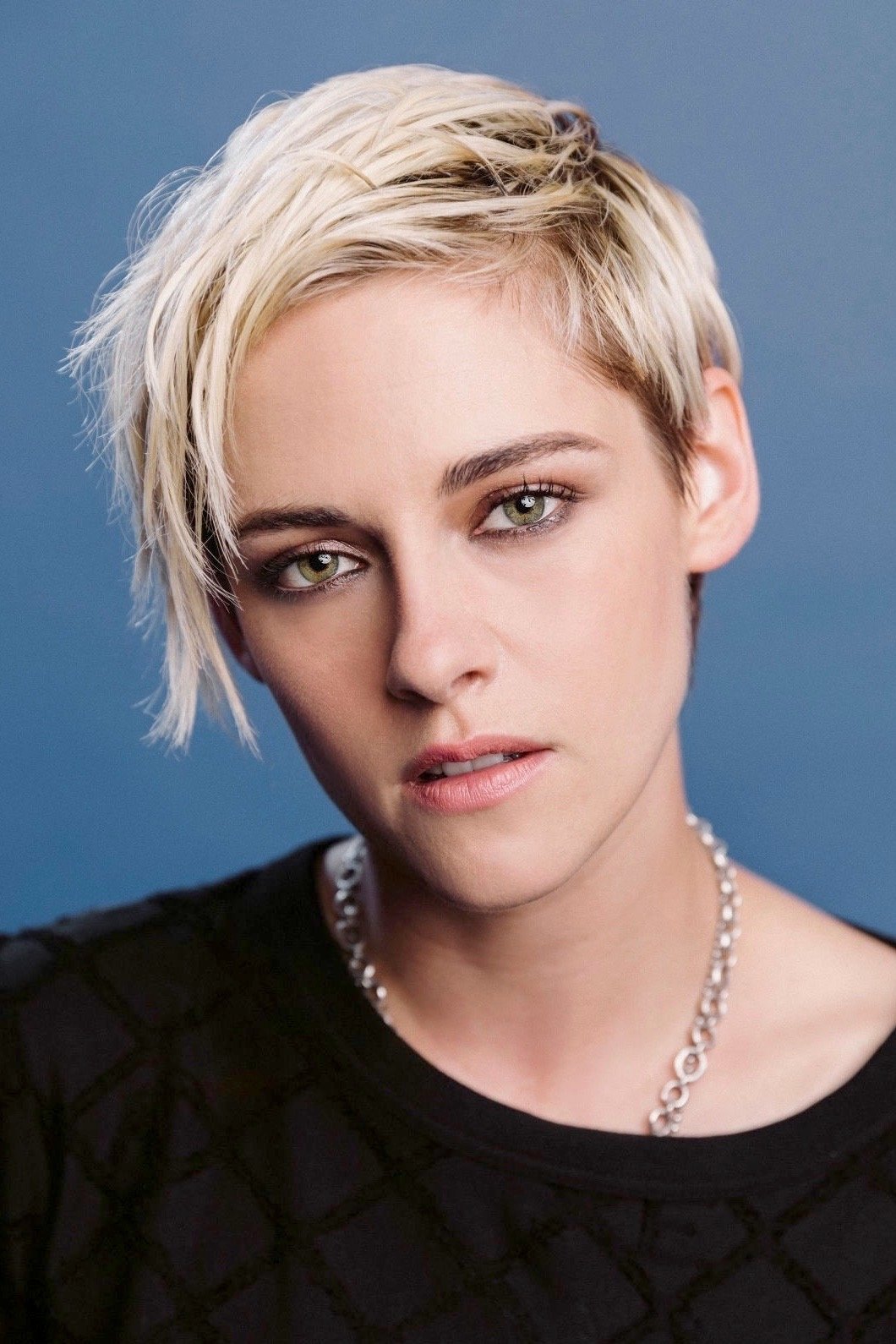
Stewart anchored five ‘Twilight’ films, navigating wire-assisted stunts, prosthetics, and newborn-vampire fight choreography as the franchise scaled up. She managed a large publicity footprint—conventions, mall tours, and international premieres—tied to the series’ rapid release cadence, helping sustain the phenomenon across multiple entries.
In ‘Snow White and the Huntsman’, she trained with sword teams and horseback instructors to deliver a Joan-of-Arc-style third-act siege. The production’s medieval-fantasy aesthetic combined practical armor with digital creature work, and she adapted to heavy wardrobe and close-quarters fights filmed on UK stages and coastal locations.
Sandra Bullock
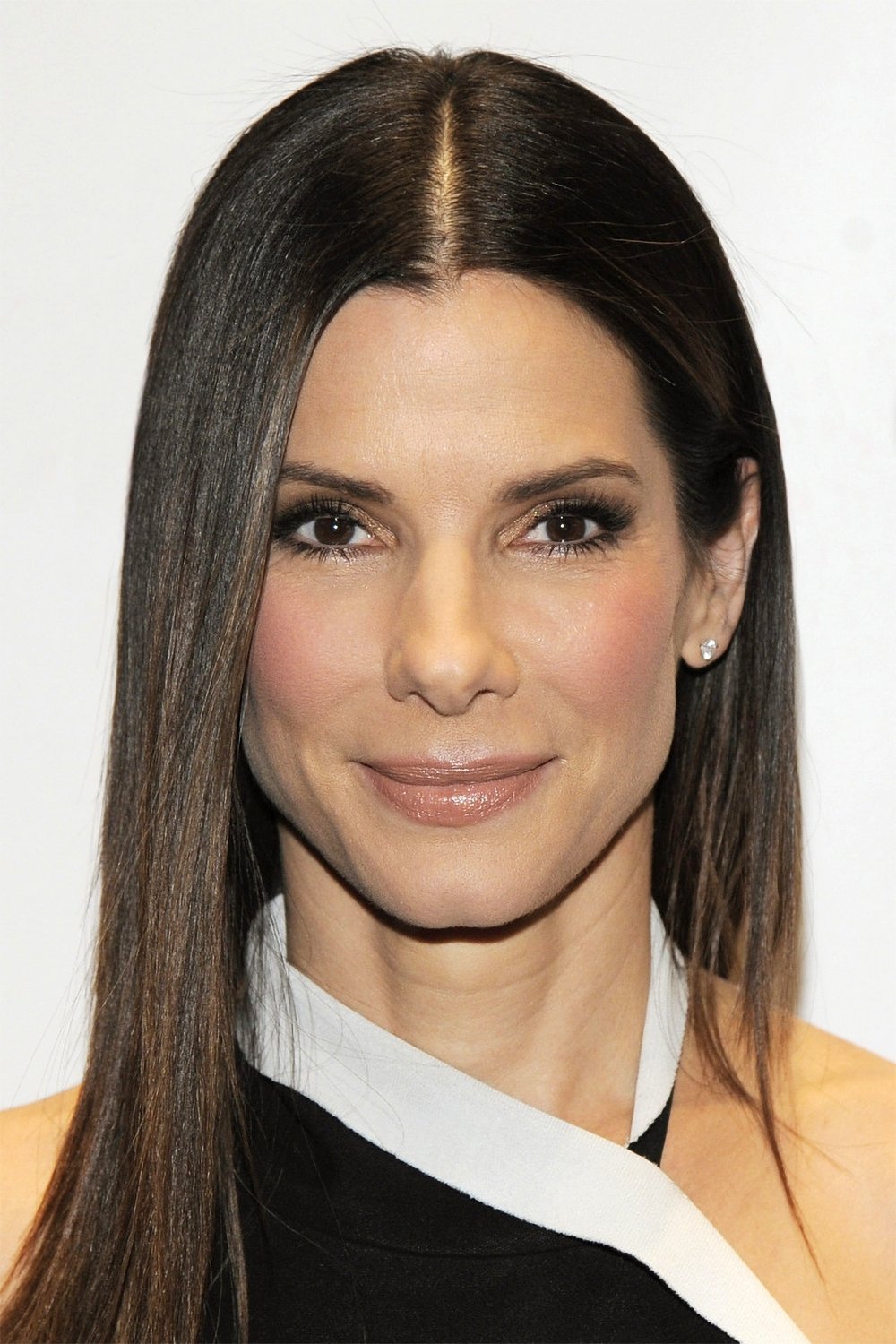
Bullock’s ‘Bird Box’ became a cultural event on streaming, with Netflix promoting its first-week viewership milestone and warning against the viral “Bird Box challenge.” She worked blindfolded in multiple sequences, rehearsing spatial awareness with stunt partners to safely execute running, rowing, and obstacle beats without eye contact.
She previously turned ‘Miss Congeniality’ into a long-tail cable staple by shaping Gracie Hart’s physical comedy through pratfalls, pageant training, and FBI range drills. The film’s blend of makeover tropes and police-procedural elements lent itself to constant rewatching, which kept it in rotation across television and streaming packages.
Gal Gadot

‘Red Notice’ hinged on Gadot playing an art thief opposite Dwayne Johnson and Ryan Reynolds, with location-doubling stages in Atlanta and notable set builds like a museum vault and jungle ruins. The film quickly topped in-app popularity charts upon release, and her ballroom-heist and prison-escape sequences became the marketing spine across trailers and clips.
Her ‘Wonder Woman’ tenure, though part of a larger franchise, required extensive sword-and-shield choreography and lasso timing that she trained for across months. That groundwork fed into later appearances, where she maintained continuity in stance, gait, and fight rhythm even when directors and cinematographers changed.
Rosamund Pike
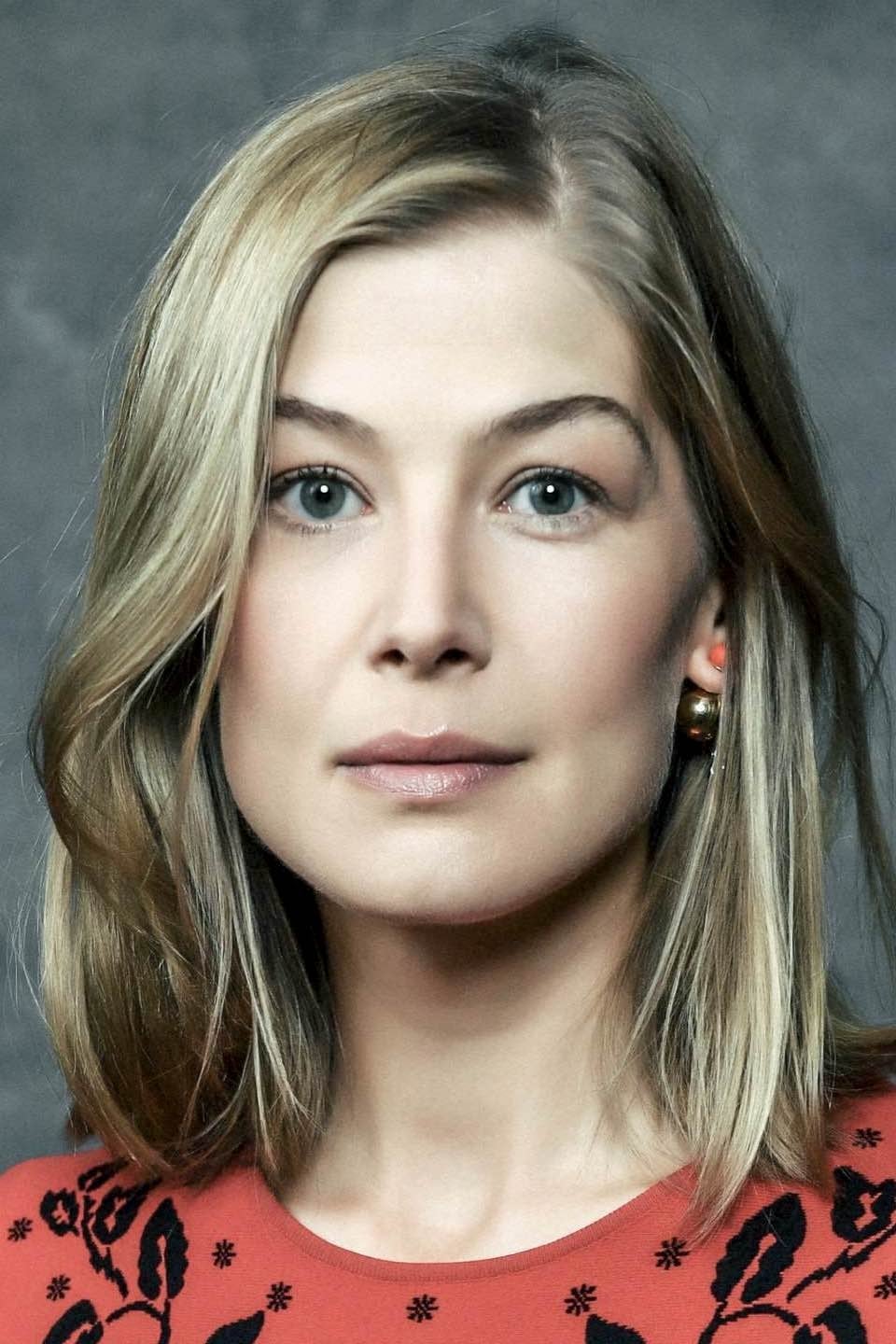
Pike’s turn in ‘I Care a Lot’ earned a Golden Globe for Best Actress in a Motion Picture – Musical or Comedy, spotlighting an independent film that debuted on streaming in many regions. She built the character’s clipped cadence with dialect work and collaborated on wardrobe—razor-sharp suits and a bob cut—to externalize a court-appointed guardian’s methods.
Earlier, ‘Gone Girl’ positioned her at the center of a media-driven thriller that required precise tonal control across diary voiceovers, televised interviews, and staged crime scenes. The production’s adherence to procedural details—police pressers, evidence bags, and talk-show circuits—gave her a framework to calibrate each pivot.
Jessica Chastain
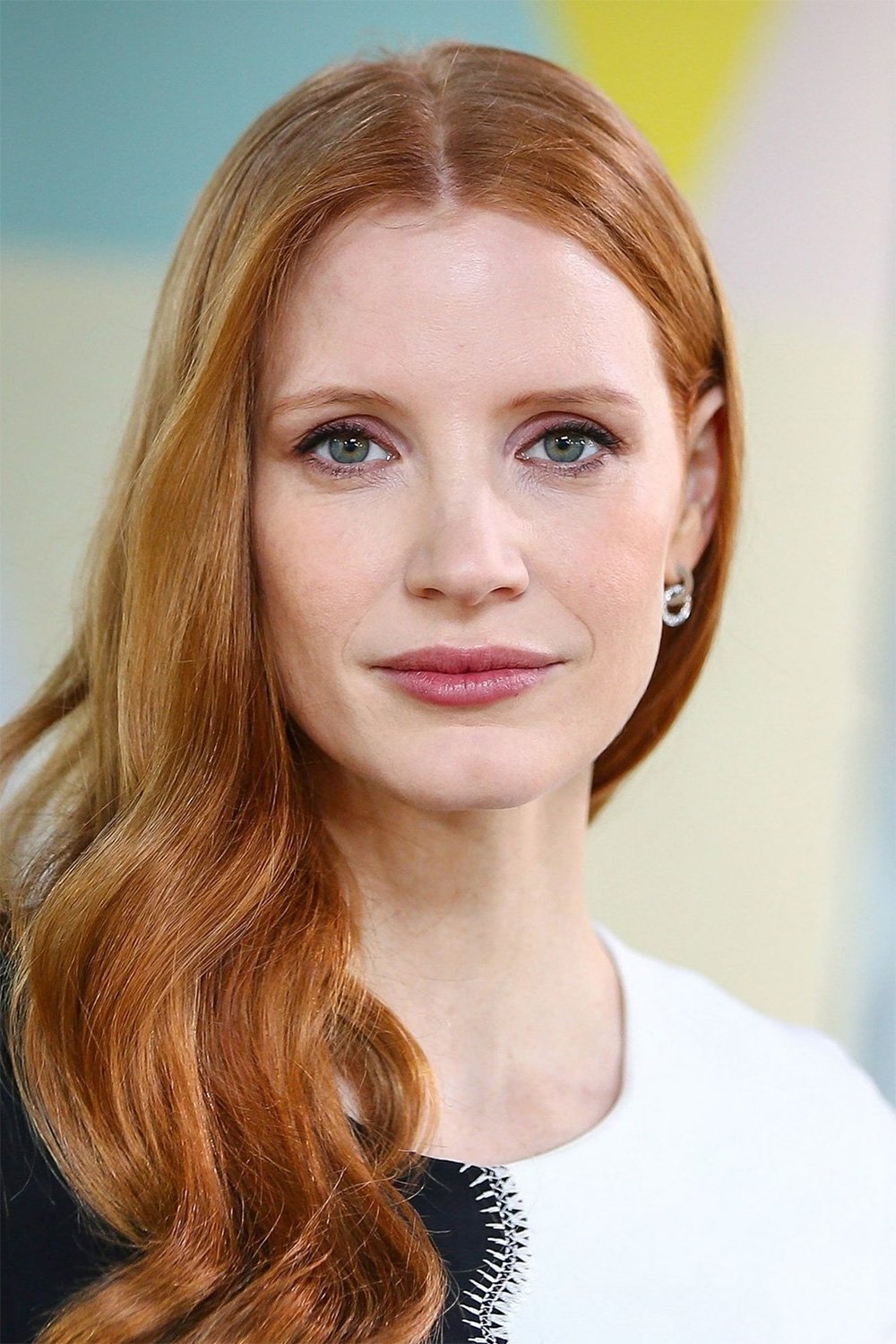
Chastain produced and starred in ‘Ava’, training across weapons, disguises, and Krav Maga-style takedowns to play a globe-trotting assassin. The shoot split time between Boston stand-ins and European locations, using tight close-quarters fights that emphasized breath control and eye lines over wide-shot spectacle.
She then launched ‘The 355’ under her Freckle Films banner, assembling an international cast and advocating for language authenticity—characters speak their native tongues in multiple scenes—with inter-agency spycraft woven into the plot. The production emphasized practical stunts and location photography in Paris, Marrakech, Shanghai, and London to sell the globe-hopping brief.
Kate Beckinsale
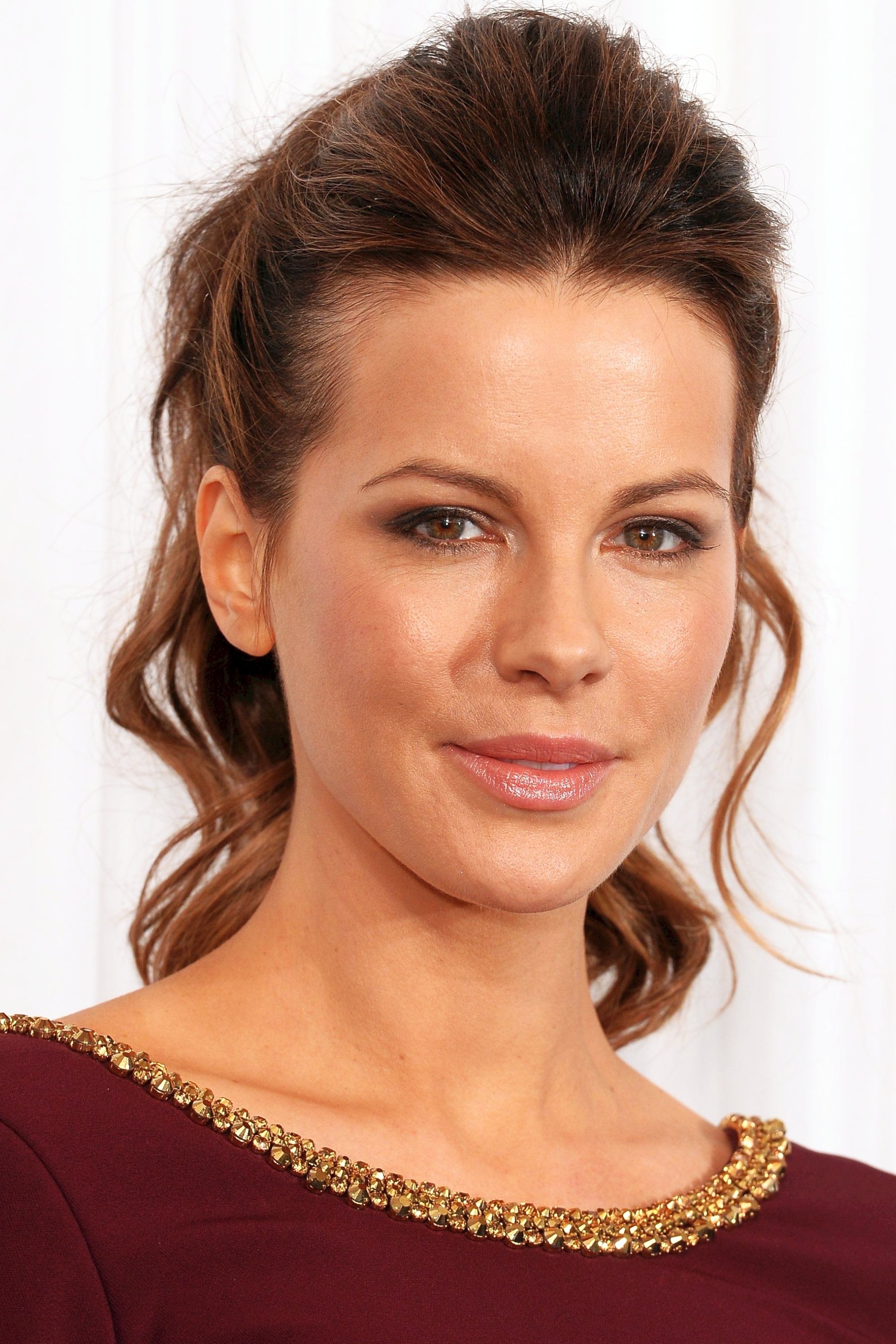
Beckinsale’s ‘Underworld’ series built a long-running vampire-versus-lycan mythology around her character, Selene, who fights with twin pistols, short swords, and wire-assisted leaps. The leather-and-blue aesthetic became a franchise signature, carried across sequels and a prequel with a consistent armor and holster design.
She worked through night shoots, contact lenses, and tight-fit wardrobe that required specialized stunt-friendly duplicates for falls and slides. The franchise’s steady cadence kept it visible on home video and streaming, where audiences discovered earlier entries between theatrical releases.
Michelle Rodriguez
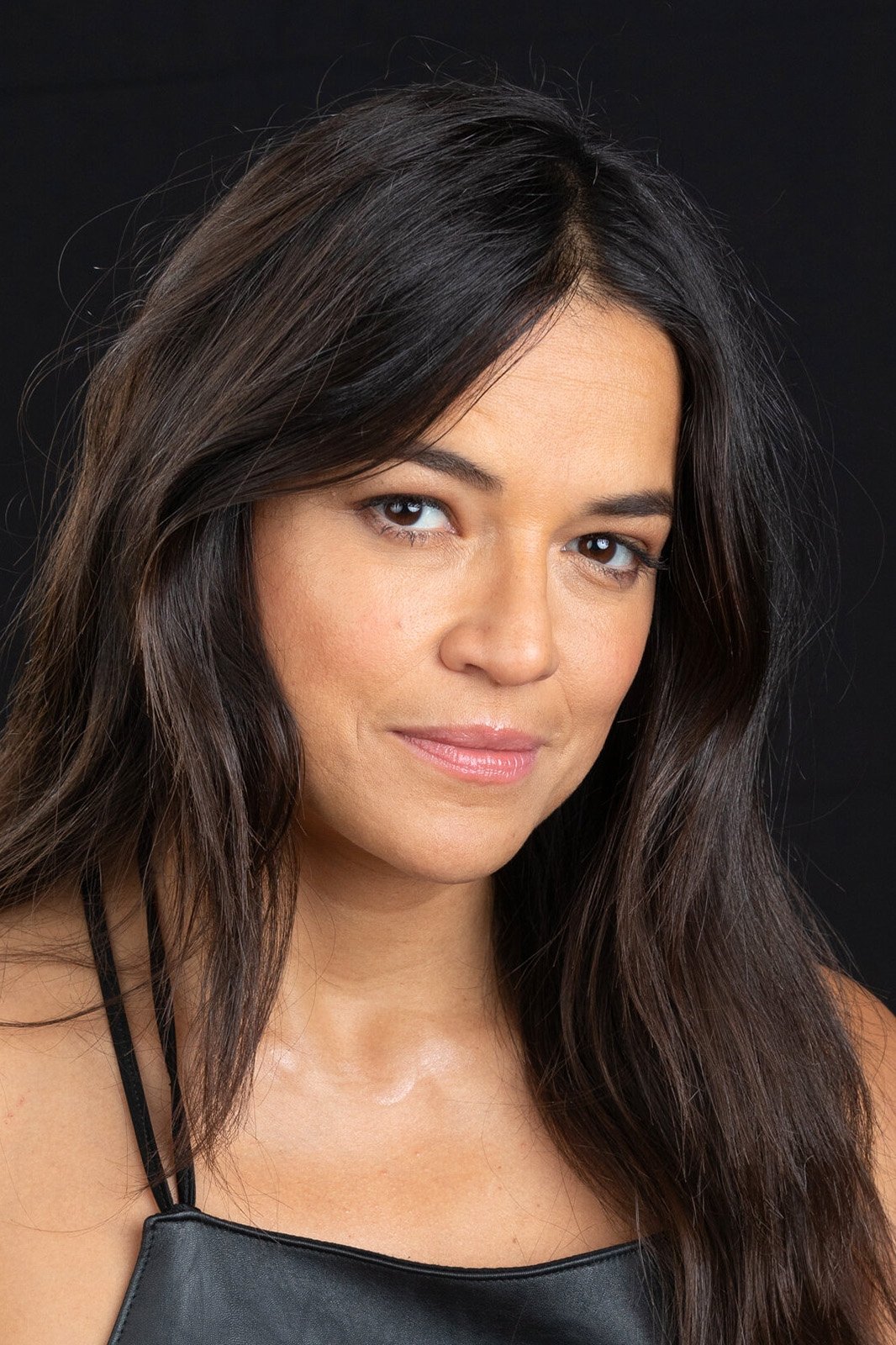
Rodriguez’s Letty Ortiz is a cornerstone of the ‘Fast & Furious’ series, and she has returned through retcons and globe-trotting casts to ground the family dynamic. She trained for hand-to-hand sequences and wheel work, coordinating with stunt drivers on drift angles and collision beats to keep close-ups usable.
Her action résumé also includes ‘Resident Evil’, where she handled firearms and close-quarters choreography as part of a tactical team. Across both series, she’s navigated ensemble logistics, international unit shoots, and second-unit schedules to keep continuity in scars, wardrobe, and vehicle interiors from film to film.
Mila Kunis
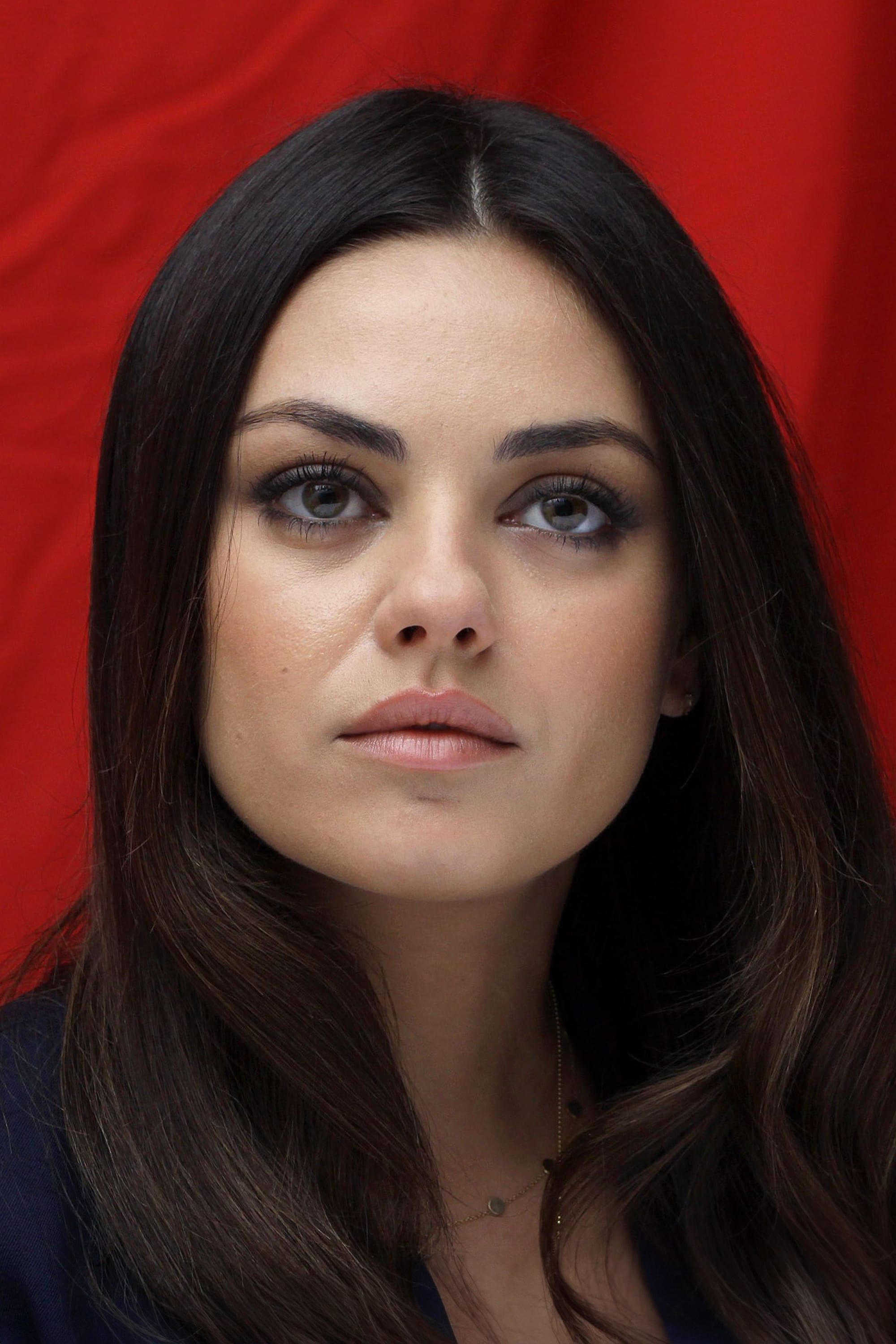
Kunis headlined ‘Jupiter Ascending’, collaborating with the Wachowskis on a space-opera that required harness rigs, elaborate costumes, and green-screen eyeline discipline. She played a housekeeper suddenly thrust into interstellar politics, and production used UK stages with extensive set builds for palaces, refineries, and docking bays.
She then fronted ‘Bad Moms’, a contemporary comedy whose success led to a sequel within the same continuity. The films were shot largely on location, leveraging real neighborhoods and school interiors, while she helped shape mother-group dynamics through table reads and improvisation within structured scene outlines.
Zoe Saldaña
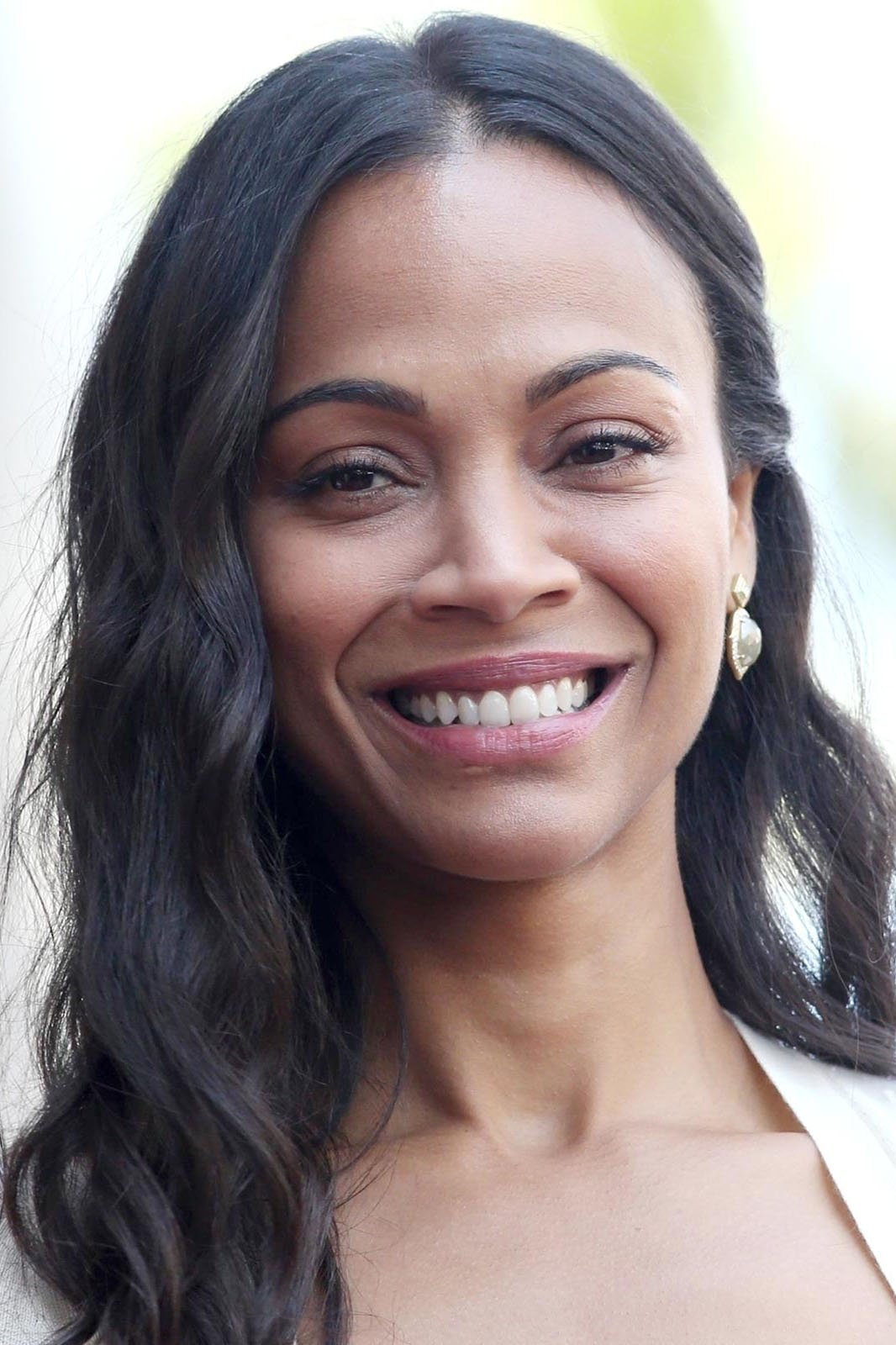
Saldaña’s ‘Colombiana’ combined weapons work with parkour-style movement as she played an assassin operating across North and South America. The production coordinated shootouts and foot chases through tight urban spaces, using handheld coverage and practical effects to maintain a gritty, on-the-ground feel.
She also brought action fluency to ensemble vehicles like ‘The Losers’, adapting a comic-book team dynamic to screen with a mix of long-gun training and explosives-range rehearsals. Those skills carried into motion-capture heavy work elsewhere, where her biomechanical discipline helped animators map expressive movement onto digital characters.
Amy Adams
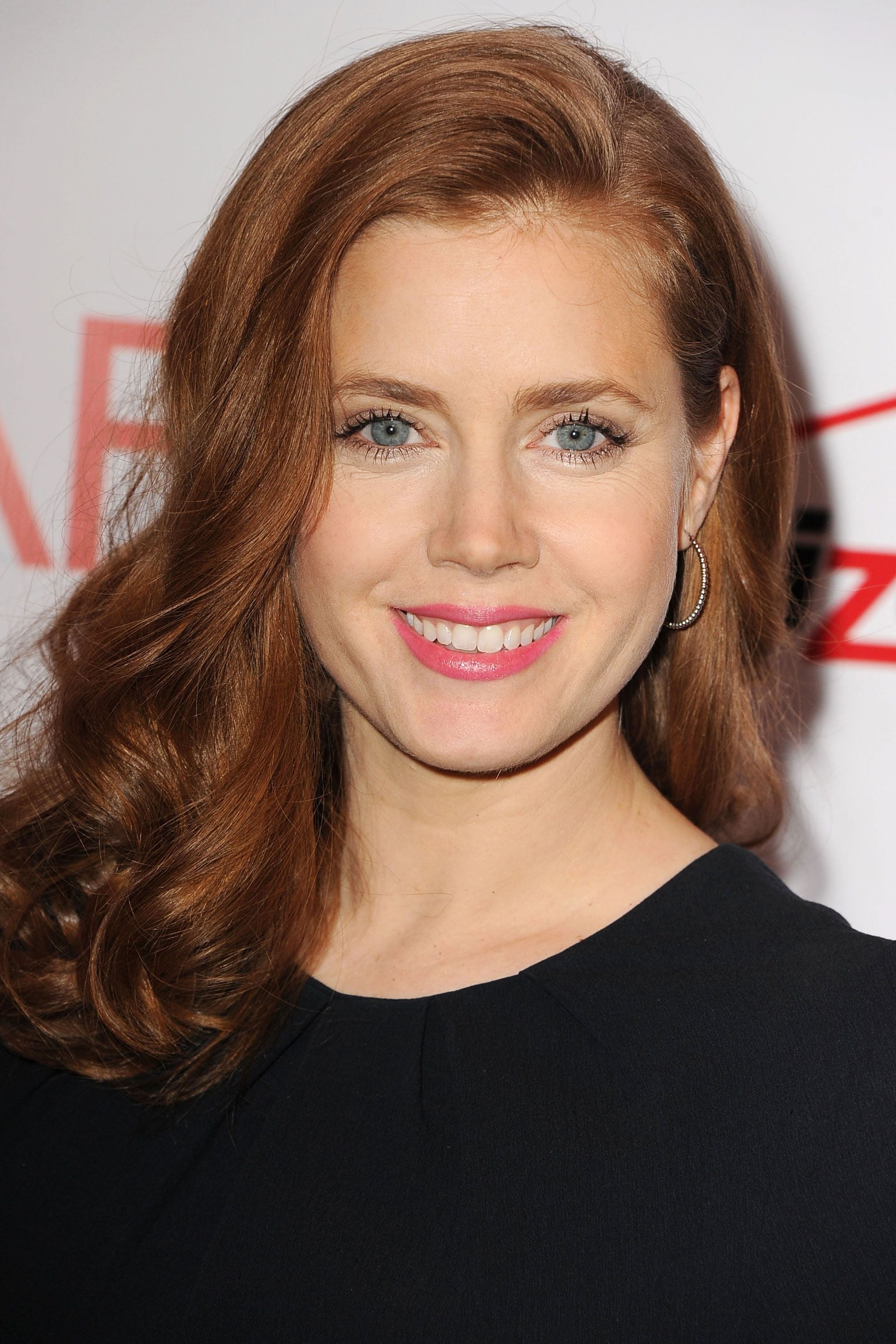
Adams carried ‘Leap Year’ as a tightly wound planner navigating Irish countryside logistics to propose on a specific calendar date tied to local tradition. The production shot across Dublin, Wicklow, and rural villages, making extensive use of narrow roads, old stone pubs, and coastal weather to stage travel mishaps and meet-cutes.
She also anchored ‘Nocturnal Animals’ as a gallery owner reading a violent manuscript, a role that required toggling between present-day art-world scenes and imagined passages from the book. The film contrasted sterile gallery spaces with dusty West Texas visuals, and Adams calibrated wardrobe and makeup to mark shifts between those nested realities.
Naomi Watts
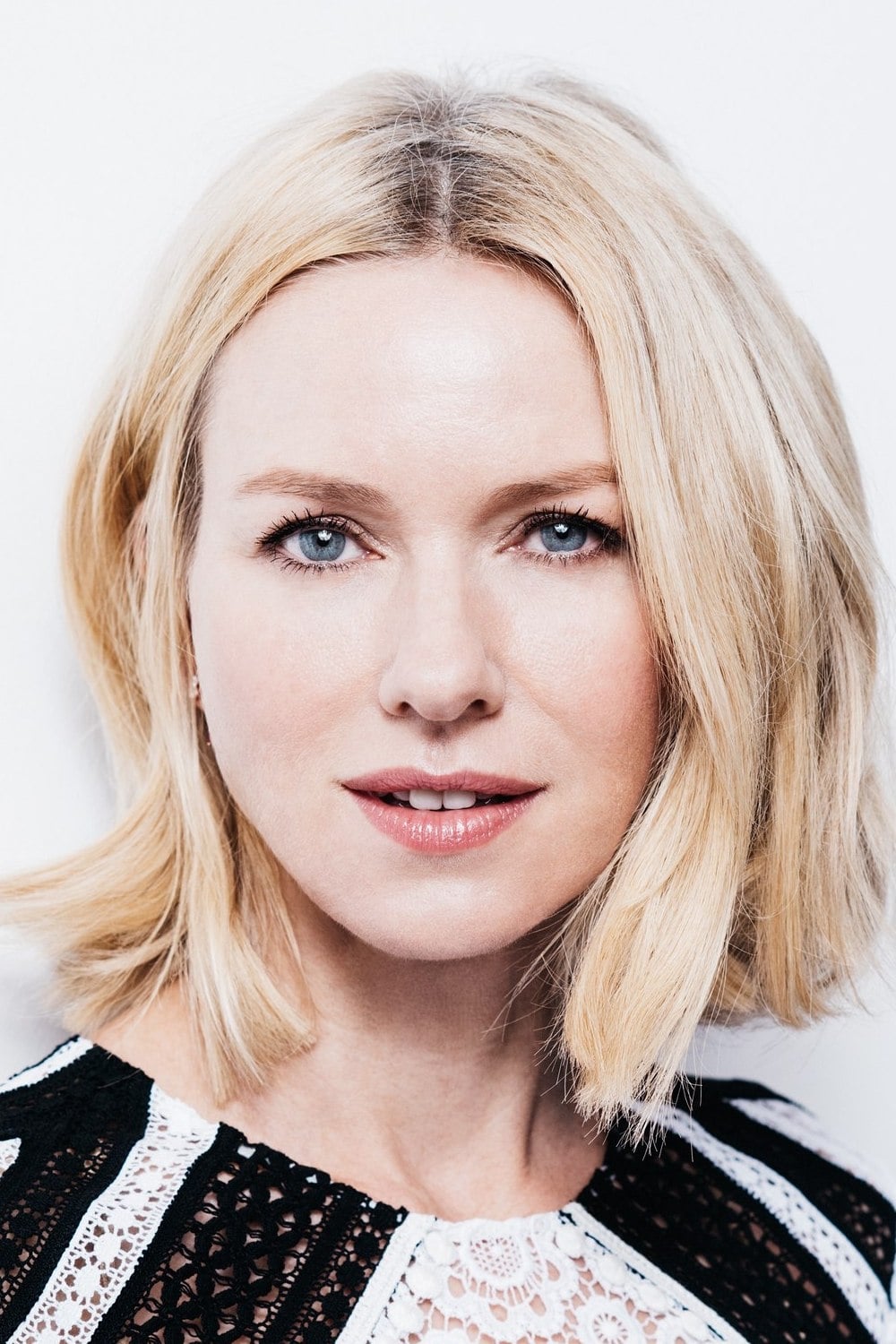
Watts led ‘The Ring’, a remake that helped ignite a wave of J-horror adaptations in the United States. She worked through prolonged wet-set days and practical effects—televisions, videotapes, and water work—while the production integrated VFX sparingly to keep the cursed-tape imagery tactile.
She later portrayed Princess Diana in ‘Diana’, focusing on the relationship with Dr. Hasnat Khan and working with voice coaches to fine-tune speech patterns and posture. Preparation included studying interviews and public appearances to align mannerisms with real-world footage, while the film recreated paparazzi chases and charity events through controlled London and Croatian shoots.
Megan Fox

Fox’s ‘Jennifer’s Body’ paired her with writer Diablo Cody and director Karyn Kusama; she worked through horror-comedy beats that hinged on precise timing around practical gore effects and creature makeup. The marketing initially targeted teen boys, but the film later found a wide second life through streaming and repertory screenings.
She also brought physicality to ‘Teenage Mutant Ninja Turtles’, navigating heavy VFX integration as April O’Neil. Scenes often required matching eyelines to motion-capture performers in gray suits and interacting with stand-in props later replaced with digital turtles, which demanded exact camera-line discipline to keep continuity across cuts.
Florence Pugh
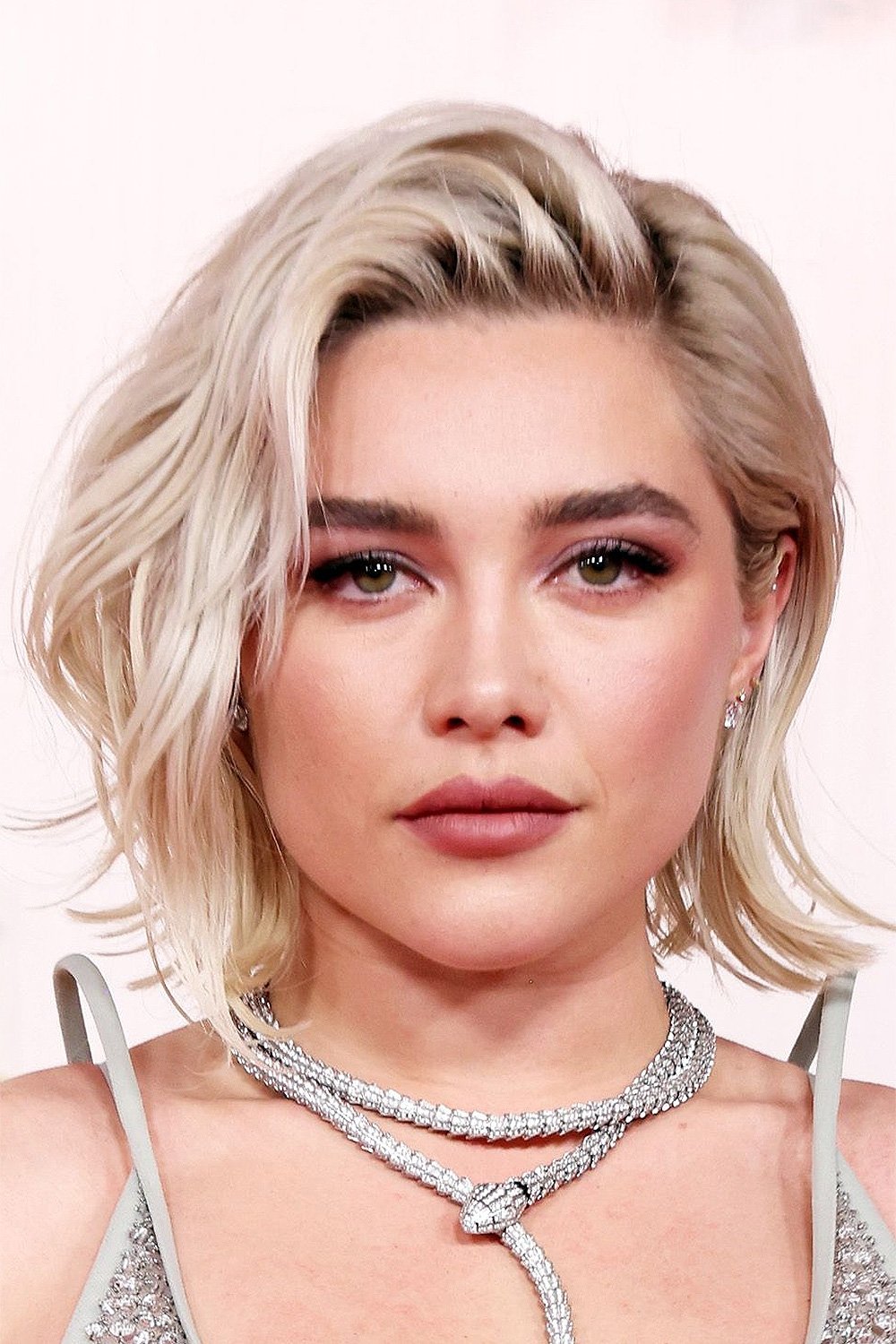
Pugh helped power ‘Don’t Worry Darling’ as a housewife questioning a planned community’s secrets, anchoring scenes that balanced glossy production design with escalating dread. She worked with the costume department on period-specific silhouettes and used subtle shifts in hair and makeup to trace the character’s unraveling.
As Yelena Belova in ‘Black Widow’, she trained across acrobatics, knife work, and tandem fights designed for close-quarters framing. The role’s popularity carried into later appearances, and production maintained consistency in her fighting style—low center of gravity, leg sweeps, and joint locks—across different directors and units.
Got more examples that fit this theme? Share your picks in the comments and tell us which performances turned an okay premise into a can’t-miss watch.