Actors Who Own Every Monologue

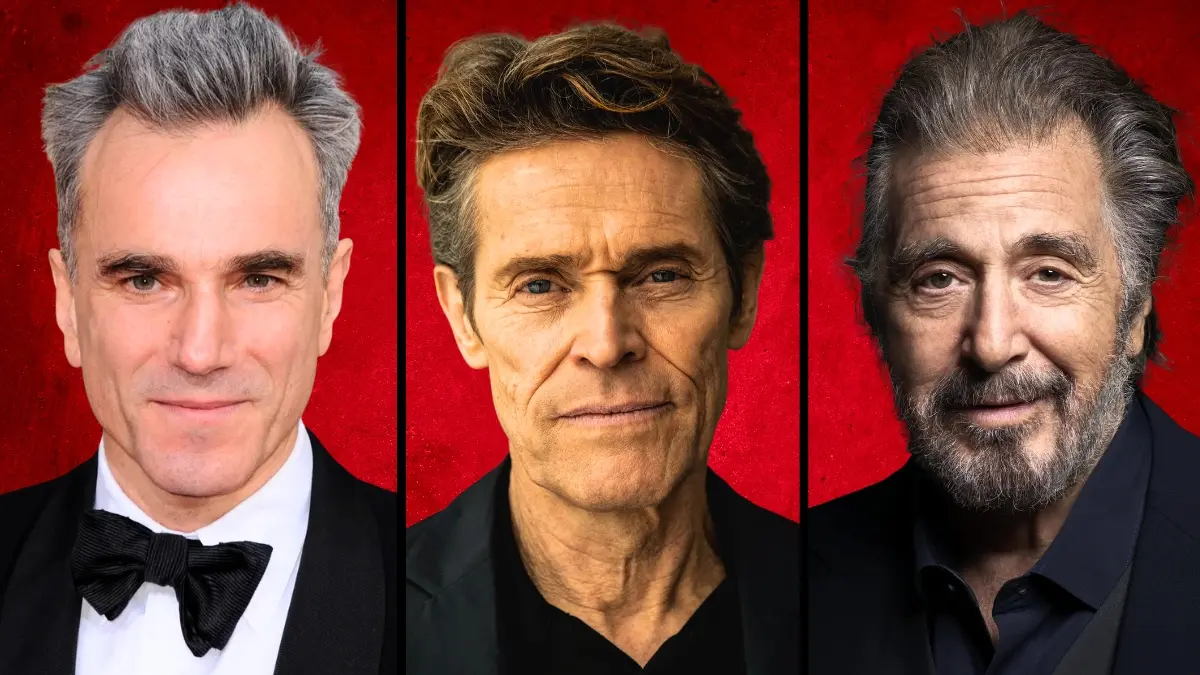

Great monologues show up everywhere: courtroom summations, confessions delivered to a mirror, speeches that turn the tide of a story, and quiet voiceovers that reframe what we’ve just seen. They compress character, backstory and stakes into a few uninterrupted minutes, and they demand technique—breath control, timing, phrasing, and the ability to land an idea without cutting away.
Below is a set of male actors with deep track records of delivering those moments across film and television. For each name, you’ll find concrete background details—training, stage work, awards—and a short map to specific monologues and sequences you can look for the next time you revisit their work.
Denzel Washington

Washington studied drama at Fordham University and trained at the American Conservatory Theater before moving between stage and screen, winning Tony and Academy Awards. His Broadway runs in August Wilson plays gave him long-form speech work that fed straight into his film approach, where he often carries crucial exposition and moral argument without a cut.
On screen, he delivers extended set pieces in ‘Malcolm X’ during rally addresses, the climactic street-side confrontation in ‘Training Day’, and multiple yard and porch speeches in ‘Fences’. He also assumes Shakespearean soliloquies in ‘The Tragedy of Macbeth’, handling verse structure while maintaining narrative clarity.
Al Pacino
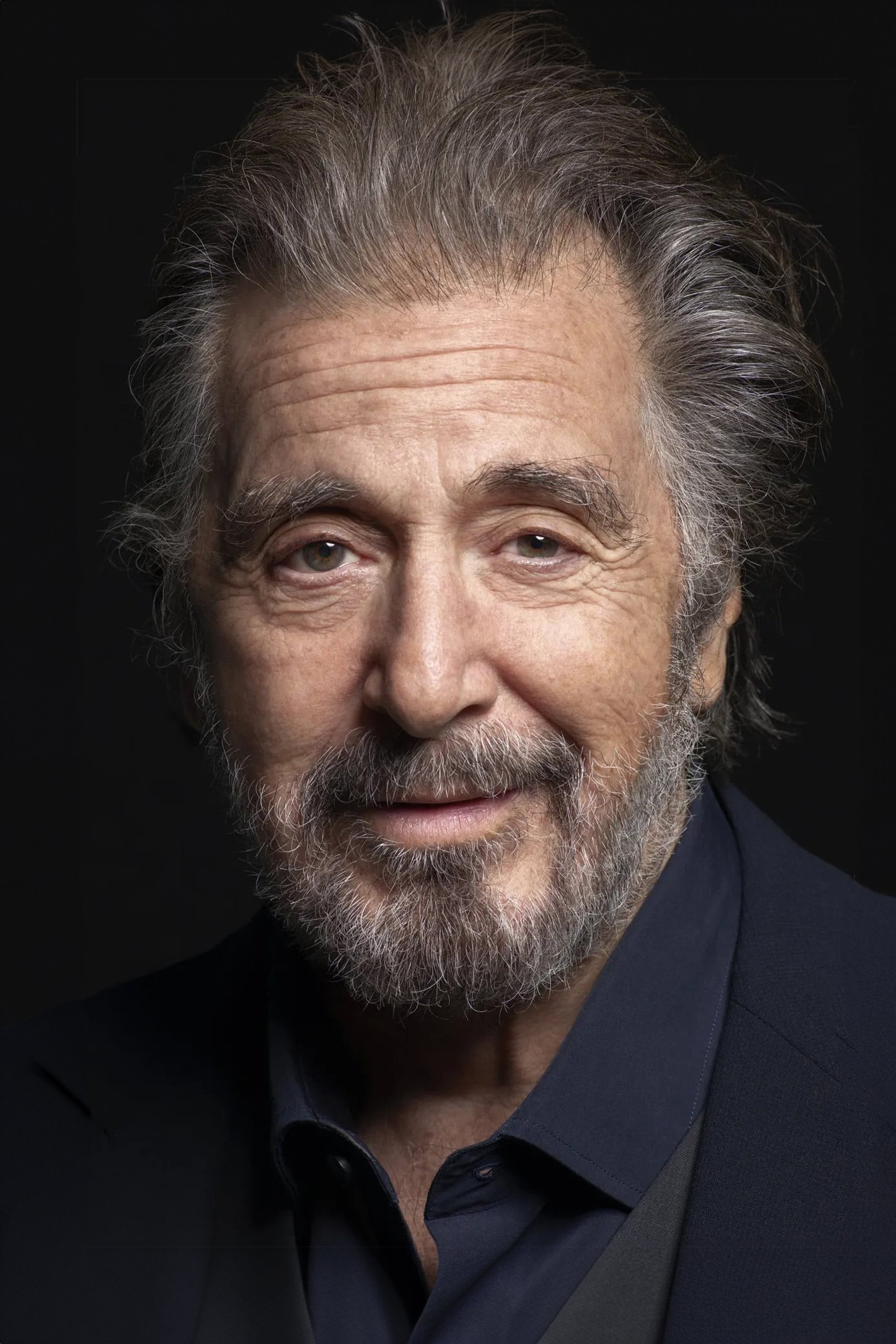
Pacino trained at HB Studio and the Actors Studio under Lee Strasberg, building a foundation in scene study and stage monologues that informed decades of screen roles. He has maintained a parallel theater career, including Shakespeare and contemporary American drama, which kept his long-speech muscles active.
His filmography includes a celebrated courtroom summation in ‘Scent of a Woman’, a late-game boardroom sermon in ‘Any Given Sunday’, and extended moral and theological arguments in ‘The Devil’s Advocate’. Early-career showcases include phone-booth and crowd-control stretches in ‘Dog Day Afternoon’ and extended confessionals in ‘Scarface’.
Daniel Day-Lewis
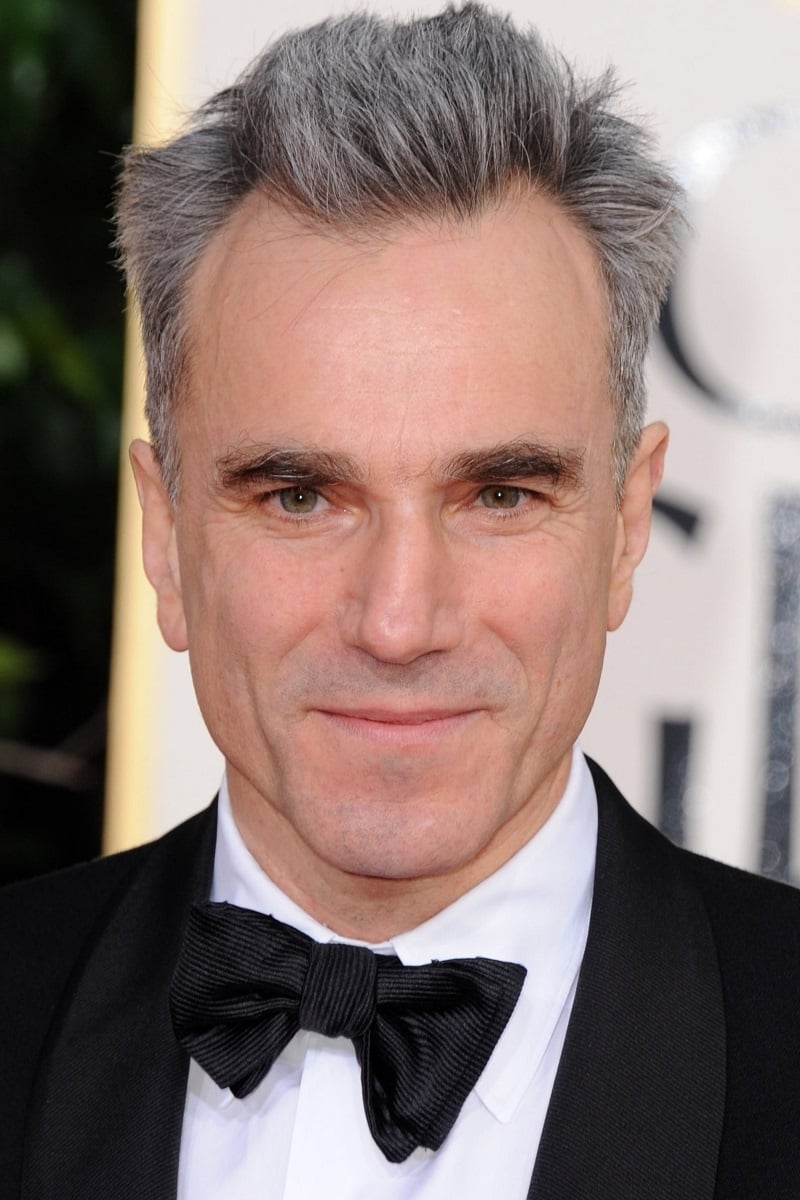
Day-Lewis trained at the Bristol Old Vic School and worked with major British theater companies before focusing on films, picking up three Academy Awards for lead performances built on exacting preparation. His process often yields long, rhythmically varied speeches that carry plot turns and character philosophy.
Examples include Daniel Plainview’s final tirade in ‘There Will Be Blood’, Bill Cutting’s political and cultural lectures in ‘Gangs of New York’, and Abraham Lincoln’s winding parables and policy explanations in ‘Lincoln’. He also sustains courtroom and personal honor declarations in ‘The Crucible’, aligning rhetoric with historical cadence.
Anthony Hopkins
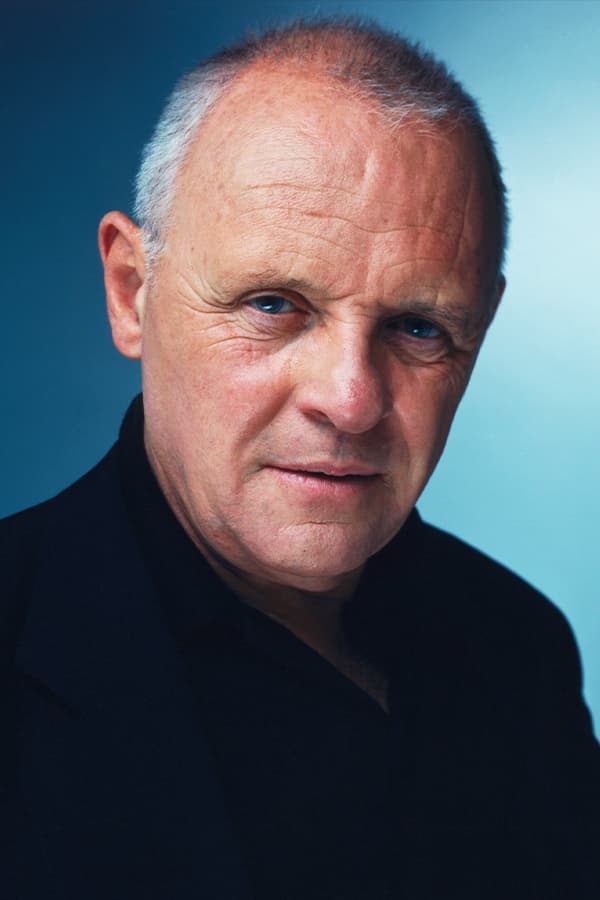
Hopkins studied at RADA and joined the National Theatre under Laurence Olivier, earning a reputation for precision with classical texts. His screen career spans mentorship roles, historical figures and psychological portraits, all of which rely on extended passages of text delivered with controlled pace.
His monologue highlights include Hannibal Lecter’s clinical recollections in ‘The Silence of the Lambs’, Stevens’s restrained admissions in ‘The Remains of the Day’, and emotional disorientation sequences in ‘The Father’. He also handles policy speeches and private confessions in ‘Nixon’ and multi-layered creator manifestos in ‘Westworld’.
Bryan Cranston
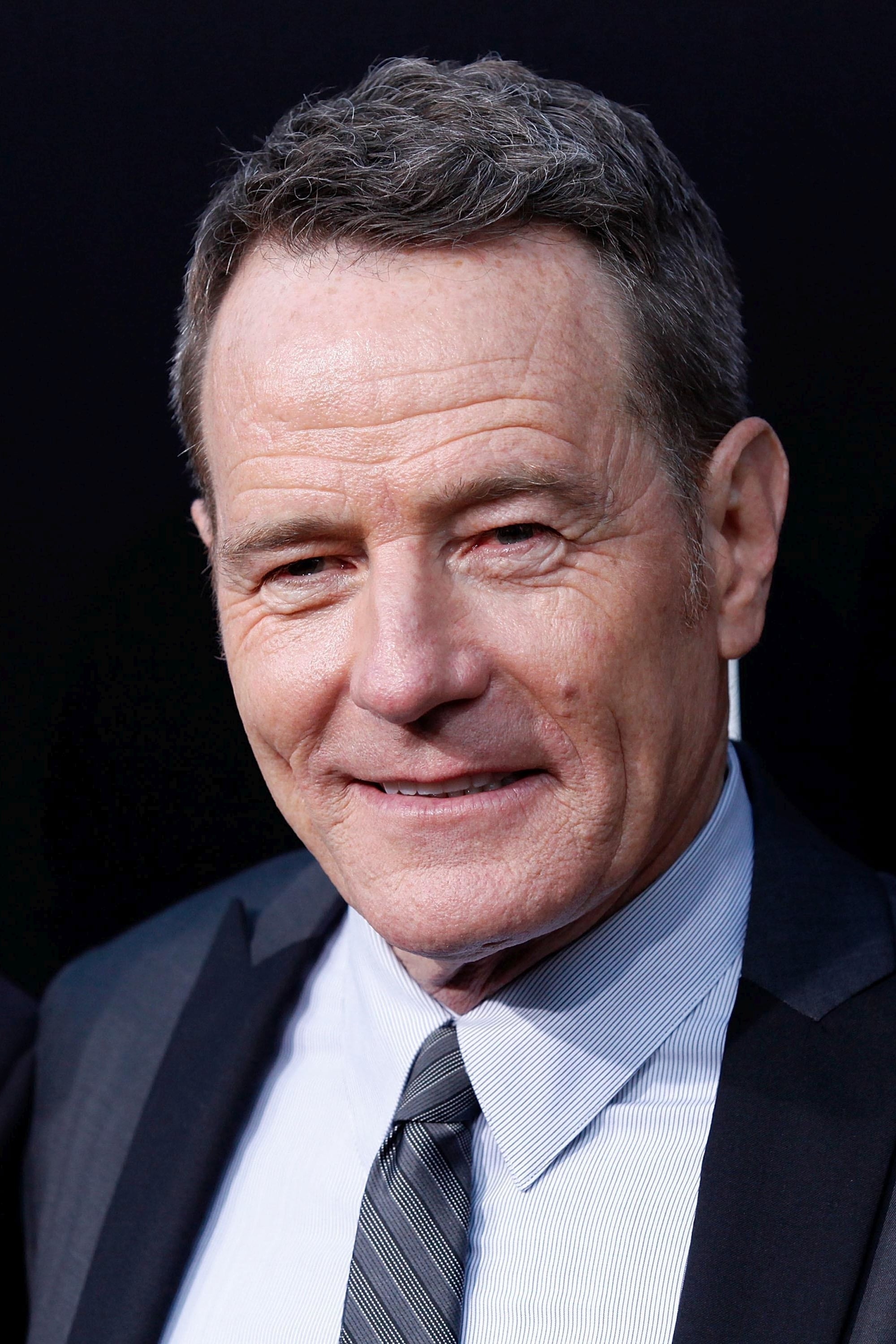
Cranston’s early television career and commercial work preceded his transition into drama, layered with stage credits and a Tony win. He has anchored multiple prestige series and biographical films where internal logic and step-by-step argumentation depend on single-speaker stretches.
In ‘Breaking Bad’, he carries extended sequences like the “I am the one who knocks” explanation, the phone call in ‘Ozymandias’, and the final lab confessional tone-setting voiceovers. He delivers blacklist-era rhetoric and union strategy in ‘Trumbo’ and sustained courtroom and family-defense speeches in ‘Your Honor’.
Peter O’Toole
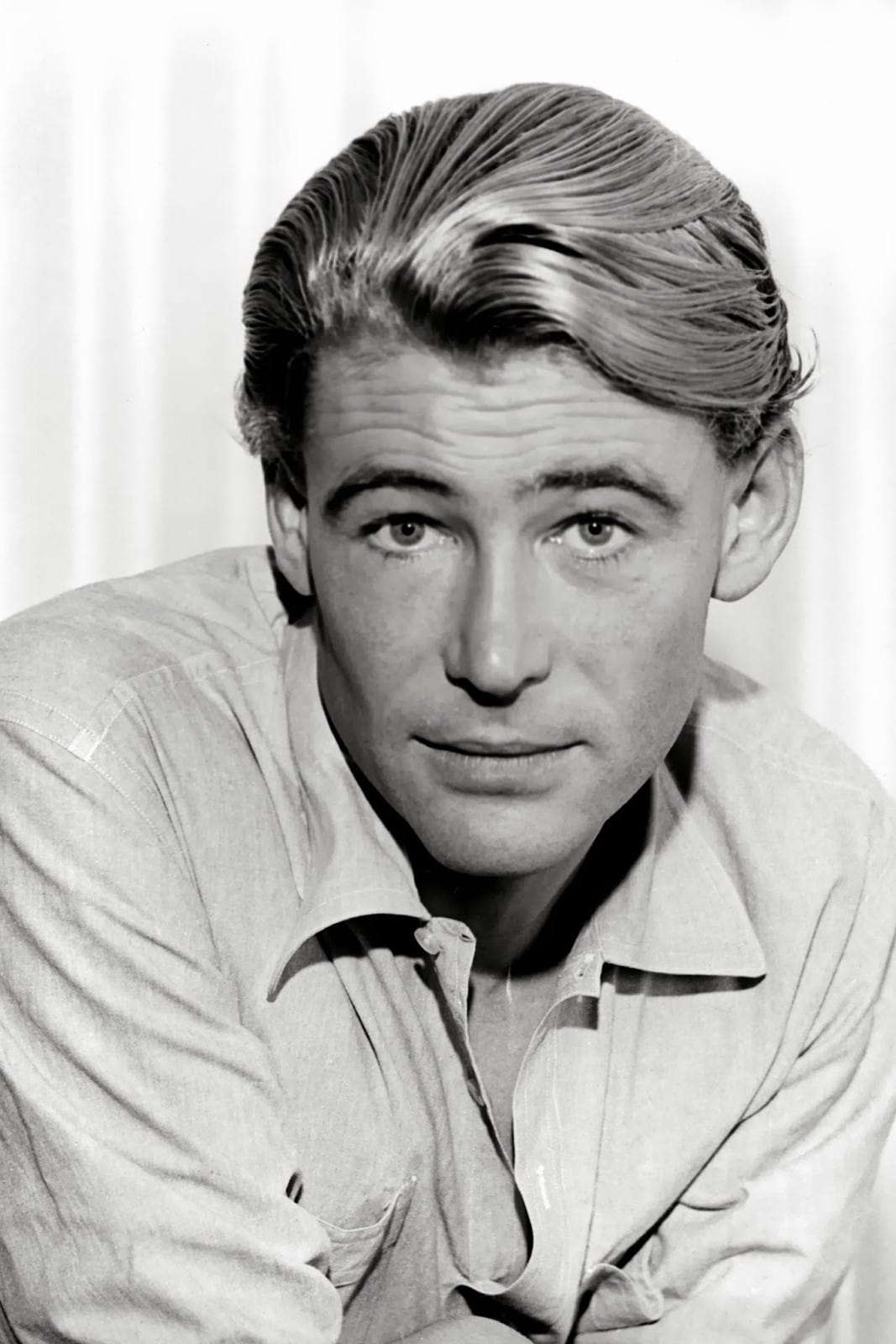
O’Toole trained at RADA and became a major stage presence before eight Academy Award nominations marked a singular film career. His roles often required high-register language, historical rhetoric, and intellectual sparring delivered at length.
Watch for royal and ecclesiastical debates in ‘Becket’, political maneuvering and accusations in ‘The Lion in Winter’, and desert-born self-definition passages in ‘Lawrence of Arabia’. Later performances like ‘The Stunt Man’ include director-as-demigod rhapsodies that double as craft manifestos within the narrative.
Morgan Freeman
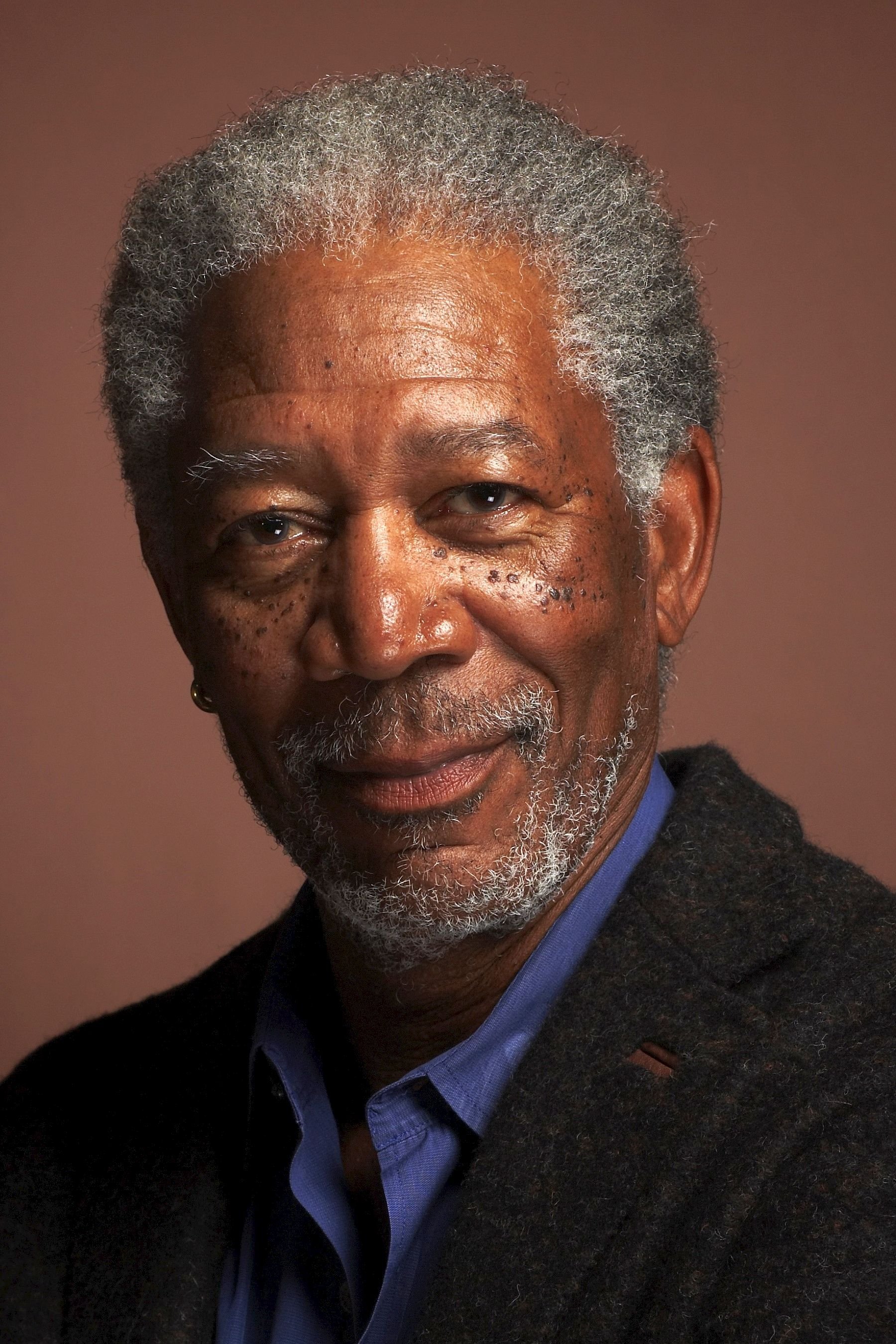
Freeman’s path ran through the stage and public television before he became a fixture in American cinema, often used as narrator and conscience. His voice and pacing support expository monologues that advance plot while revealing motivation.
Key showcases include the parole-hearing statements and letter narrations in ‘The Shawshank Redemption’, the gym-floor reflections and closing voiceover in ‘Million Dollar Baby’, and philosophical framing in ‘Se7en’. He also provides documentary-style briefings in ‘Deep Impact’ and mentorship speeches in ‘Lean on Me’.
Joaquin Phoenix
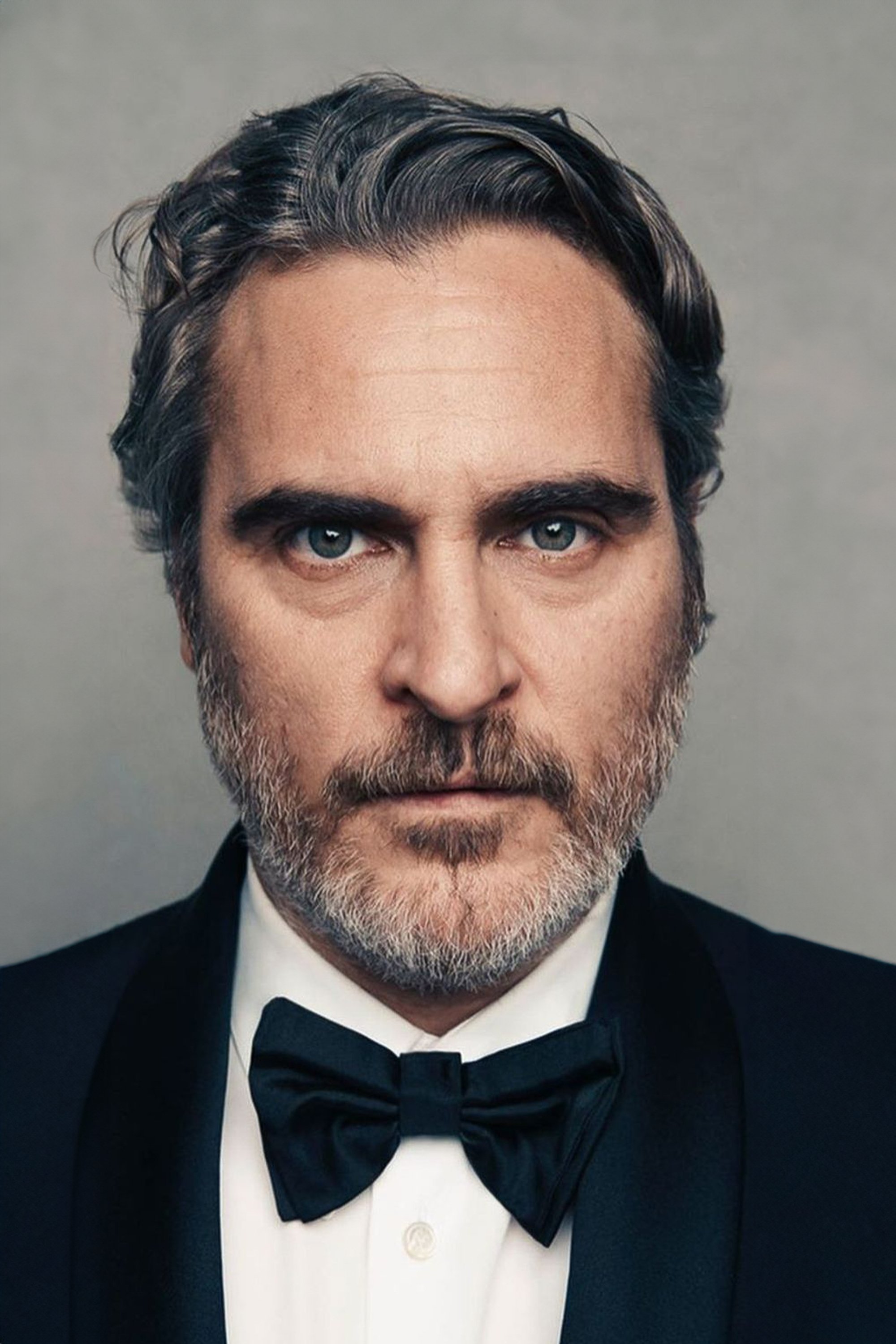
Phoenix began in youth roles and moved into psychologically intense lead work that frequently centers on unsparing first-person passages. His preparation often includes physical transformation that aligns with delivery, giving his monologues palpable immediacy.
Notable sequences include the talk-show confession and control-booth explanation in ‘Joker’, the processing-room confrontations and post-bender reflections in ‘The Master’, and whispered letters and dictations in ‘Her’. He also sustains trauma accounts and mission debriefs in ‘You Were Never Really Here’.
Robert De Niro
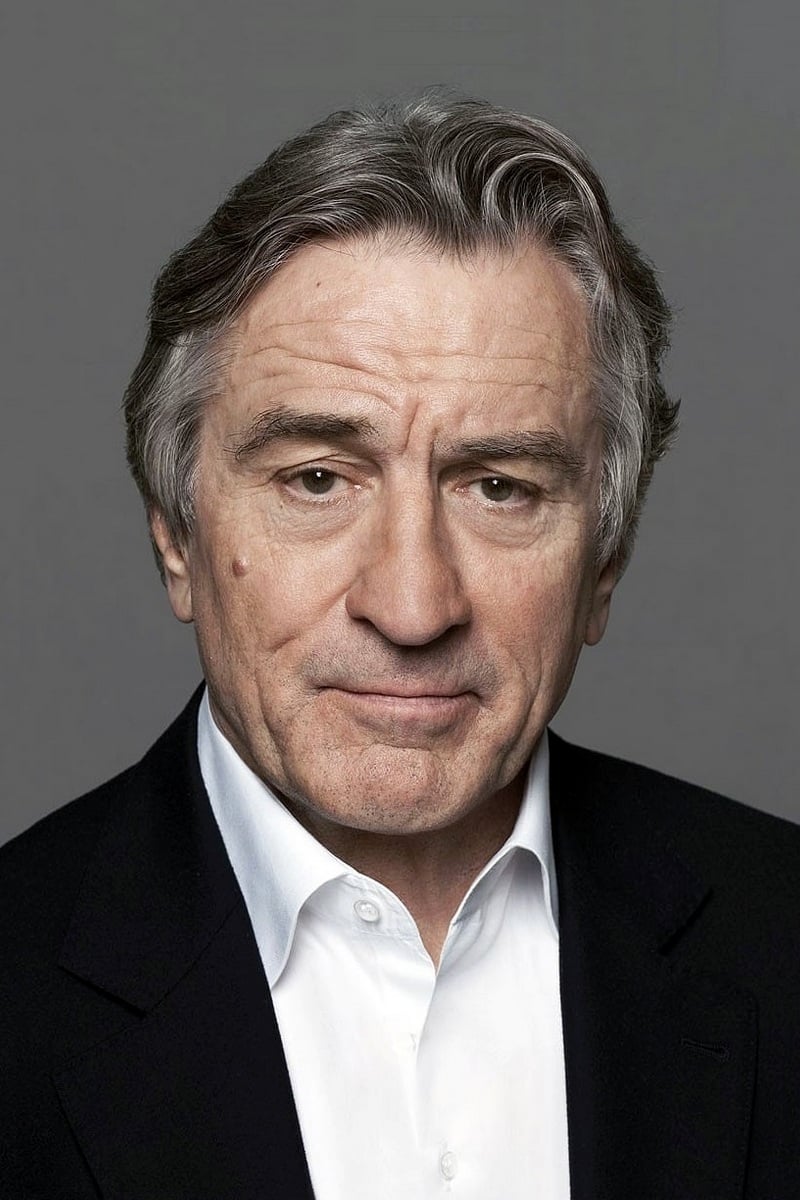
De Niro studied with Stella Adler and Lee Strasberg, and his collaborations with auteur directors placed him in roles requiring extended interior narration and solo confrontation. He built a repertoire of scenes where character psychology unfolds in unbroken passages.
Look to the mirror soliloquy in ‘Taxi Driver’, the dressing-room routine and self-referential recitation in ‘Raging Bull’, and the Bible-laced river confession in ‘Cape Fear’. In later work, he handles team-briefing narratives in ‘Heat’ and reflective first-person passages in ‘The Irishman’.
Tom Hanks
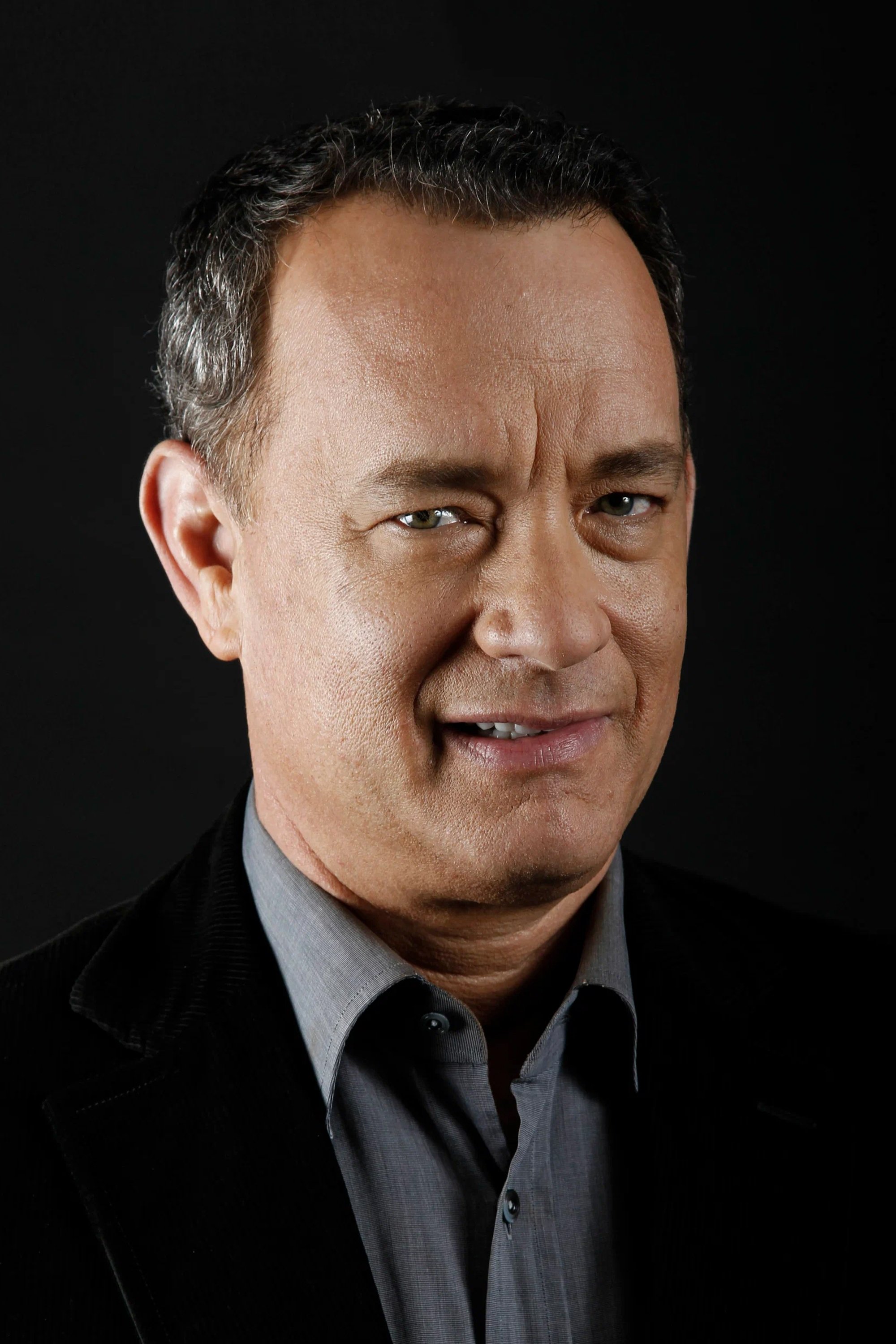
Hanks’s theater studies and long tenure in both comedy and drama positioned him for roles that hinge on empathy-driven statements and explanations. He often carries legal, ethical, or leadership frameworks through unhurried paragraphs of dialogue.
He presents detailed case-building in ‘Philadelphia’, a personal-history reveal that reorients a platoon in ‘Saving Private Ryan’, and solitary problem-solving and address-to-object sequences in ‘Cast Away’. He also delivers media-ethics sermons and mentorship talks in ‘A Beautiful Day in the Neighborhood’ and ‘News of the World’.
Gary Oldman
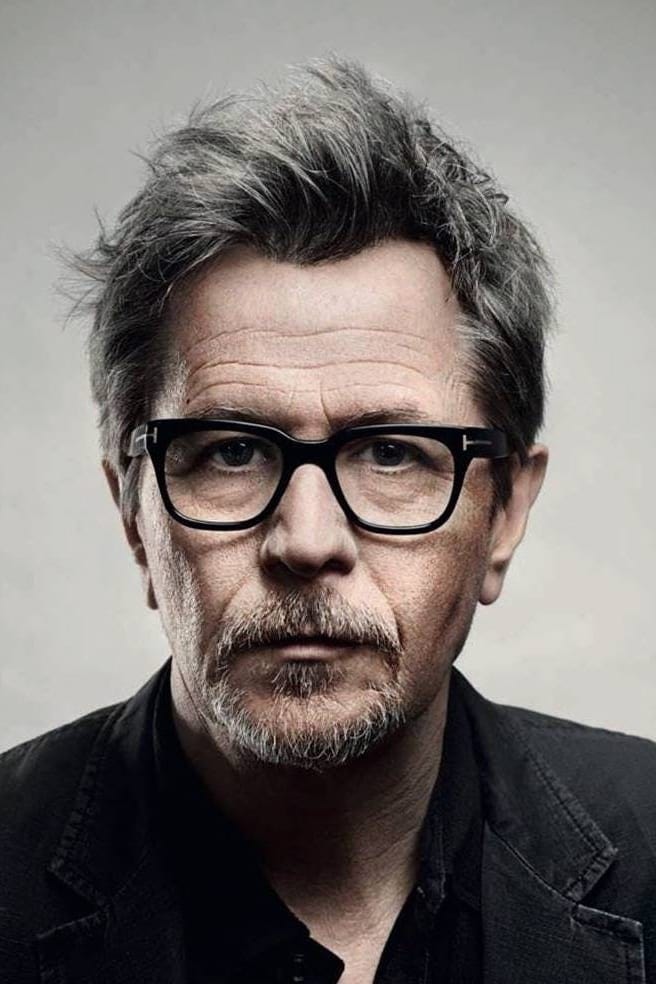
Oldman trained at Rose Bruford College and came up through London theater, renowned for dialect work and text-heavy roles. His filmography includes biographical and espionage parts where extended speeches convey strategy and worldview.
Standouts include the “Karla” narrative and debriefs in ‘Tinker Tailor Soldier Spy’, House of Commons addresses and war-cabinet oratory in ‘Darkest Hour’, and philosophical villainy set pieces in ‘True Romance’. He also provides procedural briefings and moral arguments in ‘The Dark Knight’.
Christian Bale
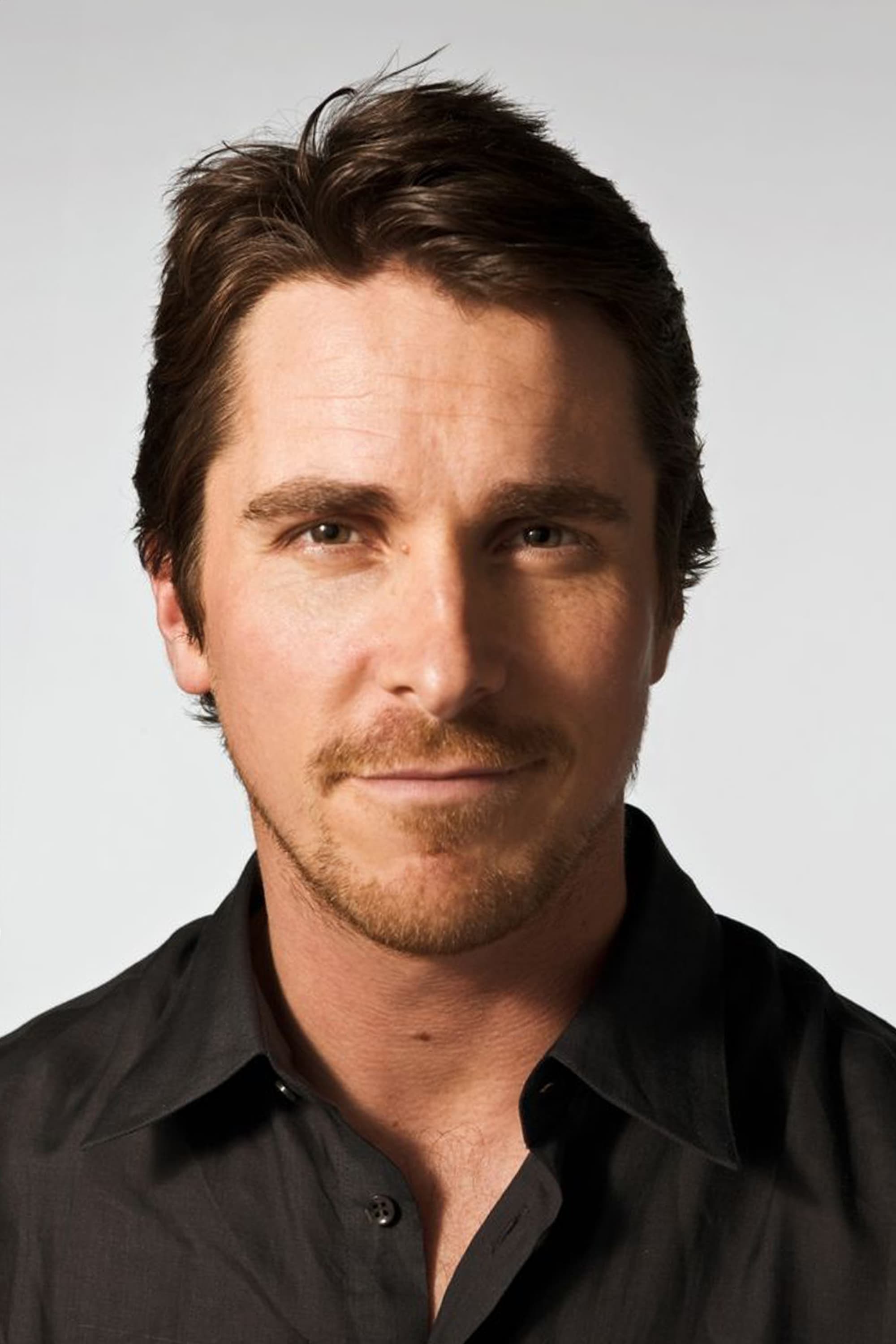
Bale moved from child roles into adult leads that use internal narration and structured confessionals. His transformations frequently come with long descriptive passages that map behavior to belief.
In ‘American Psycho’, he delivers morning-routine narration and business-card analysis that function as character x-rays, along with confessional phone calls. He sustains journal-derived and rivalry-framing passages in ‘The Prestige’ and policy and power explanations that break the fourth wall in ‘Vice’.
Philip Seymour Hoffman
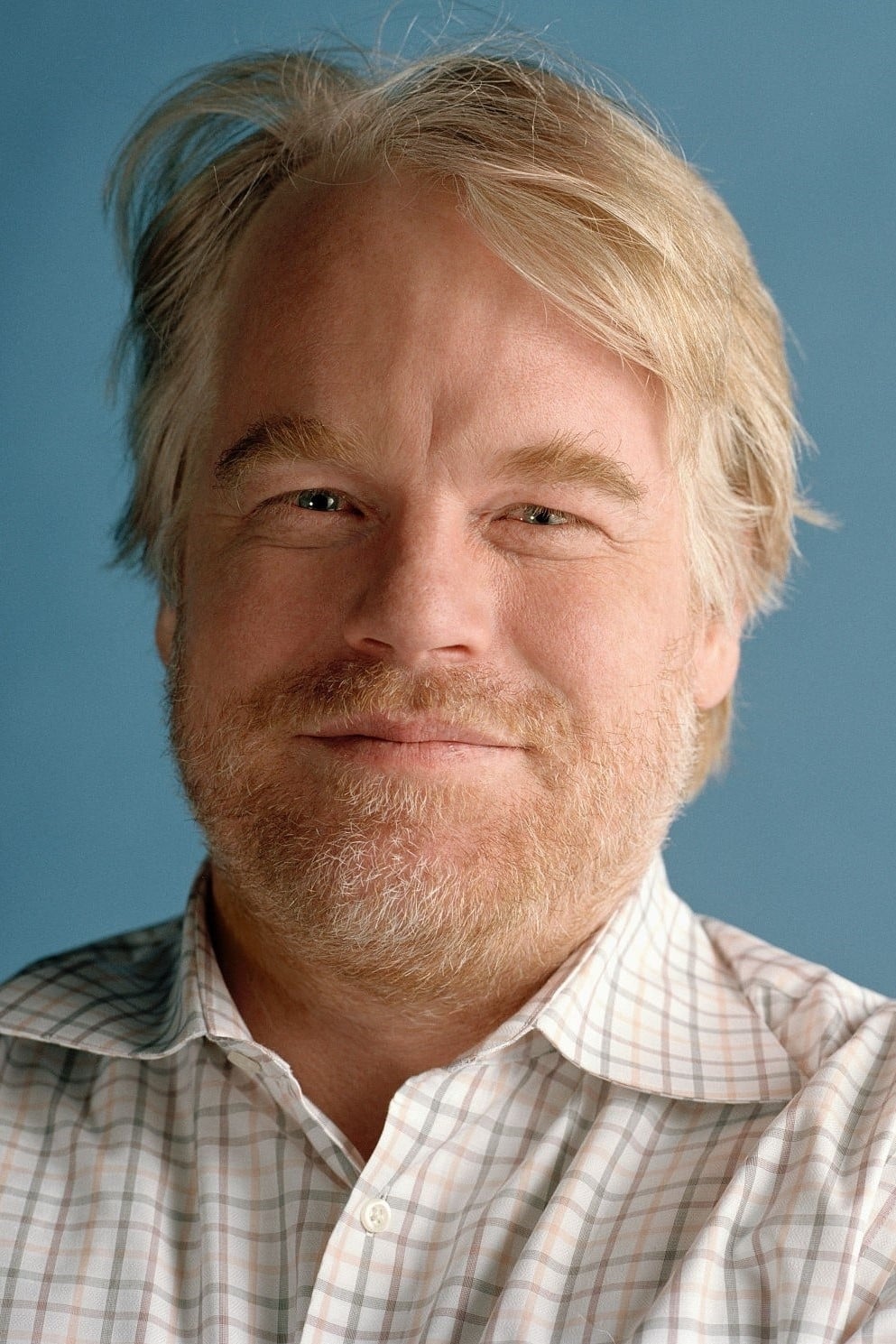
Hoffman trained at NYU’s Tisch School and co-led LAByrinth Theater Company, continually returning to plays that emphasize extended text. His screen roles often featured sermons, interviews and intellectual chess delivered as multi-minute addresses.
Watch for the opening embassy-office explosion of policy and profanity in ‘Charlie Wilson’s War’, the pastoral sermon and classroom scenes in ‘Doubt’, and strategic interviews and reading sessions in ‘Capote’. In ‘The Master’, he conducts belief-formation exercises and testimonial sequences that rely on uninterrupted delivery.
Samuel L. Jackson
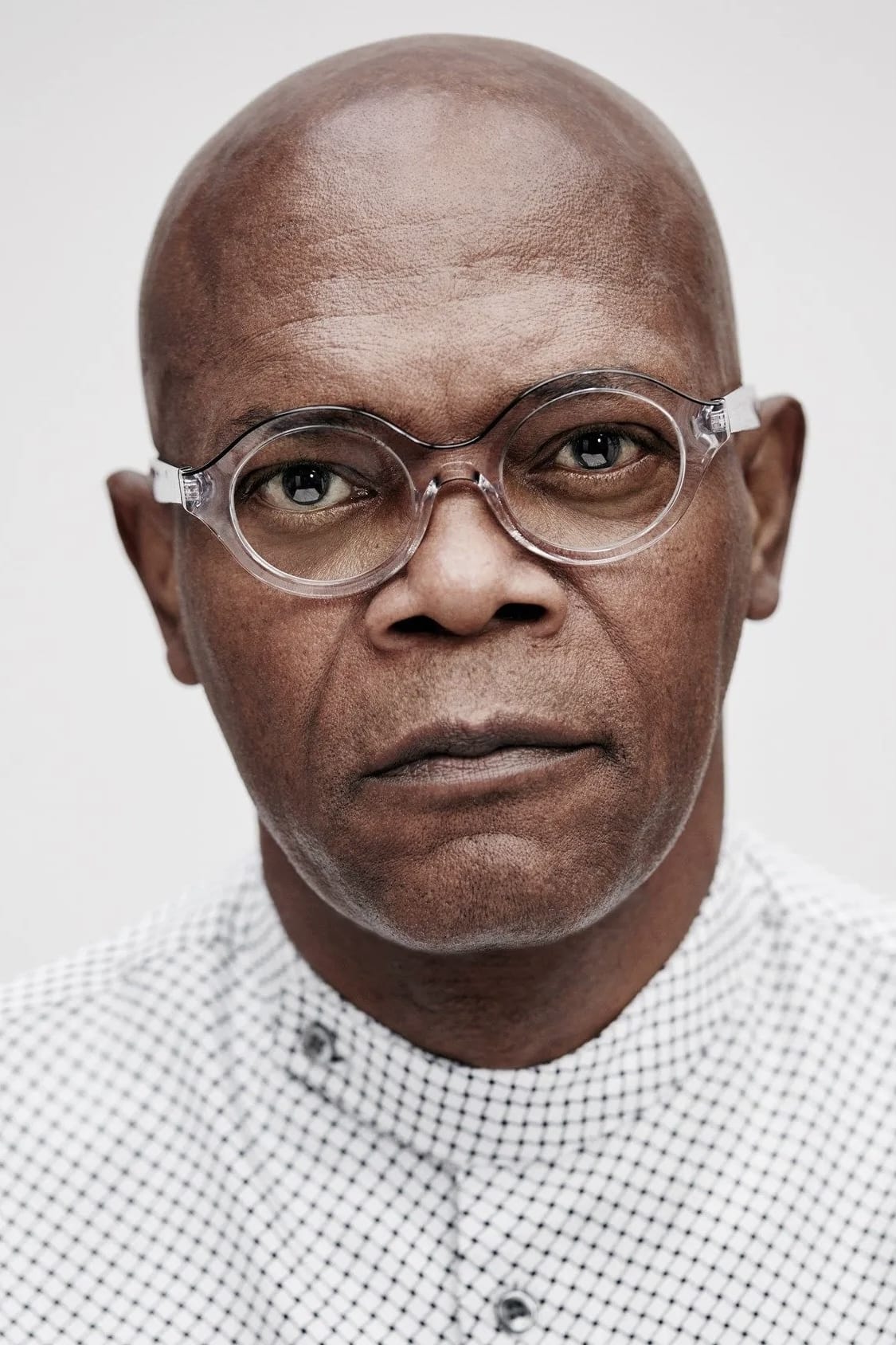
Jackson’s stage background and film breakthrough yielded a career full of rhetorical flourishes and courtroom or street-corner logic. His roles frequently require quoting, paraphrasing and moral hypothesizing in long stretches.
He performs the Ezekiel recitation and post-robbery negotiation in ‘Pulp Fiction’, the summation in ‘A Time to Kill’, and philosophical origin arguments in ‘Unbreakable’. He also carries threat analyses and battlefield framing in ‘The Hateful Eight’ and high-stakes briefings in ‘The Avengers’.
Jack Nicholson
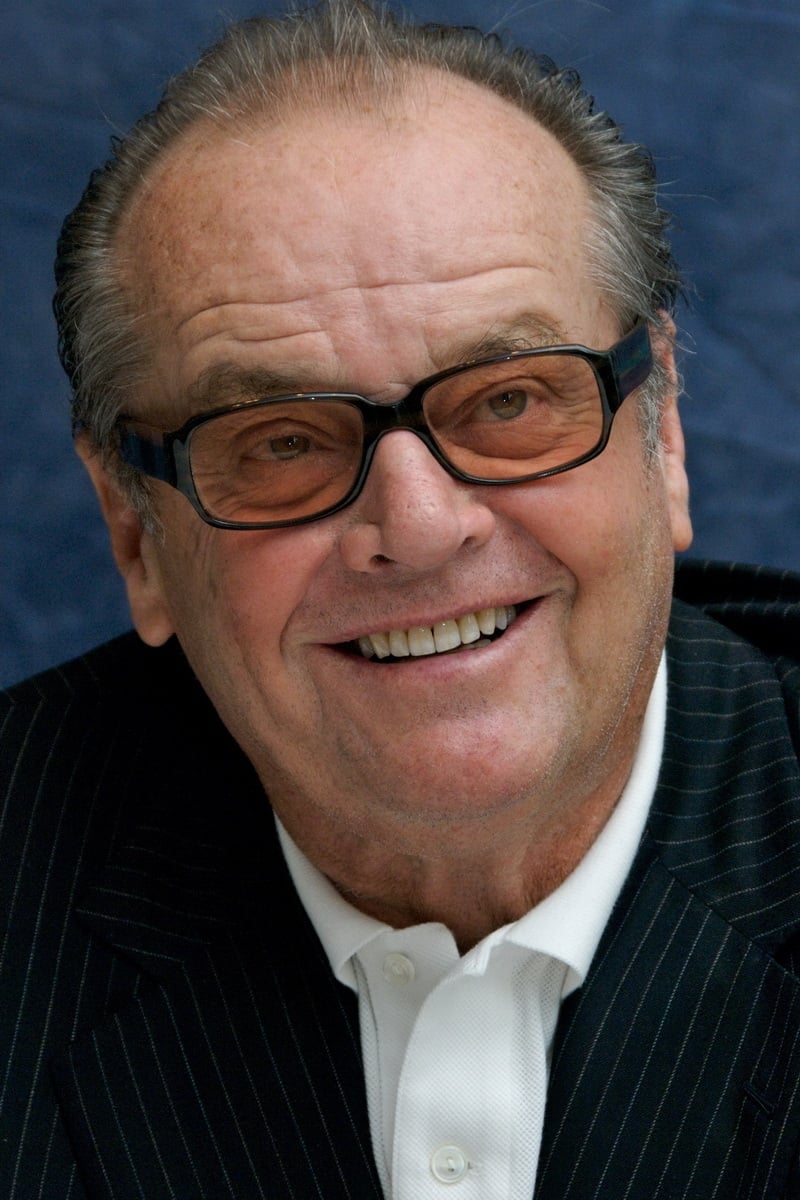
Nicholson’s early work as an actor and screenwriter fed an instinct for structuring long speeches on screen. His most famous set pieces combine legal, psychological and confessional modes of delivery.
He anchors the courtroom exchange culminating in the colonel’s justification in ‘A Few Good Men’, the barroom self-examination with an imaginary bartender in ‘The Shining’, and the letter-voiceover framework in ‘About Schmidt’. Additional examples include press-room banter and power plays in ‘The Departed’.
Laurence Fishburne
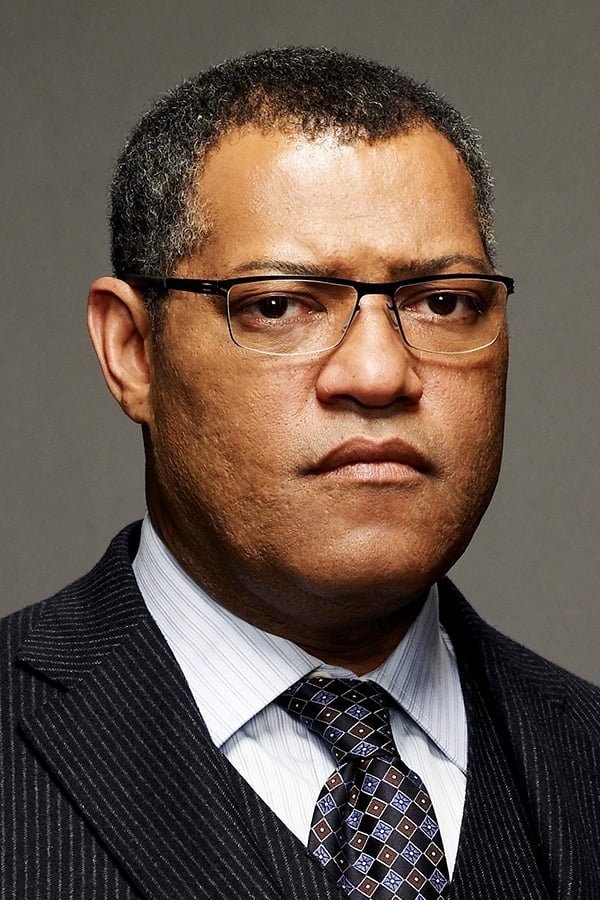
Fishburne logged early film credits and substantial stage work, earning a Tony and establishing himself as a leading interpreter of extended text. His screen roles often cast him as mentor, philosopher or social commentator.
In ‘The Matrix’, he delivers the “desert of the real” explanation and the choice framework that defines the series, along with training-simulation debriefs. In ‘Boyz n the Hood’, he provides a neighborhood economics and property-ownership talk that functions as a civics lesson inside the narrative.
Hugh Laurie
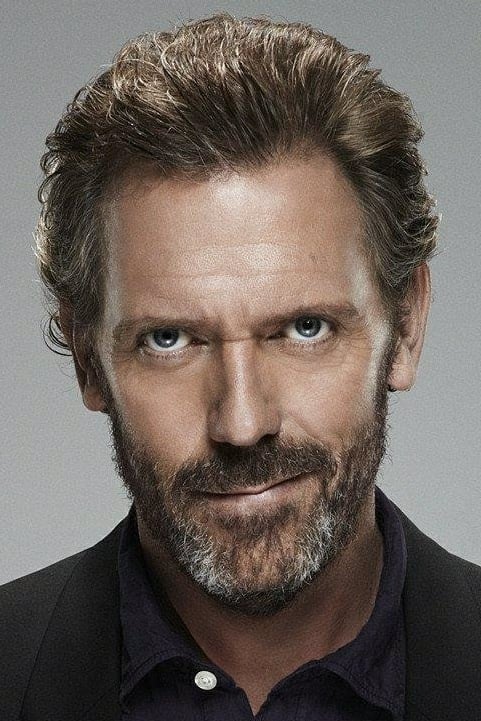
Laurie’s Cambridge Footlights roots led to sketch, sitcom and drama, culminating in long-form television leads that hinge on diagnostic and ethical argument. His command of medical and legal jargon supports extended informational stretches.
In ‘House’, he delivers multi-minute whiteboard and patient-bedside monologues that assemble differential diagnoses, as well as closing-case explanations that tie clues to outcomes. He also offers management philosophy and threat-calculus speeches as the arms dealer Roper in ‘The Night Manager’ and political positioning in ‘Roadkill’.
Matthew McConaughey
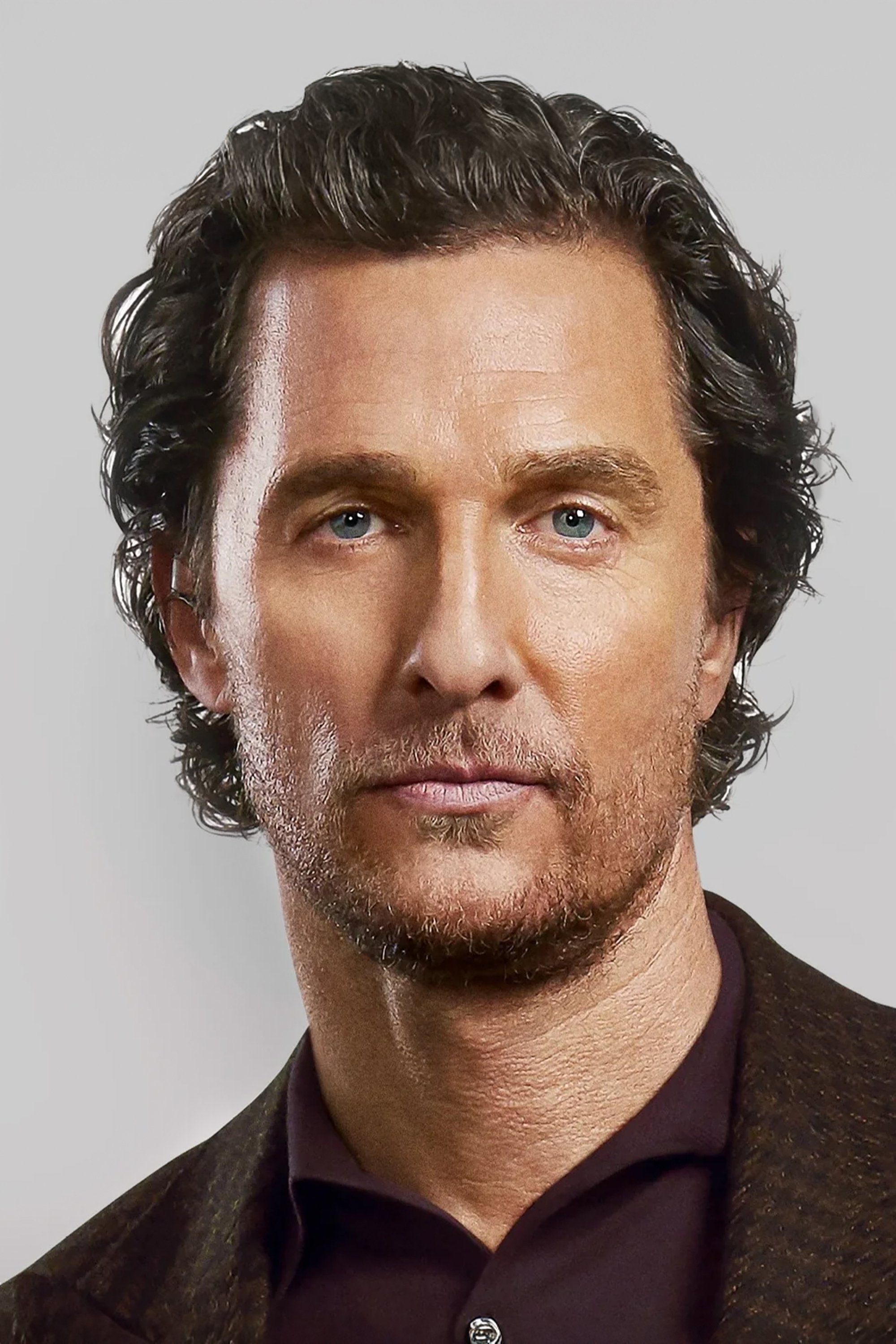
McConaughey’s career moved from character parts to prestige leads, with a late-phase emphasis on philosophically dense dialogue. His television and film choices include roles that require extended, idea-driven delivery.
He provides interrogation-room and car-seat ruminations in ‘True Detective’, a sales-culture catechism over lunch in ‘The Wolf of Wall Street’, and boardroom risk and policy explanations in ‘The Big Short’. He also sustains treatment-room and advocacy speeches in ‘Dallas Buyers Club’.
Jake Gyllenhaal

Gyllenhaal balances studio and independent projects, often playing characters who narrate their own logic. He builds tension through solo addresses that walk viewers through schemes and emotional states.
Monologue-friendly passages include the mirror pep talk and negotiation scripts in ‘Nightcrawler’, therapy and resilience statements in ‘Stronger’, and extended interview room tactics in ‘Zodiac’. He also delivers lecture-hall and reading-room sequences that double as investigations in ‘Enemy’ and ‘Nocturnal Animals’.
Adam Driver
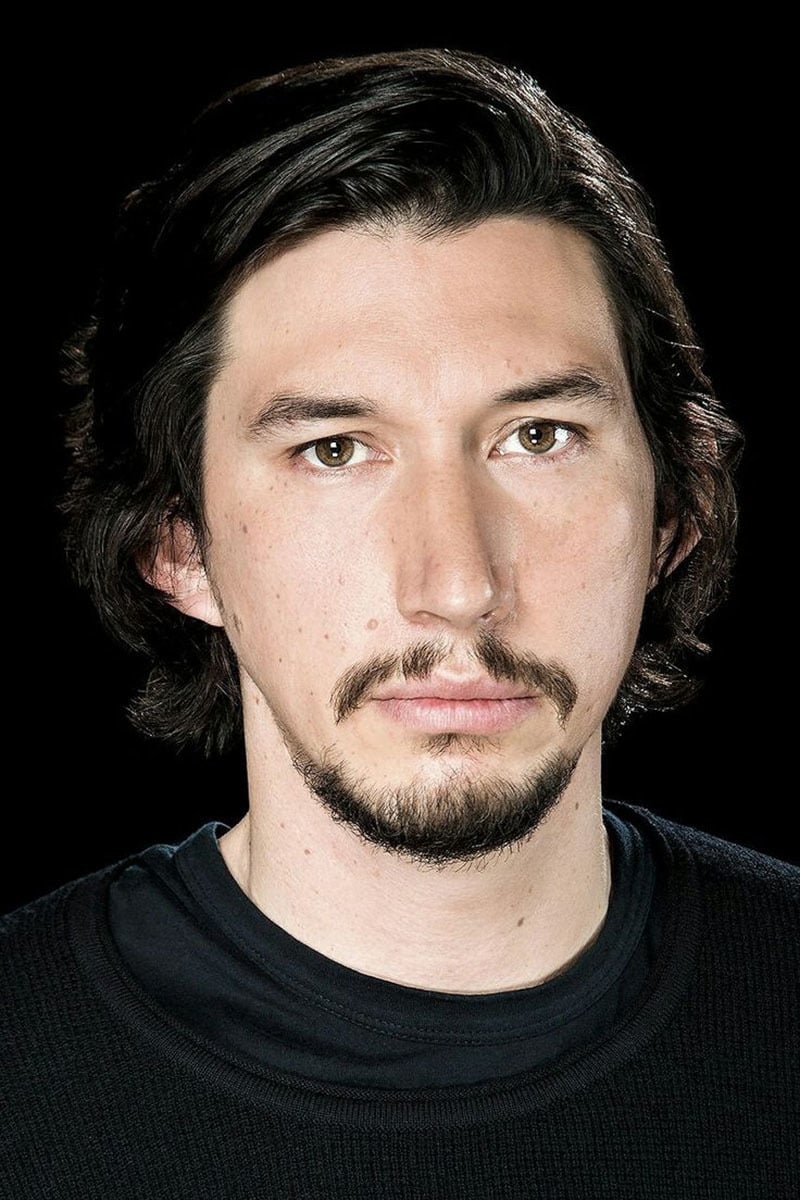
Driver studied at Juilliard after military service, bringing vocal control and stage habits to screen roles. He gravitates toward parts that require extended testimony, reports and self-assessment.
He presents deposition-style briefings and hearing-room defenses in ‘The Report’, long reading and reflection sequences in ‘Paterson’, and apartment and rehearsal-space addresses in ‘Marriage Story’. Early television work on ‘Girls’ includes multi-minute artistic manifestos and confessions that function as solo set pieces.
Willem Dafoe
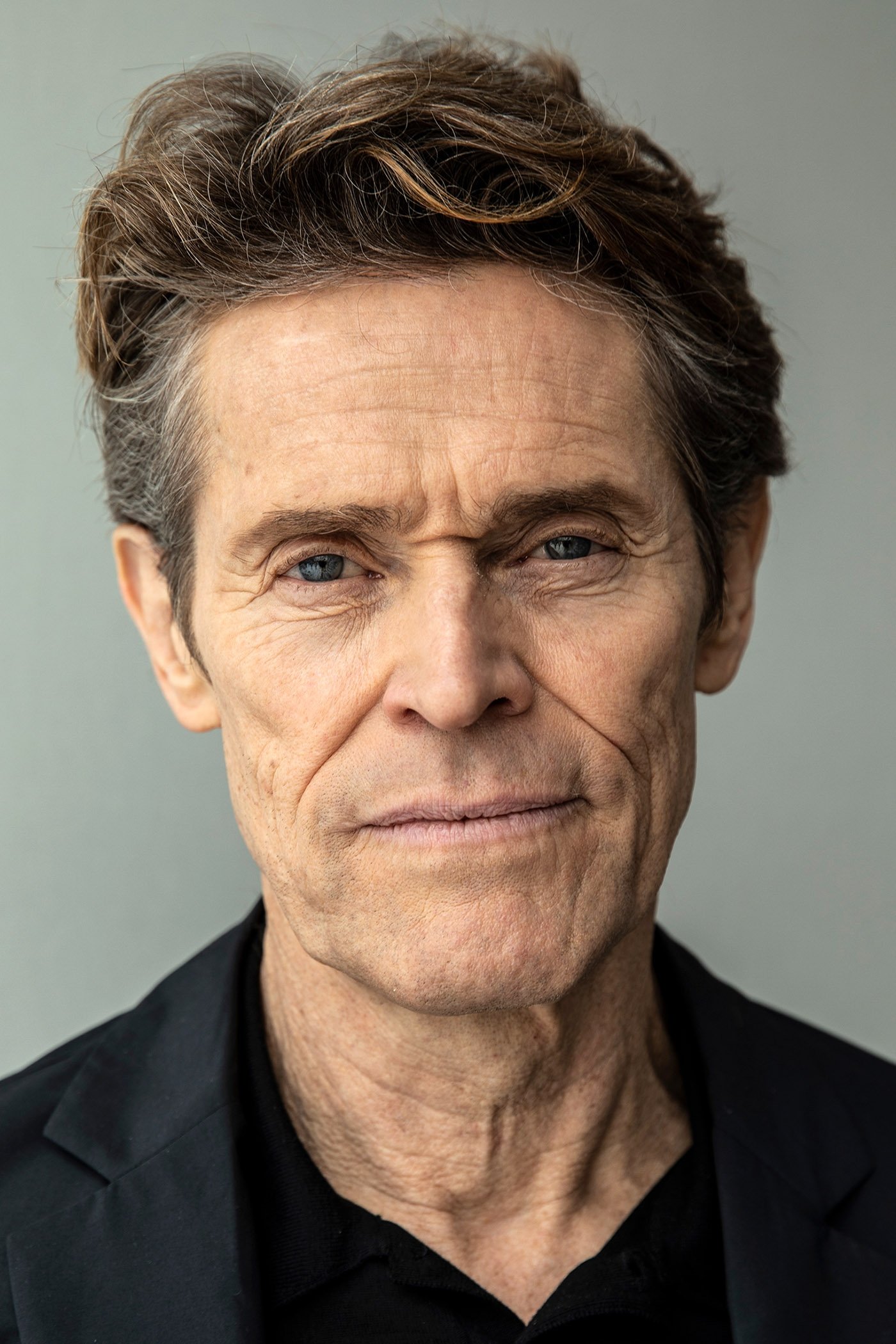
Dafoe’s Wooster Group pedigree and decades of repertory-style work gave him a toolkit for stylized language and sustained address. His filmography includes characters who speak in formal registers and mythic imagery.
He unleashes the sea-curse and work-order harangues in ‘The Lighthouse’, conducts self-dueling speeches in ‘Spider-Man’ as Norman Osborn confronts his reflection, and provides painterly diary and letter passages in ‘At Eternity’s Gate’. Historical and moral narration duties also show up in ‘The Last Temptation of Christ’.
Ben Kingsley
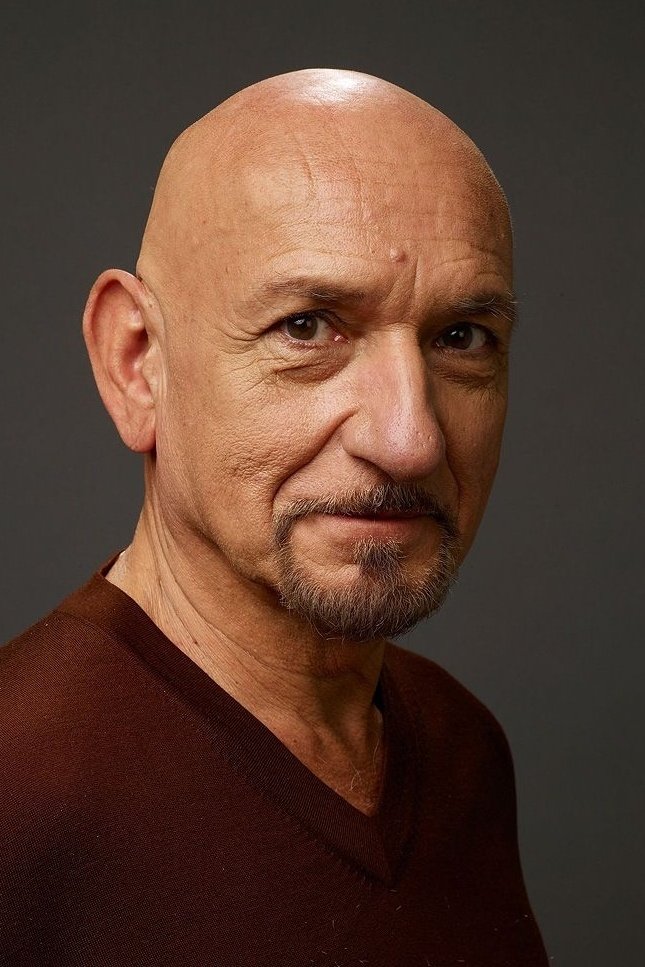
Kingsley moved from the Royal Shakespeare Company to film, carrying classical technique into biographical and crime roles. He often uses meticulously phrased paragraphs to convey doctrine, threat or persuasion.
His work includes public addresses and private moral arguments in ‘Gandhi’, explosive intimidation sequences in ‘Sexy Beast’, and pleading and negotiation scenes in ‘House of Sand and Fog’. He also delivers reflective leadership and survival speeches in ‘Schindler’s List’.
Rami Malek
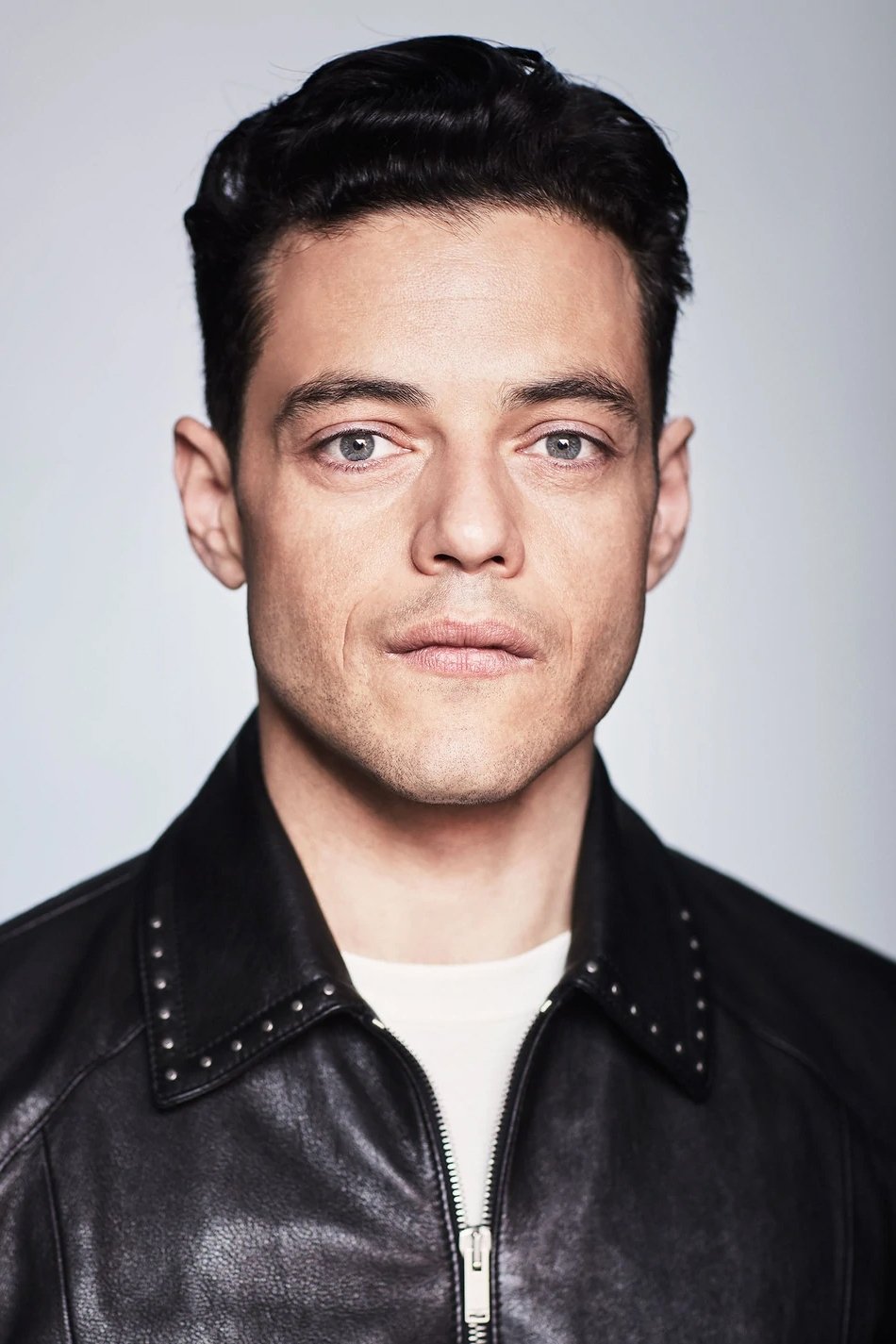
Malek trained at the University of Evansville and built a profile in television before moving into major film leads. He frequently carries narrative through first-person voiceover and confessional address that clarifies plot architecture.
In ‘Mr. Robot’, he supplies episode-framing narration, therapist confessions and direct-to-camera explanations that decode hacks and conspiracies. He also handles press and legal interviews in ‘Bohemian Rhapsody’ and antagonist rationale and negotiation scenes in ‘No Time to Die’.
Mads Mikkelsen
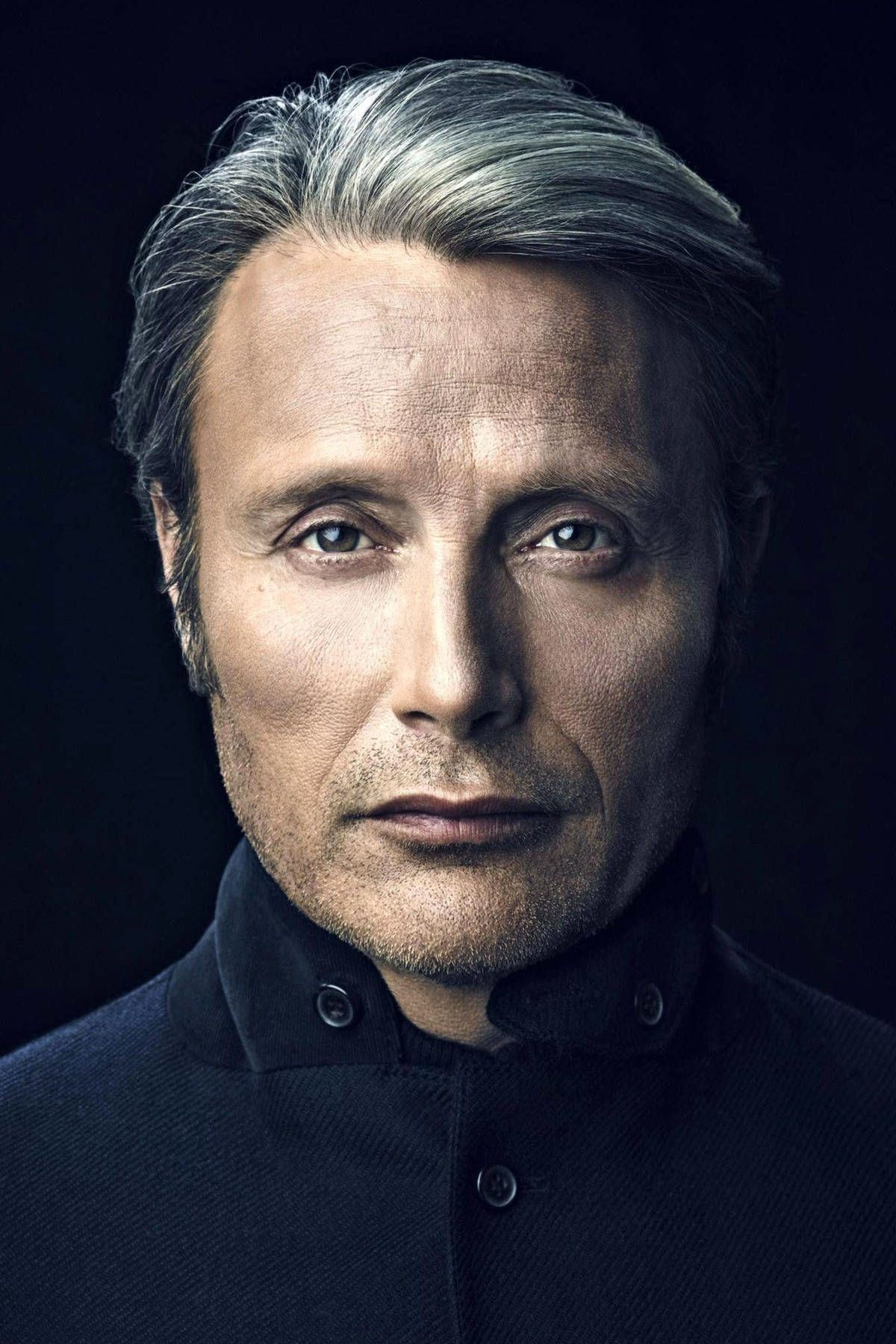
Mikkelsen trained at the National Theatre School of Denmark and rose through Danish cinema before international leads, often depicting men whose principles emerge in extended discourse. He is adept with multilingual delivery, which broadens his monologue range.
Look for dinner-table philosophy and psychological fencing in ‘Hannibal’, staff-room and family-address scenes in ‘Another Round’, and interrogation-room bargaining and physical-pain explanations in ‘Casino Royale’. He also sustains isolation-driven address and survival updates in ‘Arctic’.
Cillian Murphy
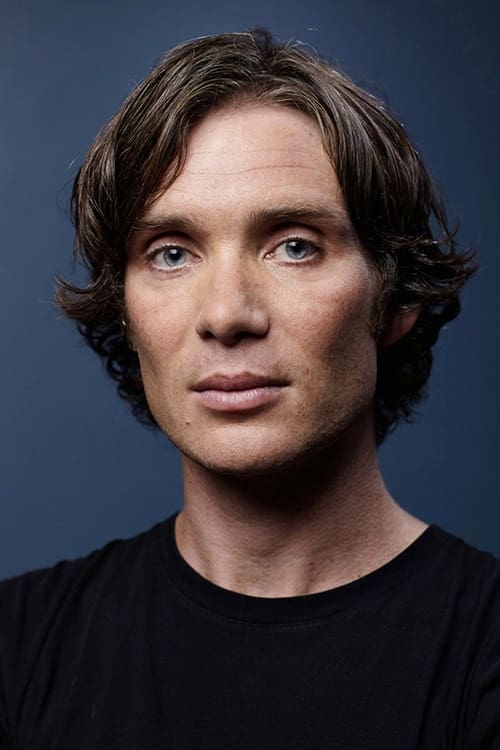
Murphy began in Irish theater and transitioned to screen roles that demand quiet concentration and long-form explanation. He frequently plays strategists and leaders who articulate complex positions in uninterrupted passages.
He conducts rally and family-council speeches across seasons of ‘Peaky Blinders’, delivers deposition-room and security-hearing testimony in ‘Oppenheimer’, and offers confessional travel and correspondence narration in ‘Breakfast on Pluto’. He also anchors mission briefings and noir-style voiceovers in ‘Red Eye’ and ‘Anthropoid’.
Share your picks—and the specific monologues you revisit most—in the comments.