Actresses Who Own Every Monologue

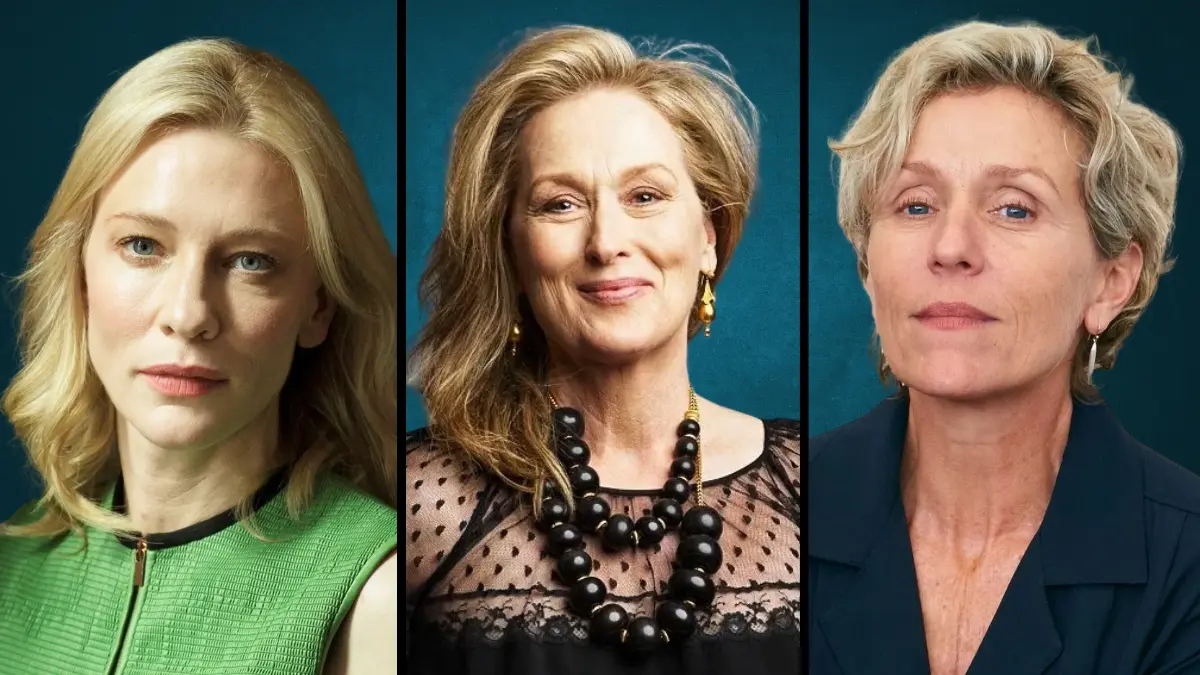

A great monologue does more than fill time; it compresses a character’s history, motive and turning point into a single sustained stretch of language. The performers below have built reputations for making those stretches count across film, TV and stage, often drawing on classical training, live-theatre experience, or a long record of lead roles that hinge on extended speeches and confessions. Across genres and mediums, their résumés include courtroom summations, royal addresses, audition stories, villain reveals and one-person plays.
This list spotlights concrete career facts—training, landmark roles and award milestones—and pinpoints specific projects where substantial single-speaker passages are central. If you’re hunting for examples to study or revisit, you’ll find where to start: from network dramas packed with closing arguments to one-woman shows structured as uninterrupted testimony, and from voiceover confessions to stand-and-deliver set pieces that have become reference points for acting classes.
Viola Davis
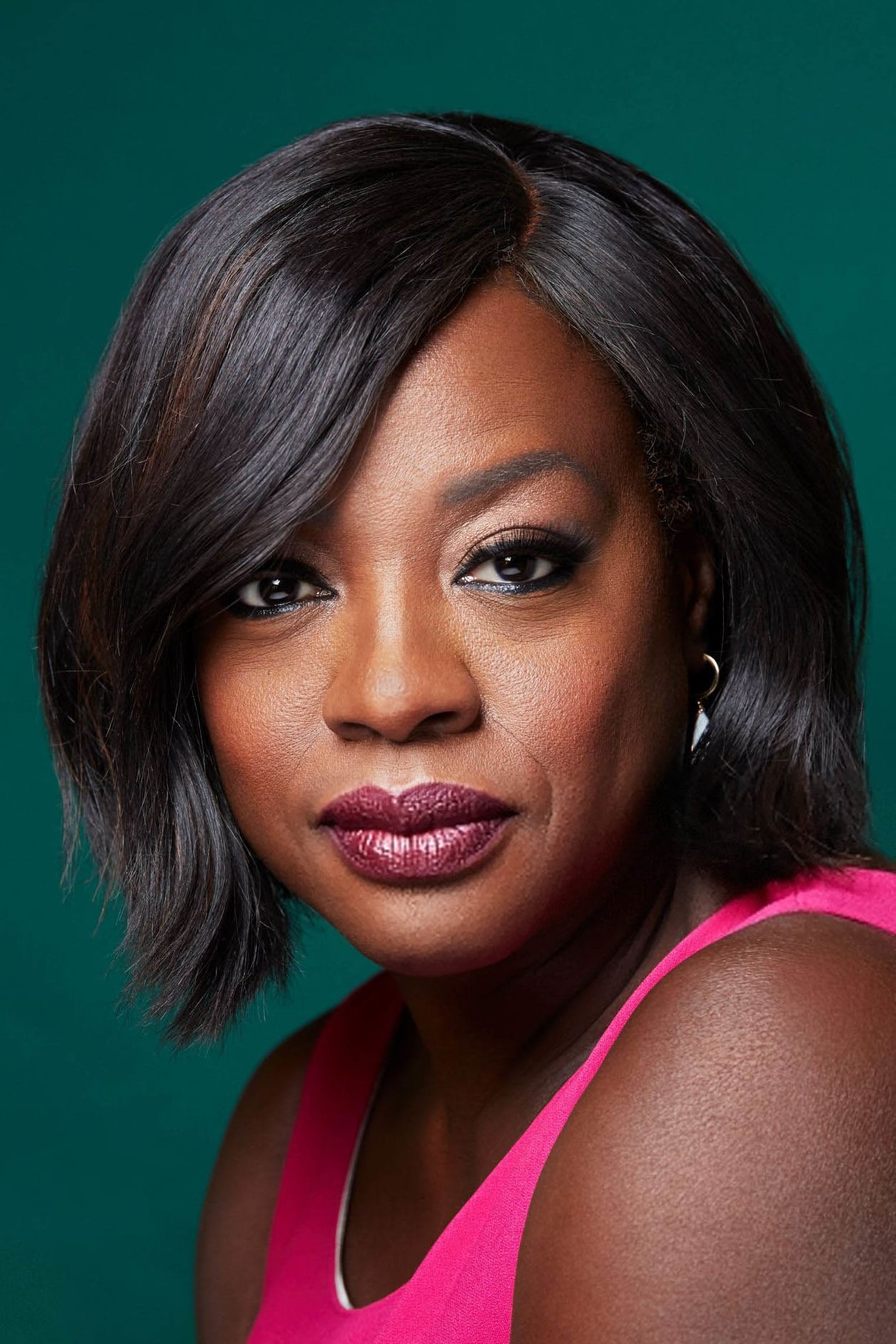
A Juilliard graduate and winner of the Academy Award, an Emmy and two Tony Awards, Viola Davis has anchored screen and stage projects built around sustained, emotionally intricate speeches. On television, she portrayed defense attorney Annalise Keating in ‘How to Get Away with Murder’, a role that regularly required multi-page courtroom arguments and classroom lectures delivered in full view of a jury, students or both.
On stage, Davis’s turn as Rose Maxson in August Wilson’s ‘Fences’ is frequently cited in acting curricula for its centerpiece confrontation, which the film adaptation also preserves in long takes. Her body of work also includes pivotal confession scenes in ‘Doubt’ and commanding leadership addresses in ‘The Woman King’, each providing extended passages where plot momentum relies on her uninterrupted delivery.
Meryl Streep
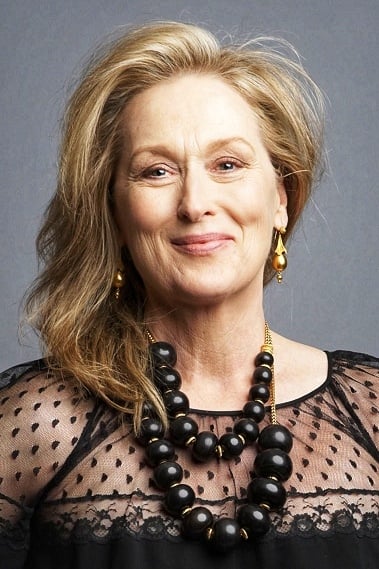
Meryl Streep trained at the Yale School of Drama and holds multiple Academy Awards recognizing lead and supporting work. Her screen career features several hallmark monologues, including the fashion-industry exposition often called the “cerulean” speech in ‘The Devil Wears Prada’, delivered as a coolly detailed industry case study.
Streep’s portfolio also includes extended solo addresses and voice-led passages in ‘The Iron Lady’ and ‘Angels in America’, projects that allocate long sections to character memory and argument. In ‘Doubt’, she crafts lengthy interrogations and moral assertions that function like sermons, often staged to let the language carry the narrative beat without cutaways.
Cate Blanchett
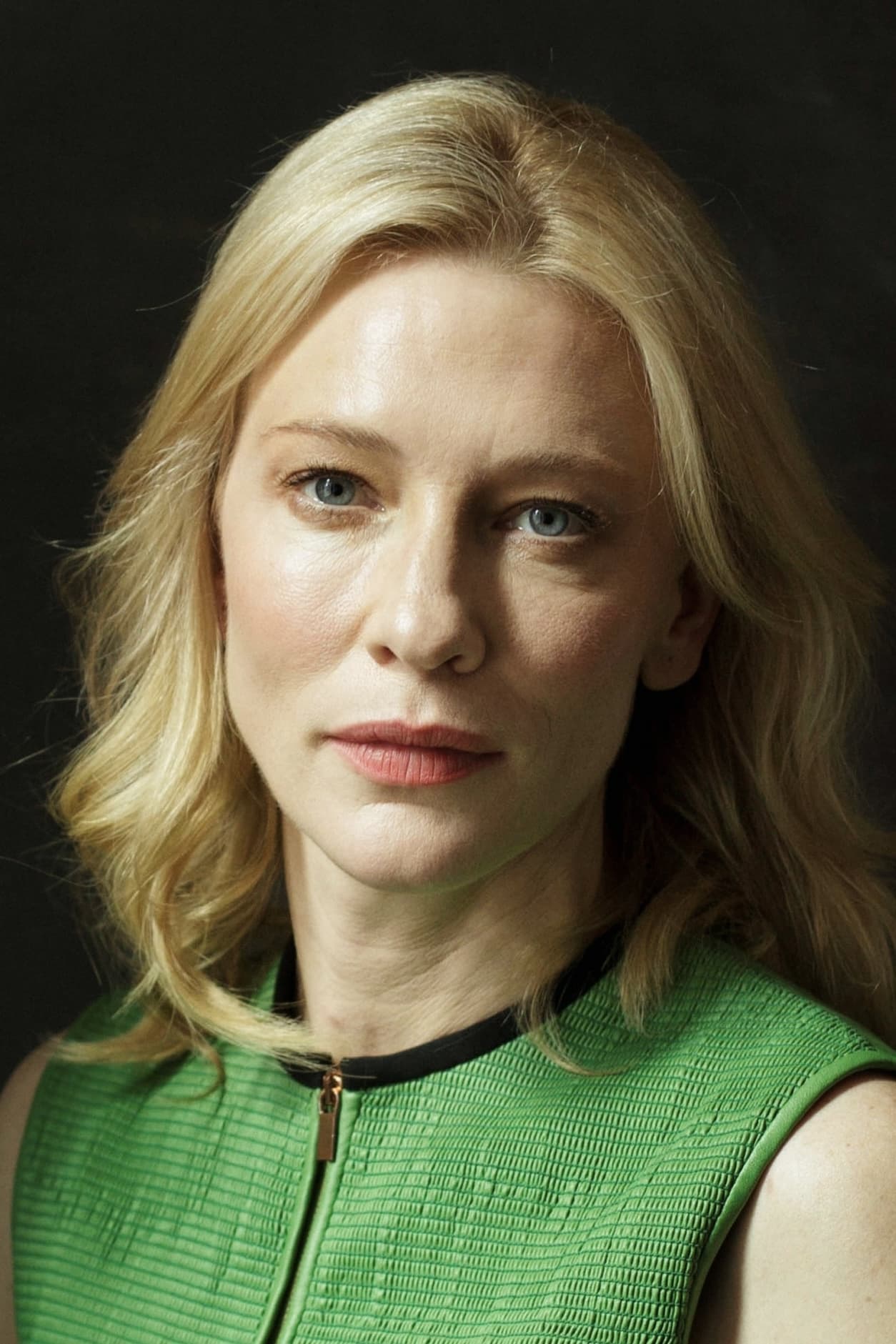
An alumna of Australia’s National Institute of Dramatic Art, Cate Blanchett has two Academy Awards and a long association with the Sydney Theatre Company, where she has led classical and modern productions. In ‘Tár’, she delivers extended lecture sequences and interviews that play out as rigorous monologues about power, art and authorship.
Her film ‘Blue Jasmine’ gives her multiple uninterrupted spirals of speech that map a character’s denial and reinvention. On stage, roles like ‘Hedda Gabler’ and ‘Gross und Klein (Big and Small)’ are frequently referenced for their long passages of text that demand sustained focus, breath control and precise transitions.
Frances McDormand
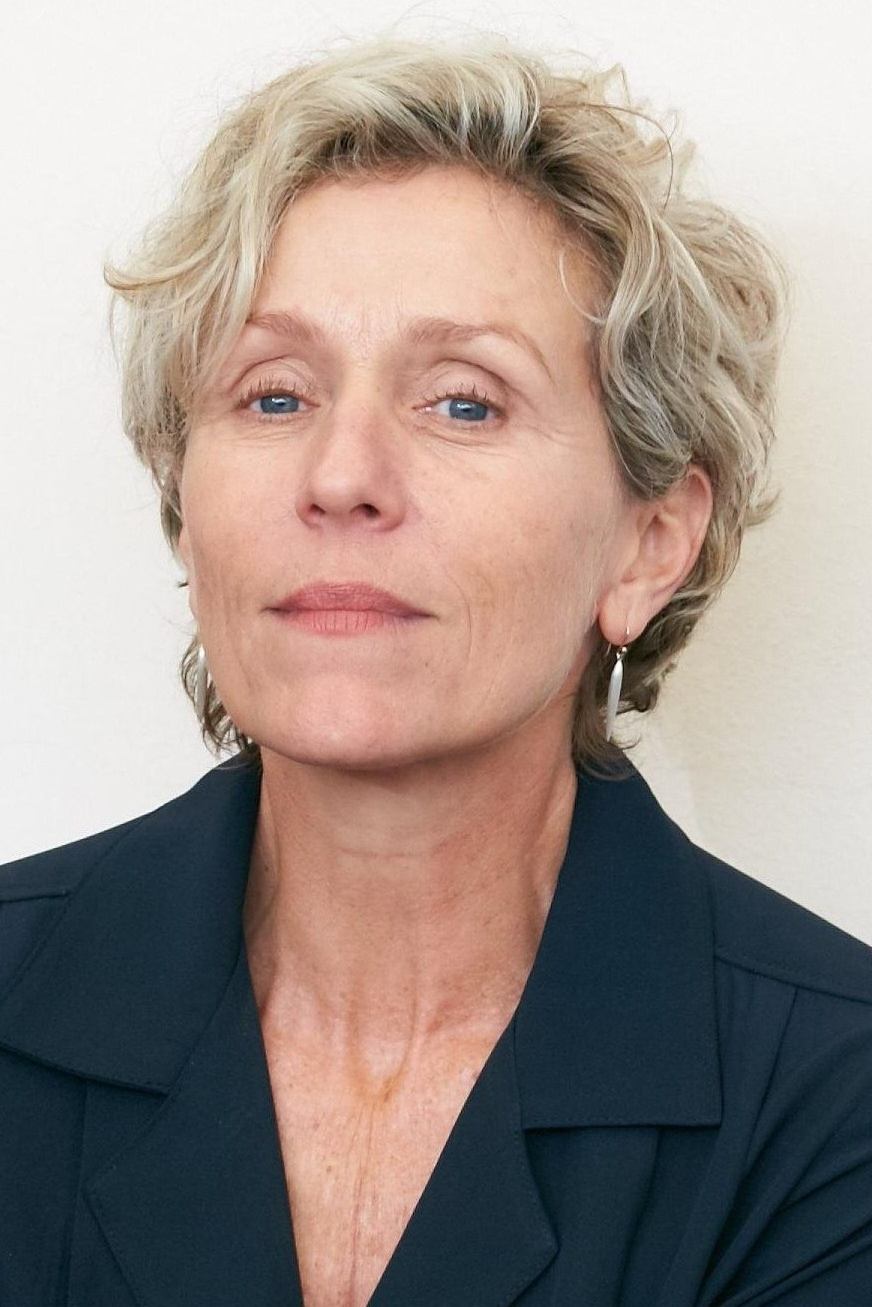
Frances McDormand earned an MFA from the Yale School of Drama, is a member of the Wooster Group, and has three Academy Awards for Best Actress plus a producing win. In ‘Three Billboards Outside Ebbing, Missouri’, she deploys extended speeches that function as direct confrontations, often shot in ways that let the scene play in real time.
Her television work in ‘Olive Kitteridge’ contains reflective monologues and frank, unvarnished statements that reposition relationships without crosscut relief. On stage, credits like ‘Good People’ emphasize muscular, working-class rhetoric, while ‘Nomadland’ integrates documentary-style confessions that rely on sustained, quiet storytelling.
Olivia Colman

Trained at the Bristol Old Vic Theatre School, Olivia Colman has an Academy Award for ‘The Favourite’ and major television honors for dramatic lead roles. ‘The Favourite’ furnishes her with monarchic tirades and vulnerable appeals, often shot in wide frames that preserve the full length of her lines.
As Queen Elizabeth II in ‘The Crown’, Colman performs state addresses, private dictations and negotiations that are staged as concentrated monologues shaping policy and family outcomes. Earlier work like ‘Tyrannosaur’ contains clinic and confessional scenes where long, uninterrupted speech carries biographical revelation and shifts audience alignment.
Glenn Close
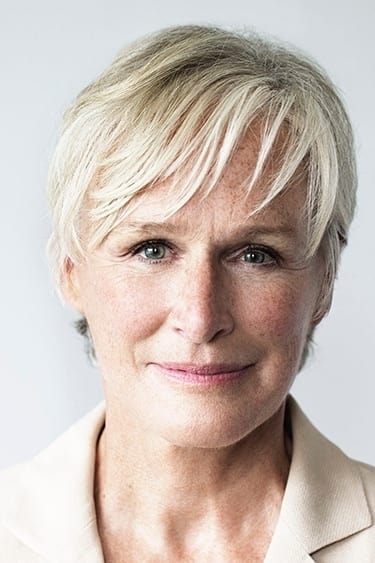
Glenn Close studied at the College of William & Mary and built her reputation on Broadway before assembling multiple Oscar nominations and three Tony Awards. In ‘Fatal Attraction’, later echoed in stage adaptations, she delivers extended explanatory rants that articulate motive and obsession without cutting to reaction shots.
In ‘Dangerous Liaisons’, her readings and dictations serve as aristocratic monologues that reveal strategy while maintaining social veneer. On television, ‘Damages’ gives her episode-ending summations and depositions that hinge on layered rhetoric, and on stage ‘Sunset Boulevard’ centers her in arias and spoken soliloquies that demand uninterrupted focus.
Helen Mirren
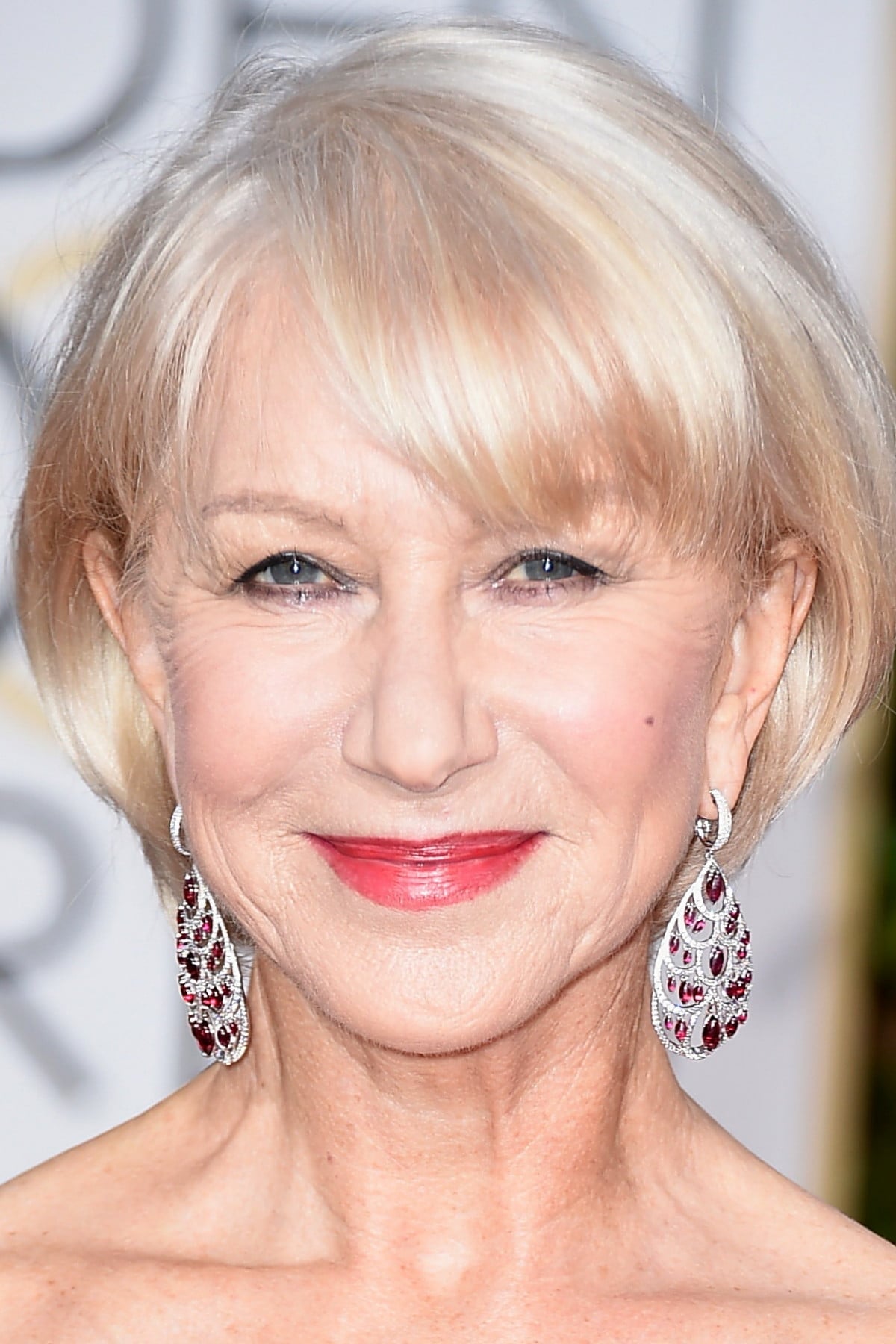
Helen Mirren joined Britain’s National Youth Theatre before moving to the Royal Shakespeare Company, later winning an Academy Award for ‘The Queen’. In that film and in ‘The Audience’, she performs royal addresses, private briefings and internal debates as extended speeches that drive character rather than plot mechanics.
Her work in ‘Elizabeth I’ includes courtly orations staged to capture political calculation in full paragraphs of period language. Across her Shakespearean roles, Mirren is frequently tasked with prologues, epilogues and narrative bridges that rely on classical monologue technique developed over decades on stage.
Judi Dench

Judi Dench trained at the Central School of Speech and Drama and has long associations with the Royal Shakespeare Company and the National Theatre. She earned an Academy Award for ‘Shakespeare in Love’ and a Tony Award for ‘Amy’s View’, with stage work that regularly assigns her soliloquies and narrative link passages.
In ‘Notes on a Scandal’, Dench delivers diary-style voiceover that functions as an ongoing monologue, framing the entire narrative through a single point of view. Film and TV projects like ‘Philomena’ and ‘Victoria & Abdul’ likewise rely on extended confession, testimony and storytelling sequences that keep the camera on her for full pages of dialogue.
Angela Bassett
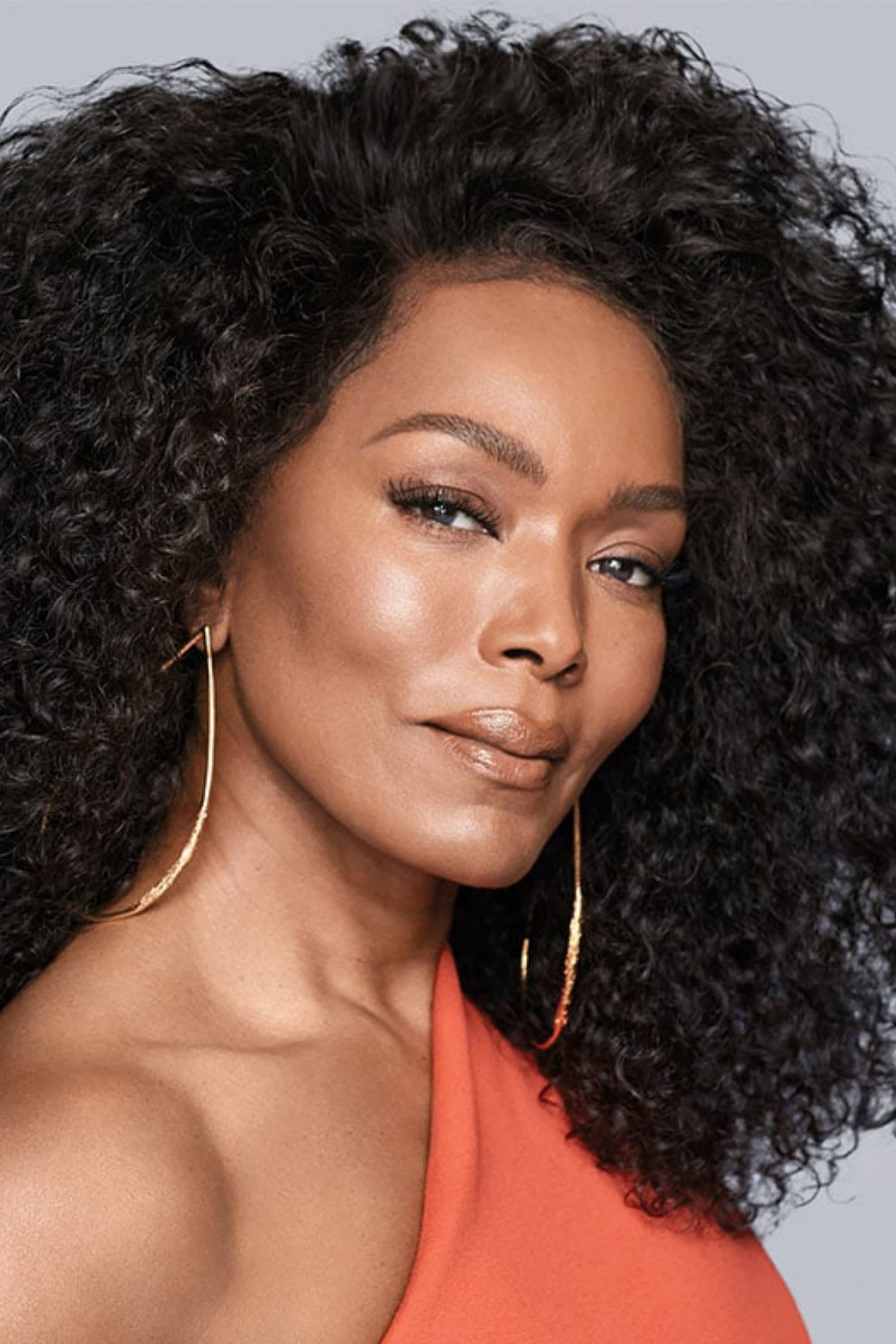
Angela Bassett holds a BA and an MFA from Yale and has led both biographical and genre films that feature signature speeches. In ‘What’s Love Got to Do with It’, she delivers extended statements that trace career control, personal boundaries and survival inside the music industry.
As Queen Ramonda in ‘Black Panther: Wakanda Forever’, Bassett executes throne room addresses and diplomatic appeals structured as full-length monologues. Television work from ‘American Horror Story’ to ‘9-1-1’ assigns her captain’s briefings and community confrontations that place long, uninterrupted text at the forefront.
Emma Thompson
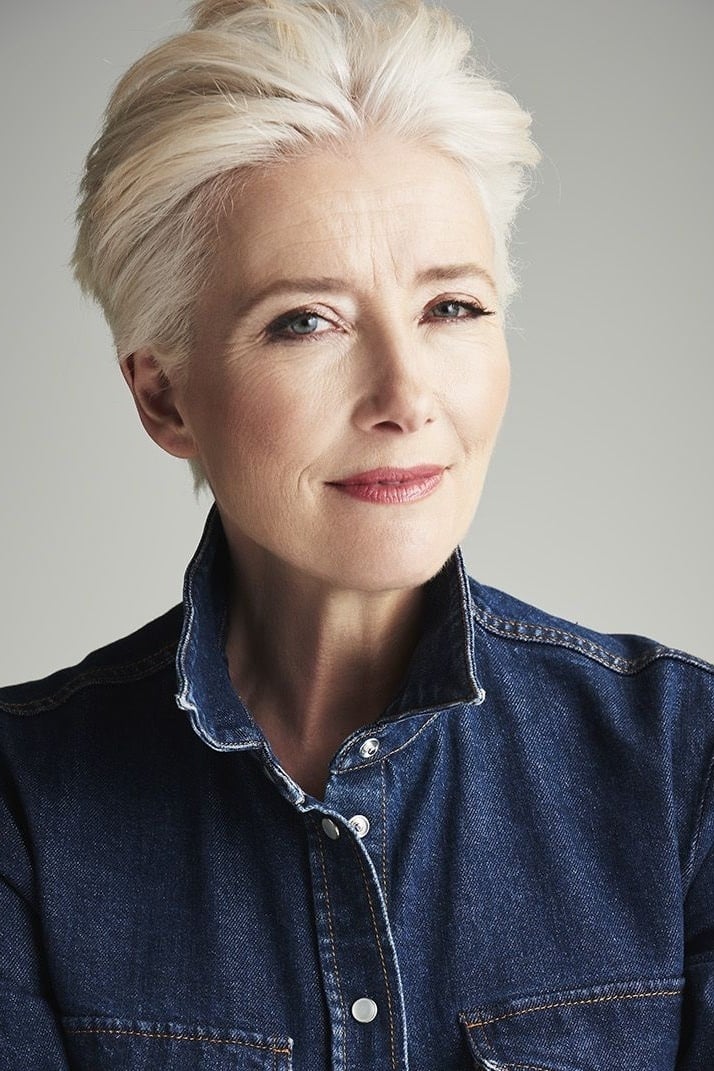
Emma Thompson studied English at Cambridge and is the only person to have won Academy Awards for both acting and screenwriting. She led the HBO adaptation of ‘Wit’, a text built around direct-to-camera addresses and hospital-room reflections that unfold as extended monologues.
Her filmography includes long confession and negotiation scenes in ‘The Remains of the Day’ and ‘Late Night’, where speech patterns and precise diction carry shifts in power without action beats. On stage, projects like ‘King Lear’ and ‘Private Lives’ have given her sustained solo passages grounded in classical technique and comedic timing.
Kate Winslet
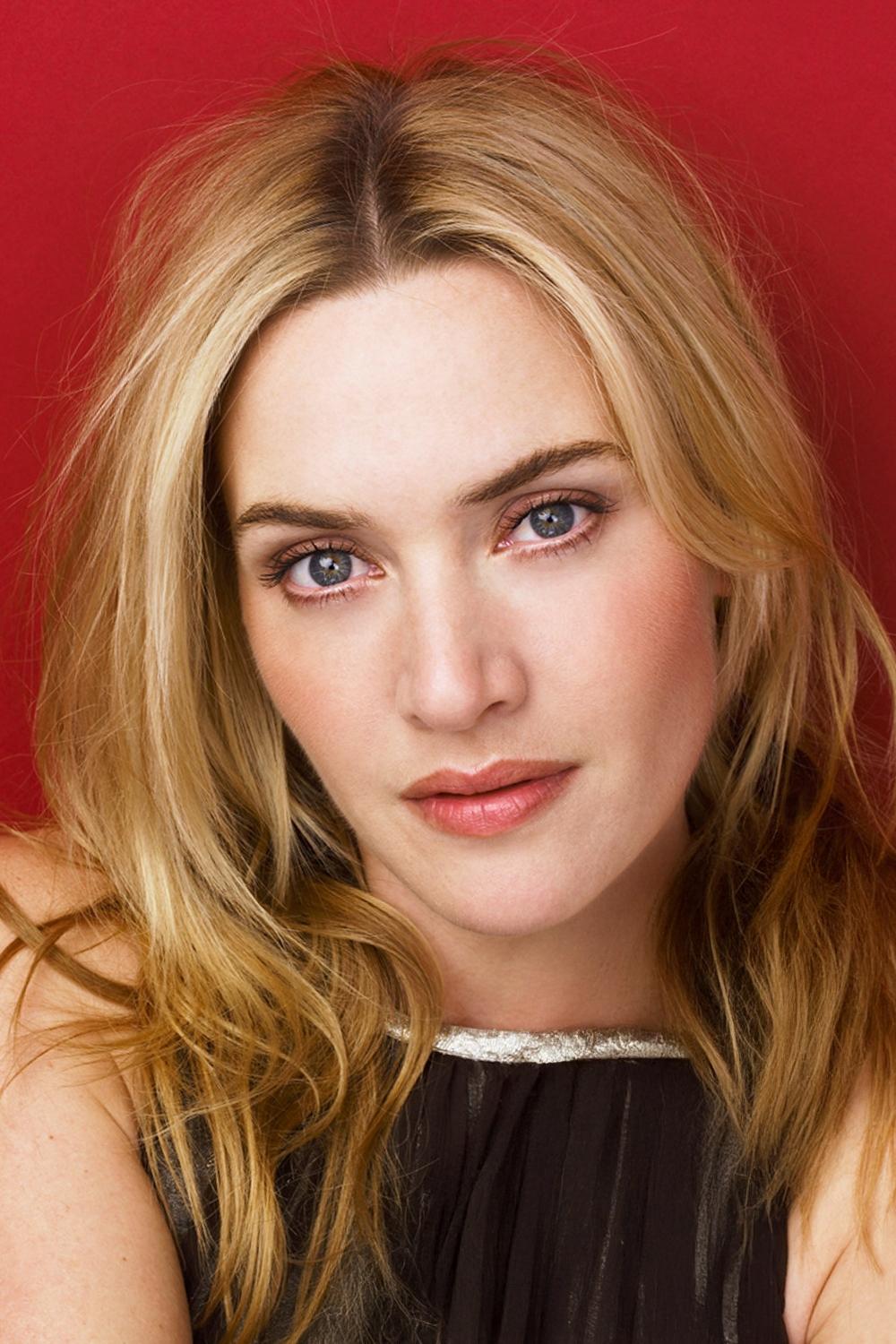
Kate Winslet trained at Redroofs Theatre School and has an Academy Award as well as multiple Emmys for limited series leads. In ‘The Reader’, she delivers courtroom statements and private, uninterrupted accounts that recalibrate the moral questions of the story.
Her television roles in ‘Mildred Pierce’ and ‘Mare of Easttown’ include debriefings, witness interviews and solitary confessions staged to let dialogue run in long, unbroken stretches. Additional projects such as ‘Steve Jobs’ assign her bilingual explanatory sequences that put emphasis on pace, clarity and tonal modulation over cutting.
Jessica Chastain
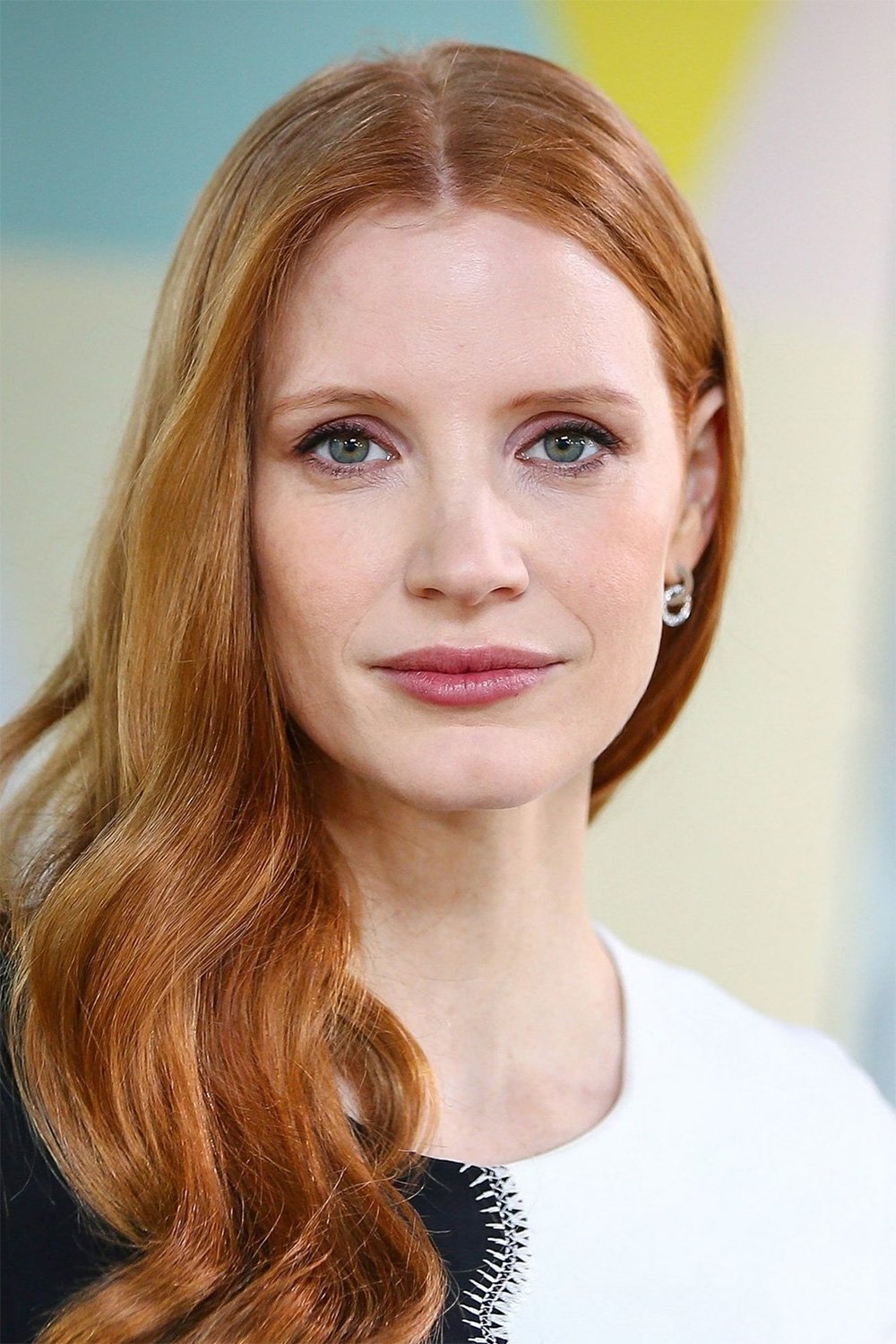
A Juilliard alumna, Jessica Chastain won an Academy Award for ‘The Eyes of Tammy Faye’ and is known for roles that hinge on tightly argued speeches. In ‘Miss Sloane’, she conducts congressional testimony and strategy briefings as extended monologues designed to demonstrate logic step by step.
In ‘Zero Dark Thirty’, her character’s closed-door presentations and confrontations are structured as long statements that move policy and plot simultaneously. On Broadway, her lead role in ‘A Doll’s House’ demanded sustained monologue technique within a minimalist staging, emphasizing breath work and textual precision.
Rosamund Pike
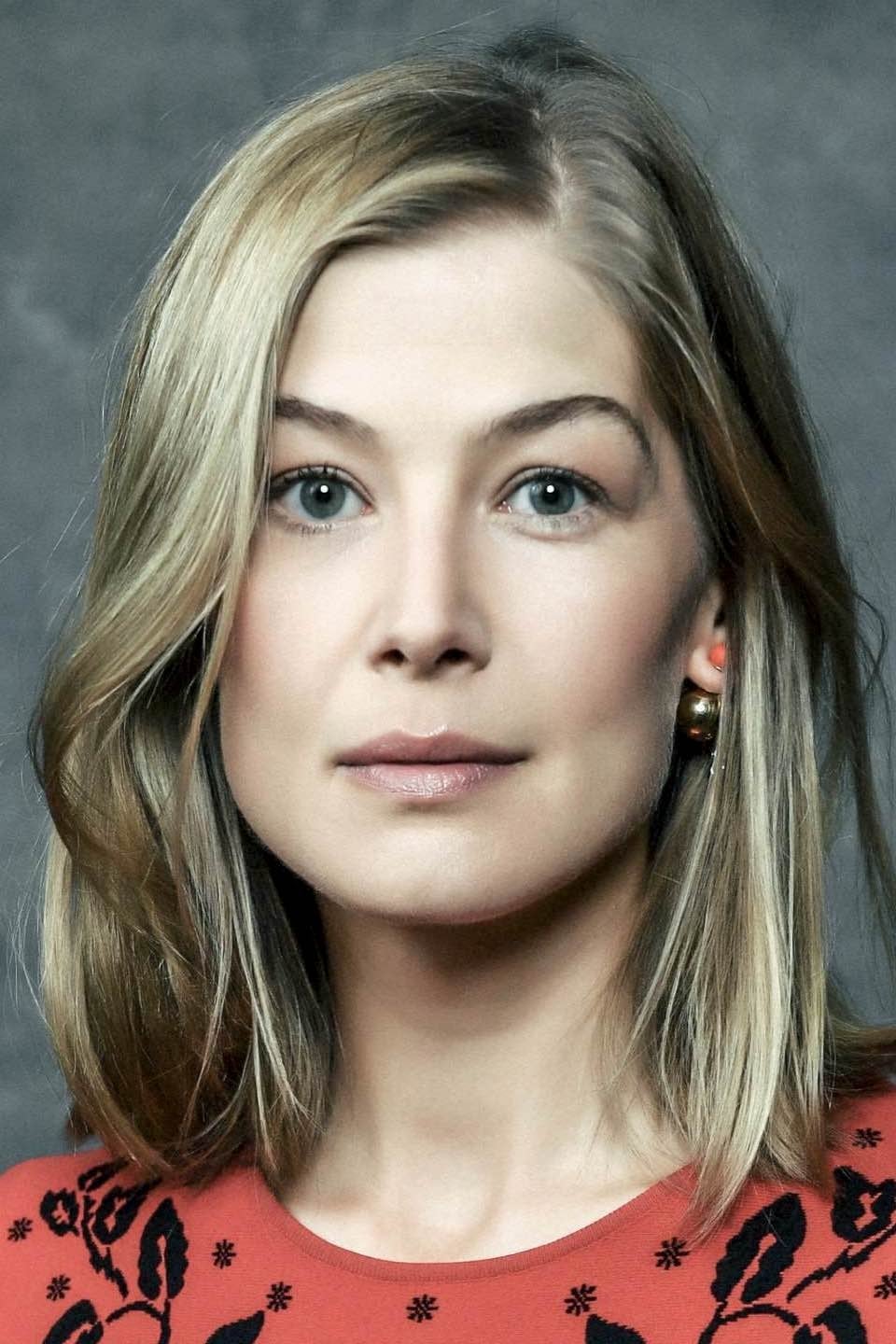
Rosamund Pike studied at Oxford and began her screen career with projects that paired classical training with modern genre storytelling. ‘Gone Girl’ features her widely discussed “Cool Girl” voiceover, an essay-like internal monologue that redefines the narrative from a single character’s perspective.
In ‘I Care a Lot’, Pike performs investor-pitch monologues and legal arguments as extended rhetoric, balancing persuasion mechanics with character revelation. Her television work in ‘The Wheel of Time’ includes lore and leadership passages staged as long address, maintaining rhythm across exposition-heavy text.
Elisabeth Moss
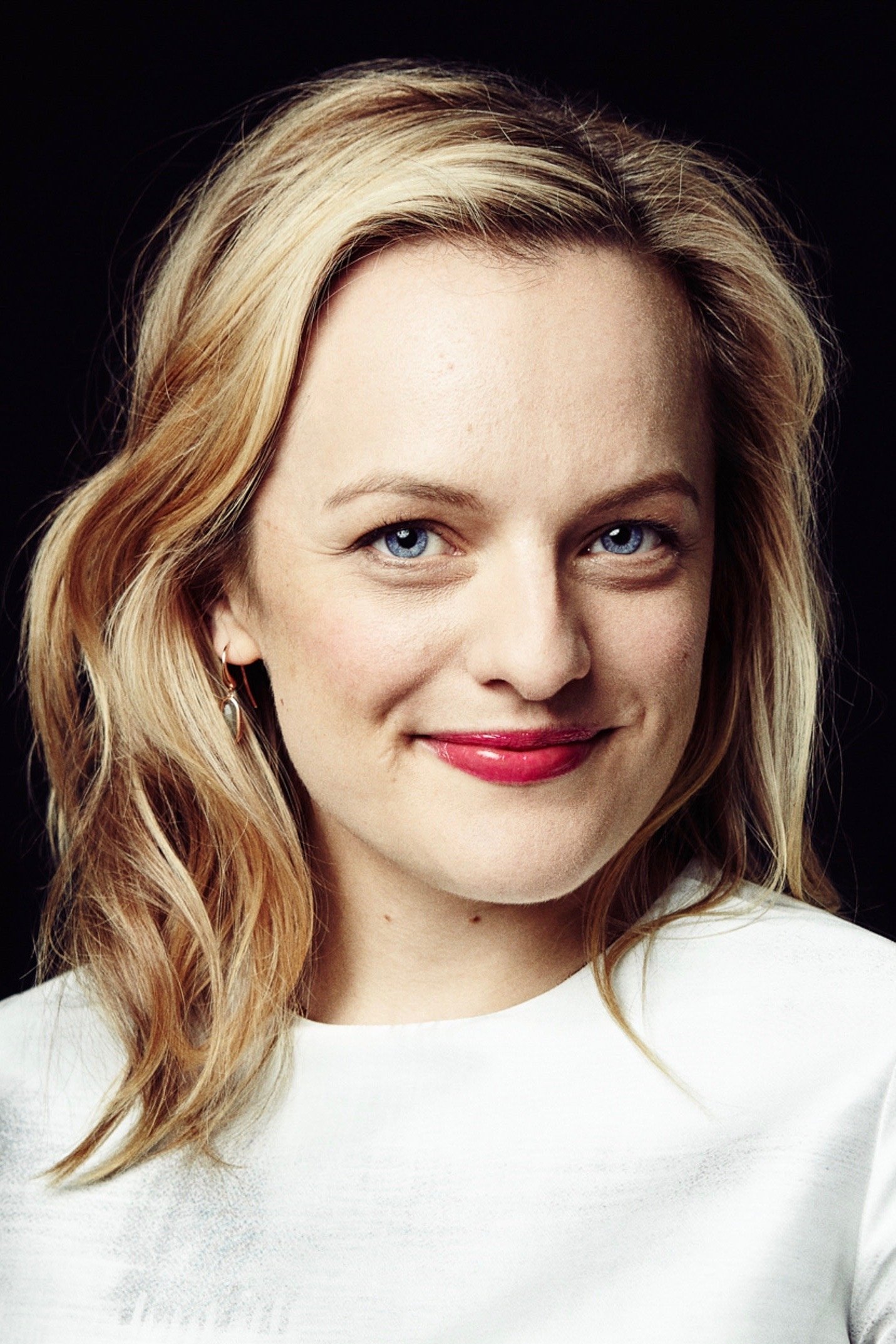
Elisabeth Moss began as a child performer and has headlined multiple prestige TV series that rely on point-of-view narration. ‘The Handmaid’s Tale’ uses voiceover monologues and in-scene testimonies to give sustained access to internal calculation and memory, often playing entire scenes on her voice.
In ‘Top of the Lake’ and ‘Shining Girls’, she handles interview sequences, interrogations and survivor statements structured as extended takes. Her film ‘Her Smell’ assigns her onstage rants and backstage unravelings that function as multi-minute monologues tracking a performer’s mental state in real time.
Zendaya

Zendaya attended Oakland School for the Arts and transitioned from youth television to dramatic leads recognized with multiple Emmys. In ‘Euphoria’, she delivers sponsor meetings, classroom confessions and voiceover narration that flow as longform monologues anchoring entire episodes.
Her film ‘Malcolm & Marie’ is built around alternating extended speeches that resemble stage monologues captured for the camera. Across music-adjacent work and interviews within narrative, she executes extended address with careful control of pacing, breath and tonal shifts to maintain narrative momentum.
Jodie Comer
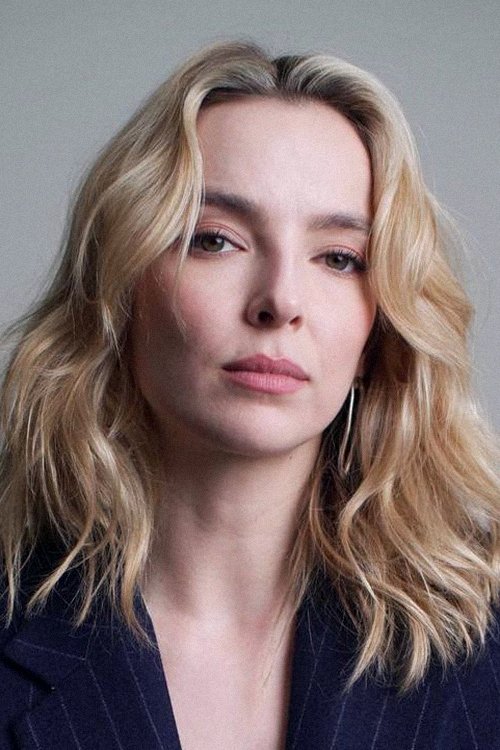
Jodie Comer rose from Liverpool youth theatre to international recognition with awards for both television and stage. In ‘Killing Eve’, she cycles through idioms and accents to deliver long interrogations and story-shaping confessions without reliance on fast cutting.
Her one-woman play ‘Prima Facie’ is constructed as a single extended testimony that demands uninterrupted monologue technique over the course of the performance. The role’s legal rhetoric, narrative chronology and emotional escalation are carried entirely by Comer, making it a contemporary benchmark for solo performance craft.
Phoebe Waller-Bridge
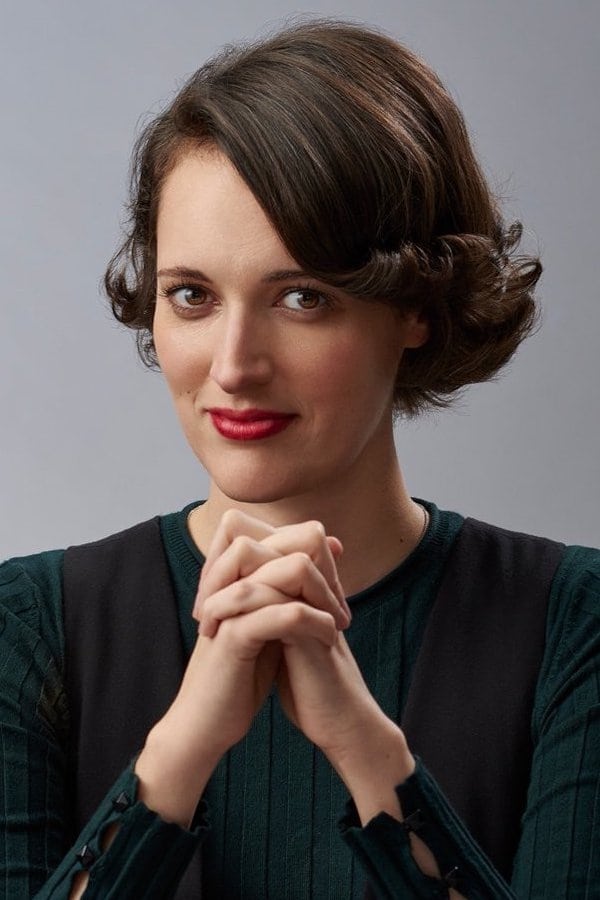
Phoebe Waller-Bridge trained at RADA and created ‘Fleabag’, which began as a one-woman show before becoming a series that retains direct-address monologues. The stage version operates as an unbroken confessional arc, integrating jokes, asides and plot turns within a continuous solo narrative.
On television, her to-camera asides and full stop-and-speak passages function as self-contained monologues that move story and redefine relationships. Beyond ‘Fleabag’, her script doctoring and showrunning credits emphasize dialogue rhythm, and her stage background gives her the breath control and timing associated with longform solo delivery.
Toni Collette
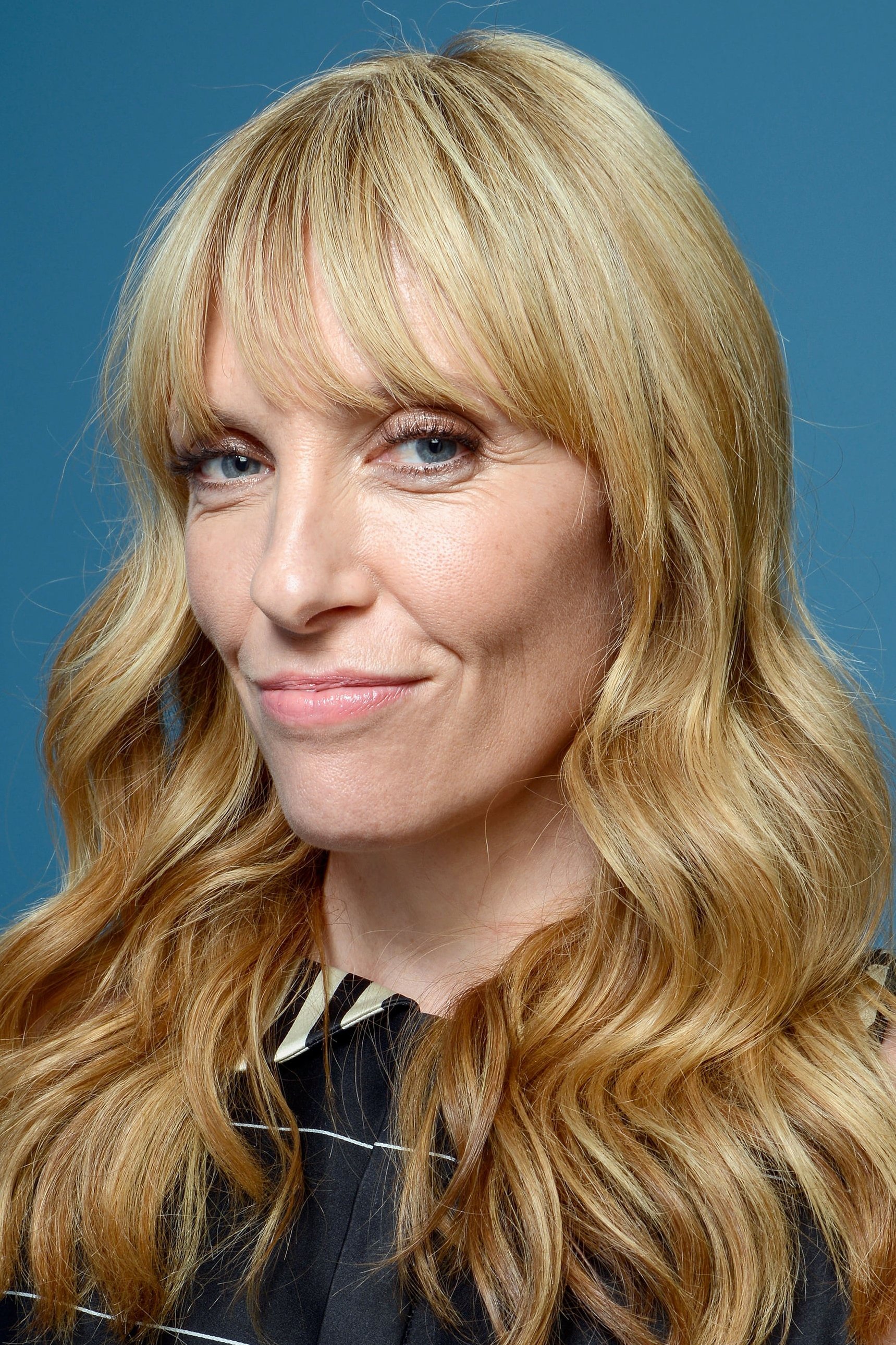
Toni Collette’s early stage work included musical theatre in Australia, followed by international film and television that often hinges on psychologically dense speeches. In ‘Hereditary’, the famous dinner-table confrontation operates as a full-length monologue that shifts family dynamics without a cut.
Her series ‘United States of Tara’ frequently assigns her therapy sessions and diary-style addresses that function as structured monologues while switching personas. Across projects like ‘Muriel’s Wedding’ and ‘Unbelievable’, Collette’s extended statements and briefings are designed to carry expository load and character detail simultaneously.
Lupita Nyong’o
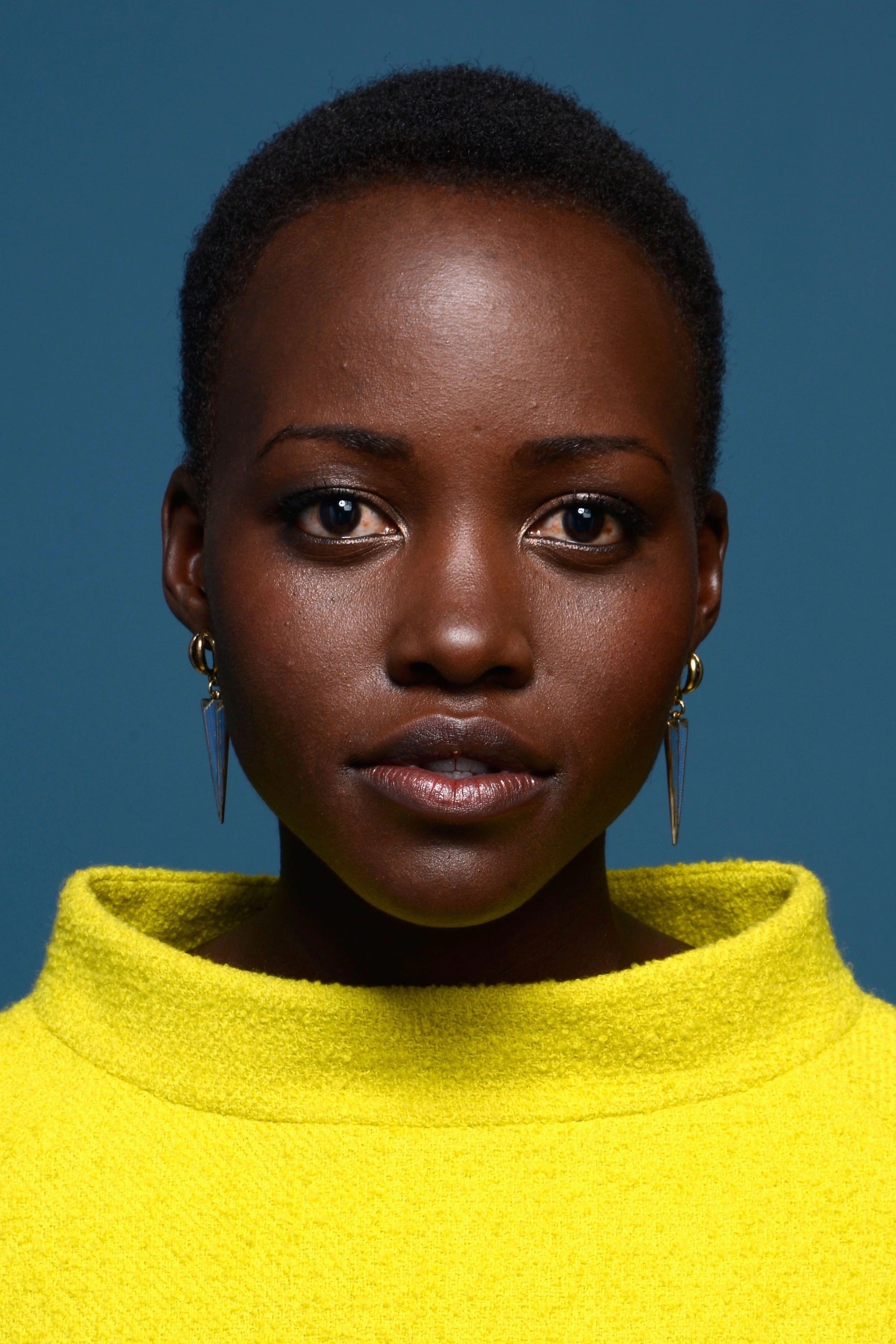
Lupita Nyong’o earned an MFA from the Yale School of Drama and won an Academy Award for ’12 Years a Slave’. In ‘Us’, her dual role hinges on a rasping, slow-paced introductory speech that plays as a sustained monologue, establishing the film’s central mythology.
On Broadway, ‘Eclipsed’ provides extended testimony sequences centered on a character’s survival and agency, performed without intercutting. Additional projects like ‘Black Panther’ assign her diplomatic and tactical briefings that require longform clarity and command, often delivered in multiple languages.
Regina King
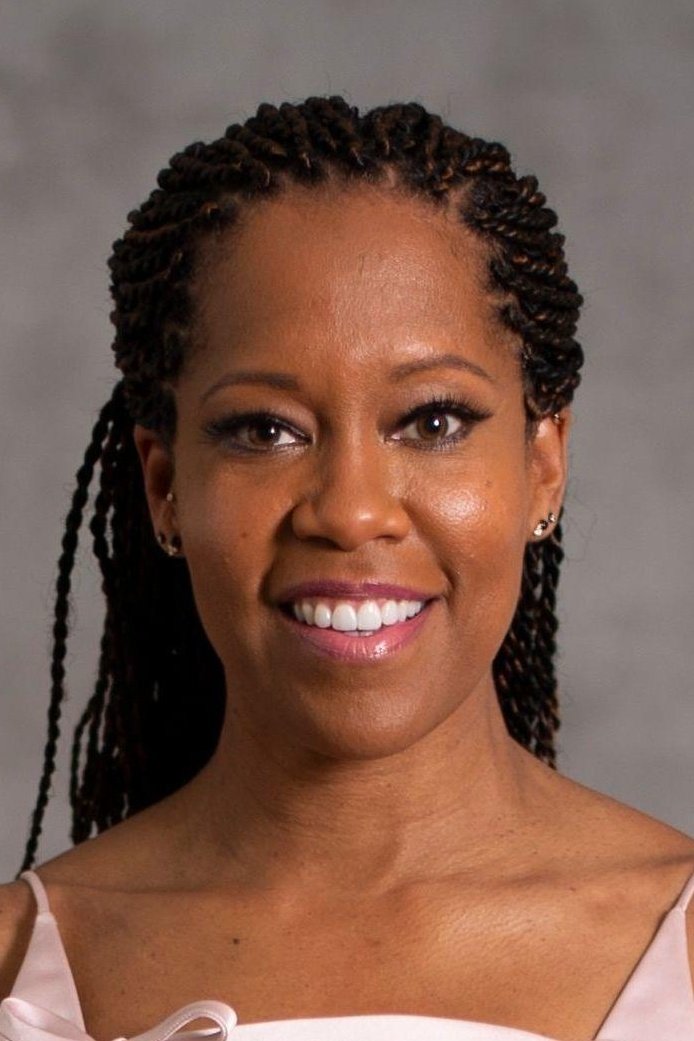
Regina King began on the sitcom ‘227’ and built a career spanning directing and an Academy Award for ‘If Beale Street Could Talk’. In ‘Watchmen’, she performs extended interrogations and masked speeches that function as set pieces, controlling tempo through long lines of dialogue.
Her directorial debut ‘One Night in Miami…’ is adapted from a stage piece that privileges extended arguments and historical monologues, reflecting her familiarity with longform speech on both sides of the camera. Earlier anthology work like ‘American Crime’ gave her courtroom testimonies and community addresses that play out in sustained passages.
Sarah Snook
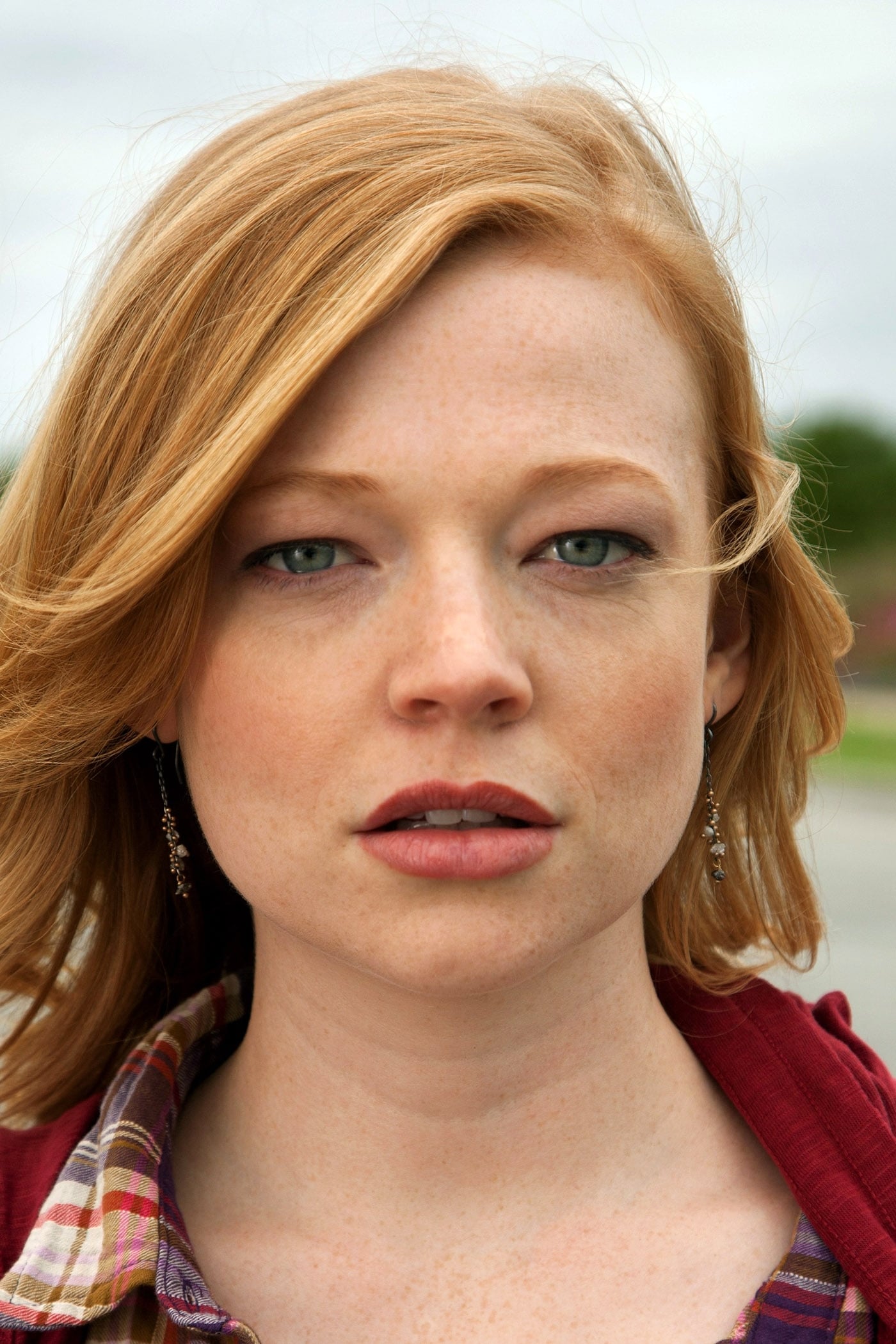
Sarah Snook graduated from NIDA and achieved global recognition for her lead role in ‘Succession’, earning top television honors. The series regularly assigns her extended negotiation speeches, press statements and last-minute pivots delivered in full view of multiple stakeholders without reliance on rapid cutting.
On stage, Snook led a one-actor adaptation of ‘The Picture of Dorian Gray’, executing dozens of character transitions within sequences structured as continuous address. Her film projects, including ‘Predestination’, incorporate long explanatory passages that demand precise pacing to carry high-concept narrative information.
Kerry Washington
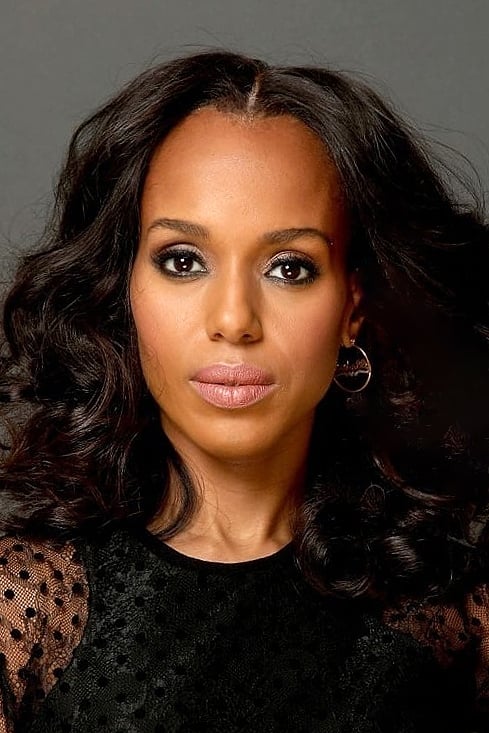
Kerry Washington studied at George Washington University and trained further in New York before moving into lead roles on stage and screen. ‘Scandal’ is built around briefing-room, press-room and client-facing monologues that often close episodes, requiring command of multi-page rhetoric.
Her Broadway turn in ‘American Son’ gives her courtroom-adjacent speeches structured as extended pleas and arguments. Screen work such as ‘Confirmation’ includes deposition and hearing scenes that place long, uninterrupted text at the center of character and plot development.
Gillian Anderson
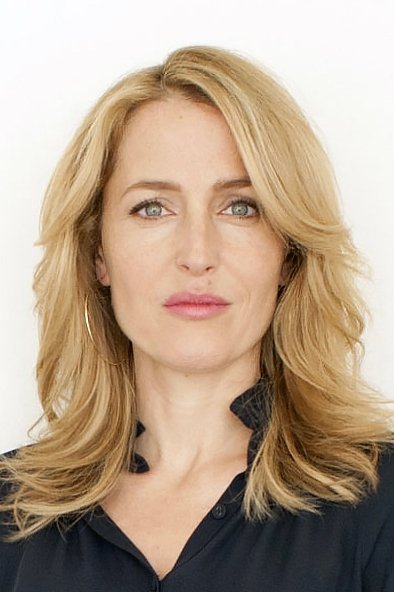
Gillian Anderson trained at The Theatre School at DePaul University and has major awards for both film and television. In ‘The Crown’, she performs political addresses and closed-door statements as extended monologues that track policy disputes and leadership tone.
On stage, productions of ‘A Streetcar Named Desire’ and ‘All About Eve’ gave her long passages that rely on vocal control and sustained emotional build. Earlier television in ‘The X-Files’ includes voiceover and lab-report sequences that function as monologues, carrying exposition without sacrificing character specificity.
Vanessa Kirby
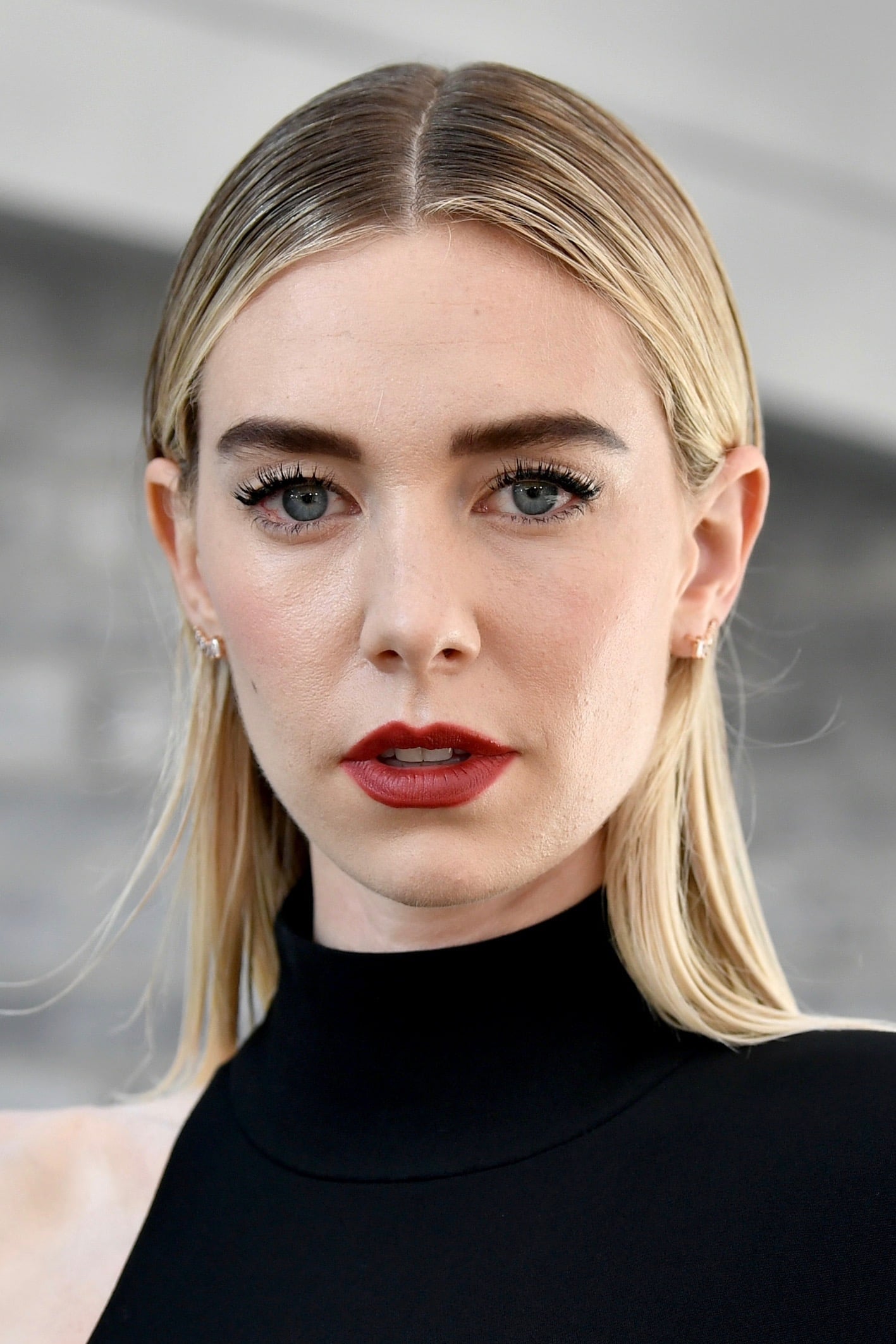
Vanessa Kirby studied English and began her career in regional and London theatre before moving into film and television, earning an Academy Award nomination for ‘Pieces of a Woman’. In that film, later courtroom testimony scenes and graveside addresses operate as structured monologues that reframe the narrative aftermath.
Her role as Princess Margaret in ‘The Crown’ includes extended interviews, speeches and dictations staged as solo passages that illuminate public-private contrast. Stage leads in ‘Julie’ and ‘A Streetcar Named Desire’ provided longform text where character turns occur inside continuous speech rather than action beats.
Emma Stone
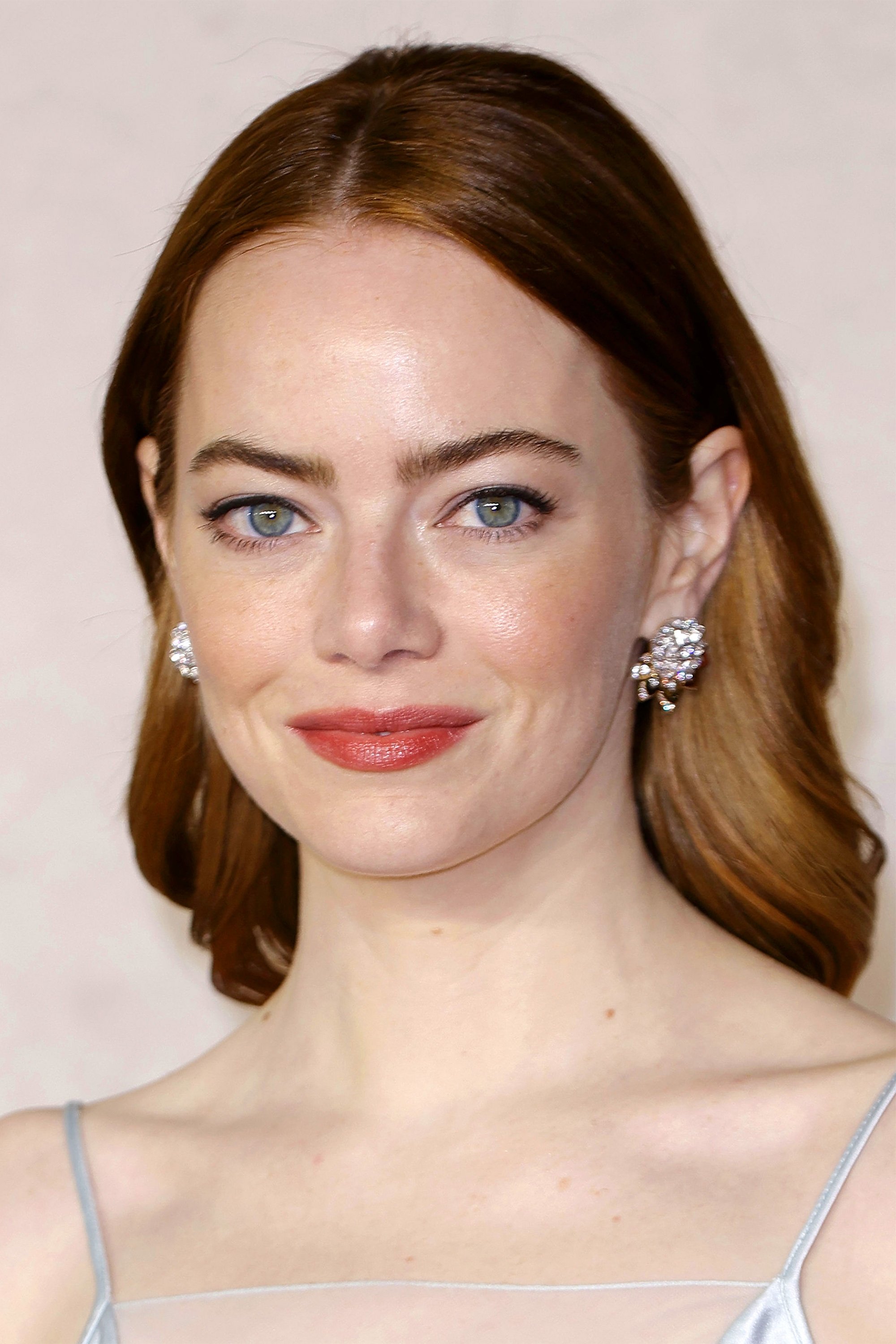
Emma Stone holds two Academy Awards for lead performances and has alternated between film musicals, surreal limited series and period dramas. In ‘La La Land’, her audition scene is a sung monologue designed as a single sustained narrative delivered to a silent room.
In ‘Poor Things’, while the film leans on visual transformation, she also carries extended explanatory and philosophical passages that play as uninterrupted address. Additional projects like ‘Maniac’ build therapy and confessional sequences into long speeches that require precise control of tone and pacing.
Share the actresses and specific monologues you think belong on this list in the comments!