The Best 1990s TV Shows You Probably Didn’t Watch

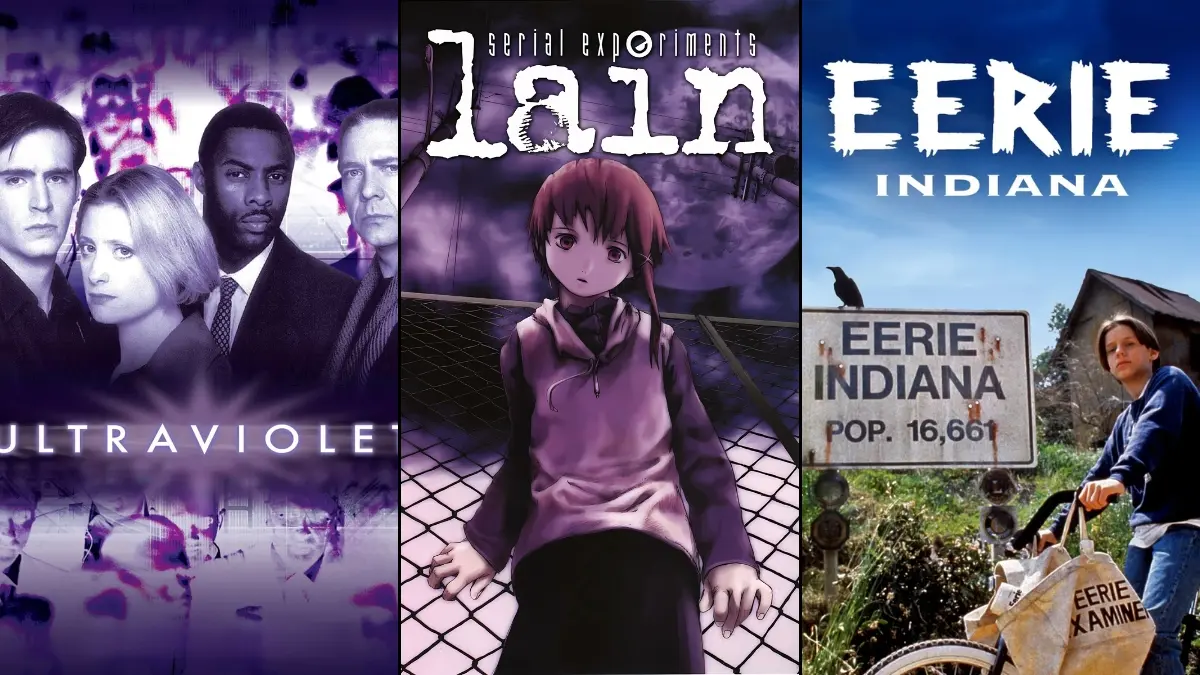

The 1990s delivered a flood of inventive television that stretched across genres—sci-fi sandboxes, animated experiments, offbeat comedies, and dramas that quietly rewired how stories could be told on the small screen. Plenty of these shows came and went without the mainstream recognition their ideas, casts, and craftsmanship earned, often because they aired on fledgling networks, were scheduled against heavy-hitters, or were simply ahead of their audience’s habits.
This list spotlights series that slipped past a lot of viewers the first time around yet left a deep imprint on the people who found them. You’ll see boundary-pushing animation next to moody thrillers, cult-friendly mysteries next to sharp workplace stories—each one with concrete details about what it did, who made it, and where it lived on the dial.
‘The Adventures of Brisco County, Jr.’ (1993–1994)
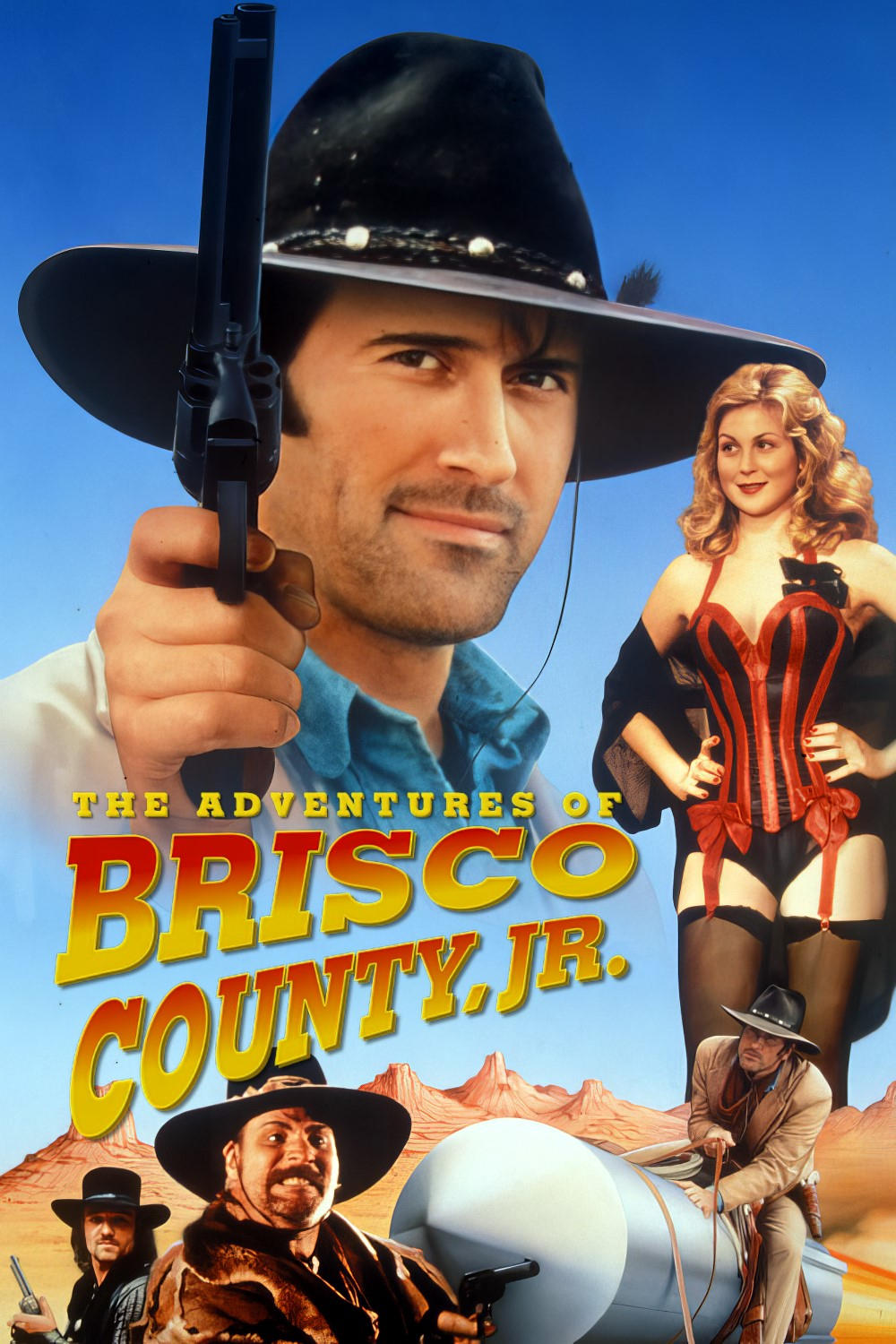
A genre-bending western about a Harvard-educated bounty hunter chasing the outlaw John Bly and a mysterious device known as the Orb, ‘The Adventures of Brisco County, Jr.’ blended frontier action with pulp-science contraptions and light detective plotting. The show follows Brisco’s partnerships with rival tracker Lord Bowler and attorney Socrates Poole, jumping from boomtowns to rail lines to secret laboratories as robber barons bankroll dangerous experiments.
Developed for Fox by Jeffrey Boam and Carlton Cuse, the series stars Bruce Campbell, Julius Carry, Christian Clemenson, and Kelly Rutherford, with recurring turns by John Astin as inventor Professor Wickwire. Its desert vistas, stunt-heavy set pieces, and serialized threads were produced on a broadcast-network scale, and its mix of old-west iconography and speculative tech influenced later hybrid adventure series from the same creative stable, including ‘Lost’.
‘Nowhere Man’ (1995–1996)
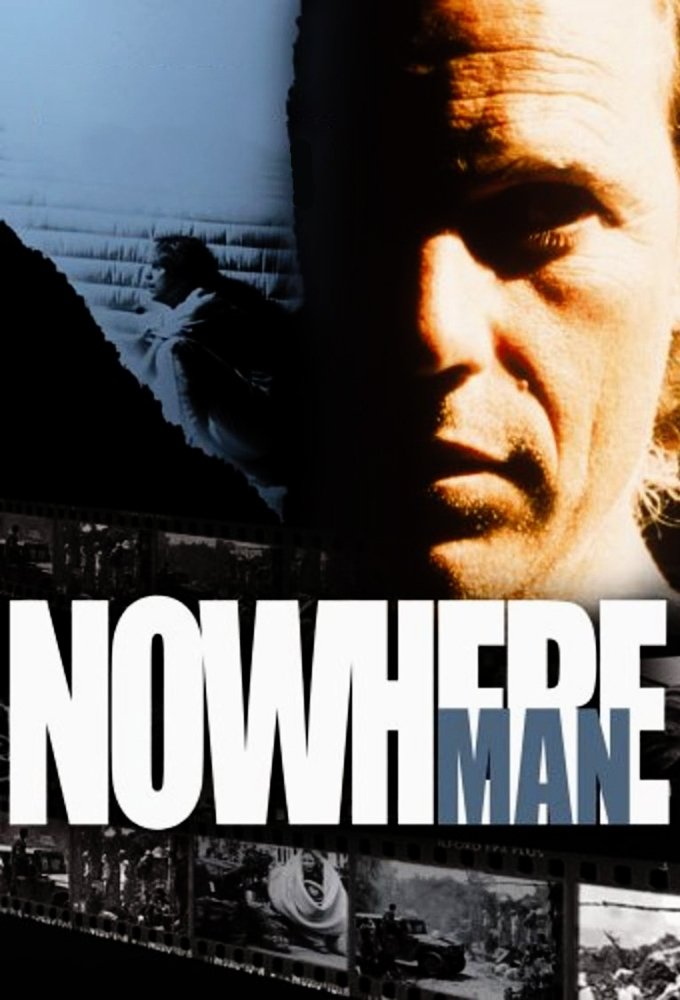
‘Nowhere Man’ tracks photojournalist Thomas Veil after a single controversial image leads to his life being erased—credit records voided, friends and family claiming not to know him, and a covert organization hunting the negatives. The weekly stories orbit memory manipulation, identity theft, and black-ops psyops as Veil collects fragments pointing to a project known only as “Hidden Agenda.”
Created by Lawrence Hertzog for UPN, the series stars Bruce Greenwood and was filmed extensively around Portland, Oregon, using location shooting to give each episode a grounded, itinerant feel. Its case-of-the-week structure hides a continuous conspiracy arc, with recurring agents, safe houses, and cut-outs that connect seemingly standalone chapters into a larger mosaic.
‘American Gothic’ (1995–1996)
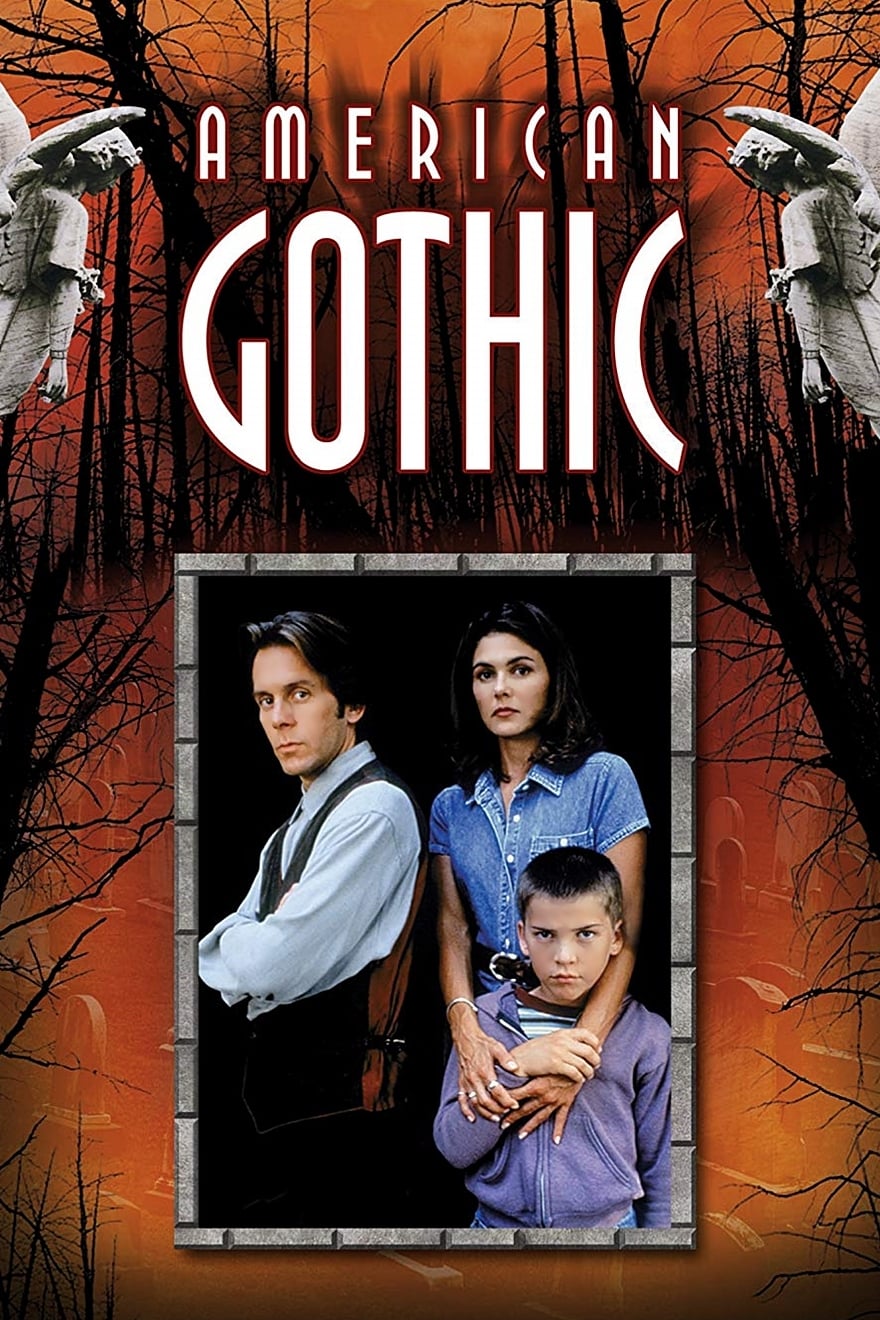
Set in the town of Trinity, ‘American Gothic’ centers on Sheriff Lucas Buck, whose charm masks a coercive grip on local power and a persistent interest in a boy named Caleb Temple. The show interlocks a journalist’s investigation, a skeptical physician’s intervention, and Caleb’s connection to his late sister as eerie events test the loyalties of townspeople.
Created by Shaun Cassidy with executive production support from Sam Raimi, the CBS drama stars Gary Cole, Lucas Black, Sarah Paulson, and Jake Weber. It uses Southern-Gothic visual language—jury-rigged houses, decaying mills, courthouse rituals—and a tight ensemble of regulars and recurring guest players to trace how influence spreads through institutions, families, and churches.
‘Profit’ (1996)
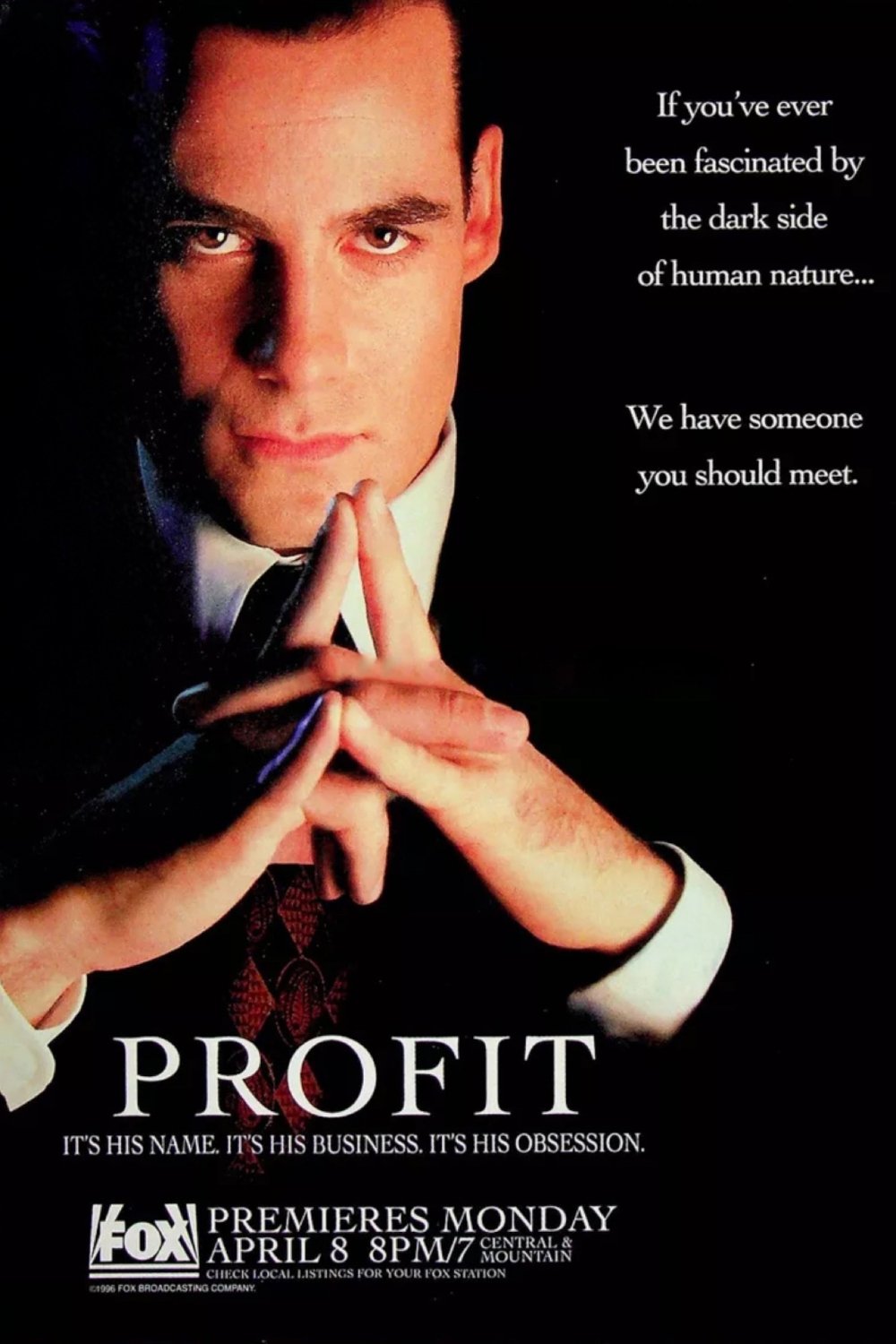
‘Profit’ follows Jim Profit, a junior executive who climbs the corporate ladder through surveillance, identity chicanery, and weaponized office politics, all while projecting the image of a model employee. Episodes revolve around hostile takeovers, shell companies, and compliance loopholes that Profit exploits to compromise adversaries inside and outside headquarters.
The series, developed by David Greenwalt and John McNamara for Fox and starring Adrian Pasdar, frames corporate malfeasance with boardroom detail—proxy fights, tender offers, and audit trails—rarely seen in primetime at the time. Its visual signatures—from one-way mirrors to concealed cameras—underscore a data-driven approach to character that prefigured later anti-hero procedurals.
‘Space: Above and Beyond’ (1995–1996)
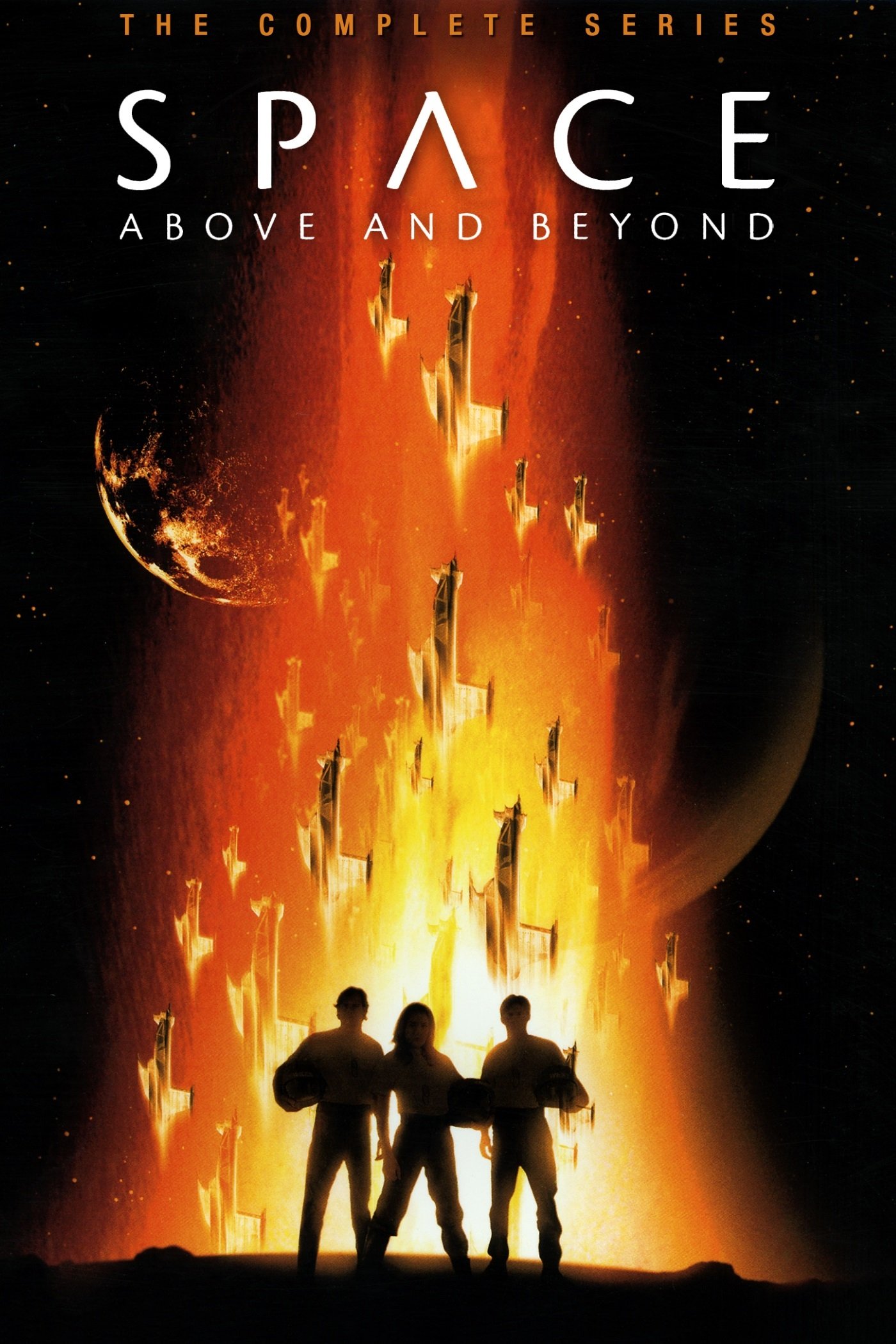
This military-sci-fi drama chronicles the 58th Squadron of the United States Marine Corps Aerospace forces as they fly combat missions against an alien adversary called the Chigs. Plots move between carrier operations, planetary landings, and black-ops involving rogue artificial intelligences known as Silicates, mixing cockpit tactics with ground-pounder logistics.
Created for Fox by Glen Morgan and James Wong, the series features Morgan Weisser, Kristen Cloke, Rodney Rowland, Lanei Chapman, Joel de la Fuente, and James Morrison. Large-scale visual effects and custom flight-deck sets support episodes that dive into chain-of-command protocols, training doctrines, and the stresses of long-duration deployments.
‘Ultraviolet’ (1998)
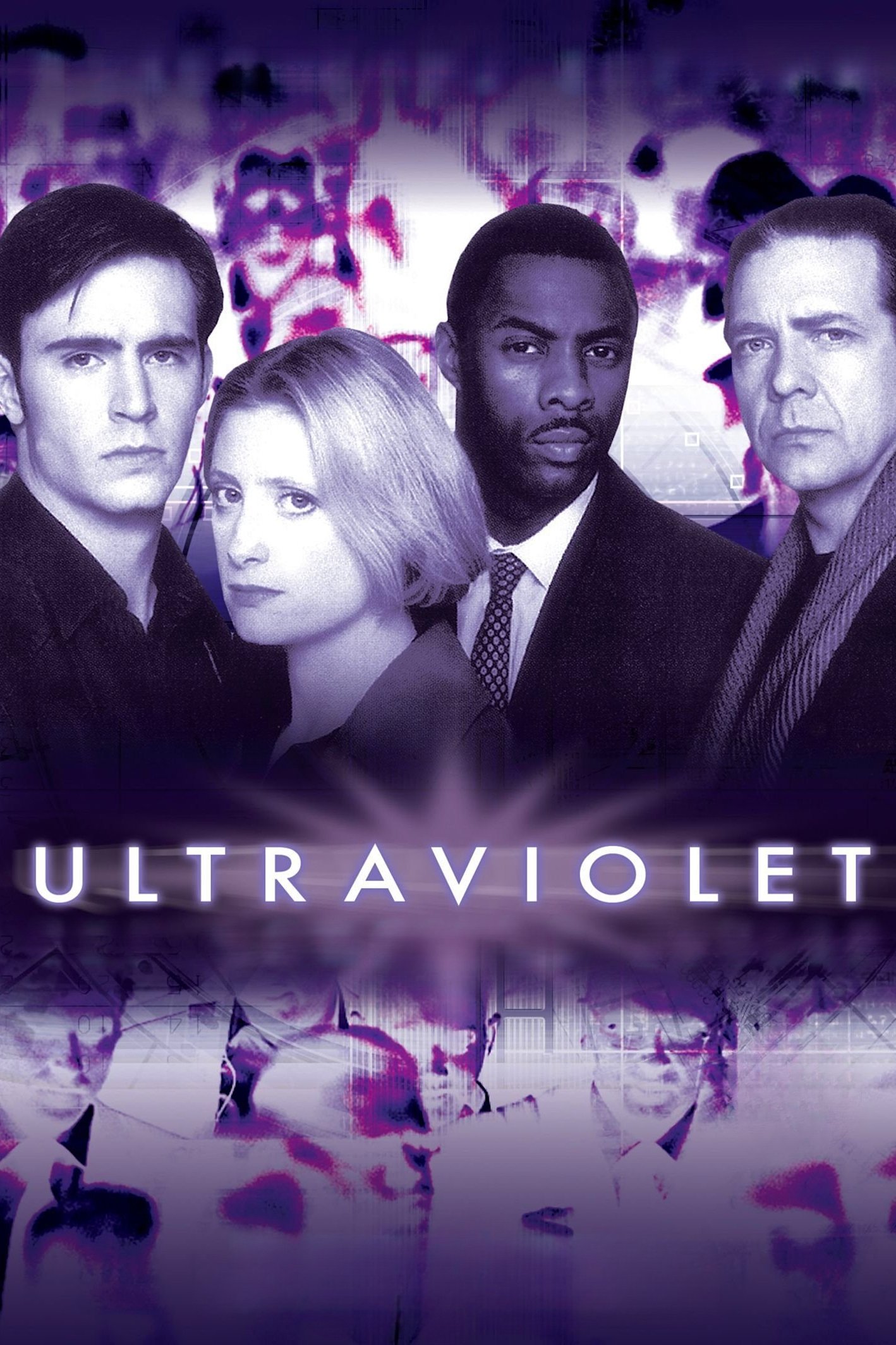
‘Ultraviolet’ reimagines vampire lore as a covert-operations problem, following an off-books government unit tracking “Code V” targets with modern surveillance and biomedical tools. The cases treat vampirism as a vector-borne condition, so the team deploys carbon-fiber weapons, video interrogation, and clinical countermeasures rather than folklore.
Written and directed by Joe Ahearne for Channel 4, the miniseries stars Jack Davenport, Susannah Harker, Idris Elba, Philip Quast, and Corin Redgrave. It uses London’s financial and medical districts as tactical terrain, integrating police procedure, ecclesiastical authority, and research-lab ethics into a coherent operational playbook.
‘Eerie, Indiana’ (1991–1992)
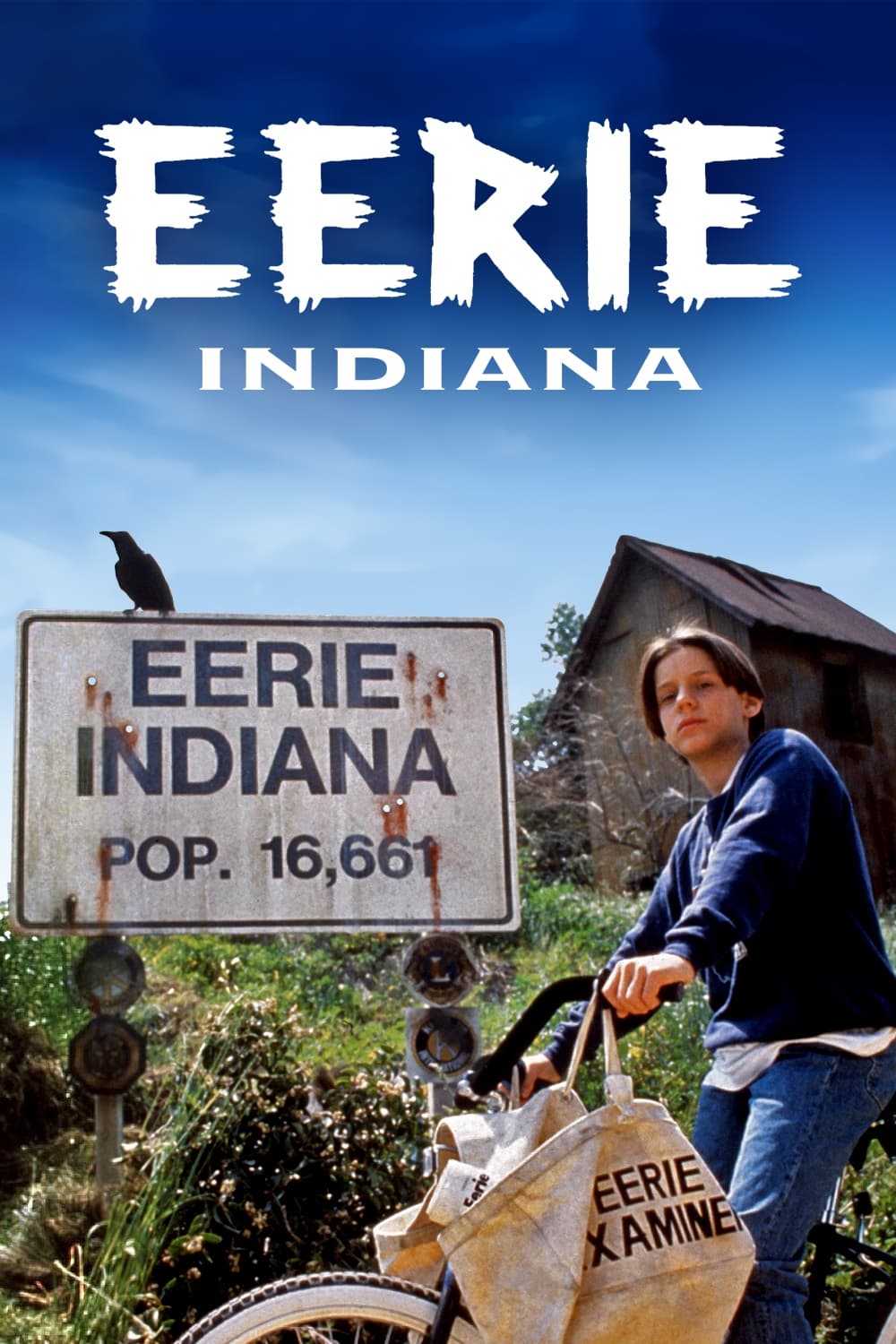
‘Eerie, Indiana’ follows Marshall Teller, a kid who notices that his new hometown’s cul-de-sacs hide strange phenomena—appliance cults, brainy dogs, and time-pocket neighborhoods—documented in his case files. Alongside best friend Simon and the enigmatic Dash X, Marshall assembles explanations that blend urban legends with low-tech tinkering.
Created by José Rivera and Karl Schaefer for NBC, the show uses suburban locations and practical effects to create grounded weirdness anchored by Omri Katz and Justin Shenkarow. A later international spin-off, ‘Eerie, Indiana: The Other Dimension’, extended the concept with a new cast, showing how the format could scale beyond its original run.
‘The Critic’ (1994–1995)
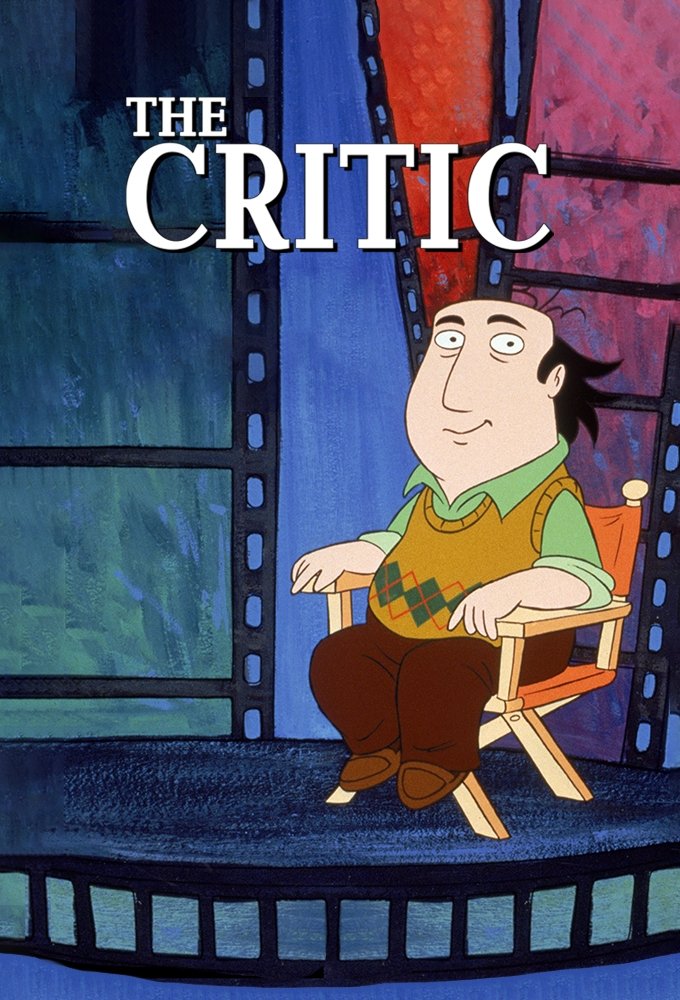
An animated workplace comedy, ‘The Critic’ centers on New York reviewer Jay Sherman as he screens, skewers, and navigates the film ecosystem around him—from studio publicists to network executives. The episodes intersperse rapid-fire movie parodies with backstage negotiations, late-night rewrites, and the domestic routines of Jay’s life.
Created by Al Jean and Mike Reiss, the series stars Jon Lovitz and features extended cameos and crossovers, including a well-known appearance on ‘The Simpsons’. It premiered on ABC and later moved to Fox, with Gracie Films producing and a short run of web-exclusive episodes reviving the character for online audiences.
‘Duckman’ (1994–1997)
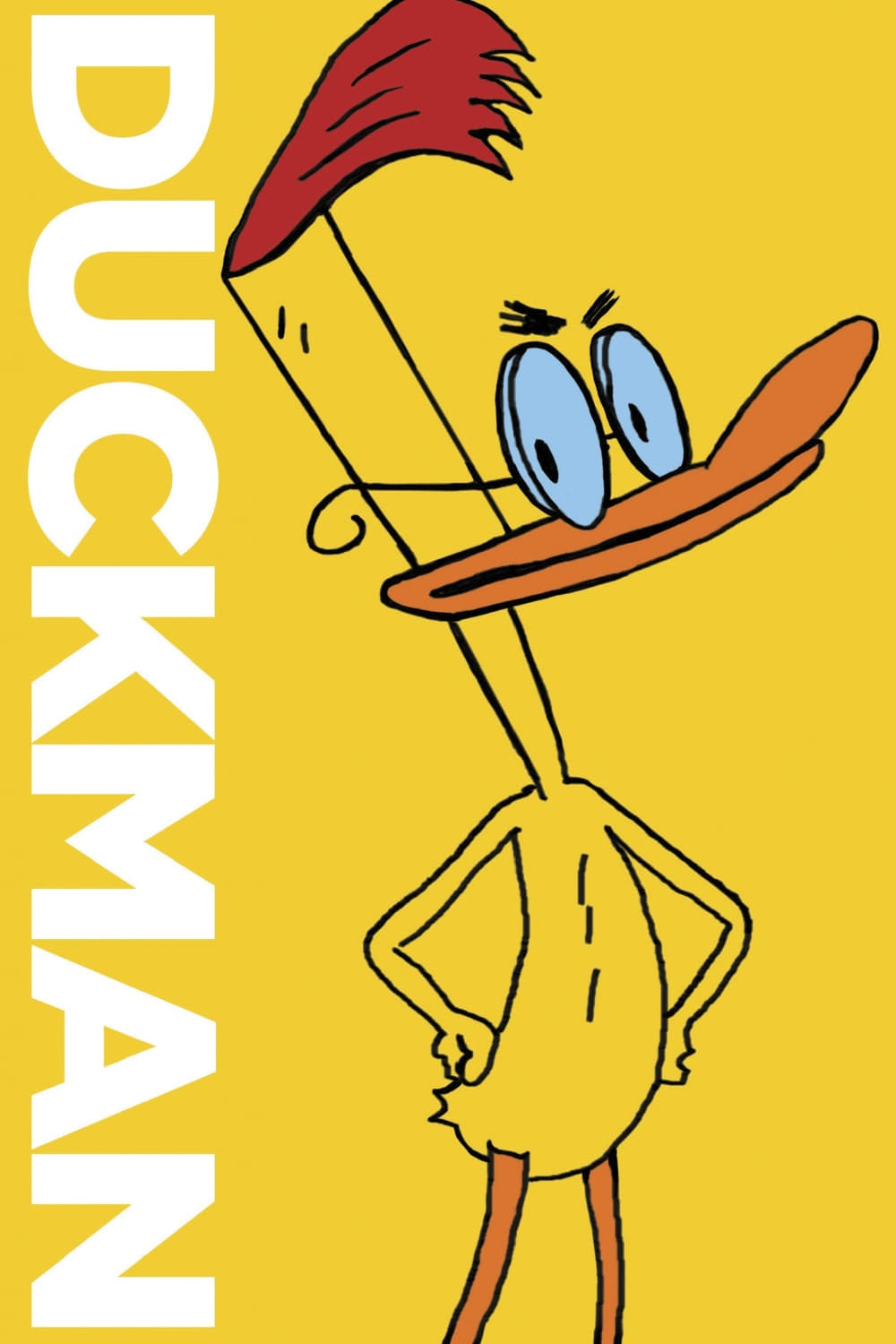
‘Duckman’ is an adult animated detective comedy about a misanthropic private eye partnered with an unflappable investigator named Cornfed. Storylines jump from family disputes to corporate conspiracies, using rapid-cut gags and case files to thread the personal and the professional.
Based on Everett Peck’s comic character designs and produced at Klasky Csupo for USA Network, the series stars Jason Alexander as Duckman and Gregg Berger as Cornfed. Its visual style—loose linework and elastic layouts—pairs with celebrity guest voices and recurring antagonists to build a dense, interconnected animated world.
‘The Maxx’ (1995)
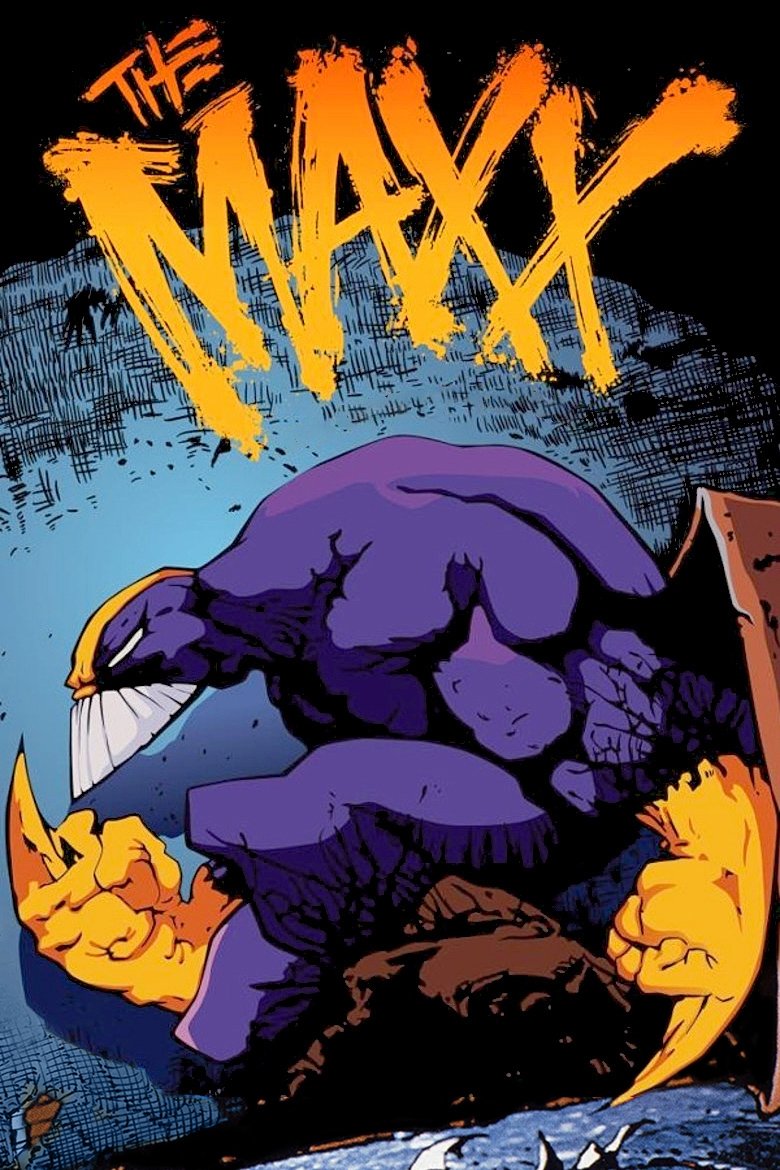
Adapted from Sam Kieth’s comic, ‘The Maxx’ toggles between a homeless man’s reality and a dreamscape called the Outback, where identities refract into primal avatars. Social worker Julie Winters and a predator known as Mr. Gone anchor an investigation of trauma, memory, and self-defense that unfolds across interrogation rooms and alleyways.
Produced for MTV, the series blends traditional animation with motion-comic techniques, matching panels and compositions from the source material. Its compact run uses painted backdrops, narrated inner monologues, and recurring visual motifs to translate a complex graphic narrative to television without sacrificing structure.
‘The State’ (1994–1995)
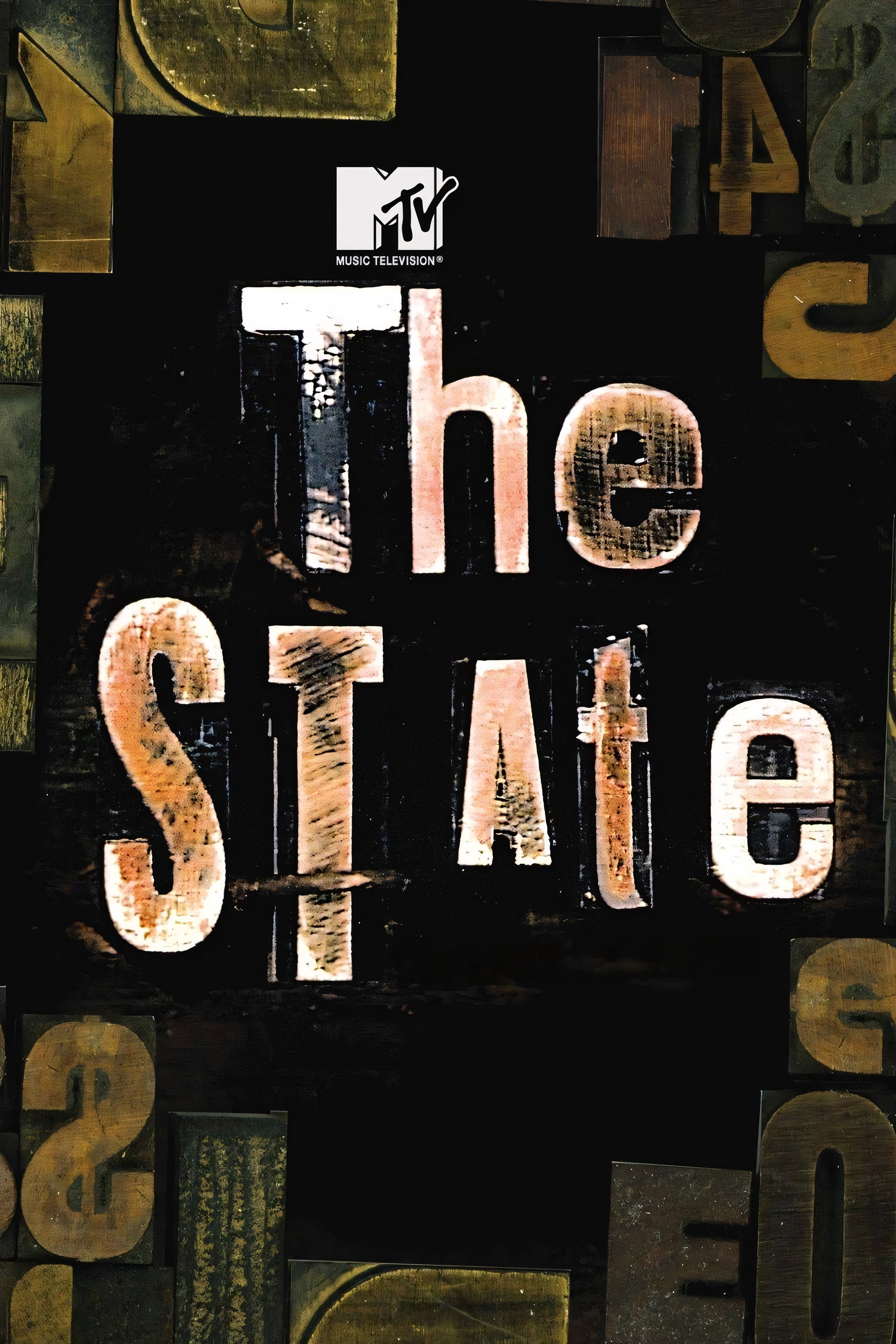
‘The State’ is a sketch-comedy showcase built by an 11-member troupe whose material ranges from character studies to high-concept parodies. The performers rotate writer-director duties, giving each episode a distinctive cadence while maintaining recurring bits and catchphrases.
Airing on MTV, the series features Thomas Lennon, Kerri Kenney-Silver, Robert Ben Garant, Michael Ian Black, David Wain, Ken Marino, Joe Lo Truglio, Michael Showalter, Kevin Allison, and Todd Holoubek. Alumni went on to create projects including ‘Viva Variety!’ and ‘Reno 911!’, and the show’s music-clearance history affected its home-video and streaming availability.
‘Strange Luck’ (1995–1996)

Centered on photographer Chance Harper, ‘Strange Luck’ builds cases around a statistical magnetism that places its lead at the center of unlikely events—bank robberies, rescues, and mistaken identities. The series treats coincidence as a narrative engine, with Chance’s assignments leading him into situations where probability flips without warning.
Created by Karl Schaefer for Fox, it stars D. B. Sweeney and weaves newsroom beats with on-the-street reporting. Vancouver locations double for American cities, supporting a travelogue feel as the production uses stunt work and practical effects instead of heavy postproduction.
‘EZ Streets’ (1996–1997)
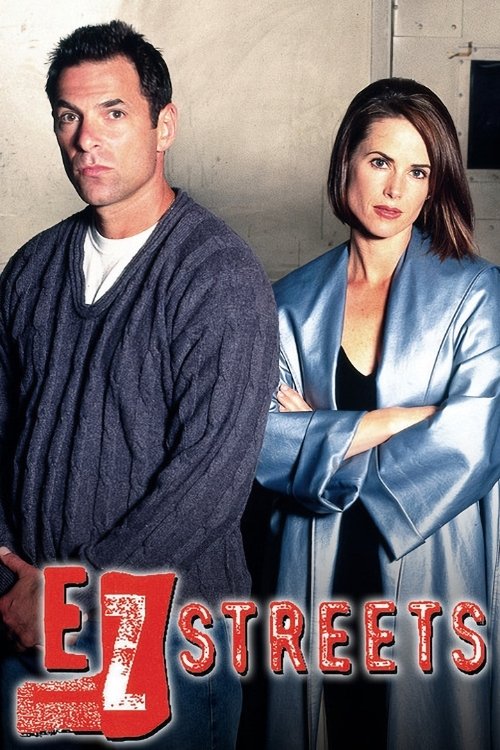
‘EZ Streets’ intertwines the perspectives of a detective, an ambitious mobster, and an ex-con moving through a rust-belt city’s political and criminal economies. Long-form arcs cover informant handling, city contracts, and union rackets, presented with an attention to informant tradecraft and surveillance that links precinct desks to back-room deals.
Created by Paul Haggis for CBS, the series stars Ken Olin, Joe Pantoliano, and Jason Gedrick. Its use of serialized storytelling on network television, location shooting, and an ensemble of recurring informants and fixers laid groundwork for later big-city crime dramas that treated corruption as a system rather than a twist.
‘Riget’ (1994–1997)

Set inside Copenhagen’s Rigshospitalet, ‘Riget’ (“The Kingdom”) follows neurosurgeons, nurses, and administrators as inexplicable phenomena seep into operating rooms and corridors. Episodes fold medical rounds, autopsies, and consultations into hauntings, seances, and historical residues tied to the hospital’s foundation.
Created by Lars von Trier and Niels Vørsel, the Danish series stars Ernst-Hugo Järegård and Ghita Nørby. Its amber-washed visuals, handheld cameras, and chapter-end recaps give it a distinctive documentary-adjacent texture, and the show later inspired the American adaptation ‘Kingdom Hospital’.
‘The Pretender’ (1996–2000)
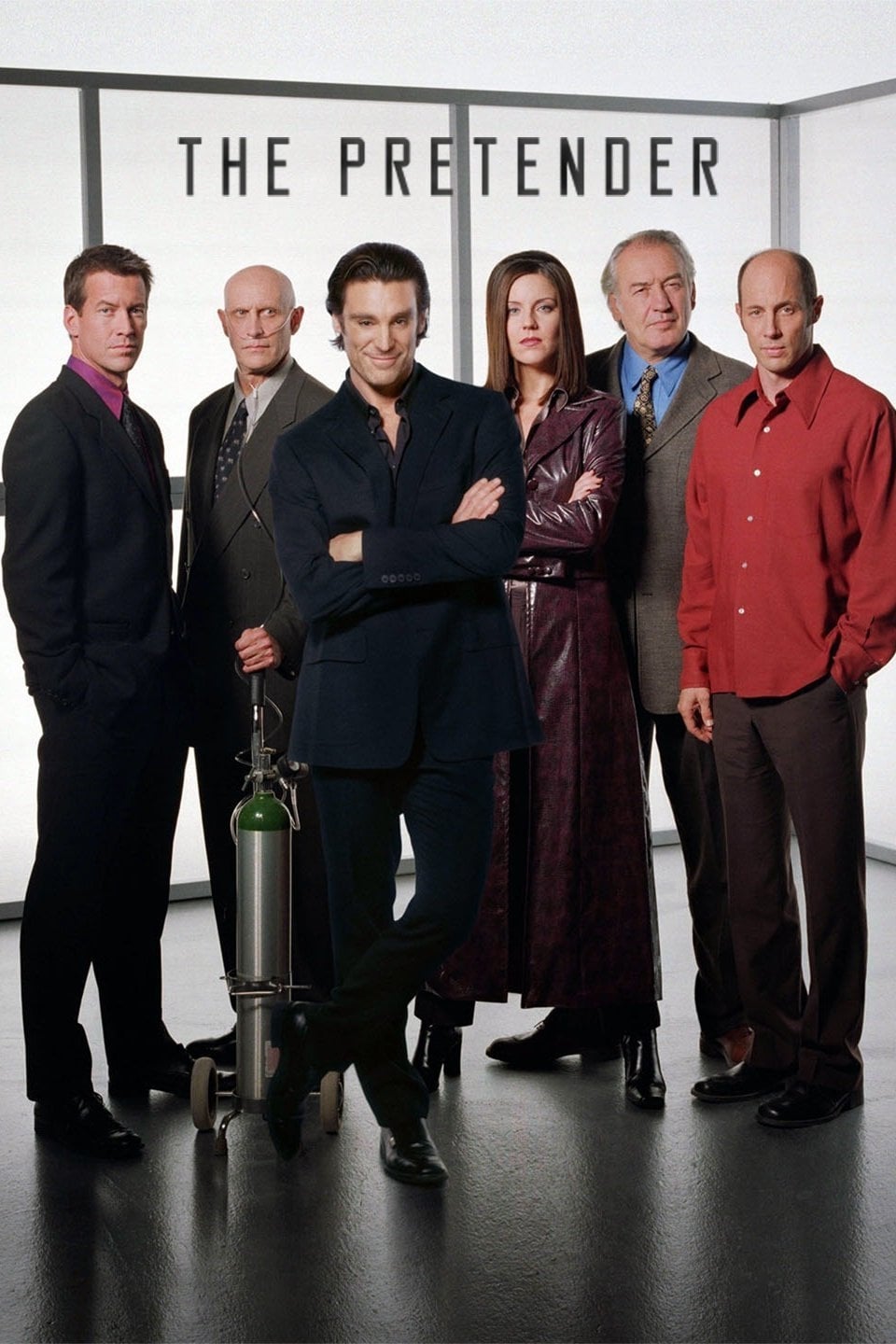
‘The Pretender’ follows Jarod, a prodigy who can convincingly assume any profession, from surgeon to pilot, while evading a research institution known as the Centre. Each episode features a new cover identity used to expose fraud, correct past wrongs, or gather intel on the organization that raised him.
Created by Steven Long Mitchell and Craig W. Van Sickle for NBC, the series stars Michael T. Weiss, Andrea Parker, and Patrick Bauchau. It combined procedural structures with an ongoing mythology about Jarod’s origins and produced two follow-up television films that continue the escape-and-pursuit storyline.
‘La Femme Nikita’ (1997–2001)
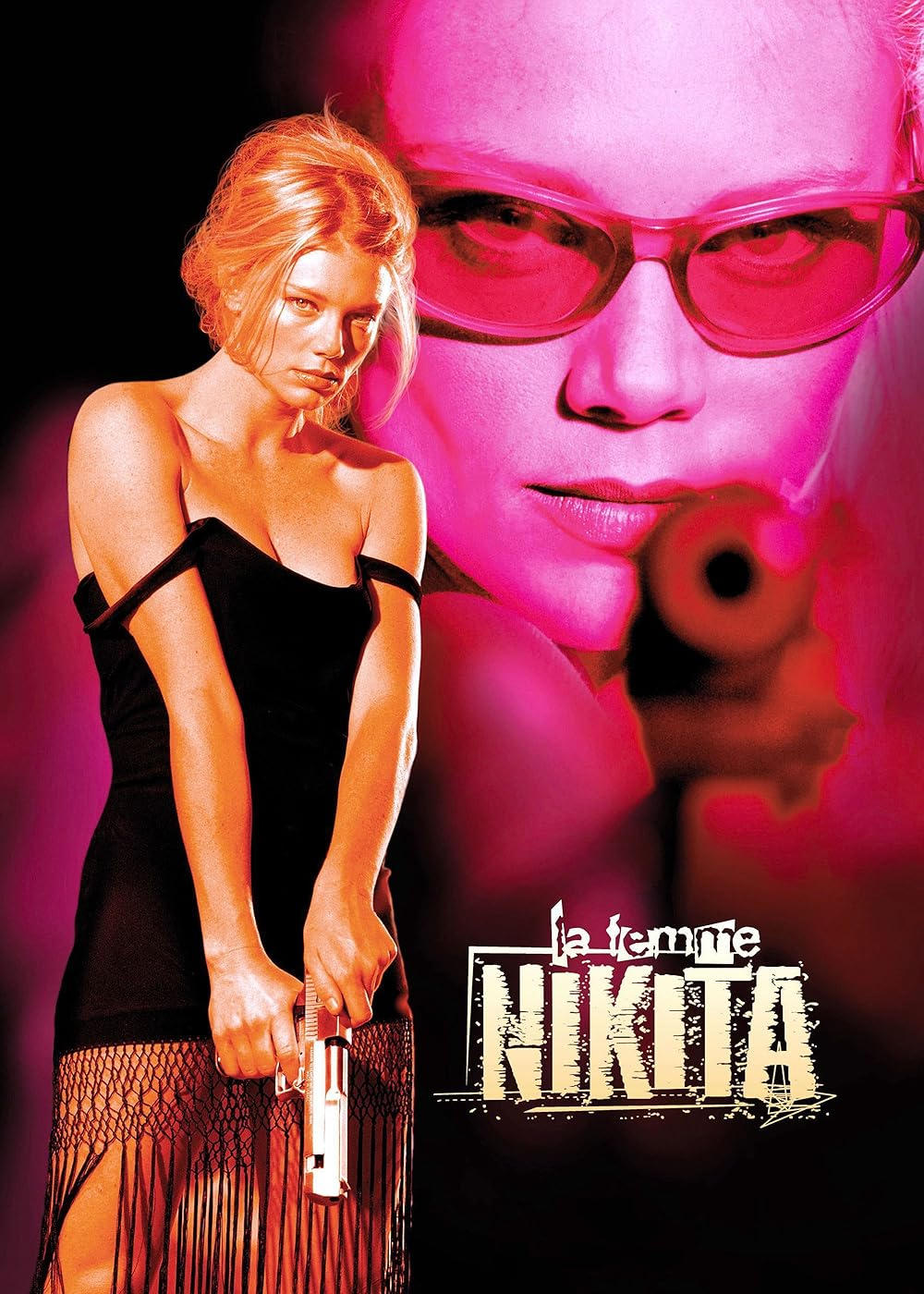
In ‘La Femme Nikita’, a young woman is conscripted into a black-ops organization called Section One, where handlers, field operatives, and tech specialists execute deniable missions. The series tracks training, mission planning, and the rules—extractions, cancelations, and cover identities—that govern its covert hierarchy.
Developed for television by Joel Surnow and Robert Cochran and starring Peta Wilson and Roy Dupuis, the show aired on USA Network in the United States and on CTV in Canada. It draws on the concept of the original French film while establishing its own recurring antagonists, internal oversight protocols, and lab-level gear.
‘The Sentinel’ (1996–1999)
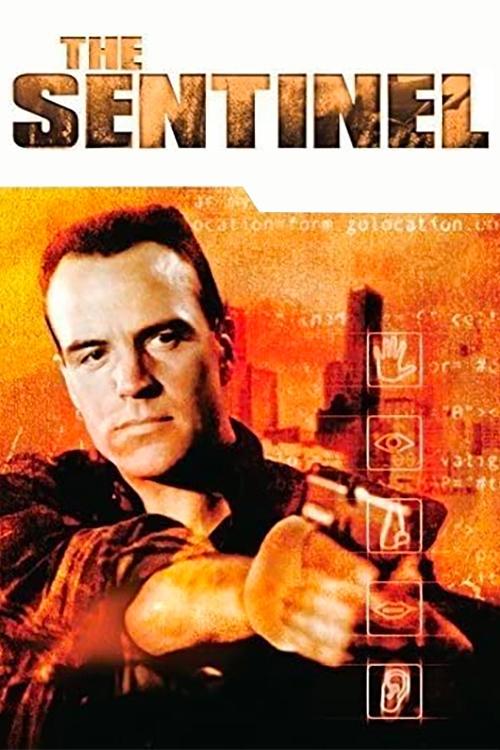
‘The Sentinel’ centers on Detective Jim Ellison, a former special-forces scout whose senses become acutely heightened, and Blair Sandburg, the anthropology grad student who helps him manage them. Investigations blend standard police work with sensory tracking—heartbeat detection, scent trails, and micro-detail observation.
Created by Danny Bilson and Paul De Meo for UPN, the series stars Richard Burgi, Garett Maggart, and Bruce A. Young. Filming in Vancouver provided urban and rainforest backdrops for chases and stakeouts, and the production developed repeatable visual and sound cues to represent each amplified sense during casework.
‘Earth 2’ (1994–1995)
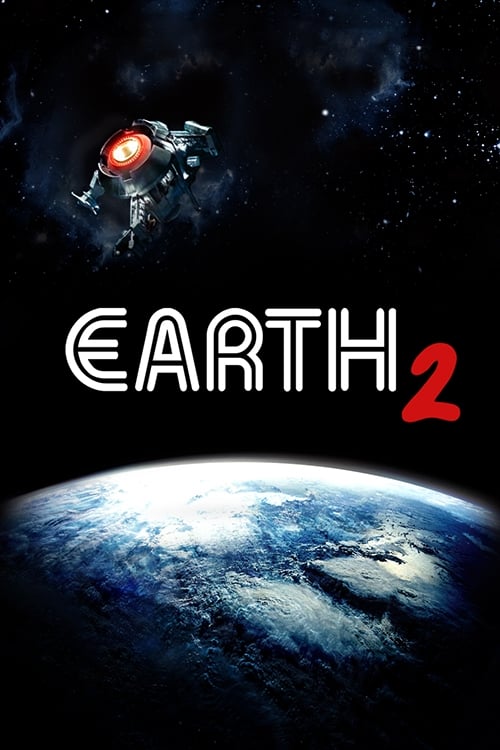
‘Earth 2’ follows a group of colonists who undertake a deep-space migration to establish a settlement for children suffering from a chronic illness. Episodes handle supply chains, terraforming risks, and first contact with native species known as Terrians, framing exploration as logistics and diplomacy rather than conquest.
Airing on NBC, the series comes from creators Michael Duggan, Carol Flint, and Mark Levin and stars Debrah Farentino, Clancy Brown, Jessica Steen, and Rebecca Gayheart. The production used expansive desert locations, custom-built rovers, and practical creature effects to give the planetary setting a consistent physical grammar.
‘VR.5’ (1995)
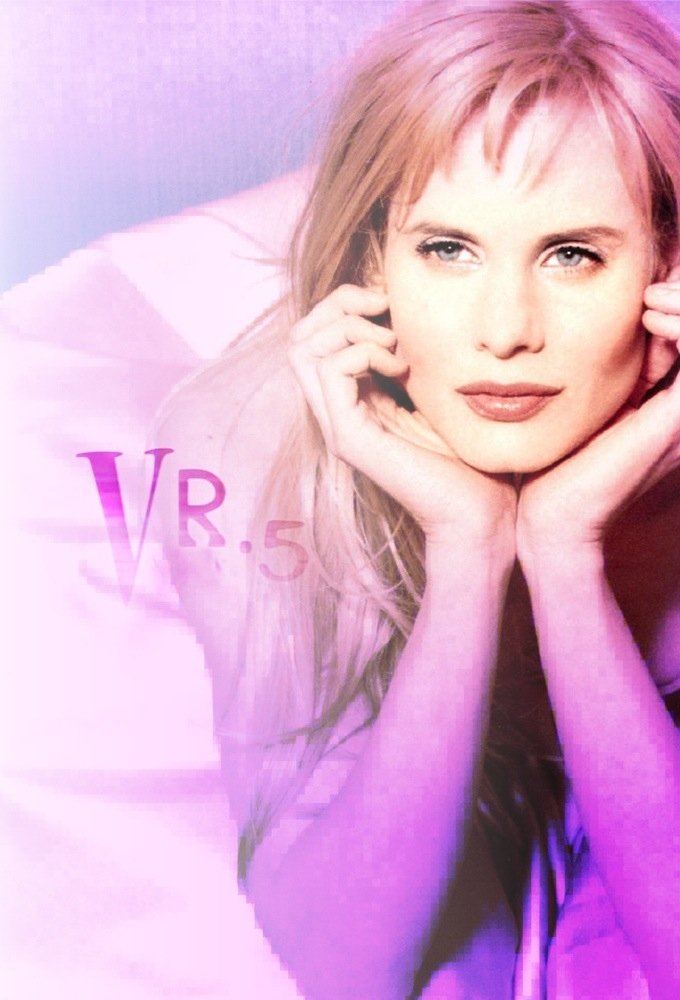
‘VR.5’ follows telephone-line technician and computer prodigy Sydney Bloom, who accesses a shared virtual-reality layer where conversations become manipulable environments. Cases revolve around a clandestine group that seeks to weaponize the technology, with sessions used to interrogate, rehabilitate, or destabilize targets.
Developed for Fox, the series stars Lori Singer with notable turns from Anthony Head and Louise Fletcher. The production uses glitch aesthetics, rotary-dial interfaces, and analog-digital crossovers to visualize how memory, emotion, and data intertwine when a user enters someone else’s mental space.
‘Harsh Realm’ (1999–2000)
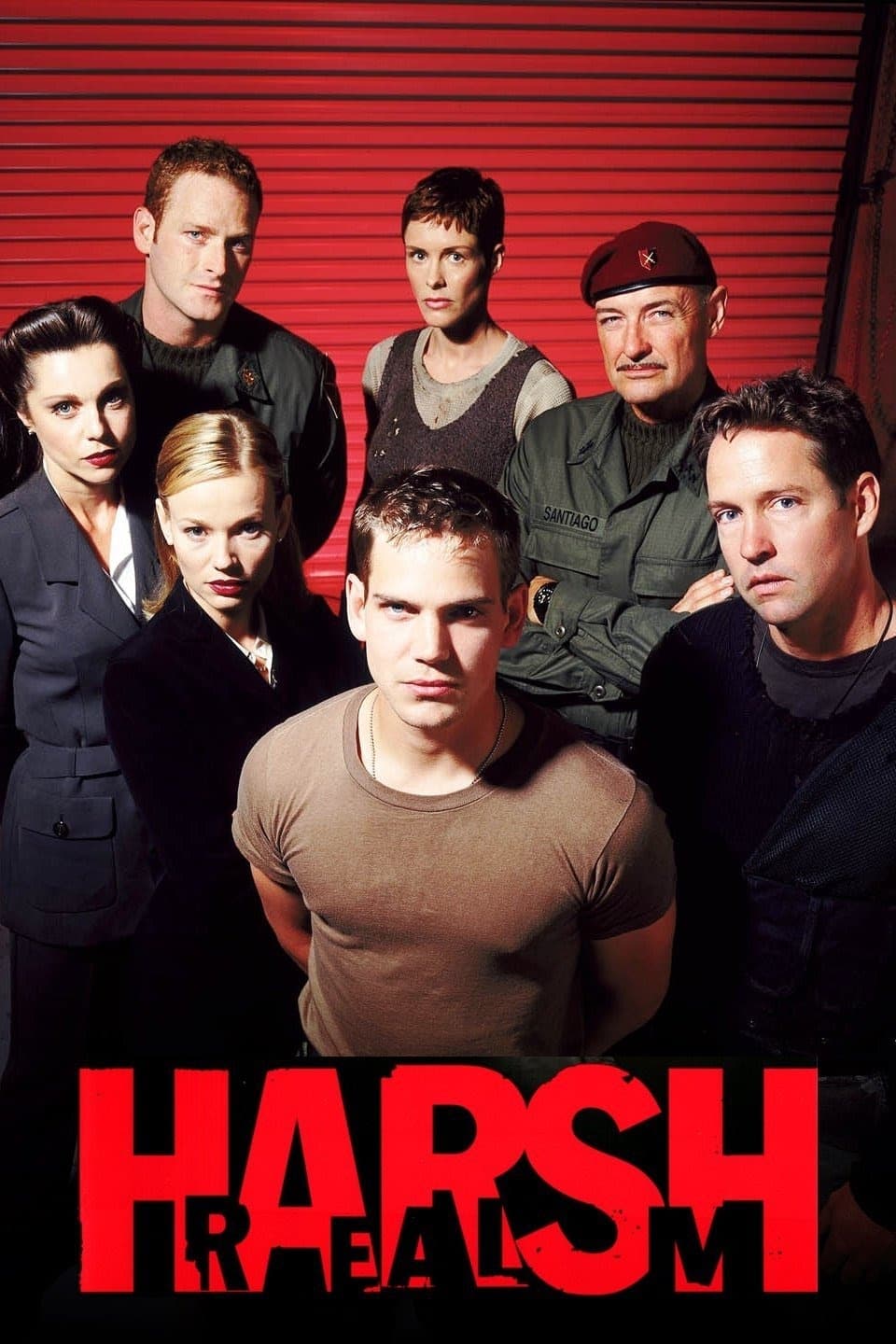
‘Harsh Realm’ throws an Army soldier into a vast virtual simulation designed to model worst-case scenarios for national security, only to discover a renegade commander has seized control of the environment. The mission profile shifts from training to insurgency as the lead forms alliances with other stranded users to navigate cities, territories, and checkpoints inside the sim.
Created by Chris Carter for Fox, the series stars Scott Bairstow, D. B. Sweeney, and Samantha Mathis. Vancouver-area locations double for in-world regions, and the show’s connection to comic-book source material informed the rules governing damage, respawn, and persistence within the realm.
‘Kindred: The Embraced’ (1996)
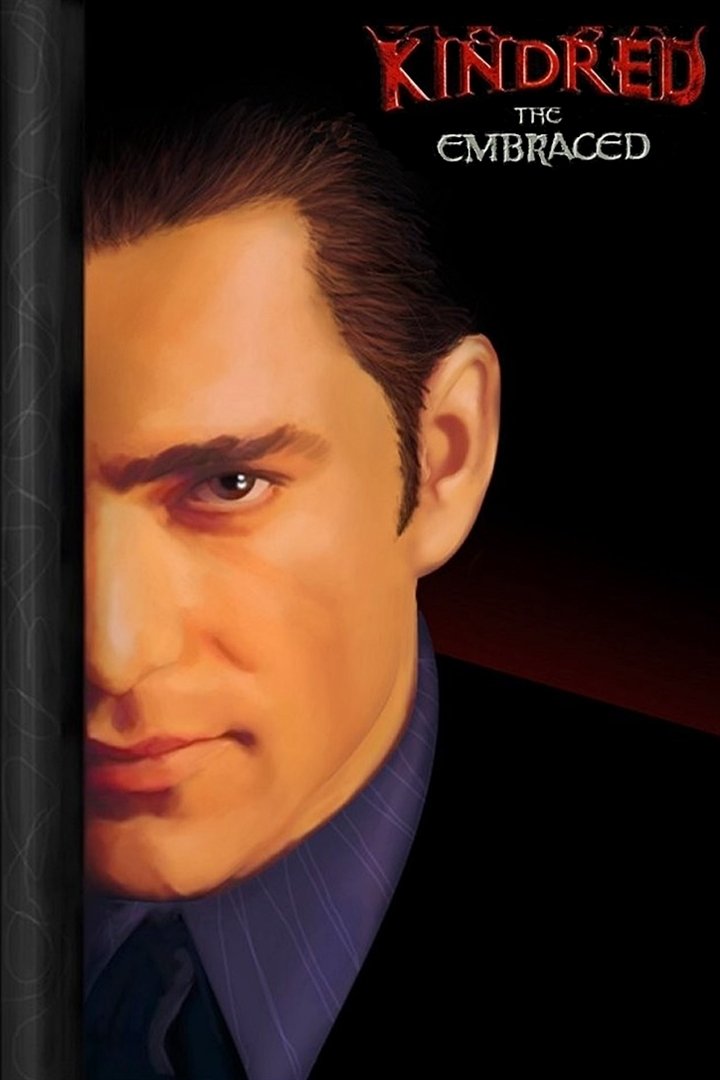
Set in San Francisco, ‘Kindred: The Embraced’ presents a hidden society of vampire clans negotiating power under a prince who enforces a secrecy code. A human detective becomes entangled in inter-clan politics, organized around territory control, lineage disputes, and ancient laws.
Developed by John Leekley for Fox with production from Spelling Television, the series stars Mark Frankel, Stacy Haiduk, and C. Thomas Howell. Location shooting uses piers, hills, and downtown landmarks to stage conclaves and standoffs, while a standing set of the prince’s haven provides a hub for adjudicating grievances.
‘Now and Again’ (1999–2000)
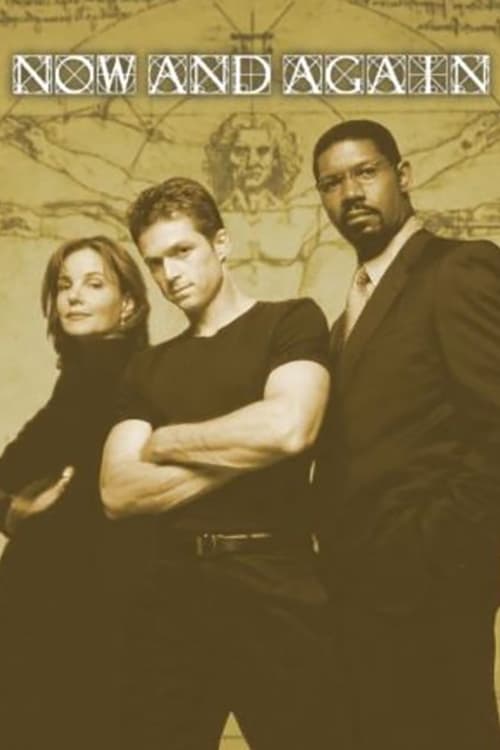
‘Now and Again’ begins with an insurance executive’s brain being implanted into a bioengineered body, after which a secretive government program deploys him on sensitive operations. The hook is double-tracked: domestic drama as he covertly keeps in touch with his family, and mission plots built around retrievals, sabotage, and counter-intel.
Created by Glenn Gordon Caron for CBS, the series stars Eric Close, Dennis Haysbert, and Margaret Colin. New York City locations, a recurring lab complex, and a nemesis dubbed the Egg Man give the show distinct pillars, with surveillance tradecraft and handler-asset protocols structuring each episode.
‘Sports Night’ (1998–2000)
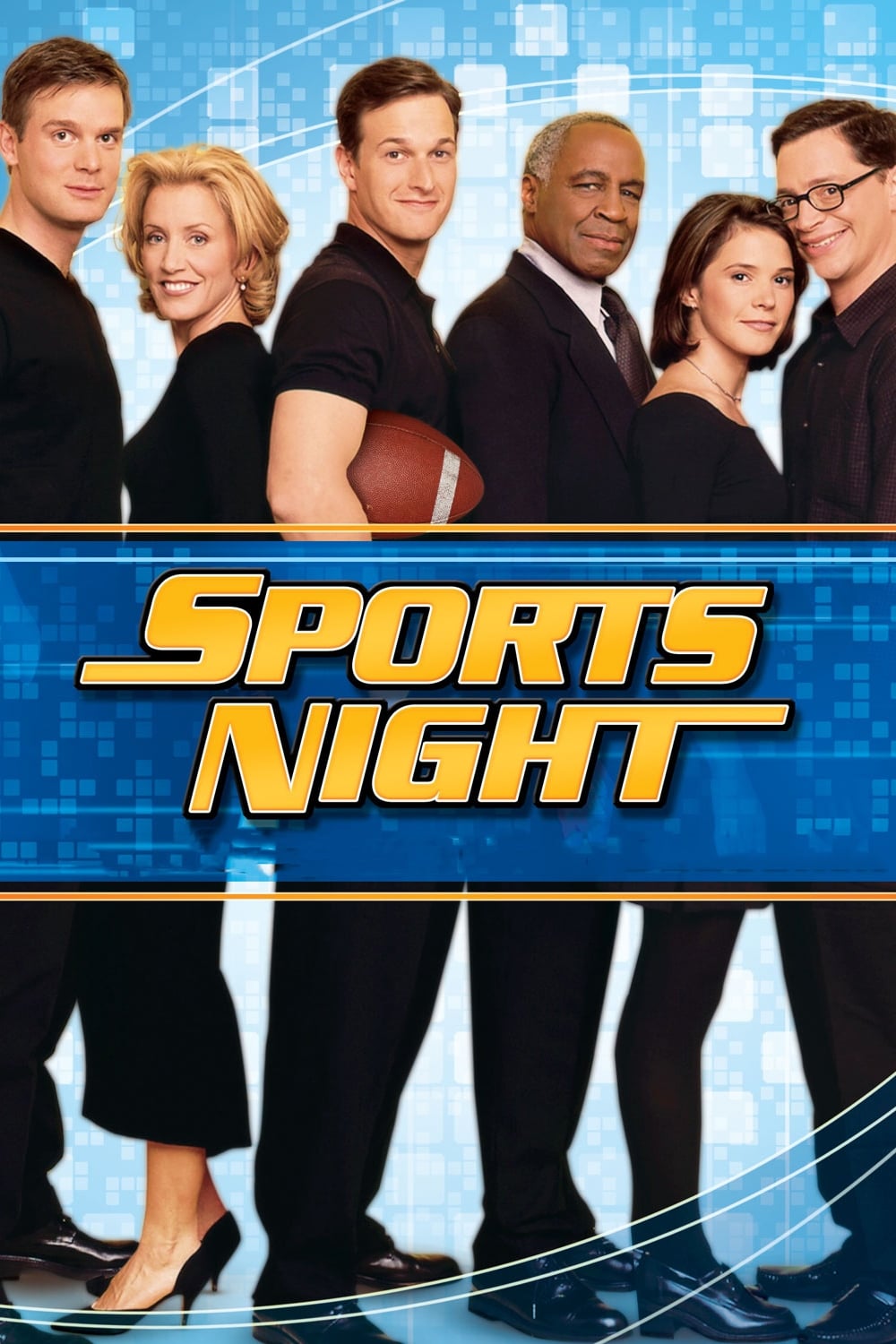
A half-hour workplace dramedy, ‘Sports Night’ looks behind the control room and anchor desk of a nightly sports program as producers juggle scripts, segments, and live-broadcast crises. Storylines address affiliate pressure, rights negotiations, and fact-checking under deadline, using rundown boards and earpiece chatter as core textures.
Created by Aaron Sorkin for ABC, the series stars Peter Krause, Josh Charles, Felicity Huffman, Sabrina Lloyd, and Robert Guillaume. It experimented with a laugh track before phasing it down, settled into a single-camera rhythm, and developed the fictional CSC network as a consistent corporate setting for its newsroom.
‘Serial Experiments Lain’ (1998)
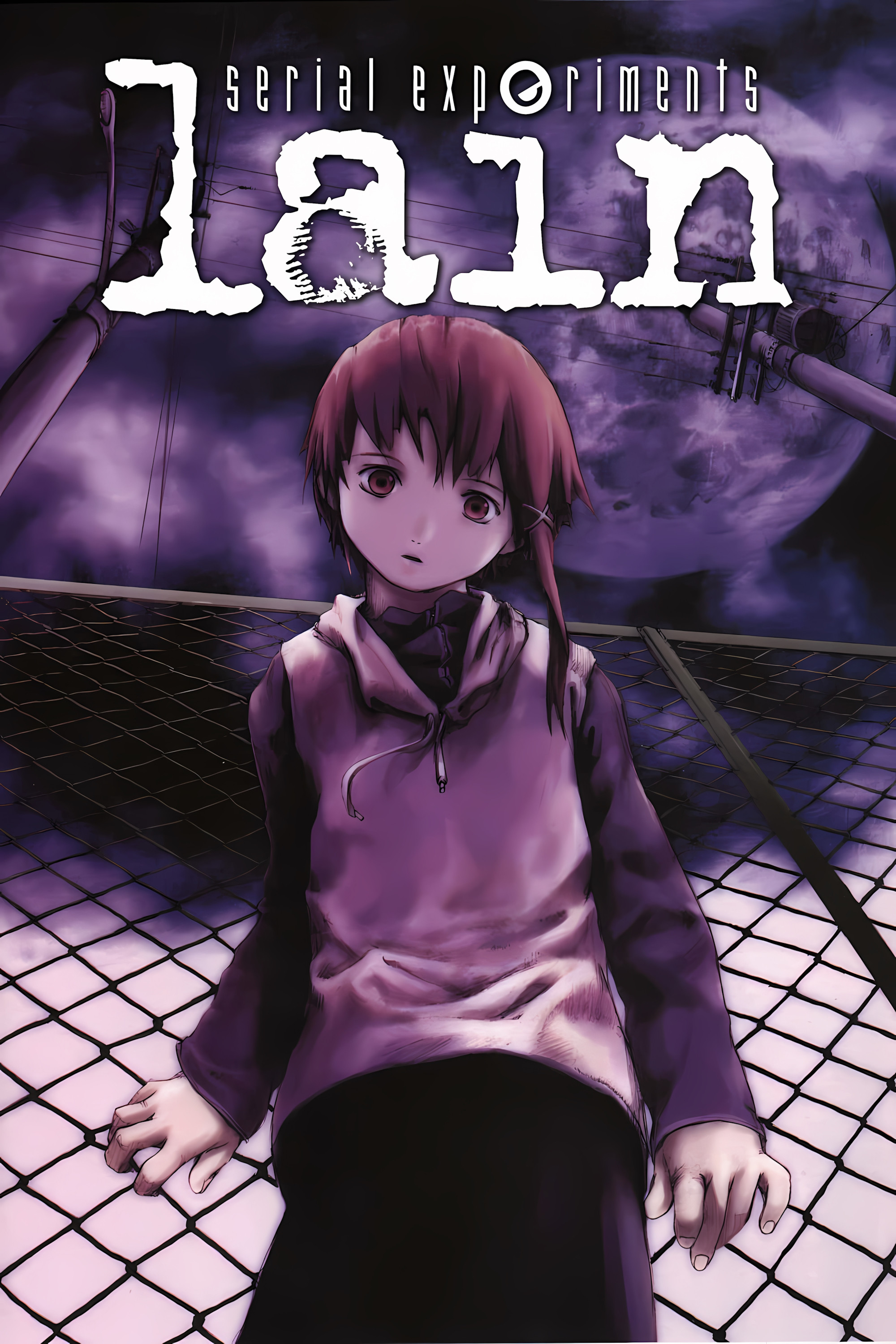
In ‘Serial Experiments Lain’, a junior-high student begins receiving messages from a classmate after her death, drawing her into the Wired—a network that blurs boundaries between consciousness and infrastructure. The series treats email, packet routing, and network hardware as narrative elements while it maps identity through protocols and nodes.
Directed by Ryutaro Nakamura with character designs by Yoshitoshi ABe and scripts by Chiaki J. Konaka, the anime was produced by Triangle Staff and broadcast on TV Tokyo. Its audiovisual language—signal noise, low-bit visuals, and layered typography—pairs with a multimedia rollout that included companion art and software projects tied to the same world.
‘Spaced’ (1999–2001)
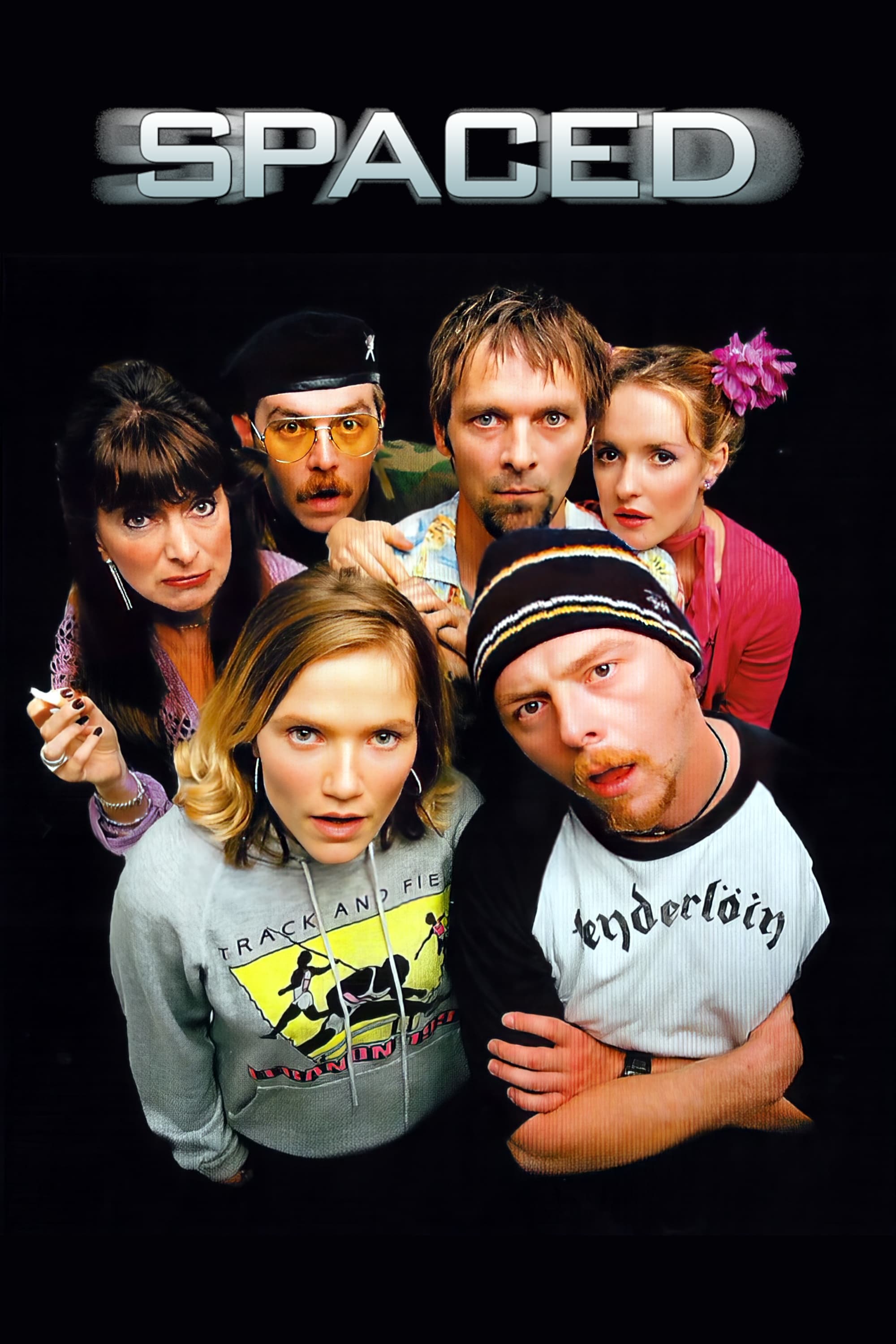
‘Spaced’ follows two twenty-somethings who pose as a couple to secure a London flat, then build a community around their eccentric landlady and neighbors. Episodes anchor their story to comic-shop shifts, portfolio hustles, and pub nights, using everyday situations as setups for tightly constructed visual gags.
Created by Simon Pegg and Jessica Stevenson and directed by Edgar Wright for Channel 4, the series features a regular ensemble including Nick Frost, Mark Heap, and Julia Deakin. Its camera moves, whip-pan transitions, and purposeful homages build a stylistic toolbox that later collaborators carried into other projects across film and television.
Share your own under-watched favorites from the era in the comments so everyone can discover more hidden gems.