The Best 1980s TV Shows You Probably Didn’t Watch

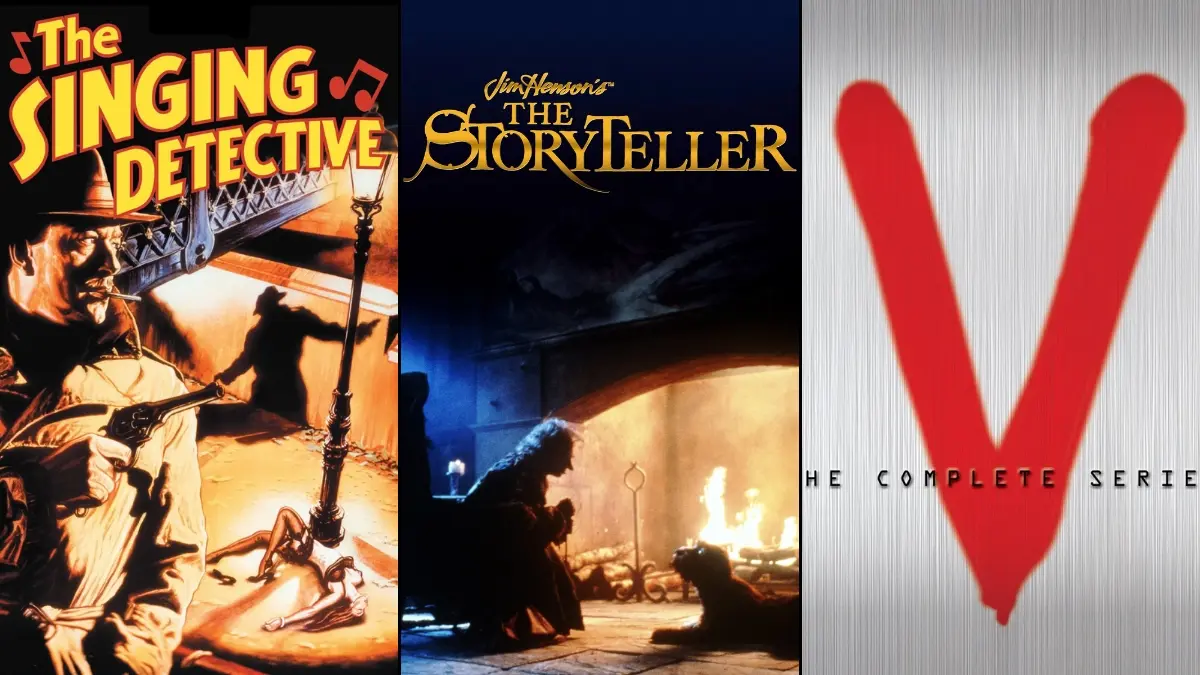

The 1980s delivered an extraordinary range of television—network experiments, limited-run serials, syndicated curiosities, and bold imports—many of which aired briefly, shifted time slots, or landed on channels with smaller footprints. This list focuses on series that premiered in that decade and that often slipped past broad audiences despite distinctive formats, unusual settings, or inventive production approaches across drama, comedy, science fiction, fantasy, and horror.
You’ll find U.S. network offerings alongside British serials and international co-productions, plus titles that spun out from films, novels, and earlier telefilms. For each entry, you’ll see concrete details about creators, cast, networks, formats, and production context so you can place every show within the era’s fast-moving TV landscape.
‘Max Headroom’ (1987–1988)
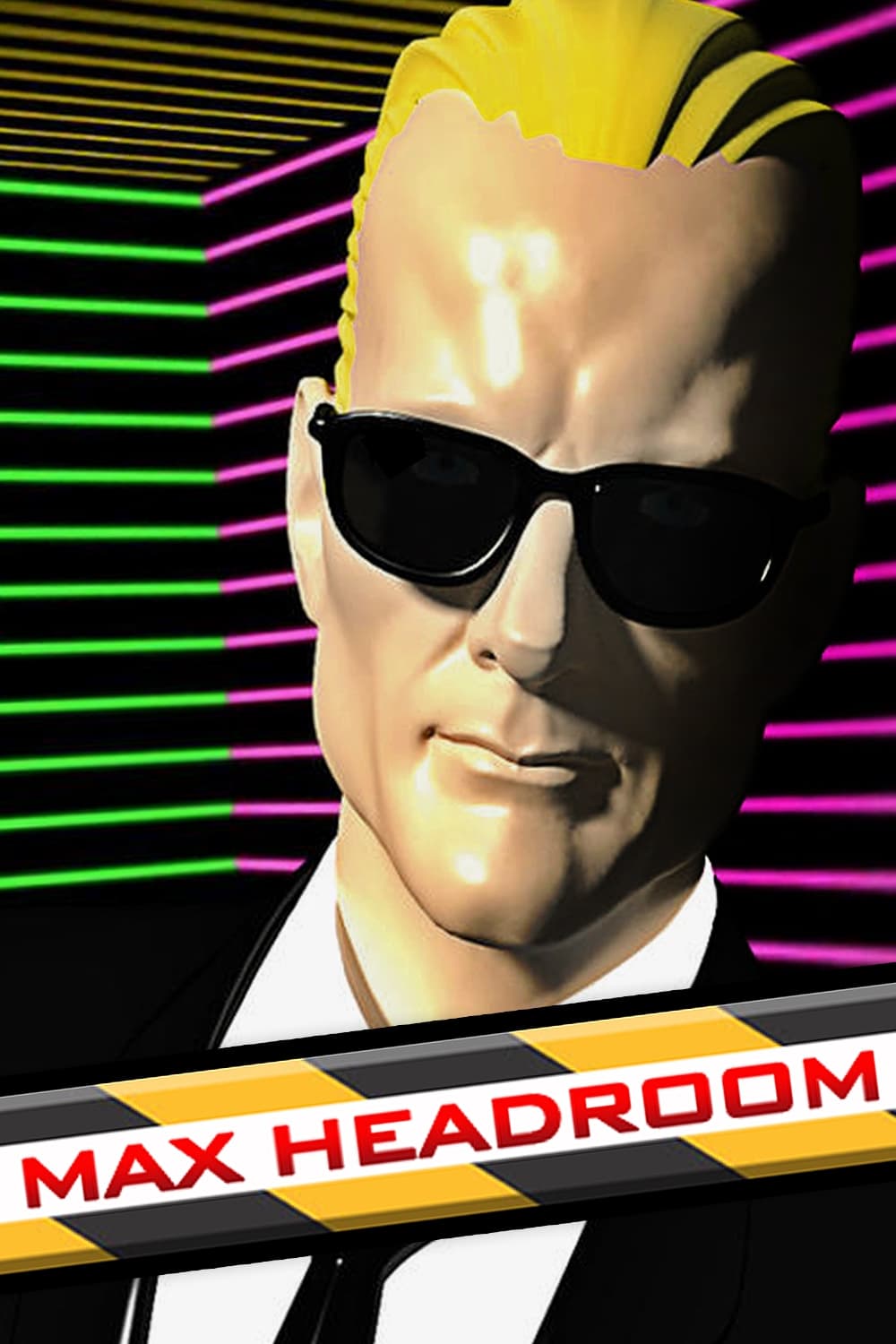
ABC’s cyber-thriller expanded on the British telefilm ‘Max Headroom: 20 Minutes into the Future’, with Matt Frewer playing both crusading reporter Edison Carter and the digital persona that bears the show’s name. Created by George Stone, Annabel Jankel, and Rocky Morton, it mixed newsroom procedural elements with near-future tech, advertising, and broadcast-industry satire inside a “twenty minutes into the future” setting.
The production combined video effects, practical sets, and then-state-of-the-art post-production to portray corporate media and underground hackers. Episodes centered on investigative stories—illegal advertising bursts, data trafficking, surveillance—using a recurring ensemble anchored by Amanda Pays, Jeffrey Tambor, and W. Morgan Sheppard.
‘Sledge Hammer!’ (1986–1988)
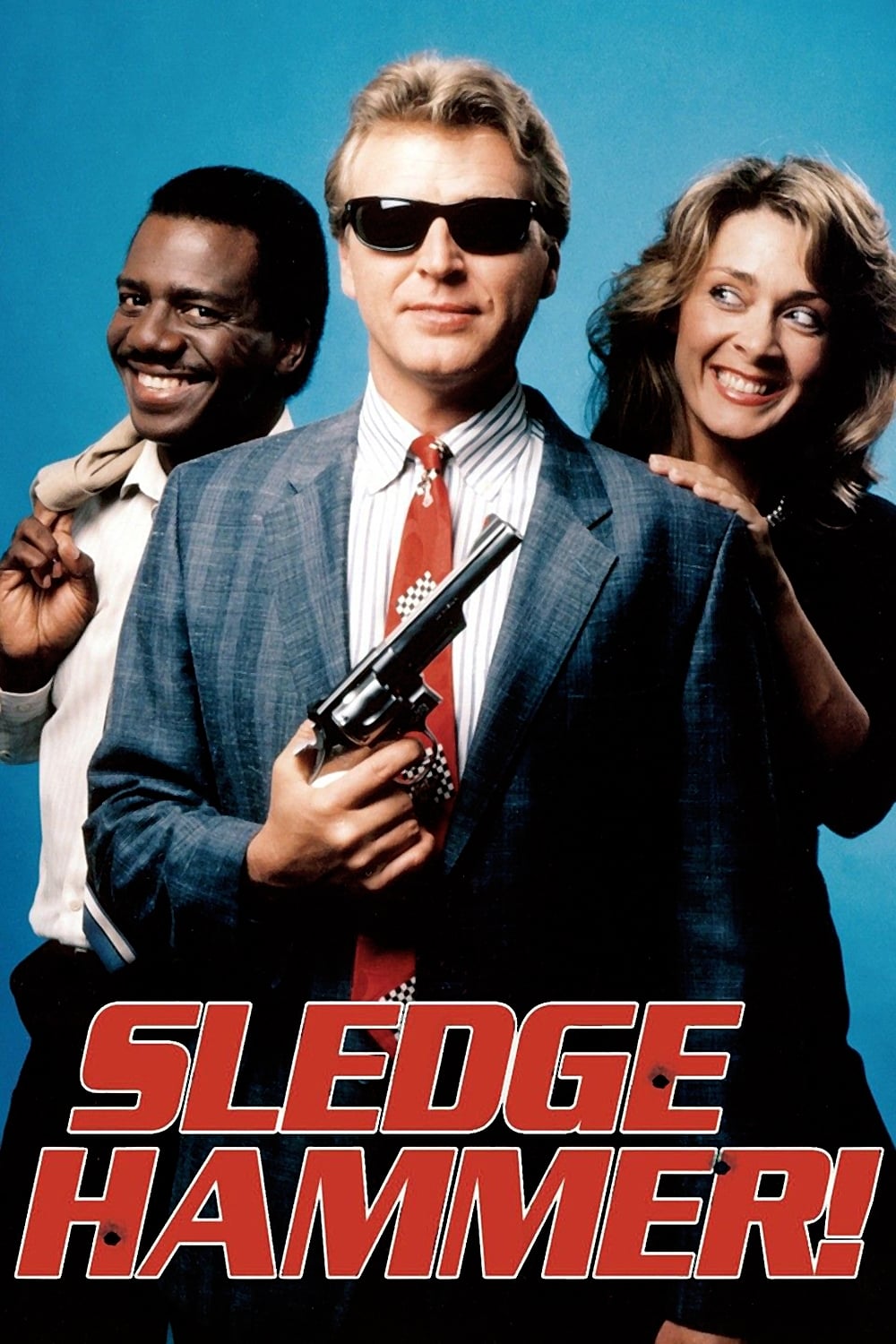
Created by Alan Spencer for ABC, this single-camera comedy starred David Rasche as a volatile homicide detective paired with Anne-Marie Martin’s Dori Doreau. The show parodied police-procedural conventions through case-of-the-week plots that still followed standard cop-show beats—interrogations, stakeouts, forensics, and precinct politics.
Produced by New World Television, it ran for two seasons and used multi-camera staging in select interiors to accent quick setups and visual gags. The finale of the first season famously reset the series for its second, while guest stars cycled through as criminals, officials, and experts in self-contained investigations.
‘Crime Story’ (1986–1988)
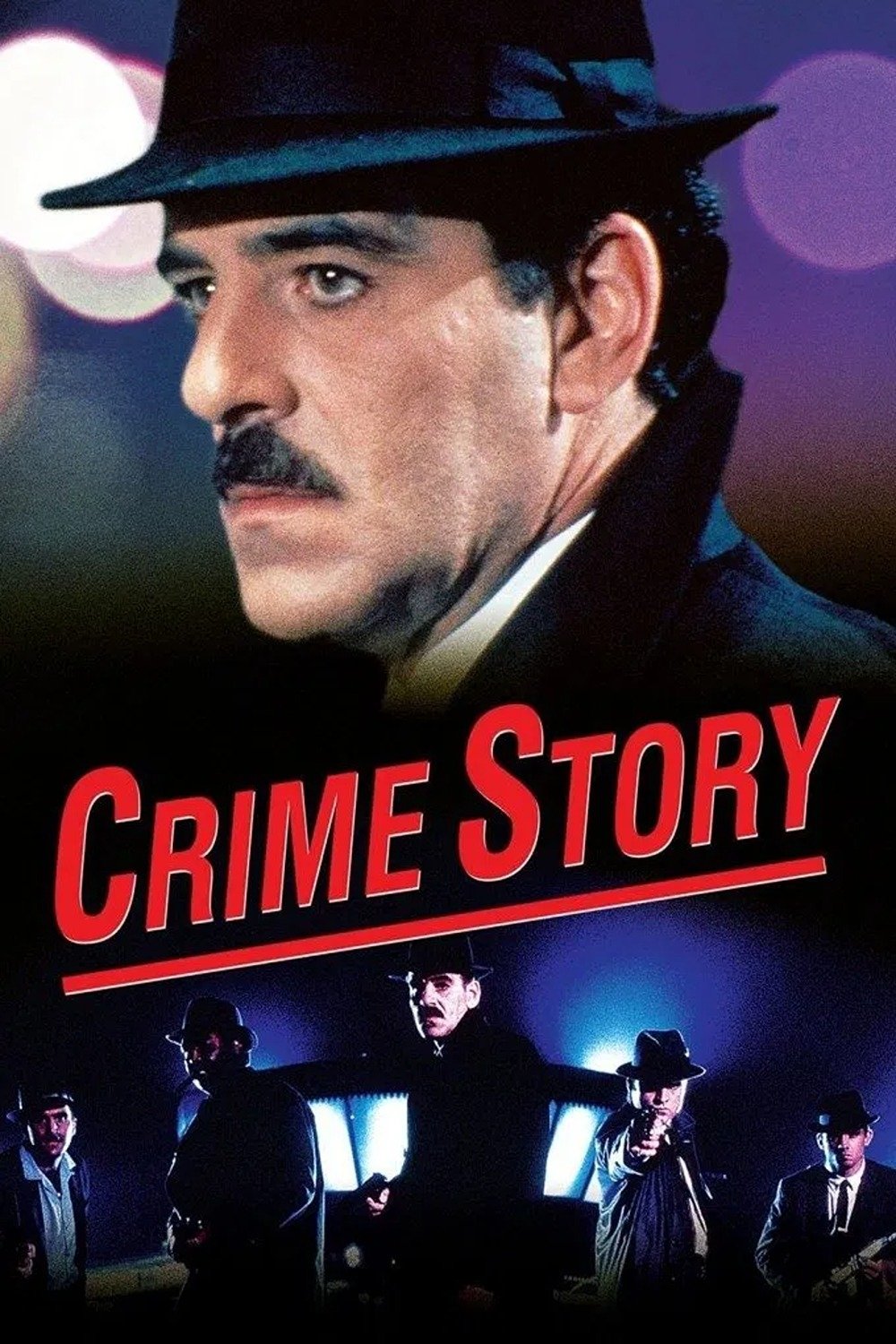
Developed by Chuck Adamson and Gustave Reininger with executive producer Michael Mann for NBC, this serialized crime drama followed Dennis Farina’s Lt. Mike Torello in a long pursuit of Anthony Denison’s Ray Luca. The narrative began in Chicago before shifting to Las Vegas, tracking organized-crime expansion through law-enforcement task forces and rival syndicates.
Production emphasized period detail—from vehicles and wardrobe to music—using location shooting and a continuing storyline that stretched across arcs rather than isolated cases. An ensemble cast, including Stephen Lang and Bill Campbell, supported the show’s focus on organized-crime structures, informants, and interagency cooperation.
‘Wiseguy’ (1987–1990)
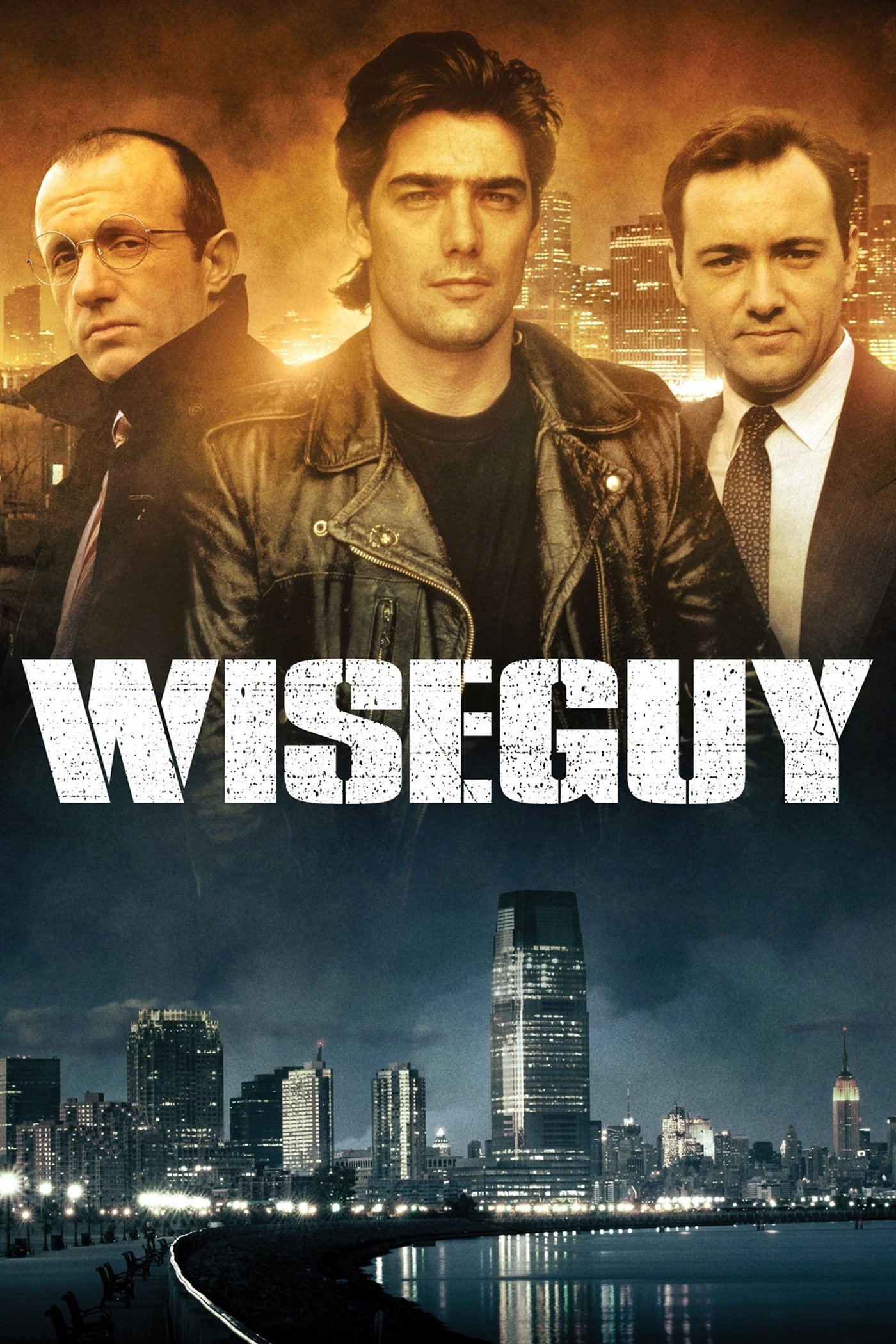
Stephen J. Cannell and Frank Lupo’s CBS drama followed undercover operative Vinnie Terranova, played by Ken Wahl, under the supervision of Jonathan Banks’s Frank McPike. Instead of standalone cases, the series organized its seasons into multi-episode arcs in which Terranova infiltrated specific enterprises—mob families, corporate fraud, and entertainment-industry rackets.
The production framed each arc with handlers, cover identities, and internal-affairs oversight, giving the show procedural mechanics for wiretaps, false fronts, and exit strategies. Notable adversaries and allies rotated by arc, with performances from actors such as Kevin Spacey, Joan Severance, and Stanley Tucci marking distinct investigations.
‘Alien Nation’ (1989–1990)
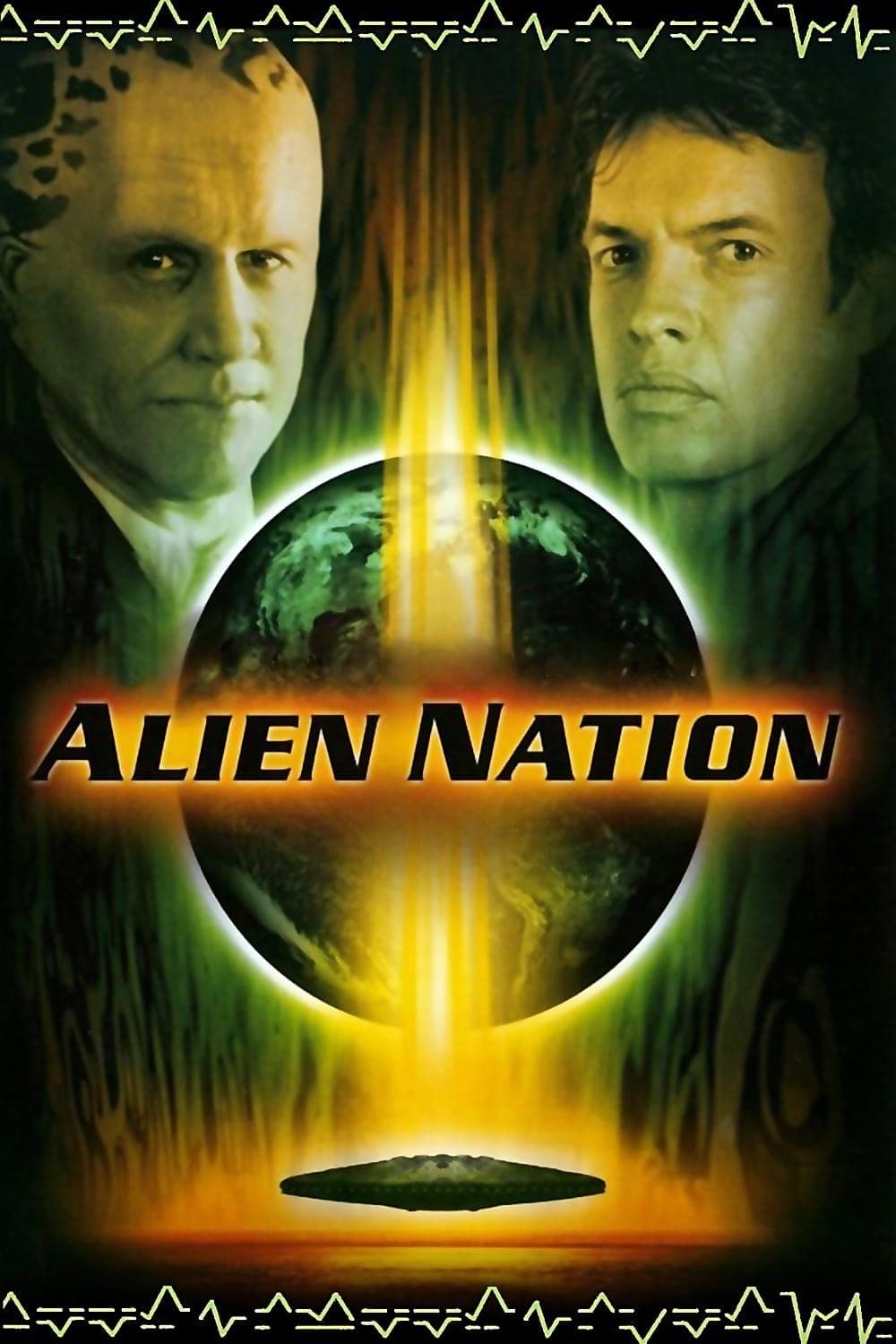
Adapted by Kenneth Johnson from the feature of the same name for Fox, this police drama paired human detective Matthew Sikes (Gary Graham) with Newcomer officer George Francisco (Eric Pierpoint). The setup used precinct work—homicide cases, vice, and community policing—to explore immigration, labor, and civil-rights issues through an alien refugee population.
The show combined makeup effects for the Newcomers with domestic and workplace storylines, including interspecies families, language barriers, and cultural practices. Though it concluded after a single season, the property continued with follow-up television films that extended the characters’ careers and personal arcs.
‘The Storyteller’ (1987–1988)
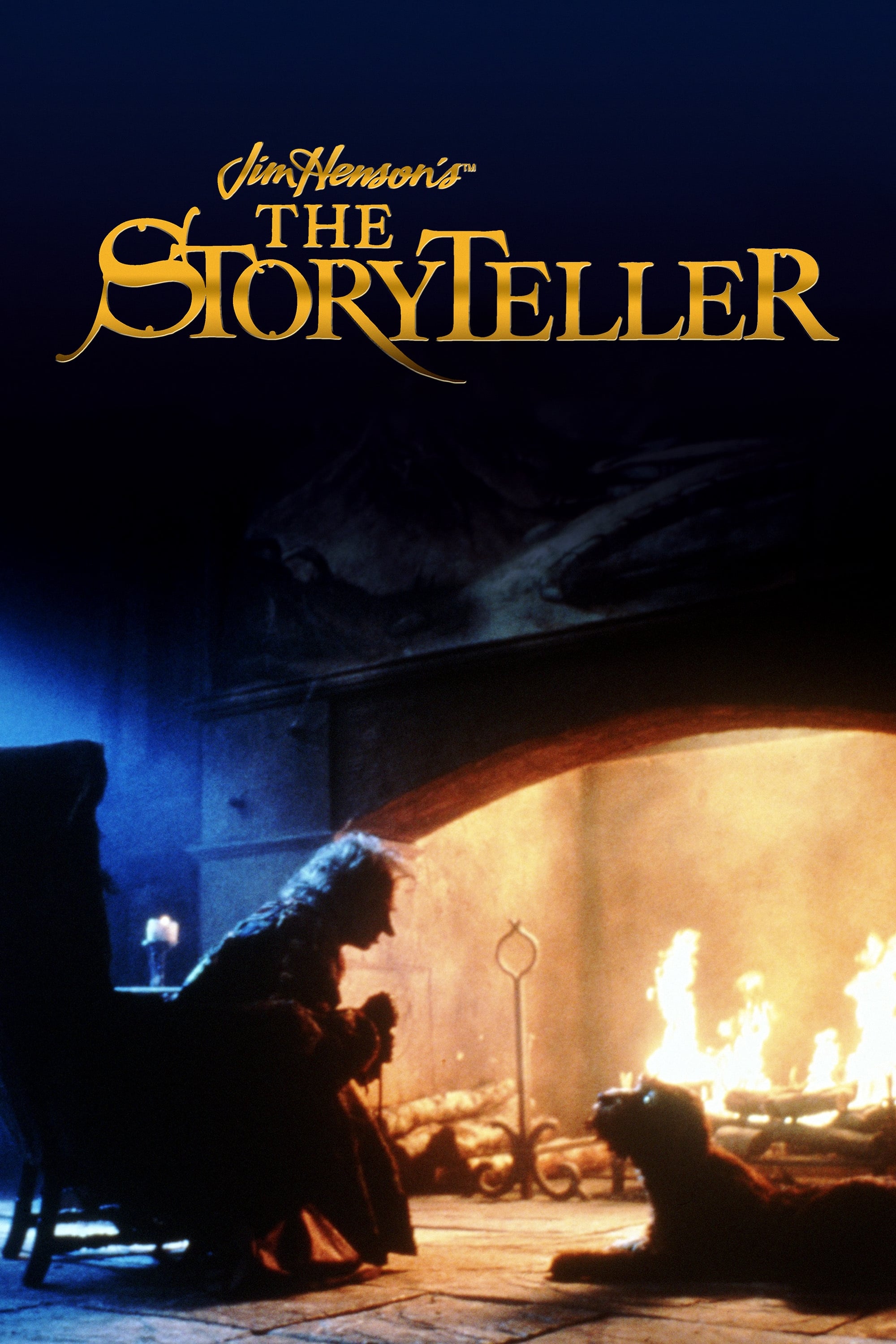
Jim Henson’s anthology adapted European folk tales with live actors, animatronics, and puppetry from the Jim Henson Creature Shop. John Hurt introduced and framed each tale as the Storyteller, while the scripts—many by Anthony Minghella—retained folkloric structures, repeating motifs, and moral turns.
Filmed primarily in the U.K. and broadcast in both Britain and the U.S., the series used directors like Steve Barron to stage stories with hybrid techniques—miniatures, prosthetics, and optical effects. A companion cycle, ‘The Storyteller: Greek Myths’, followed with Michael Gambon taking the storyteller role for classical material.
‘Robin of Sherwood’ (1984–1986)
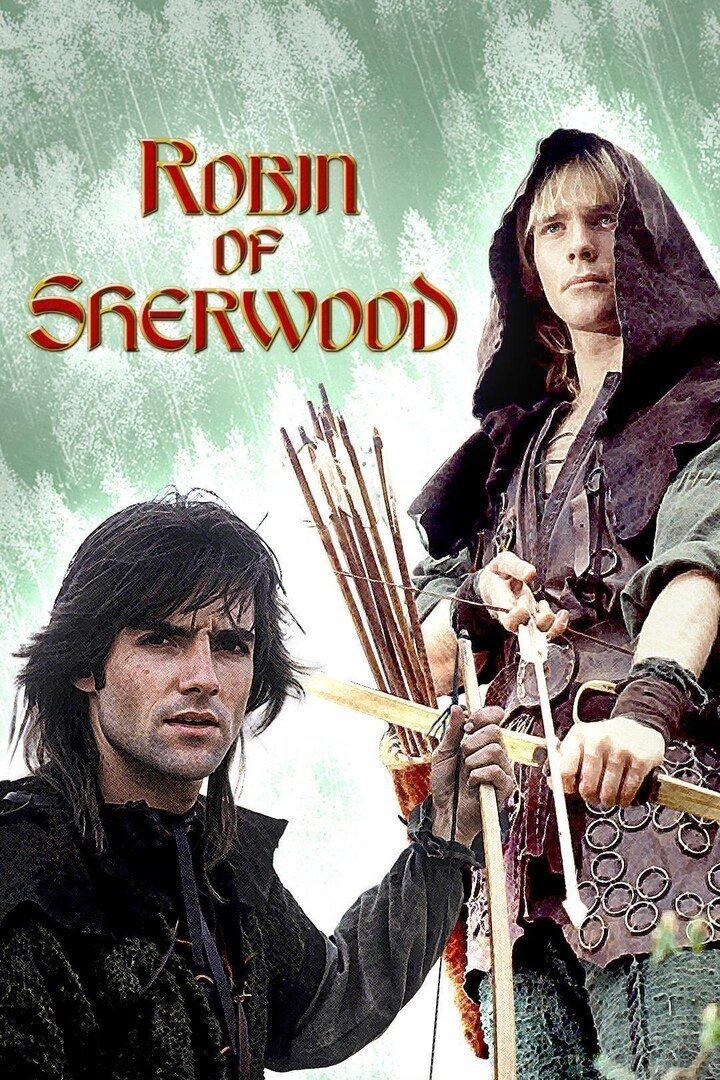
Created by Richard Carpenter for ITV and produced by HTV, this drama cast Michael Praed and later Jason Connery as Robin, with an ensemble including Ray Winstone, Judi Trott, and Nickolas Grace. The show combined the Sherwood legend with pagan-myth elements such as Herne the Hunter and recurring rivalries among nobles and sheriffs.
Location shooting in English woodlands and historic sites provided the backdrop, while Clannad’s music, including the theme ‘Robin (The Hooded Man)’, shaped the series’ sound. Broadcast in seasonal blocks, it presented multipart stories involving raids, rescues, and court politics, and it reached additional viewers through later public-television runs.
‘The Tripods’ (1984–1985)
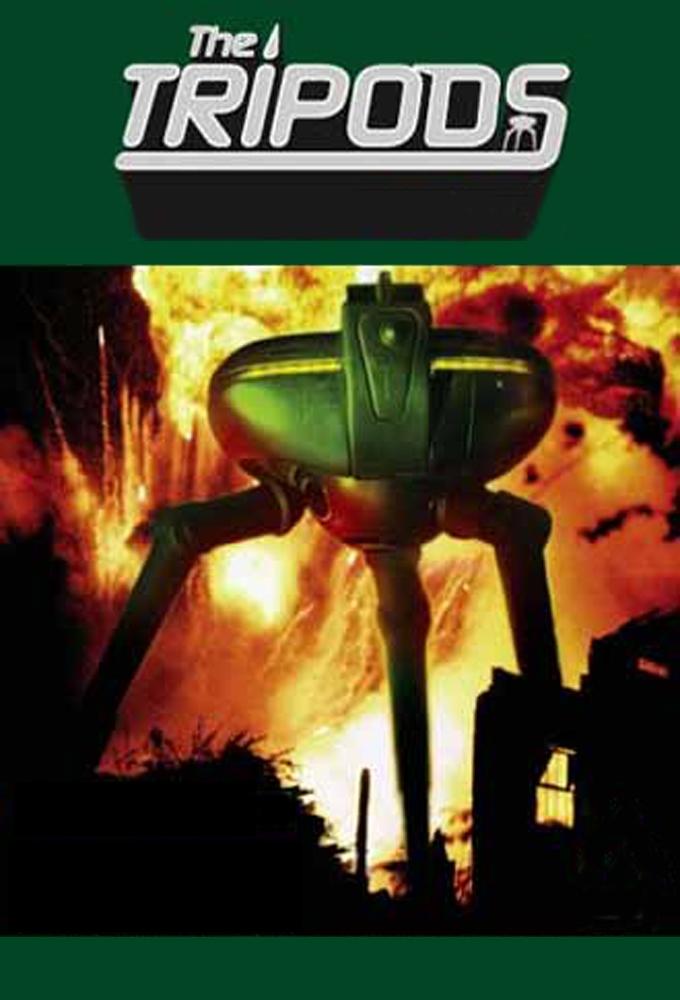
A BBC adaptation of John Christopher’s novels, this science-fiction series followed three teenagers resisting alien overlords who control society through “capping.” The narrative charted escapes from rural communities, training within resistance cells, and reconnaissance missions against towering machines.
Produced in two seasons, the show filmed in the U.K. and continental Europe to capture pastoral villages, canals, and urban ruins. Planned adaptation of the concluding novel did not proceed, leaving the televised story at a pivotal point in the rebellion.
‘Edge of Darkness’ (1985)

Written by Troy Kennedy Martin and directed by Martin Campbell for the BBC, this six-part thriller starred Bob Peck as detective Ronald Craven investigating his daughter’s death, a case that uncovers nuclear-industry secrecy and international maneuvering. Joe Don Baker’s Darius Jedburgh and Joanne Whalley’s Emma Craven anchored the investigative and political threads.
The production used a mix of studio and location work, and its score, by Eric Clapton and Michael Kamen, underscored surveillance and state-security themes. The serial later served as the basis for a feature adaptation, while the original remained a benchmark for conspiracy-drama structure on television.
‘The Singing Detective’ (1986)
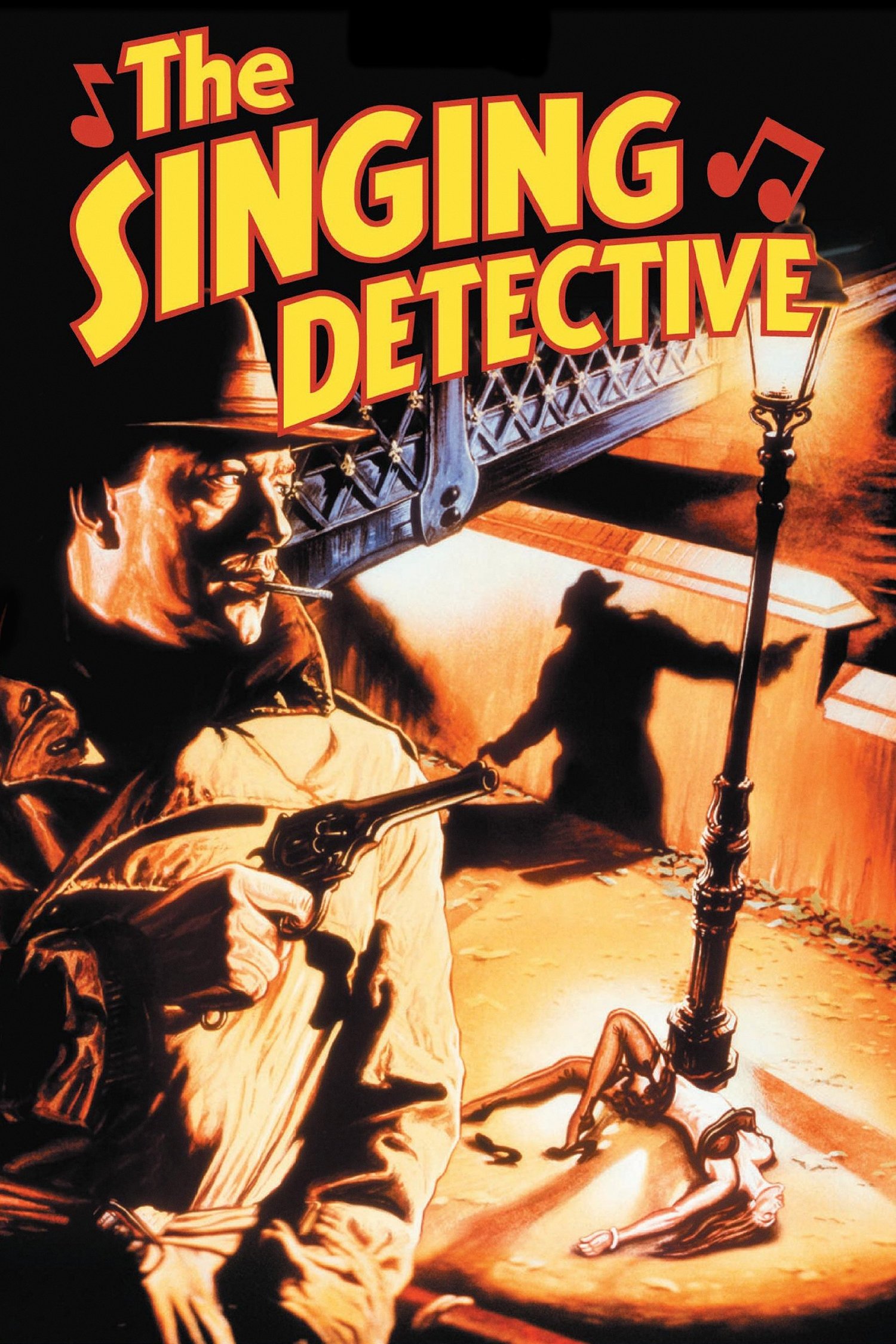
Dennis Potter’s BBC serial starred Michael Gambon as Philip Marlow, a hospitalized writer whose imagination blends pulp-detective narratives with memories and musical set-pieces. The script intercut ward scenes, noir-styled fantasy, and childhood flashbacks to explore creative process and personal history.
Staged over six episodes, the production employed stylized lighting, choreography to period songs, and recurring motifs that link the imagined detective story with real-world relationships. The property later received a feature-film version adapted from the same material.
‘Misfits of Science’ (1985–1986)
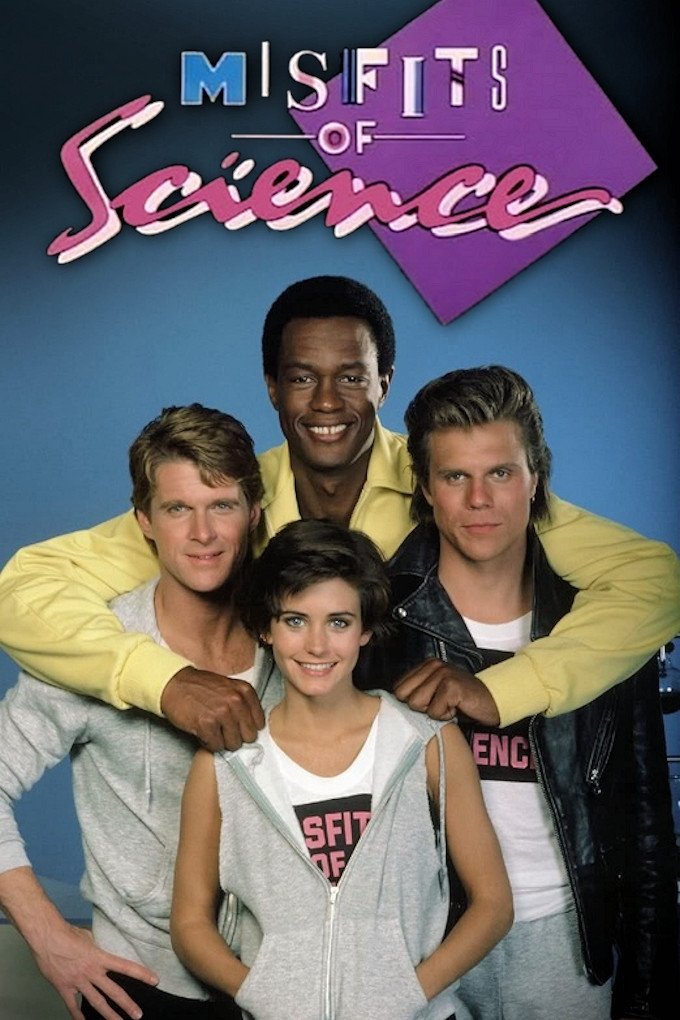
This NBC series assembled a small team of characters with unusual abilities—electrokinesis, shrinking, and super-strength—under a research-lab umbrella for off-the-books problem-solving. The cast included Dean Paul Martin, Courteney Cox, Kevin Peter Hall, and Mark Thomas Miller.
Episodes used laboratory tech, field missions, and government oversight as frameworks for contained adventures, often centering on asset recovery, containment, or rescue. Produced as a one-season run, it circulated afterward in international markets and on cable, extending visibility for its ensemble.
‘Automan’ (1983–1984)

Created by Glen A. Larson for ABC, this series featured Desi Arnaz Jr. as police computer expert Walter Nebicher and Chuck Wagner as Automan, a holographic hero generated from police databases. The sidekick cursor “drew” vehicles and tools, allowing rapid transitions from precinct work to high-speed pursuits.
Visual effects depicted right-angle vehicle turns, luminous suits, and instant constructs, combining optical tricks with practical rigs. The premise connected case files, suspect patterns, and digital analysis to conventional detective beats, with guest stars and recurring precinct characters filling out the roster.
‘Manimal’ (1983)
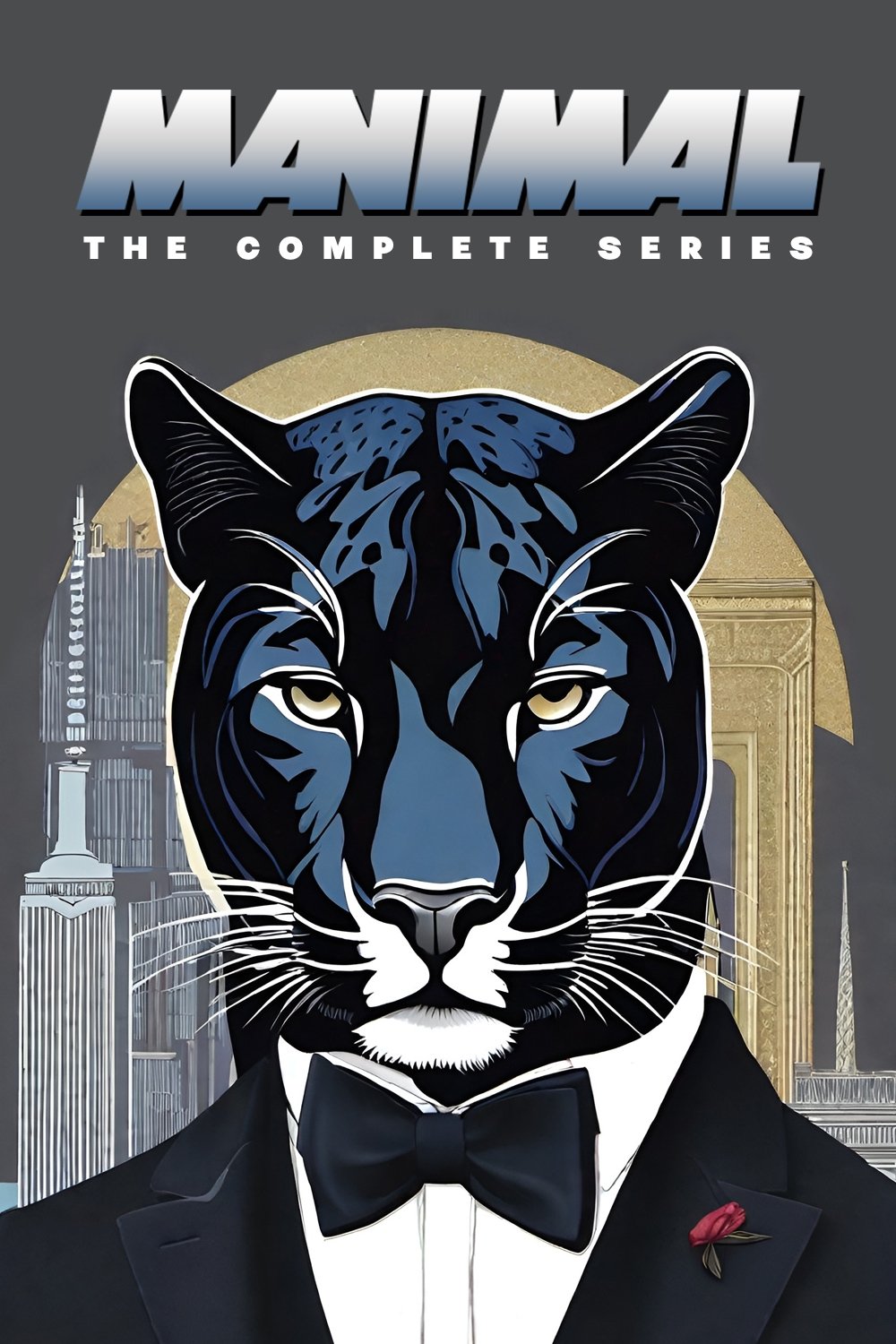
NBC’s adventure series followed Dr. Jonathan Chase, played by Simon MacCorkindale, a consultant who could transform into animals to assist law enforcement. Melody Anderson co-starred as Detective Brooke Mackenzie, with Michael D. Roberts as Ty Earl.
Makeup and transformation sequences relied on practical effects and time-lapse techniques, with continuity built around a small pool of animal forms for investigation and pursuit. The character later crossed into another television property, resurfacing for an episode of ‘NightMan’.
‘Otherworld’ (1985)
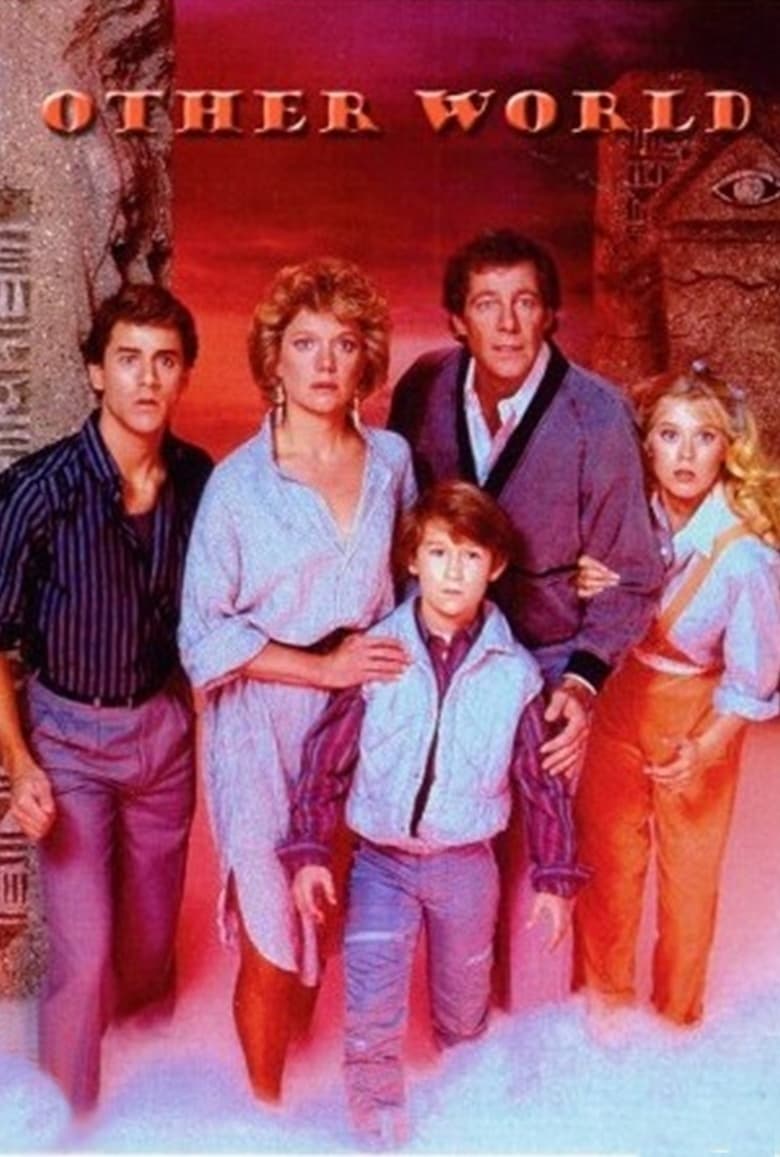
Created by Roderick Taylor for CBS, this science-fiction drama centered on the Sterling family, displaced into a parallel Earth divided into technocratic provinces. The narrative tracked the family’s attempts to navigate regional authorities while searching for a way home.
Stories moved from province to province, each with its own laws, class structure, and technologies, allowing the show to reset stakes every episode. The production used desert and urban locations to suggest unfamiliar geography, and it concluded with open-ended plot threads.
‘Starman’ (1986–1987)
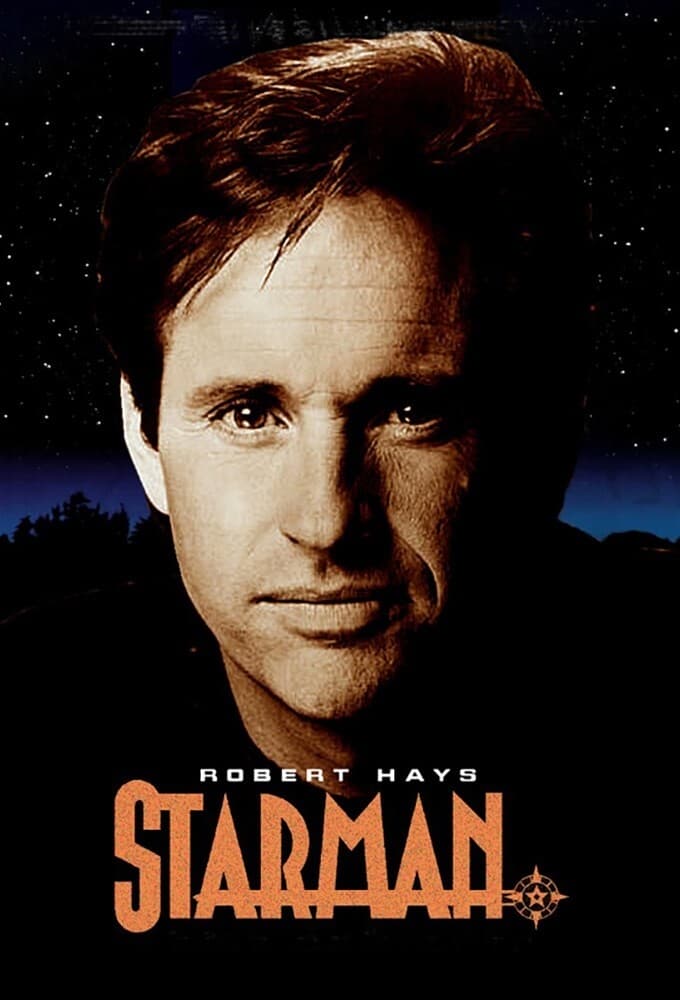
A continuation of the feature with new leads, this ABC drama starred Robert Hays as the alien once again inhabiting a human form, traveling with his teenage son Scott, played by Christopher Daniel Barnes. Erin Gray portrayed Jenny Hayden, connecting the series to the original story’s family dynamic.
Episodes followed the pair across the U.S., with an investigator in pursuit and episodic communities presenting localized conflicts. The show integrated low-profile visual effects for the alien’s abilities and structured its arc around the search for Scott’s mother and safe passage.
‘Probe’ (1988)
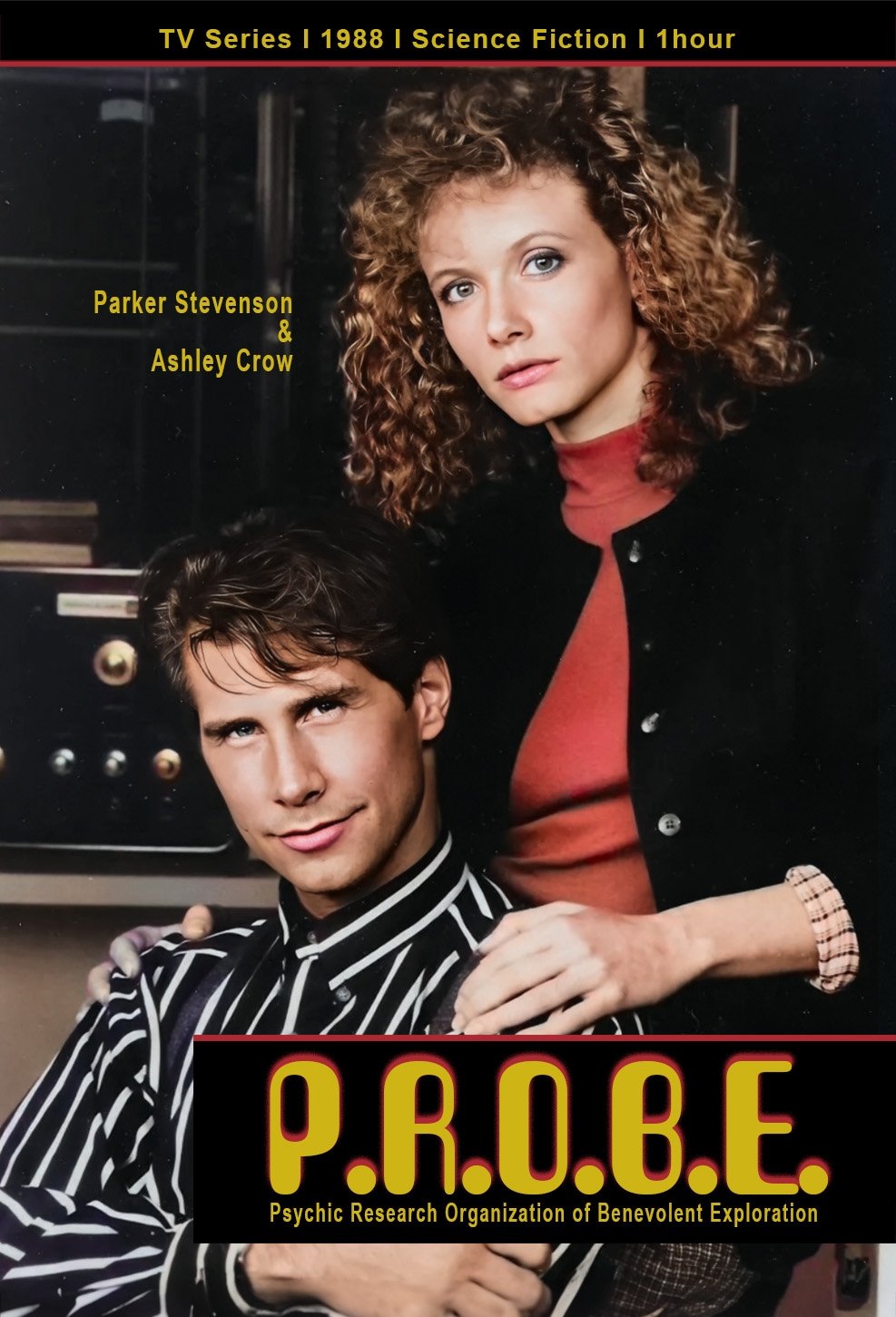
Co-created by Michael I. Wagner and Isaac Asimov for ABC, ‘Probe’ starred Parker Stevenson as Austin James, a brilliant but socially awkward scientist who applies rigorous method to mysteries. Ashley Crow played Michelle “Mickey” Castle, whose practical sense balances James’s analytical approach.
Cases turned on chemistry, biology, and physics rather than conventional detective tropes, with episodes laying out hypotheses, experiments, and field tests. Produced as a midseason entry, the series presented standalone investigations connected by recurring lab spaces and supporting characters.
‘Werewolf’ (1987–1988)
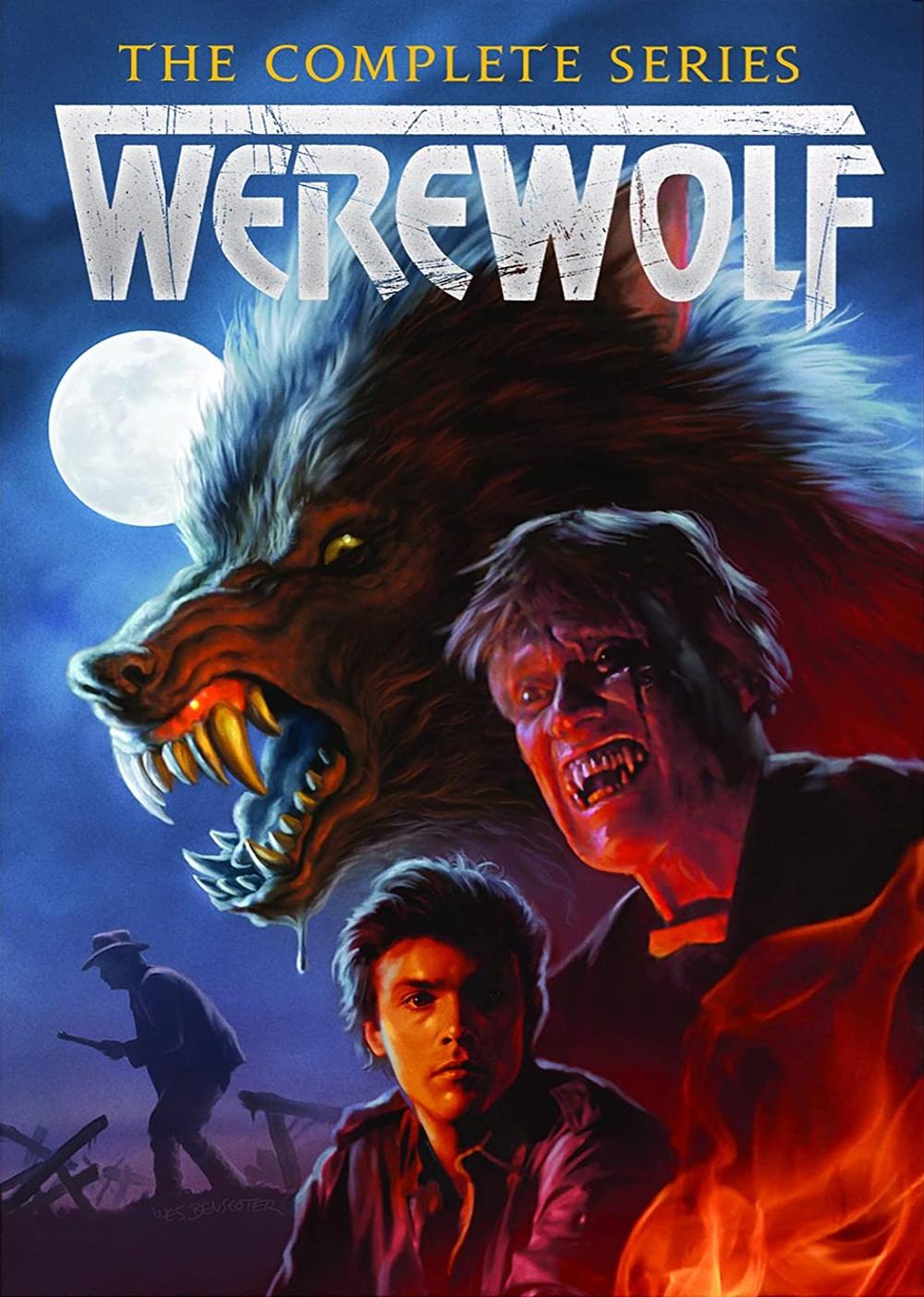
One of Fox’s earliest dramas, ‘Werewolf’ followed Eric Cord, played by John J. York, who hunts the originator of his curse to end his transformations. Early episodes featured Chuck Connors as Janos Skorzeny, establishing an initial antagonist and lore for the affliction.
The show emphasized practical makeup and stunt work for transformations and action sequences, using coastal towns, forests, and industrial sites as settings. Music cues and a running mythology about lineage and silver-based vulnerabilities tied episodic stories into a broader pursuit.
‘Street Hawk’ (1985)
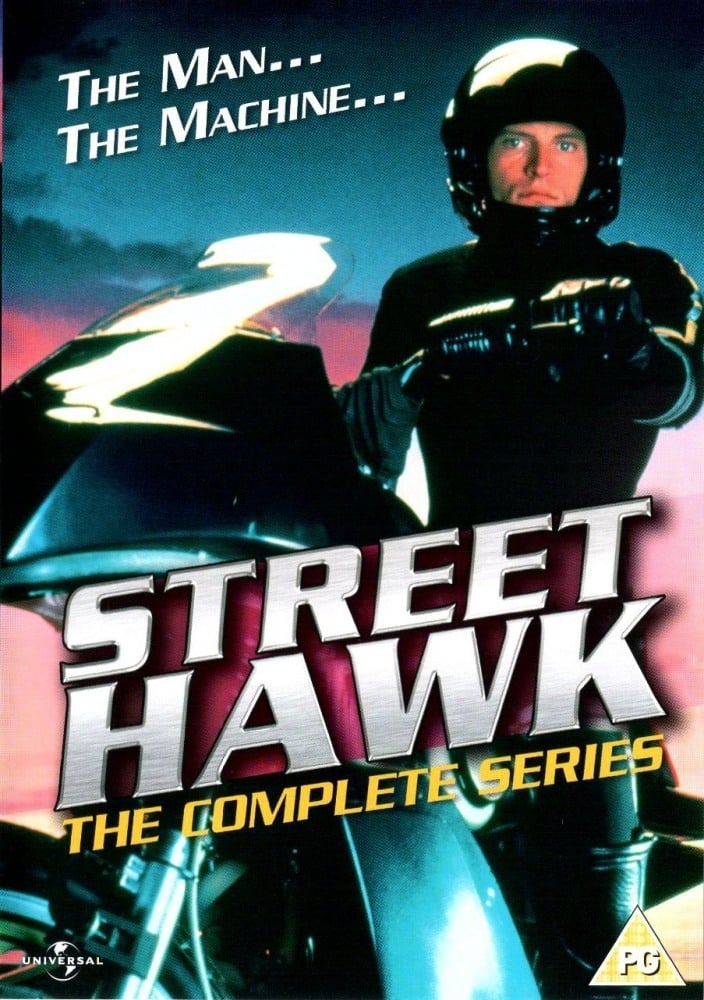
ABC’s action series cast Rex Smith as Jesse Mach, a former motorcycle officer recruited to test a government prototype bike for covert urban missions. The machine’s equipment—onboard computer, enhanced suspension, and speed-boost capability—supported stakeouts, chases, and tactical interventions.
Universal Television produced the show with extensive night shooting and stunt coordination to highlight vehicle capabilities. Episodes paired departmental cover stories with case-specific villains, and the series continued to circulate internationally through reruns and merchandise tie-ins.
‘Tales of the Gold Monkey’ (1982–1983)
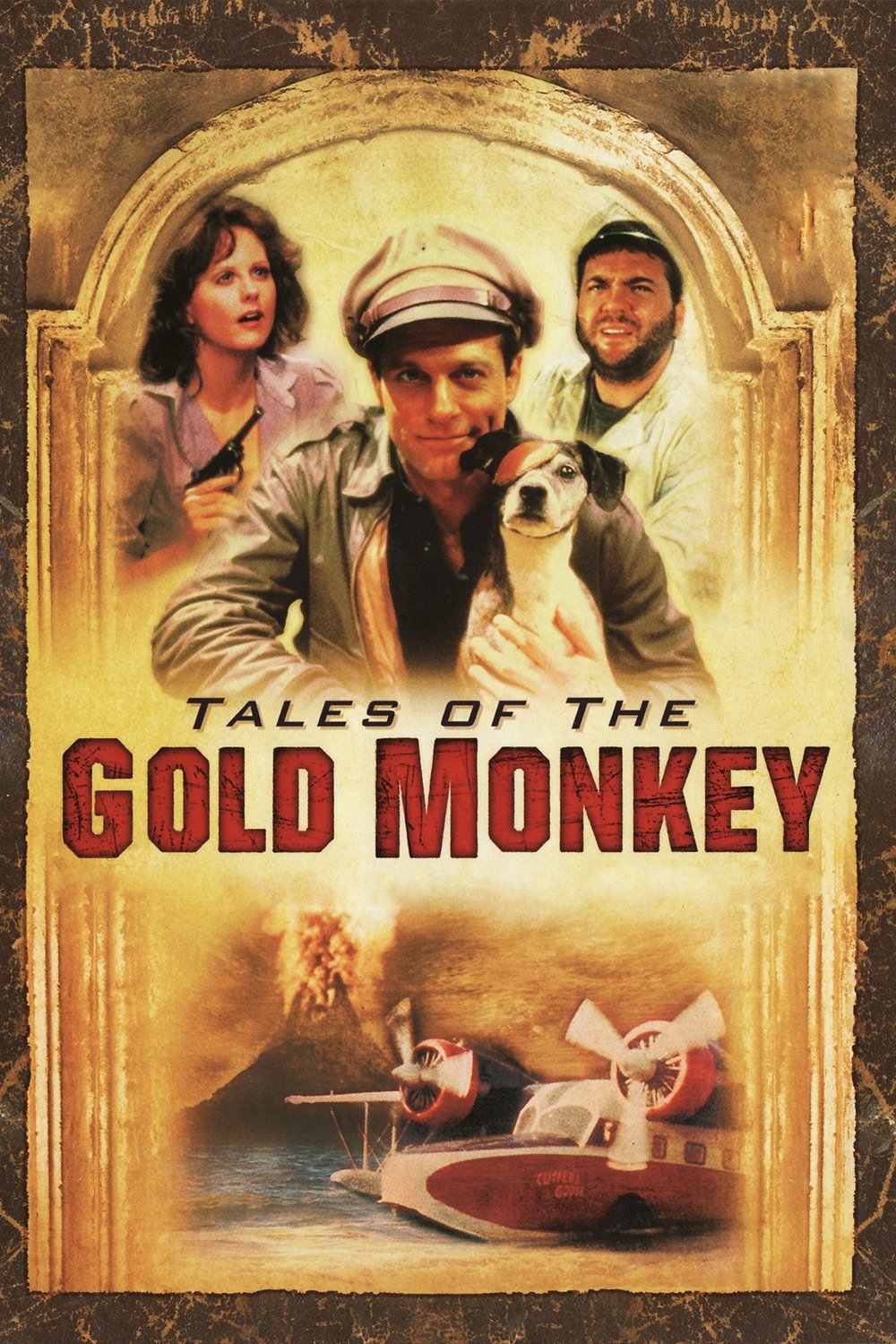
Set in the South Pacific on the eve of global conflict, this ABC adventure starred Stephen Collins as pilot Jake Cutter, with Caitlin O’Heaney, Jeff MacKay, and Roddy McDowall in key roles. The show staged cargo runs, espionage encounters, and island intrigue from a seaplane base.
Backlot sets and water tanks combined with location photography to depict harbors and jungles, while recurring patrons and officials populated episodes. The single-season run later reached additional audiences through cable rotation and home-video releases.
‘The Master’ (1984)
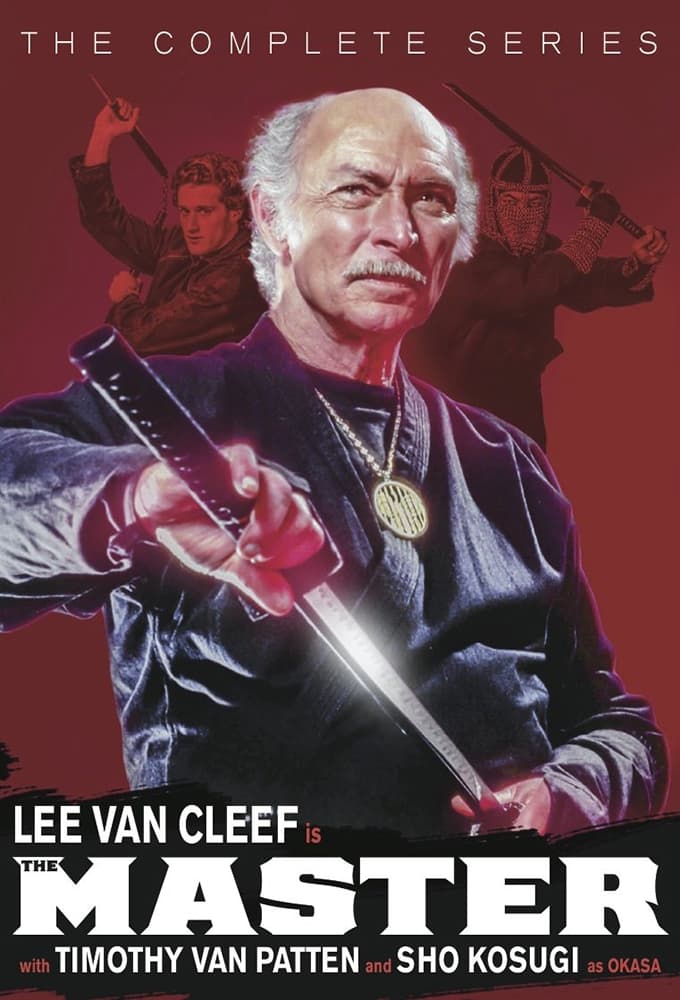
NBC’s ‘The Master’ starred Lee Van Cleef as John Peter McAllister, a veteran who adopts the ways of the ninja and takes on a protégé, played by Timothy Van Patten. Guest appearances by Sho Kosugi added martial-arts choreography and rival-student dynamics.
Self-contained stories sent the pair to different towns to resolve local conflicts, building a road-series structure around a customized van and gear cache. Several episodes were later edited into telefilms that circulated widely in syndication and on cable under alternate packaging.
‘The Highwayman’ (1987–1988)
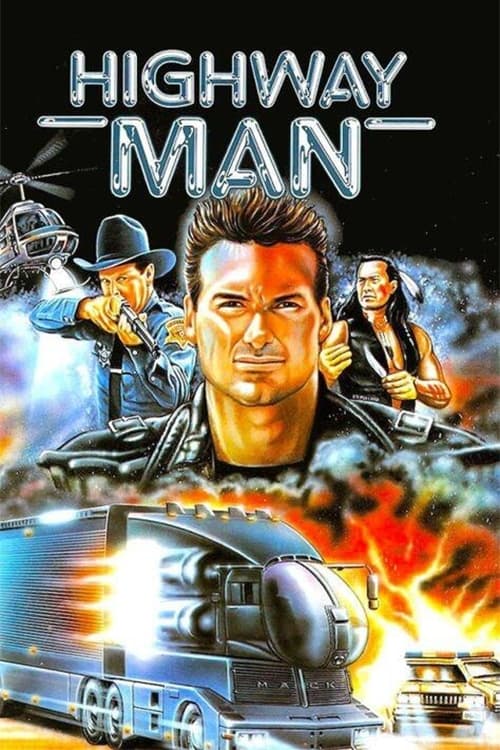
Produced for NBC, this near-future action series featured Sam J. Jones as a federal agent operating from a high-tech truck with concealed capabilities. The pilot established an agency handling unusual crimes, with additional cast members rotating as partners and support.
The series combined procedural plots with gadget-driven set-pieces—remote surveillance, vehicle transformations, and specialized weaponry. Exterior shooting emphasized highways, desert stretches, and industrial locations, and the vehicle’s modular design allowed frequent reconfiguration for story needs.
‘Frank’s Place’ (1987–1988)
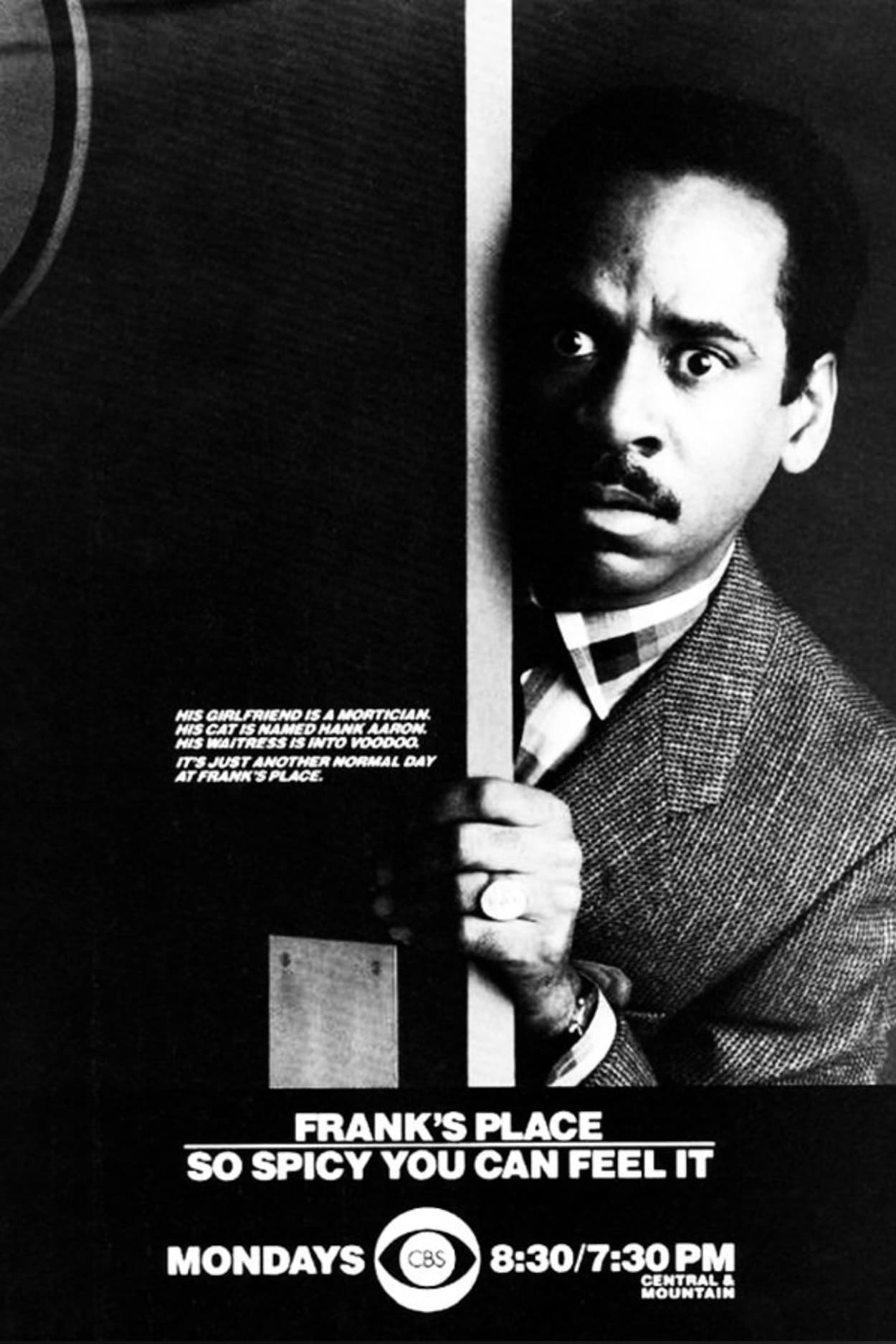
Created by Hugh Wilson and Tim Reid for CBS, this half-hour series followed a college professor who inherits a New Orleans restaurant. Tim Reid led the ensemble, with recurring performances from Daphne Maxwell Reid, Francesca P. Roberts, and Harry Anderson.
Filmed with single-camera technique rather than a studio audience, the production integrated local cuisine, music, and neighborhood institutions into its stories. The show received industry recognition, including an Emmy for writing, and it is frequently cited in discussions of location-specific series set in that city.
‘Square Pegs’ (1982–1983)
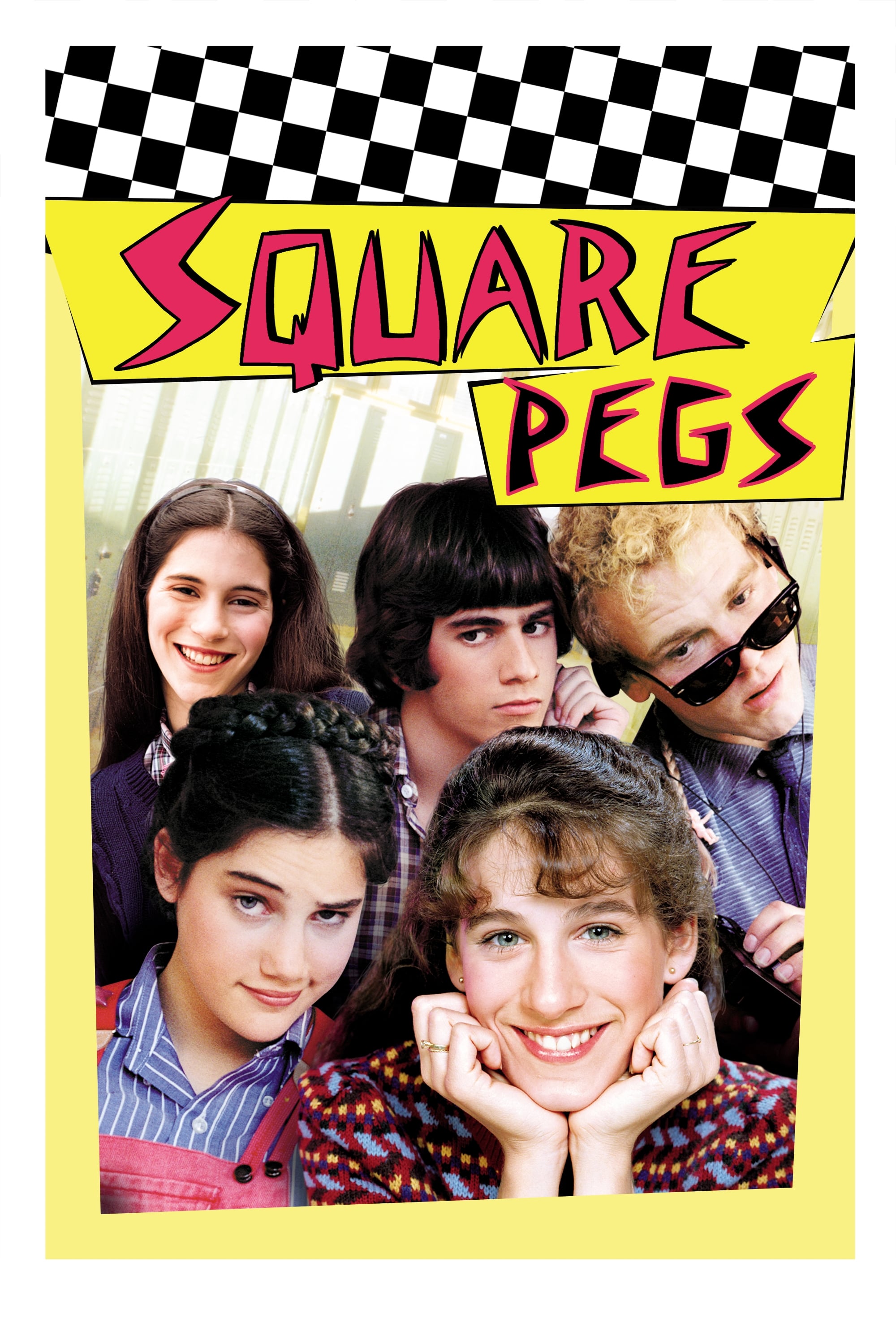
Anne Beatts created this CBS high-school comedy centered on best friends played by Sarah Jessica Parker and Amy Linker at Weemawee High. The show depicted cliques, band scenes, and school media, with guest appearances by contemporary musicians such as ‘Devo’ and ‘The Waitresses’.
The production used single-camera shooting and a soundtrack steeped in new-wave acts, reflecting youth culture within its narrative beats—auditions, dances, field trips, and class projects. Though brief, it provided early roles for several performers who went on to long careers.
‘Friday the 13th: The Series’ (1987–1990)
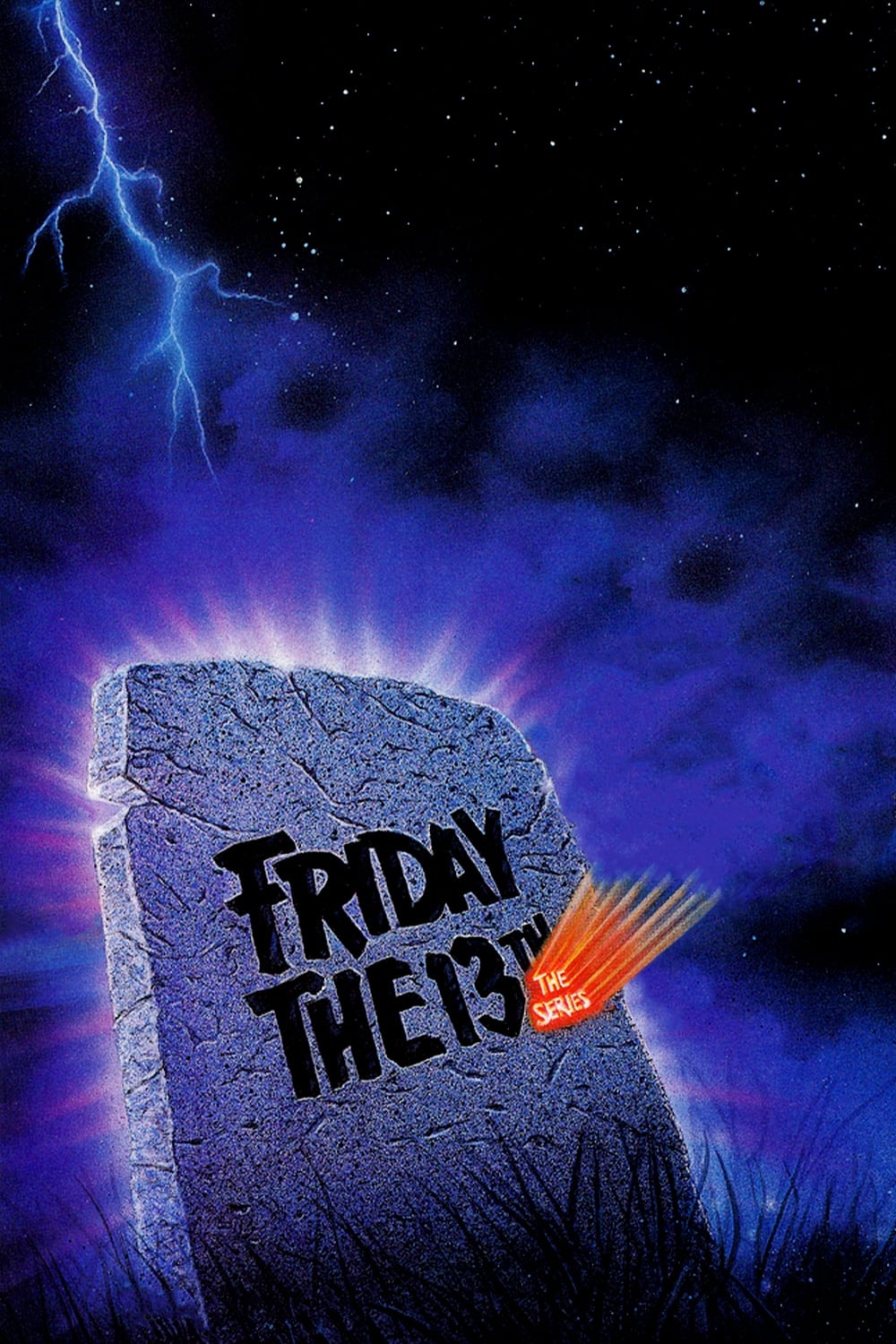
This syndicated horror show, overseen by Frank Mancuso Jr., followed cousins Micki and Ryan (Louise Robey and John D. LeMay) and their colleague Jack Marshak (Chris Wiggins) as they recovered cursed antiques from a shop inheritance. Each artifact carried its own rules and costs, prompting investigative retrievals.
Filmed largely in Toronto, episodes paired supernatural mechanics with practical effects and bottle-style staging inside warehouses, museums, and rural properties. The series maintained a ledger-like structure—artifact identification, research, and containment—linking standalone cases to a season-long catalog.
‘V: The Series’ (1984–1985)

Continuing the story introduced in the telefilms, NBC’s weekly ‘V: The Series’ chronicled the resistance against the Visitors as both sides fought for control of Earth’s resources. The ensemble included Marc Singer, Faye Grant, Michael Ironside, and Jane Badler.
Recurring elements included human collaborators, Fifth Column operatives, and science-fiction set-pieces involving motherships, conversion chambers, and disguises. The production mixed optical effects with rubber-prosthetic creature work and distributed its arc across mission-oriented episodes.
Share the lesser-seen ‘80s series you remember—or just discovered here—in the comments so everyone can compare notes!