The 10 Most Underrated Robert De Niro Movies, Ranked (from Least to Most Underrated)

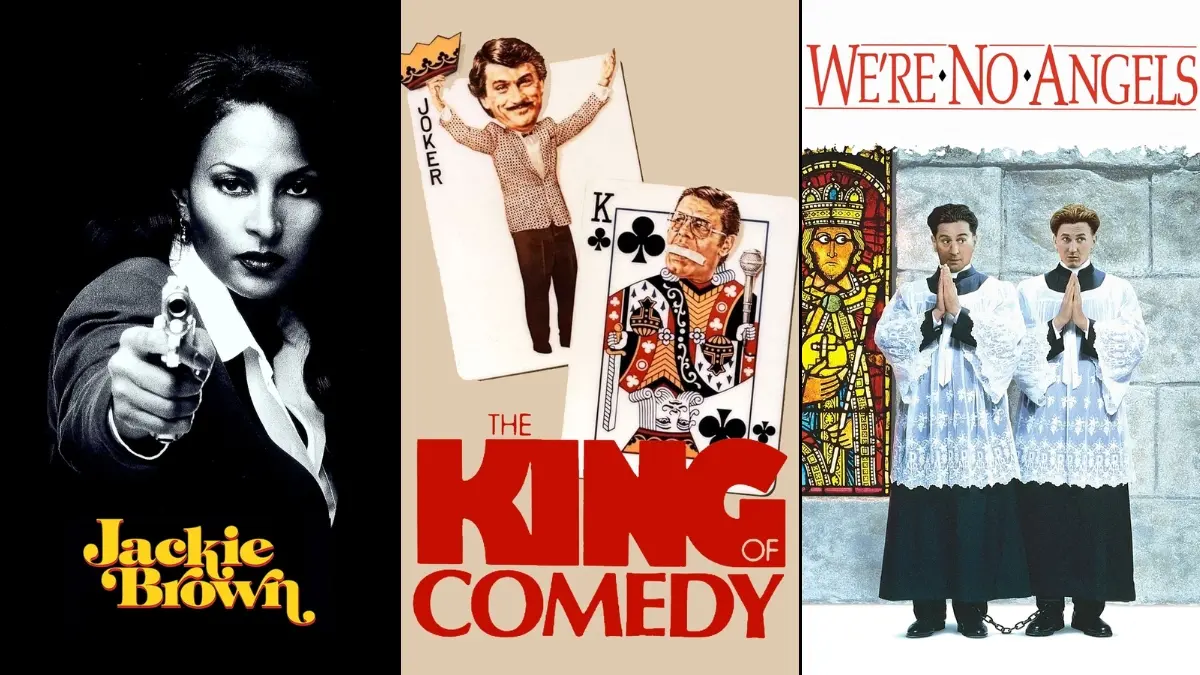

Robert De Niro’s filmography is deep enough to fill several careers, and it spans dramas, thrillers, comedies, crime epics, and offbeat curiosities. Beyond the universally discussed headliners, there’s a rich seam of titles where he plays against type, experiments with tone, or supports ambitious ensembles—projects that show how wide his range really is when you look past the usual marquee names.
This list spotlights lesser-discussed films he starred in or significantly appeared in. Each entry includes concrete details—who made it, what it’s about, and where it fits in his body of work—so you can quickly decide what to watch next without wading through vague superlatives.
‘We’re No Angels’ (1989)
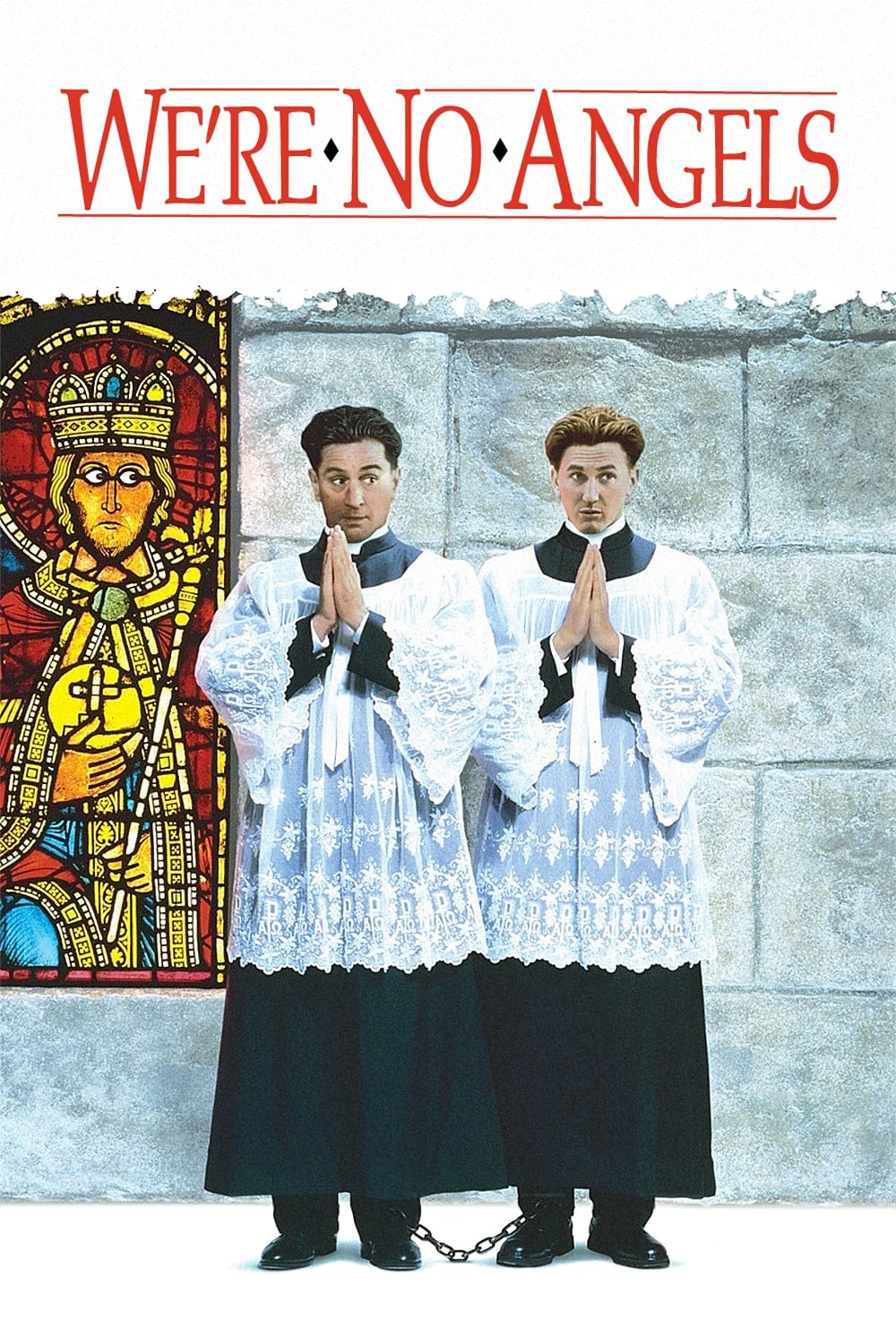
Neil Jordan directs this remake of the 1955 film, with Robert De Niro and Sean Penn as convicts who slip across the border and hide in plain sight by posing as priests. The story follows their attempts to keep up the ruse inside a small-town mission, where they interact with locals—including a character played by Demi Moore—while dodging law officers hunting for escaped prisoners.
The screenplay is by David Mamet, and the film pairs De Niro with Jordan’s frequent collaborators behind the camera. It was released by Paramount Pictures and features production design that emphasizes the border-town setting and ecclesiastical spaces central to the mistaken-identity plot
‘True Confessions’ (1981)
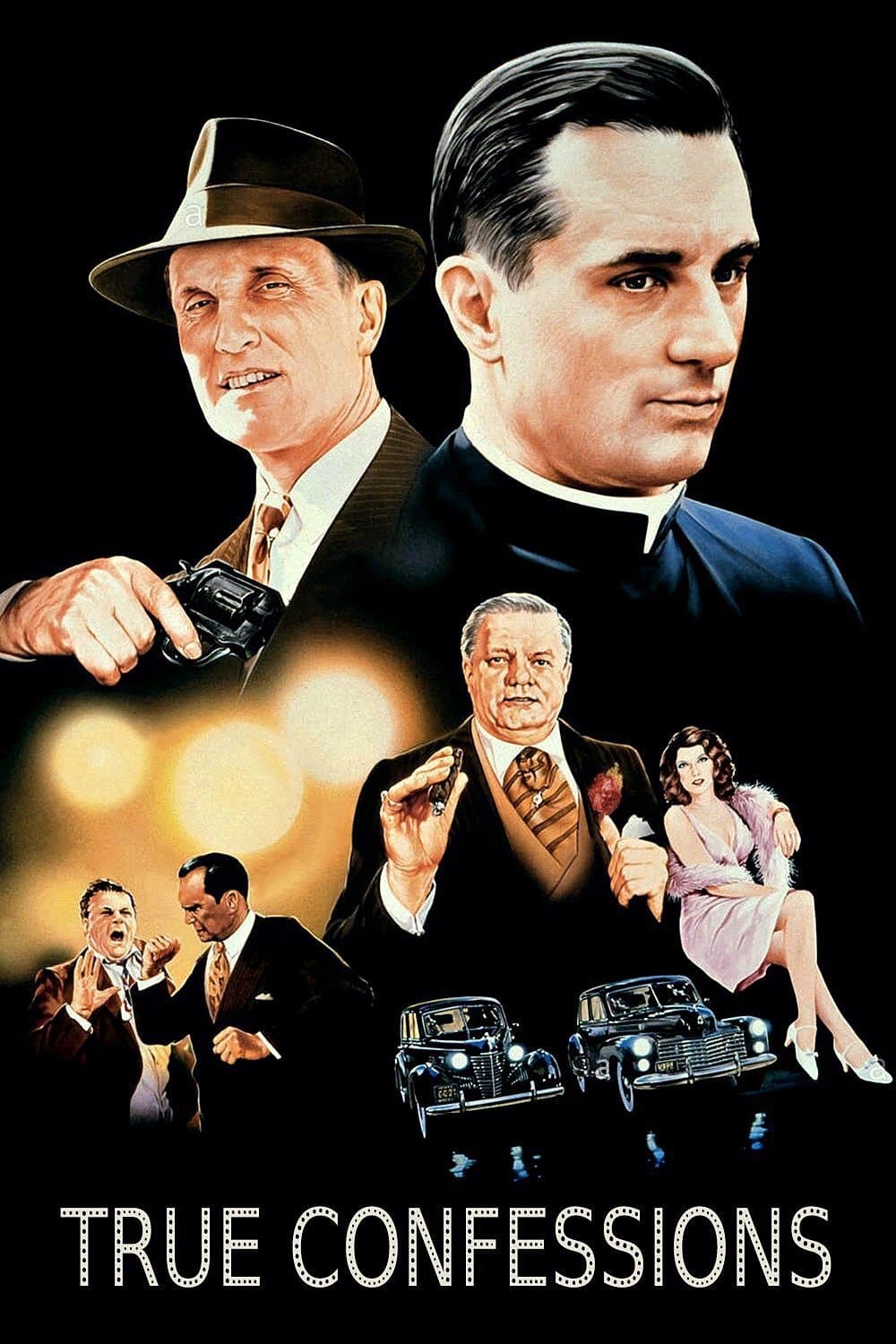
Ulu Grosbard adapts John Gregory Dunne’s novel about two brothers in Los Angeles—one a police detective, the other a Catholic priest—whose careers intersect around a high-profile murder case. Robert De Niro plays Father Desmond Spellacy opposite Robert Duvall’s detective, with the narrative tracking institutional pressures inside the Church and the LAPD as the investigation unfolds.
The film uses the structure of a crime drama to examine church politics and big-city power brokers, drawing on a case inspired by historical headlines. Grosbard’s direction emphasizes procedural detail, and the supporting cast includes actors such as Charles Durning and Kenneth McMillan
‘Guilty by Suspicion’ (1991)
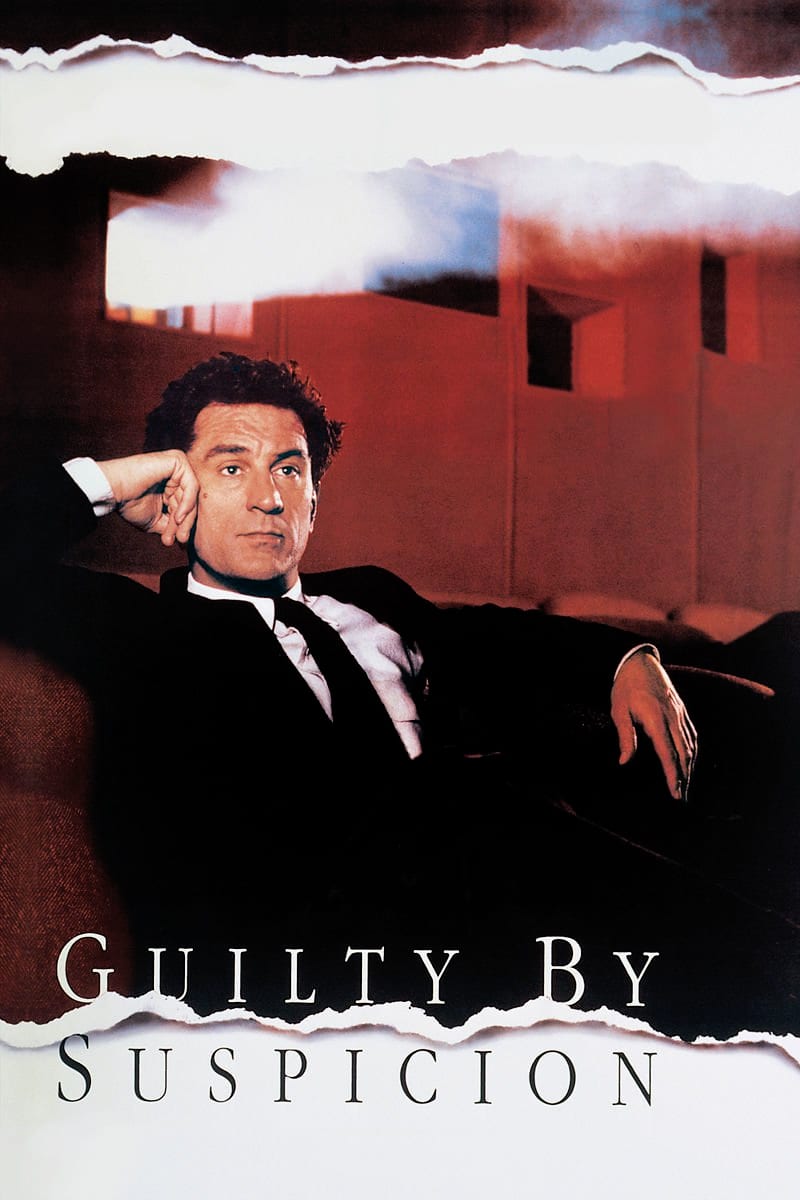
Robert De Niro plays David Merrill, a Hollywood director pressured to testify during the House Un-American Activities Committee era, as the storyline traces blacklisting’s practical consequences on contracts, credit, and personal relationships. Annette Bening co-stars, and the film follows the studio-system mechanics of hiring, financing, and distribution as they collide with congressional inquiries.
Written and directed by Irwin Winkler, the film was released by Warner Bros. and photographed by Michael Ballhaus. It includes appearances by Martin Scorsese and other industry figures, and it depicts the period’s professional constraints—like travel restrictions and employment bans—through studio notes, deal memos, and hearing-room proceedings
‘The Good Shepherd’ (2006)

Directed by Robert De Niro, this espionage drama follows the early formation of the Central Intelligence Agency through the career of an intelligence officer played by Matt Damon. The plot charts recruitment, counterintelligence assignments, and family strain as operations move from wartime codebreaking into the Cold War’s covert arena; De Niro appears on-screen as the officer who helps build the organization.
The screenplay is by Eric Roth, with a large ensemble that includes Angelina Jolie, William Hurt, Alec Baldwin, and John Turturro. Produced by Tribeca Productions and Universal, the film integrates period-accurate tradecraft elements—dead drops, surveillance methods, and compartmentalization—across multiple continents and agencies
‘Cop Land’ (1997)
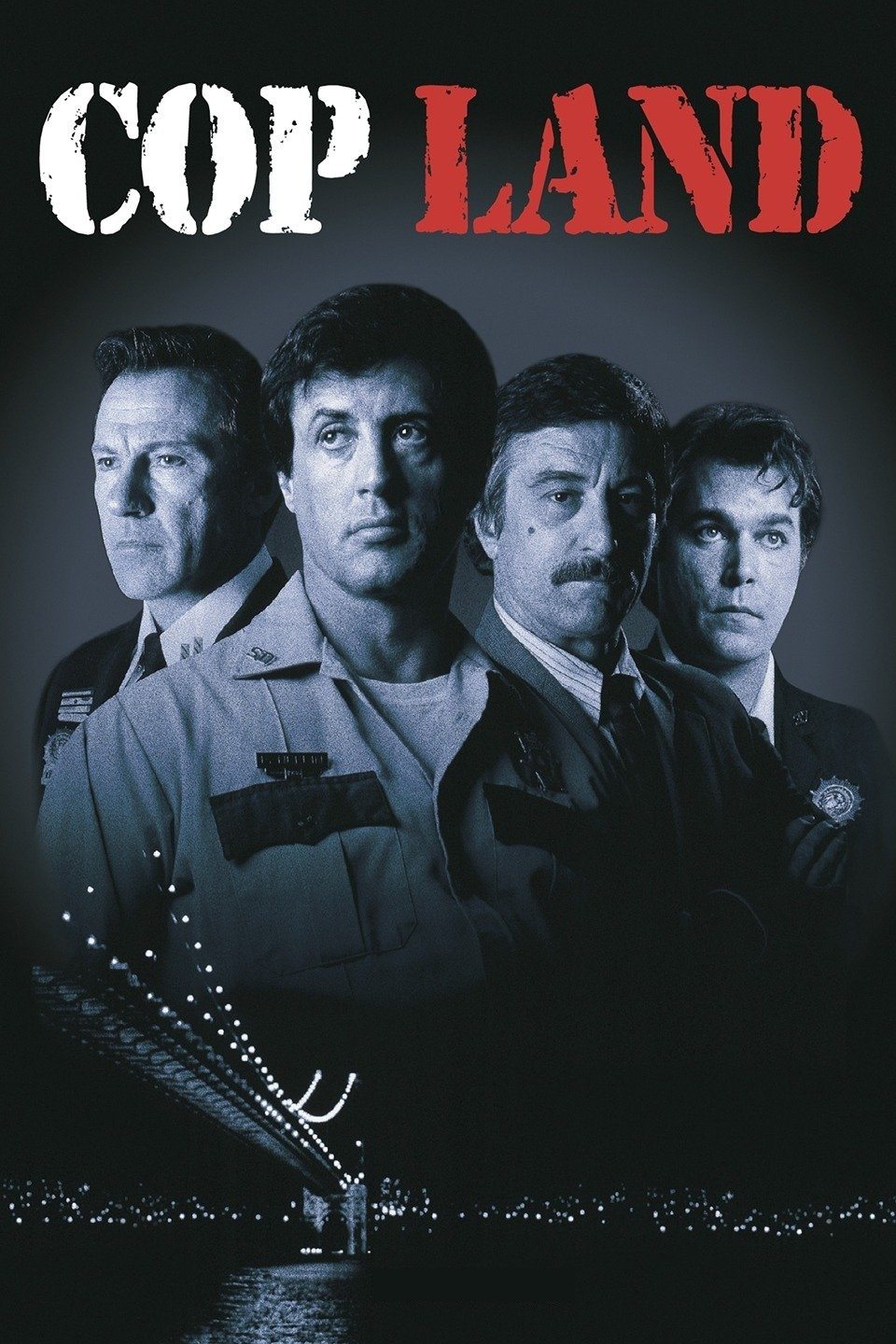
Set in a New Jersey town populated by New York City police officers, the plot centers on a local sheriff played by Sylvester Stallone who confronts a web of internal corruption. Robert De Niro portrays Lieutenant Moe Tilden, an Internal Affairs investigator whose briefings, taped statements, and records searches help map out the case’s connections.
Written and directed by James Mangold, the film features an ensemble including Harvey Keitel, Ray Liotta, and Michael Rapaport. It was released by Miramax Films, and its production design situates precinct bars, ferry crossings, and bridge corridors as key locations for surveillance, meetings, and jurisdictional clashes
‘Bang the Drum Slowly’ (1973)
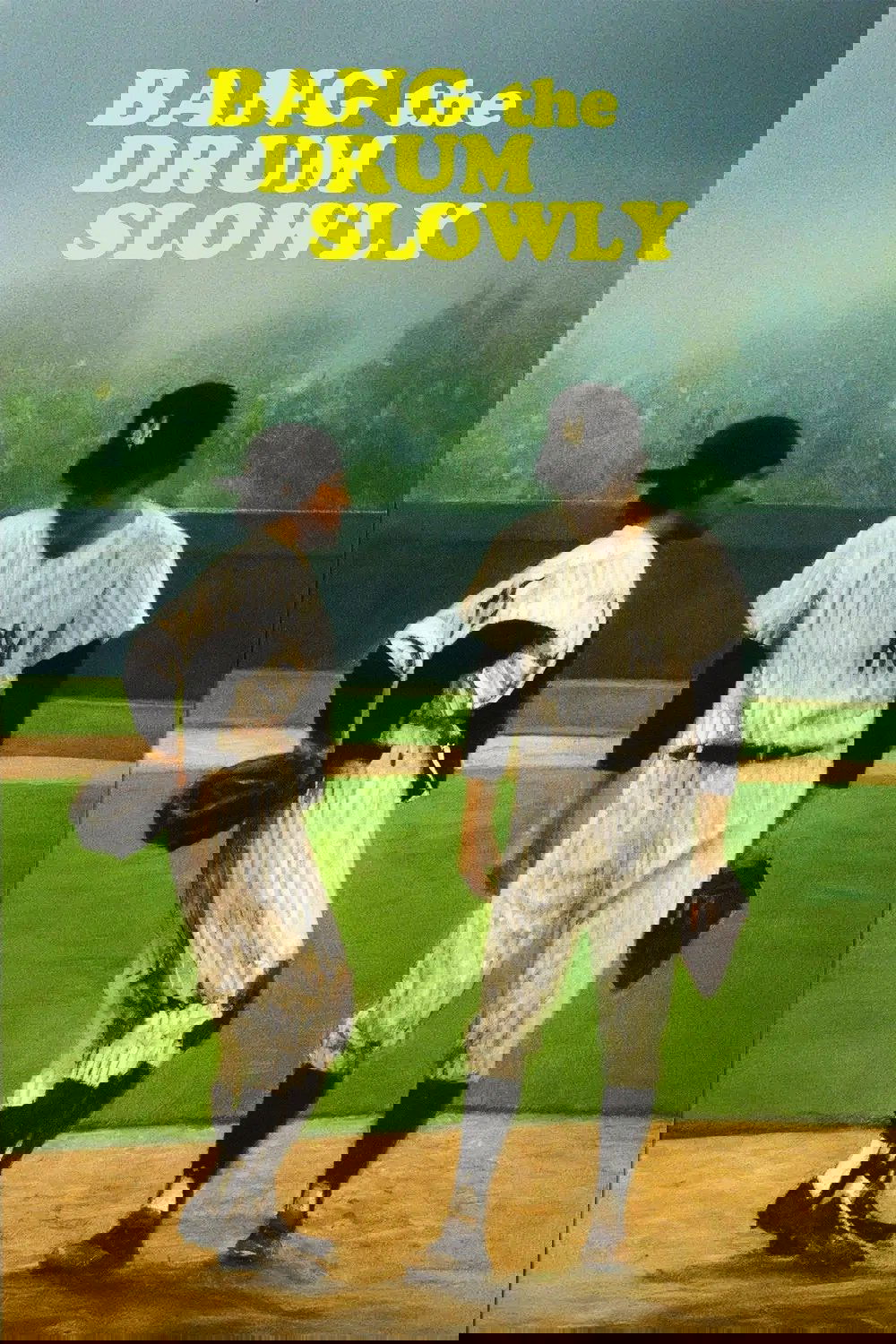
Robert De Niro plays Bruce Pearson, a catcher on a fictional Major League roster whose diagnosis becomes a private matter between him and the team’s star pitcher, played by Michael Moriarty. The story follows road trips, contract negotiations, and clubhouse routines as the two players navigate the season while keeping medical information discreet.
Adapted from Mark Harris’s novel and directed by John D. Hancock, the film uses game broadcasts, sportswriters’ columns, and front-office decisions to track the team’s trajectory. Its focus on player–management dynamics includes salary talks, roster moves, and clubhouse protocols alongside the pitcher–catcher partnership on the field
‘Ronin’ (1998)
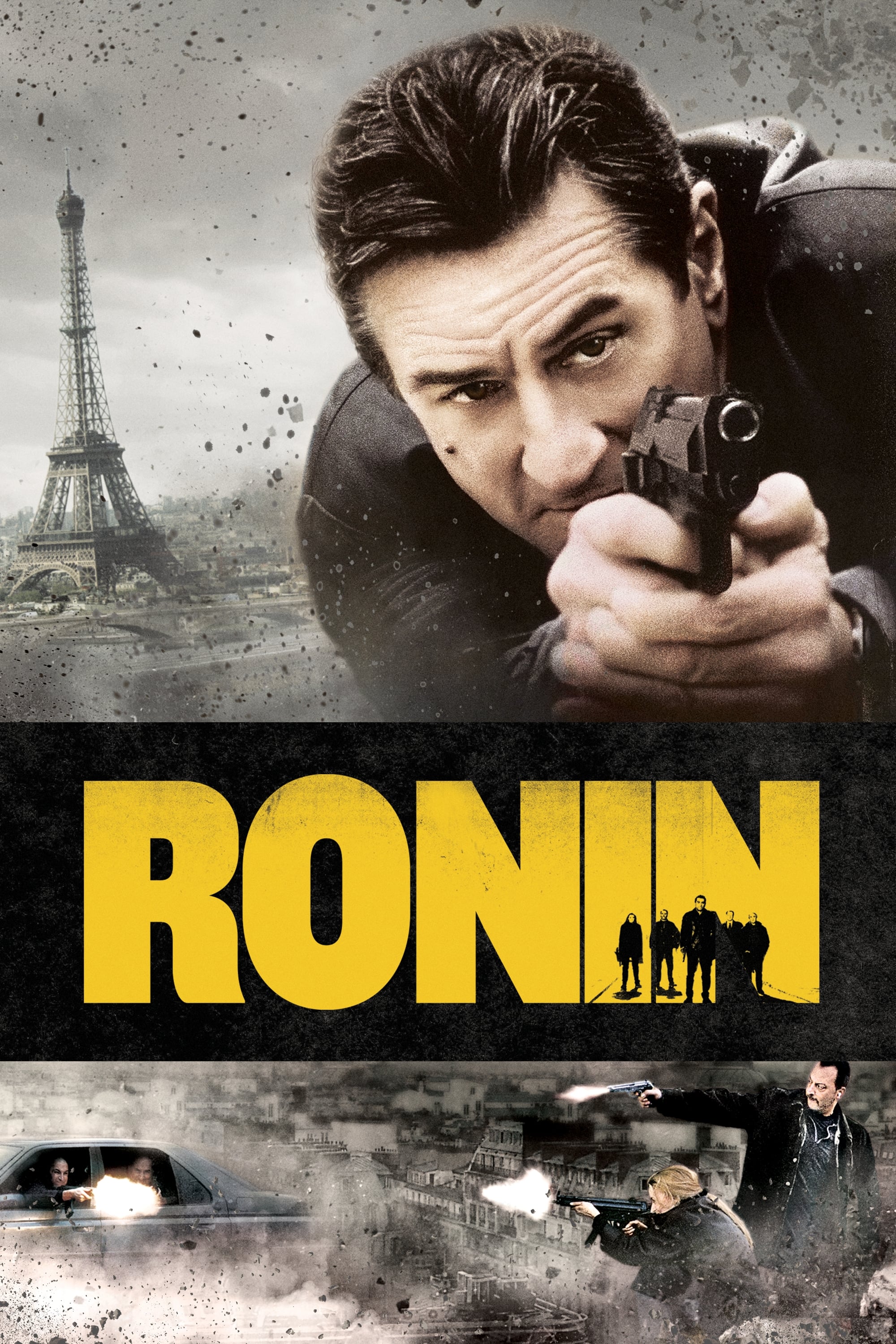
A team of former operatives is hired for a high-risk job in Europe, with Robert De Niro’s character, Sam, vetting tactics, surveillance routes, and exit strategies as the crew assembles. The plot moves through safe houses, arms buys, and double-crosses while charting the logistics of stakeouts and convoy ambushes in dense urban traffic.
John Frankenheimer directs, bringing in technical advisers for vehicle work and staging lengthy chases through Paris and Nice. The script includes contributions credited to Richard Weisz, a pseudonym used by David Mamet, and the ensemble features Jean Reno, Natascha McElhone, Stellan Skarsgård, and Sean Bean
‘Jackie Brown’ (1997)
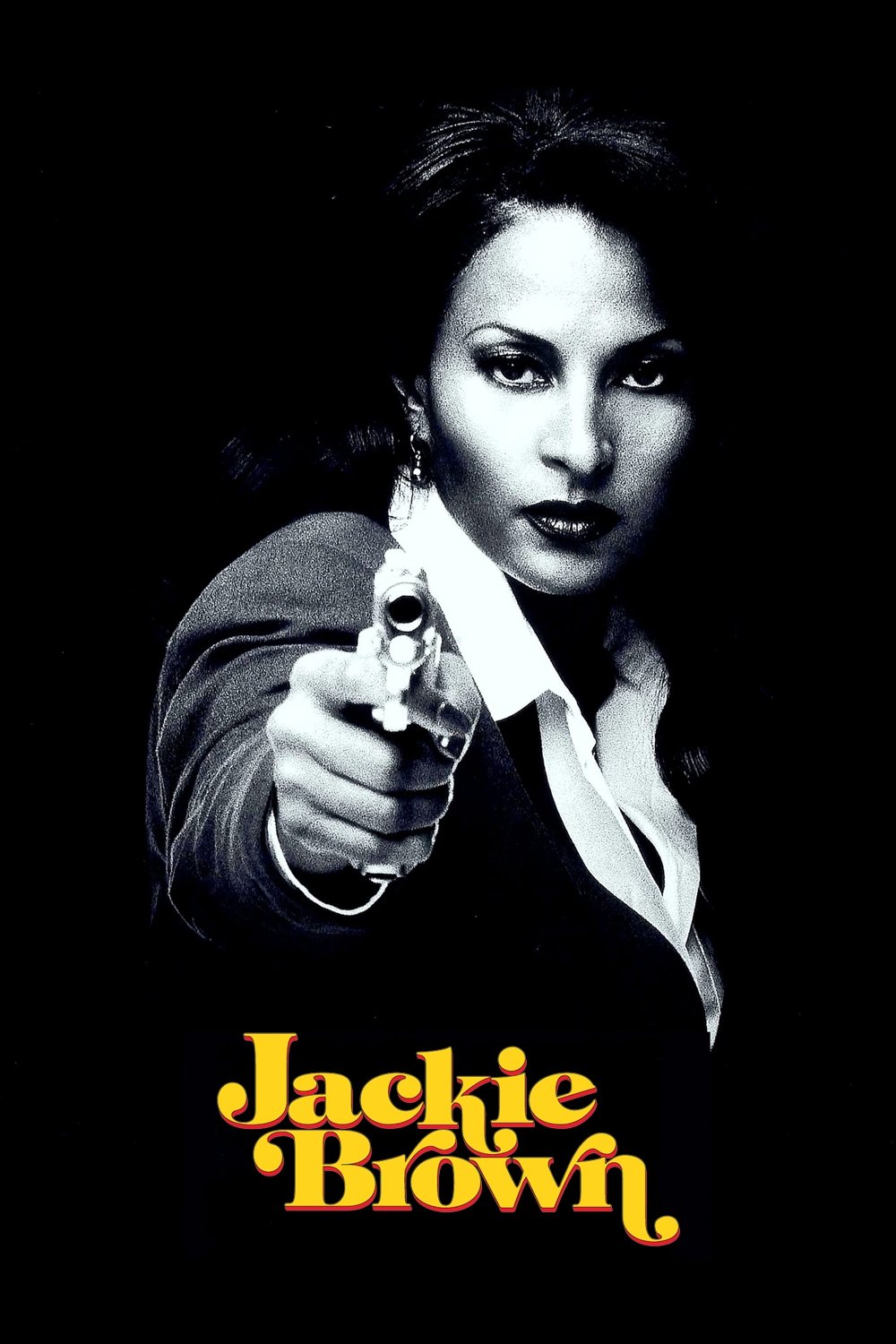
Adapted from Elmore Leonard’s story, the film follows a flight attendant who becomes entangled with law enforcement and a gunrunner as money exchanges and taped conversations accumulate. Robert De Niro plays Louis Gara, a recently released associate whose movements intersect with stakeouts, cash drops, and shifting loyalties.
Written and directed by Quentin Tarantino, the film features Pam Grier, Samuel L. Jackson, Robert Forster, Bridget Fonda, and Michael Keaton. It was released by Miramax, integrates soul and funk tracks throughout its soundtrack, and uses extended dialogue scenes to map out sting operations and competing plans.
‘Midnight Run’ (1988)
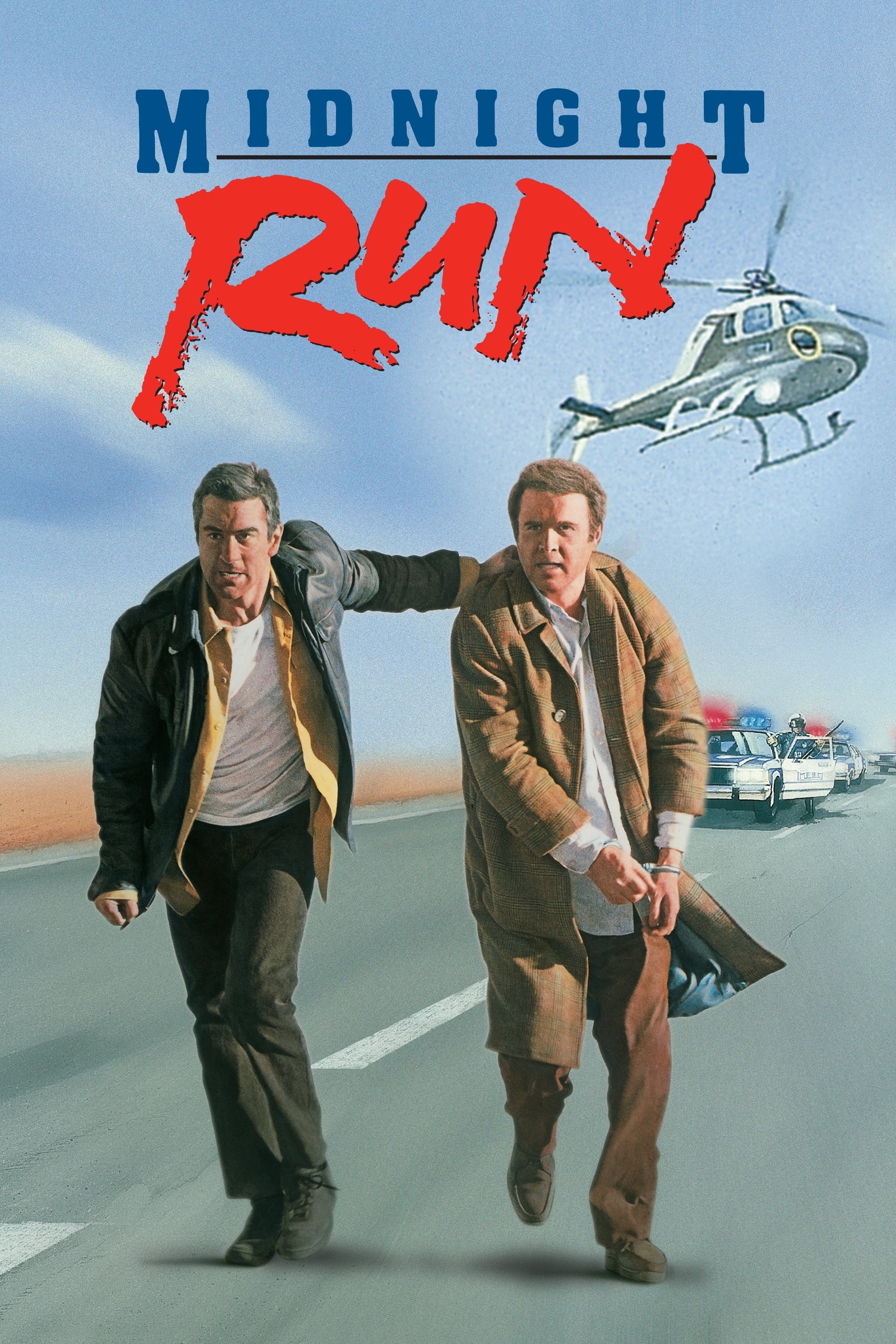
Robert De Niro stars as bounty hunter Jack Walsh, tasked with transporting an accountant across the country while evading federal agents and rival hunters. The itinerary moves from early pickups and missed connections to train rides and car swaps, with the characters’ changing travel arrangements tracked via tickets, timetables, and compromised safe houses.
Directed by Martin Brest, the film pairs De Niro with Charles Grodin and includes supporting roles for Yaphet Kotto, Dennis Farina, and Joe Pantoliano. The score is by Danny Elfman, and the production blends location shooting with second-unit work to stage airport chases, bus depots, and roadside stops.
‘The King of Comedy’ (1982)
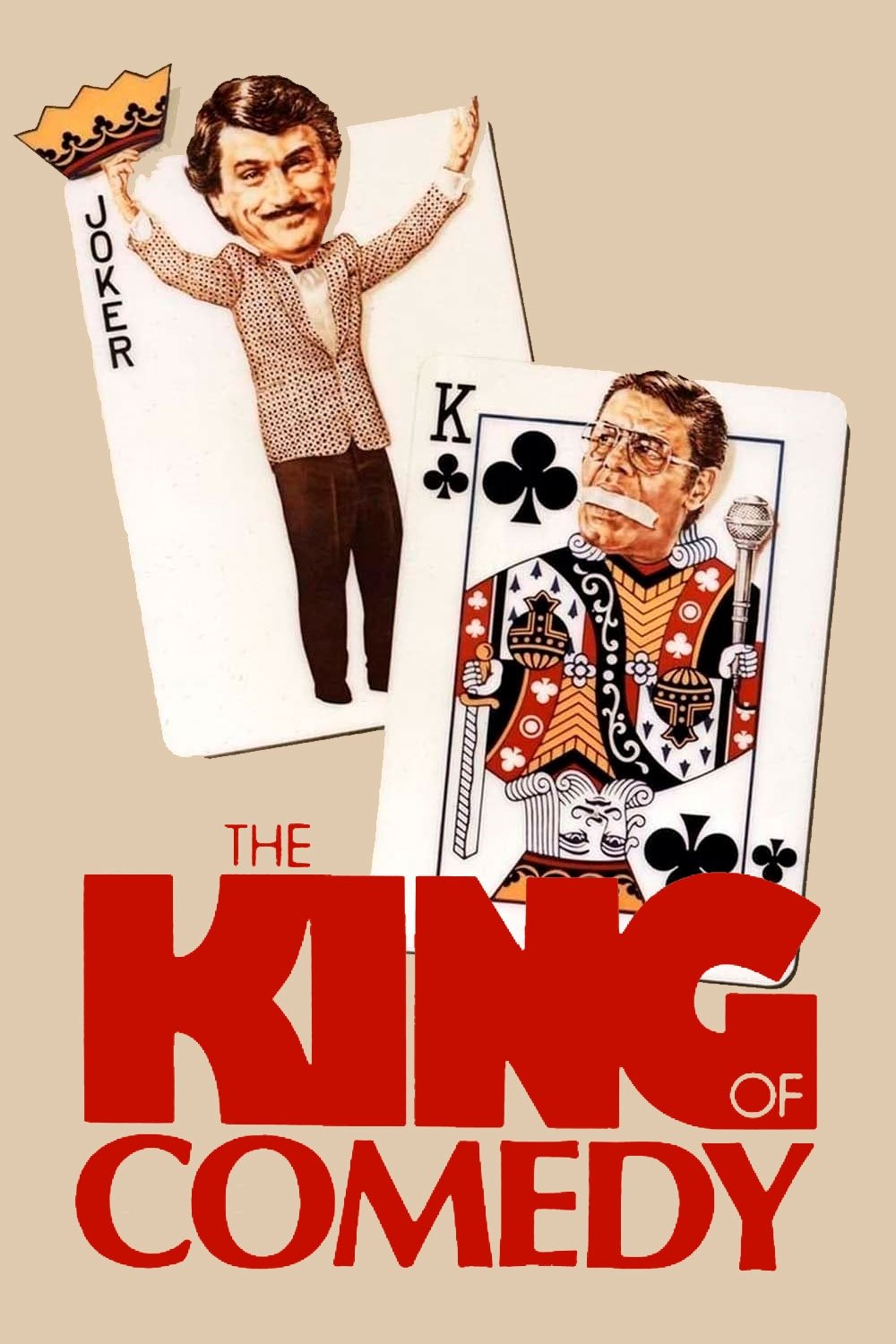
Robert De Niro plays Rupert Pupkin, an aspiring stand-up whose attempts to secure a guest spot on a late-night show escalate from lobby encounters to increasingly intrusive strategies. Jerry Lewis portrays the host at the center of the media machinery, while Sandra Bernhard’s character operates on the fringes of publicity and fandom as the narrative tracks backstage access, security protocols, and taped appearances.
Directed by Martin Scorsese from a screenplay by Paul D. Zimmerman, the film makes extensive use of New York locations associated with television production. It incorporates studio corridors, limousines, and green rooms into the plot’s logistics and features supporting roles for Ed Herlihy and Tony Randall alongside a number of recognizable media personalities.
Got another hidden gem you’d add for De Niro devotees? Share your picks in the comments!