The 10 Most Underrated Jack Nicholson Movies, Ranked (from Least to Most Underrated)

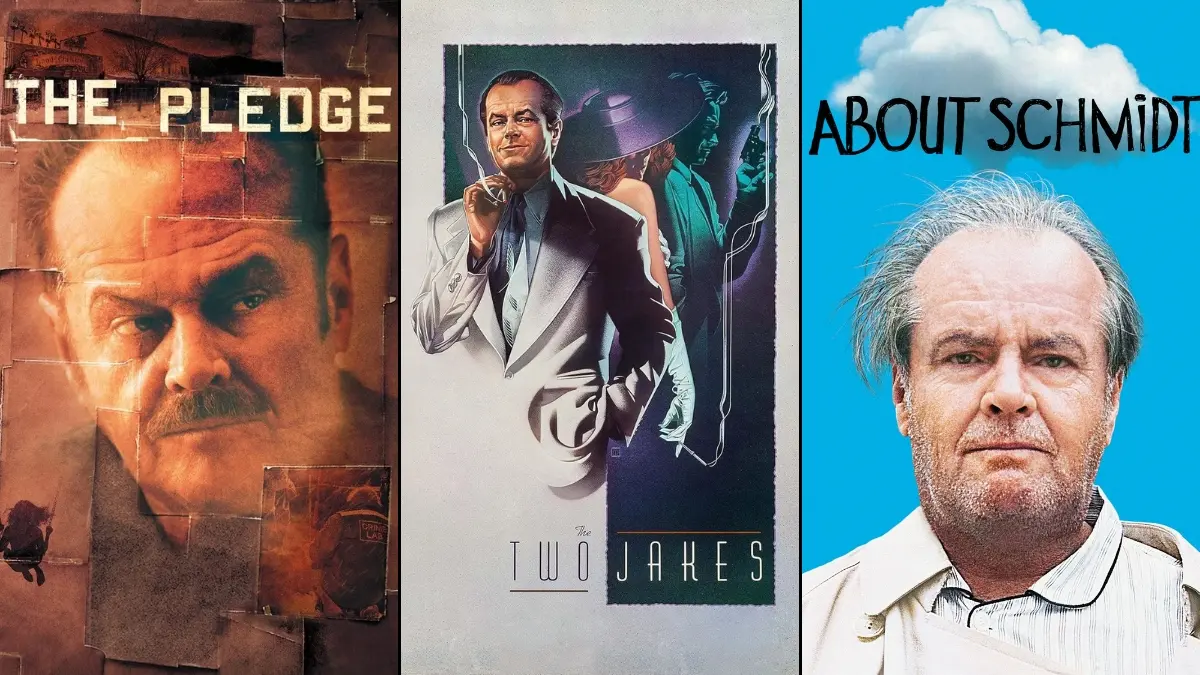

Jack Nicholson’s career stretches across generations, studios, and genres, with collaborations that link American New Wave cinema to modern auteurs. Across that span he’s earned three Academy Awards and a record-setting dozen nominations for an actor, while working with filmmakers like Bob Rafelson, Hal Ashby, Michelangelo Antonioni, Alexander Payne, and Sean Penn. Beyond the universally cited classics, his filmography hides a deep bench of titles that show different gears—detective sequels, literary adaptations, and character pieces that broaden the picture of what he’s done on screen.
Below is a focused group of ten features that often sit outside the usual highlight reel. To keep things tidy, each entry includes concrete production details, principal collaborators, and what the movie is actually about—so you can quickly zero in on what interests you, from source material and locations to crew credits and awards histories.
‘The Two Jakes’ (1990)
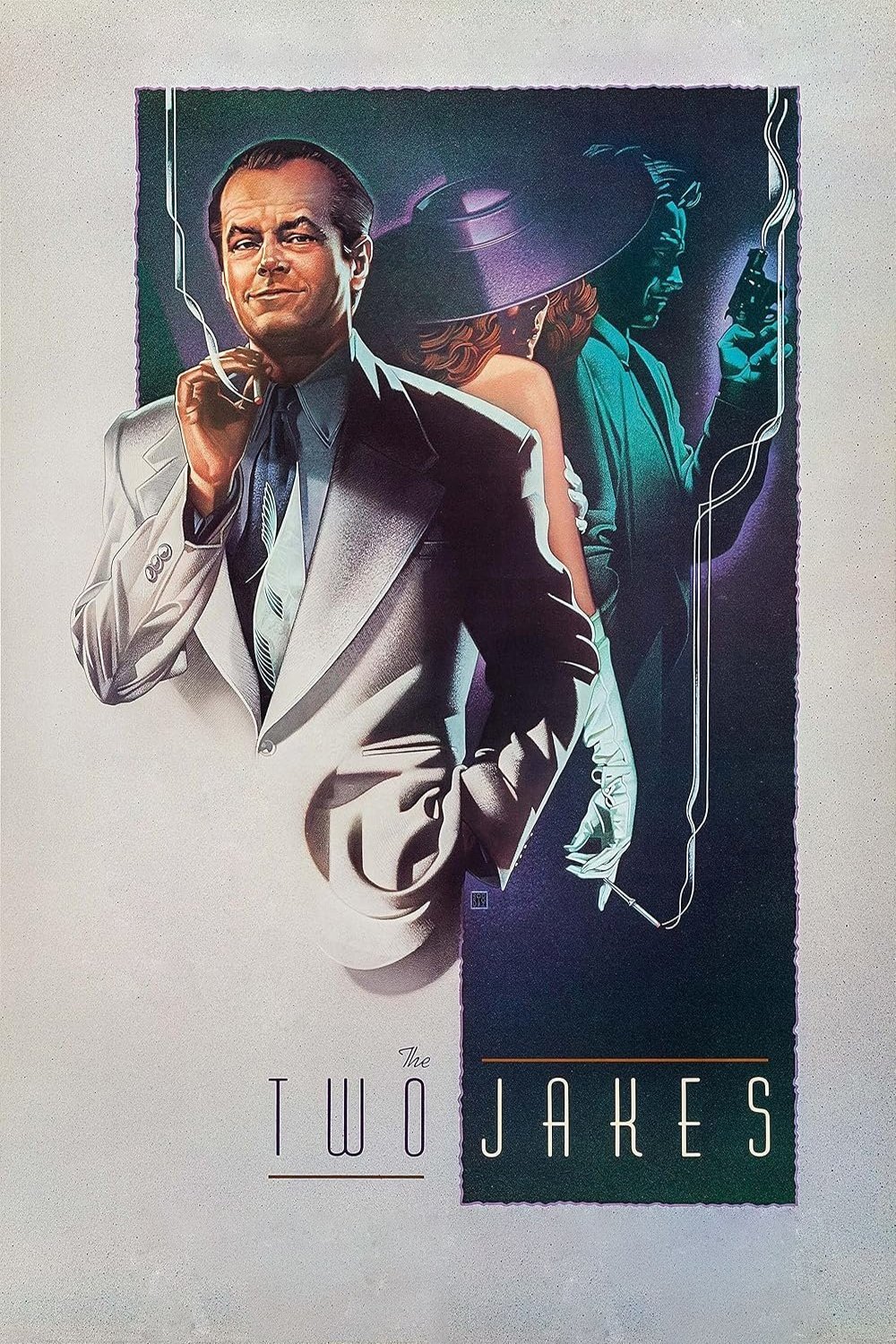
Directed by Jack Nicholson, this sequel continues the private-eye saga launched in ‘Chinatown’, bringing back private investigator J. J. Gittes for another Los Angeles case involving oil, real estate, and taped confessions. The production reunited key creative DNA from the original through Robert Towne’s script lineage and returning characters, while introducing new leads such as Harvey Keitel, Meg Tilly, and Eli Wallach. It was released by Paramount and shot in Southern California locations that extend the earlier film’s world into postwar sprawl and redevelopment.
Behind the camera, Nicholson stepped into the director’s chair after a long, stop-and-start gestation that included earlier attempts to mount the project with different configurations. The movie’s craft elements lean on period detail—wardrobe, cars, and interiors—matched to a polished studio look, with continuity nods for viewers familiar with ‘Chinatown’ while keeping the story self-contained for first-timers.
‘The King of Marvin Gardens’ (1972)
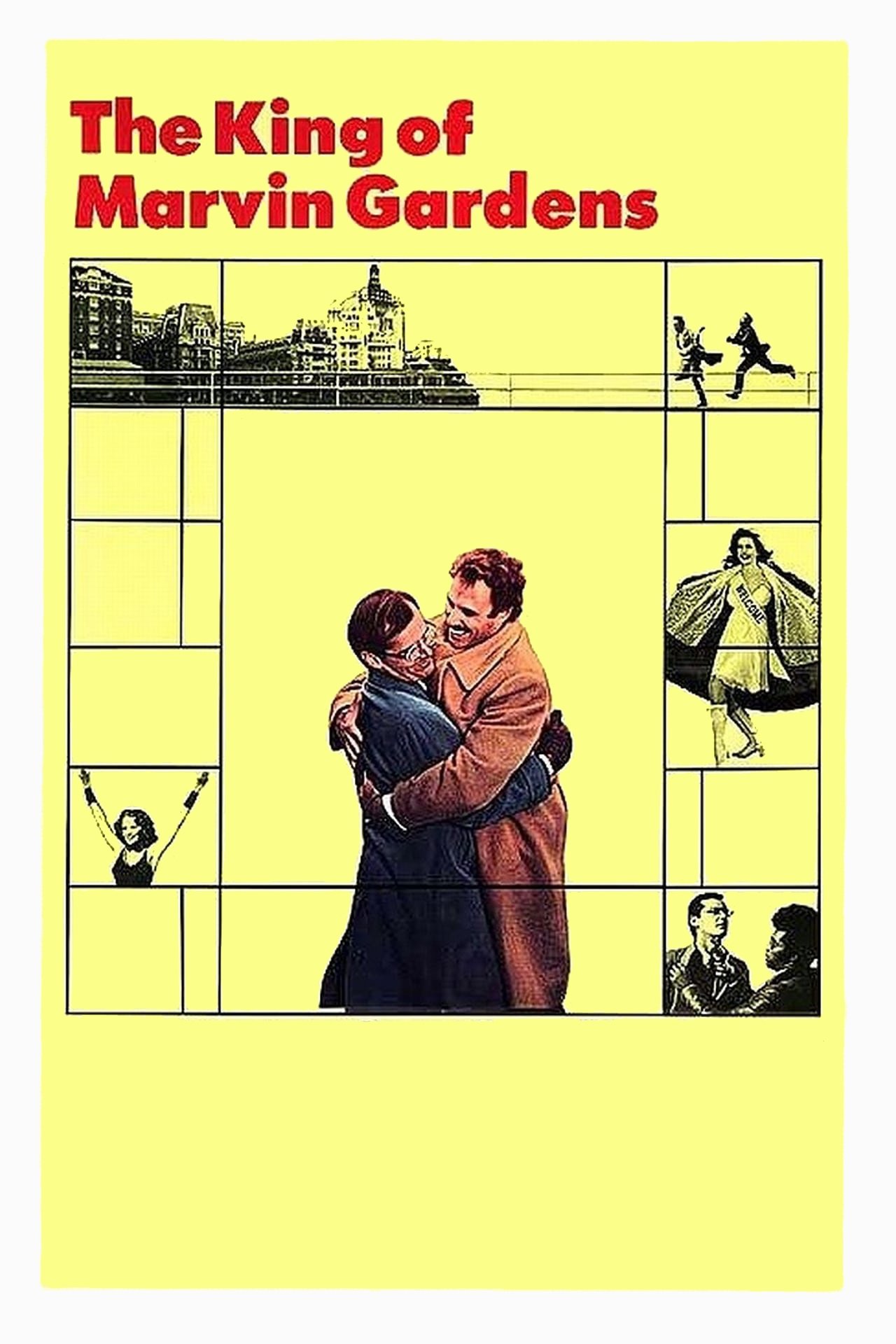
Bob Rafelson directs Nicholson and Bruce Dern as brothers whose get-rich scheme unfolds in Atlantic City during its off-season, using the emptied boardwalk and shuttered attractions as a dramatic backdrop. The cast also features Ellen Burstyn, Julia Anne Robinson, and Scatman Crothers, with cinematography that favors long lenses and natural light to catch the city’s windblown edges. The film was produced under the BBS banner, a company central to the creative energy of American cinema’s early-’70s wave.
Much of the picture was shot on location in New Jersey, incorporating real storefronts and piers to ground its world. The script balances quieter, radio-booth monologues with ensemble scenes, and the production design works with the seasonality of Atlantic City to create a distinct sense of place that’s integral to the story’s family and business tensions.
‘The Missouri Breaks’ (1976)
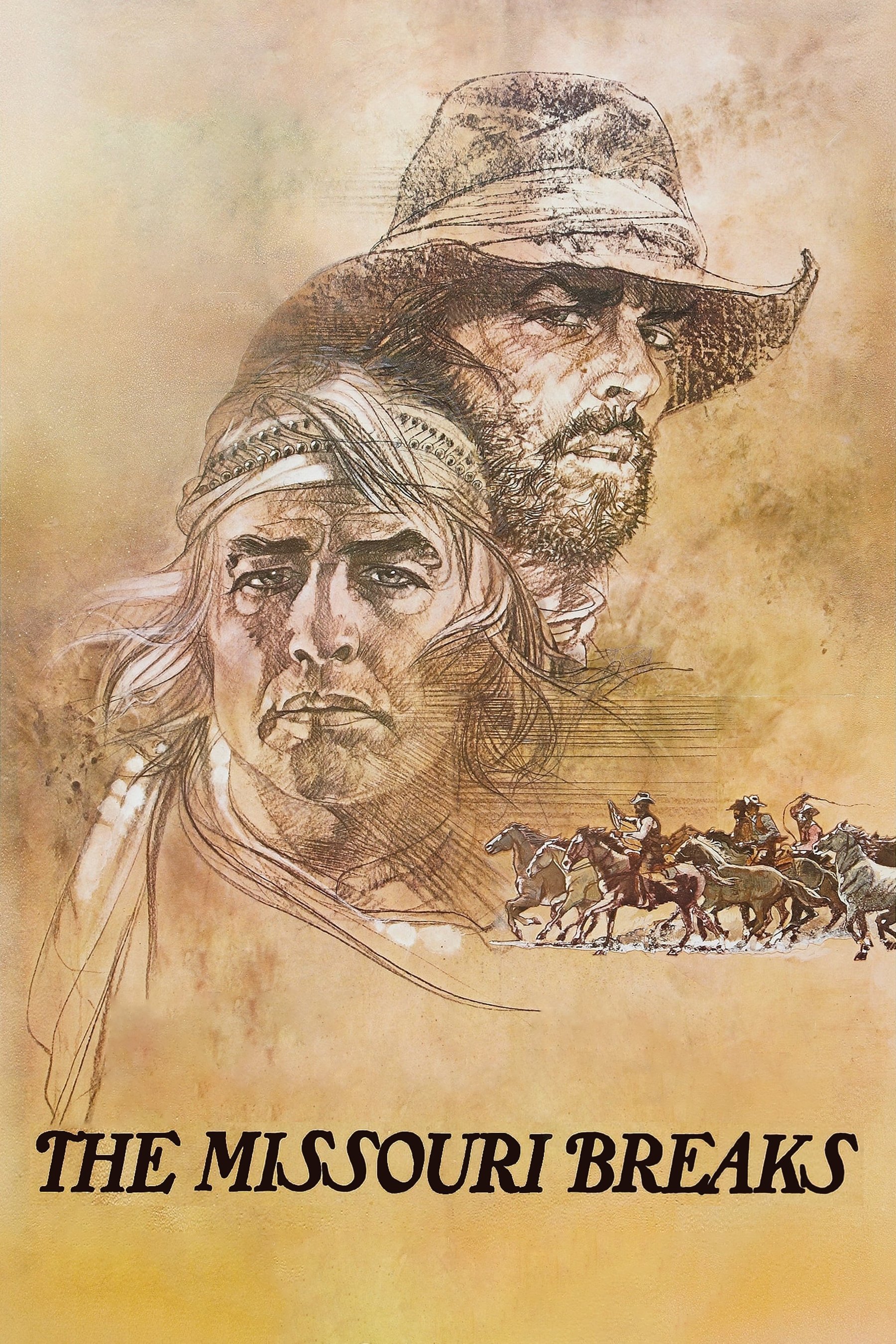
Directed by Arthur Penn, this Western pairs Nicholson with Marlon Brando in a cat-and-mouse dynamic between a rustler and a hired “regulator.” The supporting cast includes Randy Quaid, Kathleen Lloyd, Harry Dean Stanton, and Frederic Forrest, and the film was shot on wide-open ranchland that uses the American plains as part of the drama’s scale. John Williams composed the score, which threads through big-sky compositions and campfire talk.
The production favored location work in the Northern Rockies region, staging river crossings, corrals, and prairie ambushes with practical rigs and period tack. With its emphasis on procedure—staking, trailing, and tracking—it leans on day-to-day details of ranch life and pursuit tactics rather than studio-bound sets, giving the story’s showdowns a grounded texture.
‘Hoffa’ (1992)
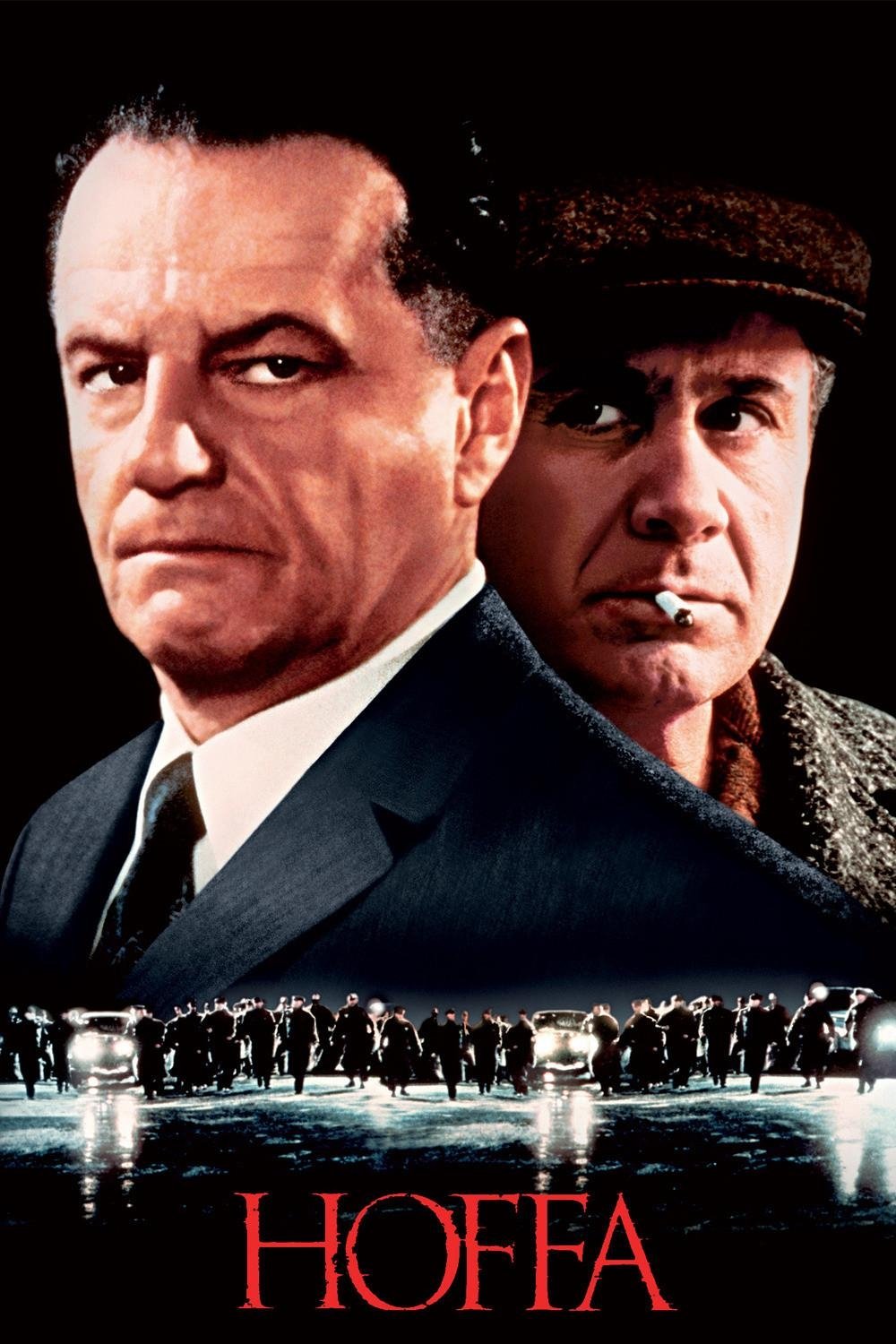
Danny DeVito directs Nicholson as Teamsters leader Jimmy Hoffa in a biographical drama written by David Mamet. The film follows organizing drives, high-stakes negotiations, and legal battles, staging large union-hall scenes alongside convoy sequences that use period trucks and signage. The ensemble includes DeVito, J. T. Walsh, and Robert Prosky, and the makeup and hair departments build an aging arc that tracks changes across decades of Hoffa’s public life.
Production mounted expansive crowd setups with coordinated extras and banners, while the cinematography favors bold, contrasty lighting for boardrooms, diners, and parking-lot meetings. The movie earned recognition for its craft work, notably in cinematography and makeup, reflecting the attention paid to period authenticity and character transformation.
‘Ironweed’ (1987)
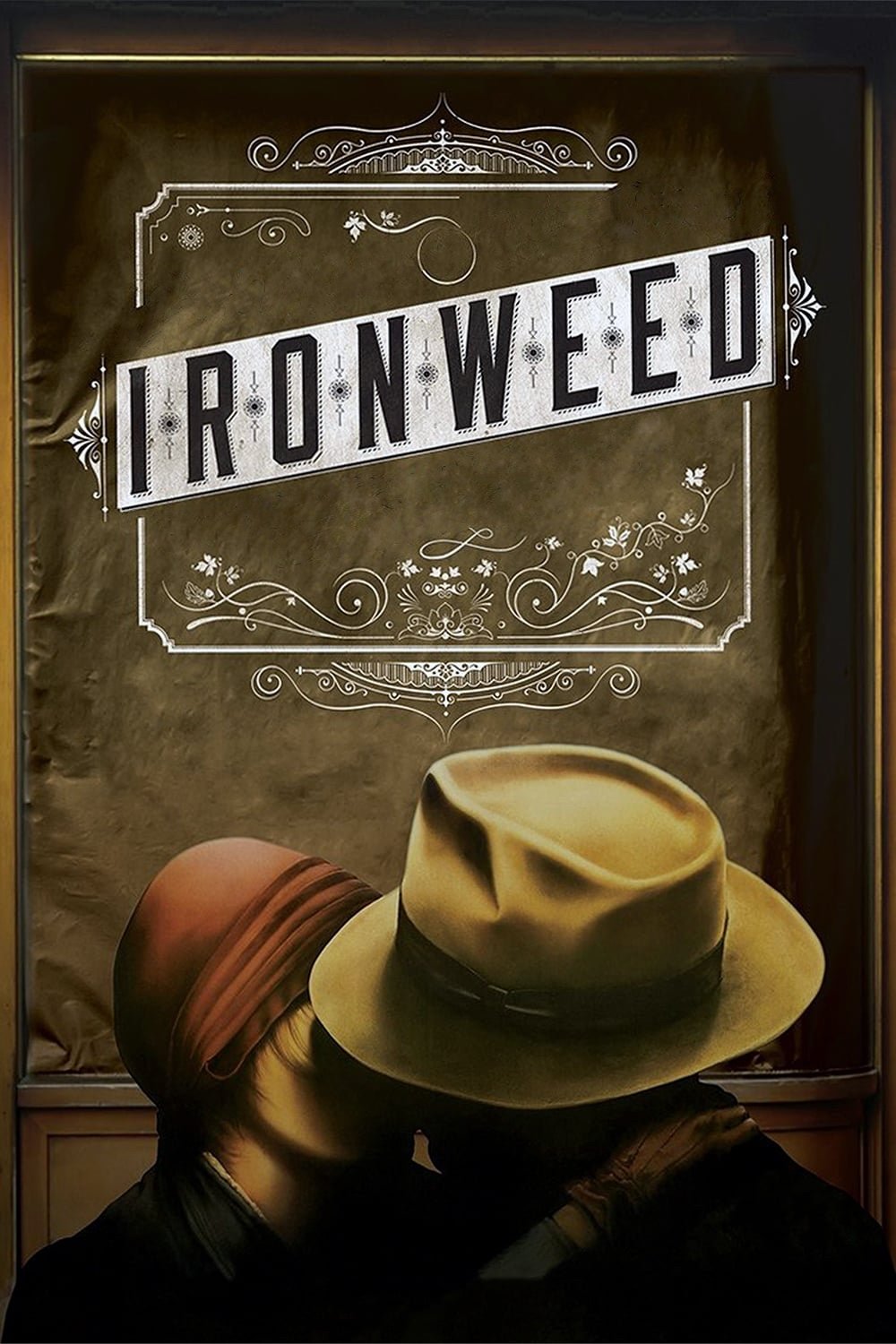
Adapted from William Kennedy’s Pulitzer Prize–winning novel and directed by Héctor Babenco, this drama centers on two drifters in Albany, with Nicholson and Meryl Streep leading a cast that also includes Carroll Baker, Tom Waits, and Diane Venora. The screenplay, written by the author, preserves the source’s interiority through dialogue and episodic structure, while location filming uses real neighborhoods and weather to situate the characters in lived-in streets and saloons.
Both leads received Academy Award nominations for their performances, and the production design and costumes track class, labor, and season through worn textures and layered wardrobes. Practical sets—soup kitchens, boarding houses, and cemeteries—were built or dressed to match regional architecture, emphasizing authenticity in rooms, signage, and props.
‘The Pledge’ (2001)
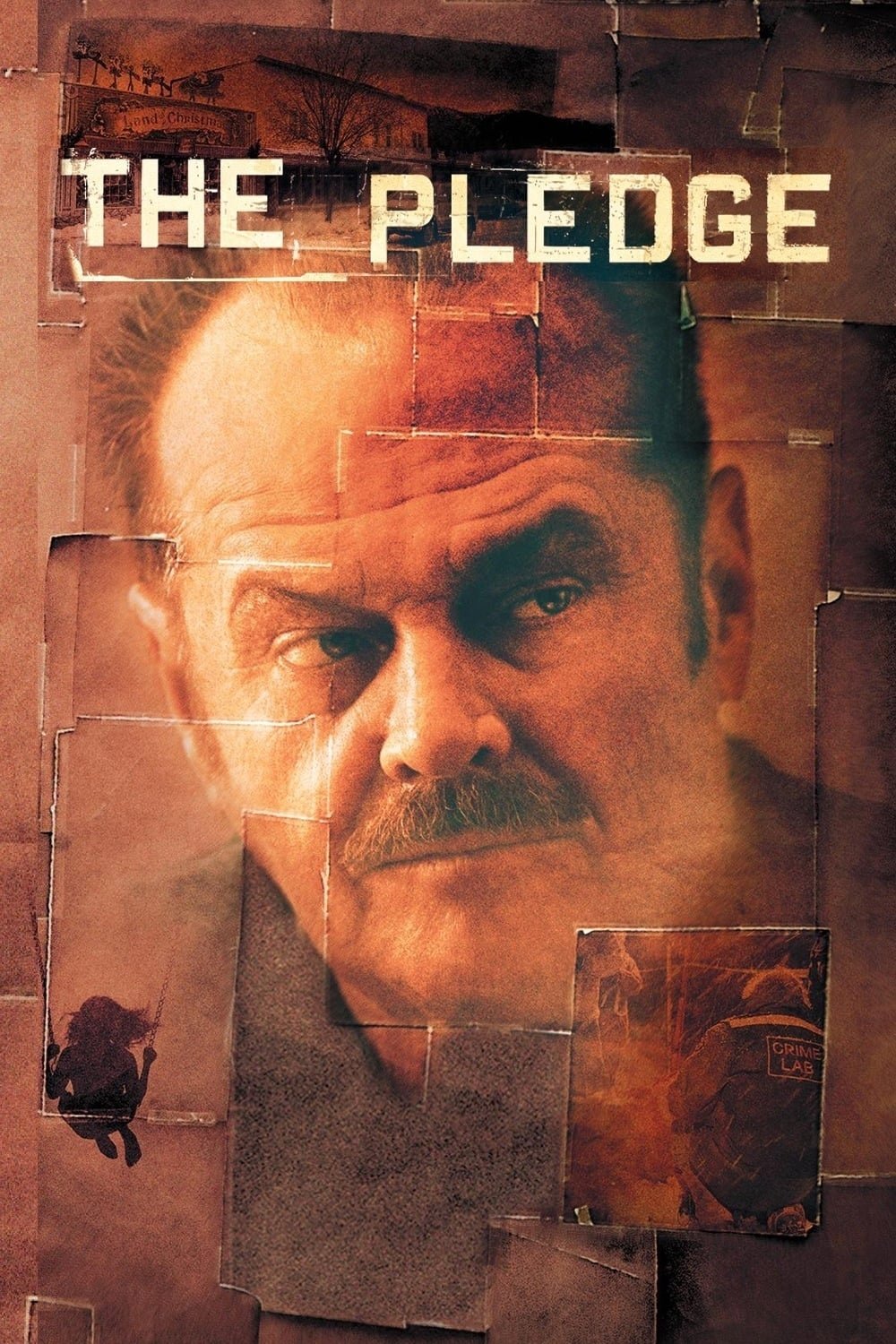
Sean Penn directs this crime drama adapted from Friedrich Dürrenmatt’s novel, with Nicholson playing a retiring detective who makes a promise to a grieving family that drives the investigation. The ensemble includes Aaron Eckhart, Robin Wright, Benicio del Toro, Patricia Clarkson, and Helen Mirren, with a focus on interviews, maps, and fieldwork rather than gadgetry. Rural roads, small-town stores, and lakeside cabins anchor the casework to specific geographies.
The production split its shoot between the American West and Canadian locations, selecting mountains, forests, and two-lane highways that shape the film’s pacing and visual mood. Ambient sound, overcast exteriors, and extended dialogue scenes underscore legwork and procedure, while the adaptation keeps key elements from Dürrenmatt’s structure—especially its emphasis on promises and probability.
‘About Schmidt’ (2002)
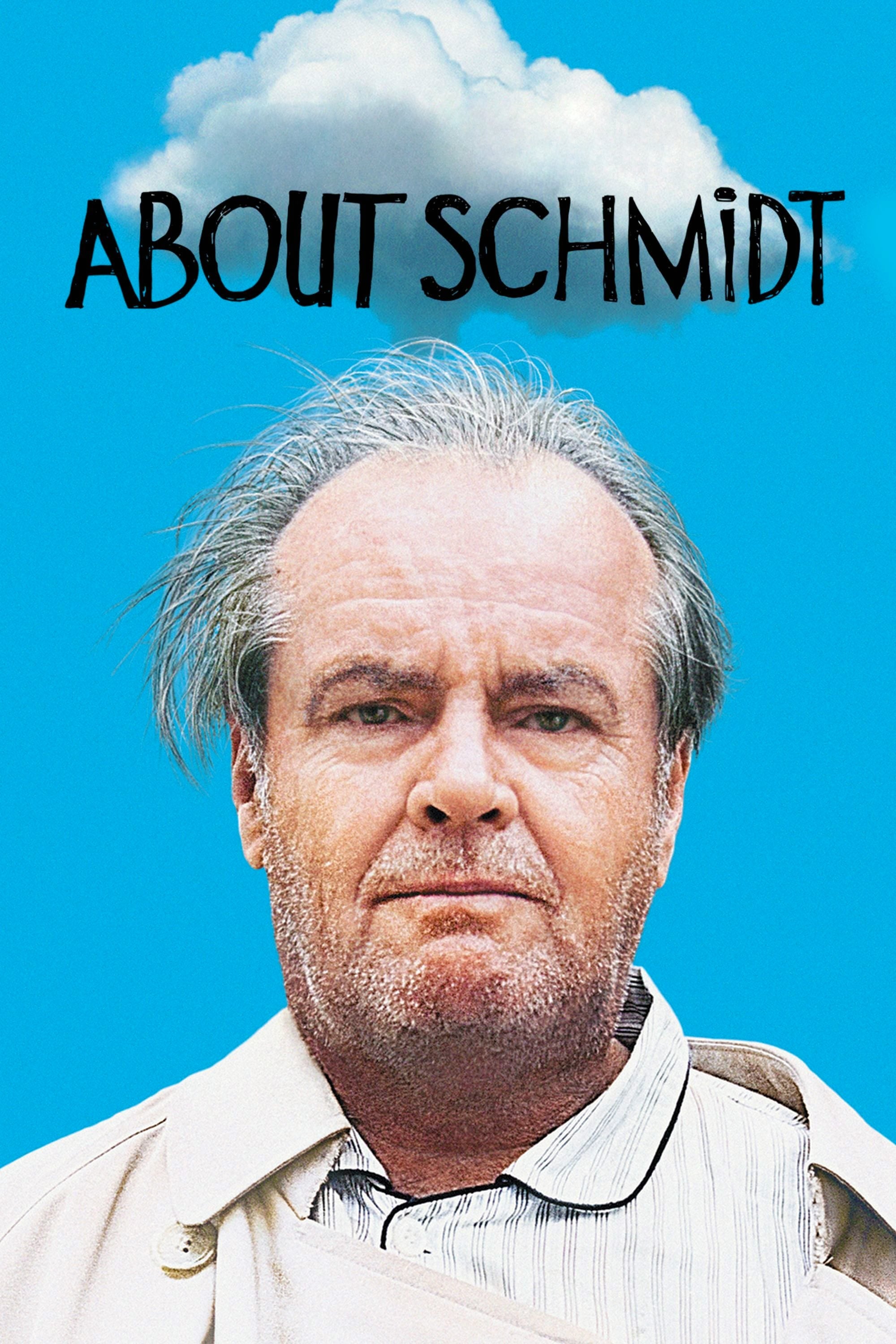
Directed by Alexander Payne and adapted from Louis Begley’s novel, this character study follows retired Omaha insurance executive Warren Schmidt as he navigates loss, routine, and a cross-country trip in a motorhome. Kathy Bates, Hope Davis, and Dermot Mulroney co-star, with Payne and co-writer Jim Taylor shaping the script to Midwestern settings and letter-writing as a narrative device. The production filmed in real offices, ranch-style homes, and roadside locations across Nebraska and Colorado.
The movie received major awards attention for Nicholson and Bates, and its production choices—unadorned interiors, practical locations, and minimal score—fit Payne’s preference for observational detail. Road scenes were staged with actual highways and small-town venues, and the film uses prop letters and voiceover to build continuity between home life and travel.
‘Five Easy Pieces’ (1970)
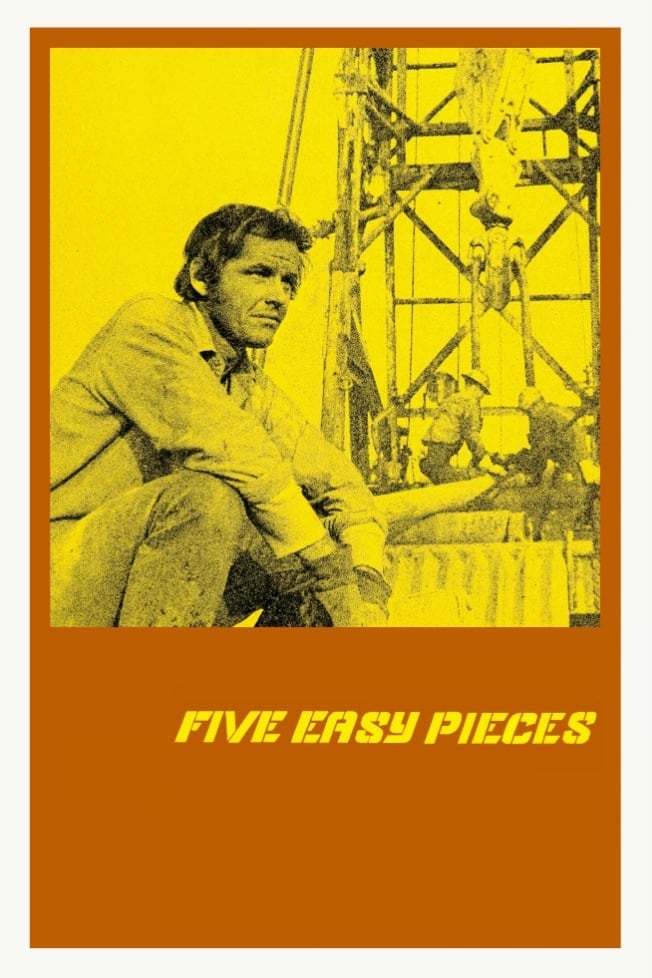
Bob Rafelson directs this drama about a onetime piano prodigy working blue-collar jobs, with Nicholson opposite Karen Black, Lois Smith, and Billy Green Bush. The screenplay by Carole Eastman (credited as Adrien Joyce) balances family confrontation with on-the-road episodes, while László Kovács’s cinematography favors handheld moves and available light. Production worked coastal refineries, highways, and a family home to map class contrasts across workplaces and living rooms.
The film earned Academy Award nominations for Best Picture, Best Actor, Best Supporting Actress (Karen Black), and Best Original Screenplay. Its most referenced set-piece—an order at a roadside diner—was staged in a practical location with a simple blocking plan, underscoring the movie’s reliance on real spaces and conversational rhythm rather than elaborate sets.
‘The Last Detail’ (1973)
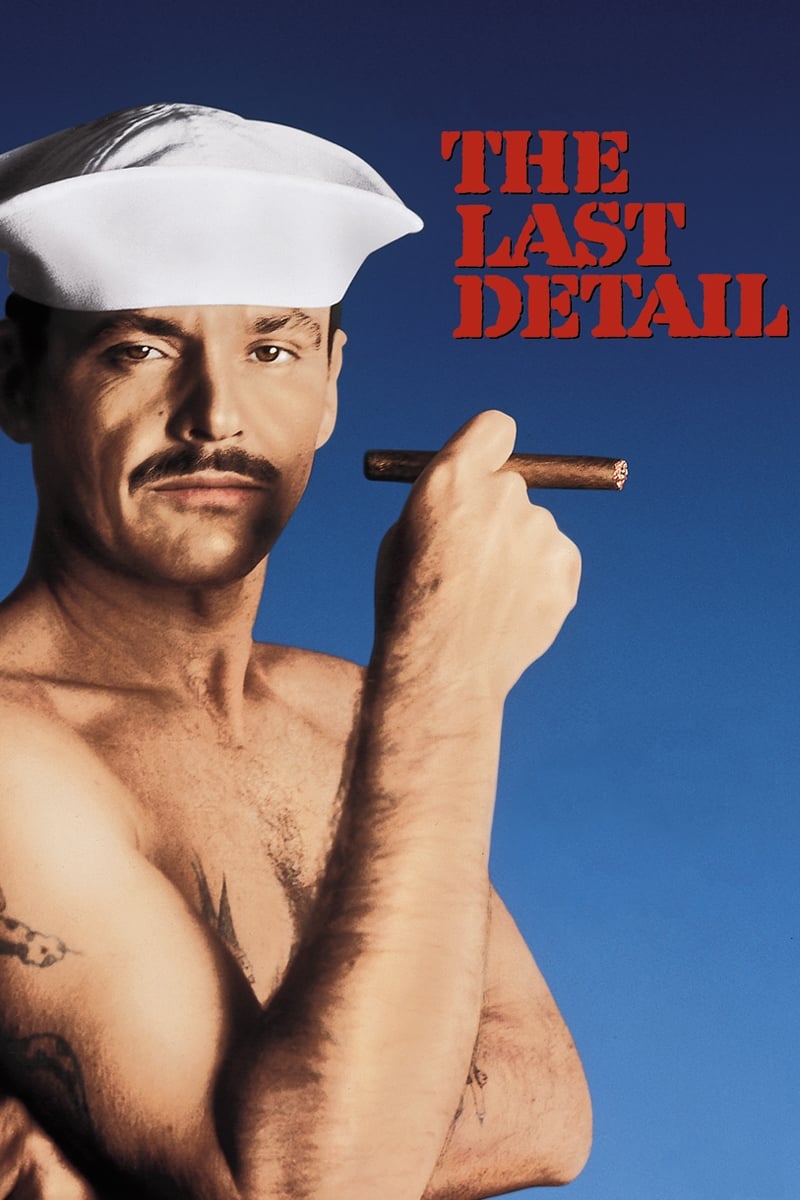
Hal Ashby directs this Navy-set odyssey from Robert Towne’s screenplay, adapted from Darryl Ponicsan’s novel. Nicholson, Randy Quaid, and Otis Young star as sailors moving a young seaman to a military prison, with the story unfolding through train rides, bars, hotels, and sidewalks. The production used East Coast locations, integrating storefronts, terminals, and winter streets to keep the trip tactile and episodic.
Nicholson and Quaid received Academy Award nominations, and the film’s language and setting reflect Ponicsan’s service background and Towne’s ear for dialogue. Location sound and naturalistic lighting complement Ashby’s editing, which stitches together short, on-the-move scenes to track changing towns and waystations along the route.
‘The Passenger’ (1975)

Directed by Michelangelo Antonioni, this European co-production casts Nicholson as a journalist who switches identities during an assignment that takes him across borders. Maria Schneider co-stars, and the film spans deserts, modernist hotels, and Mediterranean towns, emphasizing architecture and terrain as active components of the narrative. Luciano Tovoli’s cinematography includes a celebrated unbroken shot near the finale that moves from an interior through a grille to capture an exterior square.
The production traveled extensively, staging scenes in North Africa and Western Europe with multilingual crews and local extras. Later restorations and re-releases have highlighted the movie’s visual design and soundscape, while festival and repertory screenings have kept it in circulation for audiences interested in Antonioni’s approach to identity, space, and movement.
Share your picks in the comments—what would you add or swap on this list?