The 10 Most Underrated Marlon Brando Movies, Ranked (from Least to Most Underrated)


Marlon Brando’s career stretches across social dramas, Westerns, war thrillers, and late-career studio pictures, leaving a trail of films that don’t always get the same attention as his most cited roles. This piece focuses on titles that show his range alongside distinctive directors, composers, and crafts teams, with details on production, locations, and release context.
Below you’ll find core facts for each entry—source material, key collaborators, distributors, and notable awards or restorations—so you can place each film in the bigger picture of Brando’s body of work. The aim is to give you practical, verifiable information you can use to decide what to watch next.
‘The Appaloosa’ (1966)
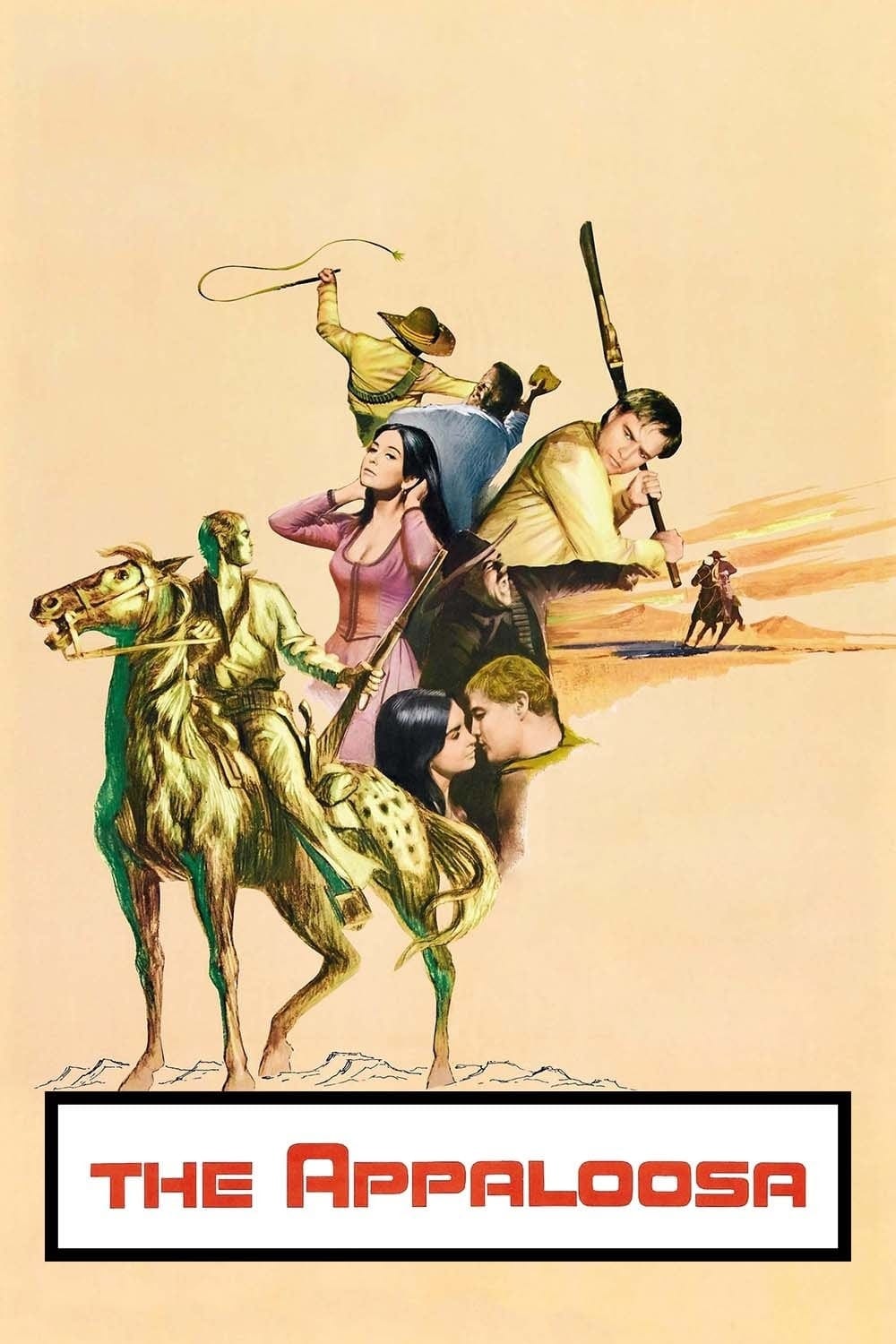
Directed by Sidney J. Furie for Universal, this Western stars Marlon Brando, Anjanette Comer, and John Saxon, adapting Robert MacLeod’s novel of the same name. Principal photography used Techniscope with extensive outdoor work in California’s Antelope Valley and the red-rock country around St. George in southern Utah, plus additional setups across the desert Southwest.
The picture runs roughly an hour and forty minutes, with a score by Frank Skinner and cinematography by Russell Metty. John Saxon earned a major supporting-actor nomination from the Hollywood Foreign Press, and the National Cowboy & Western Heritage Museum recognized the film with a Bronze Wrangler for theatrical motion picture.
‘The Night of the Following Day’ (1969)
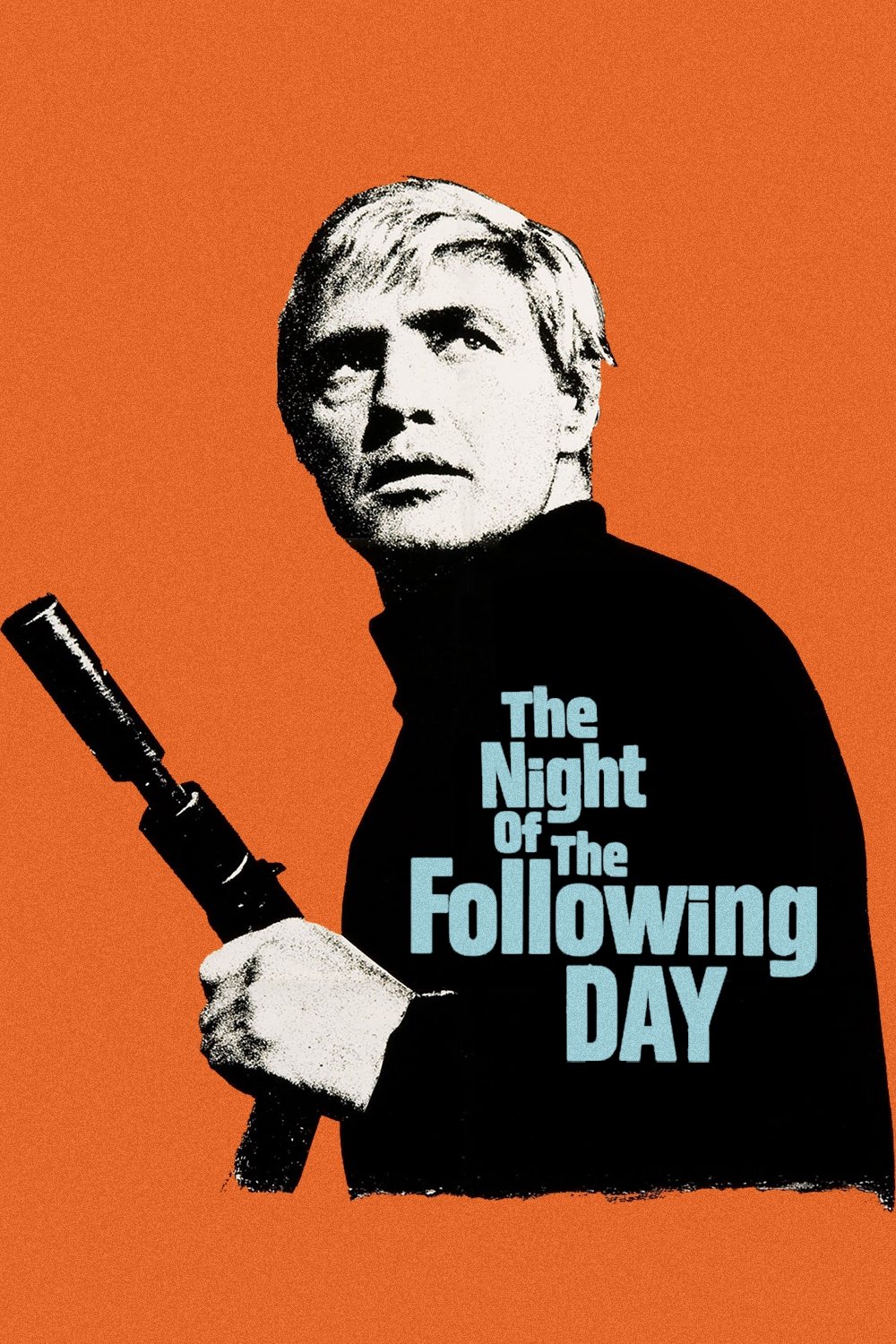
Hubert Cornfield directs this kidnapping thriller for Universal, with Brando, Richard Boone, Rita Moreno, and Pamela Franklin headlining. The story, based on Lionel White’s novel ‘The Snatchers’, follows four criminals who abduct an heiress and hole up in a beach house on the French coast; location shooting centered around Le Touquet and other Channel shoreline spots.
Cinematographer Willy Kurant shot widescreen images that lean on cloudy North Sea light, while Stanley Myers provided the score. The film was released with an R rating, runs a compact feature length, and circulated in English- and French-language versions in different territories.
‘The Missouri Breaks’ (1976)
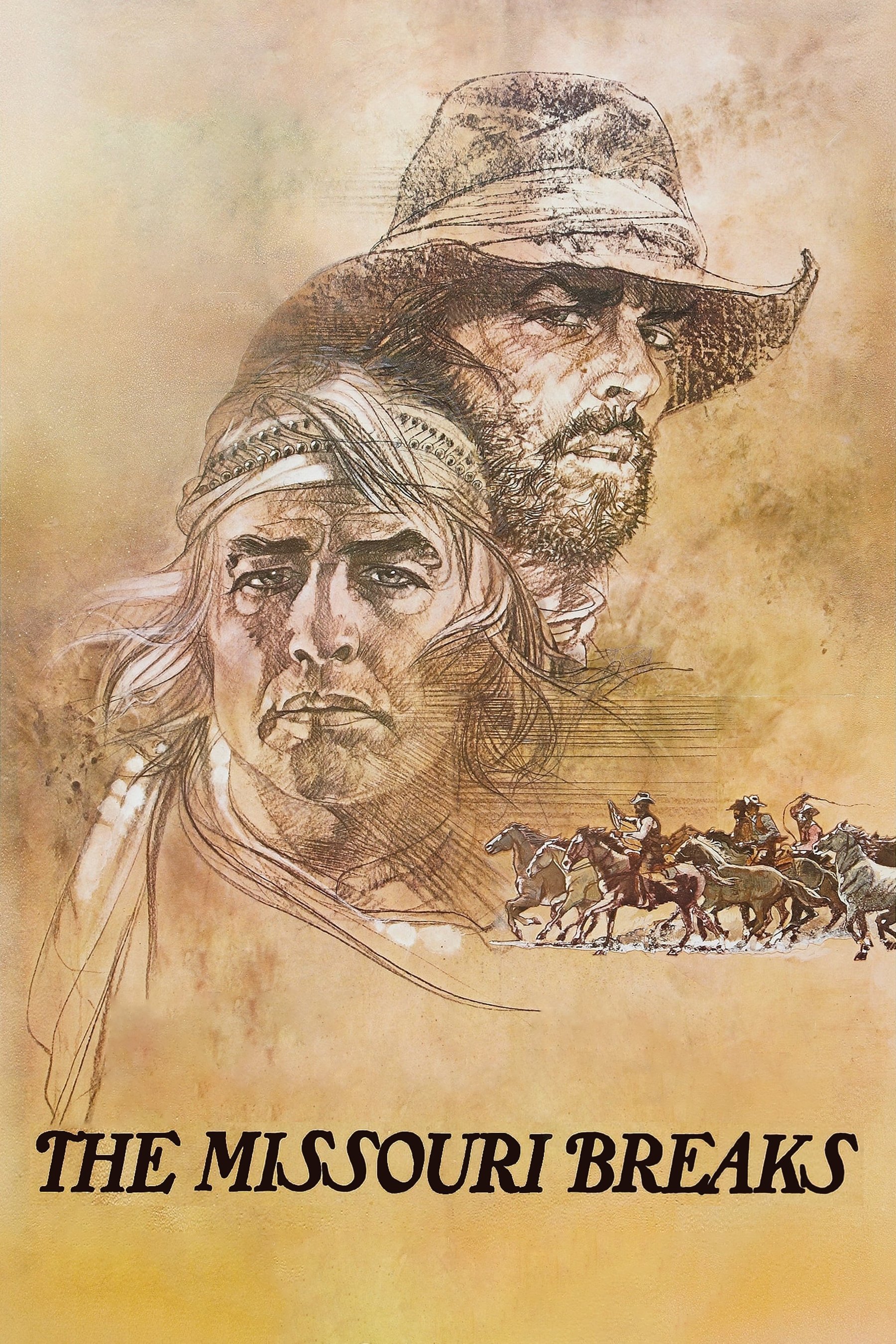
Arthur Penn’s Western pairs Brando with Jack Nicholson from a screenplay by Thomas McGuane. Production staged large-scale ranch and rustling sequences in Montana near Red Lodge and the museum towns of Virginia City and Nevada City, with Michael C. Butler serving as director of photography and John Williams composing the score.
United Artists distributed the film following a shoot that emphasized practical locations and weather-beaten exteriors. Reported production costs landed in eight figures, and domestic grosses cleared that mark, with a lengthy editorial process credited to Dede Allen, Gerald B. Greenberg, Steven A. Rotter, and Cynthia Scheider.
‘Don Juan DeMarco’ (1994)

Jeremy Leven wrote and directed this American Zoetrope production for New Line, starring Johnny Depp as a romantic fantasist evaluated by Brando’s psychiatrist, with Faye Dunaway in a central supporting role. Ralf D. Bode shot the feature, which blends clinical settings with soft-lit, storybook passages designed to mirror the lead character’s self-mythology.
The soundtrack features a theme song by Bryan Adams, Michael Kamen, and Robert John “Mutt” Lange that received nominations from major awards bodies. The film’s global box office returned several times its mid-range budget, with credits listing Francis Ford Coppola among the producers and Michael Kamen as the primary composer.
‘Reflections in a Golden Eye’ (1967)

John Huston adapts Carson McCullers’s novel, with Brando, Elizabeth Taylor, Brian Keith, Julie Harris, Robert Forster, and Zorro David among the ensemble. The production photographed interiors in Italy while using a U.S. military installation for exteriors, with Aldo Tonti as cinematographer and Russell Lloyd as editor.
Warner Bros.–Seven Arts released the film in two versions: a gold-tinted presentation preferred by Huston and a standard color print prepared for general playdates. Toshiro Mayuzumi’s score adds a spare, percussive texture, and preservation releases have continued to present both variants for home viewing.
‘The Score’ (2001)
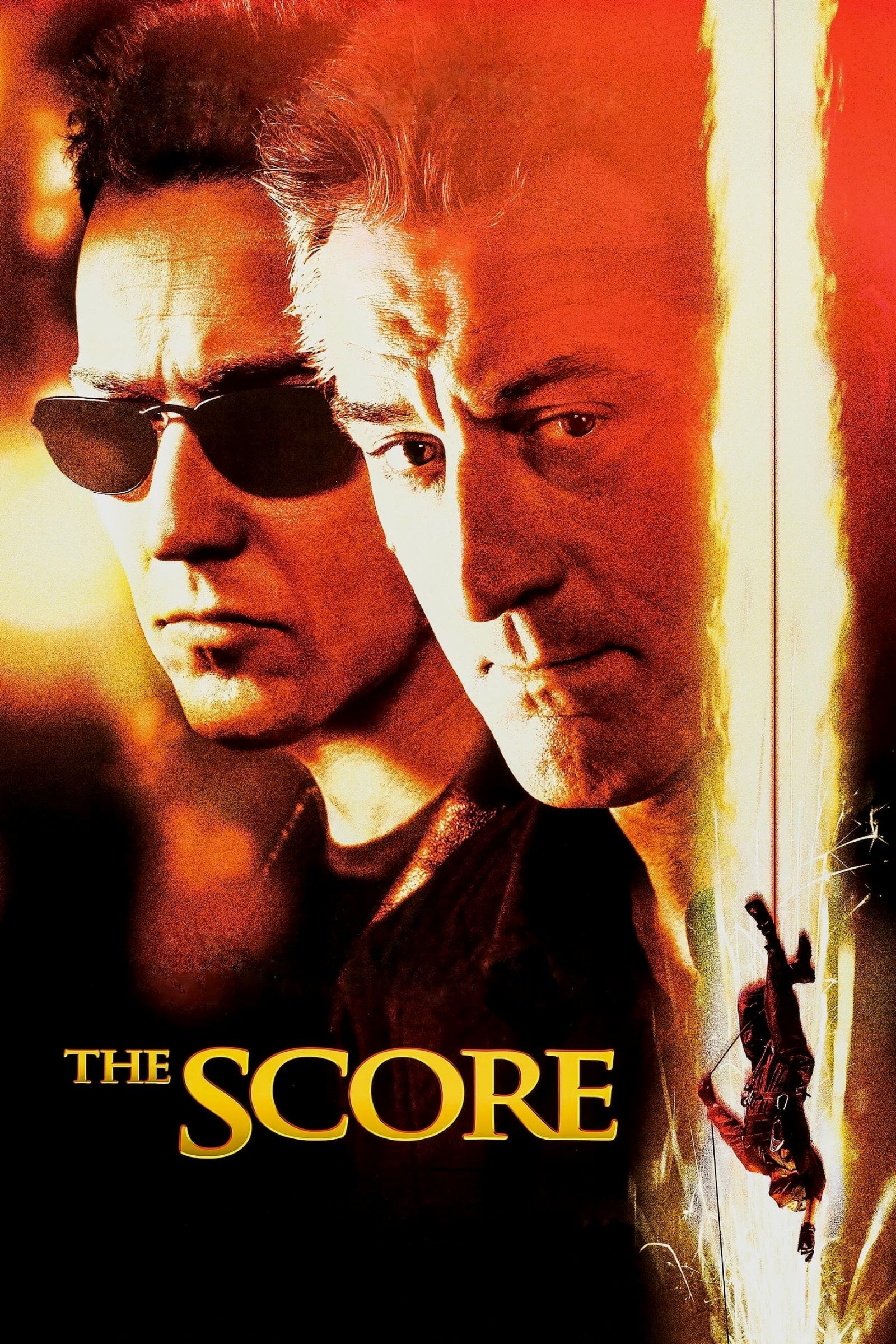
Frank Oz directs this Montreal-set heist picture uniting Brando with Robert De Niro and Edward Norton, with Angela Bassett in a key supporting role. Rob Hahn handled cinematography, capturing Old Montreal streets, the Jacques Cartier Bridge area, and practical interiors built for safe-cracking sequences; Howard Shore composed the music.
Paramount released the film in partnership with Mandalay, and it is widely noted as Brando’s final screen performance. Reported production costs fell in the high–tens-of-millions range, while worldwide grosses crossed nine digits, with editor Richard Halsey shaping the final cut from an effects- and gadget-heavy shoot.
‘Morituri’ (1965)
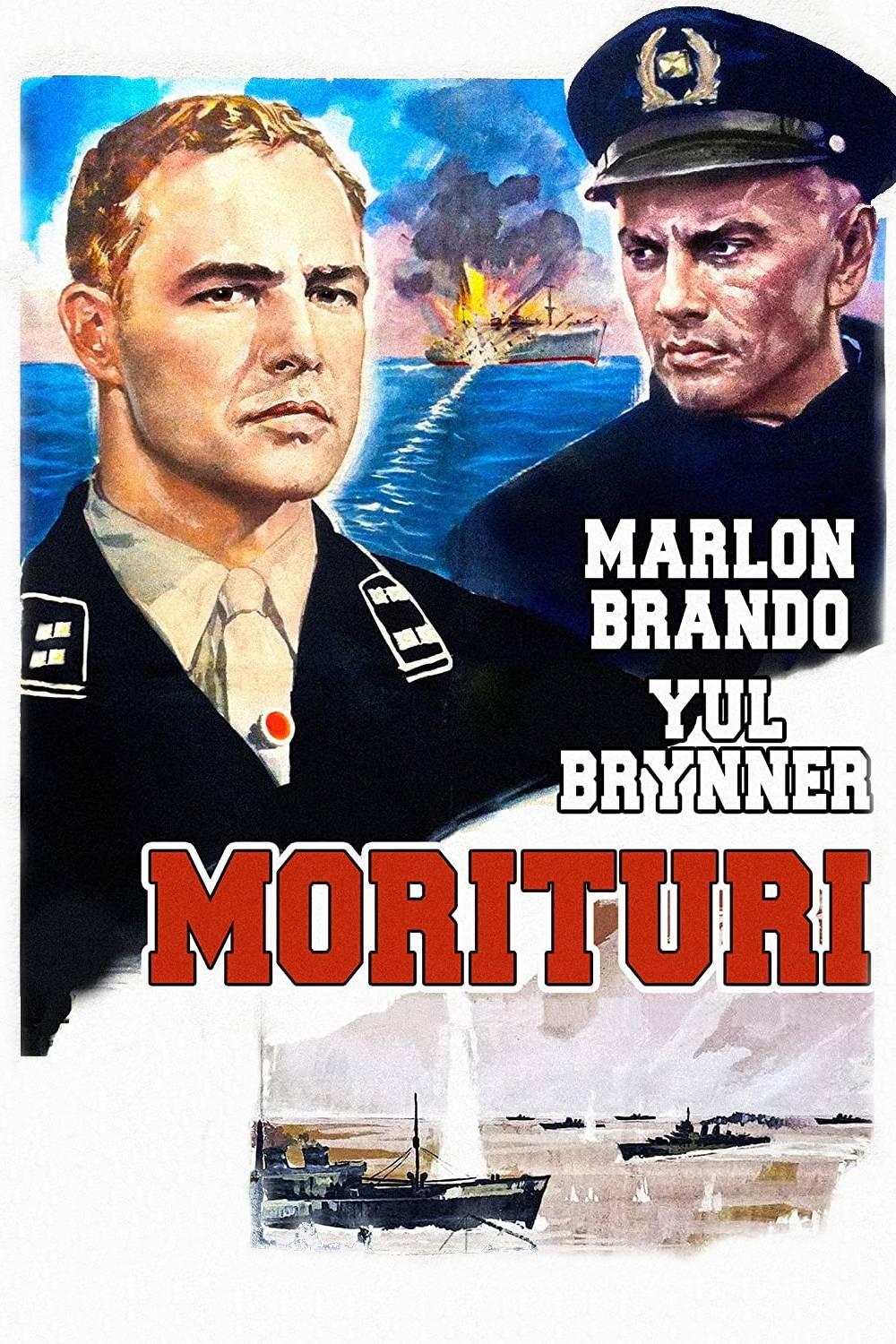
Bernhard Wicki’s wartime espionage thriller teams Brando with Yul Brynner, Janet Margolin, and Trevor Howard, drawing from Werner Jörg Lüddecke’s novel. The plot centers on a German pacifist coerced into infiltrating a blockade-running freighter to sabotage its cargo, with Conrad Hall photographing steel-gray shipboard interiors and open-water exteriors.
Twentieth Century-Fox released the film under the original title and later as ‘Saboteur: Code Name Morituri’ to broaden its audience. The picture earned Academy Award nominations for black-and-white cinematography and costume design, with Jerry Goldsmith contributing a tense, minimalist score.
‘A Dry White Season’ (1989)
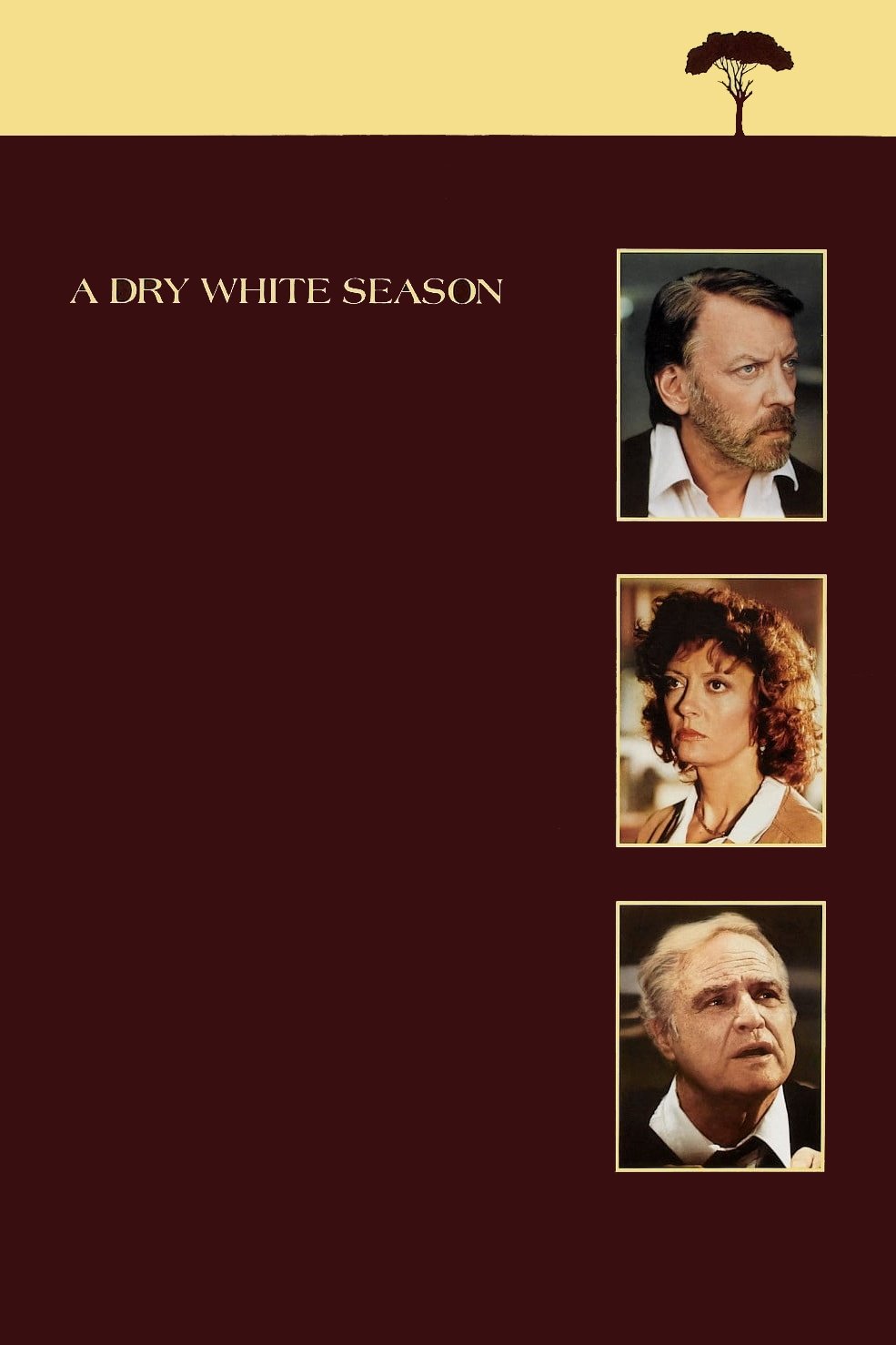
Euzhan Palcy adapts André Brink’s novel for MGM/UA, with Donald Sutherland, Janet Suzman, Susan Sarandon, Jürgen Prochnow, Zakes Mokae, and Brando in pivotal roles. Shooting combined Pinewood Studios work with location photography in Zimbabwe to depict events set in South Africa, balancing courtroom material with township and schoolyard sequences.
Brando received an Academy Award nomination for supporting actor, and Palcy became the first Black woman to direct a major Hollywood studio feature. South African authorities initially banned local exhibition before allowing limited festival showings; Dave Grusin composed the score, with editing by Glenn Cunningham and Sam O’Steen.
‘Burn!’ (1969)

Gillo Pontecorvo’s historical drama—released internationally as ‘Burn!’ and in Italy as ‘Queimada’—casts Brando opposite Evaristo Márquez. The narrative follows a slave uprising on a fictional Caribbean island and the involvement of foreign commercial interests, with Ennio Morricone composing and cinematography credited to Giuseppe Ruzzolini and Marcello Gatti.
Multiple versions circulate: an English-language export cut and a longer Italian-language cut, with Brando’s performance dubbed for the latter. Production began in Colombia and moved to Morocco, with additional work in France and the U.S. Virgin Islands and studio stages at Cinecittà; United Artists handled overseas distribution, and Alberto Grimaldi produced.
‘One-Eyed Jacks’ (1961)
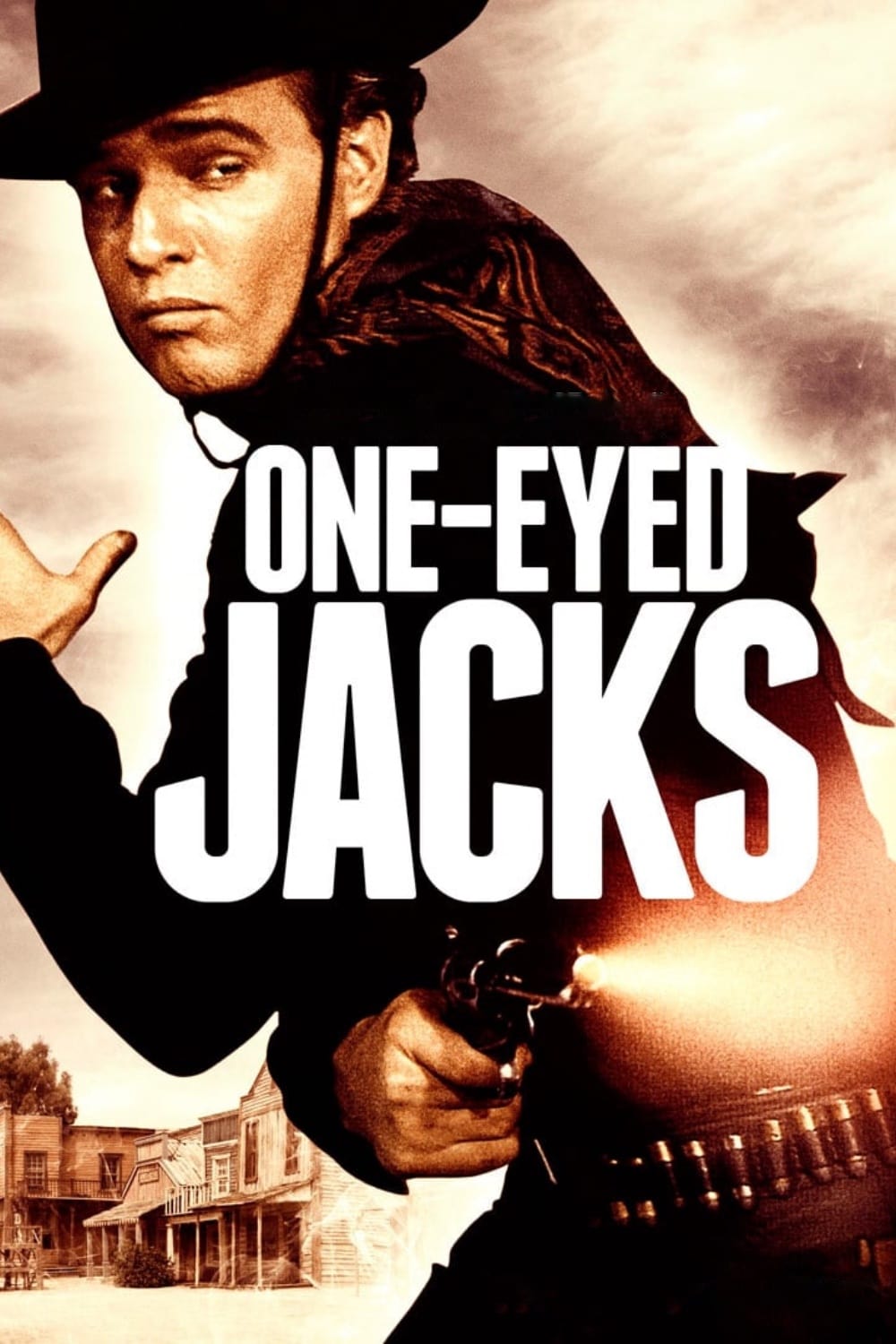
Brando’s only directorial effort, this Paramount Western adapts Charles Neider’s ‘The Authentic Death of Hendry Jones’ and co-stars Karl Malden, Pina Pellicer, Ben Johnson, Slim Pickens, and Katy Jurado. The production shot in VistaVision and Technicolor along California’s Monterey Peninsula, including Pfeiffer Beach and 17-Mile Drive, with Charles Lang’s cinematography emphasizing coastal bluffs and Spanish mission architecture.
The shoot generated an unusually high volume of footage and exceeded its original schedule and budget before release. The film was later added to the National Film Registry, and a 4K restoration premiered in Cannes Classics prior to high-definition home-video editions from boutique distributors; archival notes document screenplay contributions from Guy Trosper and Calder Willingham, with early uncredited drafts by Sam Peckinpah and Rod Serling.
Got another overlooked Brando title in mind—drop your pick in the comments so everyone can compare notes!