Movies That Change Genres Midway and Get Away With It

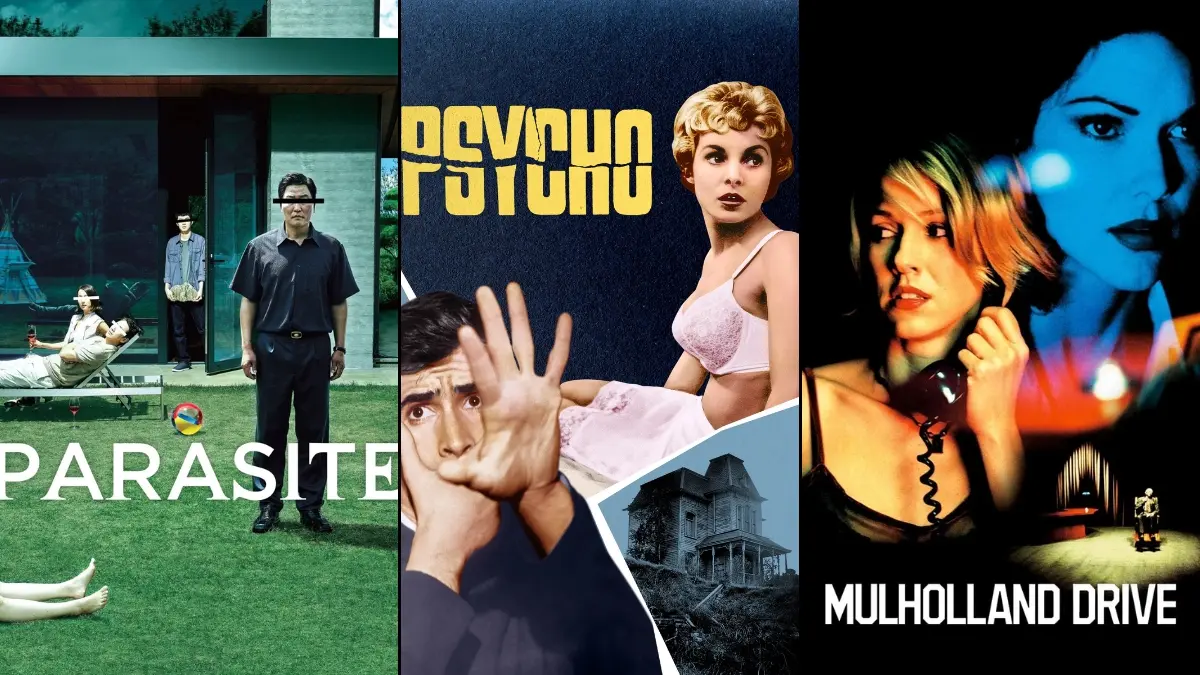

Sometimes a film starts in one lane and, halfway through, takes a sharp turn into a different one—without losing the thread. These pivots can be playful or jarring, but they’re always carefully built by writers, directors, and actors who set up the shift long before you notice it happening.
Below are twenty-five films that execute a mid-story changeup with craft. For each, you’ll find plot setup, the moment where the genre tilts, and key details on cast and crew—so you can pick what to watch next and know exactly who made the switch work.
‘Psycho’ (1960)
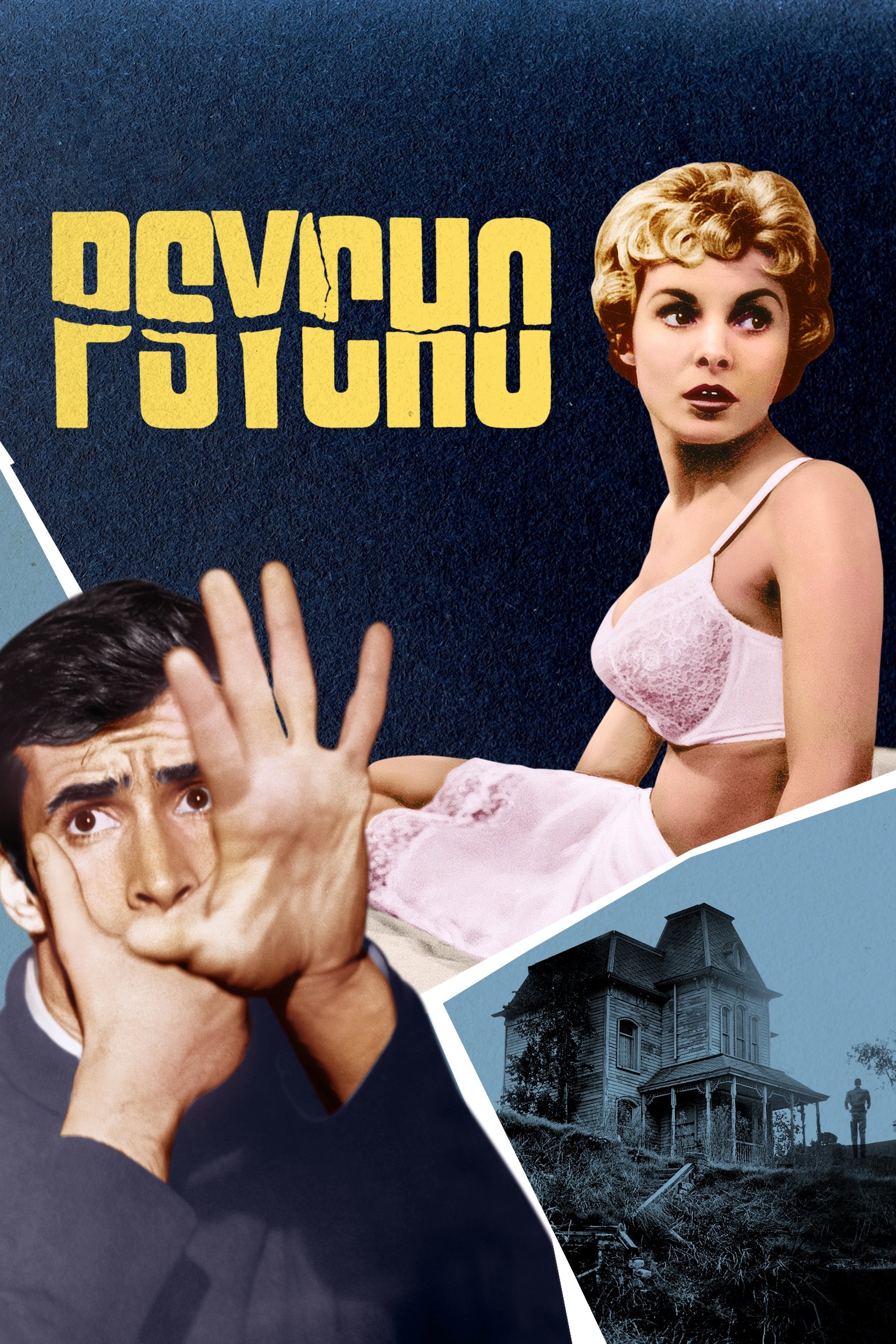
Alfred Hitchcock’s thriller opens with office worker Marion Crane absconding with stolen cash and heading for a quiet hideout. The story then pivots at the Bates Motel, where an encounter with the nervous proprietor Norman Bates leads the film from crime drama into slasher-horror territory, changing its focus from theft and escape to disappearance and investigation.
Hitchcock directs from Joseph Stefano’s screenplay, adapted from Robert Bloch’s novel, with Janet Leigh as Marion, Anthony Perkins as Norman, Vera Miles as Lila Crane, and John Gavin as Sam Loomis. Bernard Herrmann’s string-driven score, Saul Bass’s title design, and John L. Russell’s stark cinematography all support the film’s structural turn.
‘From Dusk Till Dawn’ (1996)
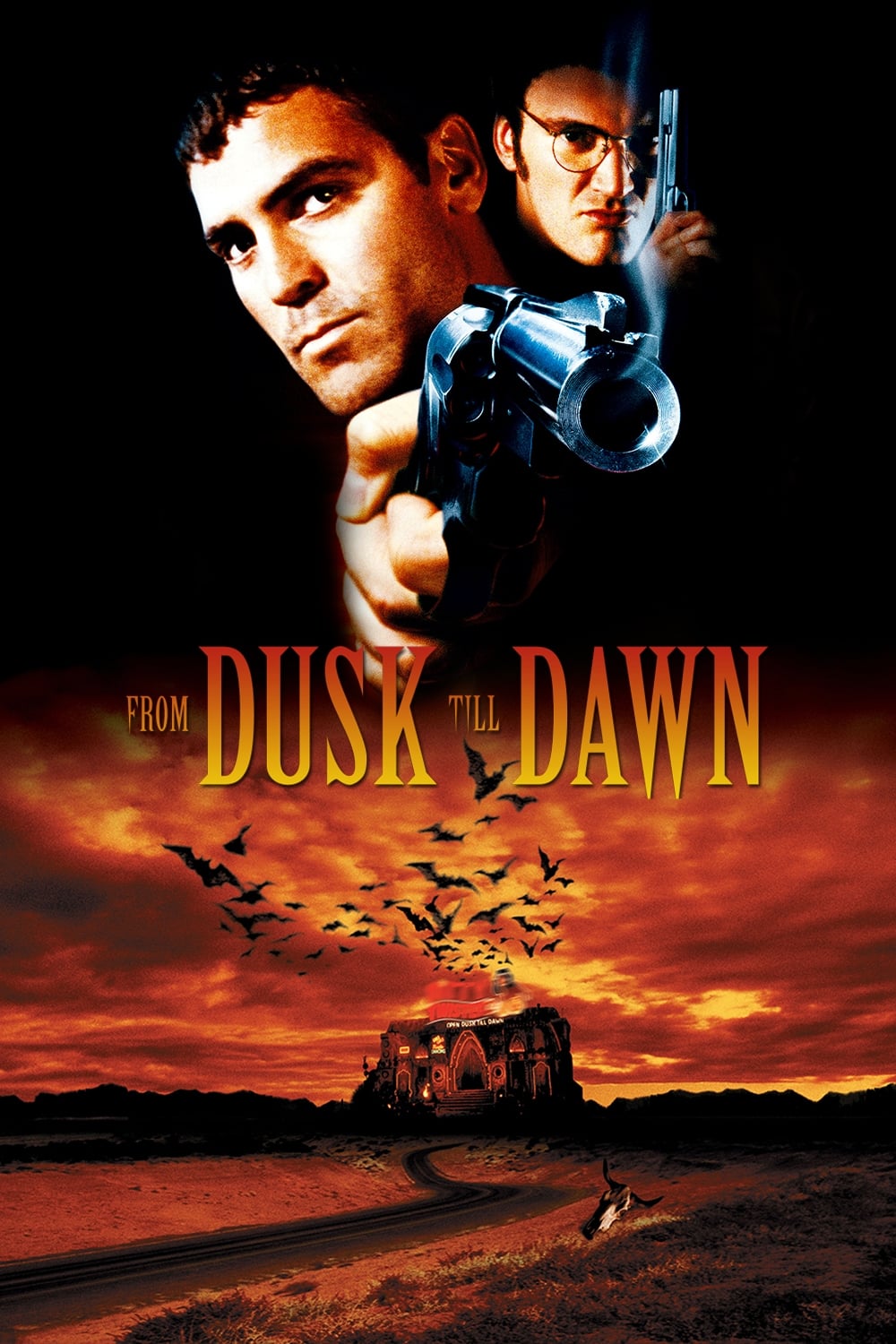
The film begins as a crime road movie following the Gecko brothers as they flee across the border with hostages, aiming for a midnight rendezvous. The narrative then detours inside a desert bar, where a routine stop becomes a supernatural siege and the story lurches into creature-feature action.
Robert Rodriguez directs from a screenplay by Quentin Tarantino, with George Clooney and Tarantino as the brothers, and Harvey Keitel and Juliette Lewis as their kidnapped companions. The ensemble also includes Salma Hayek and Danny Trejo, and the movie blends practical effects and stylized shootouts under Rodriguez’s kinetic staging.
‘Audition’ (1999)

A widower, encouraged by a producer friend, holds a sham casting call to meet potential partners, zeroing in on a reserved former ballerina named Asami. The setup plays as a gentle character drama before signs of unease and vanishing backstories shift the narrative into psychological and then body-horror territory.
Takashi Miike directs from Daisuke Tengan’s script, adapted from Ryu Murakami’s novel, with Ryo Ishibashi as the widower and Eihi Shiina as Asami. The film’s controlled pacing, sparse score, and precise sound design emphasize the late pivot that reframes earlier scenes.
‘Parasite’ (2019)
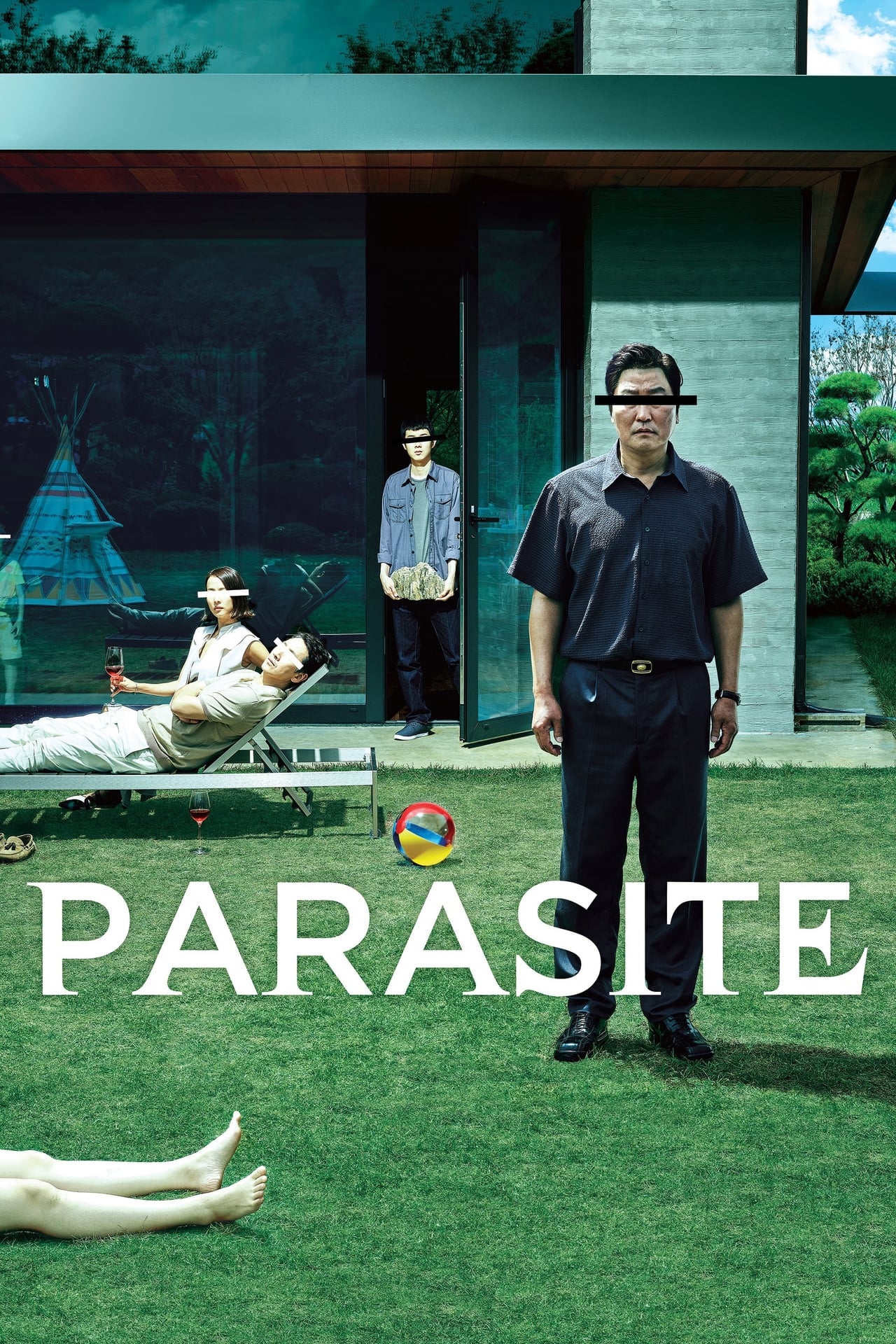
A working-class family schemes its way into jobs with a wealthy household, setting up a social-satire caper built on forged credentials and careful deceptions. Midway revelations about the house itself push the story into thriller and disaster modes, tightening the stakes for both families.
Bong Joon-ho directs and co-writes with Han Jin-won, featuring Song Kang-ho, Lee Sun-kyun, Cho Yeo-jeong, Choi Woo-shik, and Park So-dam. Production design foregrounds the split-level home as a character, while Jung Jae-il’s score and Yang Jin-mo’s editing guide the tonal shift.
‘Sunshine’ (2007)
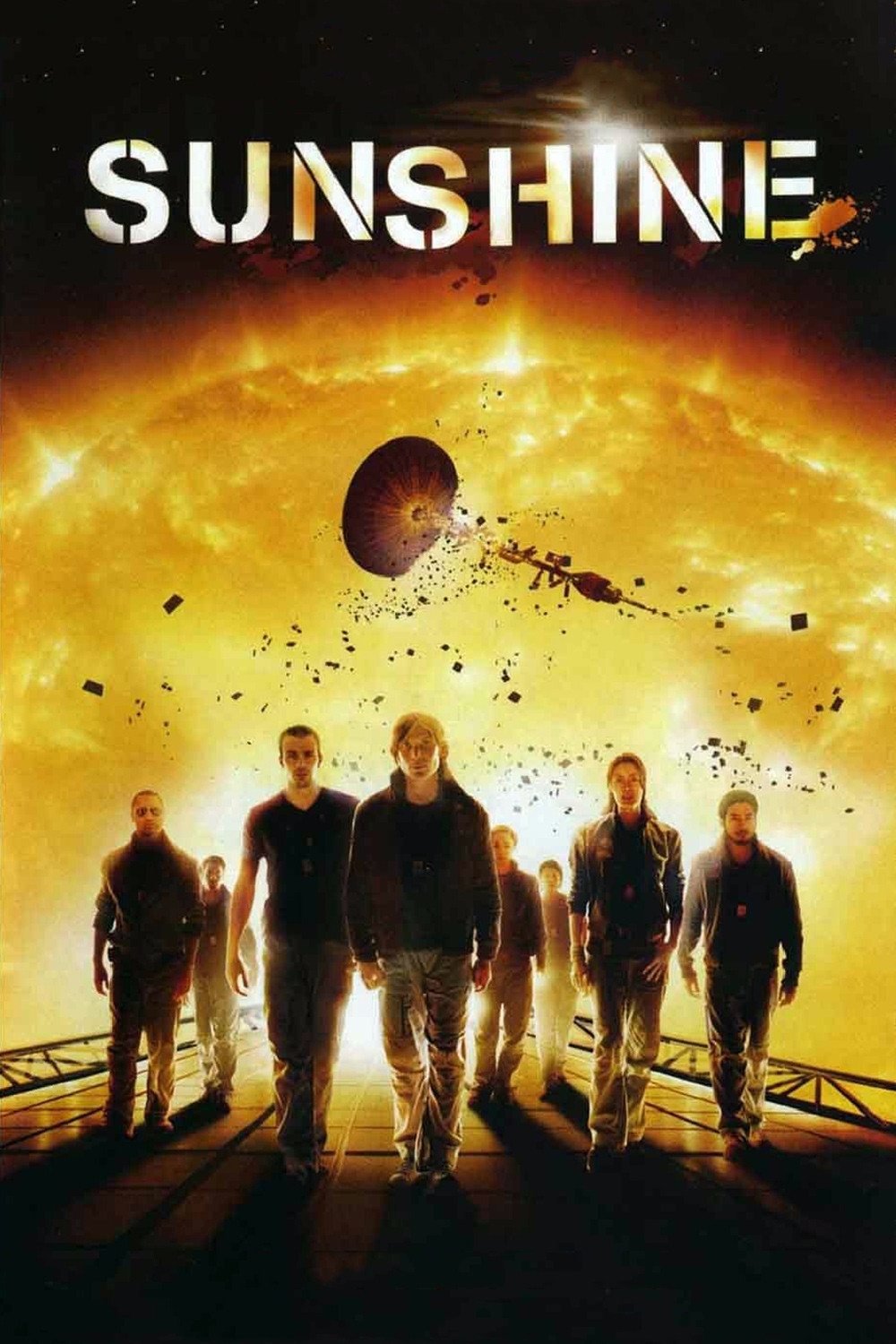
A deep-space crew travels to reignite the sun with a massive payload, facing technical failures and moral calculations in a tight-quarters science-fiction drama. A rescue attempt on a derelict ship triggers a change into stalker-horror rhythms, with the mission and the crew’s sanity under new pressure.
Danny Boyle directs from an original script by Alex Garland, with Cillian Murphy, Rose Byrne, Chris Evans, Michelle Yeoh, and Hiroyuki Sanada. The visual effects, set design, and the score by John Murphy and Underworld align to pivot the film’s mood without losing its central objective.
‘Something Wild’ (1986)
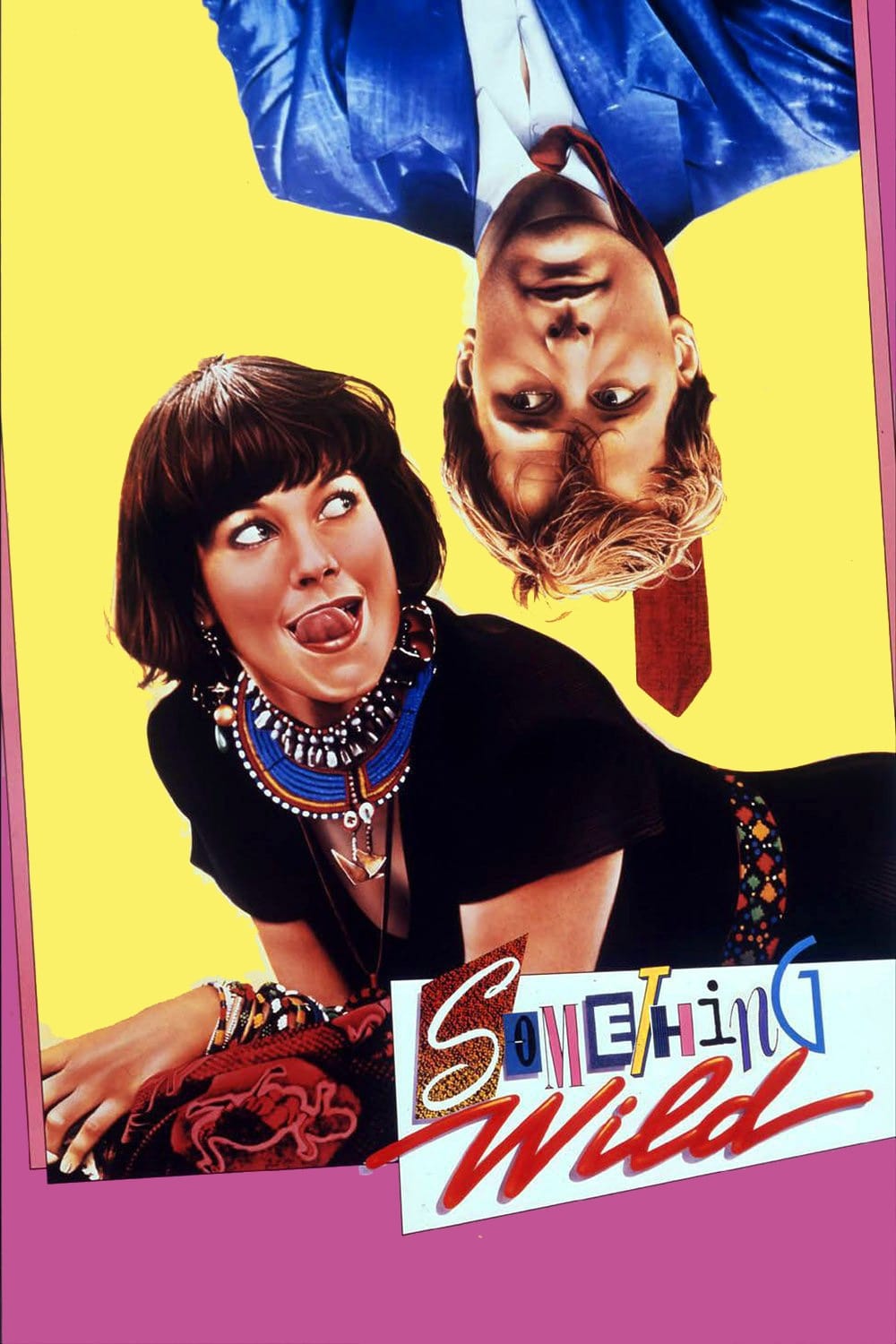
A strait-laced New Yorker meets an impulsive woman who whisks him into a spontaneous road trip and a pretend-life detour. The playful romantic caper turns sharply when an ex reenters the story, pushing events toward a violent confrontation and a crime-thriller finish.
Jonathan Demme directs from E. Max Frye’s screenplay, starring Melanie Griffith, Jeff Daniels, and Ray Liotta. The film’s soundtrack and handheld camerawork support its switch in tempo, while Demme’s staging keeps the characters’ earlier choices echoing through the darker second half.
‘Kill List’ (2011)
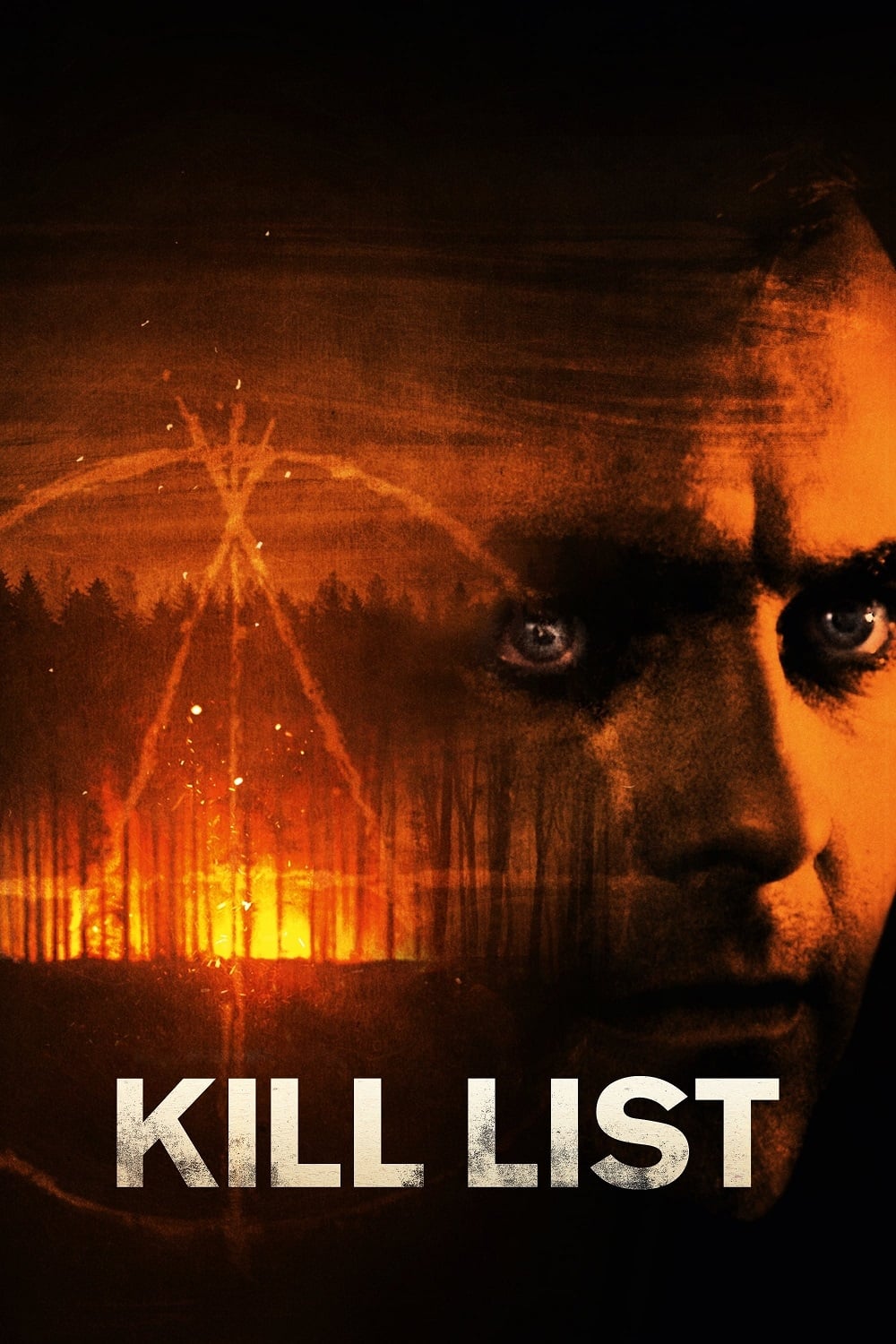
Two former soldiers take a contract to eliminate a sequence of targets, treating the job as grim routine and personal livelihood. As the assignments grow stranger, the plot veers into occult territory and the narrative steps from hit-man thriller into folk-horror.
Ben Wheatley directs, co-writing with Amy Jump, with Neil Maskell and Michael Smiley as the partners and MyAnna Buring in a key supporting role. The film uses domestic scenes, ritual imagery, and location work to foreshadow the genre turn while keeping the killings at the story’s center.
‘Bone Tomahawk’ (2015)
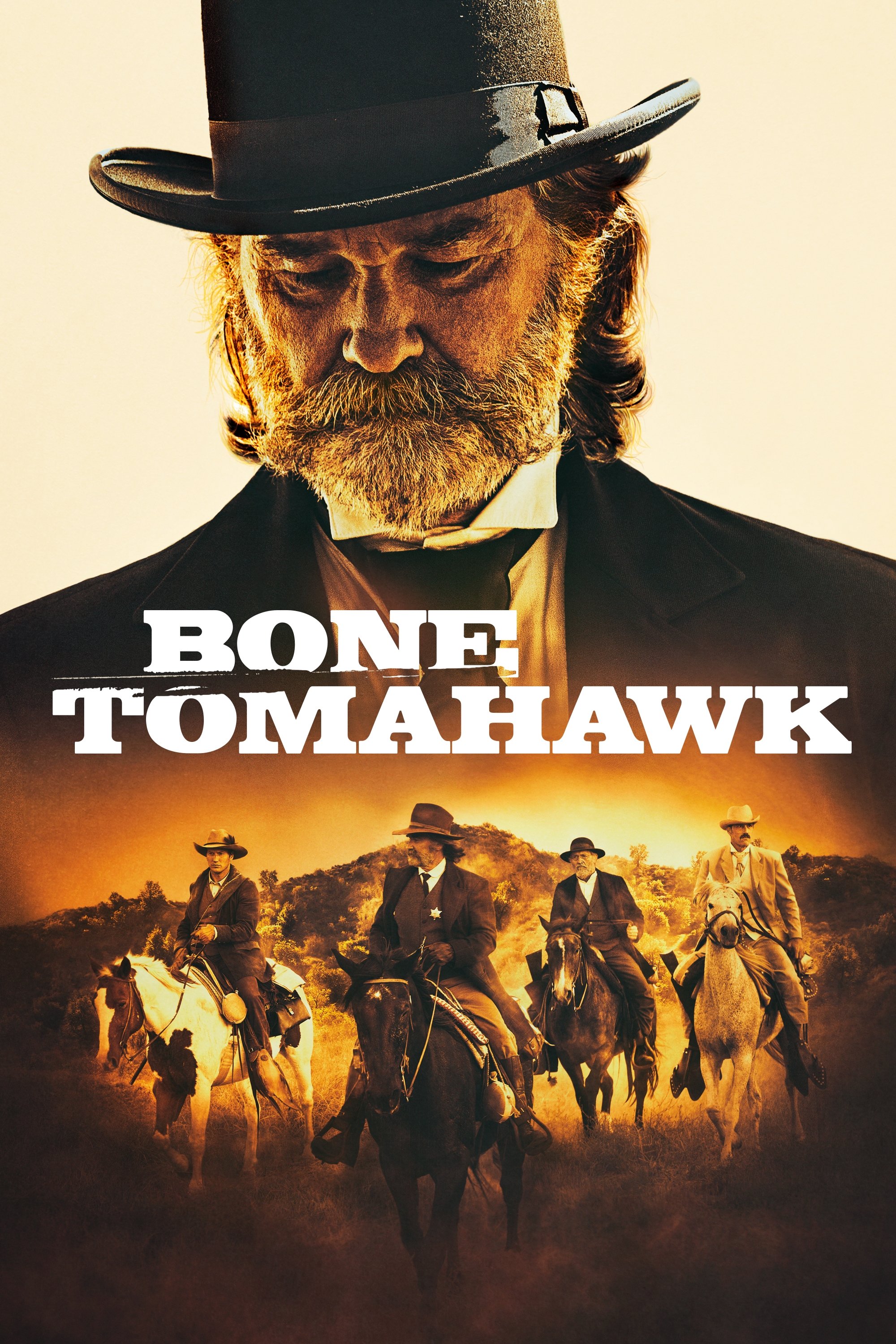
In a frontier town, a sheriff assembles a small posse to rescue abducted townspeople, beginning as a measured western about duty and distance. The search leads into remote territory and a confrontation with a cave-dwelling tribe, where the film shifts into survival-horror.
S. Craig Zahler writes and directs, with Kurt Russell, Patrick Wilson, Matthew Fox, and Richard Jenkins forming the core group. Sparse music, wide landscapes, and practical effects anchor the change in mode while maintaining the western’s character dynamics.
‘The World’s End’ (2013)
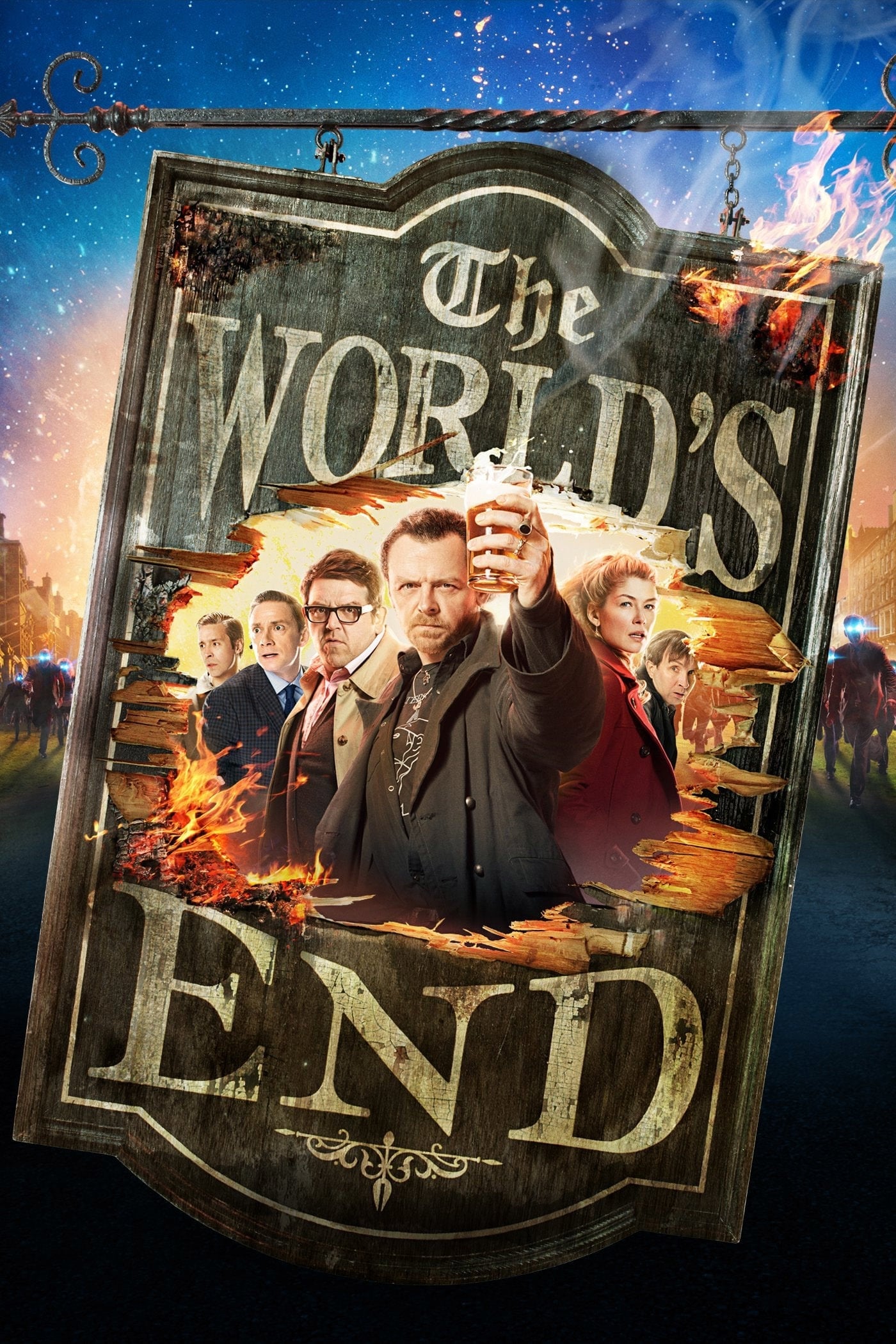
Five friends reunite to complete a hometown pub crawl interrupted in their youth, starting as a reunion comedy about nostalgia and unfinished business. Midway discoveries—strange behavior and a bathroom brawl—reframe the night as an invasion scenario with science-fiction stakes.
Edgar Wright directs and co-writes with Simon Pegg, starring Pegg, Nick Frost, Rosamund Pike, Paddy Considine, Martin Freeman, and Eddie Marsan. Rapid cuts, choreographed bar fights, and visual gags link the two modes, with production design cueing the town’s uncanny uniformity.
‘The Wailing’ (2016)
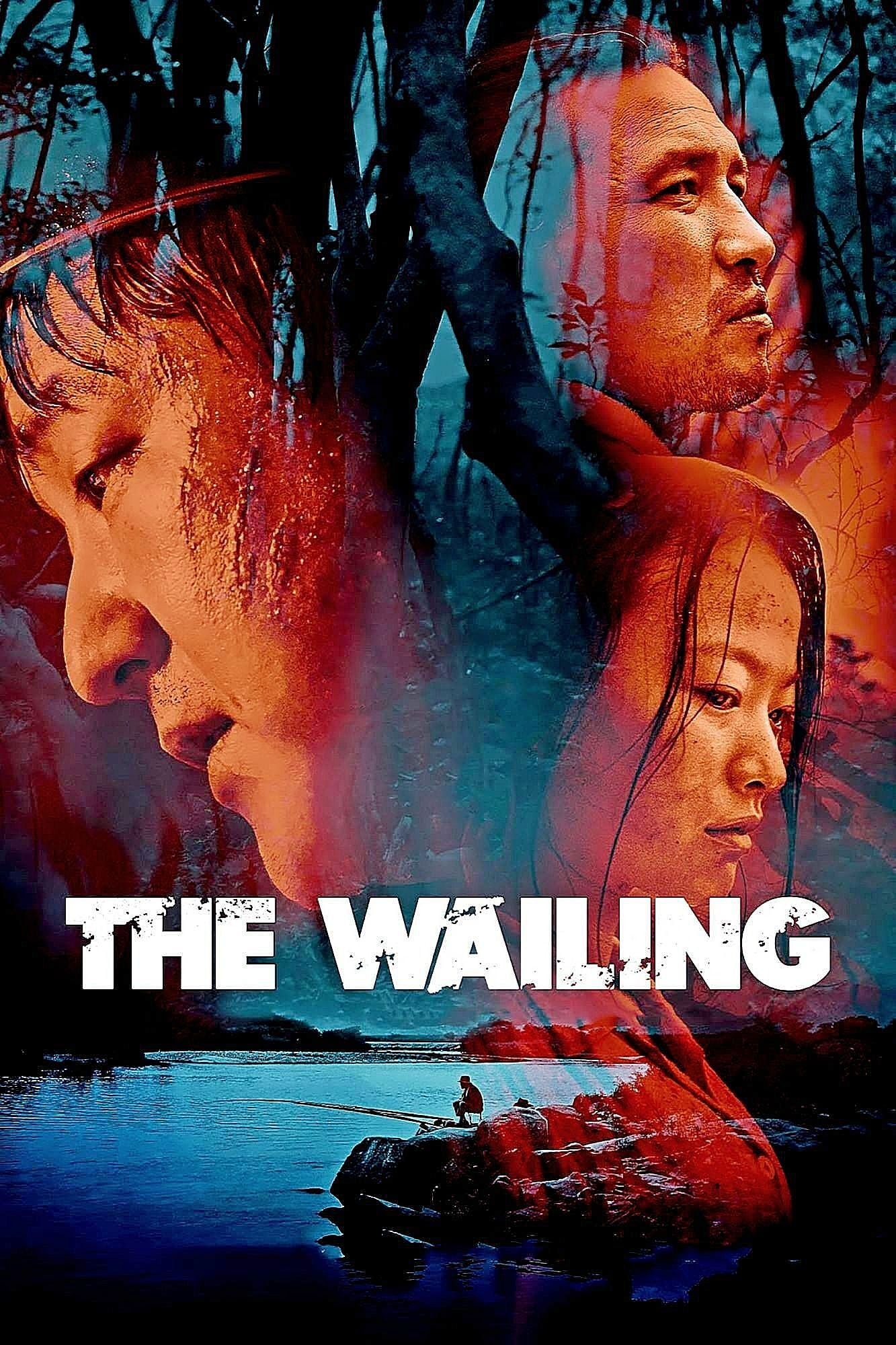
A rural police officer investigates a spate of unexplained deaths and illnesses, following leads through superstition and small-town rumor. As his family becomes entangled, the film crosses from procedural mystery into supernatural horror, weaving rituals and possession into the case.
Na Hong-jin writes and directs, with Kwak Do-won as the officer, Hwang Jung-min as a shaman, and Chun Woo-hee as a mysterious woman connected to the outbreaks. The film’s long takes, rain-soaked settings, and ritual sequences mark the shift in genre while expanding the scope of the investigation.
‘The Host’ (2006)

A riverbank family scrambles after a creature snatches their youngest member during a crowded afternoon, introducing a monster-movie premise through a public attack. The search swings between family rescue drama, satire of bureaucracy, and action, letting the plot move beyond initial creature chaos.
Bong Joon-ho directs, with Song Kang-ho, Byun Hee-bong, Bae Doona, Park Hae-il, and Go Ah-sung. Visual effects, practical stunts on Seoul’s riverside, and pointed humor shape the film’s tonal range while keeping the family’s pursuit in focus.
‘Perfect Blue’ (1997)
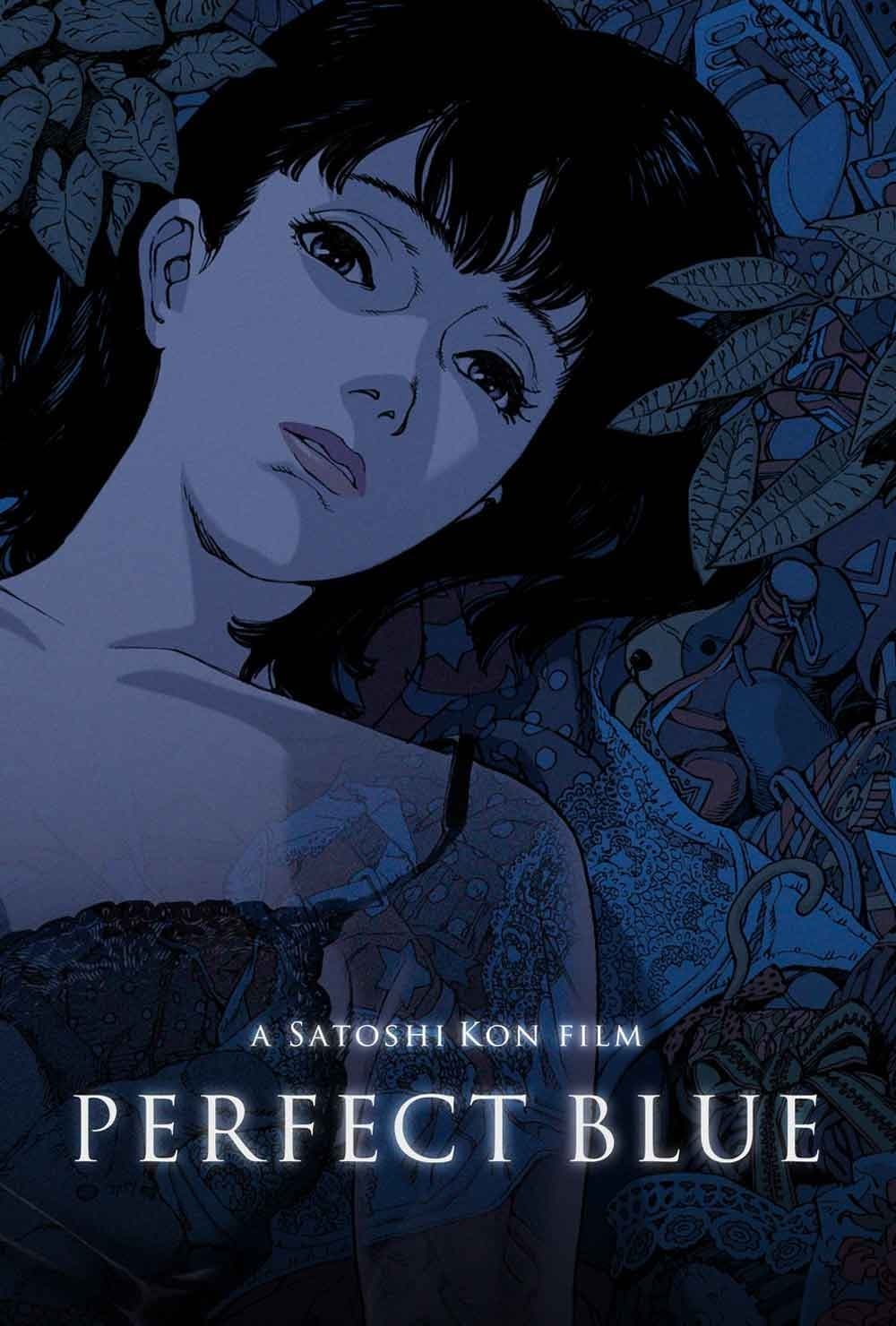
A pop idol announces a career shift into acting, navigating a scripted role that mirrors her life and a stalker who blurs the line between public image and private self. The story gradually trades show-business drama for psychological horror as dreams and scenes bleed into one another.
Satoshi Kon directs the animated feature for Madhouse from a script by Sadayuki Murai, adapted from Yoshikazu Takeuchi’s novel. Junko Iwao voices Mima, with careful sound design and editing cues guiding the audience through the film’s layered reality.
‘Tropical Malady’ (2004)
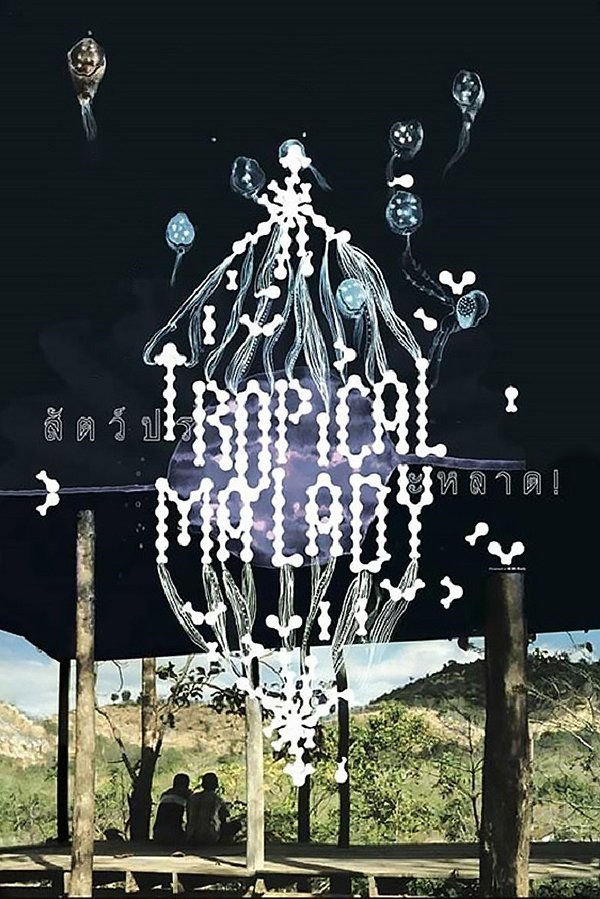
The film introduces a tender relationship between a soldier and a young man in a rural town, focusing on work, courtship, and shared rituals. Midway, it transforms into a mythic jungle fable, recasting the characters in a hunter-and-spirit tale that mirrors the earlier romance.
Apichatpong Weerasethakul writes and directs, working with Banlop Lomnoi and Sakda Kaewbuadee. Minimal dialogue, natural locations, and folkloric imagery connect the two halves, allowing the shift to function as a formal and narrative echo.
‘Predator’ (1987)
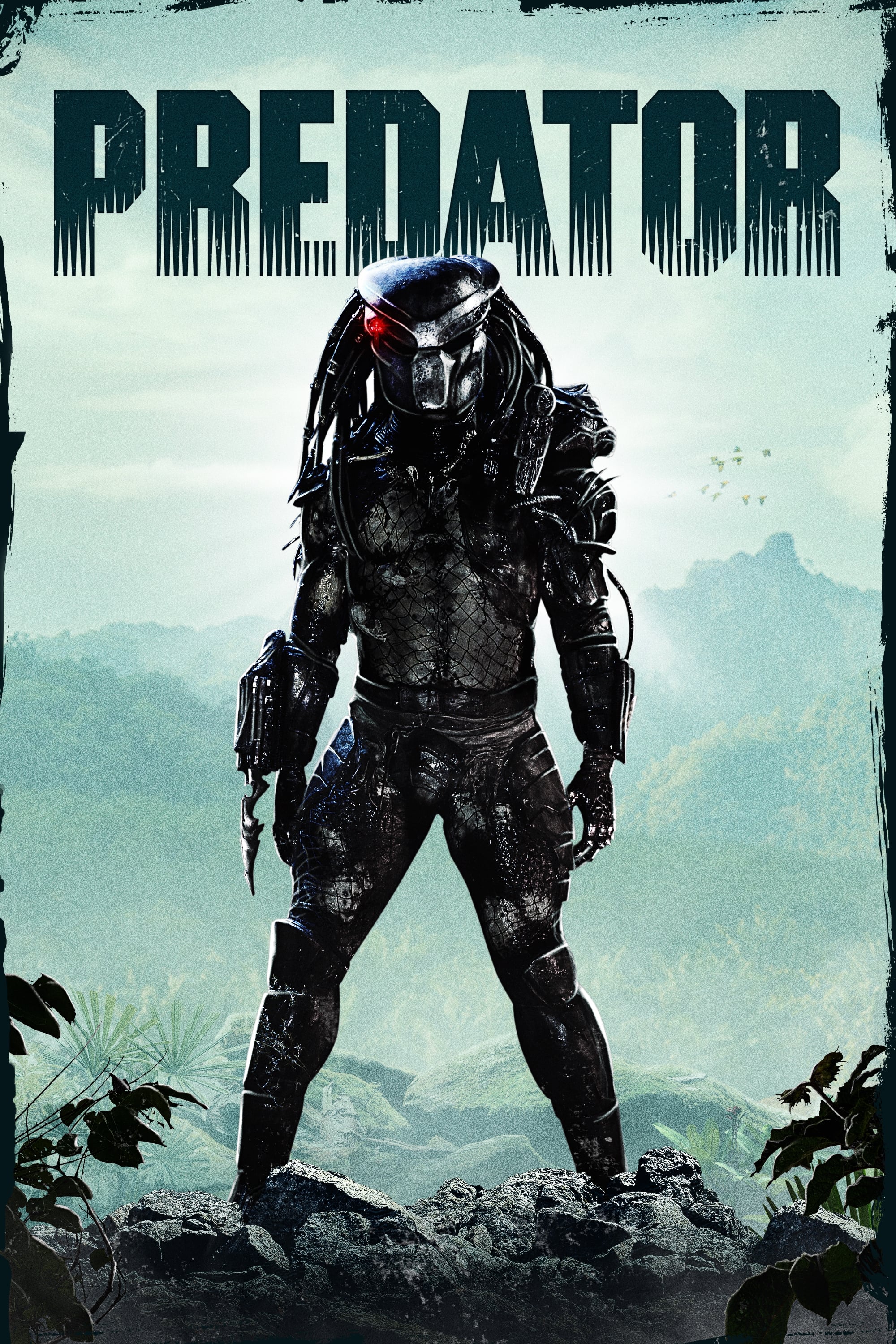
An elite commando team drops into a Central American jungle for what appears to be a standard rescue mission, facing hidden hostiles and guerrilla traps. The operation morphs into a survival-horror chase when an unseen extraterrestrial hunter turns the squad’s tactics against them.
John McTiernan directs from a script by Jim Thomas and John Thomas, starring Arnold Schwarzenegger, Carl Weathers, Bill Duke, Jesse Ventura, and Kevin Peter Hall as the title creature. Alan Silvestri’s score, Stan Winston’s creature effects, and thermal-vision photography support the genre shift.
‘Hot Fuzz’ (2007)
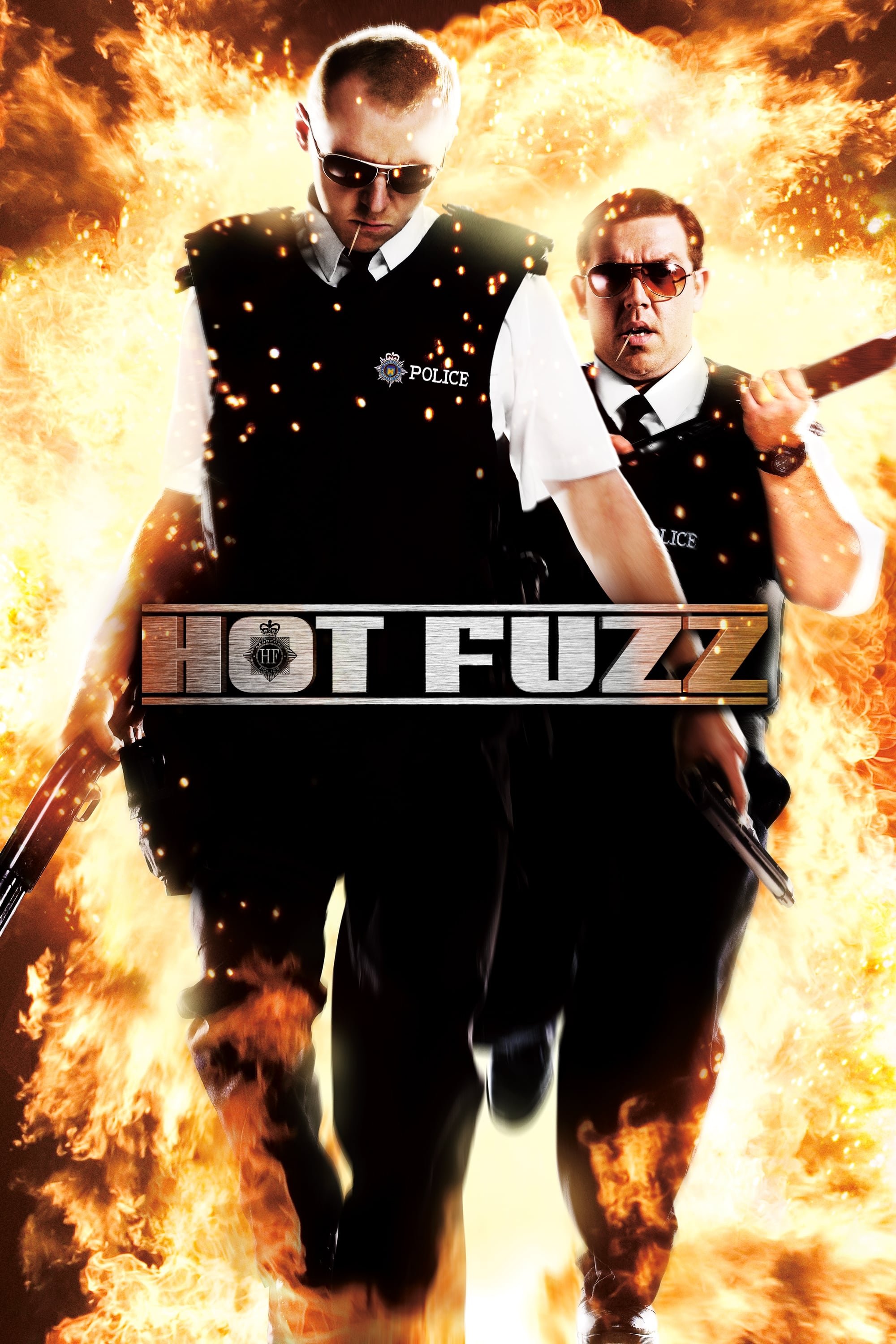
A high-performing London officer is reassigned to a quiet village, where minor infractions and cheerful neighbors suggest a low-stakes comedy about over-policing. A spree of “accidents” and a masked assailant push the story toward conspiracy and stylized action, changing the film’s tempo and scale.
Edgar Wright directs and co-writes with Simon Pegg, starring Pegg, Nick Frost, Jim Broadbent, Timothy Dalton, and Olivia Colman. Whip-pan transitions, foreshadowing gags, and a third-act barrage of set-pieces knit the procedural setup to the action climax.
‘Hancock’ (2008)
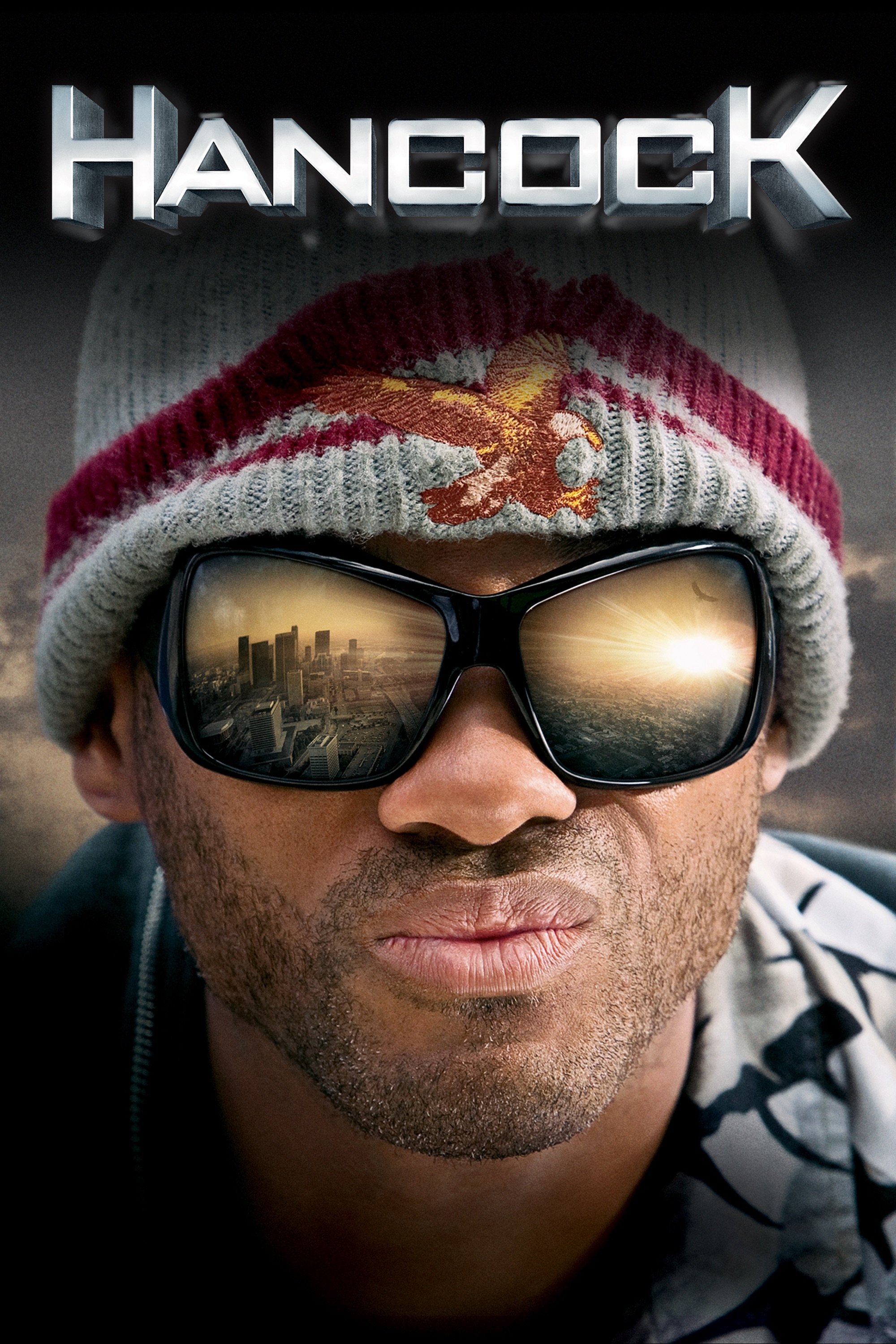
An abrasive superhero with a public-relations problem gets a makeover from a well-meaning consultant, framing the story as a redemption-comedy about image and responsibility. A revelation about the hero’s past relationship pivots the film into tragic romance and high-stakes action.
Peter Berg directs from a screenplay credited to Vincent Ngo and Vince Gilligan, with Will Smith, Charlize Theron, and Jason Bateman leading the cast. The film blends large-scale visual effects with character scenes that recontextualize earlier comedic beats.
‘Barbarian’ (2022)

A traveler arrives at a double-booked rental home and reluctantly shares the space overnight, playing as a tense housing mix-up that edges into basement exploration. A sudden perspective switch and discoveries below the house push the narrative into creature-horror and survival mode.
Zach Cregger writes and directs, starring Georgina Campbell, Bill Skarsgård, and Justin Long. The film’s structure uses hard chapter breaks, location contrasts, and practical set work to mark its gear changes without abandoning the central location.
‘The Place Beyond the Pines’ (2012)
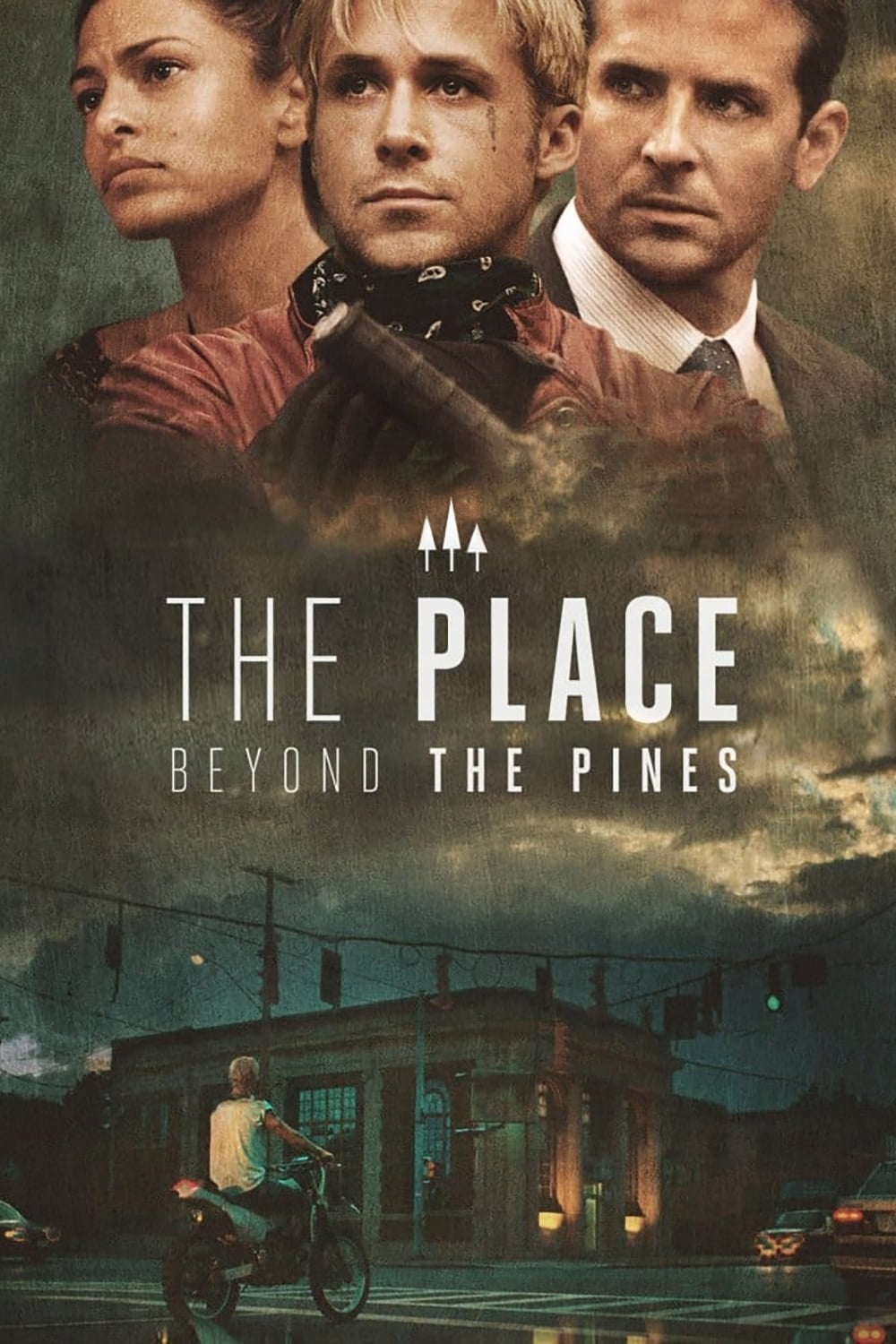
A carnival motorcyclist turns to bank robbery to support a child he’s just learned he has, setting up a crime drama about risk and necessity. A pivotal encounter shifts the story’s focus to a rookie cop, and later to the next generation, moving the film into family saga territory.
Derek Cianfrance directs, co-writing with Ben Coccio and Darius Marder, with Ryan Gosling, Bradley Cooper, Eva Mendes, Dane DeHaan, and Emory Cohen. The film’s triptych structure, handheld camera style, and upstate New York locations connect the changing leads and genres.
‘Okja’ (2017)
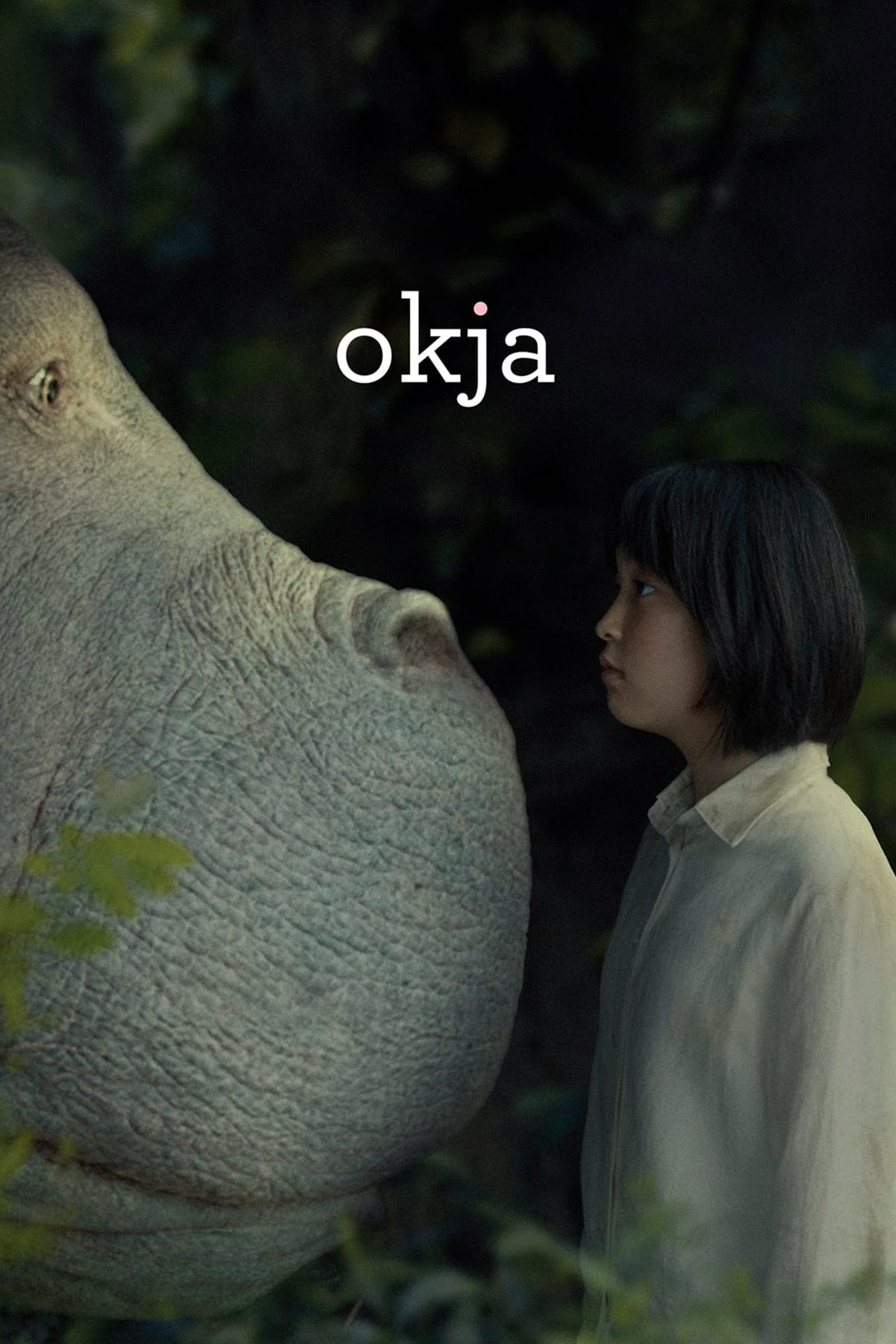
A young girl in the mountains raises a genetically engineered “super pig” and resists corporate plans to reclaim the animal, starting as a child-and-companion adventure. Urban chases, activist schemes, and a slaughterhouse infiltration shift the film toward action satire and corporate exposé.
Bong Joon-ho directs and co-writes with Jon Ronson, starring Ahn Seo-hyun, Tilda Swinton, Paul Dano, Steven Yeun, and Jake Gyllenhaal. The production’s mix of Korean and international locations, visual effects for the creature, and bilingual dialogue support its cross-genre sweep.
‘The Handmaiden’ (2016)
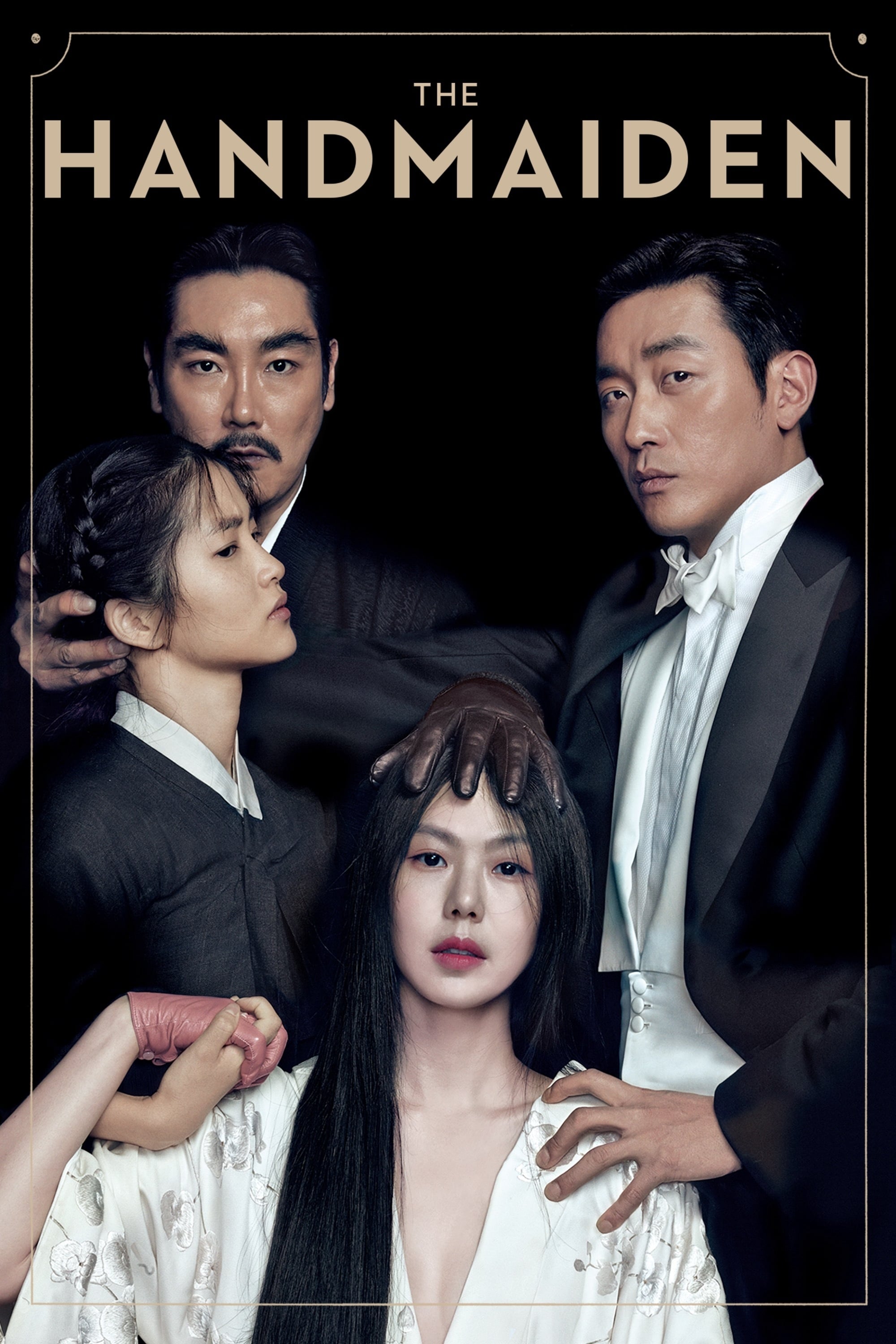
In Japanese-occupied Korea, a con artist plants a pickpocket as a maid to seduce and swindle a wealthy heiress, framing the plot as a period romance and confidence game. Repeated chapters from new points of view and a move to an asylum push the film toward escape-thriller mechanics.
Park Chan-wook directs and co-writes with Chung Seo-kyung, adapting Sarah Waters’s novel ‘Fingersmith’ to a new setting, with Kim Min-hee, Kim Tae-ri, Ha Jung-woo, and Cho Jin-woong. Elaborate set design, calligraphy motifs, and carefully cued reveals mark the gear changes between intimacy and suspense.
‘Mulholland Drive’ (2001)
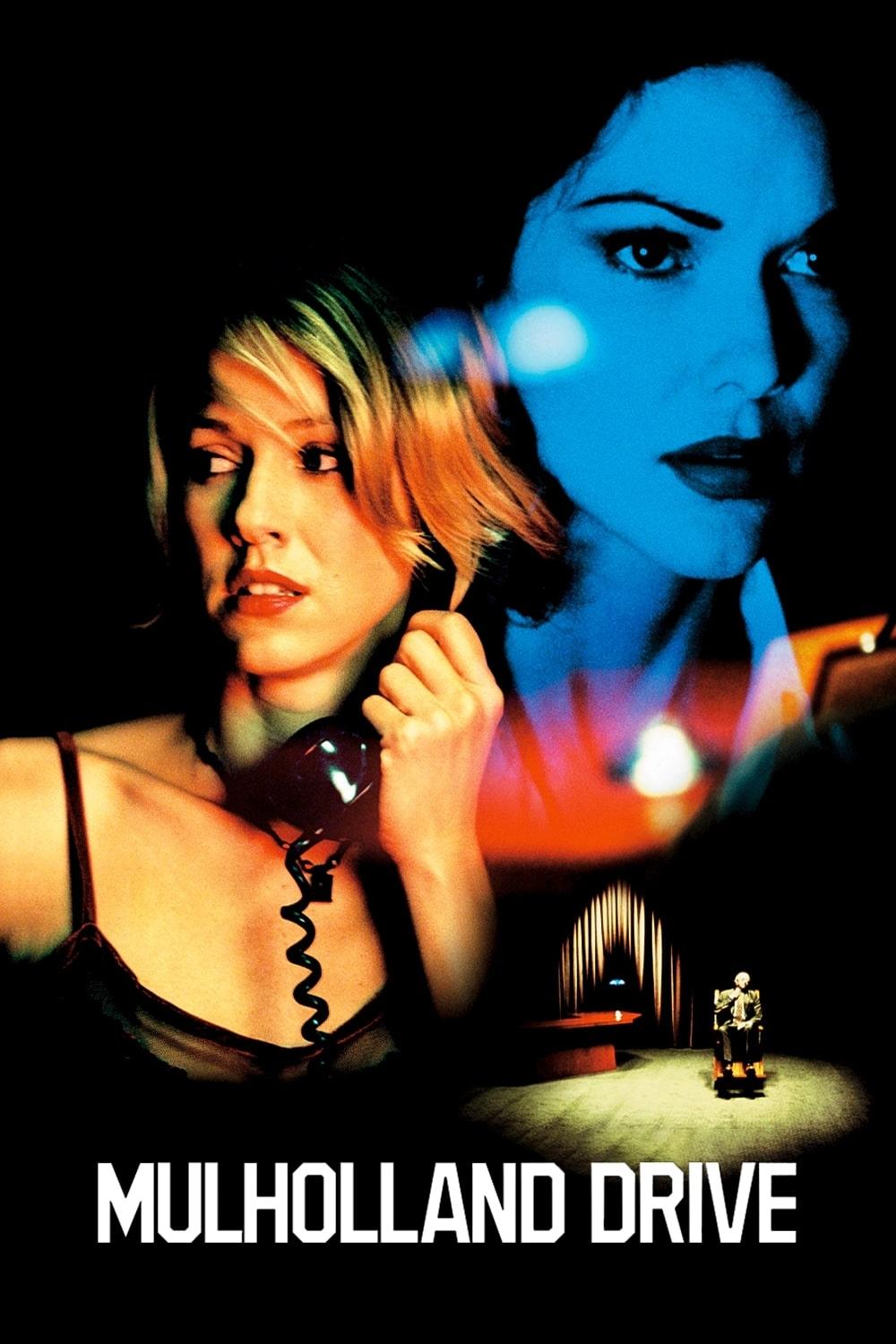
An aspiring actor arrives in Los Angeles and befriends an amnesiac woman after a mysterious car crash, opening as a dreamlike neo-noir about identity and opportunity. Midway turns and a blue-box key pivot the story into fractured reality, reassigning roles and moving into psychological horror.
David Lynch writes and directs, with Naomi Watts, Laura Elena Harring, and Justin Theroux. Angelo Badalamenti’s score, nighttime cityscapes, and reconfigured scenes from an earlier television pilot form the backbone of the film’s structural transformation.
’10 Cloverfield Lane’ (2016)
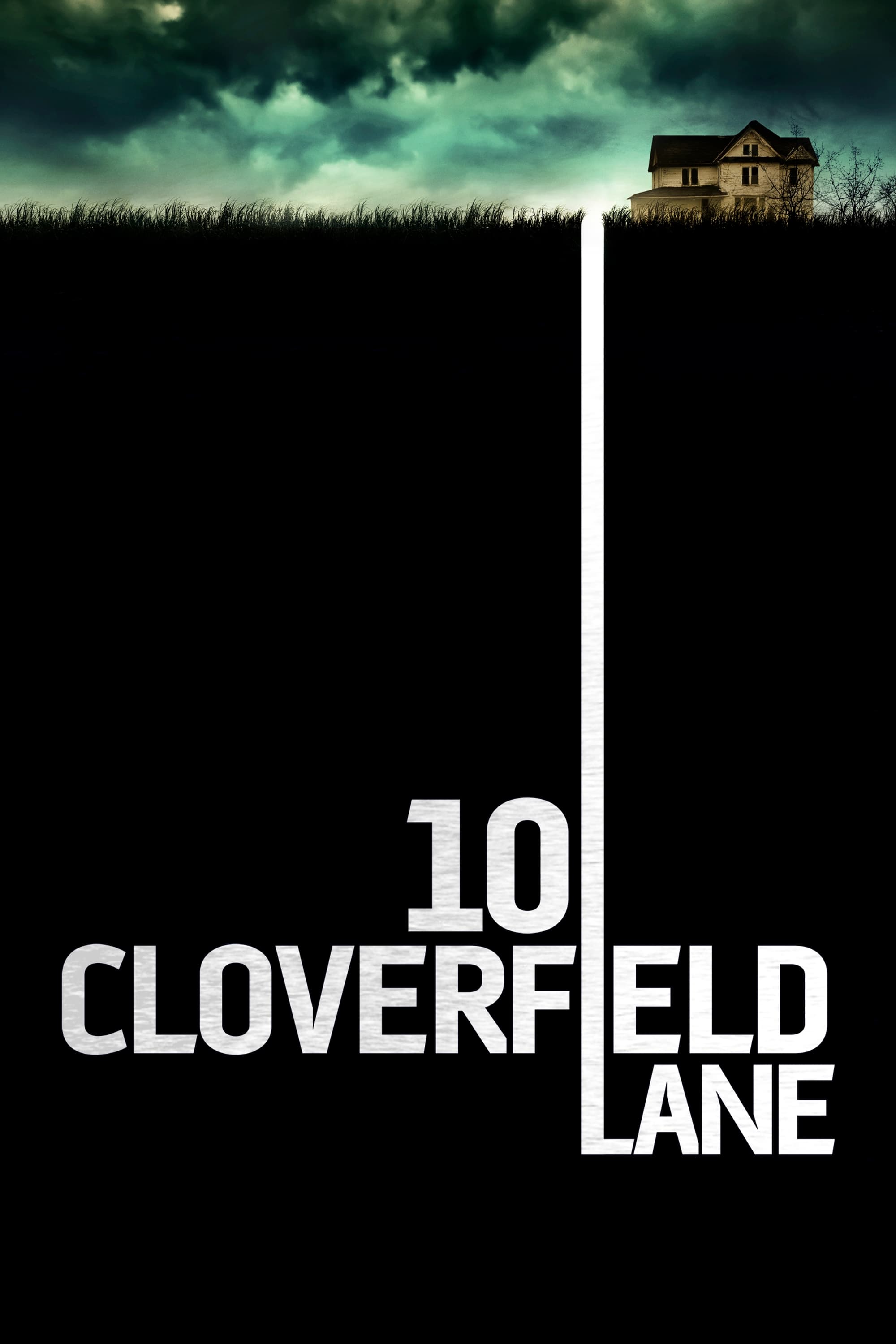
After a traffic collision, a woman wakes in an underground bunker with two men who insist the surface is unsafe, setting the story as a captivity thriller. A breakout attempt and a step outside change the film’s mode, connecting it to science-fiction elements of the ‘Cloverfield’ universe.
Dan Trachtenberg directs from a script credited to Josh Campbell, Matt Stuecken, and Damien Chazelle, starring Mary Elizabeth Winstead, John Goodman, and John Gallagher Jr. Compact set design, sound cues, and a late expansion of scale underline the tonal shift.
‘The One I Love’ (2014)
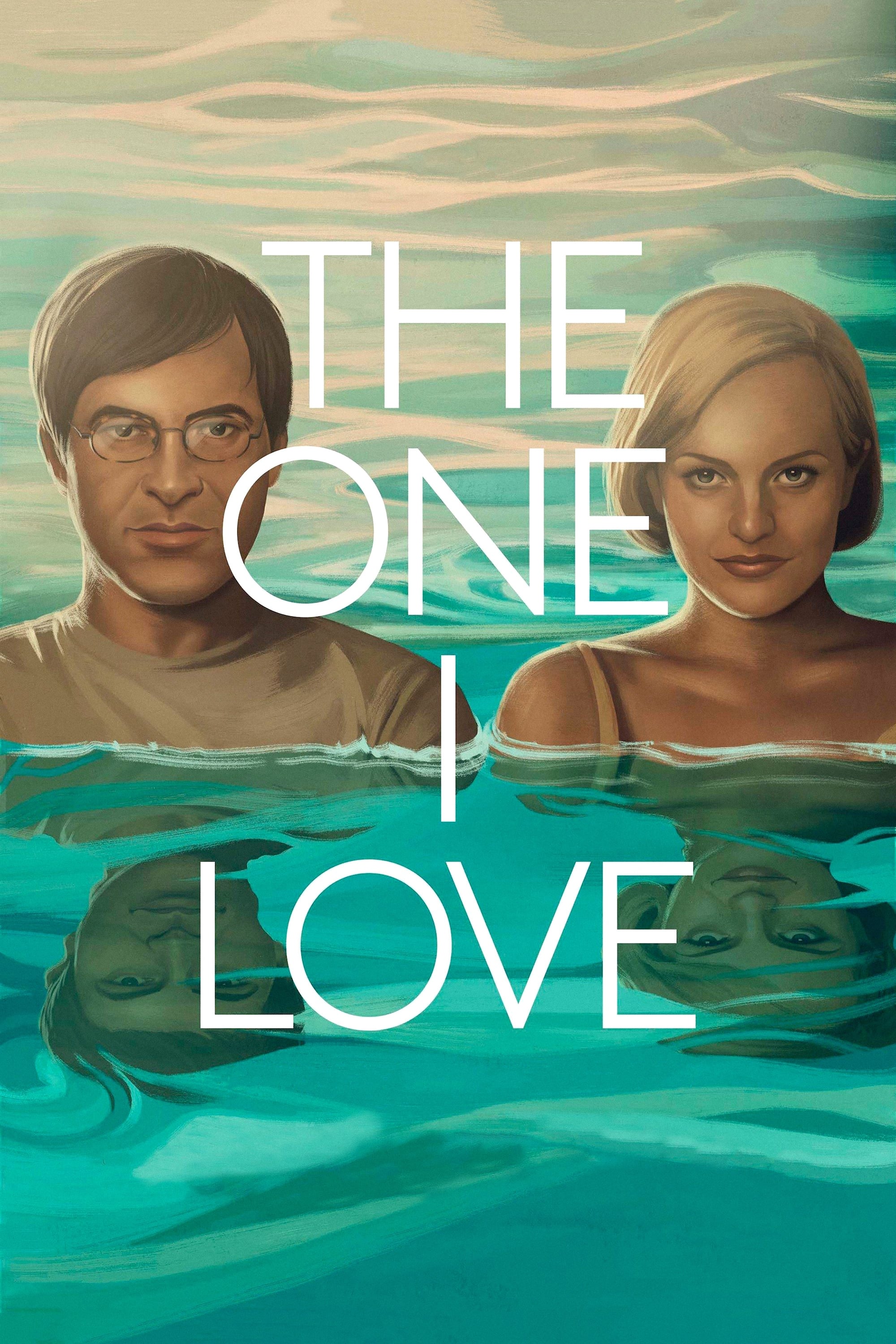
A couple on the brink of separation retreats to a secluded property at their therapist’s suggestion, playing first as an intimate relationship drama. The arrival of uncanny doubles turns the film into a low-key science-fiction puzzle about identity and partnership rules.
Charlie McDowell directs from Justin Lader’s script, with Mark Duplass and Elisabeth Moss carrying dual roles and Ted Danson in support. Minimal locations, careful blocking, and effects that favor in-camera staging keep the genre switch contained within the domestic setting.
‘The Signal’ (2014)
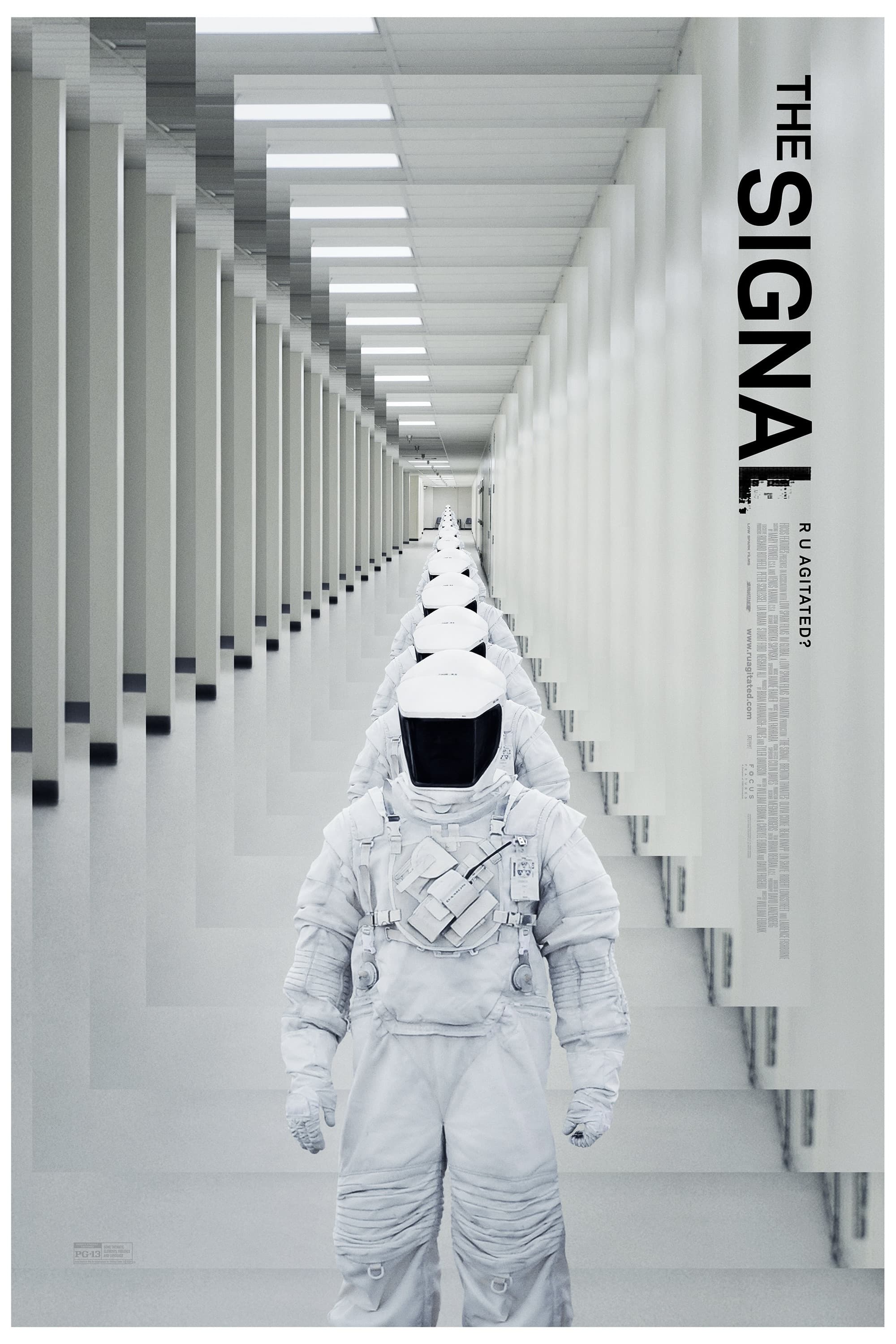
Three college friends follow a digital breadcrumb trail left by a mysterious hacker during a cross-country drive, introducing a tech-thriller chase. An abrupt blackout and recovery in a secure facility shift the story into science-fiction mystery, with new rules governing their bodies and surroundings.
William Eubank directs and co-writes with Carlyle Eubank and David Frigerio, starring Brenton Thwaites, Olivia Cooke, and Laurence Fishburne. Stark production design, monochrome corridors, and progressive reveals guide the move from road trip to containment narrative.
‘Full Metal Jacket’ (1987)
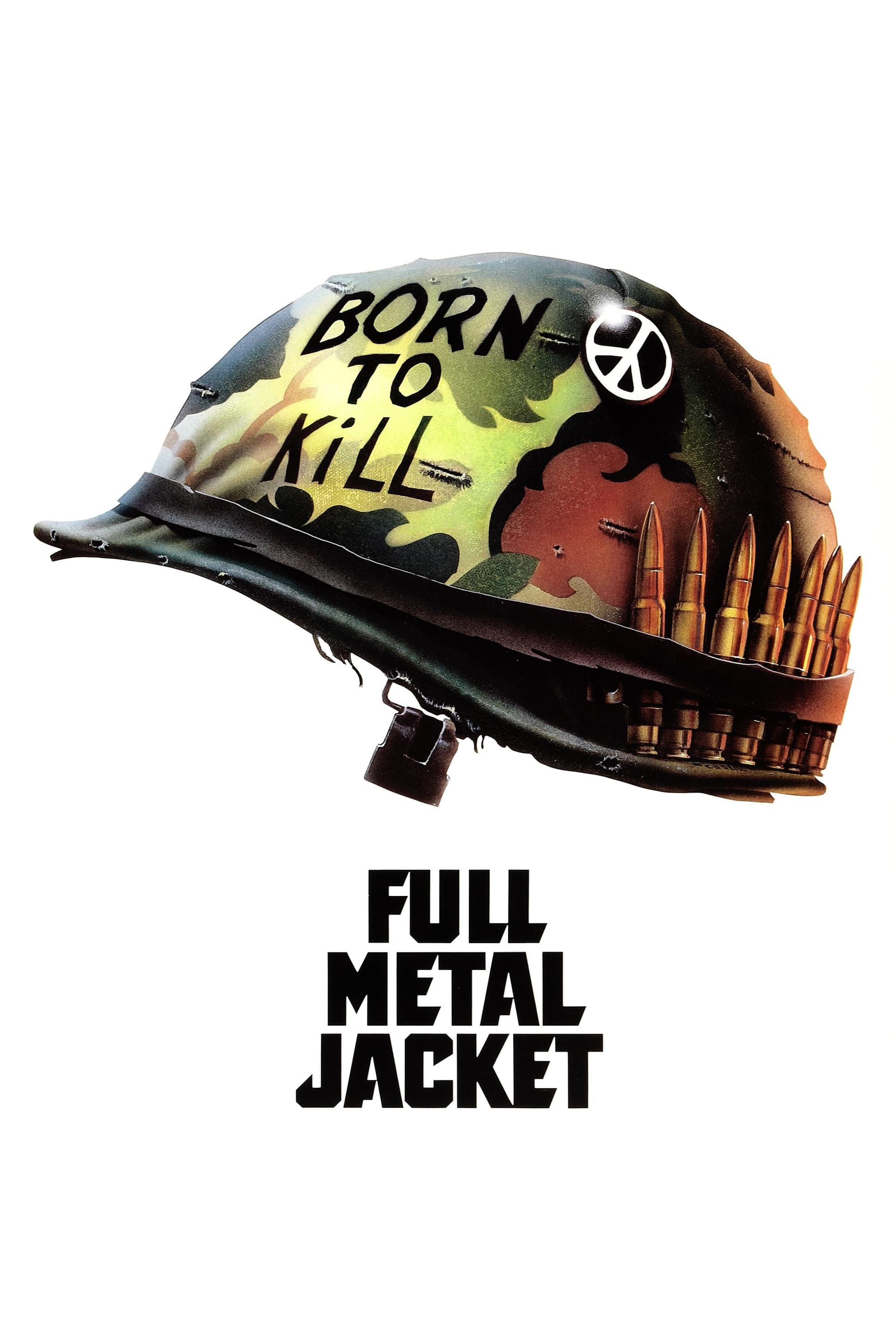
A platoon of recruits endures Marine Corps boot camp under a relentless drill instructor, forming a study of training, discipline, and identity. After graduation, the focus relocates to the Vietnam conflict, shifting from barracks drama to battlefield reportage as the same characters face combat.
Stanley Kubrick directs and co-writes with Michael Herr and Gustav Hasford, based on Hasford’s novel ‘The Short-Timers’, with Matthew Modine, R. Lee Ermey, Vincent D’Onofrio, and Adam Baldwin. The film’s two-part structure, British studio backlots dressed as urban war zones, and measured camerawork bind the tonal halves together.
Share your favorite mid-movie genre switch in the comments and tell everyone which moment made you do a double-take.