Movies with Time Jumps That Create Even More Questions

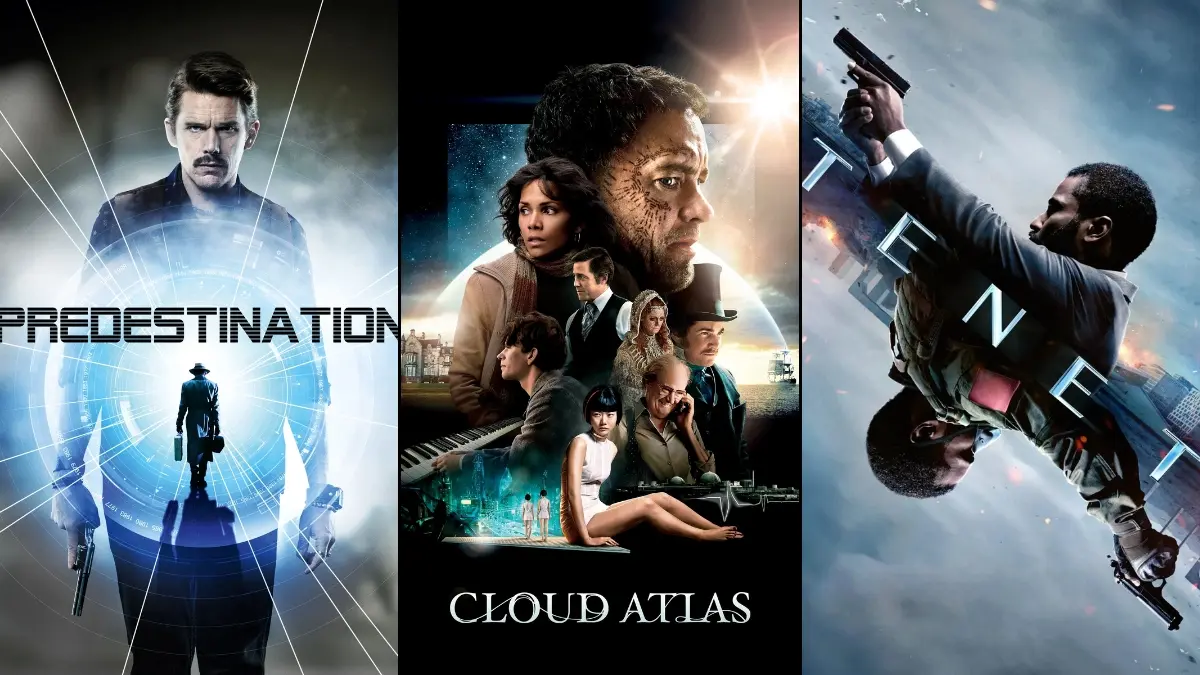

Time jumps can spin a story into unexpected shapes—jumping ahead, doubling back, or bending a straight line into a loop. Filmmakers use them to reset missions, cross timelines, and collide cause with effect, leaving characters to pick through the consequences. The devices range from paradox-prone machines and wormholes to memory-warping diaries, radios, and reality-splitting comets.
This list gathers feature films that hinge on time shifts as part of their core design. For each one, you’ll find a quick outline of what the story does with time and who made it, plus the performers who bring those jumps to life. From indie puzzles to large-scale franchises, these titles keep the clock in play.
‘Primer’ (2004)
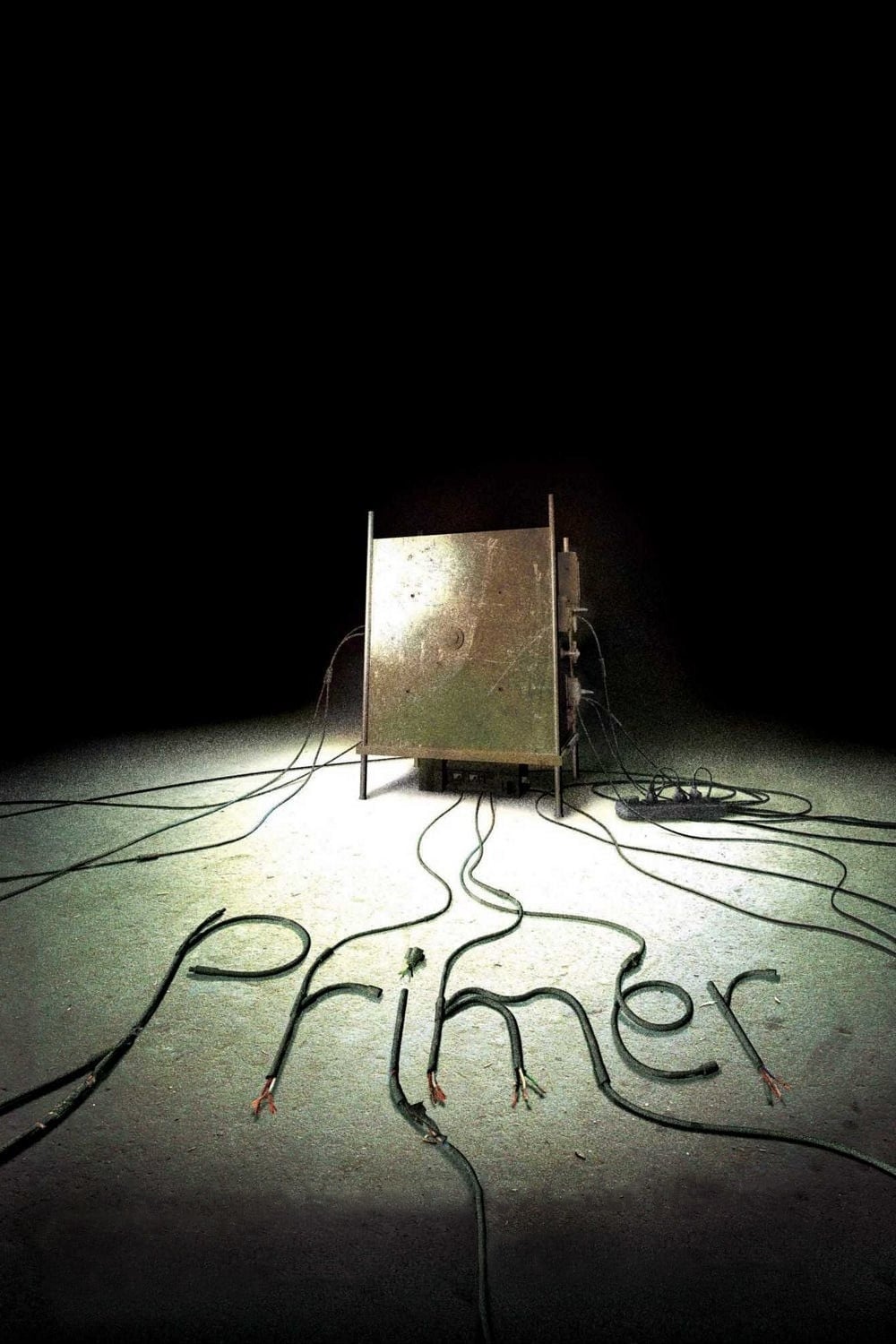
Shane Carruth’s ‘Primer’ follows two engineers who stumble into a way to move through time using a garage-built device, then escalate their experiments until overlapping iterations of themselves complicate every choice. The plot tracks how notes, earpieces, and contingency plans accumulate as the men try to control outcomes that keep duplicating.
Written, directed, scored, and co-edited by Carruth, the film stars Carruth alongside David Sullivan, with production built around minimal locations and a technical script. The crew’s small scale matches the story’s contained setting, emphasizing conversations, schematics, and the step-by-step logistics of looping.
‘Donnie Darko’ (2001)
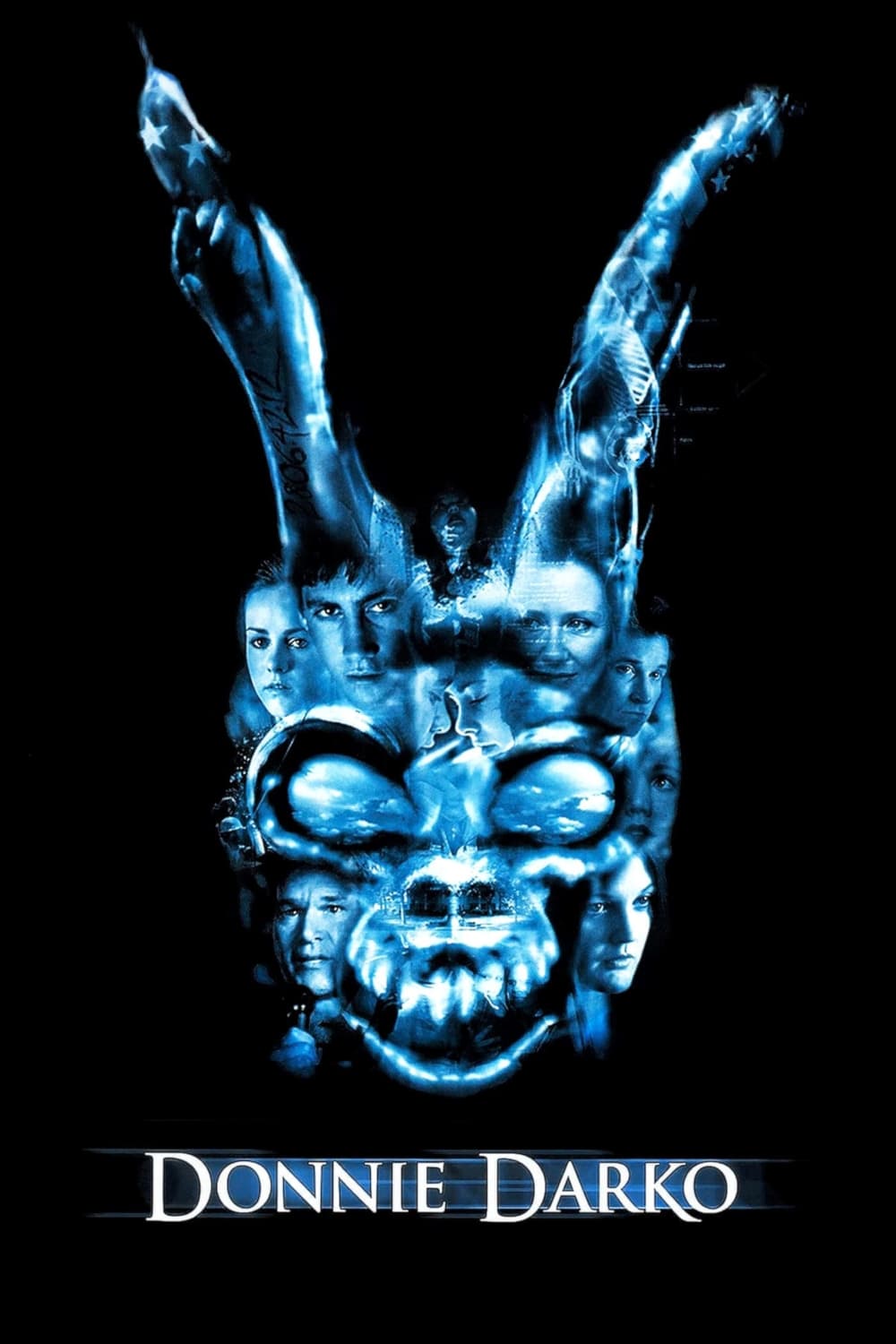
‘Donnie Darko’ centers on a teenager guided by visions of a figure in a rabbit suit who warns him about a looming deadline, while a fallen jet engine and a tangent timeline reshape his suburban life. The film explores manipulated paths, artifacts, and a countdown that frames Donnie’s choices across school, family, and friends.
Richard Kelly wrote and directed the film with Jake Gyllenhaal in the lead, joined by Jena Malone, Drew Barrymore, Maggie Gyllenhaal, and Patrick Swayze. Steven Poster handled cinematography, and Michael Andrews provided the score, supporting a structure that toggles between everyday scenes and timeline-bending events.
’12 Monkeys’ (1995)
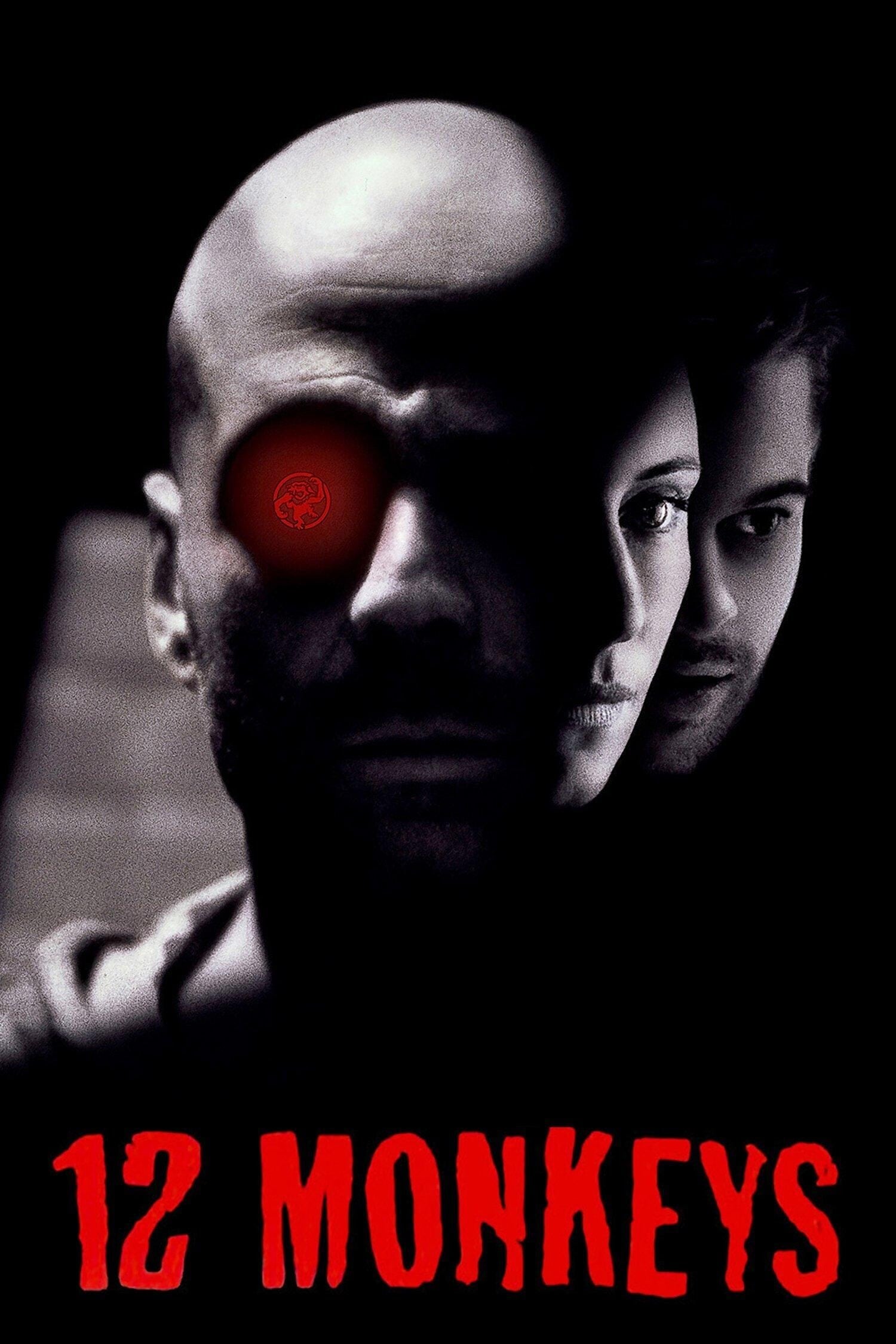
In ’12 Monkeys’, a prisoner is sent back in time to gather information about a catastrophe linked to a mysterious group, with garbled arrivals and misread signals shaping his mission. The plot moves between a devastated future and an earlier era, tracing how incomplete data leads to diverging interpretations of cause and effect.
Terry Gilliam directed from a screenplay by David Peoples and Janet Peoples, inspired by the short ‘La Jetée’. Bruce Willis leads the cast, with Madeleine Stowe and Brad Pitt in key roles, while Gilliam’s production design and visual approach emphasize shifting memories and institutional responses to the traveler’s warnings.
‘Predestination’ (2014)
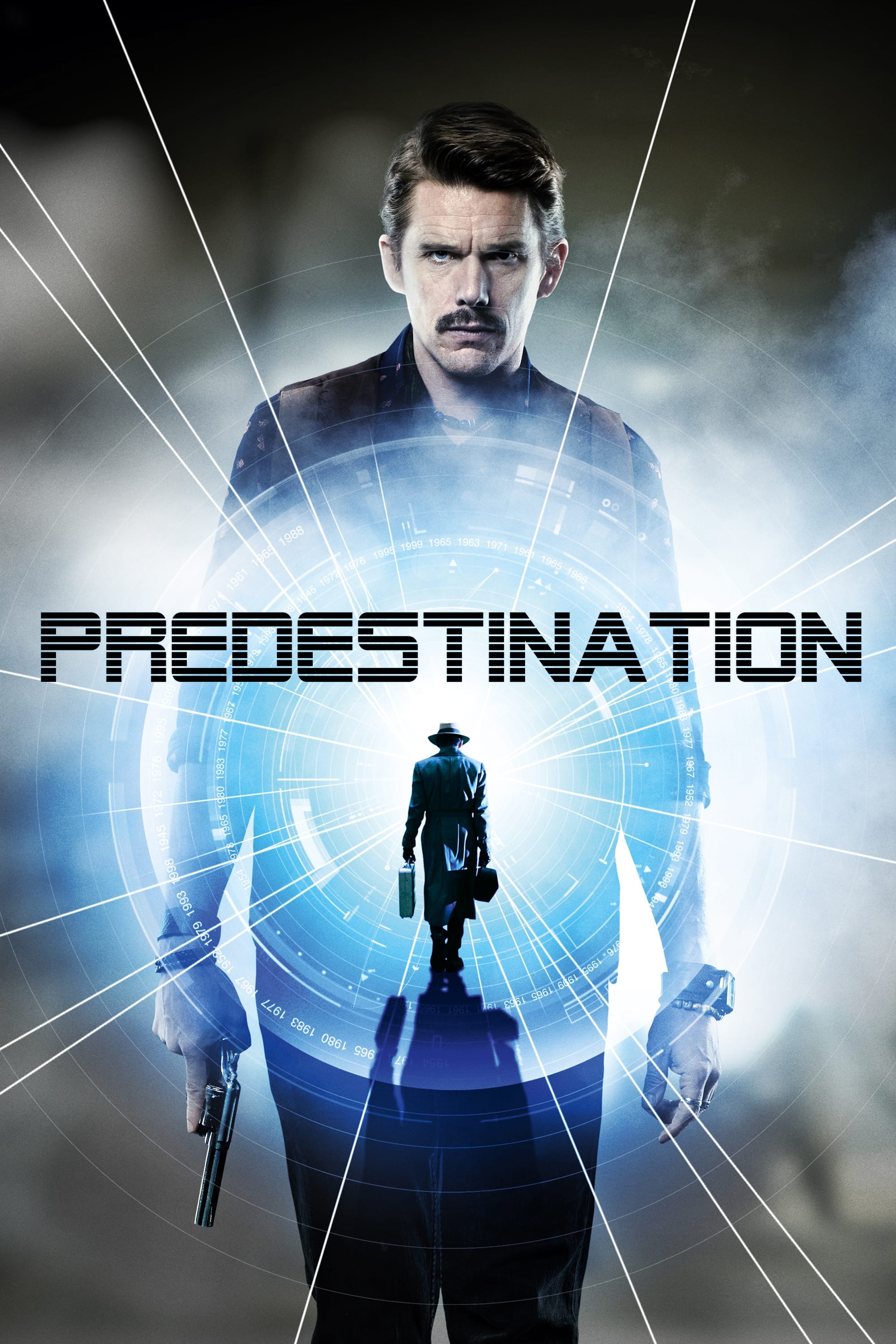
‘Predestination’ follows a temporal agent tasked with stopping a bomber, using jumps that intersect with pivotal moments in the agent’s own life. The narrative folds back on itself through identity reveals and mission loops that connect the agent’s past, present, and assignments.
Directed by Michael and Peter Spierig and adapted from Robert A. Heinlein’s ‘—All You Zombies—’, the film stars Ethan Hawke and Sarah Snook. The Spierig Brothers structure the story around interviews, field operations, and a device-driven jump protocol that threads through tightly staged locations.
‘Interstellar’ (2014)
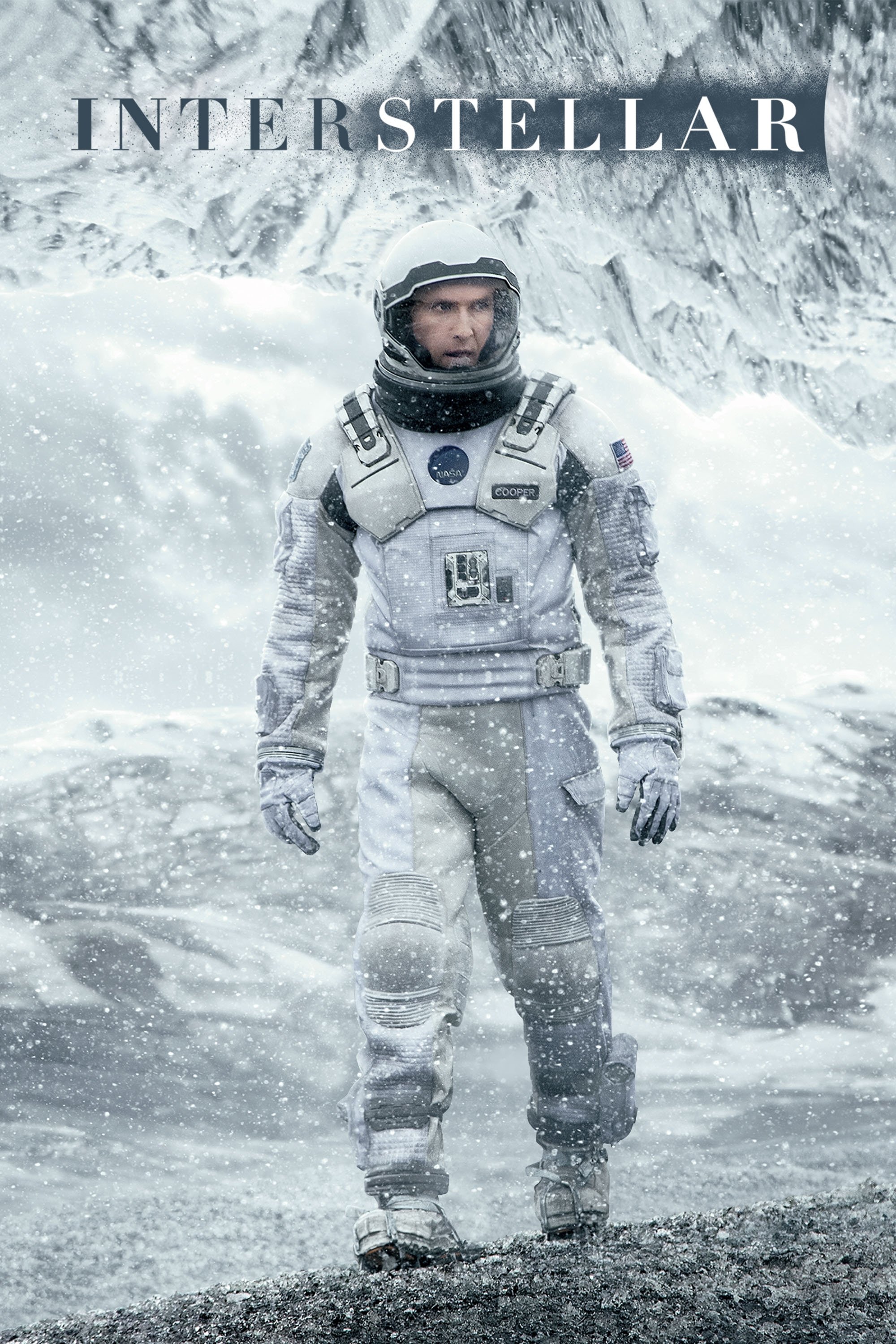
‘Interstellar’ sends a pilot and a small crew through a wormhole to search for habitable worlds, where gravity alters the passage of time and creates uneven gaps between travelers and those back home. Communication, aging, and mission windows are shaped by proximity to massive celestial bodies and by relativistic effects.
Christopher Nolan directed and co-wrote the film with Jonathan Nolan, with Matthew McConaughey, Anne Hathaway, Jessica Chastain, and Michael Caine among the cast. Hoyte van Hoytema’s cinematography and Hans Zimmer’s score support sequences that depict time dilation, data retrieval, and a crucial relay of information across dimensions.
‘Tenet’ (2020)
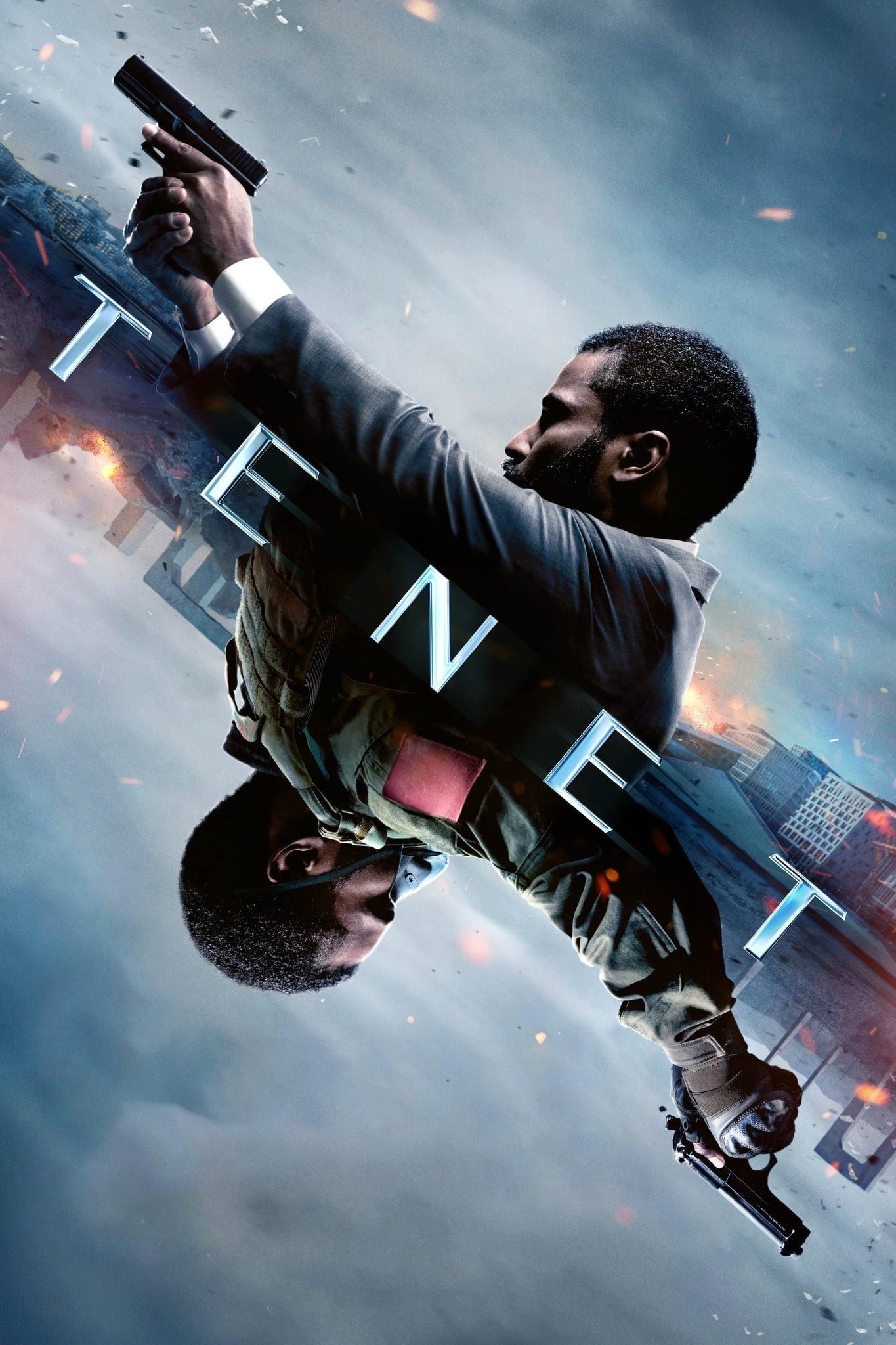
In ‘Tenet’, a covert operator navigates a conflict involving technology that inverts entropy, sending objects and people backward through events while others move forward. Action sequences are staged with participants experiencing the same moment in opposite temporal directions, affecting planning and outcomes.
Christopher Nolan wrote and directed the film, starring John David Washington, Robert Pattinson, Elizabeth Debicki, and Kenneth Branagh. Hoyte van Hoytema’s camera work and Ludwig Göransson’s score underpin set pieces that intercut forward and inverted movement, while the production organizes missions around turnstiles, synchronized teams, and temporal pincer operations.
‘Looper’ (2012)
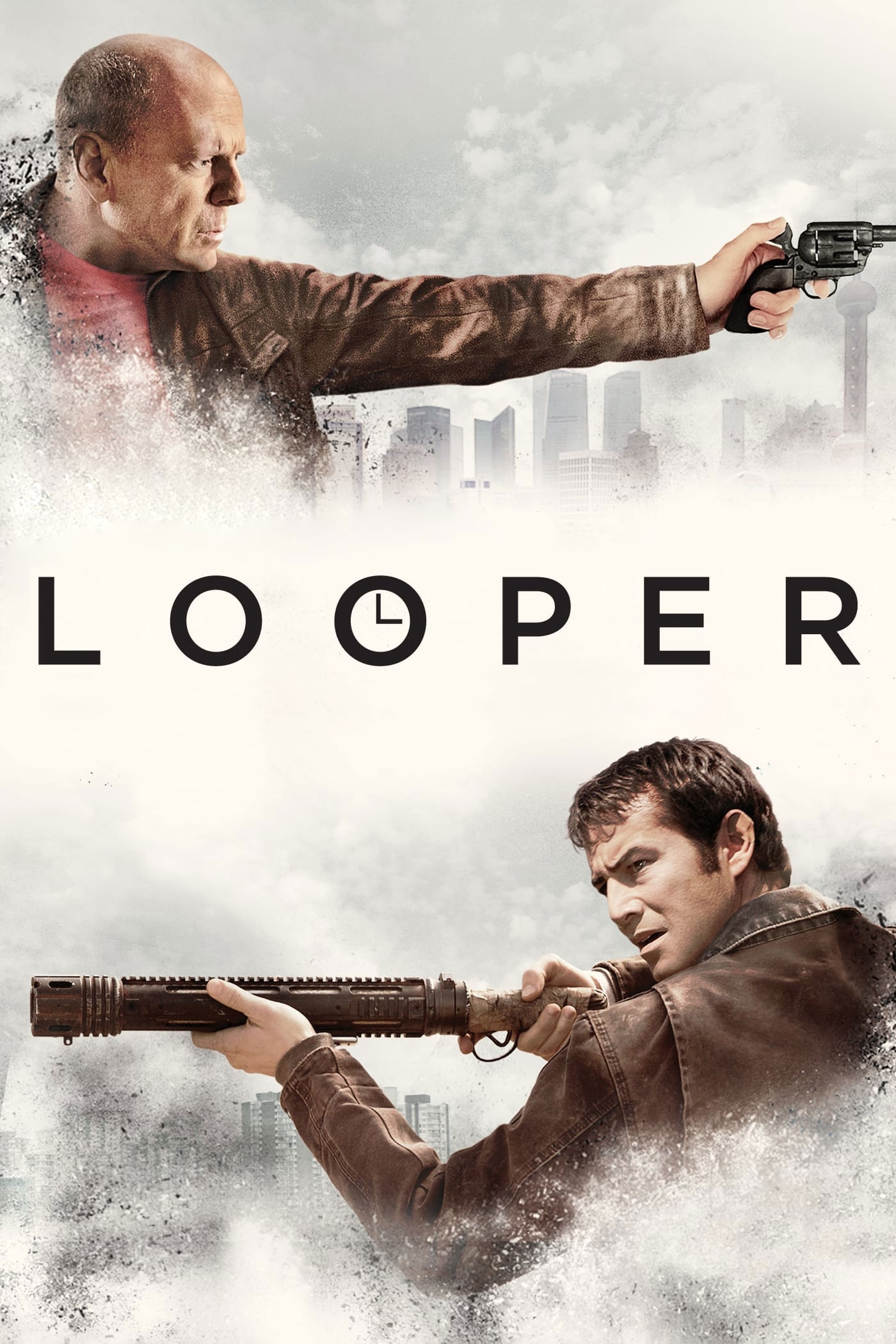
‘Looper’ depicts a criminal system that sends targets back in time to be eliminated by hired shooters, with a contract’s final stage requiring assassins to kill future versions of themselves. A failed closure sets off a pursuit in which choices ripple across multiple lives, including a child whose future power becomes central.
Rian Johnson wrote and directed the film, with Joseph Gordon-Levitt, Bruce Willis, and Emily Blunt headlining the cast. The production blends grounded locations with stylized tech, while makeup and performance choices align Gordon-Levitt’s character with Willis’s older counterpart to connect the loop.
‘The Terminator’ (1984)
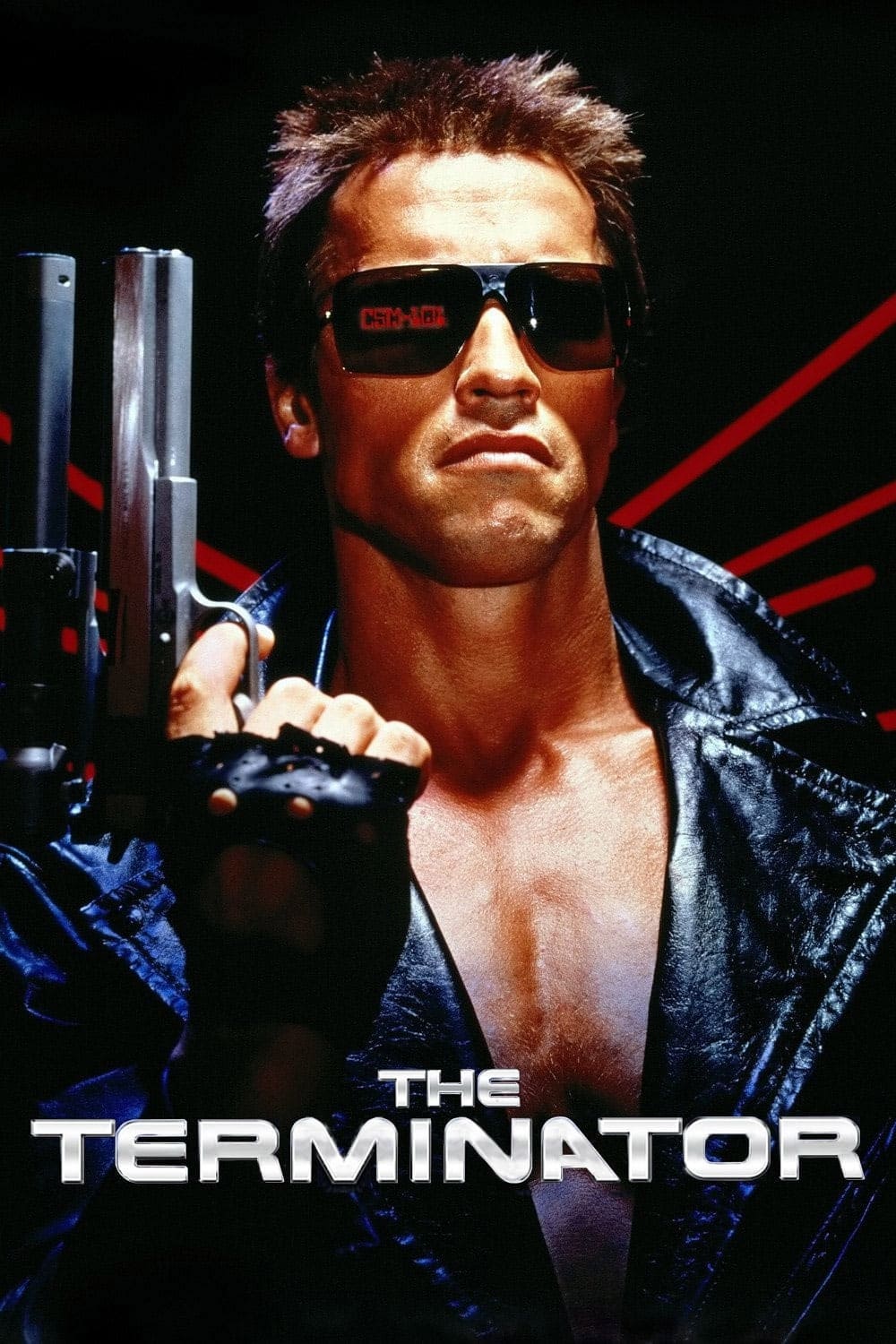
‘The Terminator’ follows a cyborg sent back to kill a woman whose future child is crucial to a human resistance, while a soldier travels back to protect her. The plot establishes a closed-loop setup where parentage, survival, and the origins of a key leader tie directly to the jump.
James Cameron directed and co-wrote the film with Gale Anne Hurd, starring Arnold Schwarzenegger, Linda Hamilton, and Michael Biehn. Stan Winston’s effects work and Brad Fiedel’s score support a story that moves through chases, preparation, and the relay of information about future machines and strategies.
‘Back to the Future Part II’ (1989)
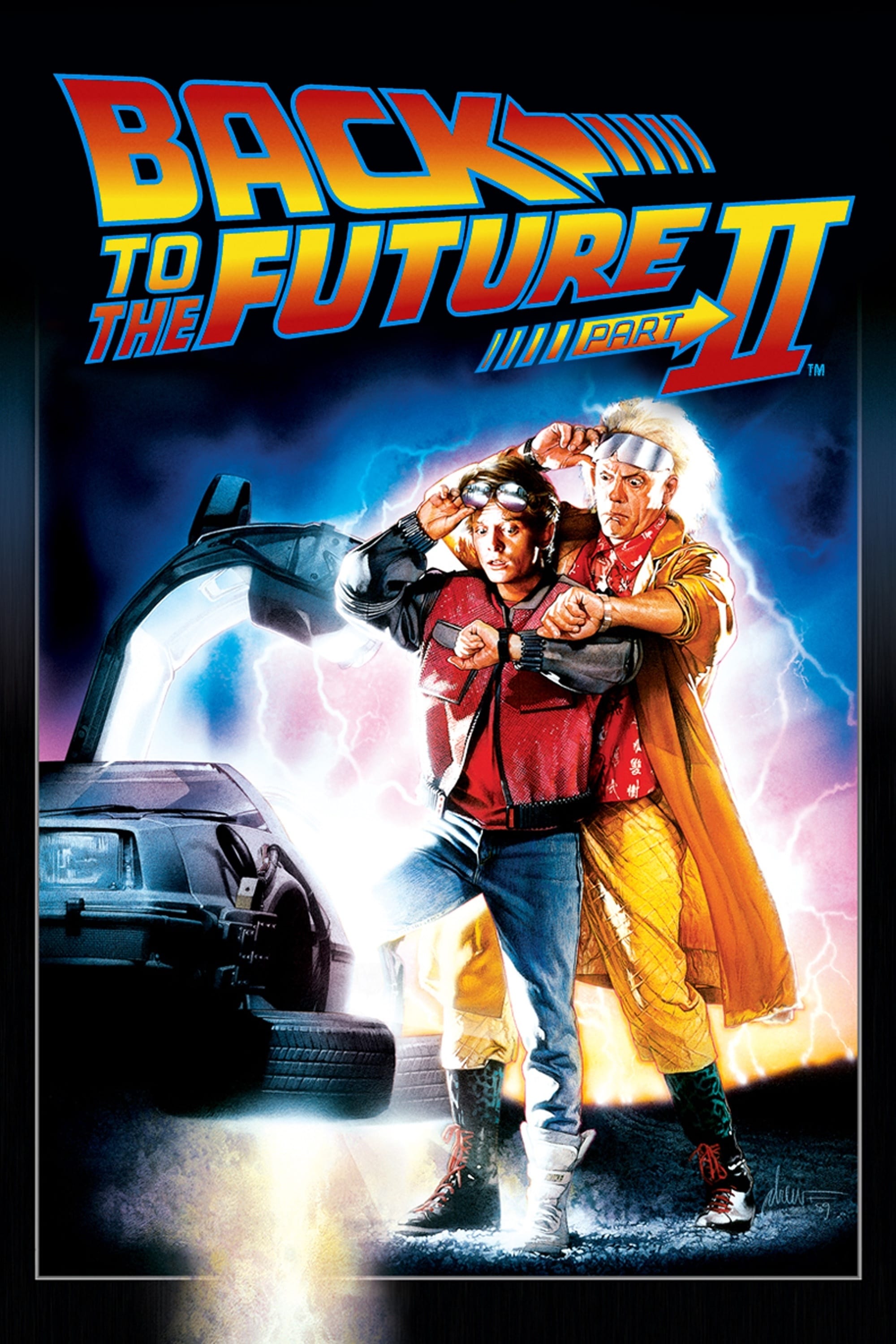
‘Back to the Future Part II’ sends its characters forward to prevent a family problem, then back into an altered present created by a misused sports almanac. The plot overlaps with events from the earlier ‘Back to the Future’, re-entering scenes from different angles while the characters avoid meeting themselves.
Robert Zemeckis directed and co-wrote with Bob Gale, with Michael J. Fox, Christopher Lloyd, Lea Thompson, and Thomas F. Wilson returning. Industrial Light & Magic’s effects and multiple-role performances by Fox enable interactions across versions, while the production coordinates split-screen work and motion-control shots to align timelines.
‘Edge of Tomorrow’ (2014)
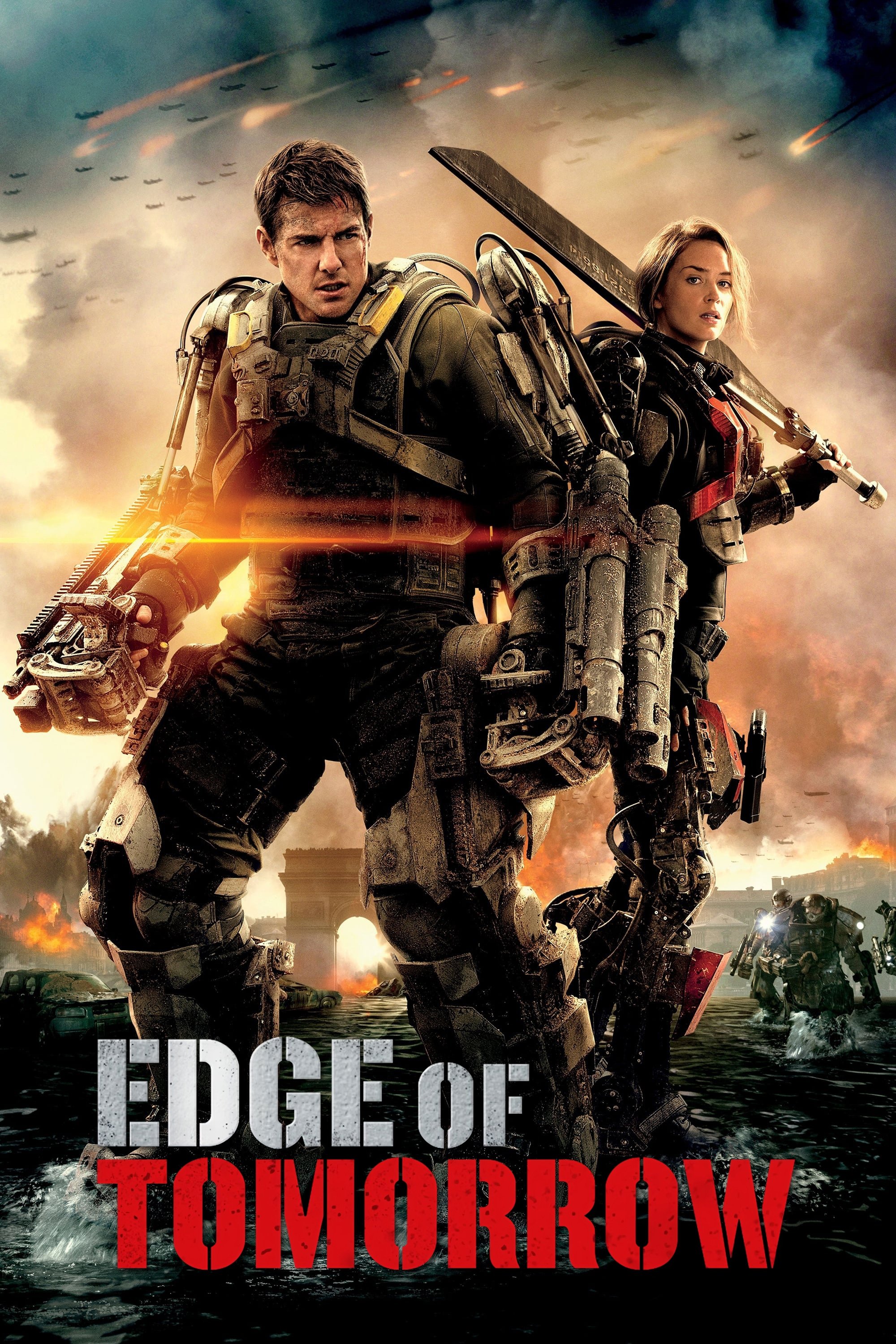
In ‘Edge of Tomorrow’, a public affairs officer is caught in a loop that resets upon death during a battle against alien forces, allowing skills and knowledge to accumulate across repeats. A veteran soldier known as the “Angel of Verdun” trains him to use the cycle to reach and neutralize a central enemy.
Doug Liman directed, with Tom Cruise and Emily Blunt leading the cast, supported by Bill Paxton and Brendan Gleeson. Based on Hiroshi Sakurazaka’s ‘All You Need Is Kill’, the film shapes its structure around training montages, battlefield iterations, and the management of information carried through resets.
‘Source Code’ (2011)
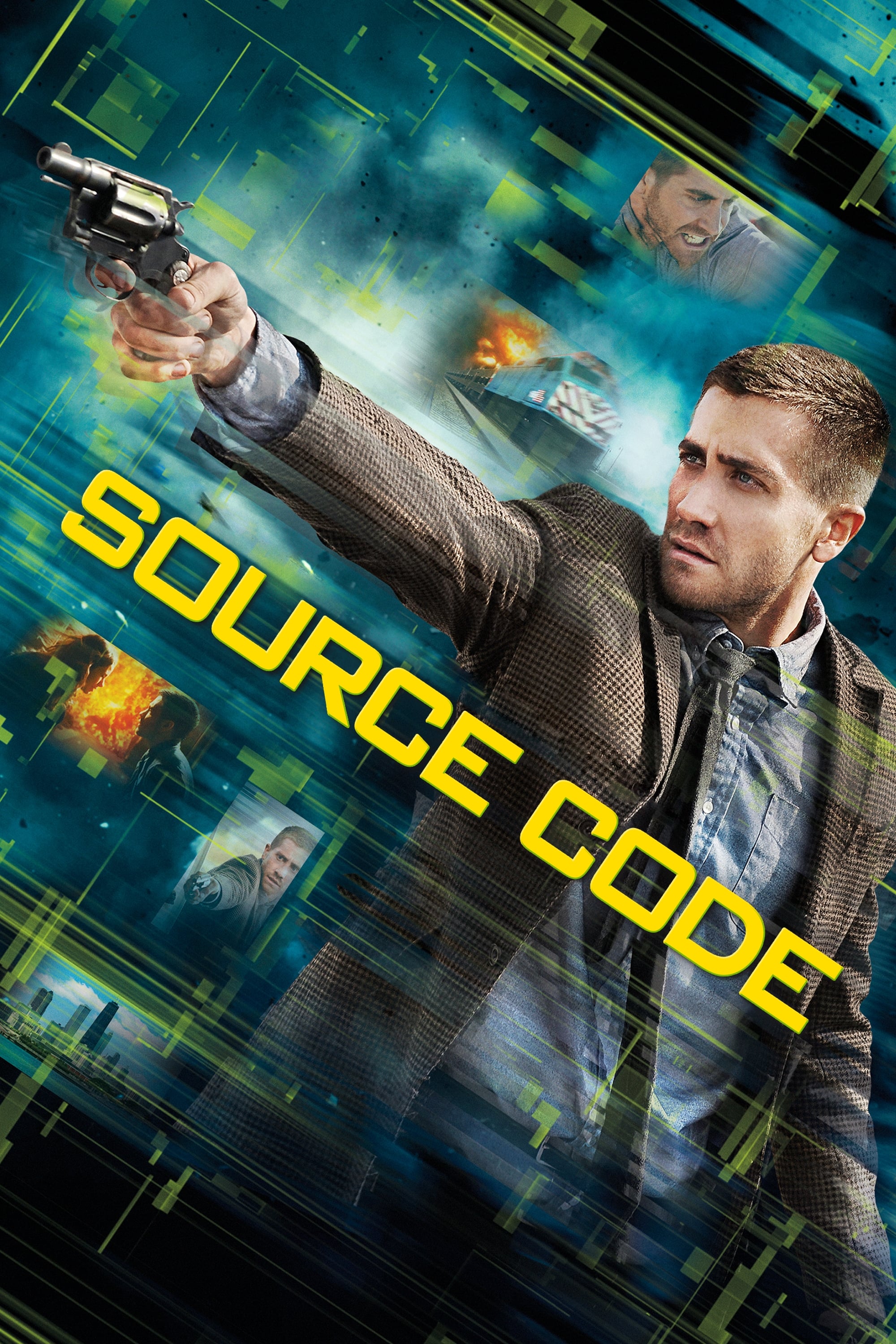
‘Source Code’ follows a pilot who repeatedly experiences the final minutes of a commuter’s life to identify a bomber, entering the same window with variations that change what he can learn. Each iteration adds clues, while the facility running the program enforces strict boundaries around how long and how far he can influence events.
Duncan Jones directed, with Jake Gyllenhaal, Michelle Monaghan, Vera Farmiga, and Jeffrey Wright starring. The screenplay by Ben Ripley establishes a framework for limited-duration jumps, and the production uses consistent settings to highlight differences between runs, including small behavioral shifts and tactical adjustments.
‘The Butterfly Effect’ (2004)
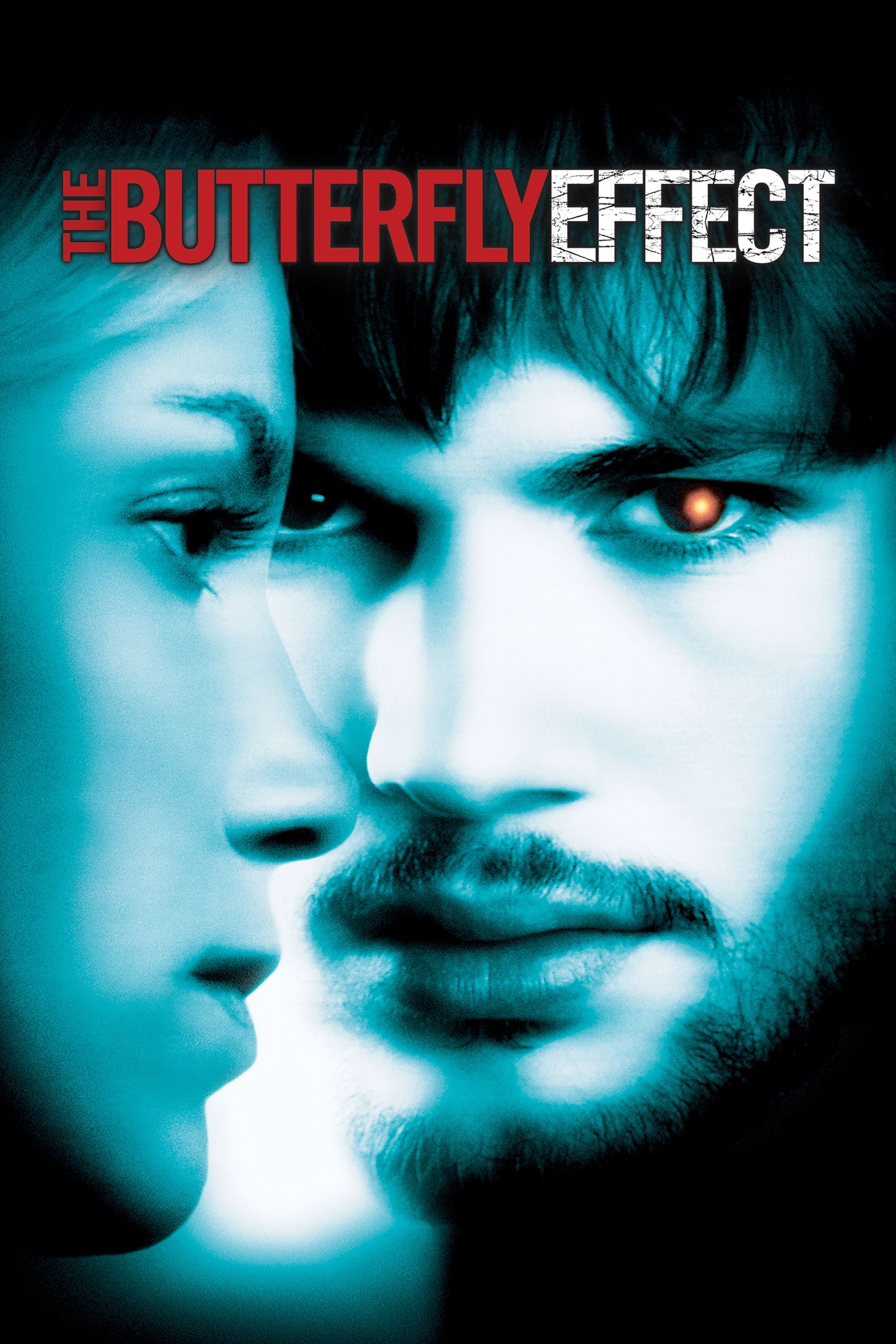
In ‘The Butterfly Effect’, a college student discovers he can revisit earlier points in his life by reading journals, altering specific choices with unintended consequences. The film maps how each change echoes across relationships, health, and legal outcomes, requiring further returns to adjust the damage.
Written and directed by Eric Bress and J. Mackye Gruber, the film stars Ashton Kutcher, Amy Smart, Elden Henson, and William Lee Scott. The production organizes repeated scenes across multiple altered tracks, using makeup, costume, and set adjustments to mark each version of the character’s timeline.
‘Timecrimes’ (2007)
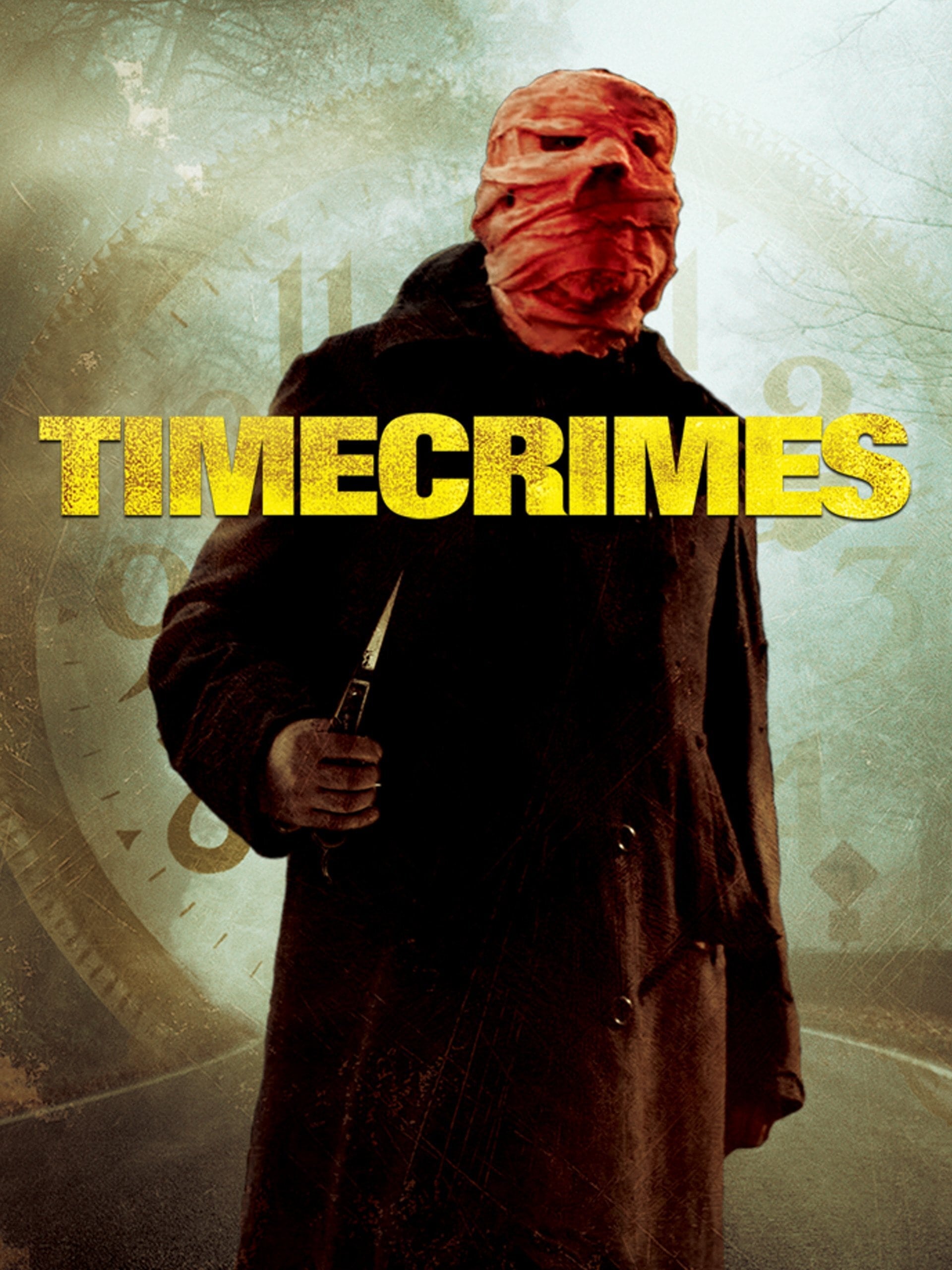
‘Timecrimes’ (‘Los cronocrímenes’) follows a man who, after a disturbing encounter near his home, enters a laboratory device and emerges earlier the same day. Attempts to fix what he has seen generate overlapping loops, a bandaged figure, and a sequence of cause-linked actions that must be repeated.
Written and directed by Nacho Vigalondo, the film stars Karra Elejalde, Candela Fernández, Bárbara Goenaga, and Vigalondo. The production concentrates the story in rural locations and a small facility, with tight staging that aligns each version of events so the loops intersect at precise points.
‘Coherence’ (2013)
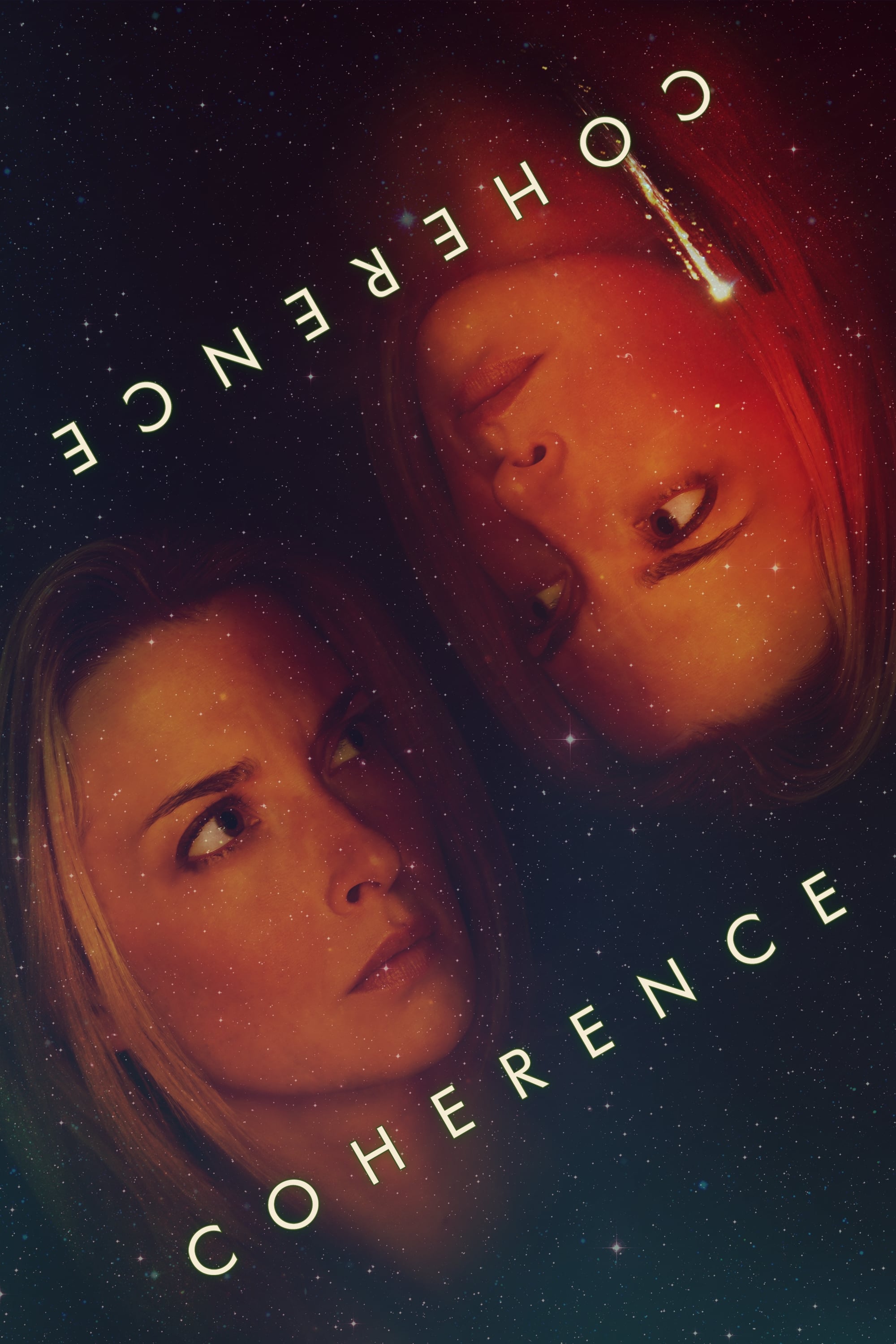
‘Coherence’ takes place during a dinner party on a night when a comet passes overhead and reality splinters, allowing guests to cross between near-identical houses. Characters encounter alternate versions of themselves and lose track of which group they belong to, with household items and signal markers used to navigate the splits.
James Ward Byrkit directed and co-wrote the film, starring Emily Baldoni, Maury Sterling, Nicholas Brendon, and Elizabeth Gracen. Built on an improvisation-heavy approach and microbudget production, the film uses minimal lighting and practical cues—like colored glow sticks and numbered boxes—to track branching paths.
‘Cloud Atlas’ (2012)
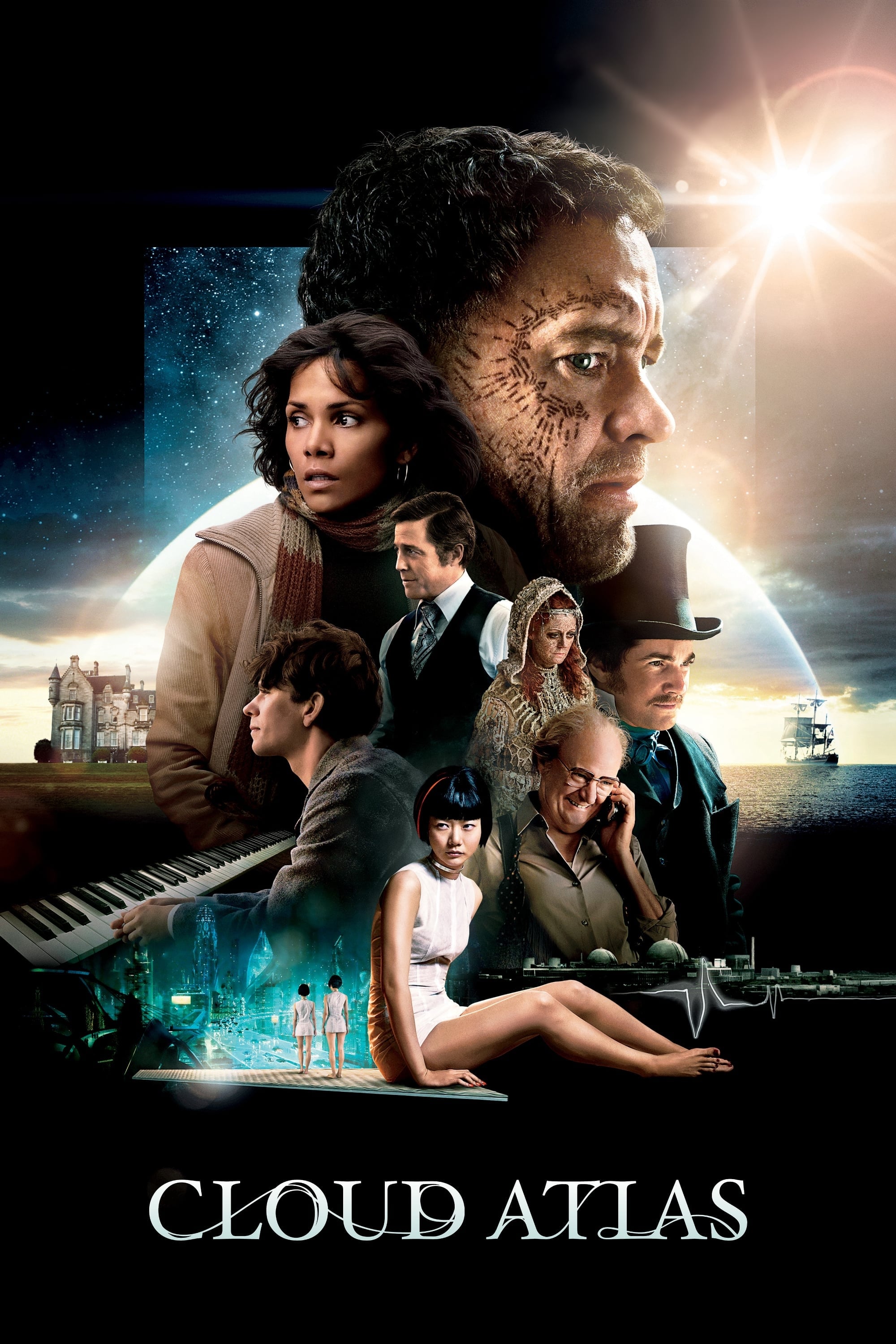
‘Cloud Atlas’ intercuts six stories set in different eras, using recurring motifs and actors playing multiple roles to link actions across time. The structure shows how decisions in one segment influence events in another, with visual and musical bridges threading the narratives together.
Lana Wachowski, Lilly Wachowski, and Tom Tykwer co-wrote and co-directed, adapting David Mitchell’s novel. The ensemble includes Tom Hanks, Halle Berry, Jim Broadbent, Hugo Weaving, Doona Bae, and Ben Whishaw, with parallel editing and shared themes creating connections that span centuries of plotlines.
‘Avengers: Endgame’ (2019)
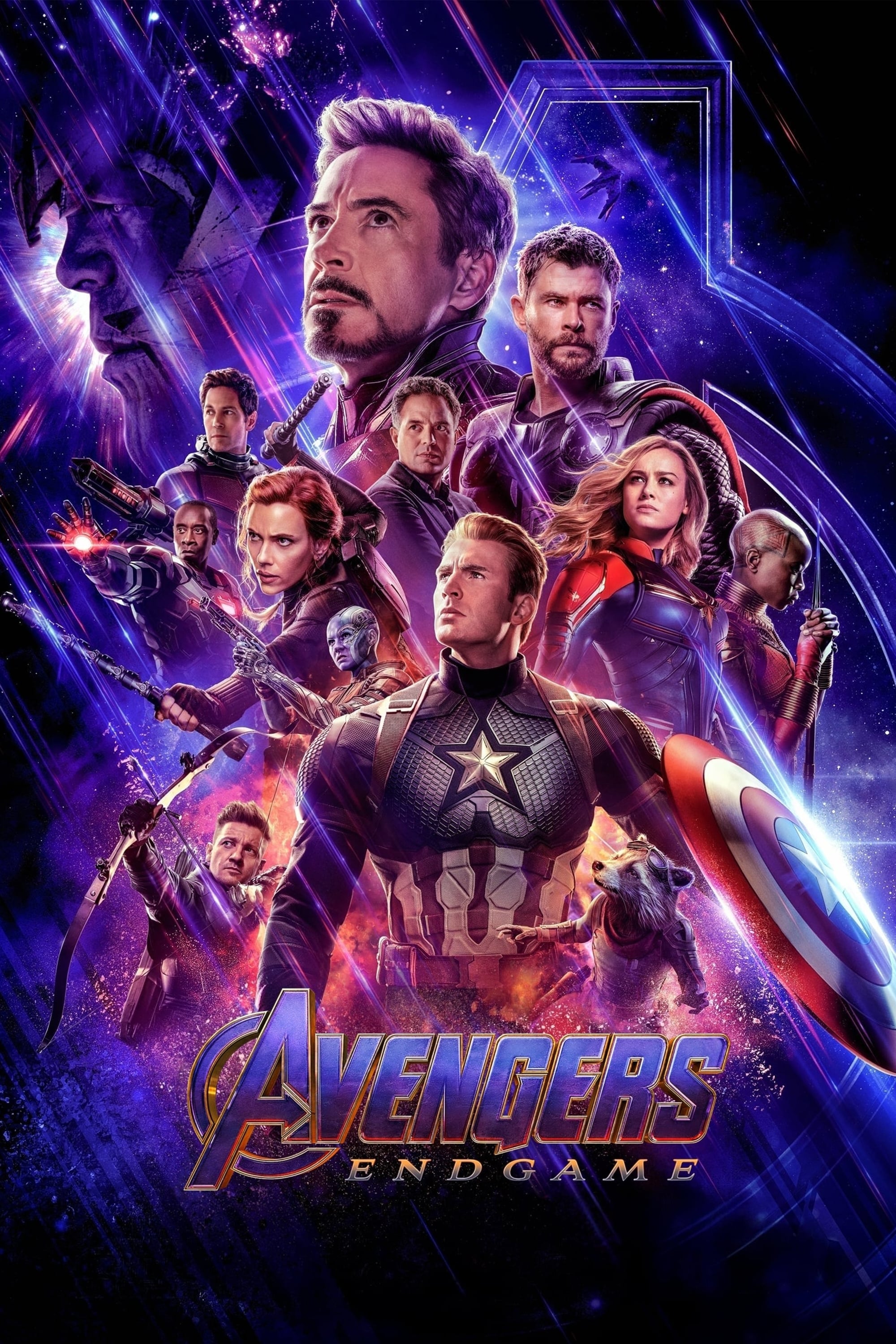
In ‘Avengers: Endgame’, surviving heroes plan a “time heist” to retrieve powerful artifacts from earlier battles, revisiting past missions and avoiding their own prior selves. The jumps intersect with key events from the series, requiring coordinated teams, synchronized checkpoints, and precise return windows.
Anthony and Joe Russo direct, with a cast led by Robert Downey Jr., Chris Evans, Mark Ruffalo, Chris Hemsworth, Scarlett Johansson, Jeremy Renner, and Paul Rudd, among many others. Christopher Markus and Stephen McFeely’s screenplay structures parallel operations and return paths, while the production stages callbacks using matched sets and choreography.
‘X-Men: Days of Future Past’ (2014)
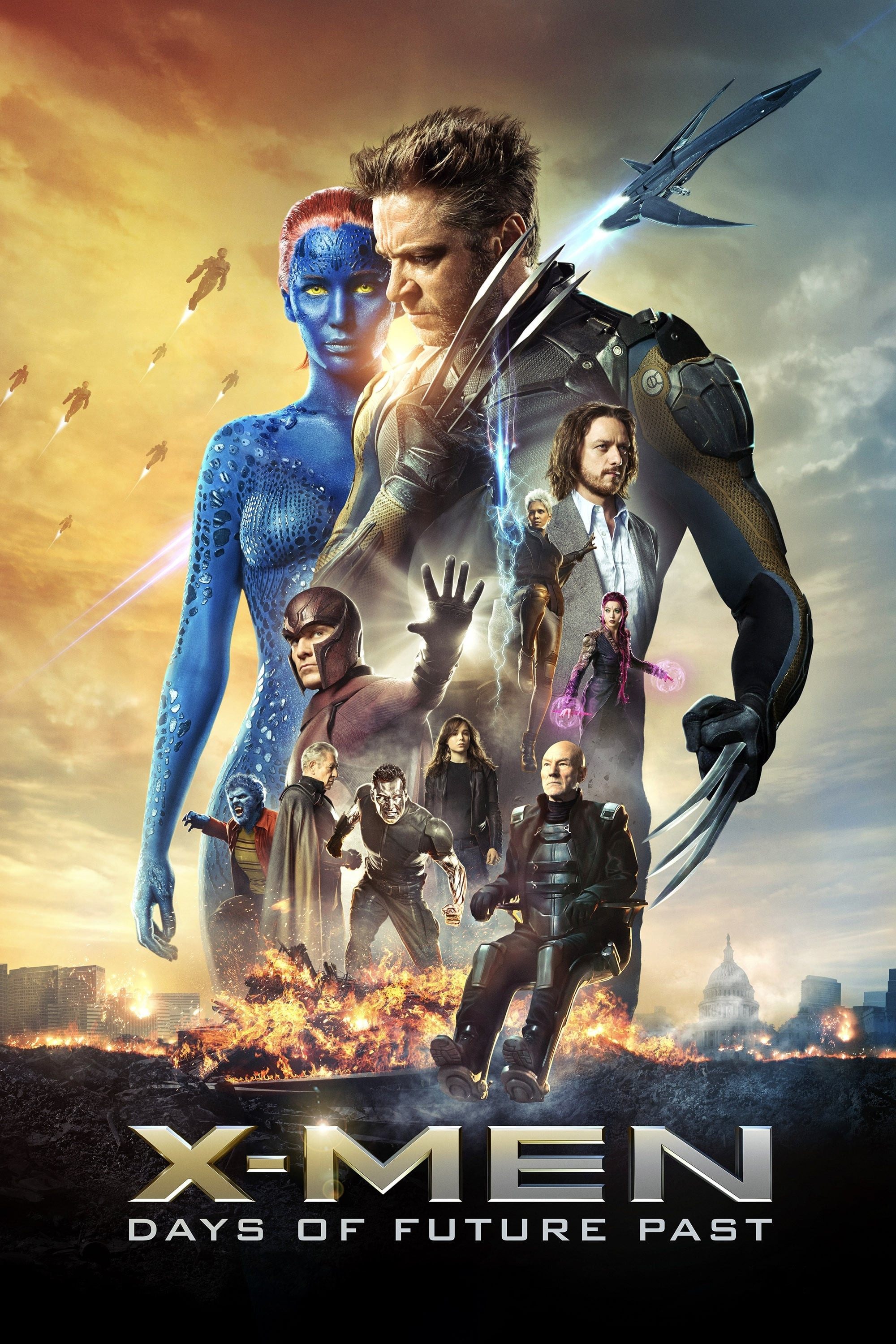
‘X-Men: Days of Future Past’ links a bleak future with an earlier era by sending a mutant’s consciousness into his younger self to prevent a pivotal assassination. The shift realigns alliances among mutants and humans, changes the development of advanced weapons, and reframes relationships within the team.
Directed by Bryan Singer, the film features Hugh Jackman, James McAvoy, Michael Fassbender, Jennifer Lawrence, Patrick Stewart, Ian McKellen, and Peter Dinklage. The screenplay adapts the ‘Days of Future Past’ comics storyline by Chris Claremont and John Byrne, coordinating two casts and timelines through intercut action.
‘The Girl Who Leapt Through Time’ (2006)

‘The Girl Who Leapt Through Time’ follows a student who discovers she can jump back to redo moments in her day, using the ability for convenience before learning each change carries a cost. The story ties her experience to a familial connection with someone who previously encountered similar phenomena.
Directed by Mamoru Hosoda and produced by Madhouse, the animated film features voice performances by Riisa Naka, Takuya Ishida, and Mitsutaka Itakura in the original version. The screenplay extends the world of Yasutaka Tsutsui’s ‘Toki o Kakeru Shōjo’, and the production uses on-screen counters and subtle resets to track each leap.
‘Frequency’ (2000)
In ‘Frequency’, a son makes contact with his late father via ham radio during an atmospheric event, exchanging information across decades. Their conversations alter investigations and family outcomes, creating a chain of updates that must be tracked carefully to avoid new problems.
Gregory Hoblit directed from Toby Emmerich’s screenplay, with Jim Caviezel and Dennis Quaid as the central duo, supported by Elizabeth Mitchell and Andre Braugher. The production contrasts dispatch rooms, apartments, and precincts in two periods while using shared audio cues, coded phrases, and baseball references to coordinate changes.
‘Planet of the Apes’ (1968)
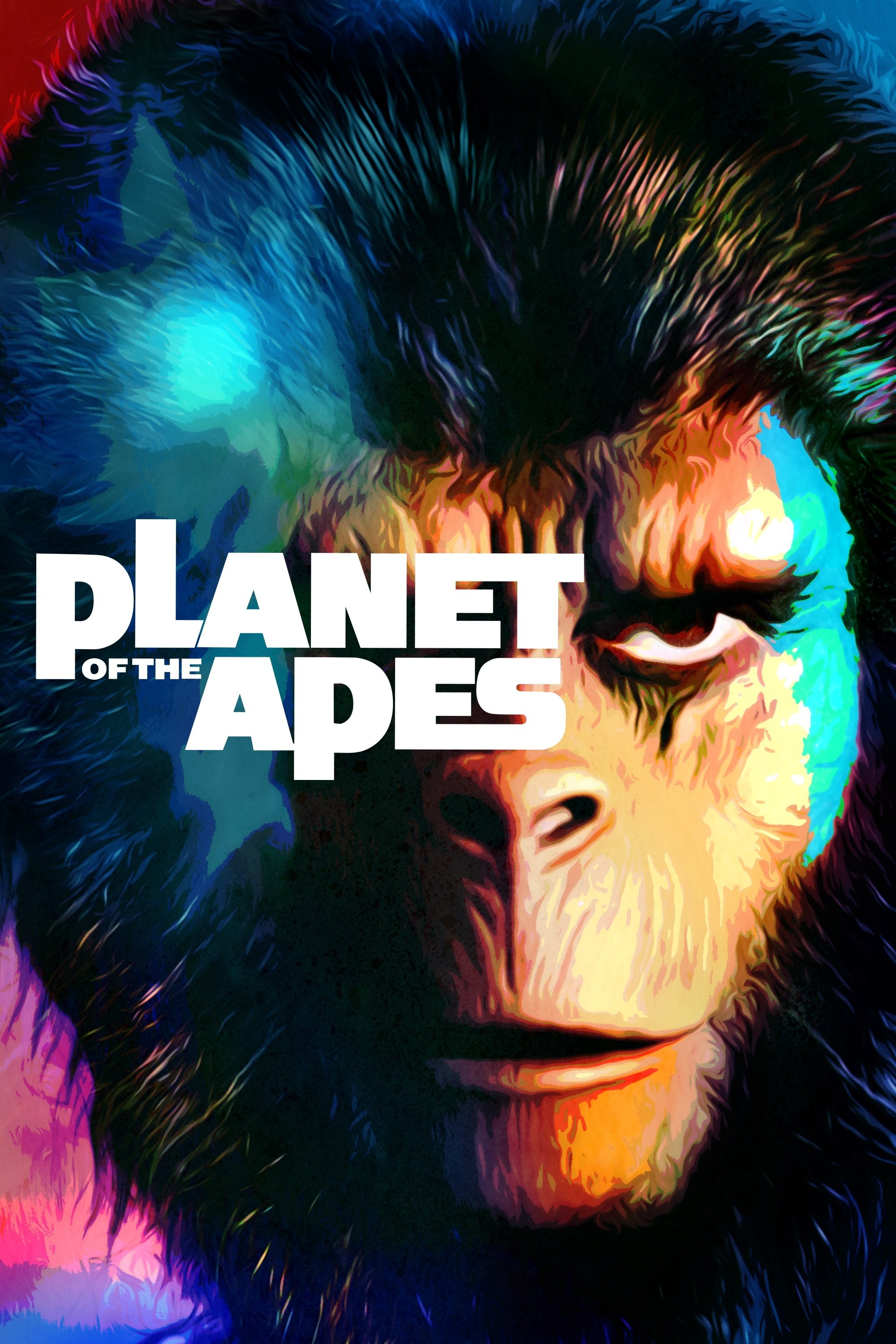
‘Planet of the Apes’ follows astronauts who land on a world ruled by intelligent apes, later discovering the human origin of the place after accounting for how travel affected the passage of time. The story positions scientific inquiry and cultural hierarchy against the crew’s limited information and assumptions.
Directed by Franklin J. Schaffner from a screenplay by Michael Wilson and Rod Serling, adapted from Pierre Boulle’s novel, the film stars Charlton Heston, Roddy McDowall, Kim Hunter, and Maurice Evans. John Chambers’ makeup design and Jerry Goldsmith’s score shape a setting where time dilation and navigation data factor into the final revelation.
Share the titles you’d add—and the time-twisting moments that stuck with you—in the comments.