Films That Introduce “The Rules” Then Ignore Them in Act 3


Some movies lay down ground rules so clearly you can almost recite them back—only to barrel into a finale where those limits get tossed aside, rewritten, or outmaneuvered by the story itself. It’s not about mistakes; it’s about characters, worlds, and systems that set expectations early and then stage a last-act move that breaks from those guidelines.
Below are twenty films that establish explicit codes, instructions, or operating principles before their climaxes bend or defy them. For each title, you’ll find quick, practical details—who made it, who stars in it, and what plot elements set up the “rules” and how the third act departs from them.
‘Ghostbusters’ (1984)
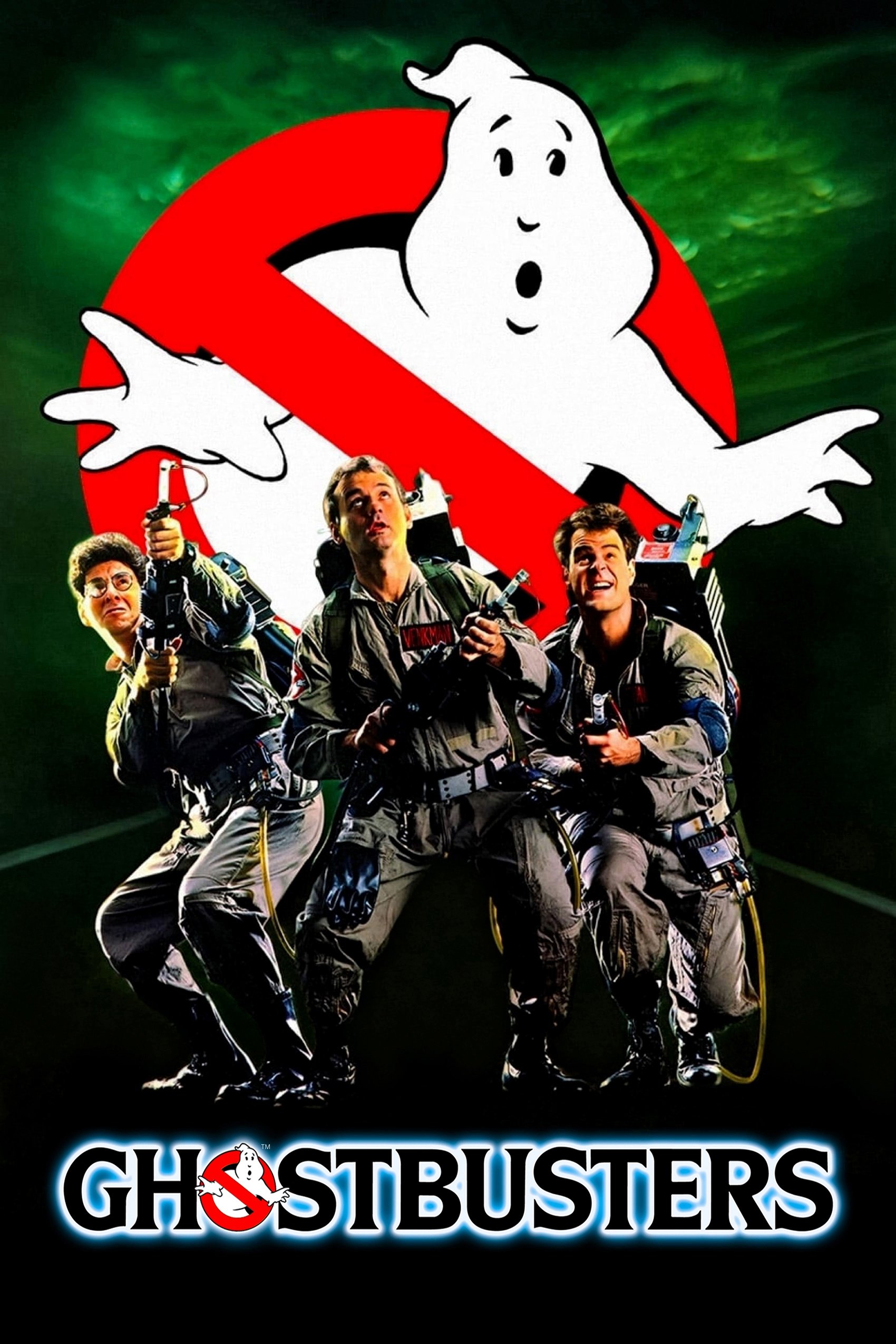
Directed by Ivan Reitman and written by Dan Aykroyd and Harold Ramis, ‘Ghostbusters’ follows a team of parapsychologists—played by Bill Murray, Dan Aykroyd, Harold Ramis, and Ernie Hudson—who open a spectral extermination service in New York City. Sigourney Weaver and Rick Moranis co-star as civilians drawn into a brewing supernatural crisis centered on the Sumerian entity Gozer.
Early on, Egon Spengler outlines a key safety rule about the team’s proton packs: don’t cross the streams. In the finale at Dana Barrett’s apartment complex, the group intentionally crosses streams to close Gozer’s dimensional gate, a tactical decision that runs counter to the standing directive; the scene is staged by Reitman and effects supervisor Richard Edlund with the original quartet front and center and Elmer Bernstein’s score punctuating the choice.
‘Scream’ (1996)
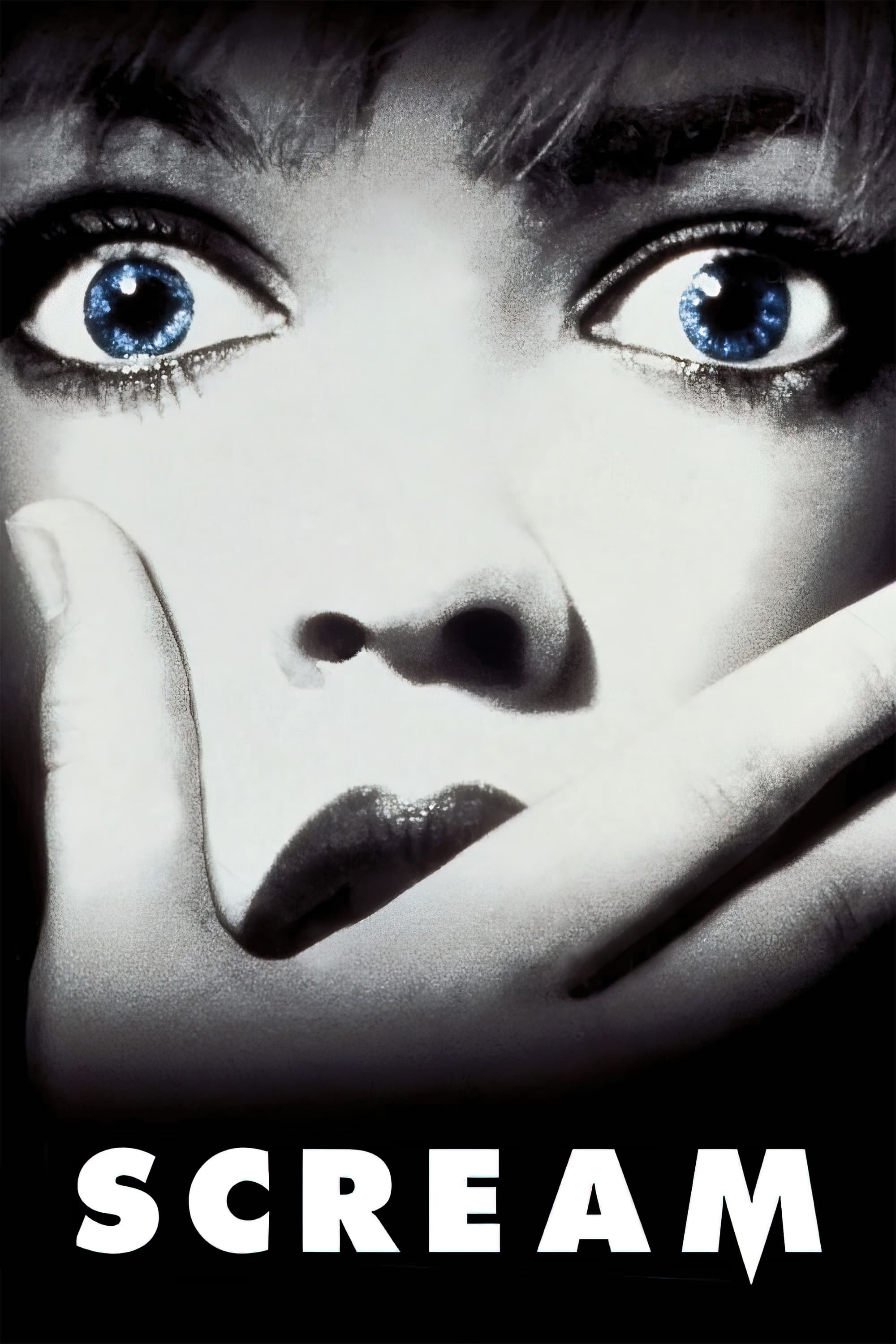
Directed by Wes Craven and written by Kevin Williamson, ‘Scream’ stars Neve Campbell as Sidney Prescott alongside Courteney Cox, David Arquette, Skeet Ulrich, Matthew Lillard, and Jamie Kennedy. Framed around a string of murders in Woodsboro, the film threads genre “how-to” commentary into the plot through Jamie Kennedy’s movie-savvy character, Randy.
Those slasher “rules” emphasize things like abstinence and vigilance, but the film’s climax in the Prescott home unfolds after Sidney has slept with her boyfriend, and she still fights through the showdown and survives. Craven and editor Patrick Lussier stage the kitchen confrontation with the Ghostface duo while the meta-guidelines Randy recited earlier are undercut by what actually happens to the principal cast.
‘The Cabin in the Woods’ (2011)

Co-written by Drew Goddard and Joss Whedon and directed by Goddard, ‘The Cabin in the Woods’ follows five college friends—played by Kristen Connolly, Chris Hemsworth, Fran Kranz, Anna Hutchison, and Jesse Williams—who stumble into a ritual apparatus overseen by technicians portrayed by Richard Jenkins and Bradley Whitford. The premise establishes a hidden system with strict parameters for how the victims must behave for an ancient rite to succeed.
The story spends time explaining the ritual’s required sequence and the handlers’ controls, then explodes those rules in the third act when the survivors descend into the facility and trigger a mass creature release. Goddard uses the control room as a narrative hub before flipping its authority, and a late appearance by Sigourney Weaver personifies the system just as the protagonists reject it.
‘The Hunger Games’ (2012)

Directed by Gary Ross and adapted by Ross, Billy Ray, and Suzanne Collins from Collins’s novel, ‘The Hunger Games’ centers on Katniss Everdeen and Peeta Mellark—played by Jennifer Lawrence and Josh Hutcherson—selected to compete in a state-run death match. The ensemble includes Liam Hemsworth, Woody Harrelson, Elizabeth Banks, Donald Sutherland, and Stanley Tucci.
Inside the arena, the Gamemakers announce a mid-game rule allowing two tributes from the same district to win, only to revoke it at the climax, cornering Katniss and Peeta into a decisive response against the arena’s control. Ross stages the final standoff with Tucci’s Caesar Flickerman narrating the turn while producer Nina Jacobson’s team and composer James Newton Howard support the shift from competition rules to public spectacle and backlash.
‘Back to the Future’ (1985)
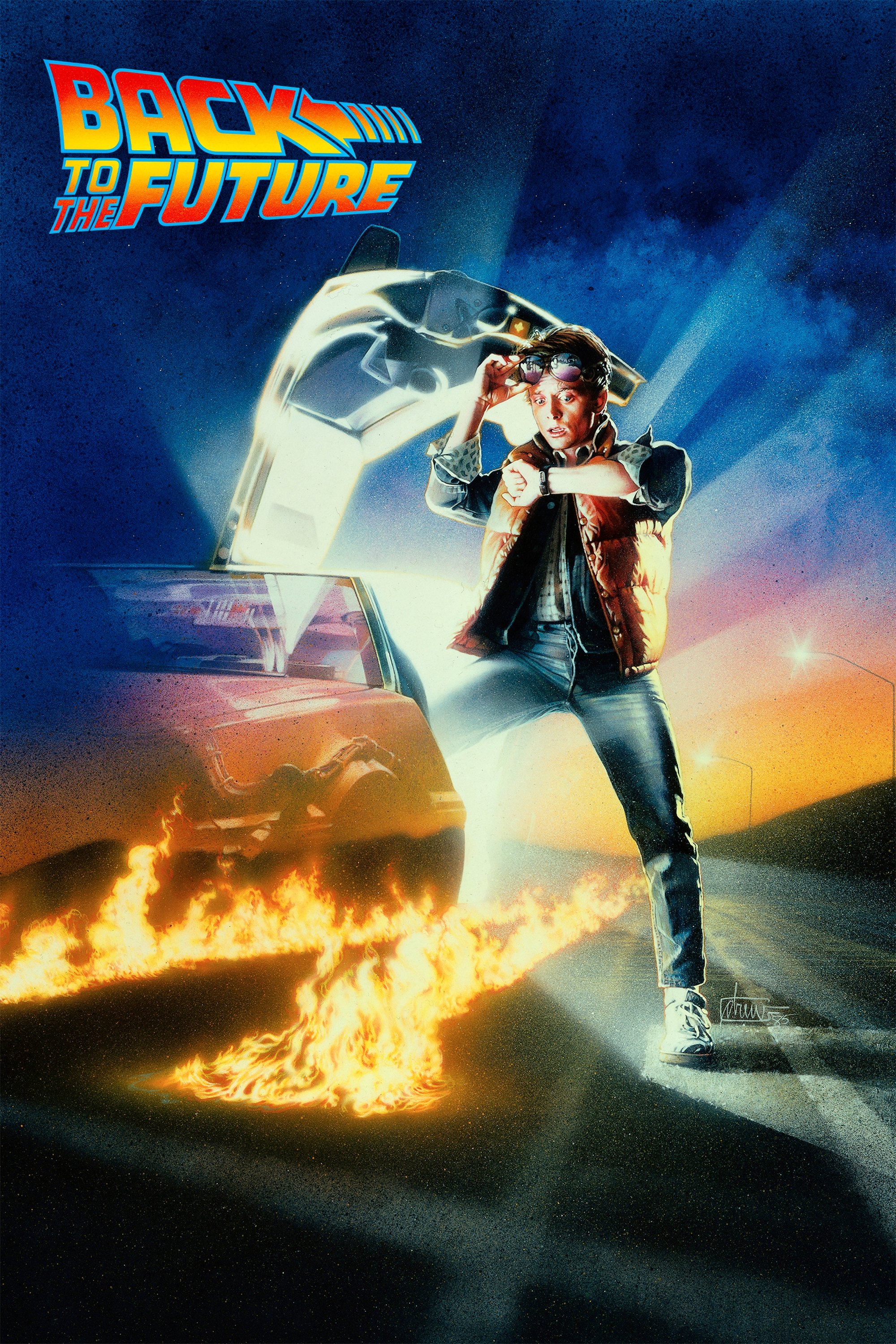
Directed by Robert Zemeckis and co-written by Zemeckis and Bob Gale, ‘Back to the Future’ teams Michael J. Fox and Christopher Lloyd with Lea Thompson, Crispin Glover, and Thomas F. Wilson in a time-travel adventure powered by Doc Brown’s DeLorean. The plot builds a clear caution: don’t alter the past and don’t reveal future knowledge.
In the finale, Doc—who has insisted he mustn’t know the future—reads Marty’s warning and wears a bulletproof vest, directly acting on forbidden information. Zemeckis orchestrates the clock-tower sequence with Alan Silvestri’s score and Dean Cundey’s photography while the script uses that climactic choice to override the earlier personal rule that guided Doc’s behavior.
‘John Wick: Chapter 2’ (2017)
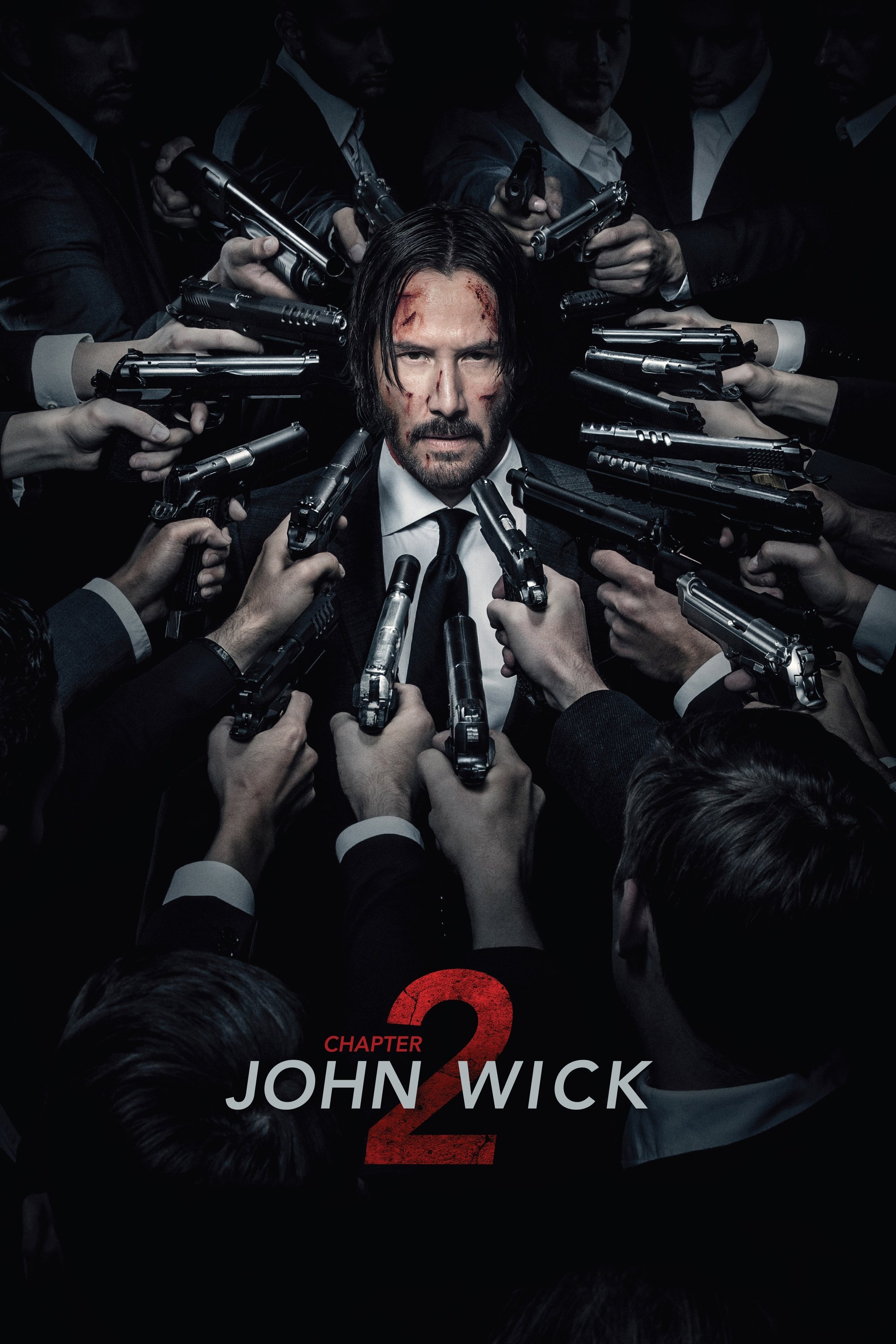
Directed by Chad Stahelski from a screenplay by Derek Kolstad, ‘John Wick: Chapter 2’ features Keanu Reeves as a retired hitman pulled back into a global criminal network. The ensemble includes Common, Ruby Rose, Riccardo Scamarcio, Ian McShane, and Laurence Fishburne, and the series codifies assassin etiquette through institutions like the Continental Hotel.
One of those codified rules—no conducting business on Continental grounds—is broken in the film’s climax when Wick kills a target inside the hotel. Stahelski and cinematographer Dan Laustsen frame the act with McShane’s Winston enforcing consequences, a choice that transforms the Continental’s code from untouchable doctrine to a law with immediate sanctions.
‘Edge of Tomorrow’ (2014)
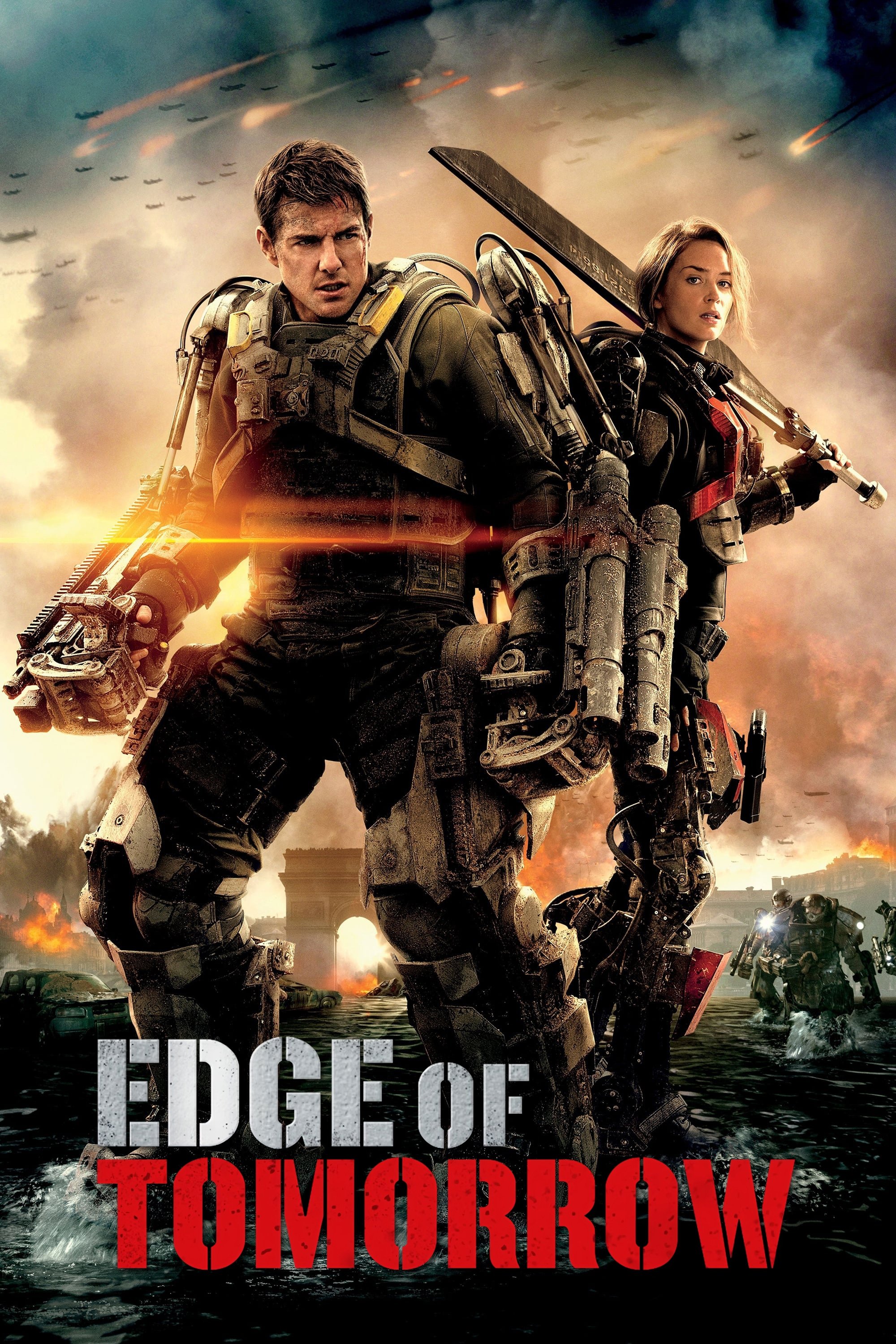
Directed by Doug Liman and adapted by Christopher McQuarrie, Jez Butterworth, and John-Henry Butterworth from Hiroshi Sakurazaka’s novel, ‘Edge of Tomorrow’ pairs Tom Cruise and Emily Blunt as soldiers fighting time-resetting aliens. The supporting cast includes Bill Paxton and Brendan Gleeson, and the film carefully lays out how contact with the enemy’s unique blood enables a reset-on-death loop.
After a medical transfusion removes that ability, the finale proceeds to a mission in which the protagonists still destroy the central alien and the narrative then jumps back to an earlier timeline. Liman stages the last strike with Cruise’s Major Cage leading J-Squad, and the closing beat presents a new reset despite the earlier plot condition that defined when the loop could occur.
‘Looper’ (2012)
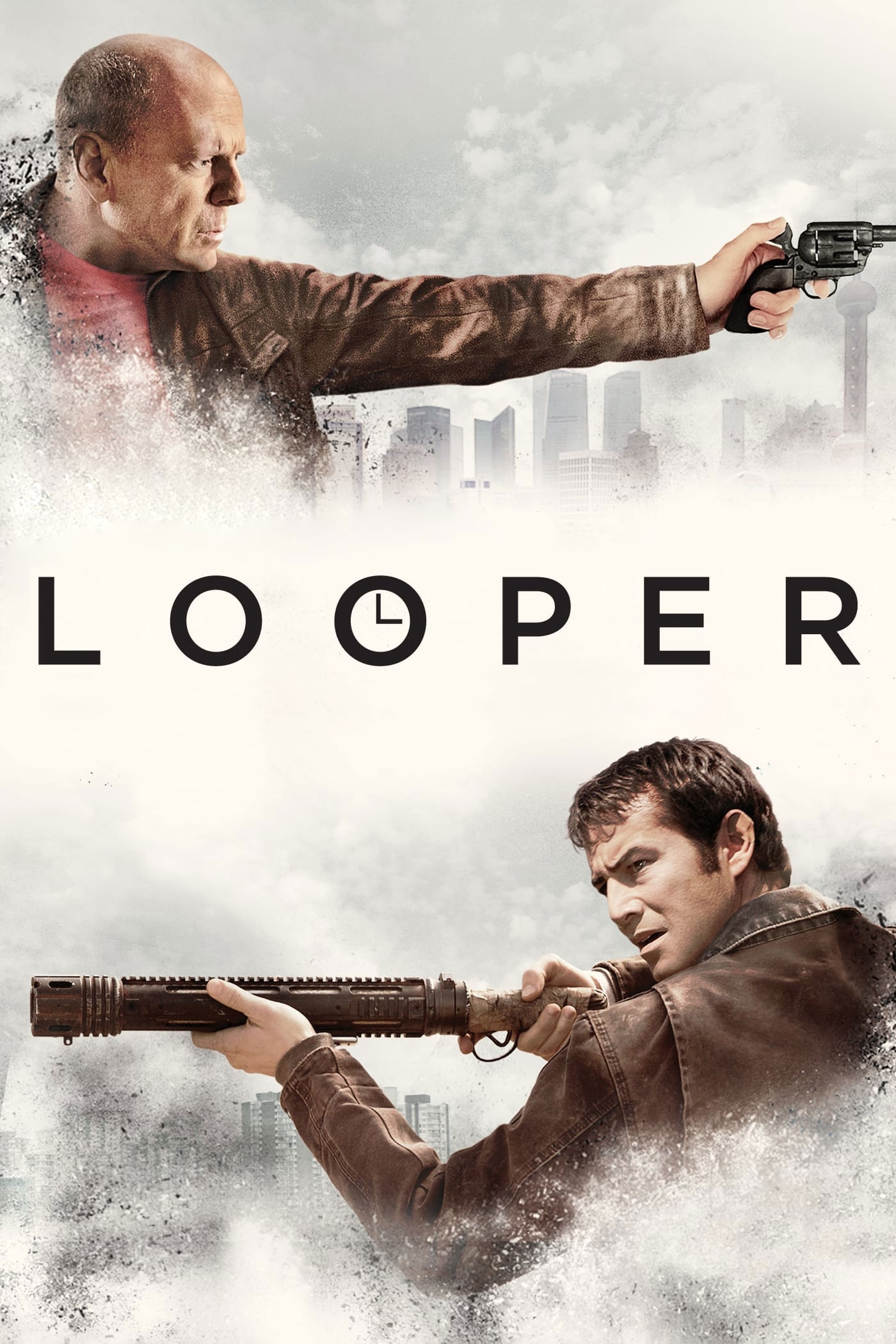
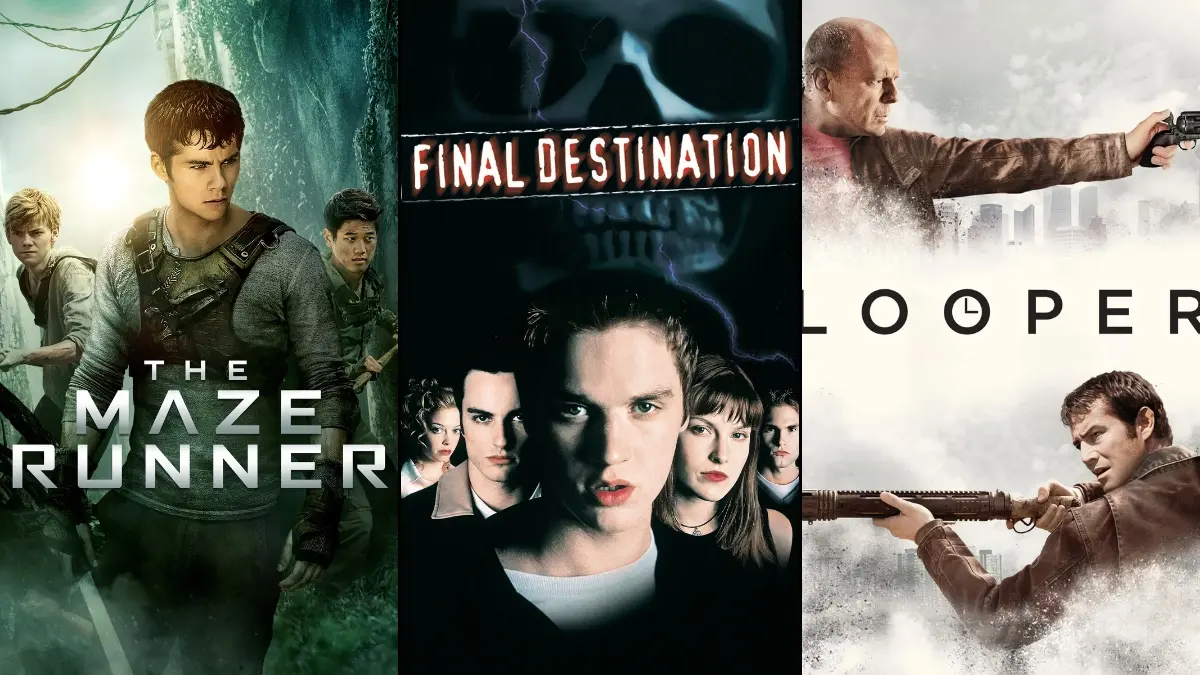
Written and directed by Rian Johnson, ‘Looper’ stars Joseph Gordon-Levitt and Bruce Willis as present-day and future versions of the same contract killer, with Emily Blunt, Paul Dano, Jeff Daniels, and Pierce Gagnon in key roles. The film introduces procedural rules for “closing the loop” and depicts cause-and-effect across two linked lifetimes.
In the climax, young Joe halts old Joe’s rampage by turning the shotgun on himself, erasing his older self in an instant and overriding the story’s earlier practicality about preserving one’s future payday. Johnson and cinematographer Steve Yedlin cross-cut the farm showdown with Blunt’s character and the telekinetic child Cid as the script pivots from the loopers’ code to a self-cancelling resolution.
‘Scott Pilgrim vs. the World’ (2010)

Directed by Edgar Wright from a screenplay by Wright and Michael Bacall, ‘Scott Pilgrim vs. the World’ adapts Bryan Lee O’Malley’s graphic novels with Michael Cera as Scott and Mary Elizabeth Winstead as Ramona Flowers. The ensemble features Kieran Culkin, Brie Larson, Chris Evans, Brandon Routh, Jason Schwartzman, and Aubrey Plaza, with Nigel Godrich providing the music.
The film establishes tournament-style “rules” through the League of Evil Exes and video-game logic, then climaxes with Scott losing a boss fight, dying, and using a previously earned 1-UP to replay the encounter with new choices. Wright’s editing and action design explicitly leverage arcade mechanics, while the cast re-stages the Gideon battle beat-for-beat under conditions that discard the original failure.
‘The Lego Movie’ (2014)
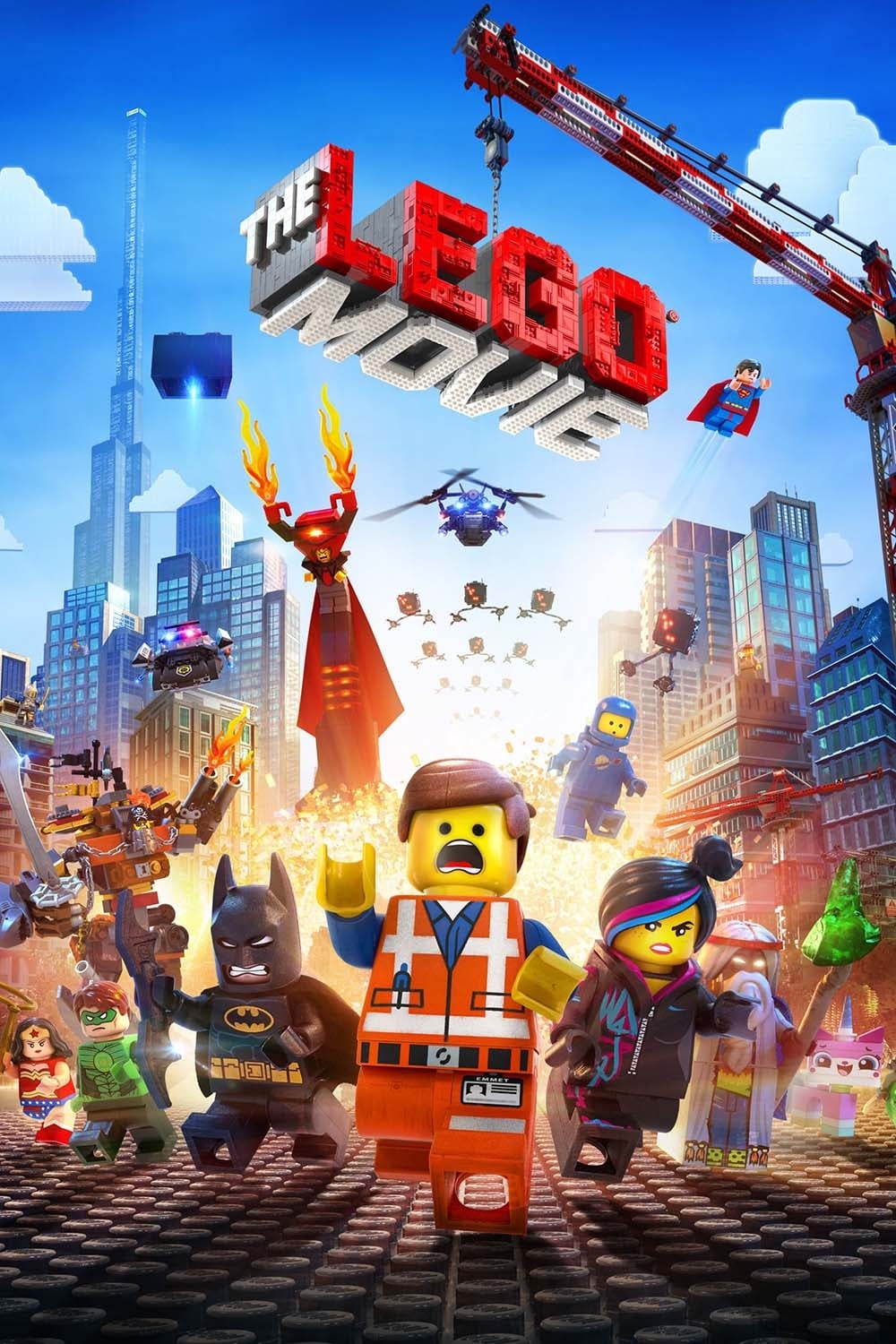
Directed by Phil Lord and Christopher Miller, ‘The Lego Movie’ showcases voice performances by Chris Pratt, Elizabeth Banks, Will Ferrell, Will Arnett, Alison Brie, Charlie Day, Liam Neeson, and Morgan Freeman. The plot sets up a world governed by strict instruction manuals enforced by Lord Business.
In the third act, a live-action reveal places Emmet in the hands of a real-world family, reframing the instruction-bound rules as a function of a parent’s play style rather than immutable in-universe law. Lord and Miller intercut the voice cast with Will Ferrell and Jadon Sand in the live-action material, turning the “instructions” constraint into something the characters can bypass through choices outside the animated setting.
‘Zombieland’ (2009)
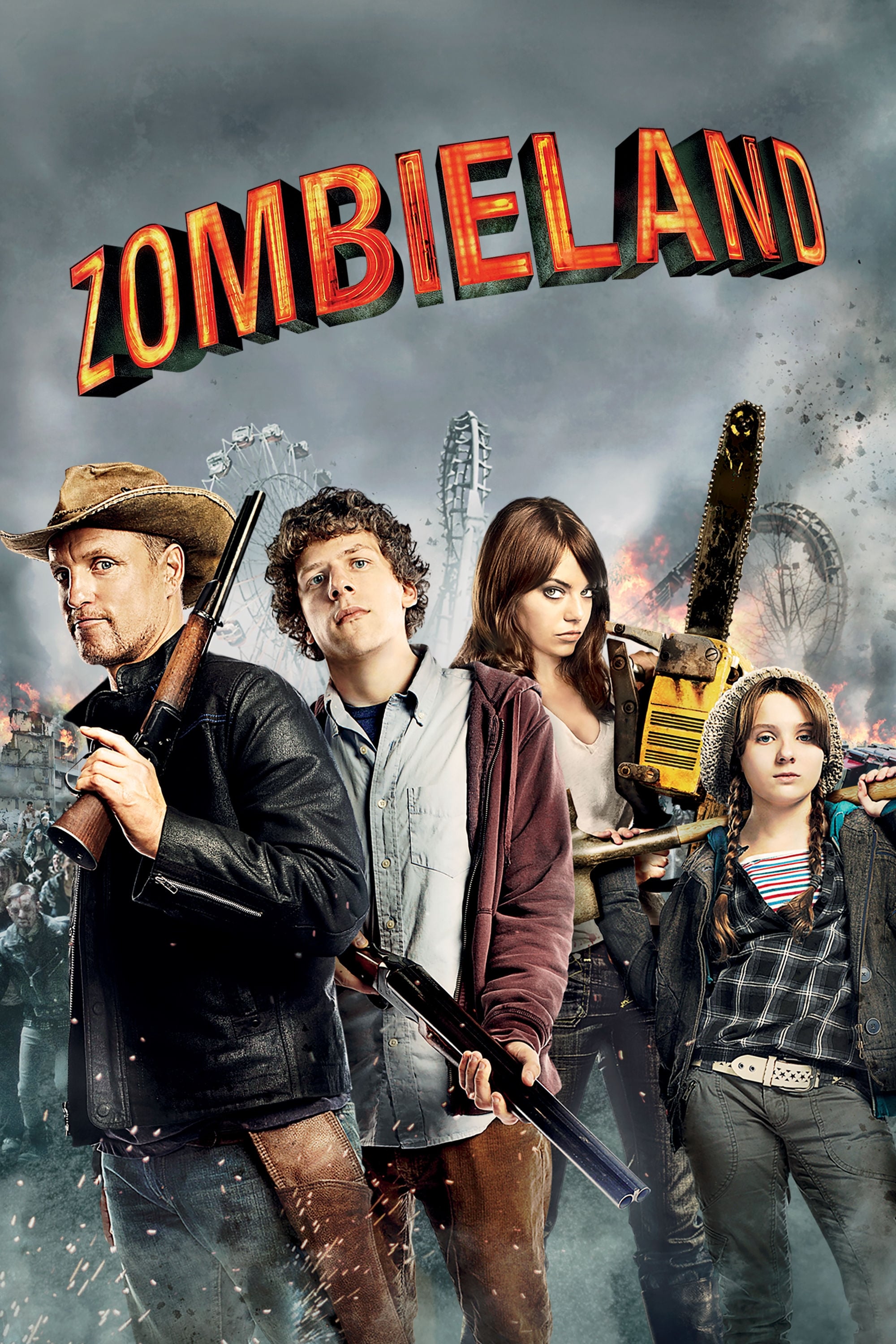
Directed by Ruben Fleischer and written by Rhett Reese and Paul Wernick, ‘Zombieland’ follows survivors played by Jesse Eisenberg, Woody Harrelson, Emma Stone, and Abigail Breslin on a cross-country trek. The movie famously catalogues survival guidelines narrated by Eisenberg’s character.
Those rules—avoid noise, double tap, cardio—are set aside in the Pacific Playland climax when the group activates rides and lights that attract a horde, and the rescue requires noisy, conspicuous tactics. Fleischer choreographs the set-piece with the main quartet breaking earlier survival guidance while still relying on their established skills and relationships to get out alive.
‘The Adjustment Bureau’ (2011)
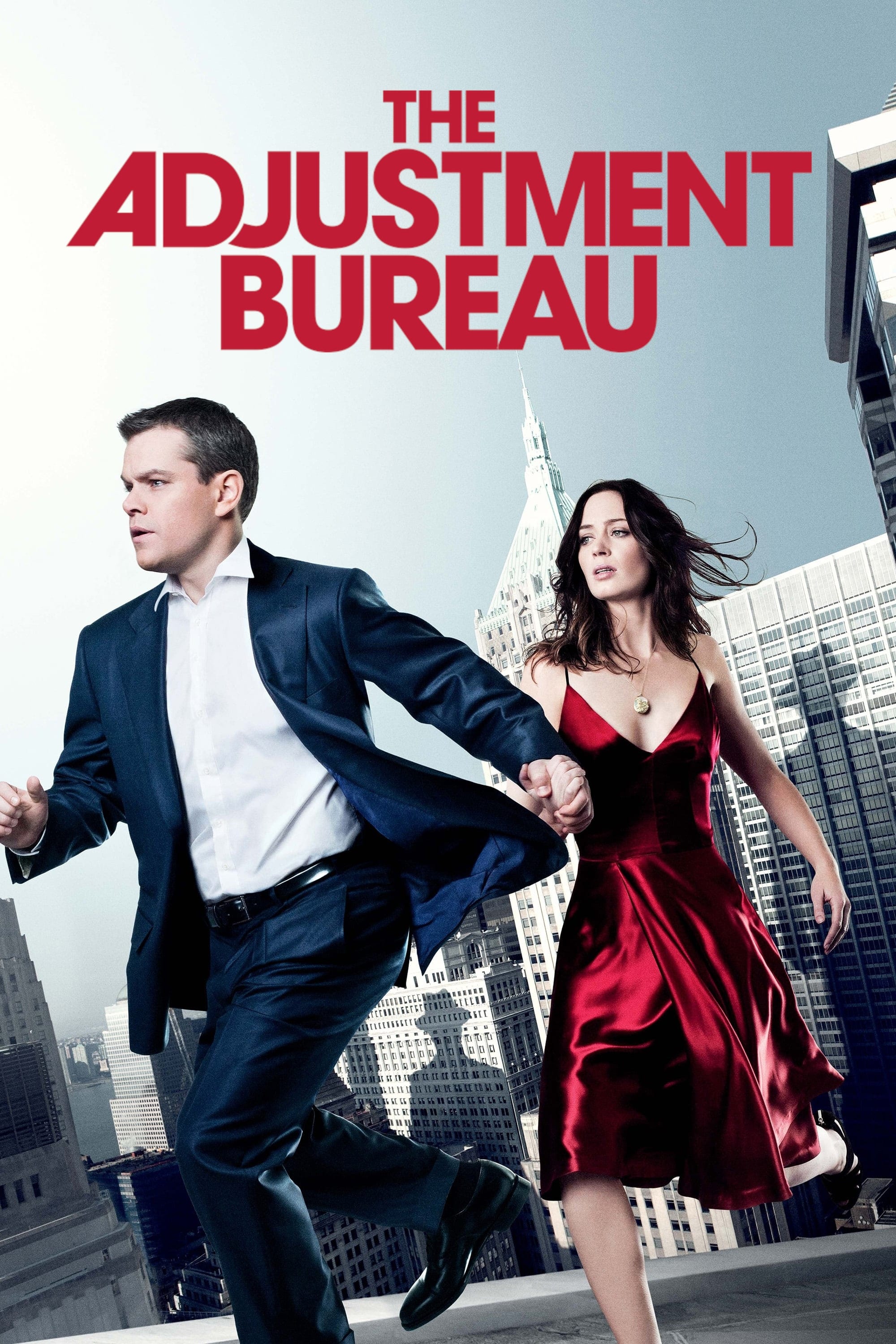
Written and directed by George Nolfi from a Philip K. Dick story, ‘The Adjustment Bureau’ stars Matt Damon and Emily Blunt as a politician and a dancer whose relationship is blocked by a clandestine organization. Anthony Mackie, John Slattery, and Terence Stamp play agents who enforce a cosmic plan with detailed operating rules.
The bureau’s hats, doors, and prohibitions are explained at length, yet the finale finds the couple racing through controlled portals to the organization’s headquarters, where the plan is rewritten to allow their union. Nolfi stages the chase with Thomas Newman’s score and New York City locations while the agents’ rulebook yields to a new directive.
‘Minority Report’ (2002)
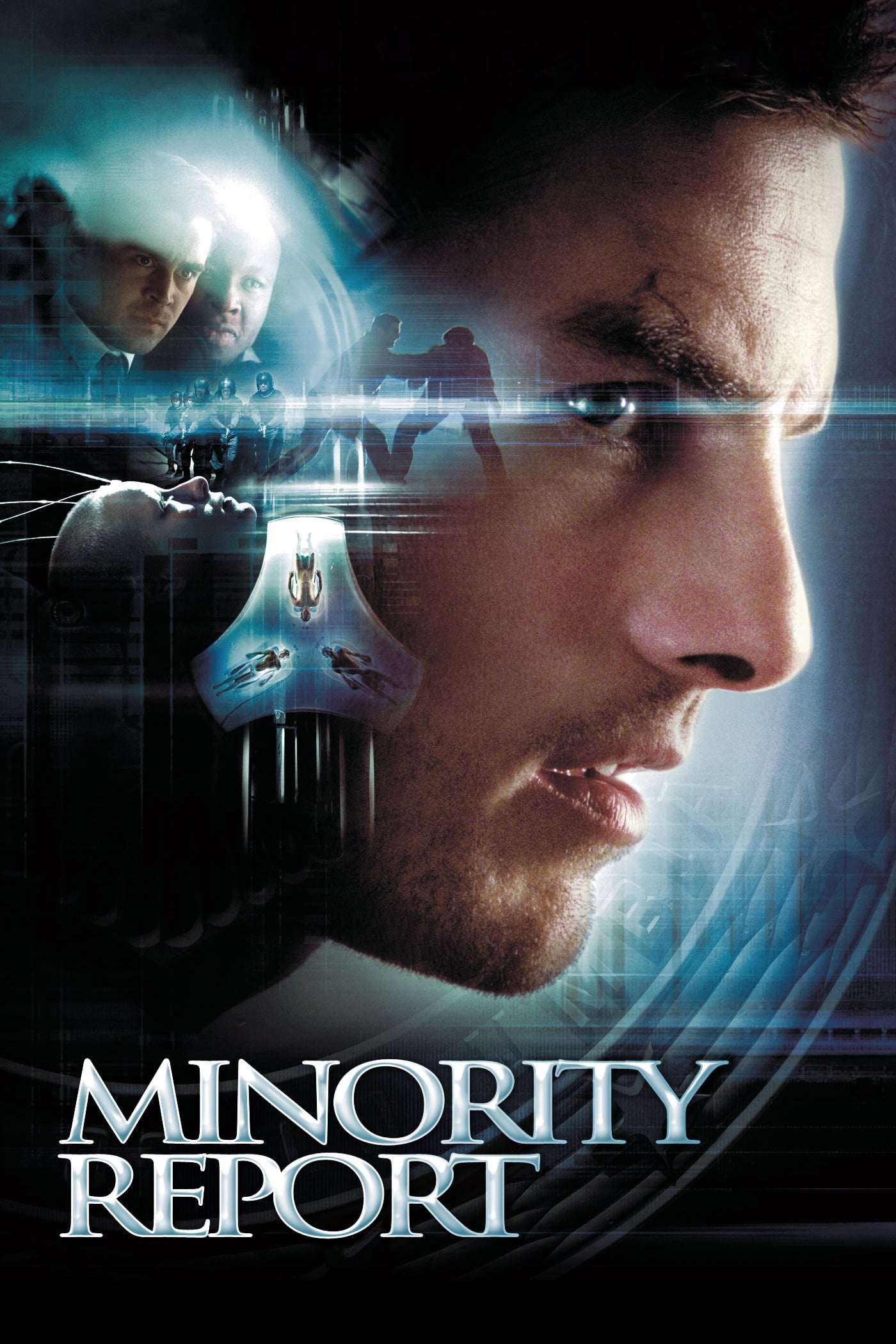
Directed by Steven Spielberg and loosely adapted from Philip K. Dick, ‘Minority Report’ features Tom Cruise as Precrime officer John Anderton, with Samantha Morton, Colin Farrell, and Max von Sydow in pivotal roles. The story sets out the predictive system’s procedures and the way “minority reports” can indicate alternate outcomes.
At the climax, Anderton confronts the supposed murder he was predicted to commit and chooses not to pull the trigger, severing the program’s premise in front of the architect of the system. Spielberg and cinematographer Janusz Kamiński frame the sequence against the program’s public face, and John Williams’s score underscores the shutdown that follows when the controlling rules no longer hold.
‘Avengers: Endgame’ (2019)
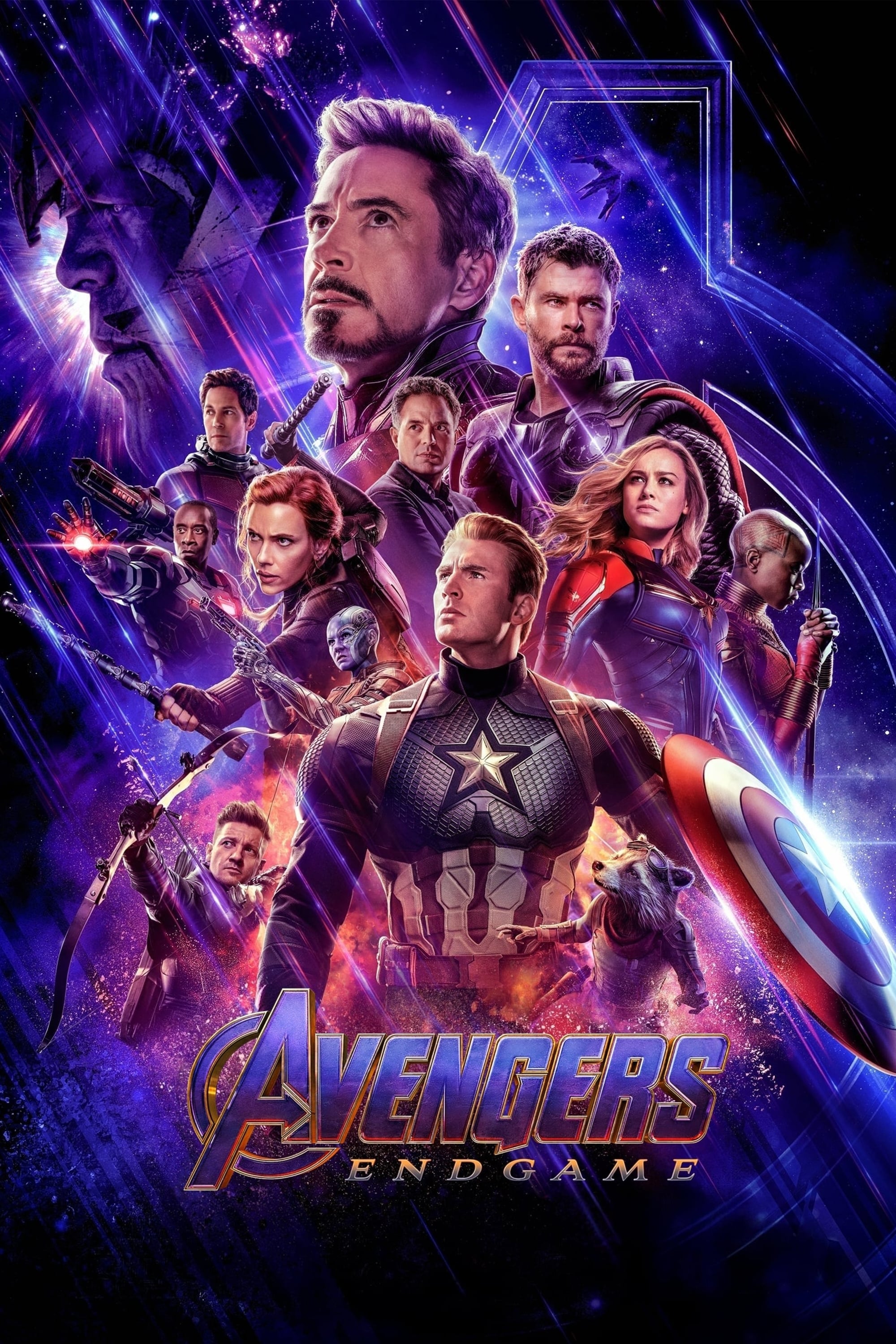
Directed by Anthony and Joe Russo from a screenplay by Christopher Markus and Stephen McFeely, ‘Avengers: Endgame’ reunites Robert Downey Jr., Chris Evans, Mark Ruffalo, Chris Hemsworth, Scarlett Johansson, Jeremy Renner, Paul Rudd, Karen Gillan, Brie Larson, and Josh Brolin. The plot carefully lays out “time heist” guidelines with explanations from Bruce Banner and the Ancient One.
Those guidelines emphasize branching timelines and the importance of returning the Stones, but the finale closes with Steve Rogers staying in the past and later reappearing in the present as an old man, a development presented alongside Tony Stark’s decisive snap. The Russos stage the compound showdown with Alan Silvestri’s score while using that final coda to present an outcome that sits outside the earlier briefing’s constraints.
‘The Matrix’ (1999)
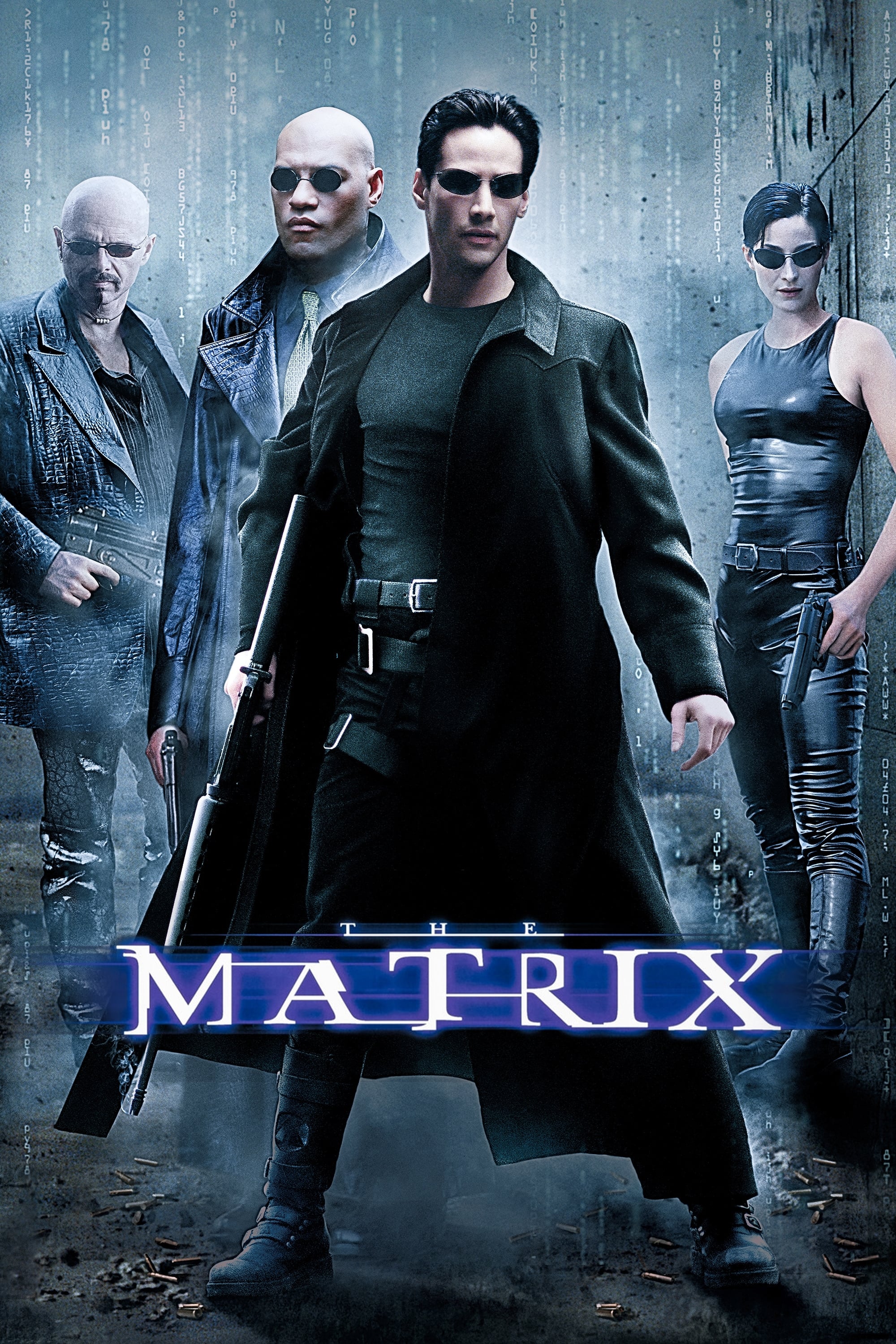
Written and directed by Lana and Lilly Wachowski, ‘The Matrix’ stars Keanu Reeves as Neo with Laurence Fishburne, Carrie-Anne Moss, and Hugo Weaving anchoring the resistance versus Agents. The narrative explains the simulation’s physics and the limitations faced by humans jacked into the system.
In the last act, Neo stops bullets and defeats Agent Smith by manipulating the code, overtaking the limitations previously described by Morpheus. The Wachowskis and cinematographer Bill Pope visualize this rule-breaking with iconic bullet time and Don Davis’s score as the cast plays out a rescue that turns the system’s parameters into Neo’s playground.
‘The Truman Show’ (1998)
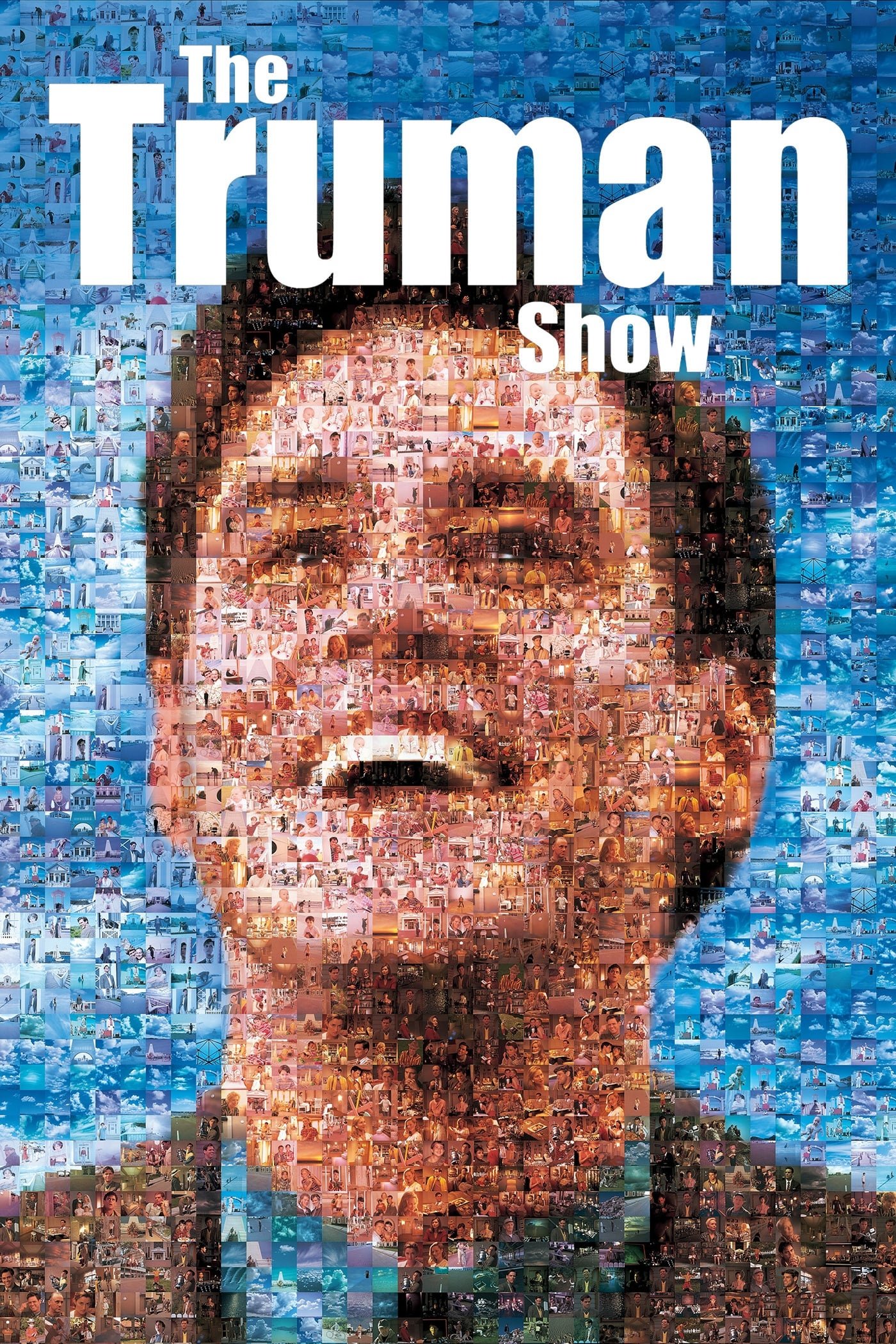
Directed by Peter Weir from a screenplay by Andrew Niccol, ‘The Truman Show’ features Jim Carrey as Truman Burbank, whose life unfolds on a massive television set without his knowledge. The cast includes Laura Linney, Noah Emmerich, Ed Harris, and Natascha McElhone, and the production establishes in-show mechanisms that keep Truman from leaving.
Those mechanisms—fabricated trauma, staged obstacles, and a studio-controlled weather system—fail in the climax as Truman sails through a storm and discovers the set’s exit door. Weir blocks the finale with Ed Harris’s Christof speaking directly to Truman over the heavens while Carrey’s character walks past the rules that defined the program.
‘The Maze Runner’ (2014)
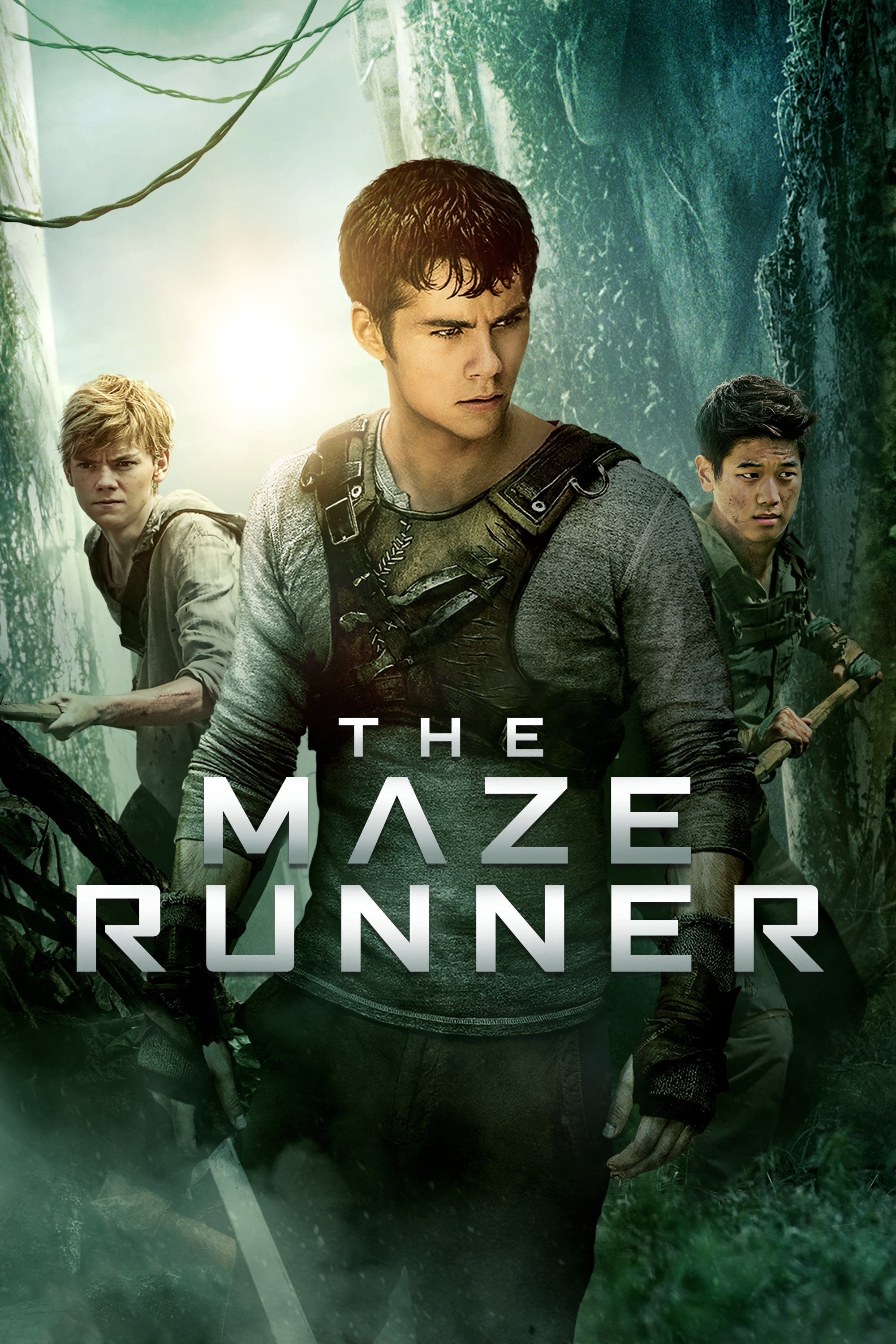
Directed by Wes Ball and adapted by Noah Oppenheim, Grant Pierce Myers, and T.S. Nowlin from James Dashner’s novel, ‘The Maze Runner’ stars Dylan O’Brien, Kaya Scodelario, Thomas Brodie-Sangster, Ki Hong Lee, Will Poulter, and Patricia Clarkson. The Glade operates with communal rules, including staying out of the maze at night and deferring to designated Runners.
In the third act, Thomas leads a break from those guidelines, enters the maze after hours, and pushes the group to confront the Grievers and the control center. Ball stages the escape with the ensemble fighting through WCKD’s layered protocols, turning the Gladers’ code into a temporary system that the protagonists discard to move forward.
‘Final Destination’ (2000)
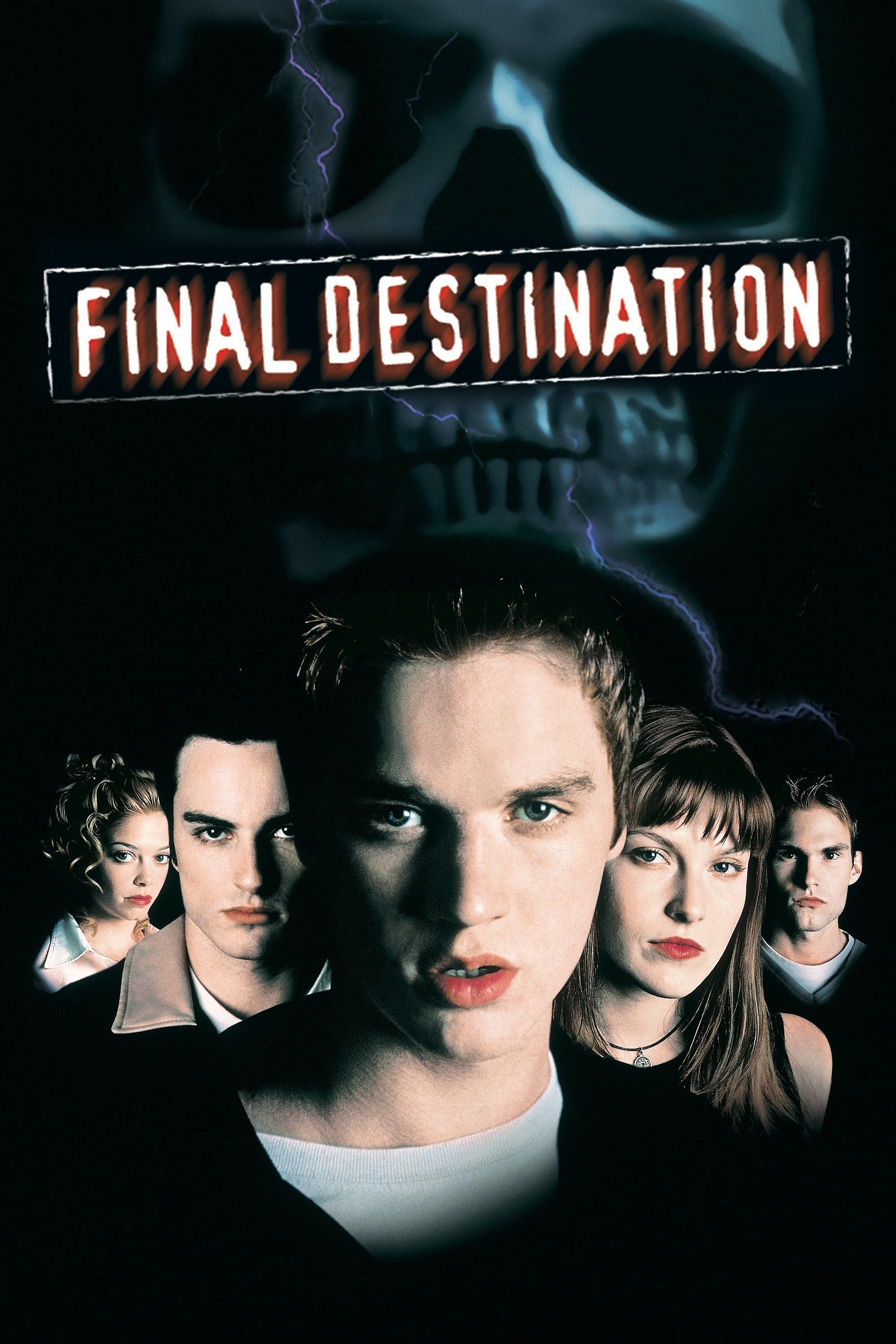
Directed by James Wong and written by Glen Morgan and James Wong from a story by Jeffrey Reddick, ‘Final Destination’ features Devon Sawa, Ali Larter, Kerr Smith, and Tony Todd. The plot posits “Death’s design,” a sequence targeting survivors of a catastrophic plane explosion in a set order.
The survivors attempt to interrupt the sequence and trade places in line, but the Paris-set epilogue reveals that apparent safety can be undercut by a fresh chain of events. Wong and editor James Coblentz craft the closing beat with the core cast on screen as the logic that governed the middle acts is outflanked by the film’s final accident.
‘A Nightmare on Elm Street’ (1984)
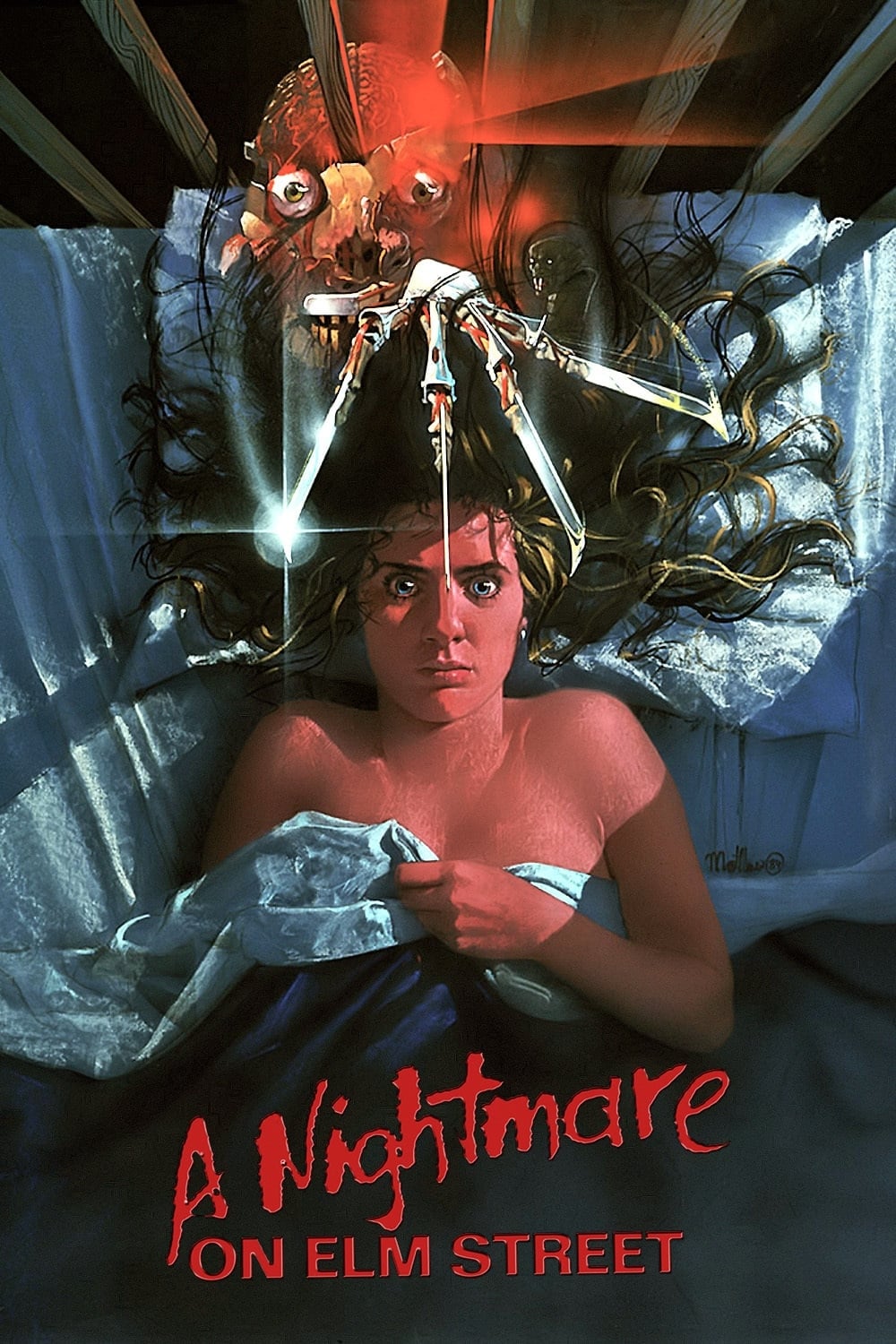
Written and directed by Wes Craven, ‘A Nightmare on Elm Street’ stars Heather Langenkamp as Nancy, with Robert Englund as Freddy Krueger and support from John Saxon, Ronee Blakley, and Johnny Depp. The premise establishes a hard boundary: Freddy attacks in dreams, while the waking world offers refuge.
In the climax, Nancy pulls Freddy into the real world with improvised traps, and the coda blurs the line between waking and dreaming again as reality folds in on itself. Craven stages that closing image with the principal cast, using the film’s own dream-logic to step over the boundary it spent much of the running time defining.
‘Ready Player One’ (2018)
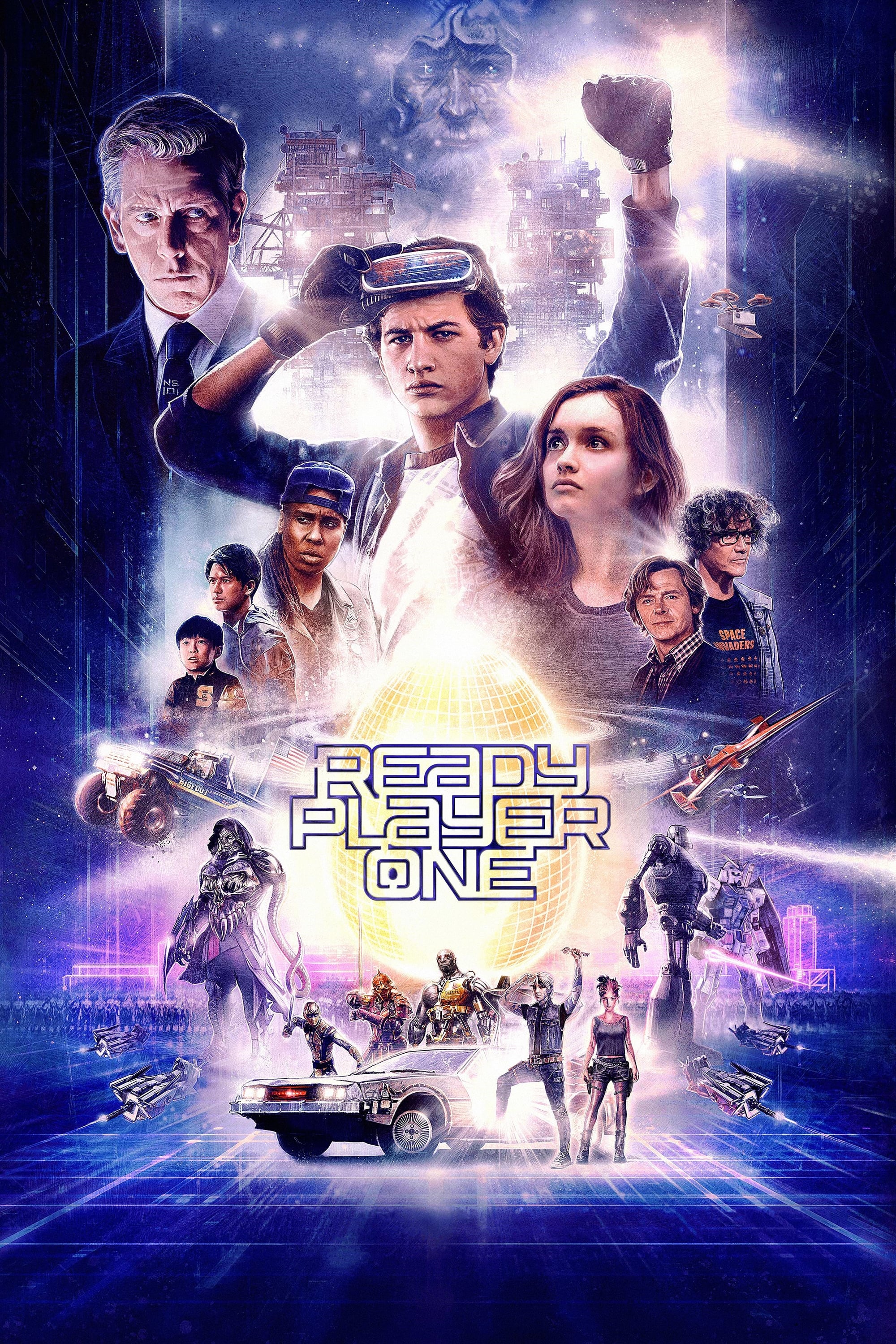
Directed by Steven Spielberg from a screenplay by Zak Penn and Ernest Cline, ‘Ready Player One’ stars Tye Sheridan and Olivia Cooke with Ben Mendelsohn, Mark Rylance, Simon Pegg, and Lena Waithe. The OASIS contest is governed by fixed challenges, artifacts, and a life-counter that keeps the stakes simple: run out of lives and you’re done.
The finale turns on an extra-life coin earned earlier and a decision by the winner to share ownership rather than monopolize the system, outcomes that walk past the game’s apparent end conditions. Spielberg stages the battle with Industrial Light & Magic handling the set-pieces and the ensemble cycling through avatars as the contest’s codified rules give way to new terms set by the victors.
What other films set firm rules only to toss them aside in the finale—drop your picks in the comments!