The 10 Most Underrated Daniel Day-Lewis Movies, Ranked (from Least to Most Underrated)

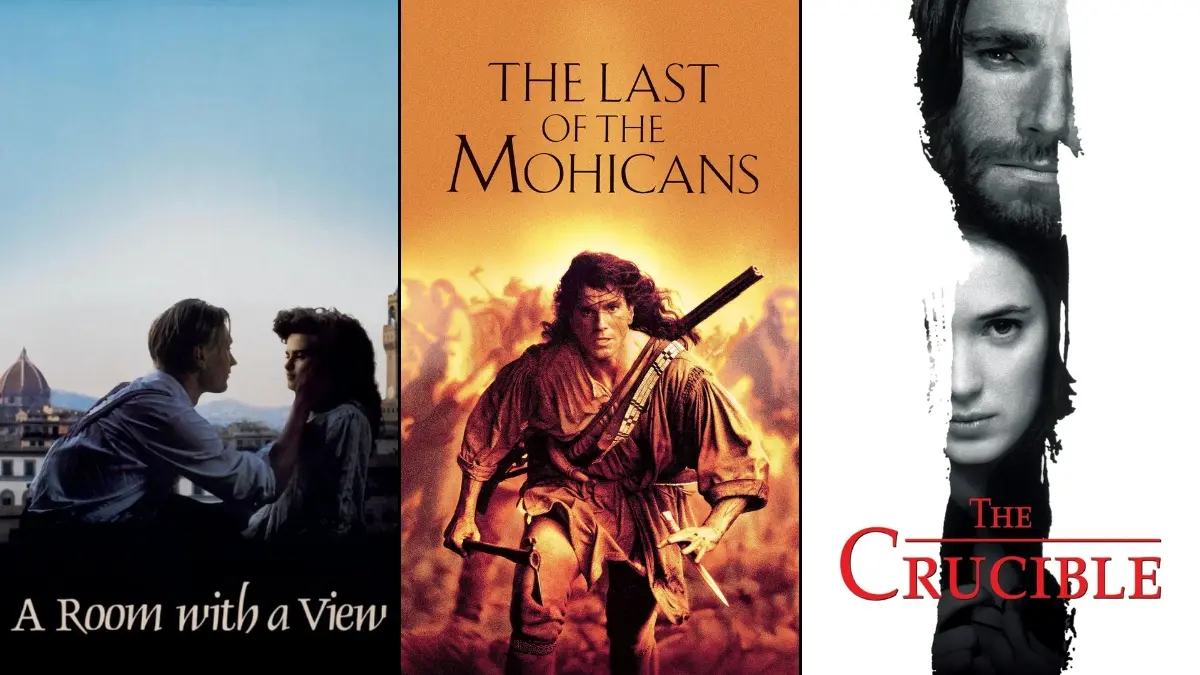

Daniel Day-Lewis has a famously selective screen career, spanning literary adaptations, historical dramas, contemporary stories, and a rare musical. Across these projects he collaborated with directors including James Ivory, Stephen Frears, Jim Sheridan, Michael Mann, Martin Scorsese, and Philip Kaufman, taking on roles that required extensive dialect work, stage and combat training, and, in some cases, musical performance.
This list gathers ten titles that often get overshadowed by his most frequently cited work. Each entry notes the creative team, the character he plays, the production approach, and the story focus, helping you quickly place each film in his body of work and decide what to watch next.
‘Nine’ (2009)
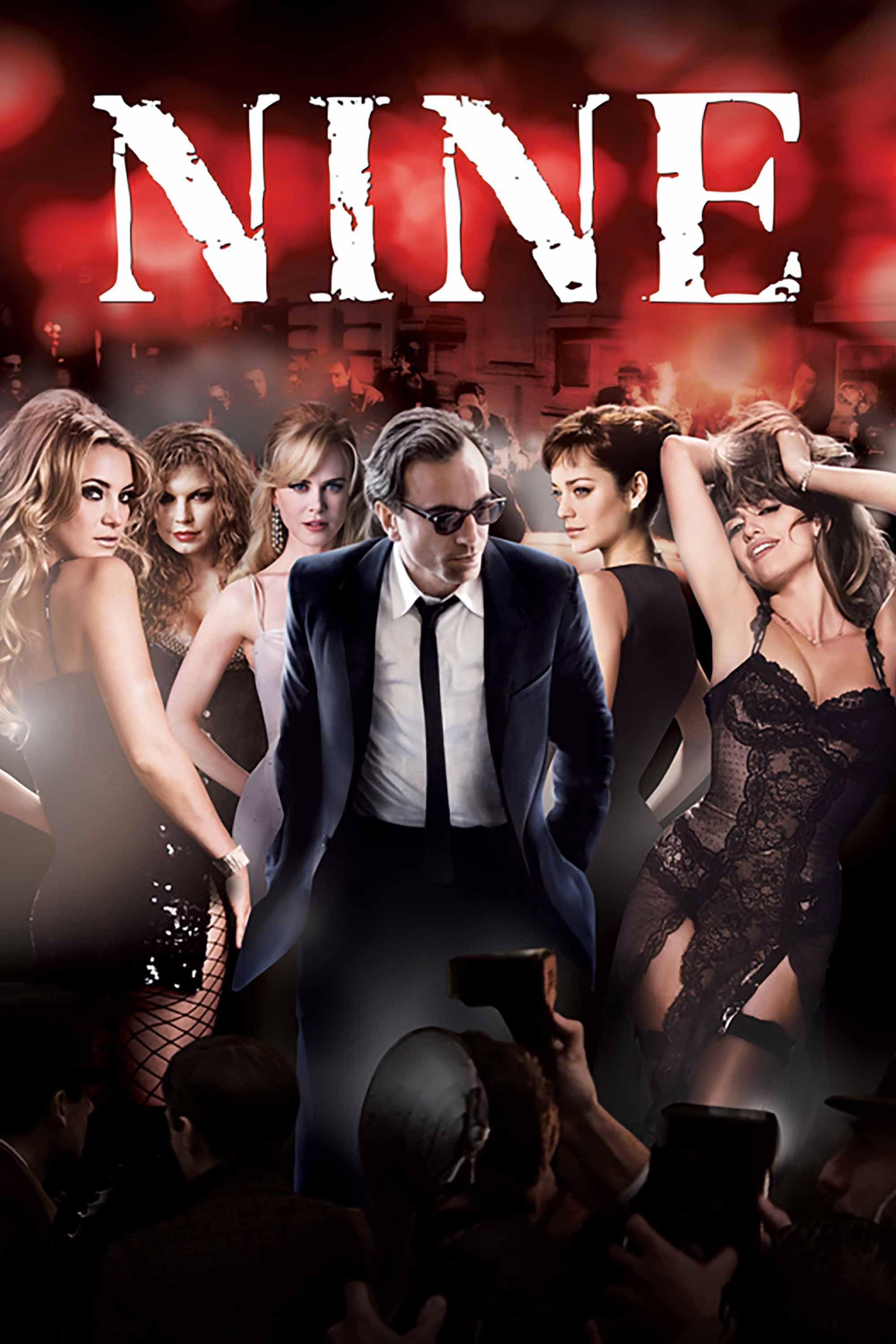
Directed by Rob Marshall and adapted from the stage musical by Maury Yeston—originally inspired by Federico Fellini’s ‘8½’—’Nine’ casts Daniel Day-Lewis as filmmaker Guido Contini. The ensemble includes Marion Cotillard, Penélope Cruz, Nicole Kidman, Judi Dench, Sophia Loren, and Kate Hudson, with musical numbers staged alongside dialogue scenes to depict a director’s creative block and personal entanglements. The production integrates choreographed set-pieces with soundstage builds and Italian settings to evoke a stylized filmmaking world.
Day-Lewis performs in Italian-accented English and navigates both sung and spoken material, adding a musical role to his filmography. Recording sessions, rehearsal periods, and large-format dance numbers reflect the film’s emphasis on performance craft, while costume and production design support transitions between Guido’s real life, memory, and imagination.
‘Stars & Bars’ (1988)
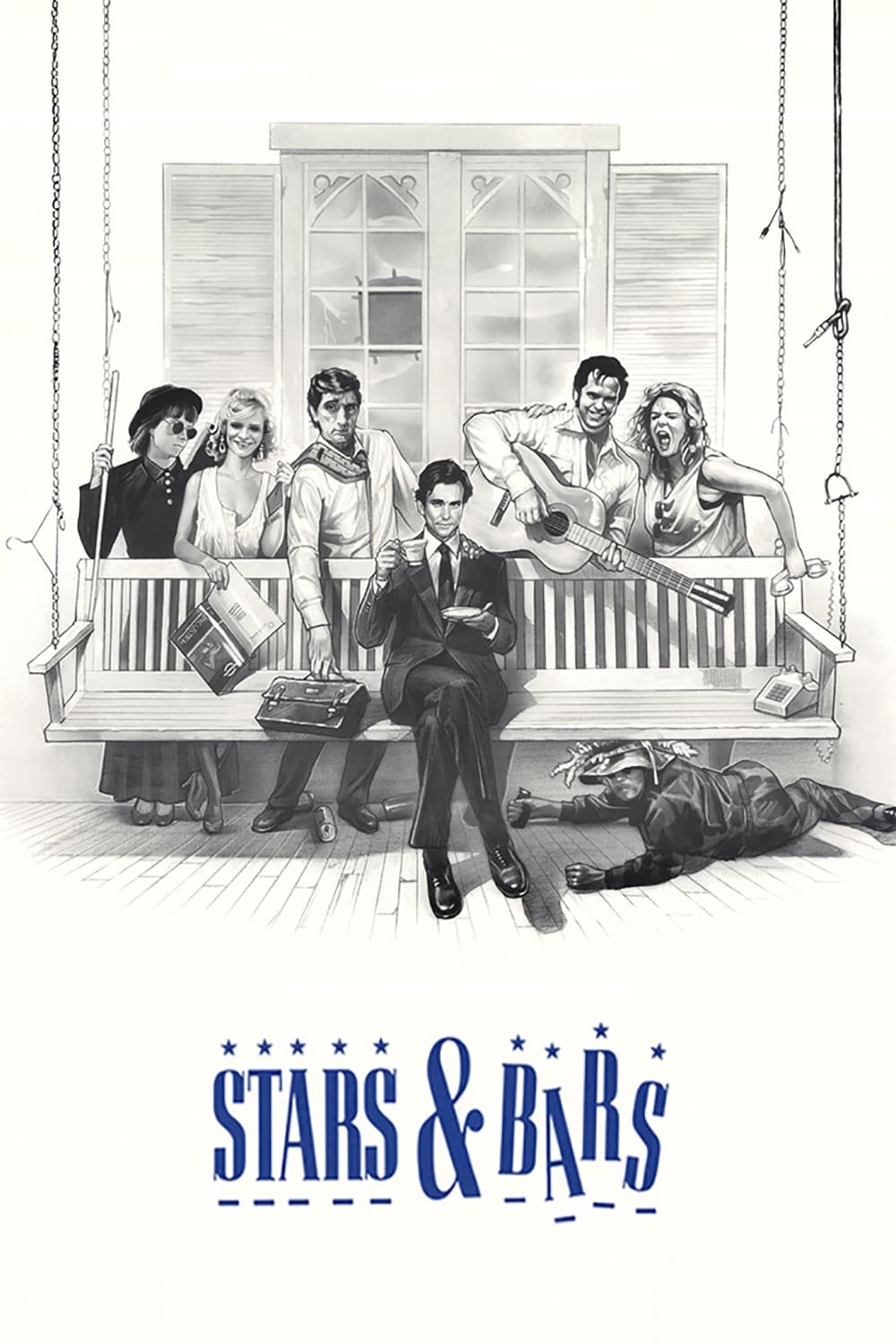
‘Stars and Bars’, directed by Pat O’Connor from William Boyd’s novel, follows British art expert Henderson Dores on a trip through the American South to acquire a valuable painting. Daniel Day-Lewis plays Dores opposite Harry Dean Stanton and Joan Cusack, with road-movie logistics and regional settings shaping the story’s culture-clash mishaps. The adaptation preserves Boyd’s satirical setup while shifting the narrative to screen-friendly set-pieces across multiple locations.
The production draws on on-the-road shooting and a mix of urban and rural stops to stage encounters that complicate the acquisition. Day-Lewis works in a contemporary comic register here, handling dialogue-driven scenes and physical gags while maintaining the character’s formal manner in increasingly chaotic situations.
‘The Ballad of Jack and Rose’ (2005)
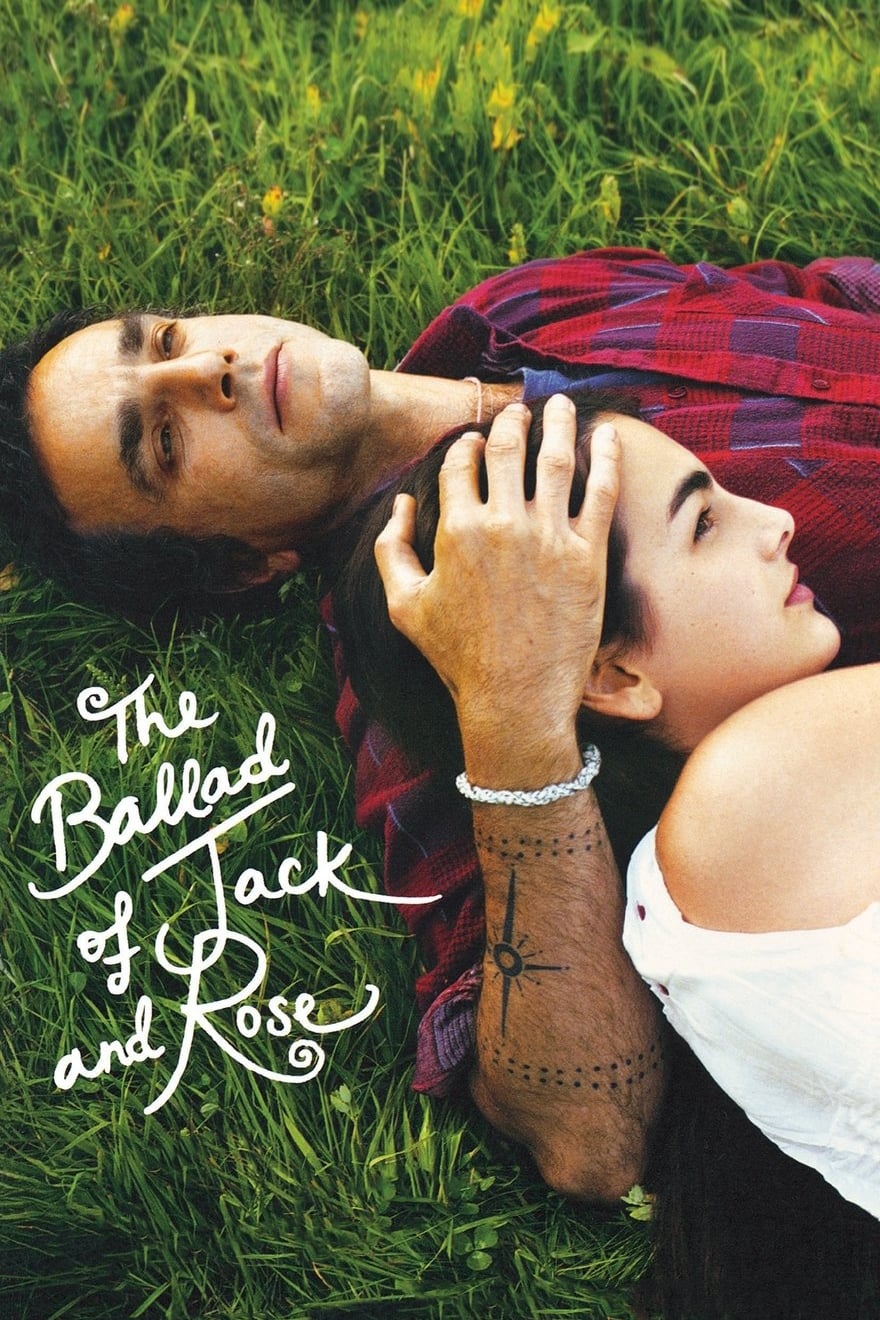
Written and directed by Rebecca Miller, ‘The Ballad of Jack and Rose’ centers on Jack Slavin, a reclusive father raising his daughter on a remote island once home to a communal experiment. Daniel Day-Lewis stars with Camilla Belle, Catherine Keener, and Paul Dano, and the film examines home-school routines, off-grid living, and the aftermath of abandoned ideals. The island setting shapes the production’s use of natural light, sparse interiors, and small community dynamics.
Location shooting emphasizes coastline, weather, and hand-built structures, grounding the family’s day-to-day constraints. The narrative tracks practical problems—housing, work, and education—alongside interpersonal tensions that arise when visitors disrupt established patterns in an isolated place.
‘The Crucible’ (1996)
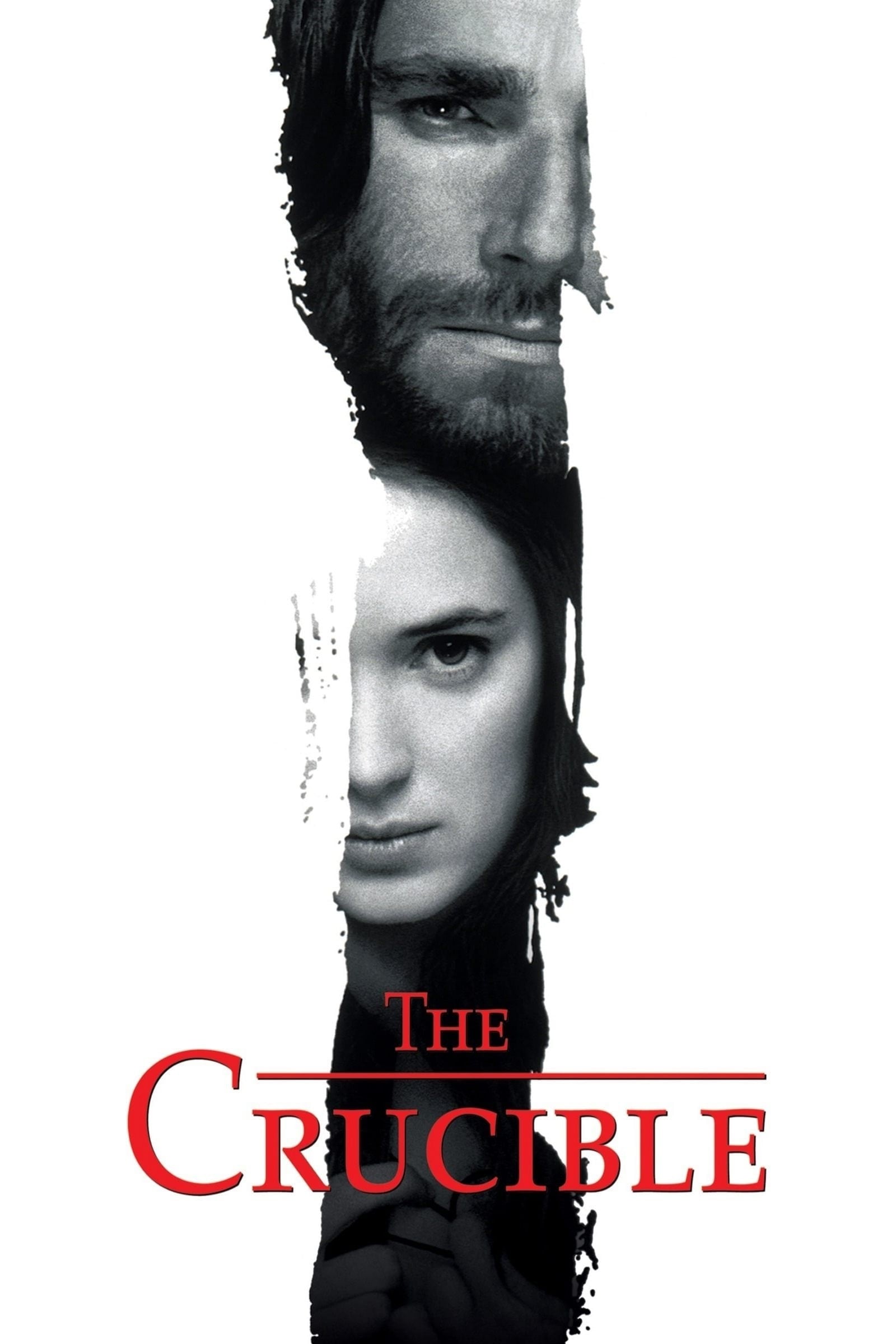
‘The Crucible’, directed by Nicholas Hytner from Arthur Miller’s screenplay adaptation of his play, casts Daniel Day-Lewis as John Proctor opposite Winona Ryder, Joan Allen, and Paul Scofield. The film reconstructs Salem’s social institutions—church, farm, and court—through depositions, testimonies, and examinations that escalate into trials. Period costuming and large outdoor sets anchor the legal and religious frameworks driving the plot.
Production built a working village environment to stage crowd scenes and court proceedings with practical effects, livestock, and weather-dependent scheduling. Dialogue retains Miller’s formal language while camera placement and blocking clarify who is speaking, who is accused, and how evidence is entered and contested.
‘My Beautiful Laundrette’ (1985)
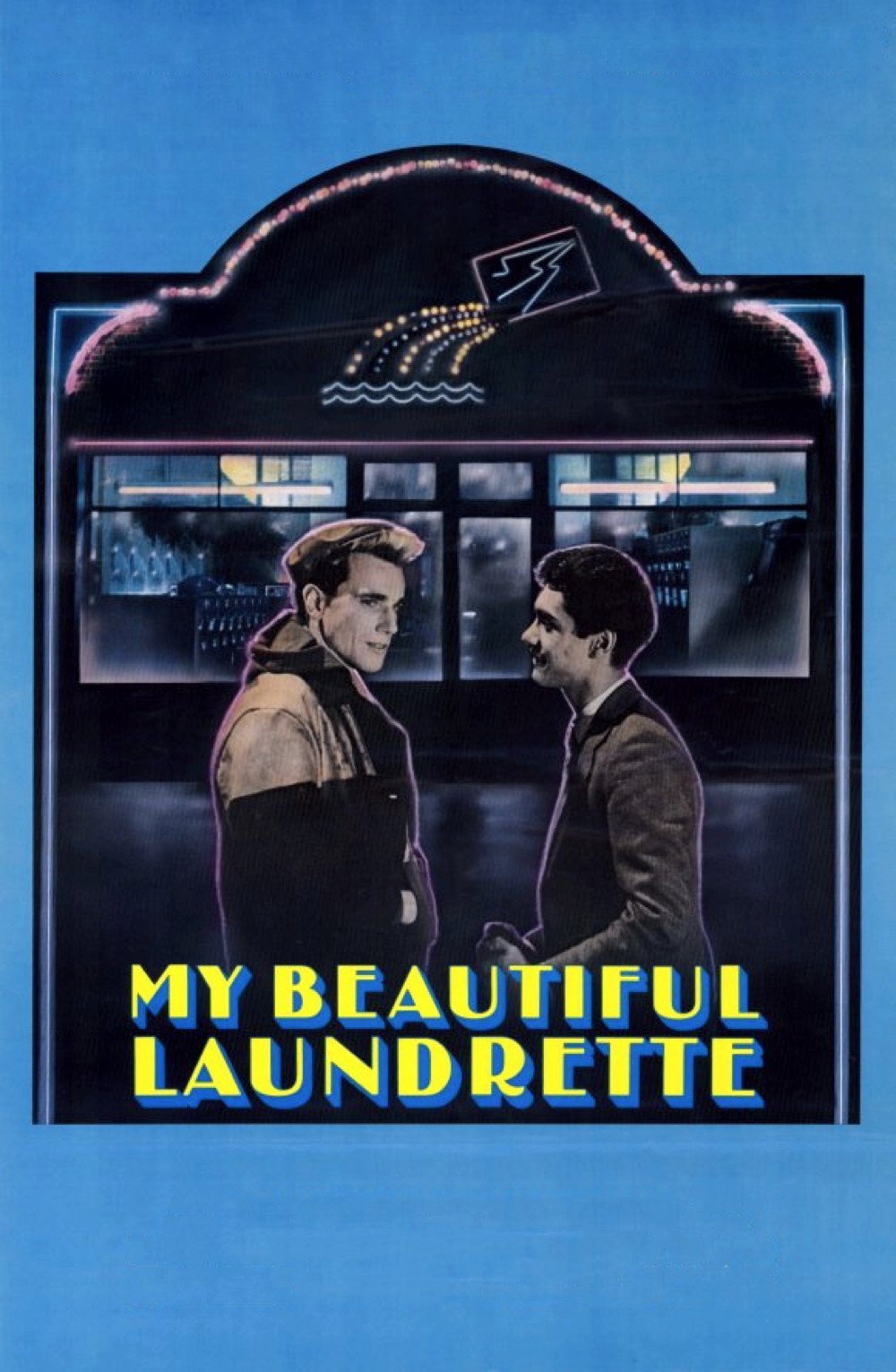
Directed by Stephen Frears from Hanif Kureishi’s screenplay, ‘My Beautiful Laundrette’ pairs Daniel Day-Lewis’s Johnny with Gordon Warnecke’s Omar as they renovate a failing South London laundrette. The film addresses small-business financing, family expectations, and neighborhood pressures, using location shooting in streets, flats, and shopfronts to chart the partners’ work. Channel 4 commissioned the production, and its success led to theatrical play beyond its original television origins.
The film’s compact crew and budget shaped a nimble schedule, with practical locations standing in for every major set. Costume and production design highlight class signals and subcultural markers, while the camera frequently frames the laundrette’s machines and cash counter as recurring workspaces central to the characters’ plans.
‘The Boxer’ (1997)
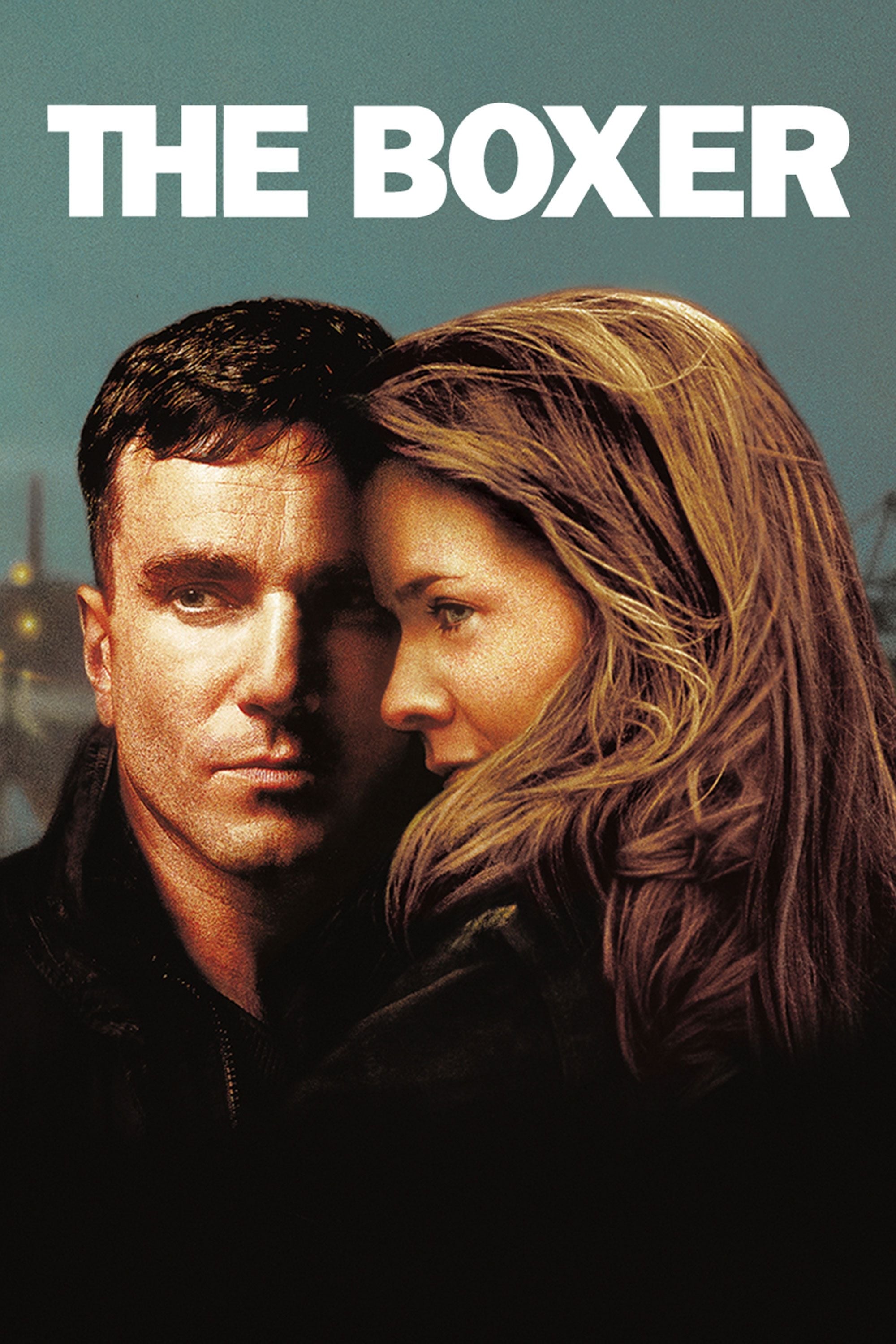
Reuniting with director Jim Sheridan and writer Terry George, ‘The Boxer’ features Daniel Day-Lewis as Danny Flynn, a former prisoner and middleweight boxer reopening a nonsectarian gym. Emily Watson co-stars, and the story follows training routines, matchmaking logistics, and negotiations required to keep the club neutral amid community tensions. Boxing sequences emphasize ring craft, corner work, and venue management rather than only final bouts.
Day-Lewis undertook extensive boxing preparation to execute footwork, combinations, and clinch mechanics on camera. Production design and scheduling reflect real gym operations—pads, heavy bags, and sparring rotations—while location choices position the gym as shared territory subject to pressure from multiple sides.
‘The Age of Innocence’ (1993)
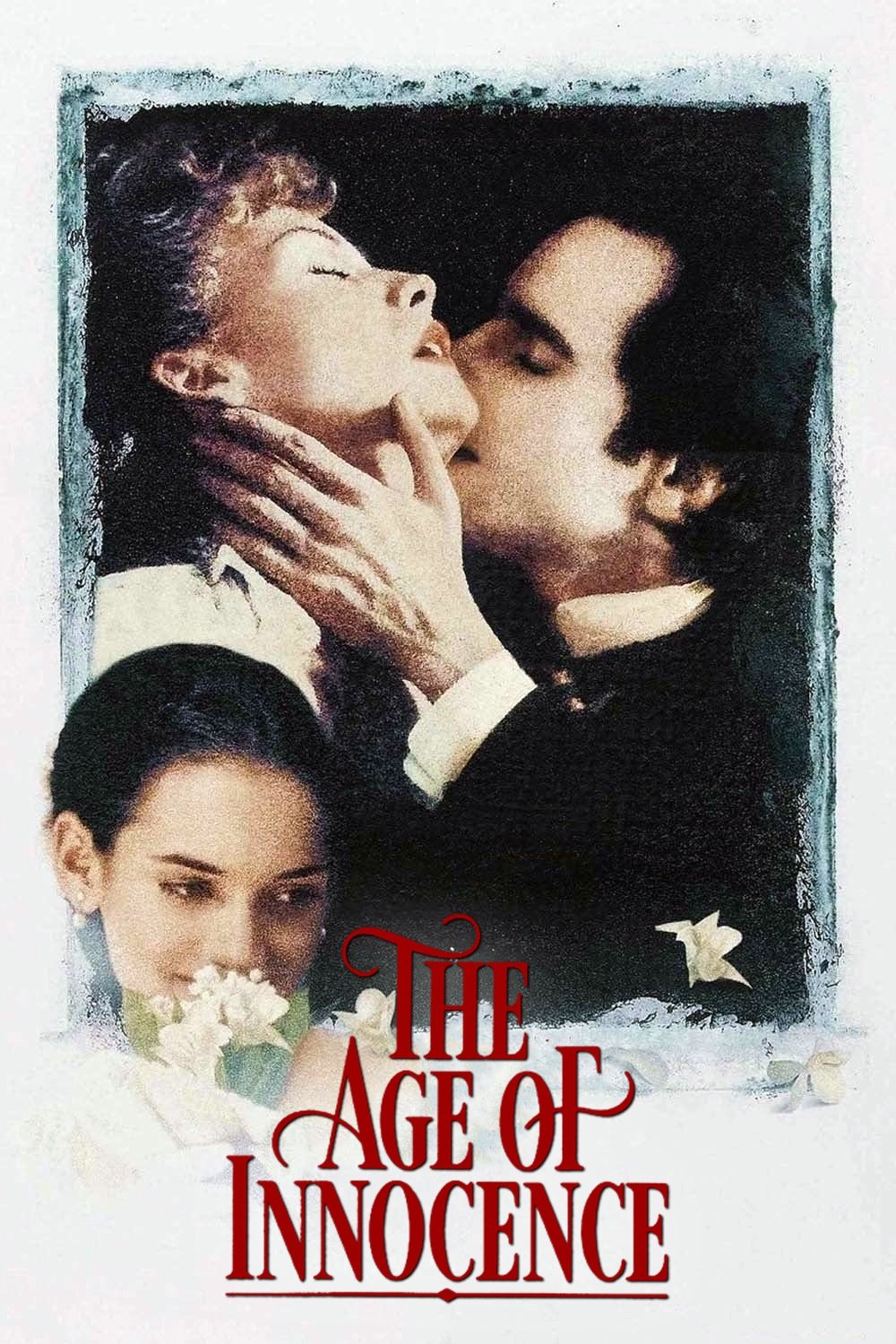
Directed by Martin Scorsese and adapted from Edith Wharton’s novel, ‘The Age of Innocence’ stars Daniel Day-Lewis as Newland Archer with Michelle Pfeiffer and Winona Ryder. The film’s creative team includes cinematographer Michael Ballhaus, production designer Dante Ferretti, and costume designer Gabriella Pescucci, with narration by Joanne Woodward. Table settings, invitations, and seating plans function as cues to status and obligation across dinners, opera boxes, and drawing rooms.
Costume and production design map social boundaries through fabric, silhouette, and room layout, and the camera’s measured moves align with the etiquette that governs the characters’ choices. The film earned Academy recognition for costume design, highlighting the craft required to replicate late–Gilded Age dress and interiors at scale.
‘A Room with a View’ (1985)
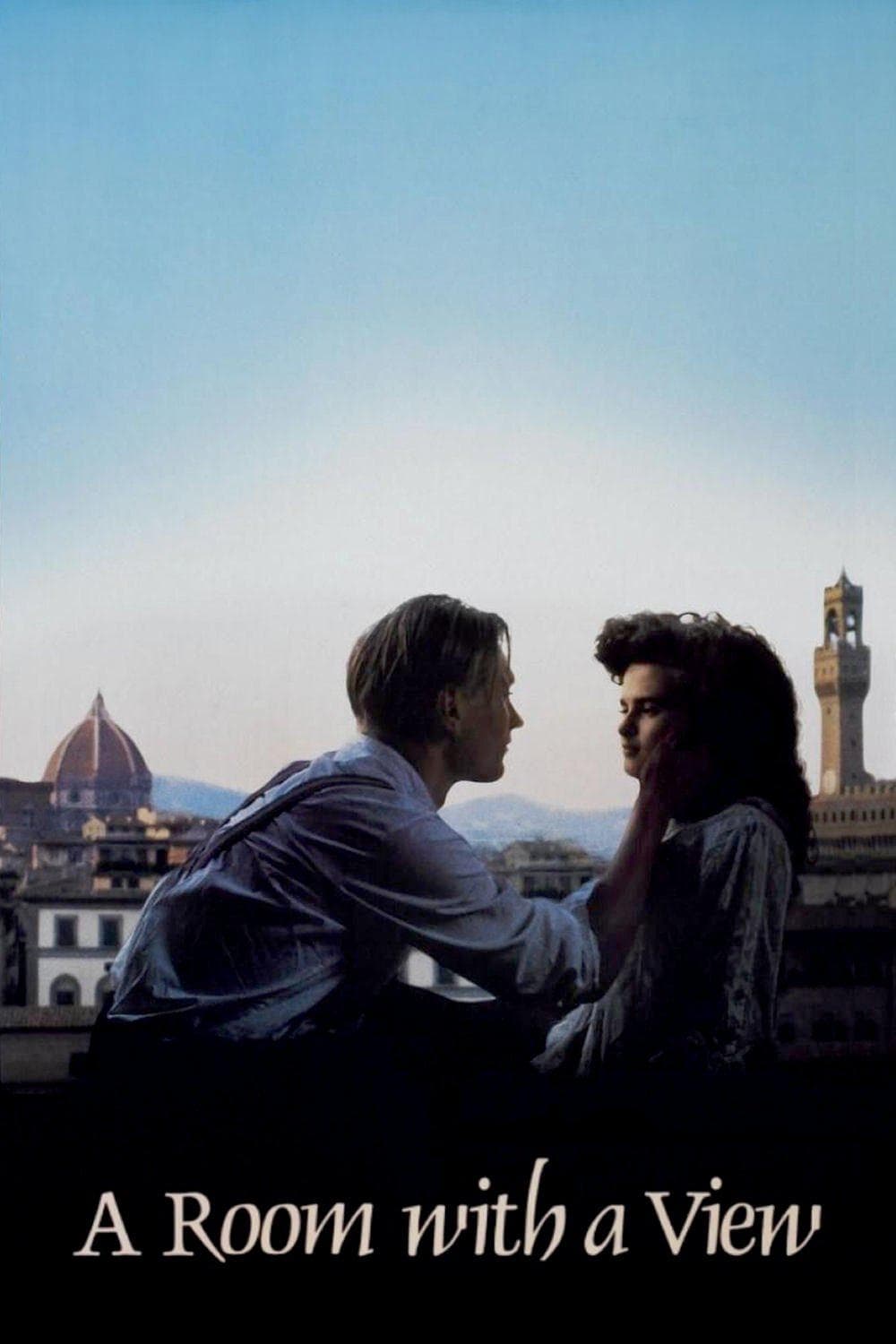
‘A Room with a View’, directed by James Ivory and produced by Merchant Ivory, adapts E. M. Forster’s novel with Daniel Day-Lewis as Cecil Vyse alongside Helena Bonham Carter, Julian Sands, Maggie Smith, and Denholm Elliott. The narrative alternates between Florence and the English countryside, contrasting pensione life, church visits, and museum tours with drawing-room rituals and garden parties. Dialogue, blocking, and posture communicate courtship codes and social expectations.
The production uses location exteriors, period interiors, and costume detail to render class signals and travel habits. The film received multiple Academy Awards—including honors for costume design, art direction, and screenplay—recognizing the technical work that underpins its literary adaptation.
‘The Unbearable Lightness of Being’ (1988)
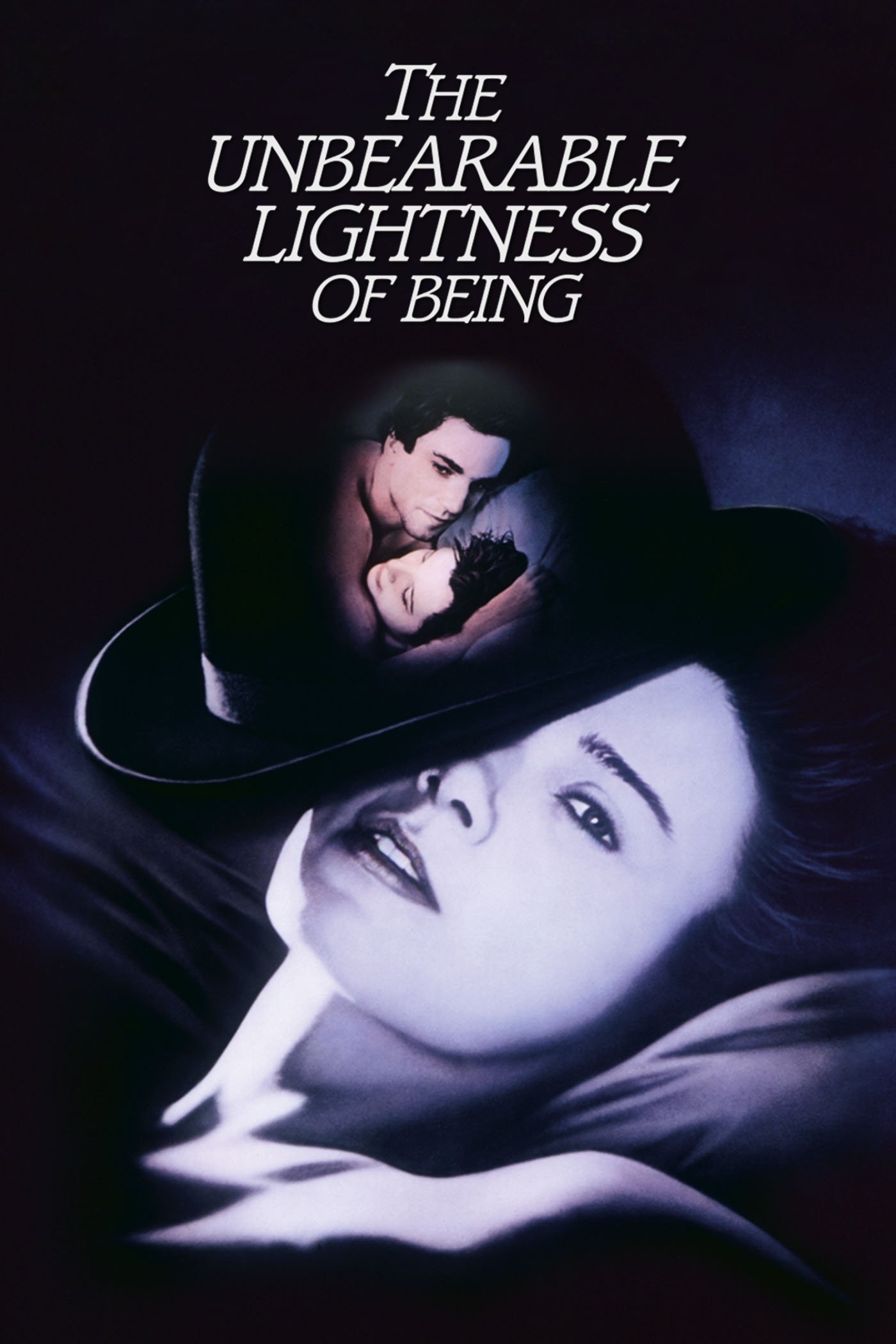
Philip Kaufman’s ‘The Unbearable Lightness of Being’ adapts Milan Kundera’s novel, with Daniel Day-Lewis as Tomas opposite Juliette Binoche and Lena Olin. The story spans Prague before and after the suppression of reform, interweaving professional routines, relationships, and choices about staying or leaving. The production combines staged material with documentary elements to situate characters within demonstrations and street-level responses to political change.
Sets and locations emphasize apartments, clinics, and studios, and recurring props—medical instruments, cameras, and letters—trace how work and private life intersect. Editing moves between intimacy and public events without breaking narrative continuity, aligning personal timelines with shifts in civic life.
‘The Last of the Mohicans’ (1992)
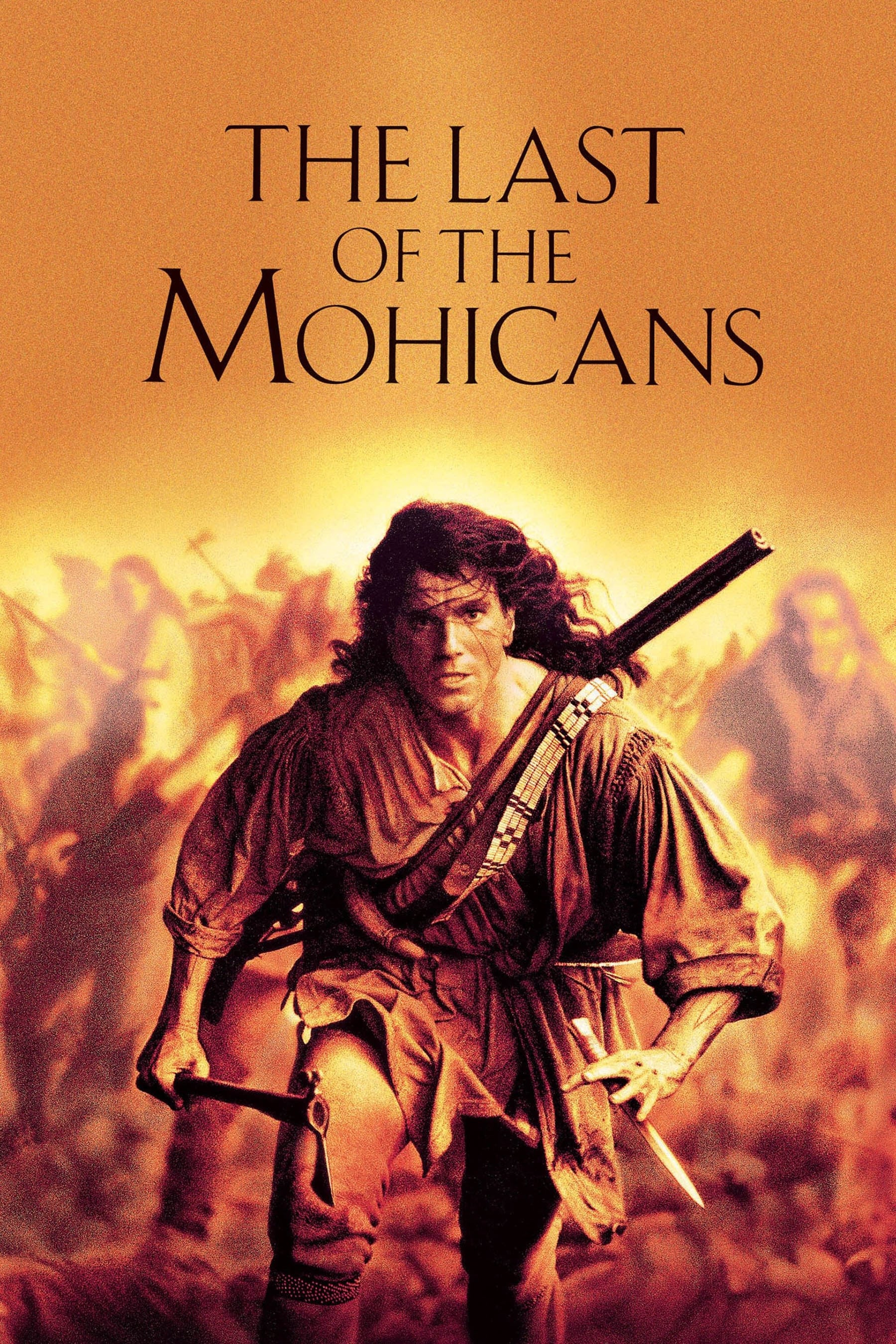
‘The Last of the Mohicans’, directed by Michael Mann from a screenplay by Mann and Christopher Crowe based on James Fenimore Cooper’s novel and the earlier screen tradition, stars Daniel Day-Lewis as Hawkeye alongside Madeleine Stowe, Russell Means, Wes Studi, and Jodhi May. Military movements, tribal alliances, and frontier routes structure the plot through escorts, fort sieges, and negotiations during the French and Indian War. Location work showcases forests, rivers, and mountain passes central to the story’s travel and combat.
Production used extended takes on uneven terrain, with cast preparation in long rifle handling, tracking, and coordinated movement for group action. The score by Trevor Jones and Randy Edelman underscores marching tempos and pursuit rhythms, while practical effects and large extras units support sieges and evacuations staged at scale.
Have another overlooked title or performance you’d add to this lineup? Share your picks in the comments!