Beloved Movie Classics With Villains Who Don’t Actually Have a Plan

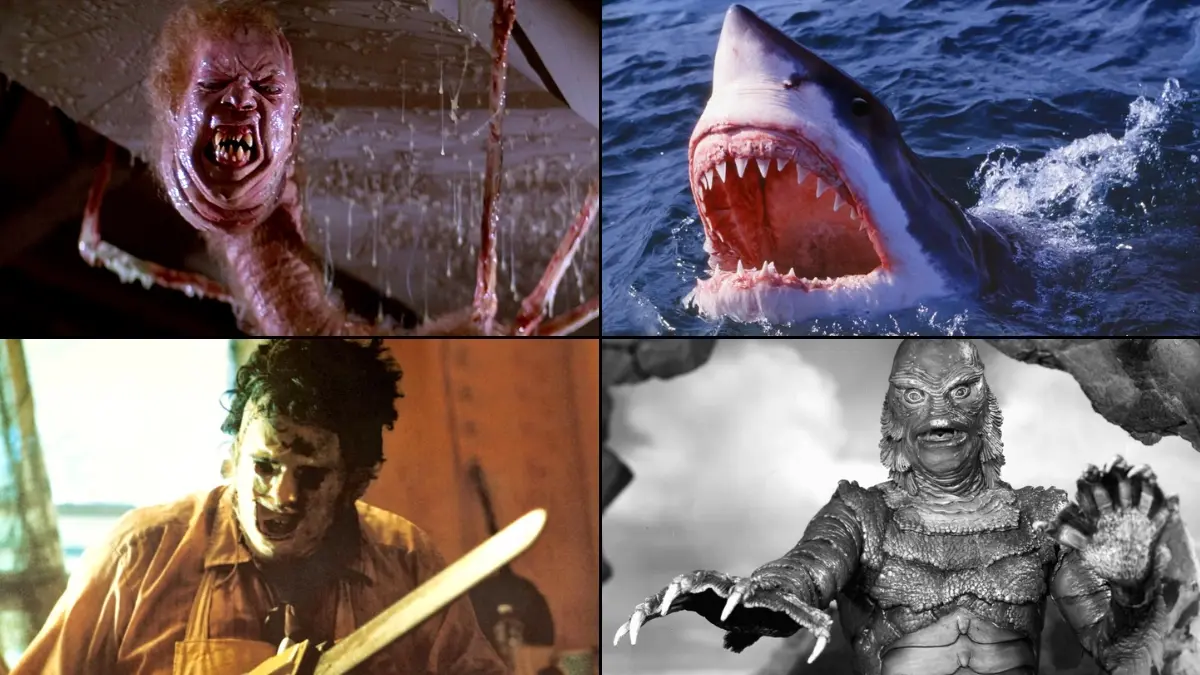

Some of the most unforgettable screen antagonists aren’t masterminds at all—they’re forces of nature, hungry creatures, or chaotic disruptors who act on instinct, impulse, or whim. Instead of a tidy “step one, step two” blueprint, these villains barrel into their stories and destabilize everything, leaving protagonists to improvise or perish.
Below are beloved film classics where the “bad guy” doesn’t work from a detailed playbook. You’ll find key plot and production details, along with cast, craft, and legacy notes that show how these characters—or creatures—drive tension without an organized strategy.
‘The Dark Knight’ (2008)
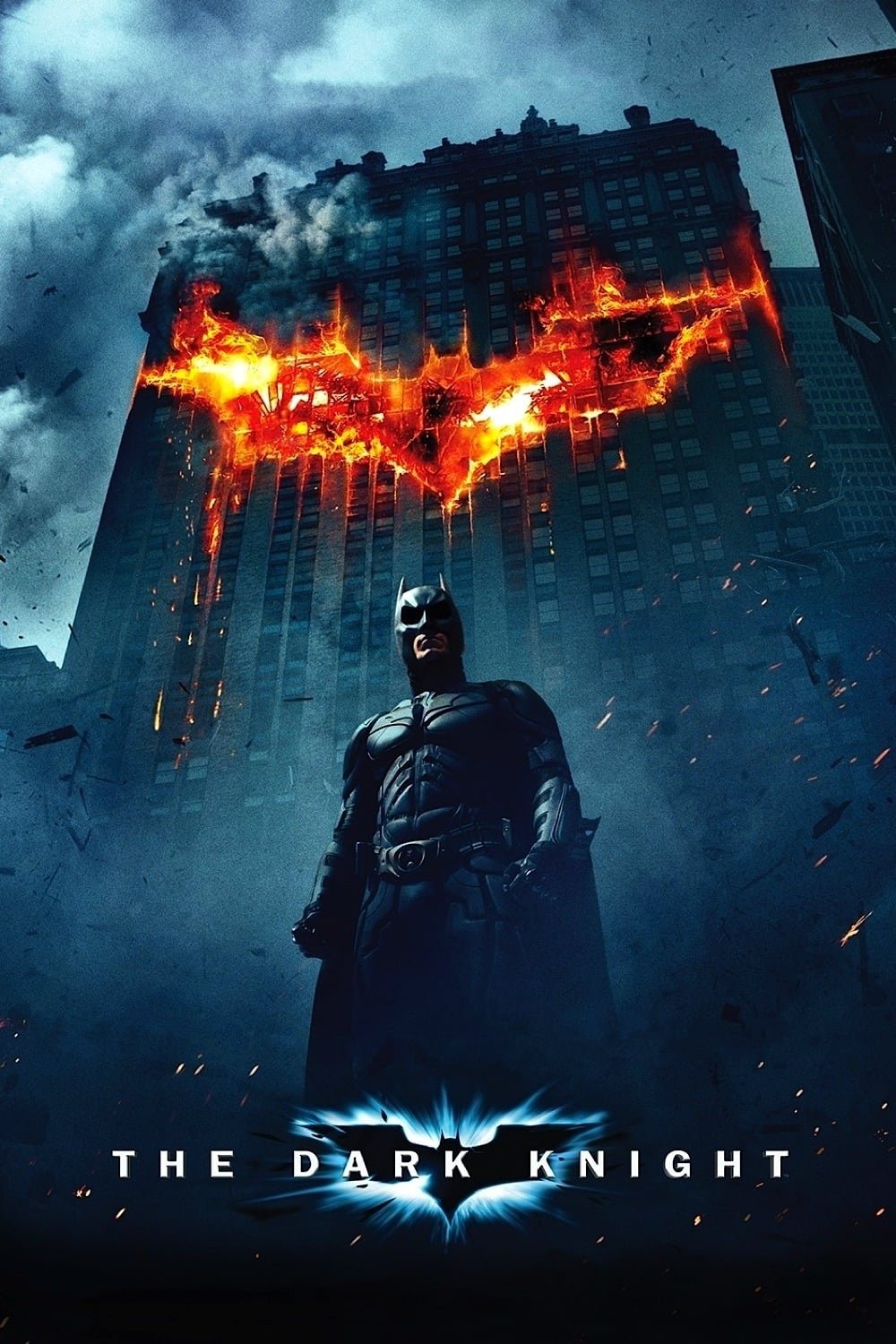
Heath Ledger’s Joker repeatedly frames himself as an agent of chaos, targeting Gotham with improvised ambushes, double-crosses, and social experiments that shift by the minute. Rather than a single objective, his actions revolve around stress-testing institutions and individuals, from hospital evacuations to televised threats that force the city into reactive mode.
Christopher Nolan shot several sequences with IMAX cameras, and the production built large-scale set pieces around practical effects, including the truck flip on Chicago streets used as Gotham. The film earned multiple Academy Awards, cemented Ledger’s posthumous Best Supporting Actor win, and became one of the highest-grossing releases of its era.
‘Jaws’ (1975)
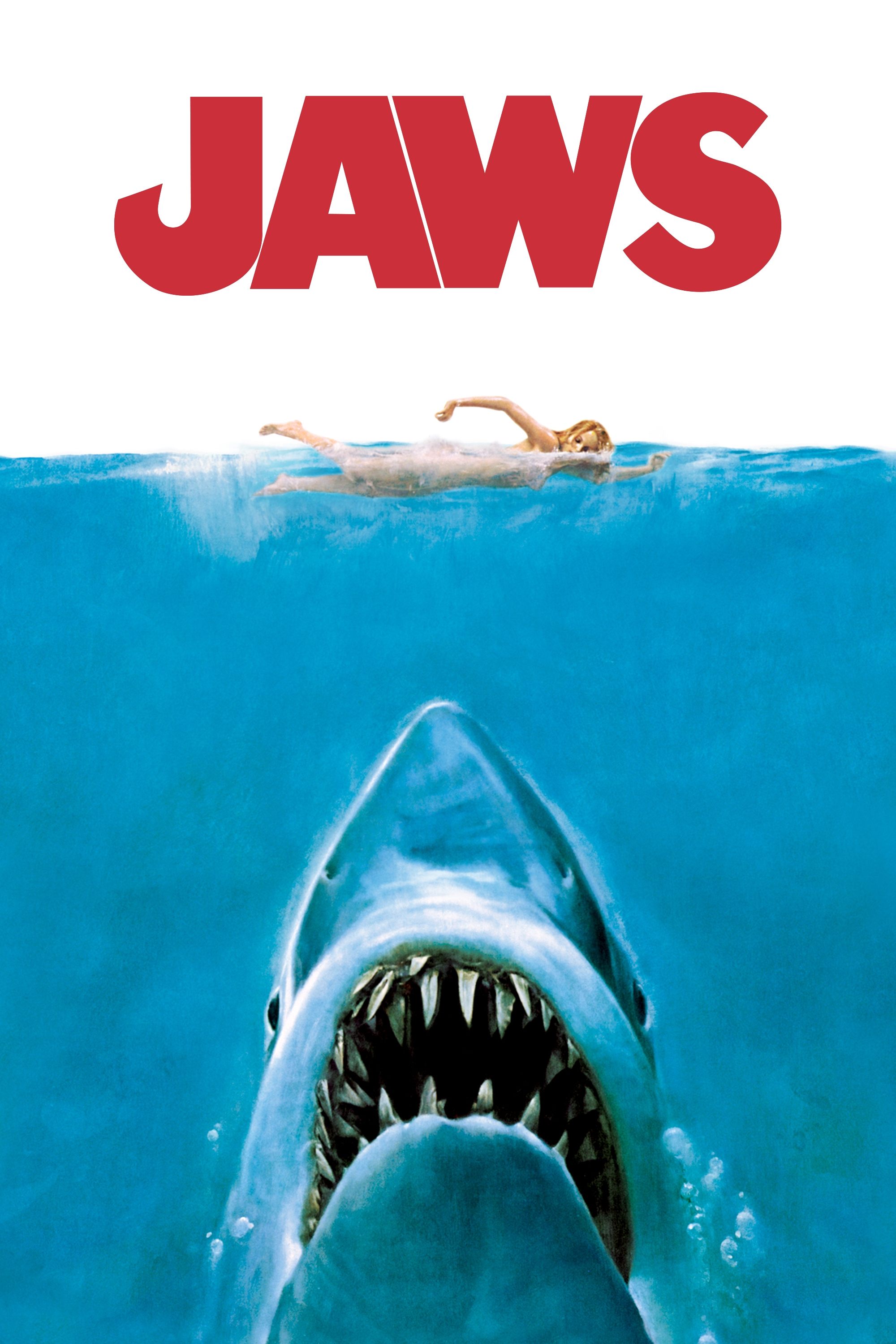
The great white terrorizing Amity Island isn’t plotting—it’s a predator following instinct, which is why the attacks appear random and disrupt civic routines from beach patrols to town hall meetings. The absence of motive beyond feeding turns the hunt into a logistical problem for Brody, Hooper, and Quint rather than a chess match with a schemer.
Mechanical malfunctions with the full-size shark forced Steven Spielberg to rely on suggestion, water-level camerawork, and John Williams’s two-note motif to cue dread. That necessity birthed a template for summer releases, won multiple Academy Awards in craft categories, and showcased sound design and editing innovations that many thrillers still echo.
‘Halloween’ (1978)

Michael Myers—often credited as “The Shape”—stalks suburban streets with no articulated motive and no discernible plan beyond relentless pursuit. The killings happen opportunistically, creating a pattern of proximity rather than strategy and leaving law enforcement and babysitters to respond to sudden appearances instead of deciphering intent.
John Carpenter directed, co-wrote, and composed the minimalist, synth-driven score, and a repurposed Captain Kirk mask was altered by the production to create the blank, iconic face. The independently produced film’s lean budget and huge returns helped catalyze a wave of slasher releases and established visual and musical grammar for the genre.
‘Psycho’ (1960)
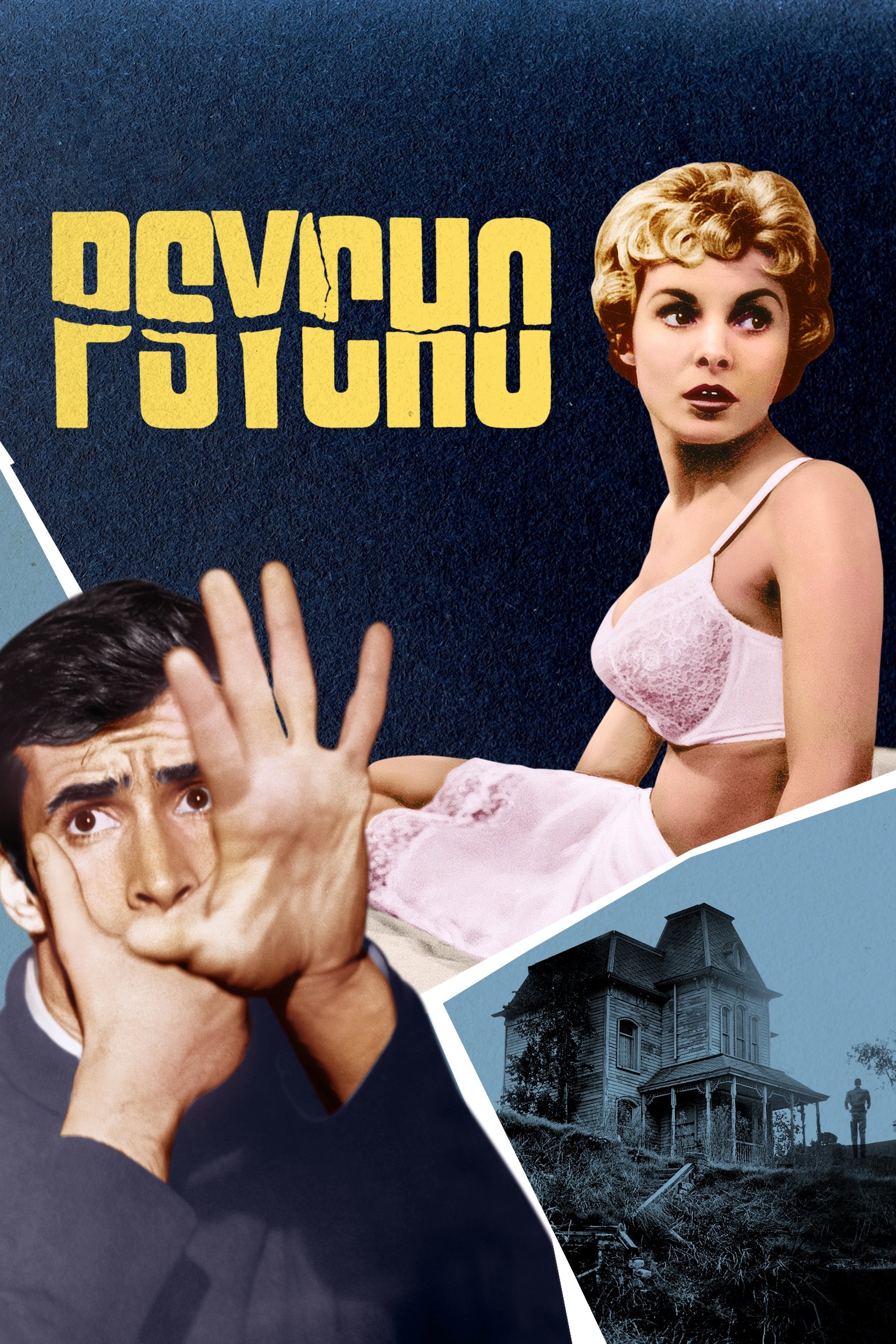
Norman Bates’s actions stem from psychological fracture rather than a plotted campaign, and victims are targeted by circumstance when they intersect with the Bates Motel. The famous shower scene’s shock comes from how little preamble or strategic setup precedes it, emphasizing impulse over organization.
Alfred Hitchcock shot in stark black-and-white, used a television crew to keep costs down, and enforced a no-late-admission policy to preserve narrative surprises. Bernard Herrmann’s string-only score intensified the film’s economy of means, and the production’s marketing approach reshaped spoiler culture and theatrical etiquette.
‘The Texas Chain Saw Massacre’ (1974)
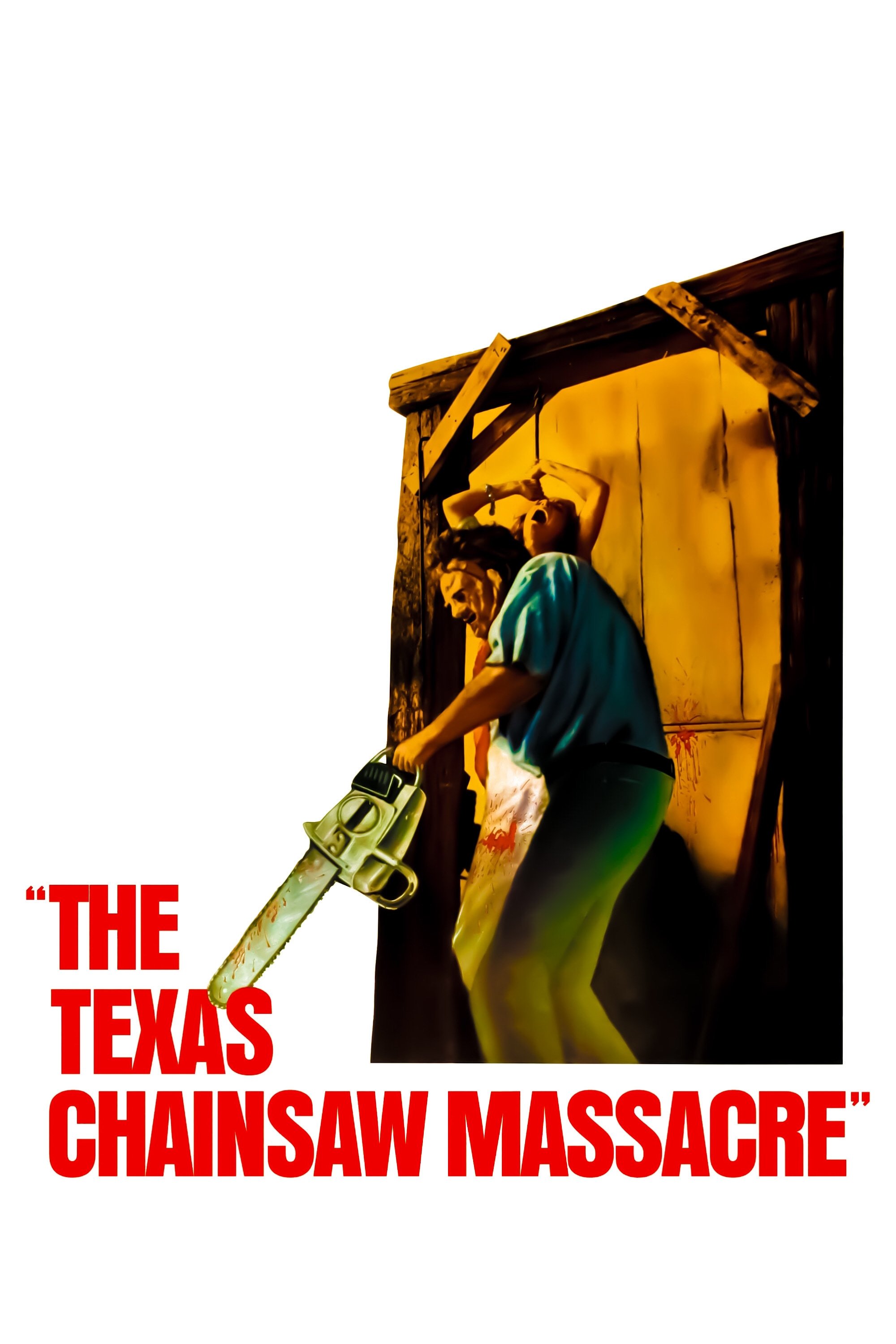
Leatherface and the cannibalistic family do not engineer elaborate traps so much as react to intruders who wander into their isolated property. Encounters spiral from domestic weirdness into explosive violence, with weapons and chases arising out of proximity rather than premeditated design.
Tobe Hooper leaned on documentary-like camera moves, sunbaked color, and abrasive sound to create a sense of realism. Despite a reputation for gore, the film shows relatively little on-screen blood, relied on grueling location work, and influenced censorship debates and international release patterns while becoming a landmark of independent horror.
‘The Birds’ (1963)
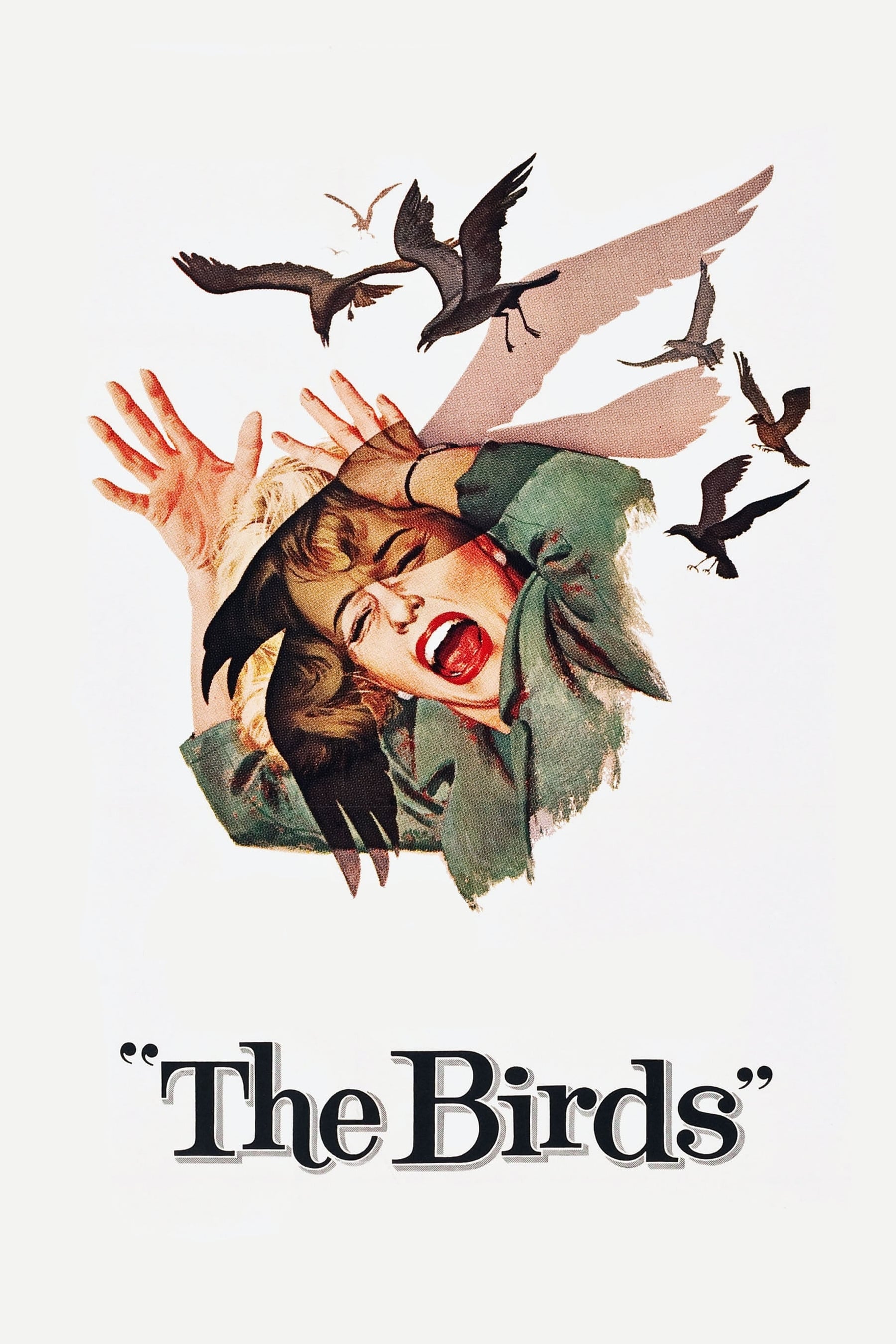
The avian onslaught in Bodega Bay arrives without cause, manifesto, or mastermind, overwhelming the town in waves that defy forecast and plan. Characters fortify homes and improvise barriers, but no message or logic is offered—only escalating incidents that reframe everyday spaces as hazards.
Alfred Hitchcock blended live birds, mechanical rigs, and matte work to stage attacks, with Tippi Hedren making her feature debut and Rod Taylor co-starring. The soundscape eschews a traditional musical score in favor of electronic effects, and the final image’s uneasy quiet helped cement its reputation as a parable without tidy explanation.
‘Alien’ (1979)
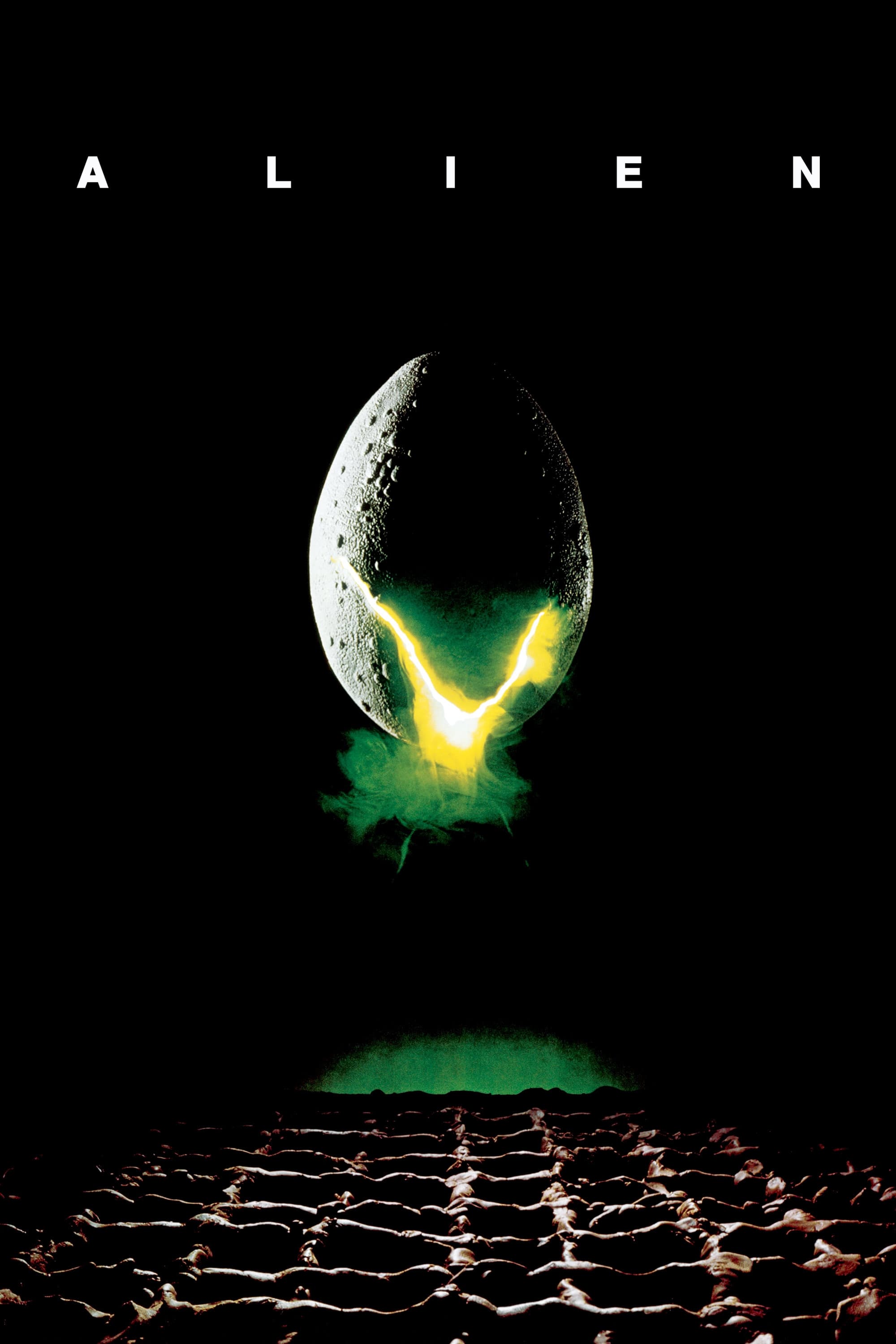
The xenomorph operates by instinct—hunting, nesting, and protecting itself—so the Nostromo crew faces a survival problem rather than a criminal plan. The life cycle’s stages play out as a biological inevitability, and victims fall because the creature adapts quickly inside confined industrial spaces.
Ridley Scott’s “used-future” aesthetic, H. R. Giger’s biomechanical designs, and Derek Vanlint’s lighting shaped a lived-in science fiction world. With Sigourney Weaver’s Ripley anchoring the ensemble, the production fused practical effects and miniatures with carefully rationed creature reveals, earning accolades for design and visual effects and launching a long-running franchise.
‘The Thing’ (1982)
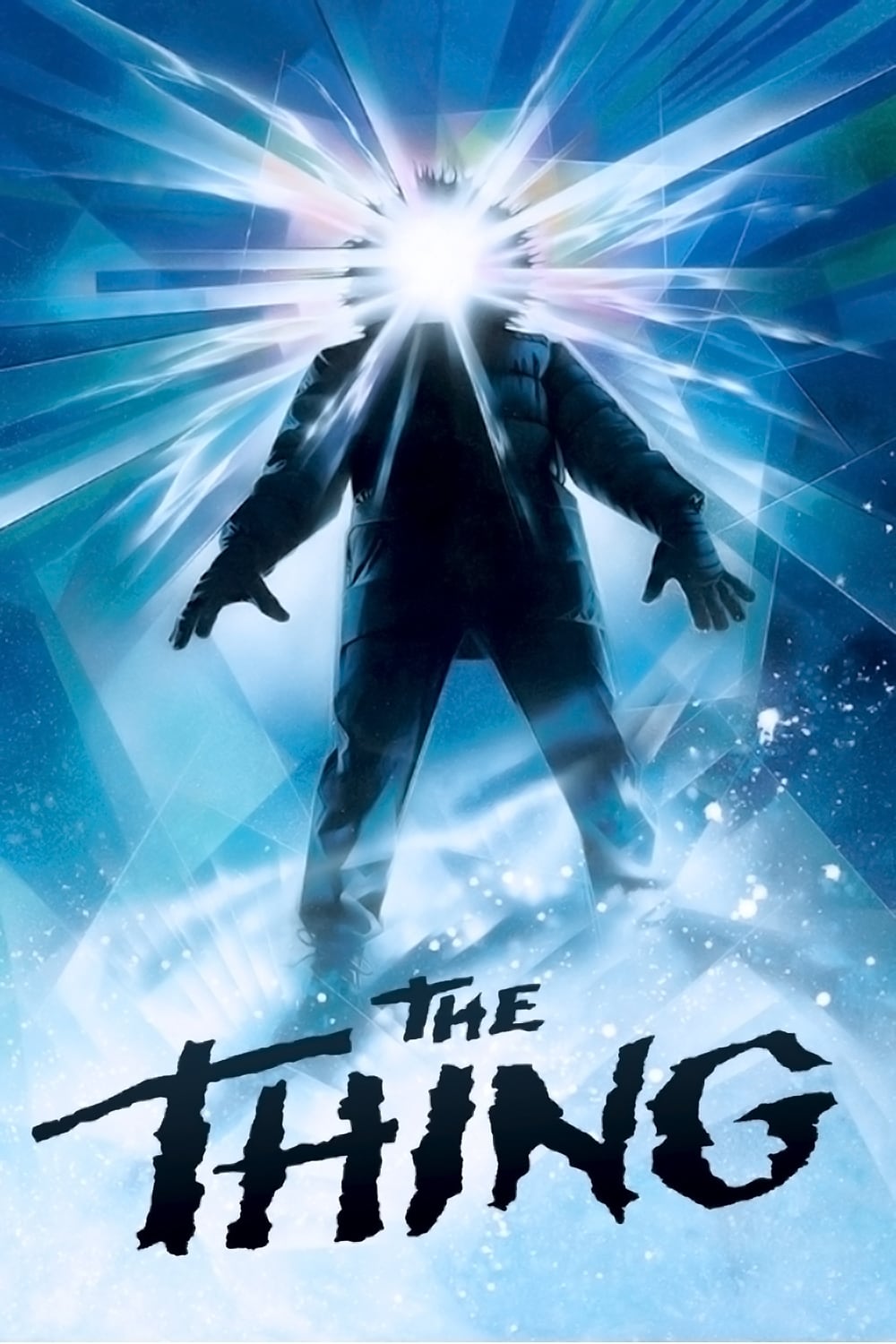
In Antarctica, the alien imitator simply survives and spreads, assimilating hosts when opportunities arise, not following a grand strategy. Its unpredictability forces scientists to develop ad hoc tests and quarantines, turning suspicion—rather than a villain’s blueprint—into the main engine of suspense.
John Carpenter’s adaptation of ‘Who Goes There?’ features Rob Bottin’s groundbreaking practical effects and a tense, minimalist score associated with Ennio Morricone. The film’s initial reception contrasted sharply with its later cult status, and its influence on creature design, paranoia-driven plotting, and ensemble dynamics remains extensive.
‘Gremlins’ (1984)
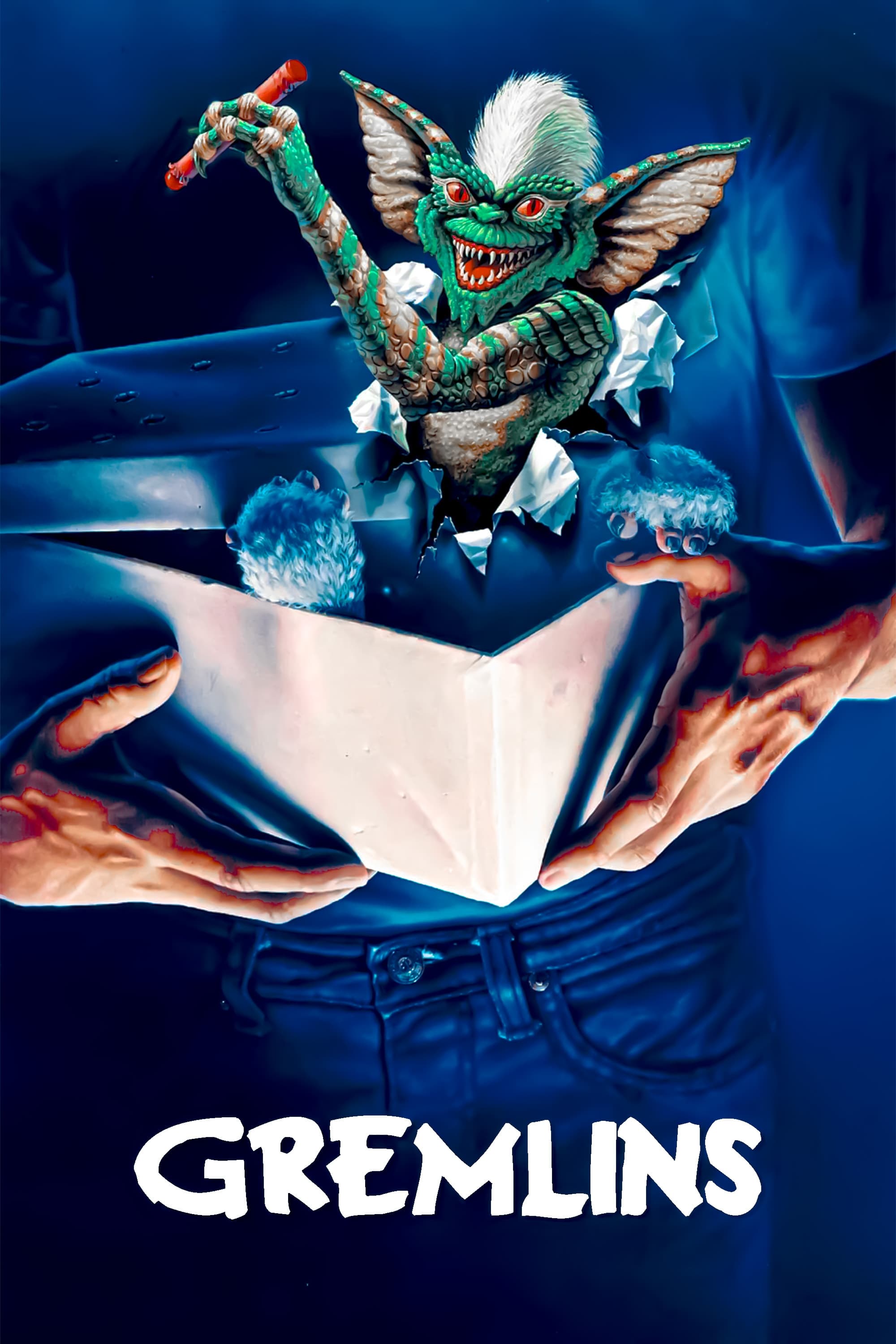
Once the mogwai rules are broken, the small-town outbreak unfolds as mischievous chaos: the creatures vandalize, binge, and sabotage without a coherent endgame. Their mayhem forces residents to improvise containment, as the gremlins adopt found objects and pop culture detritus to escalate pranks into hazards.
Joe Dante’s black-comic direction, Chris Walas’s animatronics, and executive production from Steven Spielberg shaped the film’s tonal blend. Its reception contributed to the creation of the PG-13 rating in the U.S., merchandise exploded in popularity, and the production’s practical creature work remains a touchstone for effects-driven comedies.
‘King Kong’ (1933)

Kong’s actions are rooted in territorial instinct and attraction rather than plotted conquest. From Skull Island to the metropolis, the giant ape responds to threats and stimuli, which is why his path through the city feels reactive—he climbs, swats, and flees without any articulated objective.
RKO mounted expansive visual effects under Willis O’Brien’s stop-motion supervision, pairing miniatures with rear projection and pioneering composite shots. Fay Wray’s performance, the Empire State Building climax, and Max Steiner’s influential score helped solidify the template for creature spectacles and ensured multiple reissues and remakes.
‘Godzilla’ (1954)
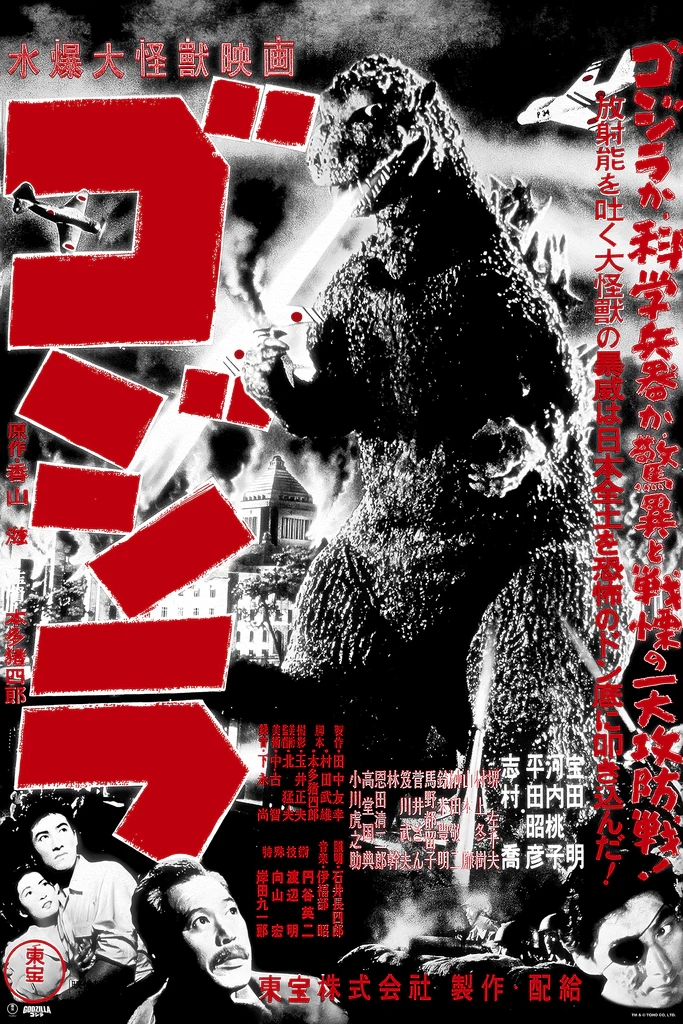
Godzilla’s rampage functions as a force-of-nature event, not a scheme; the creature surfaces, moves inland, and devastates infrastructure without negotiation or demands. Characters interpret the destruction as a metaphor for nuclear trauma, but in-story, the monster itself exhibits no stepwise plot.
Ishirō Honda directed for Toho, with suit performer Haruo Nakajima and special effects overseen by Eiji Tsuburaya using miniatures and suitmation. Akira Ifukube’s theme became an enduring musical signature, and alternate cuts—including an Americanized version—expanded its global reach while launching a prolific franchise.
‘An American Werewolf in London’ (1981)
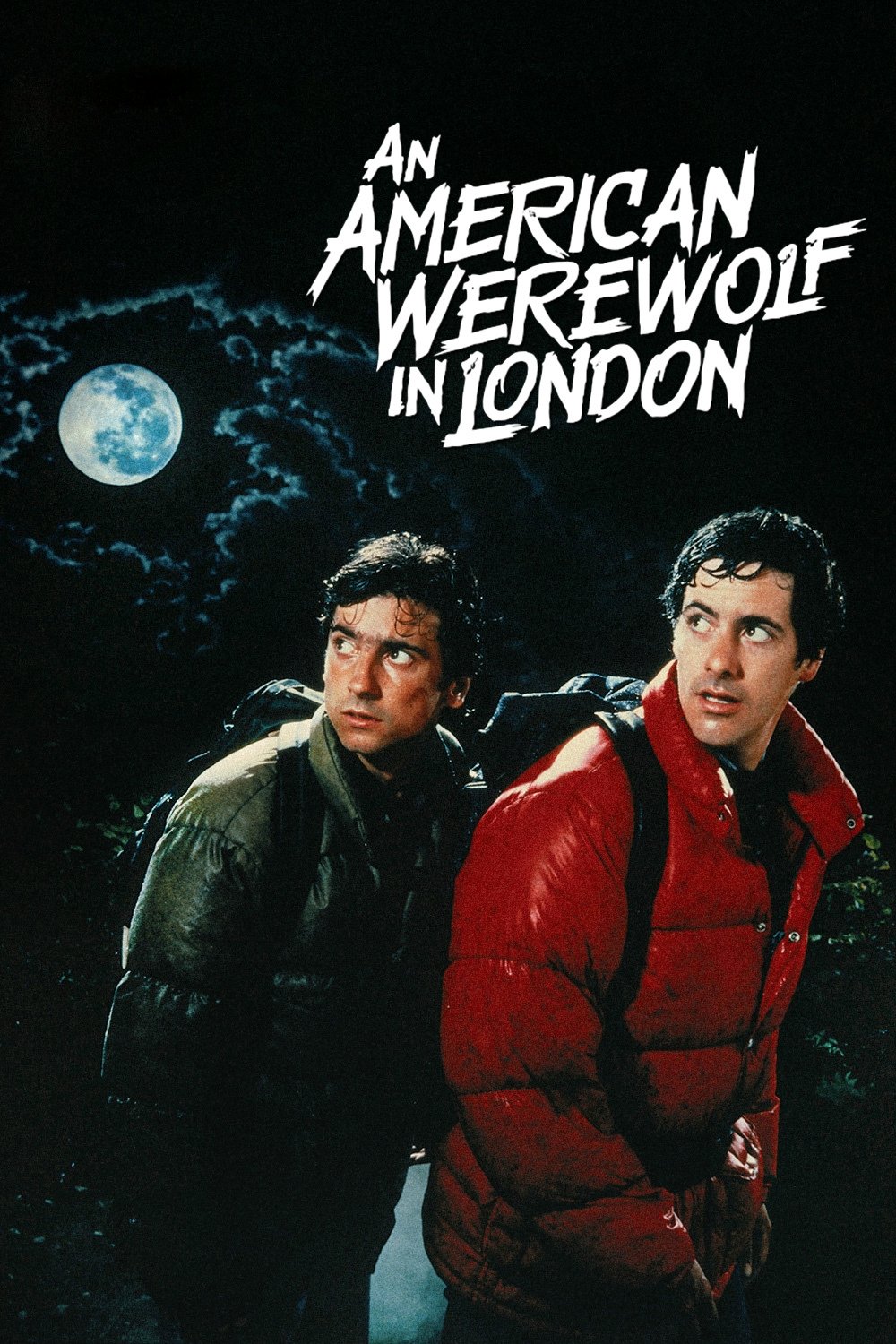
The werewolf’s killings occur during transformations that erase human deliberation, so victims are targeted by happenstance along the creature’s path. Investigators and survivors have nothing to decode beyond the cycle itself, which dictates the timing and stakes regardless of any plan.
John Landis combined horror and dark humor, and Rick Baker’s transformation work earned the inaugural competitive Academy Award for Makeup. Location shooting in London landmarks and a soundtrack built around moon-themed songs underscore the urban-fantasy premise that collides everyday spaces with folkloric menace.
‘Cujo’ (1983)
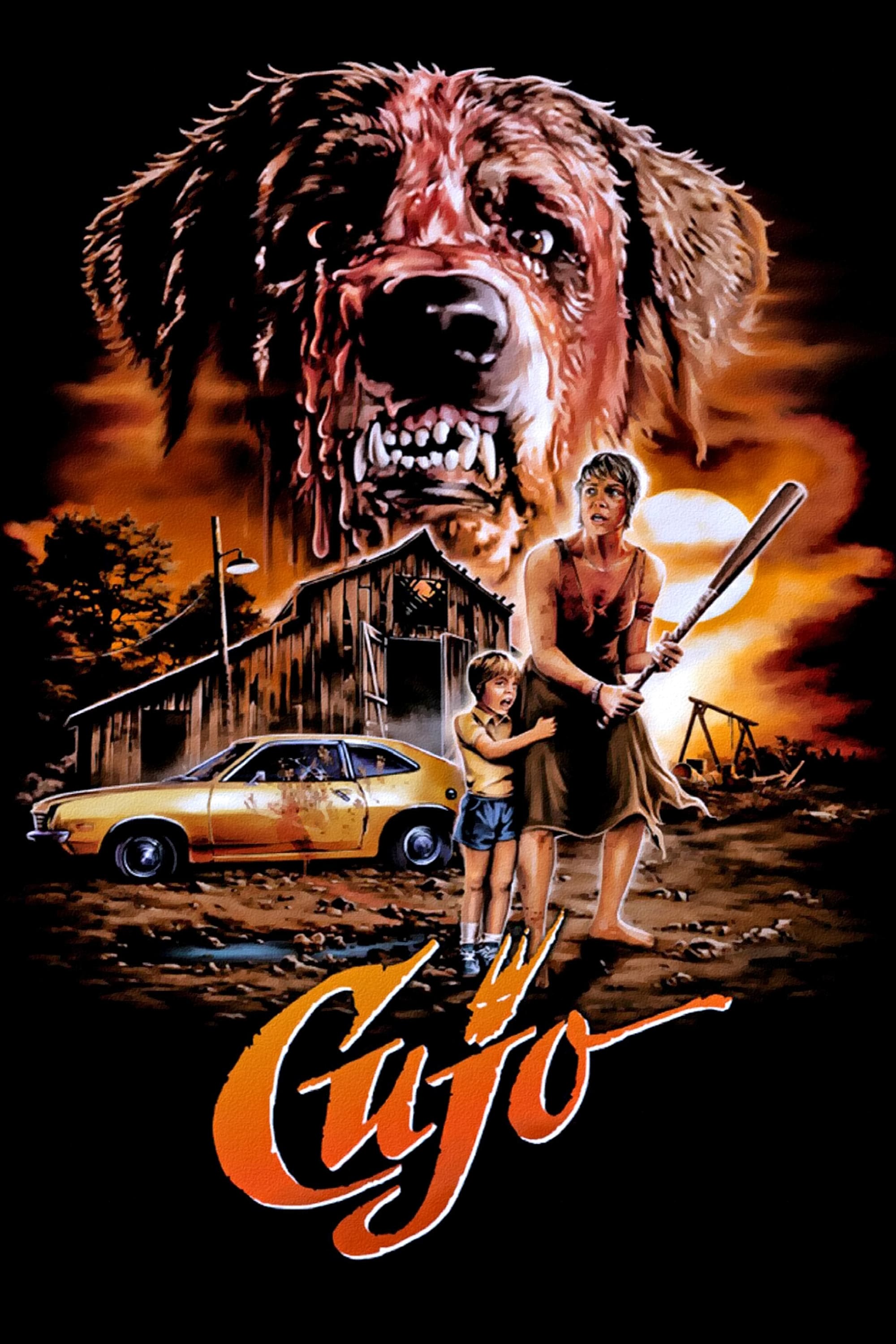
The rabid Saint Bernard terrorizes a trapped mother and child with relentless, unscripted aggression, driven by disease rather than design. The siege unfolds because a broken-down car and an isolated farmyard intersect with the dog’s territory, turning routine errands into a survival ordeal.
Adapted from Stephen King, the production used multiple trained dogs, prosthetics, and animatronic rigs to stage close-quarters attacks. Director Lewis Teague emphasized real-time tension inside the sweltering vehicle, and the film’s contained setting has made it a staple example of single-location suspense.
‘The Blair Witch Project’ (1999)
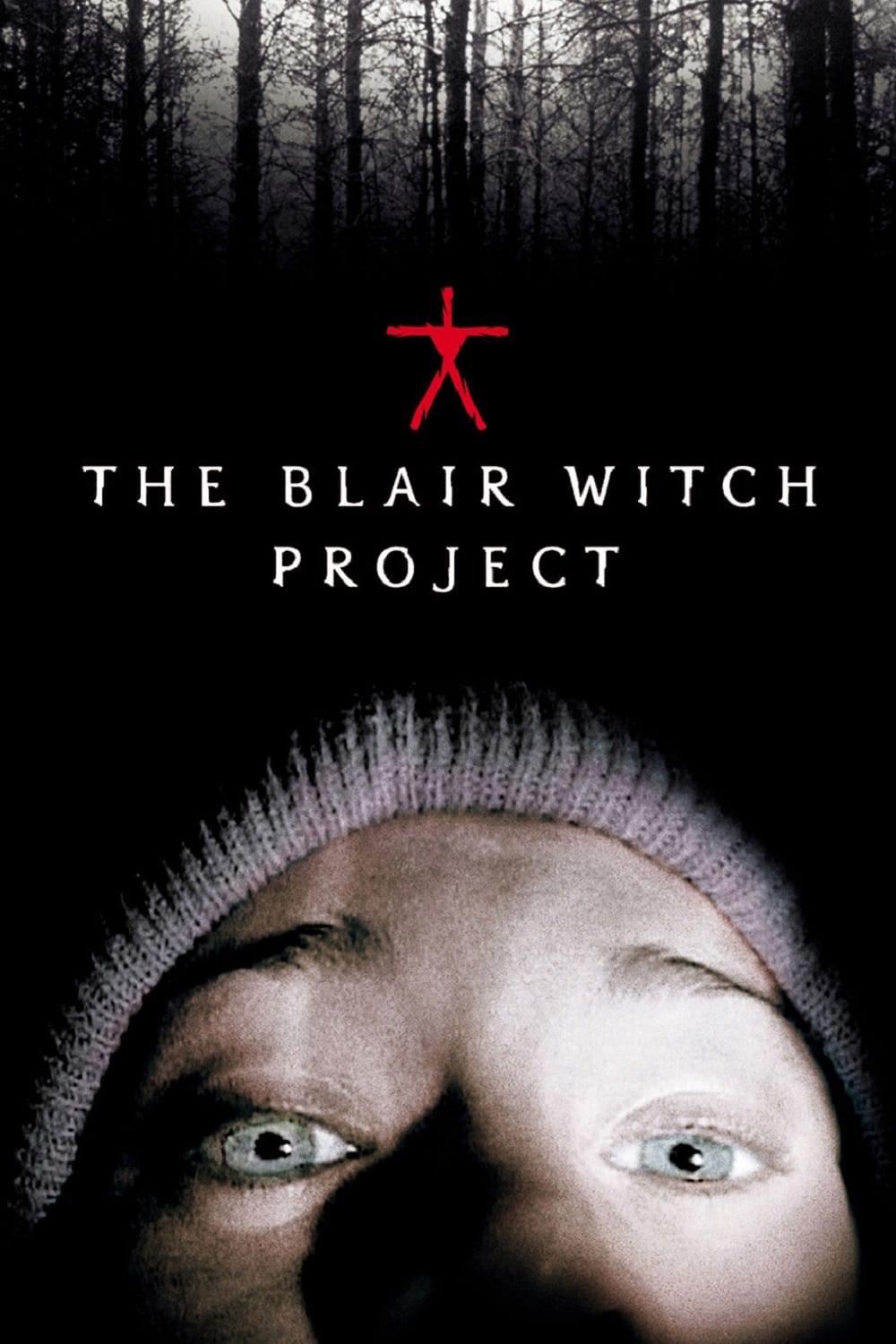
The unseen antagonist never presents demands or outlines motives; the student filmmakers encounter signs, noises, and totems that escalate without explanation. With no master plan to interpret, the characters’ map errors and panic create a spiral that ends where folklore and disorientation meet.
Shot with consumer-grade cameras and heavily improvised performances, the film used diegetic camerawork to justify every angle. A lean budget paired with a novel marketing campaign—especially early web materials—turned the release into a phenomenon and popularized the found-footage approach for a new wave of horror.
‘Poltergeist’ (1982)
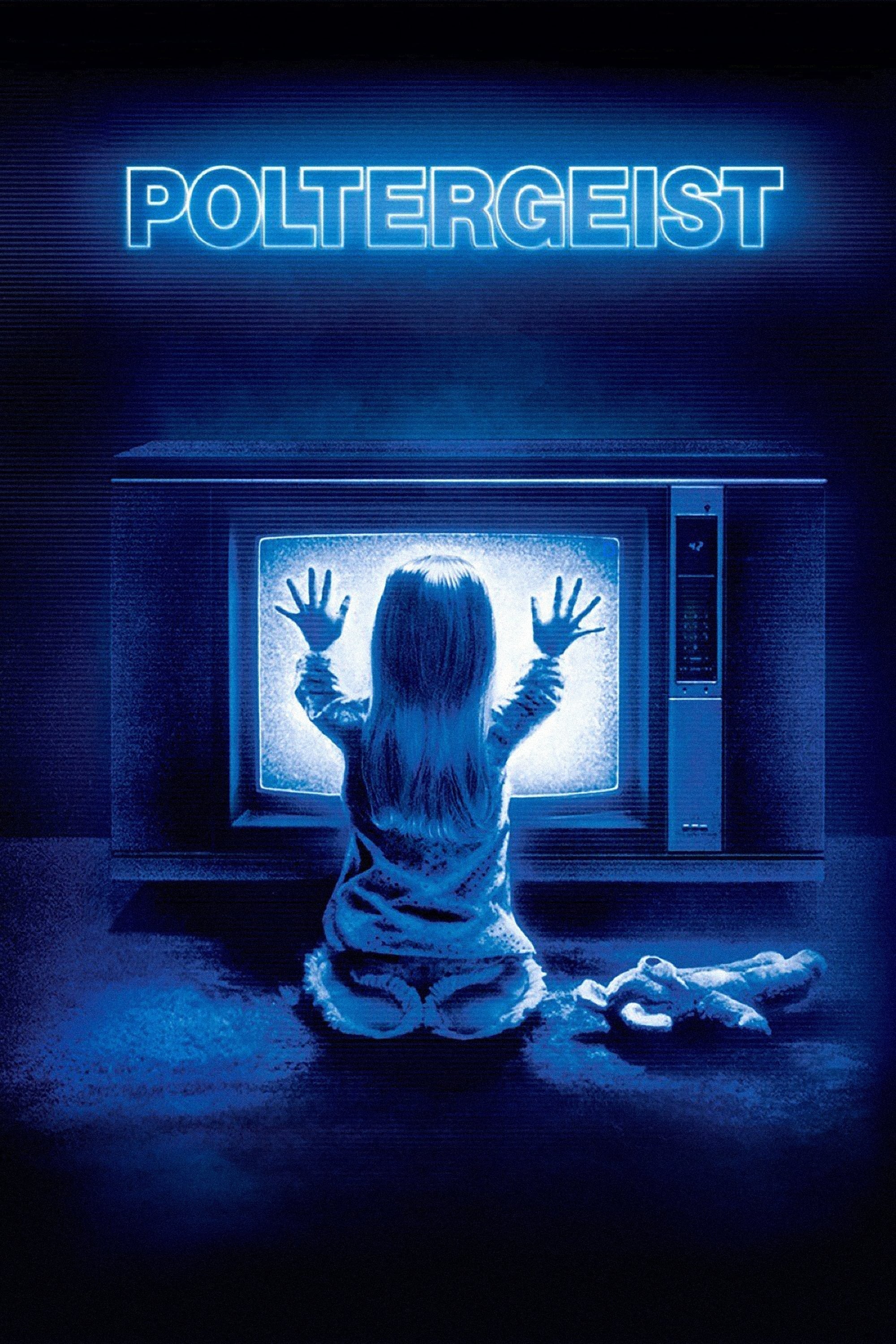
The haunting in the Freeling home lacks a negotiator or manifesto; objects move, voices whisper, and a child vanishes into a spectral dimension without any extortionate plan. The family’s response is to consult experts and engineers, treating the problem like a technical and spiritual emergency rather than a crime.
Tobe Hooper is credited as director, with Steven Spielberg producing and shaping the suburban spectacle. Industrial Light & Magic handled effects work, the production blended practical gags with optical shots, and iconic lines and images helped the film straddle mass-market accessibility and supernatural dread.
‘Natural Born Killers’ (1994)
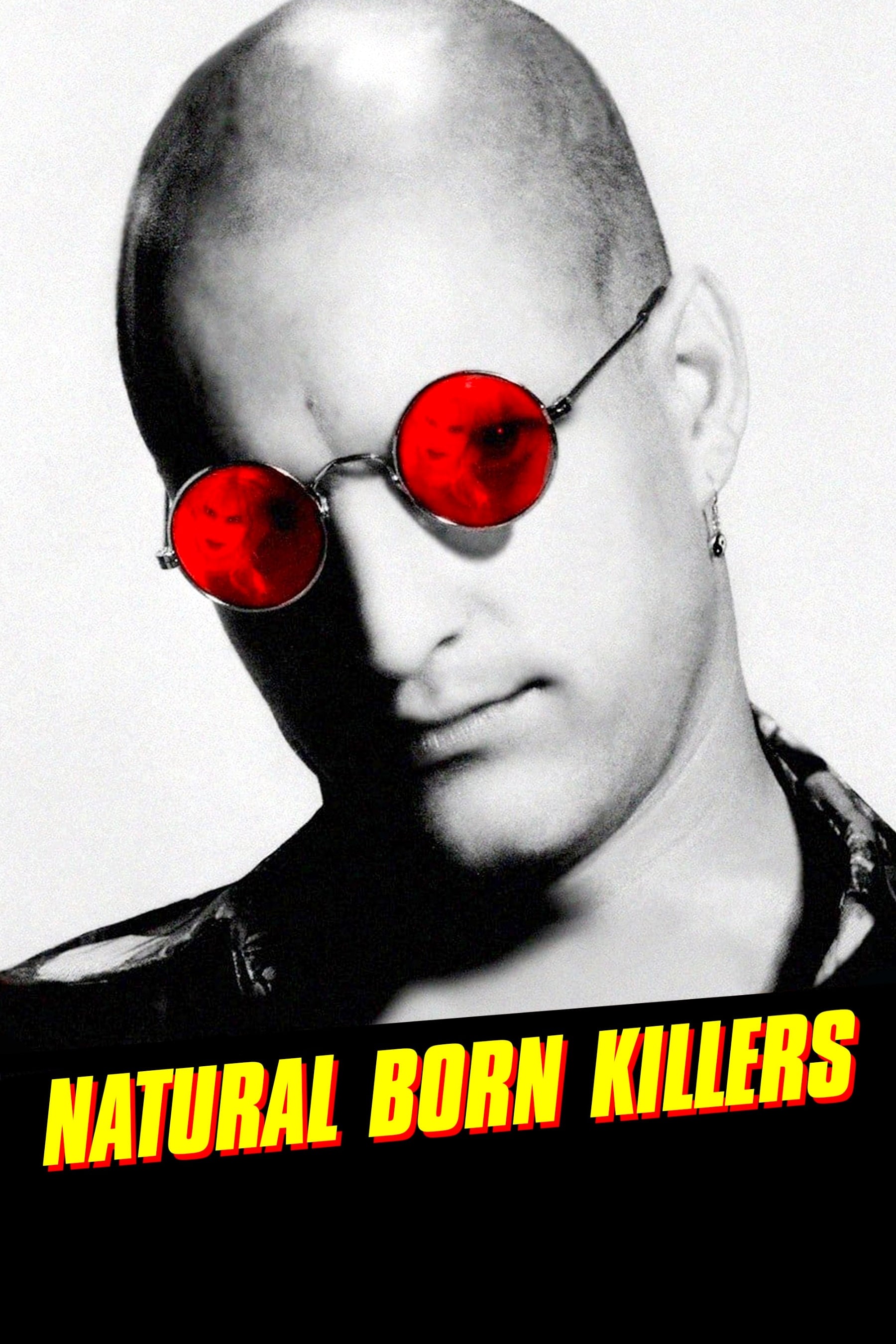
Mickey and Mallory’s cross-country bloodshed unfolds as a sequence of impulsive stops rather than a mapped spree, with media coverage amplifying each incident. Their route is driven by chance encounters and momentary provocations, which is why law enforcement tracks them through a trail of spectacle instead of strategy.
Oliver Stone’s film repurposed a story concept associated with Quentin Tarantino, layering in montage, mixed film stocks, and newsmagazine pastiche. The soundtrack, assembled with a collage approach, and performances by Woody Harrelson and Juliette Lewis anchored a release that sparked censorship debates and multiple edits for different markets.
‘The Hitcher’ (1986)
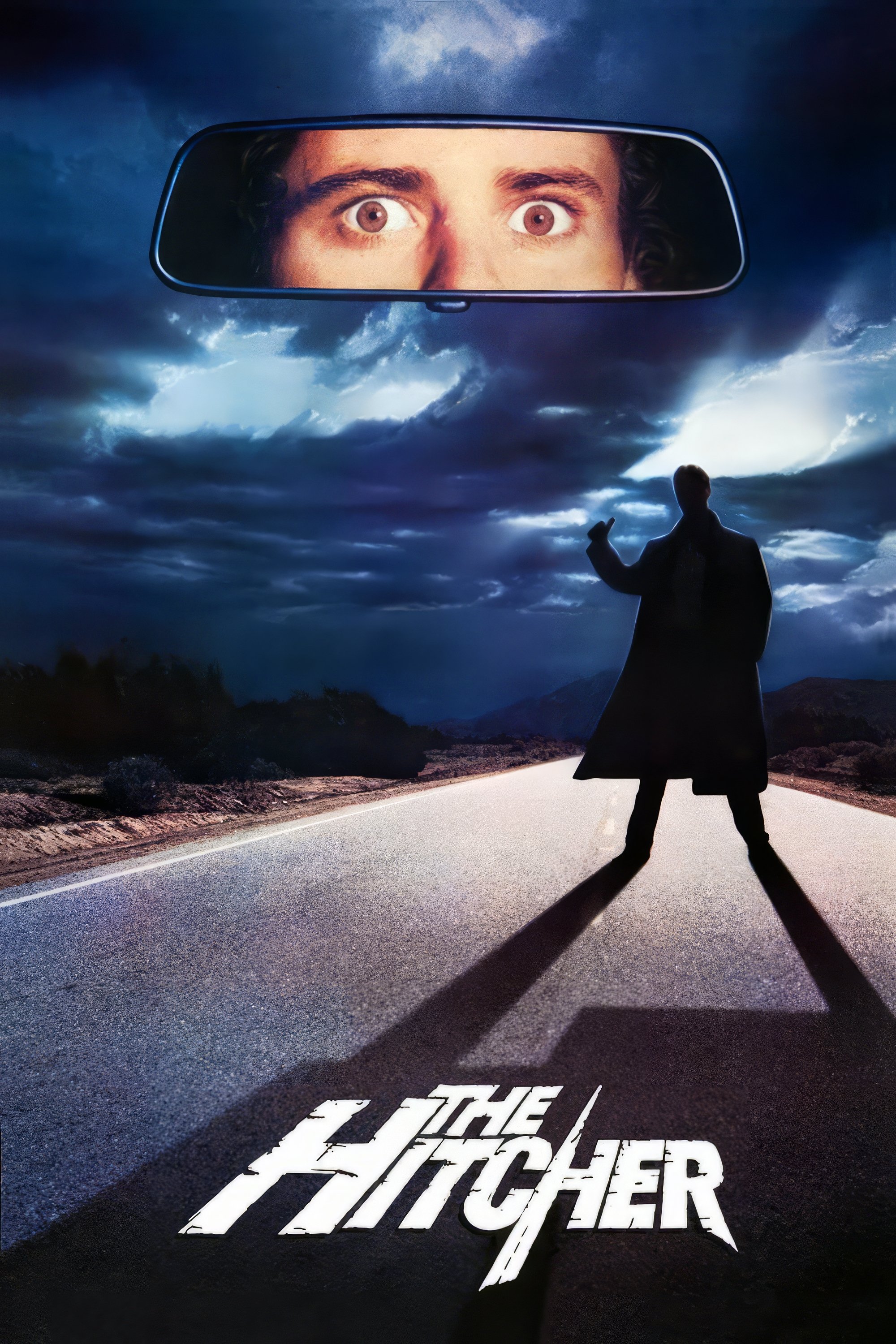
Rutger Hauer’s mysterious stranger targets a young driver on desolate highways without offering a motive or endgame, appearing and disappearing at will. The violence escalates through roadside chance rather than escalation-by-plan, forcing authorities to confront a threat that doesn’t fit investigative patterns.
Director Robert Harmon staged chases and standoffs across sparsely populated desert locations, using practical stunts and daylight photography to heighten vulnerability. Eric Red’s screenplay maintains minimal backstory, and C. Thomas Howell’s perspective keeps the audience aligned with a protagonist who can’t predict the next turn.
‘The Warriors’ (1979)
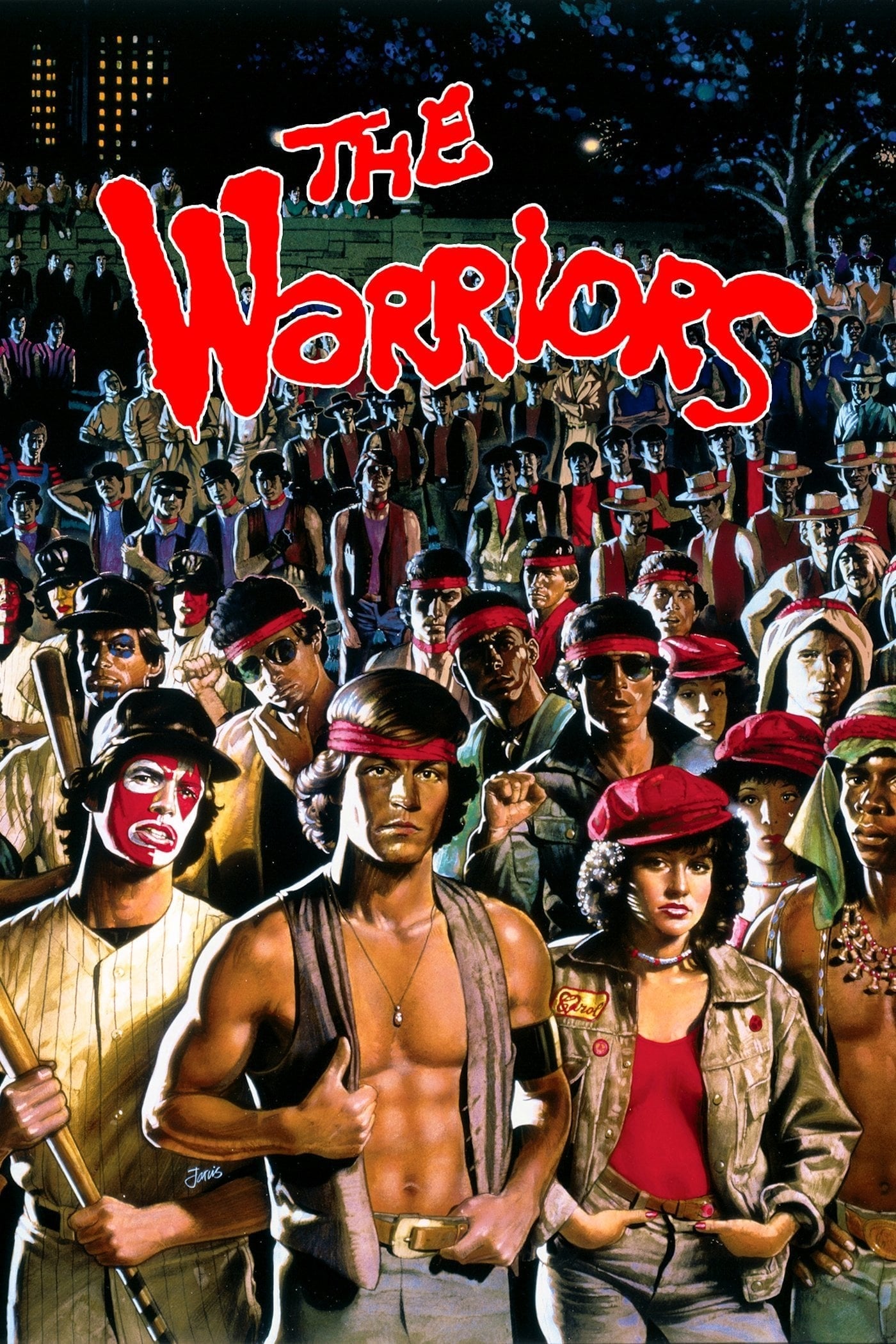
After a citywide summit collapses, the pursuing antagonist Luther initiates the central conflict without a reasoned objective; his actions disrupt gangs across boroughs with no plan beyond provocation. The titular group’s odyssey becomes a logistics and navigation challenge as they dodge improvised ambushes on their route home.
Walter Hill shot extensively on New York City locations at night, favoring wide lenses, practical lighting, and stylized gang iconography. The film’s marketing encountered early controversies, yet its dialogue, costumes, and synth-driven score propelled it to cult status, inspiring games, re-releases, and fan events.
‘Jurassic Park’ (1993)
The park’s predators operate on instinct and opportunity—fences fail, gates open, and animals test boundaries without any organizing intelligence guiding an escape plan. Human characters adapt on the fly, rebooting systems, rerouting power, and attempting containment while the creatures follow hunger, curiosity, and territorial behavior.
Steven Spielberg combined Industrial Light & Magic’s pioneering digital animation with Stan Winston’s full-scale animatronics to realize lifelike dinosaurs. Sound design, including bespoke creature vocalizations, and John Williams’s score helped define the tone, and the film set new global box-office benchmarks while expanding into a long-running franchise.
‘The Shining’ (1980)
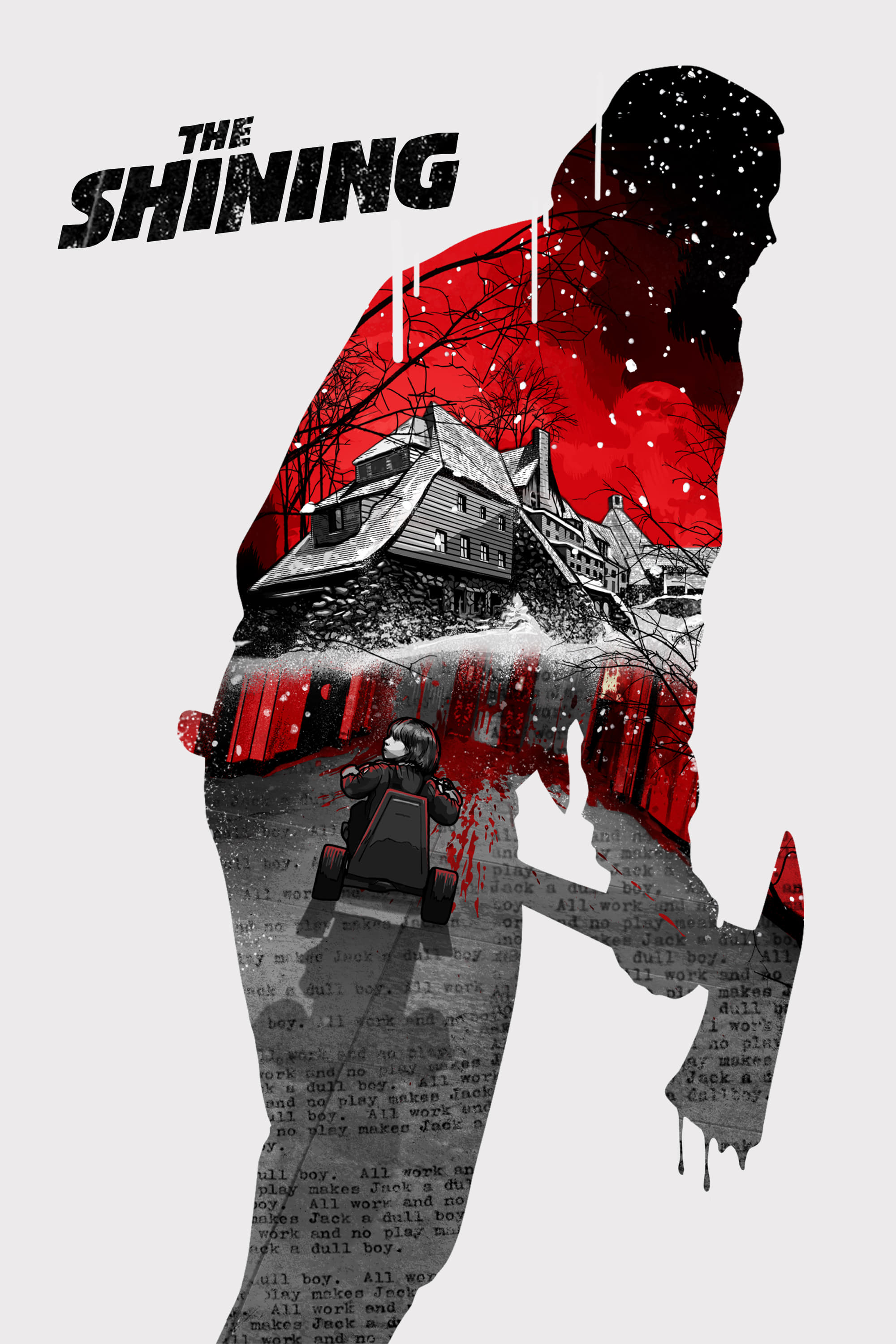
Jack Torrance’s descent at the Overlook is driven by psychological breakdown and supernatural pressure rather than a plotted scheme. His violent outbursts, stalking, and fixation are reactive manifestations of the hotel’s influence, leaving his family to respond to an unpredictable threat.
Stanley Kubrick emphasized symmetry, long takes, and Steadicam work developed by Garrett Brown to navigate the hotel’s labyrinthine spaces. Exterior shots at Timberline Lodge and large interior sets at Elstree Studios created the iconic environment, and performances by Jack Nicholson and Shelley Duvall anchored the film’s enduring cultural imprint.
‘Night of the Living Dead’ (1968)
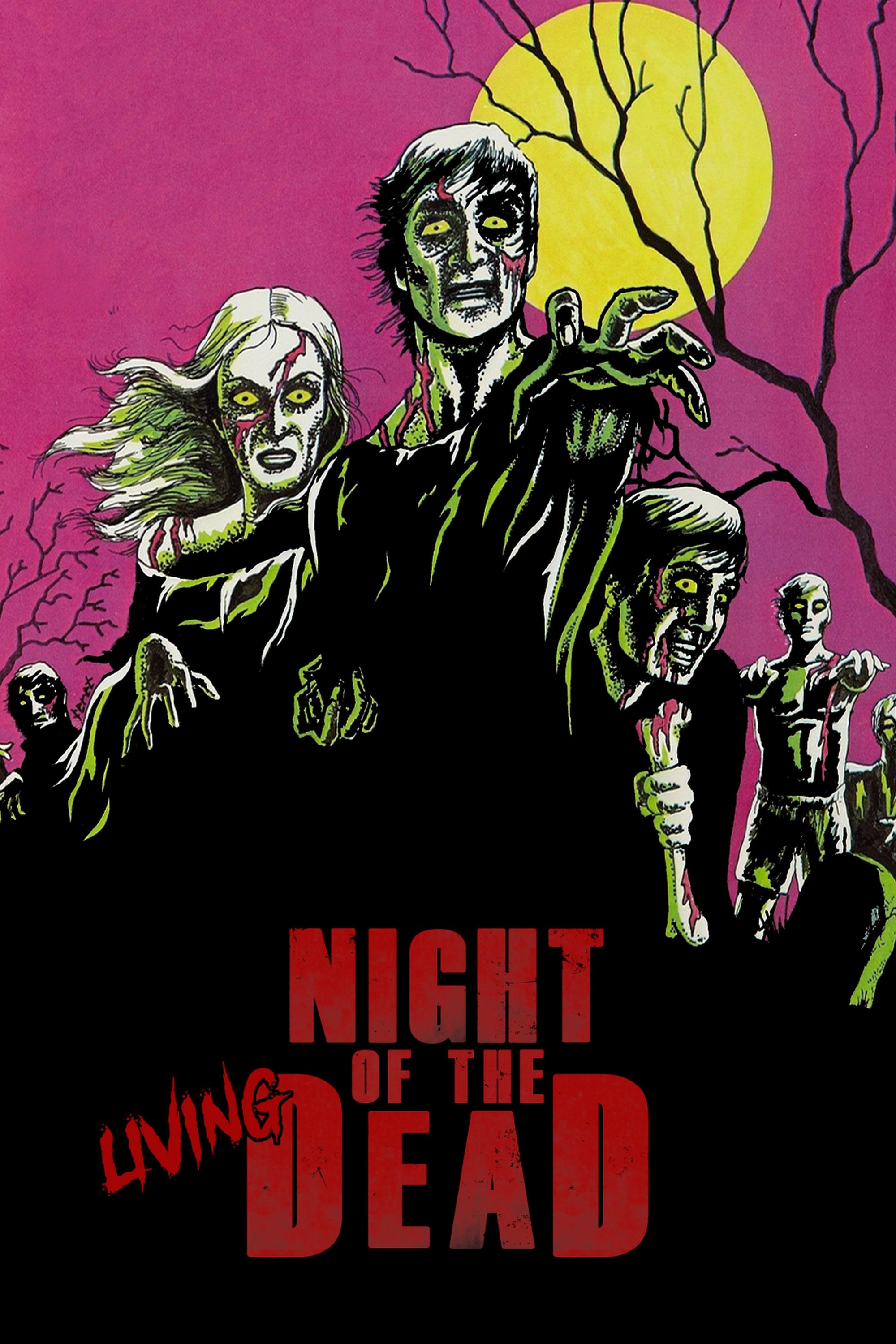
The ghouls surrounding the farmhouse act collectively without leadership, drawn by basic stimuli rather than tactics or negotiation. Survivors organize barricades and argue over shelter logistics because there is nothing to decode beyond the immediate behavior of the encroaching horde.
George A. Romero’s independently produced feature was shot near Pittsburgh with a largely local cast, using stark black-and-white cinematography. Distribution quirks placed it into the public domain, its depiction of a Black protagonist was historically significant, and it established modern zombie conventions for decades of cinema to follow.
‘The Blob’ (1958)
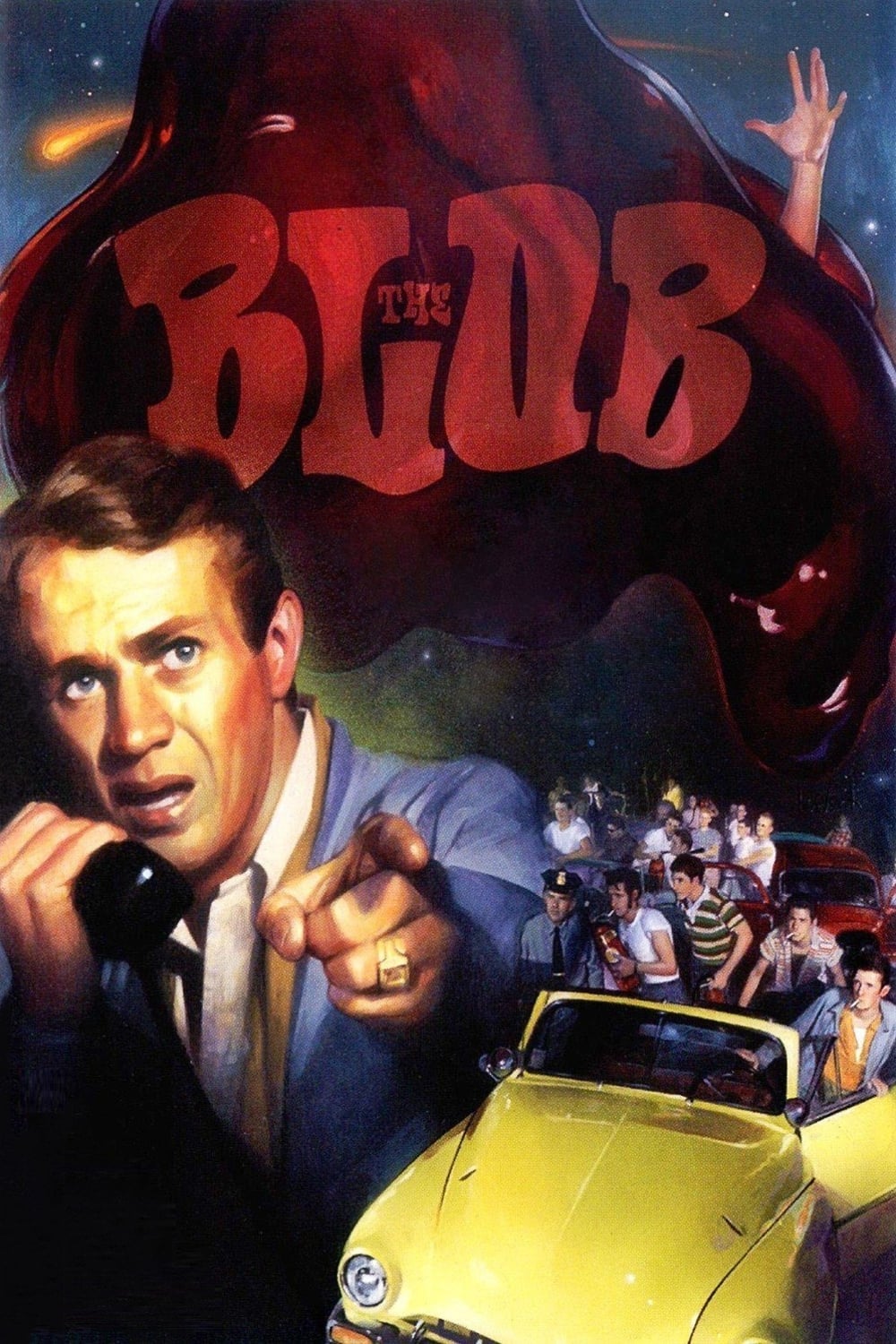
The amorphous creature grows as it consumes, moving through a small town with no goal beyond expansion. Because it lacks a mind to persuade, authorities and teens collaborate to understand its vulnerabilities through observation and trial.
An early role for Steve McQueen headlines a production that leaned on practical gags—colored silicone, miniatures, and optical work—to sell the goo’s mass. The catchy theme song, credited to a then-rising songwriting team, and location shooting in Pennsylvania contributed to the film’s drive-in pedigree and lasting charm.
‘Creature from the Black Lagoon’ (1954)
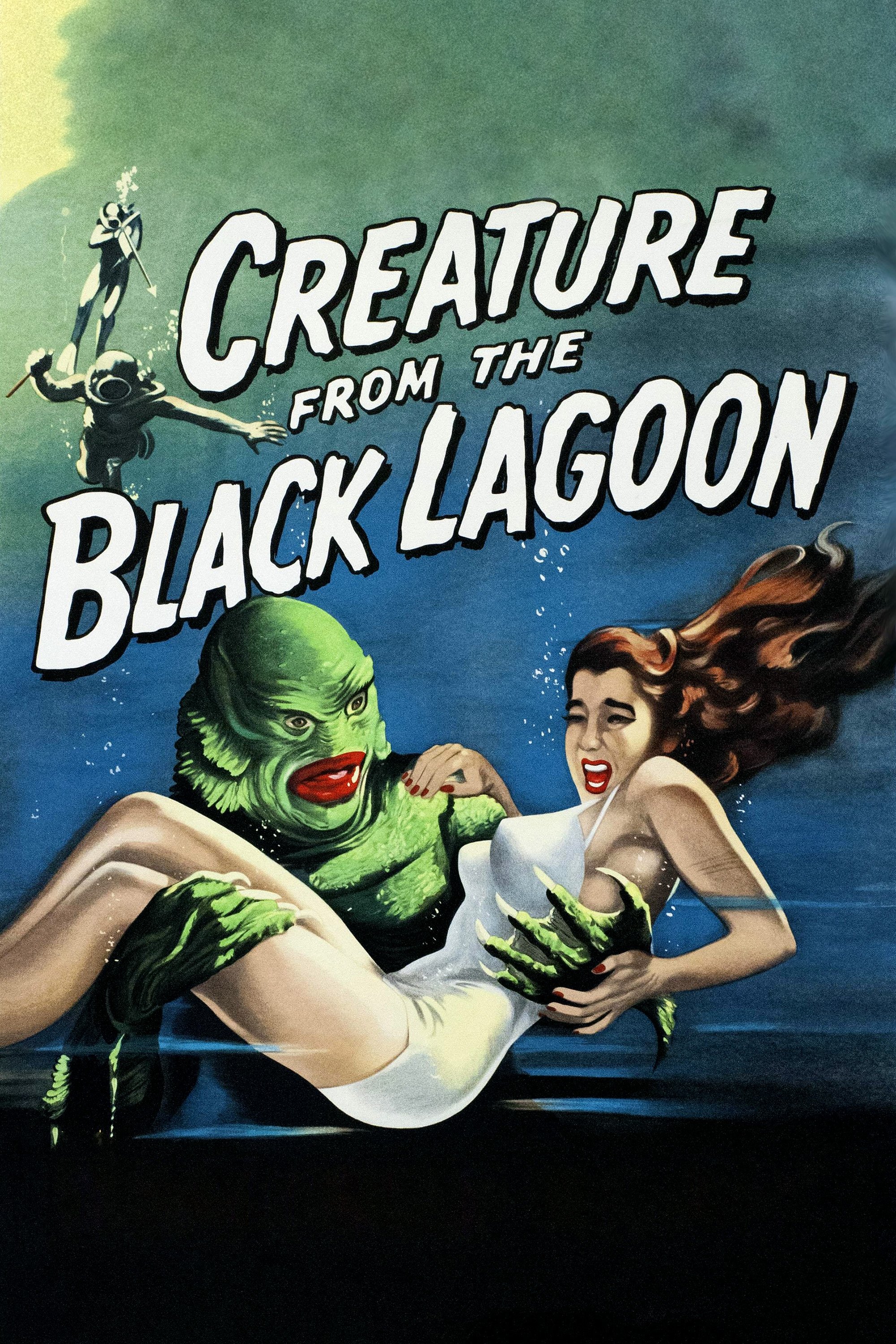
The Gill-man’s encounters with scientists spring from territorial behavior and curiosity, not a plan to terrorize. The expedition’s attempts to capture or study the creature provoke responses that escalate the conflict, turning the lagoon into a contested zone.
Universal’s monster production featured underwater photography coordinated in Florida springs, with Ricou Browning performing the creature’s aquatic movements and Ben Chapman handling land scenes. The suit design became a studio icon, the film originally screened in polarized 3D, and sequels extended the character’s legacy in the Universal canon.
‘The Big Lebowski’ (1998)
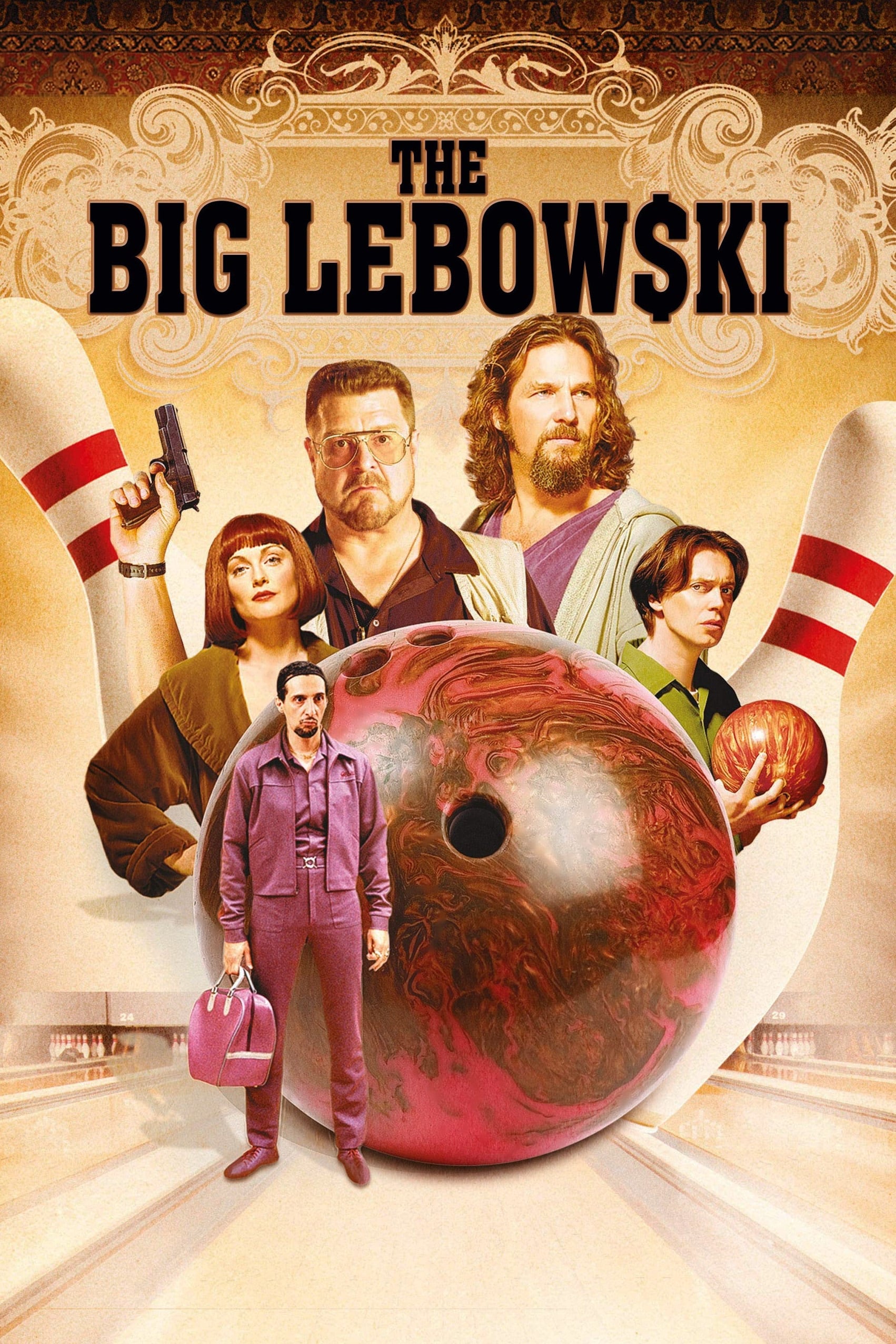
The self-described nihilists at the story’s margins fabricate a kidnapping plot they never truly control, lurching from ransom call to chaotic confrontations. Their lack of coordination is evident in failed handoffs and botched strong-arm tactics that unfold around a mistaken-identity caper they did not engineer.
Joel and Ethan Coen’s film pairs bowling-alley hangouts with a Los Angeles noir framework, anchored by Jeff Bridges, John Goodman, and Julianne Moore. The soundtrack curates eclectic tracks, lines became widely quoted, and the movie’s cult growth fueled festivals, memorabilia, and academic writing on its genre play.
‘Aguirre, the Wrath of God’ (1972)
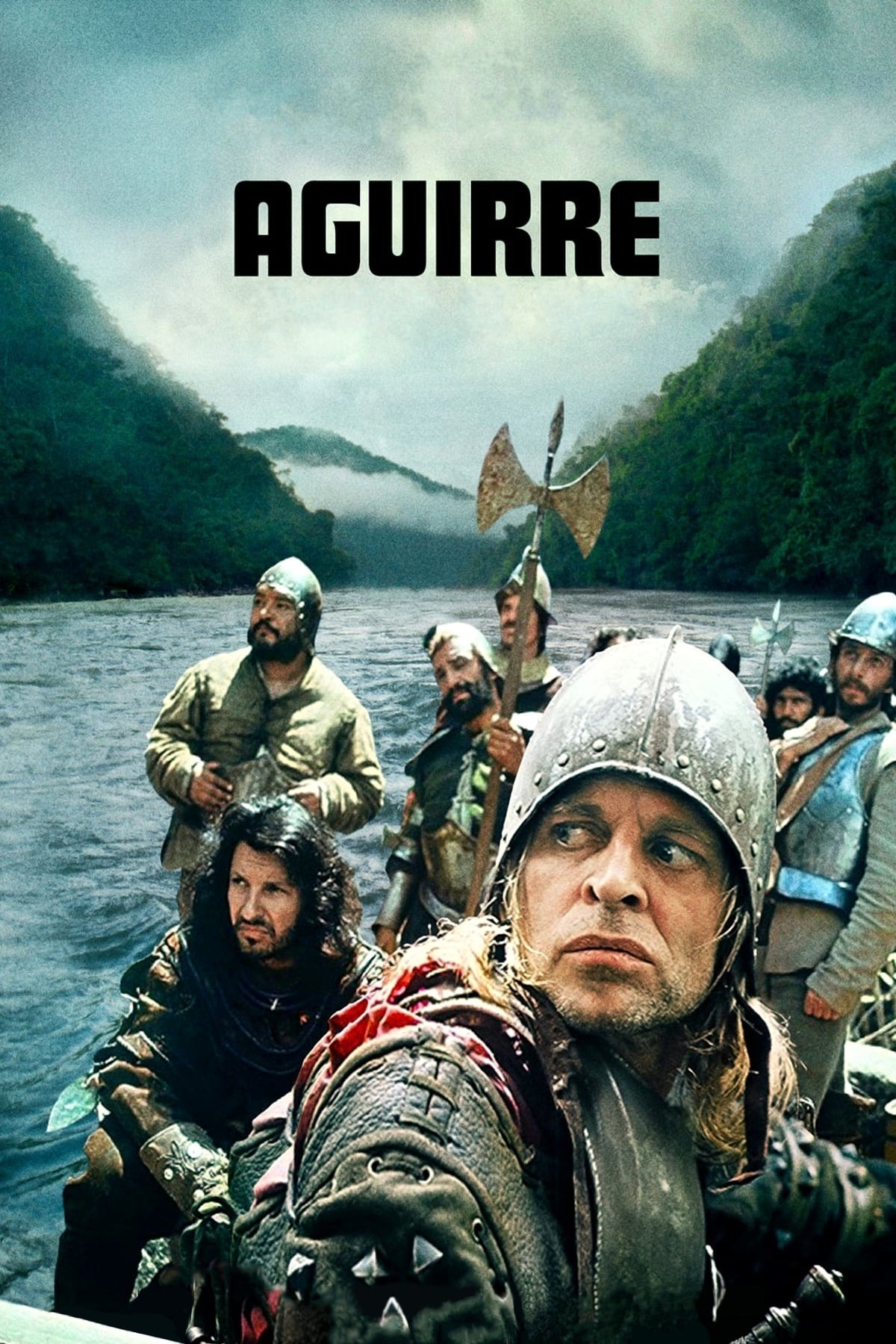
Conquistador Lope de Aguirre’s break from command isn’t guided by logistics; his expedition drifts downriver as supplies, maps, and morale collapse. His declarations of destiny and power lack actionable next steps, leaving the raft’s survivors to face the jungle and each other without structure.
Werner Herzog shot in remote South American locations with a small crew and a volatile, compelling performance from Klaus Kinski. The film’s final movement—famously involving a raft swarmed by monkeys—became an emblem of audacious location filmmaking, and its influence can be seen in later river odysseys and historical anti-epics.
Share your favorite examples of plan-free villains from classic films in the comments and tell everyone which moments made them unforgettable.