15 Most Beloved MCU Characters, Ranked


The Marvel Cinematic Universe spans dozens of interconnected films and series, with characters whose stories stretch across galaxies, timelines, and teams. Some figures anchor entire phases, while others steal scenes and drive crucial turning points. Together, they form a web of origin stories, alliances, and losses that define the MCU’s major conflicts and resolutions.
This list looks across the MCU’s movies and Disney+ series to highlight characters with sustained screen presence, narrative importance, cultural impact, and strong arcs through multiple projects. You’ll find their key appearances, powers or skills, relationships, and pivotal plot contributions—so you can trace exactly how each one shapes the larger saga.
Bucky Barnes (Winter Soldier)

James “Bucky” Barnes begins as Steve Rogers’ best friend before Hydra experimentation transforms him into the brainwashed assassin known as the Winter Soldier. His storyline runs through ‘Captain America: The First Avenger’, ‘Captain America: The Winter Soldier’, and ‘Captain America: Civil War’, where he becomes the hinge for the Avengers’ split. Enhanced by a vibranium arm from Wakanda and super-soldier conditioning, he regains autonomy and transitions from hunted weapon to allied operative.
On Disney+, ‘The Falcon and the Winter Soldier’ details his government-mandated therapy, amends-making, and partnership with Sam Wilson during the Flag Smasher crisis. He fights alongside the Avengers in ‘Avengers: Infinity War’ and ‘Avengers: Endgame’, joining the final stand against Thanos after rehabilitation in Wakanda, where Shuri’s deprogramming makes his restoration possible.
Sam Wilson (Captain America)
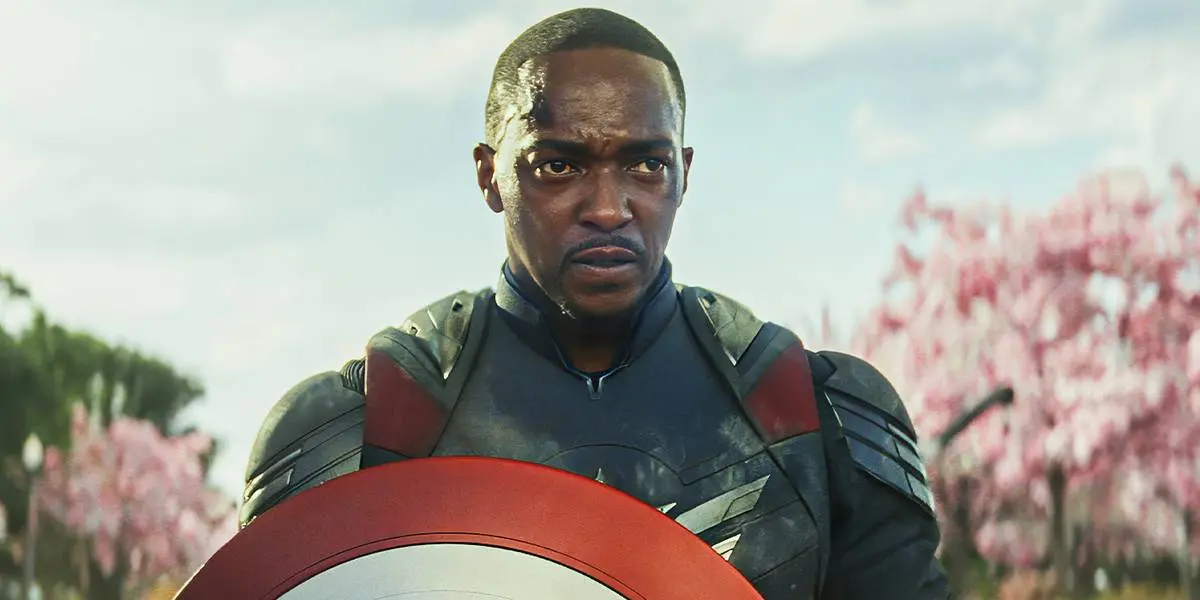
Introduced as a former pararescueman with advanced flight skills via the EXO-7 Falcon wings, Sam Wilson supports Steve Rogers in ‘Captain America: The Winter Soldier’ and later becomes a core Avenger. He takes part in major battles in ‘Avengers: Age of Ultron’, ‘Captain America: Civil War’, ‘Avengers: Infinity War’, and the final charge in ‘Avengers: Endgame’. His combat capabilities combine aerial maneuverability, tactical intelligence, and drone reconnaissance.
‘The Falcon and the Winter Soldier’ chronicles Sam’s acceptance of the Captain America mantle and his work with Bucky Barnes to stop the Super Soldier Serum–enhanced Flag Smashers. The series also covers the redesign of his flight suit with Wakandan tech and crystallizes his leadership role going forward, including government recognition of his status as Captain America.
Shuri
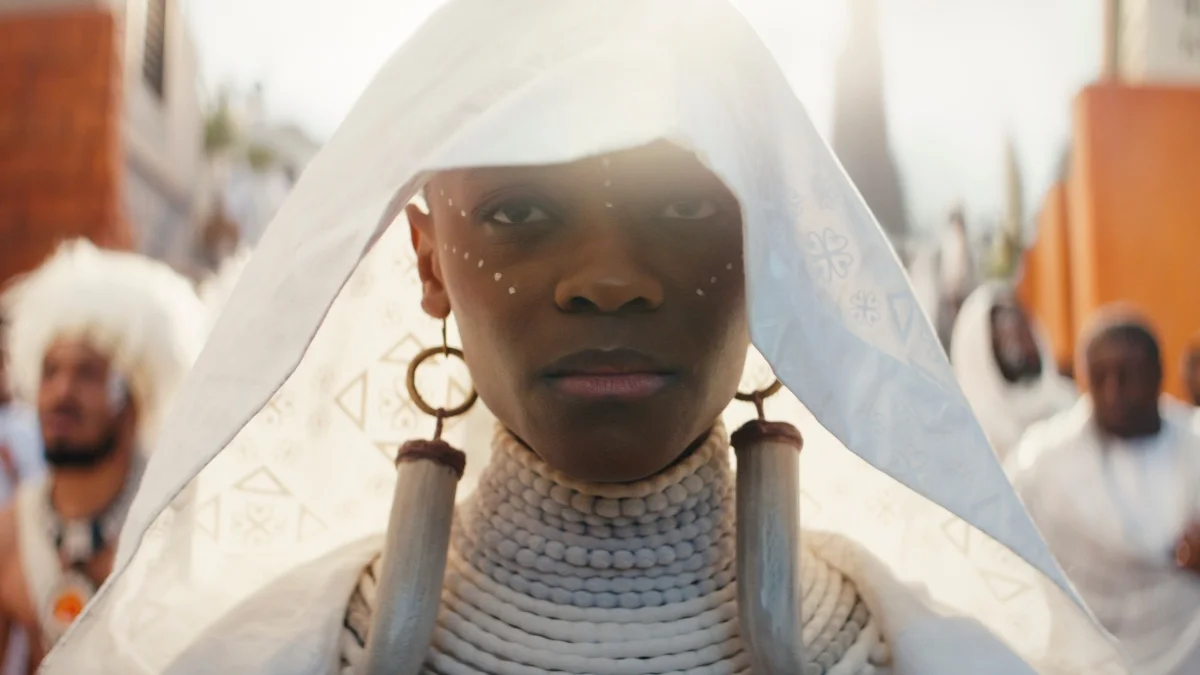
Shuri, the Wakandan princess and chief innovator of the nation’s Design Group, is responsible for a range of vibranium-based technologies seen throughout ‘Black Panther’. Her medical and engineering expertise are pivotal during Bucky Barnes’ rehabilitation and in designing T’Challa’s Panther habit upgrades. She interfaces with Everett Ross’s injuries and manages Wakanda’s defense systems during key battles.
She expands her influence in ‘Avengers: Infinity War’ while attempting to remove the Mind Stone from Vision and later in ‘Black Panther: Wakanda Forever’, where she advances Wakanda’s technology and engages with external threats. Her work exemplifies the MCU’s integration of science leadership into front-line conflict, linking lab strategy with battlefield outcomes.
Peter Quill (Star-Lord)
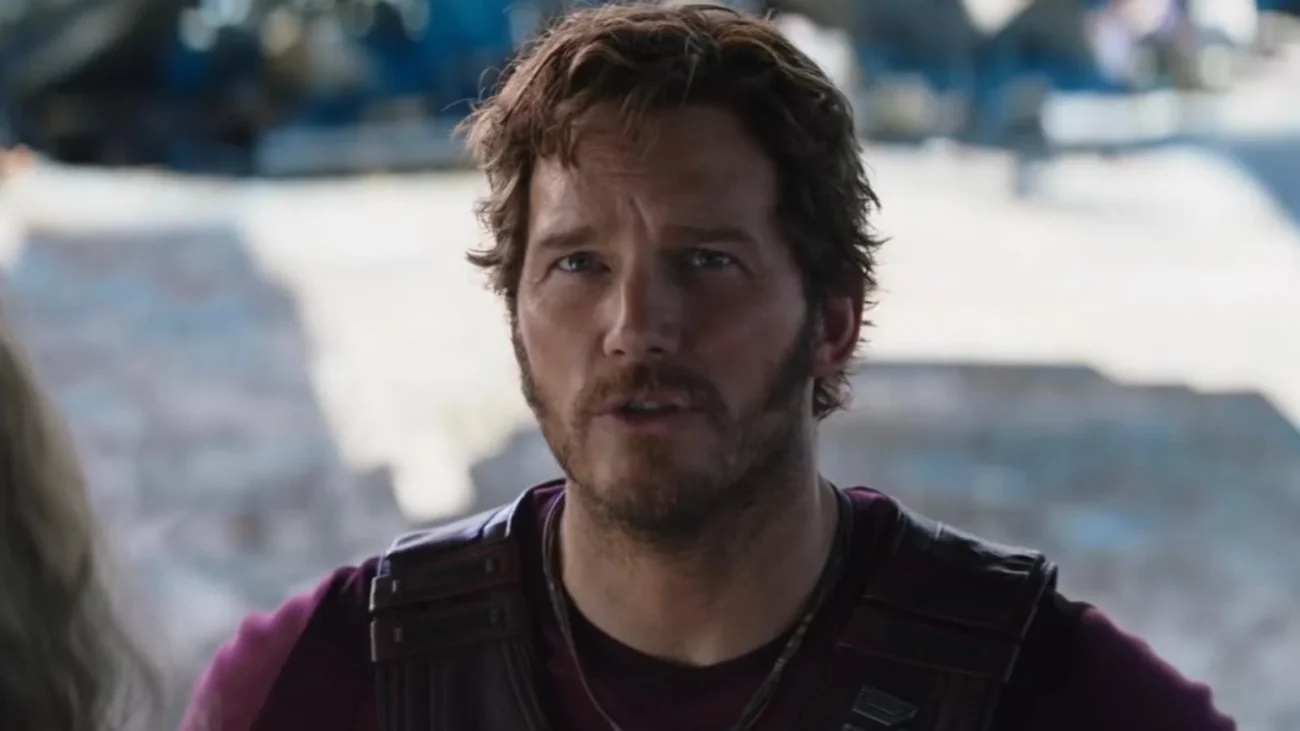
Peter Quill is an abducted Terran raised by the Ravagers who later forms the Guardians in ‘Guardians of the Galaxy’. His Zune-era music tastes inform the team’s cultural shorthand, while his relationship with Gamora and leadership of the Milano crew underpin missions across ‘Guardians of the Galaxy Vol. 2’ and ‘Avengers: Infinity War’. He wields dual Quad Blasters and coordinates a unit that includes Rocket, Groot, Drax, and later Mantis and Nebula.
‘Guardians of the Galaxy Vol. 3’ tracks Quill’s efforts to stabilize the team after losses and to confront the High Evolutionary’s threat tied to Rocket’s past. The Guardians’ appearances connect cosmic narratives to Earth-bound Avengers events, providing transport, intelligence, and reinforcements when larger crossovers demand multi-planet coordination.
Rocket Raccoon
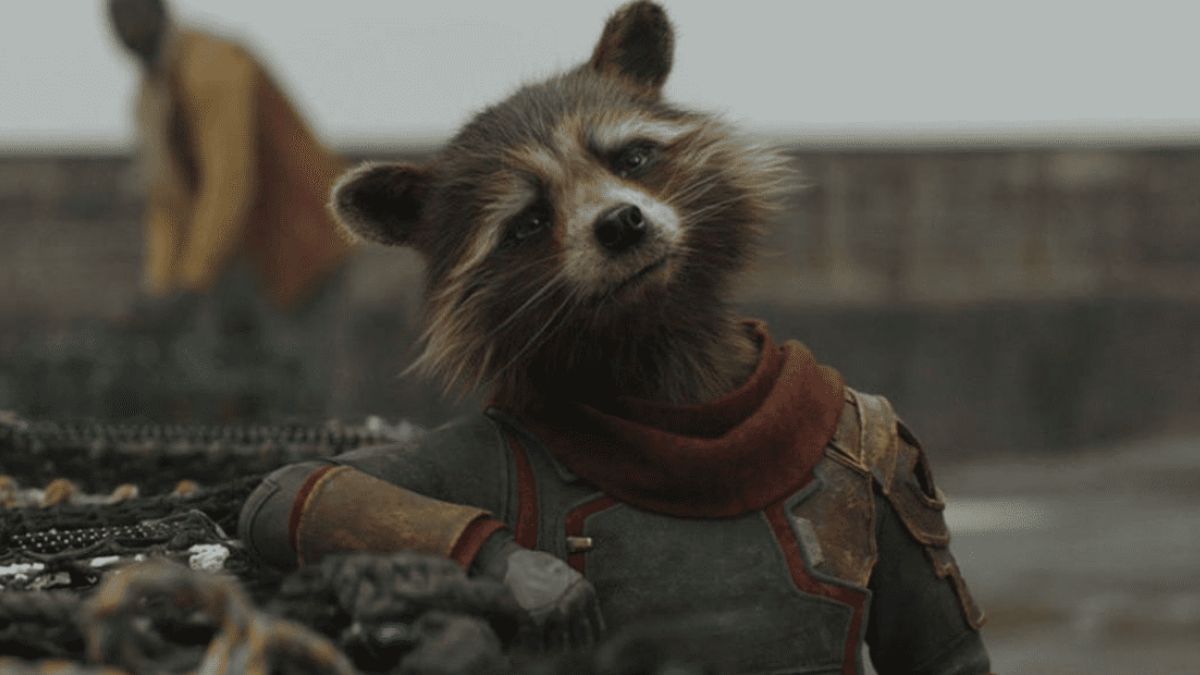
Rocket is a genetically modified creature with expert-level engineering, marksmanship, and battlefield improvisation skills introduced in ‘Guardians of the Galaxy’. He crafts and maintains weapons, starship upgrades, and containment solutions that enable the team’s unconventional tactics across ‘Guardians of the Galaxy Vol. 2’, ‘Avengers: Infinity War’, and ‘Avengers: Endgame’. His partnership with Groot remains one of the MCU’s most functional combat pairings, balancing heavy fire with agility.
In ‘Guardians of the Galaxy Vol. 3’, Rocket’s origin with the High Evolutionary is central to the plot, detailing his biomedical modifications and the emotional and technical consequences of that history. He also serves as acting liaison with the Avengers during the time-skip period, coordinating off-world intelligence and helping integrate the Guardians into broader anti-Thanos operations.
Groot

Groot, a Flora colossus from Planet X, first appears alongside Rocket in ‘Guardians of the Galaxy’, where his regenerative abilities, limb-extension combat, and luminescent spore illumination support stealth and rescue actions. After sacrificing himself, he regenerates from a twig, returning as Baby Groot in ‘Guardians of the Galaxy Vol. 2’ and later growing into adolescent and adult forms across subsequent entries. His limited vocabulary is offset by high situational awareness and physical resilience.
In ‘Avengers: Infinity War’, Groot provides the handle for Stormbreaker by fusing his own arm with the ax head, enabling Thor’s weapon assembly en route to Nidavellir. ‘Guardians of the Galaxy Vol. 3’ showcases additional morphing capabilities and armor-like growth, broadening his role from support to frontline offense while remaining integral to the team’s mobility and rescue procedures.
Doctor Strange

Stephen Strange, former neurosurgeon turned Master of the Mystic Arts, anchors the MCU’s exploration of multiversal rules beginning with ‘Doctor Strange’. He protects Earth from interdimensional threats as Sorcerer Supreme in practice, utilizing artifacts such as the Cloak of Levitation and the Eye of Agamotto. He plays a central role in ‘Thor: Ragnarok’, ‘Avengers: Infinity War’, and ‘Avengers: Endgame’, where probabilistic foresight guides the final strategy against Thanos.
‘Doctor Strange in the Multiverse of Madness’ expands his remit to incursions, dream-walking, and the consequences of manipulating alternate realities, with America Chavez’s portal-creation powers introducing structured multiverse traversal. Strange’s responsibilities include maintaining the Sanctum Sanctorum’s defenses, supervising magical apprentices, and coordinating with other power centers like Kamar-Taj and Wakanda during global crises.
Wanda Maximoff (Scarlet Witch)
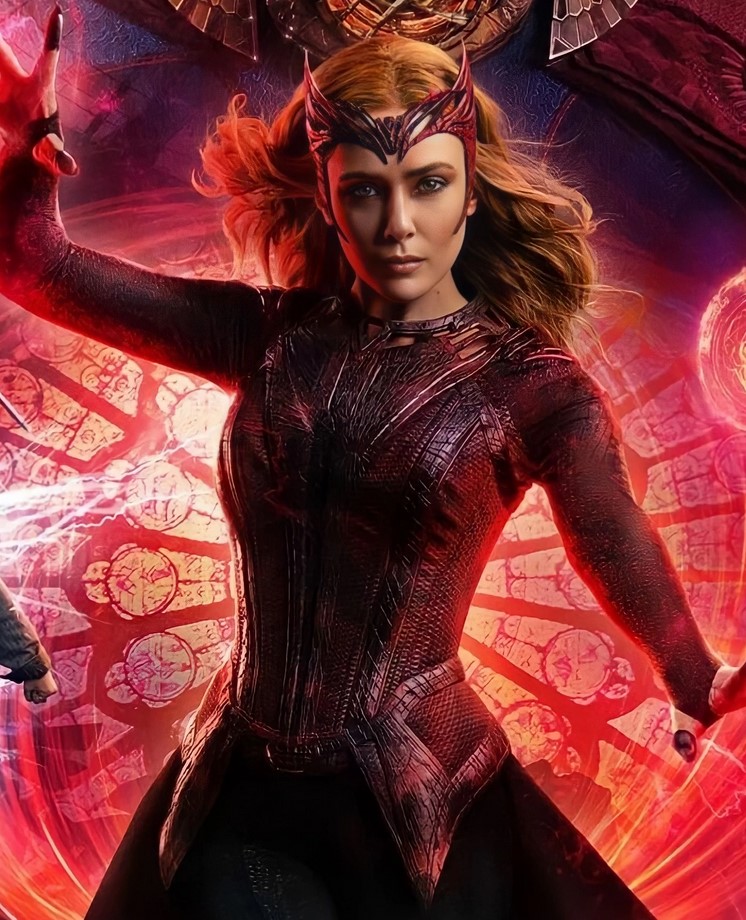
Wanda Maximoff’s abilities originate from Hydra experimentation with the Mind Stone and later evolve through exposure to chaos magic. She joins the Avengers in ‘Avengers: Age of Ultron’, participates in ‘Captain America: Civil War’, and contributes significant power in ‘Avengers: Infinity War’ and ‘Avengers: Endgame’, where her attacks nearly neutralize Thanos. Her powers include telekinesis, energy manipulation, and reality altering at a large scale.
‘WandaVision’ documents the creation of a hex-reality in Westview and the emergence of the Scarlet Witch identity with the Darkhold’s influence. In ‘Doctor Strange in the Multiverse of Madness’, Wanda pursues multiversal outcomes tied to her family, demonstrating rune-casting, dream-walking, and high-level spellcraft that require combined responses from Kamar-Taj, sorcerers, and interdimensional safeguards.
Natasha Romanoff (Black Widow)

A former Red Room operative, Natasha Romanoff defects to S.H.I.E.L.D. and becomes a founding on-screen Avenger with ‘Iron Man 2’ leading into ‘The Avengers’. She contributes espionage tradecraft, hand-to-hand expertise, and strategic infiltration in ‘Captain America: The Winter Soldier’, ‘Captain America: Civil War’, and ‘Avengers: Age of Ultron’. Her skill set bridges covert operations and open battle, often serving as the human-level connective tissue among enhanced teammates.
‘Black Widow’ explores her family ties to Yelena Belova, Alexei Shostakov, and Melina Vostokoff, and exposes the structure of Dreykov’s Red Room. In ‘Avengers: Endgame’, Natasha coordinates global post-blip security efforts and later sacrifices herself on Vormir to obtain the Soul Stone, a step that enables the Avengers’ time heist plan to proceed.
T’Challa (Black Panther)
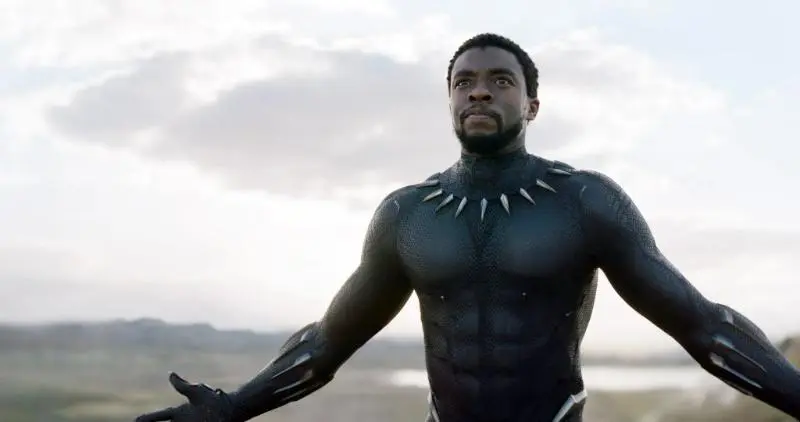
T’Challa ascends to the Wakandan throne and mantle of Black Panther following events set up in ‘Captain America: Civil War’. ‘Black Panther’ depicts the nation’s isolationist policy shift toward global outreach, the Dora Milaje’s security role, and the Border Tribe’s technology-backed defenses. Vibranium applications across transit, medicine, and weaponry underpin Wakanda’s superiority in materials science and battlefield support.
He reinforces the Avengers in ‘Avengers: Infinity War’ by opening Wakanda’s shields to stage a defense against Thanos’ forces and by providing medical facilities for Vision. ‘Black Panther: Wakanda Forever’ addresses succession challenges, inter-nation relations involving Talokan, and the enduring structures T’Challa established that continue to influence diplomacy, technology exchange, and security alliances across the MCU.
Loki

Loki’s arc traverses royal Asgardian politics, cosmic warfare, and multiversal administration. Initially the antagonist of ‘Thor’ and ‘The Avengers’, he later participates in ‘Thor: The Dark World’ and ‘Thor: Ragnarok’, where his shifting allegiance impacts Asgard’s fate and the refugee crisis aboard the Statesman. His abilities include illusion-casting, shapeshifting, and advanced sorcery learned in Asgard and Jotunheim contexts.
‘Loki’ on Disney+ follows a variant removed from the timeline after the Tesseract escape, introducing the Time Variance Authority, timeline pruning, and He Who Remains. The series establishes the Sacred Timeline framework, branching realities, and Loki’s evolving role in managing temporal stability, information that feeds into multiverse developments seen elsewhere in the MCU.
Thor
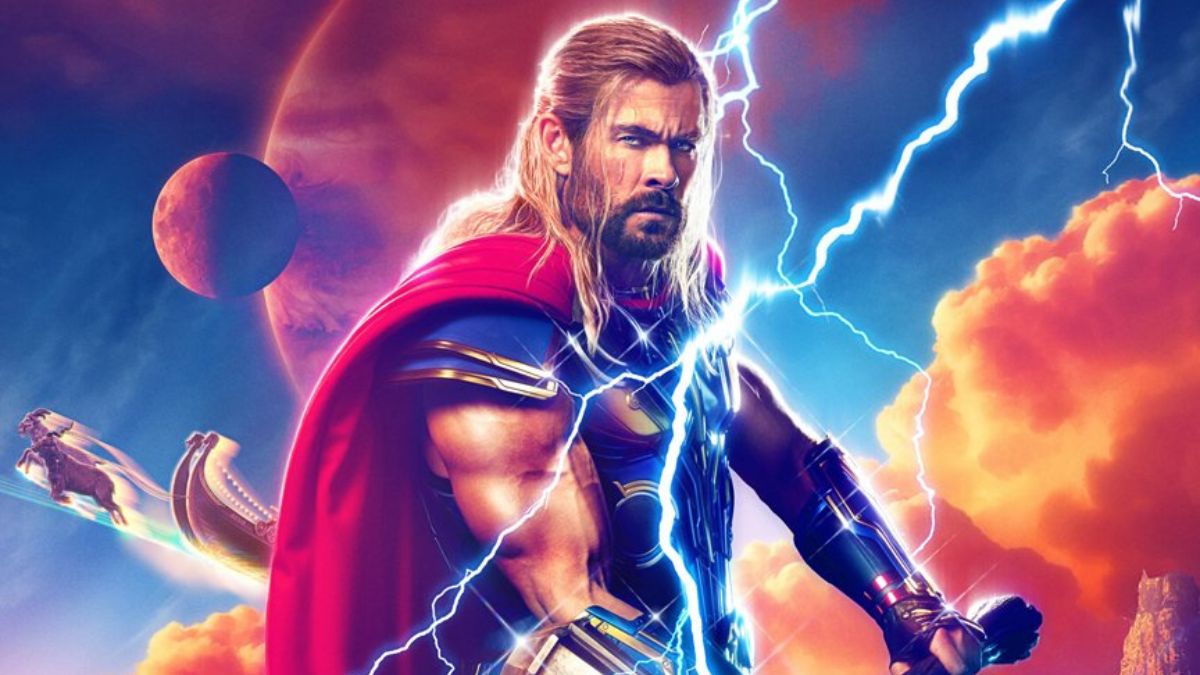
Thor, crown prince of Asgard and wielder of Mjolnir and later Stormbreaker, anchors cosmic-scale conflicts starting with ‘Thor’ and extending to ‘The Avengers’, ‘Thor: The Dark World’, and ‘Thor: Ragnarok’. He engages Hela, facilitates Asgard’s evacuation, and integrates with the Guardians during ‘Avengers: Infinity War’ to reforge a weapon capable of opposing the Infinity Stones. His durability, lightning channeling, and bifrost access enable rapid deployment across battlefronts.
In ‘Avengers: Endgame’, Thor collaborates on the time heist and the final assault on Thanos, coordinating with Earth-based and cosmic allies. ‘Thor: Love and Thunder’ addresses the reconstruction of New Asgard and introduces threats like Gorr the God Butcher, while reinforcing relationships with allies such as Valkyrie and Korg and maintaining interstellar reach through the Guardians’ network.
Peter Parker (Spider-Man)
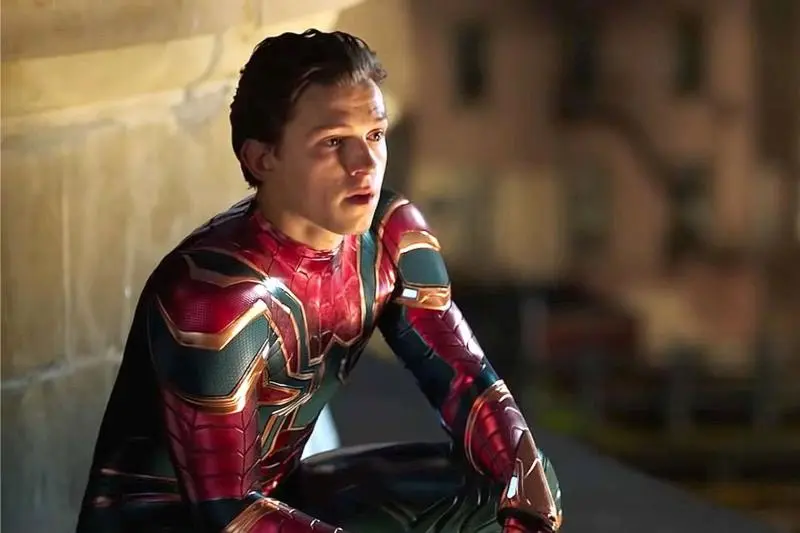
Peter Parker enters the MCU through ‘Captain America: Civil War’, with Stark-supplied suits augmenting his homemade web-shooters, HUD, and drone capabilities. ‘Spider-Man: Homecoming’ focuses on neighborhood-scale threats and mentorship dynamics with Tony Stark, while ‘Avengers: Infinity War’ and ‘Avengers: Endgame’ elevate him to extraterrestrial conflict alongside the Avengers. His scientific aptitude and tactical improvisation are consistent assets in both local and global crises.
‘Spider-Man: Far From Home’ addresses post-blip adjustments and Stark Industries technology stewardship, notably the EDITH network. ‘Spider-Man: No Way Home’ expands to multiversal visitors and memory-reset consequences, integrating prior Spider-Man continuities and demonstrating Peter’s decision-making under altered identity conditions without disclosing civilian collateral beyond his immediate relationships.
Steve Rogers (Captain America)
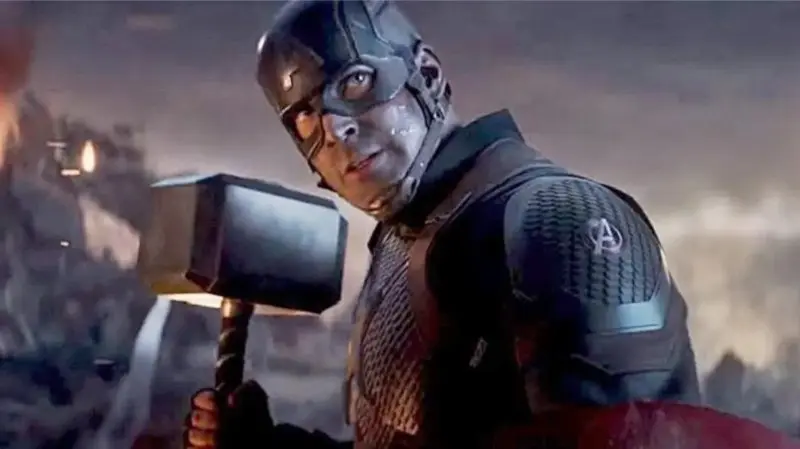
Steve Rogers begins as a super-soldier experiment in ‘Captain America: The First Avenger’, later thawed to join ‘The Avengers’. ‘Captain America: The Winter Soldier’ details his exposure of Hydra’s infiltration of S.H.I.E.L.D., and ‘Captain America: Civil War’ centers his opposition to the Sokovia Accords and protection of Bucky Barnes. His leadership coordinates ground strategies during ‘Avengers: Age of Ultron’, ‘Avengers: Infinity War’, and ‘Avengers: Endgame’.
During the time heist in ‘Avengers: Endgame’, Steve returns the Infinity Stones to their timelines and subsequently passes the Captain America shield to Sam Wilson. His arc tracks the ethical framework of the Avengers’ operations, governing agreements, and succession of the mantle, while his skill set spans enhanced strength, tactical command, and shield combat integrated with team-based maneuvers.
Tony Stark (Iron Man)

Tony Stark launches the MCU with ‘Iron Man’, introducing miniaturized arc reactor power, modular armor systems from the Mark I through nanotech iterations, and AI assistants like JARVIS and FRIDAY. He leads the Avengers initiative through ‘The Avengers’, confronts PTSD and extremist threats in ‘Iron Man 3’, and serves as a central figure in ‘Captain America: Civil War’ during the Sokovia Accords debate. His R&D drives suits for specialized environments, from deep-sea to orbital deployment.
In ‘Avengers: Infinity War’ and ‘Avengers: Endgame’, Stark designs time-space GPS devices for the heist, integrates quantum realm navigation, and completes the Infinity Gauntlet–equivalent interface that enables the final snap against Thanos. He mentors Peter Parker across ‘Spider-Man: Homecoming’ and ‘Avengers’ crossovers, funds facility infrastructure, and standardizes protocols that persist across the MCU’s organizations and defense coalitions.
Share your own top picks and why they resonate with you in the comments!