The 10 Most Underrated Kirk Douglas Movies, Ranked (from Least to Most Underrated)

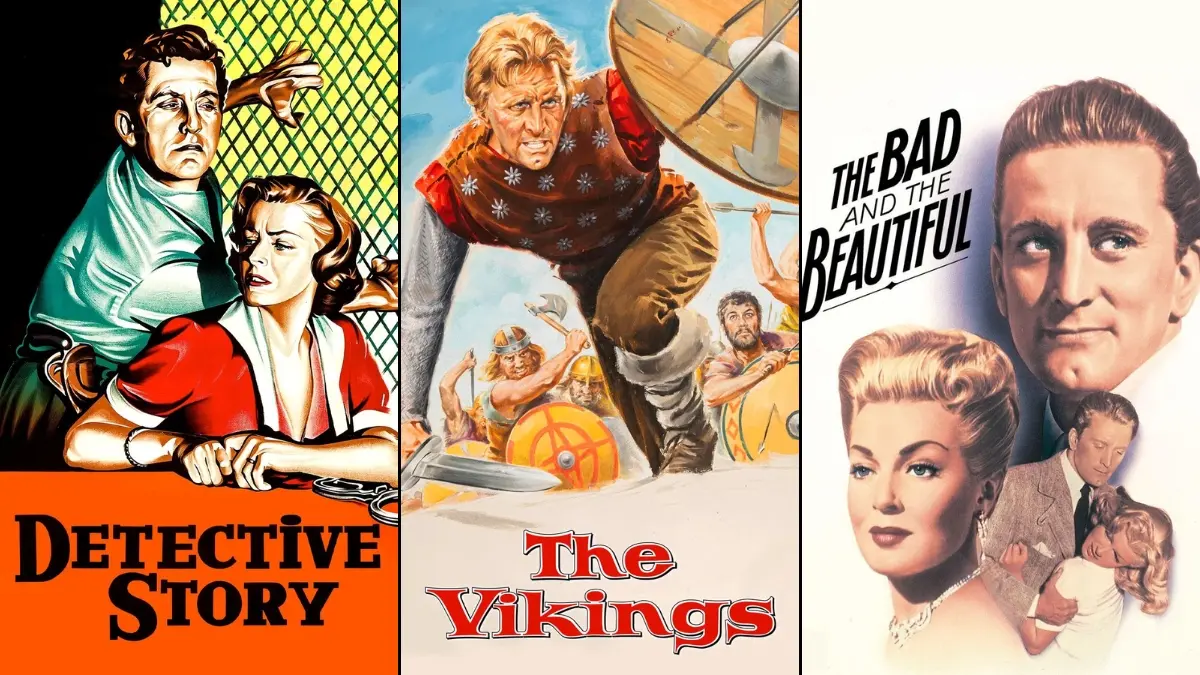

Kirk Douglas left a filmography that ranges from noir and courtroom drama to political thriller and widescreen adventure. Beyond the household classics, he took on roles that pushed into unusual settings, production approaches, and collaborations with major directors, writers, and cinematographers. These ten features trace that breadth through plots, craft highlights, and career context.
To make this genuinely useful, each entry sticks to concrete details—story setup, key creatives, production notes, notable cast, awards, and release context—so you can quickly see what each film covers and how it fits into Douglas’s body of work.
‘The Juggler’ (1953)
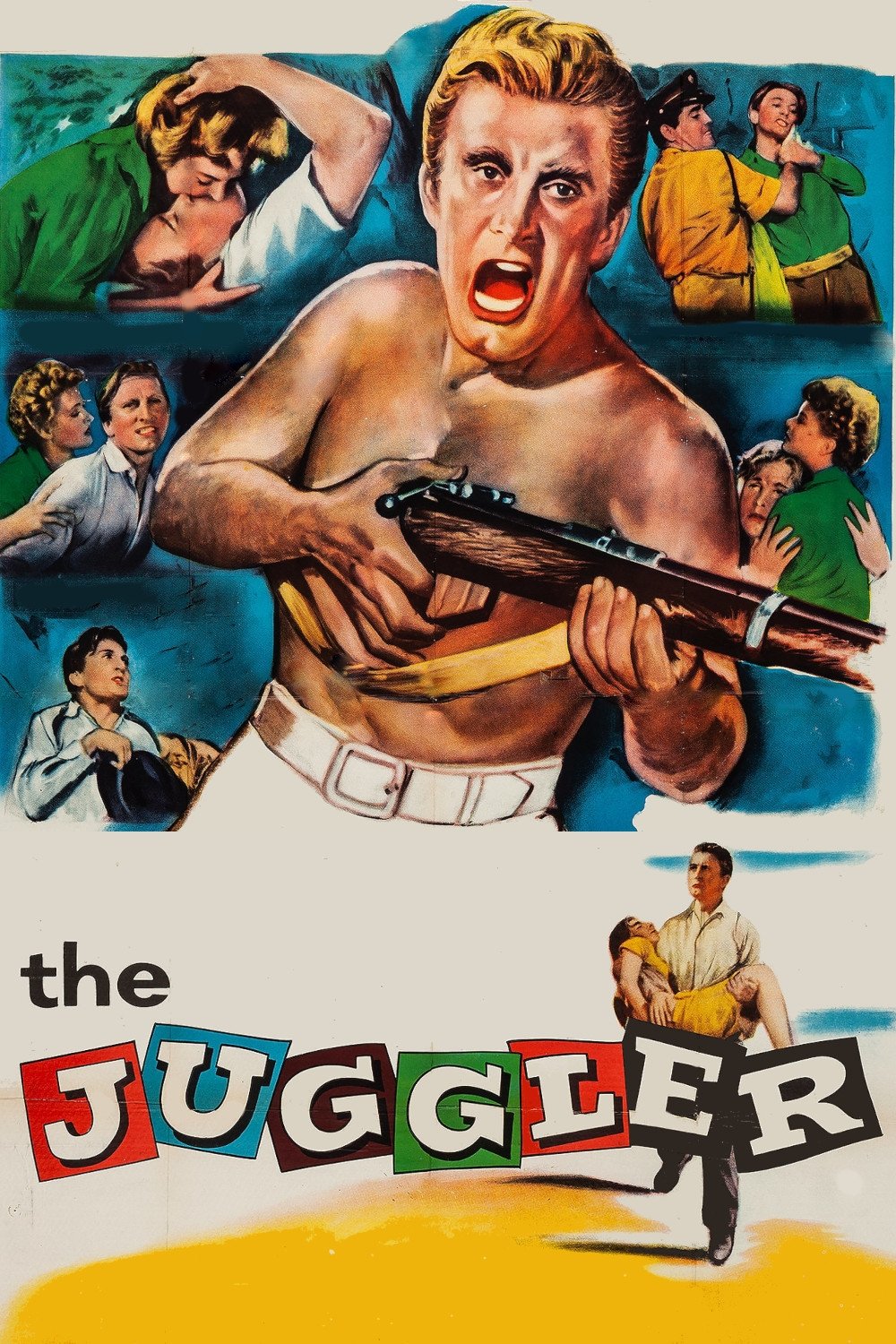
Kirk Douglas plays Hans Muller, a displaced performer and Holocaust survivor trying to start over in the new state of Israel; a misunderstanding with police sets off a journey on foot, with encounters that reveal how refugees, kibbutz residents, and recent arrivals navigate daily life. The storyline follows his attempt to regain equilibrium amid language barriers, trauma, and shifting authority.
Edward Dmytryk directed from Michael Blankfort’s novel, with Milly Vitale and Paul Stewart in key supporting roles. The production is widely noted as the first Hollywood feature photographed in Israel, using extensive location shooting—city streets, rural roads, and hill country—instead of studio backlots, which gives the dramatic travel sections documentary-like textures.
‘The Vikings’ (1958)
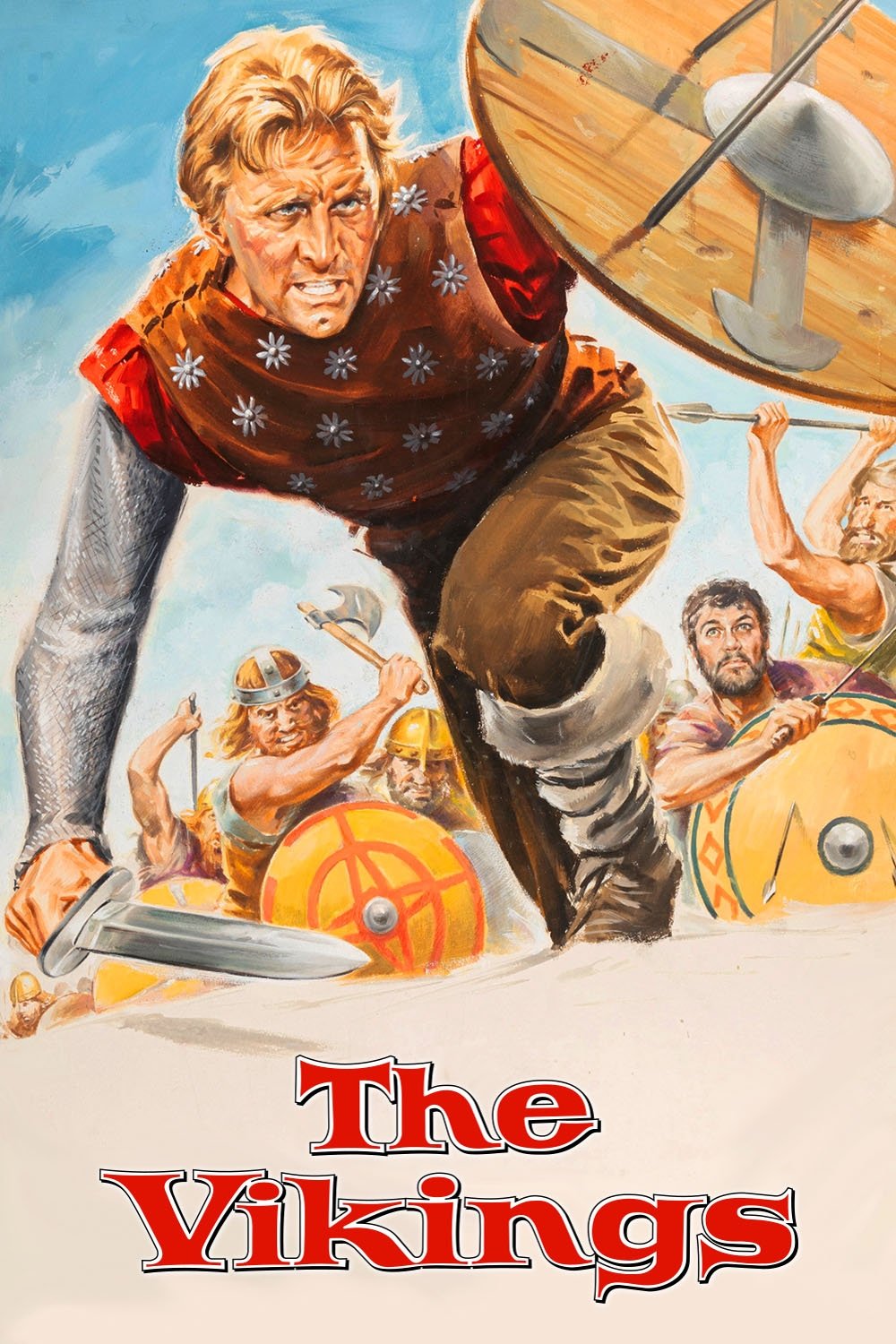
Douglas plays the warrior Einar in a story about rival heirs, abduction, and a perilous rescue attempt that drives longship raids, coastal infiltrations, and a climactic fortress assault. The plot interweaves family lineage disputes with battlefield tactics, sea navigation, and court intrigue.
Richard Fleischer directed, with Tony Curtis, Janet Leigh, and Ernest Borgnine co-starring. The film features large-scale location work in Scandinavian fjords and along rugged shorelines, full-size longships built for the shoot, stunt-heavy melee sequences, Jack Cardiff’s widescreen cinematography, and Mario Nascimbene’s score underscoring the maritime set pieces.
‘Town Without Pity’ (1961)
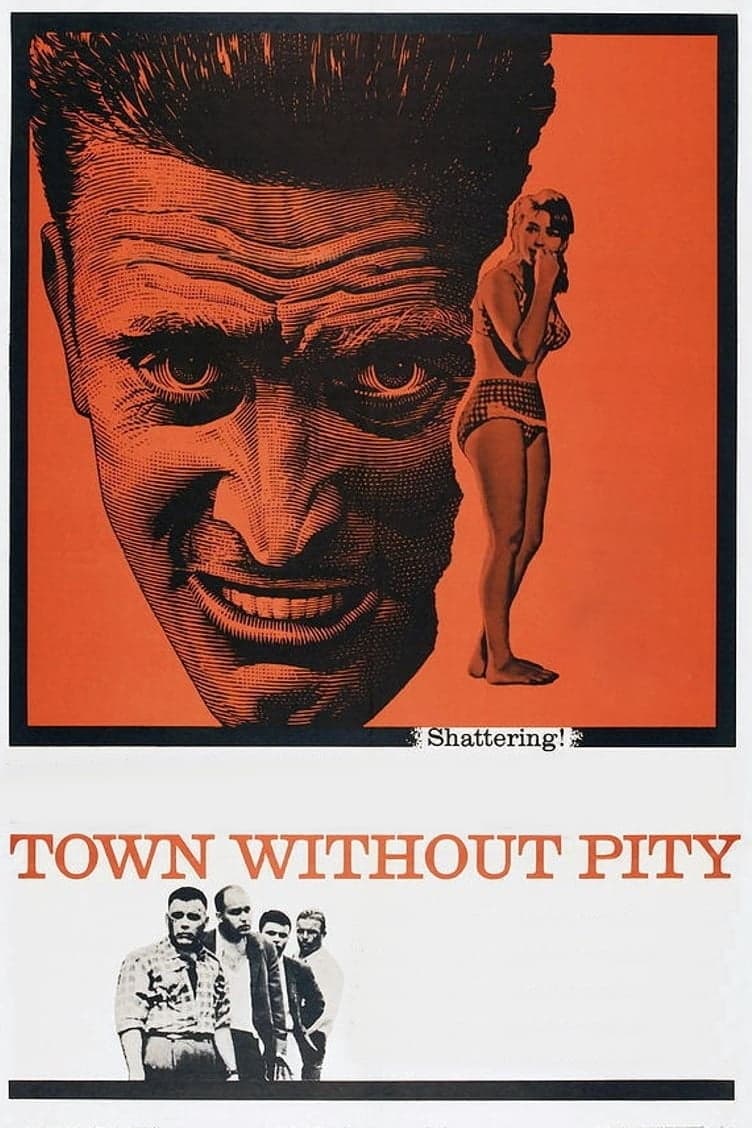
Douglas portrays an American Army defense attorney assigned to a court-martial in a German town after local authorities accuse U.S. soldiers of assaulting a teenager. The courtroom proceedings probe procedure, witness testimony, and community pressure, concentrating on how military law interacts with local sentiment.
Gottfried Reinhardt directed this U.S.–West German co-production with location shooting in Europe and a cast including Christine Kaufmann and E. G. Marshall. The title song performed by Gene Pitney received an Academy Award nomination for Best Original Song and became a charting single associated with the film’s release.
‘The Strange Love of Martha Ivers’ (1946)
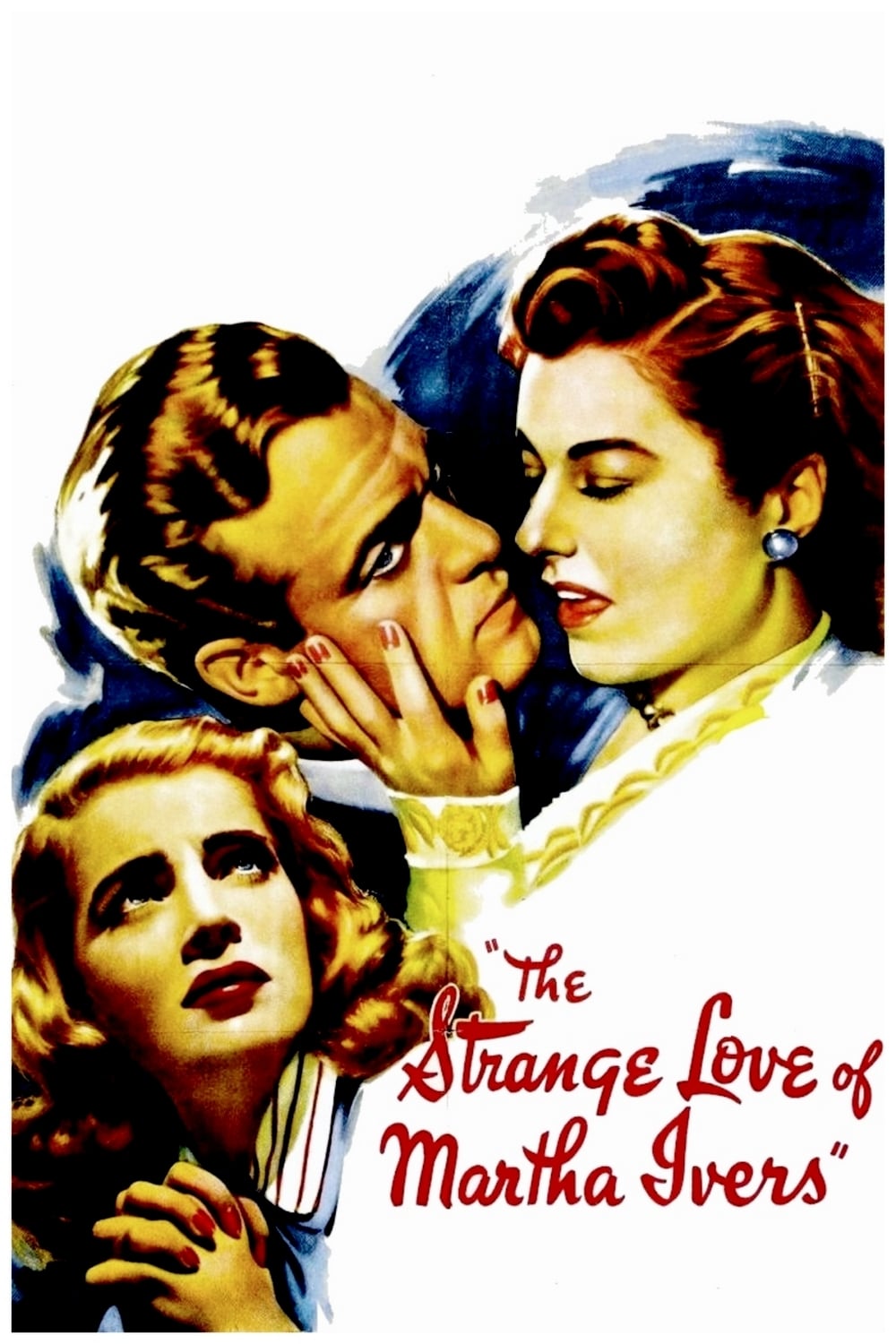
A drifter’s return to his hometown unearths the long-buried circumstances surrounding a powerful heiress, her politically connected husband, and a rekindled attachment that threatens their carefully built lives. Douglas plays Walter O’Neil, whose career and marriage are bound to the secret at the story’s core.
Lewis Milestone directed this film noir, marking Douglas’s feature-film debut alongside Barbara Stanwyck, Van Heflin, and Lizabeth Scott. The production emphasizes high-contrast photography, motifs of blackmail and inheritance, and a script structure that links personal ambition to municipal power, placing Douglas in a supporting role central to the plot mechanics.
‘Champion’ (1949)
Douglas stars as Midge Kelly, a hungry fighter who climbs from small clubs to major bouts while dealing with exploitative contracts, bruising training cycles, and the business side of prizefighting. The narrative tracks the logistics of matchmaking, purses, and licensing while staging progressively higher-stakes matches.
Mark Robson directed from a Ring Lardner story, with Arthur Kennedy and Ruth Roman co-starring. The film earned Douglas his first Academy Award nomination for Best Actor and uses ringside camera positions, rapid cutting, and tightly choreographed bouts to convey the sport’s physical toll and the managerial leverage surrounding title shots.
‘Detective Story’ (1951)
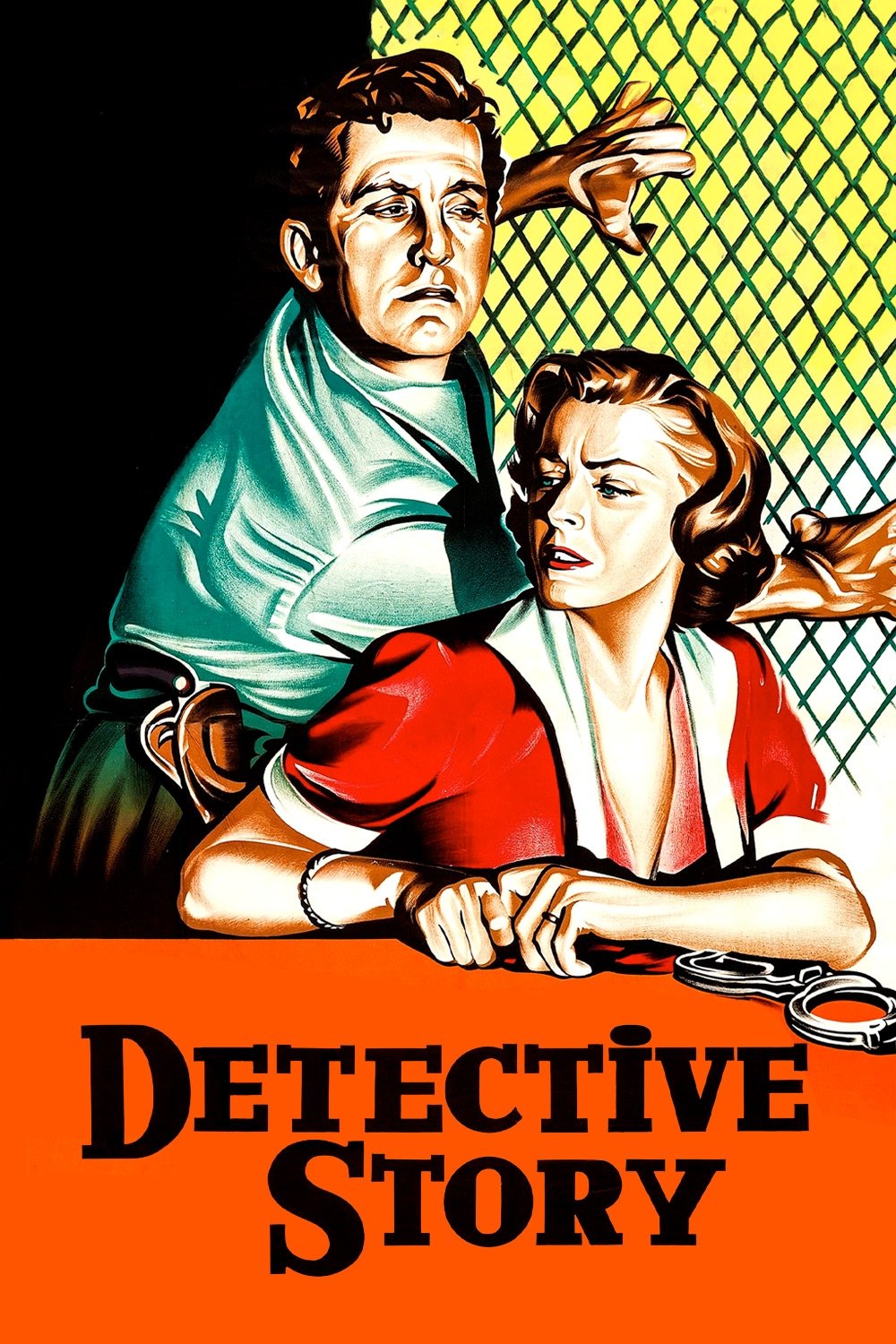
Set over a single shift inside a New York precinct, the plot follows a hard-driving detective handling overlapping cases—burglary, racketeering, and a medical-crime thread—while confronting a personal crisis that tests his approach to enforcing the law. The confined timeframe and intersecting case files build pressure without leaving the station.
William Wyler directed from Sidney Kingsley’s play, retaining the one-location framework and ensemble-driven pacing. Eleanor Parker and William Bendix co-star; the film received multiple Academy Award nominations, including recognition for Parker and for Lee Grant in her screen debut, reflecting the adaptation’s strong performances within a stage-derived structure.
‘Lonely Are the Brave’ (1962)
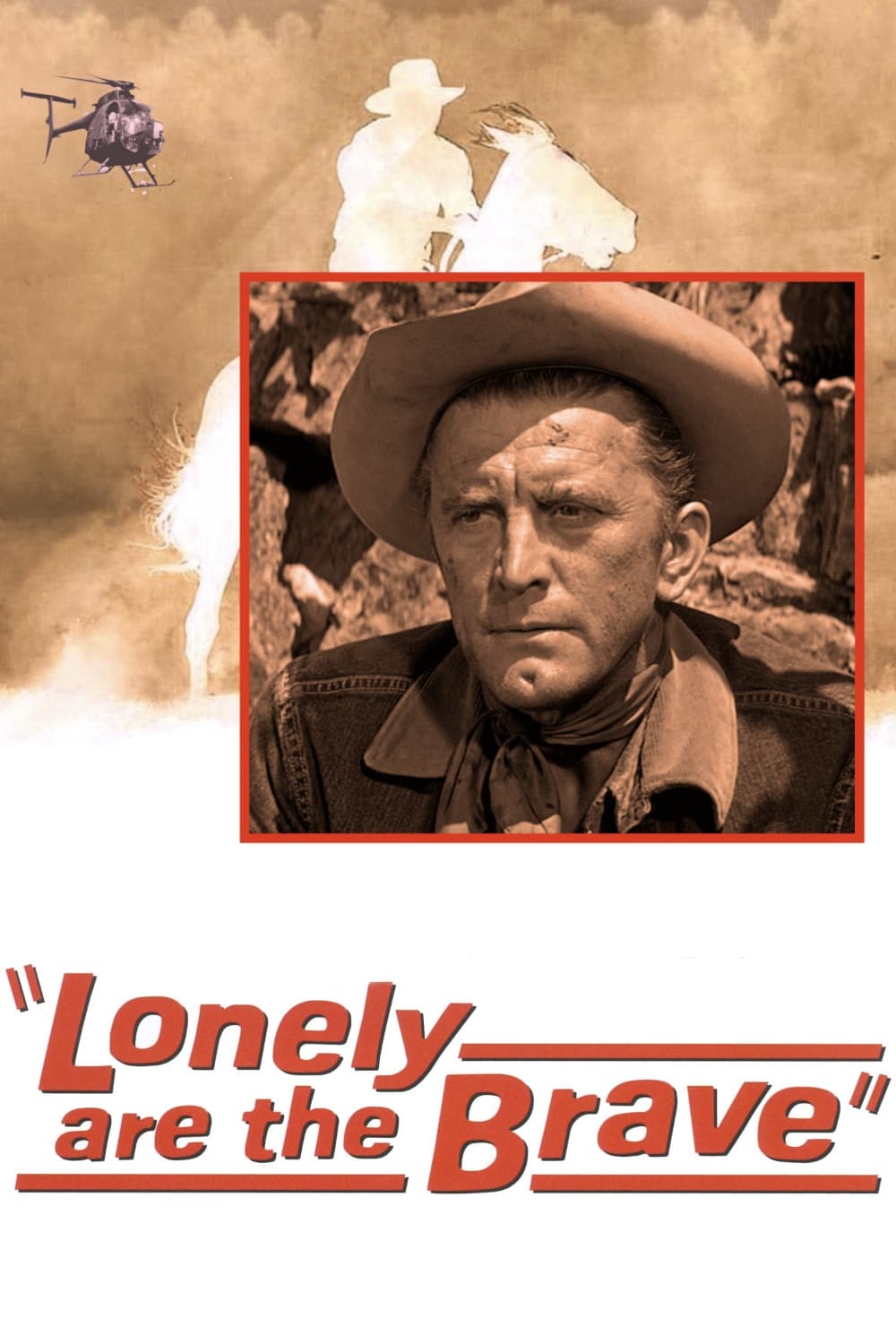
Douglas plays a modern-day cowboy who intentionally gets himself jailed to free a friend, then refuses to adapt to contemporary rules and escapes into open country with law enforcement closing in. The route takes him across ranch land, river crossings, mountain slopes, and highways that increasingly limit his options.
David Miller directed from Dalton Trumbo’s screenplay, adapted from Edward Abbey’s novel The Brave Cowboy. Gena Rowlands and Walter Matthau co-star, with Carroll O’Connor featured in a pivotal trucking sequence; location filming in the American Southwest integrates rugged terrain and roadway logistics into the chase mechanics.
‘The Bad and the Beautiful’ (1952)
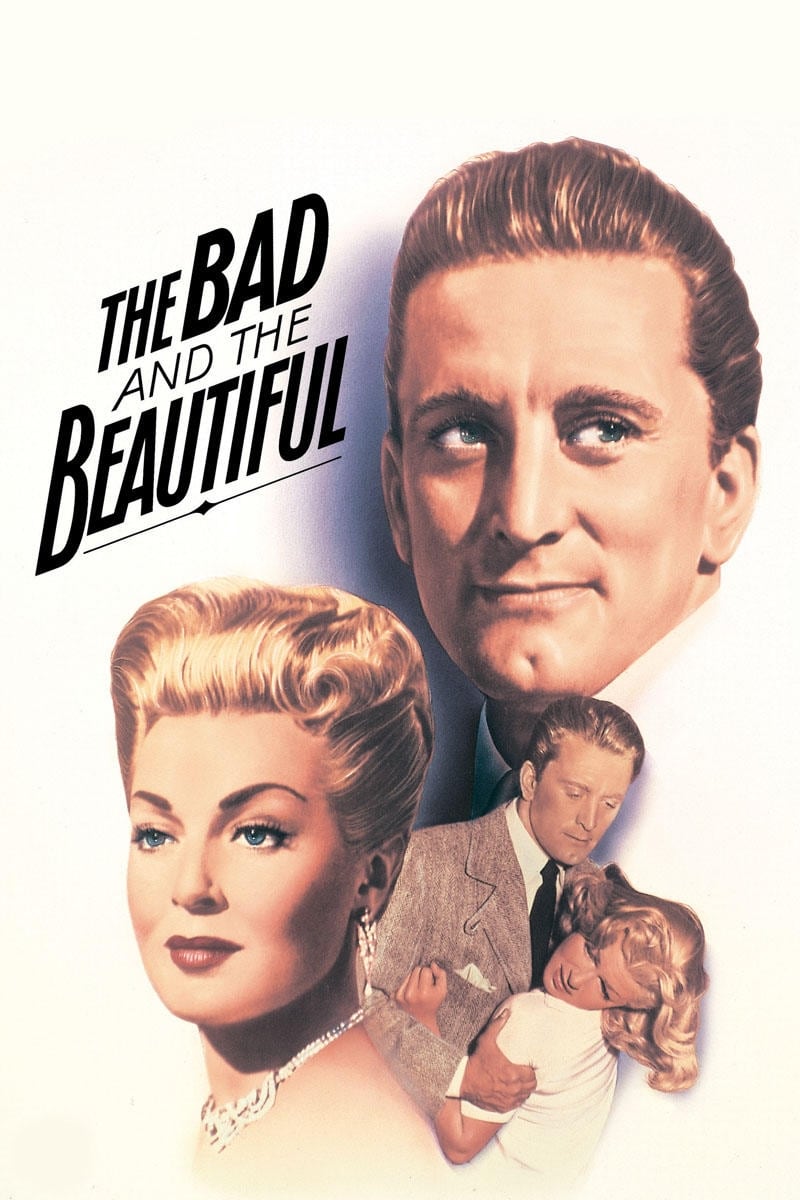
Told through three testimonies—a director, a writer, and an actress—the story maps the rise of a driven producer whose collaborations generate hit films alongside professional rifts. Each chapter reconstructs specific productions, contract decisions, and on-set conflicts that illustrate how careers were shaped within the studio system.
Vincente Minnelli directed, with Lana Turner, Barry Sullivan, Gloria Grahame, Dick Powell, and Walter Pidgeon in the ensemble. The film won five Academy Awards, including Best Supporting Actress for Grahame and several craft categories, and employs a flashback structure, on-lot settings, and industry-specific detail about studio-era development, financing, and publicity.
‘Seven Days in May’ (1964)
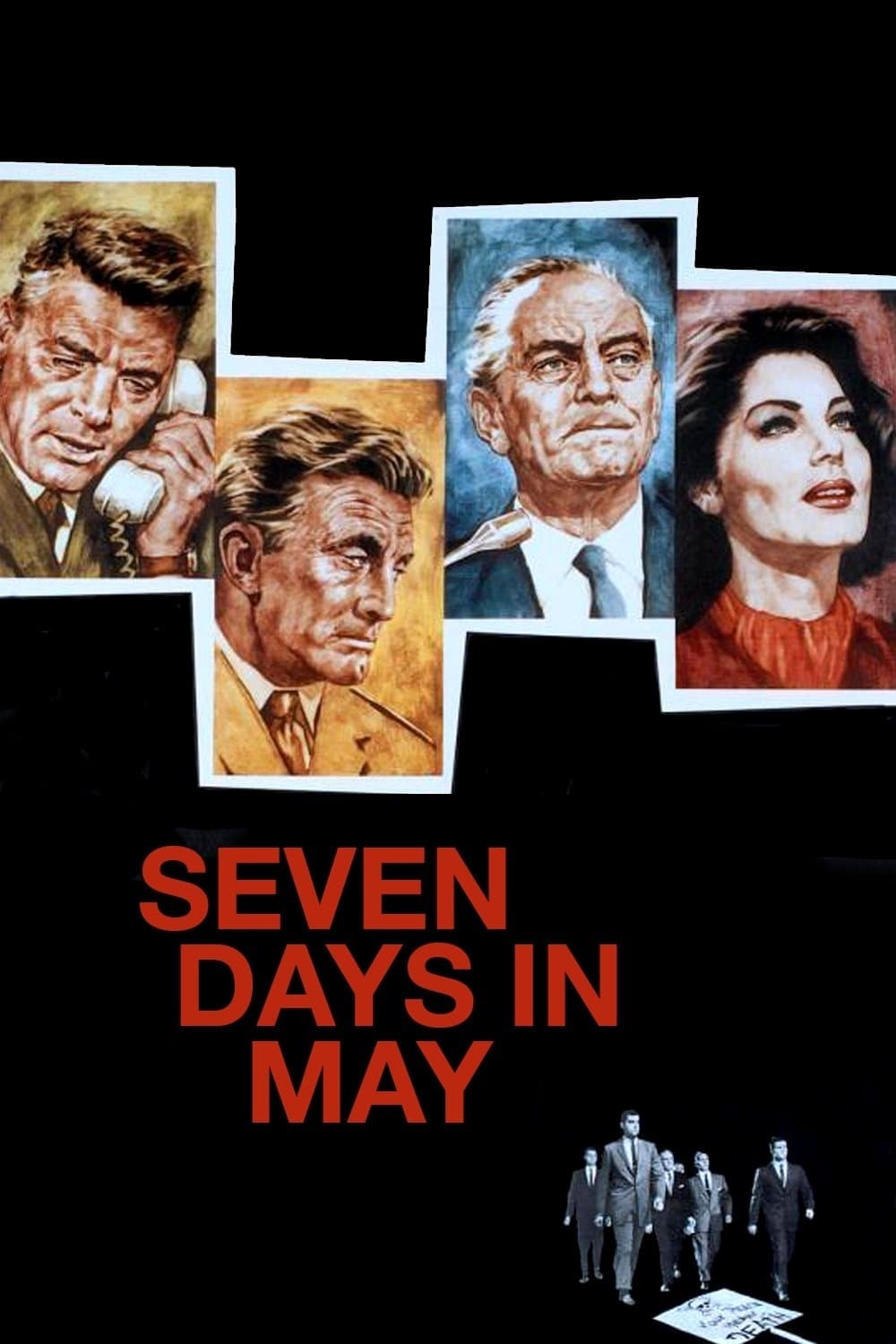
Douglas plays a Marine Corps officer who uncovers signals of an organized plot to depose the U.S. President, triggering a covert investigation that tracks communications security, clandestine meetings, and contested chains of command. The narrative moves through command centers, hearing rooms, and back-channel contacts as deadlines approach.
John Frankenheimer directed from a screenplay by Rod Serling adapted from the novel by Fletcher Knebel and Charles W. Bailey II. Burt Lancaster, Fredric March, and Ava Gardner co-star; the production staged sequences in Washington, D.C., and used telephoto setups, handheld shots, and location interiors to create a procedural look consistent with the story’s political logistics.
‘Ace in the Hole’ (1951)
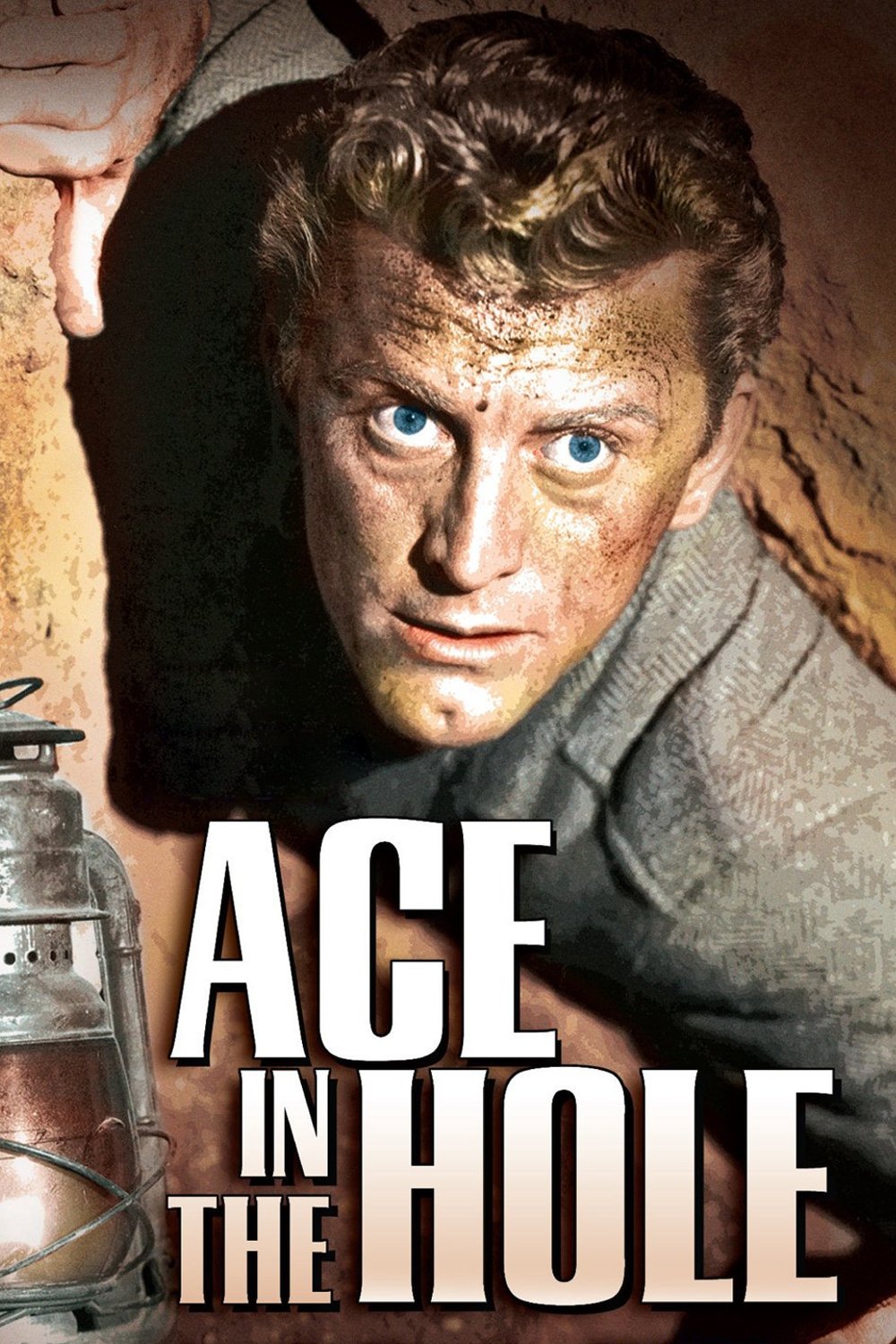
Douglas portrays reporter Chuck Tatum, who inserts himself into the rescue of a man trapped underground and turns the site into a large-scale attraction that draws officials, vendors, and competing news outlets. The plot documents the operational steps taken at the scene, the timing of rescue choices, and the expanding public footprint around the incident.
Billy Wilder directed and co-wrote, with Jan Sterling and Robert Arthur in key roles; the film was also issued under the alternate title ‘The Big Carnival.’ Location work in the American Southwest included constructed midway tents, access roads, and heavy equipment on site, with the production design configured to show how crowd control, concessions, and news-gathering apparatus accumulate during an ongoing event.
Share your own under-the-radar Kirk Douglas picks in the comments so fellow readers can compare notes.