The 10 Most Underrated Tommy Lee Jones Movies, Ranked (from Least to Most Underrated)


Tommy Lee Jones has worked across decades of American cinema—fronting thrillers, westerns, courtroom dramas, and character-driven mysteries—often as the flinty center of strong ensembles. Beyond the obvious hits, there’s a deep bench of titles where he anchors the story, shapes the mood, or directs with a precise sense of place and process.
This list spotlights ten such films. You’ll see studio sequels, literary adaptations, and frontier tales—projects guided by notable directors, adapted from respected authors, or recognized at major festivals. Each entry includes concrete details on who made the film, what it’s about, where it was shot, and how it fits into Jones’s filmography.
‘In the Electric Mist’ (2009)
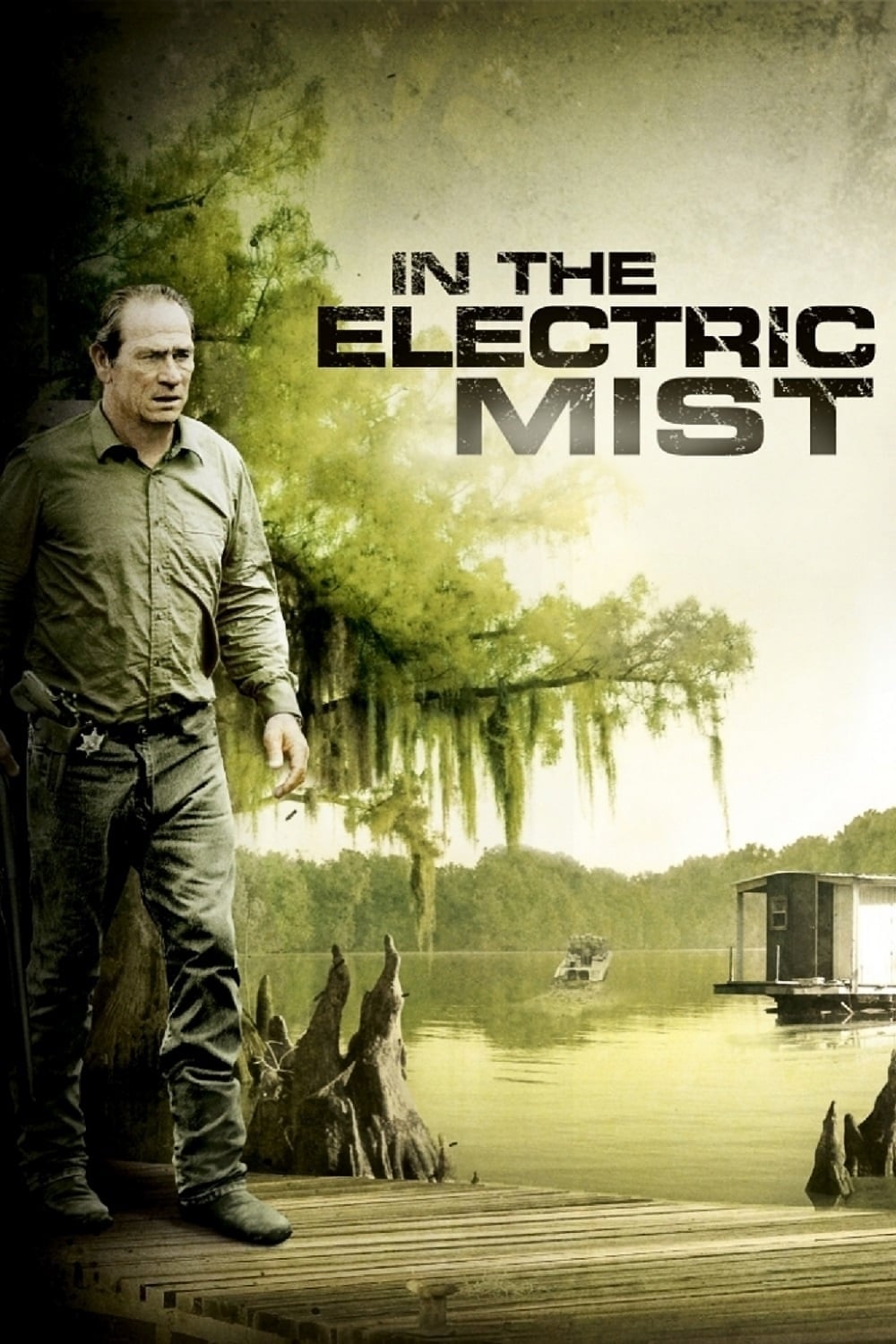
Directed by Bertrand Tavernier and adapted from James Lee Burke’s Dave Robicheaux novel, this Louisiana-set mystery casts Tommy Lee Jones as an Iberia Parish detective investigating a murder with possible ties to organized crime. The ensemble includes John Goodman, Peter Sarsgaard, Mary Steenburgen, and Kelly Macdonald, with on-location filming around the bayous reinforcing the story’s Southern Gothic setting.
Two principal edits exist: a shorter domestic cut and a longer international version overseen by Tavernier. Production emphasized regional specificity—accents, local law-enforcement procedures, and historical references—while the score and sound design incorporate location ambience to complement scenes staged in small-town streets, docks, and swamp country.
‘Stormy Monday’ (1988)
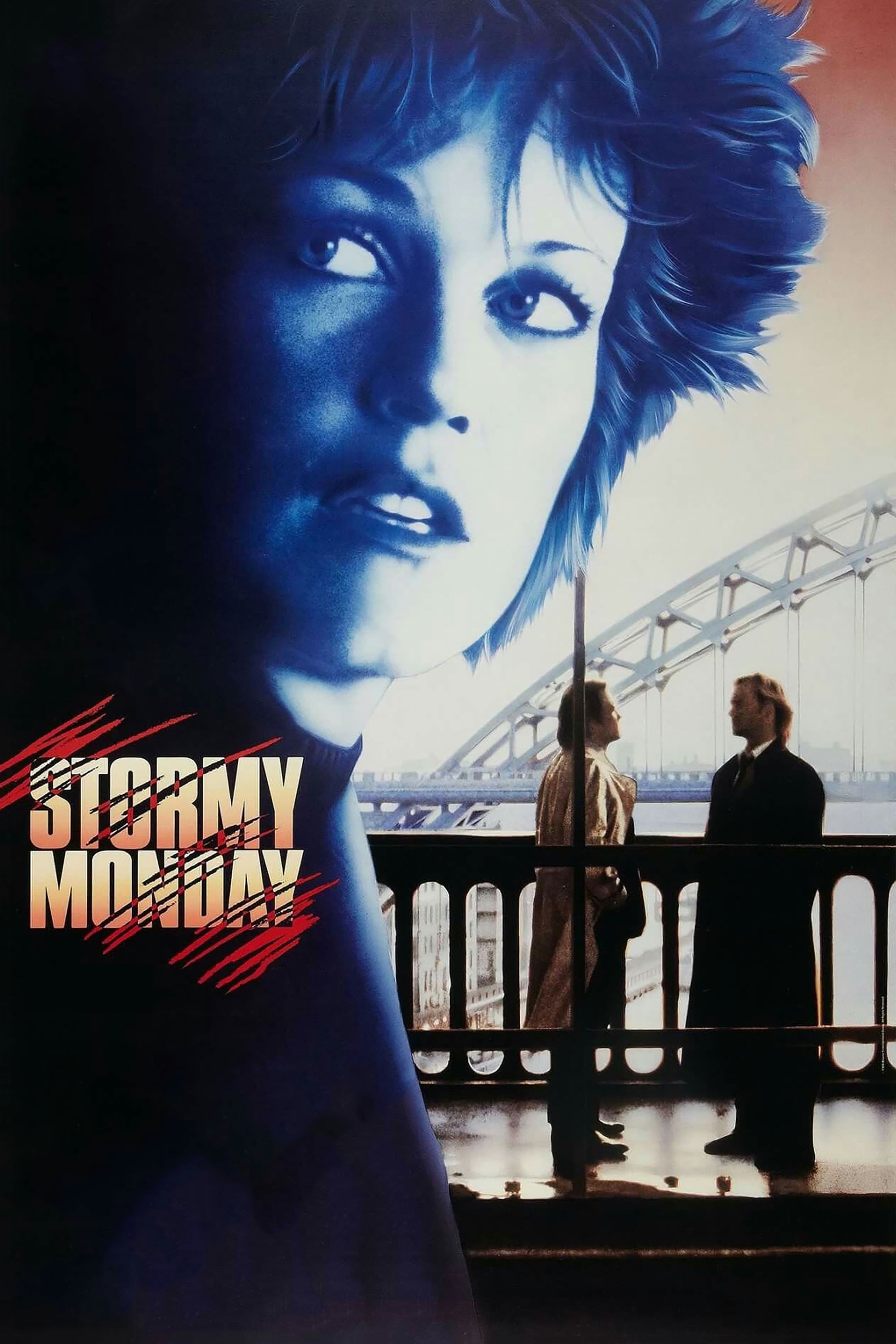
Mike Figgis’s debut feature is a neo-noir set in Newcastle upon Tyne, where a ruthless American businessman, played by Tommy Lee Jones, pressures a local jazz club run by Sting’s character as Sean Bean’s drifter gets pulled into the conflict. The film integrates live-music sequences within the nightclub setting, using performances as part of the plot’s shifting alliances.
Shot extensively on location, the movie uses Newcastle’s bridges, quayside, and city-center developments as visual markers of urban change. Figgis—also a musician—threads diegetic jazz through key scenes, and the production’s lighting and composition lean into nocturnal exteriors and reflective interiors to underline the story’s club and corporate spaces.
‘Rules of Engagement’ (2000)
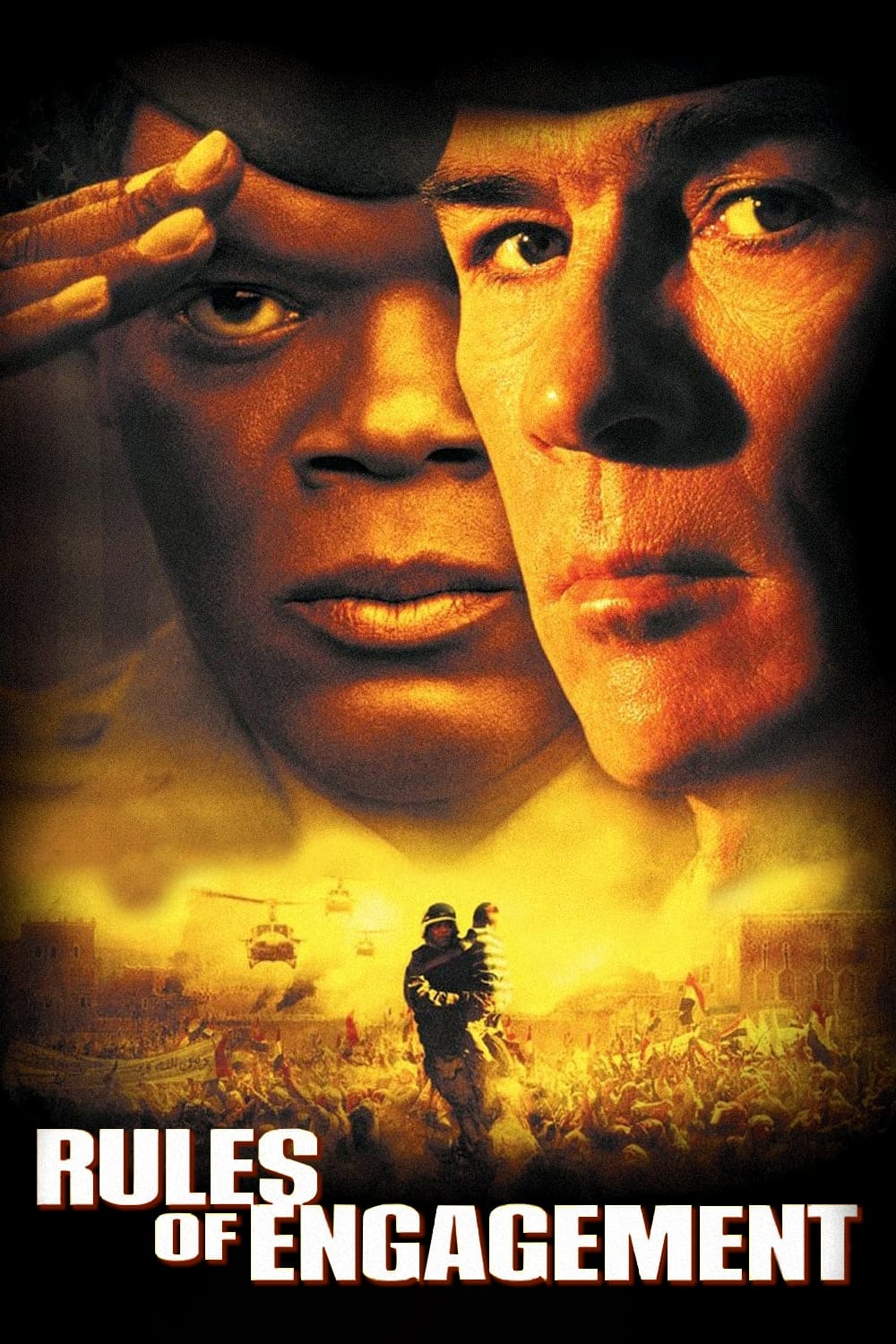
Directed by William Friedkin, this courtroom–military drama follows a Marine colonel whose embassy evacuation turns deadly, triggering a court-martial defended by Tommy Lee Jones’s character, Hays Hodges. The cast features Samuel L. Jackson, Guy Pearce, Ben Kingsley, Bruce Greenwood, and Anne Archer, aligning combat flashbacks with legal strategy and evidence review.
The screenplay is credited to James Webb, with additional work by Stephen Gaghan, drawing on military procedure for the hearings and investigative scenes. Large-scale crowd and action sequences were staged for the embassy crisis, while the production’s legal portions center on cross-examinations, chain-of-command testimony, and rules-of-engagement interpretation.
‘Space Cowboys’ (2000)
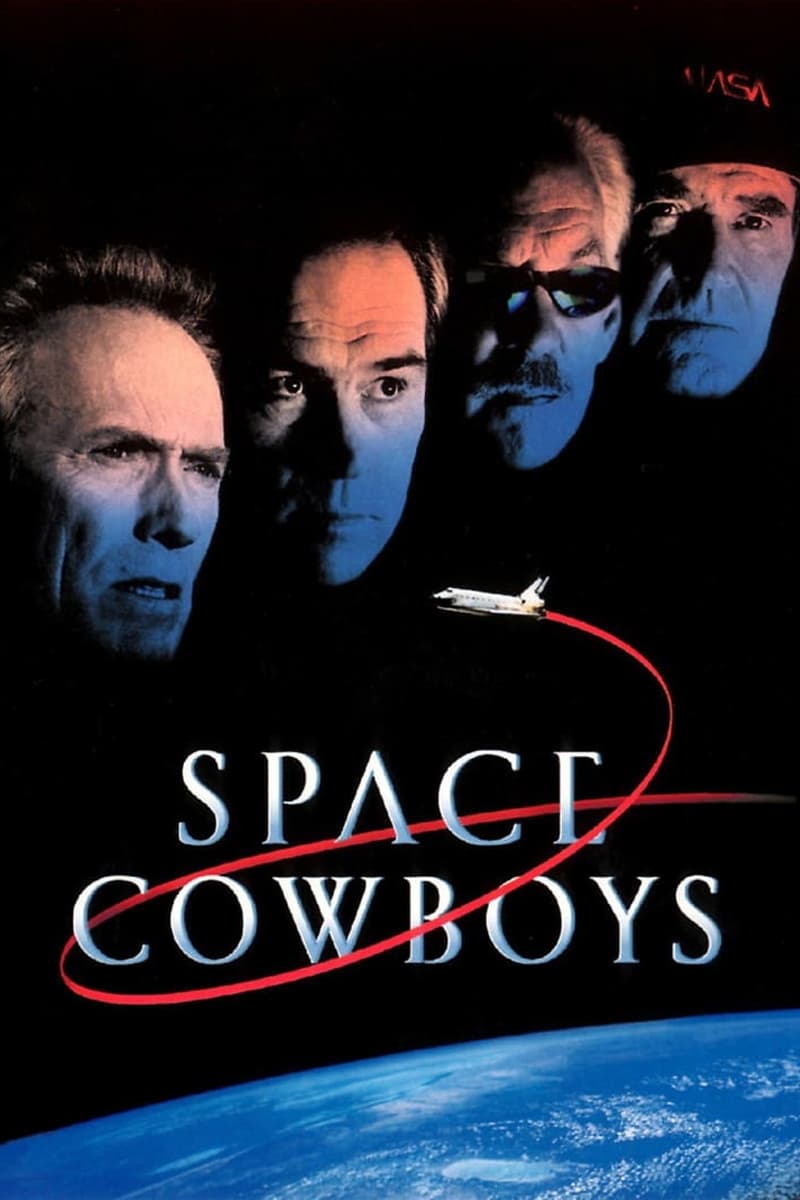
Clint Eastwood directs and co-stars with Tommy Lee Jones, Donald Sutherland, and James Garner as former test pilots recruited to repair a failing satellite. The narrative tracks medical screening, simulator sessions, and mission planning before shifting to spaceflight operations that incorporate EVA choreography and communications protocols.
Effects work blends large-scale practical rigs, miniatures, and digital composites to depict spacecraft exteriors and orbital vistas. The production consulted aerospace expertise for checklists and cockpit callouts, while editorial structure intercuts ground control, systems troubleshooting, and in-orbit navigation to situate each character’s technical role within the mission.
‘Under Siege’ (1992)
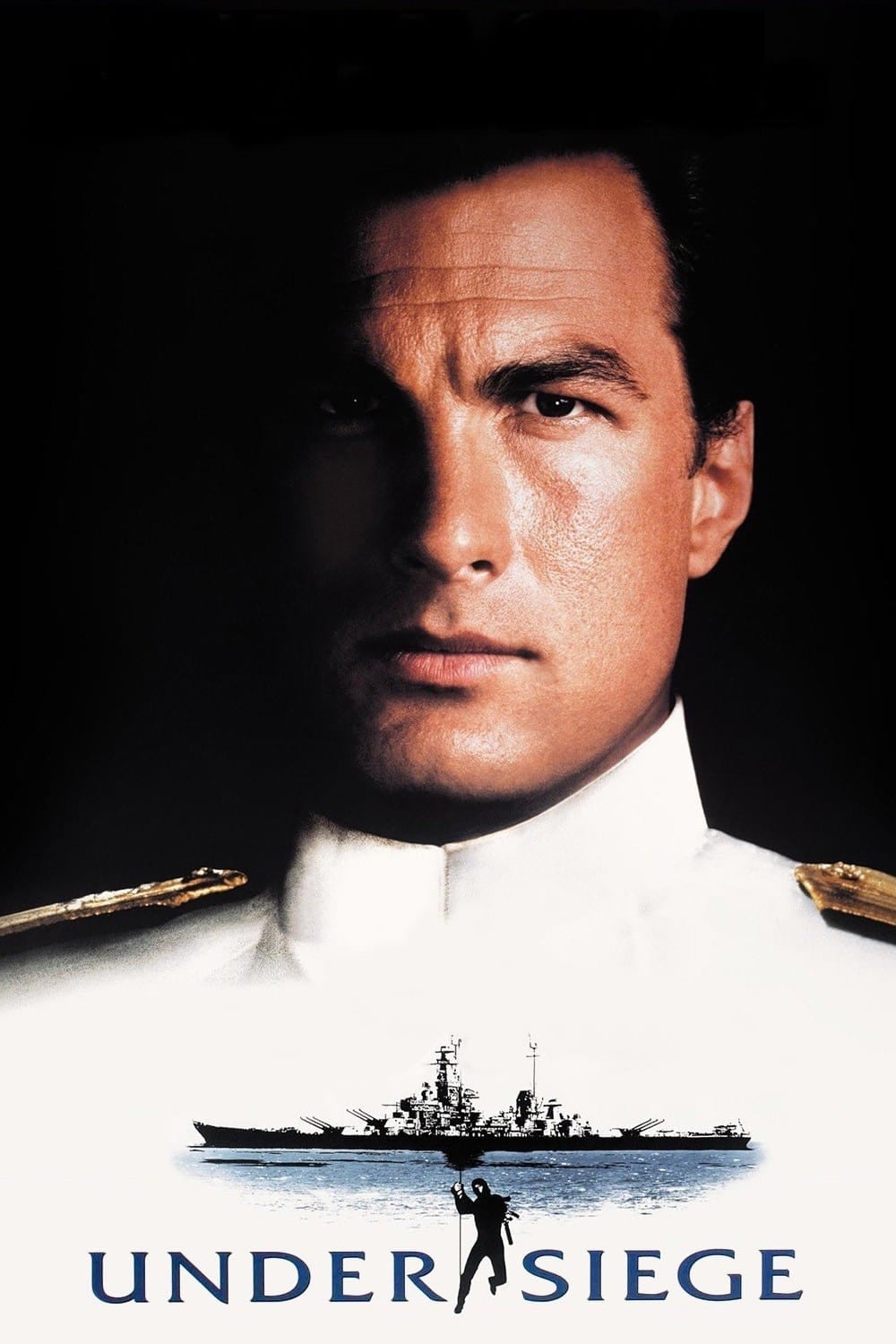
Directed by Andrew Davis, this naval action thriller unfolds aboard the battleship USS ‘Missouri’, where a covert takeover pits crew members against mercenaries led by Tommy Lee Jones’s character, William Strannix. Steven Seagal plays Casey Ryback, with Gary Busey as a conspirator, and the story builds around shipboard security breaches and improvised countermeasures.
Filmmakers used a real museum battleship for major exterior and corridor work and constructed interior sets to handle pyrotechnics and stunt choreography. The movie received Academy Award nominations for sound categories, highlighting location effects capture, editorial layering of weapons and machinery, and mix choices designed for large-format exhibition.
‘The Missing’ (2003)
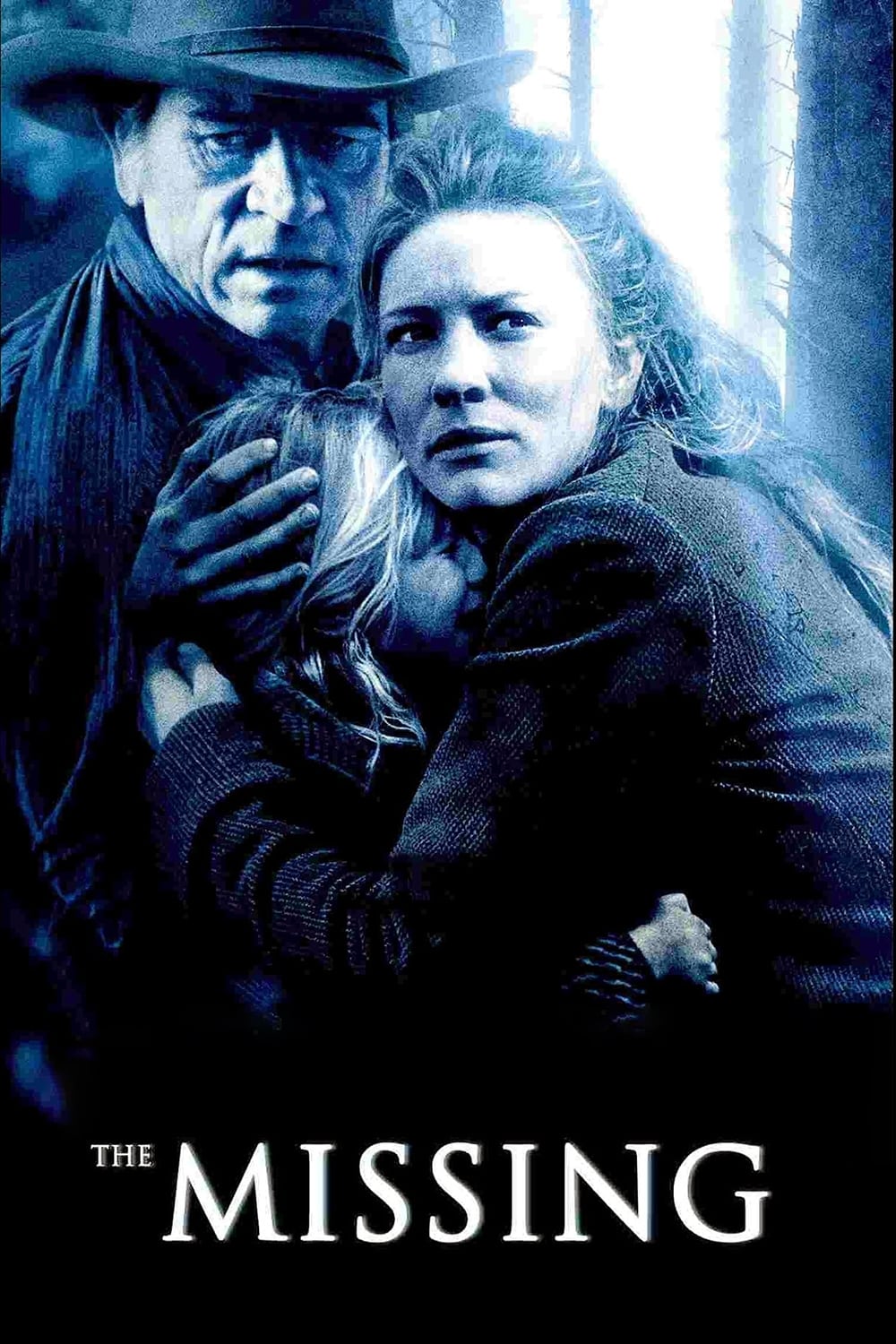
Ron Howard directs this frontier thriller adapted from Thomas Eidson’s novel ‘The Last Ride’, pairing Cate Blanchett and Tommy Lee Jones as an estranged daughter and father searching for a kidnapped teen. The supporting cast includes Evan Rachel Wood, Jenna Boyd, Val Kilmer, and Aaron Eckhart, with key scenes staged around remote homesteads and trail routes.
Filmed extensively in New Mexico, the production emphasizes rugged terrain, practical horse work, and period-specific costume and set design. James Horner composed the score, and dialogue features Apache and Spanish in selected sequences, with cultural and language consultants engaged for on-set accuracy.
‘U.S. Marshals’ (1998)
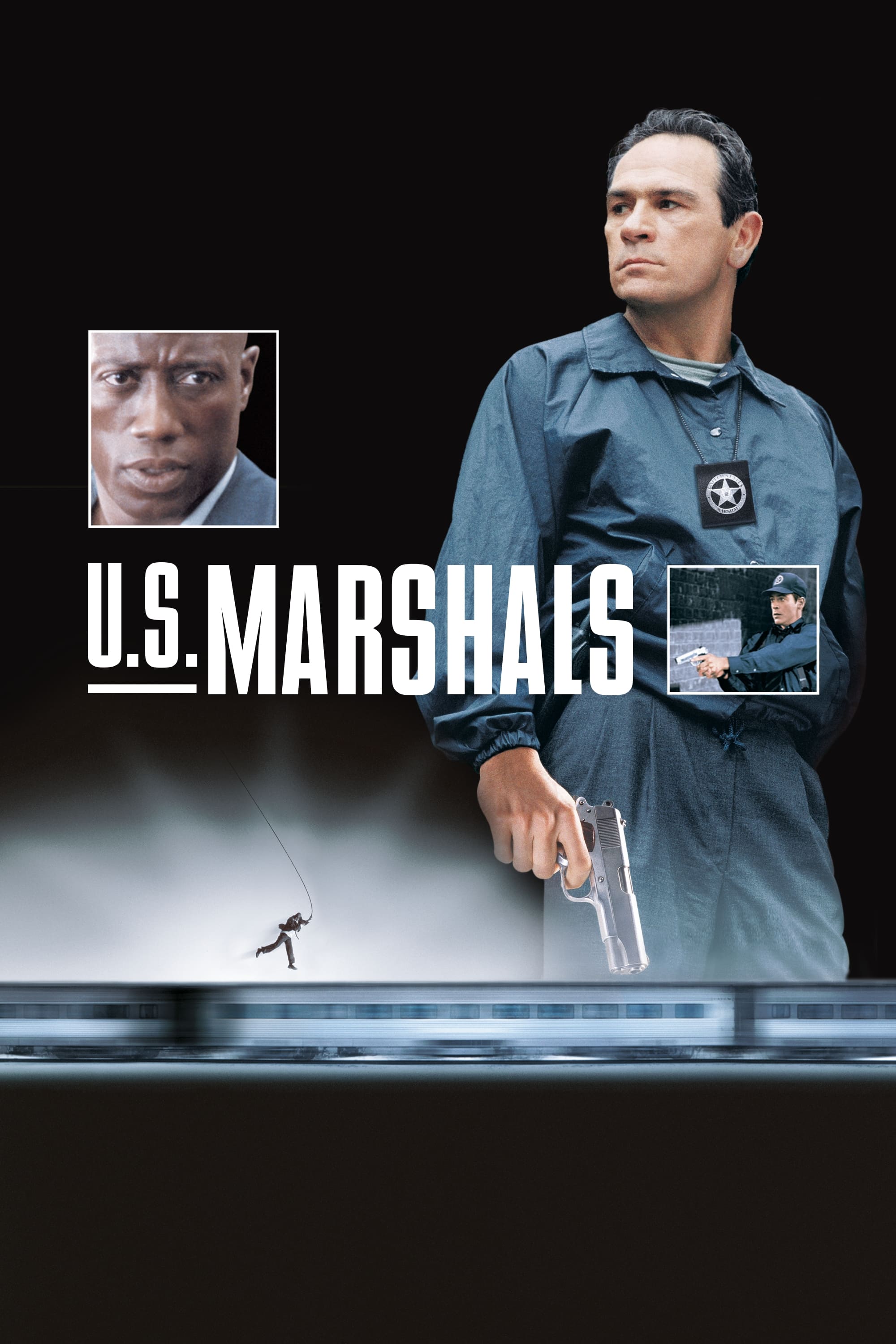
A spin-off of ‘The Fugitive’, this film brings back Deputy U.S. Marshal Samuel Gerard, with Tommy Lee Jones leading an ensemble that includes Wesley Snipes and Robert Downey Jr. The plot follows a fugitive pursuit that expands across multiple jurisdictions, using surveillance, transport logistics, and interagency coordination as plot drivers.
Directed by Stuart Baird, the movie stages a large-scale prisoner transport crash to catalyze the chase and then organizes the manhunt through task-force roles focused on forensics, tracking, and informant work. The approach keeps field operations, data analysis, and tactical entries moving in parallel to map how the team closes distance on its target.
‘The Homesman’ (2014)
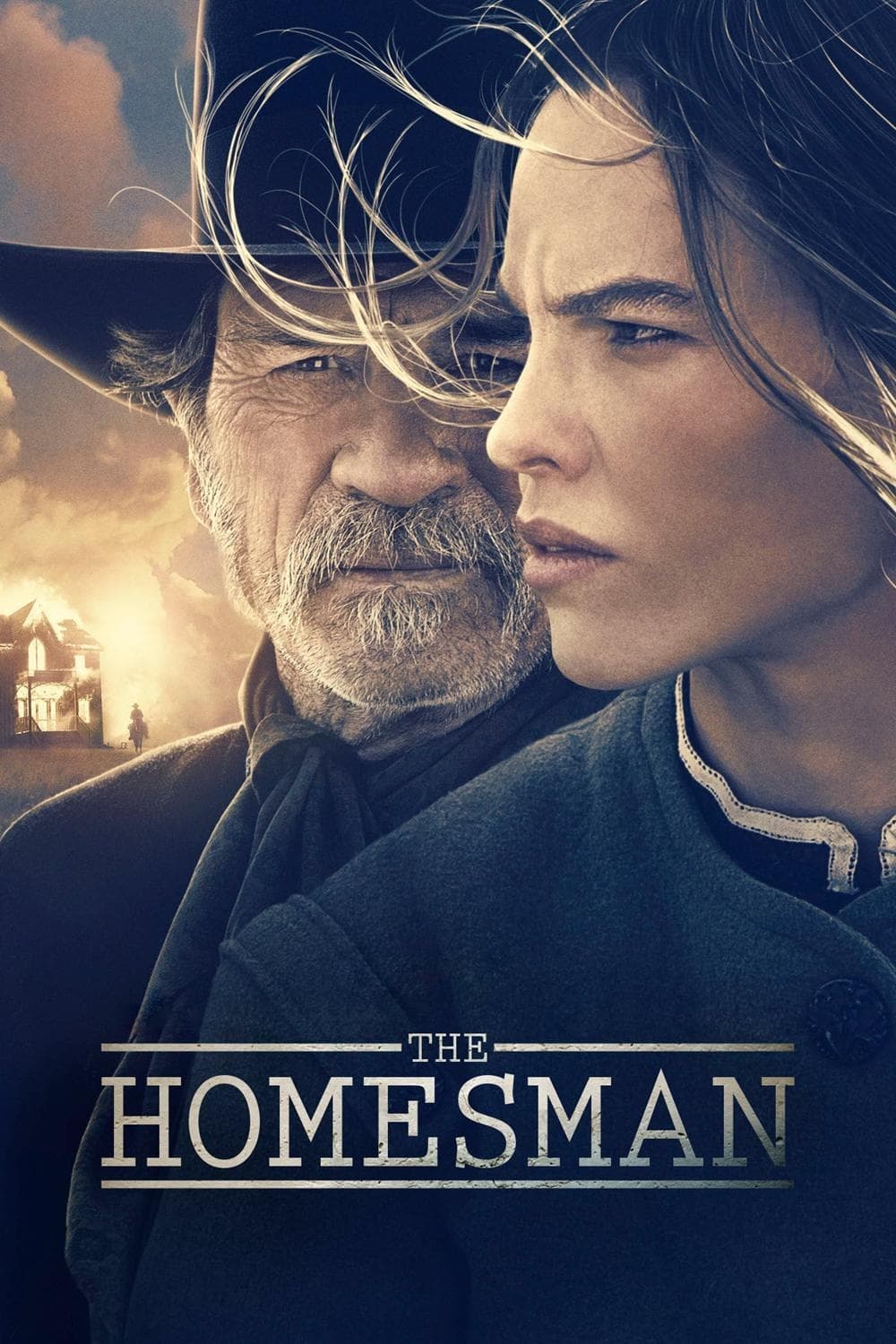
Directed by Tommy Lee Jones and adapted from Glendon Swarthout’s novel, this plains-set western teams Jones with Hilary Swank as they escort three women across harsh territory. The supporting cast includes Grace Gummer, Miranda Otto, Sonja Richter, John Lithgow, and a brief appearance by Meryl Streep, with scenes structured around wagon travel and frontier waystations.
The film premiered in competition at the Cannes Film Festival, and Jones co-wrote the screenplay with Kieran Fitzgerald and Wesley A. Oliver. Production prioritized wide-open locations, period wagons and wardrobes, and weather-beaten architecture, while the sound mix brings wind, harness, and wheel noise forward to emphasize travel conditions.
‘In the Valley of Elah’ (2007)
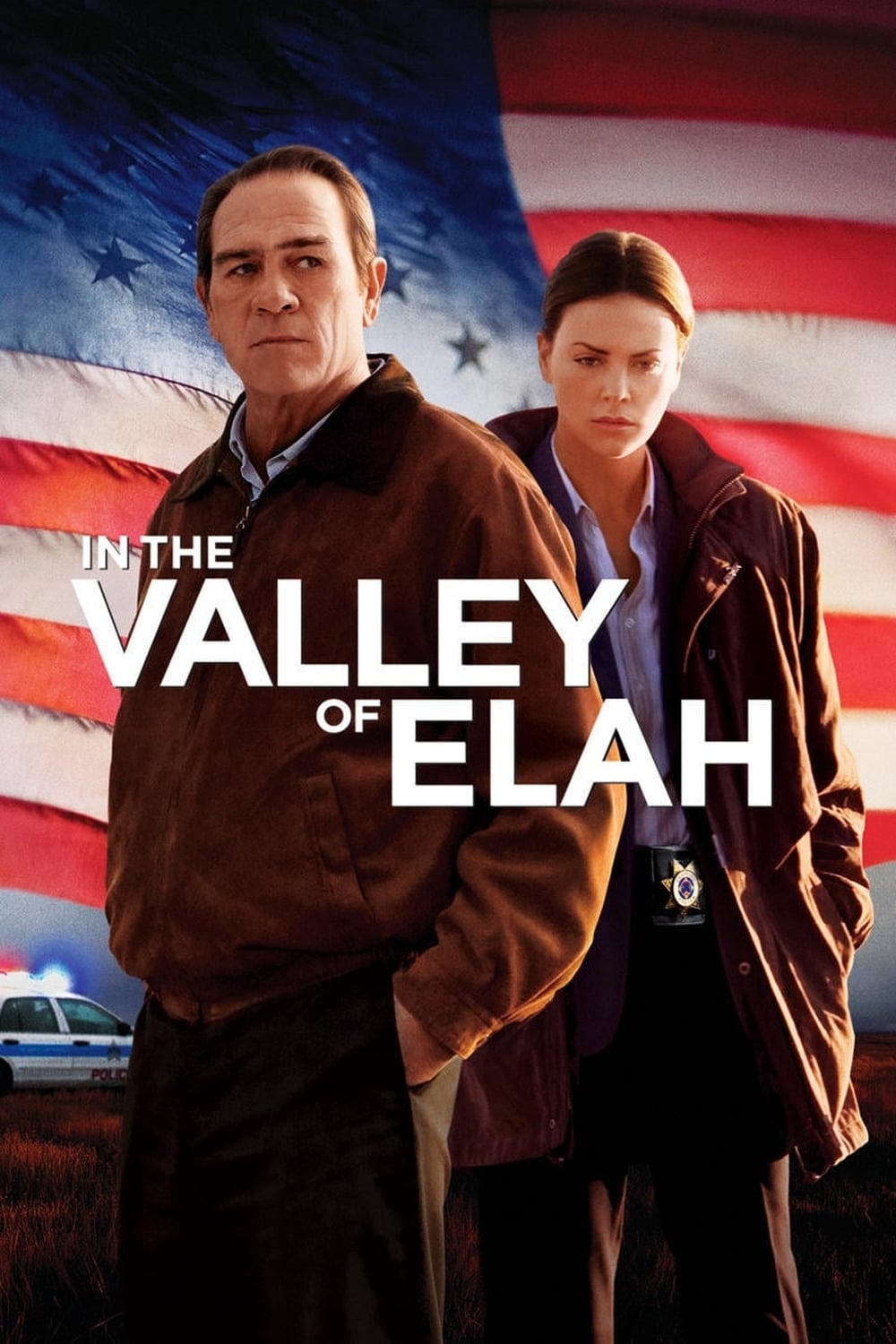
Paul Haggis writes and directs this investigative drama drawn from Mark Boal’s reported article ‘Death and Dishonor’, which examined a missing-soldier case. Tommy Lee Jones plays Hank Deerfield, a former military investigator who partners with a local detective, played by Charlize Theron, to reconstruct events following a stateside return from deployment.
Jones received an Academy Award nomination for Best Actor for this role. Filming took place largely in New Mexico, with production design focused on off-base housing, police facilities, and roadside search areas, while the editorial approach uses phone records, video fragments, and interview beats to structure the procedural timeline.
‘The Three Burials of Melquiades Estrada’ (2005)

Tommy Lee Jones directs and stars in this borderland drama written by Guillermo Arriaga, following a ranch foreman who compels a journey to honor a promise made to his friend. The cast includes Barry Pepper, Julio Cedillo, and Dwight Yoakam, with the narrative moving between West Texas ranch country and remote desert trails.
The film premiered at the Cannes Film Festival, where Jones won Best Actor and Arriaga won Best Screenplay. Shot on rugged locations with long daylight exteriors and lean dialogue exchanges, the production uses naturalistic lighting and sparse interiors to emphasize terrain, distance, and the practical logistics of horseback travel.
Got your own overlooked favorites? Share your thoughts in the comments so others can compare notes.