The 10 Most Underrated Joe Pesci Movies, Ranked (from Least to Most Underrated)

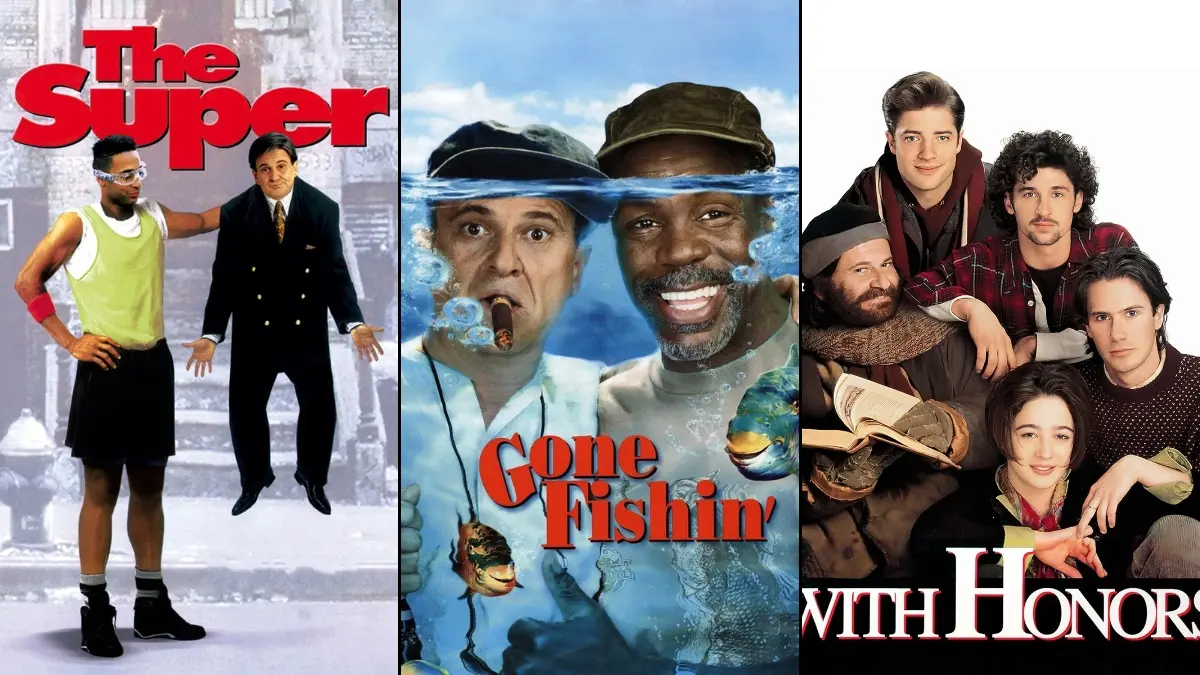

Joe Pesci’s most famous work is so iconic that it can eclipse a stack of quieter projects where he tried different gears, took chances, or just slipped into smaller, stranger stories. When you line those films up, you get a tour of character parts, leading roles, American indies, and overlooked studio pictures that show how wide his range really is.
Below is a countdown of ten Pesci films that don’t always get top billing in conversations about his career. Each entry notes what the movie is, who’s involved, and where it sits in his body of work—so you can quickly zero in on the ones you haven’t seen yet.
‘Gone Fishin” (1997)

This buddy comedy pairs Joe Pesci with Danny Glover as lifelong friends who head to Florida for a long-planned trip and get tangled up with a smooth-talking criminal. Directed by Christopher Cain and released by Hollywood Pictures, the film uses locations around the Everglades and coastal towns for boat chases, airboats, and a string of mishaps that pull the duo from lakes to marinas.
Pesci plays a well-meaning dreamer whose hobbyist know-how constantly bumps up against real-world trouble, while Glover’s character tries to keep the plan afloat. The production leans on practical stuntwork and sight-gag setpieces, and it reunited the two stars after their work together in the ‘Lethal Weapon’ series, translating that familiarity into a fish-out-of-water caper.
‘Jimmy Hollywood’ (1994)
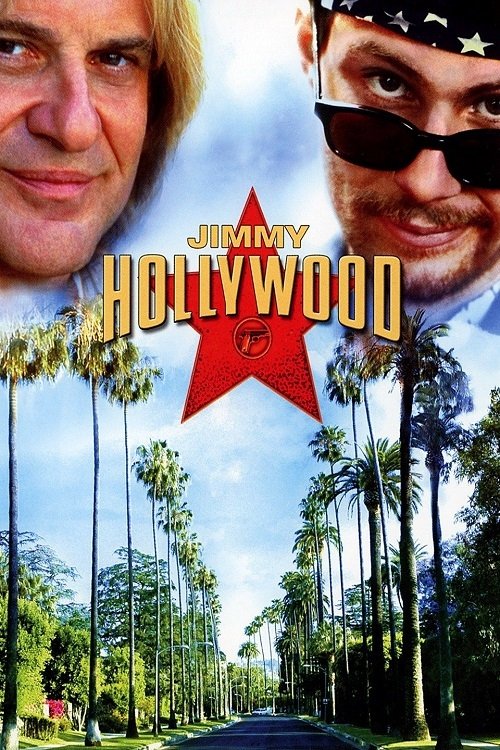
Written and directed by Barry Levinson, this Los Angeles-set satire follows a struggling actor, played by Joe Pesci, who reinvents himself as a street-level crusader with a camcorder and a grandiose alter ego called “Jericho.” Christian Slater co-stars as the friend behind the camera, and the story threads its way through casting calls, late-night boulevards, and public-access-style monologues.
Levinson builds the plot around videotaped messages, police press conferences, and the city’s obsession with notoriety, giving Pesci a role that flips between performance art and amateur sleuthing. Location shooting along Hollywood Boulevard, back-alley stakeouts, and radio call-ins anchor the movie firmly in the period’s media landscape.
‘Love Ranch’ (2010)
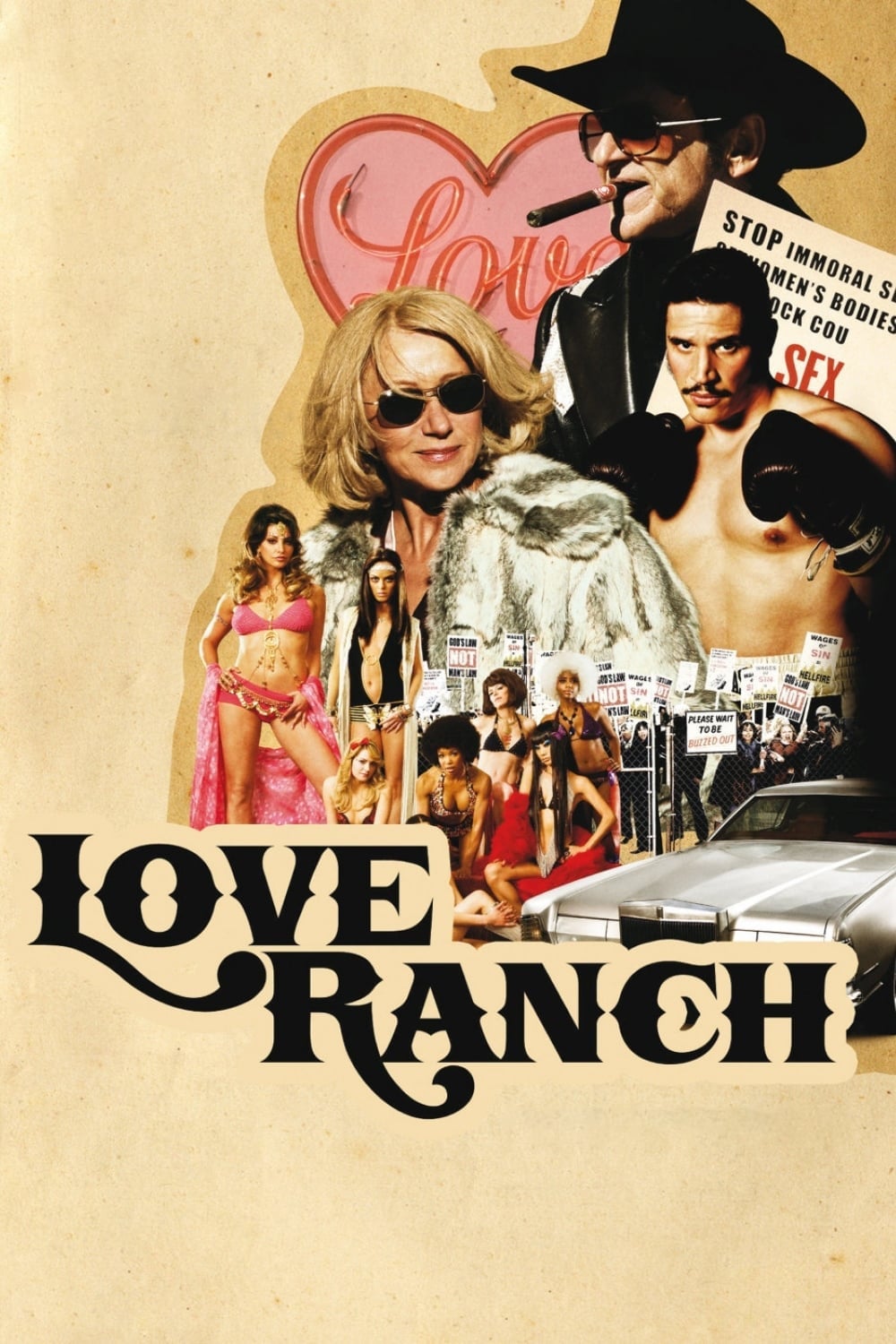
Directed by Taylor Hackford and starring Helen Mirren alongside Joe Pesci, this drama is inspired by the founders of Nevada’s first legal brothel. Pesci plays a brash businessman who runs the operation with Mirren’s character, and the story folds in a rising heavyweight boxer, played by Sergio Peris-Mencheta, whose career becomes the couple’s latest high-stakes gamble.
The movie blends boxing-promotion details with the day-to-day mechanics of running a legal house, from licensing to security and bookings. Shot largely in the Southwest to stand in for Nevada, it makes use of period cars, signage, and wardrobe to recreate the milieu, while Hackford stages training camps, weigh-ins, and ringside business meetings to track the enterprise.
‘The Super’ (1991)
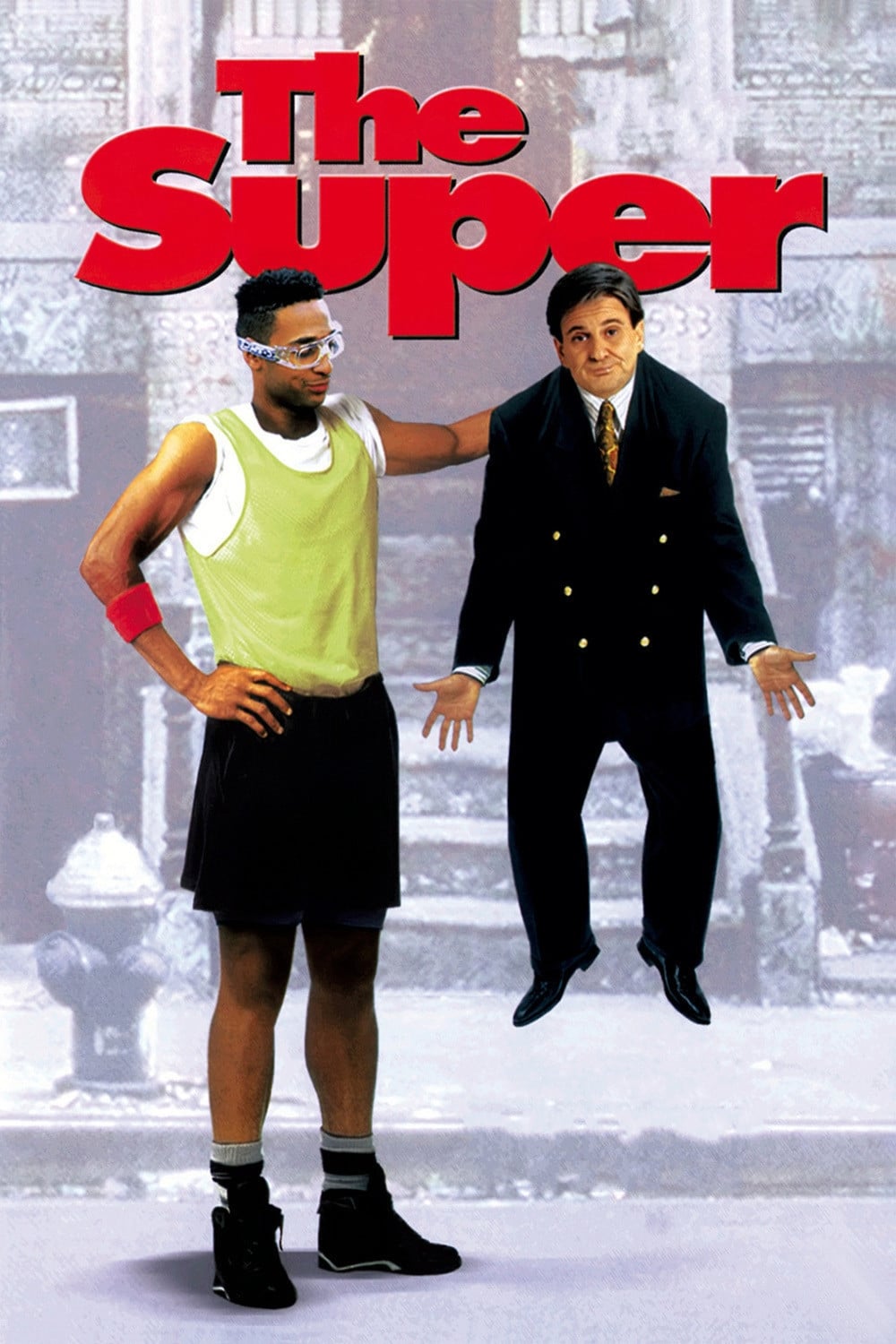
Joe Pesci stars as Louis Kritski, a New York slumlord who receives a court order to live in one of his own neglected buildings until it meets code. Directed by Rod Daniel, the film moves through municipal inspections, repair deadlines, and tenant complaints, using real city exteriors and constructed interiors to show the building’s gradual transformation.
The premise lets the script cycle through housing rules, fines, and the logistics of bringing an old property up to standard. Pesci’s character navigates contractors, city agencies, and on-site improvisation, with running gags tied to heat, hot water, elevators, and fire escapes—nuts-and-bolts details that drive each setpiece.
‘Family Enforcer’ (1976)
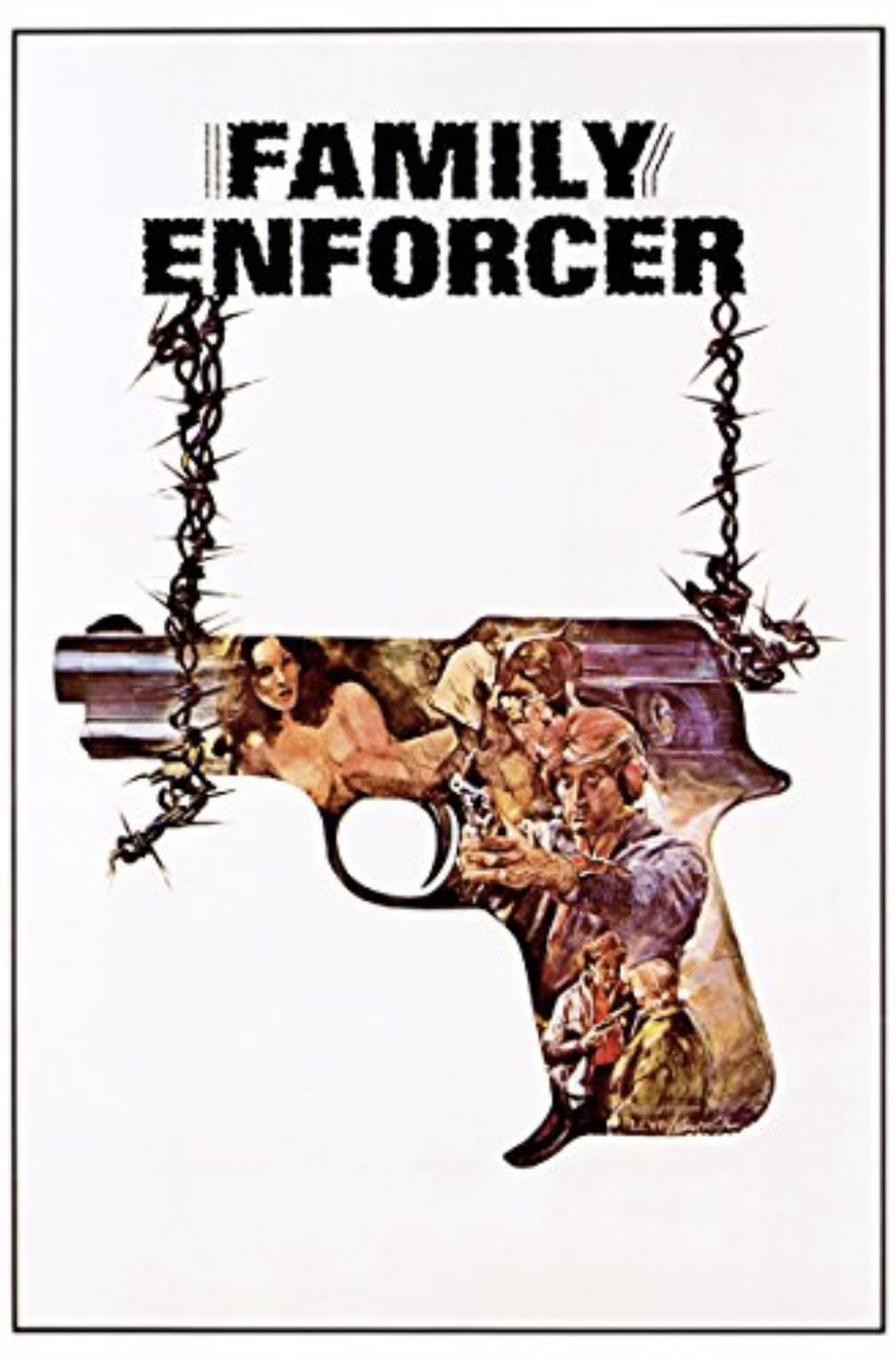
Also released as ‘The Death Collector’, this low-budget crime picture casts Joe Pesci as a small-time collector whose routine rounds pull him into deeper mob trouble. Shot around New Jersey with a lean crew, the film features Frank Vincent in an early role and stages its action in bars, back rooms, and neighborhood streets rather than glossy sets.
The movie’s rough-and-ready approach—handheld camerawork, local locations, and unvarnished dialogue—helped it travel on home video under both titles. Its showcase for Pesci and Vincent drew industry notice and became a stepping-stone that connected Pesci with the collaborators behind ‘Raging Bull’.
‘Dear Mr. Wonderful’ (1982)
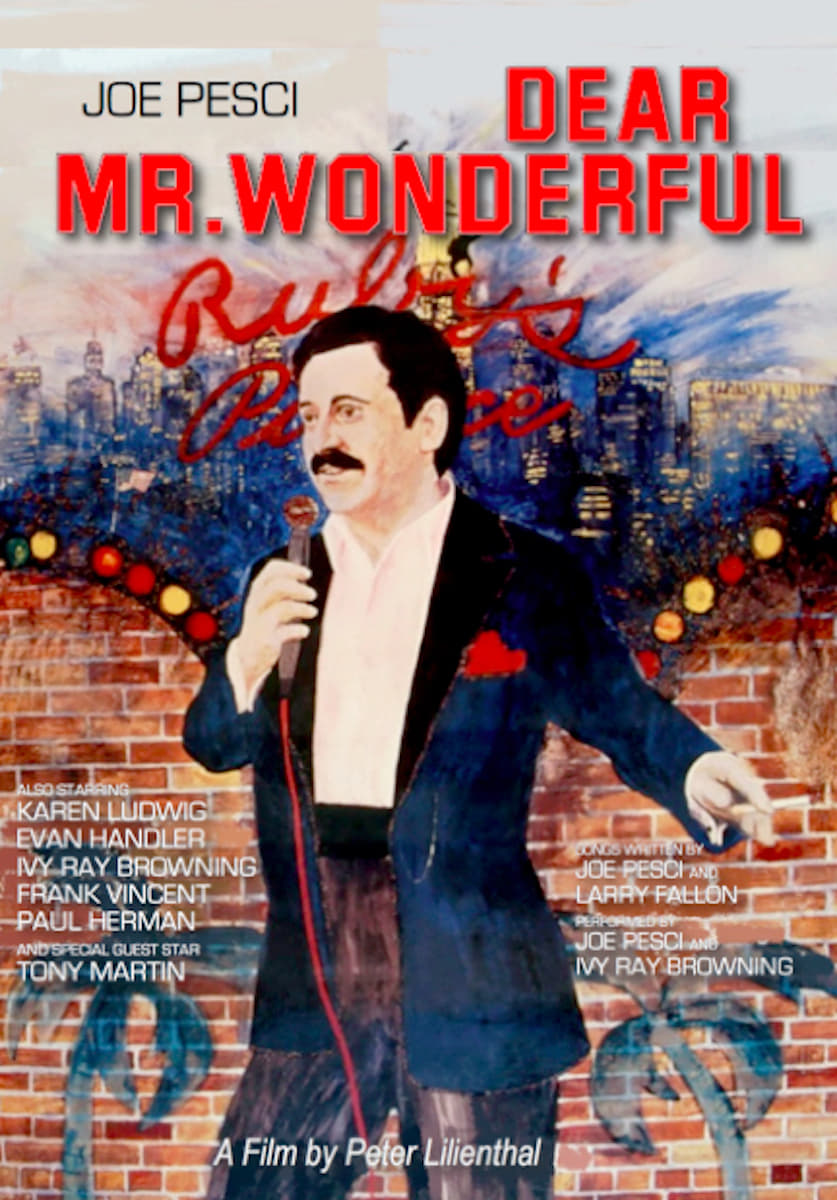
This German-U.S. production stars Joe Pesci as ‘Ruby Dennis’, a lounge singer who manages a New Jersey bowling alley while chasing bookings with his band. The film folds in family obligations, small-venue gigs, and club politics, sketching out the mechanics of set lists, rehearsal time, and the local circuits that keep working musicians busy.
Distributed in some territories as ‘Mr. Wonder’, it includes appearances from performers in Pesci’s circle and uses intimate stages, dressing rooms, and neighborhood storefronts to track Ruby’s day-to-day. The soundtrack leans on standards and lounge arrangements, matching the on-screen gigs that dot the story.
‘The Public Eye’ (1992)
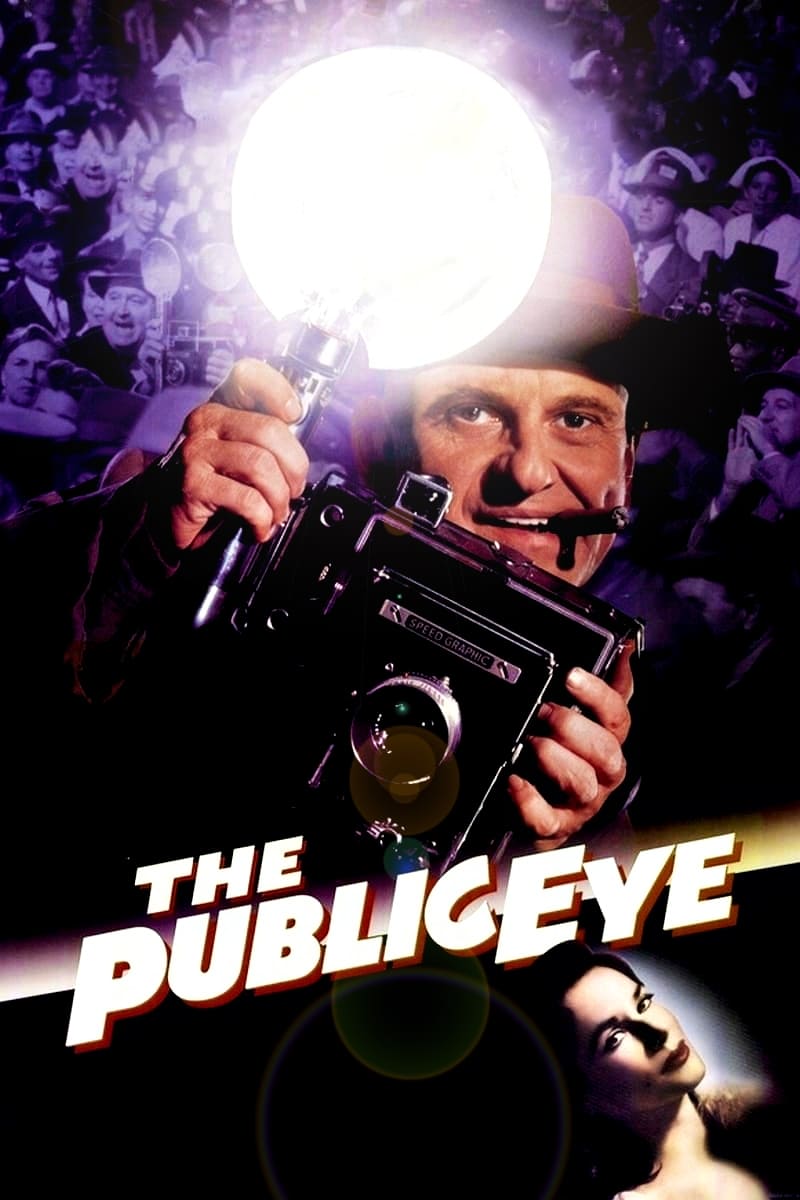
Written and directed by Howard Franklin, this period crime drama stars Joe Pesci as Leon “Bernzy” Bernstein, a street photographer modeled on the famed news shooter Weegee. Set in mid-century New York, the film follows his night rounds with a press camera, a police scanner, and darkroom setups that produce the front-page flash photos the tabloids compete to buy.
Barbara Hershey co-stars as a socialite with ties to a mob-connected nightclub, and the plot weaves together protection rackets, bootlegging legacies, and the business end of photo-journalism. Production design leans on vintage cars, bulbs, and newspapers, while sequences in morgues, alleys, and printing plants map out the ecosystem around Bernzy’s beat.
‘Easy Money’ (1983)

Rodney Dangerfield headlines this comedy as a hard-living family man who can inherit a fortune if he cleans up his act, with Joe Pesci playing his fast-talking best friend. The setup tracks diets, dress codes, and temptations as contractual conditions, turning everything from neighborhood parties to clothing stores into checkpoints on the road to the payout.
Pesci’s character functions as the lead’s closest adviser and occasional saboteur, handling errands, side deals, and family dynamics. The film threads in wedding photography gigs, department-store scenes, and extended family gatherings, using those settings to stage the agreement’s many rules—and the loopholes people try to find.
‘The Good Shepherd’ (2006)

Directed by Robert De Niro, this espionage drama traces the early history of U.S. intelligence through the career of a Yale-educated officer played by Matt Damon. Joe Pesci appears as Joseph Palmi, an underworld figure whose conversations outline the practical alliances intelligence services have relied on during wartime and in covert operations at home.
The film’s structure moves through code-making, counterintelligence, and overseas stations, with scenes set in secret briefings, embassies, and clubrooms. Pesci’s sequence frames the overlap between national security and organized crime, adding a perspective that places intelligence work within broader networks of influence and access.
‘With Honors’ (1994)
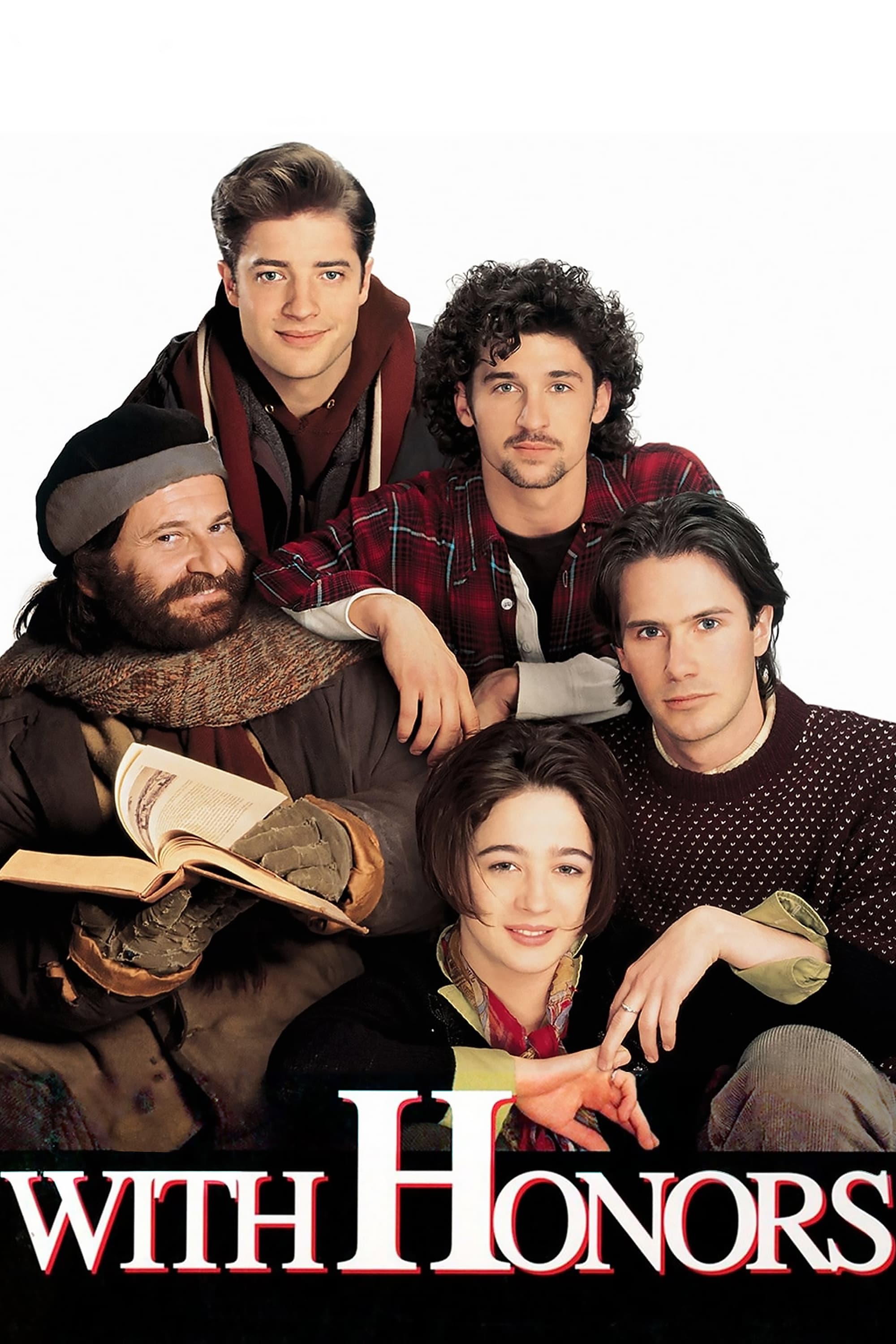
Directed by Alek Keshishian, this campus-set dramedy centers on a Harvard student, played by Brendan Fraser, who loses his thesis and strikes a deal with a homeless man, Simon Wilder, played by Joe Pesci, to exchange the pages for favors. Moira Kelly, Patrick Dempsey, and Josh Hamilton round out the housemates who get pulled into the arrangement as graduation approaches.
The movie’s plot mechanics revolve around class schedules, library stacks, and the bureaucratic hurdles of finishing a thesis, with the bargain unfolding page by page. The soundtrack features ‘I’ll Remember’ by Madonna, which became the film’s signature song and carried its themes into radio play and music-video rotation.
Share your own overlooked Joe Pesci picks in the comments—what would you add to this list?