Actors Pay Disputes That Blew Up Blockbusters


Big movies and hit series run on complex deals—front-end fees, back-end bonuses, box-office thresholds, merchandise points, and sometimes parity clauses across ensembles. When those numbers don’t line up, productions can stall, casts can change, and entire release plans can shift, even for projects with established audiences and proven brands.
Below are notable cases where compensation fights led to recasting, rewrites, shutdown threats, delayed greenlights, or public fallouts. Each entry focuses on what the dispute actually was and what it changed for the movie or series involved.
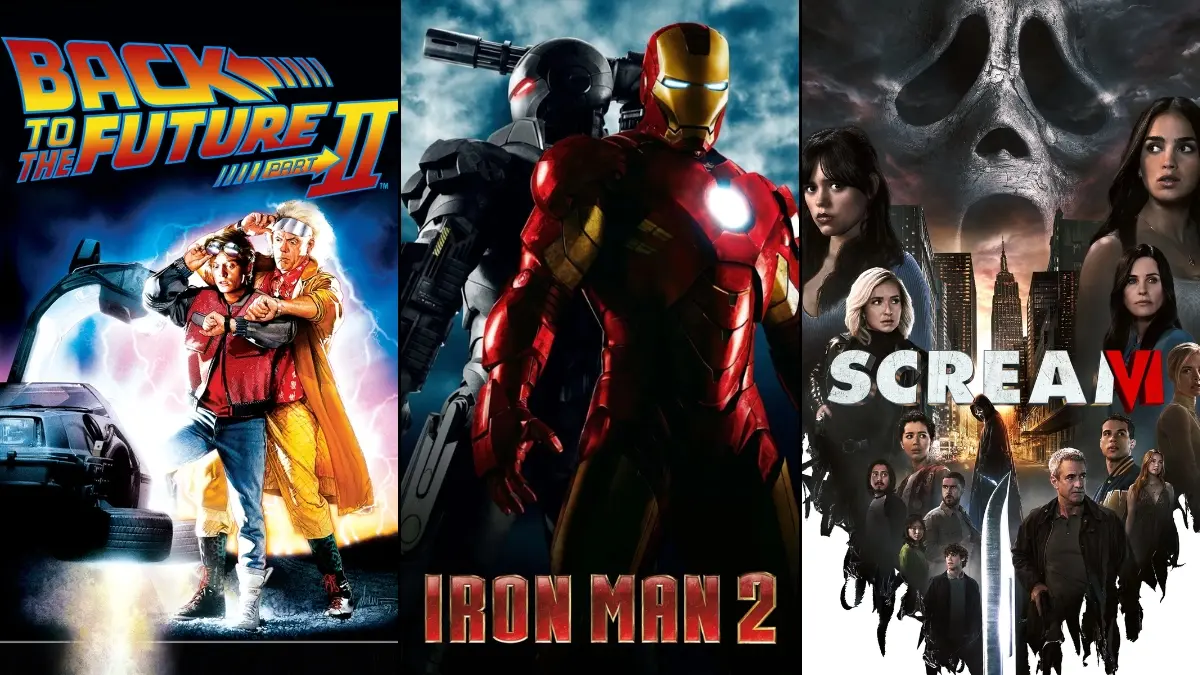
‘Back to the Future Part II’ (1989)
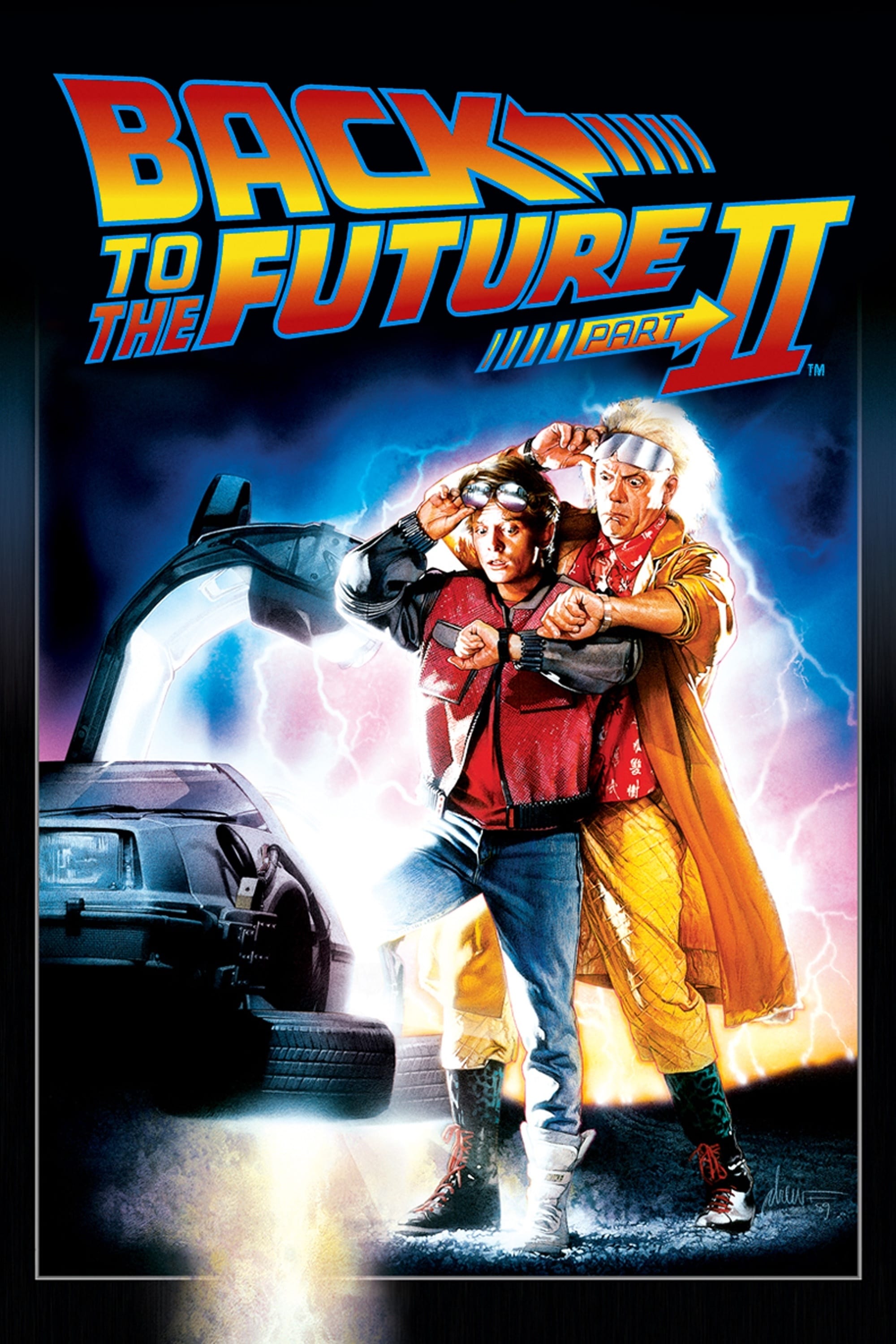
Crispin Glover did not return as George McFly after a contract dispute over salary and terms following ‘Back to the Future’. The production recast the role with Jeffrey Weissman and also used makeup, body doubles, and repurposed footage to maintain continuity without Glover on set.
Glover later filed a lawsuit over the unauthorized use of his likeness, a case that settled and prompted industry caution around look-alike casting and archival footage usage. The dispute cemented a clear dividing line for how studios could portray characters when original actors decline to return.
‘Iron Man 2’ (2010)

After ‘Iron Man’ became a surprise juggernaut, negotiations with Terrence Howard for ‘Iron Man 2’ collapsed when the studio proposed a significantly reduced offer compared to his initial franchise deal. Don Cheadle was hired as James “Rhodey” Rhodes, and the sequel proceeded with a fully integrated recasting.
The change reset the character’s trajectory inside the Marvel pipeline, with Cheadle’s Rhodey carrying forward into ‘Avengers’ entries and later projects. The episode underscored how sequel leverage can flip quickly once a breakout performance—here, Robert Downey Jr. as Tony Stark—redefines a franchise’s pay structure.
‘Scream VI’ (2023)
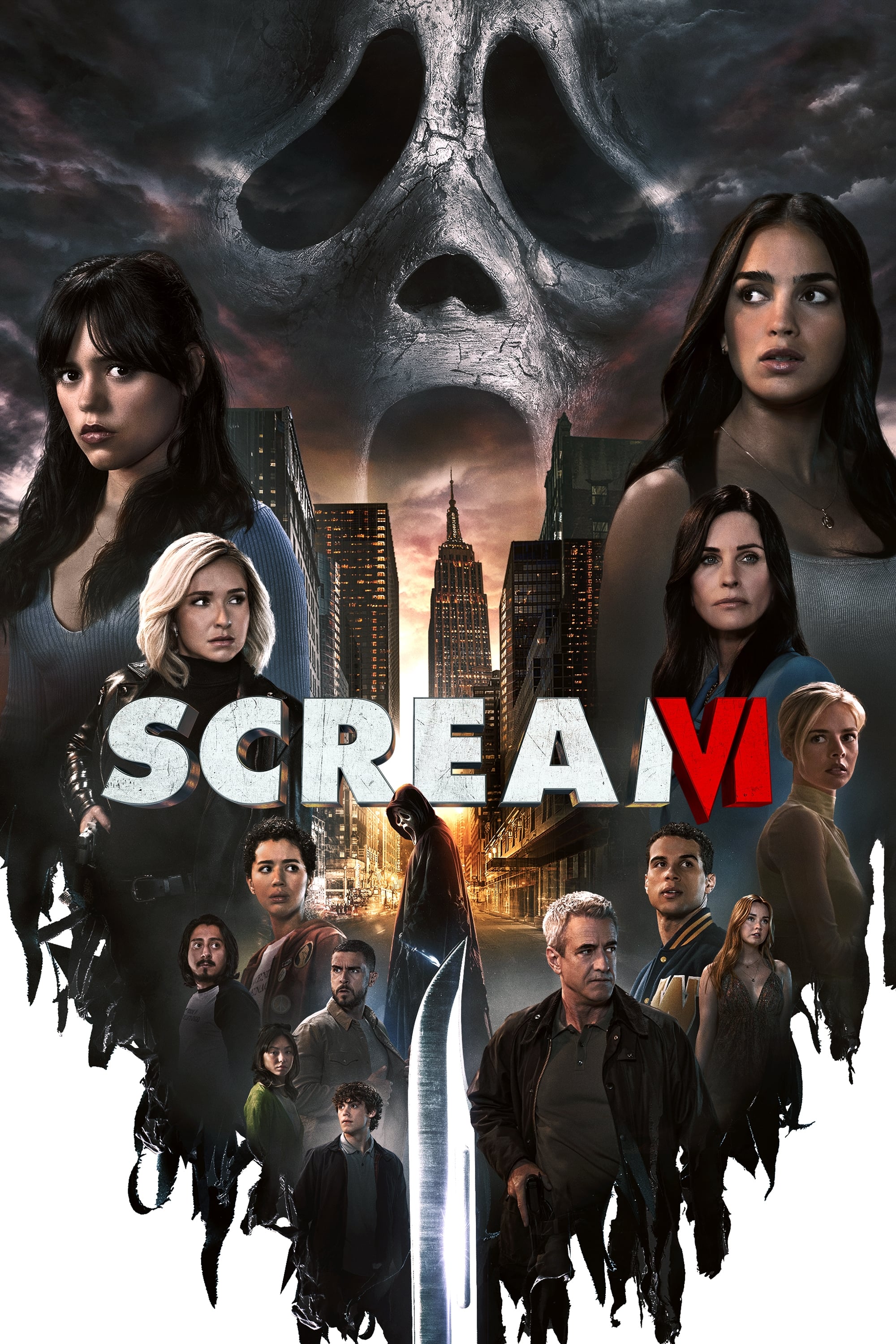
Neve Campbell announced she would not return after a pay offer she described as not reflecting her value to the franchise. The creative team adjusted the script and marketing to focus on the current ensemble led by Melissa Barrera and Jenna Ortega, while maintaining ties to earlier continuity through other returning characters.
The movie launched without its legacy lead and still delivered a fresh box-office chapter for the series. Campbell’s stance became a high-profile example of franchise veterans pressing for compensation aligned with long-term brand contributions.
‘The Hobbit’ (2012–2014)
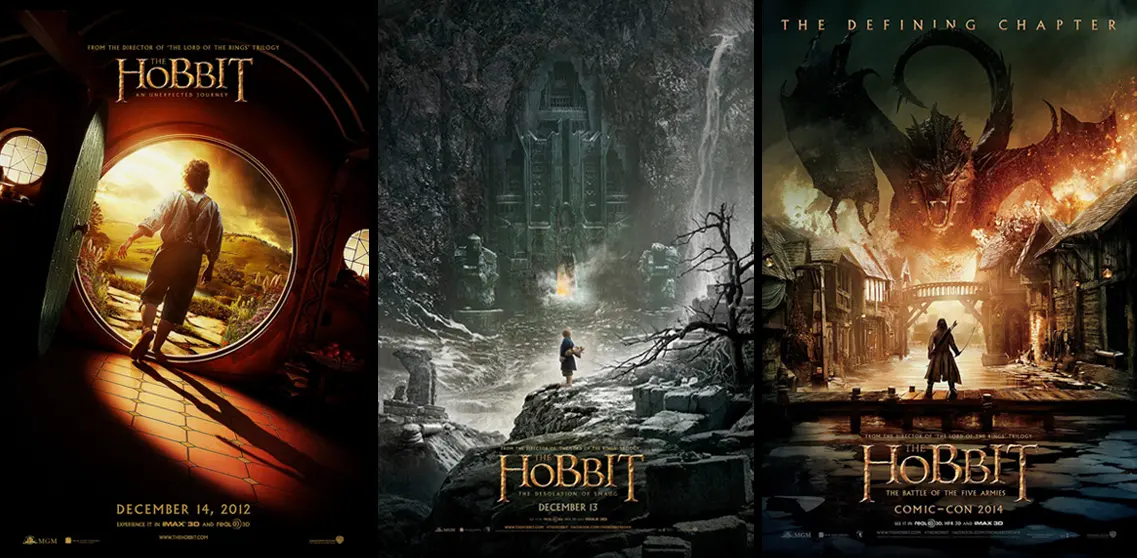
Before cameras rolled, a dispute spearheaded by New Zealand performers’ unions over pay and employment status triggered a global will-they-won’t-they about the shooting location. Warner Bros. publicly explored moving the production offshore, placing local film jobs and services at risk.
The standoff ended after government intervention and legislative changes clarifying contractor status for screen workers, keeping the trilogy in New Zealand. The episode showed how collective bargaining and national film policy can directly shape where—and under what terms—blockbusters are made.
‘All the Money in the World’ (2017)
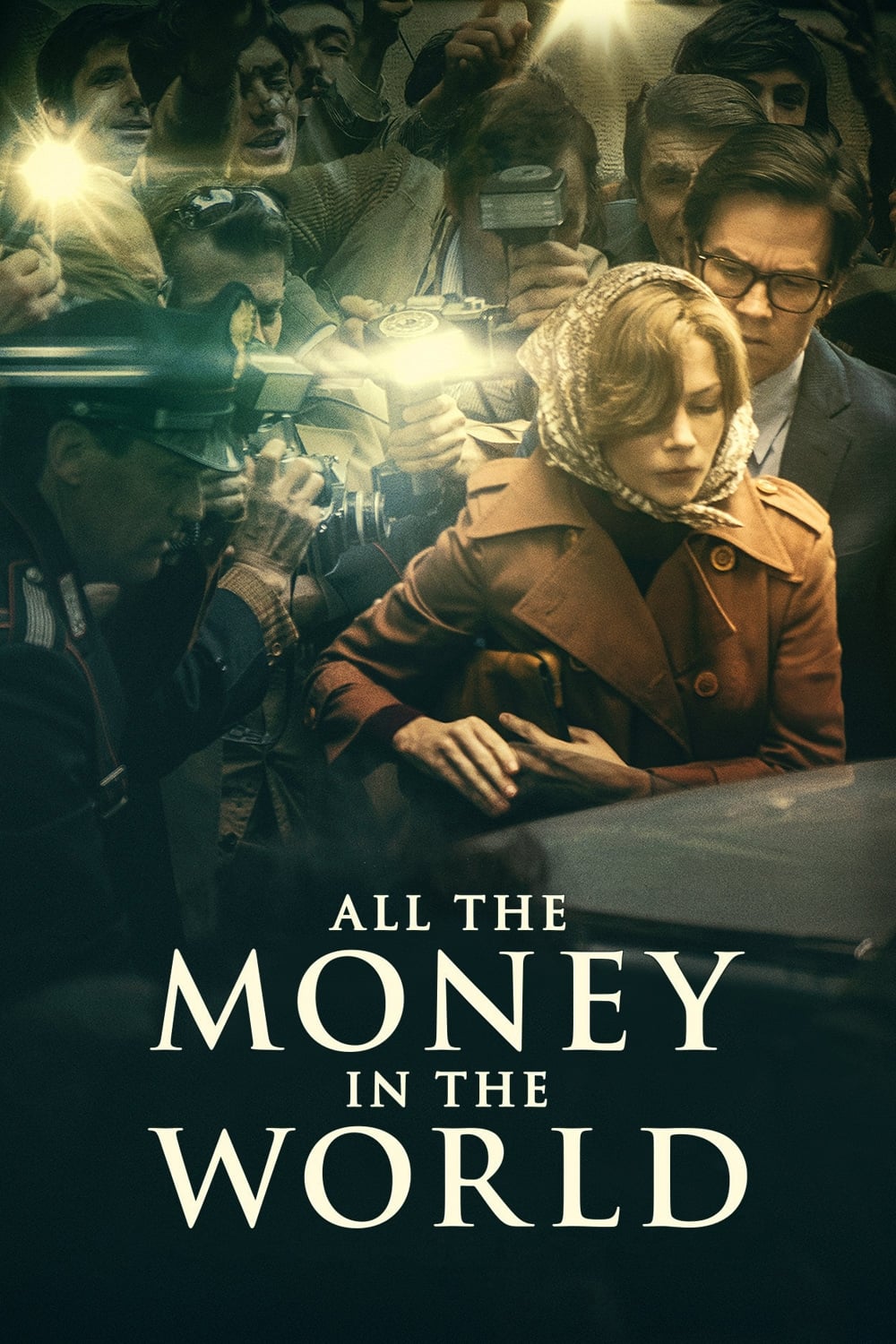
Following emergency reshoots to replace Kevin Spacey with Christopher Plummer, revelations emerged that Mark Wahlberg negotiated a substantial reshoot fee while Michelle Williams received only a modest per-diem. The pay gap, disclosed in the aftermath of the reshoot schedule, sparked extensive industry scrutiny around compensation transparency.
Wahlberg subsequently donated his reshoot earnings to a legal-defense initiative in Williams’ name, and the agency involved made its own contribution. The uproar pushed studios and agencies to review how reshoot and contingency clauses treat ensemble casts under crisis timelines.
‘The Expendables 3’ (2014)
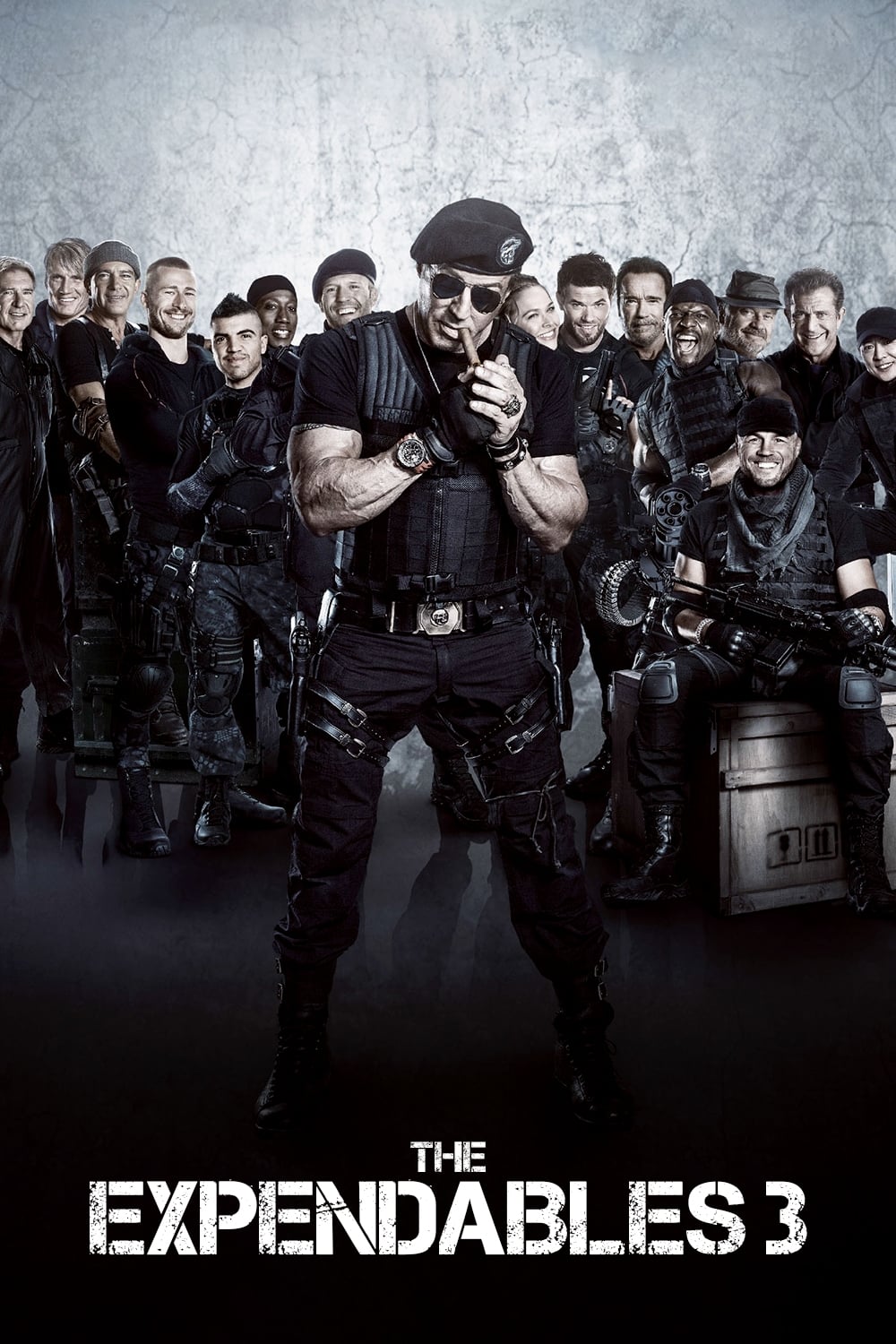
Contract talks with Bruce Willis fell apart after he reportedly sought a fee far above what producers were willing to pay for a short shoot. Sylvester Stallone publicly confirmed Willis’ exit and announced Harrison Ford as the replacement addition to the star-stacked ensemble.
The swap demonstrated how franchise packages can pivot quickly when single-week cameo rates balloon. The production kept its release timetable by reconfiguring roles around available talent who would accept the offered terms.
‘Sex and the City’ (2008–2010)

Work on a third theatrical installment unraveled when cast deals and script concerns couldn’t be reconciled, with public reporting centering on Kim Cattrall’s contract stance and creative objections. Without full principal cast alignment, the studio shelved ‘Sex and the City 3’ and paused the film track.
Later, the franchise shifted to television with ‘And Just Like That…’ continuing the story with returning leads under new agreements. The turn from a proposed film to a streaming series illustrated how unresolved pay and participation terms can redirect a brand into a different format.
‘Star Trek’ (2009–2016)

For the next planned Kelvin-timeline movie, negotiations with Chris Pine and Chris Hemsworth stalled when the studio sought to reduce previously negotiated pay levels following a softer-than-expected prior entry. Talks broke down, and the project cycled through delays and redevelopment while producers evaluated new approaches.
As iterations changed, the absence of finalized star deals blocked firm pre-production commitments. The situation emphasized how pay-cut requests—even on active franchise contracts—can halt momentum and force creative resets.
‘Twilight’ (2008–2012)

During negotiations for the two-part finale, supporting actors Kellan Lutz and Ashley Greene held out for higher salaries after the franchise’s earnings multiplied across earlier installments. The studio considered recasting their roles if talks failed, a contingency that would have altered continuity near the finish line.
Agreements were ultimately reached, allowing the full ensemble to return for ‘The Twilight Saga: Breaking Dawn – Part 1’ and ‘Part 2’. The standoff highlighted how long-running young-adult franchises often face escalating ensemble costs as actors seek compensation in line with global revenues.
‘The Simpsons’ (1989–)
Multiple times over its run, the core voice cast entered tense salary showdowns with the network, including instances that paused table reads and raised the prospect of cancellation. Key sticking points included per-episode rates and back-end participation as the series scaled syndication and merchandising value.
Resolutions restored production each time, sometimes with across-the-board adjustments or reductions tied to budget targets. The pattern became a template for high-value animated ensembles using collective leverage to align pay with a long-lived brand’s economics.
Share the cases you think had the biggest real-world impact—drop your picks in the comments.